
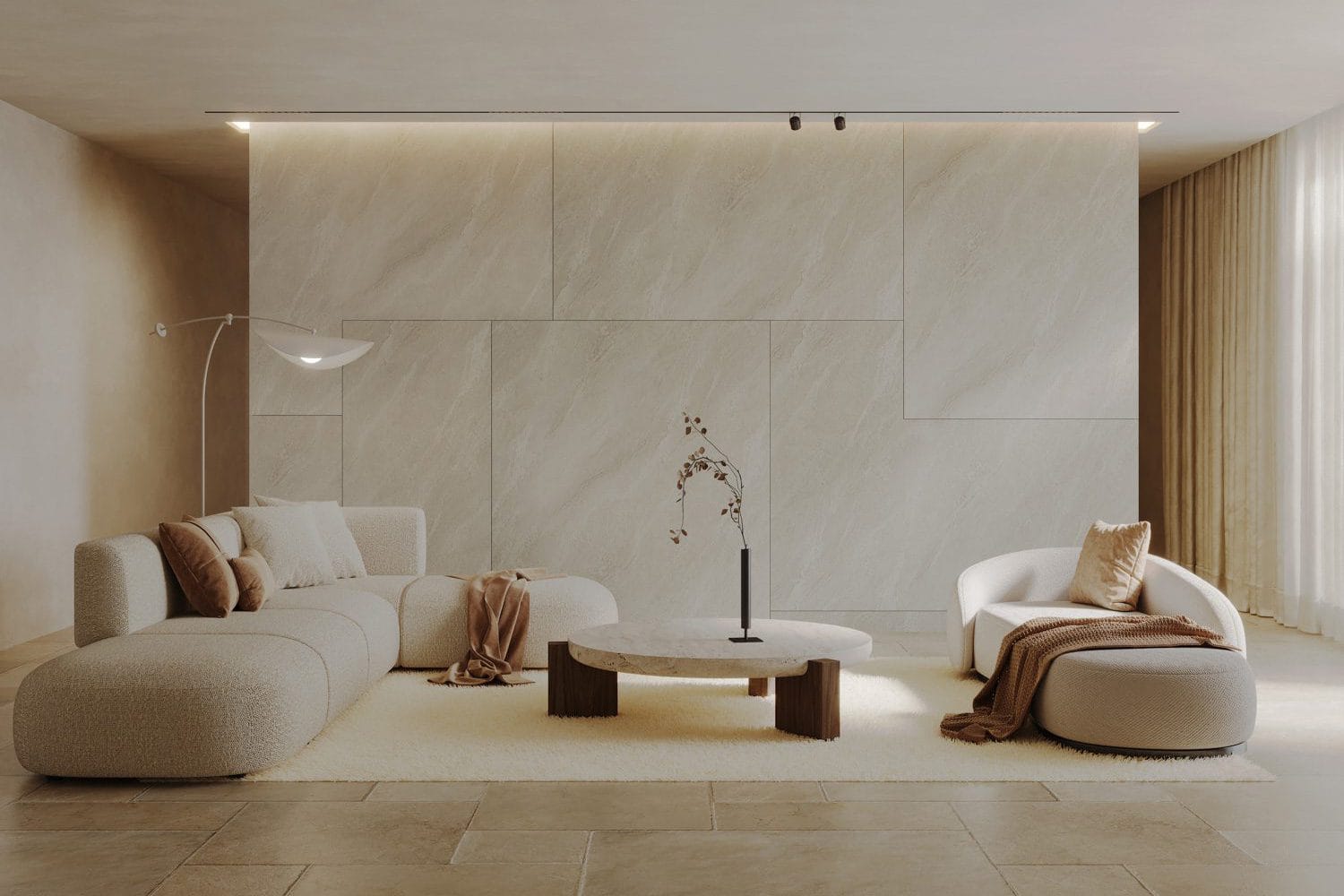
 Formica CORA™ Beige Core
 FORMICA® REPOSITIONS LAMINATE AS A MEDIUM OF TOUCH AND SENSORY PERCEPTION
IMAGE COURTESY OF FORMICA
(For Thai, press here)
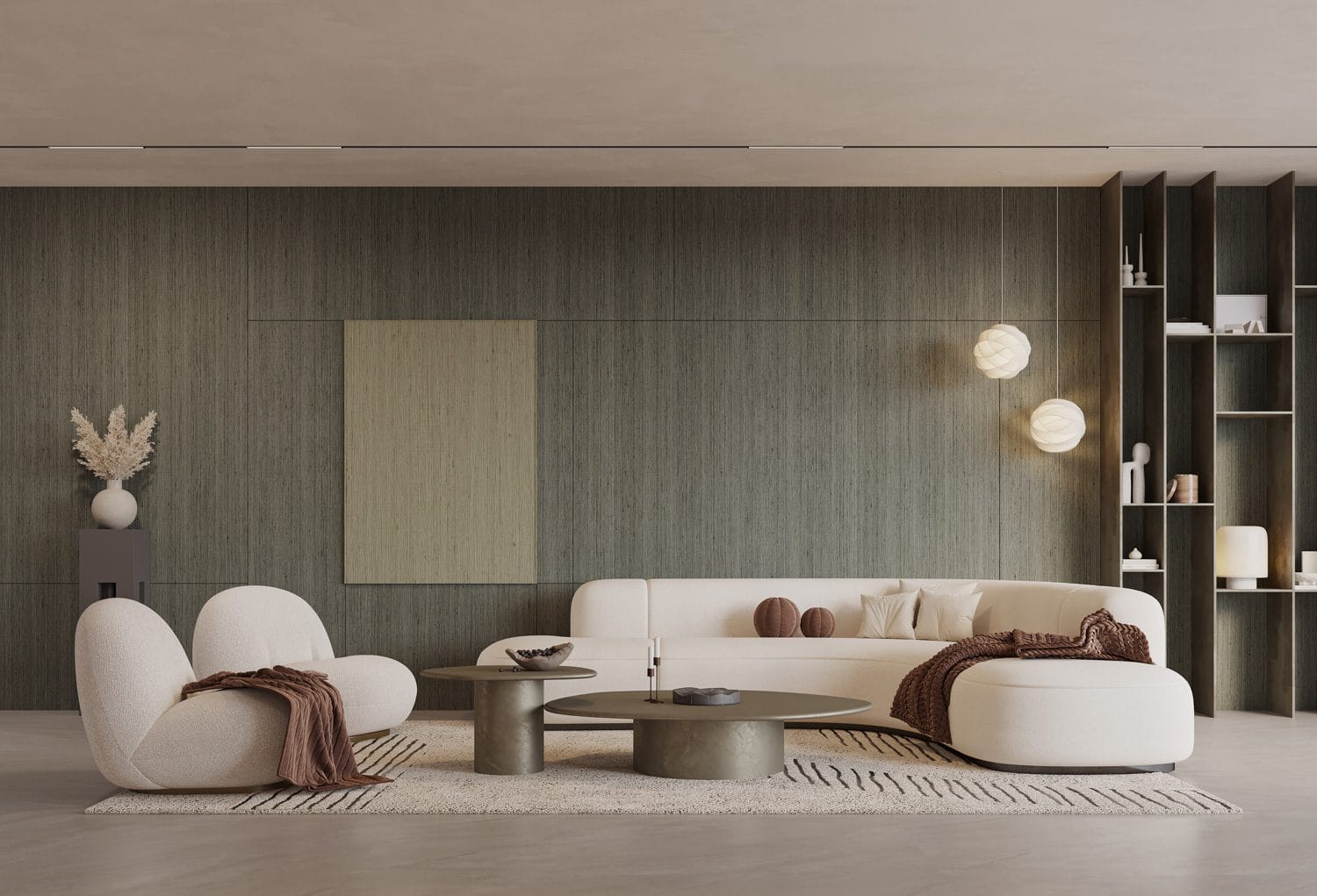
In recent years, interior design has been moving away from high-impact color palettes made for the camera, shifting instead toward the tonal range of natural materials, especially wood, and an increasingly muted spectrum. Alongside this shift has come a growing emphasis on calm, simplicity, and reduction. This transition is not merely aesthetic. It reflects a desire for environments that feel more balanced and restorative, marking a broader change in how space is perceived: from an experience led primarily by sight to one shaped by nuance, atmosphere, and touch.
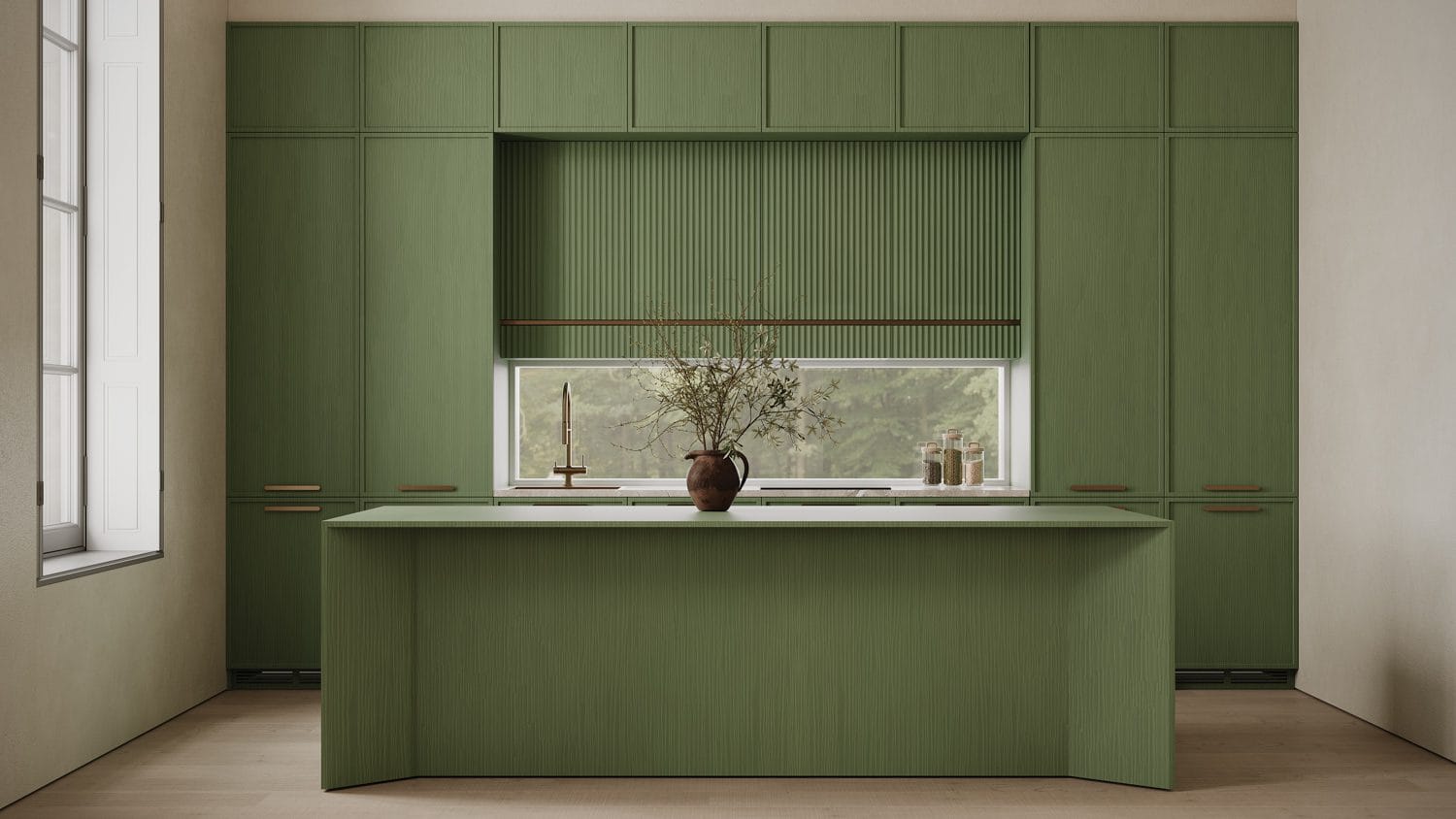
Deep Texture: Duo Wood (DW)
Against this year’s design landscape, surfacing materials no longer serve simply as the final decorative layer. They have become essential elements in shaping both the ambience of a space and the way it is experienced. Formica®, the global surfacing brand, responds to this shift with the idea that ‘laminates are designed to be felt.’ The proposition signals a redefinition of laminate itself, from a material historically associated with image to one that operates through tactile experience as much as visual effect. At the same time, this development extends to more exacting manufacturing standards and a stronger environmental commitment.
That idea is expressed through products developed to meet a wider range of needs, structured around three interrelated pillars: Material Innovation, Sensory Design, and Responsible Thinking.
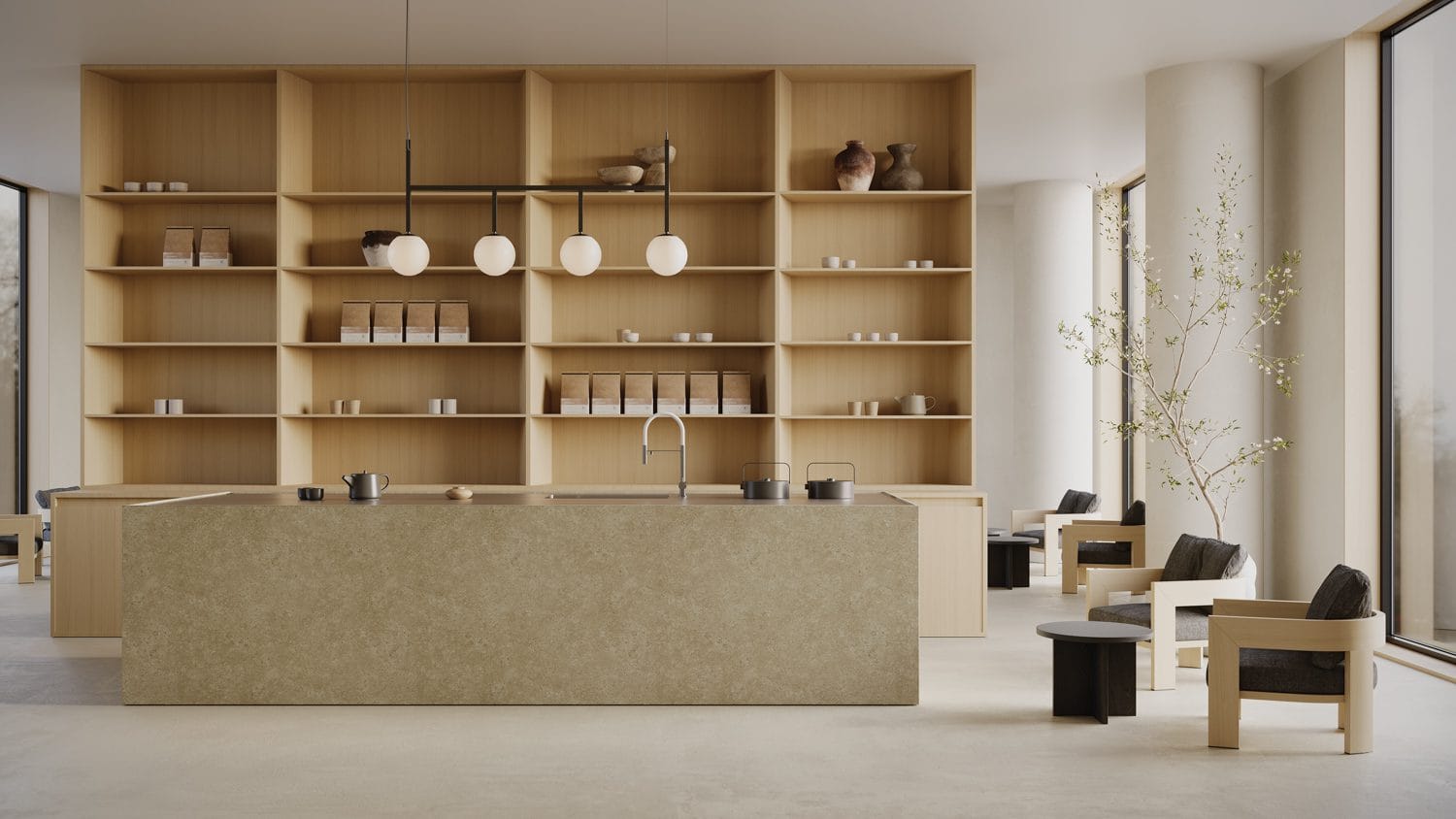 Formica CORA™ Beige Core
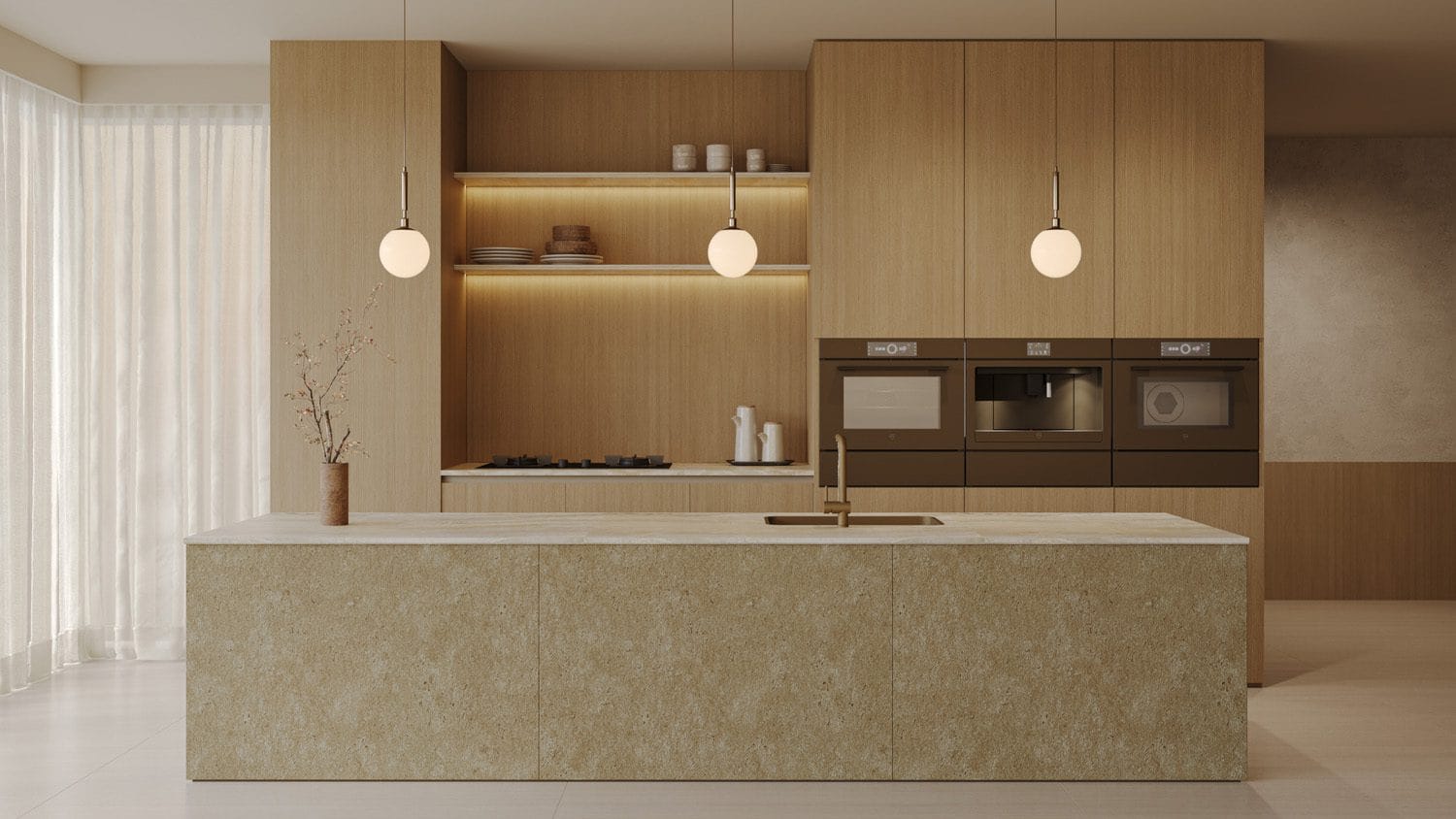
Material Innovation: Continuity from the Core
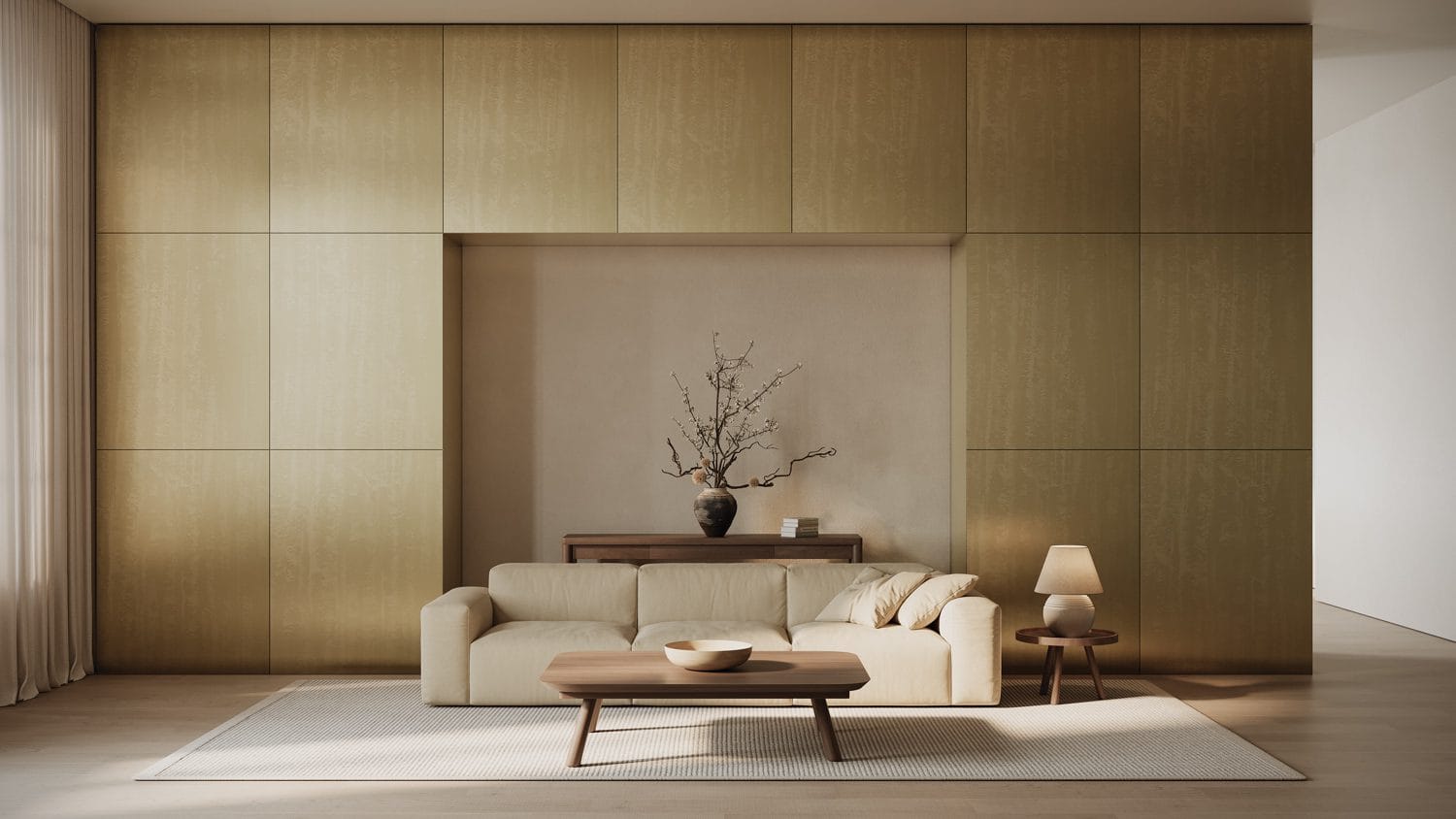
One of the most compelling developments lies in the reinvention of the laminate sheet’s core, introduced through the Formica CORA™ collection. This year sees the launch of Beige Core, a beige-colored core designed to create a more seamless connection between the surface and the material’s edge.
The impact of this change is felt directly in the overall perception of a design, particularly in details that often go unnoticed, such as joints and edges. In conventional laminates, these tend to appear as dark lines against the surface. By contrast, the beige core reduces such visual interruptions, creating greater continuity from every angle. The effect is especially well-suited to built-in furniture applications such as kitchen cabinetry and shelving, where refinement often resides in the smallest details.
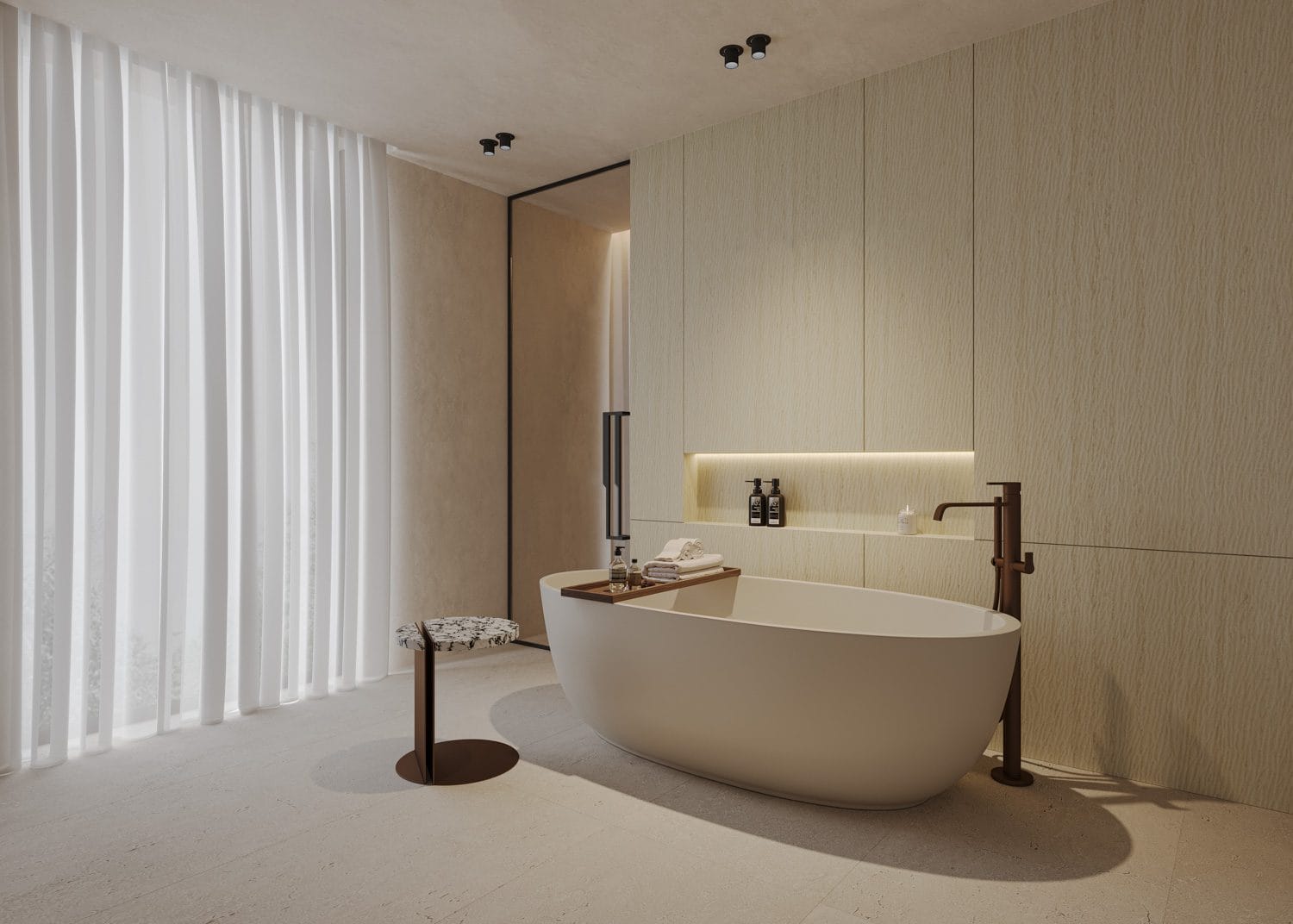 Deep Texture: Carved Art (CA)
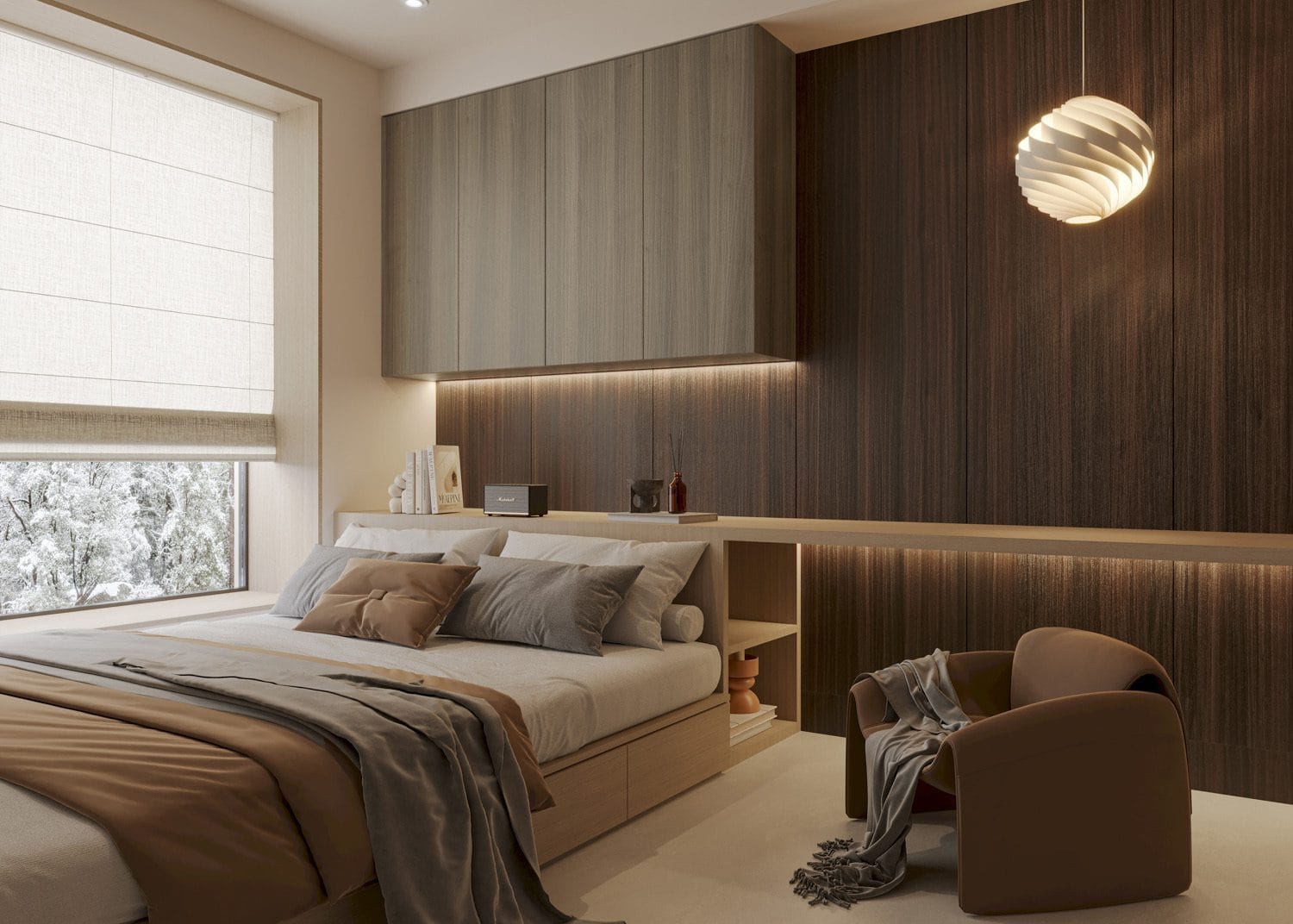
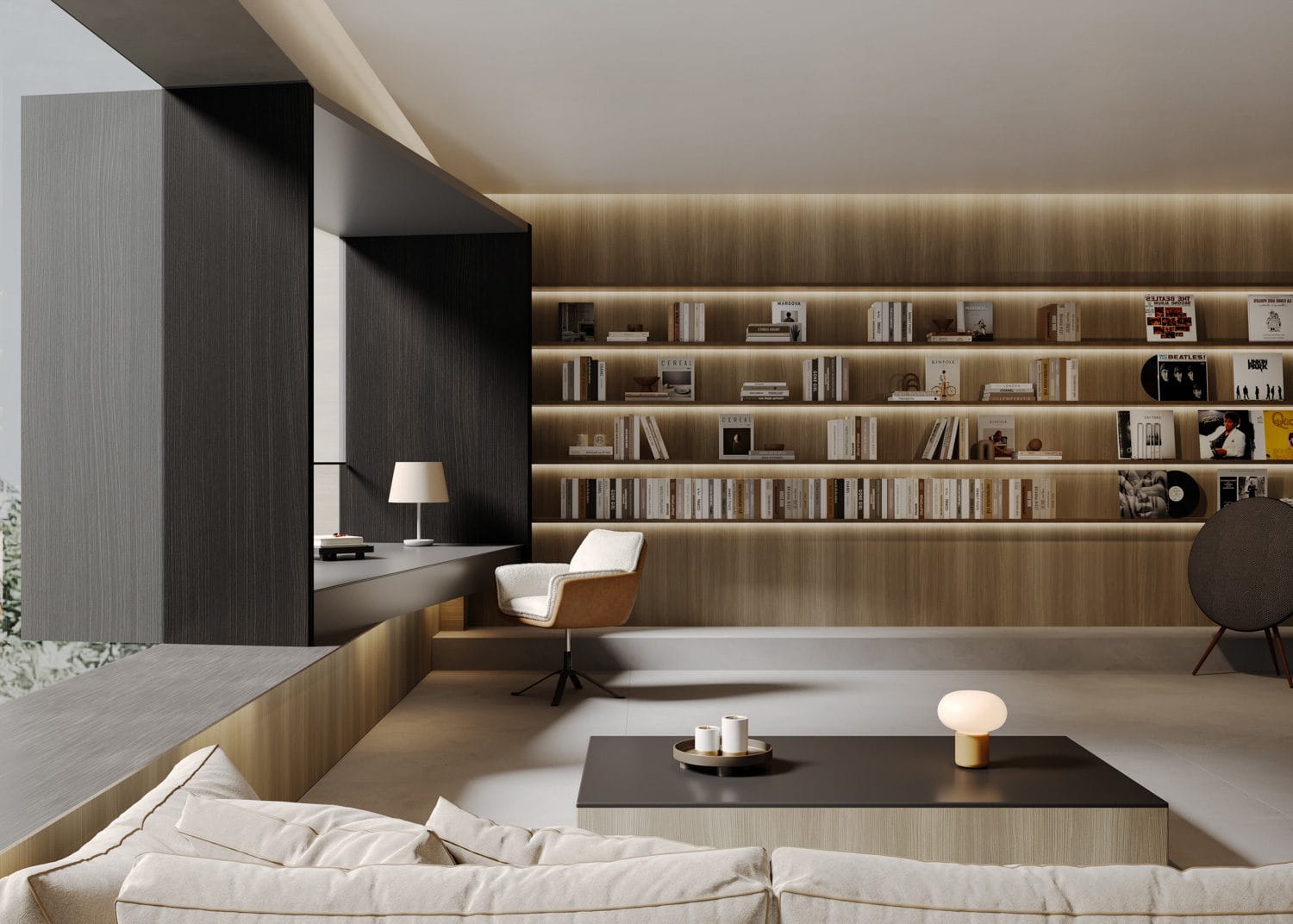
Sensory Design: Surfaces to Be Seen and Felt
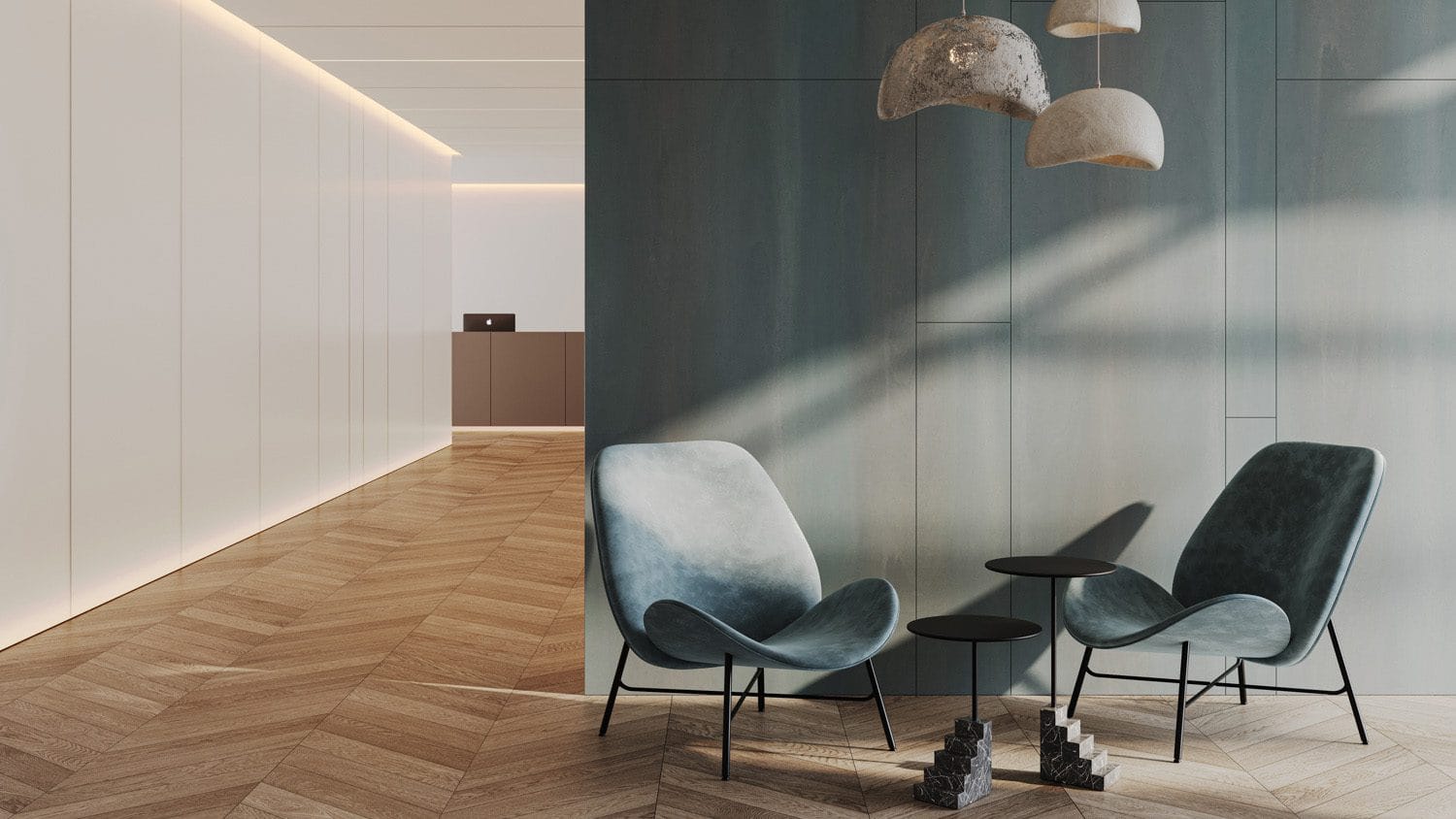
The Deep Texture collection engages users more directly, with surfaces conceived not only to be seen but also to be experienced through touch, light, and shadow. Their appearance shifts with angle, distance, and spatial context.
The collection introduces three new textures:
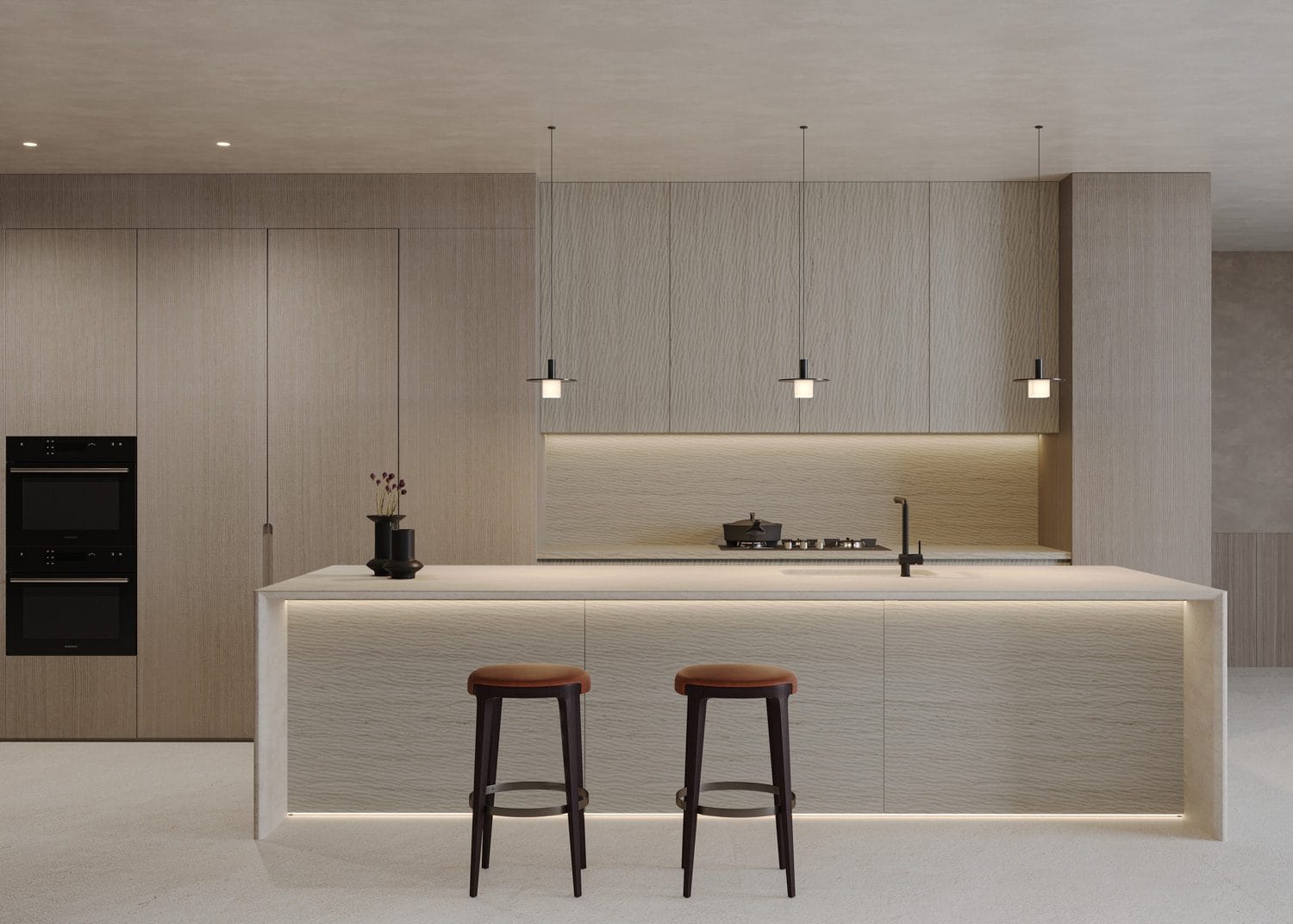
Carved Art (CA): Translating the language of traditional carving into a contemporary surface, it offers a distinctive expression marked by depth and craftsmanship.
Duo Wood (DW): Combining three levels of finish-gloss, semi-matte, and matte-within a single woodgrain pattern, this surface brings added dynamism to the material.
Lumber Wood (LB): A reinterpretation of woodgrain through a textile-like tactile quality, balancing warmth with restraint.
These surfaces are especially suited to vertical applications, where light and shadow can play a more active role in shaping the spatial experience, whether in residential interiors or commercial settings.
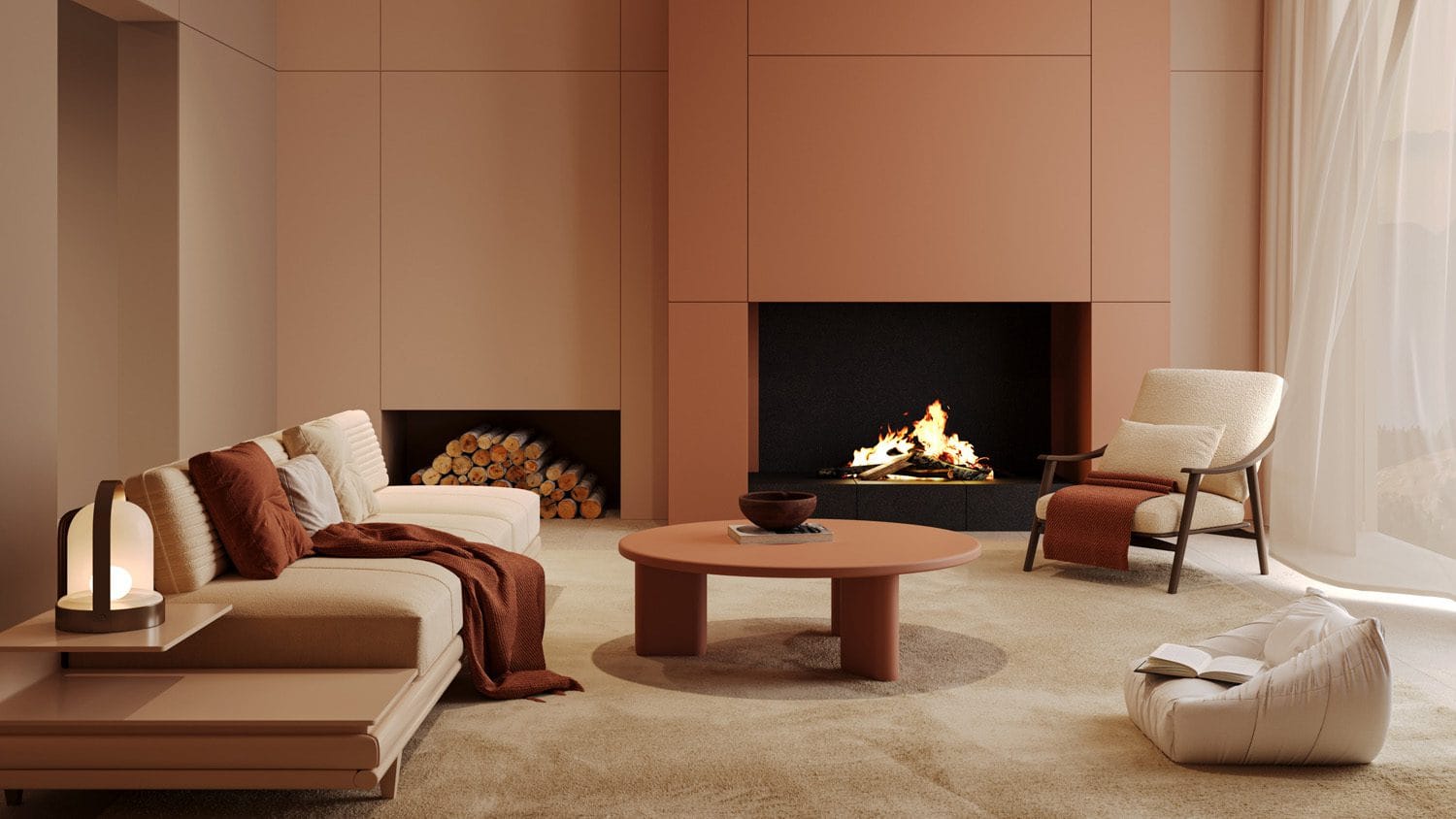 Formica® Laminate: True Matte (TM)
Responsible Thinking: Sustainability as Design’s New Foundation
Beyond questions of beauty and performance, Formica®’s product development this year also reflects a tangible commitment to sustainability. Across its manufacturing process at the Formica® factory in Asia, the brand has reduced carbon dioxide emissions by 10%.
One of the key strategies behind this is a reduction in material thickness from 0.8 mm to 0.7 mm, helping to reduce overall resource use. At the same time, new surfaces have been developed to address both environmental considerations and design performance, including:
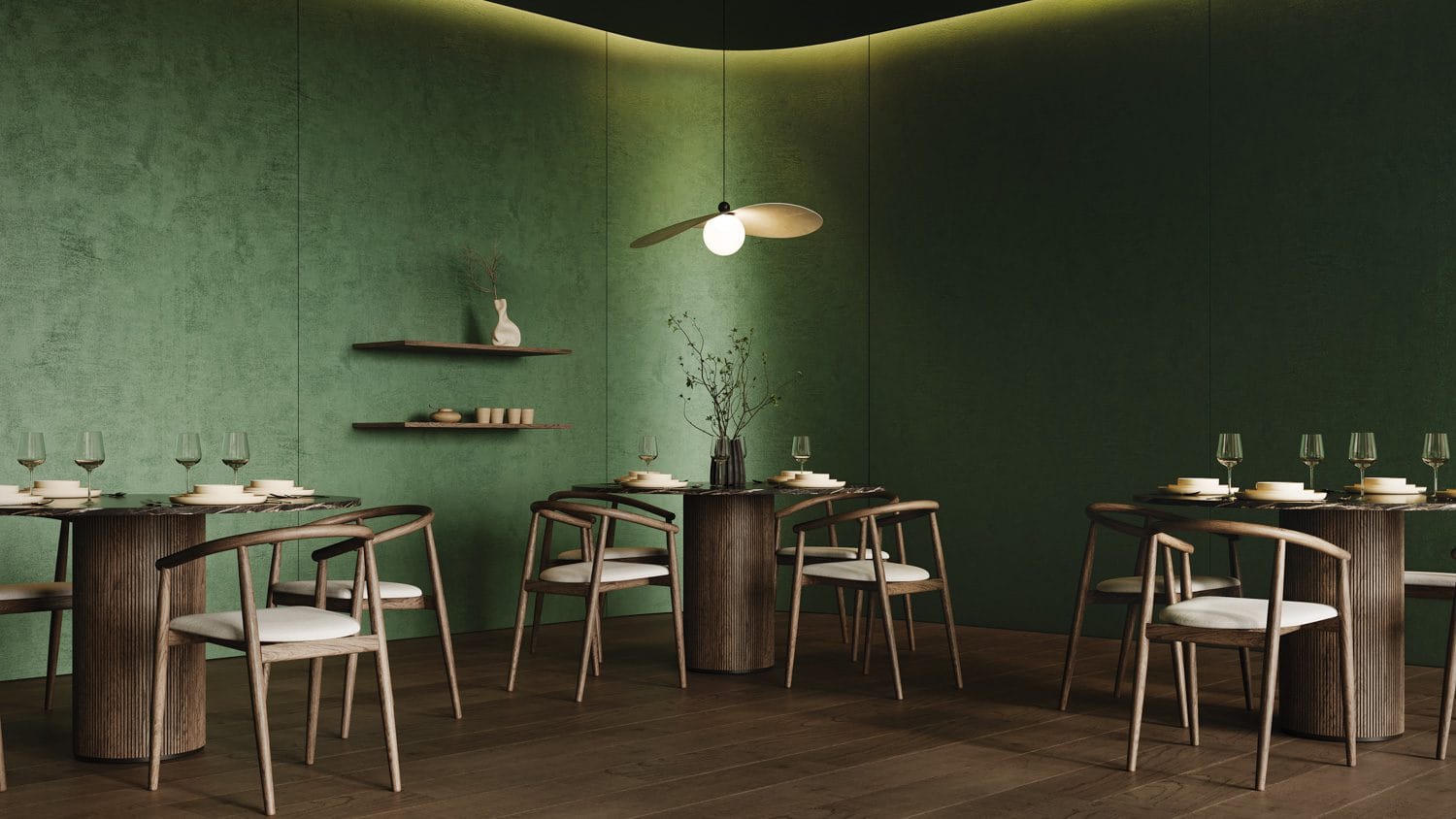
True Matte (TM): A matte surface in pastel tones with a soft, subtle tactility, suited to interiors seeking understated elegance.
Phoebe Remix (PH): Inspired by velvet, this surface creates visual depth through light reflections that shift with the viewing angle.
*The Deep Texture and High Gloss collections remain 0.8 mm thick in order to preserve the material’s specific performance characteristics.
Deep Texture: Carved Art (CA)
In contemporary design, the most effective material is not necessarily the one that announces itself most loudly, but the one that can work in quiet concert with space, both visually and experientially. Formica®’s latest products reflect that shift. Laminate is no longer treated simply as a surfacing layer but as a nuanced medium through which material, user, and interior are brought into a closer relationship.
For those who want to experience these materials firsthand, including an early look at Formica®’s new collections, discover the product samples before anyone at the Formica® showroom.
Deep Texture: Lumber Wood (LB)