
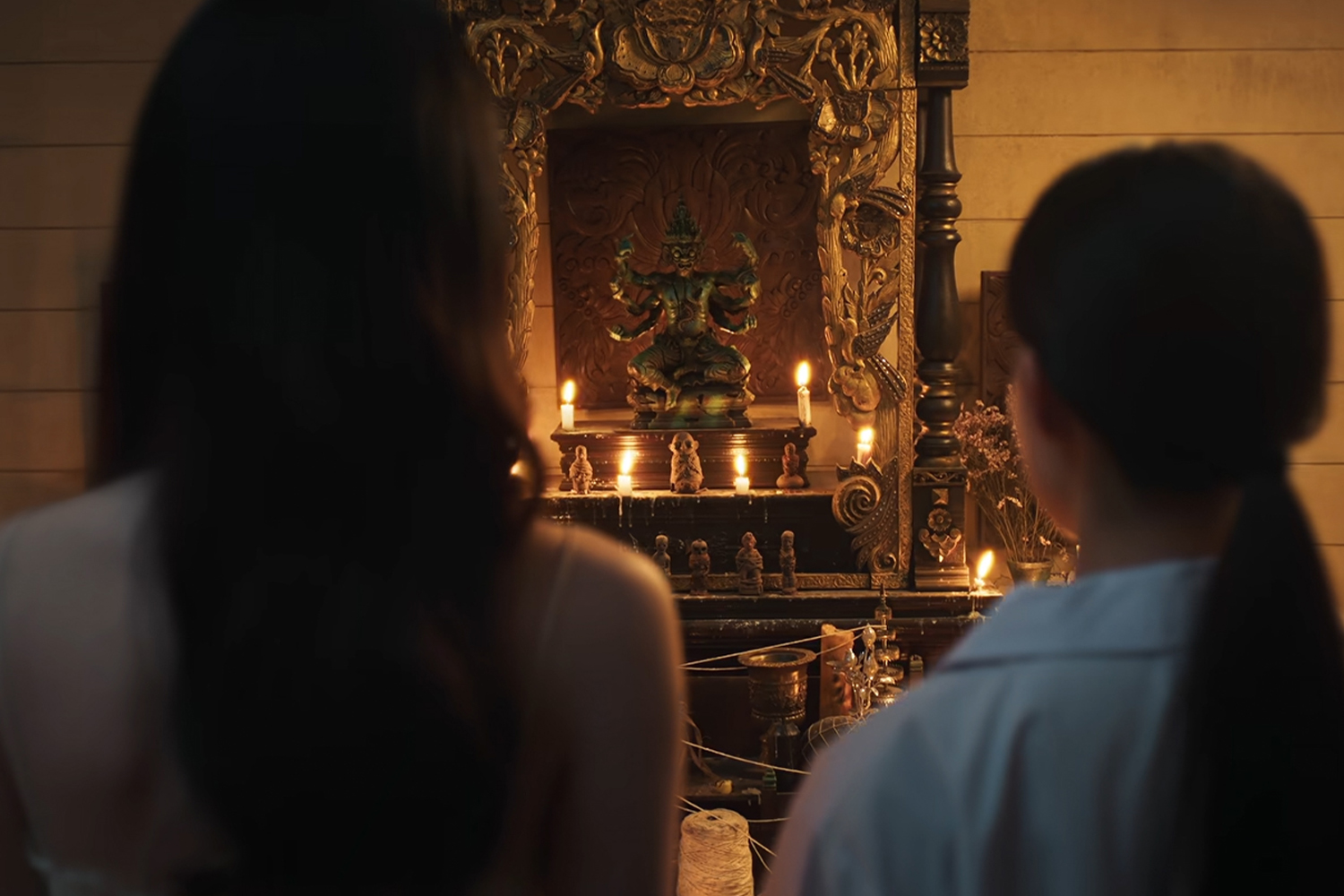
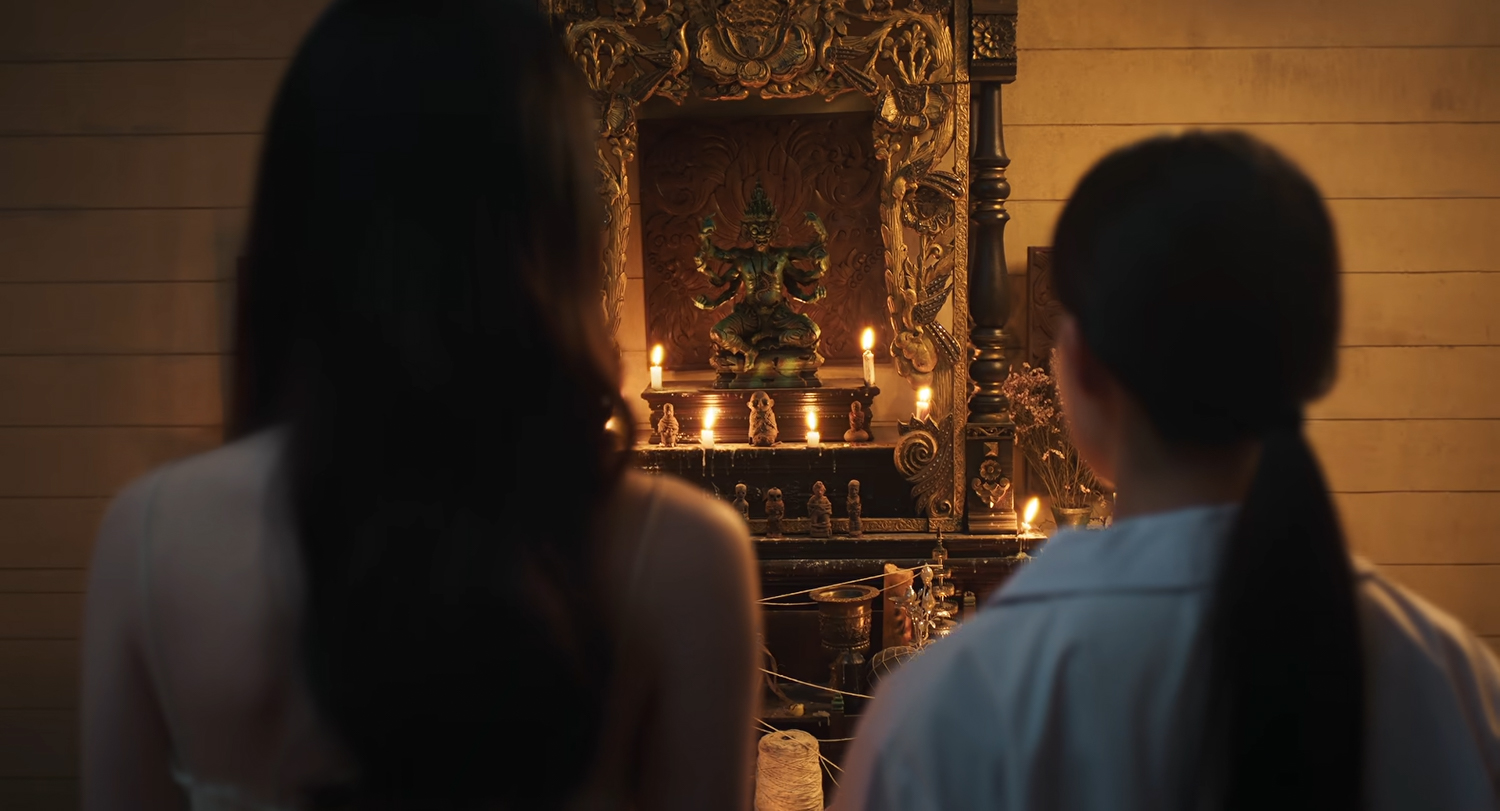
WHEN TENDERNESS BECOMES A MASK FOR DOMINATION, ART4D INVITES YOU TO EXAMINE THE PATRIARCHAL POWER LURKING BENEATH THE ACTS OF MANIPULATION AND THE PASSING DOWN OF A DEMONIC LEGACY IN ‘INHERIT’
TEXT: SARUNKORN ARTHAN
PHOTO COURTESY OF GDH
(For Thai, press here)
*This article contains spoilers for the film.
Those familiar with Tayard Asoon (Heir of the Demon) may understand it as the story of Woranat’s attempt to perpetuate an inheritance of vengeance through the women of the Phya Chalieng bloodline, dating back to the Sukhothai period. Tong—Banjong Pisanthanakun’s Inherit, however, takes an entirely different direction. It unfolds as an intense and psychologically layered film about seduction and manipulation, delivered with a remarkably incisive bite.
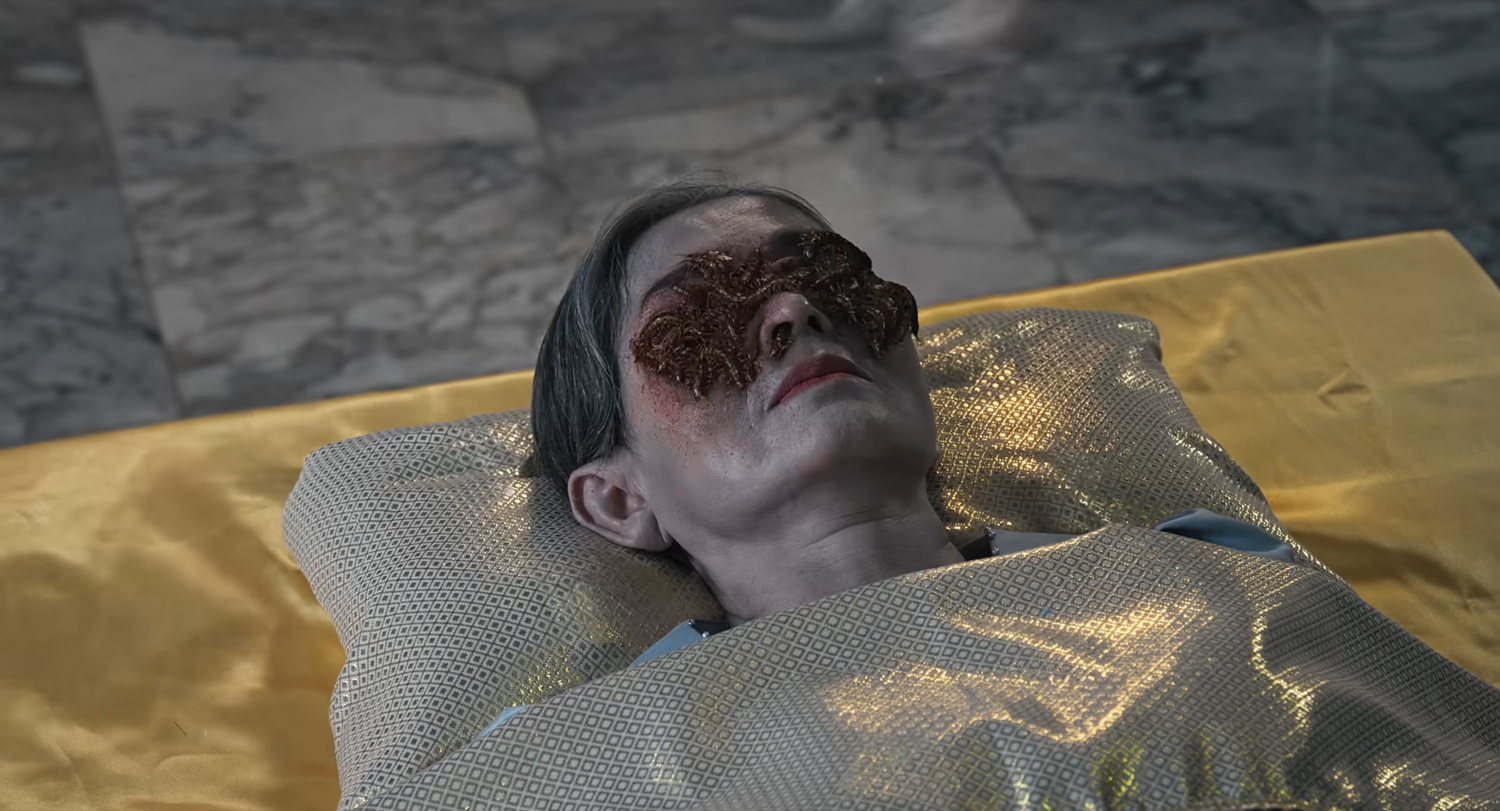
At the beginning of Inherit, the film pays tribute to its source material and its author, Thep Chumsai Na Ayutthaya, through a funeral in Chiang Mai for Wachareewan Apirumthepthewi, the mother of Sudaduang (Sinjai Plengpanich) and the biological grandmother of Aui (Thitiya Jirapornsilp). The names ‘(Tri) Apirum’ and ‘Thep Thewi’ were both pen names used by Thep himself. Beyond introducing the characters and some of the relationships between them, this funeral appears to symbolize that the ‘original’ Tayard Asoon is being laid to rest from the very beginning, ready to be reinterpreted and presented anew through this film.
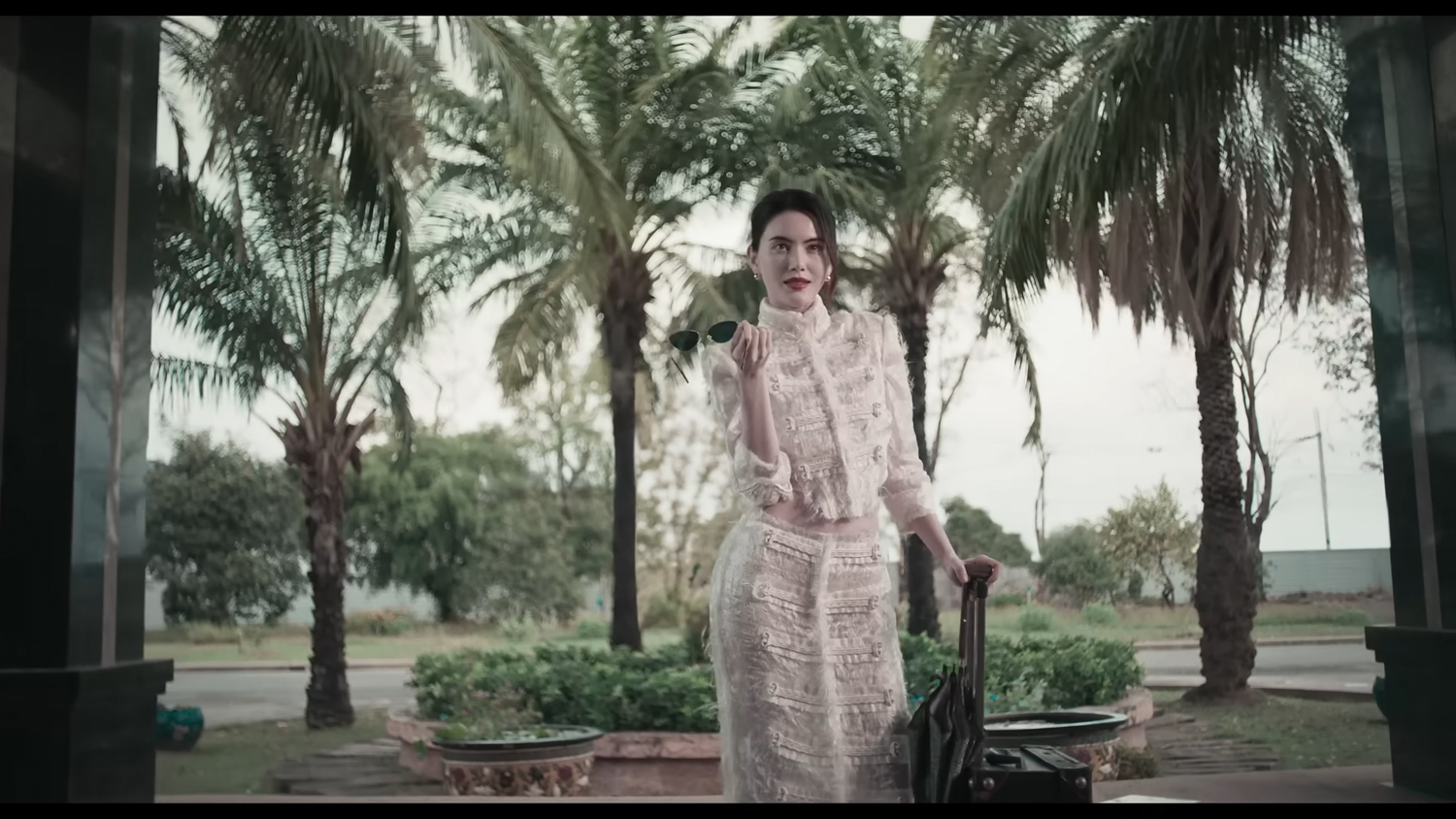
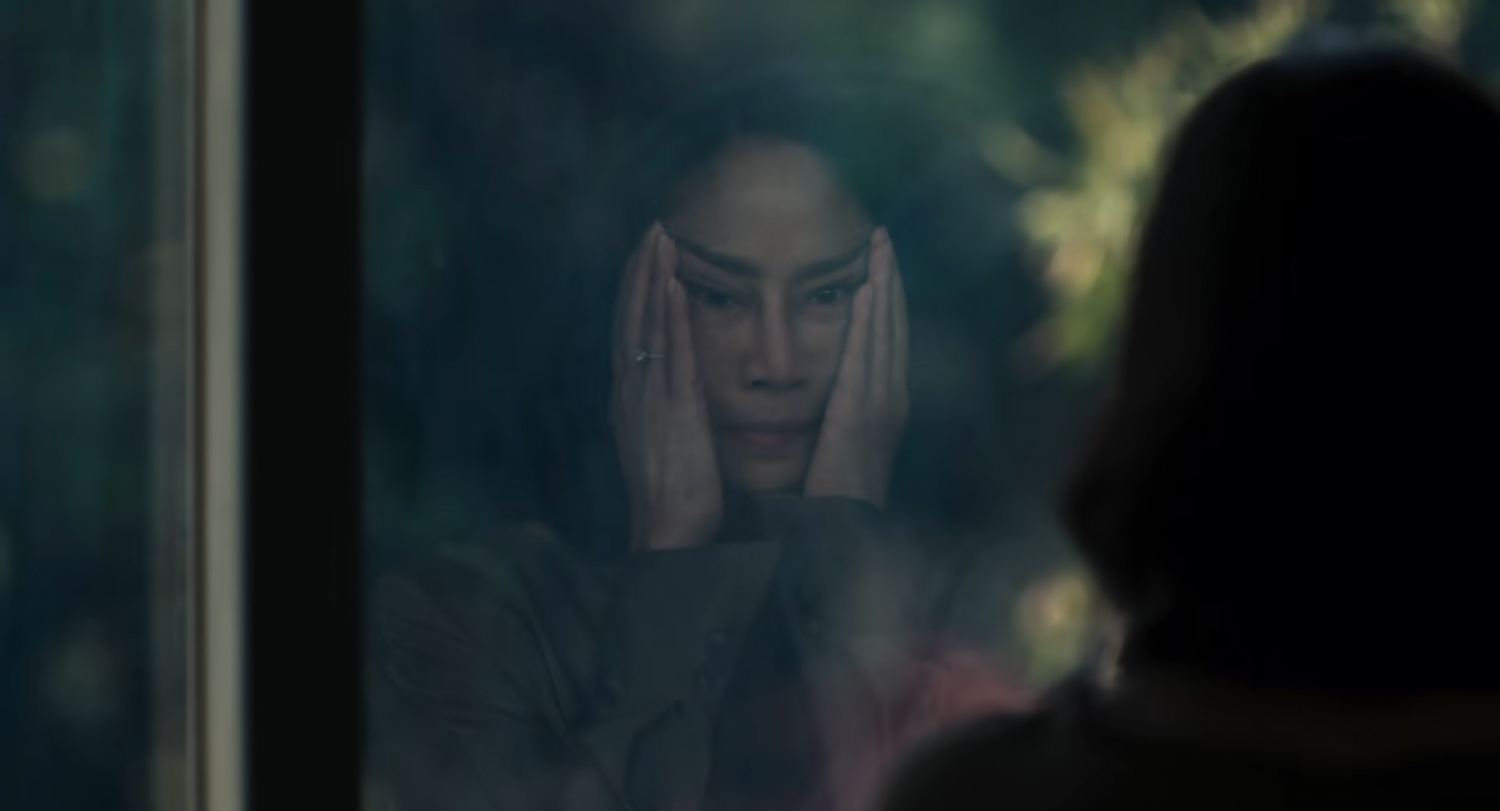
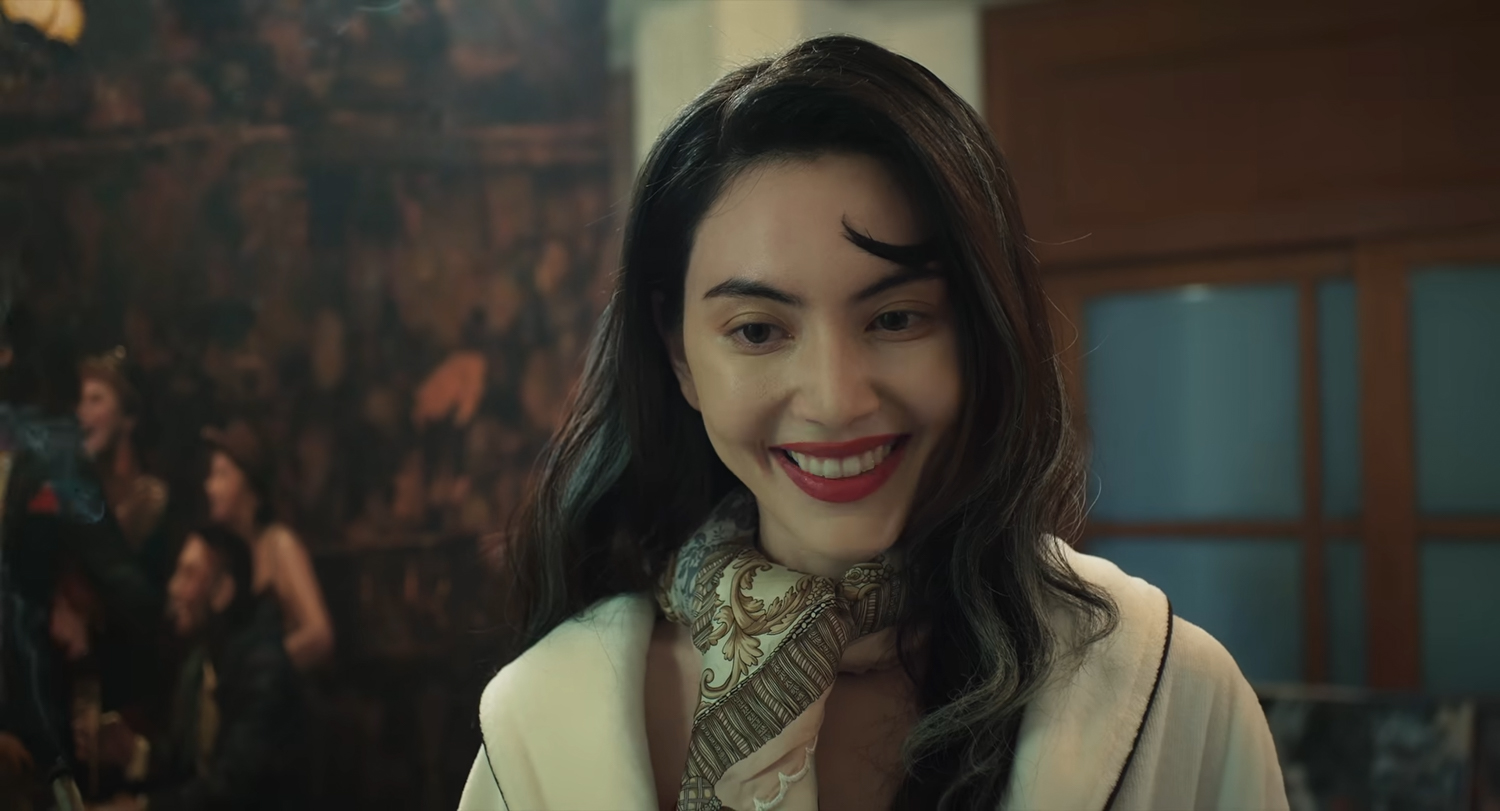
Following the funeral, Sudaduang receives and reads a letter announcing the arrival of her aunt, Woranat (Davika Hoorne). Shortly afterward, Woranat appears in a mysterious white dress, her slender figure entering the Manusvanich household amid the family’s confusion and suspicion. The men of the house are particularly wary of her: Olarn (Trin Settachoke), the head of the family; Ratcharoj (Pongsatorn Jongwilas), the eldest son who has inherited the family business; and Rangsan (Pakin Kunaanuwit), the younger son, who is well versed in the nightlife scene. Aui, however, does not seem to dislike Woranat nearly as much, while Sudaduang quietly appears to be envious of her aunt’s youthful, unblemished appearance.
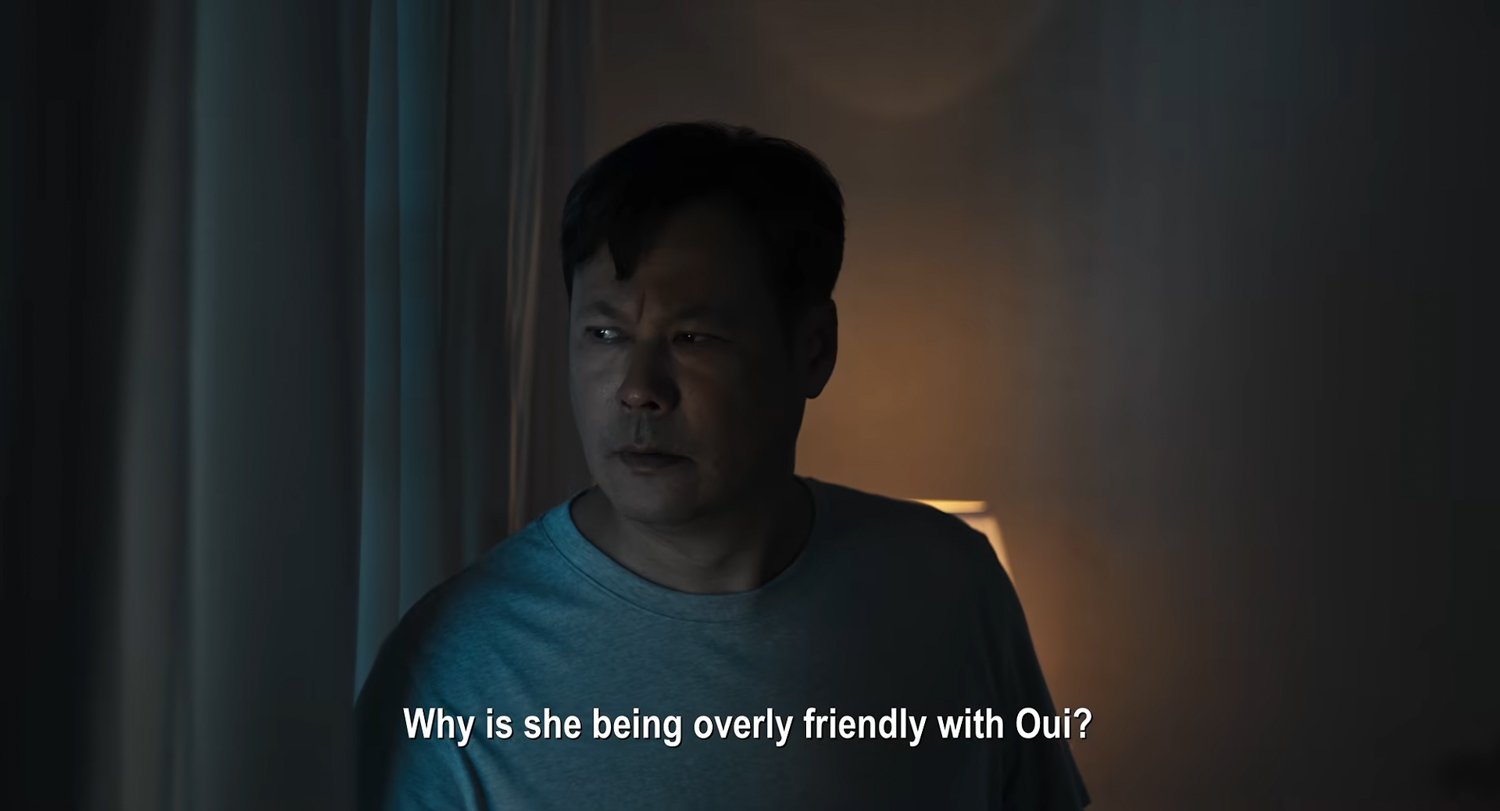
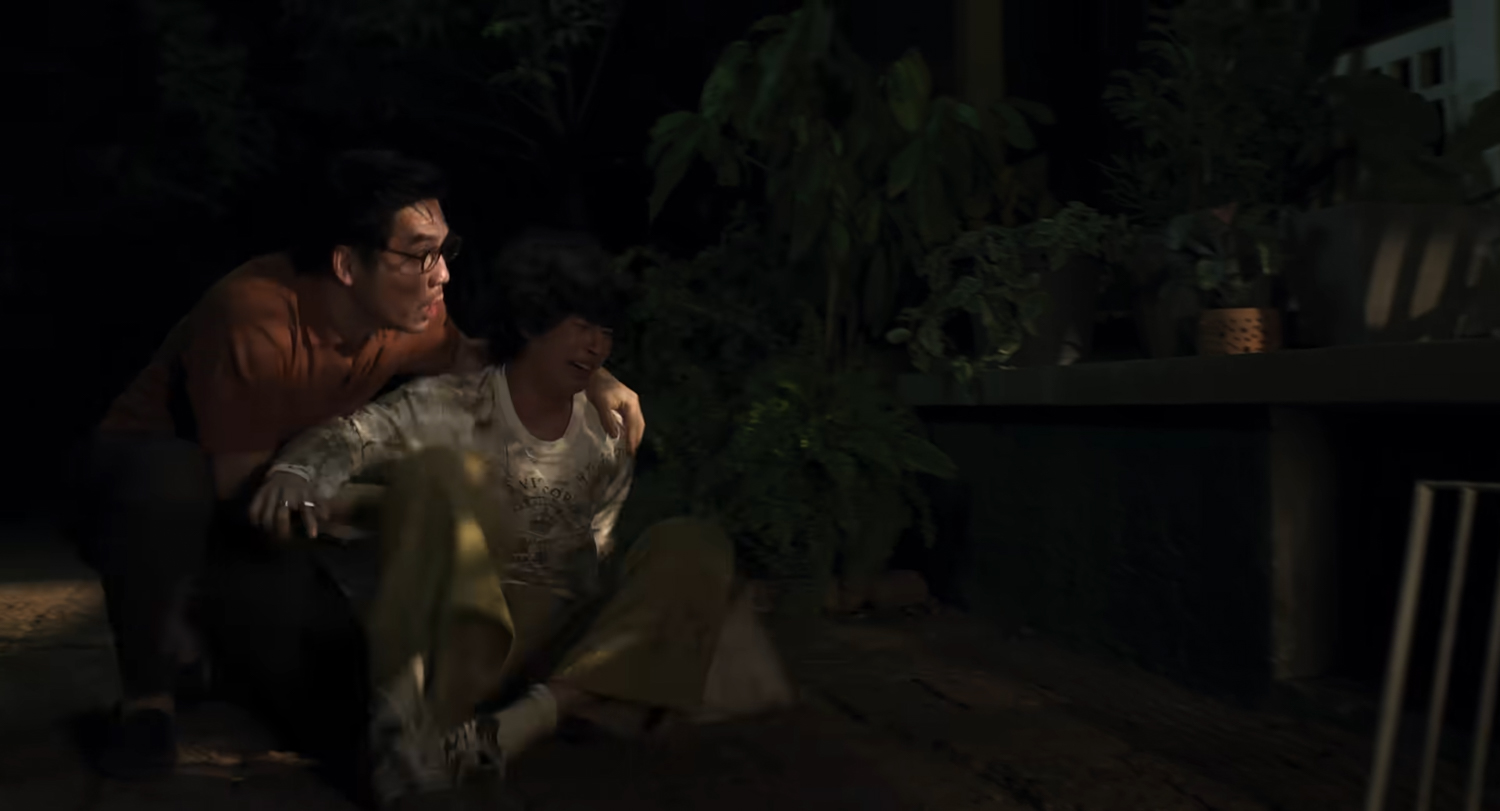
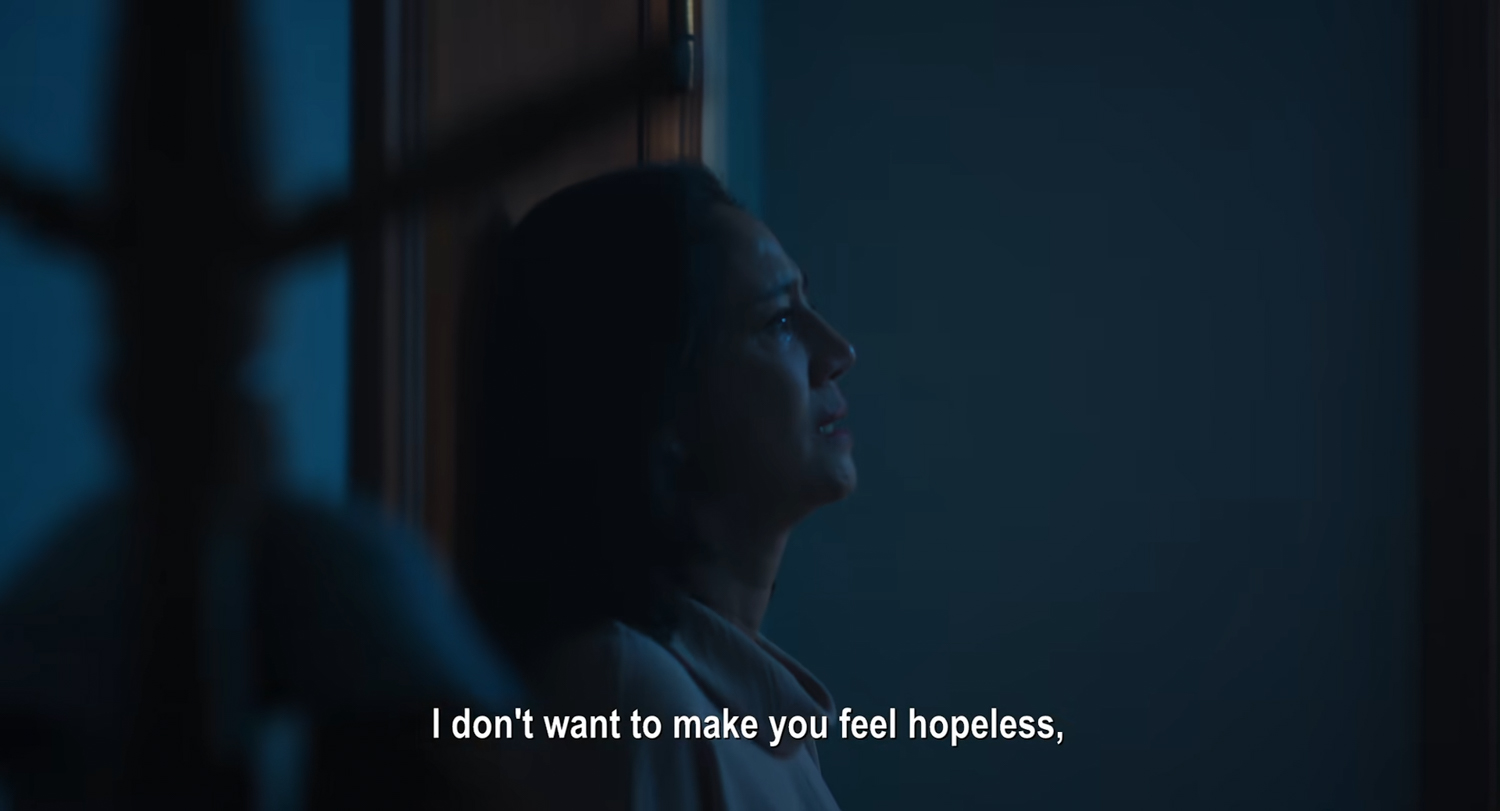
Intent on securing her next heir as soon as possible, Woranat reveals her powers to show Aui just how corrupt everyone in the family truly is. The Manusvanich family’s metal factory discharges toxic waste into a nearby water source, causing illness and death throughout the surrounding community—a fitting act for a family whose surname can be interpreted as ‘the merchant-minded.’ Woranat also exposes Olarn’s affair with his attractive young secretary; Ratcharoj as a pedophile who lures children with candy in sweet pink wrappers; and Rangsan, who serves his friends drug-laced baked goods, causing one of them to die from a fatal overdose. Even Sudaduang, Aui’s mother, is implicated through her inability to speak up within this patriarchal household, despite knowing everything that has been happening under its roof.
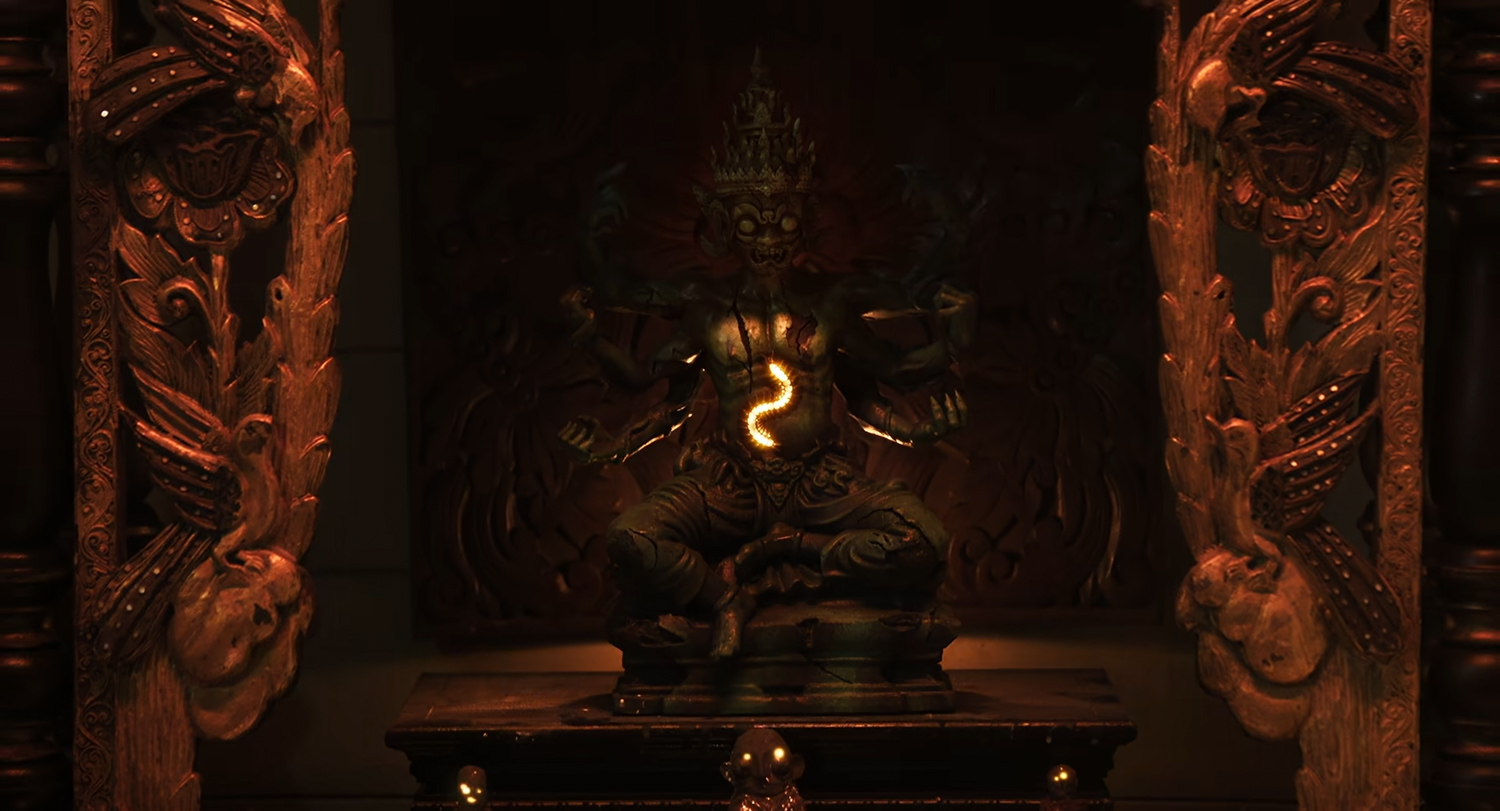
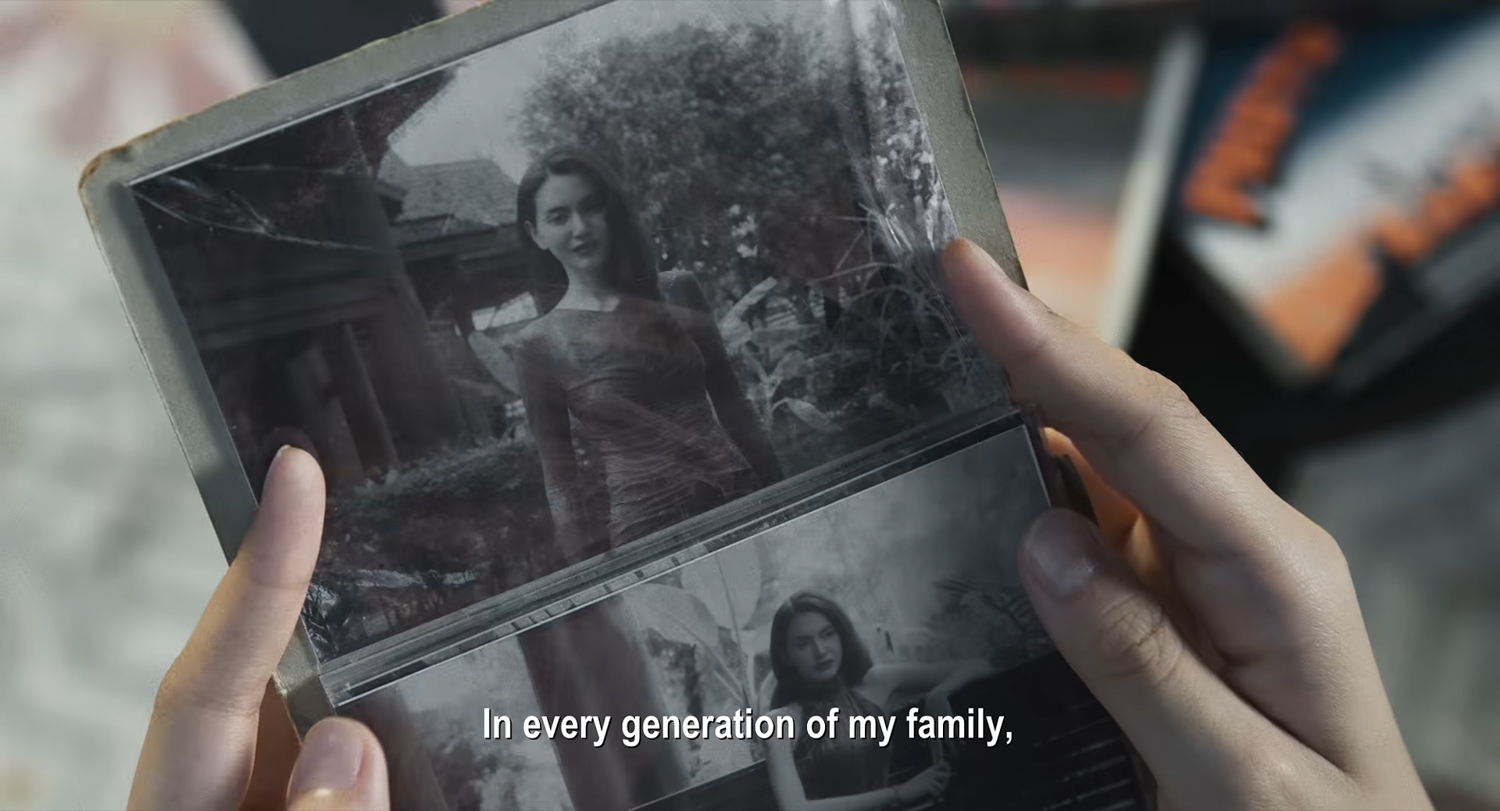
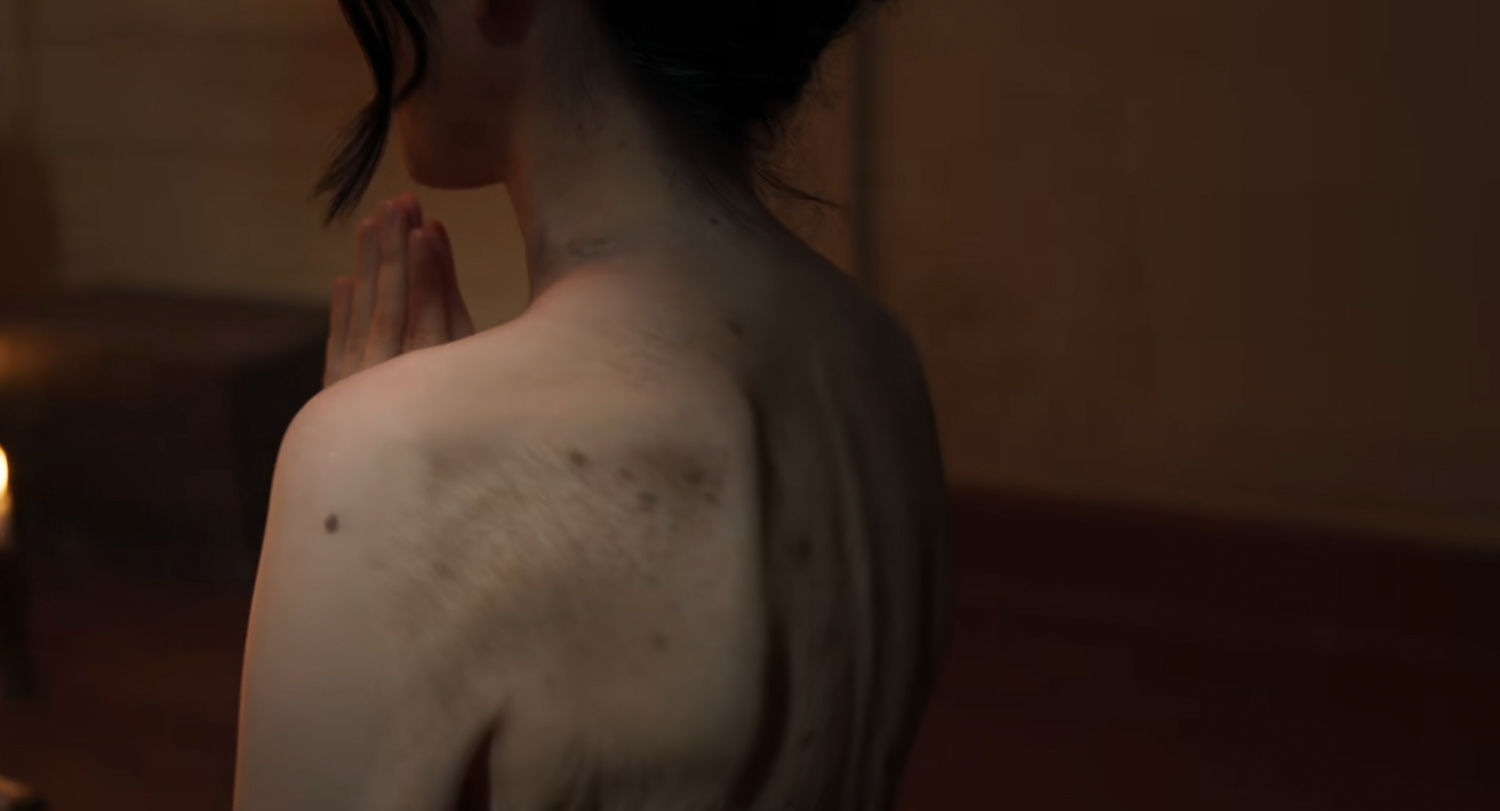
Although Woranat throws the Manusvanich family into disarray by forcing them to confront the consequences—or karma—of their own actions, she consistently serves as a safe space for her beloved grandniece, Aui. Aui, in turn, gradually gives herself over to Woranat, almost as though surrendering completely to her influence. This may lead many viewers to see the film as an emphatically feminist work—and we do too. Yet one fact cannot be ignored: the ‘demon’ inhabiting Woranat’s body is a man. That man is Khon, a low-born figure whose forbidden love for the daughter of Phya Chalieng ended in failure. His resentment hardened into a vengeance that has pursued the women of this bloodline for more than 800 years, leading to the present moment, with Khon inhabiting Woranat’s body.

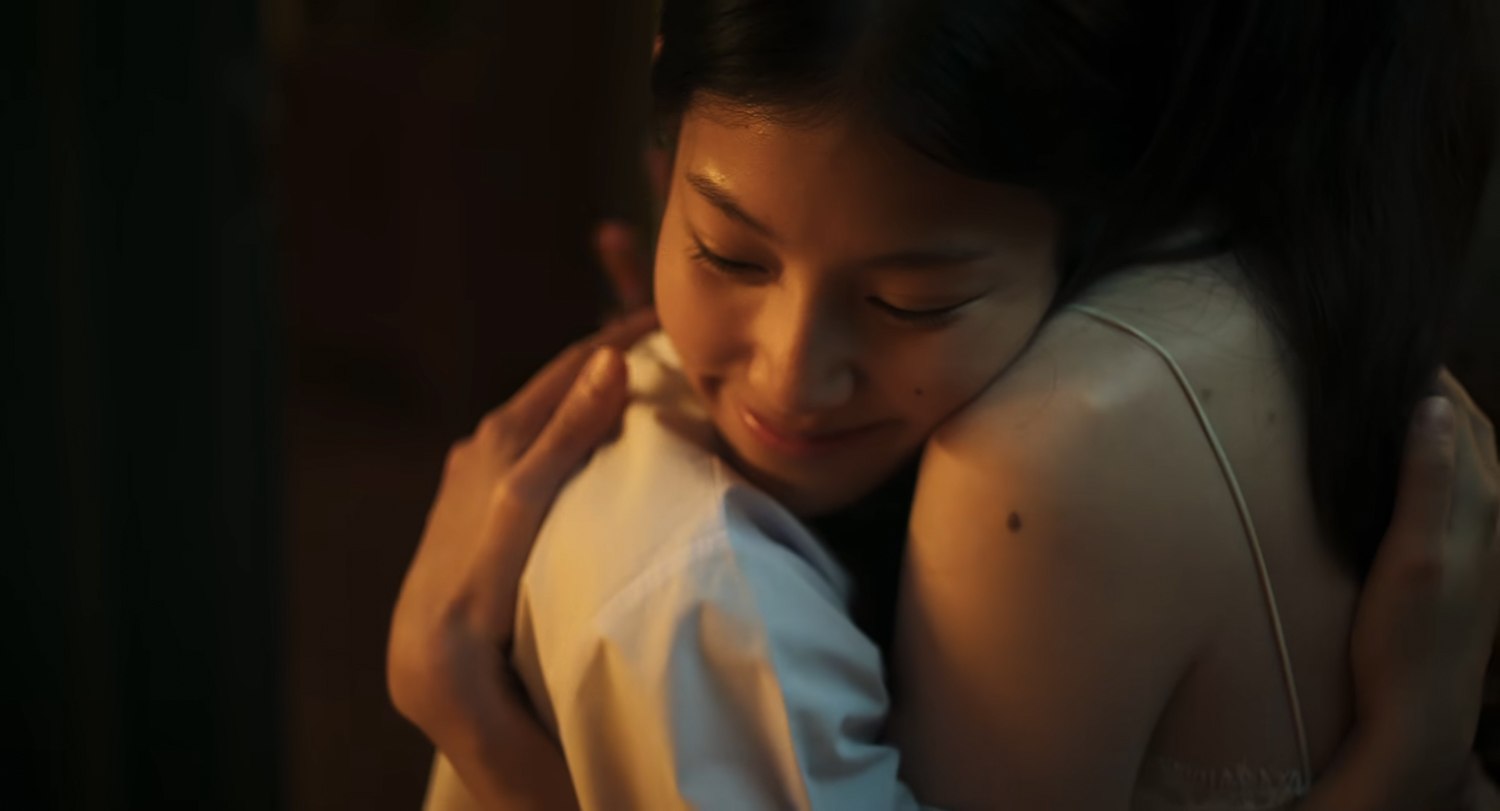
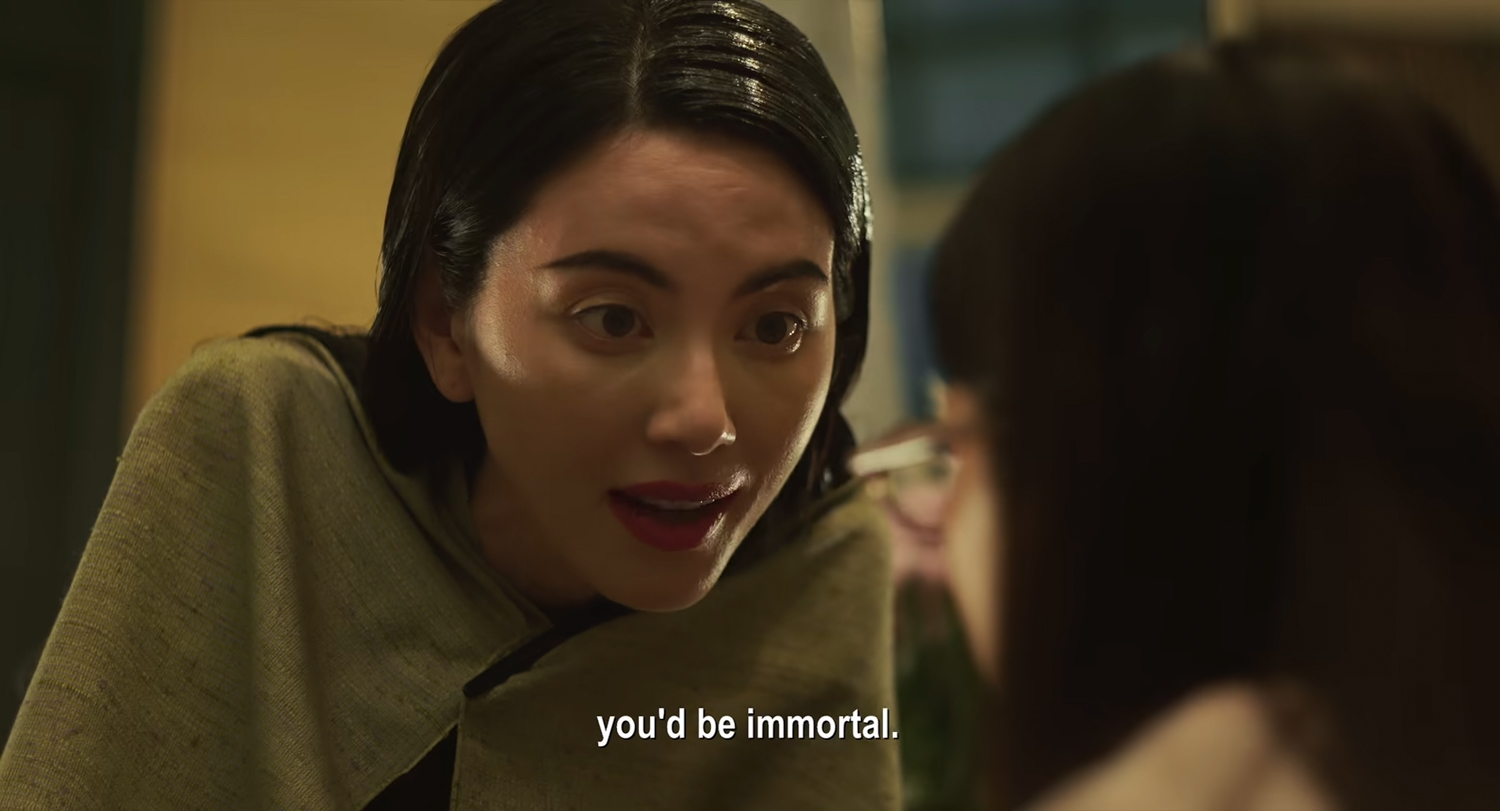
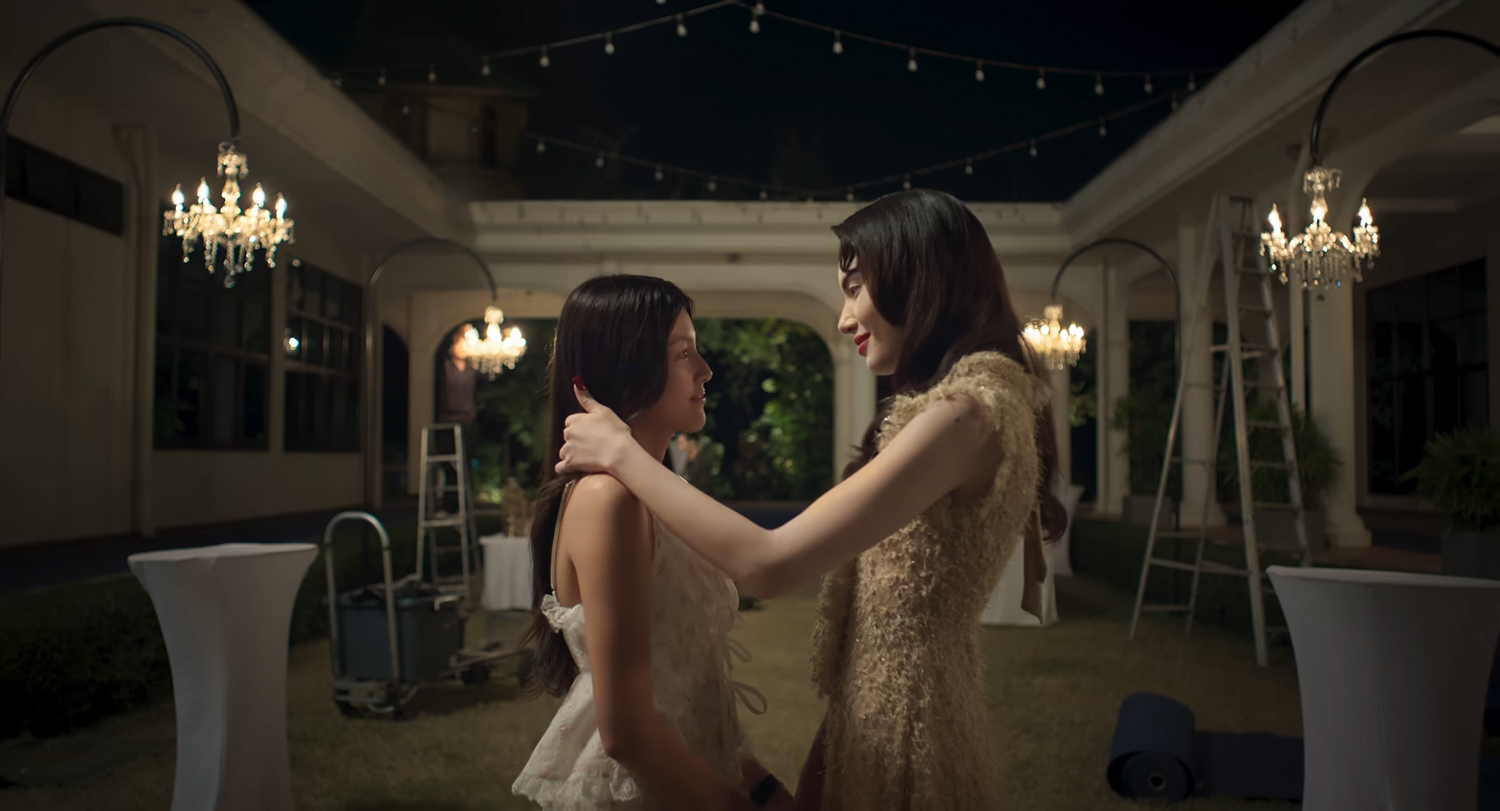
Woranat’s repeated attempts to get closer to Aui—taking her to the shopping mall, making her feel unique and special, and gradually undermining her sense of safety within her own family—can therefore be read as a form of child grooming: a process in which someone approaches and establishes trust with a child or younger person in pursuit for an ulterior purpose. That purpose, of course, is to secure the next heir by turning Aui’s body into a vessel through which Khon’s vengeful spirit can survive for another generation. We believe this portrayal of child grooming forms one of the film’s central ideas. All three men in the household similarly employ manipulation to obtain something they want. Olarn draws his secretary into an affair. Ratcharoj lures a young girl under his control and records her on video. Rangsan deceives his friends into eating drug-laced baked goods as part of his attempt to take advantage of his own cousin.
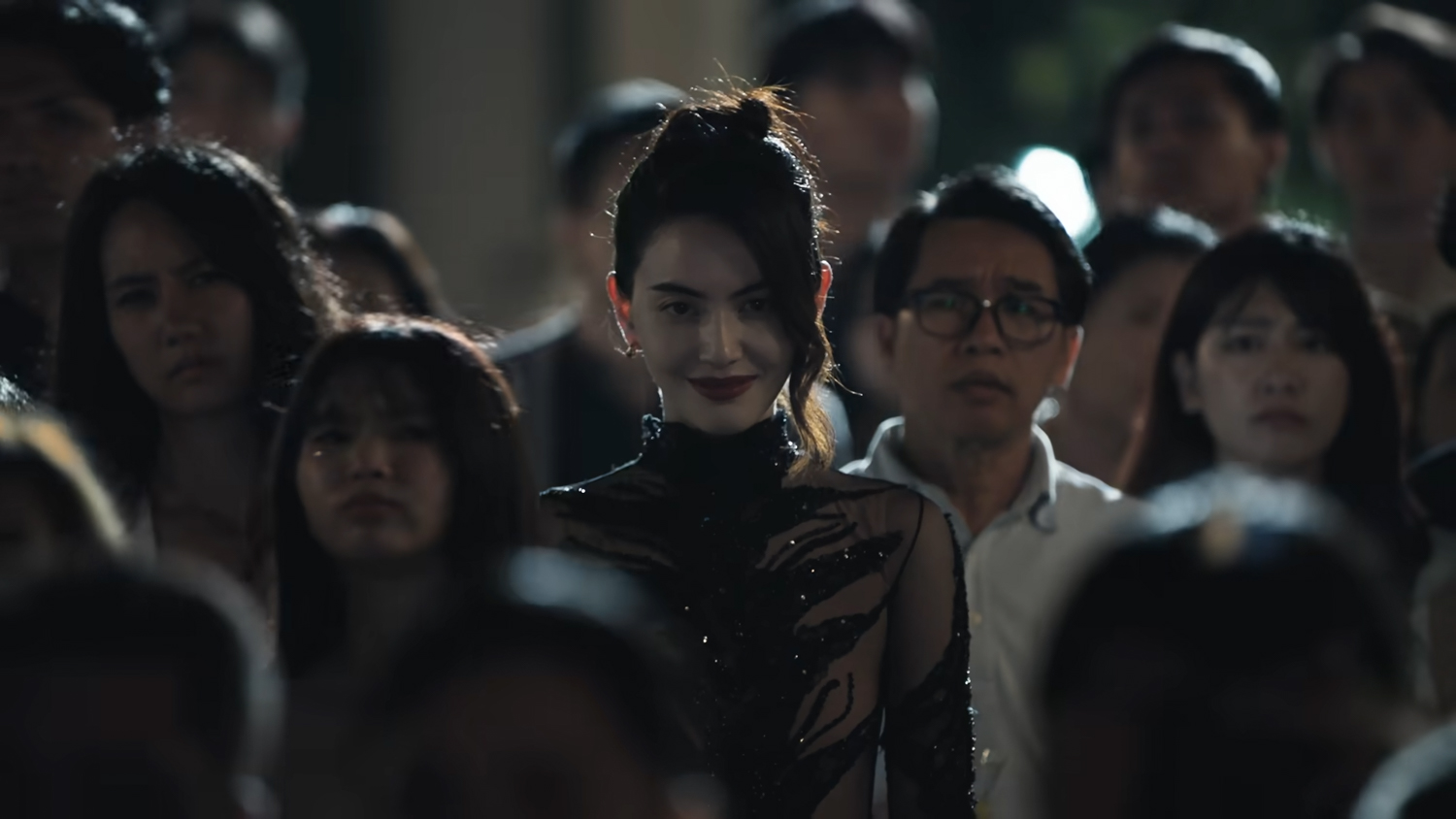
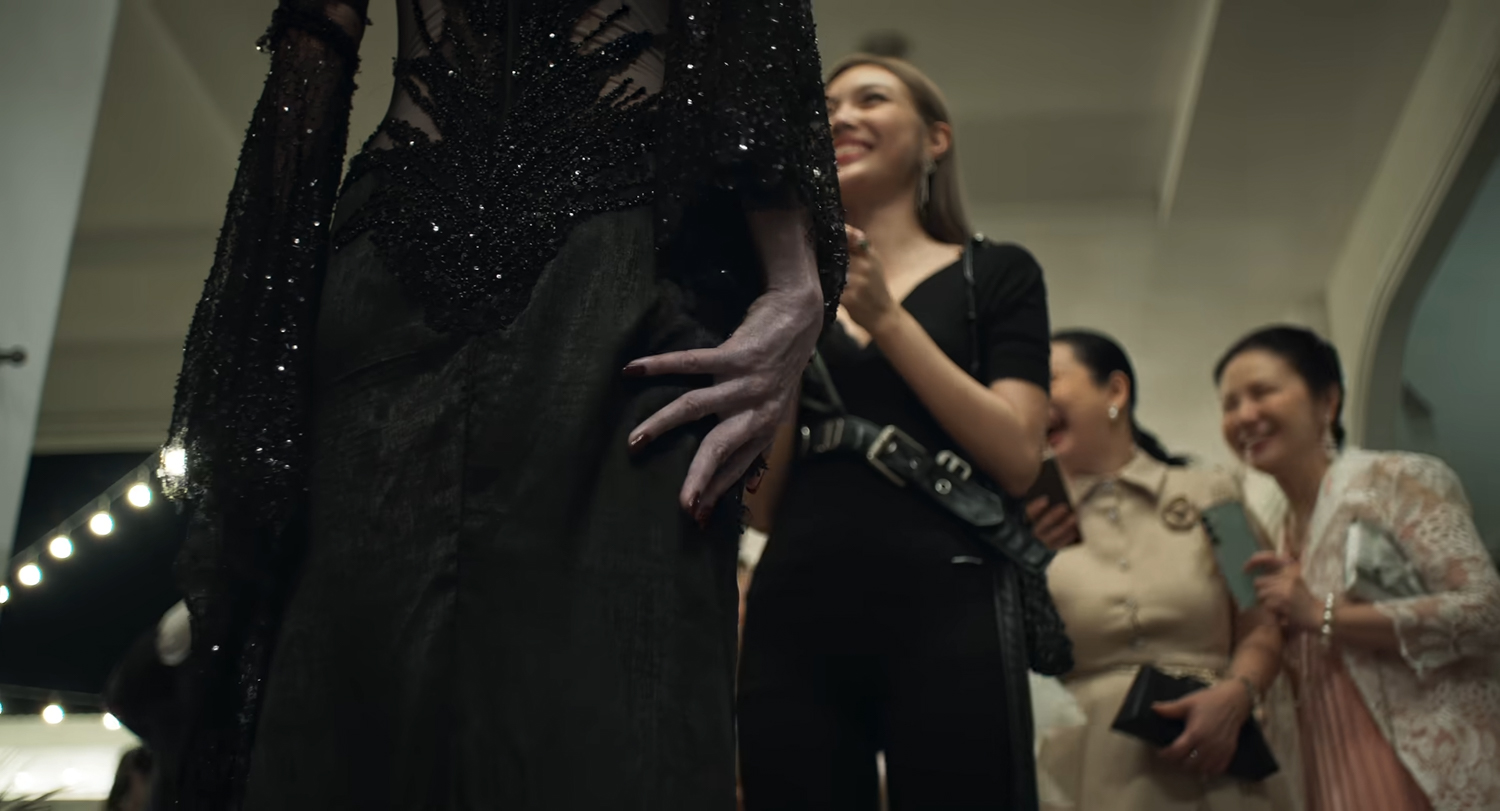
More significantly, Khon uses Woranat’s body—and the bodies of women from previous generations—as a mask that conceals his masculinity which allows him to approach Aui. Here, the film presents a layered gender conflict. Woranat’s slender figure, luminous pale skin, and gentle manner become territory occupied by patriarchal power in disguise. This outward tenderness lowers the victim’s defenses, allowing the cycle of demonic inheritance to continue without interruption.
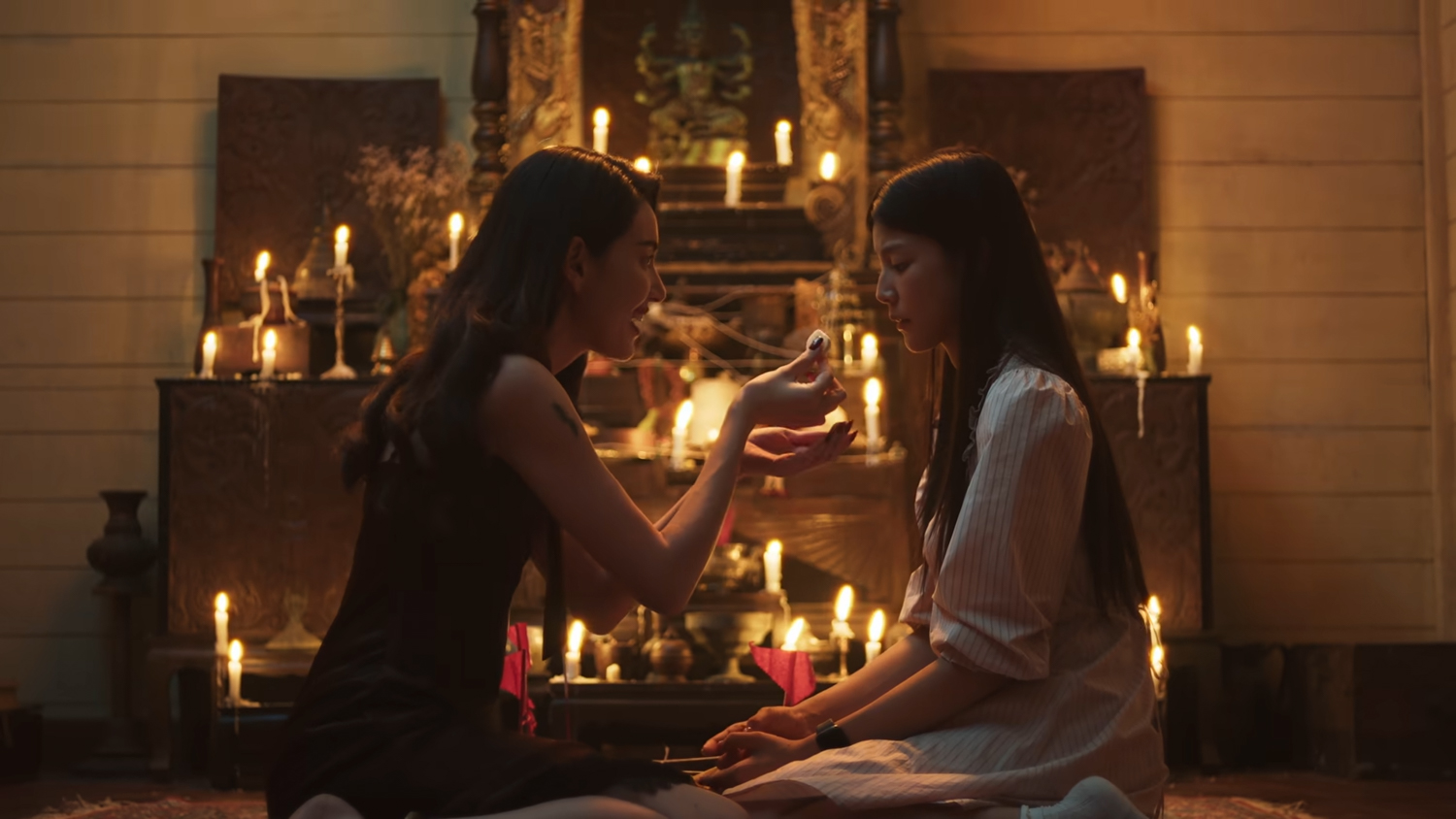
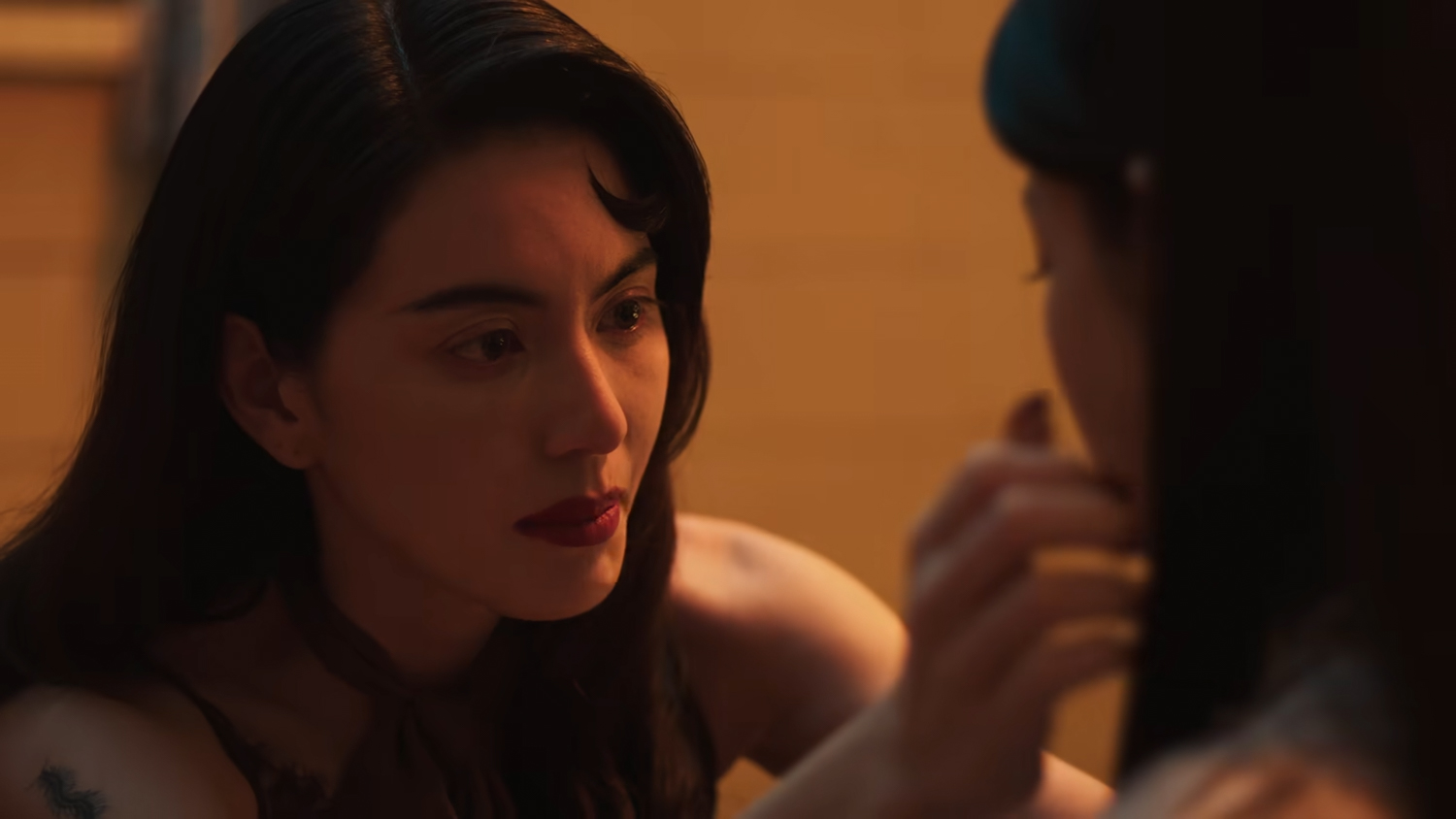
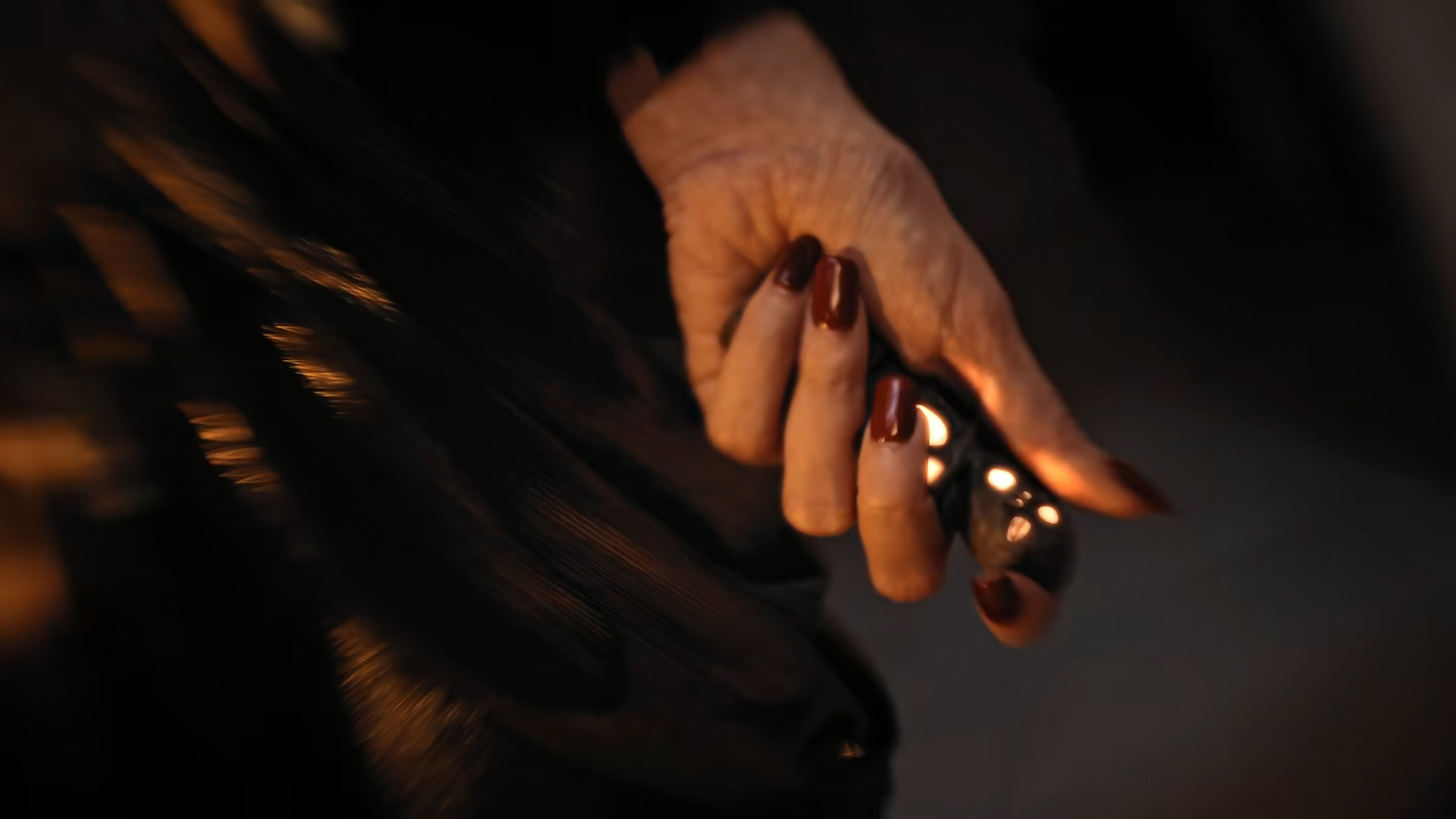
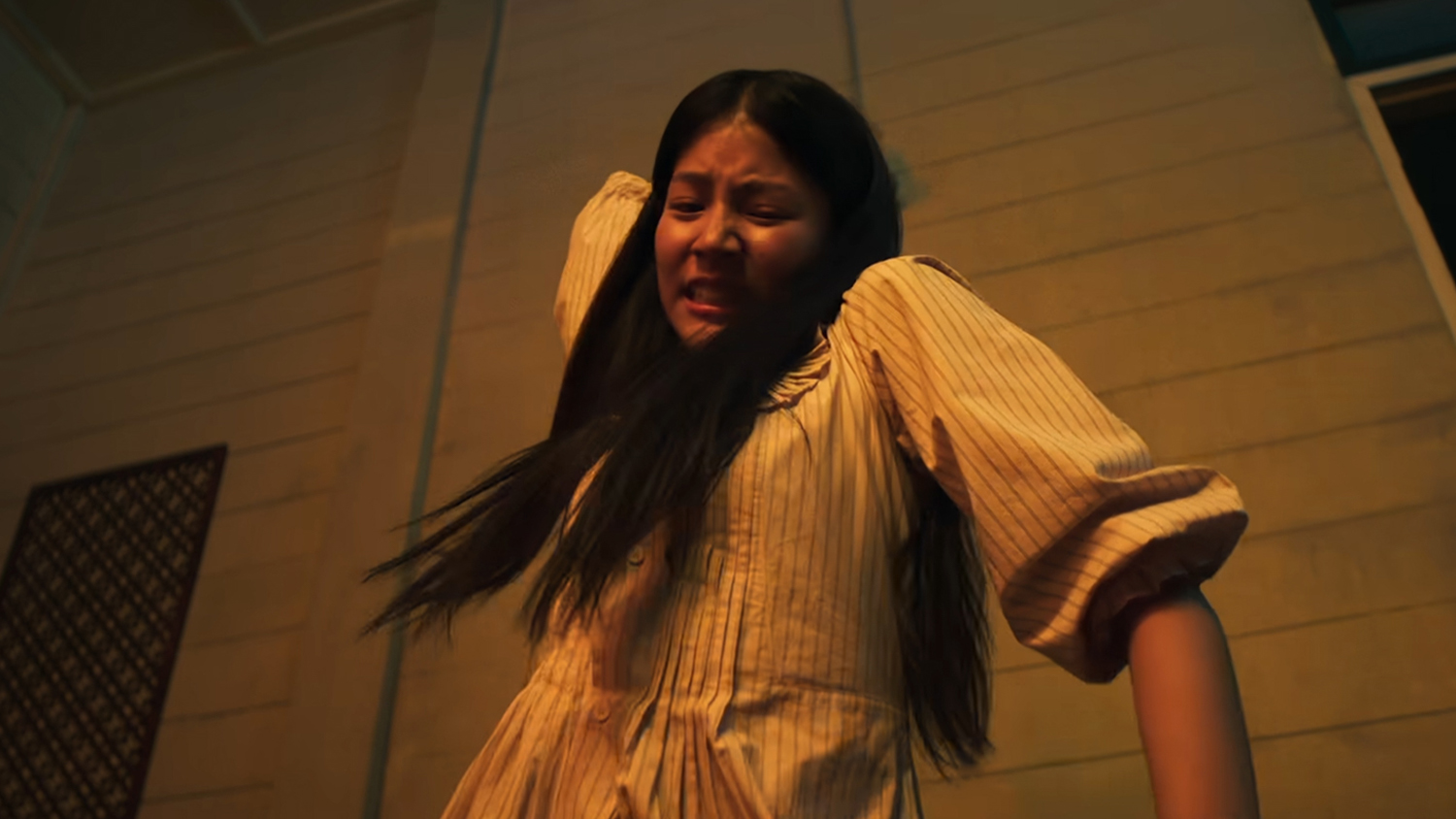
By the film’s conclusion, Aui appears to wholeheartedly accept that she will become Woranat’s successor. Yet the inheritance ultimately collapses because Aui chooses to follow her own path, refusing to remain submit to anyone—or anything. By embracing love and an asserting an identity defined on her own terms, she turns this rupture into a declaration of freedom: a reclamation of authority over her own body and life. In doing so, Aui brings an end to the centuries-long hold of masculine power concealed behind a mask of gentleness—completely, that is, at least until the sequel.
Have you ever asked yourself whether you would want to become the next heir of the demon?