
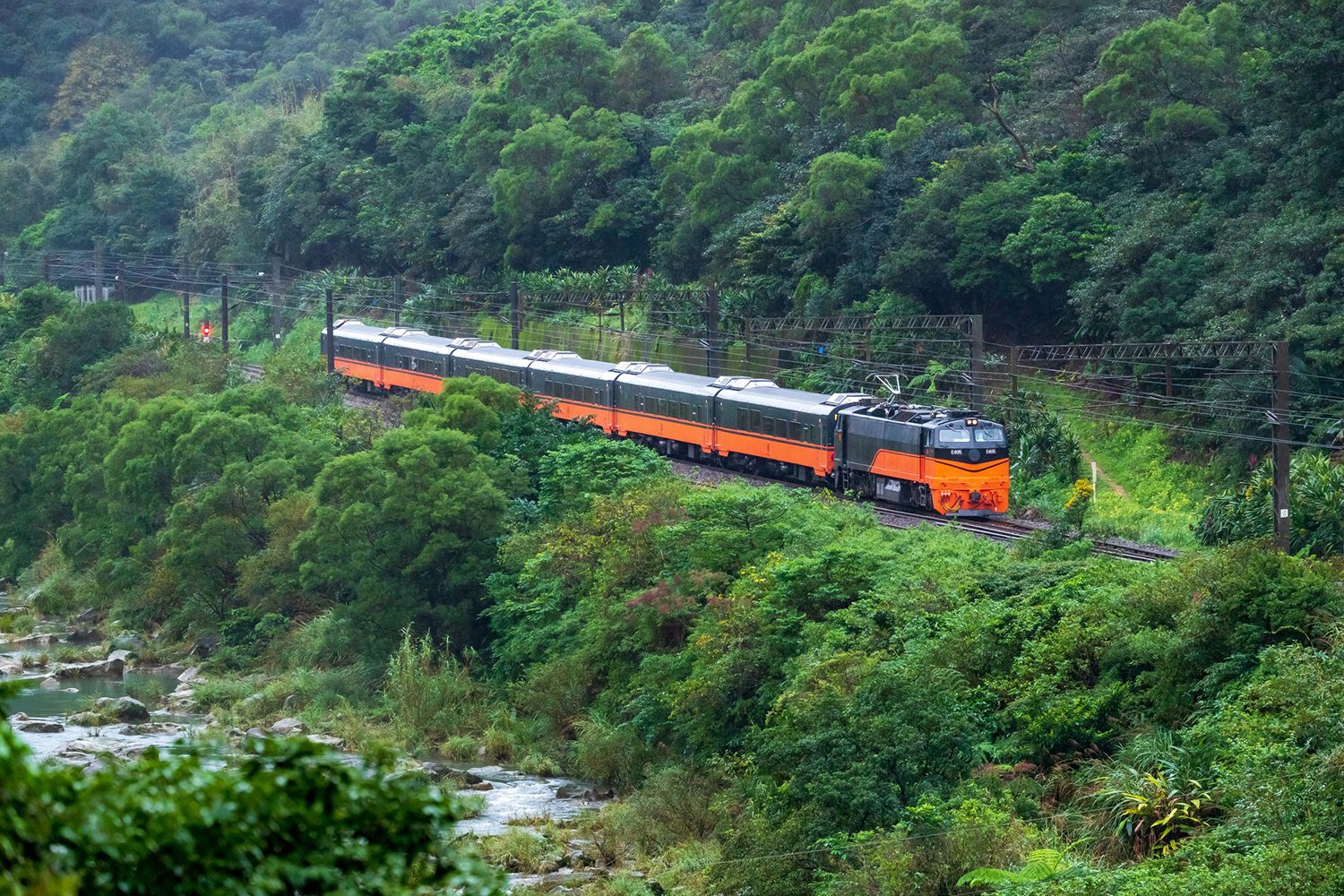
 The Future | Photo courtesy of Lion Travel
 EXPLORE THE CONCEPT OF MOVABLE INTERIOR ARCHITECTURE, AS CONVEYED THROUGH A TRAIN CARRIAGE BY A TAIWANESE DESIGN TEAM IN ‘MOVING ARCHITECTURE’
TEXT: HSIEN TZU WANG
PHOTO CREDIT AS NOTED
(For Thai, press here)
Can a train carriage be viewed as architecture?
Architectural discourse is often anchored in arrival: entering a city, approaching a building, or standing before a landscape. Yet a substantial portion of spatial experience unfolds in transit.
When architecture is compressed into a high-speed vessel, defined by fixed dimensions, regulatory constraints, and mechanical necessity, can it still generate a spatial experience as layered and complete as that of a building?
In recent years, Taiwan’s tourist trains have offered a compelling answer. Led by architectural and spatial design teams, projects such as ‘The Future’ (鳴日號) and ‘Formosensis’ (福森號) reposition the train not merely as transportation, but as mobile interior architecture.
Within the tight confines of railway carriages, materiality, light, and bodily perception are carefully recalibrated. As scenery slides past the windows, the carriage itself becomes a space worth inhabiting, one that invites attention, rest, and sensory immersion.
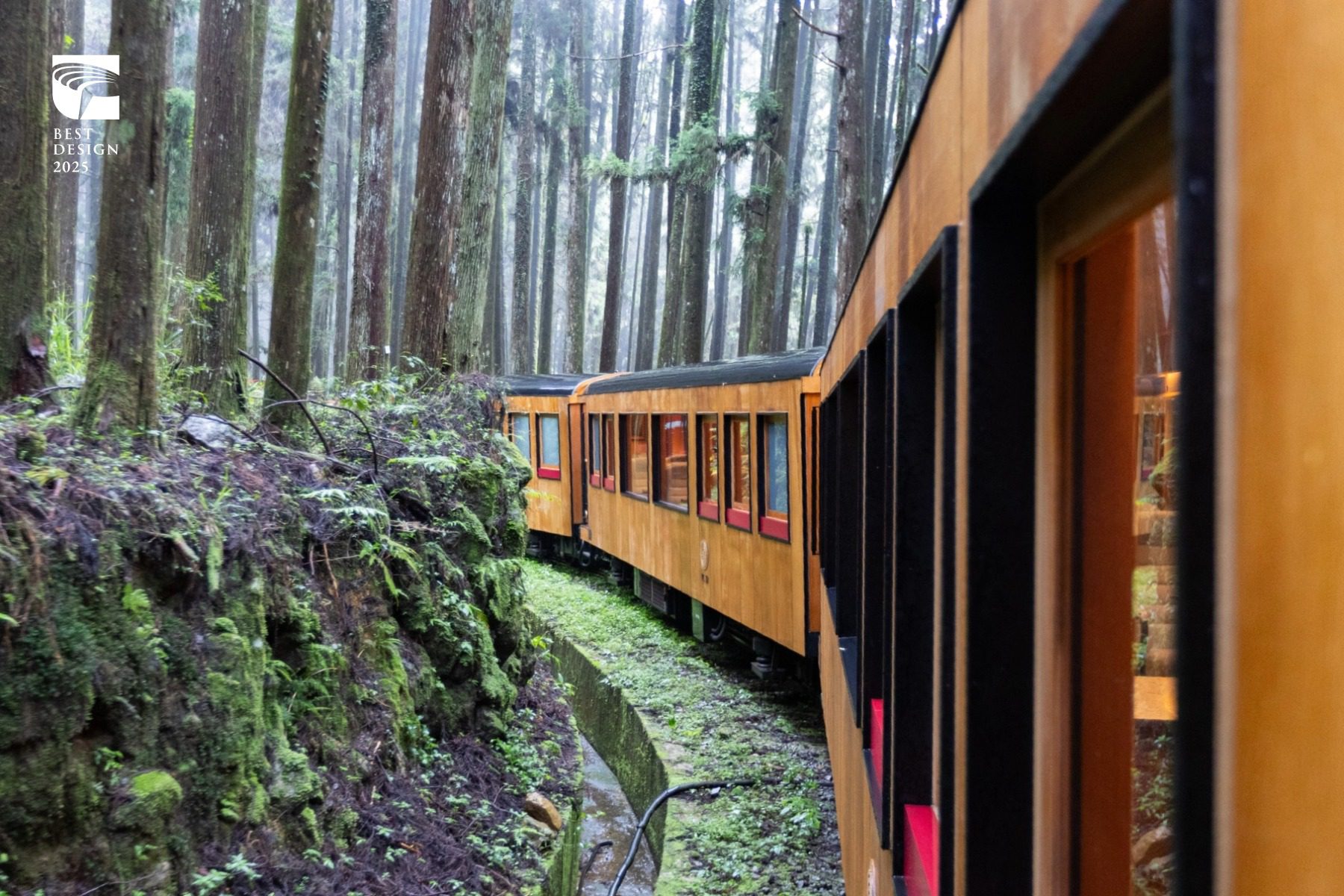
Formosensis | Photo courtesy of Golden Pin Design Award
Both projects operate as carriers of Taiwan’s collective memory of rail travel while redefining its contemporary value. They have been recognised by Taiwan’s Golden Pin Design Award, with ‘The Future’ also receiving Japan’s Good Design Award.
Together, they articulate a distinct approach to mobility and public space, one that resonates internationally while remaining deeply rooted in local culture, craft, and landscape.
From Train Body to Carriage: Designing the Train as a Continuous Spatial Experience
The transformation of Taiwan’s railway interiors began with ‘The Future’ (鳴日號). For decades, Taiwanese trains prioritised efficiency and durability, with little emphasis on cohesive aesthetics or passenger experience. In response, the Taiwan Railways Administration invited JC. Architecture & Design to reinterpret the 70-year-old Chu-Kuang Express, not by replacing its structure, but by working deliberately within it.
Conceived as a circular island tourist train, ‘The Future’ retains the Chu-Kuang’s iconic black-and-orange palette, reimagined through a visual concept described as “the wind of autumn.” Rather than standing apart from its surroundings, the train is designed to move with them, becoming a rolling façade that visually merges with Taiwan’s urban edges and rural landscapes.
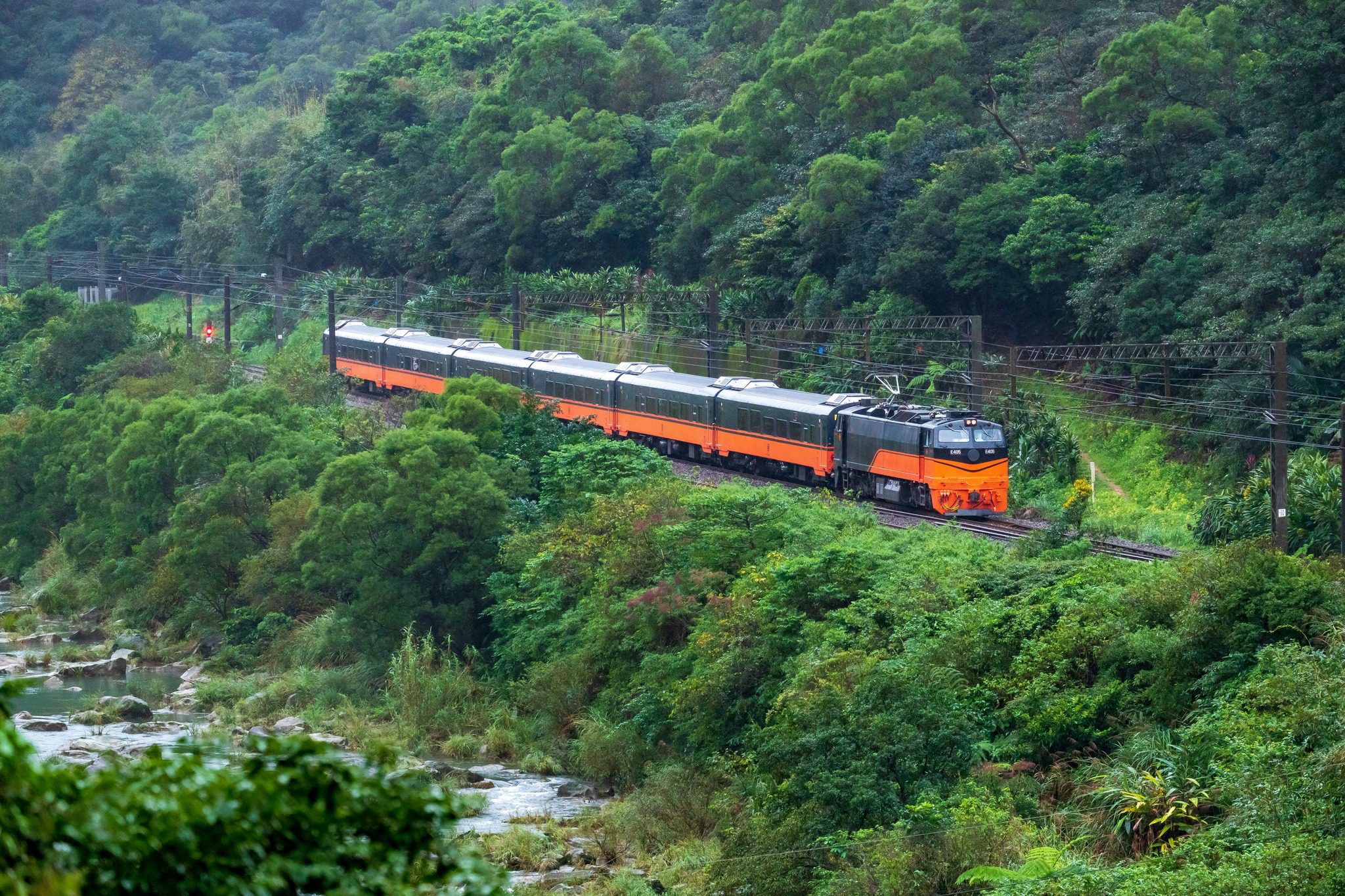
The Future | Photo courtesy of Lion Travel
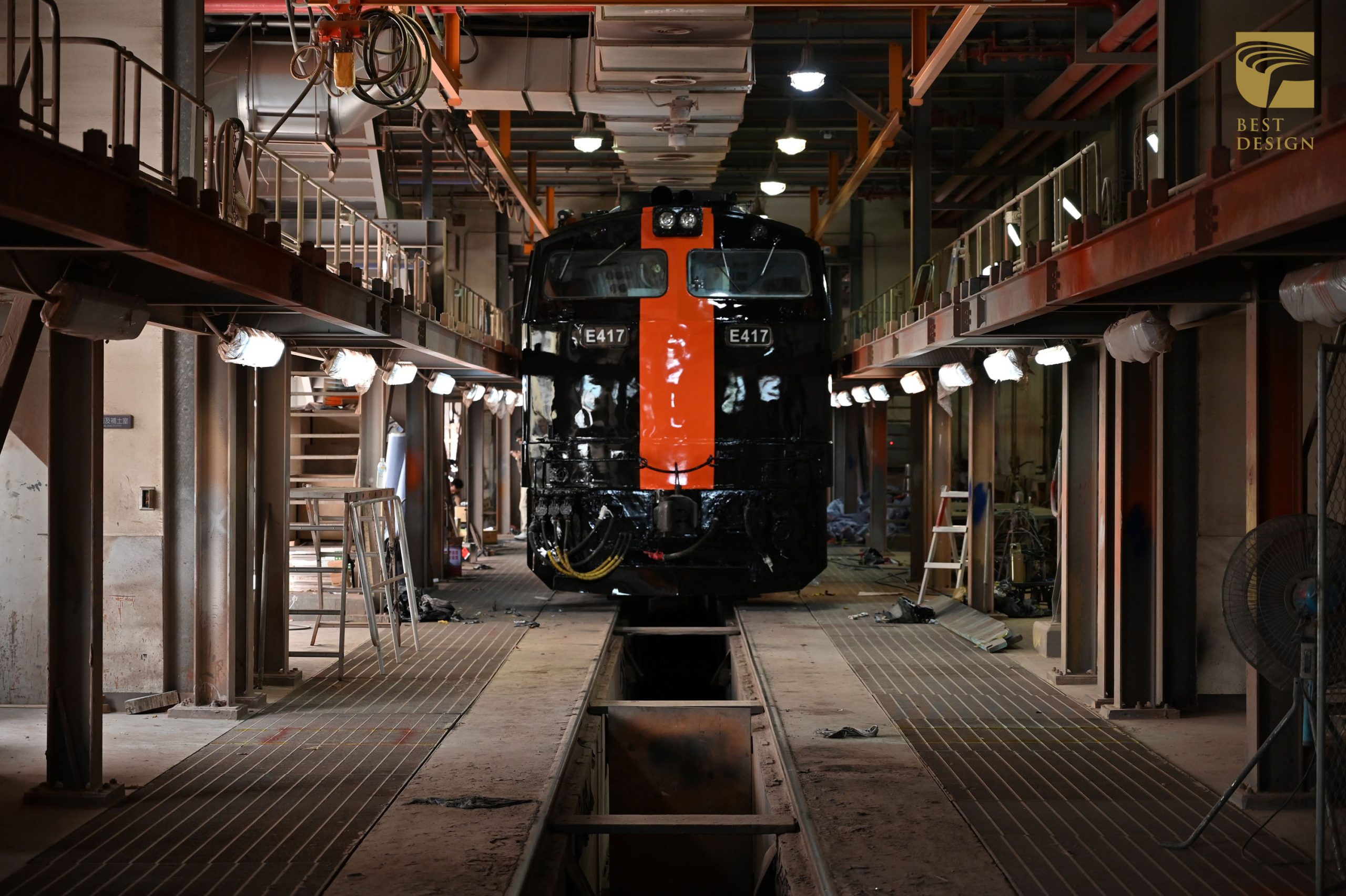
The Future | Photo courtesy of Kuomin Lee, JC. Architecture & Design
‘Formosensis’, by contrast, operates along the historic forest railway connecting Chiayi to Alishan, a route suspended for years due to natural disasters before its reopening. Designed by hLc architect in collaboration with Yu Xiang Machinery, the project takes materiality as its primary architectural driver.
From the outset, the design team committed to using Taiwan cypress throughout both exterior and interior. Naturally resistant to insects and decay, cypress carries deep associations with Alishan’s forestry history and is cultivated only in Taiwan, Japan, and the United States. The train’s English name, Formosensis, derives from the species’ scientific name: Chamaecyparis formosensis (Taiwan was called ‘Formosa’ in the history).
The exterior is clad in 40-centimetre-wide solid wood panels with minimal segmentation, allowing scale and grain to define the train’s presence. Inside, ceilings, floors, walls, tabletops, and armrests continue the same material language. The result is a unified sensory environment, visual, tactile, and olfactory, echoing Chiayi’s historical identity as Taiwan’s ‘city of wood.’
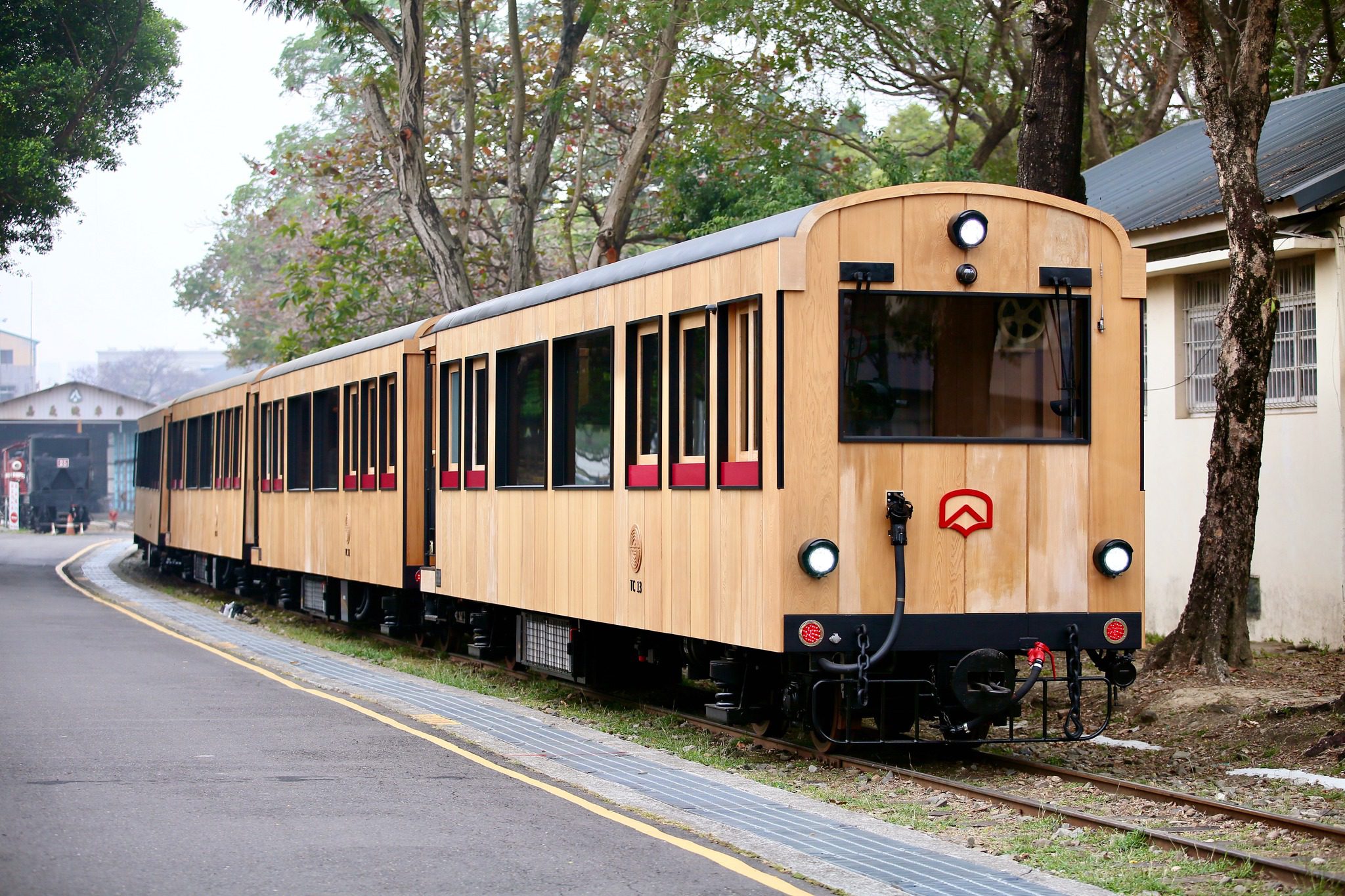
Formosensis | Photo courtesy of Alishan Forest Railway and Cultural Heritage Office
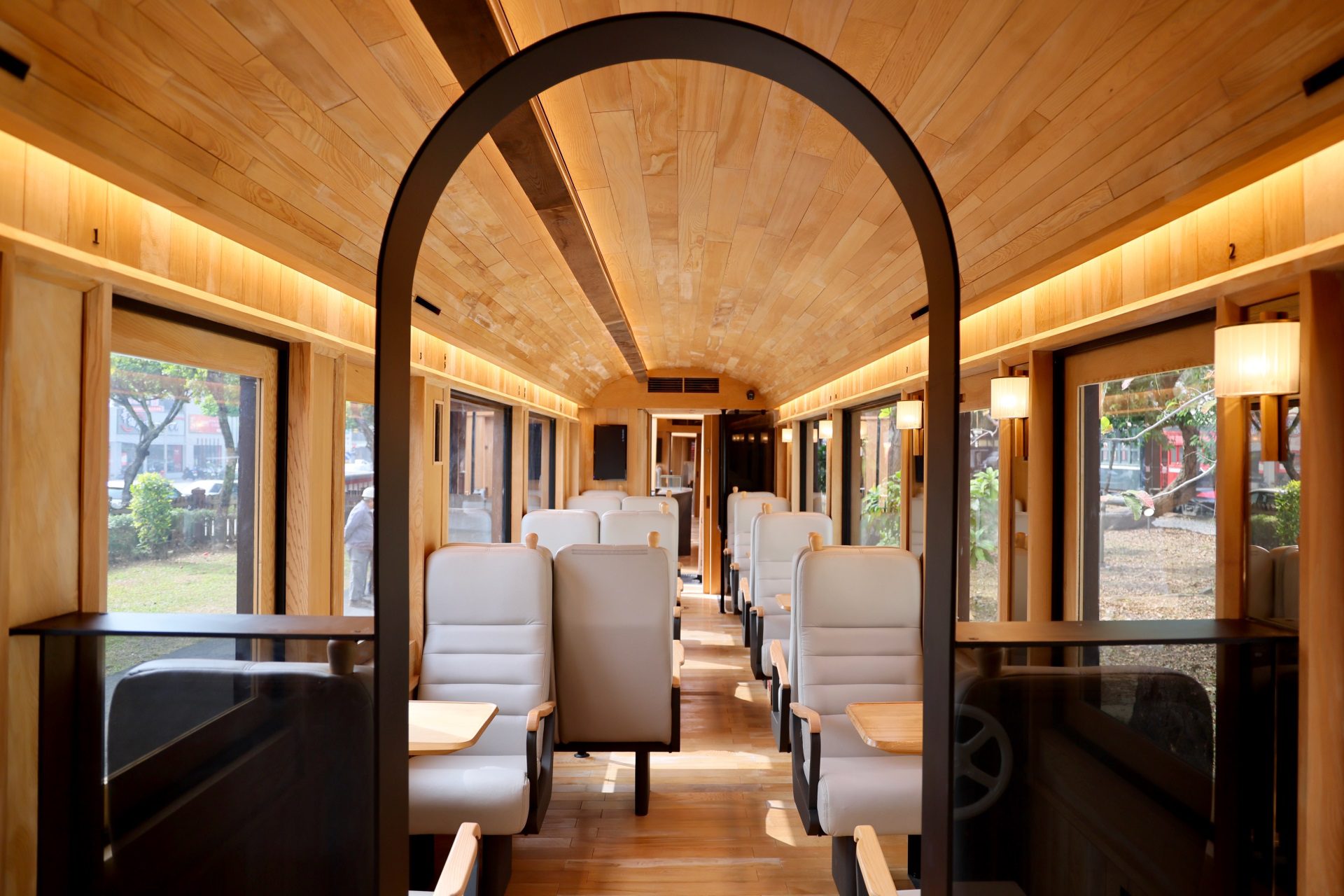
Formosensis | Photo courtesy of Alishan Forest Railway and Cultural Heritage Office
Interior Architecture as Sensory Calibration
Unlike conventional architecture, often analysed through structure, plan, and circulation, interior architecture within a train relies on sensory precision. With movement patterns largely predetermined, design intervention shifts toward atmosphere, perception, and bodily comfort.
In ‘The Future’, the interior is conceived around states of pause rather than motion. Blue and grey tones of furniture evoke Taiwan’s surrounding seas and eastern rock formations, while functional 6000K lighting has been replaced by a warmer 3000K glow, allowing light to gently pace the passenger’s internal tempo across long journeys, rather than merely illuminating the space.
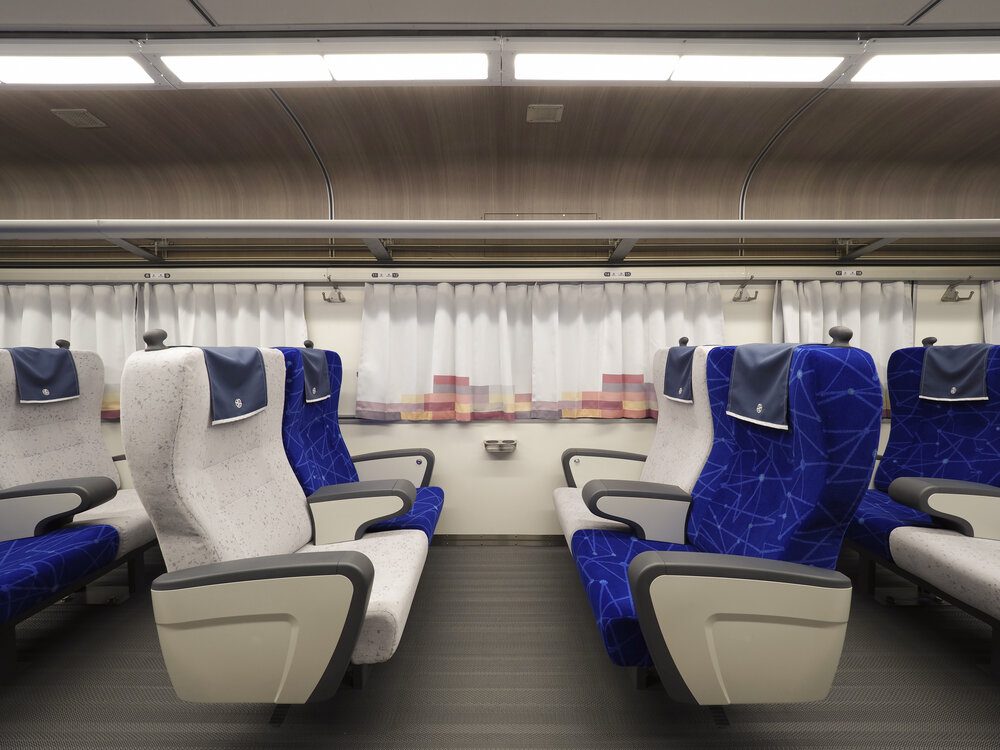
The Future | Photo courtesy of Kuomin Lee, JC. Architecture & Design
This strategy reaches its most explicit form in ‘The Moving Kitchen’, a derivative of The Future that transforms a carriage into a 54-seat mobile fine-dining space. Dark-toned interiors combine rattan, wood, and stone with warm lighting and white marble tabletops. Dining, conversation, and movement coexist within a single enclosure, reframing the train carriage as a social interior rather than a transient container.
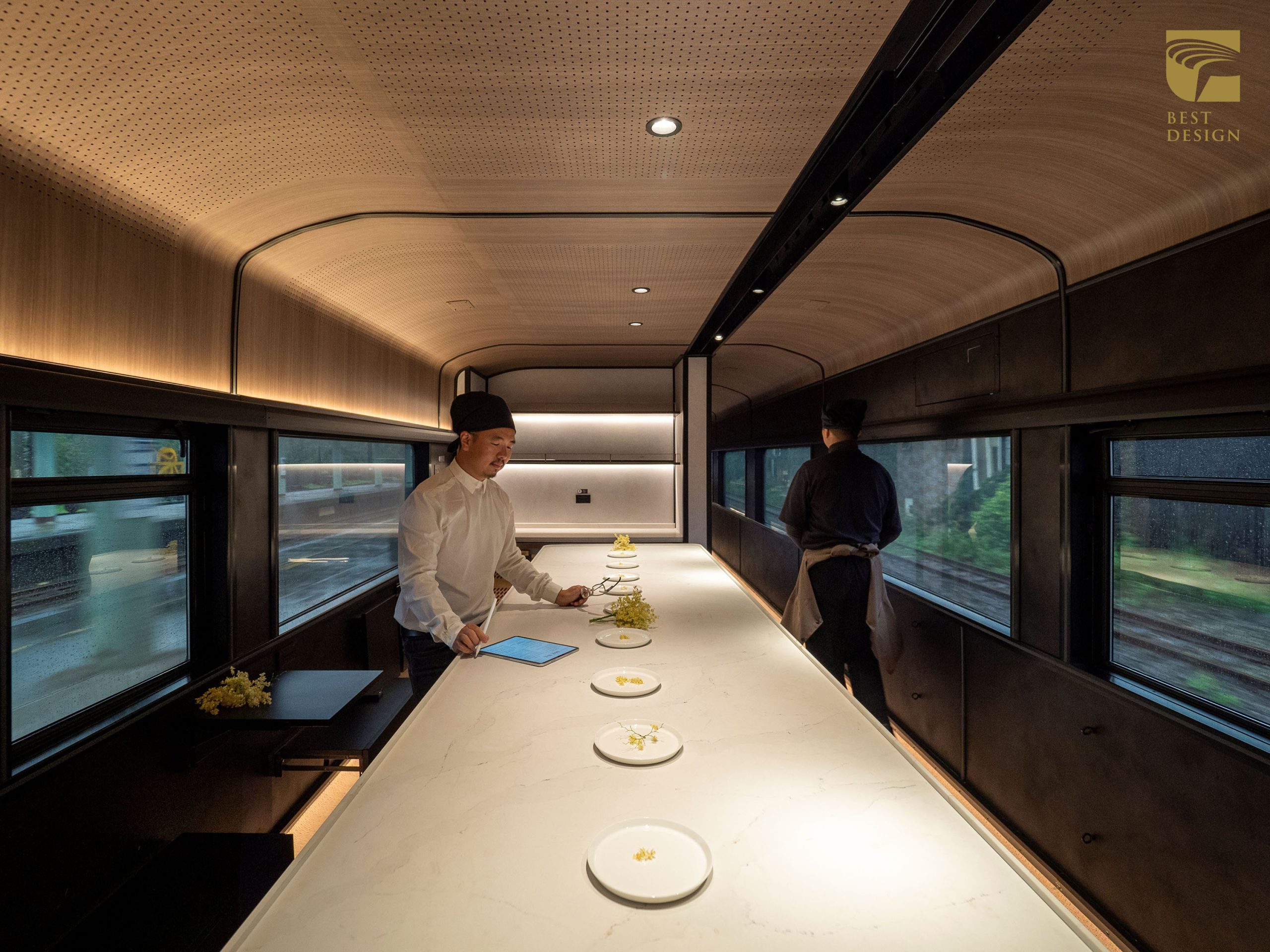
The Future | Photo: JC. Architecture & Design
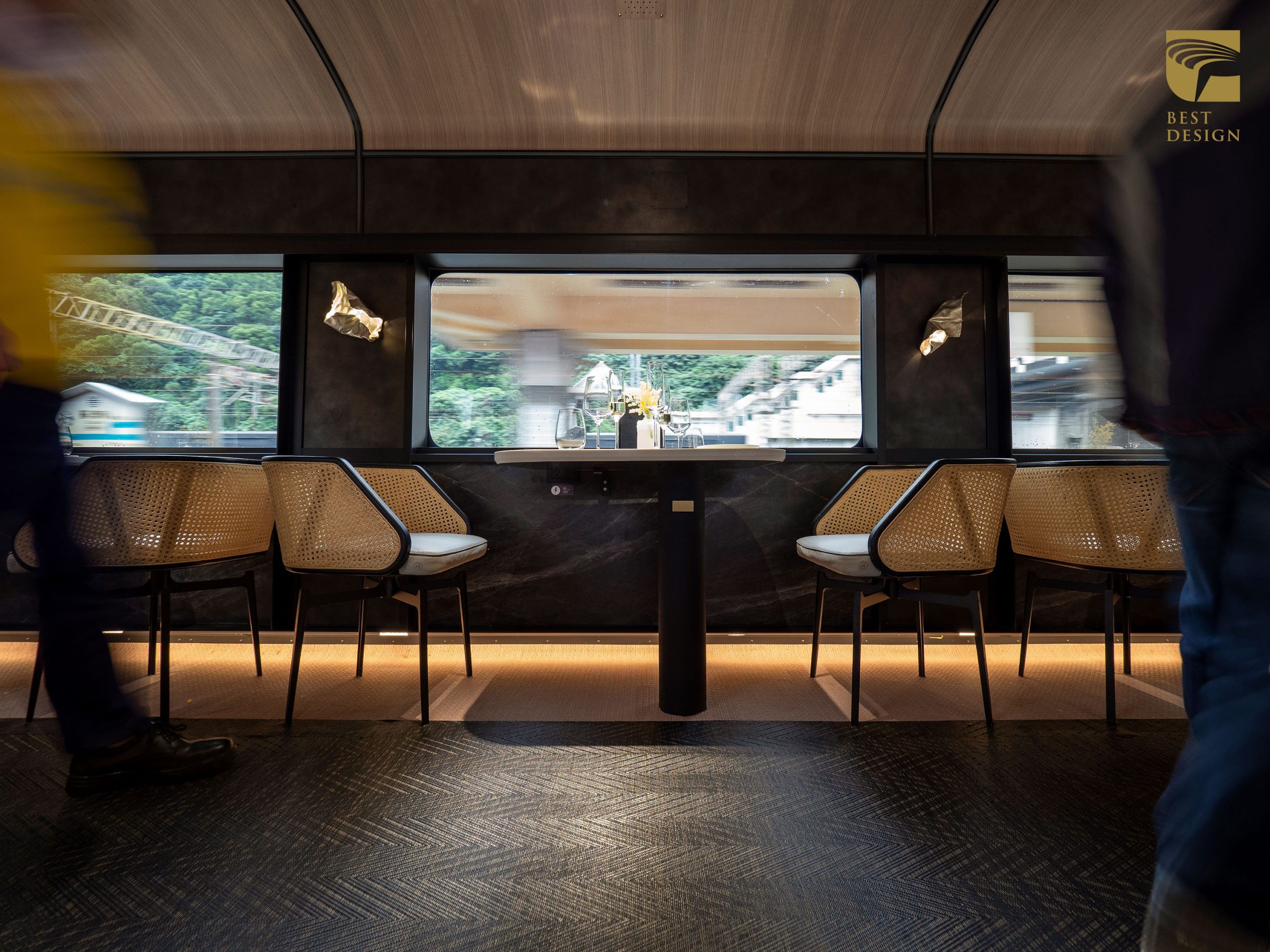
The Future | Photo: JC. Architecture & Design
In ‘Formosensis’, interior design is guided by the relationship between body experience and landscape. During the planning phase, the design team rode the forest railway themselves, experiencing the gradual ascent from 30 to 2,451 metres above sea level. Shifts in ecology, light, and forest density informed an approach defined by restraint, reducing formal presence so that the interior recedes, allowing the landscape to take visual priority.
Window heights were increased from 146 to 168 centimetres, expanding the field of vision toward the surrounding forest. Additionally, ergonomic seating, wrapped in leather and high-resilience foam, was refined through multiple prototypes to support comfort during extended travel.
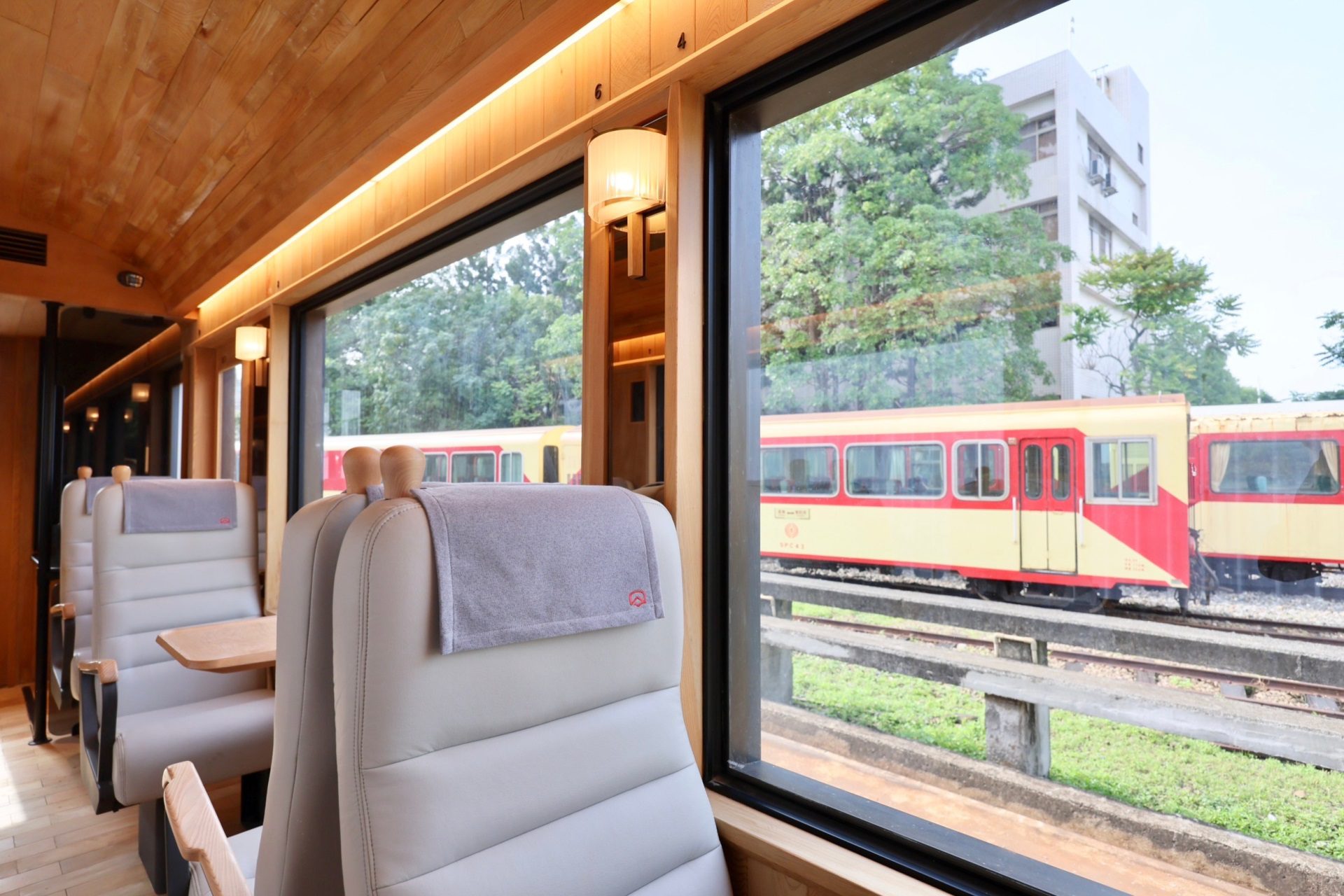
Formosensis | Photo courtesy of Alishan Forest Railway and Cultural Heritage Office
Lighting design responds directly to the railway’s conditions, where frequent tunnels create abrupt contrasts in brightness. Through gradual transitions and concealed indirect lighting, visual fatigue is minimised. Light quietly traces the grain of the cypress while maintaining a stable sensory atmosphere as exterior conditions continuously shift.
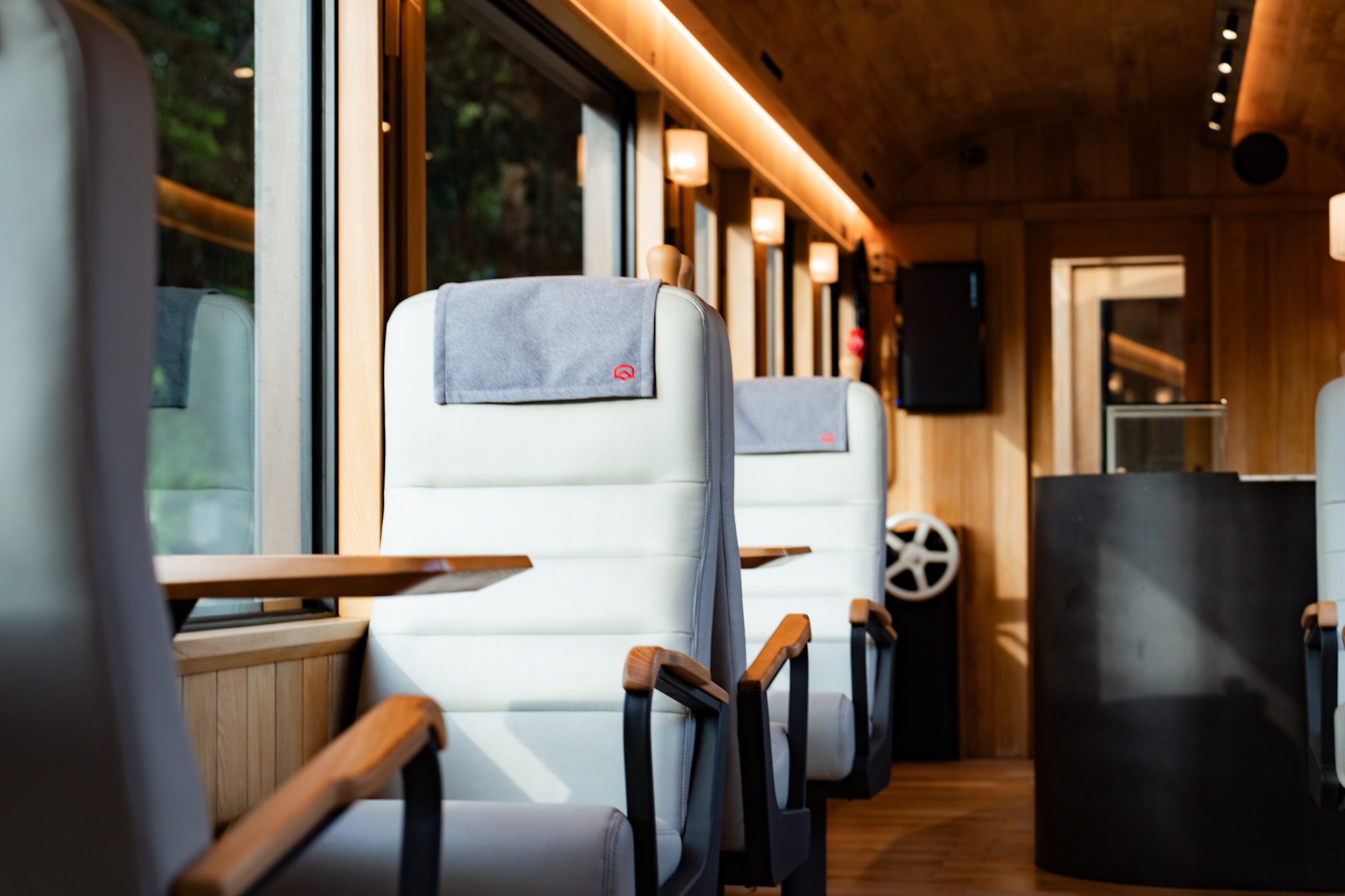
Formosensis | Photo courtesy of Alishan Forest Railway and Cultural Heritage Office
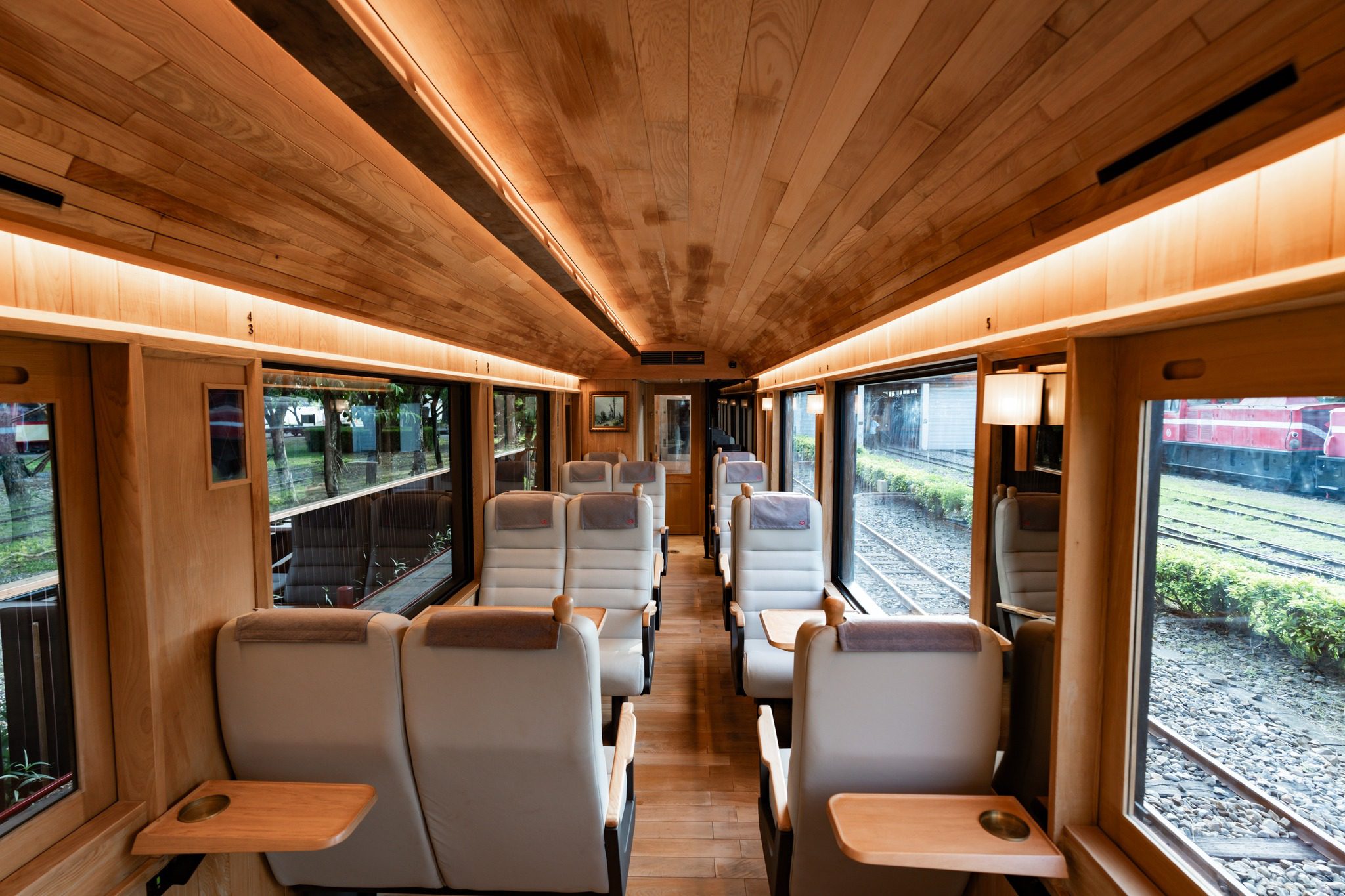
Formosensis | Photo courtesy of Alishan Forest Railway and Cultural Heritage Office
Together, ‘The Future’ and ‘Formosensis’ signal a broader shift within Taiwan’s railway system, resigning the condition of everyday mobility. When train interiors are repeatedly occupied and embedded in collective memory, spatial quality becomes inseparable from the experience of movement itself.
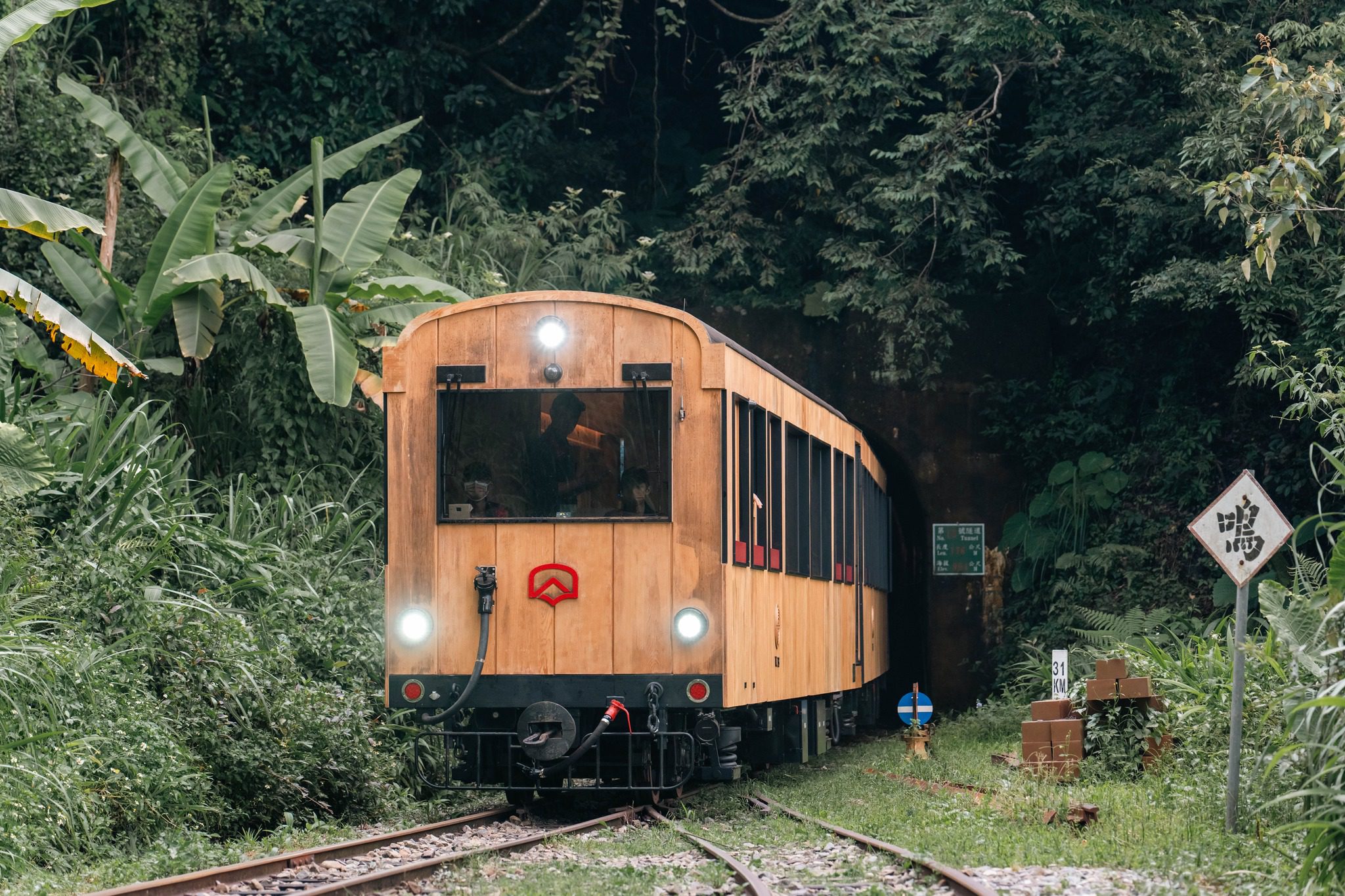
Photo courtesy of Alishan Forest Railway and Cultural Heritage Office
Their recognition by both Taiwanese and Japanese design institutions by the Golden Pin Design Award and Good Design Award affirms this position.
These projects demonstrate that even within the most constrained public infrastructures, architecture can meaningfully intervene, not by monumental form, but by recalibrating how movement is felt, remembered, and valued.
johnnyisborn.com
facebook.com/jcarchitecturedesign
_
About the Golden Pin Design Award
The Golden Pin Design Award is the most prestigious design competition in the Taiwan, China, Macao, and Hong Kong markets. Its mission is to provide opportunities and support for outstanding design across various categories—from products to diverse creative works—originating in countries throughout Asia.
For more information, please visit: https://www.goldenpin.org.tw/en/