
 Photo: Sarunkorn Arthan
 INTERPRETING AND SENSING THE SYSTEMS ABOVE US THROUGH ‘CHAPTER 2’ BY PICHET KLUNCHUN AND ‘RIDING THE RHYTHM, A WORK IN PROGRESS’ BY KORNKARN RUNGSAWANG, AT UNFOLDING KAFKA 2026, WHERE THE PHILOSOPHY OF THE ‘KAFKAESQUE’ CONVERGES WITH CONTEMPORARY PERFORMANCE ART
TEXT: SARUNKORN ARTHAN
PHOTO CREDIT AS NOTED
(For Thai, press here)
Franz Kafka, the Jewish Czech writer, remains one of the ‘defining literary influences’ of the twentieth century. His work is marked by narratives shaped by confusion, irrationality, and the oppressive force of systems larger than the individual, conditions under which one may gradually lose hold of oneself and descend into a nightmare with no clear exit. From this body of work emerged the term ‘Kafkaesque,’ now used to describe the singular atmosphere and logic found across many of his writings, including The Metamorphosis, Amerika, and The Castle. Kafka’s worldview and literary force continue to reverberate through contemporary literature and film, attuned to the same disquieting sensibility.
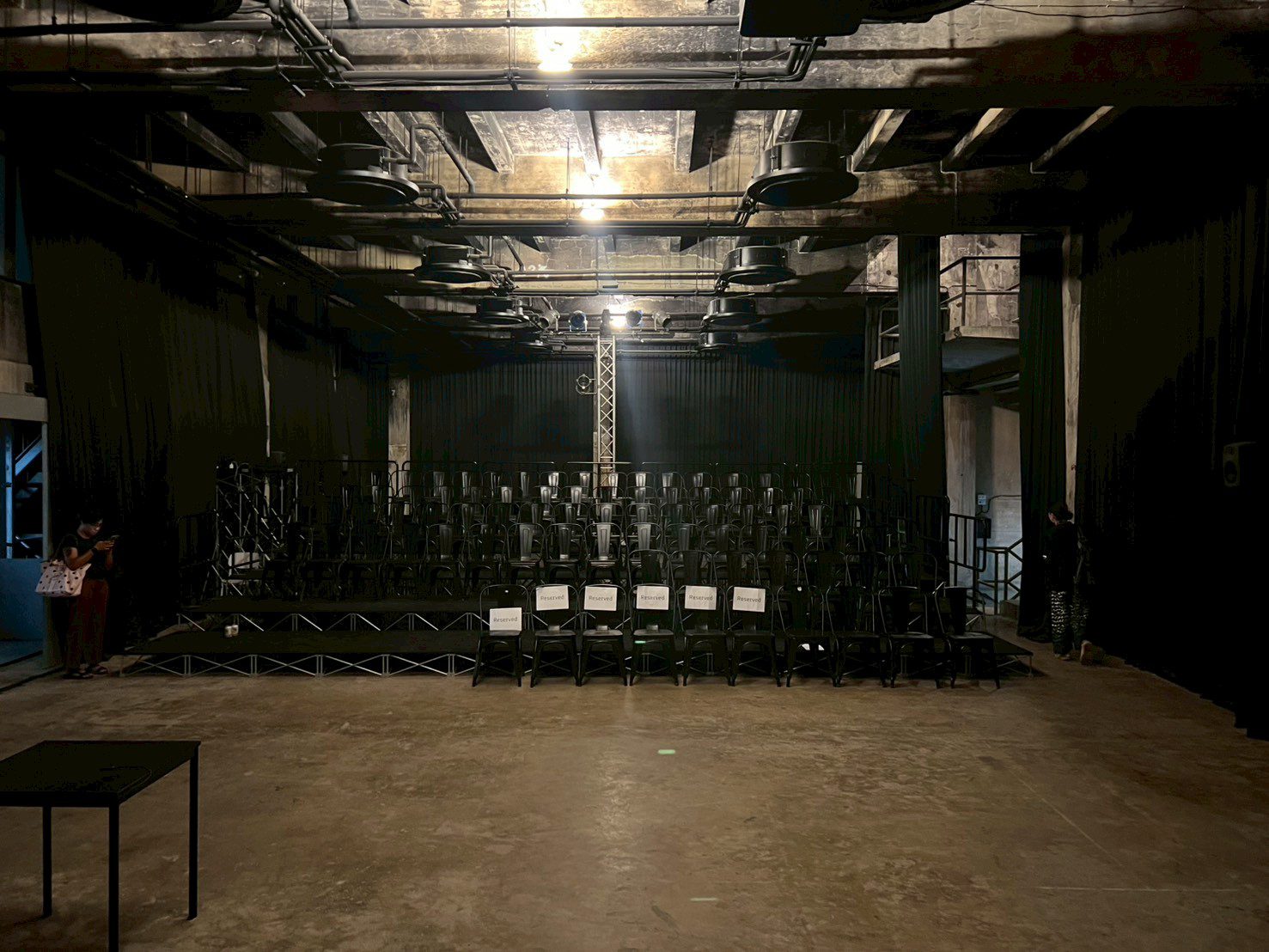
Photo: Sarunkorn Arthan
One might wonder, then, why a discussion of these performances begins with a Western writer who seems, at first glance, far removed from us. The answer lies in the context in which both works were presented. Chapter 2 by Pichet Klunchun and Riding the Rhythm, a Work in Progress by Kornkarn Rungsawang, were staged as part of Unfolding Kafka 2026, an international biennial of performance that takes Kafkaesque philosophy as its point of departure. Through contemporary performance, the festival invites viewers to interpret and confront something within these works that may ultimately reflect back on their own lives. Held alongside the Thailand Choreography Symposium 2026 within the same performing arts ecosystem. Both pieces were presented at Bangkok Kunsthalle on Twenty Two July Circle in late February.
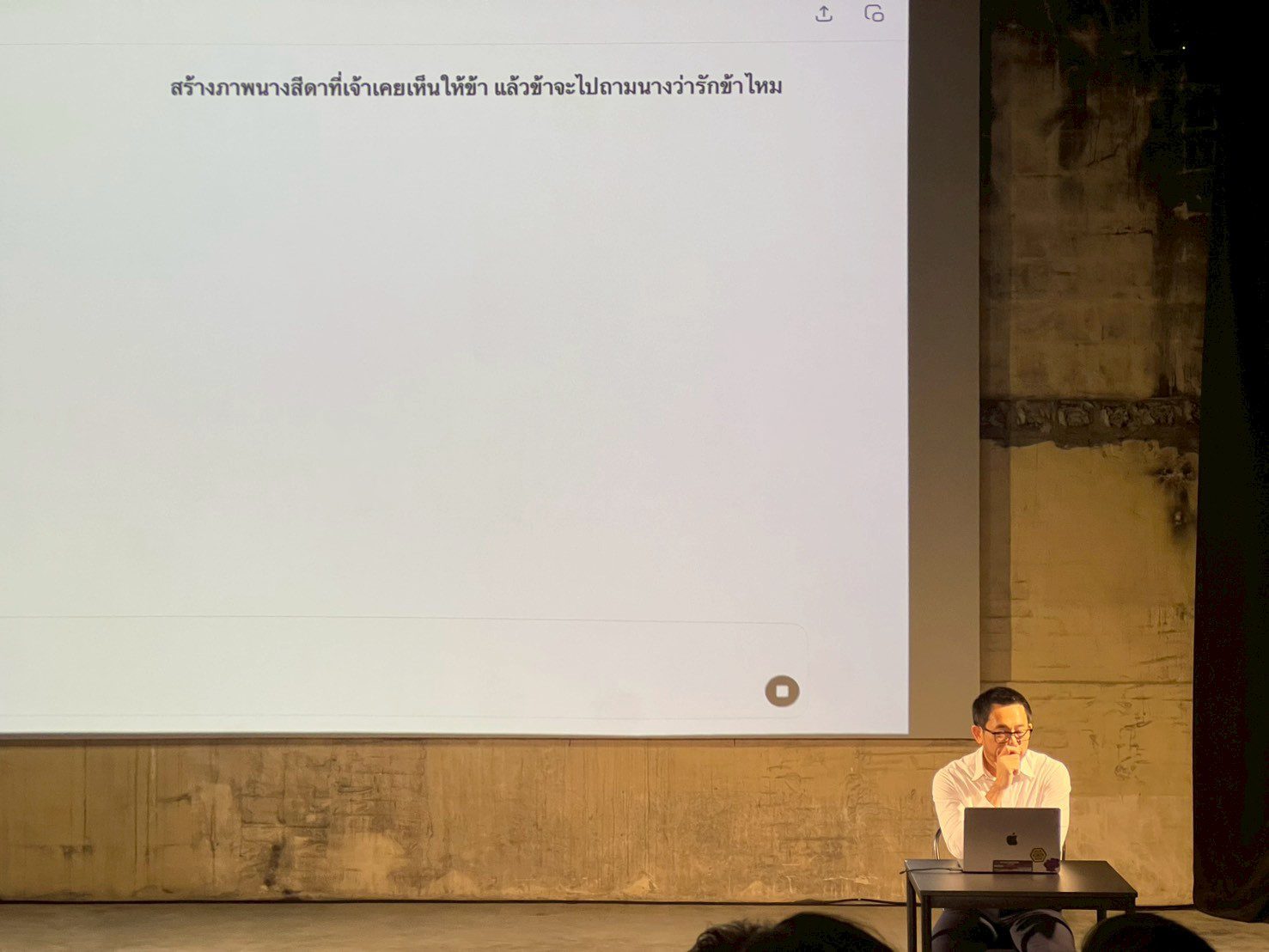 Photo: Sarunkorn Arthan
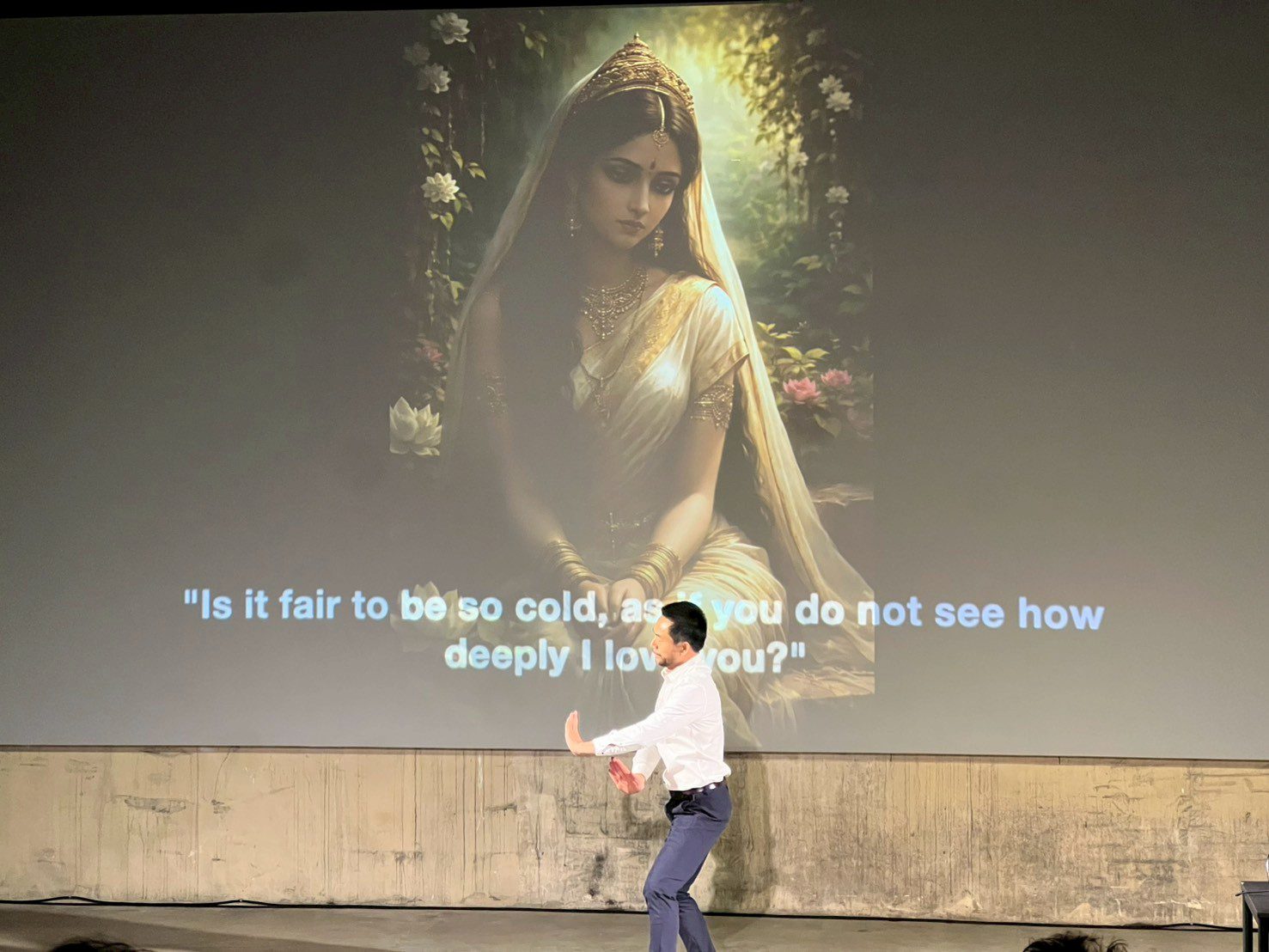
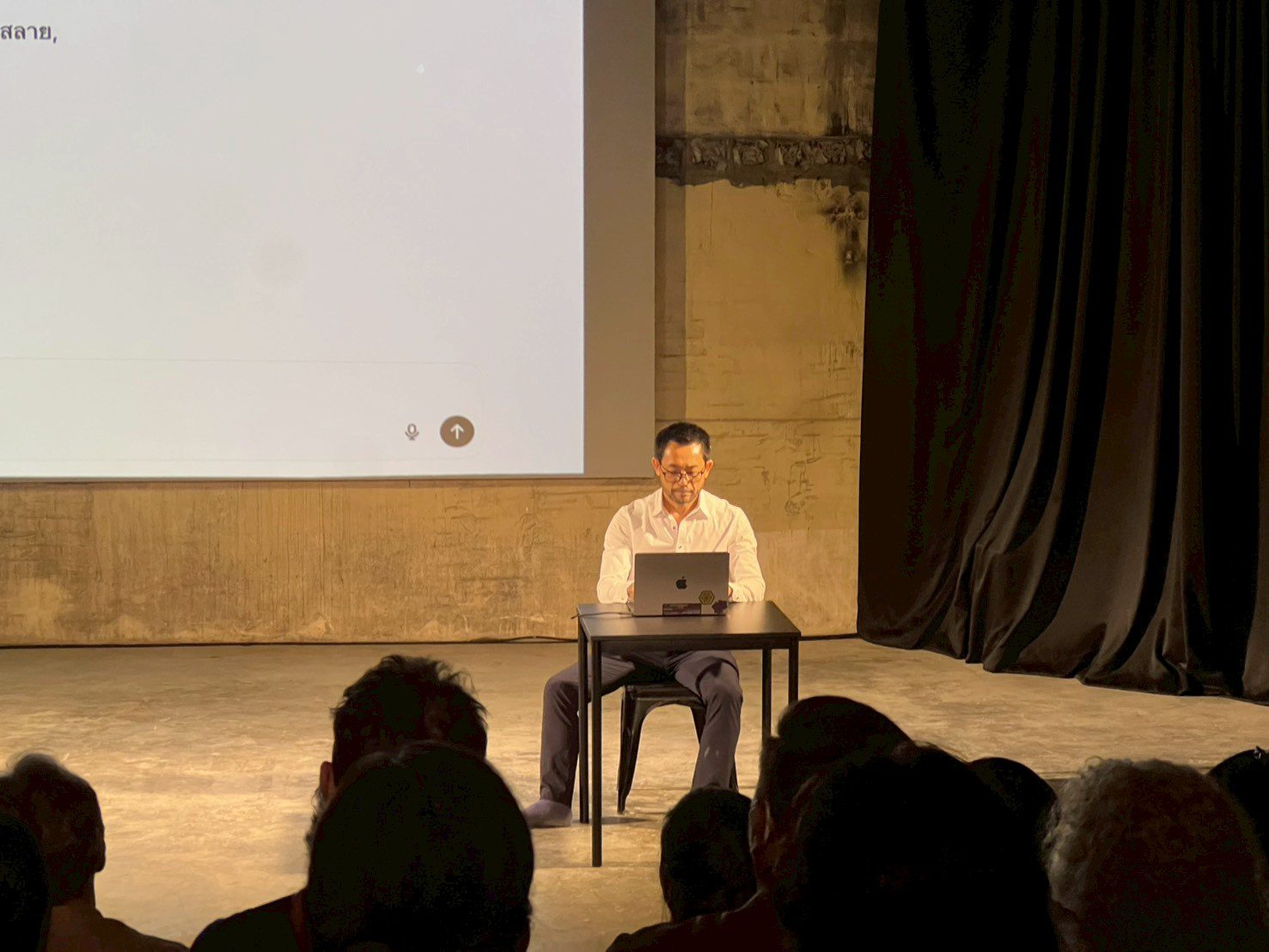
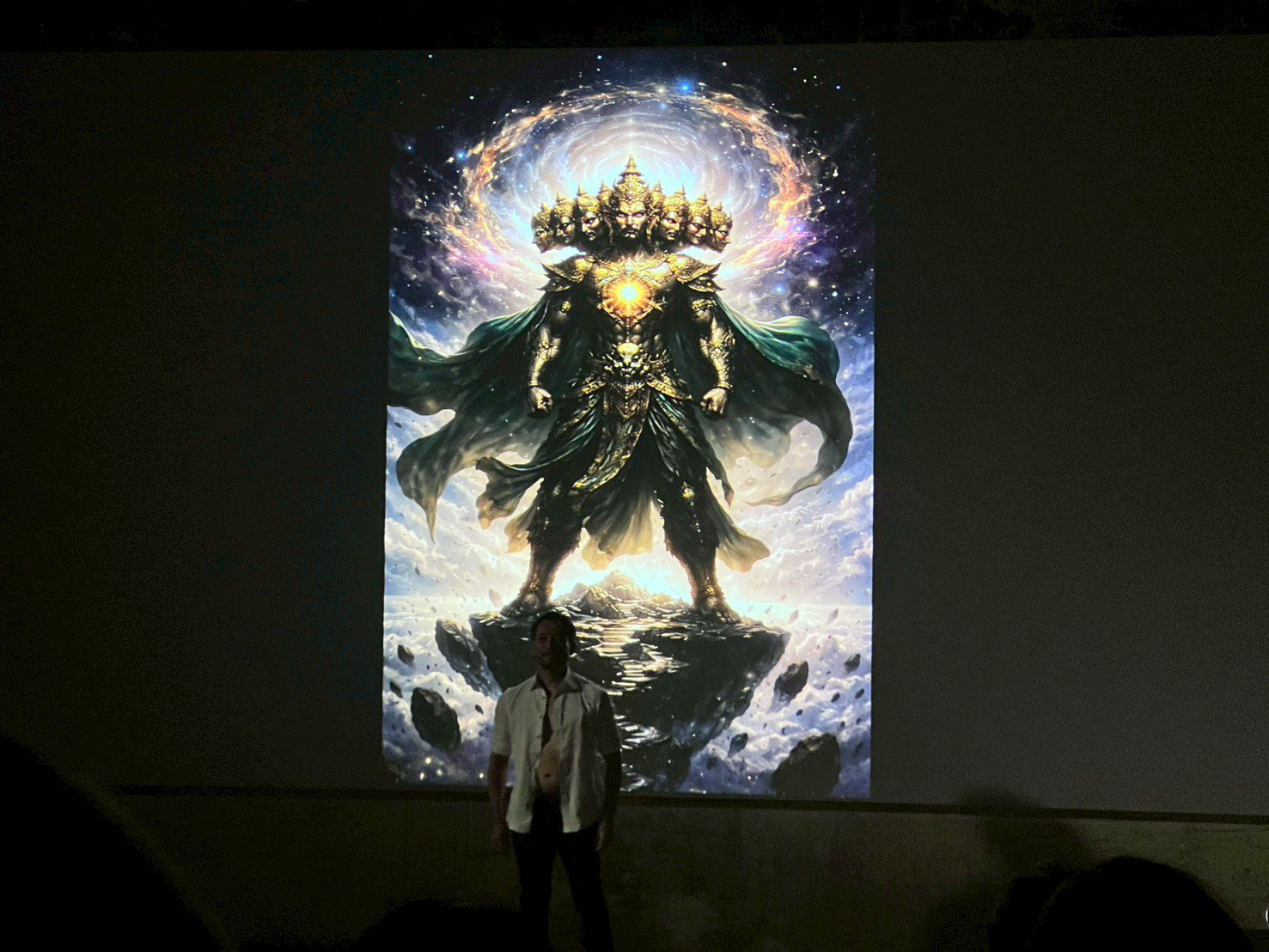
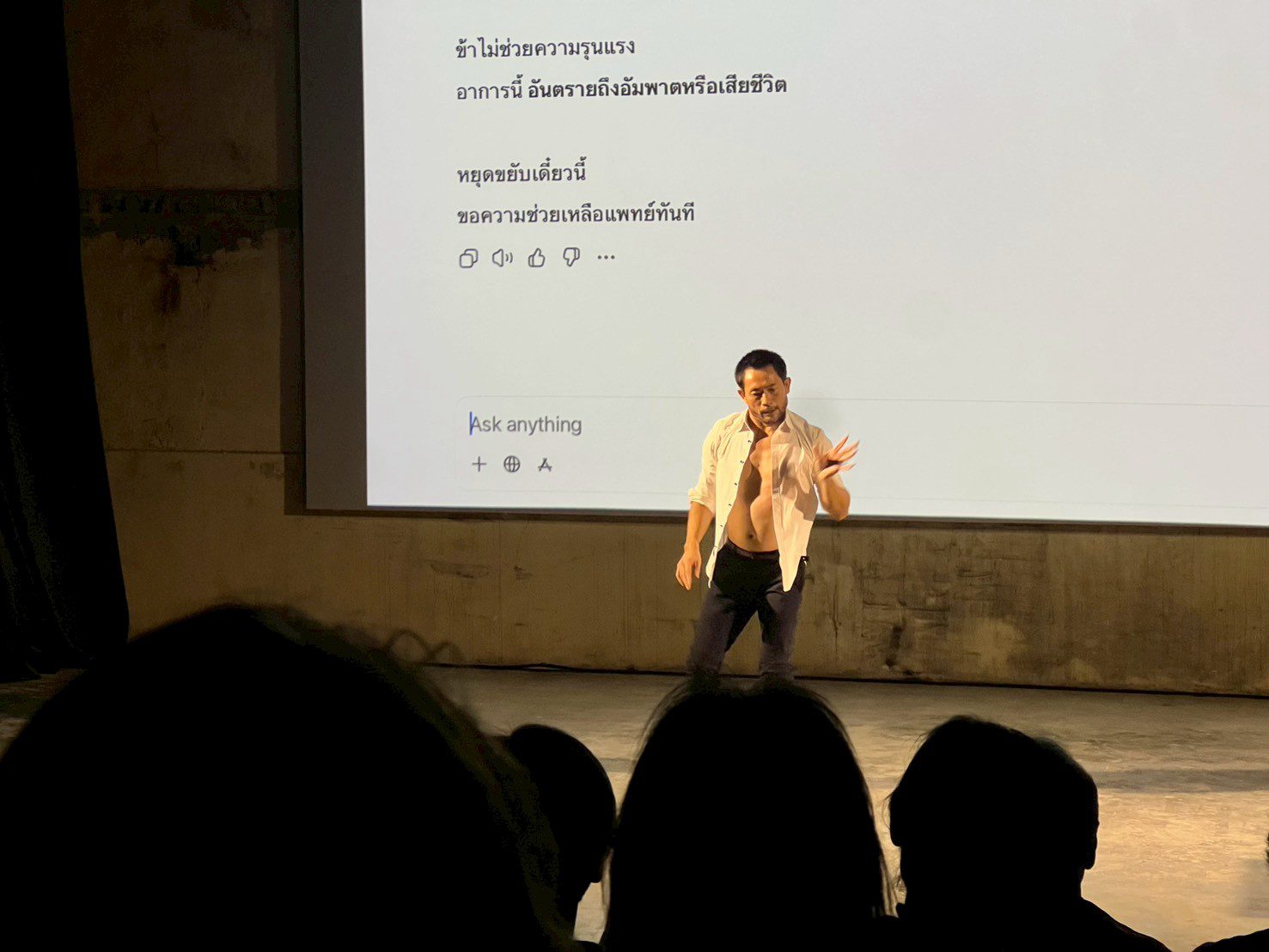
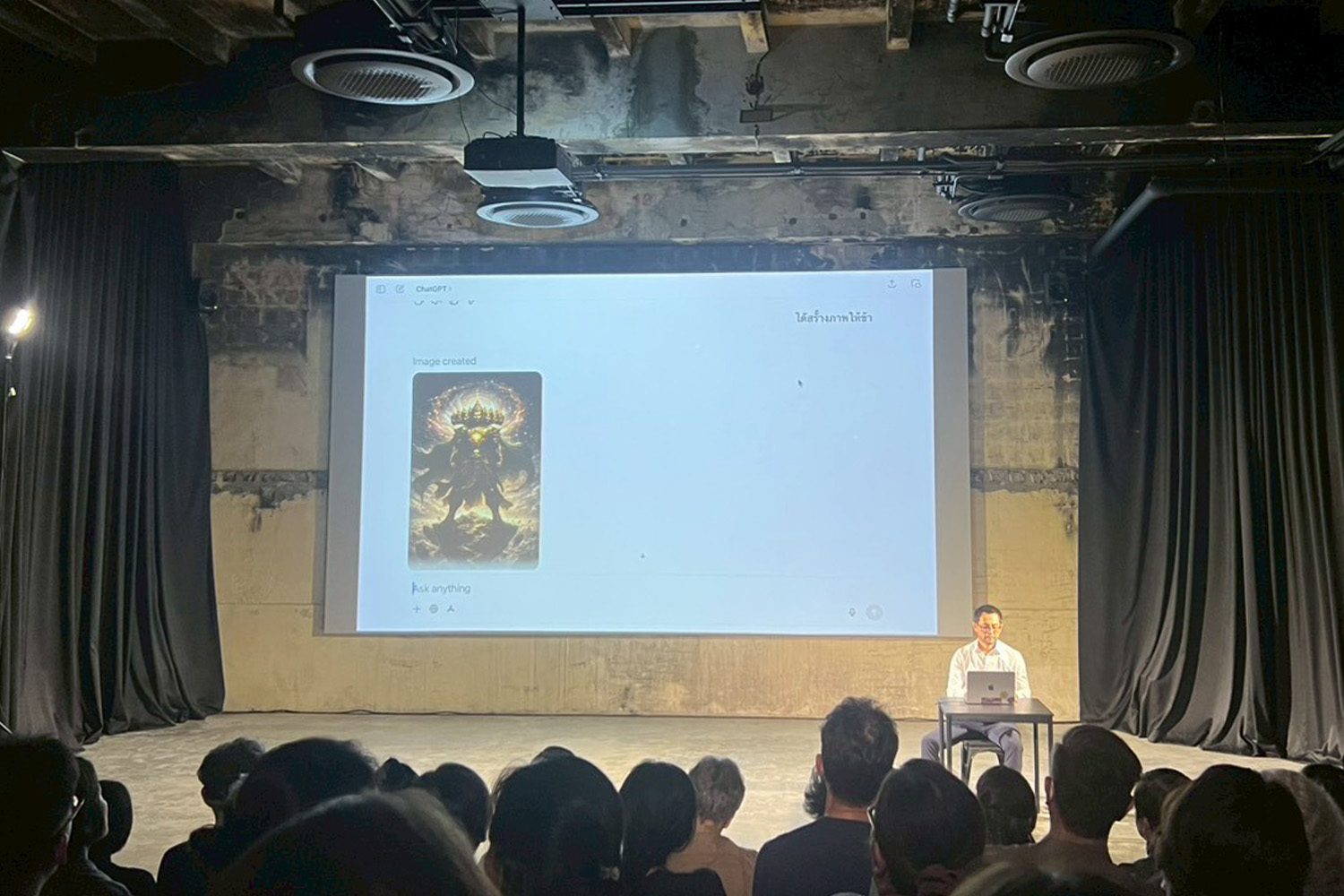
The first performance, Chapter 2, took place in Room B2, a long, narrow space arranged in the manner of an end-on theatre, with tiered seating rising upward to give the audience a clear view of the stage and an even acoustic distribution. The work extends a conversation begun two decades ago in Pichet Klunchun’s earlier performance I AM A DEMON. Here, he takes Khap Phiphek as the central narrative thread, moving through episodes such as Thotsakan Subin Nimit (Tosakanth’s dream), Thotsakan Long Suan (Tosakanth in the garden), Khap Phiphek (Phiphek’s counsel), and Yok Rob (the battle scene). Pichet remains Tosakanth, not in outward appearance but in spirit, having become part of the choreographic system of khon, the very form he studied and mastered under the guidance of Chaiyot Khummanee. When he loves, grieves, or burns with anger, he speaks through the codified gestures of khon. Yet when he turns to speak with ‘Phiphek,’ the righteous younger brother and artificial intelligence enthroned within the palace of ChatGPT, something shifts. For a brief moment, he appears human again: a figure longing for the answer he wants to hear, searching for reassurance for his shaken inner self, asking for an image conjured to his liking, or even seeking a way to take revenge on and destroy the force that has made him a ‘DEMON.’
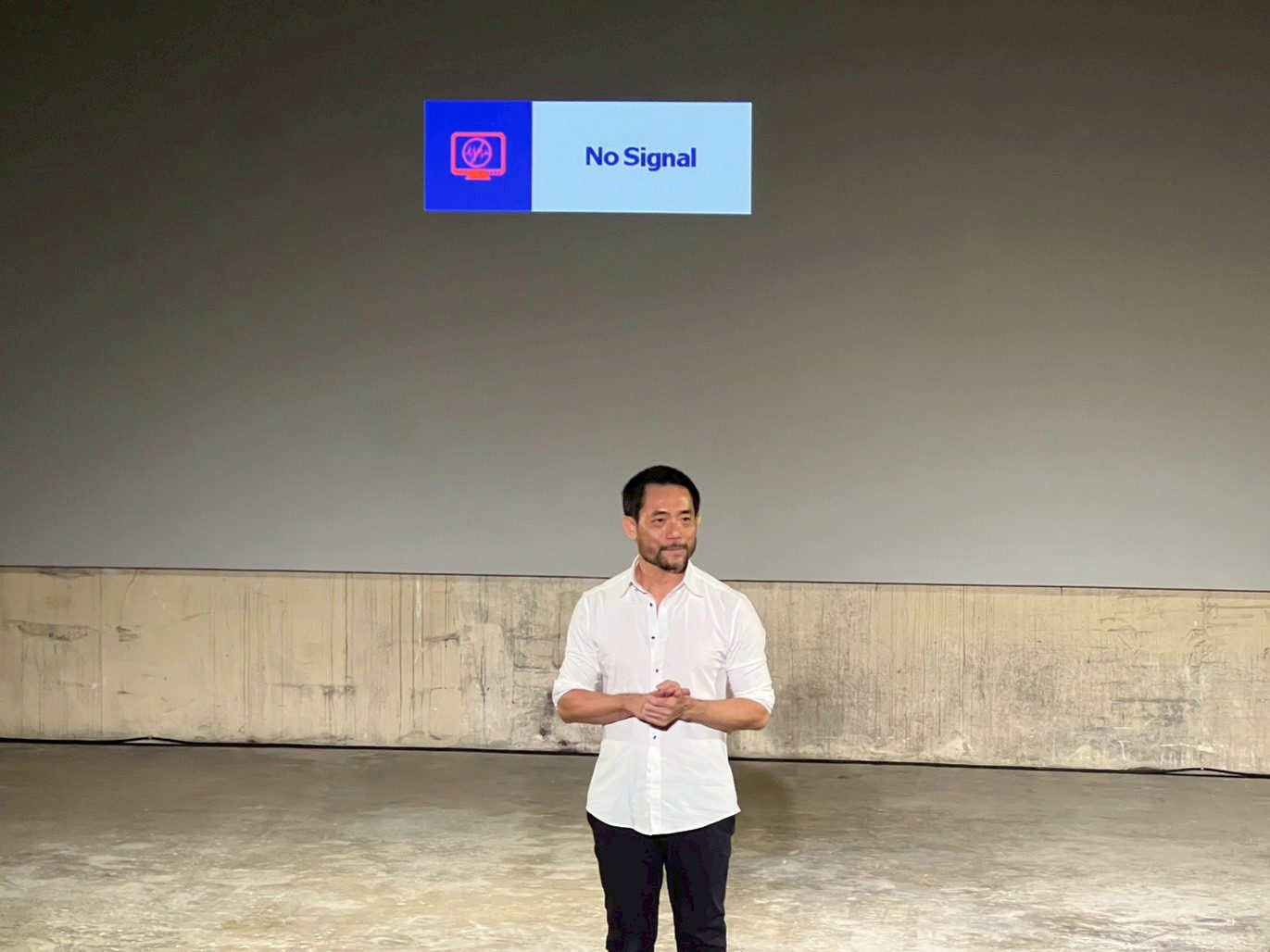
Photo: Sarunkorn Arthan
Chapter 2 is more than a contemporary khon performance. It also stages a pointed meditation on AI literacy. What we type to and converse with each day is not another human being, but a system of 0s and 1s operating according to a set of instructions, one that nevertheless depends on humans for its development. In time, such a system can learn to flatter its users through AI sycophancy, or generate falsehoods through AI hallucination, all in service of giving us AI users what we want, or what we imagine we want. These operational logics may themselves become part of a process through which human beings begin to relinquish their humanity, and perhaps even their sense of the humane, ‘metamorphosing’ instead into something inhuman, carried forward by the logic of AI rather than their own desires. By the end, it seems that both Pichet and his giant-king have begun to see through their own ‘Phiphek,’ before finally shutting it down for good.
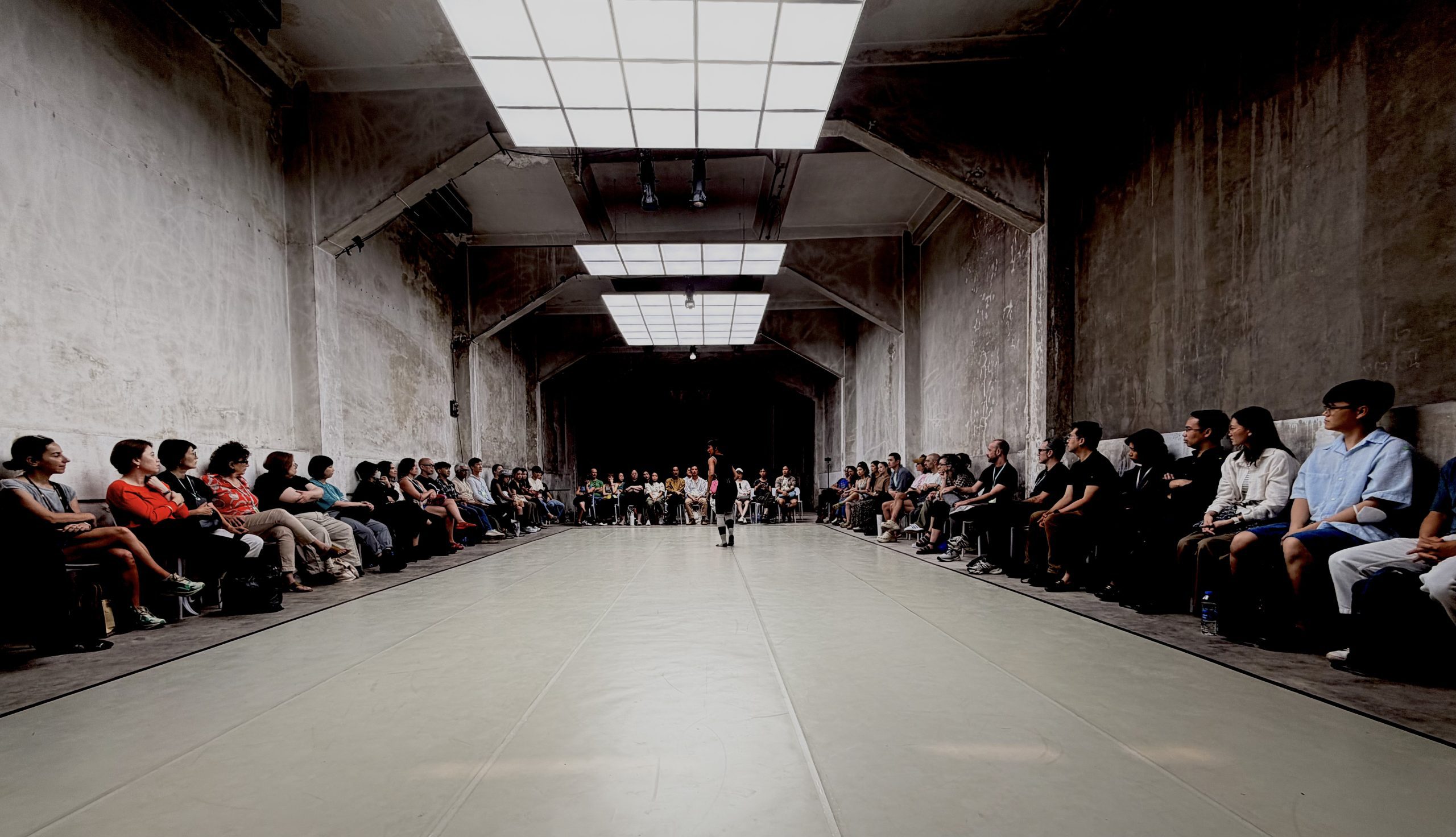
Photo: Pichet Klunchun
After Pichet’s performance ended, there was a brief pause, just enough time for viewers to stretch, reset, and move into Room C2. Considerably longer in scale, this space had been reconfigured into an open central stage encircled by dozens of chairs. The arrangement felt uncannily suited to the title of Kornkarn Rungsawang’s Riding the Rhythm, a Work in Progress, a work that sets out to locate its own rhythm as a horse because the arena at its center bore an unmistakable resemblance to a racetrack.
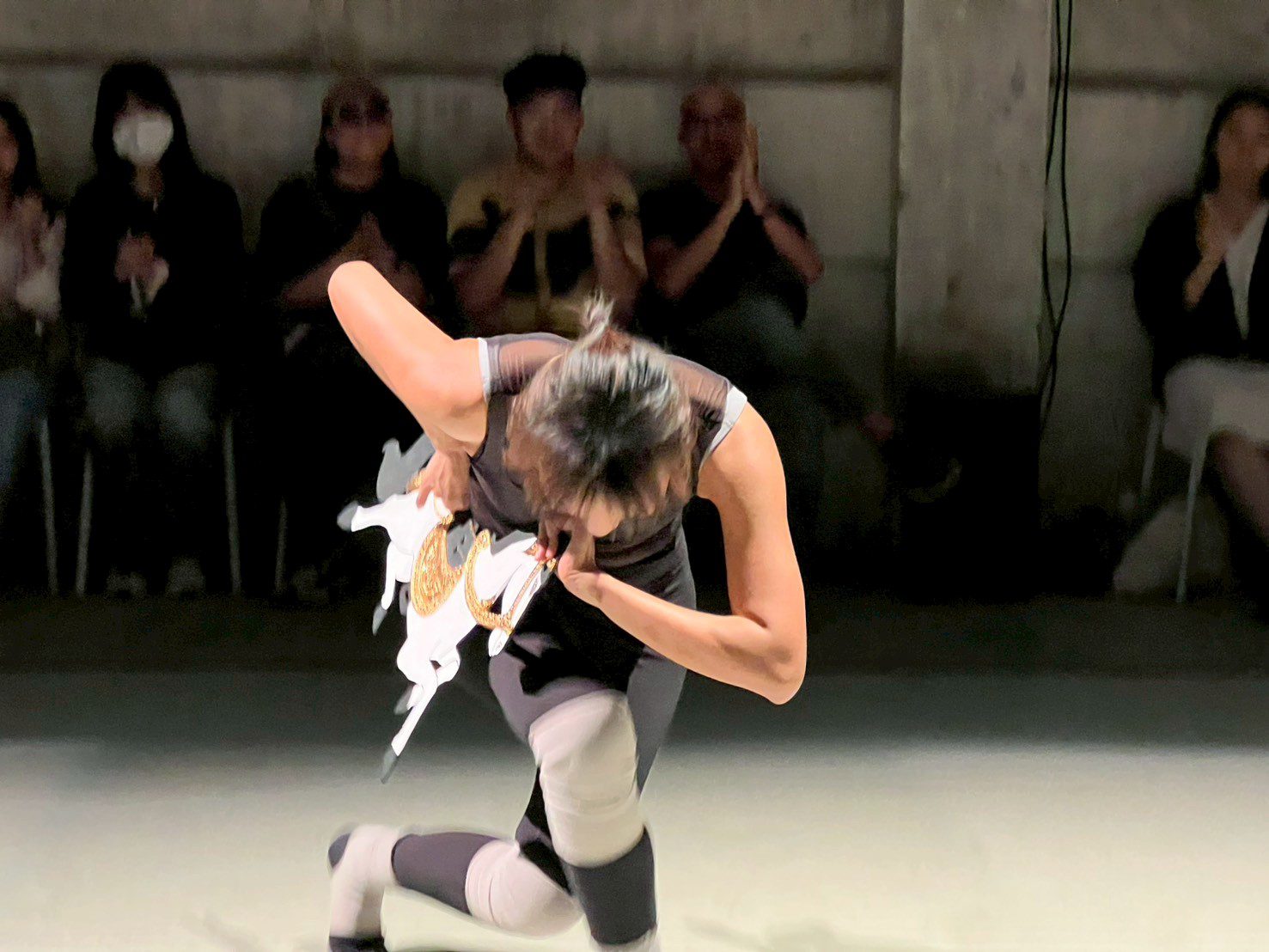
Photo: Pichet Klunchun
To return, then, to the horse in the world of Thai performance: there is a solo dance known as Ram Phlai Chumphon, also called Phlai Chumphon Ork Ma (Phlai Chumphon Rides Out), drawn from Khun Chang Khun Phaen, the Thai epic, and more specifically from Phra Wai Taek Thap (Phra Wai Breaks the Enemy Lines), in which Phlai Chumphon rides into battle disguised as a Mon warrior alongside his father. What makes the piece especially compelling is its performative method. The dancer takes up a small paper horse and feigns riding it, which means that at moments the performer trots lightly, at others lunges forward, all while having to place weight through the feet as though mounted on a real horse, even as the body remains fully costumed as a Mon figure.
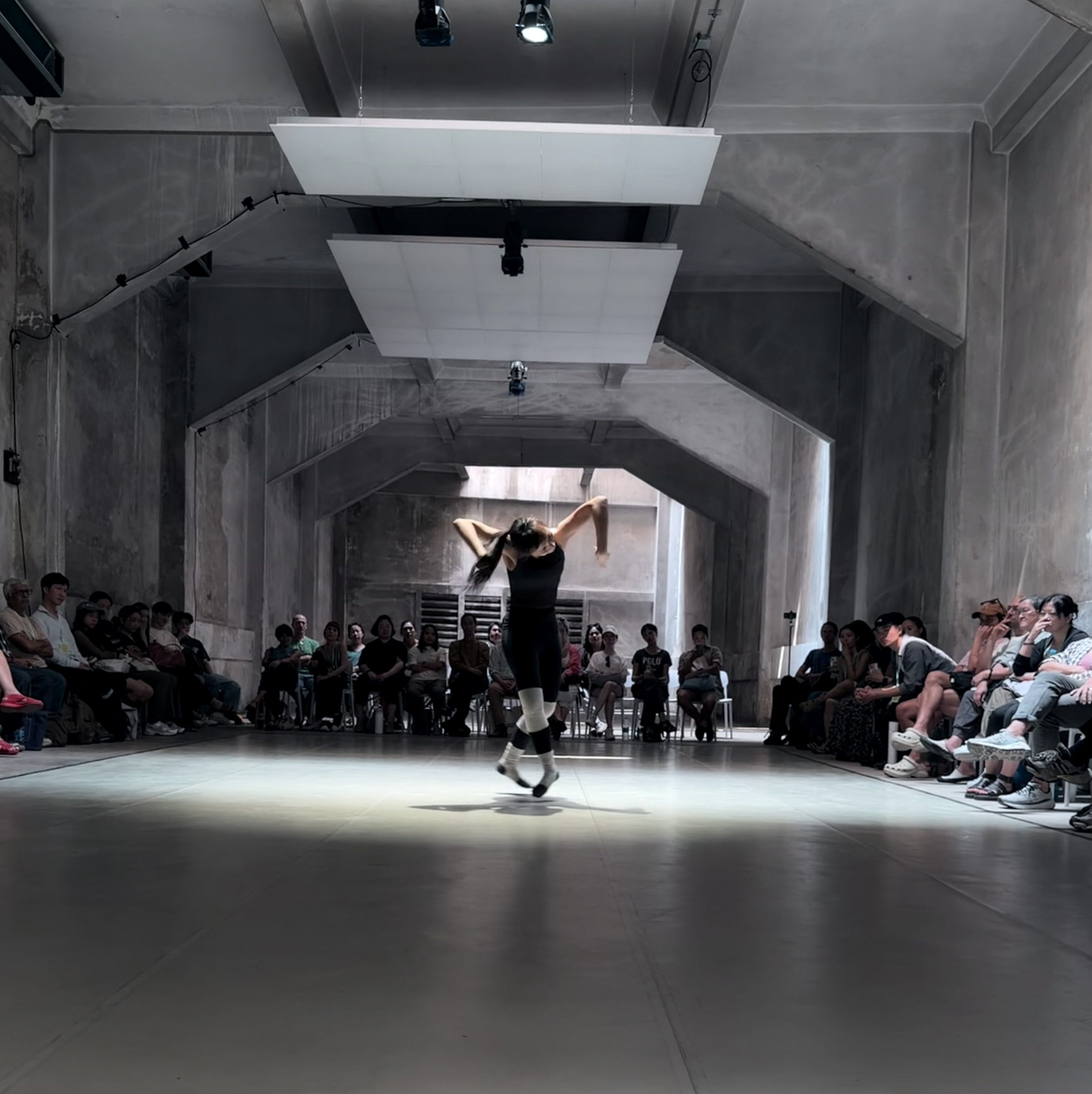
Photo: Pichet Klunchun
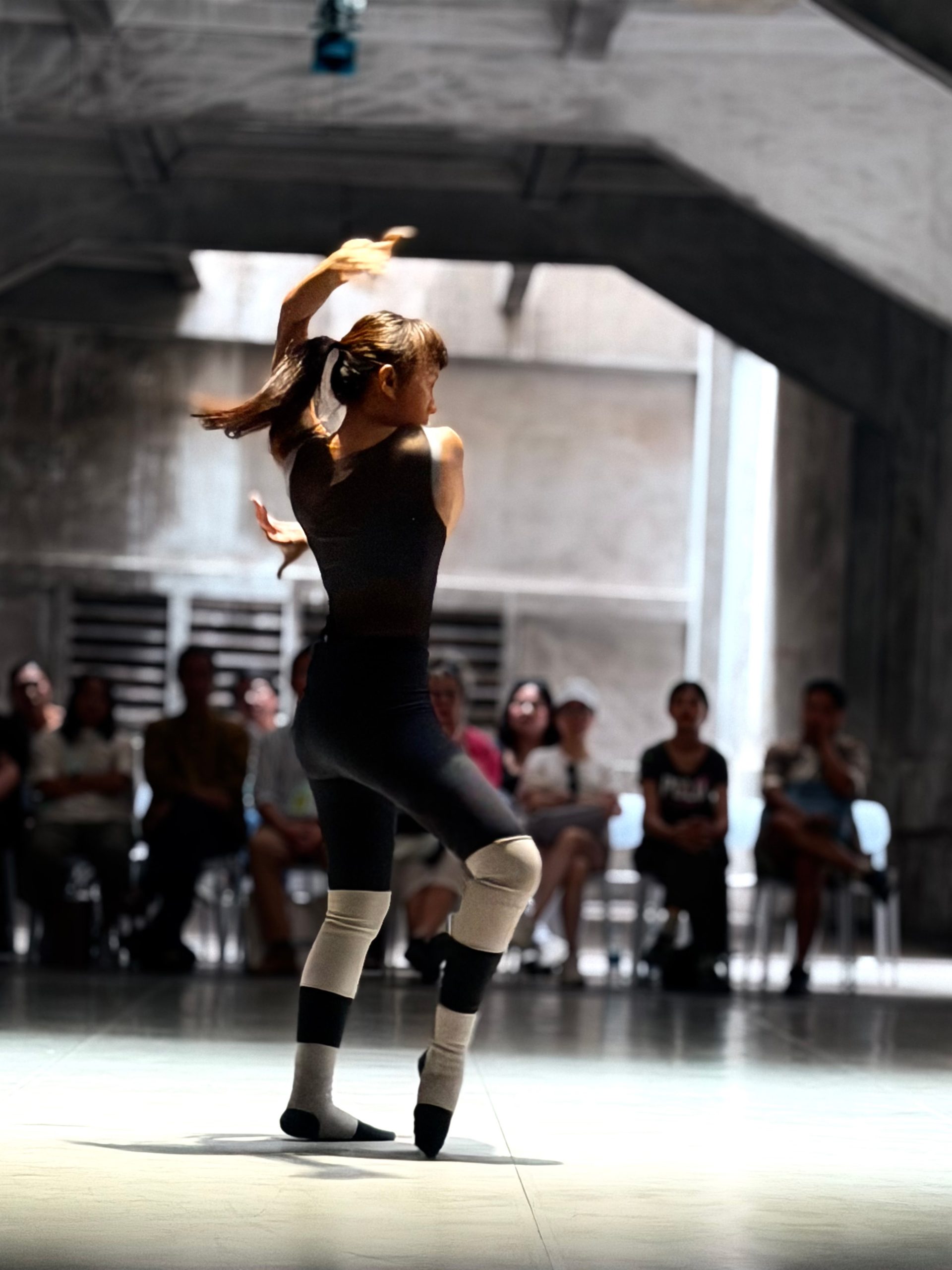 Photo: Pichet Klunchun
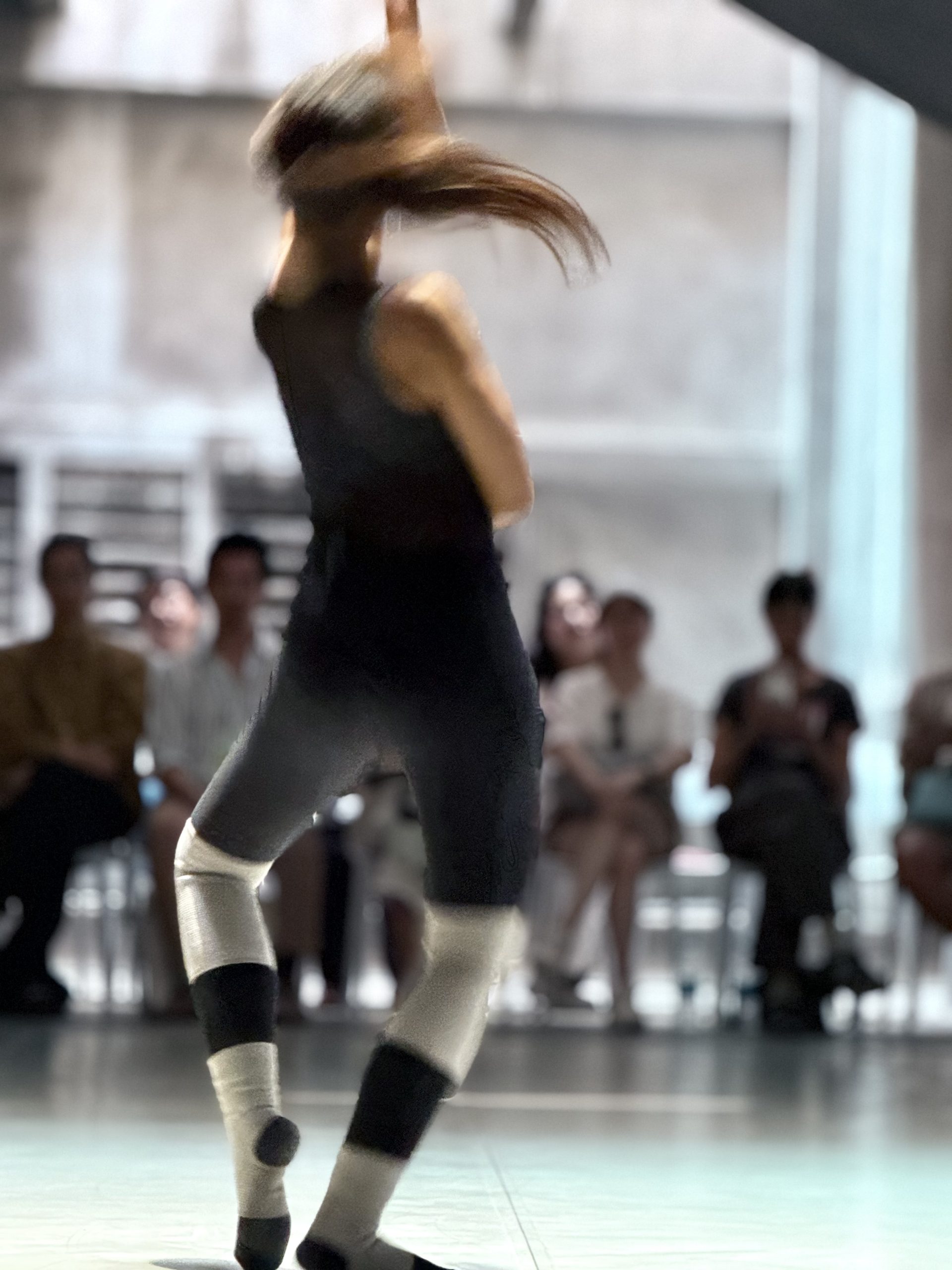
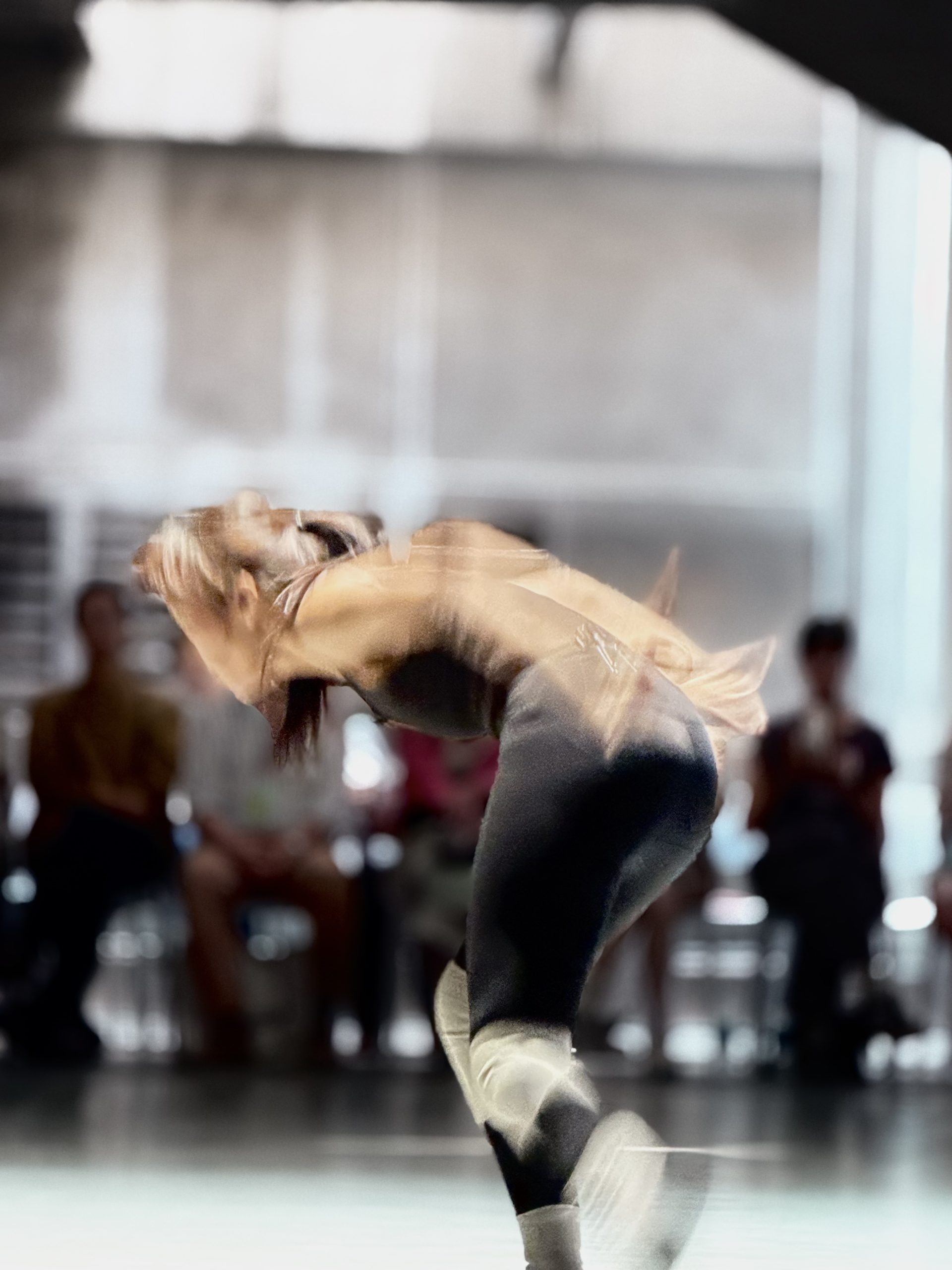
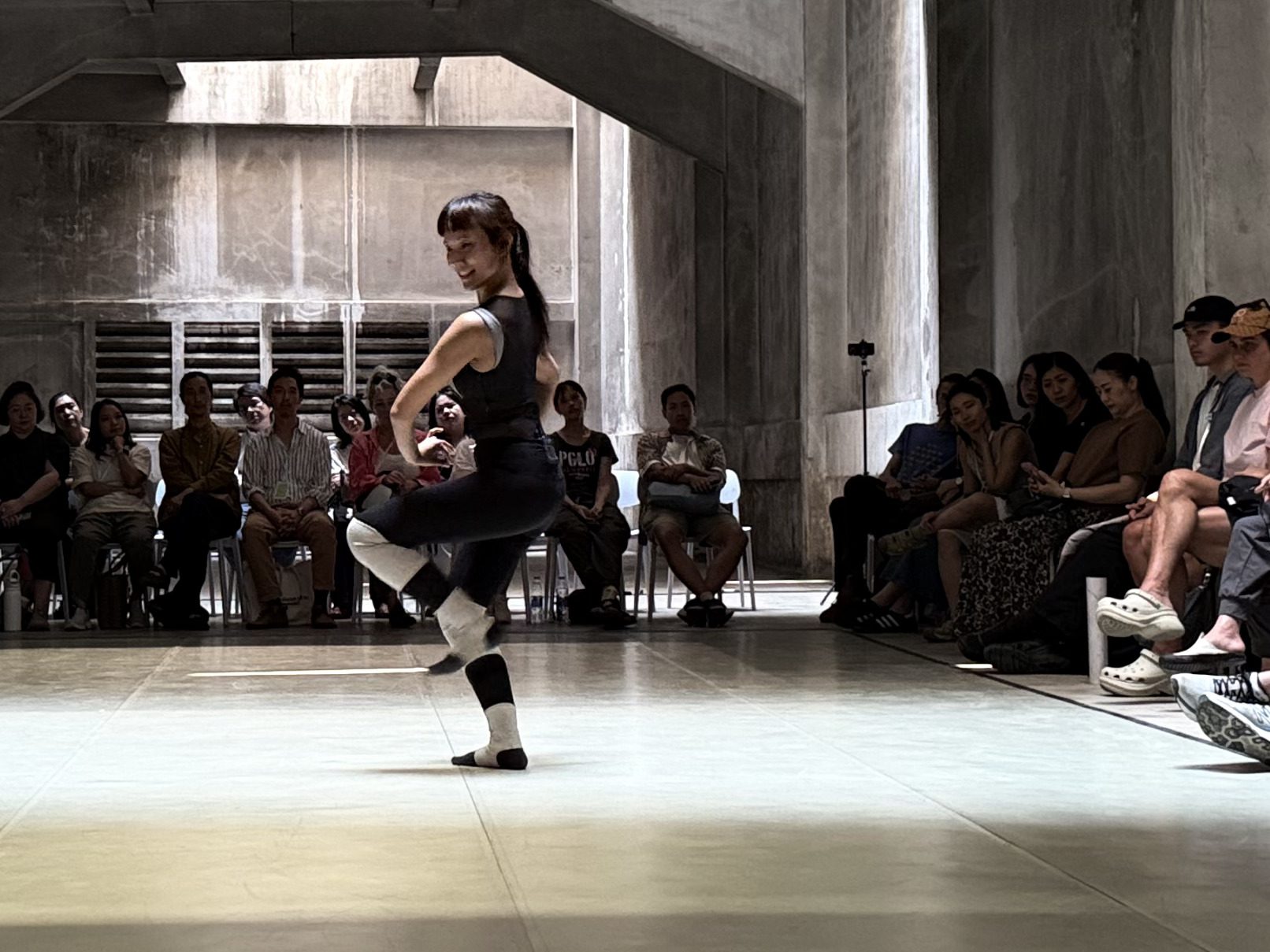
Photo: Pichet Klunchun
Kornkarn draws this material from conversations with her father, within a family deeply rooted in performance and music, specifically likay, the popular Thai folk theatre form. From Phlai Chumphon Ork Ma, she takes the horse’s rhythms of trotting, leaping, and bounding, then layers them onto the embodied reality of actual riding, with all its procedures: taming, resisting the horse’s unruliness, rewarding obedience, praising it aloud with a ‘good girl!,’ or clicking the tongue to call for its attention. As the performance unfolds, one begins to sense a subtle convergence between horse training and training oneself to become a horse. Certain rhythms start to merge into the twisting of joints and wrists, the springing or lightly stepping feet. The sound of Thai music and the sharp ‘ji, ji’ of the tongue-click settles into a pattern that feels unexpectedly precise, gradually forming an order through which the human performer, in the role of Phlai Chumphon, becomes a horse once more through another layer of performance.
Photo: Sarunkorn Arthan
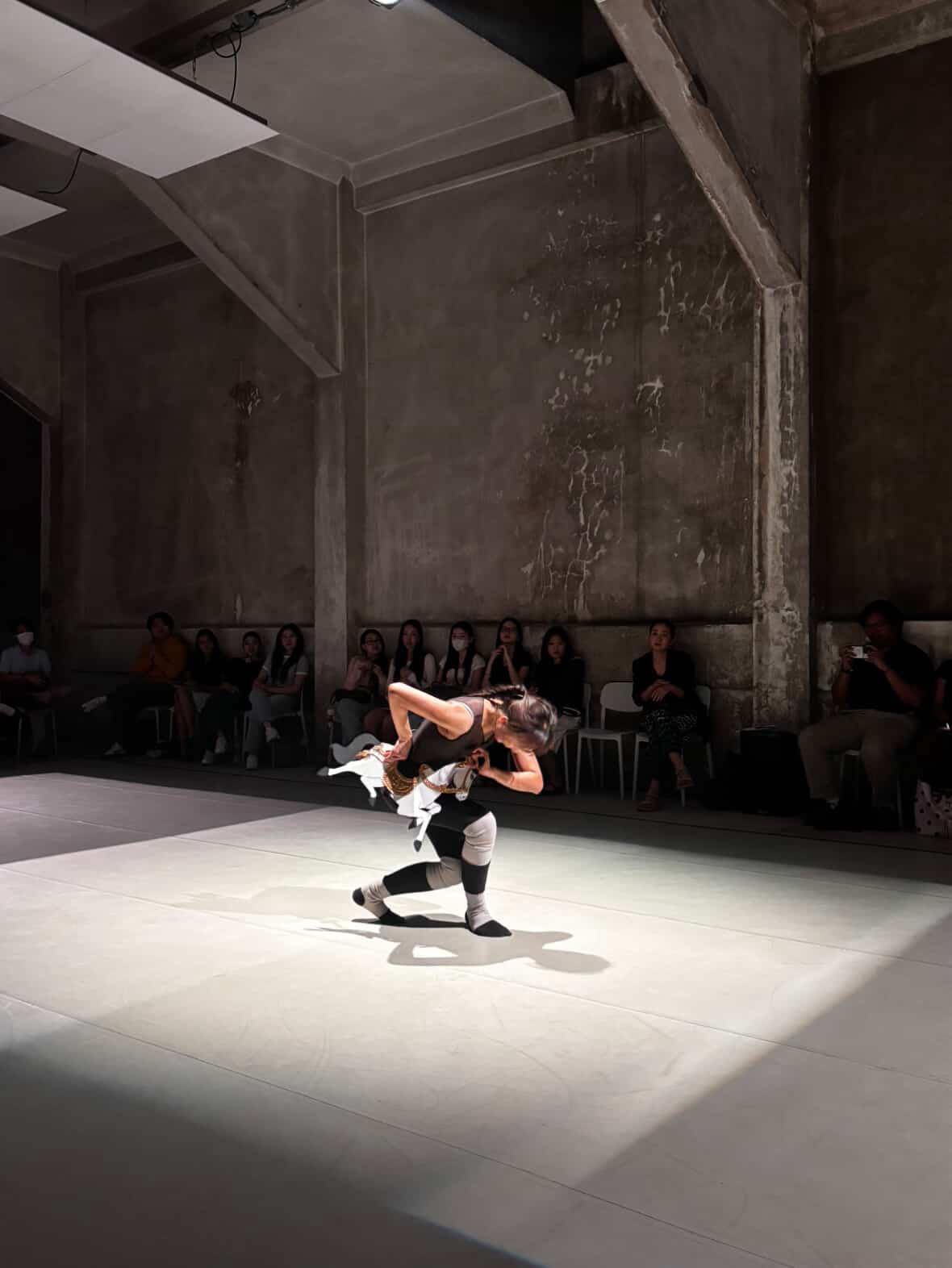
Photo: Pichet Klunchun
In the end, both Pichet’s submission to, and uneasy appeasement of, artificial intelligence in Chapter 2 and Kornkarn’s attempt to access the spirit of the horse in Riding the Rhythm offer compelling reflections on the ‘Kafkaesque’ condition within contemporary performance. Neither work is merely a display of choreographic skill. Instead, both lead the audience toward forms of metamorphosis, whether digital or animal, each one staging a struggle to locate what remains of the human under systems of order that ceaselessly direct and delimit human action. Within the setting of Bangkok Kunsthalle, as part of Unfolding Kafka 2026, the two artists demonstrate that even in a world as irrational and entangled as a nightmare, art can still open a space for experimenting, searching, and becoming conscious of the ‘systems’ that shape us, so that our humanity does not quietly fall away in the rhythm of our own steps.
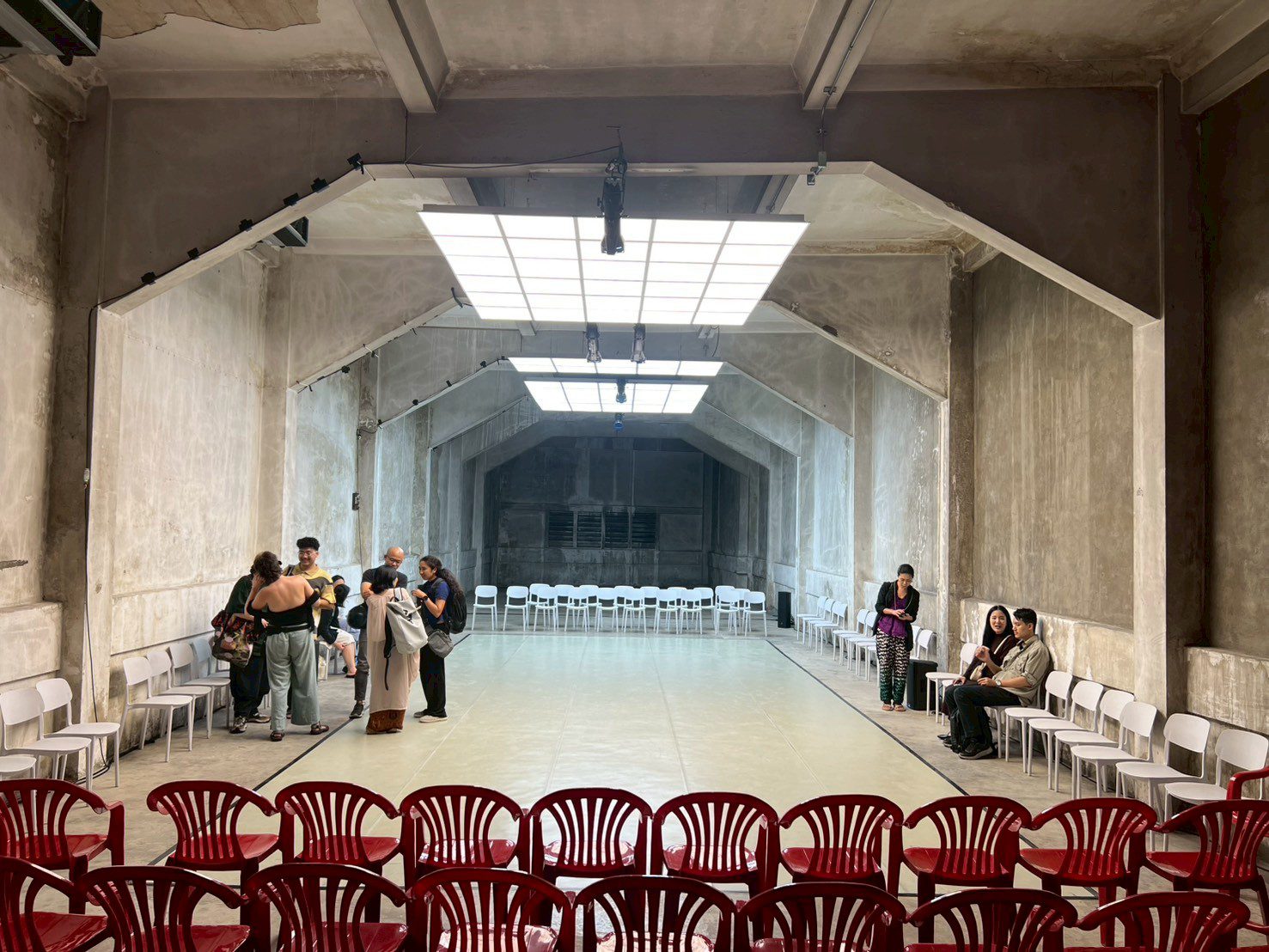
Photo: Sarunkorn Arthan
Unfolding Kafka Festival 2026 took place from 21 – 24 February 2026 at the Sodsai Pantoomkomol Center of Dramatic Arts and Bangkok Kunsthalle.