 Photo: Rungladda Chakputra
 EXPLORE THE FUTURE OF LIGHTING SYSTEMS THROUGH TALK+TOUR BY CARLA WILKINS & PHILIP RAFAEL UNDER THE TOPIC ‘DESIGNED MOMENTS,’ CREATING DESIGN EXPERIENCES THAT PEOPLE CAN FEEL AND REMEMBER AT LIGHT + BUILDING 2026
TEXT: NATHANICH CHAIDEE
PHOTO COURTESY OF MESSE FRANKFURT EXHIBITION GMBH EXCEPT AS NOTED
(For Thai, press here)
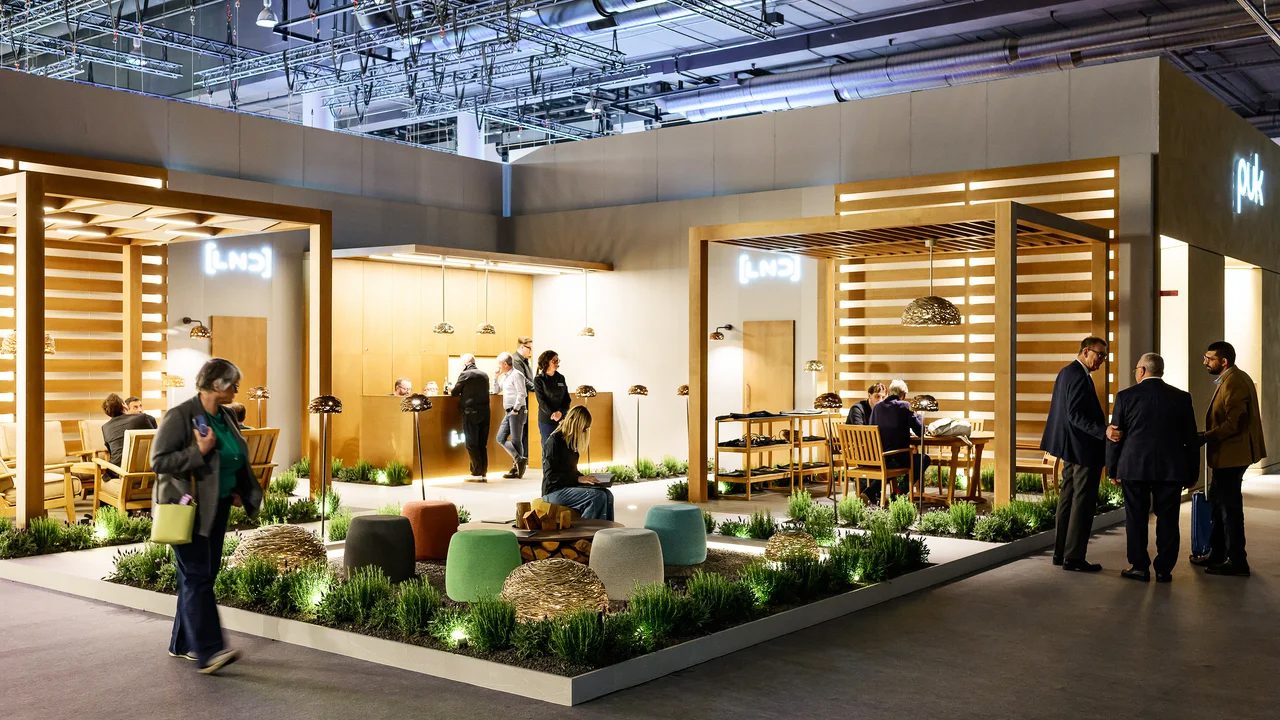
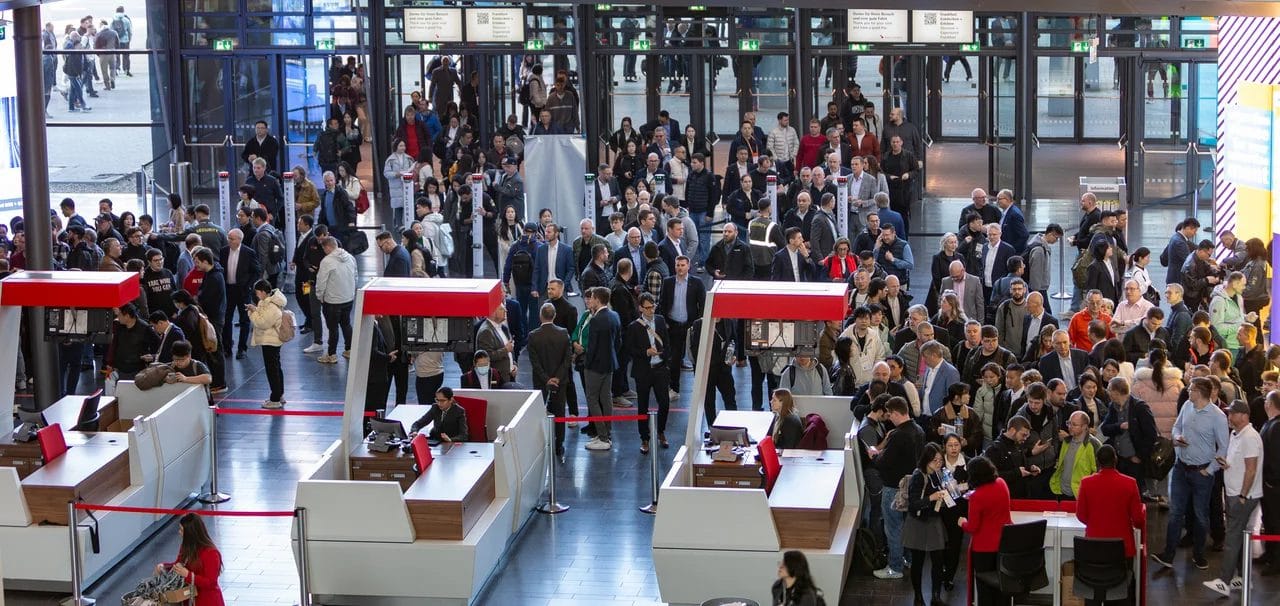
Light + Building 2026, held at Messe Frankfurt in Germany, returned with a focus on the transition toward a more future-oriented built environment, framed by the convergence of sustainability, smart connectivity, and lighting design. Central to this year’s edition was the growing demand for buildings to manage energy more independently, driven by increasingly sophisticated developments in AI, smart energy, and IoT.
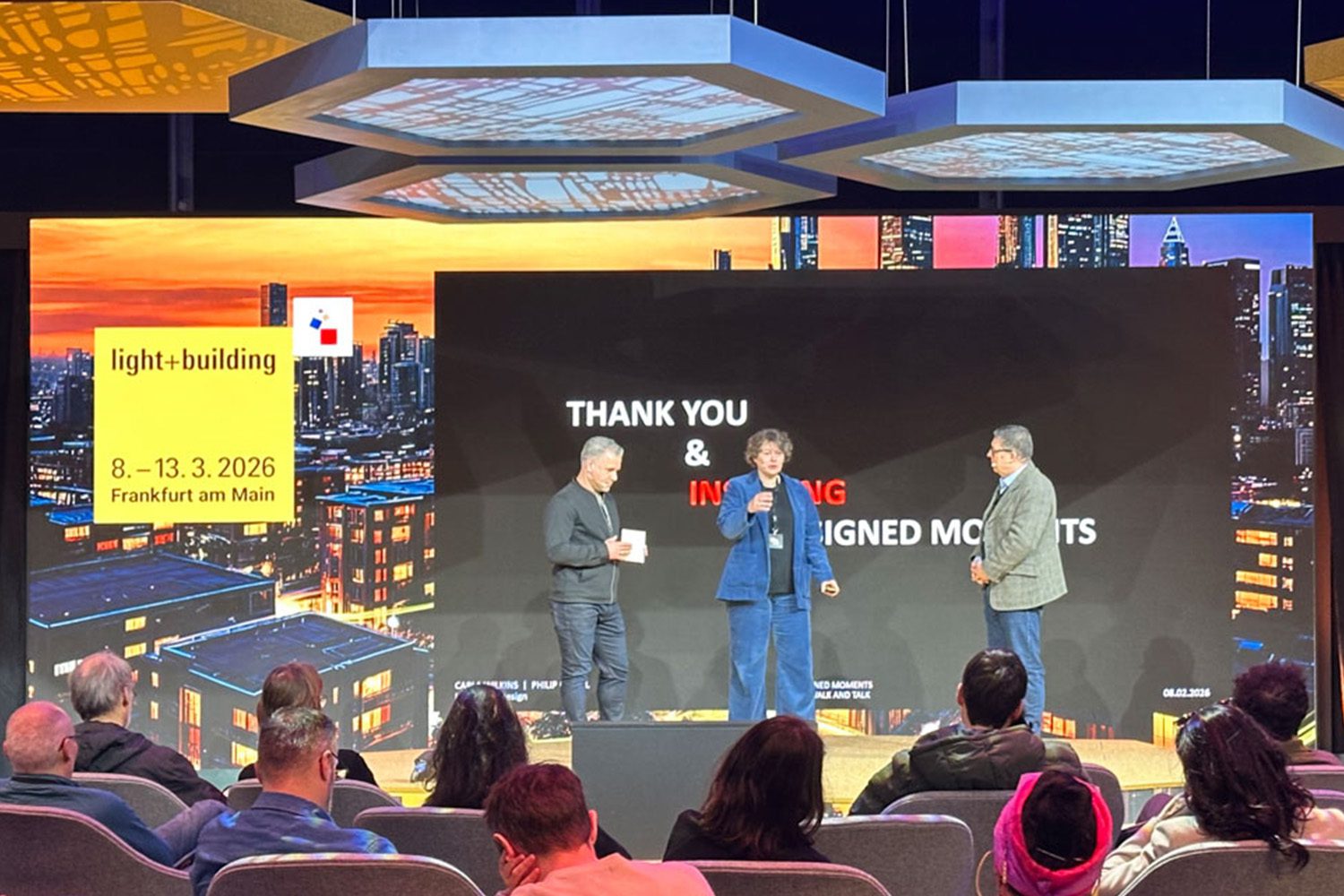
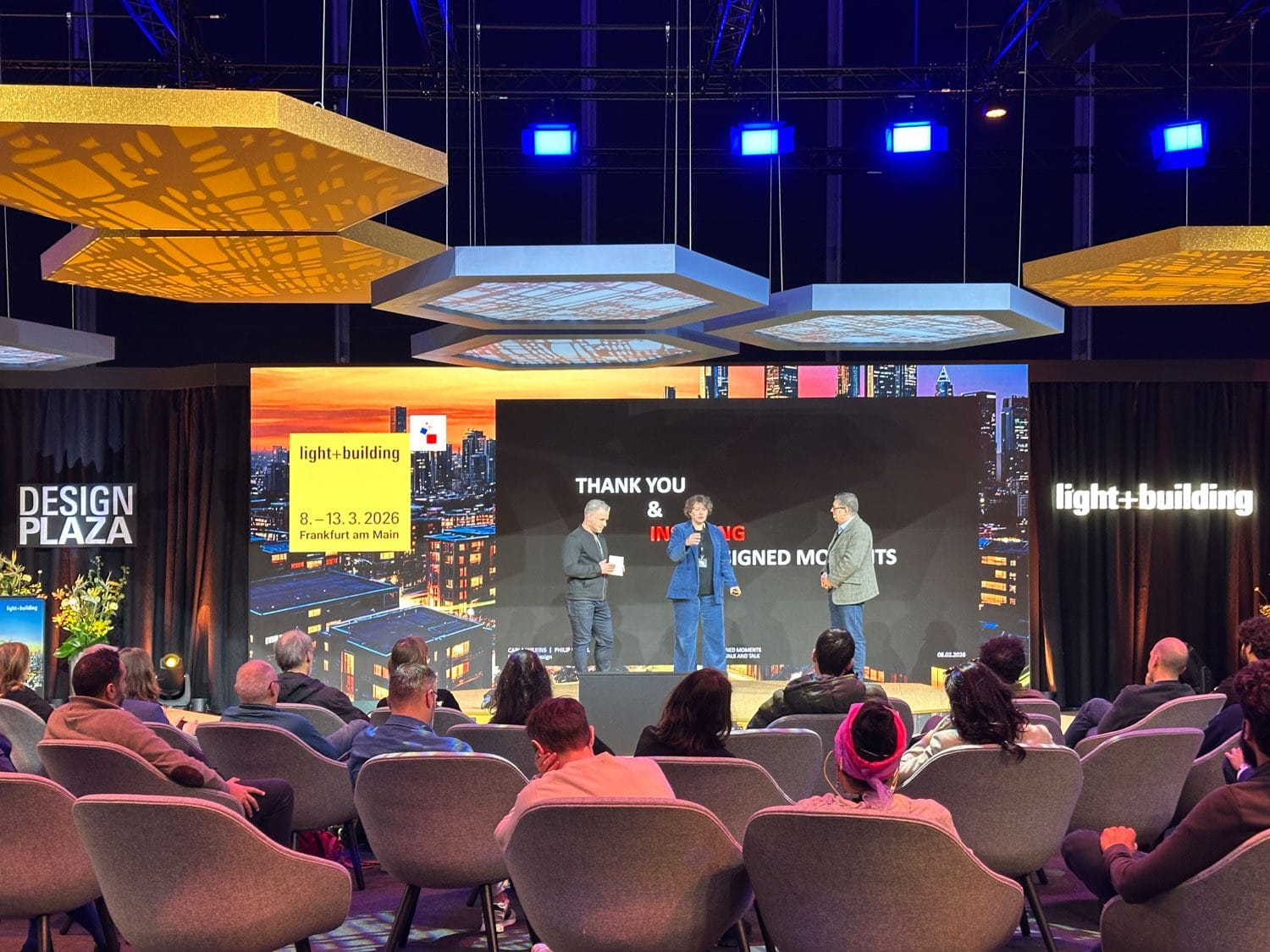
A key highlight of the fair was the Talk+Tour programme. On its opening day, the session Designed Moments, led by Carla Wilkins and Philip Rafael, invited participants to explore the future of lighting systems and their expanding role in reshaping the industry. The session also examined how meaningful design solutions can emerge from these shifts and be inspired by new innovations and tools that support more purposeful design practice.
Wilkins opened the discussion with a compelling reflection on the apparent opposite of light: shadow. For designers, this means that the act of designing light is inseparable from designing darkness and contrast. Shadow, she suggested, is what allows many phenomena to become legible in the first place. Building on this point, Rafael noted that “shadow becomes a carrier of meaning, moving into another dimension and giving the work greater depth.”
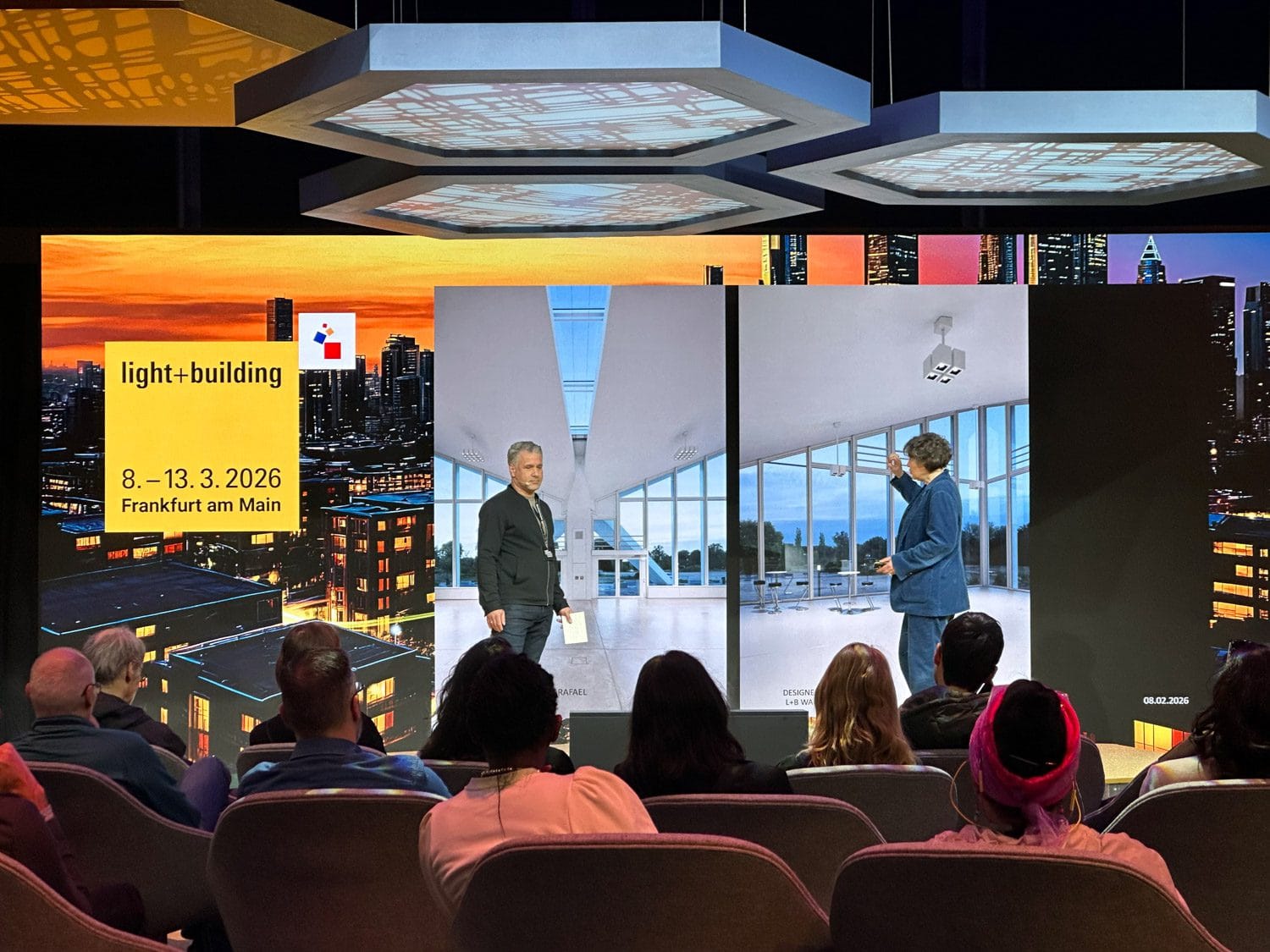 Photo: Rungladda Chakputra
The two speakers led visitors through the exhibition while narrating the thinking behind each project along the way. One example was the Caron Paris perfume store in Paris, designed by Casper Mueller Kneer Architects. In this space, ‘perfume’ takes center stage. From the perspective of lighting design, however, the bottles do not stand out simply because they are lit. Their presence emerges from the surfaces chosen to receive and reveal the light. What unfolds is a kind of dialogue between light and material. Light only takes on perceptual meaning when it meets a surface and is reflected back, while the material responds in turn by softening it, sharpening it, lending it brilliance, or bringing out finer detail. The material is not fully grasped in a single glance, but reveals itself gradually in the moments that follow. It is a subtle form of communication, extending even to the tiny imperfections in the glass that holds the perfume, before arriving at the liquid inside, rendered in crisp clarity even as the reflections remain soft. It is, in this sense, a highly successful exploration and interaction of materiality.
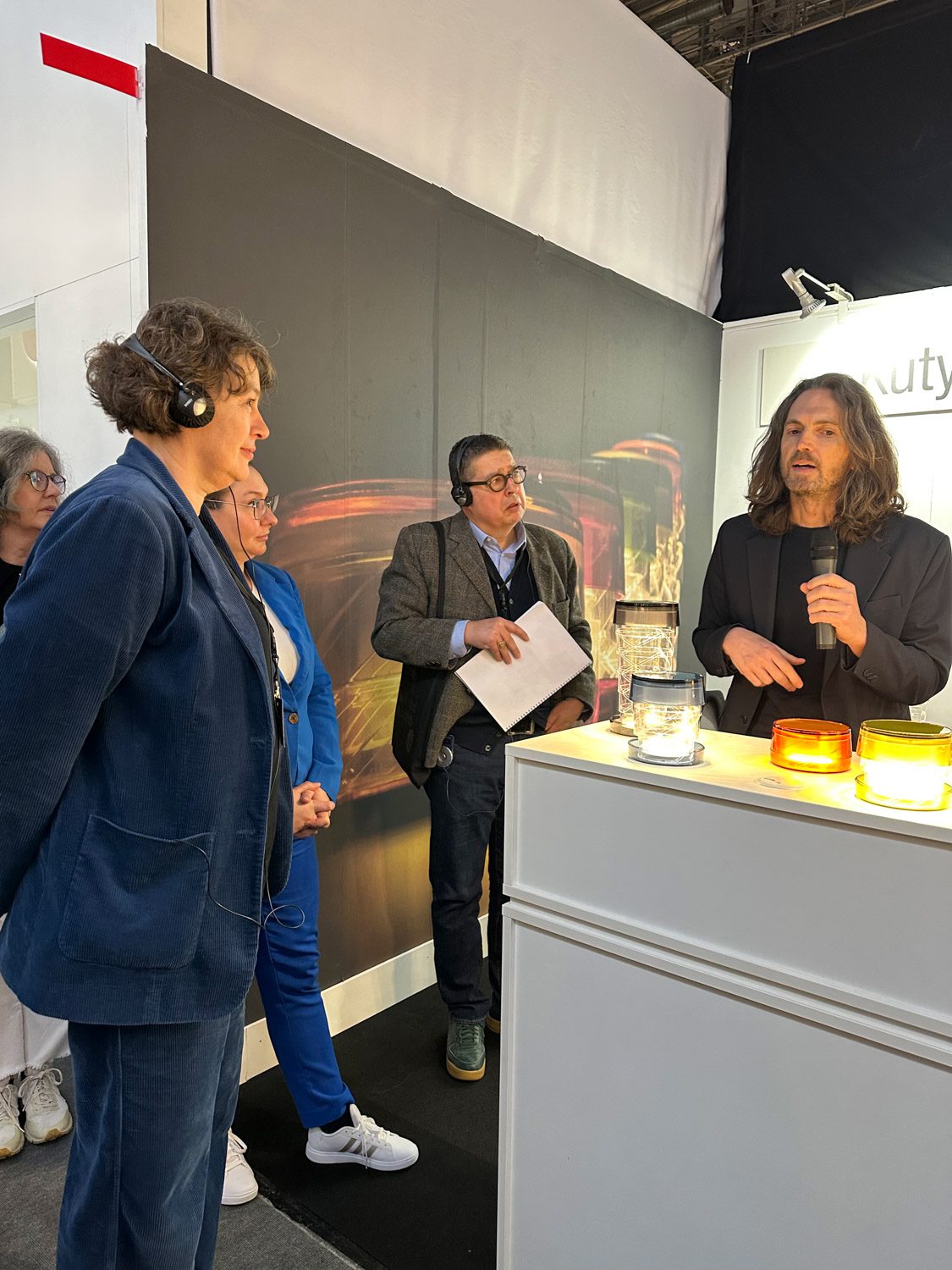
Photo: Rungladda Chakputra
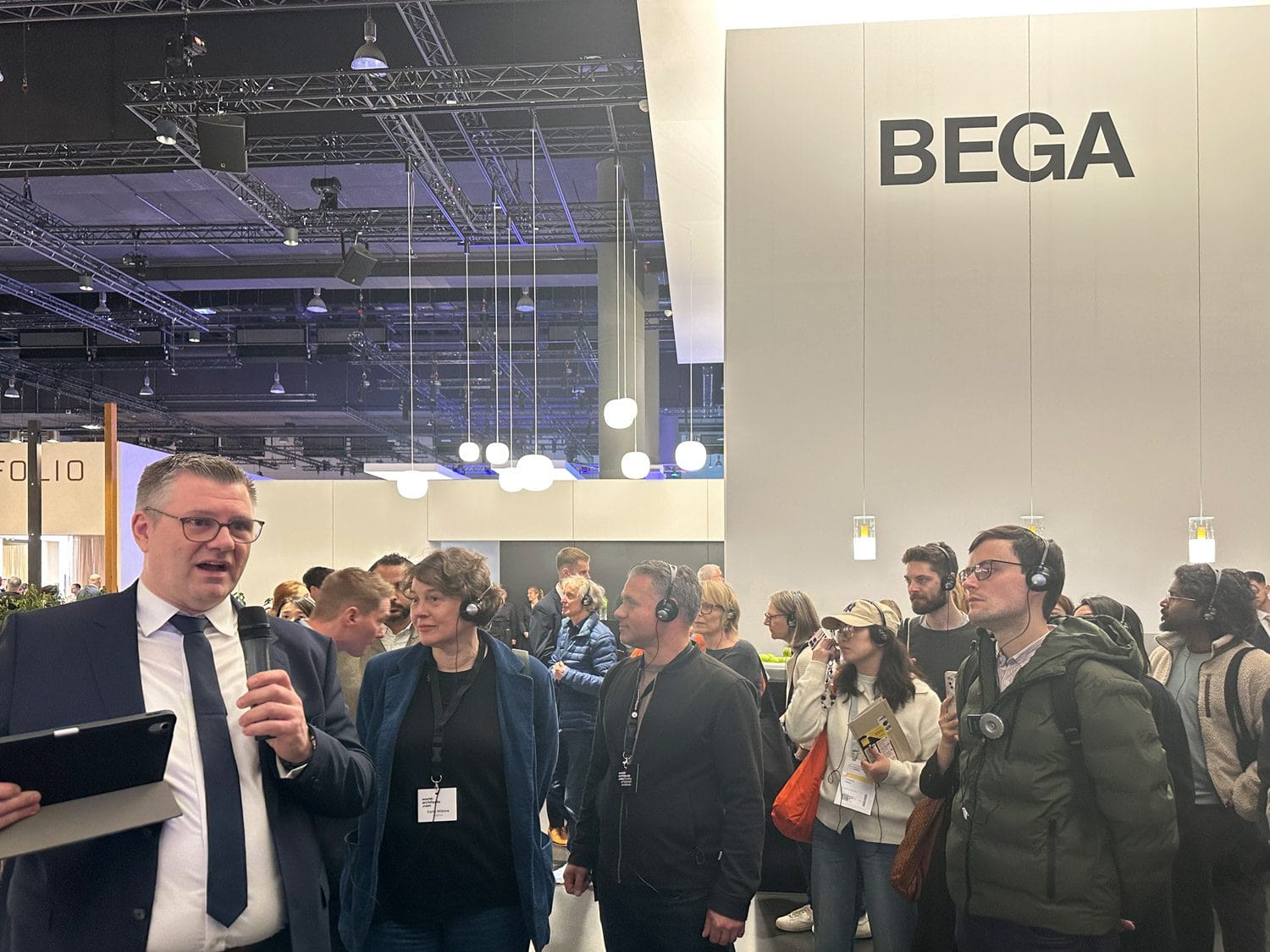
Photo: Rungladda Chakputra
The work of Casper Mueller Kneer Architects resurfaced in the discussion through the Jill Sander Flagship Store Ginza in Tokyo. Seen from a distance, the building’s stone façade appears calm and restrained. Yet within that stillness, the store’s oversized display windows begin to speak through the surface of the stone. Up close, the interior reveals an atmosphere of carefully controlled quiet. The light feels warm and even, much like the materials themselves, which are honest and unembellished. At every stage of approach, the architecture’s sense of calm remains fully intact.
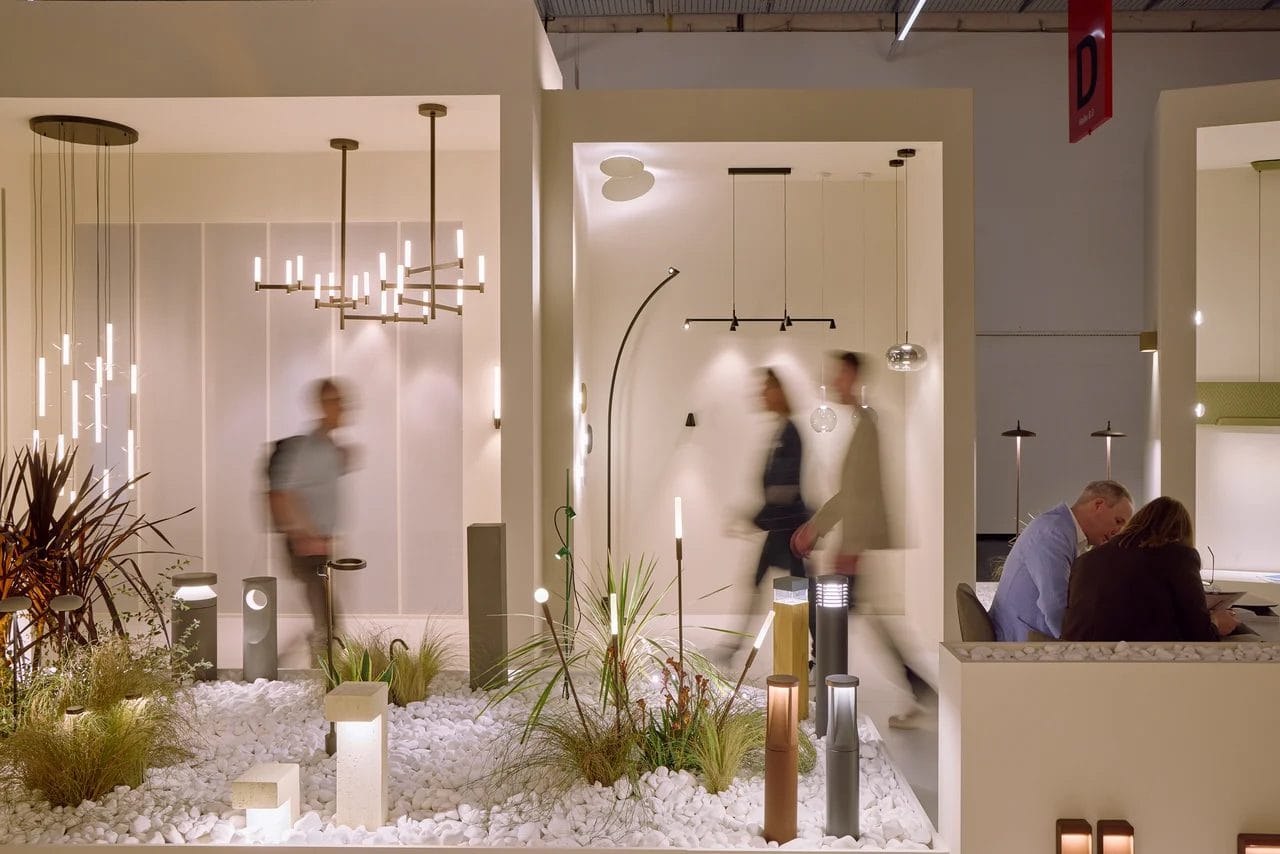
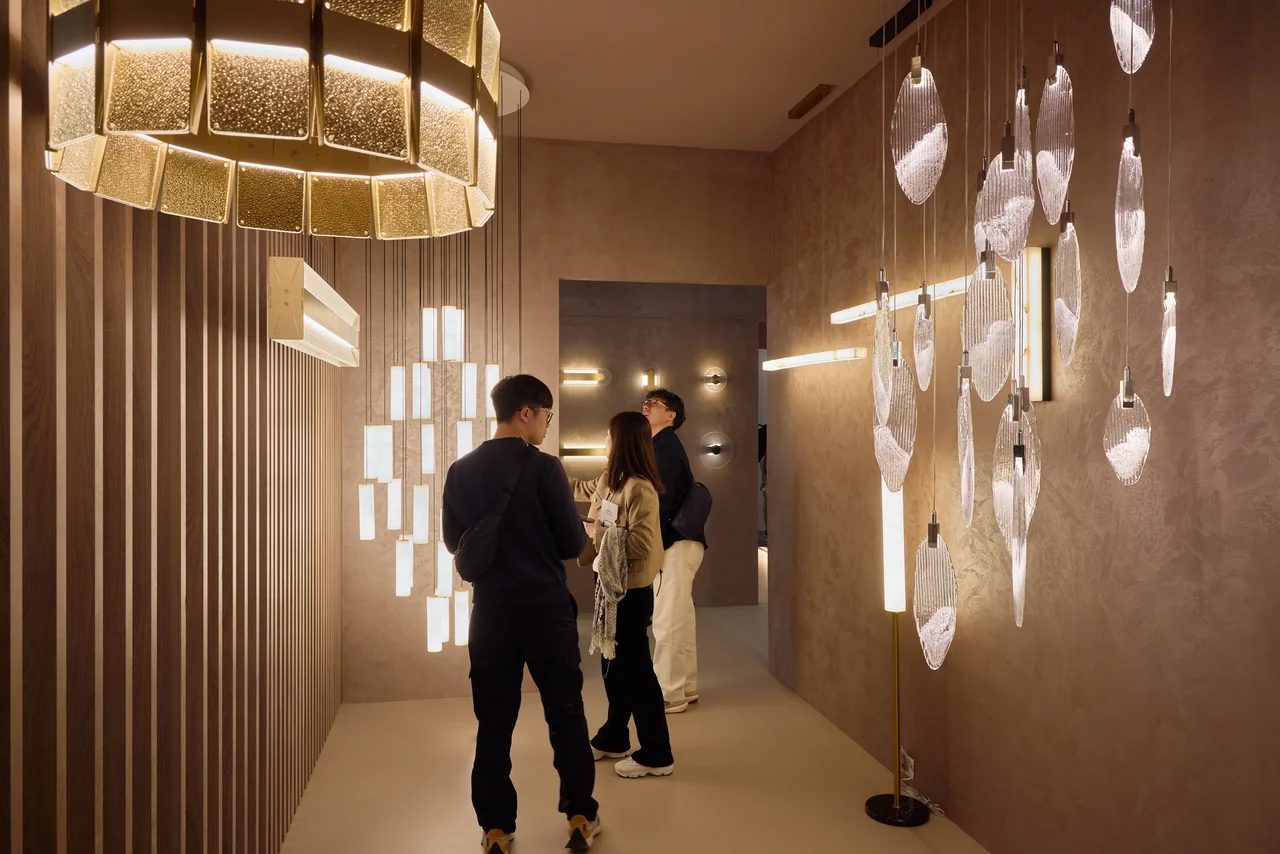
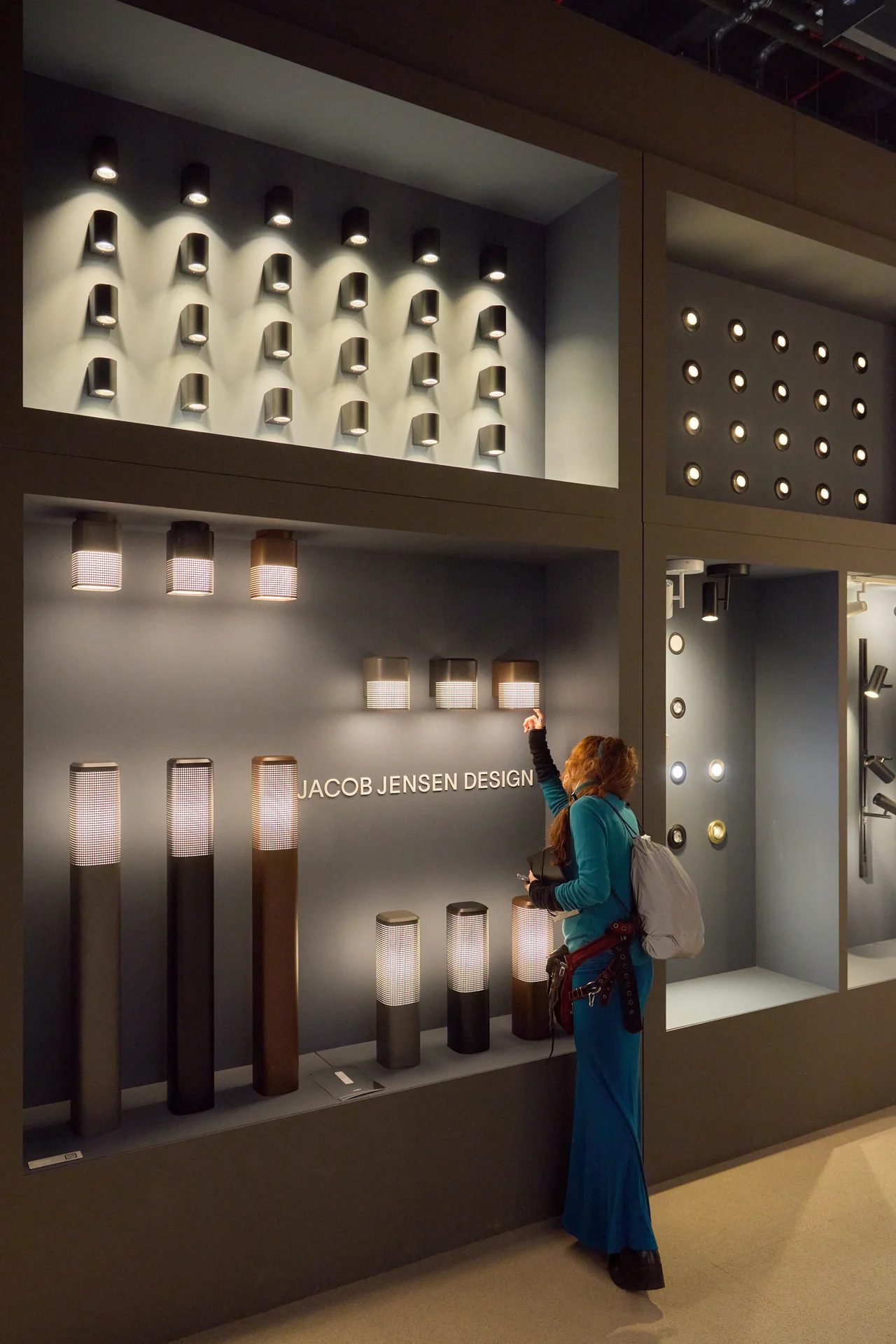
Once inside the store, one is drawn fully into its atmosphere. Here, light operates as an integral part of the architecture. It is seamlessly embedded within the building’s elements, yet diffused with softness, allowing the materials to fully articulate themselves. On closer inspection, subtle accents of light can also be found around seating areas and product displays. This restrained use of illumination, applied with precision to draw out detail, conveys the brand’s quiet composure with a distinct identity.
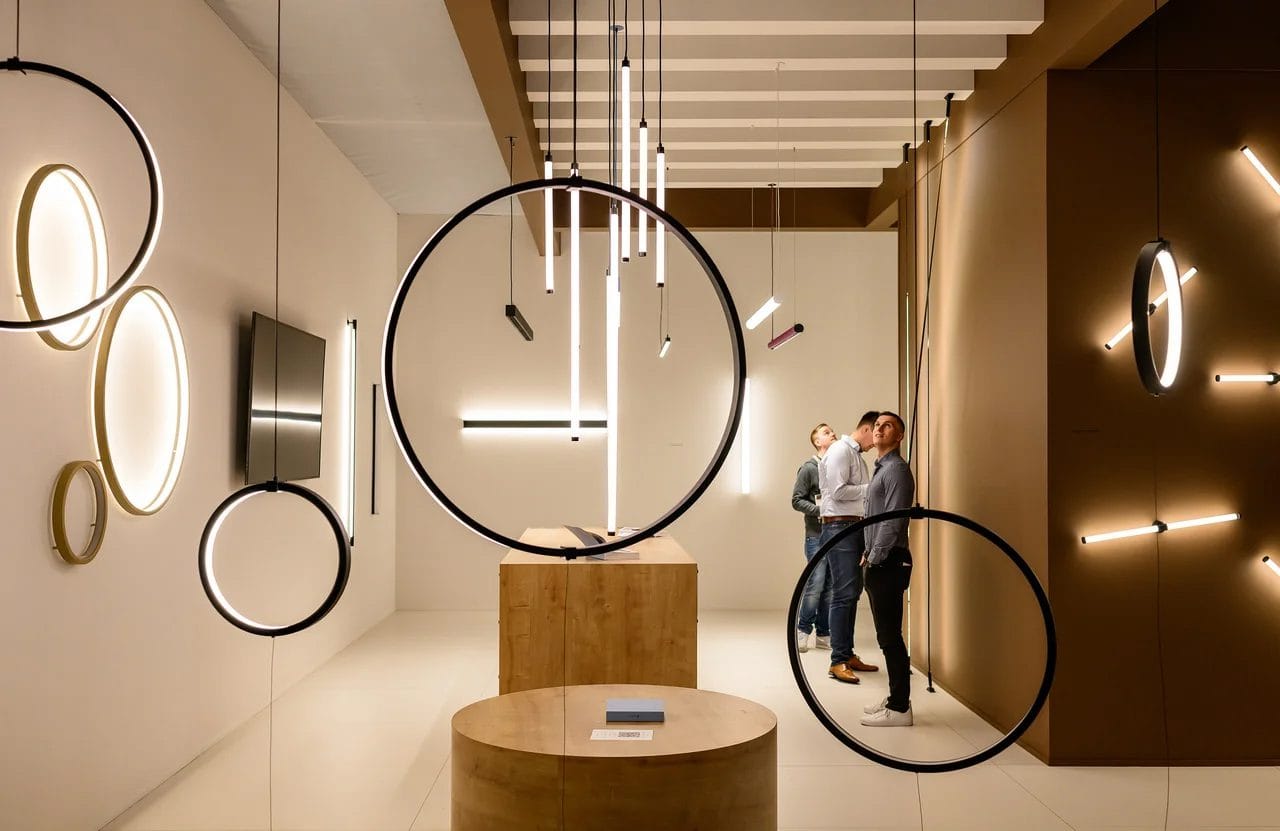
Another example returned to Asia: The Henderson, Zaha Hadid Architects’ major project in Hong Kong. The architecture itself already makes a clear statement, so the role of lighting design here is to open the space to its views. In a city as dense as Hong Kong, the opportunity to look out onto a garden or a stretch of greenery becomes a moment of spatial release.
Another notable project, this time in Frankfurt, was Loop 5, a retail mall transformed into a hybrid retail-and-entertainment destination for families. Here, a sense of fun became a key ingredient of the project. One of the central ideas behind the lighting design was to create a memorable experience from the very moment visitors enter from the parking area. Each entrance route was given its own theme, color palette, and lighting treatment, making it easy to distinguish and remember. Cherry-red walls, reflective surfaces, and graphic elements all became part of a series of designed moments that were not only functional but also experiential.
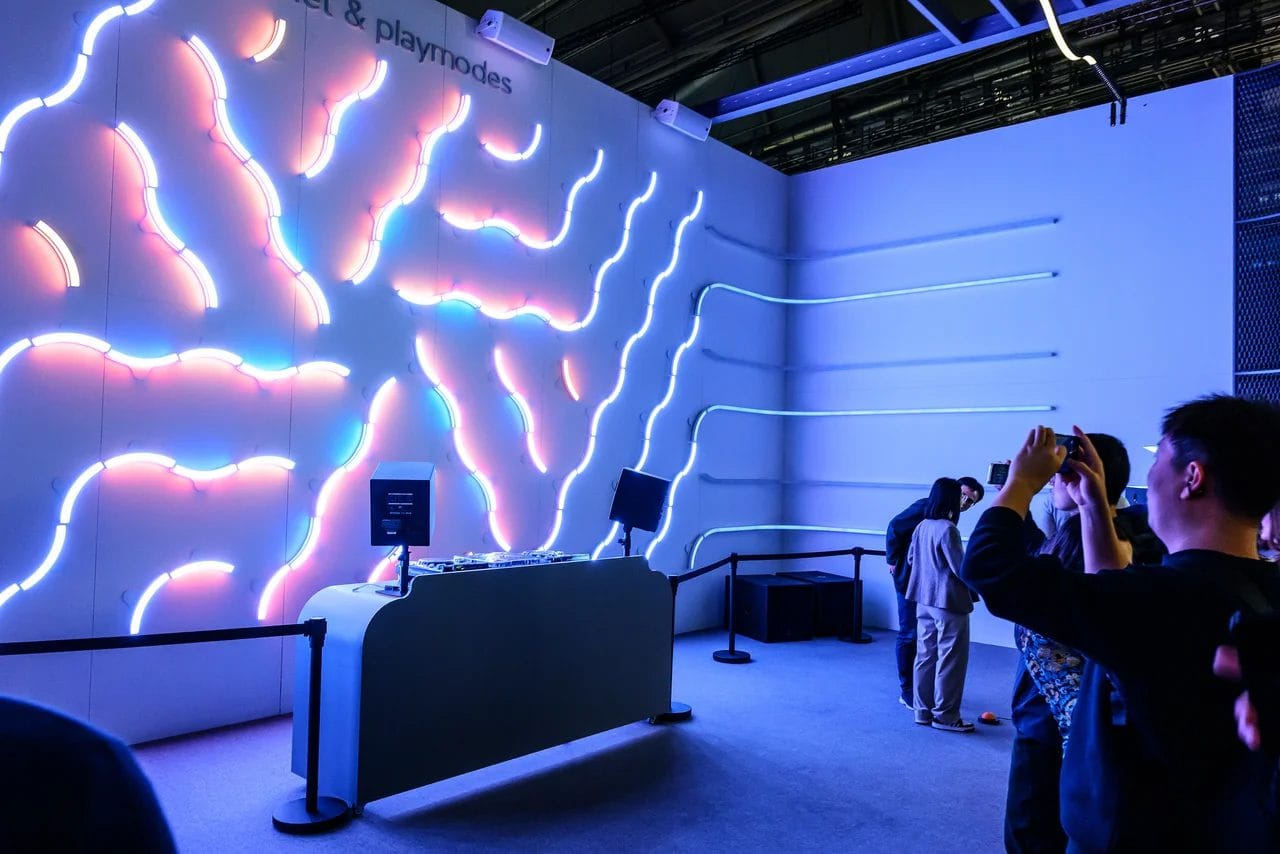
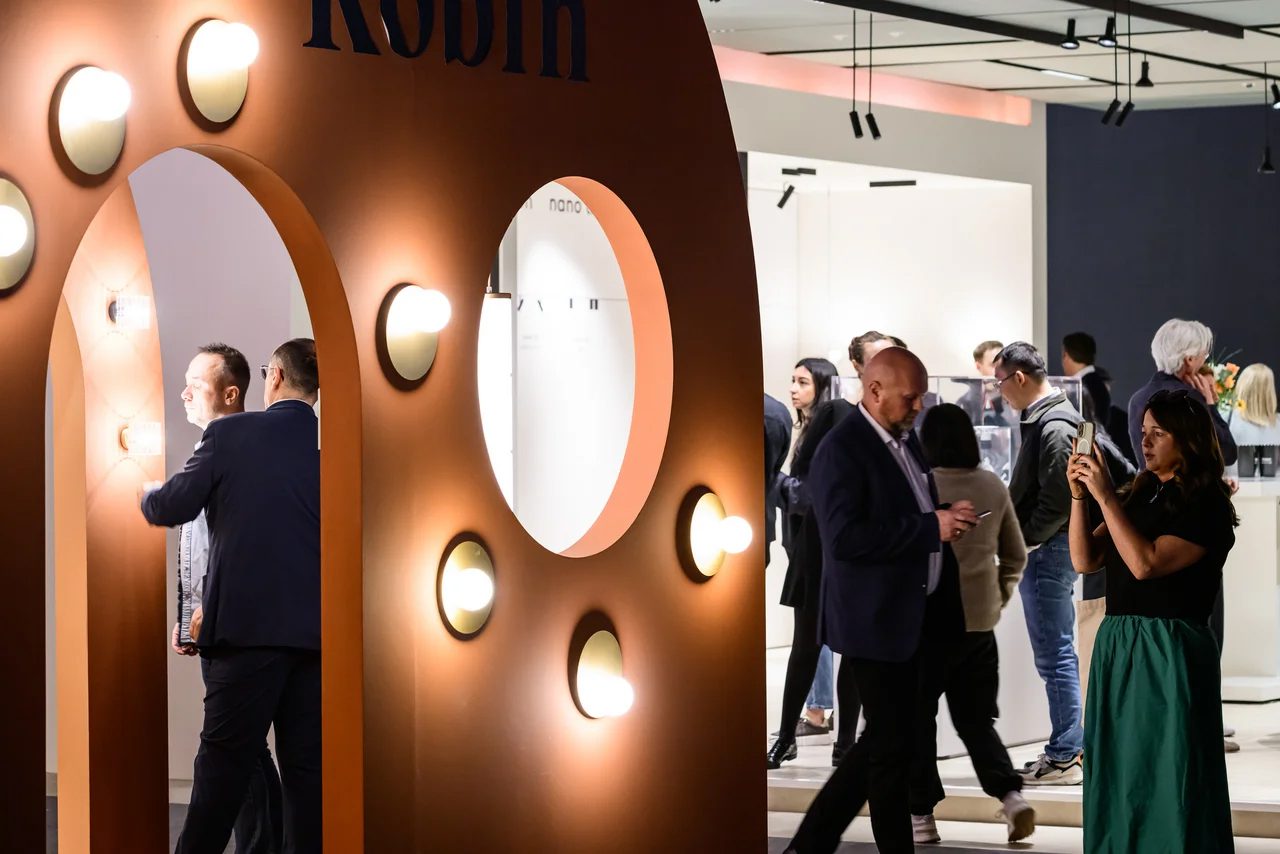
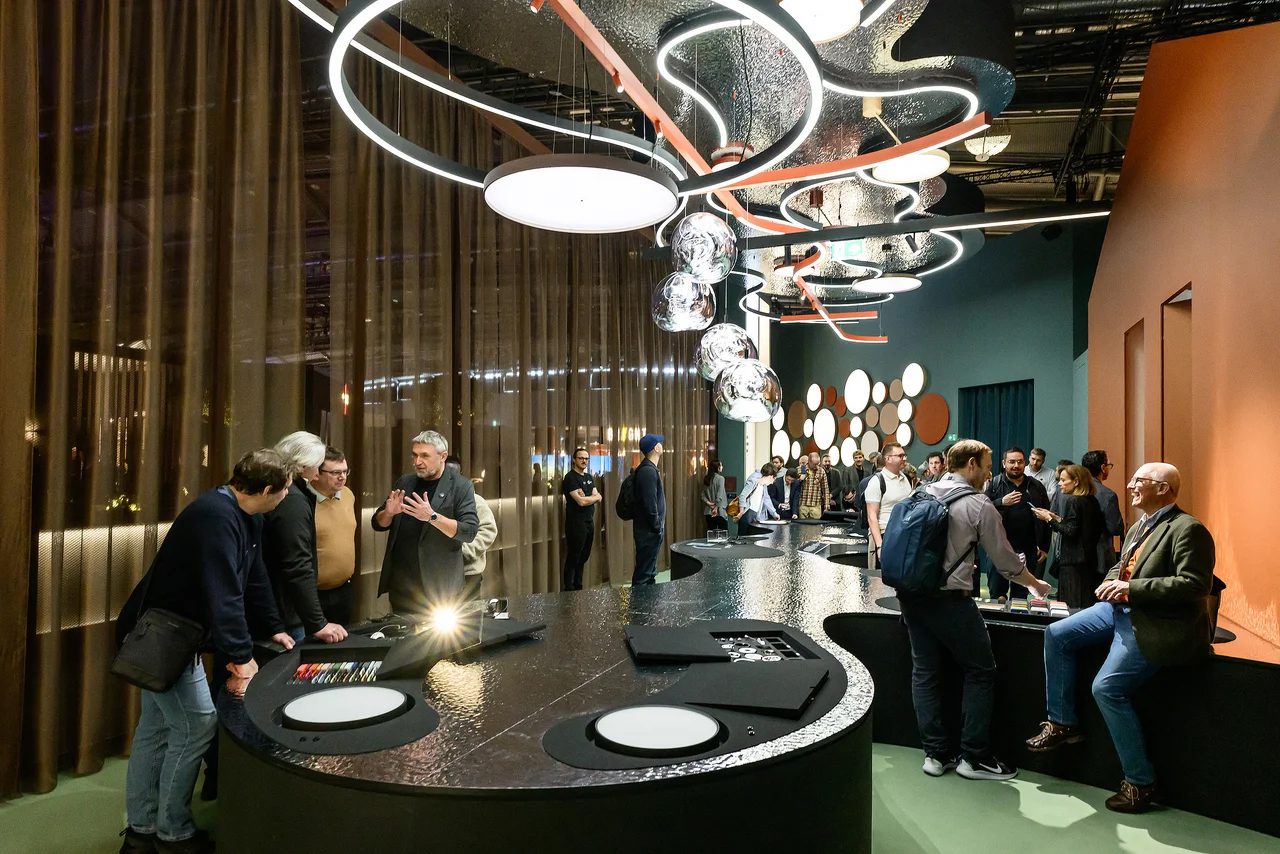
The Talk+Tour concluded with a key reflection drawn from the speakers’ experience as part of an office with teams based around the world. “What has become increasingly important for us is not only design intelligence, but cultural intelligence as well. Whether you come from South America or Asia, your standards and ways of working are inevitably different. Our clients, too, come from all over the world, each with their own attitudes and perspectives.”
“Collaboration, then, is not simply a matter of expertise or tools. It also relies on cultural understanding. What matters is communication, listening, and openness. At times, we can become too attached to our own ways of thinking, whether that is the German precision or the more layered and far-reaching mode of thinking often valued in Asia. None of these approaches is inherently right or wrong. There are differences in values, and each holds its own merit. If we are unable to step back and respect other points of view, we may miss a better solution than the one we are used to. Working in today’s world, and producing good design within it, is therefore anything but simple.”
“For us, what matters is fostering collaboration and mutual respect. When we remain open enough to listen, we begin to see that others can be just as rigorous in their thinking. Exchange, then, is not about winning or losing, but about working together and sustaining positive energy throughout the process.” With this closing reflection, Carla Wilkins and Philip Rafael left the audience with an approach to practice shaped by an international outlook, one that is directed toward a shared goal: creating design experiences that people can feel and remember – Designed Moments.