EXPLORE THE ‘FORMICA GALLERY’ AT ARCHITECT’69, WHERE FORMICA’S SURFACE INNOVATIONS SPARK THE DESIGN IDEAS
TEXT: ANKHANANG LOETLOEPHONG
PHOTO: WORAPAS DUSADEEWIJAI
(For Thai, press here)
If a building can be imagined as a gallery, then a well-crafted surfacing material becomes a work of art in its own right, offering visual pleasure while expressing the character of its creator or owner. Formica’s surfacing materials operate in a similar way, allowing the identity and design language of architects and designers to come into sharper focus through a rich selection of high-quality surfaces, finishes, and textures.
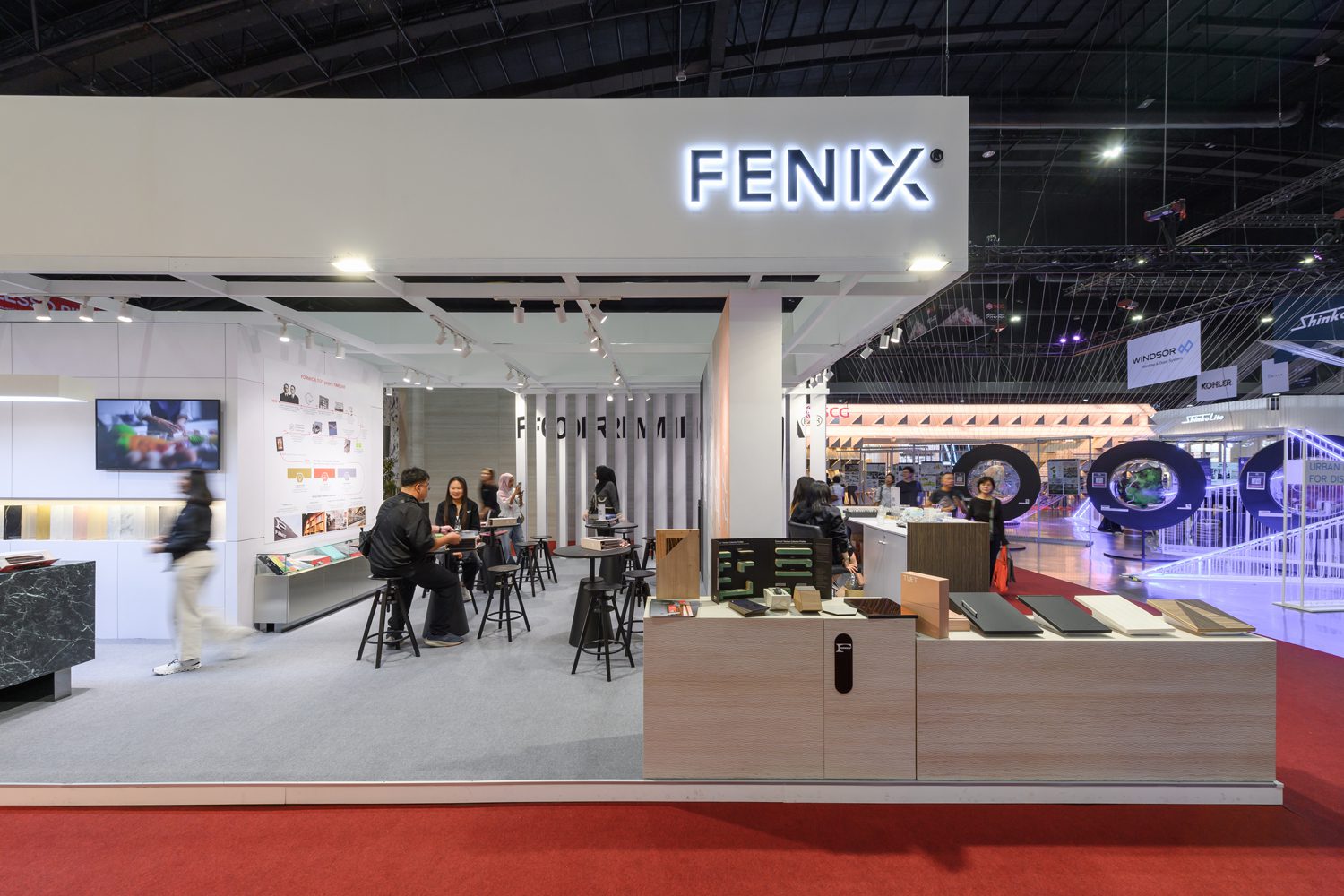
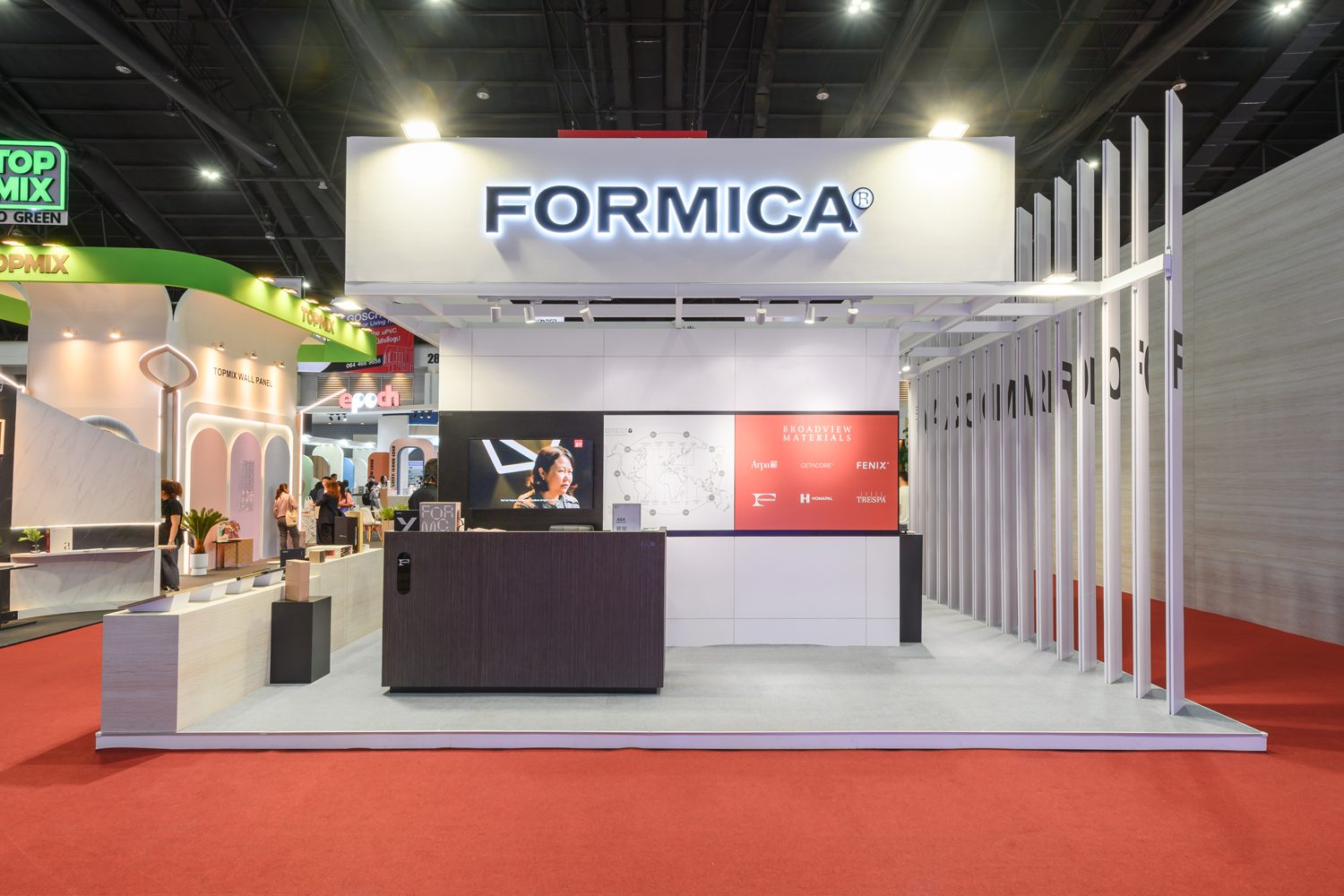
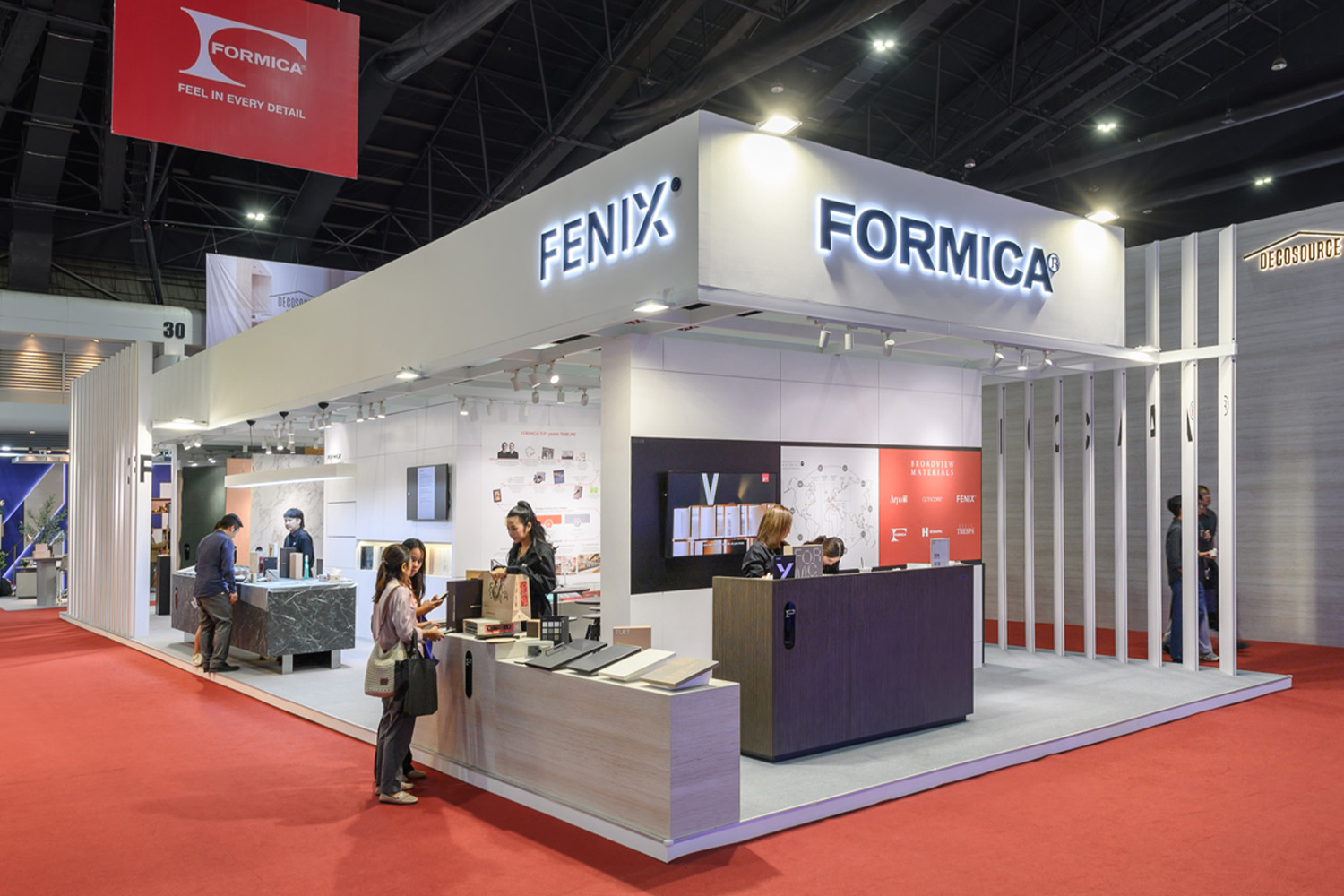
Viewed from the booth of the Association of Siamese Architects, the Formica booth immediately stands out. Its exterior conveys a sense of weight, solidity, and quiet strength, while remaining open and breathable through vertical slatted side walls. This design gives the booth depth and rhythm, preventing it from feeling enclosed or overly massive. Inside, the booth extends this idea into an immersive experience under the concept of an ‘Art Gallery of Surface Innovation,’ curated for architects and designers. The space unfolds like a gallery of exceptional surfacing materials, presenting a diverse range of designs in a setting where each sample can be seen, touched, and closely considered. White serves as the booth’s primary backdrop, allowing the materials themselves to take visual prominence. Through this carefully composed display, the booth reflects the design leadership and material excellence of both FENIX and Formica.
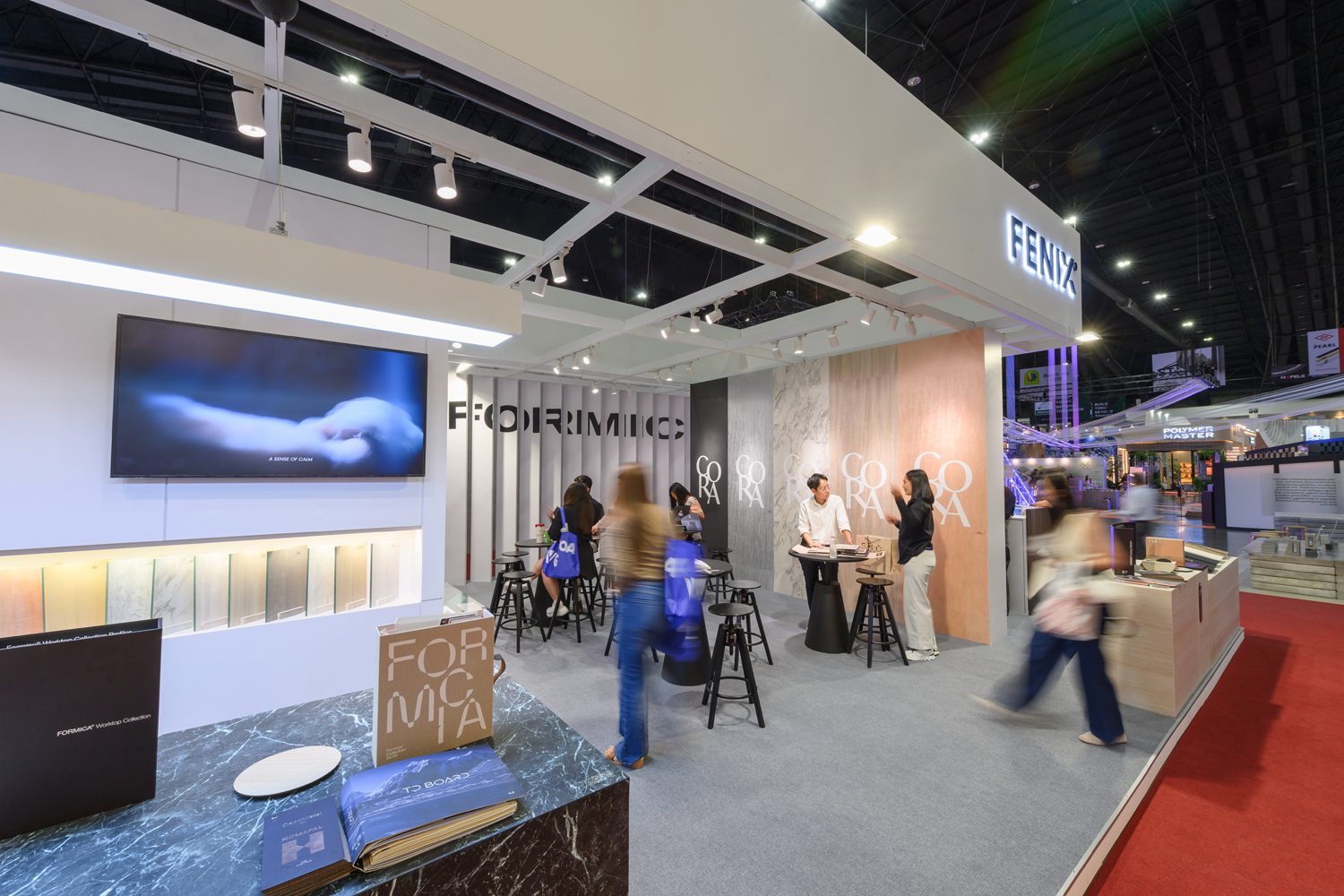
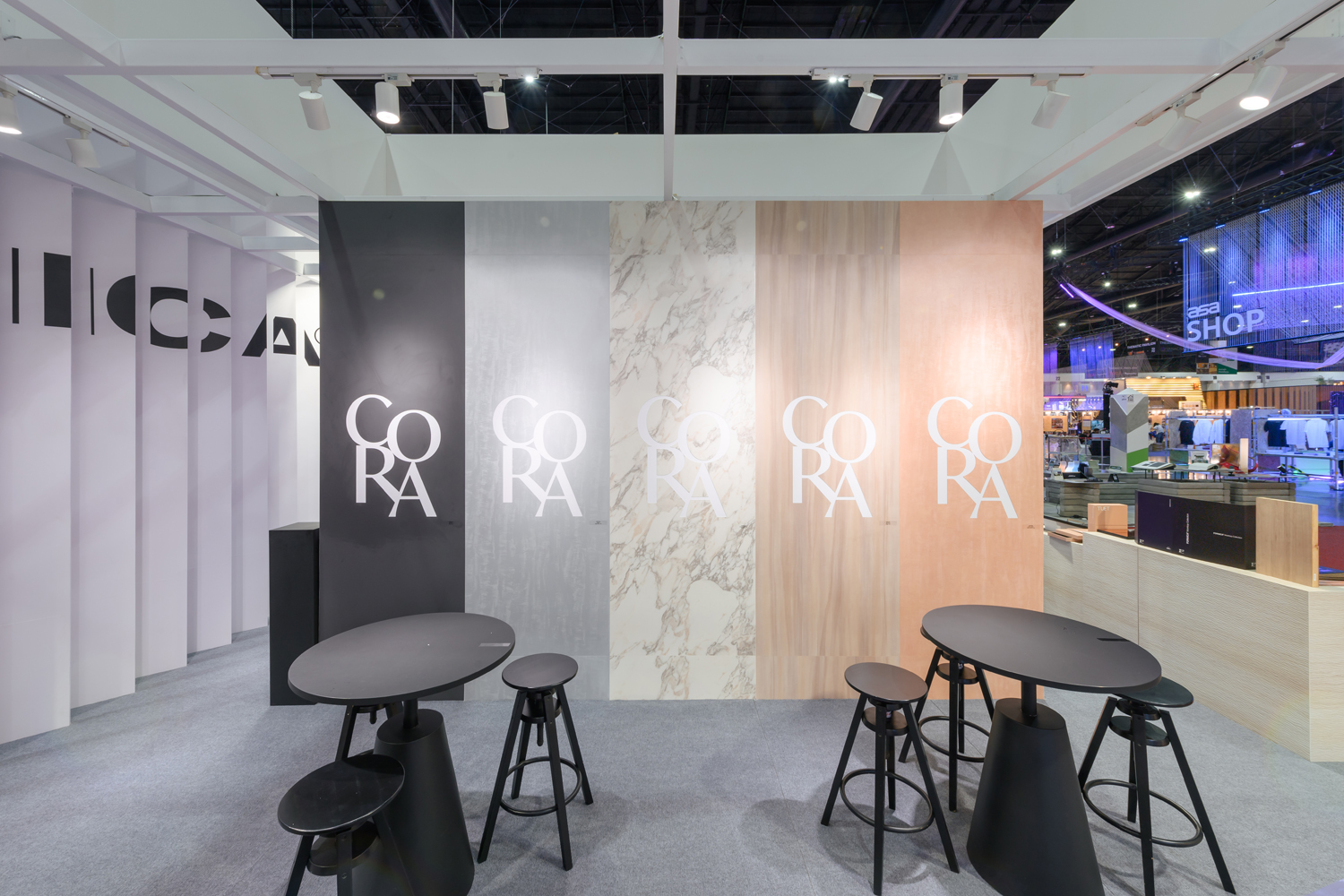
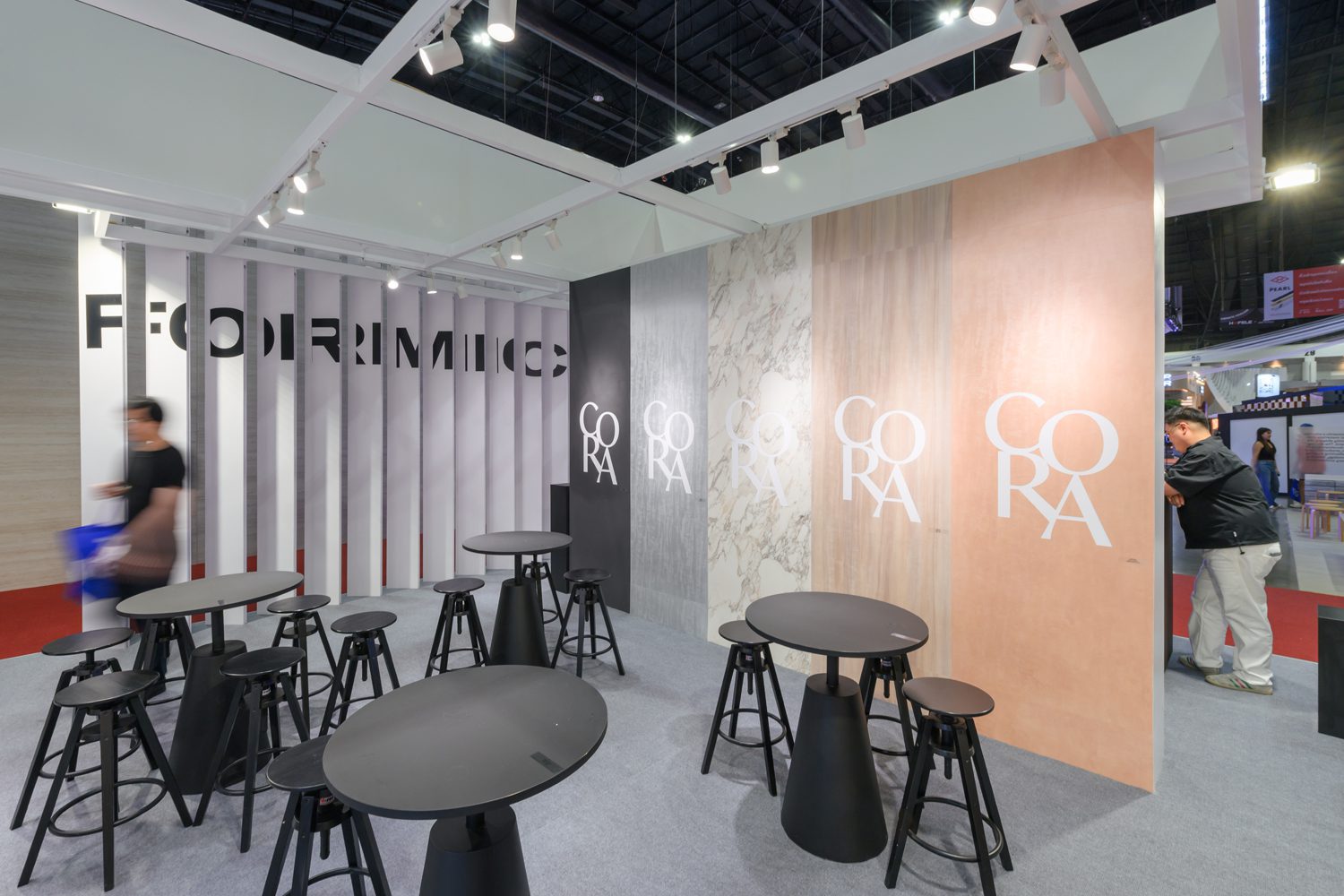
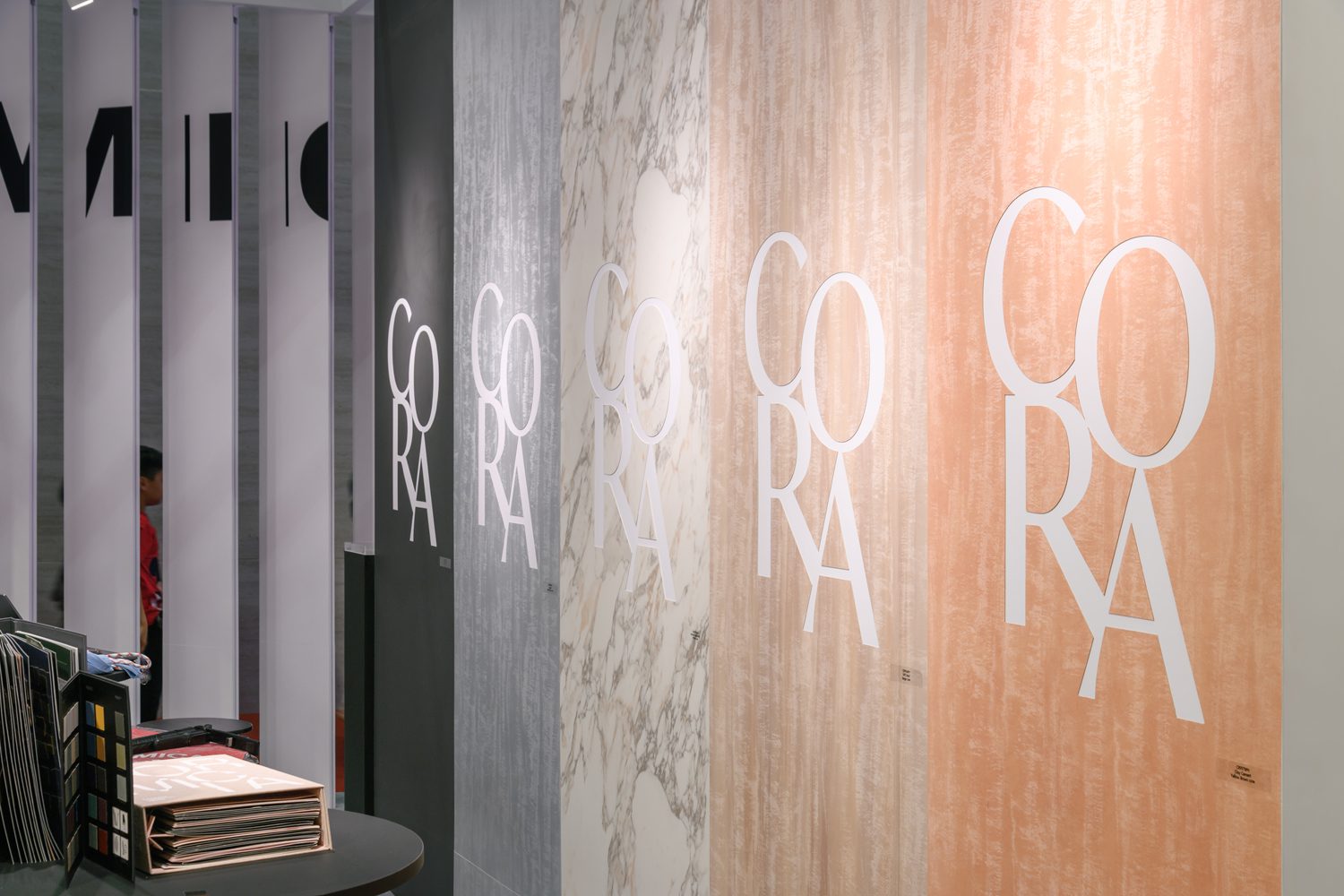
The reception area at the front of the booth, now reimagined as the Formica Gallery, introduces the first exhibition: Formica CORA™, a seamless surfacing material free from the distracting black lines often associated with conventional laminates. It brings a sense of refinement to architectural spaces while supporting better hygiene for users, as its easy-to-clean surface makes it particularly suited to high-touch areas. For Architect’26, Formica CORA™ introduces 25 new patterns, with one of its key highlights being the Beige Core. Formica also presents three new Deep Texture surfaces, Duo Wood, Lumber Wood, and Carved Art, alongside two additional finishes, True Matte and Phoebe Remix, offering a more dimensional wood-grain design experience that aligns more precisely with the needs of designers.
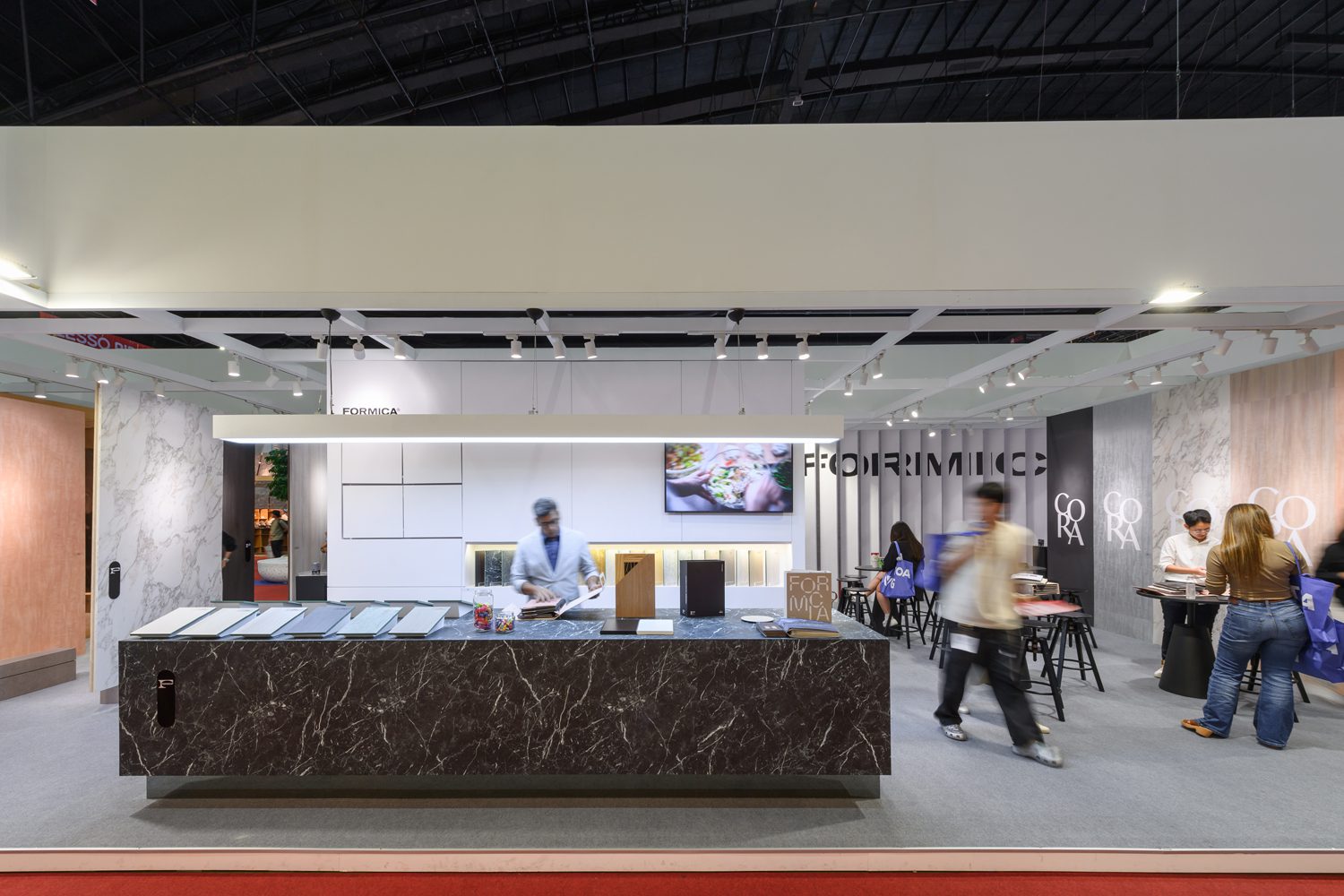
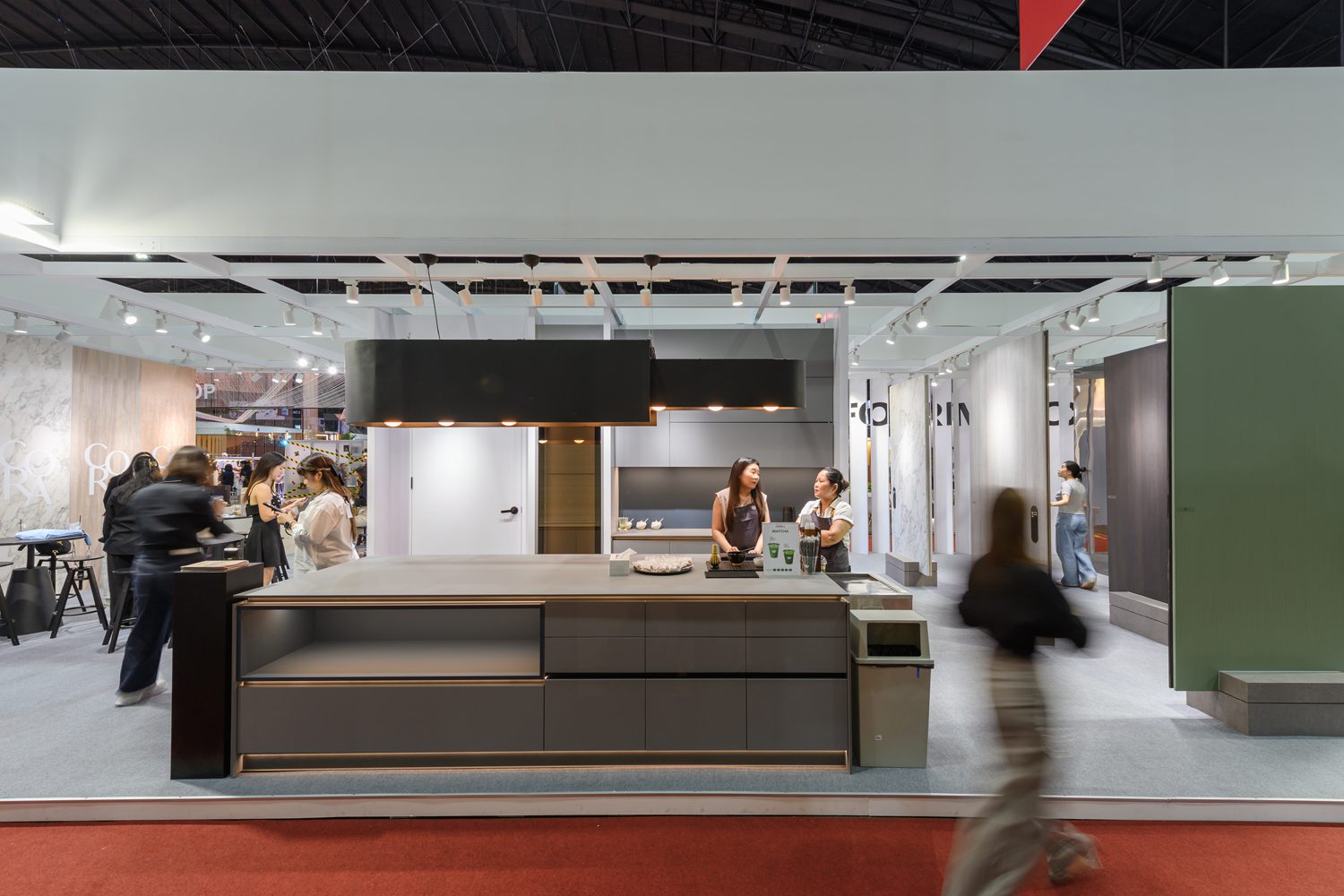
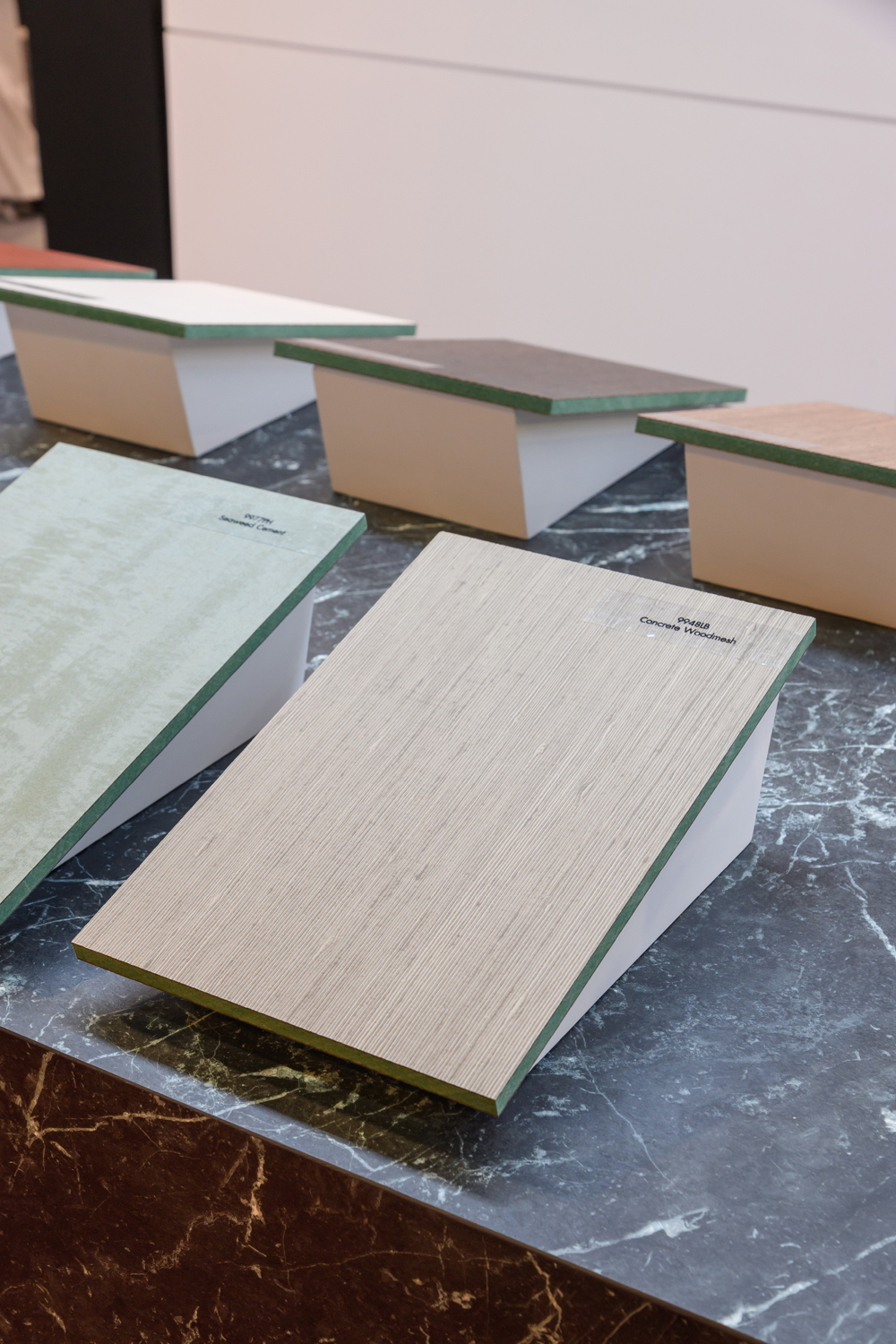
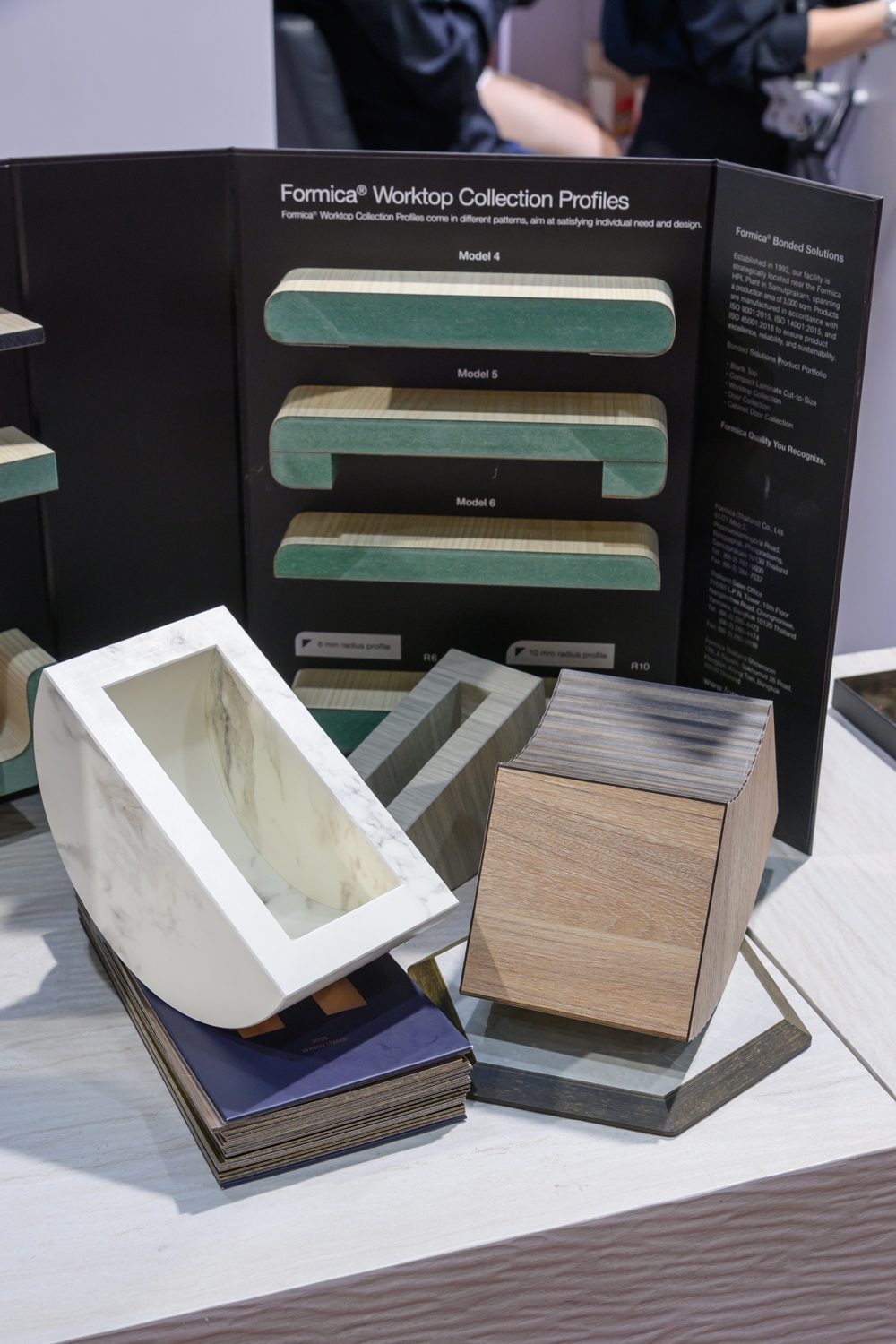
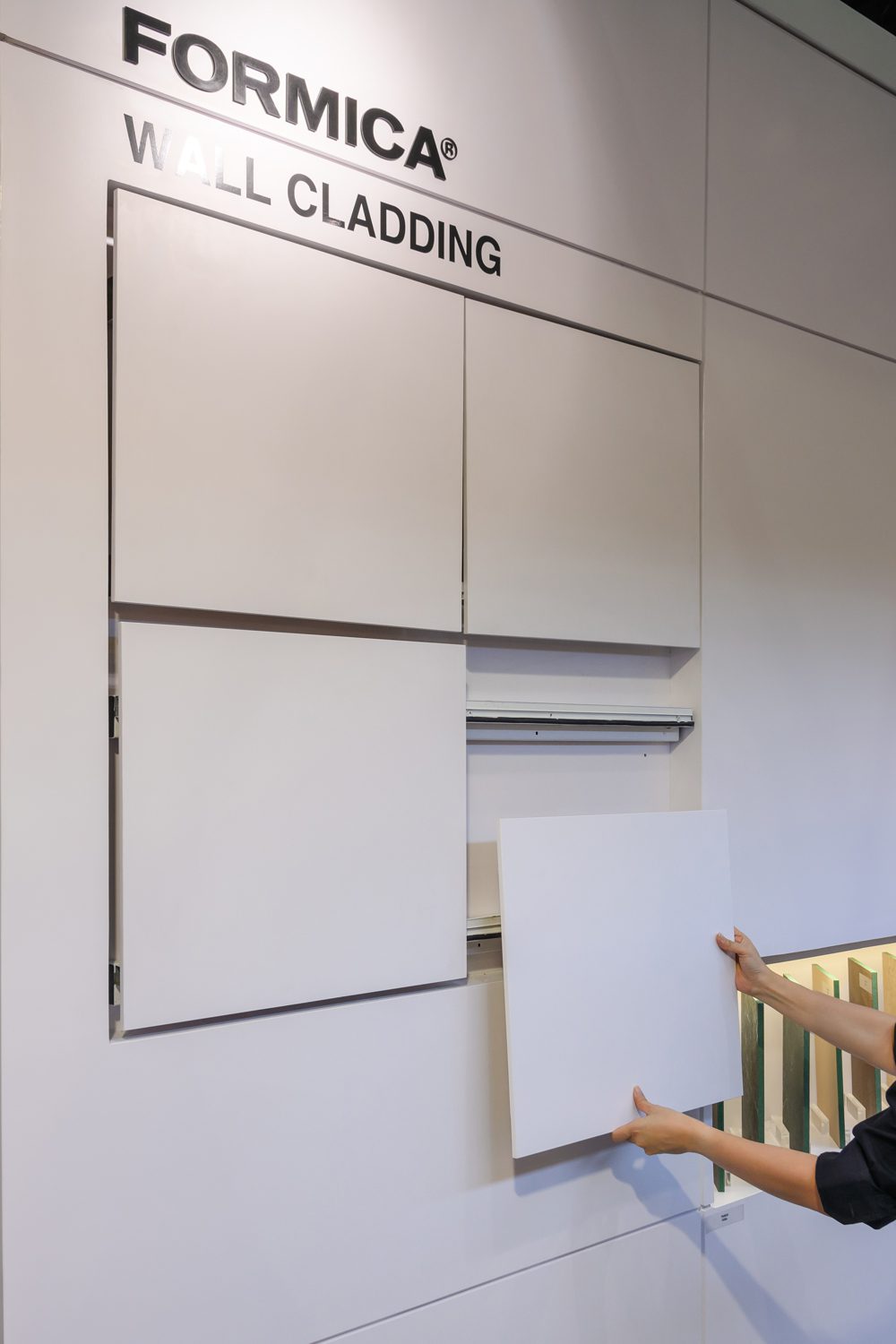
A little further inside, the circulation divides into two paths. The route to the left leads to a display area for Formica’s newly developed surface samples, where visitors are invited to pick up, touch, and examine the materials freely, making the process of selection more intuitive and informed. Turning to the right, visitors arrive at the zone dedicated to one of the booth’s signature highlights: FENIX®, an advanced surfacing material from Italy known for its soft-touch surface and anti-fingerprint properties. Here, FENIX® is presented through its application in the FENIX KITCHEN, where live demonstrations allow visitors to experience its performance firsthand, clearly revealing the material’s capabilities in real-world use.
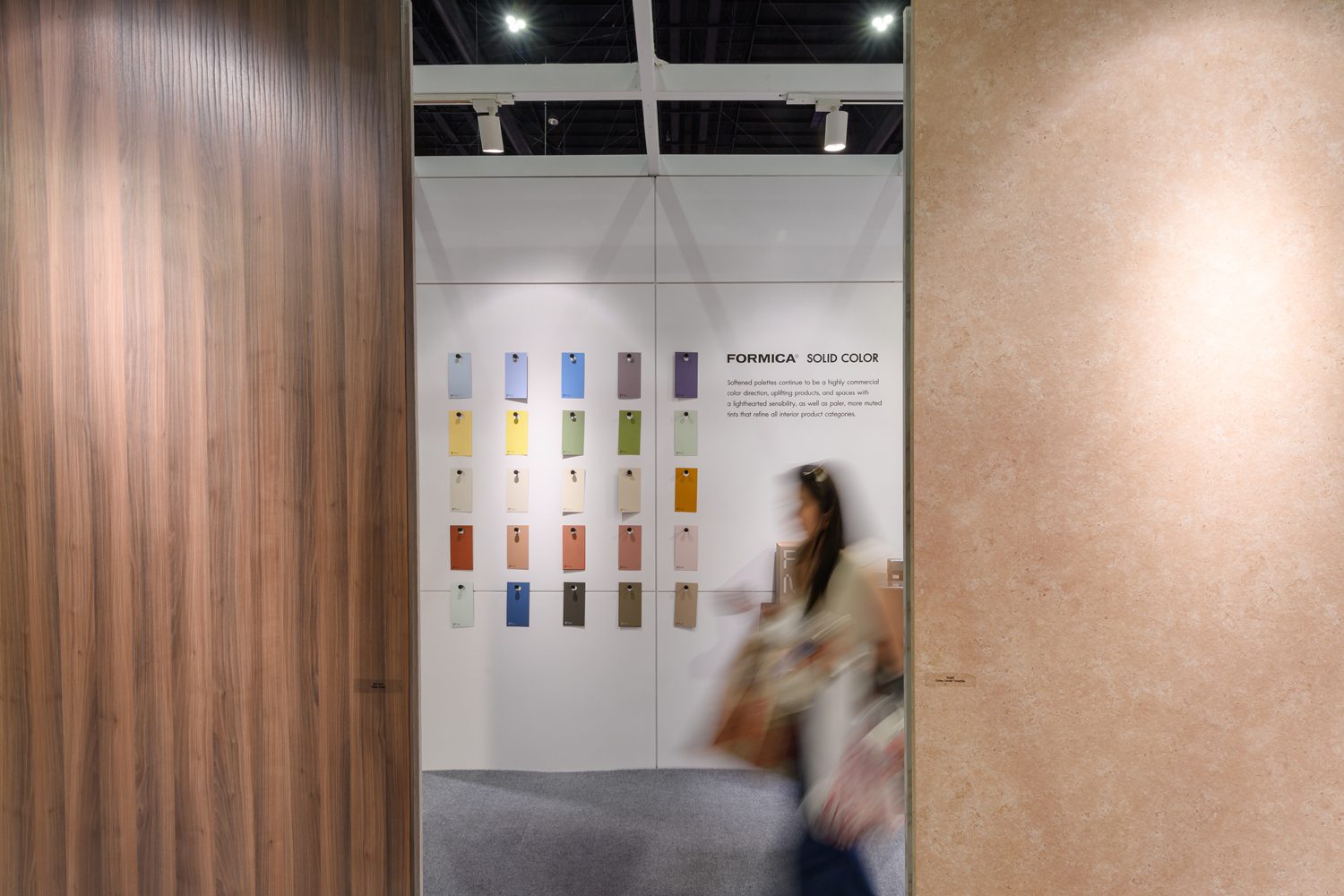
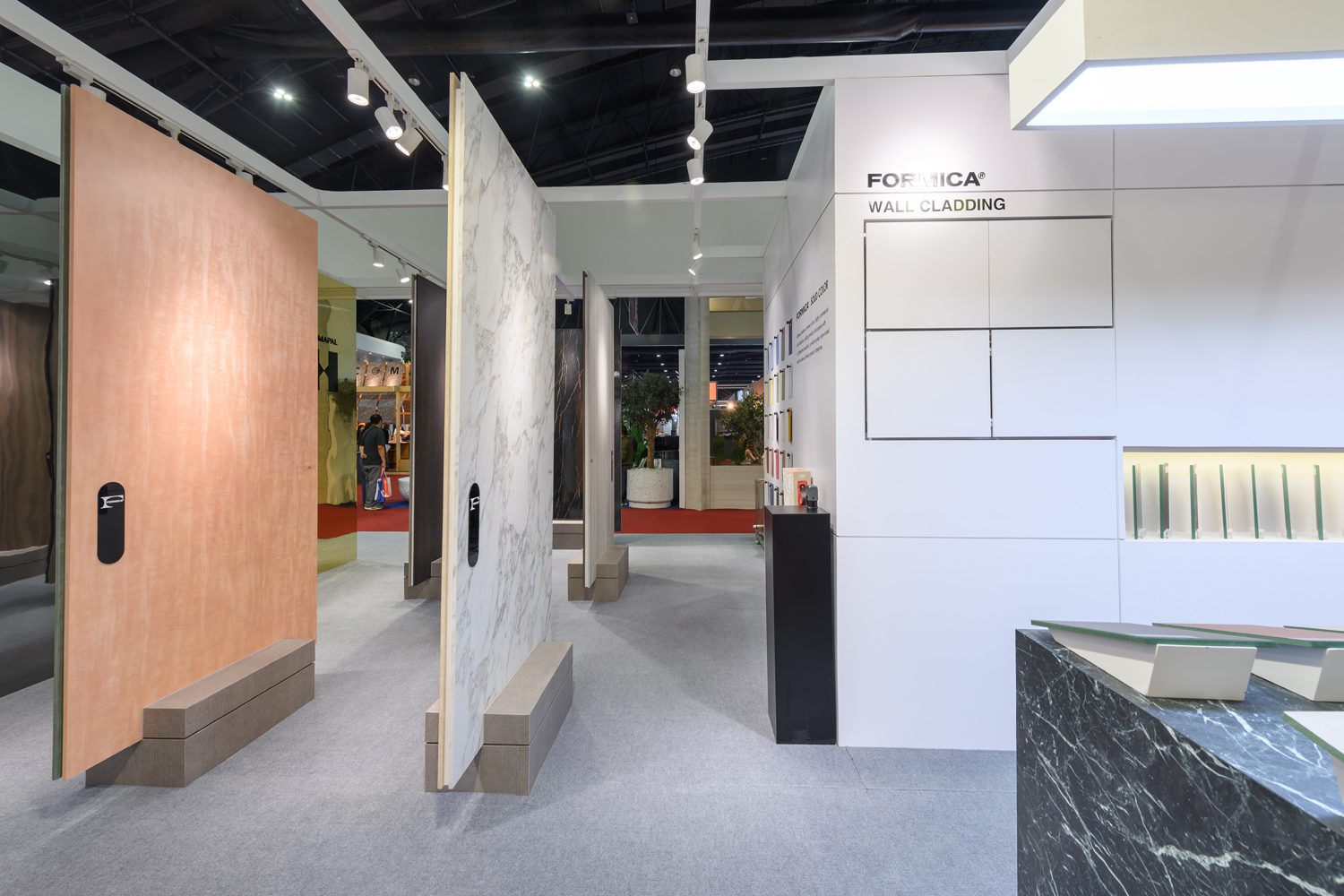
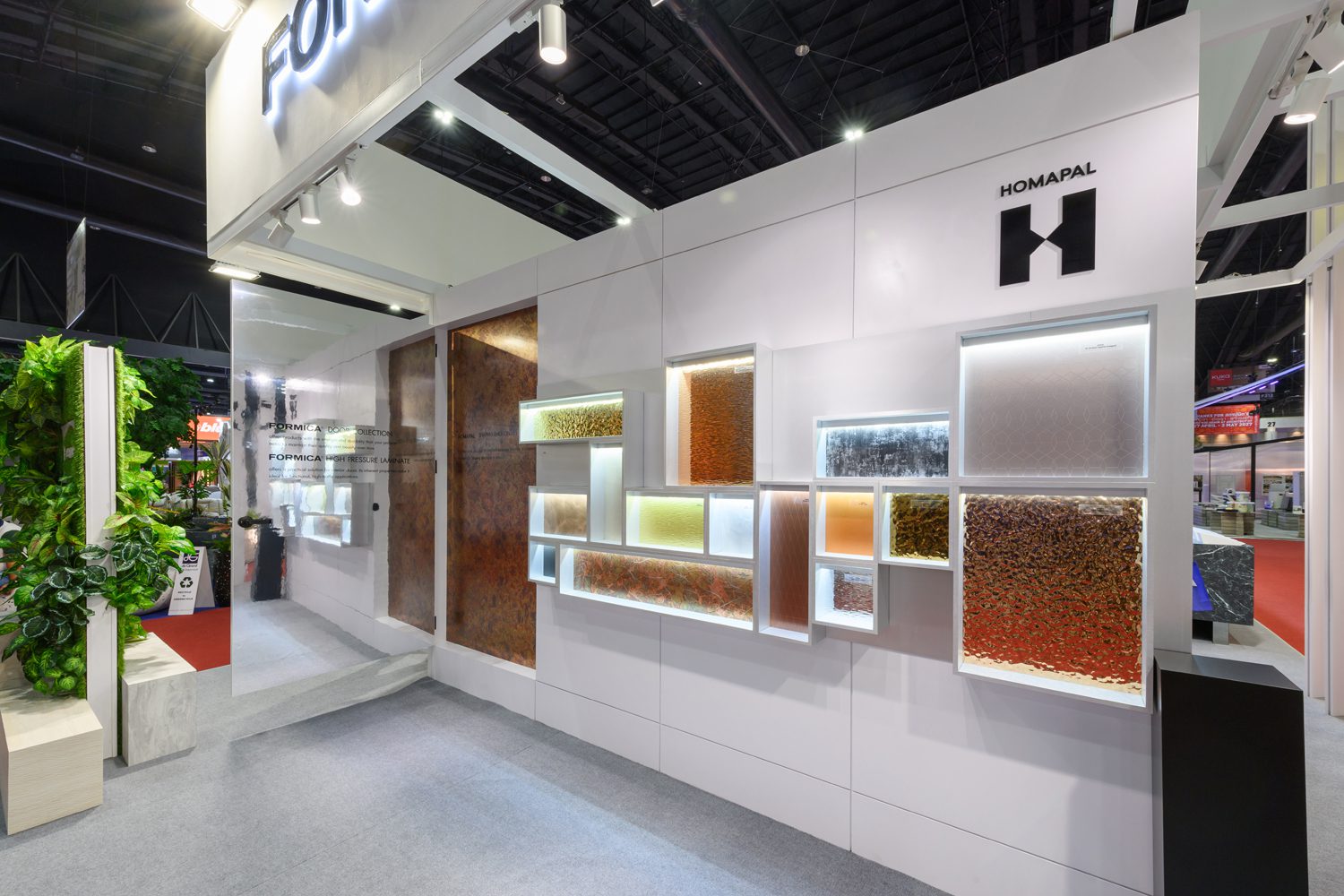
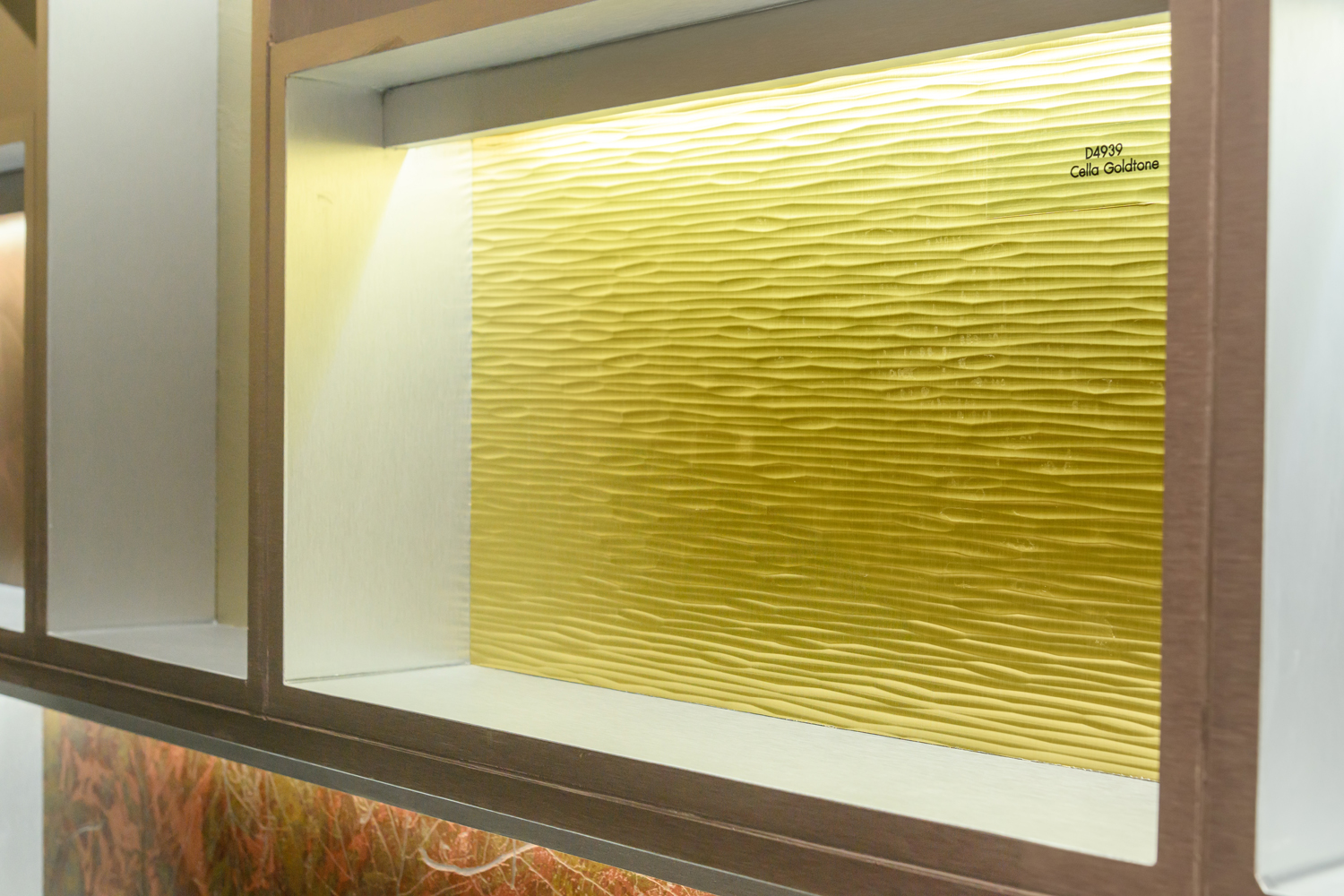
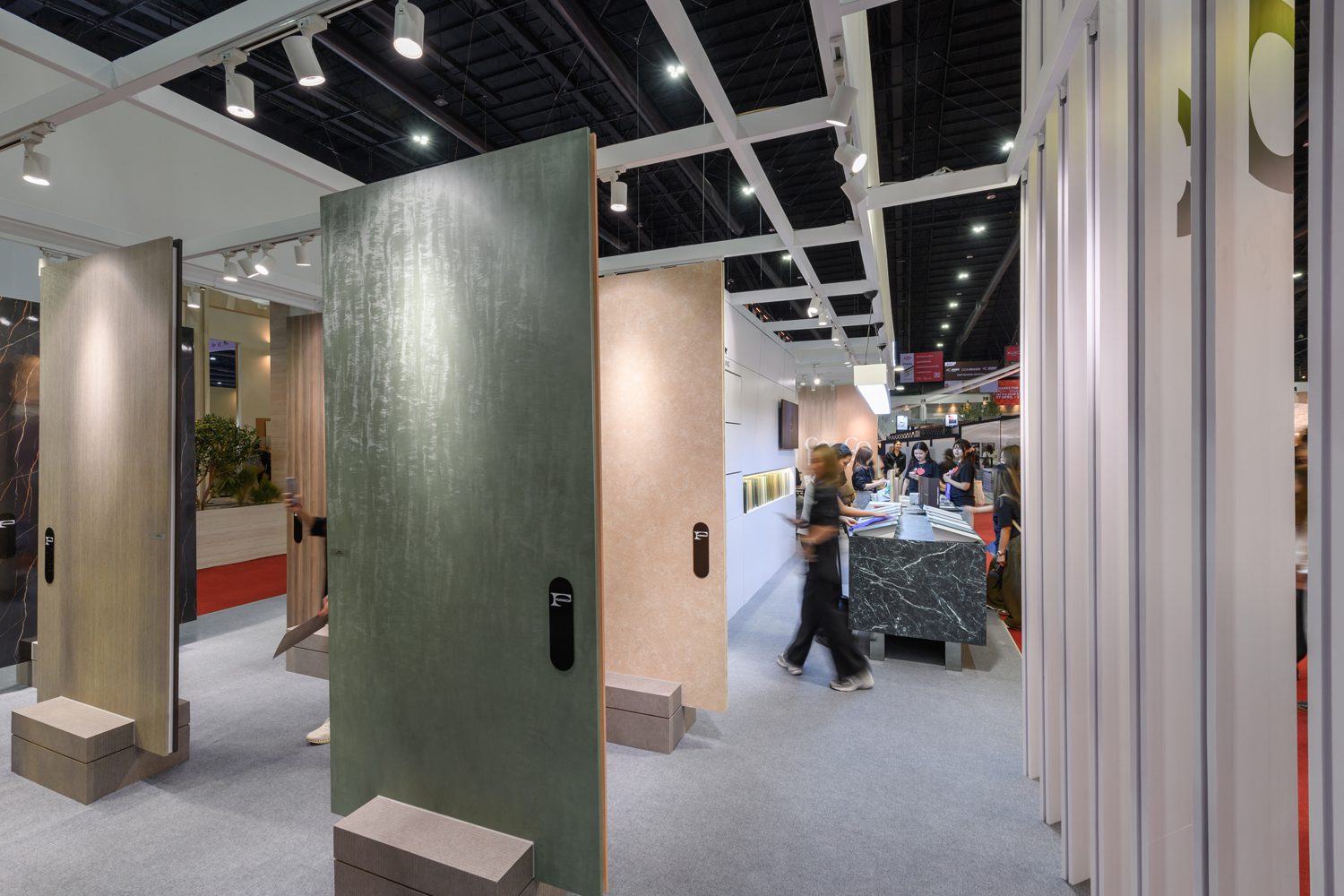
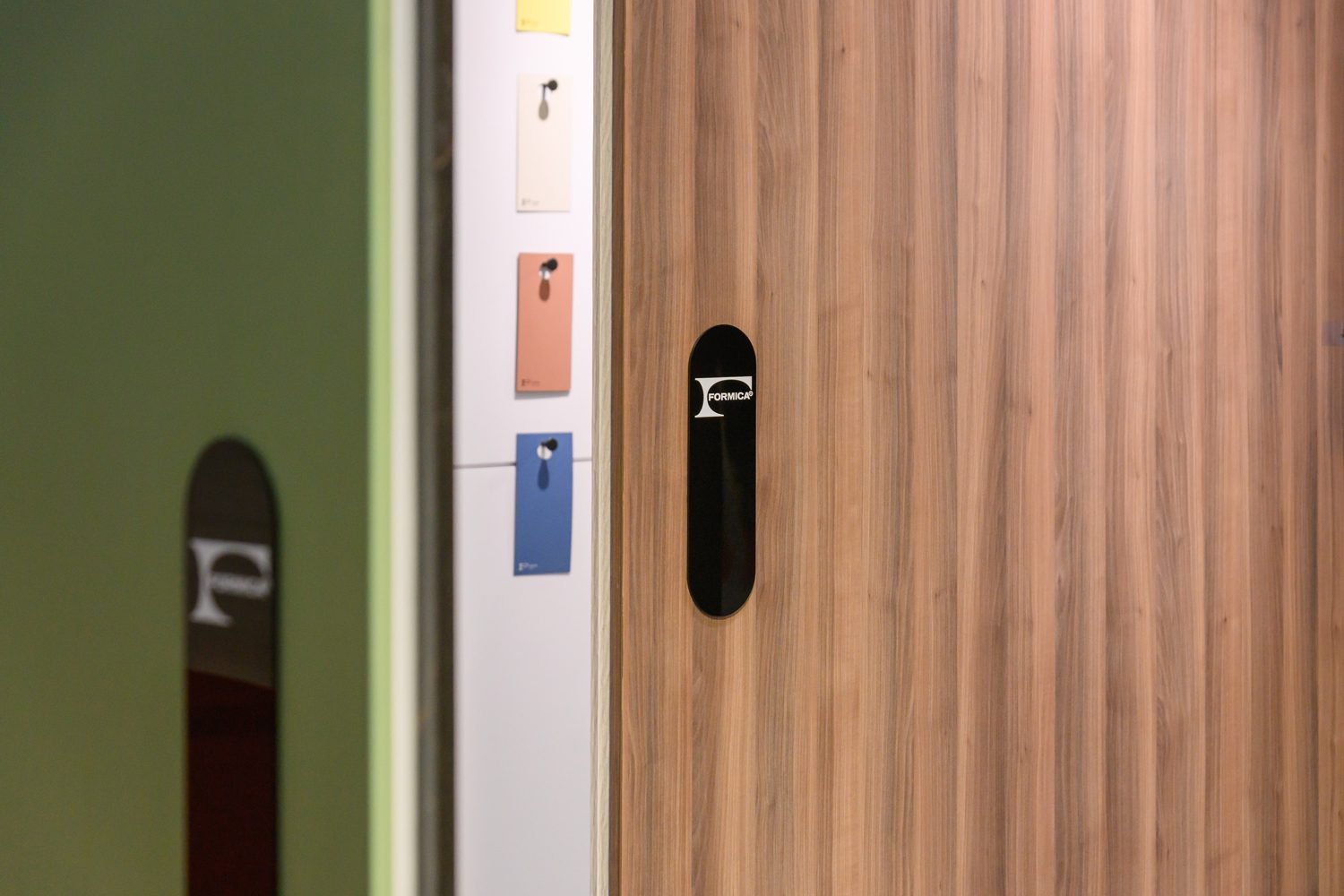
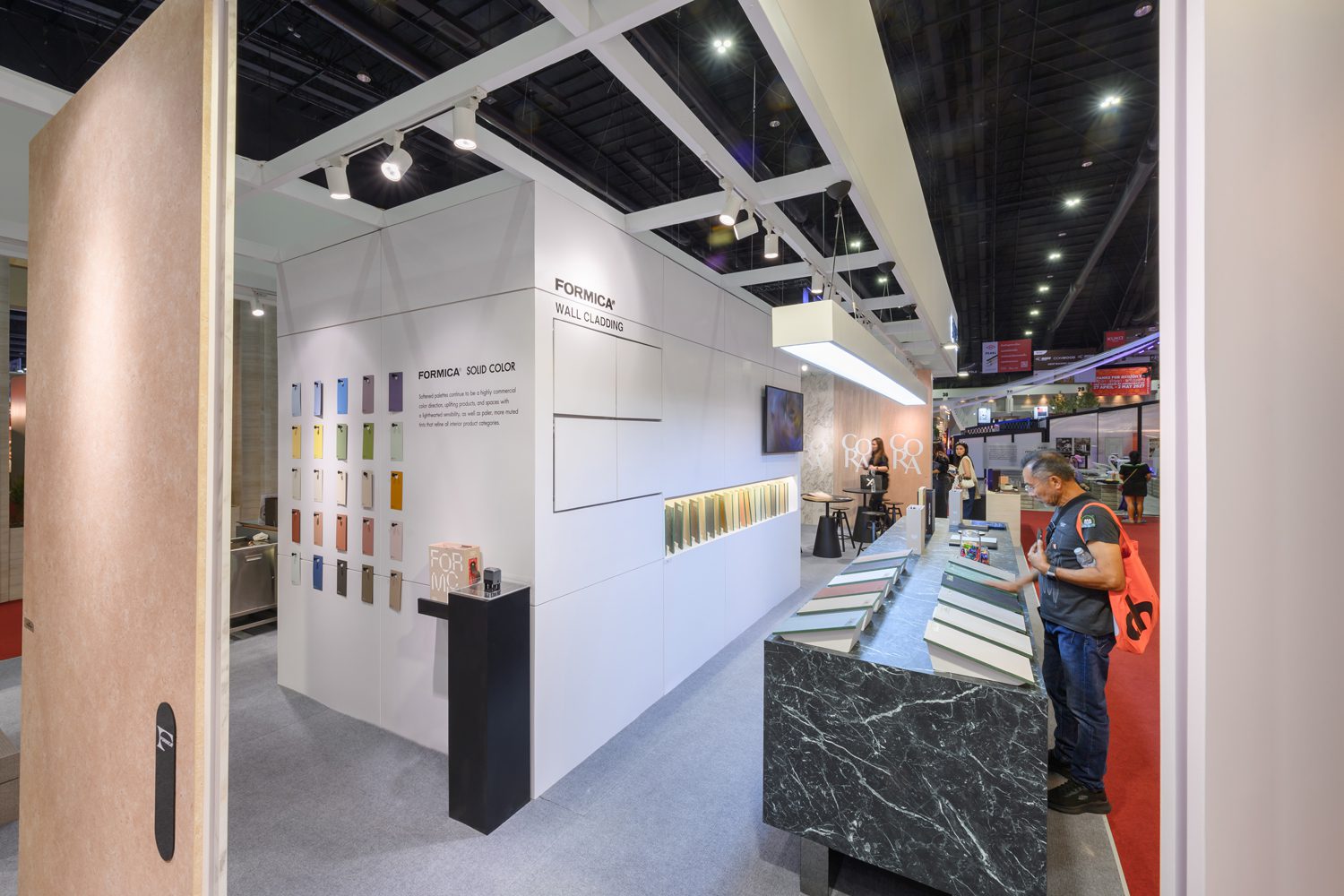
After moving through these two immersive routes, the Formica Gallery continues to offer moments of discovery. One of these is a display wall presenting the latest colors and textures of Formica Solid Laminate, inviting designers to engage more playfully with the act of design. Yet its appeal lies not in color and pattern alone. The material is also highly durable, easy to clean, and suitable for a wide range of interior applications. The journey concludes with the Formica® Door Collection, which showcases new wood and stone patterns that bring additional character and expression to architectural spaces, followed by Homapal, presented through application samples that reveal the contemporary tactility of metallic surfaces.
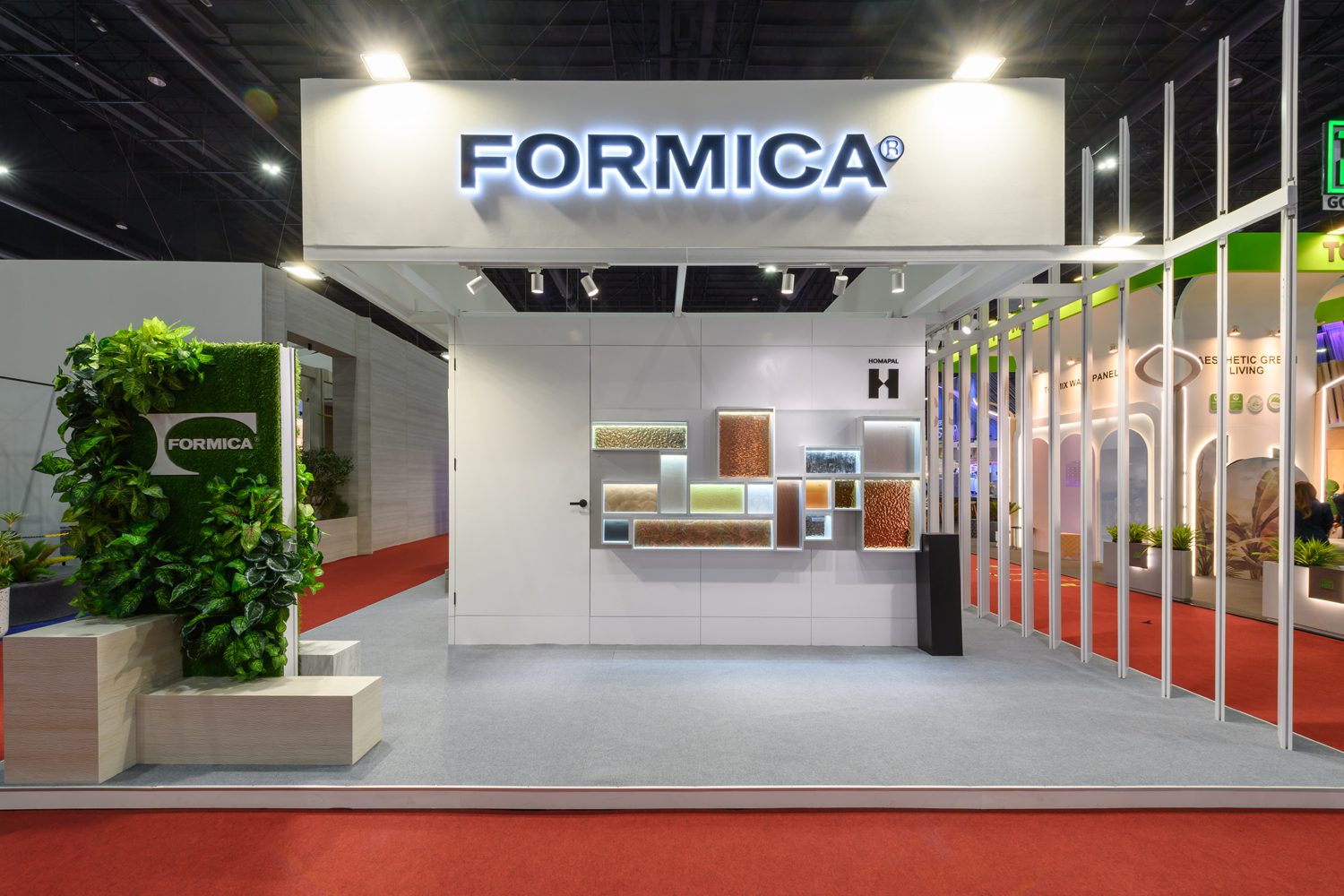
It would not be overstating the case to say that Formica’s booth this year succeeds as a true Formica Gallery: a space where the development of surfacing materials is presented almost as a collection of artworks, encouraging creativity and sparking new design ideas for architects and designers. Moving through each zone of the gallery is therefore not simply an exercise in selecting materials for future projects; it becomes a process of absorbing inspiration, one that may be carried forward into the development of new design concepts.