
EXPLORE ART BASEL HONG KONG 2026, HONG KONG’S NEXT STEP TO TRANSFORM ART SPACES, FROM GALLERIES TO MUSEUMS, INTO PLACES THAT ARE TRULY FOR EVERYONE
TEXT: NATHATAI TANGCHADAKORN
PHOTO: NATHATAI TANGCHADAKORN EXCEPT AS NOTED
(For Thai, press here)
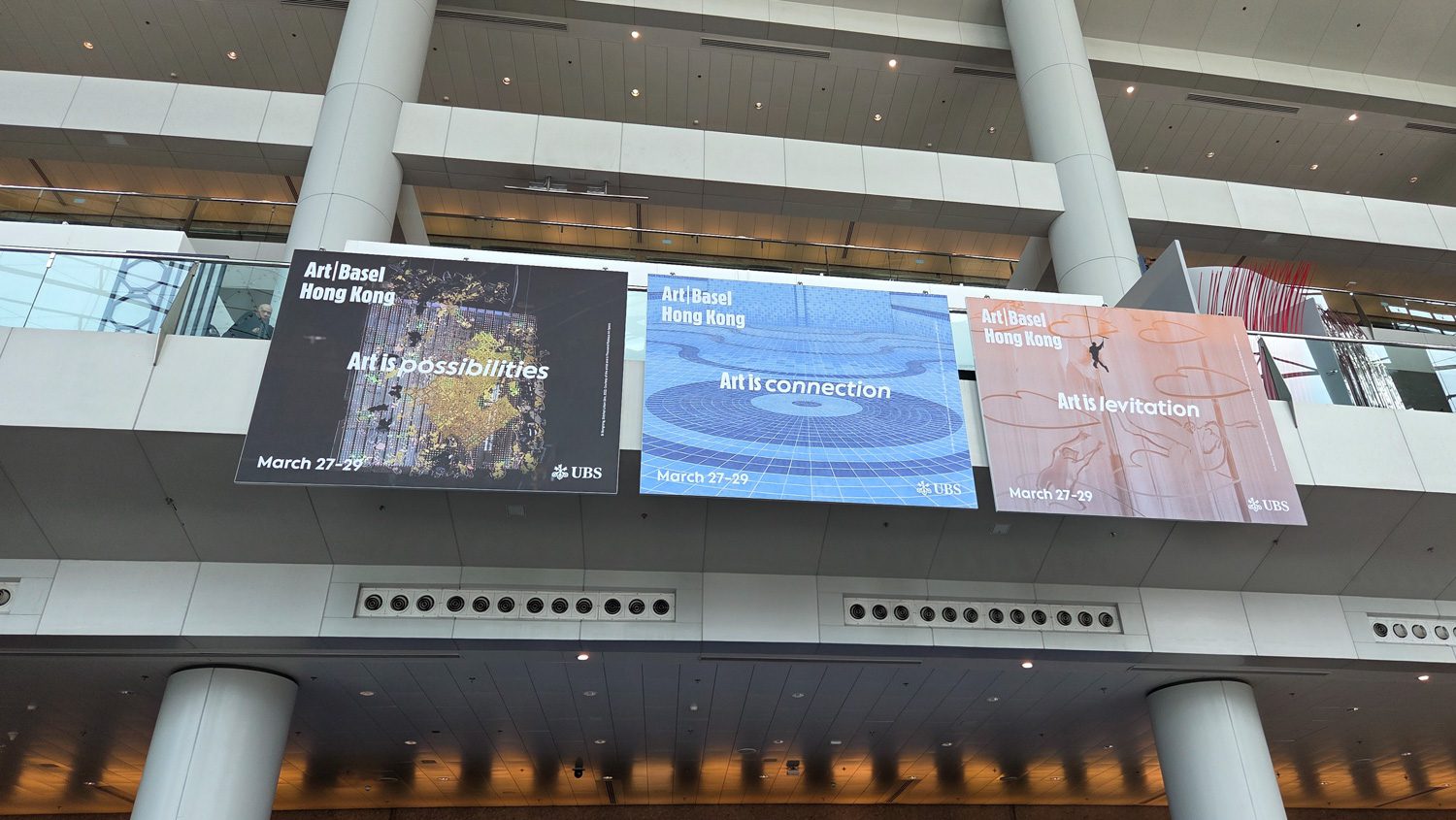
Art Basel began in Basel, Switzerland, where the fair was first launched in 1970. Since then, it has expanded beyond its original home to four other cities around the world: Hong Kong, Miami, Paris, and Qatar. In March 2026, it returned once again to the shores of Hong Kong, coinciding neatly with the city’s Art March.
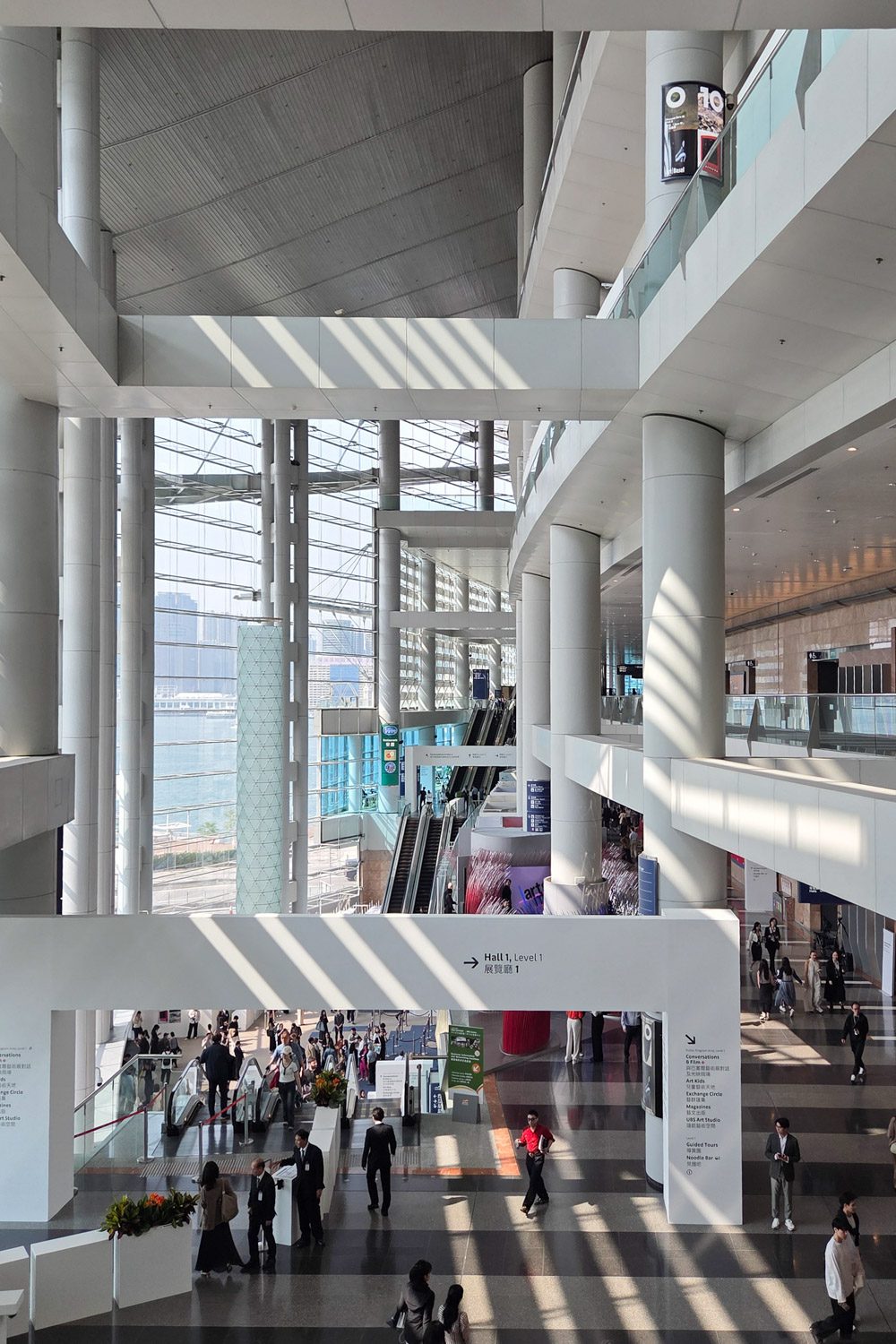
This year’s edition unfolded over five days, from 25 to 29 March 2026, with the fair opening to the public on Friday, 27 March. Although Art Basel originated in Switzerland, the Hong Kong fair is supported by the Culture, Sports, and Tourism Bureau, The Government of the Hong Kong Special Administrative Region of the People’s Republic of China, as well as through collaborations with local galleries.
Among more than 240 galleries from 41 countries, around half came from Hong Kong and the wider Asia-Pacific region, presented alongside international participants from Turkey, France, Georgia, Germany, the Netherlands, Spain, and the United States. The result was a fair not only shaped by the diversity of its works but also by a lively mix of cultural perspectives. While Art Basel is firmly positioned as a platform for contemporary art, its breadth is perhaps most clearly felt in the presence of sectors such as Discoveries, dedicated specifically to solo artist projects.
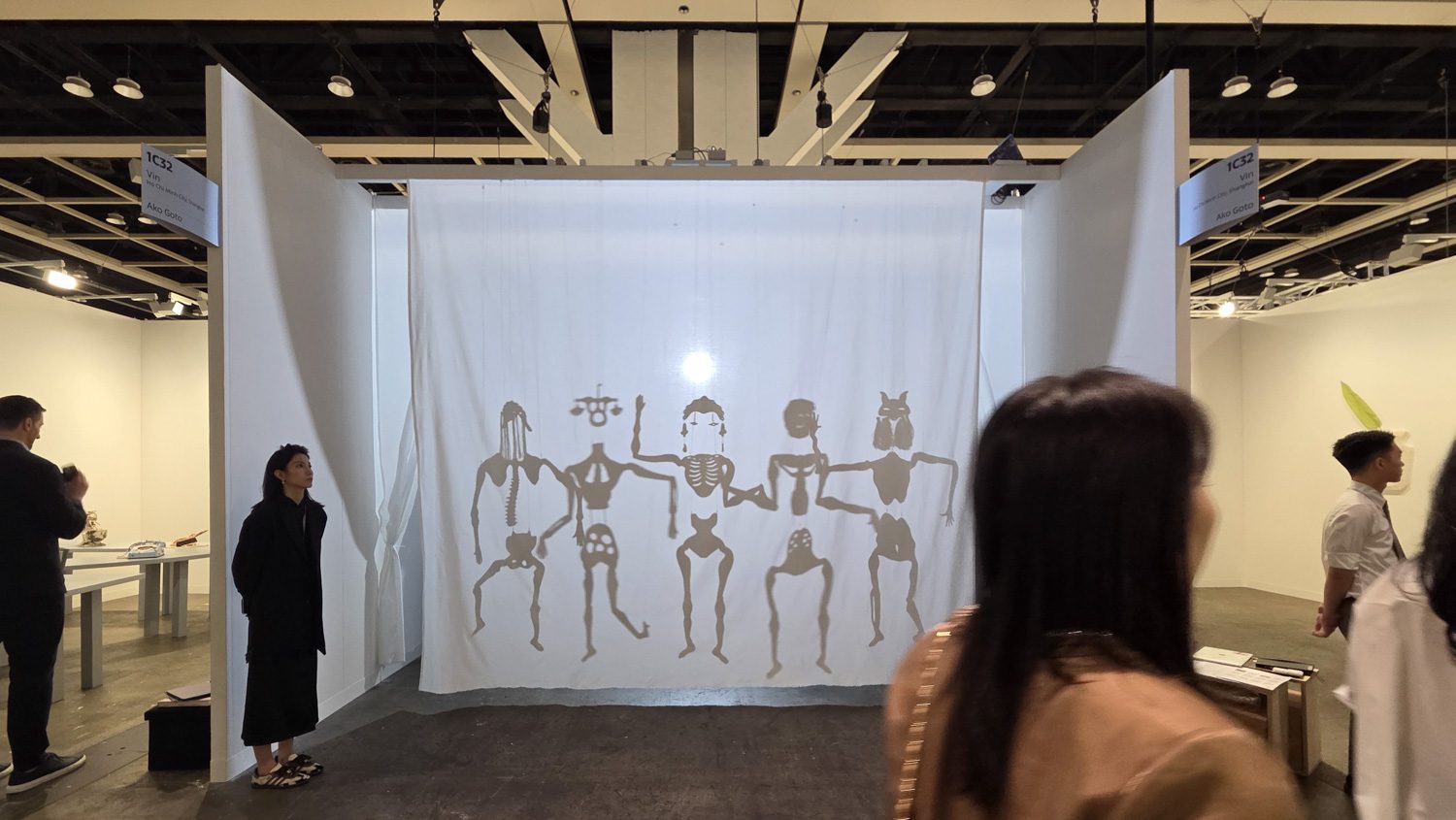
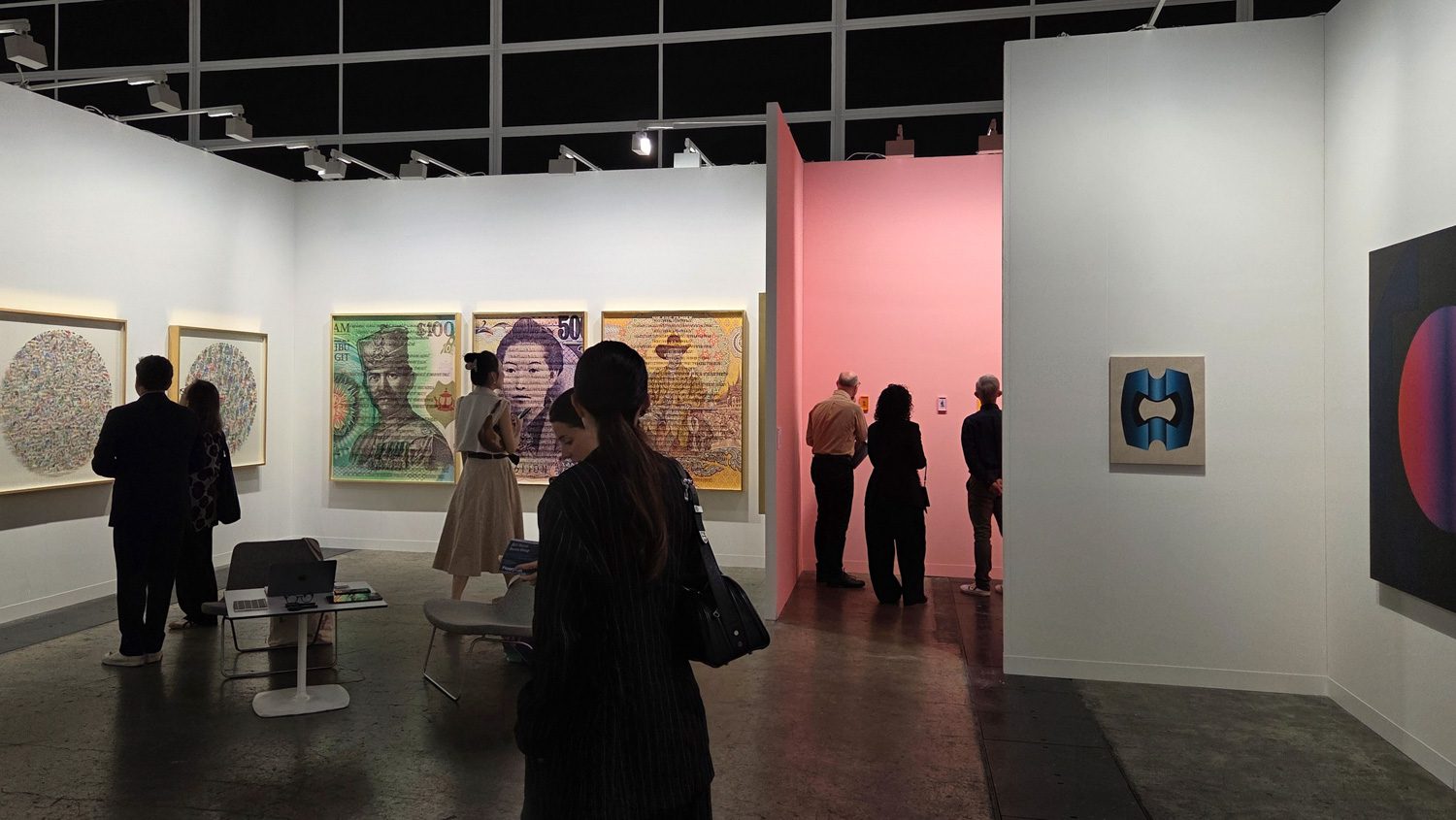
At first glance, the list of sectors, introduced in advance through brochures and the fair’s website, suggested a layout in which each zone would be distinctly separated from the next, especially as some sectors appeared to be clearly defined by medium. In practice, however, the floor plan seemed less concerned with strict boundaries than with guiding visitors through the fair as a cohesive whole. Large-scale installations in the Encounters sector appeared at intervals throughout the halls, acting as visual anchors along the route. The effect allowed viewers to move fluidly between the intimacy of painting at close range and the spectacle of monumental installations seen from afar. And of course, for those wanting to approach the works in this sector more directly, that too remained entirely possible.
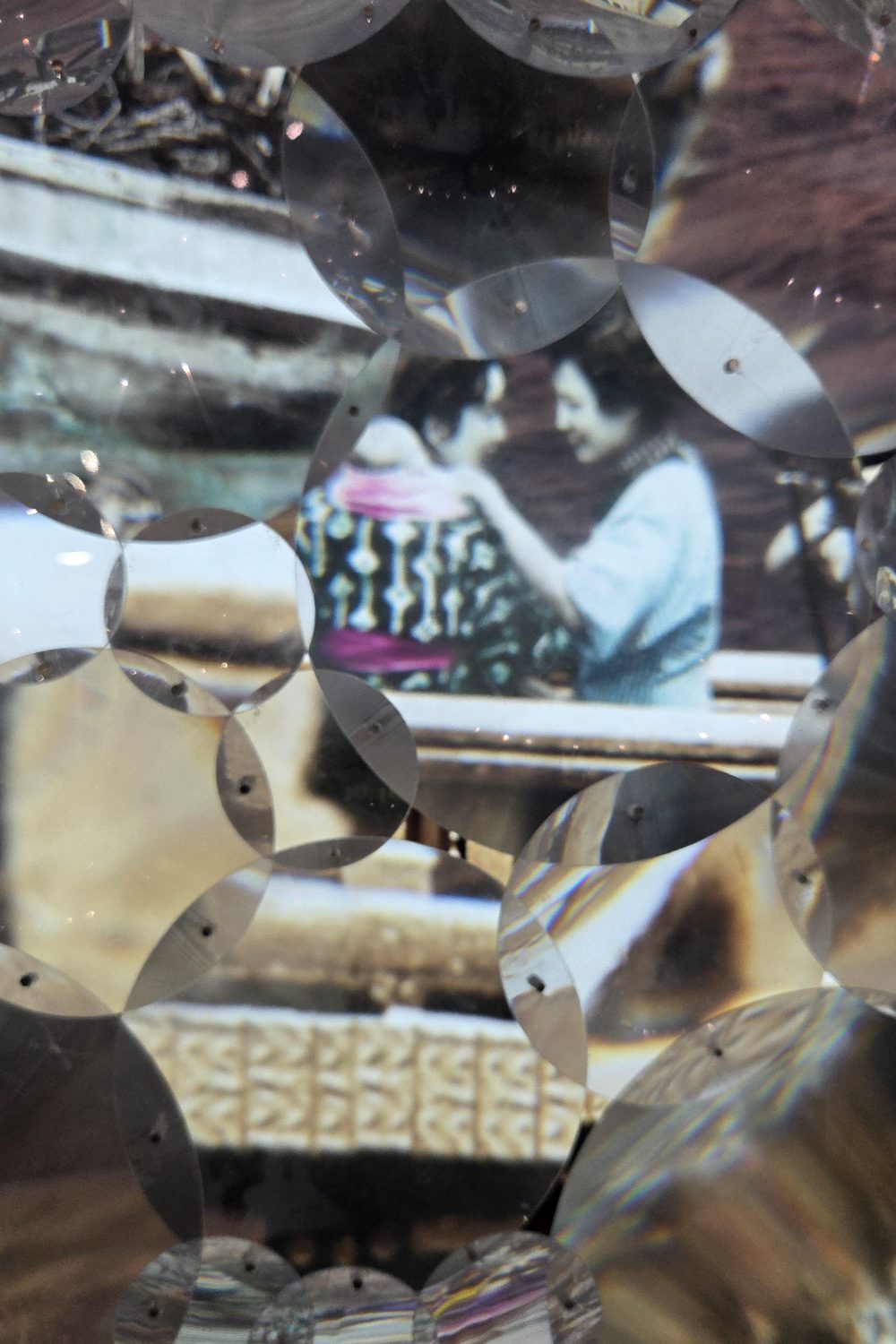
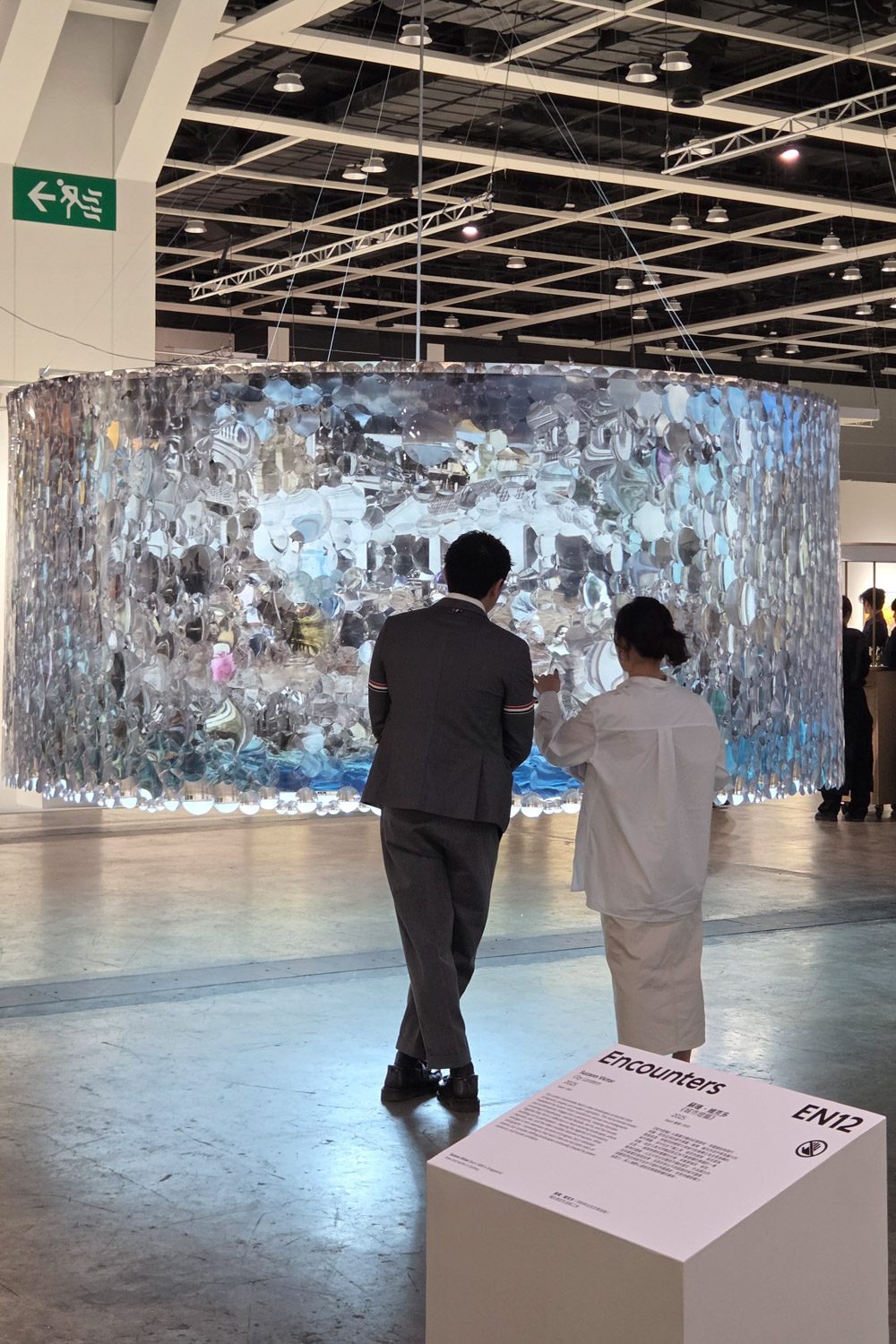 Suzann Victor, City Lantern (2025)
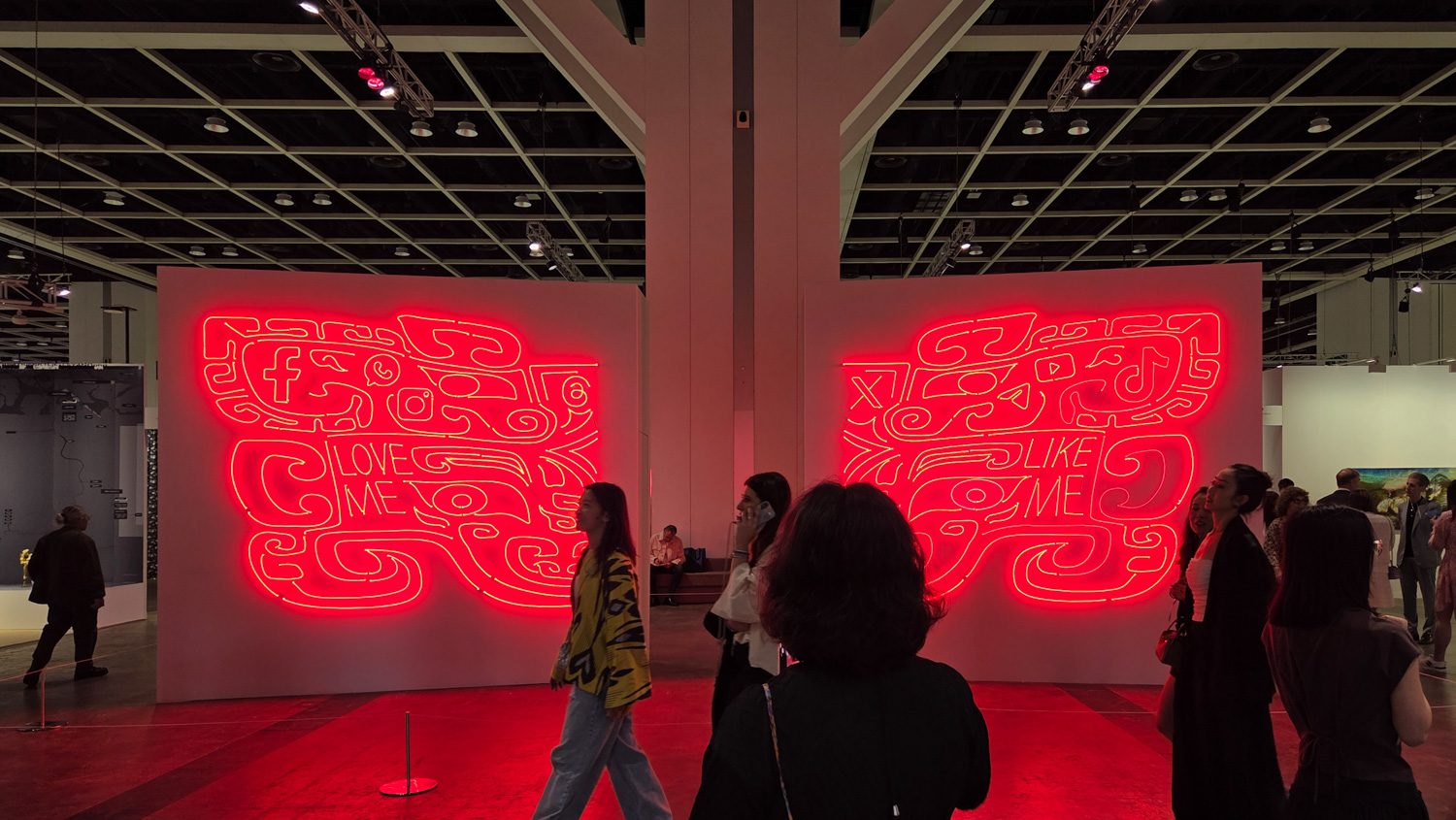
A work by Kongkee
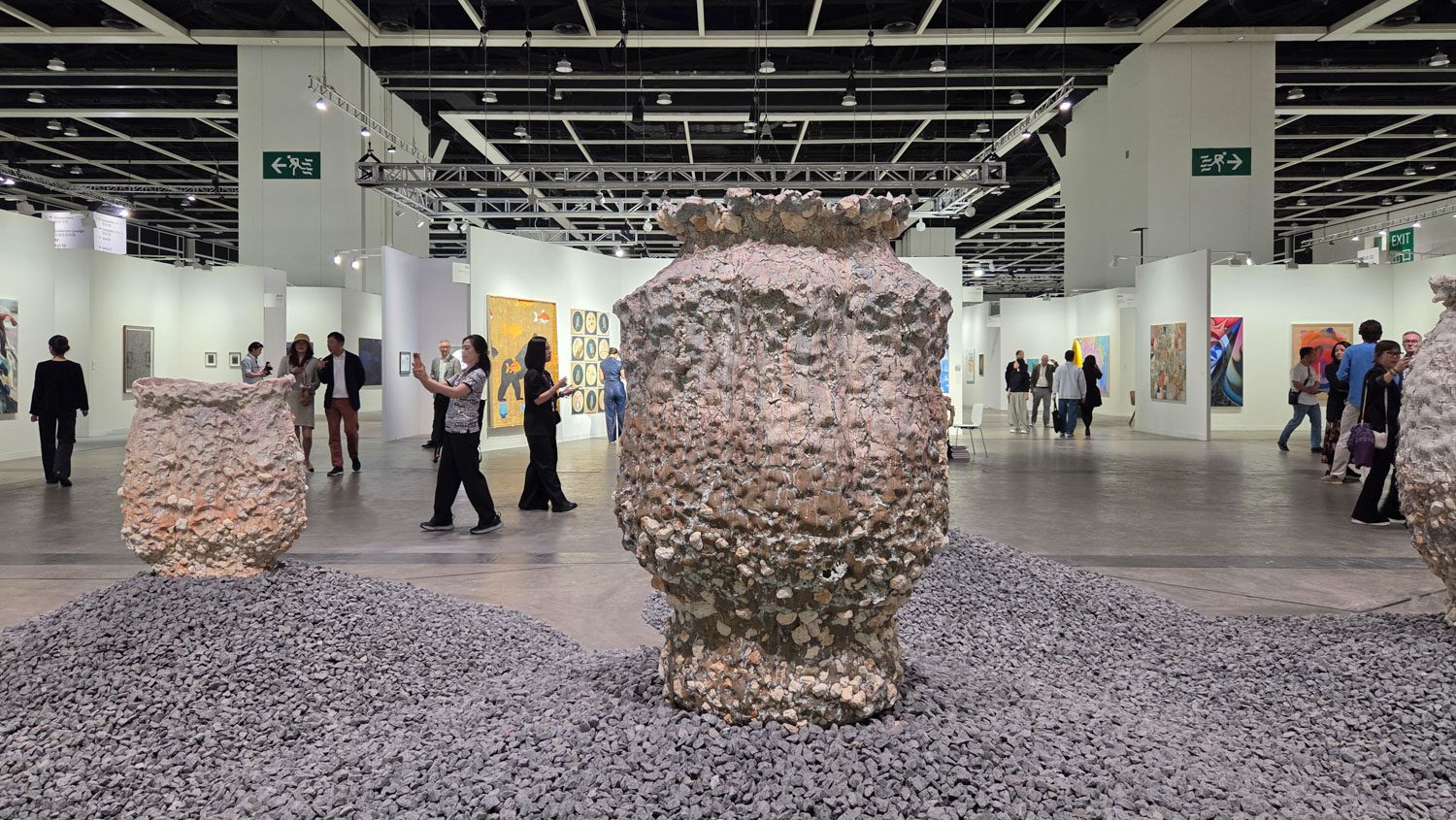
Masaomi Yasunaga, A Certain Trajectory (2026)
Encounters, in particular, stood out to me personally, beginning with its roster of artists and the range of techniques on view. In one sense, it was also the sector that felt closest to the viewers: the works confronted the eye almost immediately upon entering the hall, living up quite literally to the notion of an encounter. Seating areas were arranged around it, inviting visitors to pause, while the works themselves offered a density of content that was nonetheless readily approachable. On a vast screen, Apichatpong Weerasethakul’s Fireworks (Fans) (2016) seemed to stage both heat itself and one of its possible meanings, through the movement of electric fans and the ceaseless flare of fire. It could be taken in lightly, even with a smile at its strange immediacy, or read more intently as an attempt to understand ‘heat’ in the context of Mae Rim district in Chiang Mai, as Apichatpong may be suggesting.
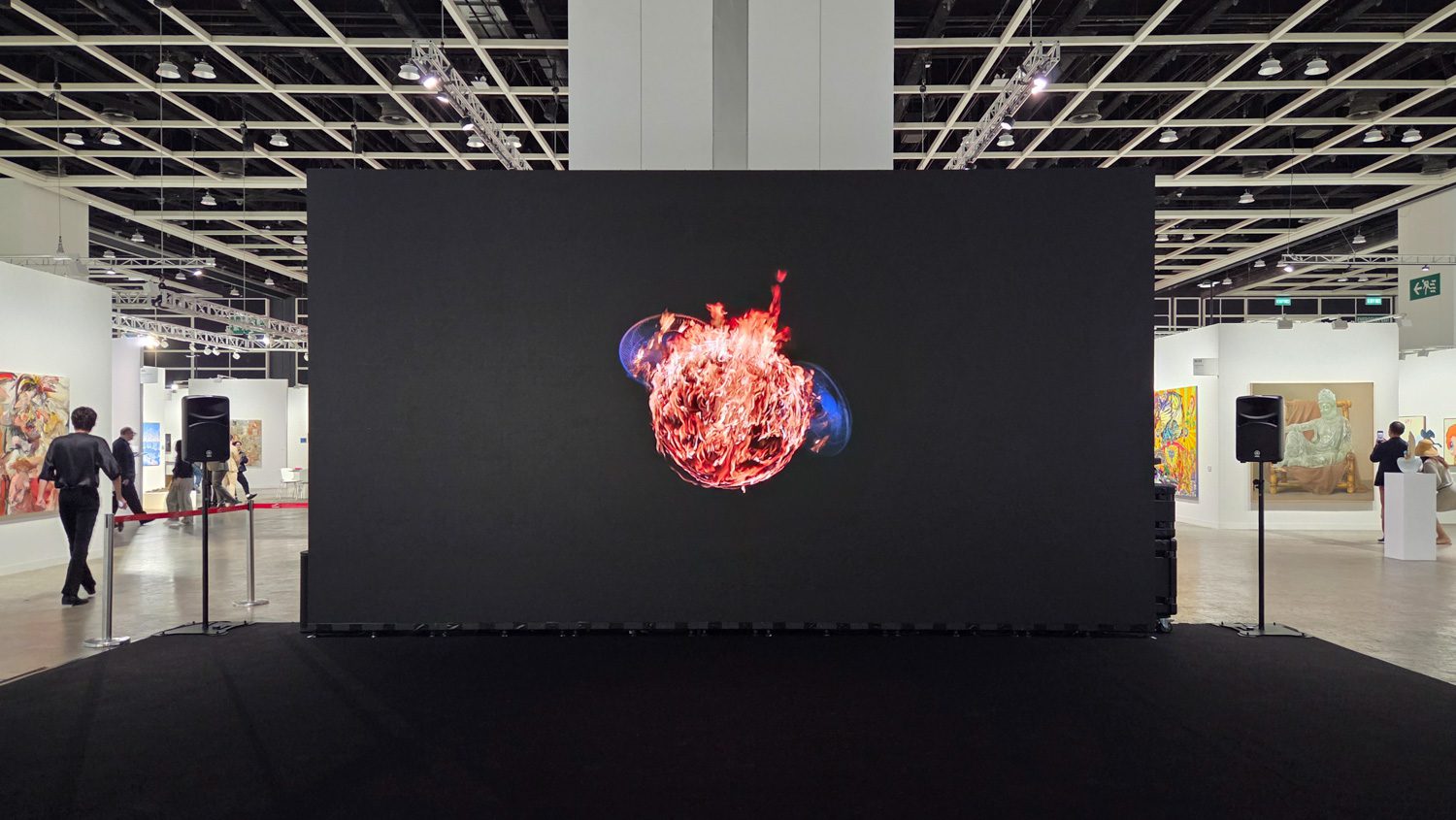
Apichatpong Weerasethakul, Fireworks (Fans) (2016)
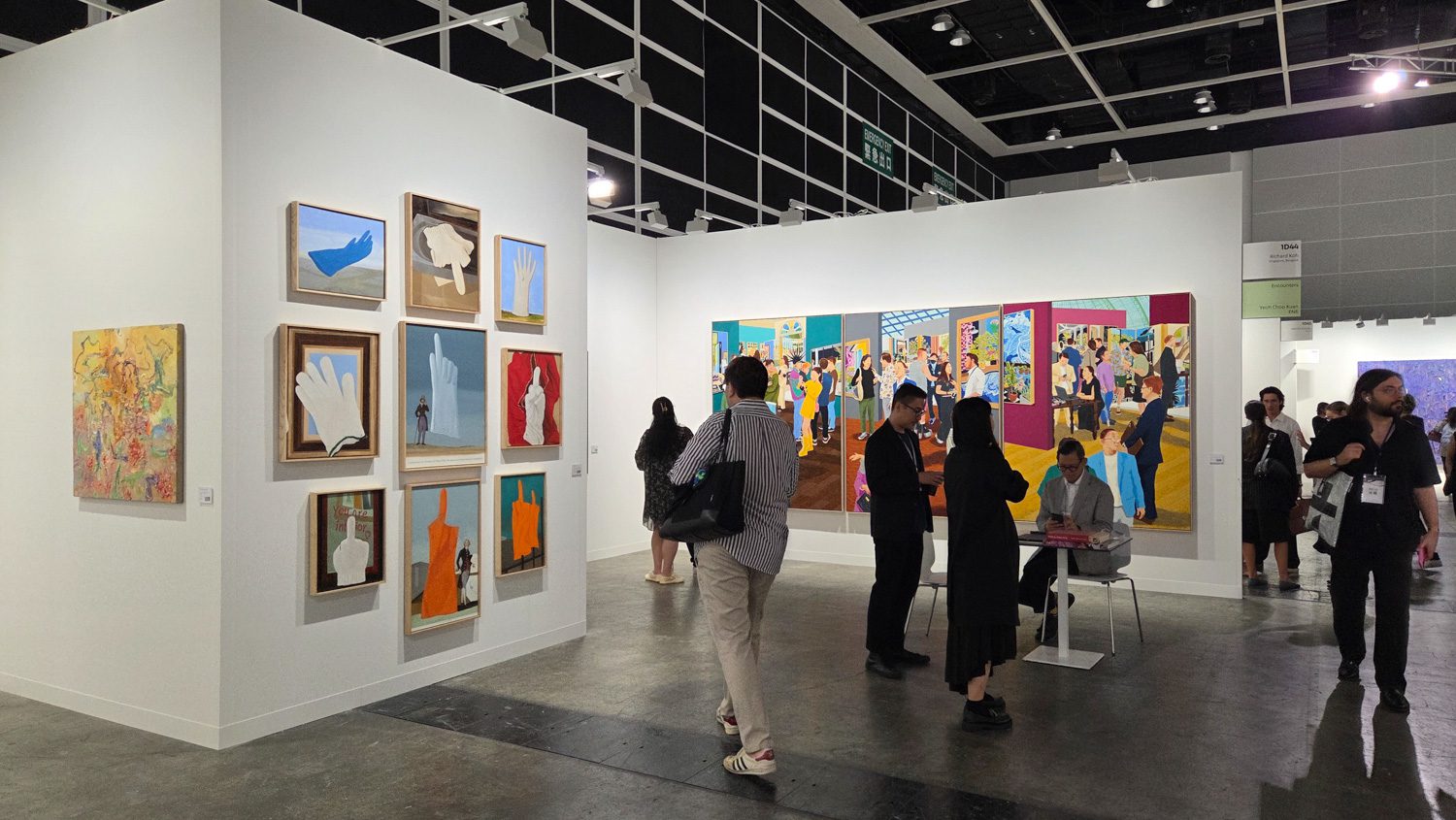
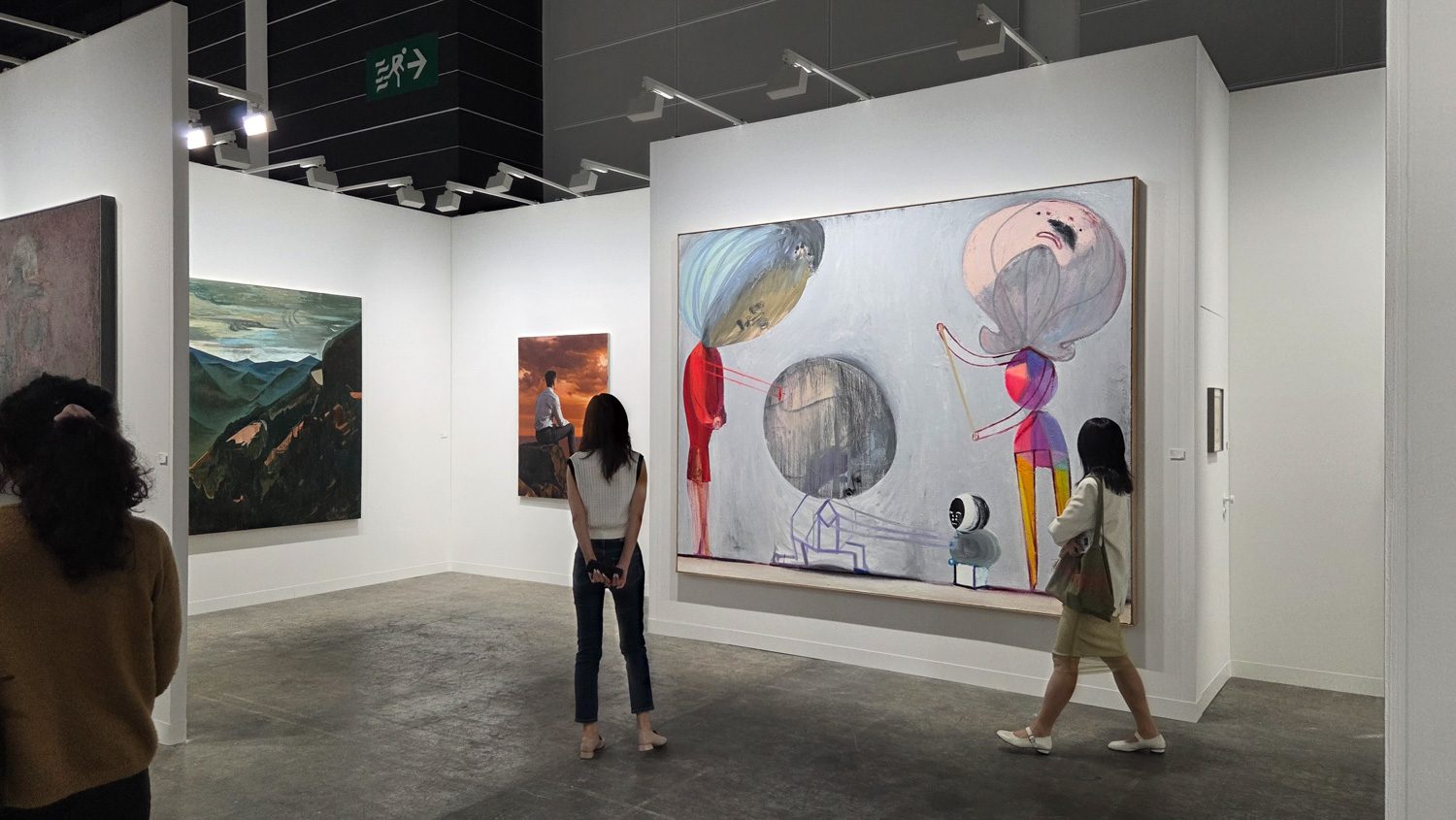
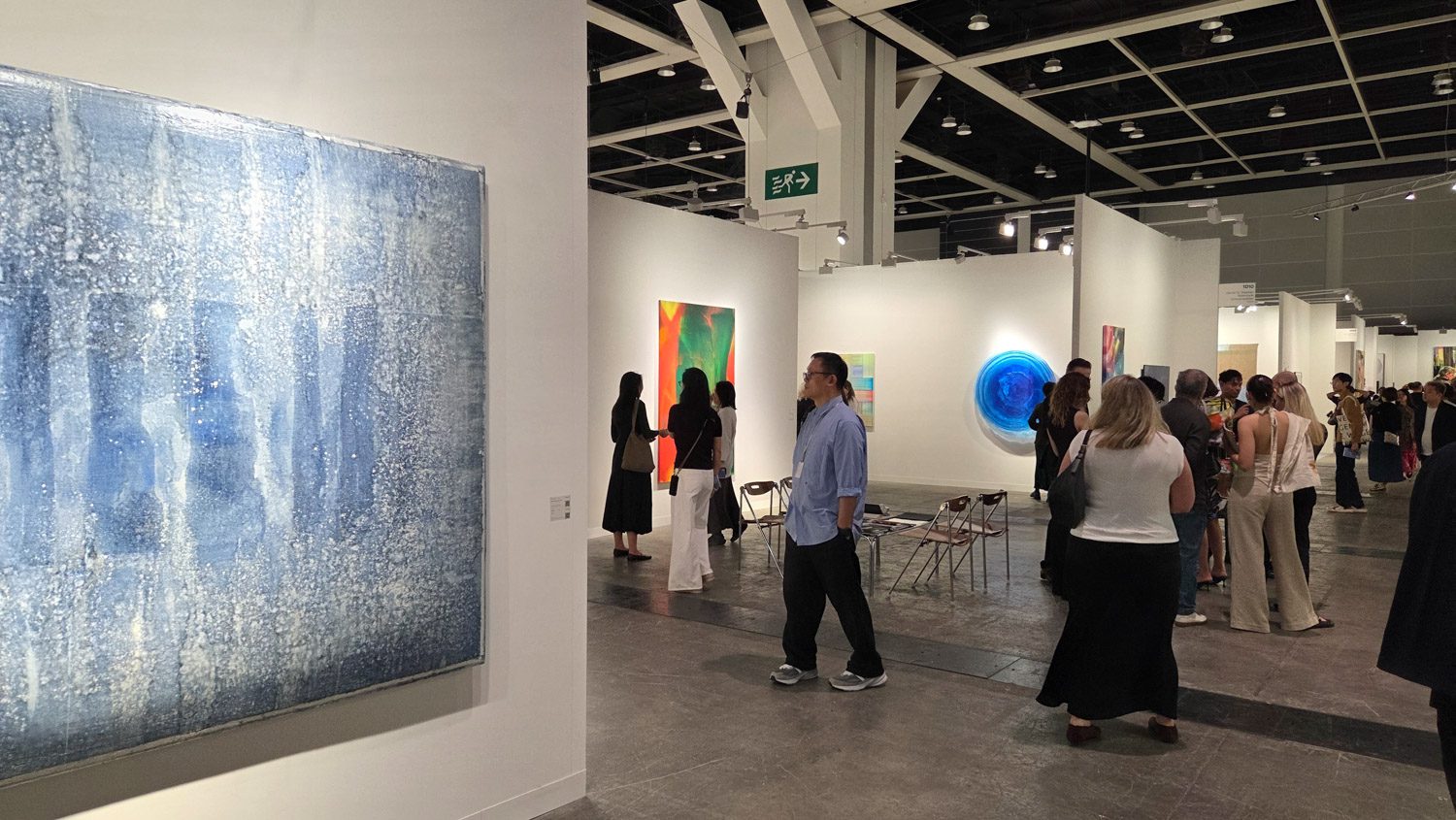
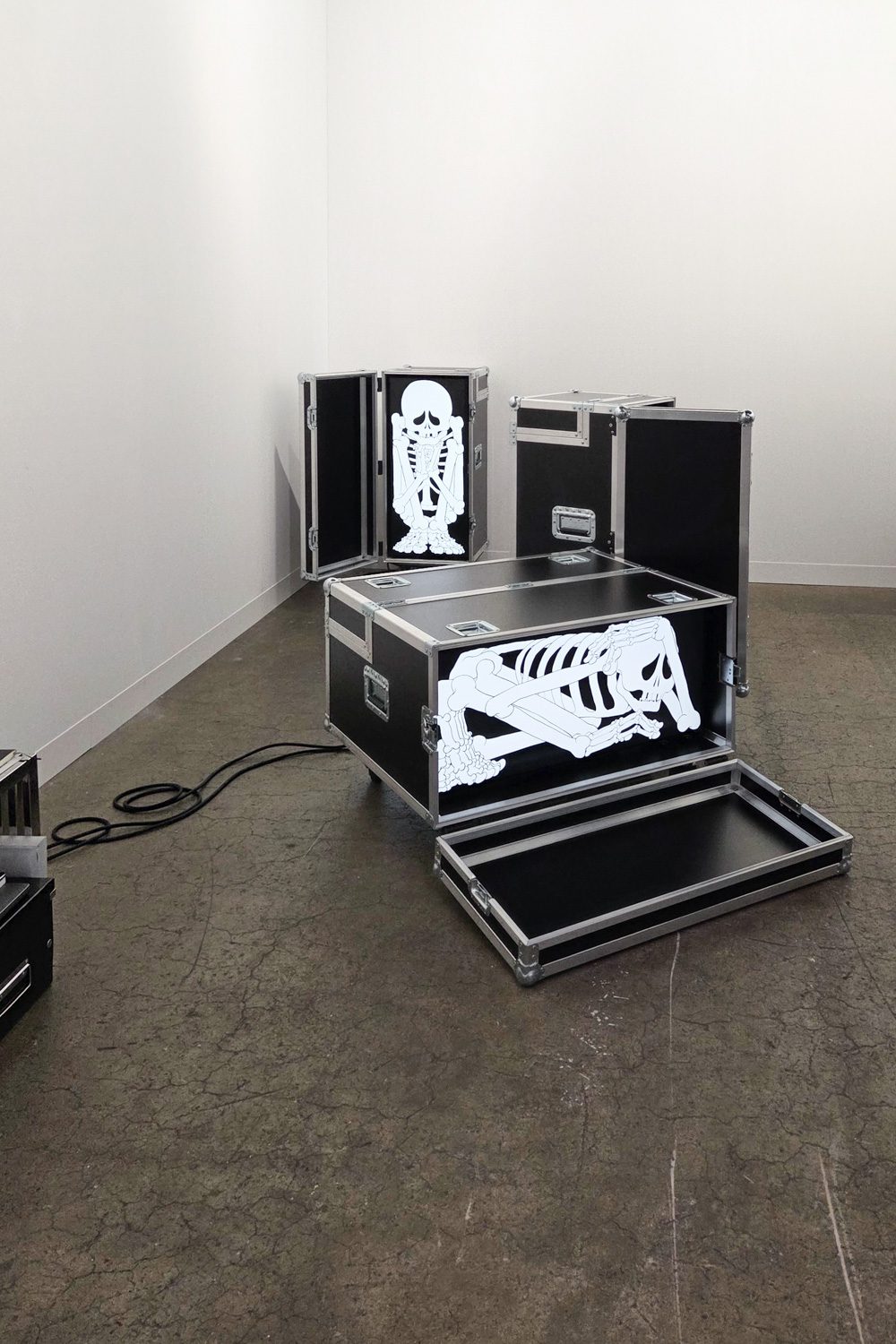
That density was not confined to weighty subject matter alone. Some works seemed simply to arrest the viewer with grace, offering a moment of pause before one returned to the tightly packed rows of galleries. Across the two fair levels, on Levels 1 and 3 of the Hong Kong Convention and Exhibition Centre, the overall atmosphere was much the same: a dense expanse of galleries from across geographies, threaded through with the distinct curatorial strands of each sector. These ranged from Film, devoted to moving image works, to Kabinett, where focused themes were explored through curated presentations. This year, the latter included works by Tang Chang, shown by gdm (Gallerie du Monde) alongside those of other artists, as well as the familiar presence of Hong Kong’s Tang Contemporary Art.
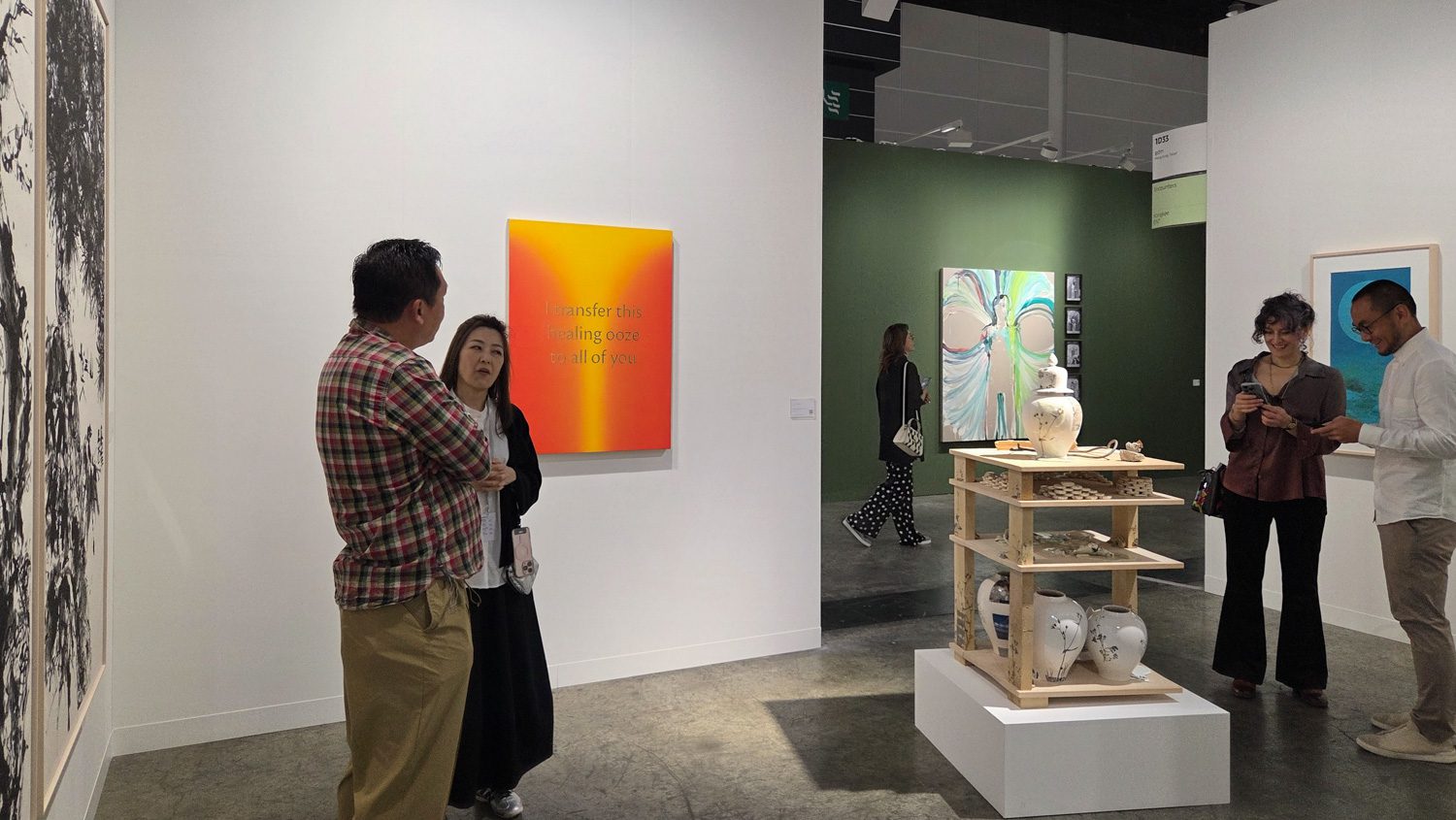
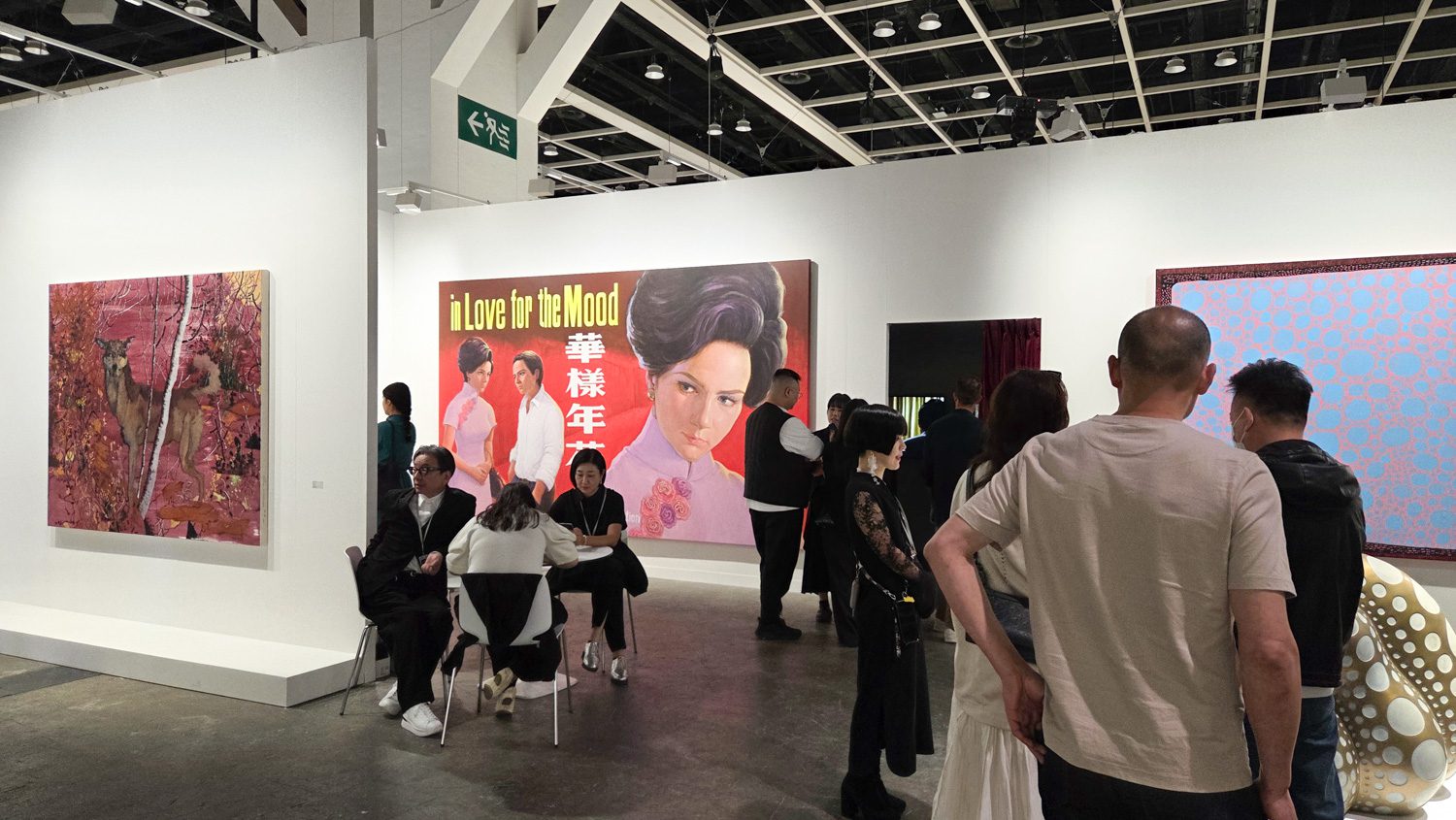
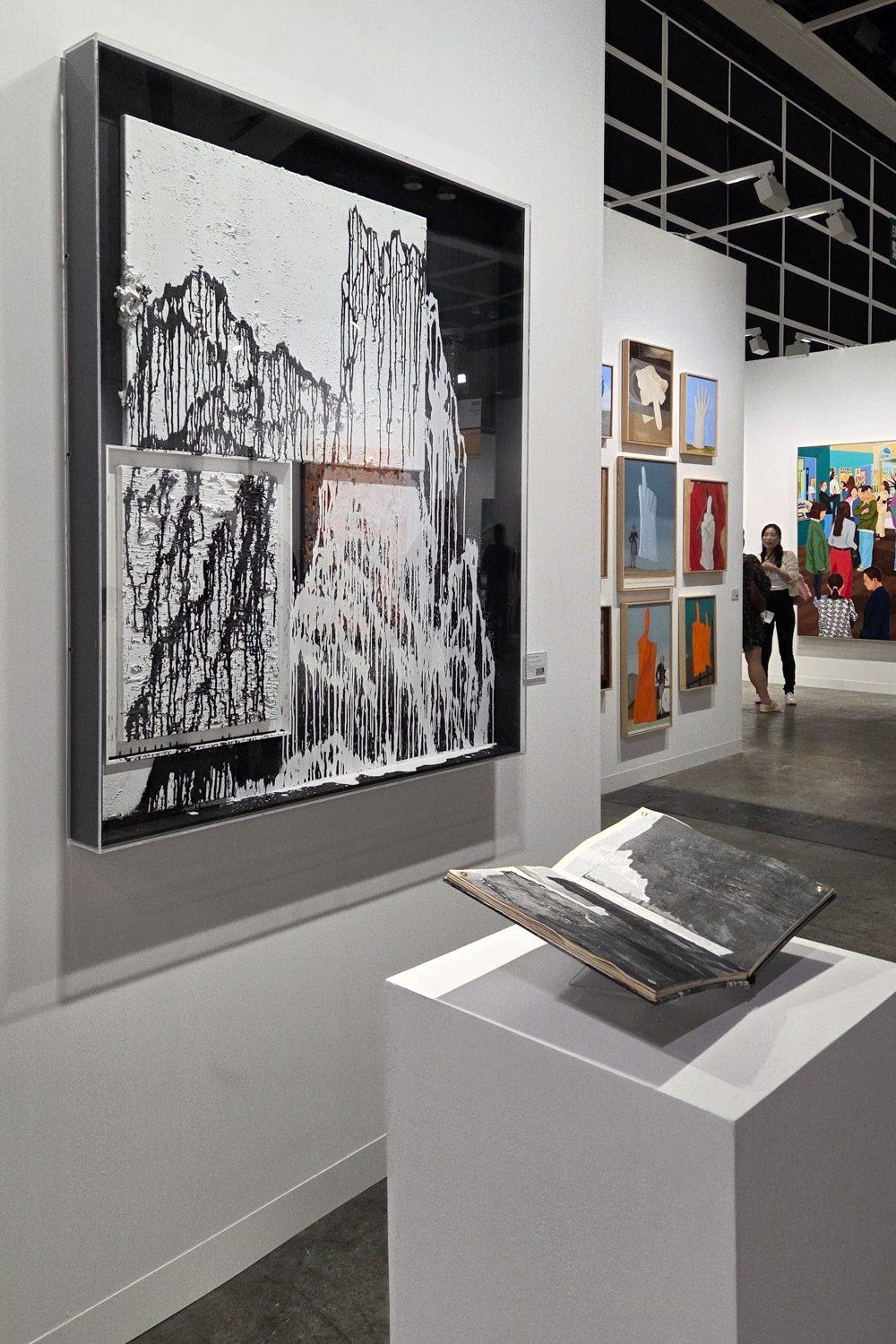
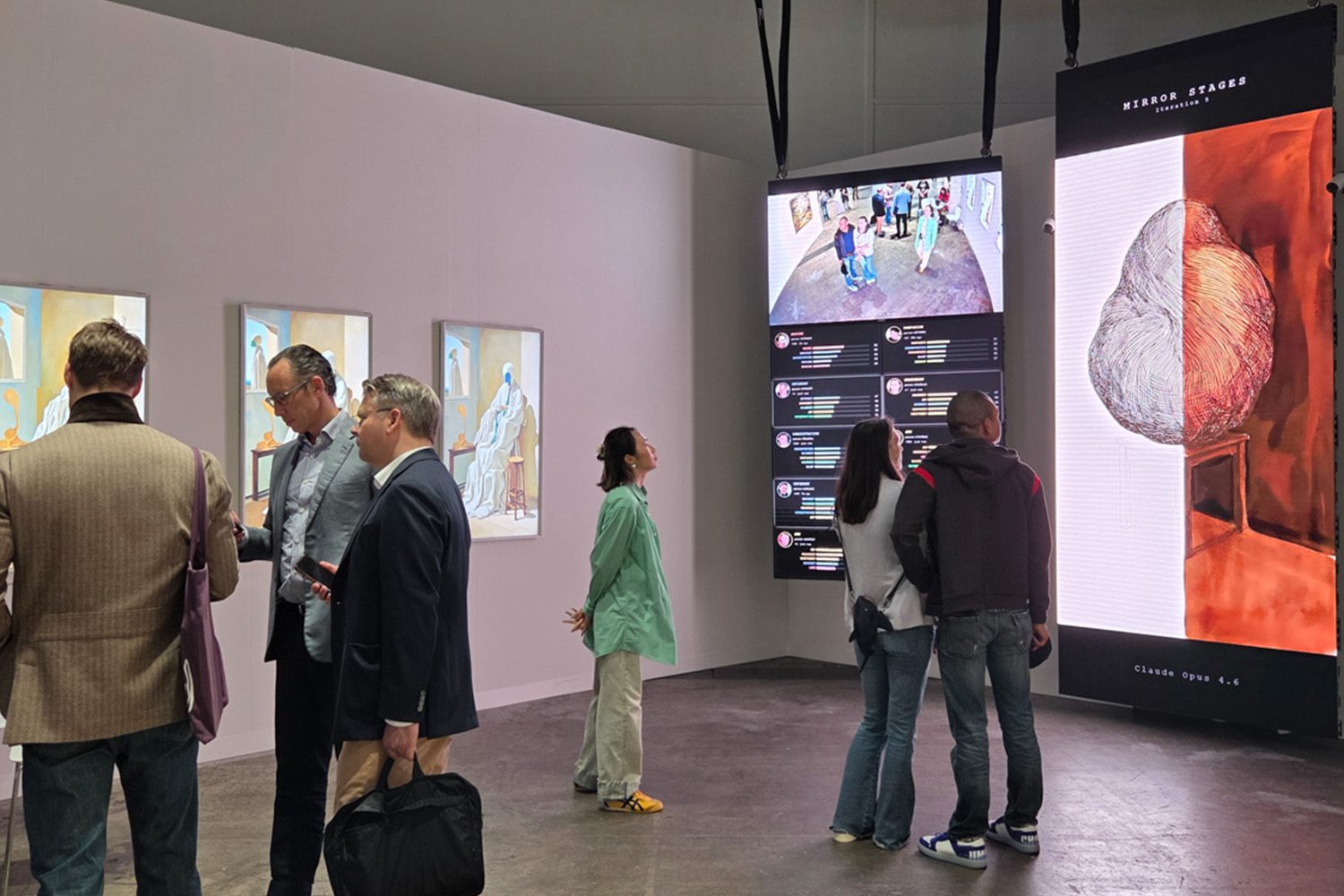
Beyond this sea of galleries, Art Basel offered four sectors with more clearly defined spaces of their own, each allowing for a shift in pace and mood. Discoveries was geared towards smaller-scale projects, while Insights brought together modern and contemporary works from Asia spanning the period from 1900 to the present. For those seeking a more current lens, Echoes gathered works by artists from the past five years. Nearby was Zero10, one of this year’s new sectors, focused on the relationship between art and technology and inviting visitors to think more seriously about the future of art itself.
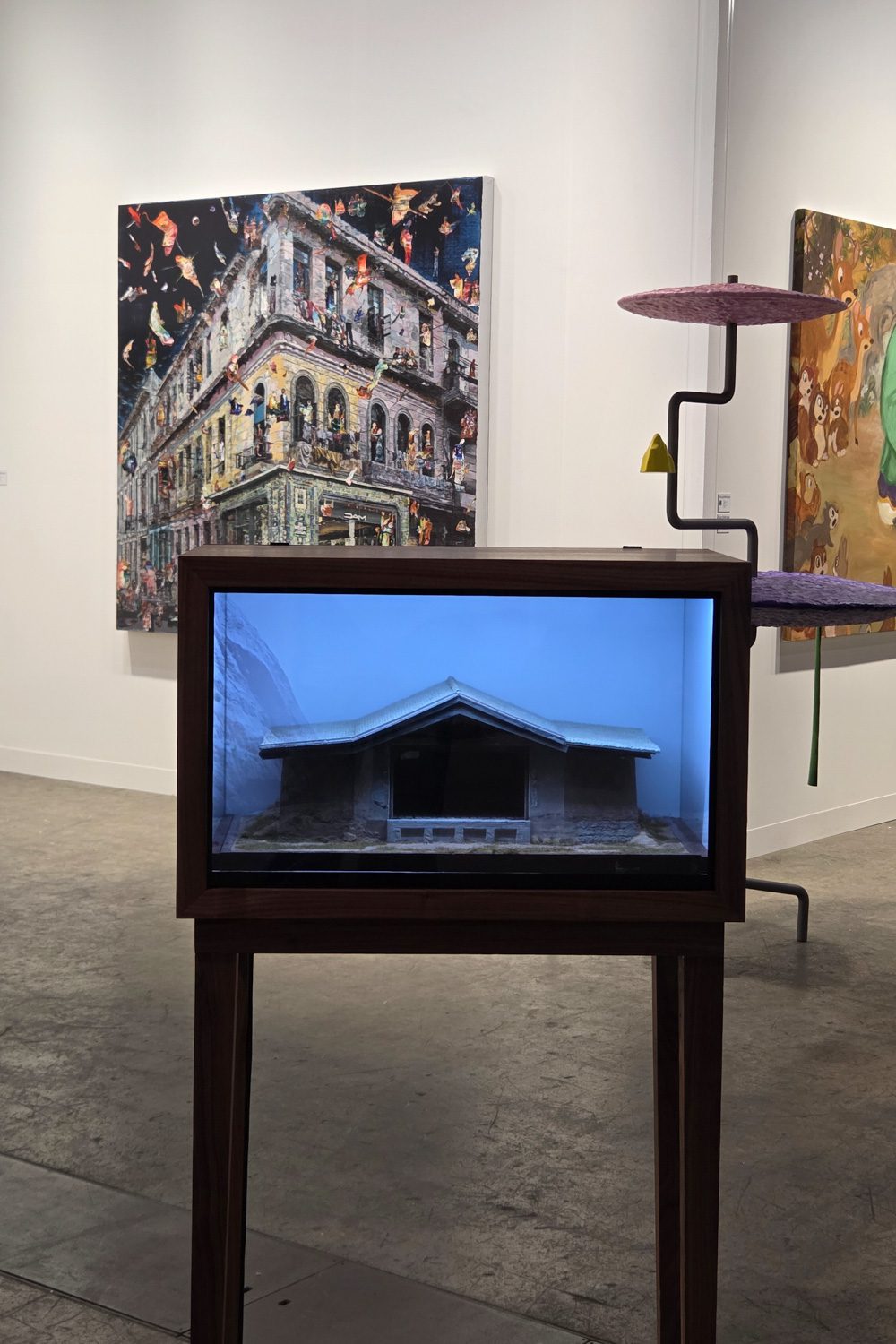
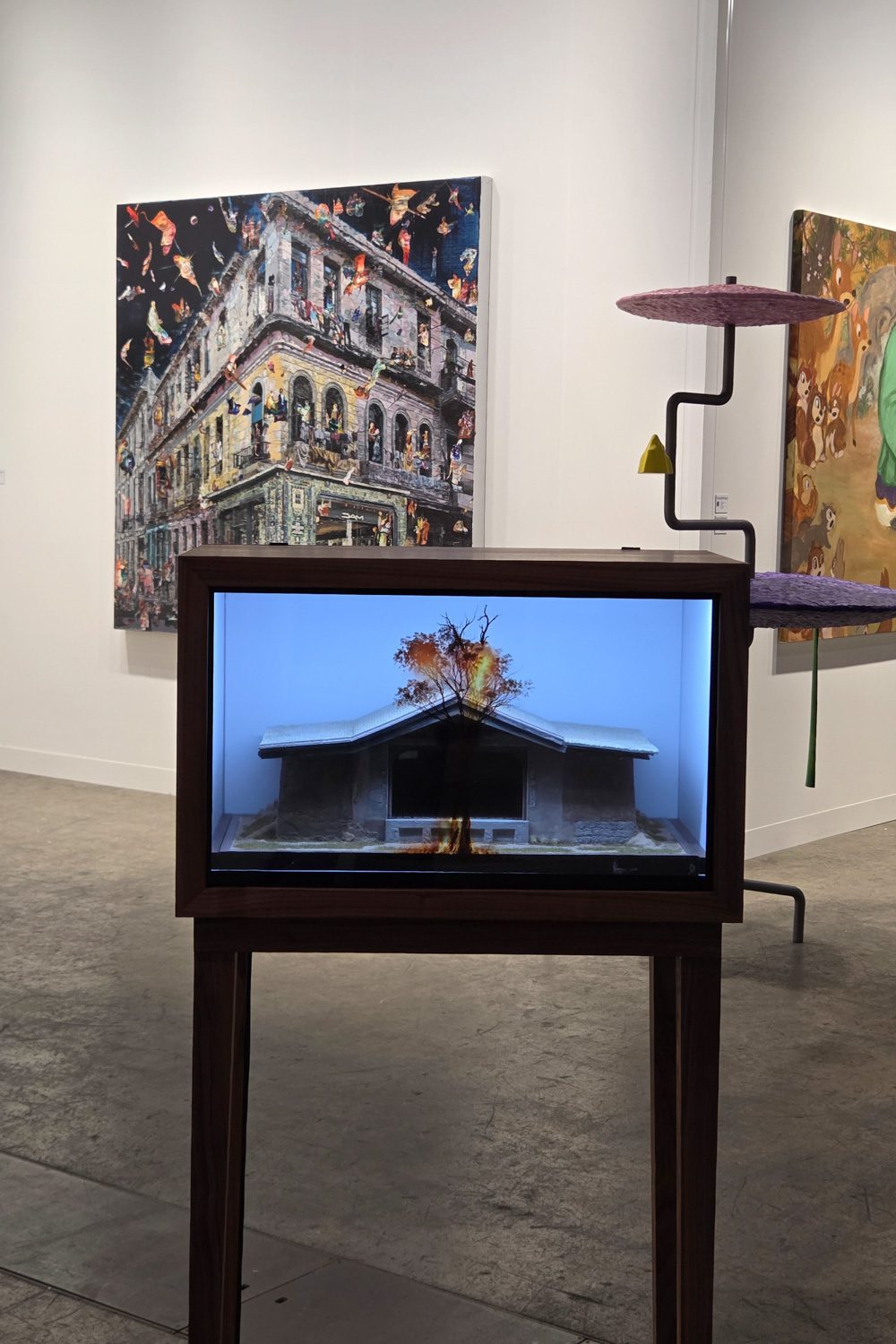
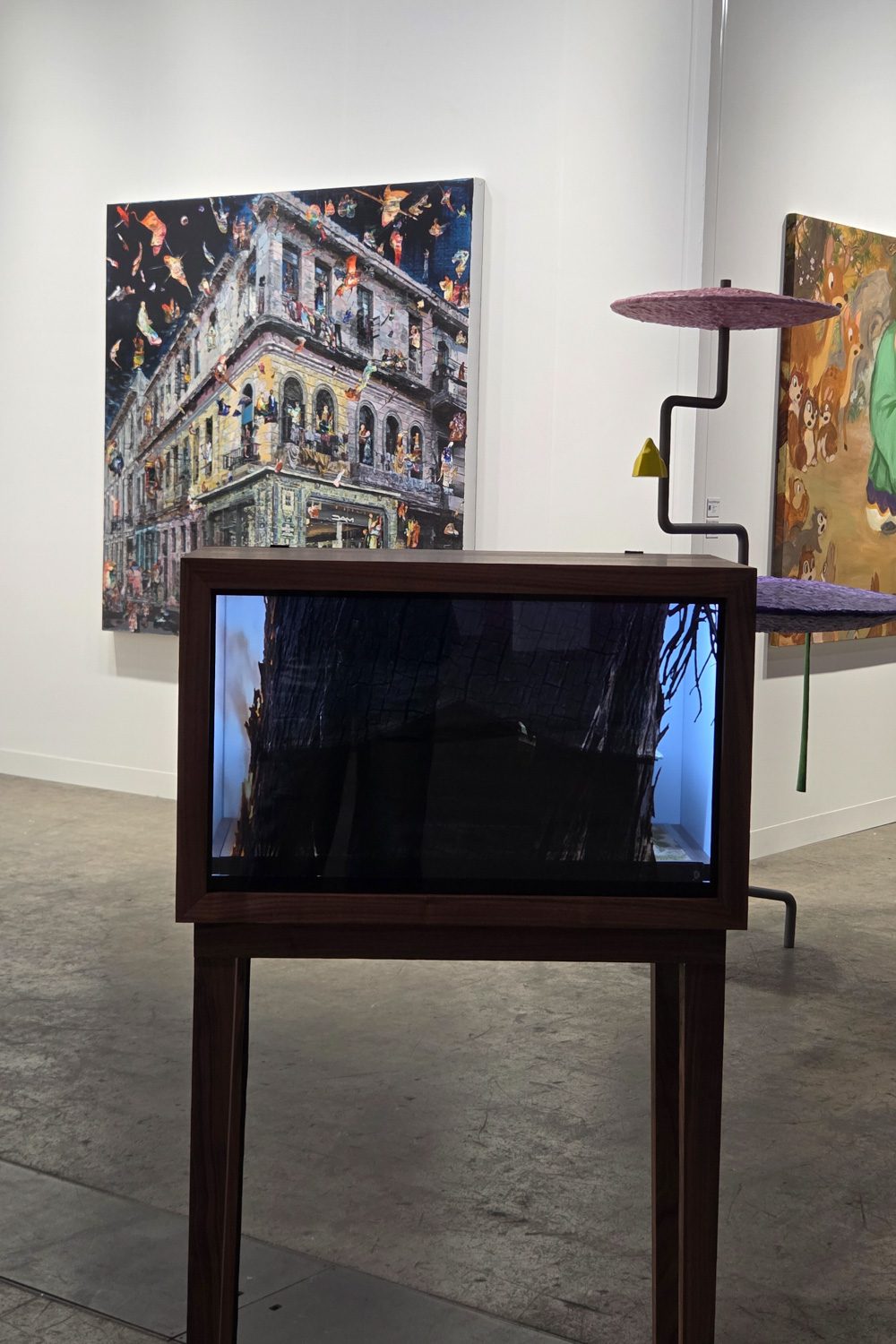
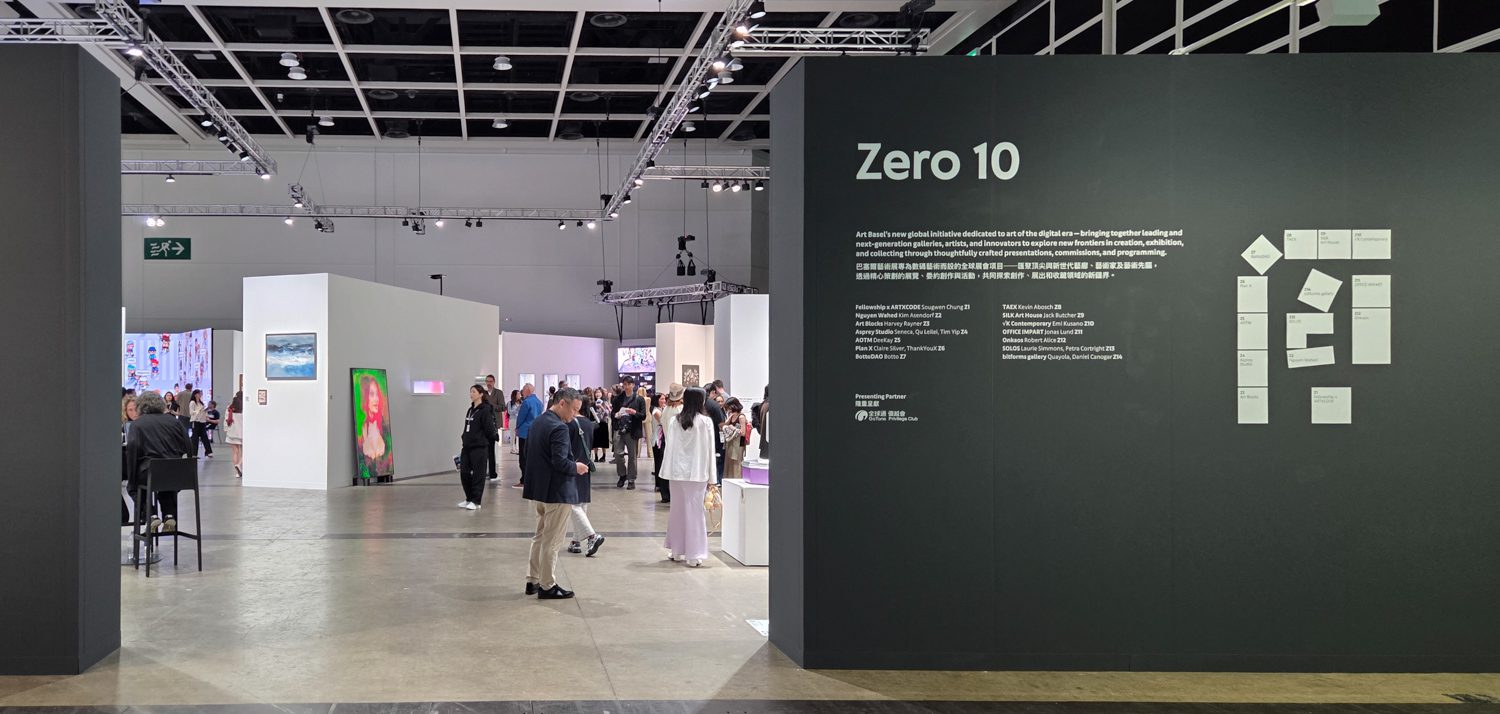
Zero 10
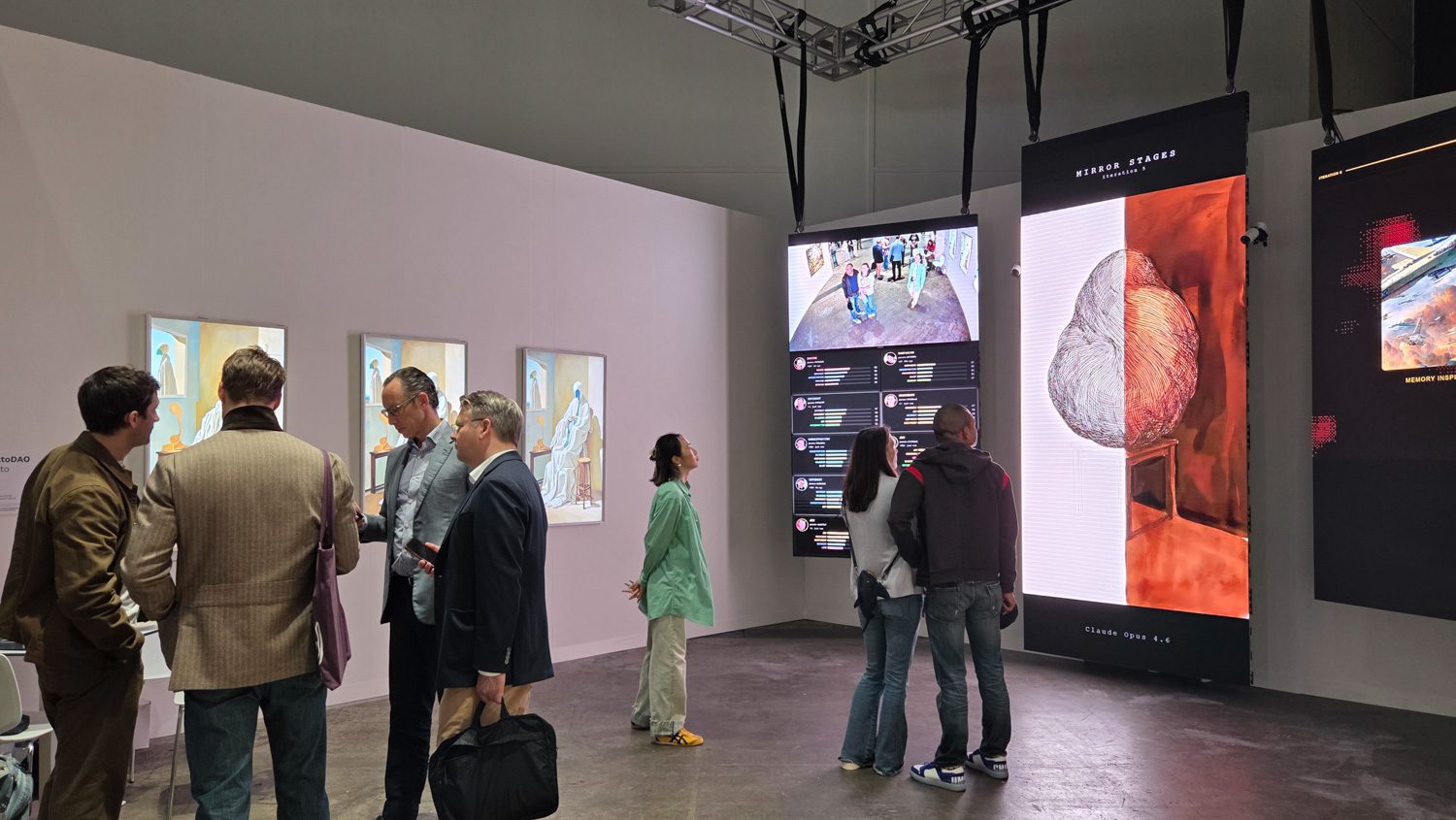
Zero 10
Taken as a whole, attending a global art fair of this scale during Art March Hong Kong offered a glimpse of the city’s future-facing ambitions and the unmistakable momentum behind them. This observation comes with a large caveat: I make no claim to specialist expertise or to a panoramic understanding of the global art landscape, and can only draw comparisons from the more familiar vantage point of Thailand. Even so, the fair made one thing clear: when art is truly accessible, spaces such as galleries and museums can and should become public spaces in the fullest sense, places that are for everyone.
artbasel.com/hong-kong
artbasel.com
westk.hk/en/home
facebook.com/westk.hk