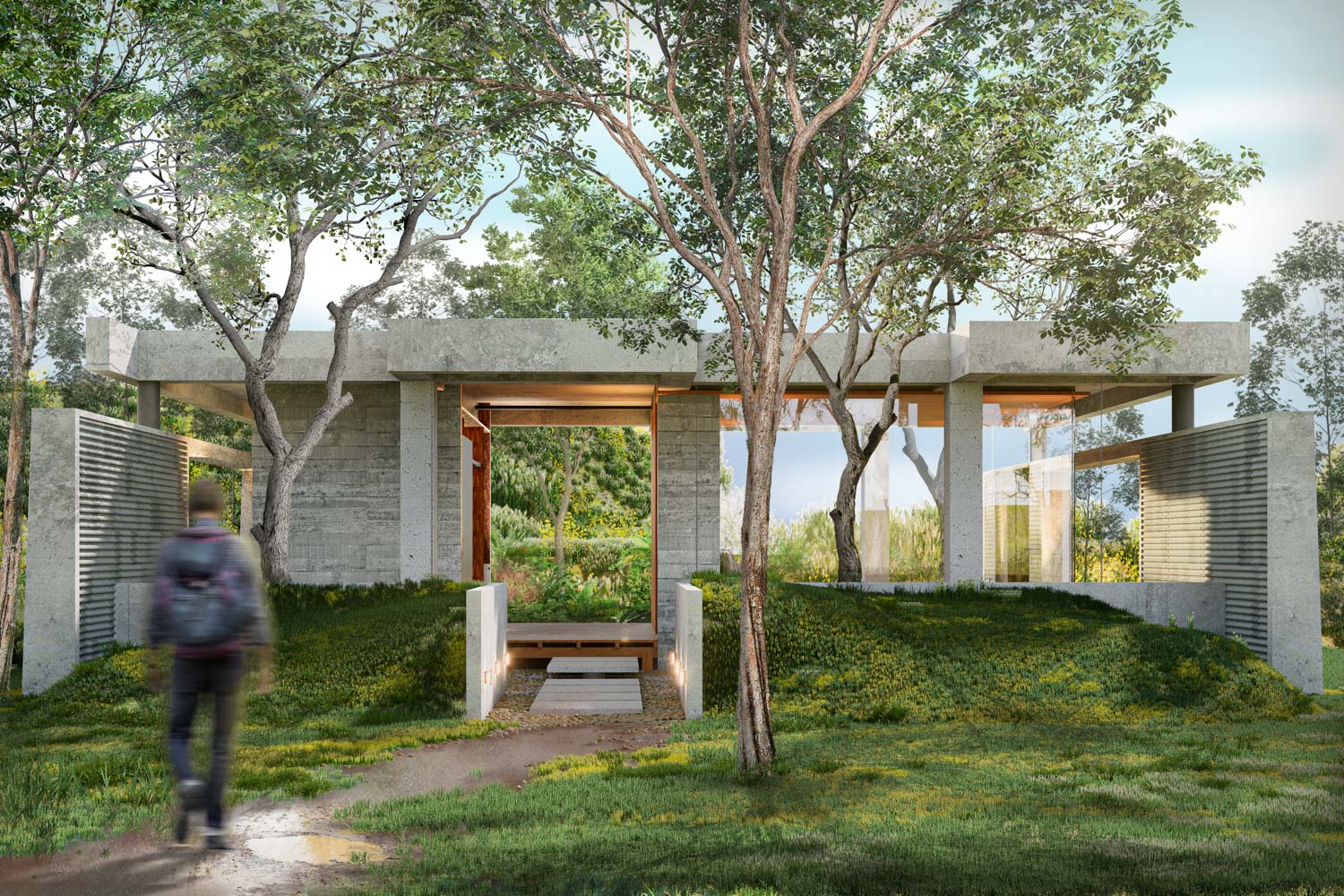
11.29, A PLATFORM OF IDEAS FROM THE ARCHITECTS, WHO HAVE EACH GONE OUT TO GROW, TO CREATE GOOD ARCHITECTURE THAT IS GROUNDED IN MUTUAL DEPENDENCE
TEXT: 11.29
PHOTO CREDIT AS NOTED
(For Thai, press here)
WHO
11.29 Studio did not begin as an ‘organization,’ but as a ‘cluster of shared beliefs’ among friends studying architecture at the threshold of graduation, all of whom wanted to bring their own perspectives and architectural language into society.
WHAT
We define this space as a ‘Platform of Ideas’ more than a conventional architecture office. It is a gathering ground for architects who have each gone out to grow, collect experiences, and develop their own ways of seeing the world, before bringing those ‘levels of experience,’ or individual skills, back to a shared center. From there, we create work born from the crystallization of architecture at each particular moment in time.
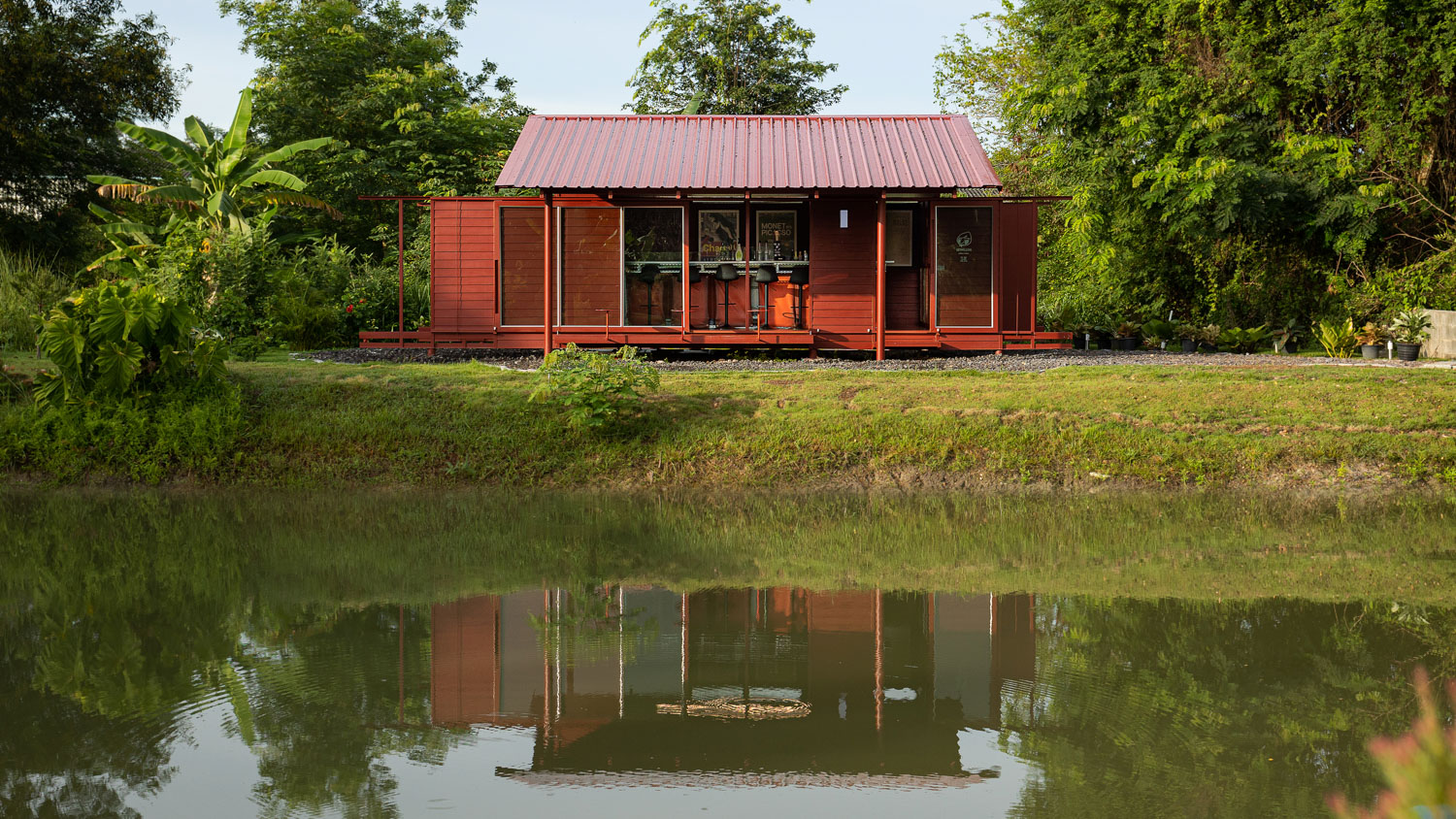
Vermillion Cafe | Photo: Tectwadviang studio
WHEN/WHERE
11.29 took shape through conversations toward the end of our studies and has continued to develop through real-world practice. Our space is not only a physical location, but also an open field of thought, one that allows members to go out into the world, live, and learn, before returning to come together at each important chapter of design.
WHY
Because we believe that good architecture today does not emerge from a single person alone. It comes from a diversity of intellectual resources, experiences, and forms of capital. The ‘collision’ of ideas that each person carries back from the outside world becomes a vital raw material, intensifying and clarifying the architectural identity of 11.29.
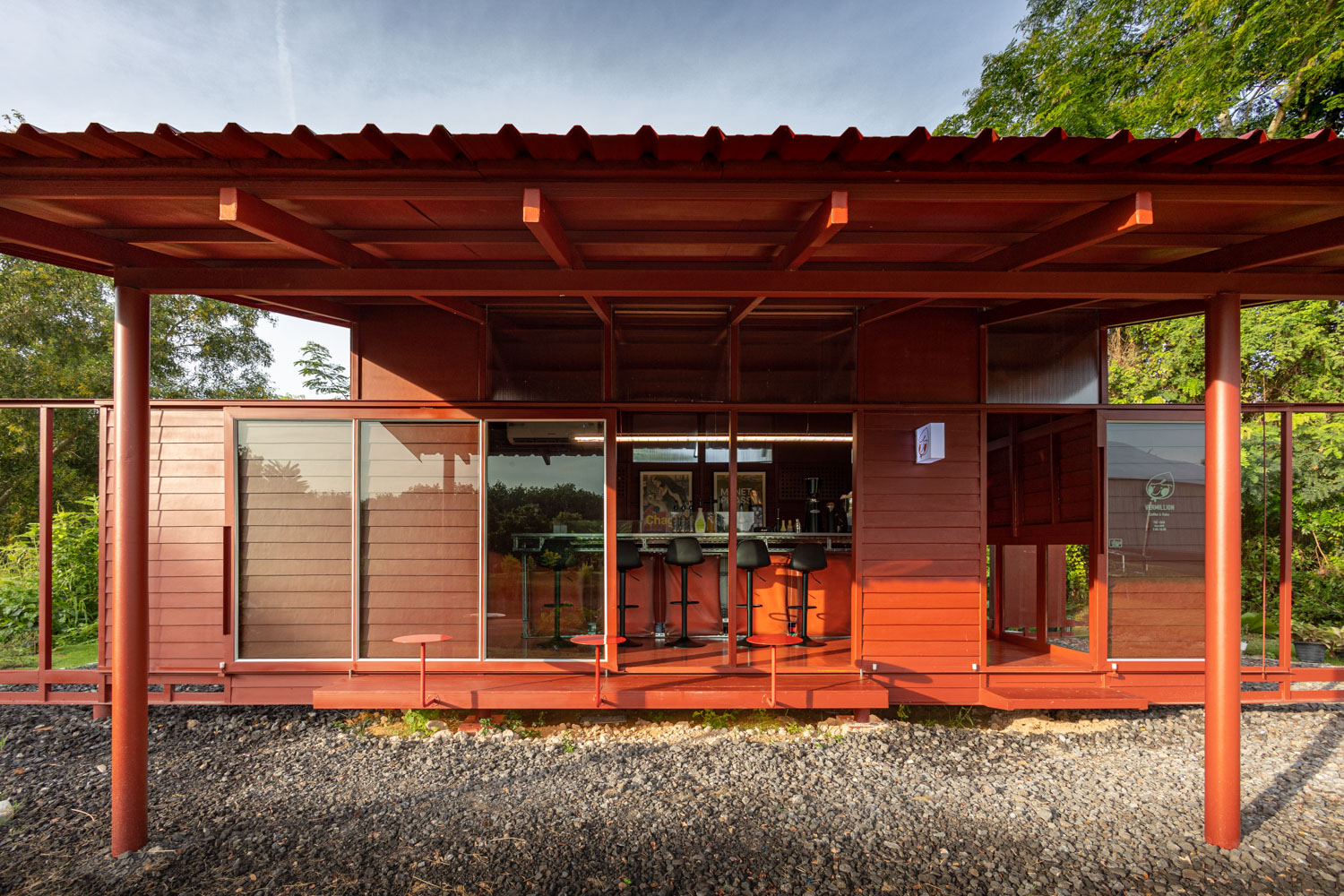
Vermillion Cafe | Photo: Tectwadviang studio
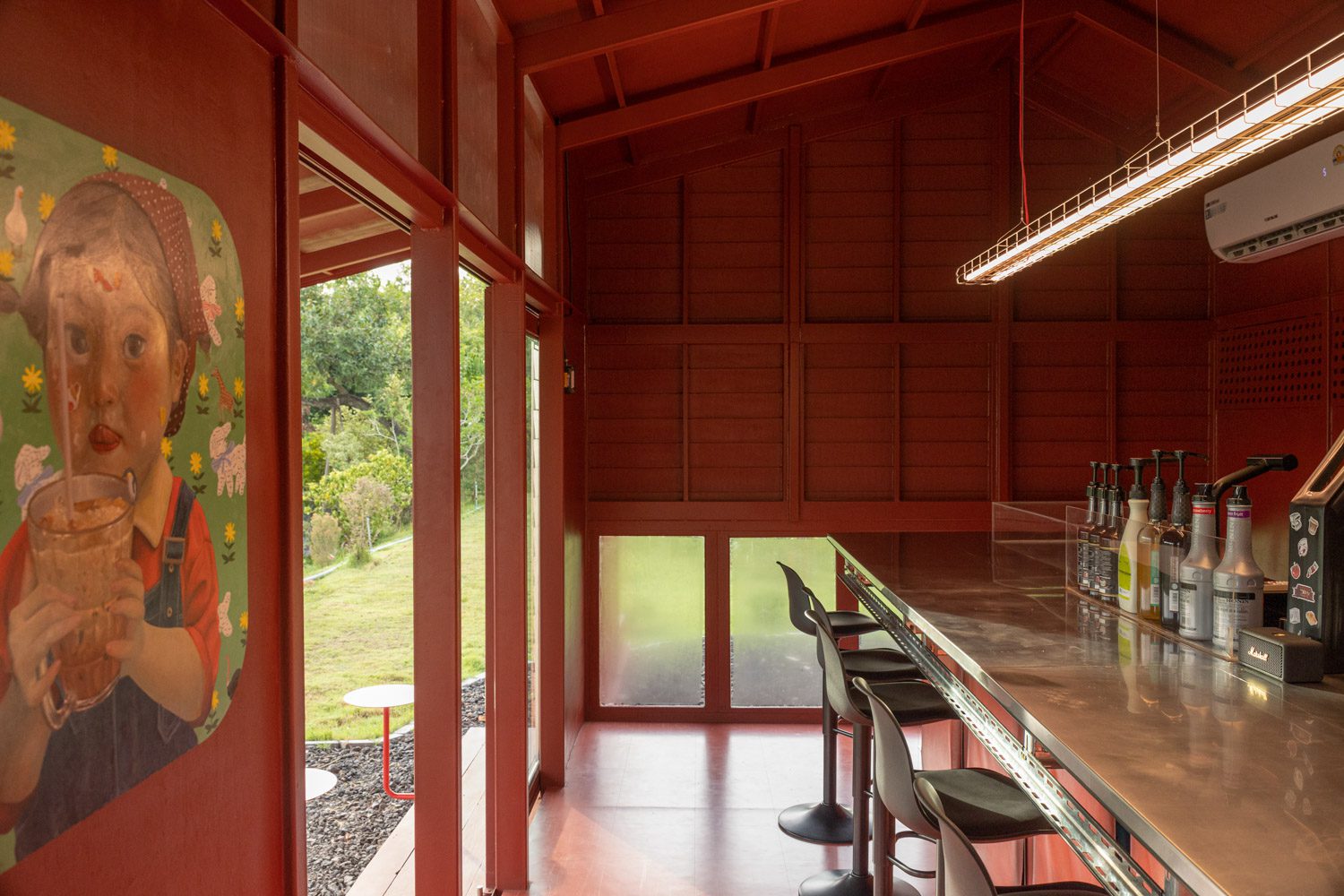
Vermillion Cafe | Photo: Tectwadviang studio
How do you define your own style of work?
Architectural Mutualism. If we were to define our design style, the clearest description would be ‘architecture of mutual reliance.’ We do not see a building as a foreign object placed onto a plot of land, but as part of an ecosystem in which different elements sustain one another. Our architecture can only become complete when other factors come together to form it, whether the surrounding nature, discarded materials, or the ways of life of people and society. For 11.29, beauty is therefore not something complete in itself, but a form of beauty that emerges from an inseparable state of mutual dependence.
What inspires you, and what principles guide your work?
Formless inspiration. Our inspiration does not usually begin with a strict methodology, but with a certain ‘freedom of thought’ found in our sketchbooks. We value fragments of ideas that appear suddenly, which may at first seem formless, disorderly, or even insignificant. For 11.29, however, these are the purest raw materials, accumulated through experience and our observation of the world at each chapter of our lives.
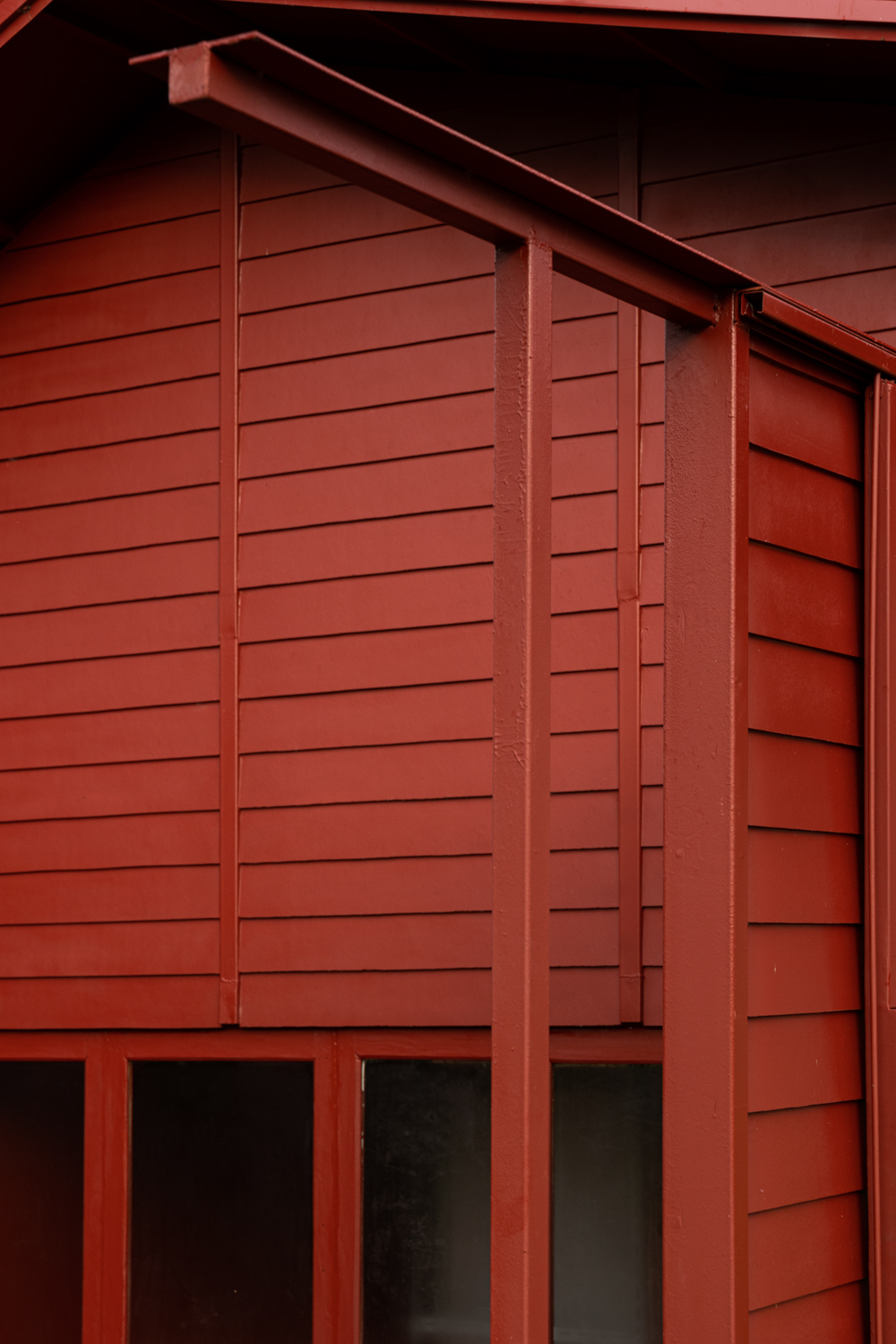
Vermillion Cafe | Photo: Tectwadviang studio
Weaving and grouping ideas. Our working principle is to take these scattered ideas and ‘group and systematize’ them through a flexible conceptual framework. We believe that, in the design process, every point can always be connected to another without necessarily forming a straight line. We try to find the points of convergence between free-flowing ideas and the real constraints of context and material.
The heart of our work: Architectural Mutualism. Ultimately, the central principle of every project is to create architecture grounded in mutual dependence. This can mean giving new life to overlooked materials, such as concrete spacers, old timber, or krajood (sedge) scraps, or designing structures that support nature as much as they support the building itself. The work of 11.29 is therefore not simply about creating a striking form, but about building an ‘ecosystem of ideas,’ in which every element is woven together and sustains the others as a complete whole.
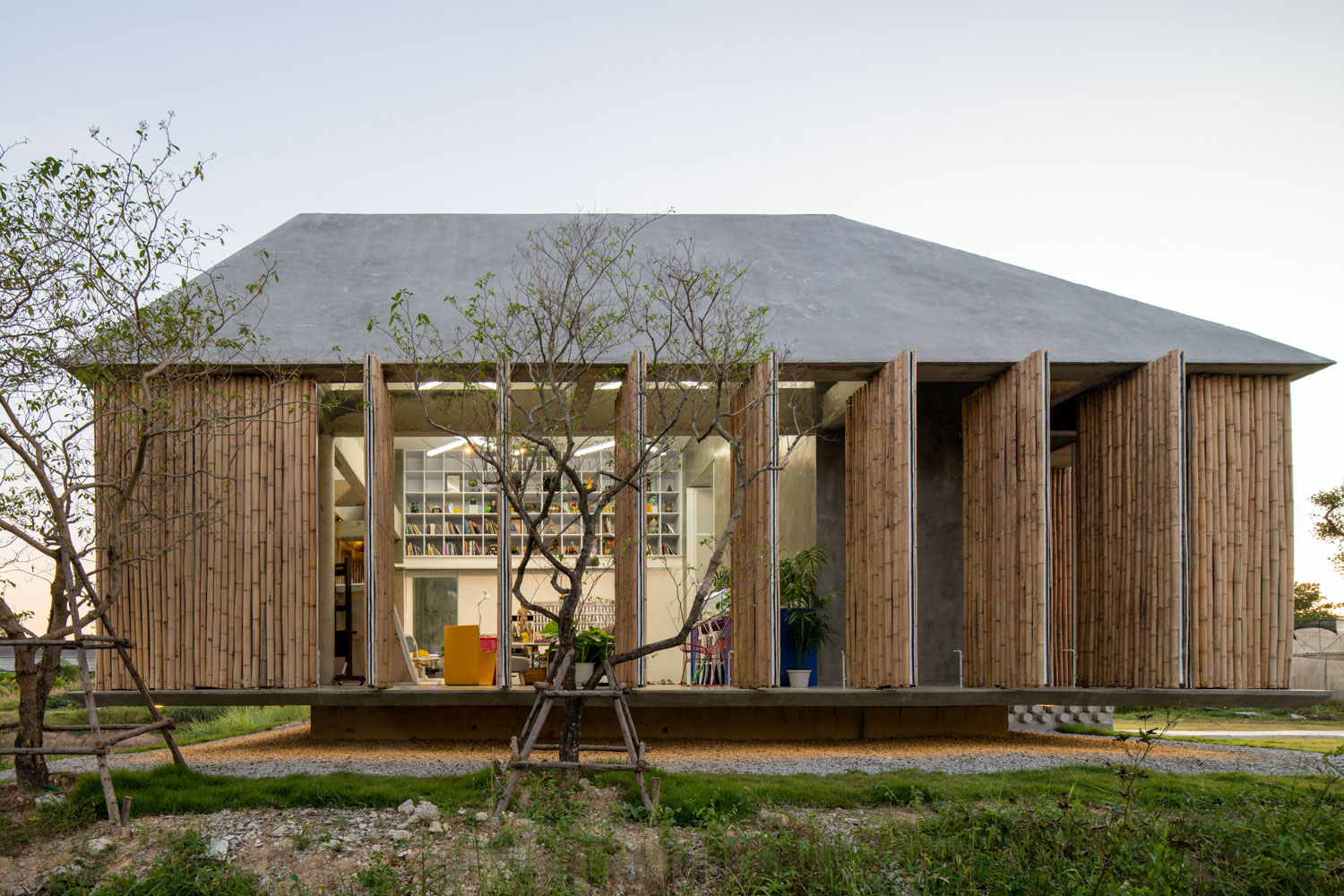
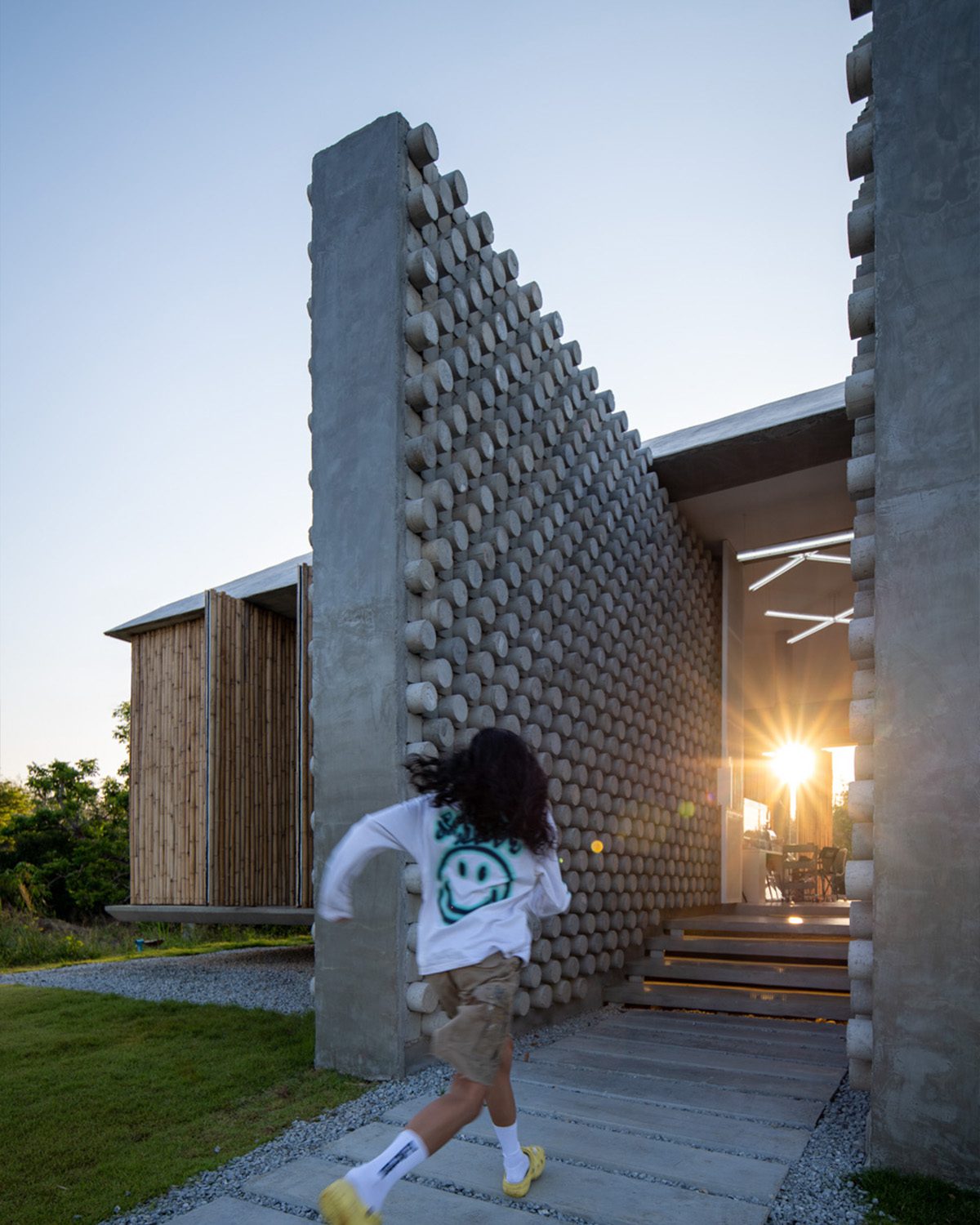
Furnish Studio | Photo: Beer Singnoi
Which project are you most proud of and why?
In truth, we take pride in every project. Before reaching its final outcome, each work must go through an intensive process of refinement, from understanding the site to identifying the gaps between the needs of the users, or function, the demands of the context, or site, and what we hope to advance through our own architectural language. Every project is an experimental ground that continues to offer us new lessons and new conclusions.
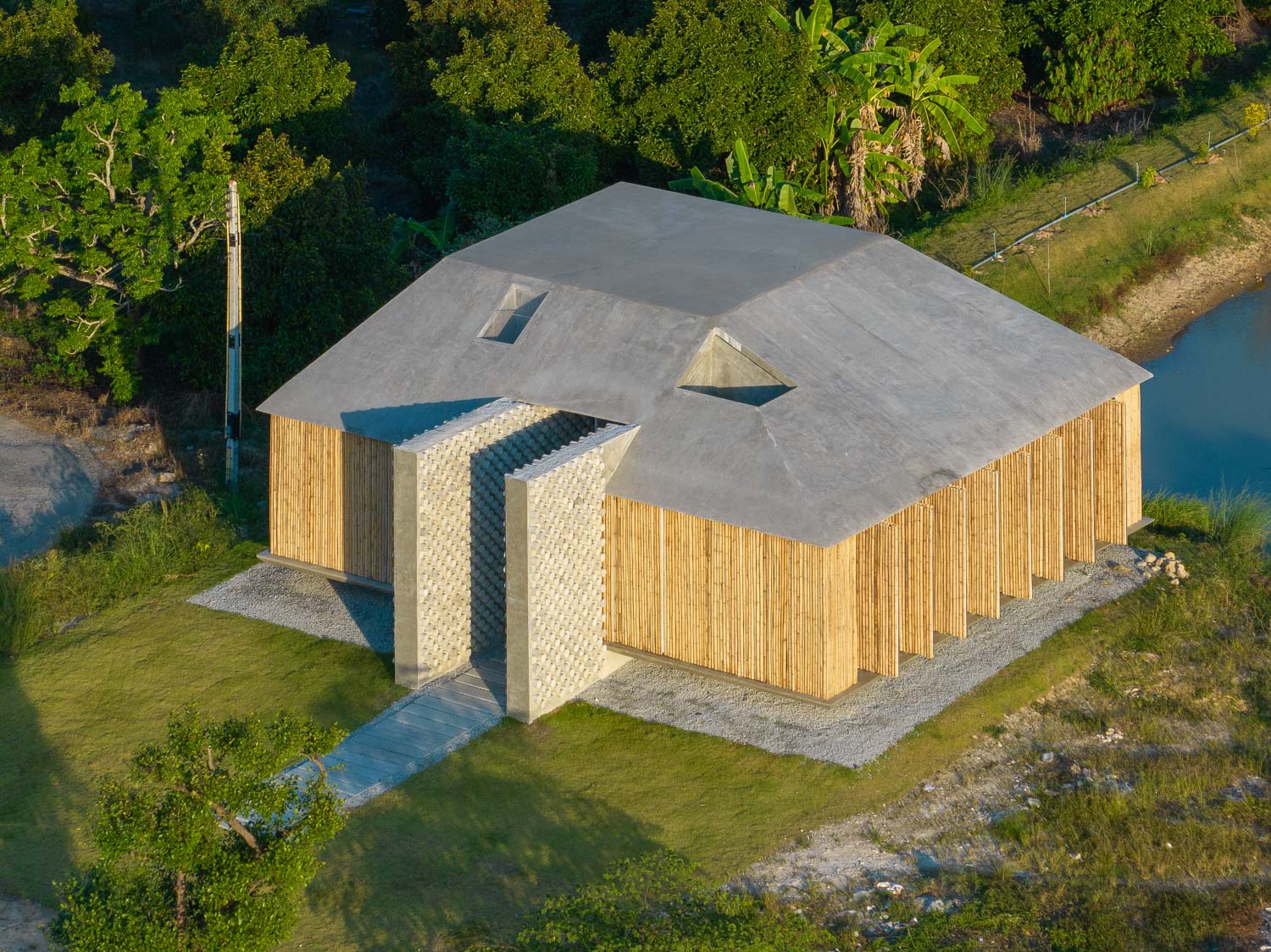
Furnish Studio | Photo: Beer Singnoi
But if we had to choose the project that remains most memorable and significant to us, it would be Furnish Studio. Today, we may not see it as our most refined work, but it was our first milestone, the project that proved the beliefs and direction we had long been trying to crystallize. Furnish Studio was the first step in which we dared to experiment according to our instincts and the system of thought we believed in. It allowed us to learn from mistakes and real limitations on site, lessons that helped strengthen 11.29’s thinking process. Without this beginning, we would not have had the drive or the clarity to communicate our architectural language as we do today.
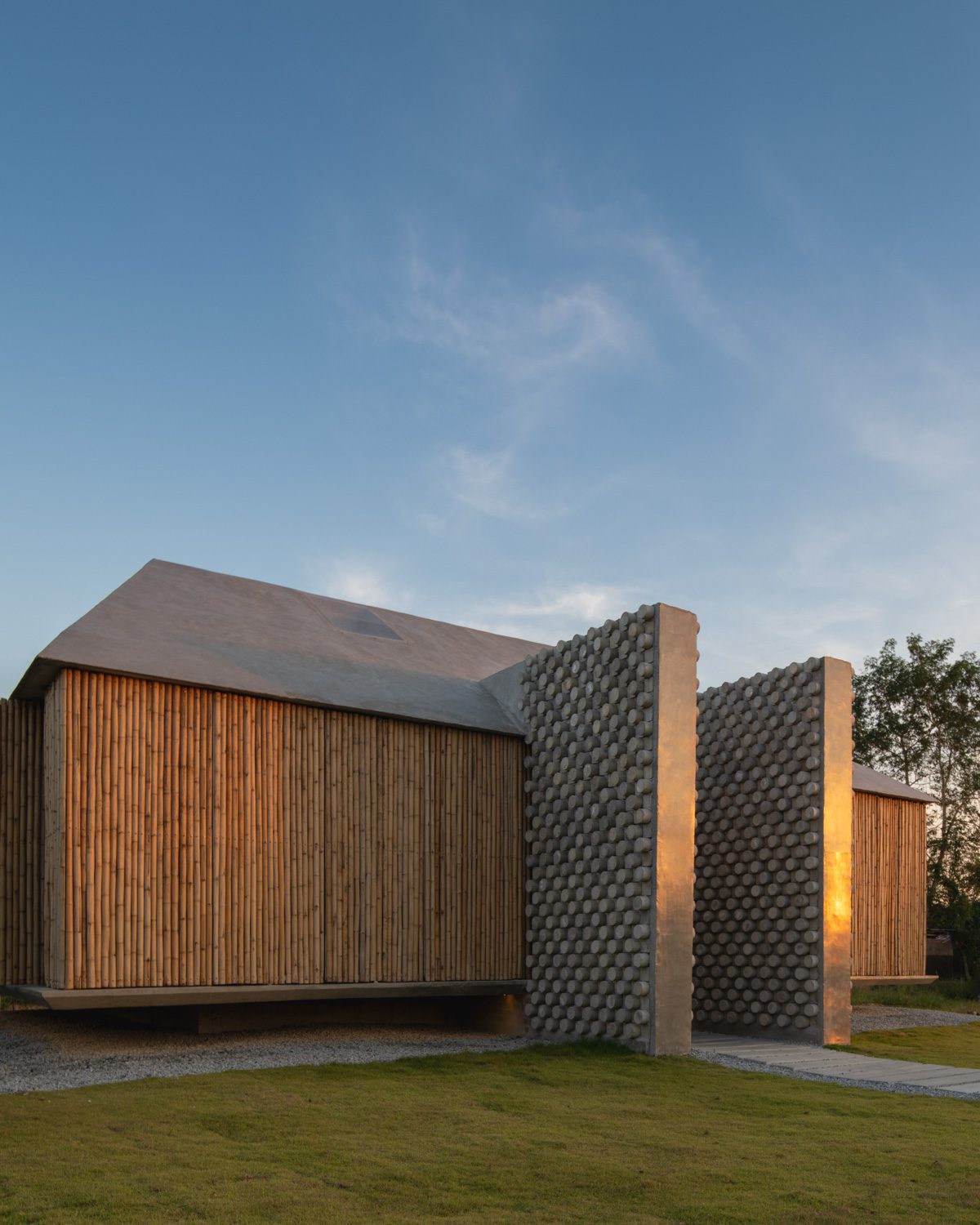 Furnish Studio | Photo: Beer Singnoi
Which part of the process do you enjoy the most during work?
The stage I enjoy most is not when the work is complete, but the process of critical discussion within the team. As I mentioned, 11.29 began as a group of friends who went their separate ways to grow, then returned to meet again. Each time we come together, it is not simply a regular work meeting. It is a moment when the experiences and perspectives each person carries are brought into the center and allowed to collide. I see this process as a kind of ‘battle of ideas,’ one without compromise. Everyone brings forward their own reasoning, viewpoints, and convictions, and challenges one another with intensity. We argue with one shared goal: to make the work as good as it can possibly be within the time and opportunities available. There is almost no sense of ‘just letting it pass.’ Instead, every element has to be proven through reason: why it should remain, or why a certain idea is not yet working. This intensity is what I find most compelling, because it is the process of ‘simmering down’ scattered ideas until they crystallize into conclusions sharp and solid enough to represent 11.29. For me, this direct collision of ideas is what has made us who we are today.
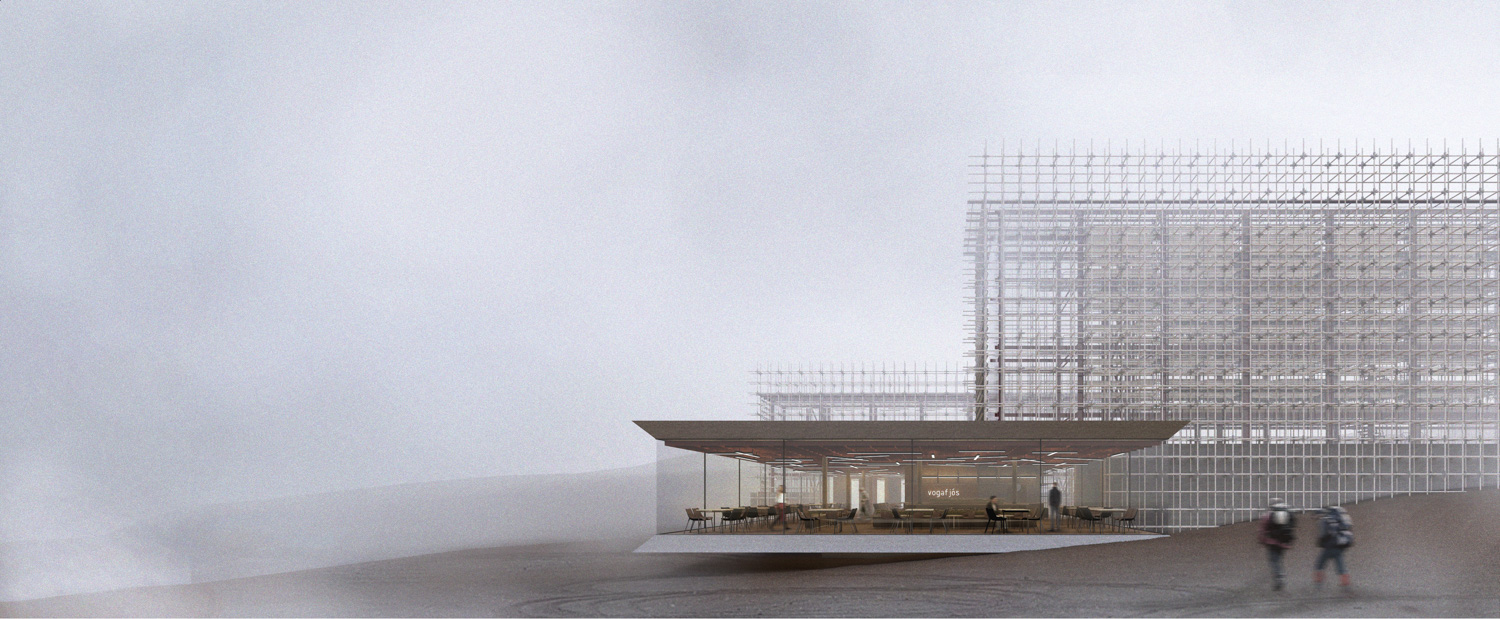
Vessel | Image courtesy of 11.29
If you could invite any ‘creative’ for a coffee, who would it be and why?
If I could invite someone to sit down for coffee in a space we had designed, I would choose the writer and creator Hayao Miyazaki of Studio Ghibli. The reason is not directly architectural, but rather my admiration for the way he ‘sees the world.’ Miyazaki gives value to the smallest details around him, from the direction of the wind and the movement of leaves to the warmth of light filtering through a window. These are the very things that 11.29 always tries to weave into our work.
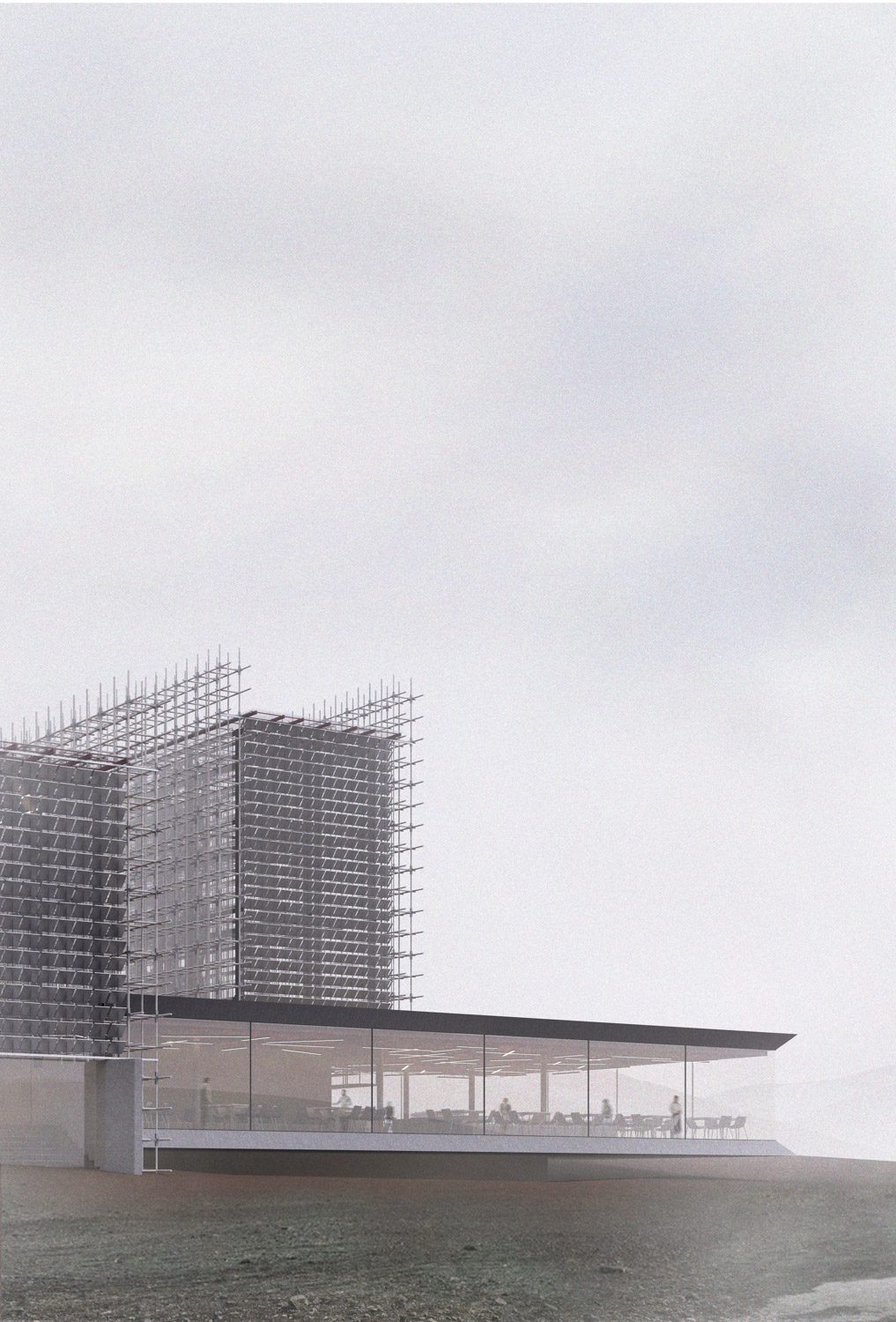
Vessel | Image courtesy of 11.29
I want the architecture that we have rigorously ‘simmered down’ to serve as a shelter from the chaos of the outside world, so that someone like him can just sit down, feel at ease, and talk about ordinary things, nature, or the passage of time. I would like to see a space designed with such intensity being used with the simplest kind of grace. To me, that would prove that architecture has truly fulfilled its role as a ‘vessel for life.’
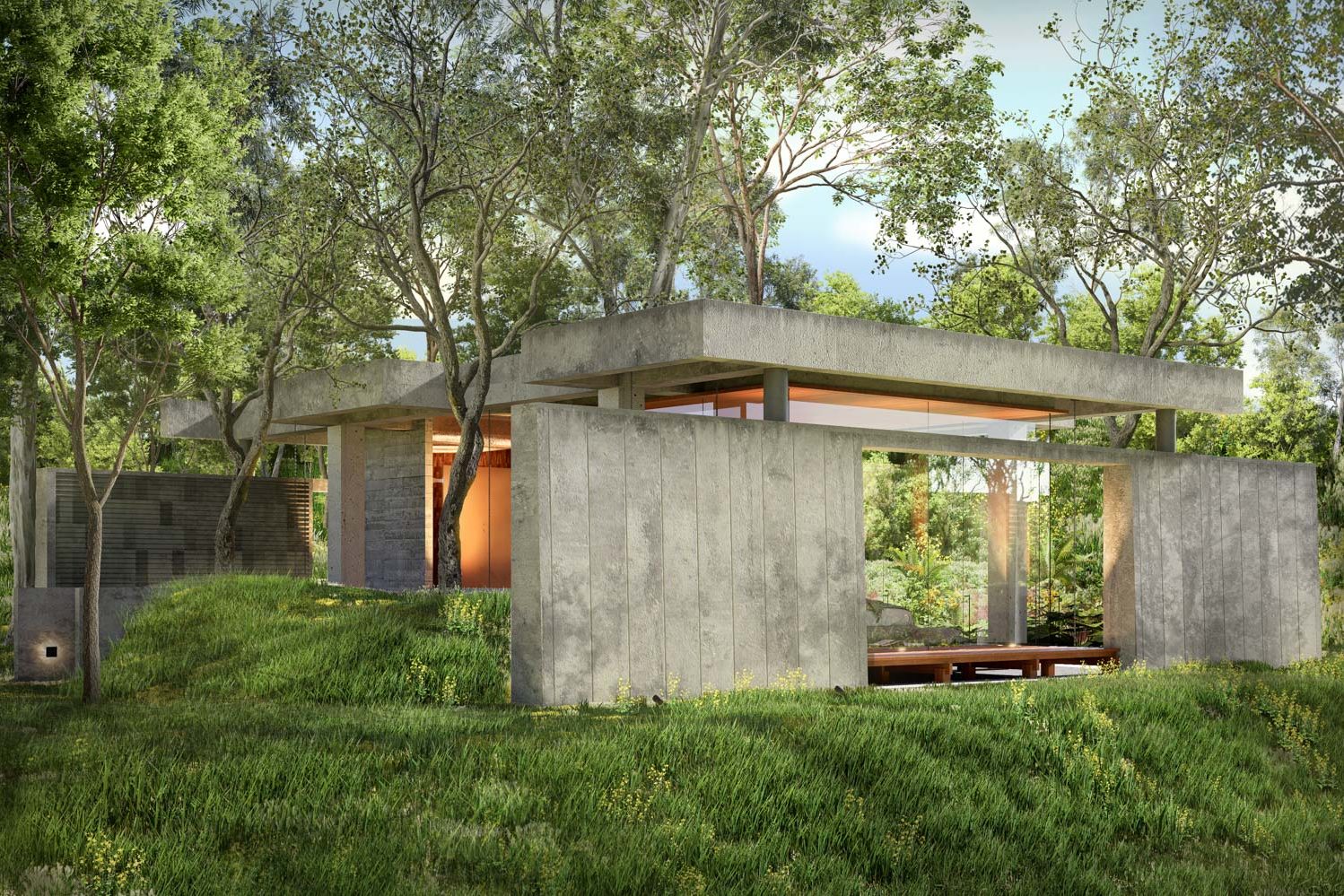 Site B | Image courtesy of 11.29