
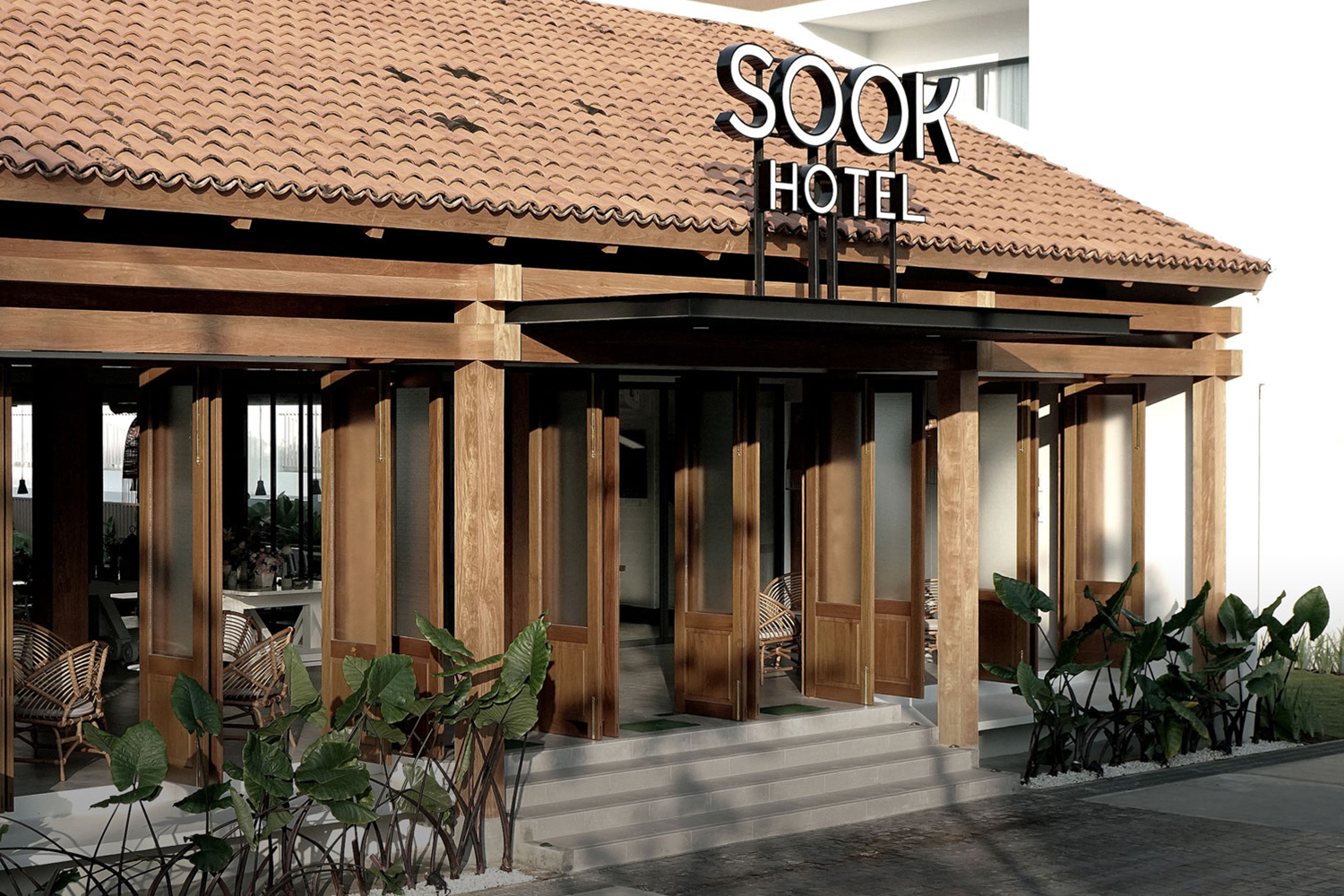
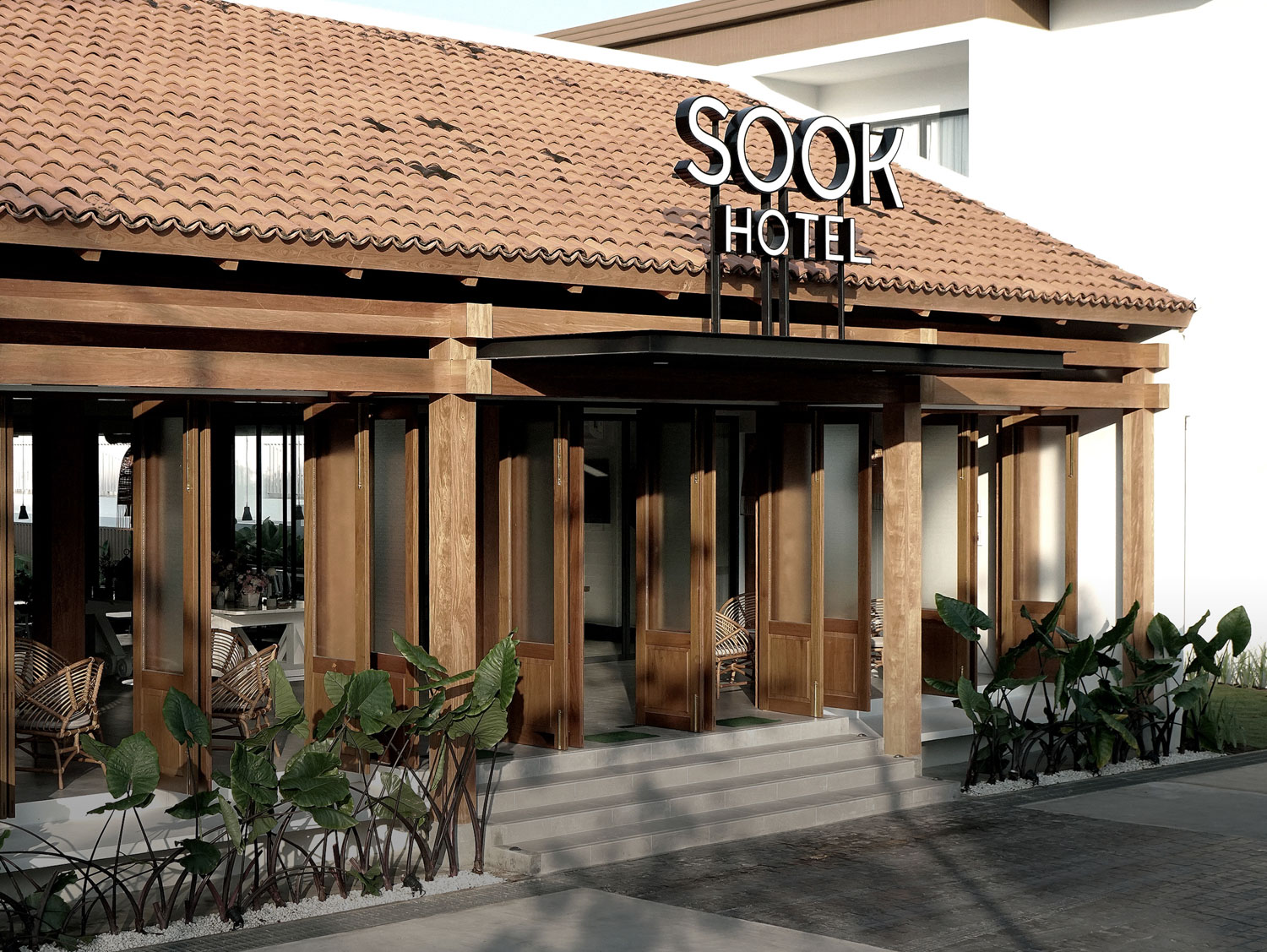
Sook Hotel | Photo courtesy of PASA Architects
PASA ARCHITECTS IS A STUDIO THAT APPROACHES DESIGN BY ASKING WHAT KIND OF NEEDS A SPACE SHOULD FULFILL AND WHAT KIND OF EXPERIENCE IT SHOULD CREATE FOR ITS USERS
TEXT: PASA ARCHITECTS
PHOTO CREDIT AS NOTED
(For Thai, press here)
WHO
PASA Architects is a design studio interested in the relationship between people, space, and context. We believe that design does not necessarily have to begin with aesthetics. It can start with something more fundamental—everyday life, memories, or what already exists around a place—and gradually translate these understandings into architecture that creates meaningful experiences for people.
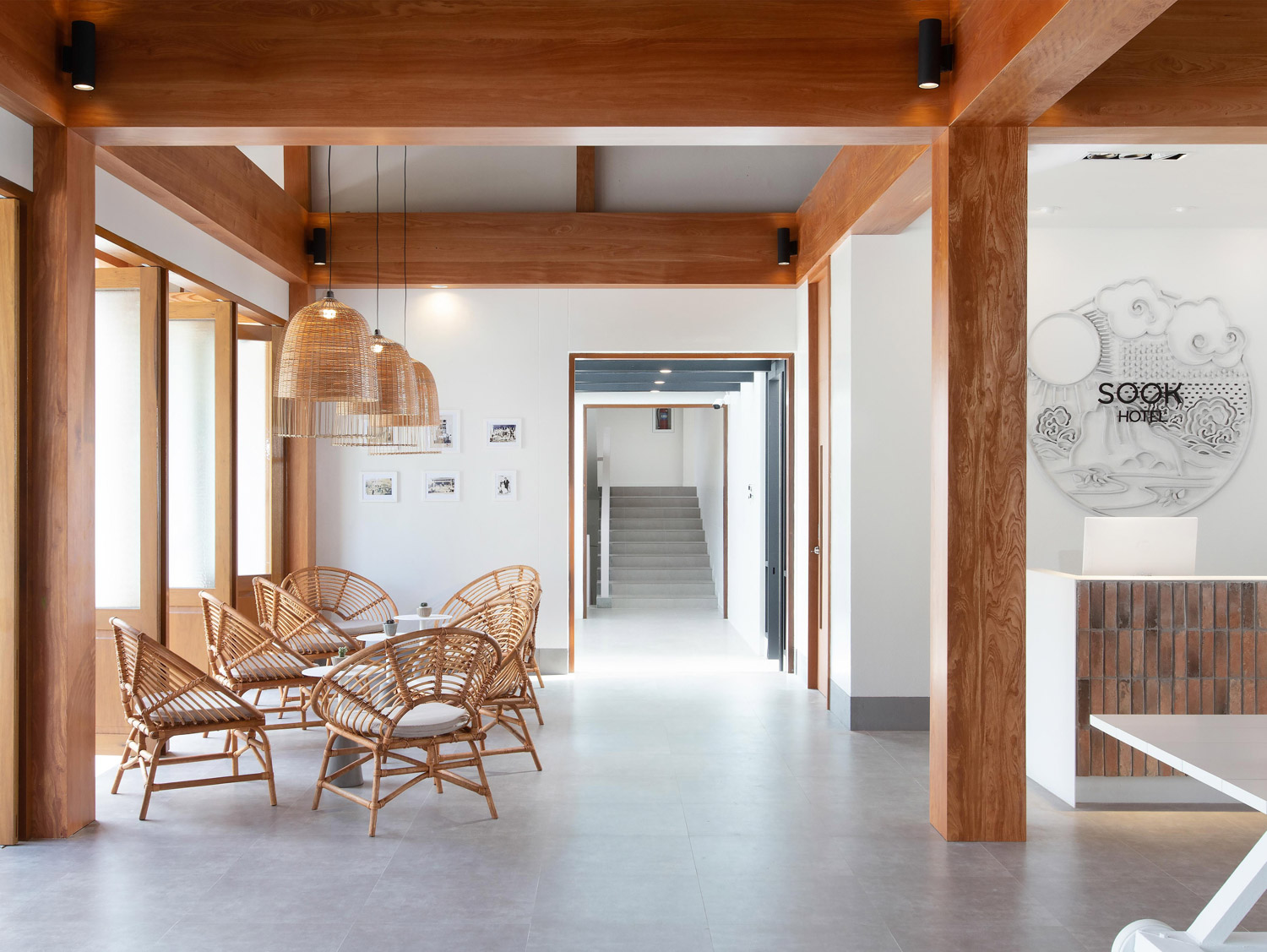
Sook Hotel | Photo courtesy of PASA Architects
WHAT
We work across small- to medium-scale projects, ranging from interiors and architecture to public spaces. Each type of project leads us to ask different questions. When designing a home, we might talk about the owner’s everyday life or memories; for a public space, the conversation expands to history, society, and its relationship with the city.
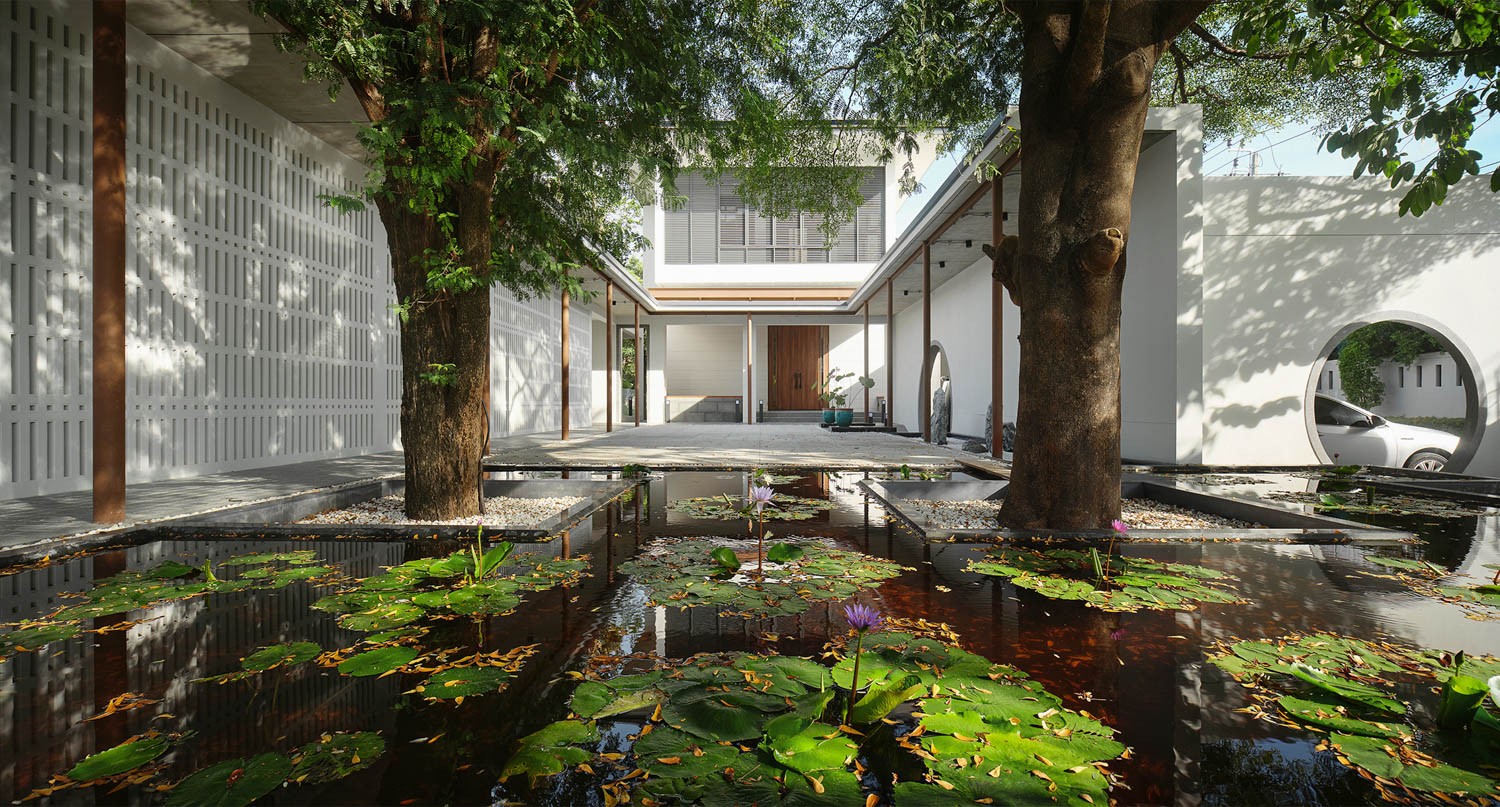
Nico House | Photo: Nattasit Bunratsamee
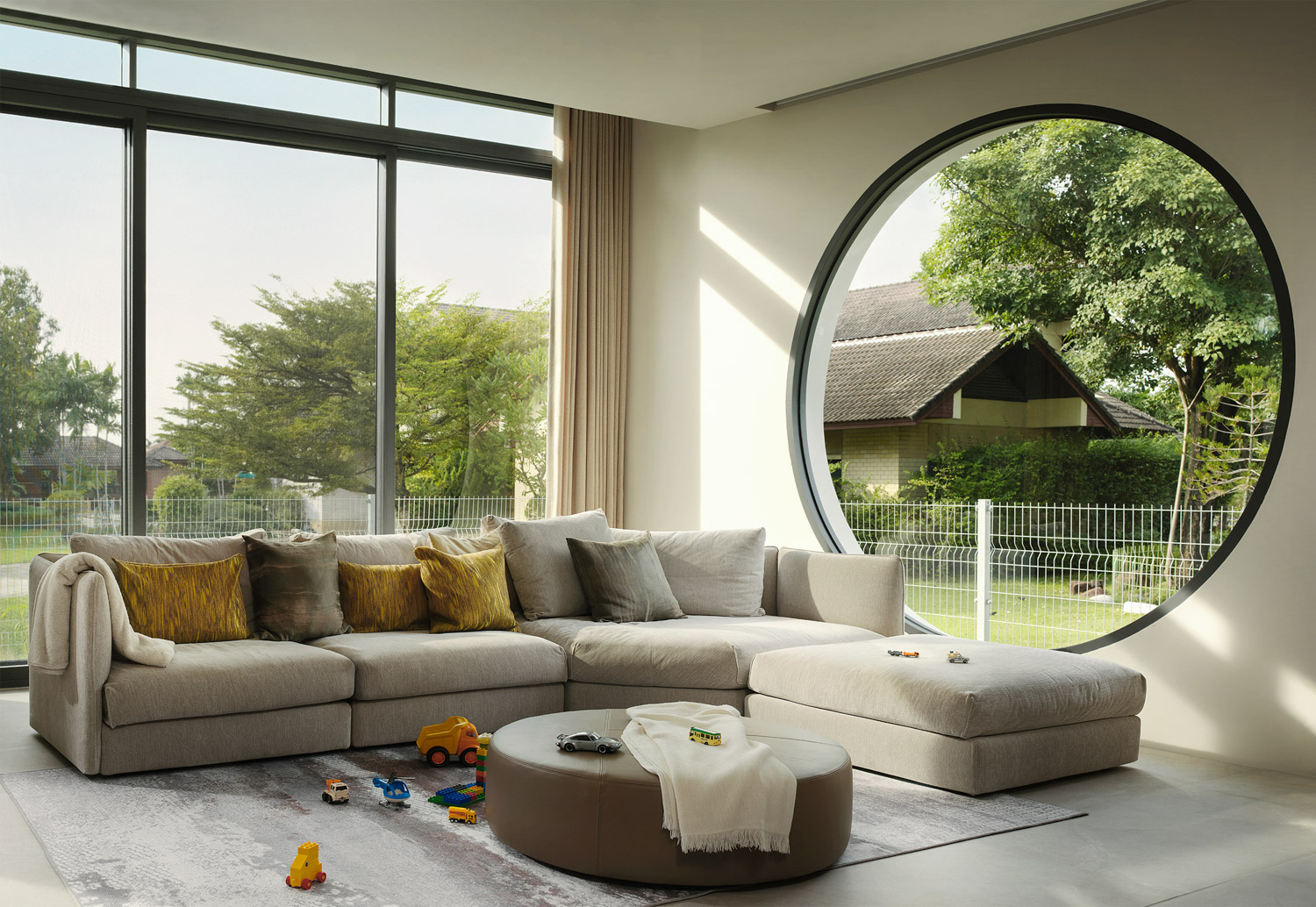
Nico House | Photo: Nattasit Bunratsamee
WHEN
PASA Architects was founded in 2021.
WHERE
Our studio is currently based in Bangkok.
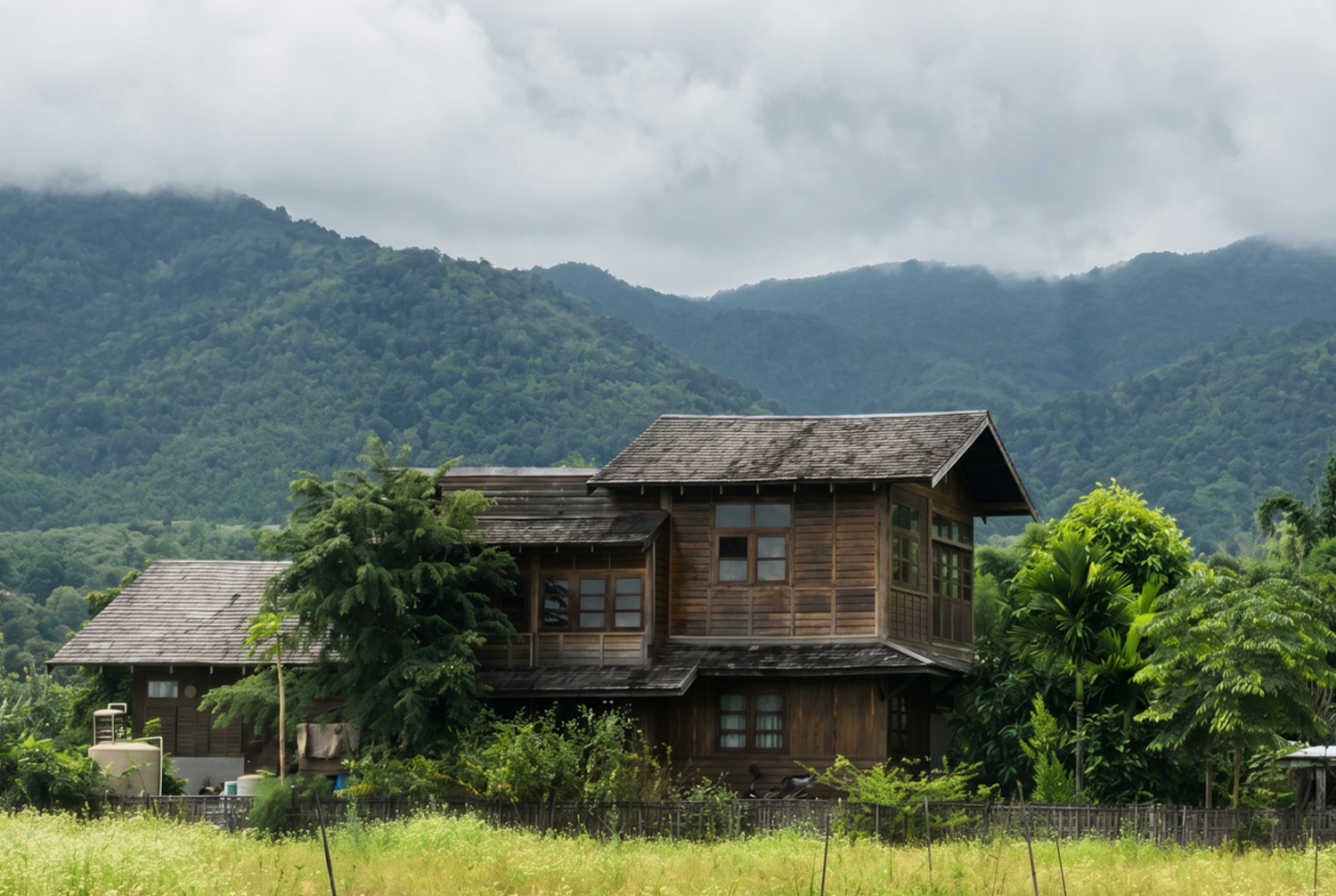 Wooden House | Photo courtesy of PASA Architects
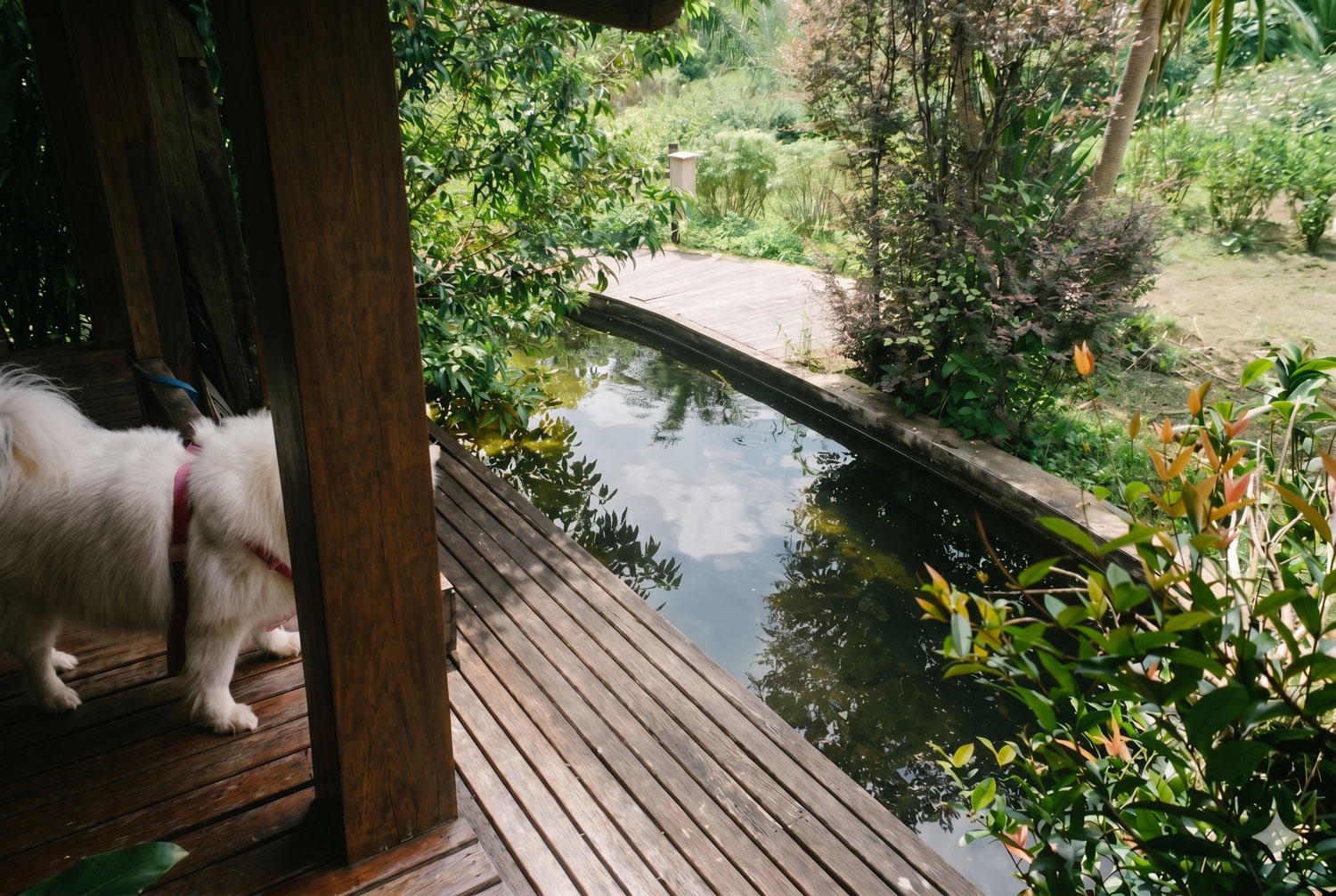
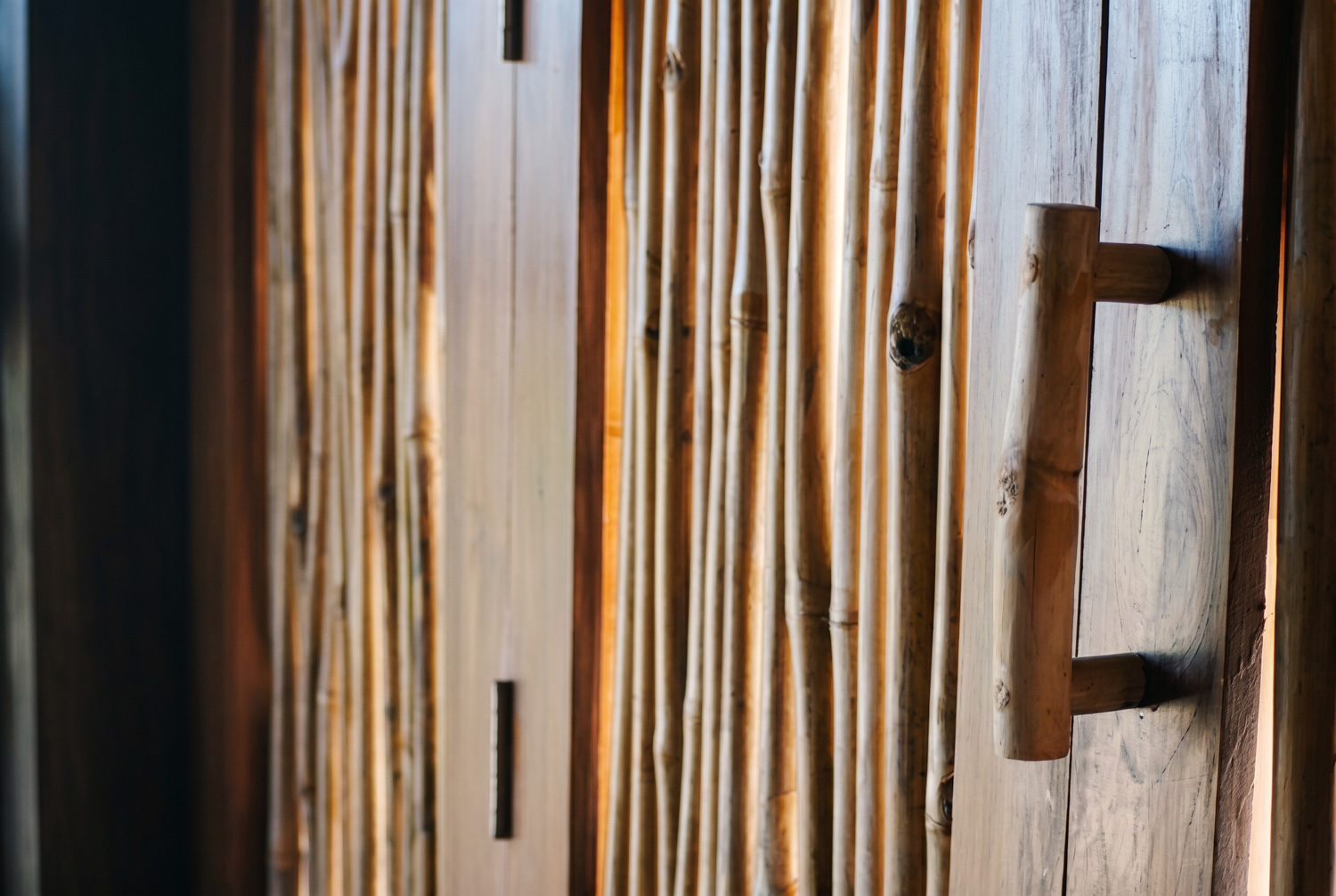
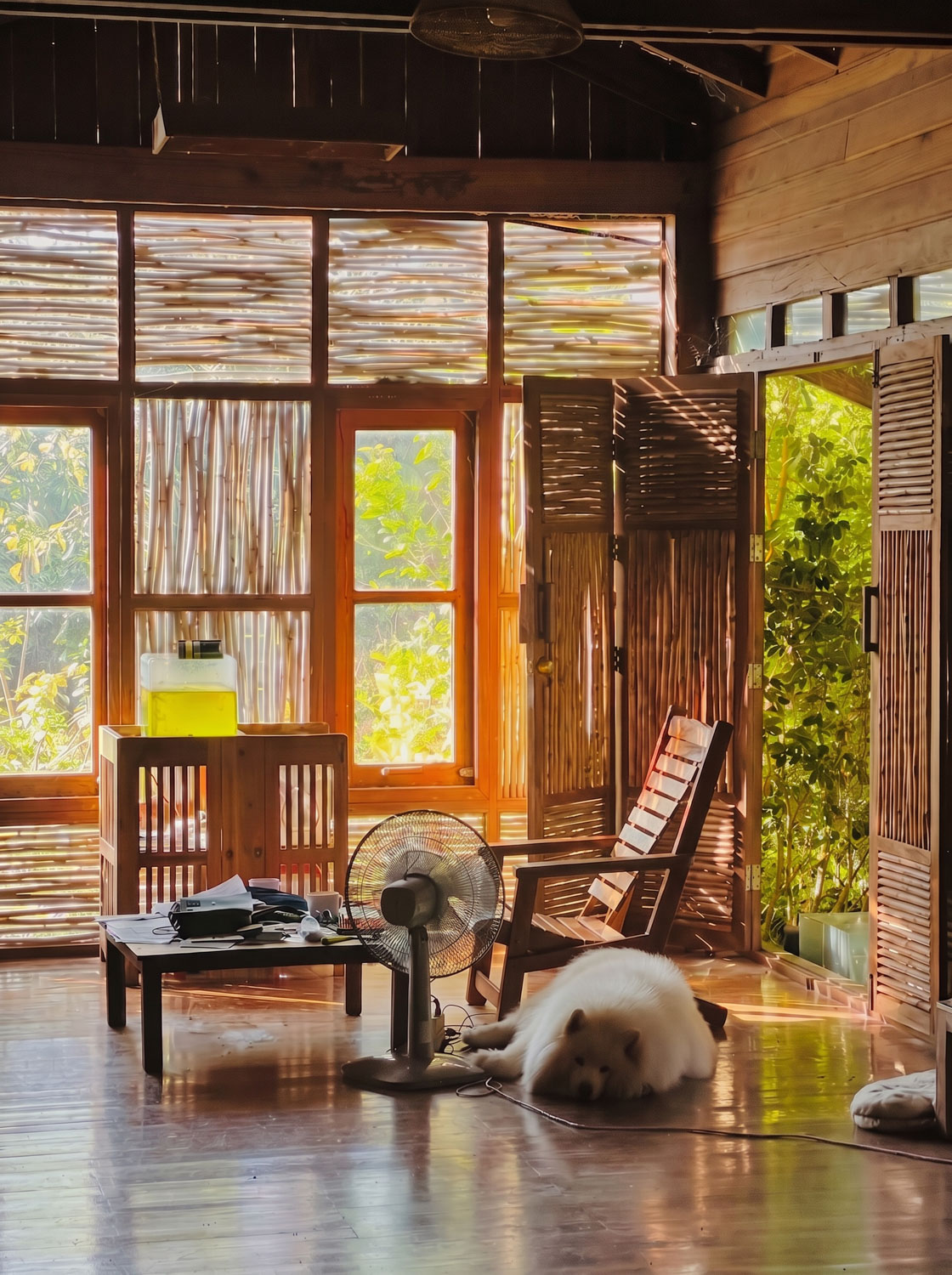
Wooden House | Photo courtesy of PASA Architects
WHY
There is a phrase we often use when talking with our clients: ‘Architecture is experienced before it is understood.’
We see space, material, light, landscape, and other architectural elements as a kind of ‘language’—a way of translating intangible things such as feelings, memories, or atmosphere into spatial experiences.
So when we begin a project, we tend to ask, ‘What kind of experience should this space create?’ rather than ‘What should it look like?’
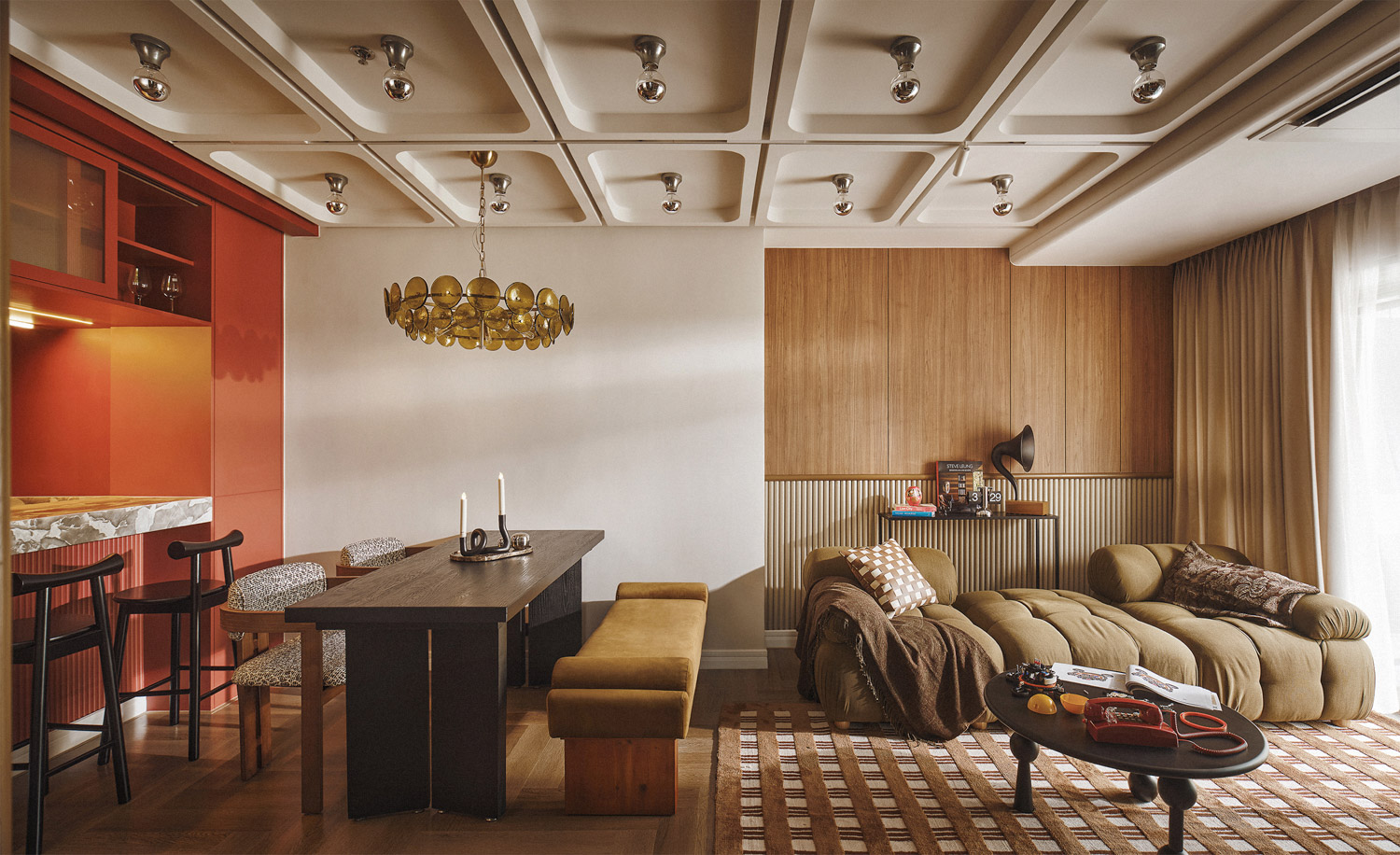
Ember Parlor (Vertiq Condo) | Photo: Nattasit Bunratsamee
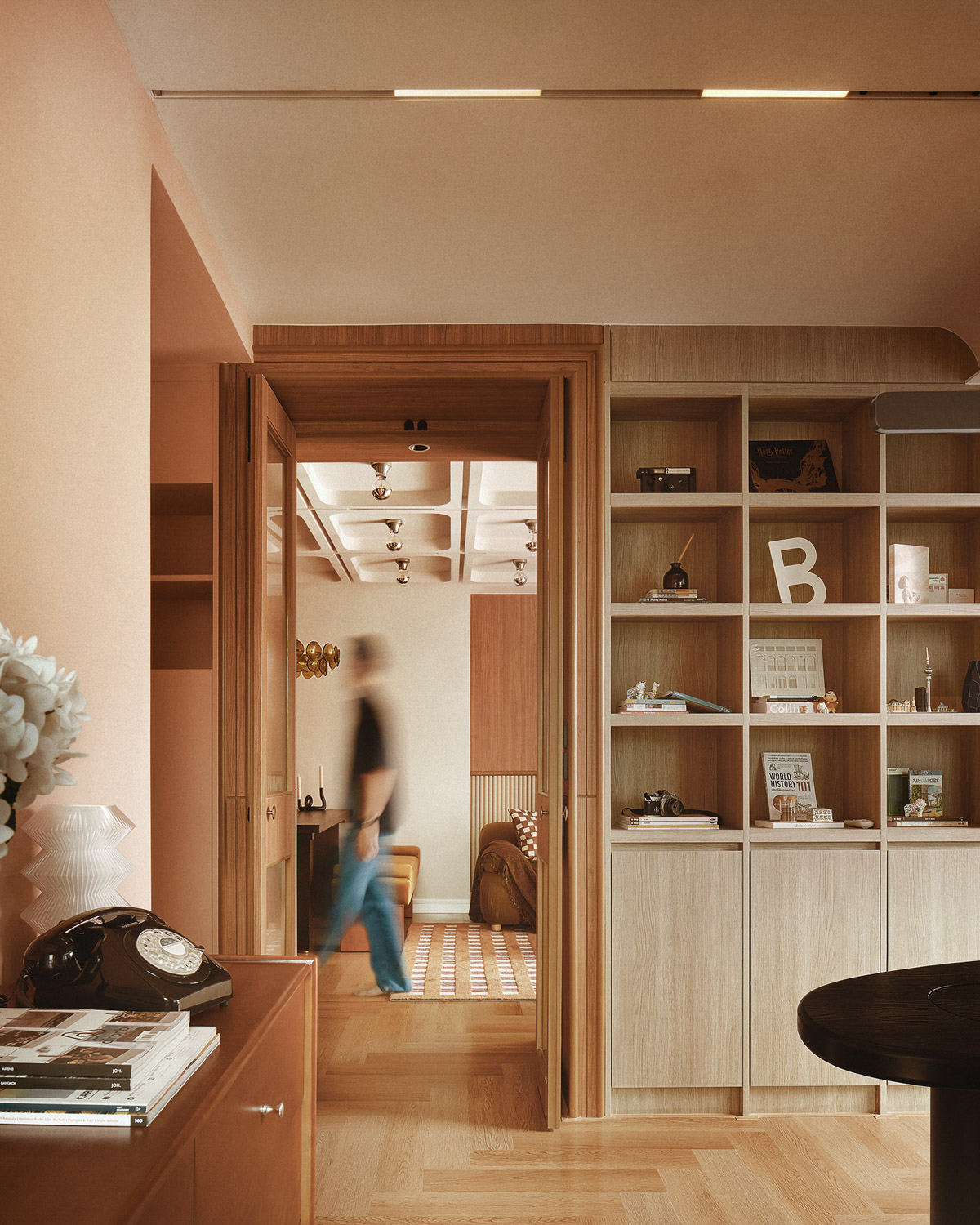
Ember Parlor (Vertiq Condo) | Photo: Nattasit Bunratsamee
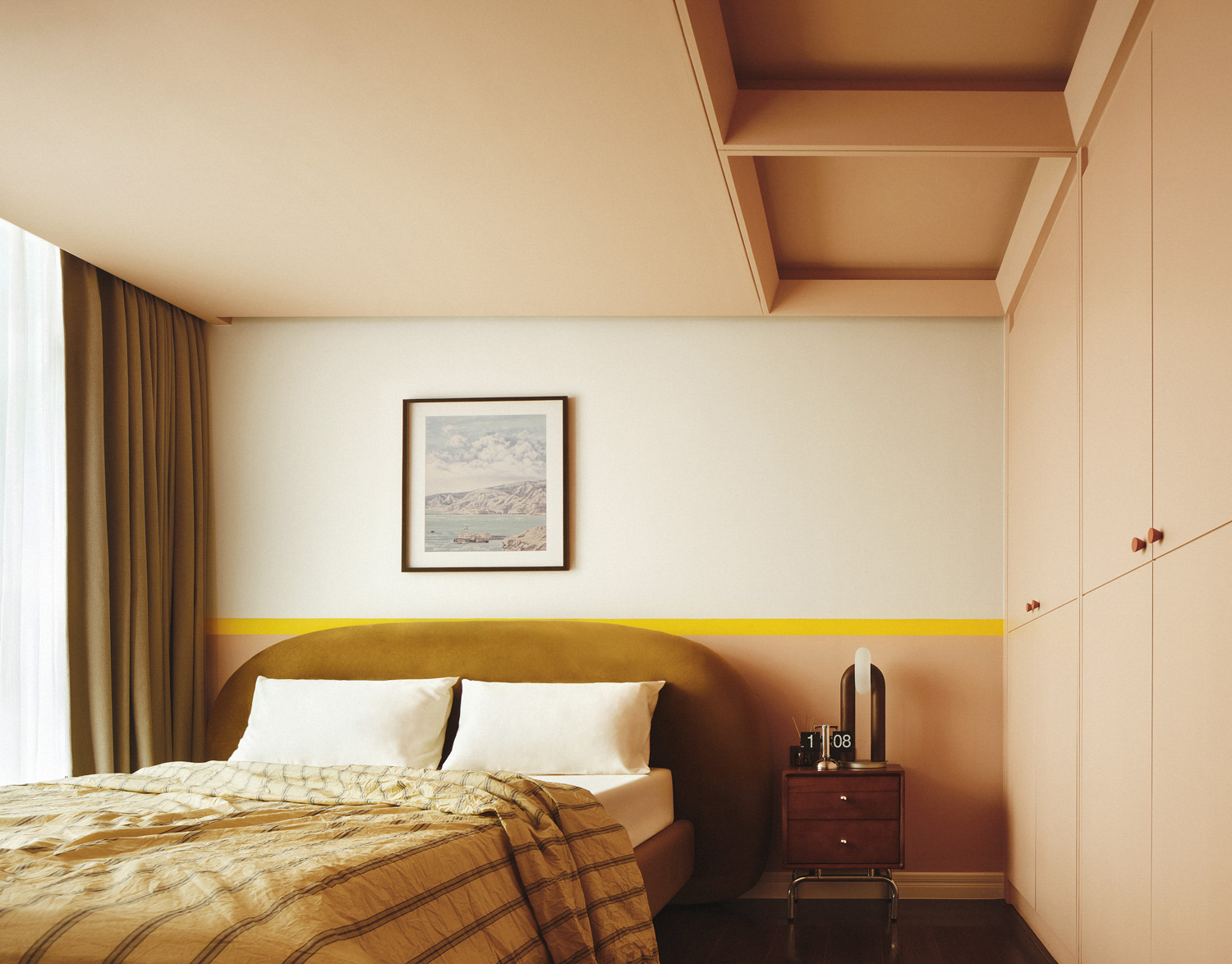
Ember Parlor (Vertiq Condo) | Photo: Nattasit Bunratsamee
How do you define your own style of work?
We have never really defined PASA by a particular style, although, looking back, we can see certain patterns across our work. What we want to keep consistent is not the visual language, but a way of thinking, which often begins with three things:
Desire / Experience / Technique
Desire — What do the people or the place actually need?
Experience — How do we want people to feel or relate to the space?
Technique — How can we bring these intentions to life through architecture?
As a result, each project may look completely different from the next—and we are perfectly comfortable with that.
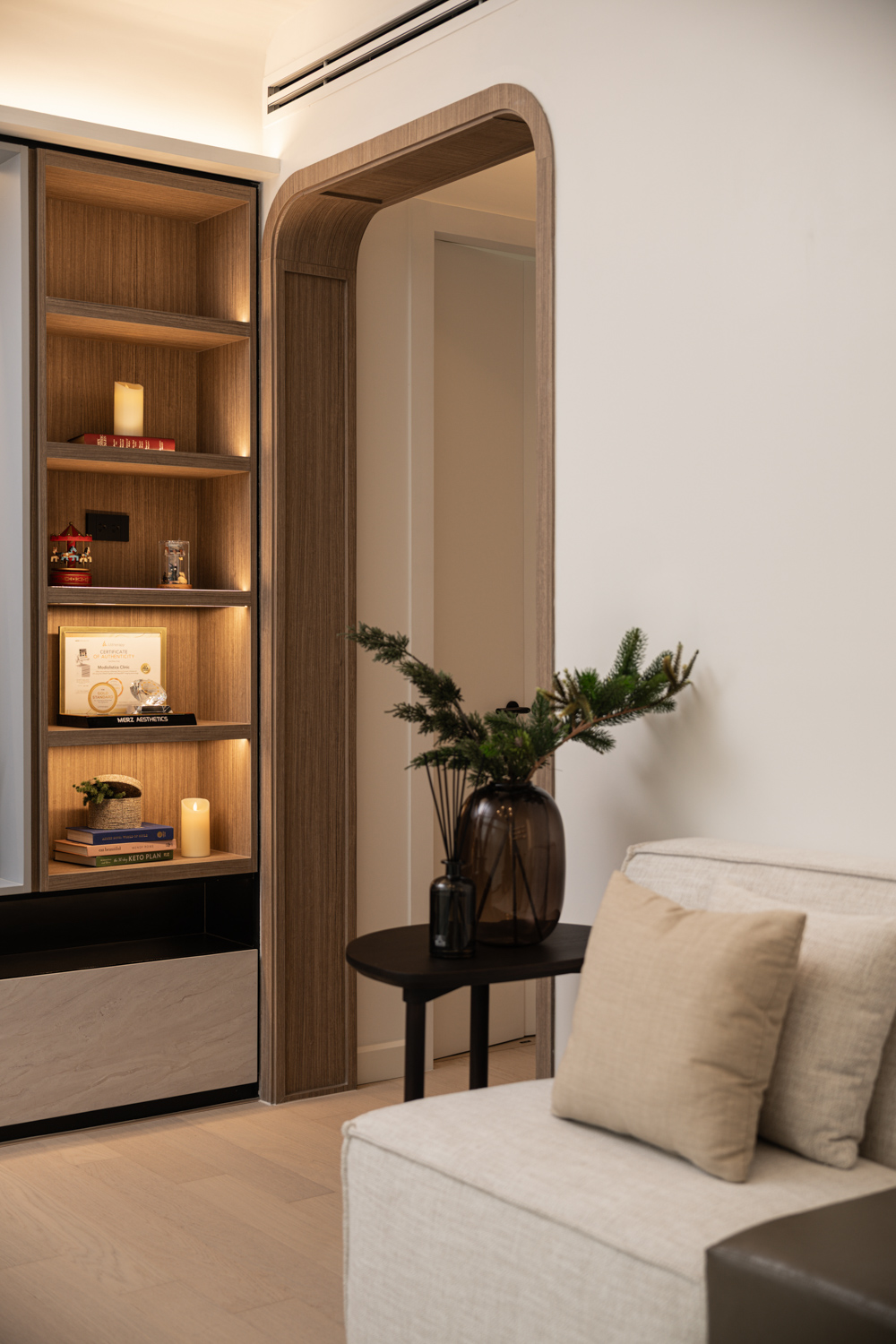 Modiolistic Aesthetic Clinic | Photo: BKKgrapher
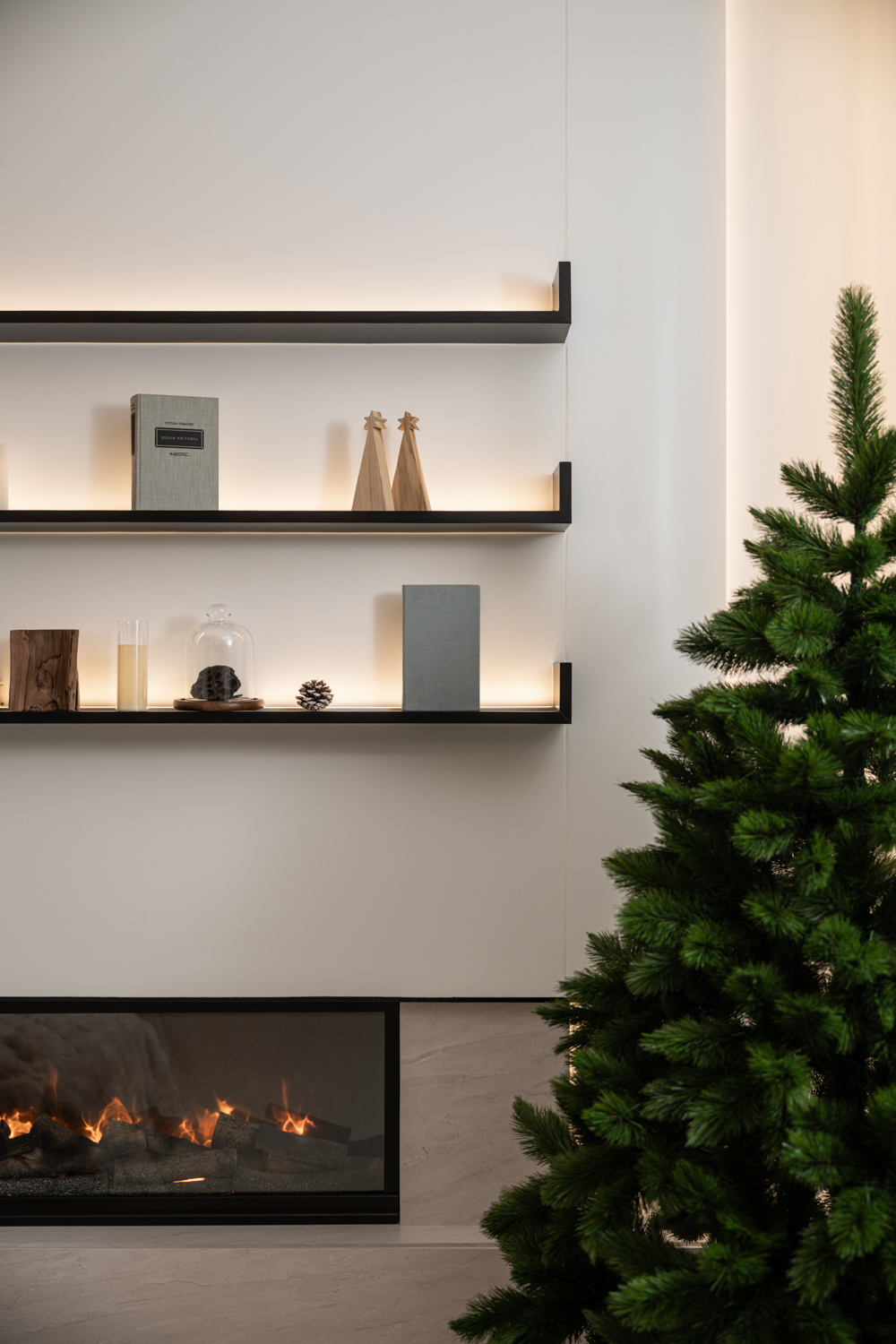
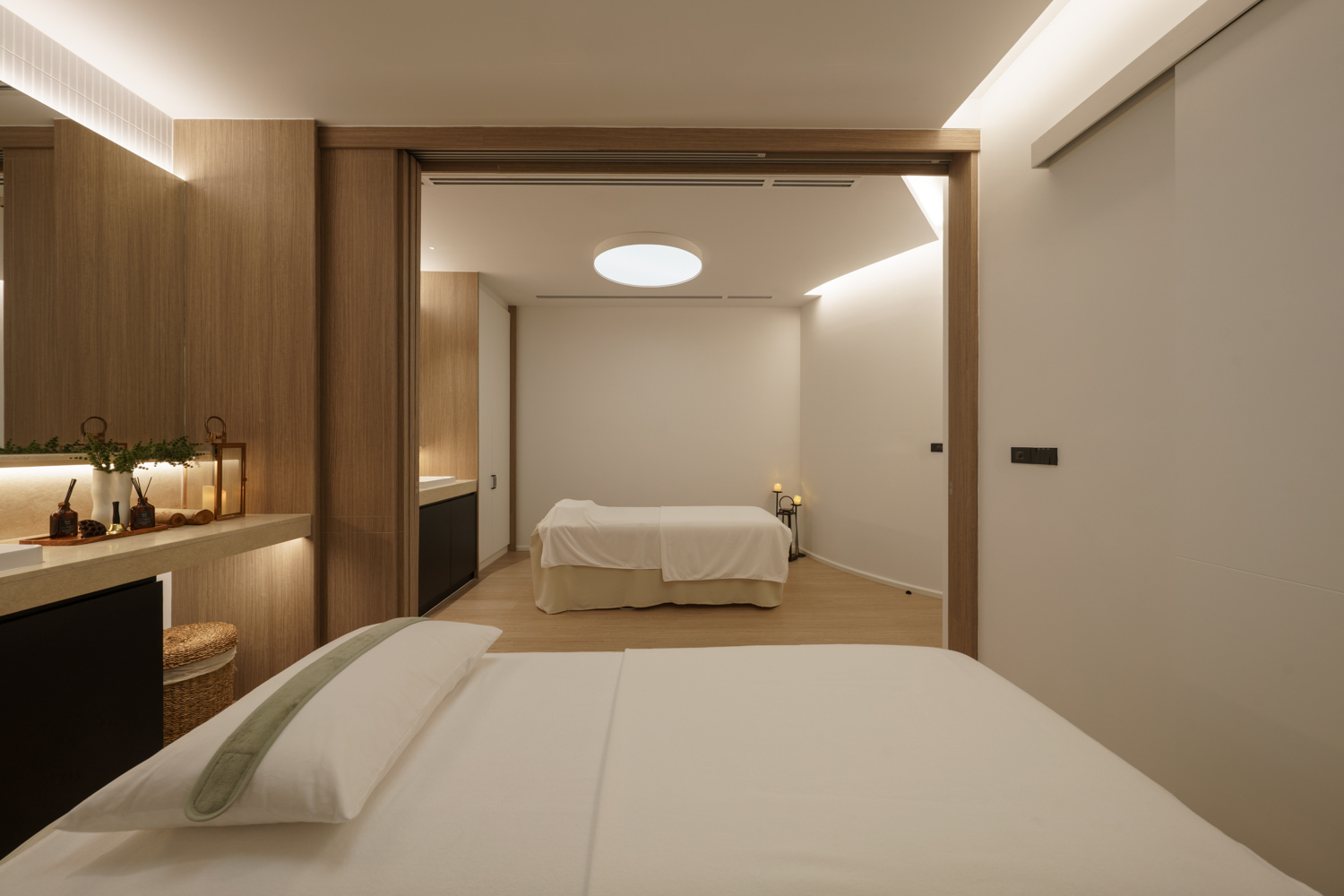
Modiolistic Aesthetic Clinic | Photo: BKKgrapher
What inspires you and what principles do you apply to each project?
Most of the time, it starts with conversation. We spend a considerable amount of time talking with our clients because we believe that truly understanding a person takes more than a single meeting.
At the first meeting, a client might share only 20–30% of their story with us. As we continue working together and trust develops, they begin to share seemingly small details that sometimes turn out to be important clues in the design process.
So even after the concept design stage, if we discover something that deepens our understanding of the client or the project, we are always open to revisiting the design. Ultimately, we want to create spaces that respond as closely as possible to the lives of the people who will inhabit them, as fully as we can.
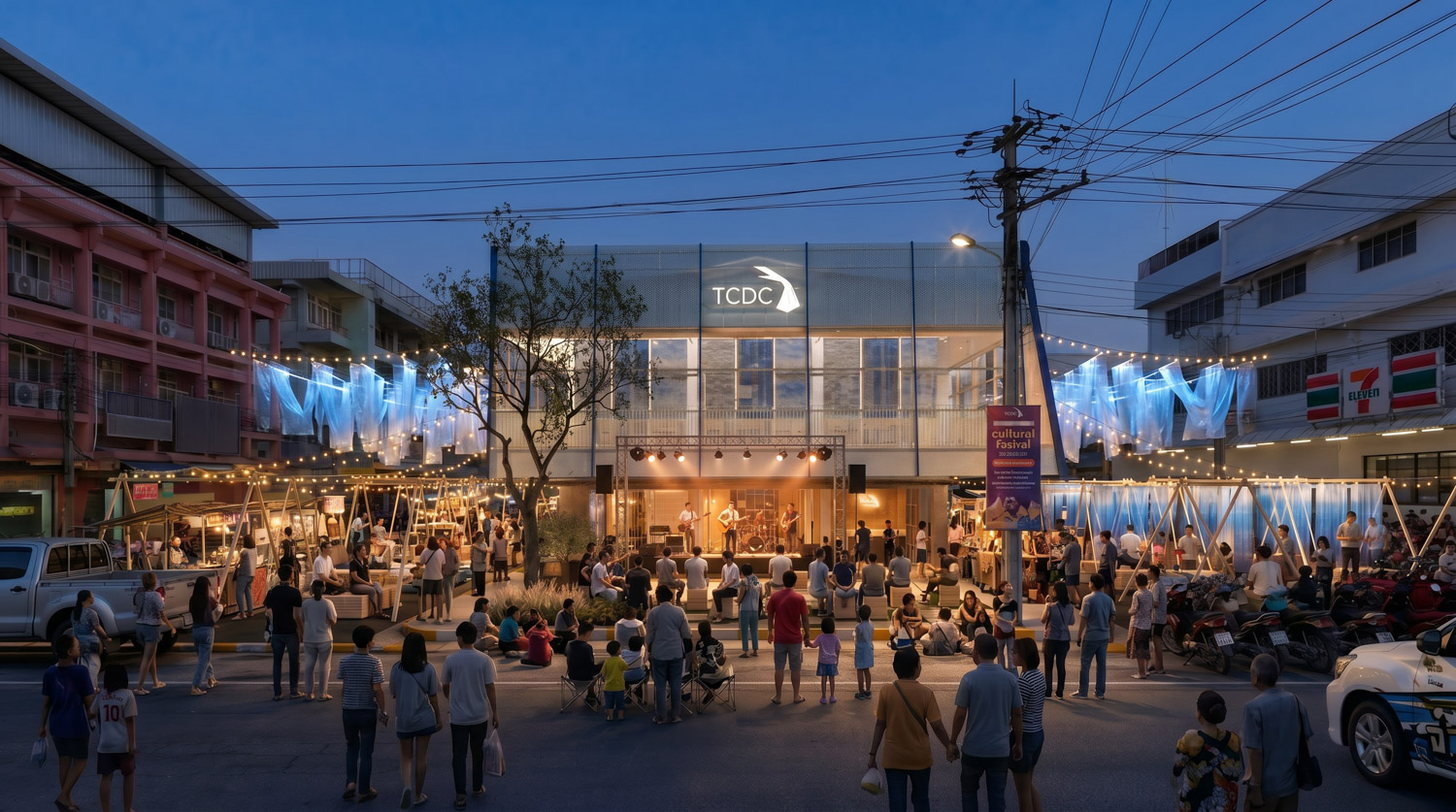 TCDC Sakon Nakhon | Image courtesy of PASA Architects
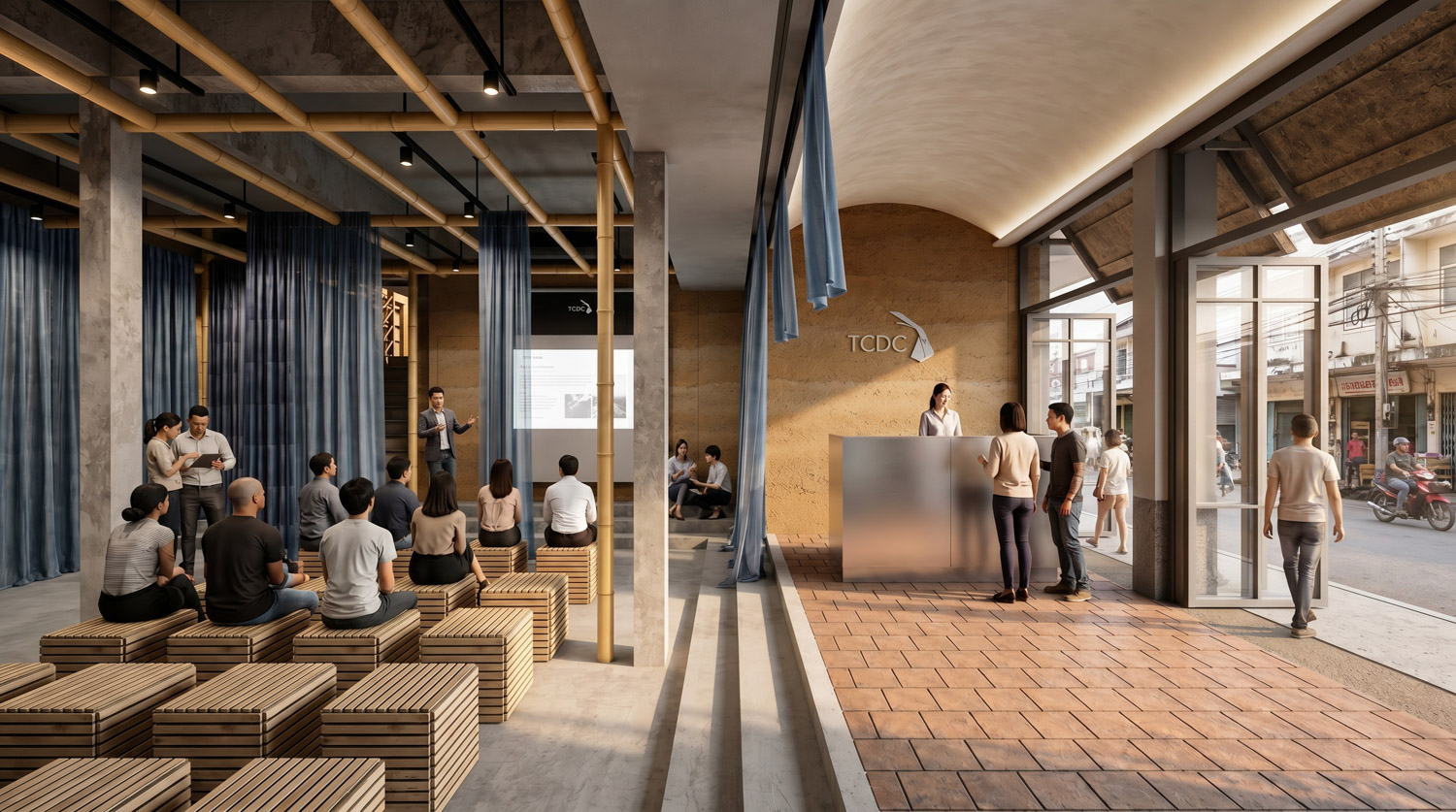
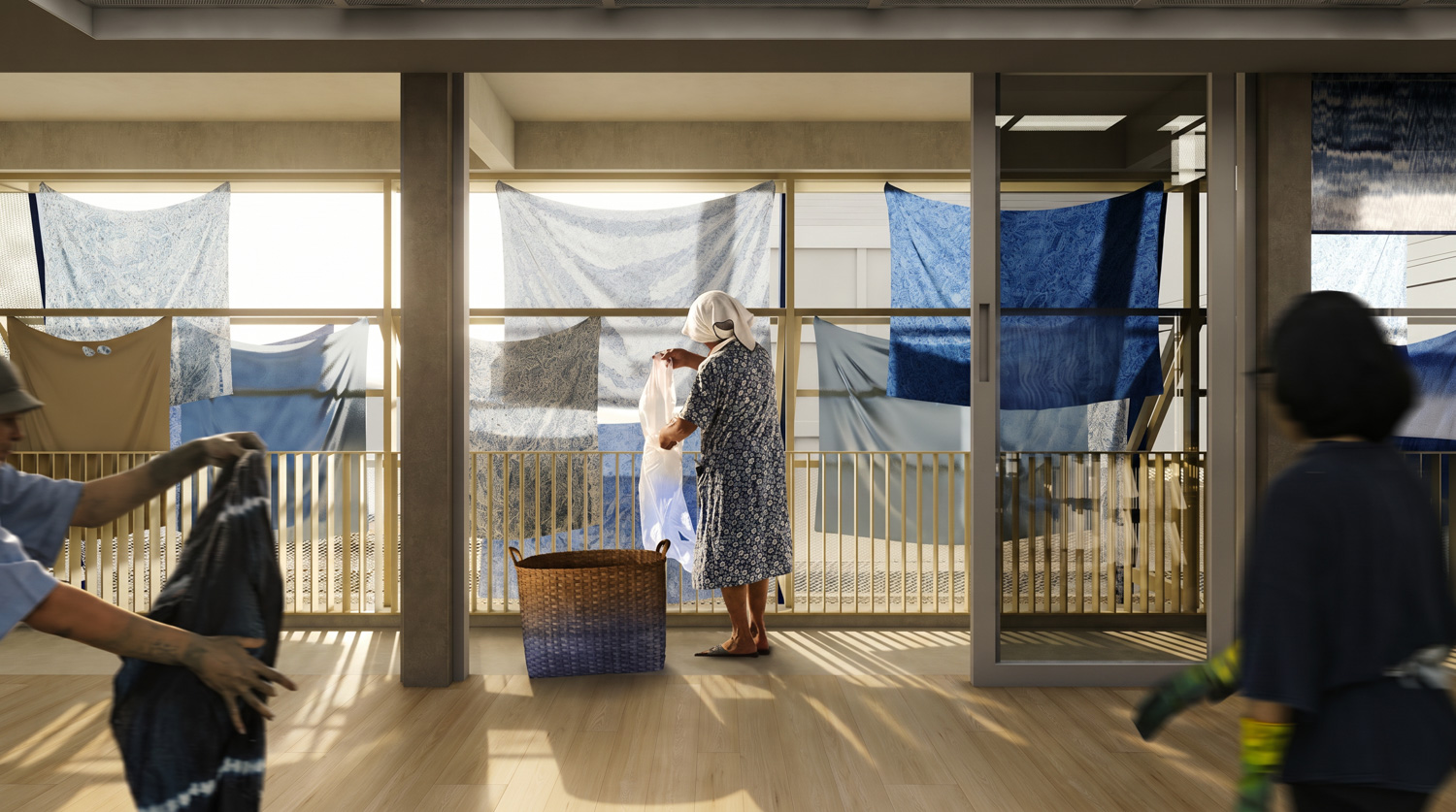
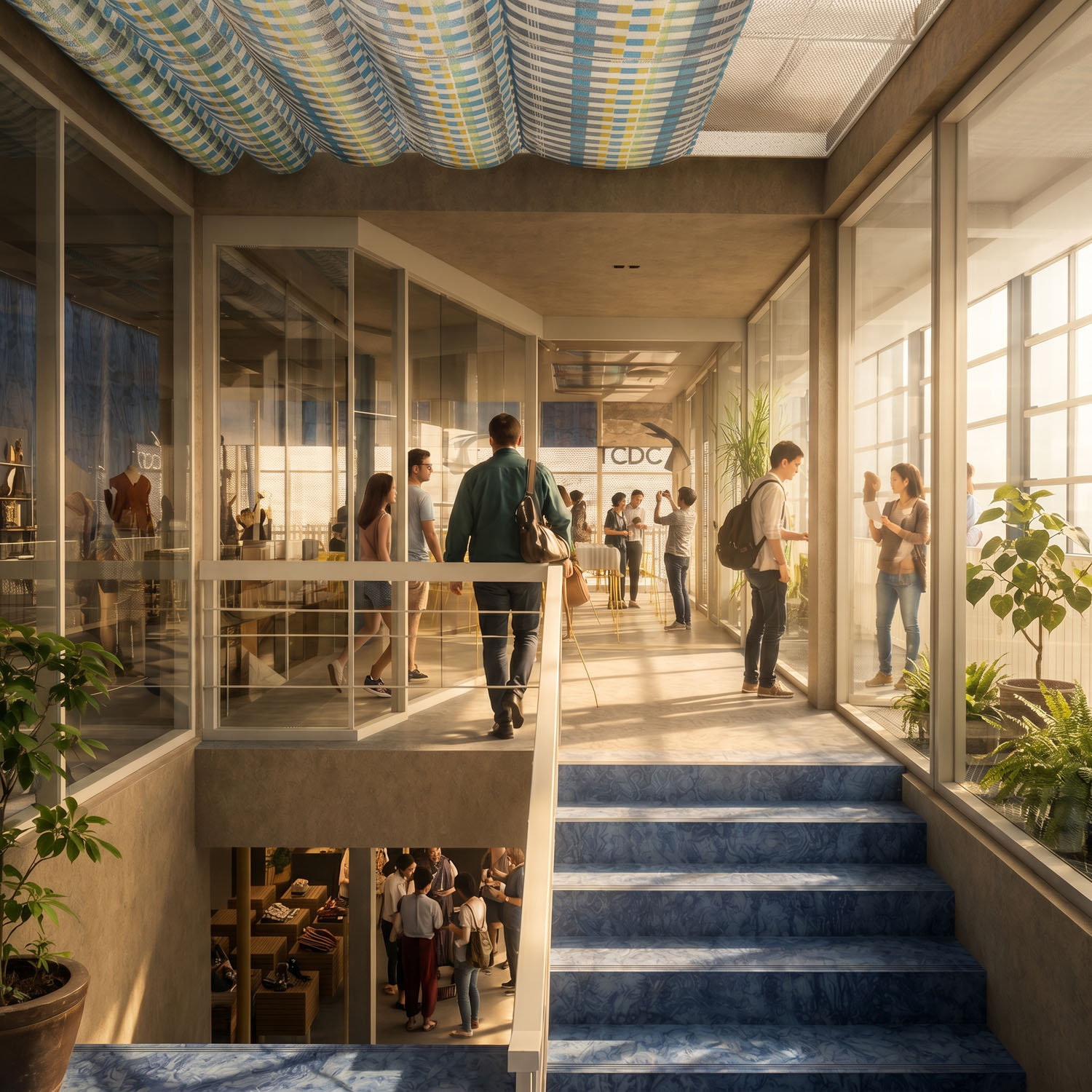
TCDC Sakon Nakhon | Image courtesy of PASA Architects
Which project are you most proud of and why?
At the moment, it would probably be TCDC Sakon Nakhon. The project was selected as a finalist, which we were very happy about. But what we appreciate even more is how it clearly captures what PASA is about—from researching and reading the context to translating those ideas into architecture. In a way, it reaffirmed something for us: this is how we want to work.
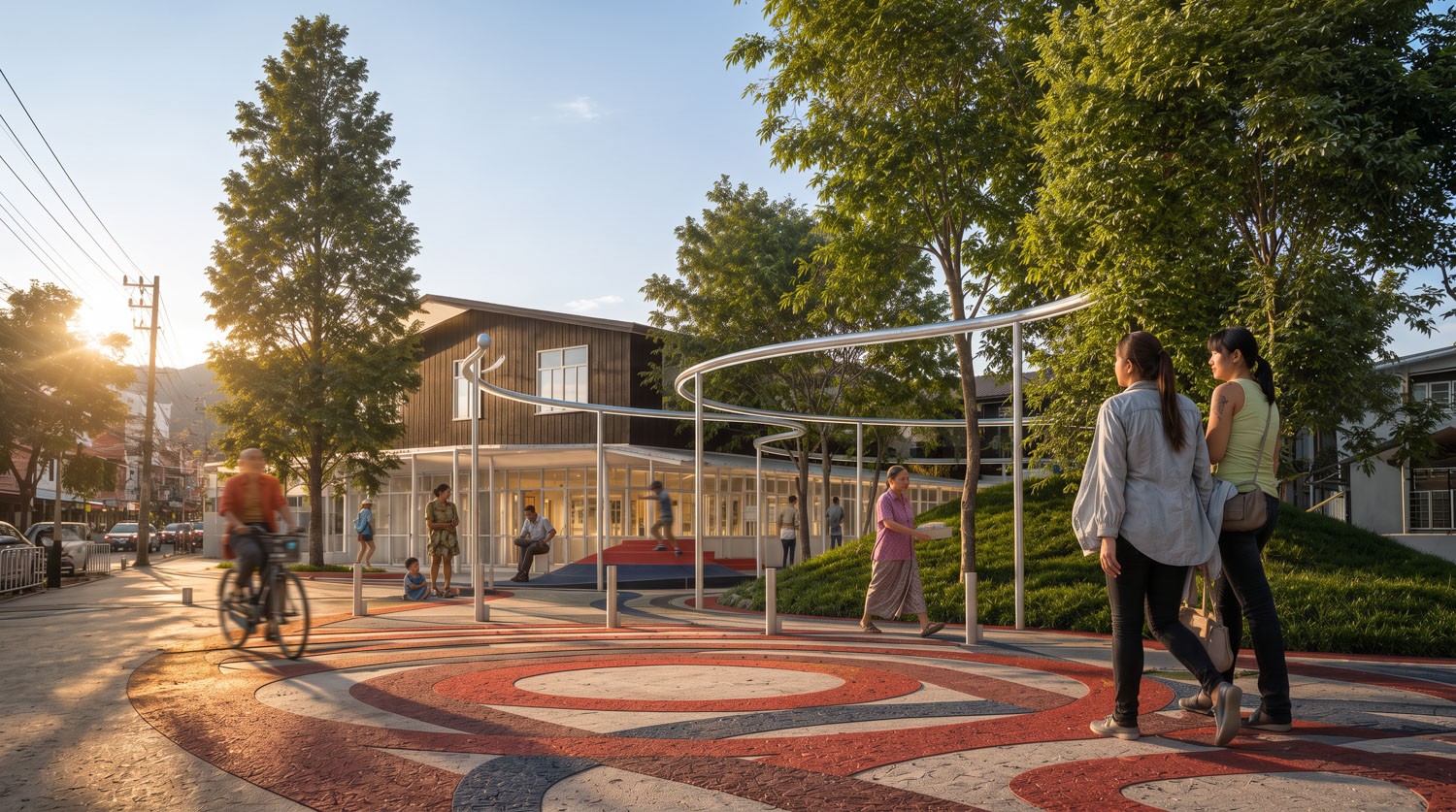 Hor Jai Baan | Image courtesy of PASA Architects
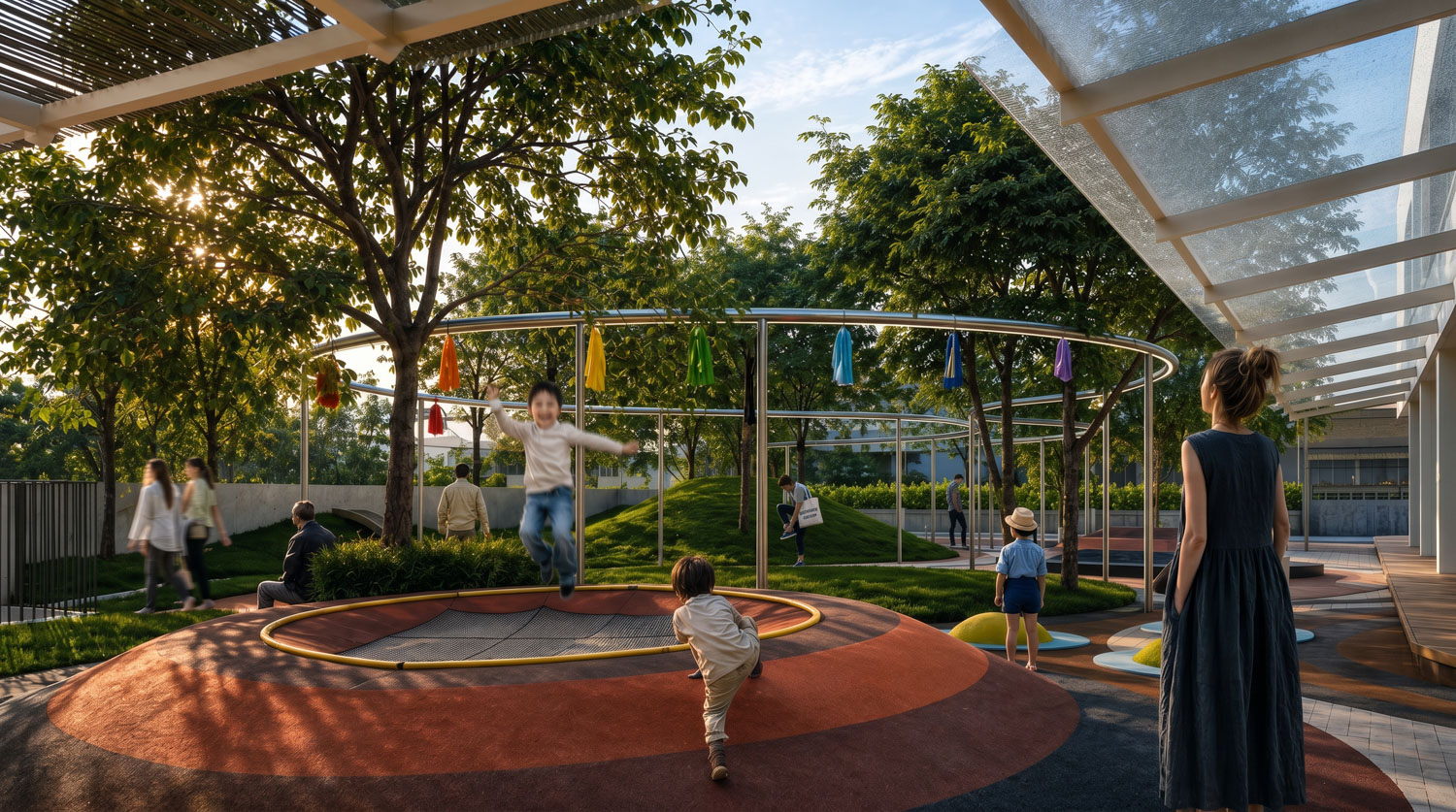
Another is Hor Jai Baan, a small proposal project developed with a local organization in Chiang Rai. We like this project because it allowed us to express something we often call within the studio ‘a gesture of goodwill toward the city.’ Rather than making the building the focus, we pulled it back to create more room for people and the city. It also gave us the chance to bring some of PASA’s playful, slightly cheeky character into the design.
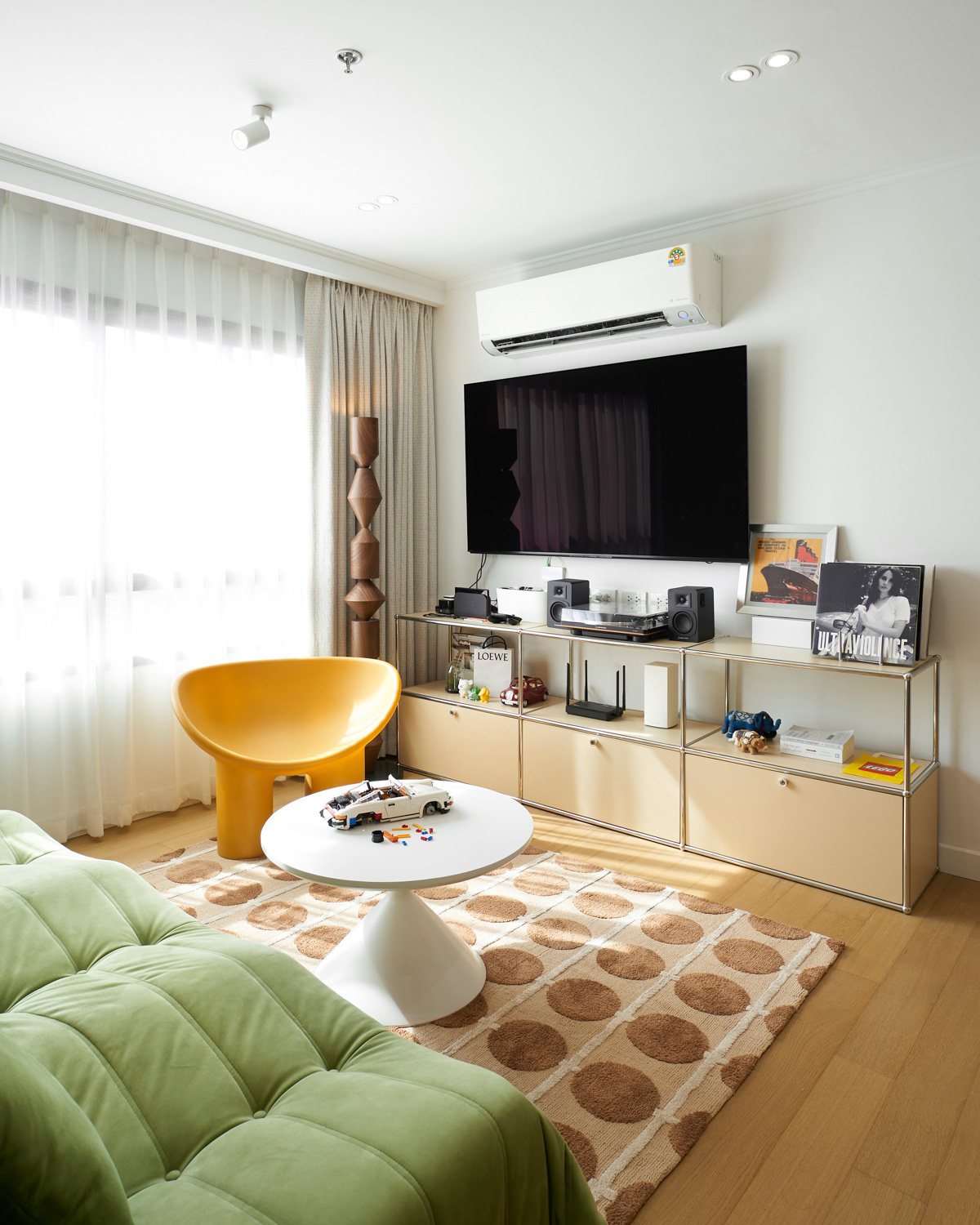
BP Apartment Interiors | Photo: Vatit Tubniyom
Which part of the process do you enjoy the most during work?
Talking with our clients—both at the beginning of a project and after they have moved in. Each is enjoyable in a very different way.
At the beginning, we enjoy seeing how much we can ‘crack the code’—how much we can understand who they are through conversation. Sometimes, a small detail that casually comes up tells us far more about a person than anything written in the brief.
After the clients have moved in, it feels a bit like waiting for exam results. We finally get to see whether the assumptions we made during the design process actually work in real life. If they do, everyone in the studio is all smiles. If they don’t, we are a little disappointed—but we take it as a lesson to carry into the next project.
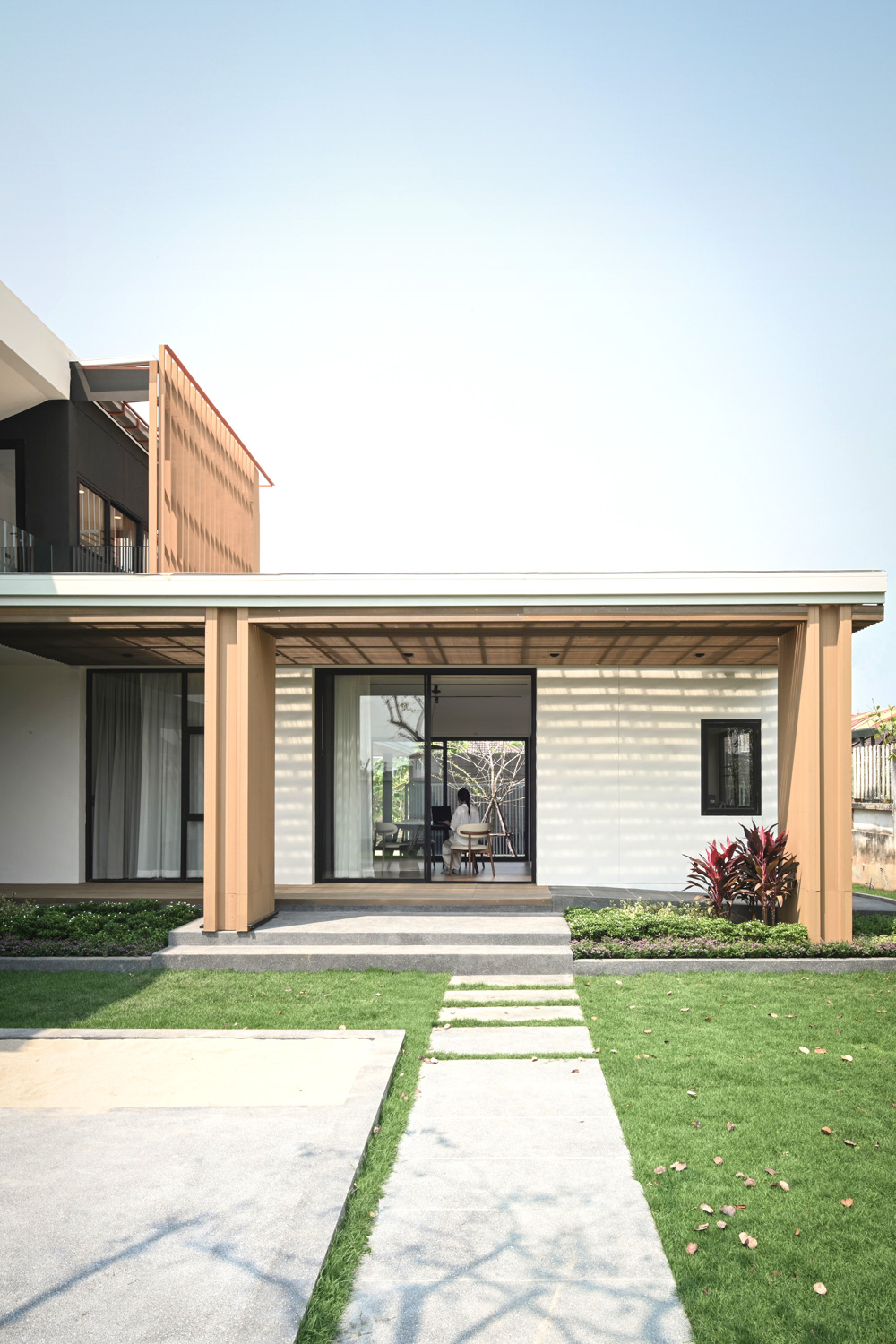
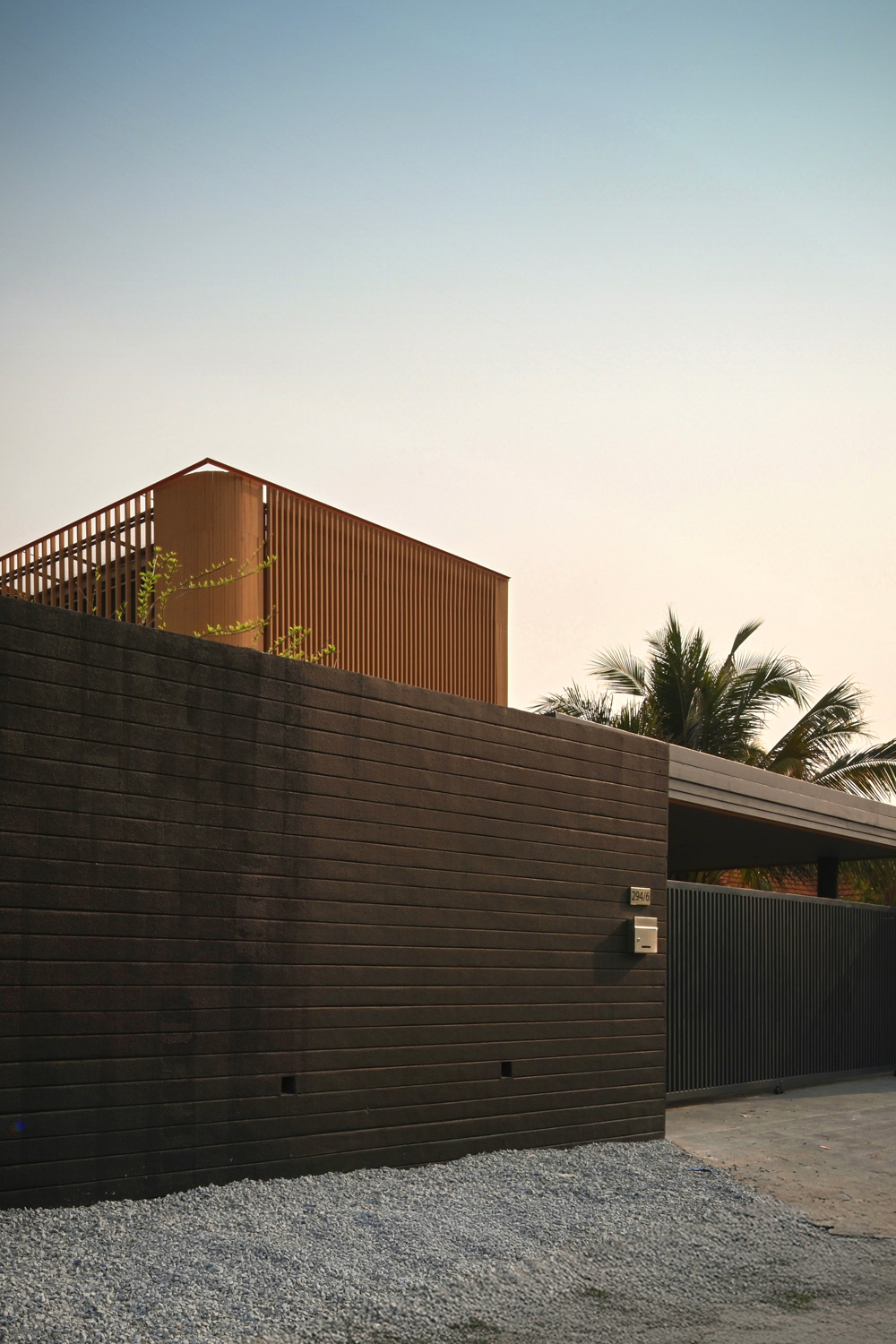 MB House | Photo: Patiweth Yuentham
If you could invite any ‘creative’ for a coffee, who would it be and why?
‘Álvaro Siza,’ We have watched his lectures on YouTube, and one project we keep returning to is Leça Swimming Pools. The more we look at it from different angles, study the drawings, and try to understand its relationship with the site, the more we find ourselves thinking, ‘Wow, this is crazy—how can everything feel so precise, yet so completely at home in its surroundings?’
If we had the chance to sit down for coffee with him, we would want to ask how he sees a place. What does he notice in a context that we might overlook? How does he know where architecture should begin, where landscape should take over, and where nothing should be done at all?
For us, learning how Siza ‘sees’ would probably be even more fascinating than asking how he designs.