
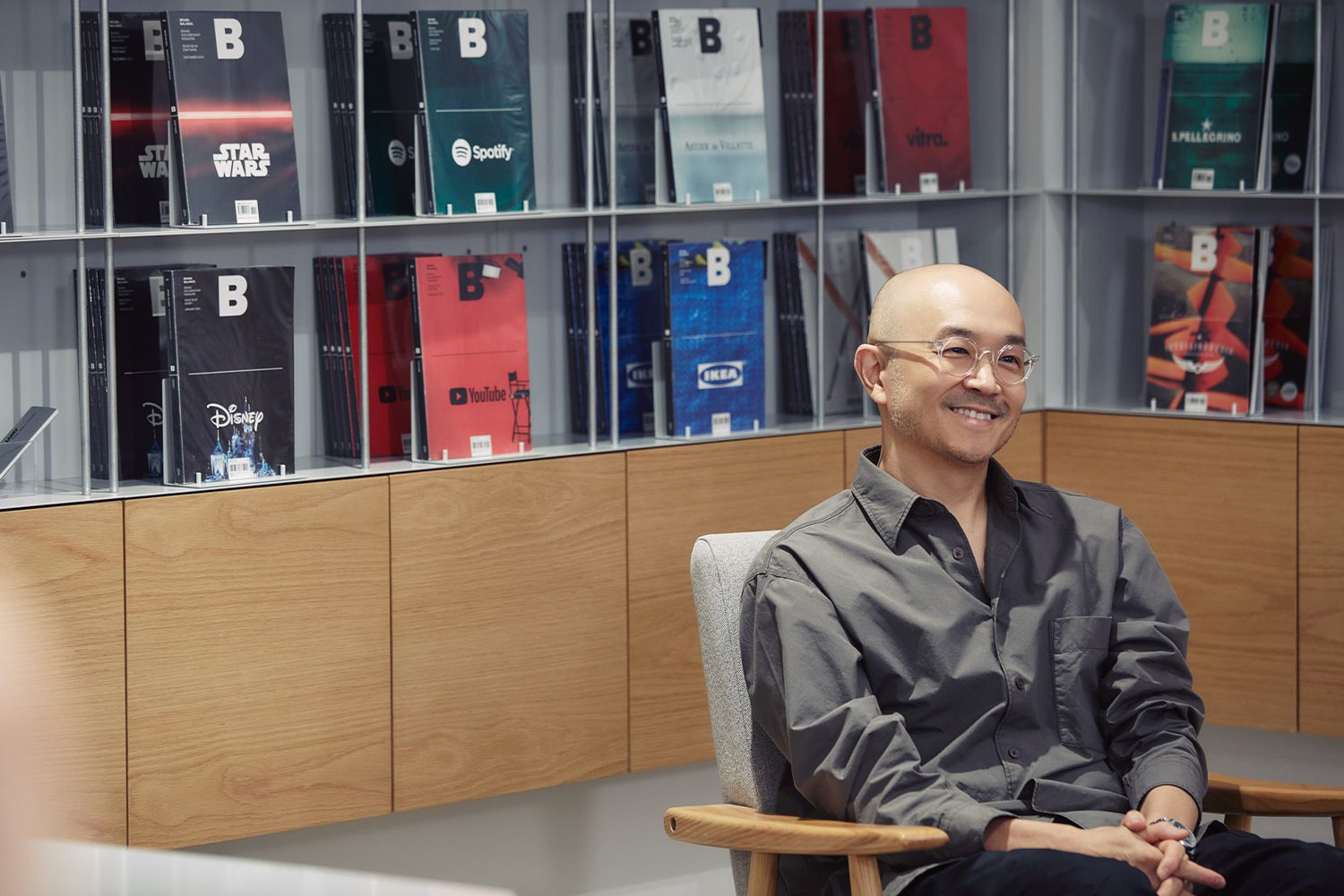
SUYONG JOH ON 15 YEARS OF MAGAZINE B, ISSUE NO. 100, AND WHAT DEFINES A BRAND TODAY
TEXT: KITA THAPANAPHANNITIKUL
PHOTO COURTESY OF SUYONG JOH
(For Thai, press here)
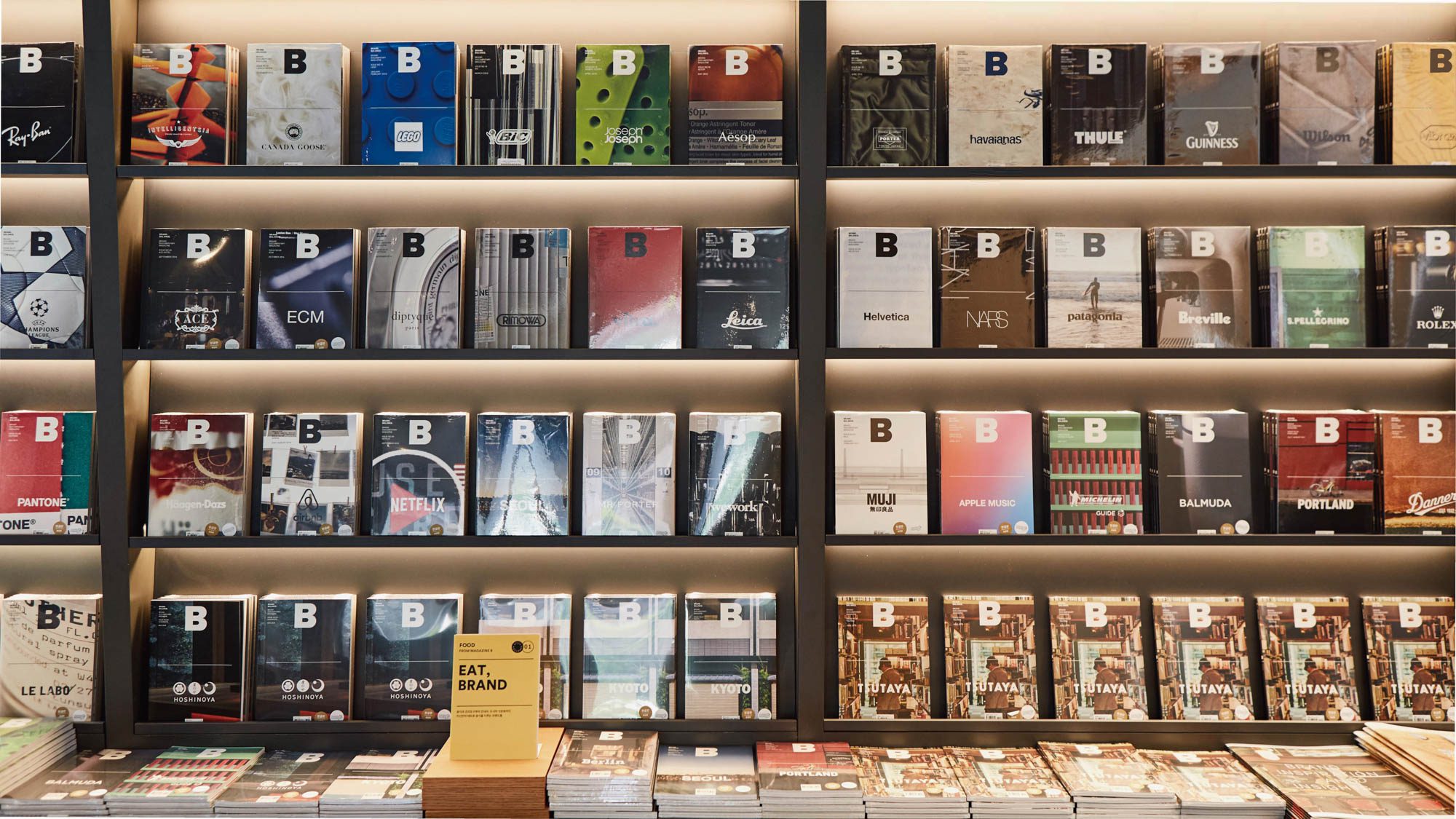
For those who love print media and magazines, Magazine B may be something of a bible—a publication that many readers seek out and aspire to collect in its entirety. The South Korean documentary-style magazine stands apart for devoting each issue to an in-depth exploration of a single brand, without any advertising in between. Every brand it selects must also embody the two meanings behind the letter ‘B’: ‘Brand,’ referring to a brand with a distinct identity, and ‘Balance,’ referring to the balance it maintains between its philosophy and the realities of business.
Magazine B was founded in 2011 by Suyong Joh, former co-CEO of Kakao, one of South Korea’s largest technology companies, and founder of JOH & Company, which provides creative direction for hotel and lifestyle brands in Korea. After featuring FREITAG in its inaugural issue, Magazine B went on to profile influential brands across a wide range of industries, including Chanel, Rolex, Disney, Le Labo, Vitra, and many others. In 2026, the magazine published its 100th issue and turned its lens on itself, revisiting its beginnings, working process, and the conversations it had collected over the years.
At this year’s Business of Design Week (BODW), one of Asia’s leading annual events dedicated to design, innovation, and brands, Suyong Joh took part in a conversation titled Interpreting Brand Truth in a Fast World: A 15-Year Dialogue. He will be joined by Janine Weiz-Bühler, FREITAG’s new Navigator and CEO, marking 15 years since the brand appeared in the very first issue of Magazine B.
To mark the occasion, art4d invited Suyong Joh, founder of Magazine B, to discuss the stories behind some of his favorite issues and the philosophies of the brands featured in them; what ‘design’ means to someone who has encountered such a wide range of brands; the process and insights that went into producing the magazine’s 100th issue; and how the meaning of a brand is changing at a time when we find ourselves searching for a greater sense of humanity than ever before.
art4d: At BODW 2026, how did it feel to reconnect with Freitag, the brand featured in the very first issue you published 15 years ago? Could you also give us a brief introduction to this session? In a world full of acceleration, how can brands still find ways to ‘balance’ themselves, and what are the two sides of that balance?
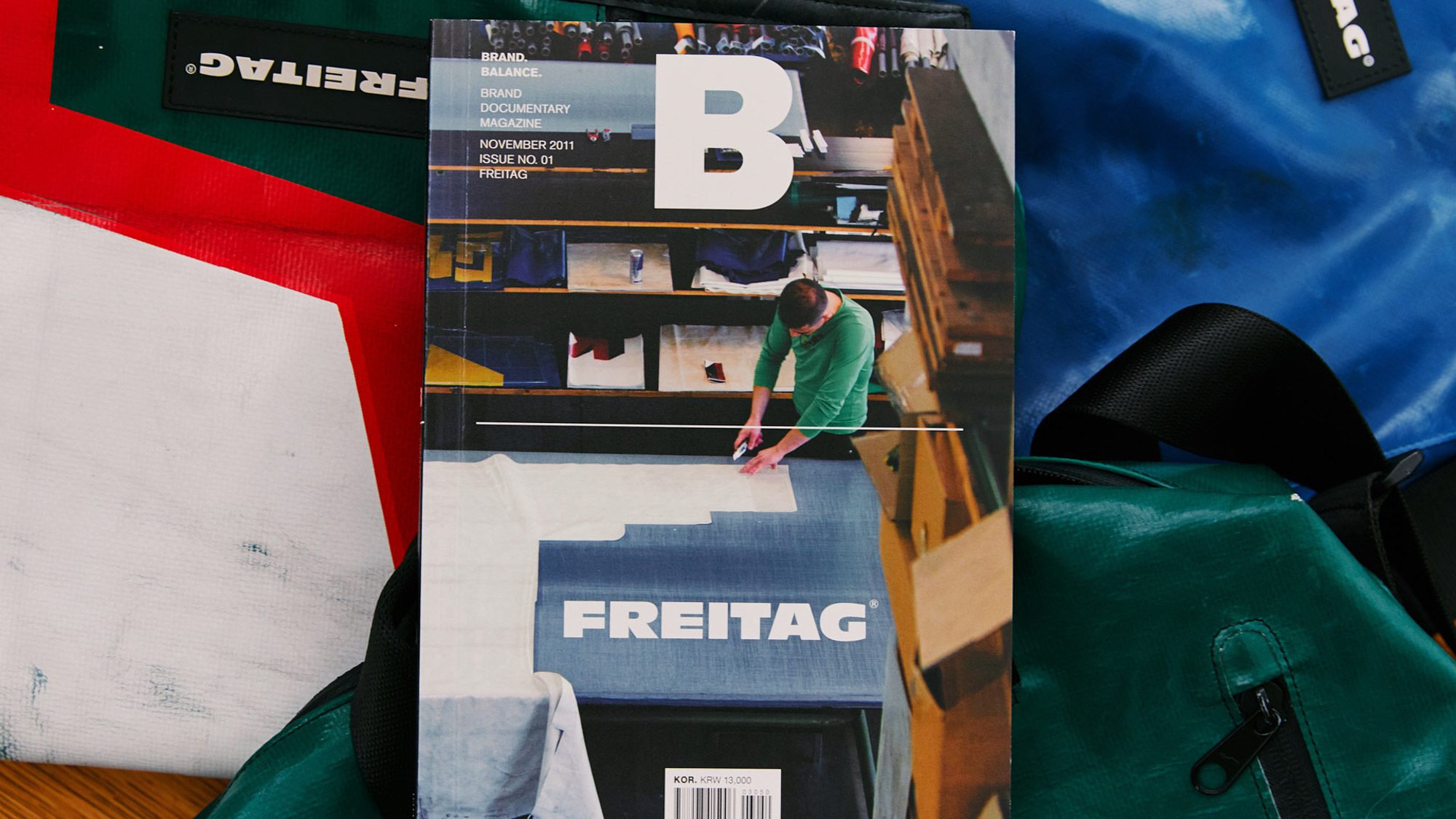
Suyong Joh: Sitting down again with FREITAG at BODW 2026 felt both deeply meaningful and very natural. When I started Magazine B in 2011 with a simple rule—one issue, one brand, no ads—FREITAG was our very first subject. Making bags from recycled truck tarps was actually a pretty common idea, and their bags were quite expensive. Yet their great design, useful features, and consistent philosophy made them feel timeless. For our 100th issue, we went back to Zurich to interview FREITAG’s founders and CEO again to reflect on the values we have maintained over the years. Continuing that conversation on stage with Janine at BODW 2026 feels like coming full circle.
In my session, I introduce Magazine B as a ‘documentary in print’—a magazine meant to be kept on a shelf like a book rather than thrown away. Over 15 years and 102 issues, from FREITAG to our latest issue on Margaret Howell, we have examined brands through four criteria: beauty, usefulness, price, and philosophy. My talk explores how ordinary, everyday things—a bag, a piece of clothing, or a magazine—become extraordinary brands when we look closely at what their creators chose to keep, what they gave up, and what they have continued to do consistently.
In a world obsessed with acceleration, brands find balance not by chasing every fast trend, but by staying true to what choose to keep and what they are willing to give up. For me, the two ends of this balance are Tangible Value (beauty, usefulness, and a fair price) on one side, and Consistent Philosophy (the beliefs and worldview of the people behind the brand) on the other. When beauty, usefulness, and price are balanced, you have a good product. When these qualities are anchored in a genuine philosophy, it becomes a brand that never feels out of date.
art4d: Apart from FREITAG, is there any other brand you would like to sit down and talk with again?
SJ: If I could sit down with another brand, it would be MUJI. For a long time, MUJI has been a personal role model for me, both as a designer and as a publisher. In a world that constantly pushes us to buy more and stand out, MUJI has chosen a quiet, unassertive beauty that encourages people to live a little more mindfully.
What fascinates me most is how they sustain that philosophy across thousands of everyday items—from a tiny table broom to entire houses. Instead of relying on the stubborn ego of a single founder, they entrusted their core creative direction to an external ‘Advisory Board’ of thinkers and designers like Kenya Hara and Naoto Fukasawa. We featured MUJI years ago, and I would love to sit down with them again today to ask how they continue to protect that quiet, open wisdom in an era that is moving faster than ever.
art4d: This year, you published Magazine B ISSUE NO.100. How did you feel while working on it: excitement, or a chance to reflect on the journey so far? And how did you approach the making of this issue?
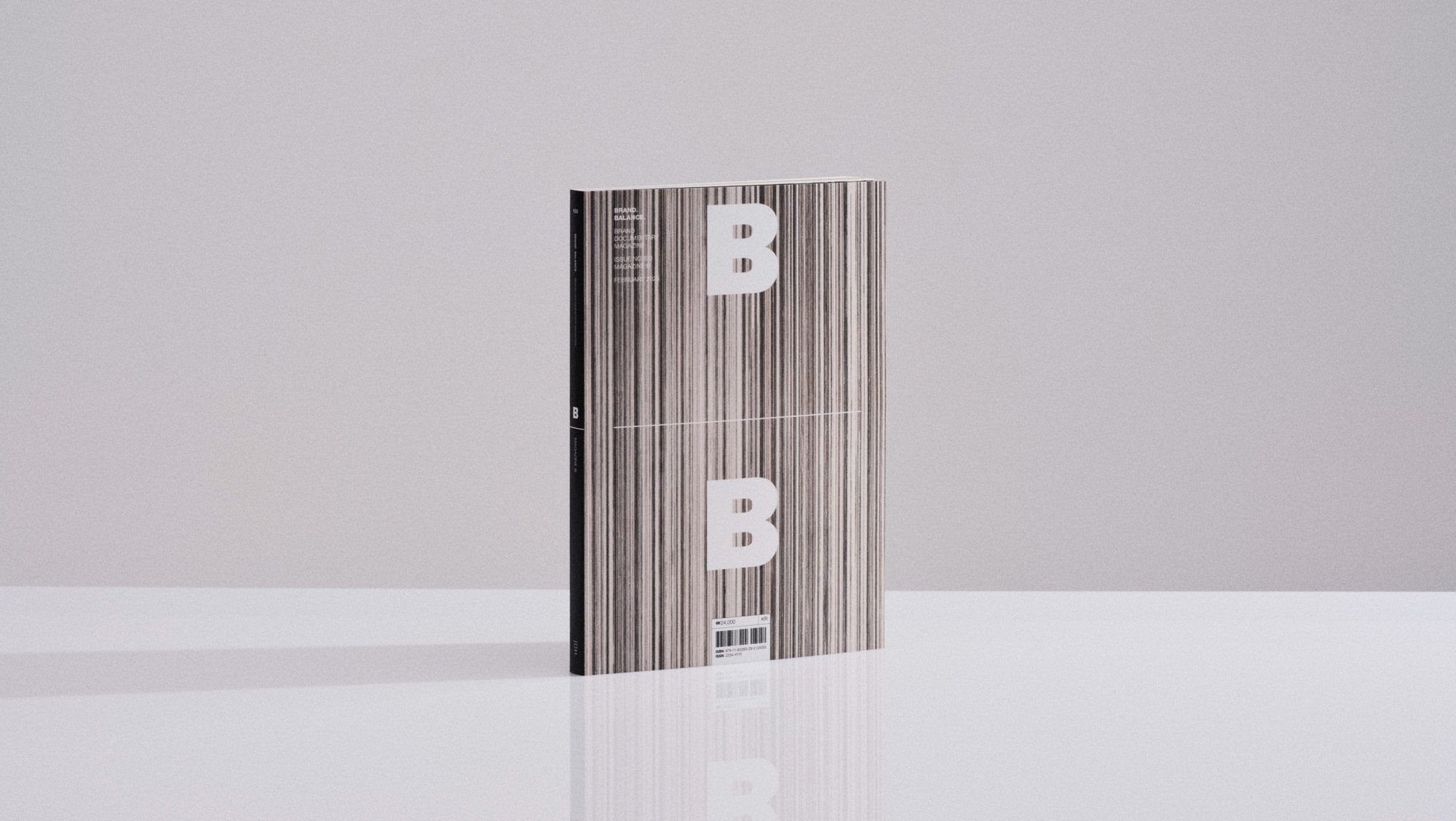
SJ: Working on Issue No.100 was primarily a deeply meaningful chance to pause and reflect on our journey—though there was certainly a quiet excitement in finally fulfilling a small wish I had held since our very first issue: putting the Magazine B logo on the cover twice.
For 15 years, we had been asking other brands about their work, their struggles, and their beliefs. With our 100th issue, we made the bold choice to turn the lens on ourselves and explore Magazine B as a brand in its own right. We asked ourselves the exact same fundamental questions we always ask others: Why did we start? What has changed? And what have we chosen to keep?
As for the process, after years of interviewing founders, makers, and everyday users of other brands, we applied that exact documentary lens to ourselves—revisiting our archives, examining how we have evolved, and speaking candidly with our own team and readers about what Magazine B stands for today.
art4d: What does the cover of this issue represent?
SJ: I have personally designed every single cover of Magazine B since our very first issue, and for our 100th issue, I wanted the cover to physically embody the history we have accumulated over the past 15 years.
Instead of showing the front or the spine, we stacked our past issues together and photographed the edges of the pages—the side opposite the spine. Looking at those layered edges, you can see a natural pattern formed by the paper itself. To me, it represents the weight of many years, built up quietly one issue at a time. Just like our magazine is made to be kept on a shelf like a book rather than thrown away, this cover is a visual record of our consistency.
art4d: We know that Magazine B has two sister publications, Magazine F and Magazine C. What inspired the creation for each of these two magazines, and can we expect to see new titles exploring other subjects in the future?
SJ: Both Magazine F (Food) and Magazine C (Chair) started from a very simple realization: the documentary lens we developed through Magazine B does not have to stop at commercial brands. Everyday ingredients like salt or bread, and iconic objects like a single chair, carry the exact same depth of human history, craftsmanship, and philosophy as any great brand.
More importantly, both titles were launched in collaboration with partner companies—building upon the editorial platform and storytelling system that Magazine B had established over the years. In that sense, Magazine F and Magazine C represent how Magazine B is evolving beyond a single publication into both a brand and an open platform.
Looking ahead, we are certainly open to exploring new subjects and formats. Rather than simply publishing more titles on our own, I am excited to keep using our platform to collaborate with thoughtful partners, introduce new perspectives, and turn ordinary subjects into meaningful cultural archives.
art4d: One could say that Magazine B is a magazine without an expiry date, since most of its content can always be revisited. Looking back, which brands do you think had ideas that were ahead of their time?
SJ: Patagonia and IKEA come to mind immediately. Decades ago, when most businesses were solely focused on growth and consumption, Patagonia boldly told customers, “Don’t buy this jacket,” placing environmental responsibility at the very center of its business. At the time, it looked radical; today, it has become the standard that every modern company is expected to follow.
IKEA was also far ahead of its time with its flat-pack furniture and democratization of design. The company realized early on that good design should not be reserved for a privileged few, and that inviting customers to participate in assembling their own furniture could build affordability while also fostering emotional attachment. Both brands saw what people would truly value long before the rest of the market caught up.
art4d: Personally, what does design mean to you?
SJ: I don’t think design is merely making an object look pretty or creating an appealing form. To me, design is a way of thinking and an attitude toward life. It is the process of observing people closely, questioning why things are done a certain way, and finding the most thoughtful, balanced solution for everyday life. Whether you are designing a chair, a magazine, or a business system, good design is making the creator’s philosophy tangible so that people can experience it naturally in their daily routines.
art4d: Today, Magazine B operates across many areas, including print, brand expertise, and entrepreneurship. How do you define Magazine B, and how do you define yourself?
SJ: I define Magazine B as a ‘brand documentary’ and an archive of human attitudes. Across everything we do, our core remains the same: observing balanced brands with honesty and translating their philosophies into stories people can learn from.
As for myself, I used to be introduced simply as a designer or a creative director. Today, I define myself as an observer, editor, and maker. Whether I am publishing a magazine, developing a hotel, or building a neighborhood space, my work is always about spotting what is missing in everyday life and editing those elements into a cohesive, meaningful experience.
art4d: While you feature brands that embody balance and philosophy, is there a particular brand that has had a major influence on you?
SJ: Apple and MUJI have influenced me most deeply, though from very different angles. From Apple, I learned the power of standing at the intersection of technology and the humanities—proving that a product’s true value comes from a clear human perspective rather than technical specs alone.
From MUJI, I learned the beauty of restraint and humility. Seeing how a global company can maintain such quiet consistency without relying on aggressive marketing—and instead encourage people to live a little more attentively—has deeply shaped how I run Magazine B and approach my own projects.
art4d: Final question: what kind of philosophy do you think reflects the zeitgeist today, and has that philosophy changed the definition of a brand?
SJ: In an era where AI and technology can generate flawless products and clever ideas in seconds, the philosophy that defines our zeitgeist is authenticity and human perspective. People are no longer impressed simply by how well or how fast something is made; they ask who made it, why they made it, and what attitude they hold toward the world.
Because of this shift, the definition of a brand has fundamentally changed. A brand is no longer simply a logo, a clever marketing campaign, or a symbol of status. Today, a brand is a shared worldview and a way of life. It is the result of a creator taking an ordinary idea through a rigorous, honest process to transform it into something that genuinely resonates with human lives.