NITAPROW DESIGNED AR-KAAN DEE AS AN OFFICE BUILDING COLLABORATIVELY CREATED BY ALL FOUR FAMILY MEMBERS
TEXT: KITA THAPANAPHANNITIKUL
PHOTO: KETSIREE WONGWAN
(For Thai, press here)
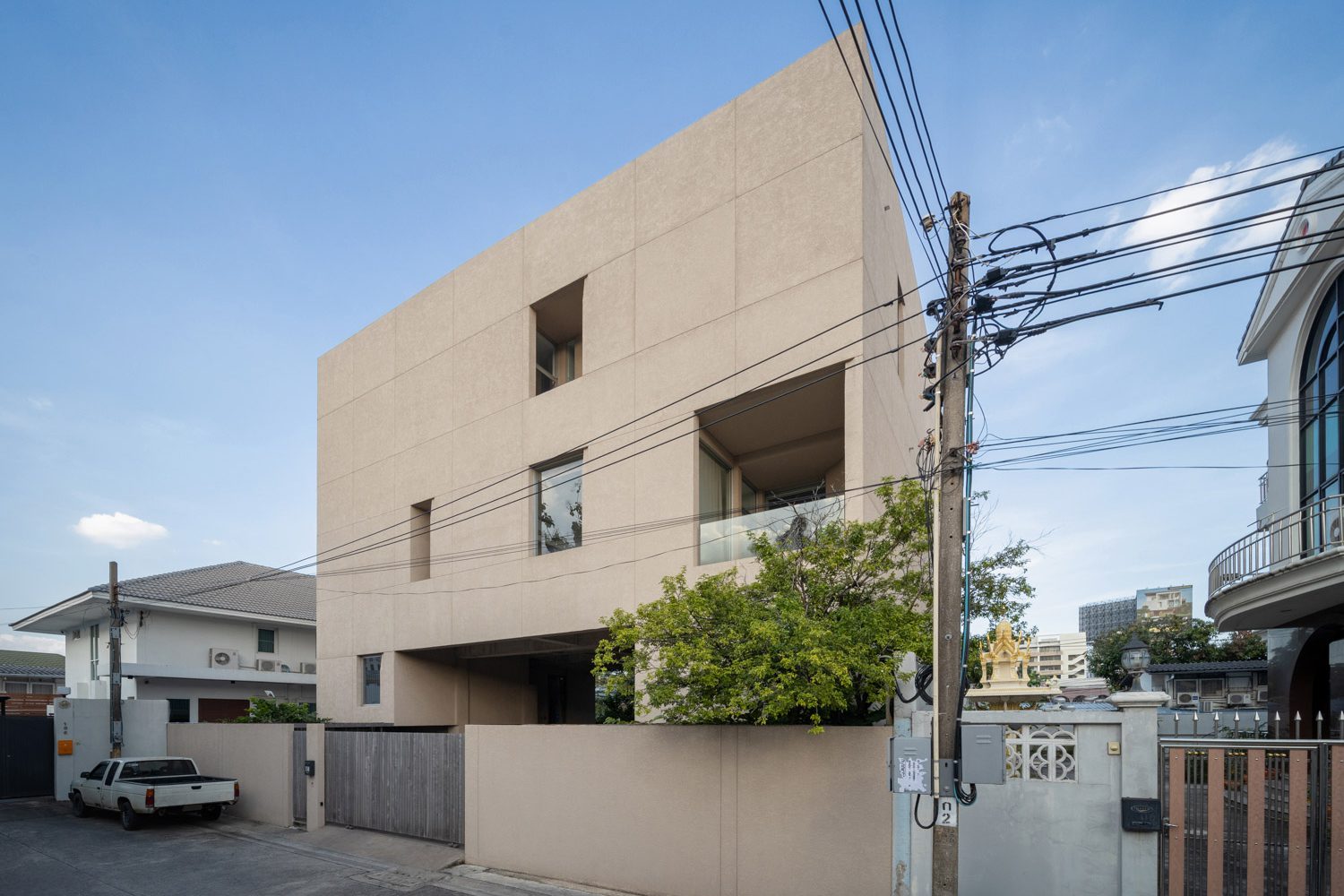
Ar-Kaan Dee is a three-storey office building that is the operation base of three distinct yet interconnected design studios: NITAPROW, the architectural practice of Nita Yuvaboon and Prow Puttorngul, who also served as the building’s architects; PICHAYA, the industrial design studio of Pichaya Puttorngul; and POOOCH & PURRR, a studio dedicated to furniture design for pets. Spanning 900 square meters on Rama IX Road, the building houses these creative spaces across its three levels. Behind its clean, minimalist lines lies a layered narrative of differing viewpoints—a set of intentional intersections shaped by the perspectives of Pichaya Puttorngul, Nita Yuvaboon, Prow Puttorngul, and Poom Puttorngul. All four, members of the same family, were actively involved in conceiving and shaping the project together.
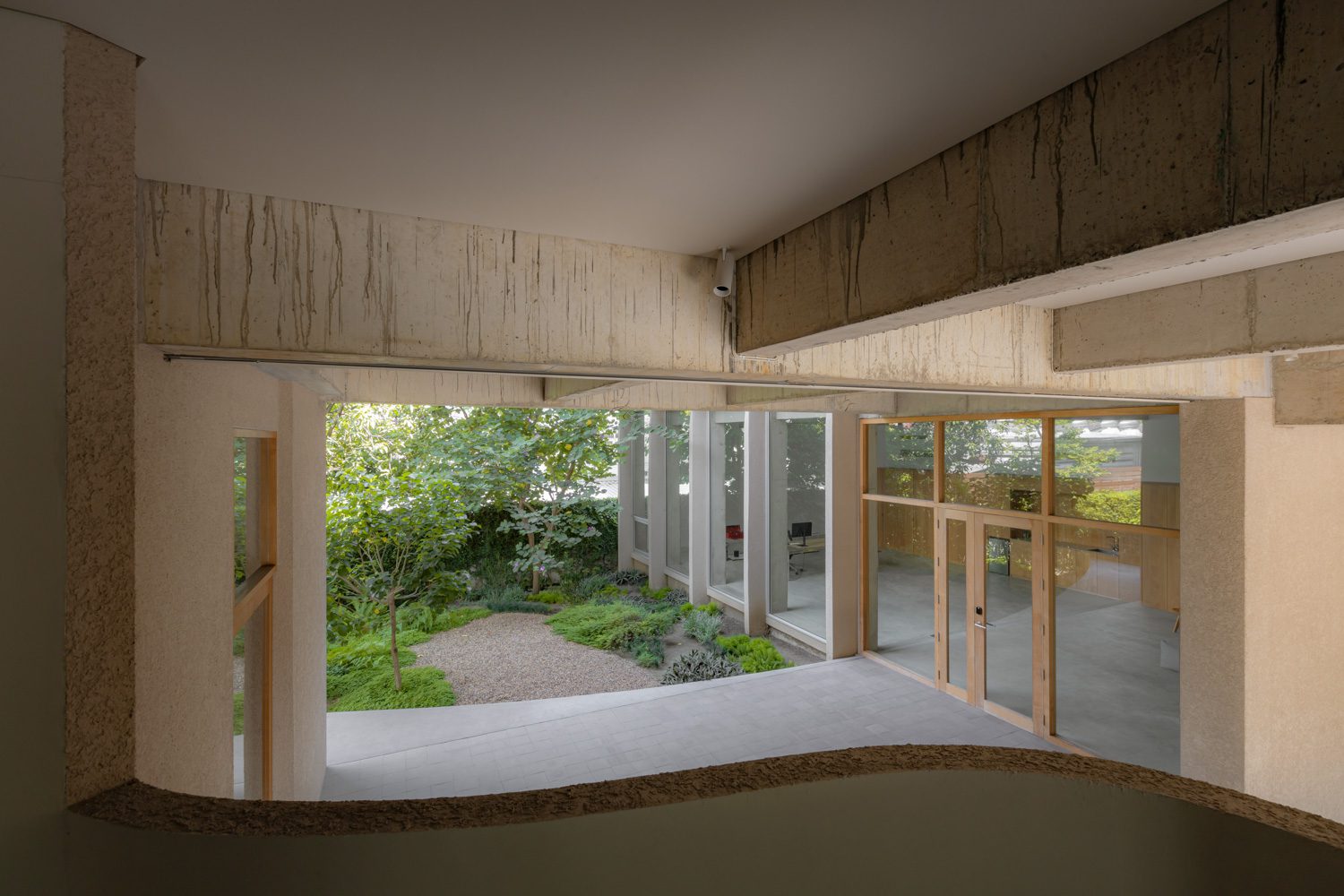
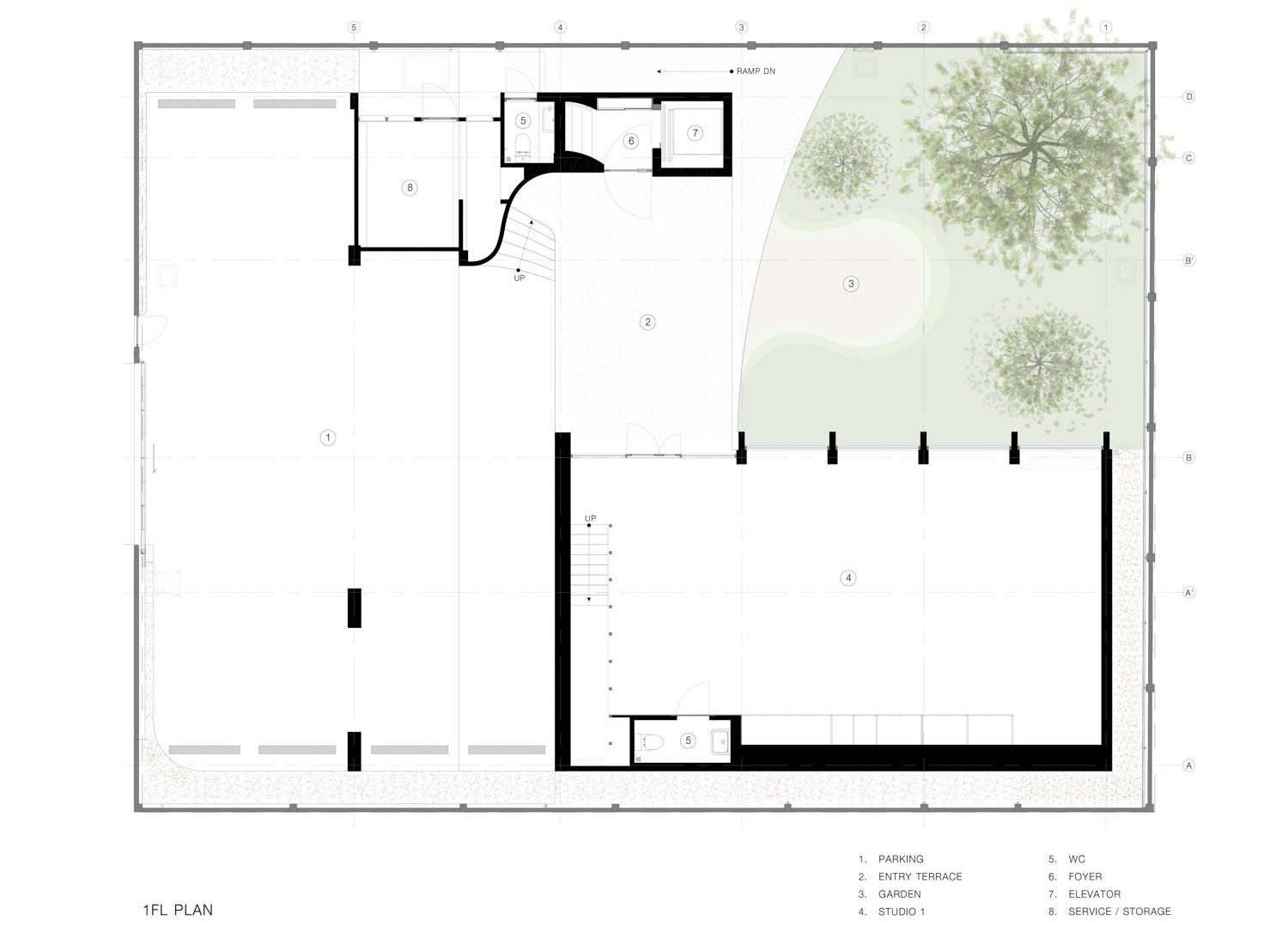
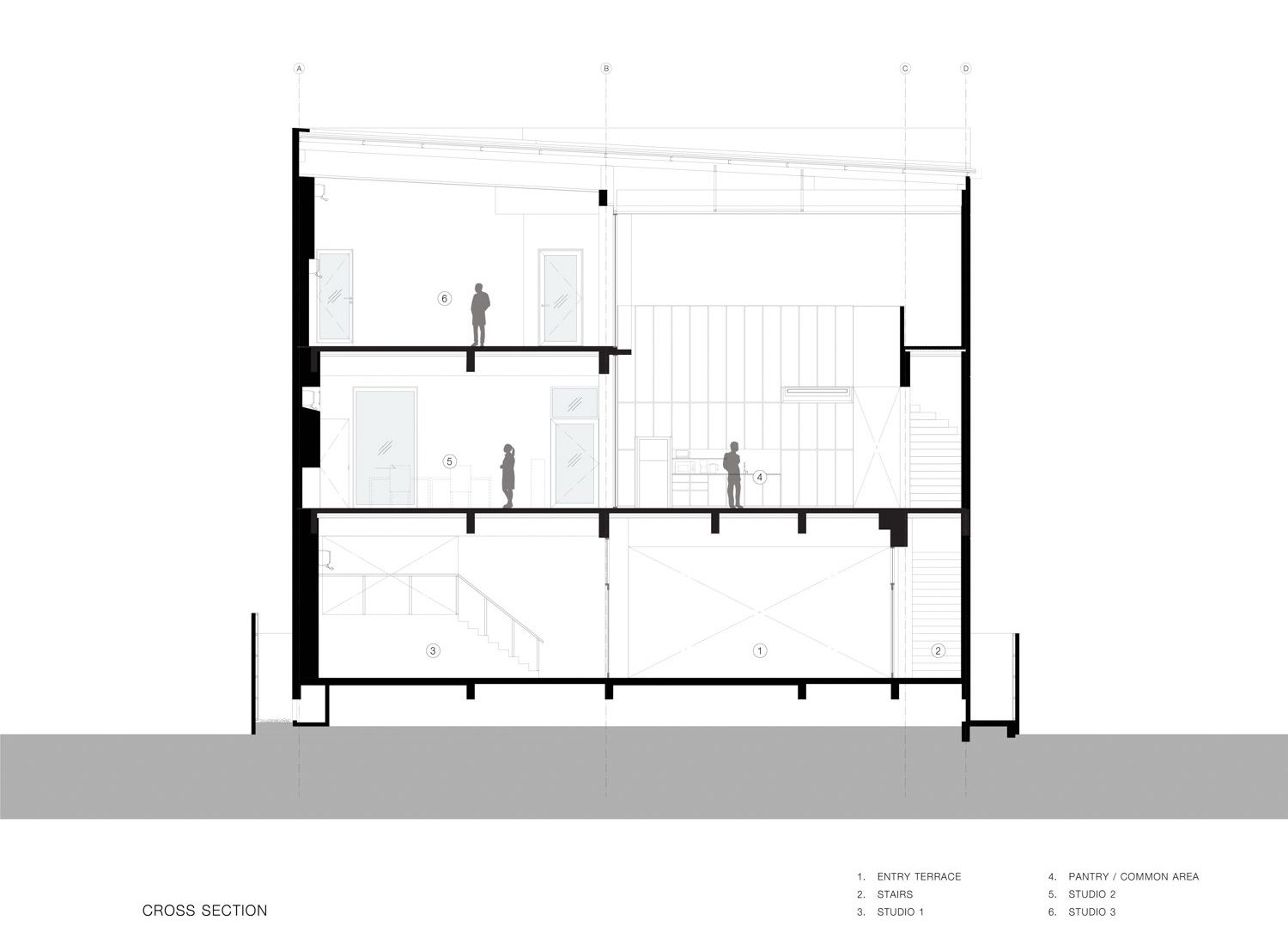
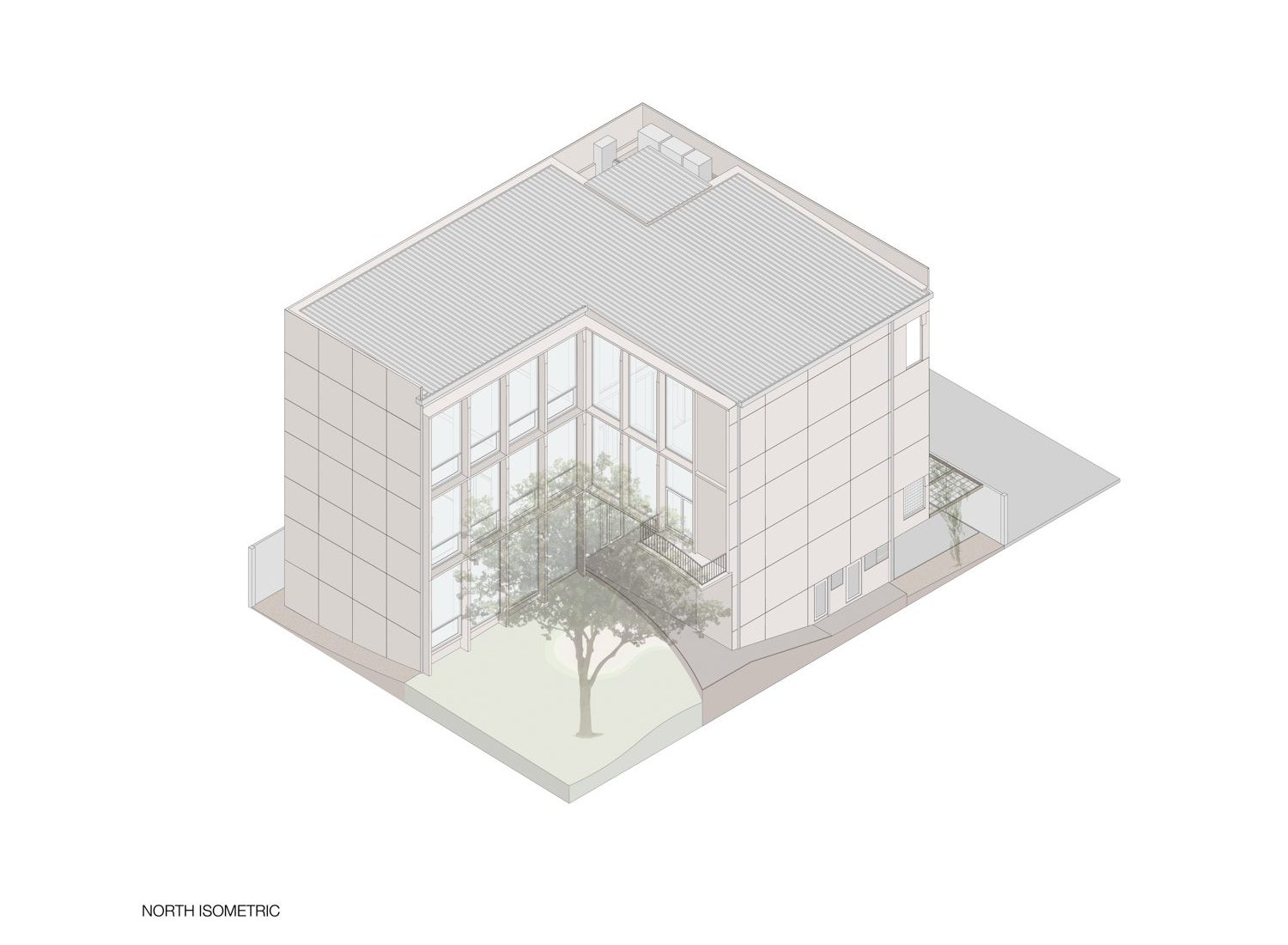
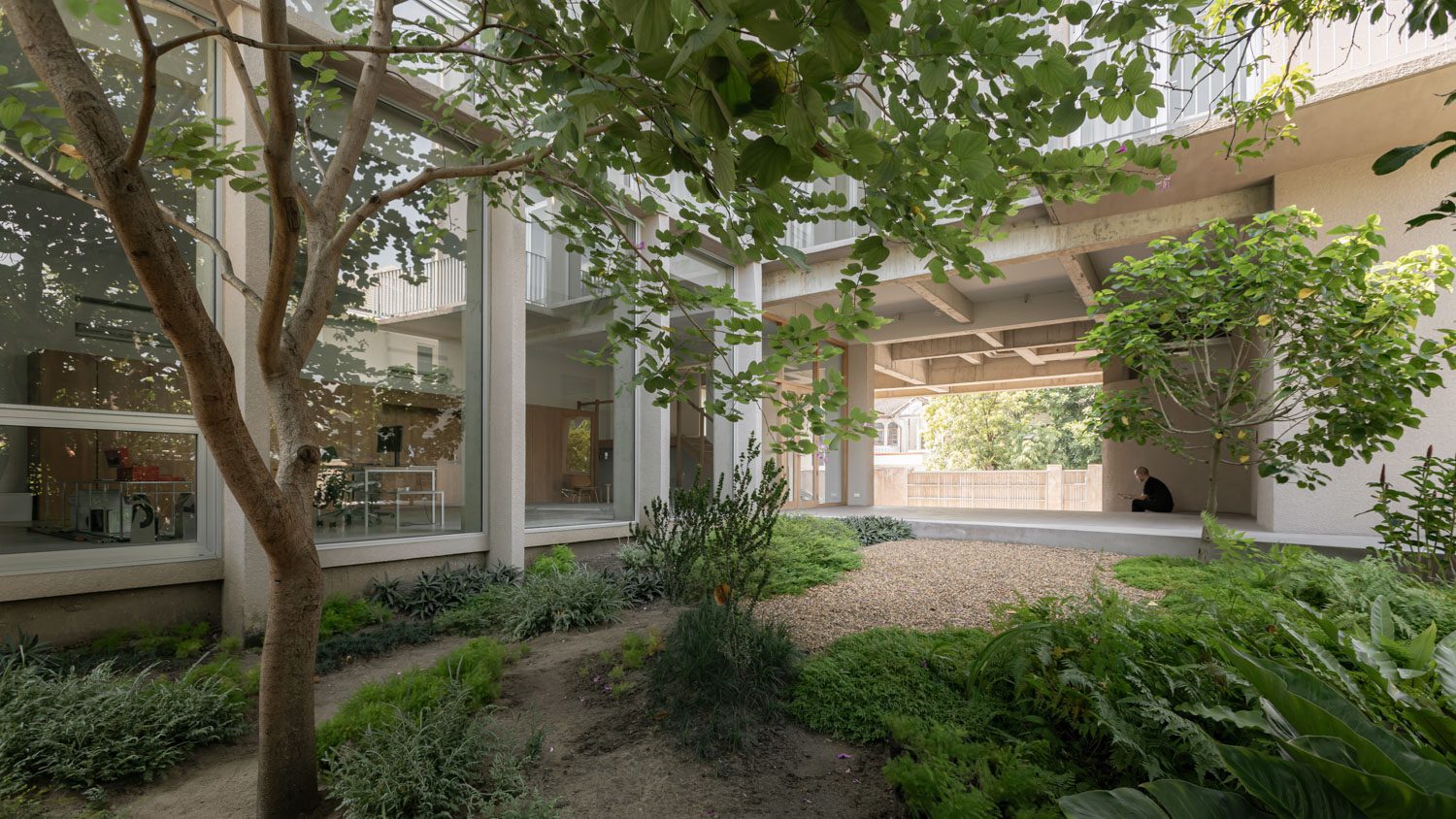
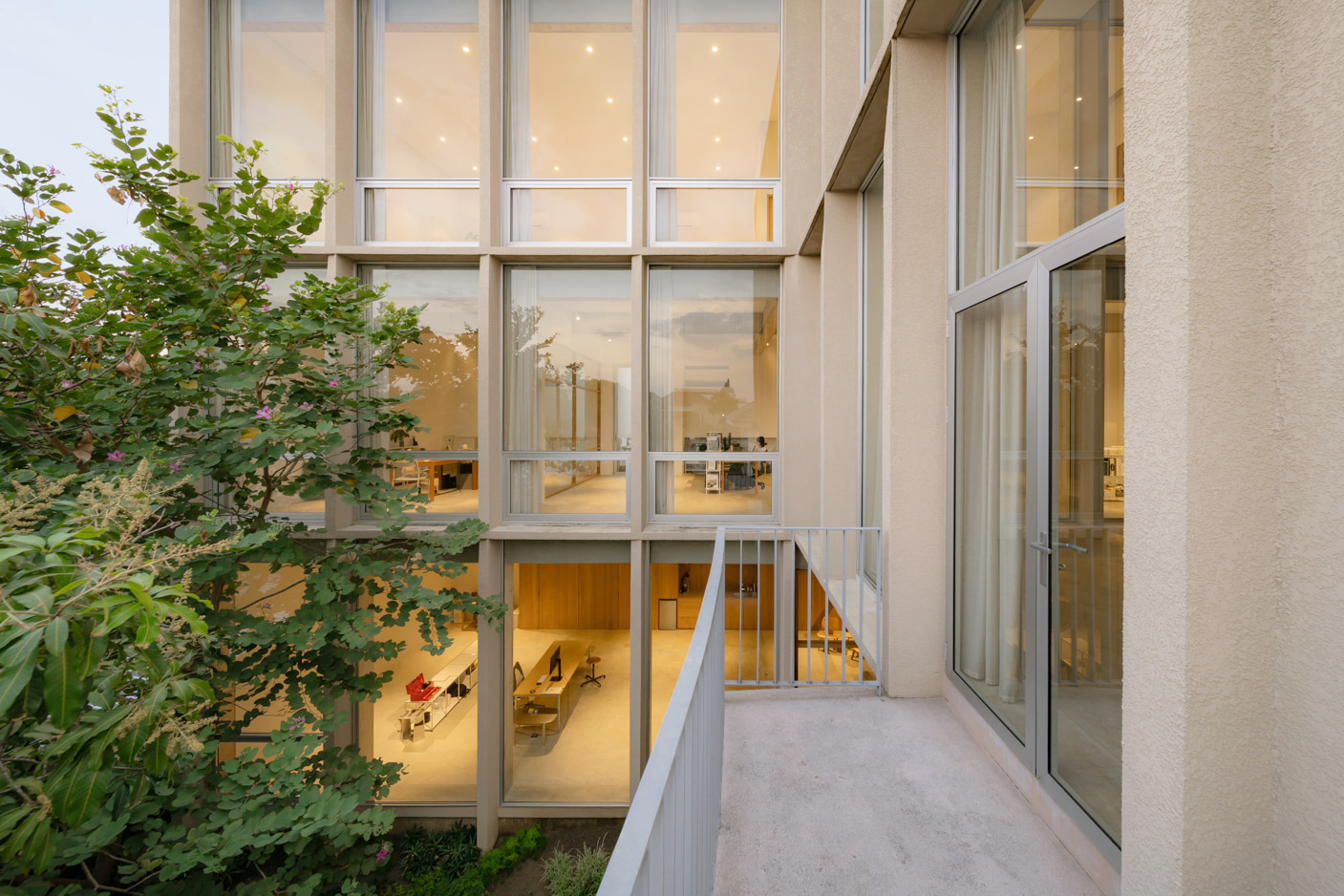
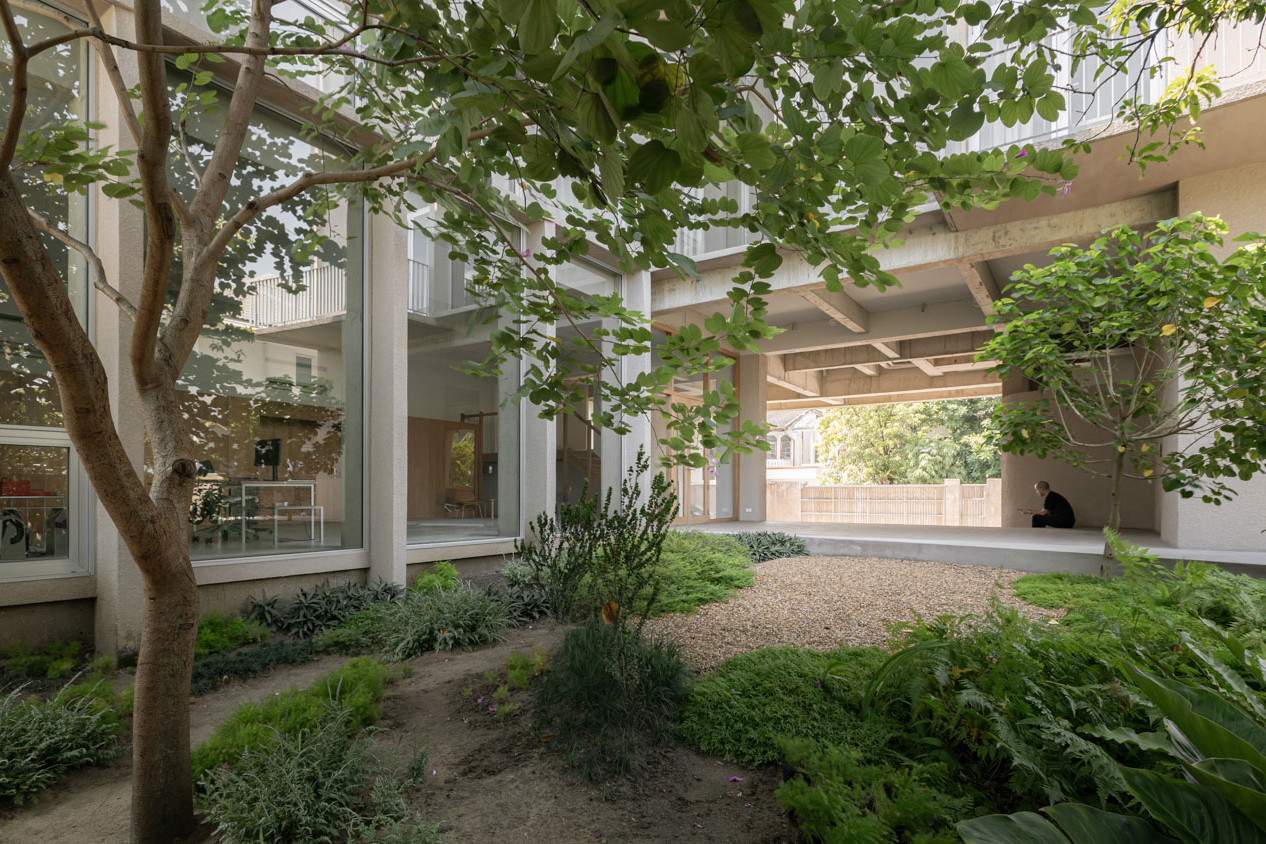
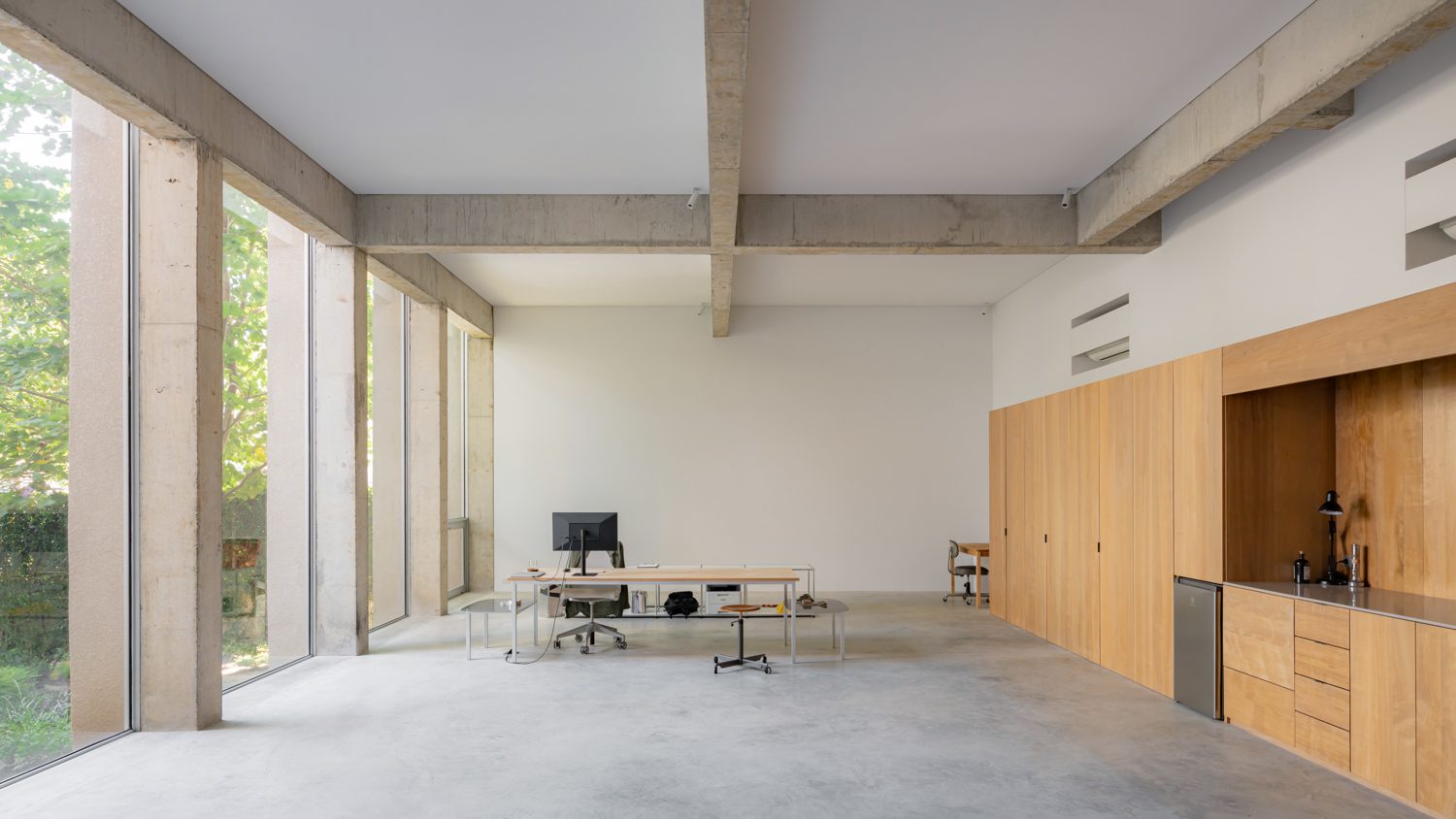
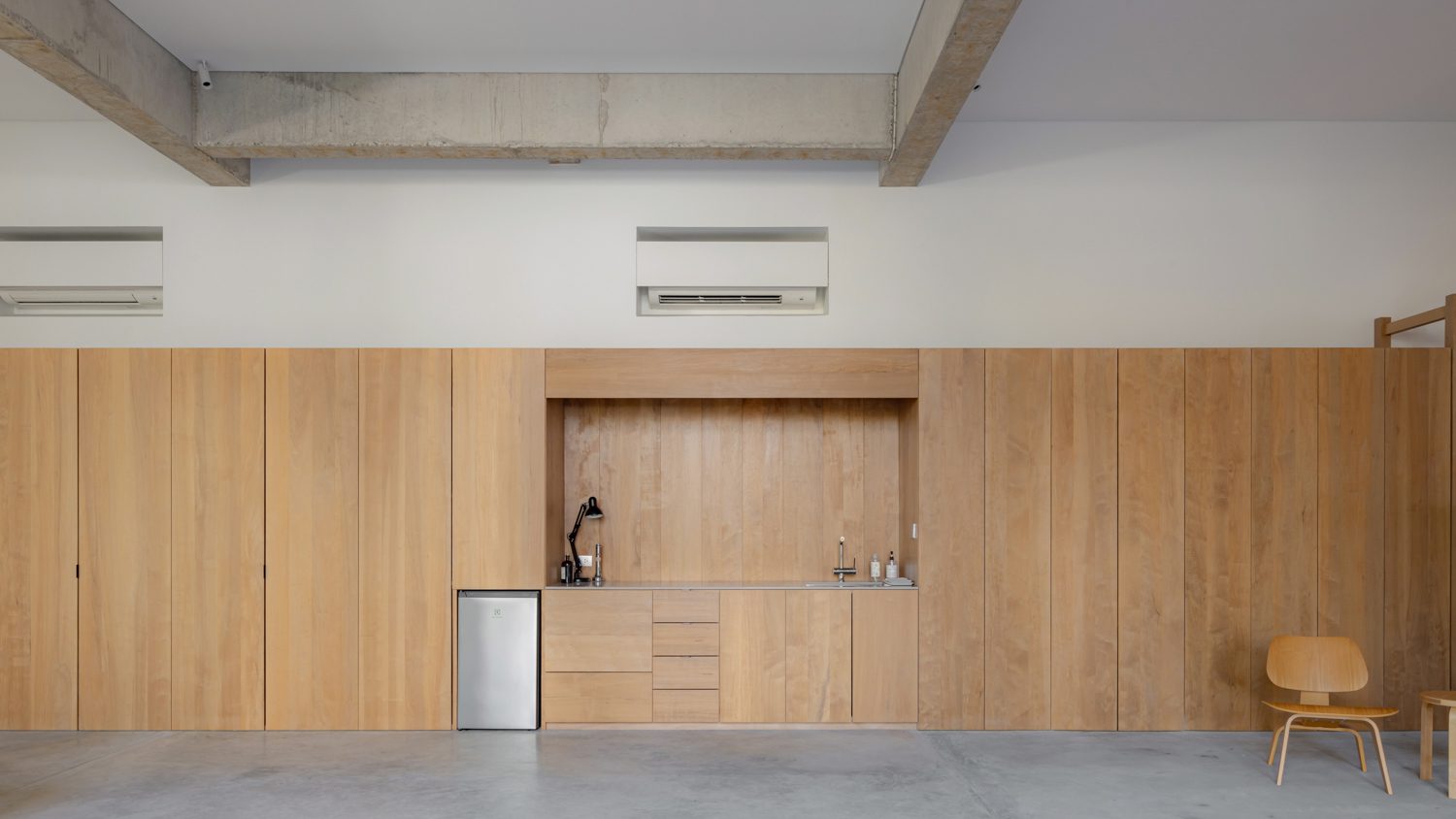
From the outset, the design process was guided by a shared emphasis on integrating greenery. This vision gave rise to an L-shaped layout that embraces a central garden at ground level, creating a sense of openness and offering calming views and natural light to every floor. On the first level, the parking area and inner garden are divided by a reception hall designed as a semi-outdoor veranda open to both breeze and view, extending out toward the rear garden. At its center, a mature mango tree has been preserved, its broad canopy providing shade that reaches the first and second floors. Running parallel to the garden on the ground floor is Pichaya’s industrial design studio. It is distinguished by a generous ceiling height and an interior defined by clarity and restraint. A wall of flush cabinetry conceals a restroom, while all service functions and storage are neatly integrated into a continuous stretch of Tabak wood built-ins along the studio’s inner wall.
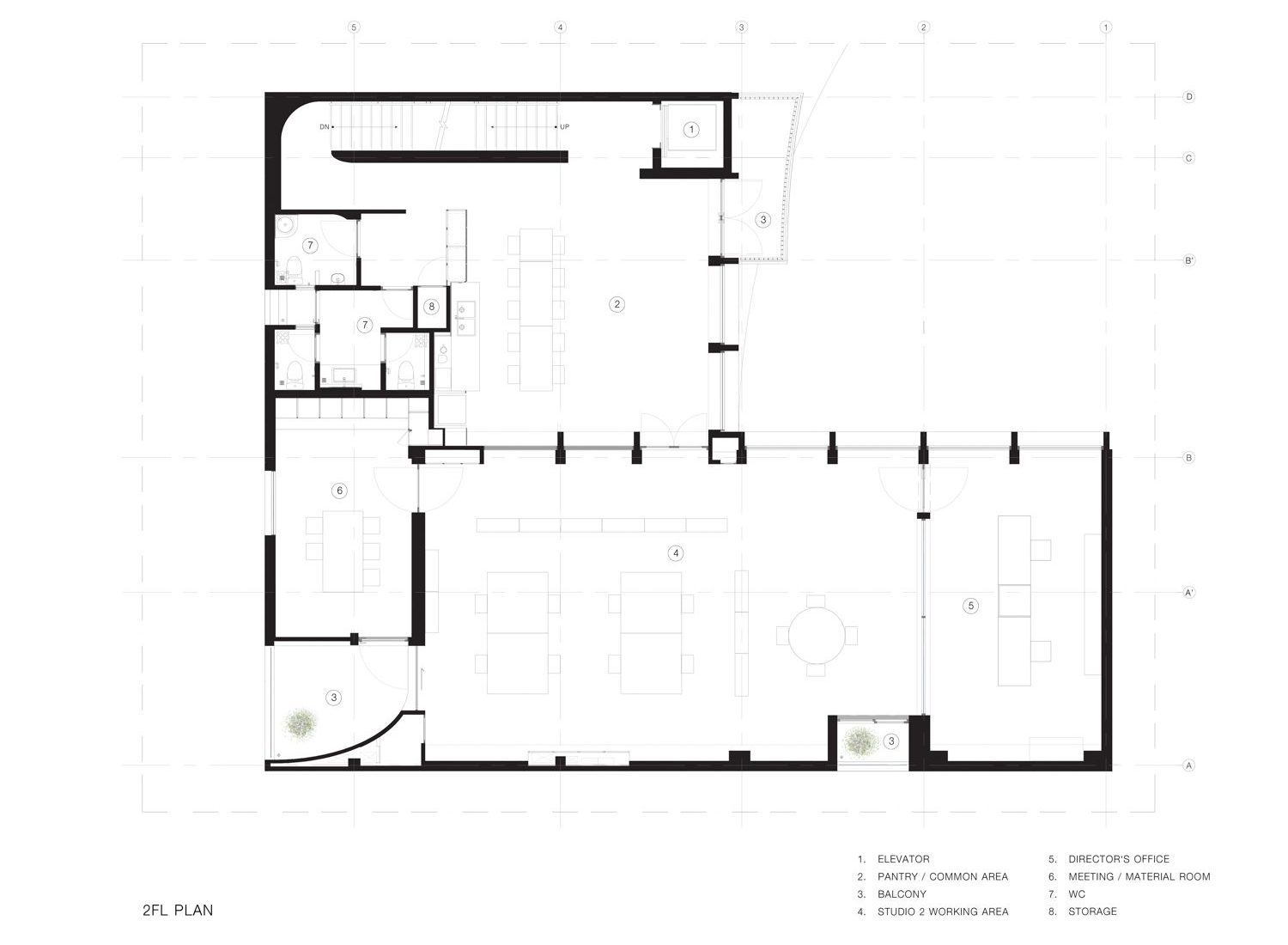
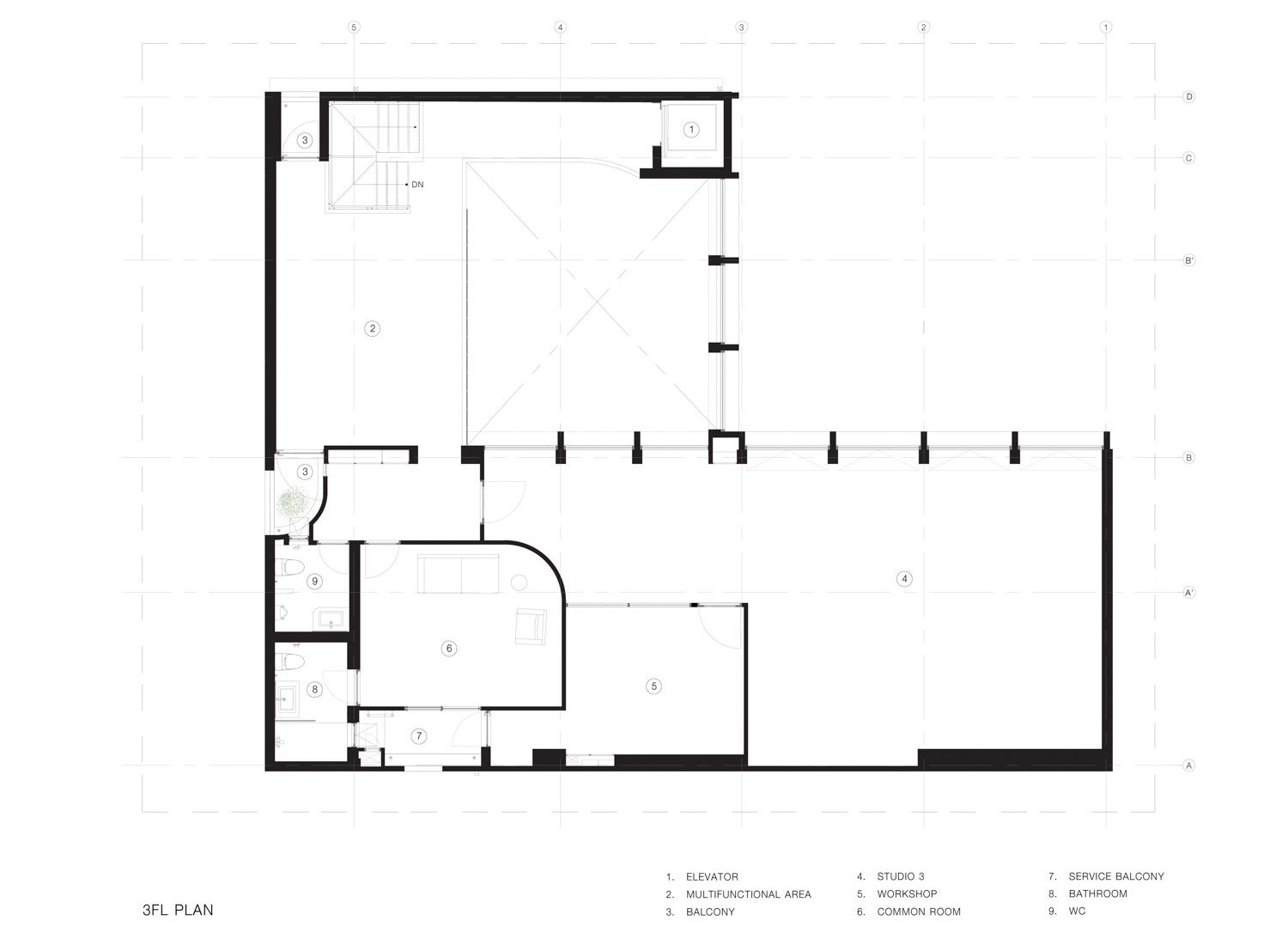
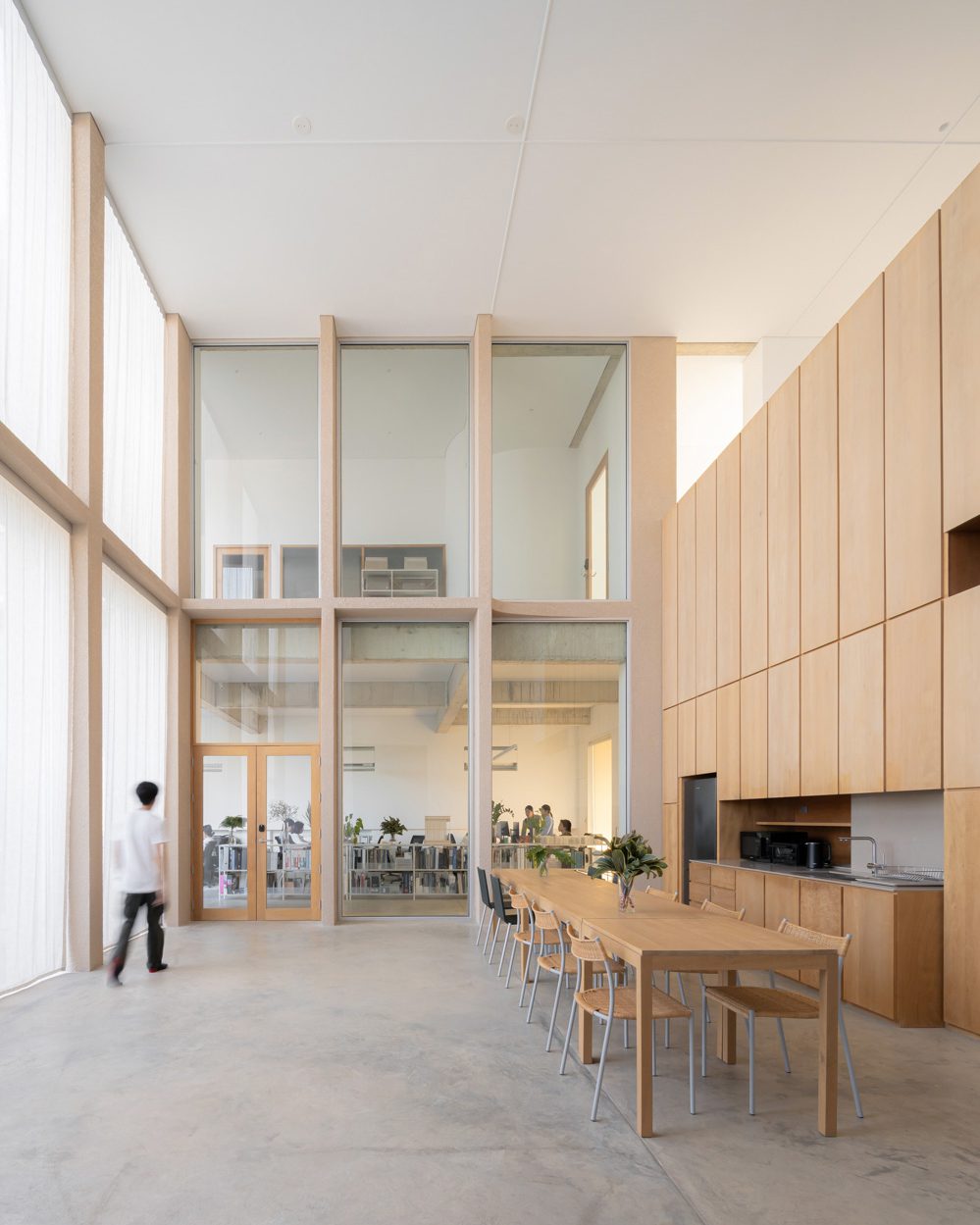
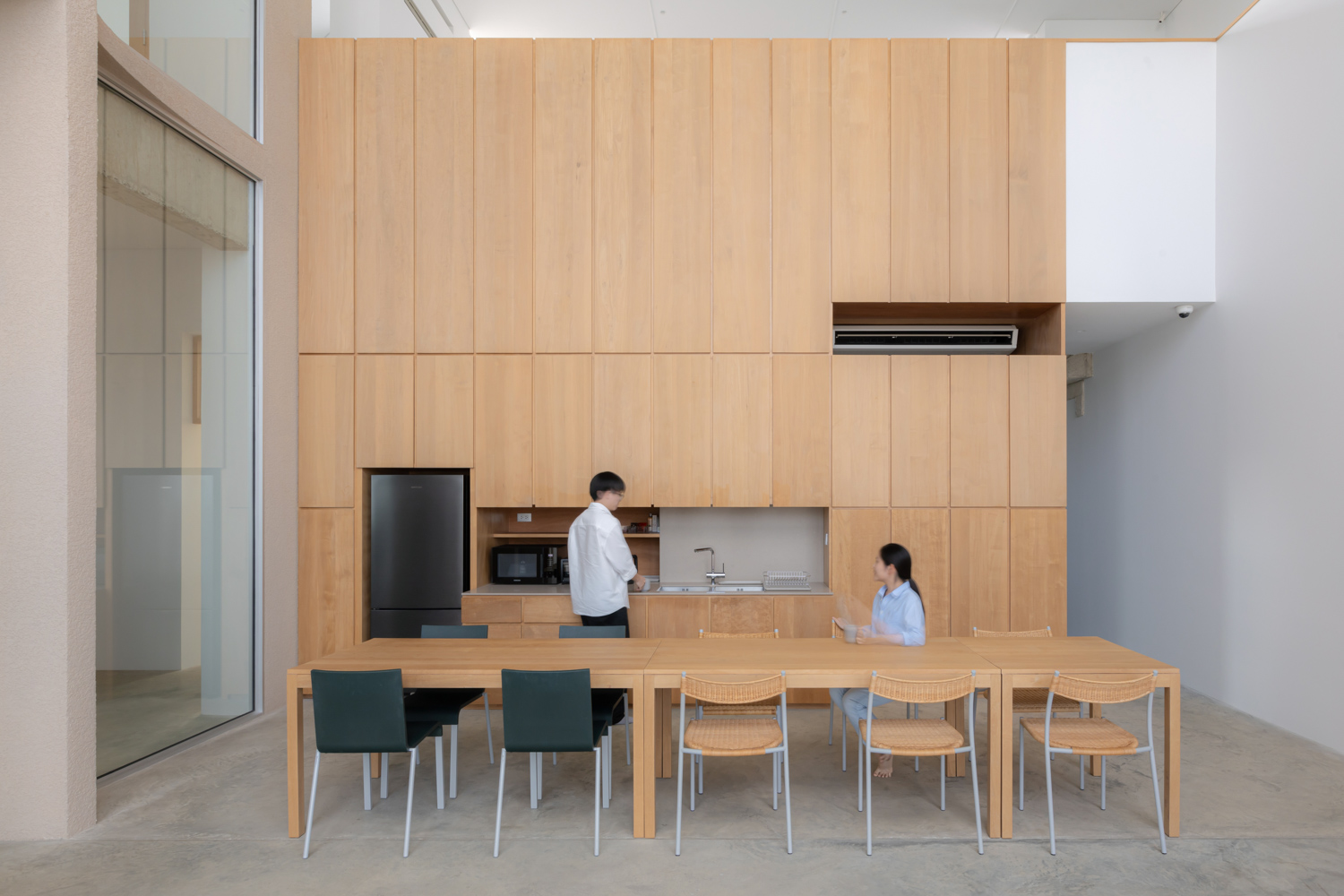
The shared reception hall on the ground floor extends upward into a spacious double-height atrium on the second floor, serving as a communal space where members of all three studios gather to relax and share meals. A full-height glass wall opens generously to the garden, drawing in natural light and breeze while offering unobstructed views of the surrounding greenery. This second-floor atrium connects directly to the NITAPROW studio and continues upward to the third floor, where Poom Puttorngul’s pet furniture studio is located. The third-floor space was designed with a ceiling height significantly greater than that of any other part of the building, in order to accommodate the tools, machinery, and components required for furniture production.
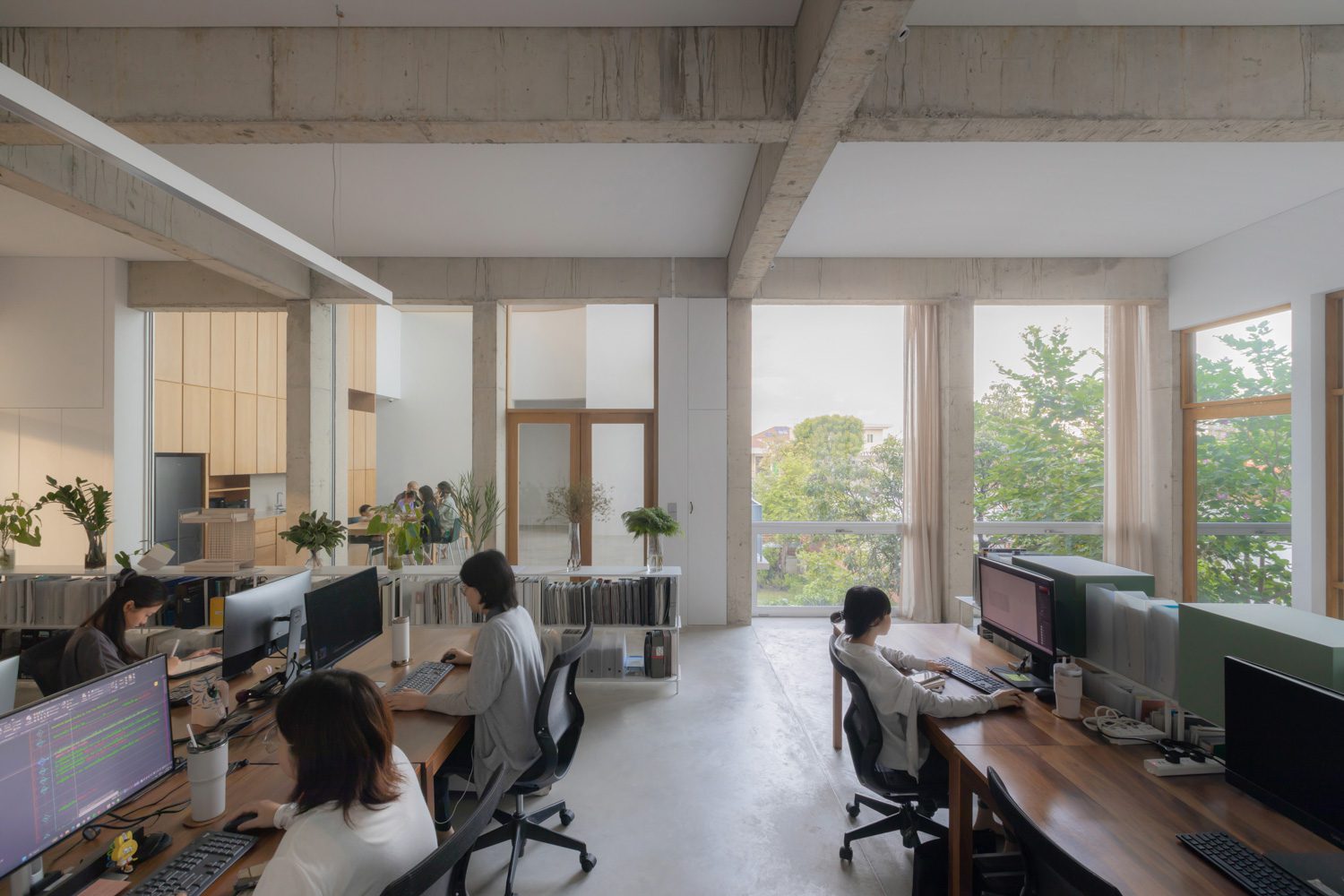
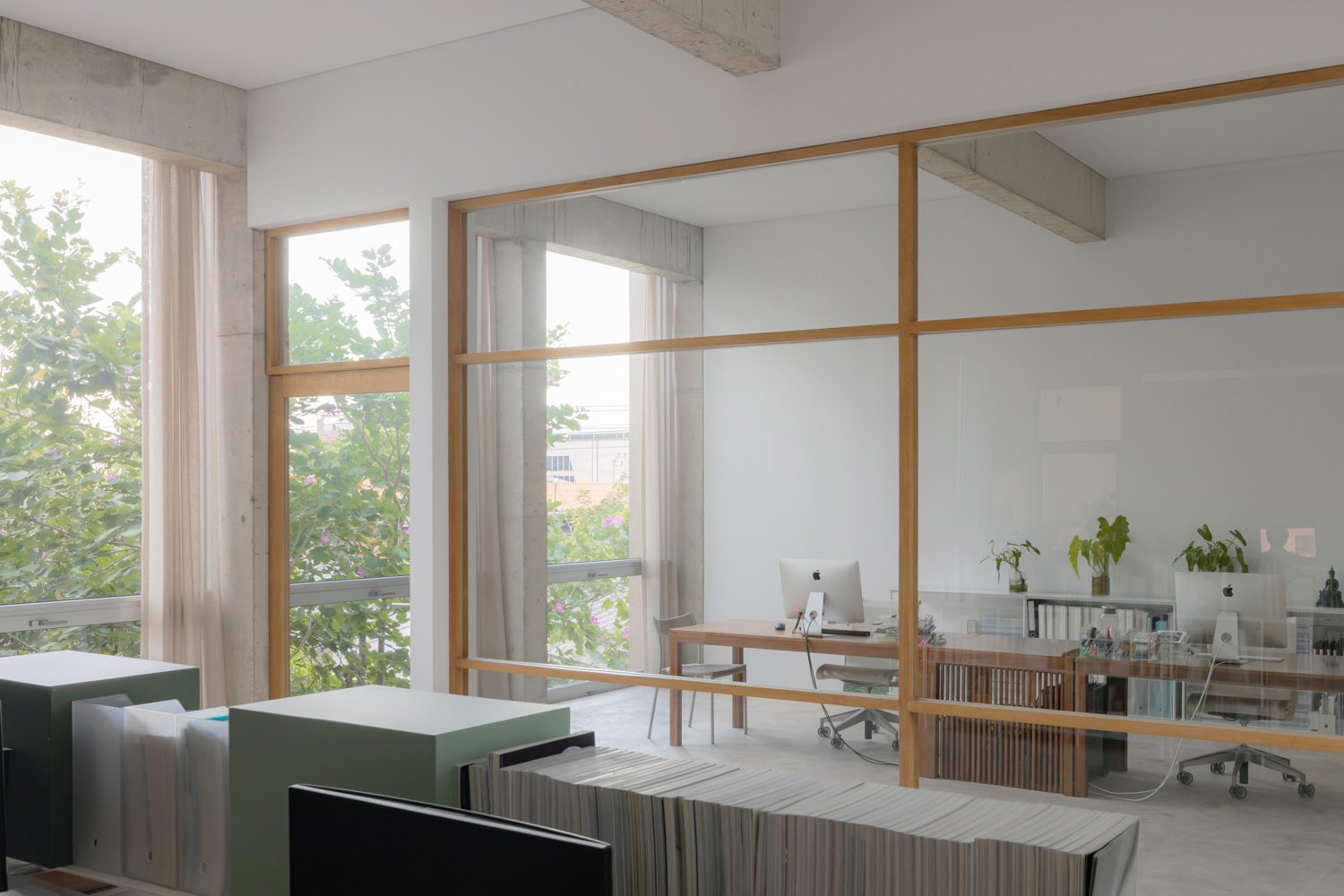
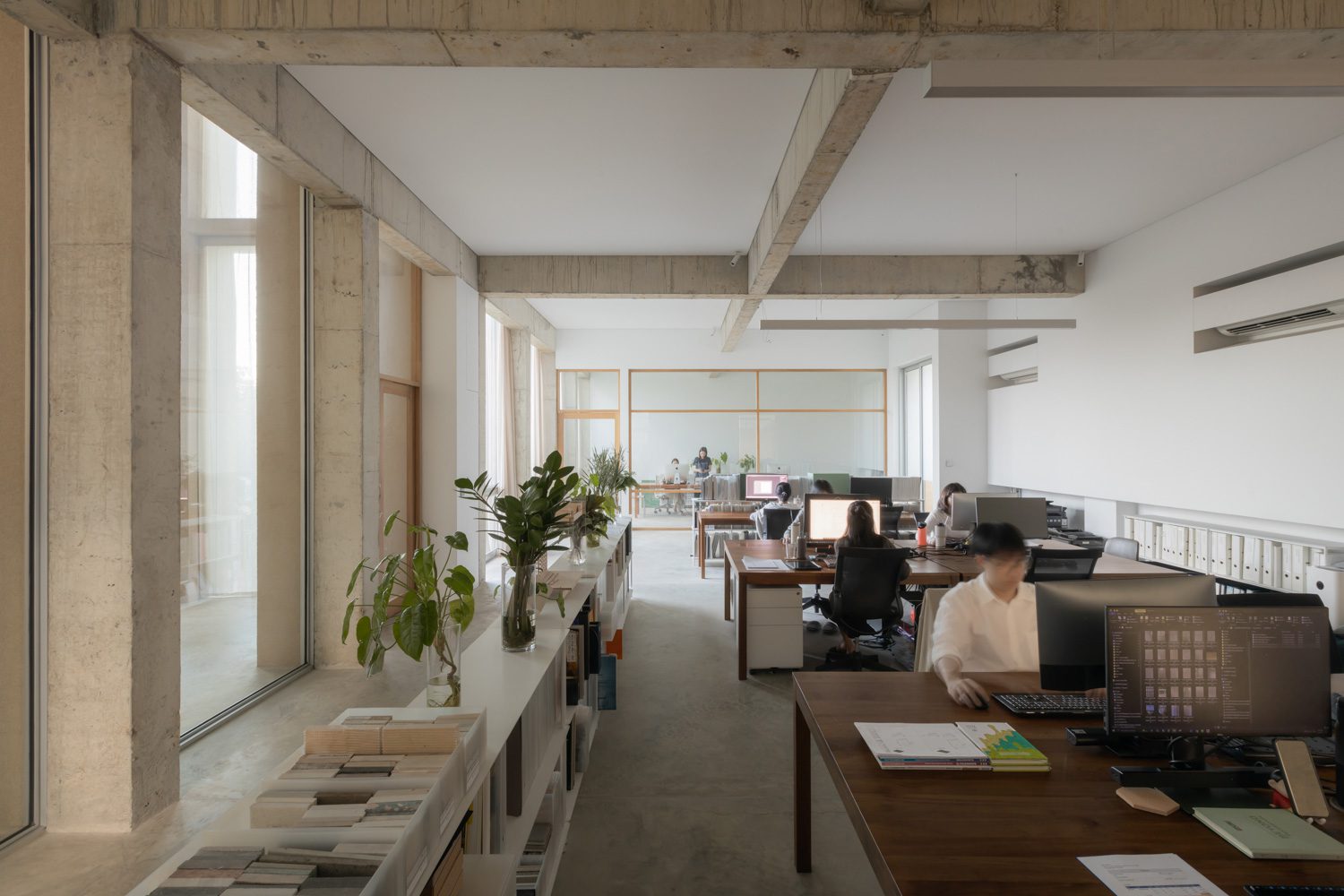
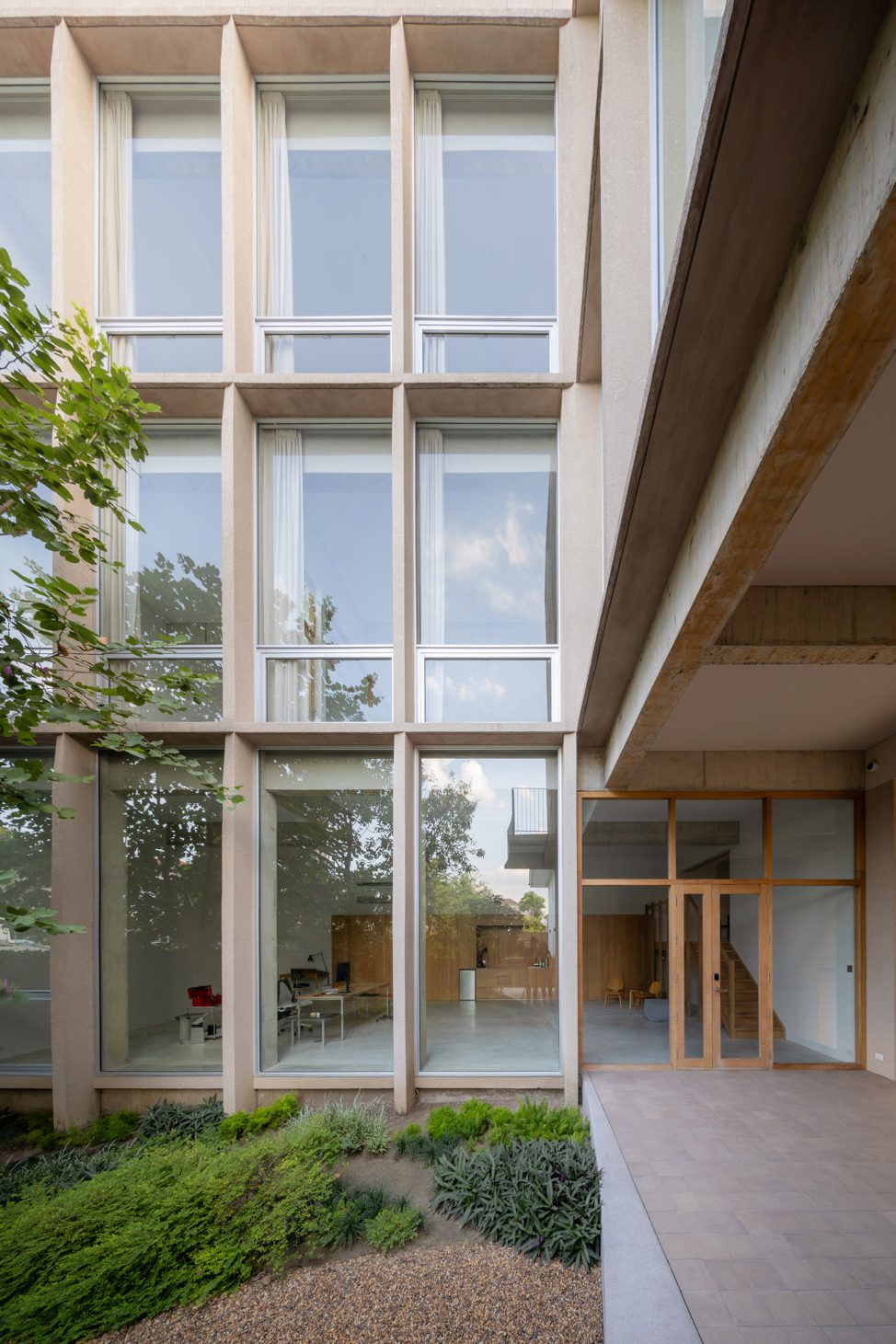
The building’s quiet simplicity and warm presence expressed through its carefully considered proportions and thoughtfully selected material palette are the result of intentional design choices. The architects drew inspiration from architectural elements found in the Seri Village housing development, where the building is located. These include vertical concrete sun-shading fins and the scale of material modules used throughout the surrounding homes. The composition brings together earth-toned textured walls, large operable glass panels, and lower-level hinged awning windows that allow natural ventilation without obstructing views. Most notably, the exposed concrete structural frame and polished concrete floors lend the building its tactile clarity and visual weight. These concrete surfaces, with their finely cast textures, as well as the rest of the construction, were executed by Dee Engineering—the construction arm of the family’s design-and-build business, whose name also inspired the building’s Ar-Kaan ‘Dee’ moniker.
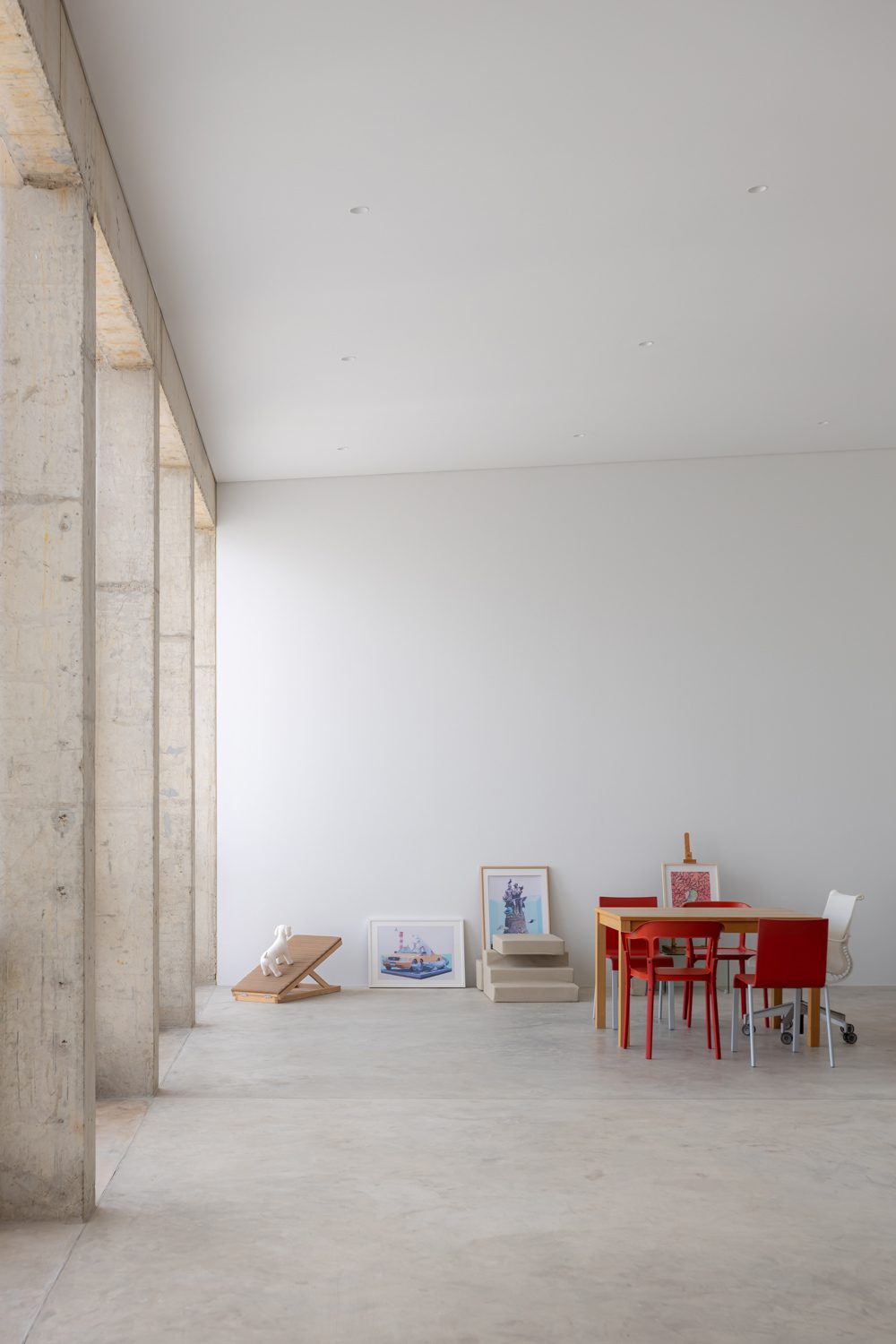
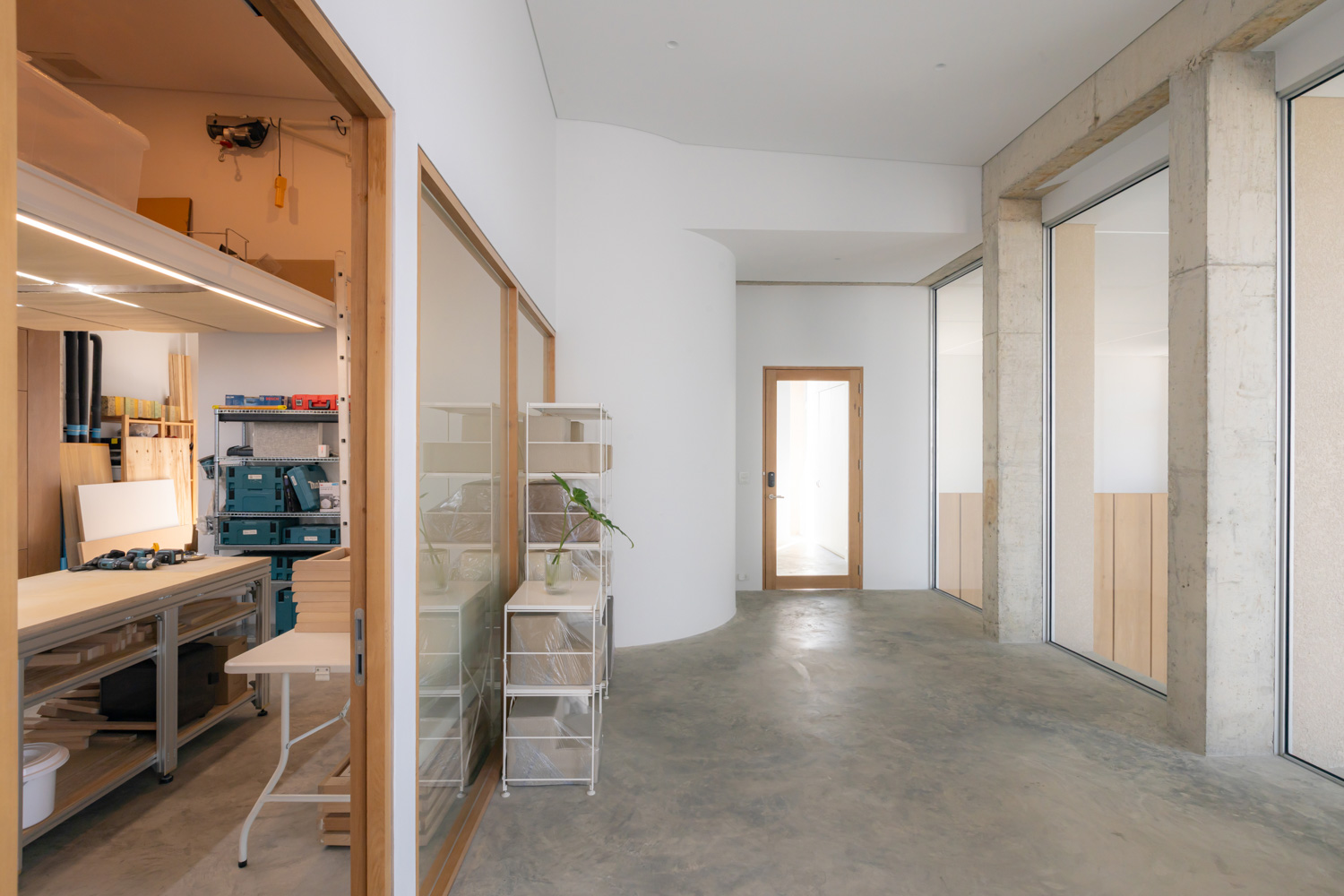
The building’s composed and cohesive appearance is the result of two full years of design discussions, often marked by spirited debate among its four users, all of whom are designers. Nita recalls that the design process was shaped by a wide range of perspectives. Rather than being a straightforward architectural exercise, it became a shared journey of learning, compromise, and deep listening among the family members, ultimately allowing the building to come into being.
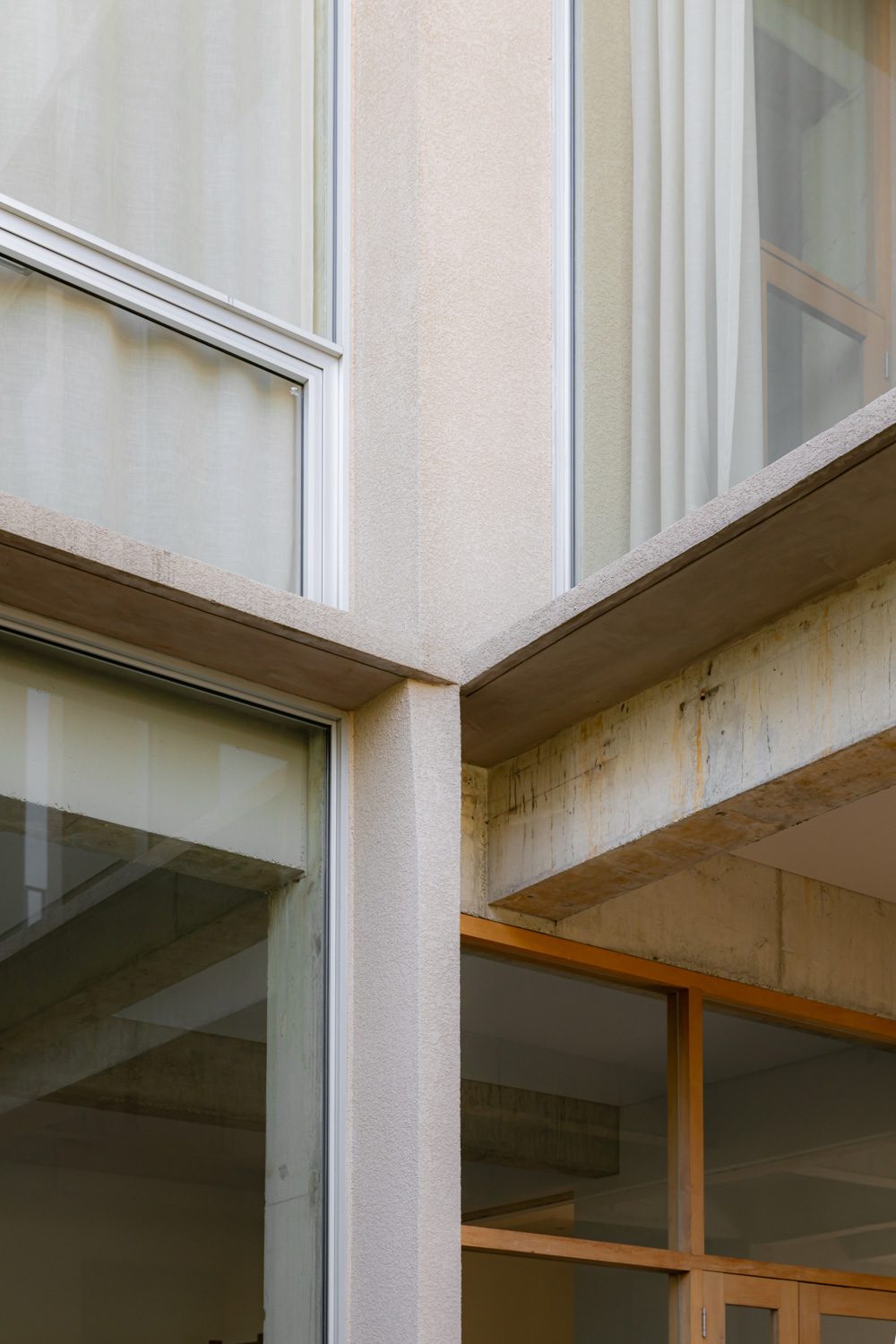
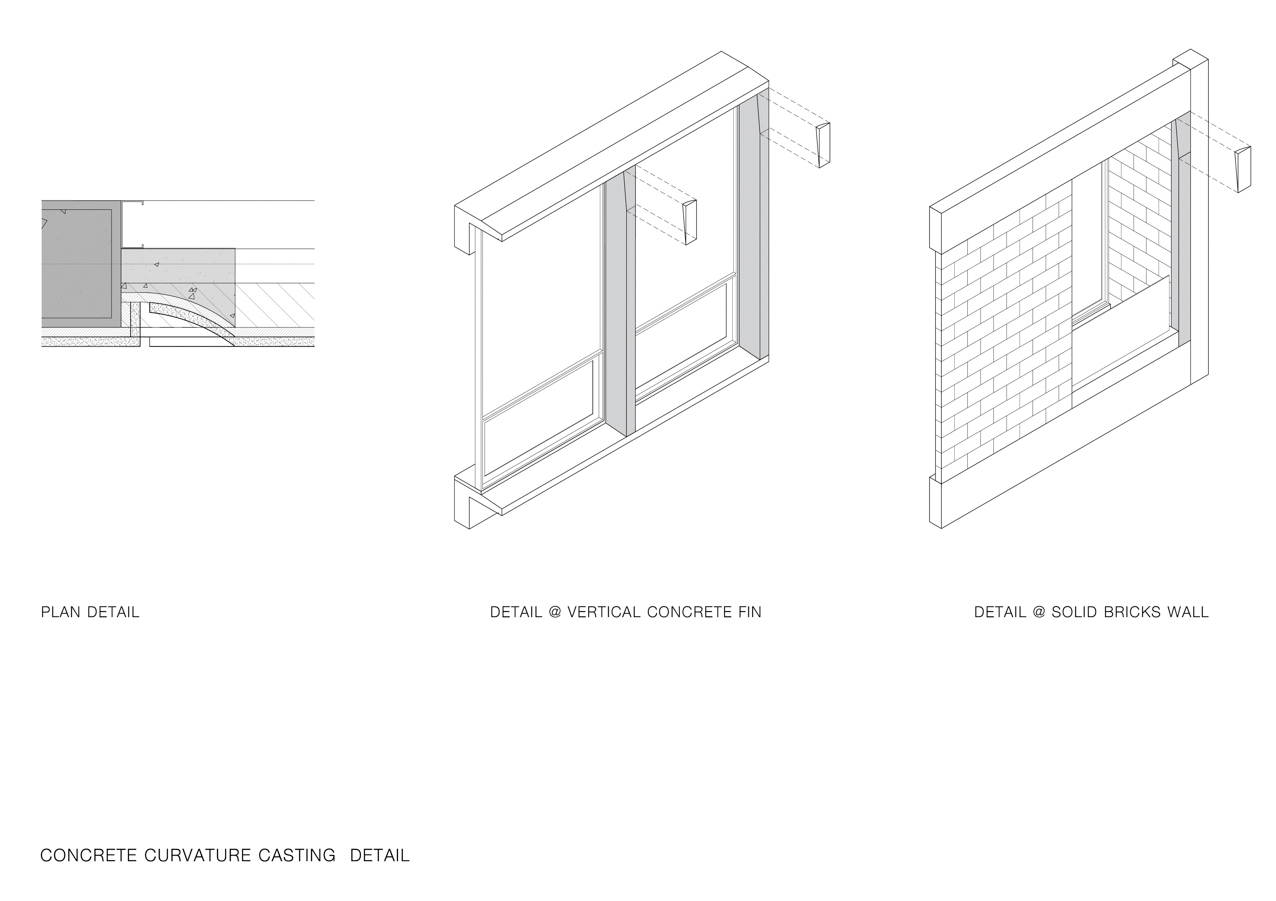
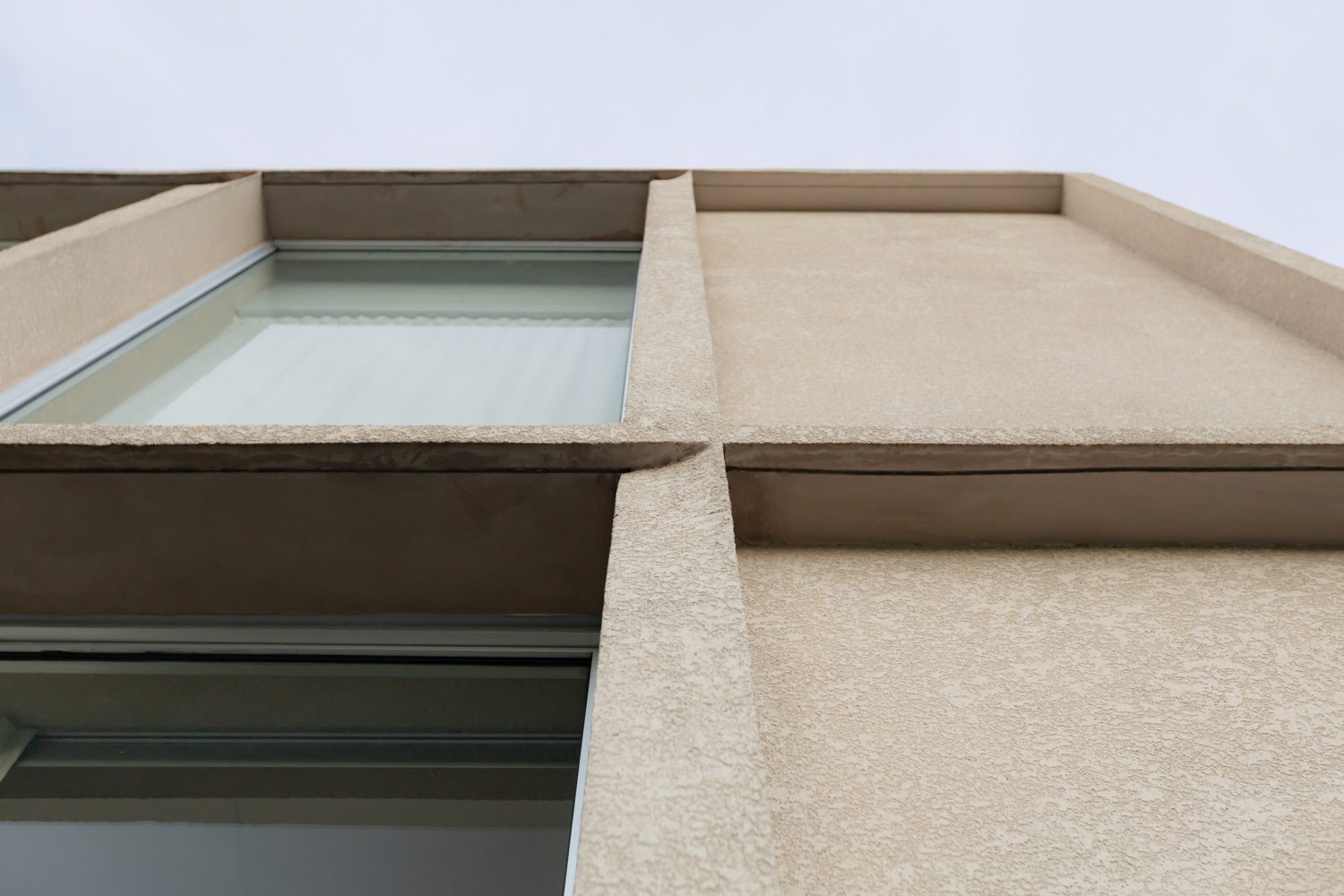
To mark this collaborative process, NITAPROW chose to encode its memory into the architectural detail of the building, specifically, in the junction between vertical and horizontal lines. Here, the vertical line bends gently as it approaches the horizontal, a gesture of yielding rather than intersecting it at a rigid right angle, as in typical construction. The column head mock-up underwent a full-scale prototyping process, tested using 3D-printed forms and various materials. A polyurethane piece was ultimately fabricated to create the mold for casting the actual concrete element crafted by Pichaya and Poom themselves. This curved junction, subtle yet deliberate, is not merely a structural detail but a narrative device that records the building’s journey, and the collective imprint of its owners.
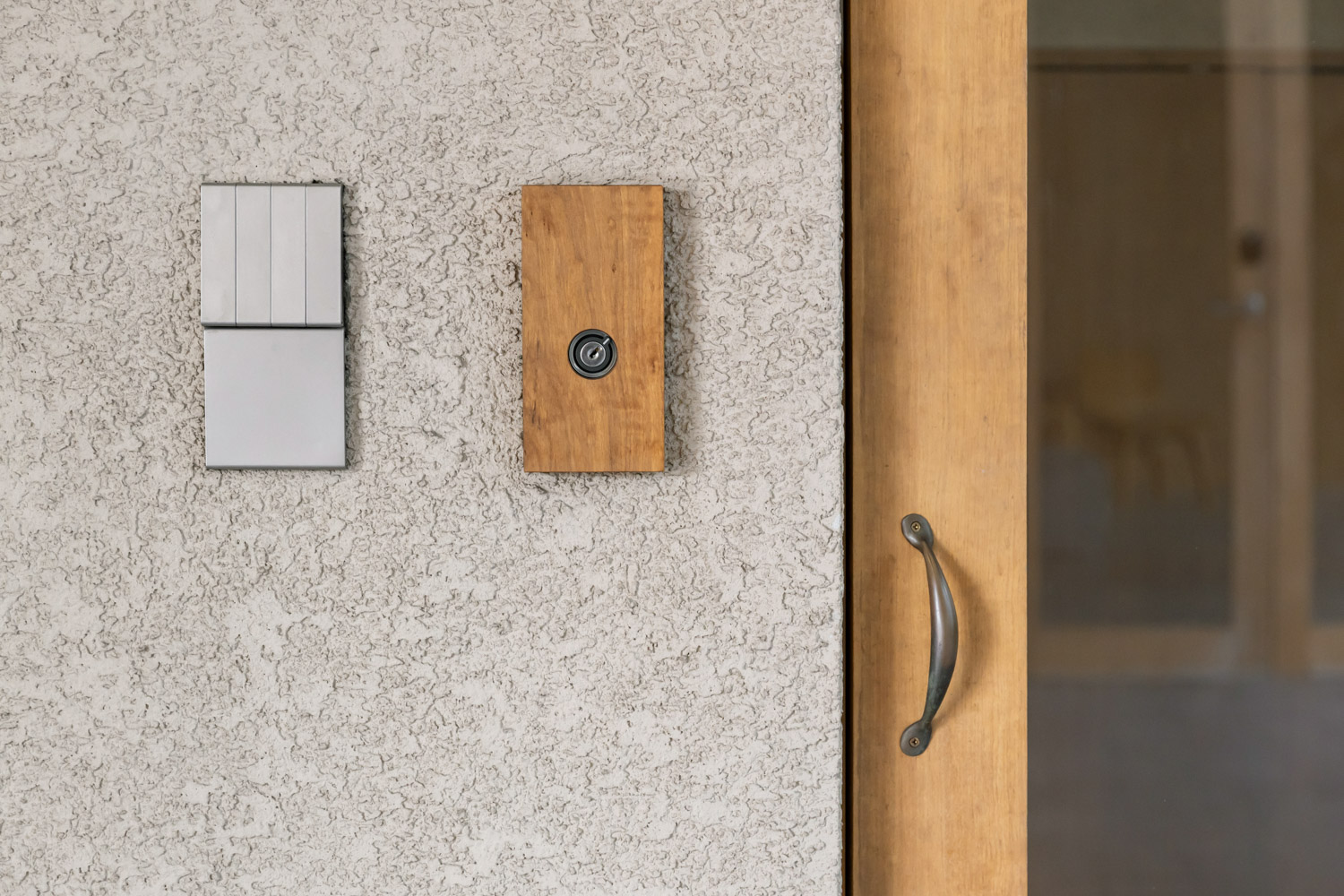
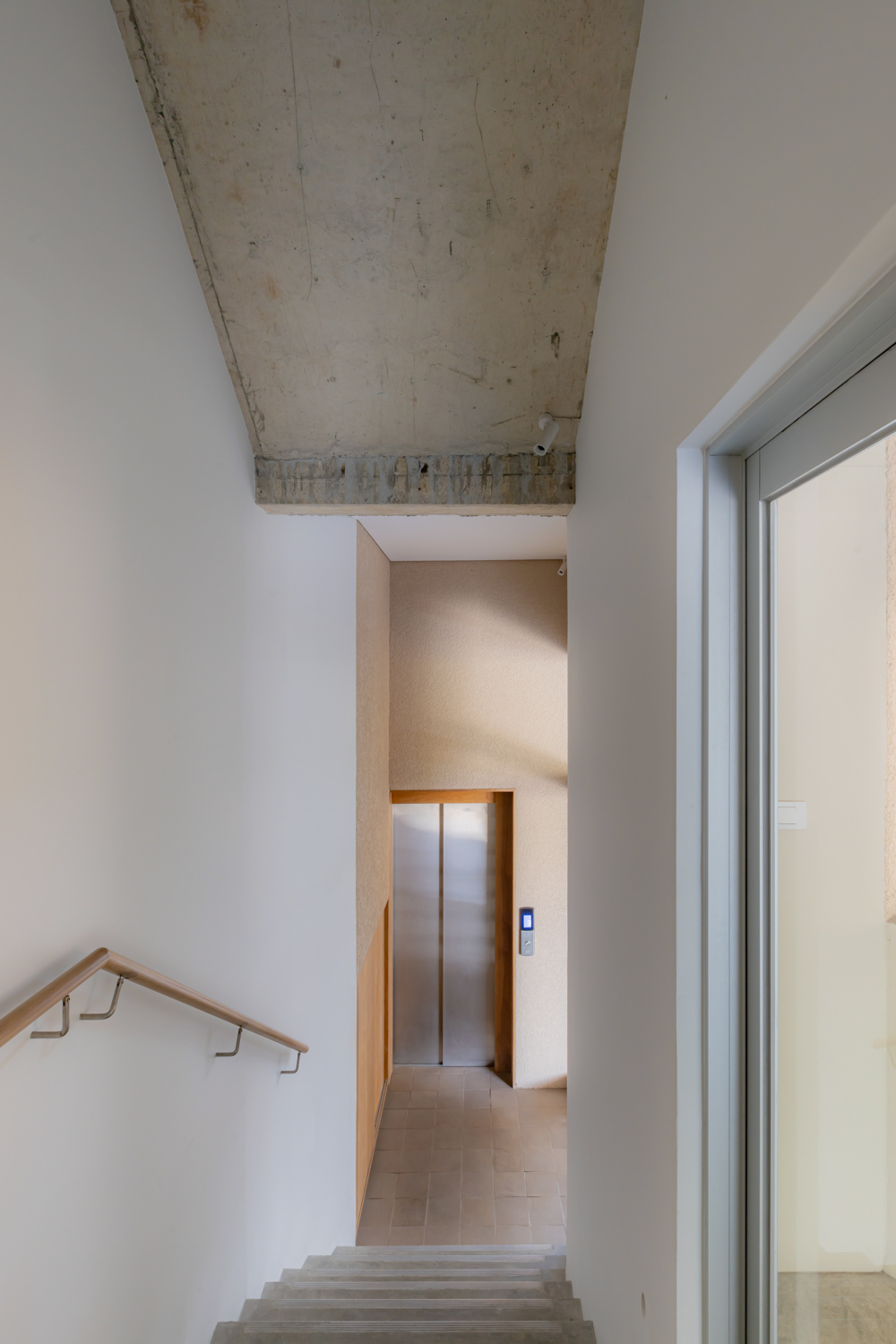
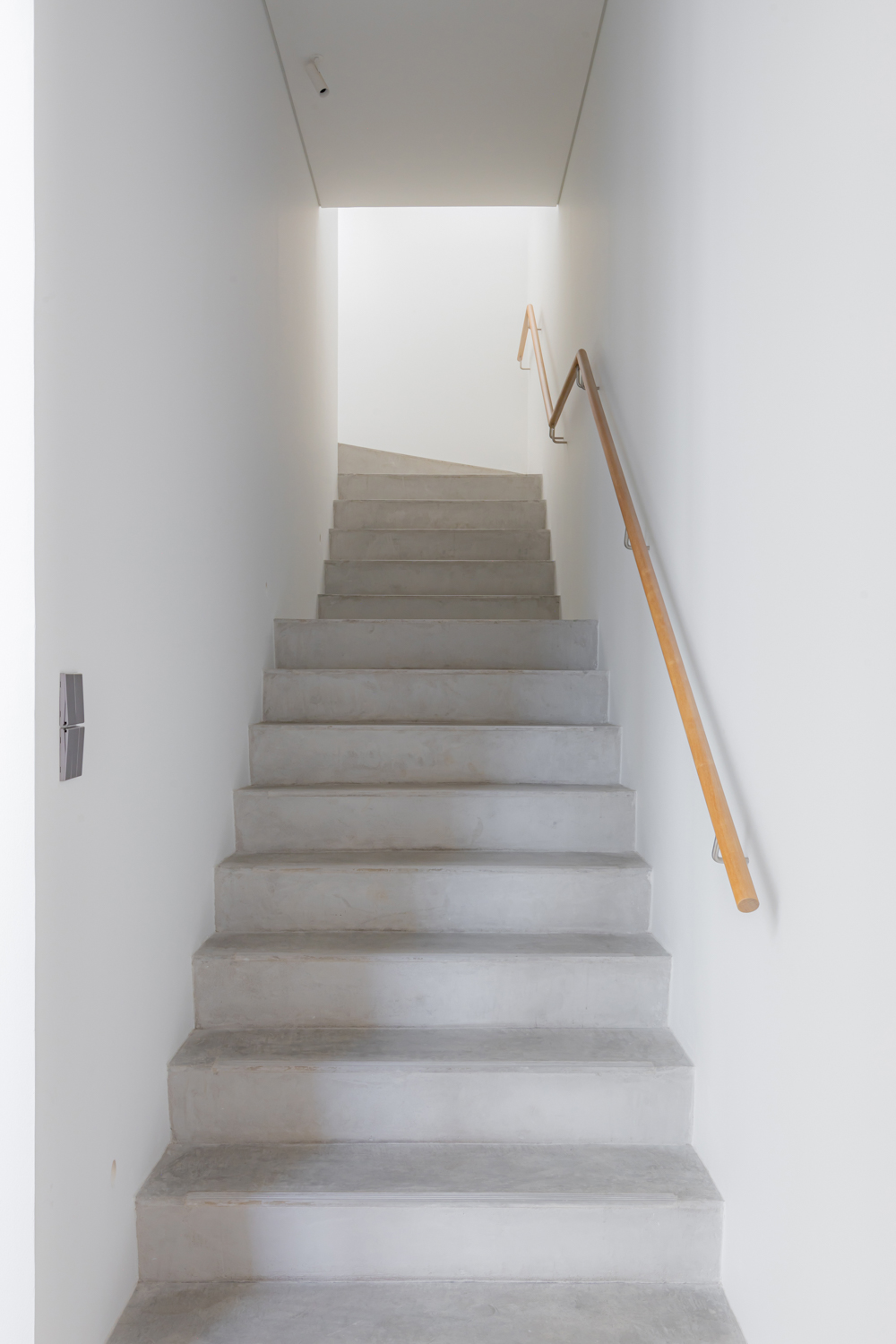
Throughout the building, there are small, meticulously crafted details, custom-designed by Pichaya and Poom themselves. These range from bespoke light fixtures and stair handrail brackets to electrical outlets, curtain tracks, and even the elevator call buttons. With a smile, Nita and Prow jokingly remarked that this building may never truly be finished. Since its users are designers who live and work in the space every day, new opportunities for refinement continue to reveal themselves. Even so, we feel that Ar-Kaan Dee has already fulfilled its purpose. It succeeds not only as an architectural space that responds to its users’ needs and constraints, but also as a meaningful testament to collective effort—a ‘group project’ in the truest sense, where the family has shaped the space through shared time, collaboration, and everyday life, now and in the years to come.