EXPERIENCE ARCHITECTURE THAT SEAMLESSLY BLENDS THE LANDSCAPE, LIFESTYLE, AND CULTURE OF THE ANDAMAN COAST TO CREATE CENTRAL KRABI, A PROJECT BY STU/D/O ARCHITECT
TEXT: NATHATAI TANGCHADAKORN
PHOTO: KETSIREE WONGWAN EXCEPT AS NOTED
(For Thai, press here)
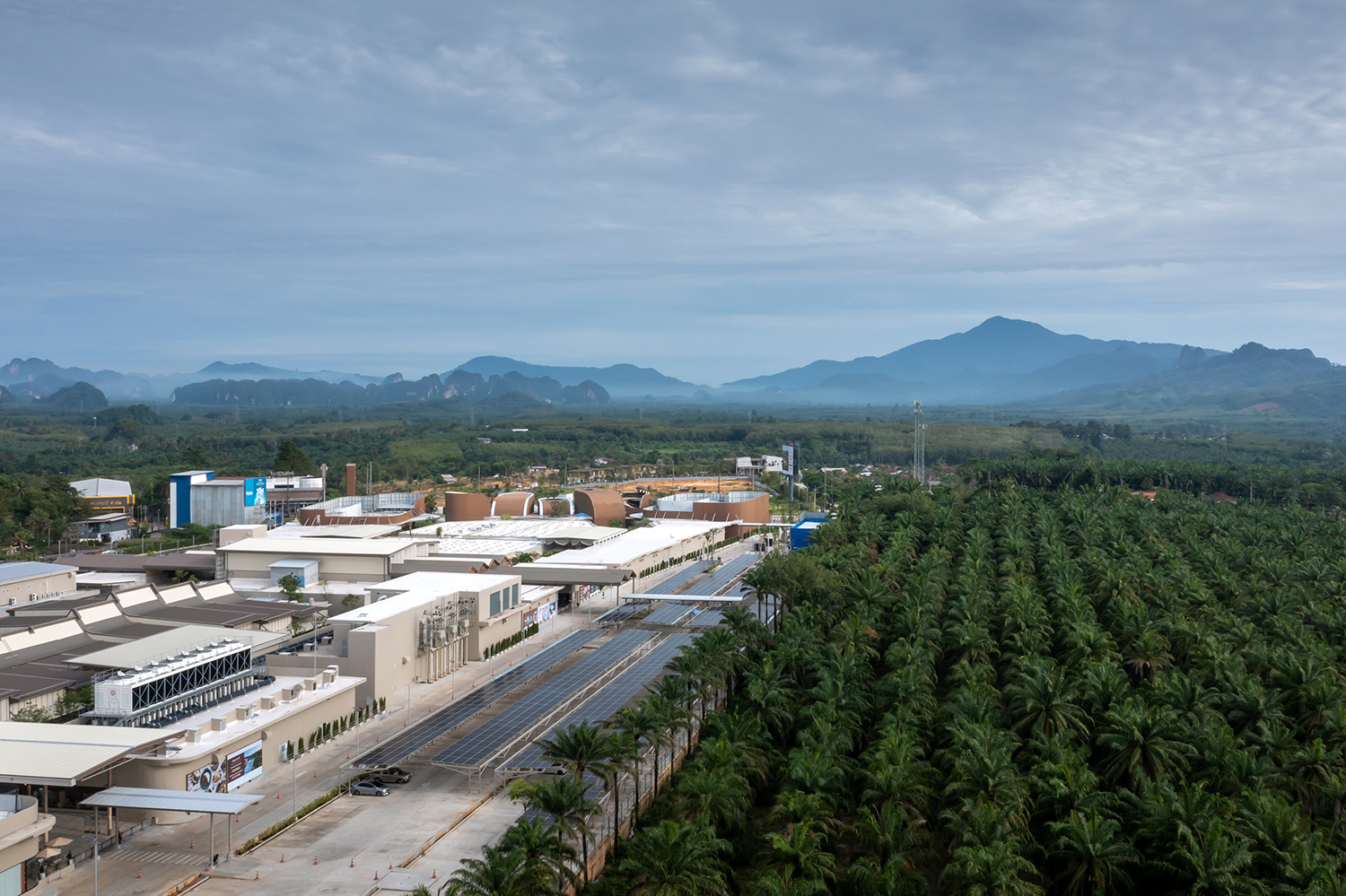
‘Made by Krabi: Experiencing Happiness through Every Expression of Krabi’ is the guiding concept behind a new shopping center on Thailand’s Andaman coast, developed by Central Pattana, and set within a tourism-driven province that has never hosted a large-scale shopping mall. In line with Central Pattana’s strategic focus in recent years on expanding into secondary cities and tourist destinations, Central Krabi is envisioned to respond equally to the needs of local residents and visiting travelers. Balancing provincial identity with the conveniences expected of a contemporary shopping center thus became a central challenge for the project’s lead architect, Stu/D/O Architects.
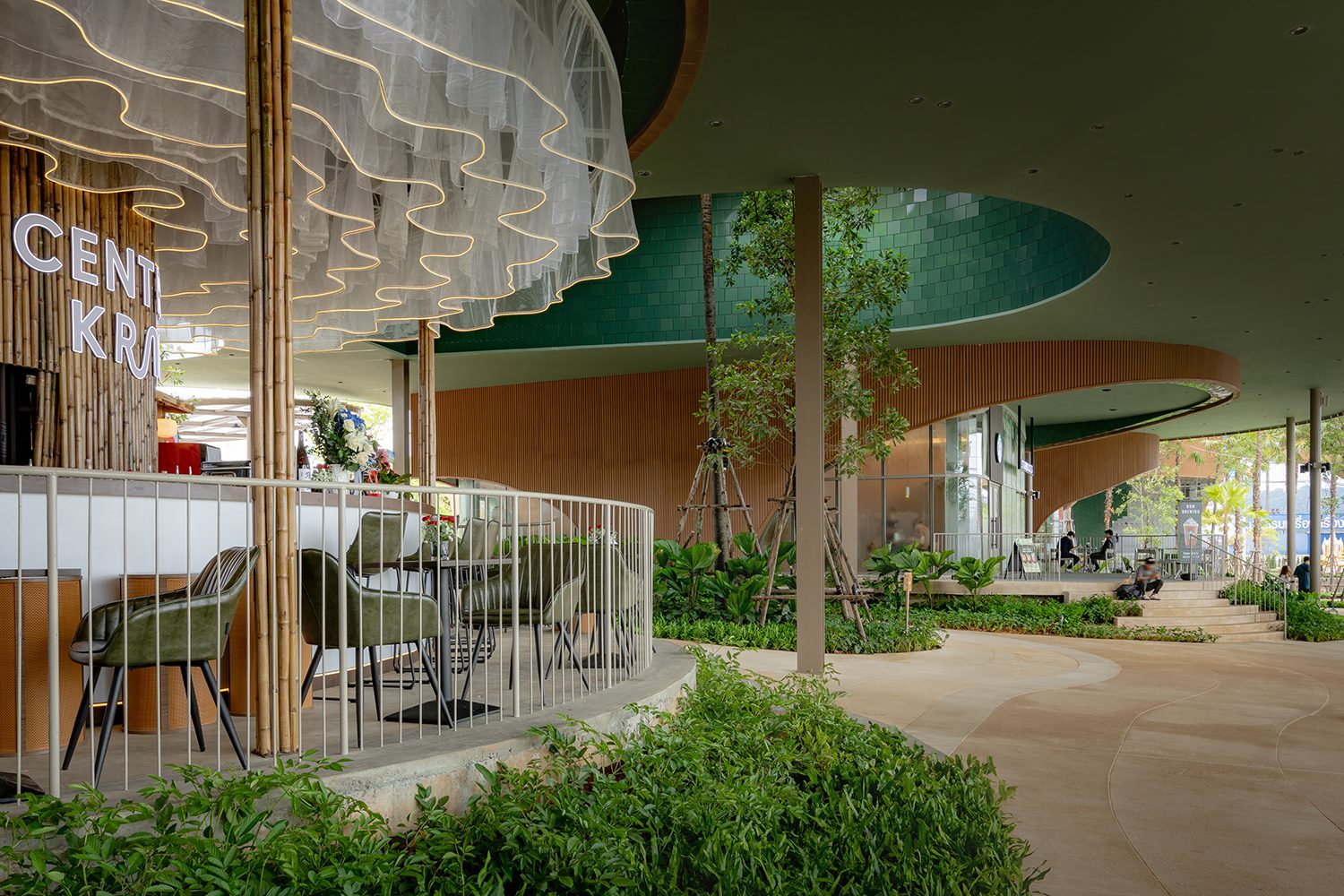
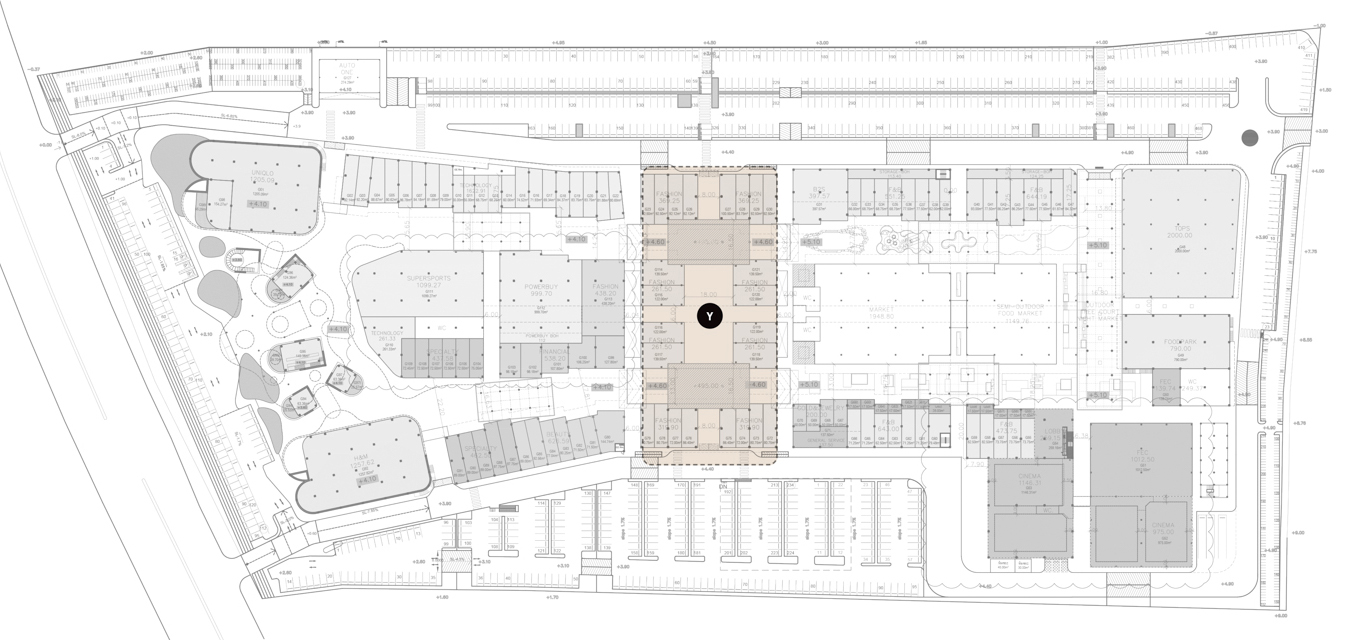
Covering a total area of more than 47,500 square meters, the development brings together a multidisciplinary team, with landscape design by Landscape Collaboration and interior design by Dot Line Plane. The master plan of Central Krabi is organized as a looping circulation system, with anchor stores and major programmatic zones distributed at key points along the route. Rather than forming a single, enclosed indoor megastructure, the complex is broken down into smaller building clusters, interwoven with semi-outdoor spaces and landscaped areas along pedestrian pathways. The overall planning strategy also anticipates future expansion, allowing the project to evolve over time.
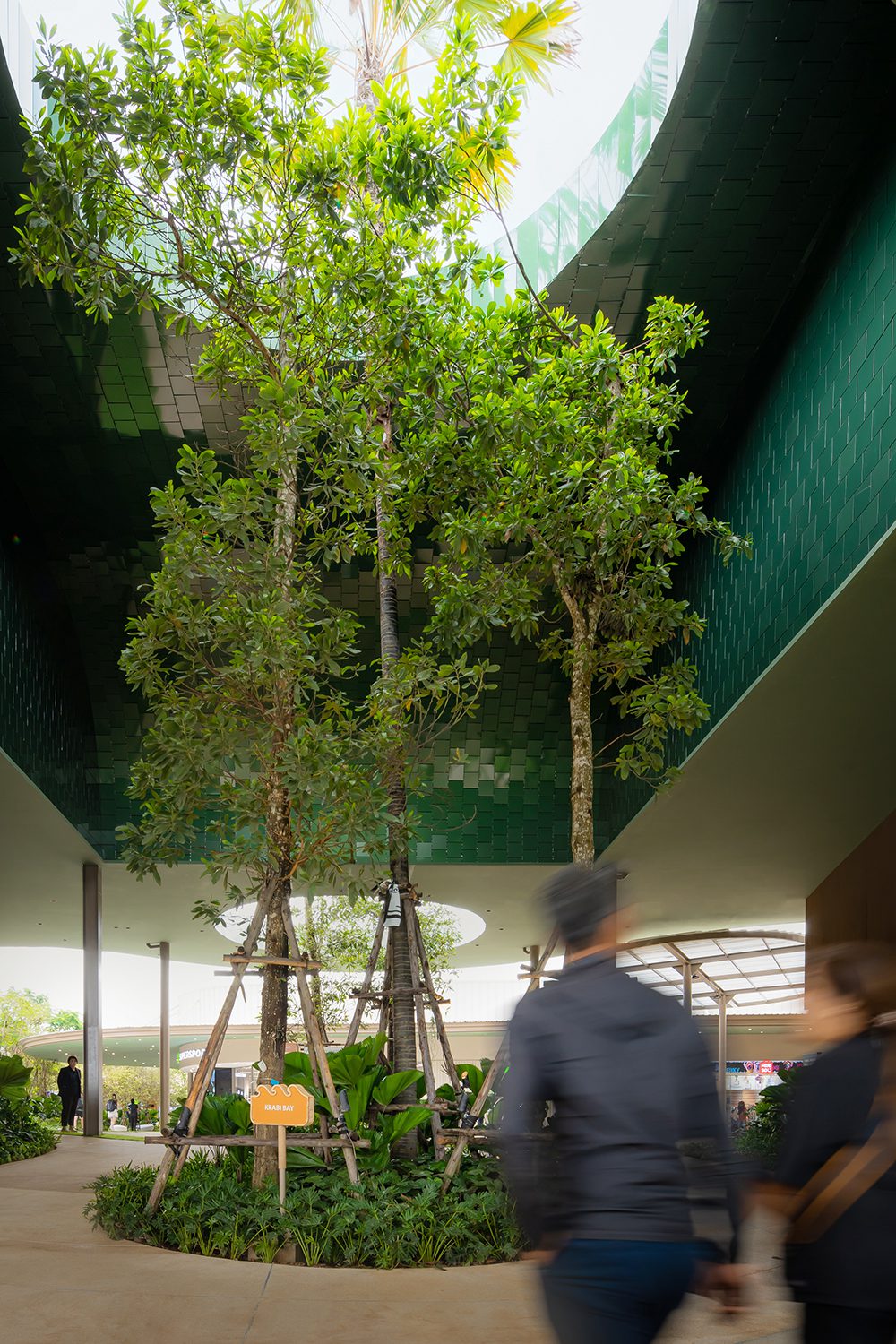
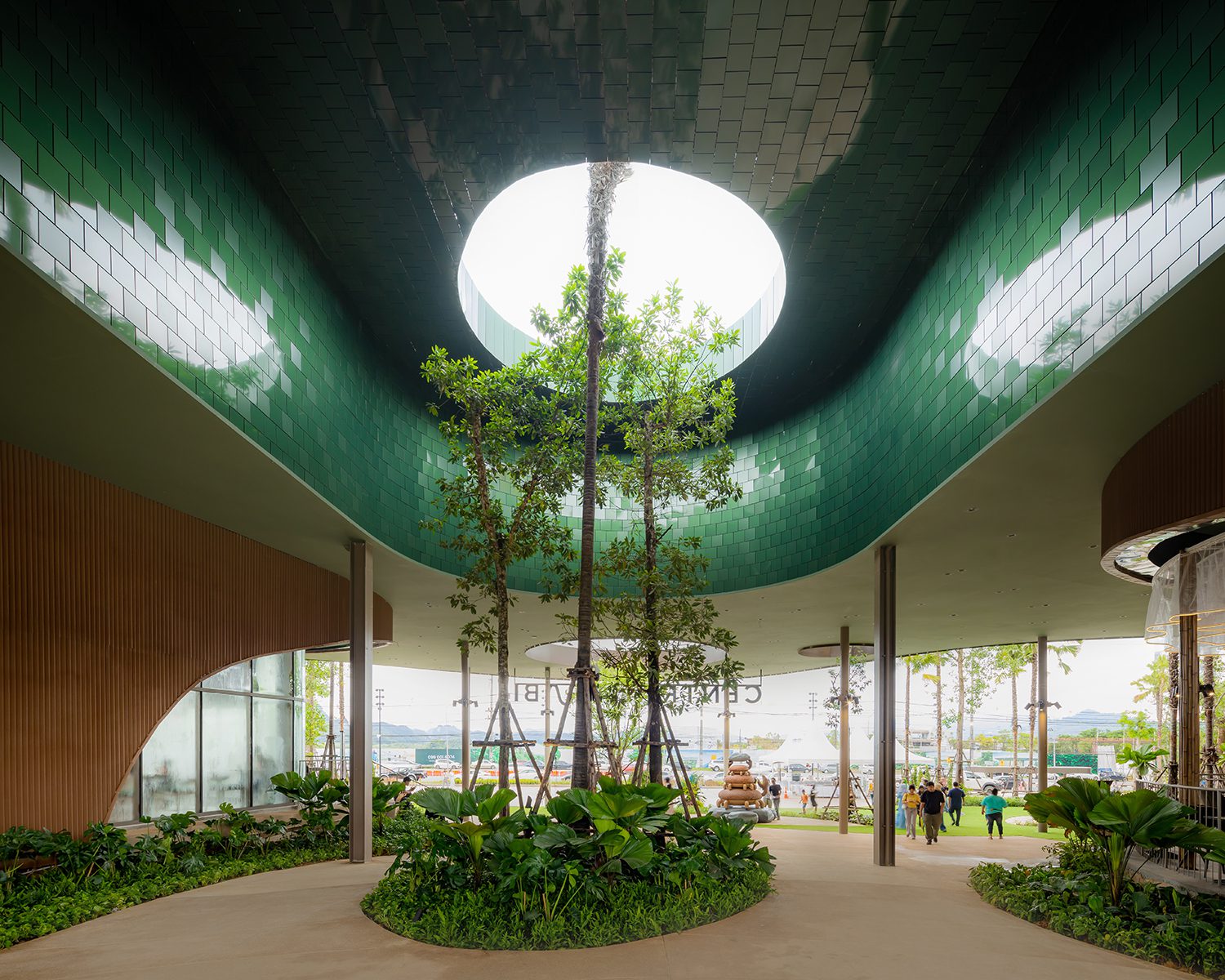
Central Pattana’s brief for the project was articulated through the ‘Made by Krabi’ concept. Rather than merely blending the architecture into its physical context, the ambition was to embed local ways of life, culture, and Krabi’s distinct identity directly into the building’s use and experience. The project seeks to reflect the province’s multicultural character and the everyday lives of its people, shaped by a close relationship with nature. To this end, the various design teams worked collaboratively to interpret the concept through three primary design frameworks: Landform & Nature, expressing the province’s distinctive topography of mountain ranges and island formations; Local Living, reflecting community life and everyday practices; and Craft & Culture, foregrounding the region’s diverse and unique cultural traditions. Together, these strands allow the shopping center to respond meaningfully to local users while elevating the project to an international standard.
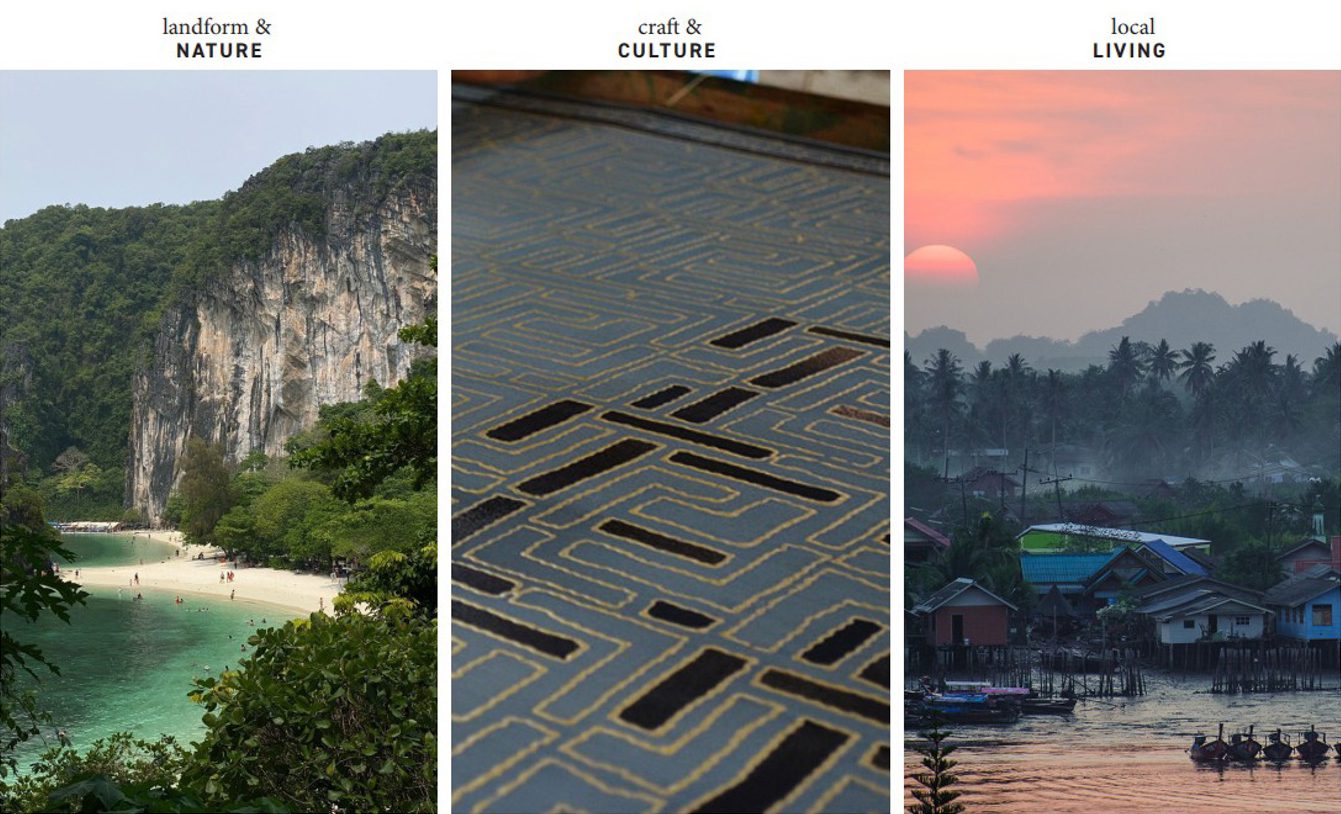
Photo courtesy of Stu/D/O Architects
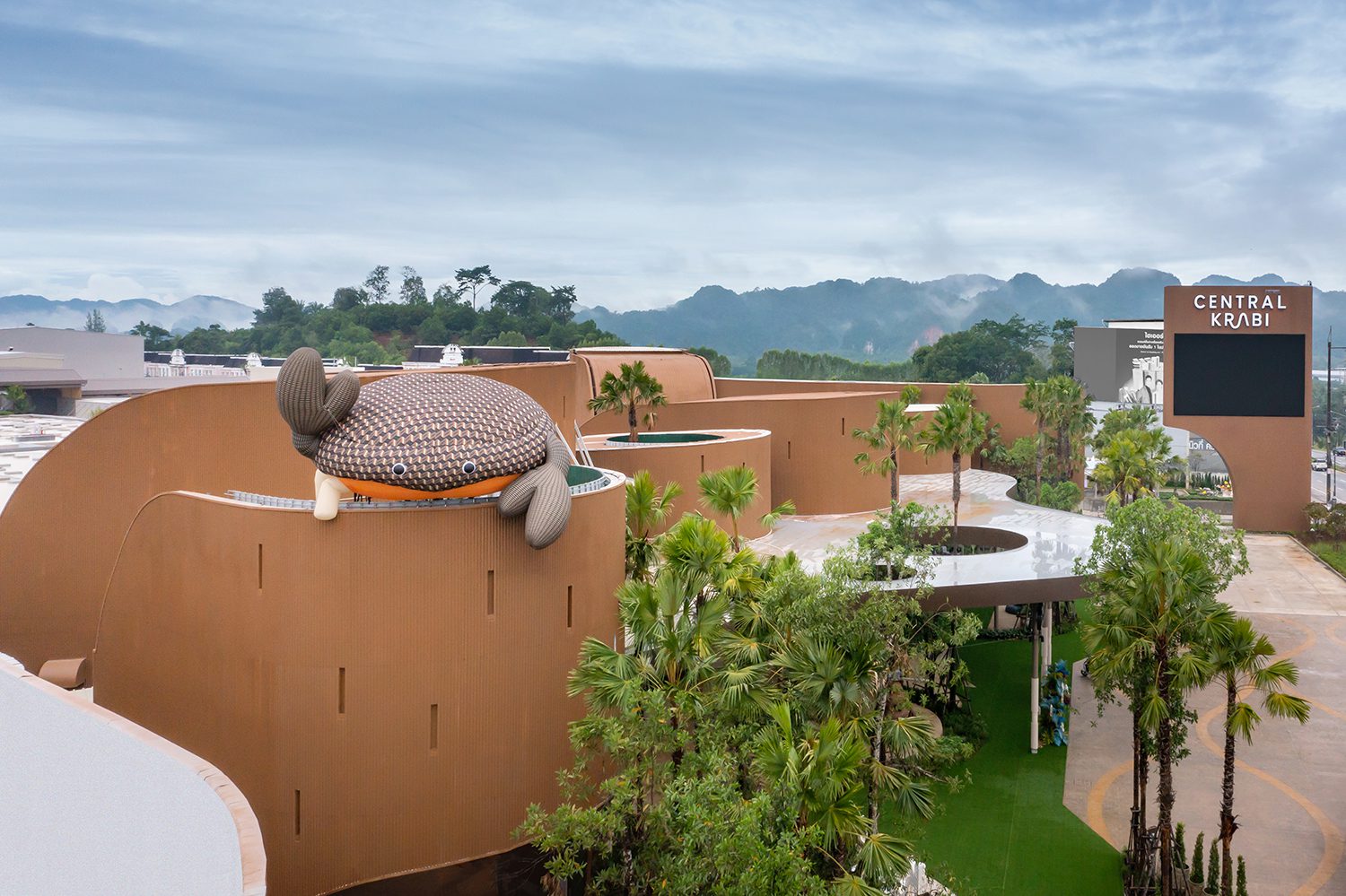
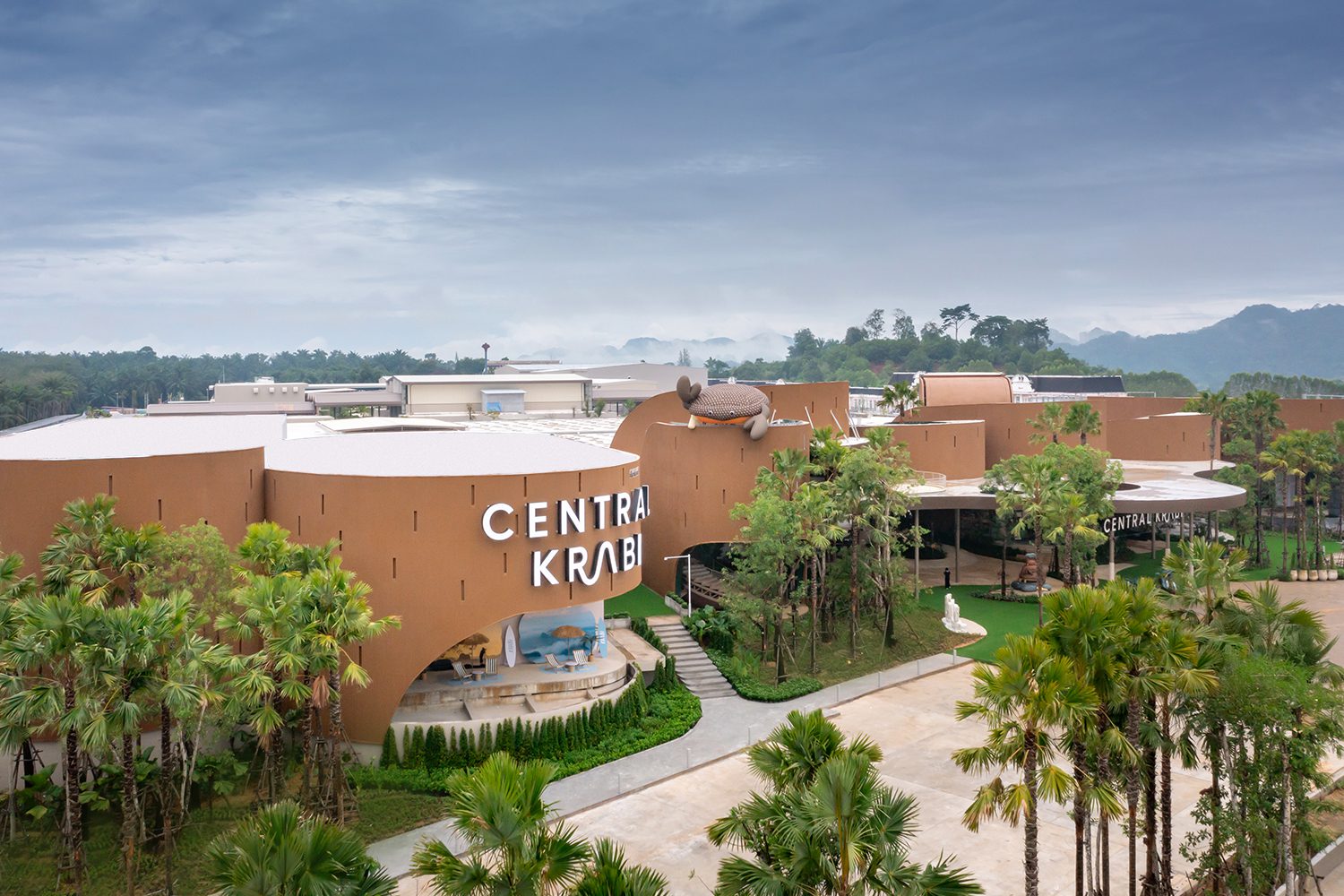
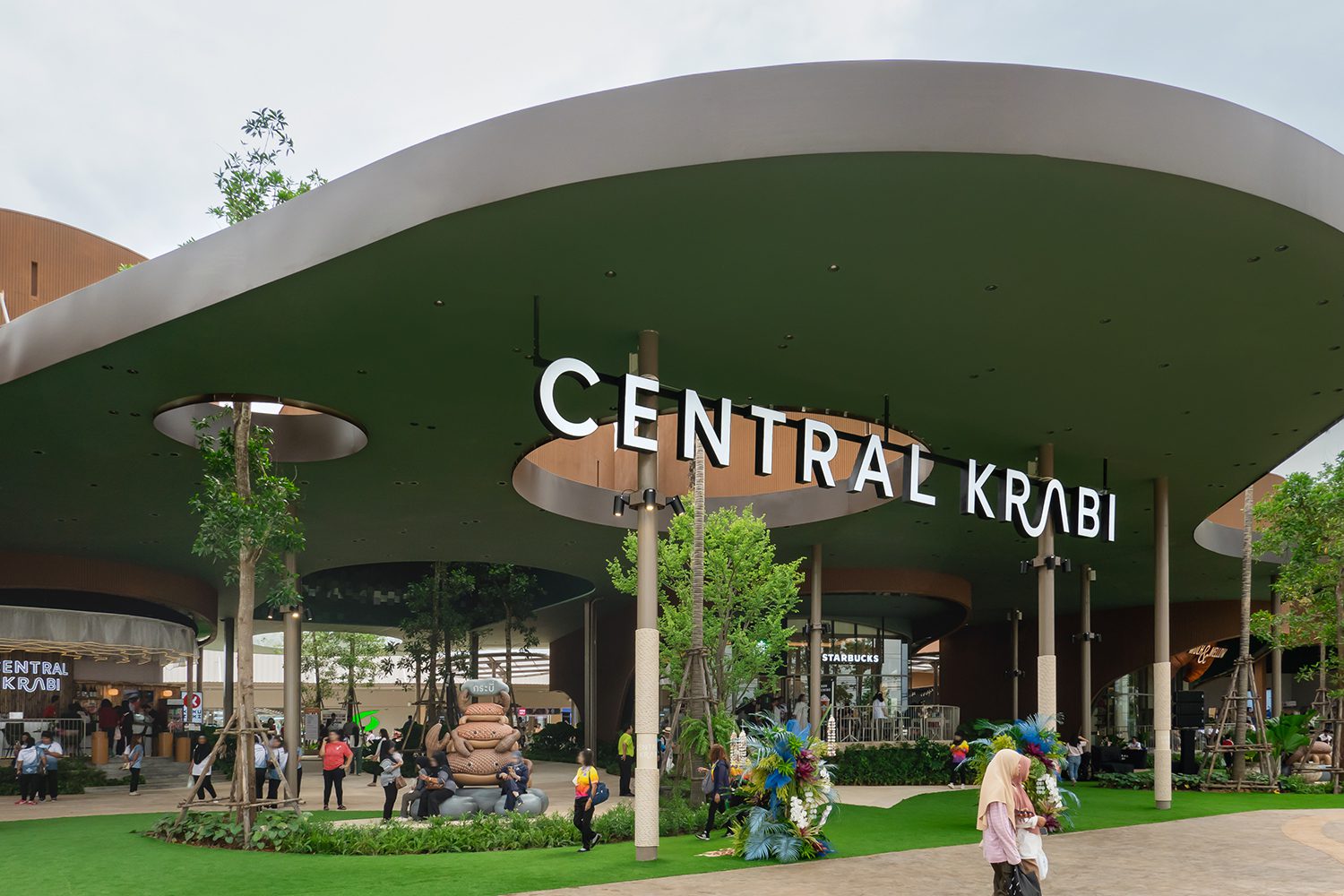
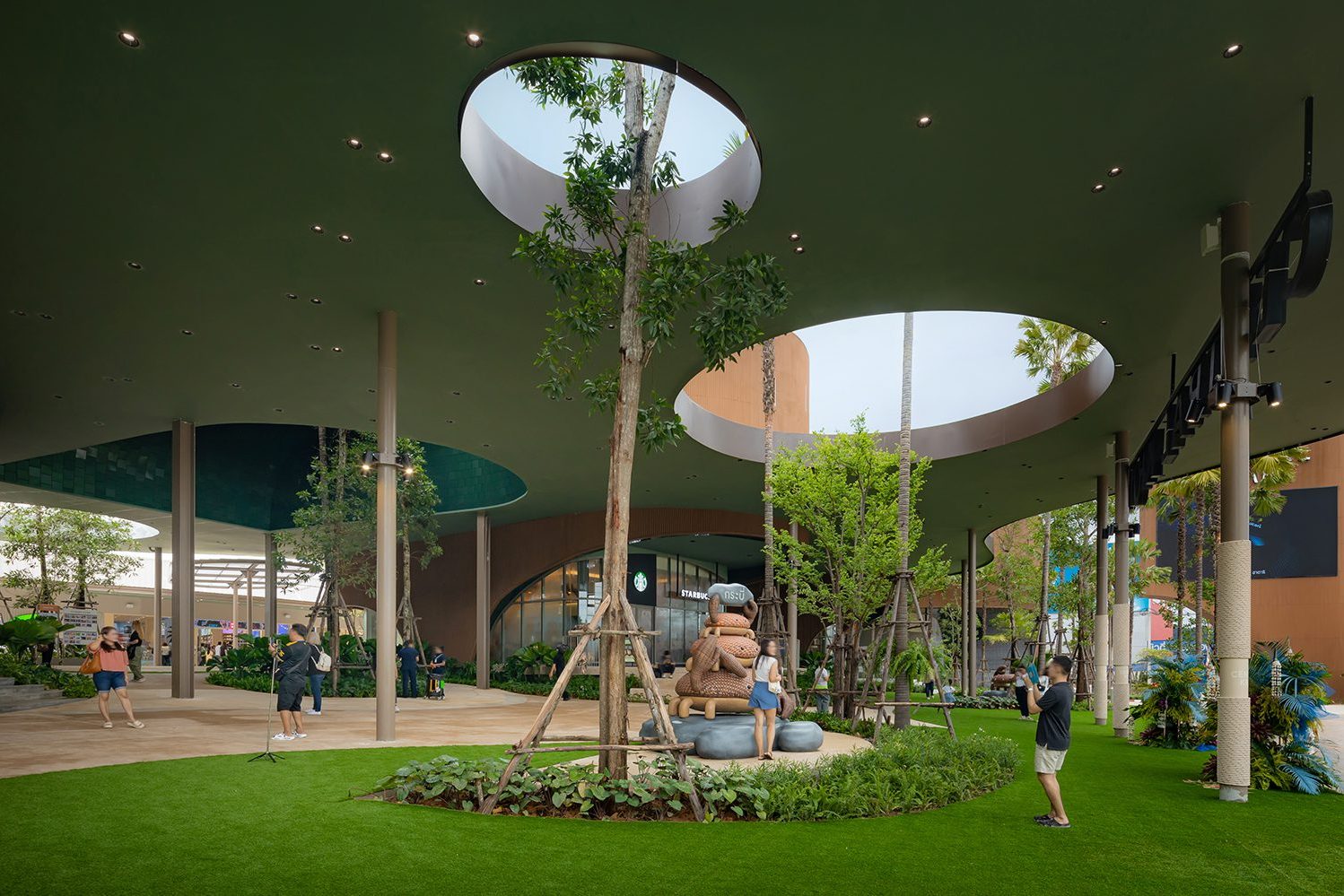
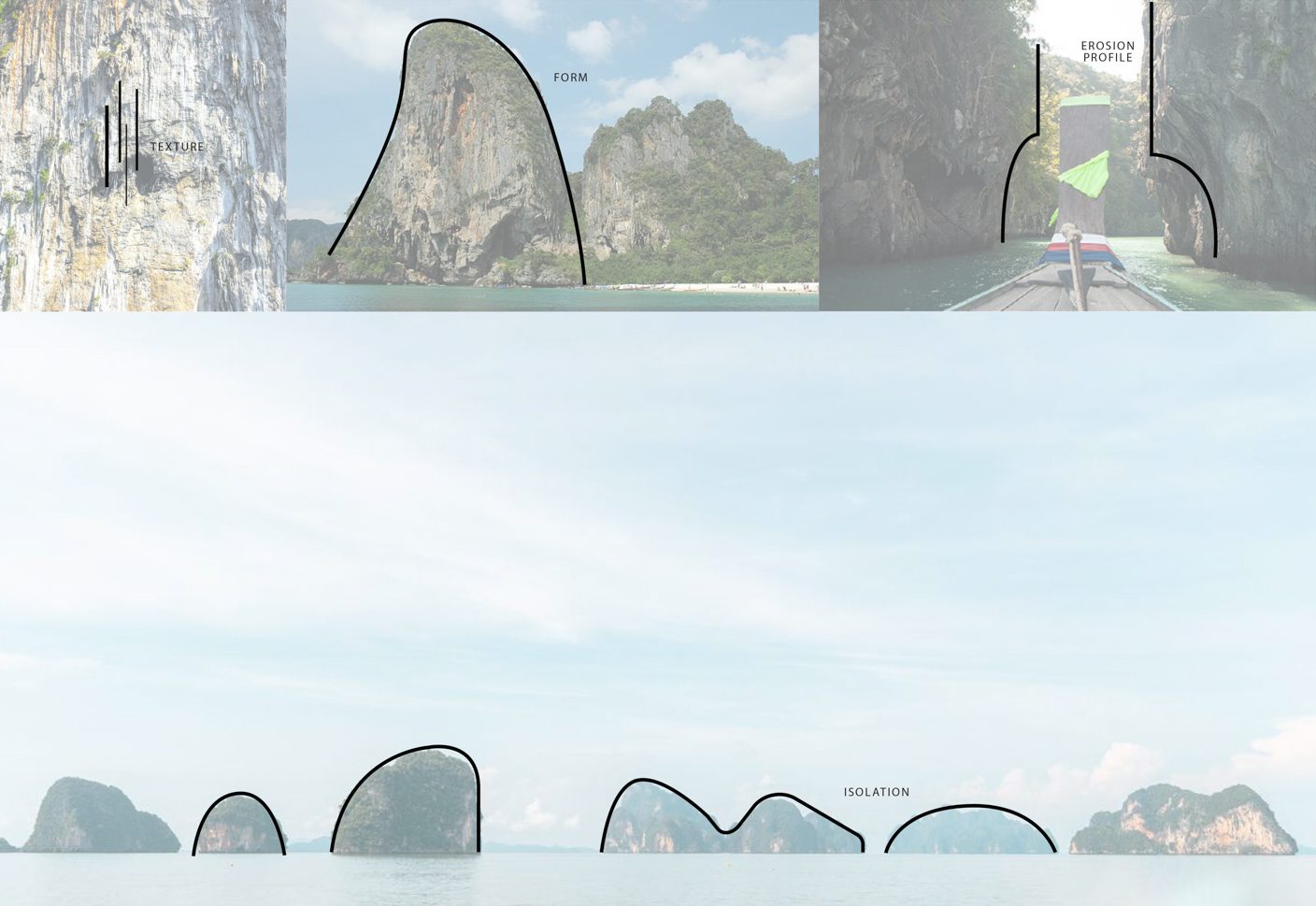
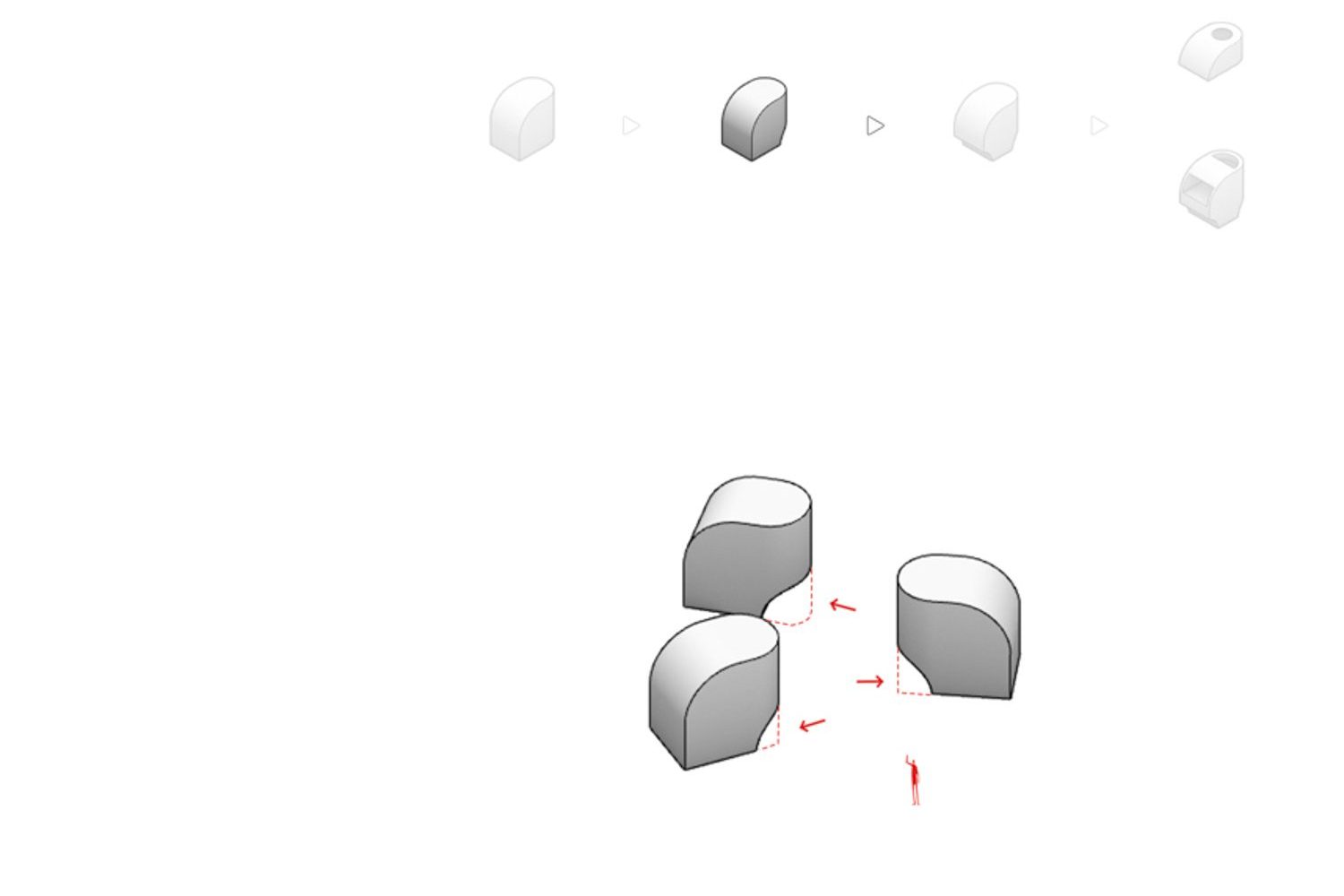
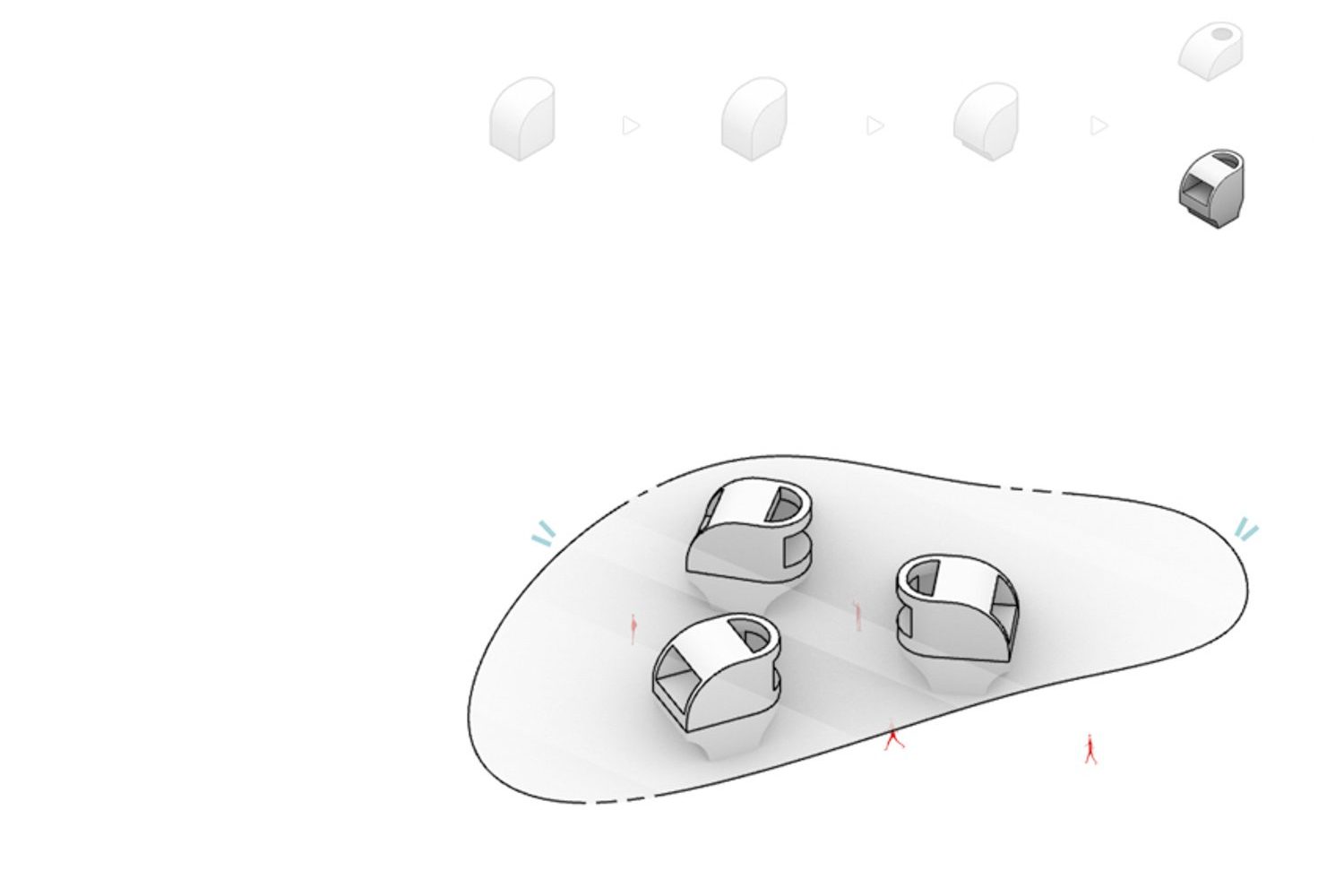
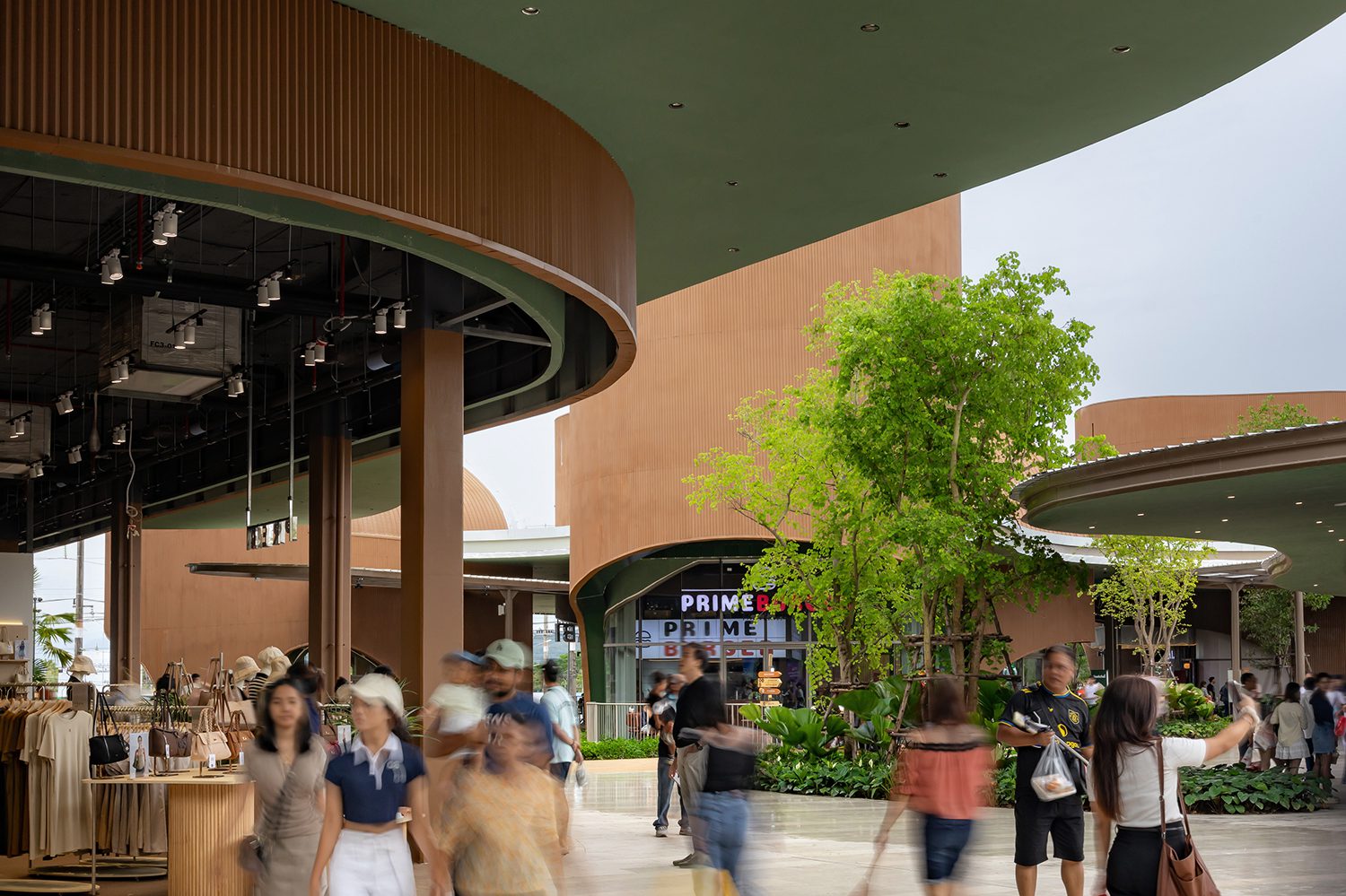
The expression of this approach begins at the front of the development, which serves as the project’s most recognizable image. Drawing from the Landform & Nature concept, the design takes inspiration from the limestone formations of Krabi’s archipelago. Two large building volumes anchor the left and right sides of the frontage, while retail units are distributed across the central zone. The massing of these primary structures is articulated and broken down to create depth and variation, evoking the layered silhouettes of islands scattered across the Andaman Sea. Beyond form, materiality plays an equally important role. The architects employ natural brown tones through textured, painted metal cladding that recalls the rocky surfaces of the limestone islands. This is set in contrast with the emerald green of the sea, reinterpreted as a large, textured green ceiling plane that spans the front of the project.
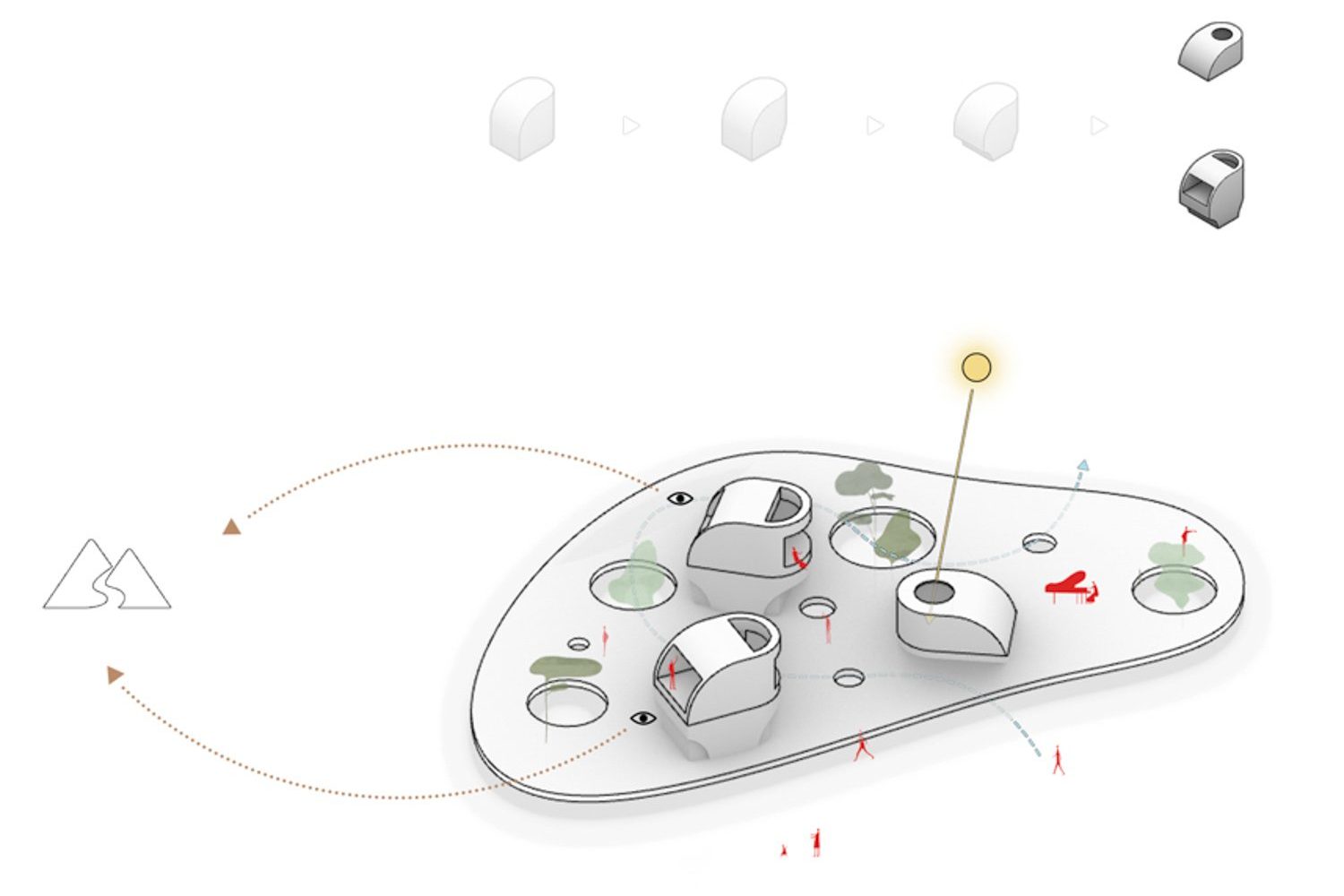
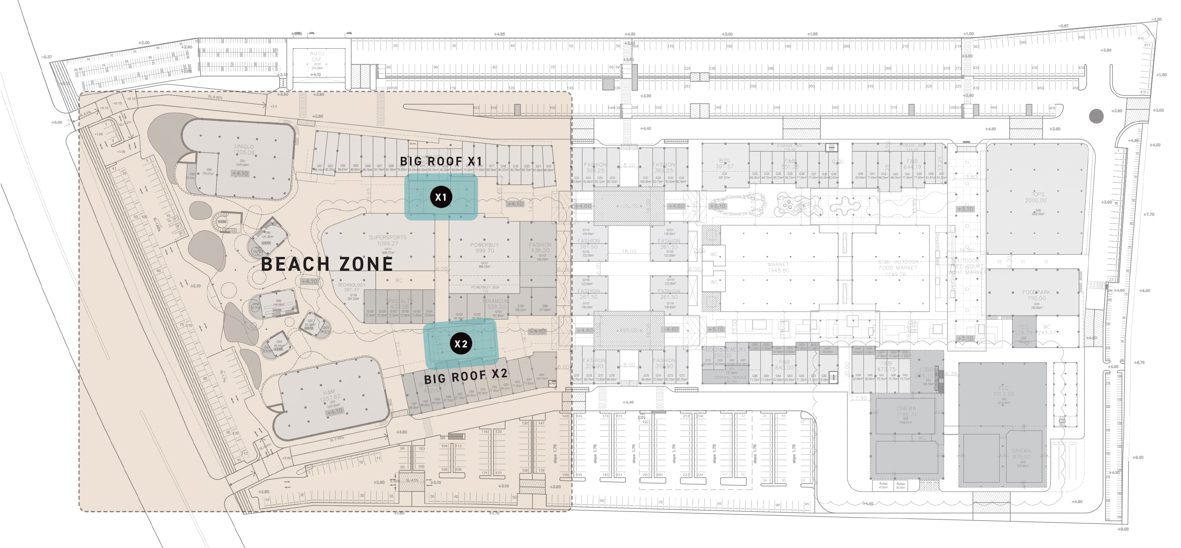
Moving inward, the ‘Beach Walk’ zone continues the overarching Nature concept, conceived to immerse visitors in the relaxed, coastal atmosphere of Krabi, echoing the spatial openness of its white sandy beaches. Exterior ground surfaces are finished in light-colored exposed aggregate, articulated with linear patterns. The focal point of this area is a pair of large canopies spanning the central courtyard. Inspired by the flowing lines of seashells and seagull wings, these structures are designed as tensile fabric planes that respond gently to the breeze, evoking the sensation of walking along the shoreline.
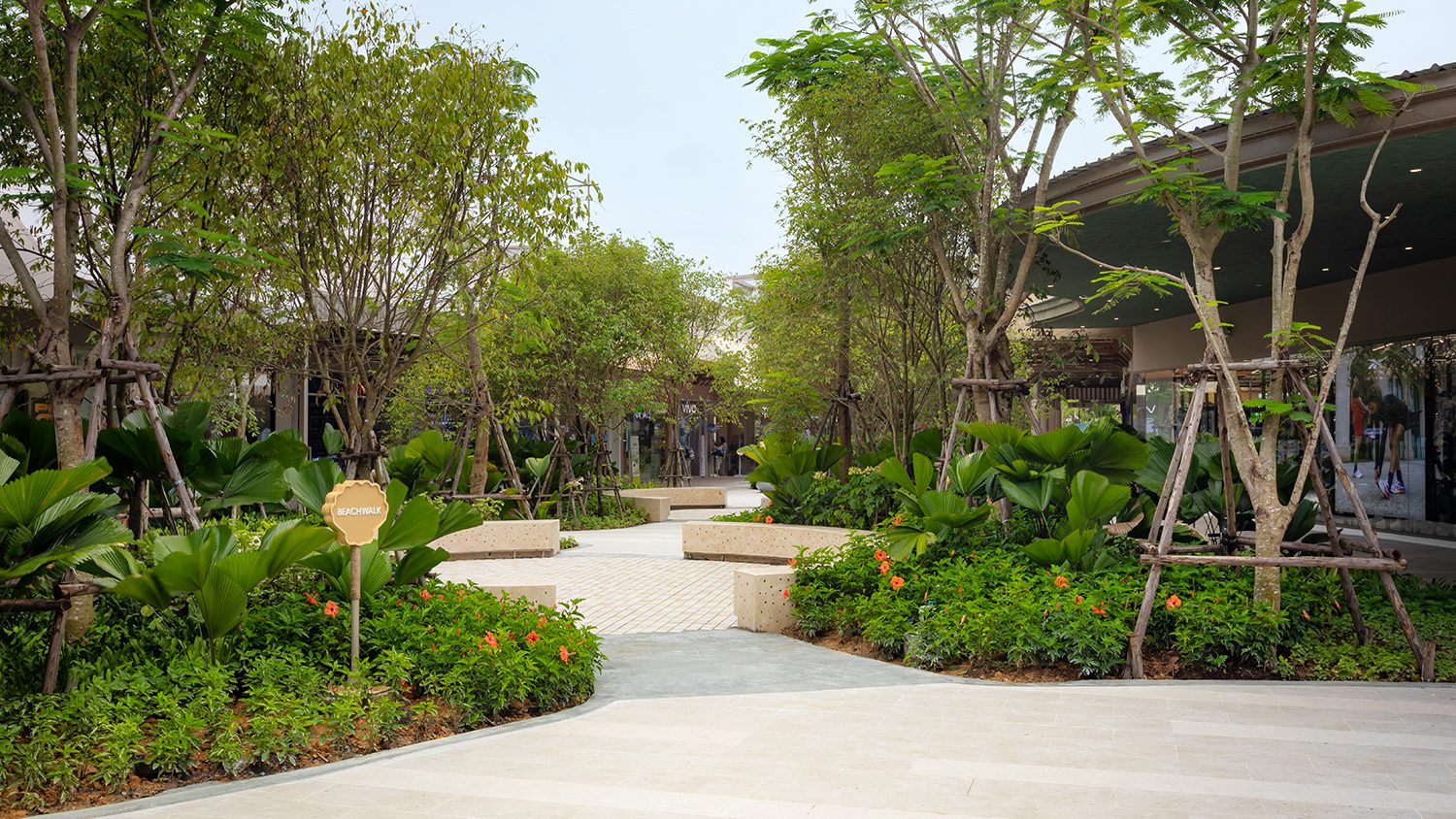
Beach Walk
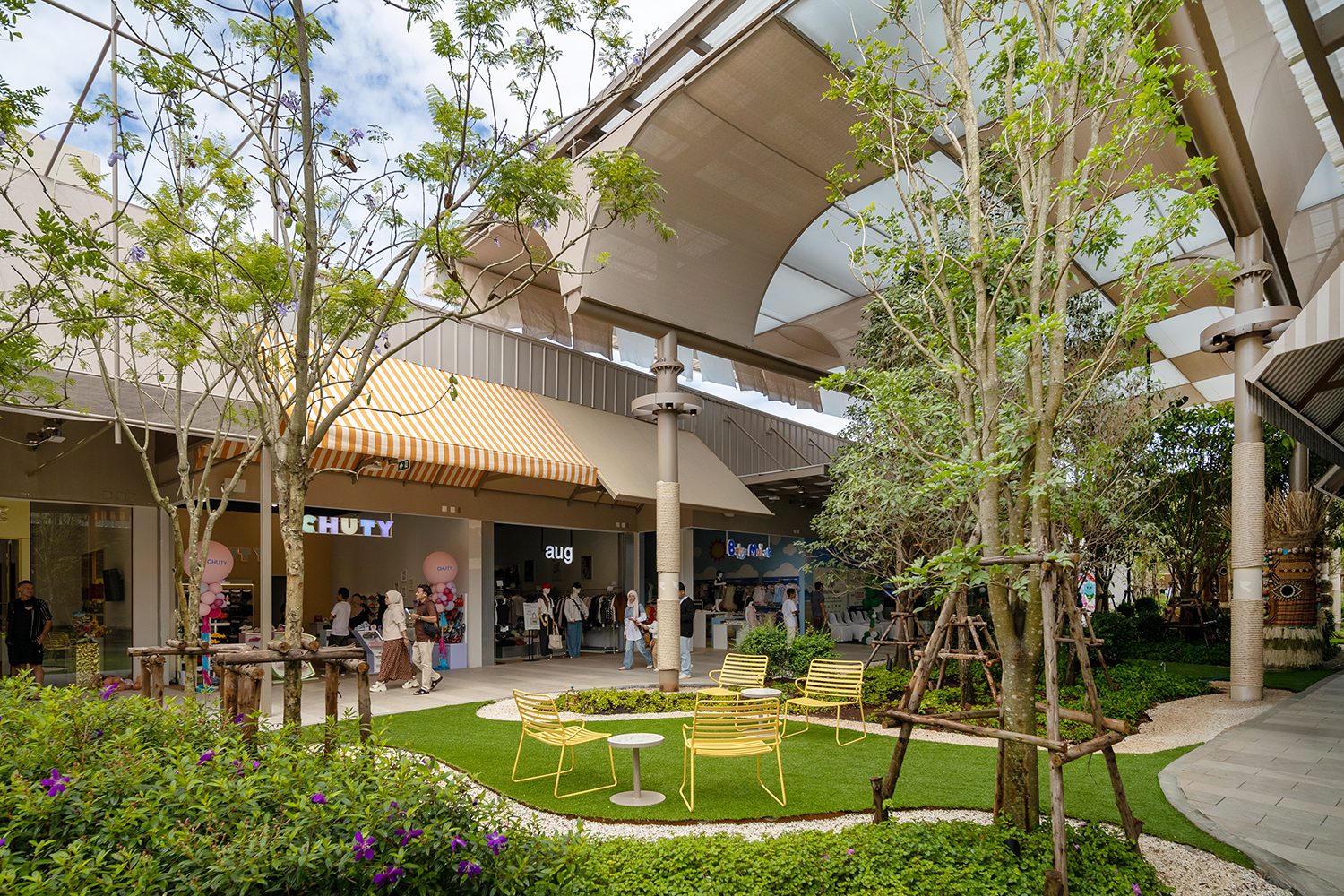
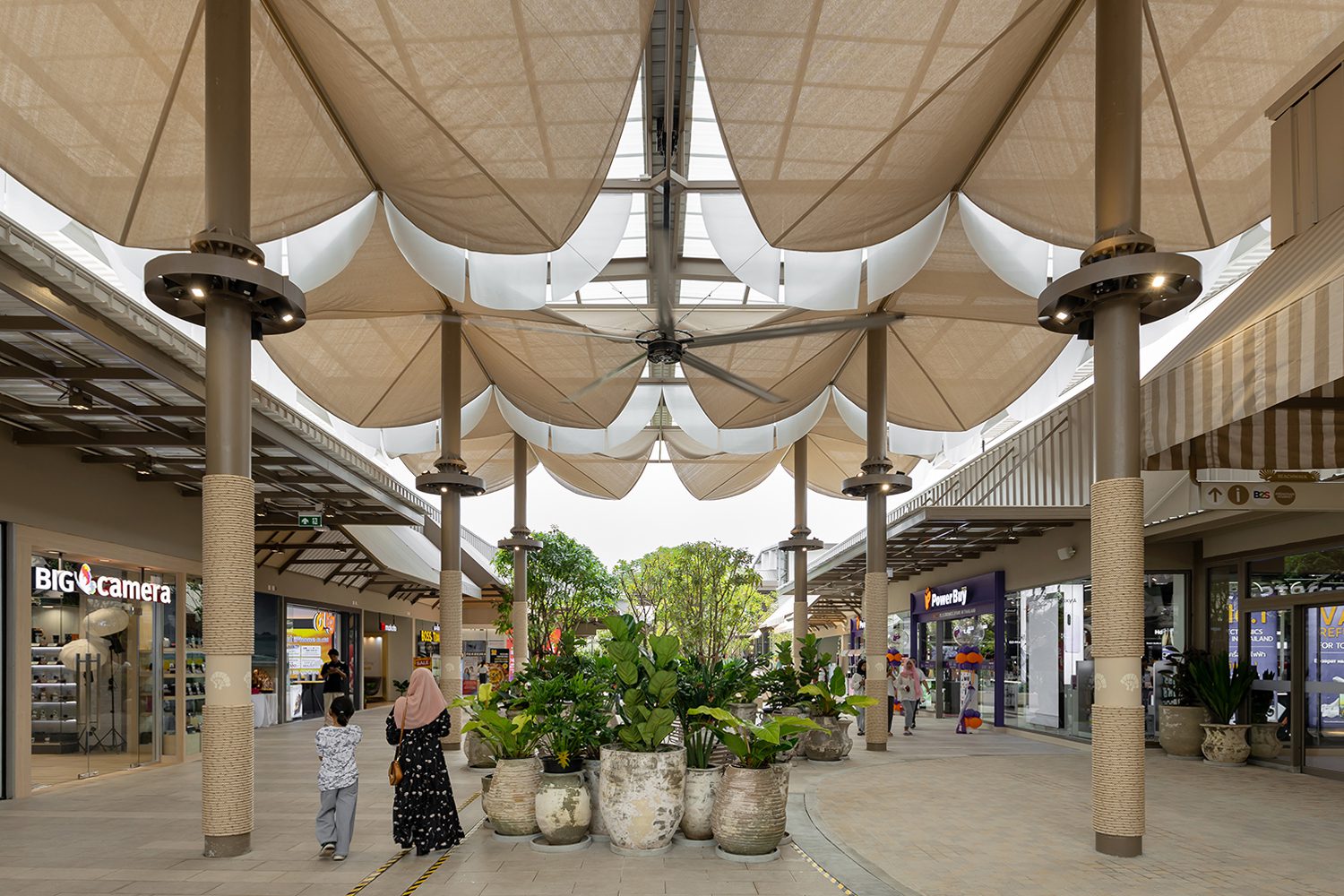
Retail frontages are designed to resemble small shops and houses within a local community. Continuous roof canopies cover the pedestrian paths, while recessed and projecting storefronts alternate along the walkway, creating a comfortable strolling experience and providing shade from Krabi’s bright sunlight. This architectural language extends into the rear ‘Fisherman’s Village’ zone, where the idea is further enriched through a greater diversity of materials. Here, awnings transition from fabric canopies to natural-toned roof tiles and other materials, both opaque and translucent.
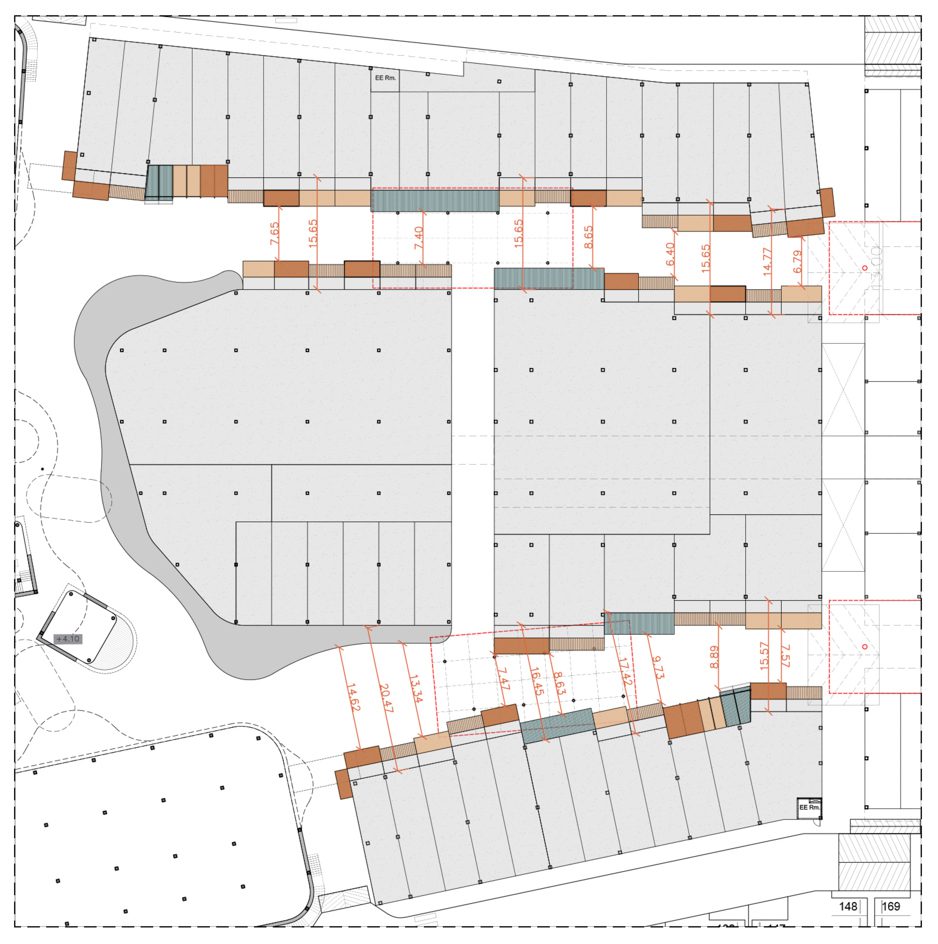
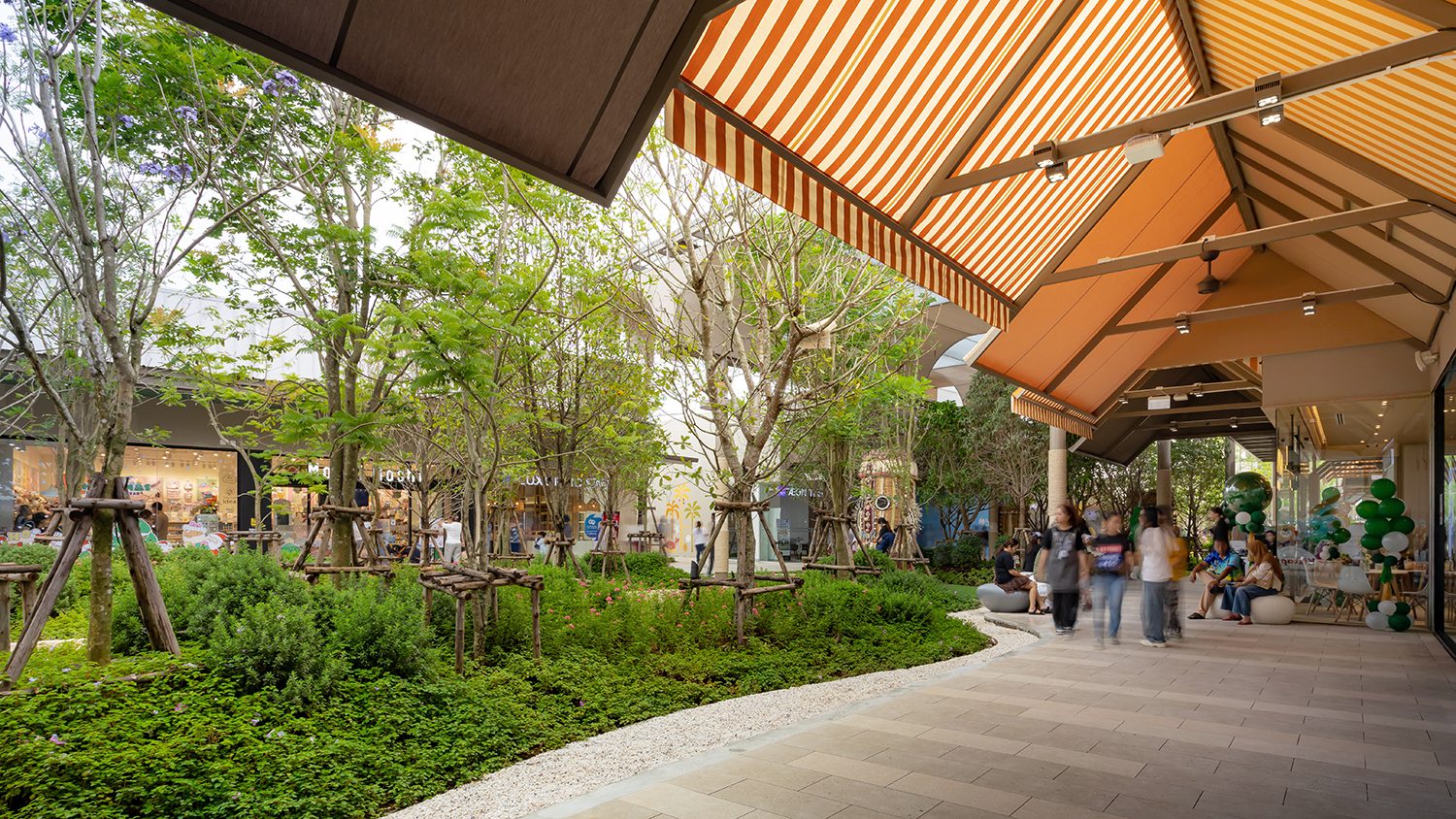 Beach Walk
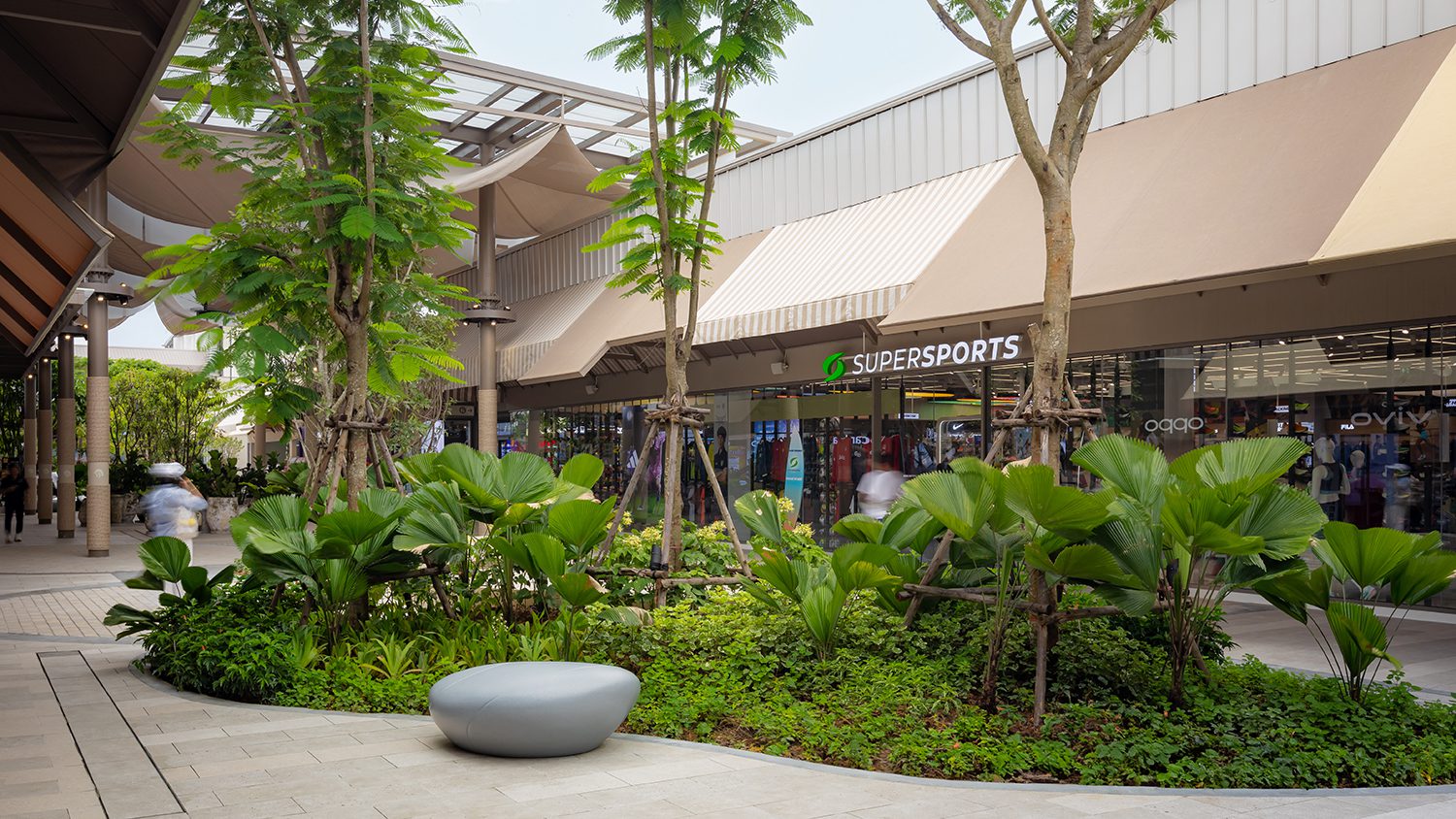
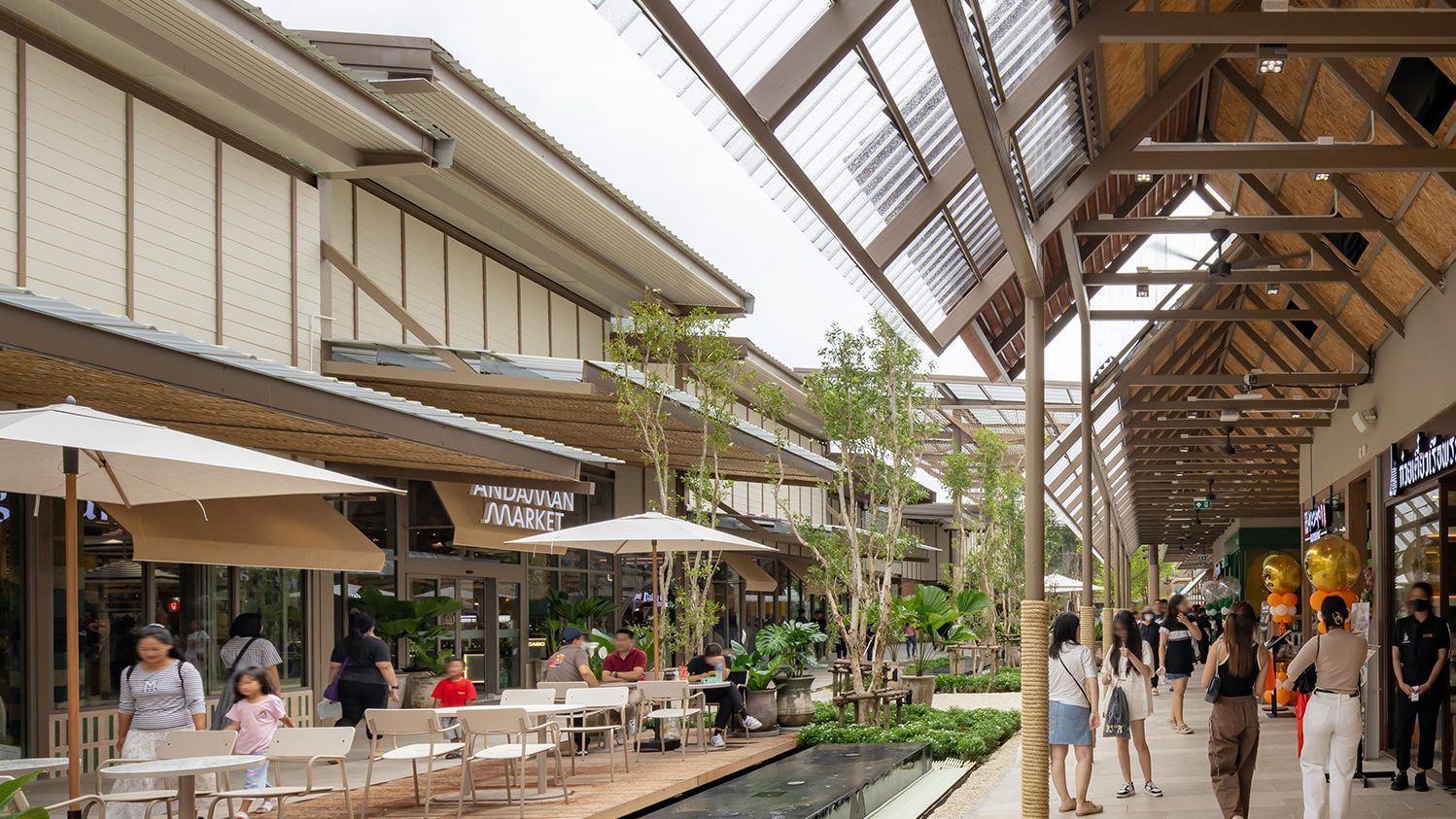
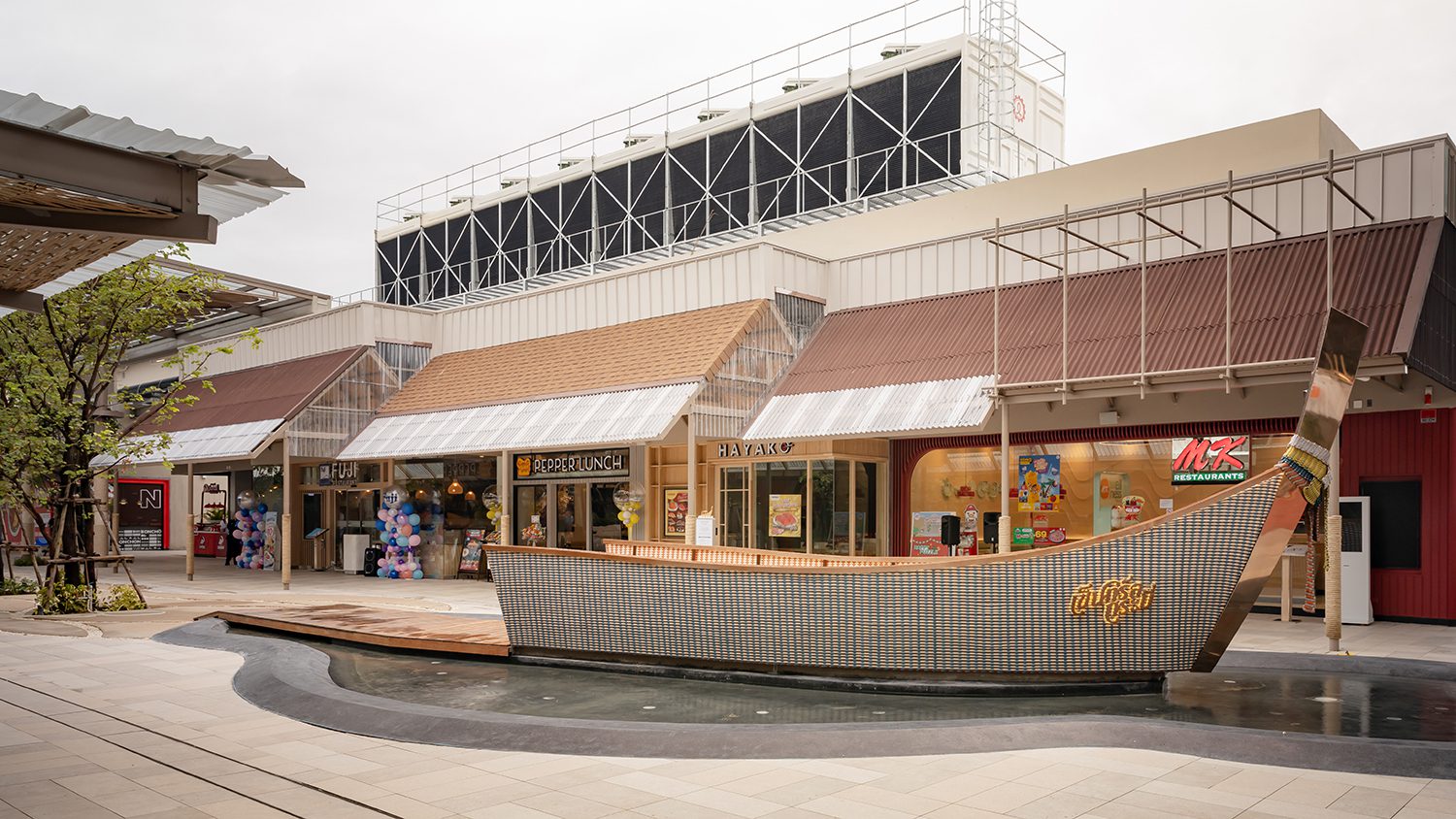
Within the ‘Fisherman’s Village’ zone, the restaurant area is conceived as an expression of fishing life, long embedded in the everyday traditions of Krabi, and framed through the concept of Local Living. The design team translates this way of life by incorporating fishermen’s tools and equipment directly into the spatial language, revealing new readings of familiar working objects deeply rooted in local experience. The narrative traces the rhythm of fishing culture, from catching fish and fish farming to drying the day’s harvest. This story is articulated most vividly through the courtyards that form the zone’s key highlights. Each of the three courtyards features a distinct overhead installation derived from traditional fishing-related objects: kradong (bamboo winnowing trays, traditionally used for drying and sorting fish), kra-chang uan (net fish cages, floating enclosures made of nets for holding live fish), and kra-chang kuad (fish traps, improvised traps made from plastic bottles commonly used in small-scale fishing).
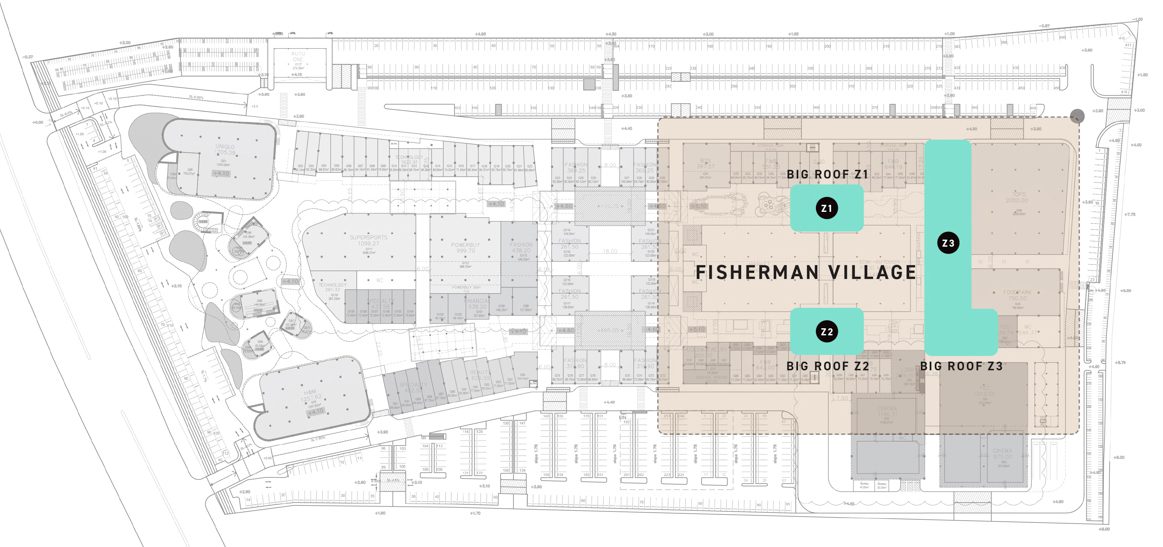
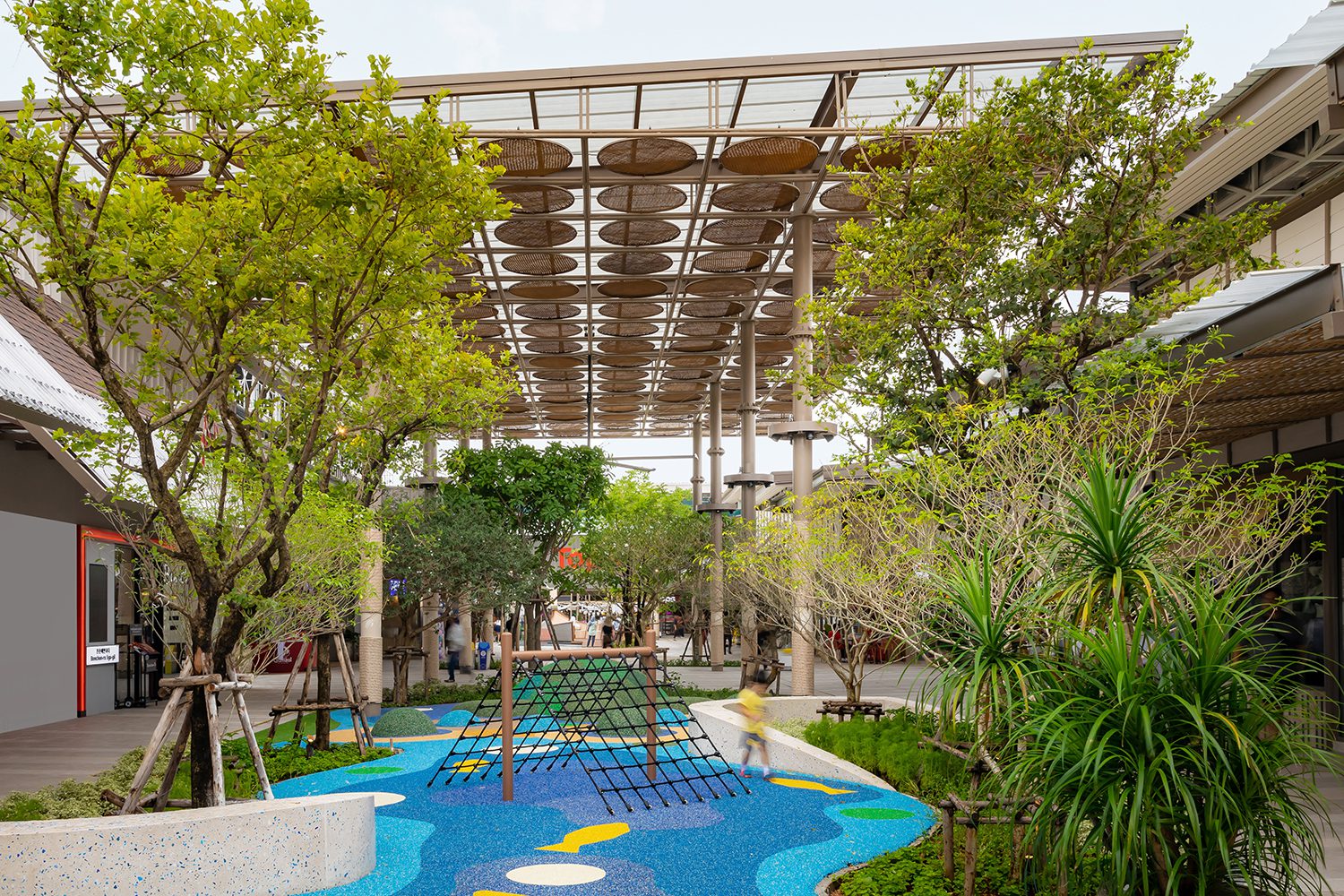
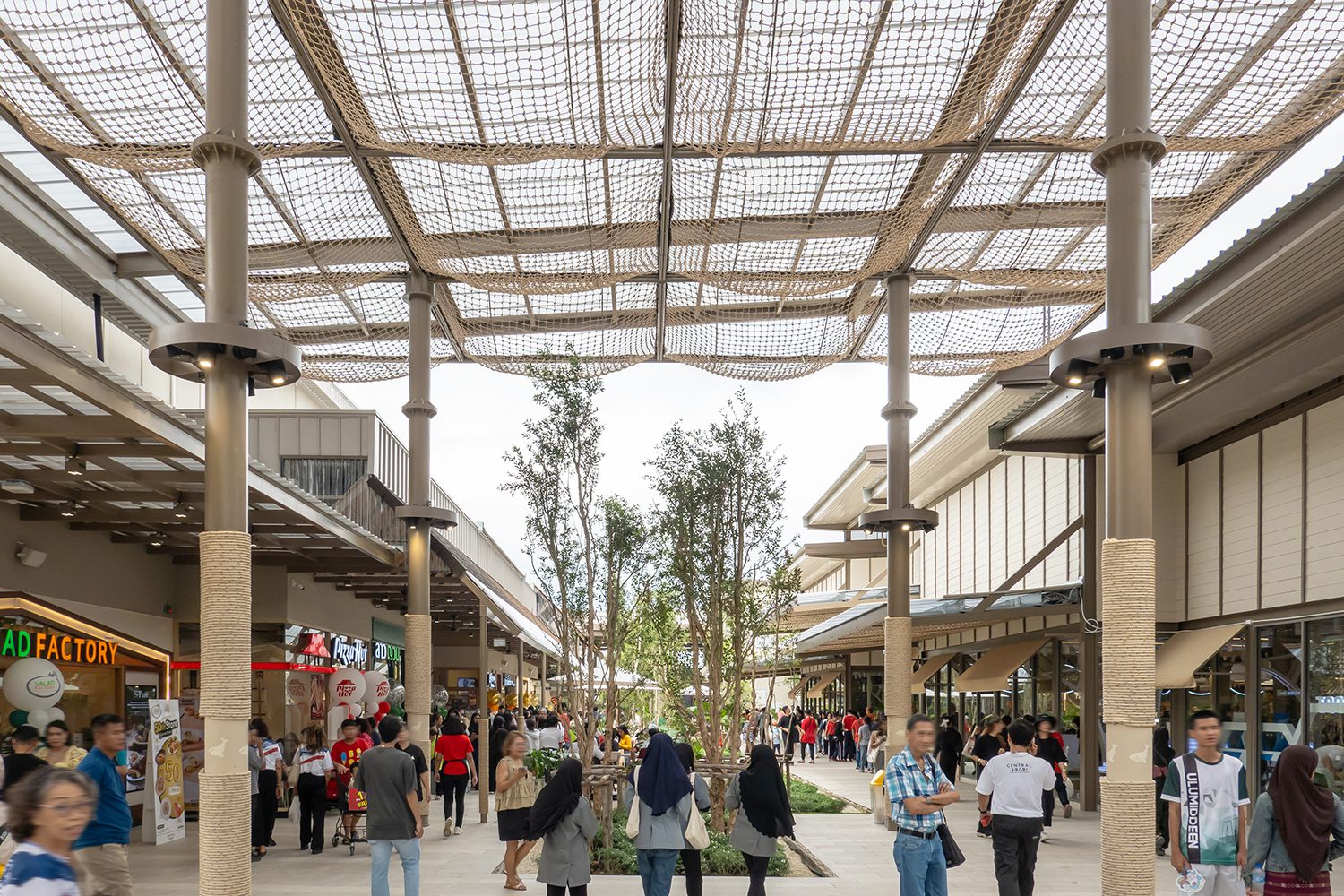
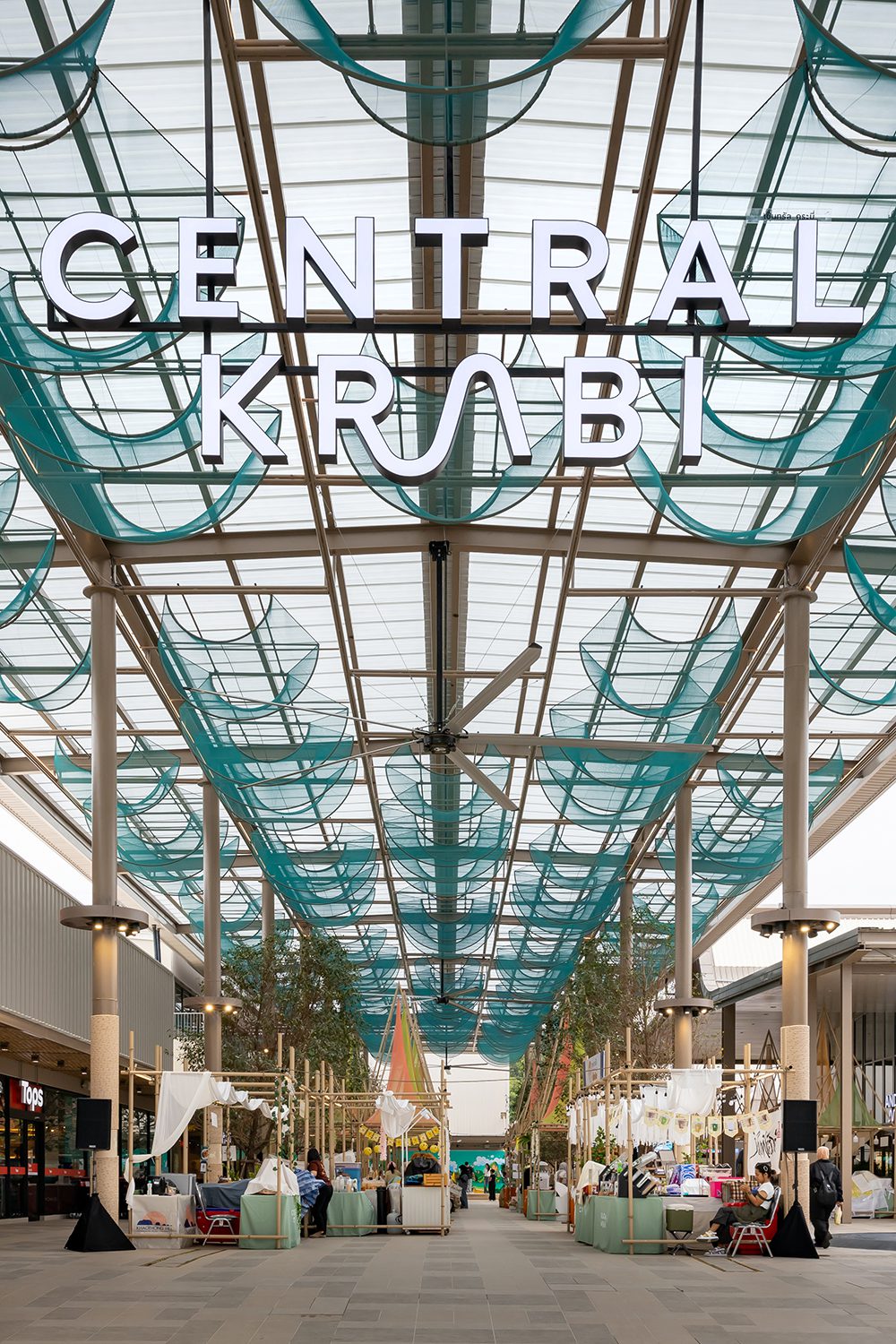
The Craft & Culture concept is further developed in the ‘Andaman Market’, the only fully indoor zone within Central Krabi and a central organizing spine of the project. Conceived as a large, single-story, air-conditioned hall, the market accommodates a dense mix of small-scale vendors, ranging from food stalls to fashion retailers. The building is distinguished by its expansive roof structure, inspired by the prow of ruea hua tong (a wooden boat with a long propeller shaft used for fishing and coastal transport), a vessel synonymous with both fishing and tourism and a defining icon of the province. These boat-like roof forms are layered and overlapped to create a dynamic silhouette, recalling the image of boats moored along the shoreline. Side openings are carefully introduced to allow shafts of natural daylight to filter into the interior.
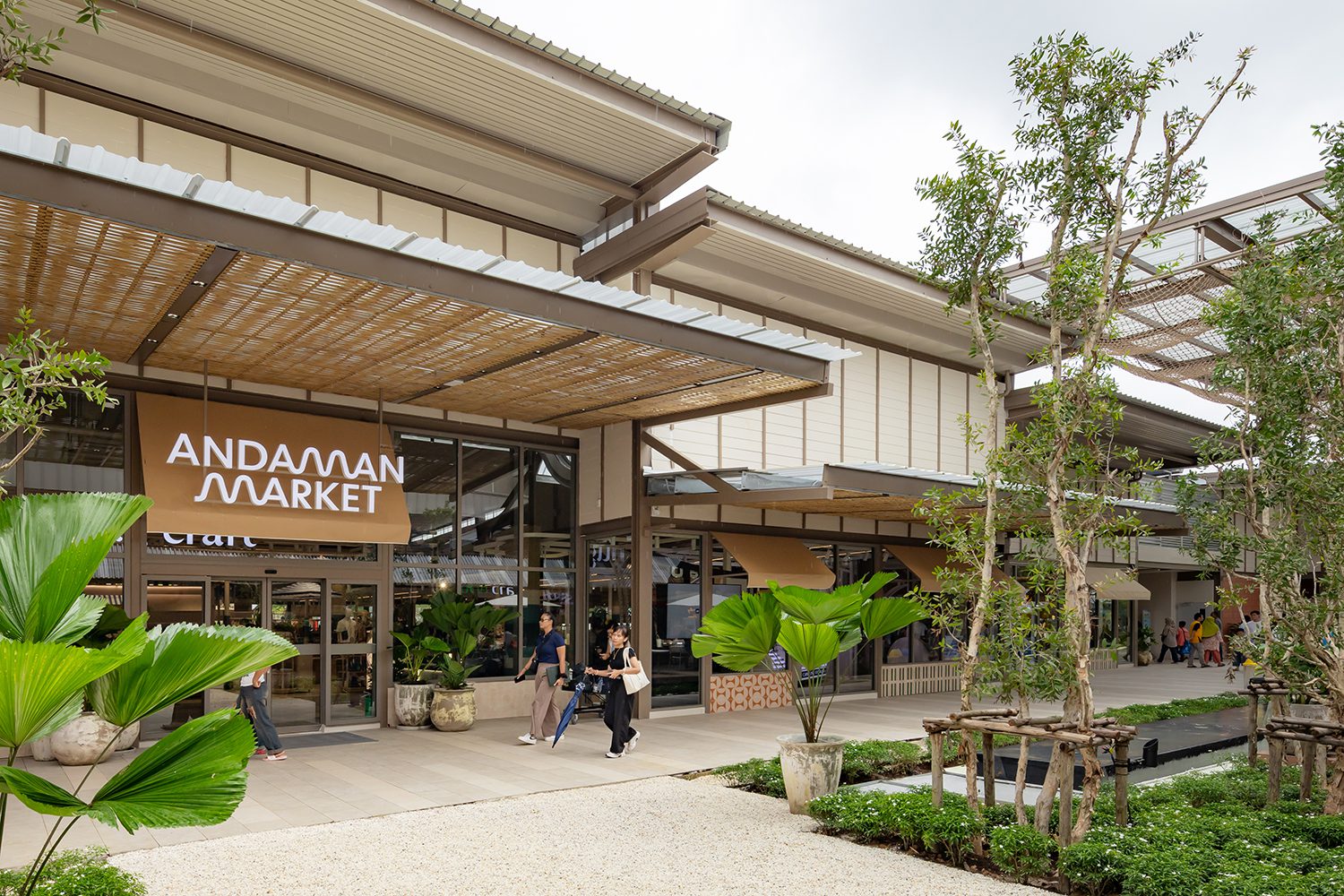
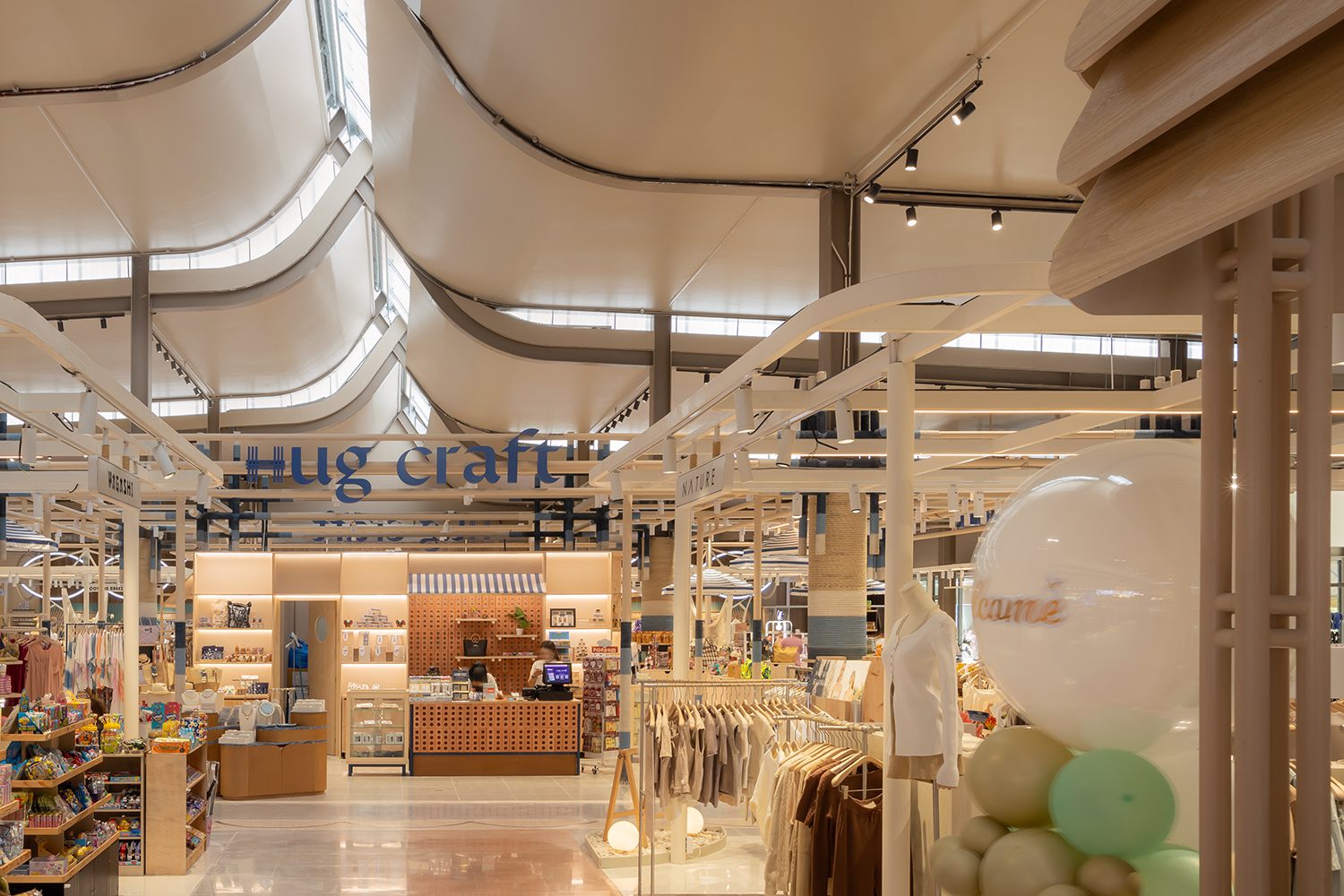
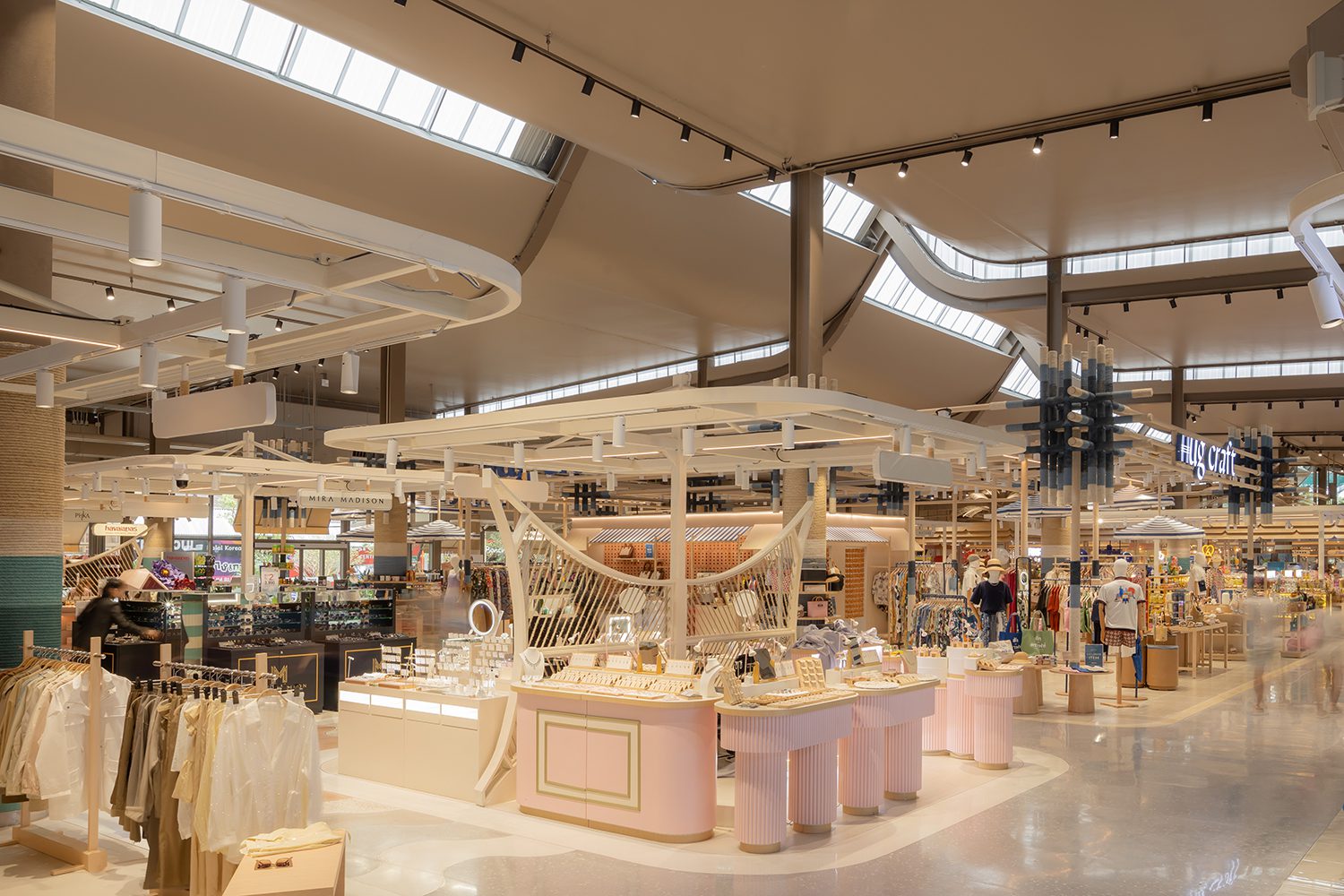
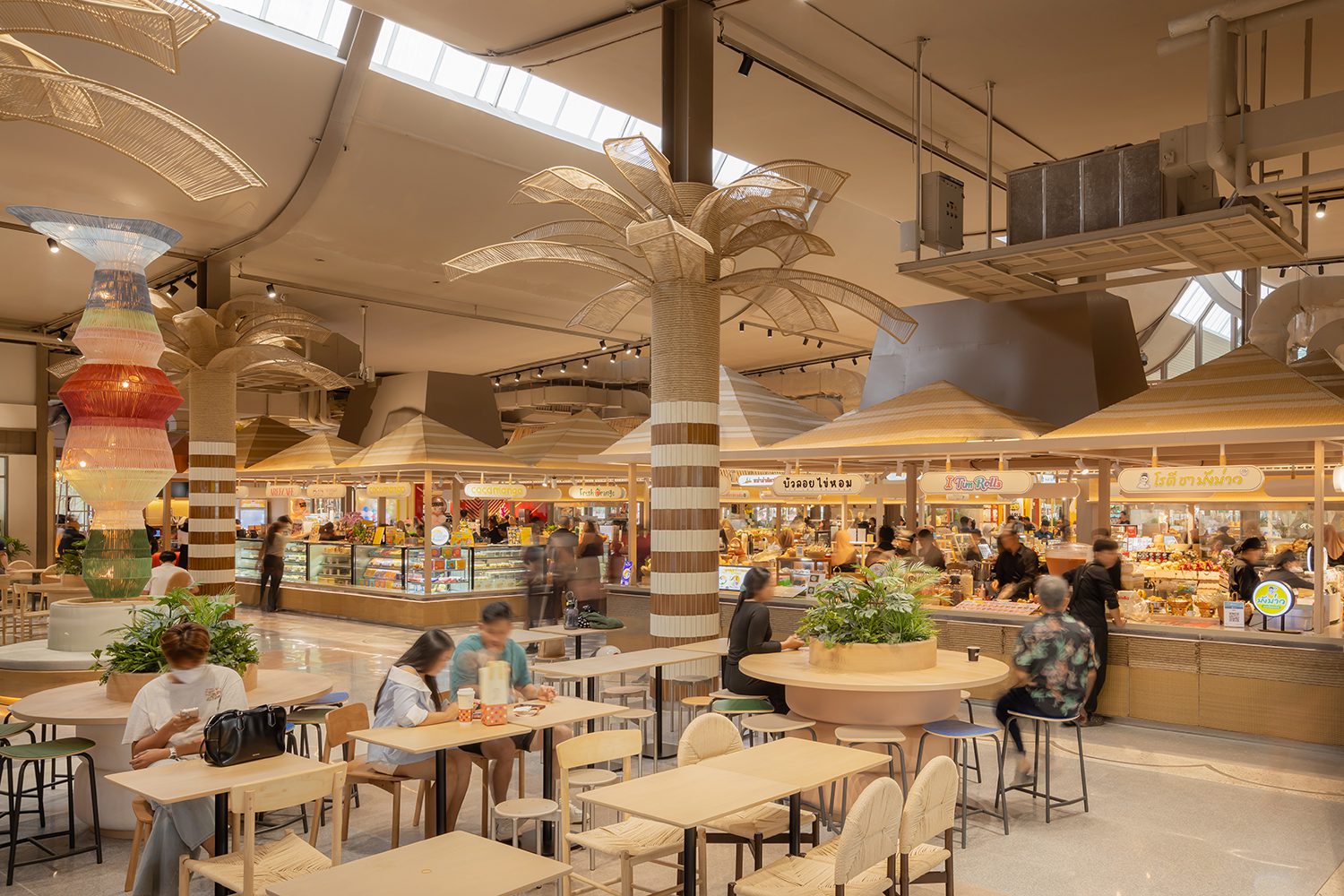
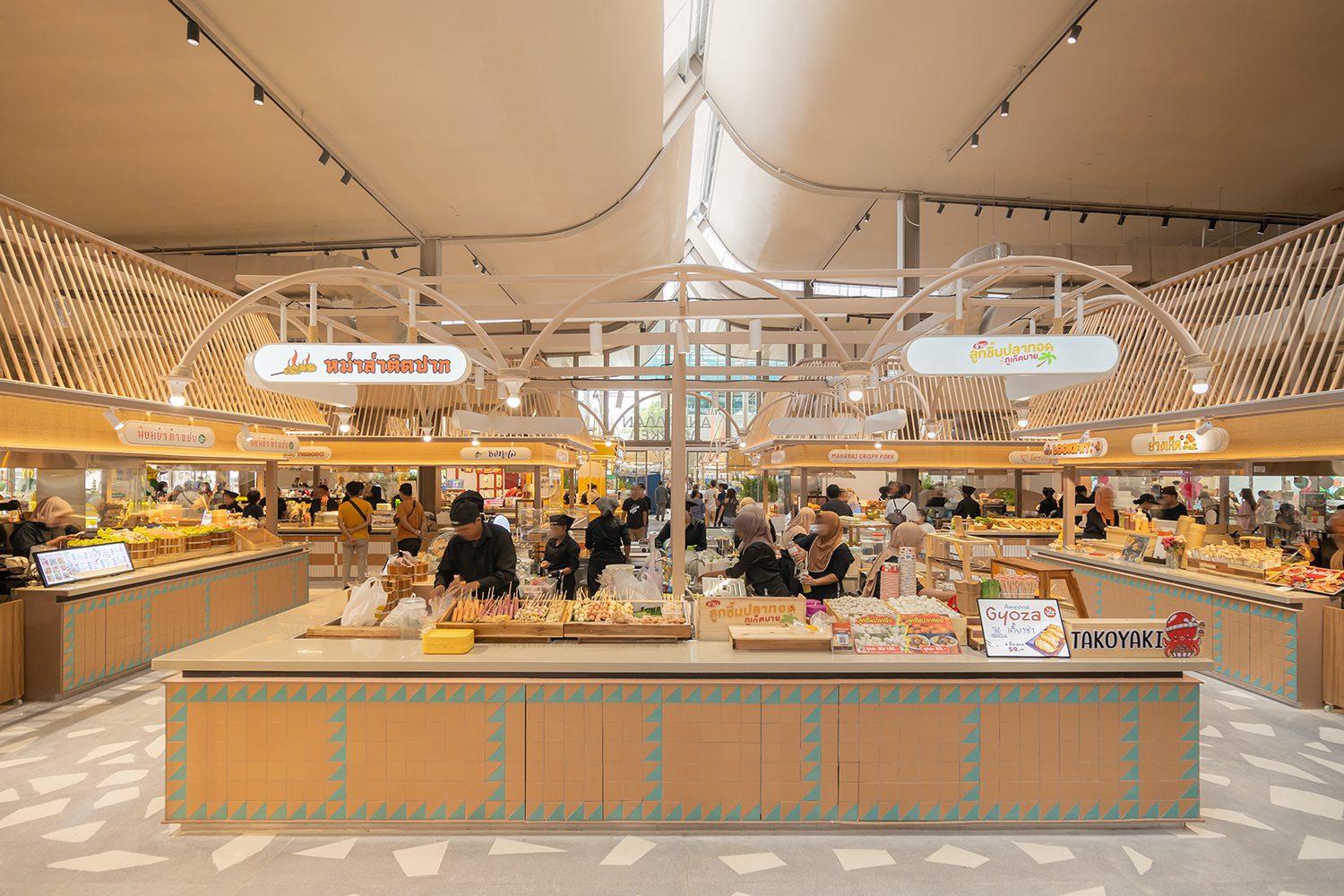
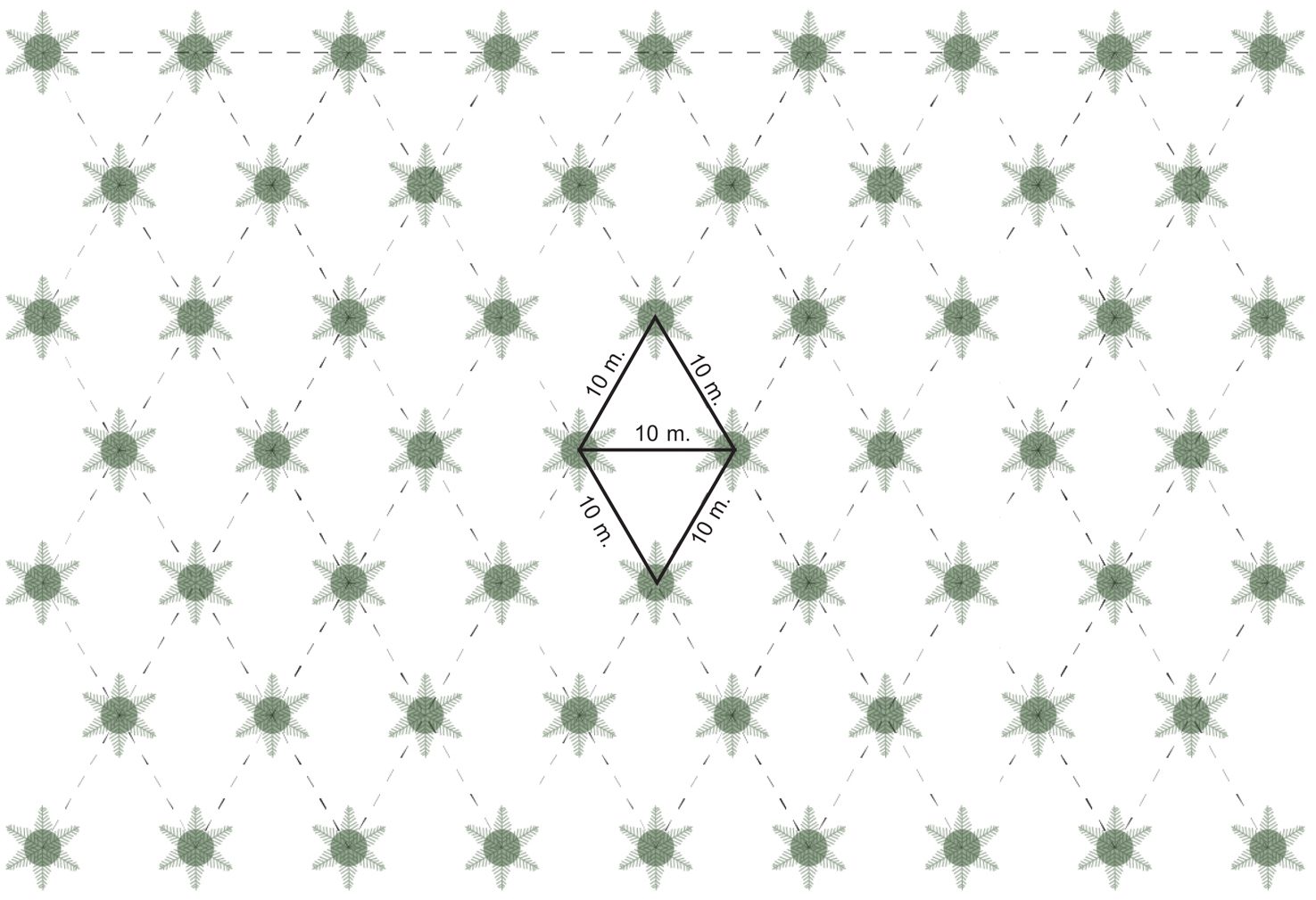
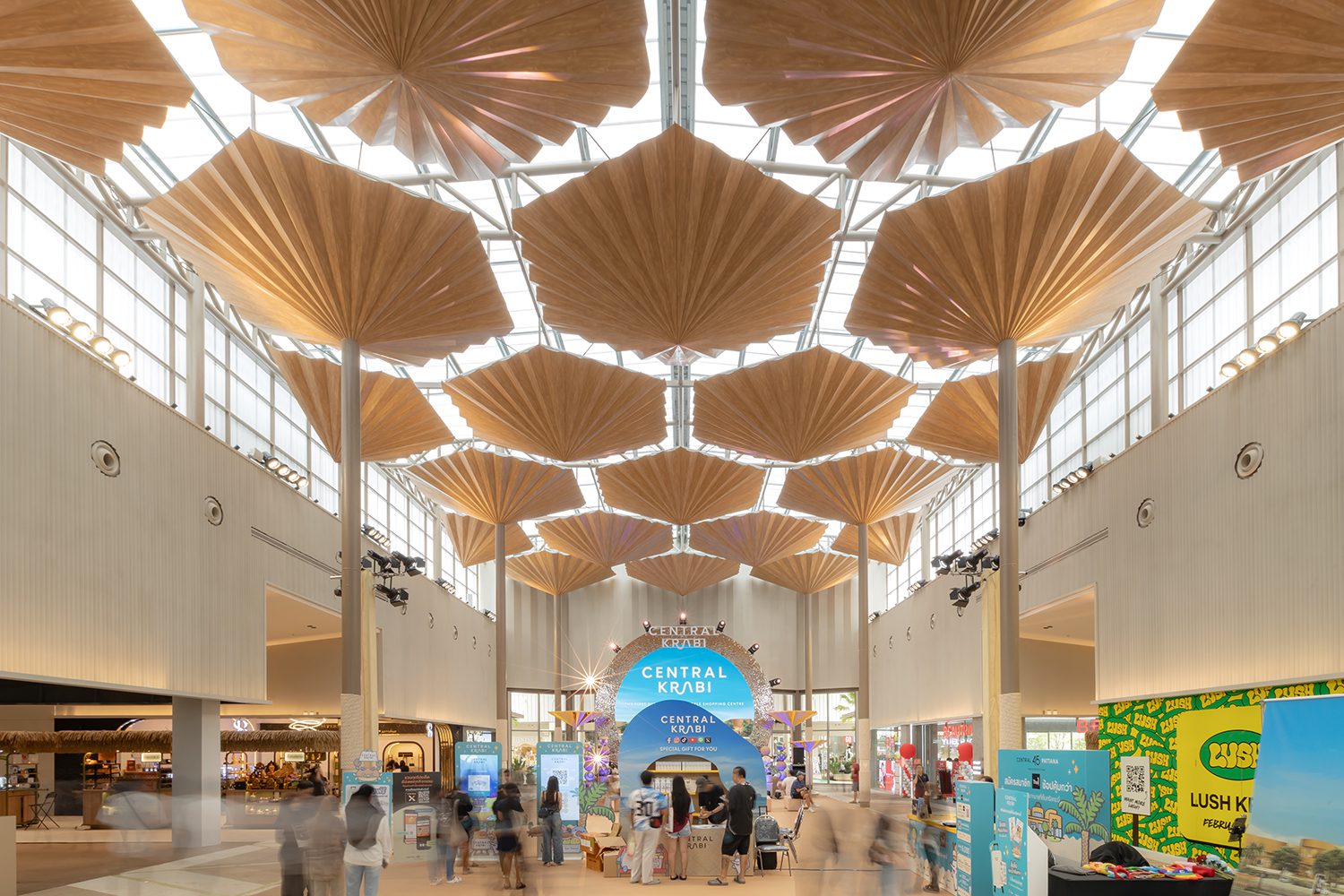
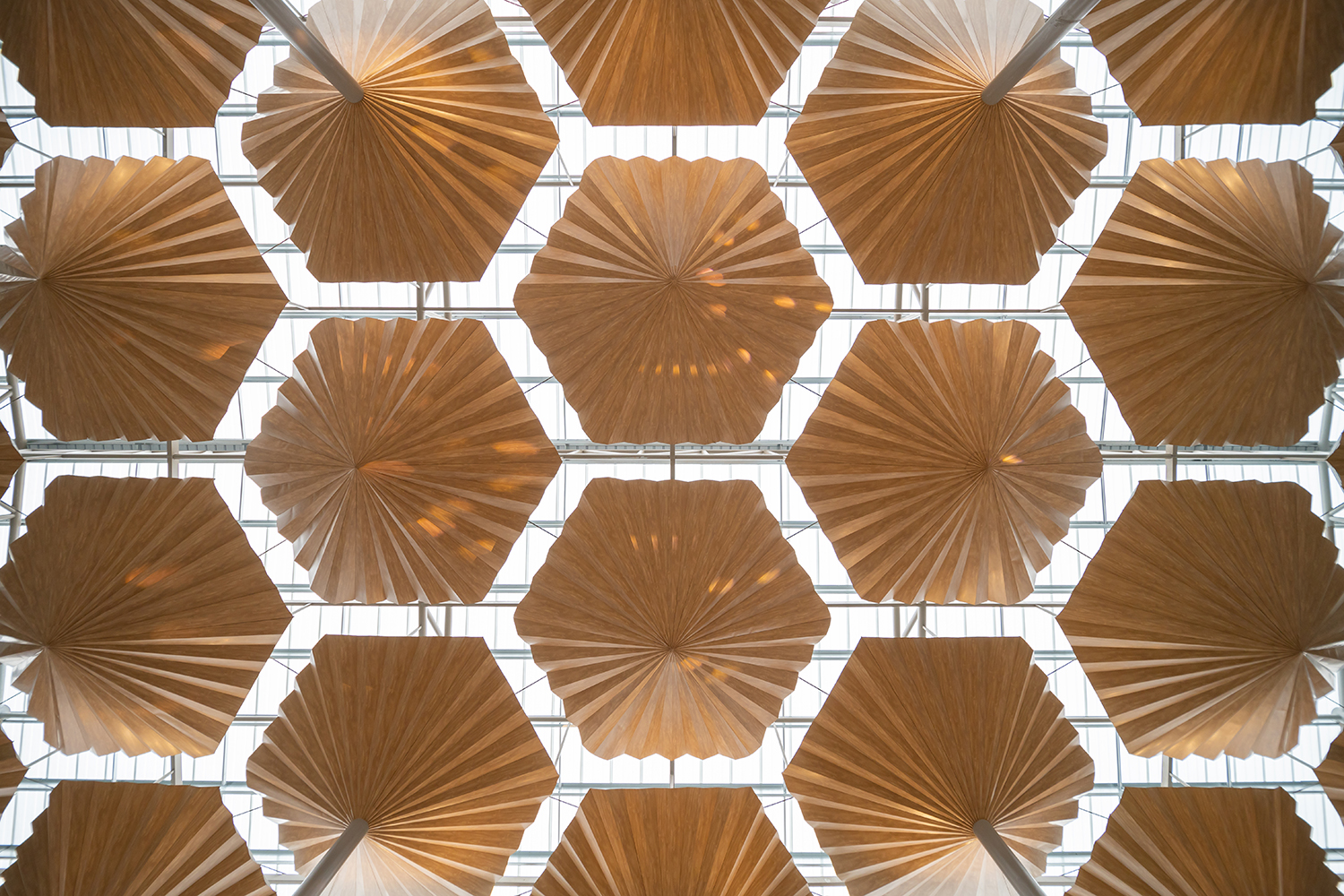
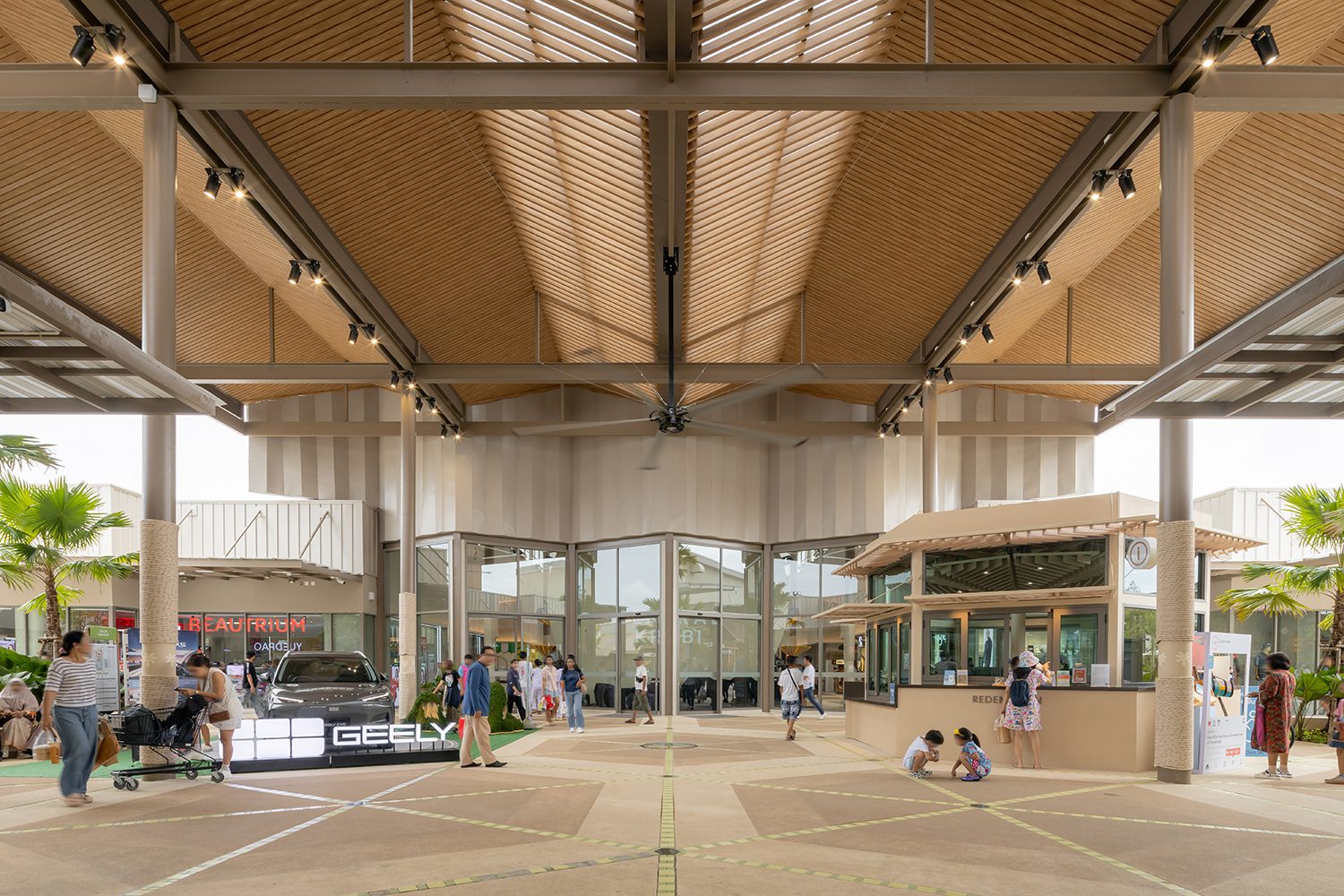
This zone further connects to ‘Palm Square’, which functions as the project’s central gathering space. Acting as a primary point of arrival for visitors from the parking area, it also serves as a transitional threshold between the Nature zone at the front and the Local Living zone to the rear. The design of this event plaza draws inspiration from palm plantations, a key agricultural industry of Krabi Province. The specific spacing patterns found in palm cultivation, along with the distinctive geometry of palm leaves, are reinterpreted as ceiling and floor patterns, forming a space with a strong visual identity that has become one of the project’s defining images. Palm trees also play an active role in shaping the design of the information center and various architectural details throughout the area.
Today, visitors standing within the shopping center can look back through the layered forms of the island-inspired frontage and enjoy clear views toward the surrounding mountains. As the broader mixed-use development reaches full completion, incorporating residential estates, condominiums, and hotels, the project is poised to become a model for everyday living in balance with nature. This ambition is underscored by a firm commitment to sustainable development. Central Krabi is envisioned as a prototype sustainable shopping center, targeting EDGE Certification – Zero Level, with the aim of generating long-term value for the city of Krabi, its environment, and the surrounding communities in a meaningful and lasting way.