2026 ASIAN ART BIENNIAL
TEXT & PHOTO: BARRY MACDONALD
(For Thai, press here)
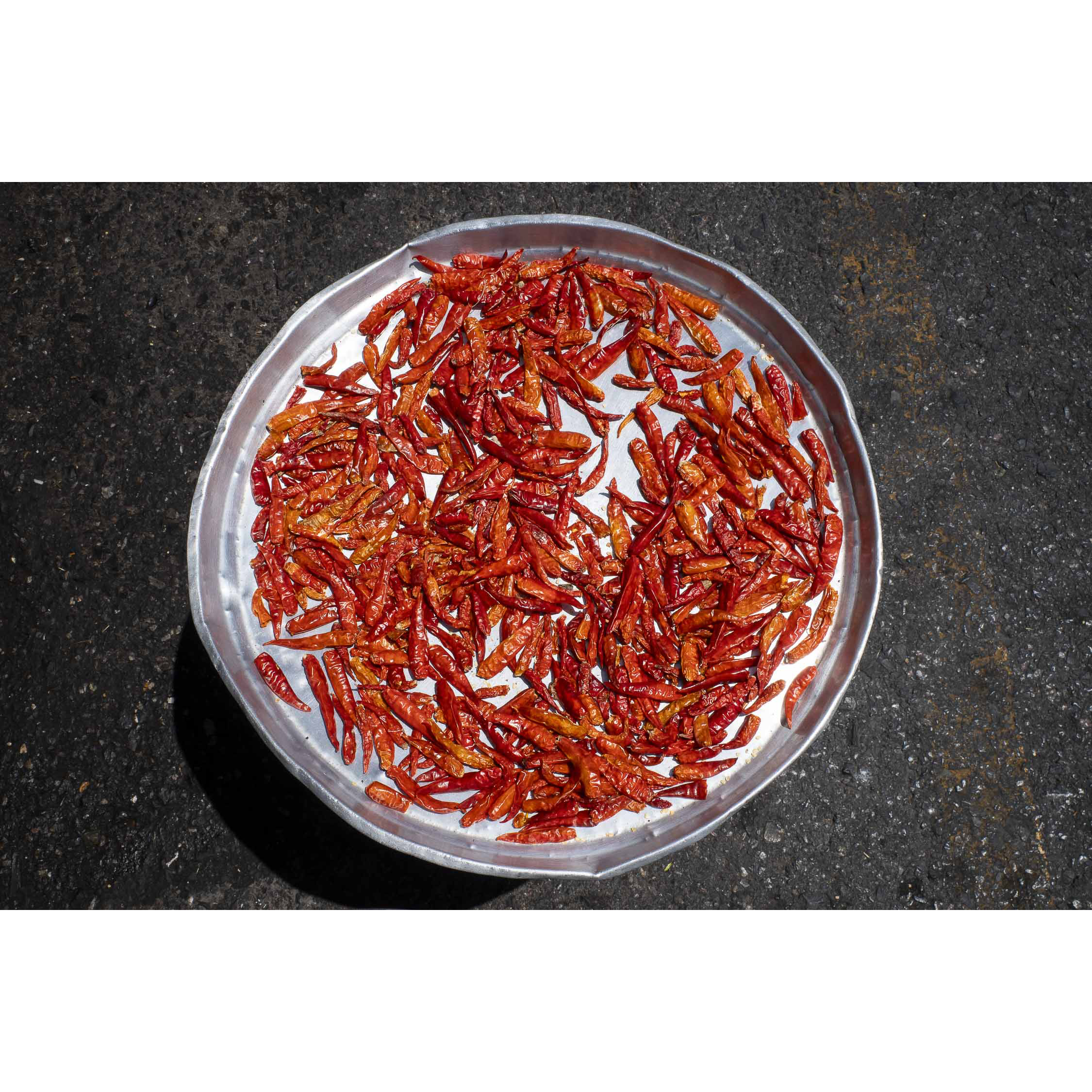
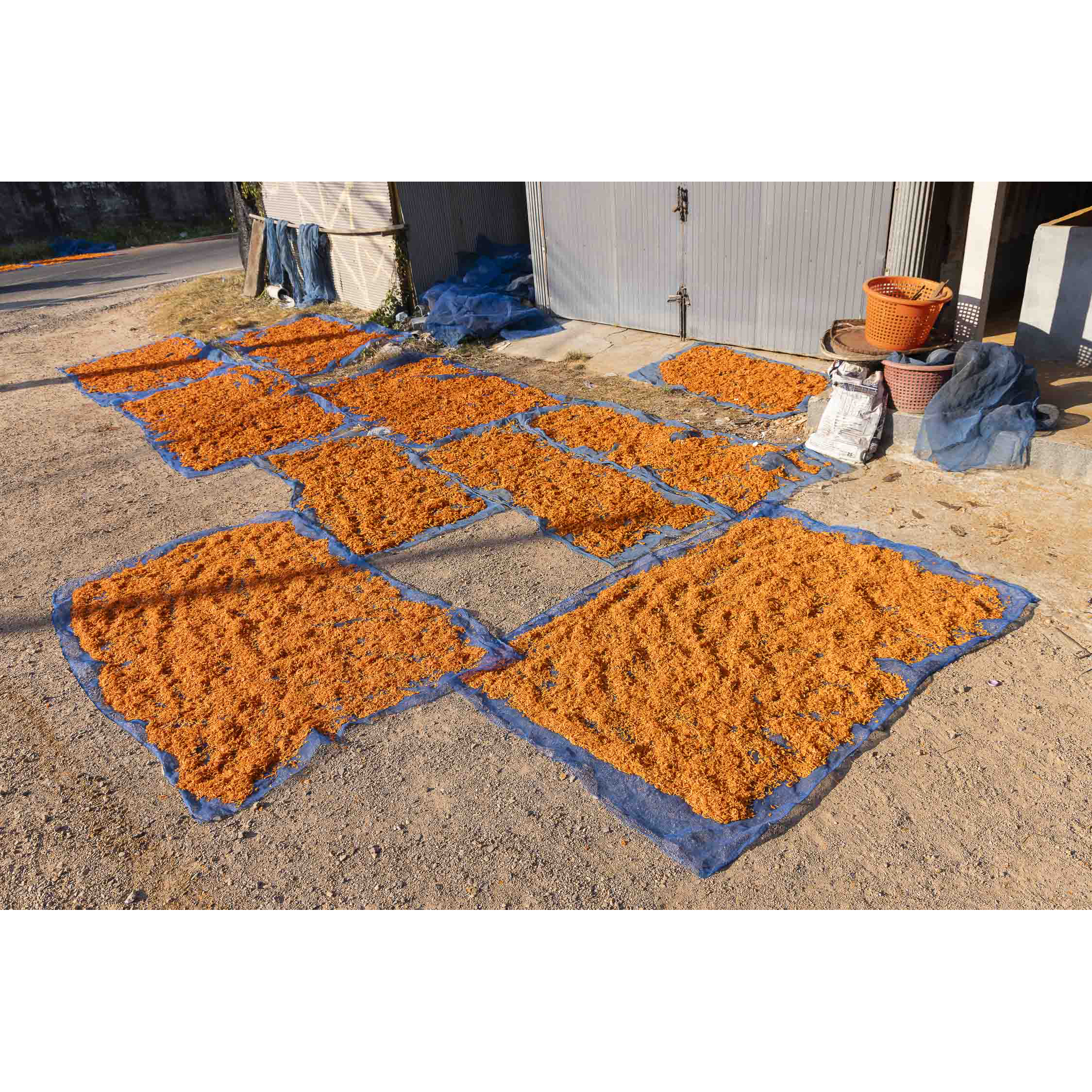
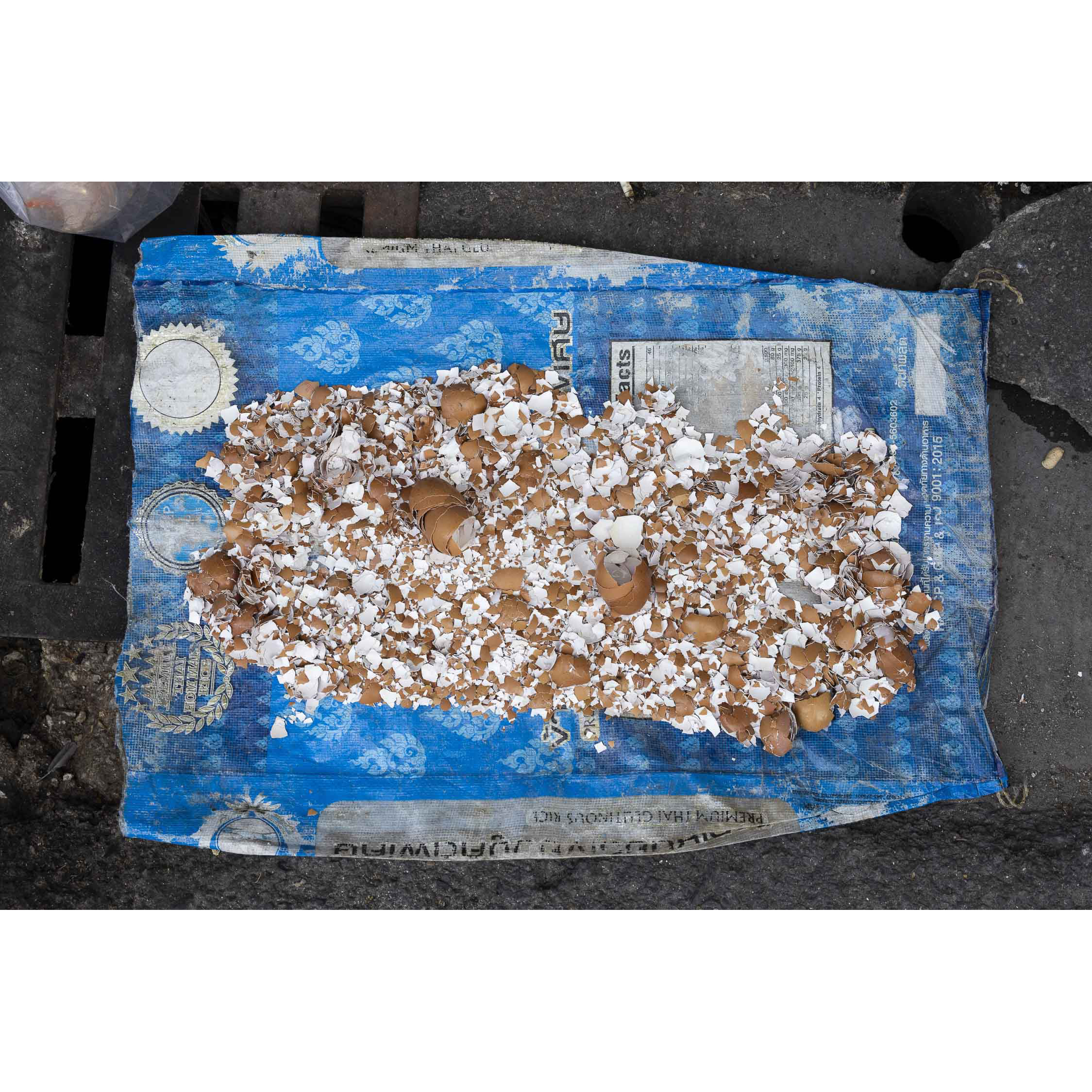
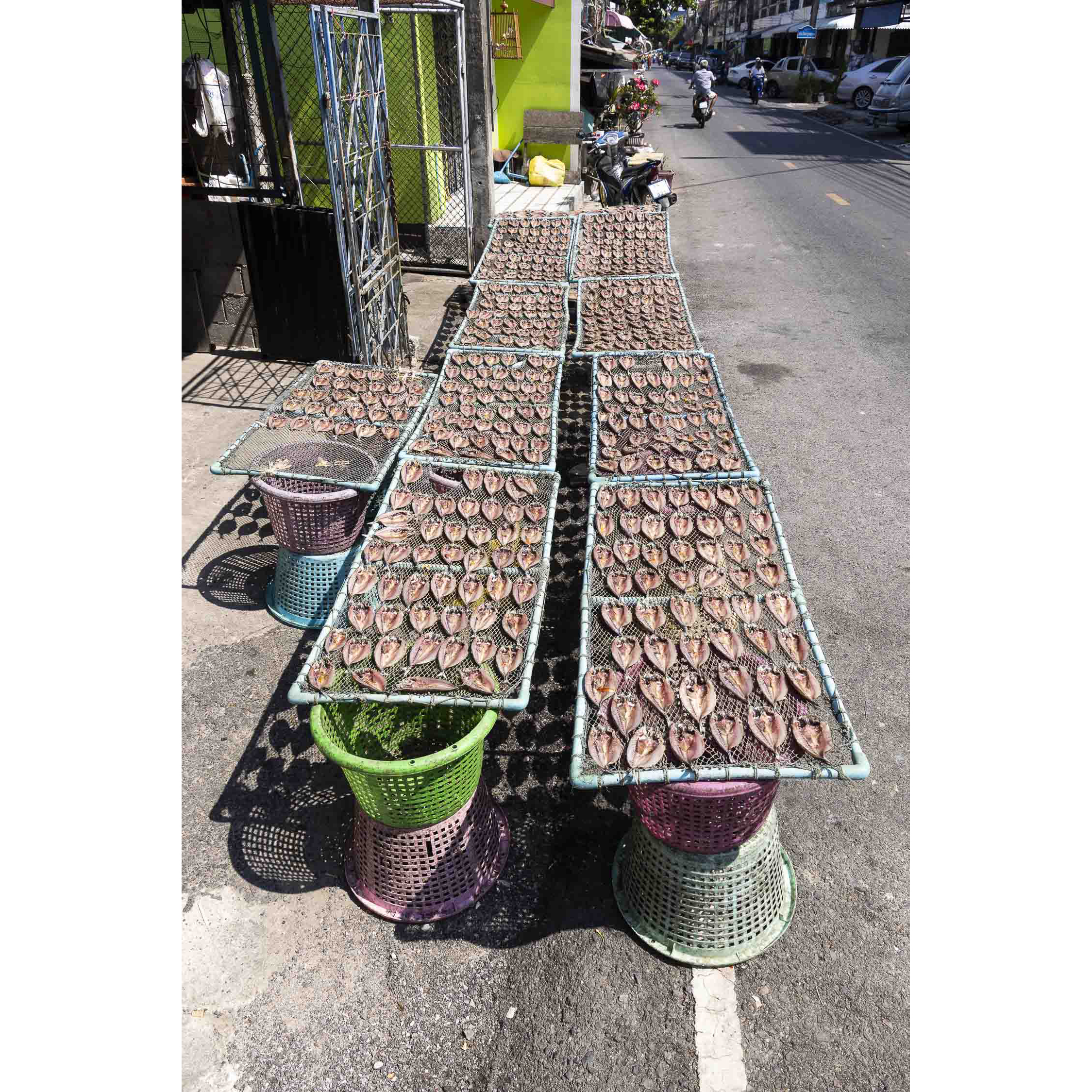
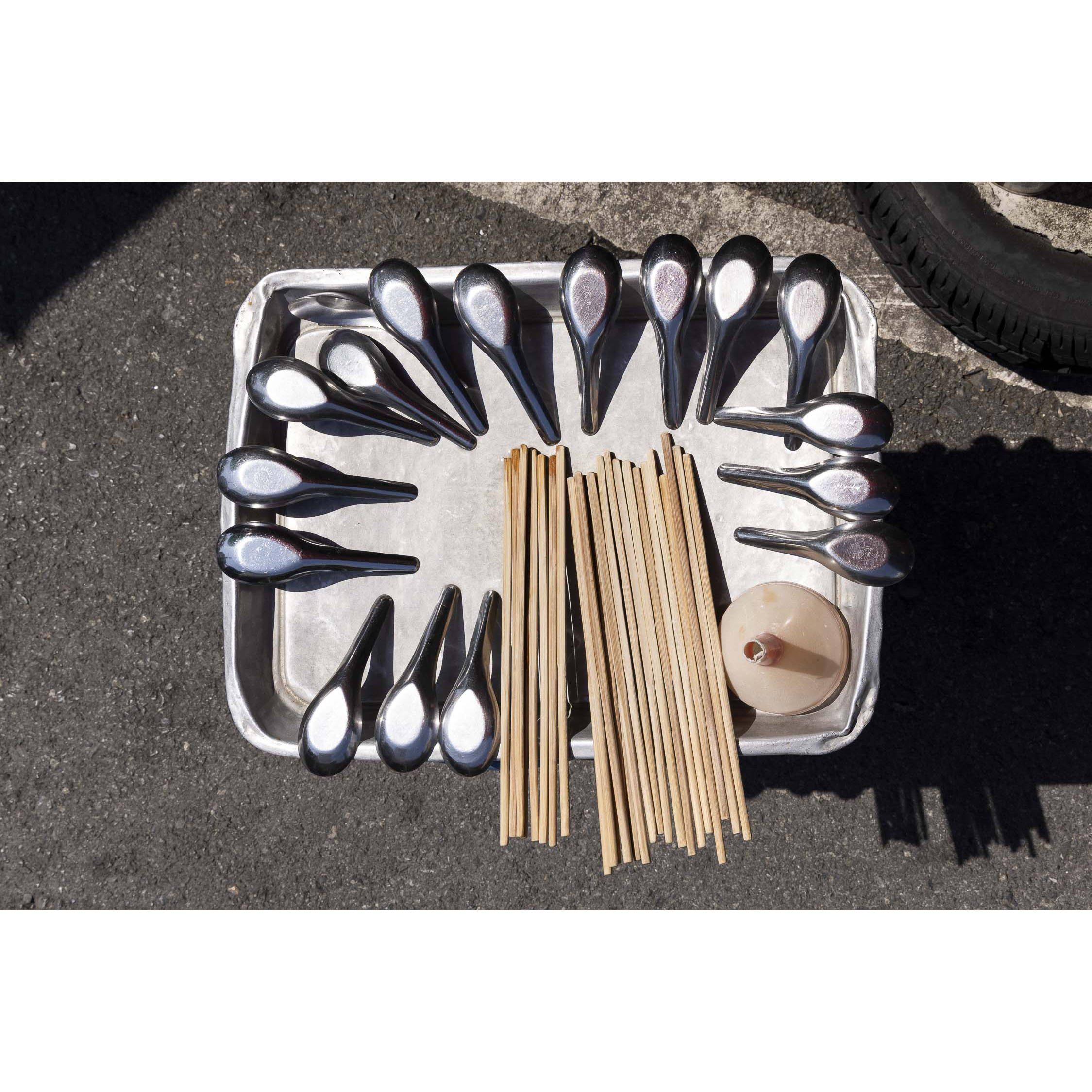
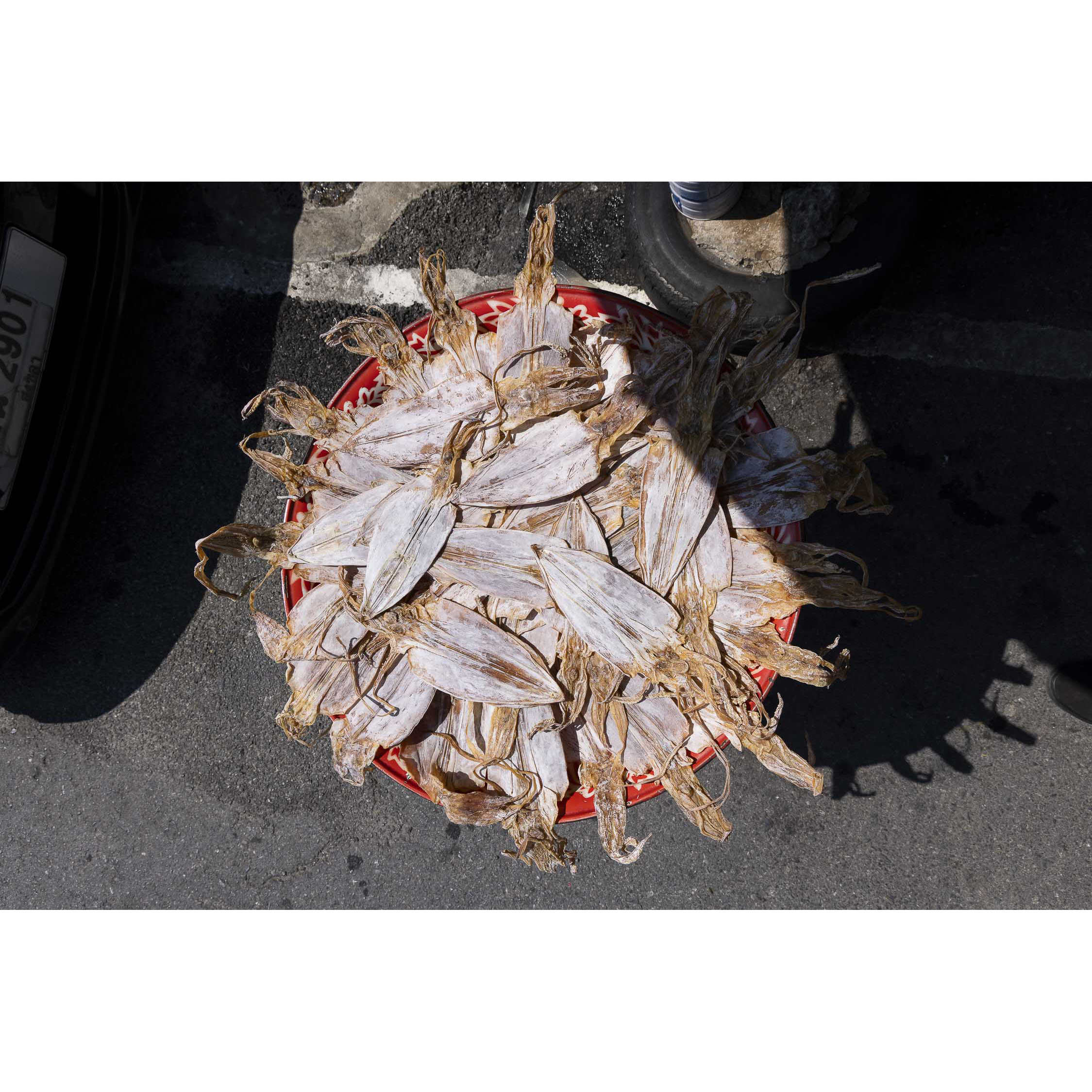
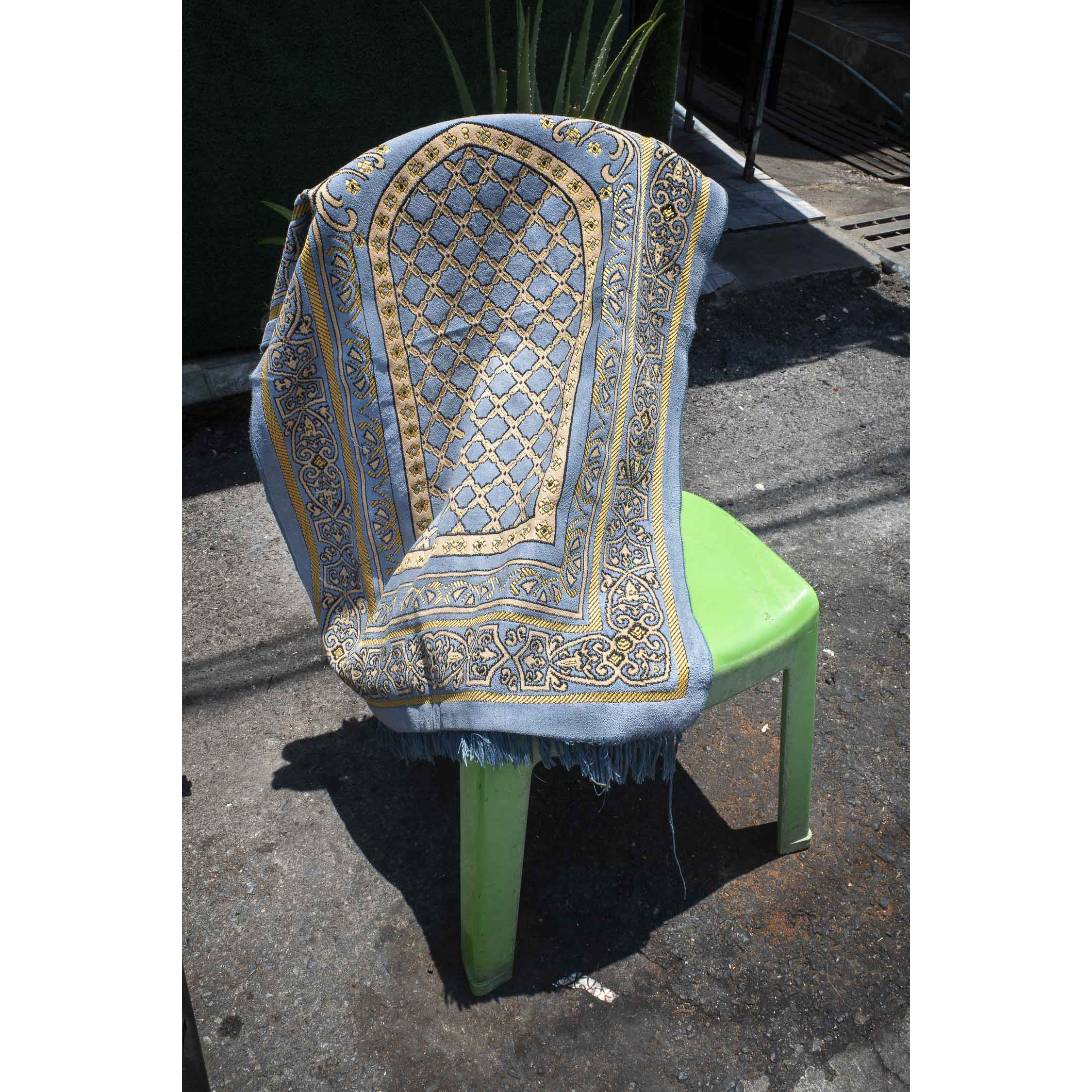
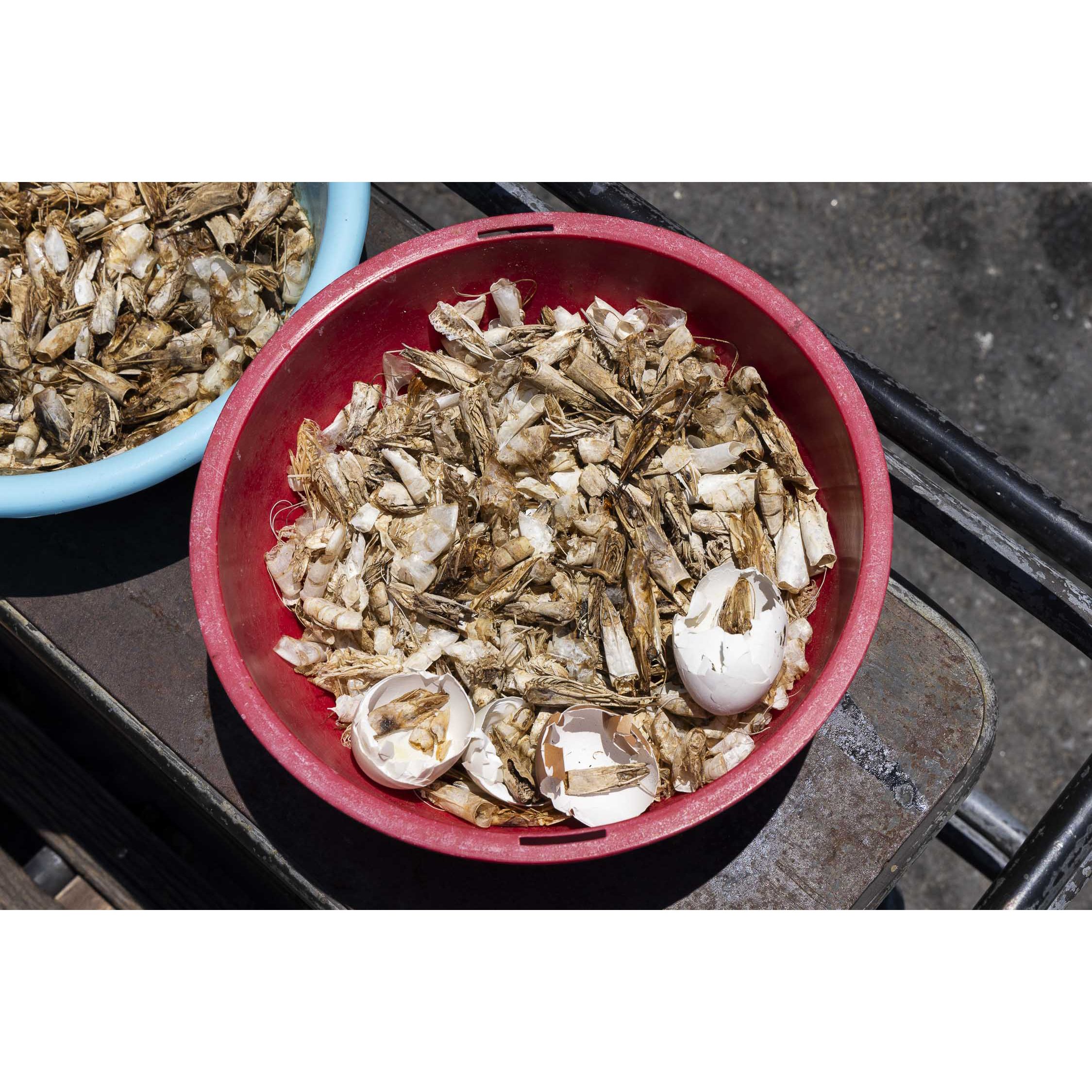
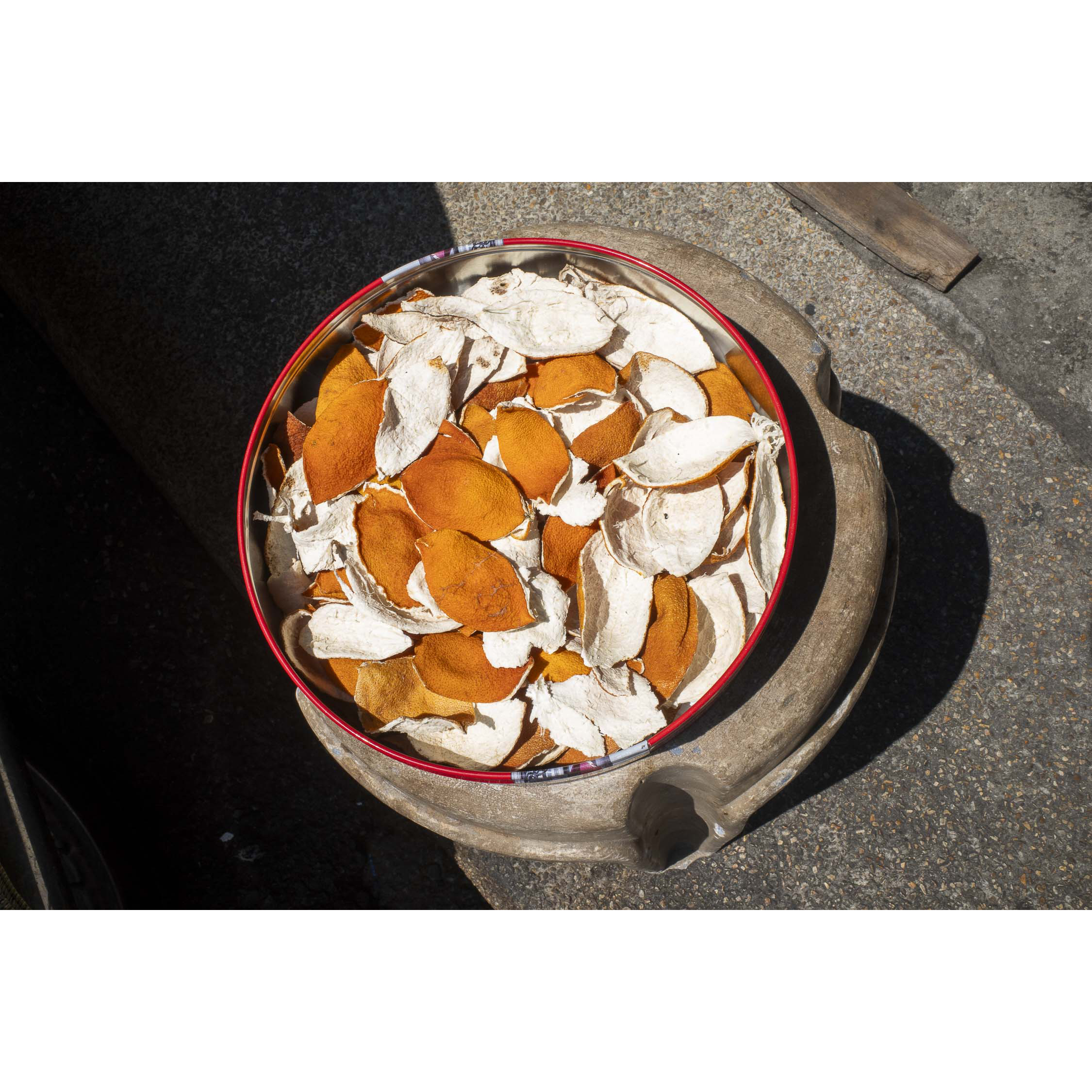
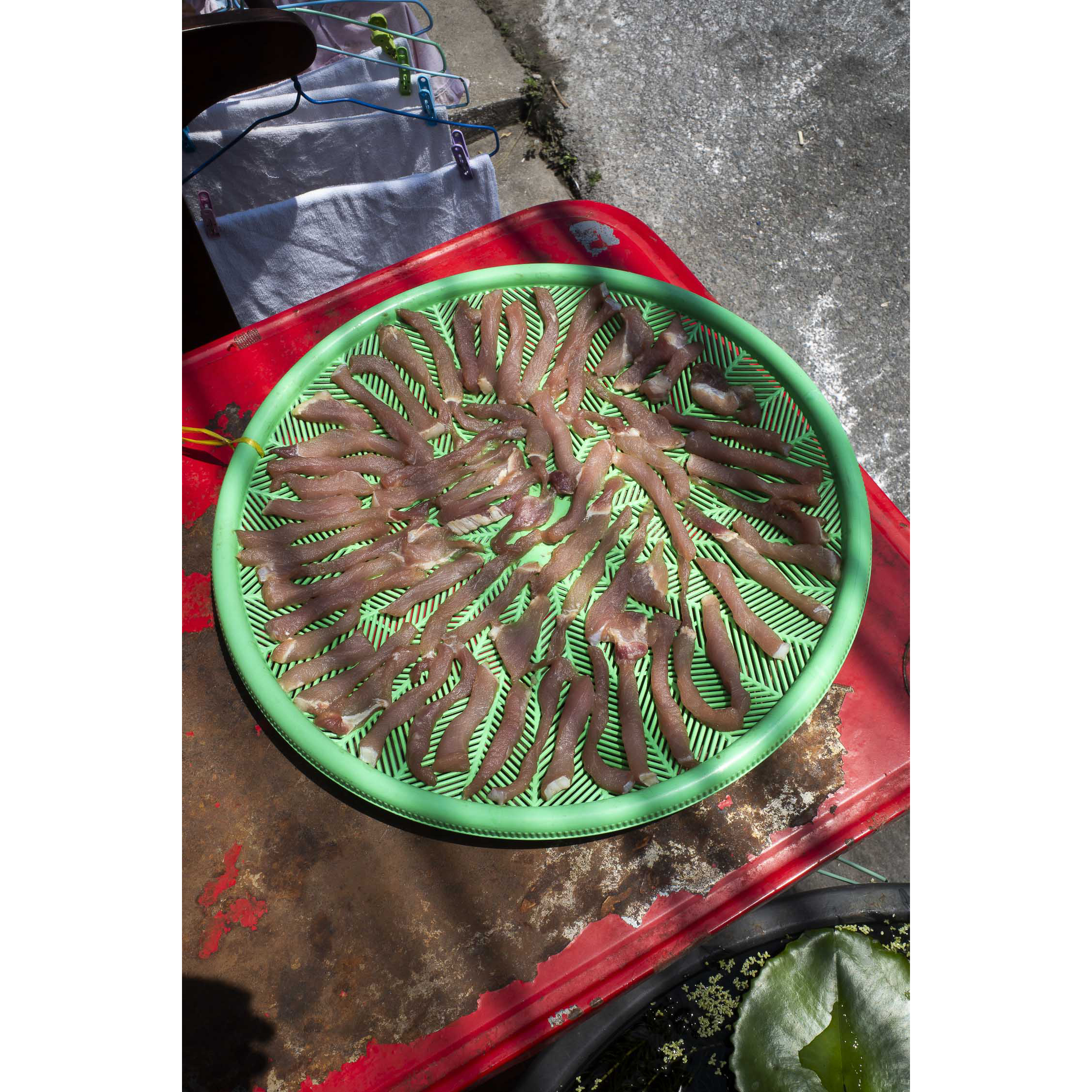
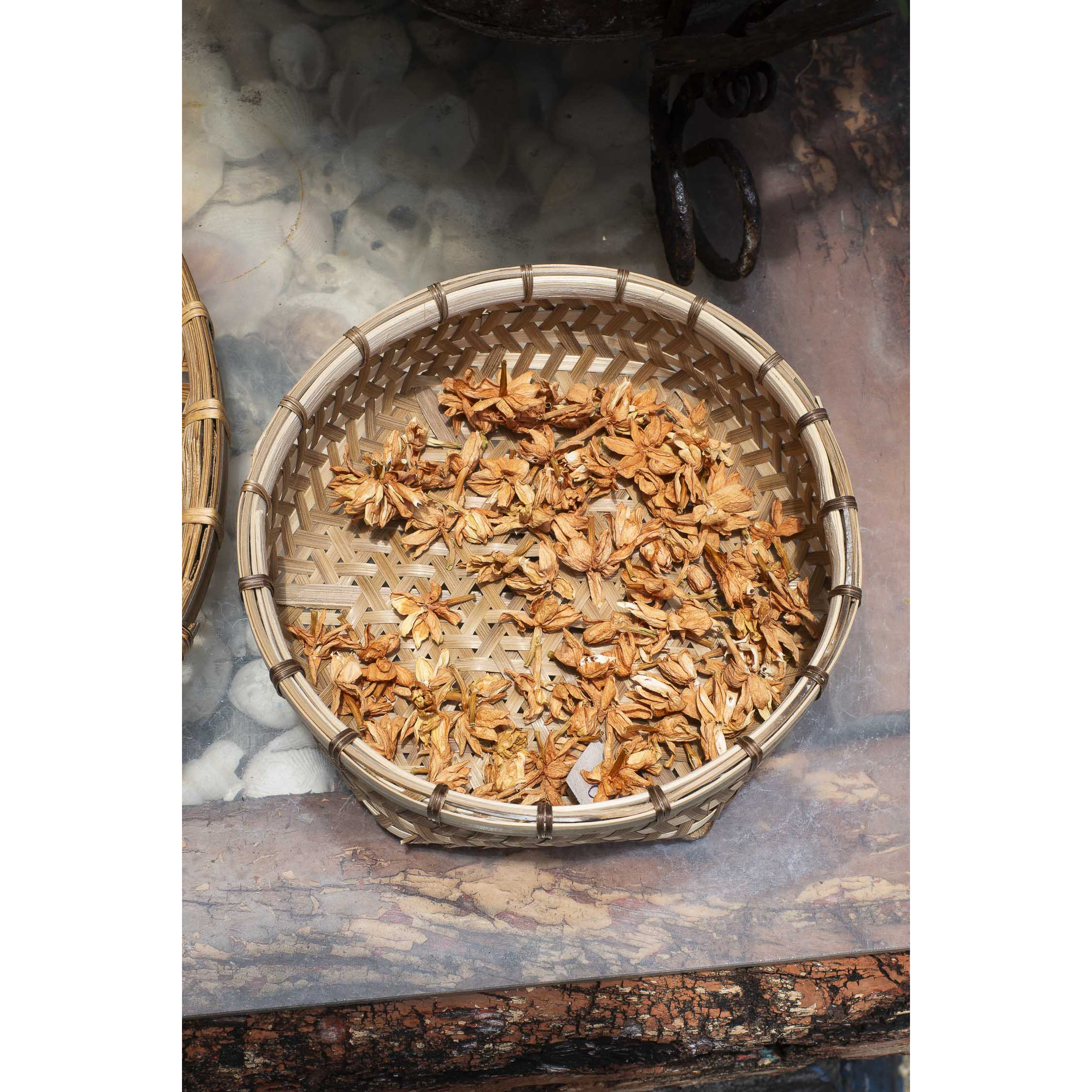
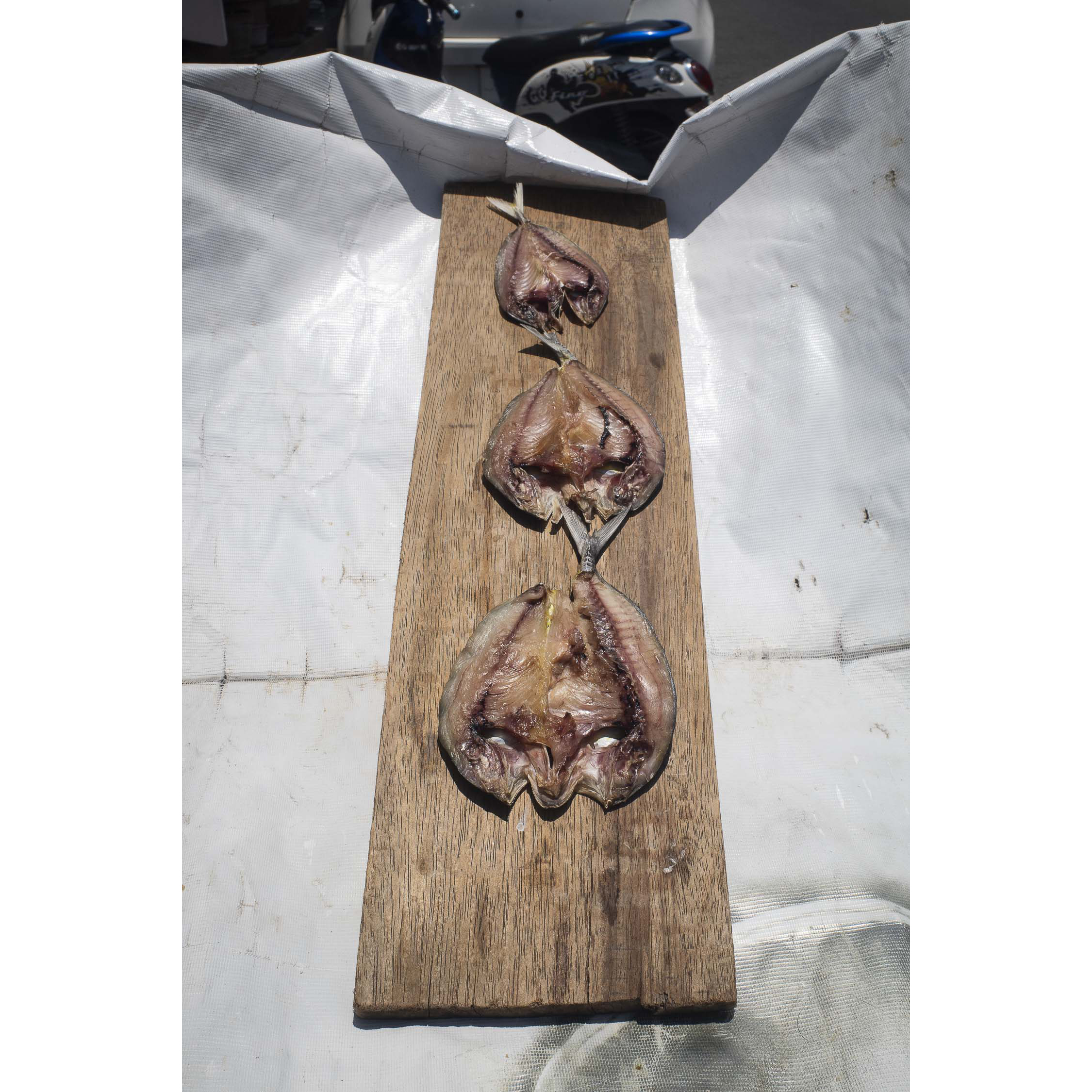
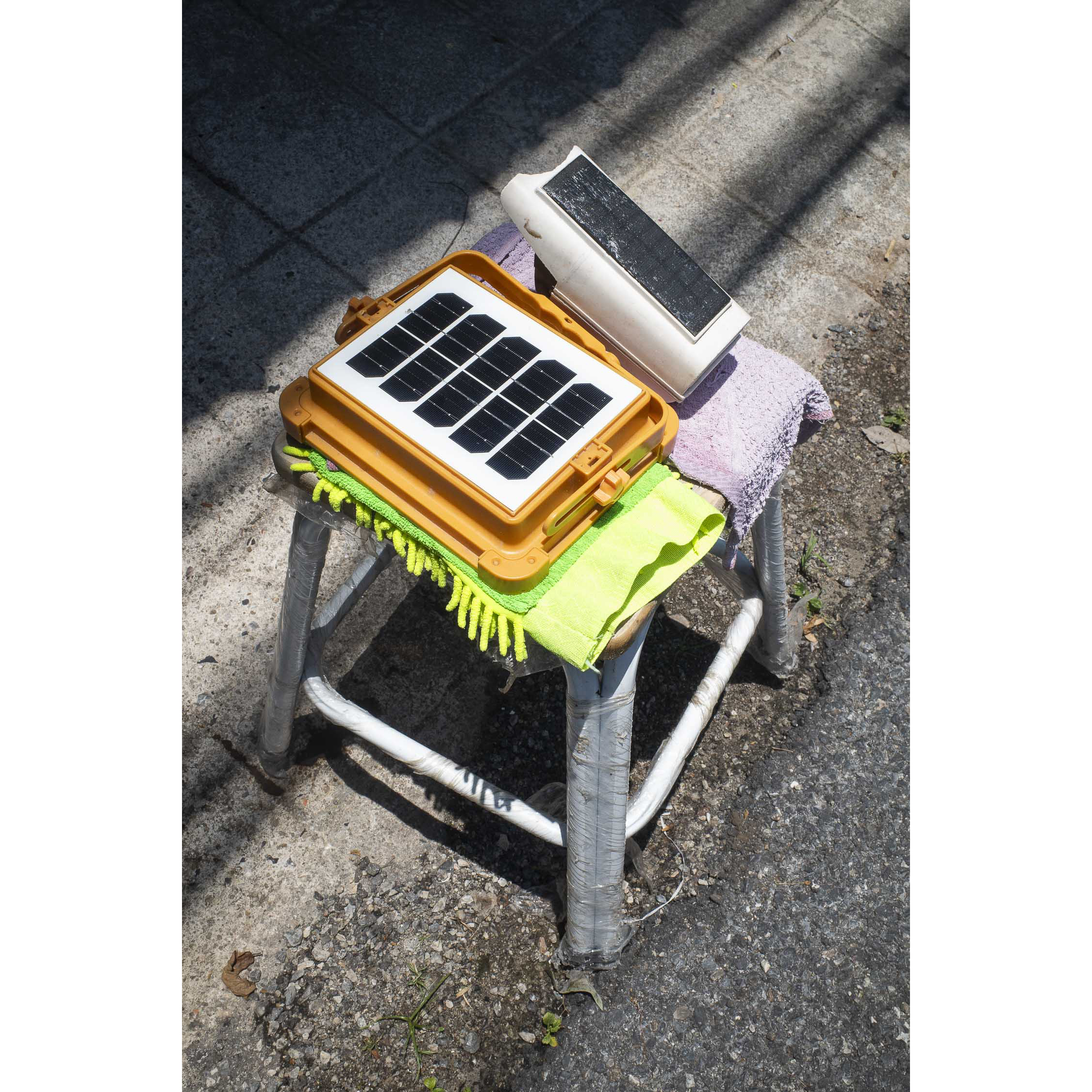
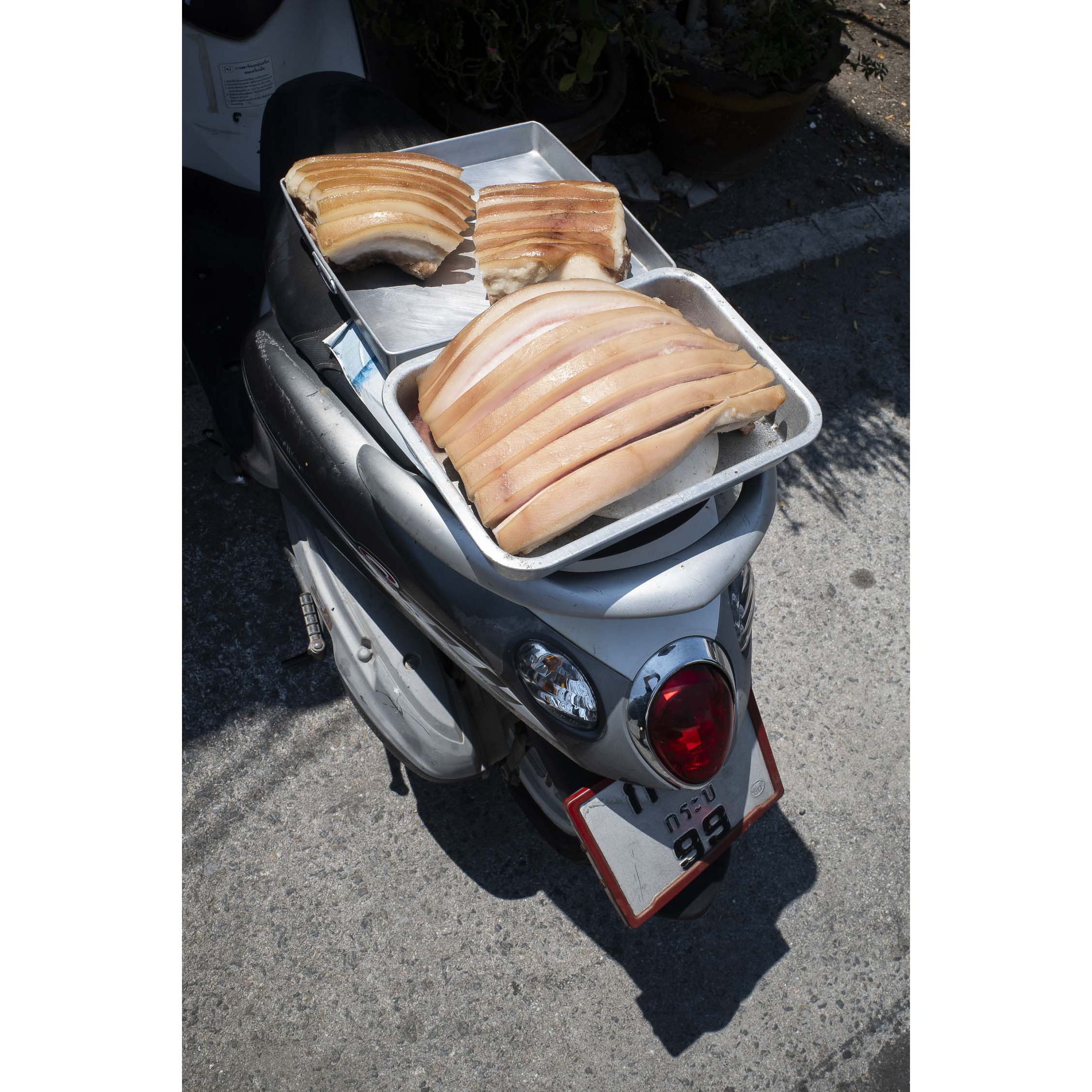
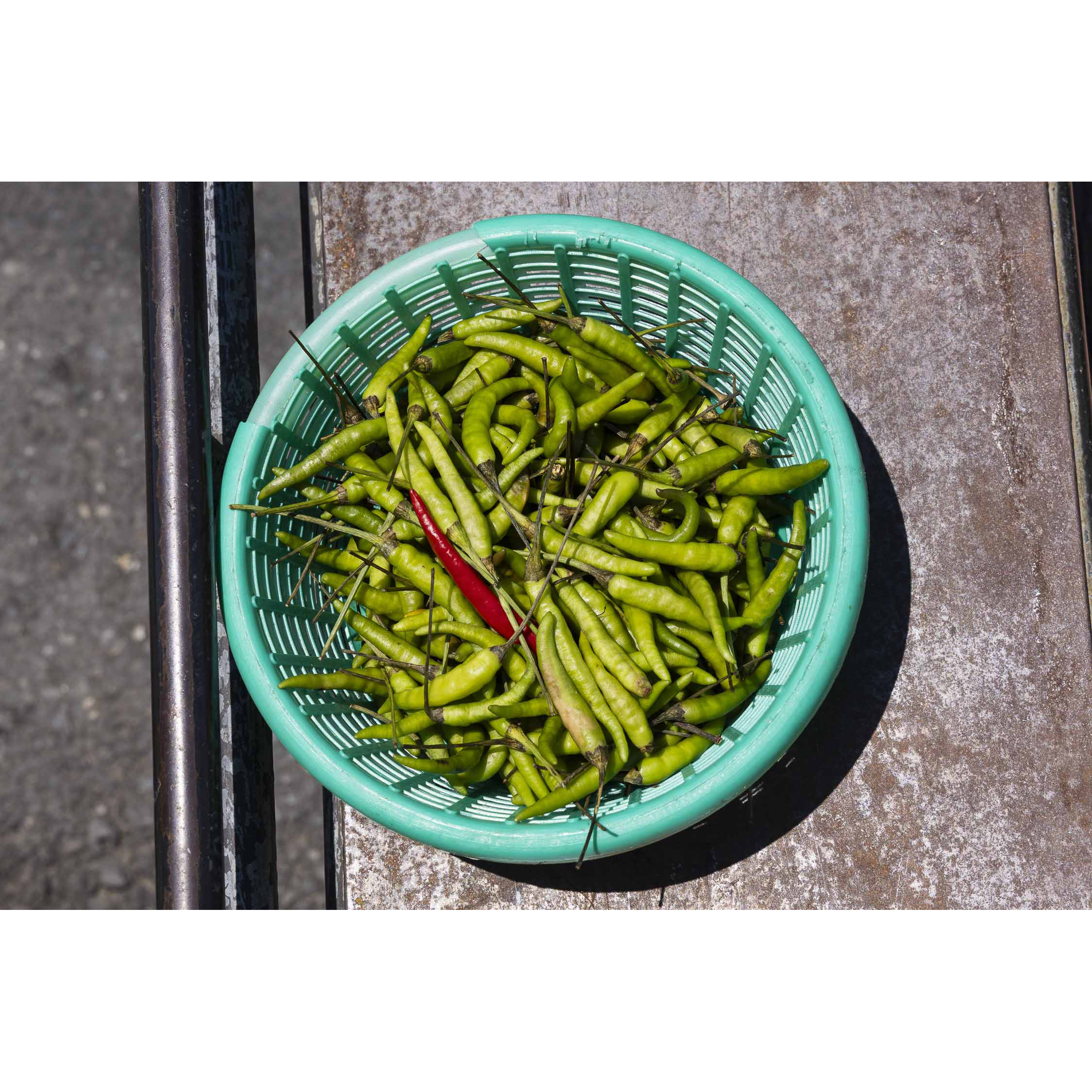
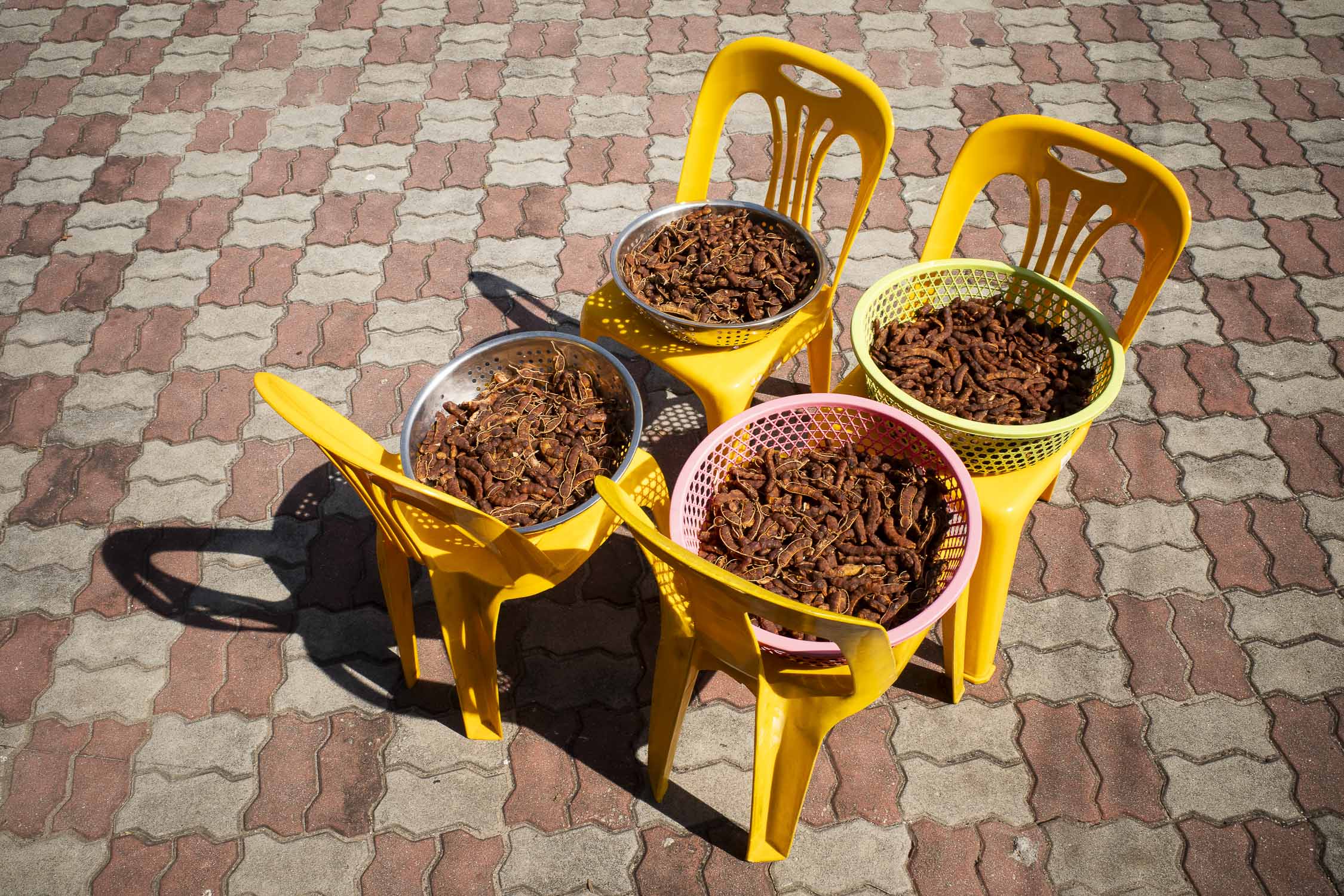
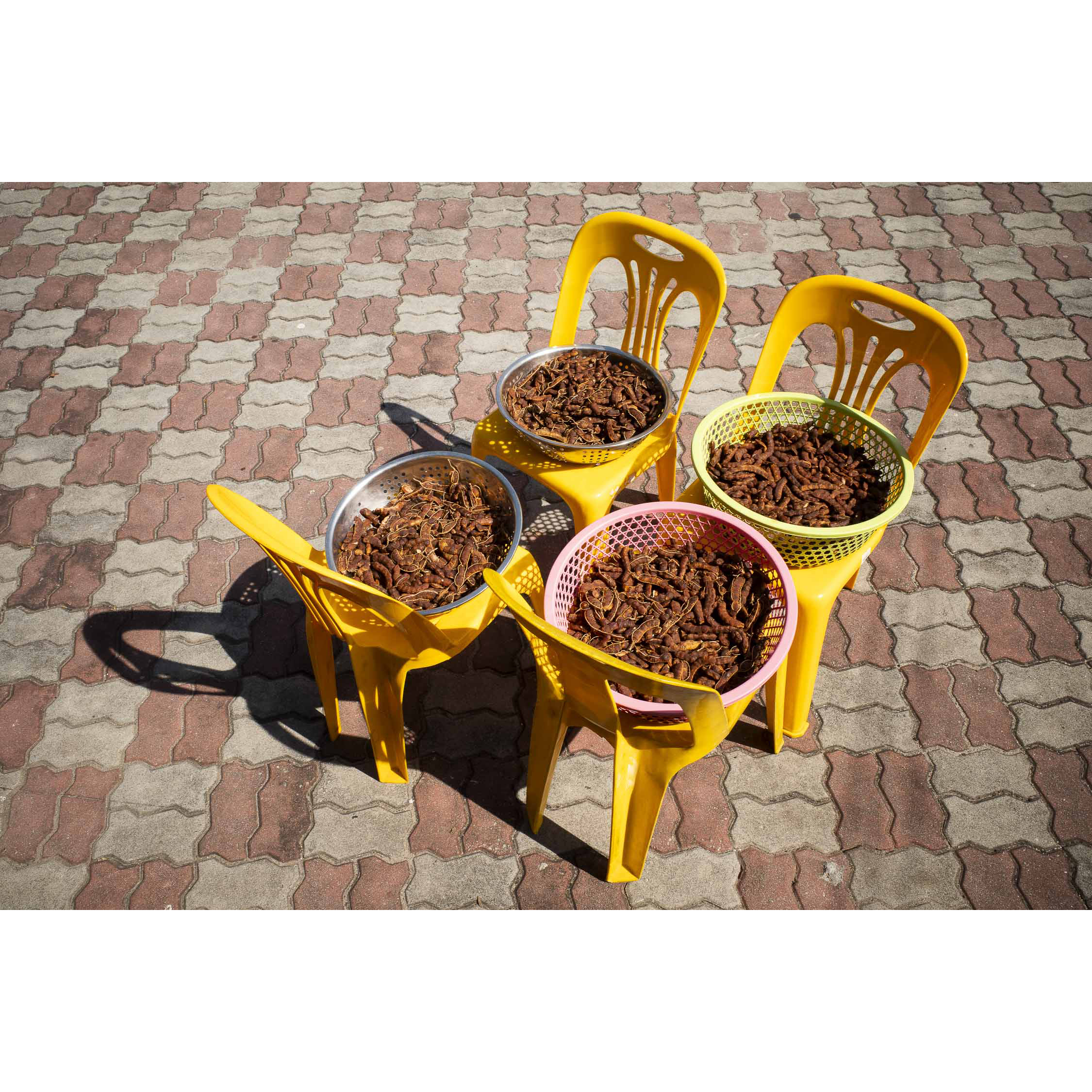
It was an everyday occurrence to bump into all kinds of things being sundried on the street all over Songkhla. Chillies, pork, rice, orange peels, shrimp, fish, squid, durian husks, flowers, tea, egg shells, bread crumbs, cutlery, coffee cups, cats litter tray, clothes, solar batteries and even a prayer mat.
Sometimes there is a lot of talk about traditions and culture, but then you realise they are actually quite recent occurrences. I think sun drying is maybe one of the oldest traditions in Thailand and a link to the past and nature that really grabbed my attention. It’s not only aesthetically beautiful, but also a lovely way to see the important ingredients in the local people’s lives.
___________________
Barry Macdonald (b. 1984) is a freelance photographer from London, England. He started off shooting musicians and found out about the enjoyment of travelling from going on tour with bands around Europe and the USA. His work has evolved into a hybrid of street and documentary. He is interested in sociology and tries to look at culture and human nature through his photography. He has lived in Bangkok, Thailand since 2022.
TEXT & PHOTO: XIMENG TU
(For English, press here)
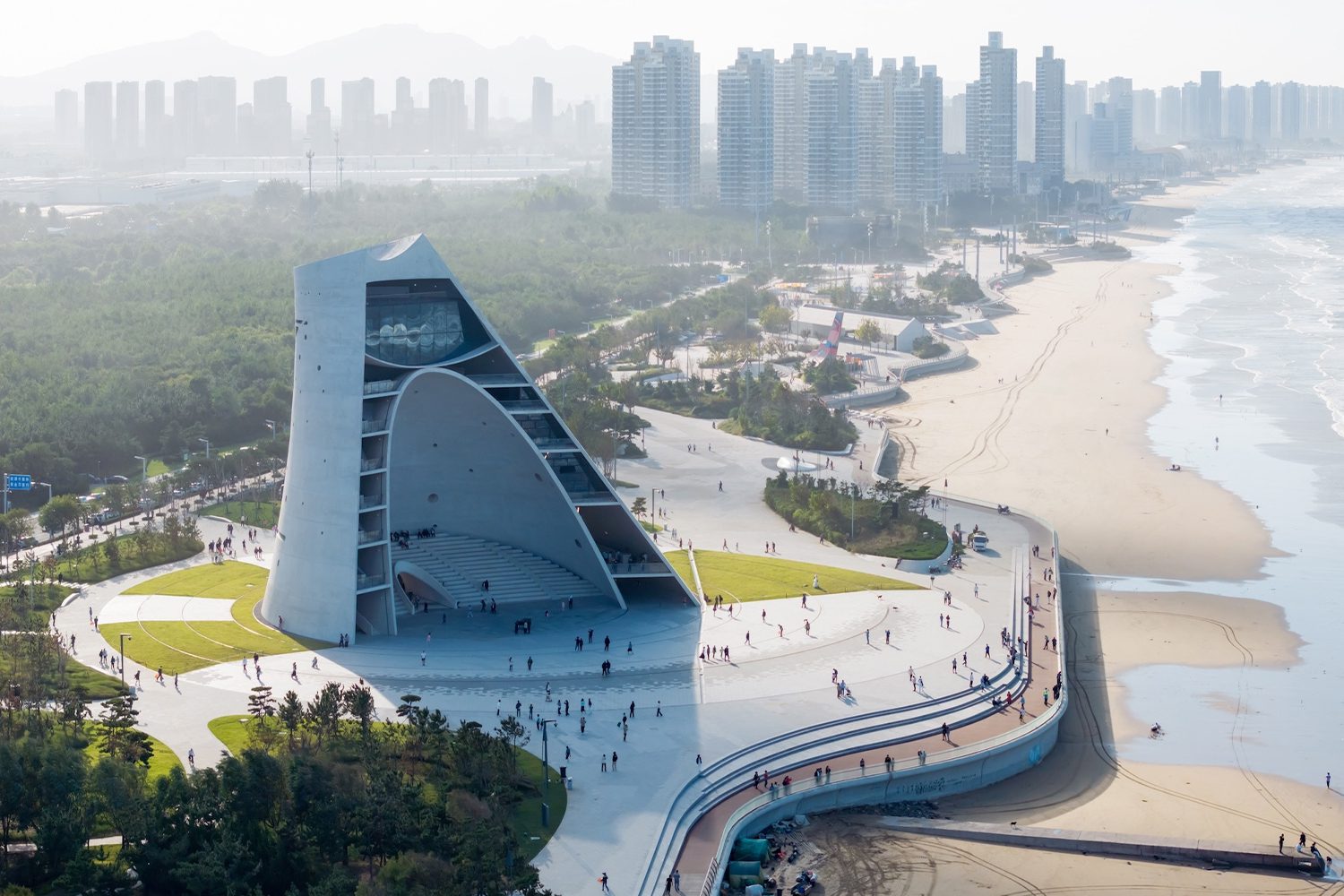
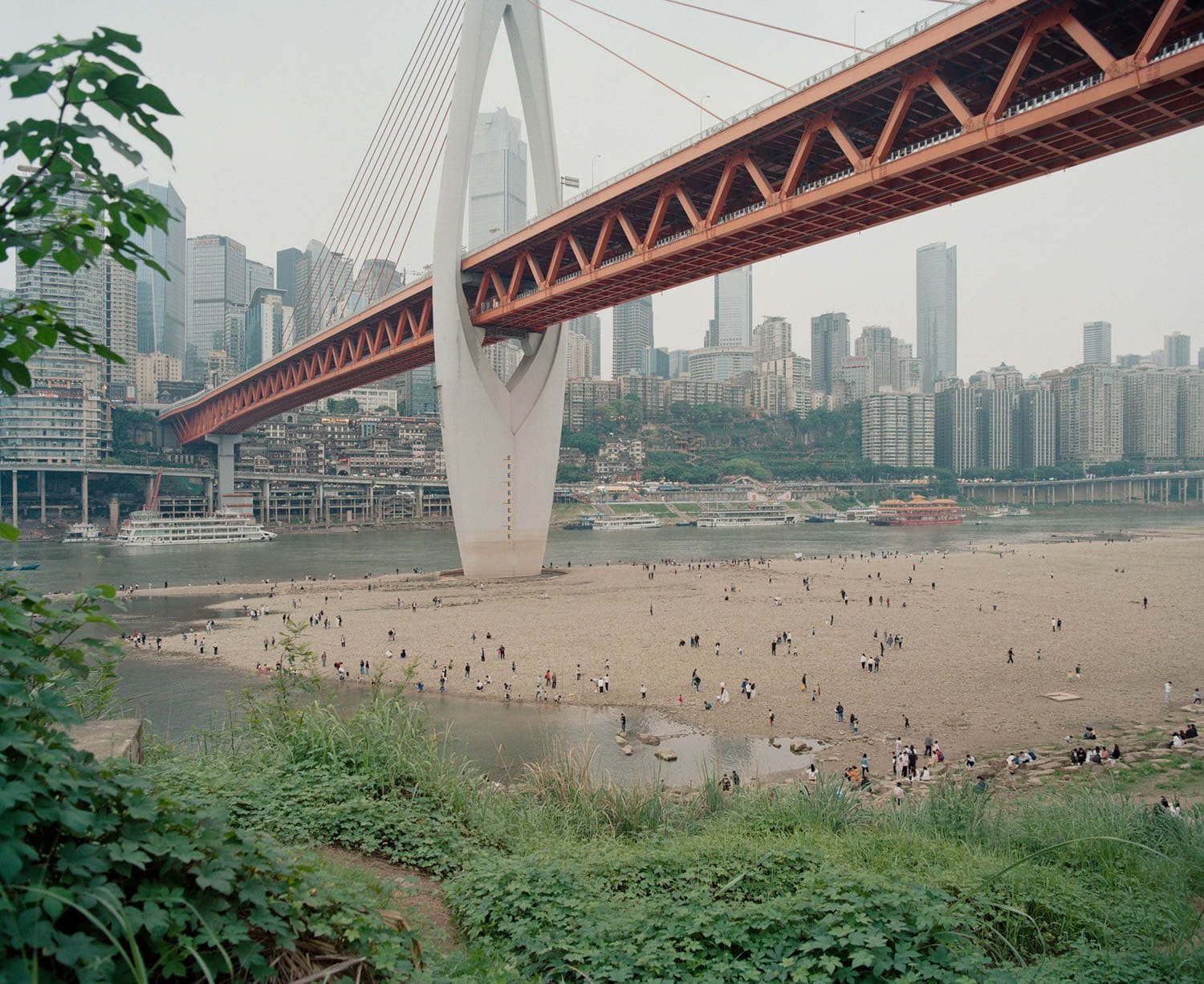
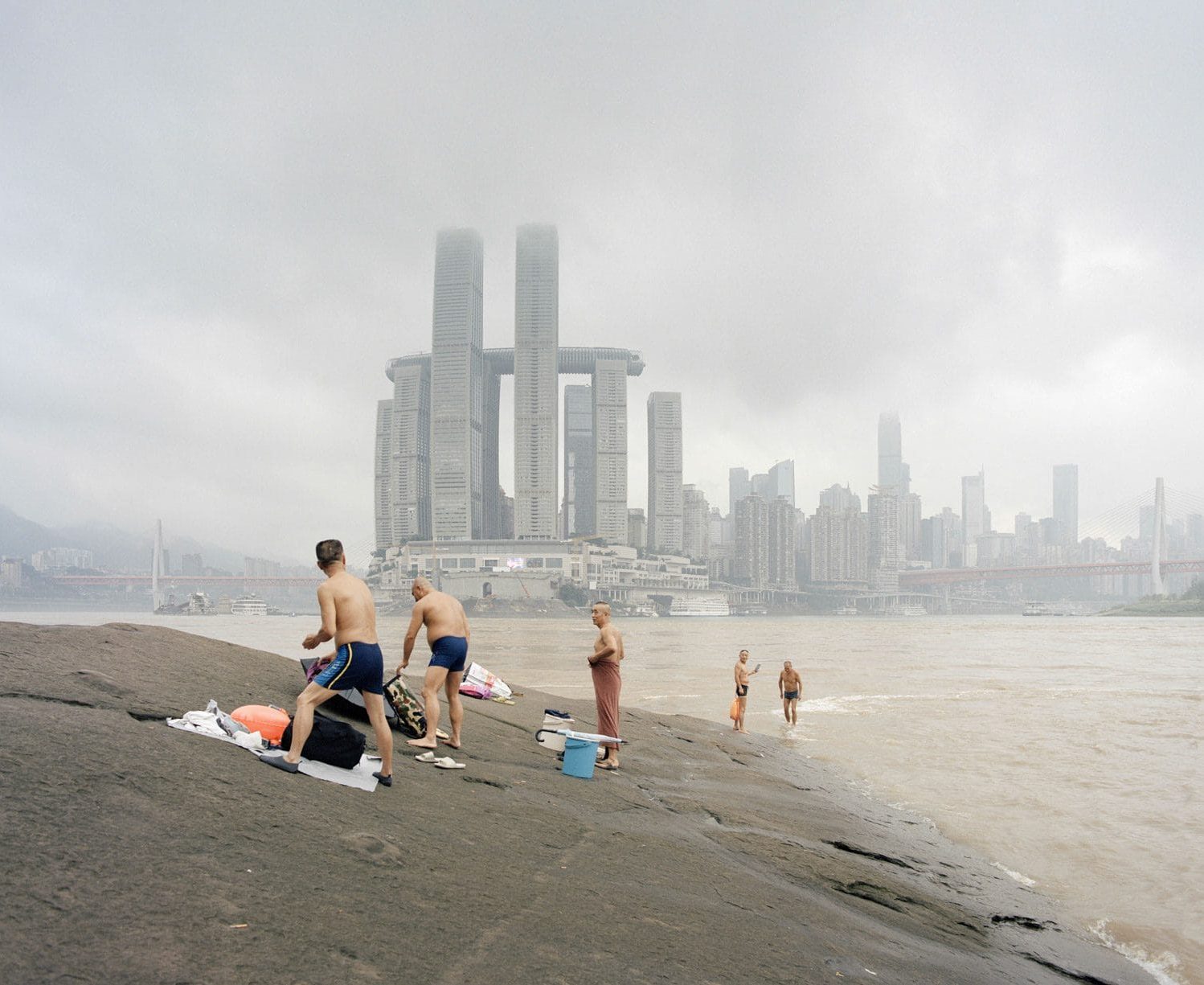
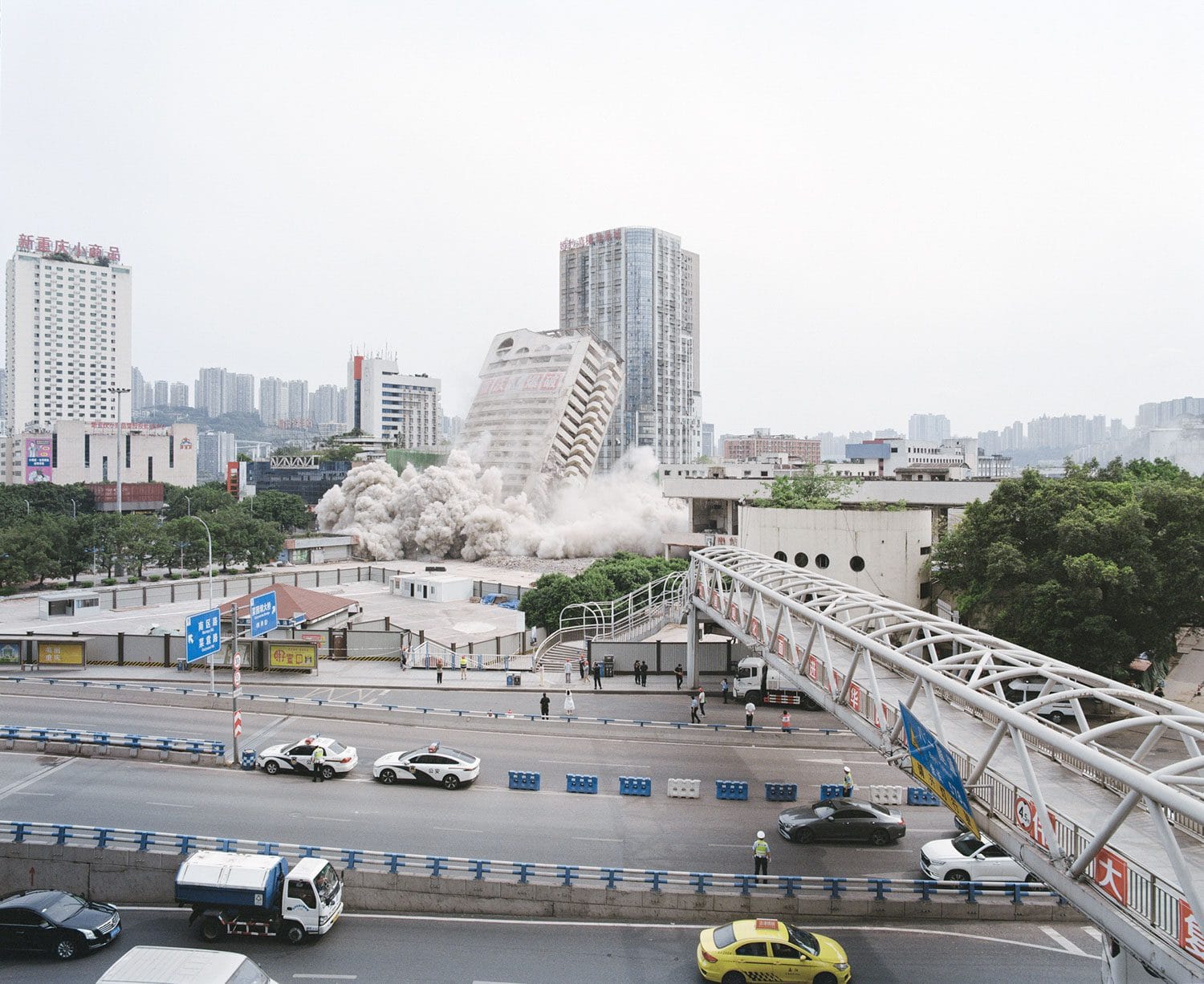
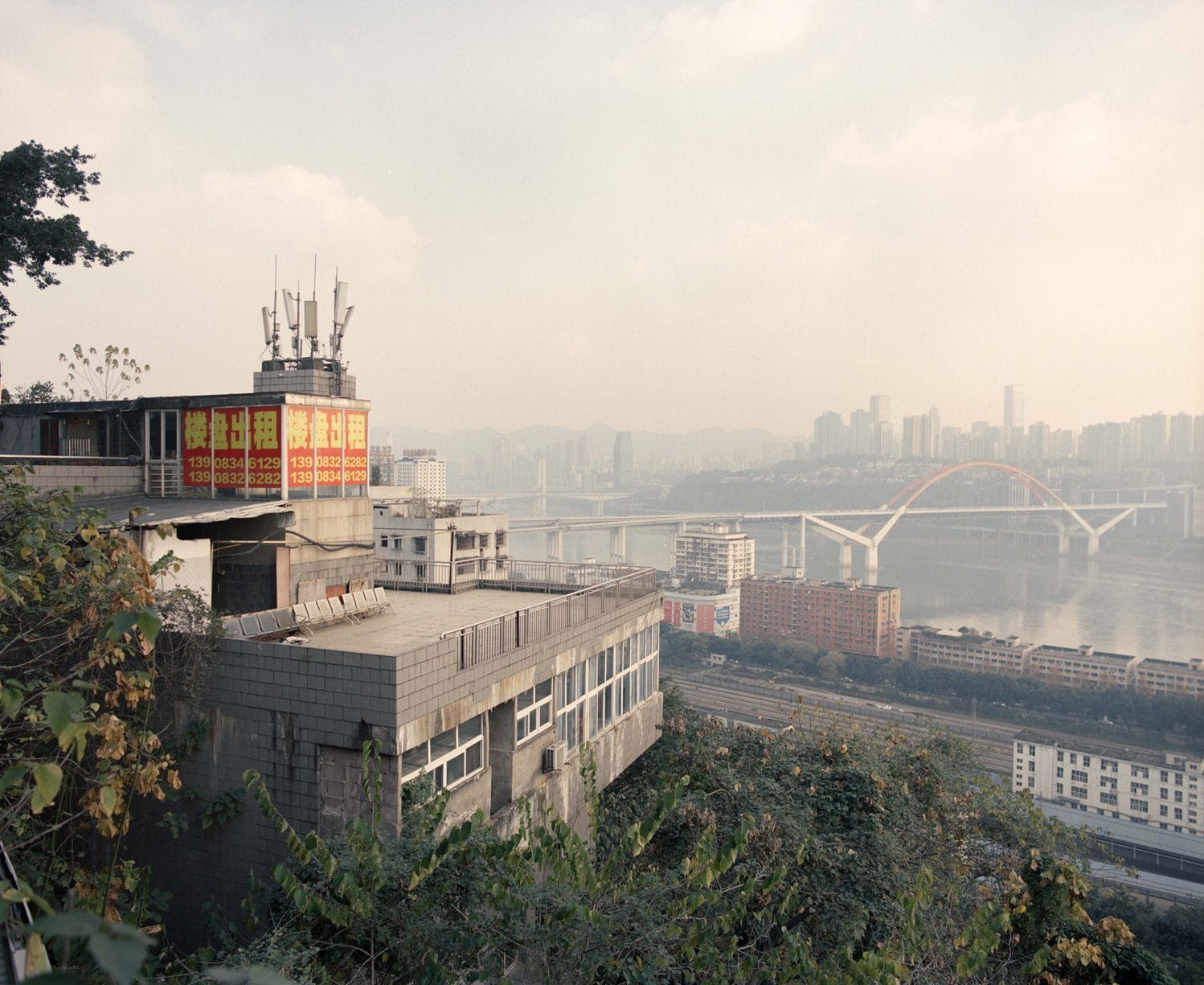
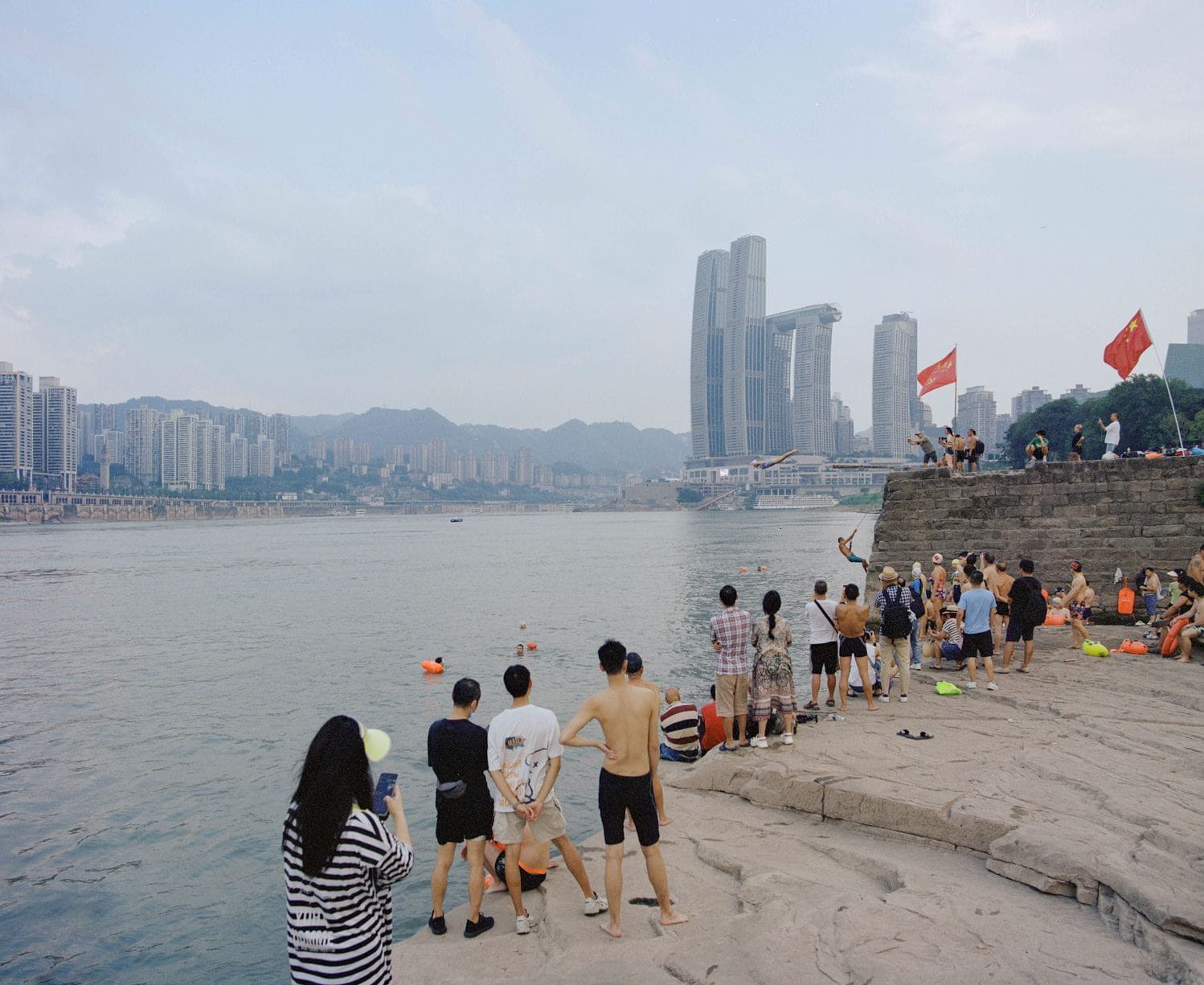
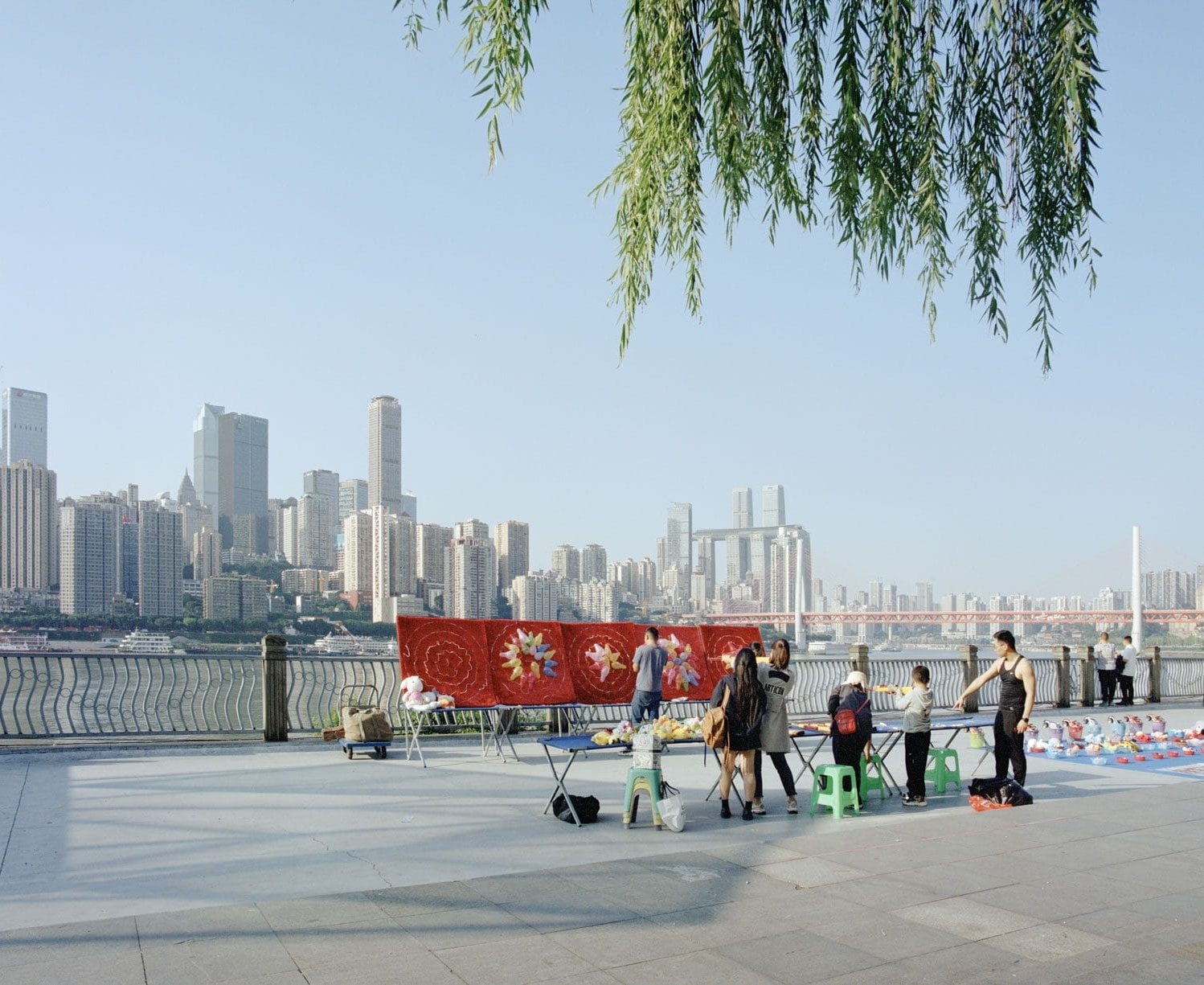
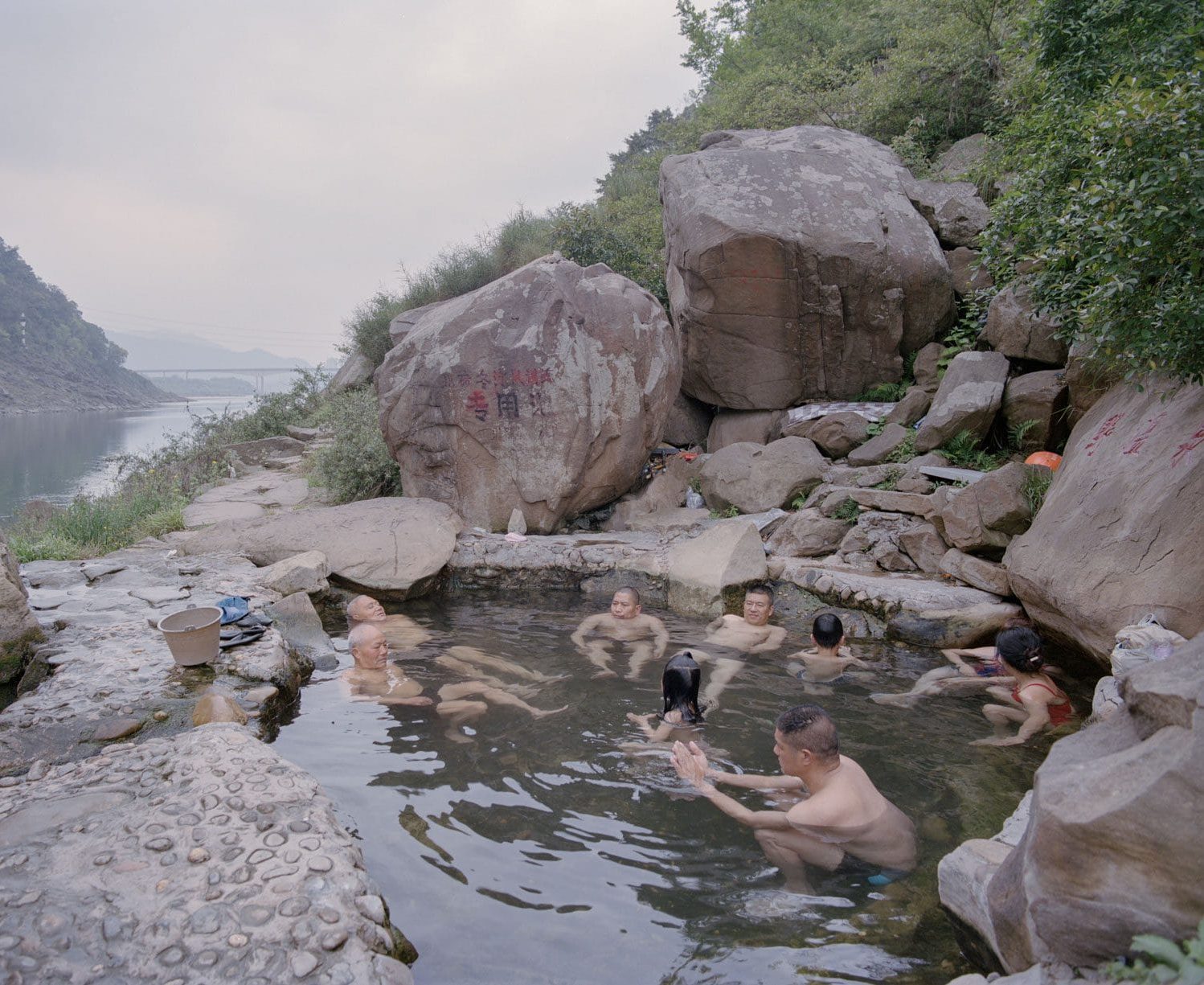
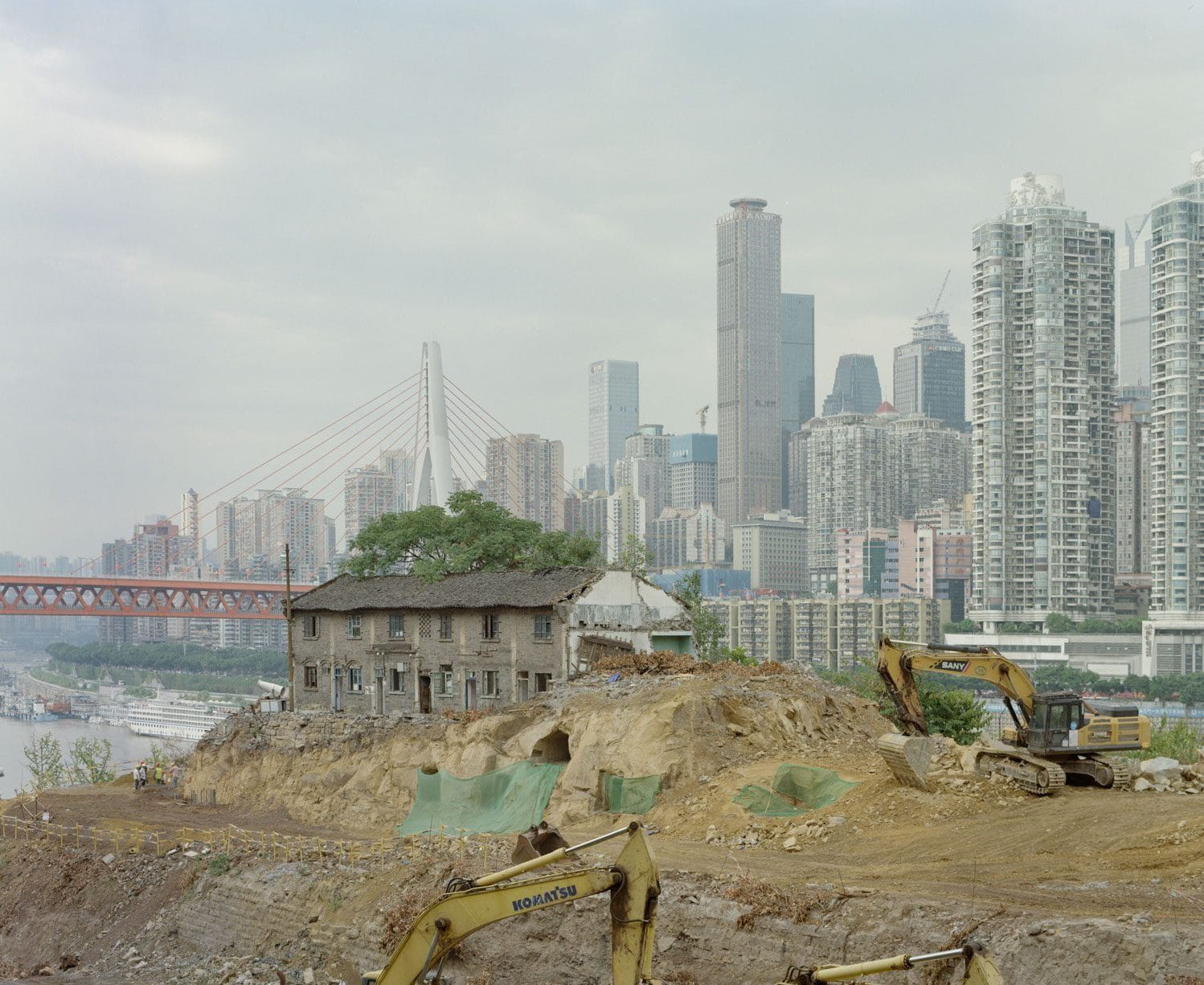
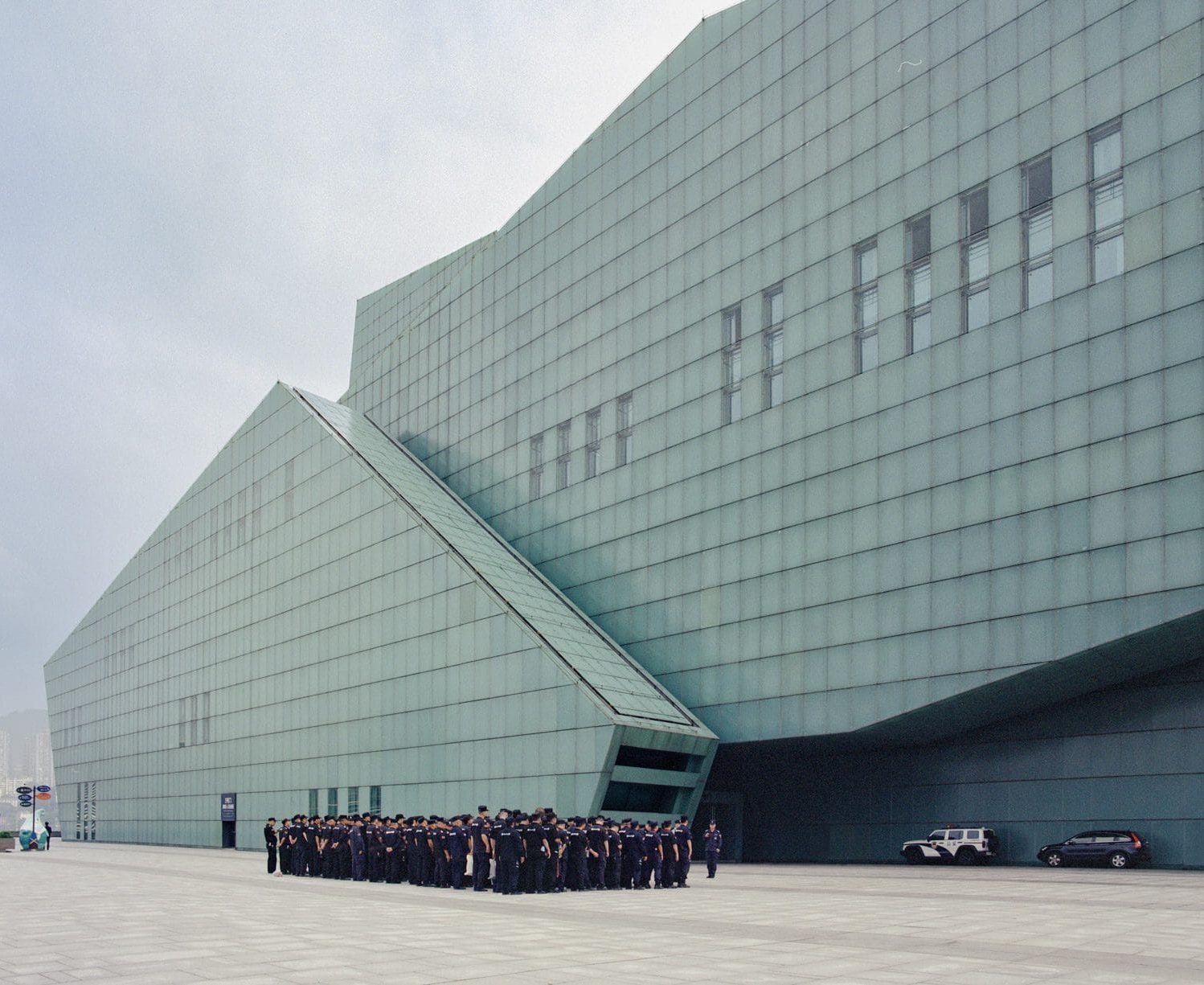
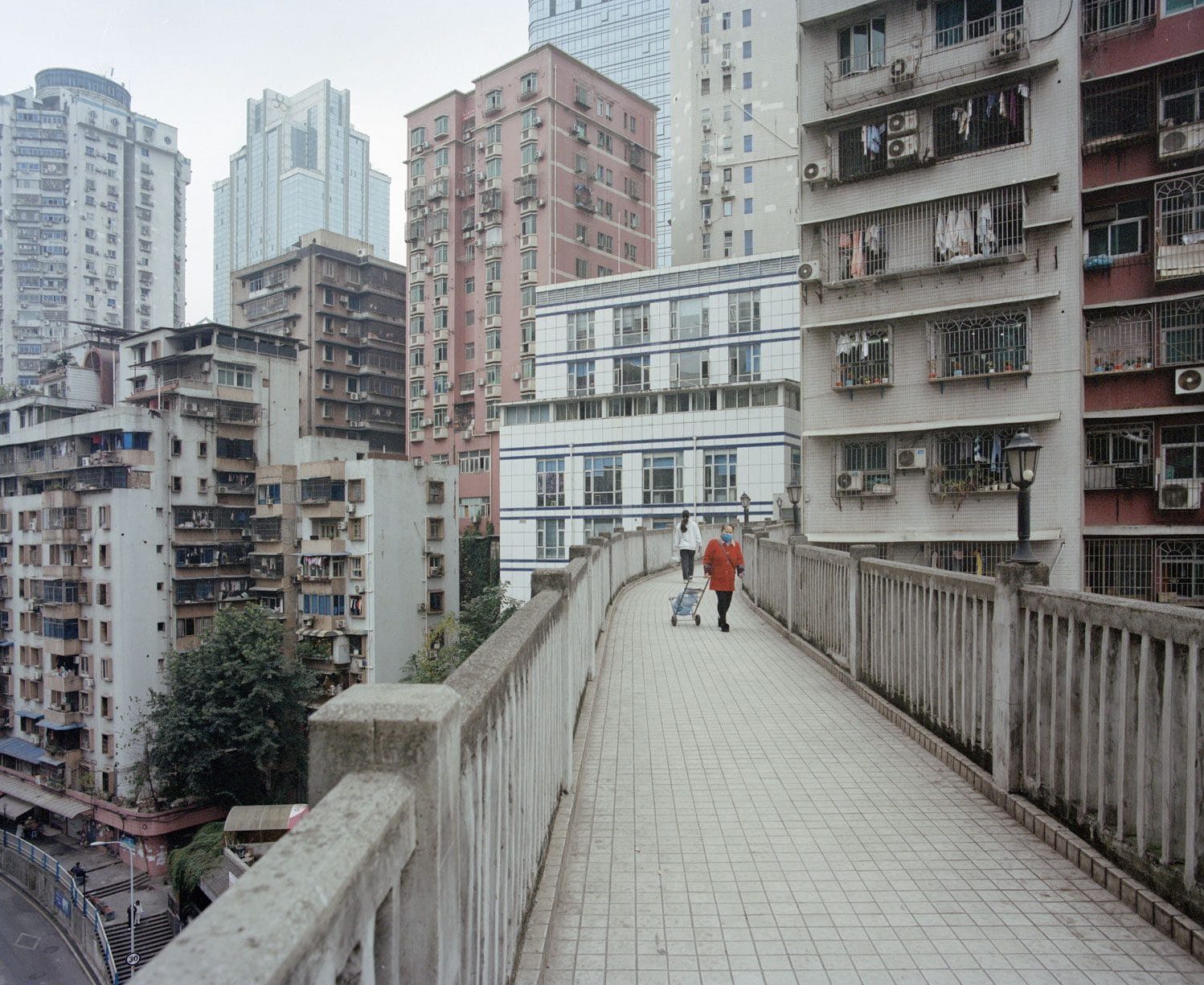
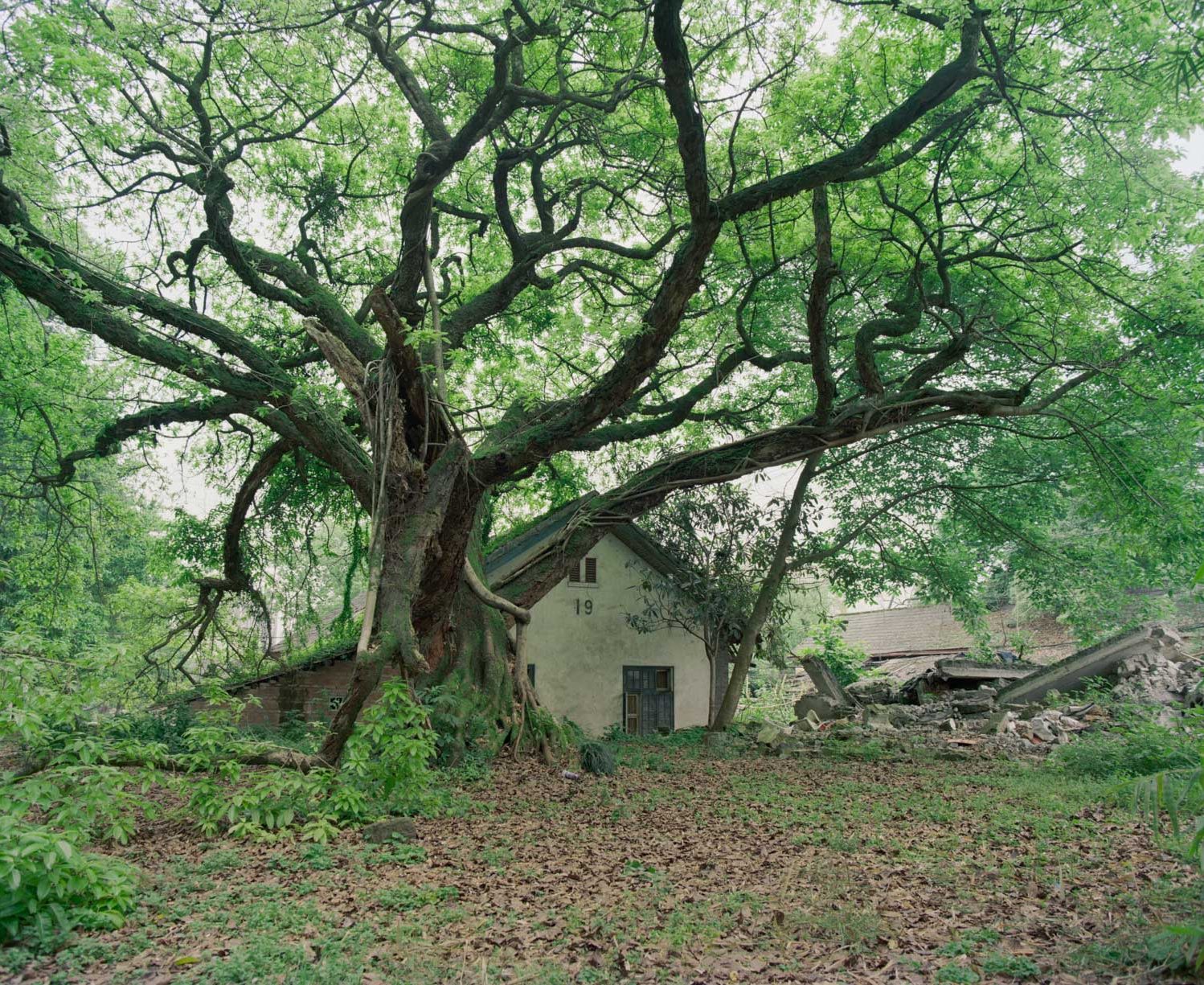
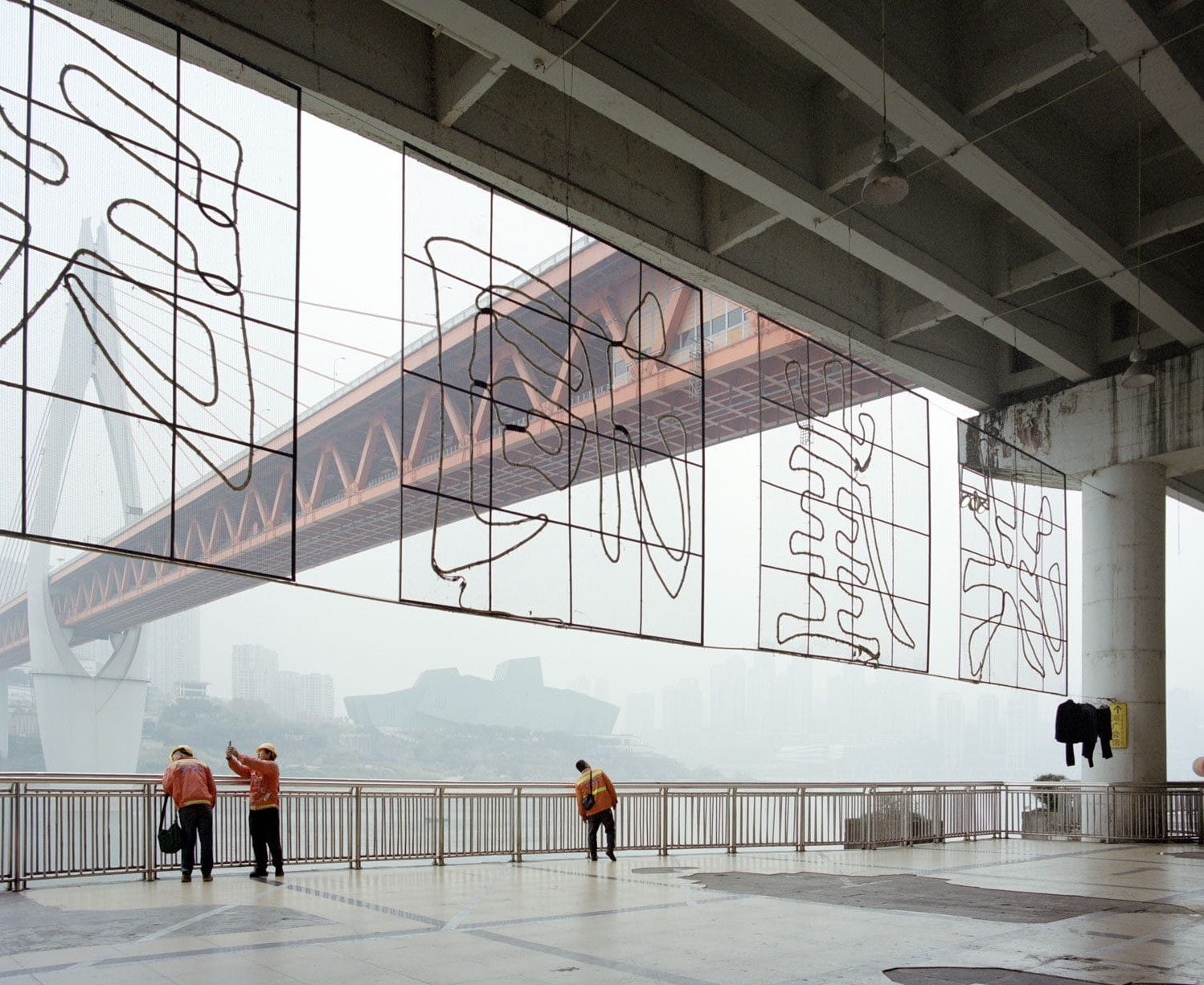
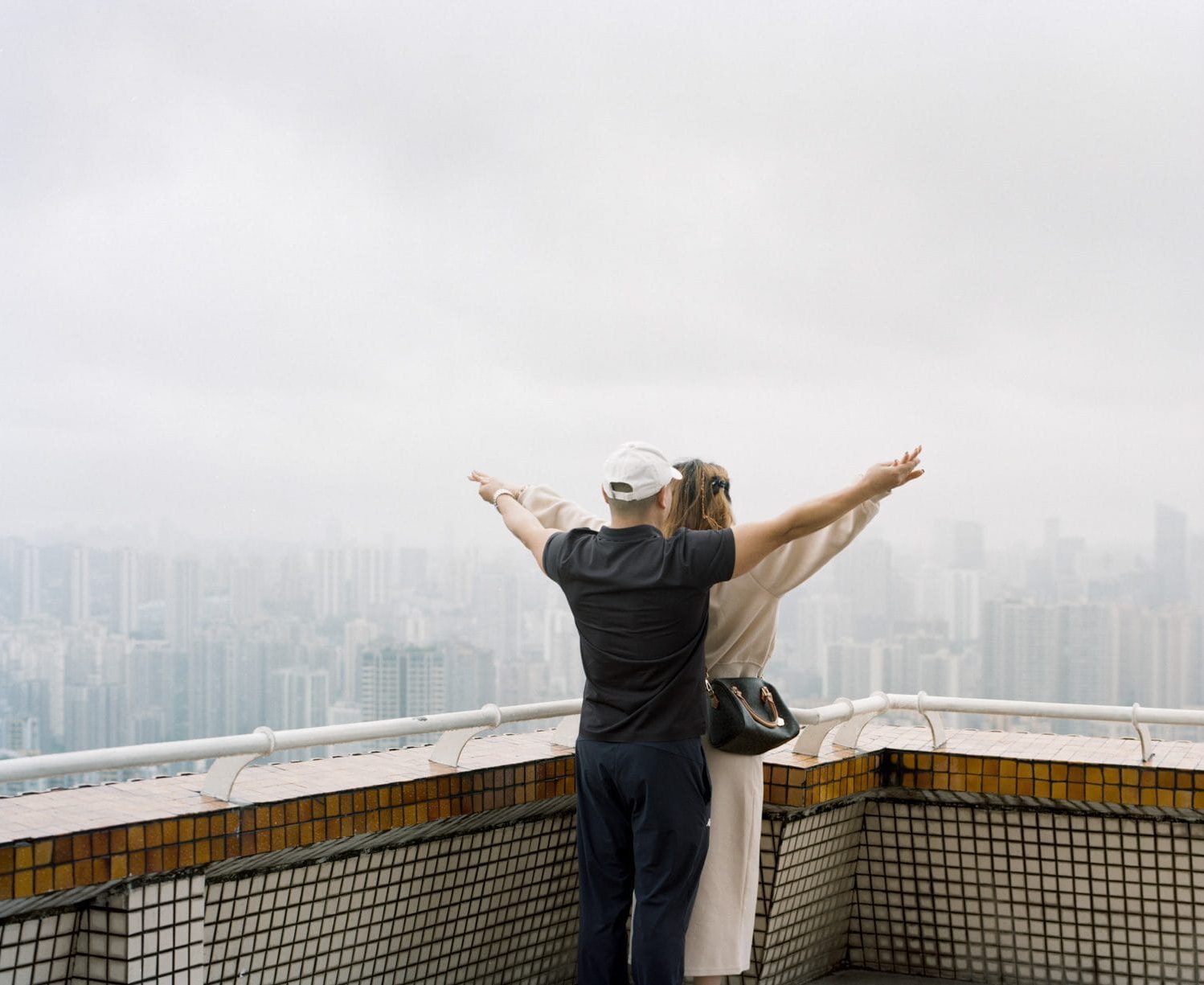
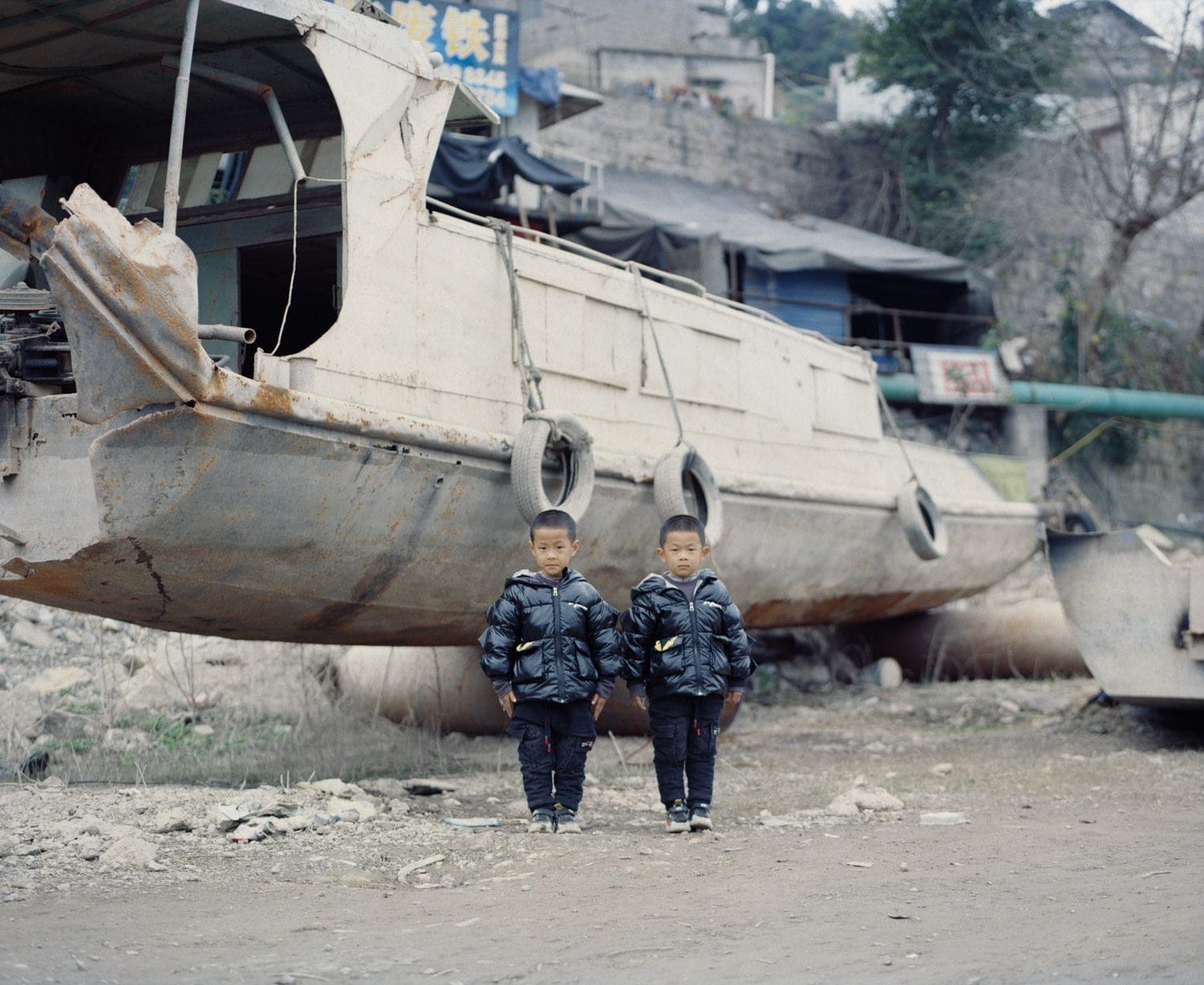
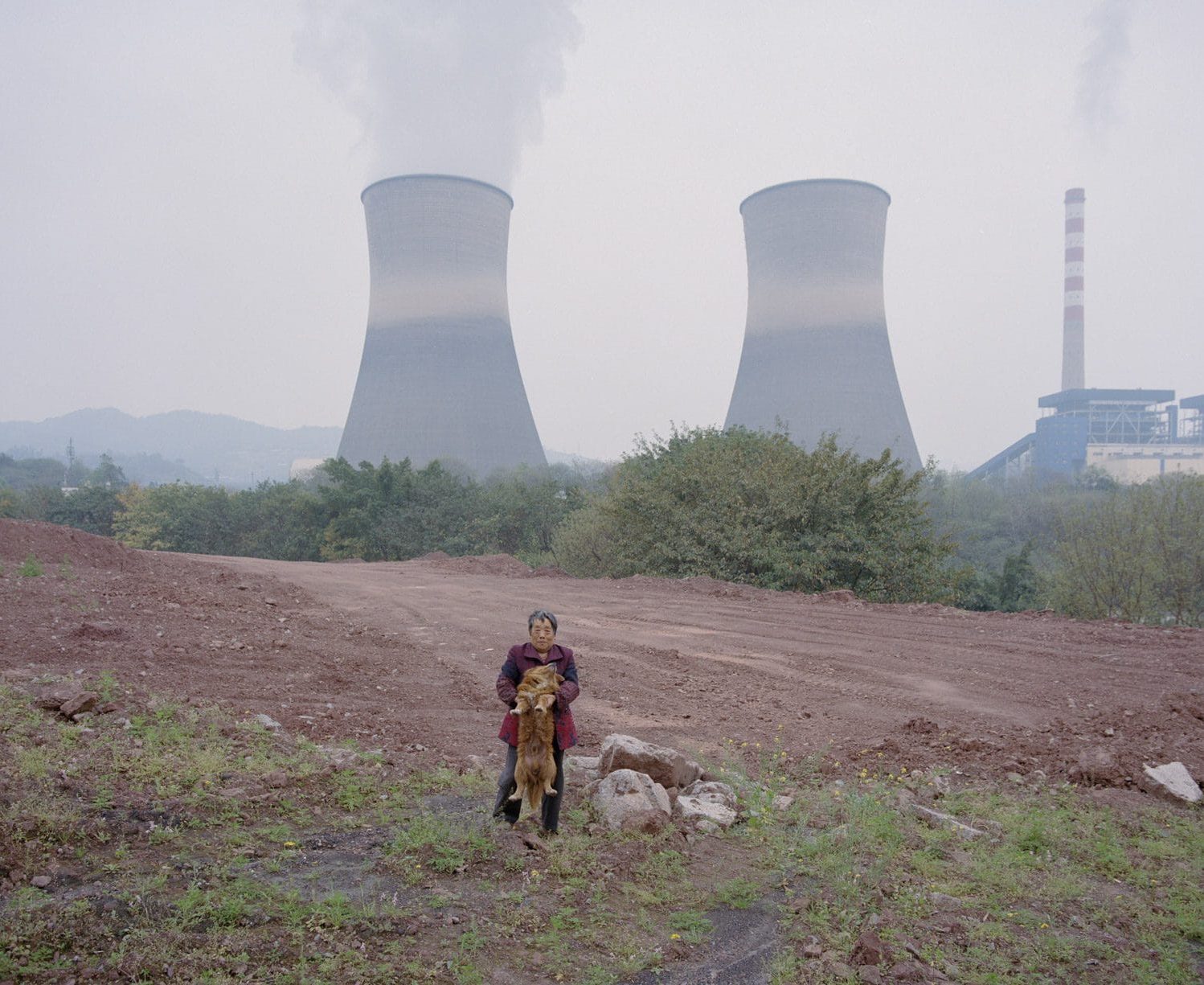
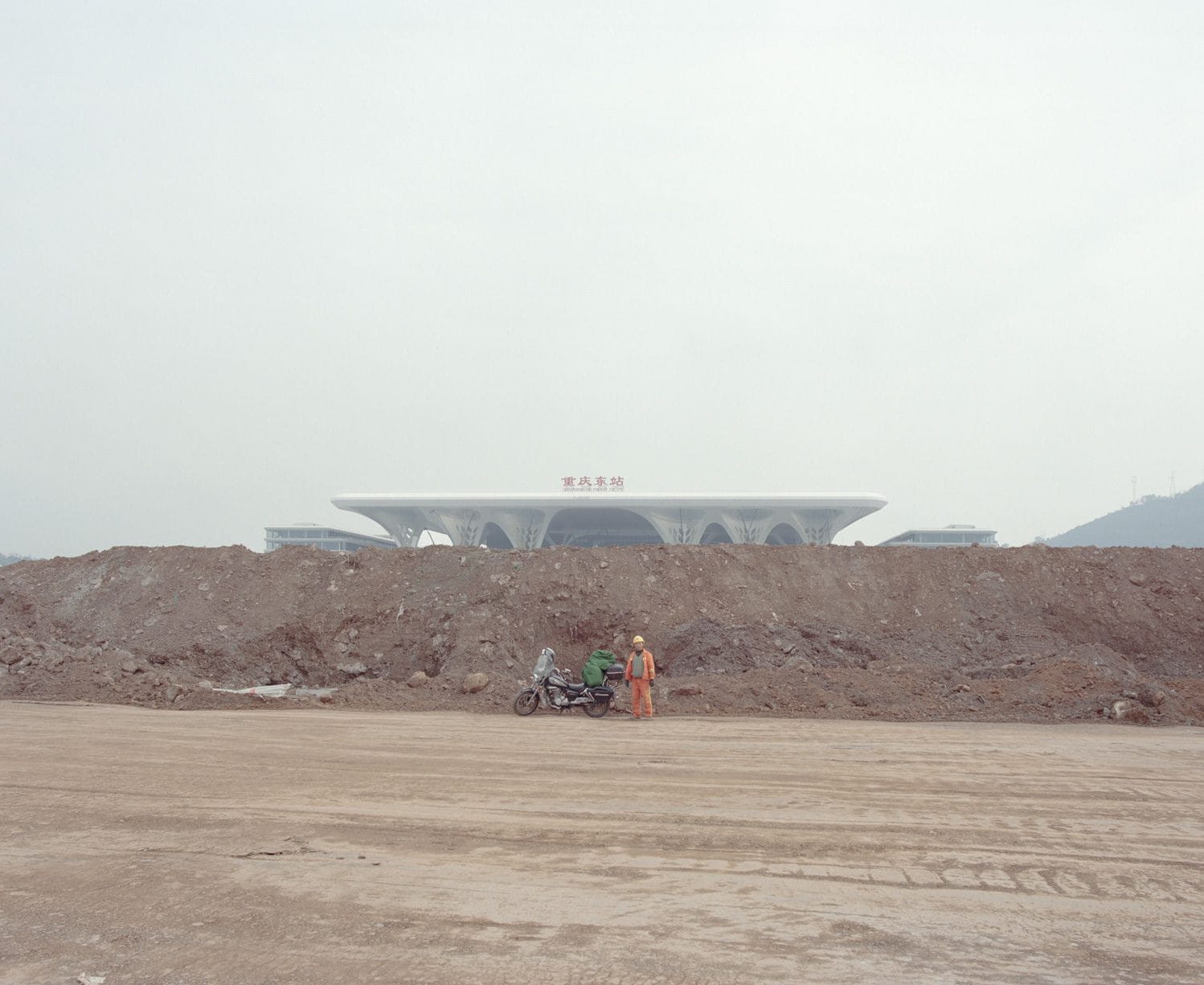
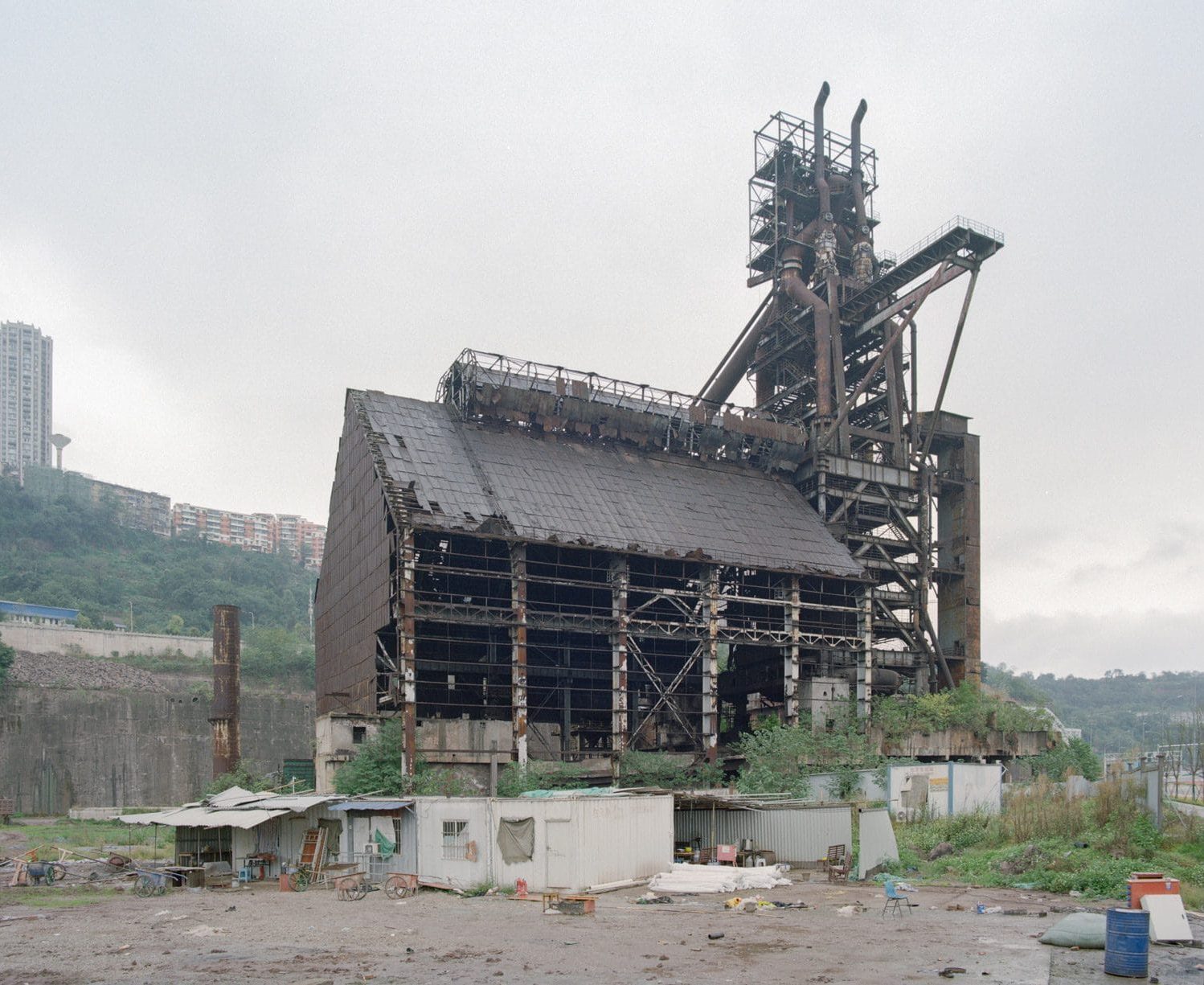
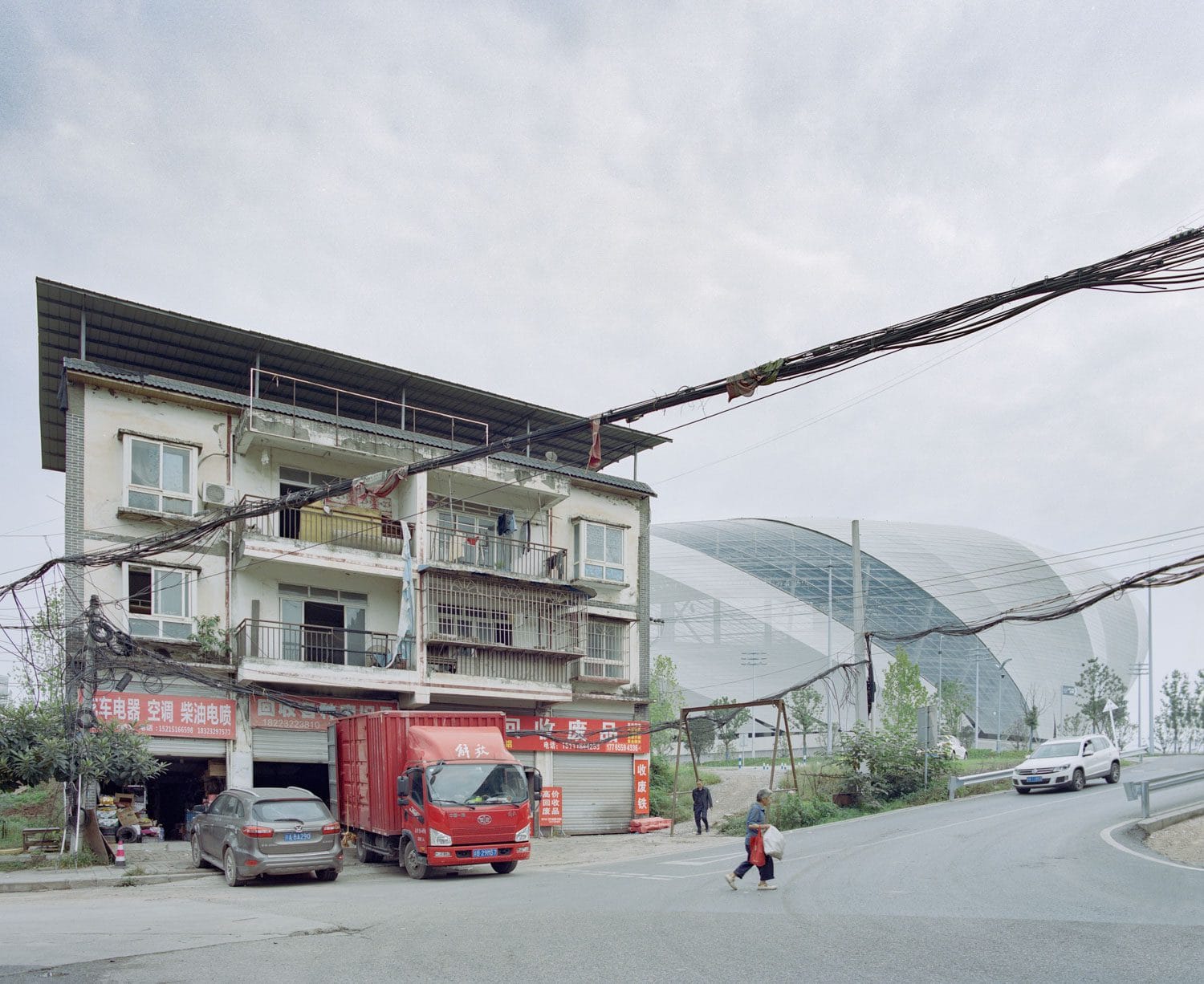
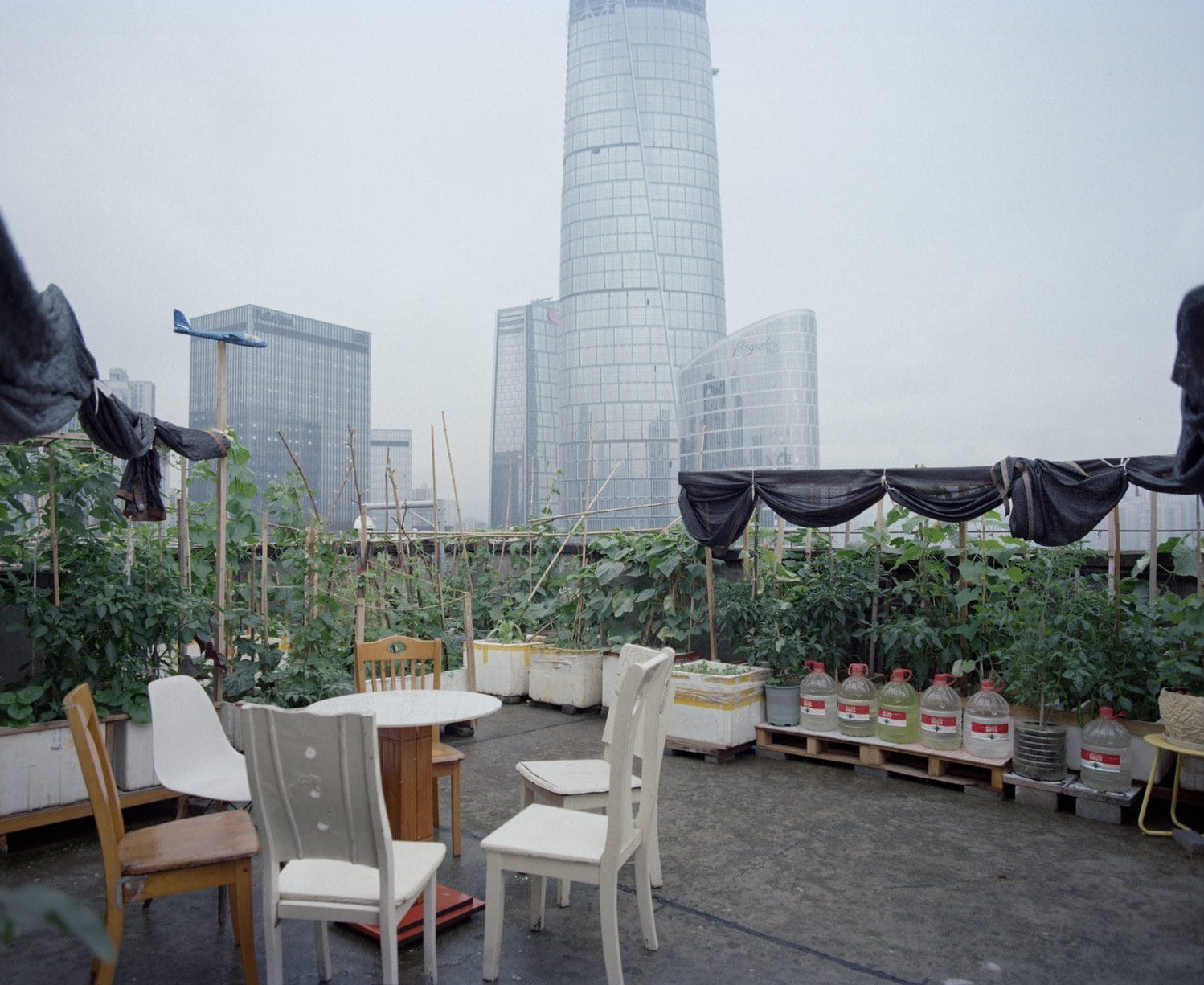
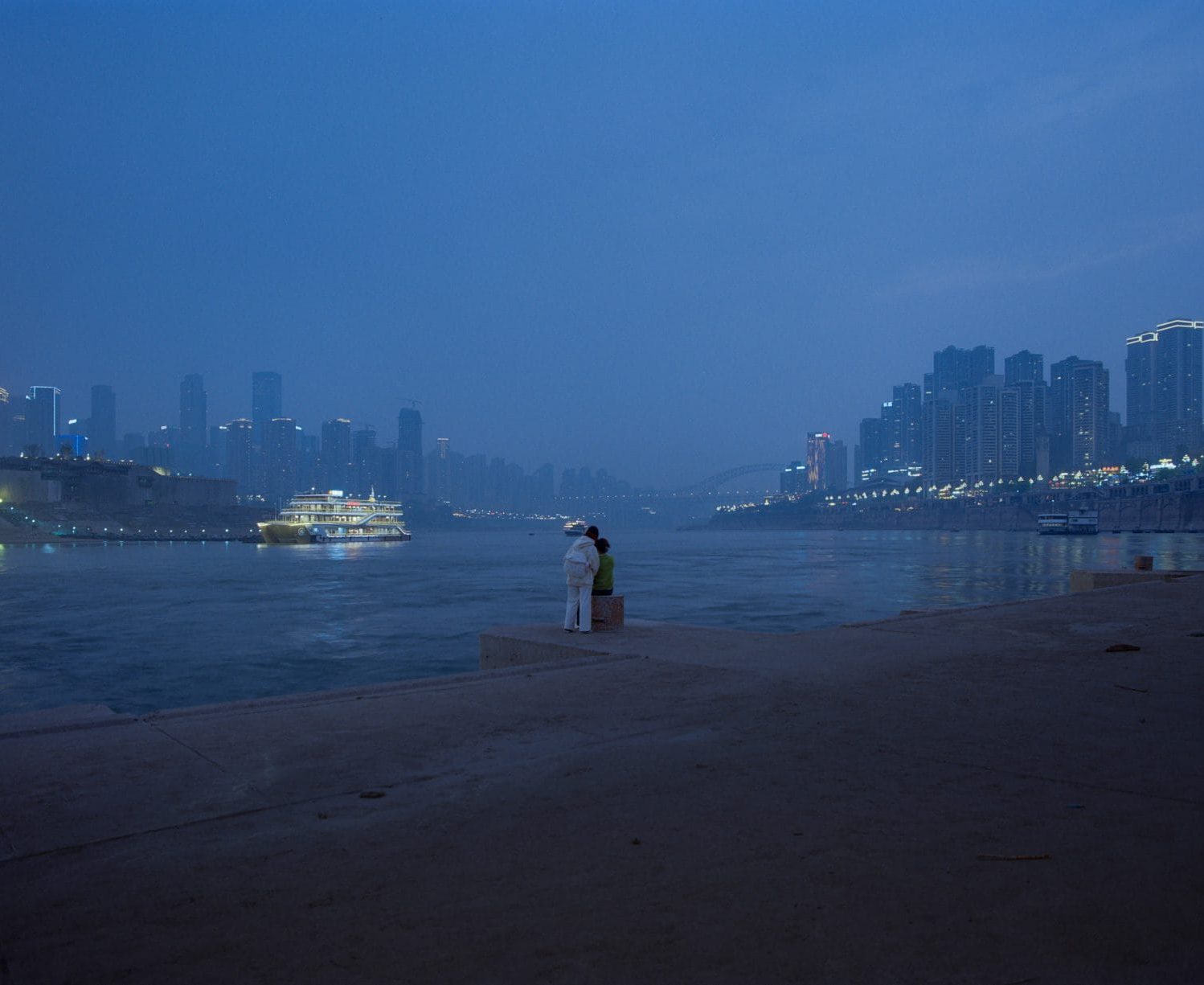
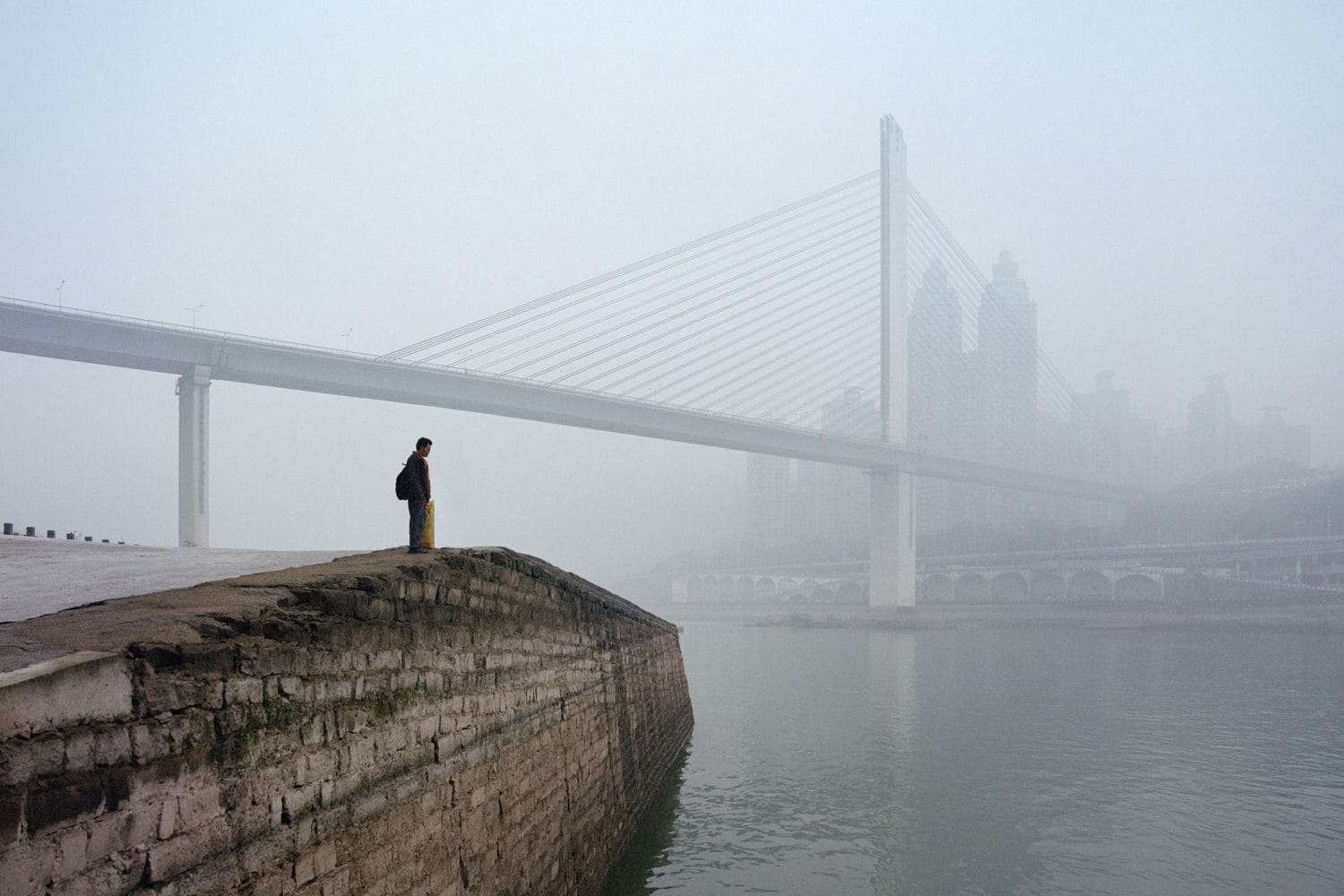
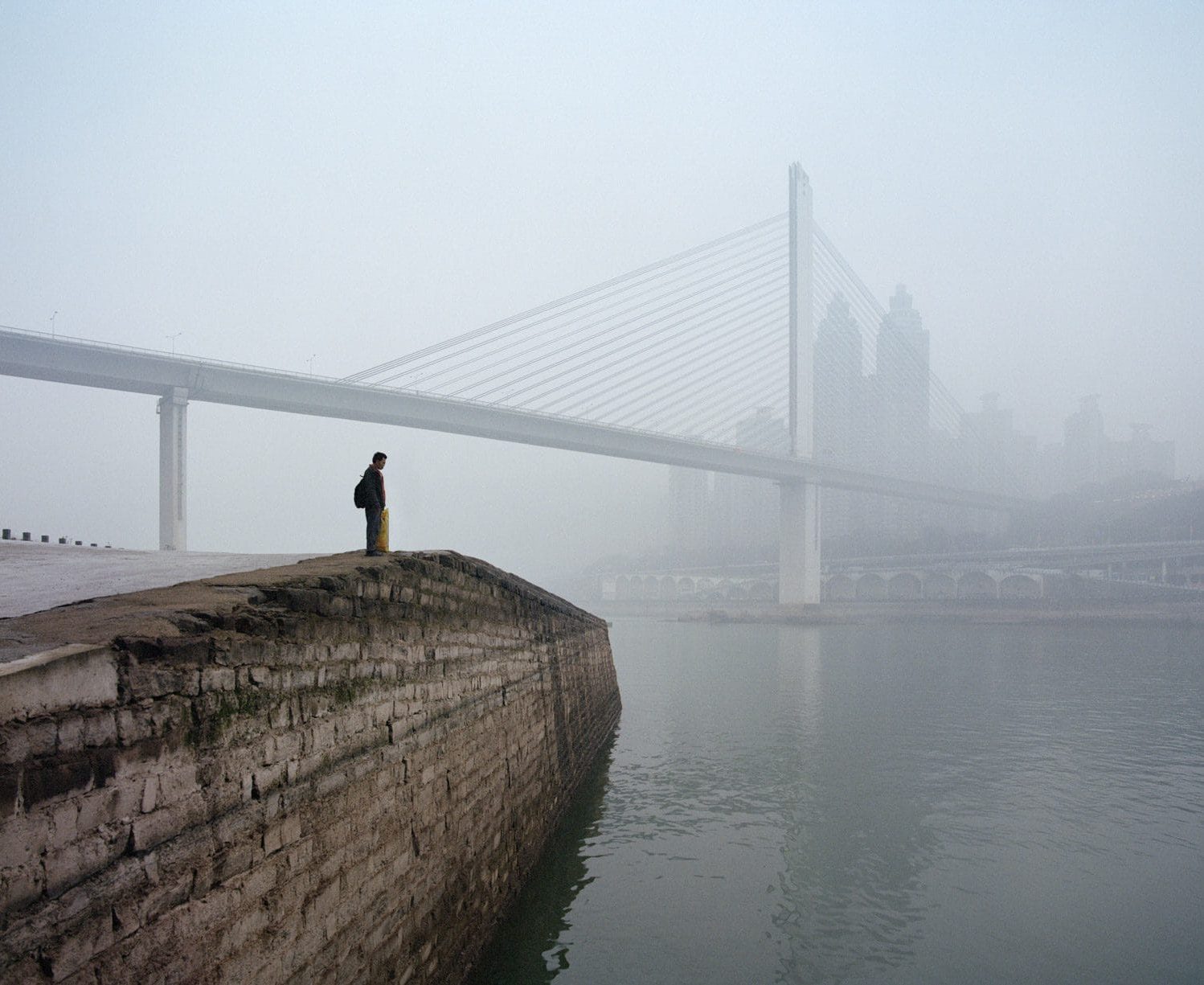
As an architectural photographer, the sound of my shutter serves as a way for searching for the city’s textures, which have been increasingly drowned out by the noise of superficial culture. I grew up with the echo of ferry whistles and the soot-laden air along the banks of the Jialing River, in a factory zone built during China’s Third Front Movement. These memories became the roots that later sharpened my sense of difference when I later moved north. When I eventually returned to Chongqing, at a time when the city had been reduced to a mere ‘backdrop’ for tourists, a feeling of estrangement set in. This sense of dislocation led me to realize that the camera lens must function as a bridge across time, not merely as a device for recording images.
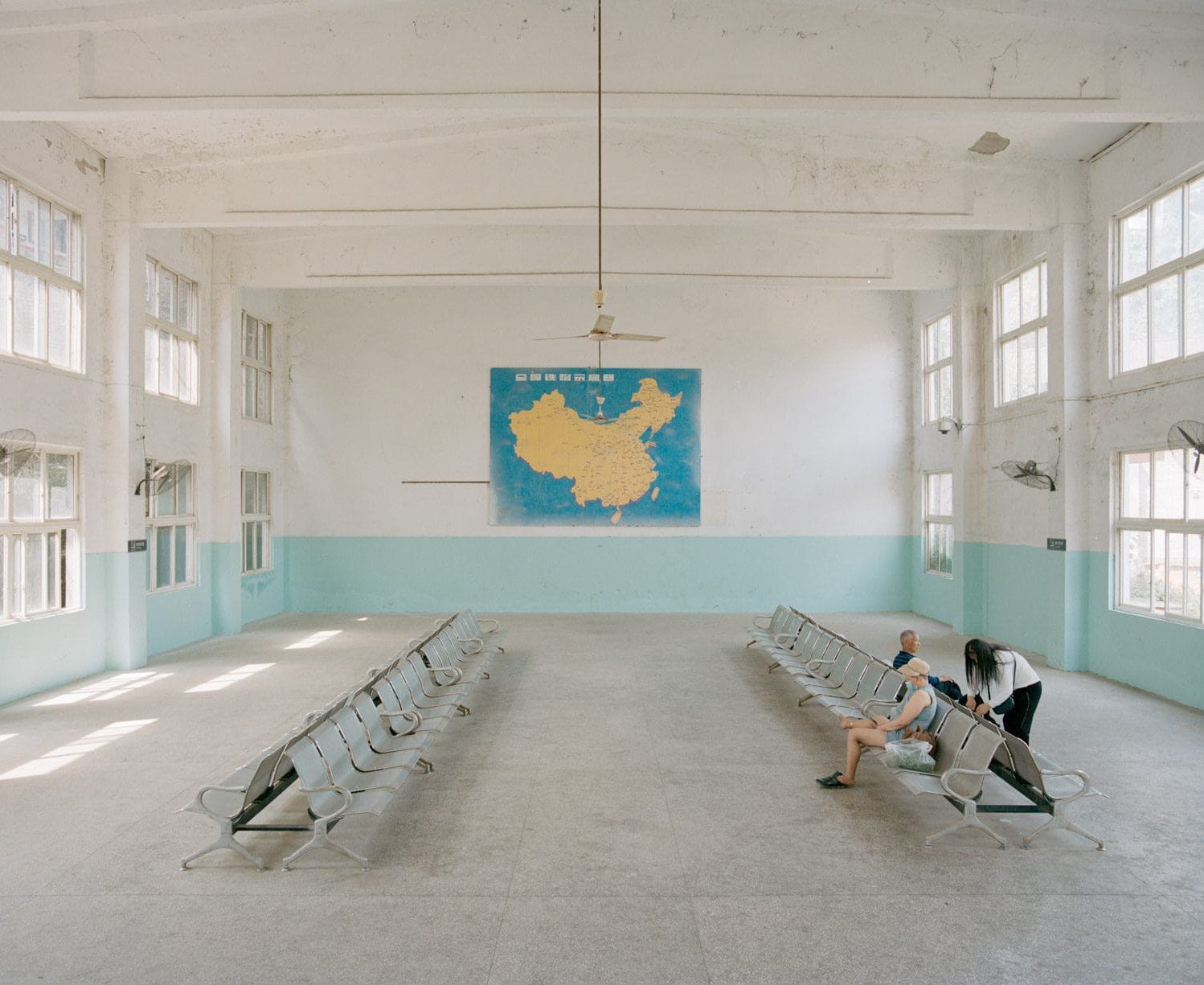
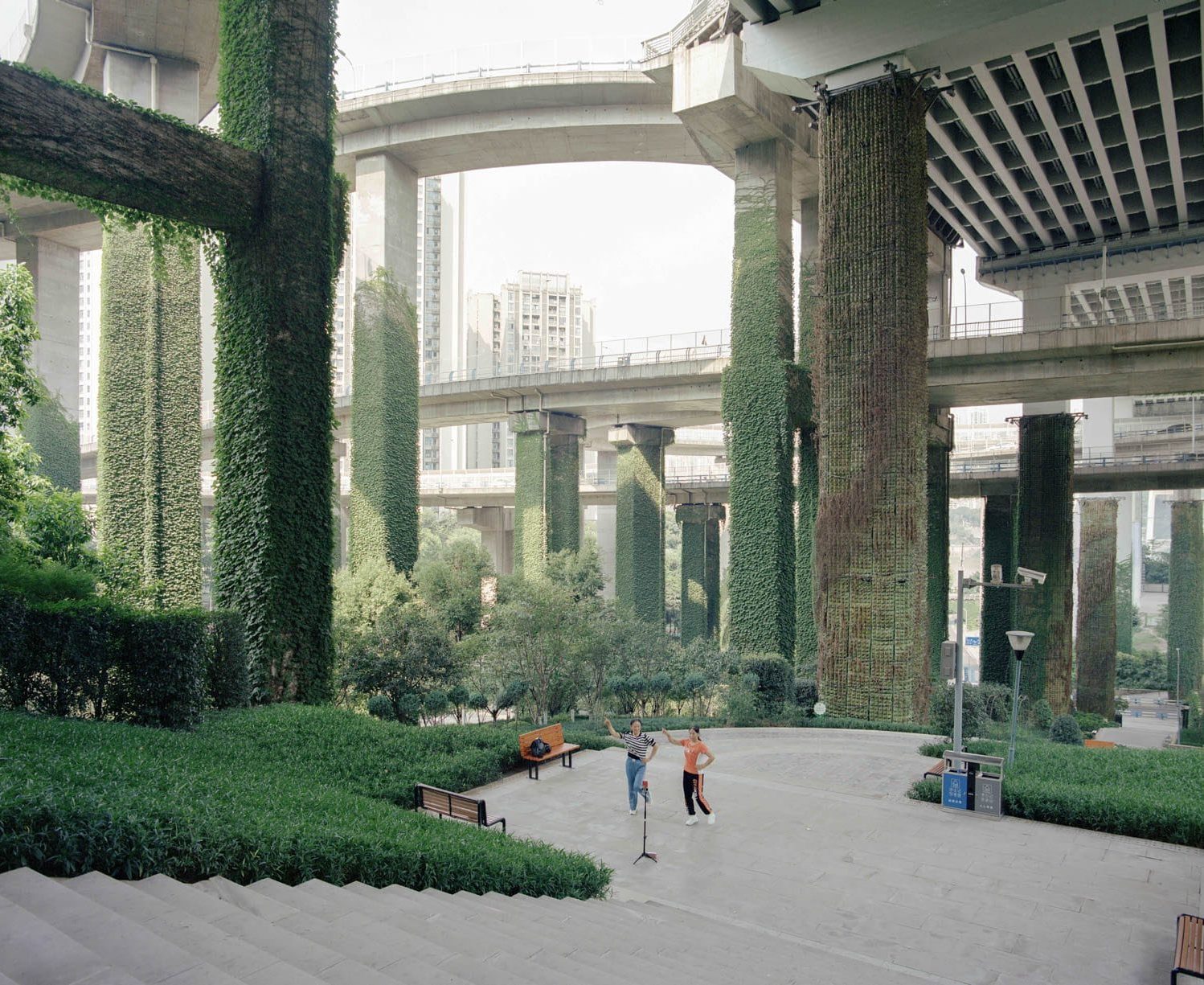
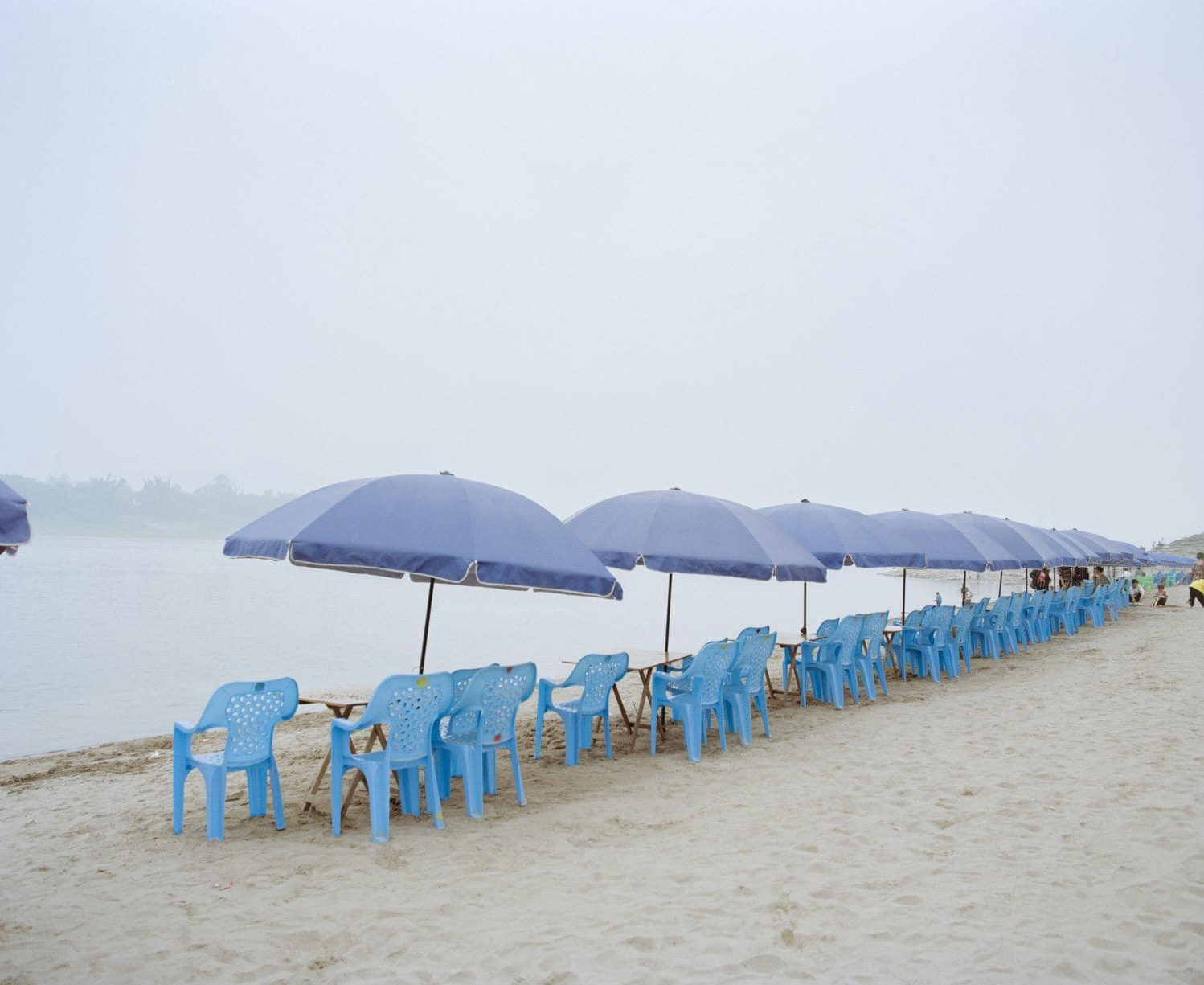
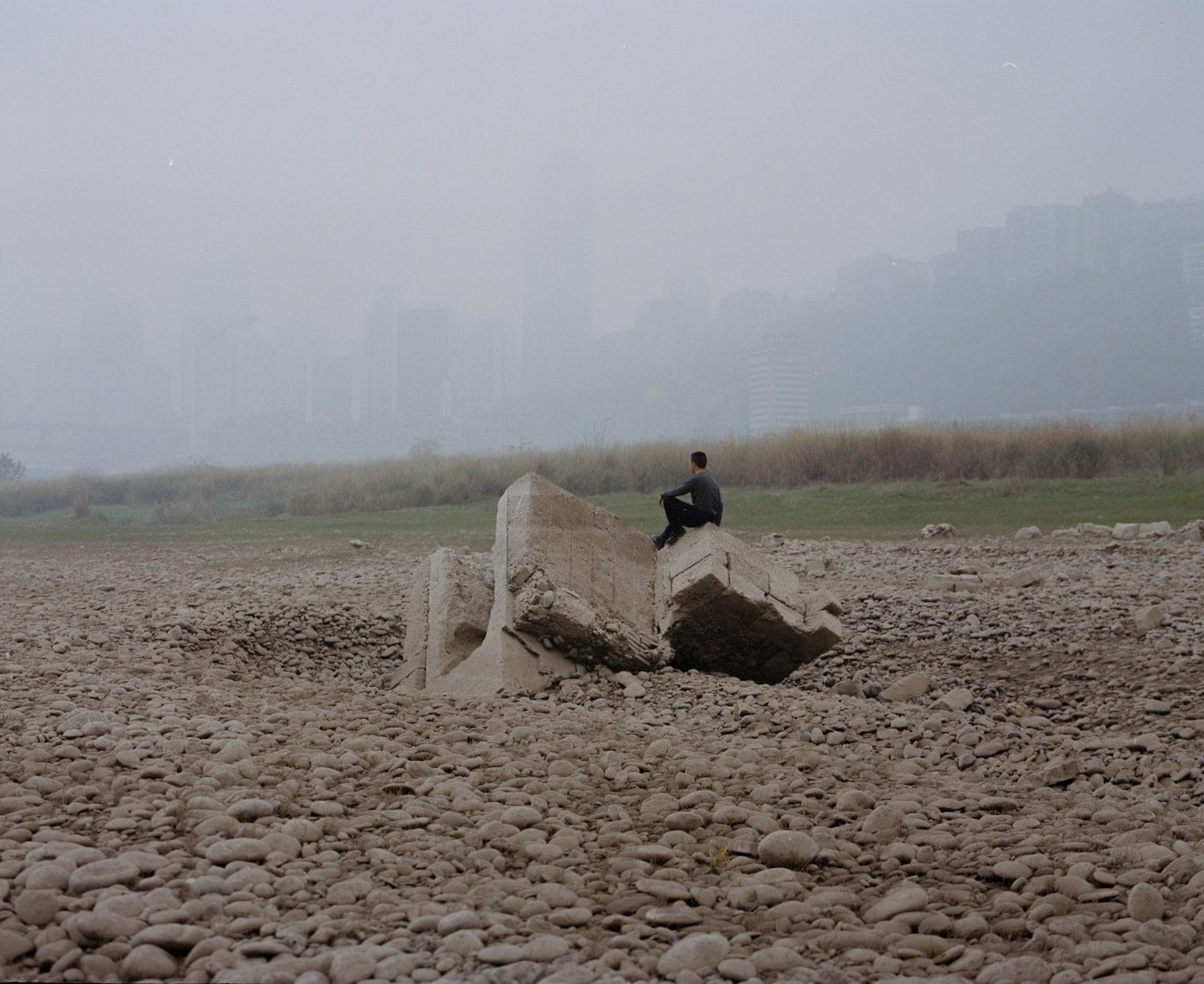
Under the pressure of capitalism, which compresses cities into commercial symbols, I came to see Chongqing as a living architecture: a vessel that holds human relationships and interactions. Over the past three years, I have employed photography as a form of ethnographic fieldwork, seeking out forms of ‘quiet resistance’ of ordinary people in overlooked alleys and forgotten corners. These traces of life are placed in dialogue with an almost surreal modernity.
The title Whither Rivers Flow reflects my belief that urban imagery should be like the river itself, carrying the weight of history while reflecting the spectrum of human existence at once. In the end, people, like currents, come and go, leaving stories behind and taking new ones with them, forever flowing between the mountains and the water.
___________________
Ximeng Tu (屠栖蒙) is an architectural photographer from Chongqing, People’s Republic of China. His work explores architecture, everyday life, and nature along the city’s two rivers, documenting the relationships and interactions between these elements through the traces of urban and local development.