
WIND GROVE – A PAVILION THAT PROVES ARCHITECTURE IS NOT JUST SOMETHING ‘SEEN,’ BUT SOMETHING ‘FELT.’ BY JENCHIEH HUNG + KULTHIDA SONGKITTIPAKDEE / HAS DESIGN AND RESEARCH
PHOTO: WORAPAS DUSADEEWIJAI EXCEPT AS NOTED
(For Thai, press here)
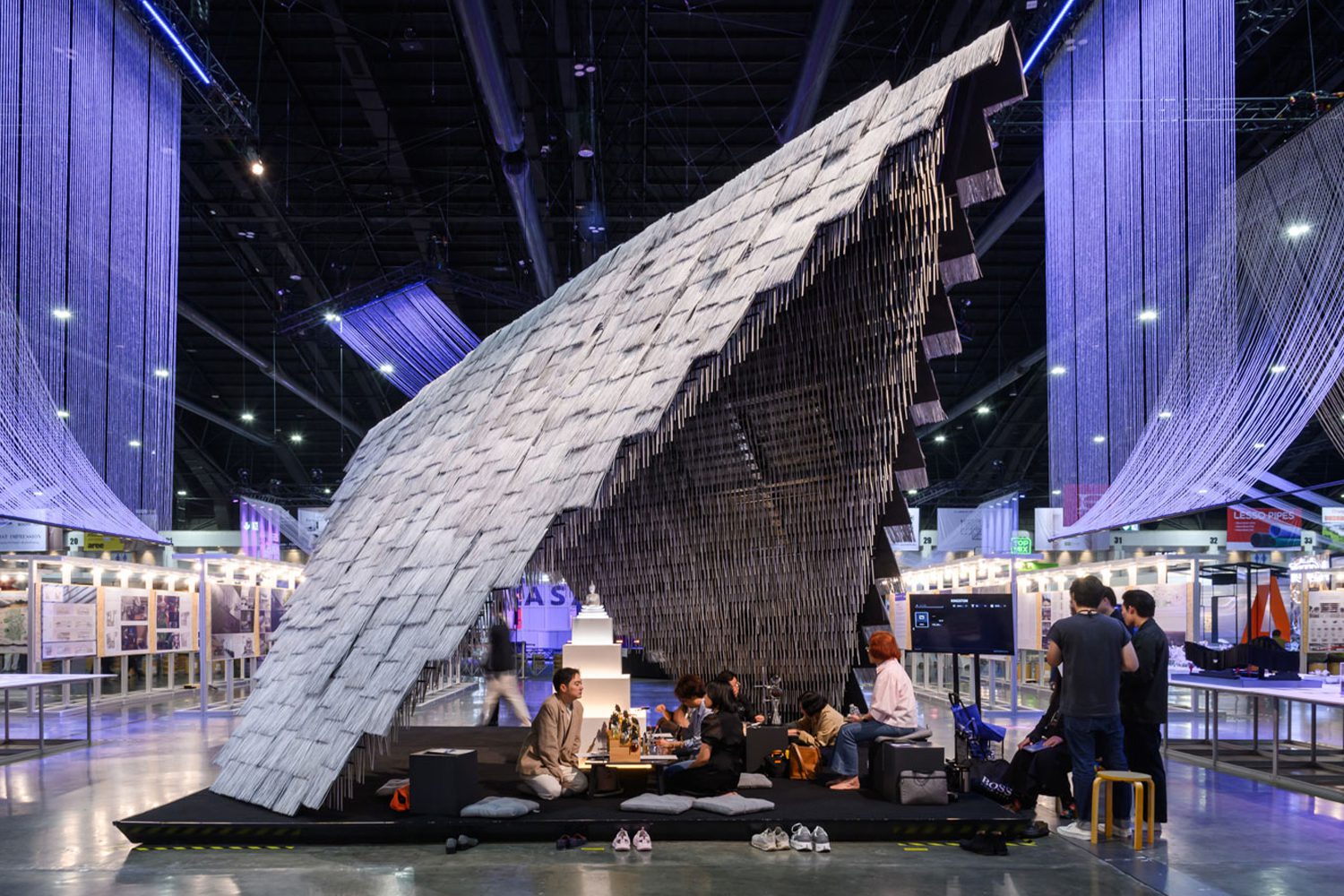
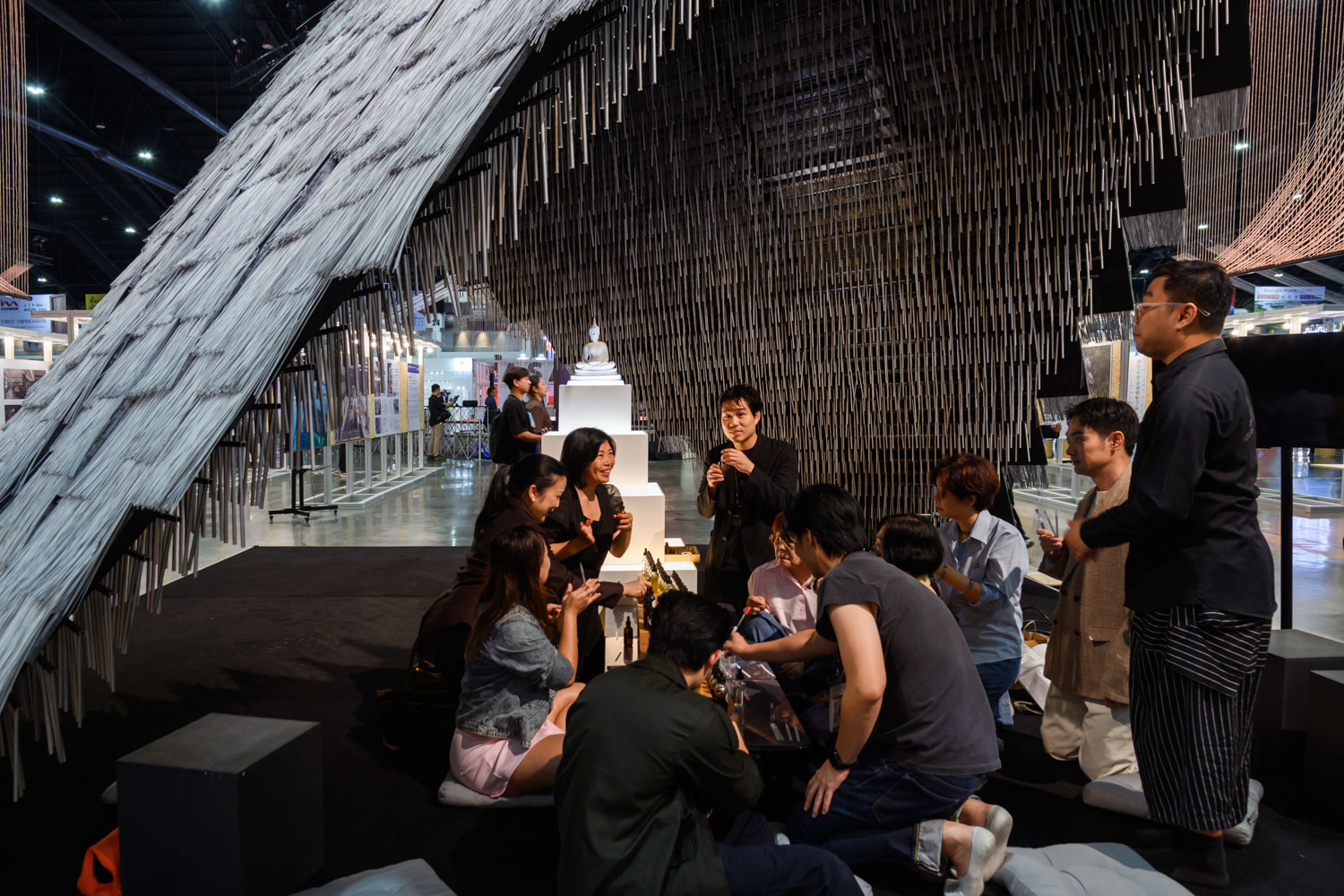
Before being relocated to ArogaDhamma Temple following Architect’26, Wind Grove, a pavilion by Jenchieh Hung and Kulthida Songkittipakdee of HAS design and research, functioned as far more than a temporary exhibition structure. It served as an experimental platform that questioned the role of contemporary architecture: beyond fulfilling functional requirements or creating visual experiences, can architecture genuinely contribute to healing? During Architect’26, the pavilion also hosted Inner Landscape, a workshop that extended the architectural concept into a direct exploration of the participants’ inner states. The workshop was supported by art4d and The Federation of Thai Industries (FTI), Cluster Construction Materials. Rather than acting merely as a backdrop for activities, Wind Grove became an integral part of a perceptual process that connected place, nature, and people.
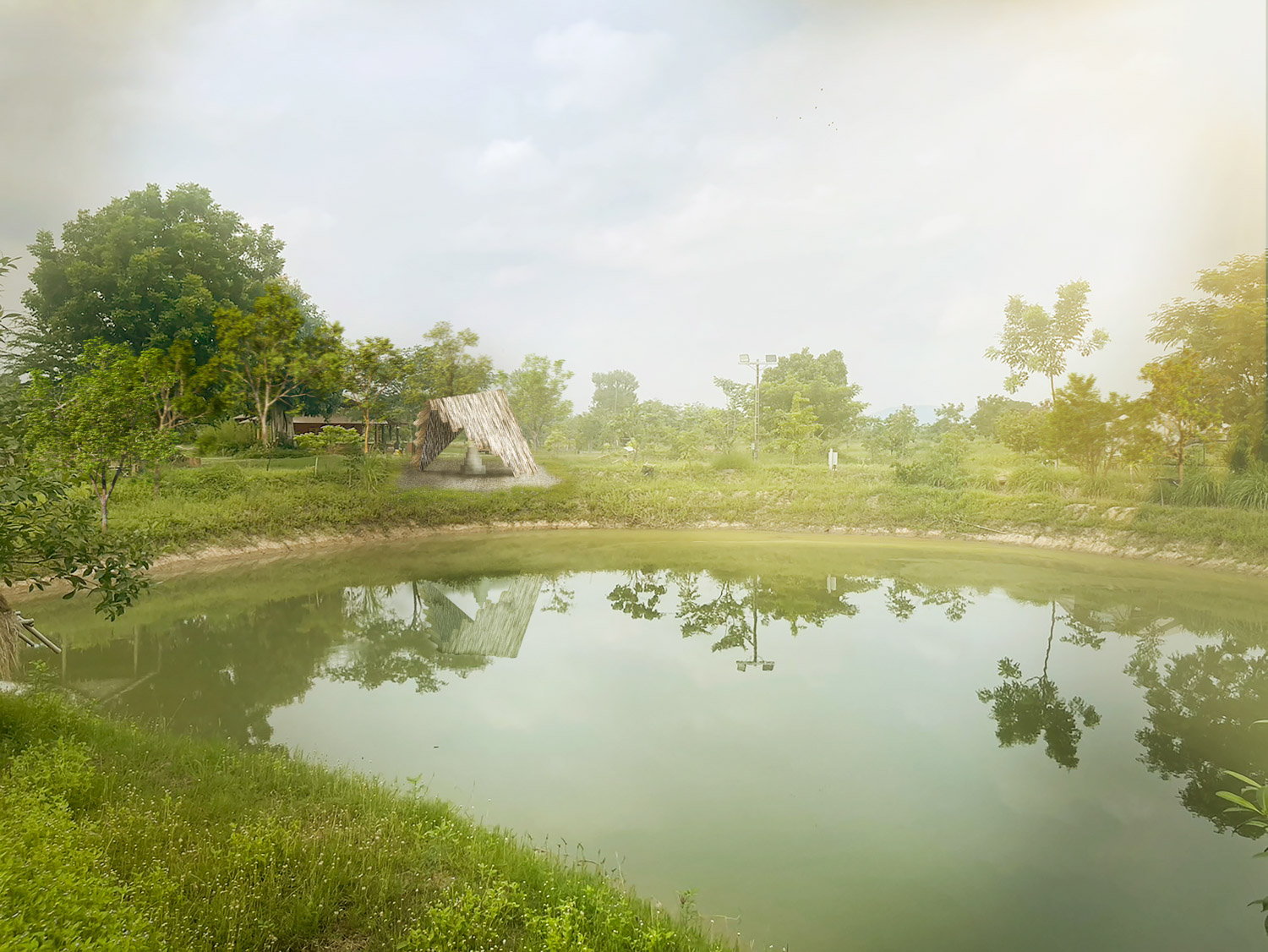
Image courtesy of Jenchieh Hung + Kulthida Songkittipakdee / HAS design and research
Wind Grove originated from a simple yet profound question: ‘If users cannot fully perceive a space through sight, how else can architecture communicate with them?’ This inquiry led to the design of a meditation and contemplative retreat for ill Buddhist monks at ArogaDhamma Temple, a place dedicated to both the physical and spiritual healing of monastics. Instead of relying primarily on visual expression, the architects allowed nature itself to shape the spatial experience. Wind, sound, scent, temperature, light, and atmosphere became architectural elements as essential as walls, roofs, or structural frames. As natural breezes pass through suspended aluminium panels, the panels gently sway and collide, producing soft chime-like sounds reminiscent of temple wind bells—objects traditionally believed to encourage mindfulness, ward off negative energy, and cultivate a sense of serenity. The structure almost seems to carry quiet wishes of well-being to those recovering within its surroundings.
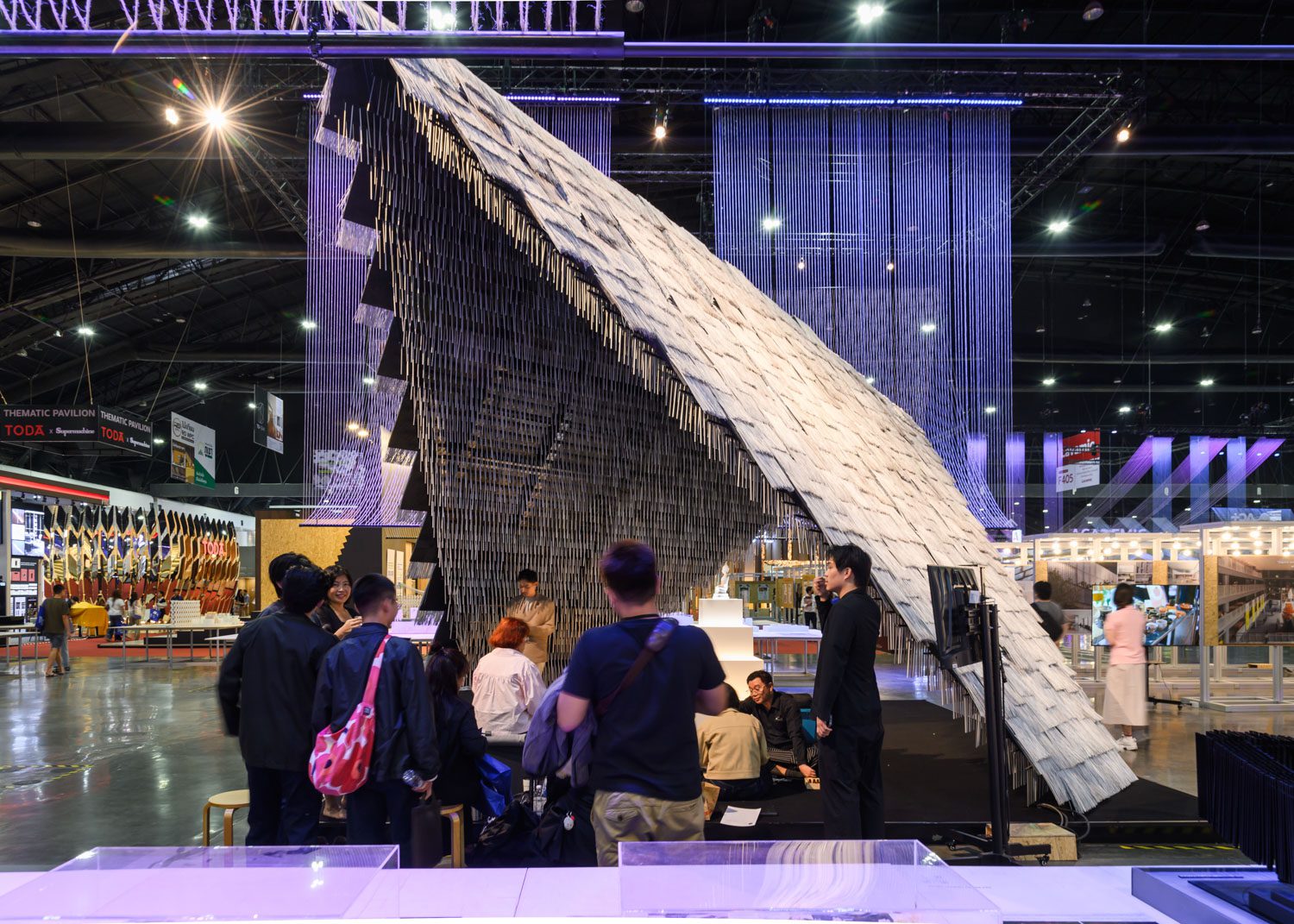
The pavilion adopts a triangular form that blends subtly into its natural setting. Its roof is constructed from recyclable thatch, responding not only to sustainability concerns but also reinterpreting vernacular architecture through a contemporary lens. In doing so, the project balances a modern architectural language with local wisdom, materiality, and craftsmanship. Developed around the principles of modularity and zero waste, the pavilion was designed with a modular system ranging from 600 to 1,200 millimetres, allowing it to be easily assembled, dismantled, transported, and reconstructed by local craftsmen. Consequently, Wind Grove was conceived not as a temporary installation destined to disappear after Architect’26, but as a structure with a continuing life beyond the exhibition. Once its role as the ASA Theme Exhibition concluded, the pavilion was relocated to ArogaDhamma Temple, where it assumed its intended function—demonstrating an architectural approach that values long-term purpose over the short-lived spectacle often associated with event architecture.
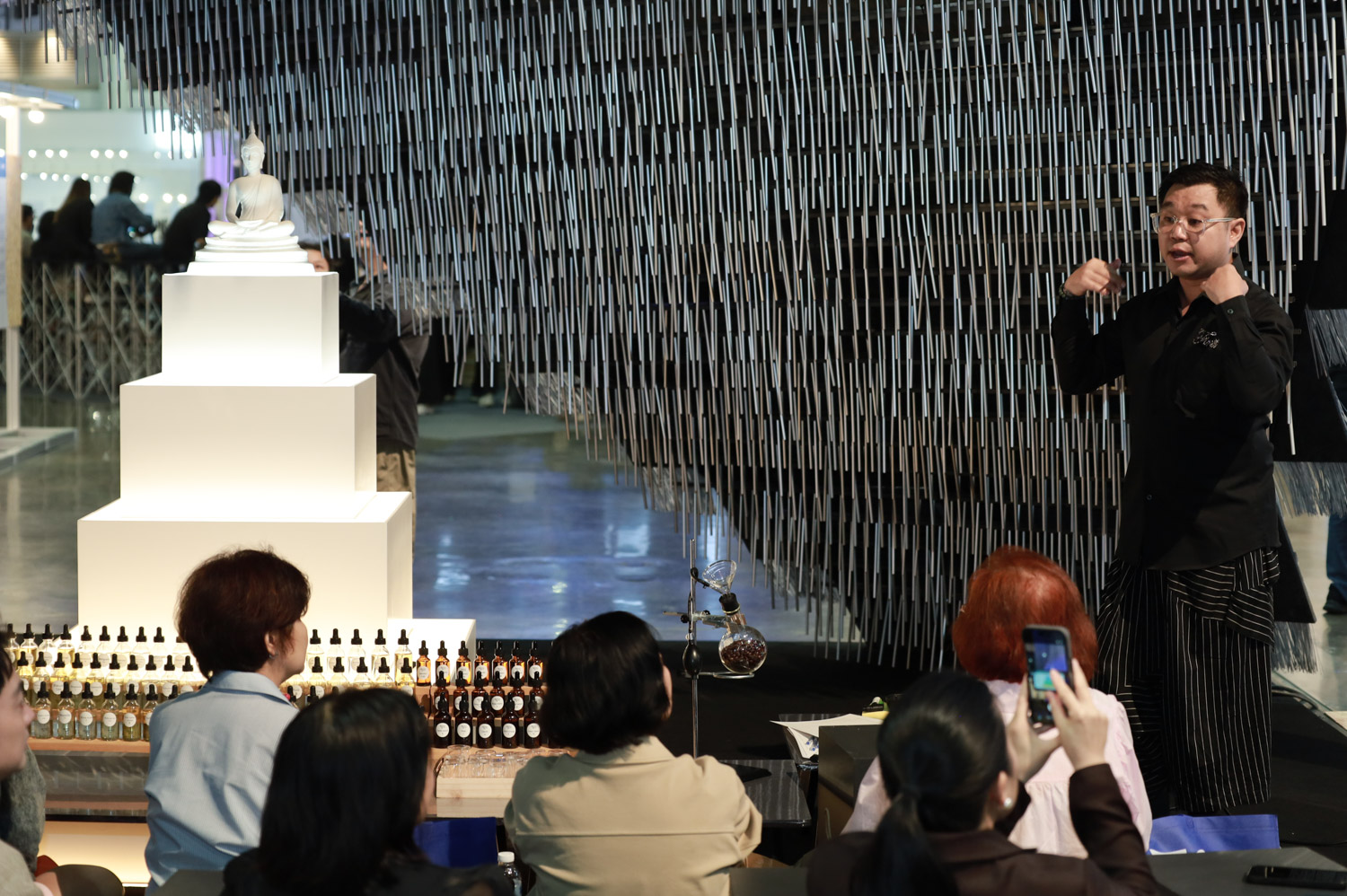
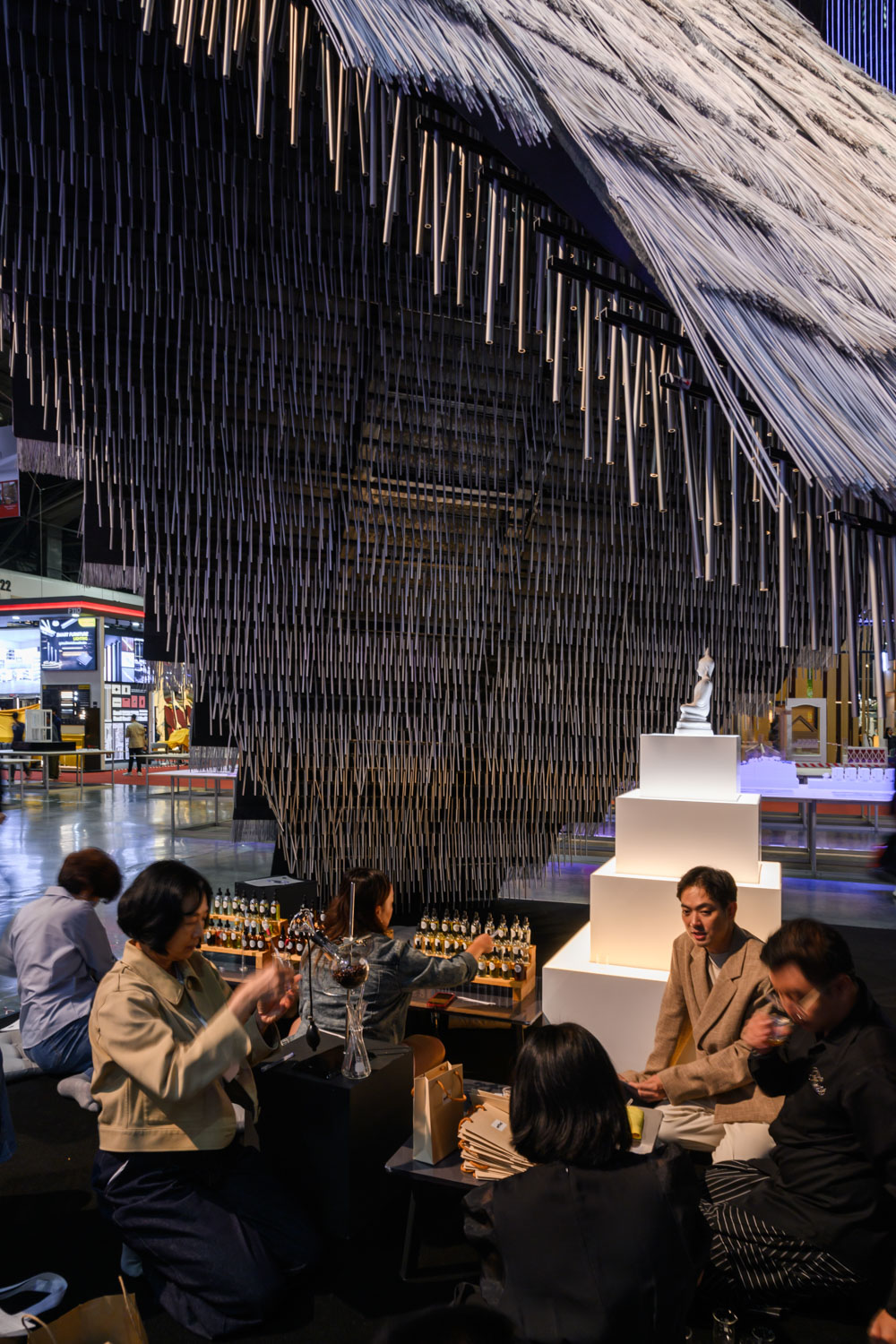
Ultimately, Wind Grove does not offer a definitive answer to how architecture can communicate beyond what is visually perceived. Instead, it suggests that cultivating sensory awareness is itself one of architecture’s fundamental capacities. Whether architecture can truly heal remains impossible to guarantee. Yet if Wind Grove can encourage people to pause, to listen to the wind, and perhaps even to hear themselves—even if only for a fleeting moment—then perhaps healing has already begun.