
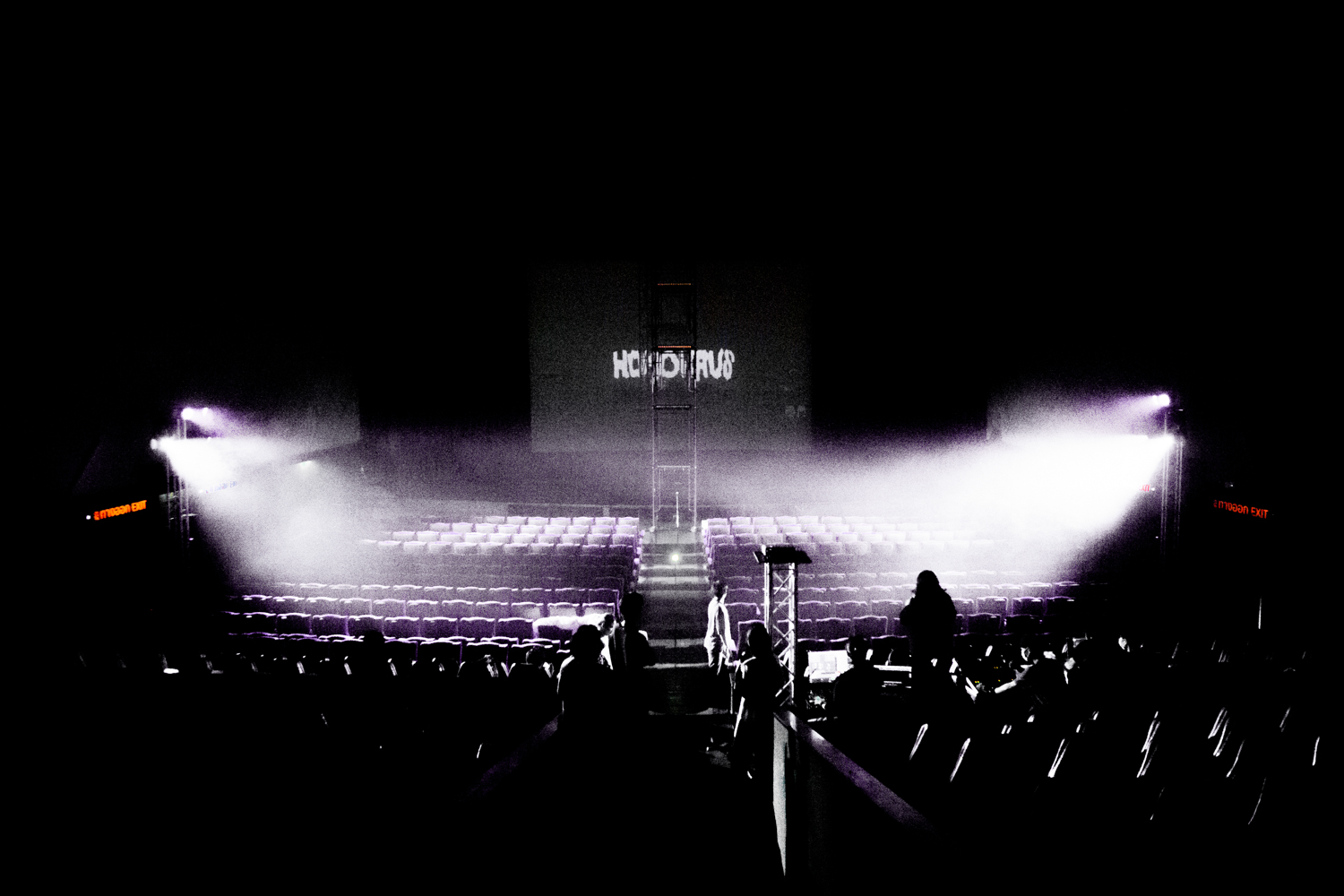
EXPLORE THREE HIGHLIGHT ACTIVITIES OF THE 3RD H0M0HAUS FESTIVAL, RETURNING WITH THE THEME OF ‘RADICAL REINCARNATION,’ USING PERFORMING ARTS AS A SPACE TO DISMANTLE PATRIARCHAL STRUCTURES AND RECLAIM THE EXISTENCE OF LGBTQ+ DIVERSITY
TEXT: SARUNKORN ARTHAN
PHOTO: JIRAPHAT VINAGUPTA EXCEPT AS NOTED
(For Thai, press here)
Is Gender Political?
It is, unequivocally. If those who control the past can shape the future, then those who define gender and determine how it may exist can also govern the structures of society and the course of human lives. They prescribe gender roles, decide which identities are deemed ‘normal’ and which are not, and in doing so lay the groundwork for prejudice, discrimination, and even hate crimes. Yet every person should be free to be who they are and to express themselves freely, exercising their rights within a democratic society.
Although Thailand, like many parts of the world, has begun to recognize gender diversity with greater openness, the patriarchal foundations embedded within its democratic system remain firmly intact. They continue, often by default, to marginalize gender-diverse communities. These forces also draw boundaries within urban space, pushing queer identities to the margins and into shadowed corners, where their presence is rendered illegitimate in the eyes of the state.
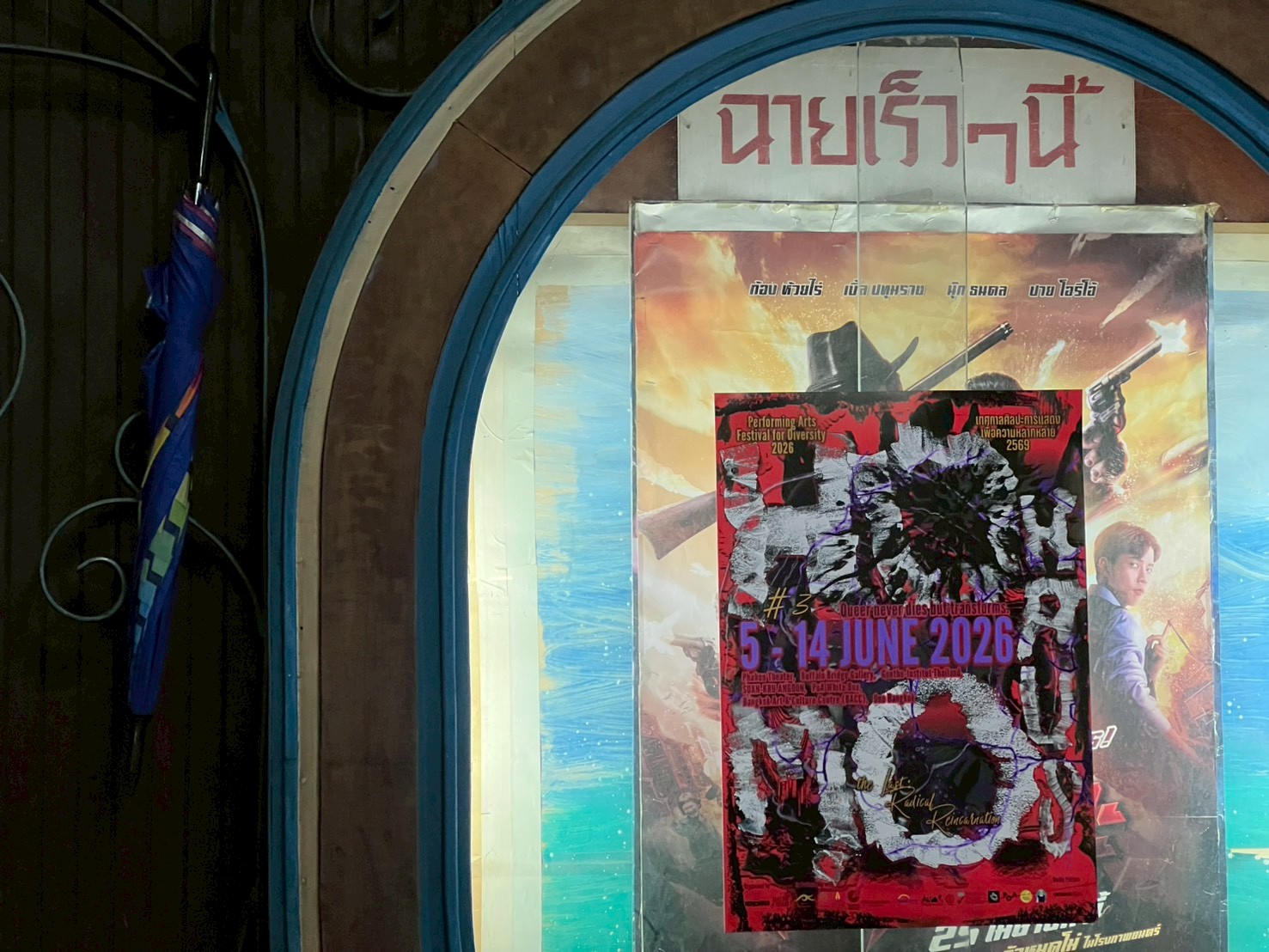
Photo: Sarunkorn Arthan
It is within this uneasy condition of partial visibility and persistent concealment that H0M0HAUS Festival, a performing arts festival celebrating gender diversity, returns for its third edition. This year, it adopts the theme Radical Reincarnation, as a call to dismantle the structures of patriarchal democracy.
H0M0HAUS #3 was not confined to a single venue. Instead, it claimed the city of Bangkok through a rich and varied program of workshops, performances, discussions, and art exhibitions. Of the many events presented throughout the festival, art4d attended three key programs that we would like to revisit as witnesses to this act of radical rebirth:
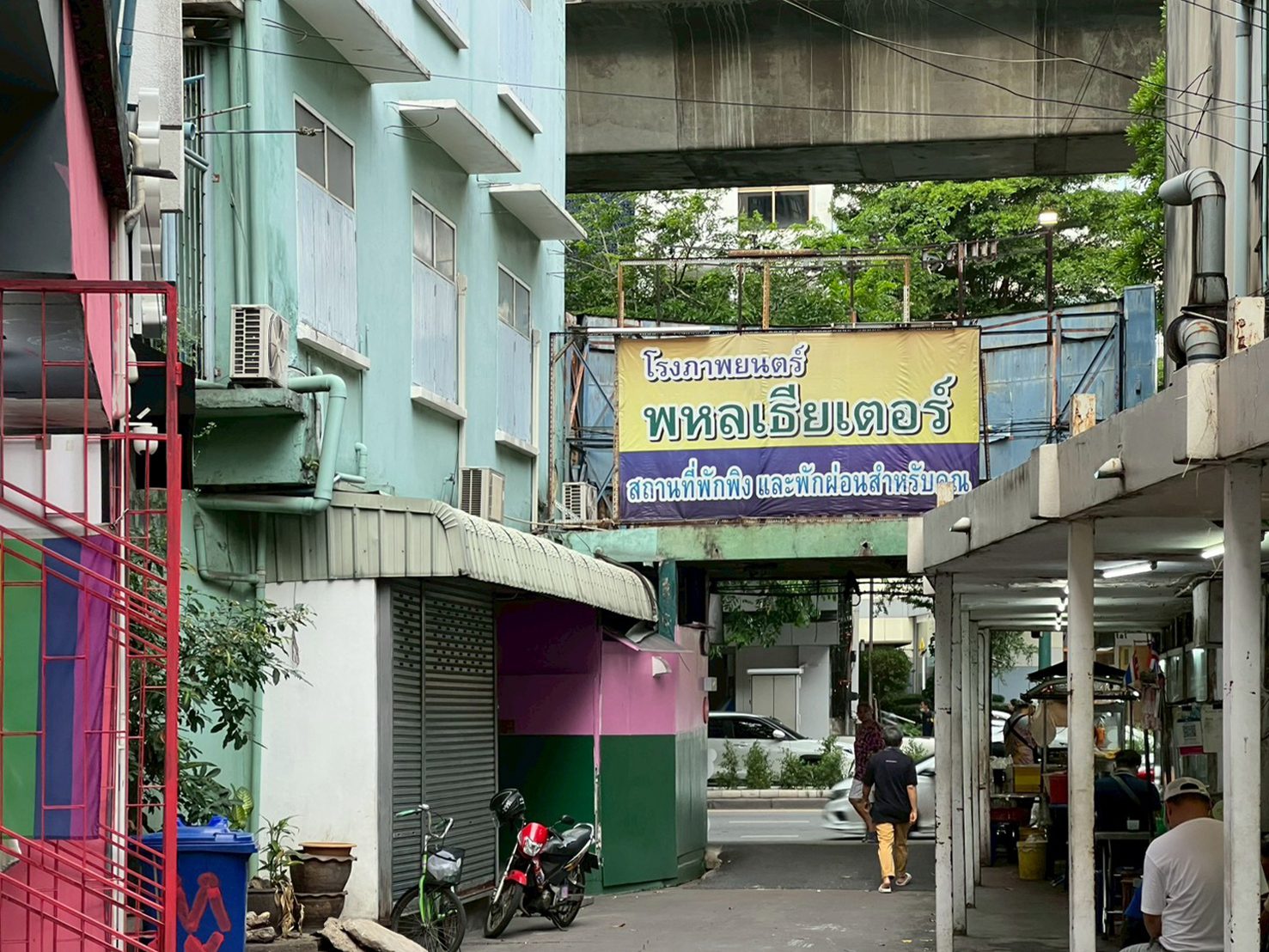 Photo: Sarunkorn Arthan
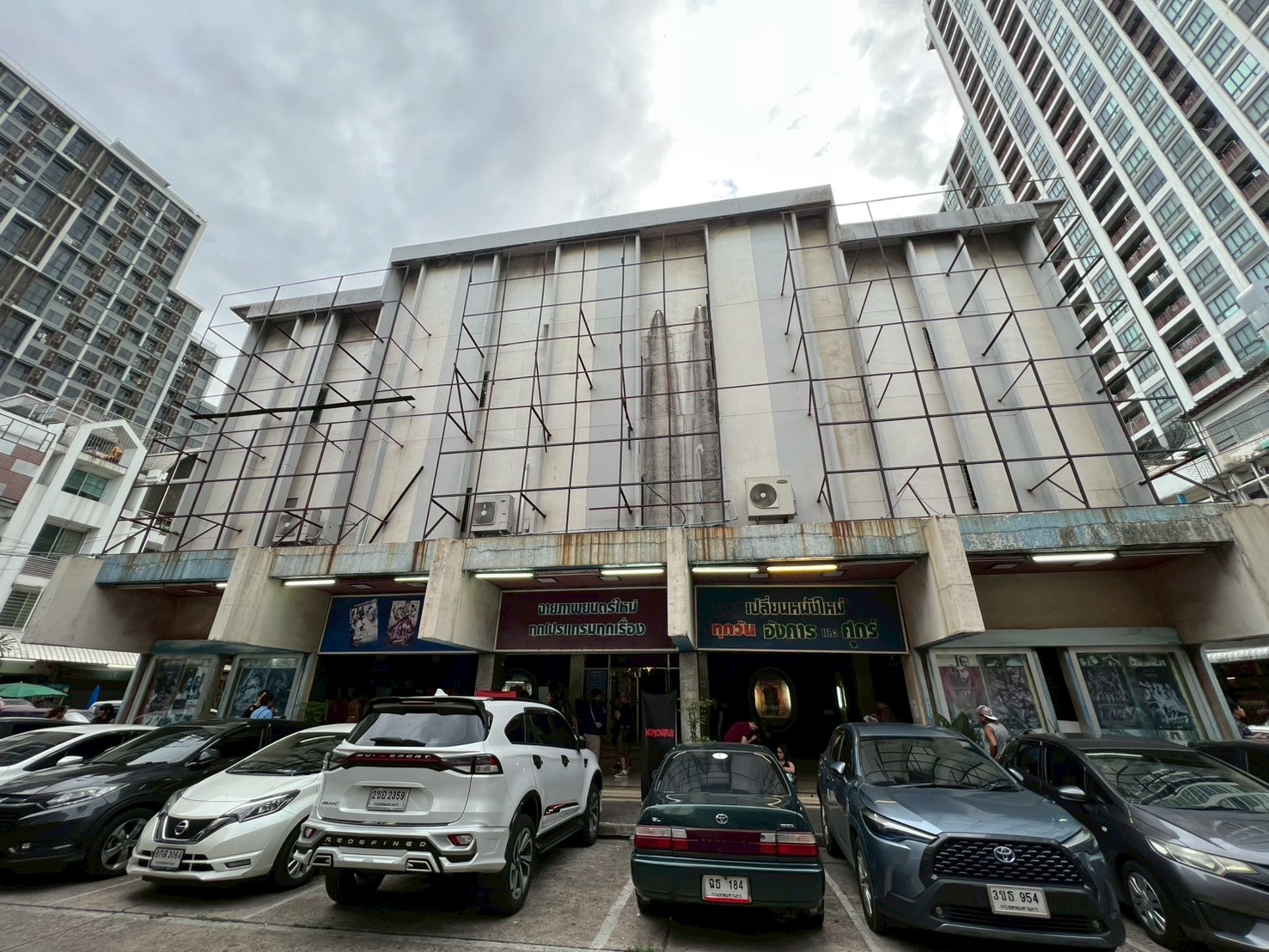
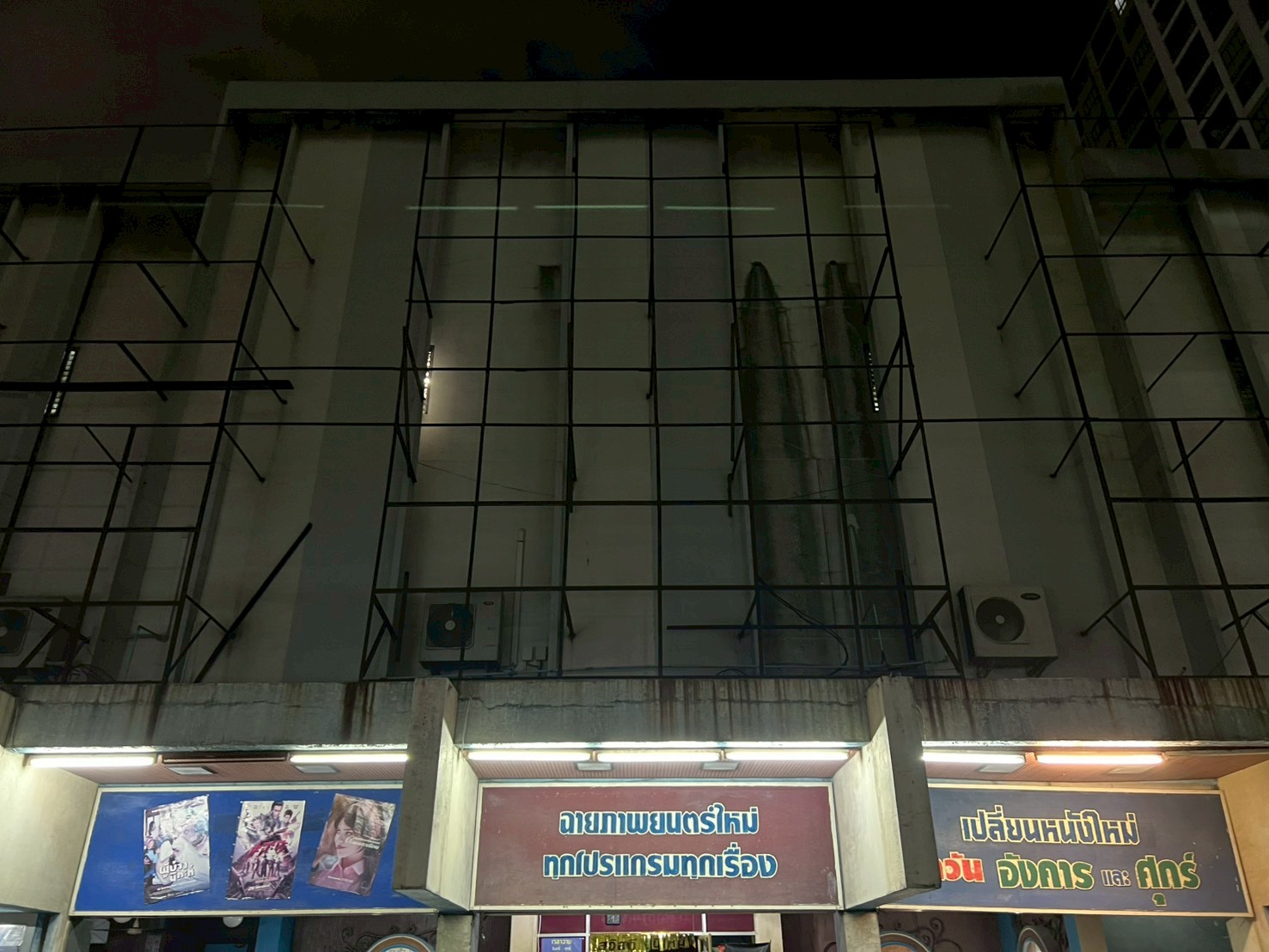
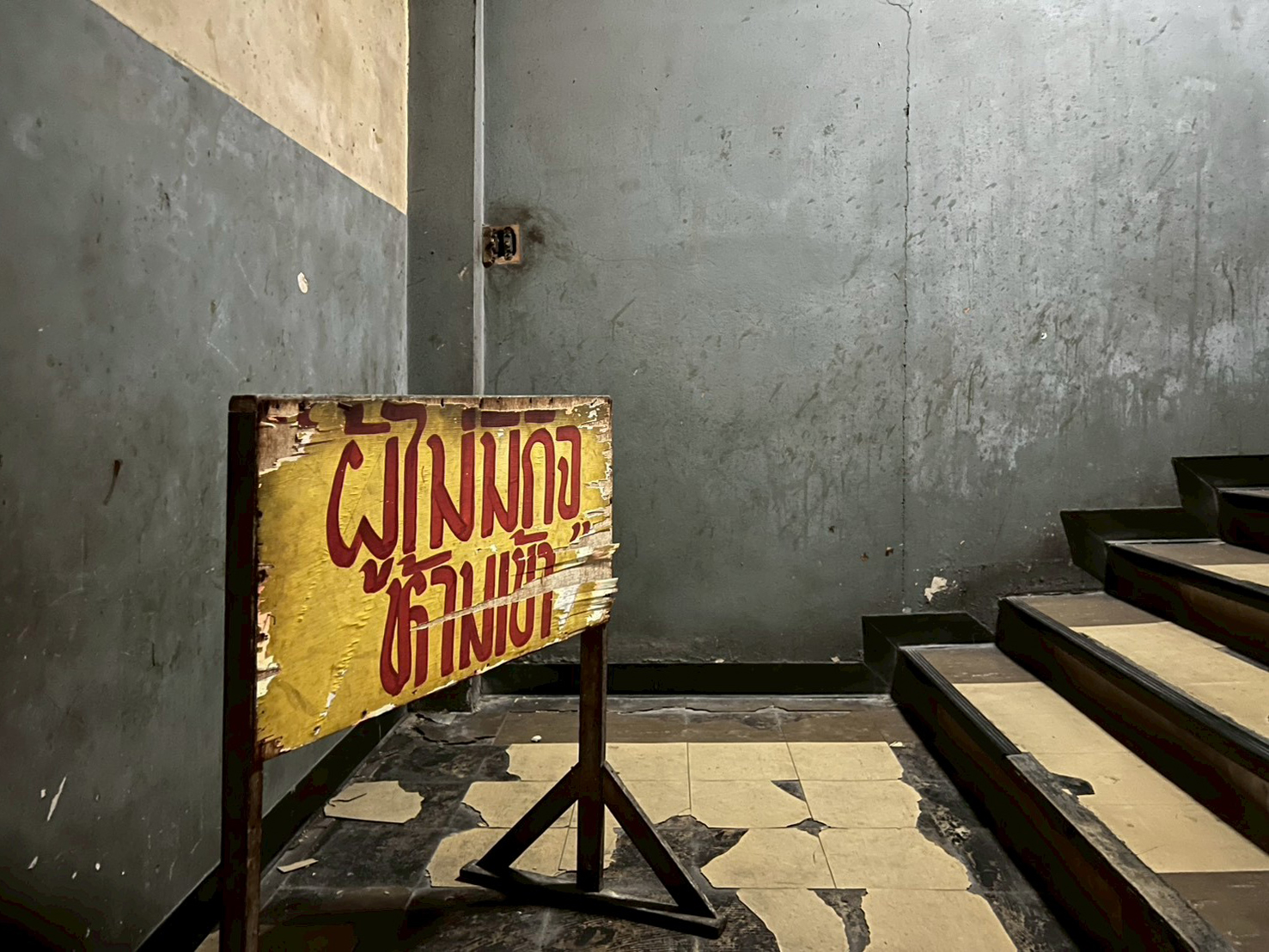
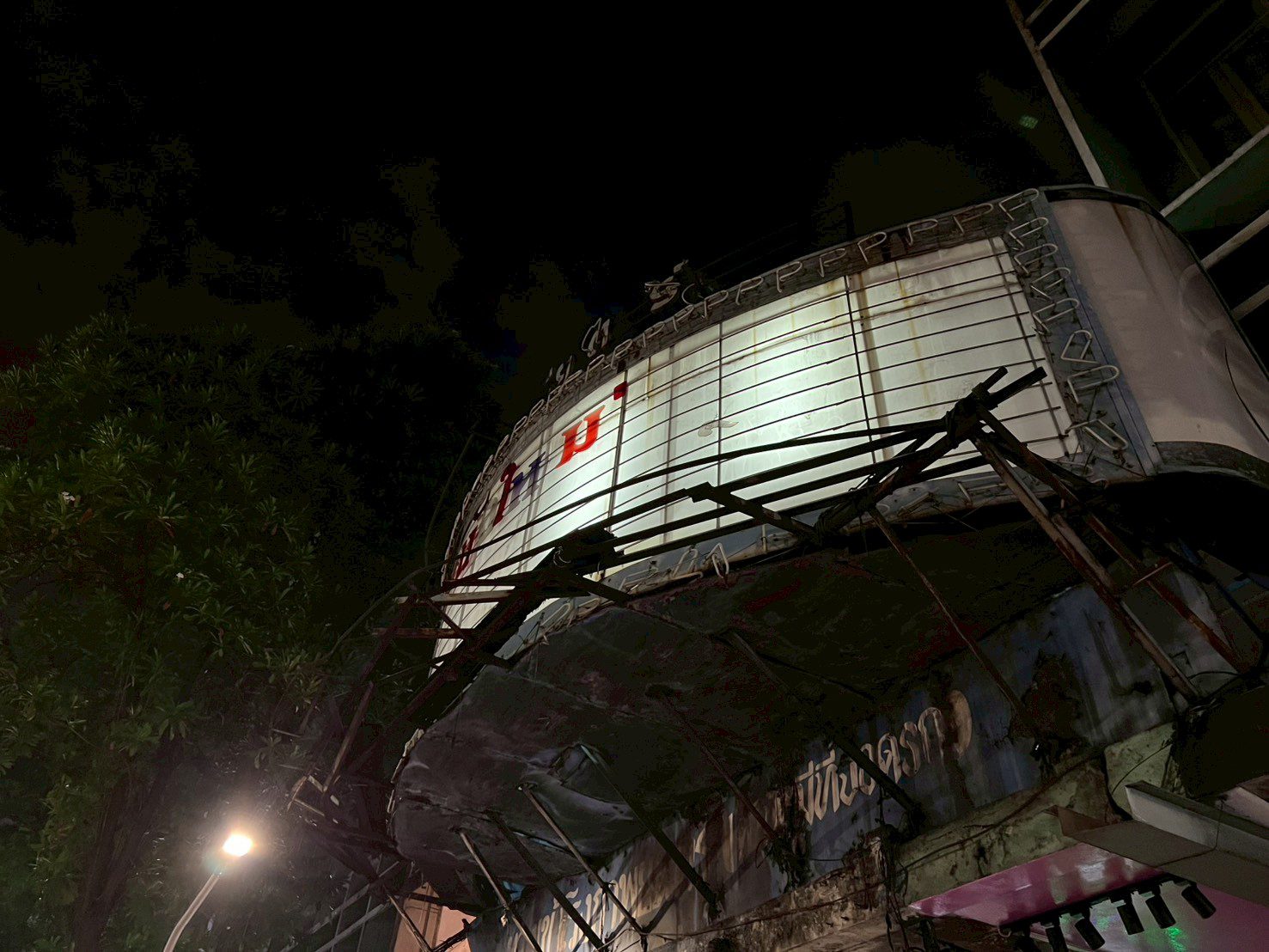
Opening ACT! | PSYCHOT!KA D!SGUSTOPA: QUEER NECROMANCY SYNTHFLESH CEREMONY by Pathipon (Miss OAT) and Catherine P. Müller
This year’s opening performance departed from the festival’s previous editions by taking over Phahonyothin Theatre, the last remaining standalone cinema in the Ari–Saphan Kwai neighborhood. Opened in the late 1960s, the theater witnessed the heyday of Thai cinema before enduring its decline, later becoming an adult cinema. Legal action eventually forced it to close, until it reopened in 2015, where it has remained in operation since.1
Phahonyothin Theatre is not merely a surviving relic of Bangkok’s entertainment history. It is also a site of historical memory, and of trauma, for queer communities, particularly gay men. At a time when they were routinely demeaned and denied social value, the theater was among the few places where they could meet, if only briefly, beyond the gaze of the state and its attempts to regulate their identities.
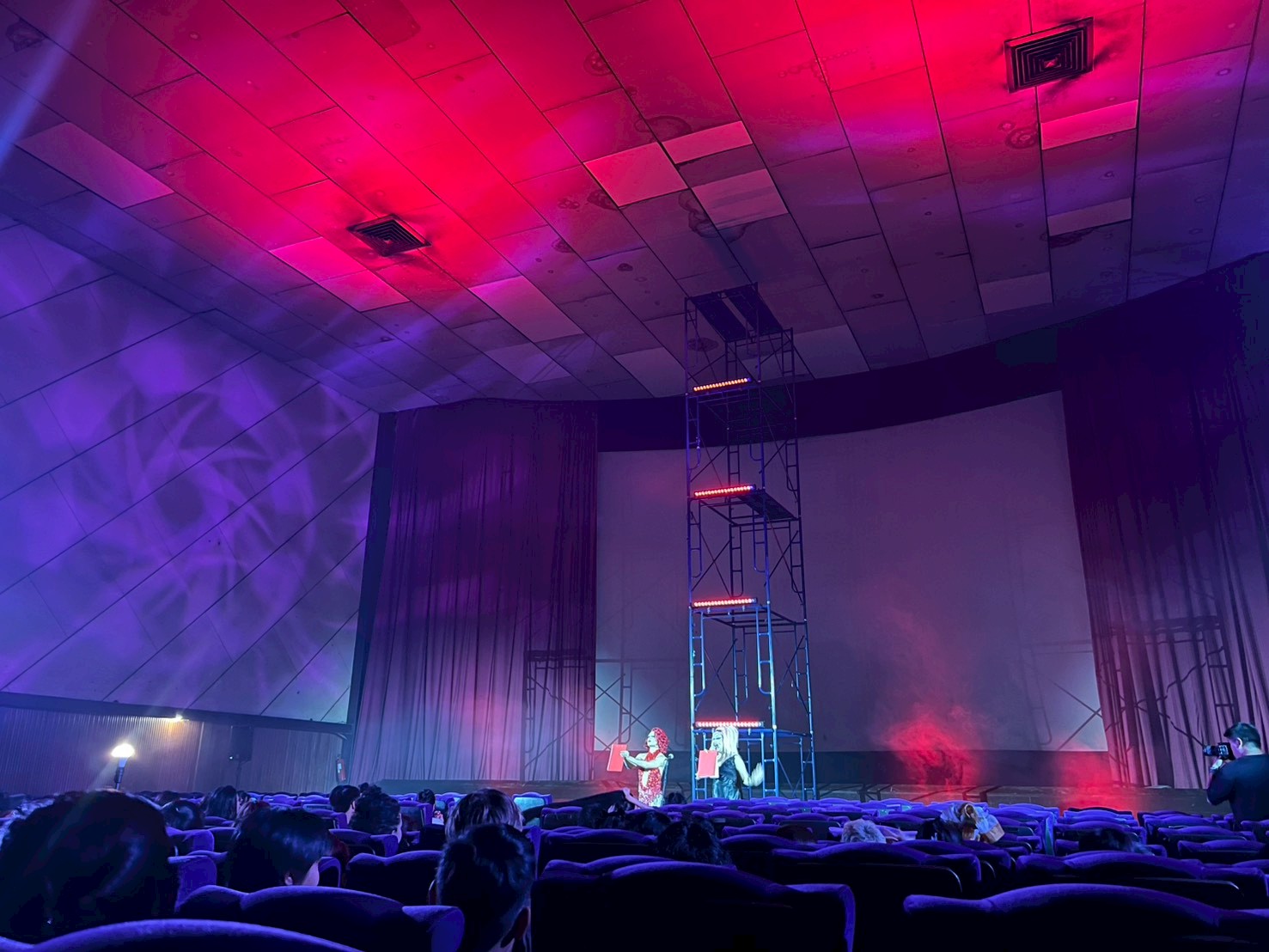
Photo: Sarunkorn Arthan
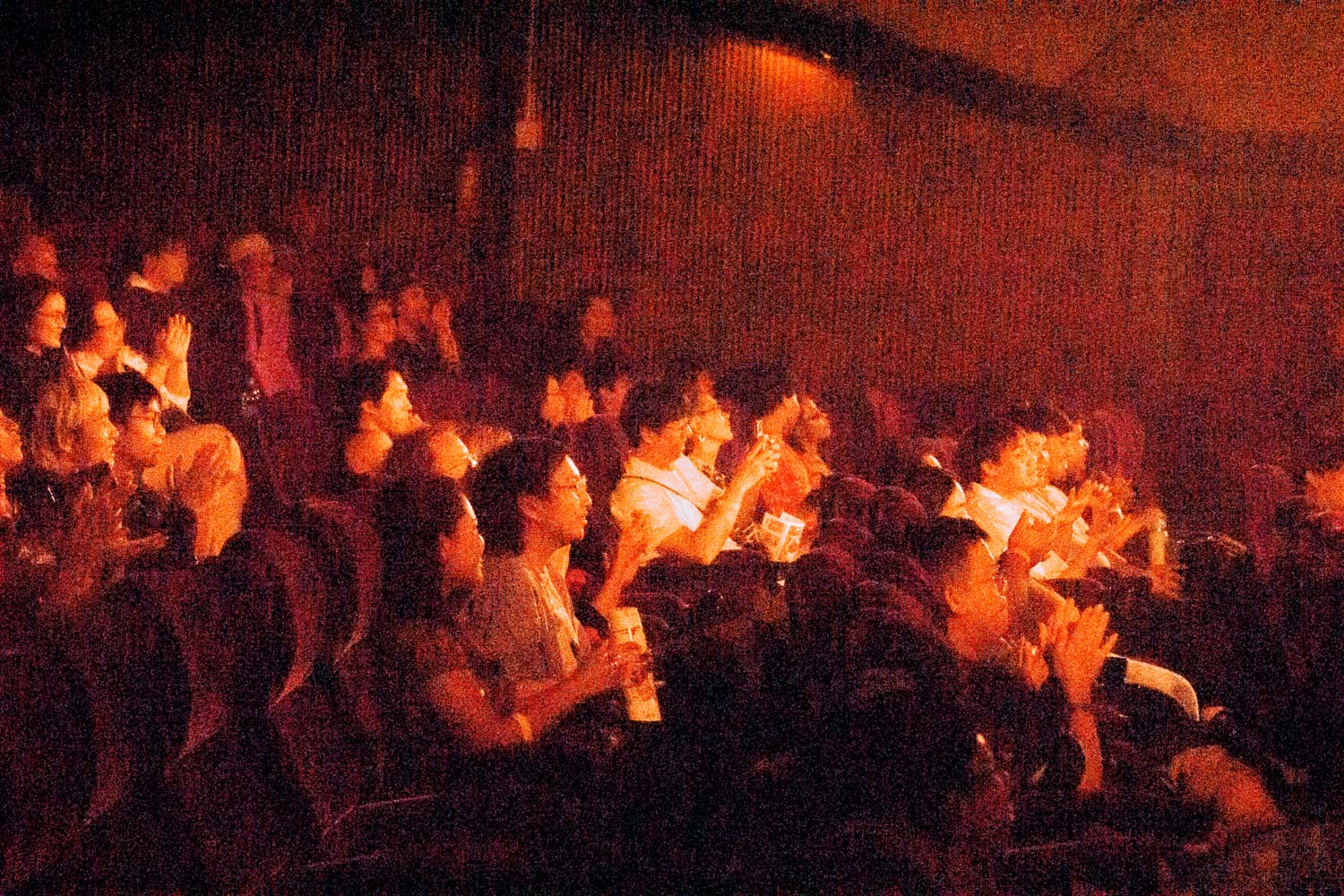
On the festival’s opening night, June 5, 2026, Phahonyothin Theatre was reawakened as a site of belief and a vessel for the spiritual force of gender diversity embedded within its aging interiors. From the newly upholstered cinema seats, the audience could look around and see not only mold gathering near the air-conditioning vents, but also scaffolding rising toward the ceiling, forming part of a ceremonial ground prepared to summon queer ancestral spirits and invite them to witness H0M0HAUS’s offering.
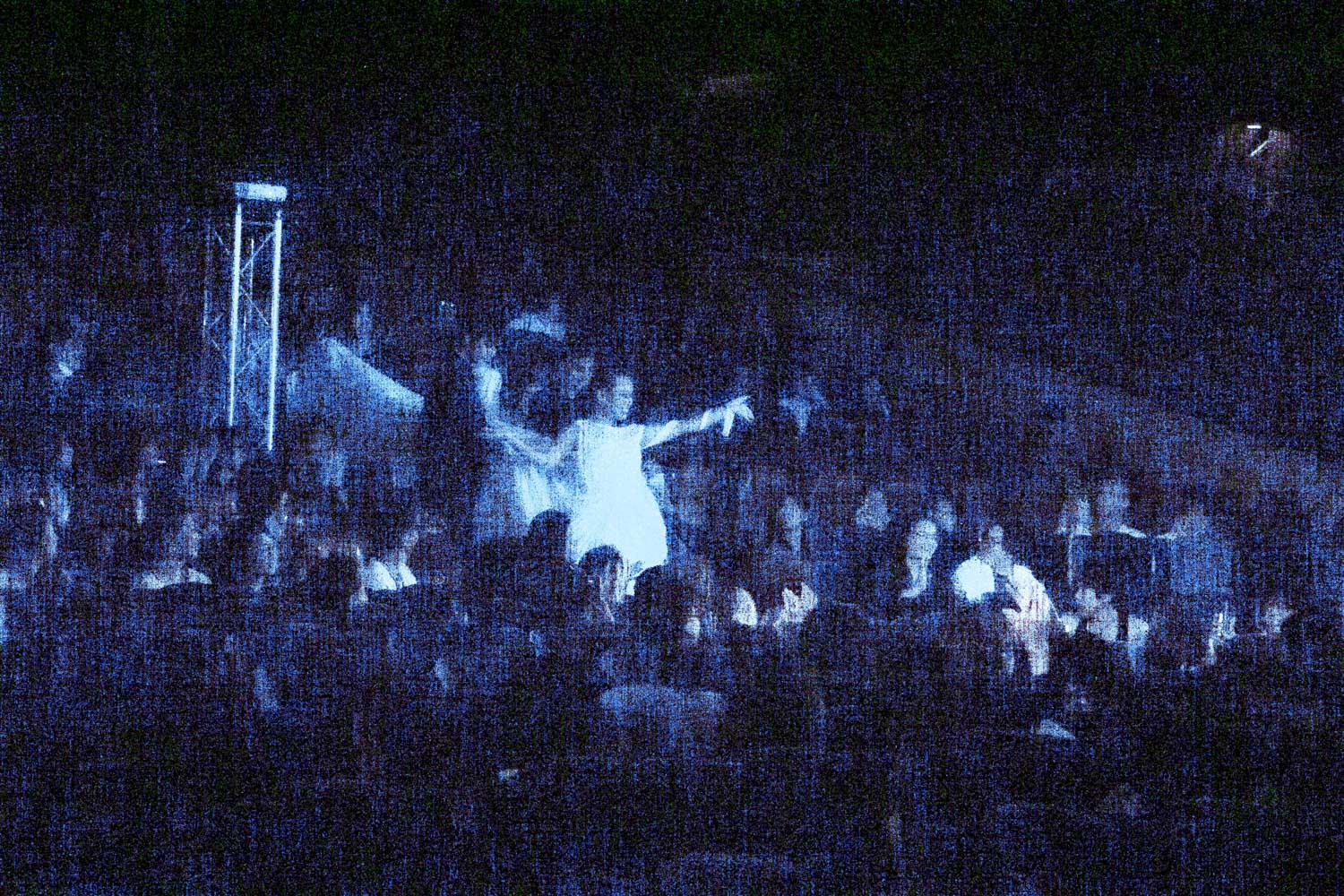
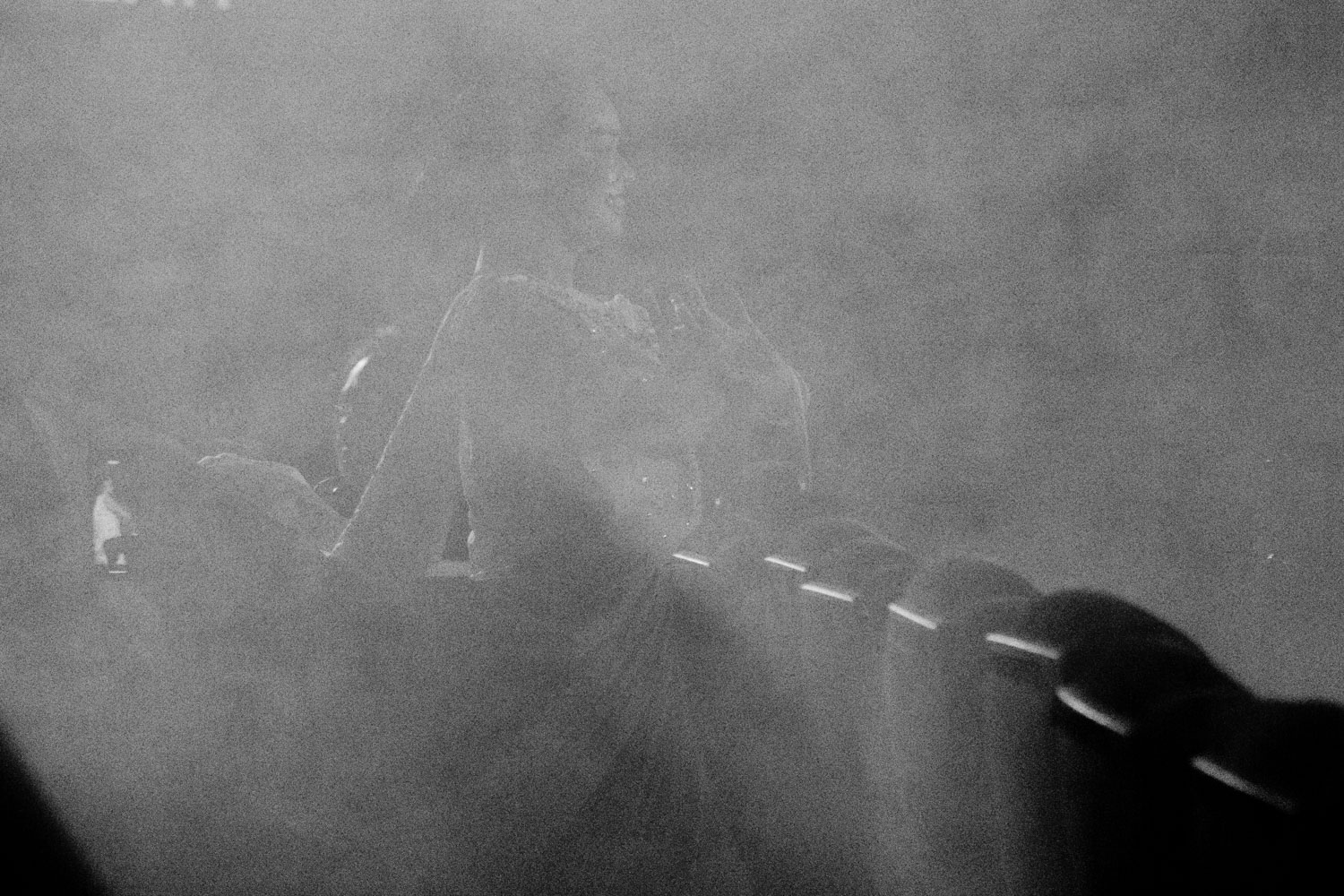
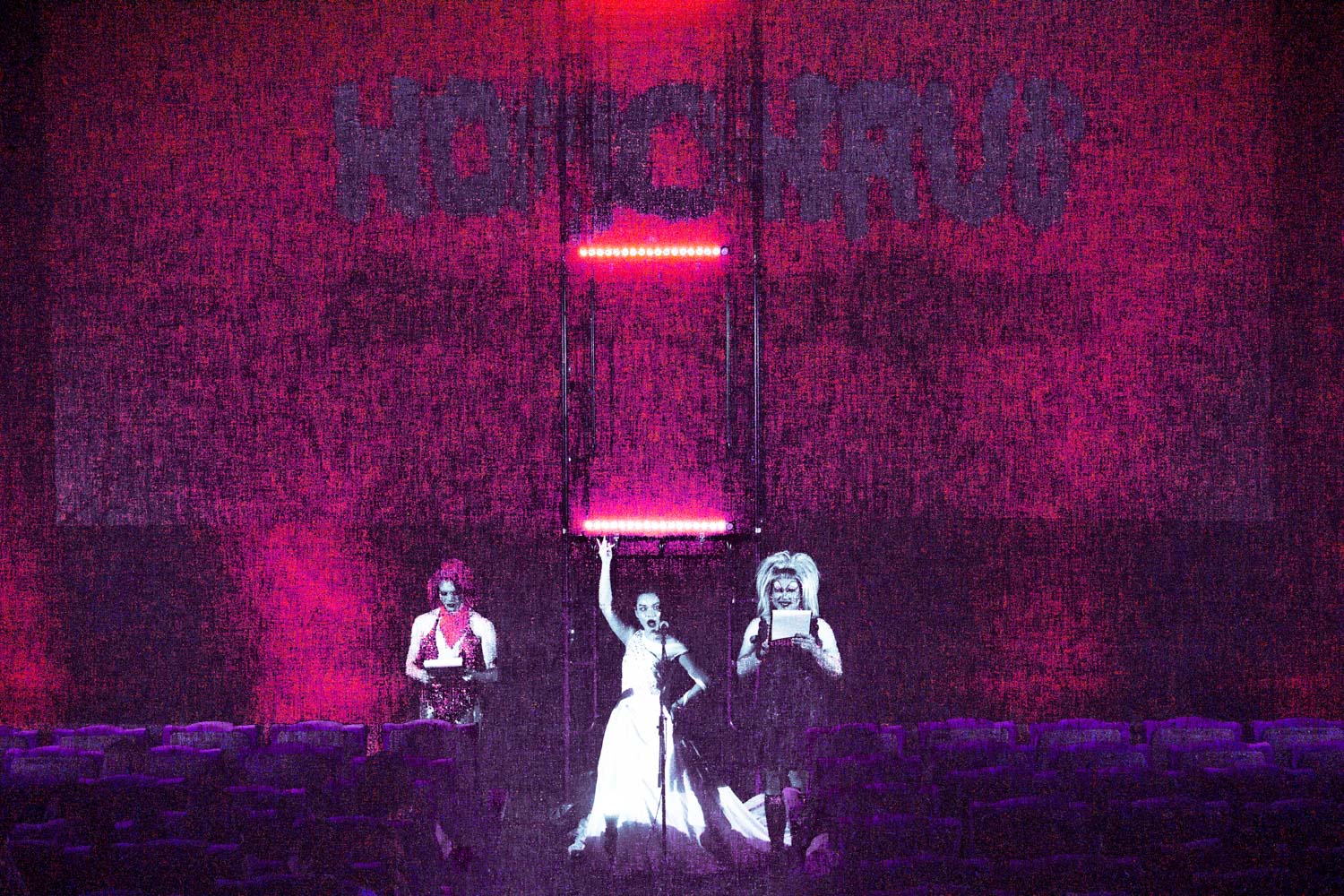
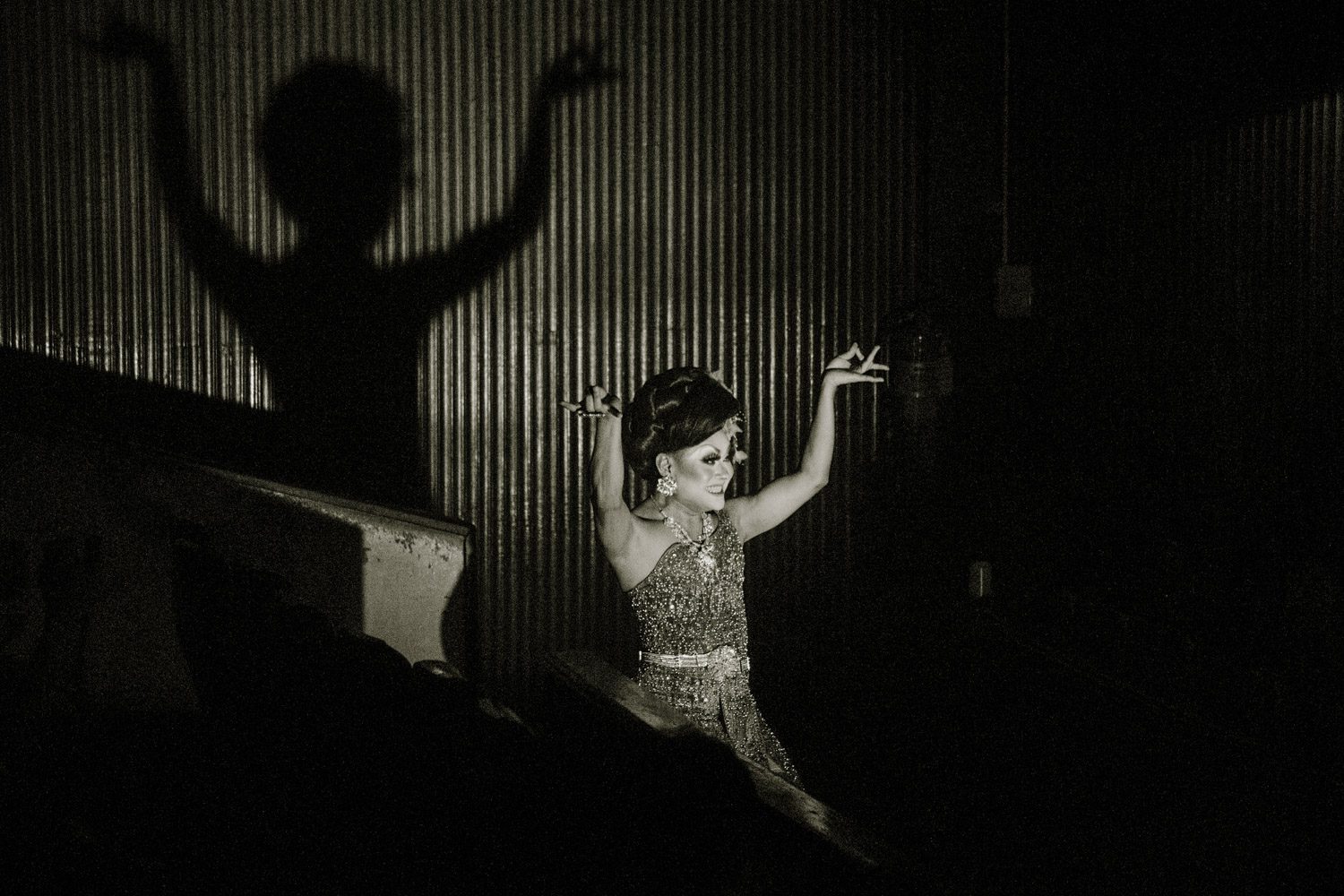
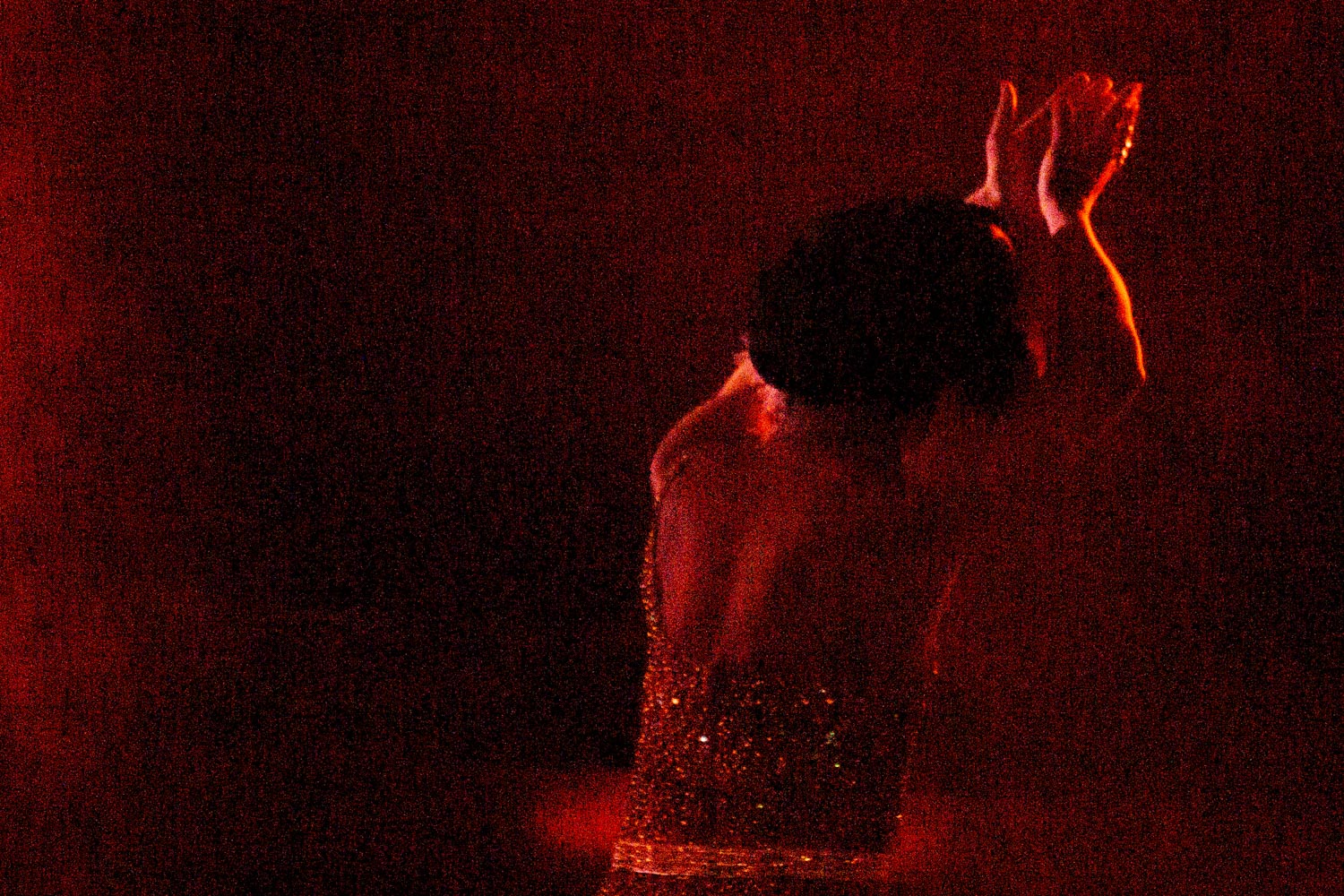
As the invocation to queer ancestors came to a close, a spirit medium, or perhaps a goddess of diversity herself, appeared. The ceremony unfolded through acts of offering: multicolored cloths were tied around the goddess, while Miss Srimala, appearing as the village headman’s wife and known for her appearance on Drag Race Thailand Season 2, performed a ritual dance that might well be described as ‘lip sync for your (sacred) life.’ Audience members, cast as devotees, disciples, and queer congregants alike, were also invited to dance as a form of embodied worship.
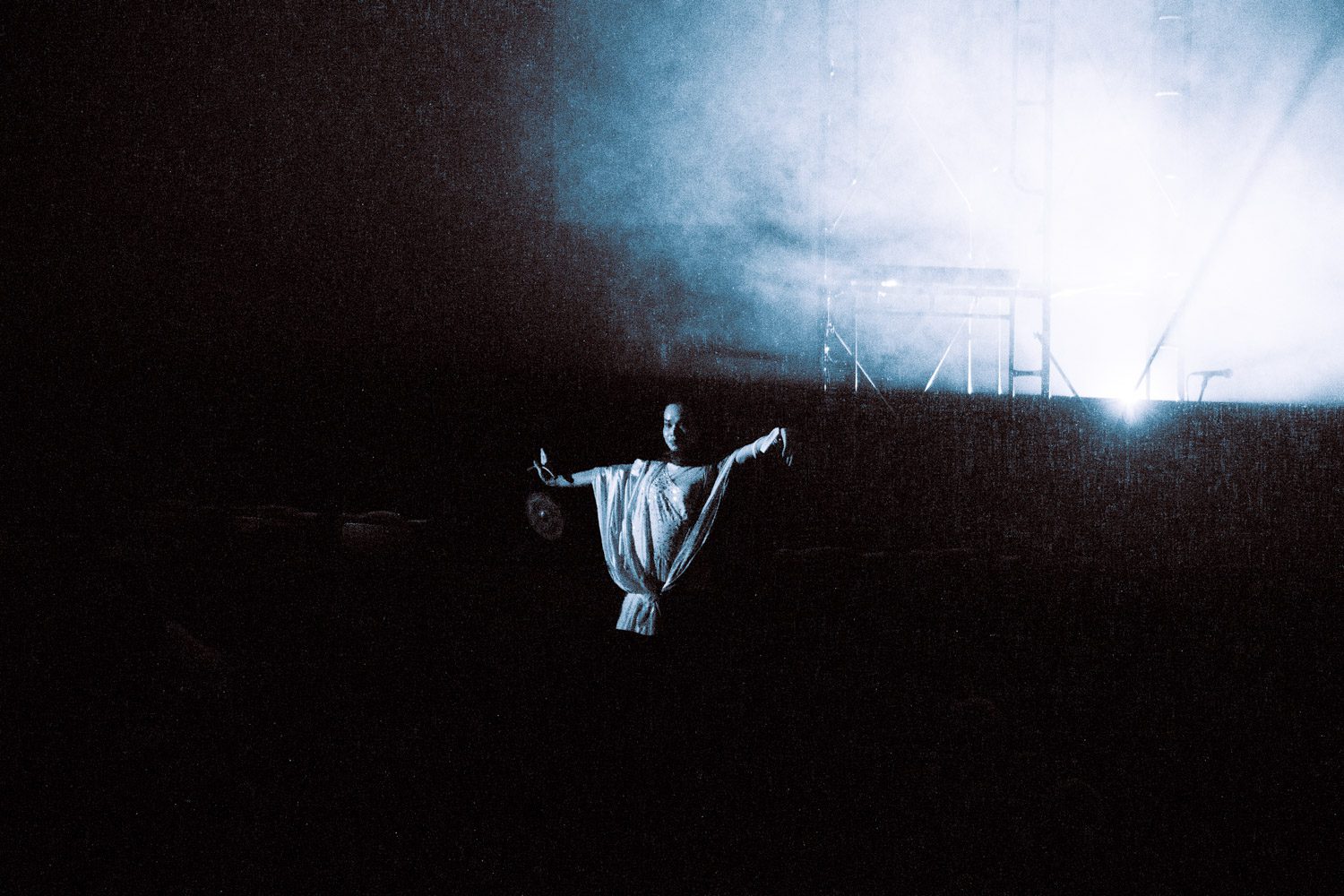
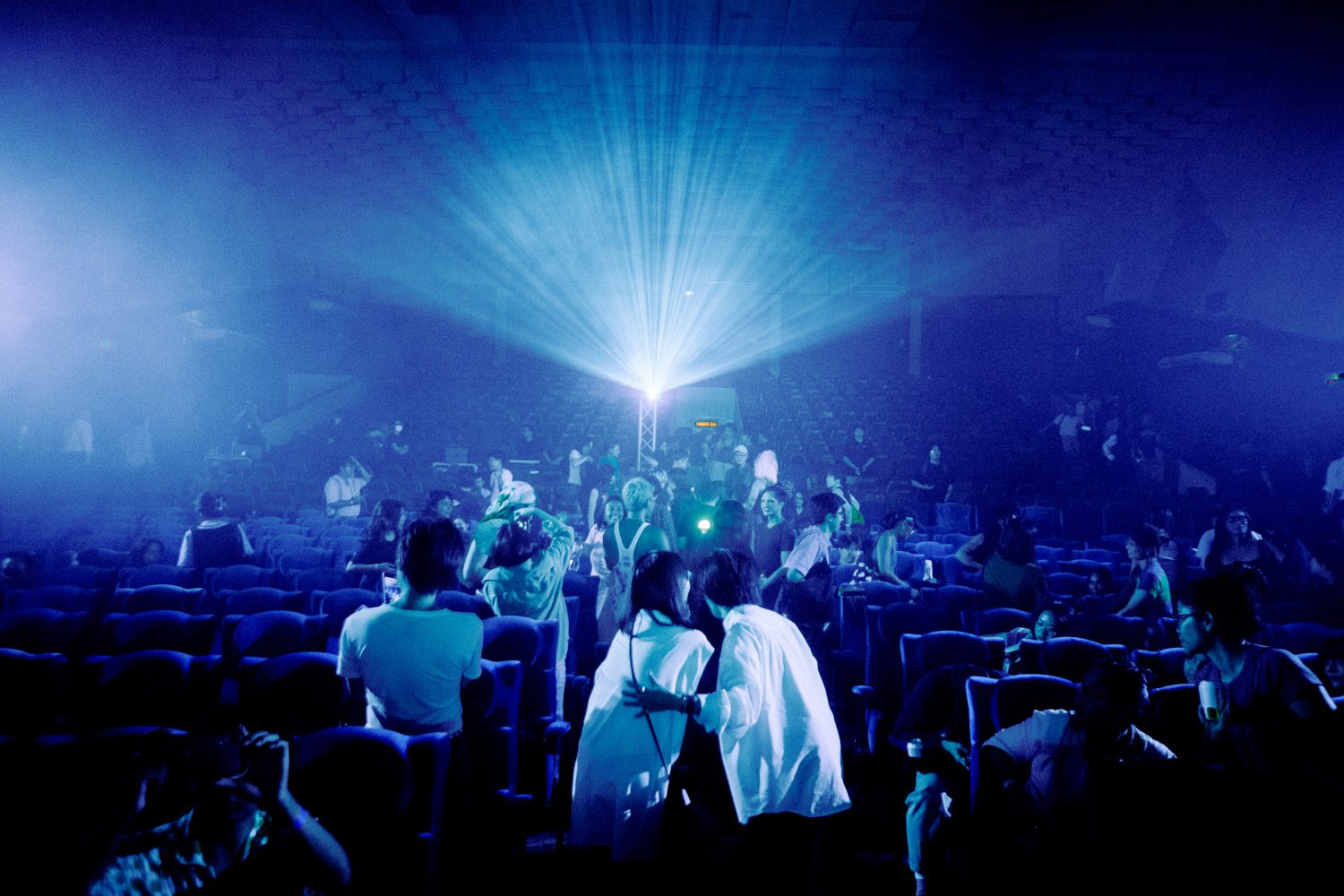
Yet beneath the exuberant spectacle of PSYCHOT!KA D!SGUSTOPA: QUEER NECROMANCY SYNTHFLESH CEREMONY lies something more urgent than the excessive camp so often projected onto kathoey identity. The work declares to queer ancestral spirits that their existence has never disappeared. It remains recognized and deeply inscribed in the consciousness of later generations, even among those who never encountered them in life. At the same time, the performance sends a powerful tremor through patriarchal society, voicing the discontent and simmering rage of gender-diverse communities toward the distorted structures that continue to govern contemporary Thailand.
When the ritual of PSYCHOT!KA D!SGUSTOPA came to an end, it left a residue both on the body and in the senses. It reaffirmed that the spaces where the state once compelled queer people to hide could no longer remain unchanged. Queer ancestors had awakened from their long slumber and were now ready to join the festival’s radical reincarnation at every step that followed.
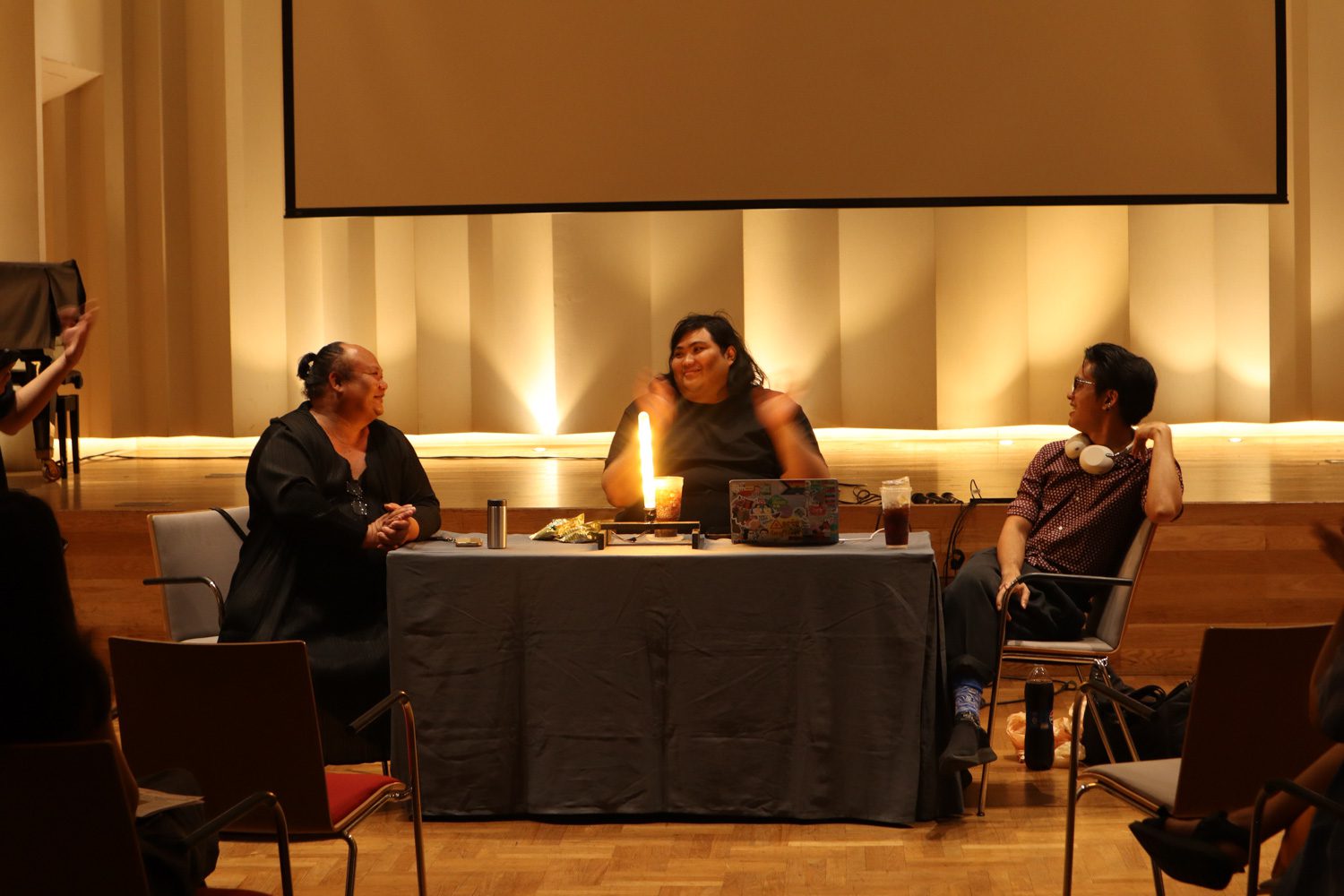
(left to right) Wannasak Sirilar (Kuck), Pathipon (Miss OAT), and Pathavee Thepkraiwan (AMADIVA)
The Queer Performing Arts Parliament: What Is Solo Queer Theatre?
Following the festival’s opening act of queer reanimation, the next program that art4d attended took place on Wednesday, June 10, 2026: a panel discussion at Goethe-Institut Thailand on Soi Sathon 1. Titled What Is Solo Queer Theatre?, the session offered a rare safe space for shared reflection and open exchange.
The discussion brought together three practitioners at the forefront of Thailand’s queer theater landscape: Wannasak Sirilar (Kuck), Pathavee Thepkraiwan (AMADIVA), and Pathipon (Miss OAT). Together, they spoke candidly about solo performance by queer artists: a form that is at once vulnerable and potent, practiced within artistic and social infrastructures that have never truly been built to support it. There are, in fact, remarkably few queer solo performers in Thailand, only three represented in this conversation, and each approaches the practice in a distinctly different way.
AMADIVA and Miss OAT cited Wannasak’s Chailai Goes to War as a crucial landmark in Thai queer theater. Wannasak reflected on performing the work at a time when he was regarded as an odd, even unhinged figure among straight male theater actors, forcing him to repeatedly negotiate and adapt his presence long before the term ‘queer’ had gained currency in Thailand. This, in turn, raised an unresolved question: Is queer theater defined by the performer?
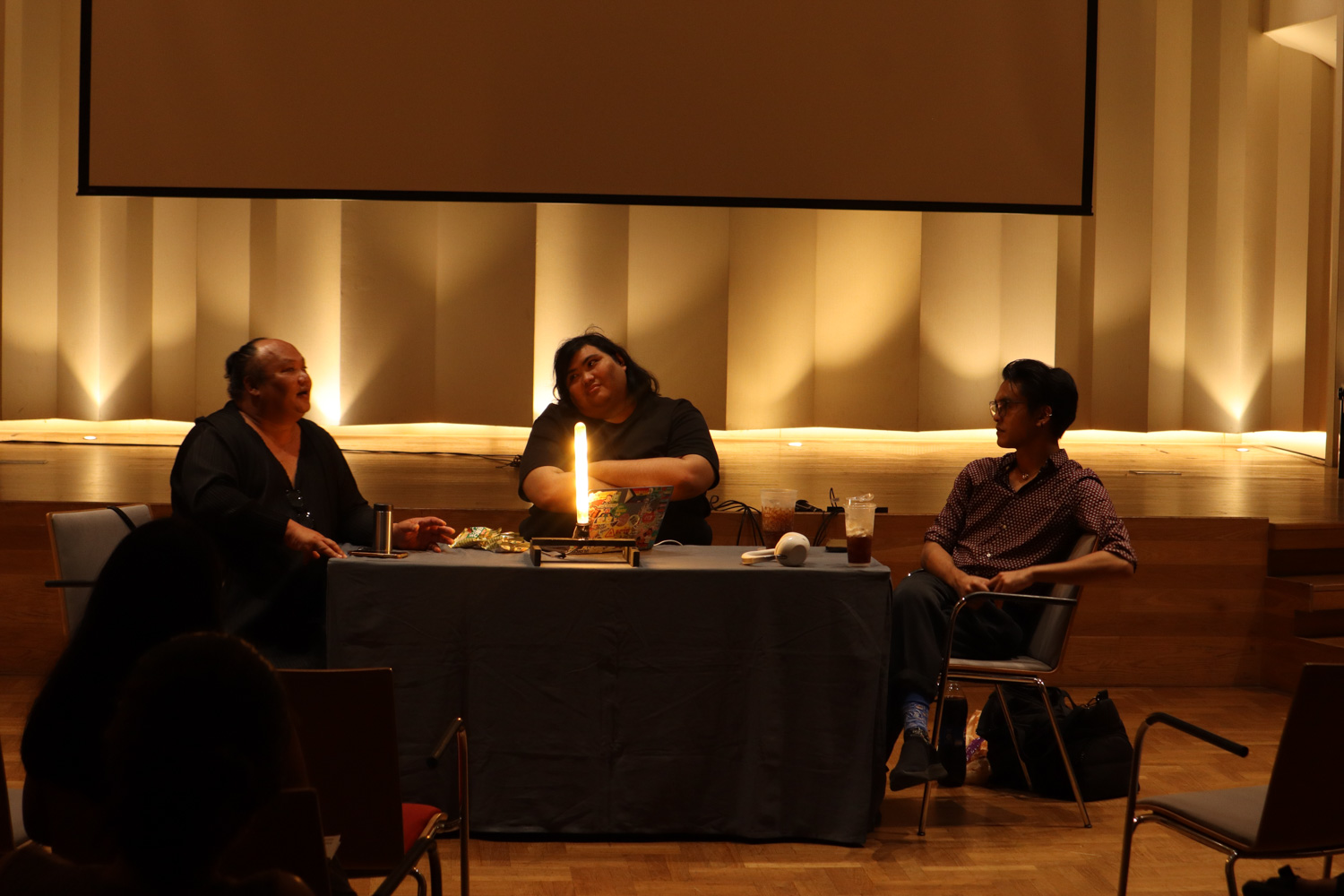
Miss OAT added that the arrival of the term ‘queer’ may itself have led performances by gender-diverse artists to be categorized as ‘queer theater,’ regardless of whether the performers wish to define themselves that way. Wannasak expanded on this point, noting that queer solo performance has been subject to constant questioning since he first began working: Why is it queer? Why make theater about gender? Who, exactly, is supposed to watch these stories? This scrutiny persists even when the work may, in fact, be dealing with other subjects altogether. And yet he has continued to make the work, again and again, until it has become visible within society. For him, the crucial task in sustaining oneself within this patriarchal democracy is to find a way of working that is true to one’s own conditions.
The conversation eventually arrived at another essential question: Can a straight performer play queer theater? All three speakers seemed to agree that anyone doing so would need to see and perform through a queer lens. But then came the more difficult question: Why must they play queer at all? Is it simply a challenge of ‘acting’? And why must the presence of gender-diverse people be displaced yet again from the very space that belongs to them? One need only think of the onscreen pairings in boys’ love series, often performed by straight men. AMADIVA added that gender-diverse artists have turned to solo performance precisely because there were no roles for them to play, while male and female performers have long had access to a far wider range of roles. Why, then, should they also take up queer space, queer time, and the beauty that is queer artists bring to the stage?
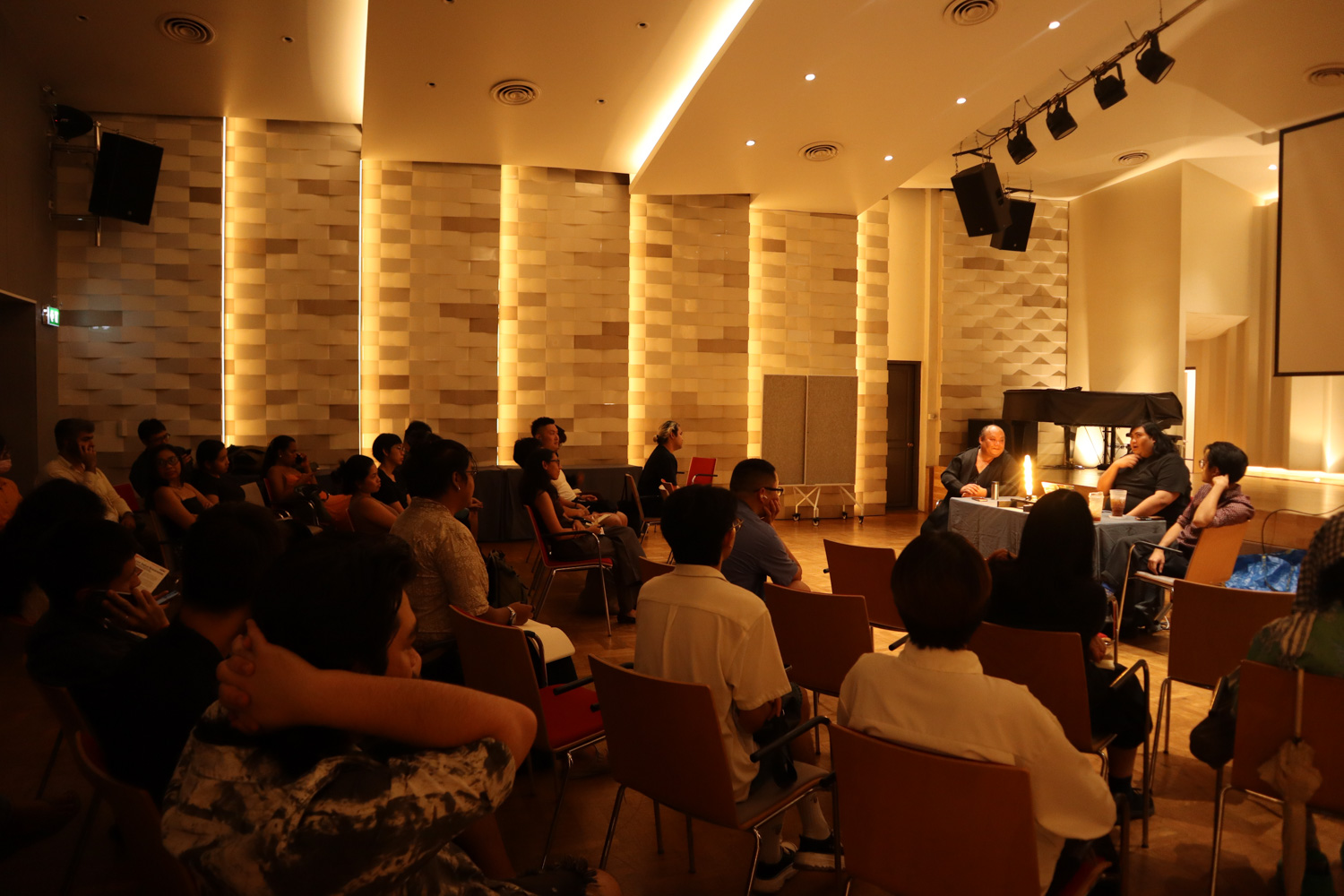
Miss OAT also stressed that queer theater is a contemporary form. It need not always be explicitly about gender or the self, because queer artists possess their own temporalities and aesthetics. Wannasak’s work may be grounded in props and physicality; AMADIVA’s in drag and popular culture; while Miss OAT moves through lavishly hybrid, multimedia theatrical forms. None of these practices needs to conform to inherited conventions of queer solo performance. Their work grows from lived identity rather than from a predetermined theatrical theory. What matters, then, is for each artist to locate what genuinely interests them and resonates with their own experience, rather than imitating someone else’s practice.
Ultimately, Miss OAT made clear why straight men and women cannot simply step into queer theater: Queer experience, Miss OAT argued, comes from the choice to live as ourselves. Straight performers cannot fully know the violence of familial rejection, the realities of gender-affirming hormone use, or the relentless questioning of one’s identity imposed by social and cultural surroundings. Miss OAT was not suggesting that straight actors must undergo such experiences in order to perform; rather, the point was that they can never fully inhabit or access those experiences from within. Queer solo performance, therefore, should remain a space for queer artists themselves, whether gay, kathoey, tom, lesbian, or part of the wider LGBTQIAN+ spectrum. Playing queer should not become a ‘performative challenge’ for straight actors, while solo work by queer artists should remain an act of queer sovereignty from beginning to end.
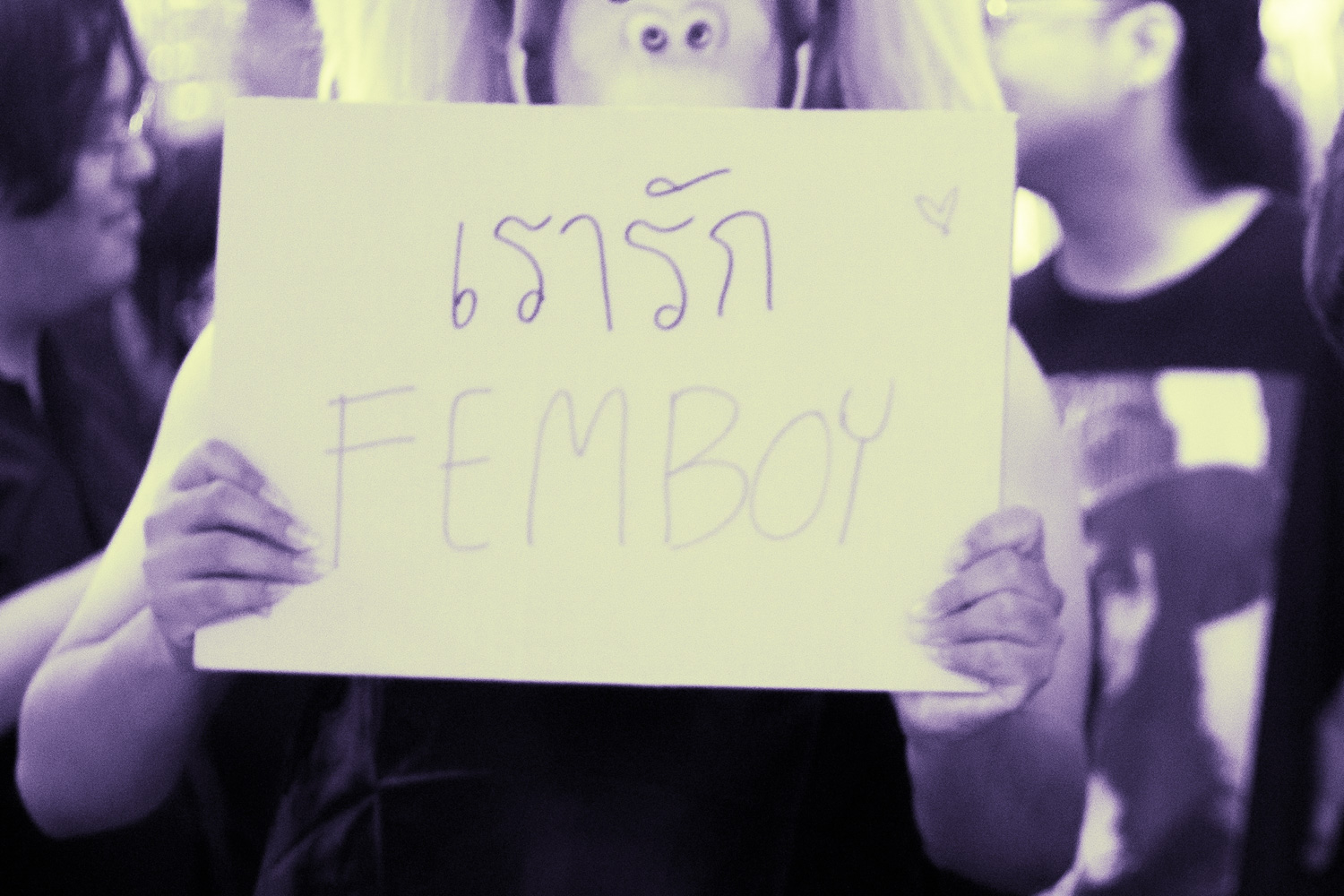
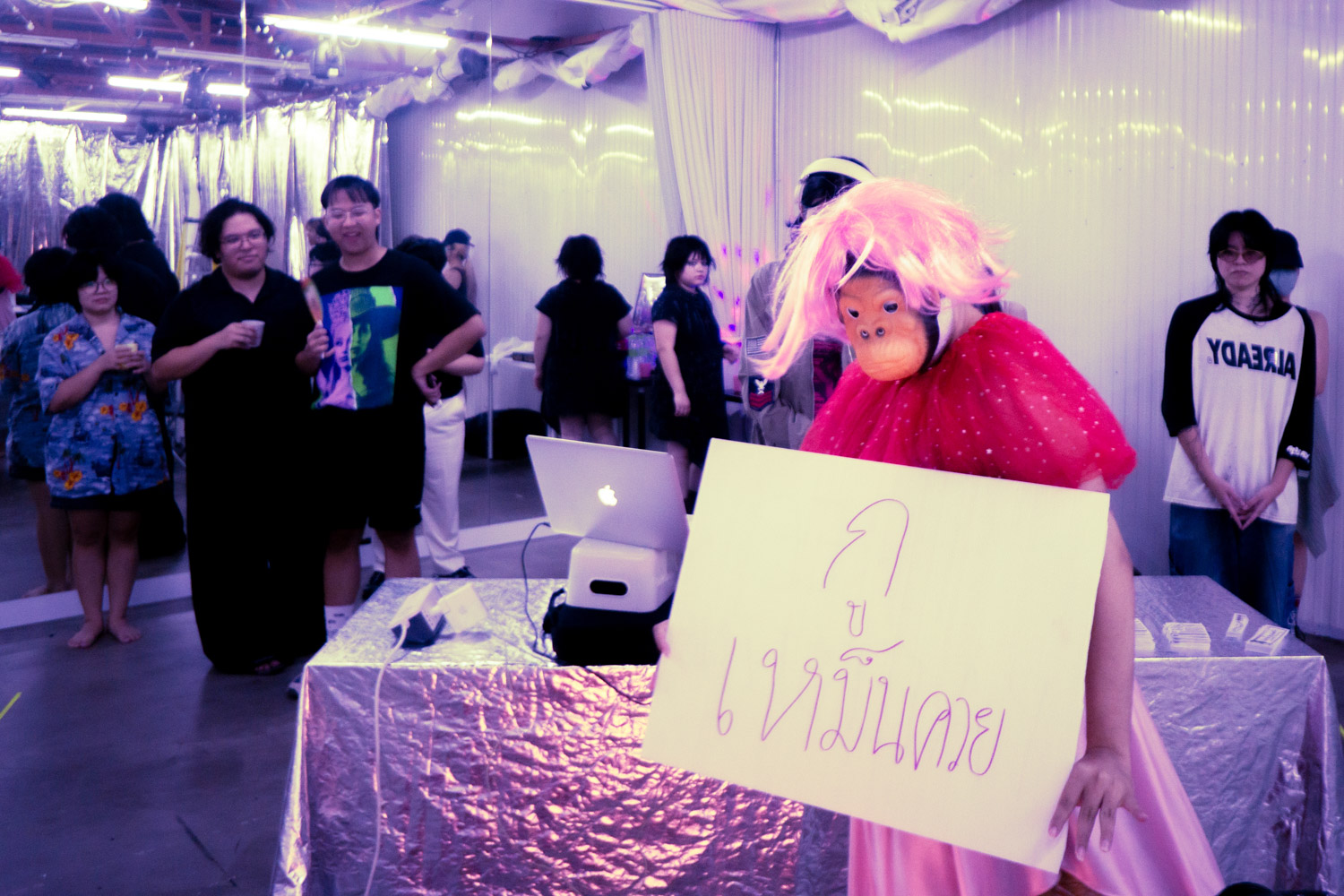
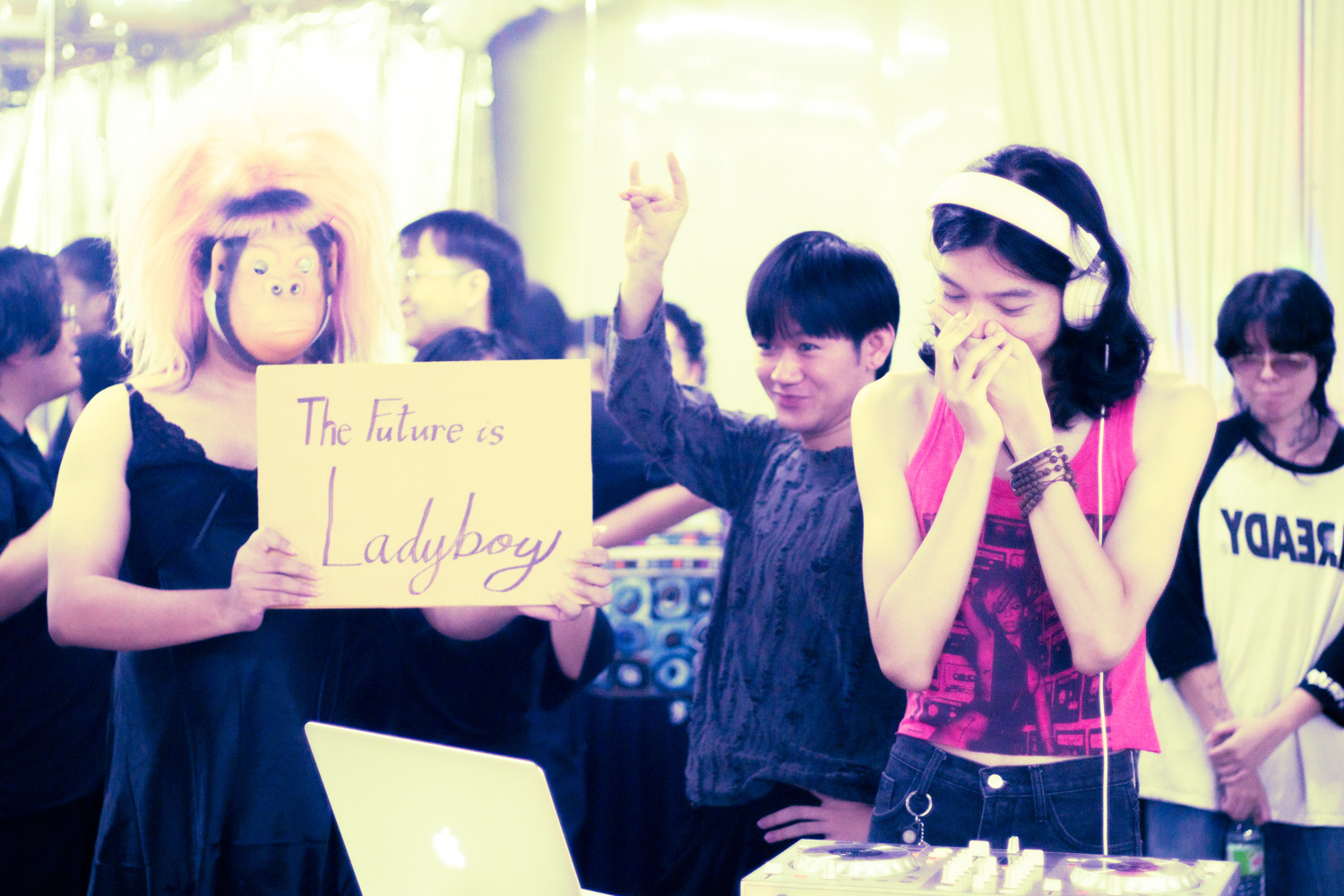
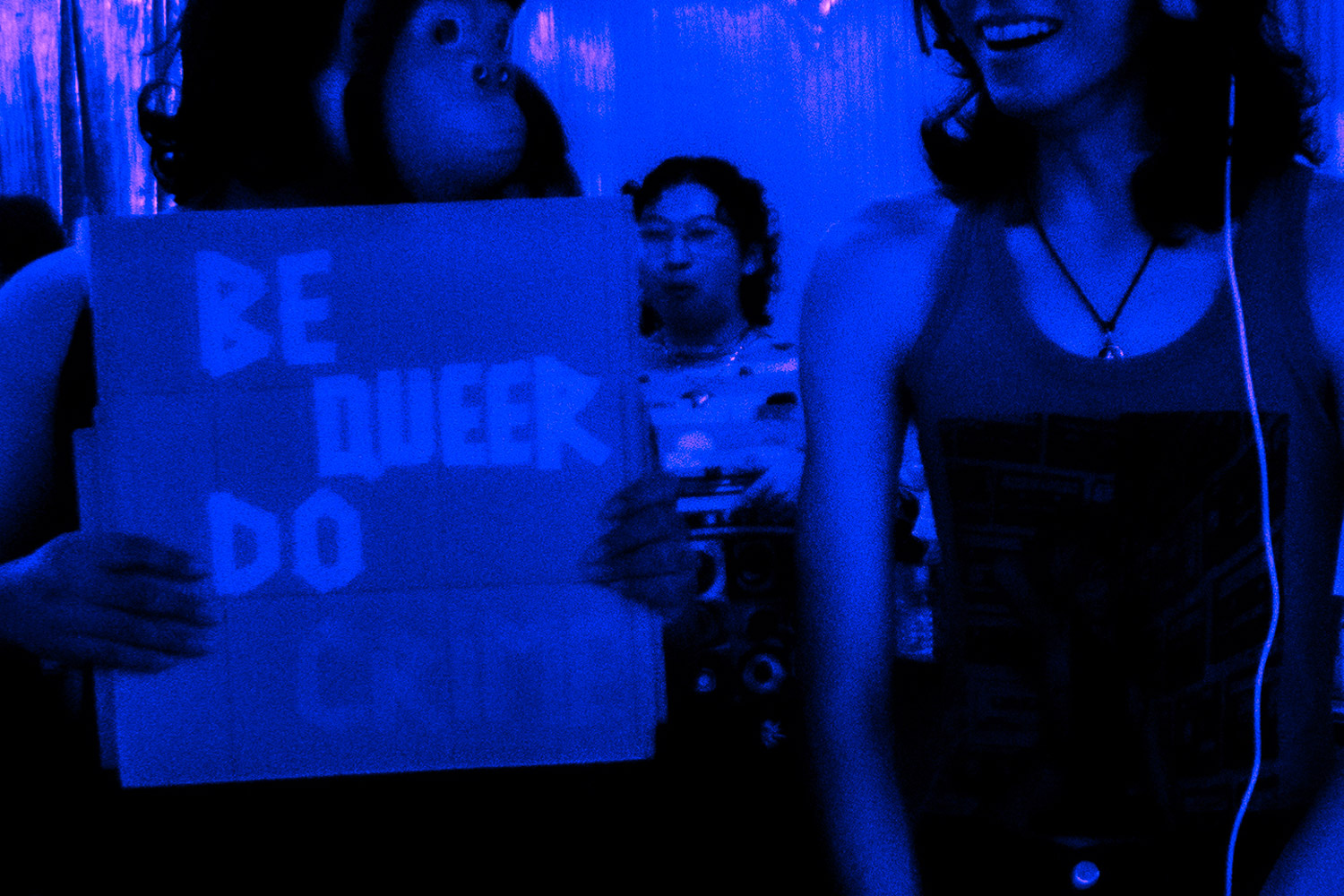
MEN KUY: ACT NOW
After the panel discussion had left the room charged with such intensity, the festival’s assertion of sovereignty over the body and selfhood moved beyond the enclosed space of conversation and into public action.
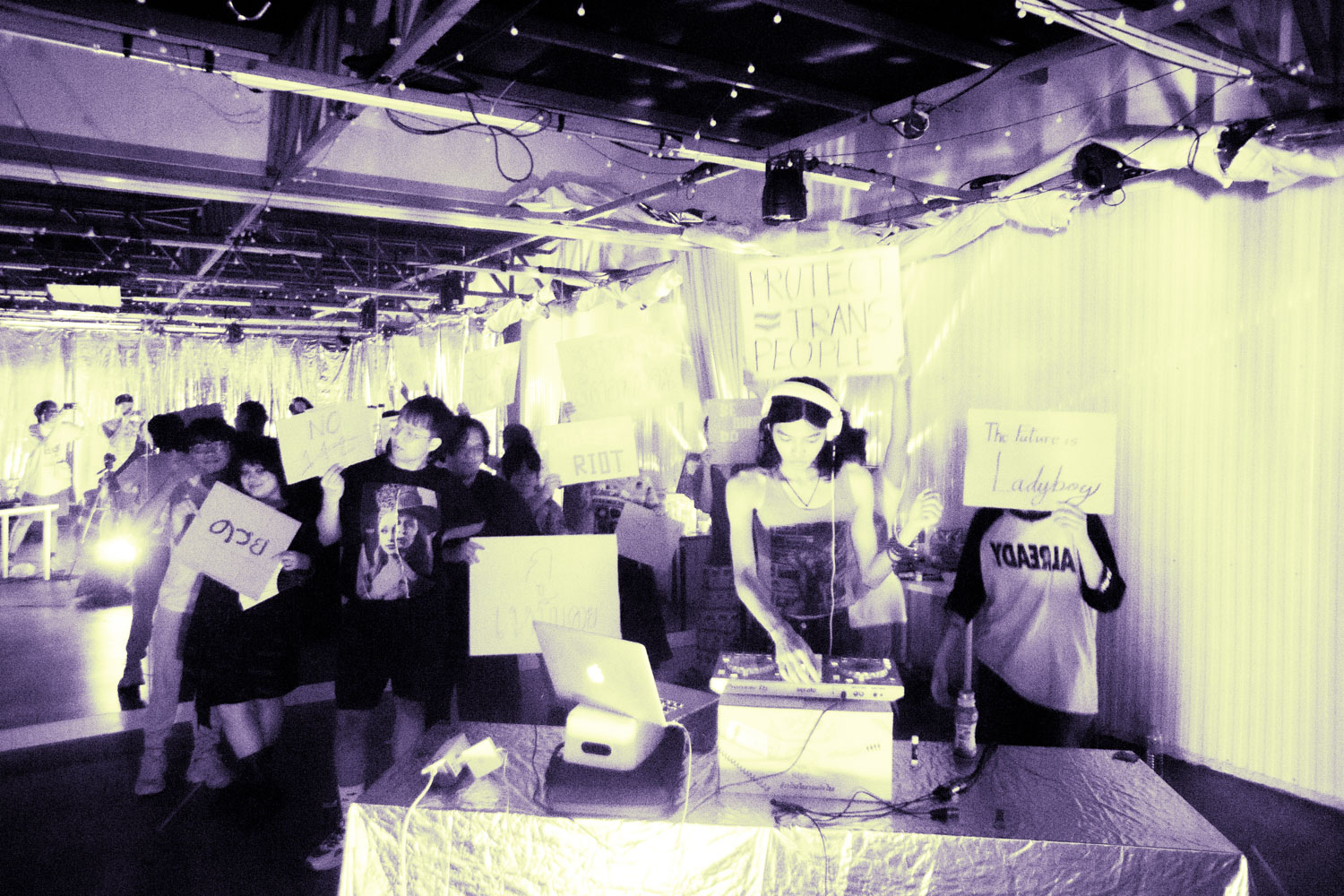
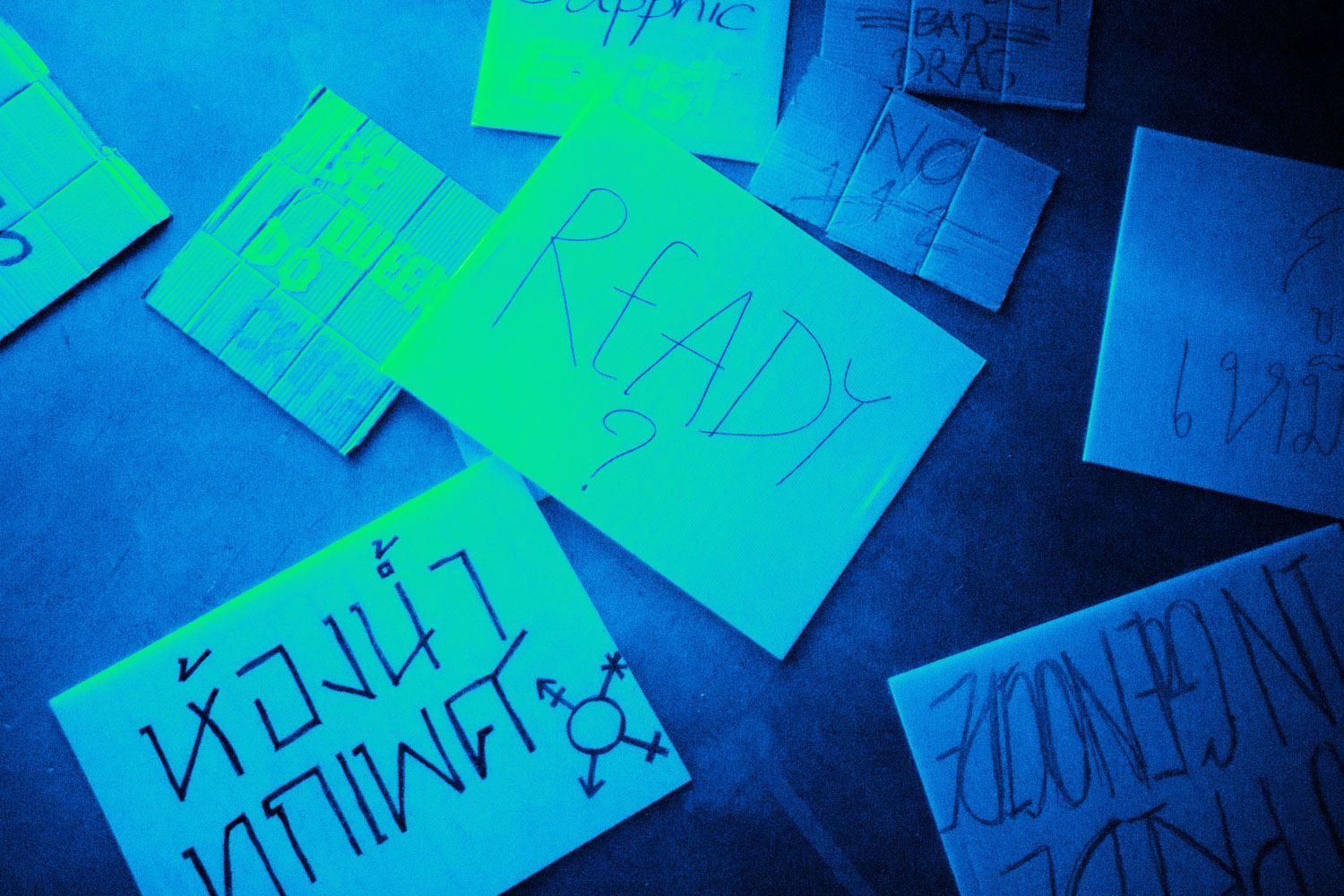
At 5pm on Saturday, June 13, 2026, one of the festival’s key events moved from the plaza outside Bangkok Art and Culture Centre (BACC) to Buffalo Bridge Gallery for MEN KUY: ACT NOW, a public protest performance developed from the earlier MEN KUY initiative. Conceived to challenge and confront patriarchy in everyday life, the gallery was transformed into a party space where bodies could move freely, music could resound, and participants could make their presence felt without reservation. Frustration, anger, exhaustion, pleasure, and the force of refusal all surfaced together. Through fluid conversation and the exchange of lived experience, the gathering affirmed that people could no longer have their regulated or erased by oppressive structures of power.
Although the festival concluded on June 14, sovereignty over the body, identity, and art cannot be taken away by patriarchal thinking or any other regime. The struggle for diversity is neither a fleeting celebration nor a movement confined to a single form. It ran through every strand of the festival: the exchange of perspectives in discussions, the charged encounters of workshops, expressions enacted through flesh and movement, and the presentation of selfhood within art exhibitions. Each became a declaration that gender-diverse communities are ready to reclaim the power to shape their own futures and to reclaim public space, together building a world free from oppression.
A world propelled by the force of equality and an unwavering collective will:
In Hope: At last, we have a place to stand
In Hope: To shed the bitter, fading world
In Hope: To march together as a powerful army of free love
Only In Hope: To kindle hope and create a beautiful new world
_
1 Read more at
ทีมข่าวอาชญากรรม, “บุกทลาย ‘พหลเธียเตอร์’ วิกหนังโป๊กลางกรุง รวบโจ๋มั่วสุม-ค้าบริการ,” MGR Online, 22 สิงหาคม 2548, https://mgronline.com/crime/detail/9480000114154 (สืบค้นเมื่อ 14 มิถุนายน 2569).
รวิวรรณ รักถิ่นกำเนิด, “ย้อนอดีต ‘โรงหนังโป๊’ ย่านสะพานควาย: พื้นที่หลบซ่อนและสวมหน้ากากของสังคม,” TCIJ, 14 กรกฎาคม 2556, https://www.tcijthai.com/news/2013/07/scoop/2798 (สืบค้นเมื่อ 14 มิถุนายน 2569).
อชิรวิทย์ เฮงทวีทรัพย์, “ย้อนรอย ‘พหลเธียเตอร์’ อดีตวิกหนังโป๊สะพานควาย ก่อนถูกกวาดล้าง,” สำนักข่าวอิศรา, 30 กรกฎาคม 2558, https://www.isranews.org/content-page/item/40094-film300758.html (สืบค้นเมื่อ 14 มิถุนายน 2569).