
 Photo: Kijpimuk Thawornsuk
 ‘OK NAKHON – SINGORA DIARY 2’ IS A COMMUNITY ART EXHIBITION BY NAVIN RAWANCHAIKUL THAT INVITES YOU TO EXPLORE THE CHANGES IN THE OLD CITY OF SONGKHLA THROUGH THE STORIES OF ITS PEOPLE, MEMORIES, AND THE PASSAGE OF TIME OVER THE PAST DECADE
TEXT: TUNYAPORN HONGTONG
PHOTO CREDIT AS NOTED
(For Thai, press here)
Often, understanding Navin Rawanchaikul’s community-based art means looking not at the work he and his team have created, but away from it, toward the reactions visible on the faces of local residents and the conversations they share as they stand before art that holds their own stories.
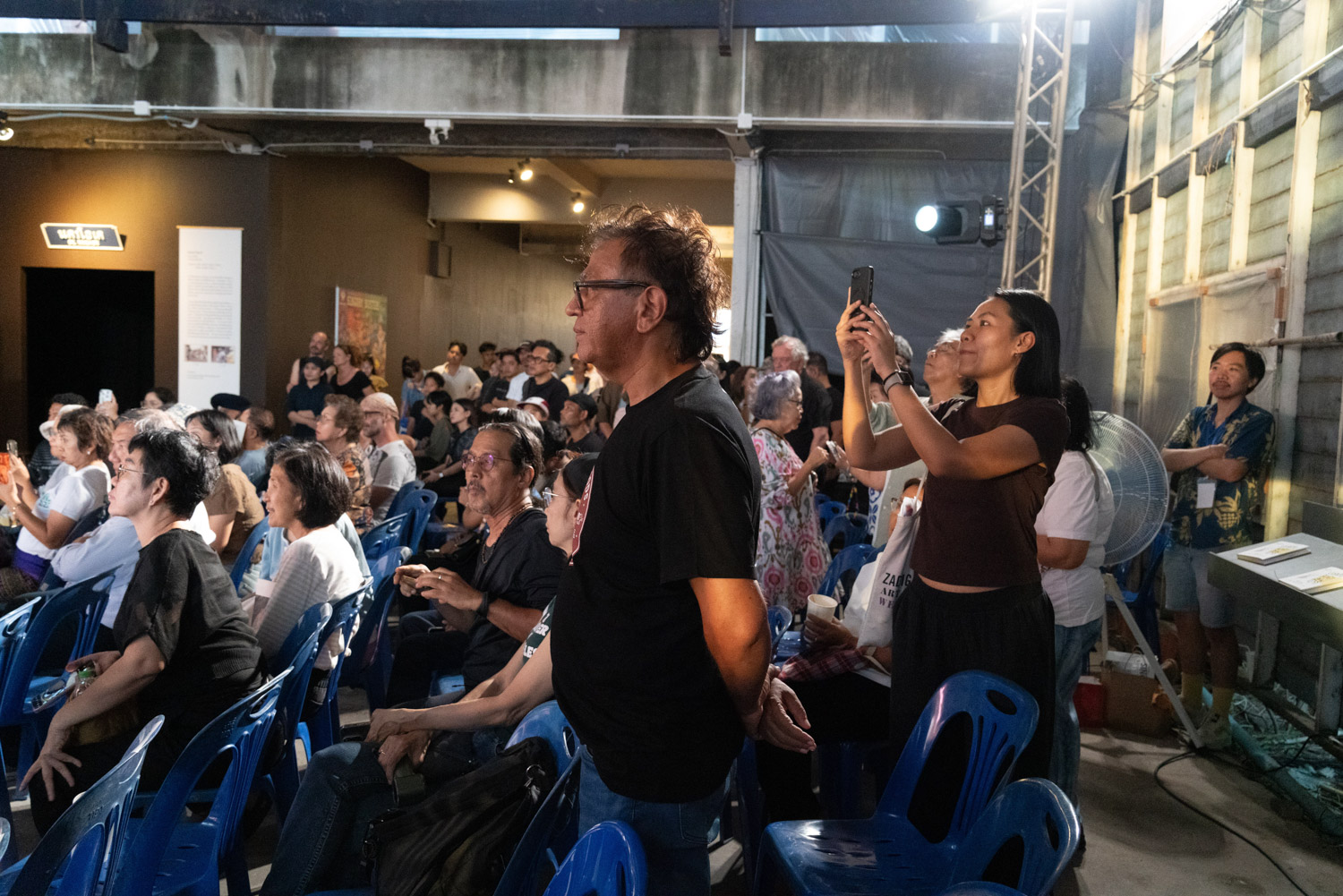
Photo courtesy of StudiOK
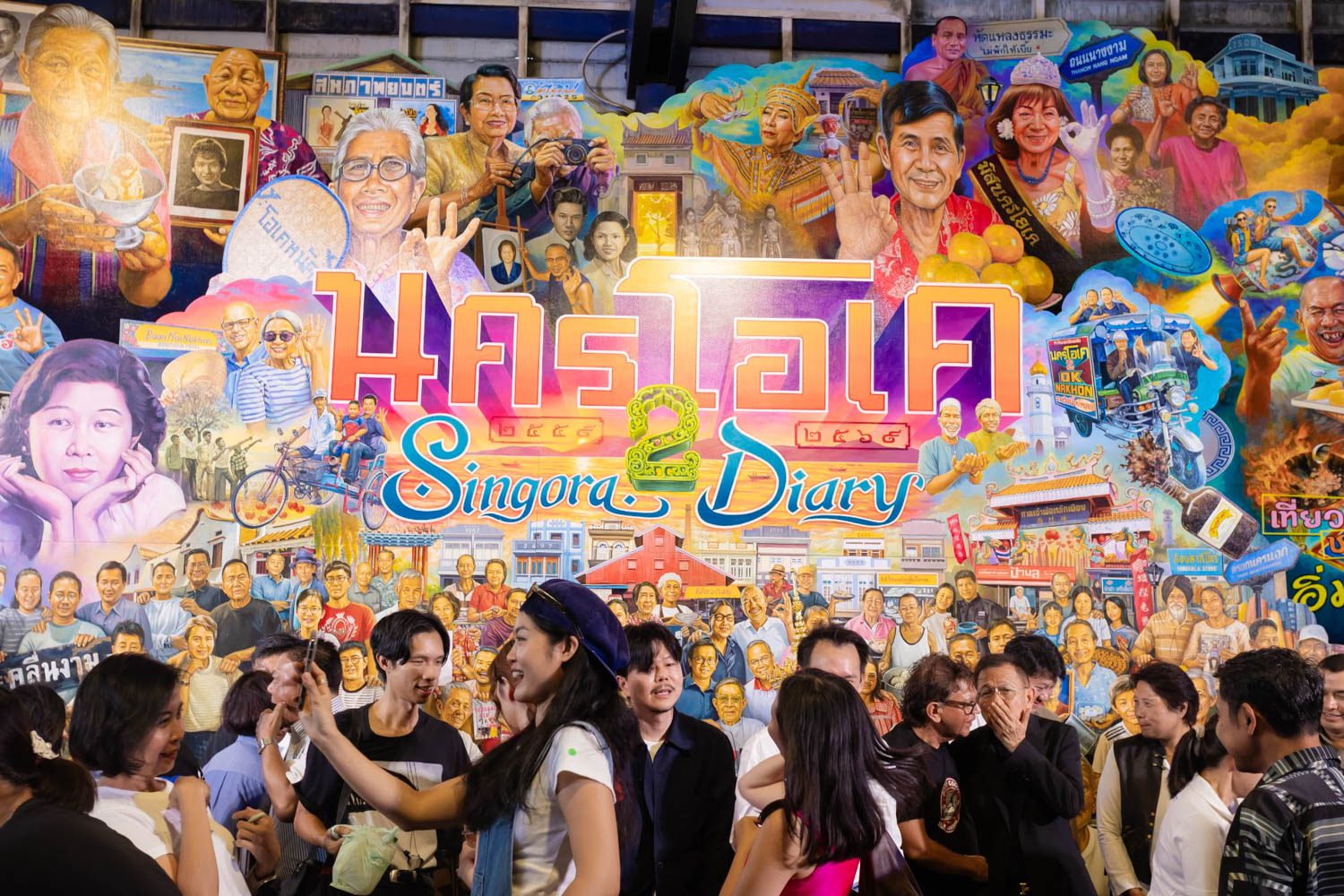
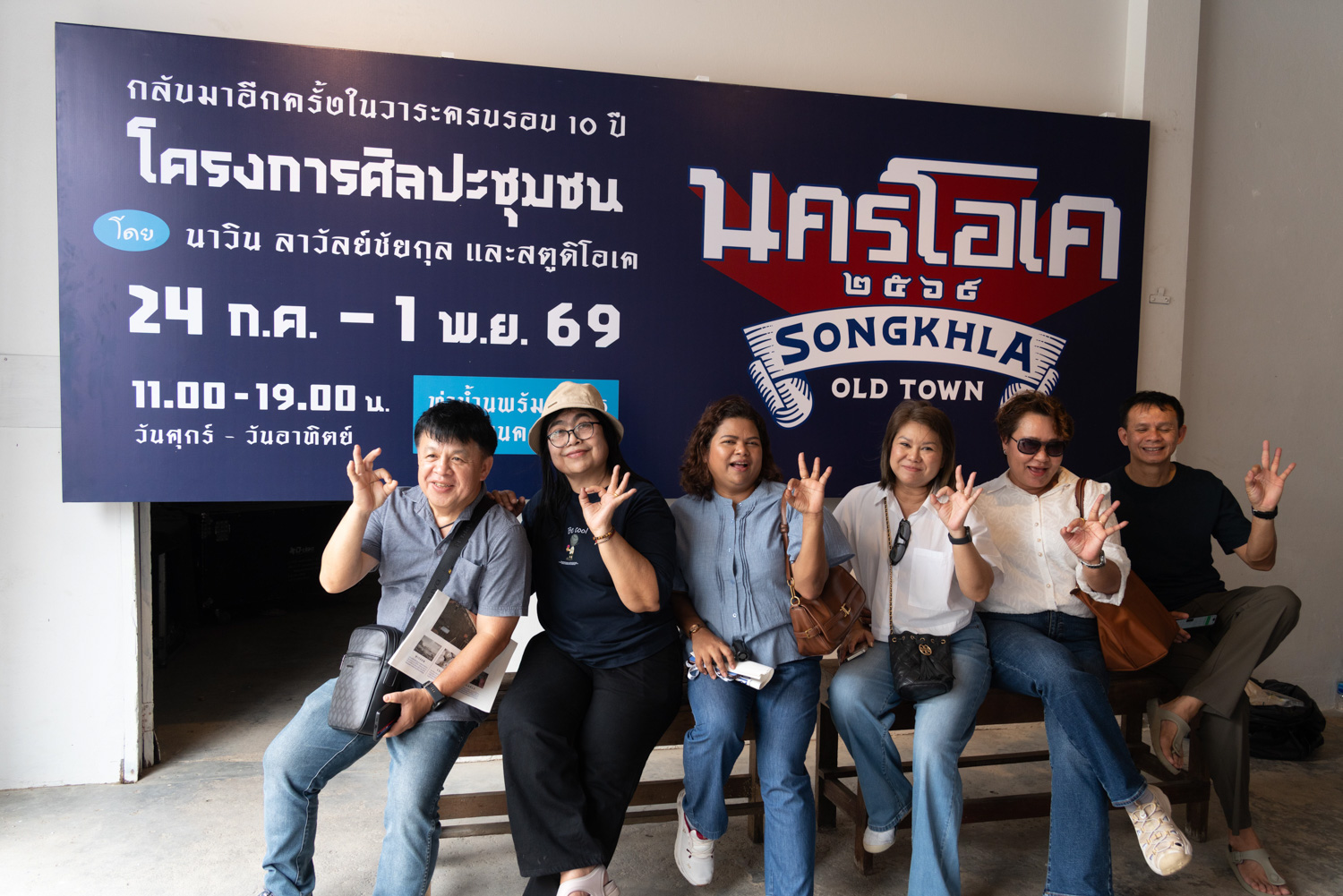
Take OK Nakhon – Singora Diary, first presented by Navin in Songkhla Old Town in 2016. Move beyond the large-scale community painting, which brings together the lives and memories of local people like a sprawling cast of characters in a film, and another scene comes into view: many of those very figures cheerfully posing for photographs beside their painted selves. On the exhibition’s opening night, Navin also screened a film drawn from interviews he had conducted with people across the community. Shift your gaze from the screen, and you would find audience members smiling as familiar voices and experiences unfolded before them.
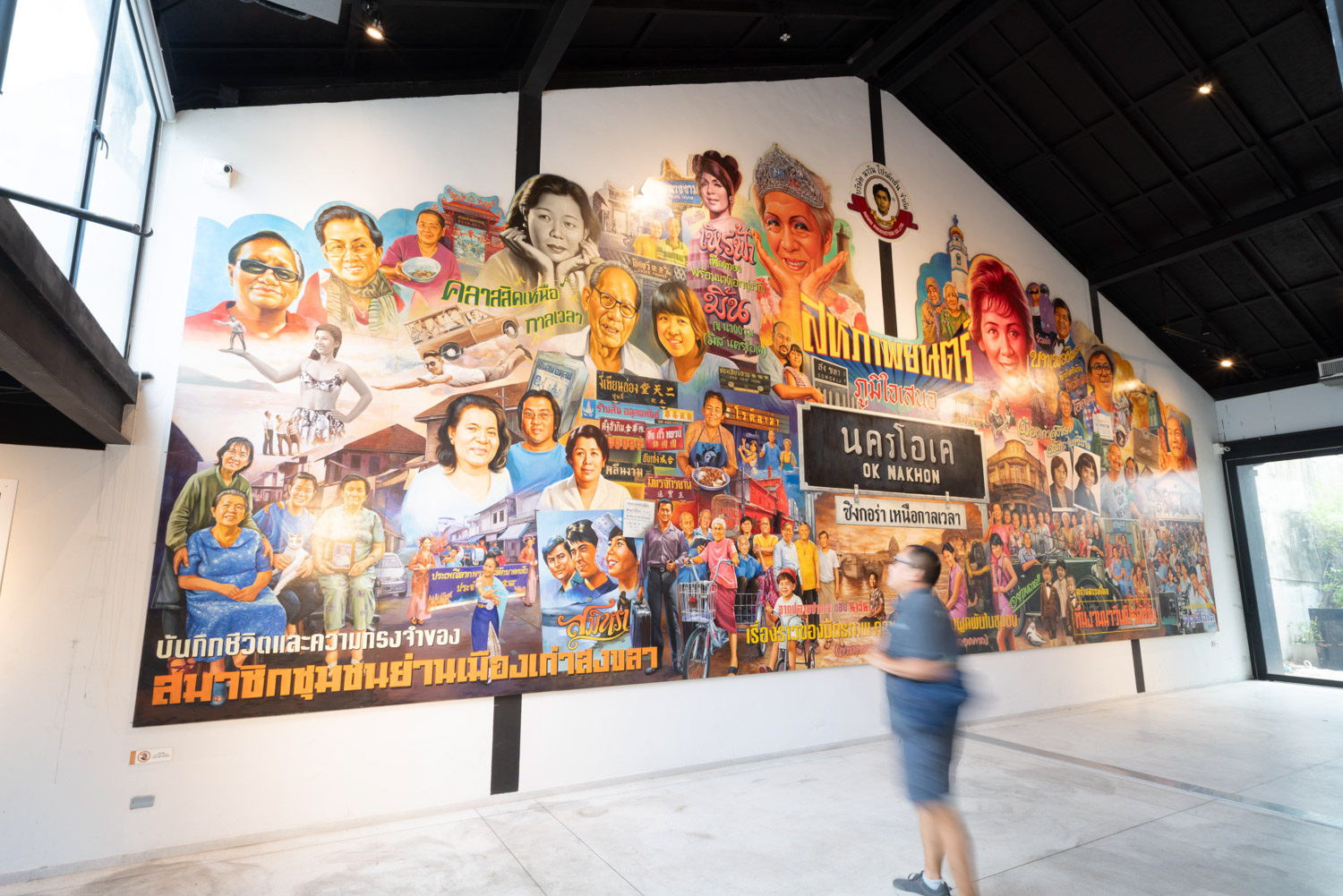 Photo courtesy of StudiOK
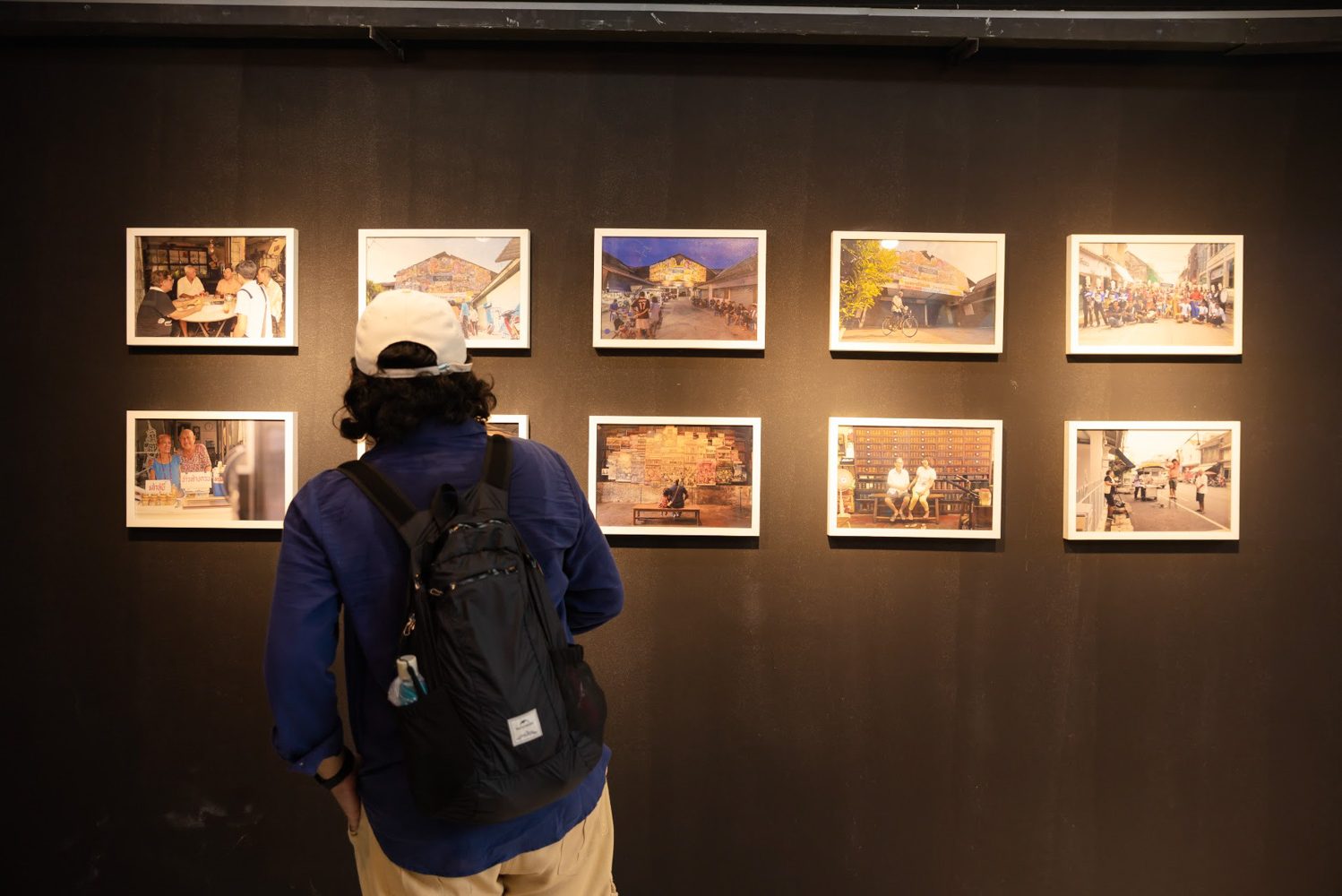
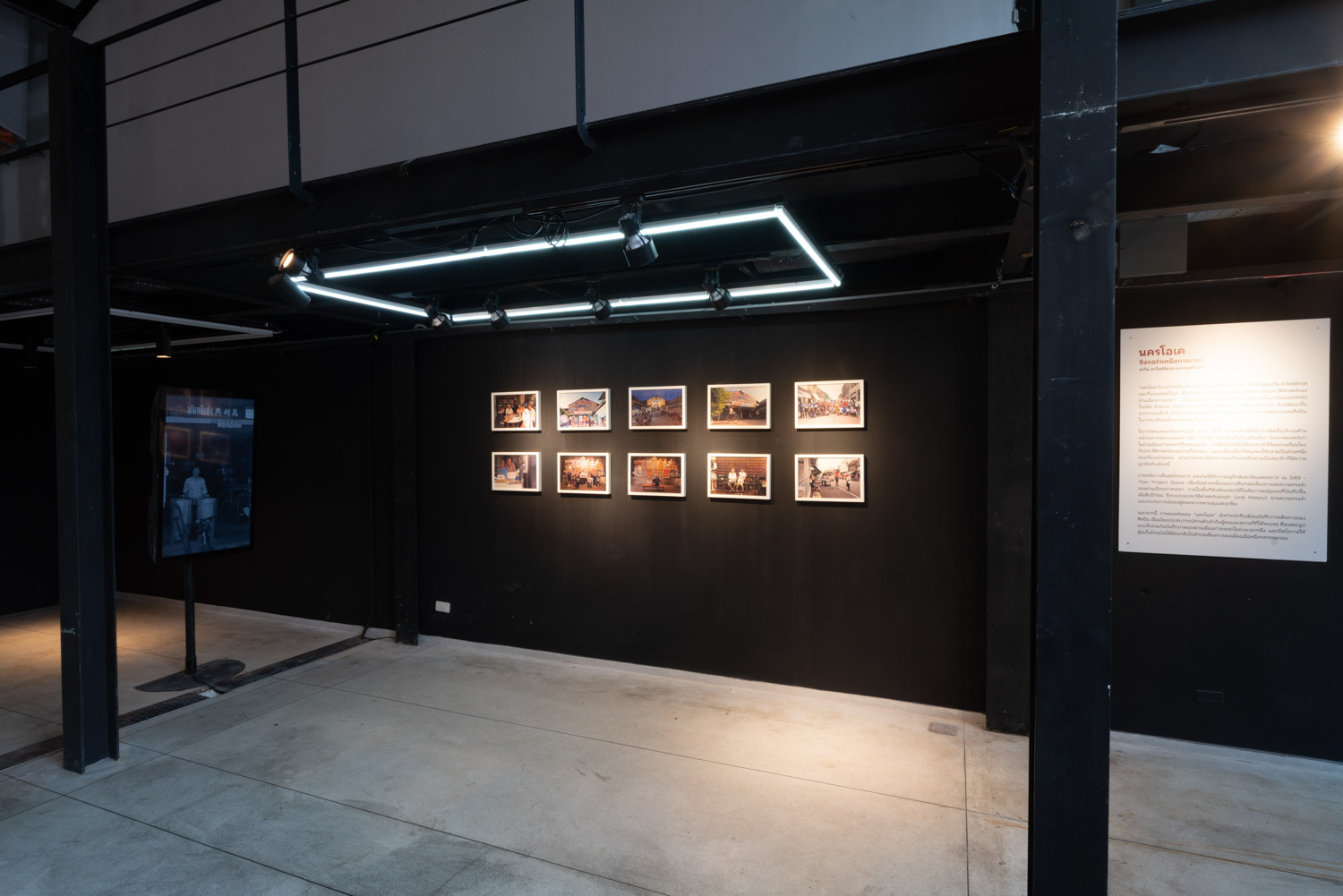
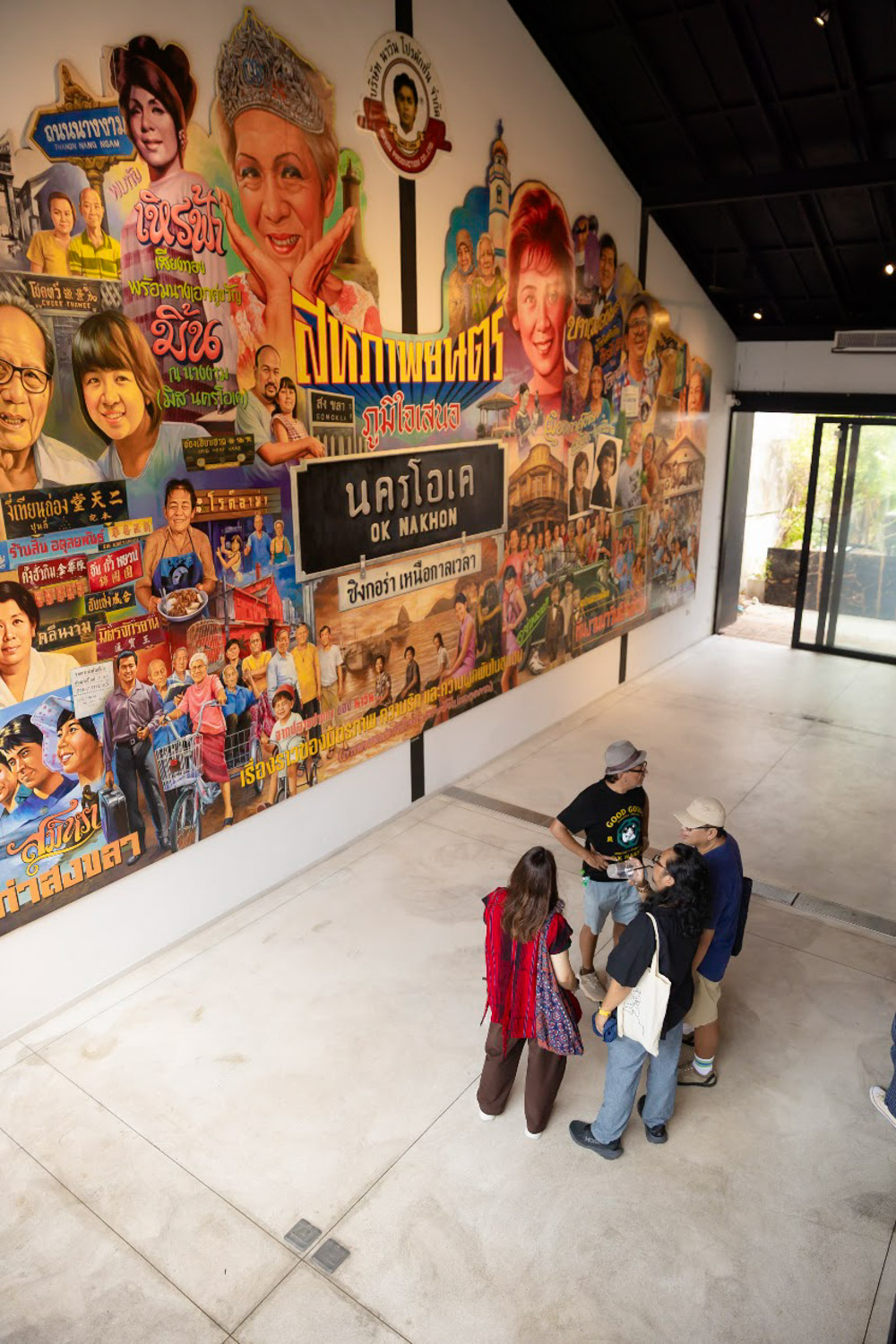
Photo: Kijpimuk Thawornsuk
Ten years later, many homes and shops still display the smaller reproductions of the community painting that Navin gave them as keepsakes, hanging alongside family photographs, certificates, and other markers of personal pride.
“A lot of people here feel that what we did really mattered, perhaps even more than we ourselves realized,” Navin tells us.
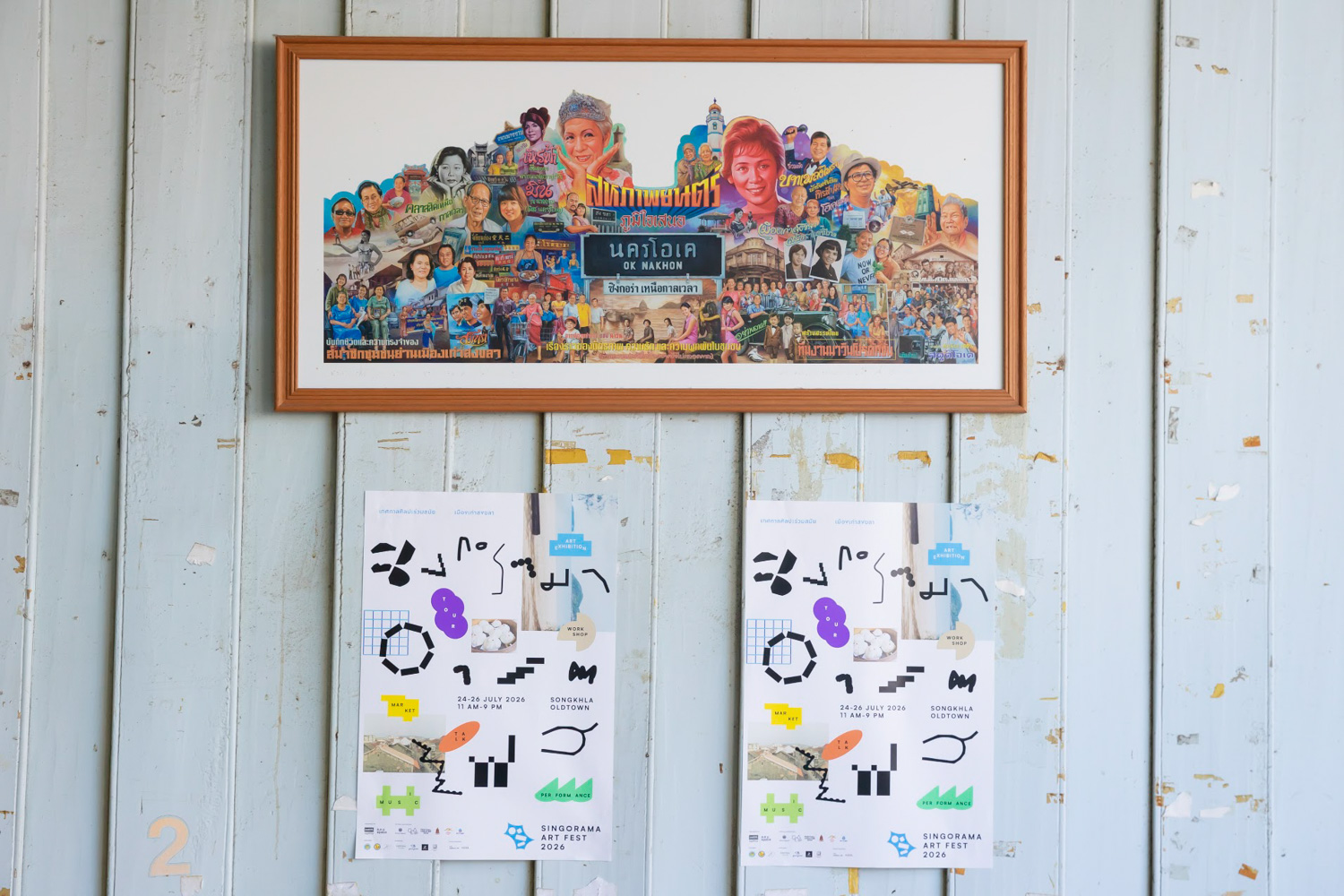
Photo: Kijpimuk Thawornsuk
It is perhaps this meaning that viewers take from the work, and, in turn give back to the artist, that has deepened Navin’s attachment to this small city. More than a decade ago, Songkhla Old Town was simply somewhere he happened to pass through: an old lakeside community whose cultural diversity reminded him of Kad Luang, or Warorot Market, in Chiang Mai, where he and his family once lived. Over time, however, it became a place he would return to repeatedly, keeping in touch with residents and checking in on how they were doing. This year, a city with which he once had no connection at all became the site of his second exhibition.
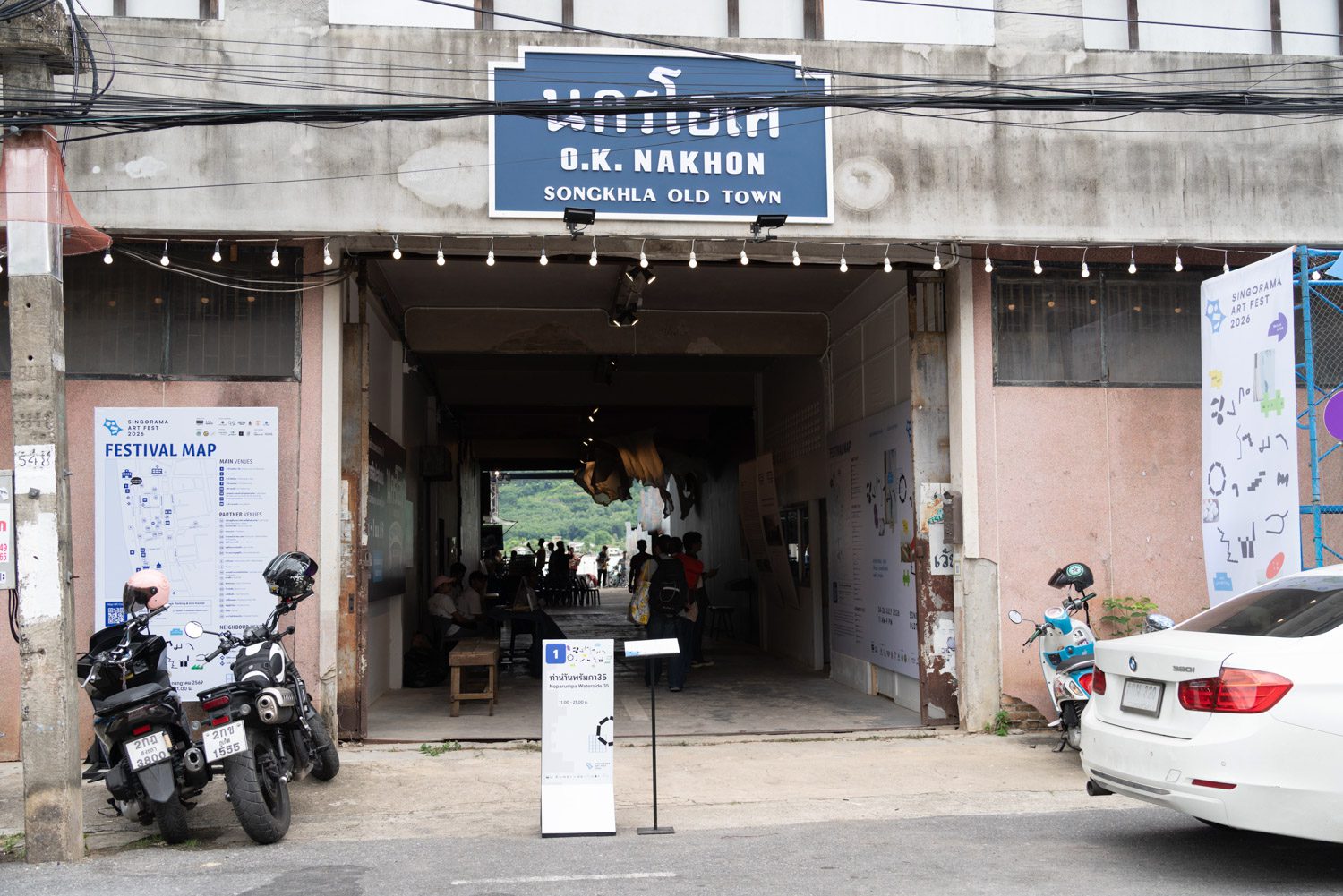 Photo courtesy of StudiOK
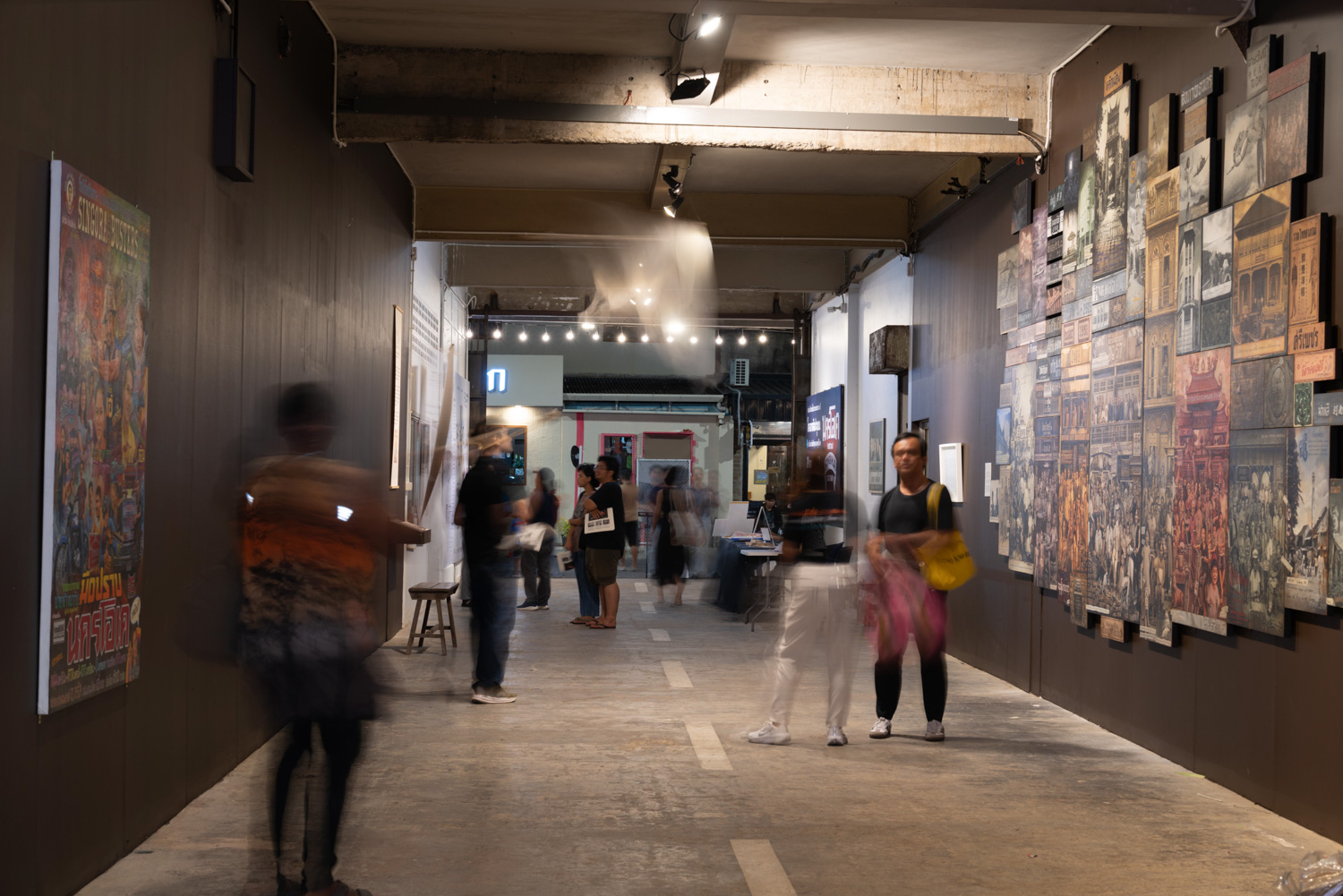
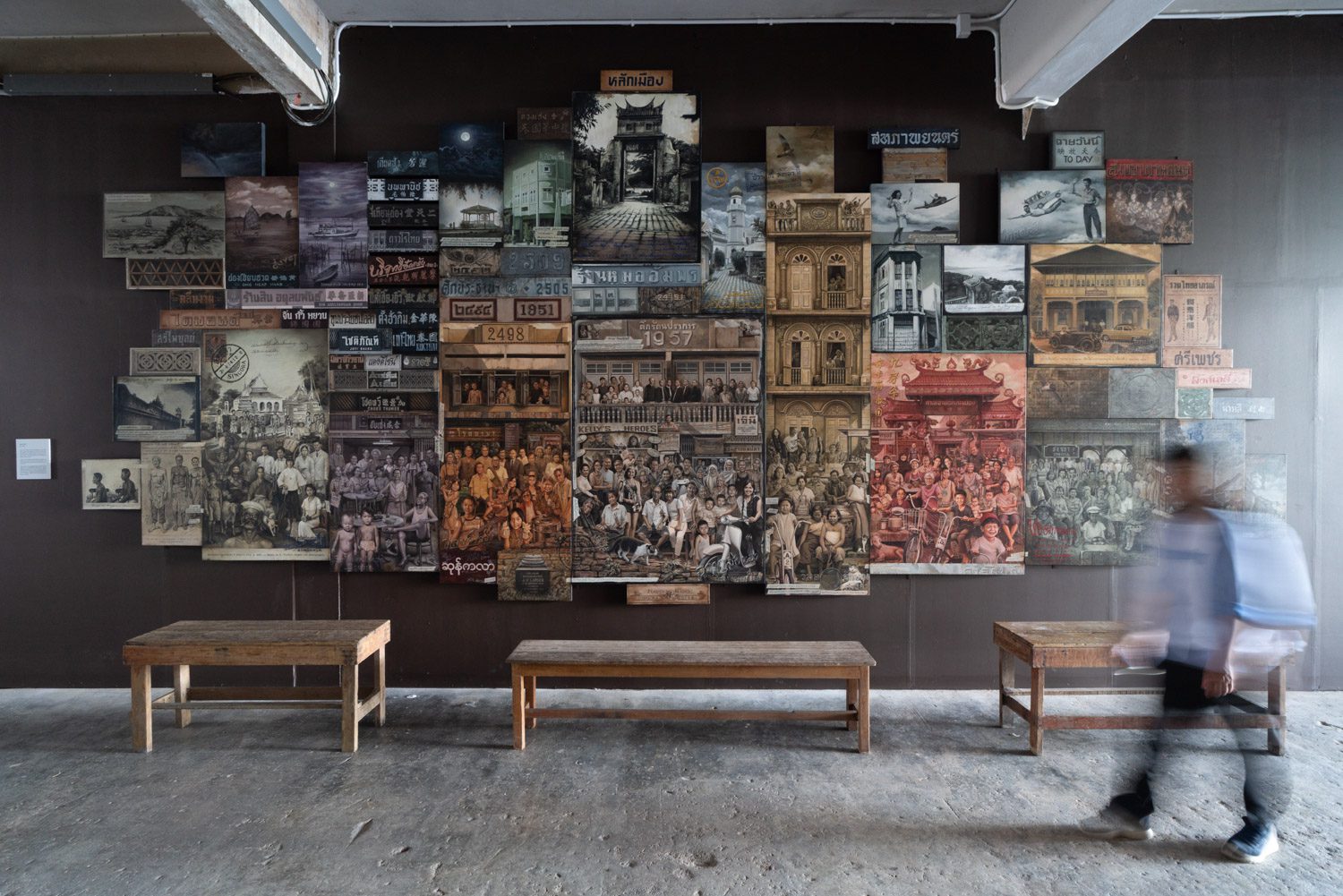
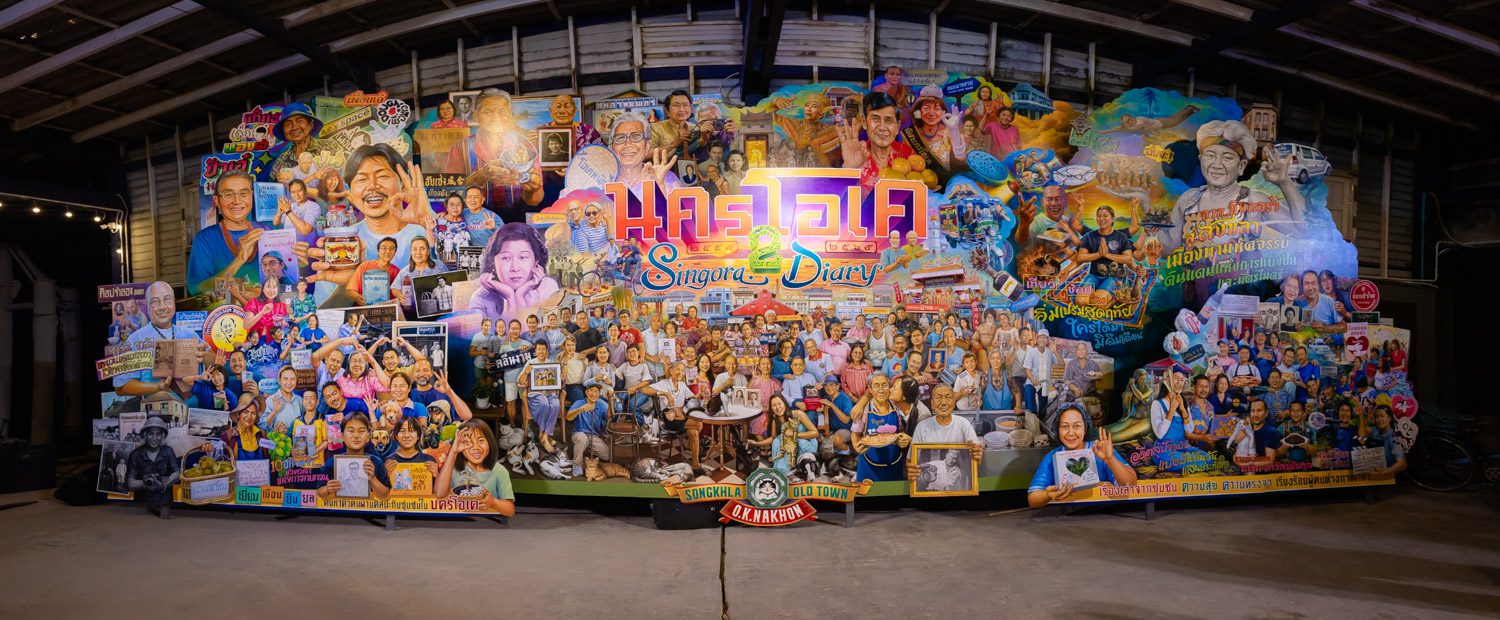
Photo: Kijpimuk Thawornsuk
OK Nakhon – Singora Diary 2 (2026) opened on July 24 as the principal exhibition of Singorama Art Festival, held from July 24 to 26 and organized by Navin’s StudiOK in collaboration with a.e.y. space.
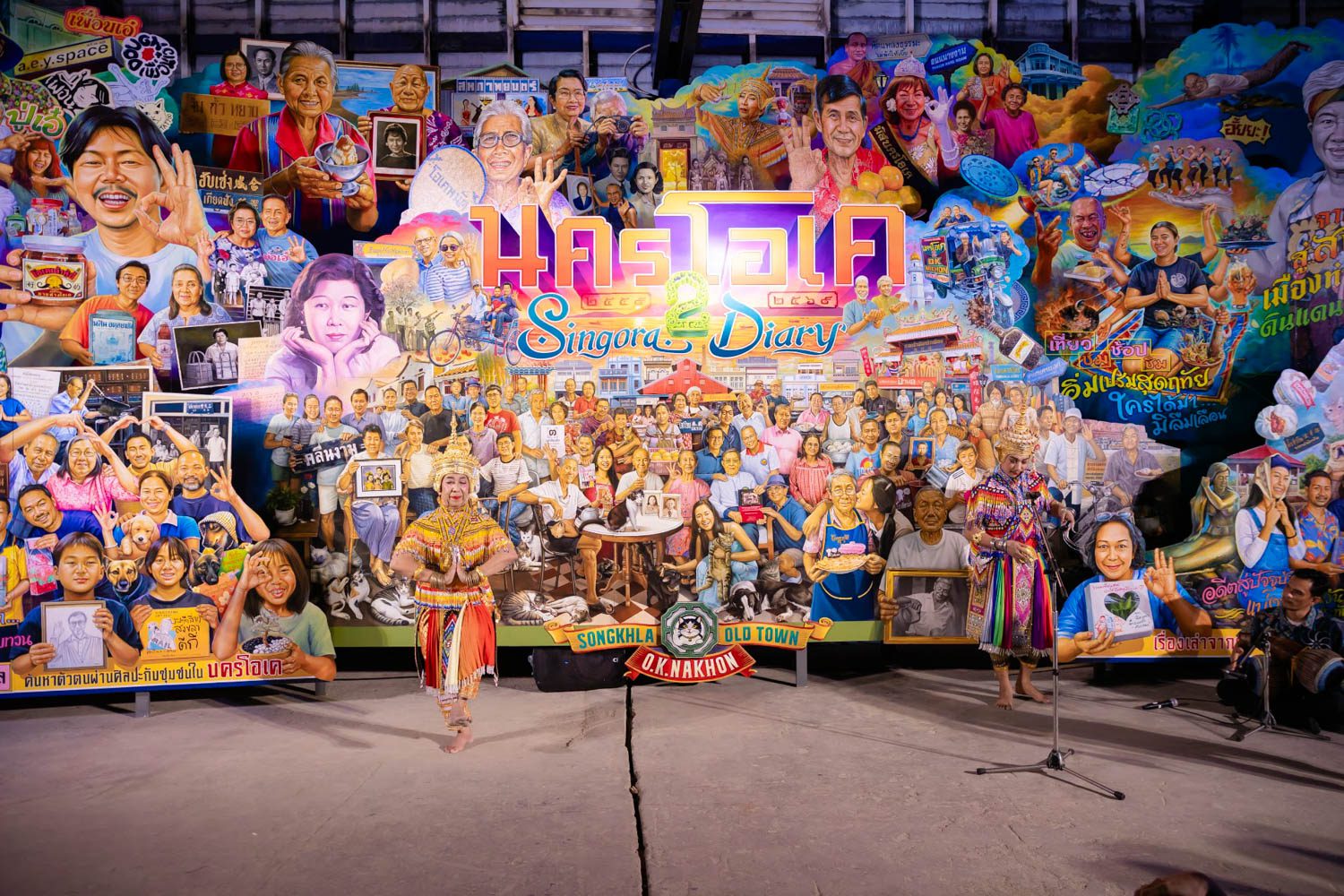
Photo: Kijpimuk Thawornsuk
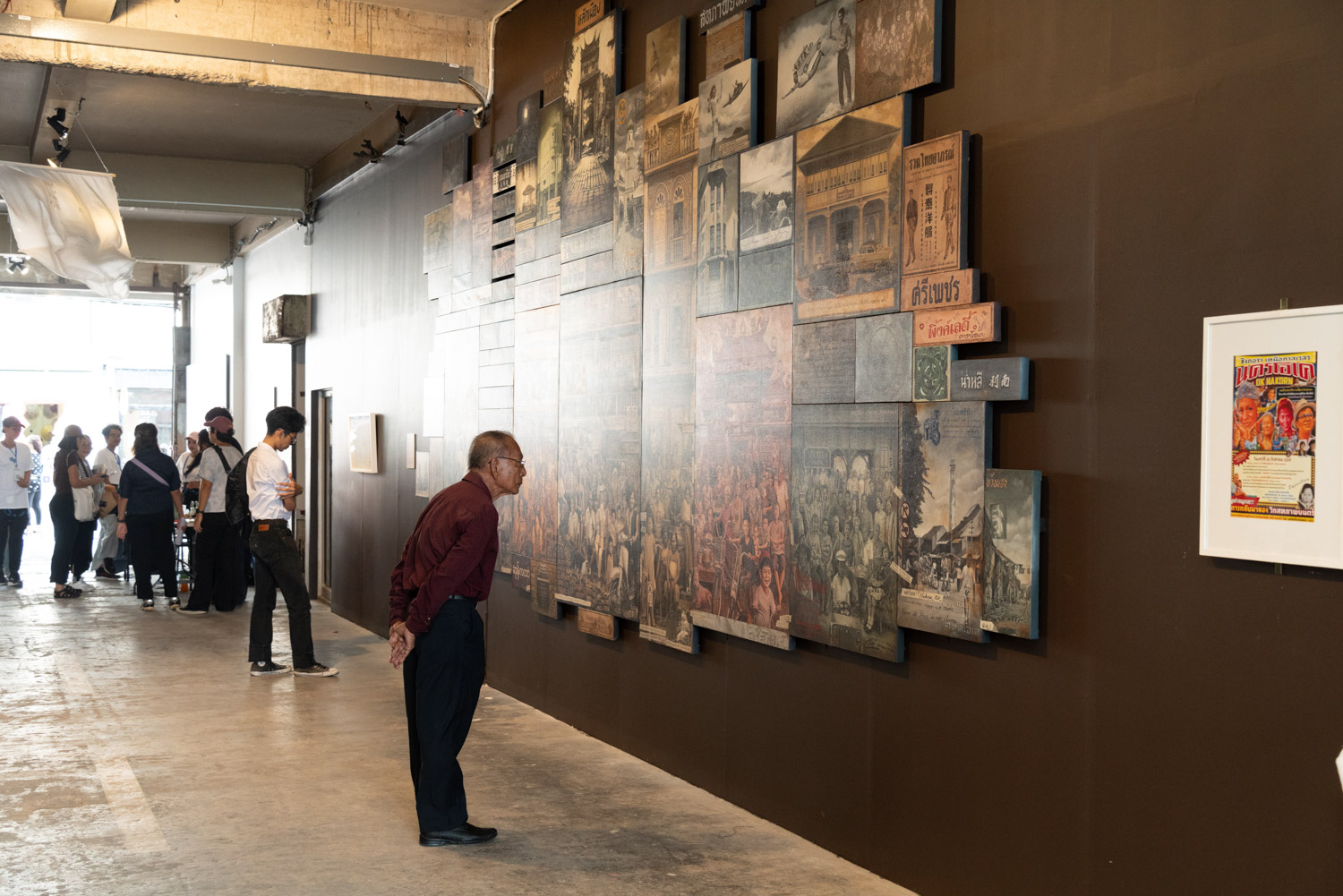
Photo courtesy of StudiOK
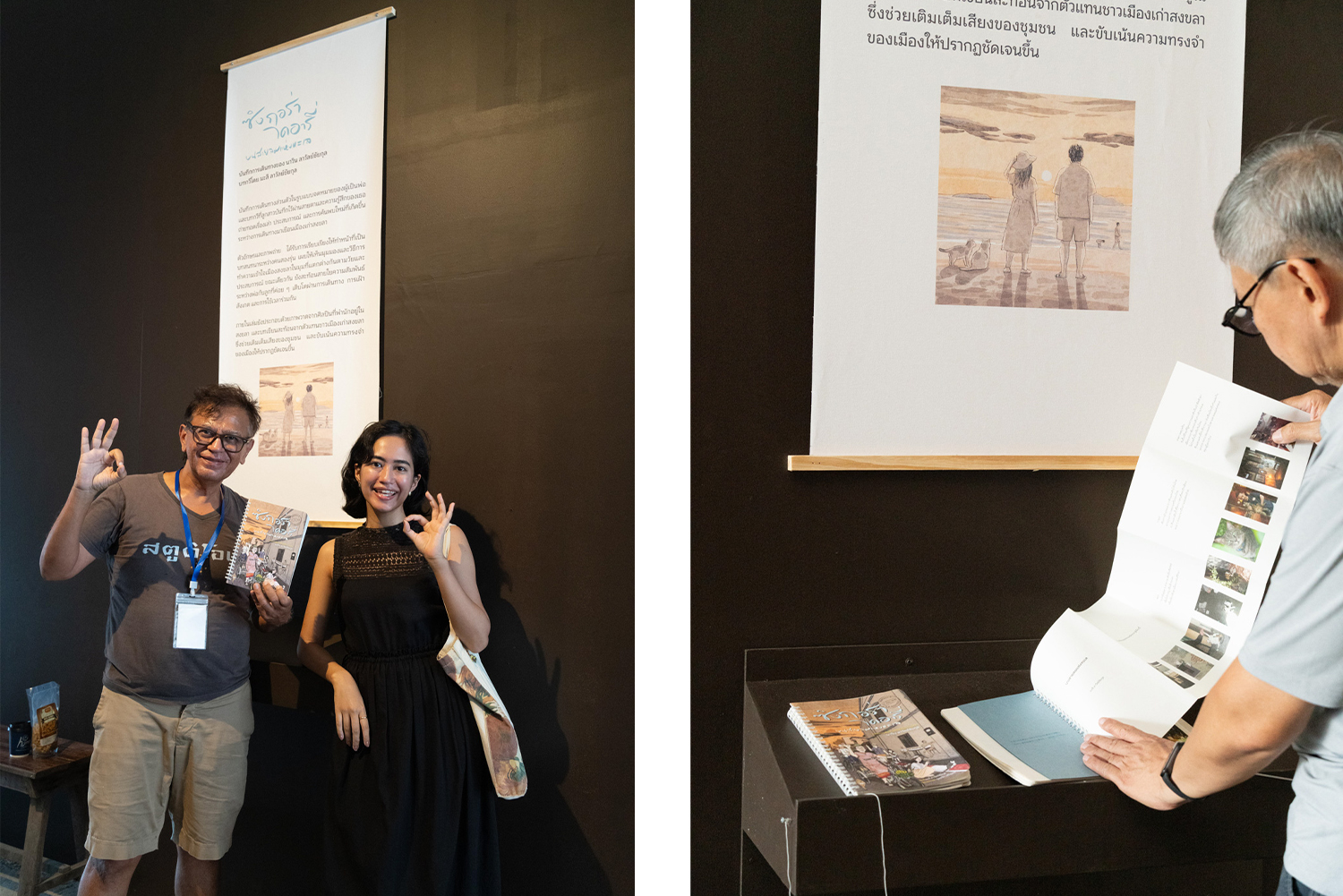
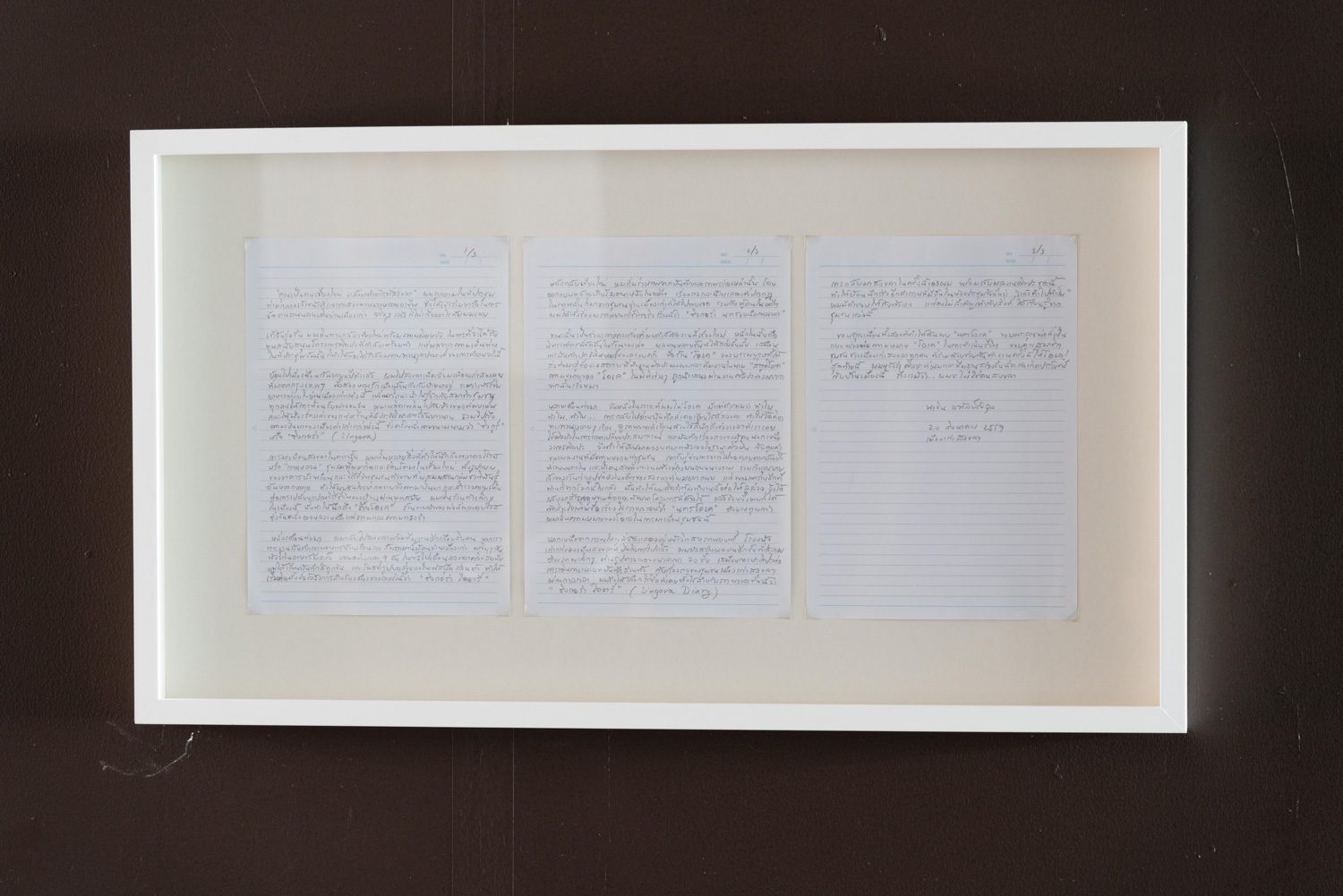
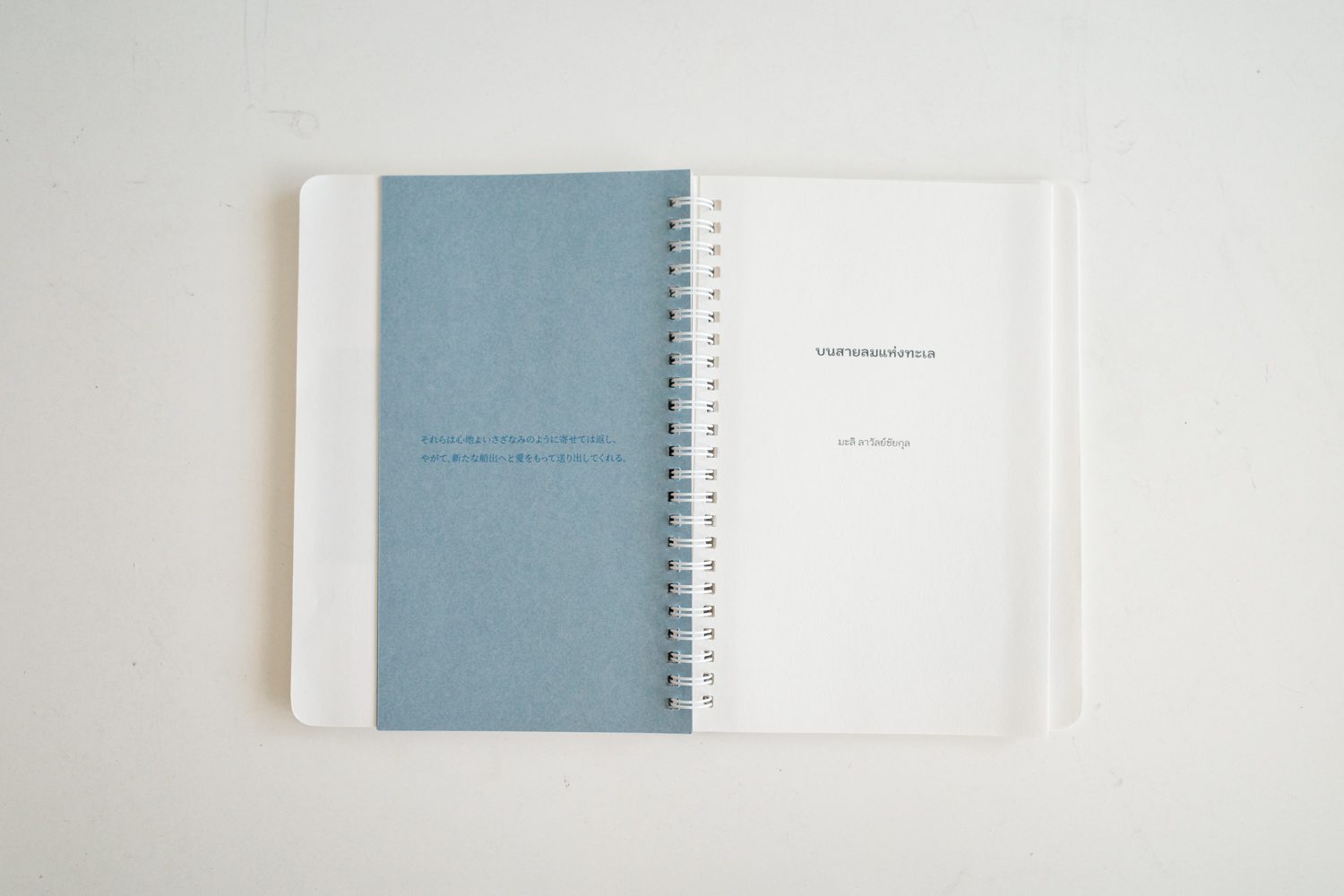
For this sequel, Navin returns to many of the same artistic formats as before: the large-scale community painting OK Nakhon – Singora Diary 2 (2026), and a film structured around interviews with local residents. This time, the project also takes form of a book, Singora Diary: On the Sea Breeze, which gives Navin, as its author, greater room to articulate his own perspective on the changes taking place in Songkhla Old Town than either the painting or film allows. The book is illustrated by Ghuntawat Charoenphol, an illustrator now based in Songkhla, while Navin’s daughter, Mali Rawanchaikul, contributes poetry and photographs. Yet books are hardly new territory in Navin’s practice. Here, too, he revisited the epistolary form he has used in a number of earlier exhibitions, including OK Nakhon a decade ago.
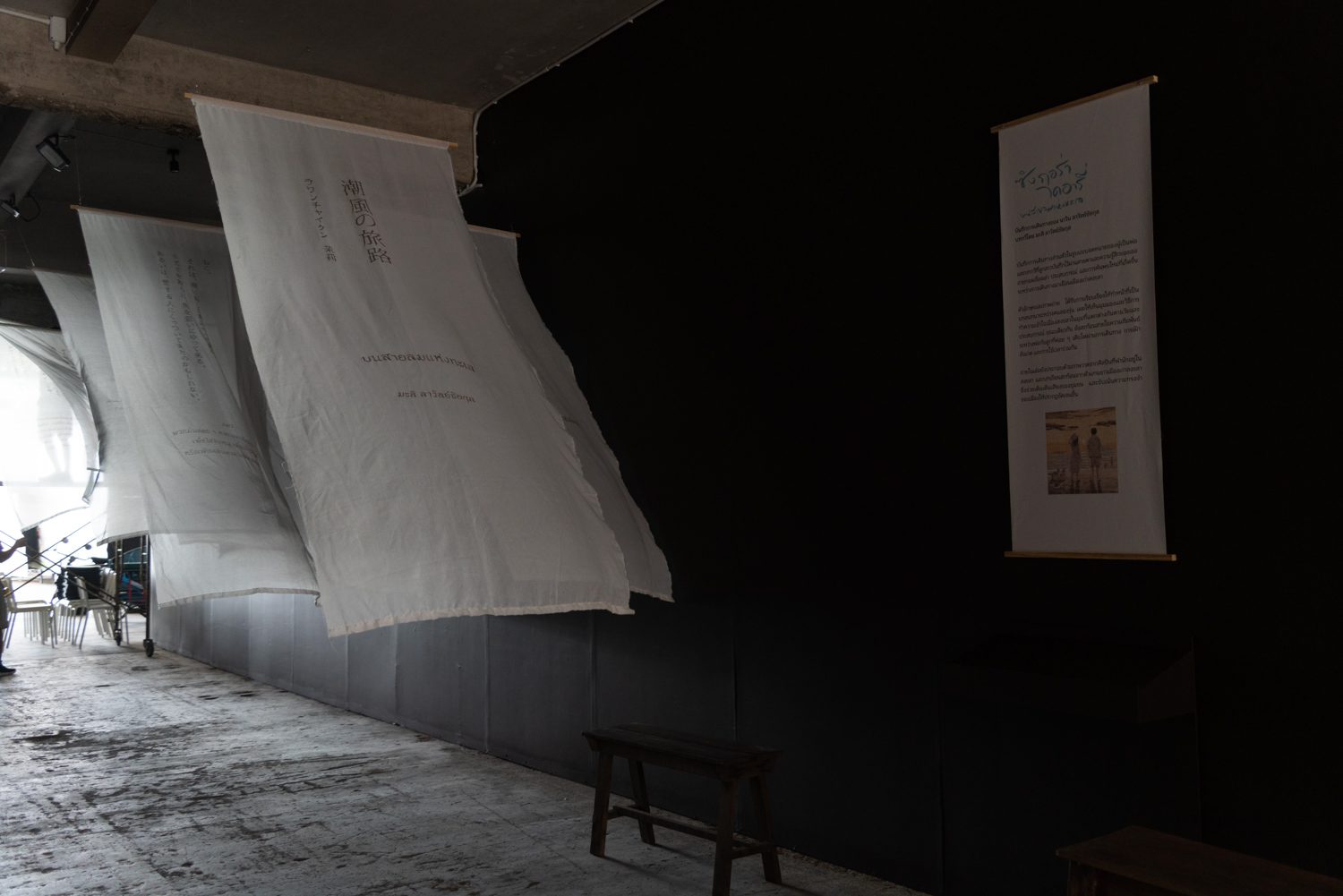 Photo courtesy of StudiOK
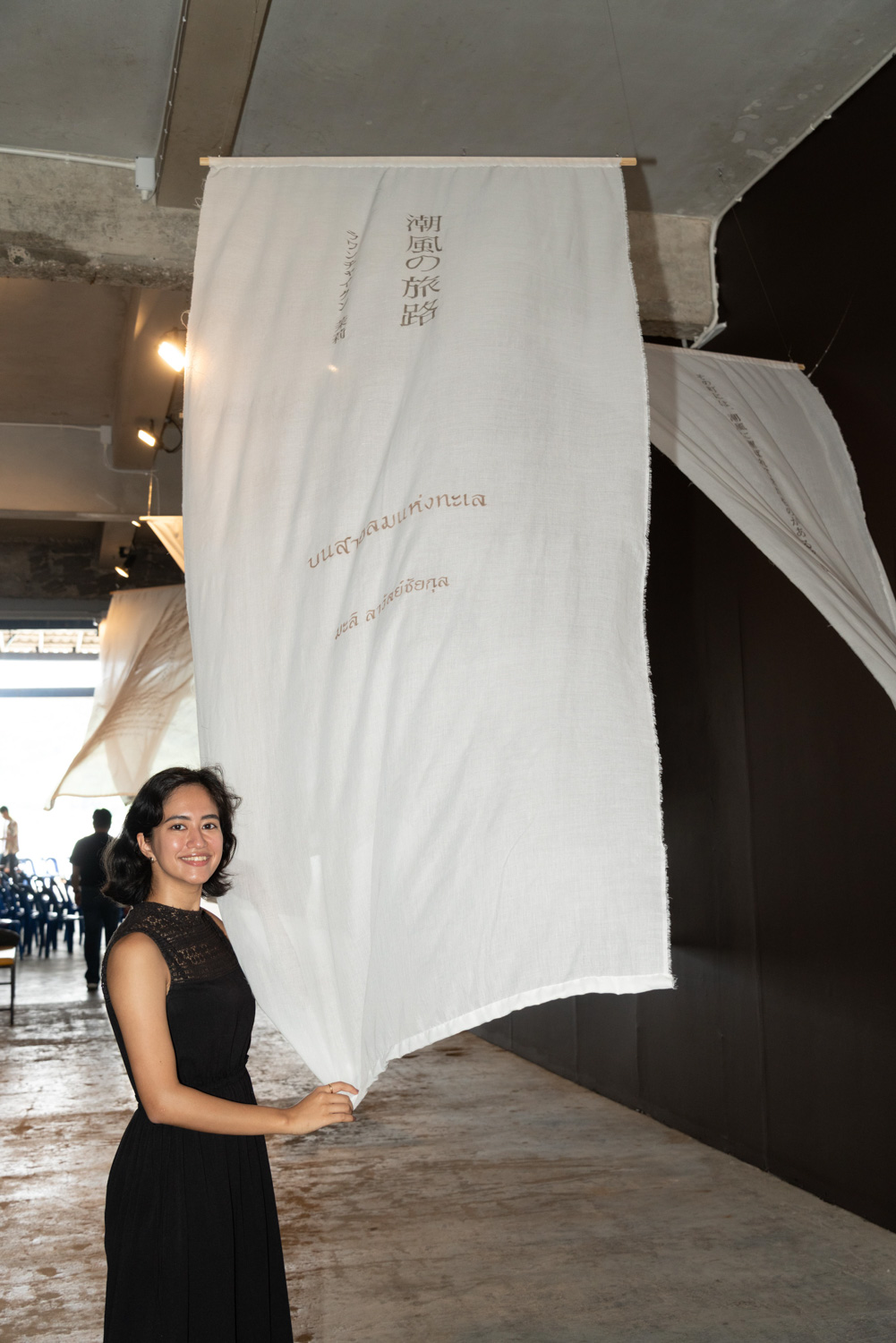
Mari Rawanchaikul | Photo courtesy of StudiOK
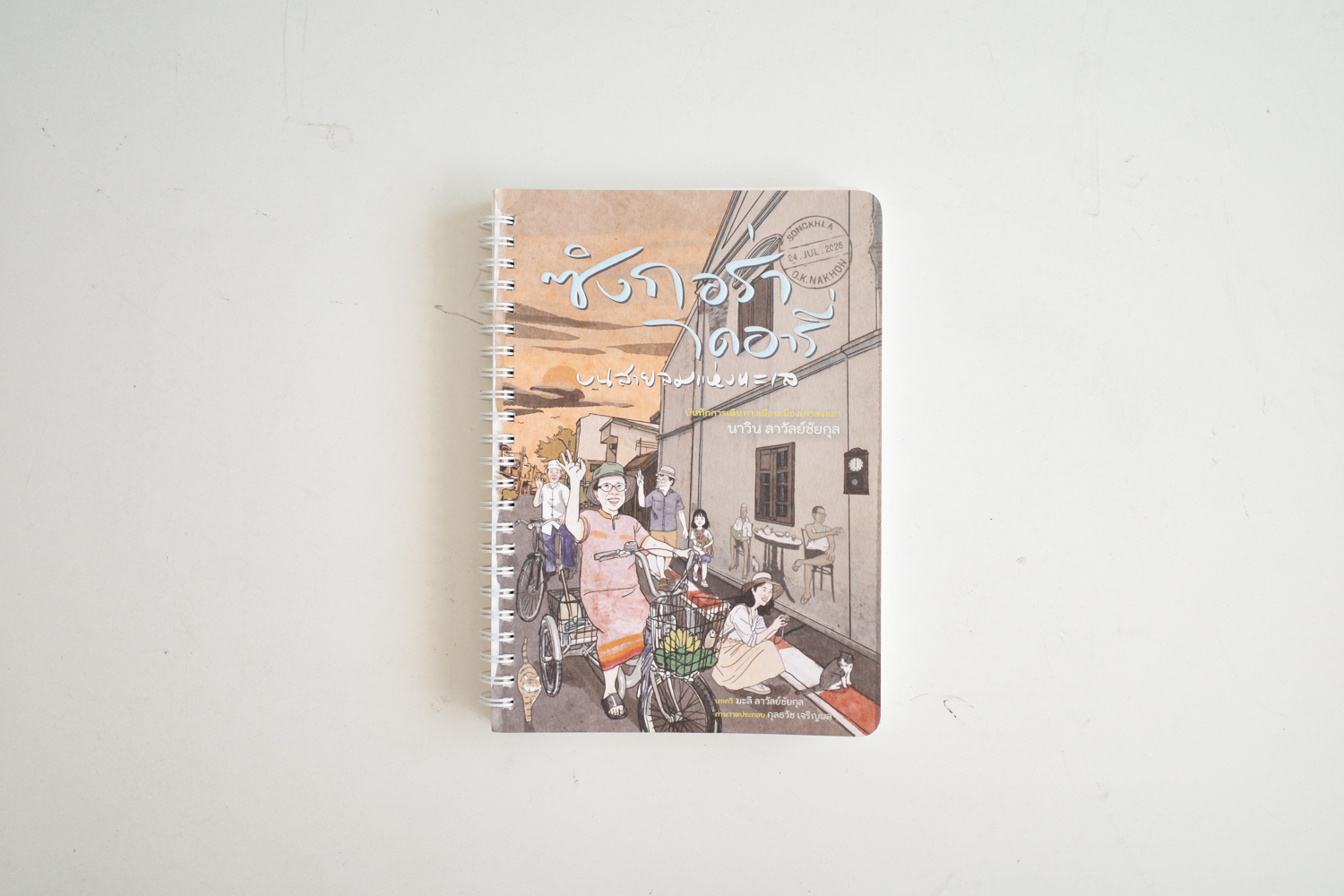 Photo: Kita Thapanaphannitikul
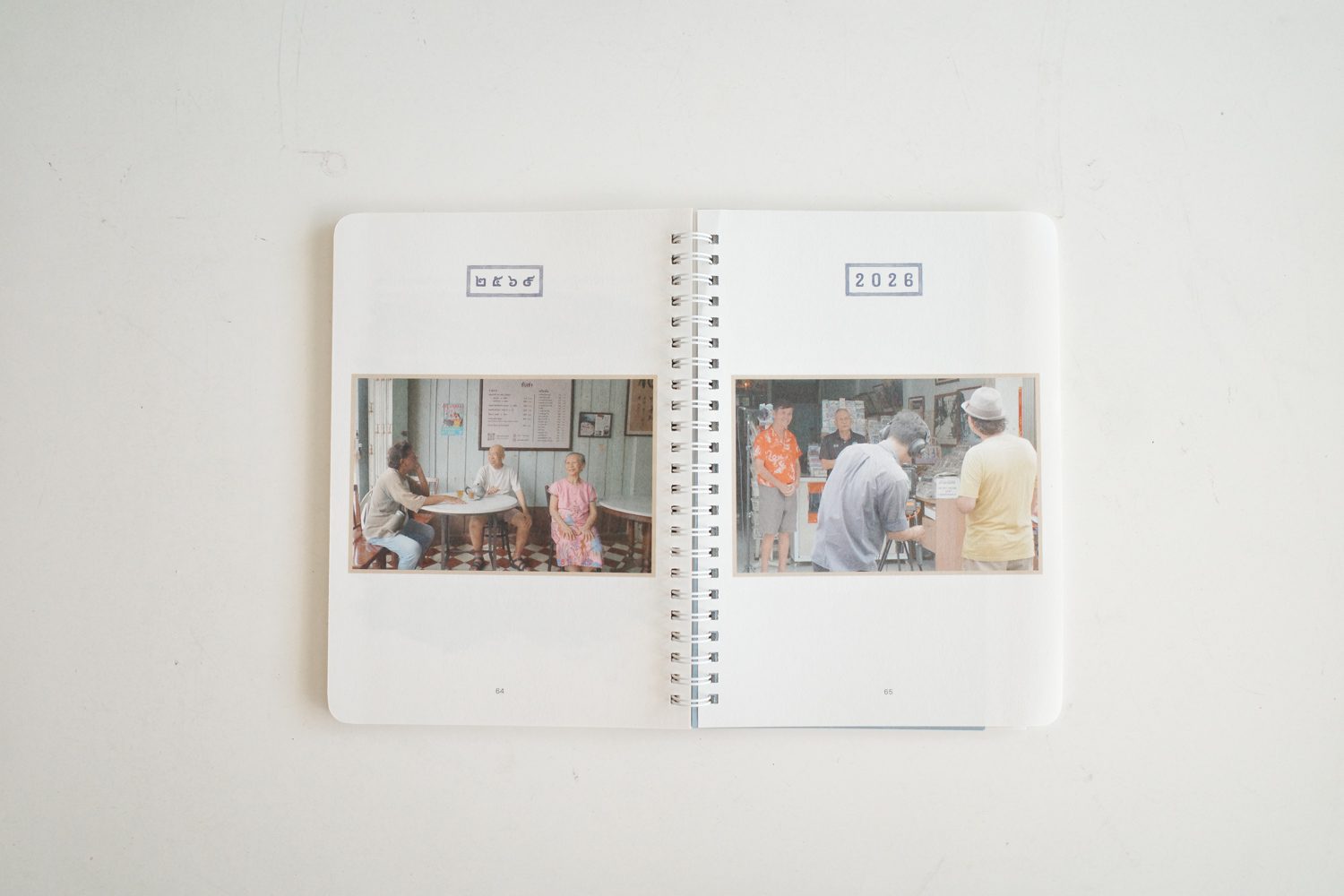
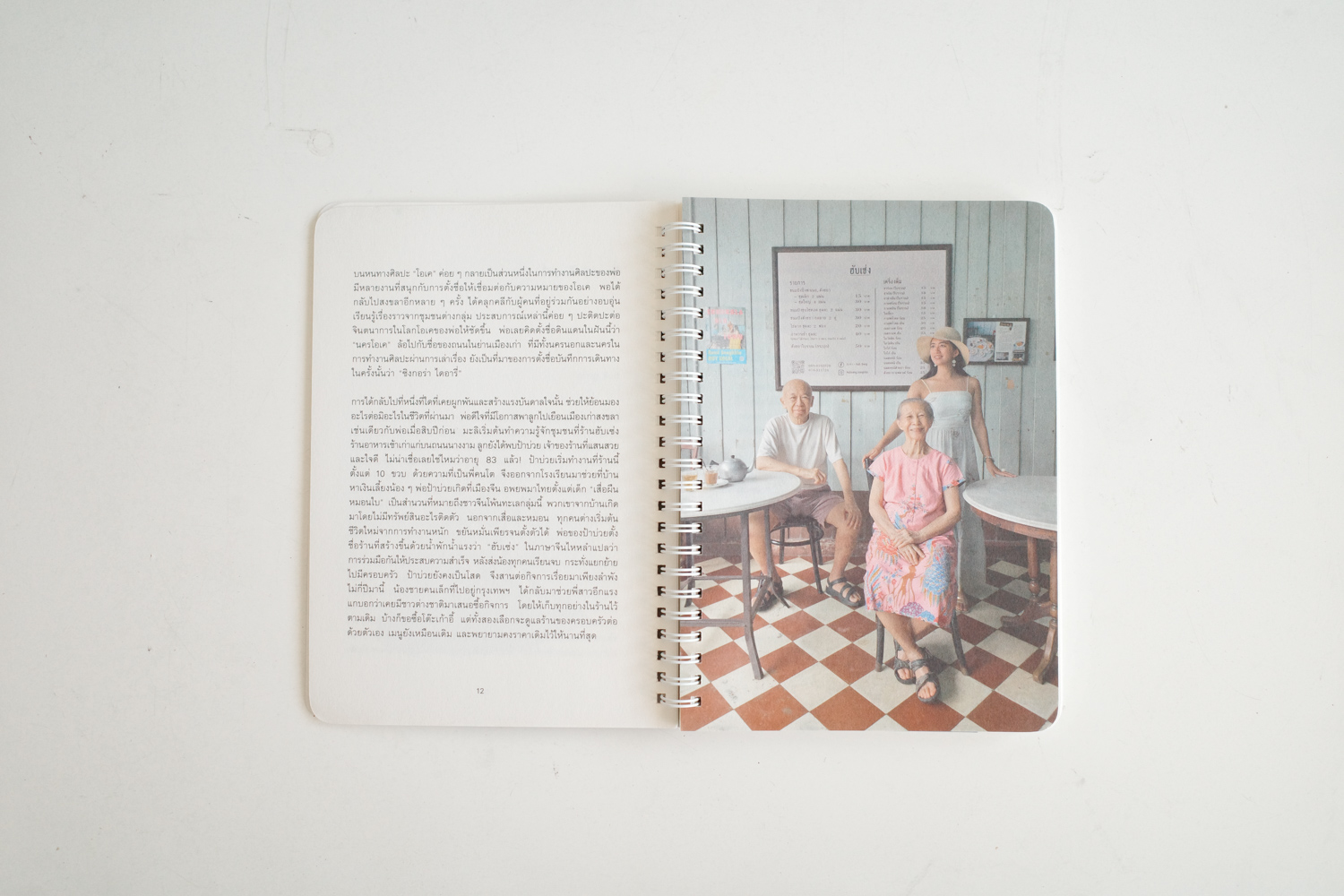
Amid these familiar hallmarks of Navin’s work, what has changed most visibly is the city and its people. The first major shift is the rapid growth Songkhla Old Town has undergone over the past ten years. Once a quiet lakeside town, it has developed into both a tourist destination and a creative city, with galleries, new businesses, and street art appearing across the area. It now even has its own Thailand Creative & Design Center (TCDC) Songkhla, located at the edge of the old town.
Rather than focusing on the city’s physical transformation, however, Navin chooses to tell its story primarily through its people. Perhaps that is because people have always been at the heart of his community-based practice. The works introduce us to families who have sustained longstanding local businesses across generations, alongside a growing younger cohort finding a place in the city as artists, designers, and creative entrepreneurs. Some are Songkhla natives who have returned home; others have moved in from elsewhere. Together, they give the city a character shaped by the coexistence of multiple generations.
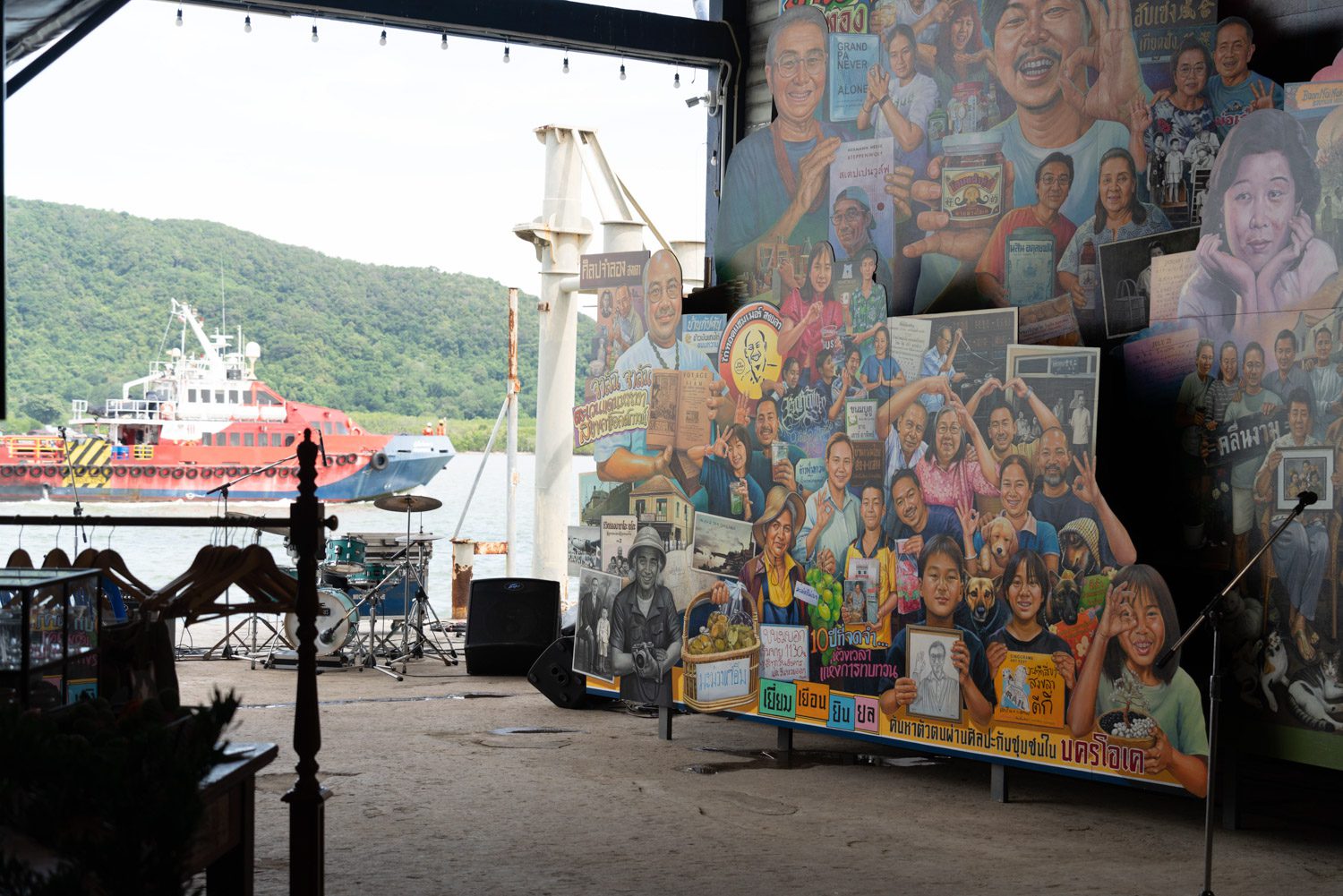
Photo courtesy of StudiOK
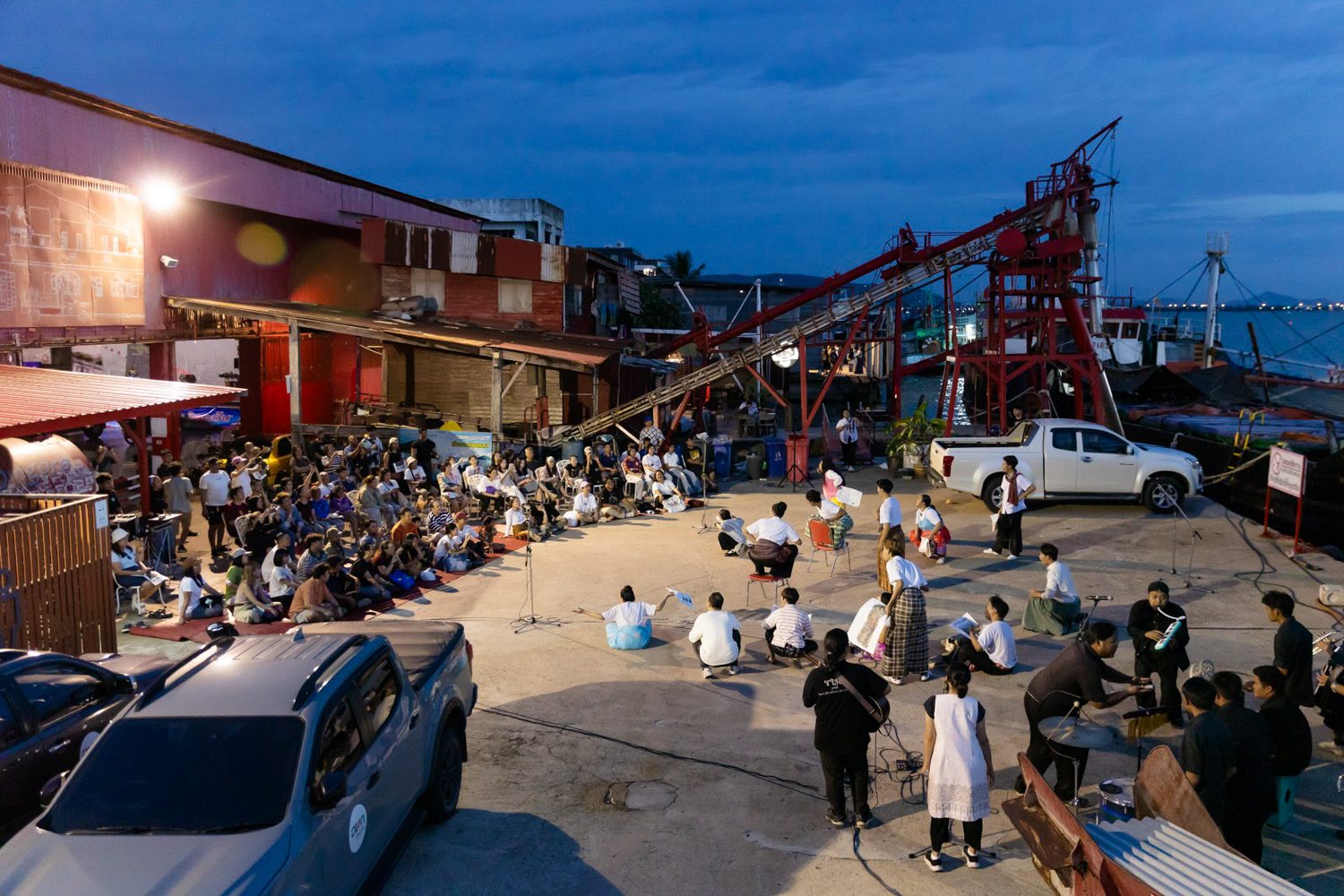
Photo: Kijpimuk Thawornsuk
In this new community painting, Navin has also introduced an OK Nakhon mascot at the center of the composition, almost like an emblem for Songkhla Old Town. The mascot is ‘Nong Ouan,’ a plump black-and-white community cat said to wander freely in and out of just about every house, though apparently choosing to sleep only in homes and shops with air-conditioning. Intentional or not, Nong Ouan is more than a playful addition. The character fits neatly into the image of Songkhla Old Town as an emerging creative city and has already lent itself to further design applications, including a T-shirt produced by StudiOK in collaboration with lifestyle brand Good Goods.
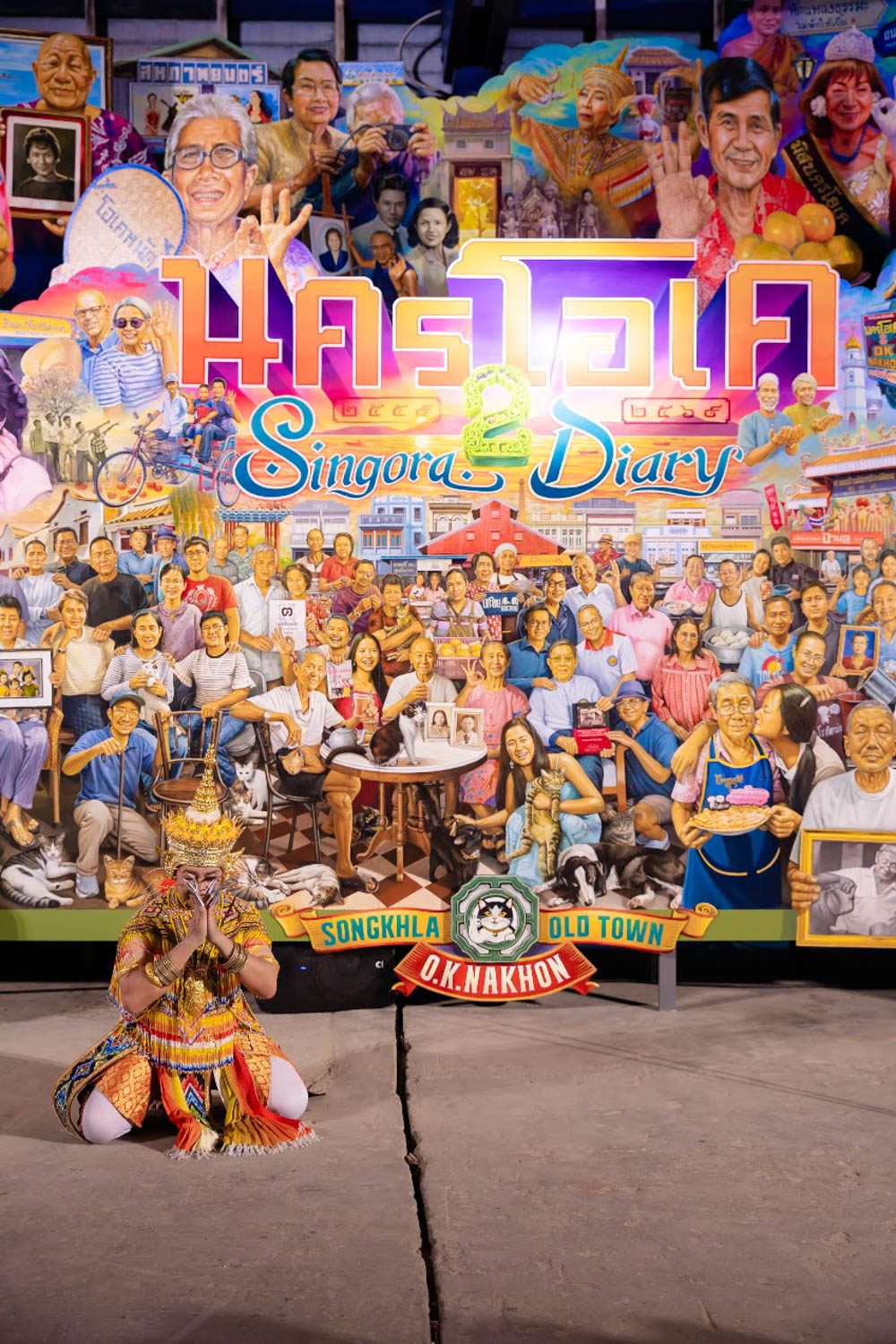
Photo: Kijpimuk Thawornsuk
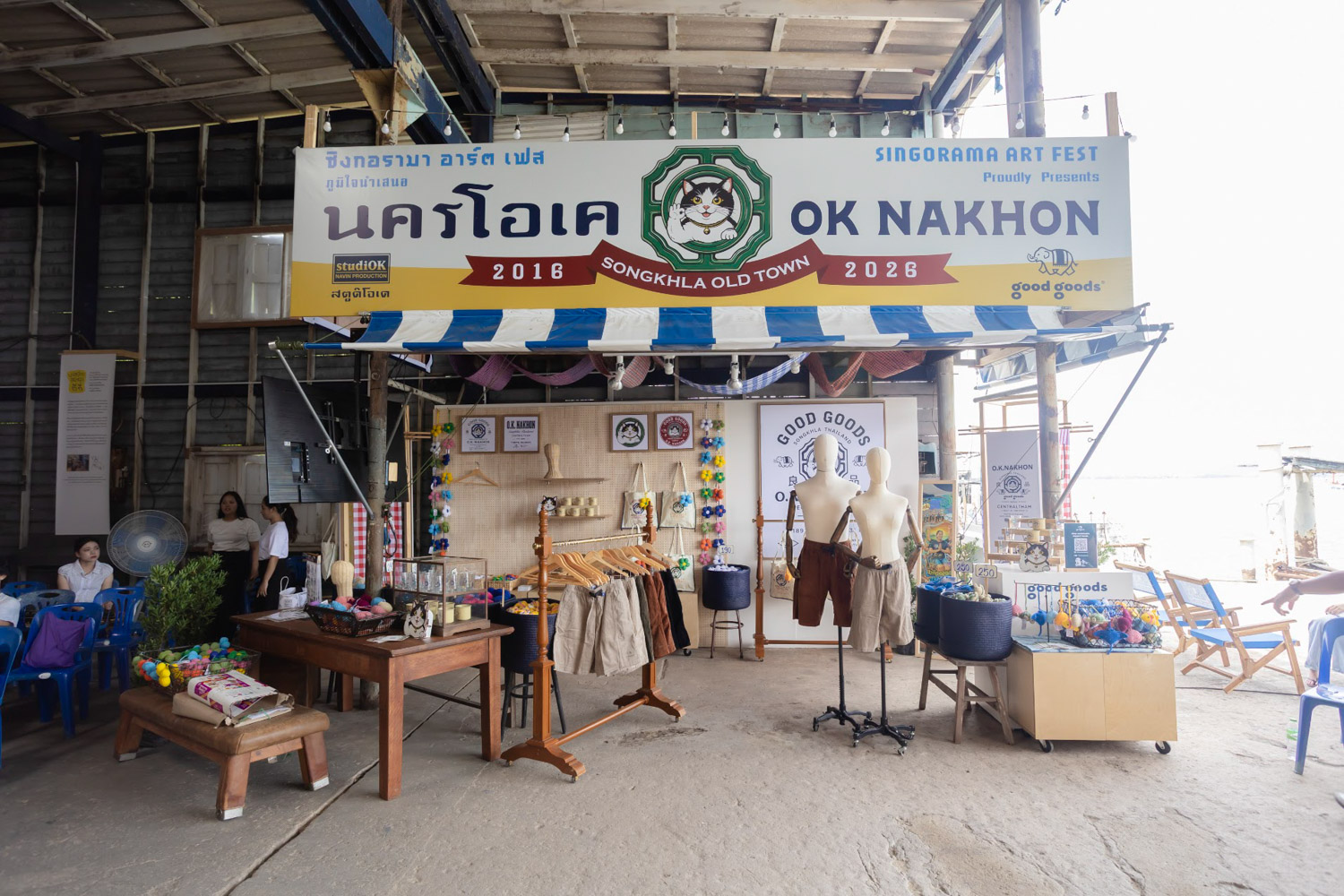 Photo: Kijpimuk Thawornsuk
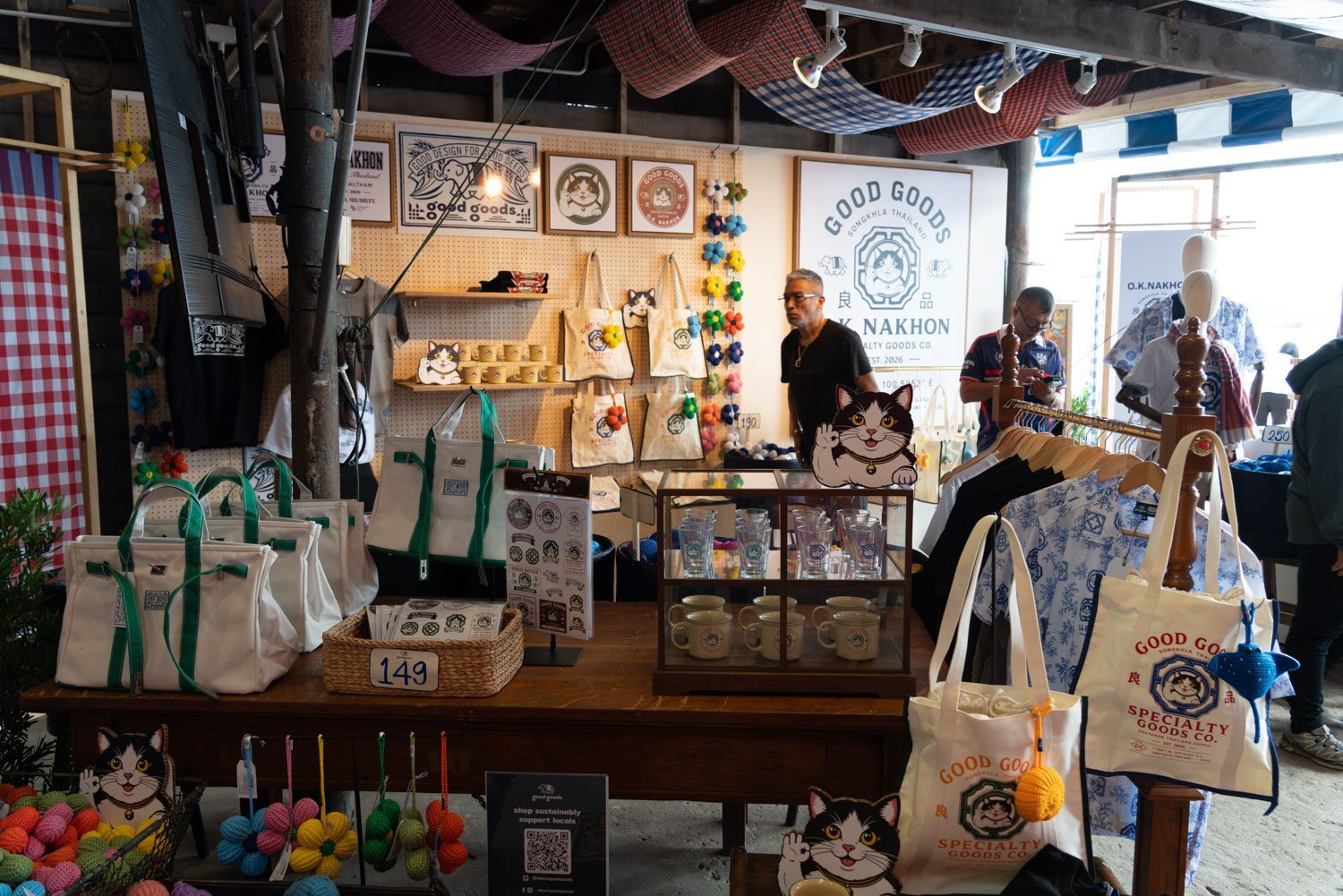
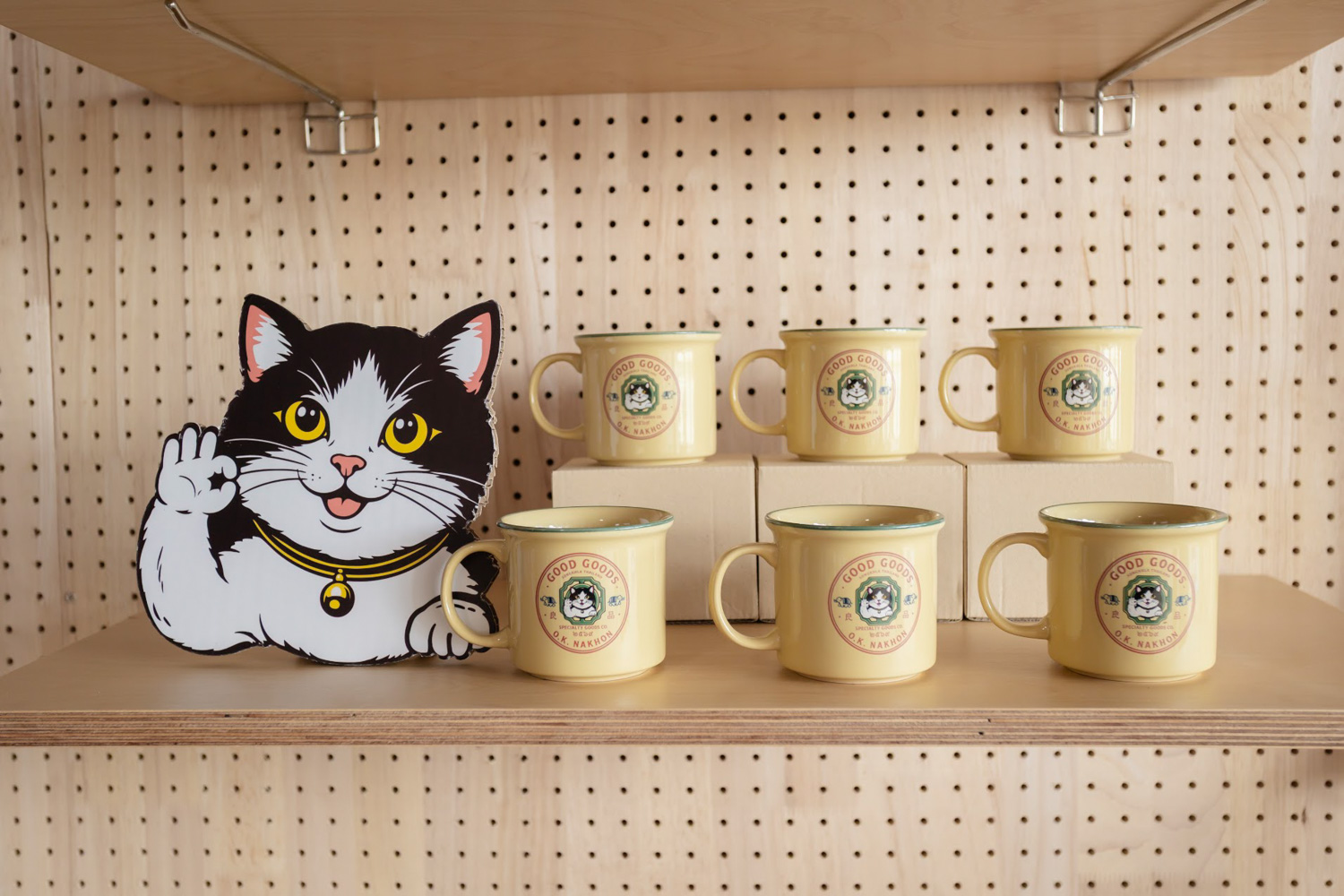
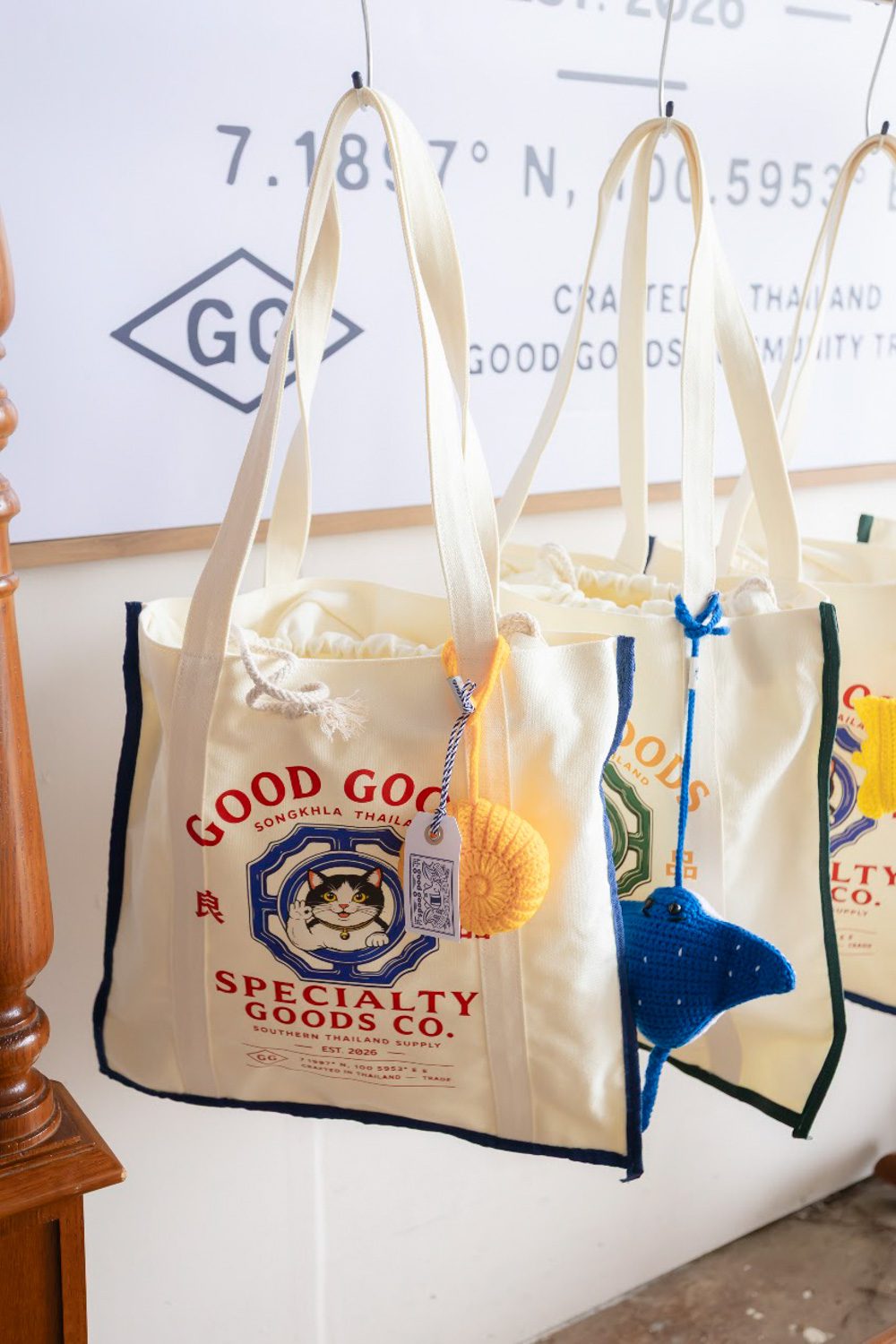
Photo: Kijpimuk Thawornsuk
There is another change in this iteration of OK Nakhon. It is an altogether ordinary one: the changes that time brings to people’s lives. Yet this may be the most affecting of all.
Navin approaches it through film, returning to the same families he interviewed a decade ago and filming them again from the same camera angles. The new footage is then intercut with scenes recorded ten years earlier. At times, a present-day image appears first in color before giving way to its black-and-white counterpart from the past. It is a simple way of marking time without interrupting the emotional flow with captions spelling out the year.
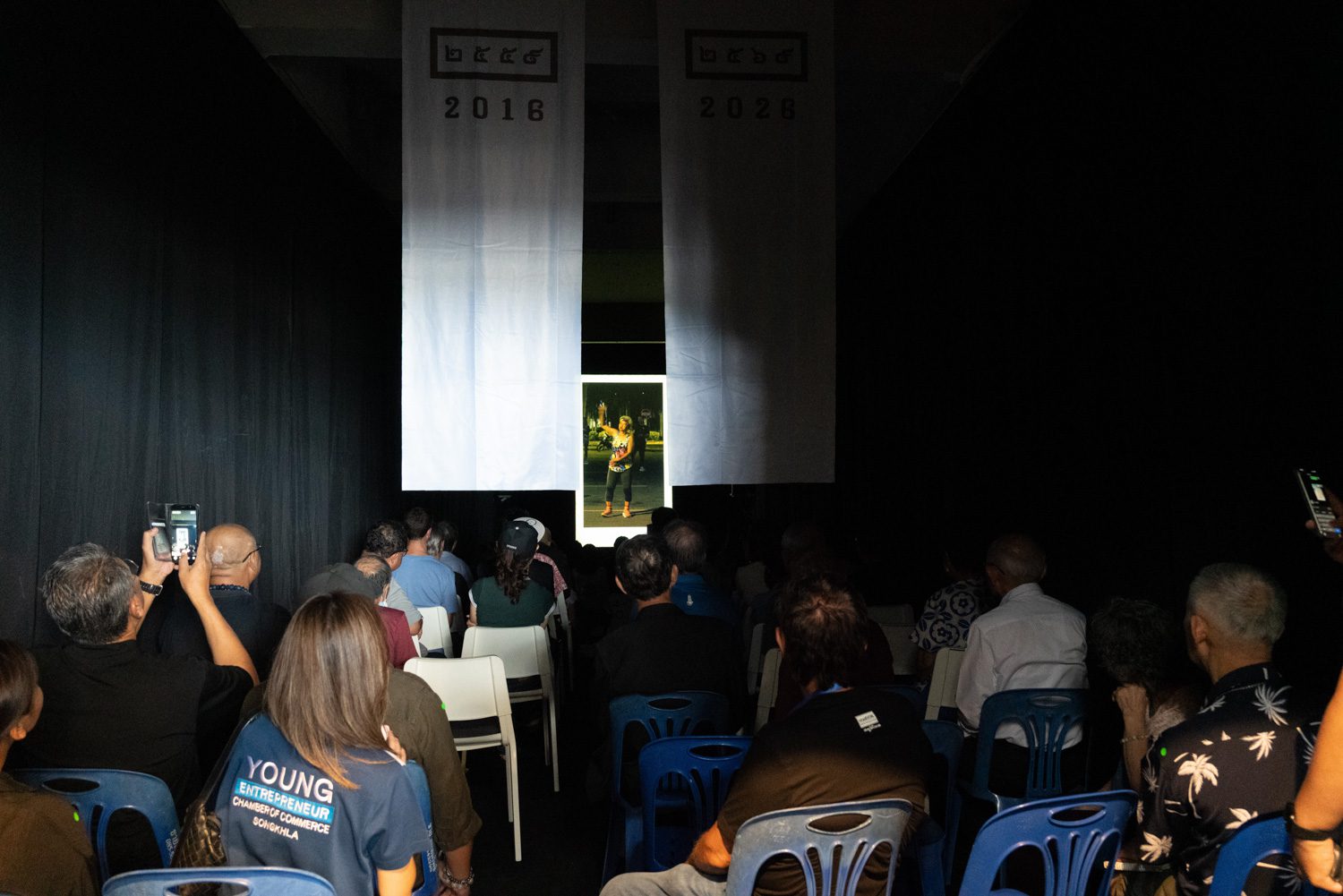 Photo courtesy of StudiOK
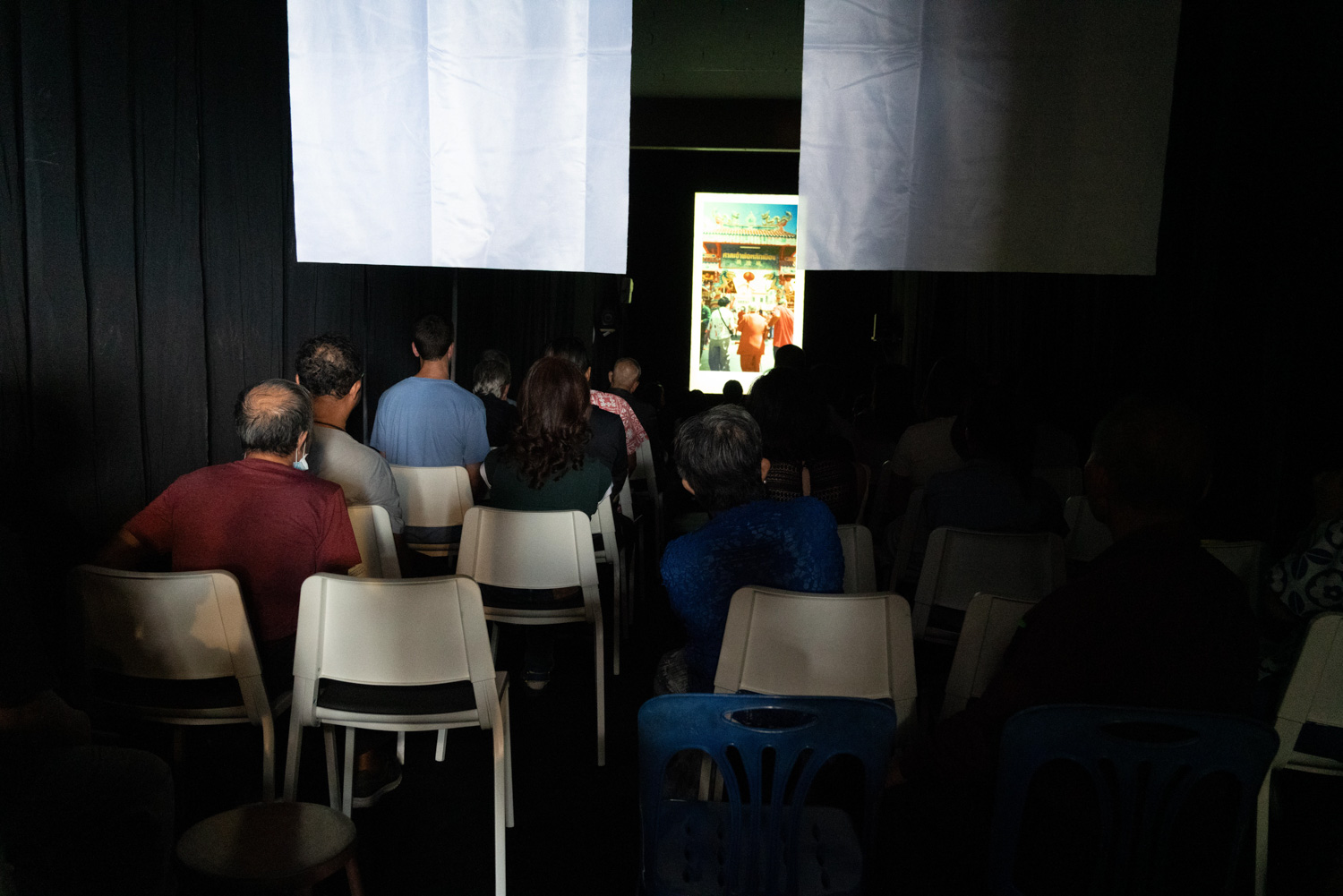
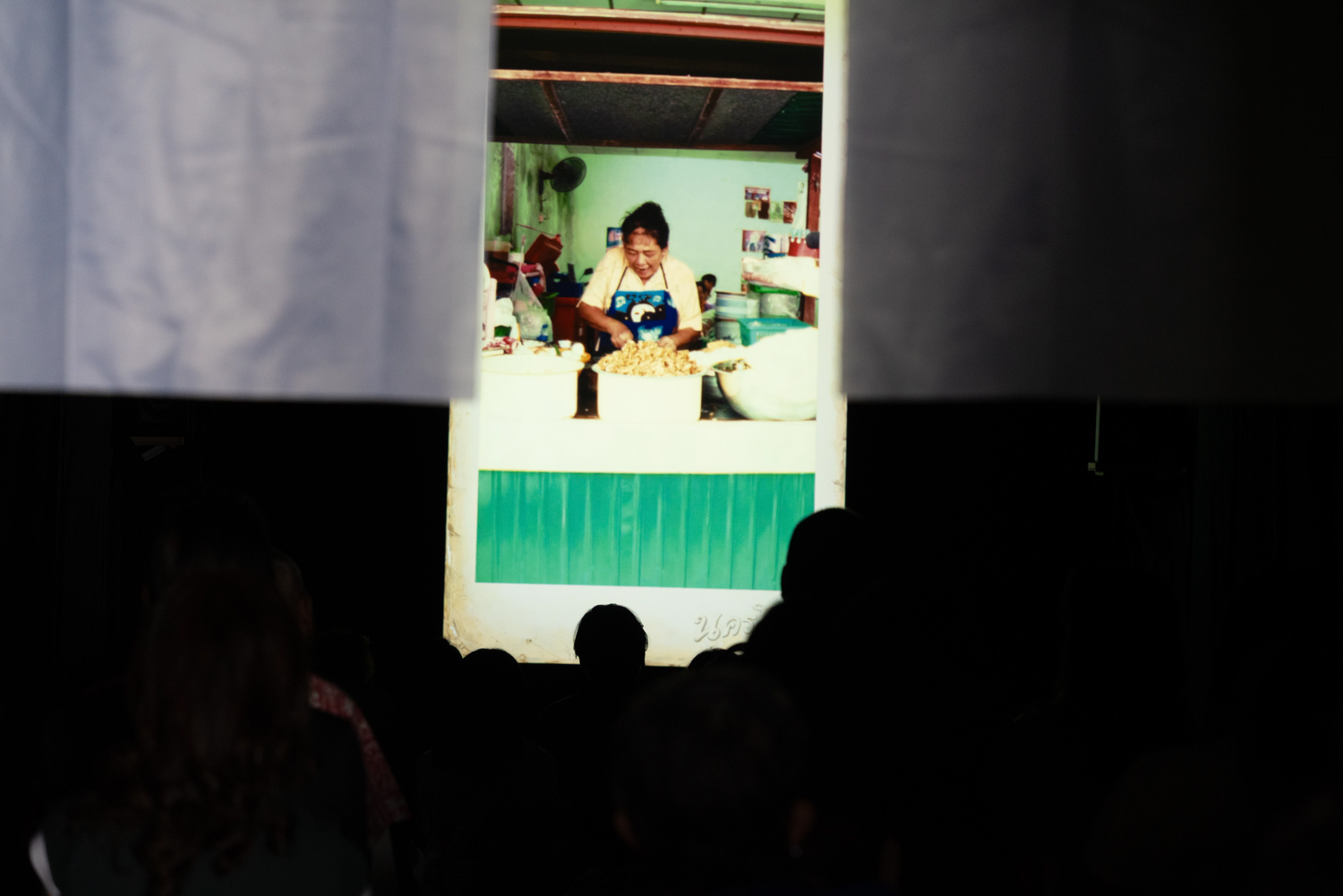
Across these scenes separated by a decade, young children have grown into teenagers preparing to begin university; older residents have visibly aged; and long-standing businesses have met different fates, some passed on to children and grandchildren, others shuttered for good. Likewise, several people who once sat before the camera speaking with Navin are simply no longer there.
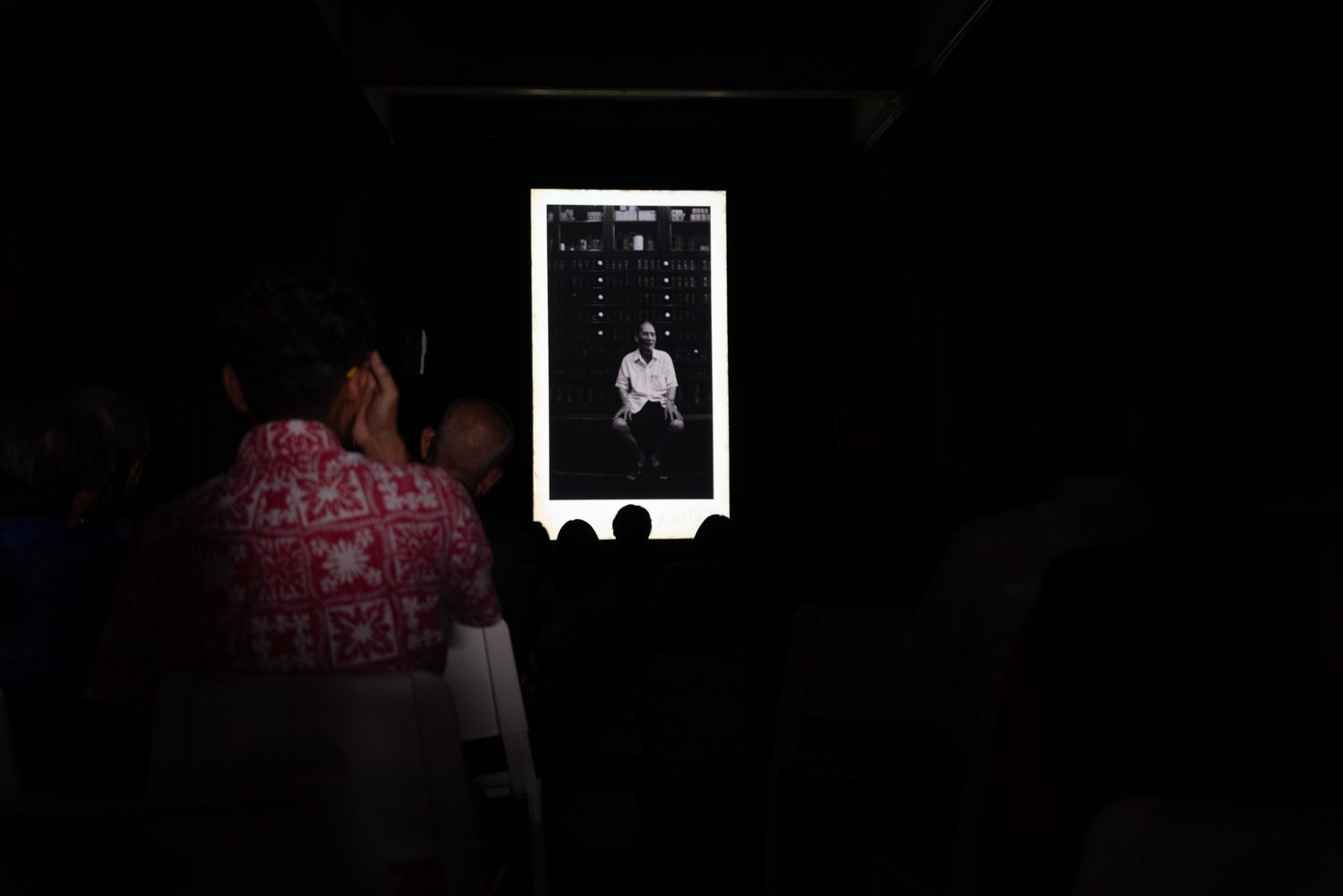
Photo courtesy of StudiOK
There is something quietly profound in this understated way of registering the passage of time. It recalls earlier works by Navin centered on family and on teachers he held in deep regard, including A Tale of Two Homes (2015) and Revisited <> Departed (2019). That emotional continuity, in turn, makes his attachment to Songkhla Old Town feel more tangible, as though the depth of that bond has only gradually come into view.
The everyday lives of local residents also remind those of us who simply pass through Songkhla of something easily overlooked. However much Songkhla Old Town may grow into a tourist destination, an art city, or whatever else might capture the imagination of visitors, it remains first and foremost a community where people have lived their lives for generations. They are not simply part of the city; their work, relationships, and daily routines have collectively shaped its character and history. Whatever direction Songkhla Old Town takes in the future, they should therefore have a voice in determining how that future unfolds.
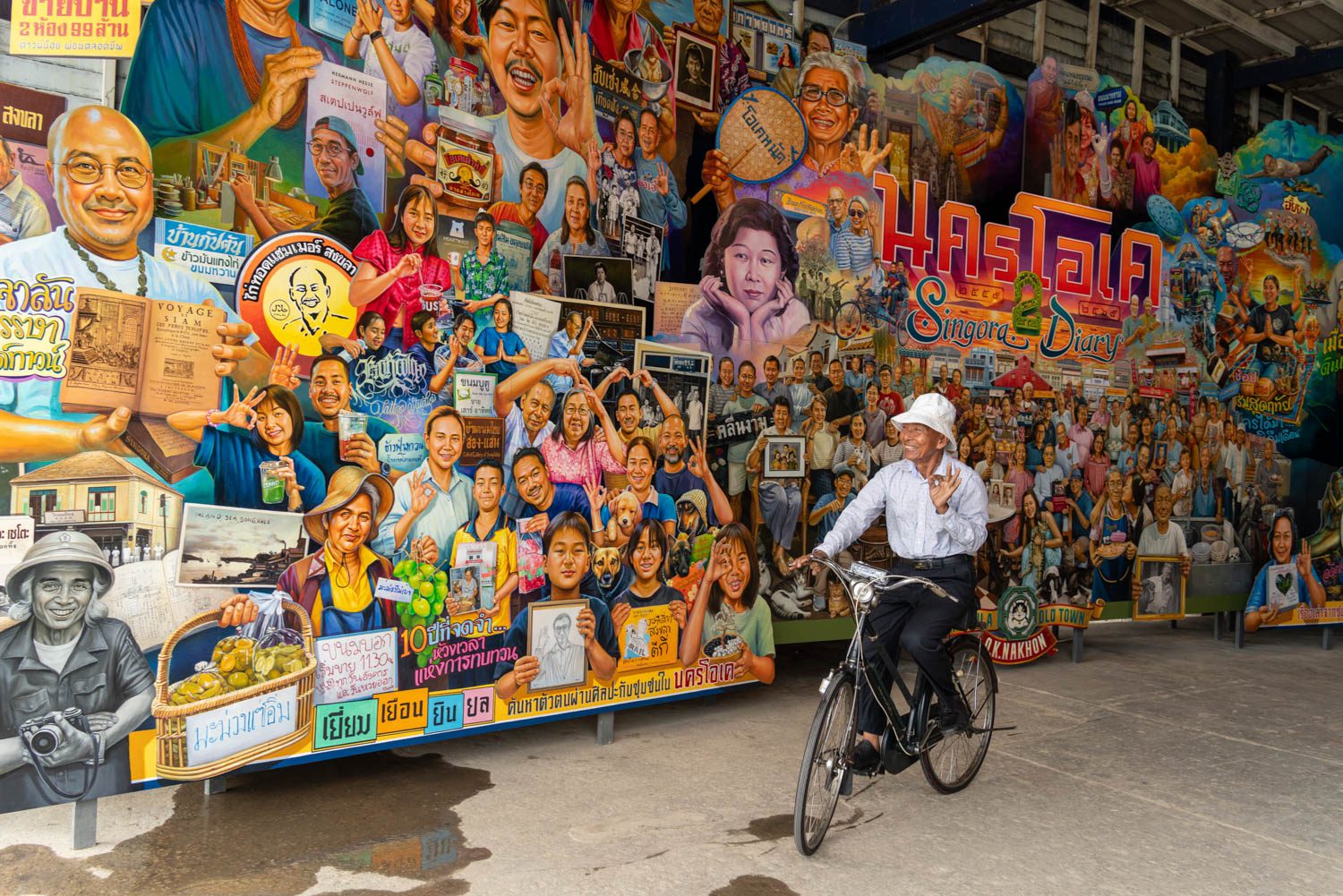 Photo courtesy of StudiOK
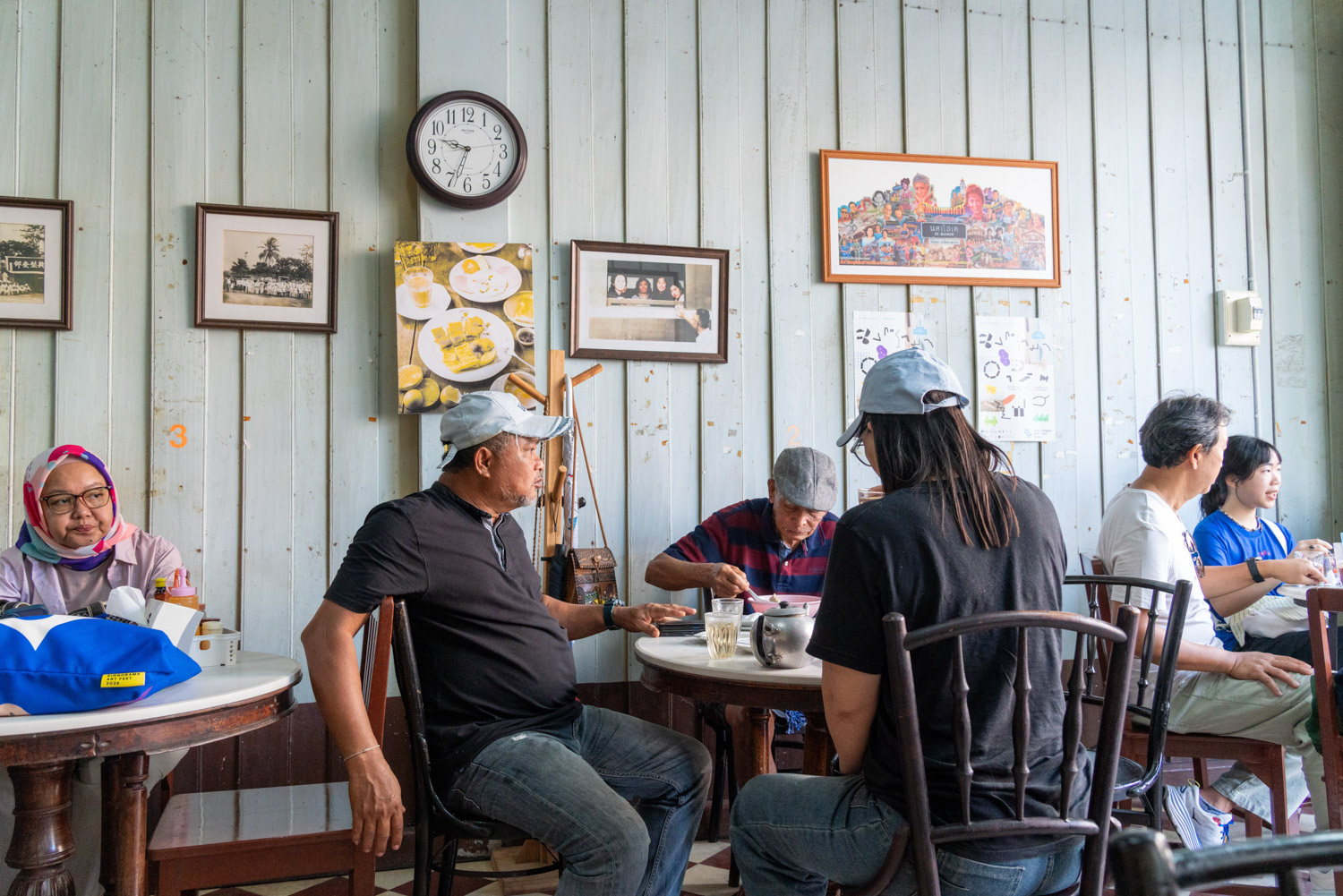
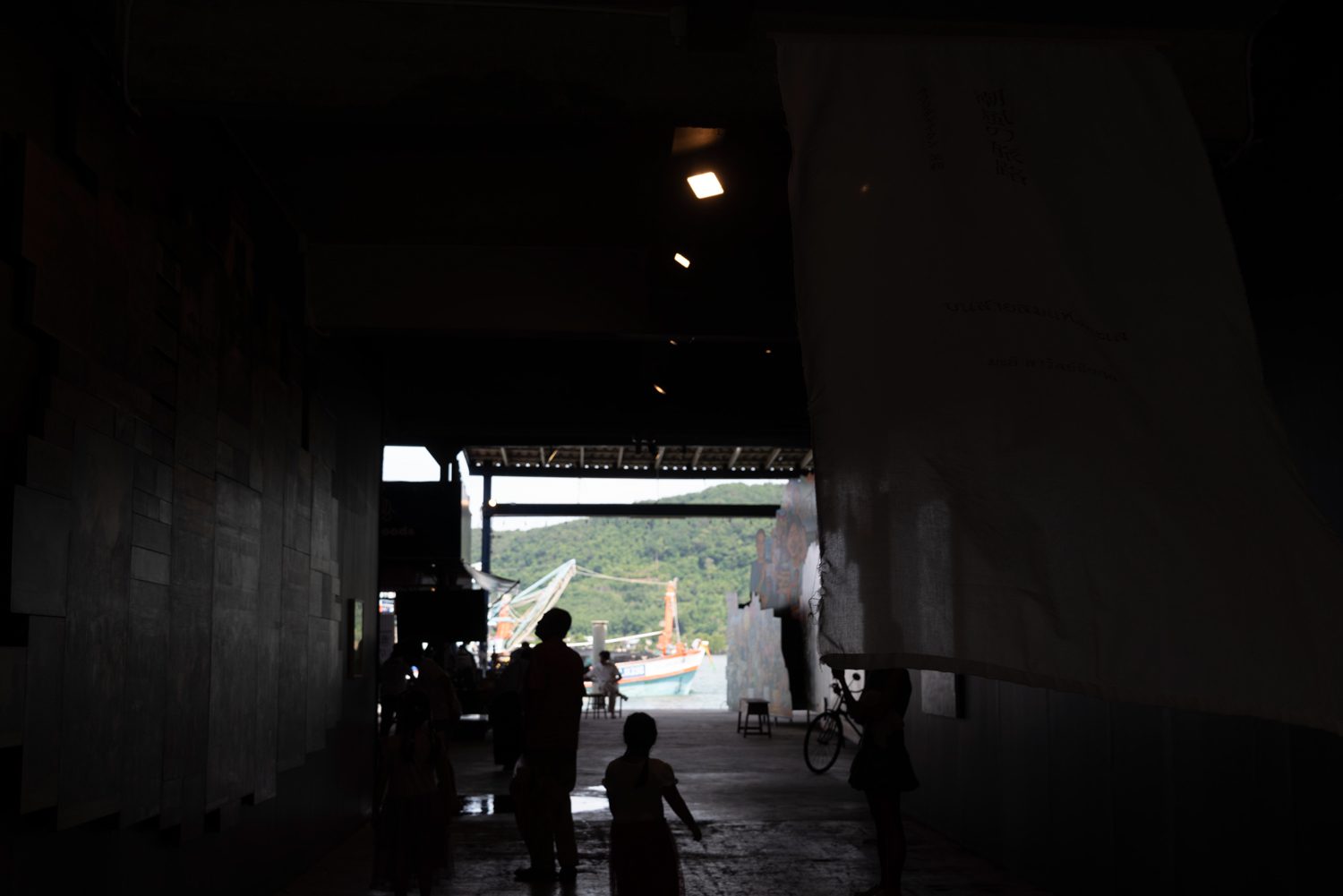
From the residents’ perspective, we cannot claim to know how they feel about all of this. Yet by bringing together the lives of individuals, families, businesses, and the rhythms of the community within a work of art, the project at least offers them a place in a shared local memory. In doing so, it may also come closer to what Navin sees as one of the roles of community-based art: ‘helping people in the community recognize their own value.’
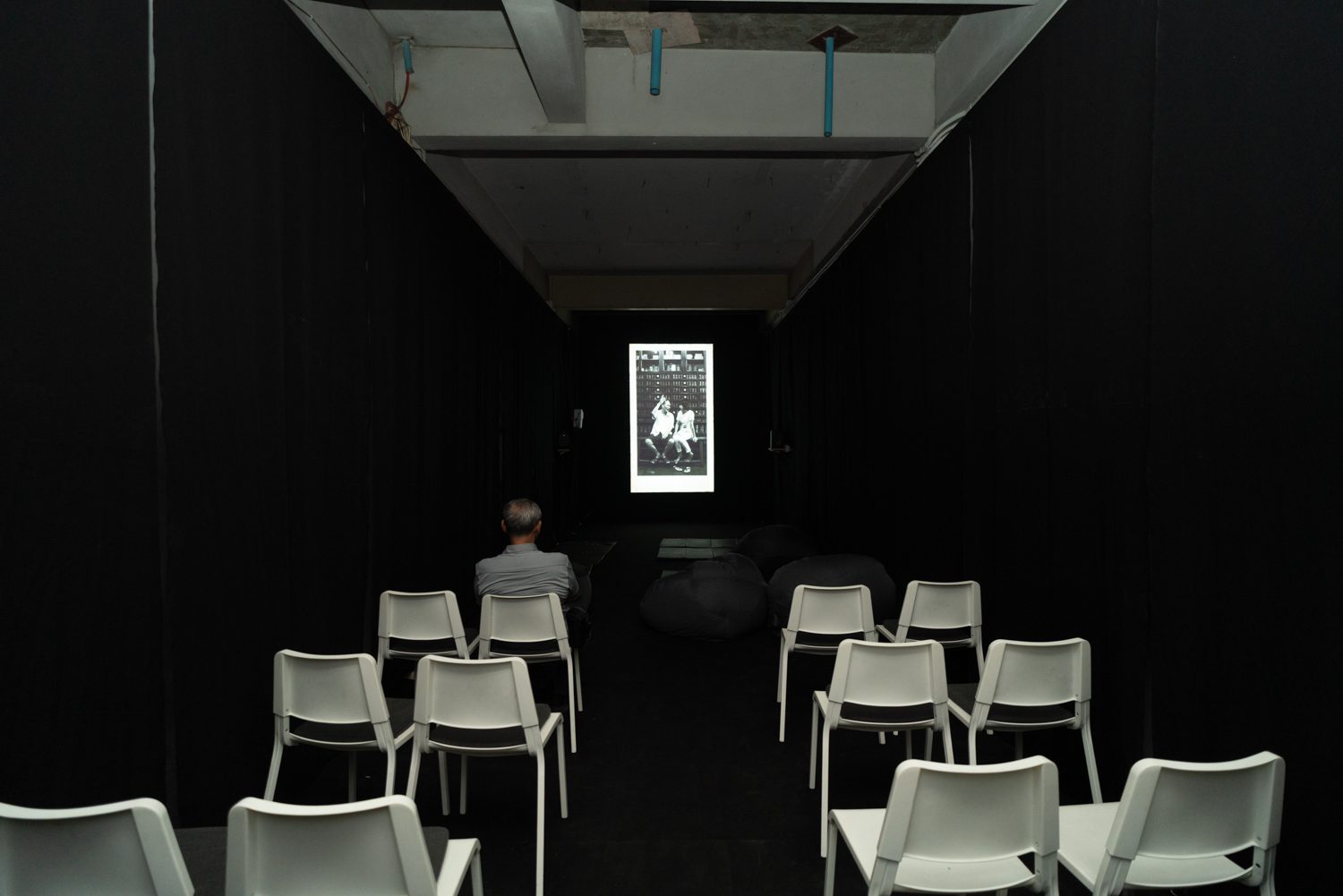
Photo courtesy of StudiOK
OK Nakhon – Singora Diary 2 is on view through November 1, 2026, Friday to Sunday, from 11:00 AM to 7:00 PM, at Nop Rampha Pier 35, Nakhon Nok Road, Mueang Songkhla District, Songkhla.