
EXPLORE THE WORLD OF COLLAGE THROUGH TABLETEEE’S PERSPECTIVE, WHERE FILMS, MANGA, AND EVERYDAY ENCOUNTERS COME TOGETHER TO FORM DISTINCTIVE VISUAL NARRATIVES
TEXT: SARUNKORN ARTHAN
PHOTO & IMAGE COURTESY OF TABLETEEE
(For Thai, press here)
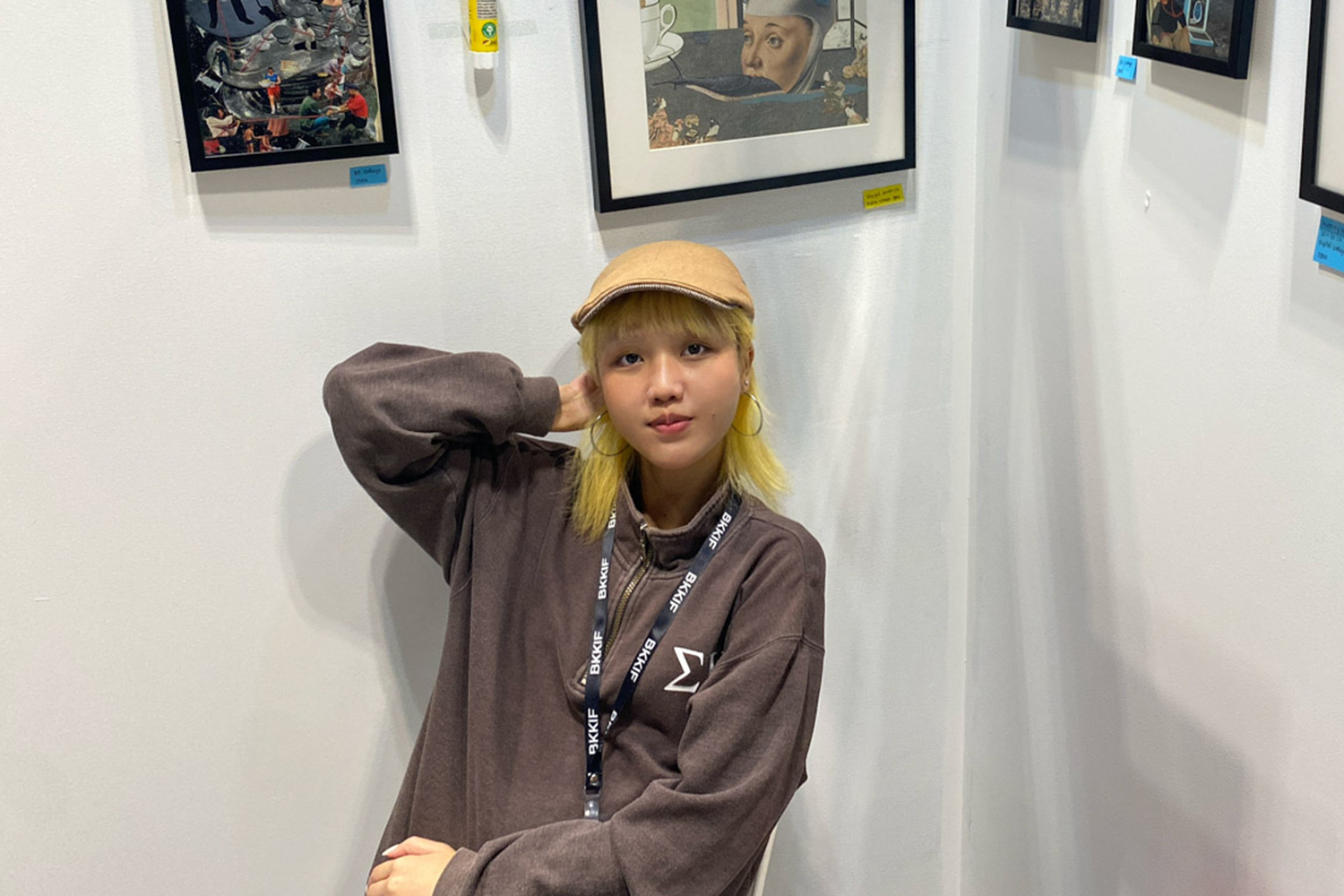
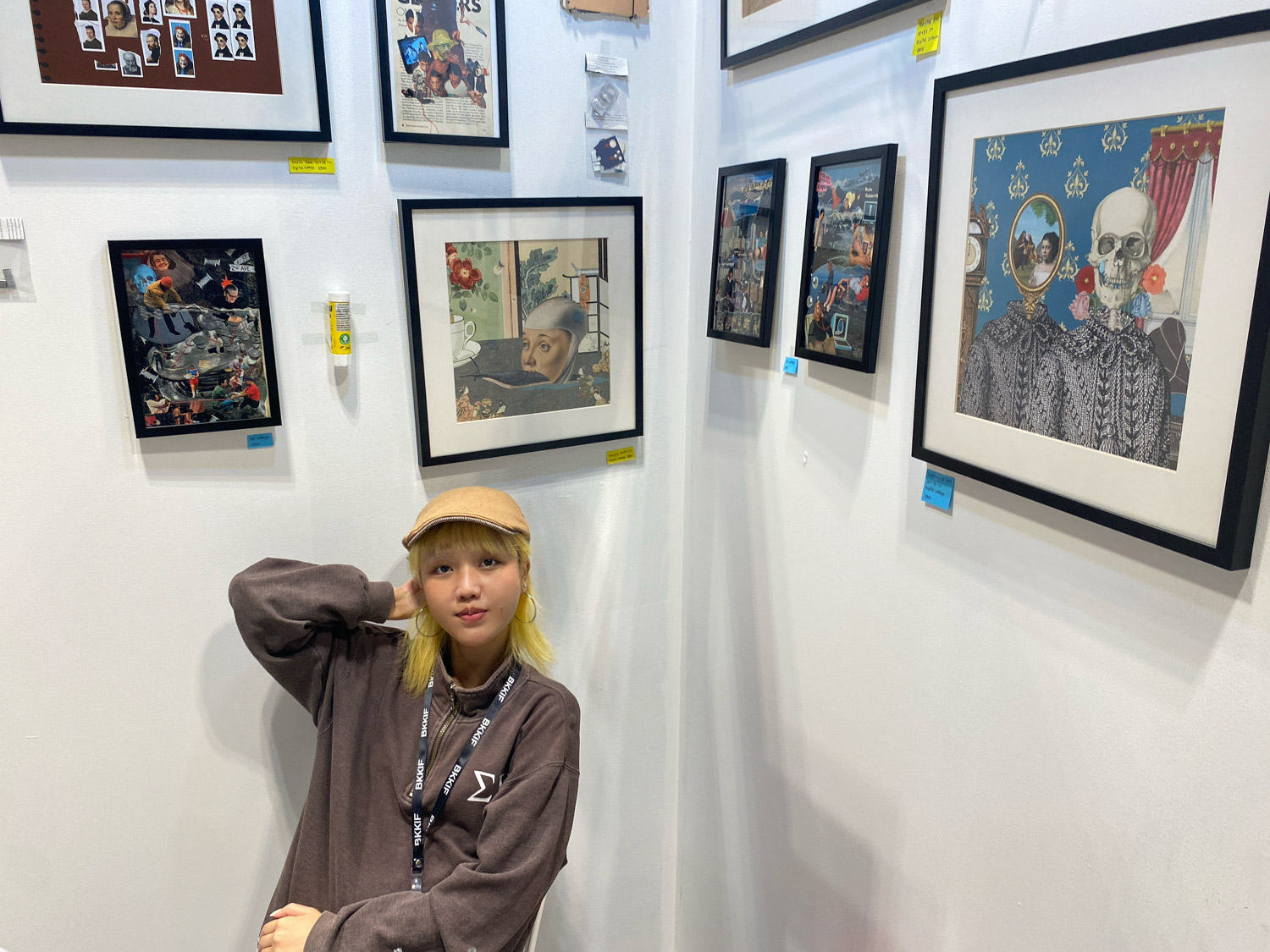
Collage art seems to be gaining more and more popularity in Thailand. Yet amid the many artists working with cut-and-paste imagery, Tableteee stands apart from the familiar. After participating in BKKIF 2025, she has continued to develop a distinctive body of work that boldly combines the unsettling atmosphere of films and manga with fragments of everyday life, creating vivid, playful images that are difficult to forget.
art4d spoke with Tableteee, or Mean—Aornicha Suttison, about the origins and direction of her collage practice, the BKKIF Reward that led to an opportunity to design a book cover for a publishing house, and the periods when she needs to step away, rest, and heal before she can return to making art.
art4d: Could you tell us how you came up with the name Tableteee?
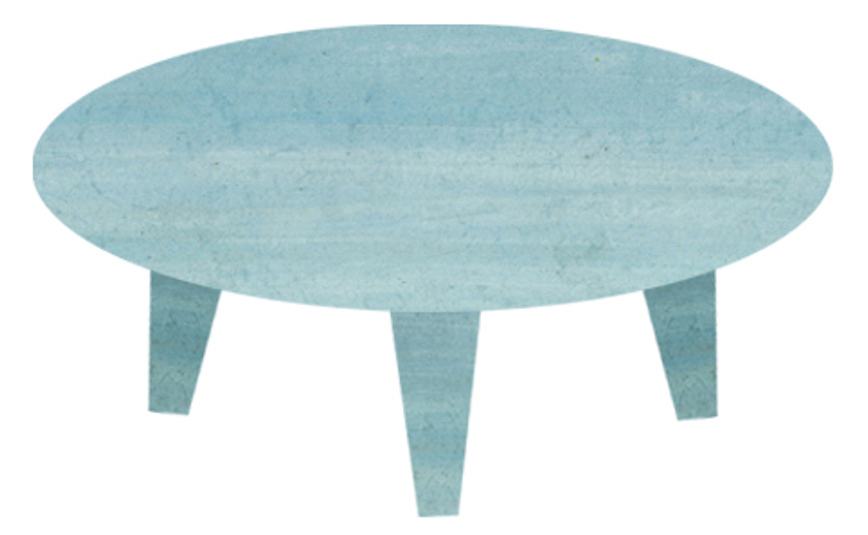
Tableteee: Tableteee came from my own worktable. Last year, I was living in a dorm, so the room wasn’t very big. I had this small, round Japanese-style table with three legs. I used it for everything—working, watching films, and eating. I felt like it was such a versatile little table, so I decided to use it as my name.
‘Table’ comes from the English word for a table, while ‘Teee’ comes from ‘three,’ as in the number three. I spell it with three Es because it feels easy to write. I also turned that little blue, three-legged round table into the Tableteee logo.
art4d: We understand that you have several roles: you teach art, work as a freelancer, and make art of your own. Which one do you like most, and why?
TT: That’s actually really hard to answer. (laughs) Each job comes with its own kind of fun and its own level of difficulty. I think I like all three roles because they are all related to art, while each gives me something different. I can’t choose, so I like all three equally.
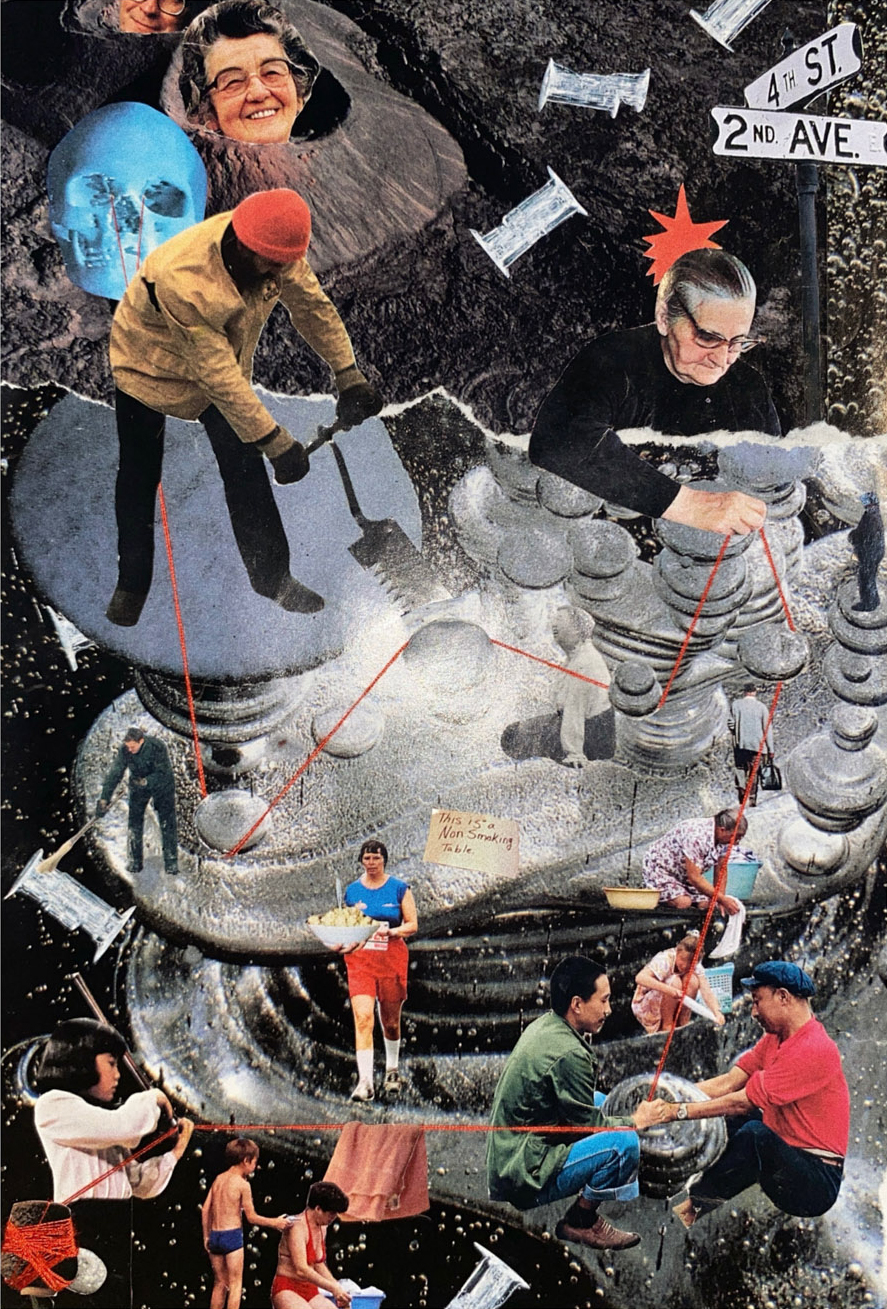
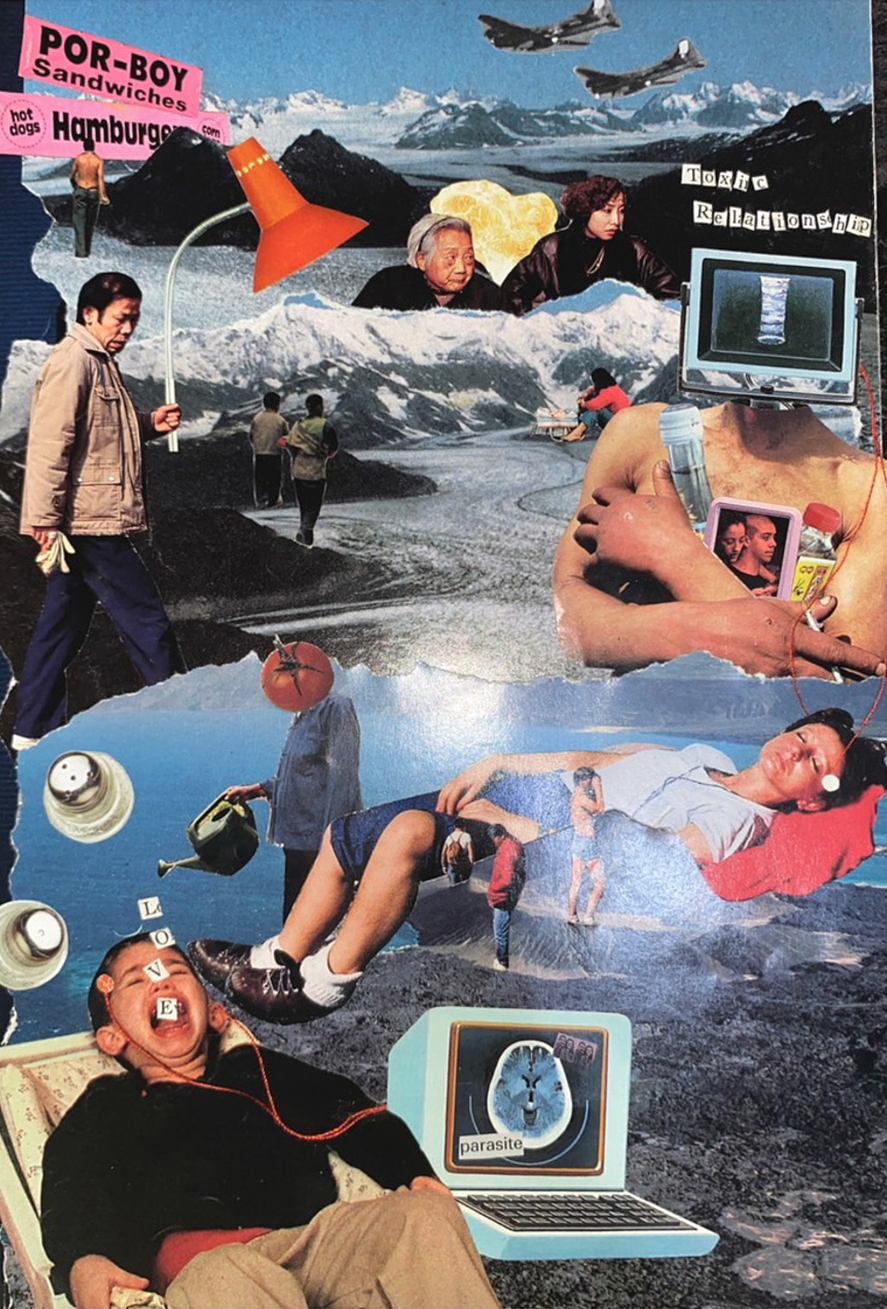 Delete (2024)
art4d: Do you have a role model when it comes to your artistic practice?
TT: Yes. I think a lot of people who make collages probably look up to P’Nakrob—Nakrob Moonmanus—and I like his work too. When I was at university, I loved browsing bookstores, and I would always see his work on the shelves. It made me wonder who this person was, so I searched for him and started following his work. I thought what he did was really cool and it inspired me to strive to be as good as he is, so he eventually became my role model.
art4d: Apart from Nakrob, what else inspires your work?
TT: My inspiration probably comes from the things around me—films, images, and even the seemingly ordinary moments of everyday life. I like taking things that seem unrelated and combining them to create a new story.
I also like things that look a little strange, things that are difficult to put into words. So I turn them into images and leave them open for viewers to interpret them in their own way.
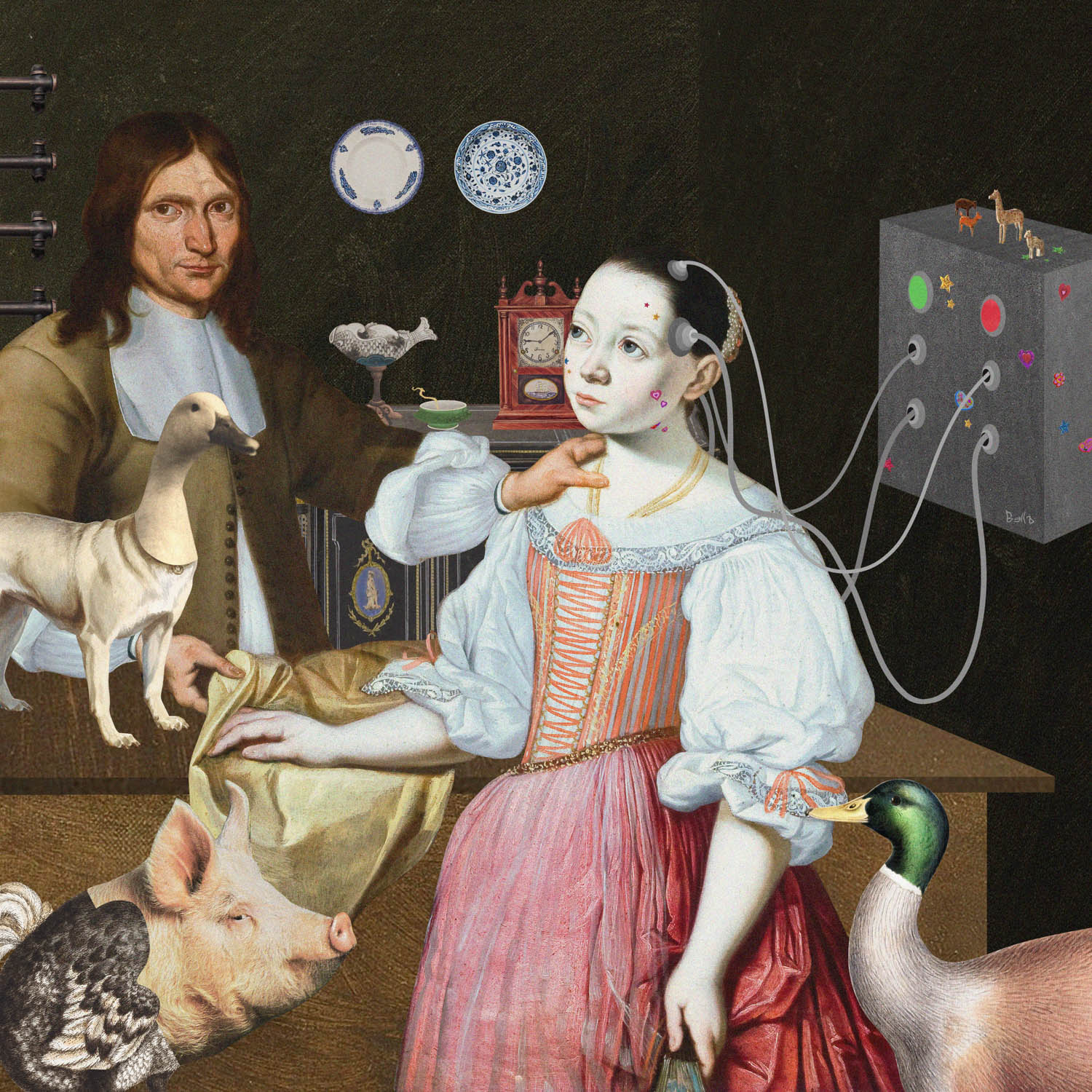
Poor Thing 2023, (2025)
art4d: Looking at your work, we feel that it has a particularly distinctive character, especially in the way you draw from films and manga. Are there any genres of film or books that you especially enjoy?
TT: I’ve always liked watching films, and I can watch almost any genre. But I especially enjoy horror and thrillers because they’re exciting and keep me on the edge of my seat.
The one thing I don’t like is ghost movies because I’m afraid of ghosts, so I don’t watch them. But apart from that, I can watch anything. You get what I mean?
art4d: So you watch horror, but not ghost films?
TT: Exactly. I’m afraid of ghosts, so I don’t watch them. I’ve never actually seen one, but I’m scared of them and I don’t like them.
art4d: Are there any films you have been especially into lately?
TT: I’m really into Indian cinema at the moment. There’s one I watched last week called Baahubali: The Beginning (2015). It was so much fun. Indian films aren’t some kind of second-rate production at all. I might have had my own preconceptions at first, but once I opened myself up to this one, I realized how good Bollywood is at making films. They really go all out. You have to see it!
art4d: (laughs) Thank you. Coming back to collage, when did you first encounter the medium?
TT: I only really discovered it at university. I had seen examples here and there when a lecturer showed them in class, and I thought the style was cute, so I started experimenting with it for fun. Sometimes I made collages for assignments, and other times I just threw random things together.
Once I started experimenting, I realized that I liked it. It was fun. When I make a collage, I don’t have to overthink everything. I can just follow whatever I’m feeling and enjoy the process.
art4d: What do you think makes collage distinctive or more challenging than other forms of art?
TT: I think every art form has its own difficulties. For me, the challenge of collage is figuring out how to translate what is in my head into something that comes as close as possible to the image I originally imagined.
It becomes particularly challenging when the materials are limited. How do I make the finished work resemble the image in my head? How do I bring all the different elements together so that they work in the same composition?
art4d: How would you define Tableteee’s artistic practice?
TT: I think Tableteee’s work is about taking things that do not belong together and bringing them into coexistence within the same image.
art4d: Are there particular subjects that you like to explore through collage? How do you approach them?
TT: Most of the time, I still prefer to work according to whatever I’m feeling at that moment. If there’s something I like or happen to be really into during a particular period, I’ll incorporate it into my work.
I don’t want to define my interests too strictly or decide that my work must always follow one particular direction. I still want collage to remain something I enjoy doing. I don’t want a hobby I love to become something I have to make within a fixed framework until I lose interest in it.
So I prefer to follow my mood instead of telling myself, ‘This is what I have to keep doing forever.’ I would rather let the work keep changing alongside my interests and how I feel.
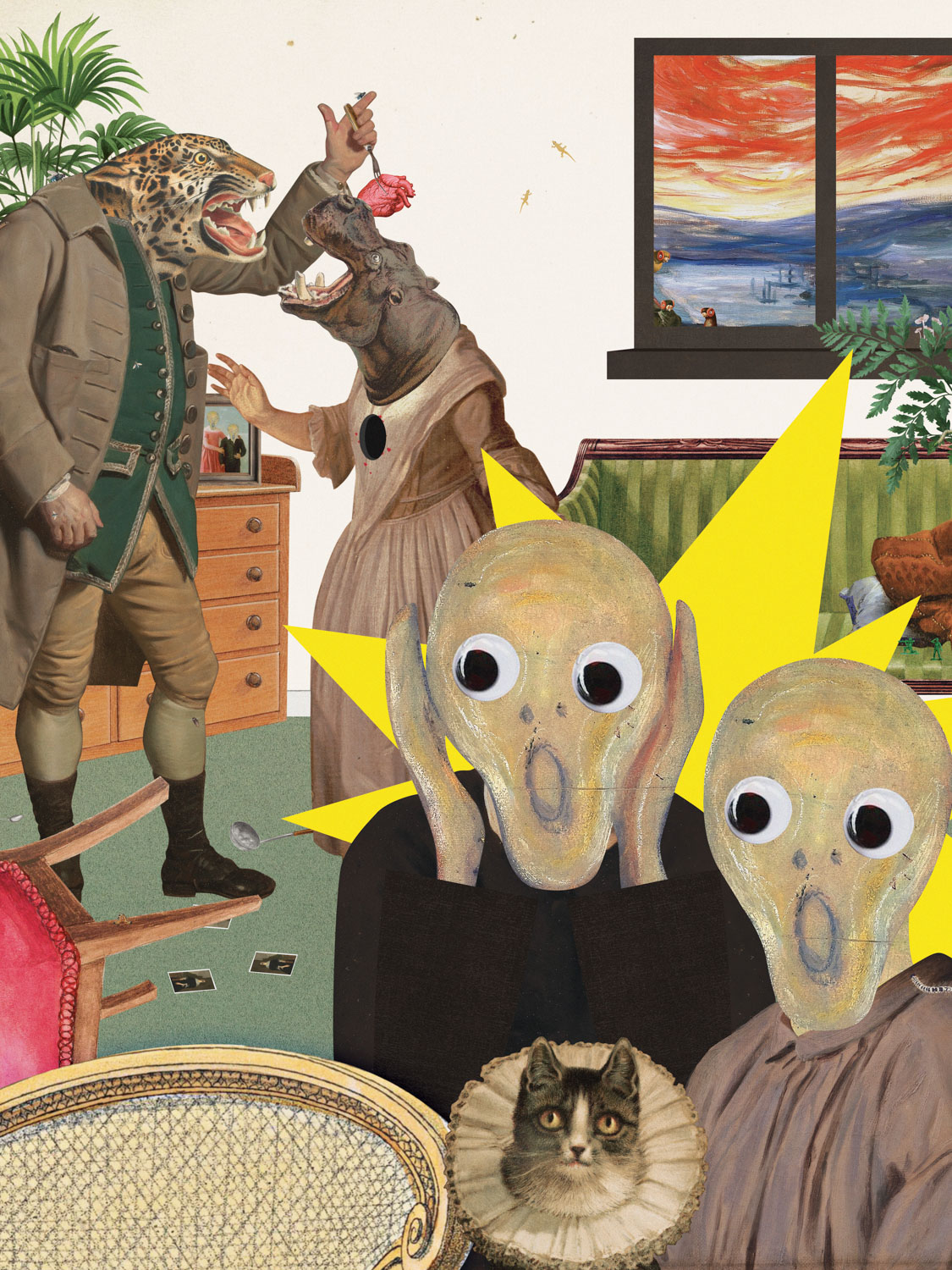
art4d: Does that mean you have to wait until you are in the right mood before you can work?
TT: I do. I have to wait. If I don’t, it just doesn’t work and I get very stressed. I’m someone who tends to stress out while working, so I have to wait until the mood strikes. I’ll find something else to do or watch until I feel more relaxed, and then I’ll return to the work.
art4d: Does it usually take long for that mood to return?
TT: It can take a long time. There are periods when I feel completely burned out, so I stop for a while—and by ‘a while,’ I mean quite a long time. I play games, watch films, and find other things to do. Then, once I start thinking, ‘I really want to make something again,’ I go back to it.
art4d: Could having so many professional roles be one reason you need time to recharge?
TT: Yes. I do so many different things and they all get mixed together, so sometimes I just have to wait until I feel ready again.
art4d: Once you are in the mood to work, where do you find your source materials—the images and other elements you use in your collages?
TT: The narrative usually depends entirely on whatever I’m feeling at the time. As for the images and other elements, I find them in several places. Sometimes they come from books that I scan. Sometimes they come from websites, both free and paid. Most of them probably come from the internet.
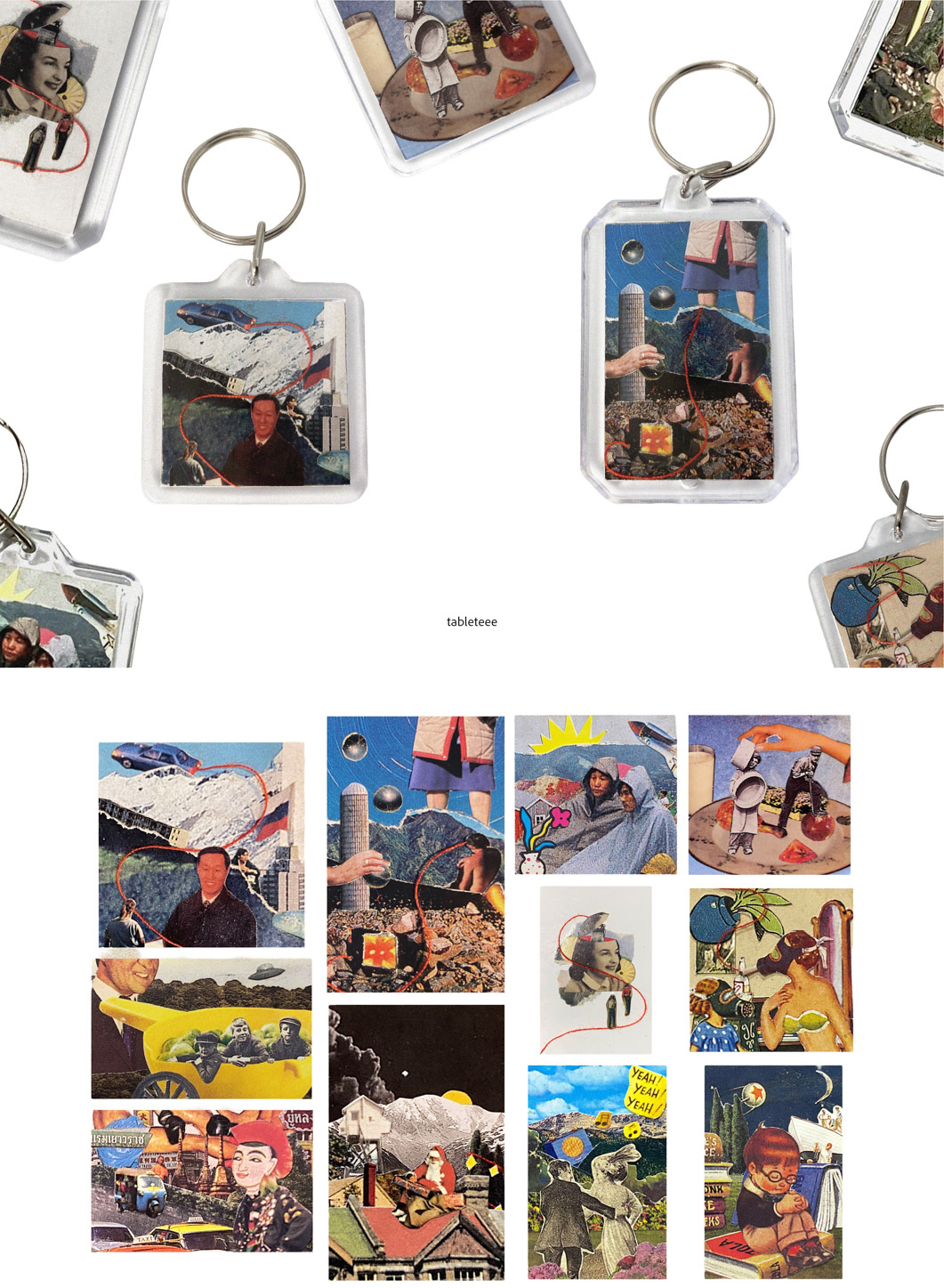
art4d: We have noticed that you make both analog and digital collages. Which do you prefer, and why?
TT: I can’t choose between those either. (laughs) They’re fun in different ways. With analog collage, the challenge comes from physically working with tangible materials. Digital collage is fun because I can experiment much more. It is easier to make changes and combine different elements.
In the end, they each have their own appeal, so I really can’t choose.
art4d: Which one do you find more challenging?
TT: Personally, I think analog is more challenging because the source images and materials are limited. Once something is damaged, it is damaged for good.
That means I have to think carefully about where to place something and how to arrange the composition so that it looks right. It requires more planning. And if I make a mistake, I can’t simply hit undo. If something goes wrong, I may have to start all over again, which makes it more difficult than working digitally.
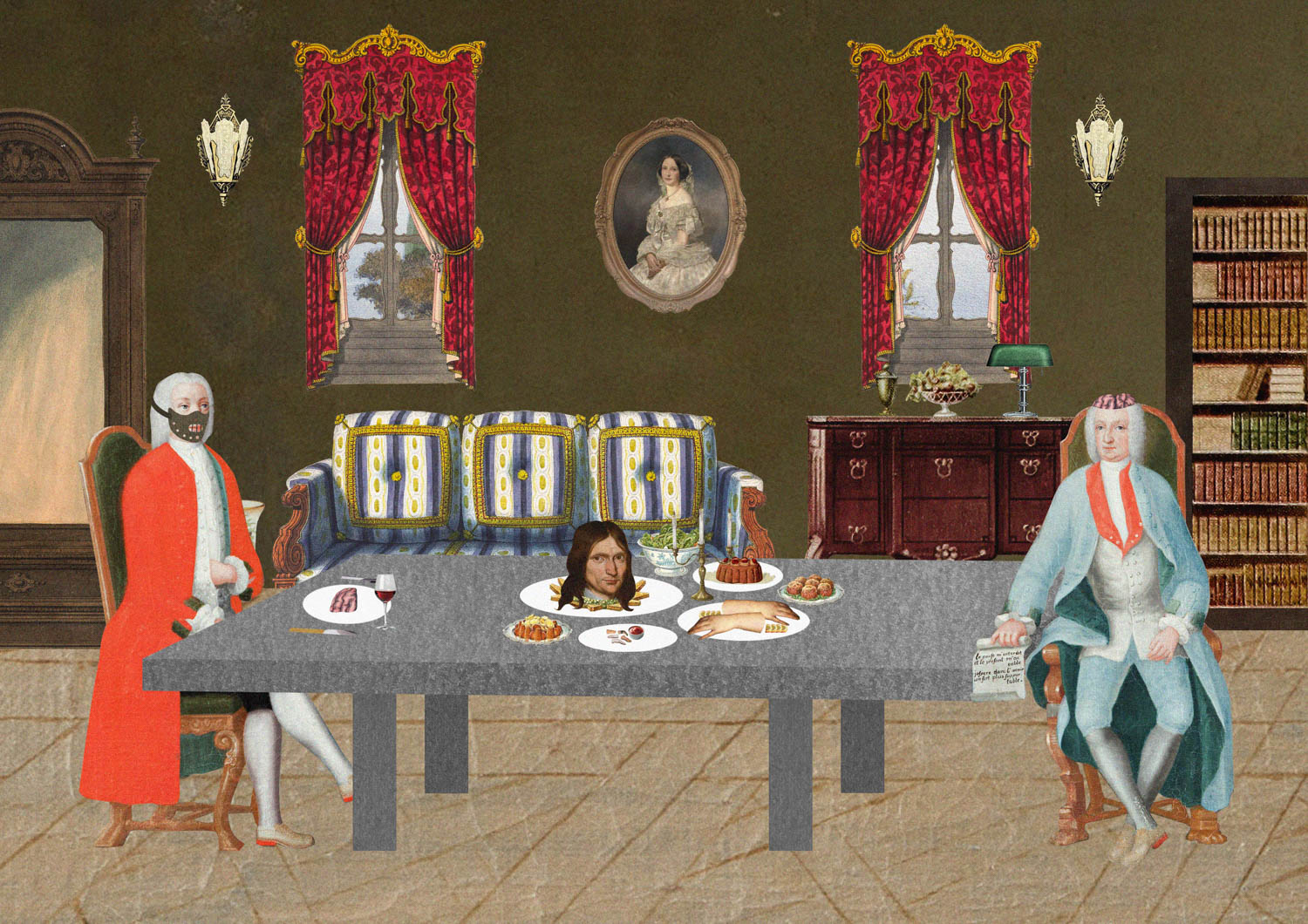
art4d: When making a collage, how do you judge whether the elements work together or whether something still feels unresolved?
TT: It depends on whether I’m satisfied. If I look at it and think, ‘Okay, I’m happy with this,’ then it is finished. But if I feel there is still more I could do, I keep adding things until I’m satisfied. I mostly rely on my own instincts.
art4d: So the final decision depends entirely on you? You don’t send the work to other people for their opinions?
TT: Yes, it’s entirely up to me. I used to ask different people, especially my friends, whether they thought a piece was good enough. They would usually say something like, ‘Just do whatever you like. If you’re happy with it, then it’s finished. Don’t overthink it.’
There’s no need to be afraid of whether other people will like the work. It is enough that I like it myself.
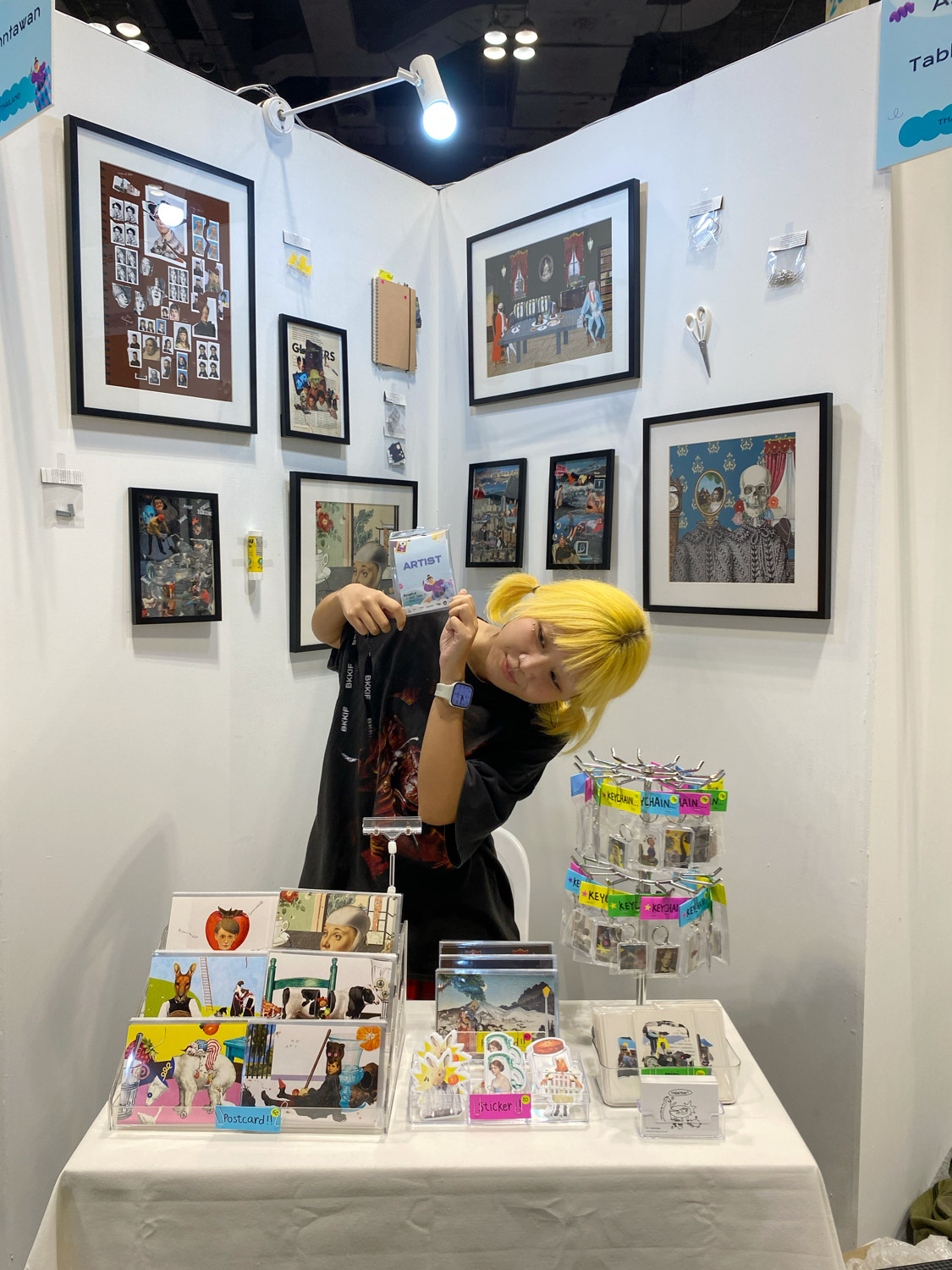
art4d: Moving on to BKKIF 2025, how would you describe your experience of as a participant at the event?
TT: Last year was really great. At first, I was worried because I was new to the experience. I had never had a booth or taken part in anything like that before. BKKIF is also quite a large event, with all kinds of media representatives walking around, so I was secretly pretty nervous.
But the response turned out to be far better than I expected. So many people came over and said hello. Some told me where they had first encountered my work or that they had followed my work across different platforms before coming to see me there.
I also met other artists exhibiting nearby, made new friends, and received so much encouragement. It was an experience that really warmed my heart.
art4d: How did the sales go?
TT: They went well. Almost everything sold out. Everyone was lovely and came over to talk, so I was happy.
At first, I worried about whether I would sell anything because I’m not very good at talking, especially with strangers. But everyone who came over was so nice that I ended up feeling at ease too.
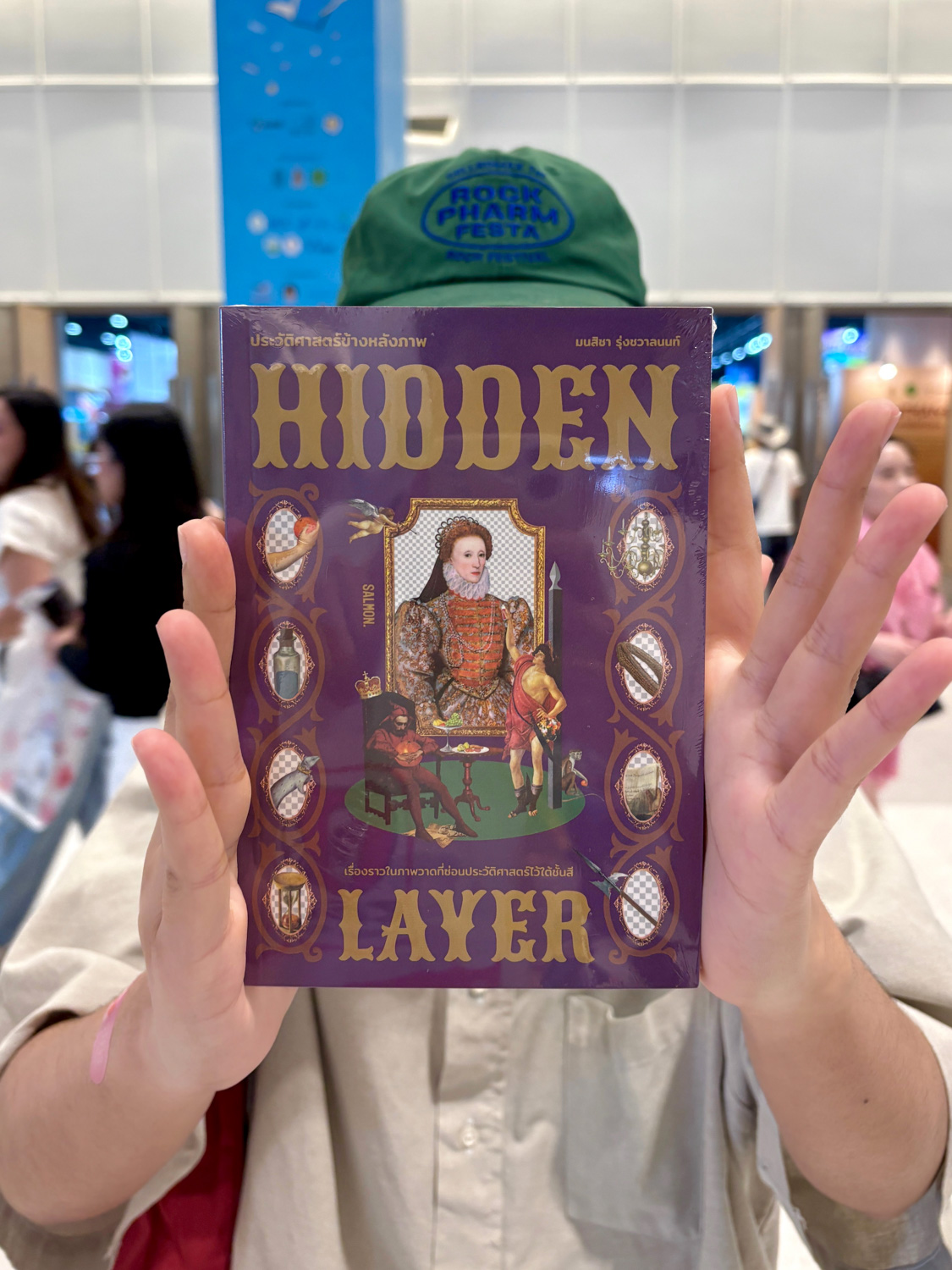
art4d: We understand that you also received a Reward from a publishing house. Could you tell us about that experience?
TT: I was actually very excited when I received the brief because designing a book cover had always been one of my dreams. When I first received the material, though, my mind went completely blank. I had to keep rereading everything they sent me until I understood it. I read it so many times.
It also took quite a while to find images that matched what I had in my head. Along the way, I worked through revisions with the publishing team. We kept trying this and that until we eventually arrived at the final design.
It was a really good experience—exciting and very challenging. It was also the first book cover I had ever designed.
art4d: What was the decision-making process like? Earlier, you said that you normally make decisions entirely by yourself, but this was a more commercial project. How did you navigate the process and approach the work?
TT: I was a little worried while working on it. I kept wondering whether the publisher would be okay with what I made. They had said that they wanted something that reflected my own identity, and when they saw the work, they were happy with it. There were just a few adjustments to make the final design more complete and more suitable for printing as a book cover.
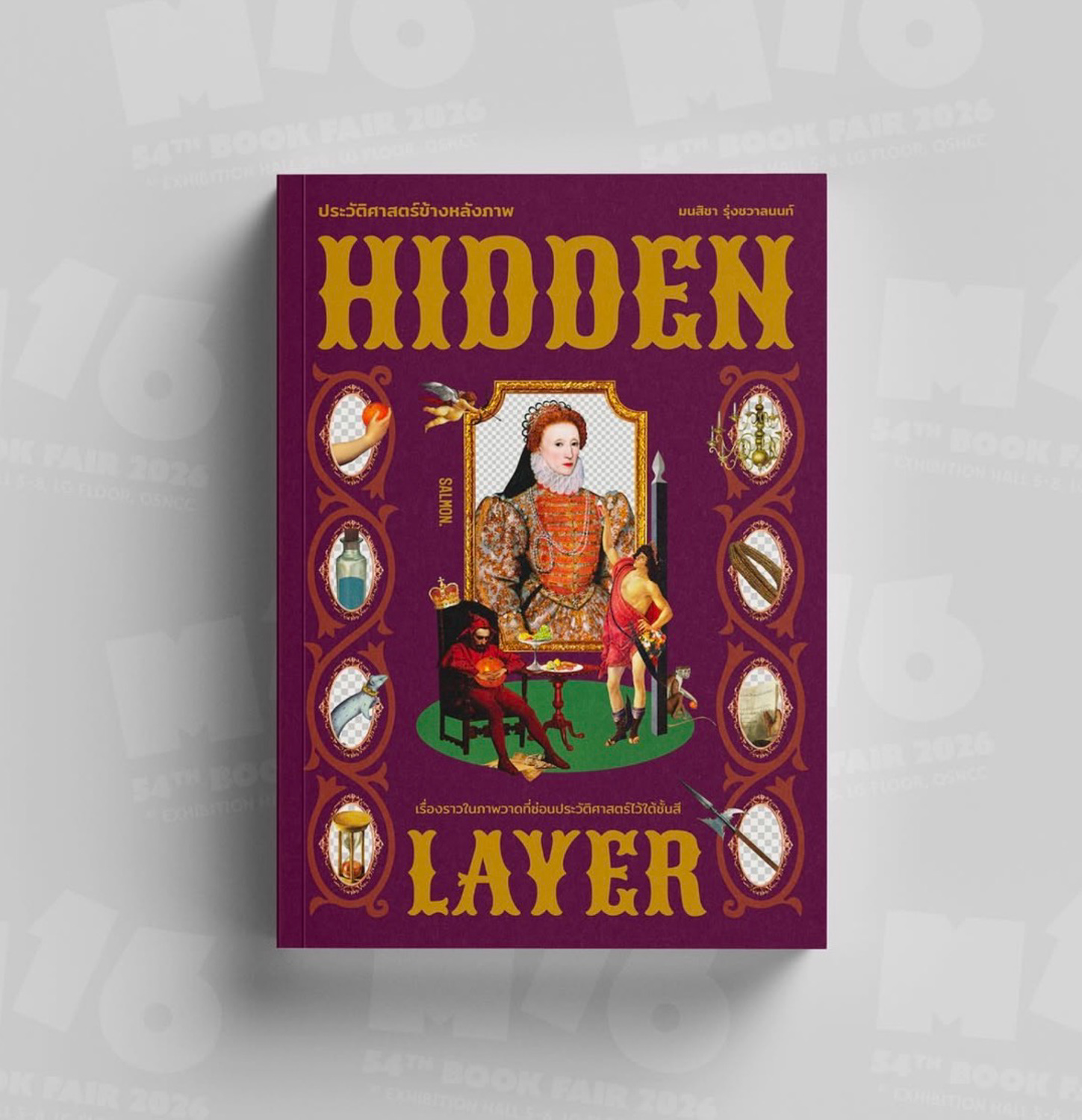
Photo courtesy of Salmon Books
art4d: Who did you communicate with while designing the cover?
TT: I think they said it was a graphic designer from Salmon Books, and the author also helped in reviewing the work.
art4d: You usually work according to your own mood and process. For this book cover, how many rounds of interpretation did it take before you reached the final design?
TT: I remember reading and interpreting the material over and over again. The brief asked me to draw out symbols from each chapter and bring them forward on the cover. So I kept reading and gradually extracted visual elements from the book one by one. Then I searched for images and asked myself whether this image could connect with that one, how they might relate, and what would happen if I placed them together. I would try arranging them, send the design over, and wait for feedback. There was quite a lot involved. I remember reading until my eyes were about to explode.
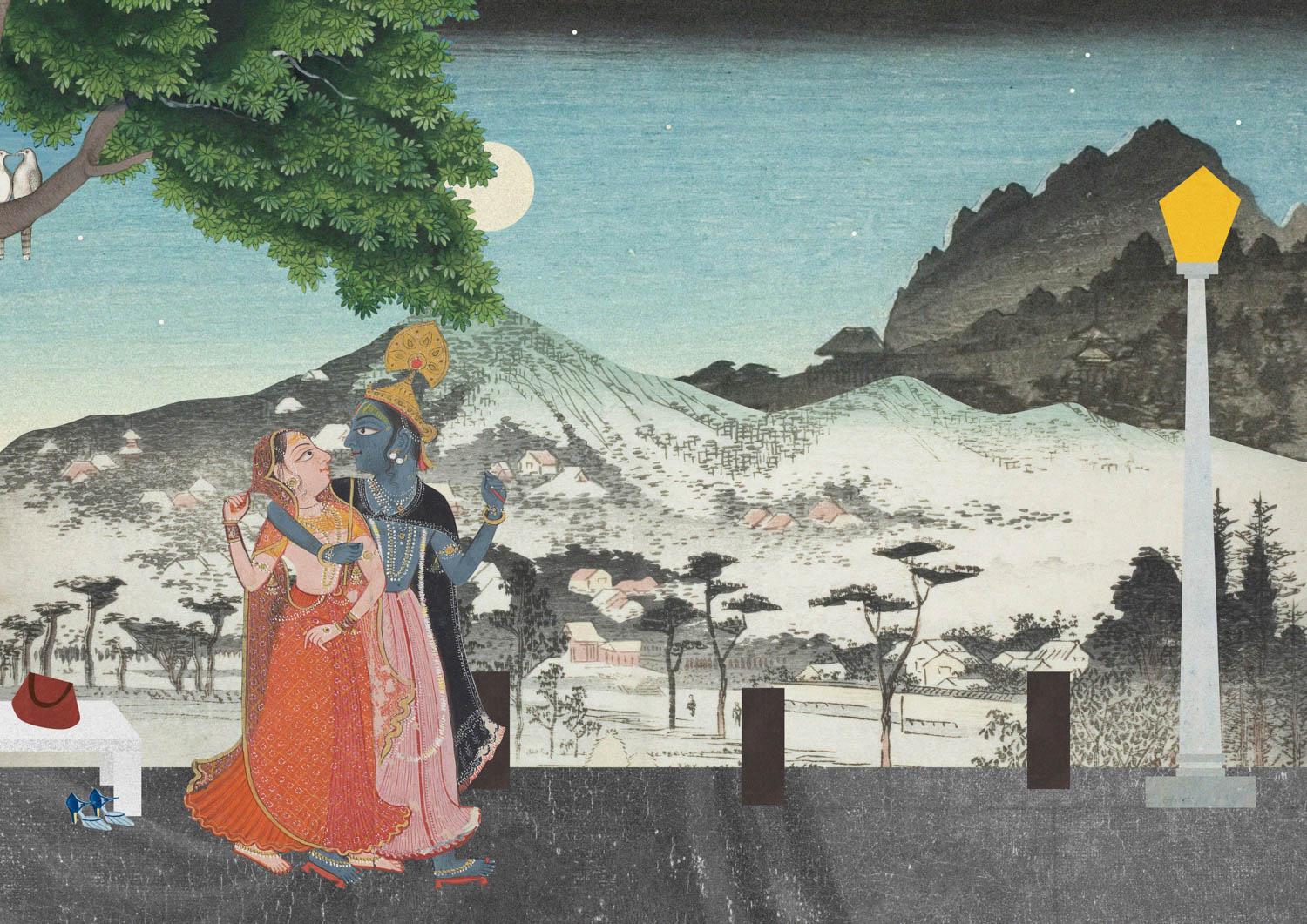
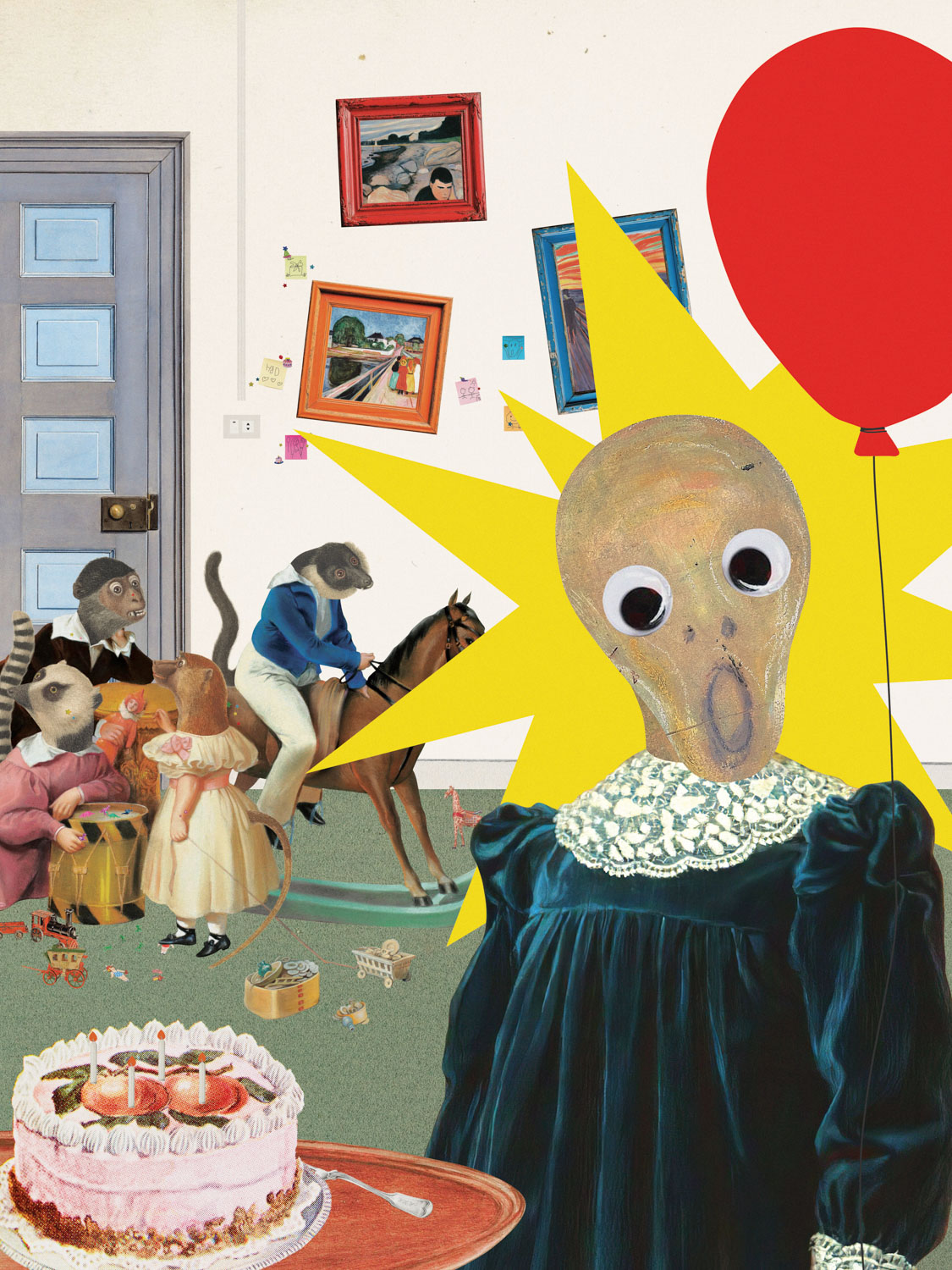
A lovely Night, (2024)
art4d: What do you think Tableteee’s work will look like in the future?
TT: I think I’ll continue working according to my own feelings. But in the future, I also want to try challenging myself by making work that pushes me beyond my comfort zone. I’m very afraid of empty space in my work. I don’t like compositions that feel too open or contain too few elements. As soon as I see an empty area, I feel as though I have to find something to fill it.
In the future, I would like to try making work with fewer elements and experimenting with really bold colors. I want to see what my work might look like if I step outside what I’m familiar with.
art4d: Looking at your work over time, we feel that the compositions have already begun to contain fewer elements. Do you think it has become easier for you to manage empty space?
TT: I’m not sure whether there is really less going on. I think there are probably slightly fewer elements than in my earlier work, though not dramatically fewer. I’m trying to simplify some of the details. I just don’t like empty space, you know? When an area is empty, it feels as though the work isn’t finished. But now I want to try making something that looks a little more minimal.
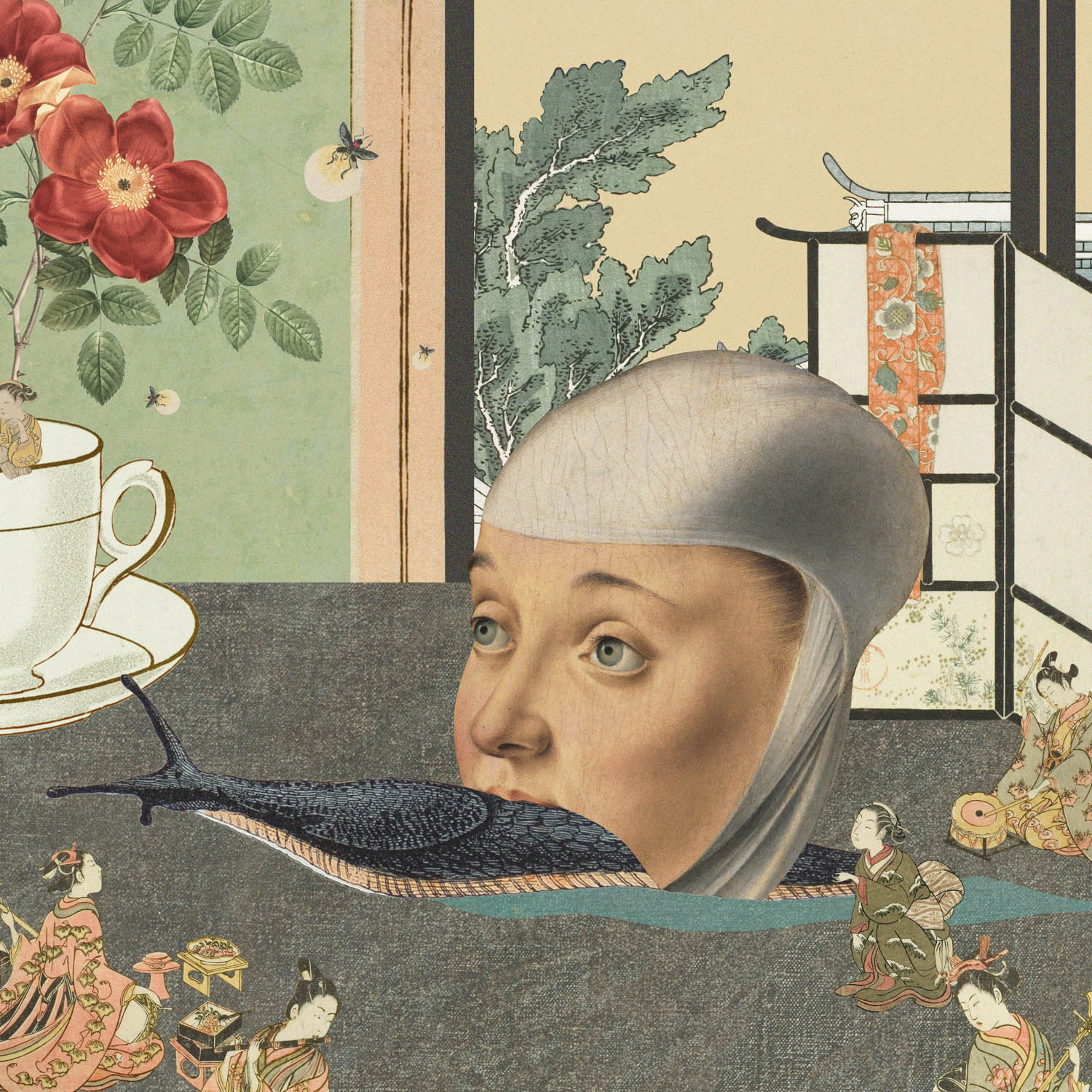
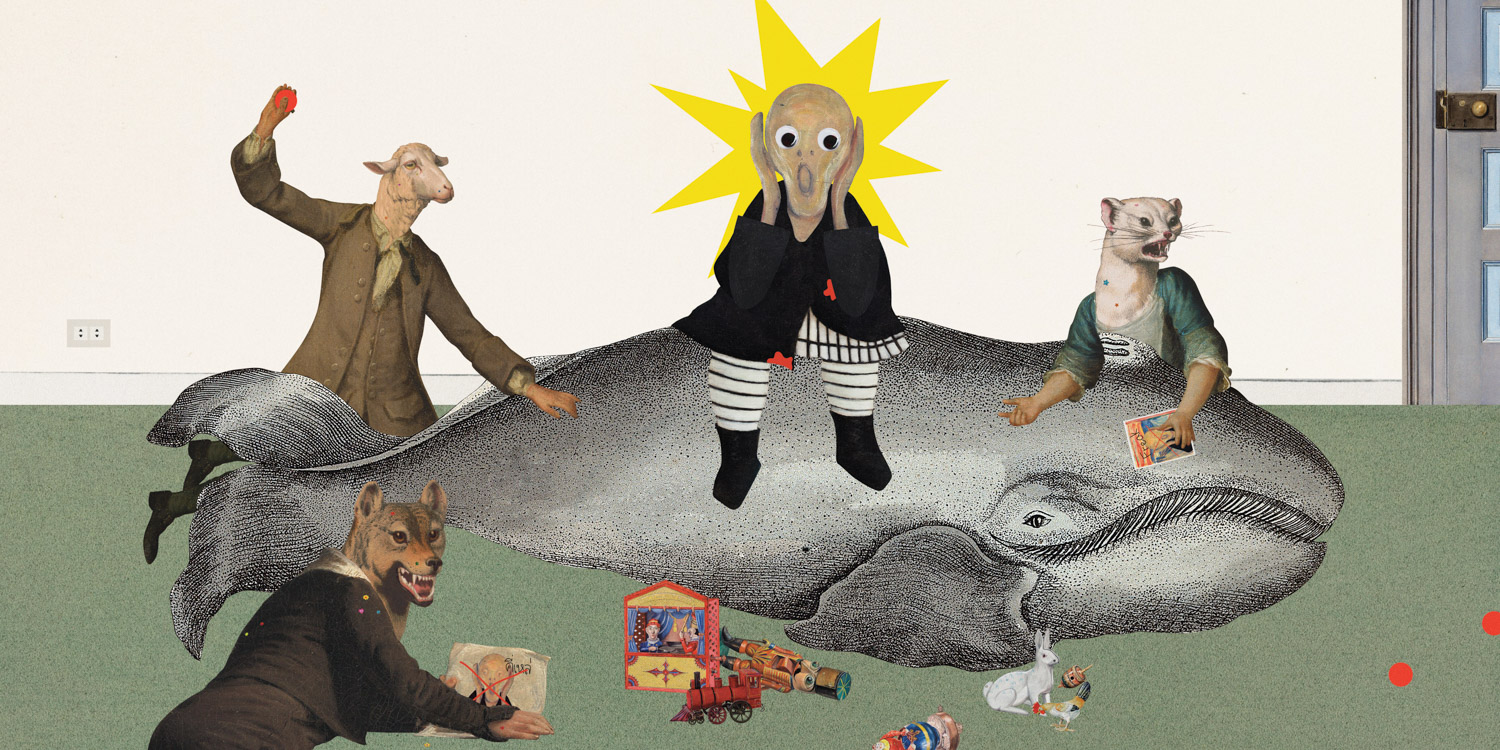
Slug girl, (2024)
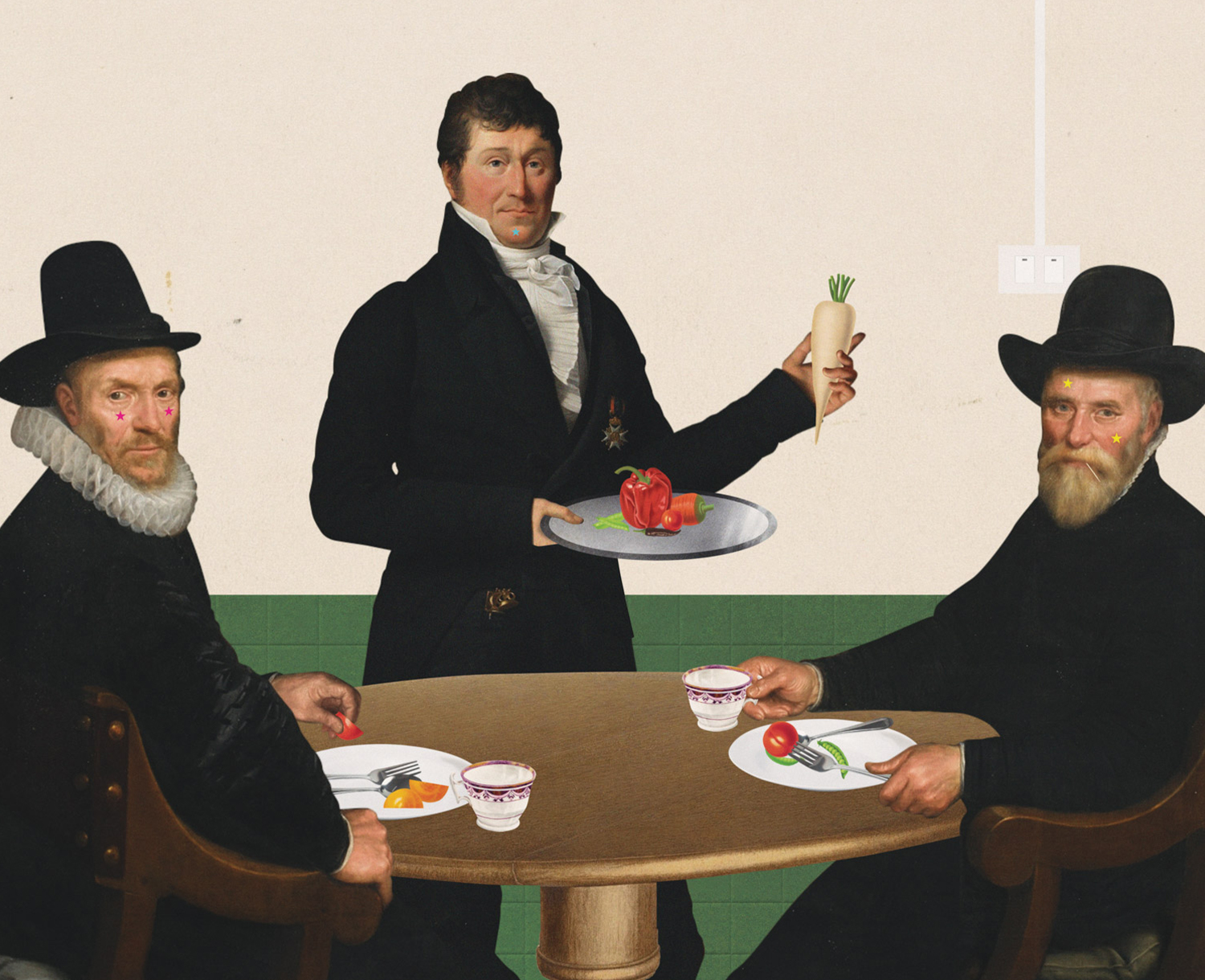 Share a bite, (2026)
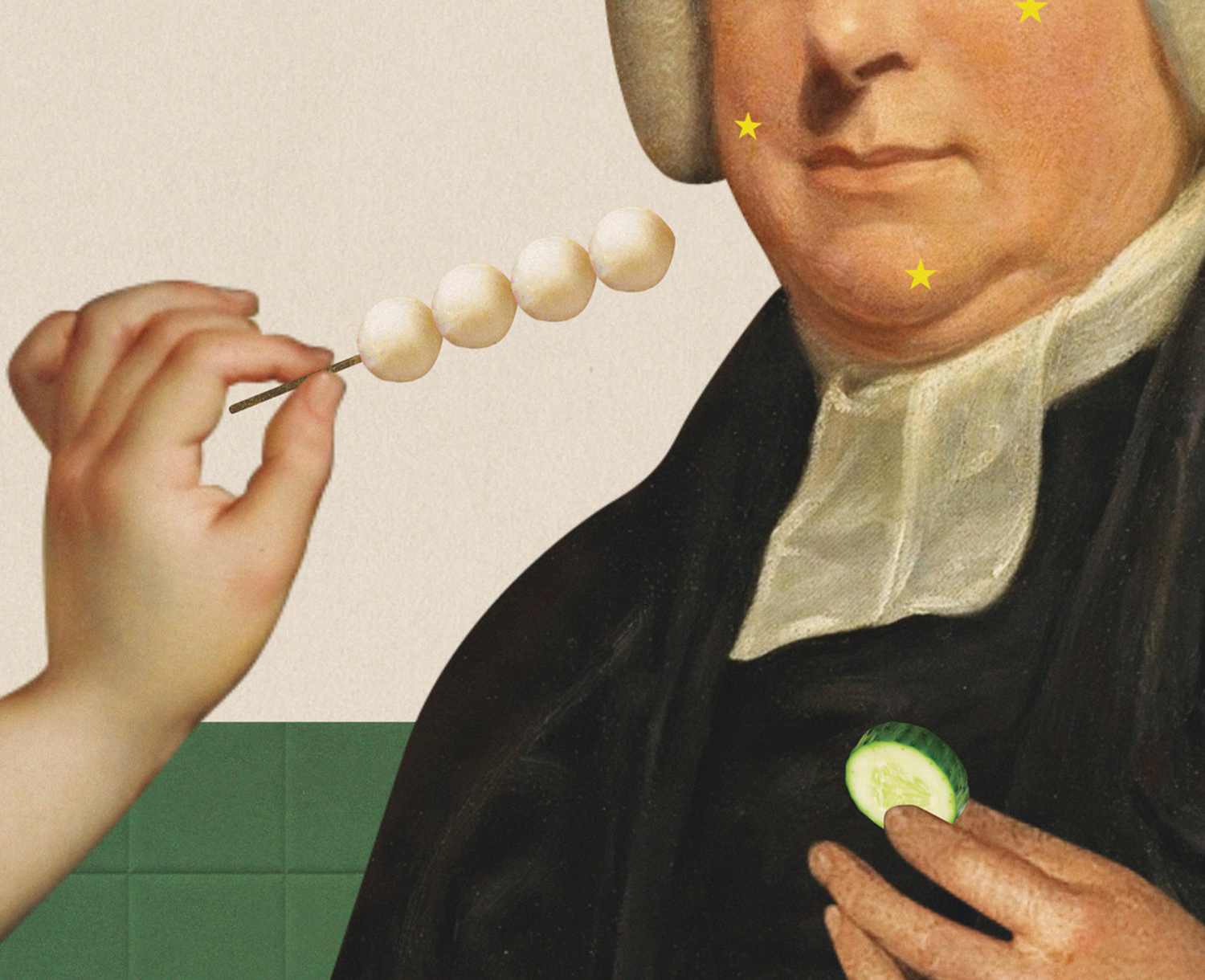
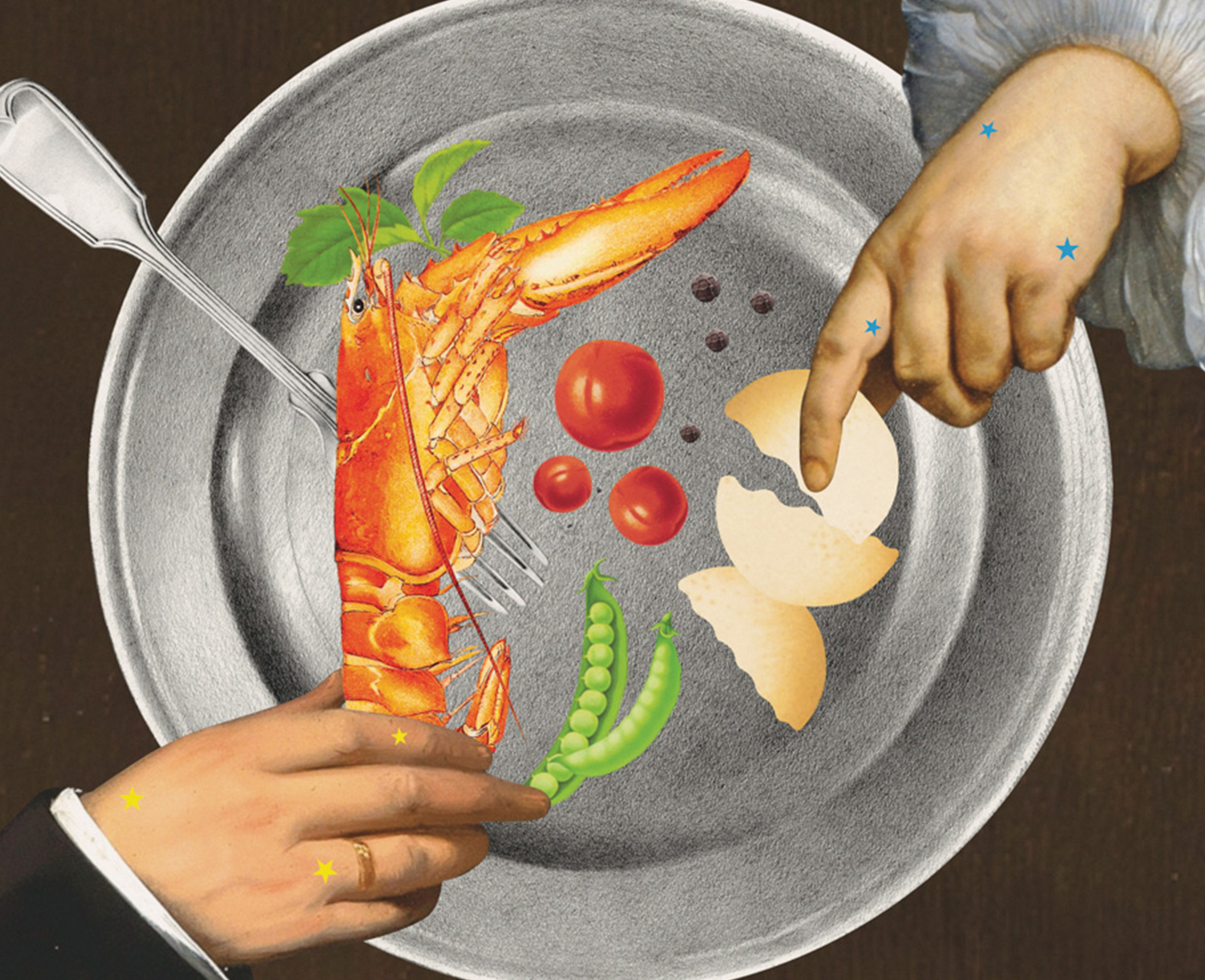
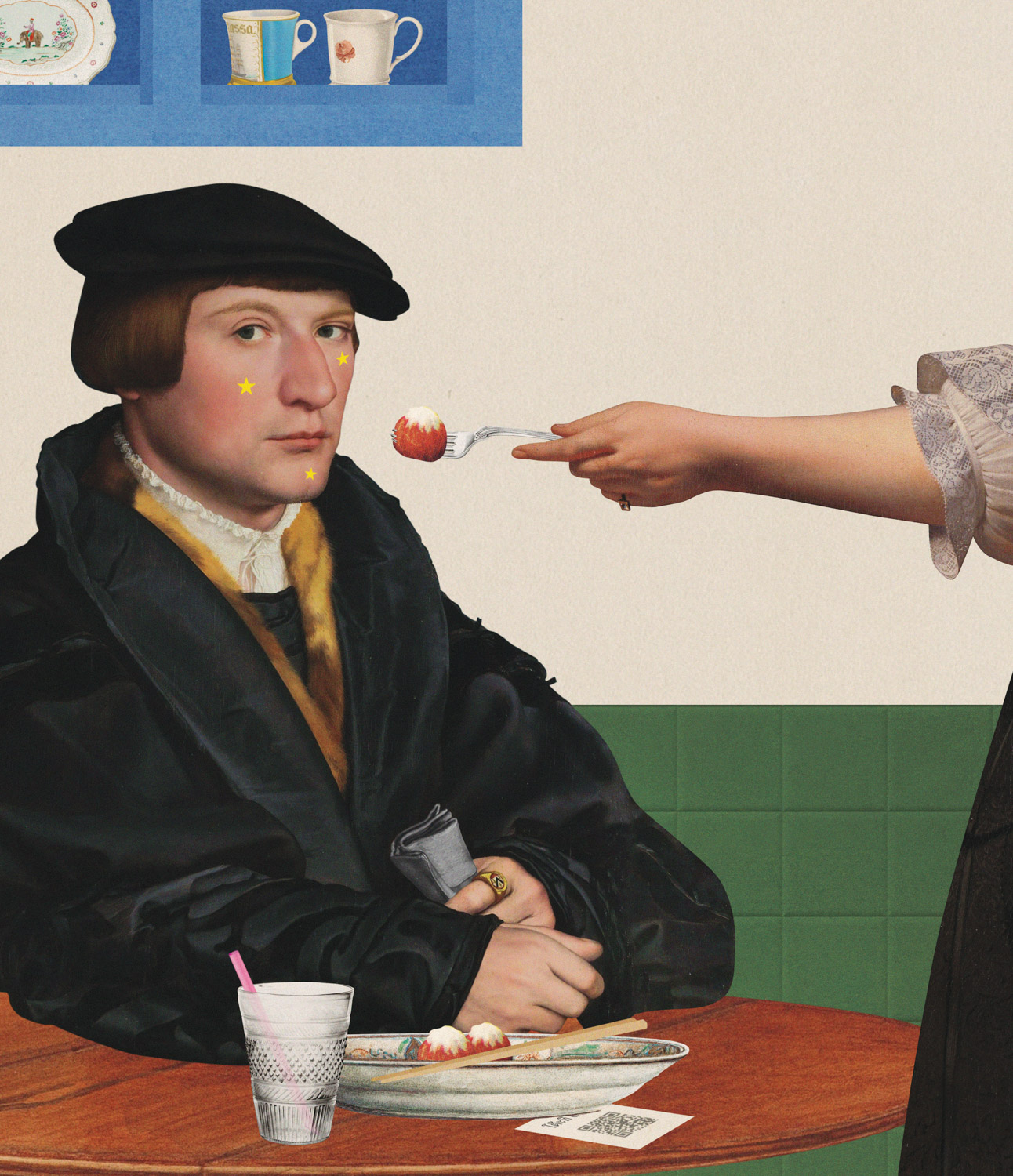
Share a bite, (2026)
art4d: Looking more closely at works such as slug girl from 2024 and share a bite, which you posted on August 18 this year, there appears to be a shift toward using compositions with more negative space.
TT: I’m trying. Even though there’s still a voice arguing inside my head, saying, ‘Add more, add more,’ I’m trying to hold back.
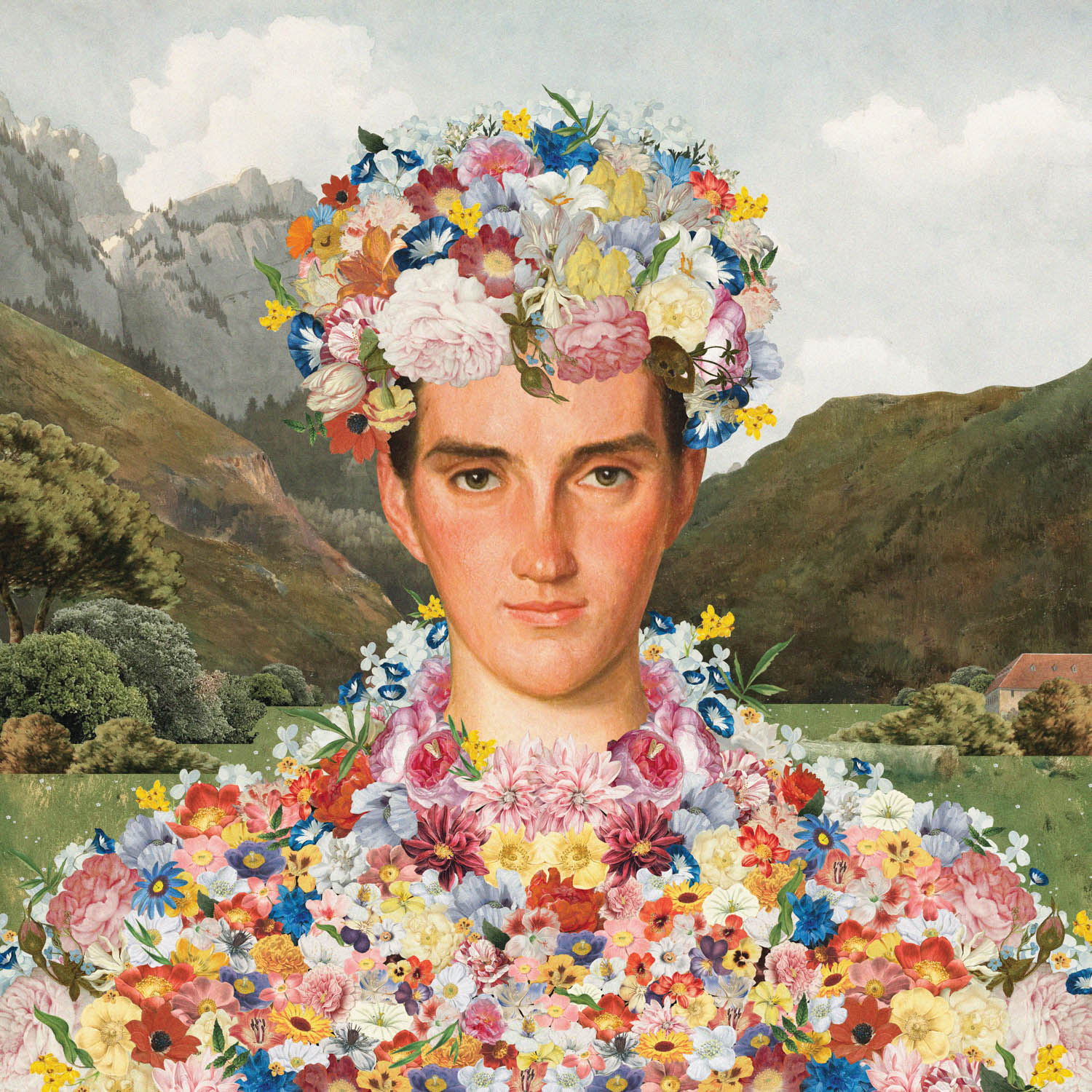
Midsommar 2019, (2026)
art4d: What future projects should we look out for?
TT: At the moment, this is probably the longest break I’ve taken. A lot of things have been happening, and I haven’t had as much free time as I did last year. But I think that once things settle down, I’ll probably set up a booth or participate in some events next year.
As for the longer-term future, I would like to experiment with motion and bring my images to life through movement. I want to explore motion design because I think seeing my work come to life through movement could be interesting.
I also want to make a zine using analog collage. There are still so many other things I would like to try, although I can’t think of all of them right now. Motion and zines are the two main things I want to explore.
art4d: We look forward to seeing them.
TT: We’ll have to see when I finally find the time. I have so much work at the moment. Somehow, everything is piling up all at once.
art4d: Finally, what would you like to say to people who are just beginning to make collages? How should they approach their journey as artists?
TT: I want them to have much more confidence in their own work. If there is something you want to make, just make it. Don’t worry about how this person or that person might perceive your work.
Put as much of yourself into it as you can. That way, you can truly enjoy what you love doing.