
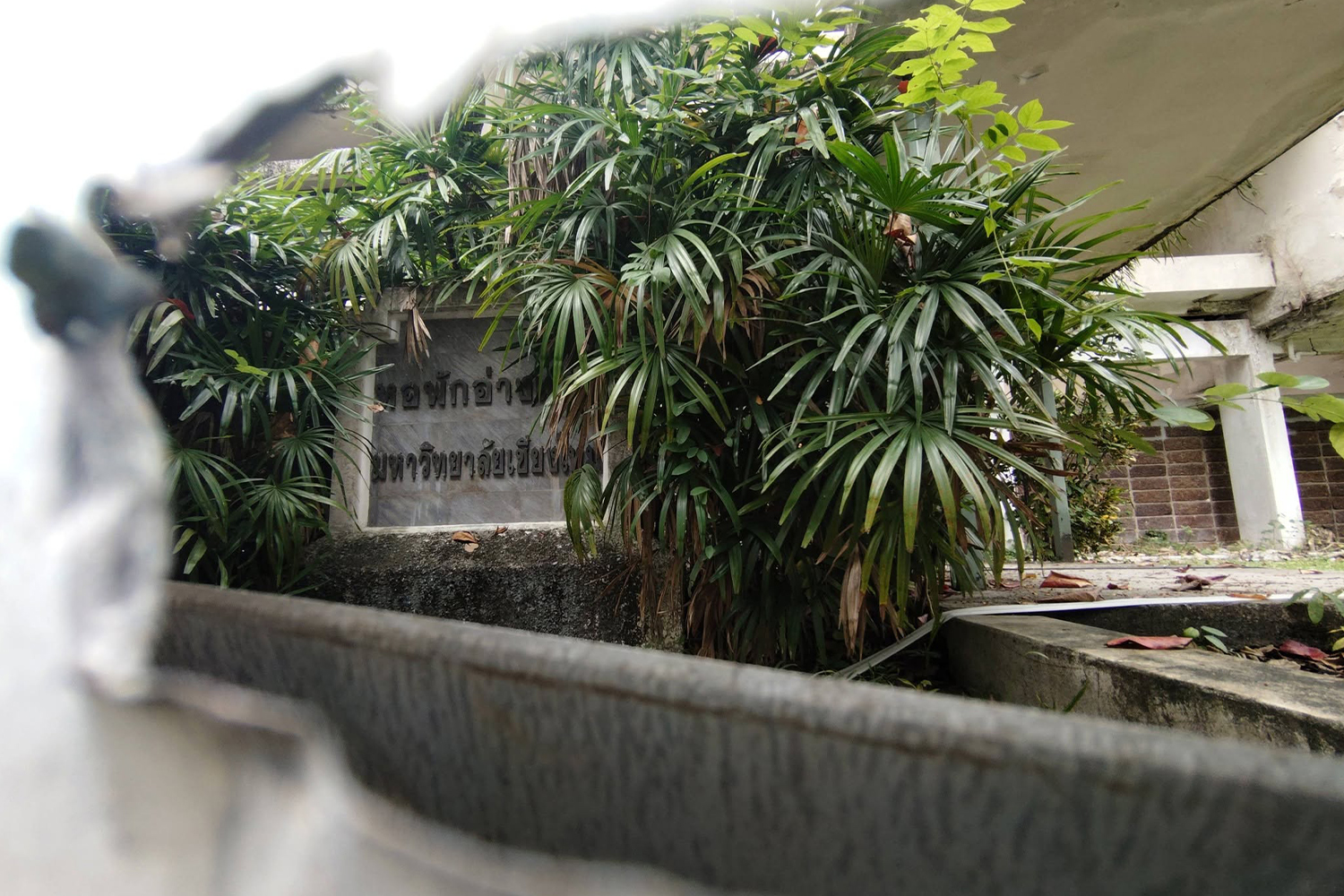
WHEN ANG KAEW DORMITORY WAS DEMOLISHED: DECODING THE VALUE OF THAI MODERNIST ARCHITECTURE, A CRISIS OF TRANSPARENCY AND THE DEMAND FOR CLARITY, AND ARCHITECTURE AS ‘PUBLIC ART’
TEXT: THAN DEESAMER
PHOTO: NICHAKORN TUALAMOON EXCEPT AS NOTED
(For Thai, press here)
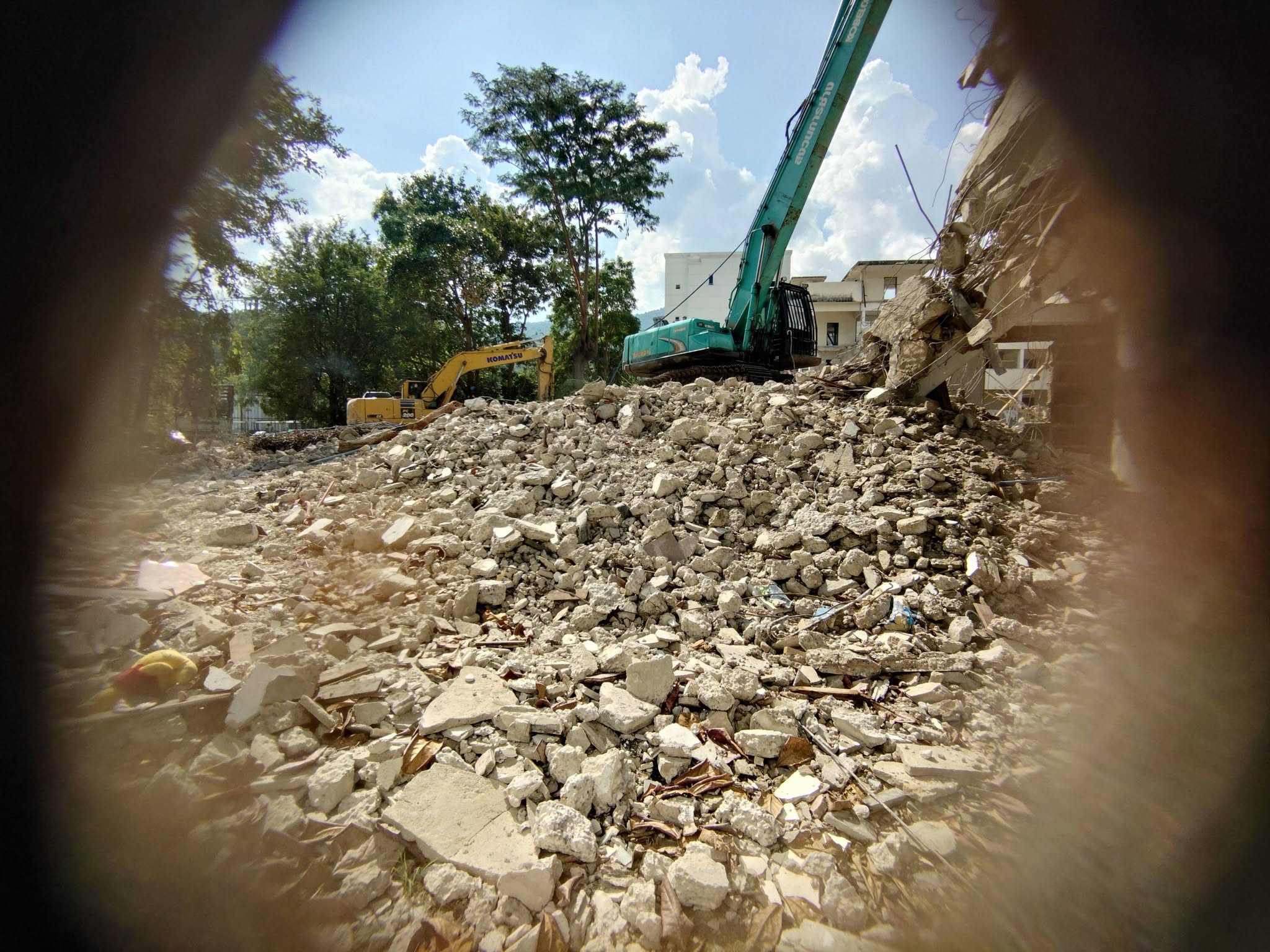
At approximately 3:00 a.m. on October 4, 2026, roads surrounding Ang Kaew Dormitory at Chiang Mai University were closed as heavy machinery moved into the area to demolish the building. The incident once again sent shock waves through the architectural community and society at large.
The destruction of a significant building under the cover of darkness prompted more than grief over the loss of Thailand’s modern architectural heritage. It also raised urgent questions about the transparency of the decision-making process and the university administration’s willingness to listen to academic voices from within the university itself—an institution that should serve as a model of openness and reasoned decision-making.
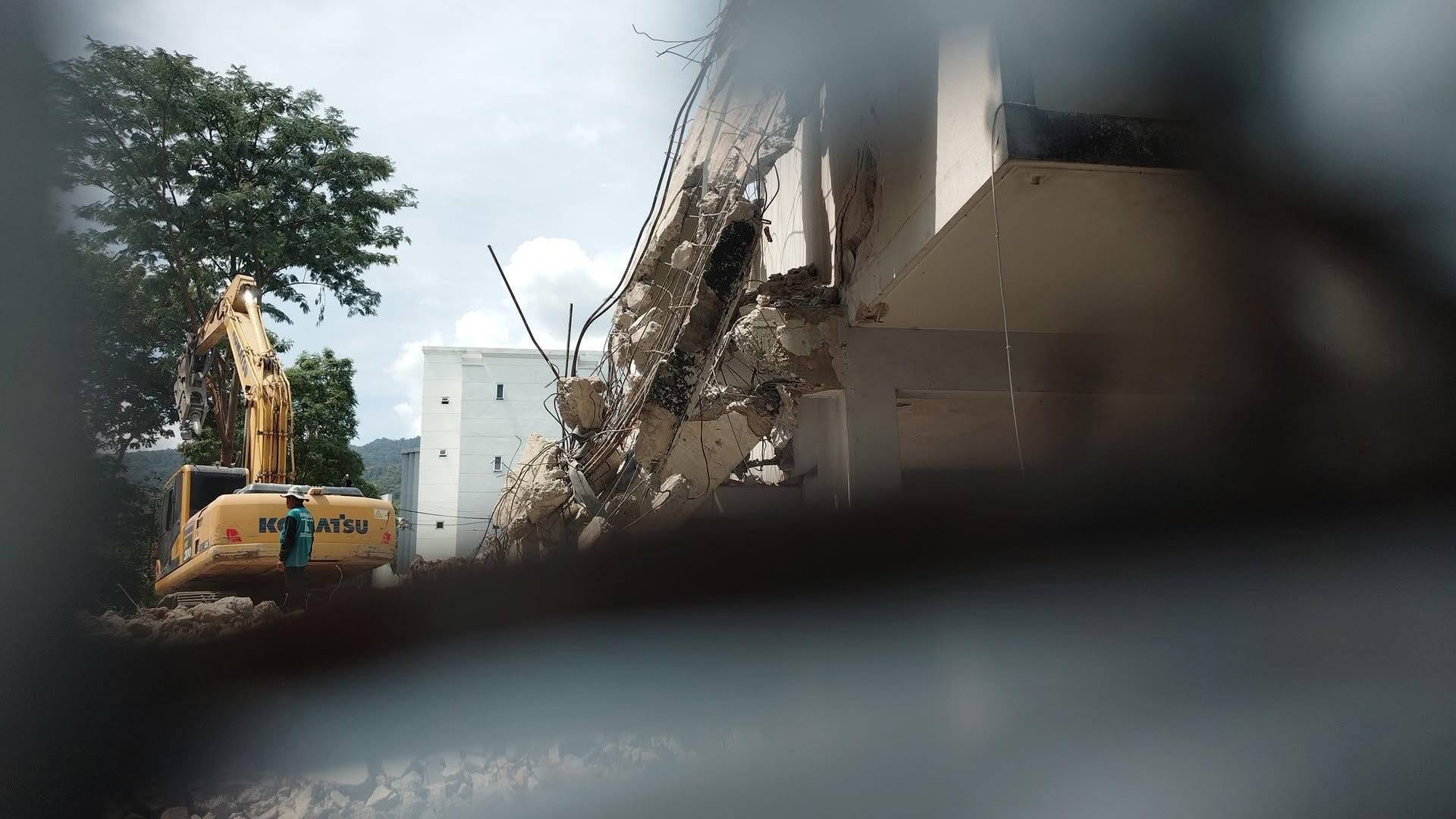
This was not simply the demolition of an old building to make way for something new. It was a wound that exposed a broader crisis in how Thailand recognizes the value of its mid-20th-century architectural heritage, as well as the limitations of a society that has yet to regard architecture as ‘public art.’
In response, art4d invites readers into a conversation with three faculty members from the Faculty of Architecture at Chiang Mai University. Together, they examine the significance of Ang Kaew Dormitory, the university’s decision-making process, and one question that remains pressing: How can architectural value be preserved when ‘development’ itself becomes the justification for loss?
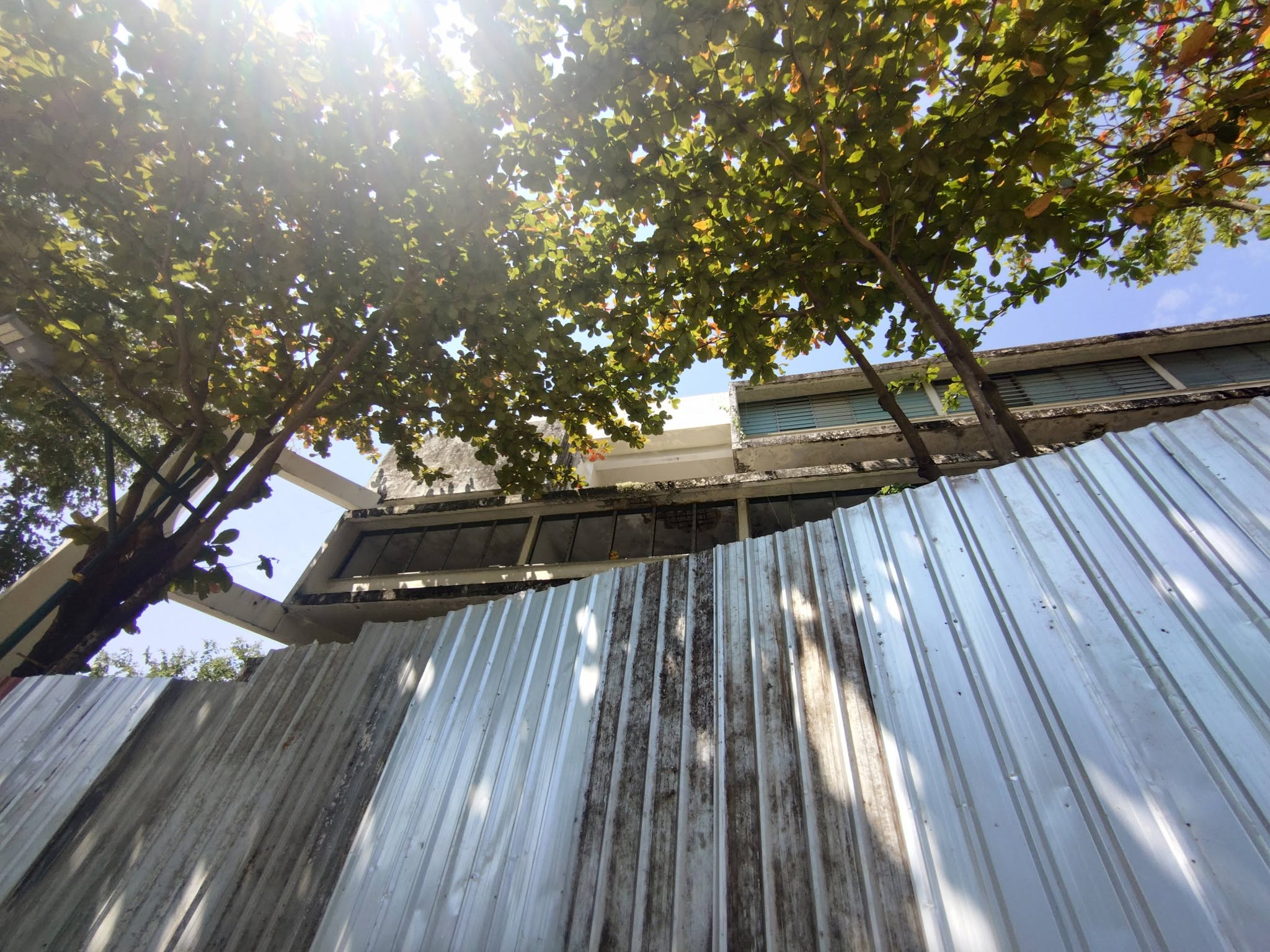
1. An Overlooked Piece of History: Modernist Architecture in 1960s Chiang Mai
Discussions of Chiang Mai’s architectural history have long been dominated by notion of ‘Lanna’ identity. Consequently, modern architecture from the late 1950s and 1960s has frequently been overlooked, often dismissed as being too far removed from what is perceived as authentic Lanna architecture. In reality, the architecture of this period marks a critical chapter in the city’s transformation, particularly in the development of educational institutions. This trajectory began with the expansion of missionary schools, followed by institutions such as The Prince Royal’s College and Yupparaj Wittayalai School, before culminating in the establishment of Chiang Mai University.
Amid widespread disappointment within the architectural community following the university’s decision to demolish Ang Kaew Dormitory, Associate Professor Dr. Sant Suwatcharapinun of Chiang Mai University’s Faculty of Architecture offered the following perspective:
“These concrete buildings are part of this place and its historical transformation, particularly the architecture of the 1960s. Are we really going to say that none of it has architectural value or deserves to be recognized?”
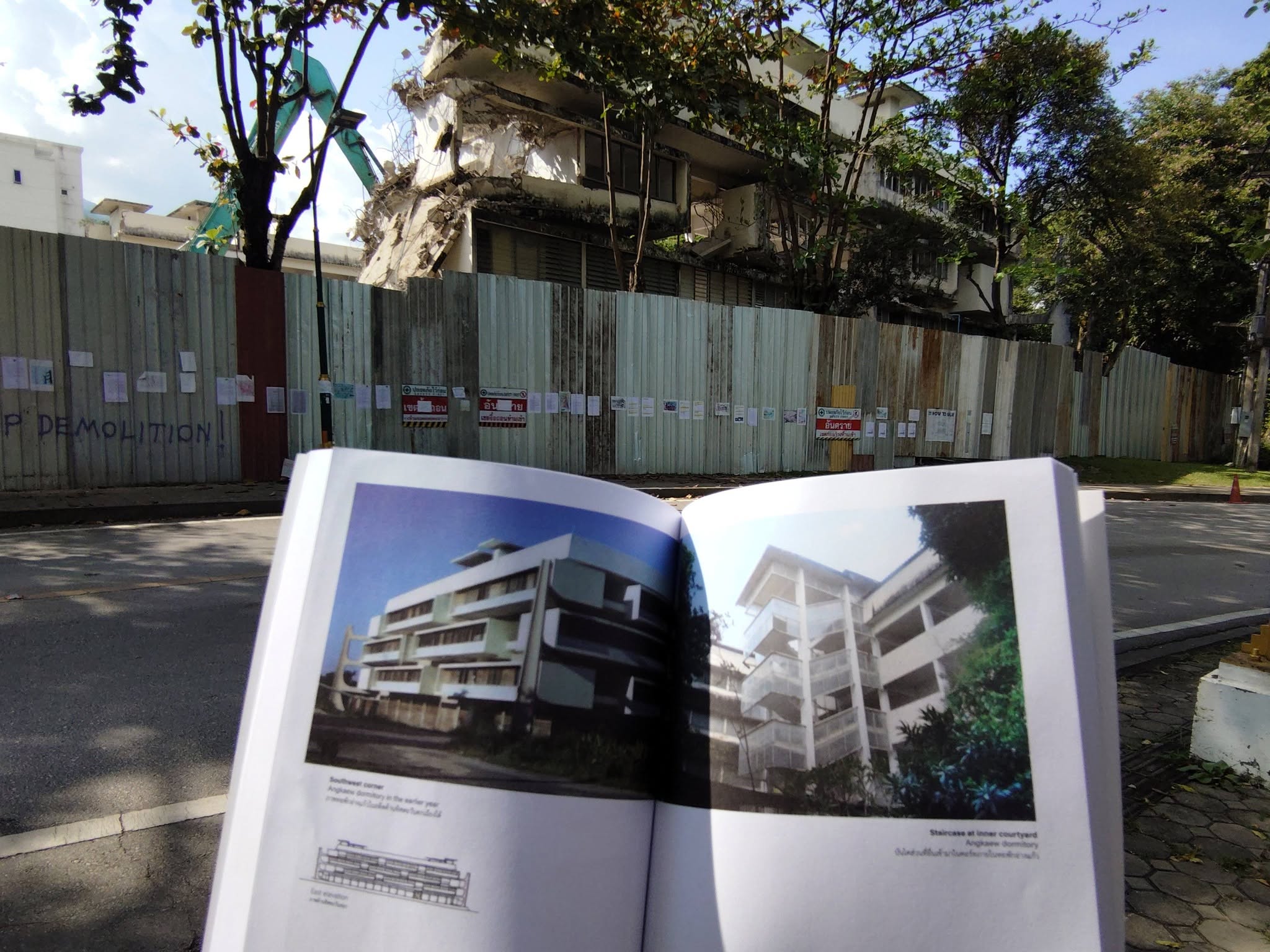
During Chiang Mai University’s formative years, its distinctive architectural language was shaped by Amorn Srivongse, who worked alongside engineers including Professor Emeritus Dr. Arun Chaiseri. Although Amorn did not graduate from an architecture school, he grew up in a family involved in the construction business, giving him a strong understanding of building techniques and construction processes. His work was therefore less constrained by conventional architectural thinking, allowing him to deeply explore structural experimentation and the principle of Form Follows Function. Examples include the thin-shell structure of the ‘Pumpkin Building’ at the Faculty of Science, Prince of Songkla University; the space-frame structure at Chiang Mai University’s Faculty of Engineering; and the waffle slab at its Faculty of Social Sciences, which allowed for column spans of nearly 10 meters. Each project brought function, form, and structure together as an integrated whole.
At Ang Kaew Dormitory, this architectural value was clearly expressed through its structural frame and plug-in box system. Its plan centered on an open courtyard that admitted space, nature, and views of Doi Suthep with considerable intelligence. The design remained relevant decades after its construction. Moreover, the dormitory’s precast concrete walls retained considerable strength, presenting clear potential for adaptive reuse or regenerative approaches to the existing building. The building could have been converted into a public facility, a hotel, or an activity space connected to the view overlooking Ang Kaew Reservoir.
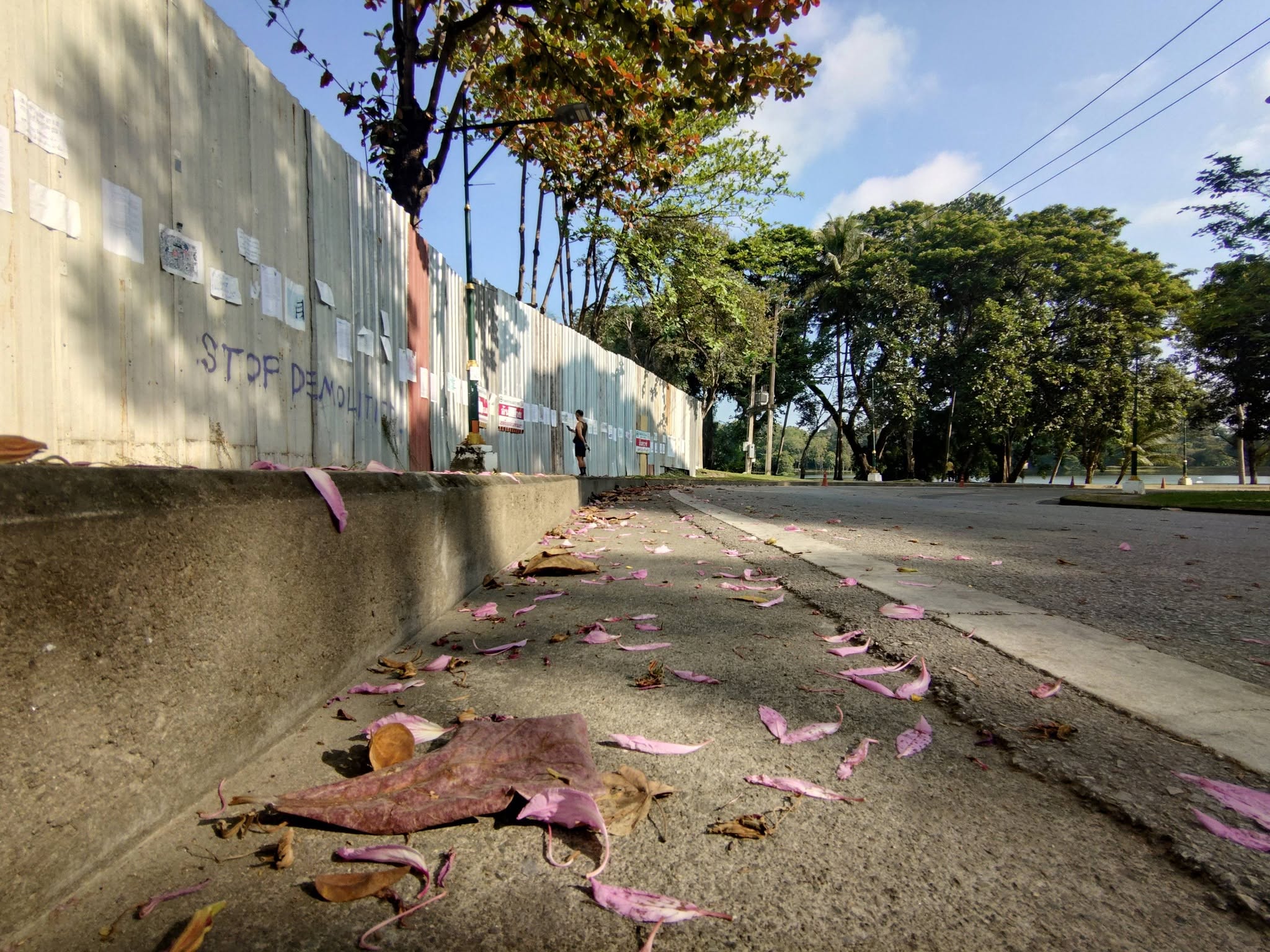
Sant concluded his discussion of the design by underscoring the spatial potential that has now been irretrievably lost:
“That site overlooks Ang Kaew Reservoir. It is the best possible location. The building could have been converted into a hotel or public park, or its ground level could have been opened up so that the spaces flowed into one another. There was so much that could have been done. The university had simply decided that it would be demolished.”
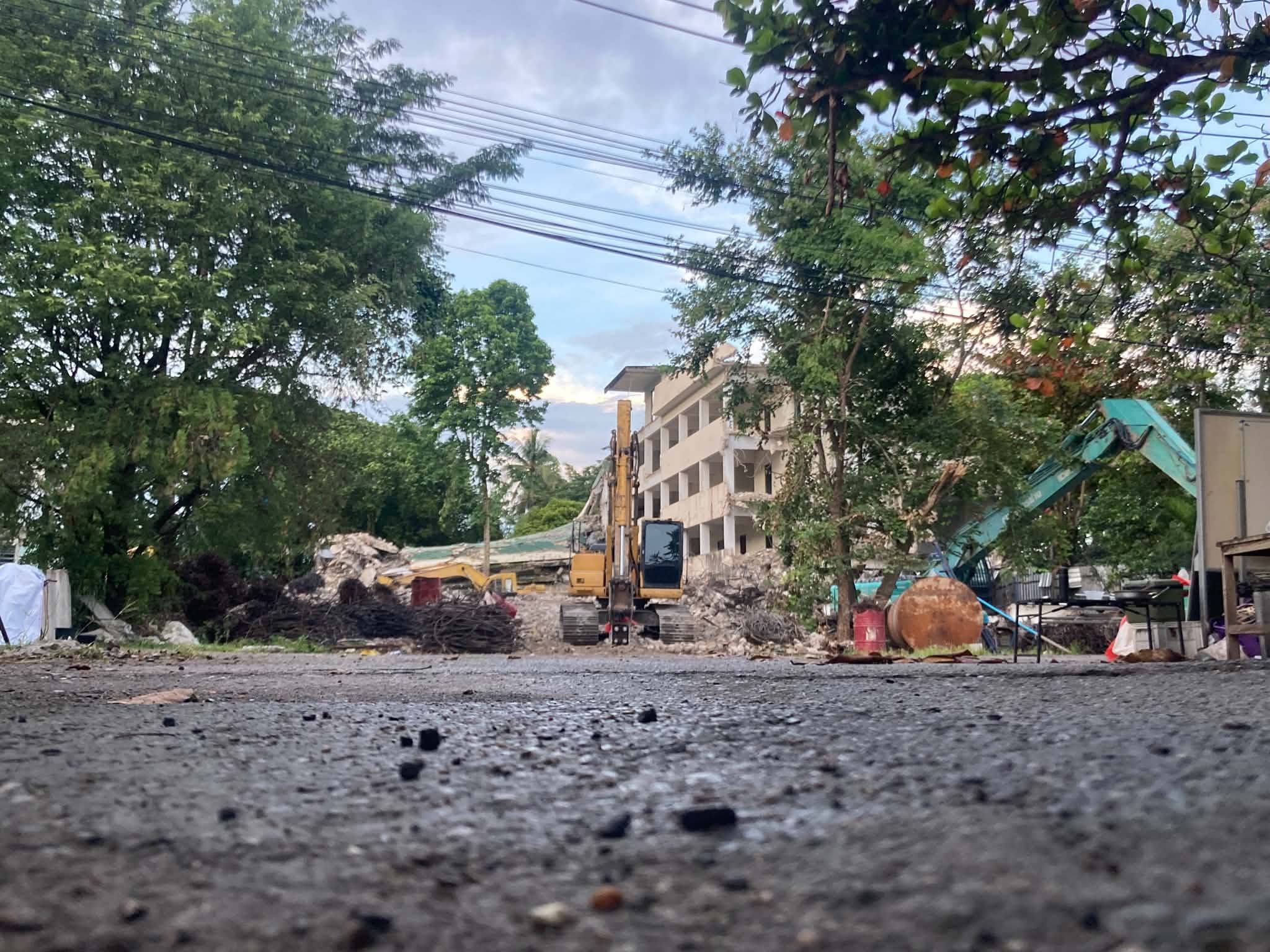
Photo: Natladaporn Sansanasuphaphong
2. A Crisis of Transparency and the Ethical Responsibilities of an Educational Institution
What made the demolition of Ang Kaew Dormitory so contentious was not only the loss of the building, but also the ‘decision-making process’ pursued by the Chiang Mai University administration. Amid the architectural community’s disappointment, the administration asserted that the building was unsafe. Yet no engineering analysis, numerical findings, or statistical evidence was publicly disclosed to support this claim. This stood in direct contradiction to the principles of transparency that the university regularly promotes as part of its institutional identity.
Sant addressed this contradiction directly:
“University policy endlessly emphasizes transparency and accountability, yet the statements being made are not supported by any information or evidence. They say the building was unsafe—but where are the engineering figures and analyses? Why has none of that been presented? Not a word.”
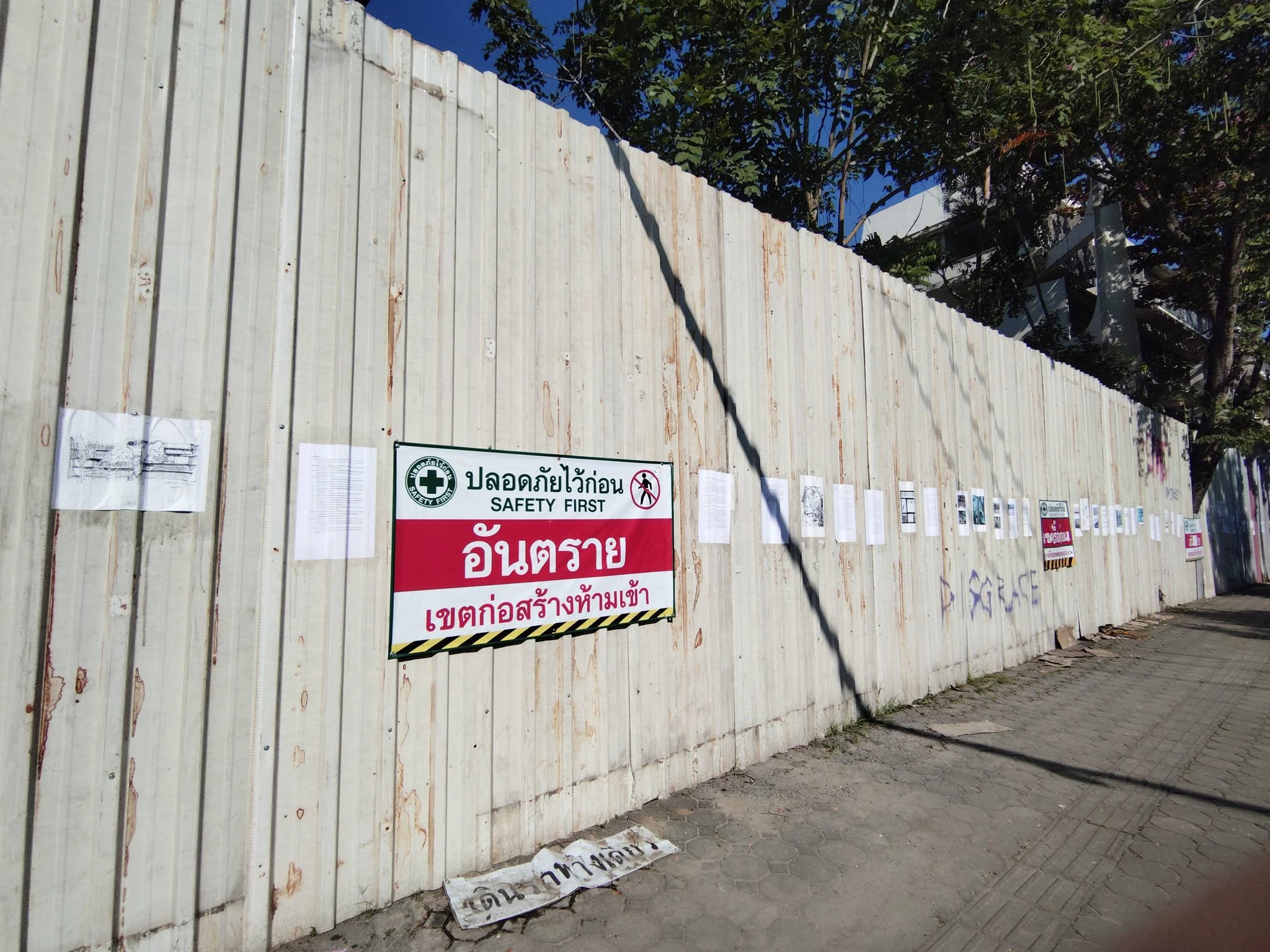
Rather than opening up the issue to the public consultation or academic debate, the university chose to remain silent. In response, members of civil society, together with Sant, conducted opinion polls and submitted three formal objections to the demolition. More than 2,600 people signed in support. Nevertheless, the decision remain unchanged, and demolition work began before dawn.
This silence, together with the refusal to engage in a participatory process, raises a serious ethical question concerning the role of an educational institution. art4d therefore spoke with another faculty member, Assistant Professor Dr. Pitchawut Virutamawongse of Chiang Mai University’s Faculty of Architecture, who posed a question that strikes at the heart of the issue:
“As academics and teachers responsible for passing knowledge on to our students, if the university refuses to study the building’s value or listen to academic voices, we are left with one fundamental question: ‘Then how are we supposed to teach our students?’”
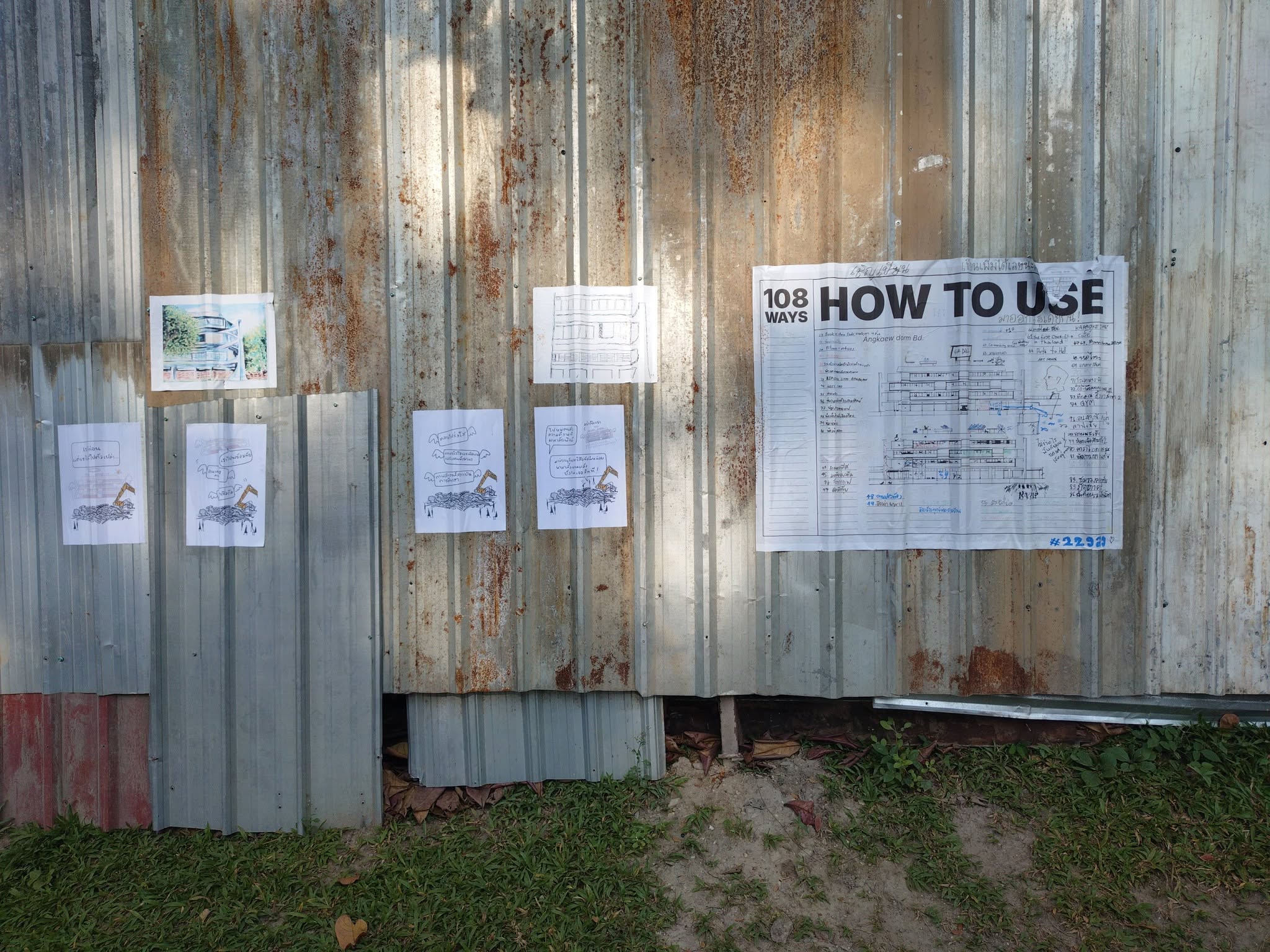
3. Architecture as Forgotten ‘Public Art’
Why could a work of modern architecture with national significance be demolished without greater resistance from the public?
The answer lies partly within the deeply ingrained patterns social thinking in Thailand, which tends to regard architecture merely as ‘real estate’ or as the private property of individual landowners. This view neglects architecture’s value as ‘public art’—an integral part that contributes to the history, collective memory, and aesthetic character of a city.
To explore the roots of this problem, art4d spoke with Taweesak Kaittiweerasak, a special lecturer at Chiang Mai University’s Faculty of Architecture. He traced the issue back to Thailand’s basic education system:
“People do not see architecture as a form of public art belonging to a community or a city. This is because the basic education system focuses almost exclusively on the fine arts, such as painting and sculpture, while architecture is barely discussed at all.”
As a result, when a significant modernist building is demolished, society tends to see only an ‘old building that has reached the end of its useful life,’ rather than recognizing the loss as the disappearance of the city’s cultural heritage.
The costly lesson left by the loss of Ang Kaew Dormitory makes one point unmistakably clear: ‘Conservation is not resistance to progress; it is an intellectual process.’ It is a measure of the intellectual maturity of both society and its institutions of higher education. Genuine development cannot be measured solely by the number of new structures erected to replace the old. It must also be measured by the ability to integrate knowledge and bring valuable heritage buildings back to life through carefully considered new functions. When a university abandons research and closes itself off to questions, dialogue, and engagement with academic and wider public voices, society loses not only its architectural heritage but also the opportunity to develop its collective understanding of architecture and the built environment.