OBSERVING THE LIFE OF AN ARCHITECT THROUGH THE STORY OF HAJIMI IN BRAND NEW LANDSCAPE BY YUIGA DANZUKA, WHERE ‘THE WORLD OF ARCHITECTURE IS NOT AN EASY ONE TO SURVIVE’
TEXT: RAN LIMTAWIN
IMAGE COURTESY OF SIGLO LTD.
(For Thai, press here)
We tend to recognize the architectural profession through a familiar image: black clothing, impeccably cut and worn with the quiet authority of those presumed to arbitrate beauty, or, more simply, to possess taste. Yet there is another image that is no less familiar: stories of working life within architecture, where the environment is often far from beautiful. Overtime becomes routine. Internships go unpaid. Office cultures extract perfection from their workers in the name of dedication and professionalism. In an era when AI has entered the discipline as a new accelerant, even tools designed to ease the workload have created another kind of pressure. They raise expectations and compress timelines, pushing architects to produce more, faster. A life spent continually trying to keep pace with the world can, almost imperceptibly, turn into accumulated exhaustion, until burnout arrives without one quite noticing it. The question that follows is therefore not simply what keeps people in this field moving, but what compels them to accept such strain in the first place. Is it a matter of professional values, social expectation, or is it, more fundamentally, a struggle to secure one’s own sense of worth and recognition?

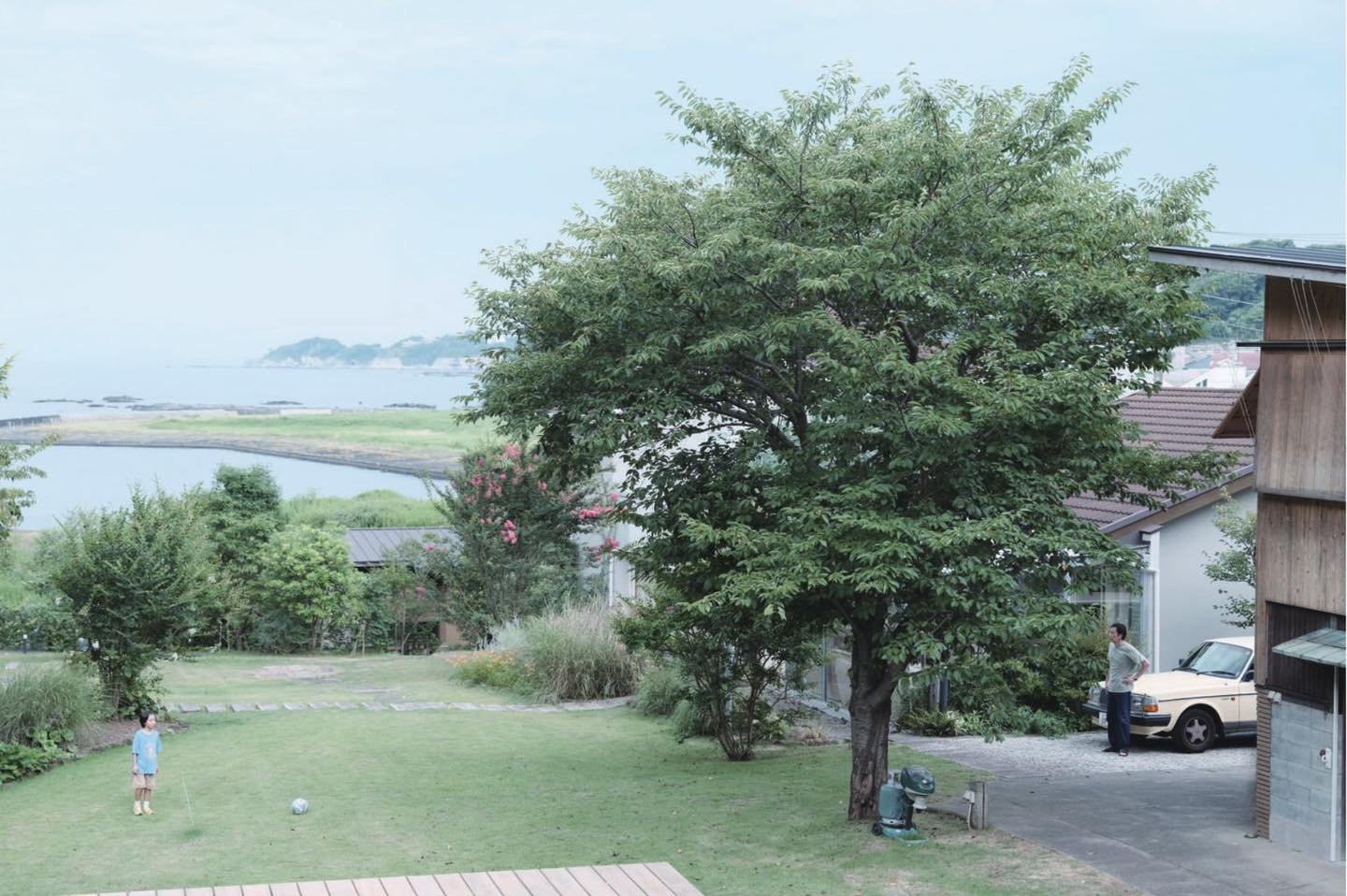
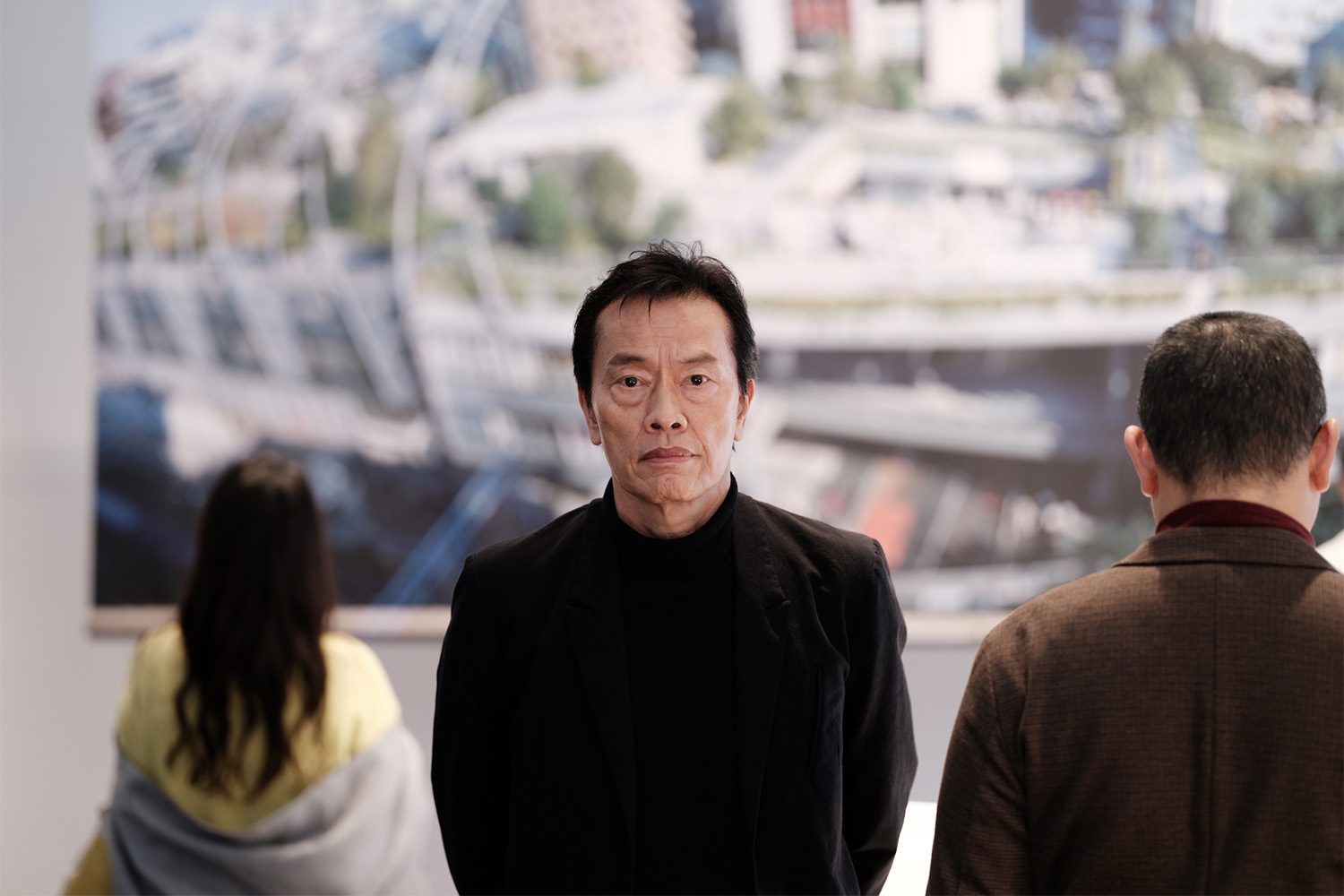
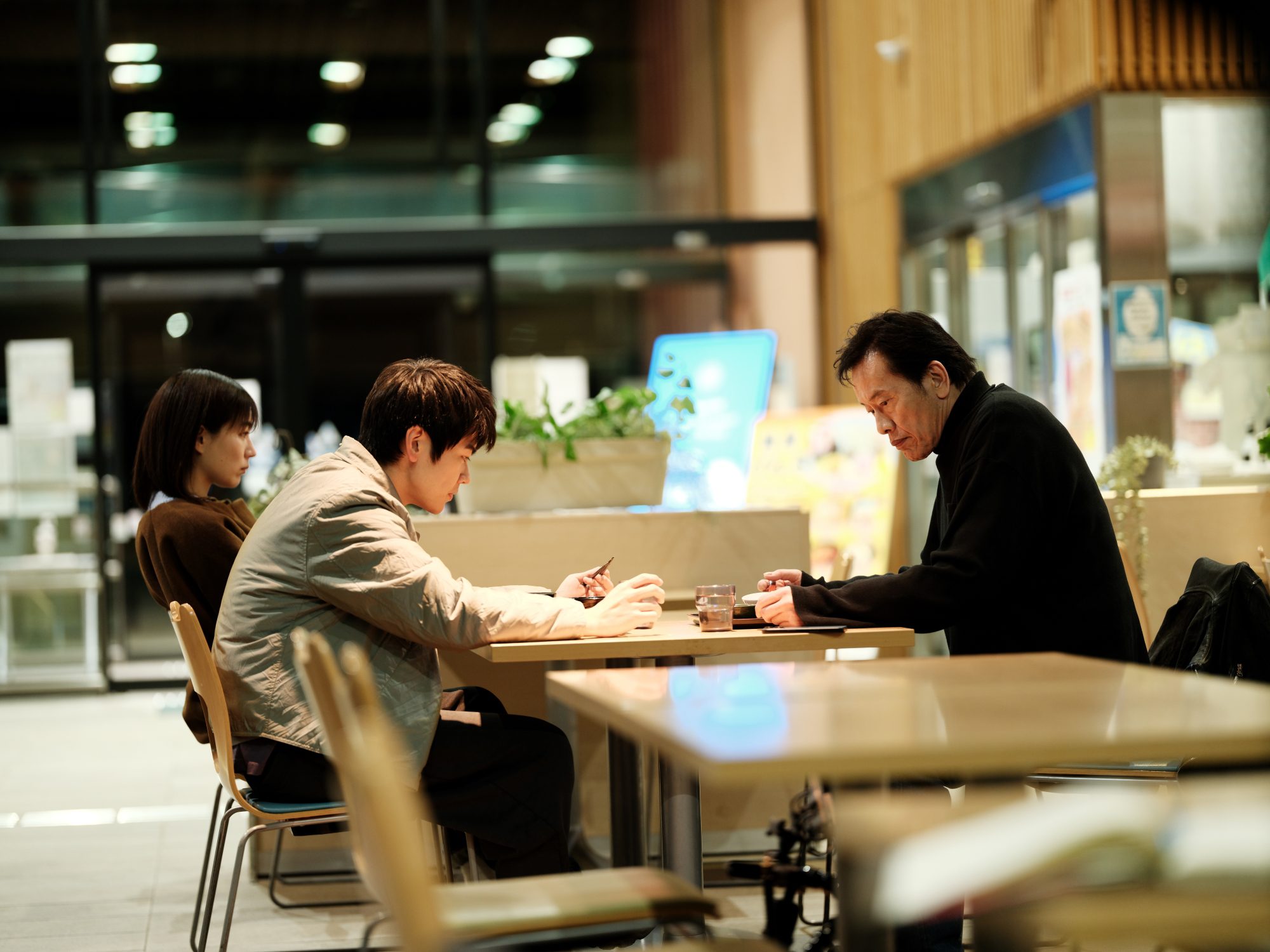
This year, one film has captured with unusual clarity the reality of life behind the curtain of the architectural practice. Brand New Landscape, the Cannes debut of 26-year-old director Yuiga Danzuka, follows the life of Hajimi, a man suspended between two parallel roles: architect and head of the family. At its center lies a difficult question: when hard work has become the only language of love he knows, can he still give his family the warmth they need? The film does not set out to condemn the stressful life of an architect as a failure. Instead, through a fictional story that feels uncomfortably close to the lives of many, it quietly reflects on a question that is rarely asked aloud.
At one point in the film, Hajimi says, “The world of architecture is not an easy one to survive.” The line confirms that he understands the severity of the system of which he is a part, and that he has chosen to remain fully inside it. The difficulty of the profession, then, is not simply a matter of money or numbers. It lies within his heart, which seems repeatedly drawn toward the work itself rather than the people around him. Hajimi is neither visibly wounded nor melodramatic. He is simply a working man who has given everything he can from where he stands, designing and delivering peaceful spaces for others to inhabit. Yet his fixation on ordering every element to perfection leaves him with little room within himself to recognize the relationships inside his own home.

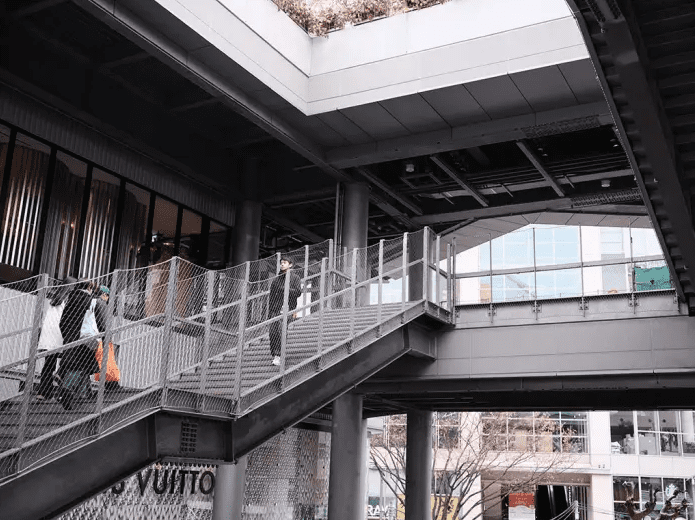
Viewed from a wider angle, the film also turns toward the scale of urban planning through Miyashita Park, a public space that stands as one of Hajimi’s defining successes. The project answers, almost flawlessly, to the desires of contemporary urban life and the interests of new capital. Yet the precision of this landmark sits uneasily with the serene ending we might have imagined. The more complete and orderly this public realm appears, the more it reveals something deeply ingrained in architectural culture: the tendency to celebrate commercial achievement while leaving the human dimension insufficiently attended to. This sense of isolation does not reside only in the finished project. It has seeped into the designer’s own behavior, to the point where it is no longer clear whether he is creating places for real life, or merely indulging a habit of controlling everything according to an image of his own making.
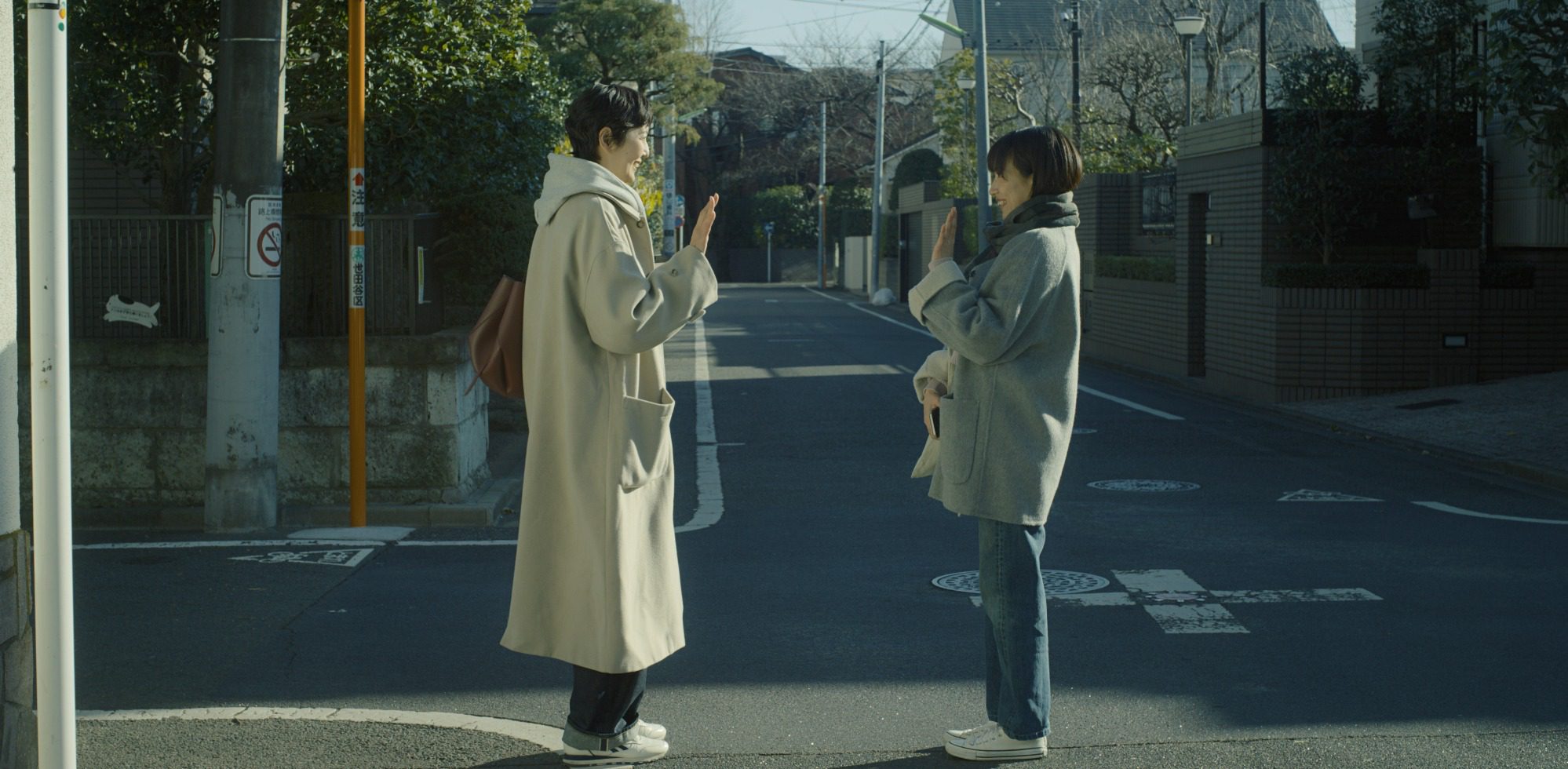
These frameworks of ‘power and order’ do not operate only within the work itself. They are woven, almost indiscernibly, into the architectural world, beginning with something as seemingly insignificant as the line, ‘Creative workers always have short hair.’ The phrase carries the implication of a social norm that everyone seems to recognize and, without much resistance, agree to follow. It is not a rule enforced through punishment. Rather, it is the sense of estrangement that emerges the moment one refuses to place oneself within those established codes or familiar images.
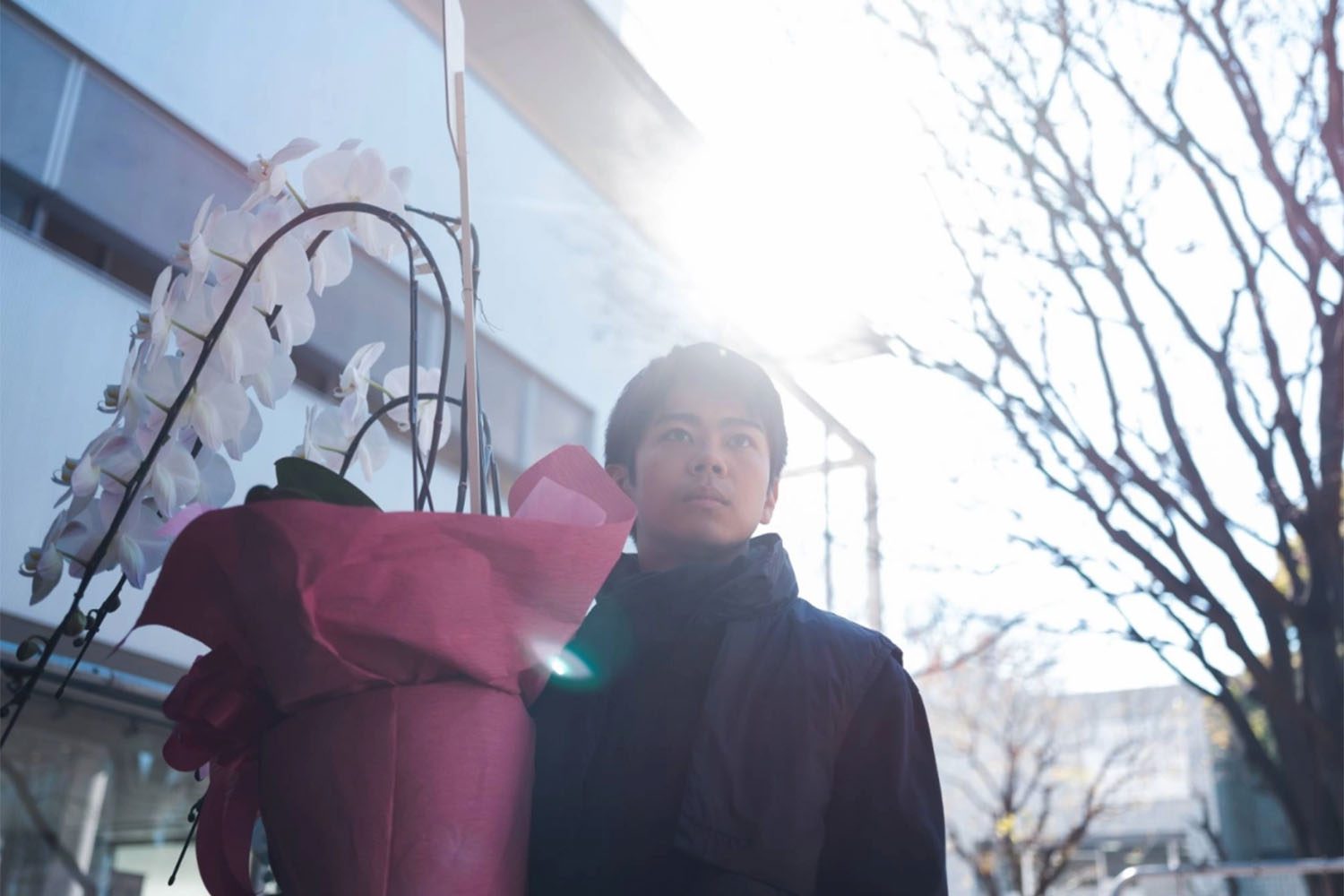
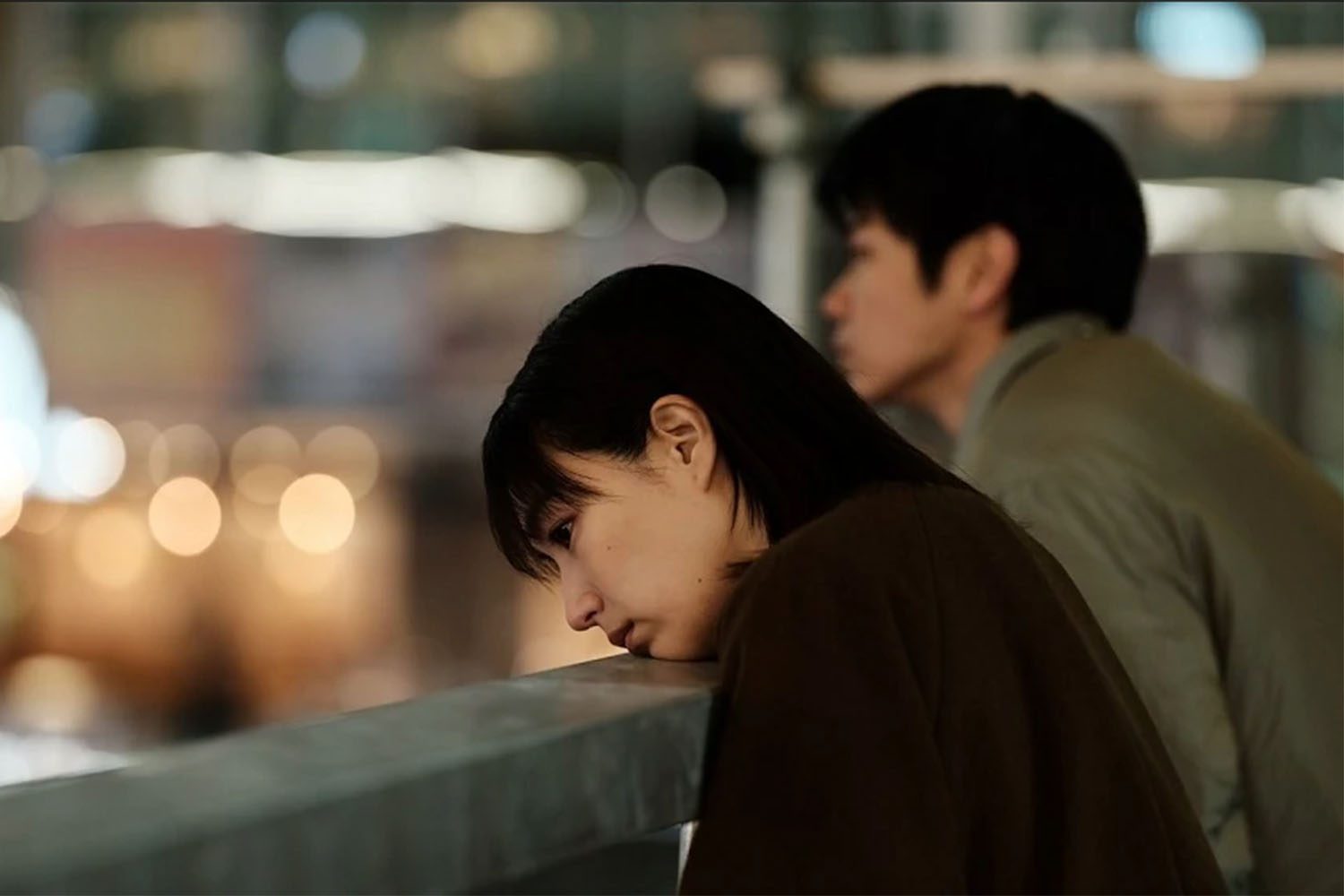
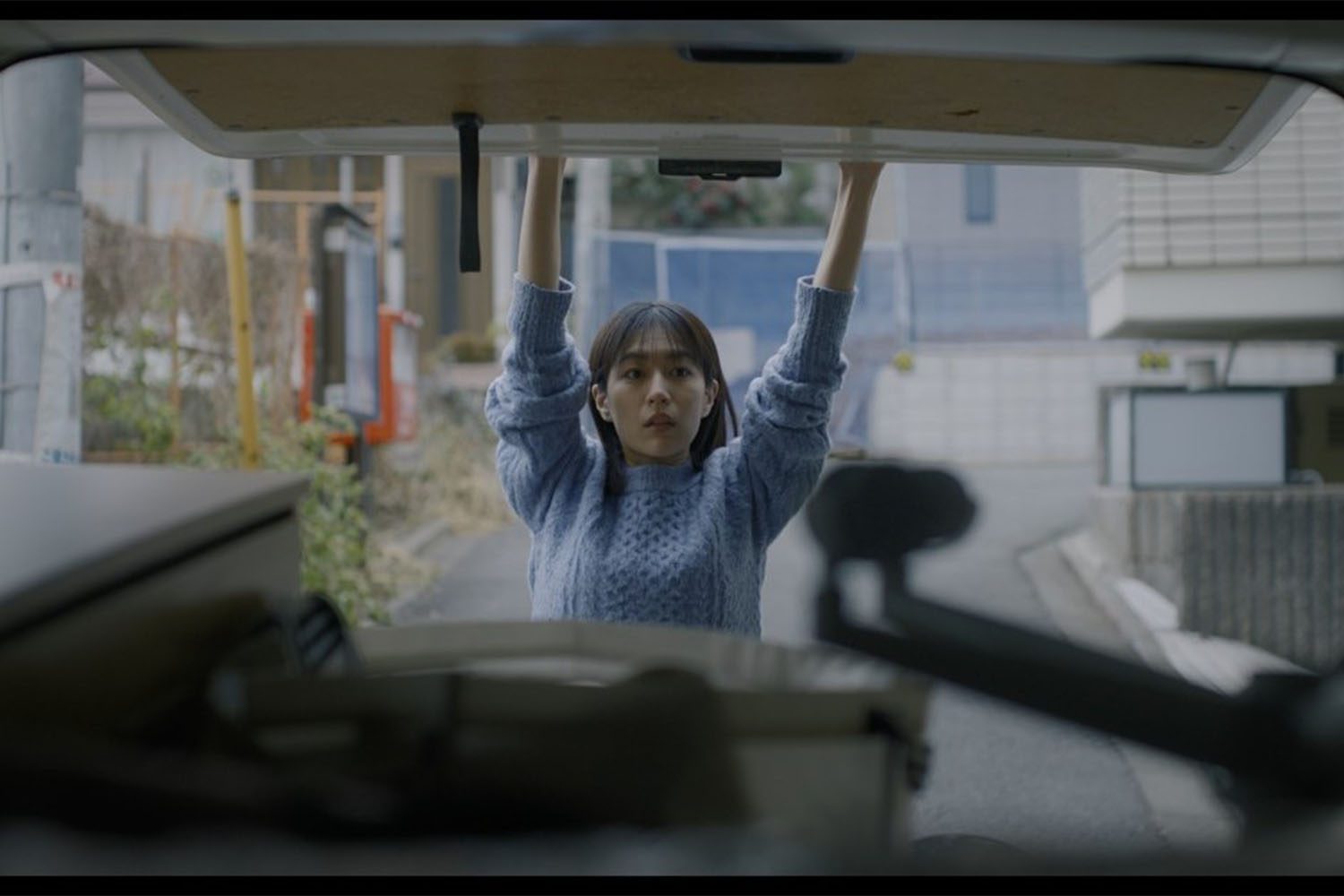
The film deepens this critique by positioning the son’s work in Japan’s flower industry as a quietly devastating analogue to the realities of architectural practice. Both fields are driven by high labor costs and an almost obsessive devotion to delicate, exacting detail, yet the value they produce is short-lived and fragile. An expensive, beautiful flower may wilt or be destroyed in an instant. In much the same way, a design to which an architect has devoted months of work can be dismantled, revised, or diminished with disarming ease by nothing more than the words, ‘I don’t like it.’
Ultimately, Brand New Landscape does not ask us to abandon our dreams or reject professional standards. It simply invites a more basic question: why must grand ambitions so often come with solitude? And is it possible for architects to create spaces that sustain life without allowing their own lives to be consumed by the very architecture they have worked so hard to bring into being?
Speaking as someone who once studied architecture and briefly entered its working world, I would say that these systems of thought do not emerge out of nowhere. They are the accumulated result of a formation that begins within the university itself: a culture of teaching that places an immense weight of responsibility on the individual, from time management and resourcefulness to the ability to respond to problems from every direction, often on the spot. Creative workers in this line of work are therefore trained almost like ‘ducks,’ expected to carry multiple roles and keep things moving at once, in a manner that feels starkly disproportionate to the physical energy, mental stamina, and sheer devotion demanded along the way.
And yet, the architect’s dream continues to live in the hearts of many, along a path strewn with obstacles and no certainty as to where it may lead. It is that very dream that has brought so much architecture into being. As in the film, the real-life trajectory of an architect is not a matter of right or wrong, but of the consequences that follow from the choices each person must make for themselves. Are we willing to give up being first if it means coming home to share a meal with the people we love? What are we ultimately pursuing? What does success actually look like? And, in all the time that has passed, have we been pushing someone out of our lives without even realizing it?