
RETHINKING ARTIFICIAL ROCK: BEYOND TRADITIONAL WATERFALL DESIGNS TO LUXURY RETAIL AND INTERIOR SPACES WITH SPAR PEARL
TEXT: THAN DEESAMER
PHOTO COURTESY OF SPAR MECHATRONICS
(For Thai, press here)
In architecture and interior design, the term ‘artificial rock’ often calls to mind simulated waterfalls in gardens or resort landscapes—thick, heavy structures designed to imitate natural rock formations.
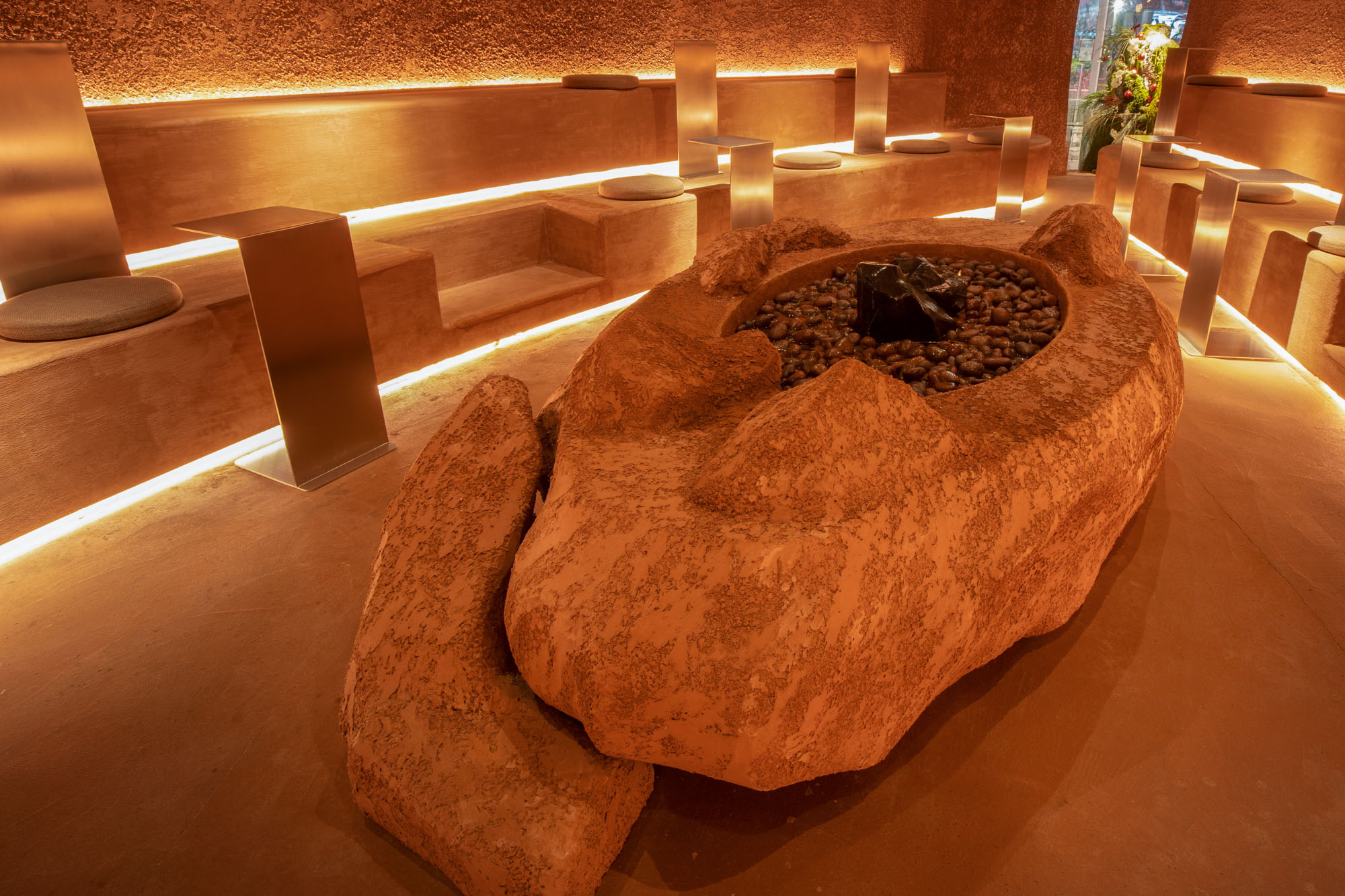
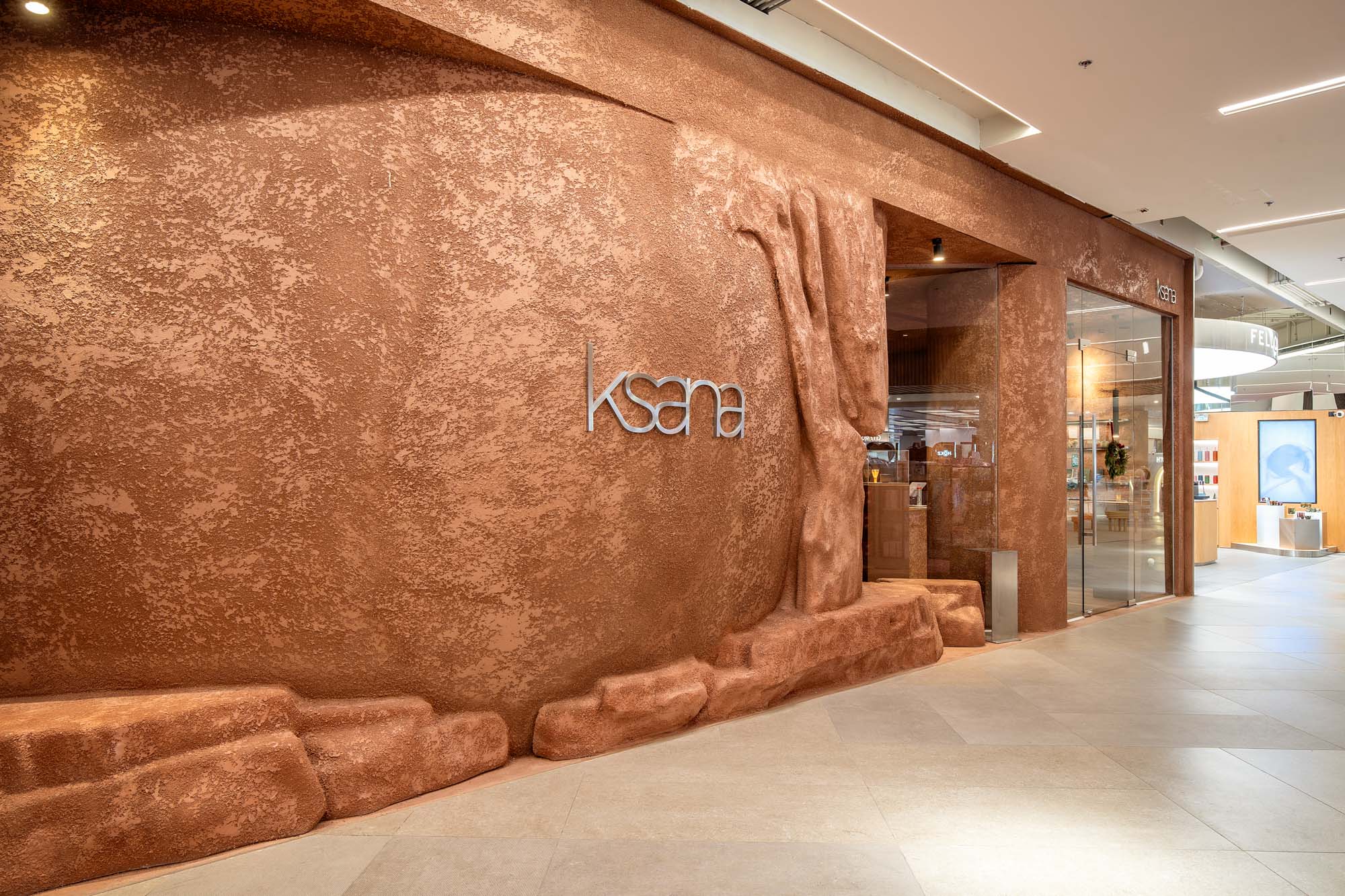
Artificial stone by SPAR Mechatronics at Ksana, Dusit Central Park, JUTI Architects
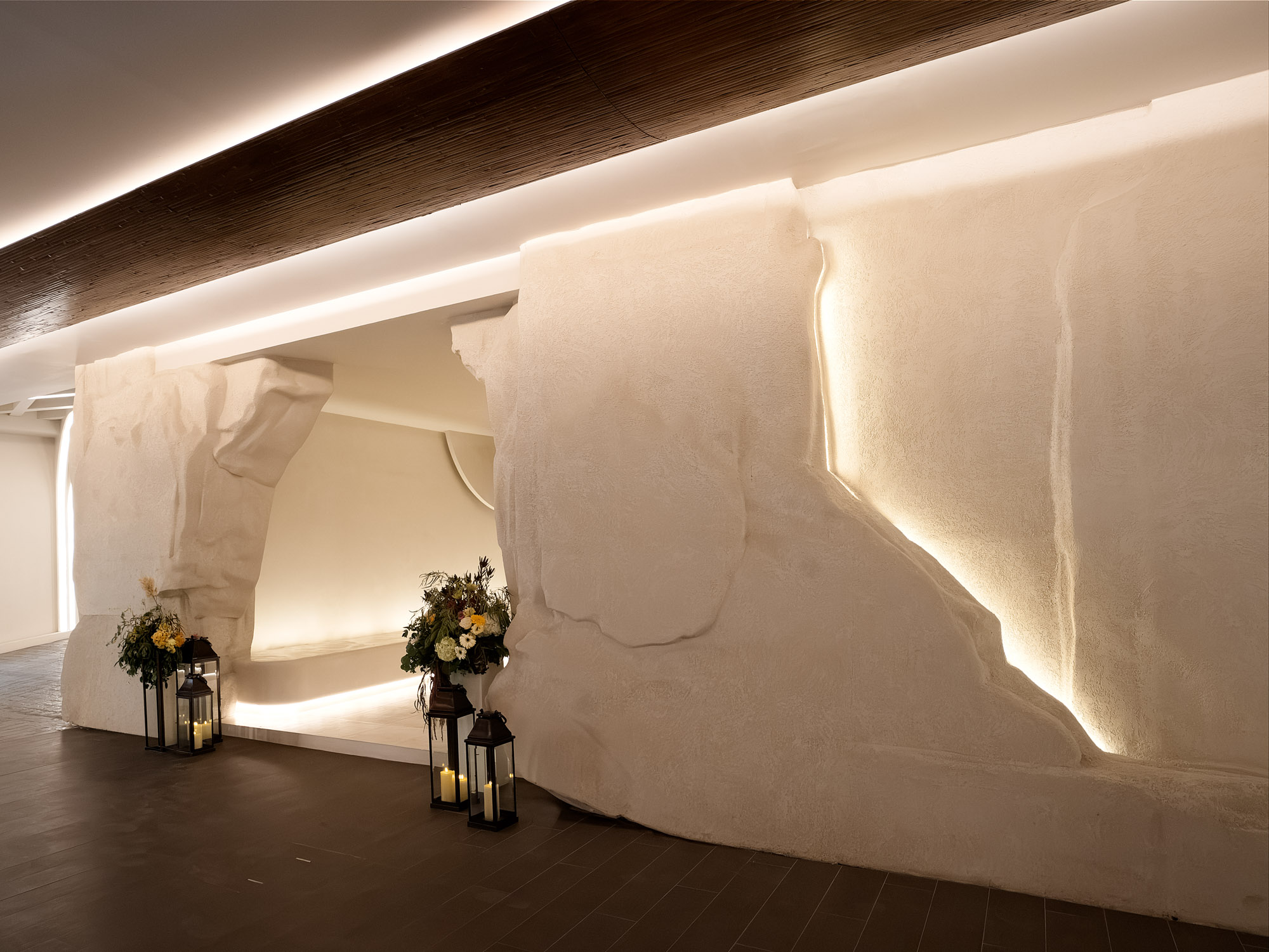
Artificial stone by SPAR Mechatronics at Health Land, Surawong, JUTI Architects
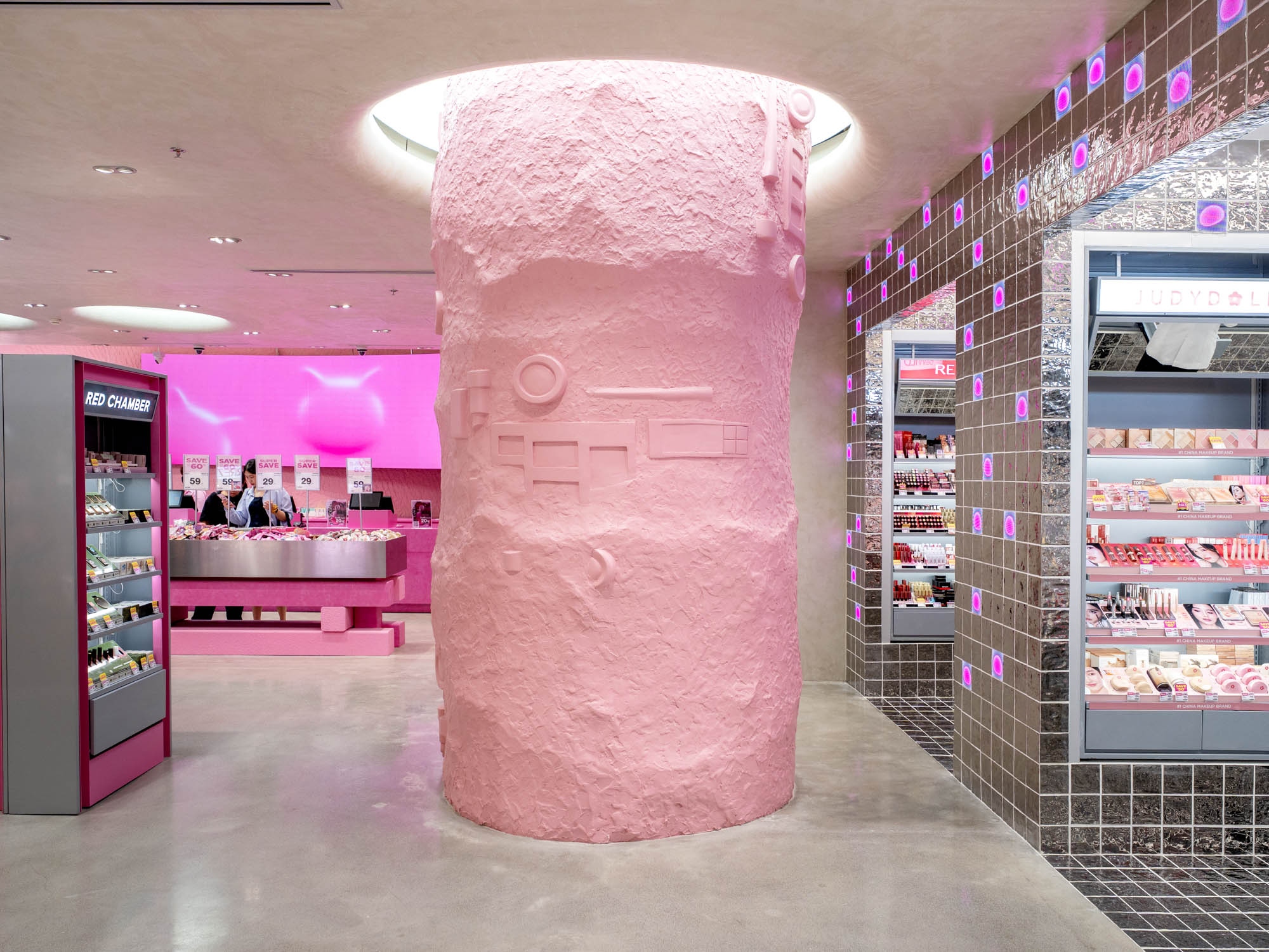
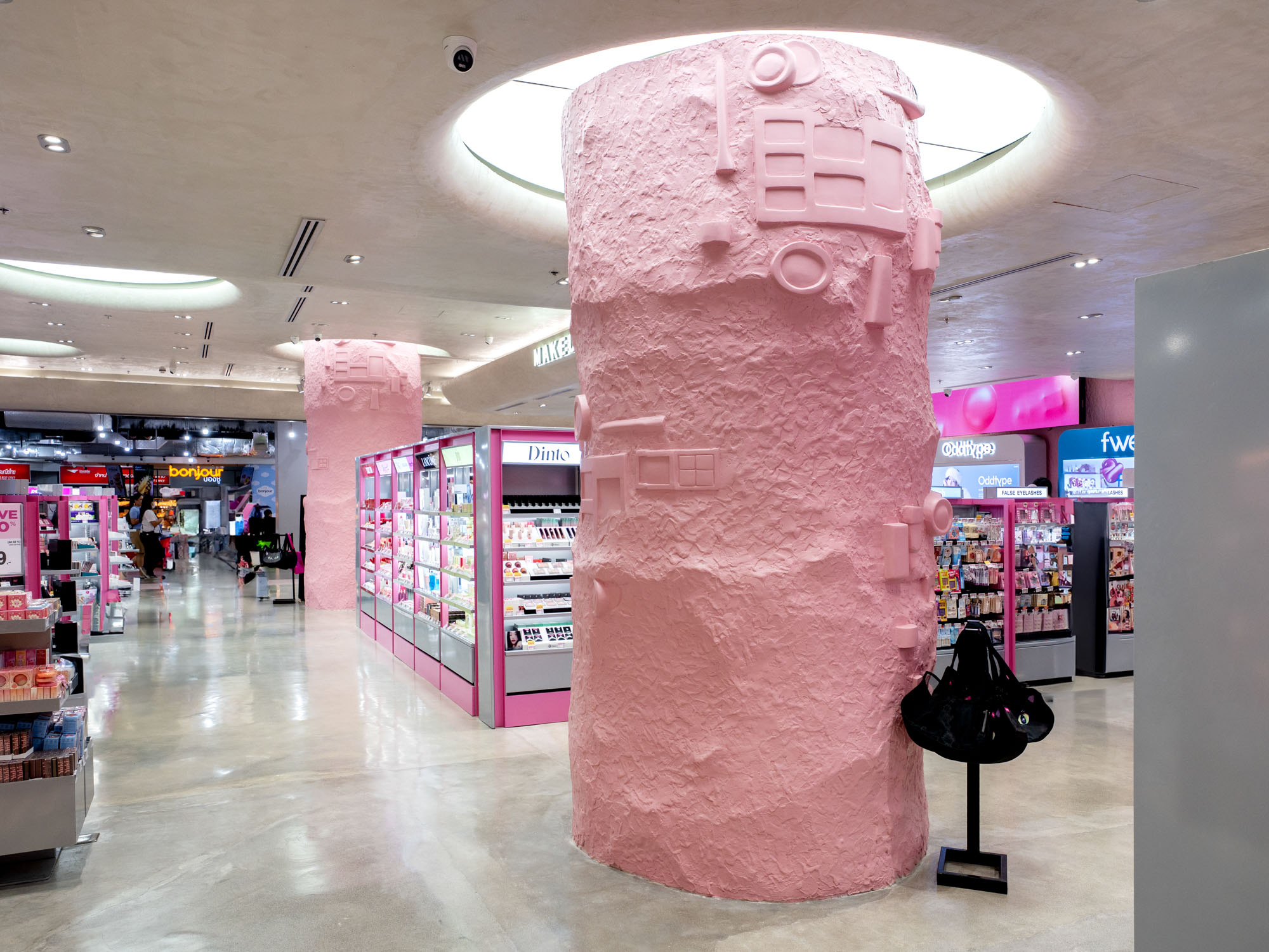
Artificial stone by SPAR Mechatronics at Eveandboy, Siam Square One, Studio Krubka
As free-flowing lines and free-form geometries become increasingly common in contemporary design, however, this familiar perception of artificial rock is being reconsidered. SPAR Pearl, a free-form material system developed by SPAR Mechatronics, a company specializing in the fabrication of free-form structures, extends the use of simulated rock beyond exterior landscape decoration and into interior architectural elements.
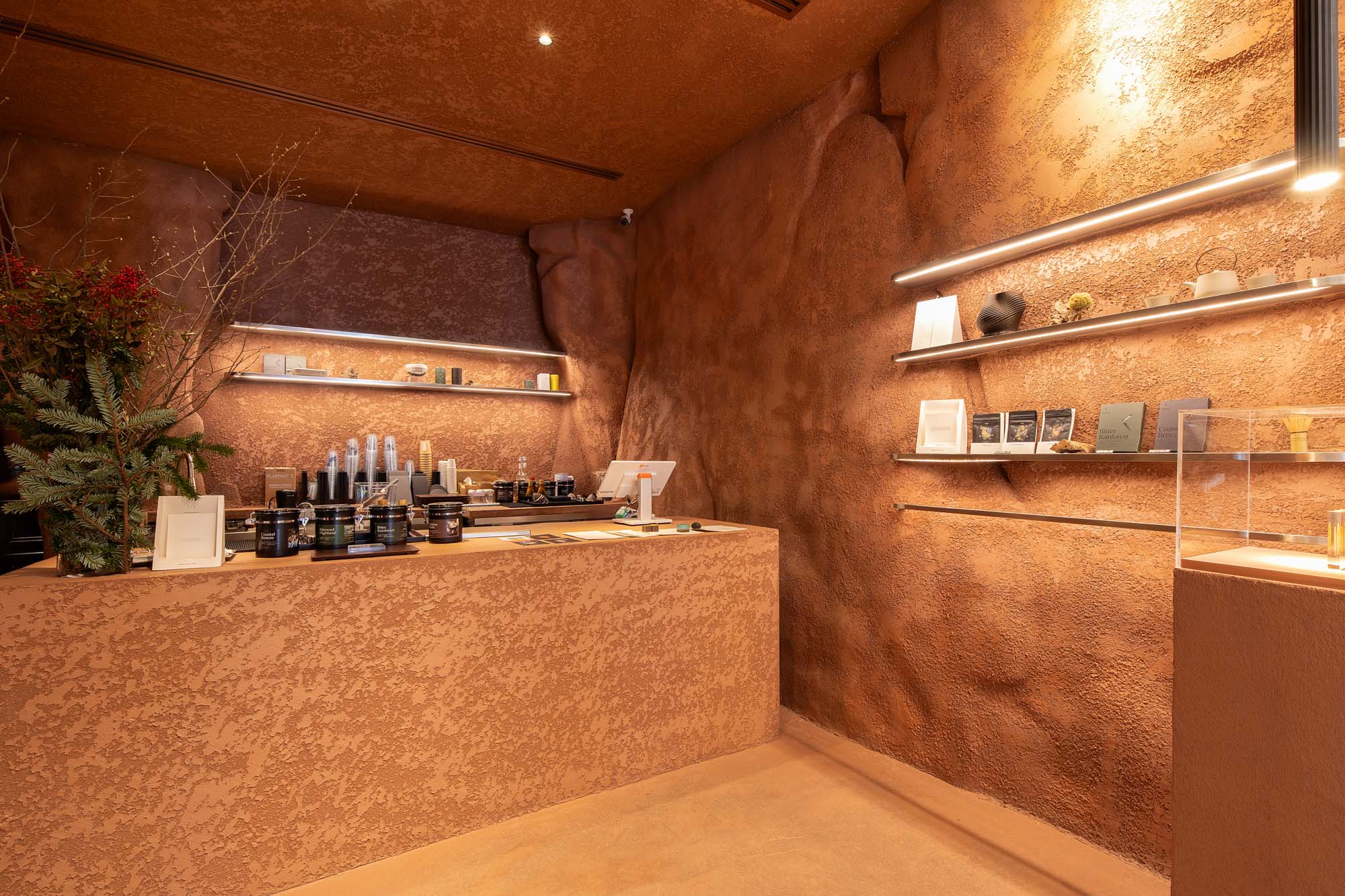
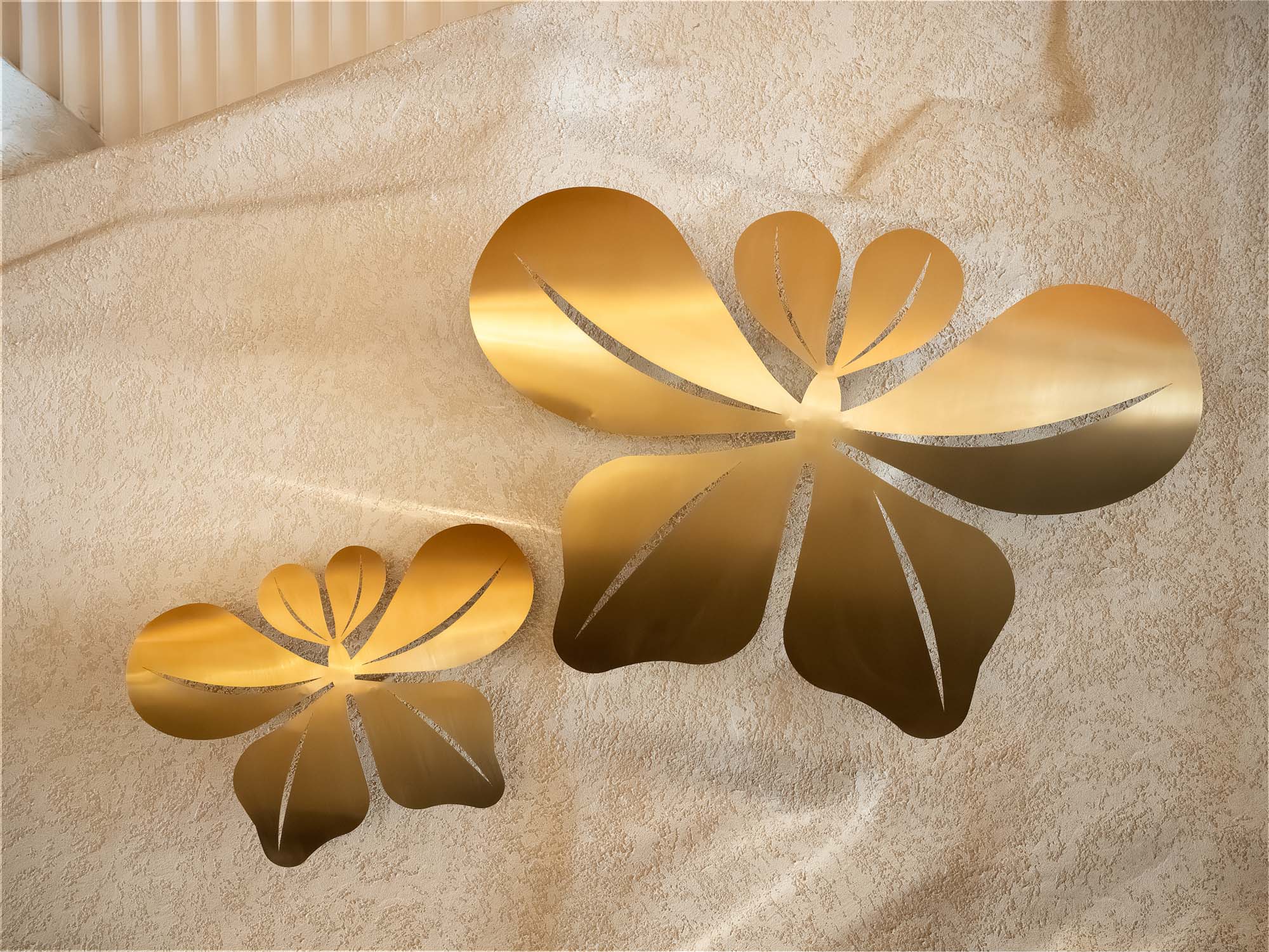
Artificial stone by SPAR Mechatronics at Ksana, Dusit Central Park, JUTI Architects
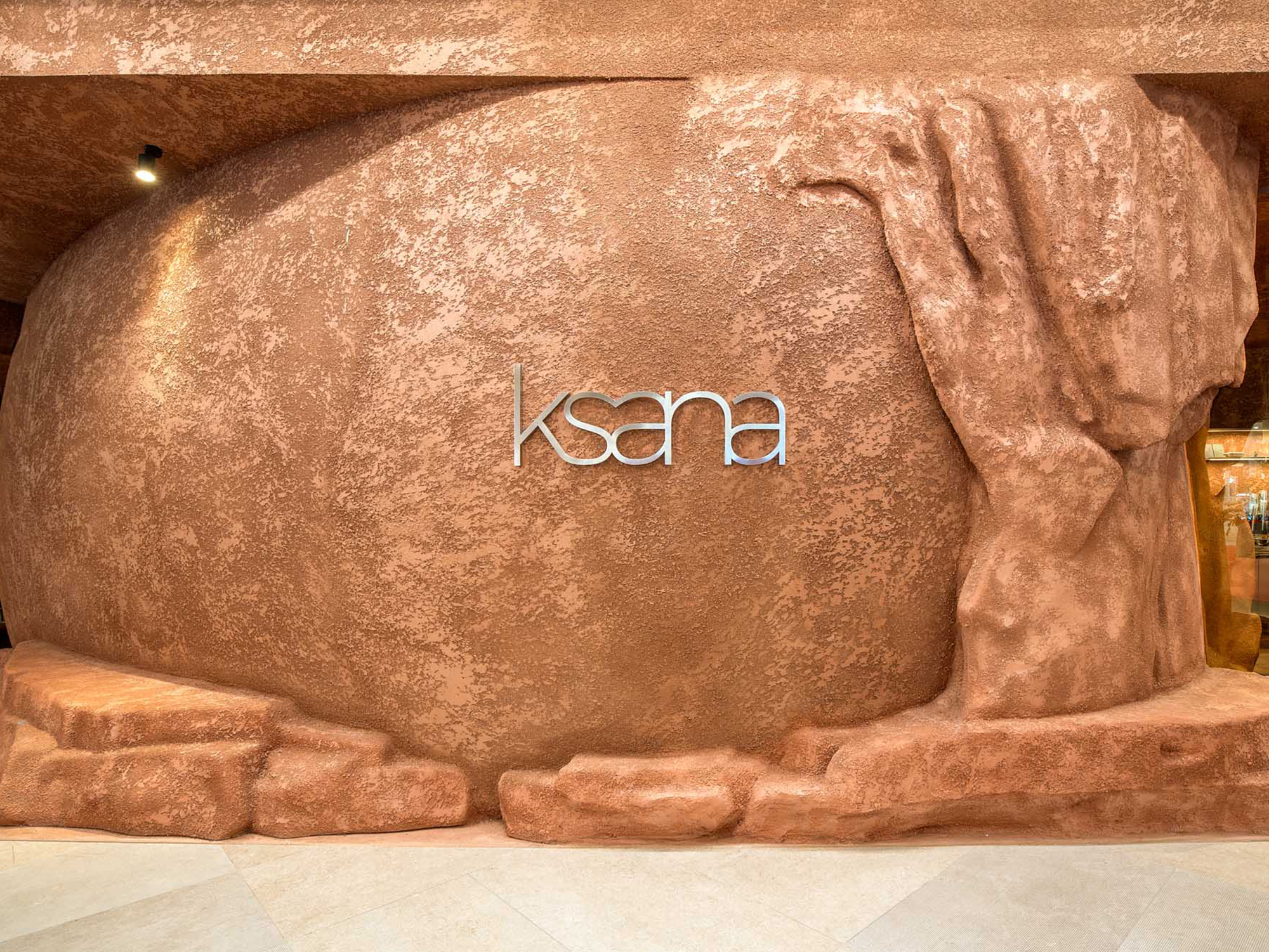 Artificial stone by SPAR Mechatronics at Ksana, Dusit Central Park, JUTI Architects
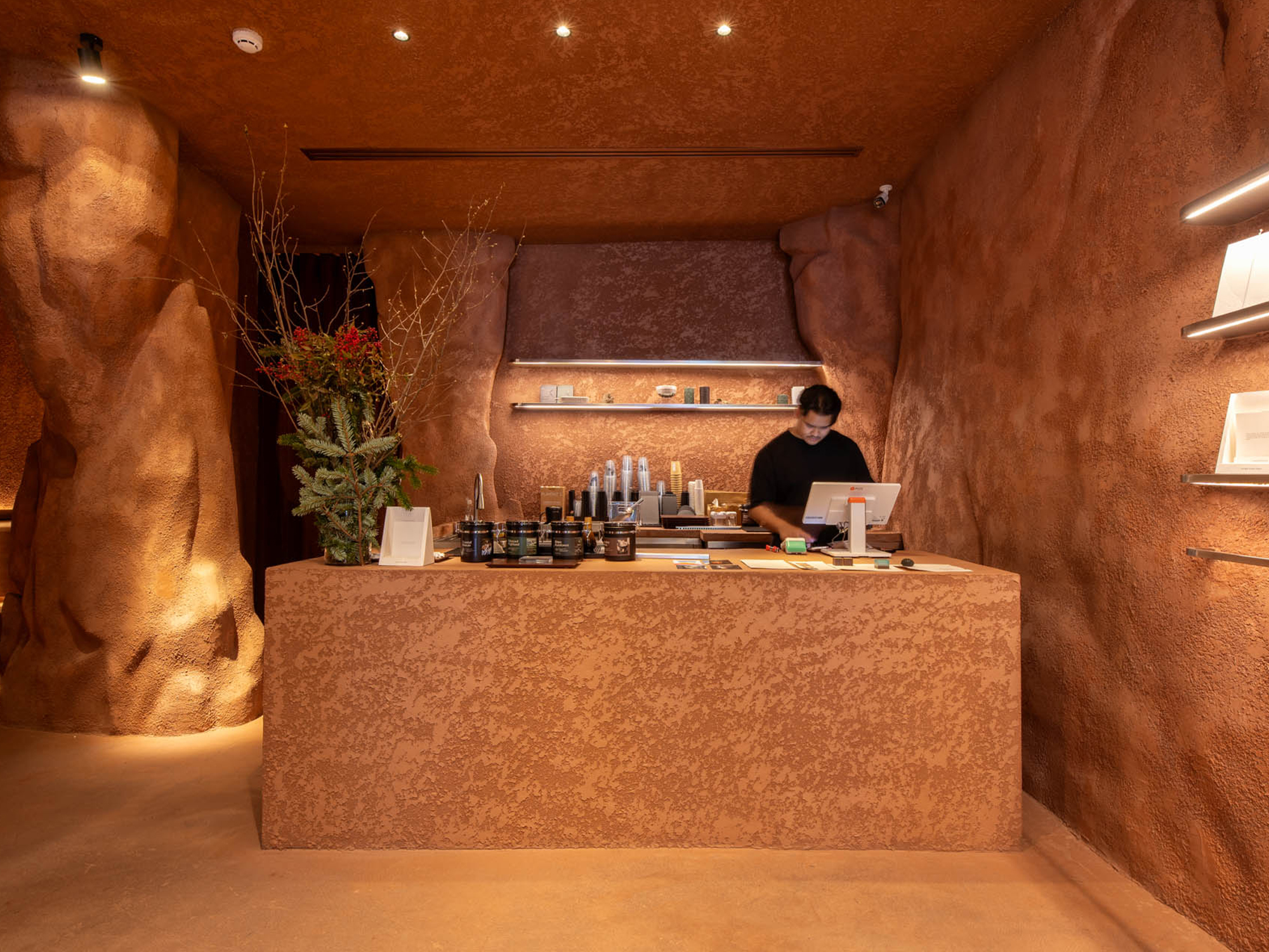
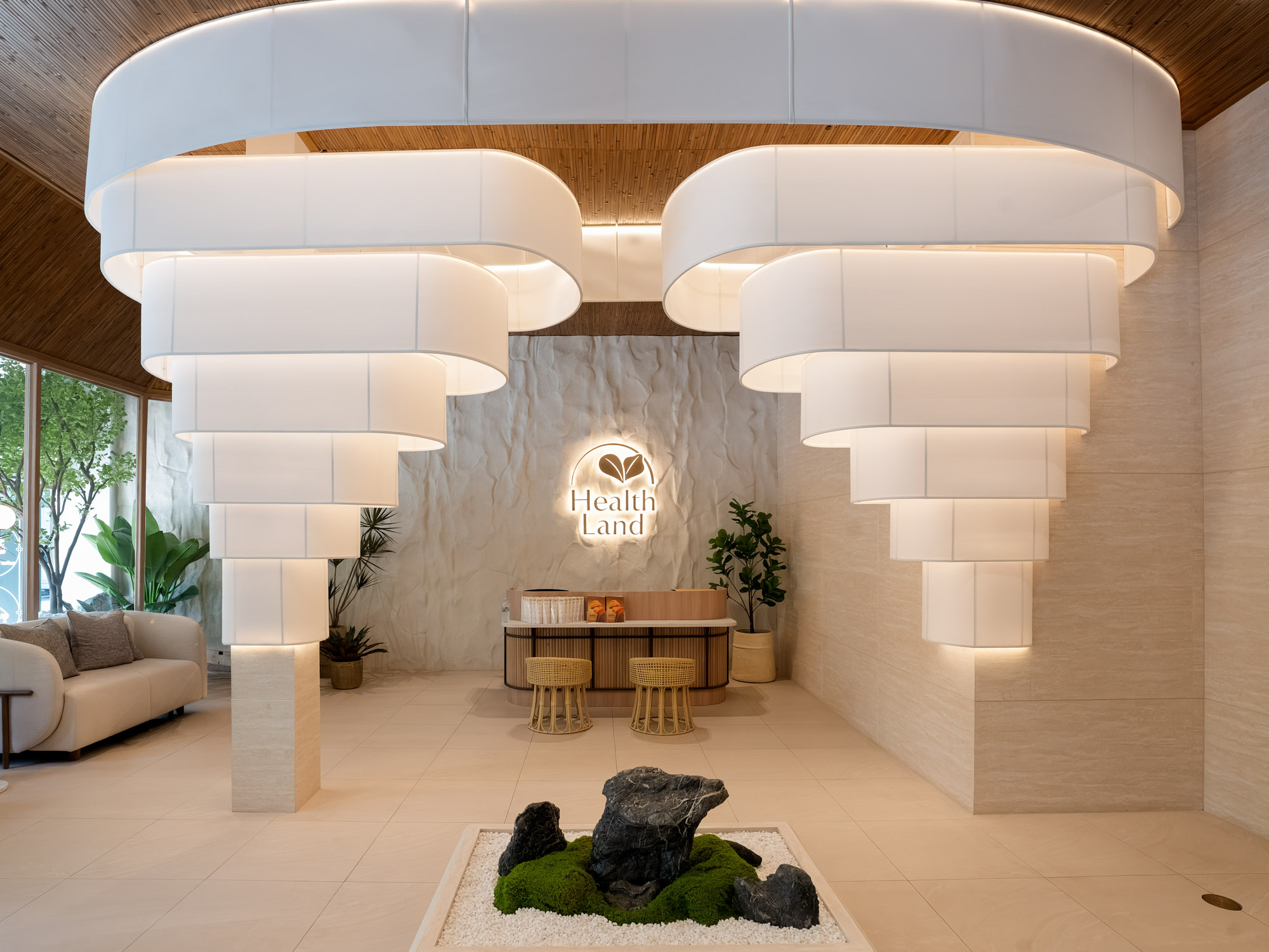
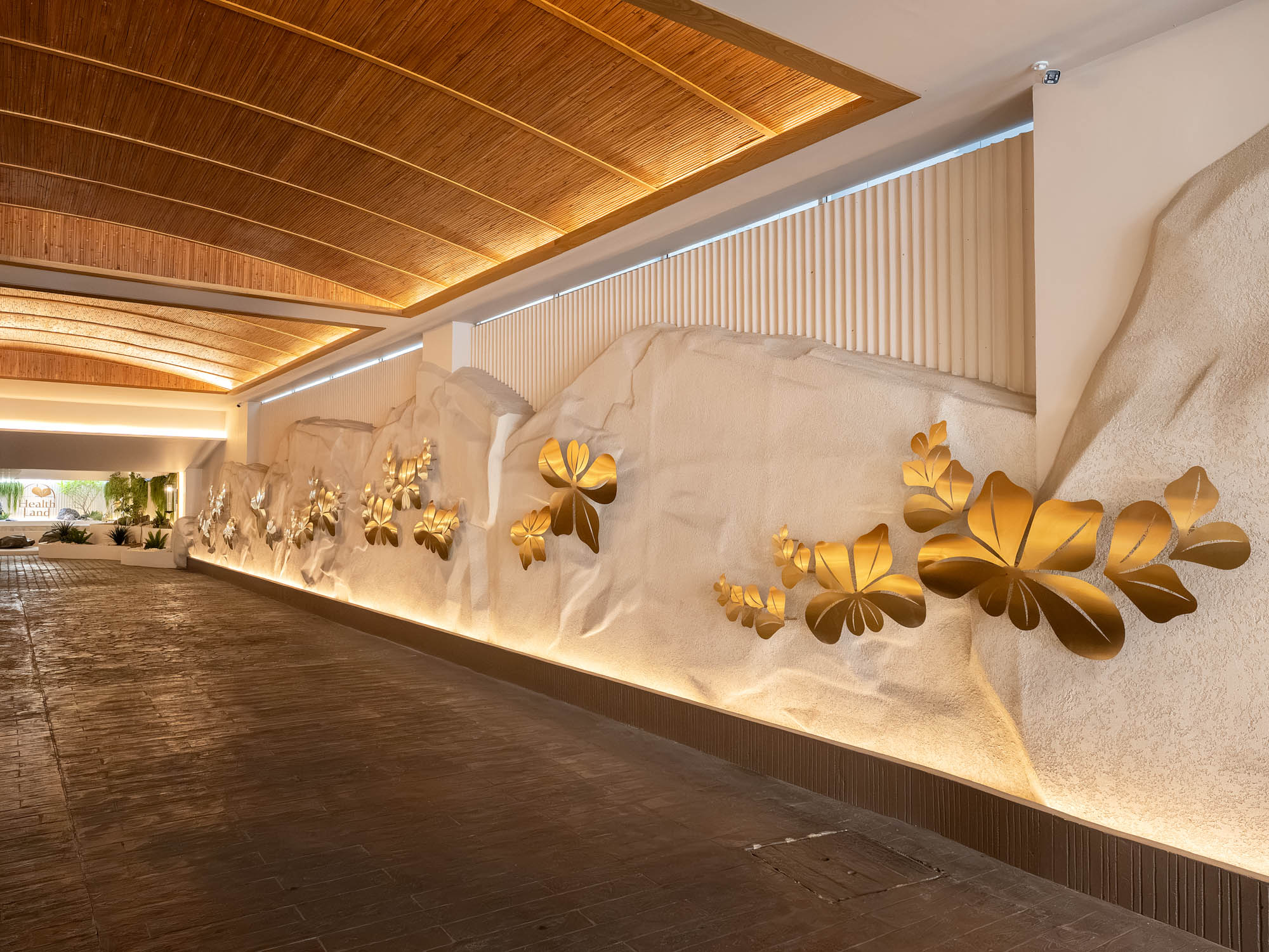
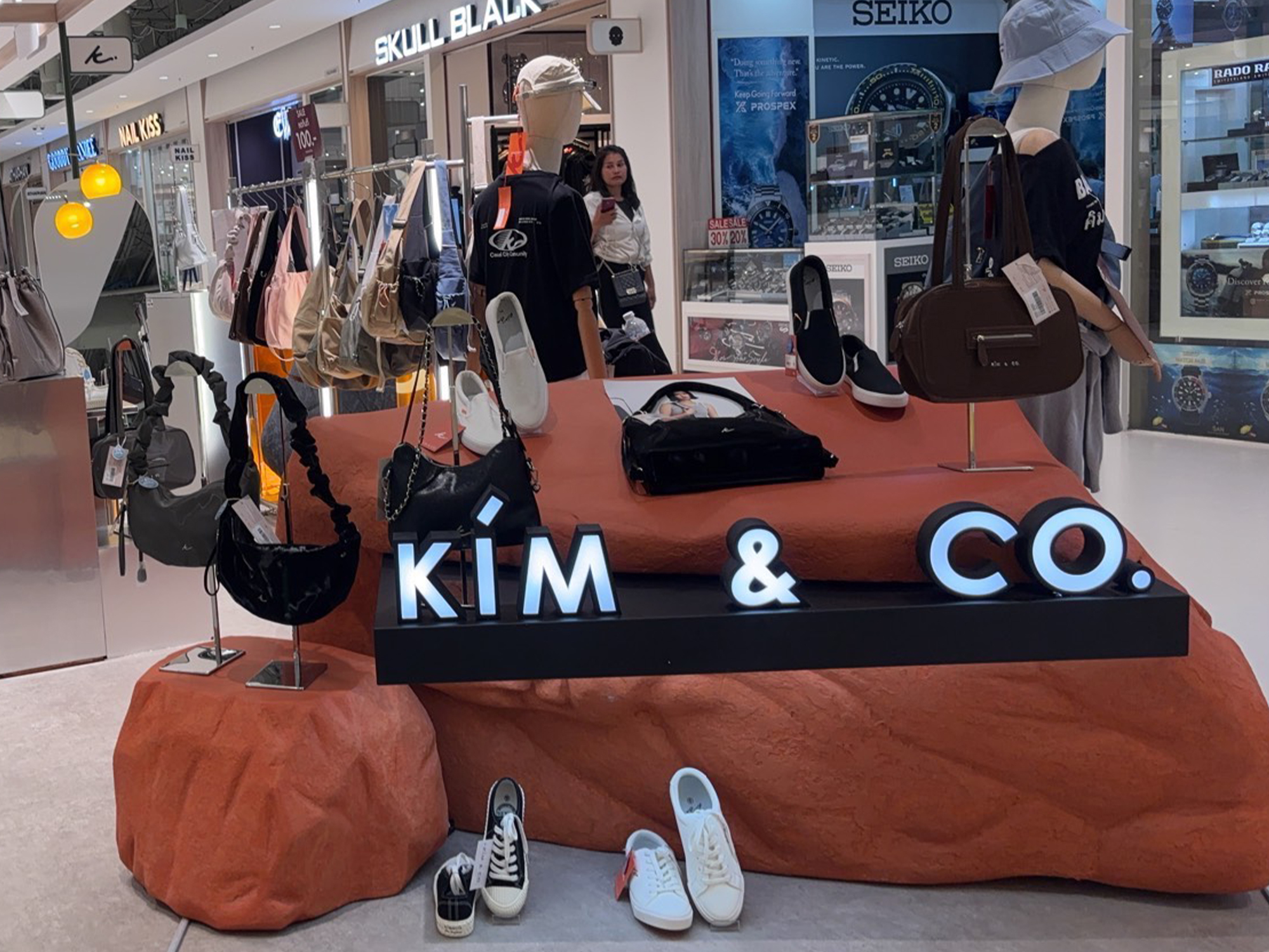
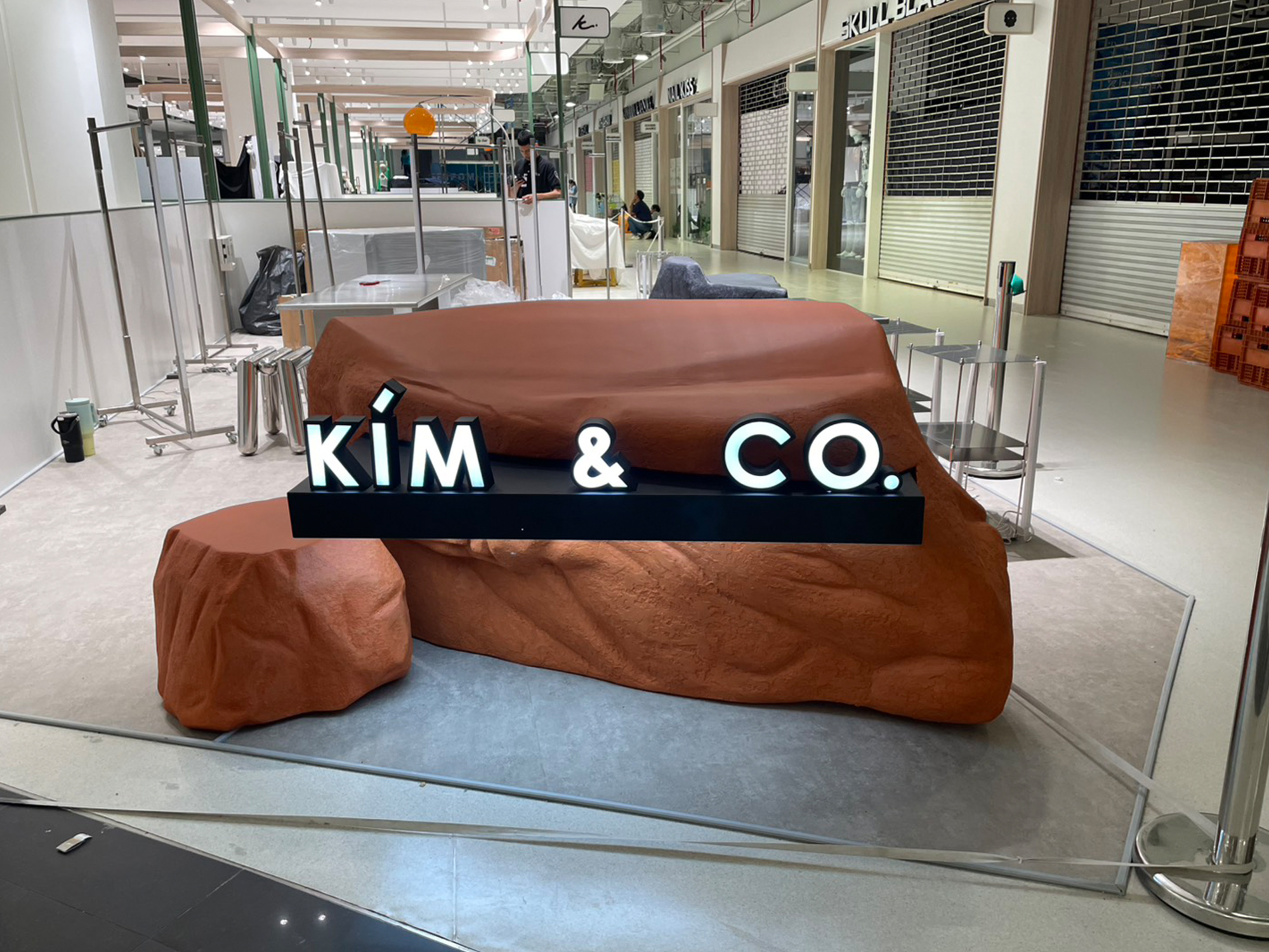
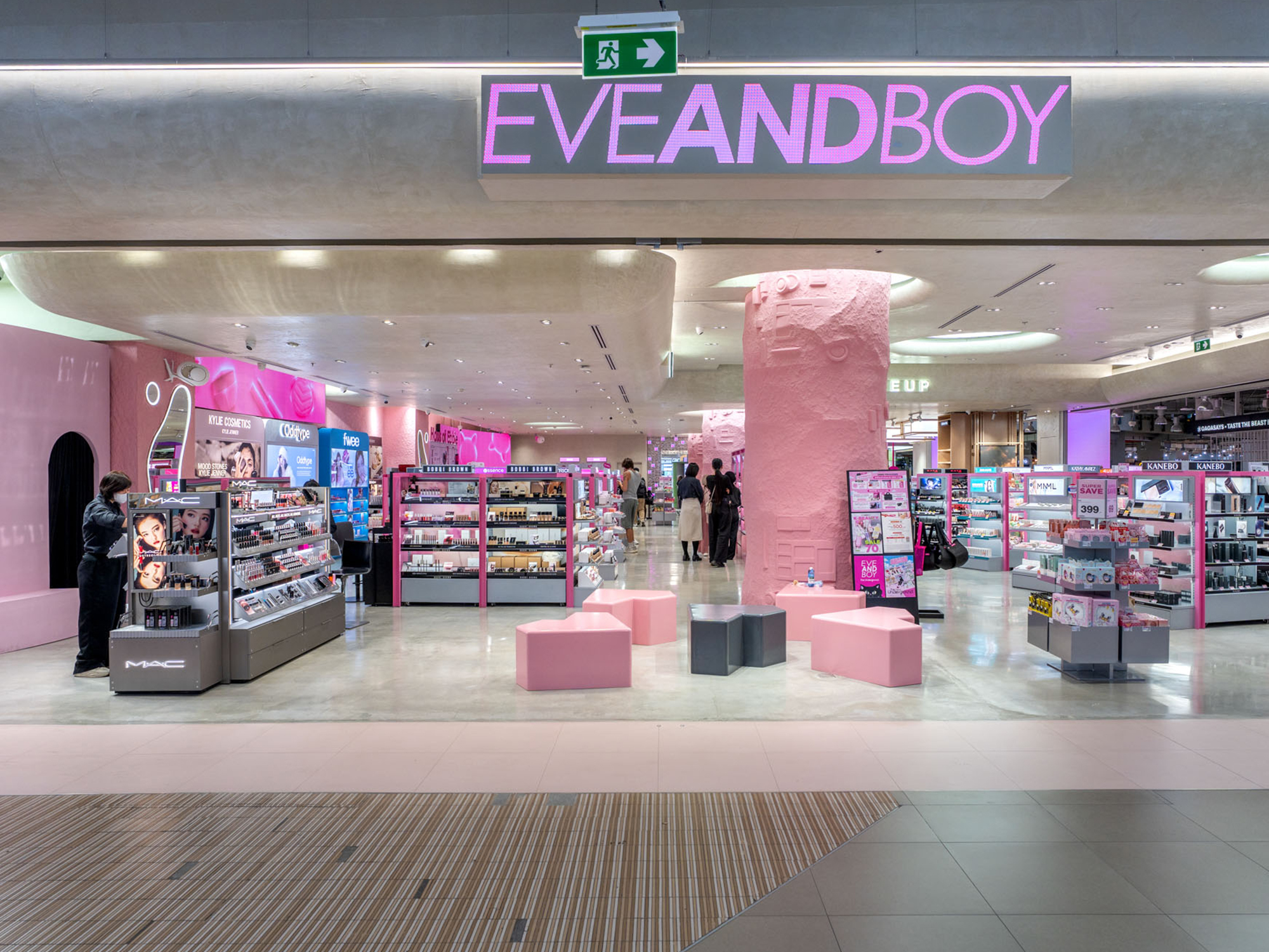
This shift can be seen across several projects in which architects and designers have used SPAR Pearl to establish distinct spatial atmospheres. These include the serene, contemporary tea cave at Ksana in Dusit Central Park, designed by JUTI Architects; the interior environment of Health Land Surawong, also designed by JUTI Architects; the organic forms incorporated into the retail space of Kim & Co at Future Park Rangsit, designed by W.A.A Design; and the technically intricate interior of EVEANDBOY at Siam Square One, designed by Studio Krubka. Together, the projects demonstrate how free-form materials can be adapted to different architectural identities and spatial requirements.
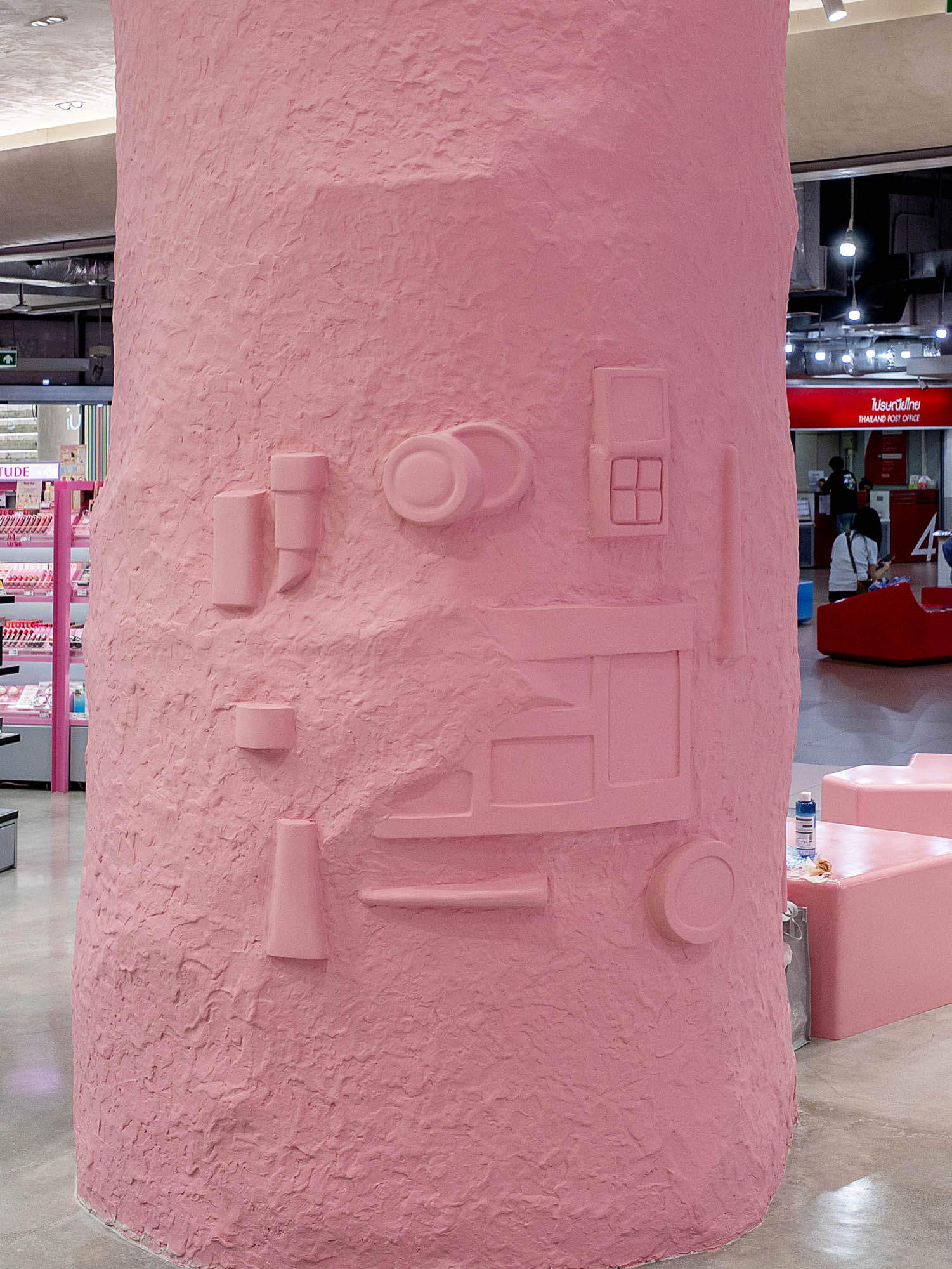
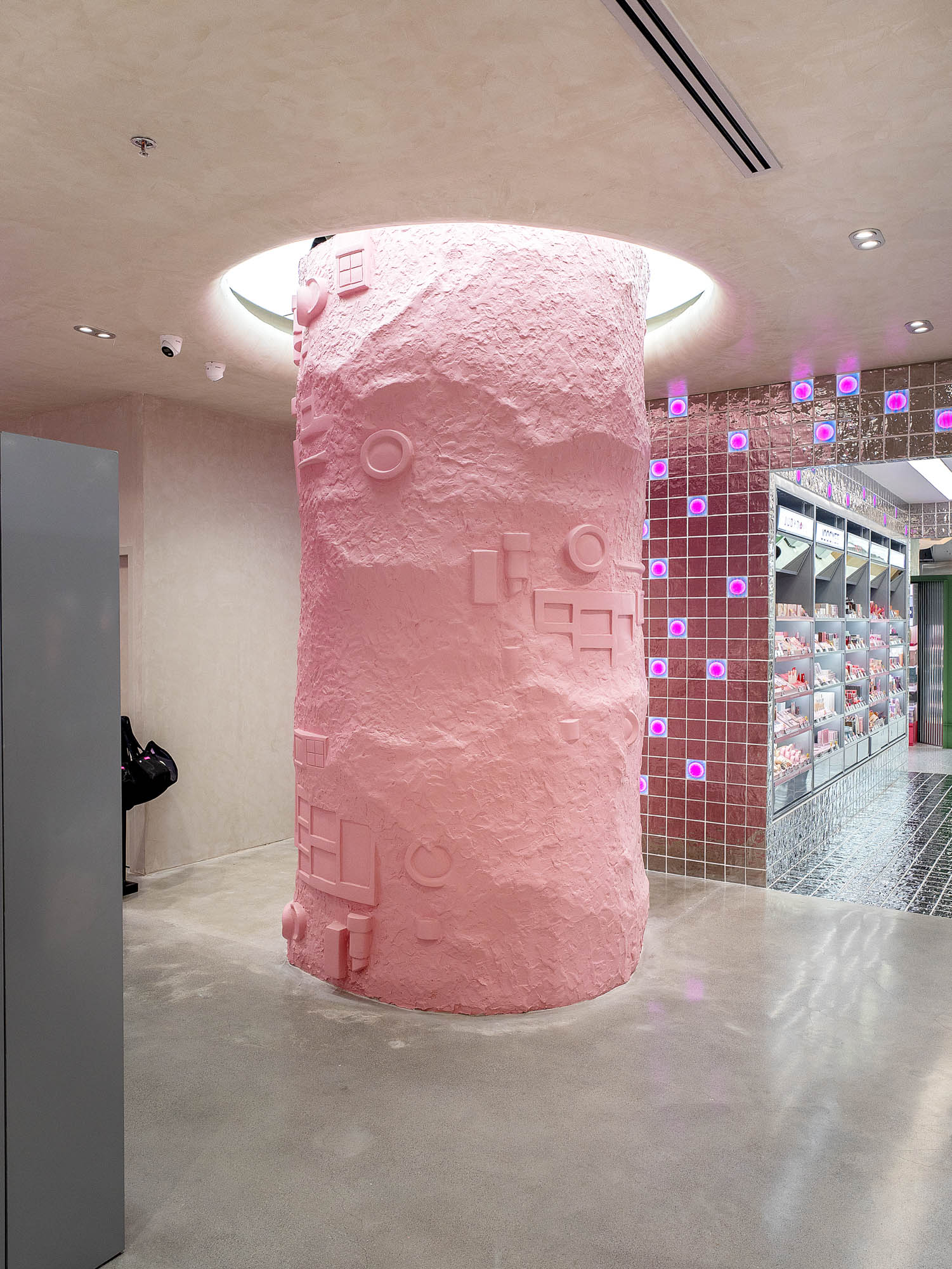
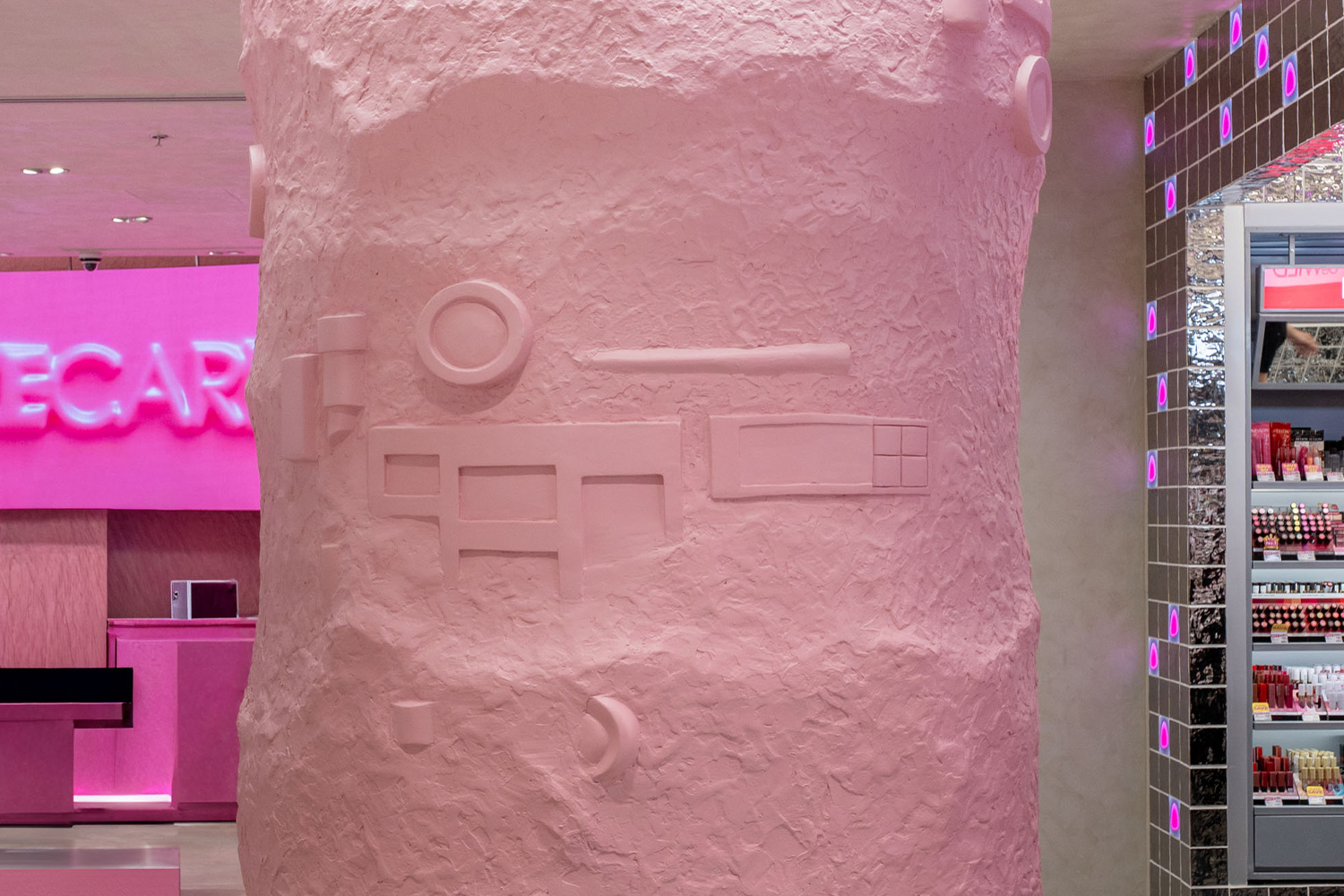
The EVEANDBOY store at Siam Square One provides a particularly notable example of how the system can be applied beyond conventional artificial-rock surfaces. Here, the design called for complex bas-relief motifs based on cosmetic products to be integrated across the columns. The production challenge involved bringing two different surface conditions together: the irregular texture and depth associated with natural rock, alongside clearly defined relief details that needed to remain legible across the same surface.
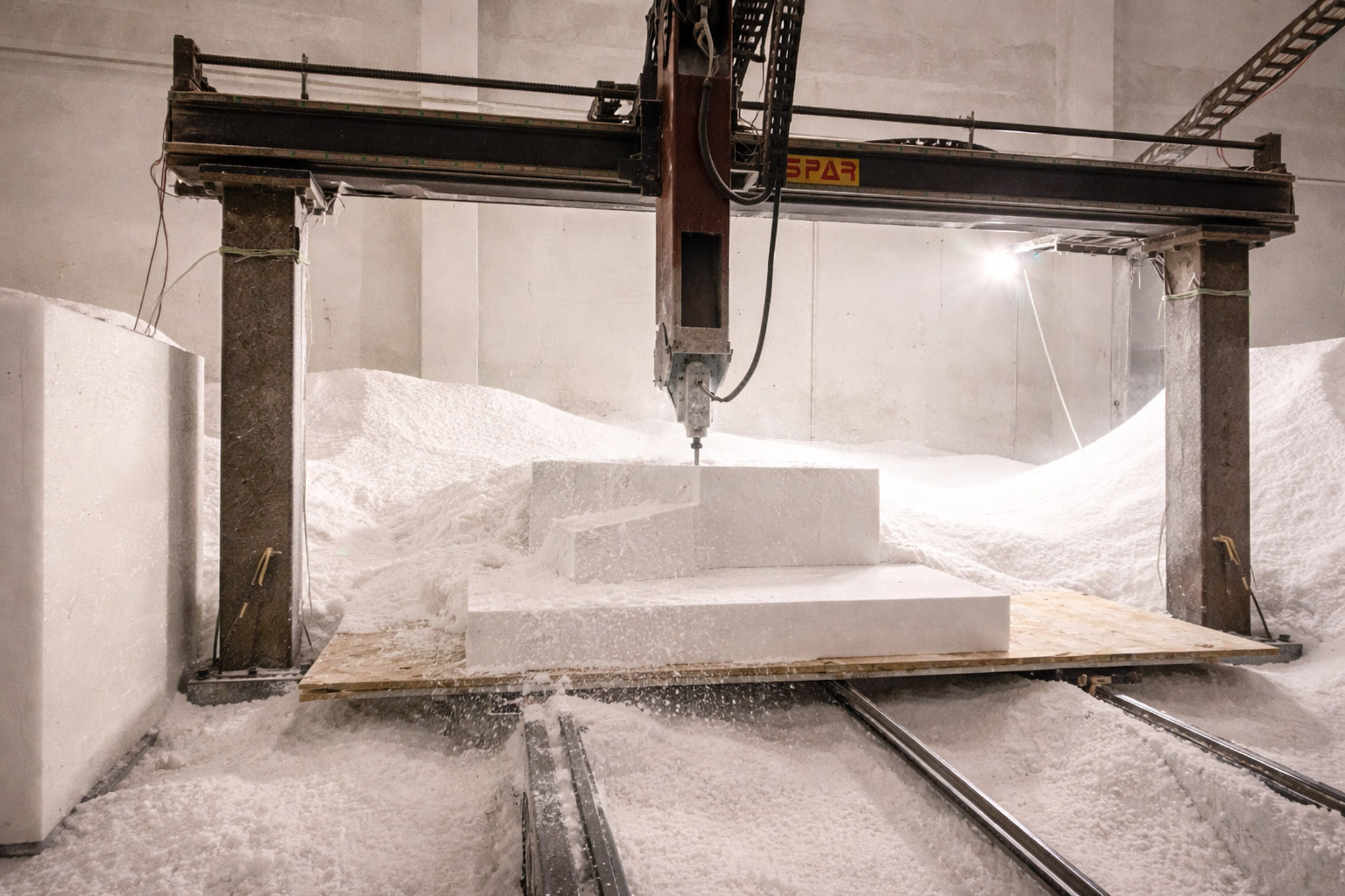
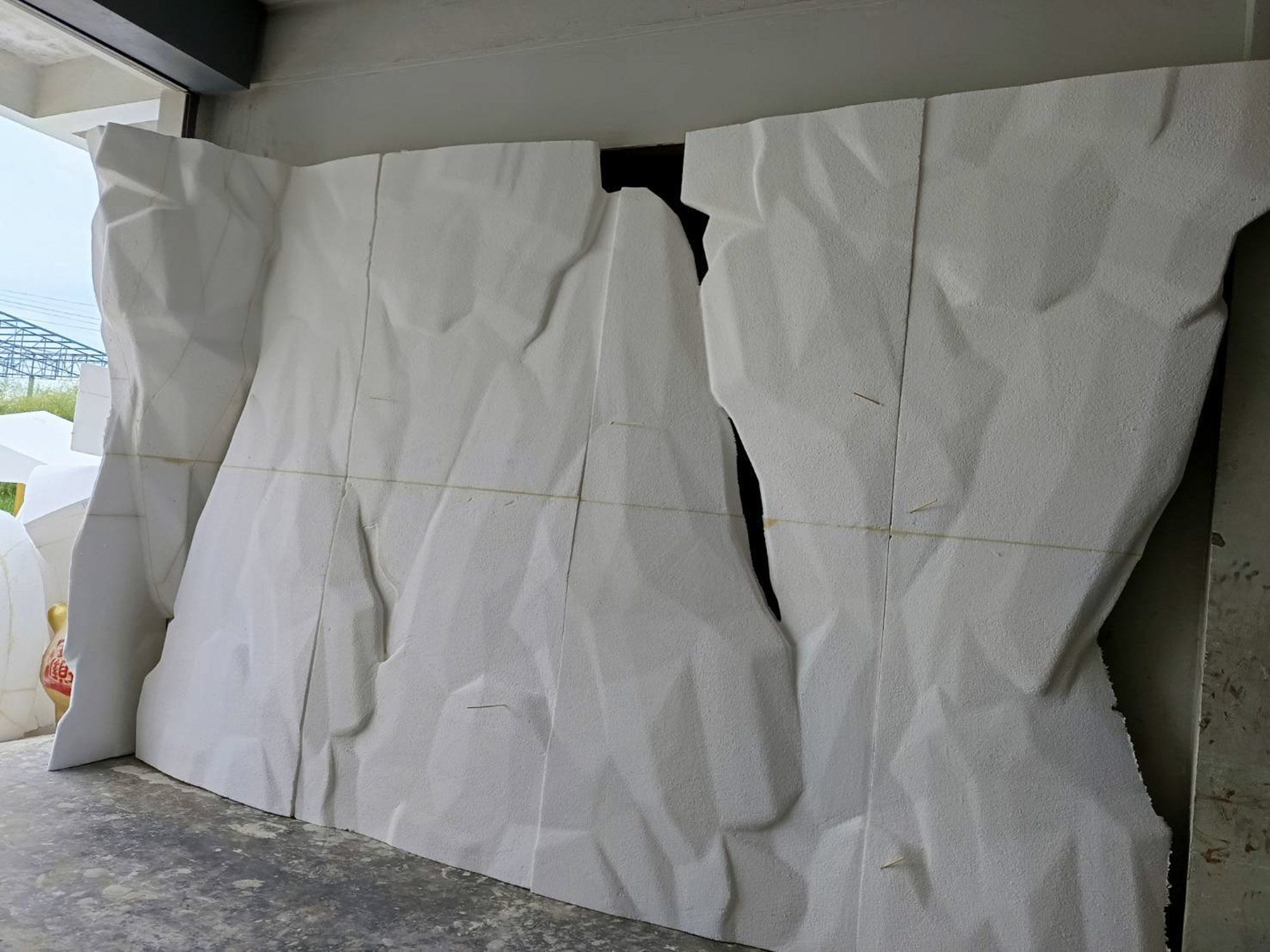
At the core of these free-form components is a material-engineering and digital-fabrication process developed by SPAR Mechatronics. The system uses high-density, flame-retardant EPS foam as a lightweight structural core. Each component is cut and shaped using CNC machinery based on three-dimensional models created in software such as Rhino, SketchUp, or AutoCAD. According to the company, the machinery operates with a stated tolerance of 20 microns, allowing complex geometries to be fabricated with a high degree of precision to the digital model. The shaped components are then finished with a layer of SPAR Pearl Coating, approximately 4–5 mm thick. The proprietary coating is formulated to enhance surface strength and provide resistance to impact, weather exposure, UV radiation, and flame spread.
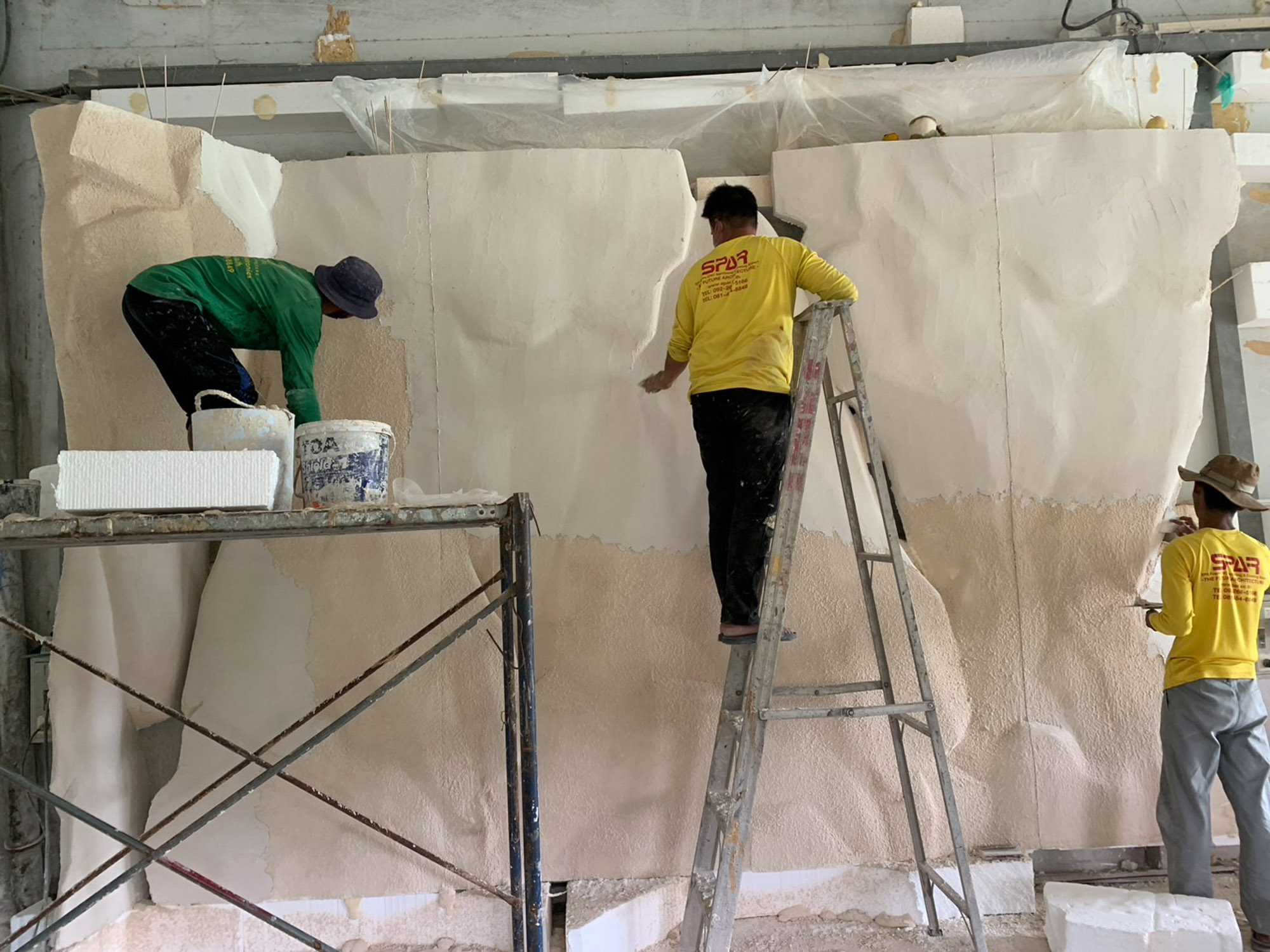
Installation is another consideration, particularly for high-traffic architectural projects in central urban locations. According to SPAR Mechatronics, the polymer-coated foam components can weigh up to 90% less than comparable concrete or plaster constructions. Their reduced weight may help reduce structural loads while making the individual sections easier to transport, handle, and assemble on site. During assembly, SPAR Pearl Coating—the same material used for the surface coating—is also applied to join the components and finish the seams between them. This approach helps maintain the the continuity of textures and patterns across adjoining sections, reducing the visual prominence of joints and allowing the finished installation to read as a more unified surface.
The development of SPAR Pearl therefore addresses several practical aspects of free-form construction, including weight, fabrication, installation, and construction time, while expanding the range of design possibilities available to architects and designers. Rather than functioning solely as a substitute for natural stone, the system offers another fabrication option for projects that require customized geometries, precise manufacturing, and continuous architectural surfaces.