
TEXT & PHOTO: BHUMIBHAT PROMBOOT
(For Thai, press here)
Built structures and public spaces are often deployed as instruments for shaping new forms of society and culture, while at the same time bearing traces of the power that seeks to erase older social and cultural formations. This takes place through processes such as superimposition, replacement, and amalgamation, processes that are not merely physical transformations occurring in the ordinary course of things, but also structural mechanisms that steadily compress and constrain the lives of people and communities, pressuring them to gradually accept and grow accustomed to the abnormal as if it were ordinary.
Under the weight of labor systems and industry, those living both within and beyond the formal workforce alike seek out public spaces for rest, spaces that feel safe and open, free from the images of labor they confront each day. Such places offer a way to ease exhaustion and stress under the mythology of desire, through small pleasures that allow life to continue moving forward.
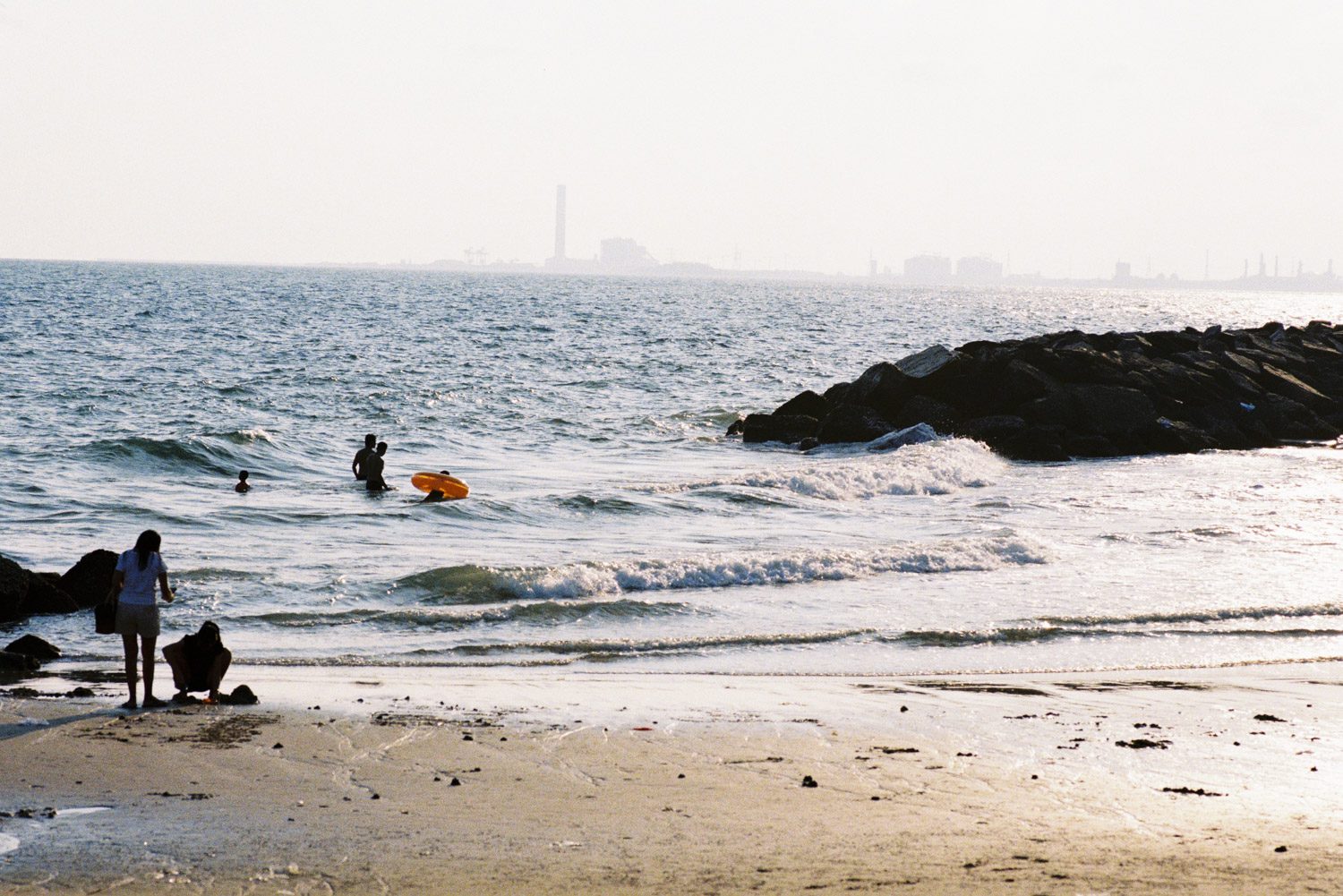
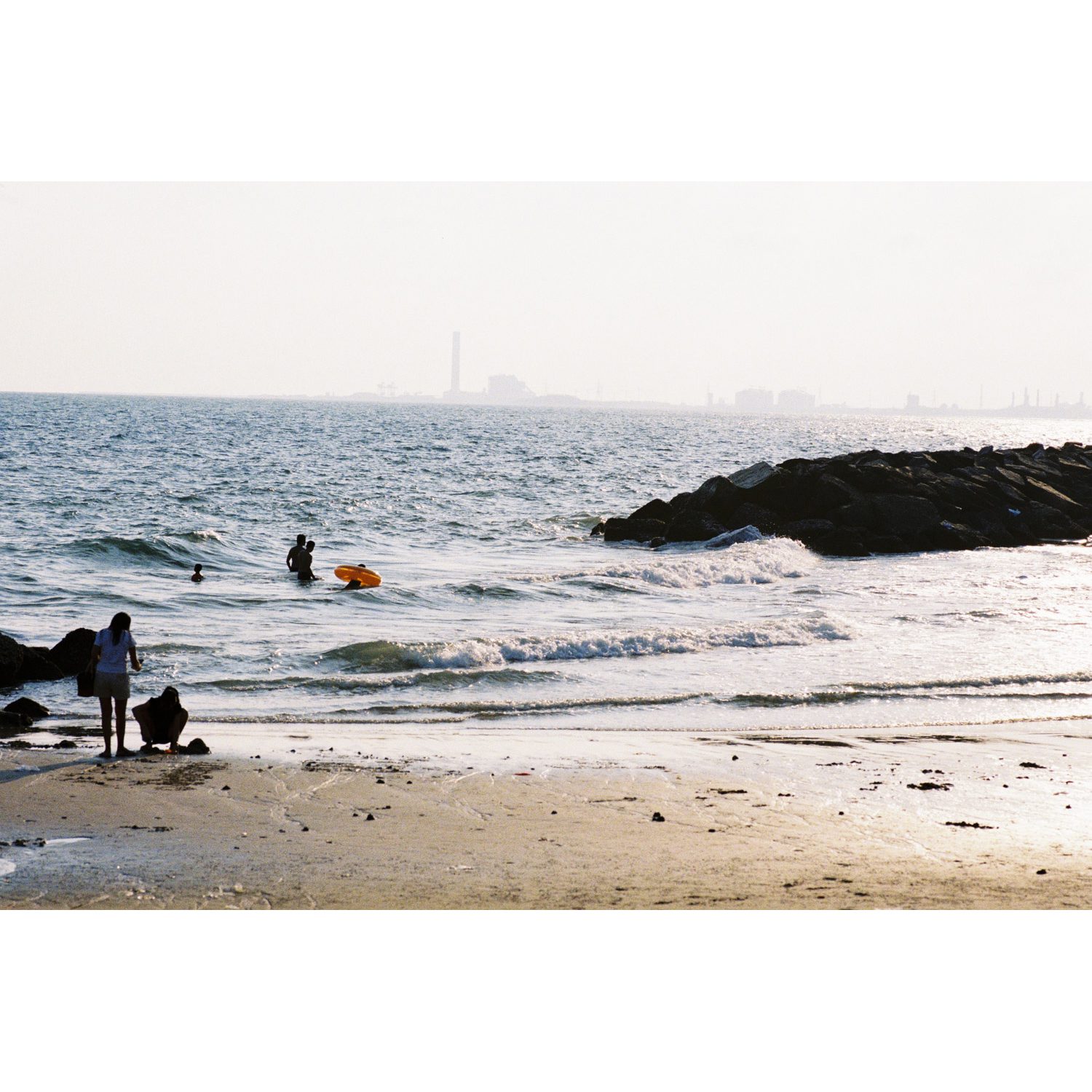
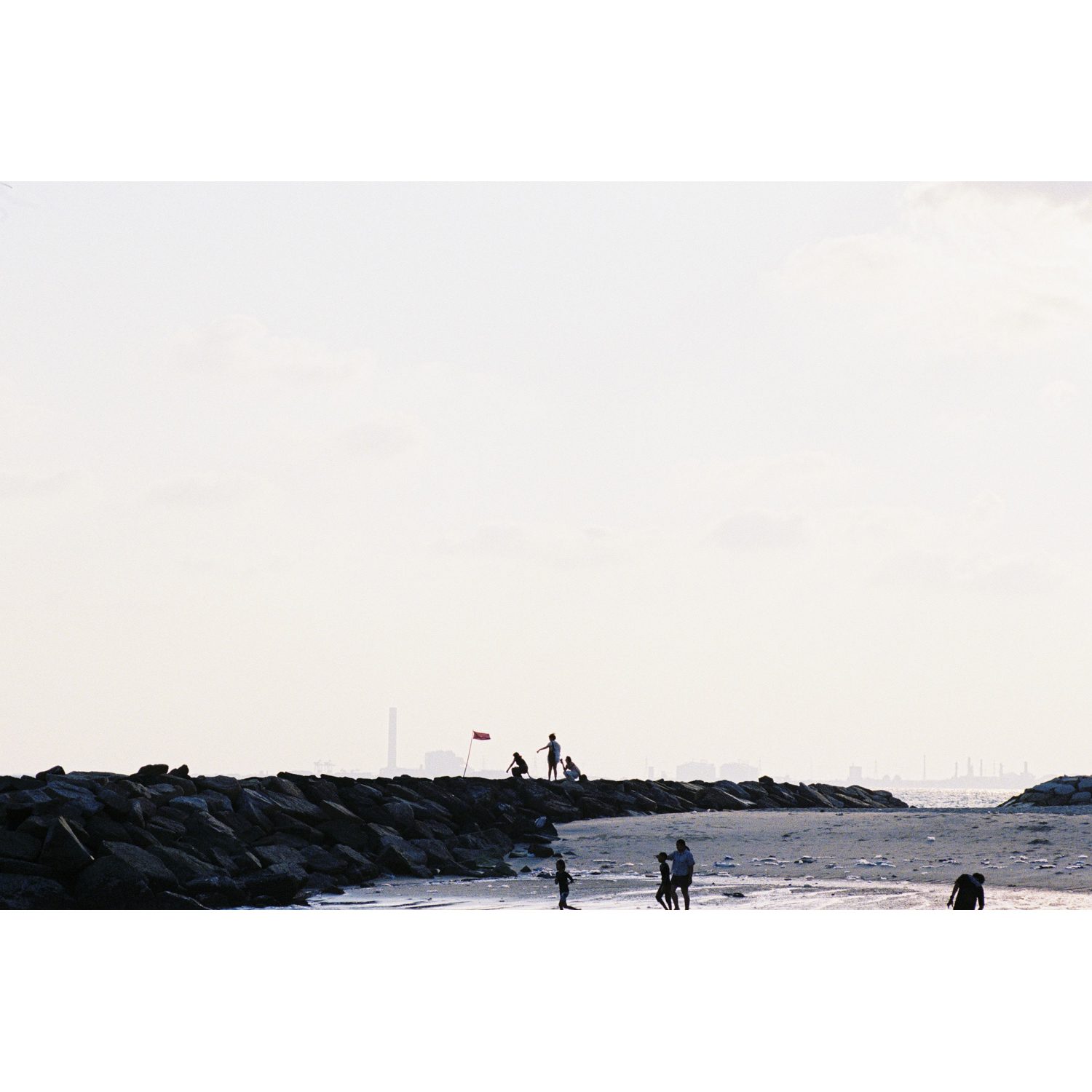
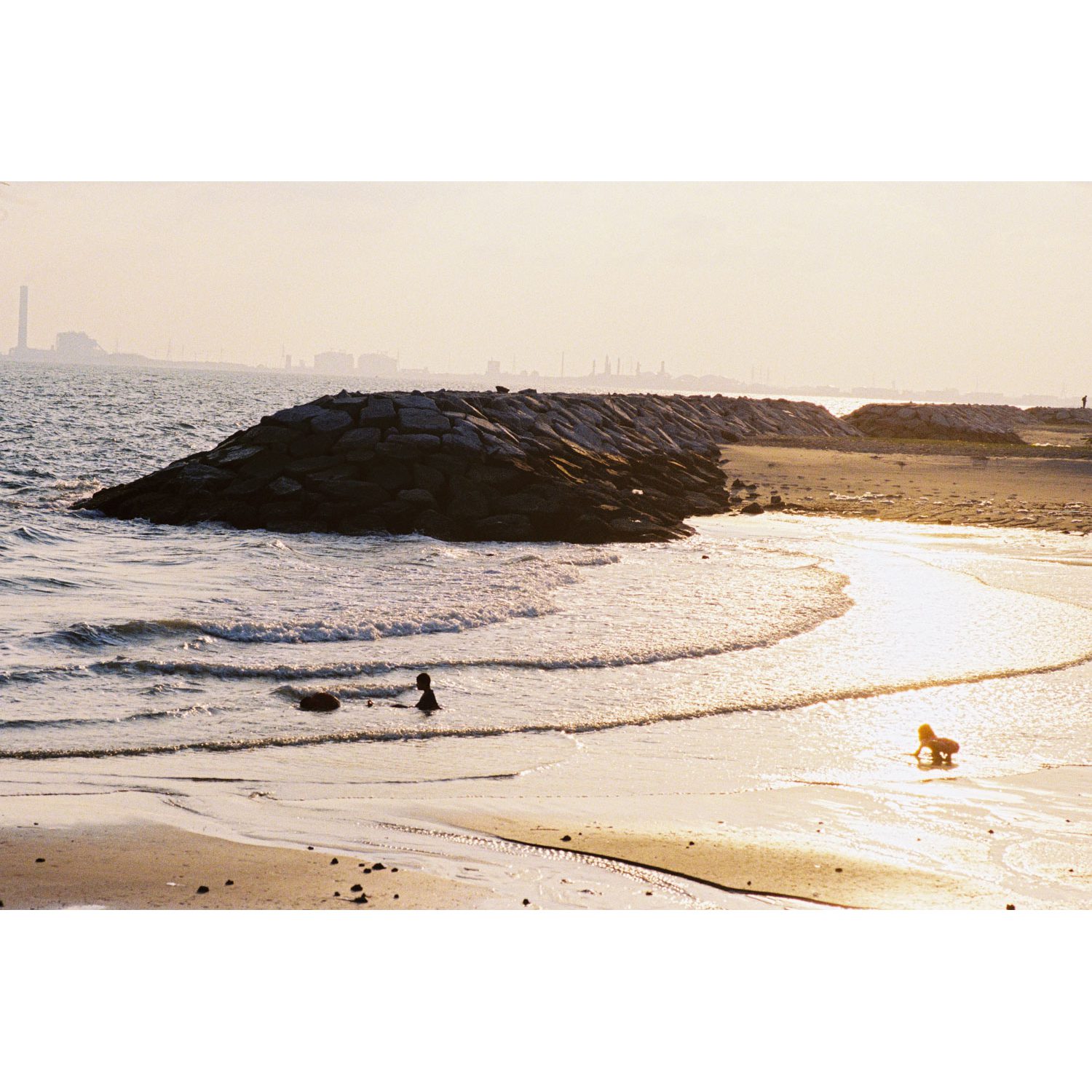
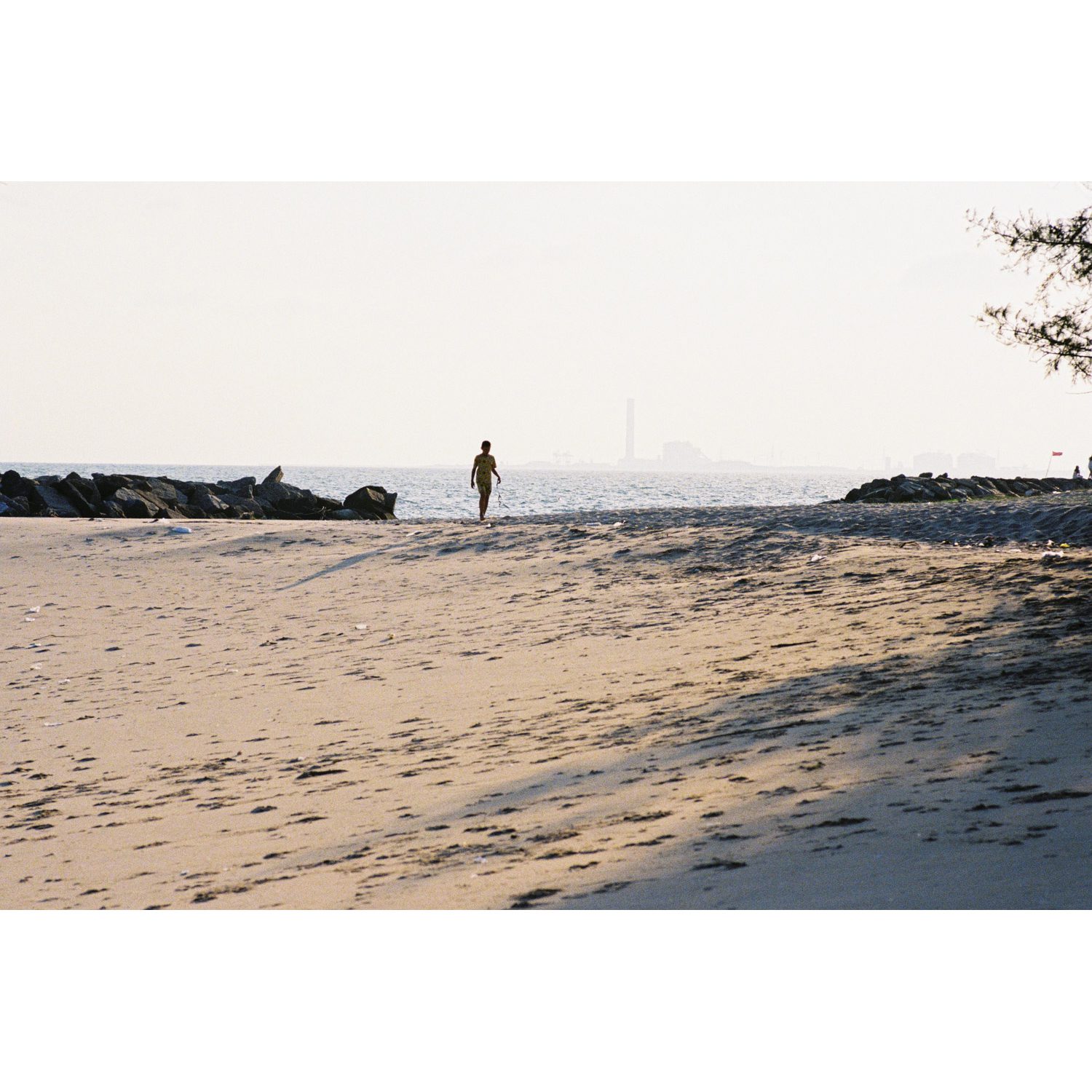
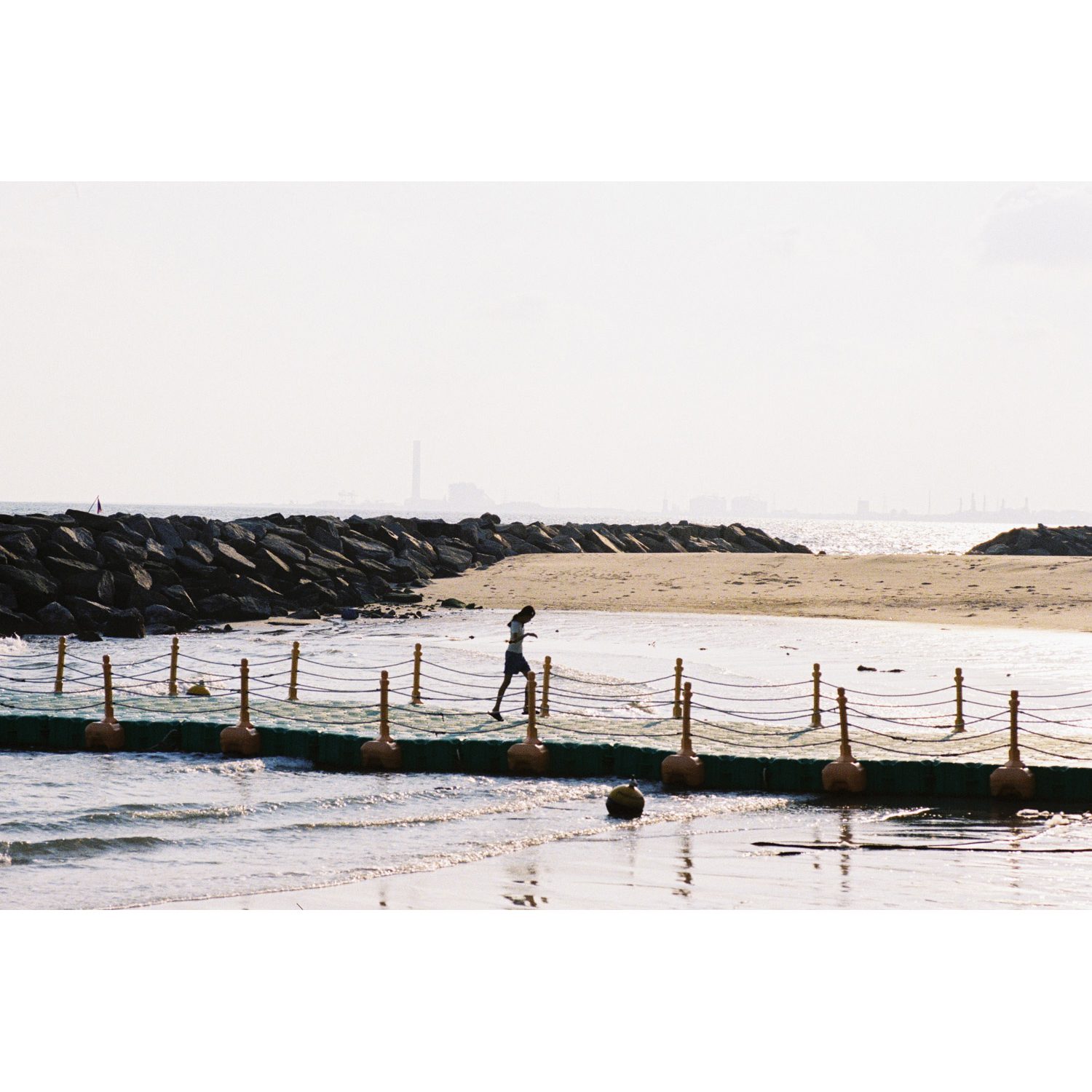
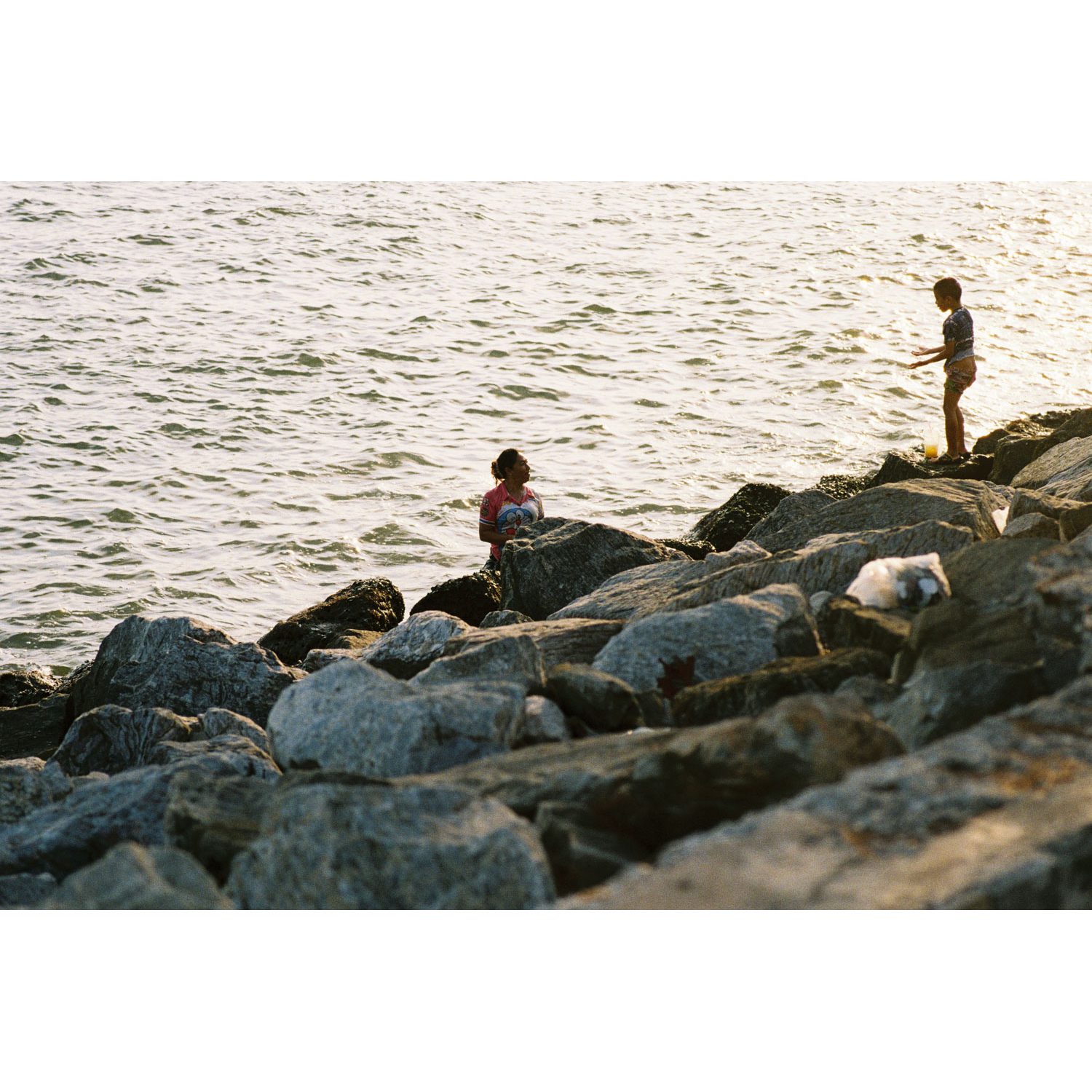
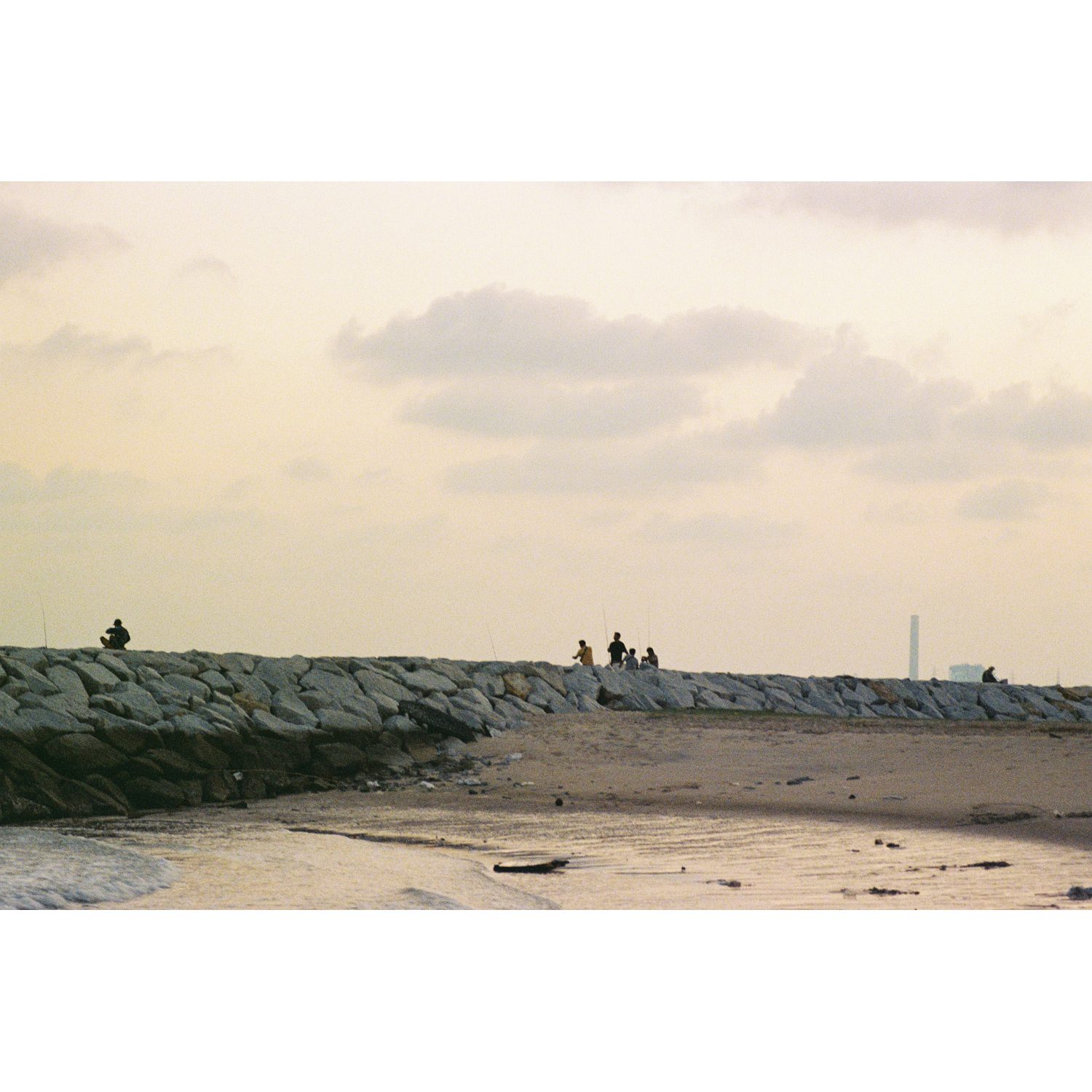
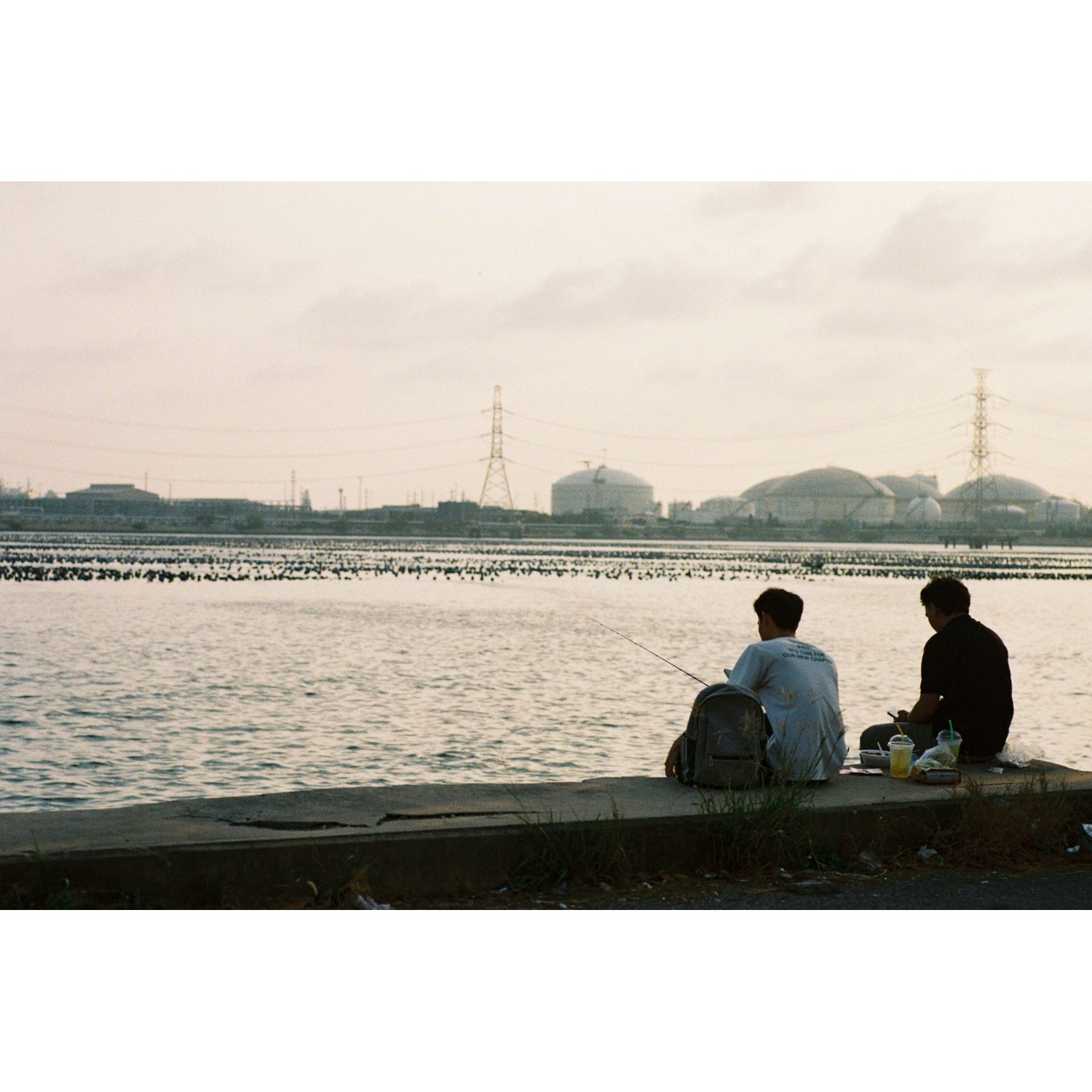
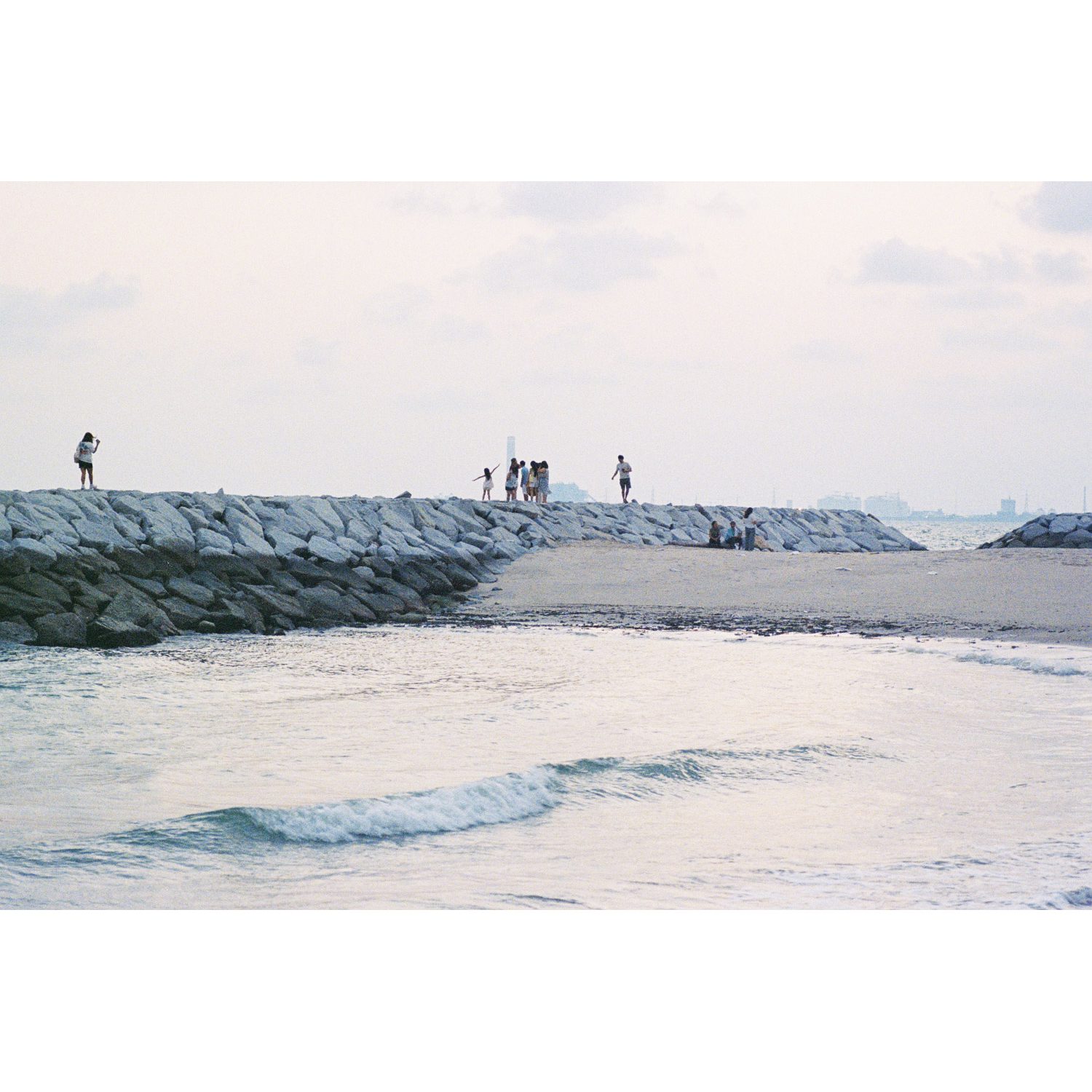
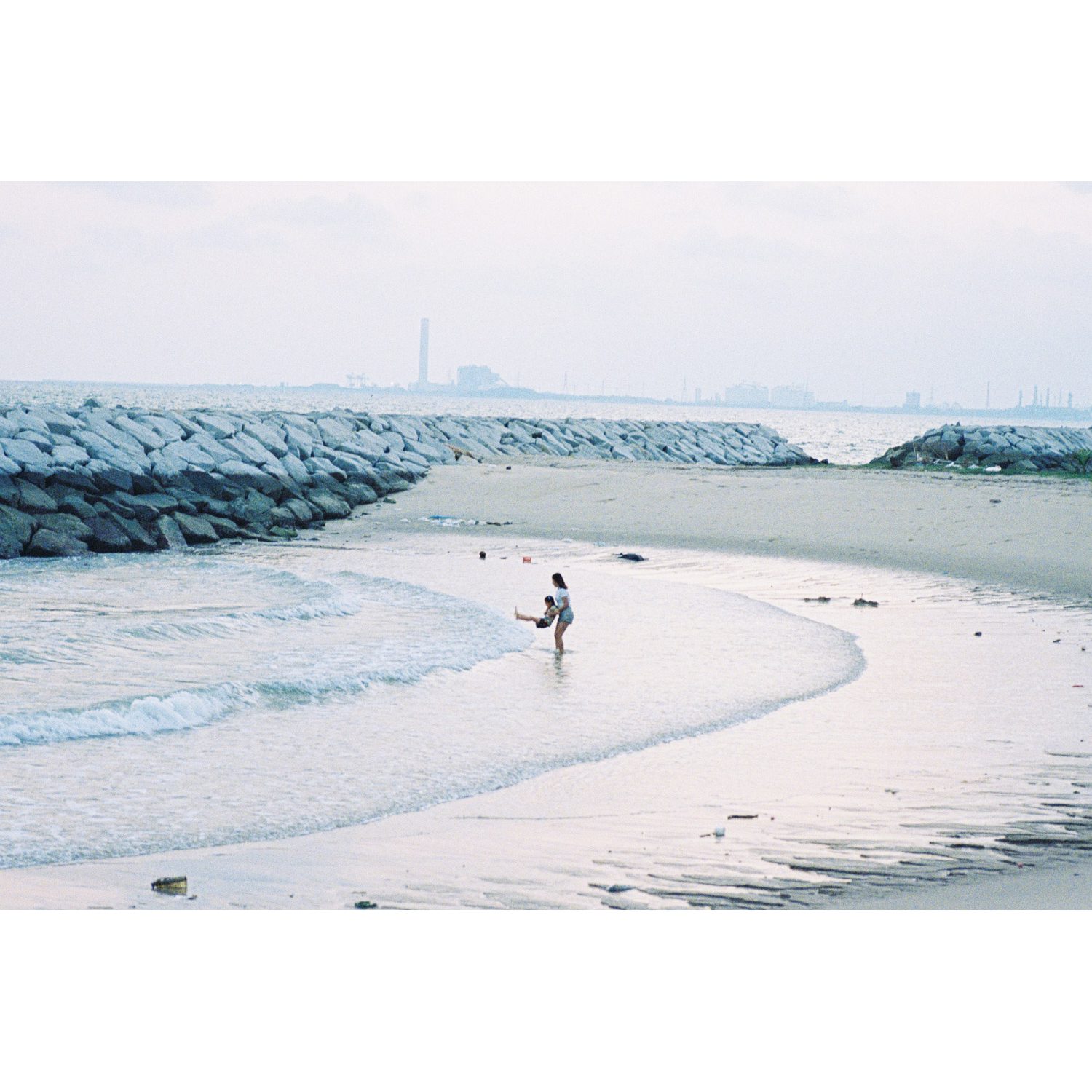
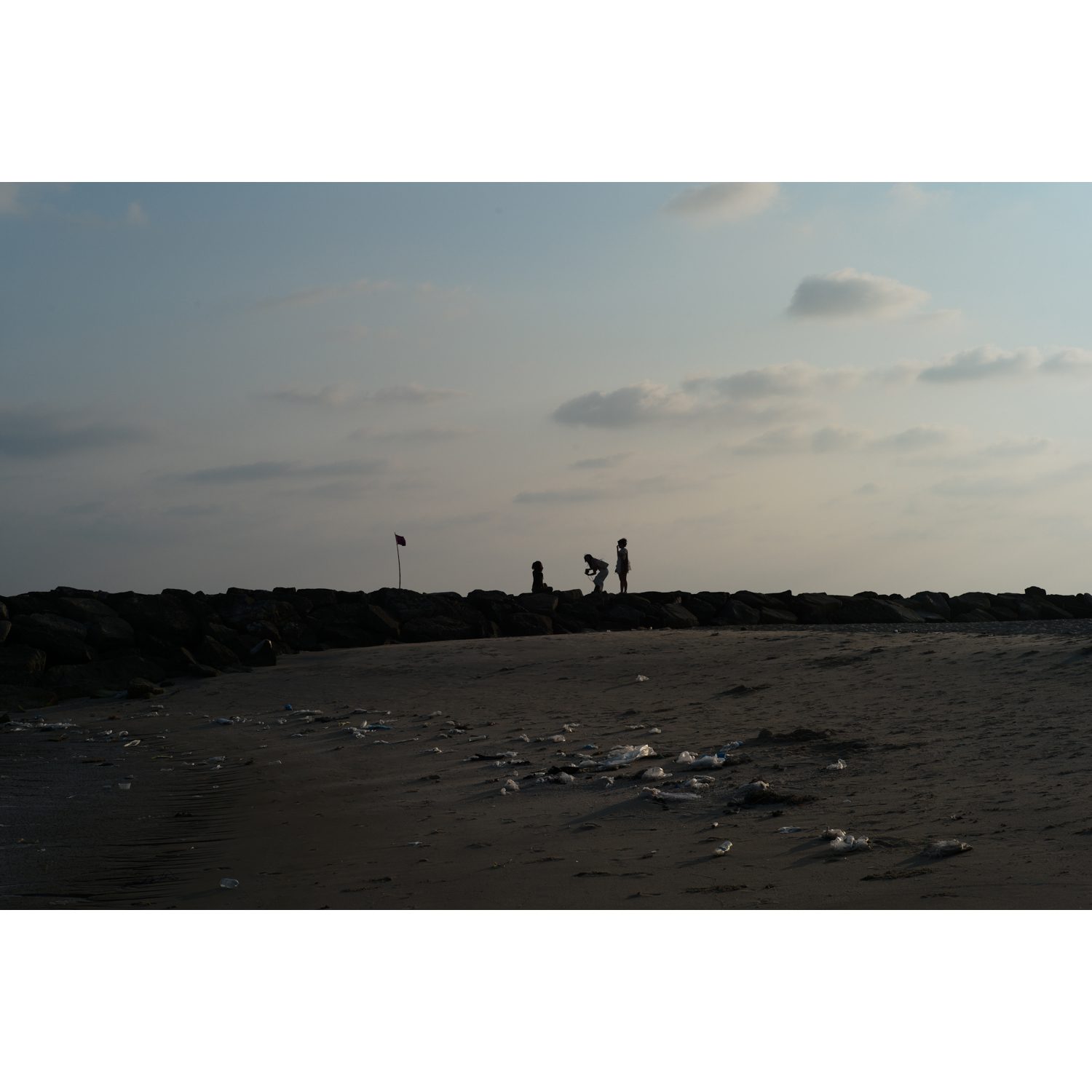
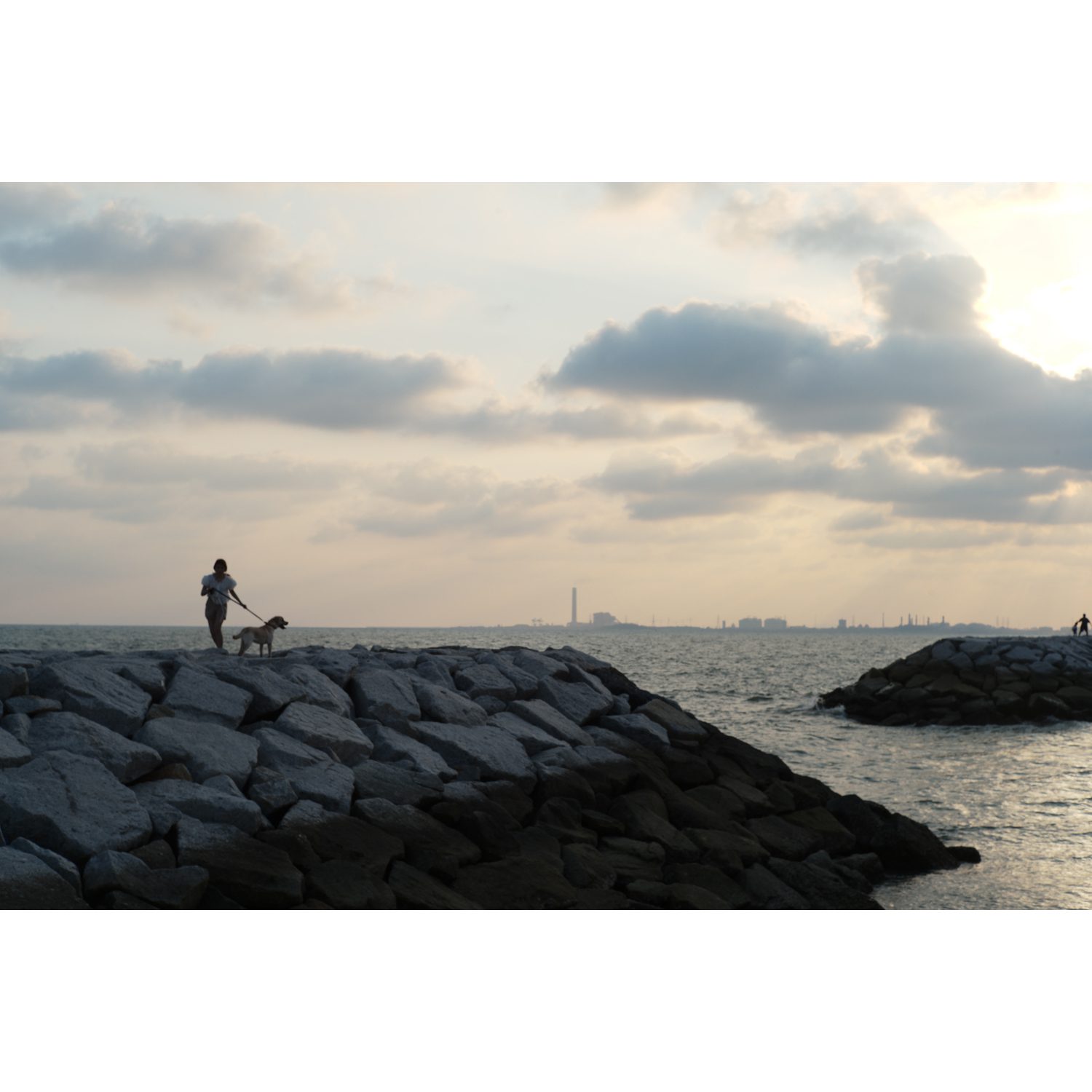
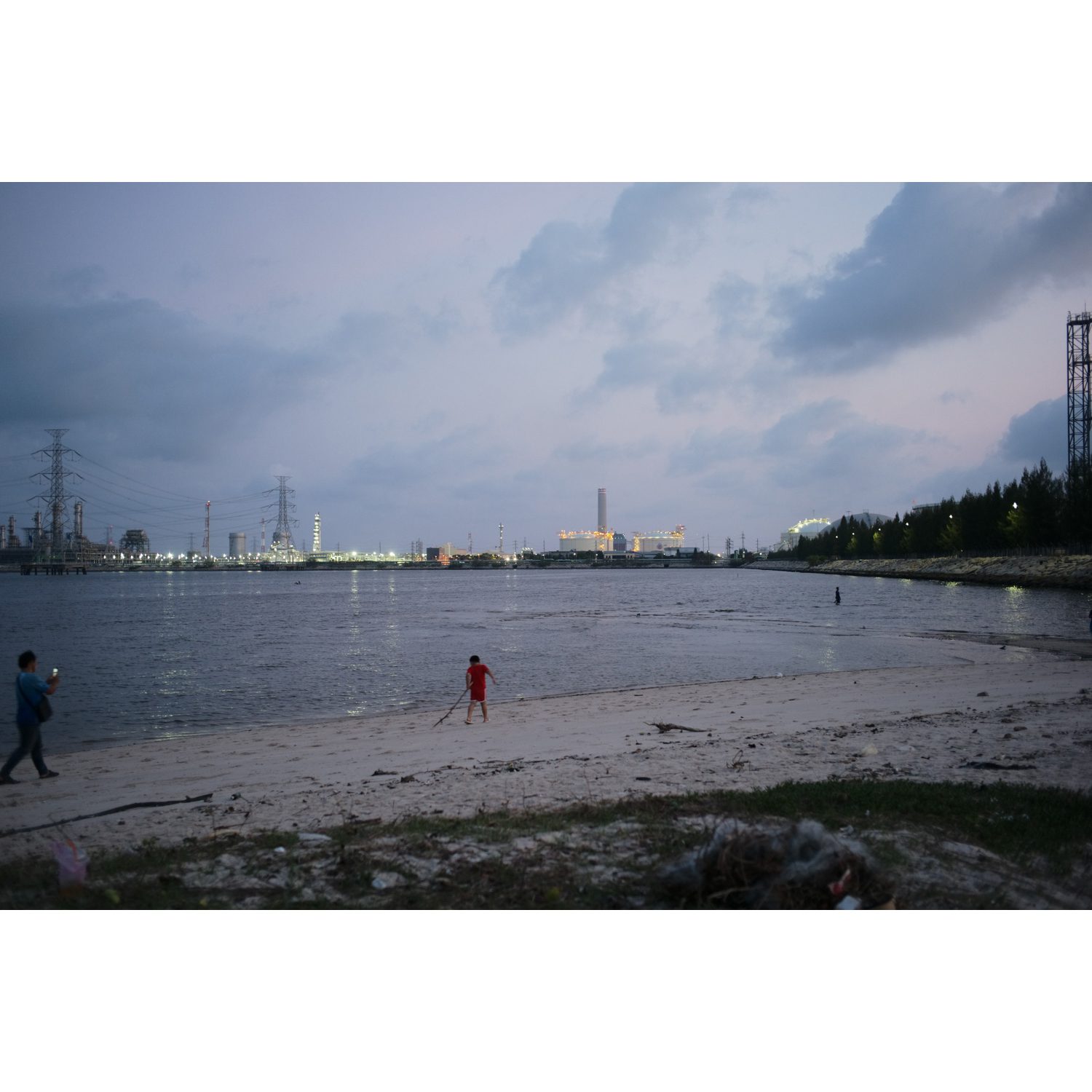
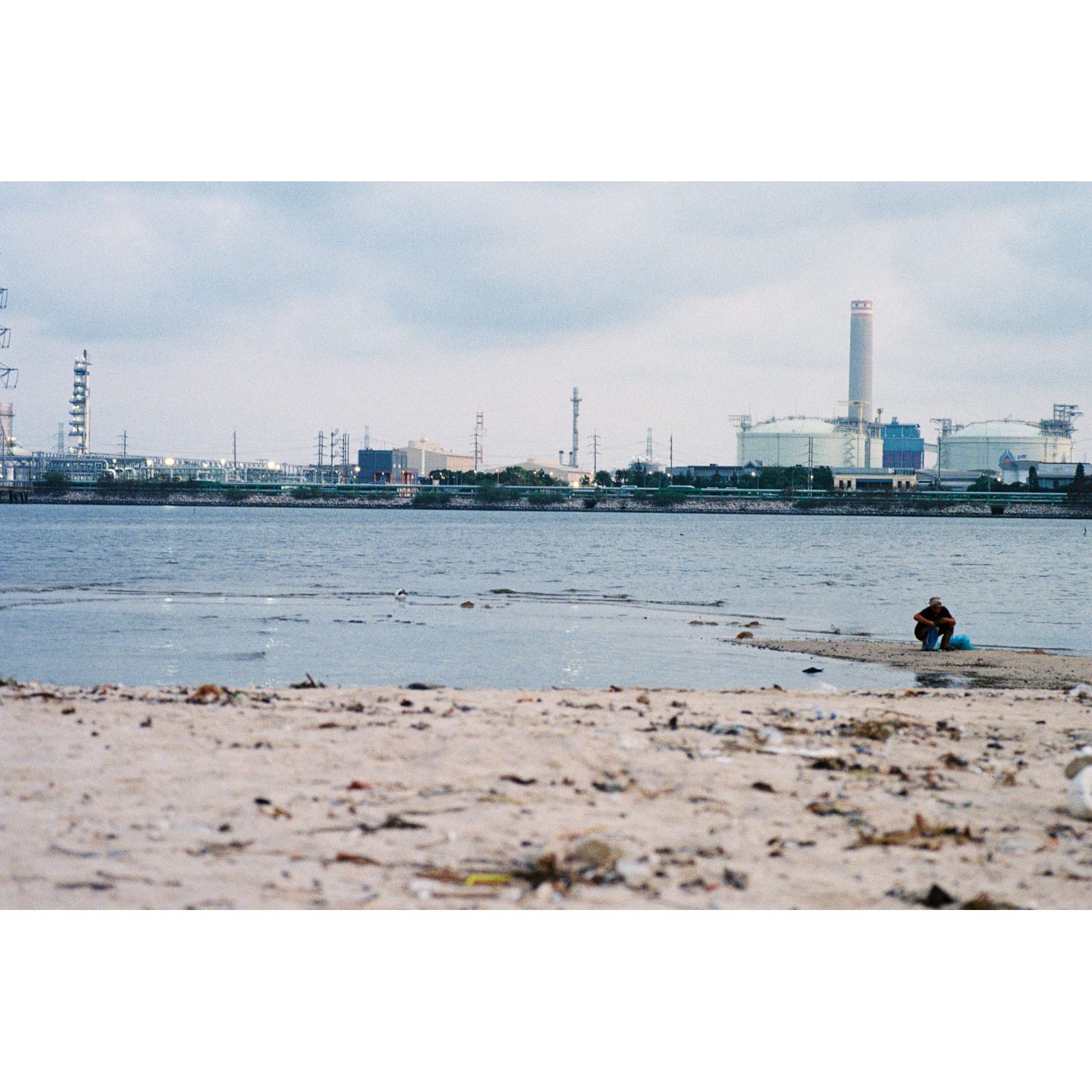
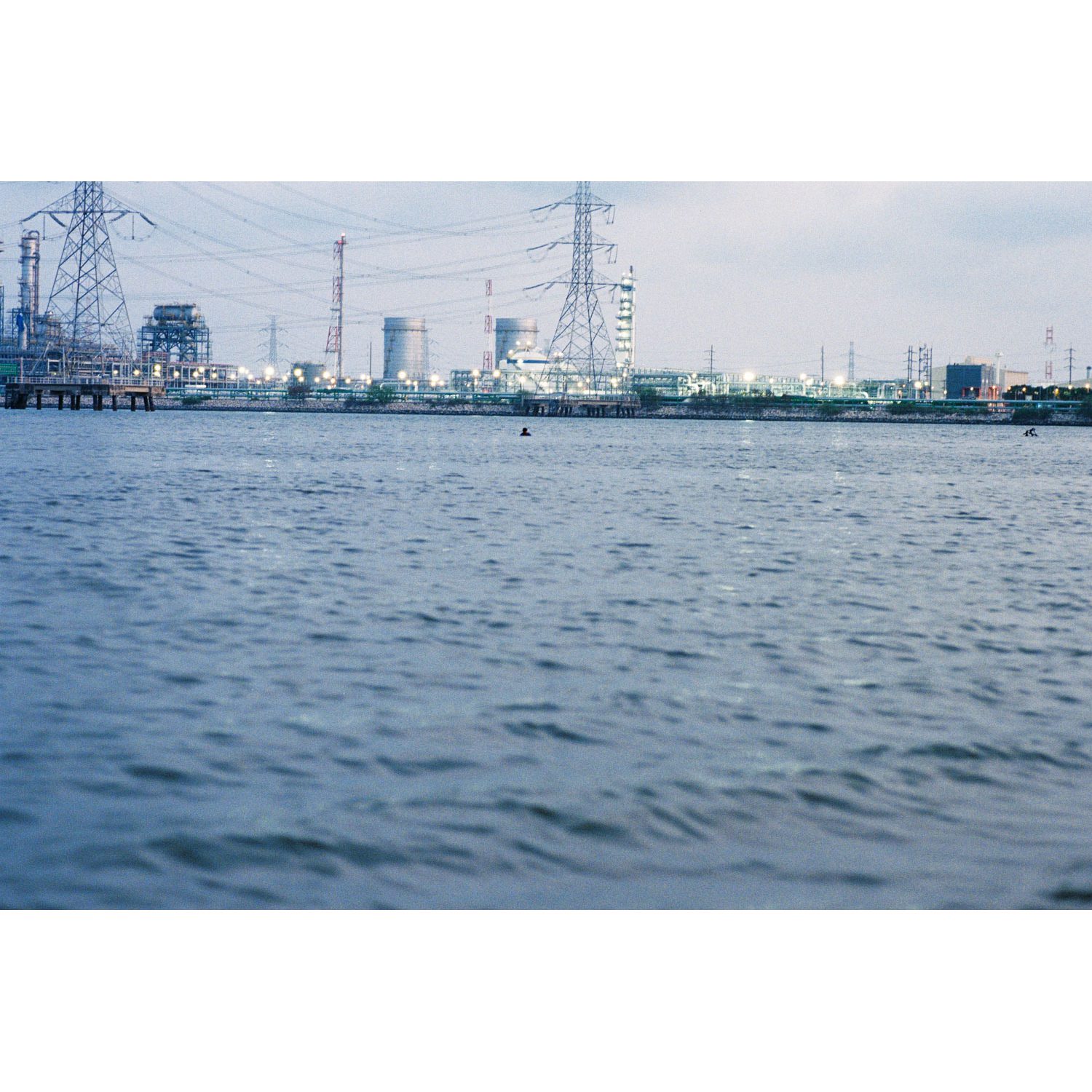
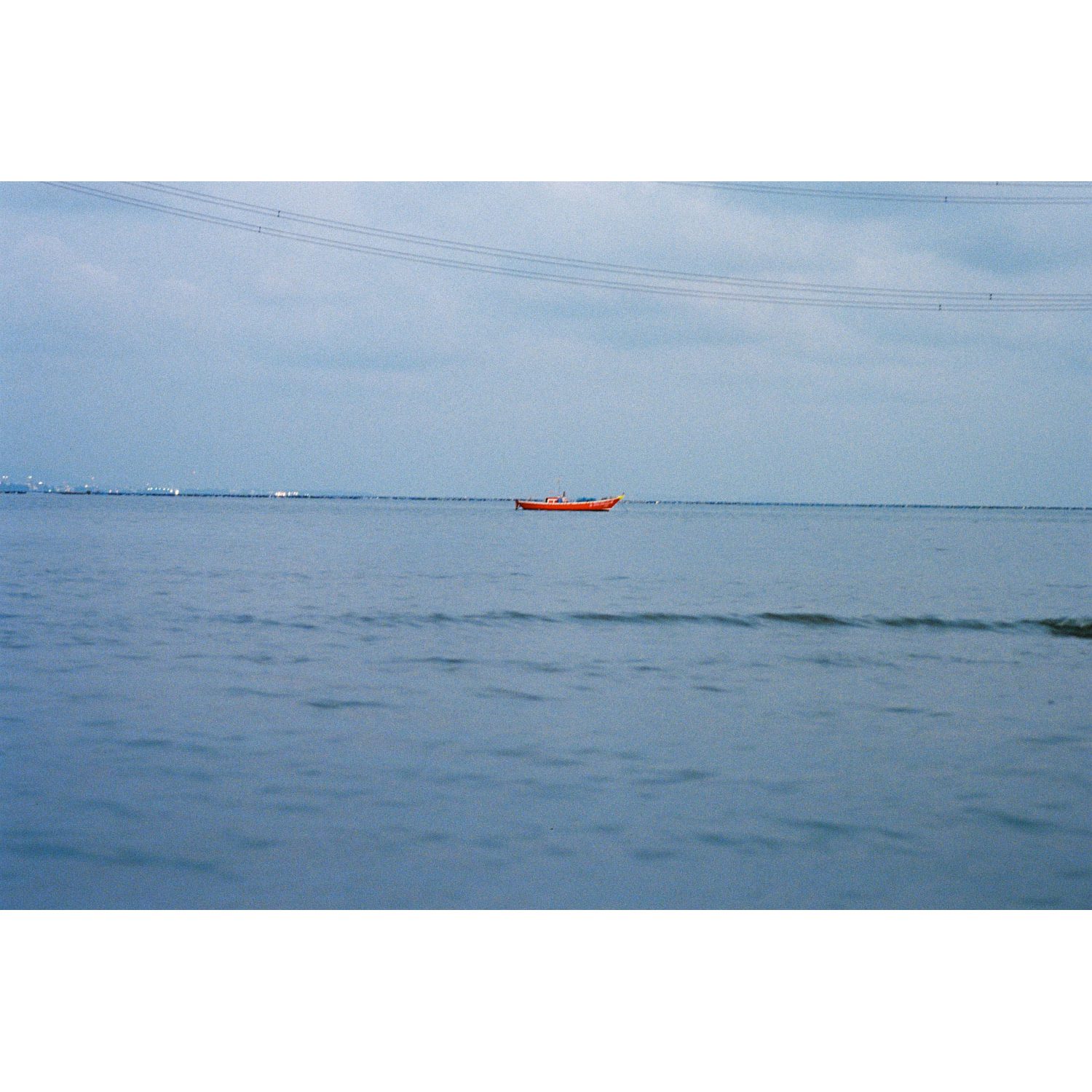
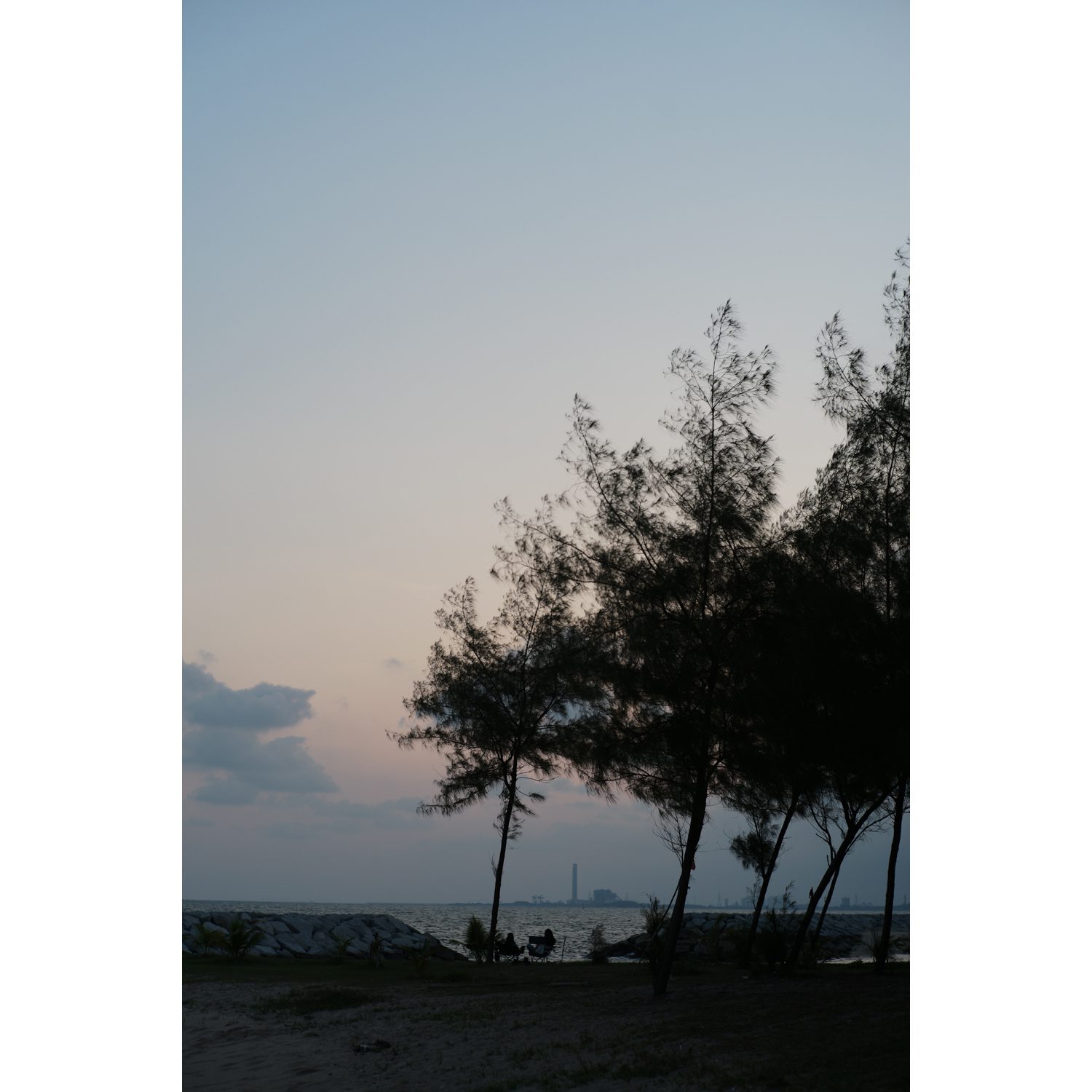
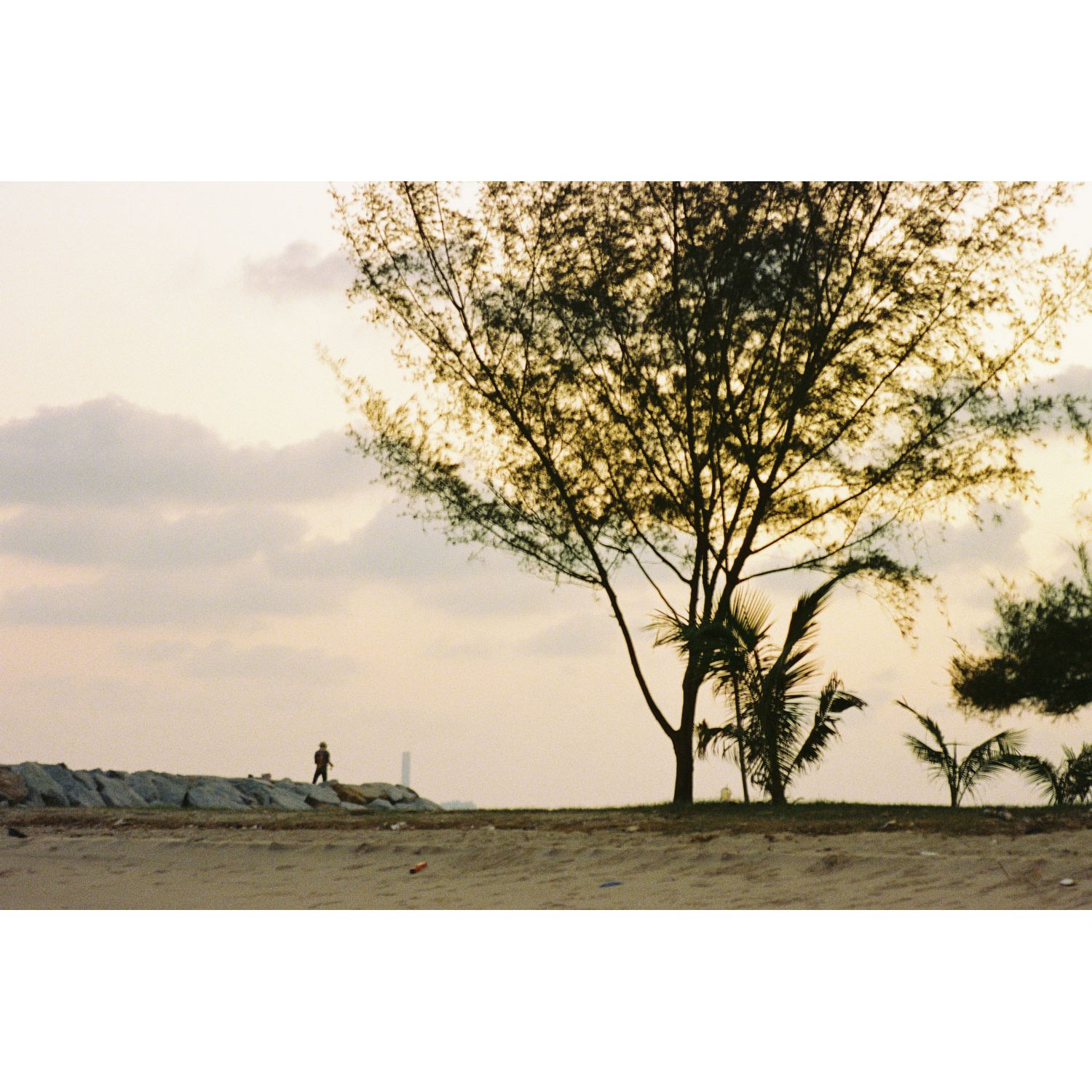
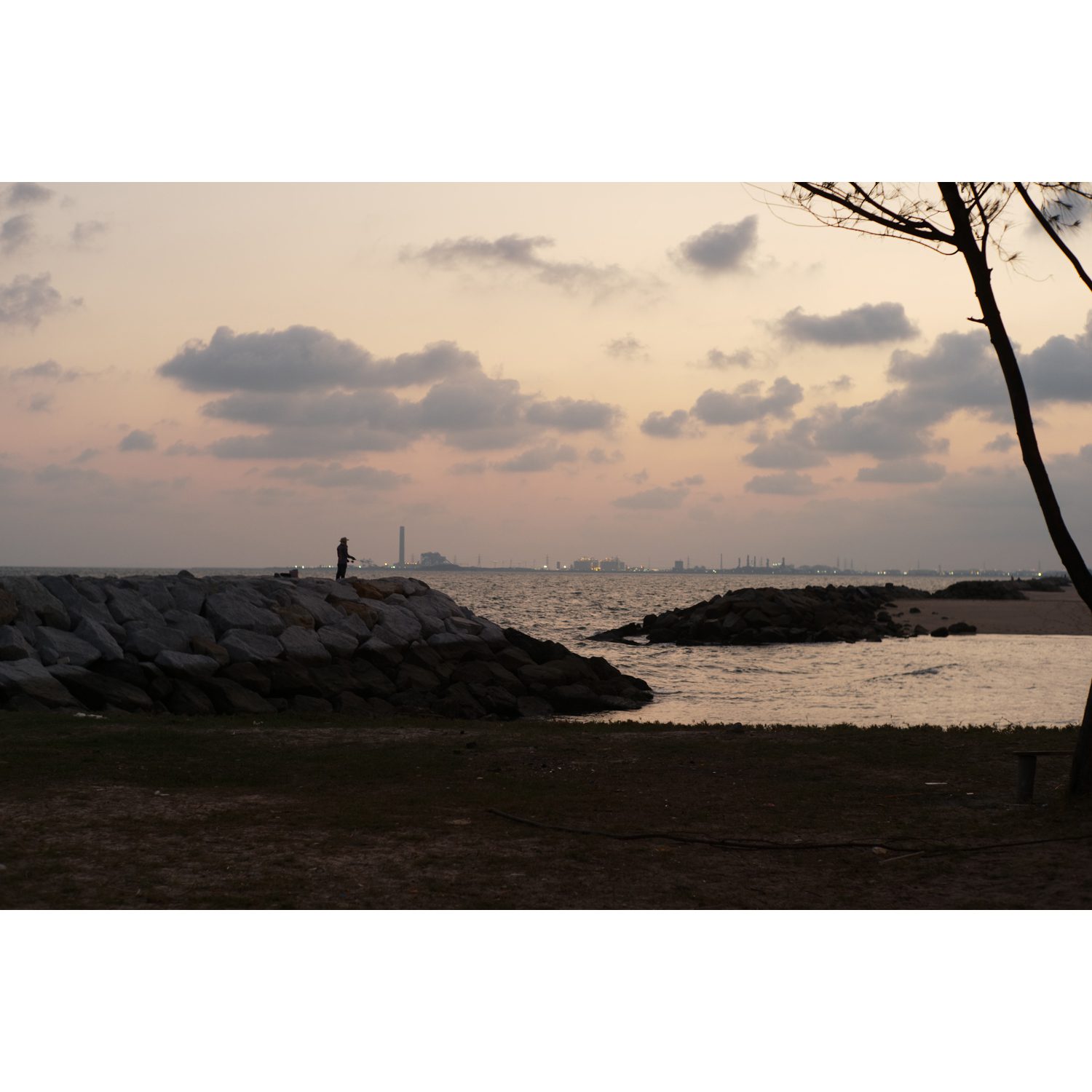
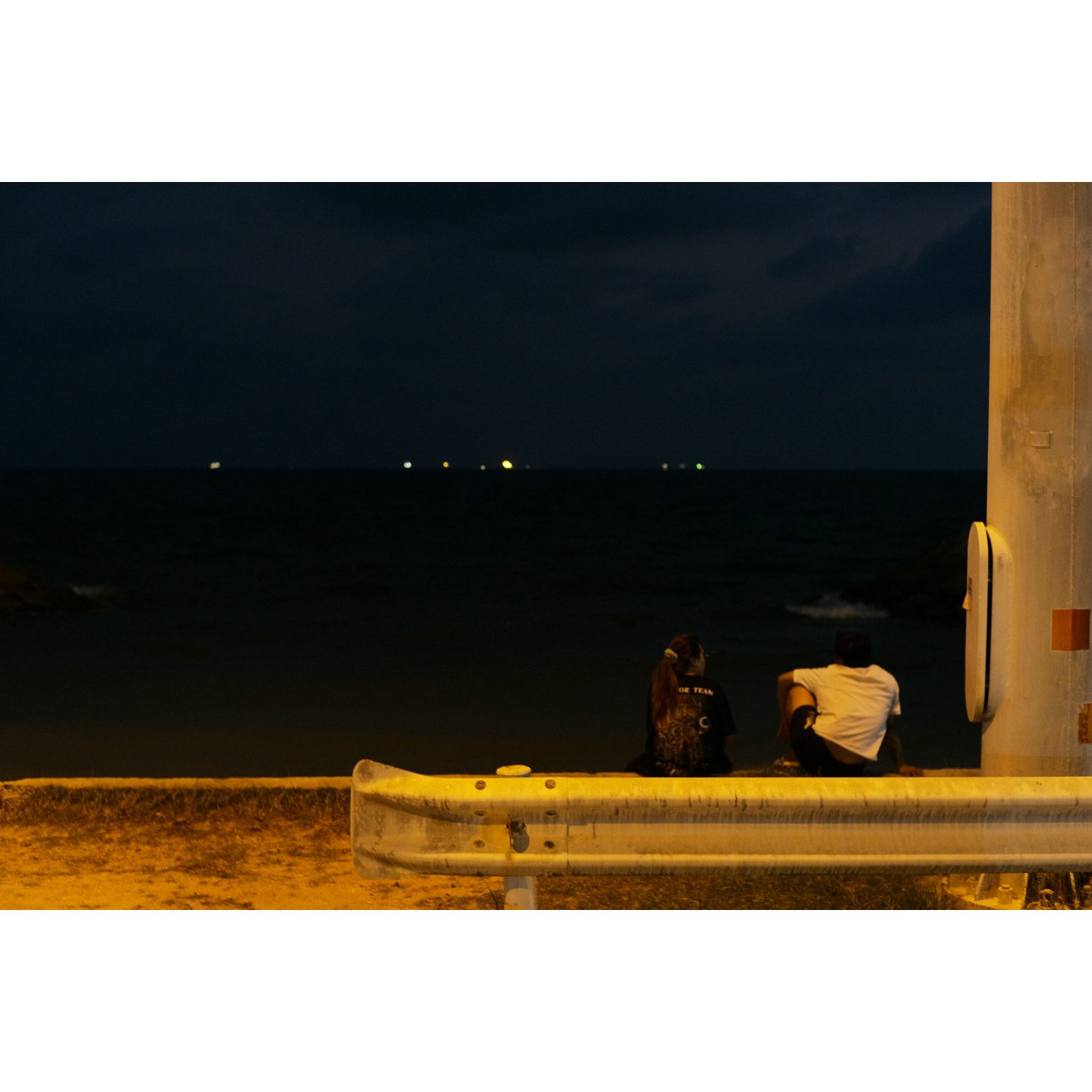
The beaches surrounding the Map Ta Phut industrial estate present a layered image of hope and aspiration in the development of public space around an industrial zone, under the promise of employment and stable income. Parts of the sea and shoreline have been reclaimed for public utility, serving energy production and the infrastructural foundations of national stability. Buildings and power plants have come to overlay the landscape of an earlier public realm once used for leisure, while also replacing former coastal fishing grounds, compelling local communities to gradually accept and adapt to changes they cannot refuse. In time, these unfamiliar conditions have been normalized into a ‘new normal,’ one in which the boundaries between people, sea, and industry within this coastal public space can no longer be clearly separated.
Today, along the beachfront of the Map Ta Phut industrial area, people from Rayong and elsewhere still come and go as usual, gathering to talk, pause, eat, fish, and spend time by the shore. These ordinary acts unfold alongside the boundary line of the power plant, which stands in between, dividing the horizon from the sea. Through the movement of time, as the sun prepares to slip below the horizon, the ‘past’ and its earlier memories begin to fade; the ‘present’ remains governed by gross domestic product (GDP) as the measure of prosperity; and the ‘future’ remains an unresolved question of sustainability, one that continues to shape the fate of the ‘coastal public space’ under the existence of the ‘Eastern Seaboard Industrial Estate.’
___________________
Bhumibhat Promboot, under the Human Made in Rayong project, in collaboration with EPIGRAM, Thai News Pix, the Thai Society of Environmental Journalists, and Dot to Dot.