
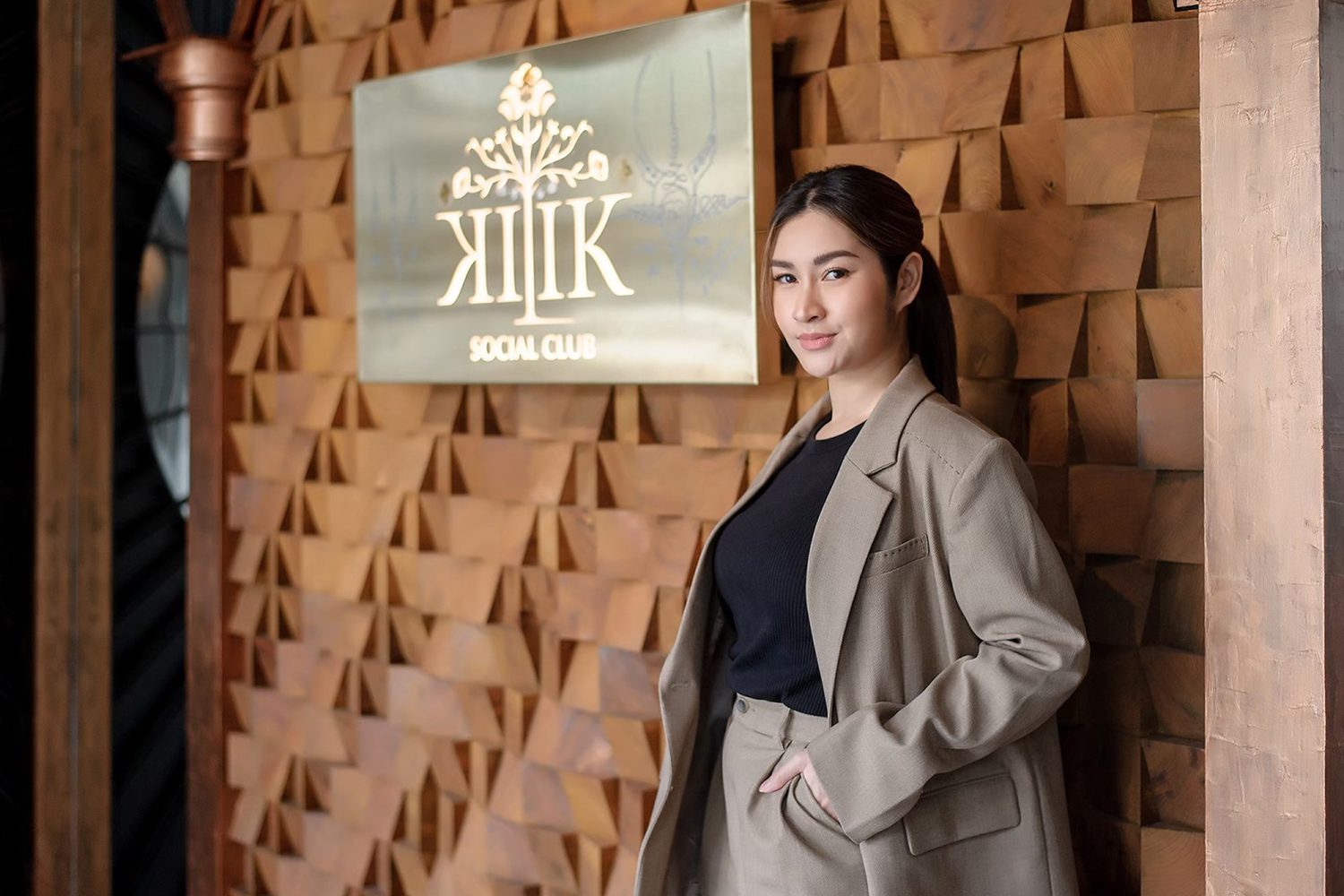
A CONVERSATION WITH GIVE-WARAKORN TERMWATTANAPAKDEE OF GRATITUDE DESIGN, A THAI DESIGN STUDIO THAT UNFOLDS EMOTIONS THROUGH SPACE WITH CREATIVE CONCEPTS AND TANGIBLE DESIGNS
TEXT: CHIWIN LAOKETKIT
PHOTO & IMAGE COURTESY OF GRATITUDE DESIGN
(For Thai, press here)
At the 2025 German Design Awards, an international stage dedicated to pushing the boundaries of creativity and driving design excellence within a socially responsible ethos, Thai interior design studio Gratitude Design took home the top prize in the Excellent Architecture / Retail Architecture category for its project Kilik Social Club. Moreover, they’re also received awards from several other stages including LIV Design Award 2024, Iconic Design Award 2025 and Luxury Lifestyle Award 2025.
With more than a decade of practice, Gratitude Design has built a diverse portfolio that spans hotels, private residences, bars, restaurants, hospitals, and flagship stores for leading brands. The studio’s work has garnered multiple international accolades, distinguished by its signature blend of playful character and understated elegance, where a refined sense of luxury is subtly embedded in simplicity. Every project reflects a careful orchestration of color palettes and an acute sensitivity to the sensory details that shape a visitor’s experience.
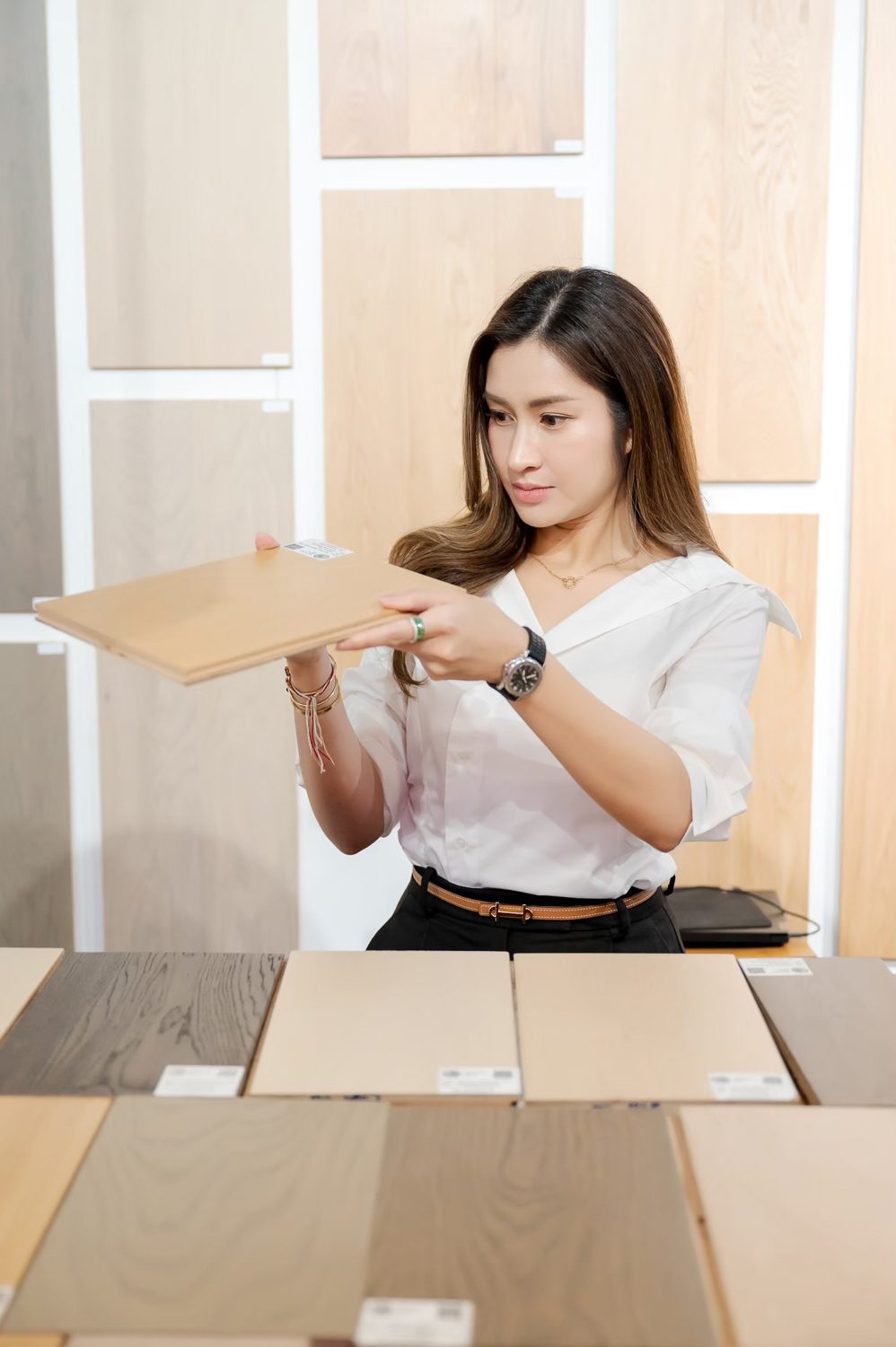
Alongside featuring the studio’s award-winning design, art4d spoke with Warakorn Termwattanapakdee, co-founder of Gratitude Design, to delve into her creative thinking, working methods, and her vision for the driving force behind the evolution of Thailand’s interior design industry.
art4d: How did you first get started in interior design?
Warakorn Termwattanapakdee: I’ve been into drawing and sketching since I was little. My dad was a contractor, so I often tagged along to see the buildings he was working on. That’s probably when I realized how much I liked design. When it came time to choose a major, I decided to pursue a degree in Interior Design at King Mongkut’s University of Technology North Bangkok’s Faculty of Architecture and Design. After graduating, I worked for about five years at an international interior design firm. I got to collaborate with designers from Sweden, Singapore, and the United States, and their approach, especially the emphasis on deep and thorough research, is something I still carry with me today.
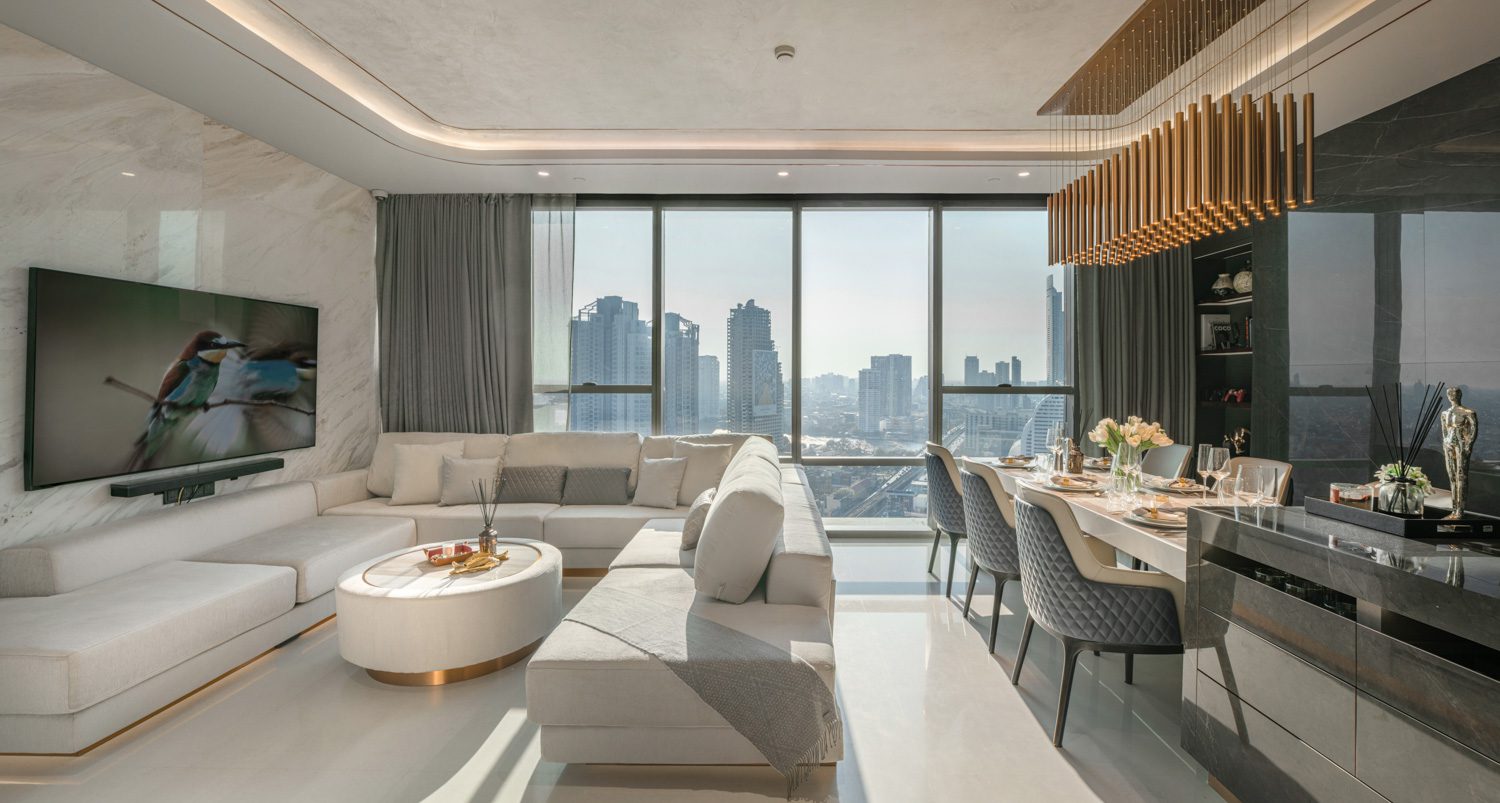
The Bangkok Sathorn
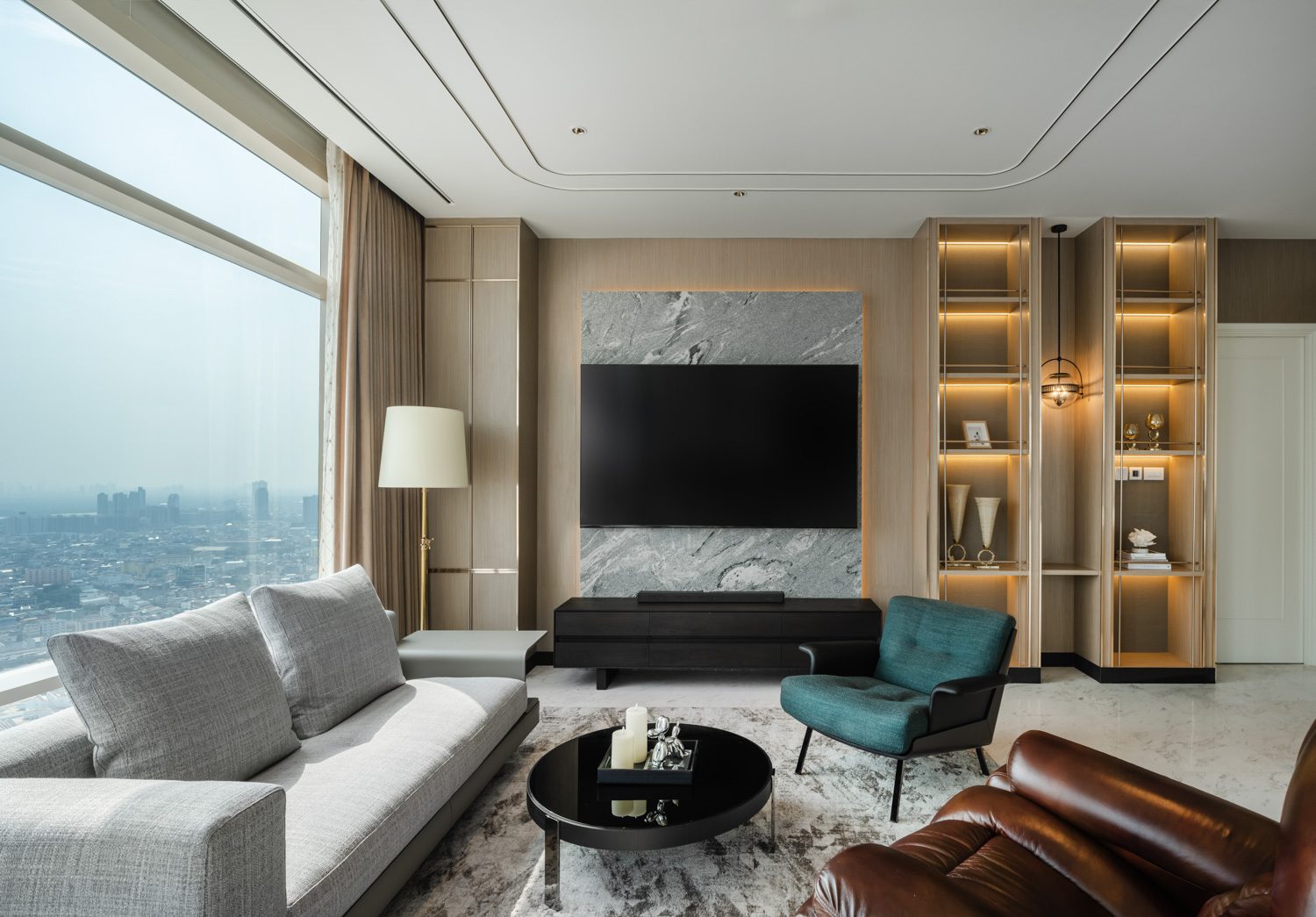
Four Seasons Private Residences Bangkok
art4d: What made you decide to start Gratitude Design?
WT: After a few years in the field, I was offered a project designing the communal areas for show homes, clubhouses, and sales galleries in a modern luxury style. It was a chance to really show my attention to detail and meet the project’s marketing goals. The project went well, and the client trusted me with more work. From there, it just felt like the right time to start my own studio. That’s how Gratitude Design was born.
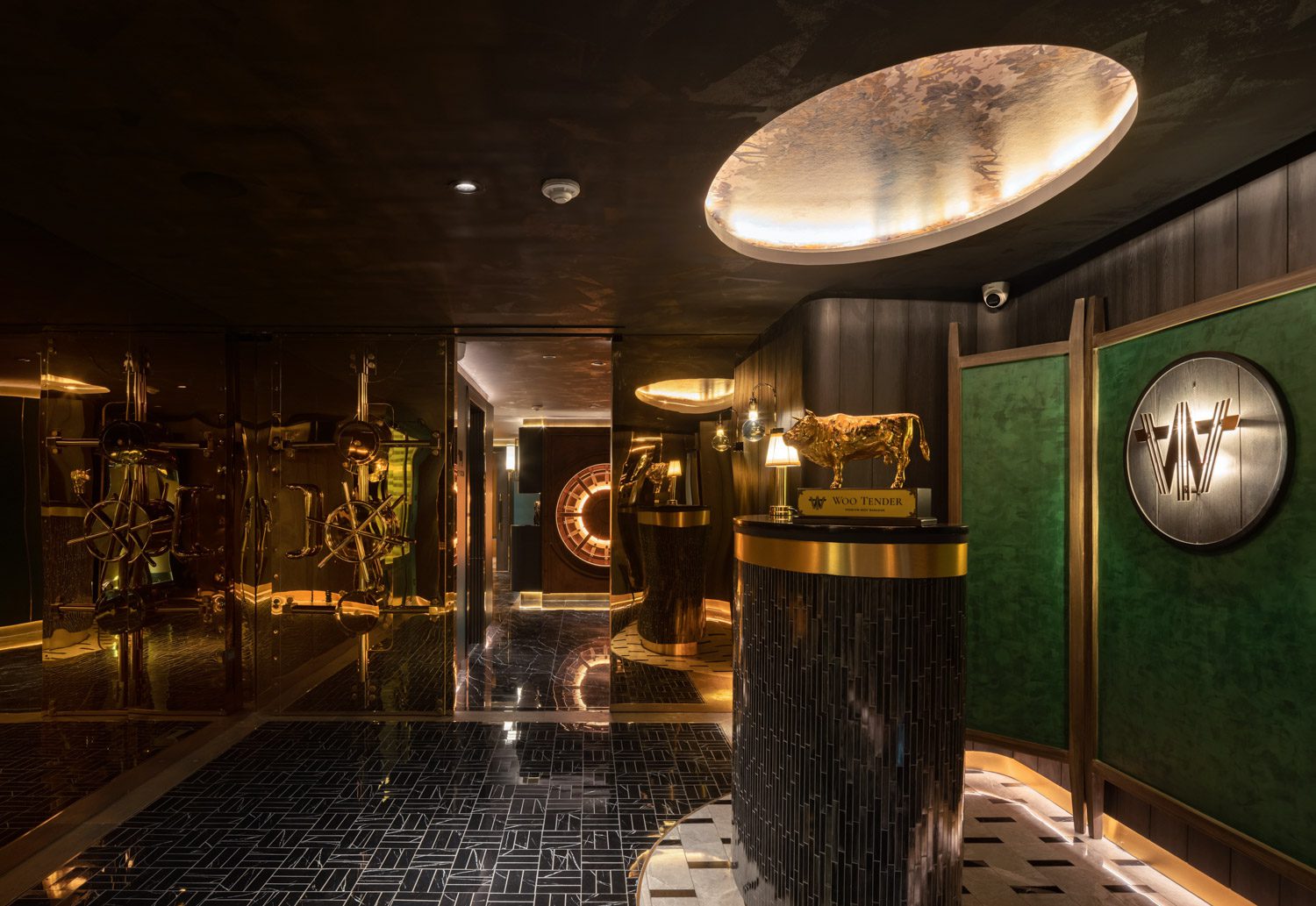
WOO TENDER
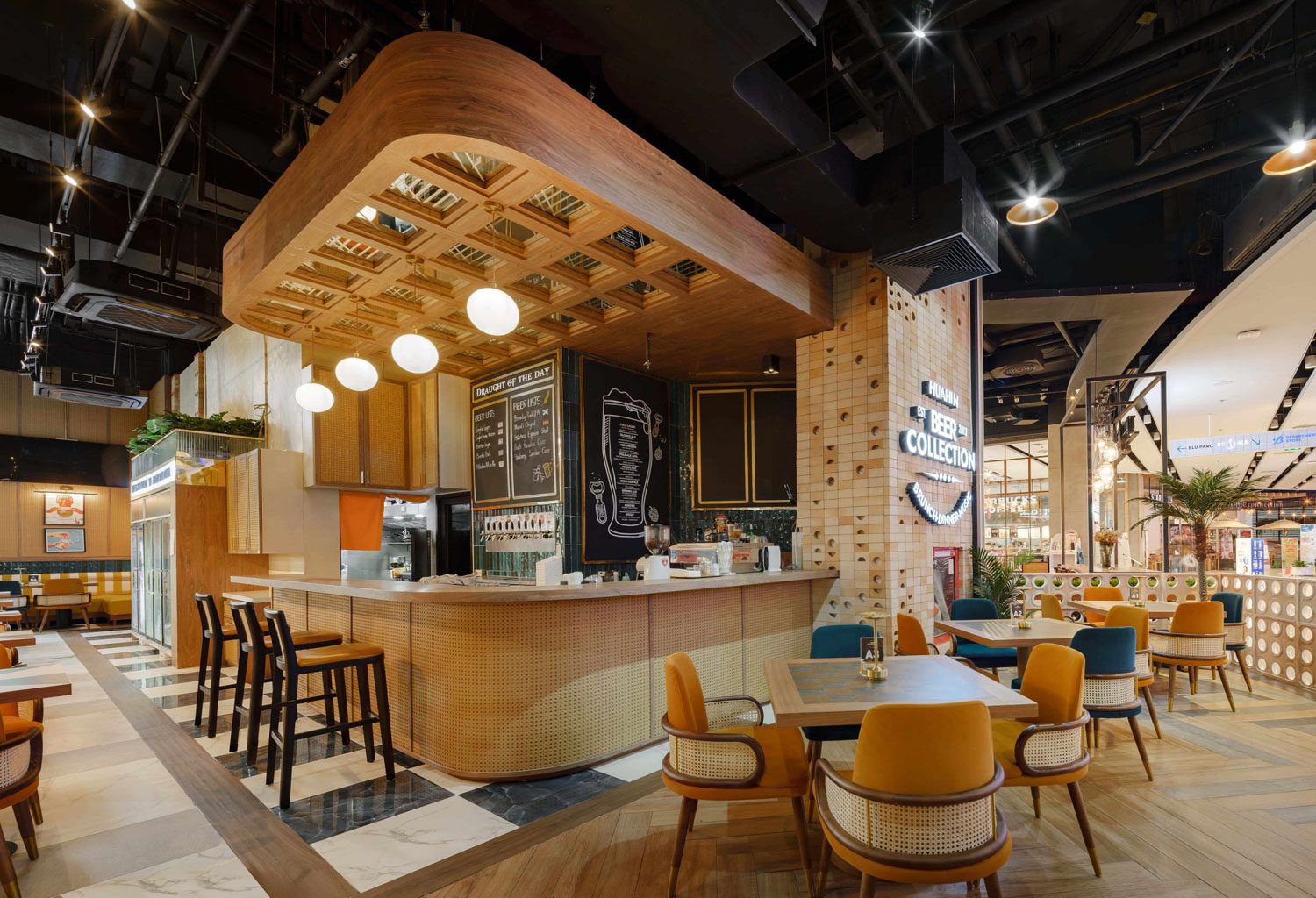
Beer Collection Hua Hin
art4d: After more than 15 years in the field, how would you describe the character of Gratitude Design?
WT: I should probably start with the name ‘Gratitude.’ For me, it’s about thanking the people who have given me opportunities along the way. Even my nickname, which was given to me by my father, is ‘Give.’ I’ve always wanted to give thanks to the clients who have trusted me with their projects. That’s why I place so much importance on the concept behind each design. Every project is shaped through a process of learning together, drawing input from many different sources, and growing alongside the thought processes and creativity of the team, all while making sure the design works for the people who will use it. Now, with more than 15 years behind us, I feel confident in the quality of our work. We’ve built a reputation for a style that is understated yet refined, with meticulous attention to detail so every element works over the long term. Choosing sustainable materials is also a key part of that.
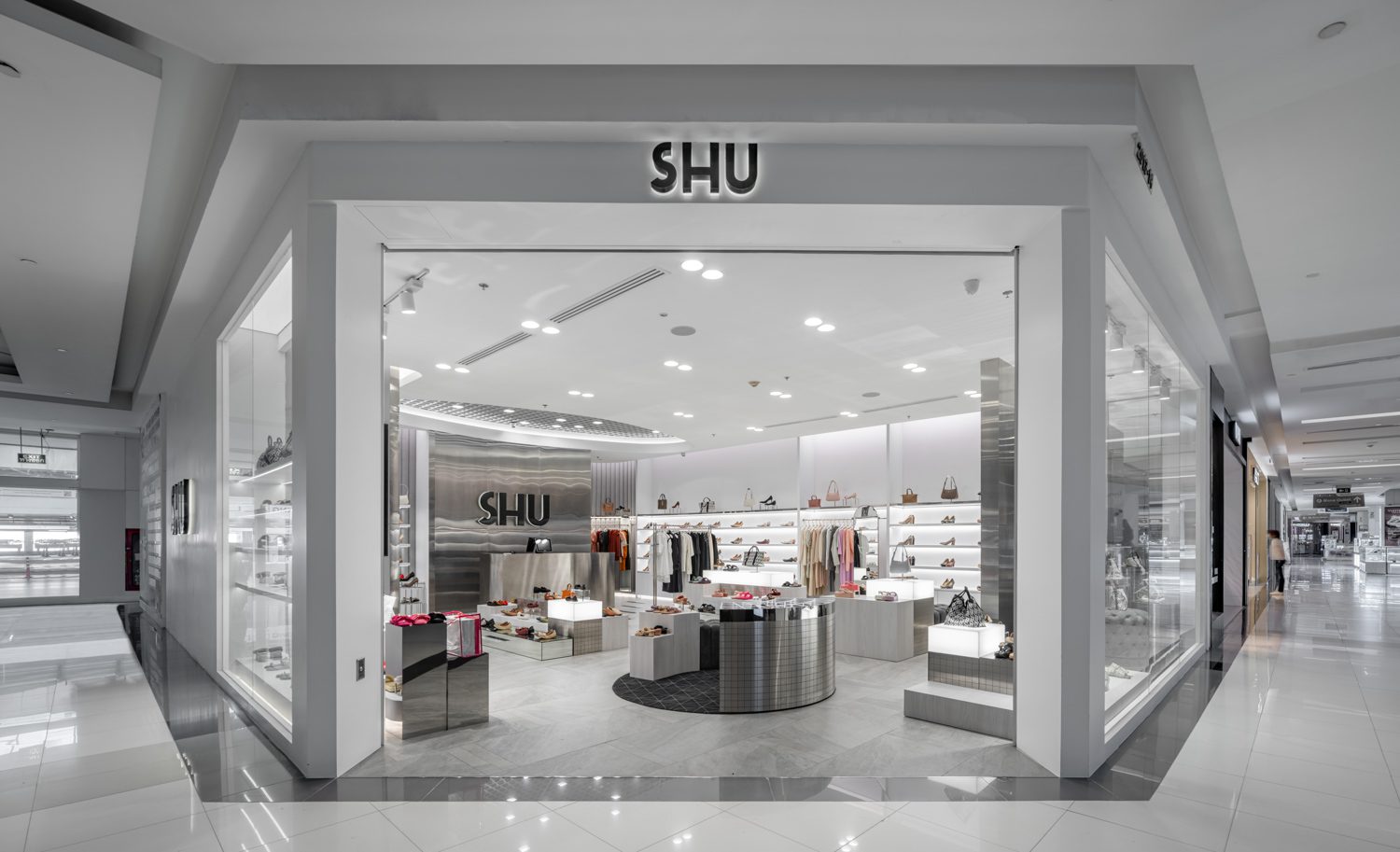
SHU
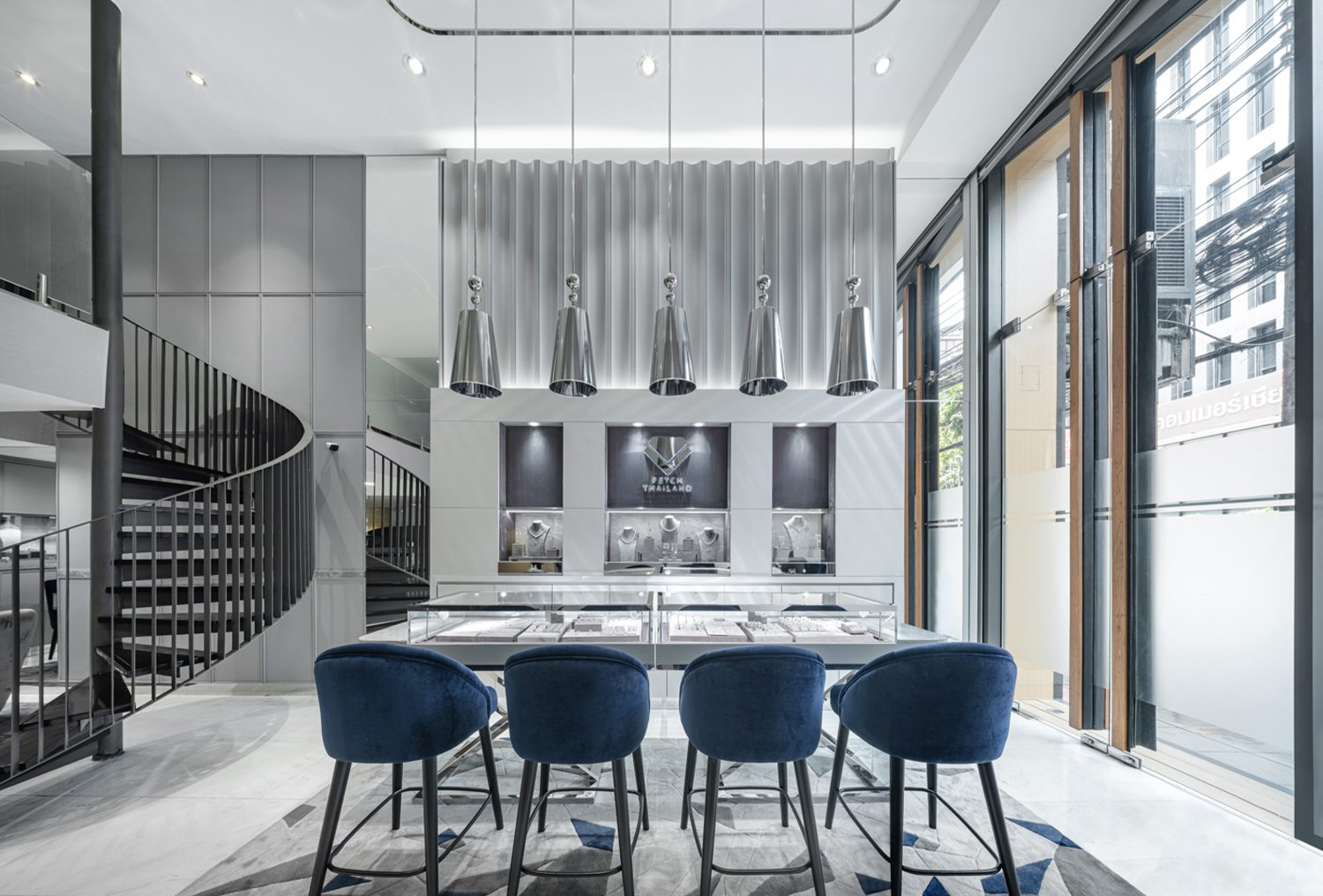 Petch Thailand
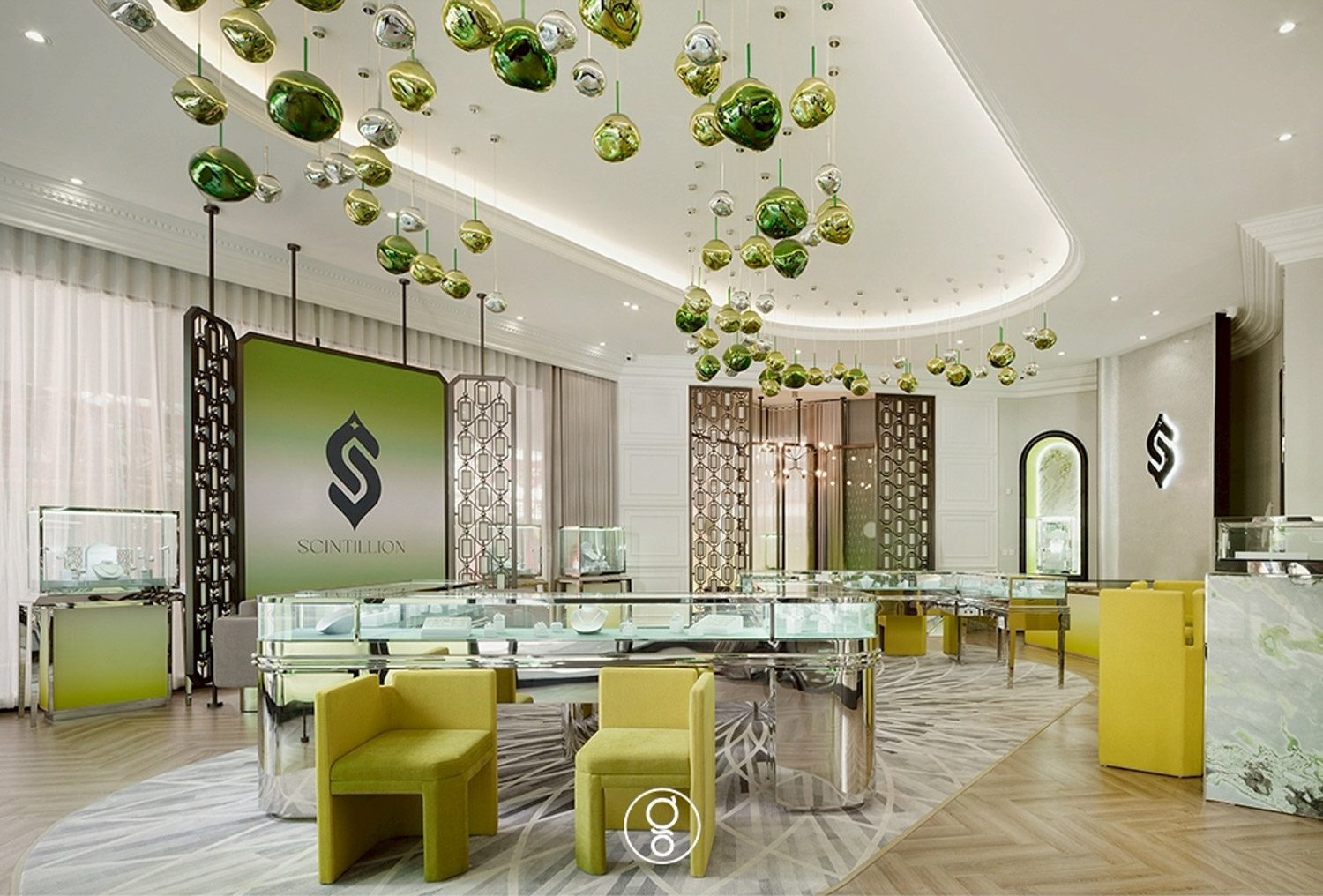
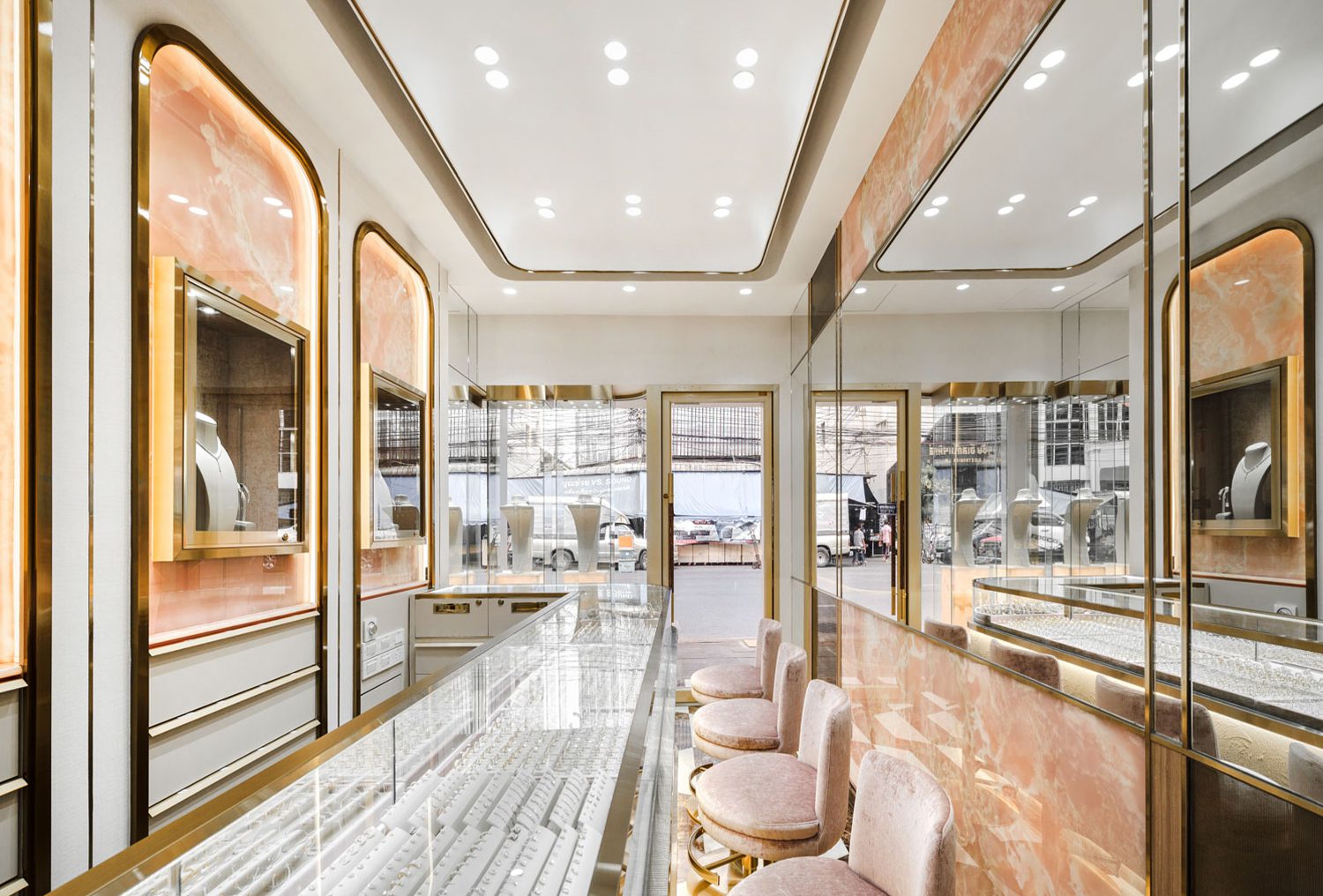
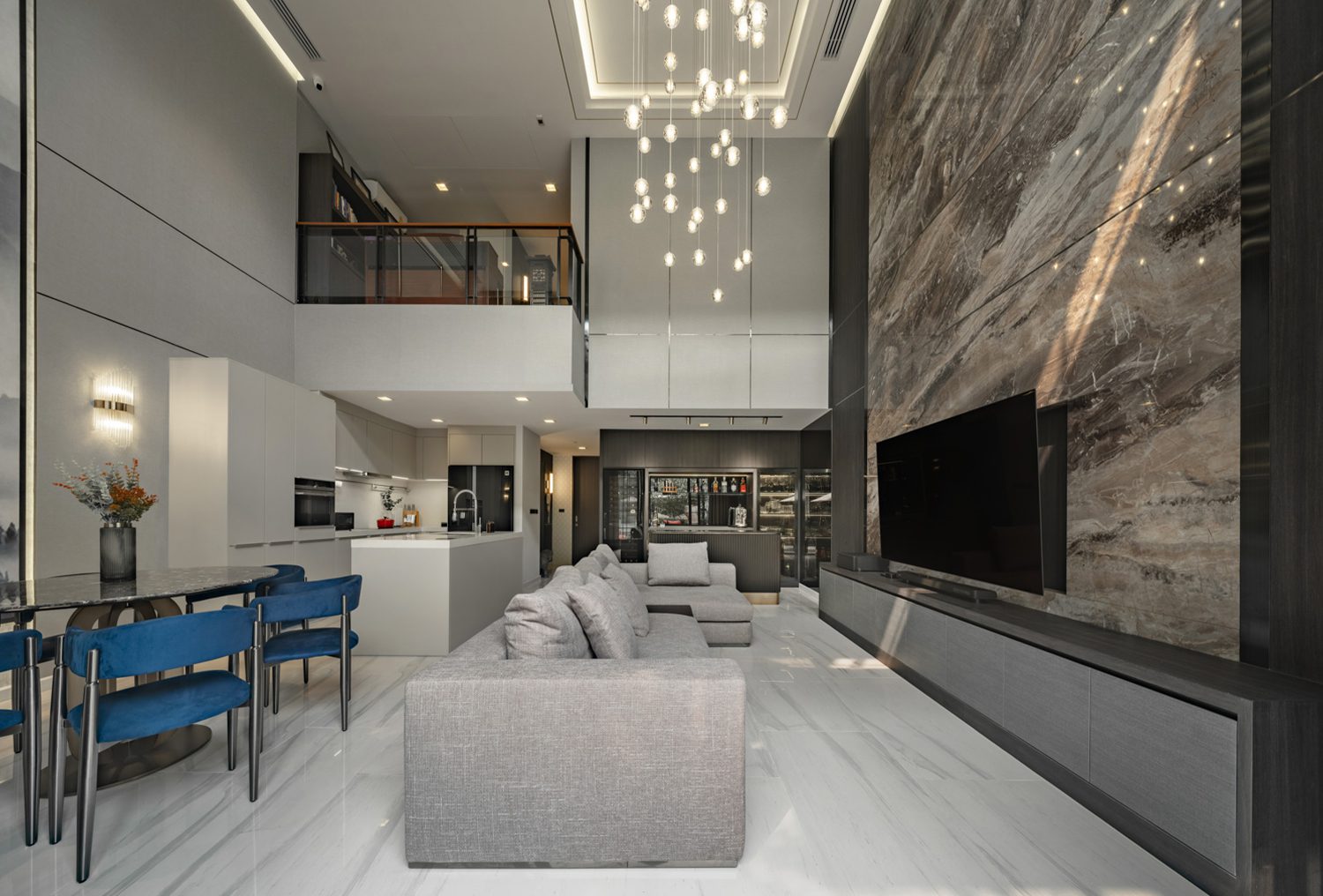
As for the character of our designs, I believe it can adapt to the needs of each space and its users. We focus heavily on research, including structured interviews to understand exactly what the client wants. For me, the designer’s role at Gratitude Design is to take something intangible and turn it into something tangible; something that not only functions and looks beautiful, but also reflects the client’s personality. It should capture the emotional tone of the space and convey its true value.
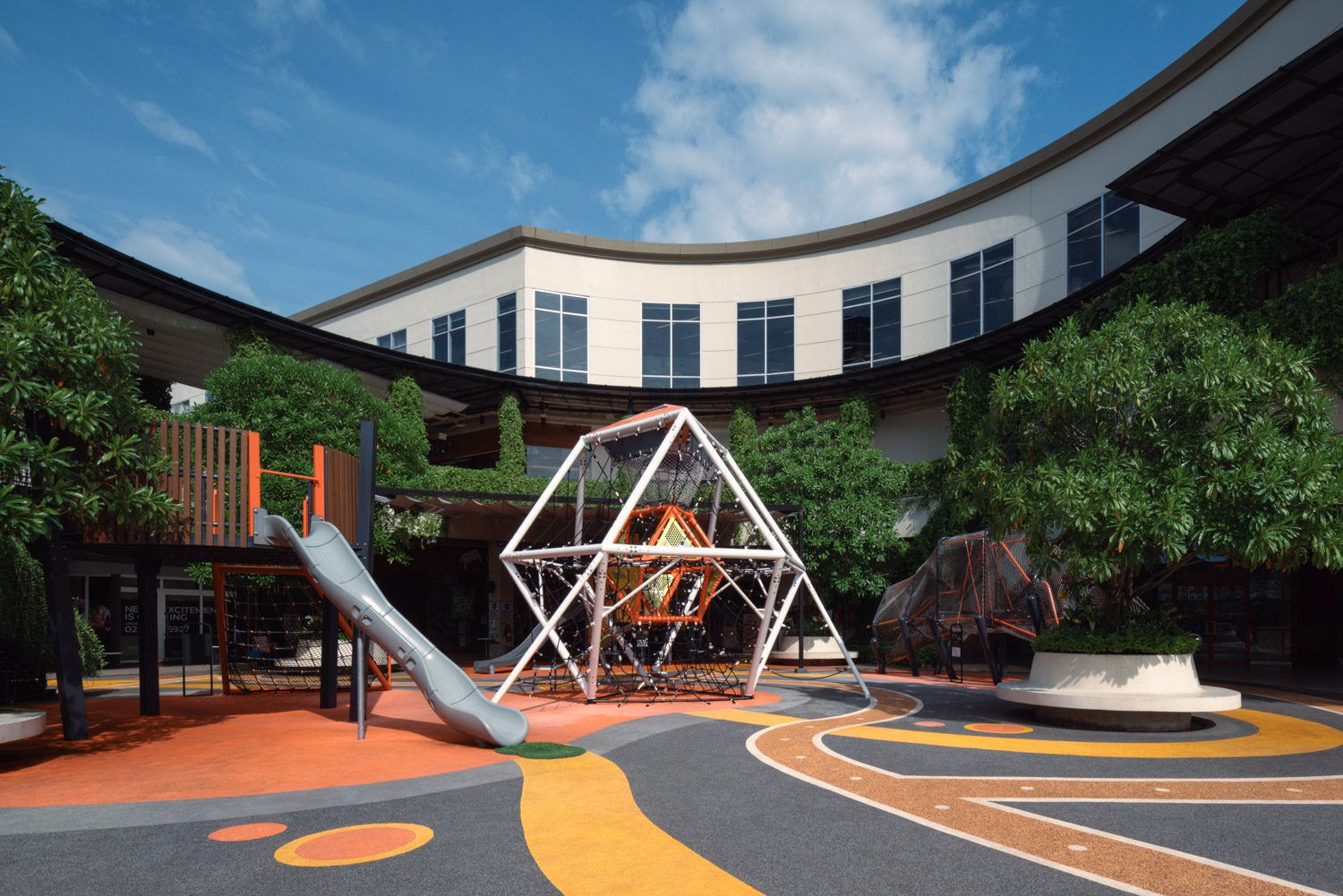
Crystal Ratchapruek
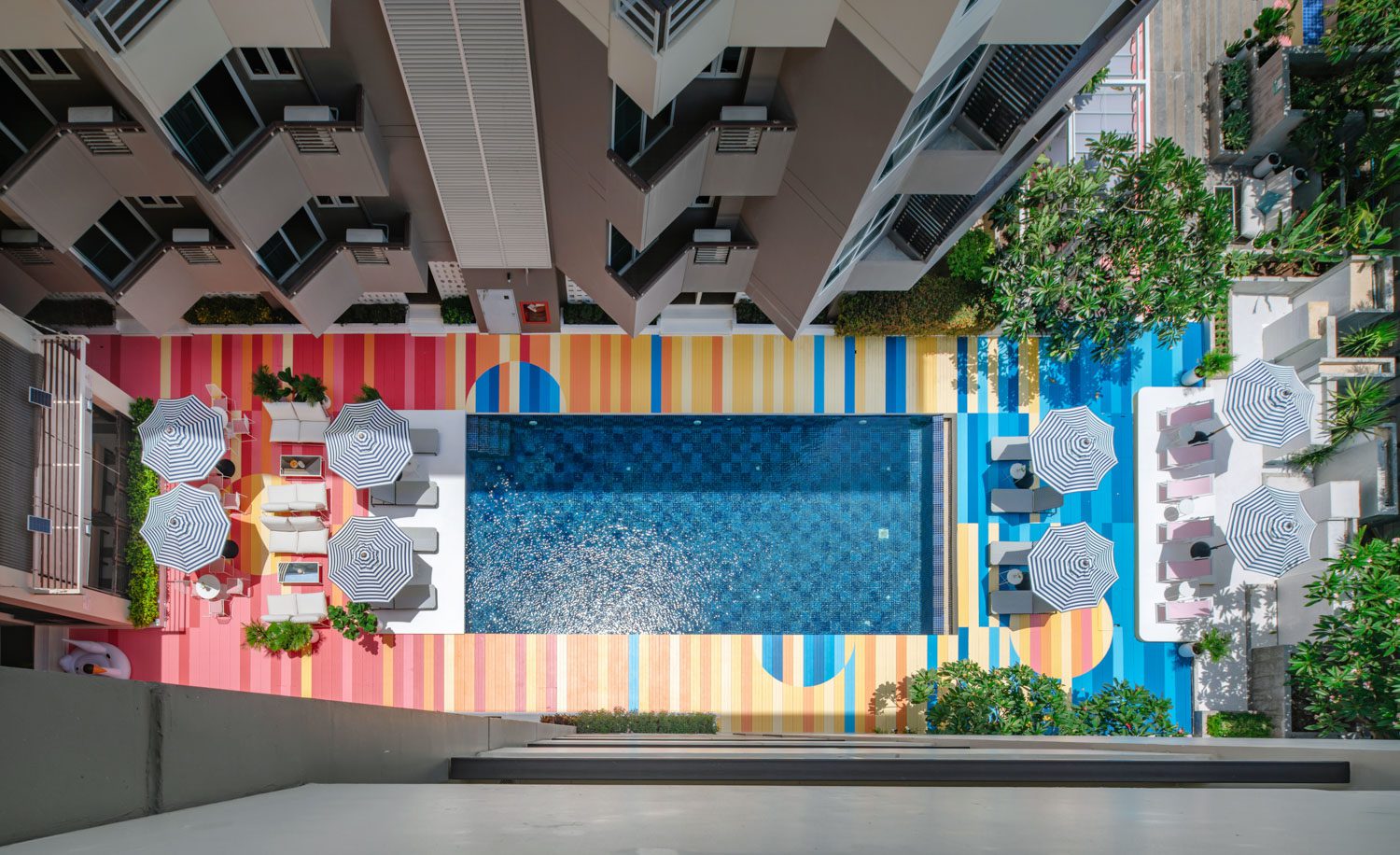
SILA@HUAHIN
art4d: What is the working style and atmosphere like at Gratitude Design on a typical day?
WT: Our studio is a bit like a playground for grown-ups; a space where ideas can be explored freely, yet with the focus needed to push the work forward. It’s a place for developing contemporary concepts with real creative depth. We work closely as a team and excel at creating design narratives that respond to the client’s needs. That begins with research, which is at the heart of what we do. The information we uncover often sparks the ideas that shape the entire project.
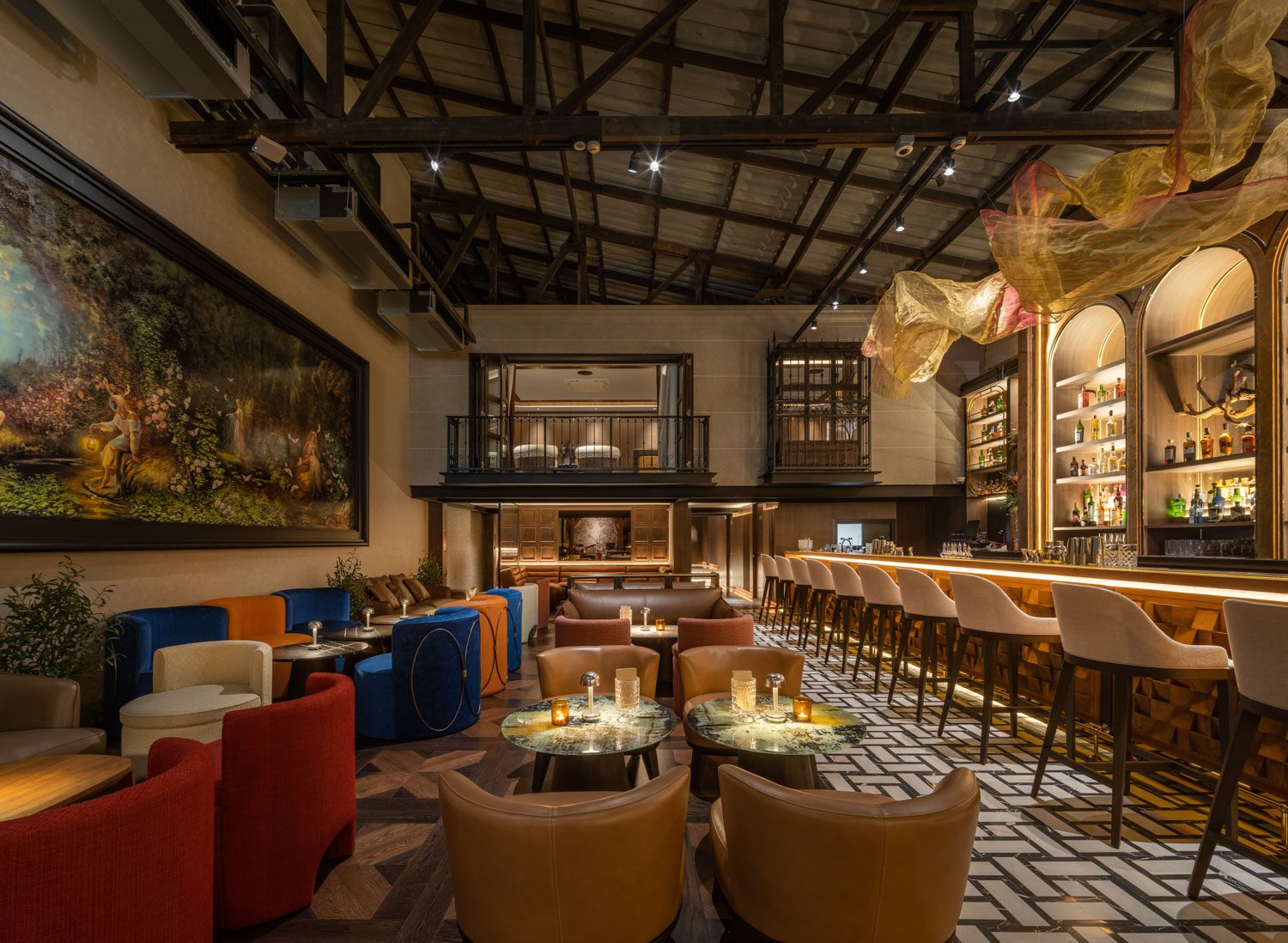
Kilik Social Club
art4d: Tell us about Kilik Social Club, the project that earned you the 2025 German Design Award. What was the initial idea, and how did the research process take shape?
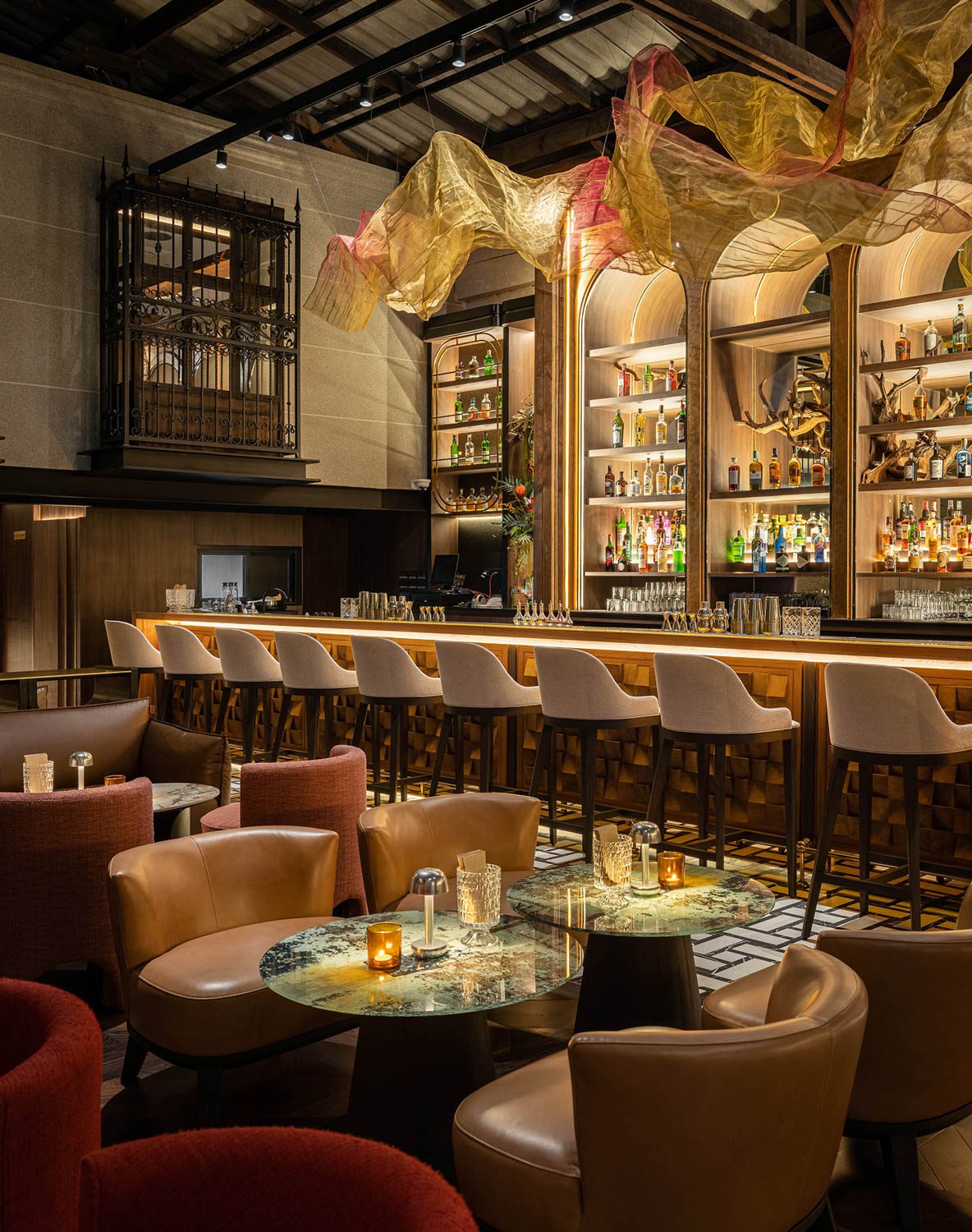
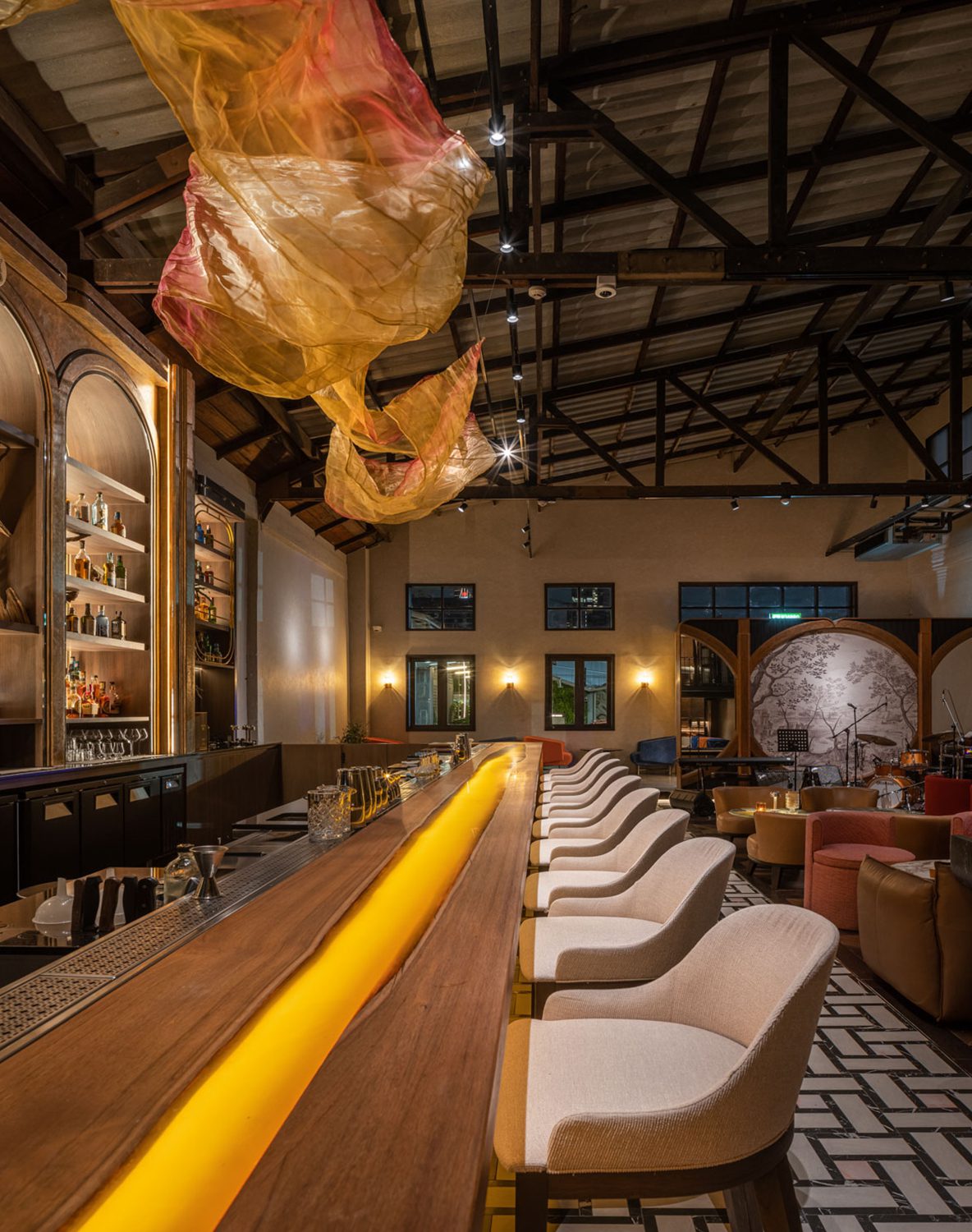
WT: The brief was to interpret the name ‘Kilik,’ a homophone of ‘Kilig’ in Tagalog. It describes the fluttery, almost weightless sensation of having ‘butterflies in your stomach.’ It’s pretty much a mix of excitement, nervous energy, and the feeling of being in love. We took that emotional state, along with the butterfly as a visual motif, and began searching for a place that could embody it. Our research led us to a Scottish legend about a forest inhabited by fairies. The story goes that anyone who enters and encounters a fairy is granted one wish, but in return must surrender half of their soul. That half-soul transforms into a butterfly. We imagined what it would be like to be inside that forest and brought it to life through painted landscapes and interior elements. We also placed a strong emphasis on environmentally sustainable materials. One key feature is a large sculptural piece inspired by the golden mist from the legend, created by weaving recycled brass wires salvaged from leftover materials into an intricate form.
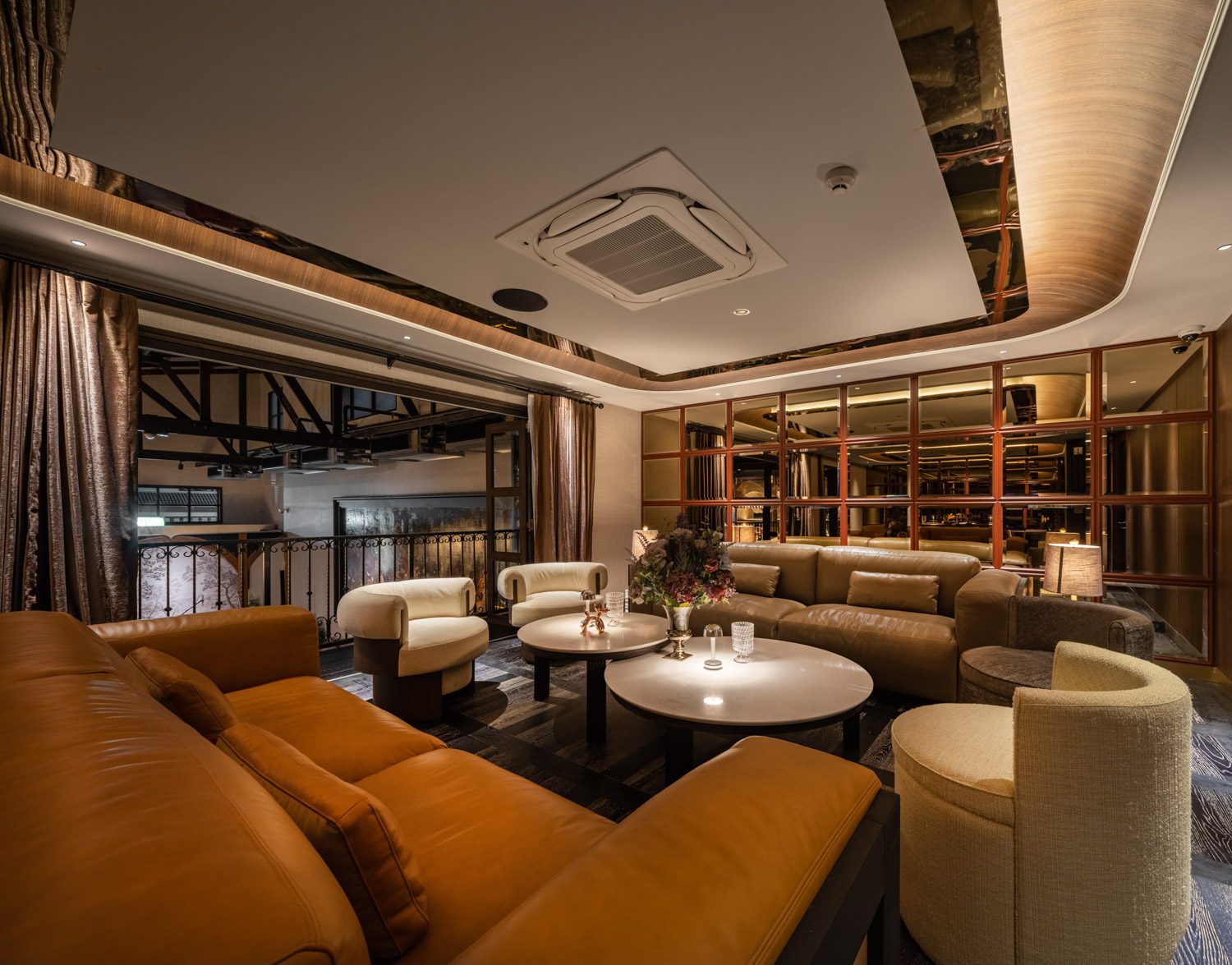
Kilik Social Club
The wood we used also came from sustainably harvested sources. Throughout the space, we wove elements of the narrative into different zones, from the bar and seating areas to the upper floor, which we designed to resemble a castle tower from the legend, serving as the restaurant’s VIP room. We wanted to craft not only the physical setting but also the atmosphere and emotional experience of being in the space. The core idea was translated into each design detail. For example, the flutter of butterfly wings found its way into subtle elements such as tile patterns and timber flooring. If you look closely, you’ll spot these details scattered throughout.
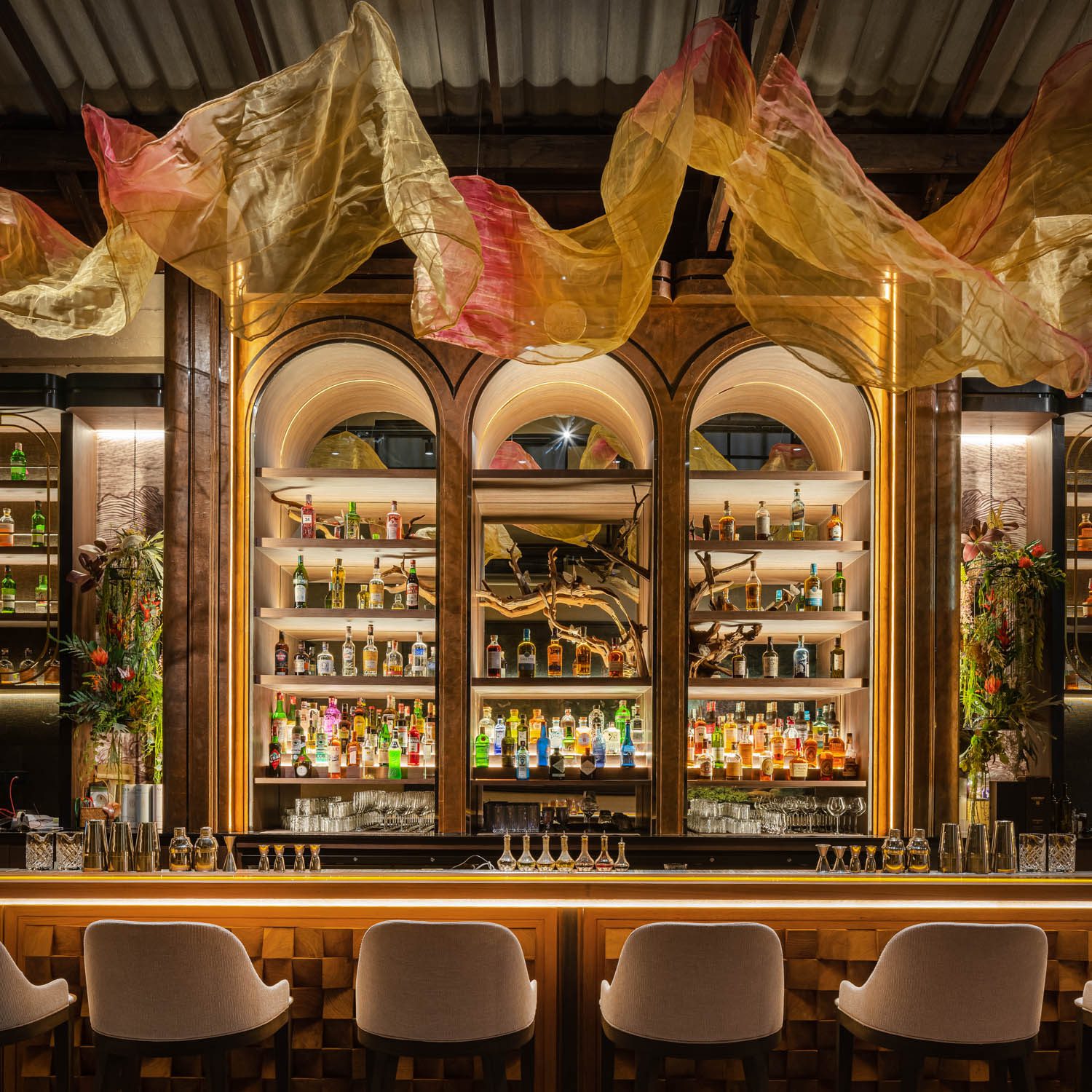
Kilik Social Club
 Kilik Social Club
art4d: Once you had interpreted the idea of a forest that most people will never encounter in real life, how did you approach sensory experiences beyond the visual?
WT: That was a major part of the brief. I want every space we design to be something people can truly feel; an environment that engages the senses and stimulates the body. For Kilik Social Club, we collaborated with a perfumer to create a distinct scent for each zone. In the private room, we used a warm, woody aroma with smoky bark notes and the scent of leather, which adds to the room’s air of mystery. In contrast, the bar features a lighter, nature-inspired scent with its own unique character. We complemented these olfactory cues with color and furniture choices to create an experience that goes far deeper than what meets the eye.
art4d: In your work, which is often about drawing out the emotional essence of a space, which project has been the most challenging so far?
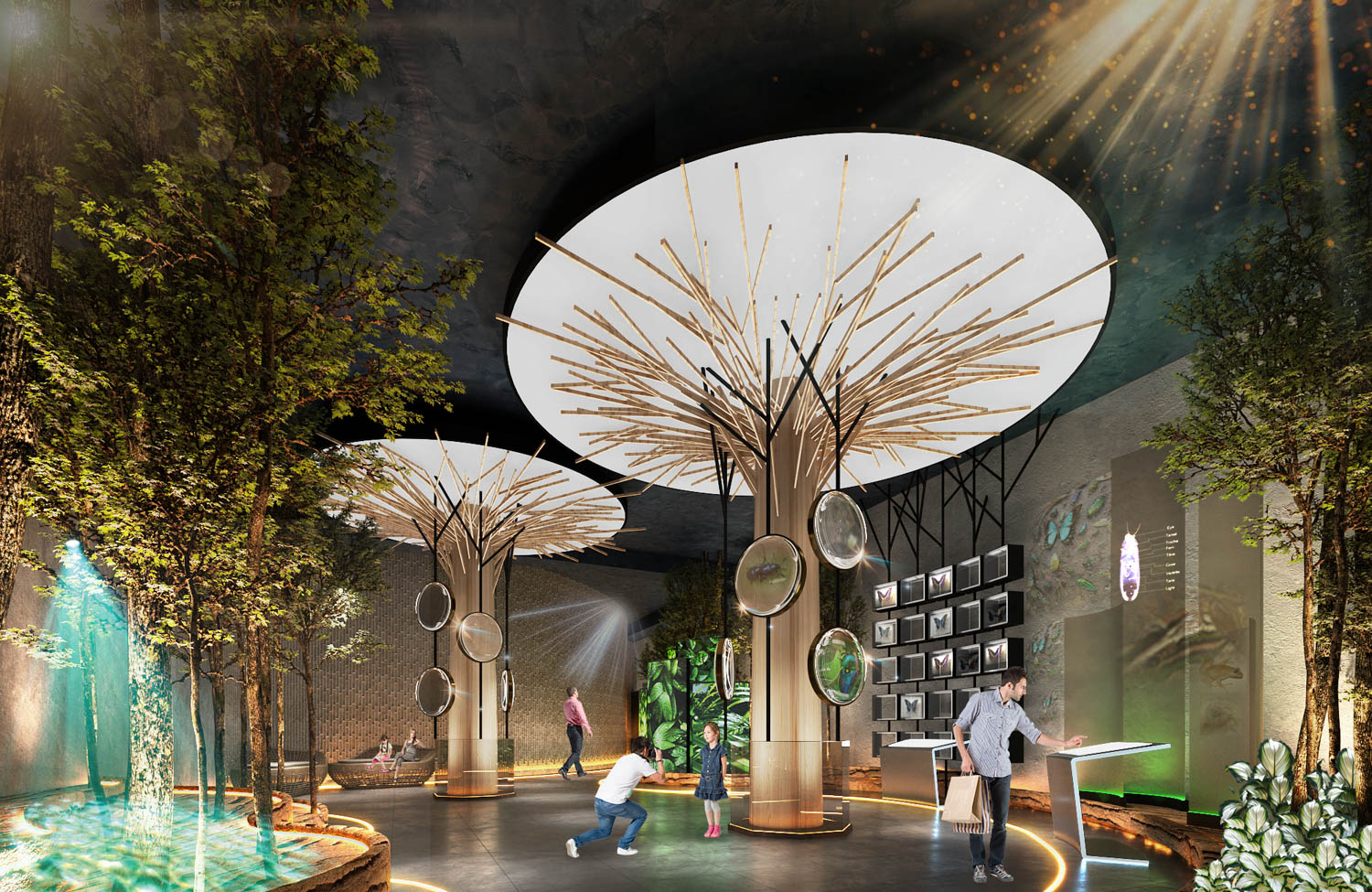
WT: I would say the biggest project of this year is the one we are currently working on. It’s the winning design for the competition held by Natural History Museum for the Study and Conservation of the Thai Peacock at the University of Phayao. Our team is handling the interior exhibition spaces, acting as a bridge between the scientific researchers and the design. We are gathering data on the region’s native plants and animals from local scientists, while also researching the Tai Lue community in Phayao to understand their culture, traditions, and vernacular architecture. This is helping us form a design concept that reflects the full cycle of life in the region.
We are also collaborating with digital media specialists to shape the exhibition. The most exciting part of this project is that it is truly designed for everyone, following the principles of universal design so it can welcome people of all genders and ages. For example, we have considered circulation paths, emergency exits, and accessibility for wheelchairs and mobility aids, ensuring that elderly and disabled visitors can navigate the space comfortably. Pathways are wide enough for people to pass each other with ease. We have also incorporated details into the exhibition areas that highlight both the region’s biodiversity and cultural diversity through digital media, with careful attention to viewing distances to create an engaging, inclusive experience for all.
MUIN Bangkok Club
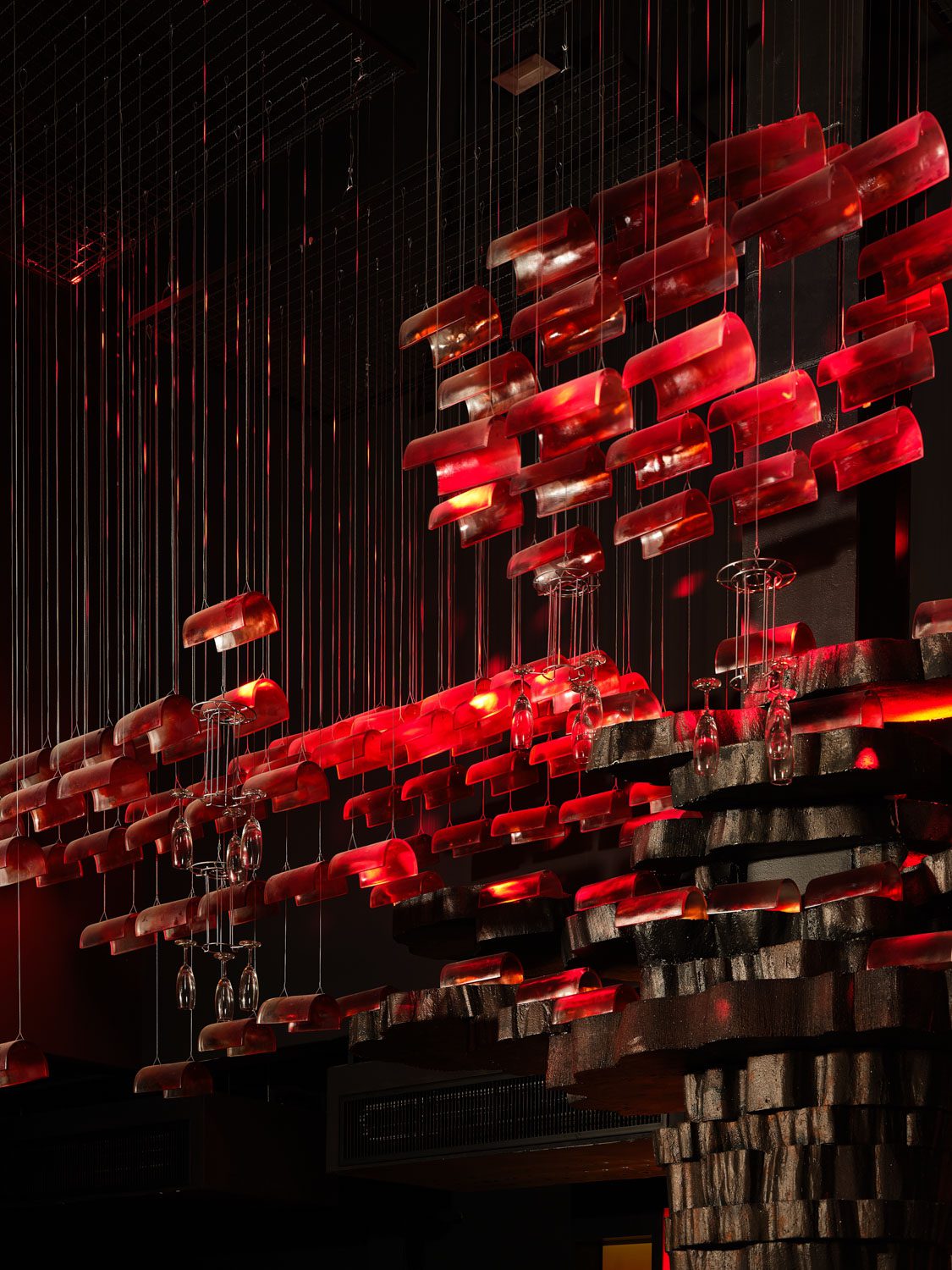
MUIN Bangkok Club
art4d: You’ve worked internationally in the past. Have you taken on any projects that involved cross-cultural design?
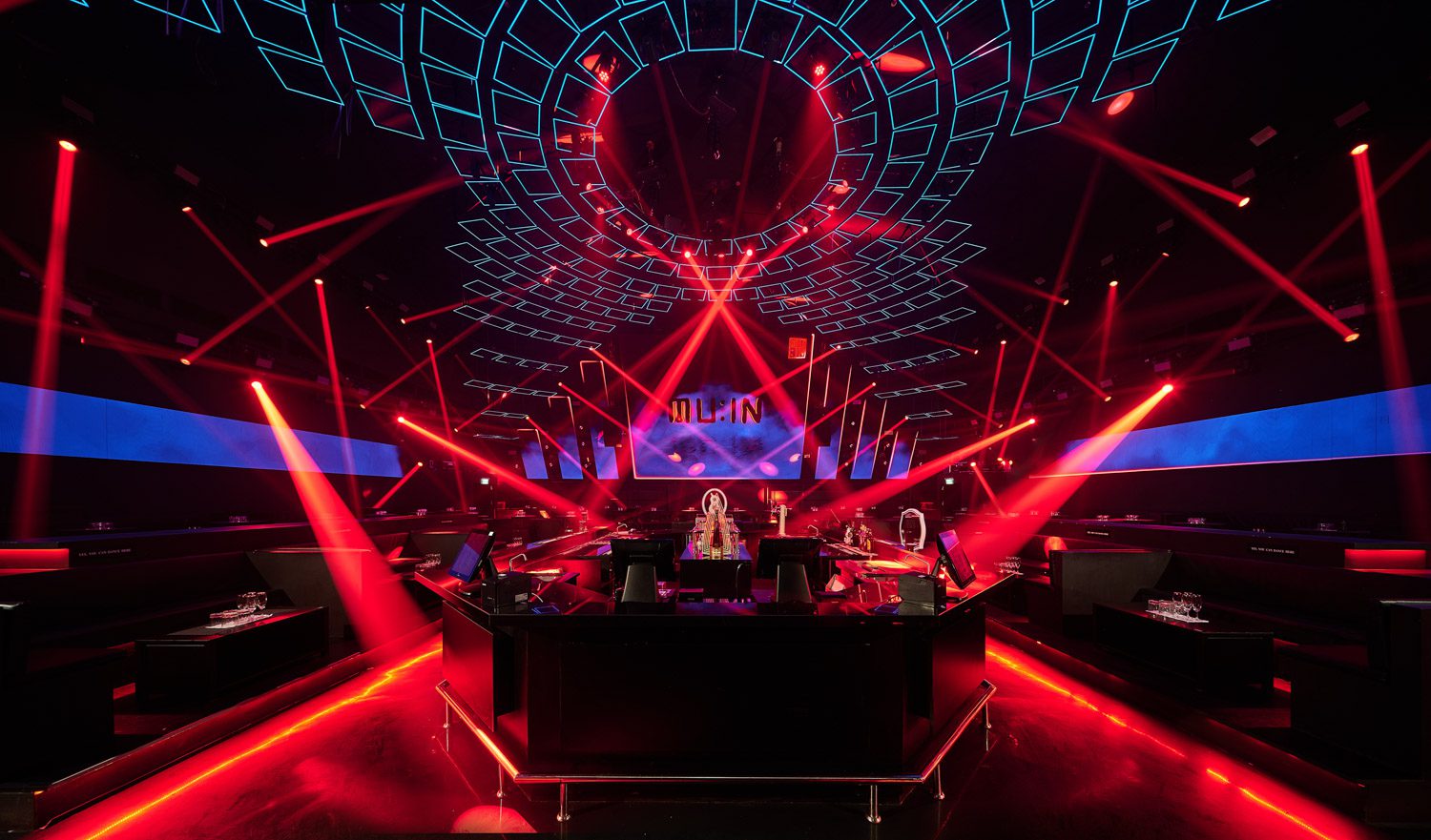
WT: Yes, and it was a lot of fun. One memorable example was MUIN Bangkok Club, a large-scale nightclub in Thonglor. The brief was to capture the architecture and atmosphere of a Korean nightclub. Inside, the venue is divided into three zones: one for hip-hop, one for house, and one for electronic dance music. We infused each with Korean influences, then blended them with Thai sensibilities — for instance, arranging each zone as a central open space surrounded by stepped seating. The hip-hop zone presented one of the biggest challenges, with a massive structural column dominating the space. We turned it into a feature by reimagining it as a Korean pine tree, a national symbol, and cladding it in sculptural panels inspired by the form of traditional Korean roof tiles. Suspended from the column were inverted champagne glasses, evoking the gesture of a celebratory toast. Since music is the soul of the club, acoustics were a key consideration. We incorporated sound-absorbing materials to eliminate echo and prevent noise from spilling outside, ensuring guests could be completely immersed in the energy of the space.
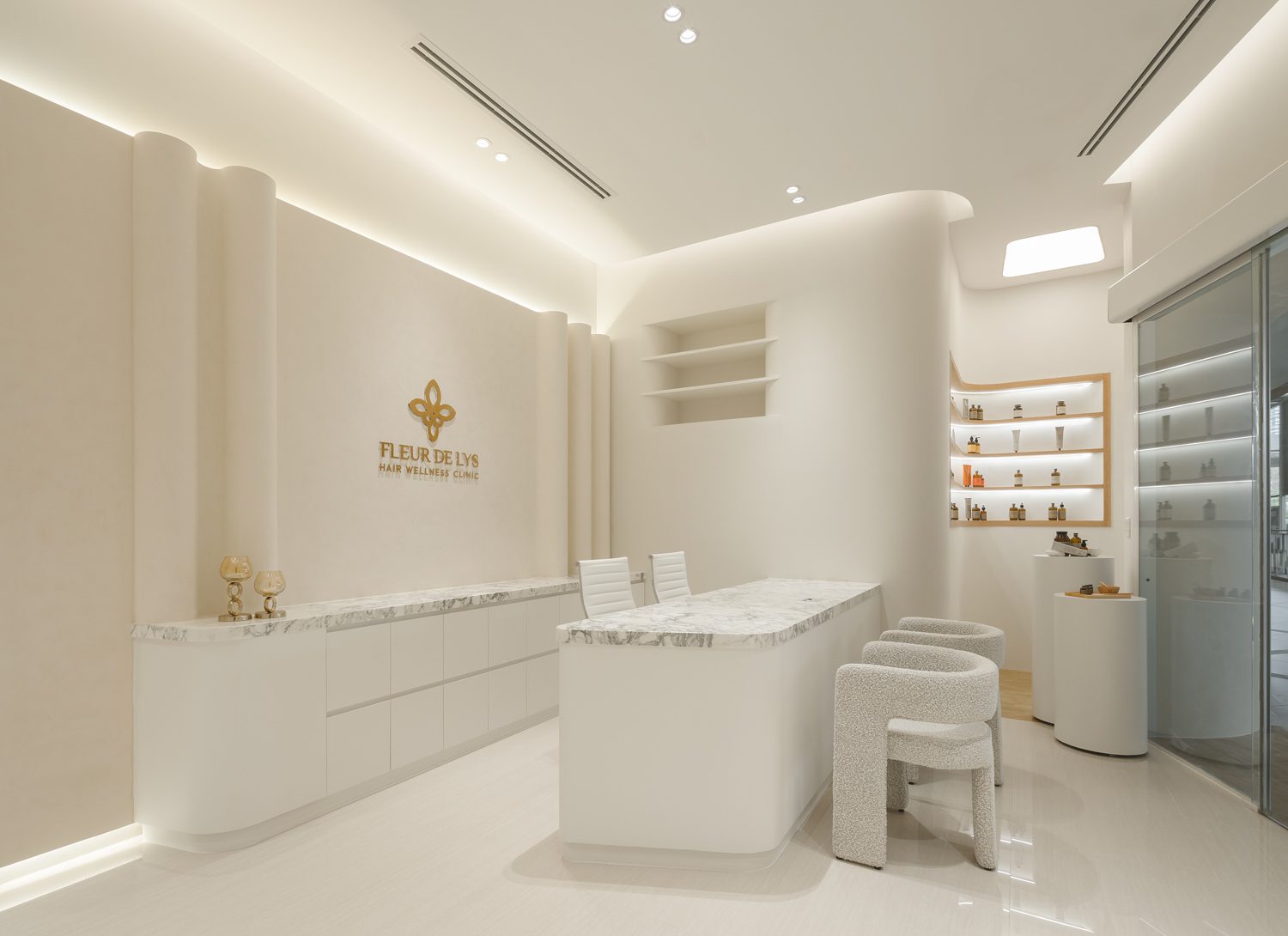
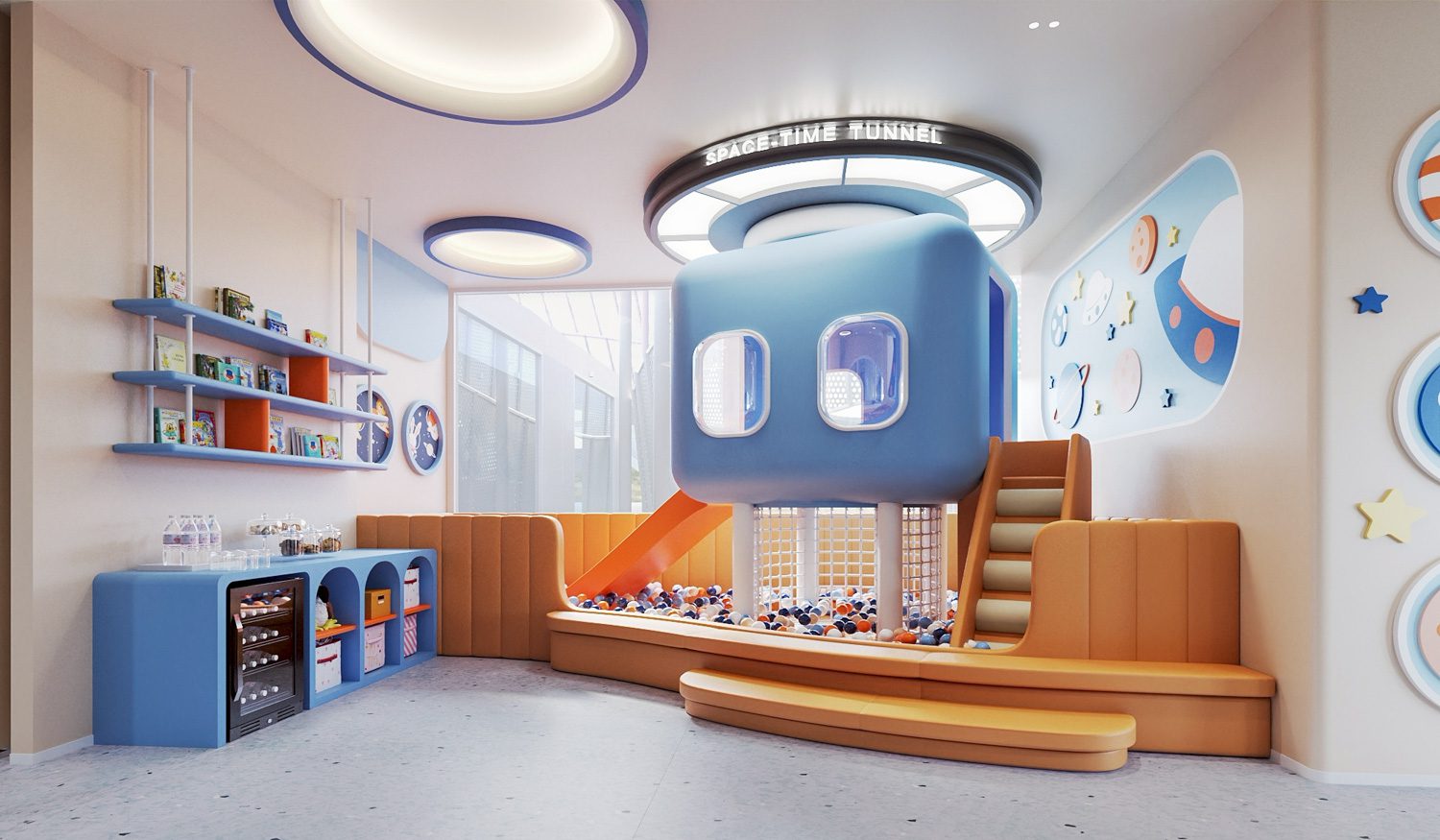
Fleur De Lys Clinic
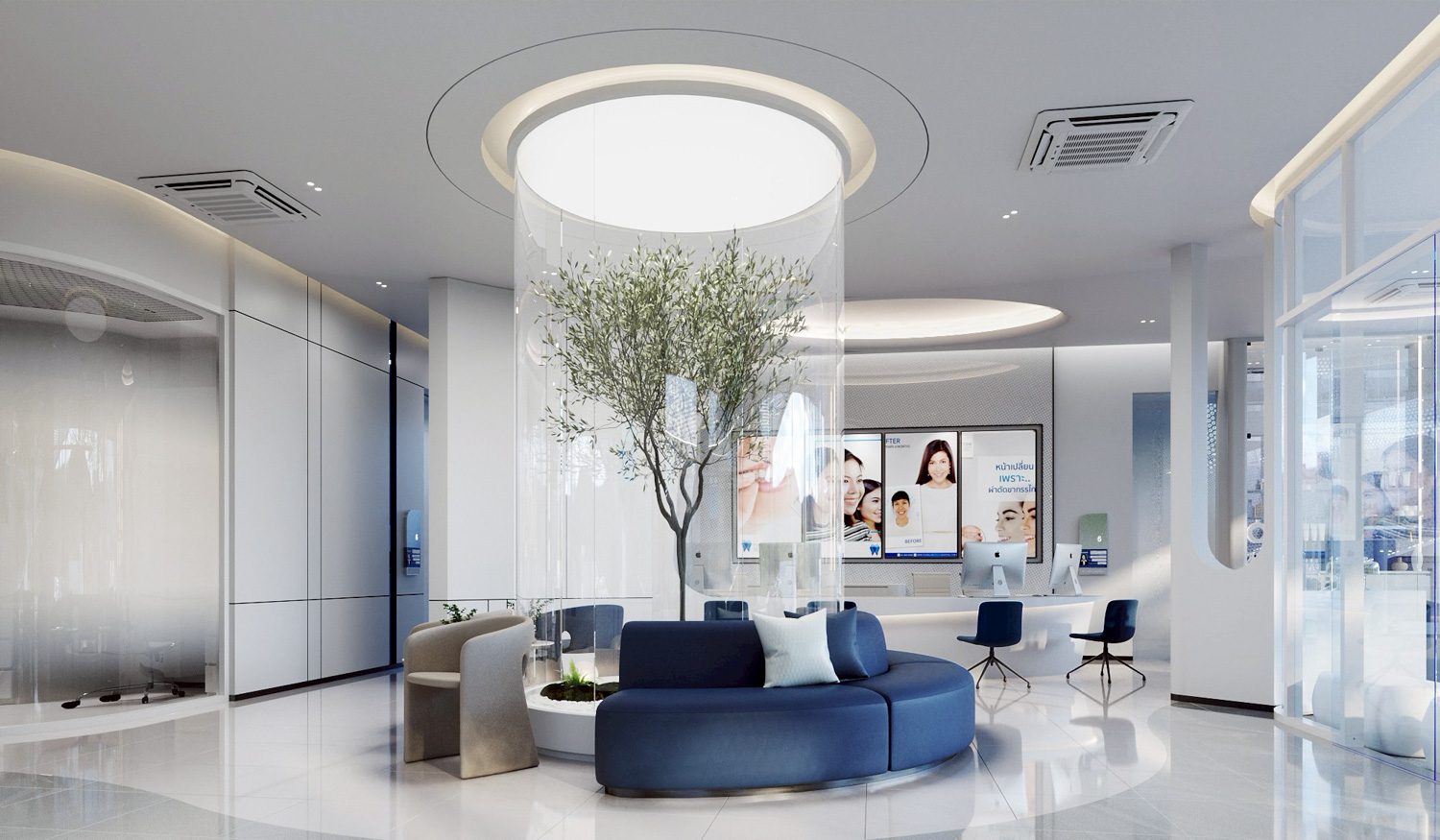
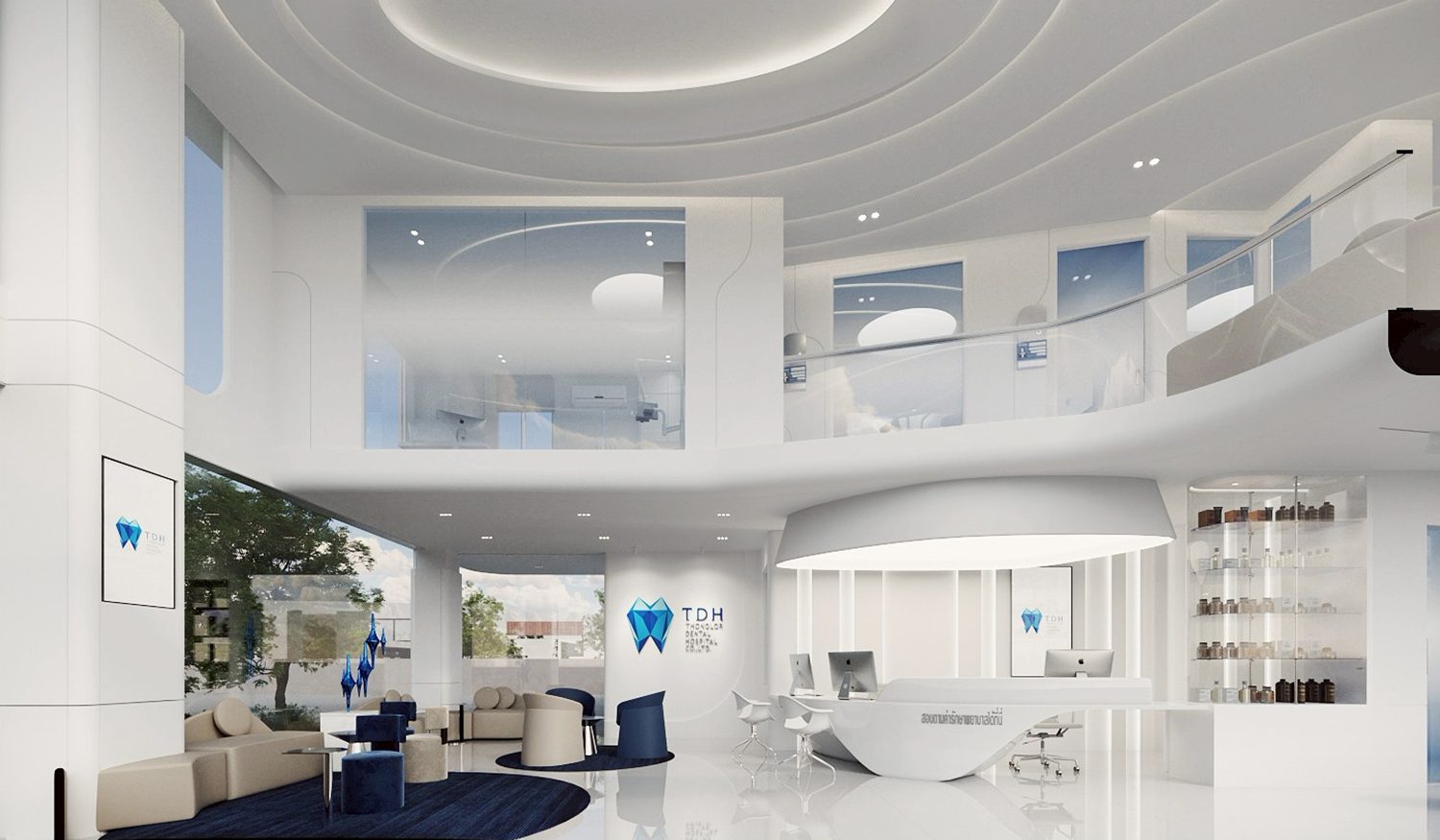
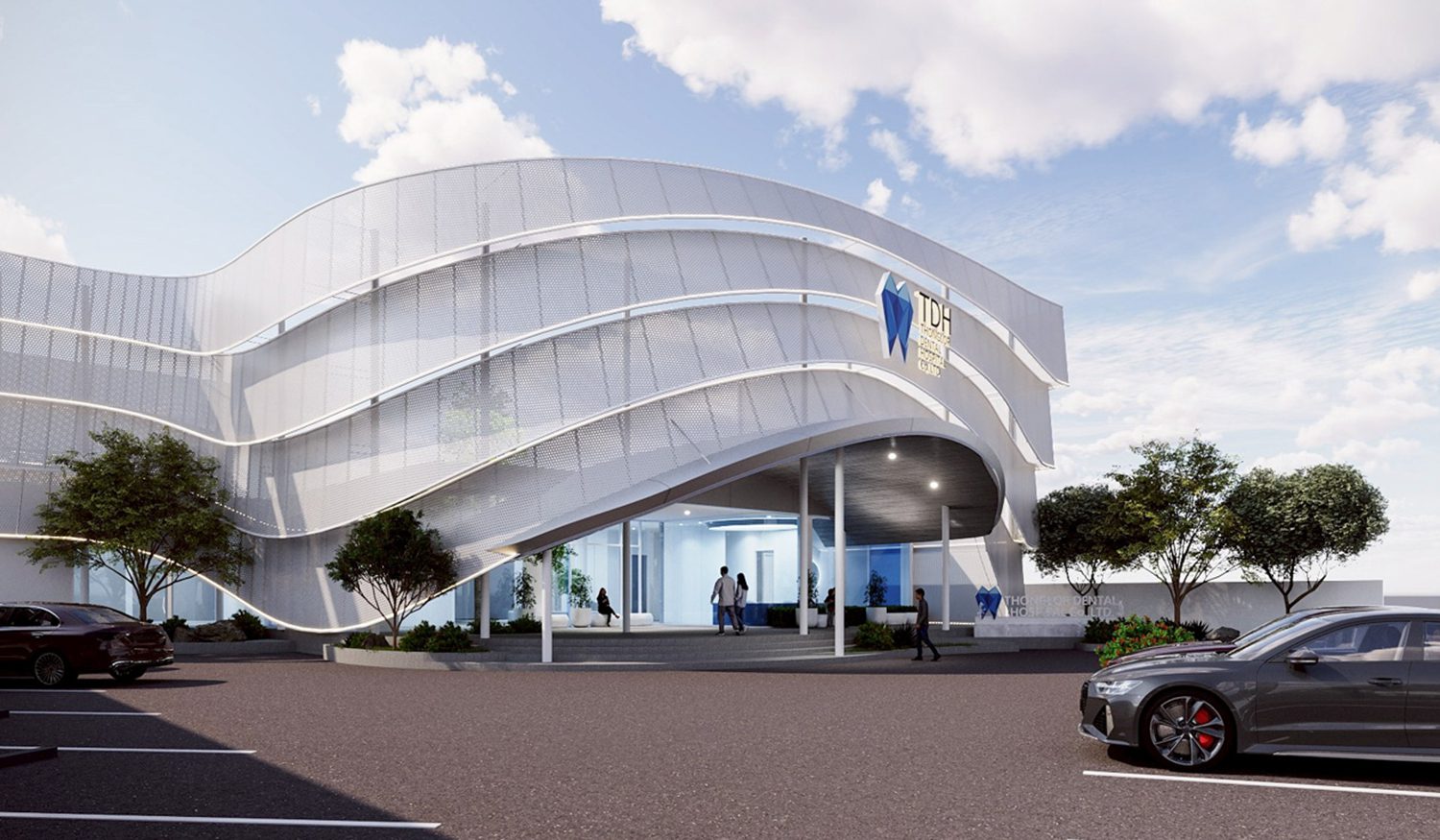 Thonglor Dental Hospital
art4d: How do you see the future direction and challenges in your career as an interior designer?
WT: Beyond running an interior design studio that reflects both my identity and values, I also serve as a visiting lecturer at King Mongkut’s University of Technology North Bangkok. There, I teach and help shape the curriculum for courses in Interior Design and Interior Design Management. It gives me the opportunity to share my experience with students, and at times their questions are so fresh in perspective and unexpected that they challenge me to think differently. It feels like I’m working on a continuous assignment; a process that allows me to keep learning without end. Looking ahead, I want to help push Thai design and designers onto the international stage. My goal is to be a name people immediately think of when it comes to Thai interior designers, while also creating opportunities for the next generation by ensuring they have access to experienced mentors who can guide and inspire them.