
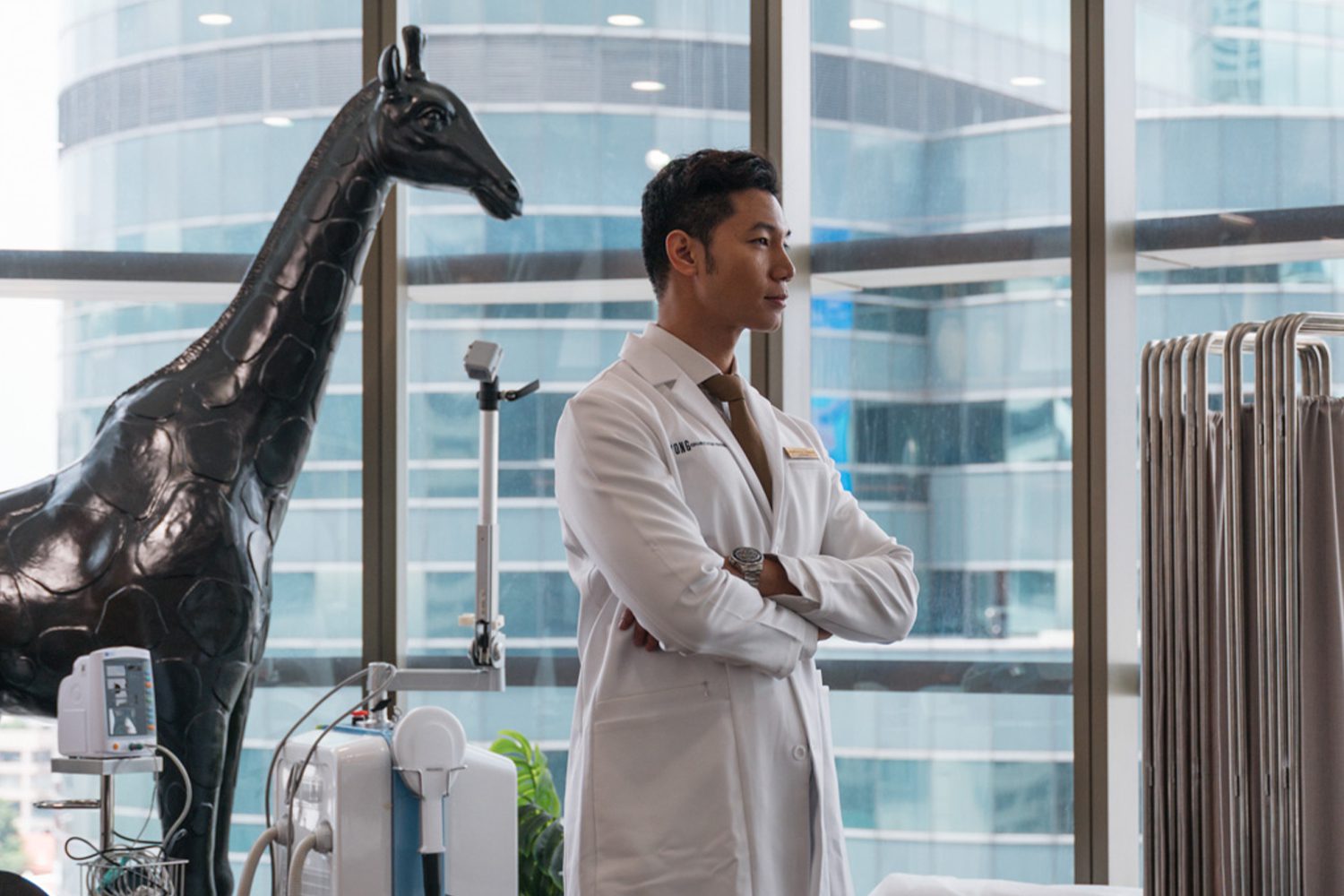
A CONVERSATION WITH DR. KANTAPHONG THONGRONG, A REHABILITATION PHYSICIAN WHO BLENDS MEDICAL SCIENCE WITH THE ART OF DESIGN AT HIS TRANQUIL, DOWNTOWN CLINIC, ‘PYONG REHABILITATION PENTHOUSE’
TEXT: SARUNKORN ARTHAN
PHOTO COURTESY OF PYONG REHABILITATION GROUP
(For Thai, press here)
PYONG Rehabilitation Penthouse is a comprehensive neurorehabilitation clinic dedicated to support the recovery of elderly patients through an integrated service system. Located on the 11th floor of Gaysorn Tower, an address surrounded by the bustling energy of Bangkok’s Ratchaprasong district, the so-called penthouse offers a serene contrast. Inside, soft melodies from a turntable mingle with the delicate fragrance of fresh flowers that fill the air.
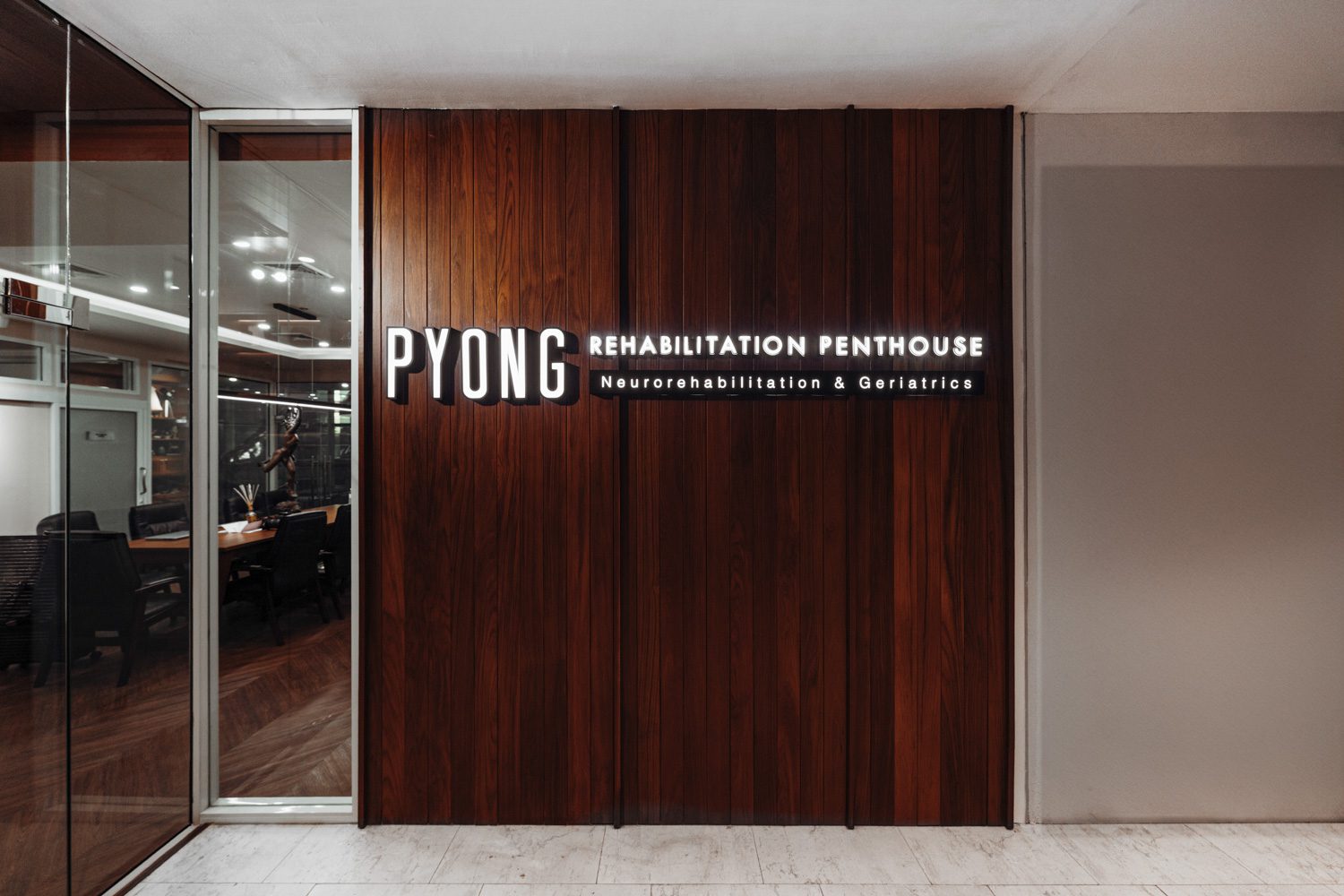
Today, art4d meets with Dr. Kantaphong Thongrong, or Dr. Pyong, a rehabilitation physician and CEO of PYONG Rehabilitation Group, to discuss how he personally designed this ‘penthouse clinic,’ from the ideas that inspired it to the finer details of its execution.
art4d: Before we talk about the design of the clinic, could you first clarify something—does rehabilitation medicine fall under alternative medicine?
Kantaphong Thongrong: Here’s the thing. Most people today still tend to focus primarily on treatment. More recently, there’s been a growing interest in prevention, things like longevity or lifestyle medicine. But in fact, rehabilitation medicine has always been part of mainstream medical practice. It works alongside both treatment and prevention, and it’s also a major specialty in its own right. That’s something I’ve always tried to communicate to the public since I first began practicing as a specialist.
Rehabilitation medicine often comes into the picture later, after treatment, when we look at how to help a patient return to the best possible quality of life within their individual potential. It’s also about preventing them from relapsing into the same illness again, which, in turn, connects naturally to preventive care for those who are not yet ill.

art4d: Would you mind giving us a brief definition of what rehabilitation medicine is really about, and how you see its growth in Thailand?
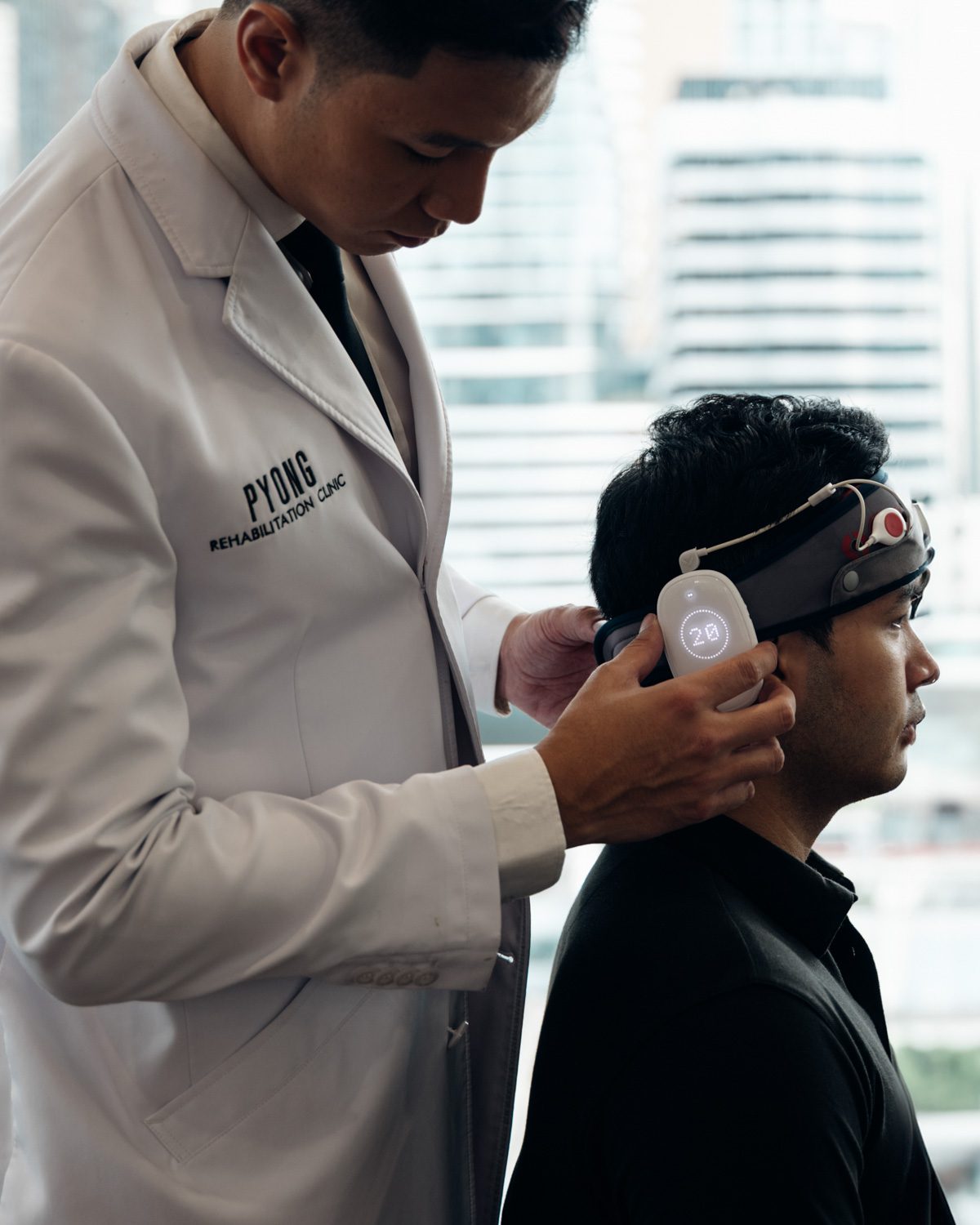
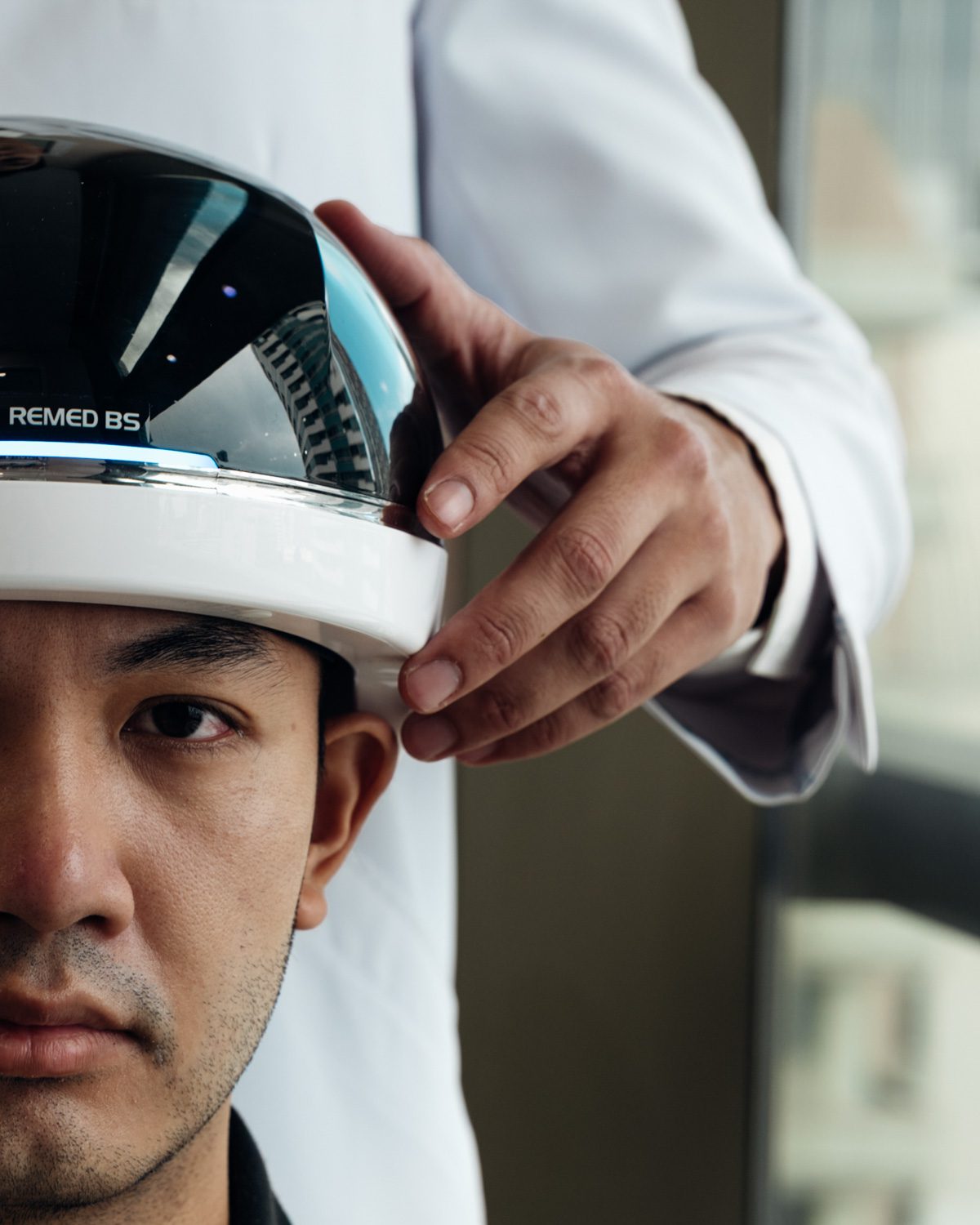
KT: Rehabilitation medicine is about helping people live better lives within their own potential. It’s a field where rehabilitation physicians work closely with a multidisciplinary team, which can include specialists such as occupational and physical therapists, speech therapists, rehab nurses to prosthetists, as well as music therapists, psychologists, and social workers. This kind of collaboration is very important, but it’s something many people in Thailand still don’t really know about. The field is also quite small since fewer than fifty specialists graduate each year, and most of them are based in major hospitals.
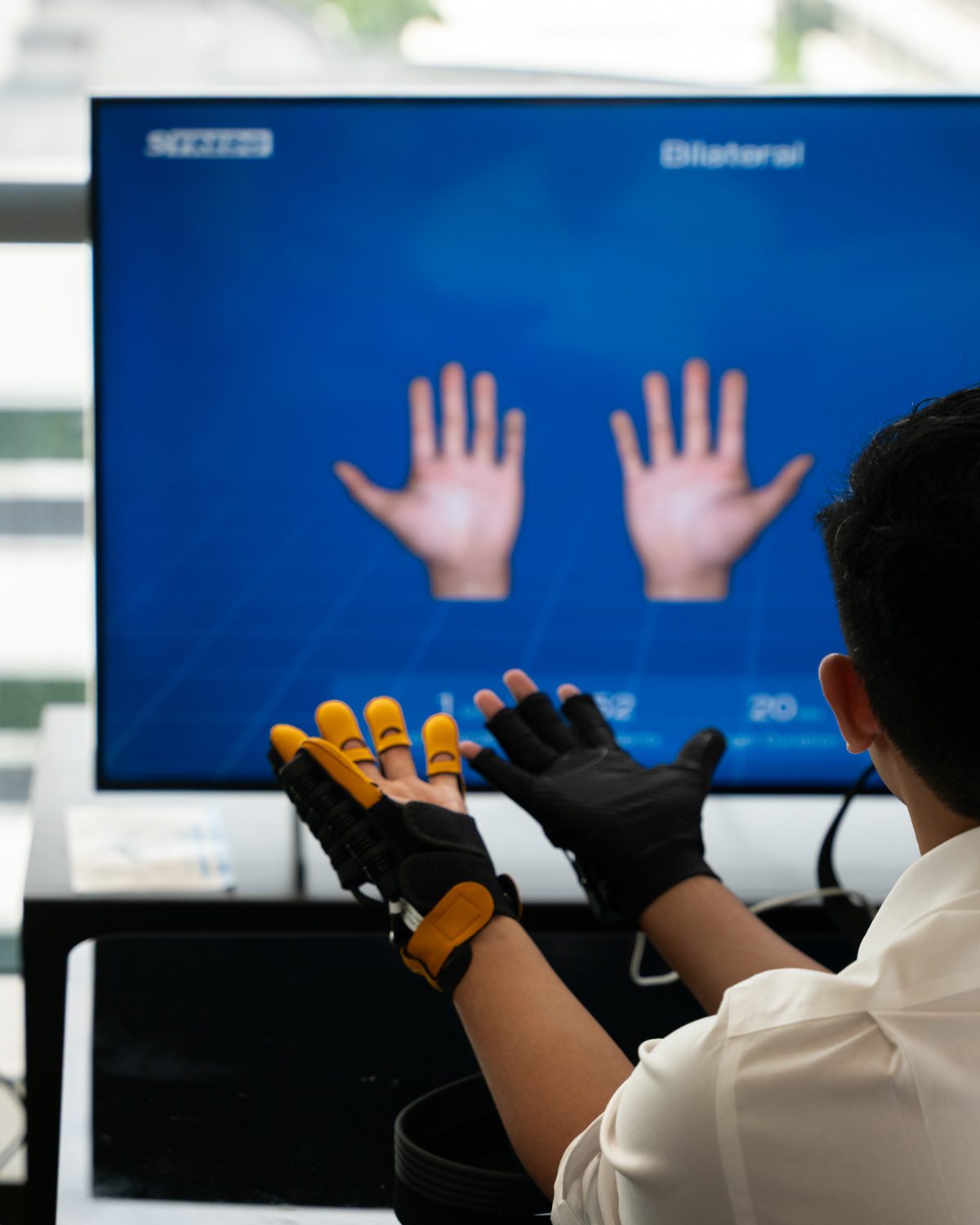
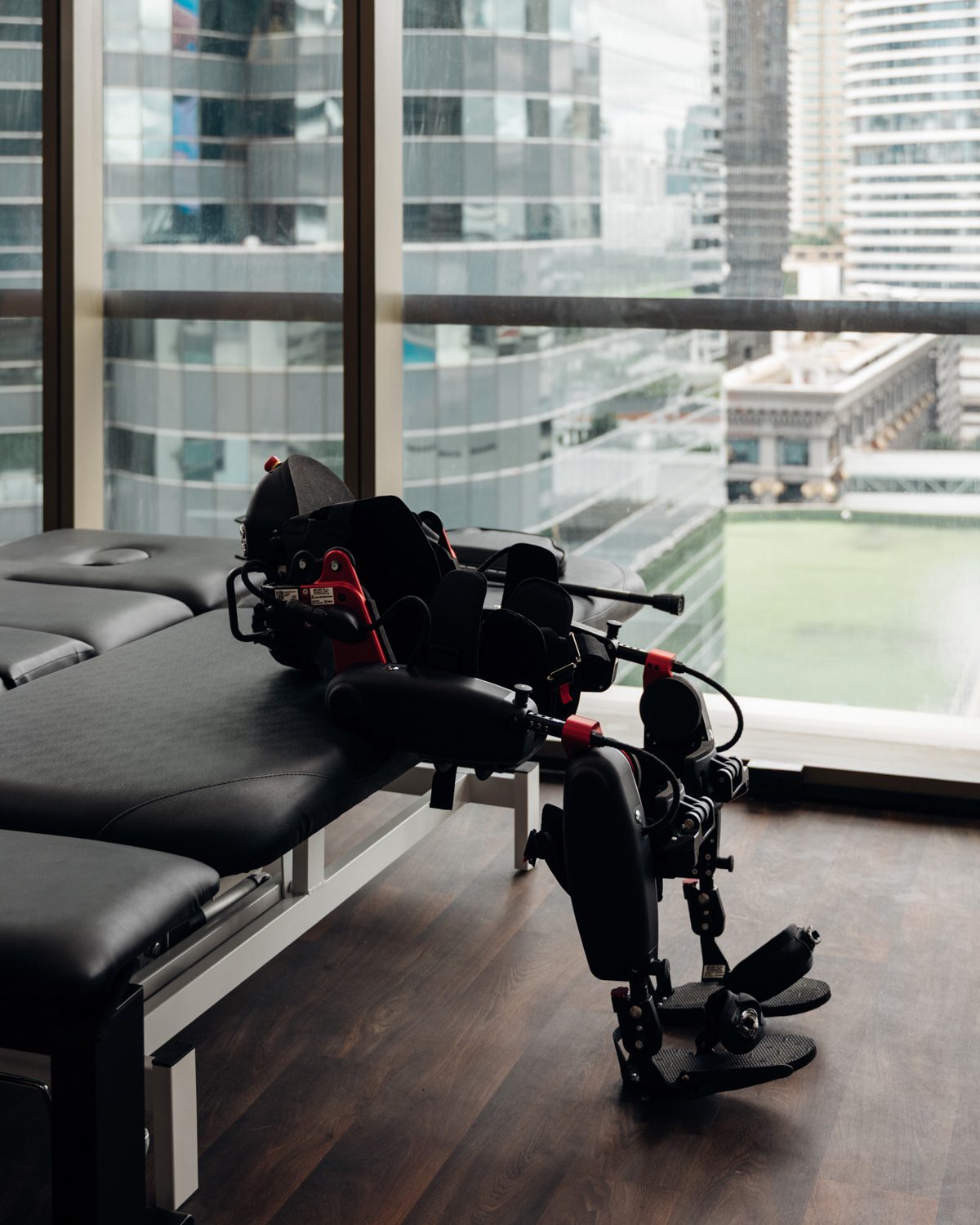
Even so, rehabilitation medicine is becoming more widely recognized. People today care more about how well they live, not just how long they live. In that sense, our work overlaps with megatrends such as wellness and longevity. What makes rehabilitation medicine unique is that it’s grounded in evidence-based practices. Everything we do for our patients has to be clinically proven to work. And now that new technologies like AI and robotics are increasingly being integrated into treatment, the field is growing faster than ever.
art4d: Why did you choose to call it a penthouse instead of a regular rehabilitation clinic?
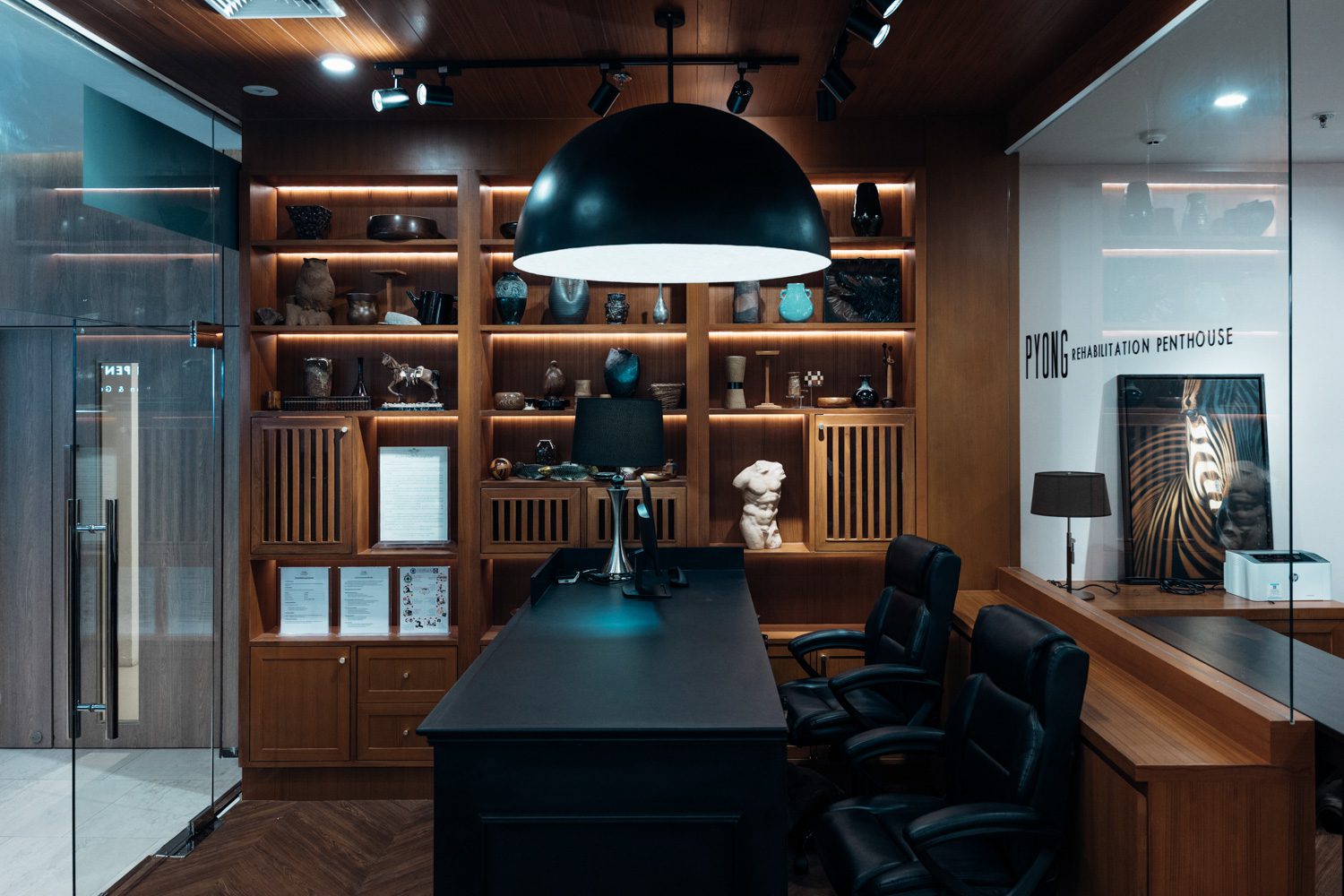
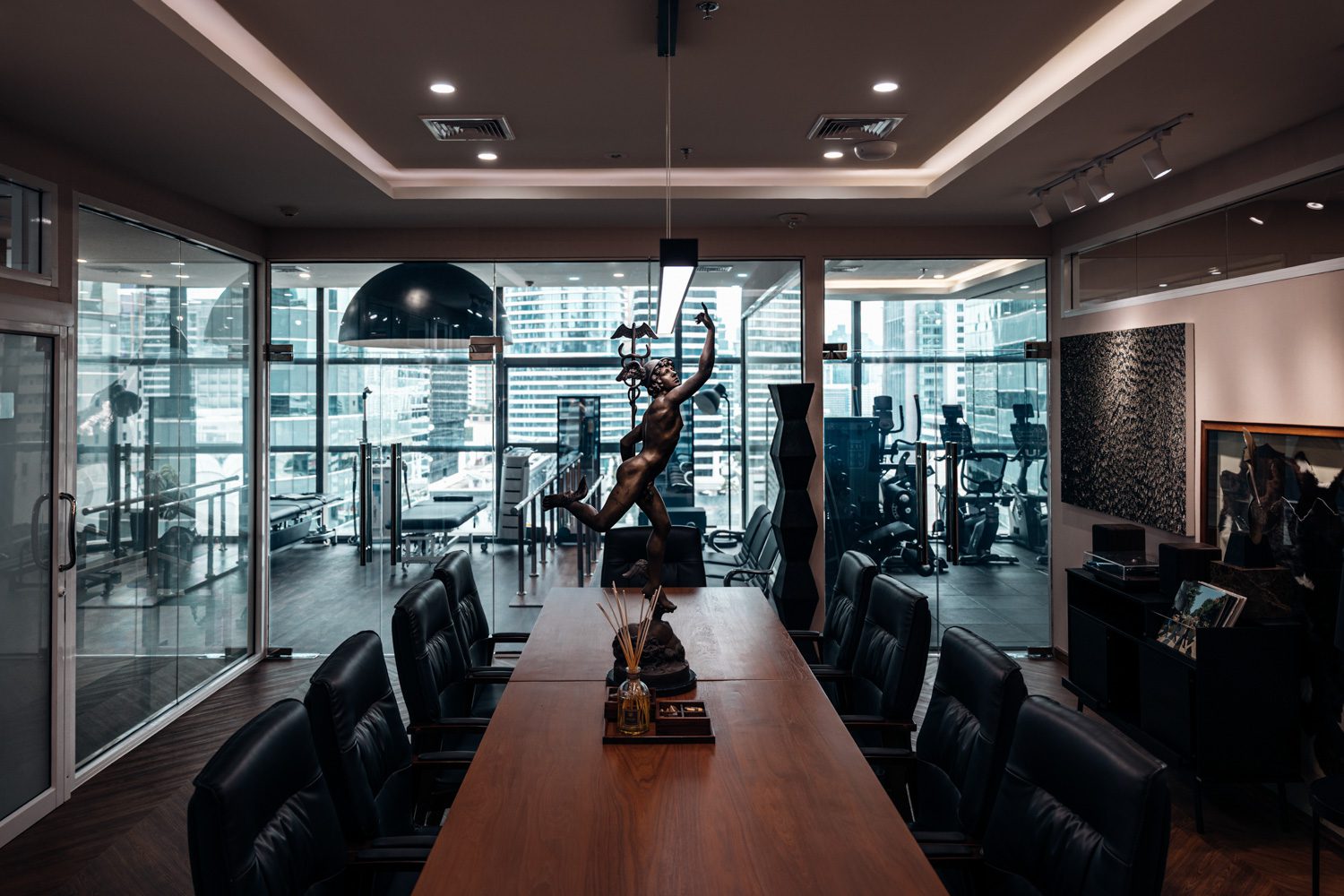
KT: The idea of a penthouse came from wanting people to feel like they’re stepping into a home rather than a medical facility. When someone walks in, I want it to feel as though they’re entering their own living space. The atmosphere shouldn’t be too rigid or clinical. The materials are mostly wood, the furniture has a vintage charm, and the overall mood is filled with natural light. From the moment people step inside, I want them to sense that difference—that this isn’t the kind of hospital environment they’re used to fearing.
Another reason is that many of our patients need to come here frequently. Those with conditions such as stroke, Parkinson’s disease, or dementia often require intensive rehabilitation. Some spend up to four hours a day, five days a week with us. My wish is for them to feel comfortable, to feel that coming here is simple and welcoming. They don’t have to go through many steps or meet too many people. Once they arrive at the clinic, they can simply sit down and start their session. Because it’s so accessible, I like to think of it as their second home, a place they can come to often and feel at ease.
art4d: So it’s meant to feel like being at home, in a warm and welcoming atmosphere?
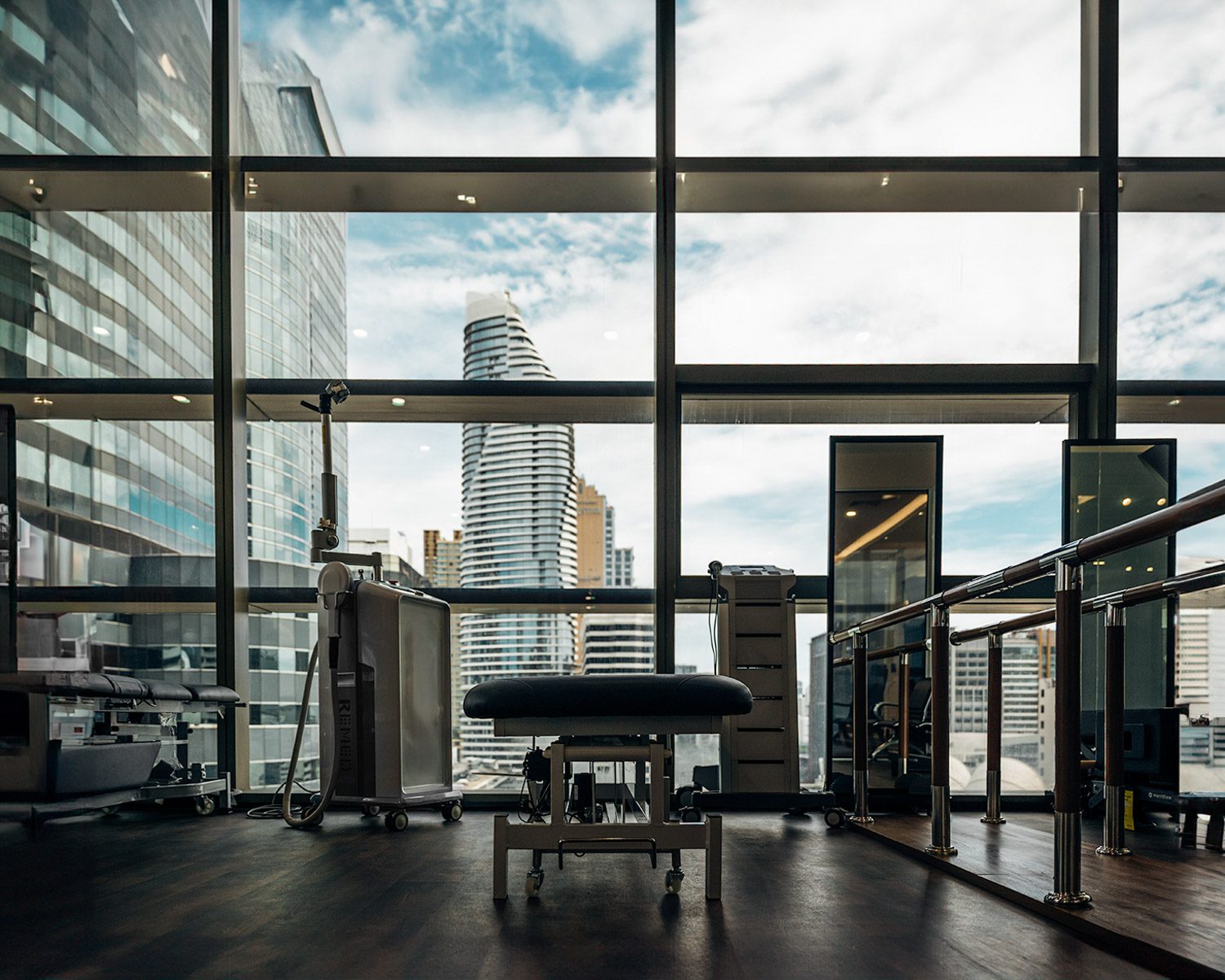
KT: Exactly. Another important reason behind the idea is the design theme itself. When I pictured it, I imagined myself in New York, living in a penthouse on a high floor. The clinic happens to occupy a corner of the building, which offers a 180-degree panoramic view. From here, you can see everything from the Royal Bangkok Sports Club to the towers along Witthayu Road and the skyline of Ratchaprasong. You can even spot the deity atop Gaysorn Village, which makes the view quite special. It’s a beautiful sight, one that’s hard to find in this area. You can even see as far as Silom, which gives it that same feeling as looking out over the high-rises of New York. That’s why I thought calling it a penthouse just felt right.
art4d: Does having that view also help create a sense of calm or comfort?
KT: I’m not sure about calm, it’s a city view full of tall buildings after all. But that’s exactly how I felt when I first saw the space on the 11th floor of Gaysorn Tower. I saw it when it was still completely empty, just a bare room, and right away it reminded me of the penthouses I’d seen in magazines or on TV. That’s how the name came about. The interior follows the same ideal, classy, masculine featuring leather, wood, and glass, just like the quintessential New York penthouse.
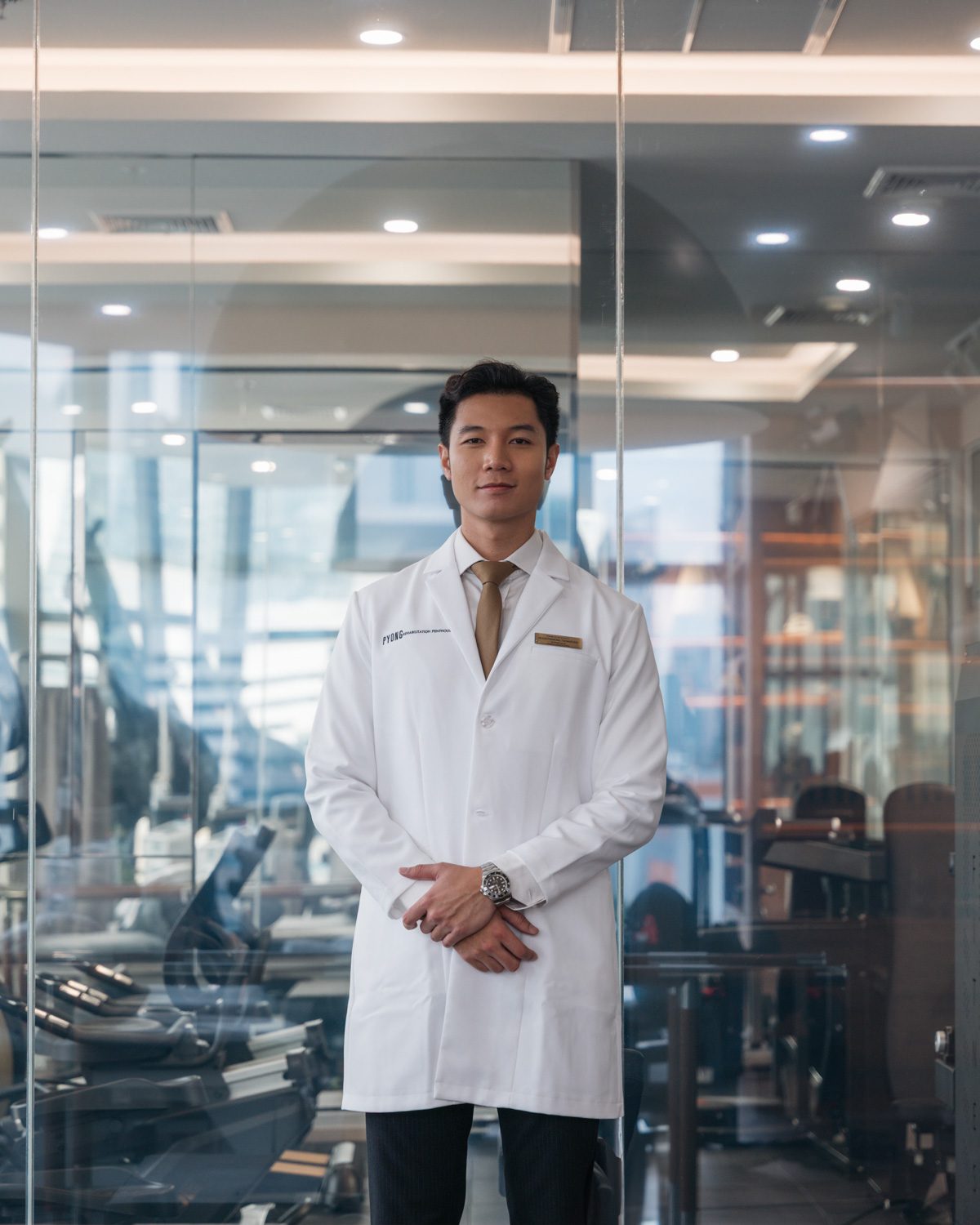
art4d: How did you approach the layout and design of each space within the clinic?
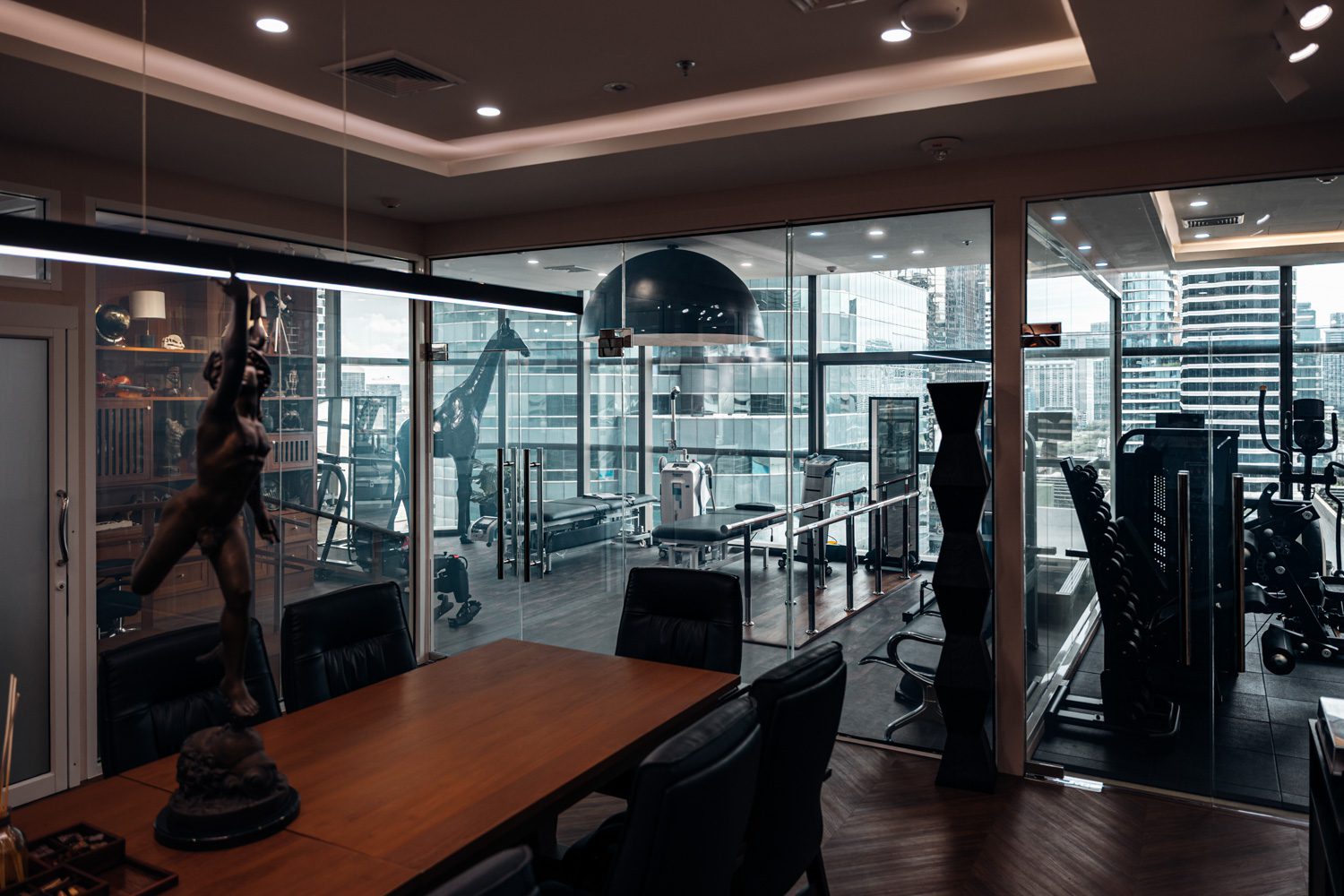
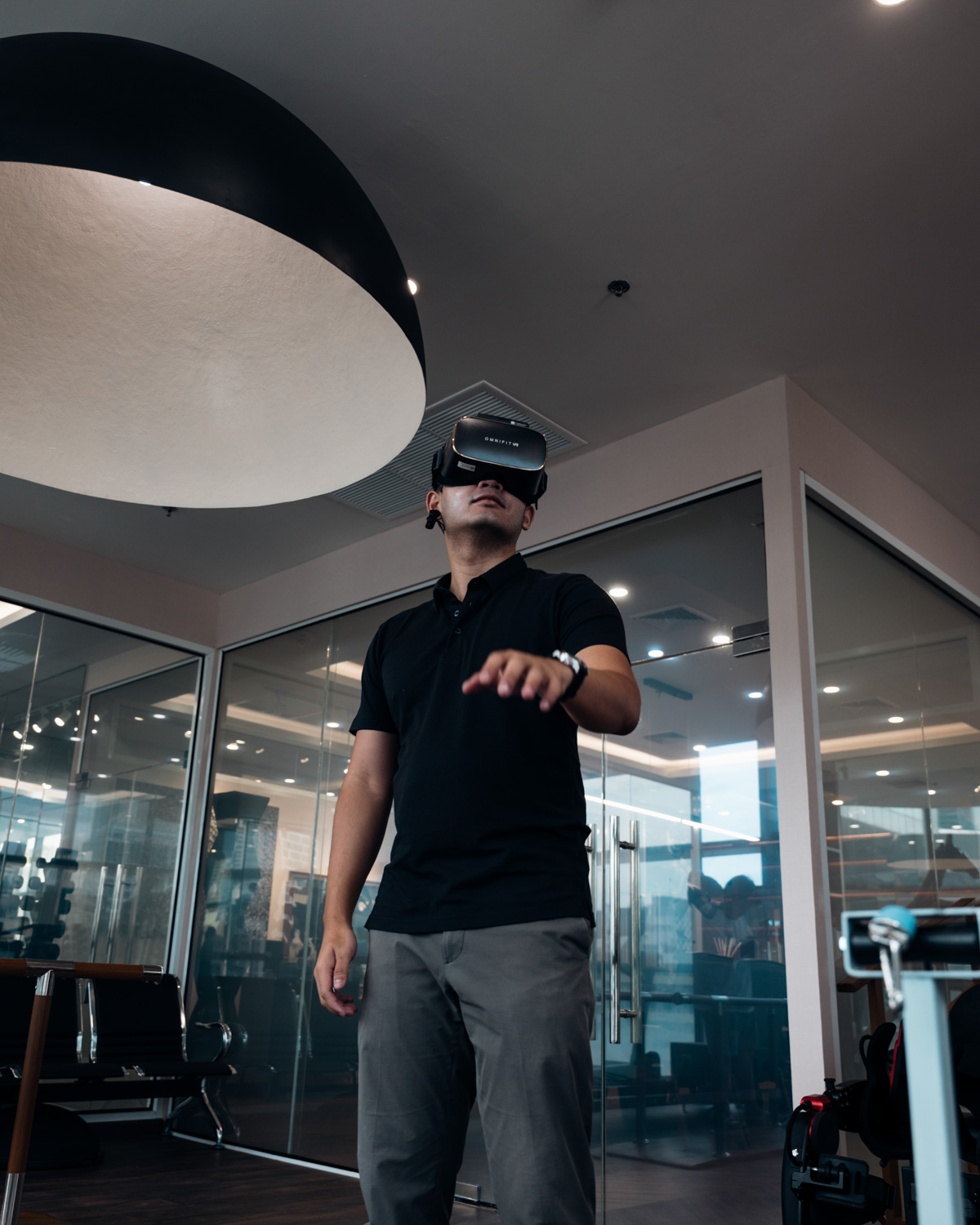
KT: The space at PYONG Rehabilitation Penthouse isn’t very large. We have about 160 square meters to work with, so we designed it to ensure that every room receives natural light and connects seamlessly with the others. We wanted everything to flow as a single, unified space, making it as easy as possible for patients to move around during their treatment. To keep the space open yet private, we used smart LED glass panels that can turn opaque or clear when needed.
Another key consideration was the patient journey. From the very beginning, we tested everything ourselves. We brought in a wheelchair and did a full run-through to see which areas were difficult to reach or move through. There’s also an accessible restroom for patients with disabilities, located right next to the treatment area. Even the pathways between rooms were carefully planned. For patients with mobility issues who use canes, for instance, we wanted them to always have something nearby to steady themselves. Even though the clinic isn’t entirely lined with handrails, the space was designed so that they can always find something to rest their hand on as they move through, whether a chair, a table, or a discreet rail along the way.
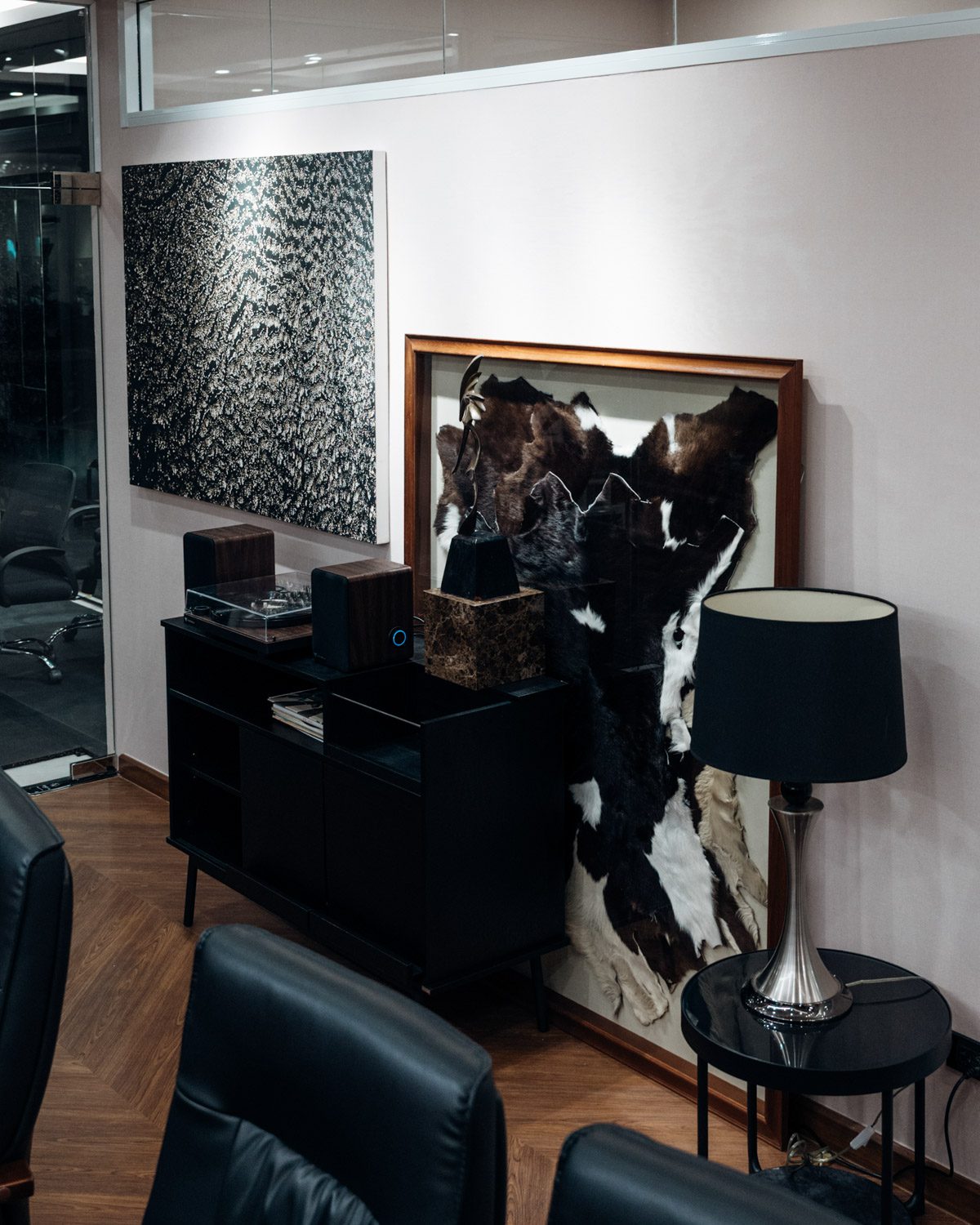
art4d: Beyond the patient-centric approach, were there any other design considerations?
KT: Yes. Most of our patients have neurological conditions or are elderly, so they rarely come alone. They’re often accompanied by family members or caregivers. That means we also needed to design spaces for the caregivers themselves. We created areas where they can sit comfortably while waiting, surrounded by a calm atmosphere and soothing music, instead of the usual beeping of medical monitors. Since each therapy session can take one to two hours, we wanted them to feel relaxed rather than bored.
Another idea was to design a small sensory stimulation zone. It features familiar old objects, like toys and dolls, that evoke nostalgia. These items can help trigger memories and emotions, allowing patients to recall moments from their past while they undergo treatment. It’s a simple but meaningful way to support their recovery.
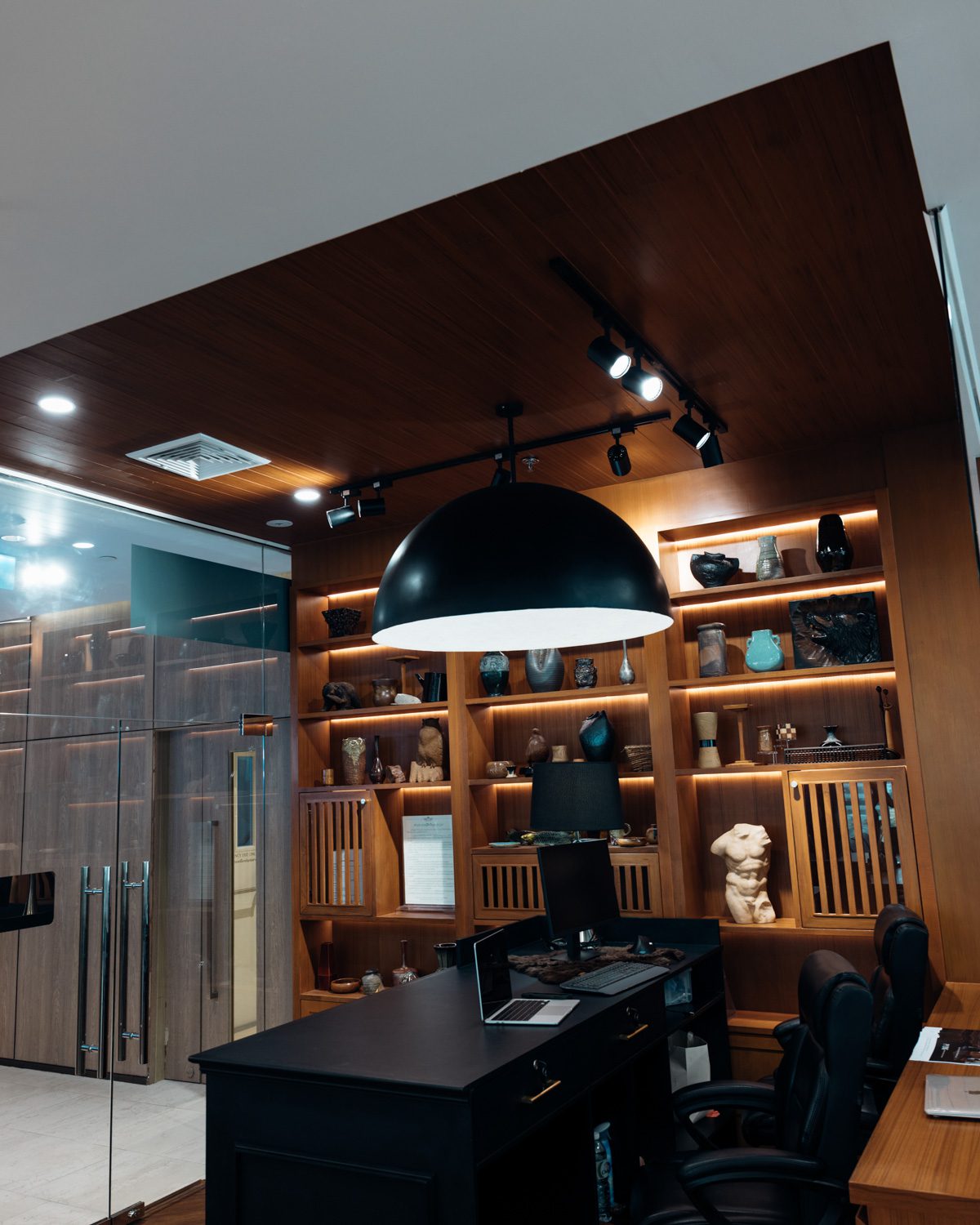
art4d: How did you approach material selection, and why did you choose those particular materials?
KT: When it comes to materials, it’s really about the small details. For example, the flooring is non-absorptive, and areas that require higher hygiene standards use antibacterial granite. The placement of doors and corridors was also planned to accommodate wheelchair access, so we applied universal design principles throughout. It may not be present in every corner, as the space is relatively compact, but that’s mostly because of the amount of rehabilitation equipment we have. That said, once you experience the facilities, you’ll find the space doesn’t actually feel cramped. The number of people here is intentionally kept small. During each session, there are usually only one or two staff members working directly with each patient, which helps keep the atmosphere calm, focused, and personal.
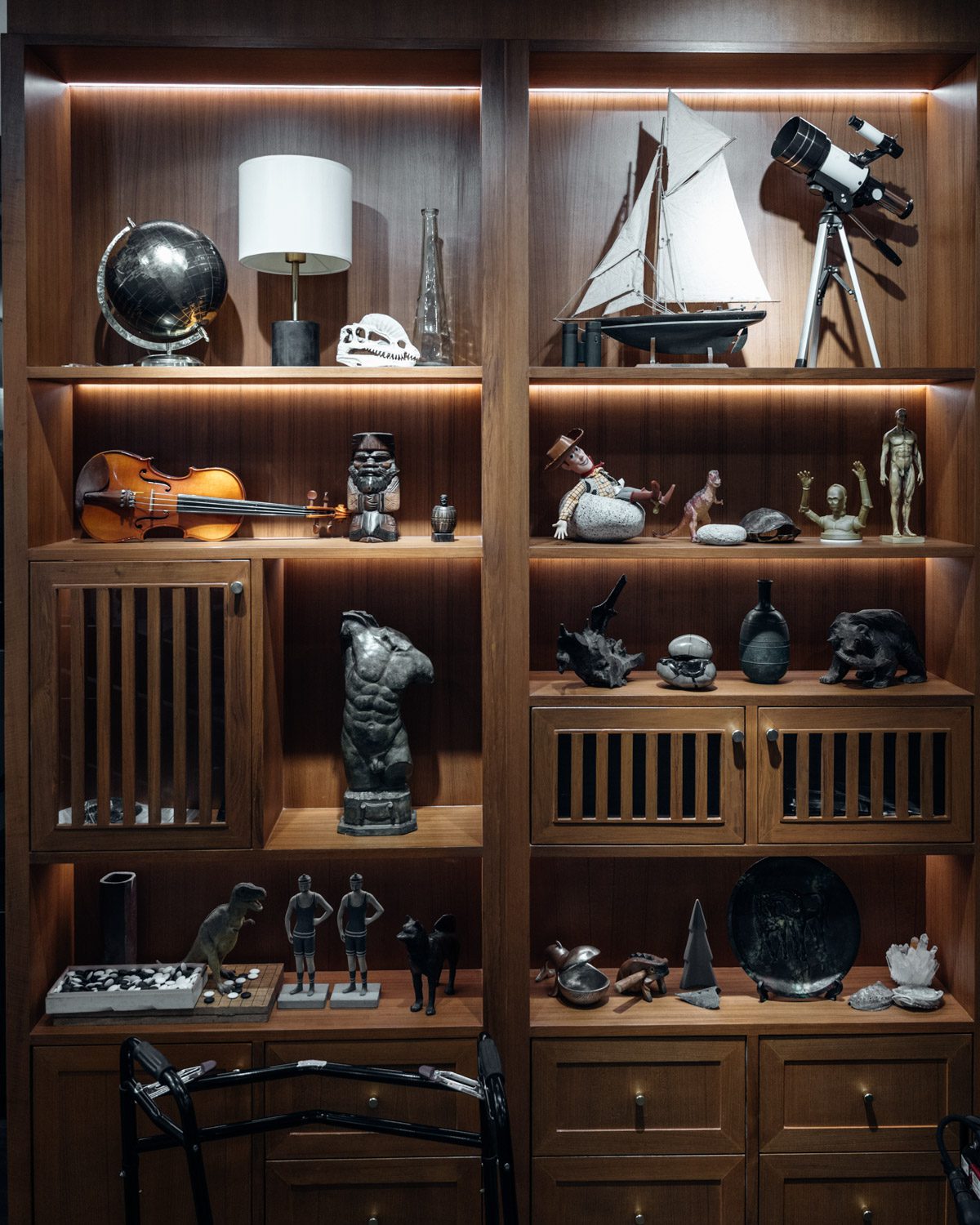
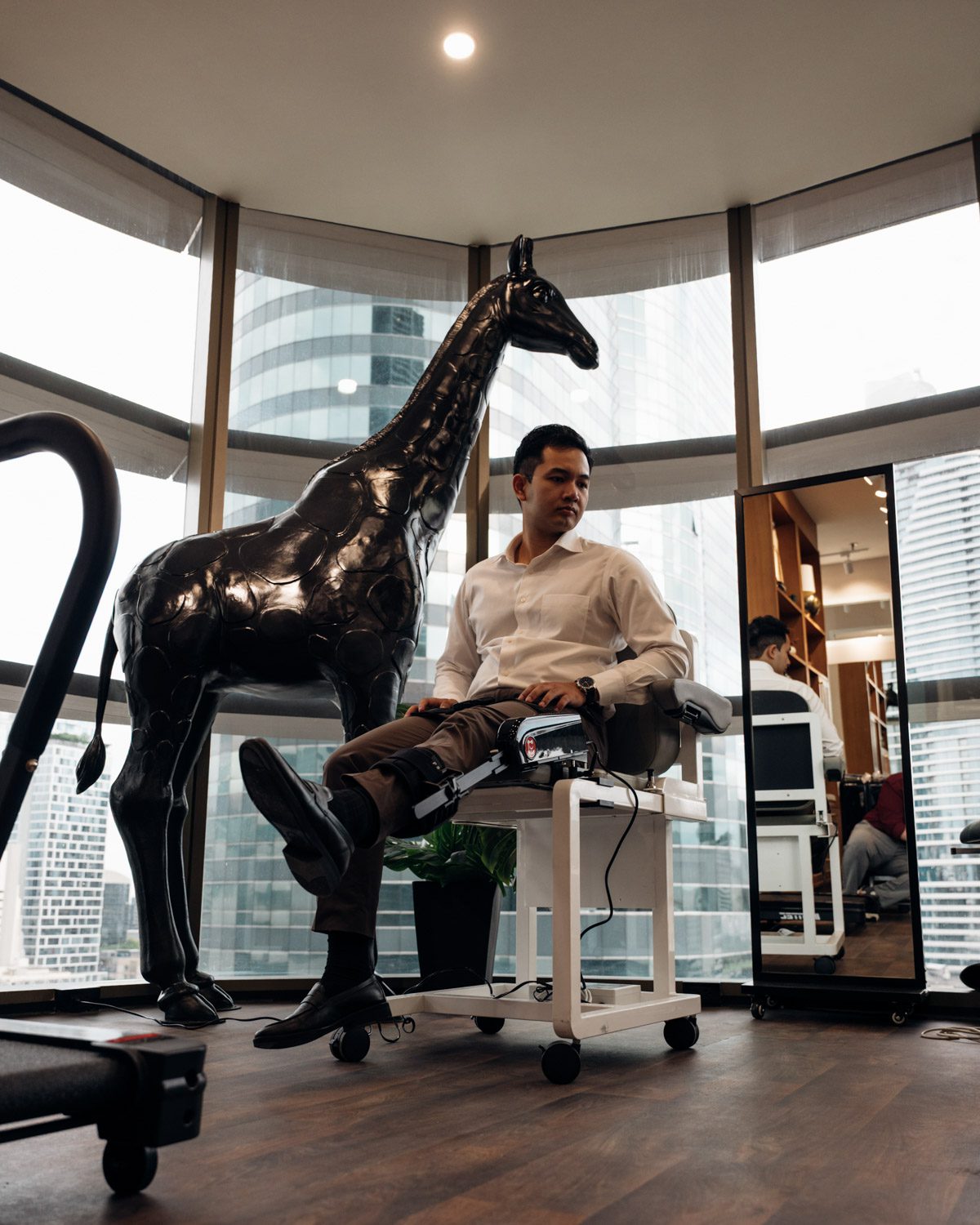
art4d: Why did you decide to primarily use wood, from the flooring to the walking rails?
KT: When it comes to wood, what I really want patients to feel is a sense of home, something truly homey. You rarely see real wood used in hospitals, but here we decided to use it throughout. In the central area especially, we used a variety of wooden panels, each chosen to suit its function and location.
The tables, walking rails, and even the staircase were all custom designed and made from teak. The flooring in the rehabilitation room is a wood-patterned laminate, but it’s an anti-absorbent surface. The intention was to create the look and warmth of real wood while combining different materials that all share a warm, brown tone. Ultimately, we wanted to recreate the feeling of being at home. That’s why there are leather elements too from the sofas, and we have real greenery like fiddle-leaf figs, and even a faux fireplace. (laughs)
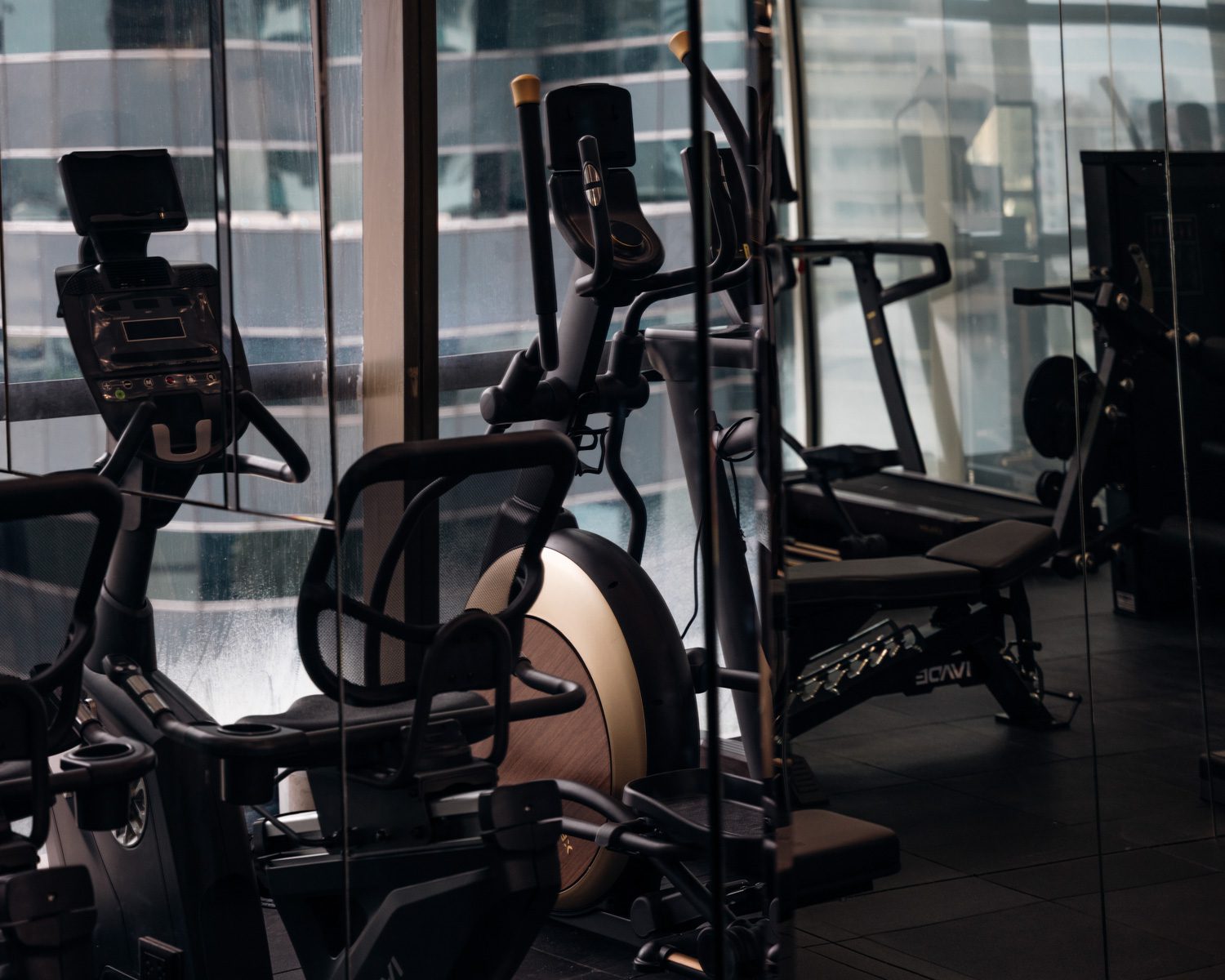
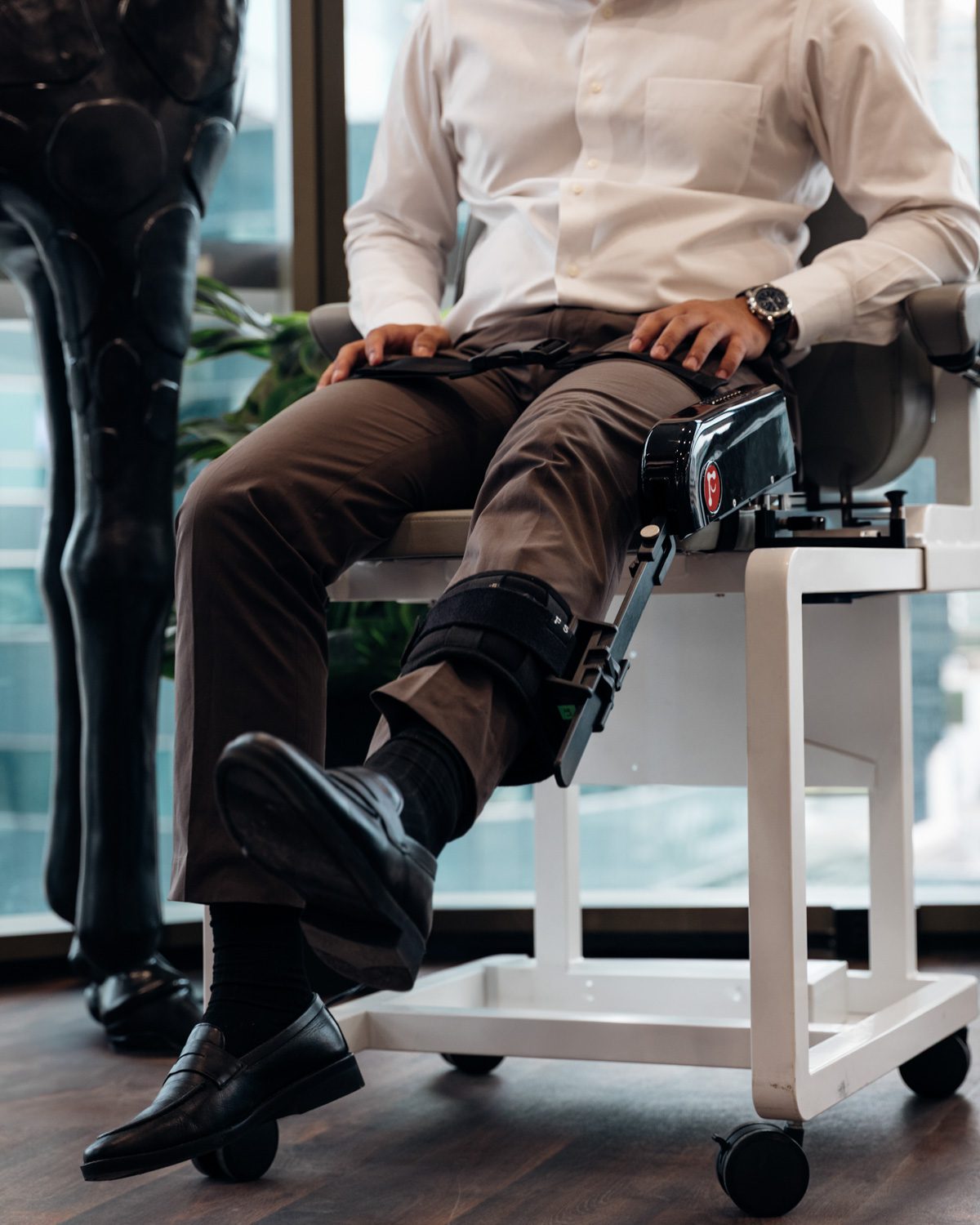
art4d: You once referred to this place as your ‘son’ on one of your Facebook posts. That sounds like you’re deeply attached to it.
KT: I used the word son because this place is something I truly built and developed from everything I’ve learned. It brings together all my knowledge and experience, combined with a very simple thought: if someone I love were to have a neurological condition, what kind of place would I want them to be in? It would have to feel like home; a space where they don’t need to go anywhere else, because everything here represents the very best care they can receive.
It also comes from over ten years of experience prior to this, through PYONG Traveller X Doctor, my Facebook page where I visited five- and six-star hotels around the world. Those experiences taught me how different brands interpret the idea of luxury. I’ve brought all of that together in designing this space, translating those lessons into the context of a healthcare business. In a way, I’ve evolved from being a travel inspirer into someone who works in premium luxury lifestyle healthcare. Travel has become more of a hobby now; something I enjoy rather than something that defines my work.
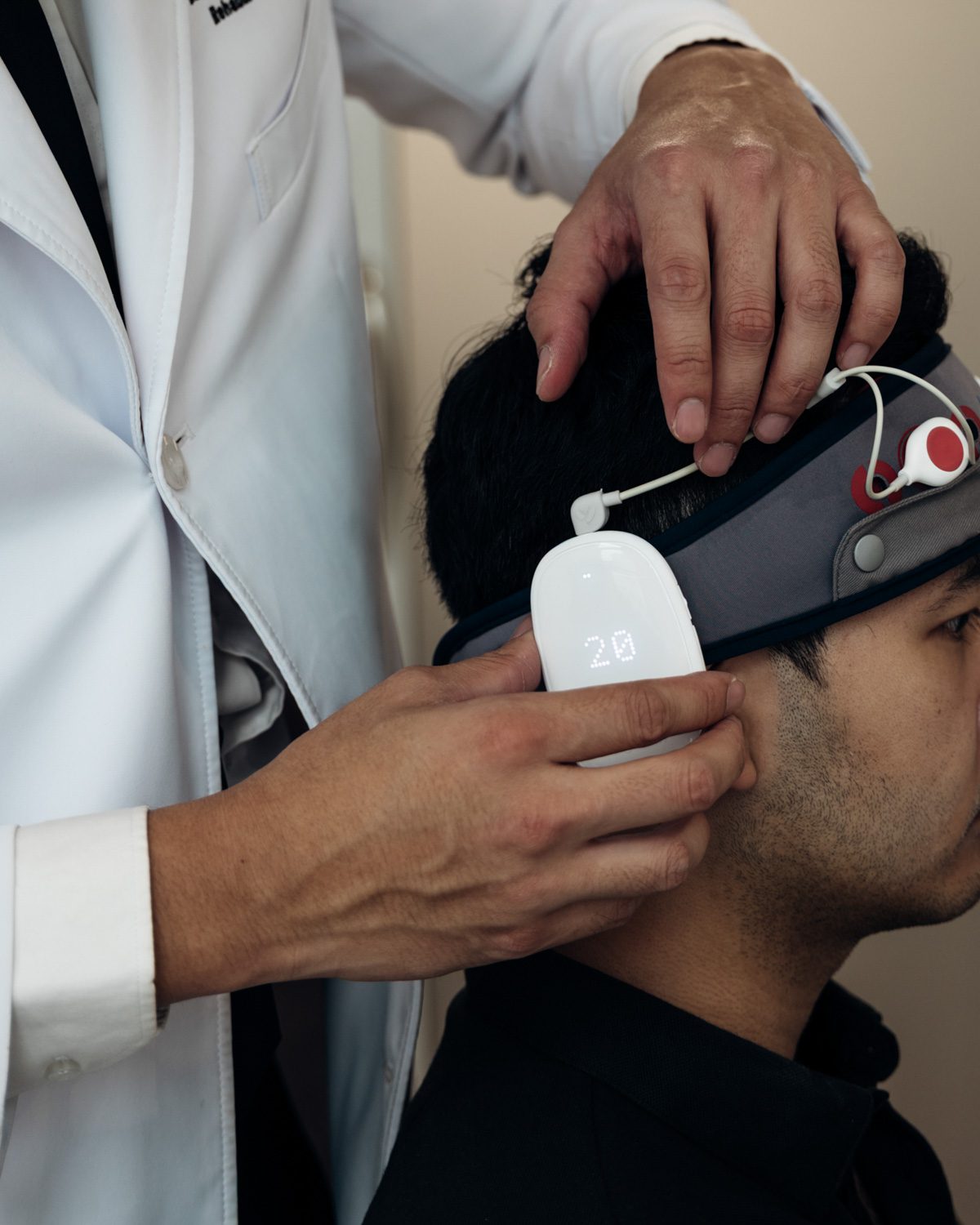
art4d: It seems that your wide-ranging experience has given you the perspective and knowledge to design the space yourself.
KT: That’s right. My experience comes from actually being in those places and observing them closely. I didn’t keep visiting the same ones. I stayed in many, probably between fifty to a hundred hotels, and each time I immersed myself fully in the experience. That gave me a deep understanding of what makes a space work, especially compared with what I’ve seen in the healthcare world. So when it came to applying that understanding to my own field, rehabilitation medicine, which already deals with concepts like universal design and home modification for patients and the elderly with specific medical or physical conditions, the result is something that’s unique and difficult to replicate, because it combines professional expertise with intuition and lived experience.

art4d: In your view, what kind of environment best supports both physical and mental recovery?
KT: It has to be an environment that patients genuinely like, one that doesn’t add to their stress. Light, scent, natural brightness, the overall atmosphere, and music; all these elements stimulate the senses in gentle yet, different ways. The goal is to create a sensory experience that helps them focus better and feel more at peace.
art4d: How do you find the balance between aesthetics and functionality?
KT: I believe everything has to go hand in hand. Balance comes from understanding how patients actually use things. We call it adherence. They have to genuinely want to use them, not just while they’re ill, but continuously afterward. Beauty plays an essential role in that. It’s what makes people stay connected to what they use, what makes them feel comfortable returning again and again.
Amid all the innovations we see today, the ones that truly endure are those that are beautiful. The same applies to clinics. When a clinic not only functions well but also looks beautiful, people are more likely to talk about it and feel proud to come here. That’s the balance I’m looking for.
art4d: Why did you choose this location instead of Sathorn or Asoke?
KT: The reason we chose Gaysorn Tower is because Gaysorn aligns closely with our brand values on many levels, from the technology we use and the equipment specifications we select to the overall brand image and design aesthetics.
We position ourselves as a quiet luxury brand with an artisanal and personalized approach, almost tailor-made, to suit each patient’s specific needs. That level of refinement requires a setting that reflects the same values. So it isn’t just about finding any location, but finding one with a strong legacy and a story to tell. Gaysorn embodies exactly that. It already has a community of people who trust the brand, and its clientele naturally overlaps with ours. That’s why we felt it was the right place. At present, I haven’t seen another mall in Bangkok that offers a comparable level of sophistication.
art4d: If you were to open a new branch, how would you approach its design?
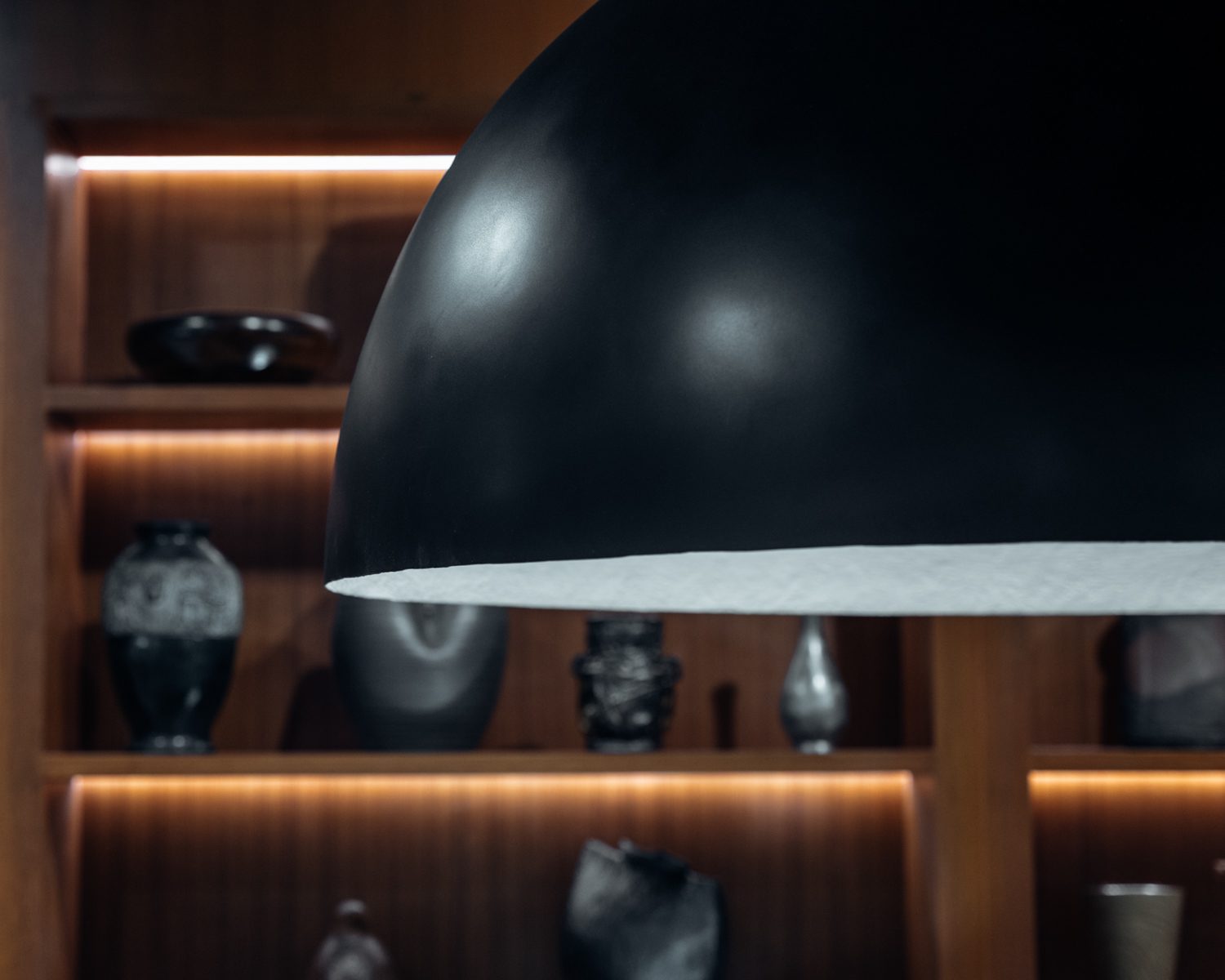
KT: If PYONG Rehabilitation Group were to expand, the design would likely follow a modern aesthetic direction with a touch of old money sophistication. It would also incorporate geometric elements and a mix of contrasting materials. That’s something already reflected in PYONG Rehabilitation Penthouse, which combines a certain softness in parts with a strong geometric structure, expressed through materials like wood, metal, and glass.
This theme has become a distinctive part of our brand identity. So if a new branch were to open, it would probably follow a similar direction, though the design would also depend on the type of treatment offered. If it focuses on neurological rehabilitation, like the Penthouse, the space would emphasize openness and natural light to suit the needs of our patients. But if it were to specialize in another area, the design would naturally adapt accordingly.
pyongrehab.com
facebook.com/pyongrehab
facebook.com/pyongdoctor