
 Photo: Highlight Images
 ATELIER ALTER ARCHITECTS REINTERPRETS THE ARCHITECTURE OF THE DALI TRANSFORMER FACTORY THEATRICAL DISTRICT BY PRESERVING THE ORIGINAL STRUCTURE WHILE INTEGRATING CONTEMPORARY PERFORMANCE TECHNOLOGY INTO THE SPACE
TEXT: KARN PONKIRD
PHOTO CREDIT AS NOTED
(For Thai, press here)
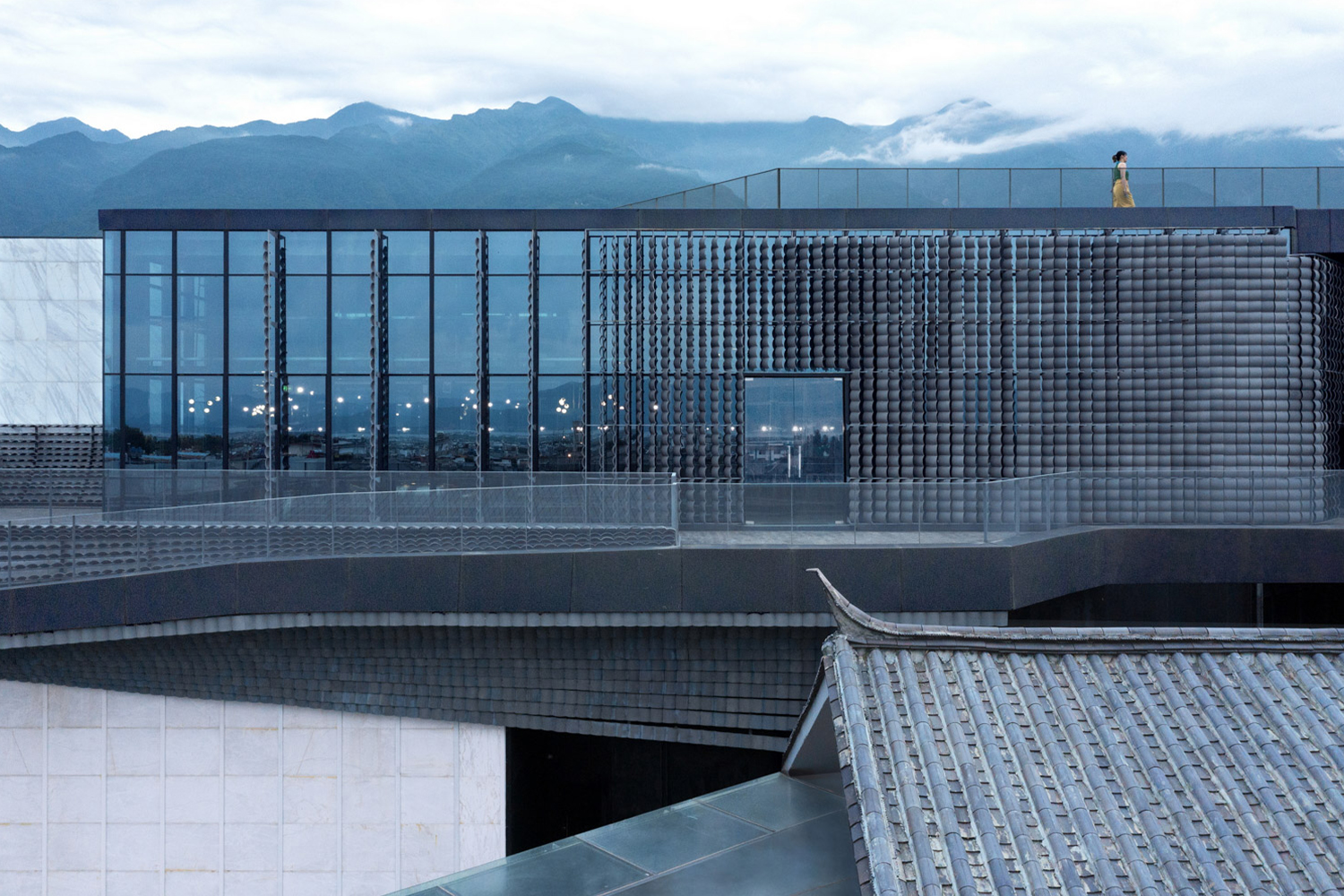
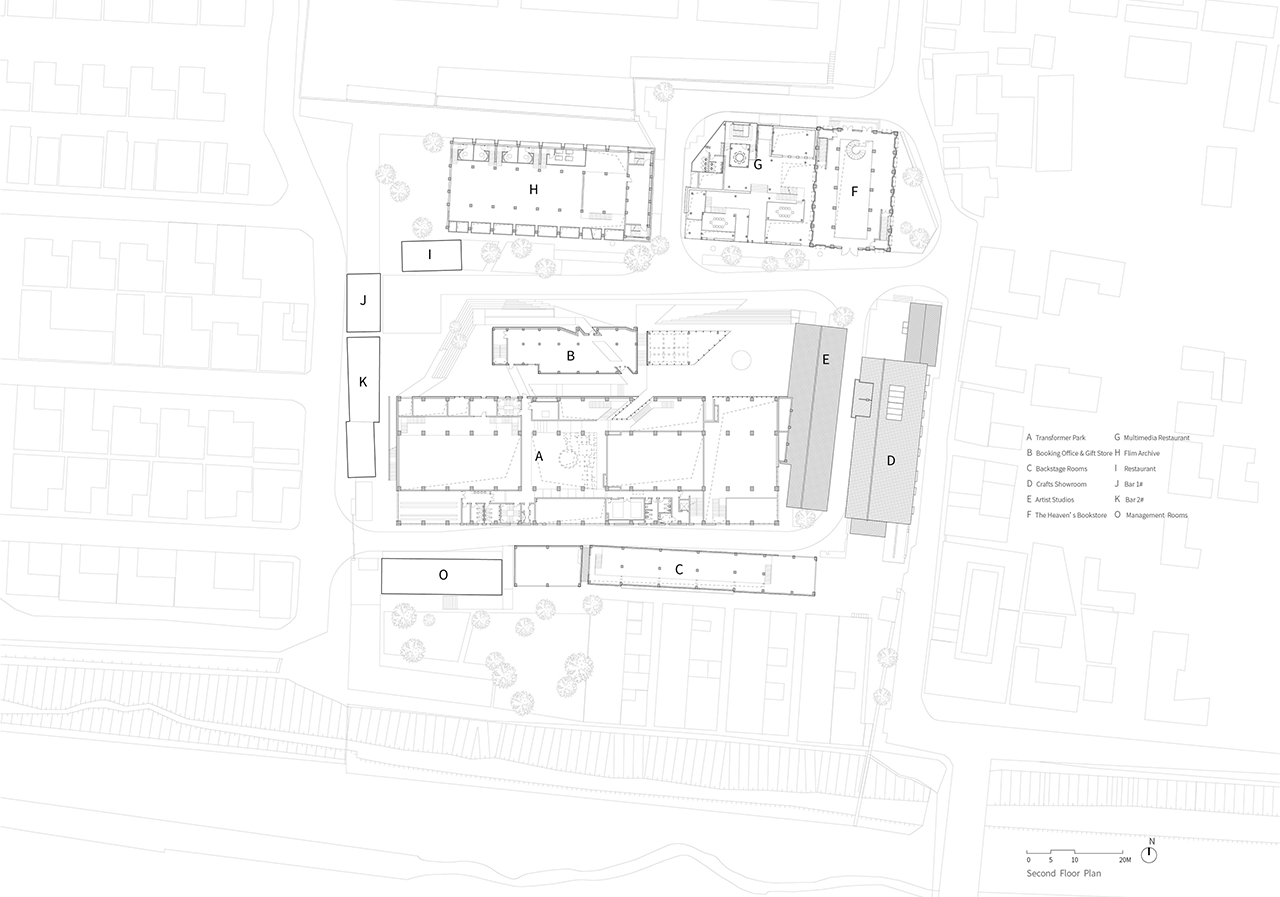
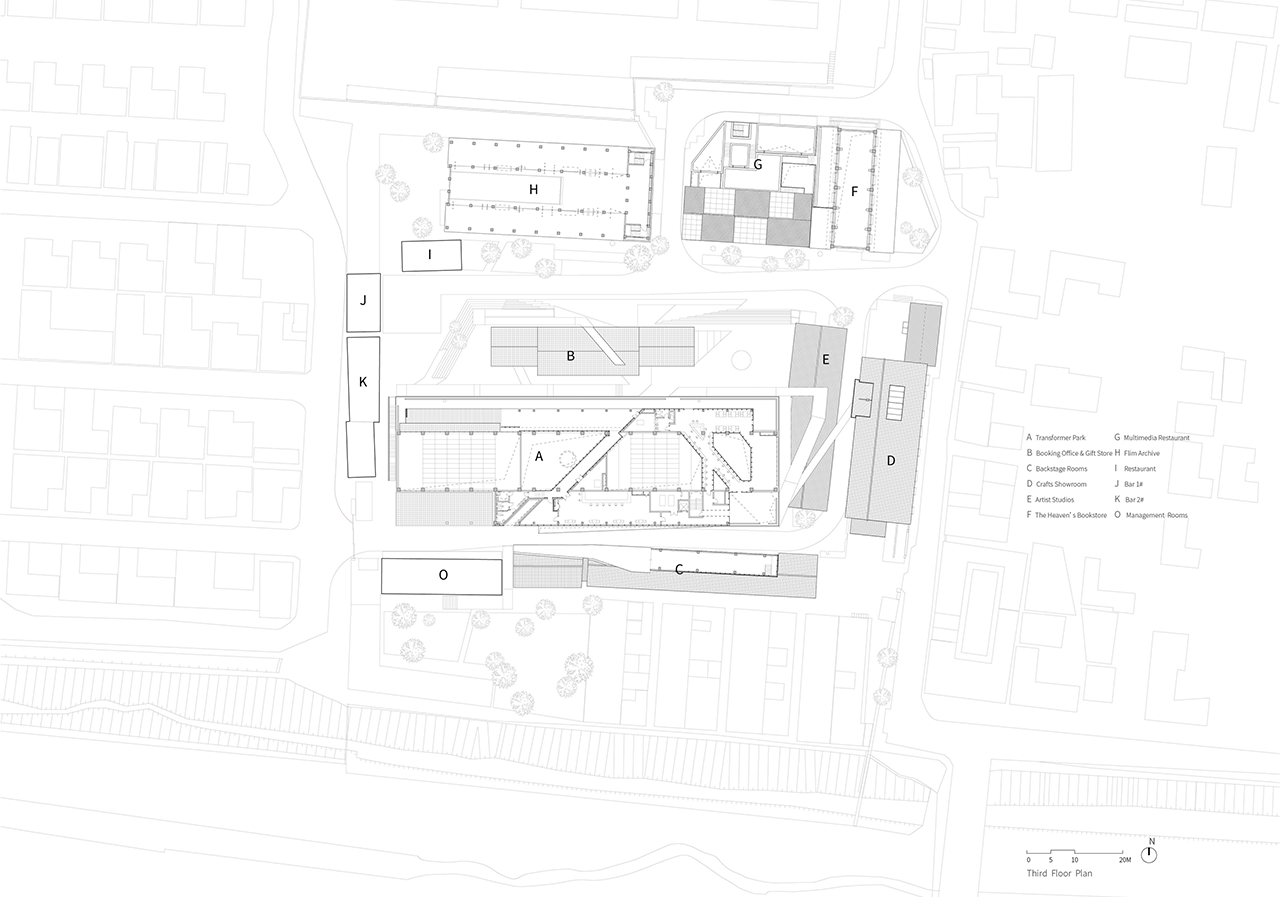
Atelier Alter Architects has brought to life an abandoned 3.16-acre transformer factory site into a new theater complex that weaves together a bookstore, art exhibition spaces, a cinematheque, a restaurant and bar, artist workshops, and comprehensive administrative offices. The adaptive reuse project brings together a total usable area of 9,751 square meters, reimagining an industrial relic as a multifaceted cultural destination.
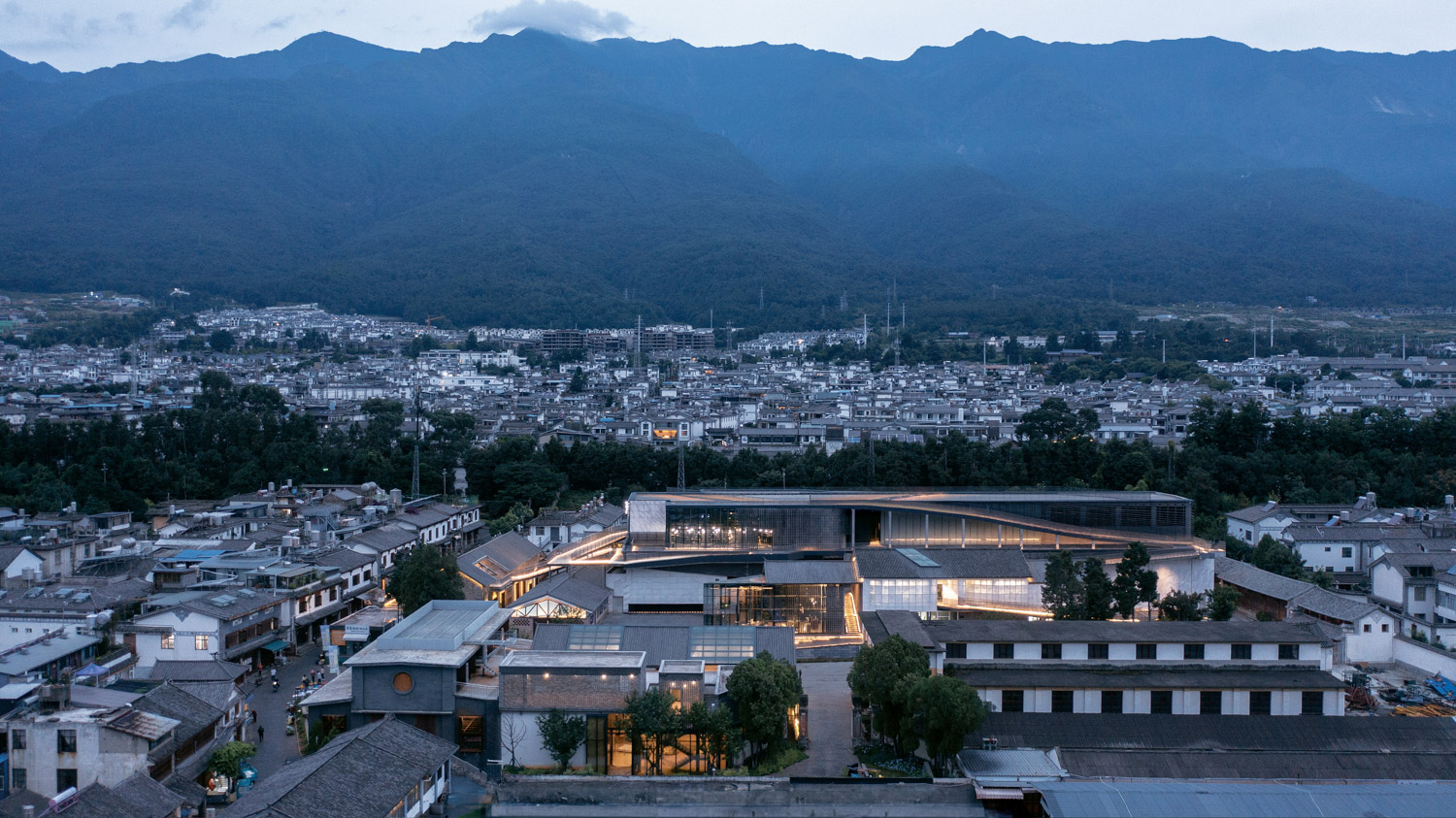 Photo: Xiazhi
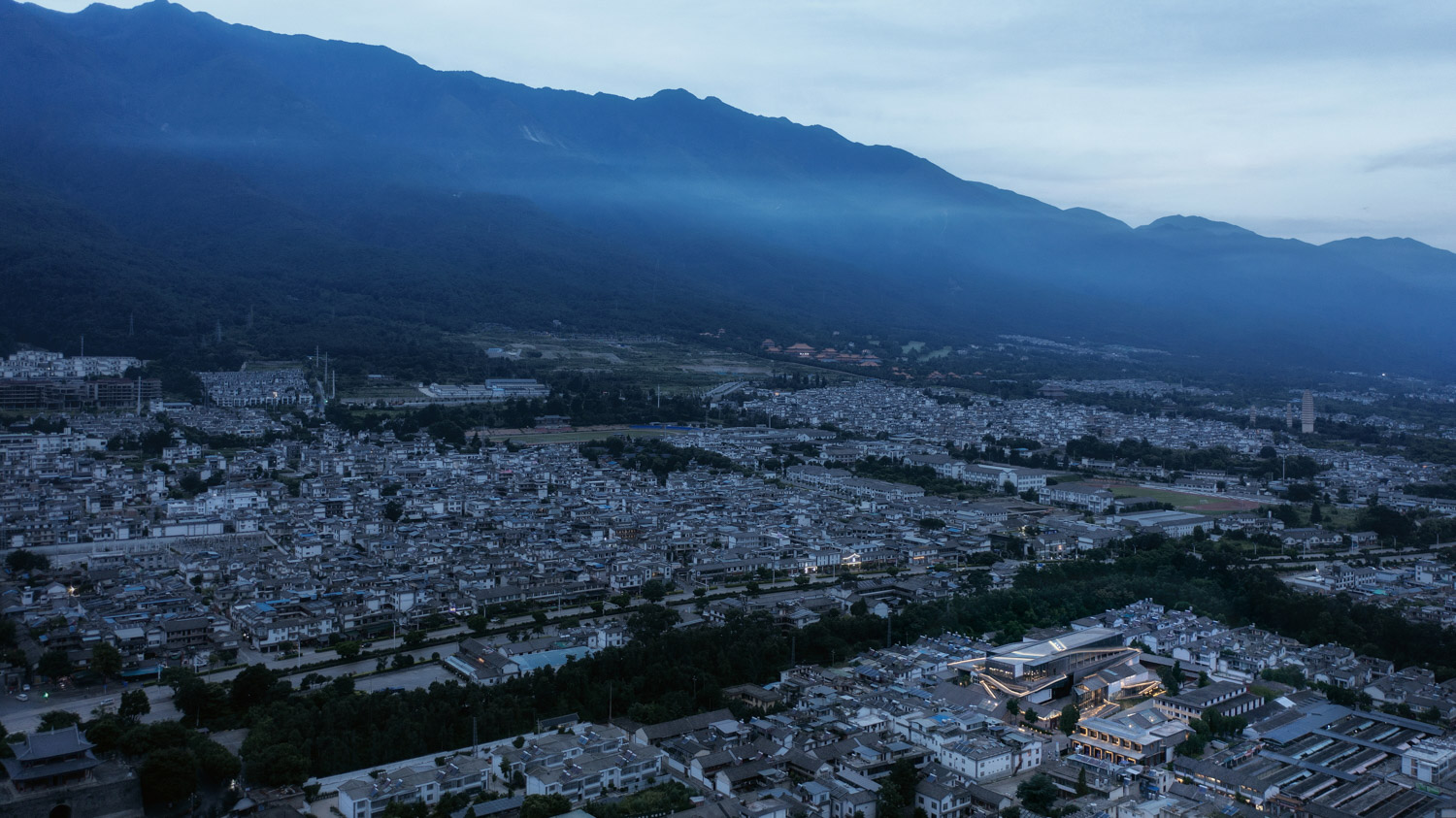
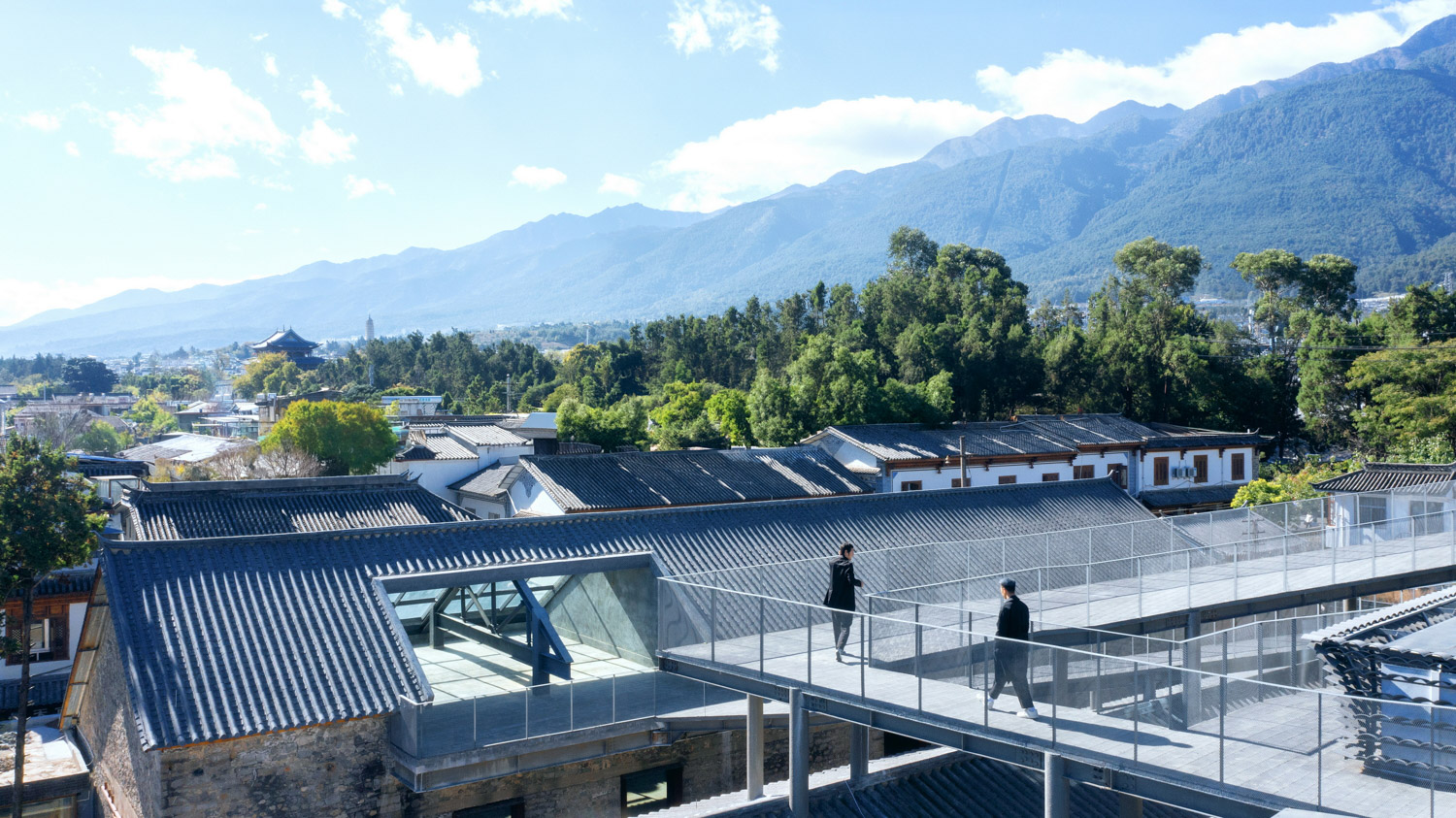
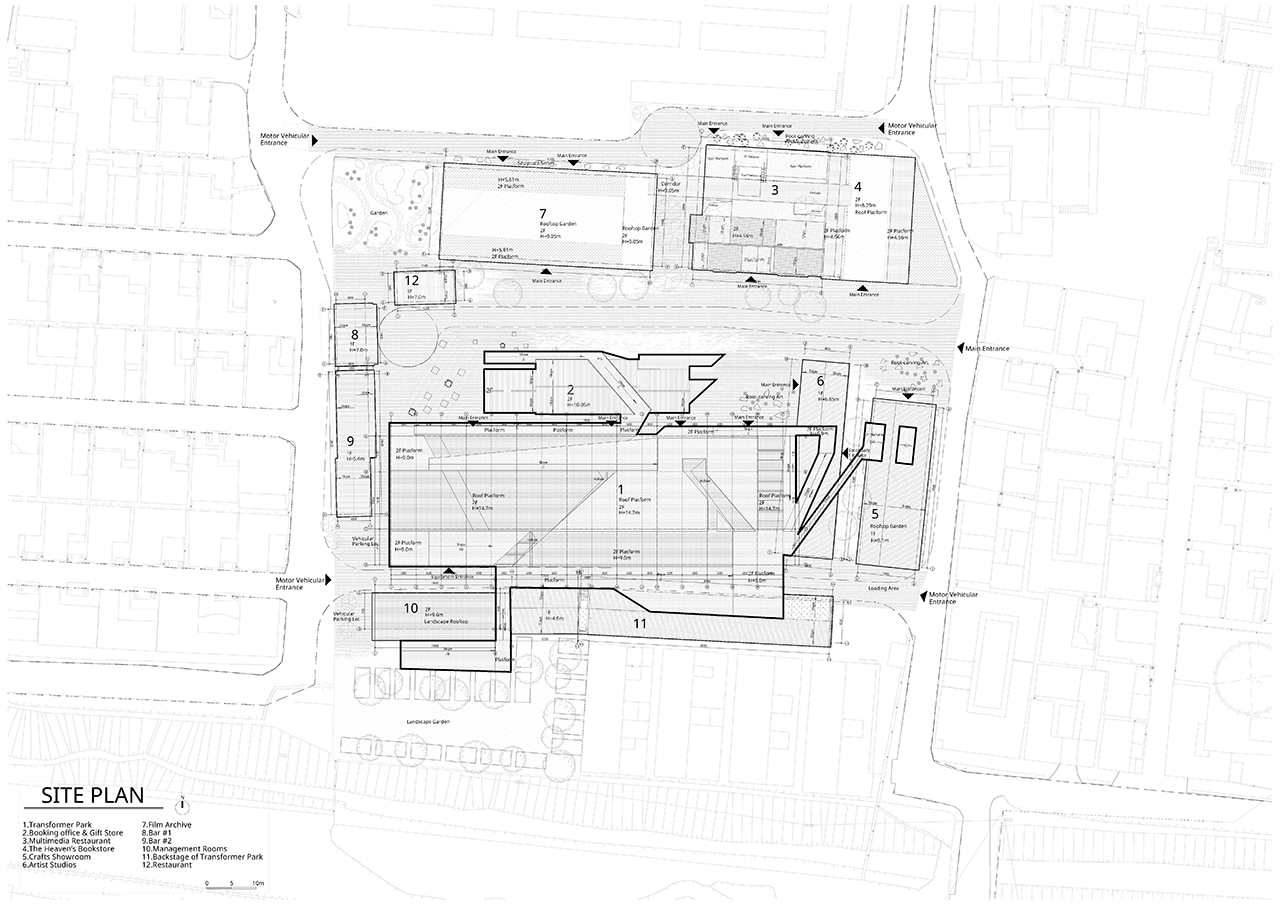
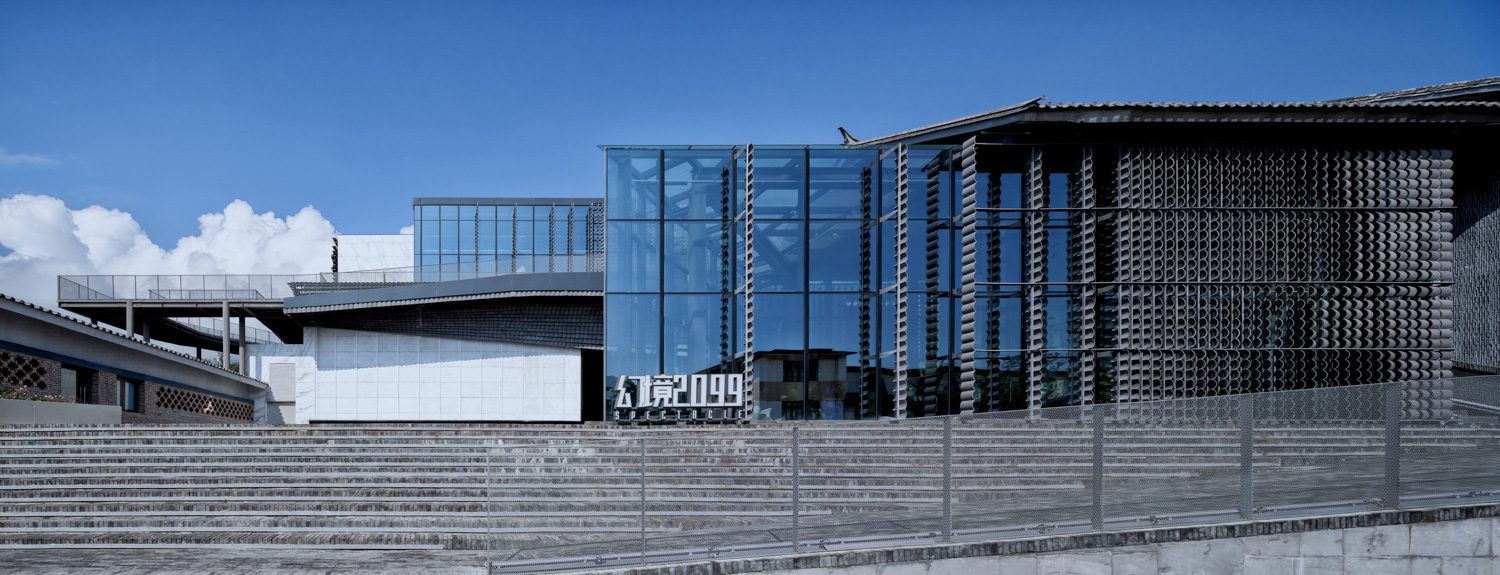
Photo: Highlight Images
Located in Yunnan Province in southern China, Dali is one of the region’s oldest cities, celebrated for its striking natural setting. To the west, the city is framed by the Cangshan mountain range, while to the east it opens toward Erhai Lake. Beyond its landscape, Dali possesses a distinct cultural and historical identity that can be traced back as far as the fifth century. In line with the city’s cultural mission to revive its historical legacy through art and architecture, the development of a new theater on this former industrial site was required to balance the preservation of the factory’s original historical elements with an architectural language that harmonizes with the vernacular fabric of the surrounding old town.
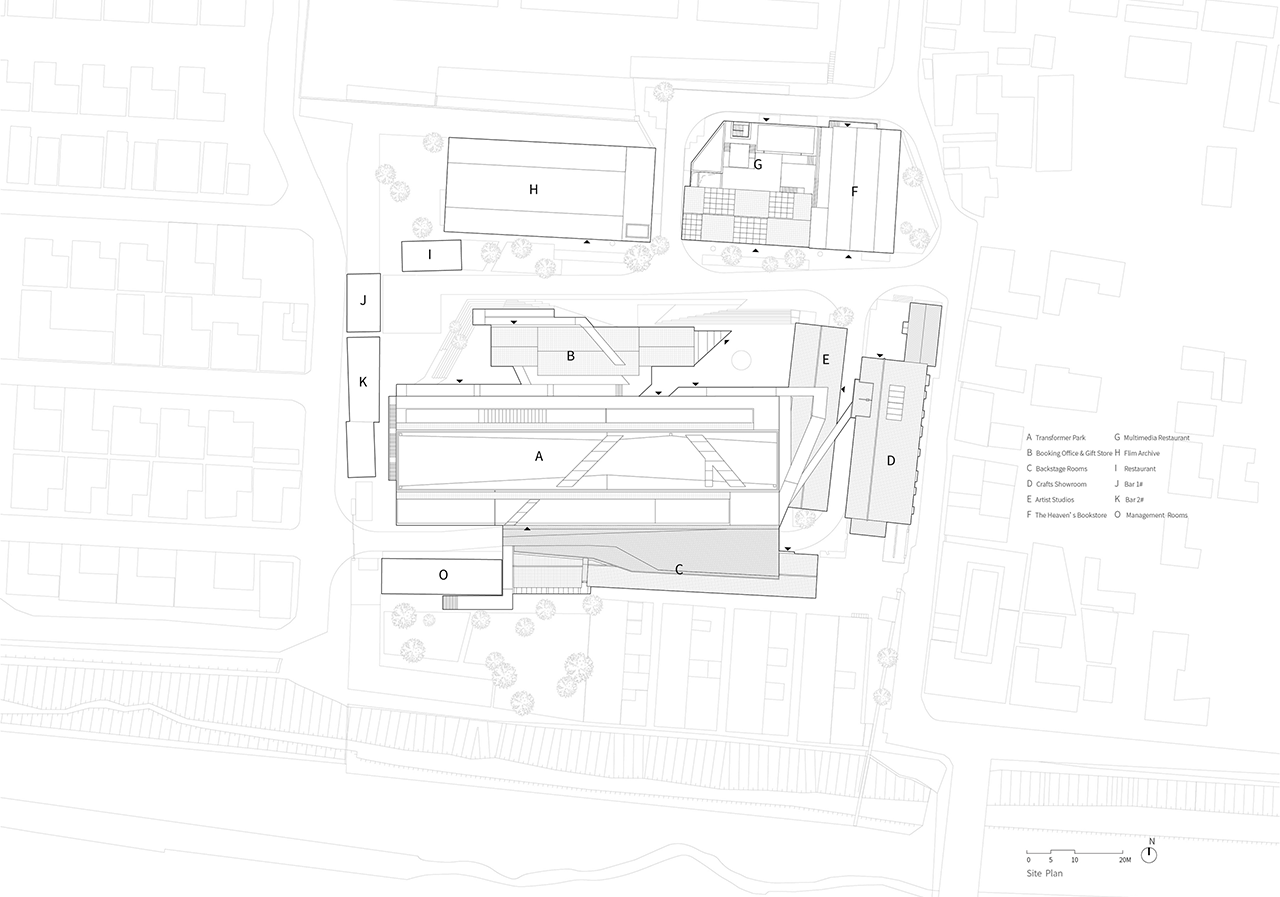
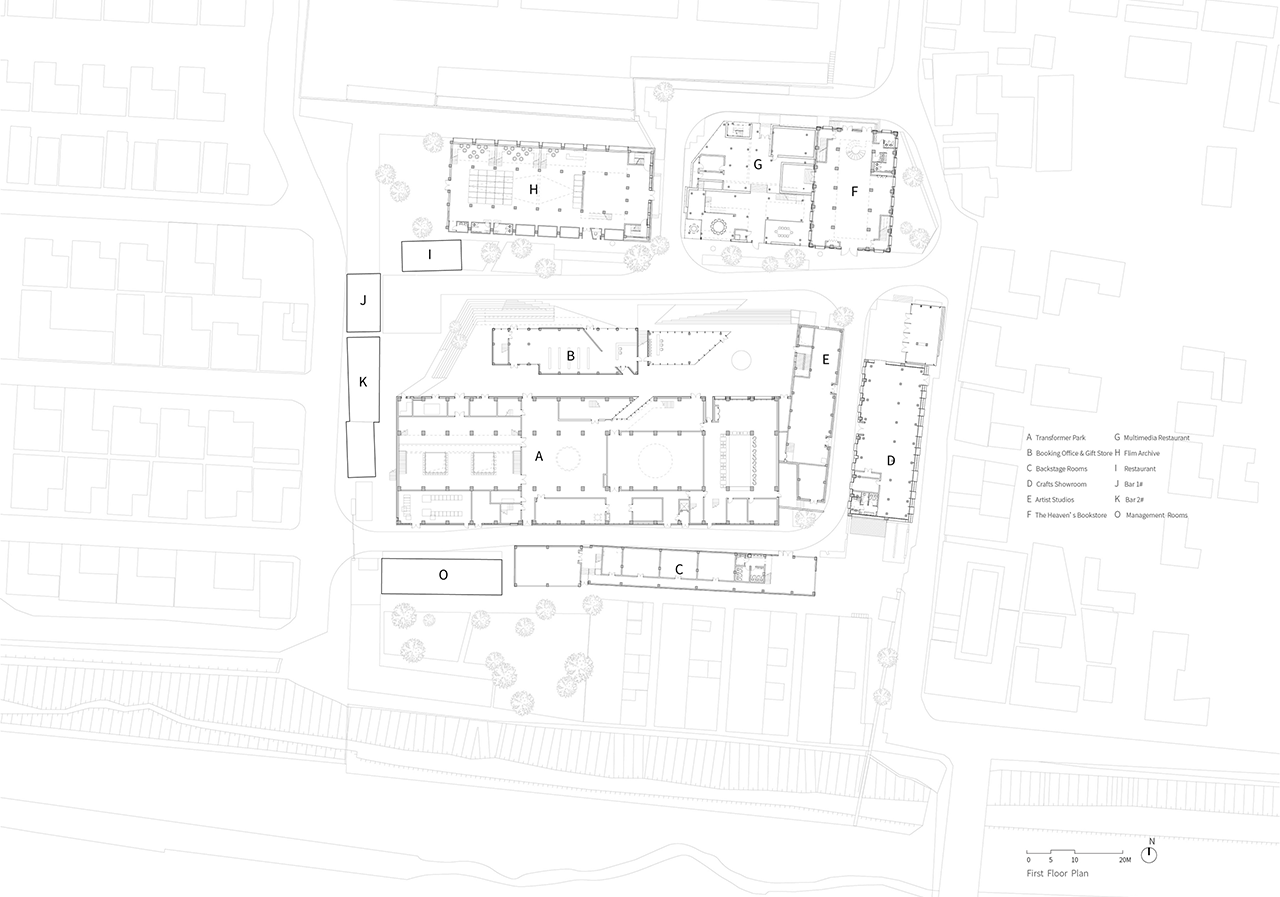
“We did not see this factory as a single building,” explains Yingfan Zhang, founder of Atelier Alter Architects. “Instead, we approached it as a sectional portrait of the city itself, stitched together by circulation routes. The theaters are dispersed across different points within the site, creating multiple perspectives on the remaining traces of industrial heritage, perspectives that shift and unfold in rhythm with the movement of its users.”
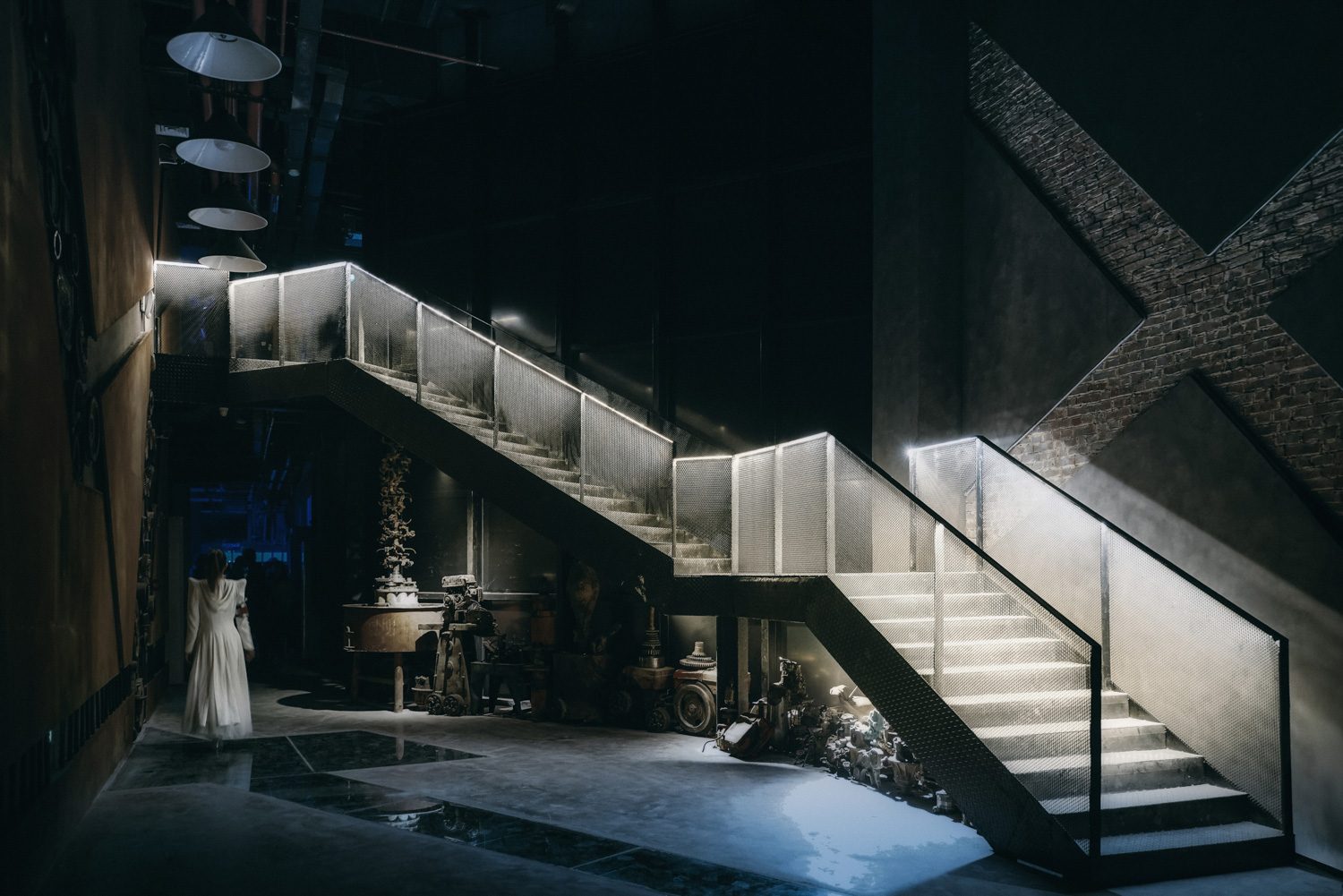
Photo courtesy of Atelier Alter Architects
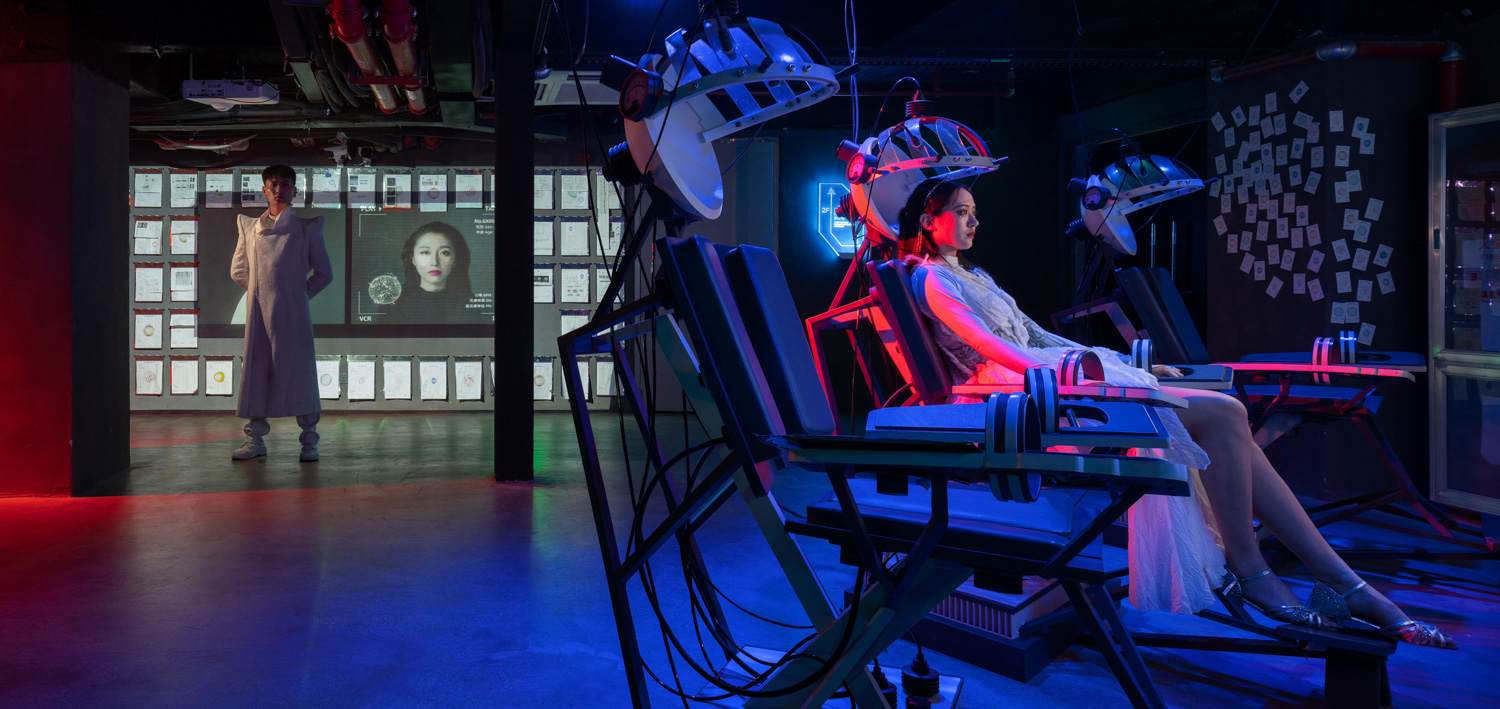
Photo: Highlight Images
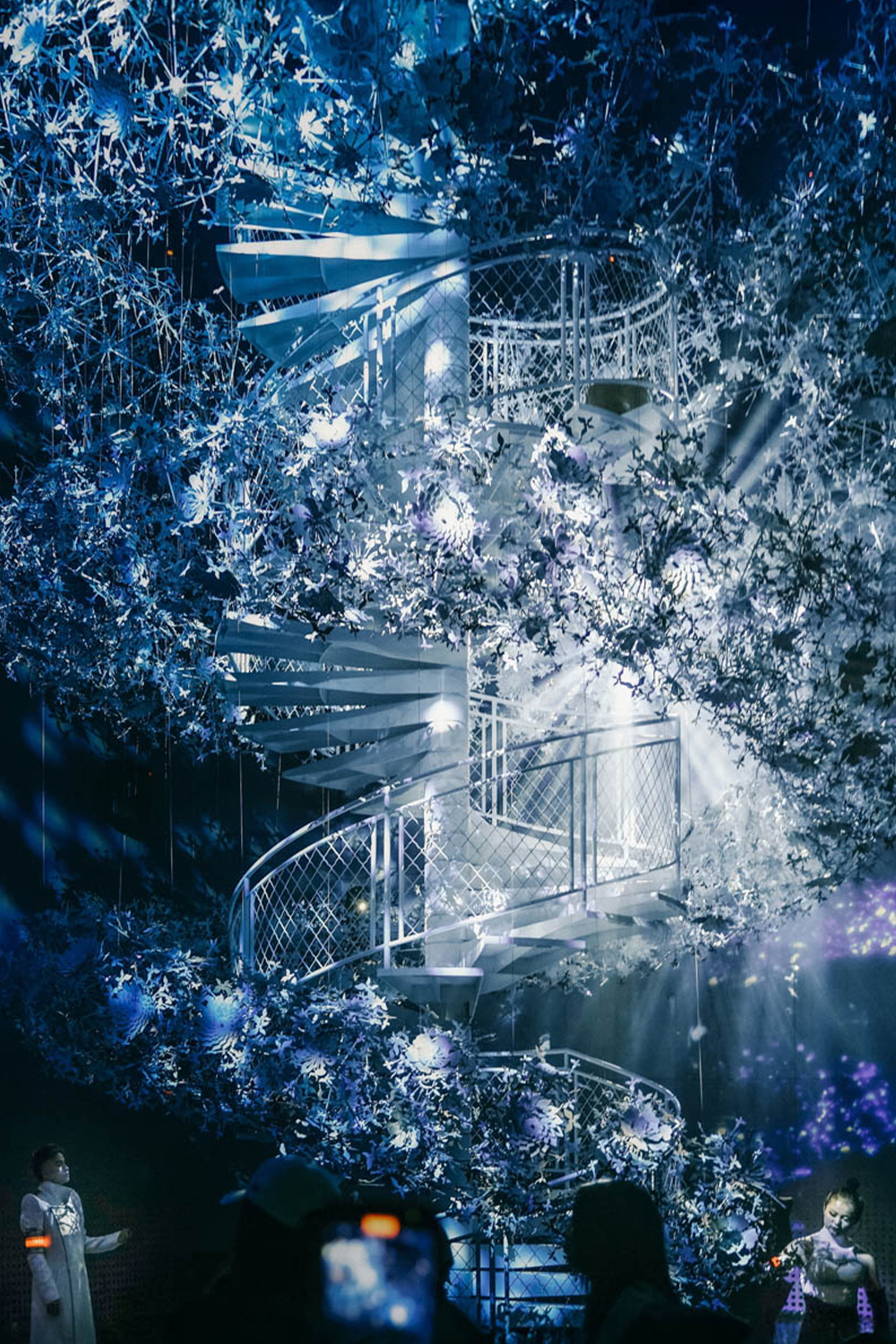 Photo courtesy of Atelier Alter Architects
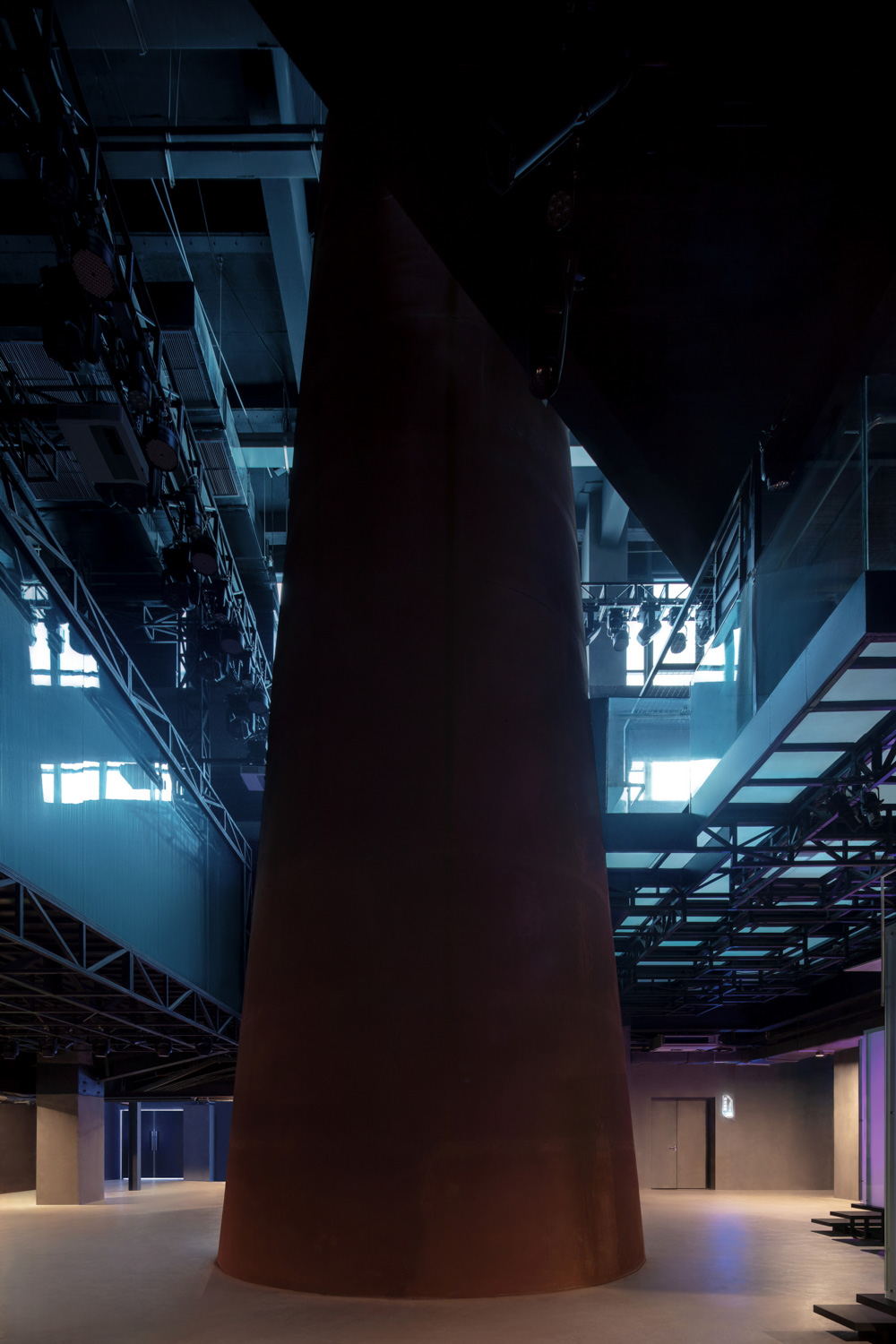
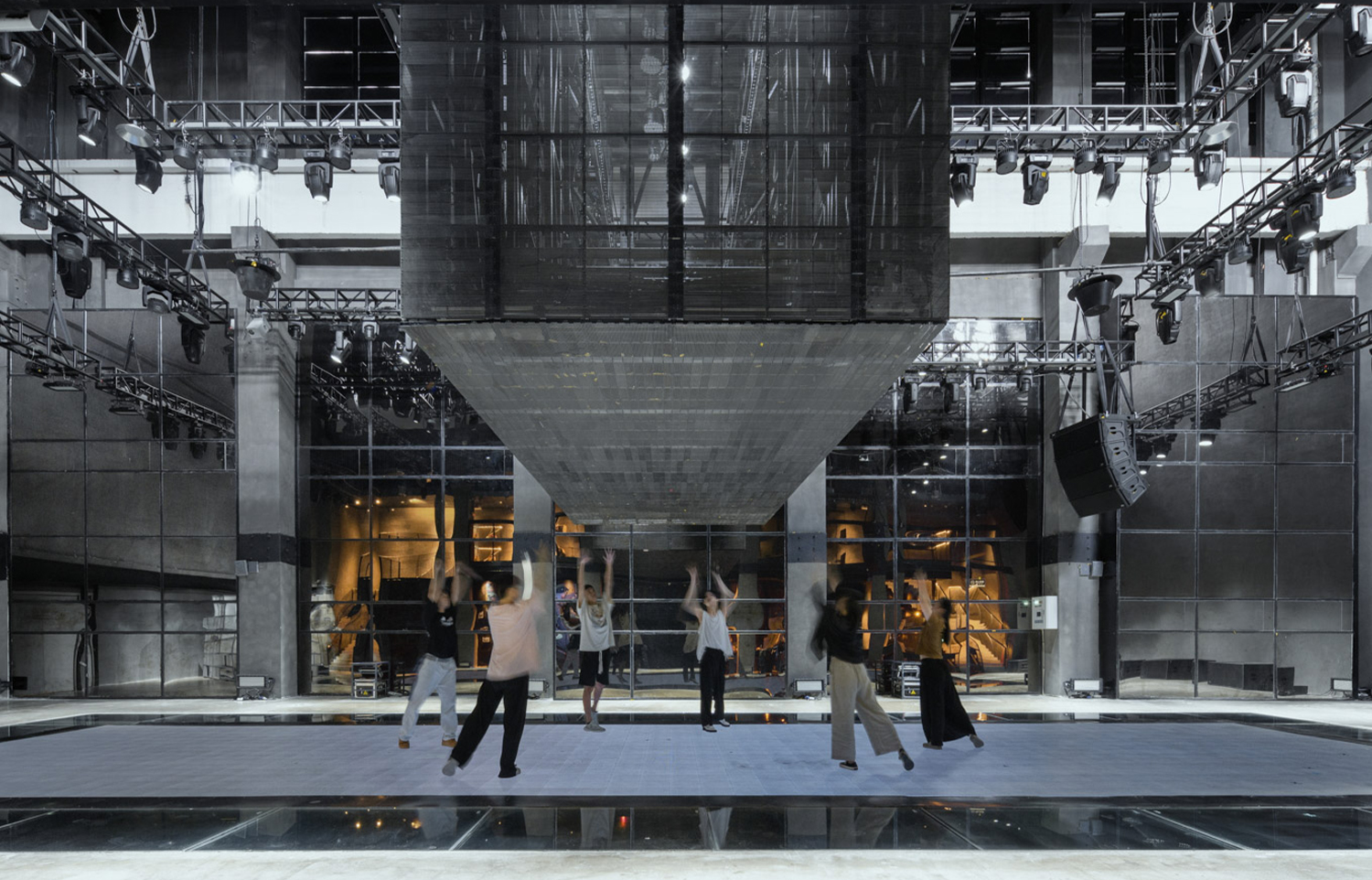
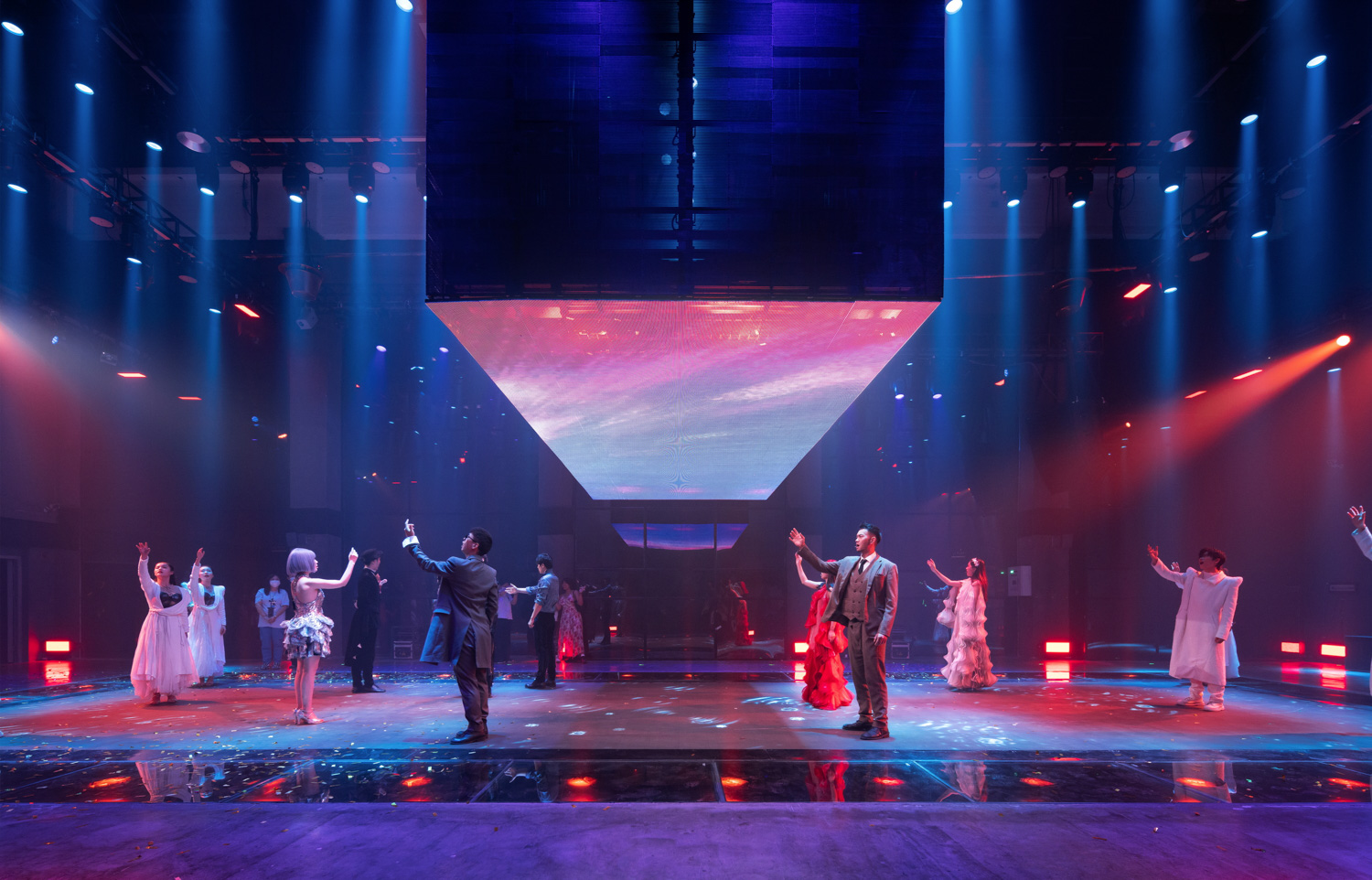
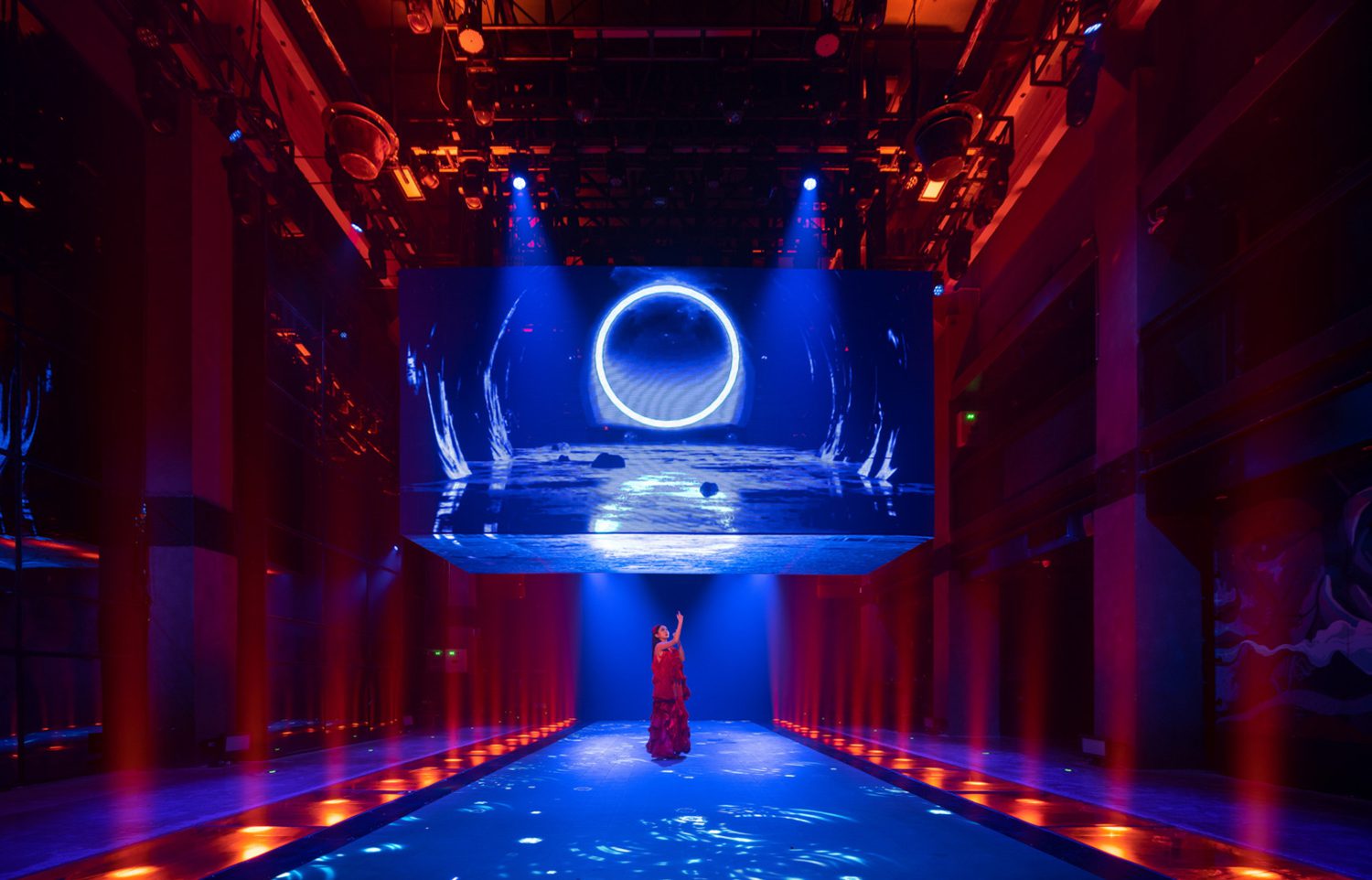
The interior of the main building within the Theatrical District therefore departs entirely from the model of a traditional theater defined by a fixed stage surrounded by rows of seating. Instead, space is fragmented and distributed into a sequence of spatial episodes, each offering a different experience shaped by movement and circulation. Performances are conceived as immersive and participatory, allowing both the acts themselves and the architectural setting to become narrative agents. Audiences are invited to immerse themselves in the performance, as if stepping directly into the unfolding narrative. This immersive quality is achieved through a careful orchestration of architectural materials such as glass and metal, the deliberate modulation of spatial compression and expansion, and the integration of art and performance technologies, such as sound design, holographic lighting, projections cast onto threads, and 3D projection systems. Among the project’s highlights is the Heart-beat Factory, a space that functions as a theatrical stage and choreography venue during the day, before transforming into a social club at night, animated by light, sound, and a dramatic ‘floating stage.’ This elevated stage incorporates a large LCD screen that can be raised and lowered, adapted from the factory’s original cranes and cable systems. Re-engineered for contemporary use, these industrial remnants allow the stage to operate seamlessly across both daytime and nighttime programs.
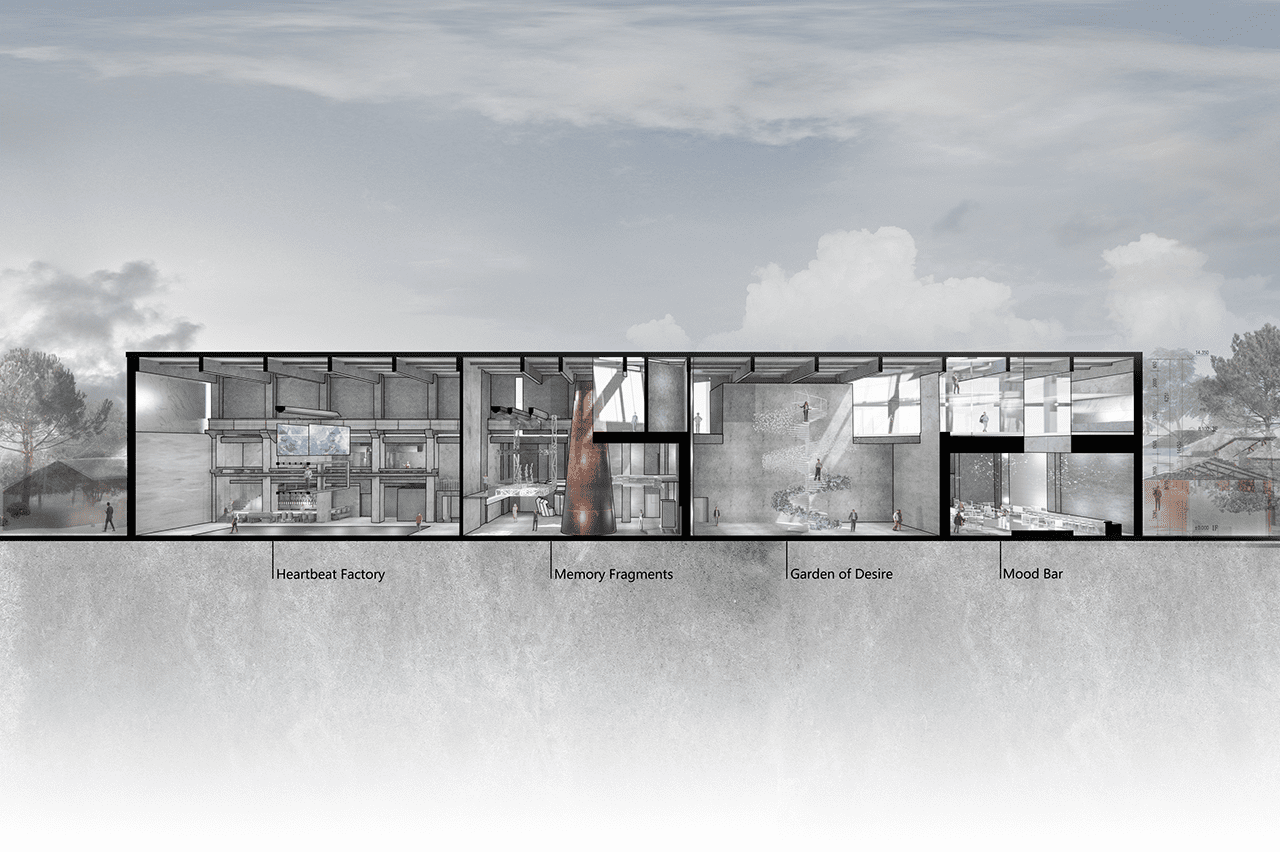
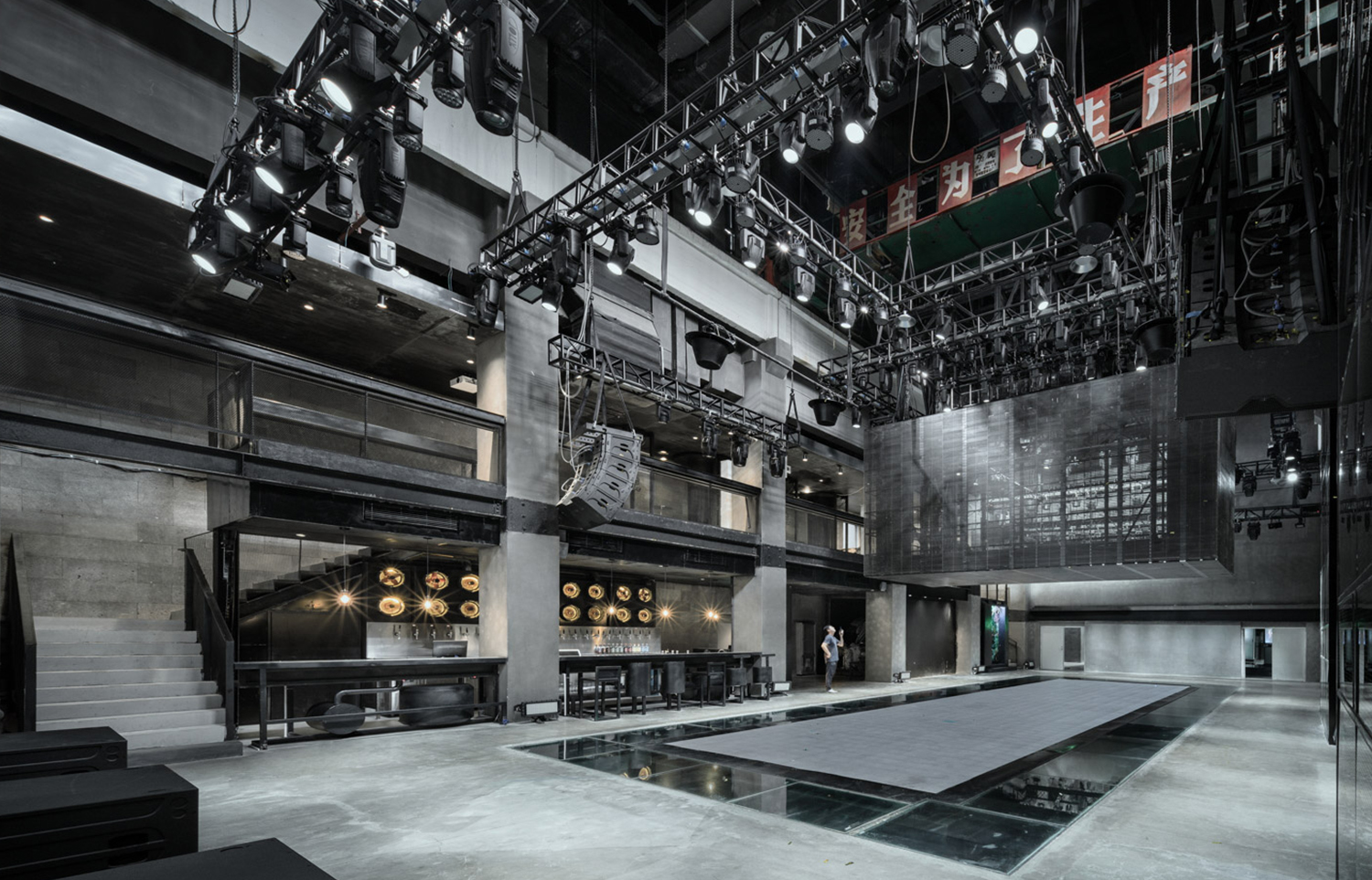 Photo: Highlight Images
Beyond the main theater building, Theatrical District is composed of a constellation of auxiliary structures that encircle the central performance hall, all adapted from the factory’s original architecture. These include:
- The former security staff residence, originally conceived as a Chinese-style courtyard house. Portions of the building envelope were selectively dismantled, then reassembled with new glass additions to reveal the existing structural system beneath. The building is repurposed as a traditional house museum alongside a new-media restaurant.
- A former warehouse, transformed into a bookstore. Located adjacent to the security residence, the interior has been carefully renovated while retaining the original positions and proportions of doors and windows, preserving the building’s industrial character.
- The steel workshop, converted into a craft exhibition hall. Drawing on the architectural language of traditional Baizu houses, the structure features load-bearing stone walls. Portions of the roof have been replaced with skylights, introducing daylight and enhancing the spatial openness of the interior exhibition space.
- The former repair workshop and workers’ dormitory, reimagined as a film archive. The original architectural expression, characterized by small, controlled openings, has been largely preserved, naturally accommodating the new program’s requirement for subdued light and carefully calibrated darkness.
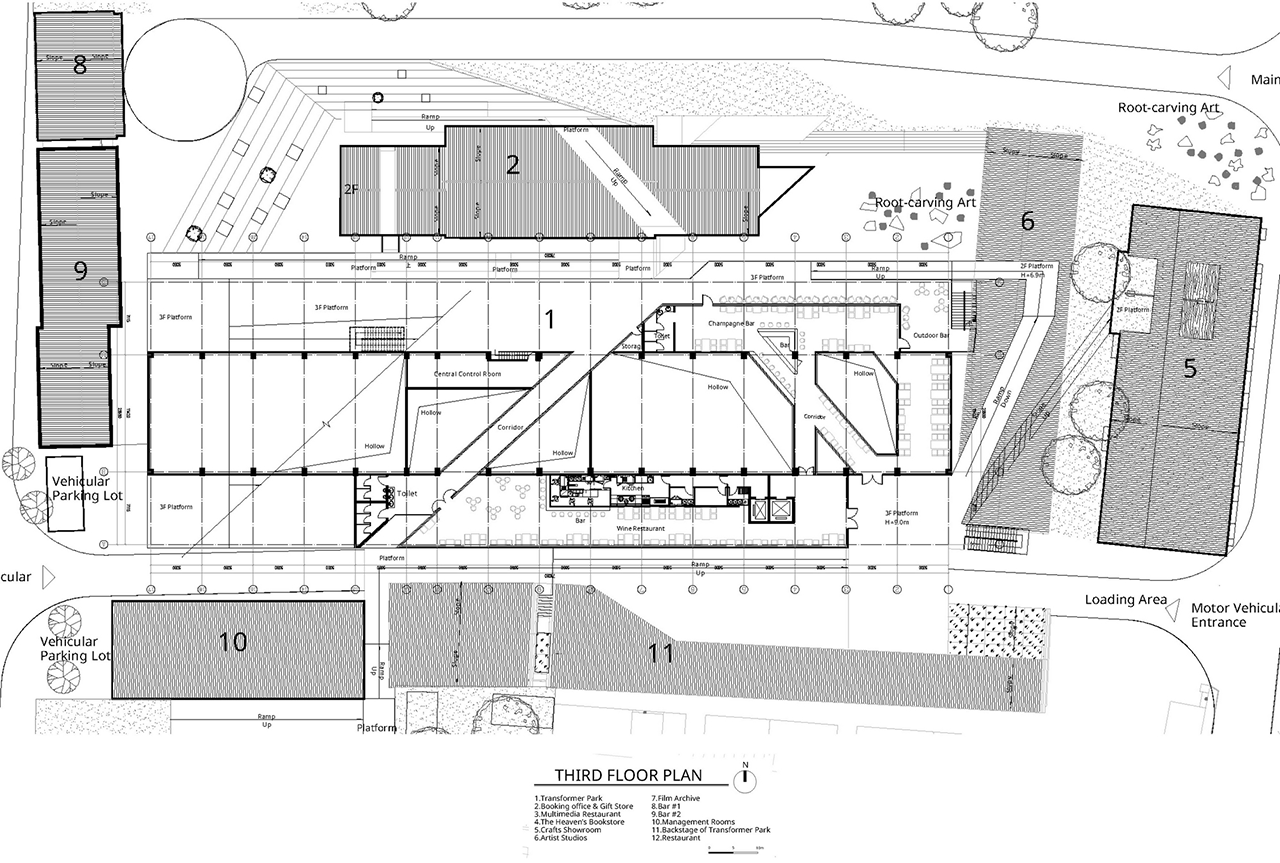
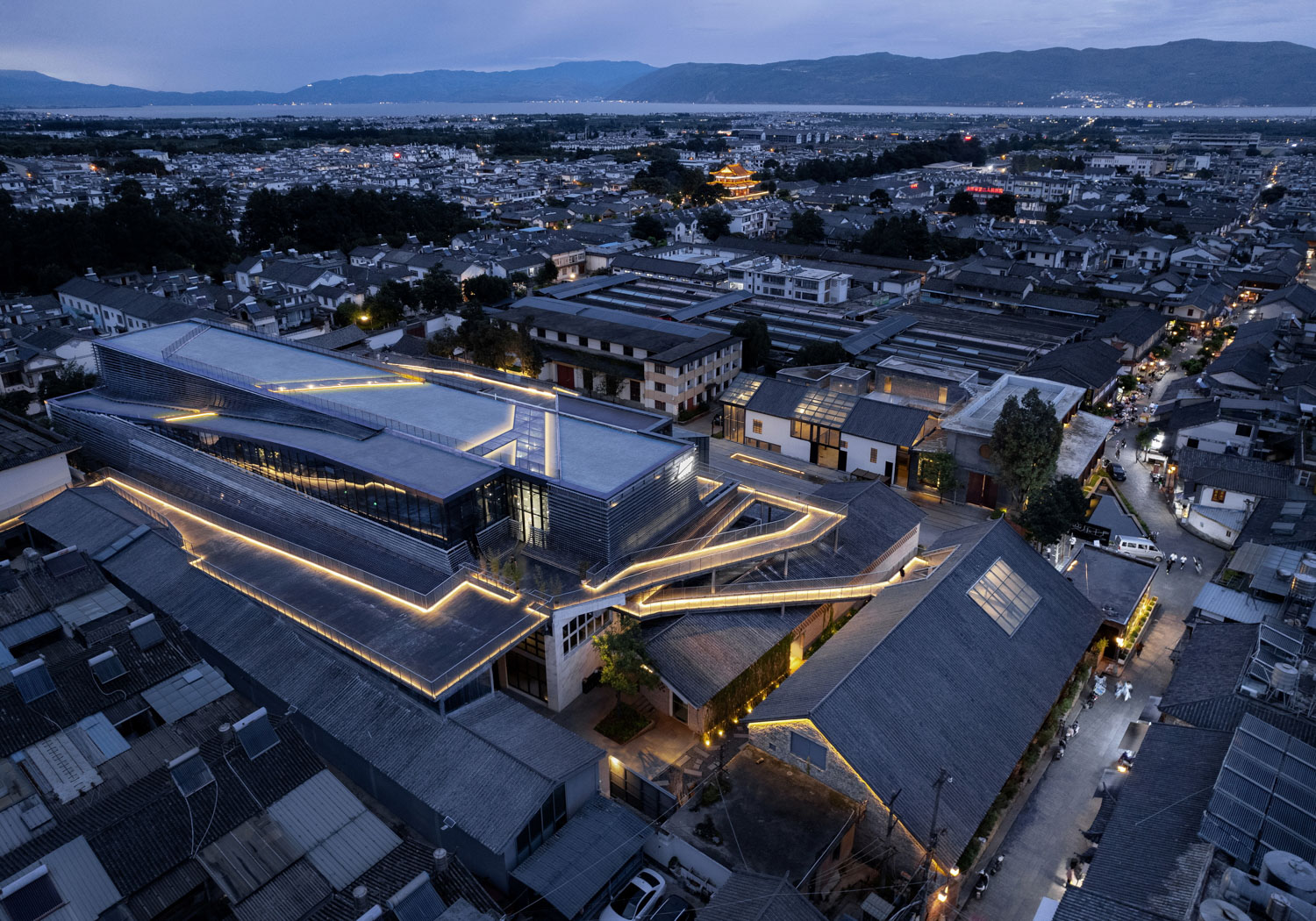
Photo: Highlight Images
The transformation of a former factory into a theater and a fully integrated arts support complex stands as a compelling example of adaptive reuse in architectural practice. Freed from the constraints of its original pragmatic program, the existing industrial structure is reimagined to accommodate new forms of use, becoming a platform for contemporary artistic expression driven by emerging technologies. Set within a historically layered cultural context, the project unfolds as a spatial journey that narrates the ‘revival’ of architecture itself.
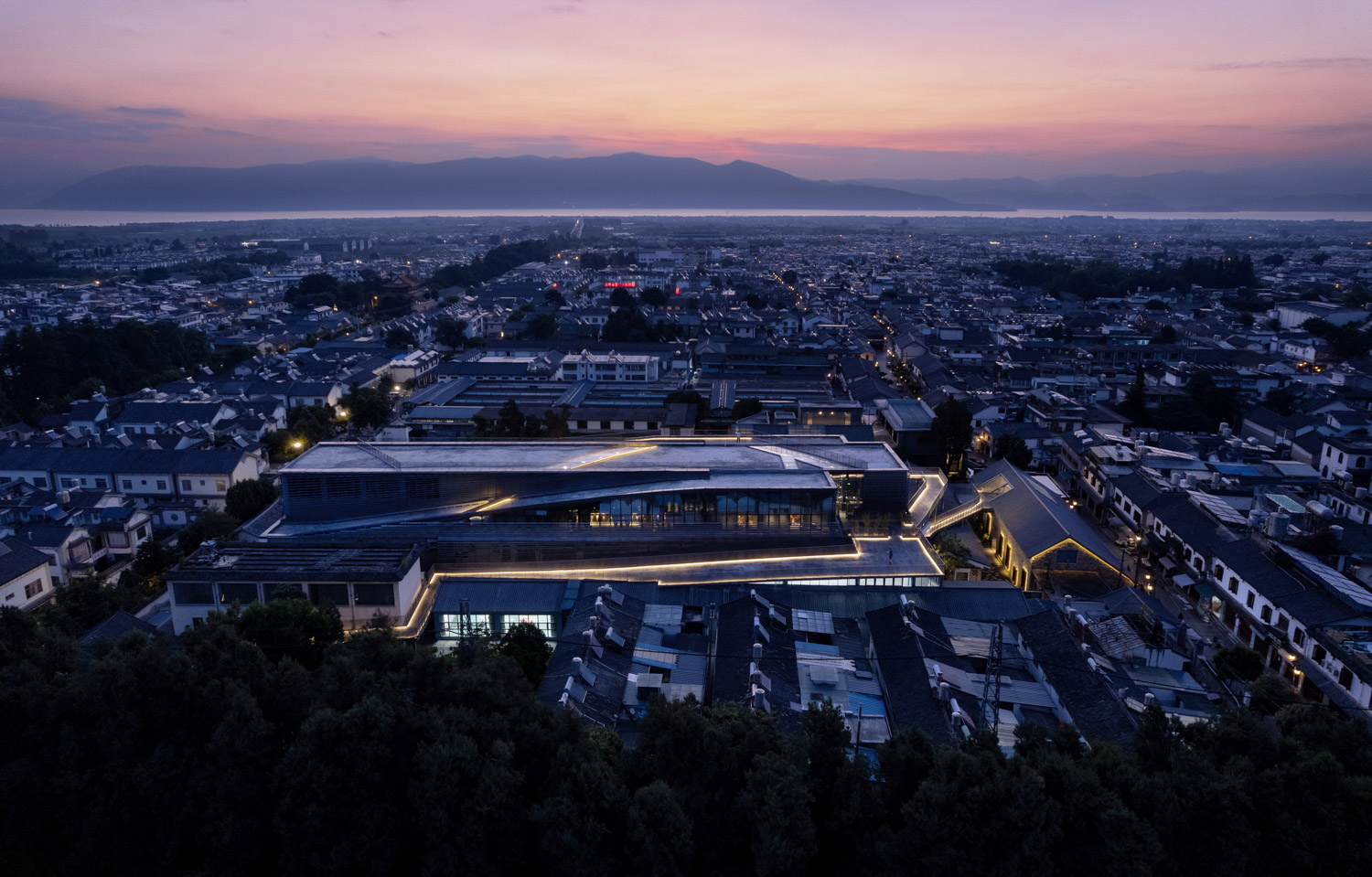
Photo: Highlight Images