
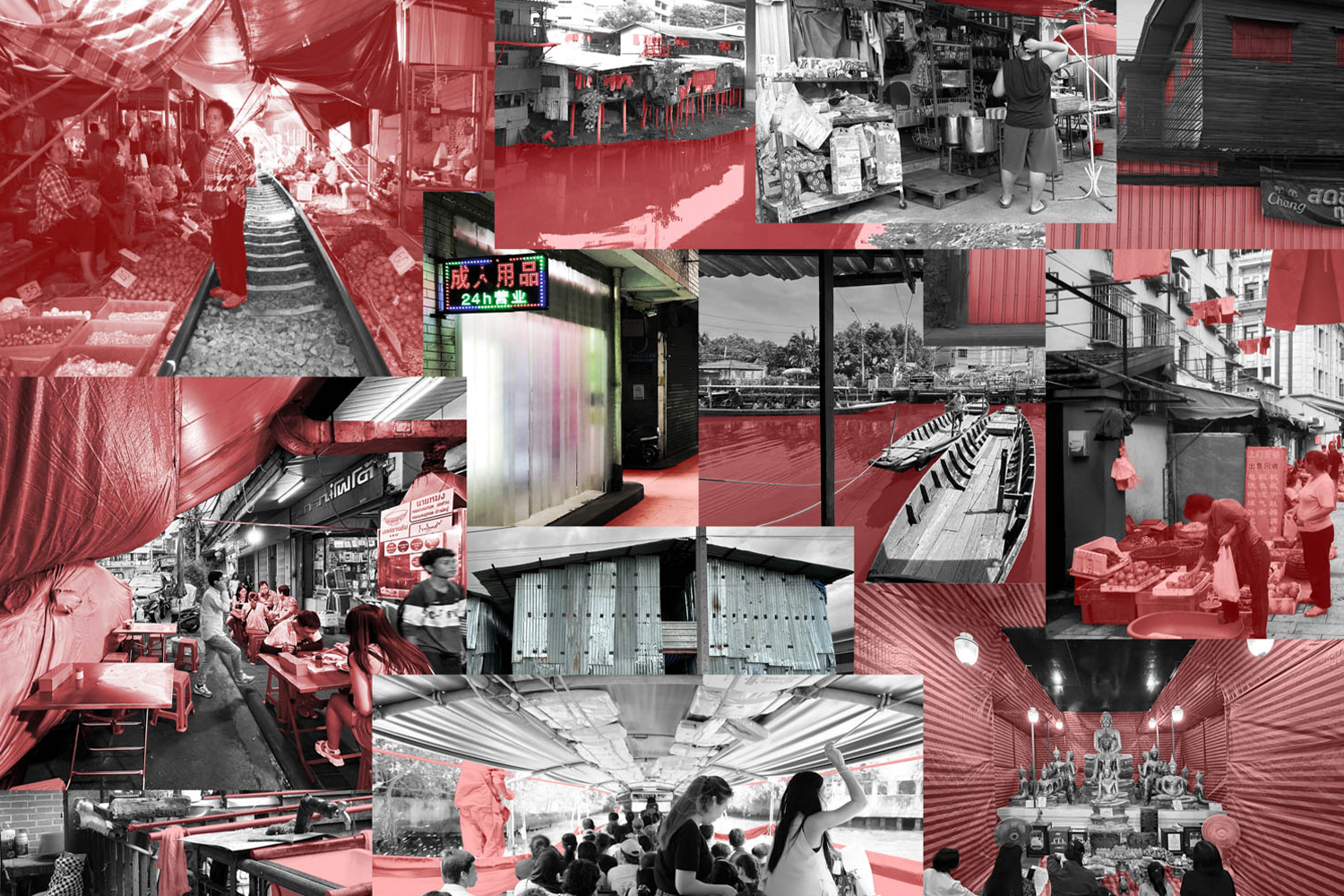
CHAMELEON ARCHITECTURE: SHIFTING / ADAPTING / EVOLVING PRESENTS 12 RESEARCH PUBLISHED ON THE ART4D BY ACCLAIMED ARCHITECTS JENCHIEH HUNG AND KULTHIDA SONGKITTIPAKDEE OF HAS DESIGN AND RESEARCH
TEXT: JENCHIEH HUNG & KULTHIDA SONGKITTIPAKDEE
PHOTO: HAS DESIGN AND RESEARCH
(For Thai, press here)
The firm’s name, ‘HAS – Hung and Songkittipakdee,’ echoes the word have while merging the founders’ surnames, reflecting its core philosophy of integrating research and design to create impactful architectural solutions.



The concept of Chameleon Architecture: Shifting / Adapting / Evolving lies at the heart of the book’s philosophy. A chameleon is a natural creature renowned for its ability to shift, adapt, and evolve in response to its environment. In architecture, this same adaptability is essential for addressing the changing needs of society and the environment. When examining modernist and postmodernist architecture, we find that although these movements were largely centered on human needs, they often overlooked the relationship between architecture and its surrounding environment. Today, the challenge is to strike a balance between human-centered design and sustainable, future-oriented architectural practices.
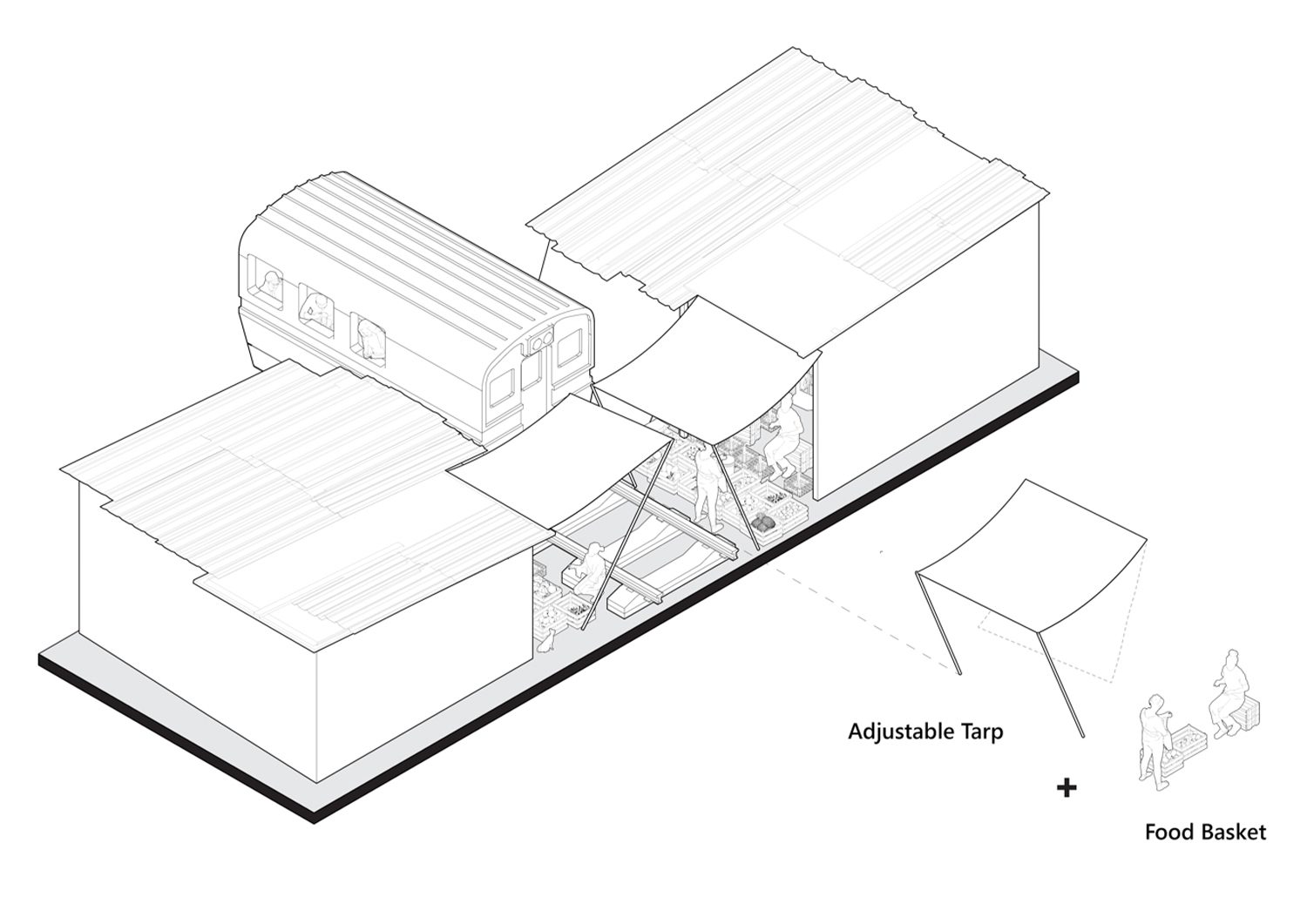
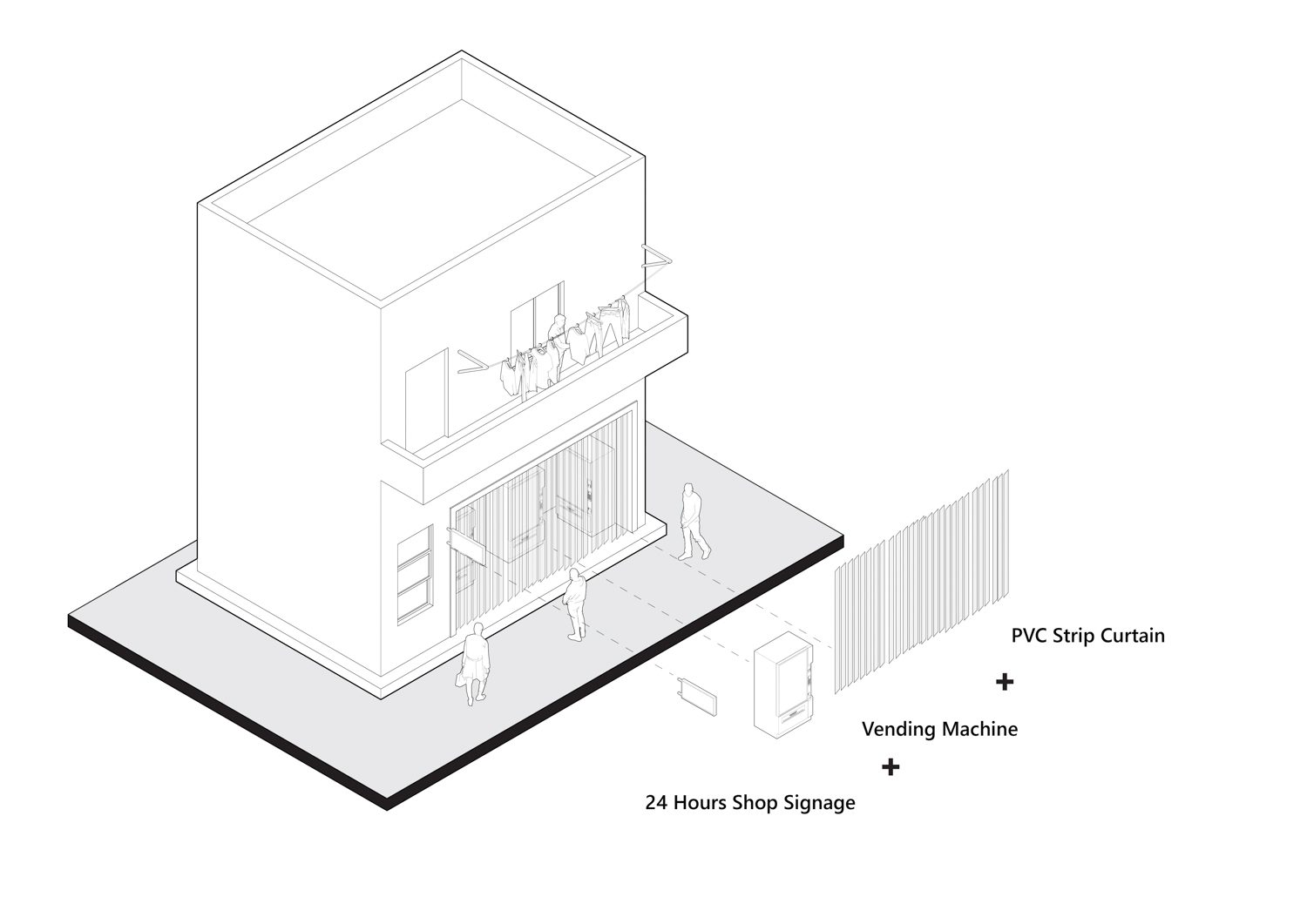
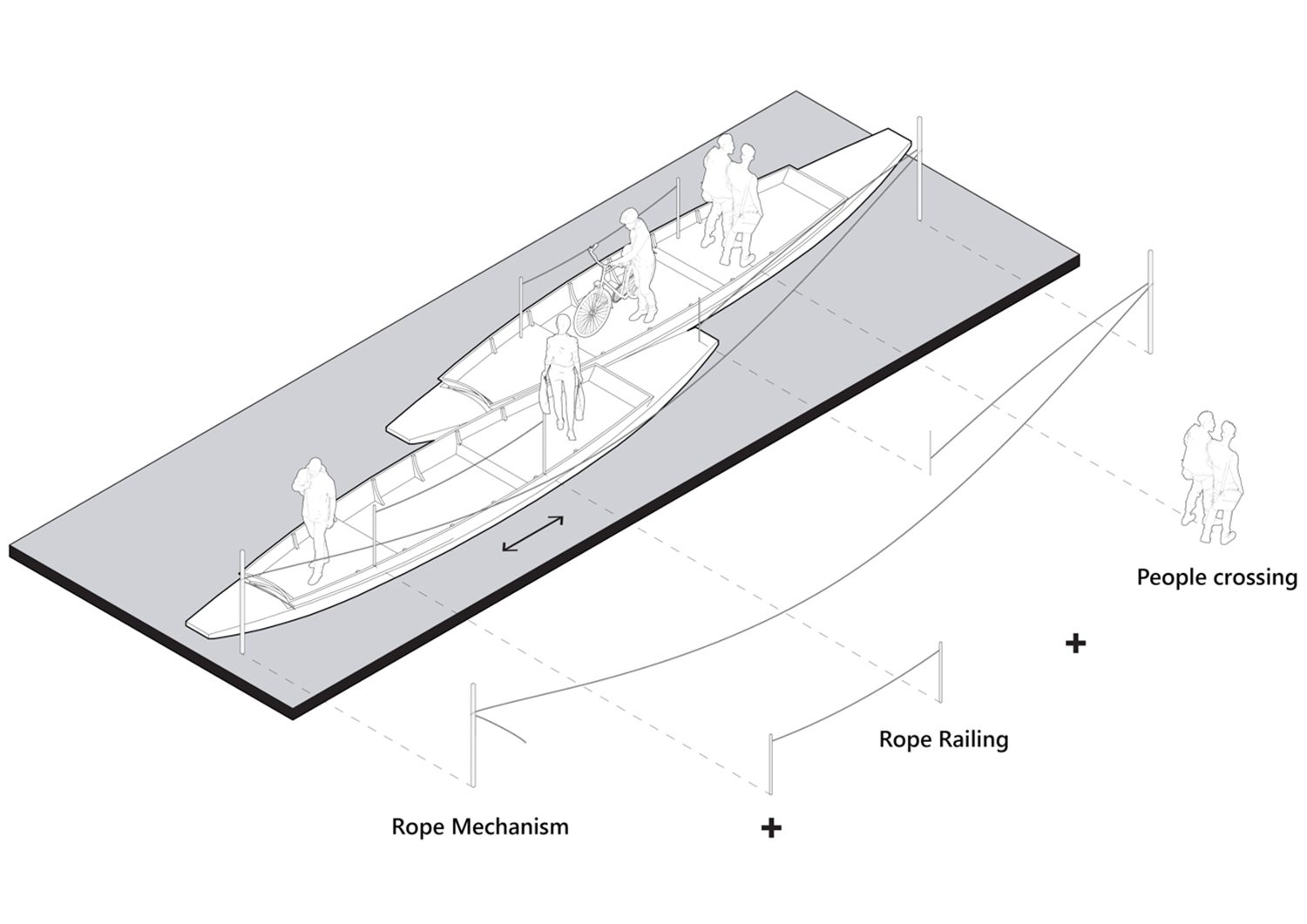
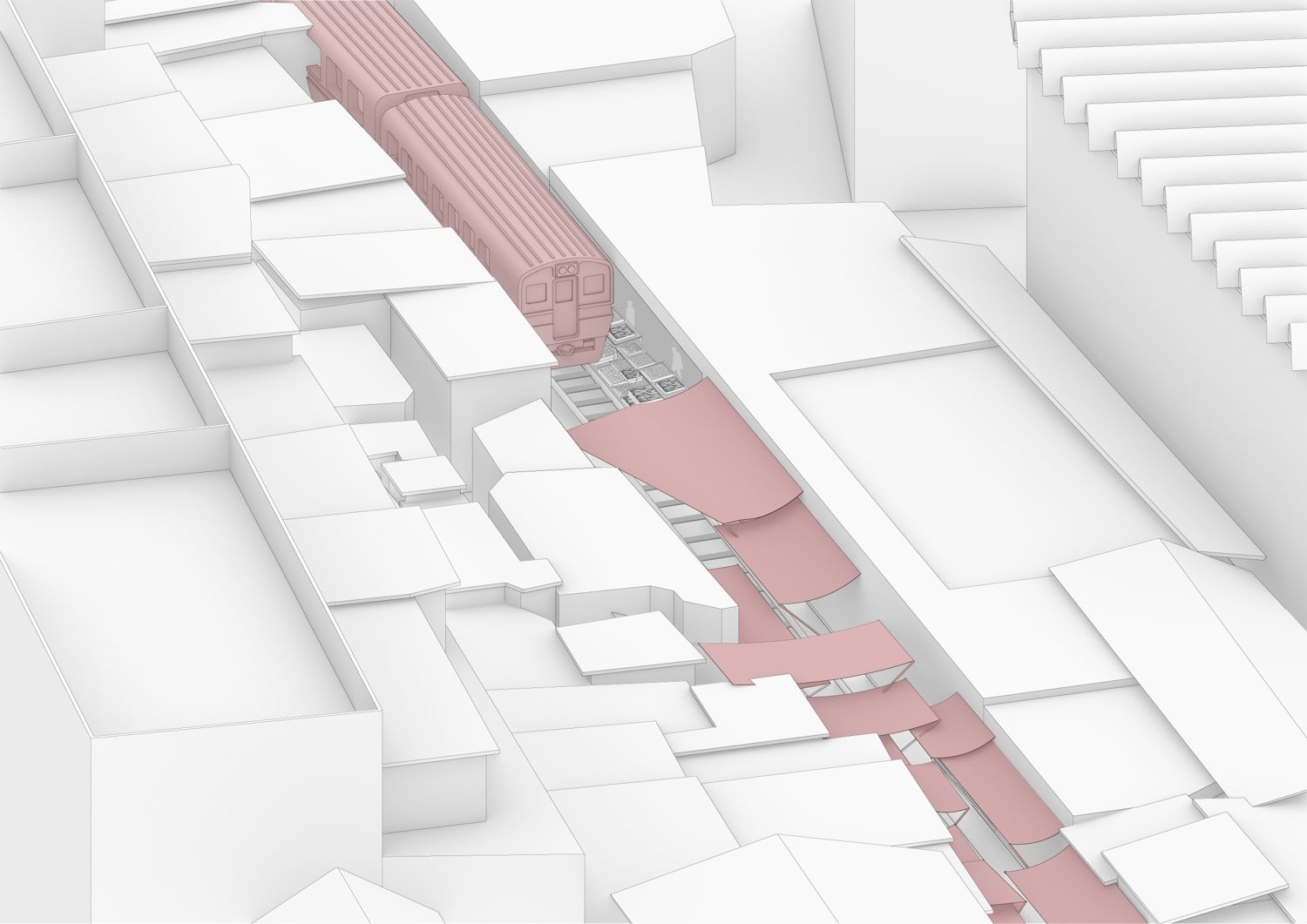
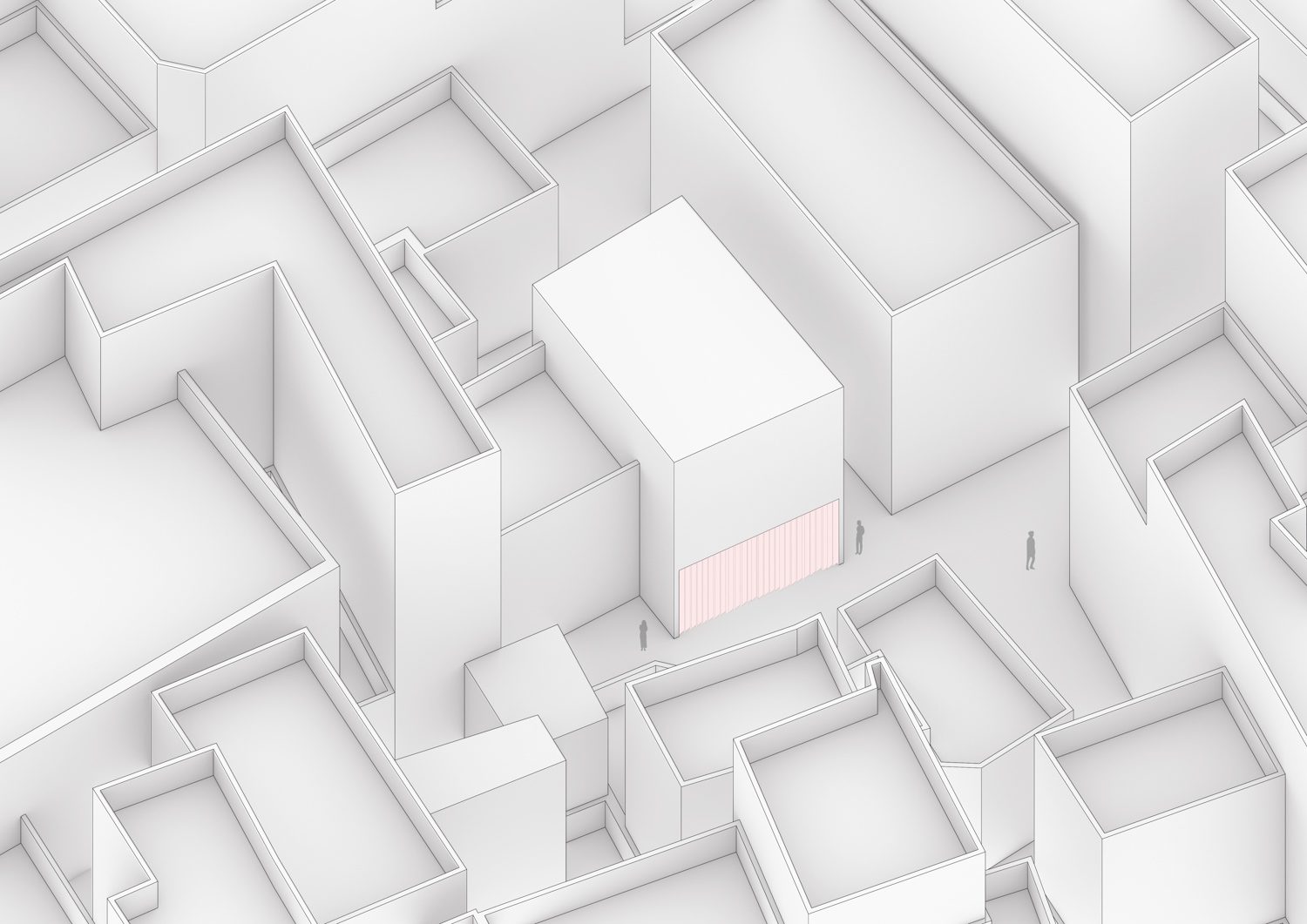
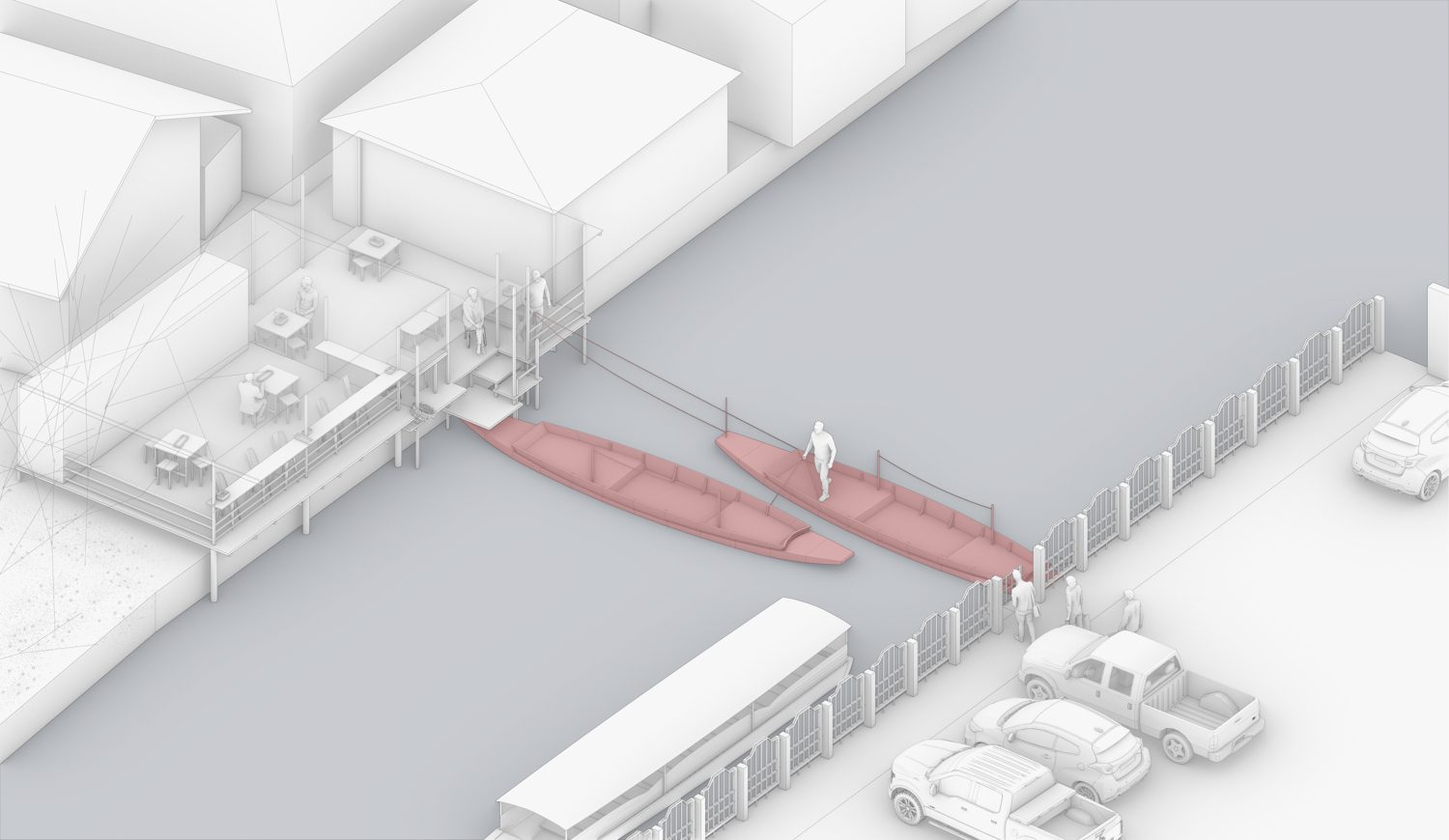
Chameleons, with their remarkable capacity for adaptation, serve as a powerful metaphor for architectural evolution. As an evolutionary species with origins dating back approximately 240 million years, chameleons have survived and thrived through dramatic climatic and environmental changes. According to articles published in Nature and The New York Times, chameleons belong to the squamate group, which includes lizards, snakes, and other reptiles. With over 10,000 species, squamates represent one of the largest groups of land vertebrates, capable of adapting to an extraordinary range of environments. From massive 25-foot pythons to chameleons smaller than a pencil eraser, this group inhabits six continents, demonstrating the power of evolution and resilience.


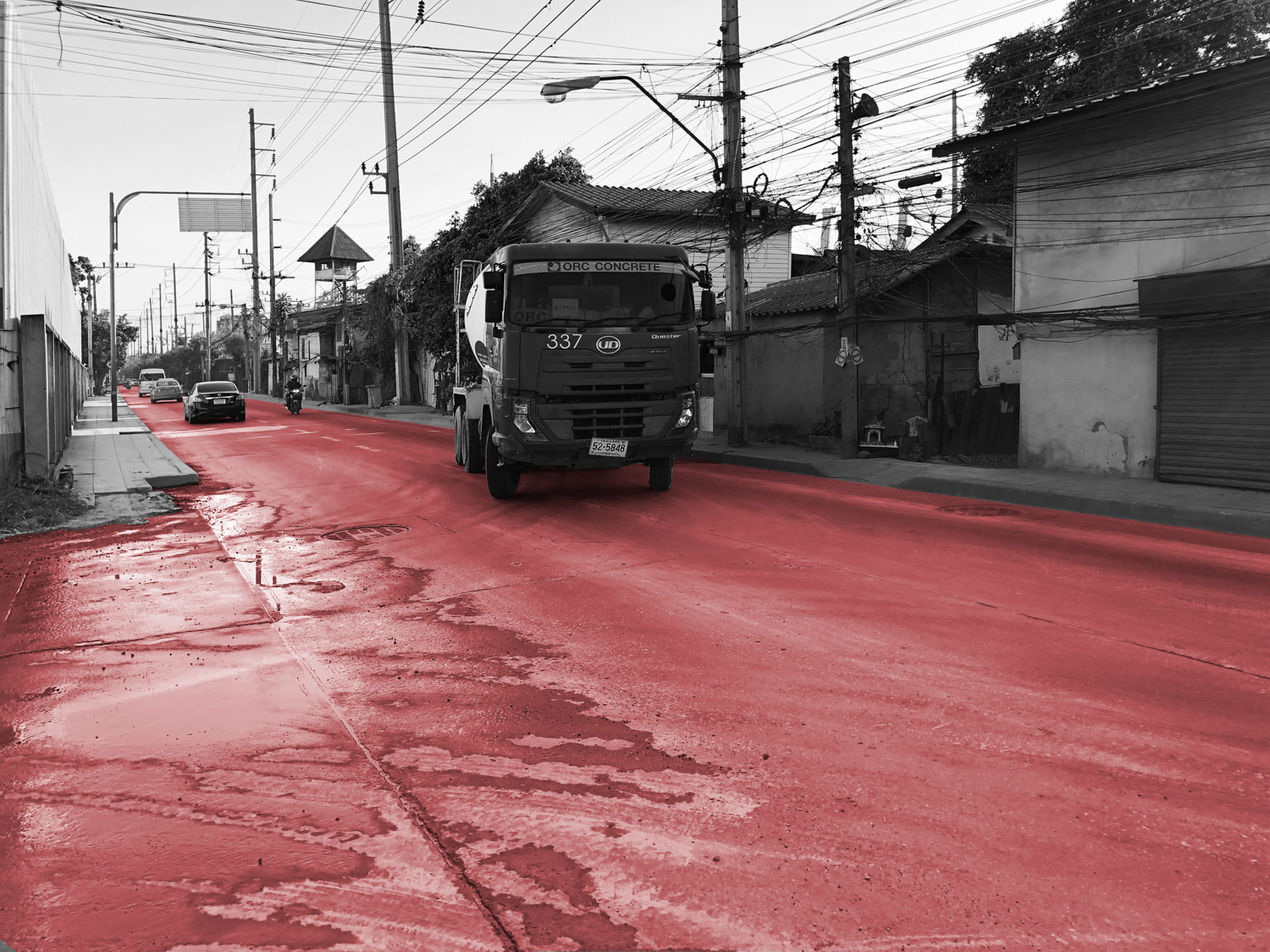
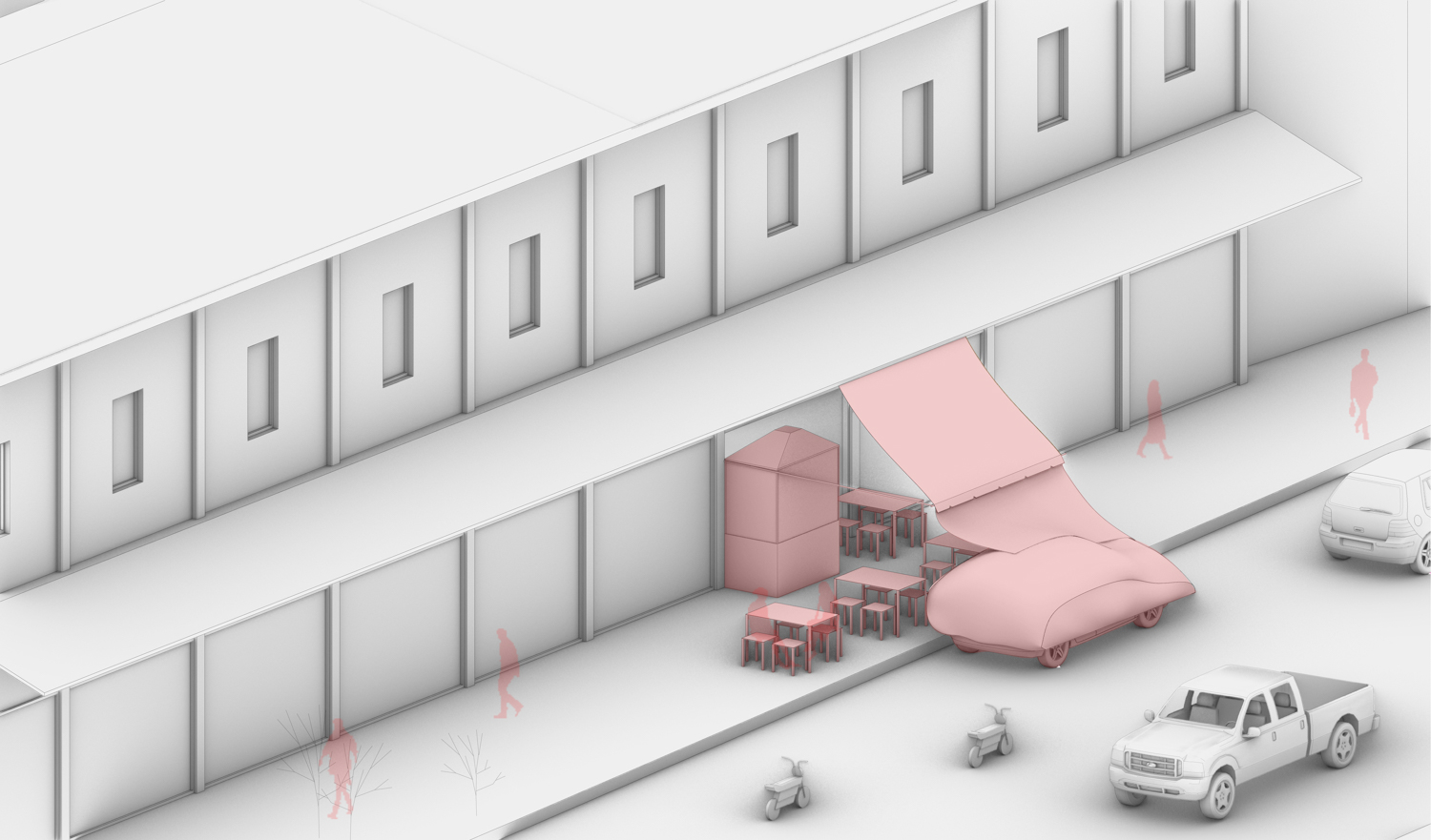
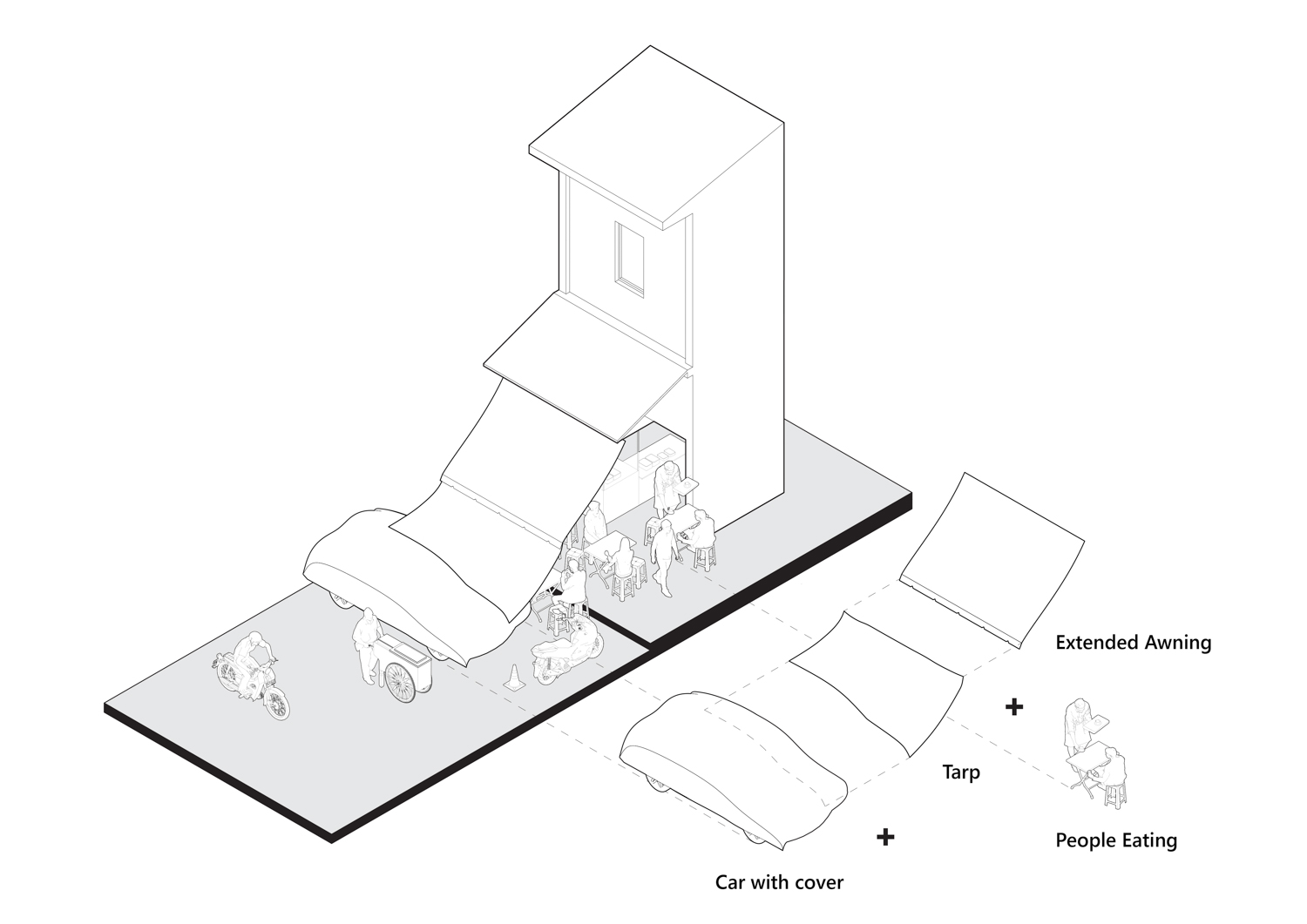
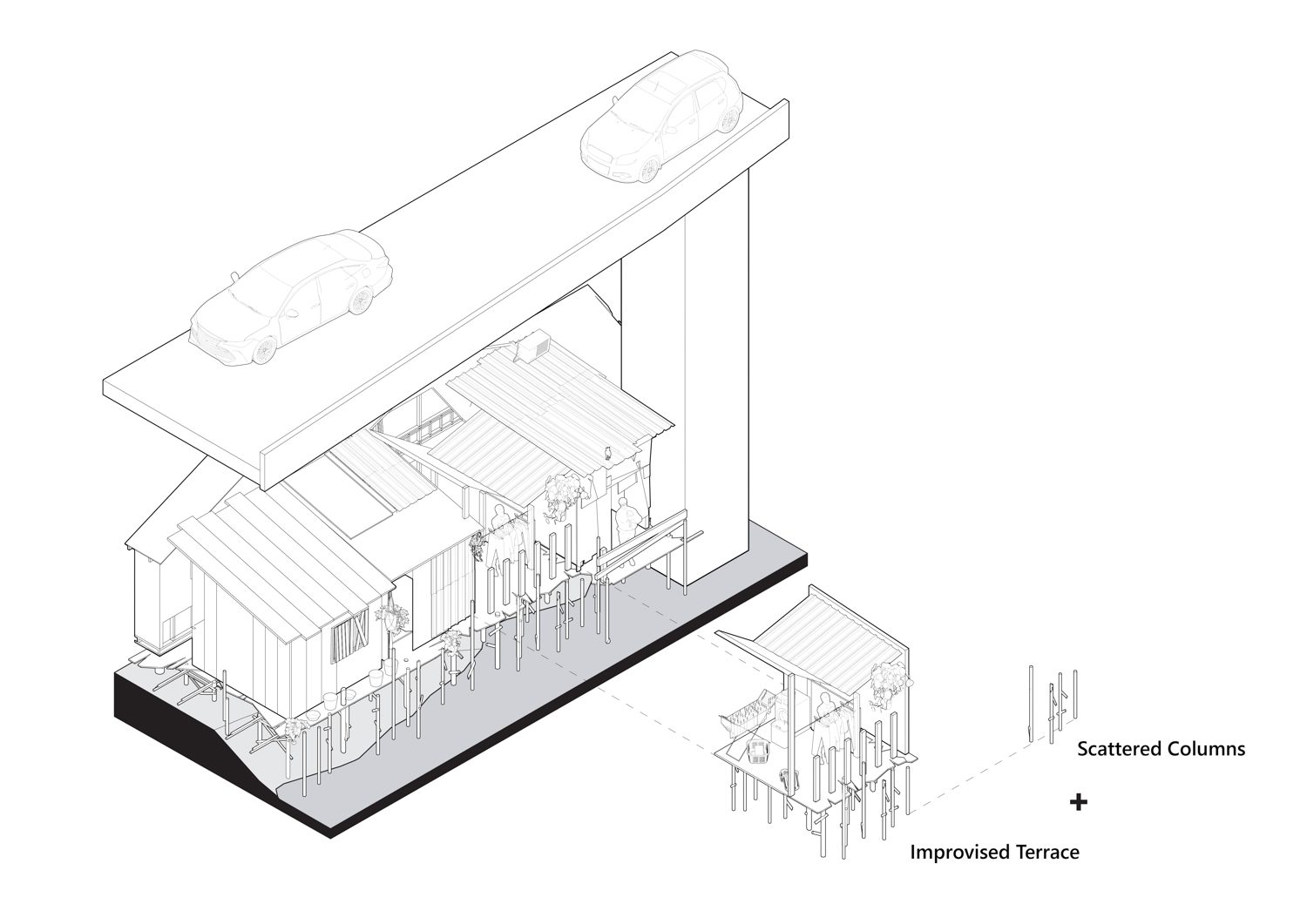
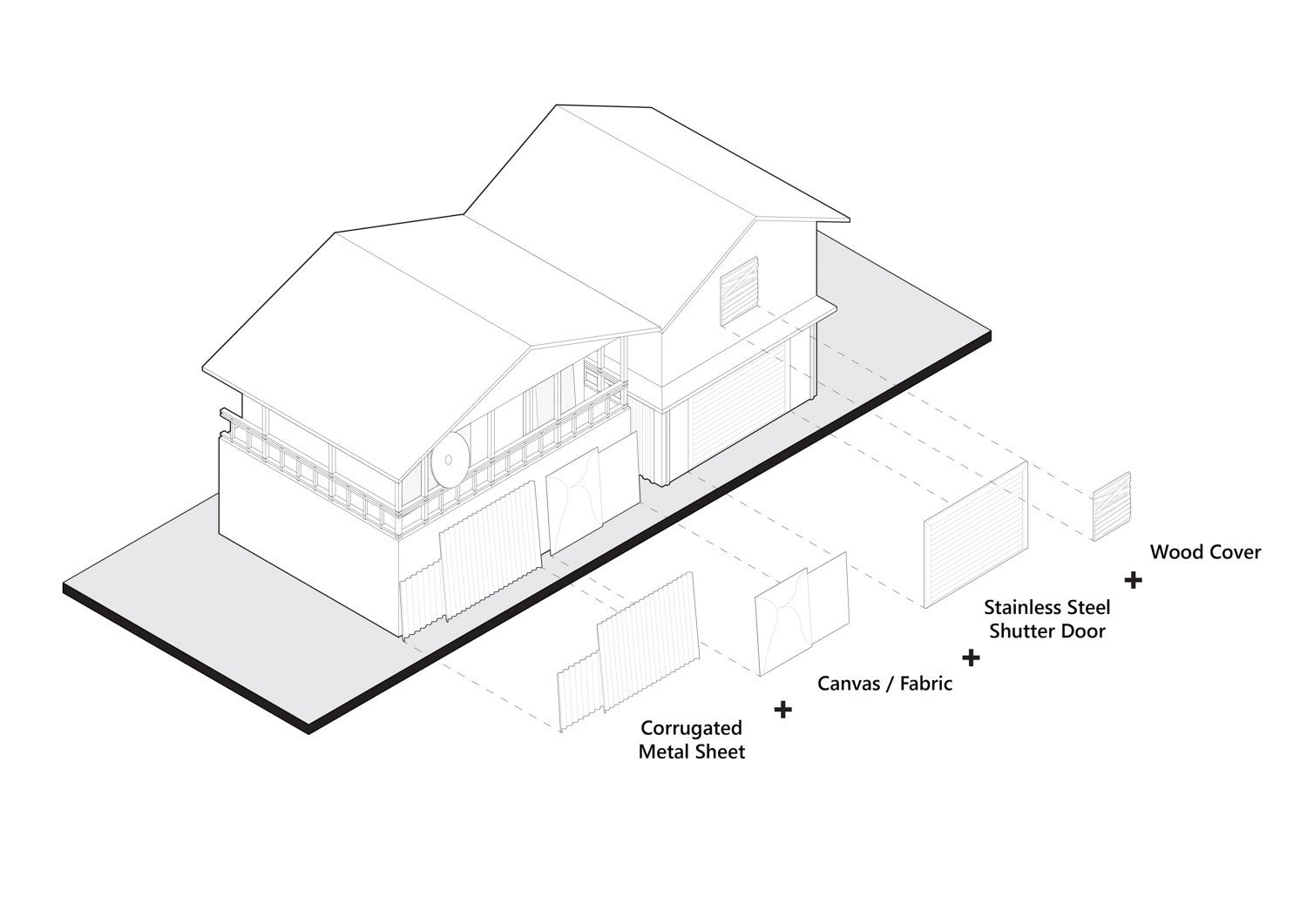
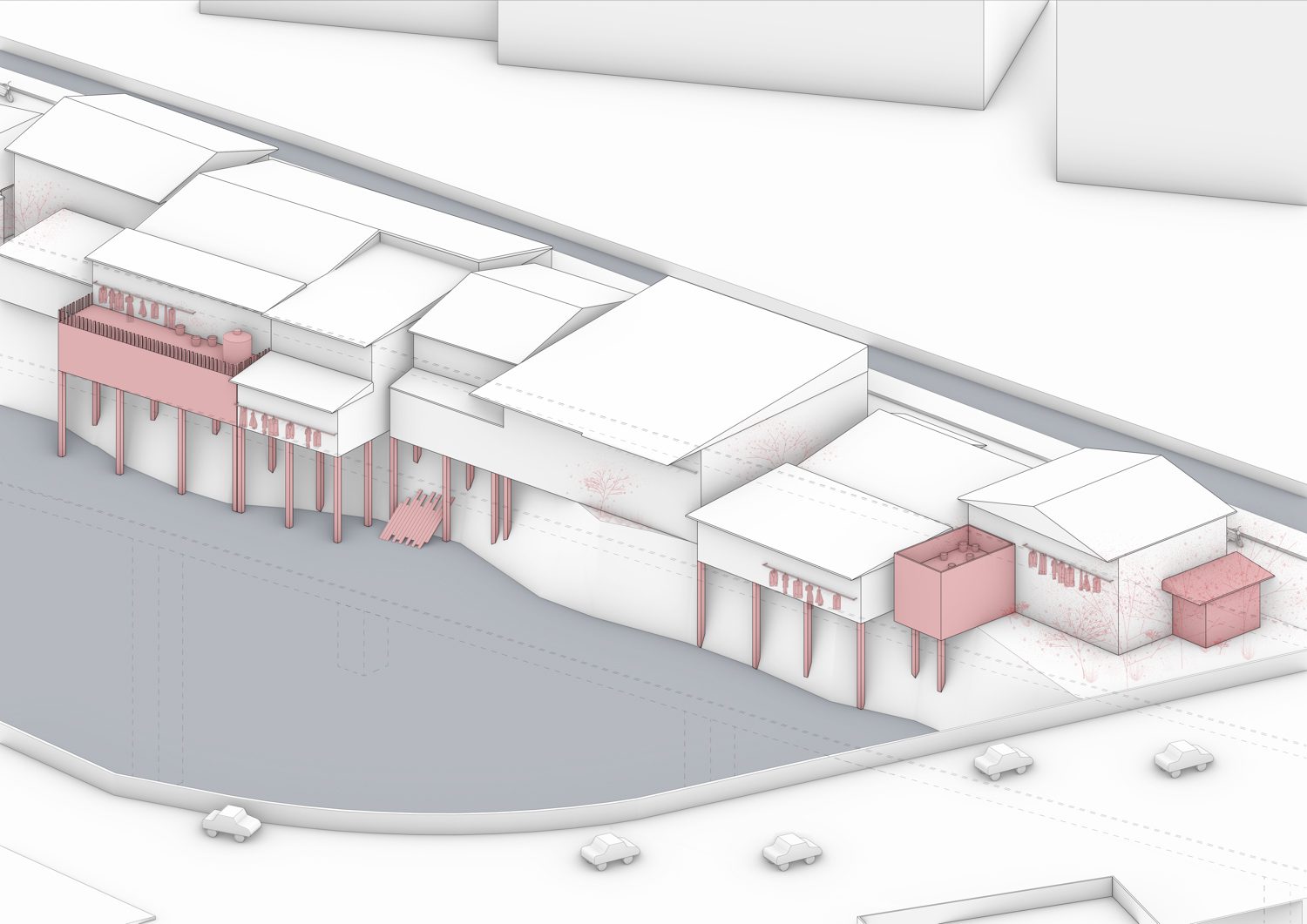
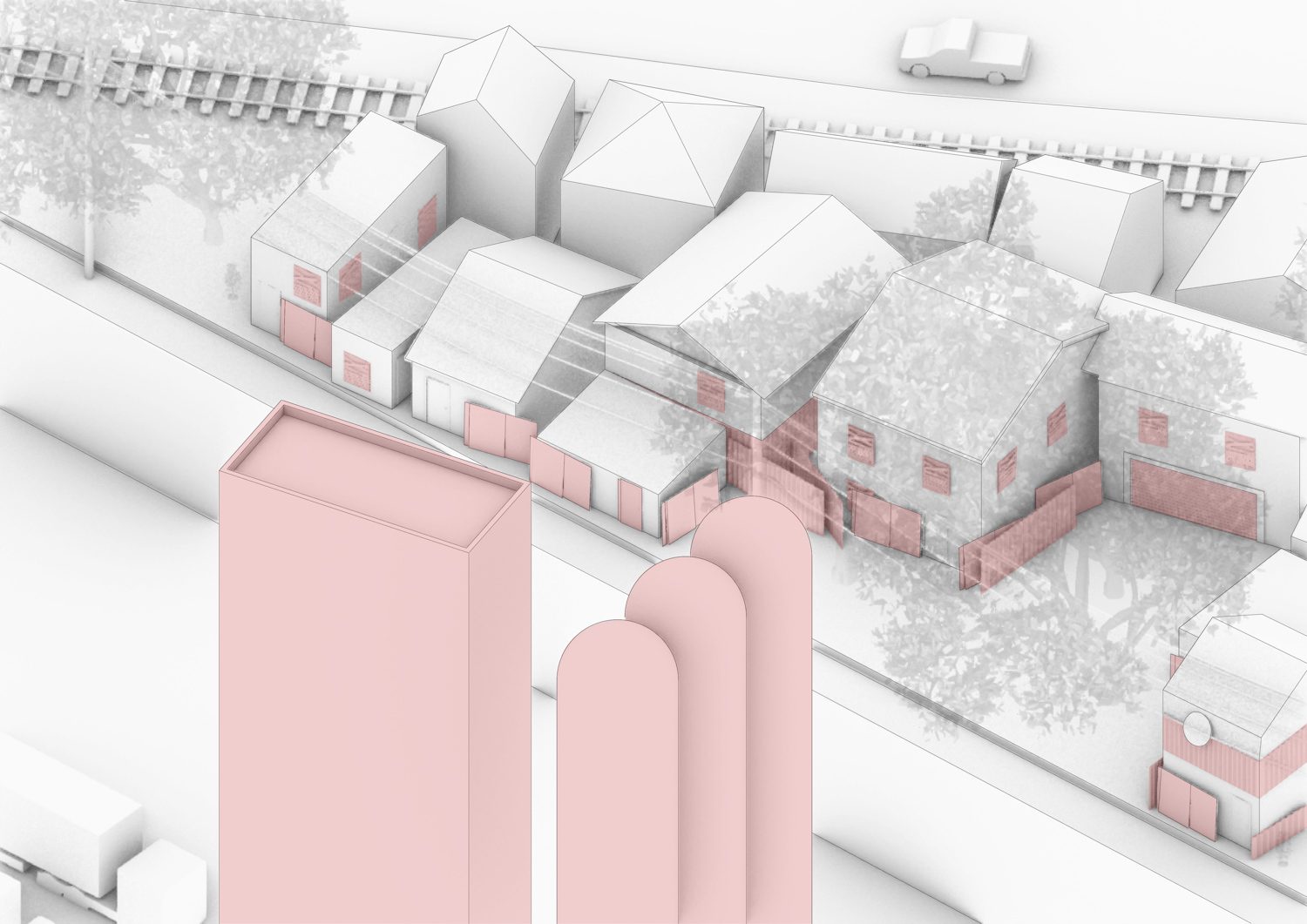
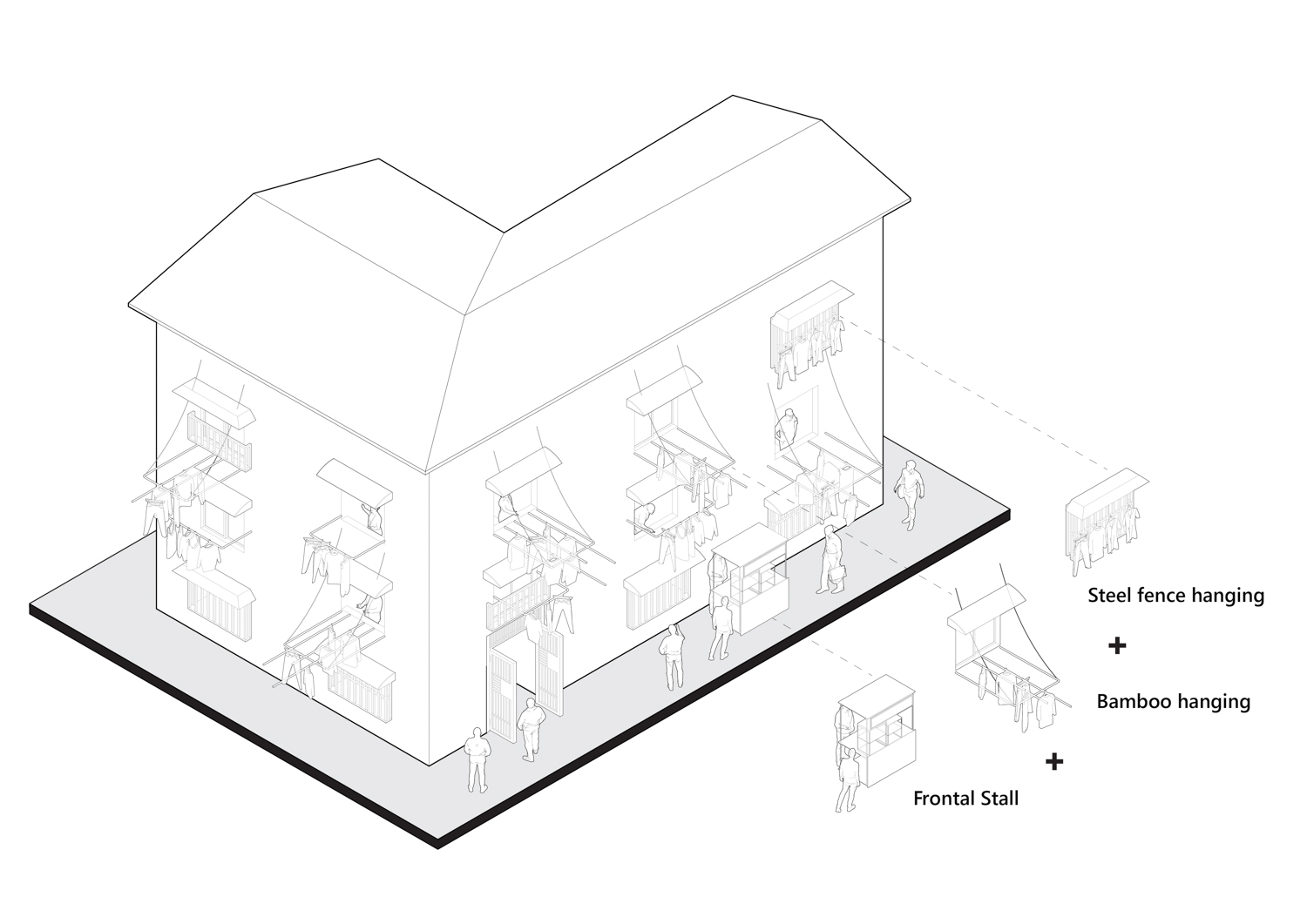
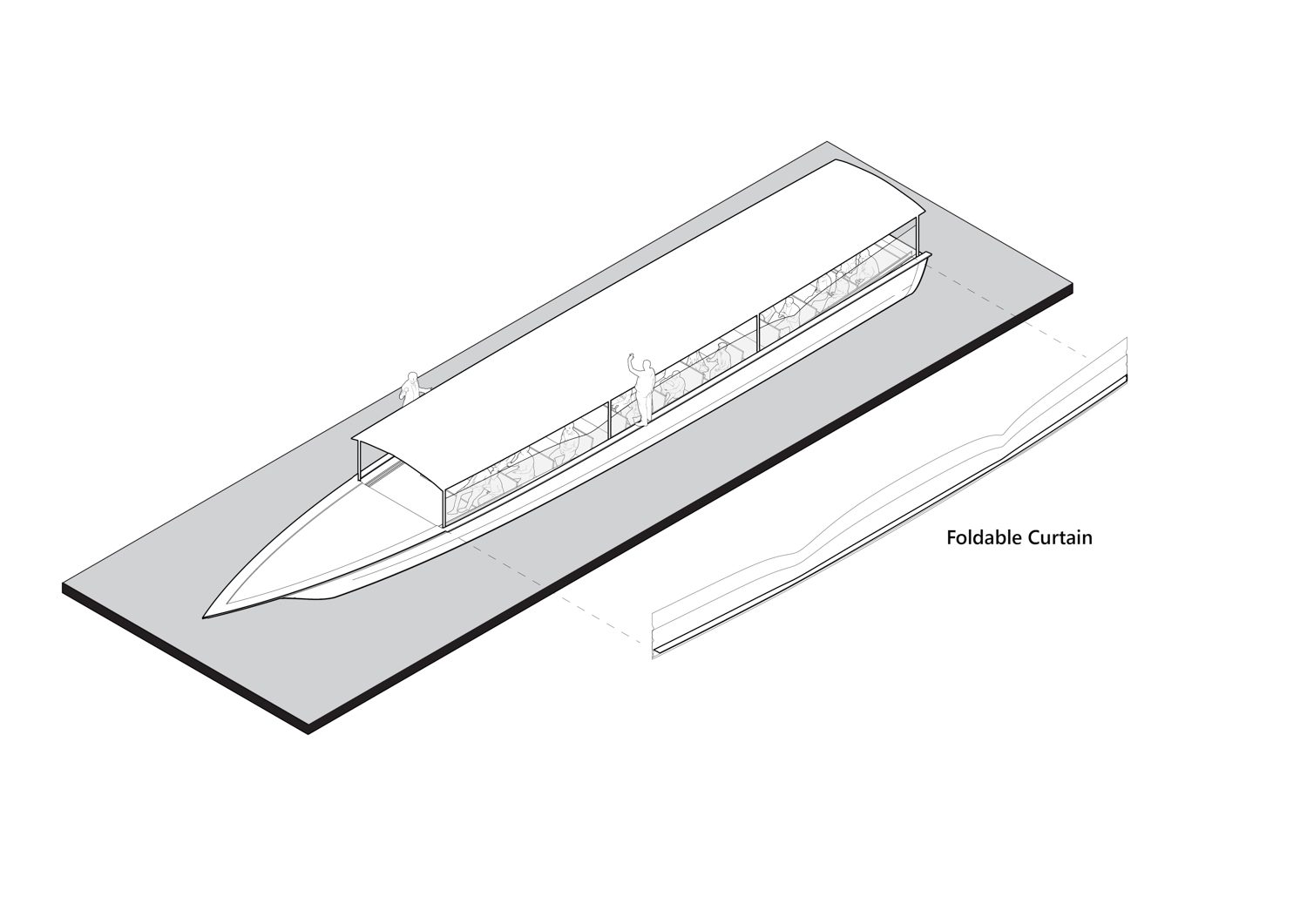
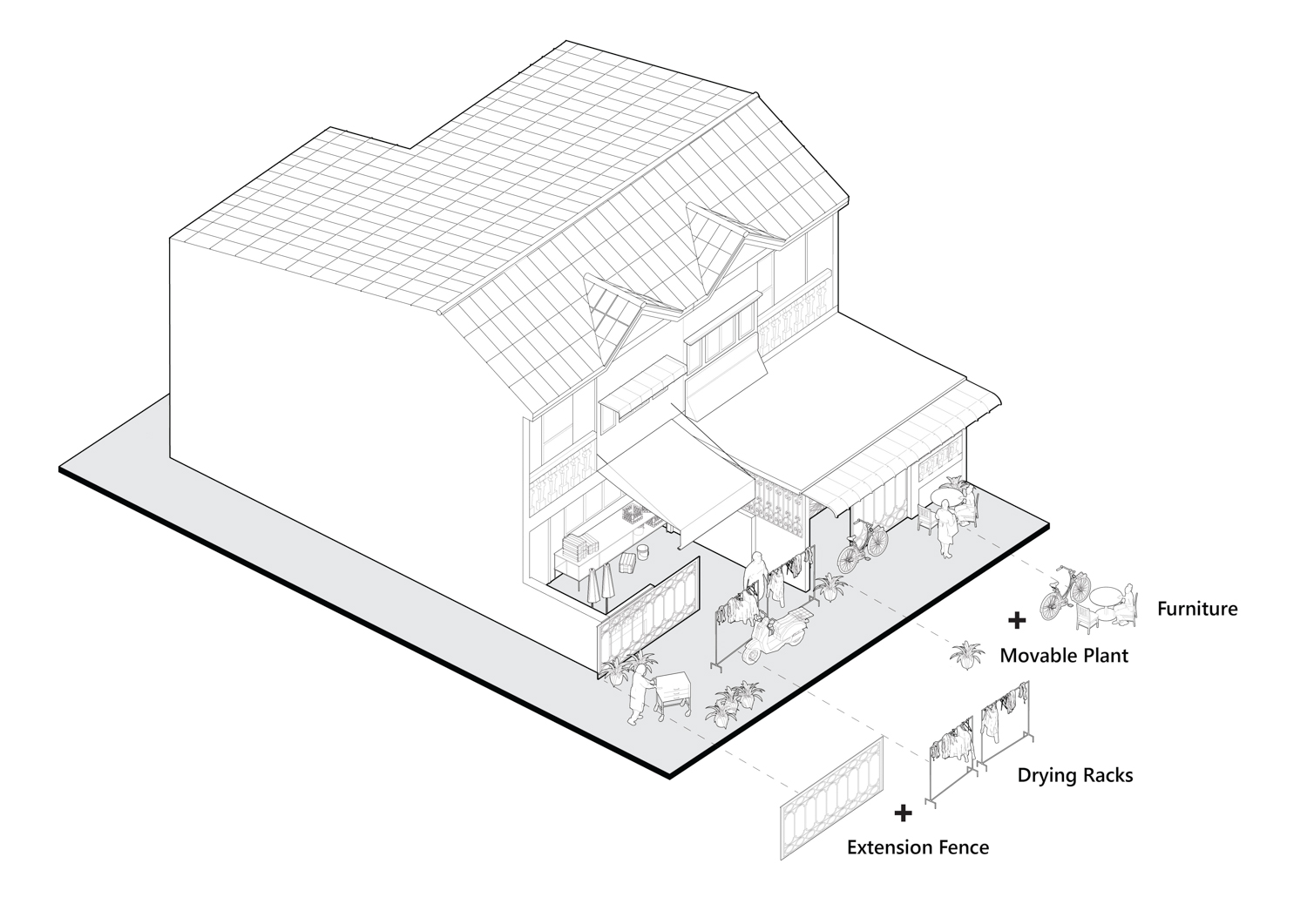
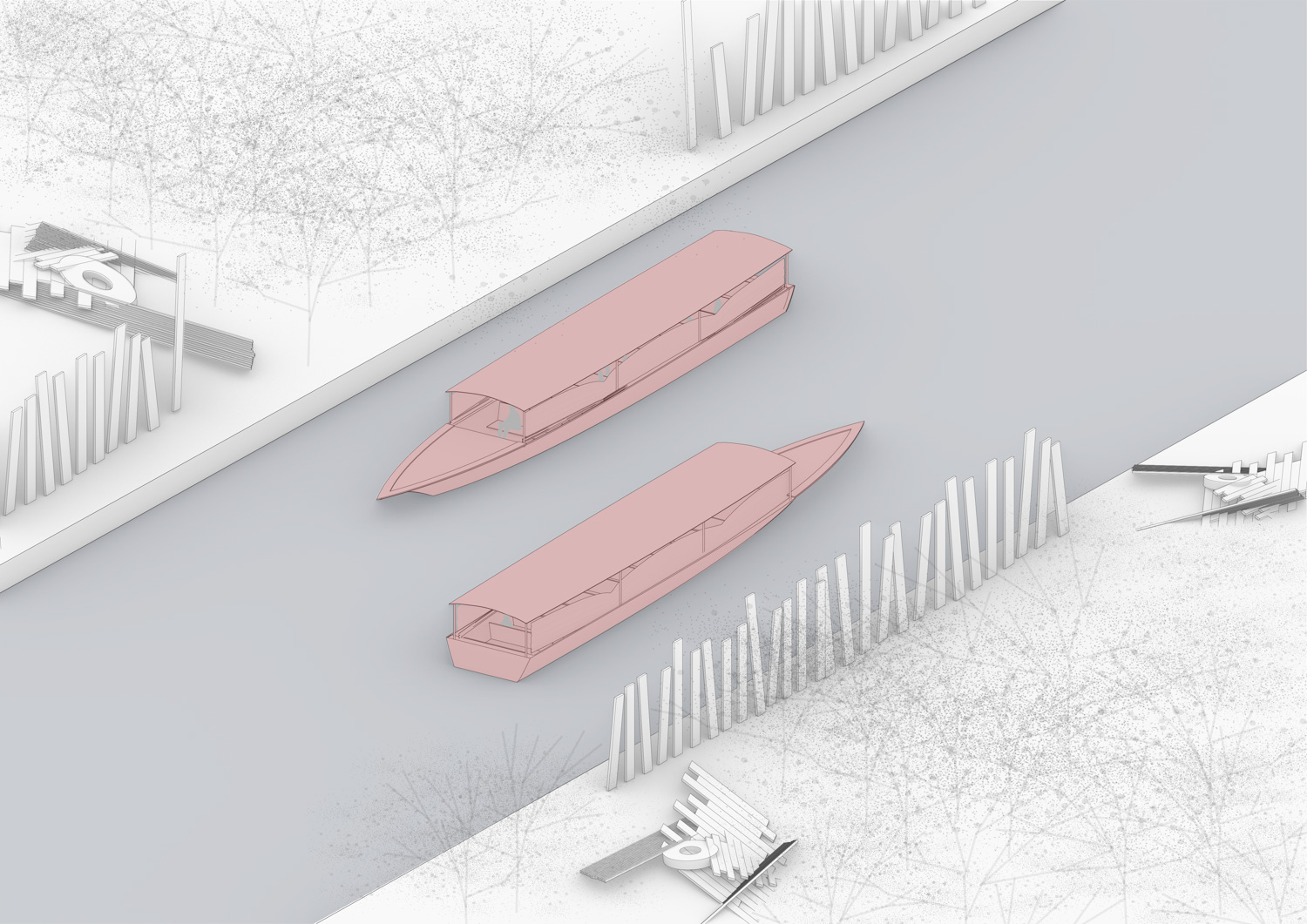
This adaptability forms a crucial foundation for the book’s architectural exploration. Like the chameleon, architecture must continuously shift, adapt, and evolve in response to its surroundings. The 12 research projects presented in Chameleon Architecture: Shifting / Adapting / Evolving embody this philosophy, showcasing architectural works deeply rooted in their local contexts by architects Jenchieh Hung and Kulthida Songkittipakdee of HAS Design and Research—particularly in Thailand, China, and other parts of Asia. These works are not merely theoretical proposals; they are tangible examples of how architecture can respond to, integrate with, and evolve alongside its environment.
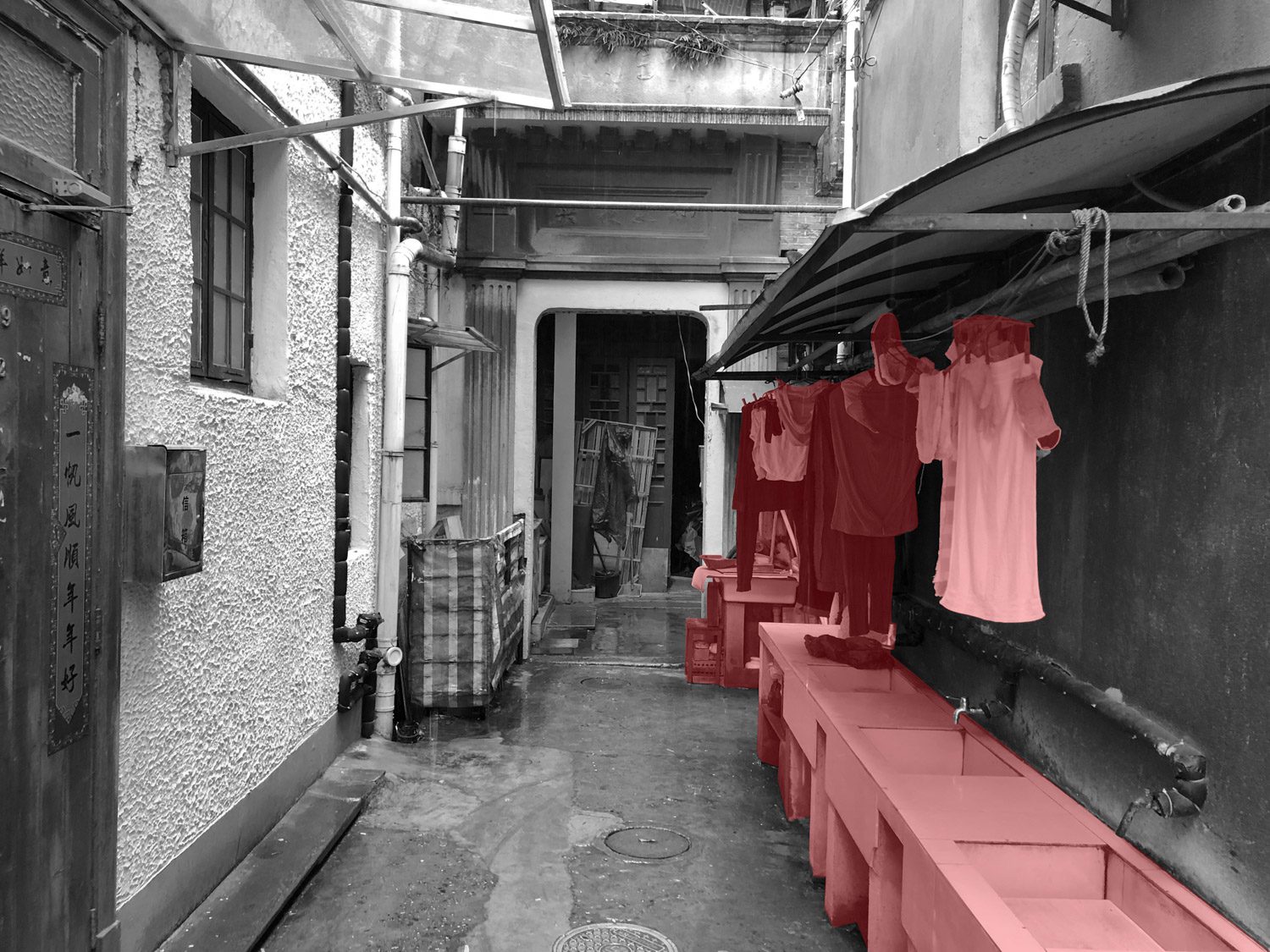
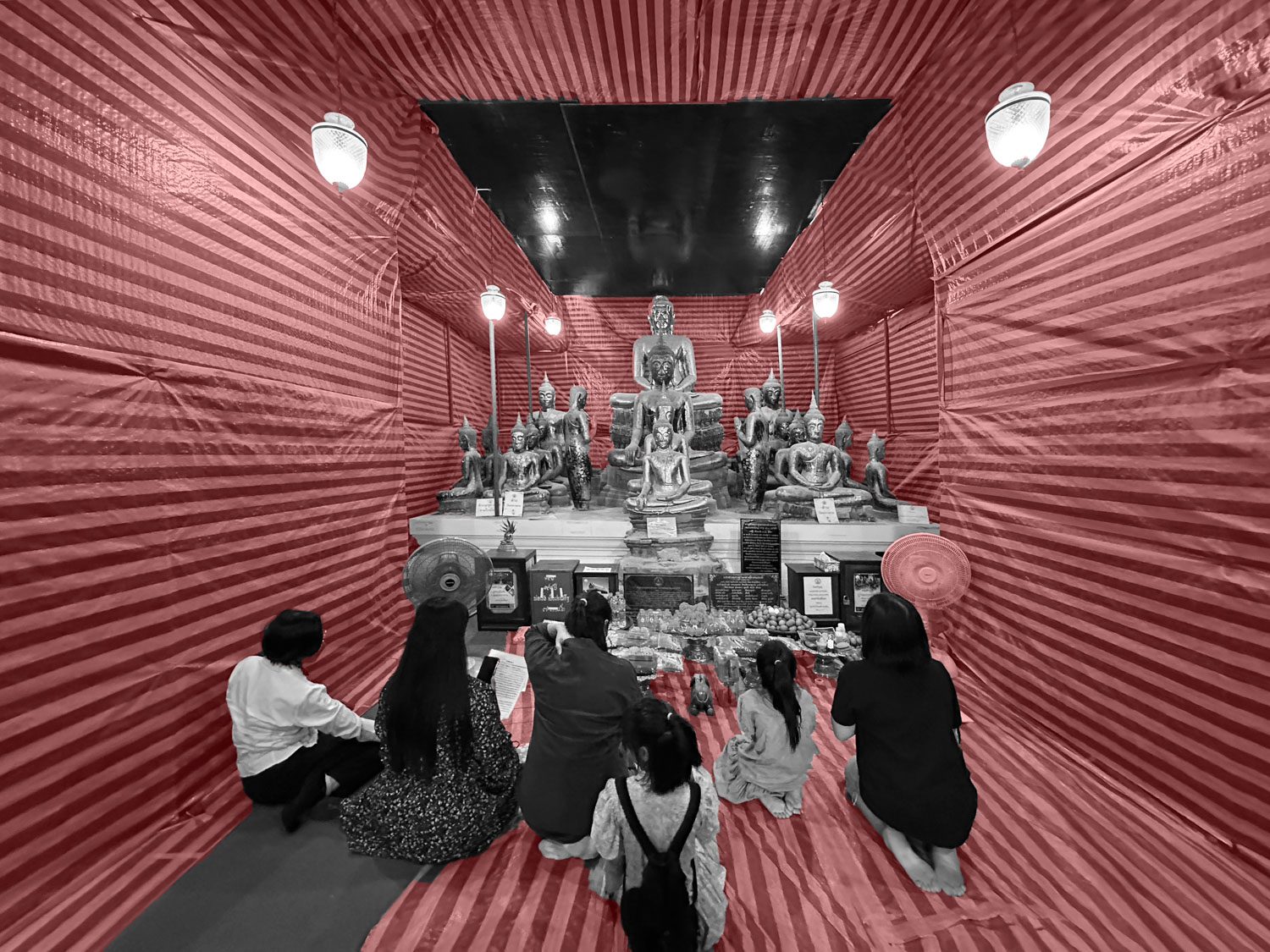
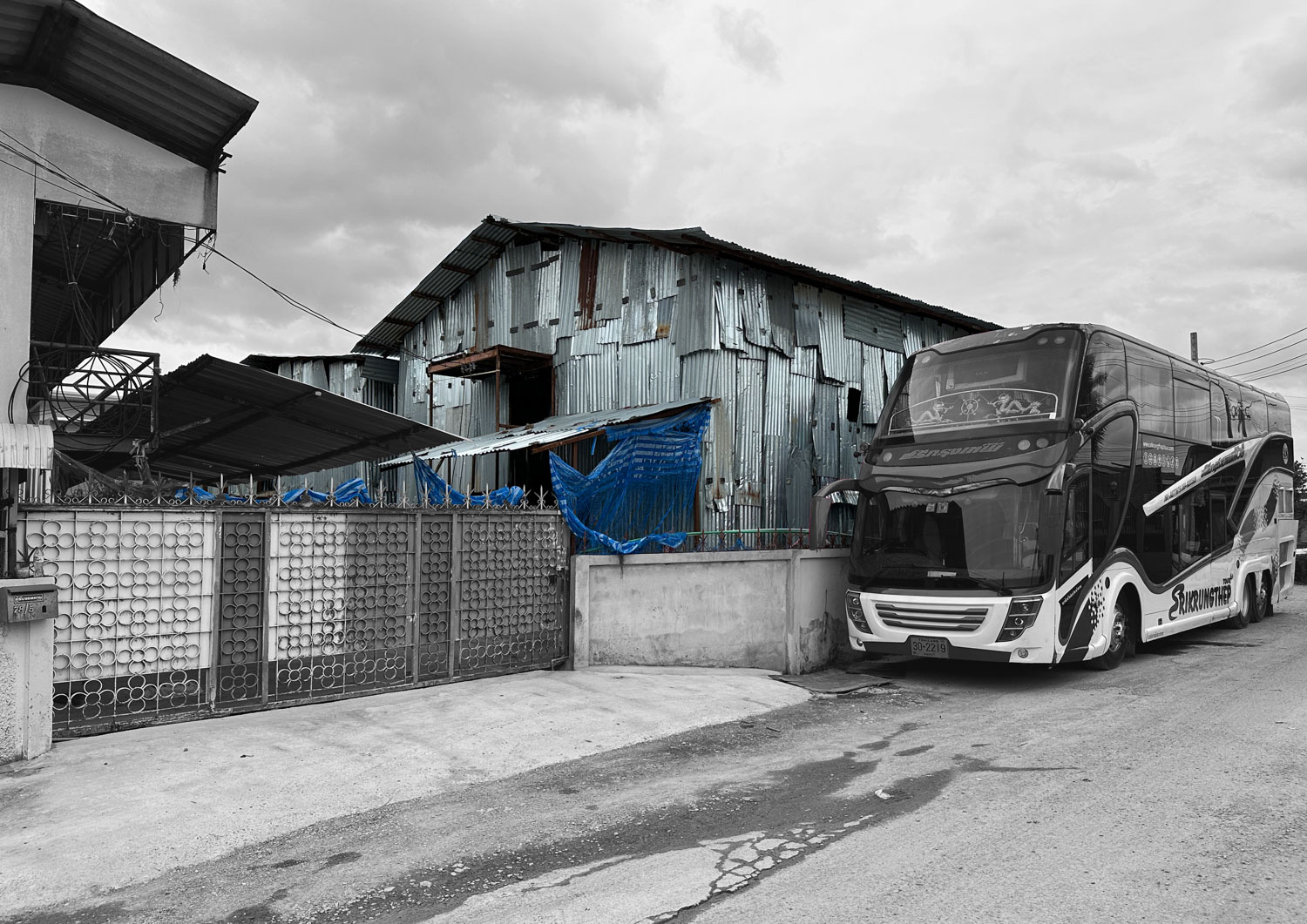
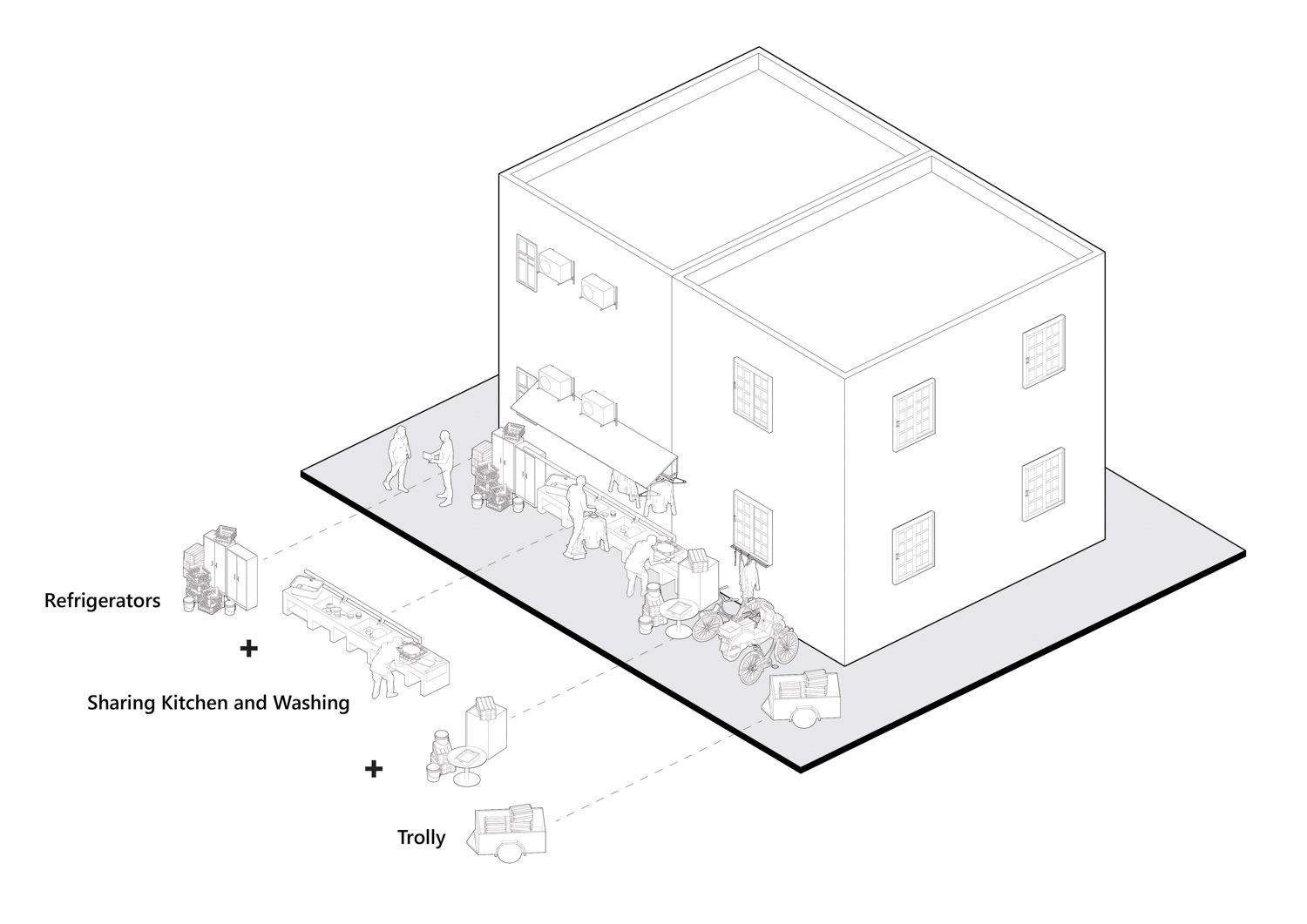
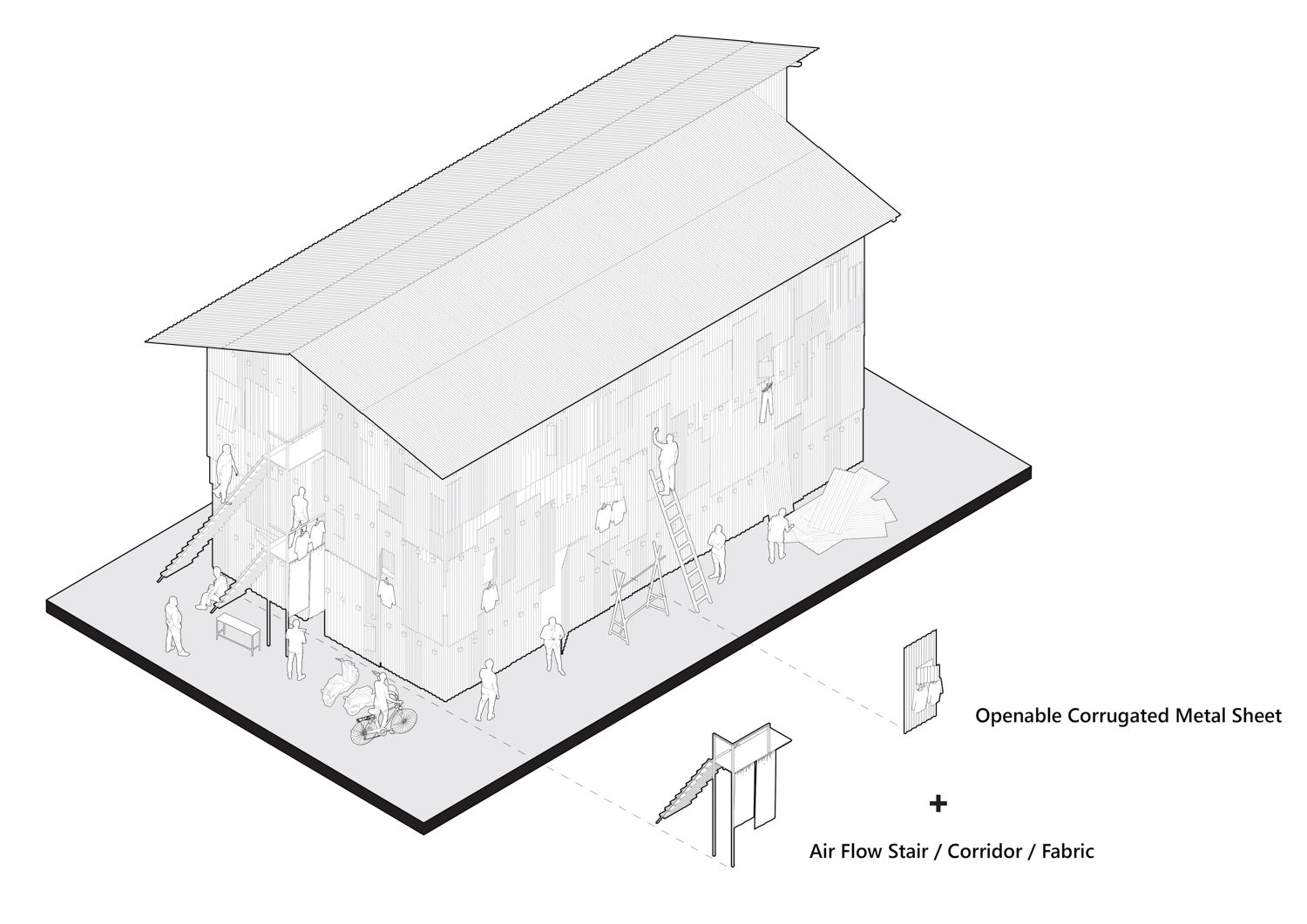
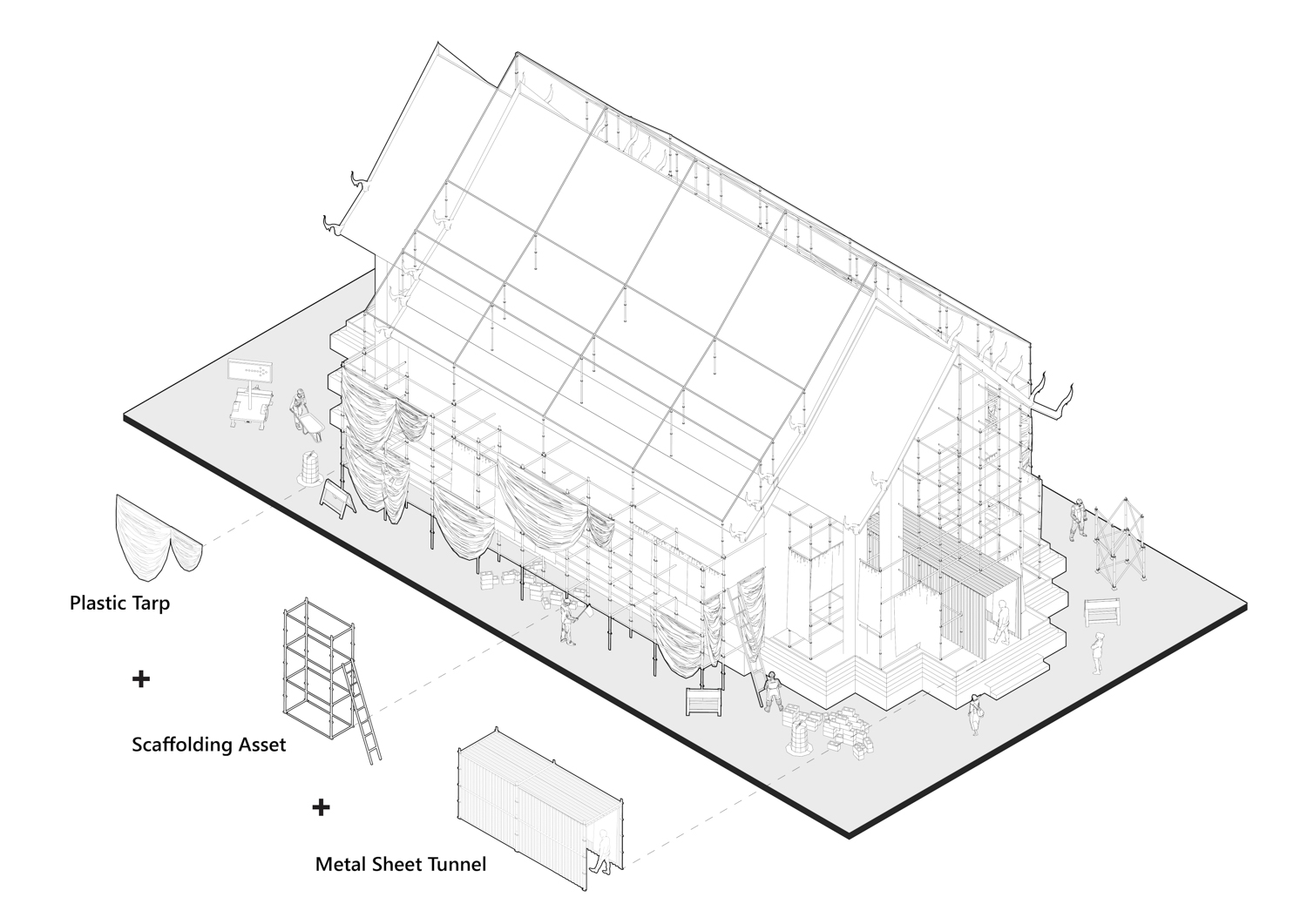
The twelve articles previously published are not merely a compilation of research works. Rather, they reveal how architecture can respond to its surrounding context by creating spaces that are not only functional, but also sustainable and in harmony with nature. This integration of research and design by HAS Design and Research, brought together in the book Chameleon Architecture: Shifting / Adapting / Evolving, provides a comprehensive understanding of how architecture can evolve, just as a chameleon adapts to its environment. Through this lens, the book invites readers to reconsider the relationship between design, research, and the environment, offering a vision of architecture that shifts, adapts, and evolves to meet the challenges of a rapidly changing world.
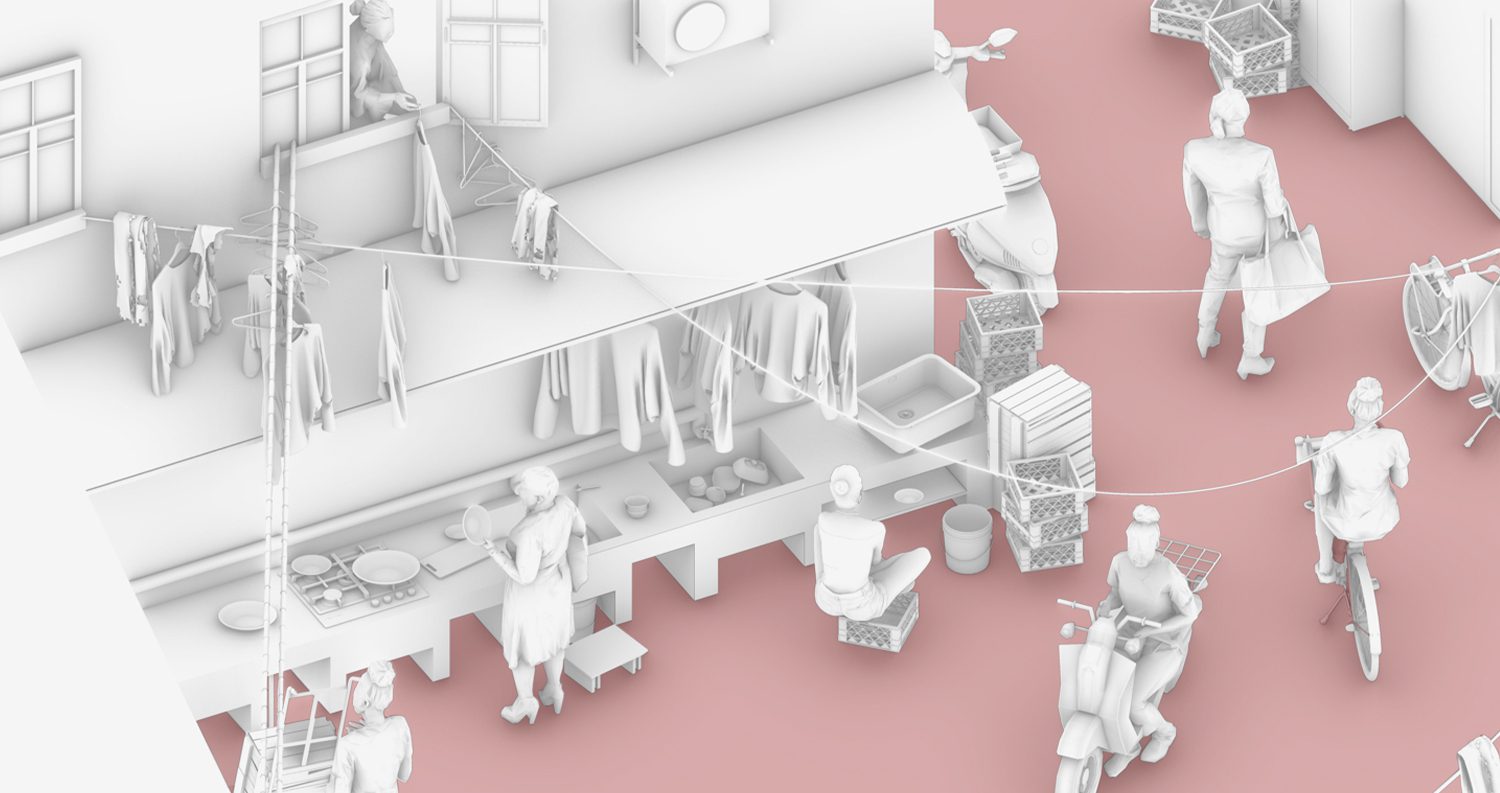
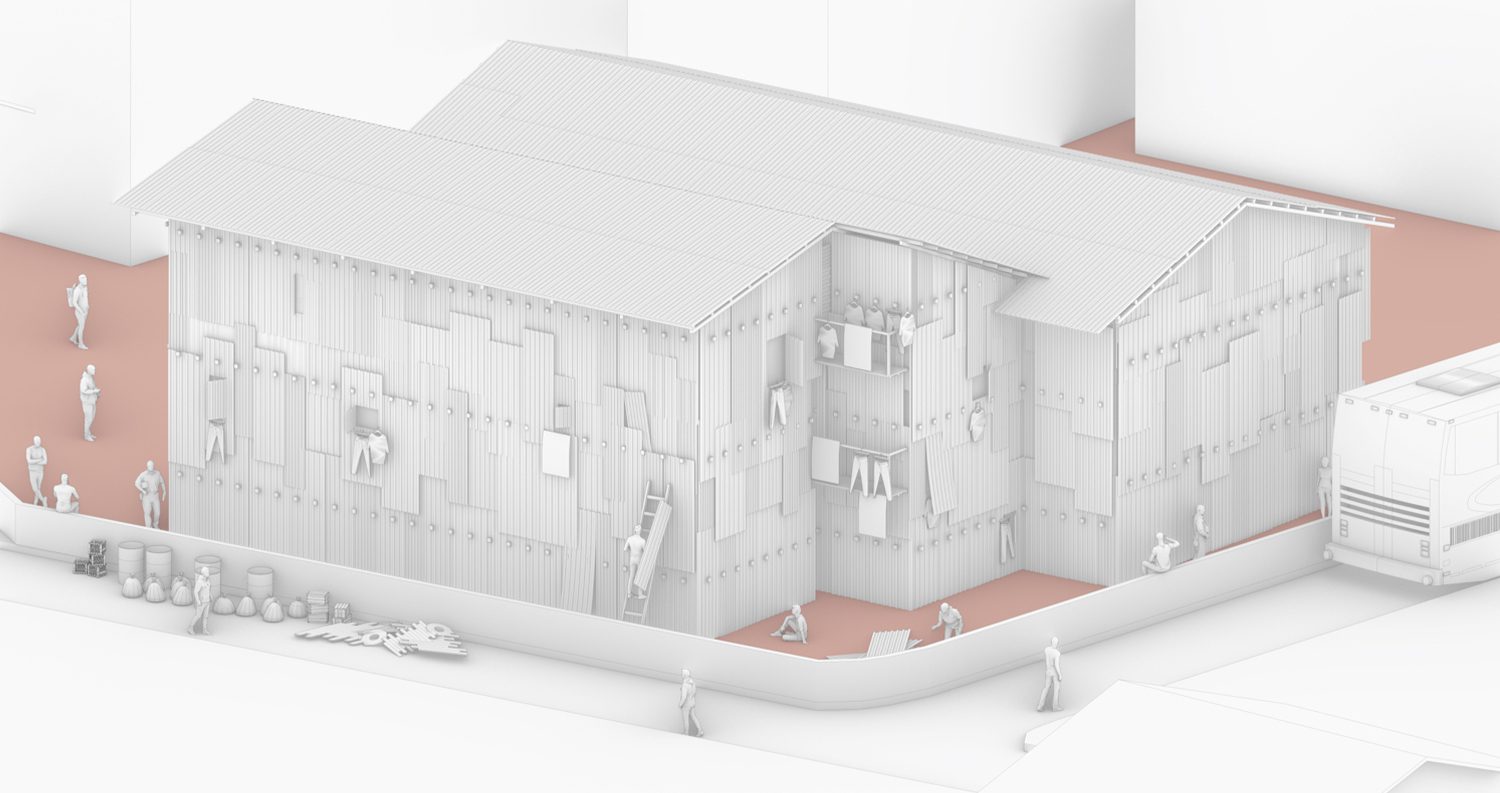
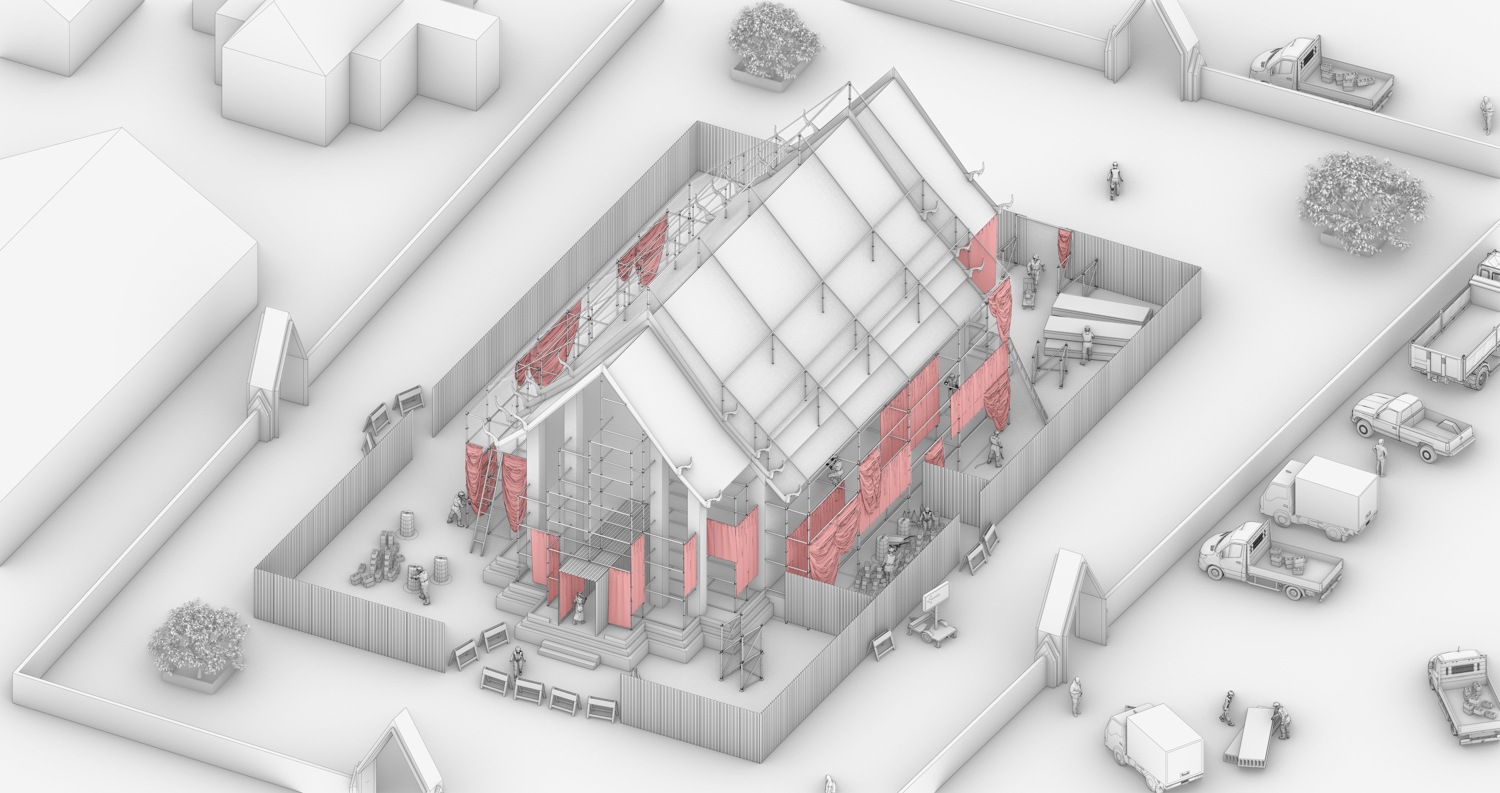
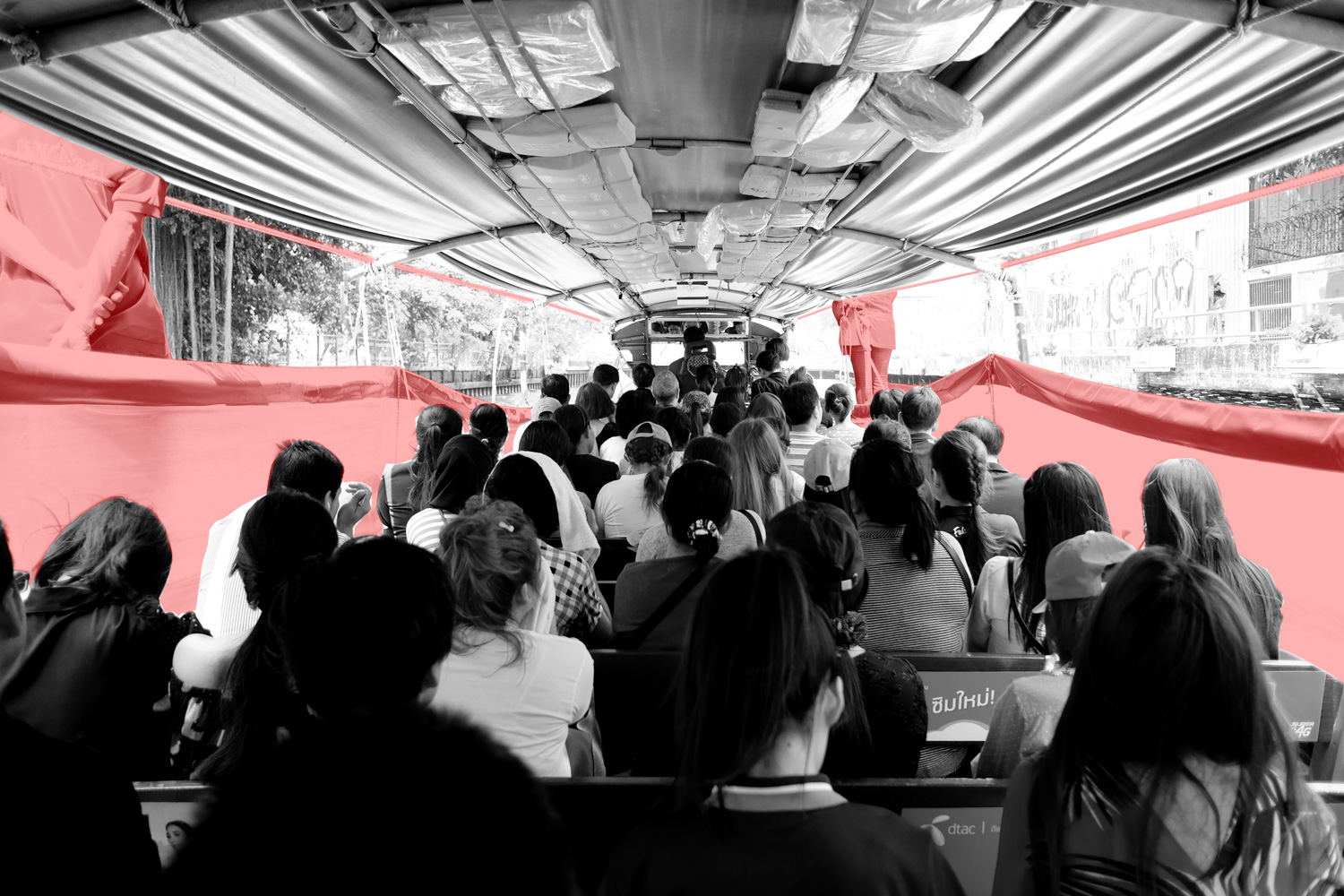
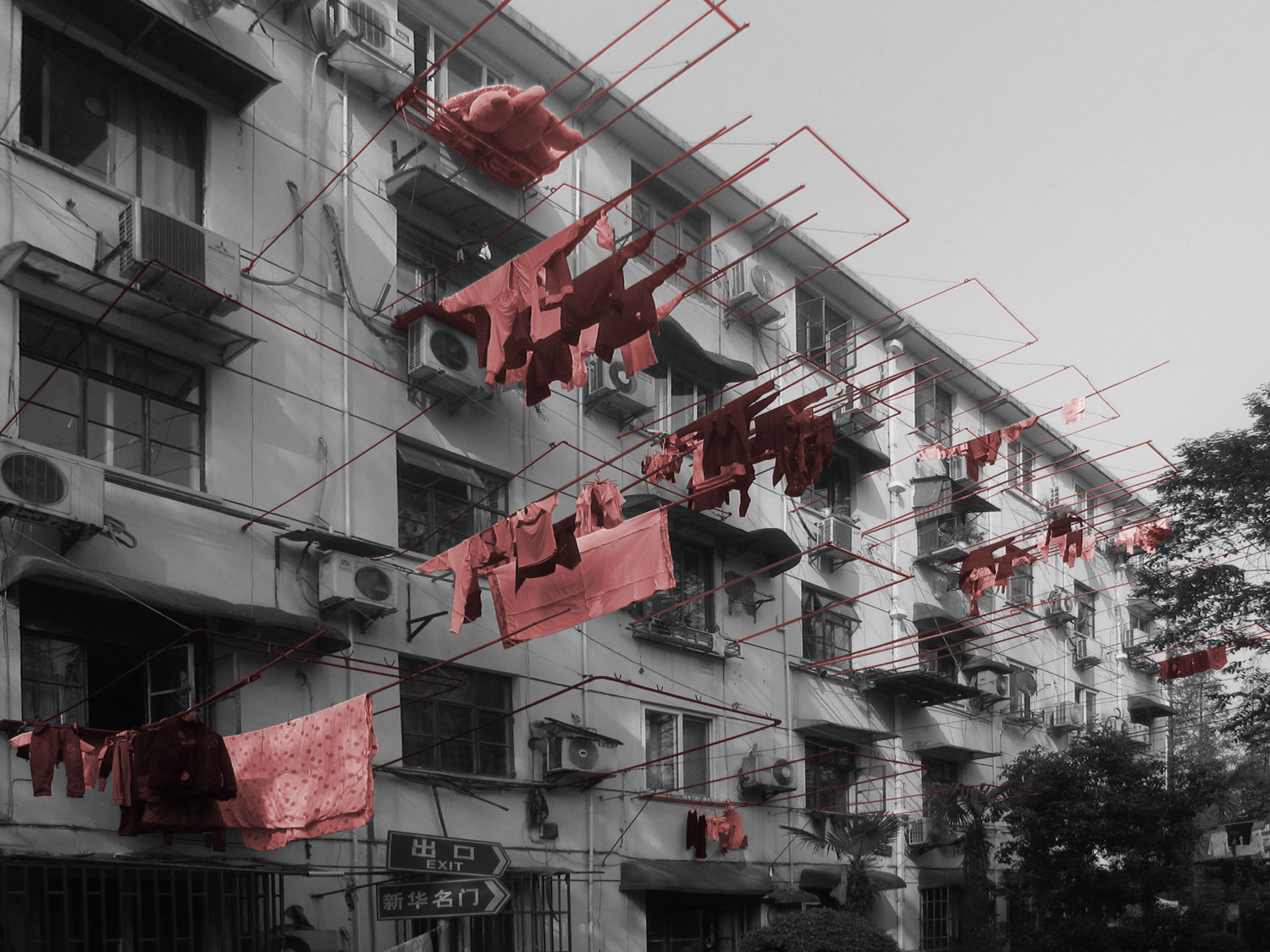
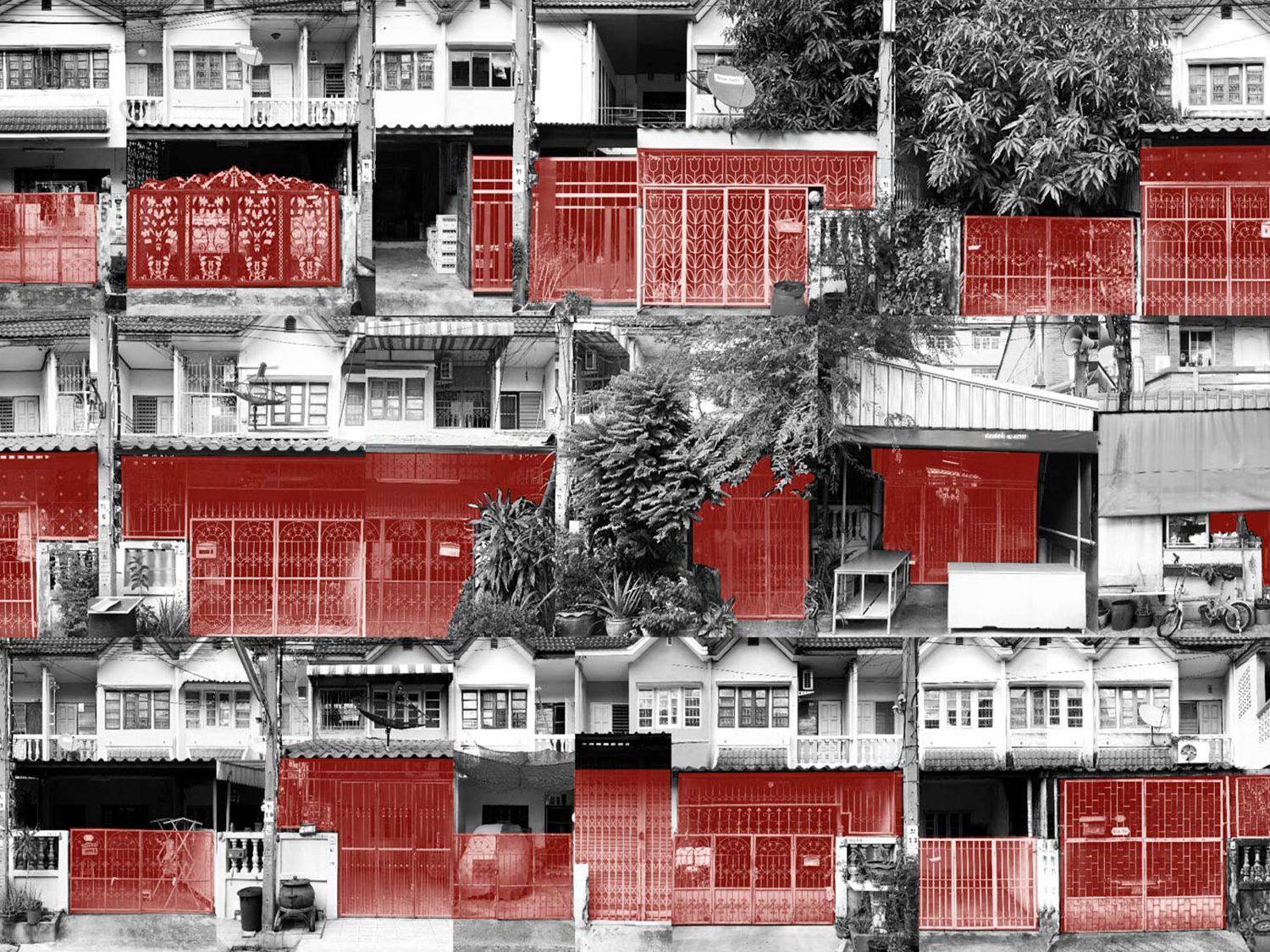
This article content is an excerpt from the book ‘Chameleon Architecture: Shifting / Adapting / Evolving,’ authored by Jenchieh Hung & Kulthida Songkittipakdee / HAS design and research, available for purchase at: https://art4d.com/product/chameleon-architecture
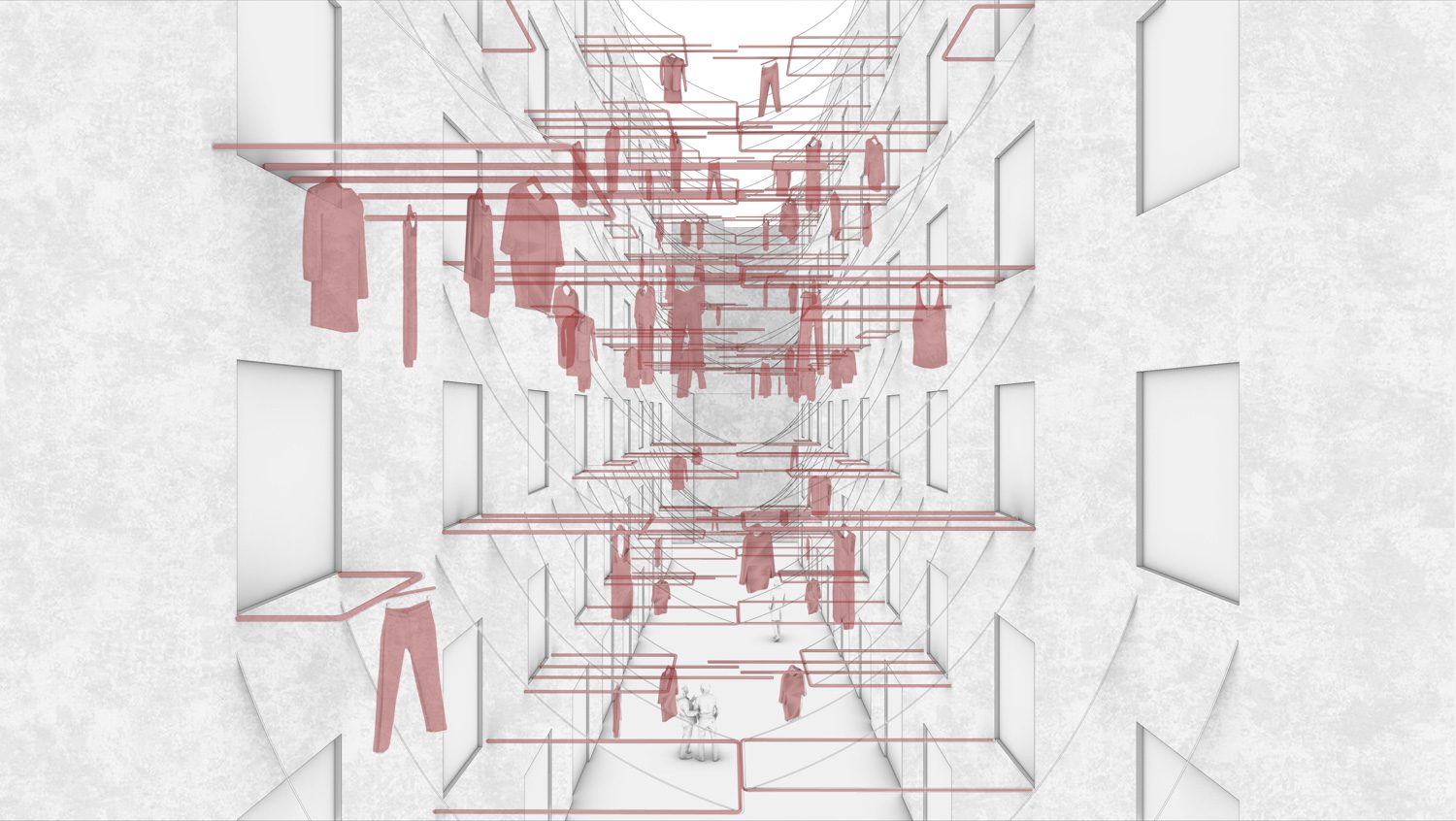
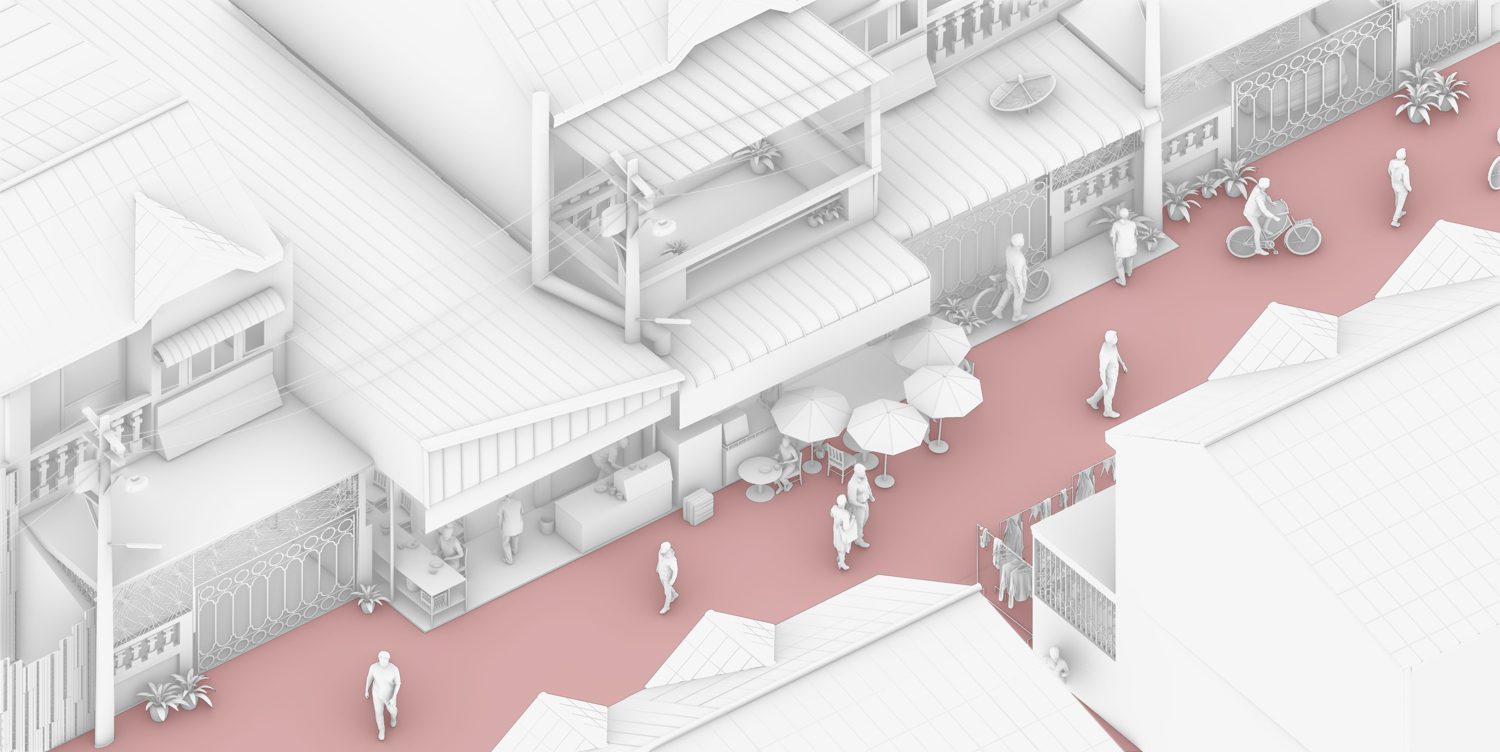
facebook.com/hasdesignandresearch
instagram.com/has.design.and.research