
HOA MAI DESIGN AWARD: A VIETNAMESE WOOD FURNITURE COMPETITION BRIDGING MODERNITY AND CULTURAL ROOTS
TEXT: PHARIN OPASSEREPADUNG
PHOTO COURTESY OF THE AMERICAN HARDWOOD EXPORT COUNCIL (AHEC)
(For Thai, press here)
The American Hardwood Export Council (AHEC) once again joins the Hoa Mai Design Award in Vietnam as a principal partner, marking the competition’s 21st edition. Widely recognized as one of the country’s most influential design platforms, the award has long served as a launching ground for emerging designers. For many participants, this collaboration also represents their first encounter with American hardwood as a design material.
The partnership between AHEC and HAWA (the Handicraft and Wood Industry Association of Ho Chi Minh City) extends beyond support of a furniture design competition. It opens up a broader conversation about responsible material selection, sustainability, and the contemporary potential of American hardwood. As a result, the works presented span a wide range of typologies, from lighting fixtures and chairs to experimental furniture pieces that explore new forms. Drawing on the inherent qualities of wood, its natural character, structural strength, and versatility in fabrication, these designs translate ideas from sketch to object with remarkable fidelity, allowing designers’ intentions to be realized as closely as possible in built form.
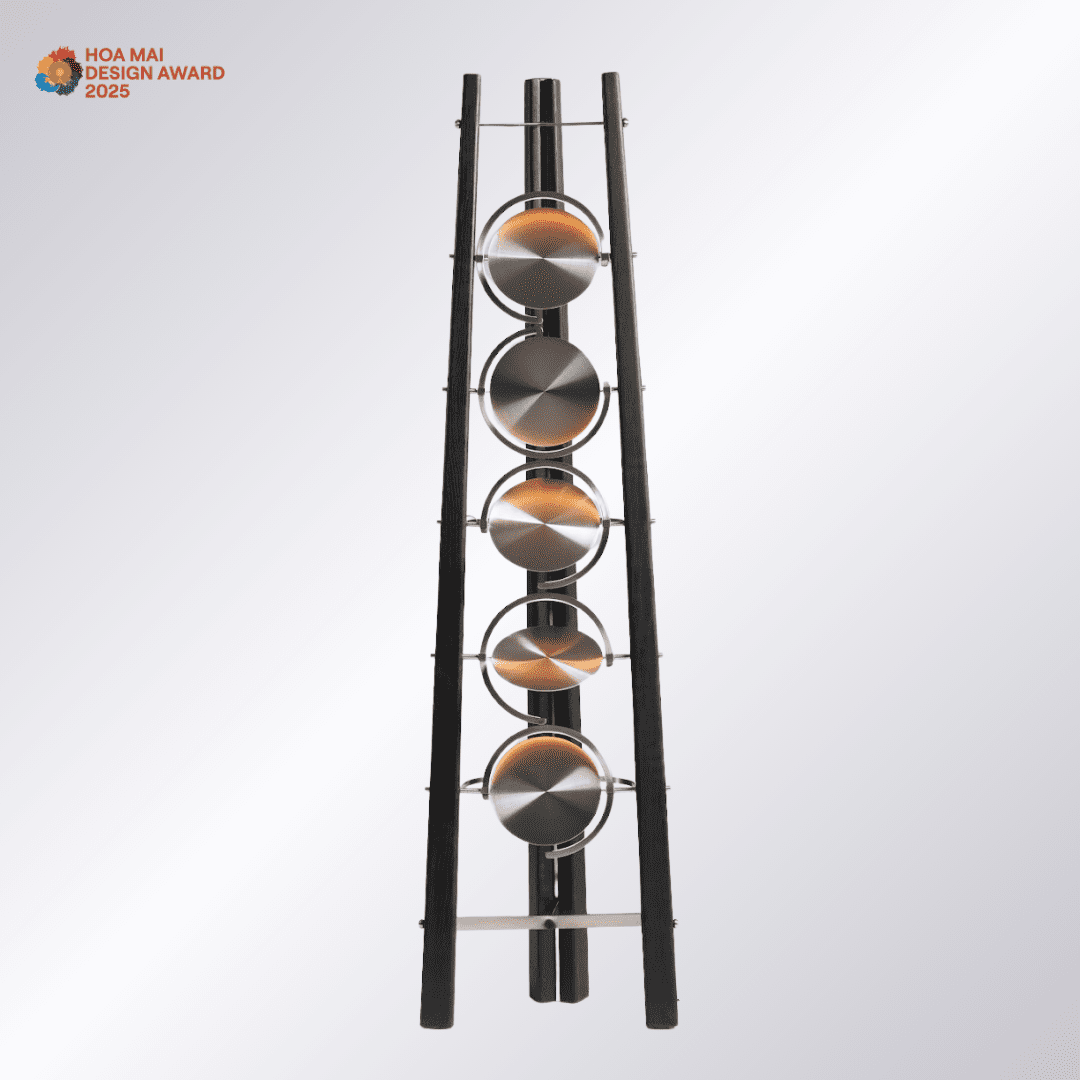
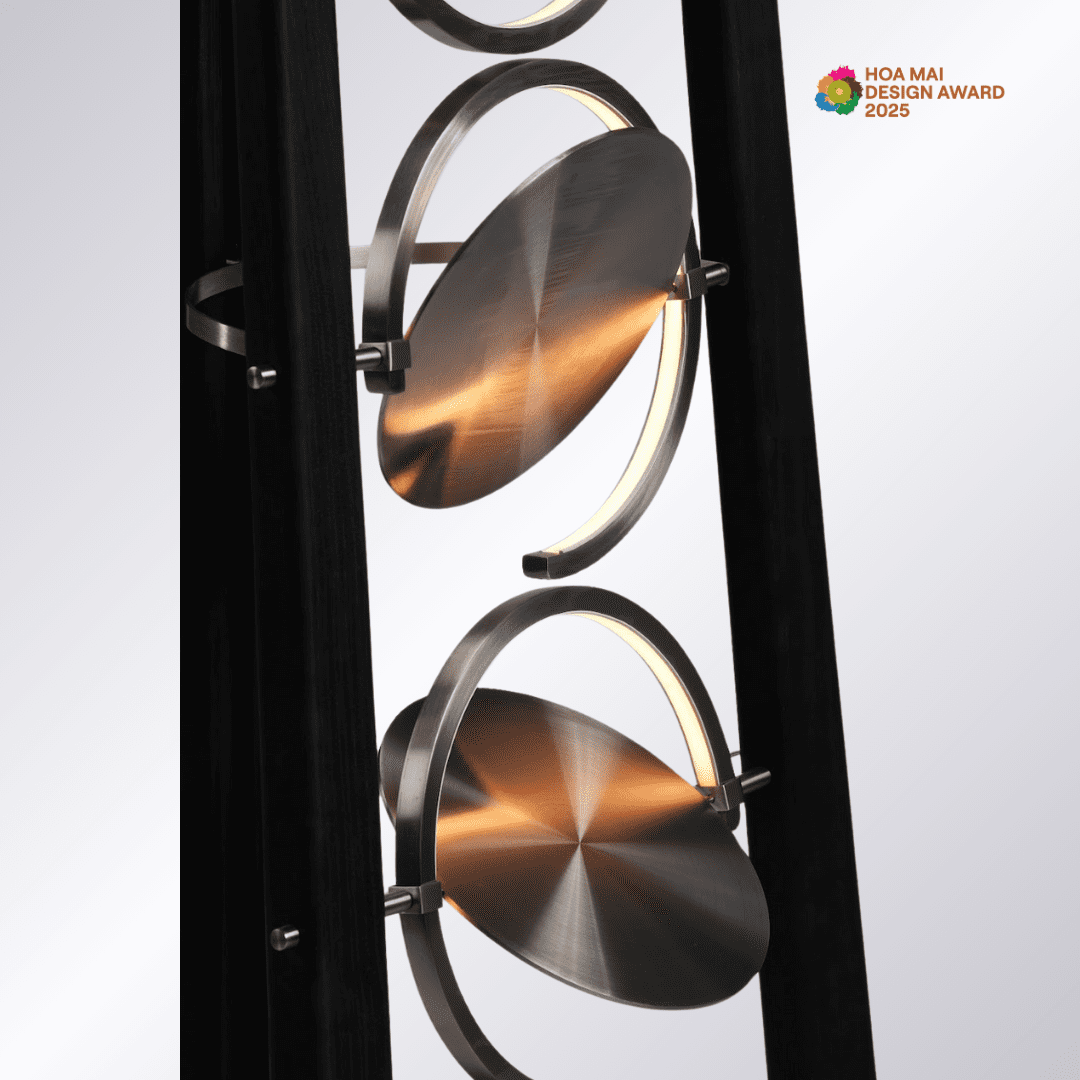
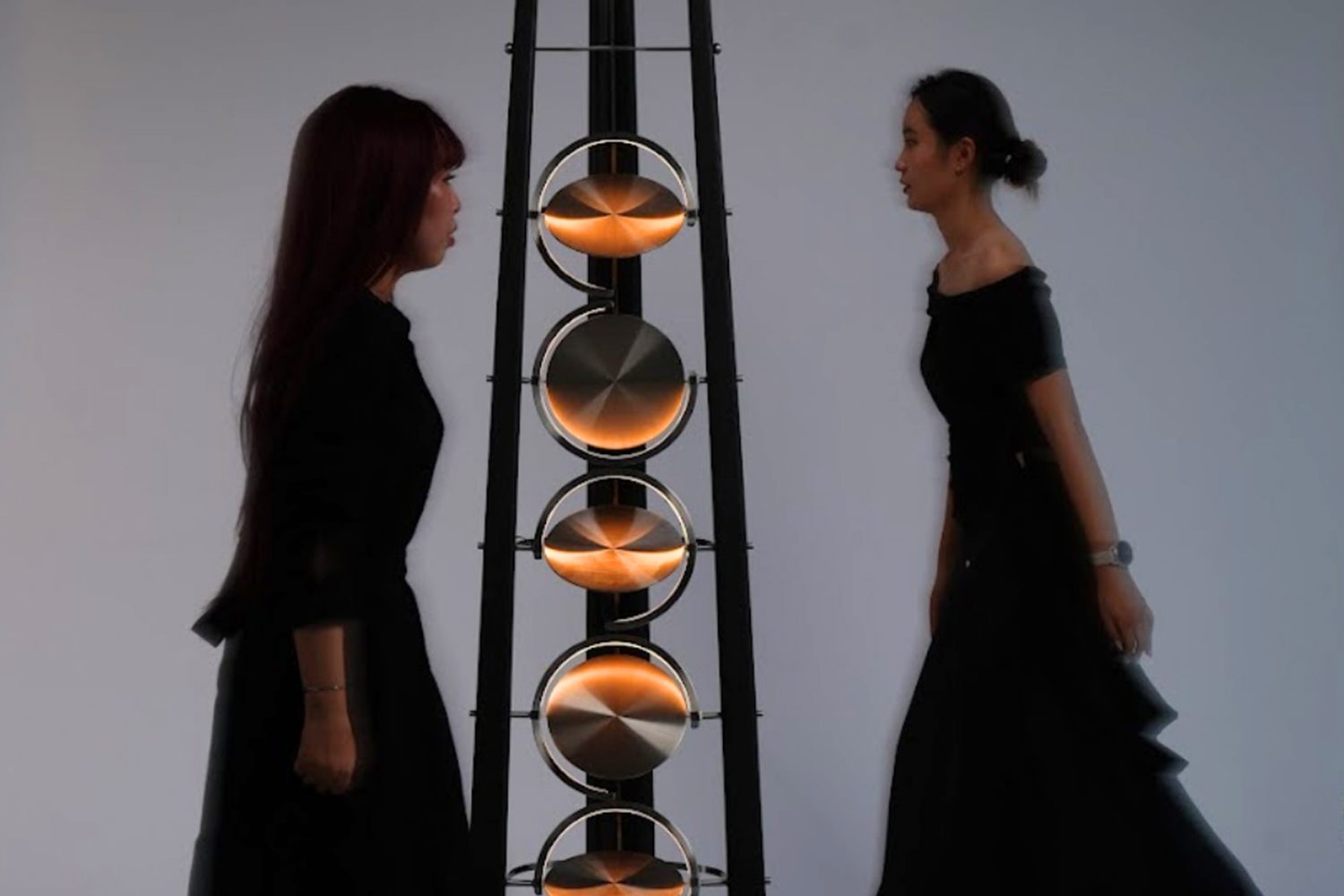
This year’s top prize was awarded to LUMAIRE LIGHT, a lighting design by Ngô Thị Quỳnh Trang and Soi, interior designers from Kaze. The project draws inspiration from the lunar cycle, capturing the shifting rhythm of the moon as it moves through its waxing and waning phases. Its primary structure is crafted from American hardwood, paired with metal plates that act as reflective surfaces for the light source. Together, these elements form silhouettes of the moon in its crescent, half, and full phases. Designed with a modular structural system, the lamp allows for flexible configurations and multiple modes of use. This marks the first time both designers have worked with American hardwood, a material that brings added emotional depth, warmth, and tactile richness to the piece, enhancing the sensory quality of the design in a tangible way.
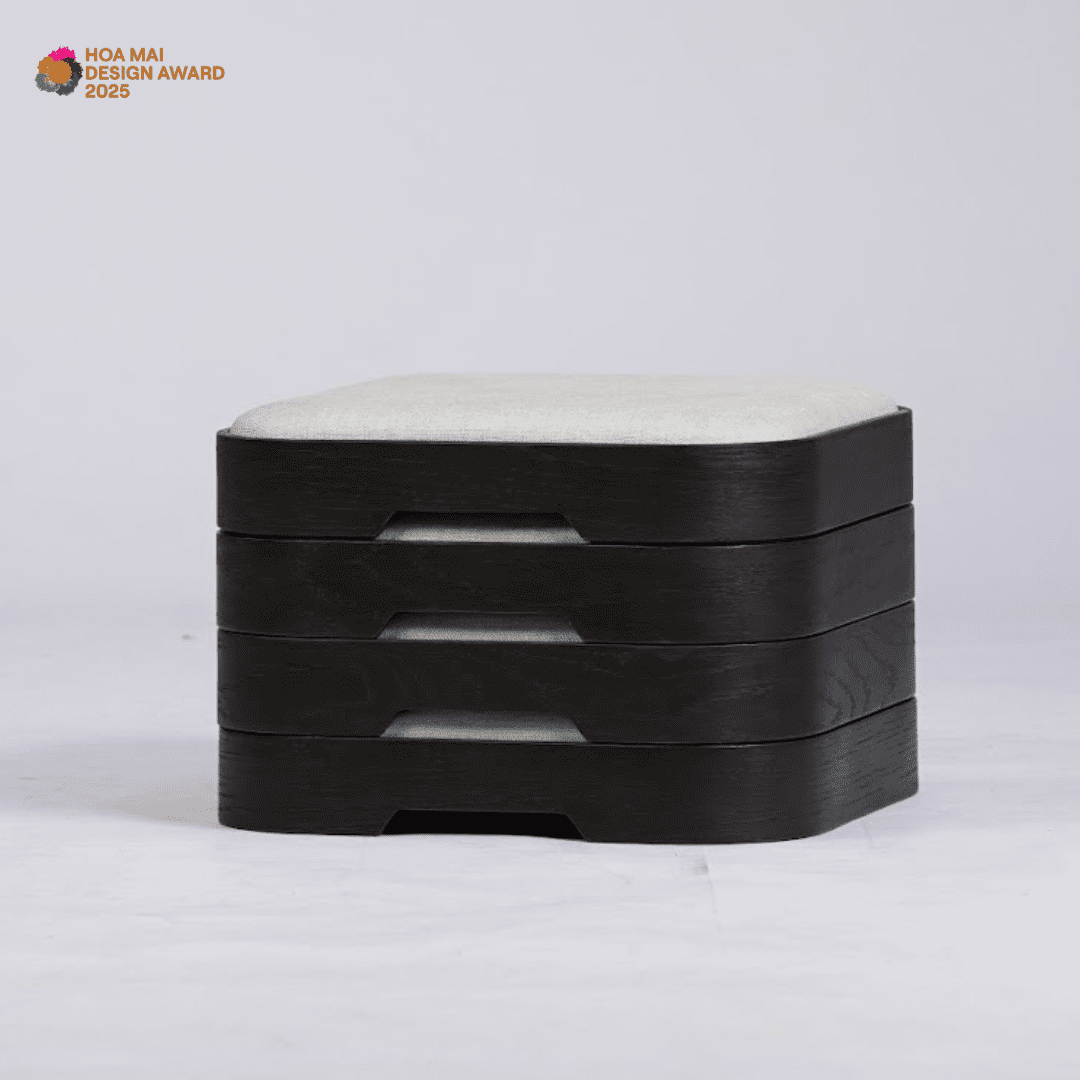
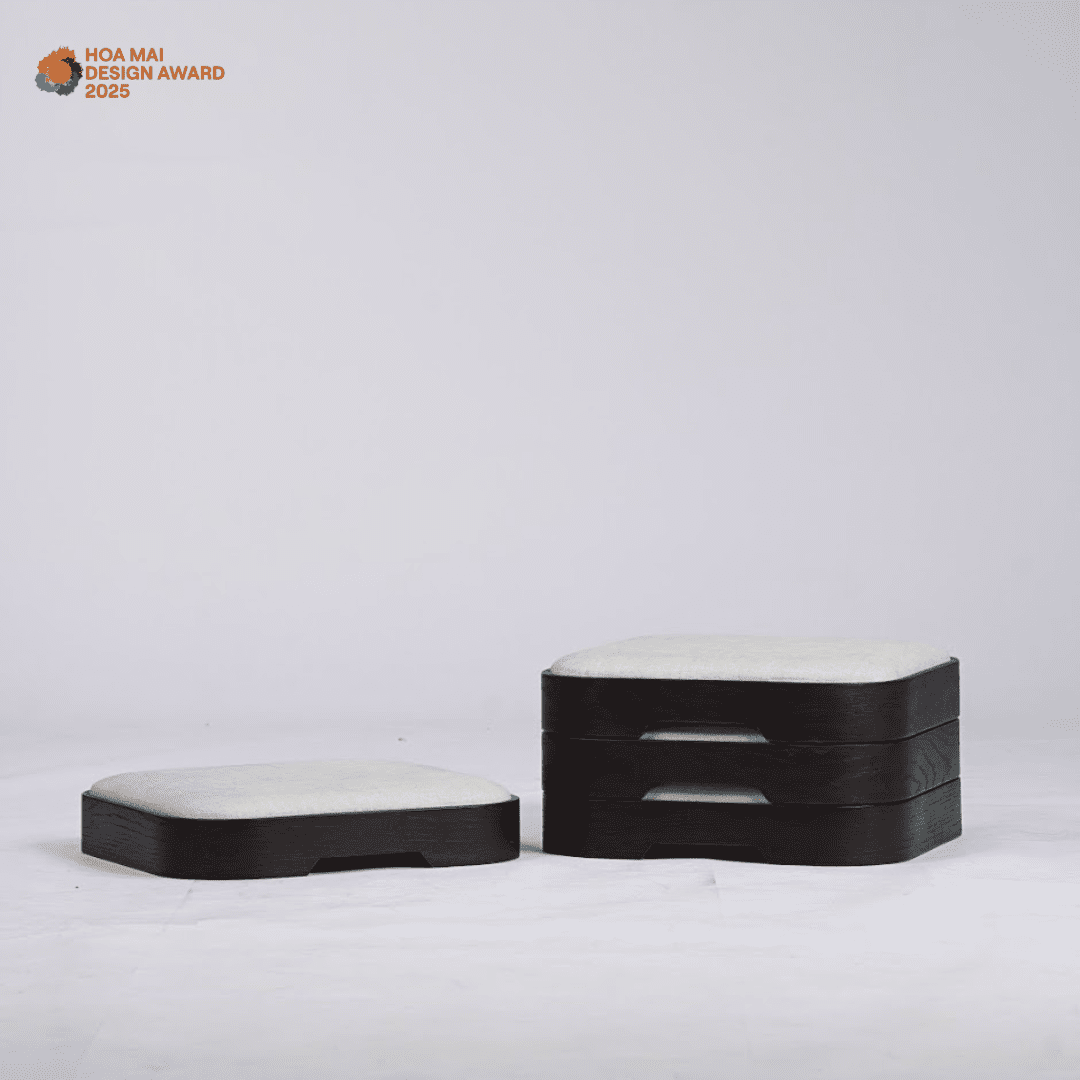
The first runner-up prize went to Nest Stool, designed by Nguyễn Thùy Dương, an interior design student from Ton Duc Thang University. Inspired by the form of a traditional steamed bun basket, the stool adopts a simple geometry softened by rounded corners. The combination of square proportions and gentle curves creates an object that feels clean, minimal, and visually calm. Despite being the designer’s first experience working with American red oak, she successfully draws out the material’s warm tones, structural strength, and refined grain. The project also reflects a careful study of precision in hardwood fabrication, particularly in shaping smooth, curved forms, a process that proved to be one of the key technical challenges of the design.
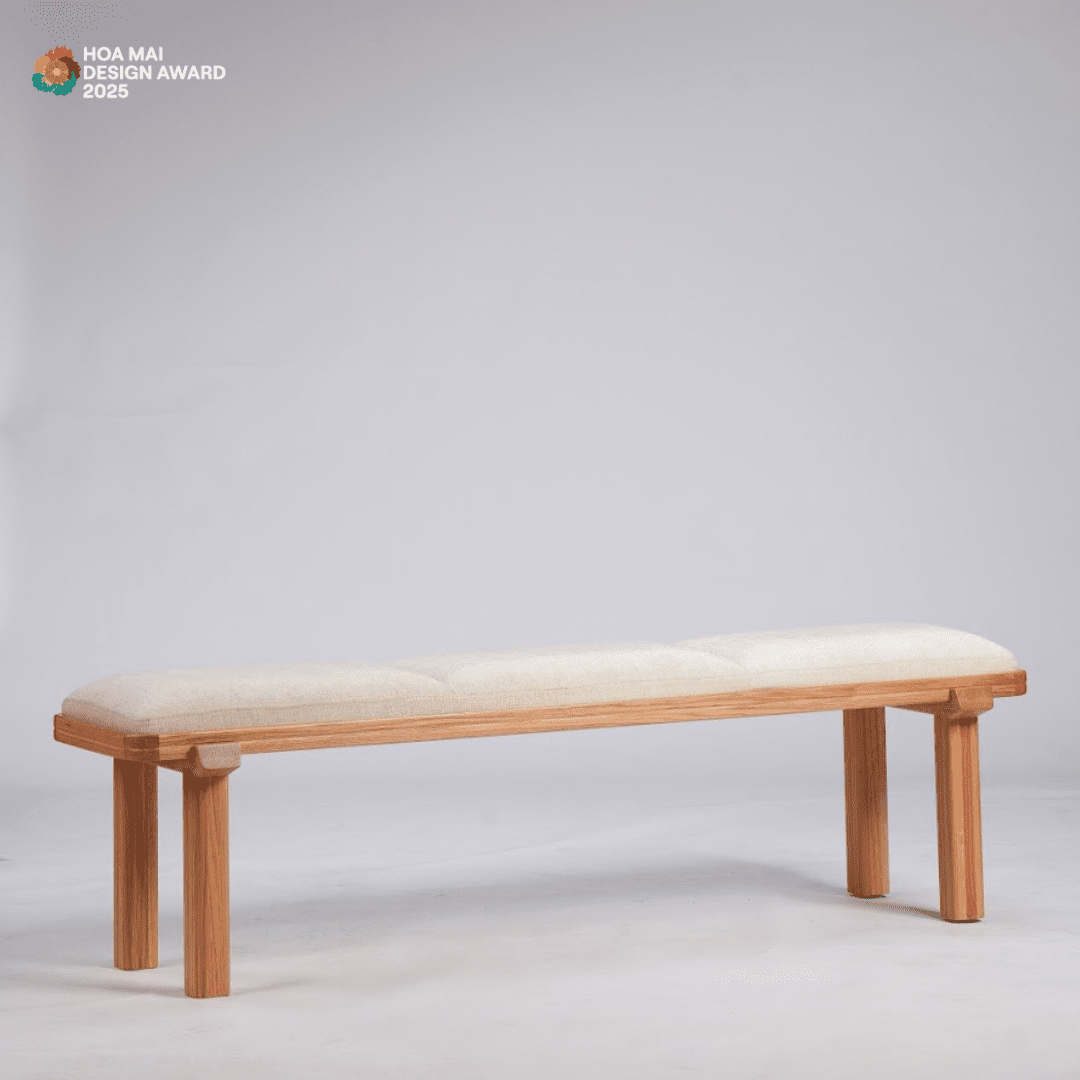
The Third Prize was awarded to Crossline Bench, a long bench designed by Hồ Thị Thu Hà, an independent product designer. Drawing inspiration from the modern bridges of Saigon, the piece translates their rhythm and structural clarity into finely crafted timber construction. American red oak was selected for its strength, stability, and surface quality, which can be carefully finished to achieve a smooth, refined touch, making it particularly well suited for everyday seating furniture.
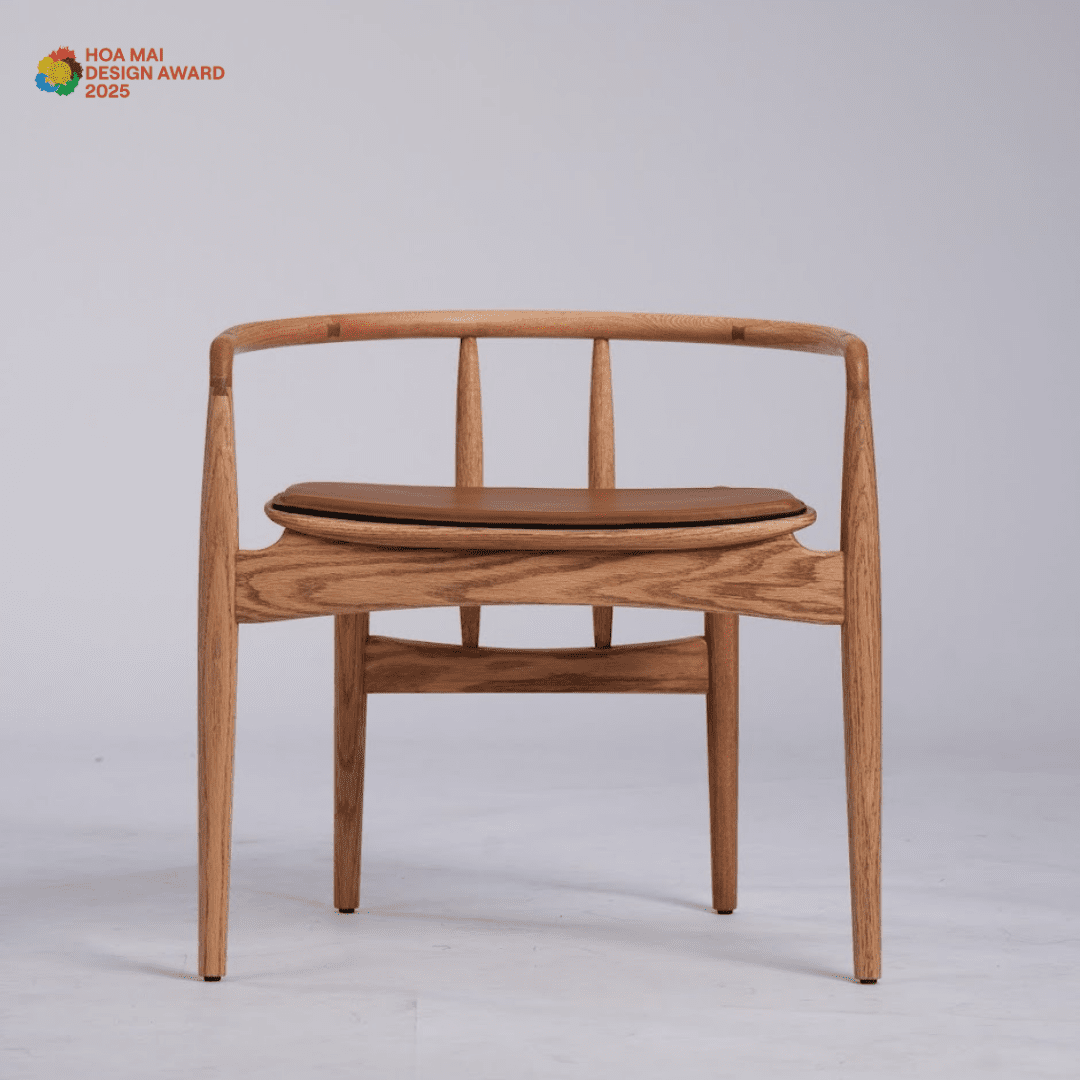
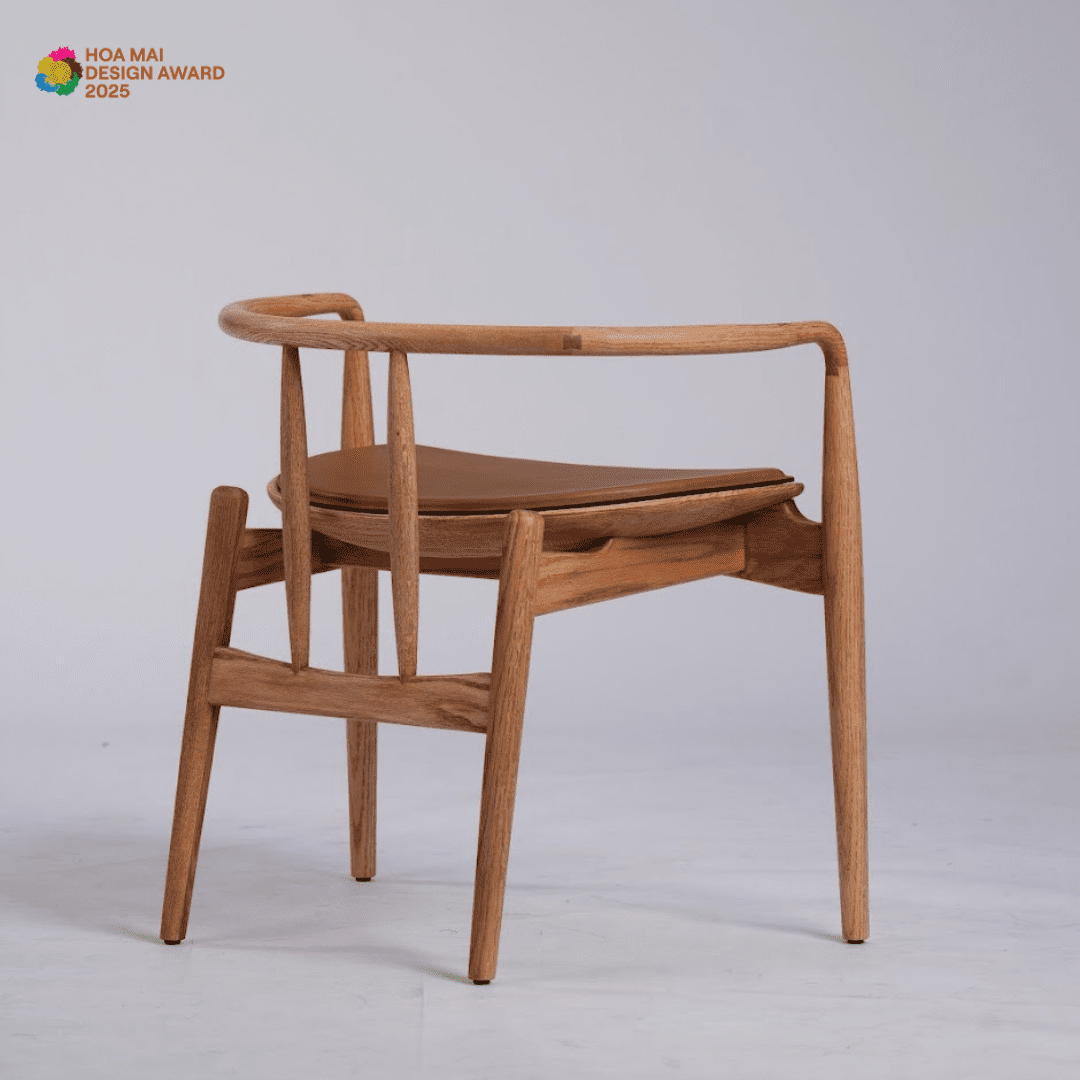
The Grand Award – Special Prize went to NODE, a wooden chair designed by architect Lê Hữu Trường. The project takes inspiration from the Vietnamese shoulder pole and traditional bamboo joinery techniques. Distinguished by its mortise-and-tenon construction, the chair uses bamboo-style joints as a symbolic gesture, paying homage to traditional craftsmanship and vernacular knowledge. In the process, the designer explored working with American red oak, focusing on controlling tonal variation and responding sensitively to the material’s characteristics in order to achieve a result that aligns as closely as possible with the project’s conceptual intent.
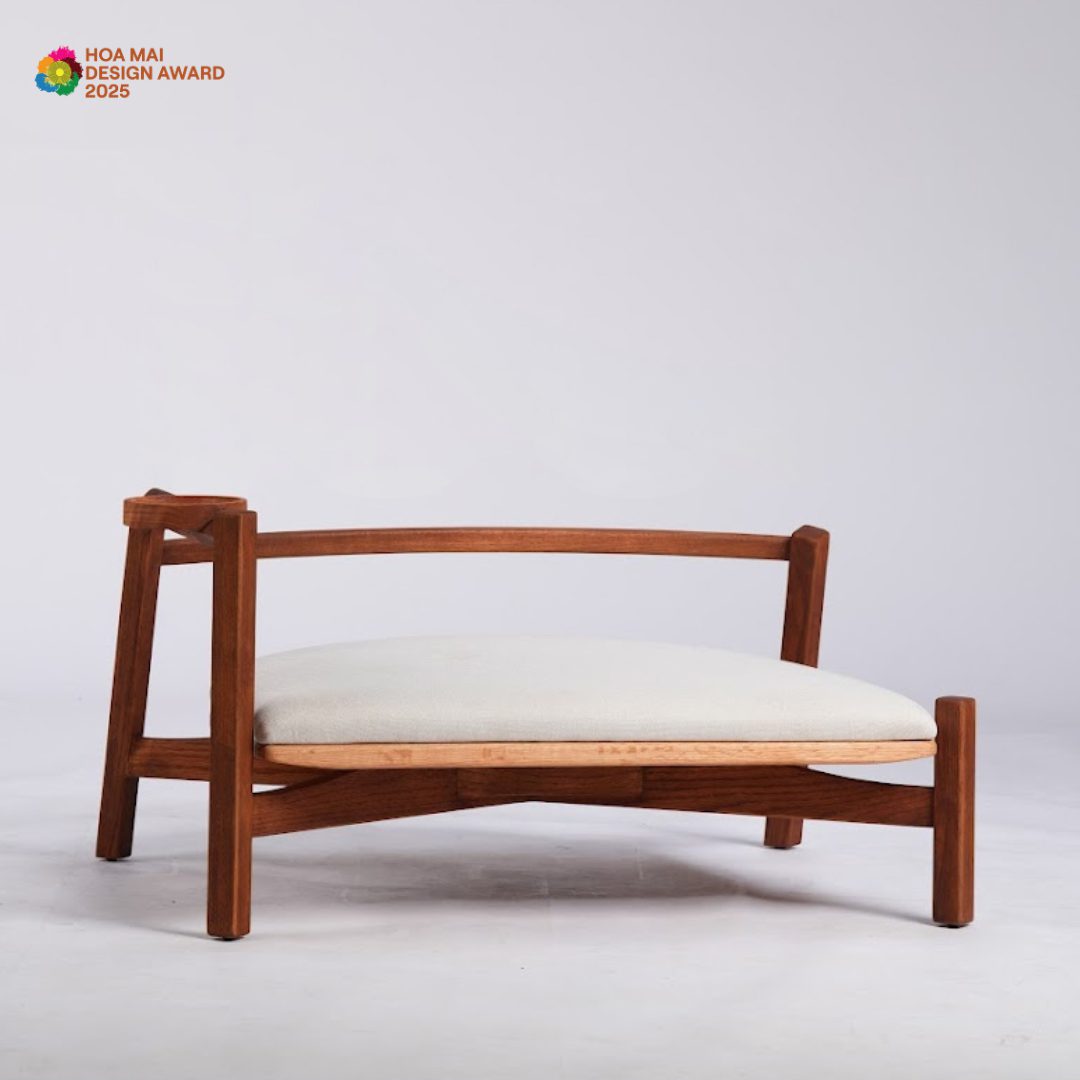
The Encouragement Prize category features three awarded works, beginning with ISU Chair by Nguyễn Thị Mỹ Vân. Inspired by the seated posture of meditation, the chair is designed to encourage an upright sitting position while still offering gentle ergonomic support. American red oak was chosen for its strength, stability, and warm tonal quality, all of which contribute to the calm and contemplative atmosphere of the piece.
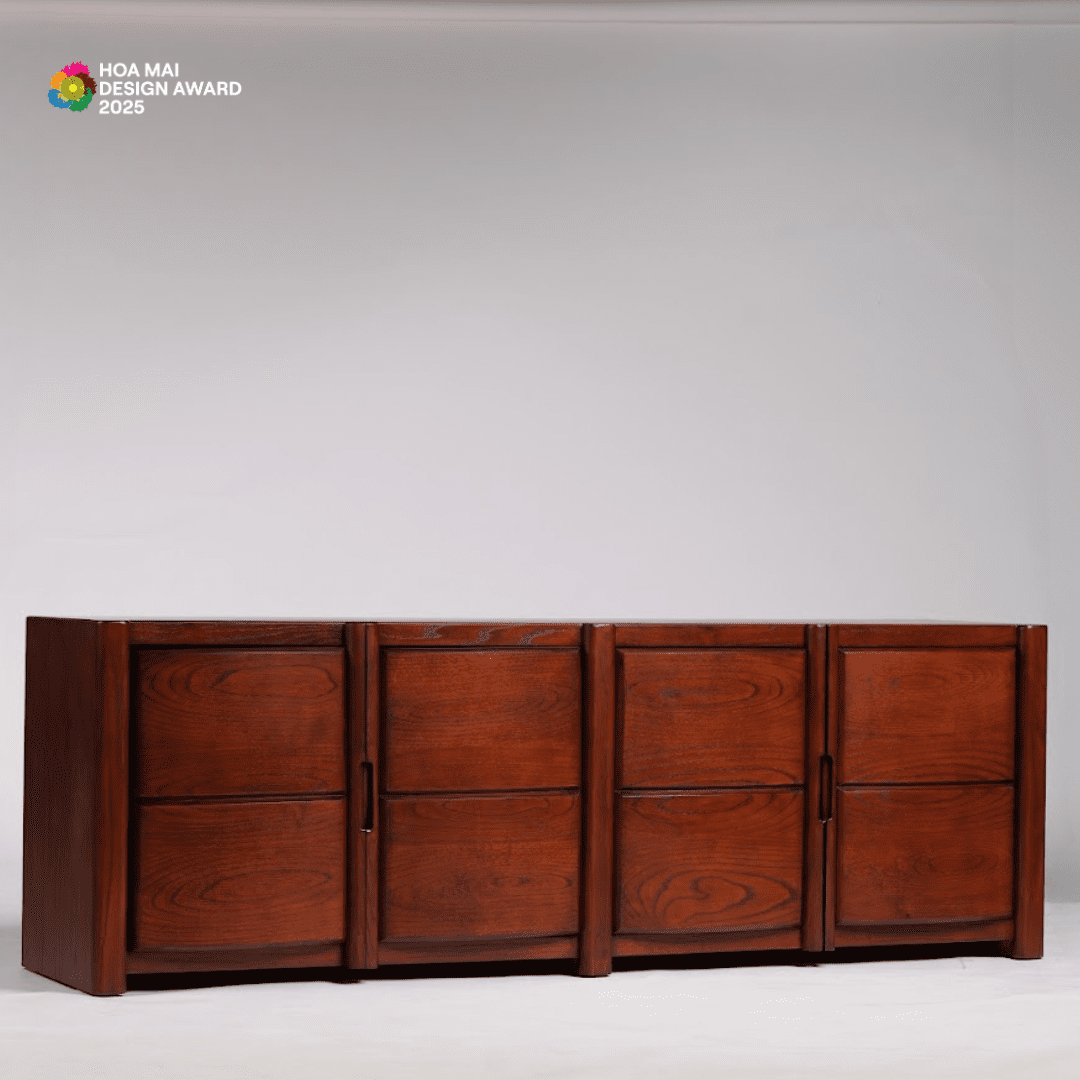
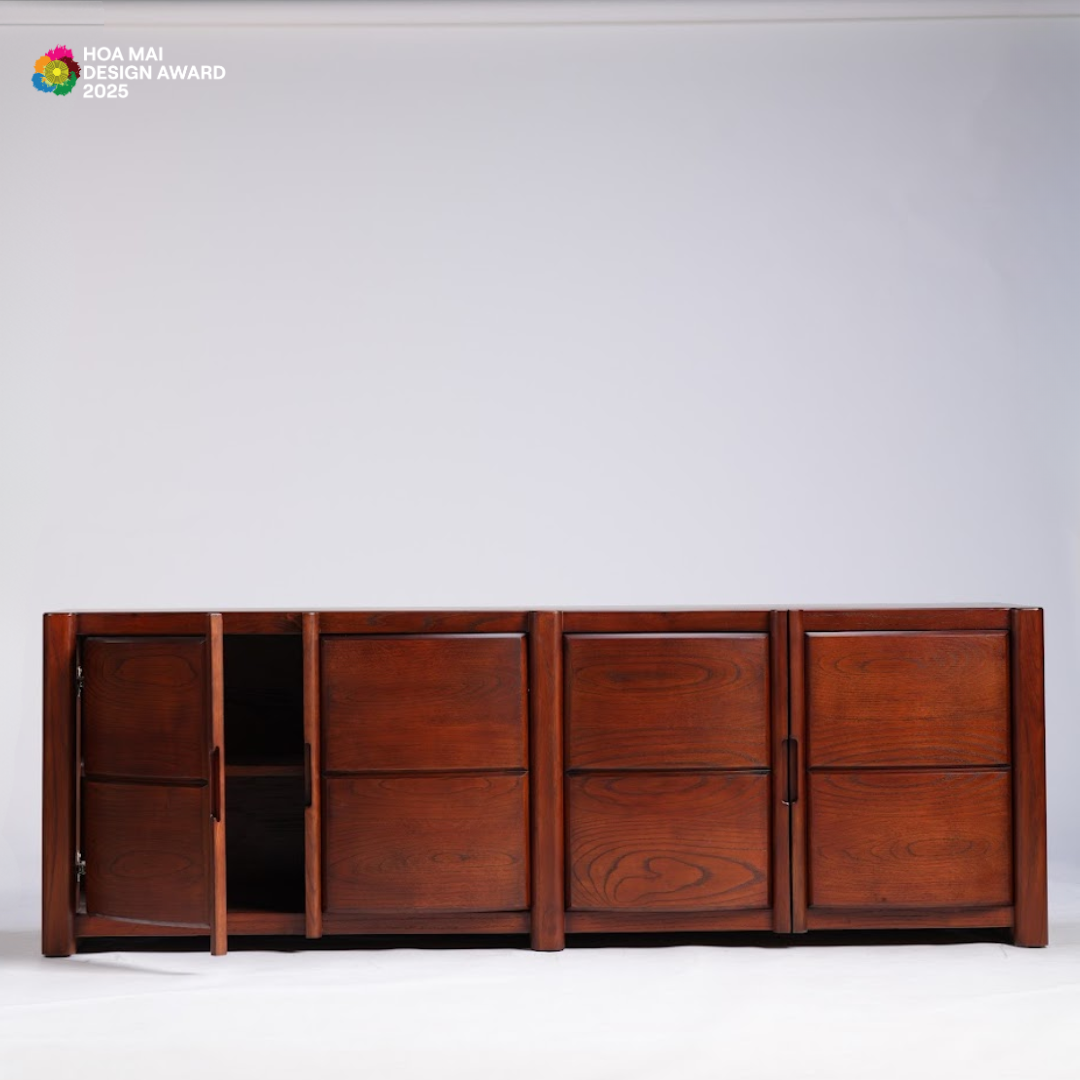
Next is Echo Cabinet, designed by Hồ Thị Thu Hà, which reinterprets traditional Vietnamese wooden doors through a contemporary lens. The cabinet’s softly curved doors introduce a sense of gentleness, balanced against the inherent solidity of American red oak, with the material’s color and surface texture thoughtfully expressed.
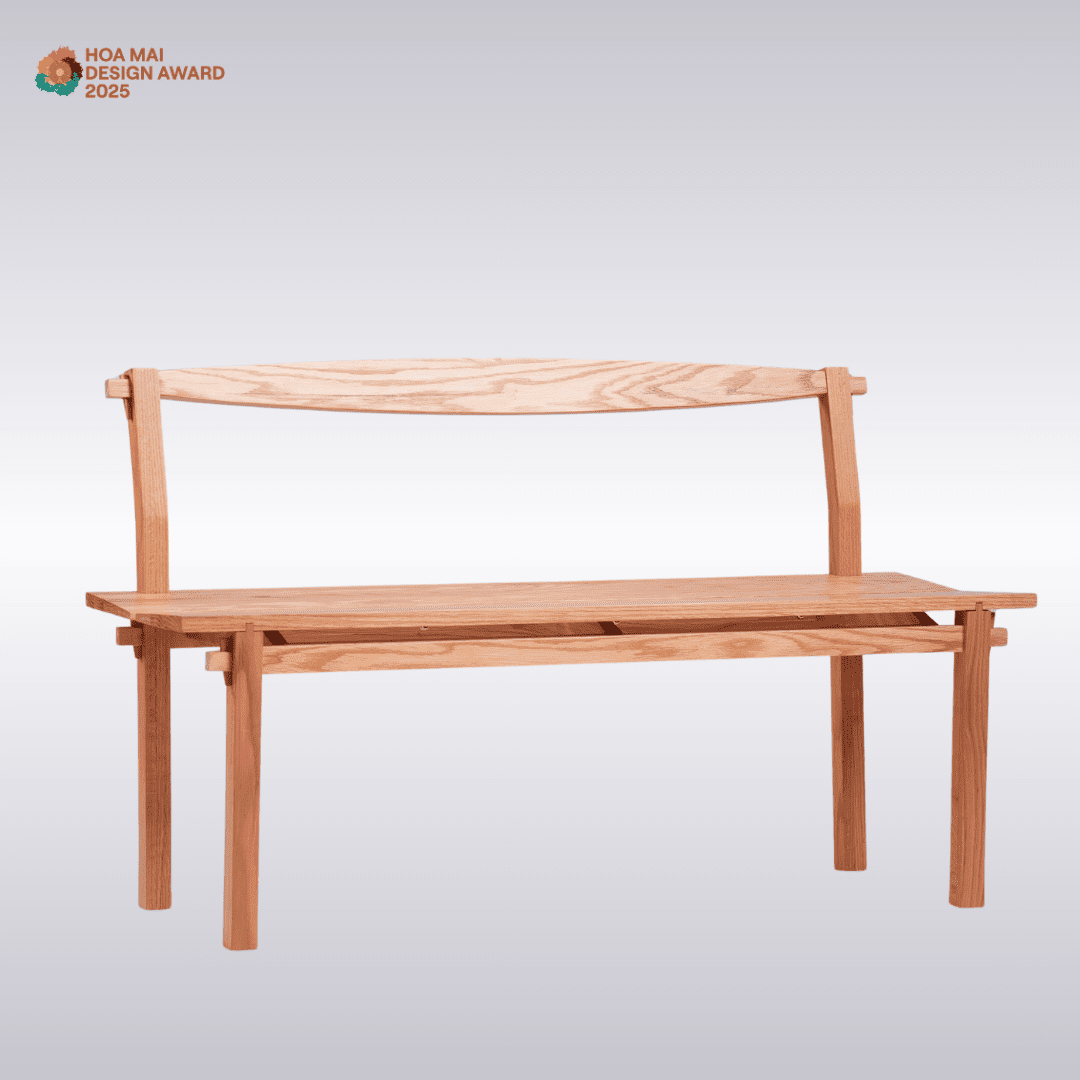
The final work in this category is Gánh Bench by Trần Tuấn Kiệt, an interior design student. This modern bench subtly embeds details drawn from traditional woodworking, including joinery techniques the designer learned from his grandfather, a carpenter. The use of American red oak, valued for its durability, strength, and expressive grain, further enhances the bench’s tactile appeal and reinforces its suitability for everyday use.
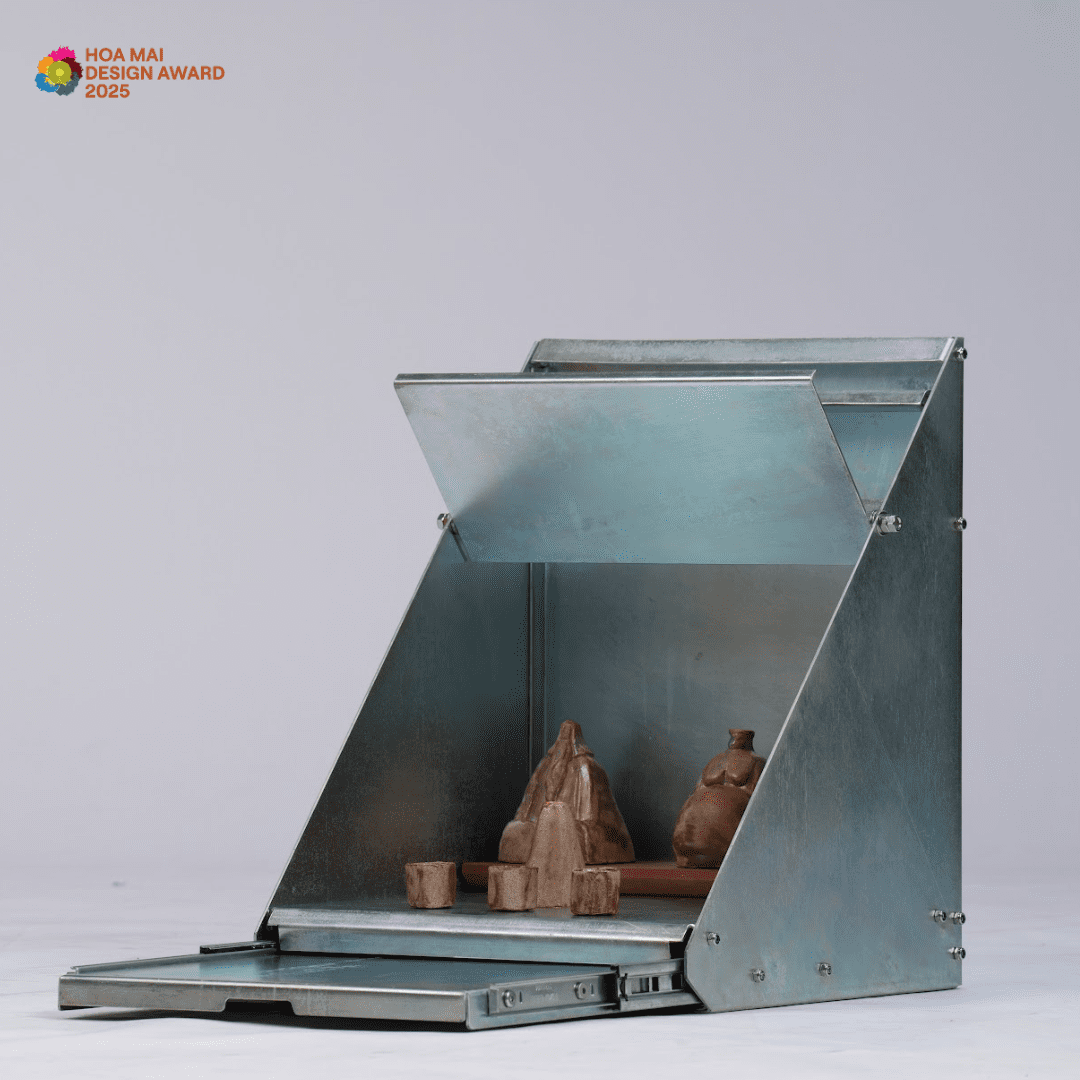
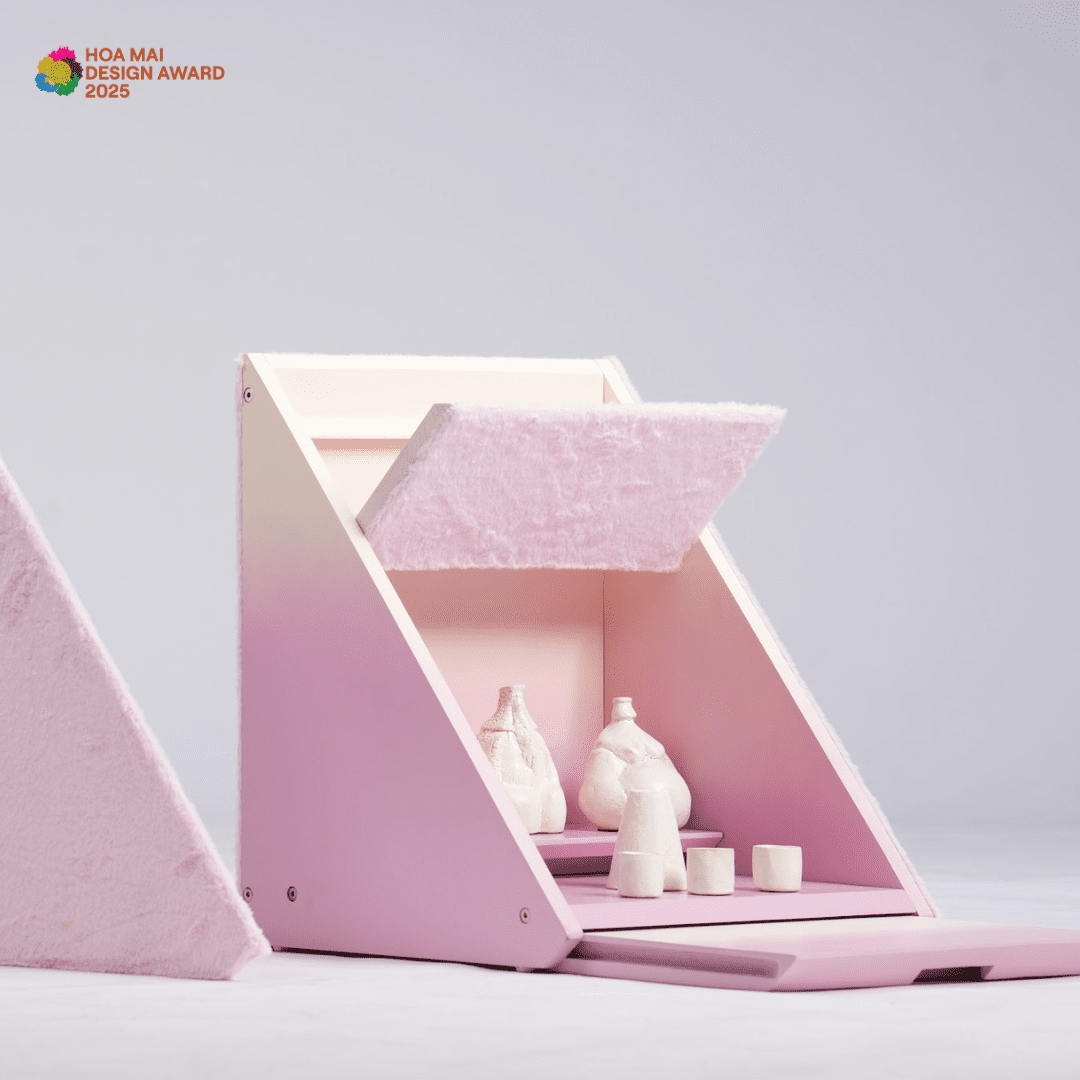
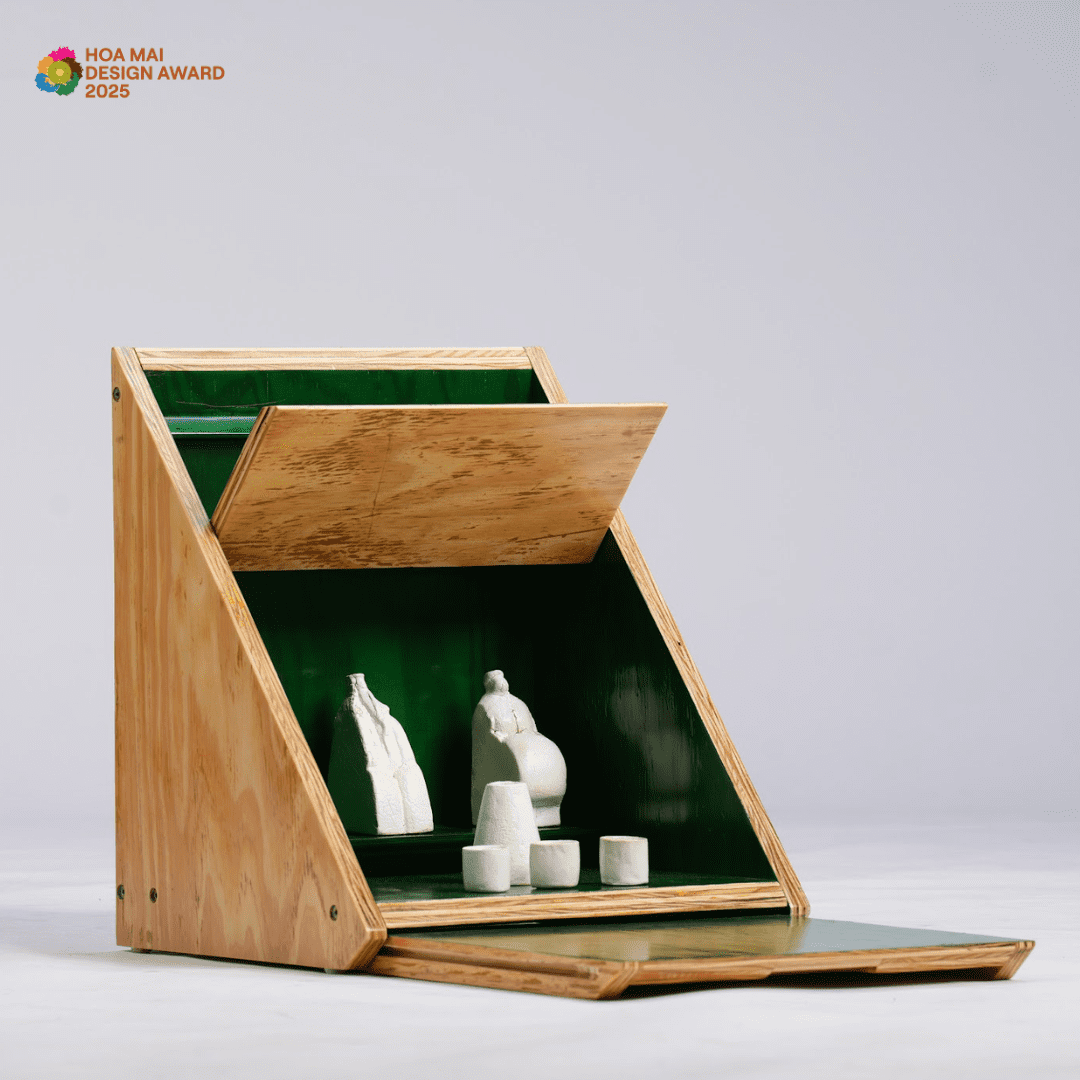
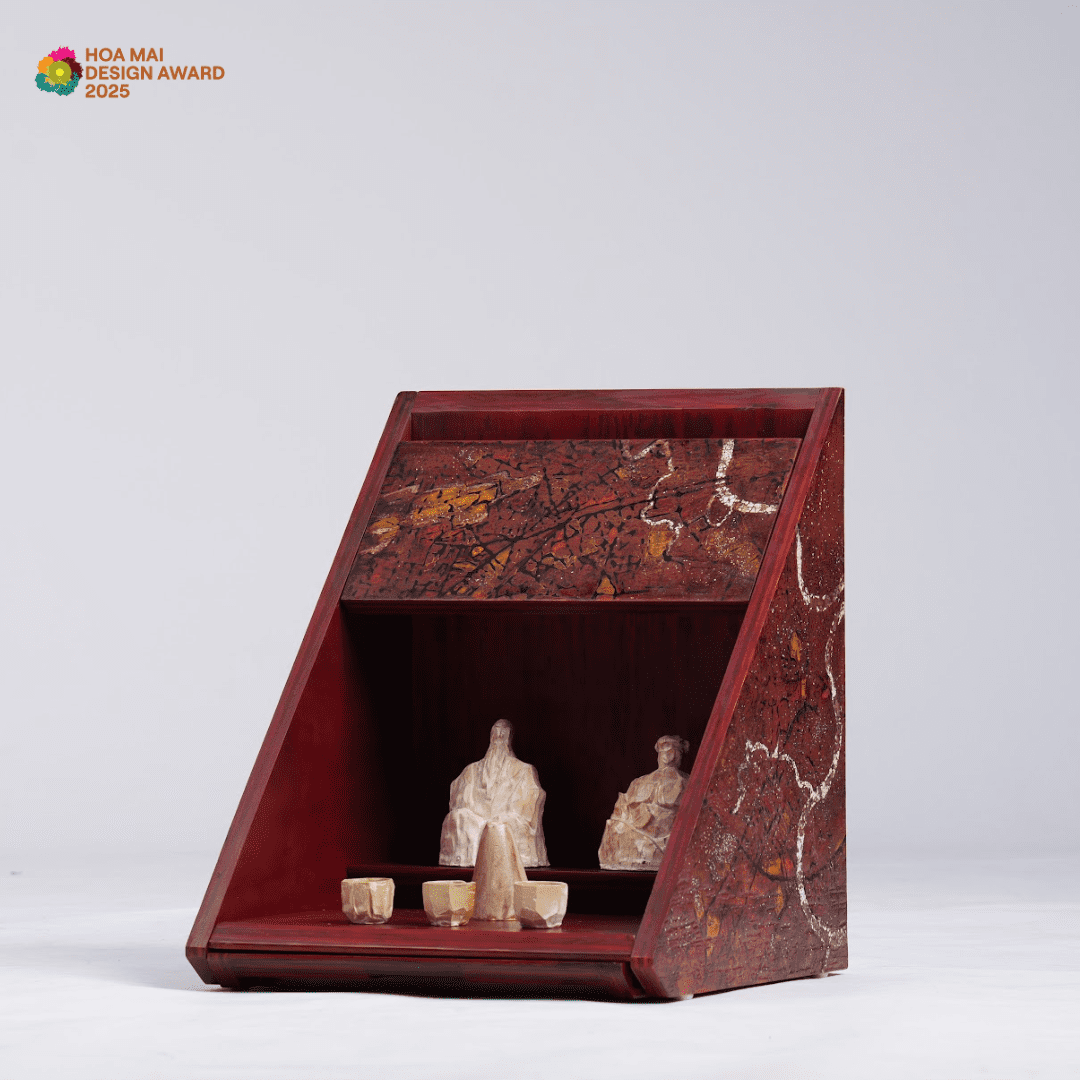
The Theme Award was presented to THE THỜ, a furniture piece by Thịnh Nguyễn. The project offers a contemporary reinterpretation of the Thần Tài – Thổ Địa altar, distilled through simple geometric forms. Within this pared-down composition, cultural symbols are reduced and refined to their essential meanings. The work experiments with a range of materials, among them American red oak, which contributes warmth, material honesty, and a distinctive grain that lends the piece a greater sense of vitality.
This year’s Hoa Mai Design Award does more than demonstrate the technical potential of hardwood in bending, curving, and forming new typologies. It also reveals emerging ideas, perspectives, and trajectories in Vietnamese furniture design. This aligns closely with the mission of the American Hardwood Export Council (AHEC), which seeks to play an active role not only in supporting design platforms, but also by fostering knowledge exchange, advancing woodworking techniques, and encouraging collaboration across design and manufacturing sectors, ultimately expanding the possibilities of timber furniture.
In closing, John Chan, Regional Director of AHEC, spoke of the organization’s commitment to supporting the award as an effort to “push the boundaries of good and sustainable design forward each year through the use of American hardwood.” He also emphasized the importance of responsible forest management in the United States, alongside the environmental value of giving designers greater opportunities to experiment with a wider range of hardwood species.