
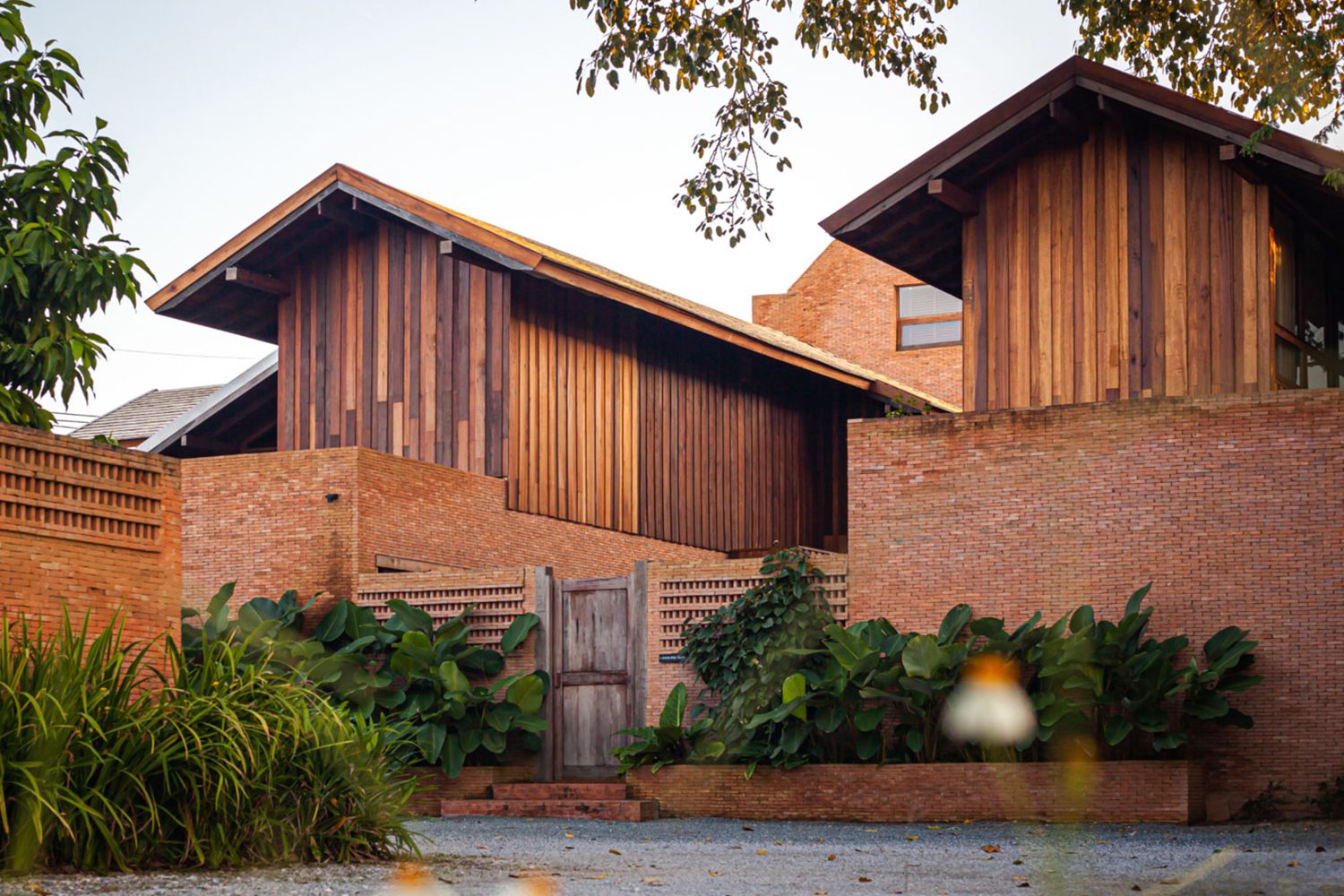
ATHITA POOL VILLA AND SPA, DESIGNED BY STUDIO MITI, INTERPRETS THE LANNA CONCEPT OF ‘KHUANG’ THROUGH WOOD AND BRICK, CREATING A PEACEFUL AND CONTEMPORARY ARCHITECTURE THAT BLENDS SEAMLESSLY WITH THE ANCIENT CITY OF CHIANG SAEN
TEXT: MONTHON PAOAROON
PHOTO: SPACESHIFT STUDIO
(For Thai, press here)
When one mentions the old town of Chiang Saen in Chiang Rai, chances are most people have either heard of it or set foot there at least once. Last year, the area attracted renewed attention as one of the key venues for the Thailand Biennale, Chiang Rai 2023, a contemporary art festival that opened new doors for visitors to rediscover this historic riverside town. But it isn’t only art that has stirred Chiang Saen from its quiet past. A constellation of cultural, economic, and creative forces has gradually transformed the town into a rising destination. Boutique hotels and guesthouses have started to emerge, readying themselves for an increasing number of visitors.
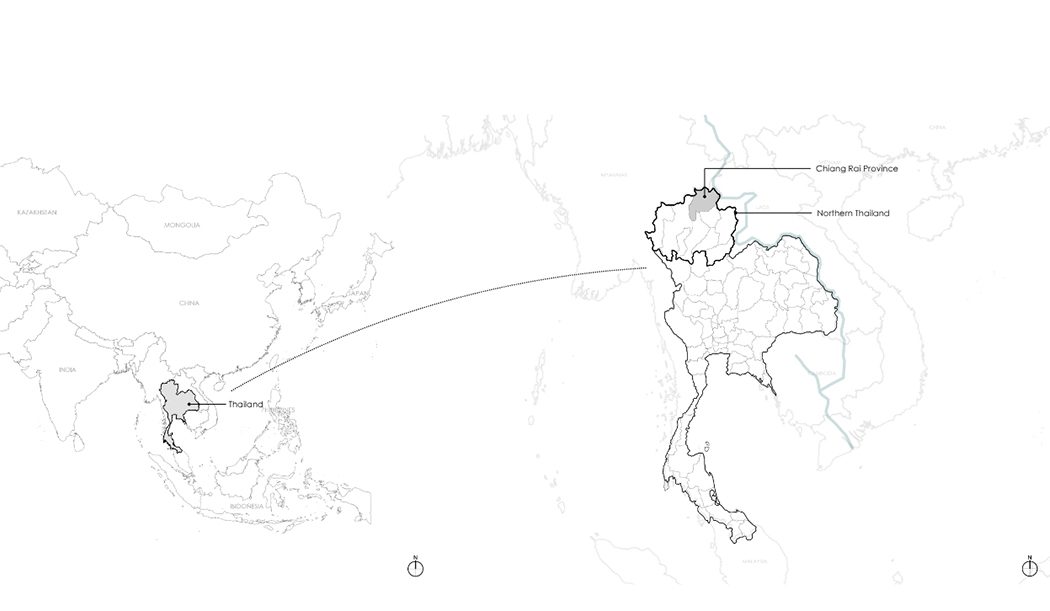
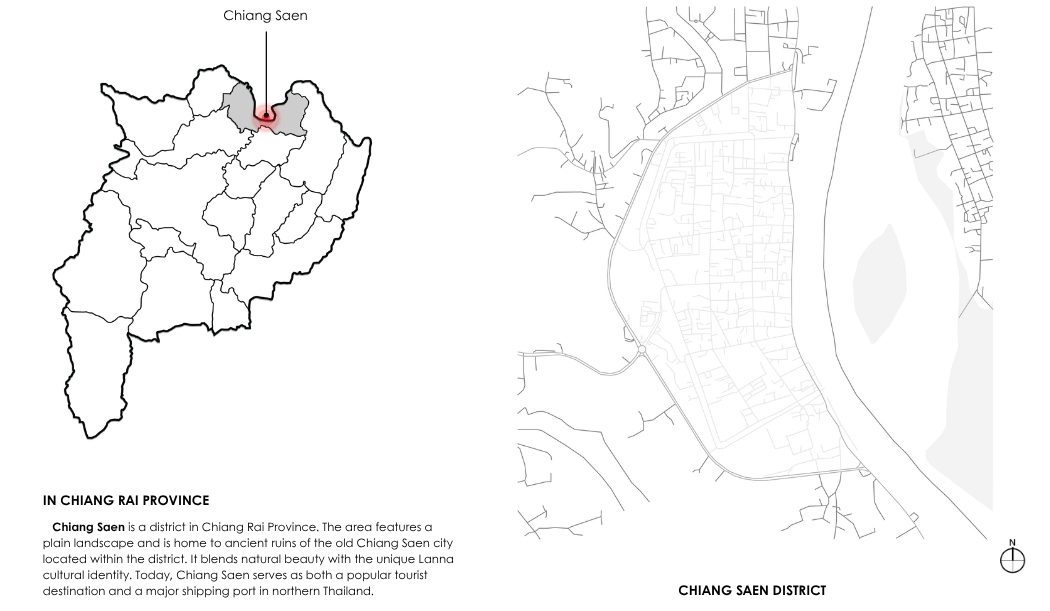
Among these new establishments, Athita Hidden Court stands out as one of Chiang Saen’s most distinctive accommodations. Building on the success of its first phase, Athita recently unveiled a newly completed expansion comprising a collection of villas and a spa. Our visit to Chiang Saen was perfectly timed to explore this very addition. By a stroke of luck, we had the chance to meet and speak with Nanthakarn Limjarean, the project’s owner, during our stay. A few days later, in Chiang Mai, we caught up with Padirmkiat Sukkan, the architect behind the project from Studio Miti, who happened to be back in town. Though our conversations with both focused largely on the new villa and spa, it felt only natural to revisit Athita’s story from the beginning, to trace how the hotel came to be, and how it continues to evolve through the intertwined visions of its owner and architect.
Part 1: Conversation with the Owner
art4d: To begin with, why Studio Miti?
Nanthakarn Limjarean: From the start, I was looking for an architect who truly understood northern culture, someone skilled with wood, brick, and craftsmanship, but also mindful of sustainability and energy efficiency. Studio Miti, being based in Chiang Mai, met all those criteria. I had also stayed at several places they designed, such as Baan Makham and Baan Suan Chanthita, and I really loved their work. So when it came time to build Athita, I knew I wanted something in that same spirit.
art4d: How did the project first come about?
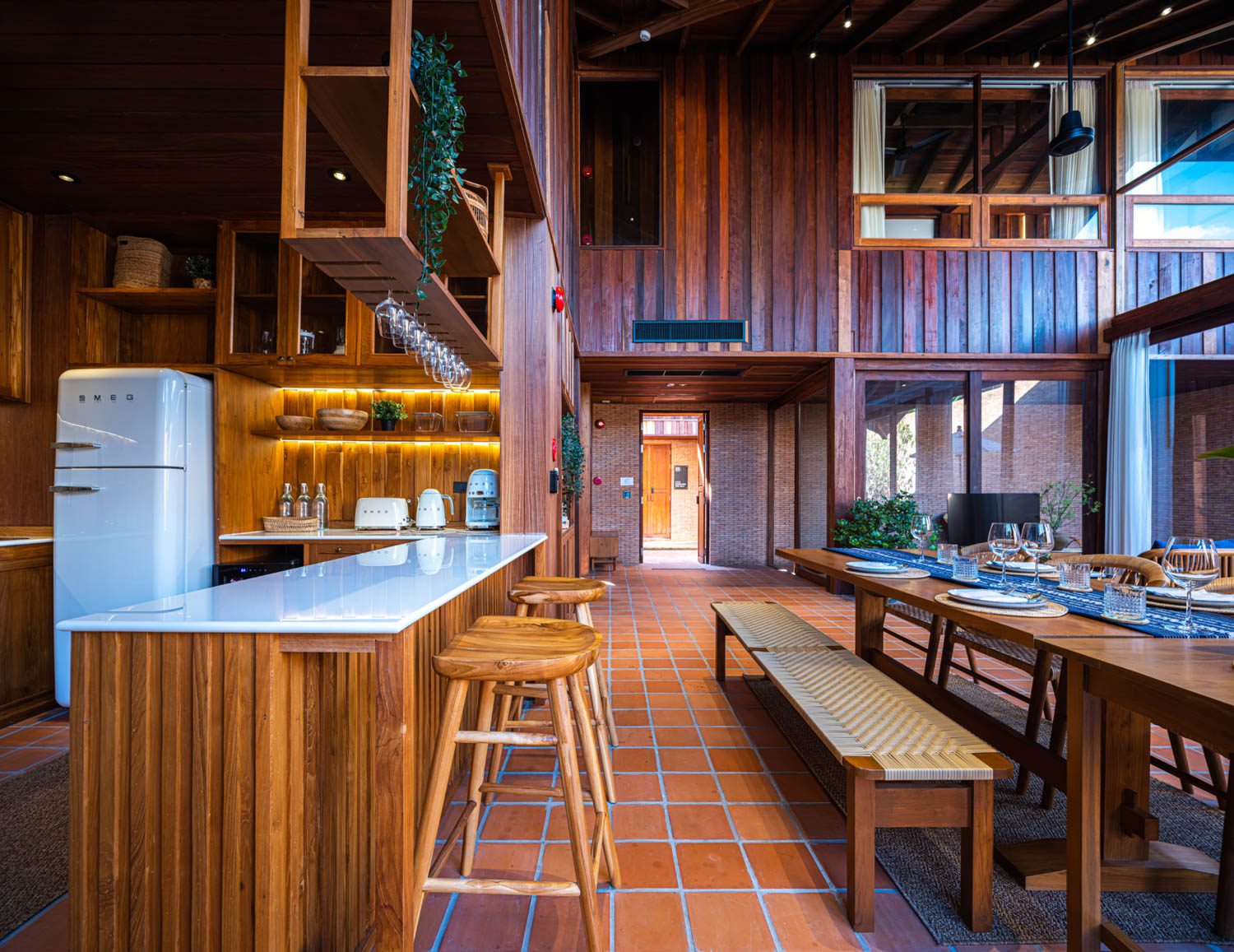
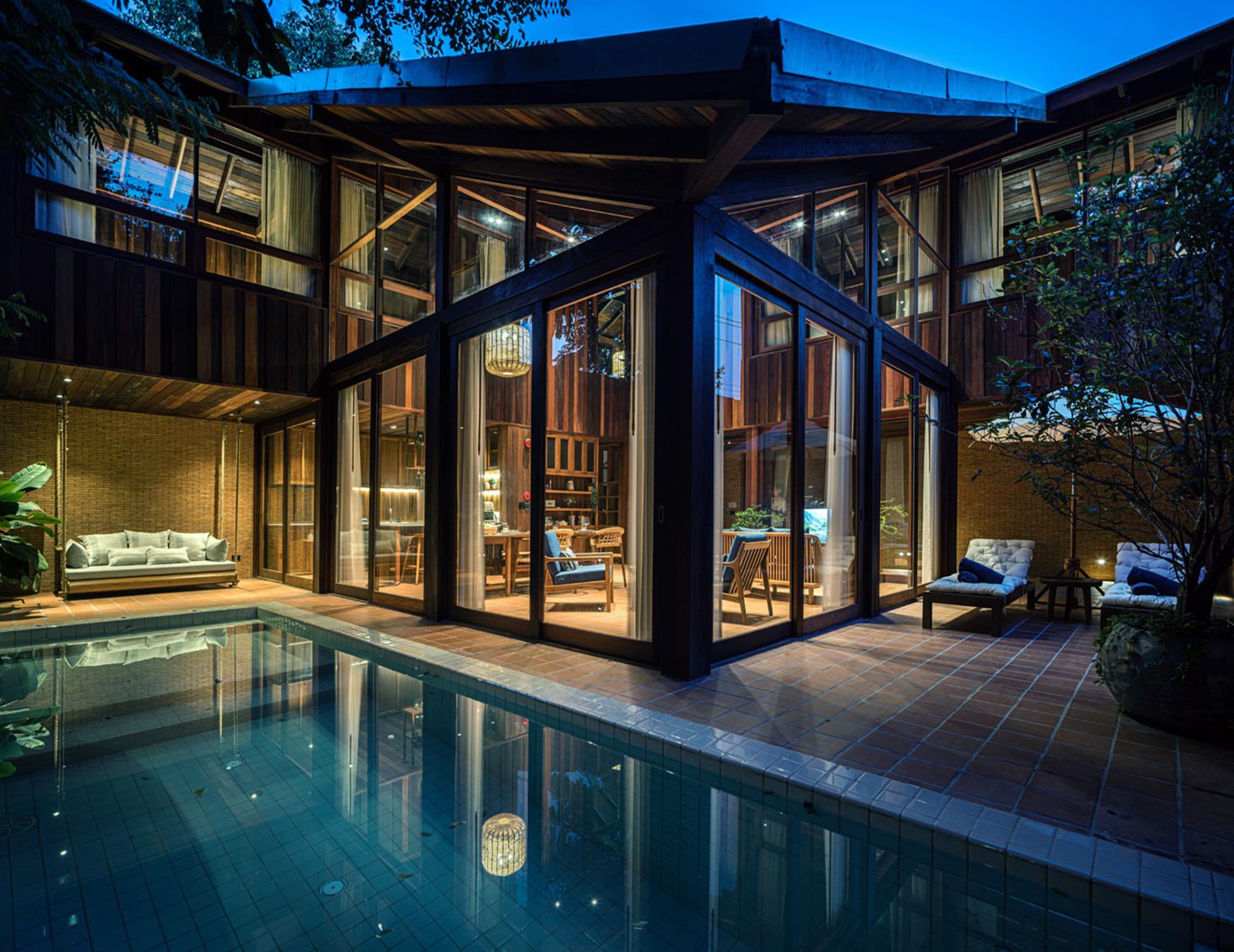
NL: At first, the idea was to create a small homestay where visitors could experience the local way of life. But as the plan evolved, we decided to turn it into a hotel instead. Just as we were nearing completion, the pandemic hit and everything had to be put on hold for two full years. During that time, we shifted our focus and opened a restaurant. When travel began to recover and government campaigns helped stimulate tourism, guests slowly started to return. We noticed that most of them were families, while our rooms were designed as single units. Since the hotel was made primarily of wood, the sound of children running could easily travel through the building. That was when we decided to add a new villa section, with two types of villas: one with three bedrooms and another with two bedrooms.
art4d: Before the design process began, how did you communicate your ideas and requirements to the architect?
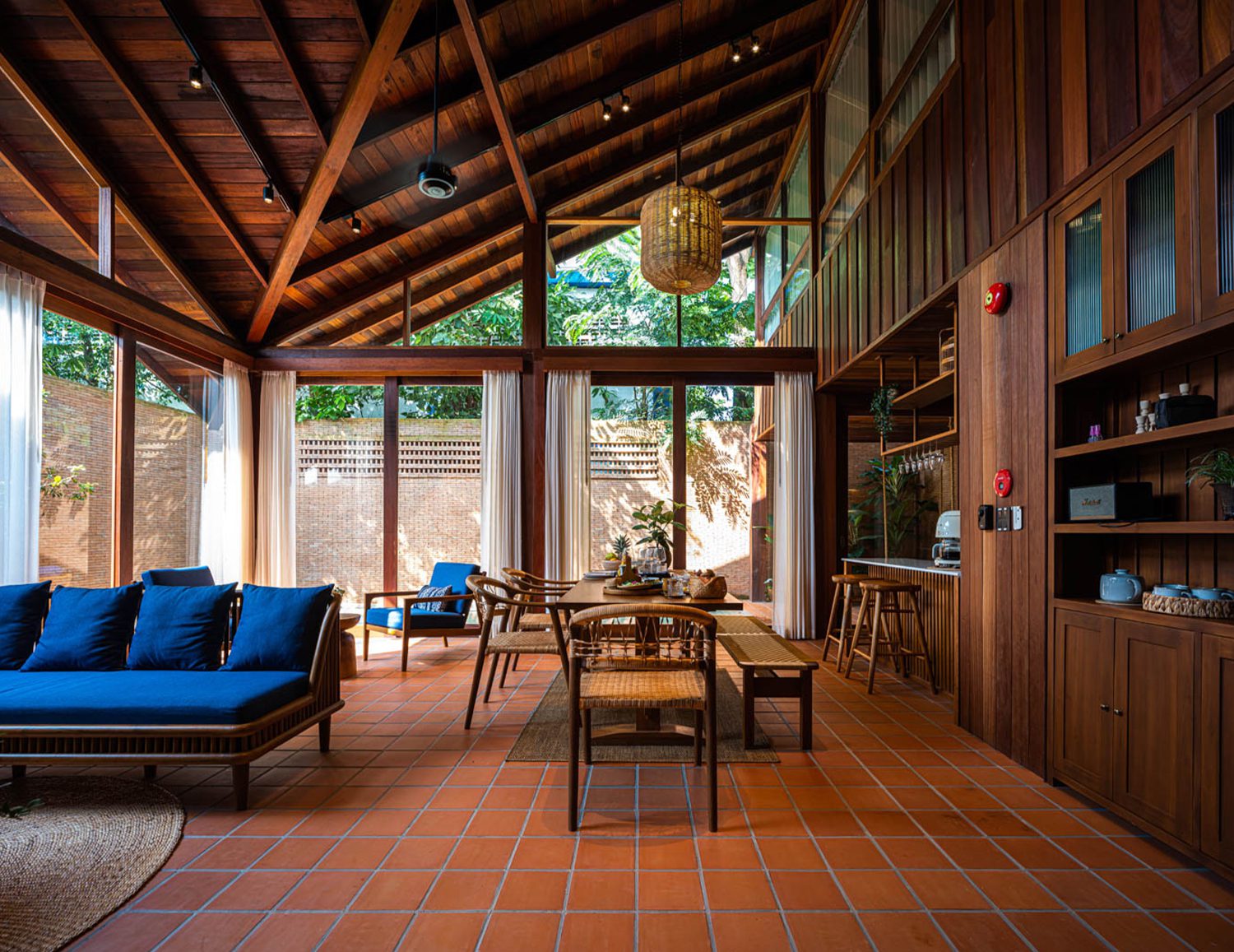
NL: Our guests tend to visit throughout the year rather than just during peak travel seasons. So I told the architect that I wanted them to feel as though they were staying at their own home in Chiang Saen. Some guests stay with us for three to five days, and I wanted them to truly be able to slow down and enjoy a quiet moment here. At the same time, the space should still be comfortable and convenient, with a swimming pool, a kitchen for cooking, and a washing machine available, so they can really rest and feel at home.
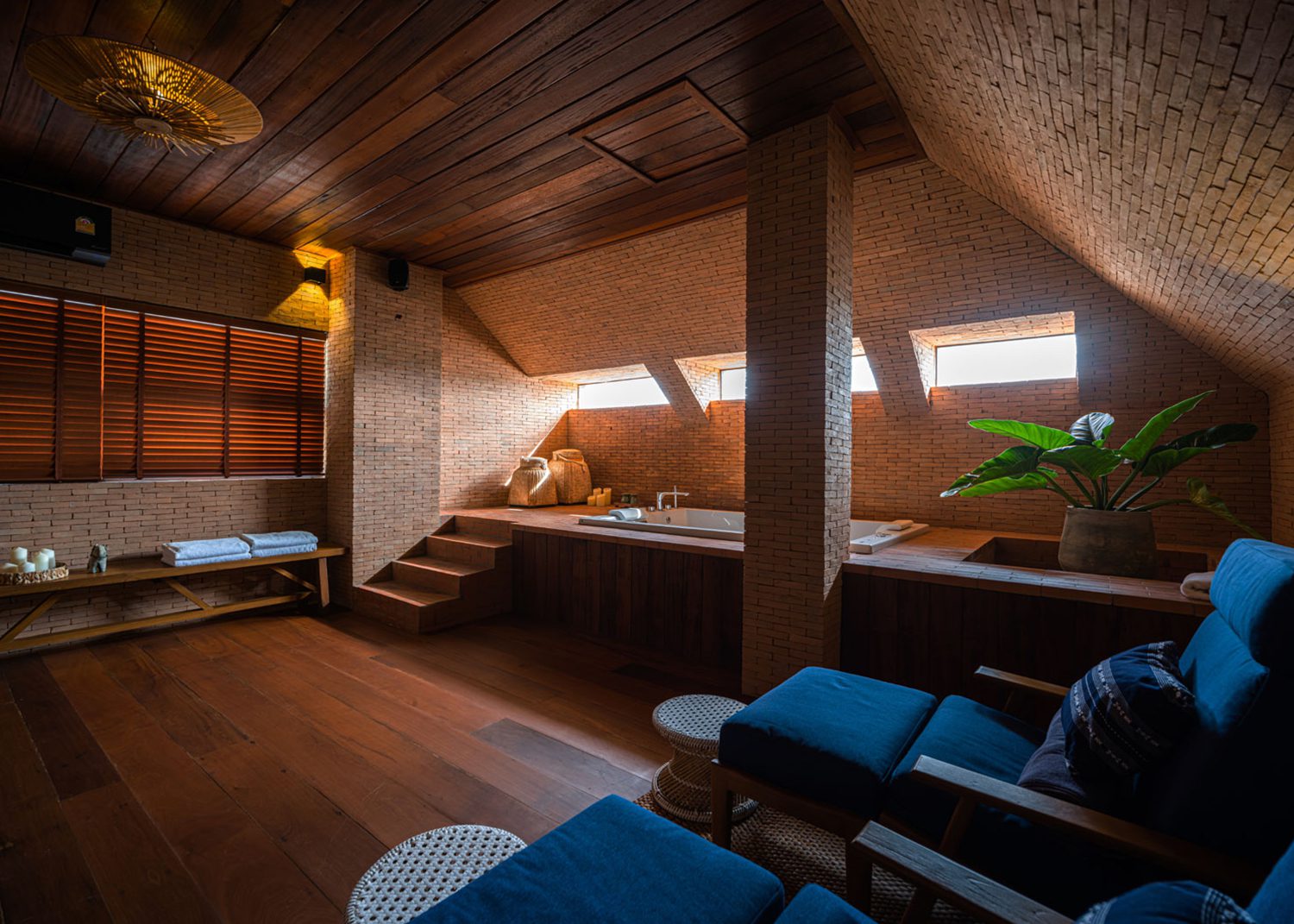
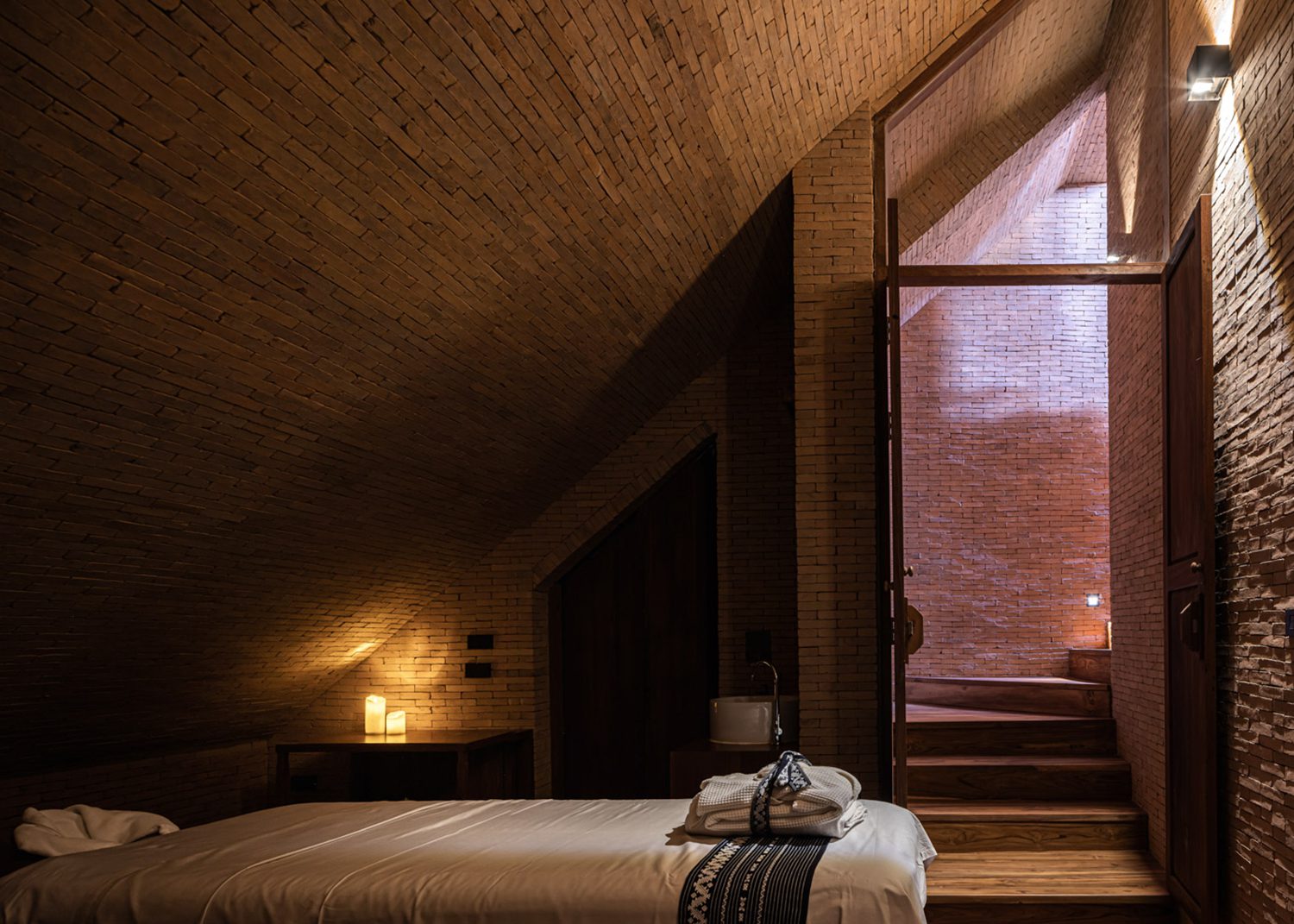
Another thing I wanted to add was a small gift shop. Many guests like to take home something to remember their stay. As for the spa, I envisioned a small yet fully equipped facility, a space where guests could easily use to unwind after a long journey.
art4d: The hotel is built mainly from wood. Where did you source the timber?
NL: In the first phase, we actually bought an entire old teak house to dismantle for materials. But during the process, a large portion of the wood was damaged, and we were only able to salvage about 25 percent of it. That made the cost of materials quite high. So when we started the next phase, we decided to work directly with a sawmill that specializes in reclaimed wood from old houses. Since we needed a significant amount of timber for the new villas, it turned out that the wood available just within Chiang Saen alone wasn’t enough. We ended up traveling across Chiang Rai province, visiting various sawmills to gradually collect the wood we needed for the construction.
art4d: From your perspective as the owner, what aspect of the project are you most proud of?
NL: What impressed me most was seeing the local craftsmen bring the architect’s design to life. It wasn’t an easy task, but they managed it beautifully. In the process, they also learned new woodworking details introduced by Studio Miti, which they can now apply to future wooden houses in Chiang Saen. I was personally involved in overseeing the construction as well, so it became a very collaborative process that brought together many different people and skills.
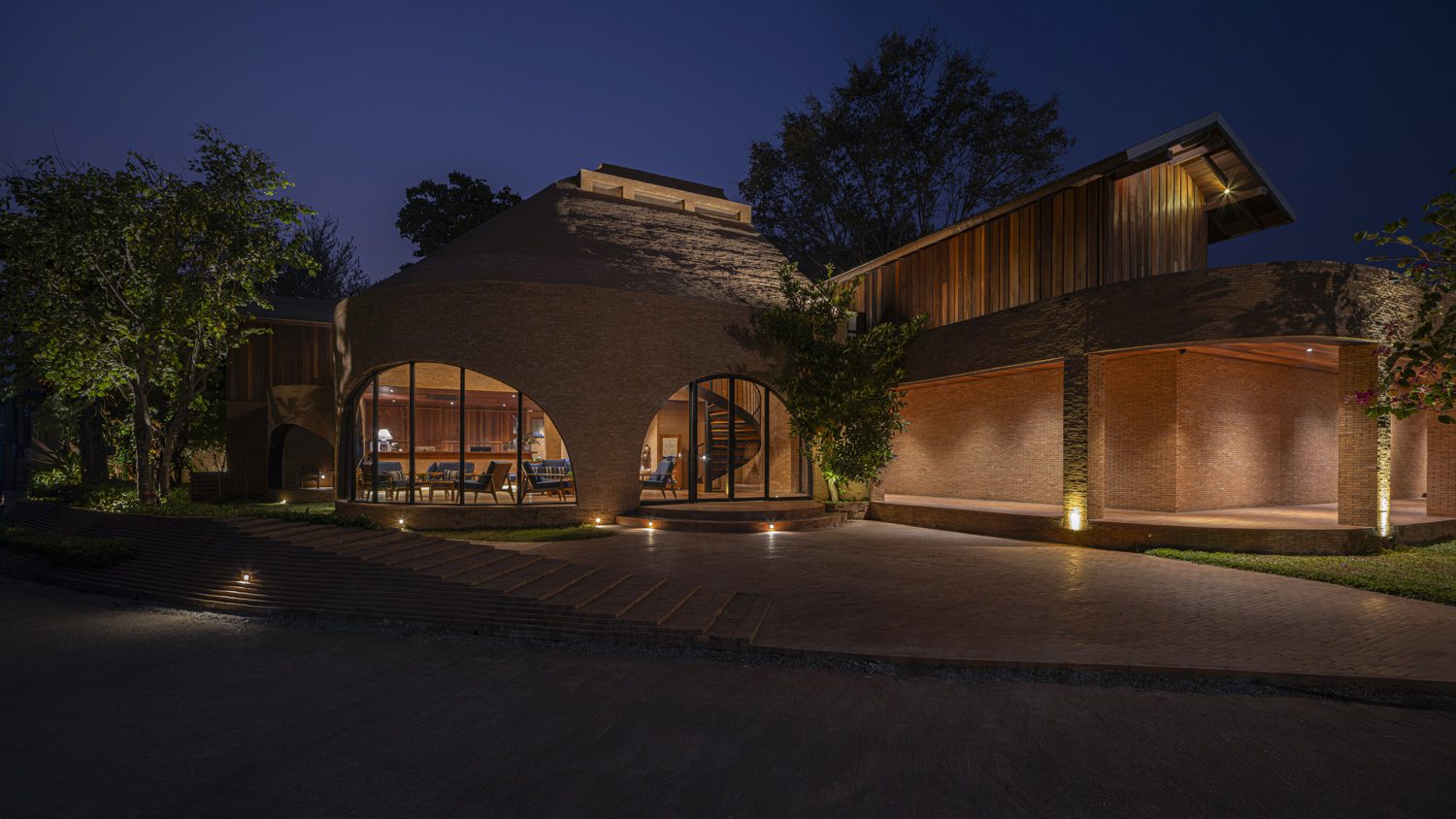
Another thing that makes me happy is seeing how other hotels in Chiang Saen have gradually improved as well. I think that’s a good sign for the local community. At night, when people drive past and see our small hotel softly lit, they often stop to admire it. Even the locals tell us they like what we’ve created here.
Part 2: Conversation with the Architect
art4d: How did the design process begin?
Padirmkiat Sukkan: When we first started, the owner took me to visit two or three potential sites. This was actually the first one we saw, and I immediately pointed to it and said, “This is the one.” We didn’t need to look any further because I knew right away that it was the most suitable location.
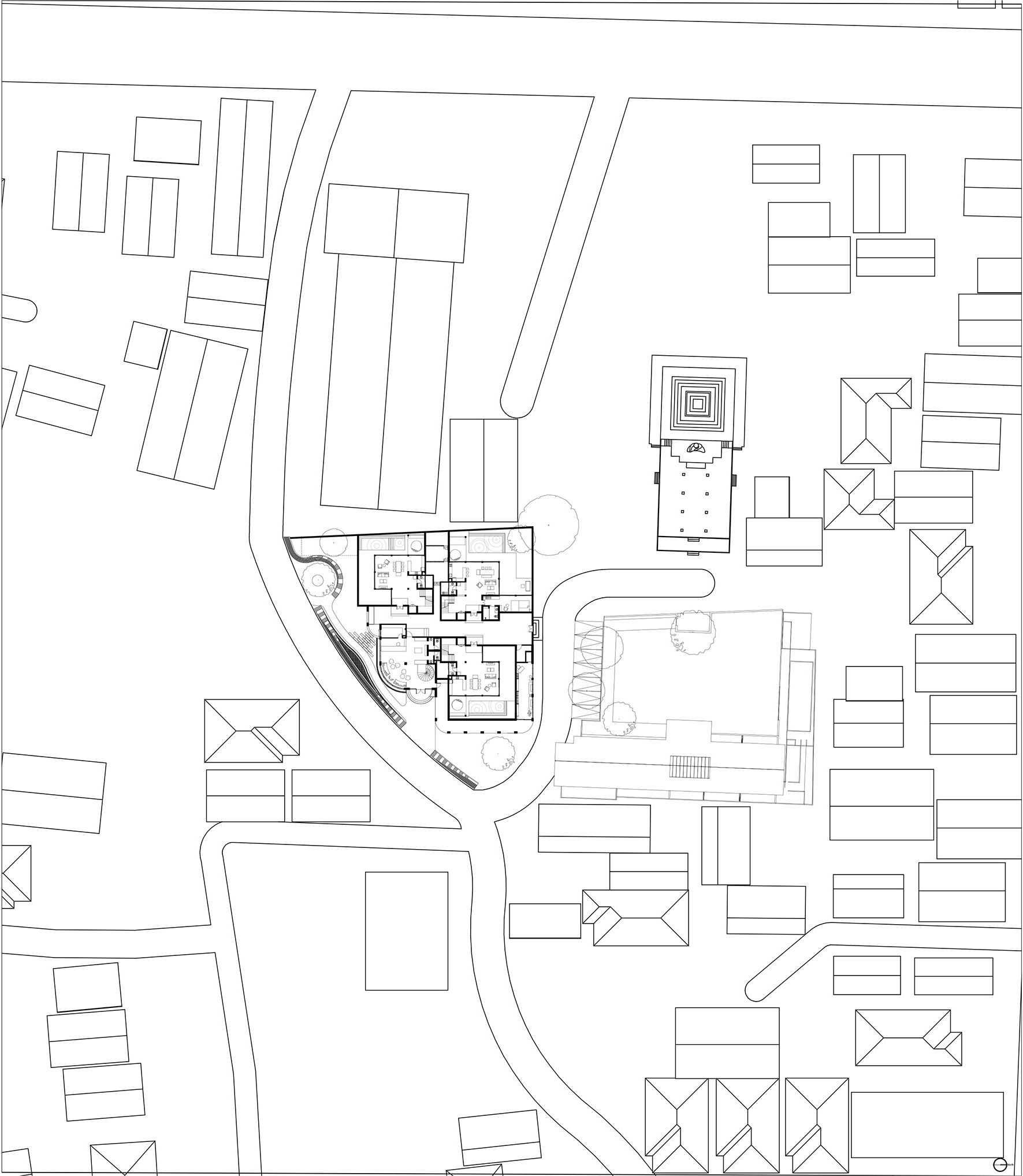
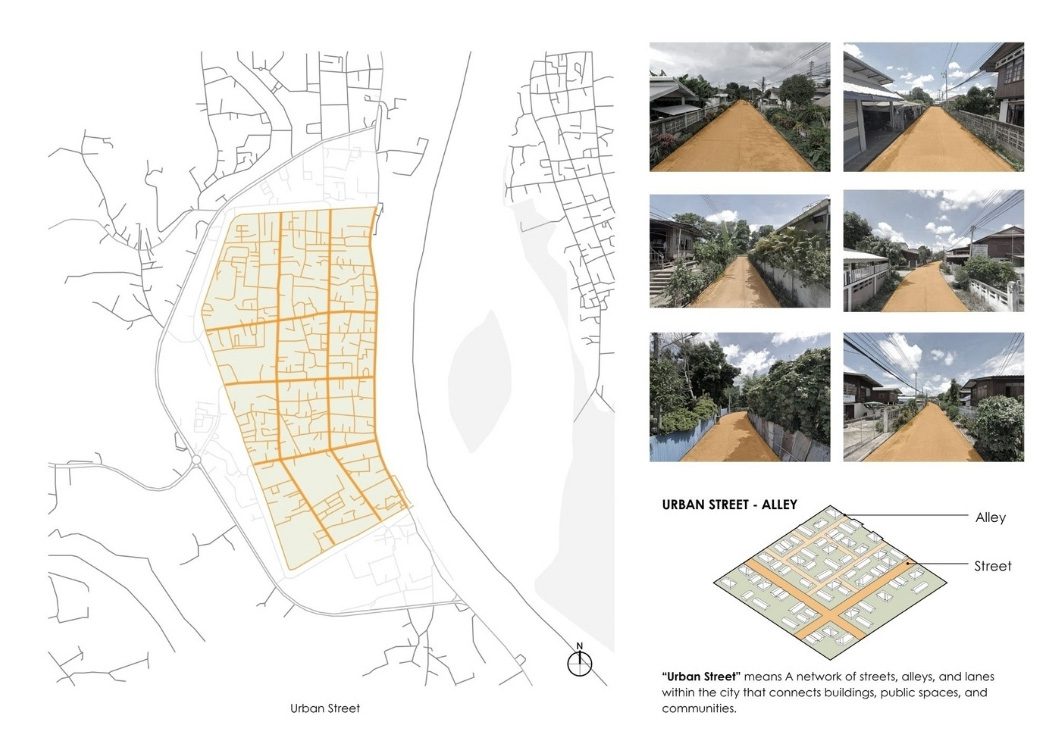
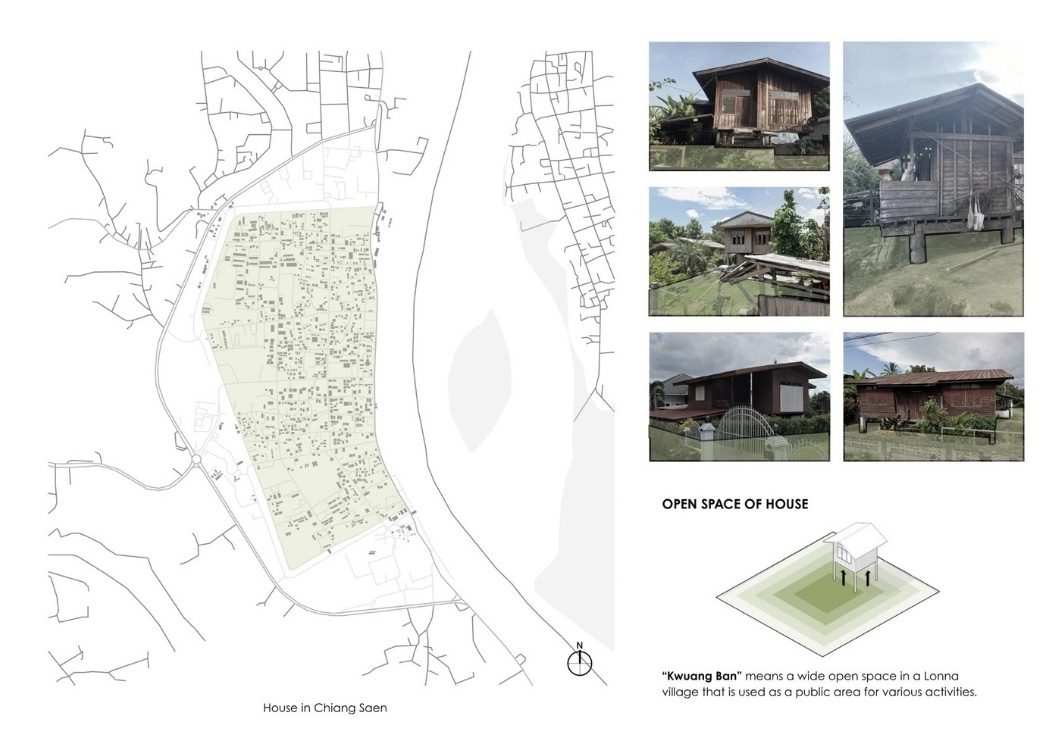
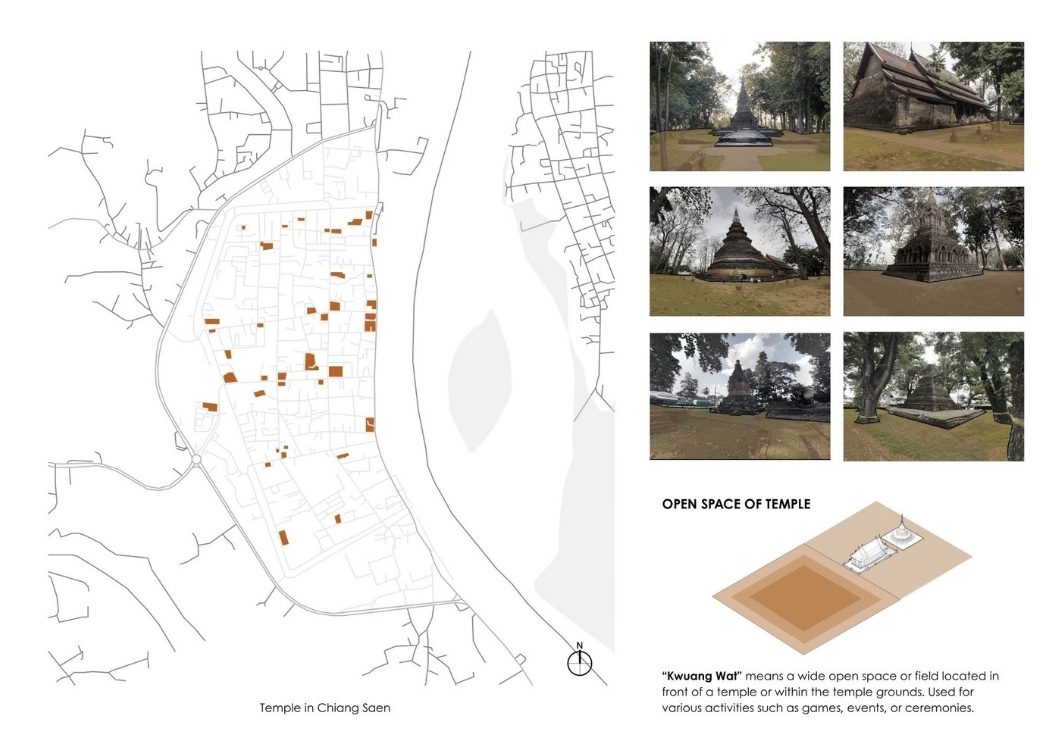
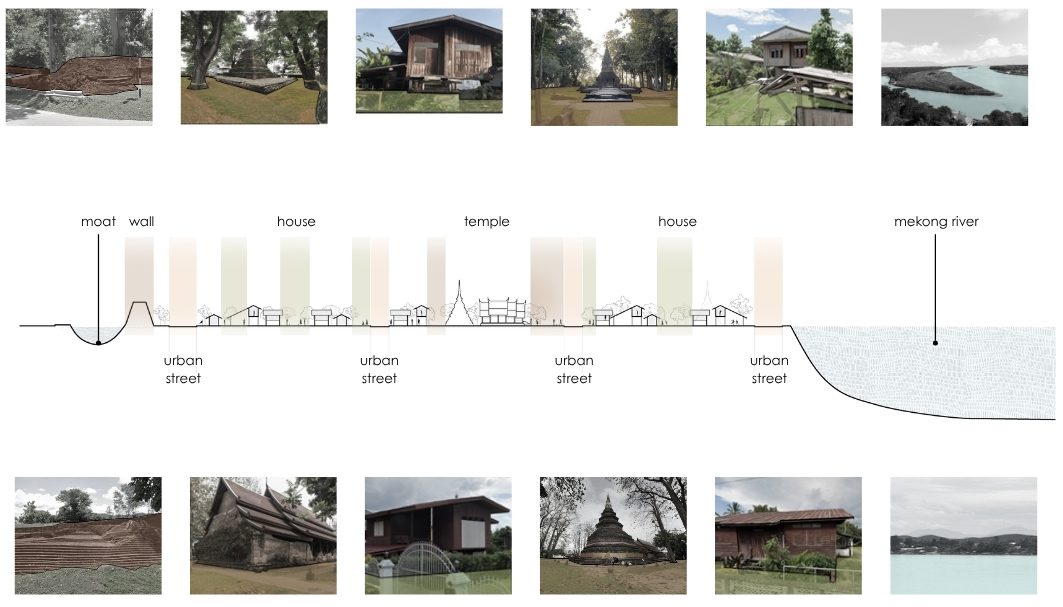
Back when I was studying for my master’s degree, I researched the concept of ‘khuang,’ which is basically an open communal space in traditional Lanna towns that served as a kind of public realm. In those days, people organized their settlements around such spaces, whether it was a ‘khuang ban’ for the home or a ‘khuang wat’ for the temple. Essentially, it’s the courtyard of the house or the temple grounds.
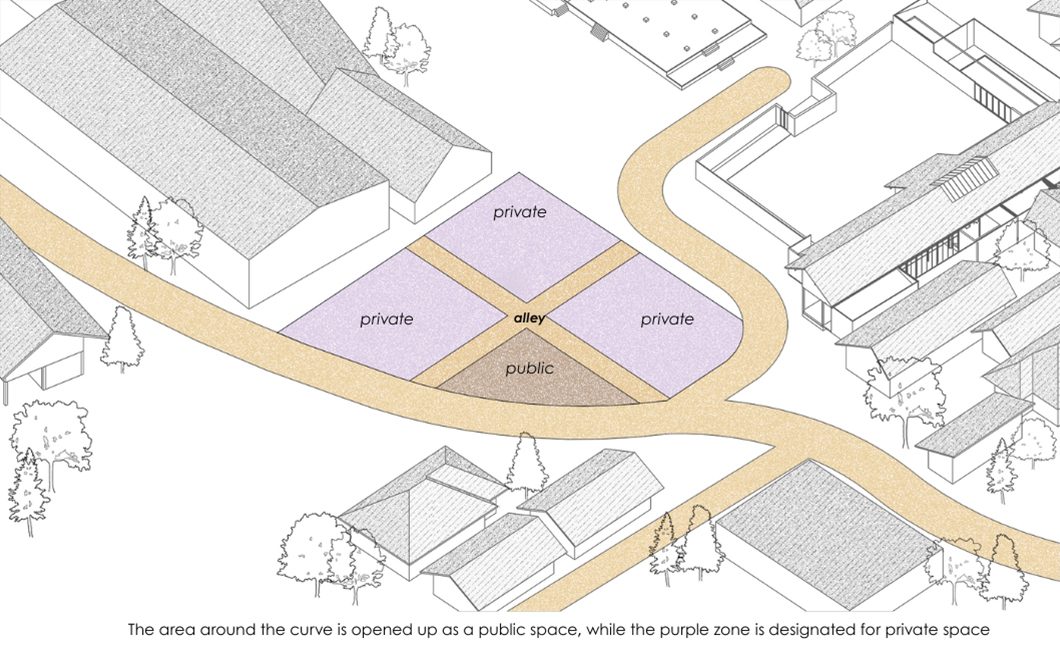
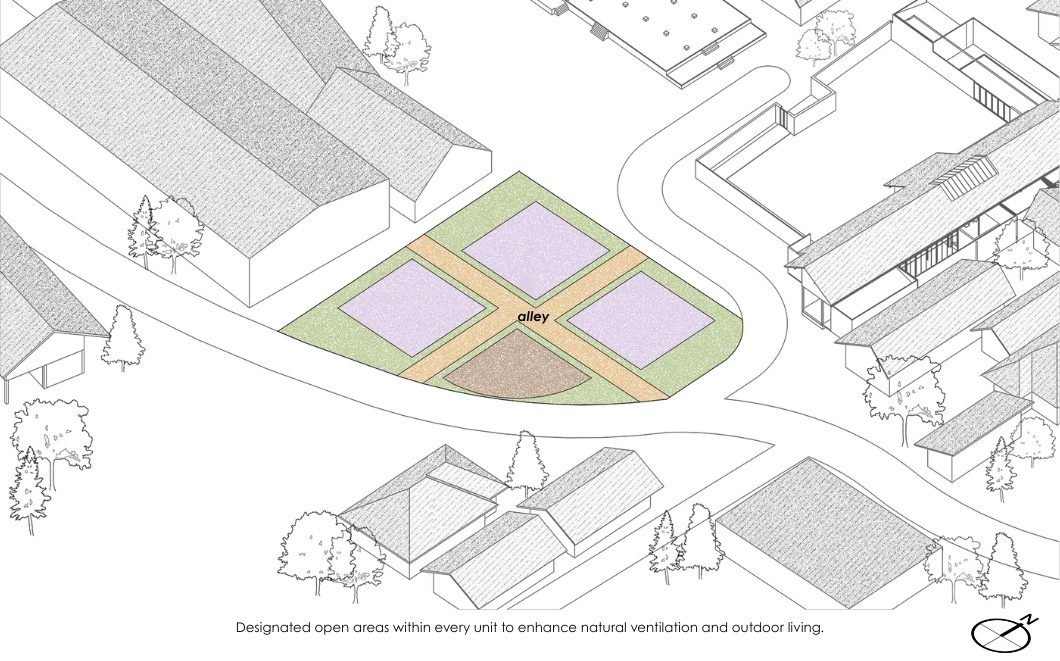
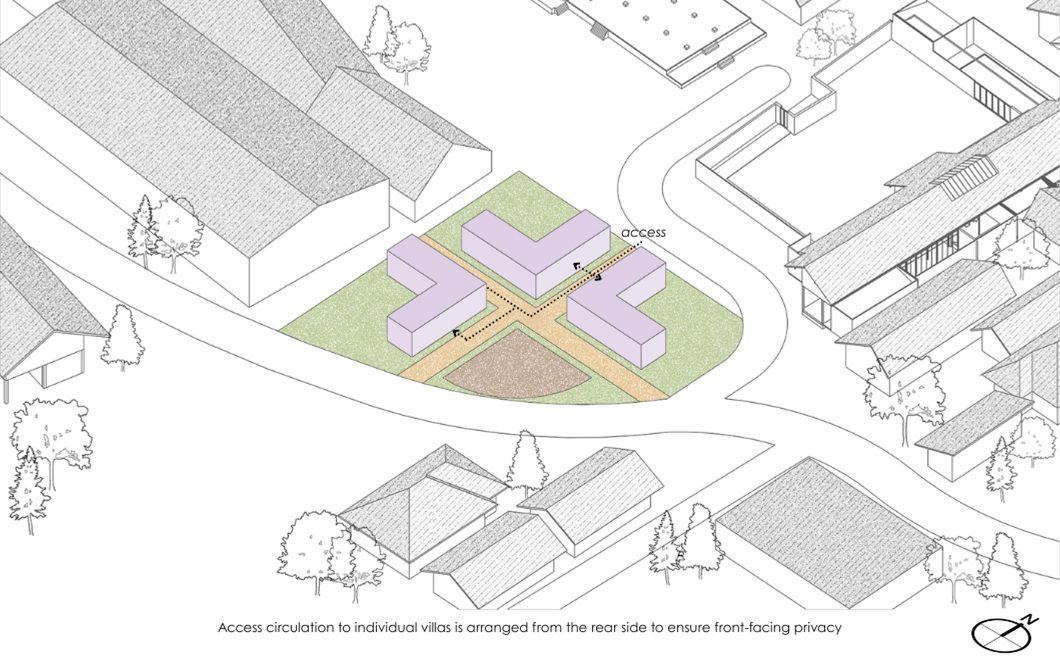
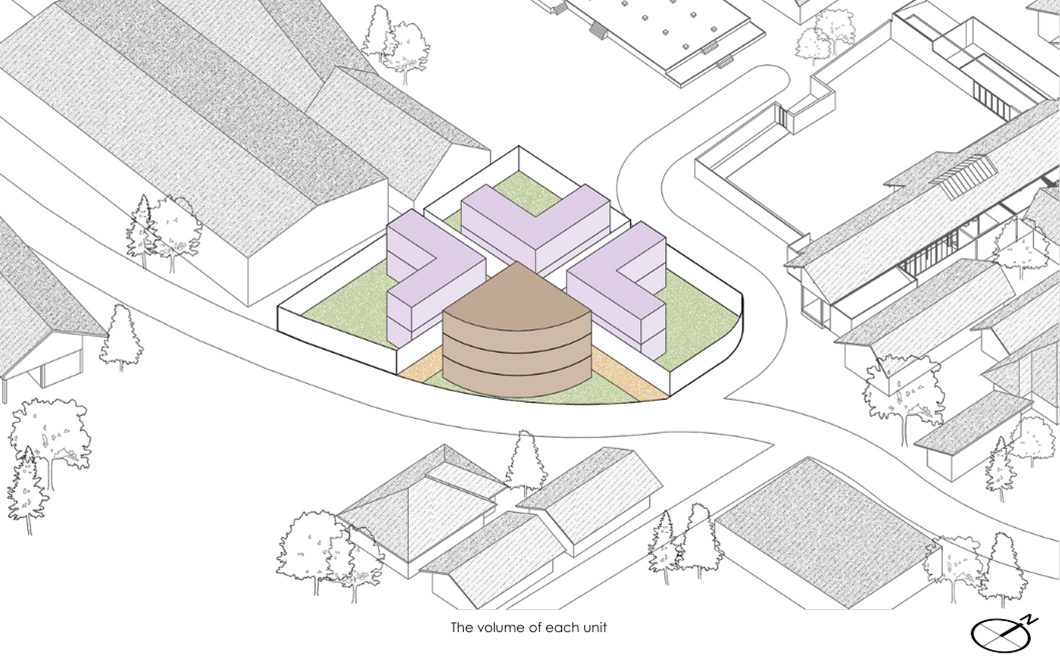
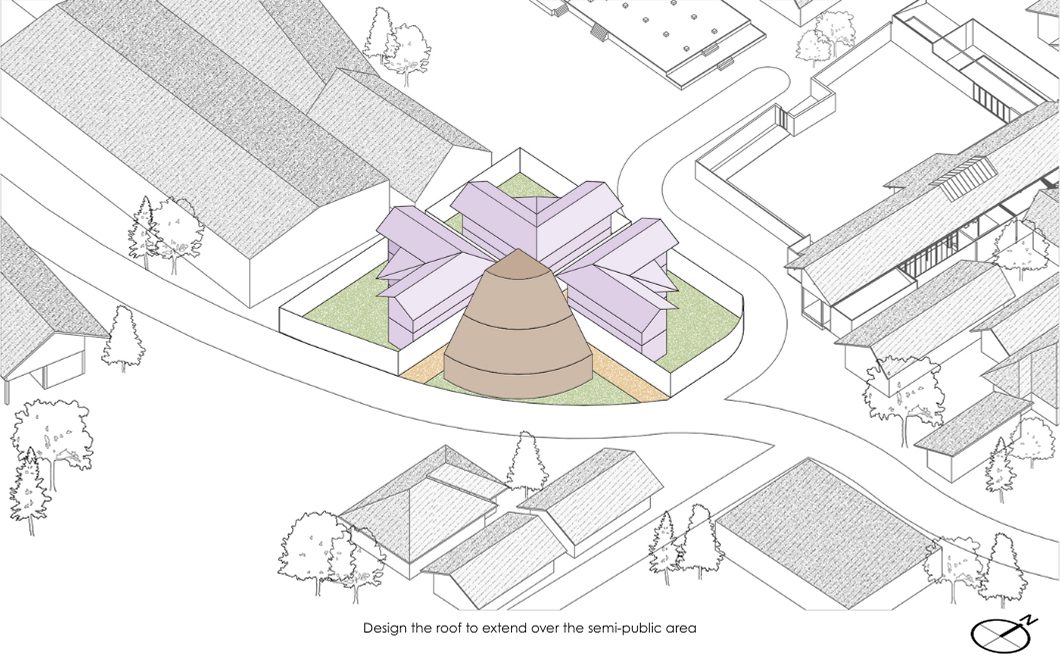
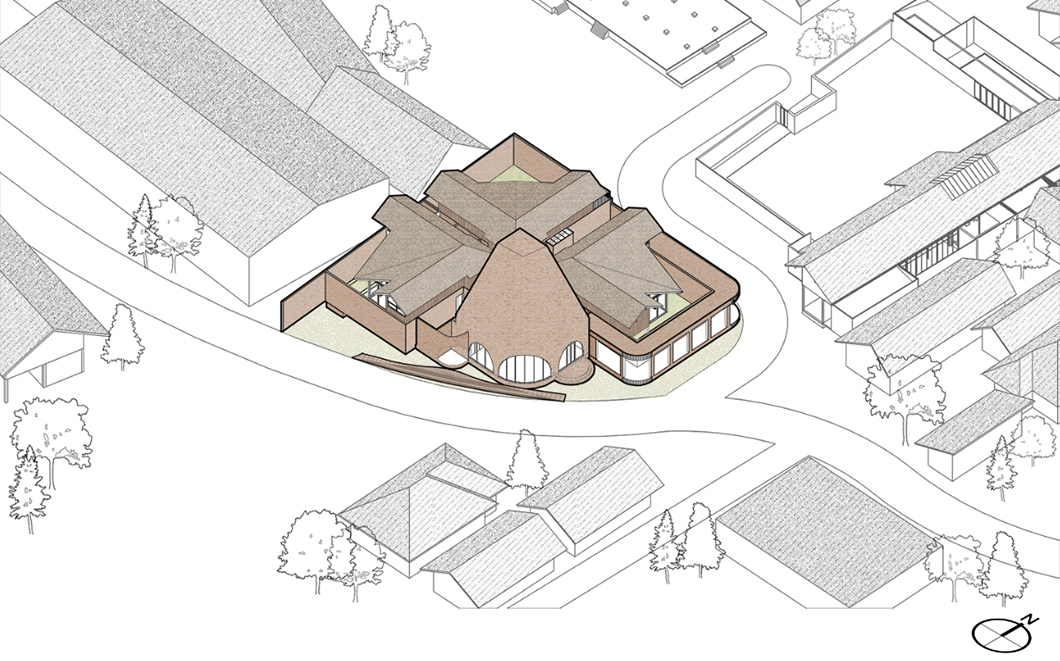
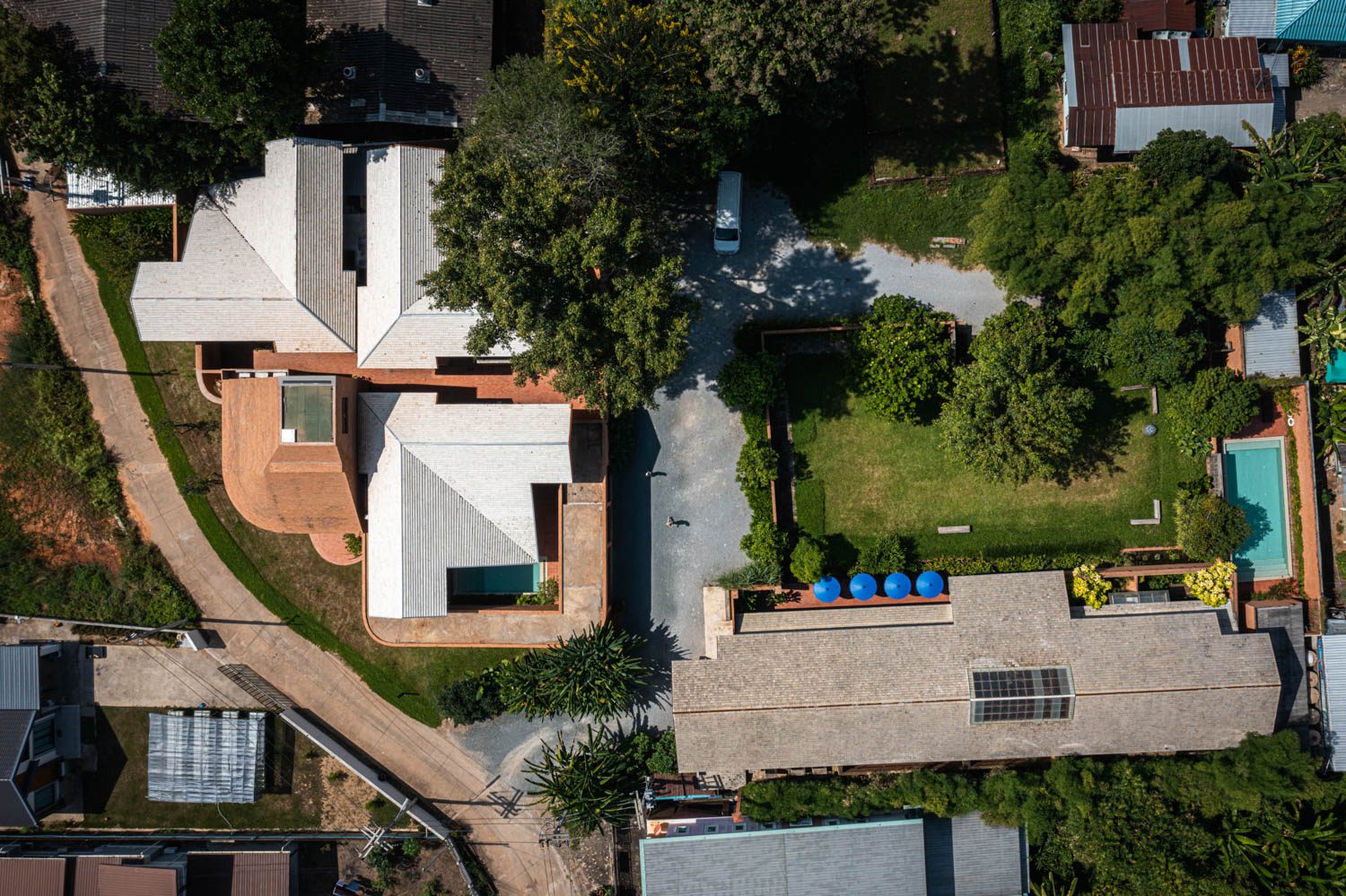
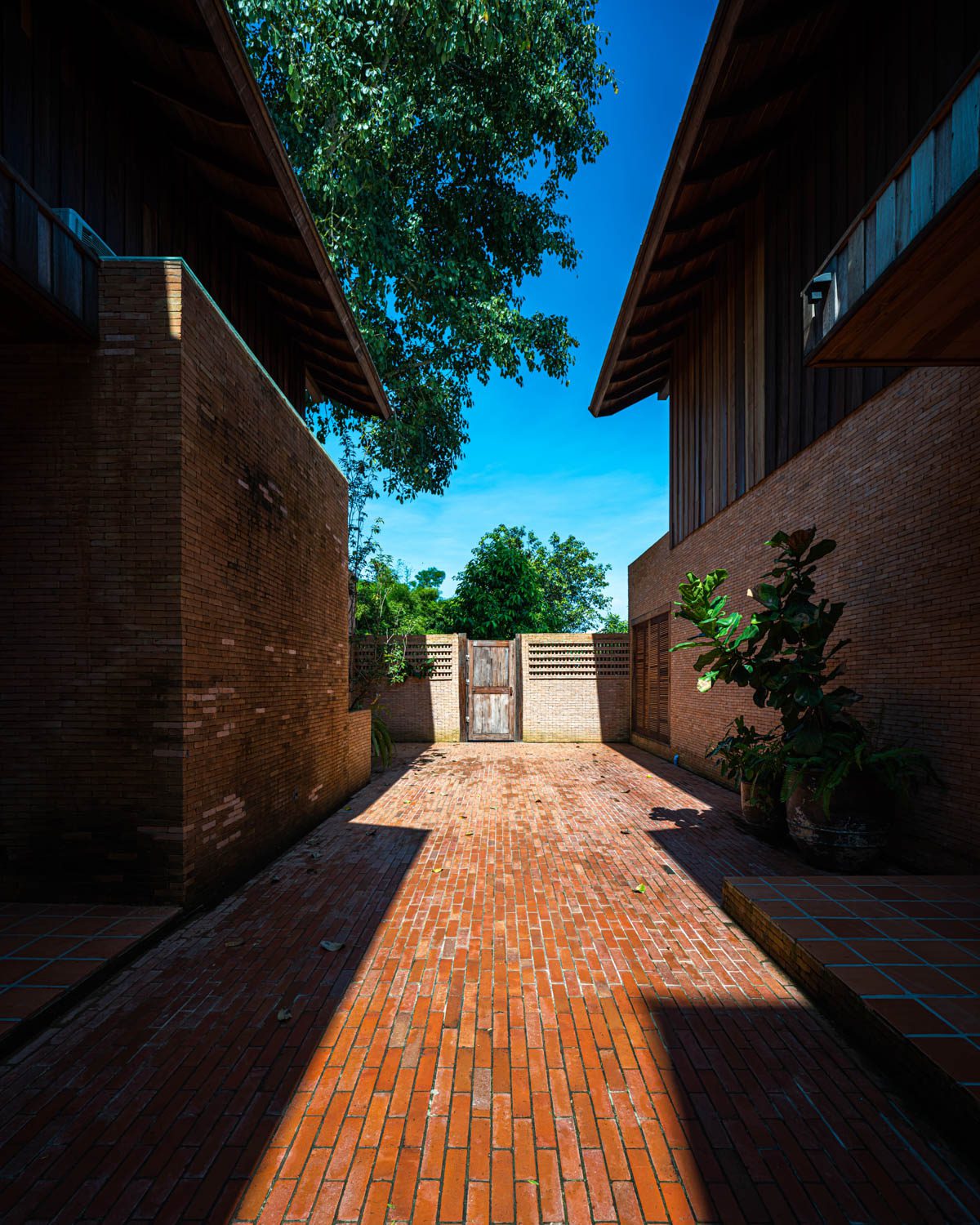
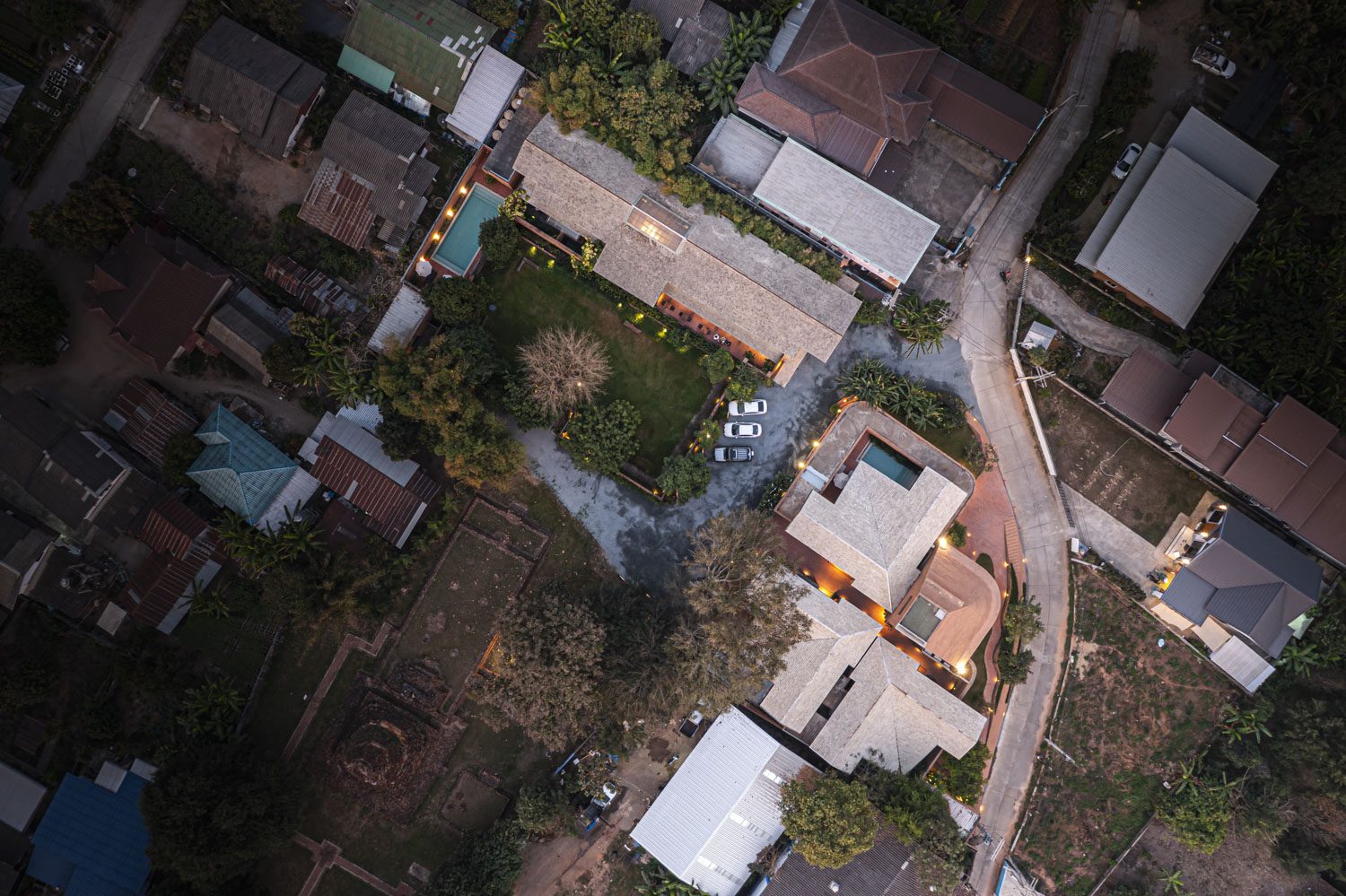
When we first arrived at this site, we entered from the main road, but once inside, we realized that it bordered the back of a temple. That led me to understand that this area once functioned as the temple’s khuang. So I suggested to the owner that we set the buildings back as far from the temple as possible, preserving that open space intact and restoring it to its original role as the temple’s courtyard, where visitors could still come to pay their respects to the Buddha. From there, we organized the layout so that the new buildings would frame a central open space, creating what we call a khuang ban or domestic courtyard. Each guestroom was then designed with its own smaller courtyard, scaled down from the main one. Another important consideration was controlling the height of the buildings to ensure that they would not rise higher than the temple’s Buddha image, keeping the overall form respectful and appropriate to its context.
art4d: How did the owner’s brief evolve into the design of the new phase?
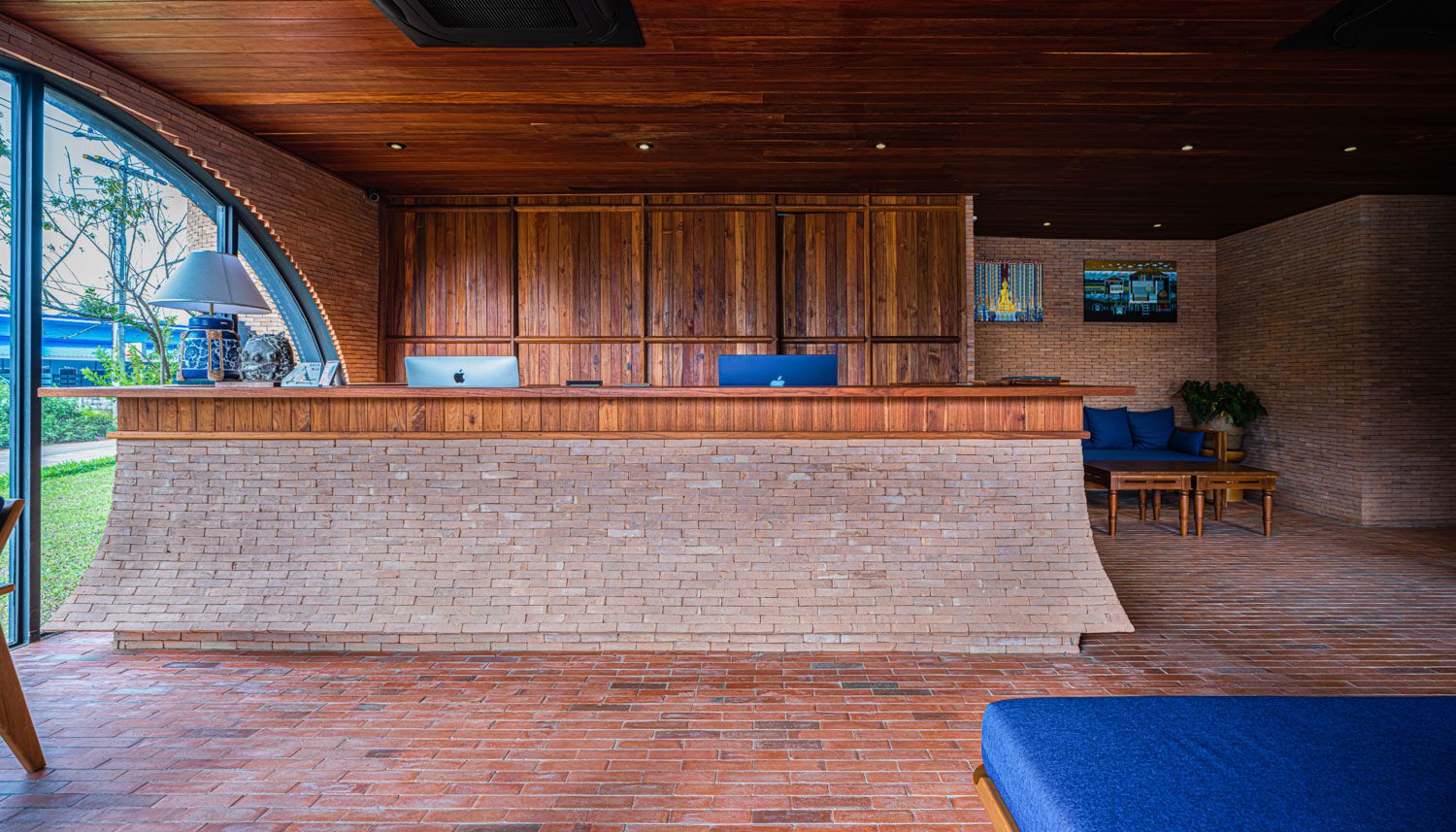
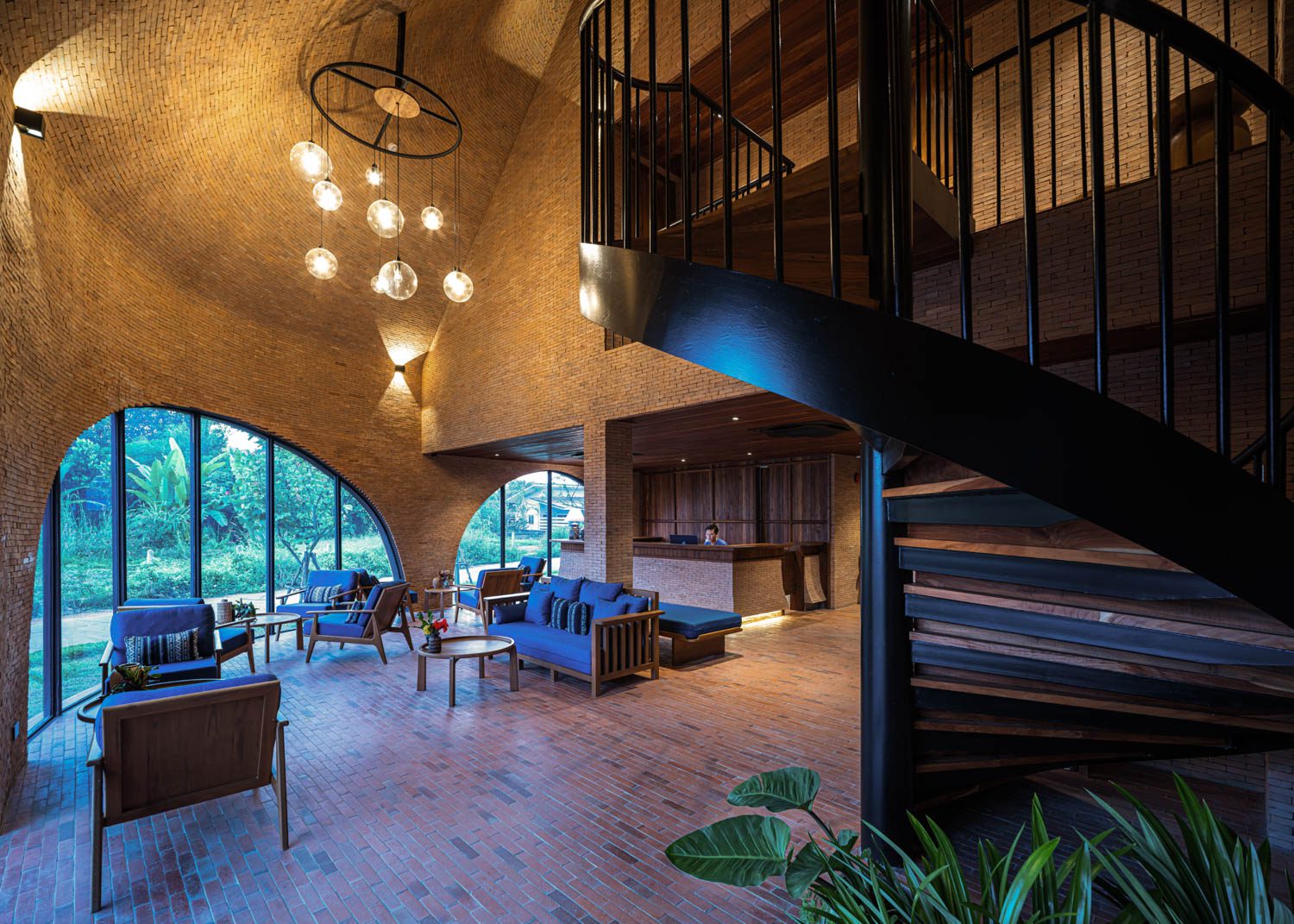
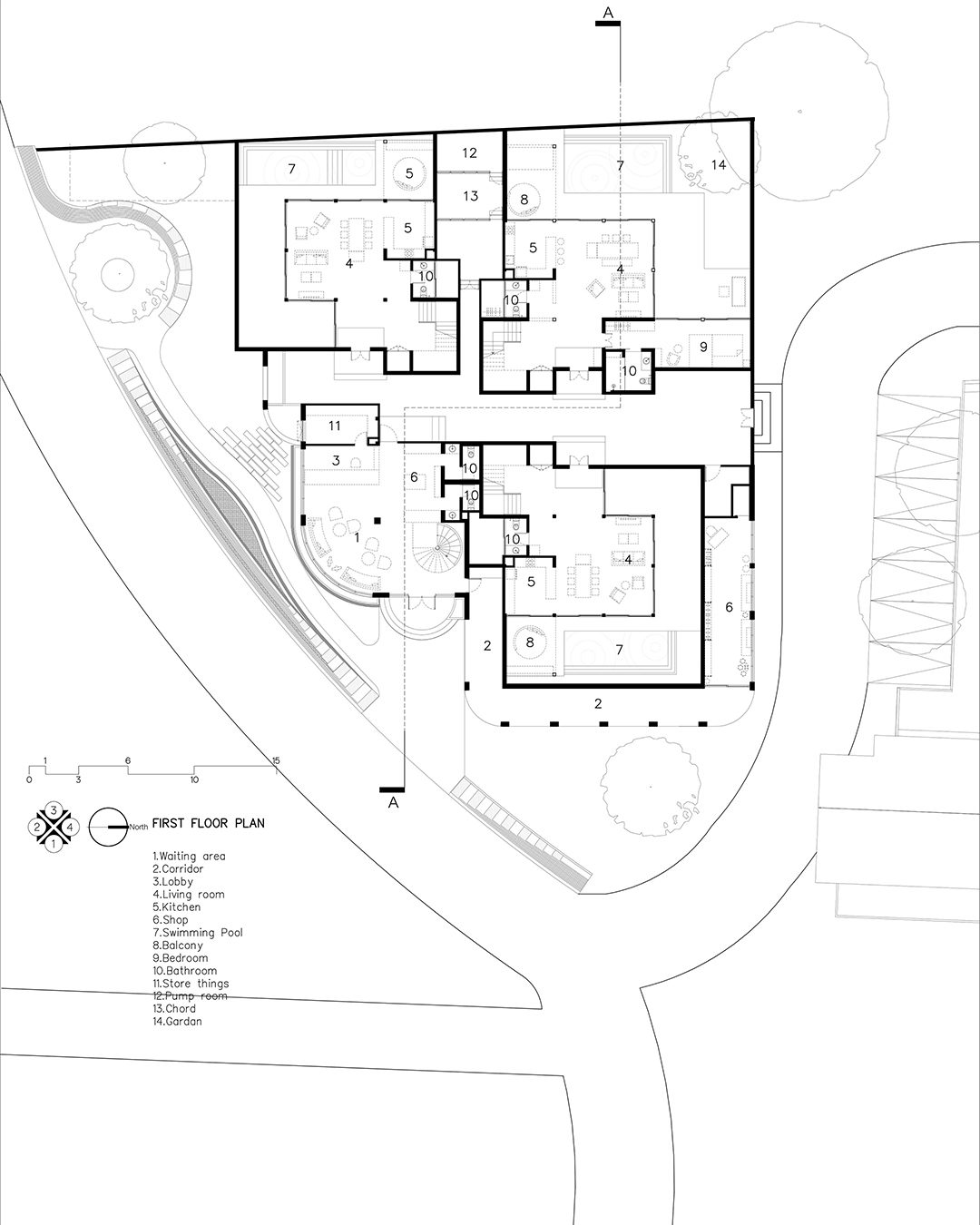
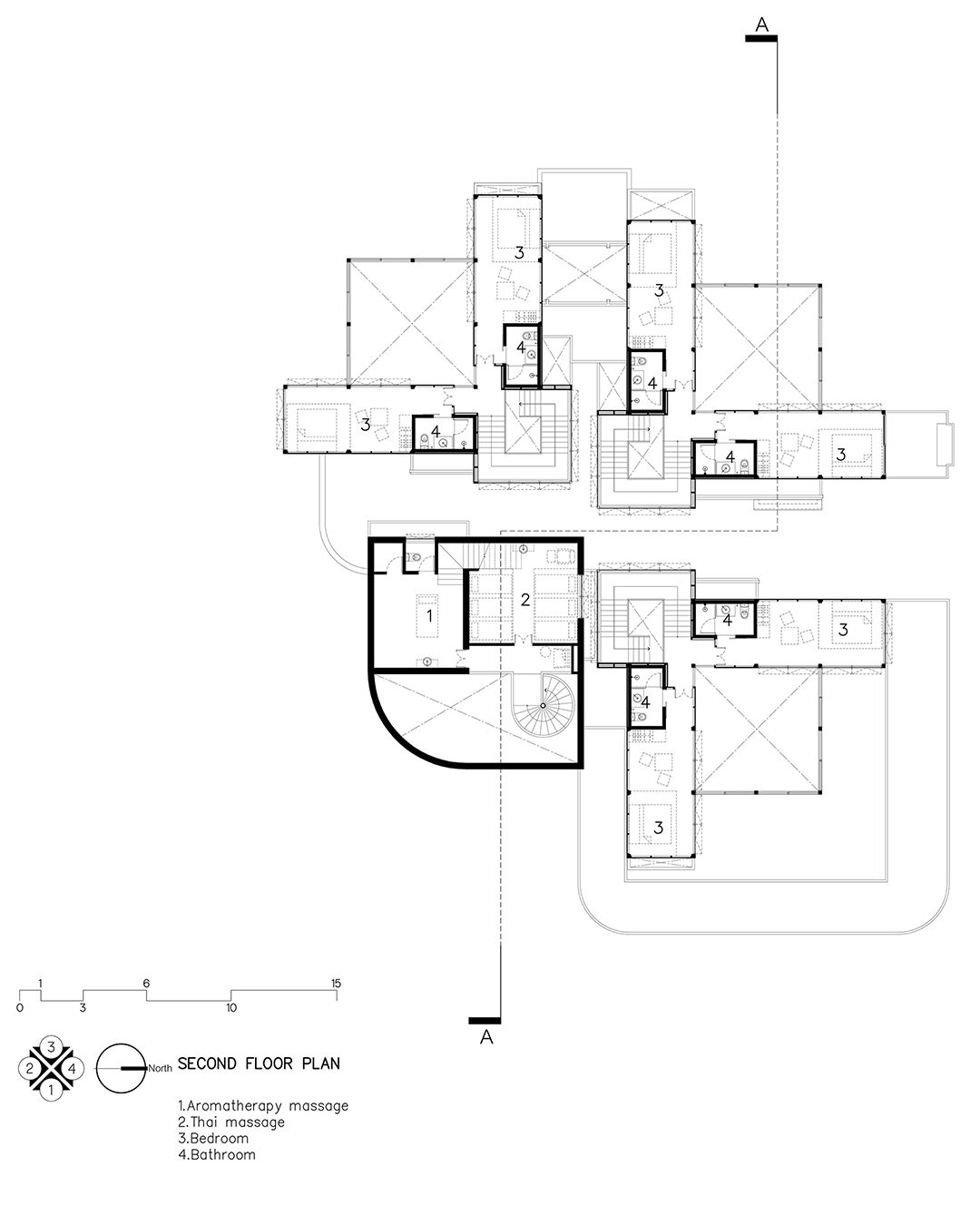
PS: We began by reorganizing the site layout. The key additions the owner wanted were the pool villas and the spa. But once we started mapping things out, it became clear that the pool villas would inevitably create noise, especially around the swimming areas. To minimize disturbance, we decided to space each pool as far apart as possible, placing them in different corners of the site. When the plan came together, the villas naturally formed a cross-shaped layout. The site itself sits on a triangular plot with a rounded tip, so we positioned the lobby and the spa at that curved point, with the spa located on the upper floor.
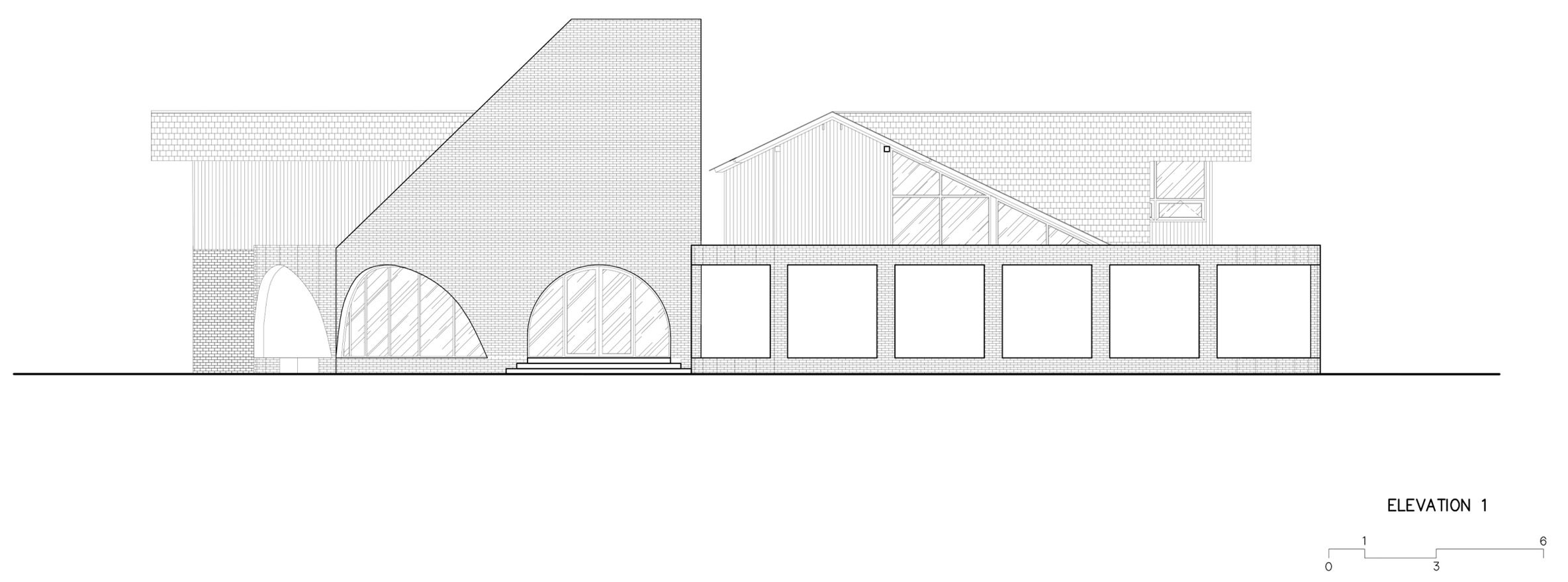
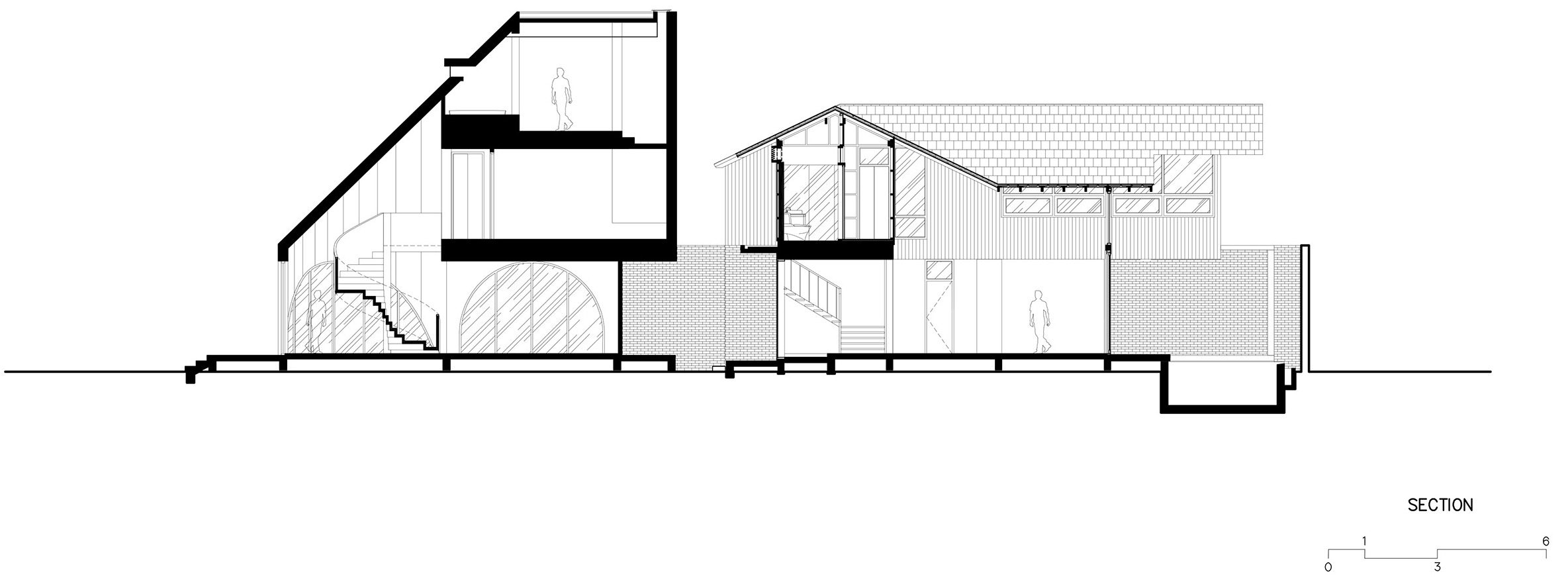
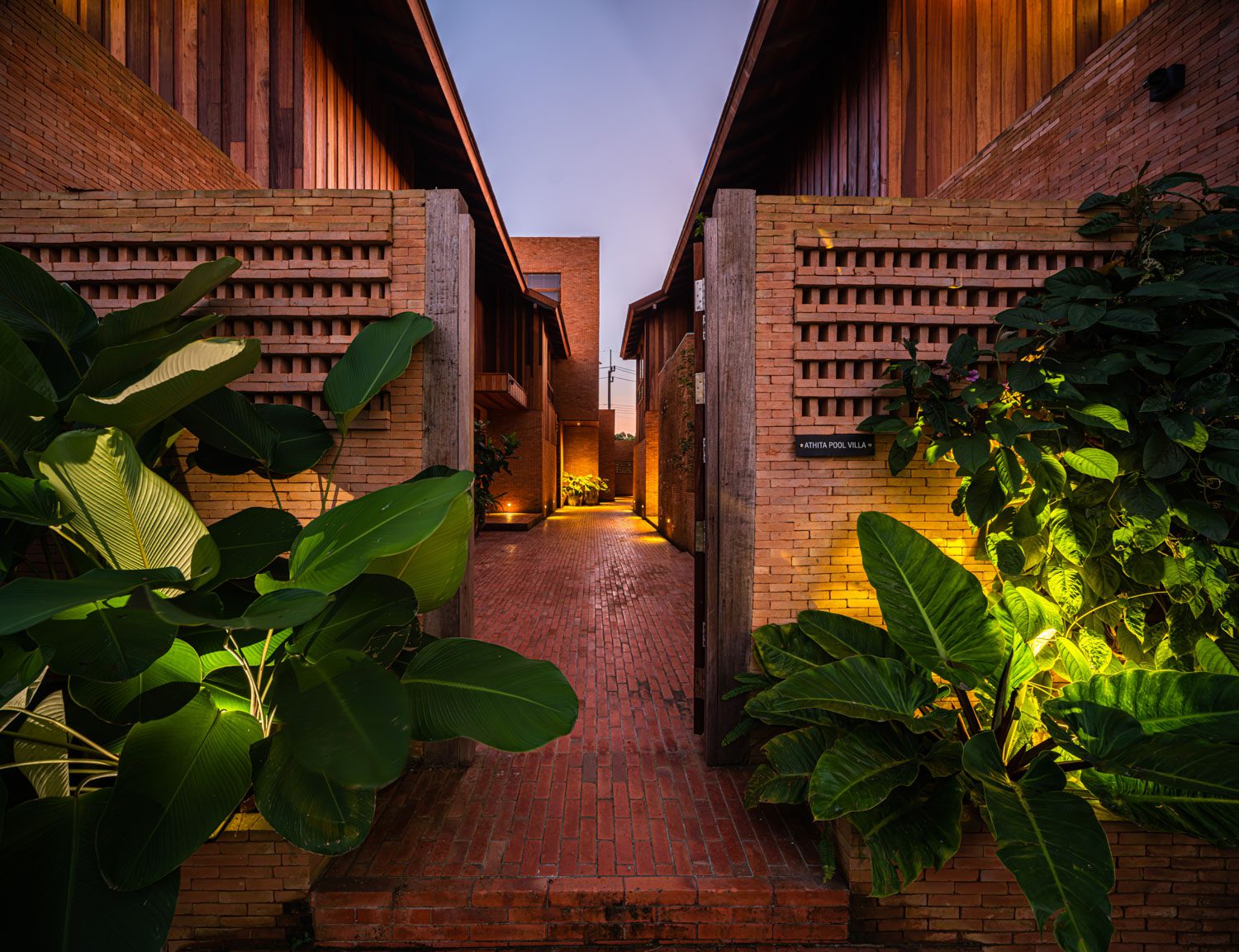
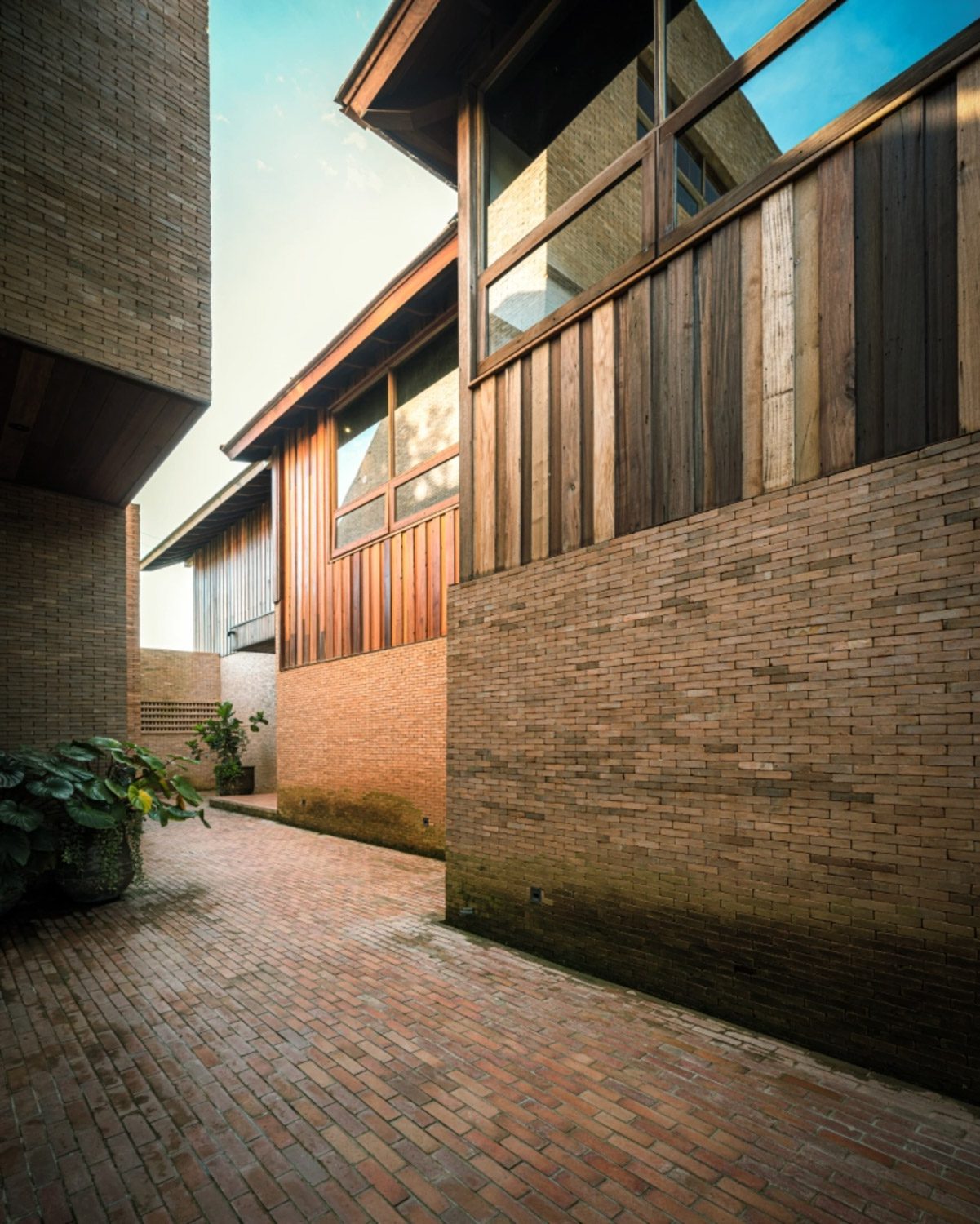
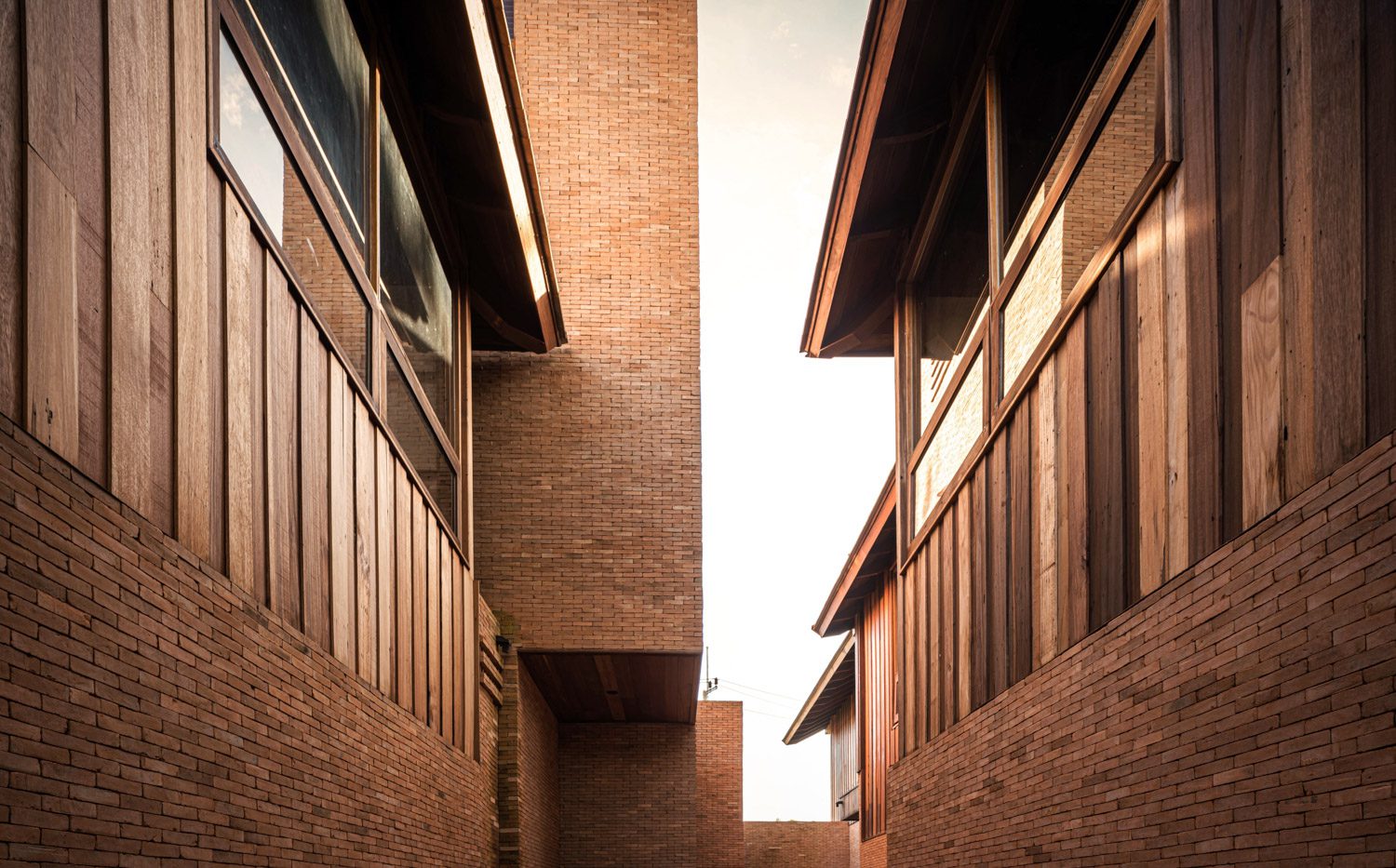
At first, we hesitated about whether to follow the same idea of seclusion and enclosure that defined the original Athita Hidden Court. But this new section faces the main road, which made it difficult to create a solid wall for complete privacy. So instead, we embraced the visibility. If it was going to be seen, then let it be seen. We designed a curved brick wall to frame the view from the street and introduced a narrow walkway that feels almost like an alley, connecting the exterior to the interior. The path leads visitors into a small cluster of three houses, evoking the feeling of accidentally discovering a hidden retreat.
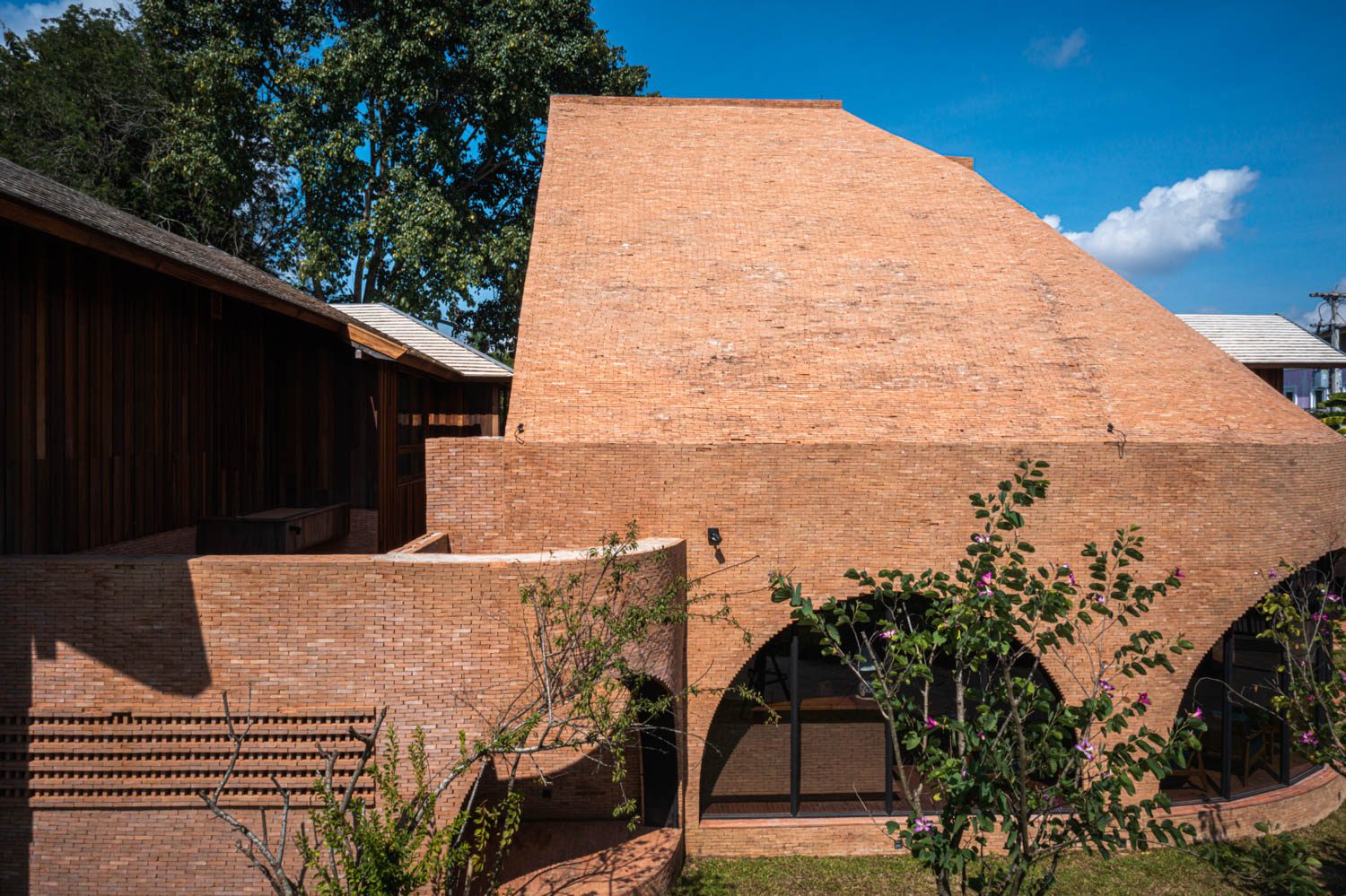
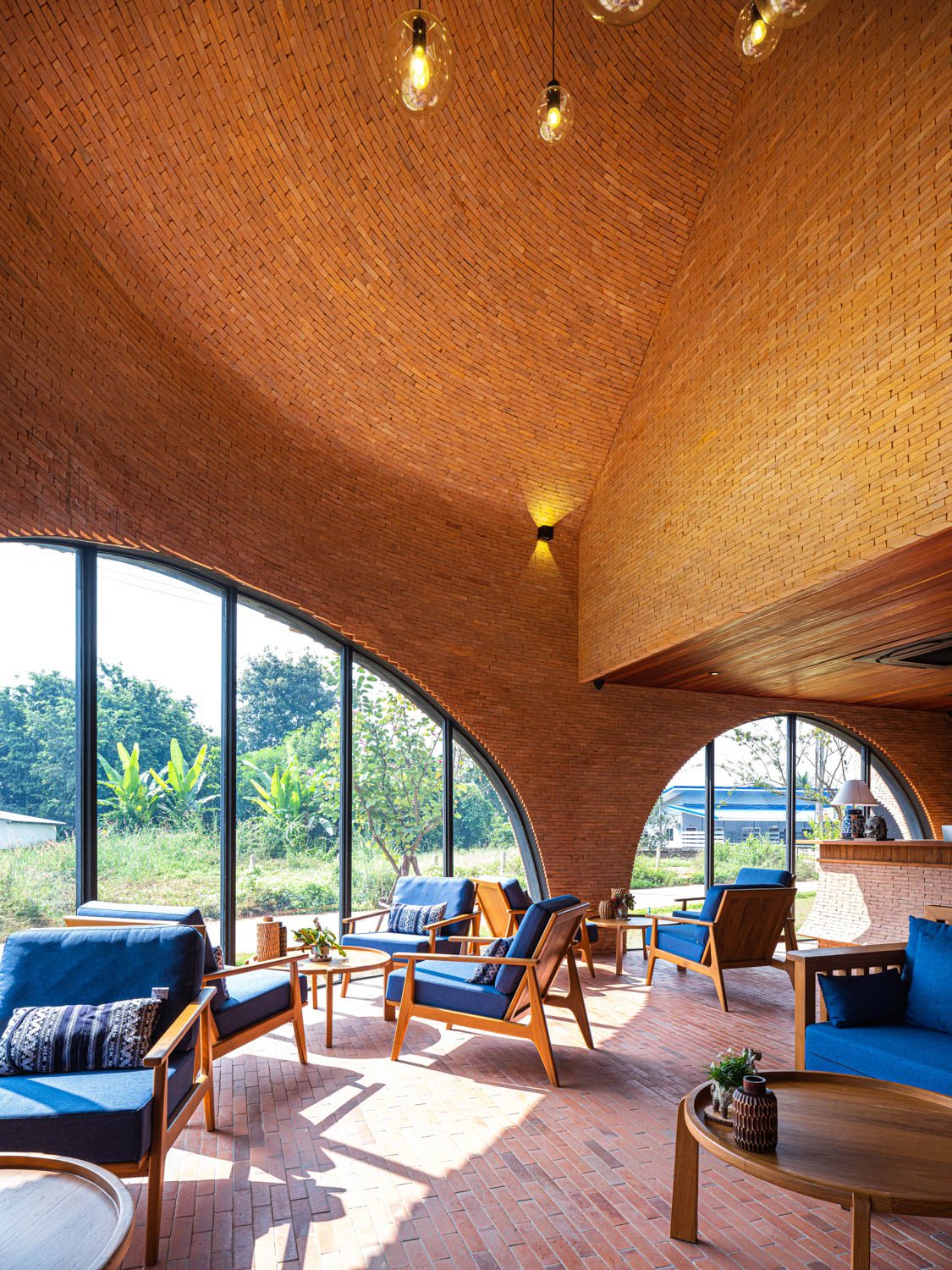
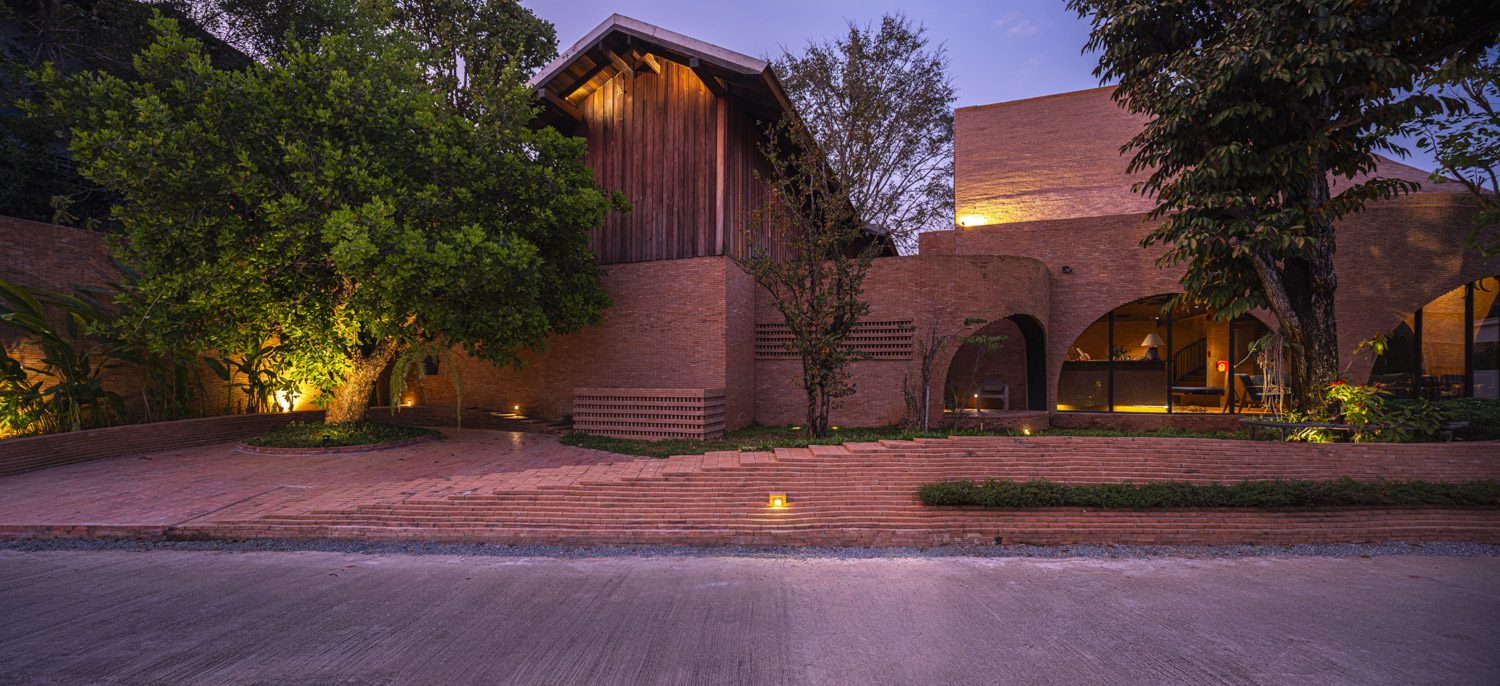
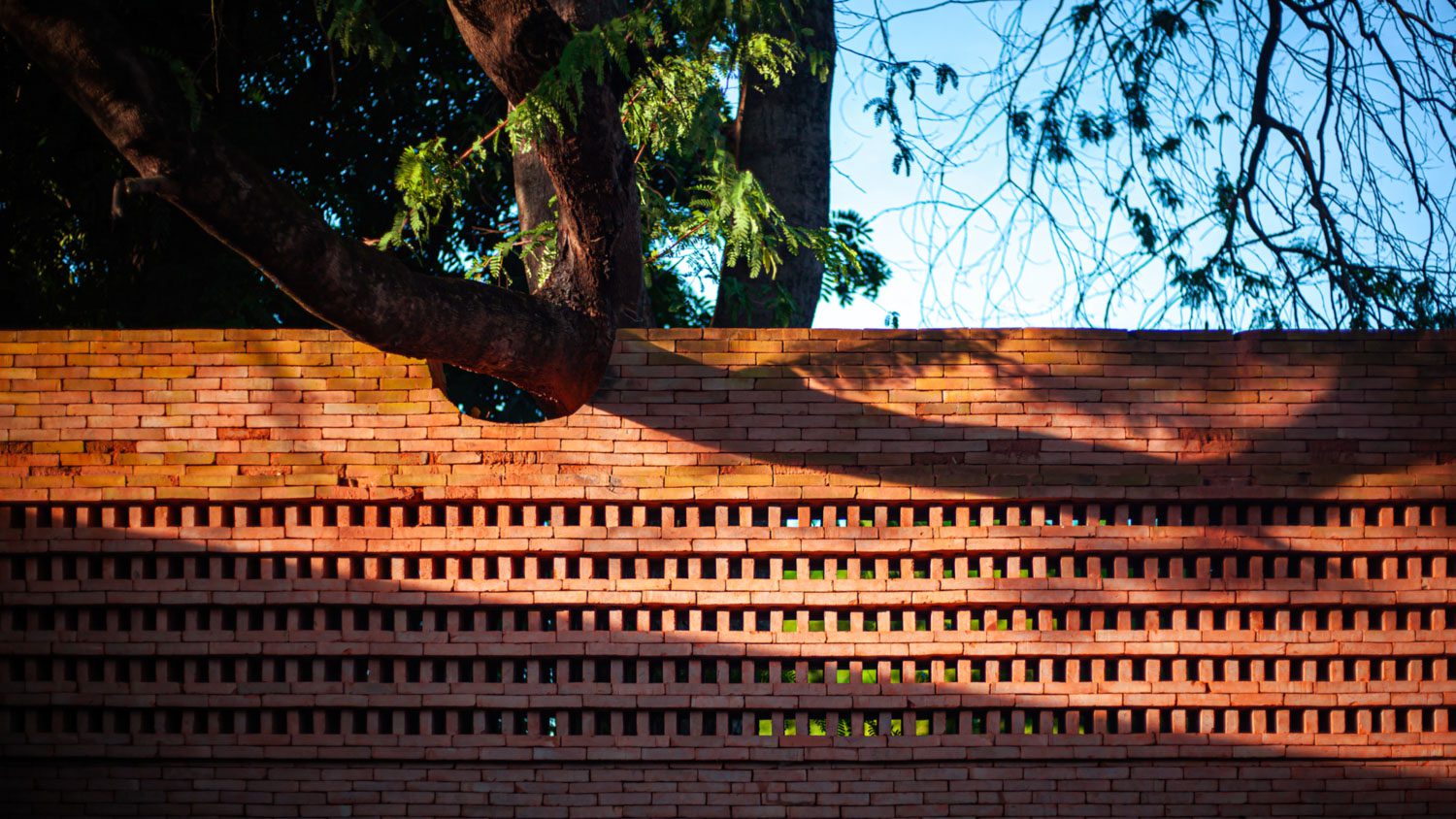
Usually when we see brickwork, it’s laid vertically, but in this project we wanted to explore a different approach. We used solid brick blocks and carved out the inner space of each one. If we had used cylindrical forms, the building would have appeared too bulky when viewed from the street. By hollowing out the brick instead, we were able to make the overall volume feel lighter and more in tune with the surrounding townscape. At the front, we later added a low landscape wall to screen off the view from the road. So from eye level, passersby only see the rhythm of brick and the greenery beyond, not people or traffic.
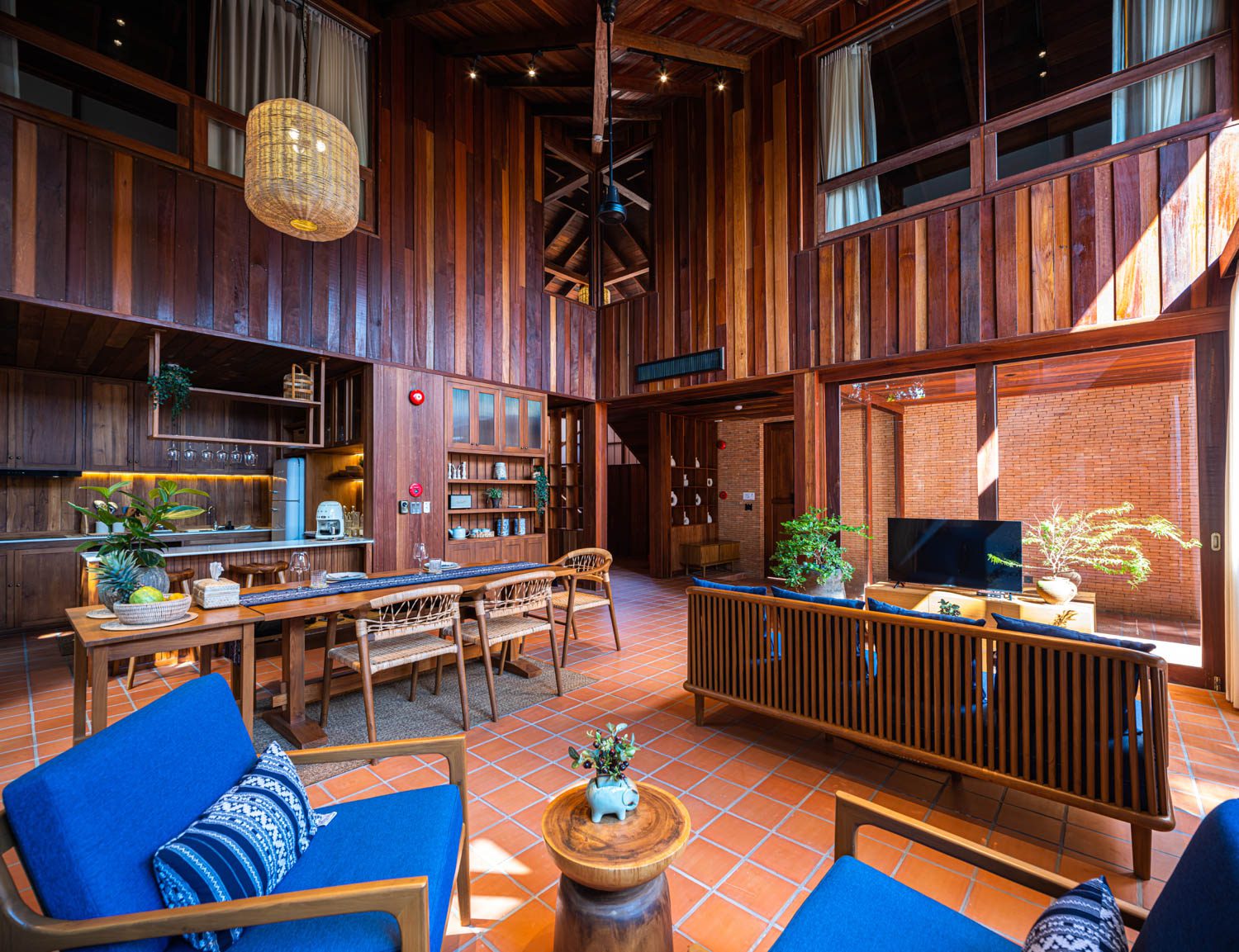
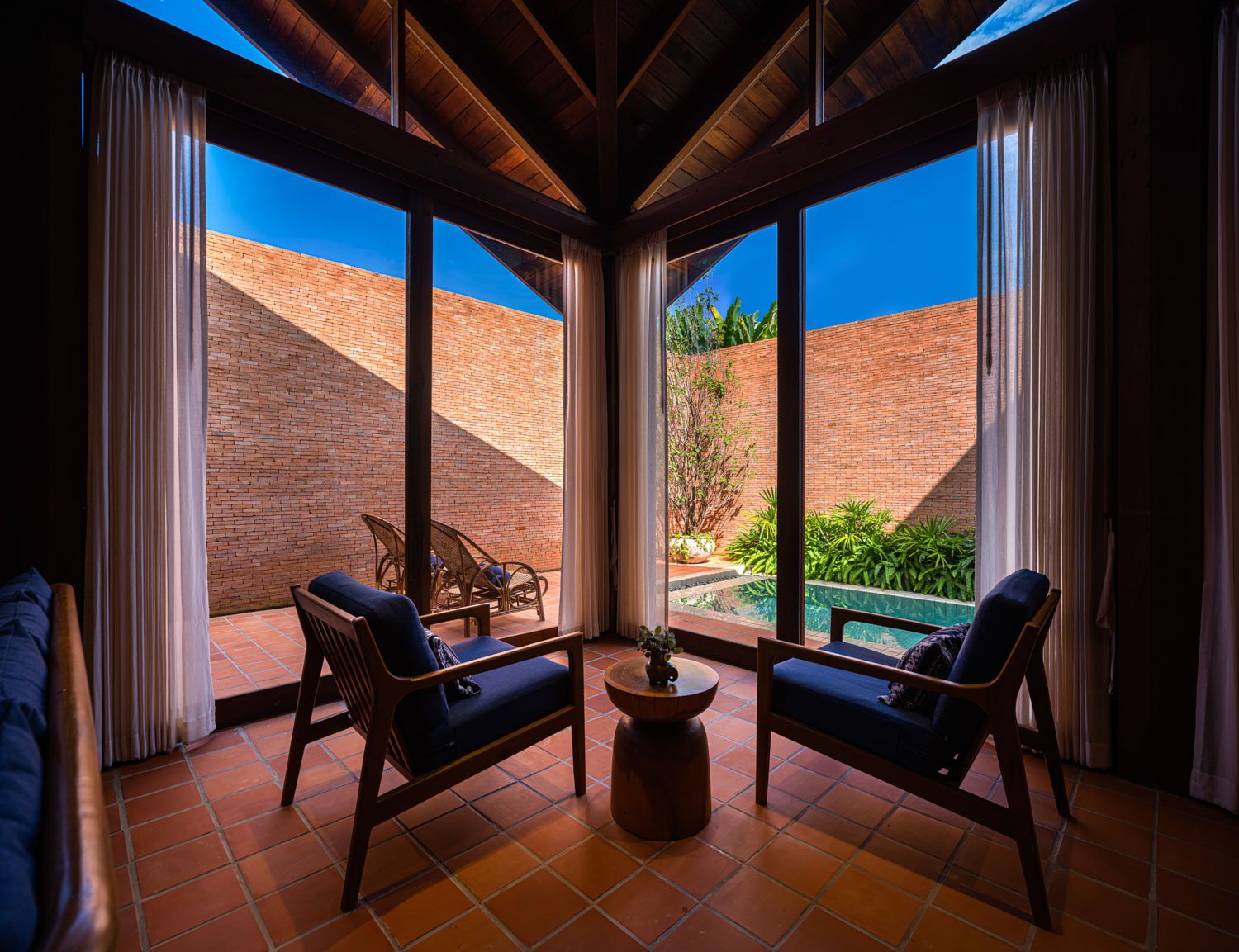
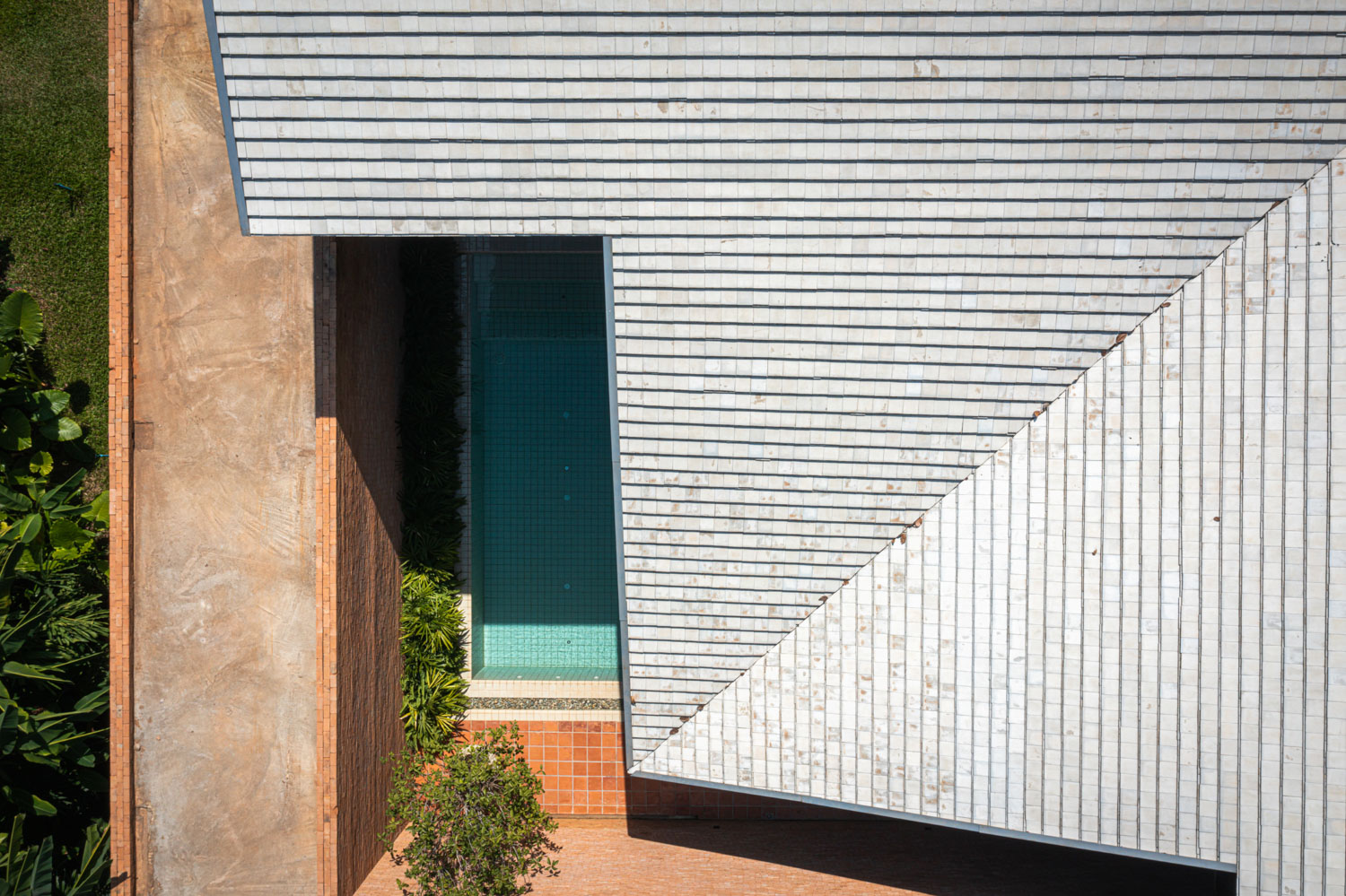
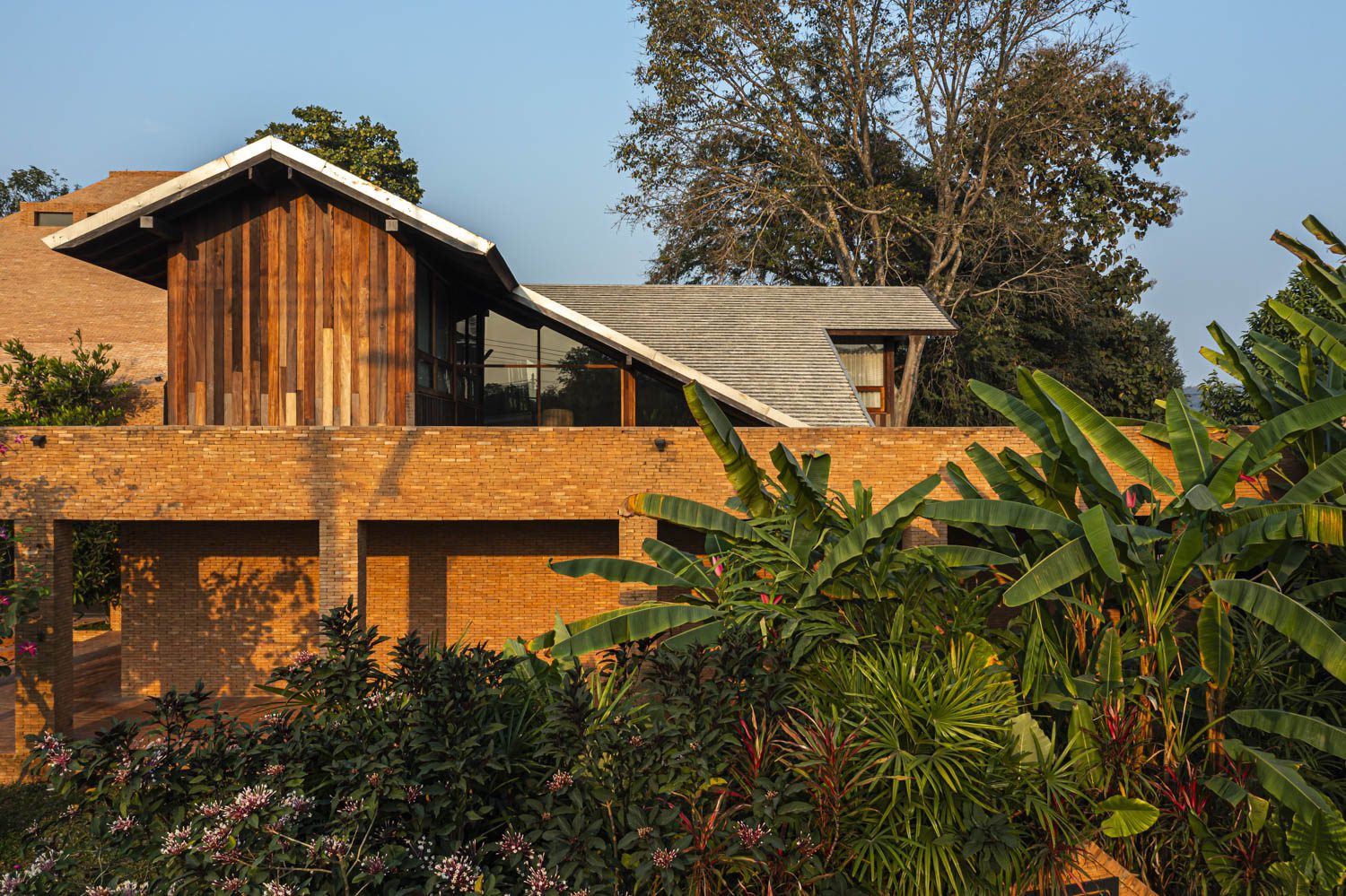
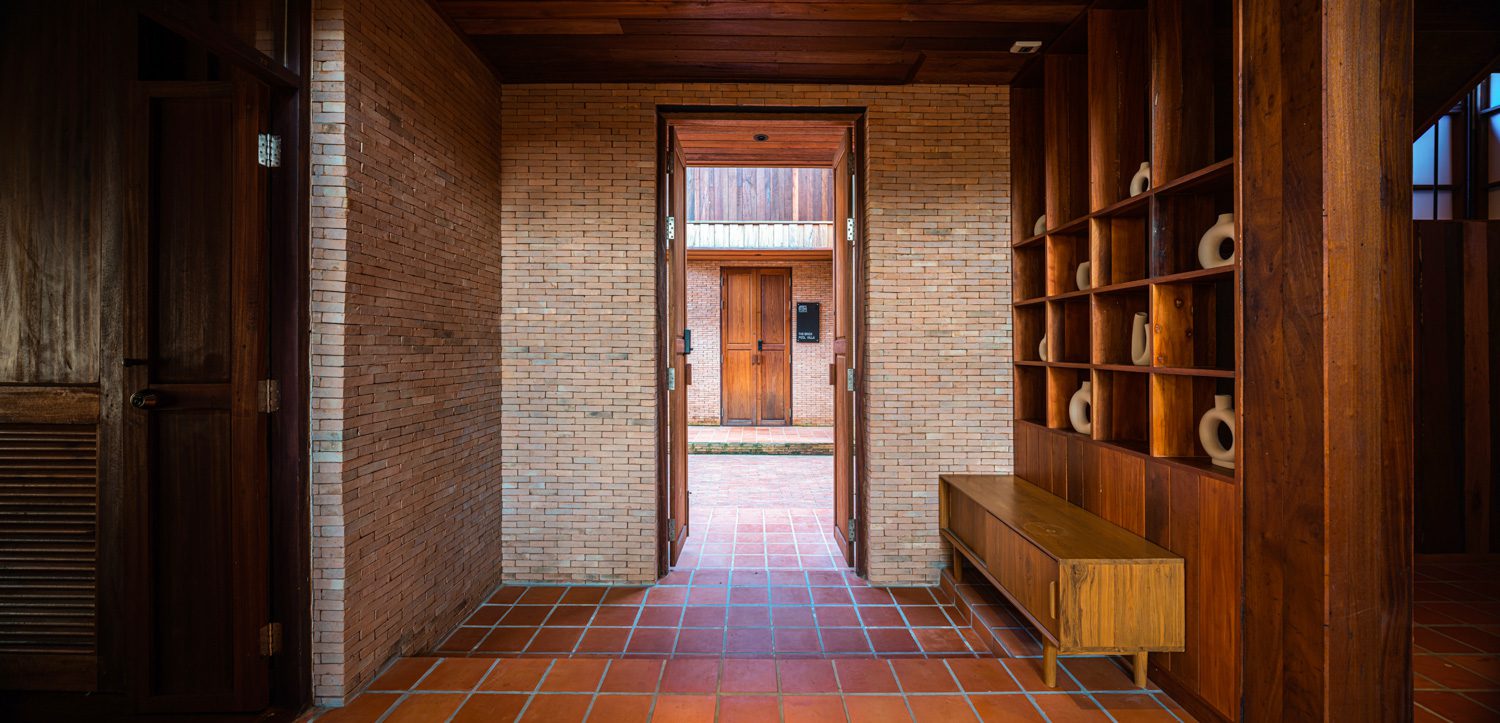
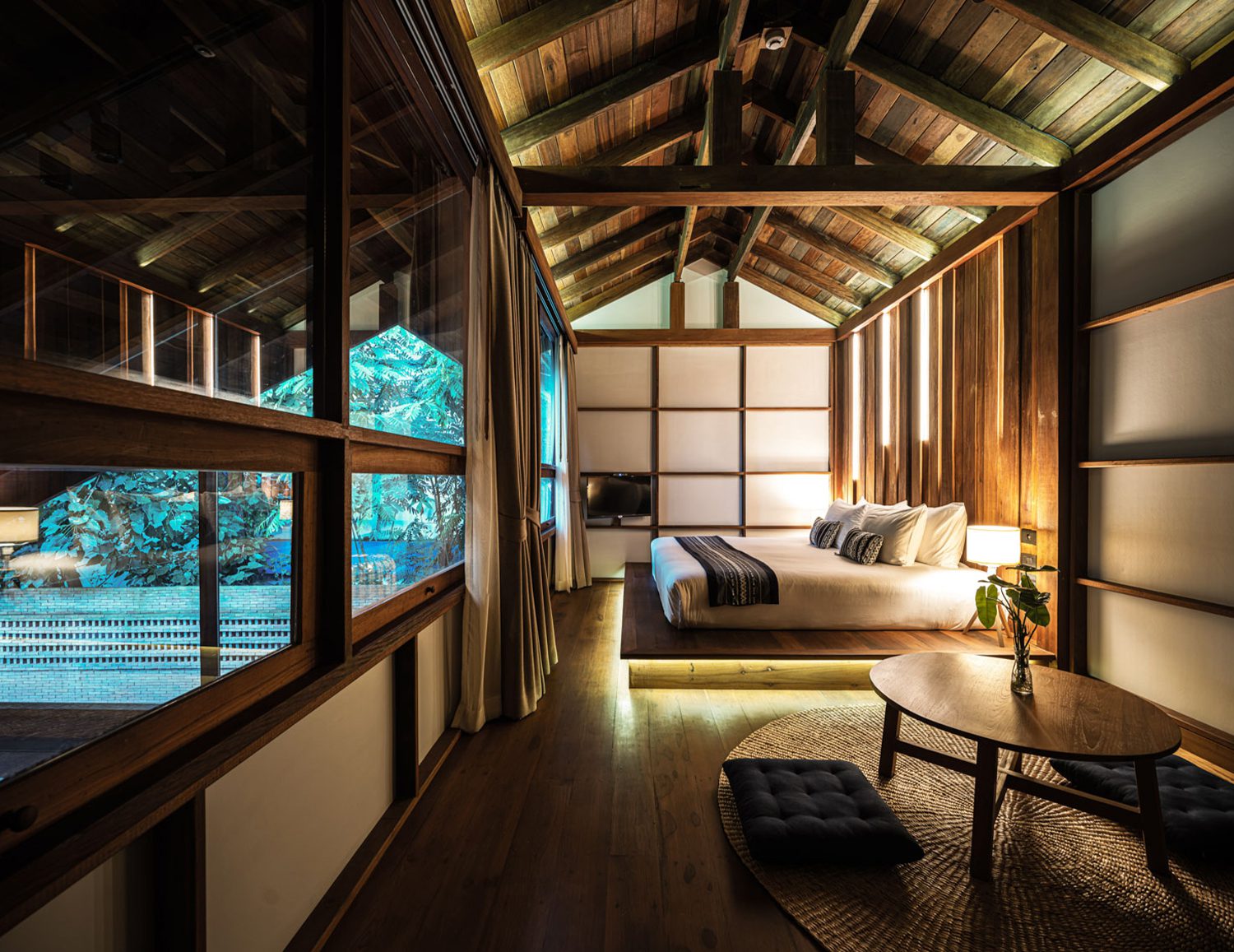
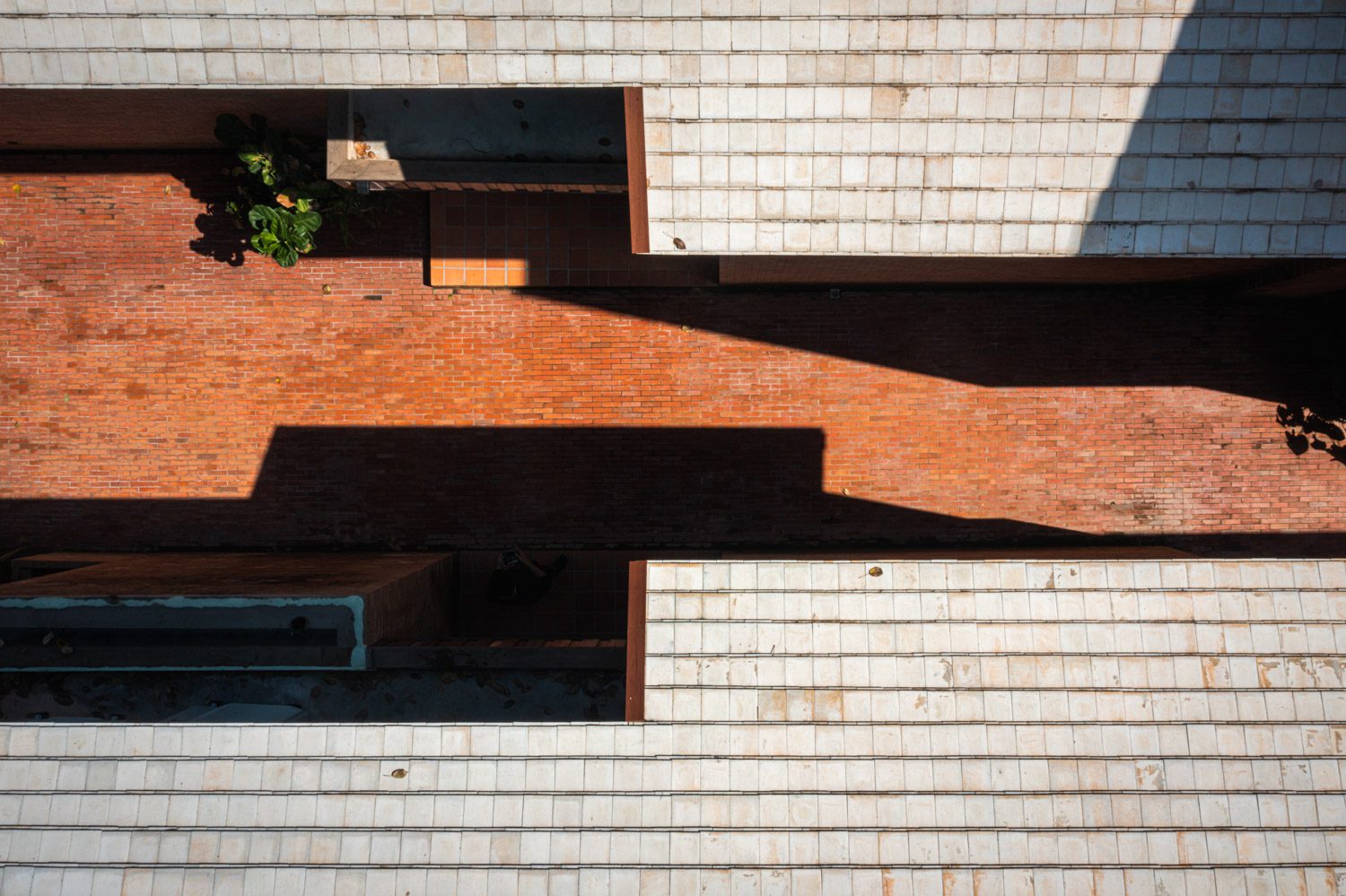
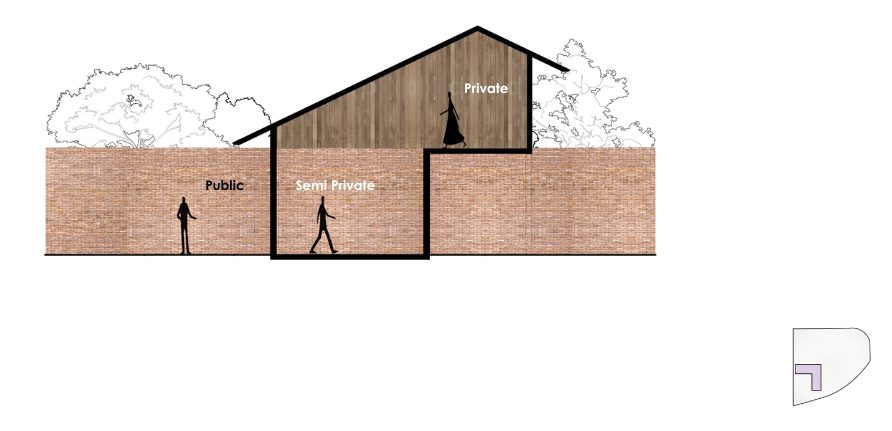
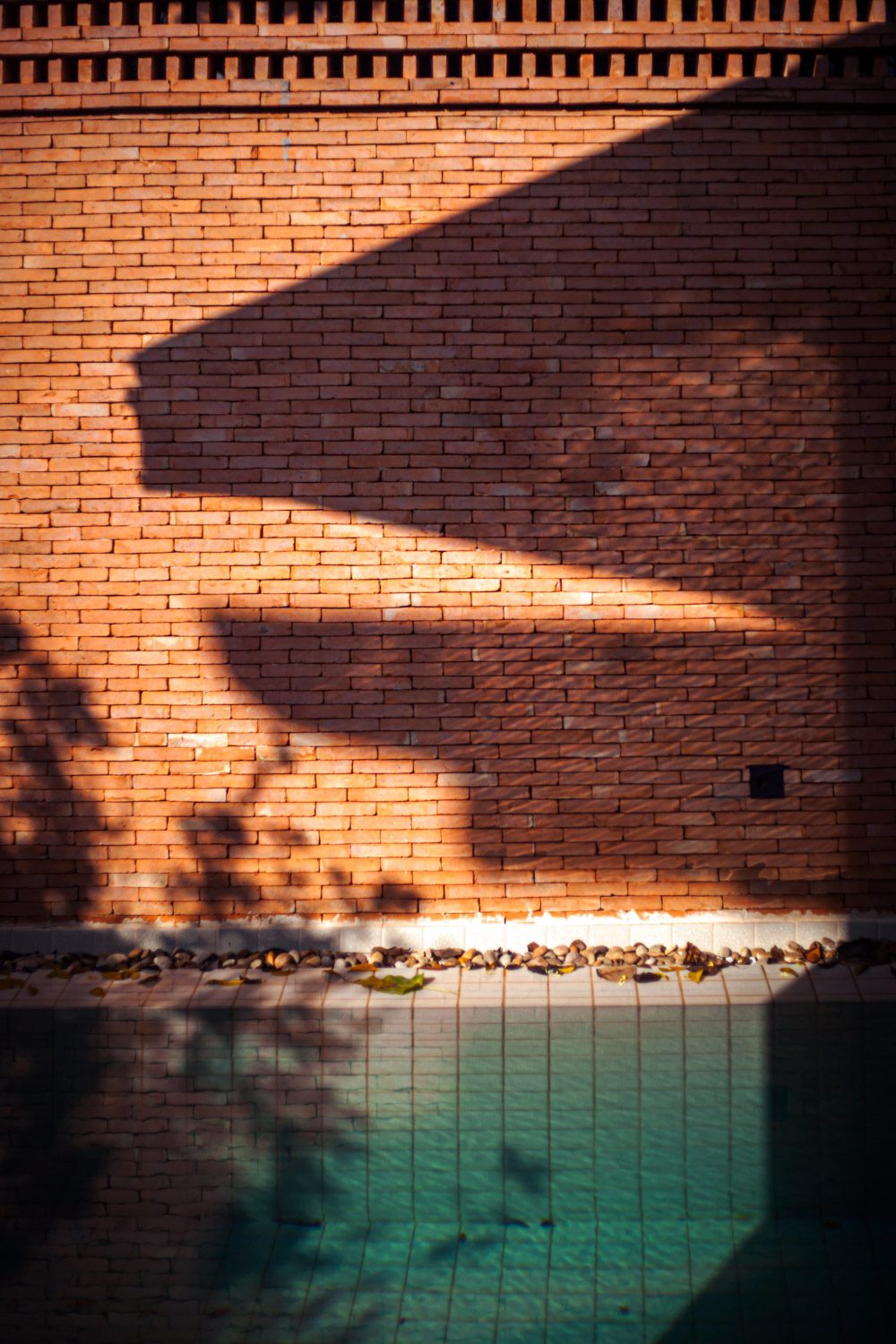
As for the villas, we approached them as individual houses. Each one has its own courtyard, and the pool area connects seamlessly with the main living space so that the boundary between indoors and outdoors nearly disappears. We also used the same materials both inside and outside to create a sense of visual continuity. The upper floor, which contains the private areas, opens out to the surrounding landscape, while the ground floor blends into the brick surfaces that define the overall character of the project.
art4d: Tell us about your approach to using wood and brick in the project.
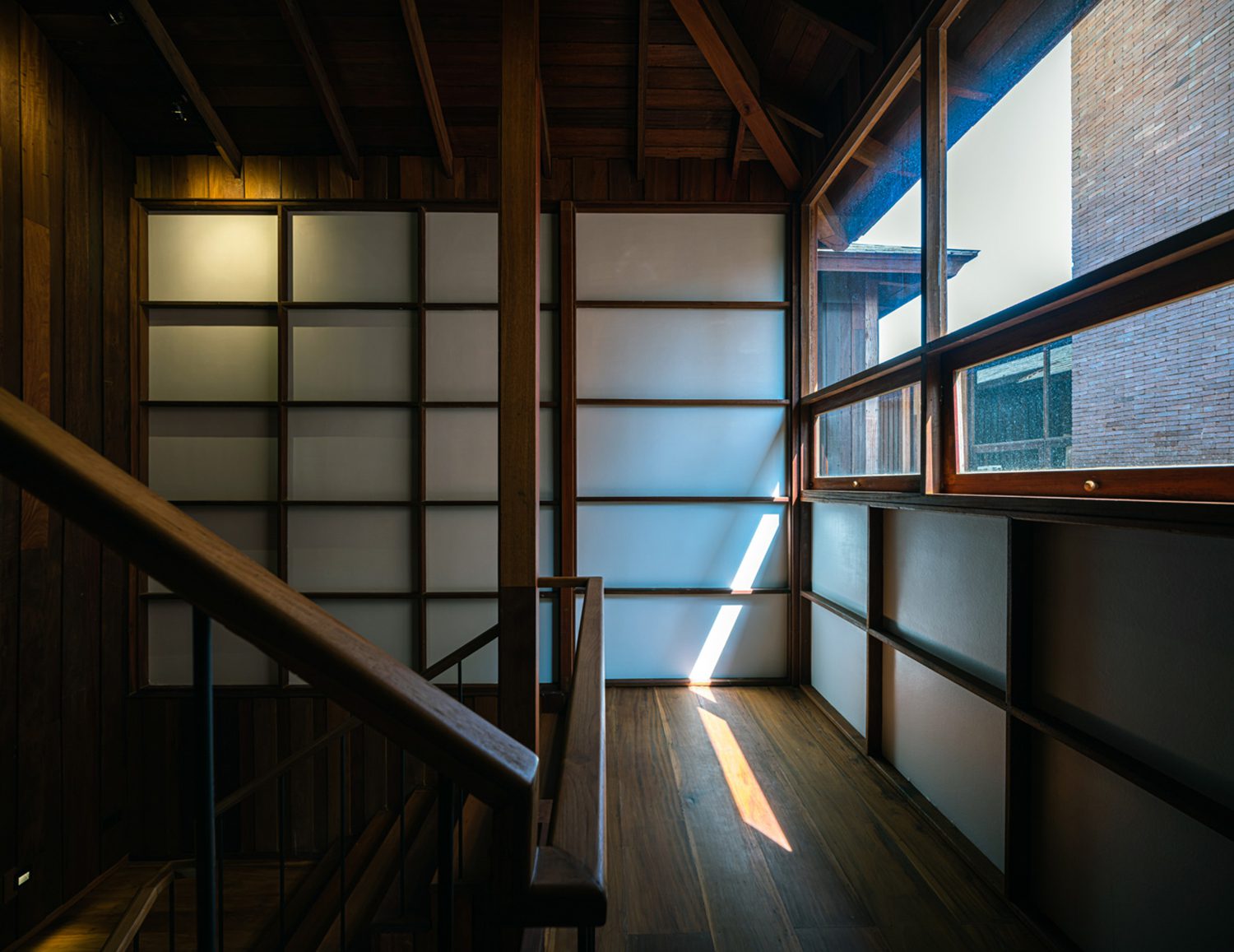
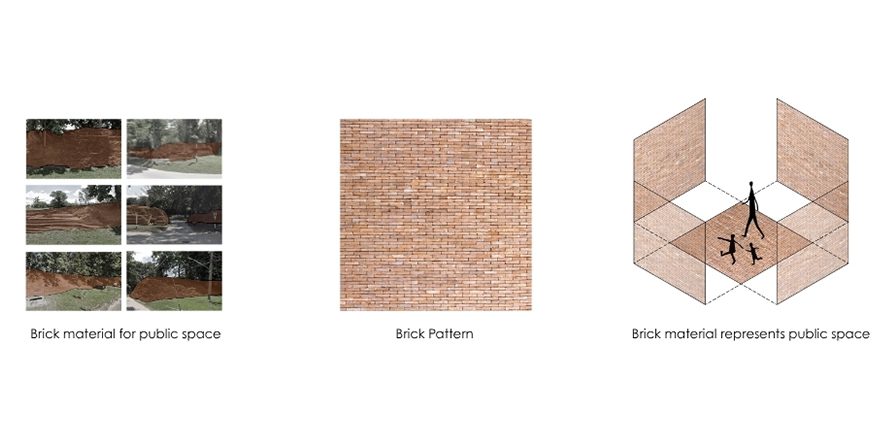
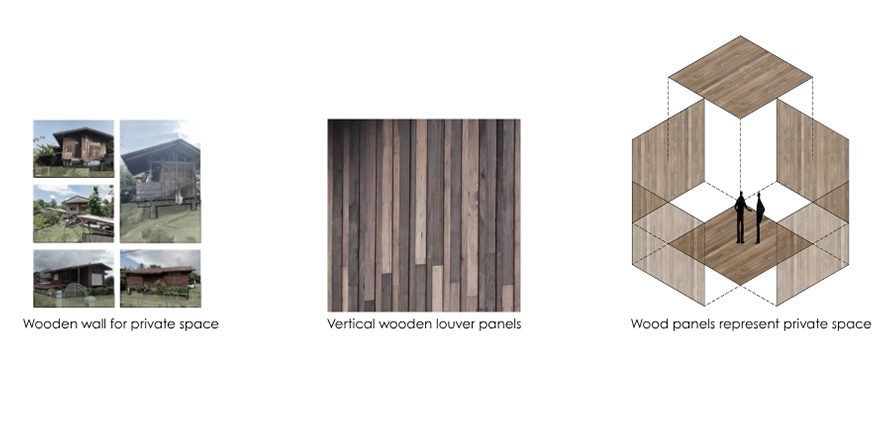
PS: In Chiang Saen, you’ll notice a clear distinction between materials. Most of the ancient monuments and temples, or other public buildings, are made of brick, while private houses are built from wood. It’s almost as if brick represents the ‘public,’ and wood represents the ‘private.’ From the very first building of Athita, we chose to work primarily with wood. For example, the second-floor structure is entirely timber, including the joists beneath the floorboards. The creaking sound you hear when walking on it was actually intentional.
Since the hotel sits right in front of a temple, there’s a certain sense of reverence in its context. That subtle sound of the wooden floor naturally slows people down, both in movement and in thought. Guests tend to walk more gently, more quietly, and more mindfully, in tune with the spirit of the place. Though I have to admit, we did get quite a few complaints about it at first (laughs).
art4d: From the architect’s perspective, what are you most proud of in this project?
PS: Sometimes before a project is completed, you’re not entirely sure how it will turn out. But when it was finished, I felt that the real thing was even more beautiful than I had imagined. That result came from years of study and exploration. It made me reflect on many recurring ideas in my work, such as how to use the court, or khuang, as a spatial device, and how to select materials that are appropriate to their context.
I also have to give credit to the local authorities. When we submitted the design, the Subdistrict Administration Organization was very supportive. They told us how much they appreciated the project and encouraged us to continue creating works like this. After Athita was completed, more visitors began coming to Chiang Saen, and the town seemed to open up in new ways. It’s quite an interesting case in the sense of how something that began simply as a small homestay could evolve into a project that has a real impact on the town itself.
We found ourselves feeling grateful to both the architect and the owner for sharing their stories with us. Their insights allowed us to trace the journey of the hotel from its very beginning and to find answers to many of the questions we had along the way. Why this small hotel manages to offer every function one could need, how the design was shaped to harmonize with its surroundings, how collaboration with local builders became an essential part of the process, and how the timing of the project coincided with the town’s gradual opening and transformation.
During our conversation with Padirmkiat, there was one remark that seemed to capture the essence of Athita perfectly. Reflecting on the process of creating the project, he said, “Everything came together just right, and all at once.”