
 Nakornchaisri House
 FIELD ASSOCIATE, A TEAM OF LANDSCAPE ARCHITECTS DRIVEN BY DATA, RESEARCH AND A DEEP UNDERSTANDING OF THE CONTEXT OF THE SITE TO CREATE SUSTAINABLE DESIGNS
TEXT: FIELD ASSOCIATE
PHOTO & IMAGE COURTESY OF FIELD ASSOCIATE
(For Thai, press here)
WHO
FIELD ASSOCIATE is an established landscape architecture professional team dedicated to enhancing quality of life and the environment in a sustainable way.
WHAT
Our team is a professional landscape architecture practice grounded in research-based data. Our work encompasses site visits and thorough analysis of site ecology and social context to identify site-specific challenges.
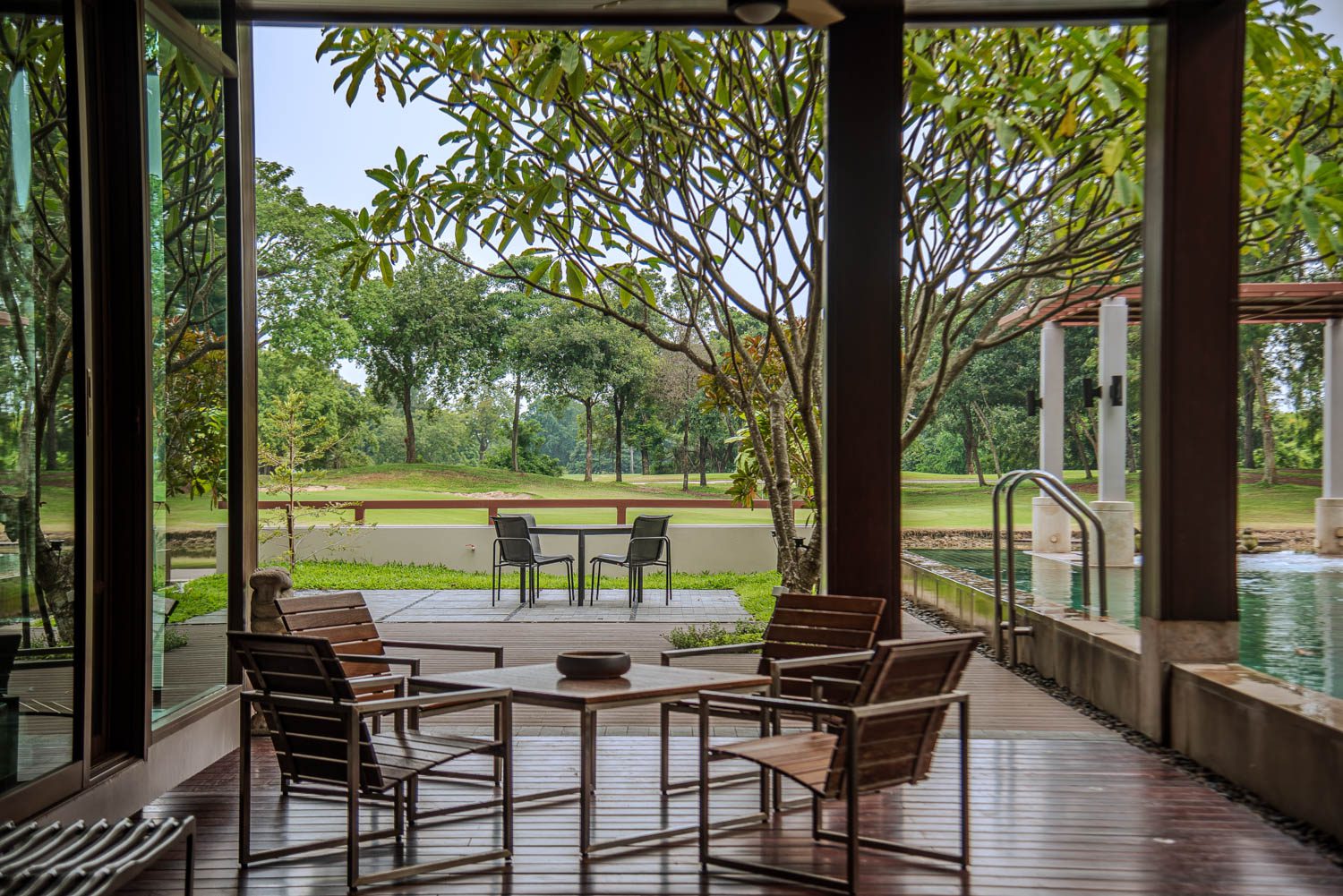 Nakornchaisri House
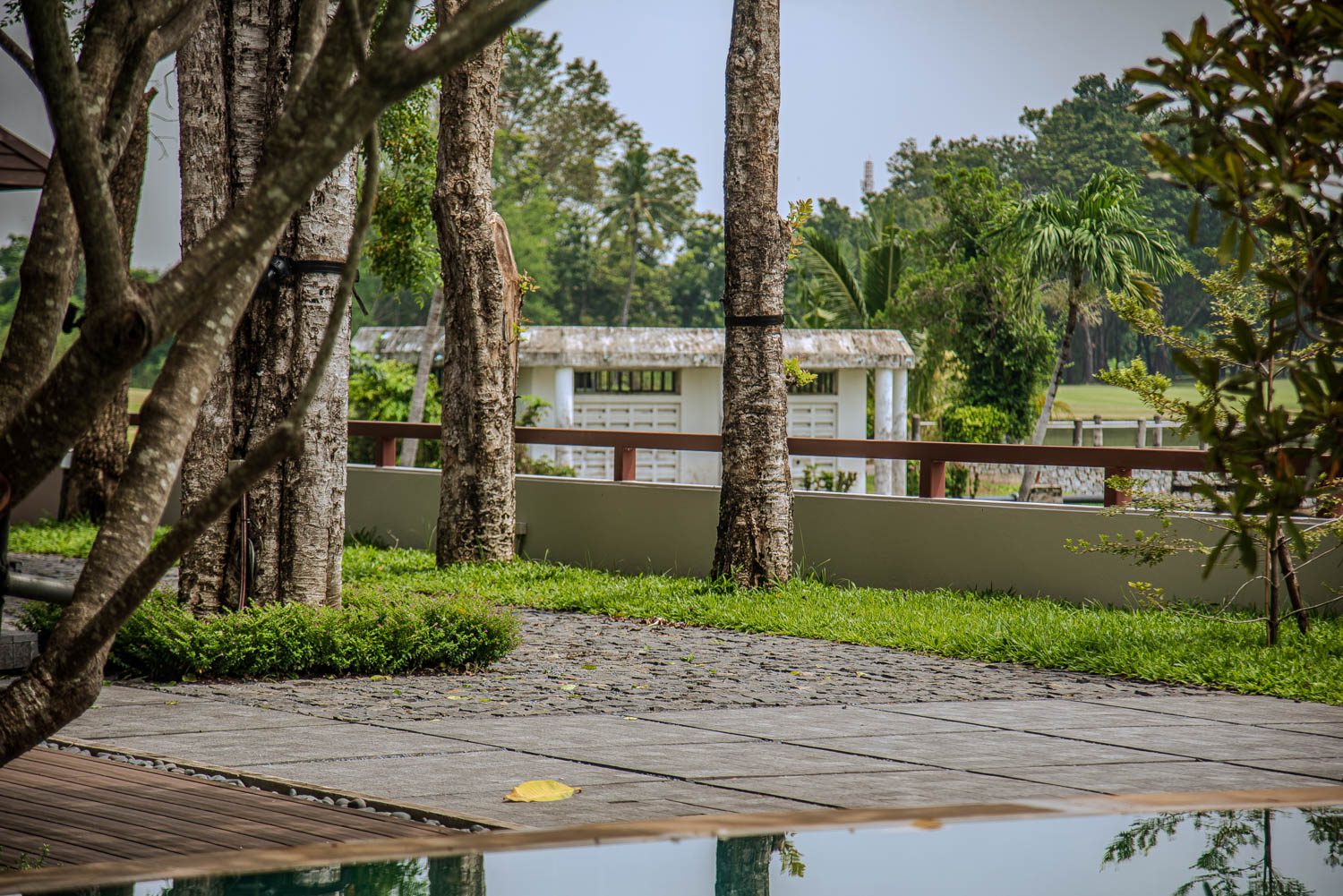
We offer landscape architecture solutions that prioritize each site’s unique environmental and social context. Our scope includes in-depth site studies, design proposals, management guidelines, and long-term stewardship strategies to ensure sustainable outcomes.
WHEN
Established in 2020
WHERE
Our office is based in Bangkok, Thailand. However, we are happy to take on projects anywhere.
WHY
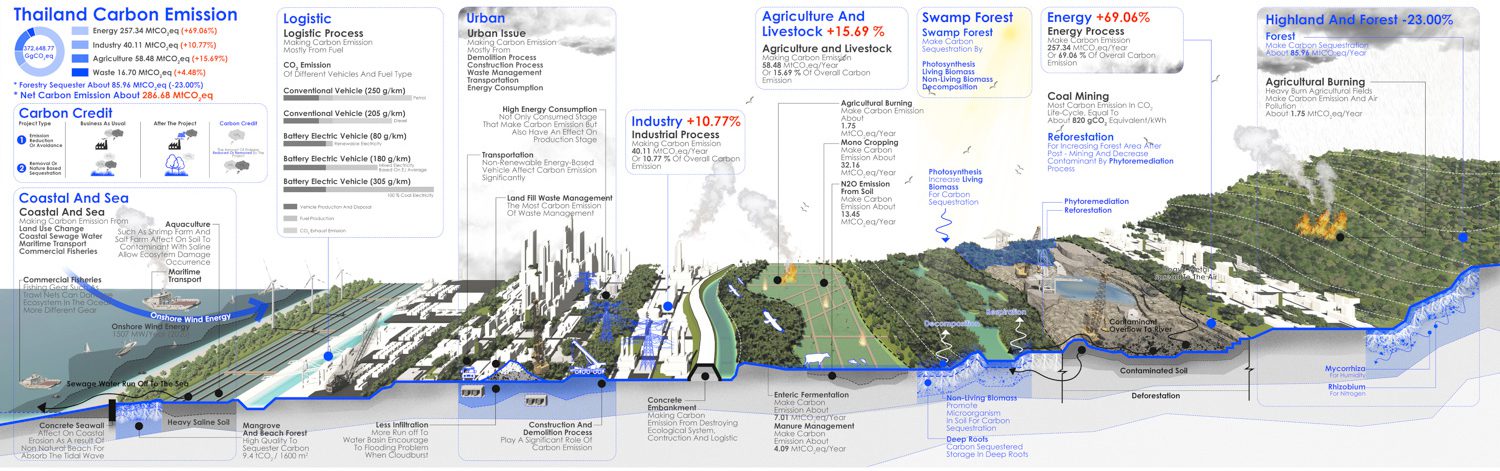
Nowadays, our world is facing numerous challenges, particularly environmental issues such as biodiversity loss, invasive species, and climate change. Alongside these are growing concerns about quality of life, including inadequate infrastructure, income instability, and overall well-being. Our team sees an opportunity to apply landscape architecture as a tool to address these complex problems, with a strong emphasis on research as the foundation for developing effective, context-specific solutions. We are ready to act as a bridge for interdisciplinary collaboration. We believe that our profession cannot succeed alone, and working together with other disciplines is therefore essential to us.
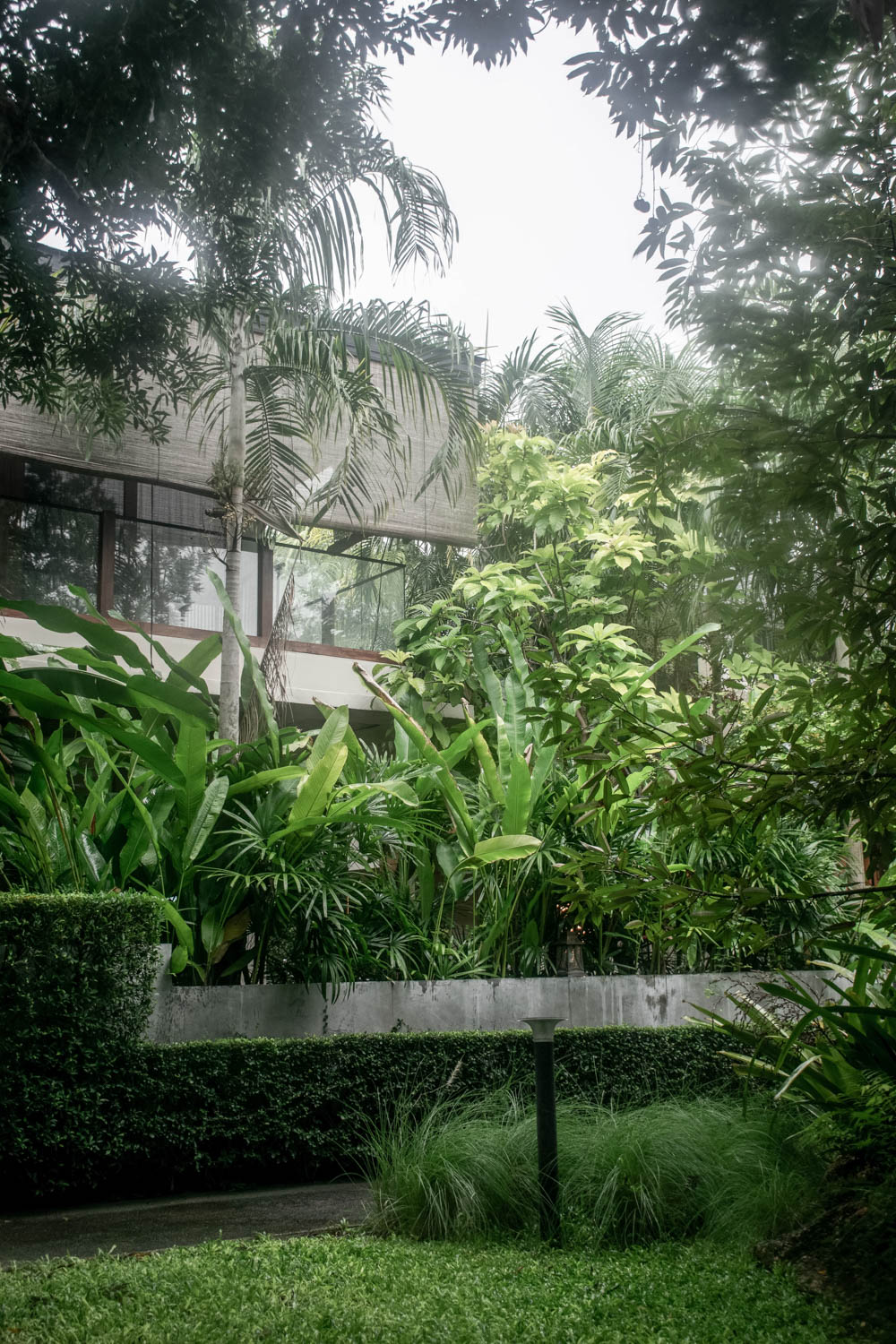 The Memory Khaoyai
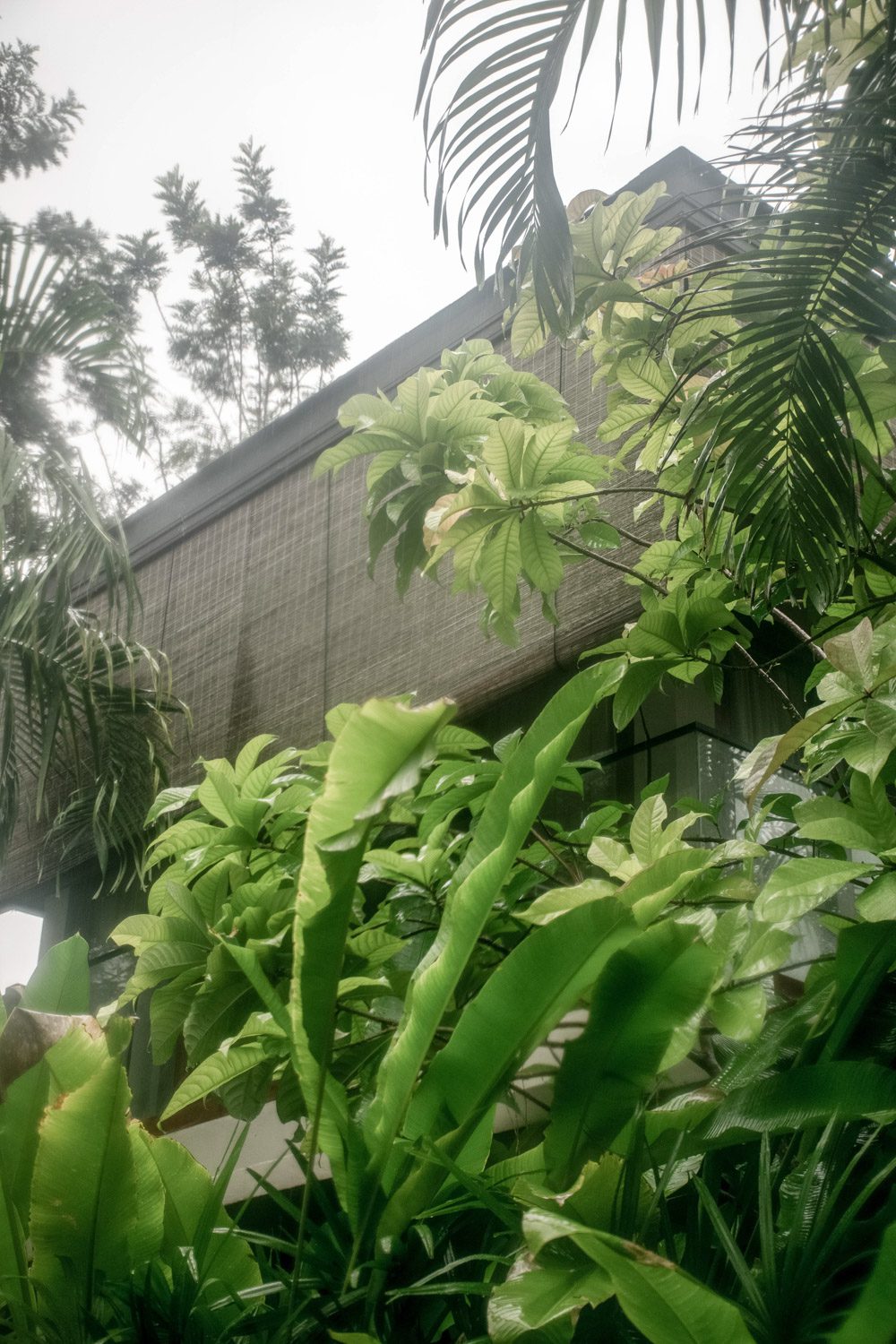
What inspires you and what principles do you apply to each project?
Environmental and quality of life issues, as previously mentioned, are both our inspiration and driving force. We envision a better world – one where the environment and human society thrive together-and we believe that the knowledge we hold in landscape architecture can serve as a vital mechanism in helping push our world toward that future.
Our working process begins with research, analysis, and a thorough study of each site and its surrounding context. The framework of each study varies depending on the nature of the project. Some projects may focus on geology due to unique geological characteristics, while others emphasize plant communities in ecotone areas with rich biodiversity. These findings lead to different types of outcomes – ranging from physical design and management plans to strategic mechanisms for spatial development. All of our approaches are firmly rooted in the principle of sustainability.
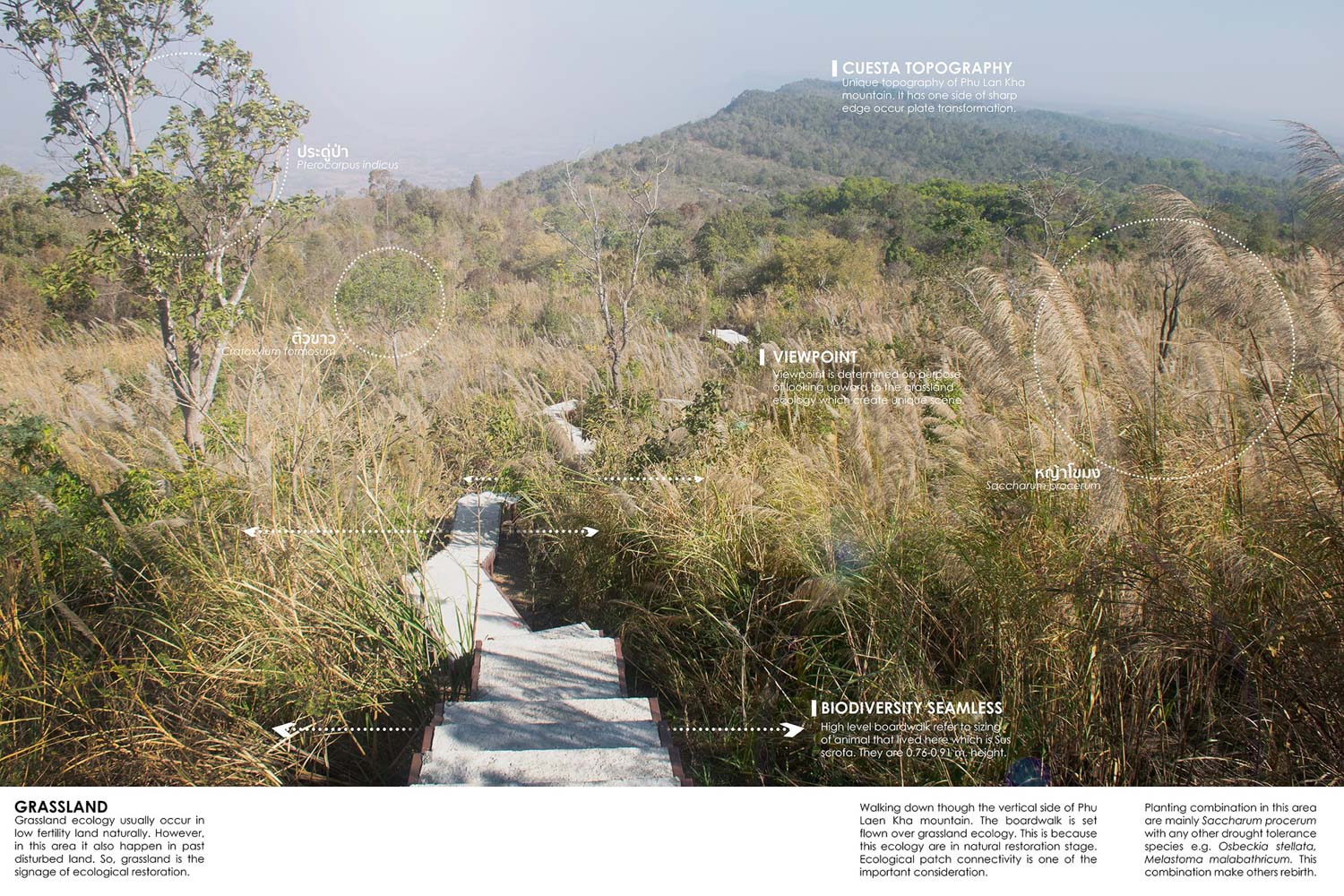
Which project are you most proud of and why?
The Pha Hua Nak Nature Trail project, located in Phu Laen Kha National Park, Chaiyaphum Province, was supported by EGCO Group and the Thai Rak Pa Foundation. This project was particularly significant to us as it involved in-depth on-site geological research—an area of study that is not often the main focus of our projects. However, the Pha Hua Nak site features a unique sandstone hill ecosystem that is well worth studying as a foundation for future design development.
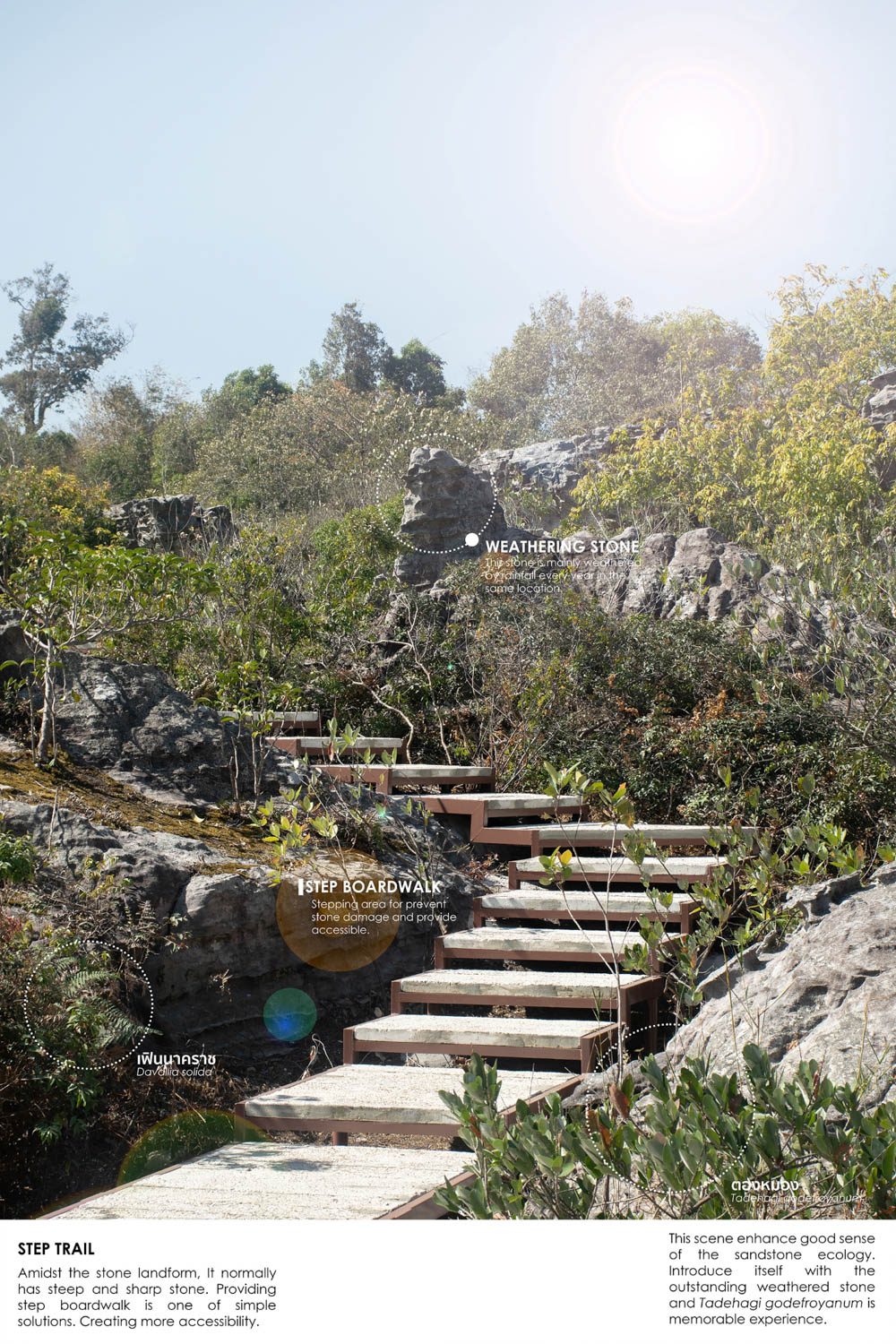
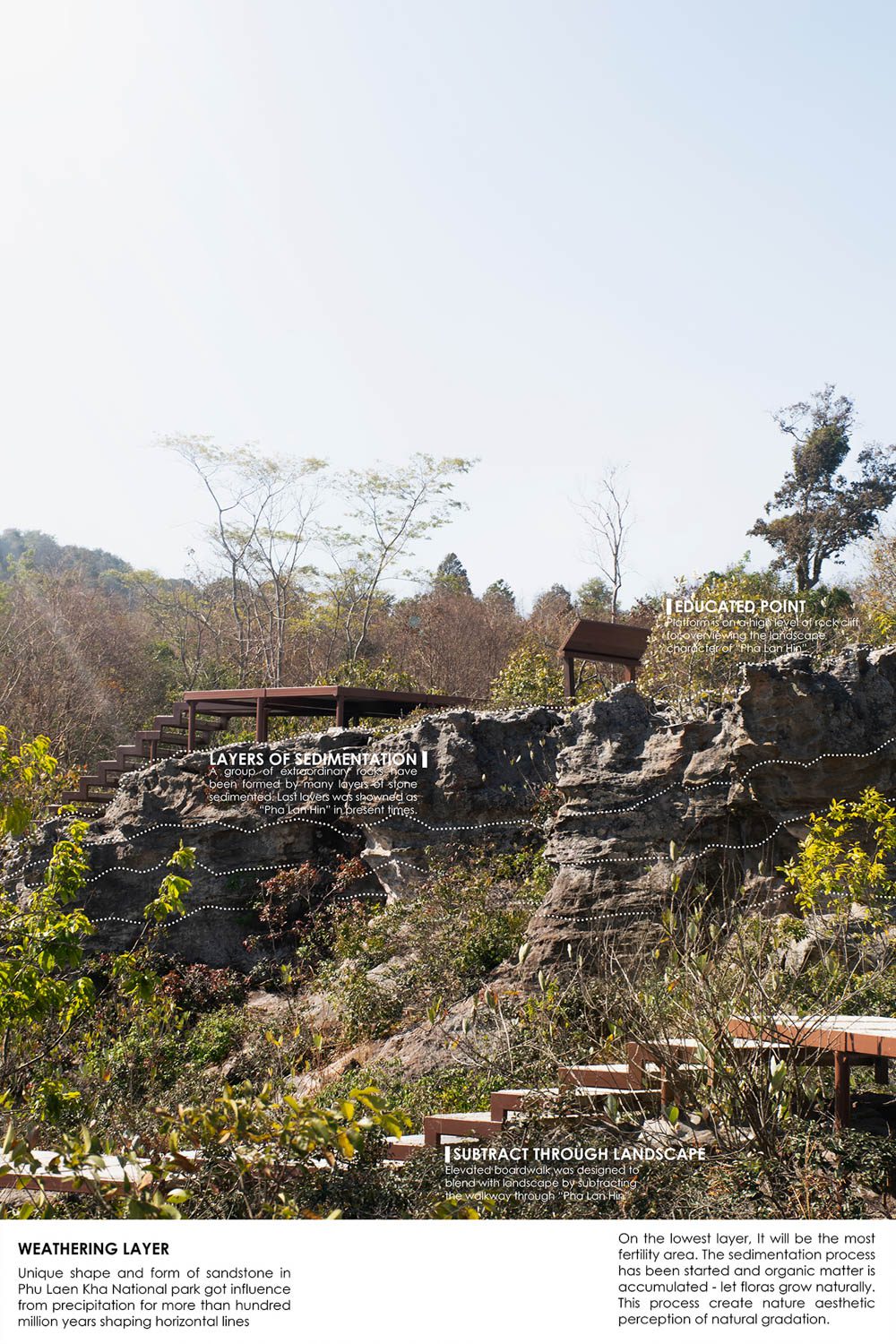
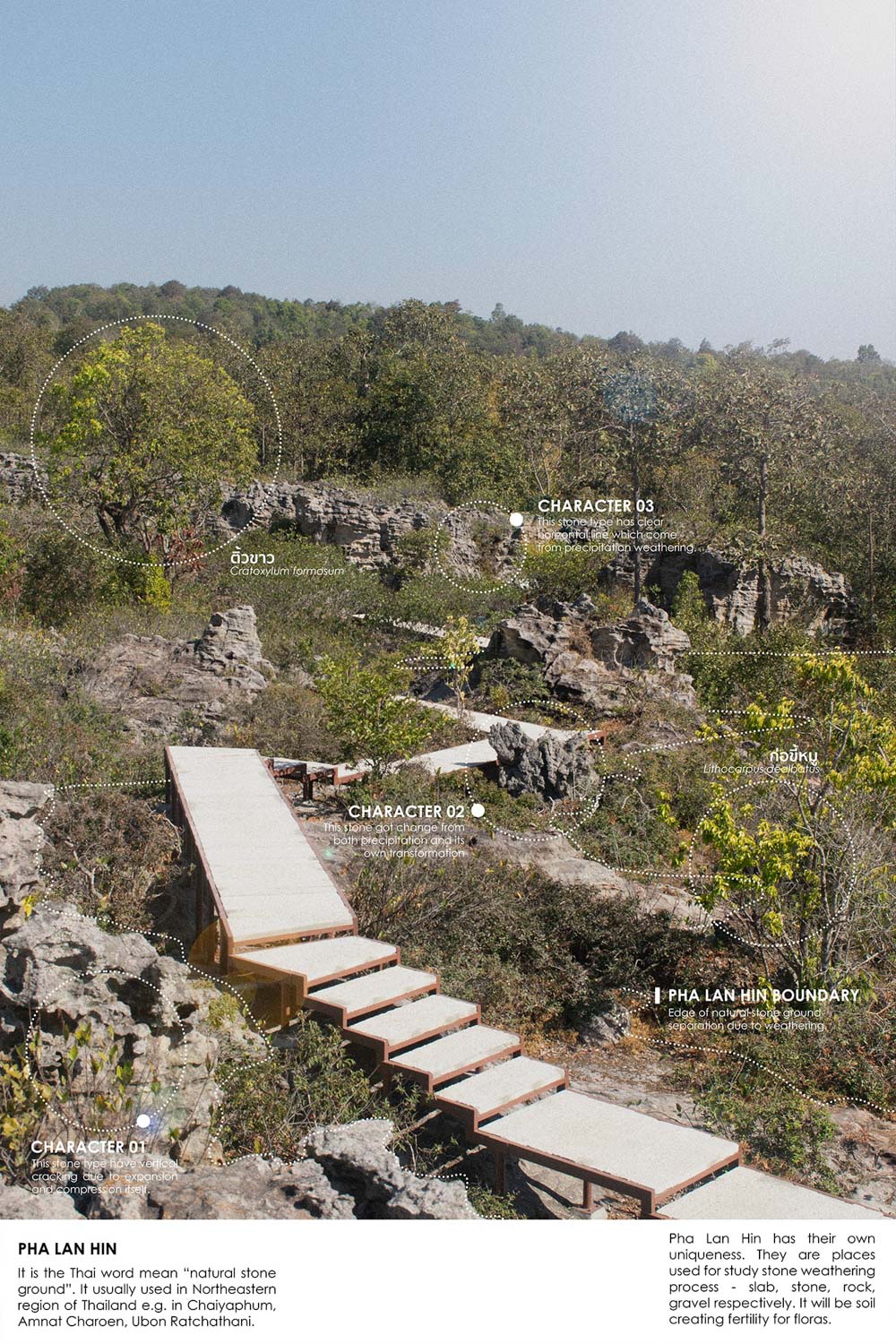
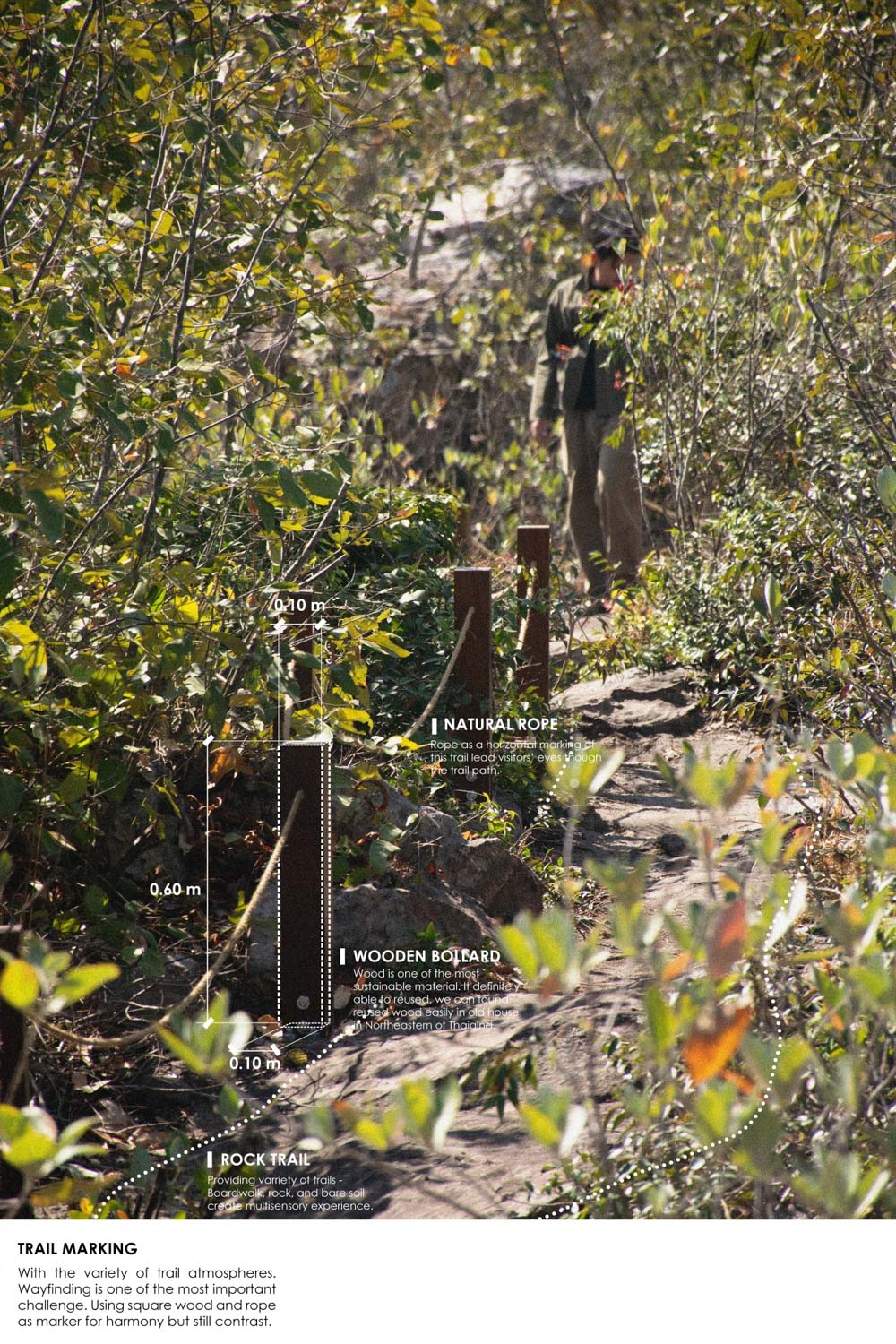
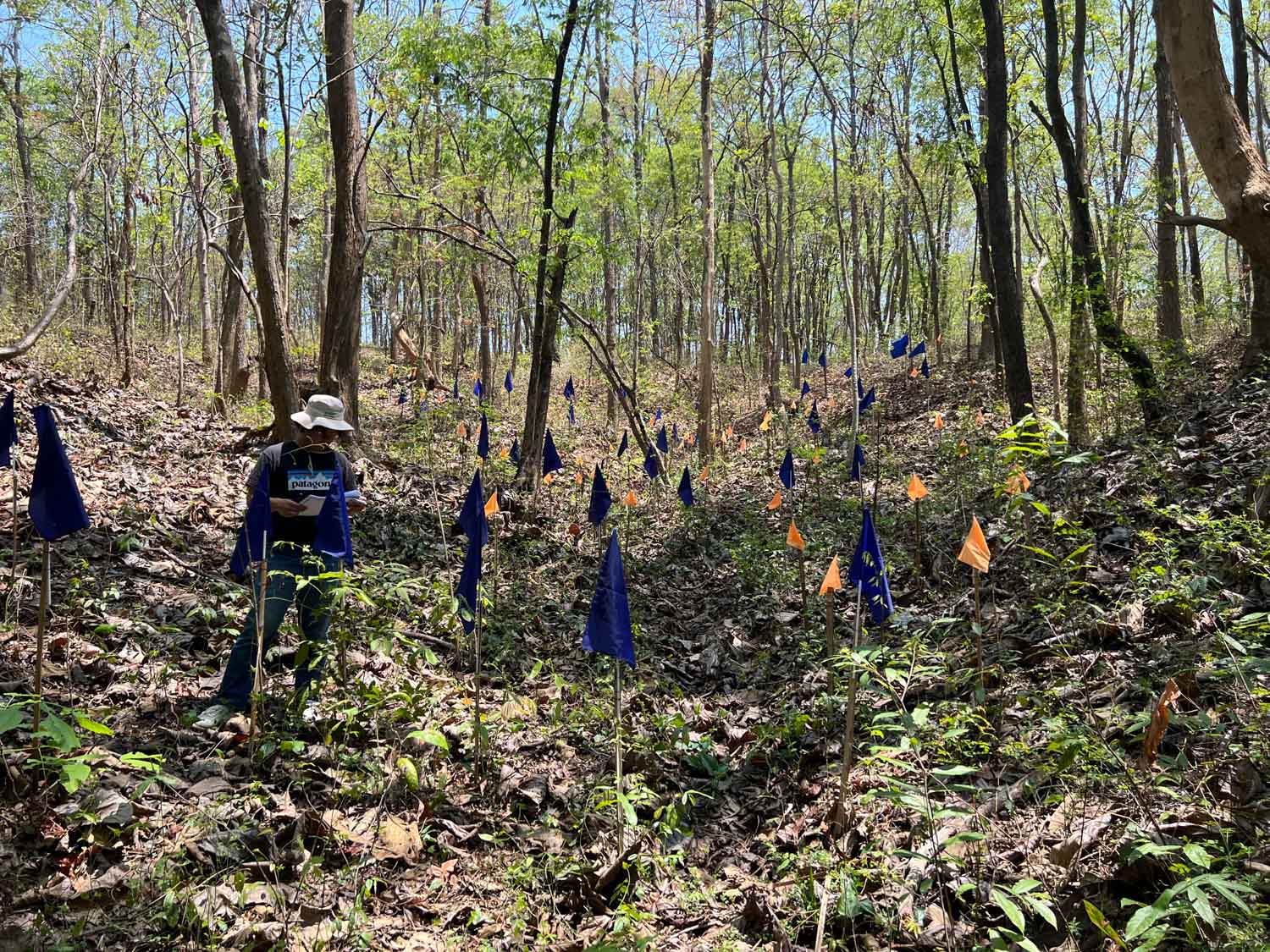
Our team conducted field research in collaboration with experts from various fields, including geologists. Additionally, we had the opportunity to collaborate with Ajarn Chunlaporn Nuntapanich of Northforest Studio, who co-developed the presentation design with our team.
Which part of the process do you enjoy the most during work?
The stage we enjoy the most is the transition from data analysis to the development of design direction. It is the moment when we transform analytical findings into real, applicable ideas. This phase demands the highest level of energy. The quality and character of the project are largely shaped during this step, as it requires both interpretative thinking and creative vision to come together in harmony.
 Buengkum Sport Park
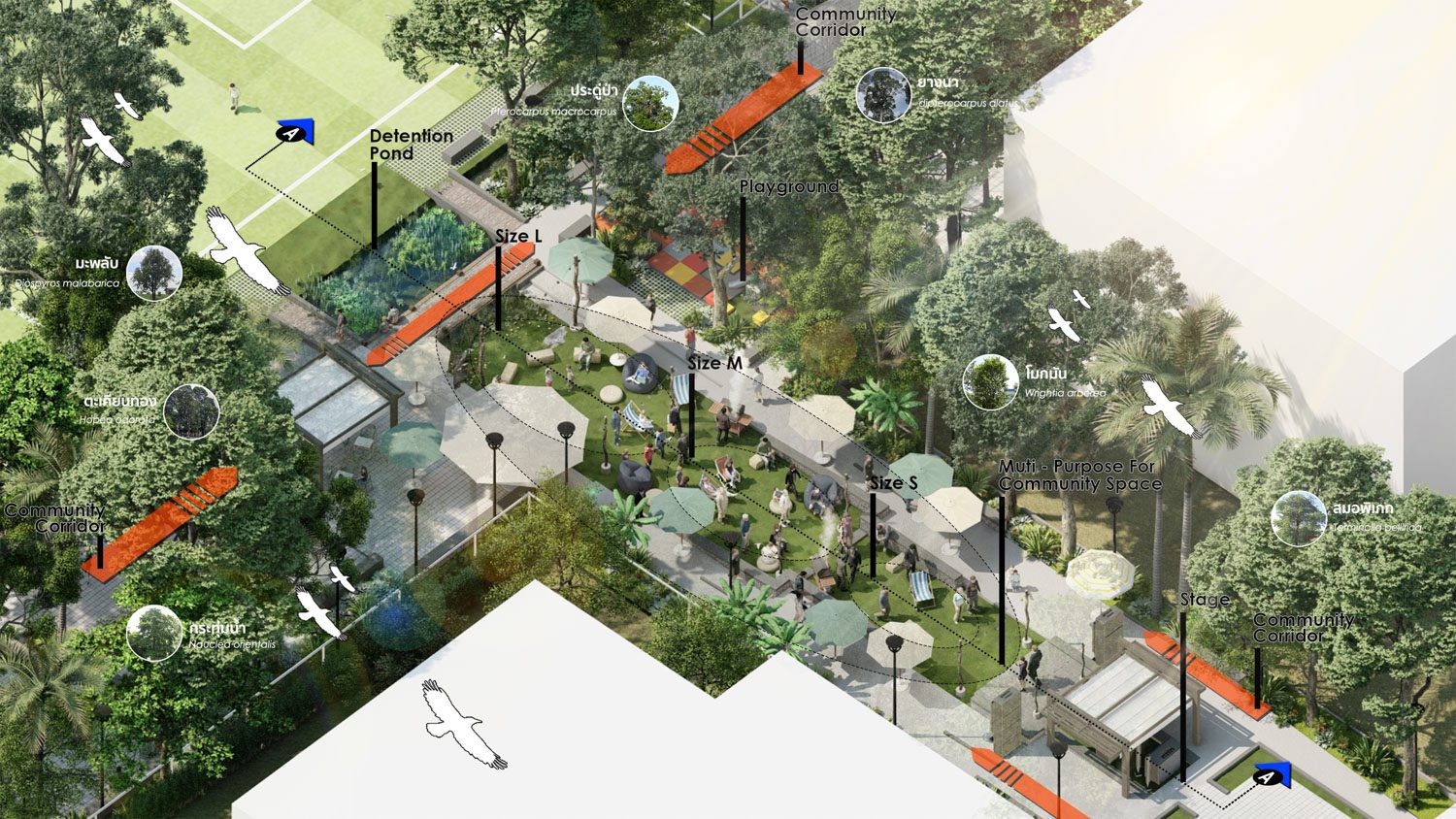
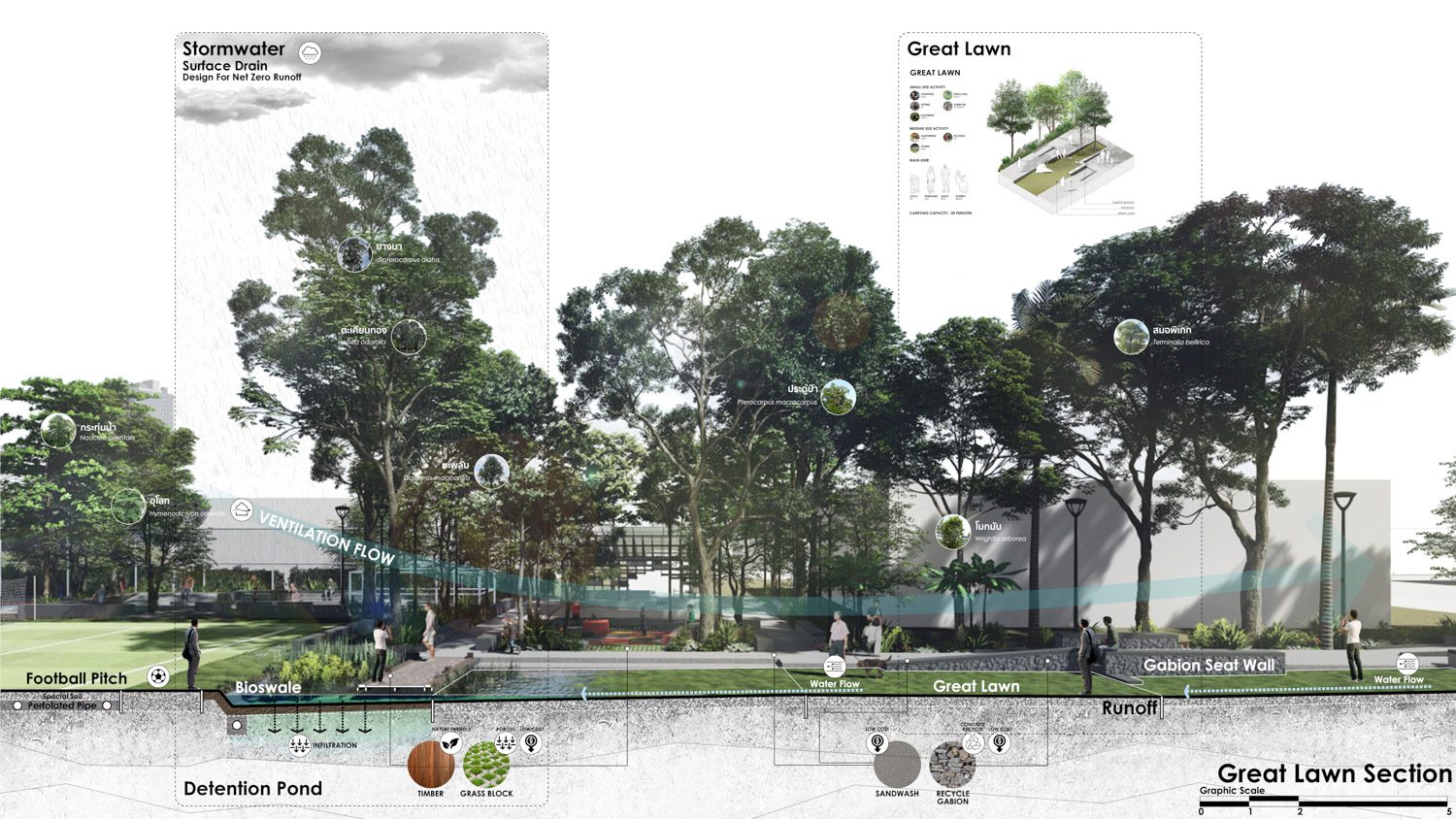
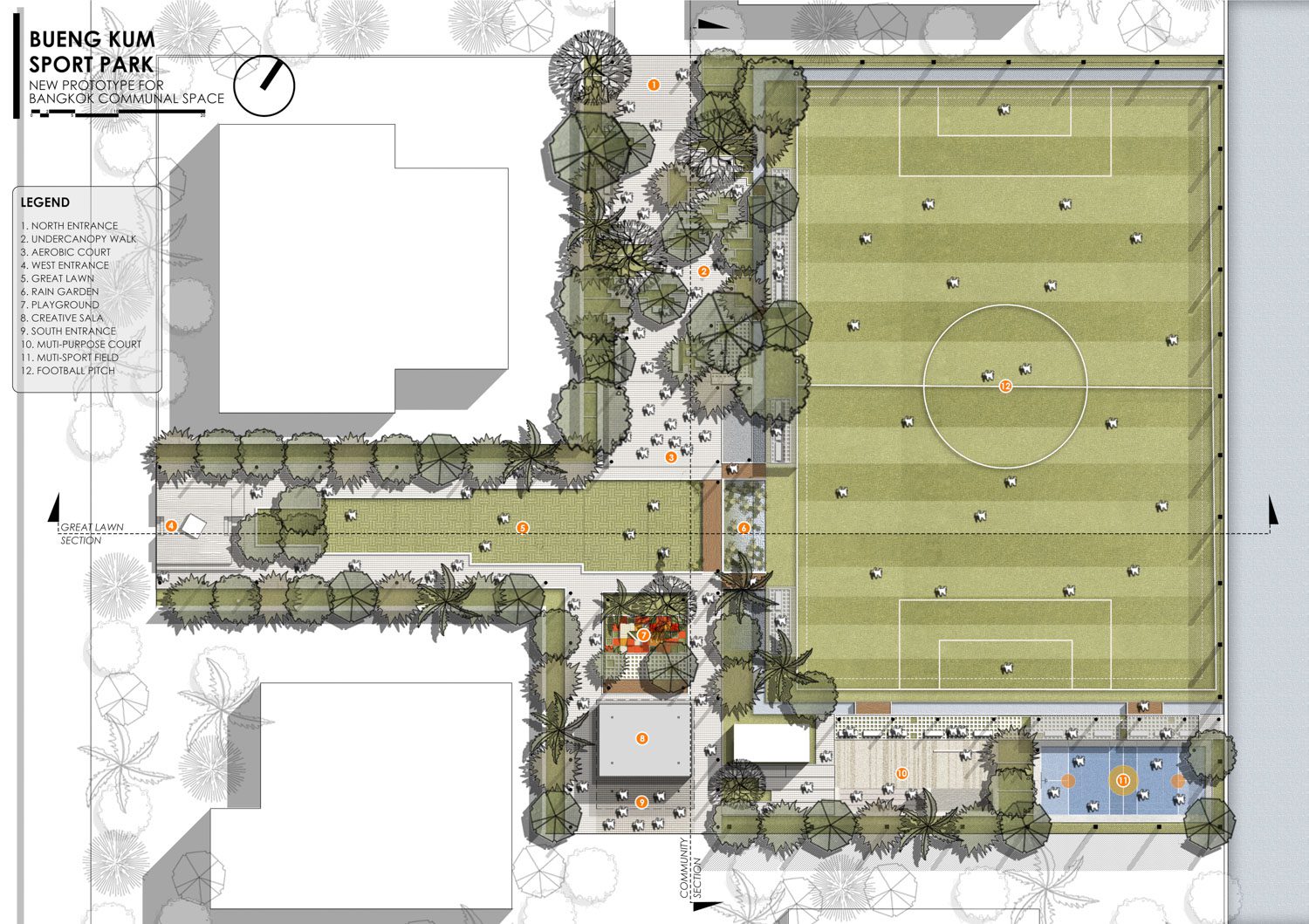
Buengkum Sport Park
Could you describe the ultimate short-term and long-term goals for your studio?
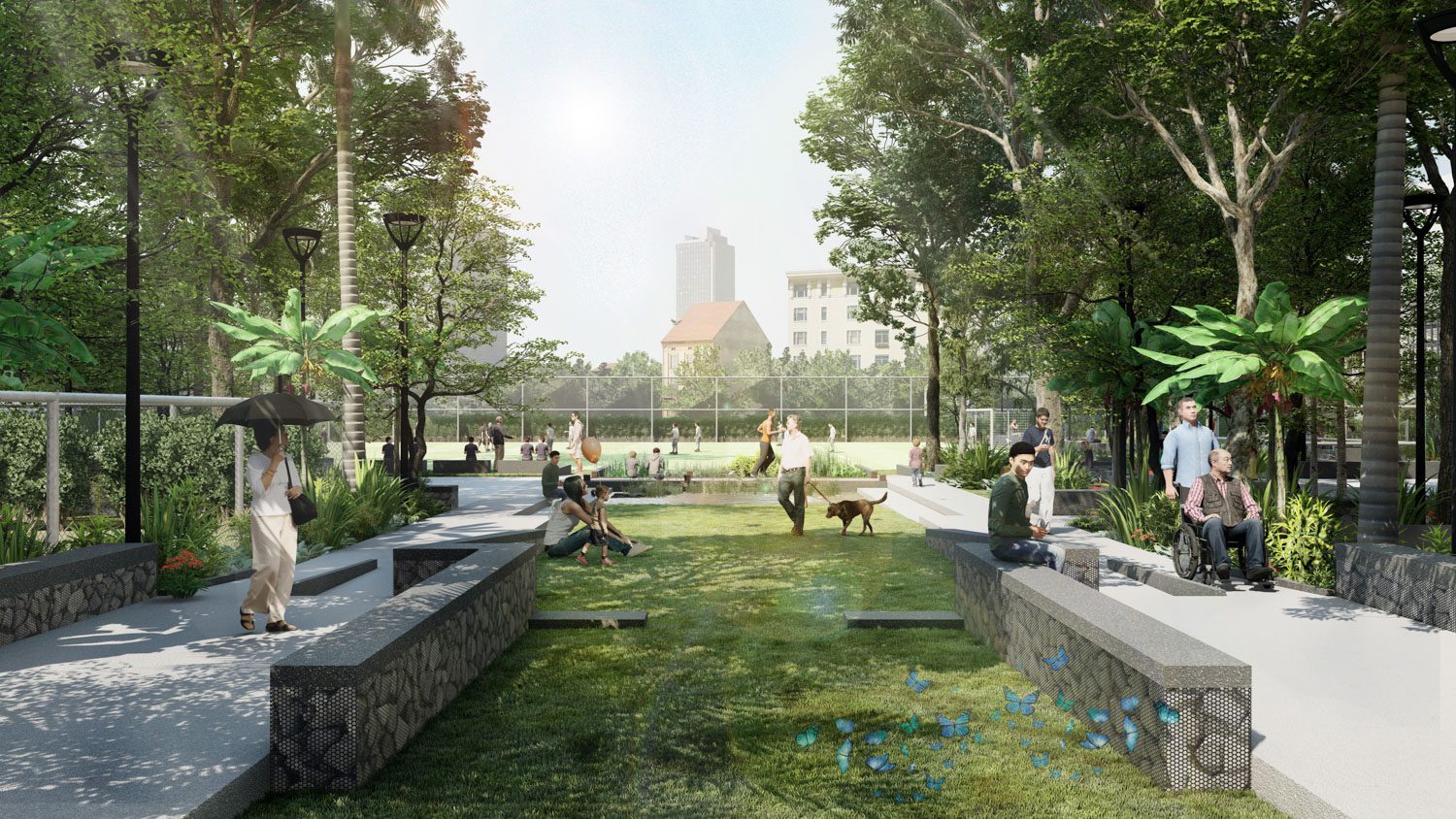
In the short term, we hope to demonstrate how environmental issues can be addressed through the knowledge and practice of landscape architecture-not solely for the benefit of humans, but for all forms of life and the environment as a whole. Our aim is to create spaces where all elements can coexist harmoniously. For example, the master planning that incorporates ecological forests as part of the site, designing public parks where water plays a central role in connecting ecosystems, or creating elevated walkways to preserve wildlife movement paths.
Today, we are still young and full of energy. We would like to emphasize that every time we work, we always begin with thorough research and study to ensure our work is as accurate as possible and free from bias. In the long term, we are committed to passing on our knowledge to the next generation so that it can be of the greatest benefit to society.
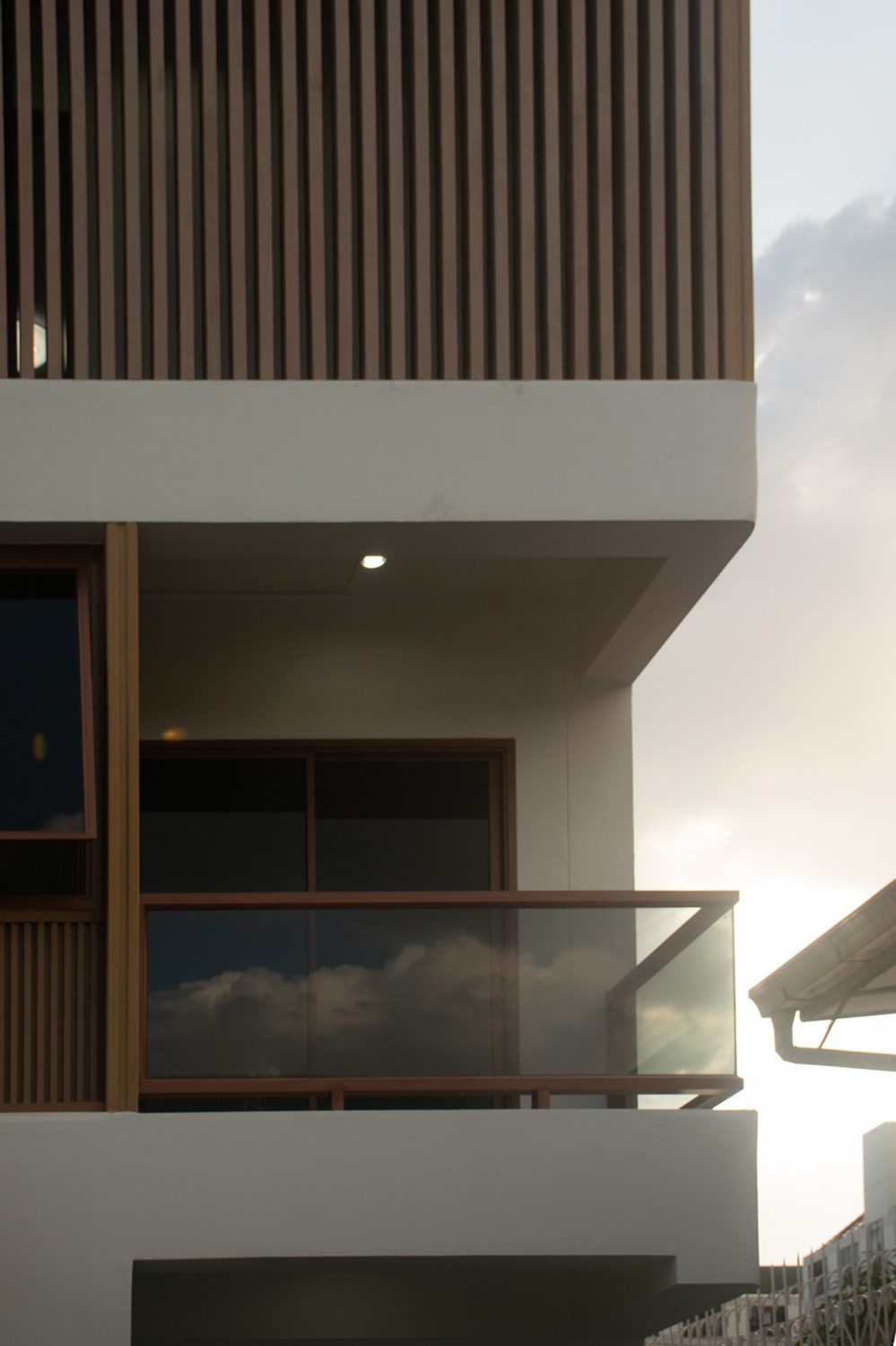
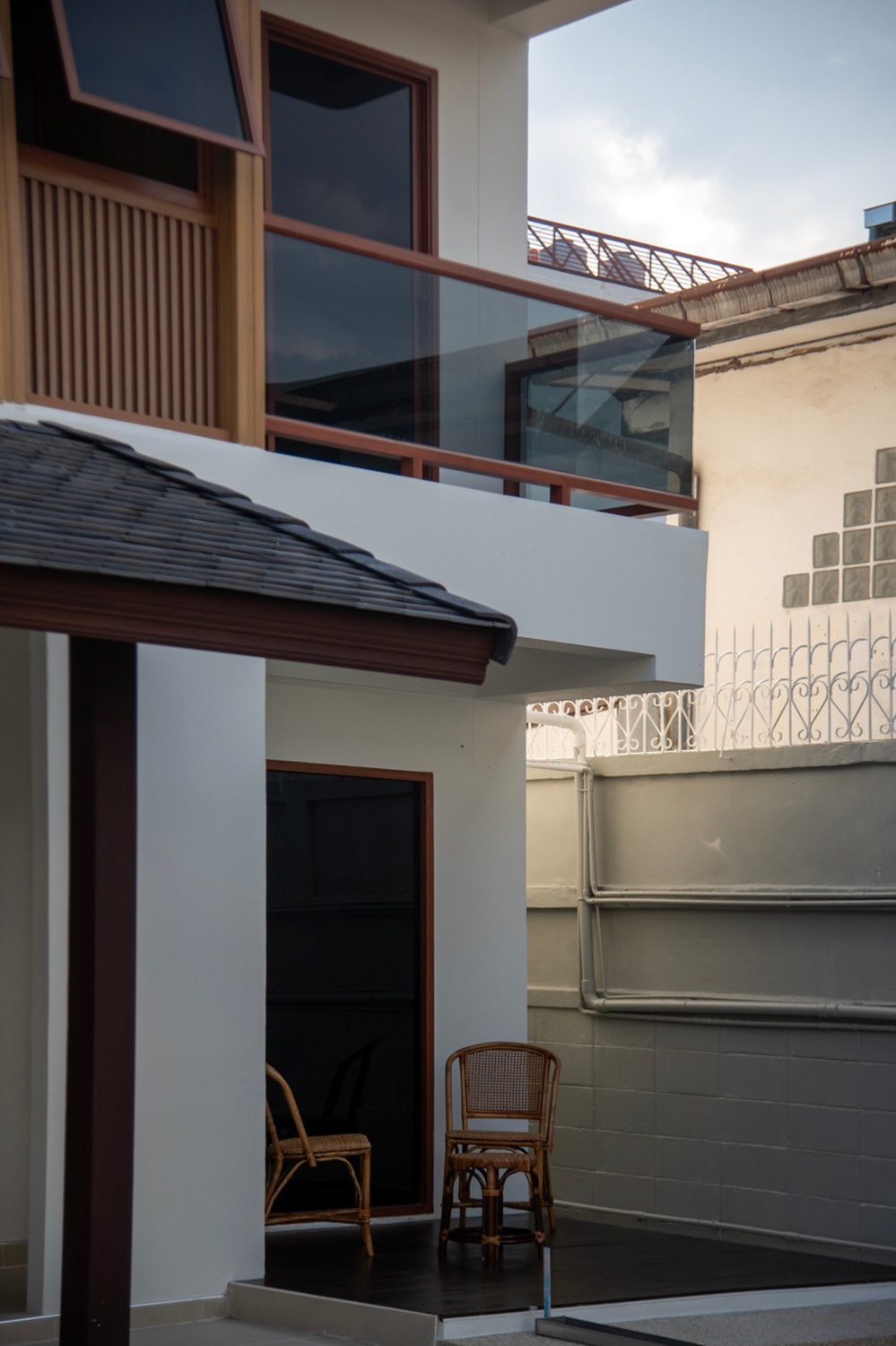
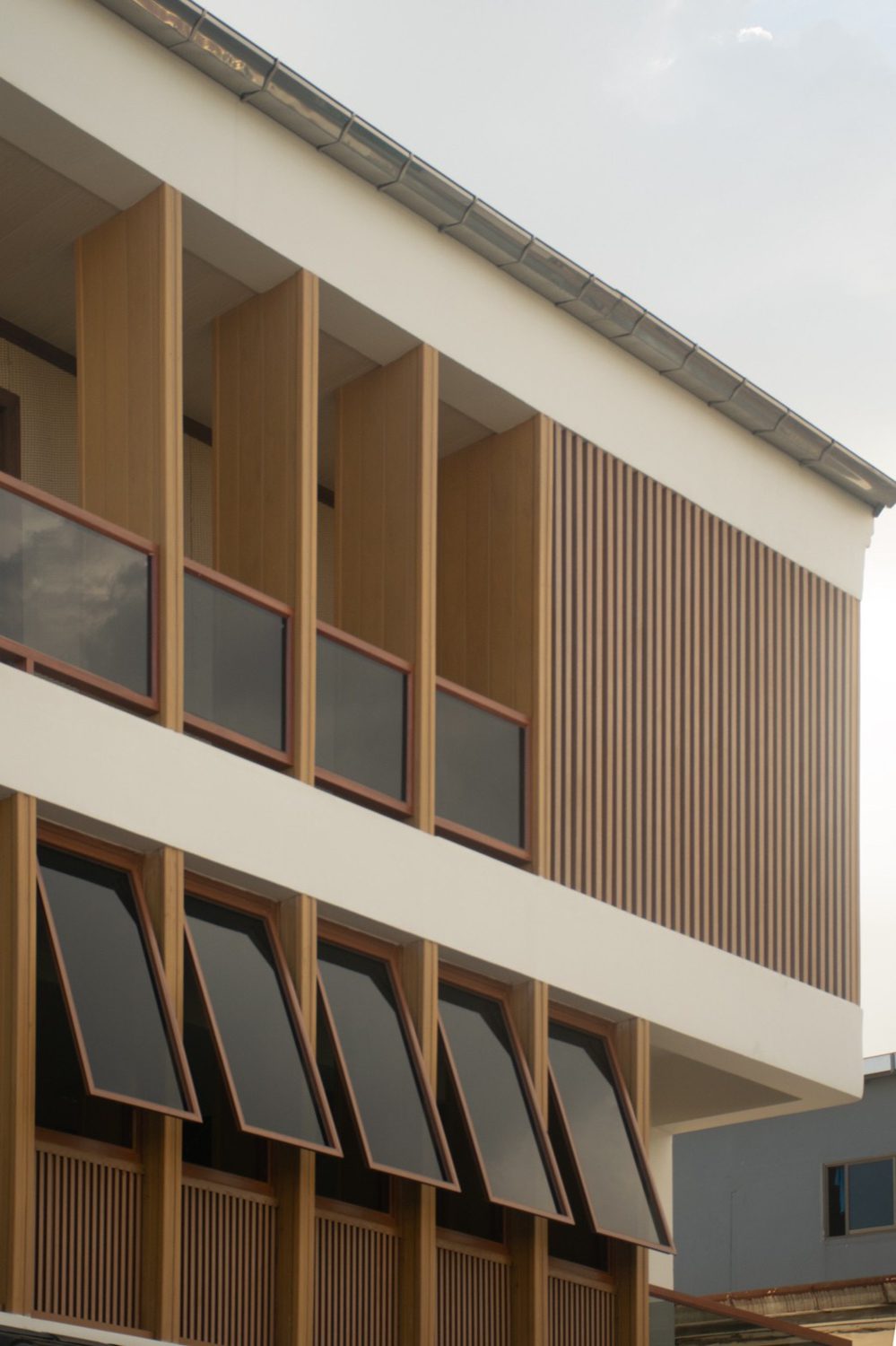 Onnut House
If you could invite any ‘creative’ for a coffee, who would it be and why?
Our team has chosen Ken-Nakarin Wanakijpaibul, CEO of THE STANDARD, as we admire his outstanding communication skills and his role as a forward-thinking leader of the new generation. Some of the content presented on THE STANDARD also touches on environmental and quality of life issues, which aligns closely with our values and aspirations.
If we have the opportunity to exchange perspectives on the environment and quality of life with Ken, we believe we will gain valuable insights from him. At the same time, we would also like to share our ideas, which may be further developed or expanded upon in the future.