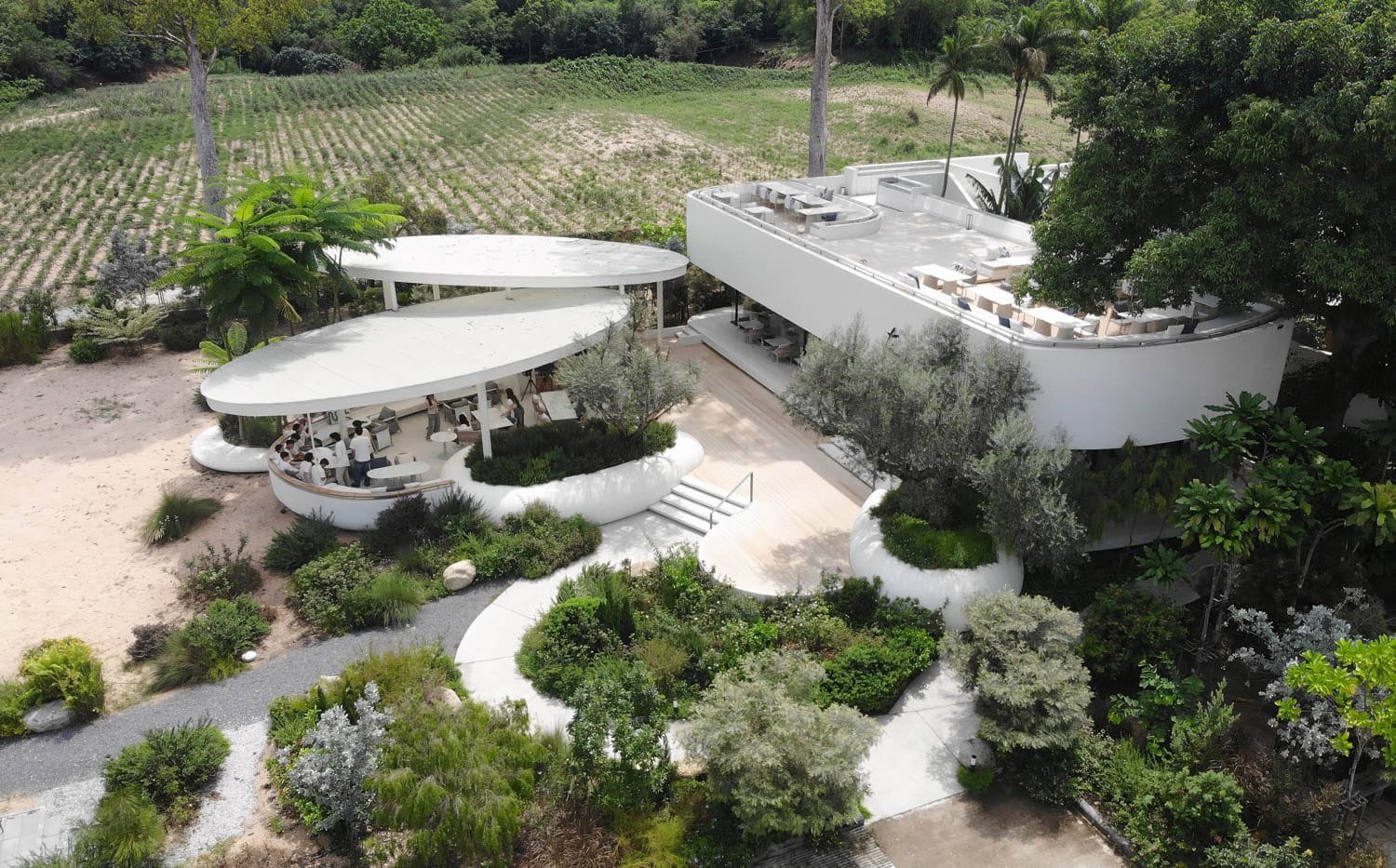
 Tide Restaurant | Photo: Peerapat Wimolrungkarat
 CHAT WITH VMA DESIGN STUDIO, THE CRAFT-OBSESSED FUTURIST MERGING CRAFT AND CODE INTO SEAMLESS DIALOGUE, WHERE CONSTRAINTS BECOME FUEL FOR CREATIVITY
TEXT: VMA DESIGN STUDIO
PHOTO CREDIT AS NOTED
(For Thai, press here)
WHO
VMA Design Studio was founded by Vichayuth Meenaphant and Peerawin Sawattanawanit after years of experience in international architectural practice, with a strong focus on computational design tools and fabrication. Today, the studio positions itself as craft-obsessed futurists, using the methods and constraints of local contexts as catalysts for new forms of creation.
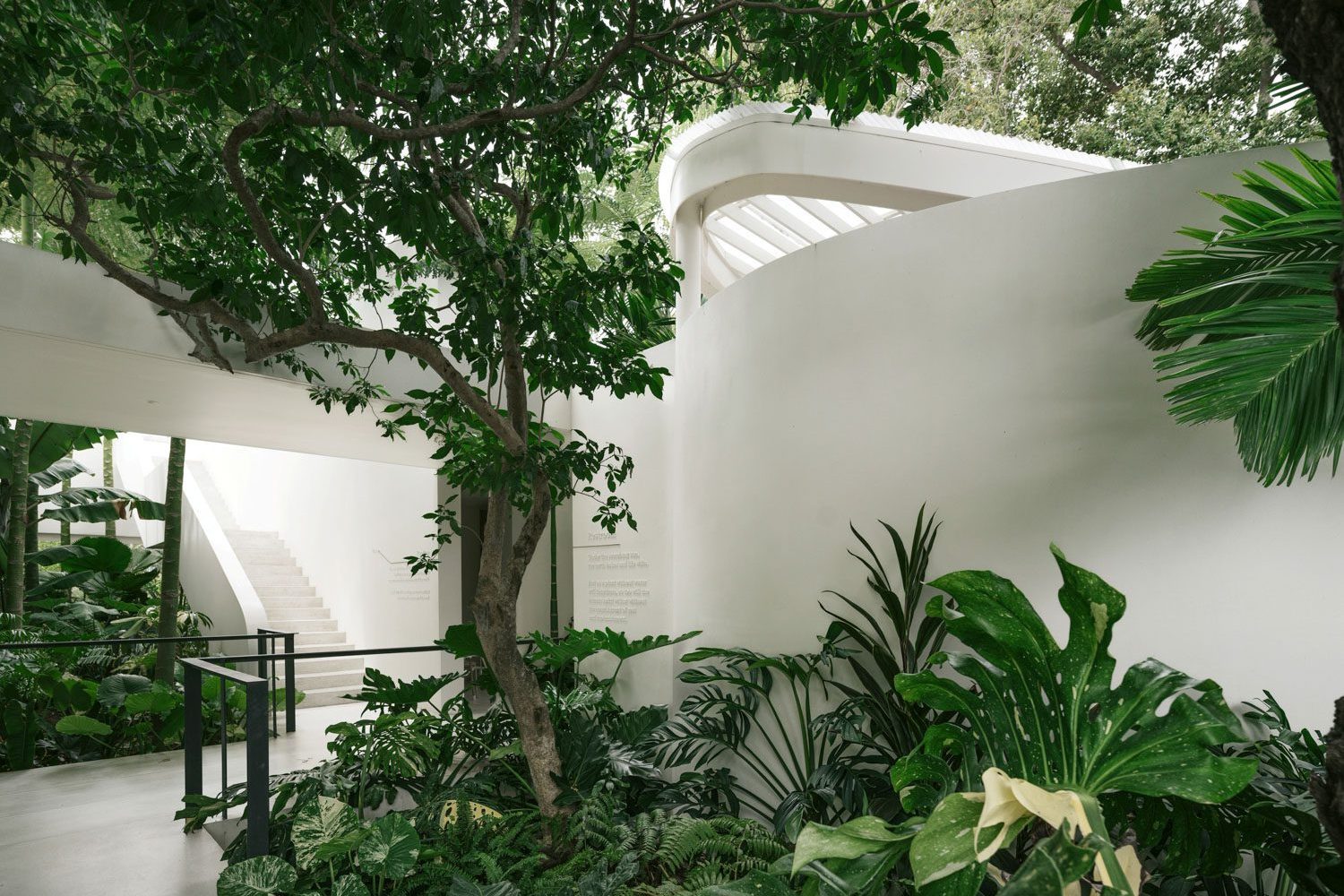 Tide Restaurant | Photo: Peerapat Wimolrungkarat
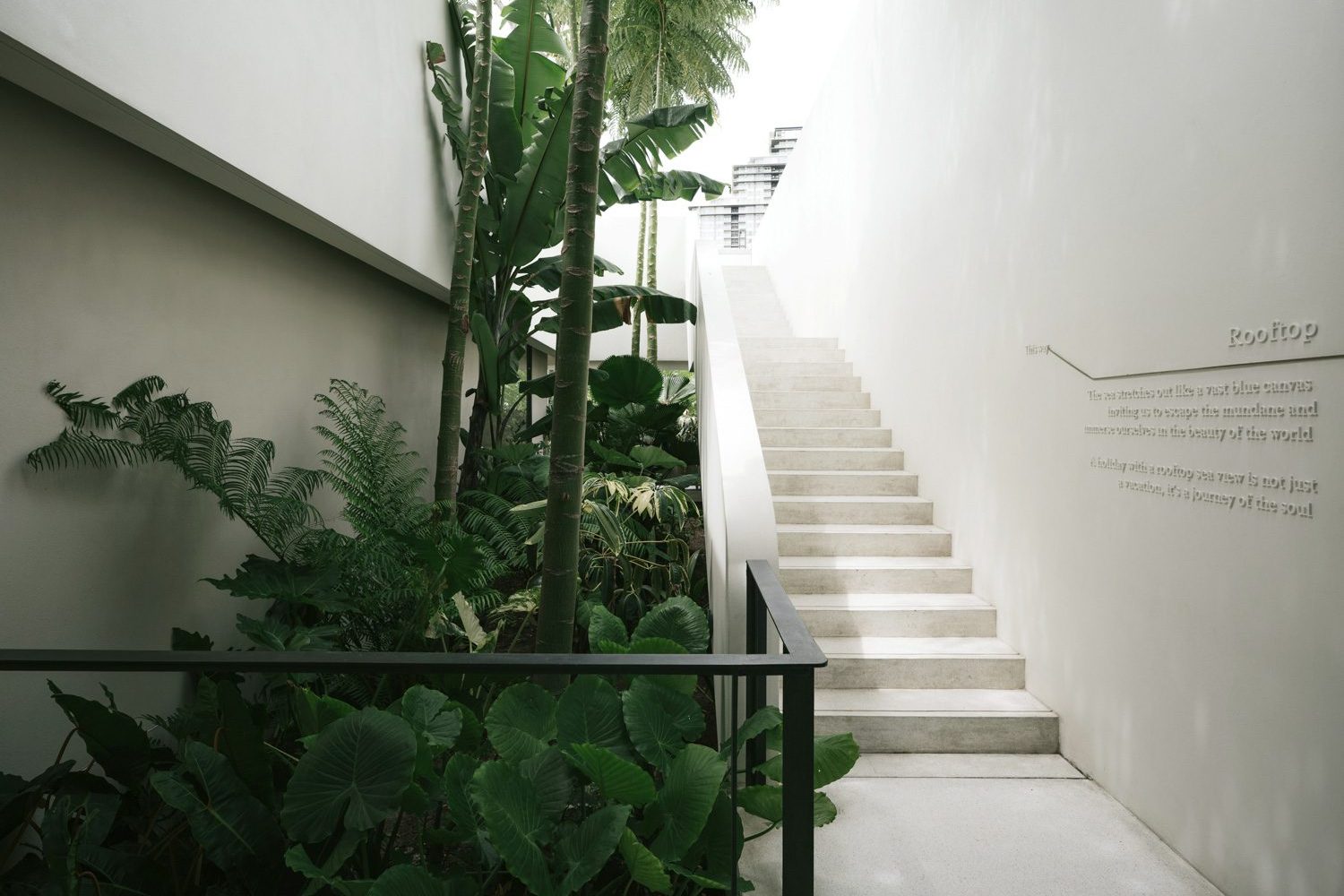
WHAT
We produce architecture that merges computational thinking with local craftsmanship, creating spaces that exist between eras. They carry a sense of nostalgia while simultaneously feeling ahead of their time.
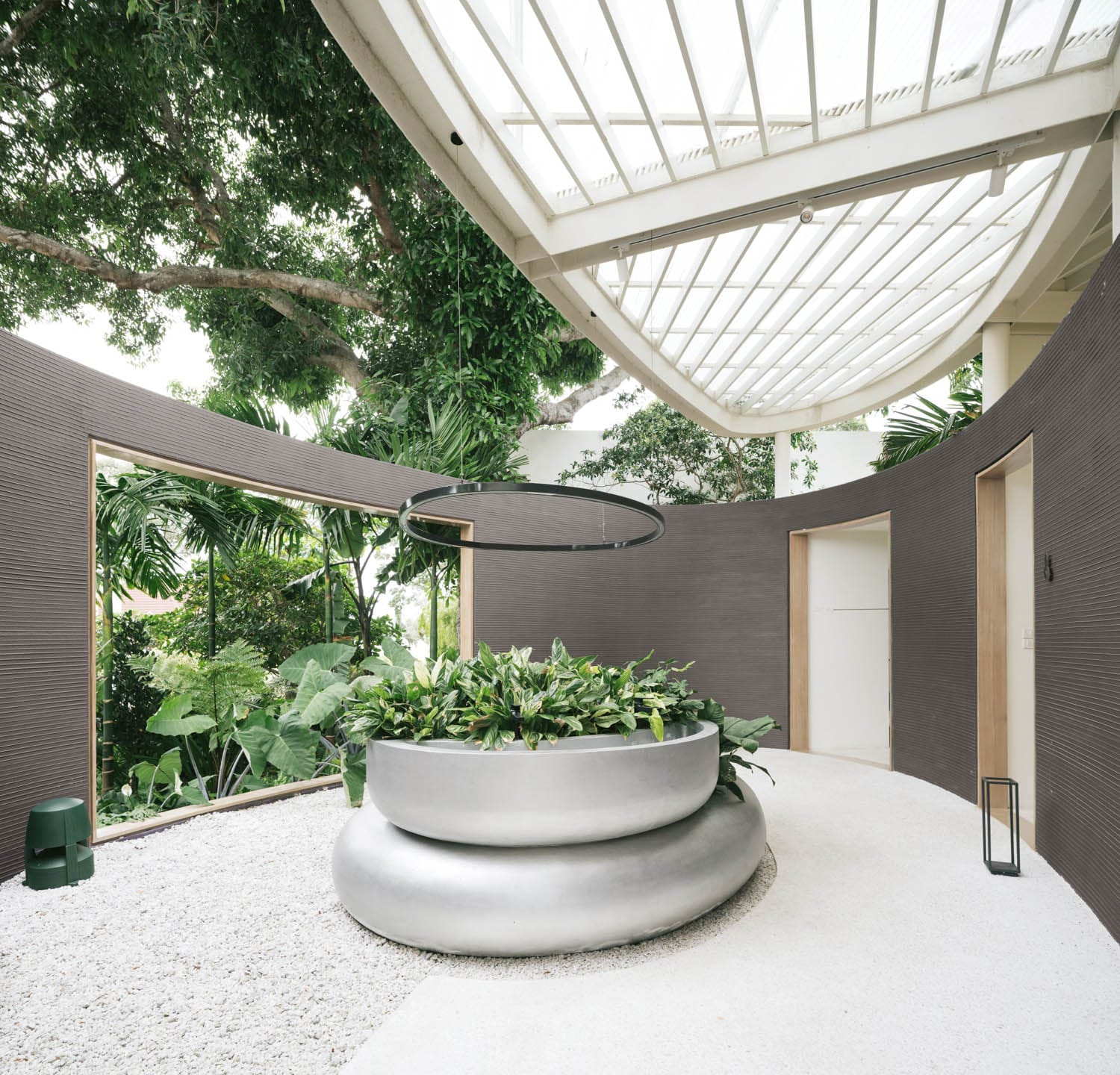
Tide Restaurant | Photo: Peerapat Wimolrungkarat
WHEN
The studio was established at a moment of realization: that the future of architecture is not about choosing between craft and code, but about making the two work together.
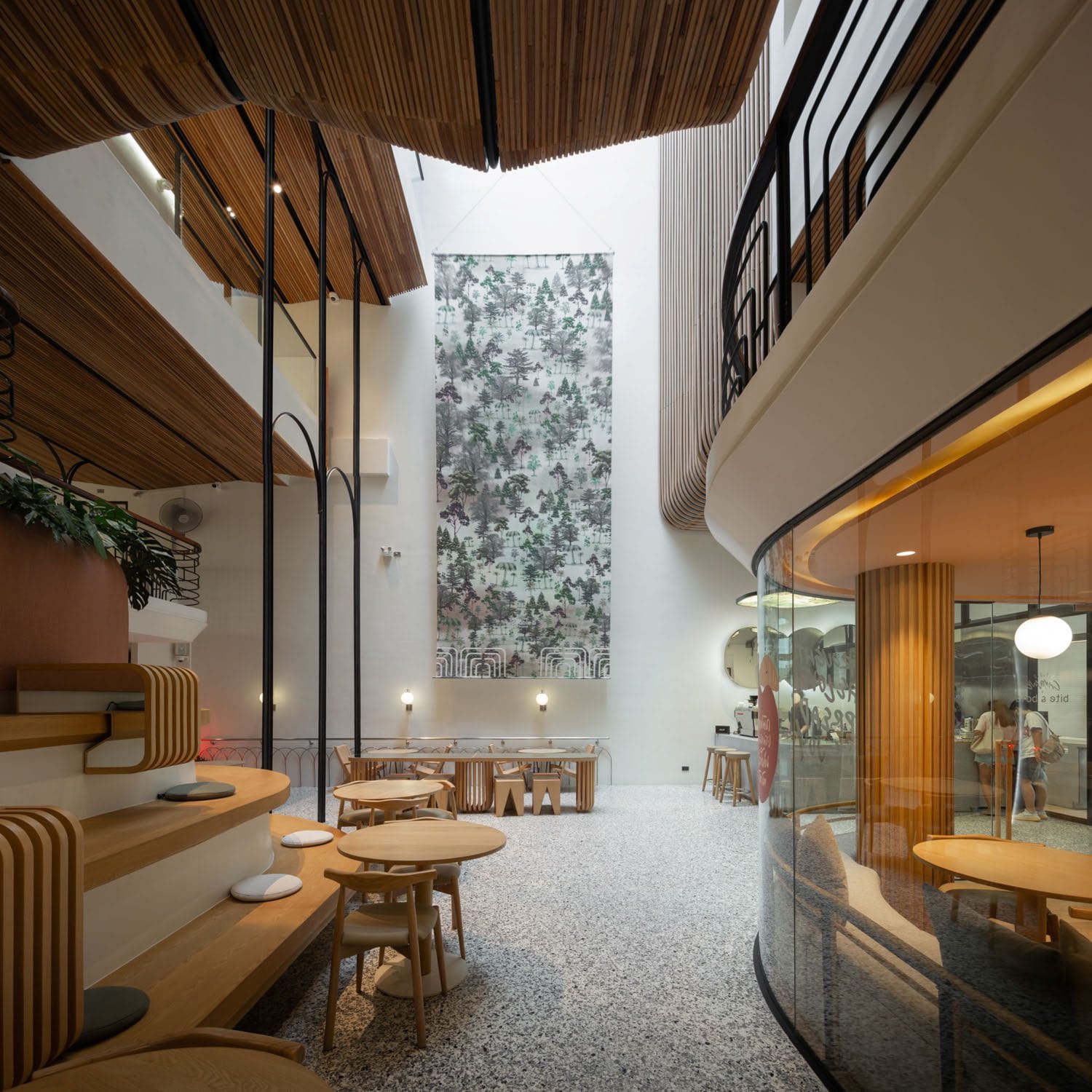
Double B Hostel | Photo: Chitsanupong Ploythanachot
WHERE
The studio is currently based in Sukhumvit 33, Bangkok, though we remain continually curious about the world beyond it.
WHY
We are driven by a desire to test how ways of thinking and making, shaped abroad, translate within the Thai context. How far can this synthesis go? Our ambition is to remain a local studio whose work can stand alongside projects from anywhere in the world.
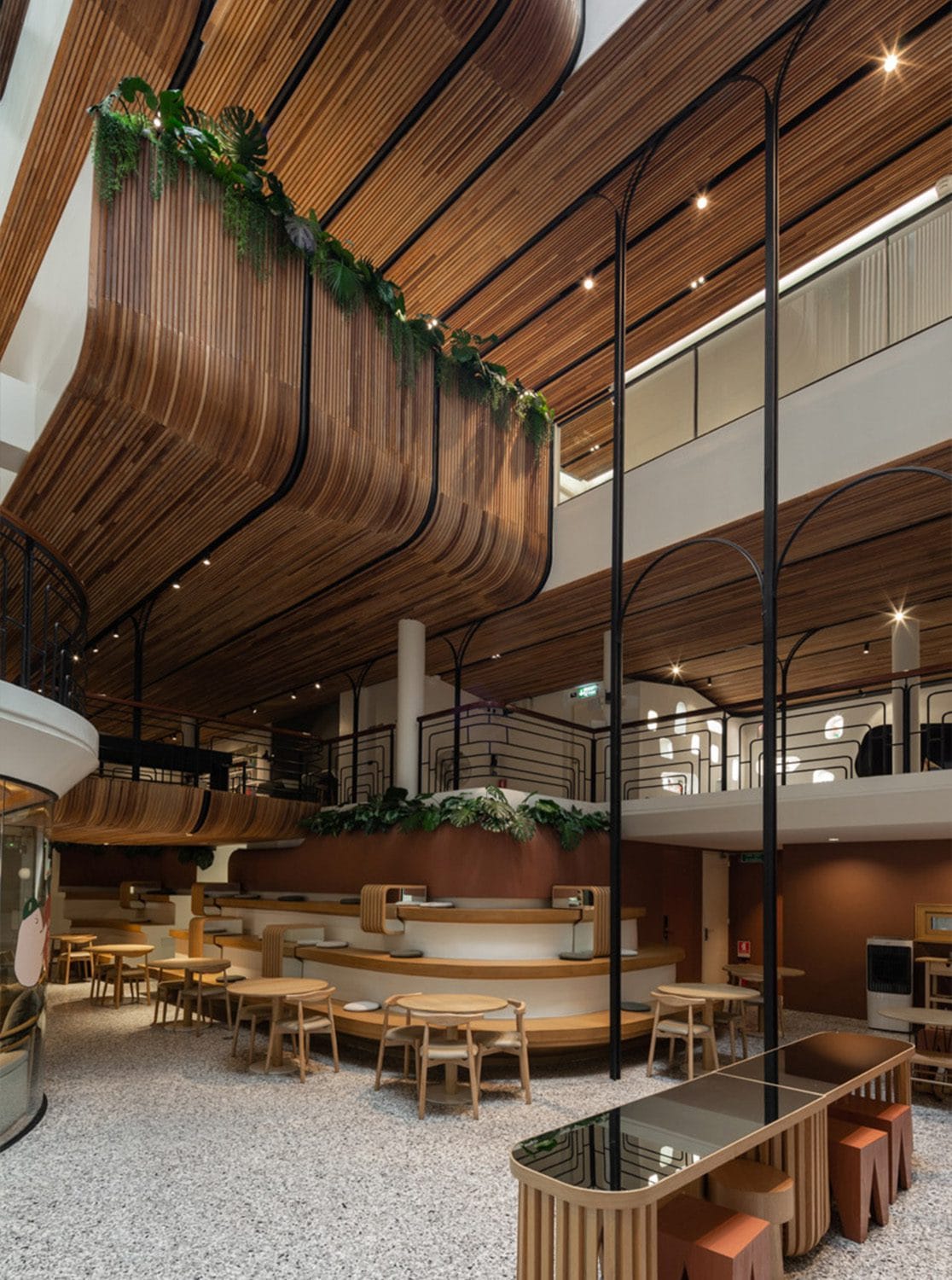 Double B Hostel | Photo: Chitsanupong Ploythanachot
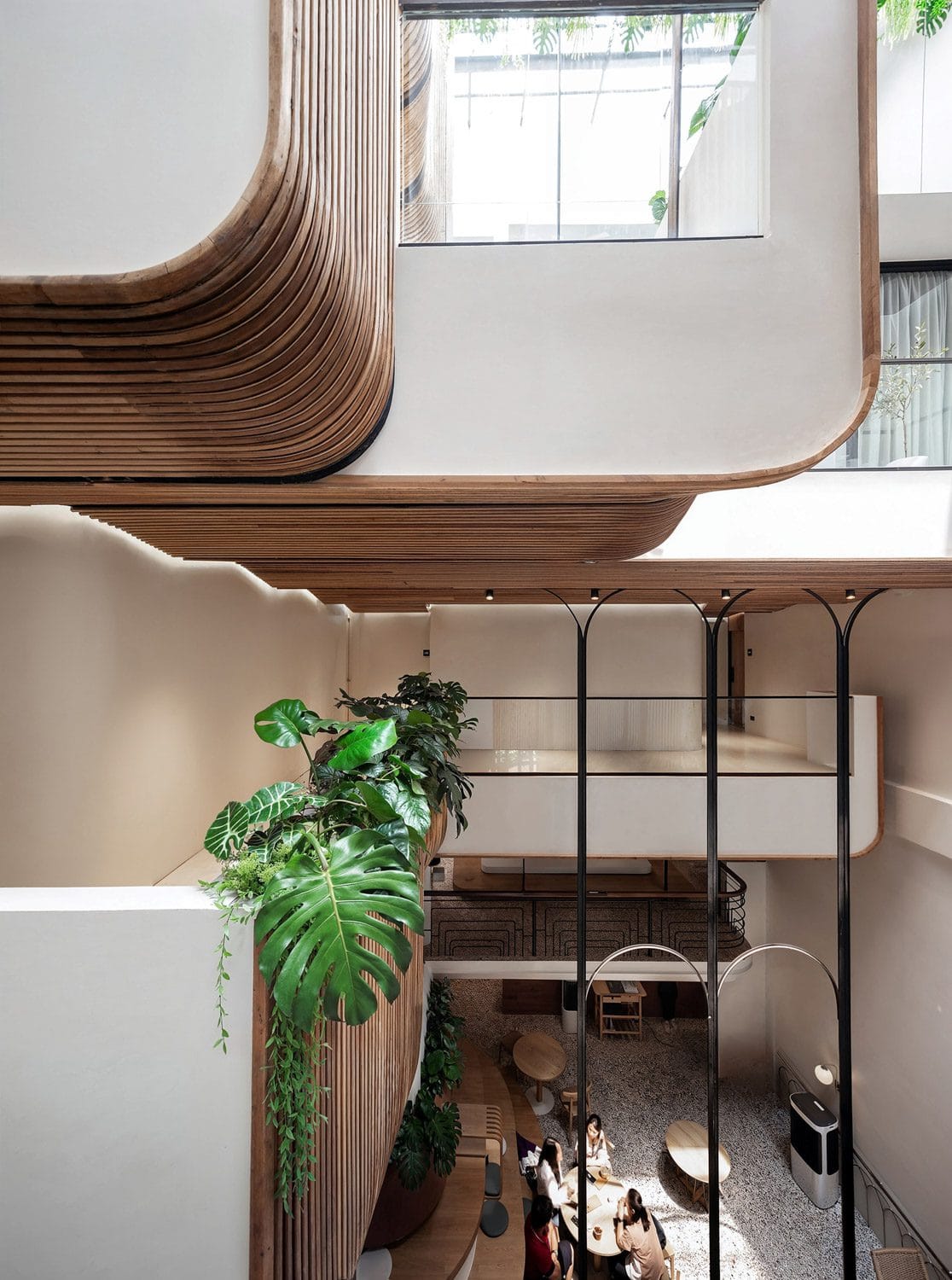
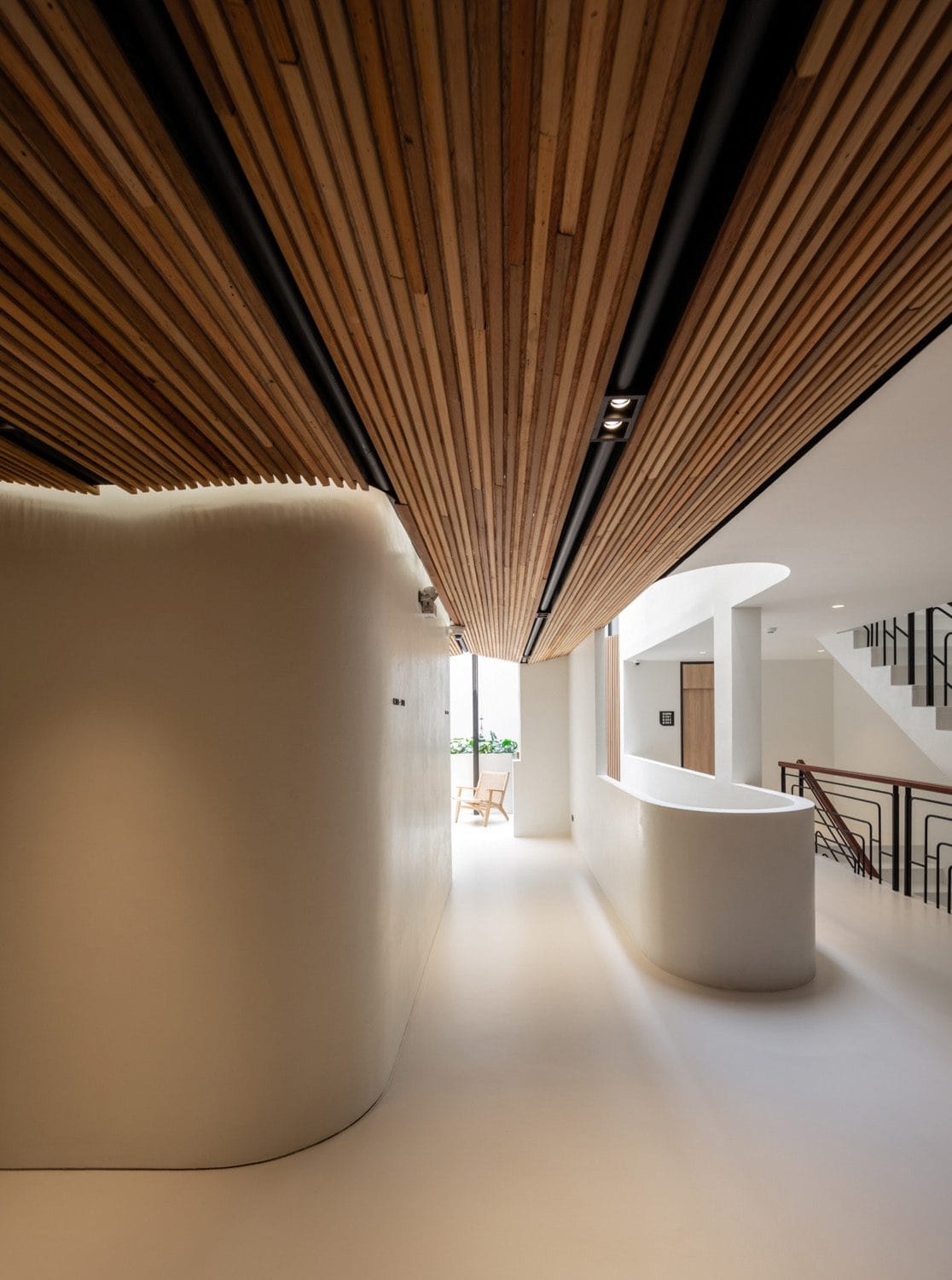
How do you define your own style of work?
‘Future Craft’ describes a practice of working with organic forms that originate in computational thinking, yet are ultimately sculpted by human hands and local tools. It does not rely solely on high-tech fabrication. Instead, materials and conditions often perceived as raw or imperfect become sources of creative fuel. The result is work that could only emerge from its specific context: authentic, alive, and deeply attuned to place.
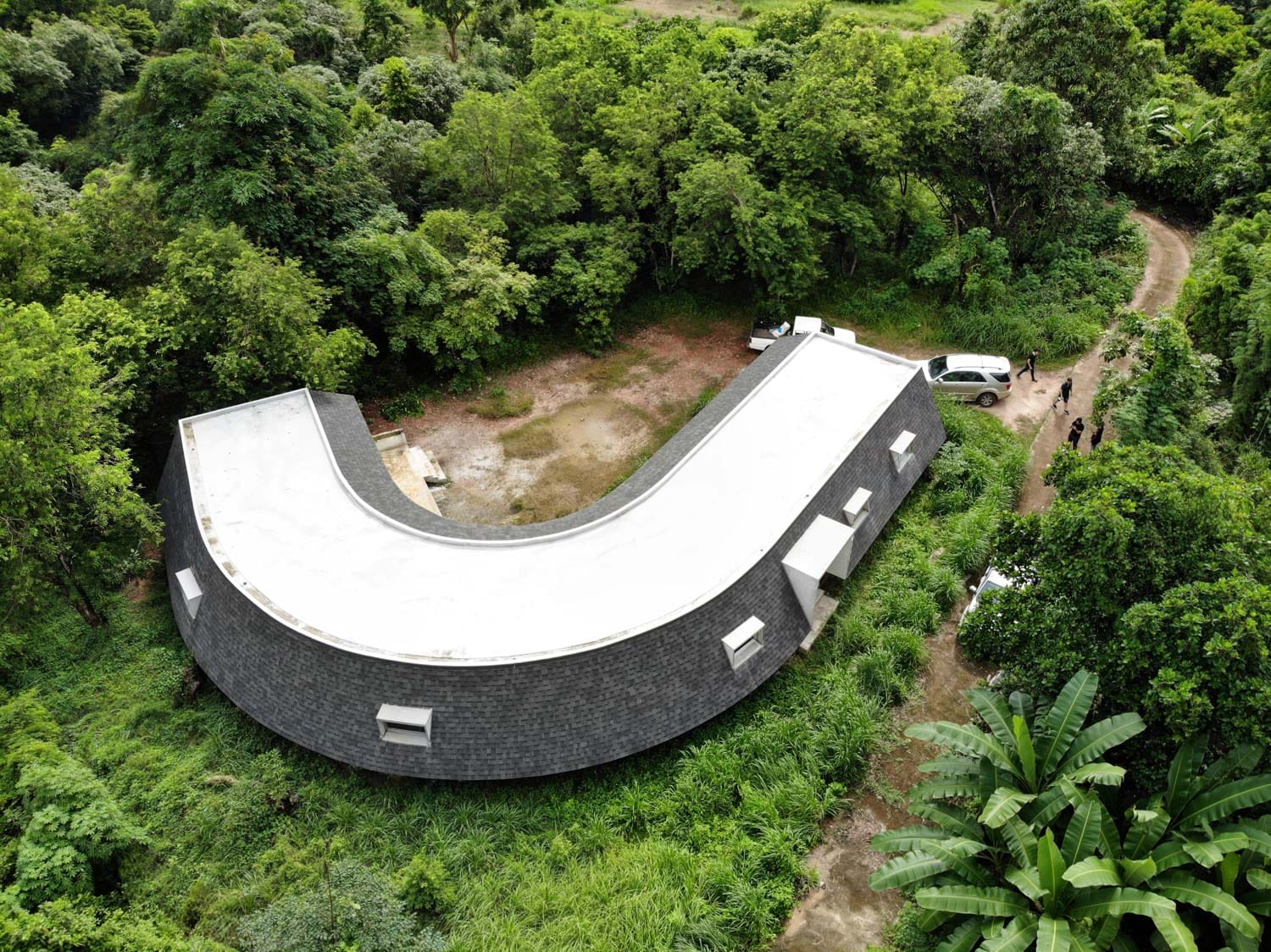
Garden House | Photo: VMA Design Studio
What inspires you, and what principles guide your work?
Turning constraints into opportunities. Rising labor costs, material differences from abroad, and the decline of skilled craftsmanship are not obstacles, but parameters of design. Our strongest work emerges from engaging with these conditions rather than resisting them. Like many small studios that have branched out from international practices and re-grounded design thinking within their own contexts, we follow a similar path, allowing specificity to shape identity.
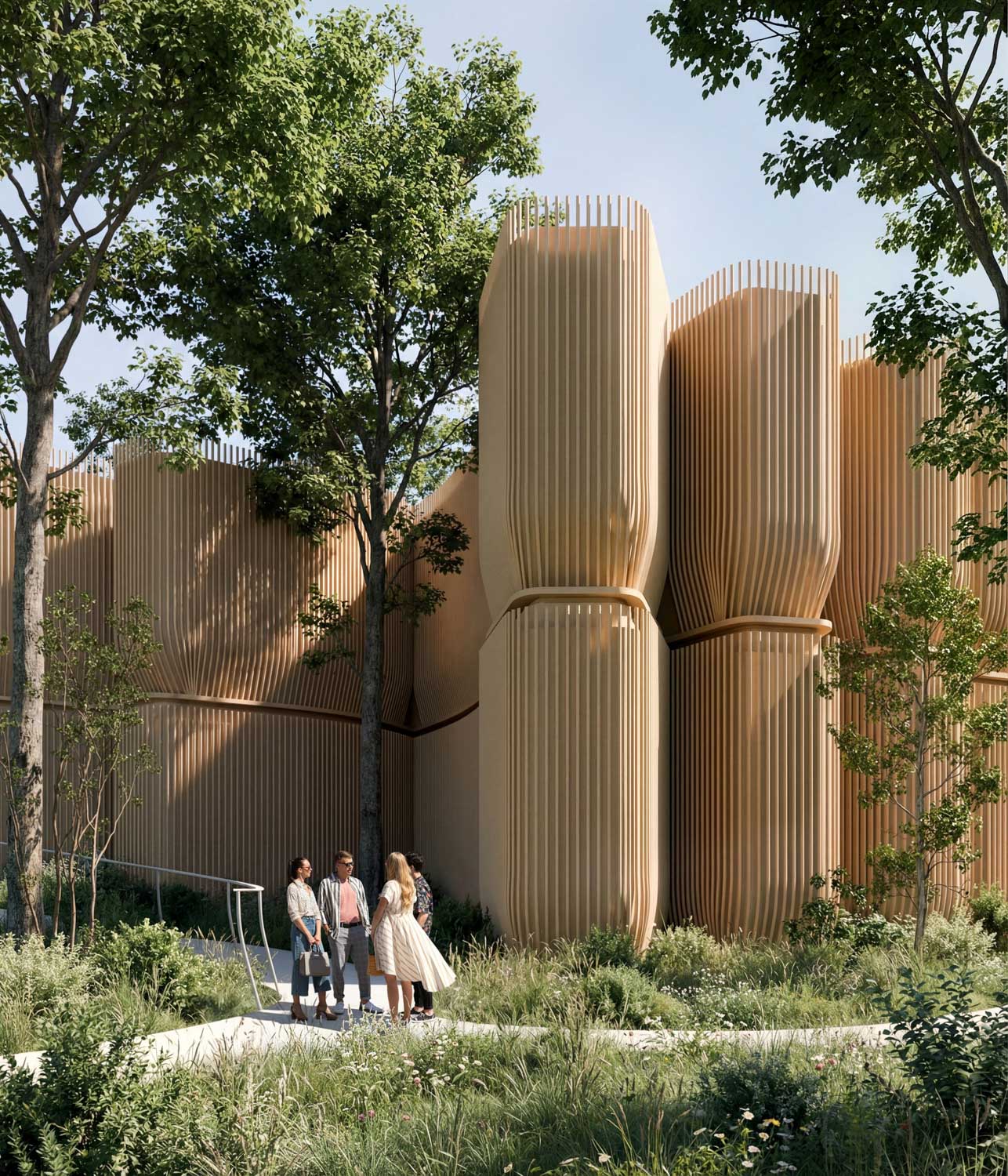
House of Elements: Winning Proposal for A Sequential Zoological Pavilion for Łódź Zoo, Poland | Image: VMA Design Studio
Which project are you most proud of and why?
Winning First Prize in the Łódź Zoo International Competition was significant not simply because of the award, but because it demonstrated that Future Craft can operate on a global stage. We submitted as a small studio from Bangkok, competing with established European firms, and the jury selected our proposal for its design vision. The fact that the project is now moving toward realization reinforces the direction we have chosen.
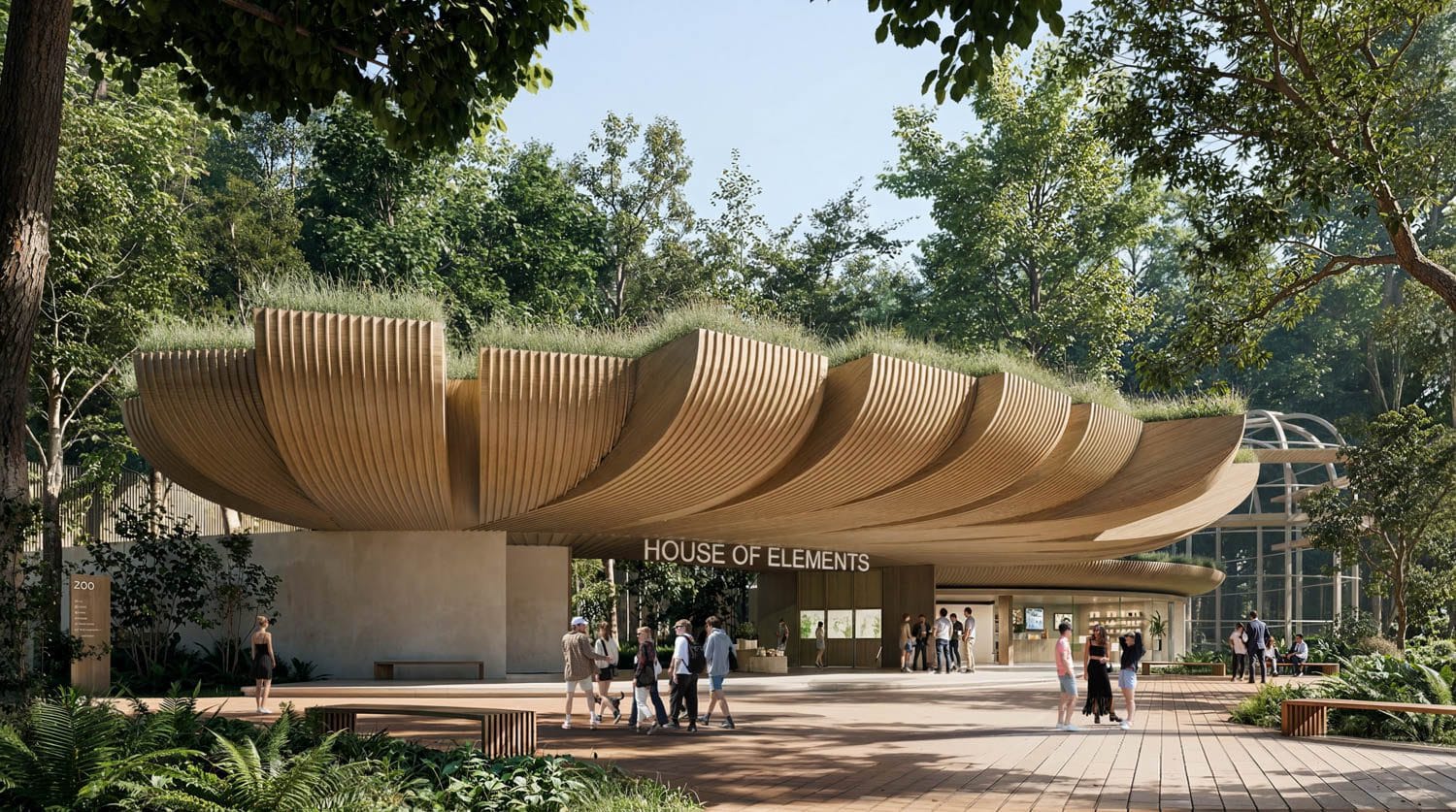
House of Elements: Winning Proposal for A Sequential Zoological Pavilion for Łódź Zoo, Poland | Image: VMA Design Studio
Which part of the process do you enjoy the most during work?
There are two moments we value most. The first is during presentations, when clients begin to see the project through our lens. It is the moment when we know the idea has been clearly communicated. The second comes after completion, when people inhabit the space and find joy in it. That is the most rewarding stage.
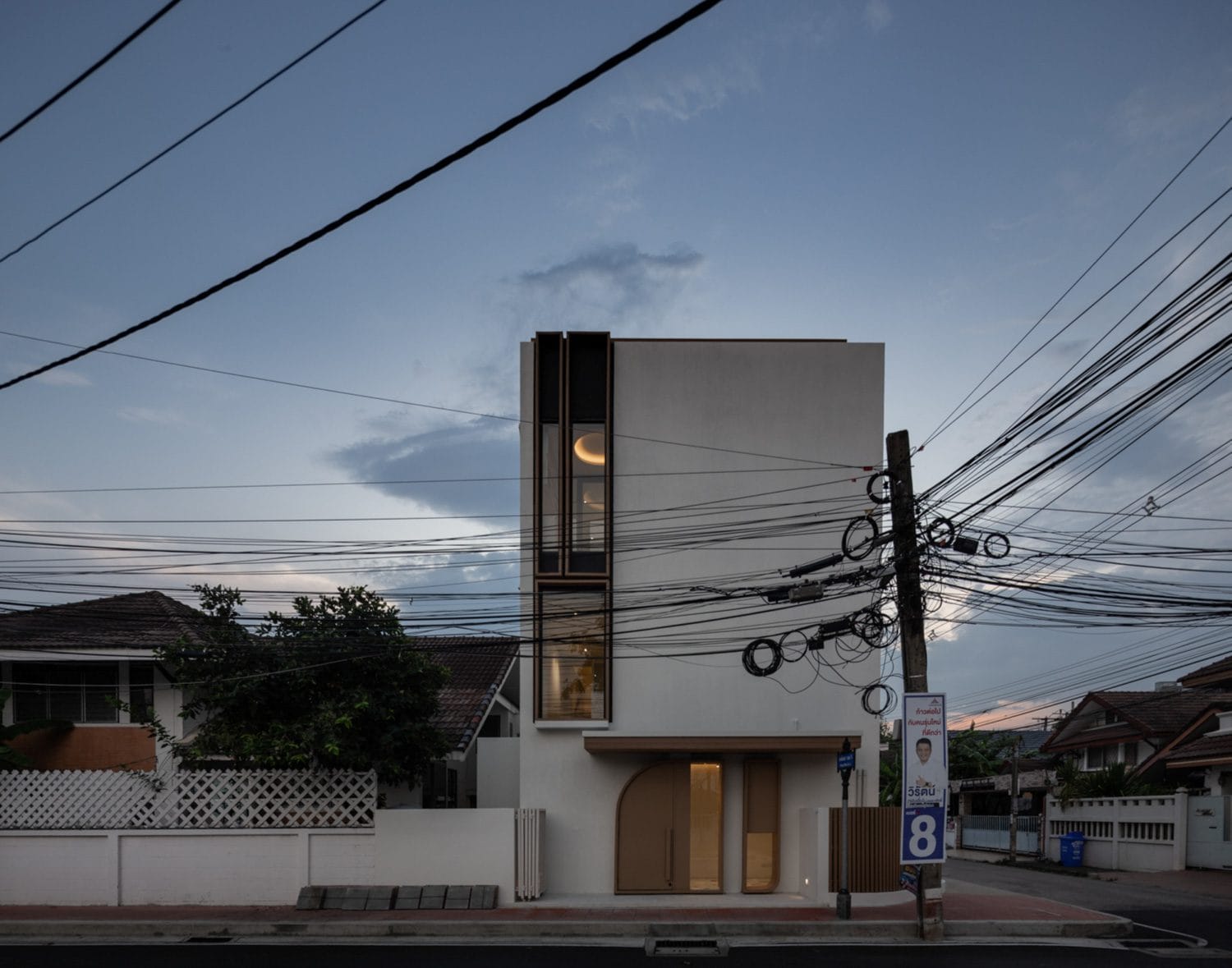
SPP House | Photo: Chitsanupong Ploythanachot
The most difficult stage is when the design has yet to be resolved. Yet, in hindsight, this period often pushes the work beyond what we initially imagined. It is both frustrating and essential.
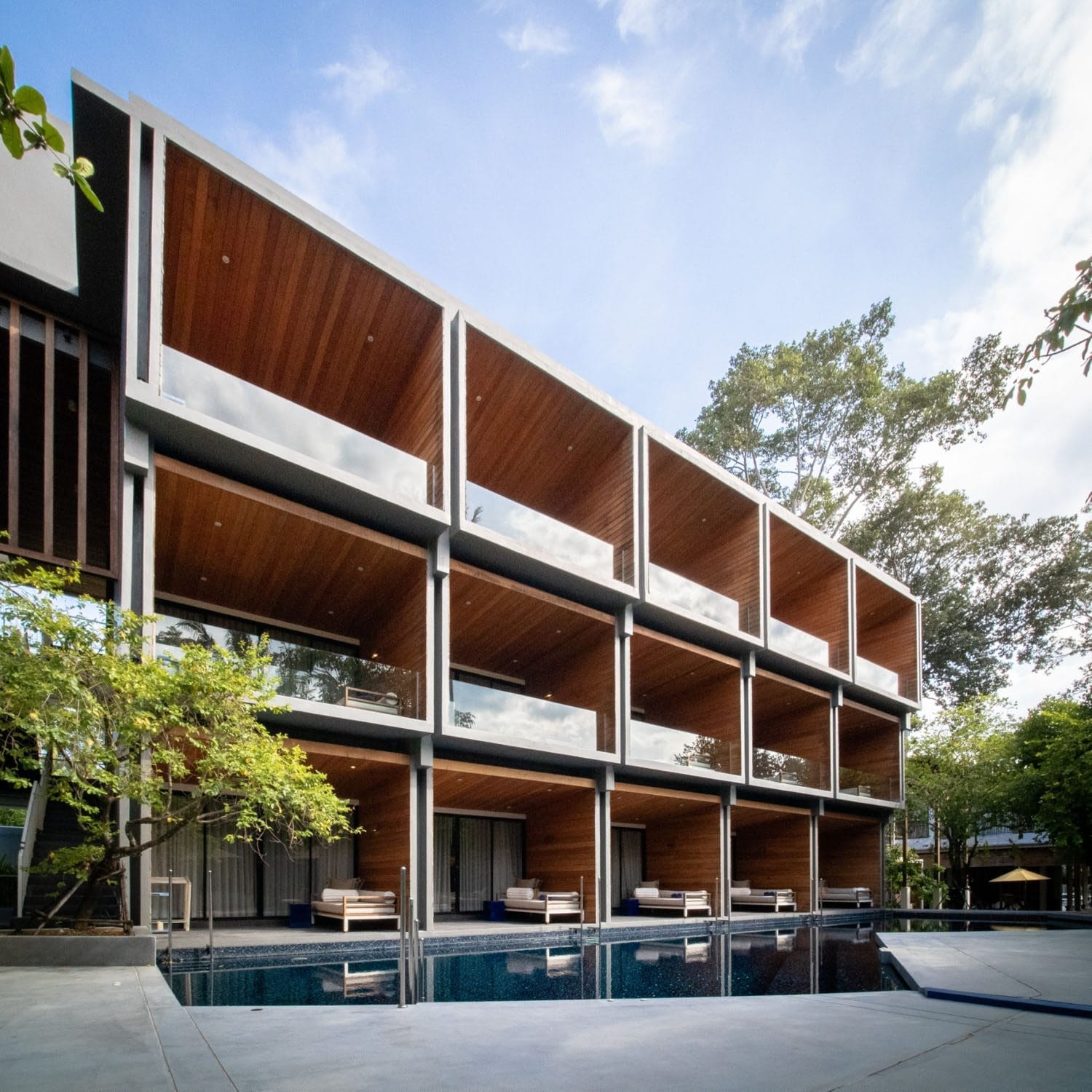
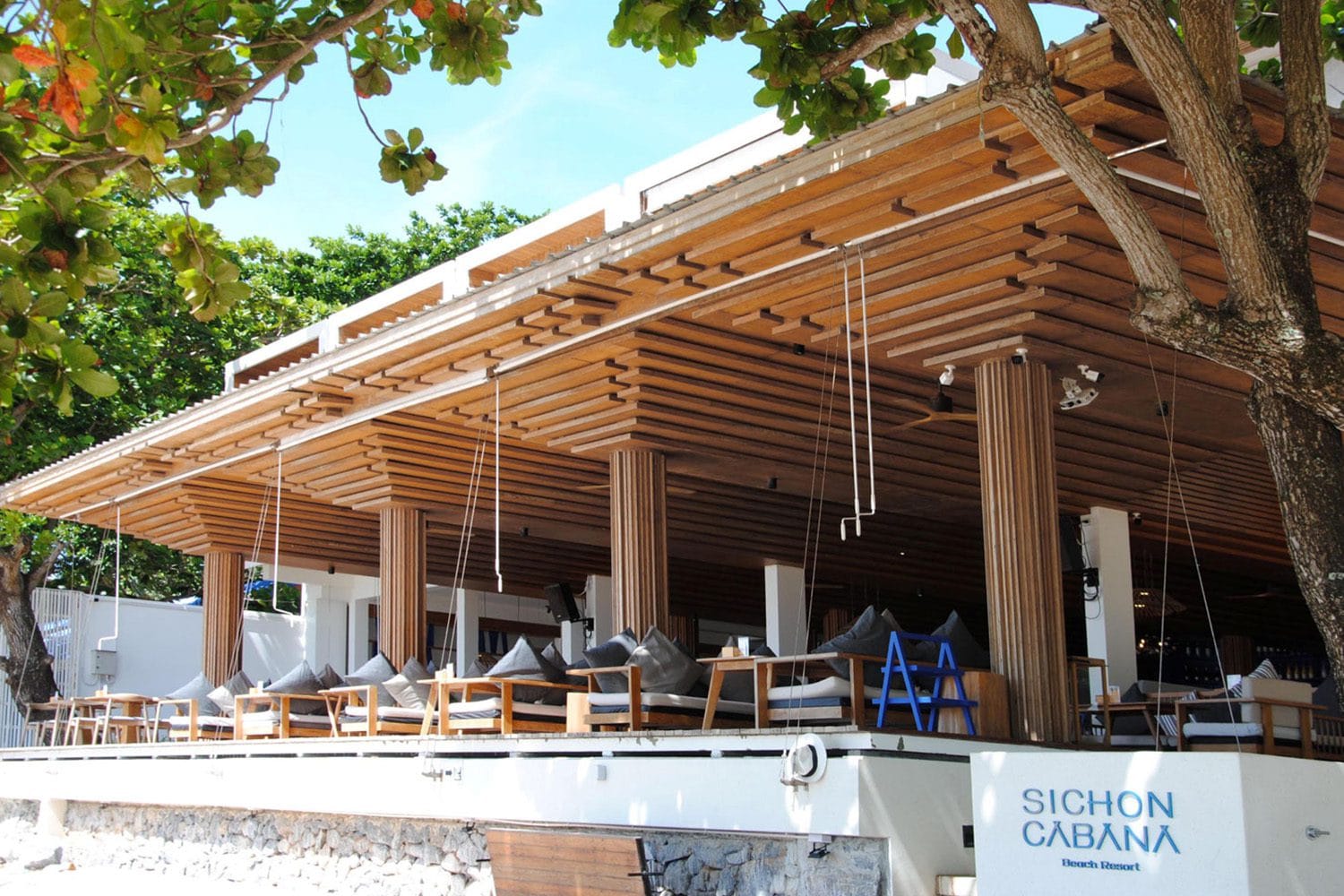
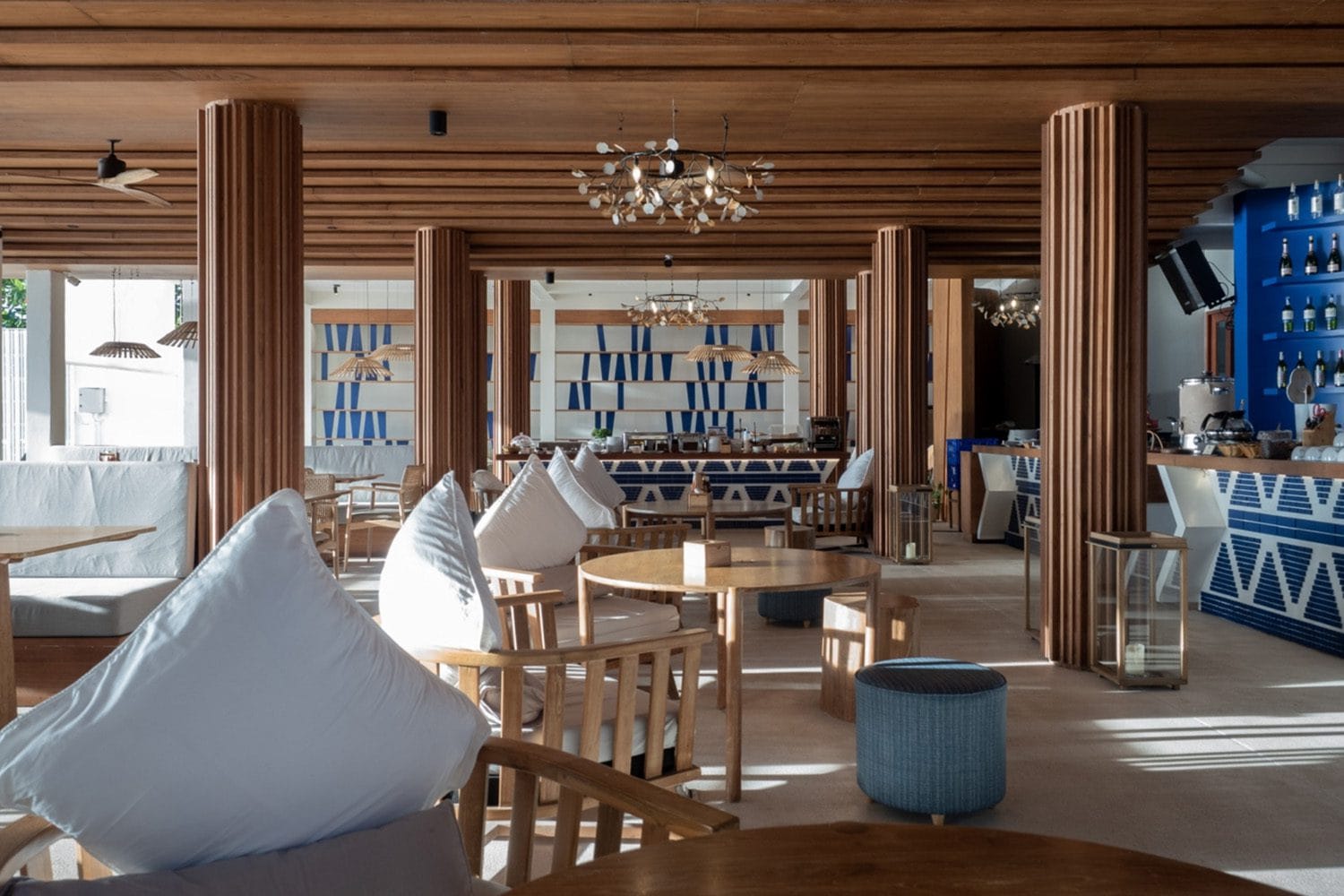
Sichon Cabana | Photo: VMA Design Studio
If you could invite any ‘creative’ for a coffee, who would it be and why?
We would choose Syd Mead.
A visual futurist who hand-rendered entire worlds, from Blade Runner to Tron, his work was created by hand, using paint and paper, yet remains strikingly ahead of its time. What is most compelling is that he did not simply draw machines, but imagined worlds inhabited by people, imbued with warmth and soul. That sensibility resonates deeply with our own practice. We think through digital tools, but ultimately allow the human hand to complete the work. It would be fascinating to understand how he balanced visions of a mechanized future with a sense of human warmth.
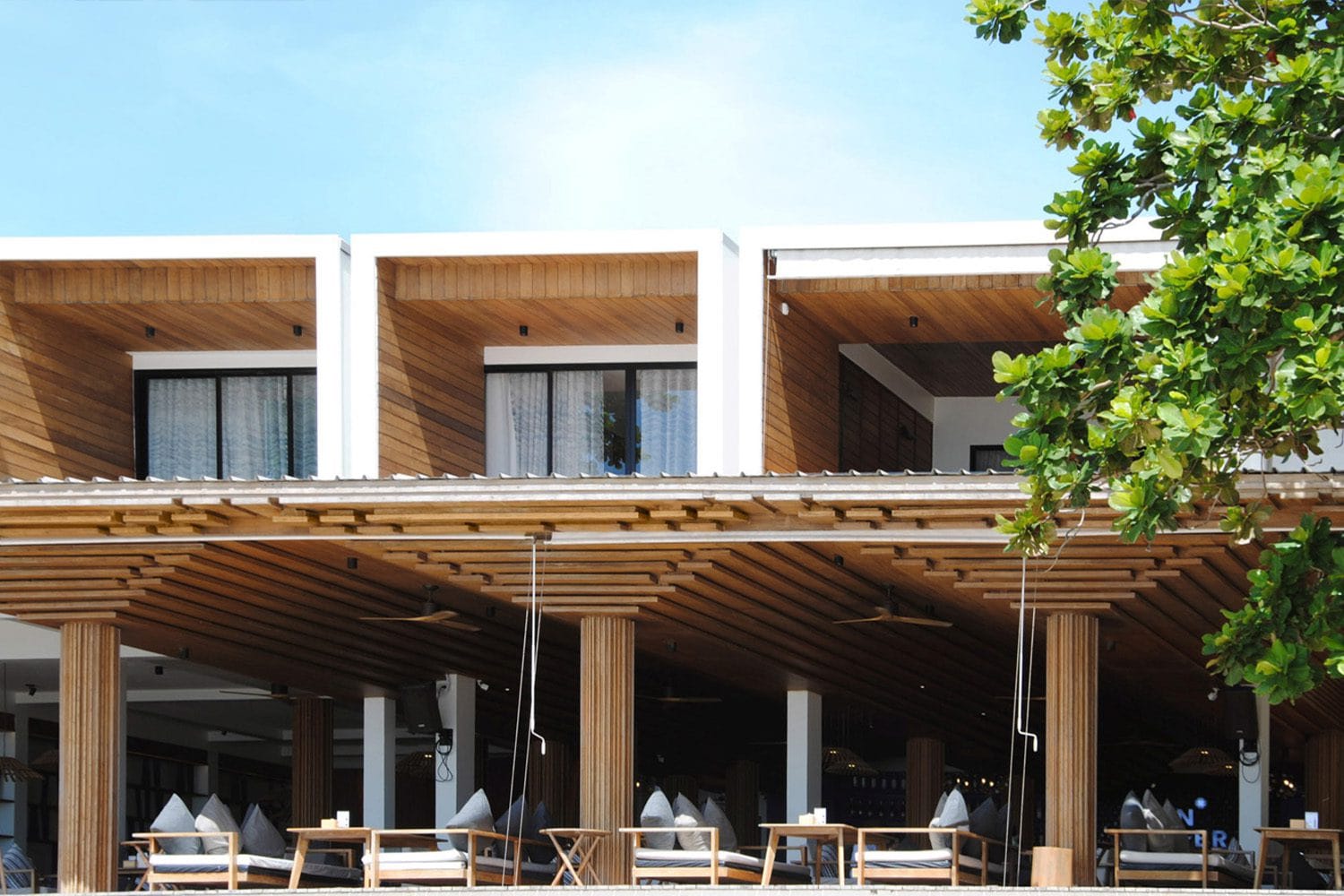 Sichon Cabana | Photo: VMA Design Studio