
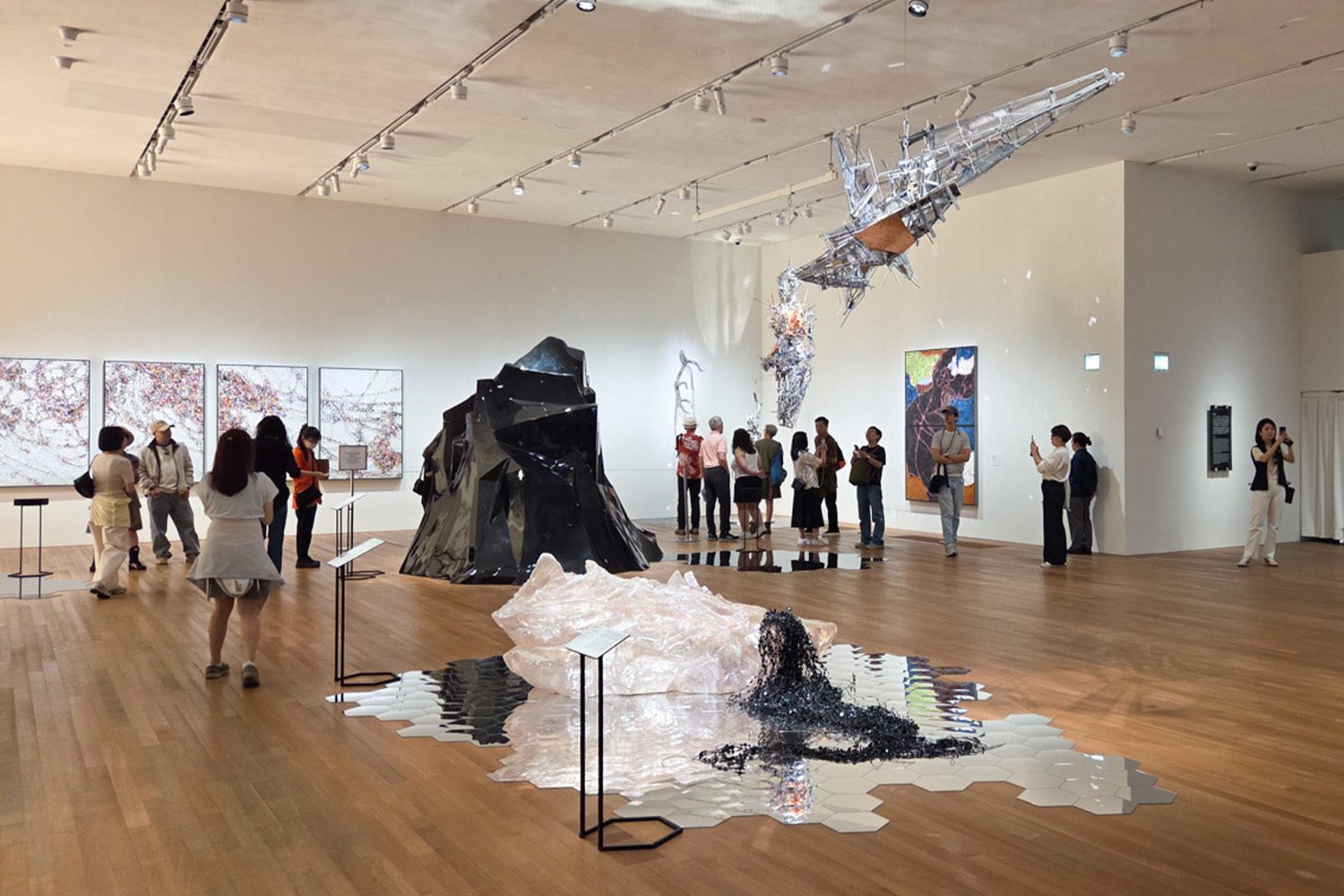
A SOLO EXHIBITION FROM LEE BUL, INTERROGATING THE DEFINITIONS AND VALUES OF DIFFERENT ERAS, THE NOTION OF PROGRESS, AND THE CYBORG
TEXT: NATHATAI TANGCHADAKORN
PHOTO: NATHATAI TANGCHADAKORN EXCEPT AS NOTED
(For Thai, press here)
How long can an artist sustain a practice? In Thailand, many senior artists have done so over decades, their names becoming widely familiar in the process. For this review, art4d turns to the solo exhibition of Korean artist Lee Bul, who has been making art for more than 40 years and turns 62 this year. Yet her age matters far less than the ideas and works presented to the public. Lee Bul: From 1998 to Now is not a retrospective spanning her entire career, but rather a presentation of works made after 1998, when a distinct shift in her artistic thinking began to take shape.
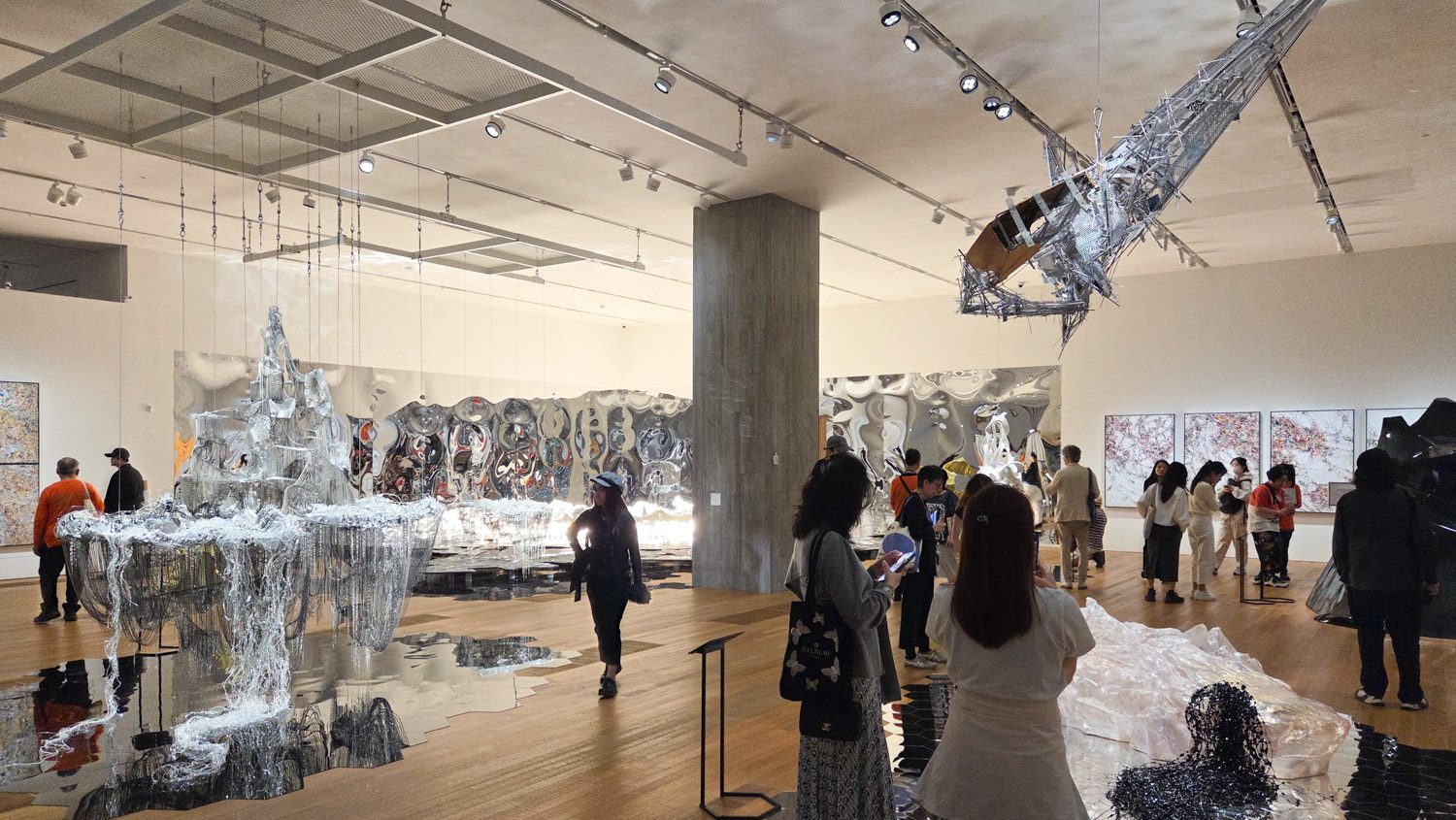
art4d had the opportunity to visit Lee Bul: From 1998 to Now at M+ during Art March Hong Kong 2026. Organized through a collaboration between M+ and the Leeum Museum of Art in South Korea, the exhibition runs through August 9, 2026. As noted above, its central focus is on Lee’s later practice, tracing how her concerns expanded from Korean political history and social issues toward broader regional and global contexts in the late 1990s. The exhibition brings together both sculptural works and two-dimensional pieces.
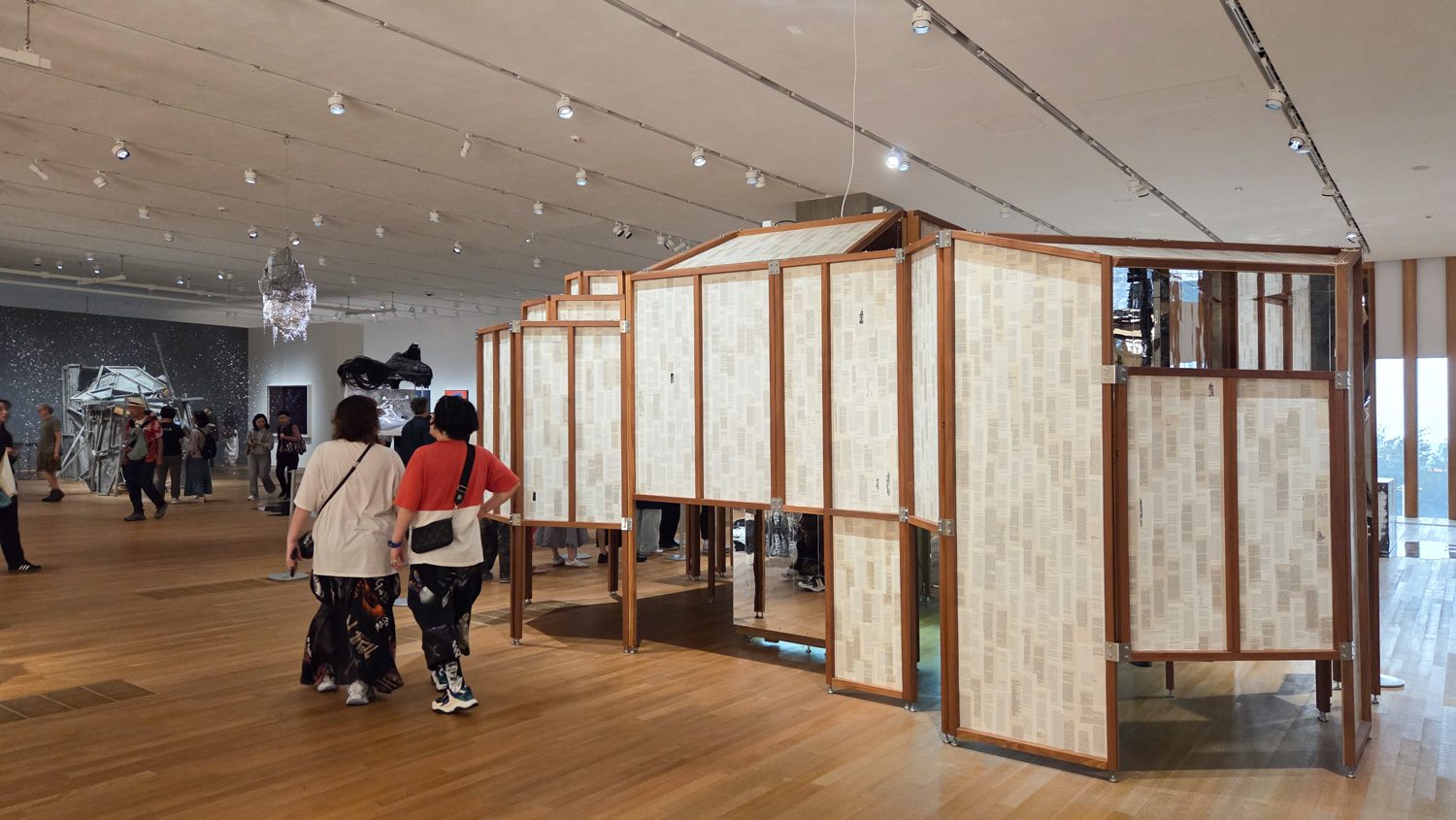
Via Negativa (2022)
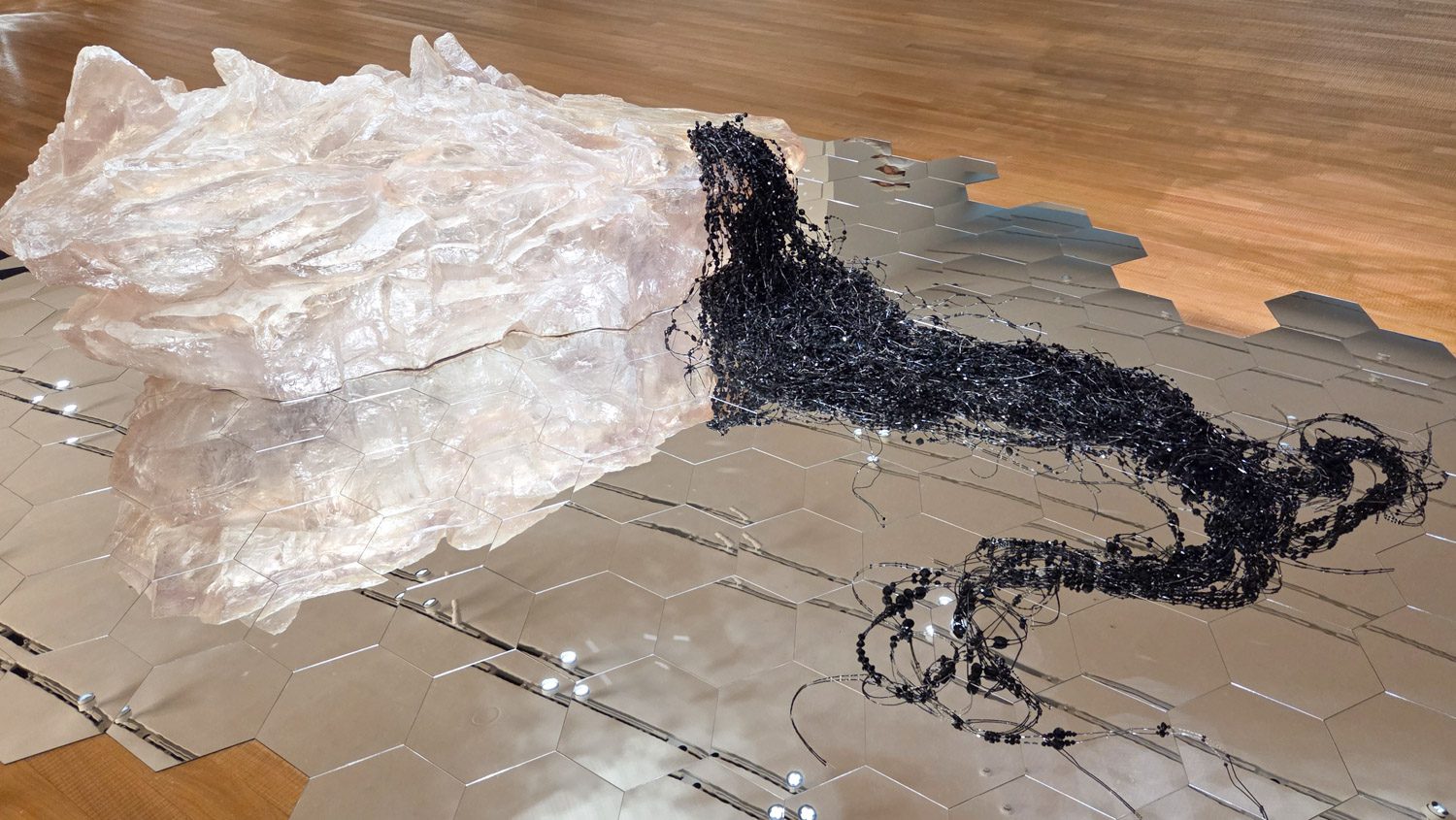 Thaw (Takaki Masao) (2007)
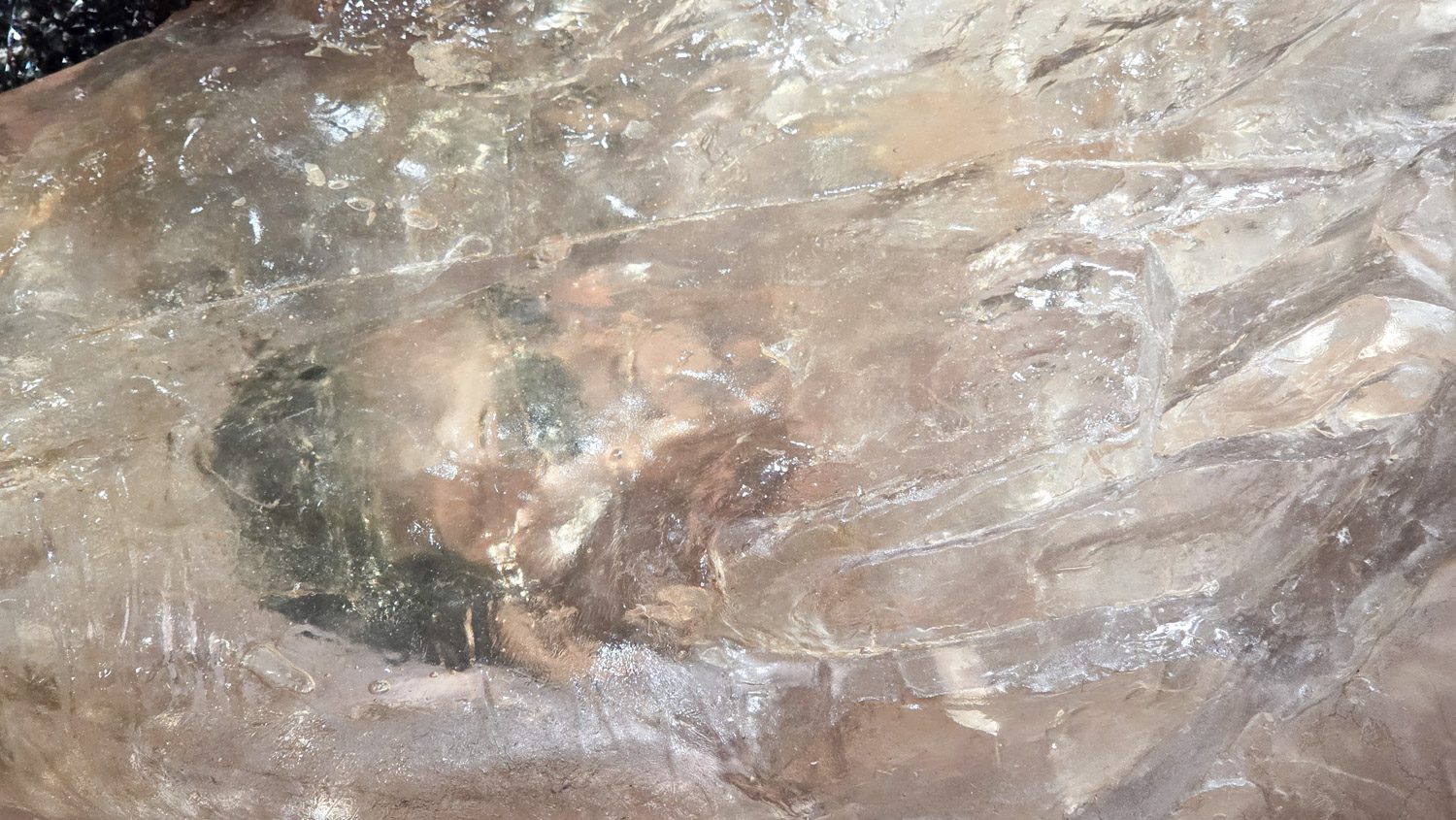
Across its three sections, the exhibition questions the definitions and values of different eras. The first, Landscape of Utopian Dreams: Mon grand récit and Perdu, presents works from 2005 to the present. The second, The Body and Technology: Cyborgs and Anagrams, returns to 1998 as its point of departure. The third, Inside the Artist’s Mind, gathers sketches and models made prior to the realization of the finished works, offering a richly detailed view of Lee’s process.
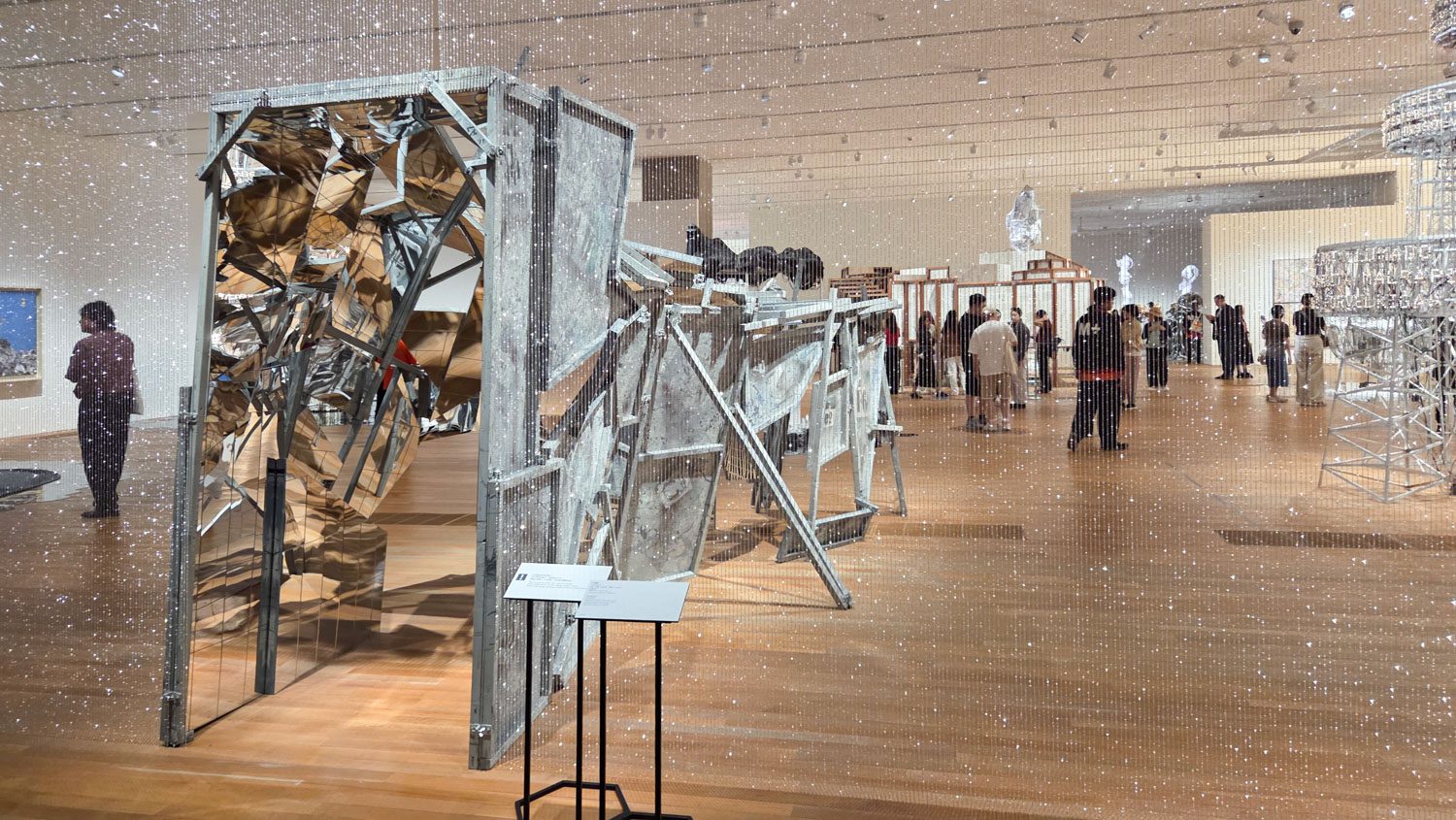
Souterrain (2012, 2016)
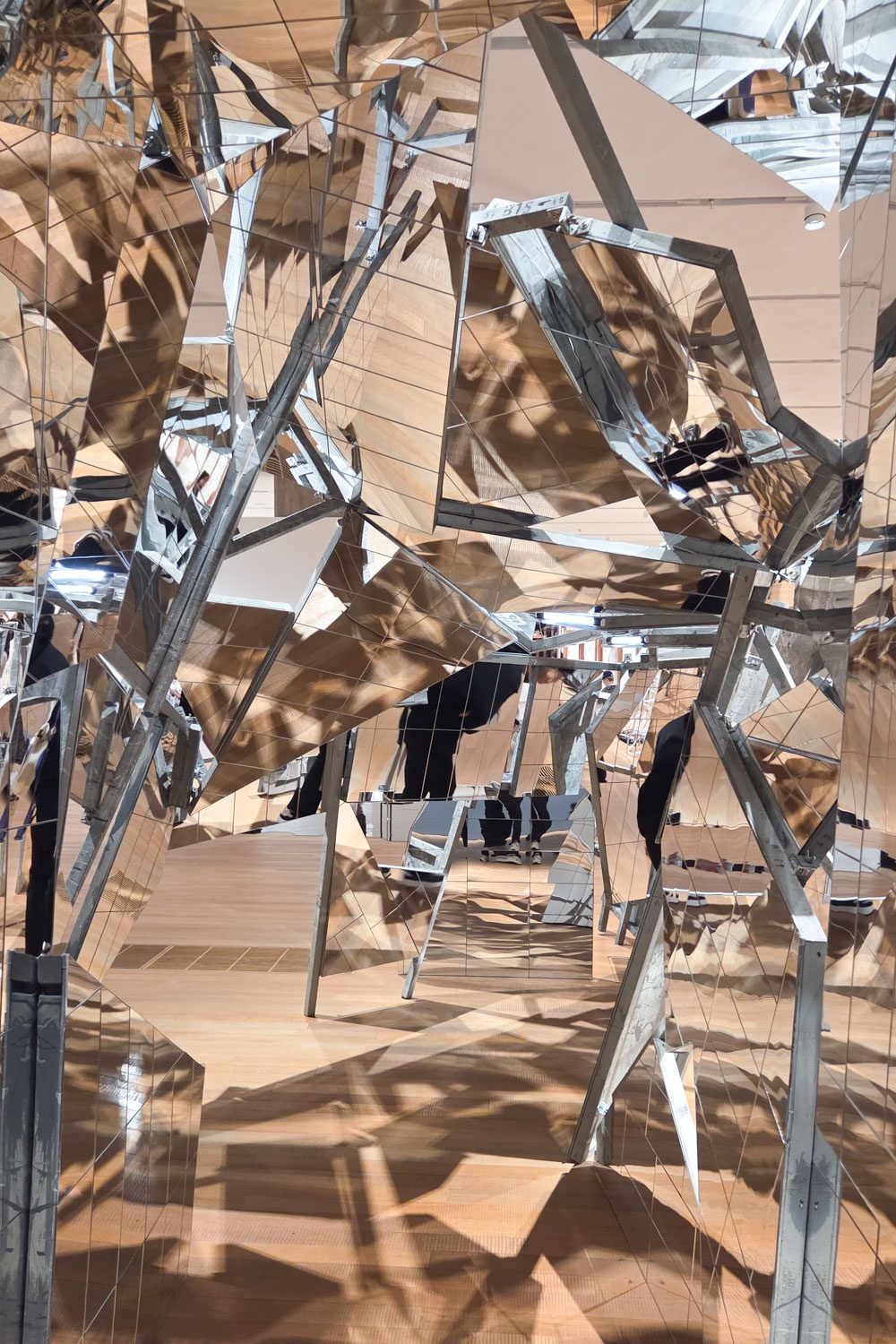
Souterrain (2012, 2016)
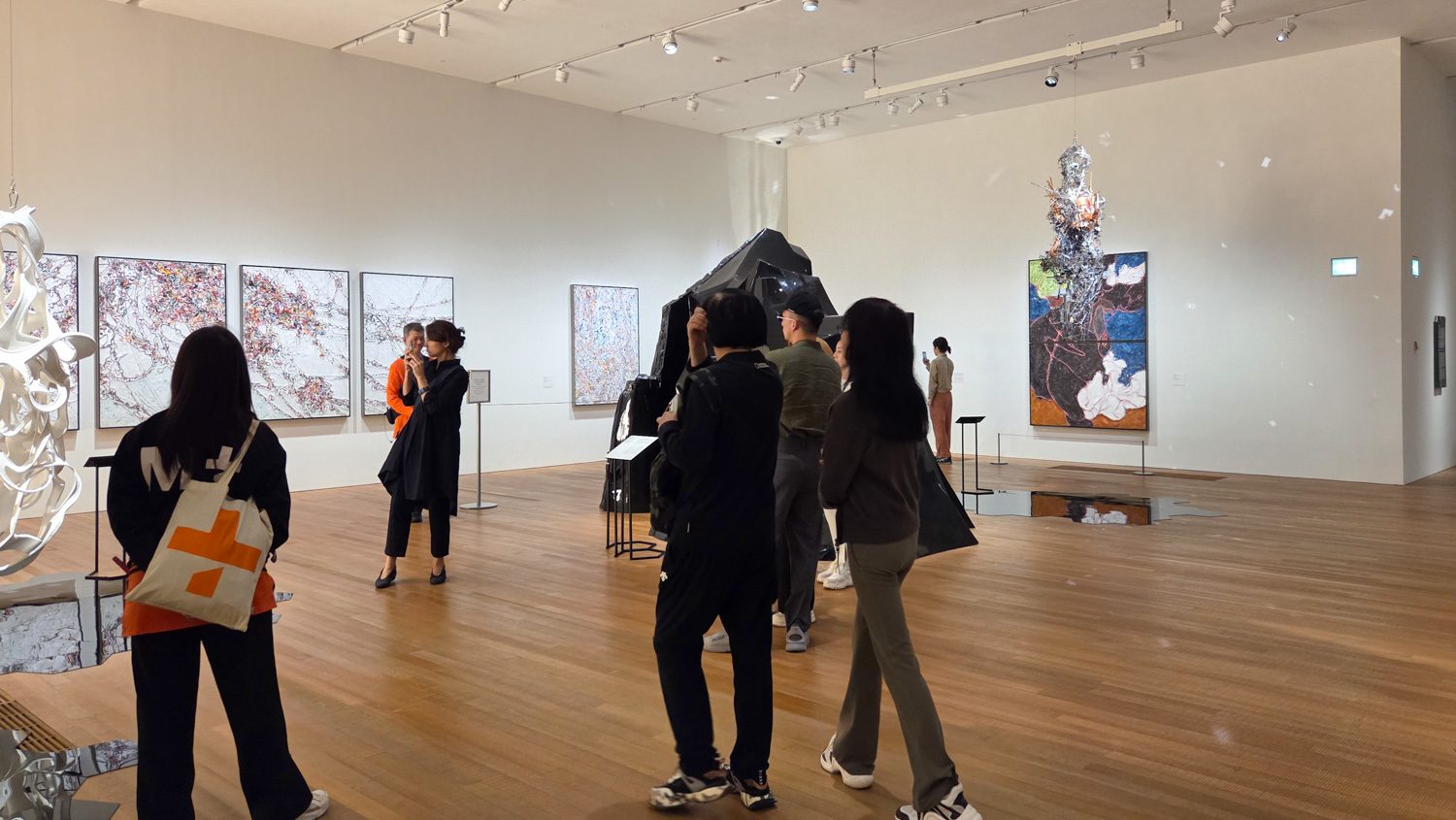
After passing through a gauzy mesh curtain and a door that itself assumes the status of an artwork, Souterrain (2012, 2016), literally meaning ‘underground,’ one enters an open expanse scattered with works suspended between art and architectural models. Among the highlights is Mon grand récit: Weep into stones… (2005) from the Mon grand récit series (2005 – ongoing), one of the earliest works Lee produced after shifting her focus from the human body to architecture. The work casts a critical eye on the idea of twentieth-century ‘progress,’ reflecting humanity’s failed pursuit of idealized futures through development. Its sculptural forms draw together highways, waves sweeping up the debris of built structures into miniature towers, and an inverted sectional model resembling the great mosque of Hagia Sophia in Istanbul.
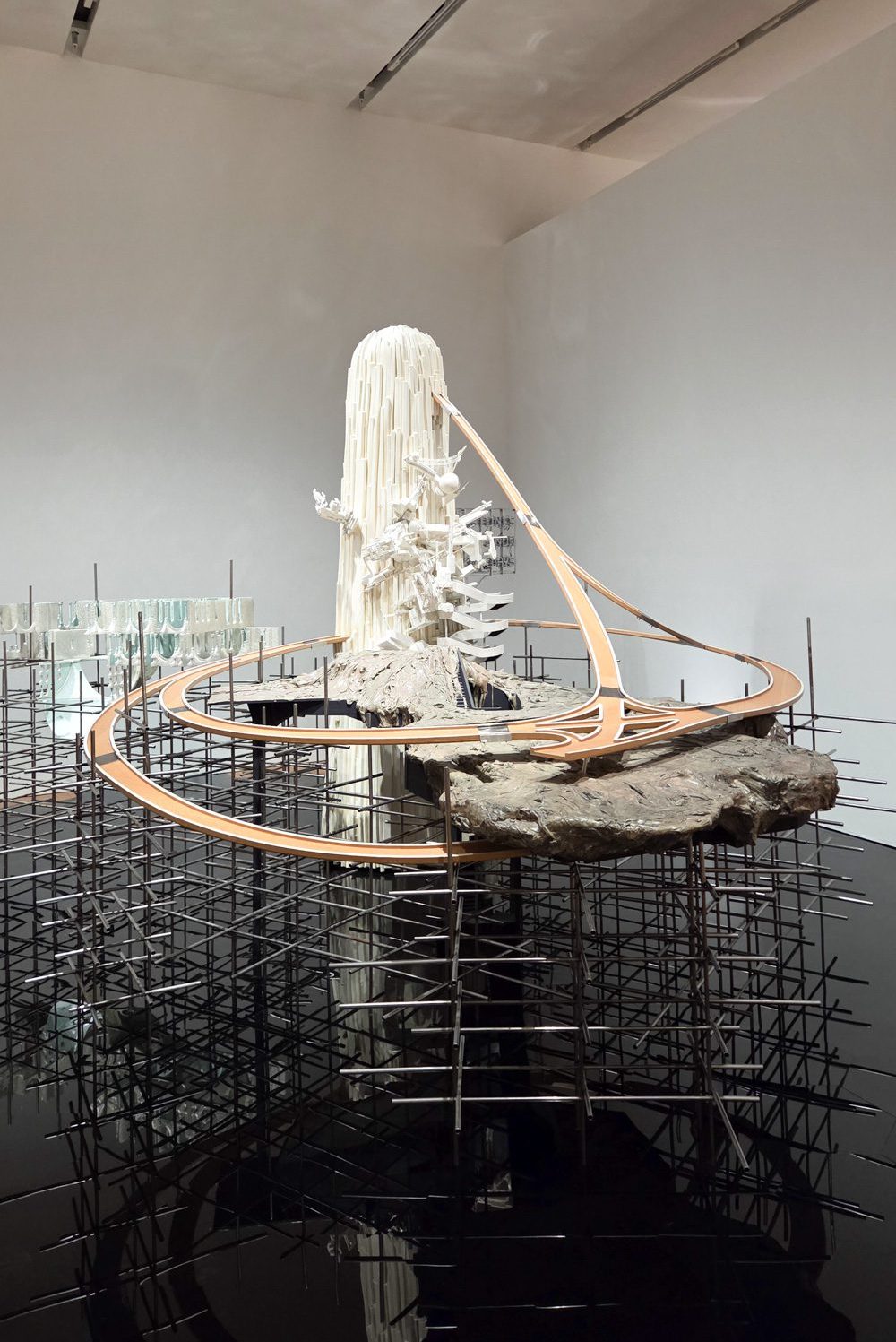 Mon grand récit: Weep into stones… (2005)
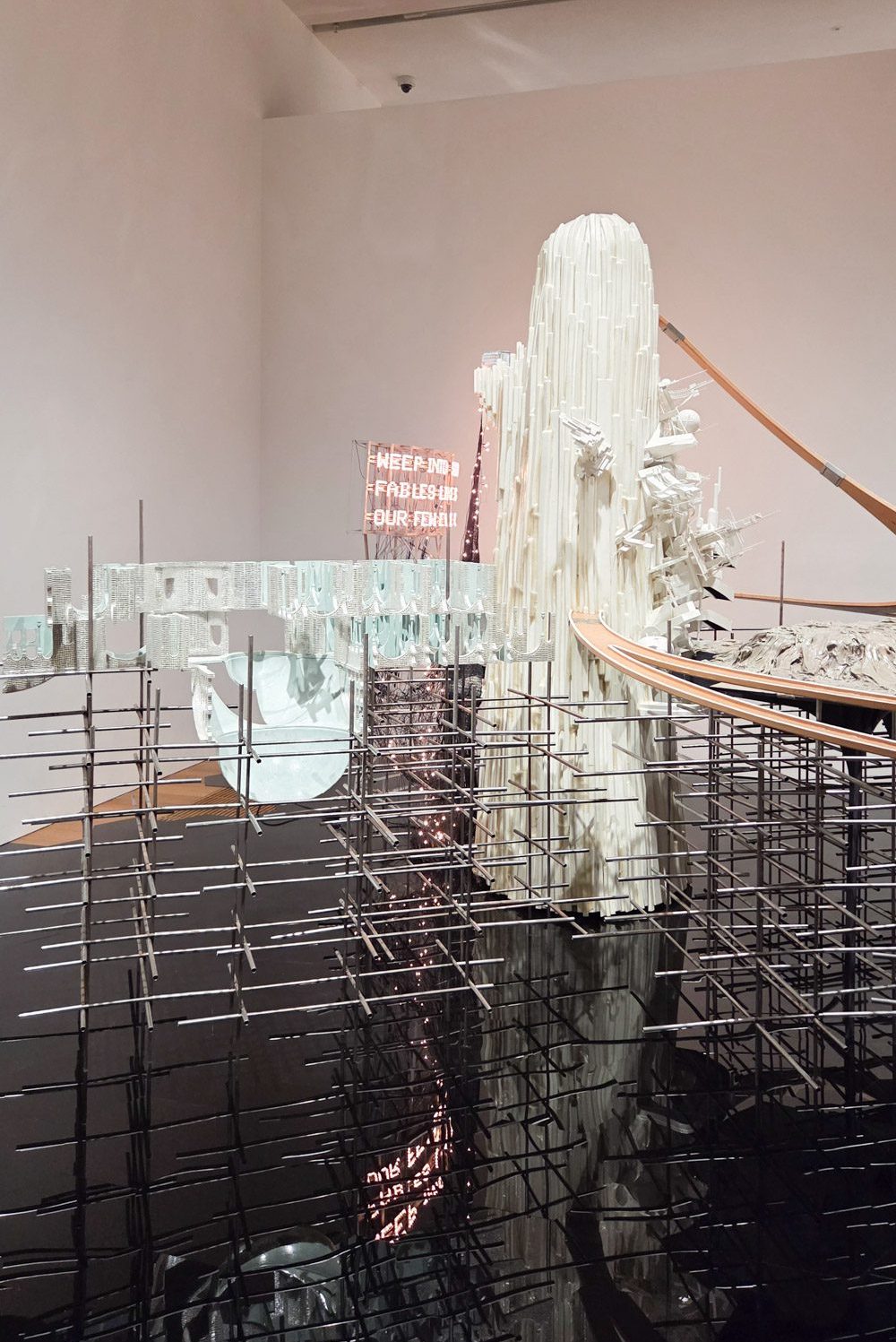
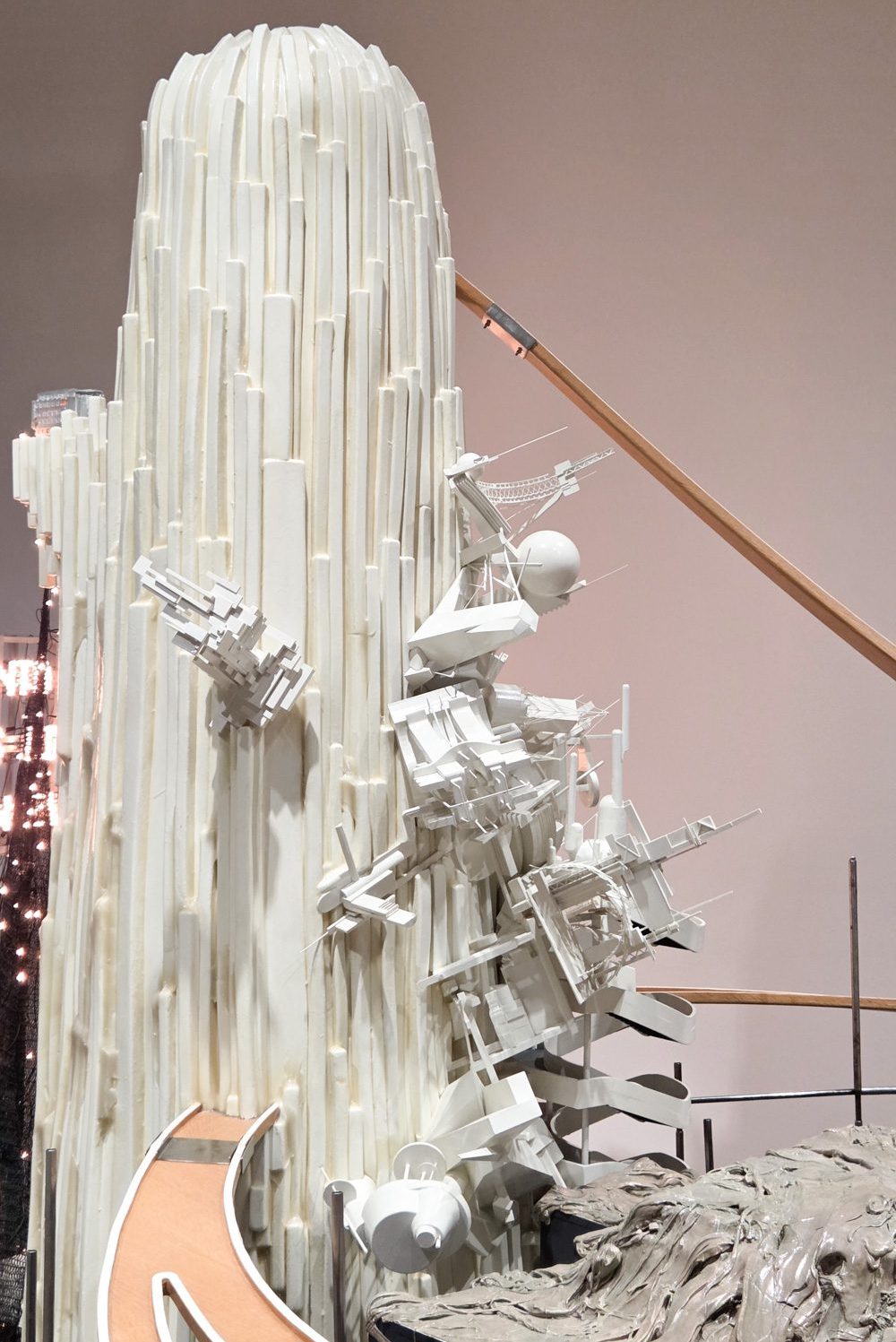
Hagia Sophia once served as the cathedral of Constantinople for the Eastern Orthodox Church, or more simply, as a church of immense importance during the period when the Eastern Roman Empire controlled the region. It was later converted into a mosque under the Ottoman Empire, became a museum in 1935, and was reconverted into a mosque in 2020. In this work, Lee adopts the silhouette of Hagia Sophia as a symbol to suggest that even architecture, or any landmark for that matter, may be transformed by the rules and systems of value imposed by different societies in different eras. Nothing is permanent.
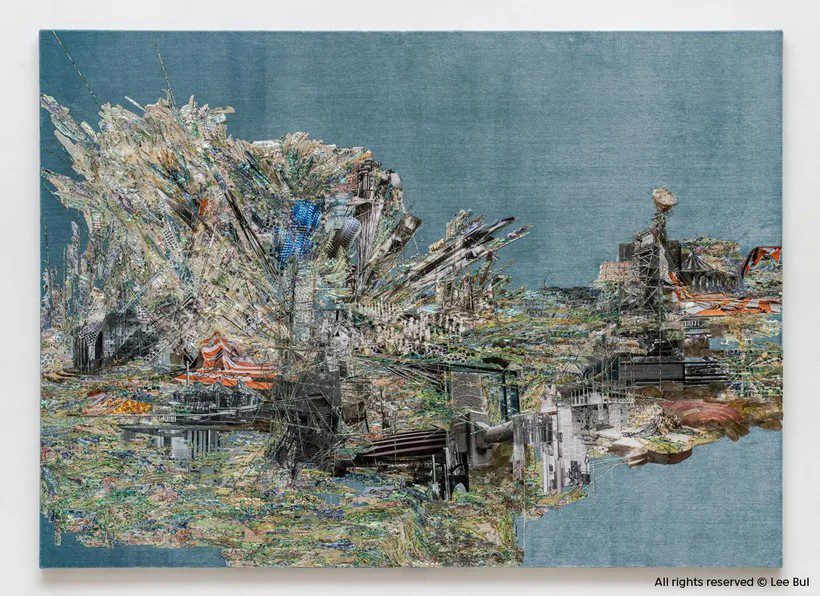
Untitled (Willing To Be Vulnerable – Velvet | Photo courtesy of Lee Bul
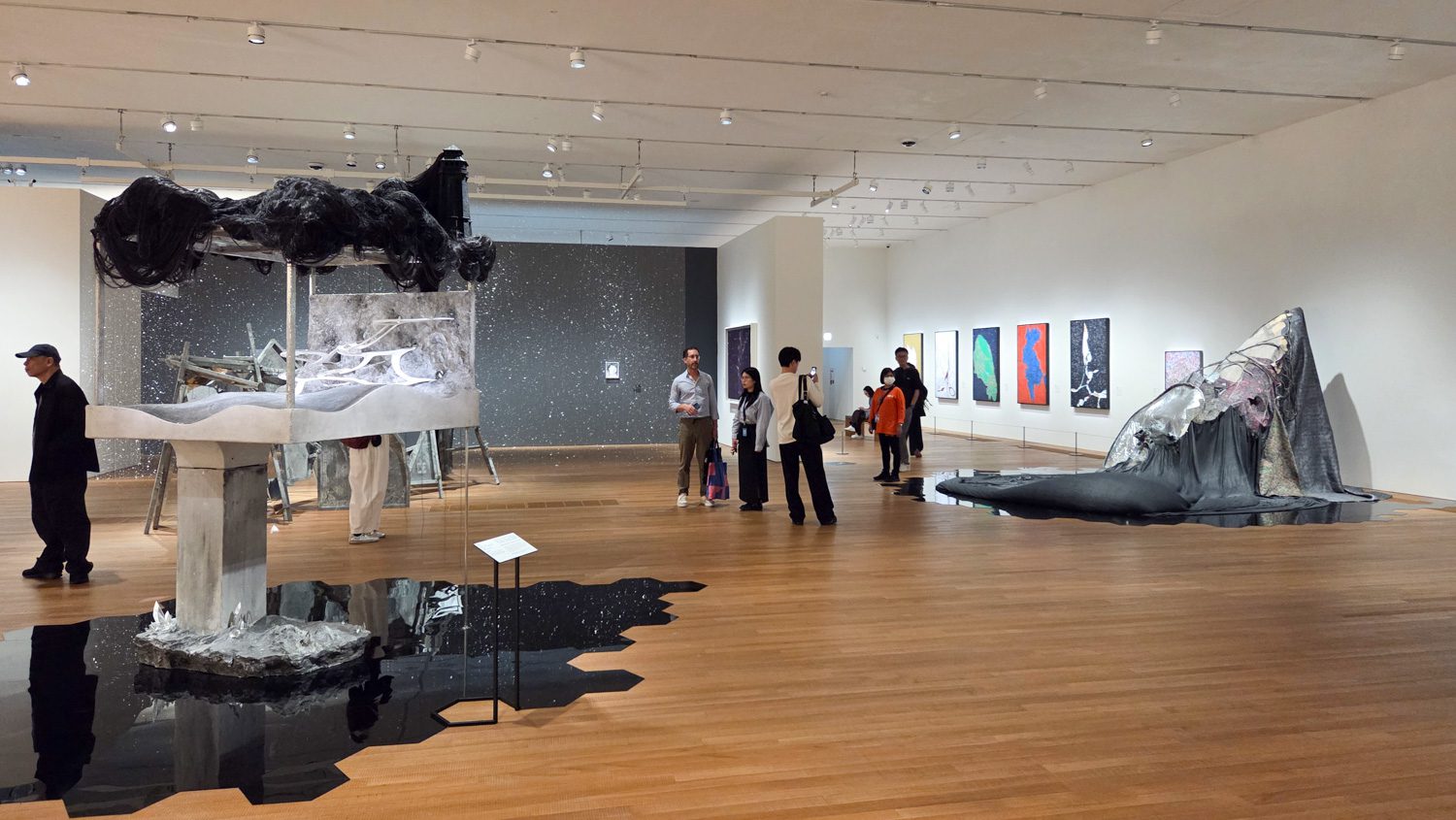
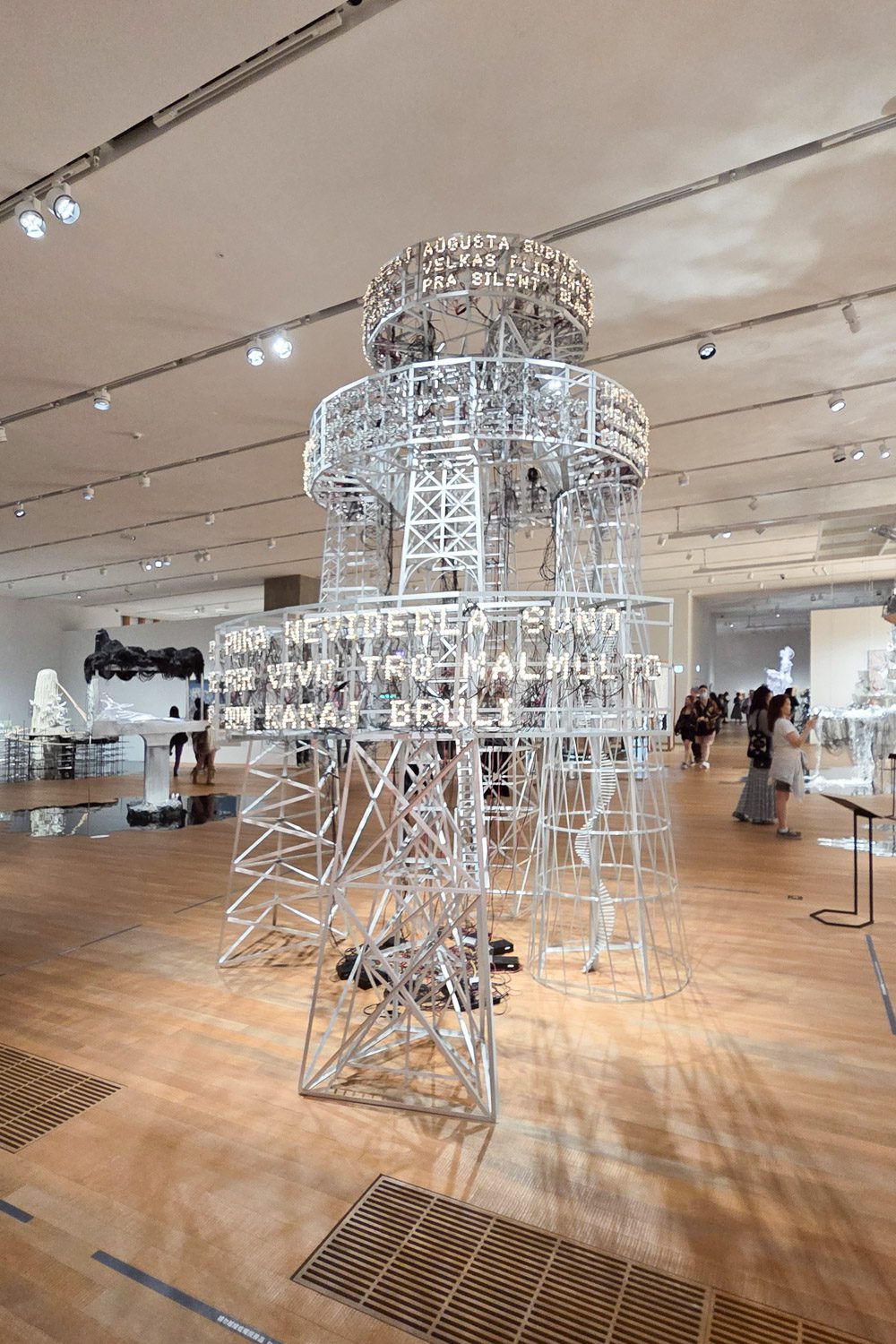 Aubade (2007)
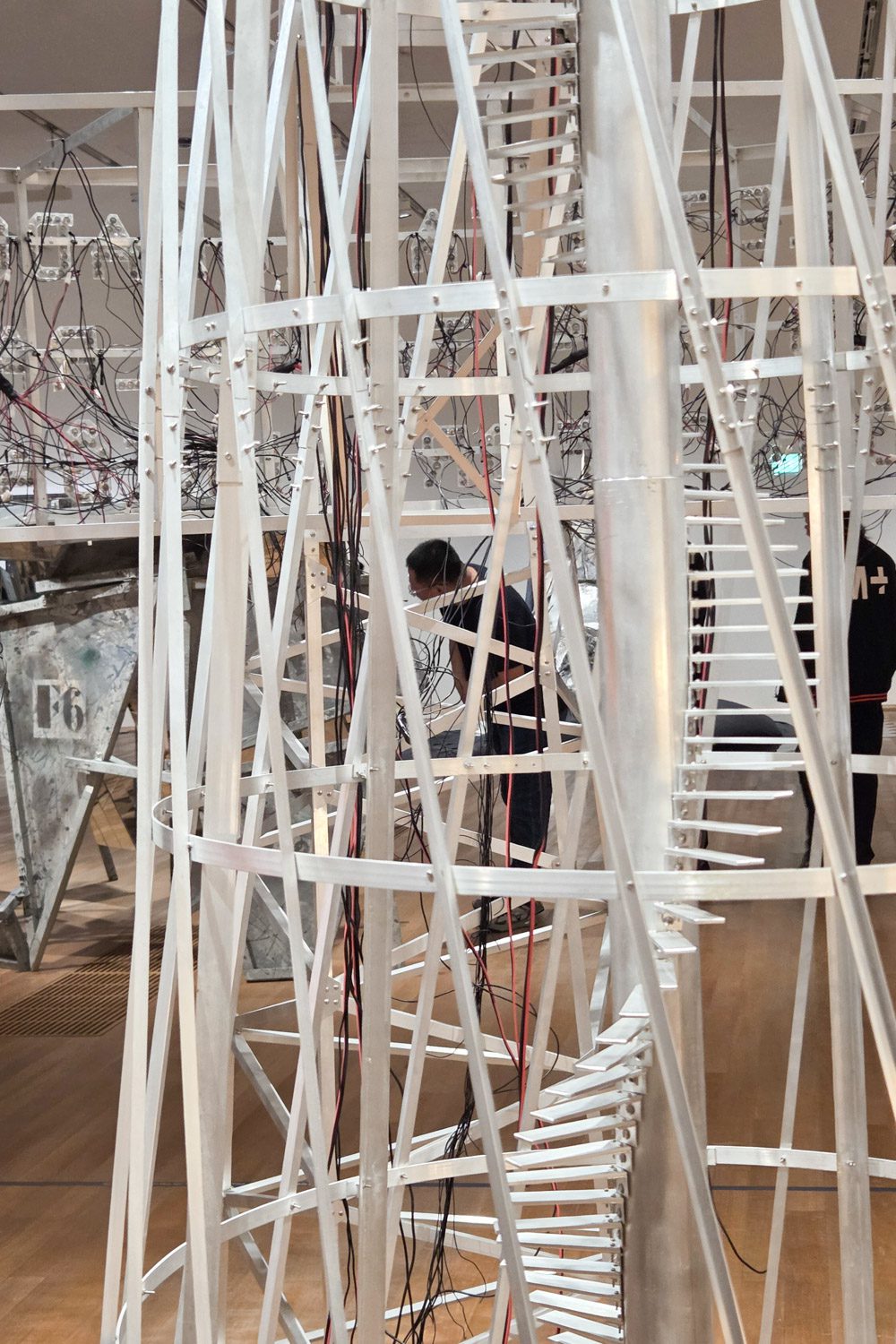
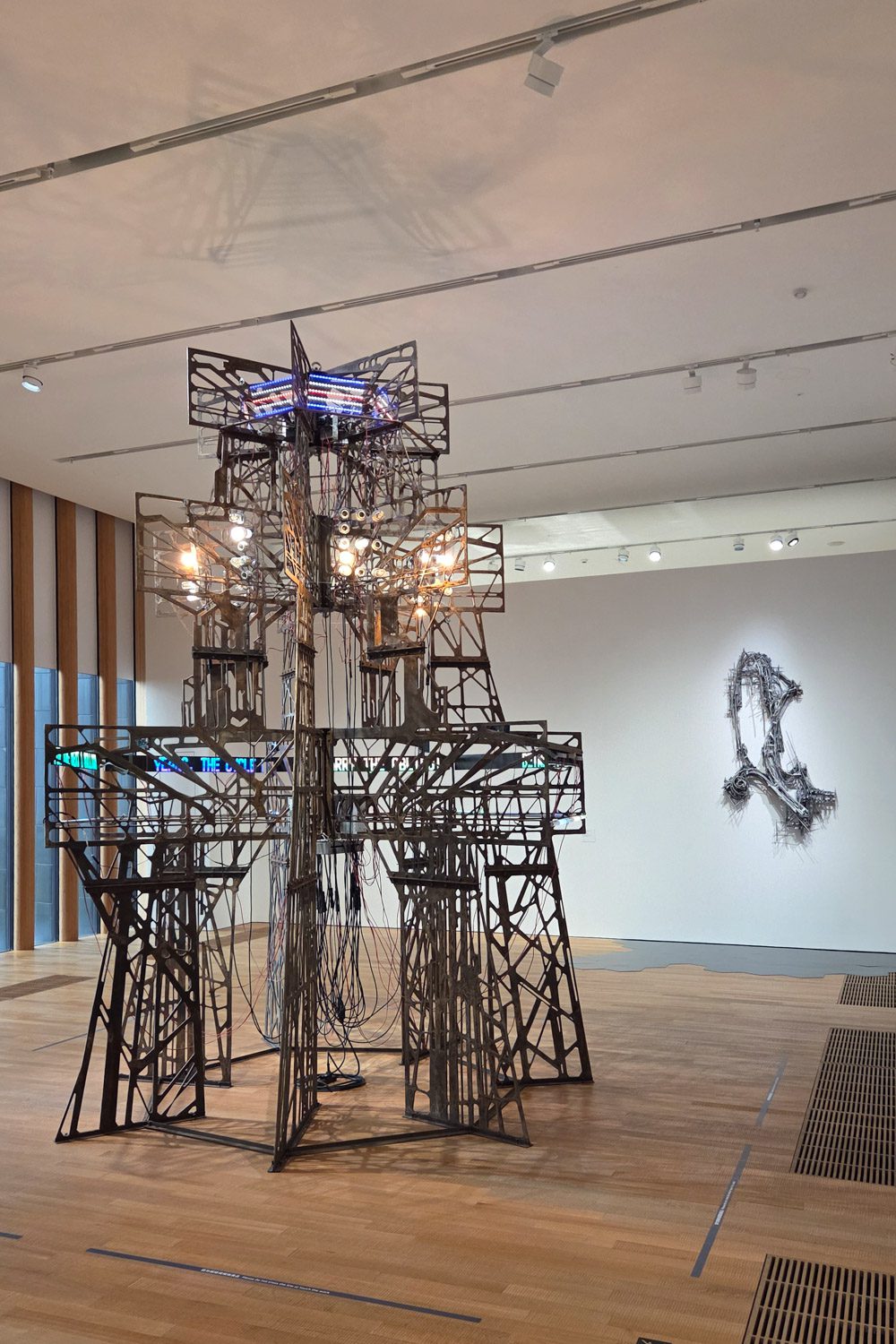
Not far away, mounted on the wall, are works hovering at the edge of two-dimensionality, such as Untitled (Willing To Be Vulnerable-Velvet) and the Perdu series (2016 – ongoing), in which Lee experiments with materials including velvet, silk thread, and mother-of-pearl on painted surfaces. These works stem from her interest in the internal structures of living organisms as they emerge beyond the body in various forms. Also on view are Aubade (2007) and Aubade V (2019), sculptural works composed of metal armatures that recall distorted transmission towers, their tangled lines suggesting debris left behind by humanity and technology. They are further adorned with passages drawn from books and essays that invoke the idea of ‘utopia.’
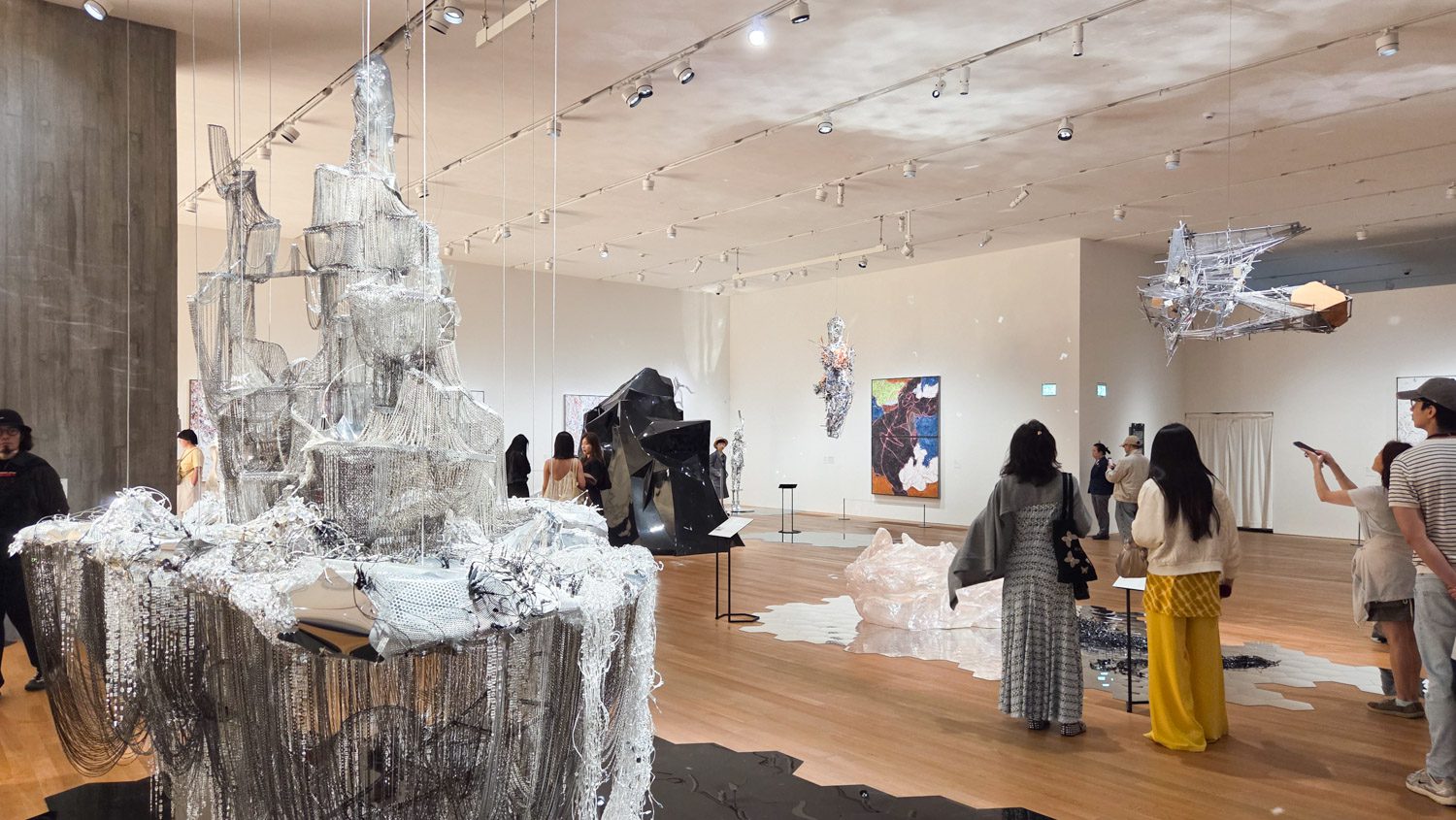
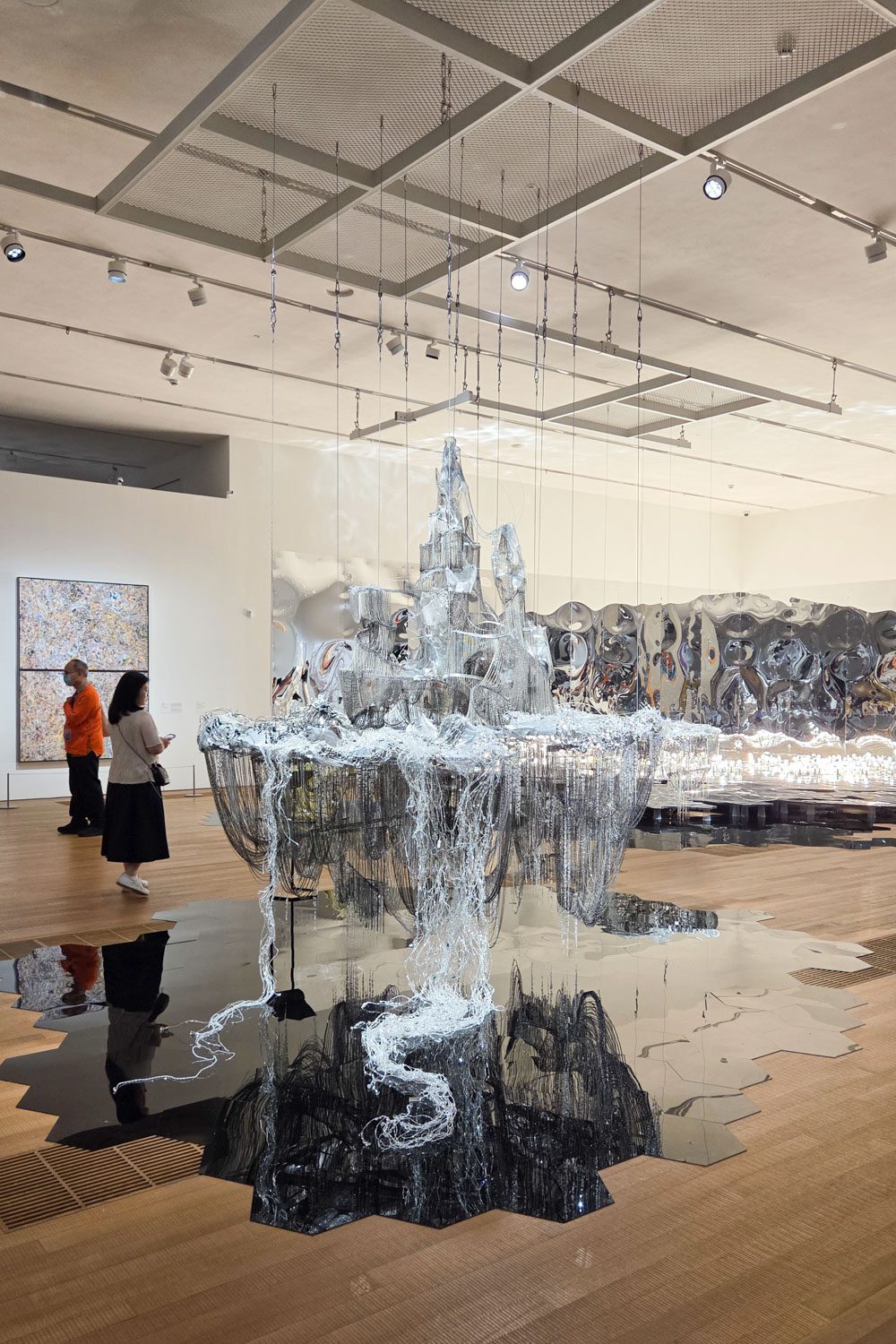
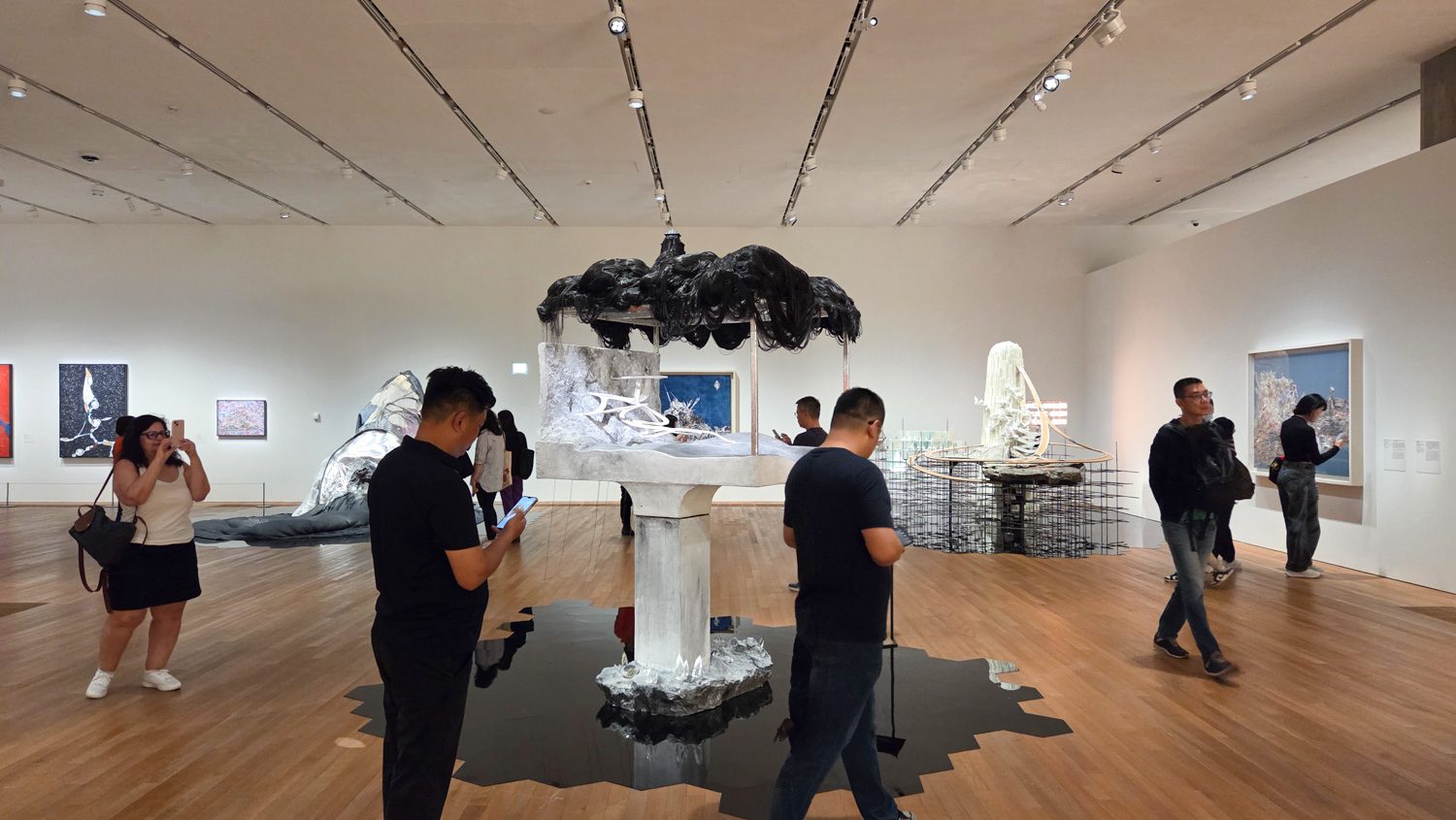
After Bruno Taut (Beware the sweetness of things) (2007)
For me, however, the most arresting work is After Bruno Taut (Beware the sweetness of things) (2007), inspired by the German architect Bruno Taut and his concept of Alpine Architecture, which came into being before the end of the First World War and before the collapse of the German Empire. Taut’s proposal imagined exquisite cities of crystal and glass rising in the Alps, offering another way of channeling the collective energies of humankind beyond war and conflict. In homage to this vision, Lee creates a floating mountain with an almost glacial presence, constructed from reflective materials and a delicate, lightweight framework. At the same time, the work offers viewers a strange and compelling experience through a form that resists any clear designation as either old or new.
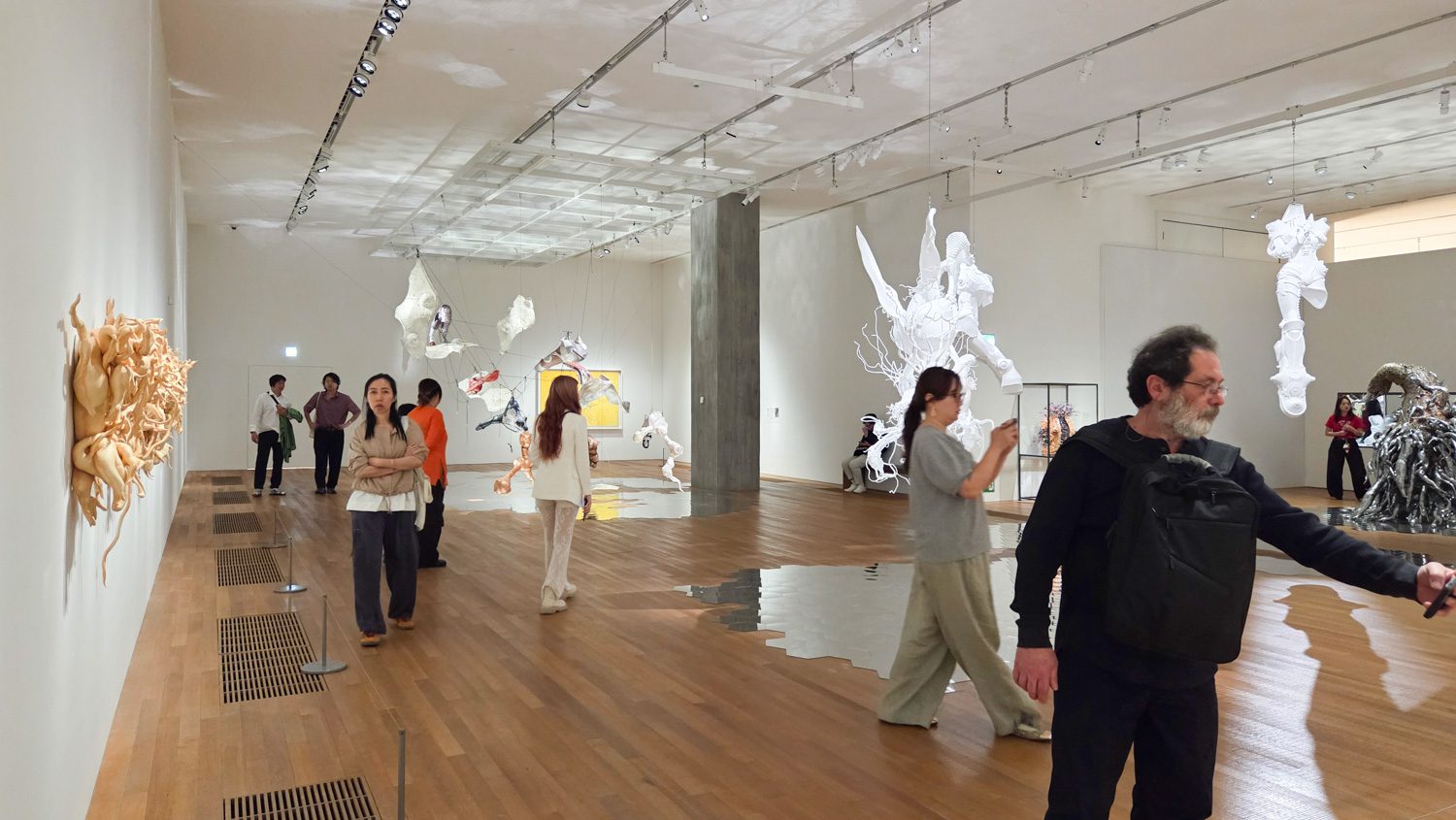
The exhibition’s second section, The Body and Technology: Cyborgs and Anagrams, returns to the body and the place of the human. It is fitting, then, that the works greeting viewers take on anthropomorphic form. Suspended above the floor, in keeping with the series’ usual mode of display, are works from the Cyborg series (1998 – 2006), including Cyborg W6 (2001) and Cyborg W8 (2004). Lee had previously developed an earlier project titled Cyborg Red and Cyborg Blue (1997 – 1998), whose vividly colored forms were placed directly on the floor, in contrast to Cyborg W1 – W10, which are rendered entirely in white.
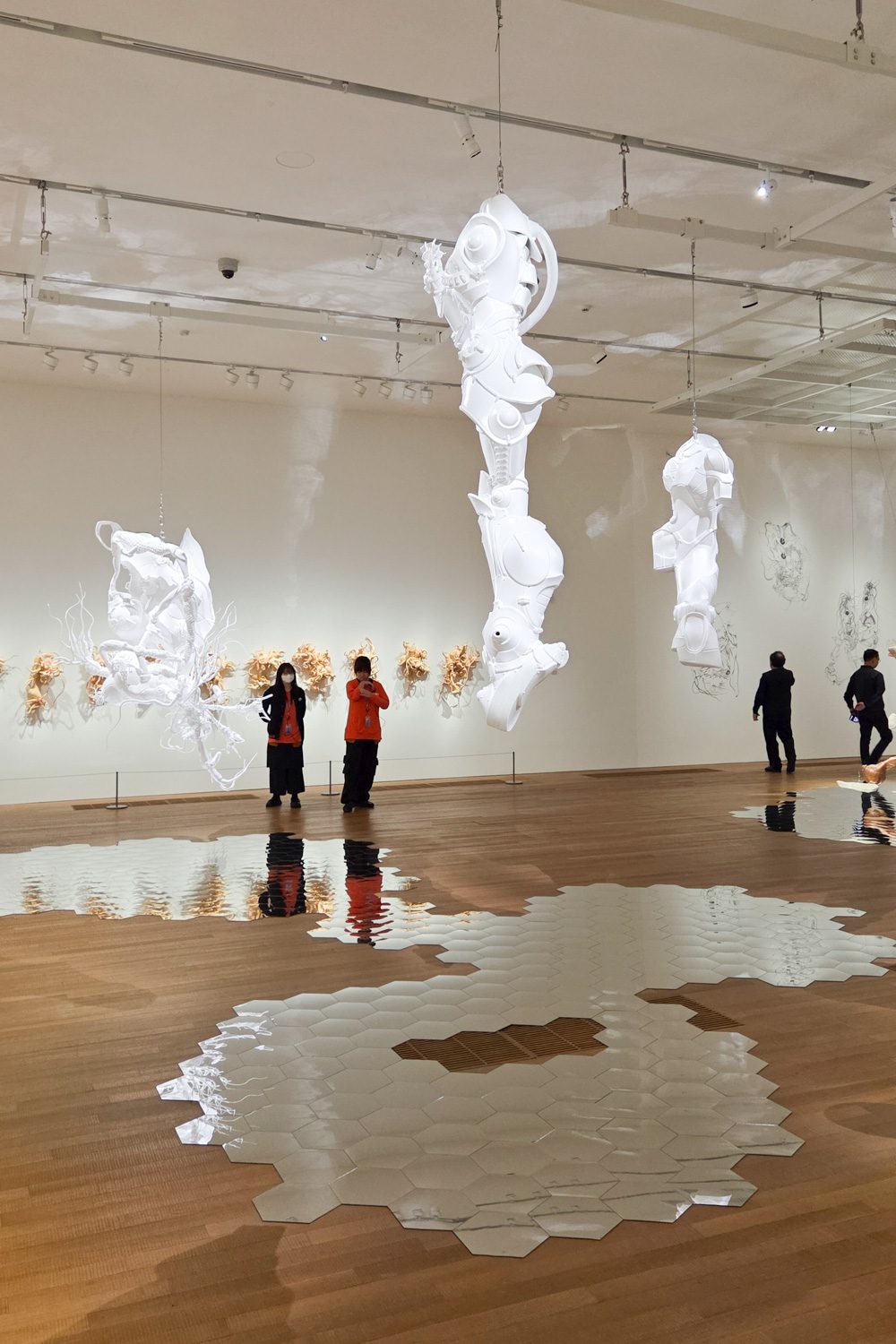
Cyborg (1998 – 2006)
As for her decision to use white for the Cyborg works, Lee remarked in an interview conducted during the exhibition Lee Bul: Supernova in Karaoke Land that:
“The white color, which is quite neutral and in a way ‘timeless,’ was primarily a means to engage with notions of classical sculpture while producing forms that would produce a complex interplay with this color. Another reason was to invoke mythical archetypes of heroism, associating the color white with virtues.”
Franck Gautherot, “Lee Bul: Supernova in Karaoke Land” [Interview with Lee Bul], Flash Art International, no.217 (March – April 2001): 83.
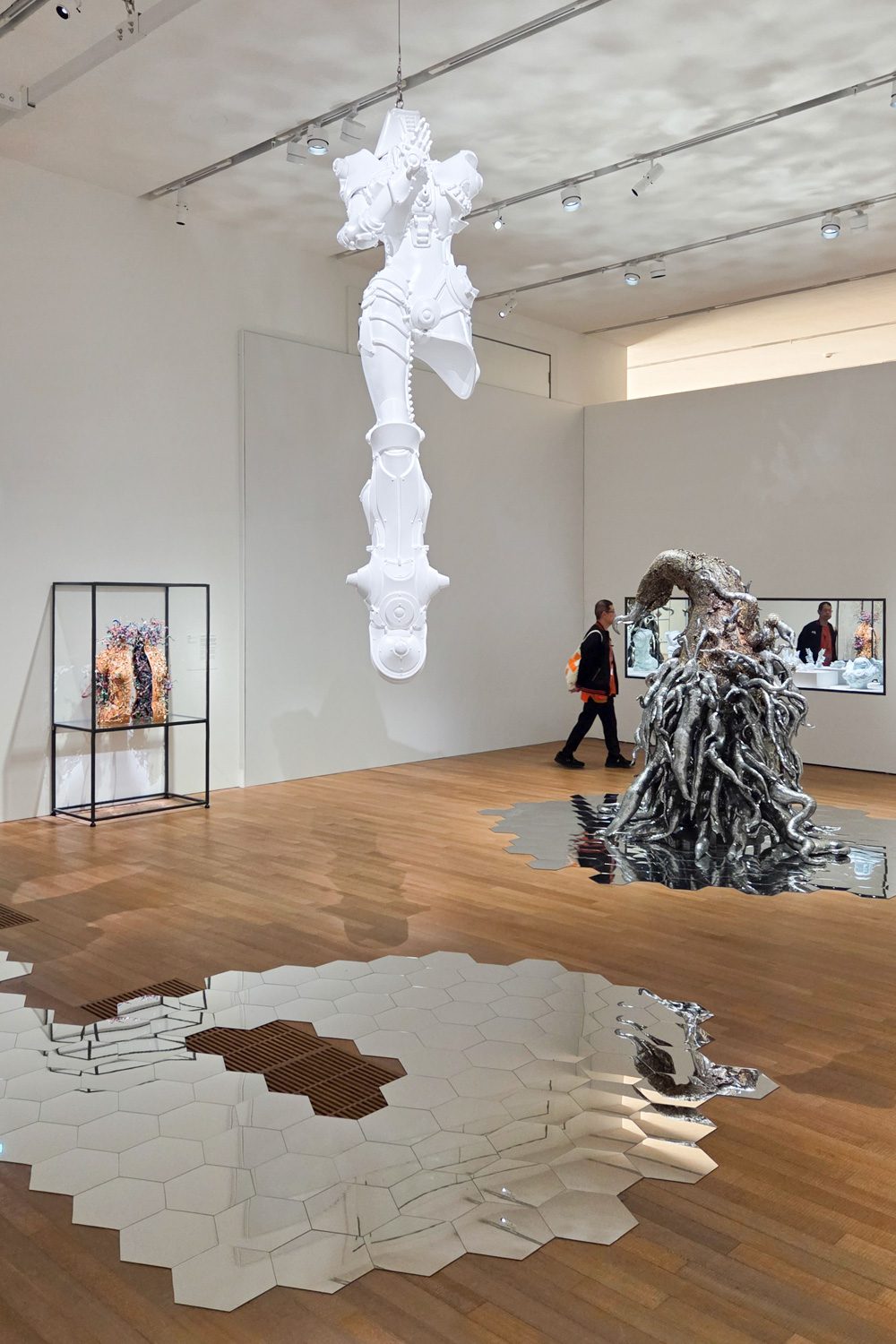
Cyborg W6 (2001)
For contemporary viewers, subjects such as genetic engineering, bioengineering, and artificial intelligence may seem almost commonplace. Even CGI in film has made such ideas feel no more unusual than any other topic of everyday conversation. Yet nearly 30 years ago, although striking science-fiction animation and Hollywood films were already in circulation, Lee’s work still stood out as remarkably ahead of its time within the field of contemporary art. What is equally striking is that the cyborg, ostensibly a being beyond the constraints of the human body, is nevertheless clearly gendered as female. It also bears elements that reach toward a ‘classical’ ideal of beauty, whether through its whiteness, its limbless form, or its affected, almost mannered poses. These details invite viewers to question both its beauty and its status as an ‘object,’ a gesture that may well be part of Lee’s own pointed irony.
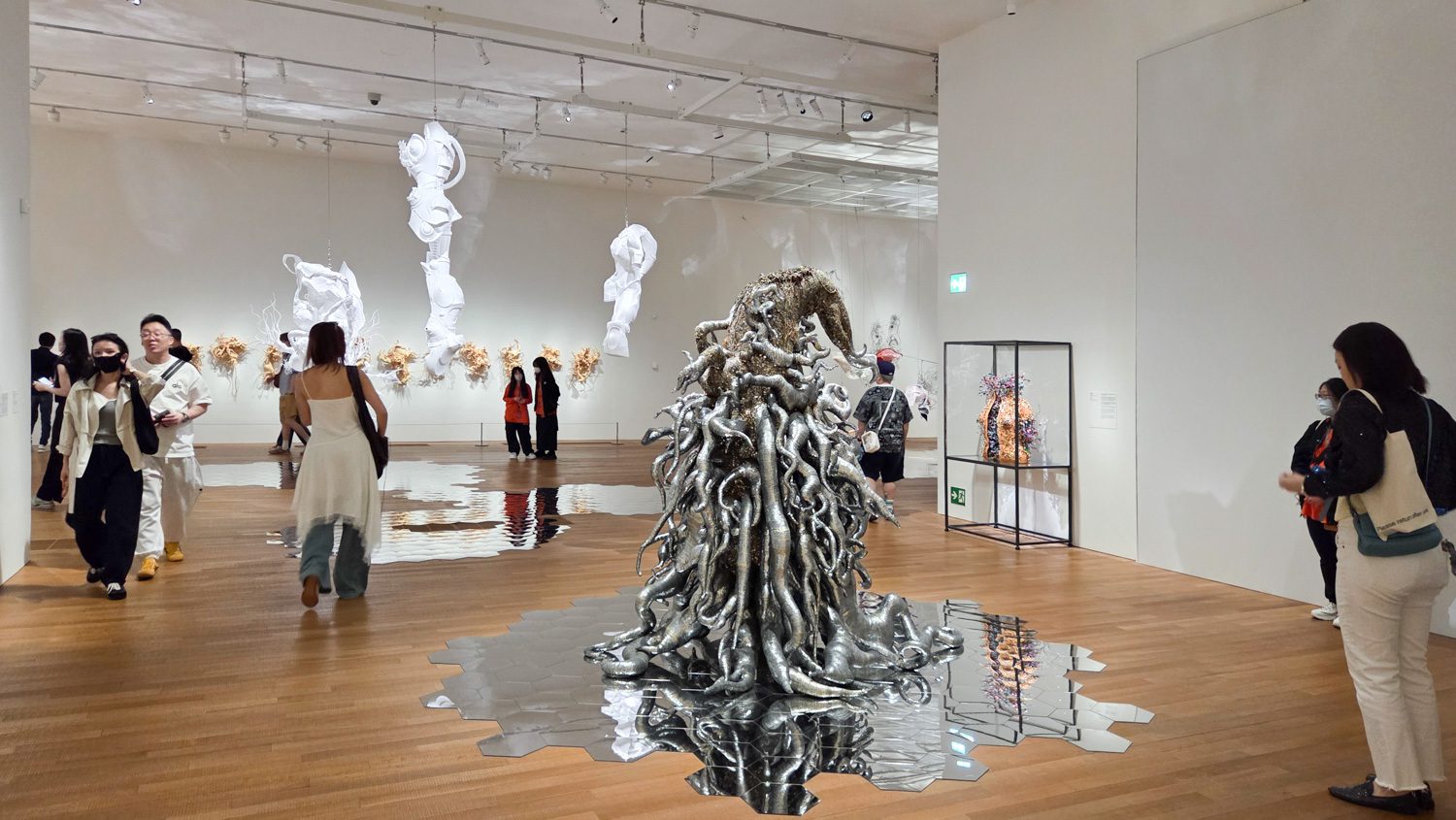
Monster: Black (1998, 2011)
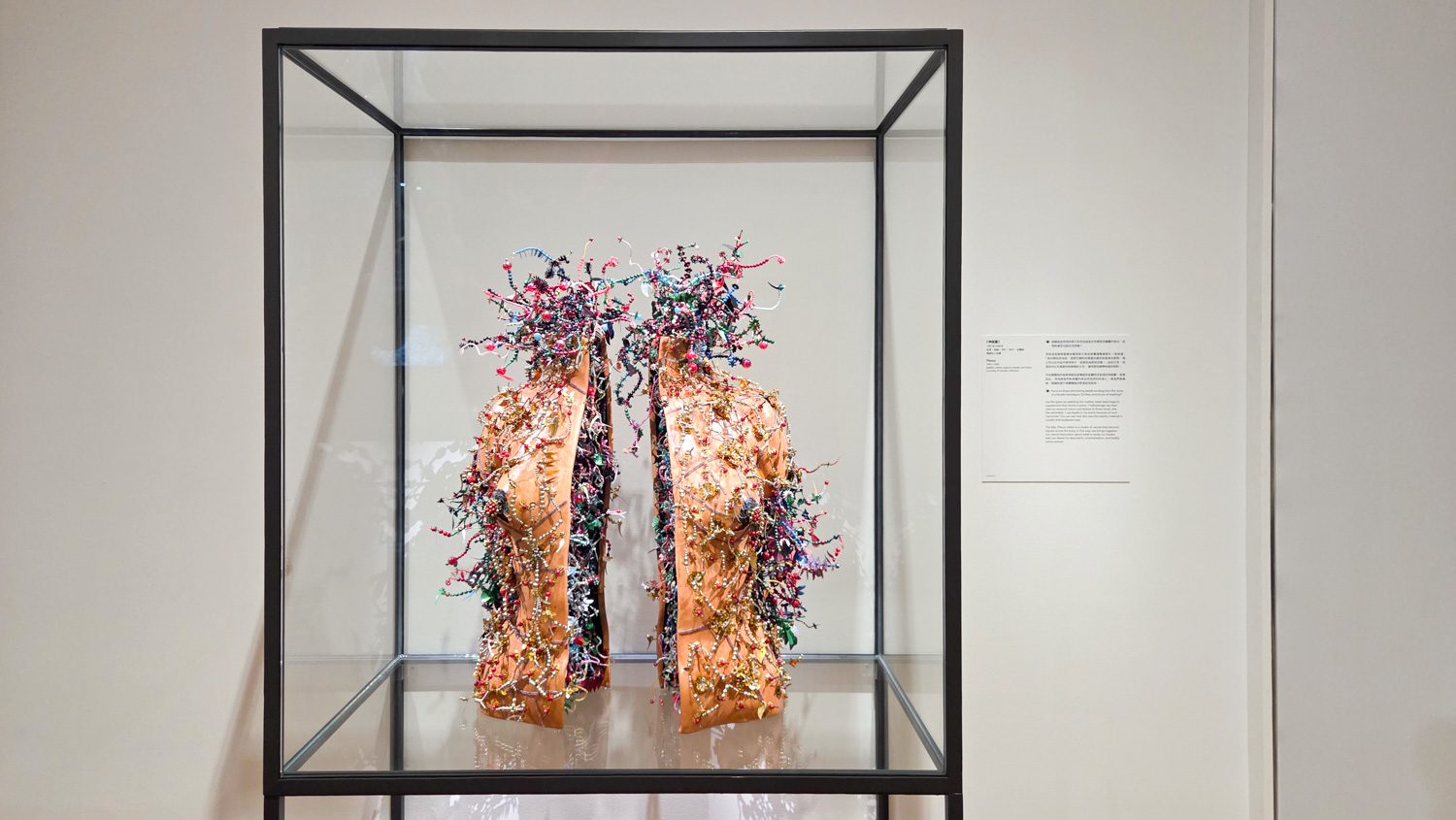
Plexus (1997 – 1998)
Lee Bul has long engaged with social issues, large and small alike. What is certain is that she has worked through a wide range of media, capable of leaving a lasting impression on viewers. In one instance, she wore a red monster suit and traveled from Seoul to Tokyo over the course of 12 days for Sorry of Suffering-You Think I’m a Puppy on a Picnic? (1989). After 1994, she gradually shifted away from the ‘soft sculptures’ that relied on the body and movement, turning instead toward suspended sculptural forms, though without relinquishing her challenge to prevailing norms. This is evident in Monster: Black (1998, 2011), filled with bizarre appendages that seem to have moved beyond every convention of beauty, and in Plexus (1997 – 1998), a female torso pried open and adorned with multicolored beads, like flowers blooming across a body displayed in all its flamboyance.
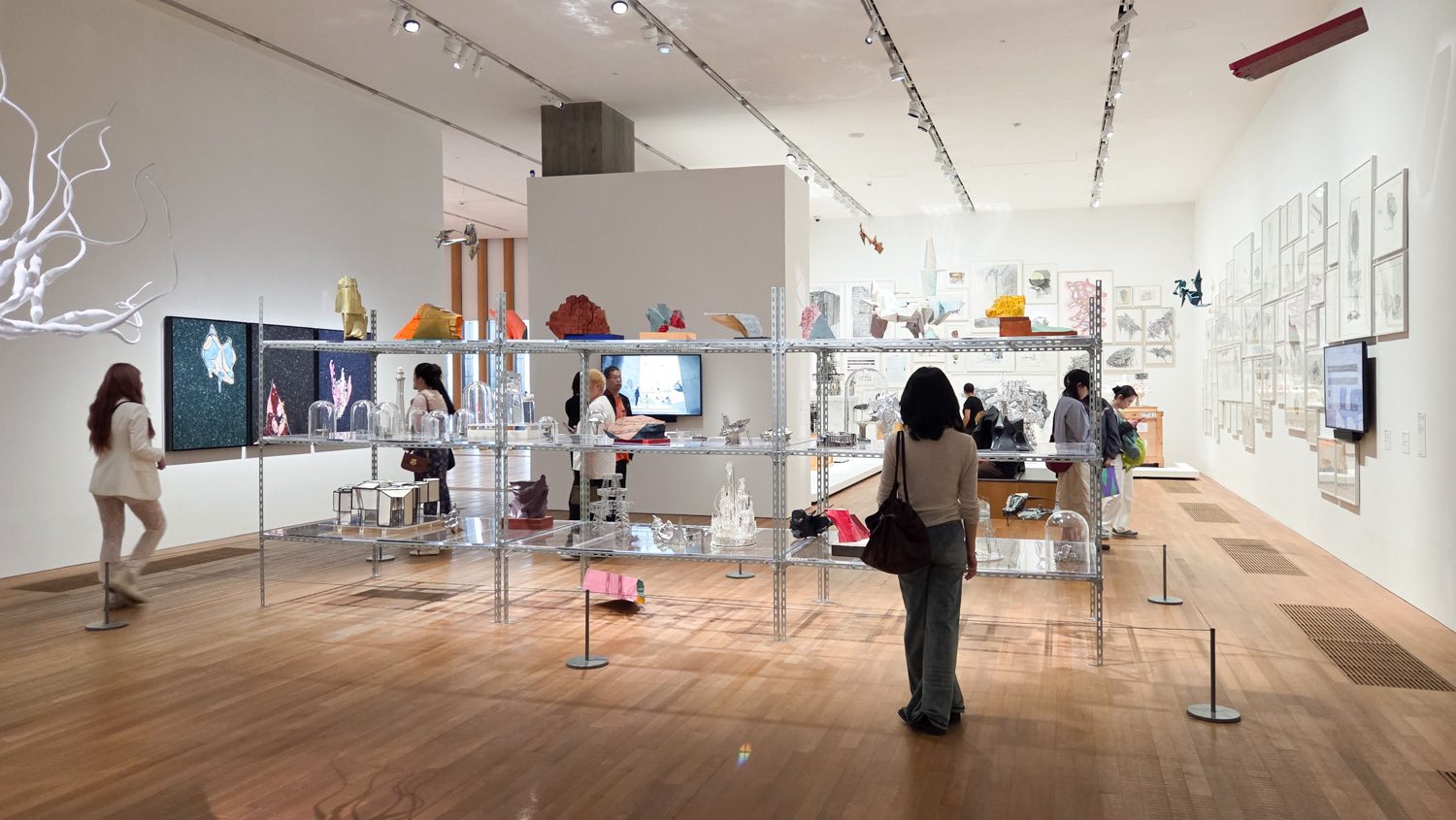
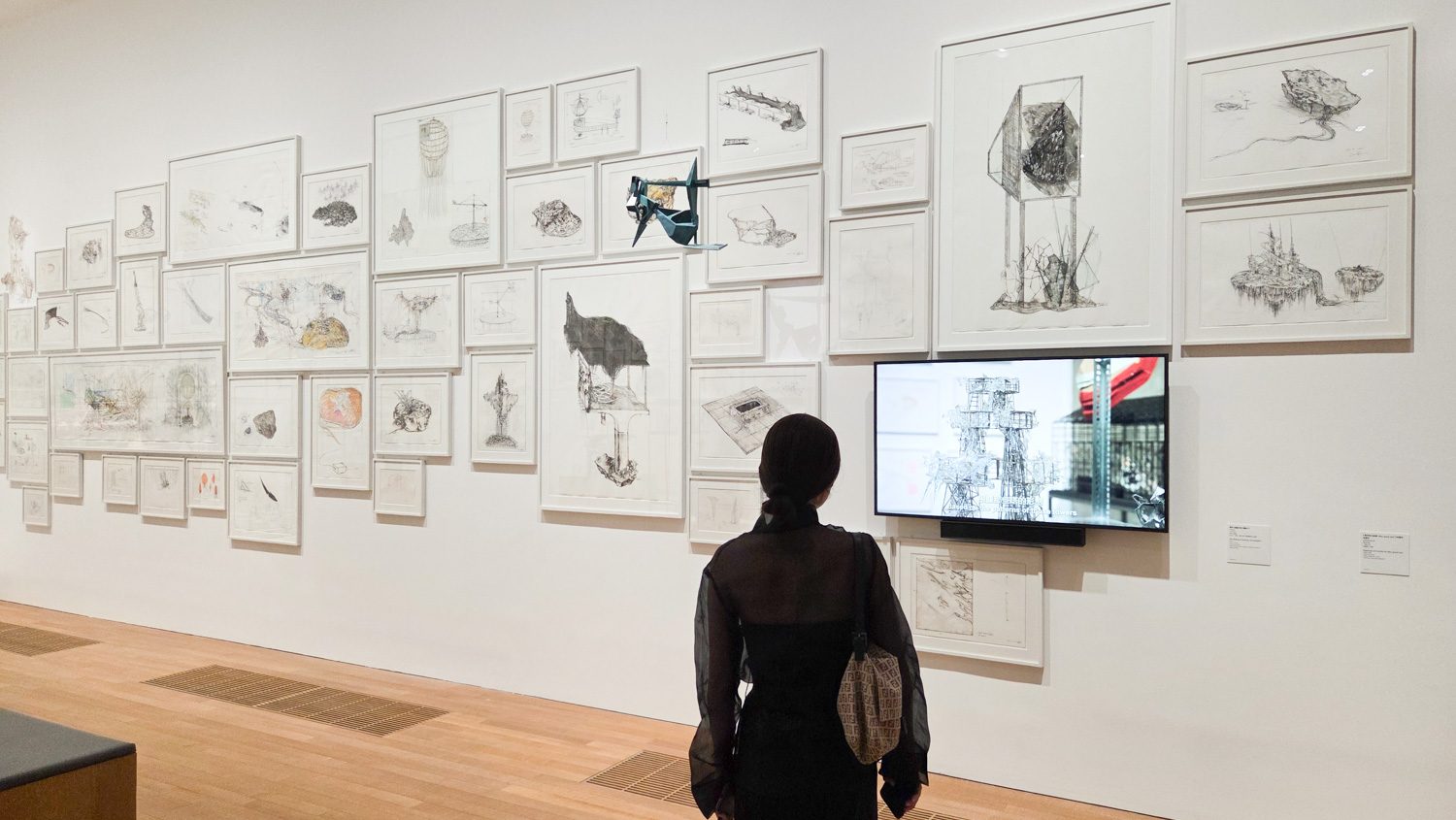 Inside the Artist’s Mind
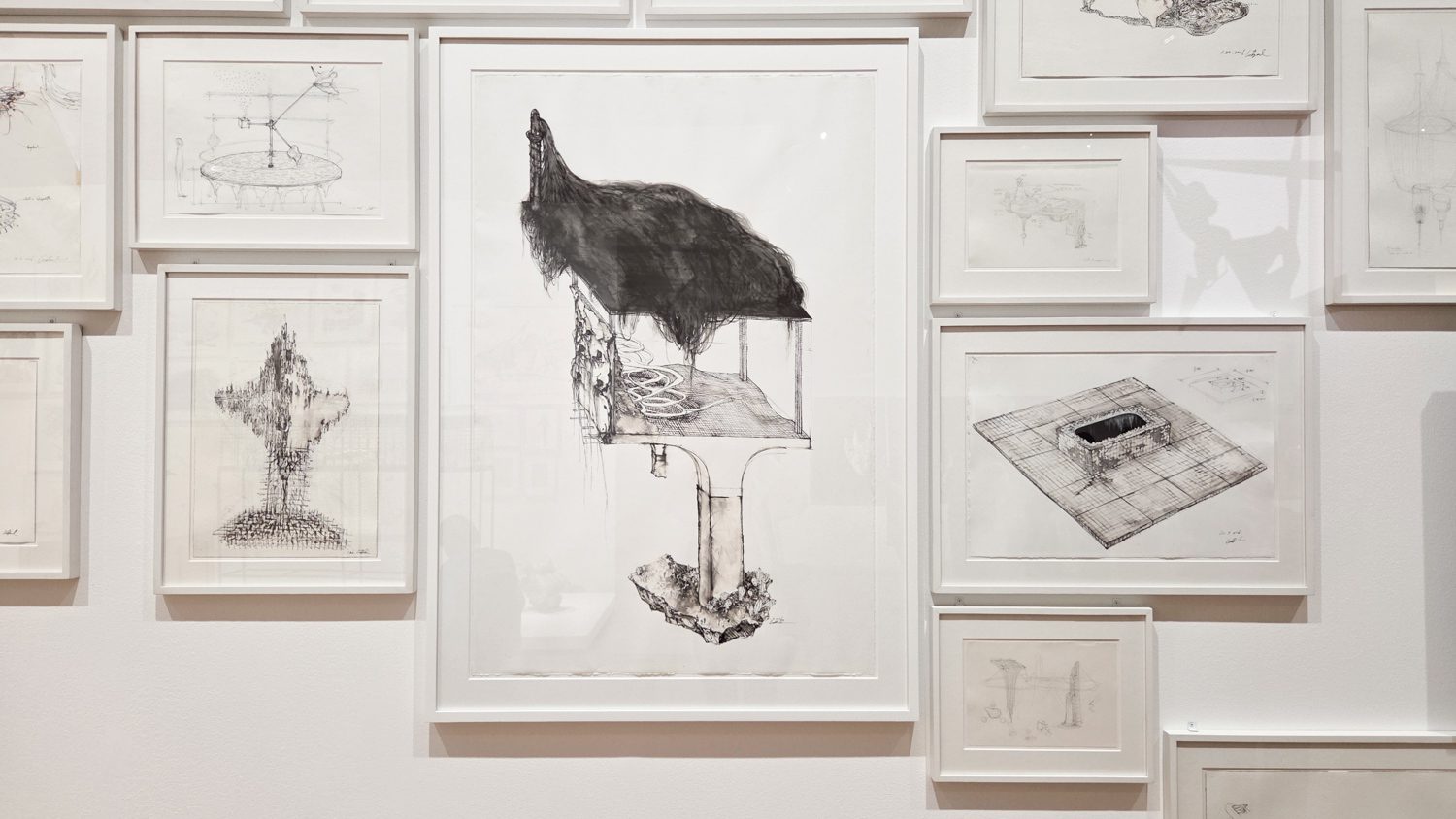
Even as this review comes to a close, I have to admit how much has been left untouched: the full breadth of works on view, Lee Bul’s own background, which is inseparable from the ideas underpinning the exhibition, her choice of materials and techniques, and even the context of M+ itself. Yet the force of the works compelled me toward intensity rather than completeness, in the hope that readers might come away with the same sense of curiosity I did. Even after walking through Inside the Artist’s Mind from beginning to end, I was left with enough questions to continue reading and researching on my own. If I chose to open this article with the artist’s age, it was for no reason other than sheer admiration.
To say it once more, Lee Bul: From 1998 to Now is on view at M+ in Hong Kong, organized in collaboration with the Leeum Museum of Art, through August 9, 2026. This is a show best encountered firsthand: experienced directly, accompanied by the staff’s commentary, and followed, afterward, by a deeper return to the details of each work.
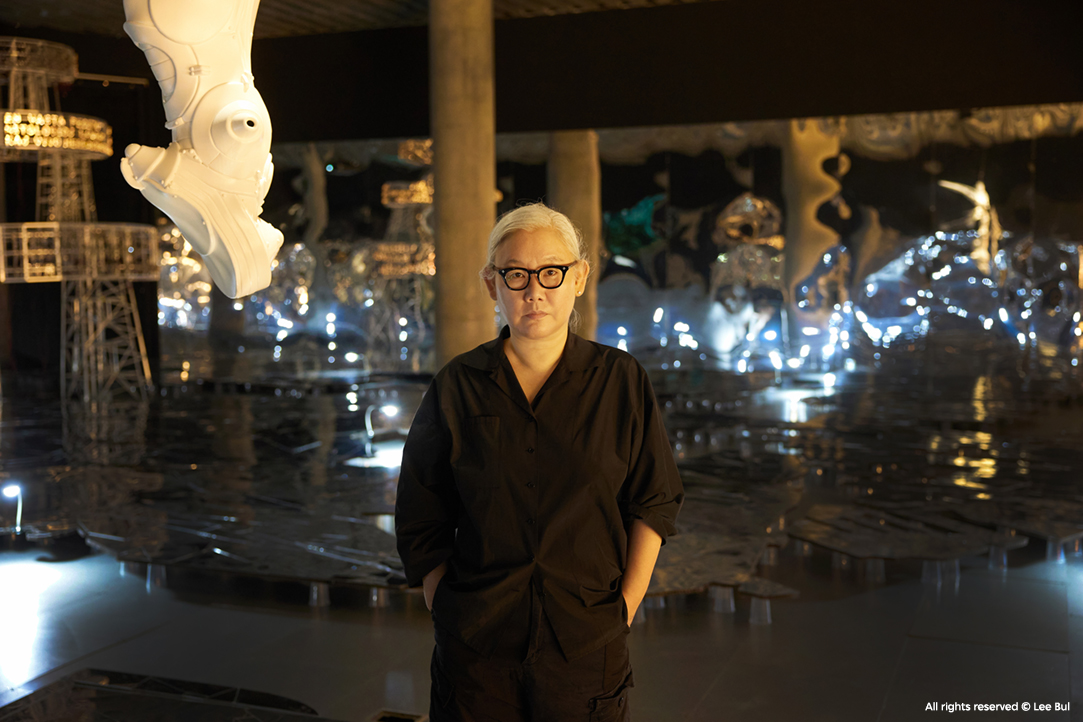
Lee Bul | Photo courtesy of Lee Bul
westk.hk/en/home
mplus.org.hk/en/exhibitions/lee-bul-from-1998-to-now
facebook.com/westk.hk