
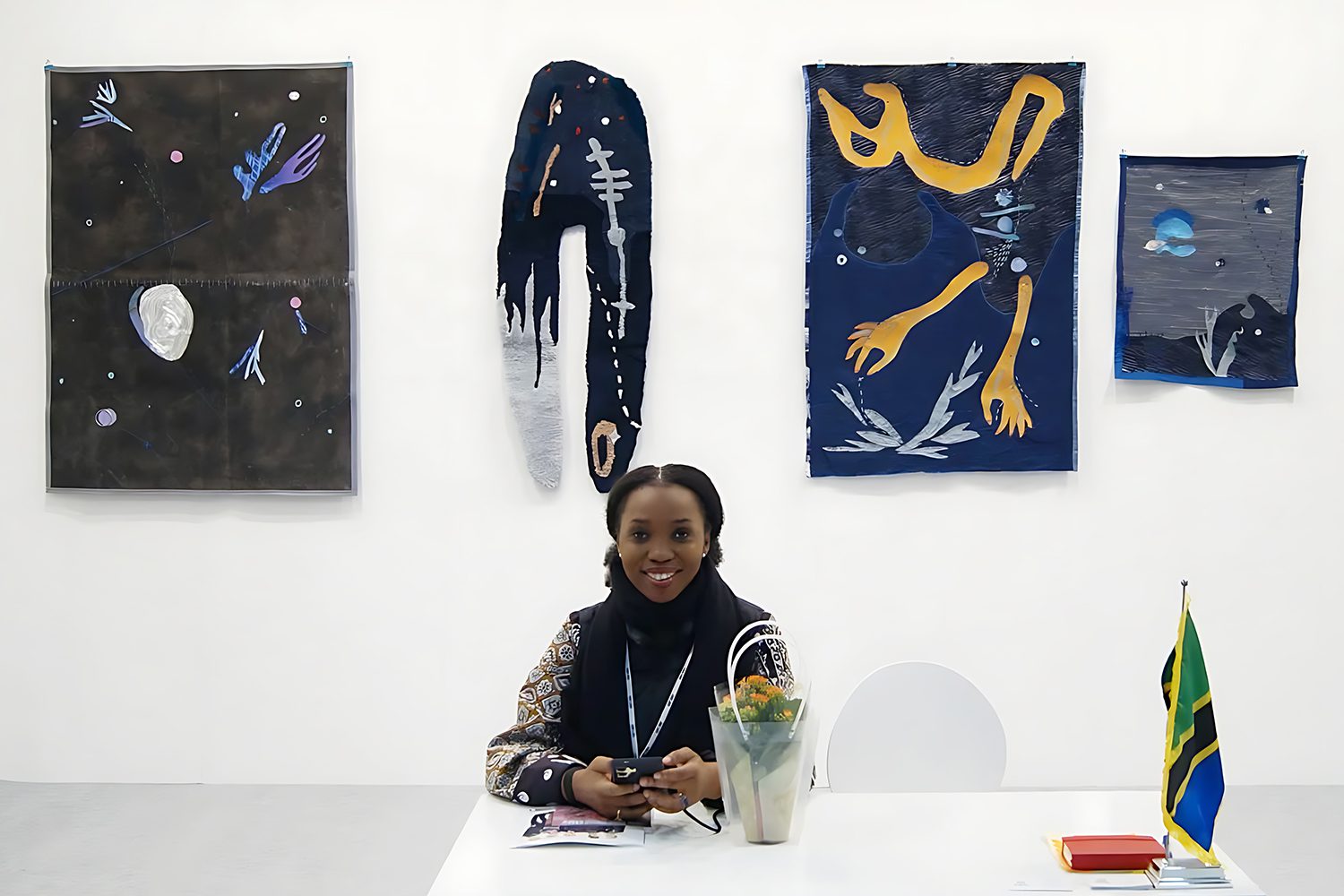
 Photo courtesy of Rangi Gallery
 LORNA MASHIBA REVEALS THE CHALLENGES AND OPPORTUNITIES FOR CONTEMPORARY ART IN TANZANIA, AND RECOUNTS RANGI GALLERY’S JOURNEY AS AN AFRICAN REPRESENTATIVE AT ART ONO
TEXT: SARUNKORN ARTHAN
PHOTO CREDIT AS NOTED
(For Thai, press here)
While the global art mainstream often dictates the major trends, it is within art subcultures that some of the most exciting shifts take place, continually giving rise to new, resilient art communities that challenge the status quo. Tanzania is currently experiencing such a phenomenon. The nation is actively moving beyond its conventional definitions of its artistic identity to foster a fresh cultural dialogue, spearheaded by Rangi Gallery, one of the few contemporary spaces bold enough to construct an entire art ecosystem from scratch.
art4d recently met with Lorna Mashiba, the founder of Rangi Gallery, amidst the vibrant and fresh atmosphere of ART OnO. We sat down to discuss the essence of Tanzanian ‘contemporaneity’ and the significance of the gallery’s journey across the ocean to participate as the sole African representative at this year’s fair.
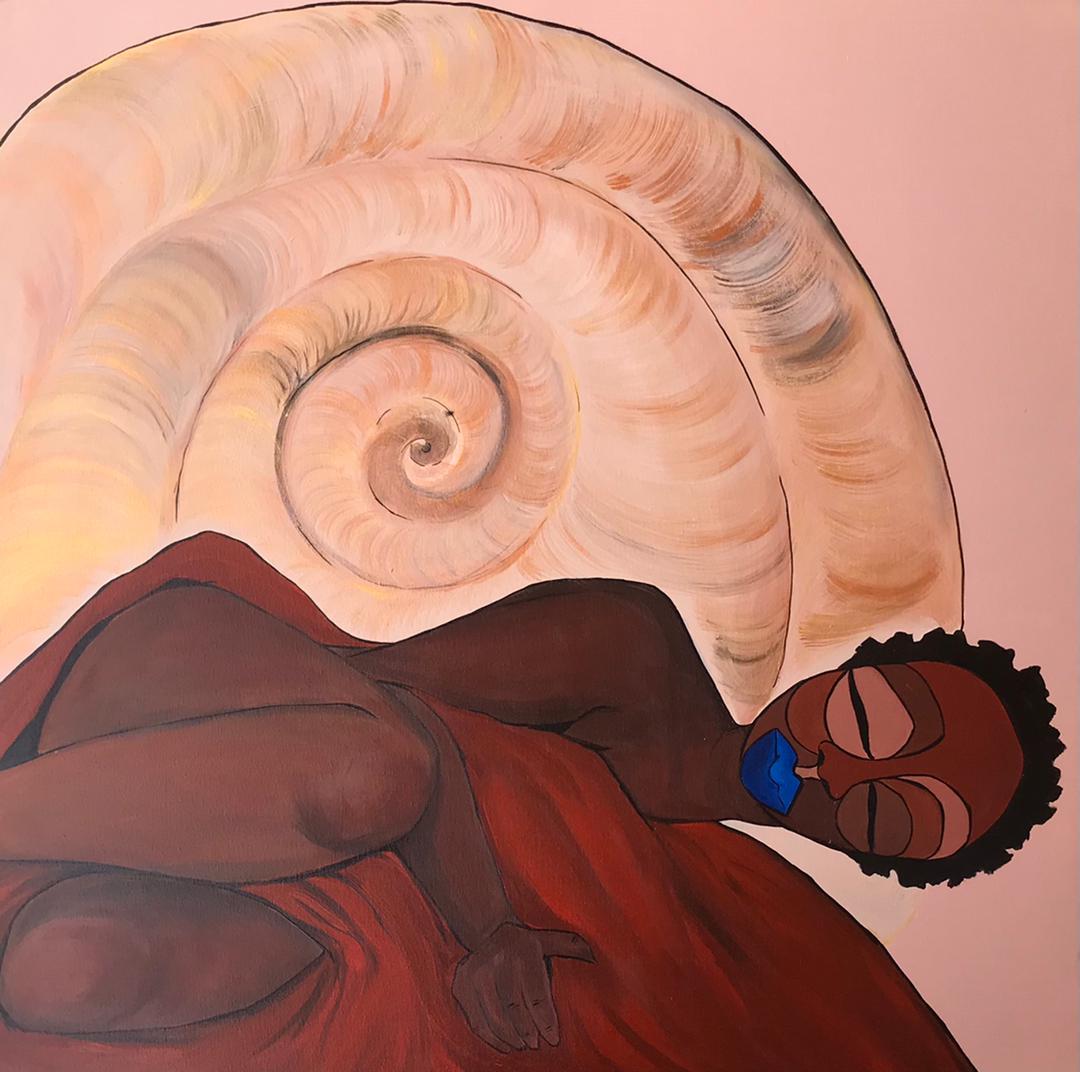
Theresia Massawe, Mwanamwali (2025) | Photo courtesy of Rangi Gallery
art4d: Could you tell us about Rangi Gallery’s identity, your core mission, and your specific philosophy toward art?
Lorna Mashiba: I founded Rangi Gallery in 2020. It is driven by my passion for art, but sustained by necessity. I had previously owned an art gallery, but I was forced to close it and later reopen during the COVID-19 pandemic after becoming seriously ill. At one point I nearly died but art, and my passion for it became part of my healing process.
I first started it online and eventually found the physical space. I know that I have only seen the potential of the art talent in Tanzania, yet there were no art galleries, or platforms dedicated to contemporary art. That absence felt impossible to ignore. I believe there needed to be an art space in Tanzania because Tanzania has around 70 million people, and no contemporary gallery.
In the city I live in, Dar es Salaam, the commercial capital, Rangi Gallery remains one of the only dedicated contemporary art galleries in the area. That is why the gallery exists; out of necessity. There are so many talented Tanzanian artists, but without spaces to showcase their work, how can audiences discover them? If we don’t build the market, who will?
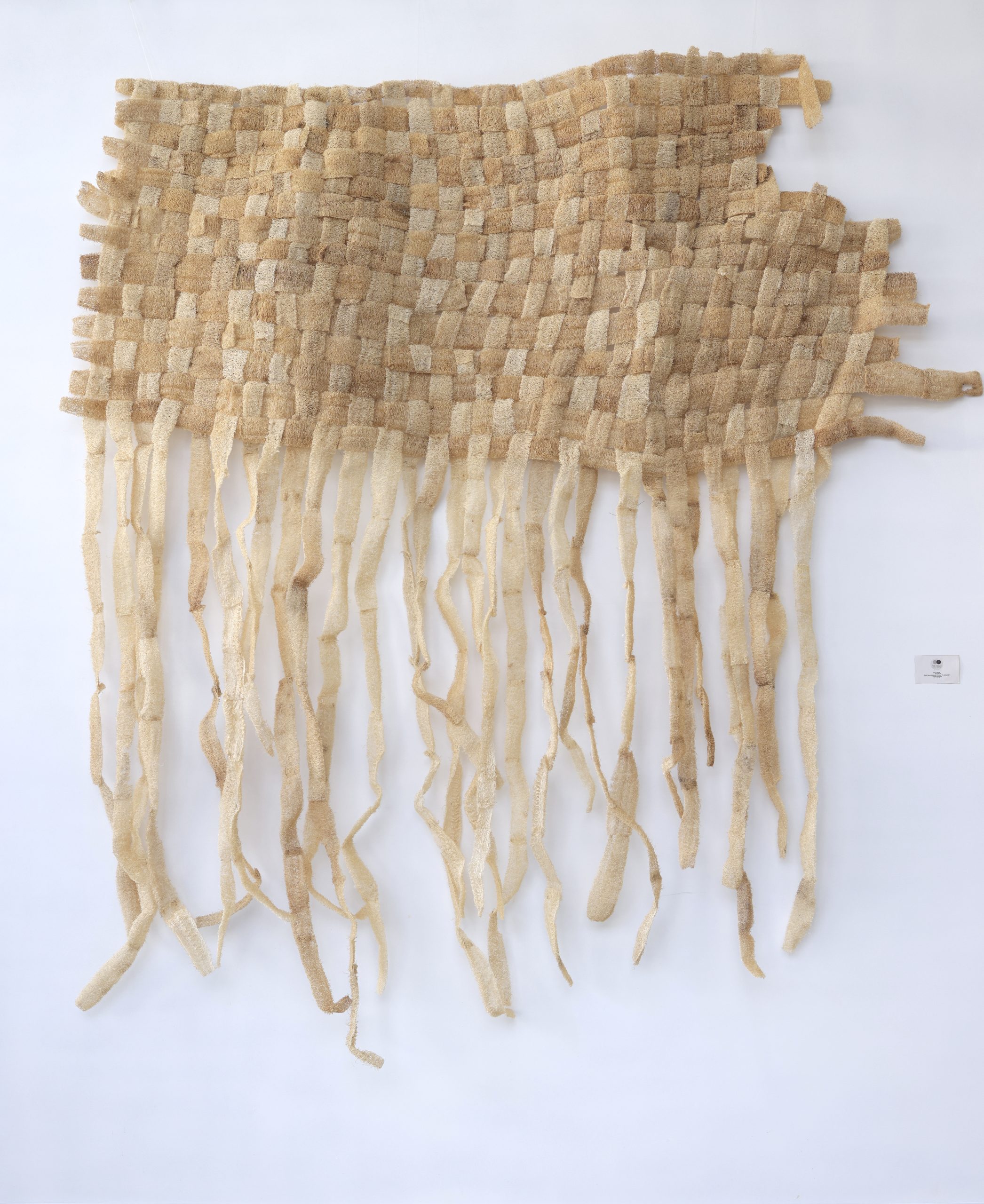
Turakella Editha Gyindo (Tura), What does the body Remember (2025) | Photo courtesy of Rangi Gallery
art4d: Looking back at the foundations of the scene, what is the current situation of art education in Tanzania? Are there any institutions that directly nurture young artists?
LM: There are! However, art education is more common at preparatory school or secondary school levels than at universities. It’s not very prominent; the syllabus is there, but it’s not actively implemented.
art4d: We understand this is your first time showcasing in Asia. How do you feel about reaching this milestone?
LM: I’m excited because when we attend another art fair, we see many Asian collectors. I often find myself wondering, why don’t we fly to see them instead? My ambassador, a former colleague, encouraged me to come here to ART OnO.
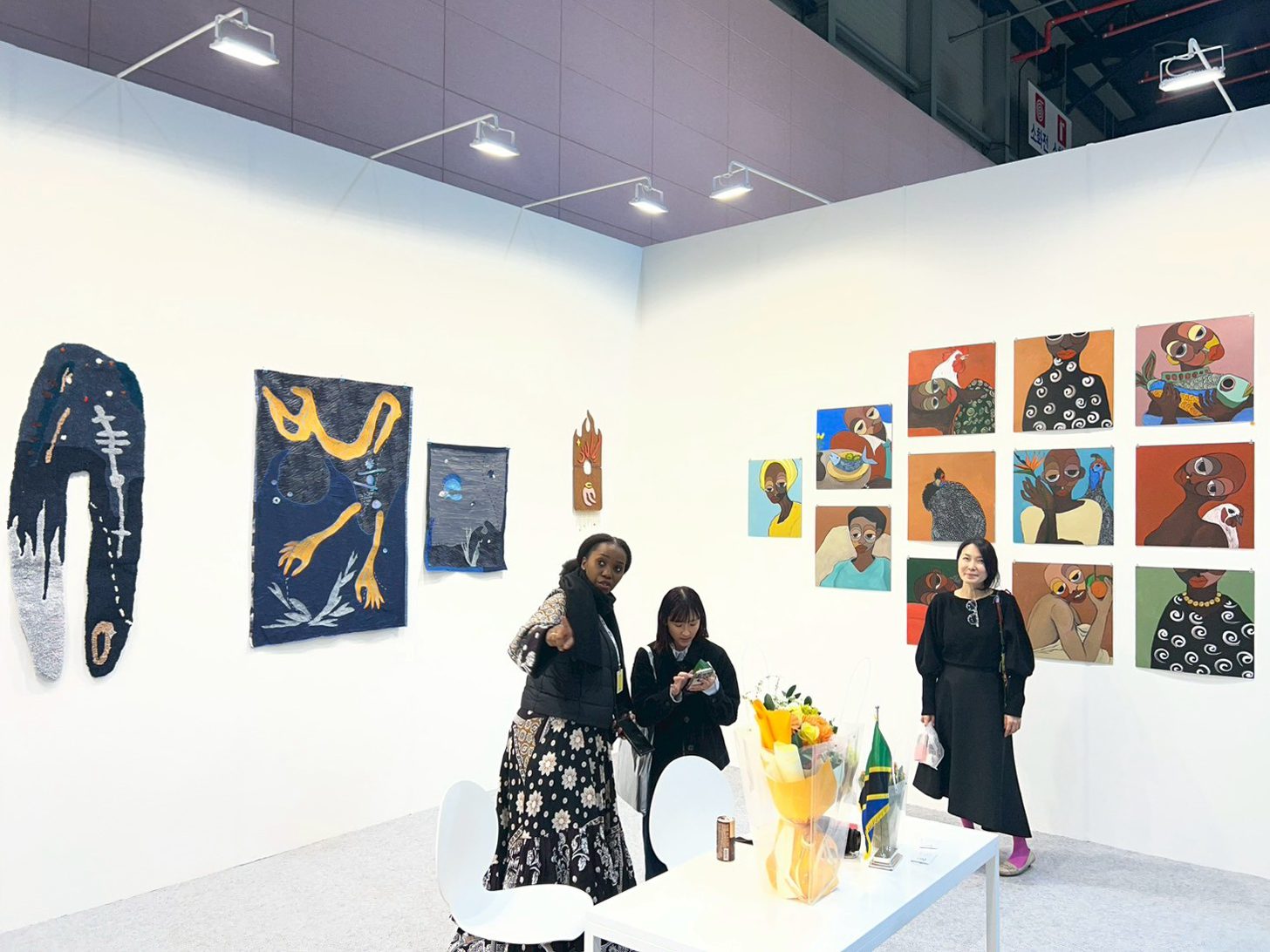
Photo: Sarunkorn Arthan
art4d: What are your primary expectations or goals for participating in ART OnO?
LM: In my opinion, we are here to build visibility and introduce ourselves to a new audience. I believe Rangi Gallery is the first African gallery to participate in this fair, and ART OnO is committed to inclusivity, this feels like the right moment to share our perspective and contribute to the broader conversation around contemporary art.
art4d: What is your perspective on the current contemporary art scene in South Korea and Asia as a whole?
LM: Asia is Home to so many talented artists, and being here has made me realize how much more there is for us to explore as a Tanzanian gallery. ART OnO and the wider art community here in Seoul have shown me that I have so much to explore in terms of contemporary art; we have many things to learn. Many artists in Tanzania are still working within the techniques and approach available to them, but exposure to different practices can open up new possibilities on how to do more and push the boundaries.
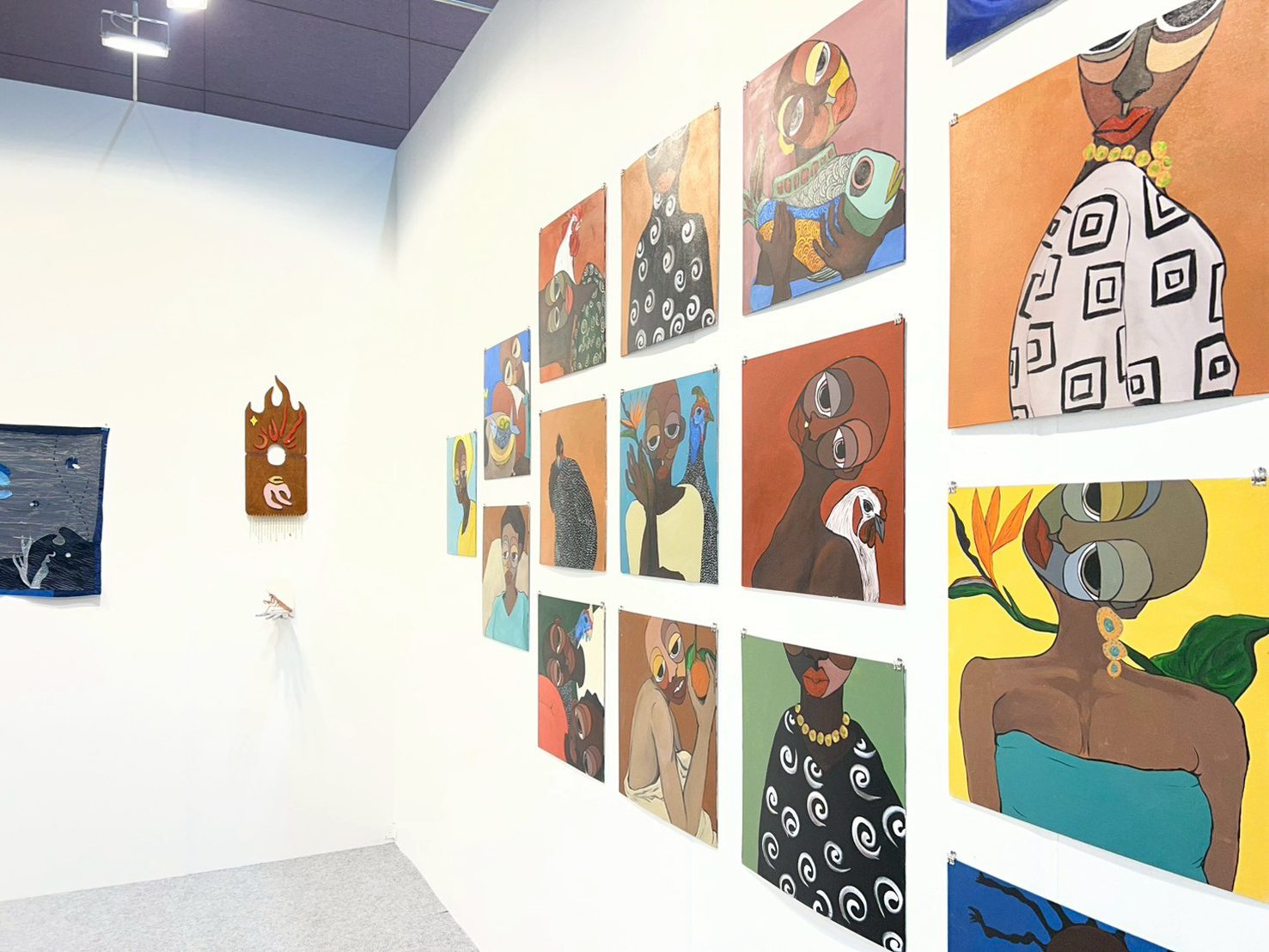
Photo: Sarunkorn Arthan
art4d: How do you see the trajectory of contemporary art in Africa, particularly in Tanzania, at the moment?
LM: Currently, I believe we are on the right trajectory. It might be slow, but people are beginning to pay attention, and African contemporary art is starting to gain real momentum. That’s how I see it, having worked in this space for the past six years. I’ve witnessed the shift from the time when people hardly paid attention to contemporary art to today, where there is a genuine curiosity in growing interest. As you can see, our artists are producing remarkable pieces and gaining a lot of attention from collectors and the worldwide art scene. For that reason, I believe Tanzanian artists and our gallery will soon be known on the global stage.
art4d: Could you describe the current art ecosystem in Tanzania and how it is evolving?
LM: Frankly, Rangi Gallery is the only dedicated contemporary art gallery in Tanzania. Simply too many talented artists in a country of nearly 70 million people for one gallery to it all alone. I couldn’t be the only one forever because there are so many talented artists among the 70 million people. I know the ecosystem will grow, but the only way to grow is by building a culture of gallery going from the ground up and the next step is eventually nurturing future collectors. Previously, when I first opened Rangi Gallery, my clients were primarily European expats and diplomats; now I’m expanding to a more local clientele, but it’s taken six years to achieve that. I believe the next 6 years will be equally important to help collectors to focus more on the buyer community on the international platform.
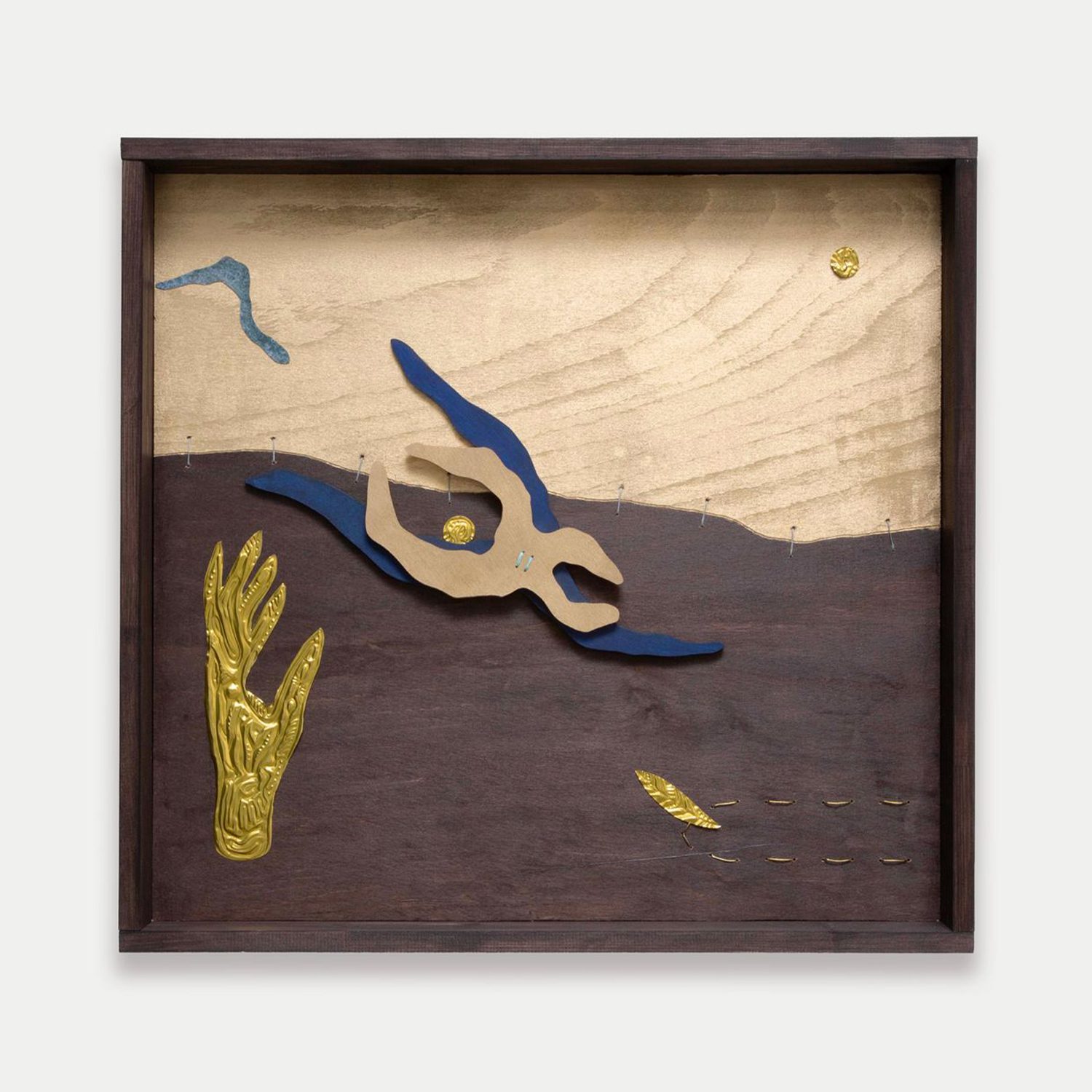
Valerie Asiimwe Amani, Where You Will Go (2025) | Photo courtesy of Rangi Gallery
art4d: How does Rangi Gallery curate and select the specific artists to be showcased here at ART OnO?
LM: We selected a number of our artists whom we felt were ready for the international stage because we know which one of them are performing well and which already recognition beyond Tanzania. For us, the selection process was relatively straightforward because there were some traditional artists we found who don’t sell very well internationally.
For example, at home, abstract art is not very common; local audiences don’t understand this style of art, but we acknowledge that abstract contemporary art attracts more interest abroad. These are some criteria that we look when selecting artists, ensuring that the presentation still remains relevant to an international audience while representing the diversity of Tanzanian contemporary art.
art4d: In the context of the fair’s theme, what does the phrase ‘One and Only’ mean to Rangi Gallery?
LM: Well, for Rangi Gallery, it feels especially meaningful because we truly are THE ONE AND ONLY! We are the only gallery from Tanzania, and indeed the sole African gallery participating in this edition of ART OnO. In that sense, I think the theme speaks well and it feels as though it was made for us!