
FROM ARCHITECTURE TO ART: GET TO KNOW VERONICA OLARIU, A ROMANIAN ARCHITECT AND ARTIST WHO IS INTERESTED IN THE SPACE ‘BETWEEN’ DIFFERENT DISCIPLINES AND IN USING THE BODY, NATURE, AND INTUITION AS PART OF THE CREATIVE PROCESS
TEXT: KITA THAPANAPHANNITIKUL
PHOTO COURTESY OF VERONICA OLARIU
(For Thai, press here)
In 2020, as the world ground to a halt under lockdown, Romanian architect Veronica Olariu found herself stranded on a small island in Thailand. This coincided with a period in which she was deeply questioning both her identity and her role as an architect. At the same time, there was nowhere she could go and very little she could do.
What remained were her body, the sand beneath her, and her senses. The experience would fundamentally alter the way she approached art and design, leaving an imprint on her practice that continues to this day.
art4d first encountered Olariu through Hemp Chair – A Study in Counterbalance, a work that invites a closer look at a process in which several lines of inquiry converge: material, structural principles, and even the body’s relationship to the object itself. Her way of working seemed to occupy a space somewhere between design and art, at once meticulous and unhurried, yet capable of holding one’s attention and prompting sustained reflection.
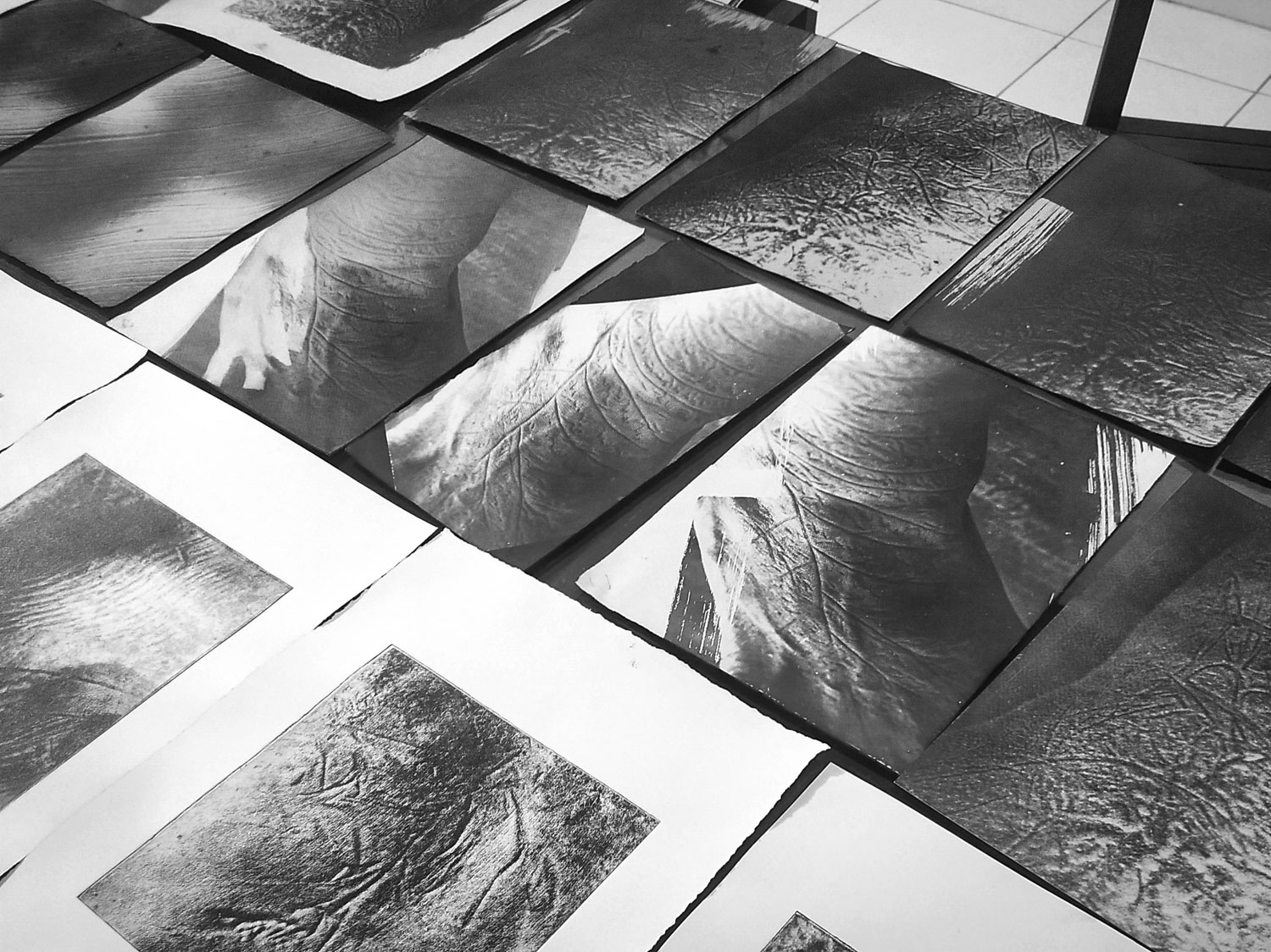
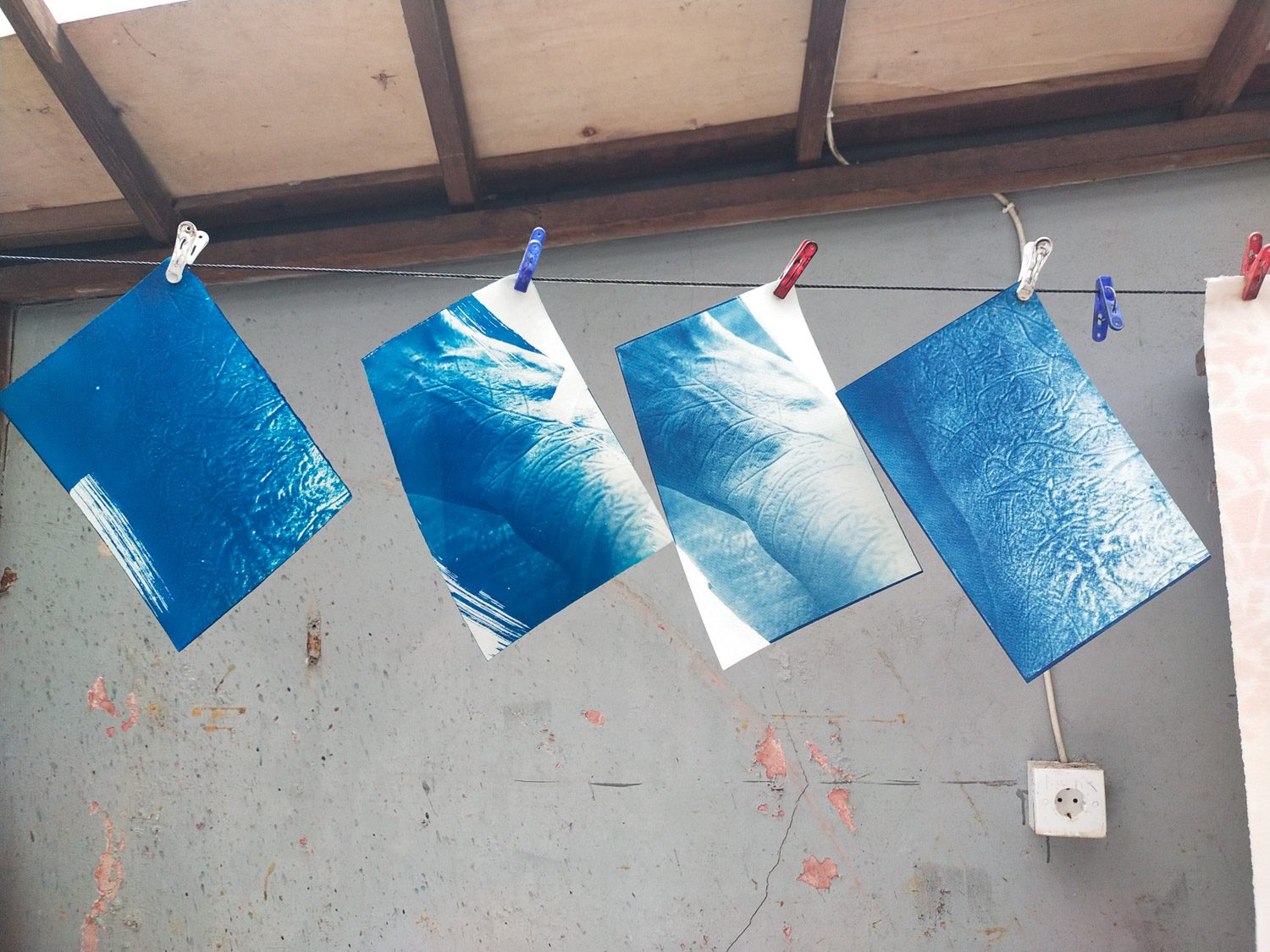
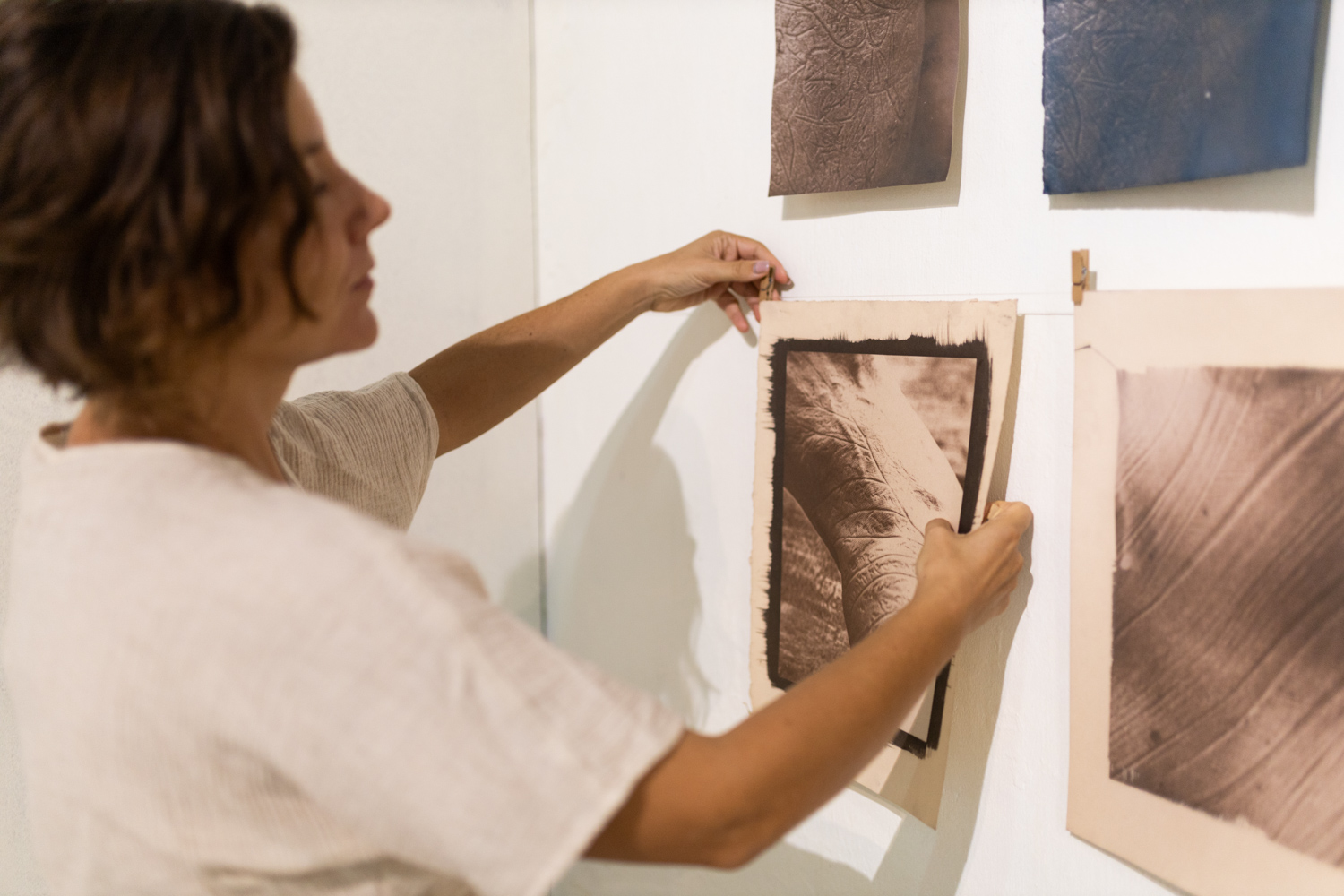
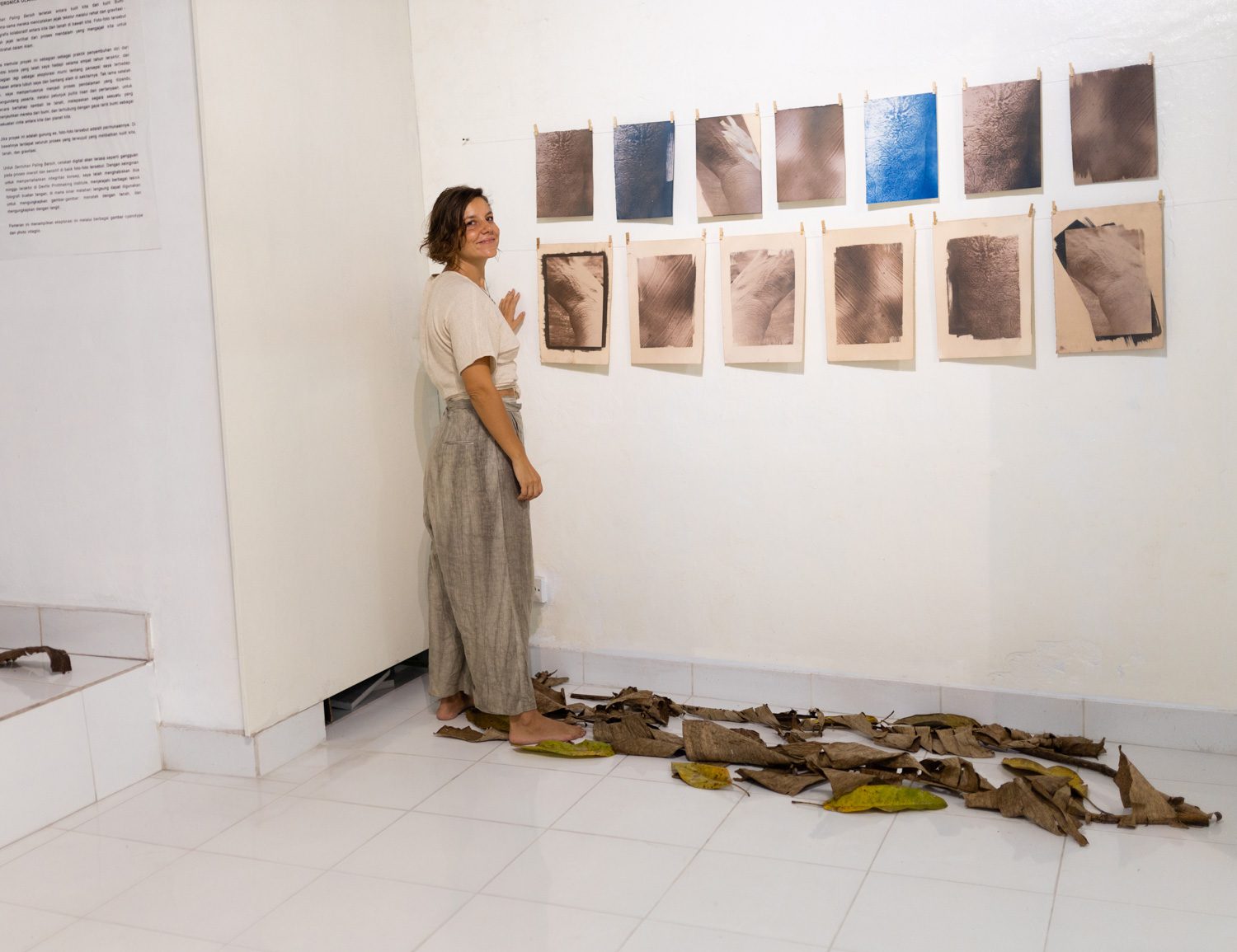
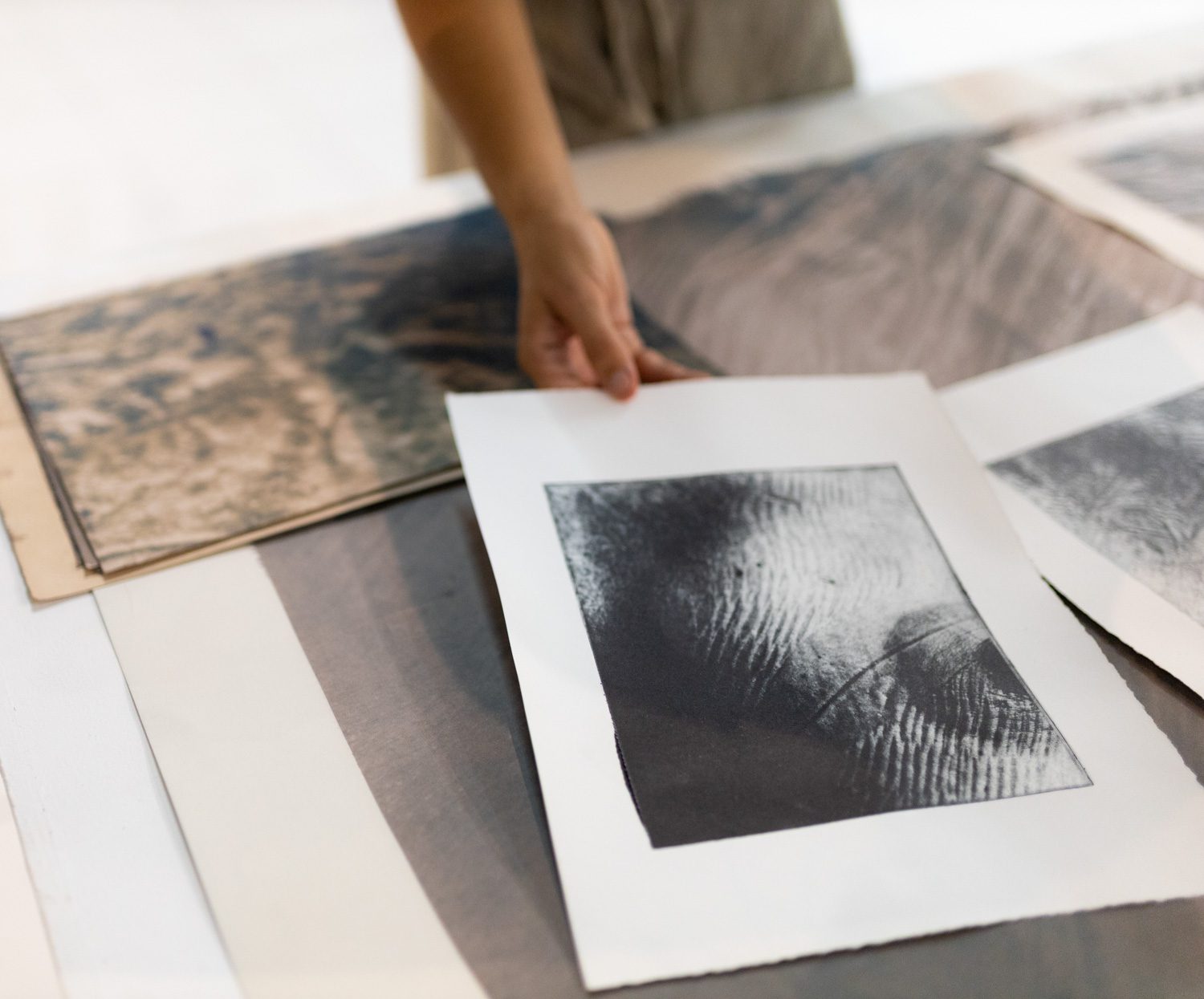
Her other works unfold in much the same way. Olariu’s practice moves fluidly across the boundaries of photography, sculpture, furniture, and poetry. In The Cleanest Touch, cyanotype prints register the impressions left by nature upon the human body. Nest: Building a Home, meanwhile, takes the act of constructing a ‘nest’ as a way of stripping architecture back to something more elemental, until what remains is not professional training or disciplinary convention, but the instinct to build.
The conversation that follows between art4d and Veronica Olariu traces the beginnings of her interest in nature and the way it has shaped a practice that accords instinctive wisdom as much weight as acquired knowledge. It moves through a body of work concerned with the body, material, and landscape; her position within the spaces ‘between’ disciplines; and a life and way of thinking transformed through journeys between Romania, France, and Thailand. It also turns to her latest project, which brings ecosomatics into dialogue with architecture.
art4d: Could you give us a brief introduction — who you are, your story, what brought you to Thailand, and what you’re working on now?
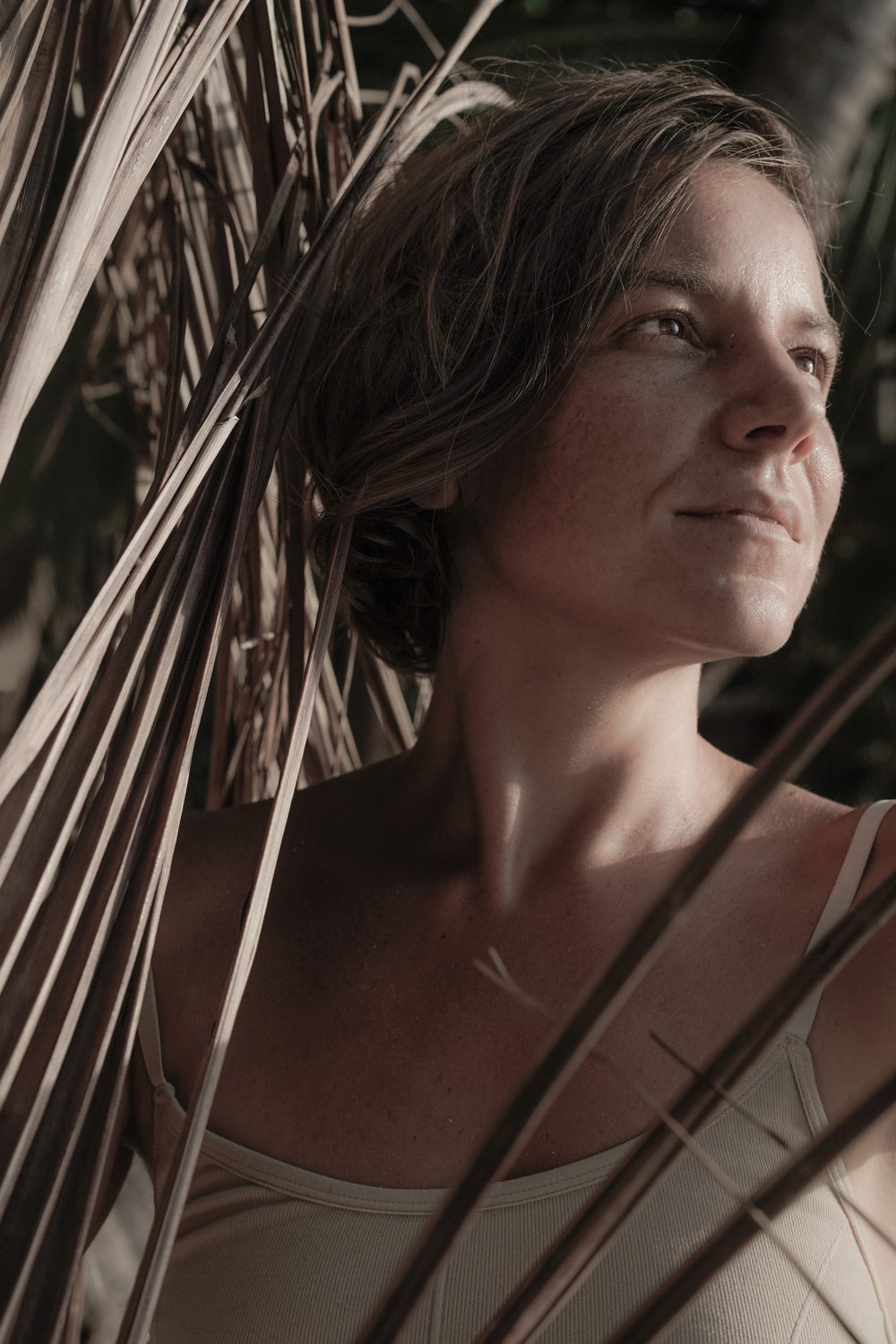
Veronica Olariu: My name is Veronica Olariu. In 2020 I found myself stranded – half by circumstance, half by intention – on a small island in Thailand during what the world came to know as ‘the lockdown’. It was my first time in the country.
In the comfort of that tropical pause, I slowly let go of a very tight identification as an architect, and got thoroughly confused about my place in the world. What began as an unexpected pause gradually turned into an unlearning of many assumptions. That confusion gave way to something that had always been at the core of my interests, just buried under years of training and conditioning: a focus on perception and the subtle exchanges between body and landscape / built environment. It opened up a more intuitive and embodied way of working, grounded in paying attention rather than knowing, which continues to shape my practice today.
I stayed in Thailand because it kept teaching me something every day, through the closeness to nature, slower rhythm of life, the influence of Buddhism, the vibrant creative community in Chiang Mai, and, of course, the massages. It became a place where I could listen more closely to life, landscapes, my own body, materials, and the way all of these shape the work.
Today my practice is centred on design and art. Alongside developing Hemp Chair – A Study in Counterbalance towards production and potential licensing, I continue developing Grounded & Skyed as an embodied research project bridging ecosomatics and architecture. The Cleanest Touch, which began in Thailand, keeps unfolding through new landscapes and cultures – in August I’ll bring it to Dali, in China. More broadly, I’m interested in creating work that helps us experience spaces with greater sensitivity, whether through furniture, interiors, installations or photography.
art4d: Your practice spans a remarkable range of disciplines—design, art, photography, and poetry—manifesting in photographs, sculpture, furniture, and writing. Looking across all of it, we notice two recurring threads: the ‘body’ and ‘nature’. Could you talk about where those interests began, how they connect to your earlier architectural work, and why you’re drawn to working across disciplines rather than within just one?
VO: Reading your question made me smile a little, because I still think of myself as being at the beginning. Only in the last couple of years have I consciously started calling myself an artist. Looking back, though, I realise that the movement across disciplines had always been there, I just didn’t have a name for it.
I’ve never been very good at staying within one field. Even before art became central to my practice, I was always drawn to the spaces in between: between architecture and philosophy, between technical knowledge and intuition, and honestly between wanting to solve a problem and just wanting to play with it a while longer.
I’ve always loved bringing together ideas, people and disciplines that don’t usually meet. In that sense, becoming an artist allows me to work in the way that came naturally to me. That’s why I don’t really experience my work as moving between different disciplines. It feels more like following different entry points into the same set of questions.
Architecture gave me my first language for thinking about space and the relationship between people and their environment. But over time I became less interested in designing space as an object and more interested in how space is lived, felt and embodied. That’s where the body gradually became central as a way of perceiving and understanding the world.
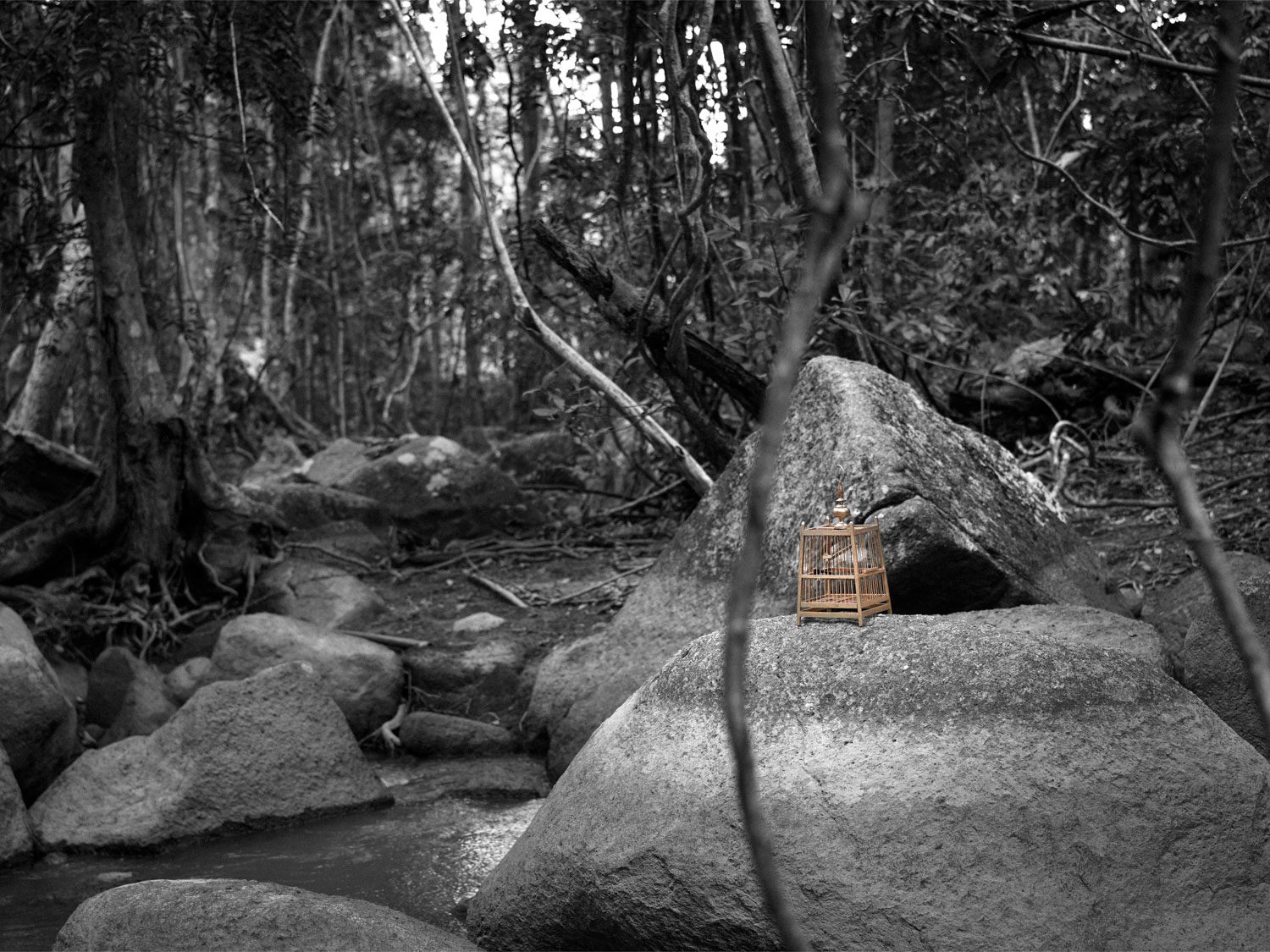
Nature followed a similar path. I don’t see it as inspiration or as something separate from us. It became my teacher. Spending long periods in forests, mountains, rivers and hot springs, especially in Thailand, changed the pace of my perception. Many of my projects begin not with an idea, but with an encounter with a landscape, a material, a sensation or a curiosity that stays with me for a long time.
Because of that, I let the question lead, and the choice of medium follows. The medium changes – photography, installation, poetry, design – but the inquiry remains the same: how bodies, materials and places shape one another, and how deepening our perception might change the way we inhabit the world – including how we build.
art4d: Your website describes how ‘In 2020, a global lockdown on a remote island sparked her artistic path — an unlearning and self-deconstruction that embraced vulnerability, humor, and sensing over knowing.’ This sounds like a significant turning point. Could you tell us what happened during that period, and how it connects to those themes of body and nature?
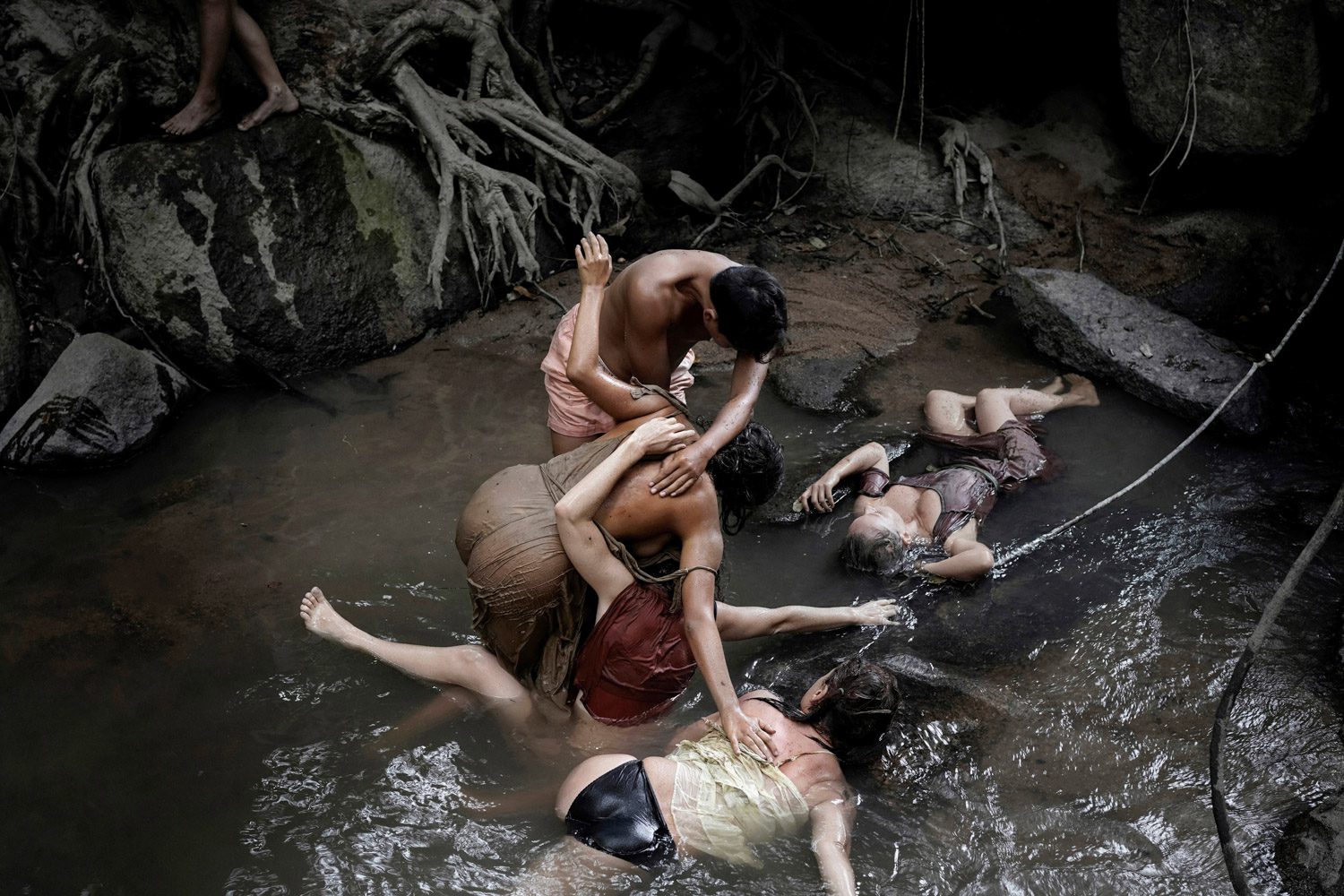
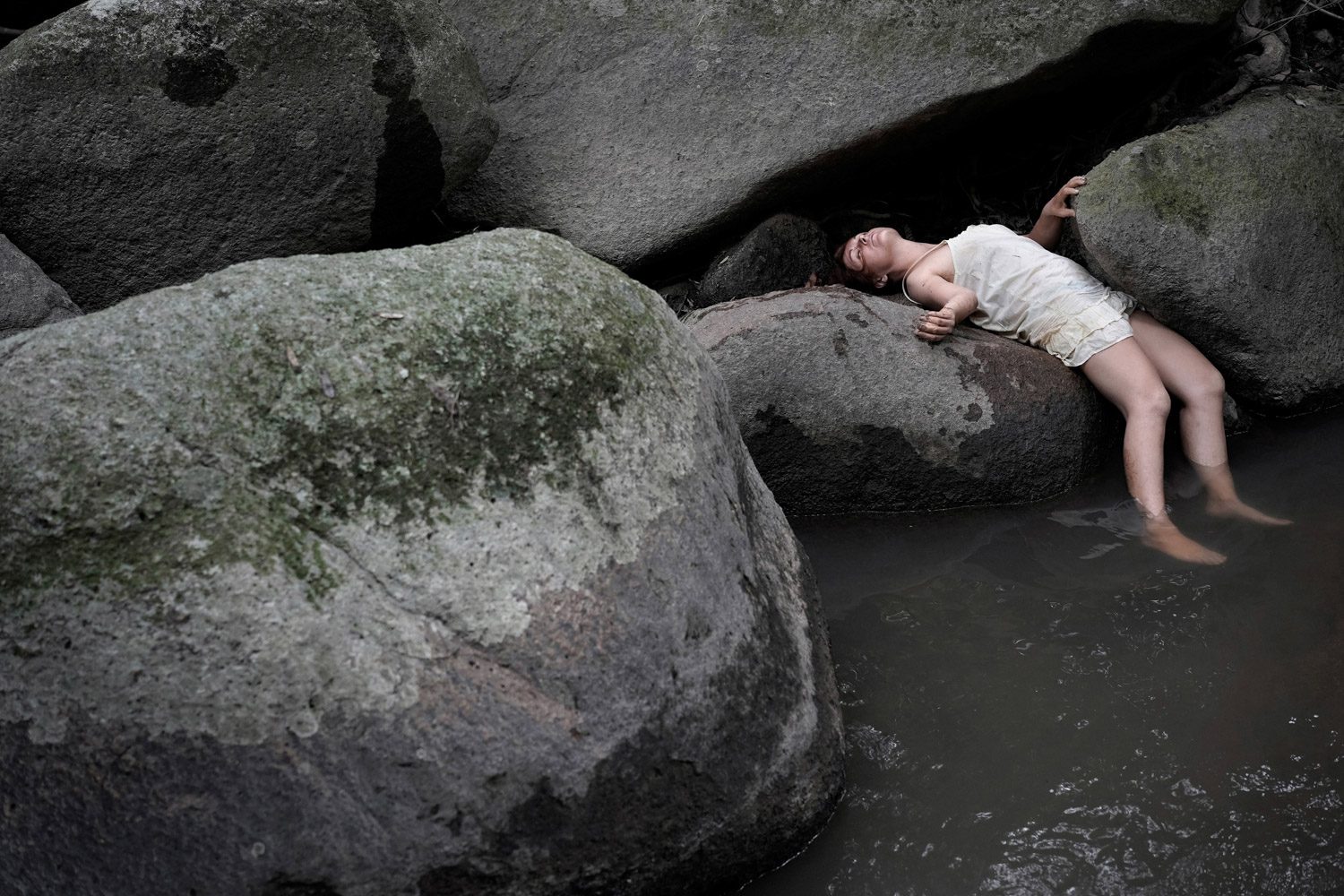
VO: Like many people, I suddenly found myself unable to continue with the life I had been planning. But instead of trying to recreate it immediately, I found myself in an unusual situation: living on a small tropical island with very little to do except walk, swim, observe, improvise with friends, and spend long stretches of time outdoors. Many of the people around me were movement artists from different parts of the world. Through time spent together, and through nature encounters facilitated by Dolores Dewhurst-Marks, I began experiencing the body, nature and other people differently.
At first, it felt uncomfortable. I realised how much of my identity had been built around doing and producing. Without those structures, I didn’t really know who I was.
Photography wasn’t part of my practice before then. It emerged naturally during that period, not as a way of documenting what I saw, but as a way of entering into conversation with people and landscapes. Baroque Fauna was the first series to crystallise from the many photographs I made during those months. I still return to that body of work, and I have a feeling there are more series waiting to emerge from it.
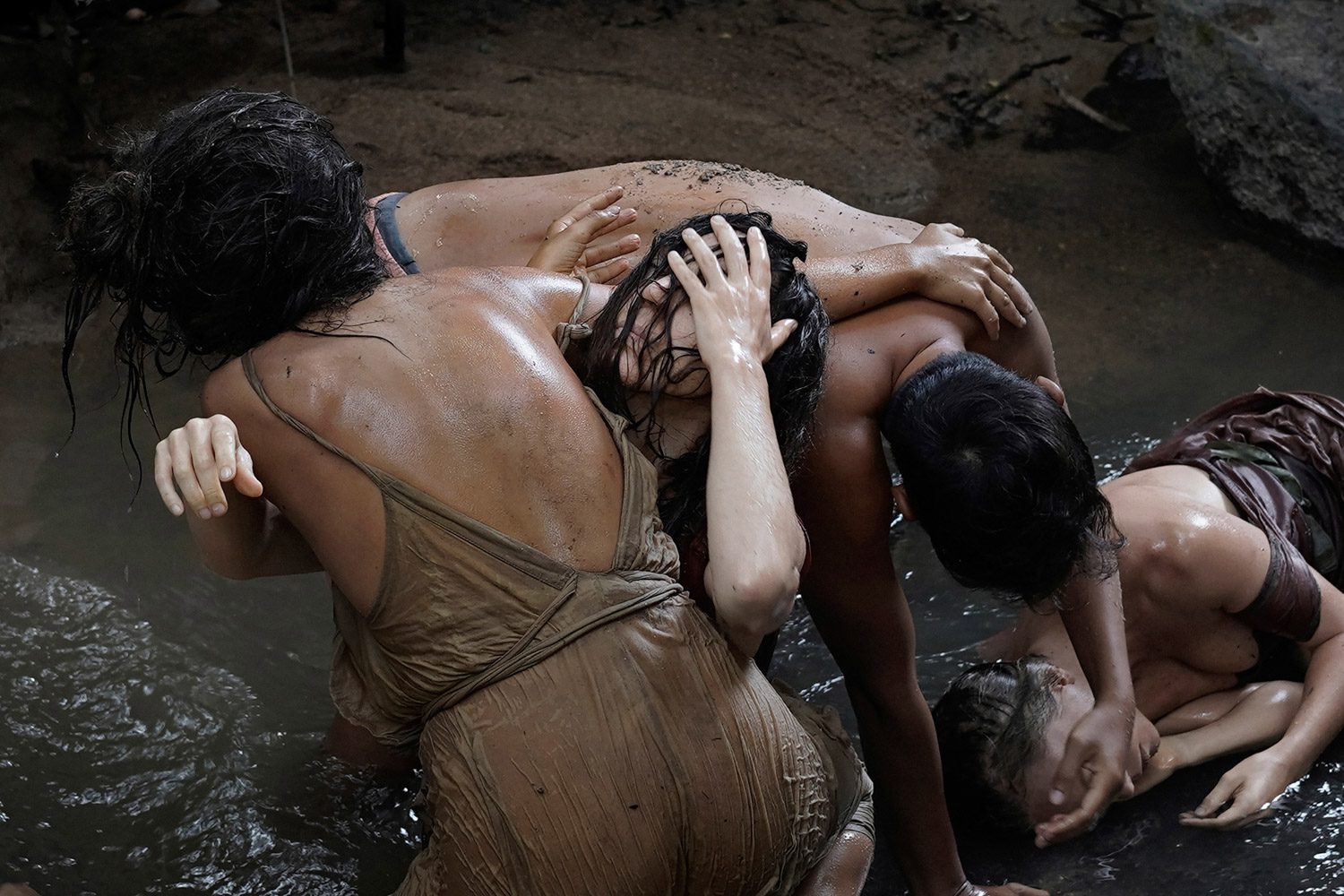
Looking back, what changed most wasn’t the medium but the way I relate to the world. I became more comfortable with uncertainty, intuition and vulnerability, and less concerned with arriving at answers too quickly. That way of being continues to guide everything I do today.
art4d: Which project do you feel represents you most fully, or means the most to you?
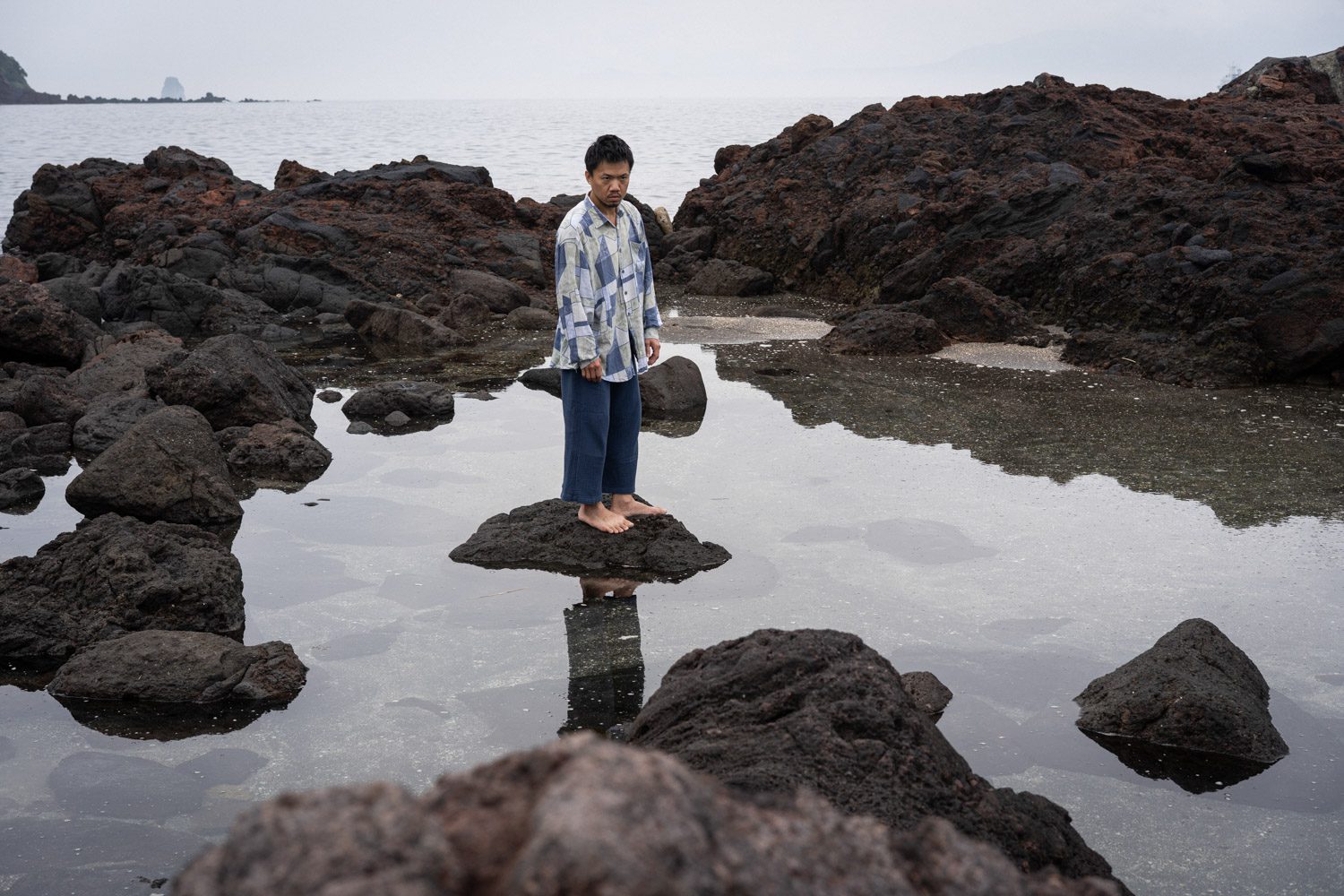
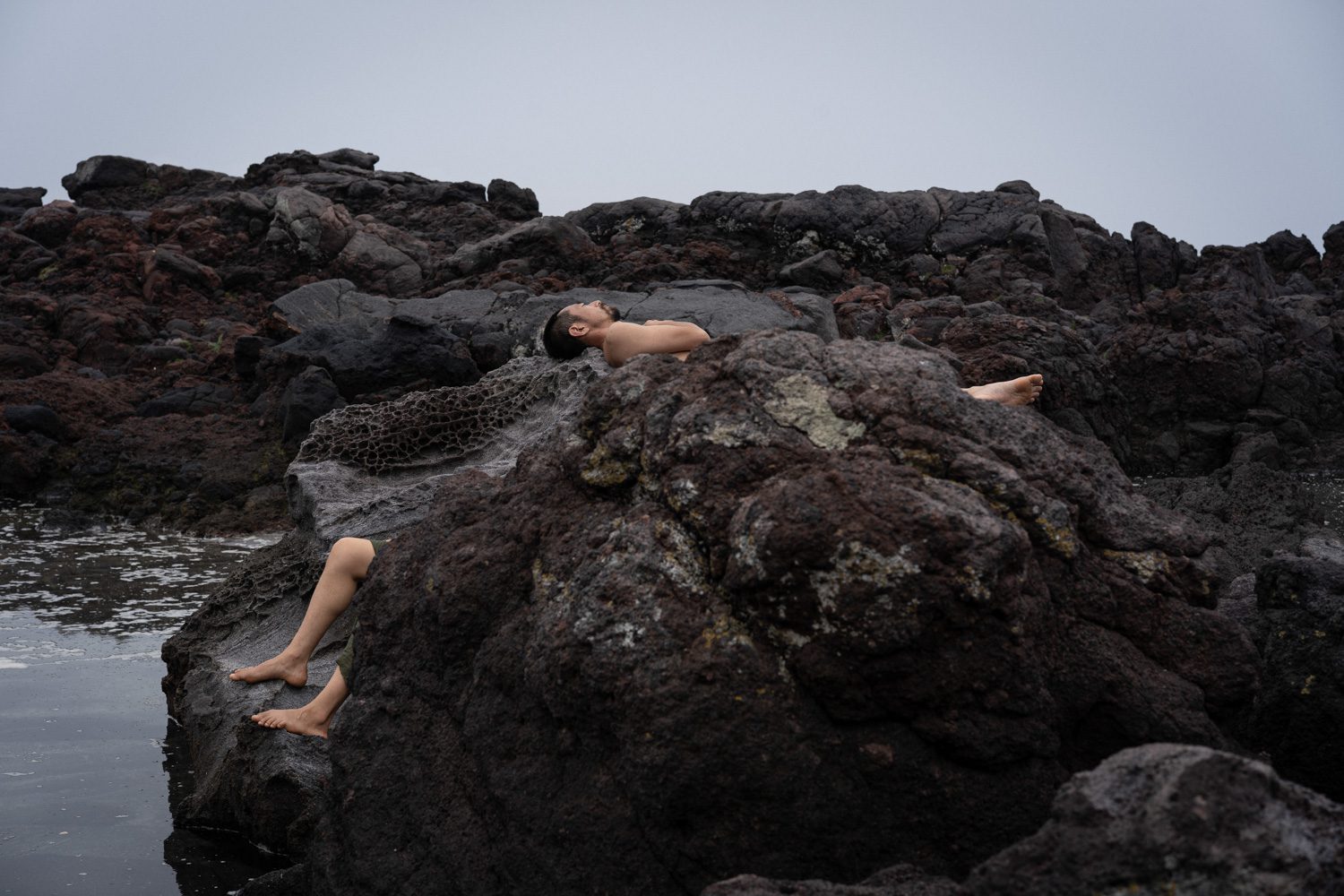
VO: The Cleanest Touch represents me most fully. It was the first project in which everything came together naturally – body, landscape, architecture, photography and writing – without me consciously trying to combine them. It began in Thailand and continued through different landscapes, including the volcanic black shores of Ibusuki in Japan.
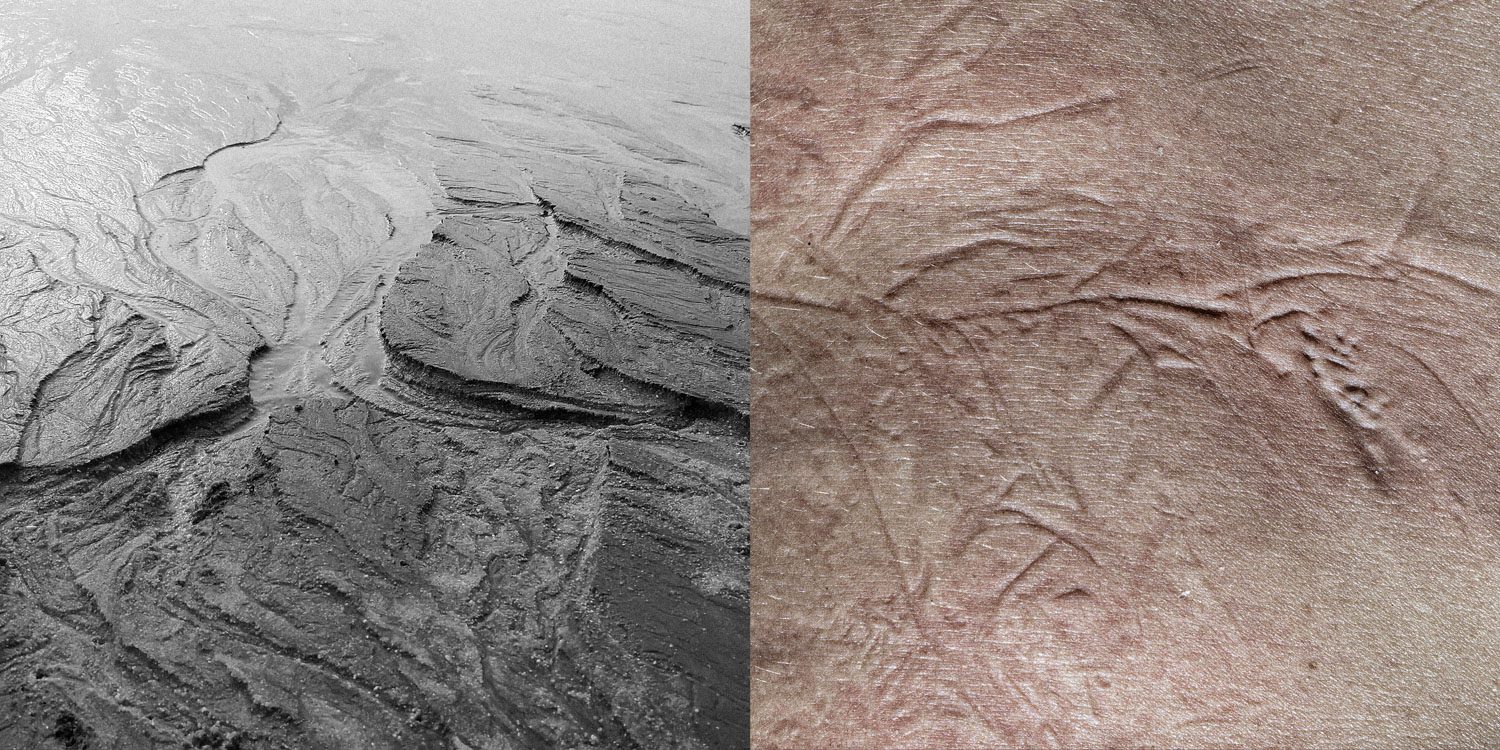
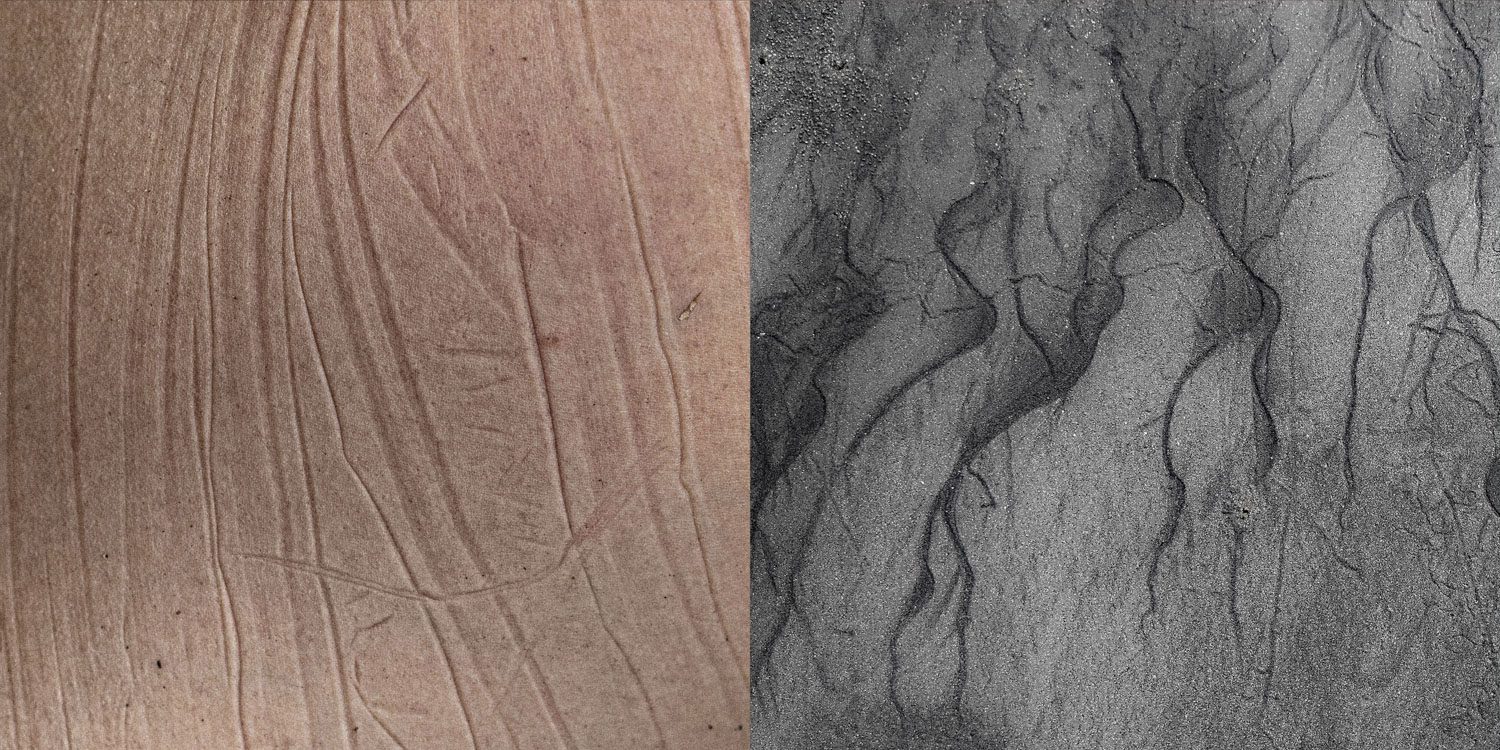
At its core, the project is about the relation between skin, ground and light – how the body and the earth register each other through gravity and rest. The images emerge from that contact with the landscape, rather than representing it.
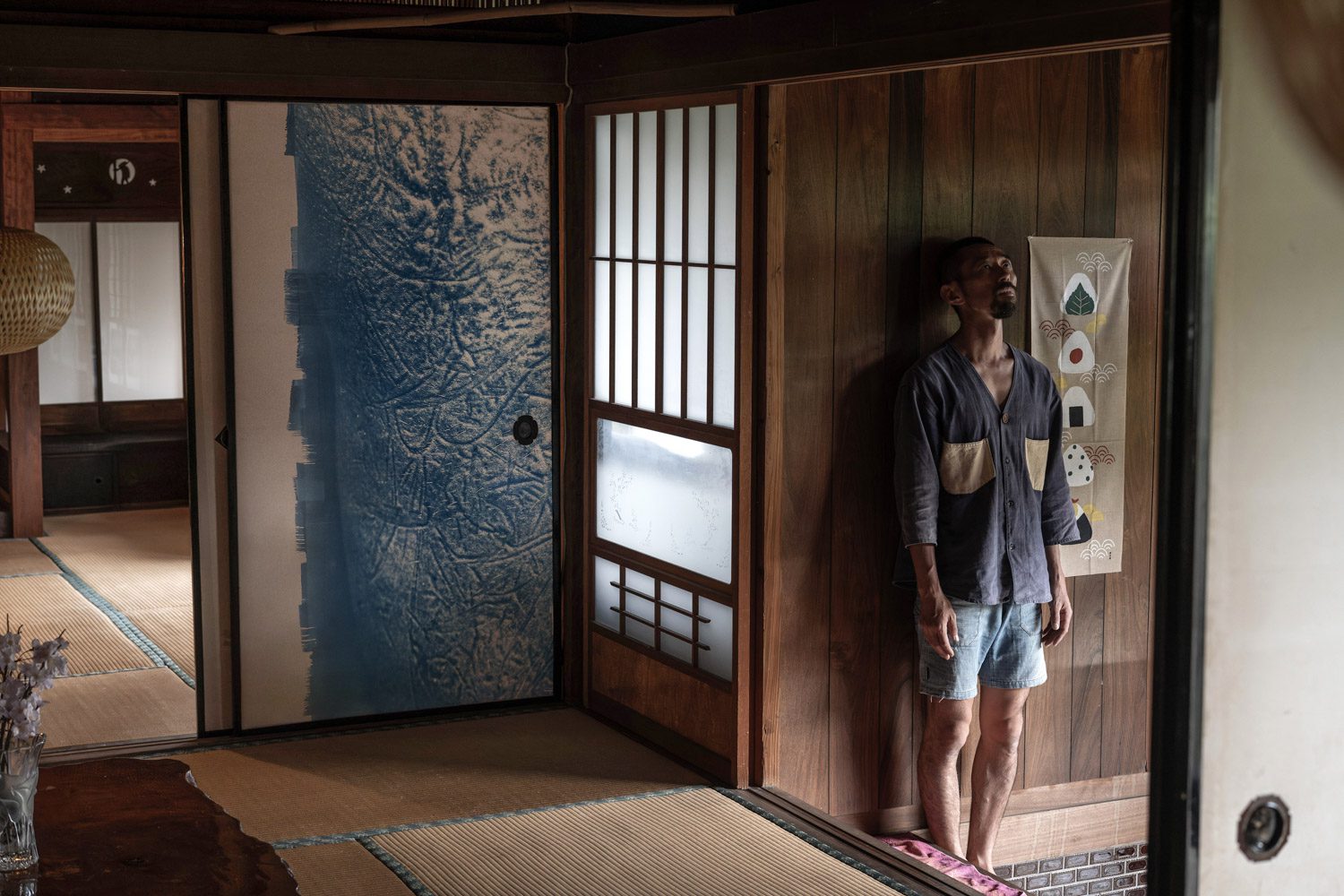
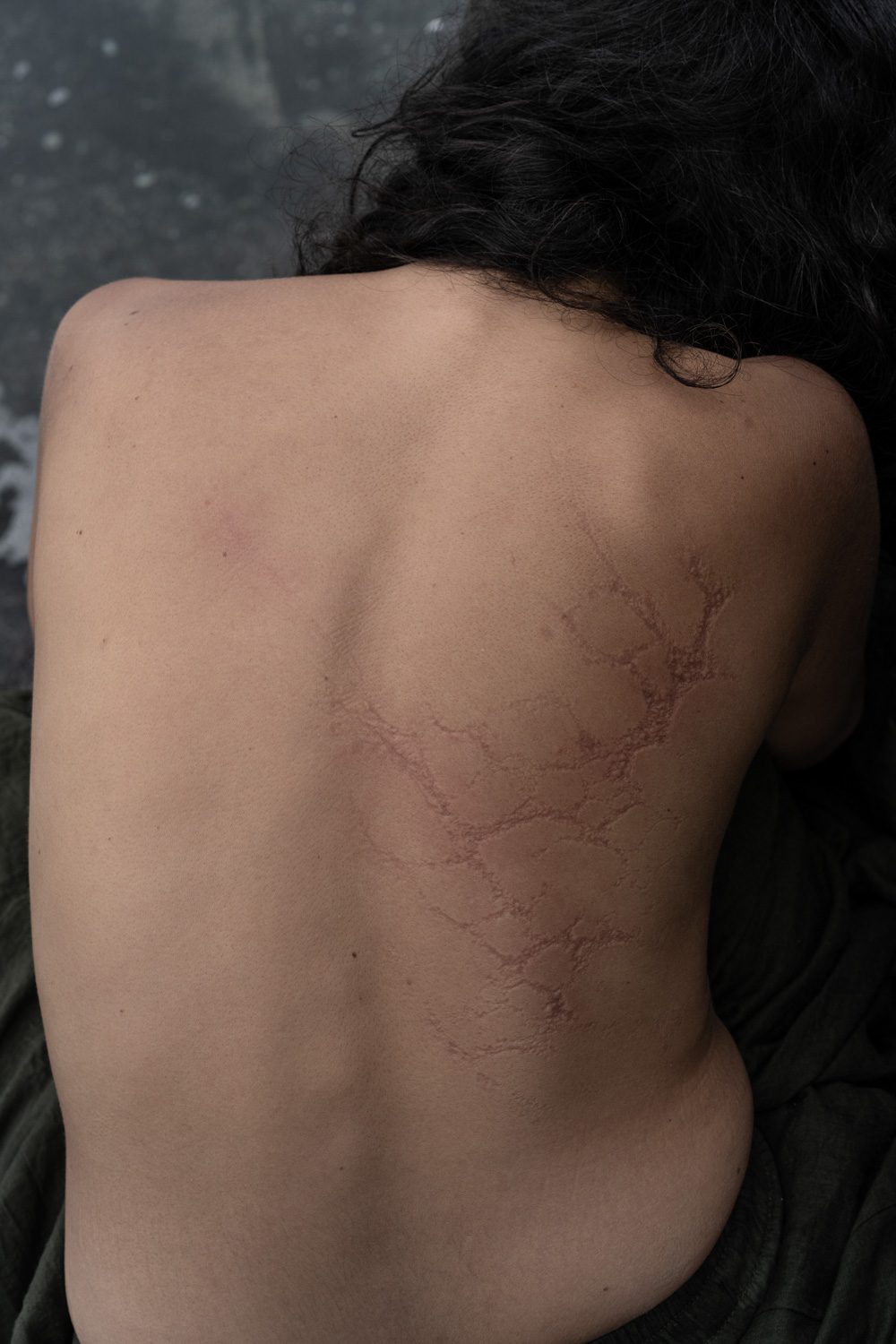
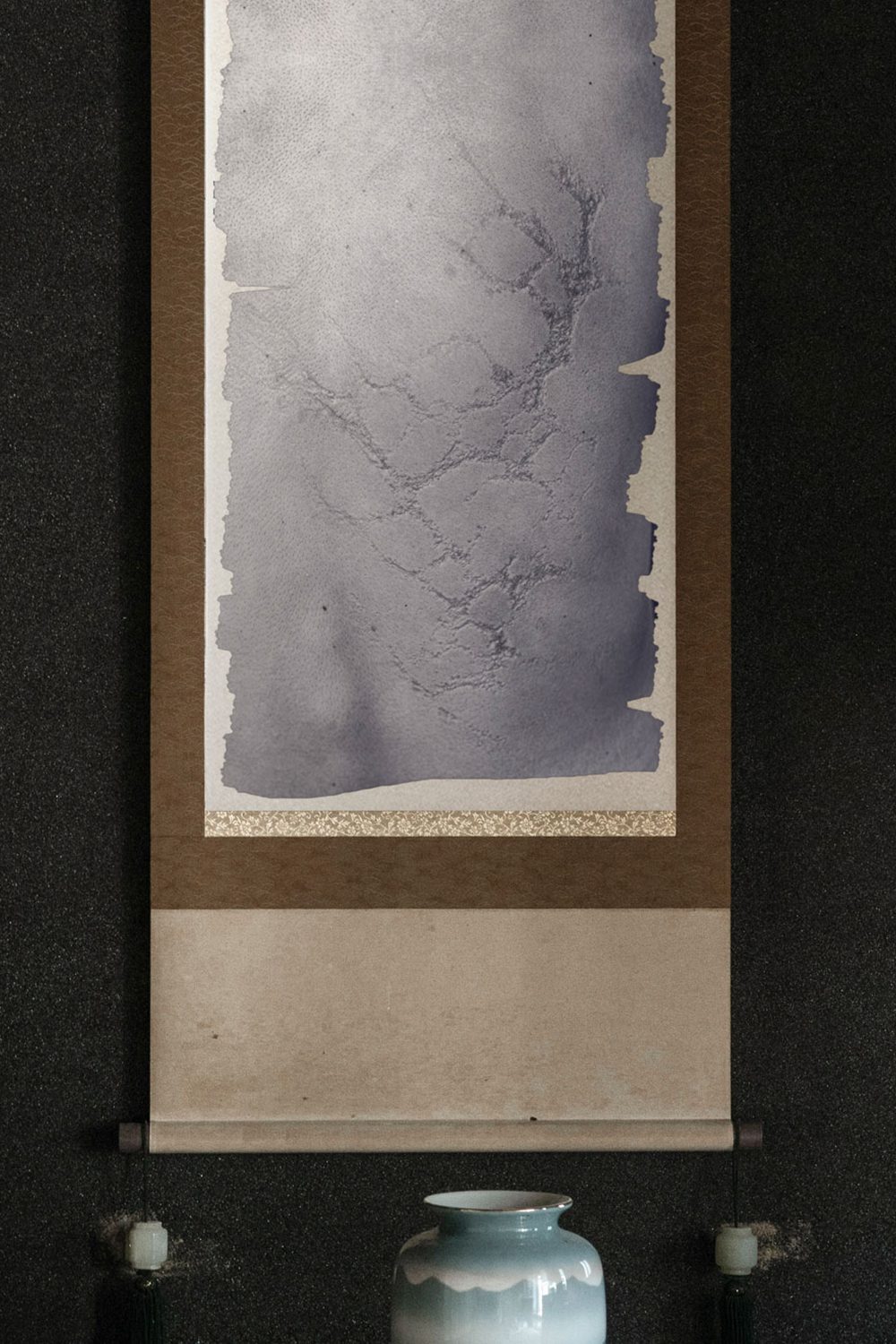
art4d: Personally, I am particularly drawn to The Cleanest Touch in Ibusuki. It feels as though you are building a dialogue through a continuous chain of mediums: from the volcano, to the body, to the image, to the paper sliding door (a spatial architectural element), and finally to a poem expressing gratitude to that fusuma. Parts of this work remind me of Zen philosophy. Are you suggesting that everything is interconnected in one way or another?
VO: For me, it is less about things being interconnected as an idea, and more about becoming sensitive to the relationships that are already there when perception slows down and becomes more embodied. The fusuma came later in the project, as part of a continued dialogue with places that hold a certain sensitivity to nature and seasonal change. I began to notice its quiet transitions: opening, closing, letting air and light pass, almost like a slow breathing of the house. The poem also grew from that atmosphere, as a way of staying with what was felt in that encounter.
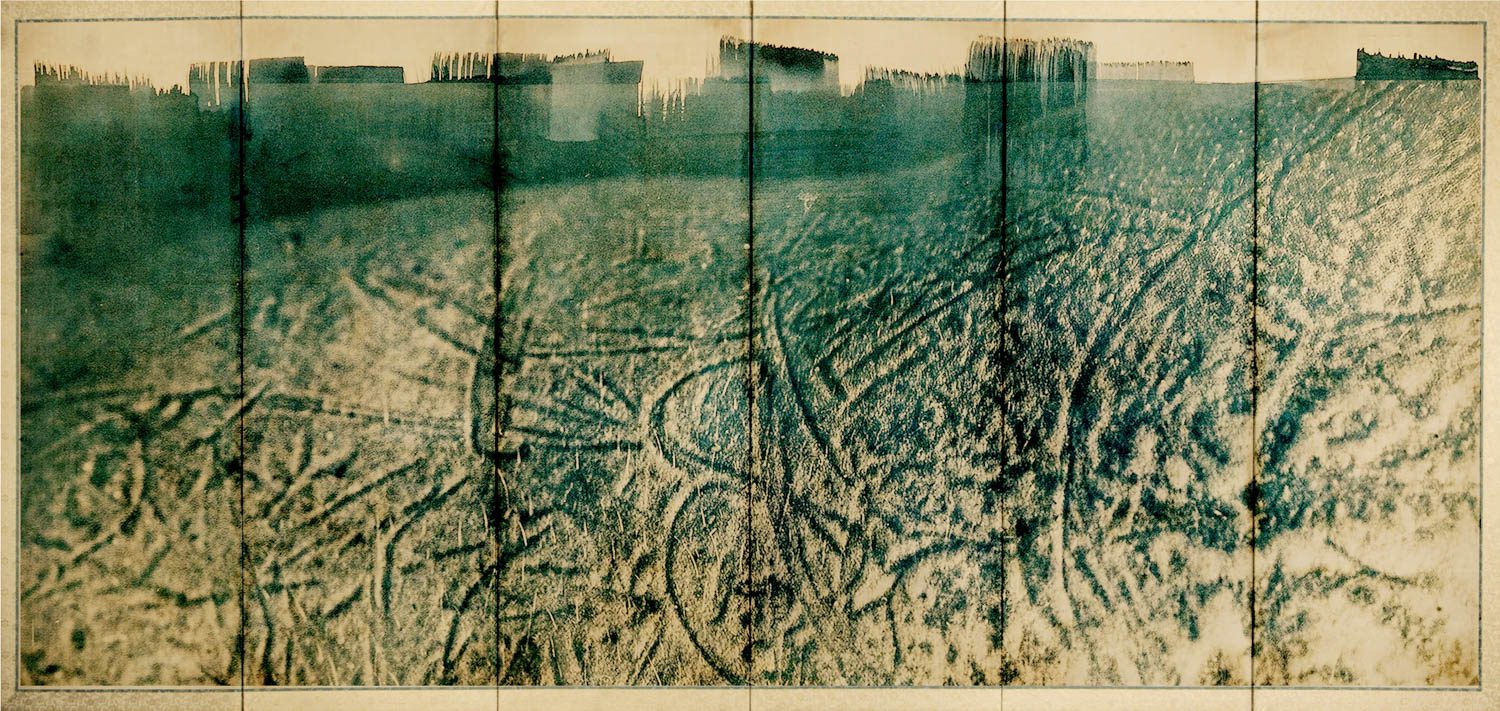
It is through firsthand experience that interconnectedness becomes perceptible – as lived reality, not as an idea or scientific knowledge. The resonance with Zen lies exactly in this orientation toward direct experience, where understanding is not separate from practice but arises through it.
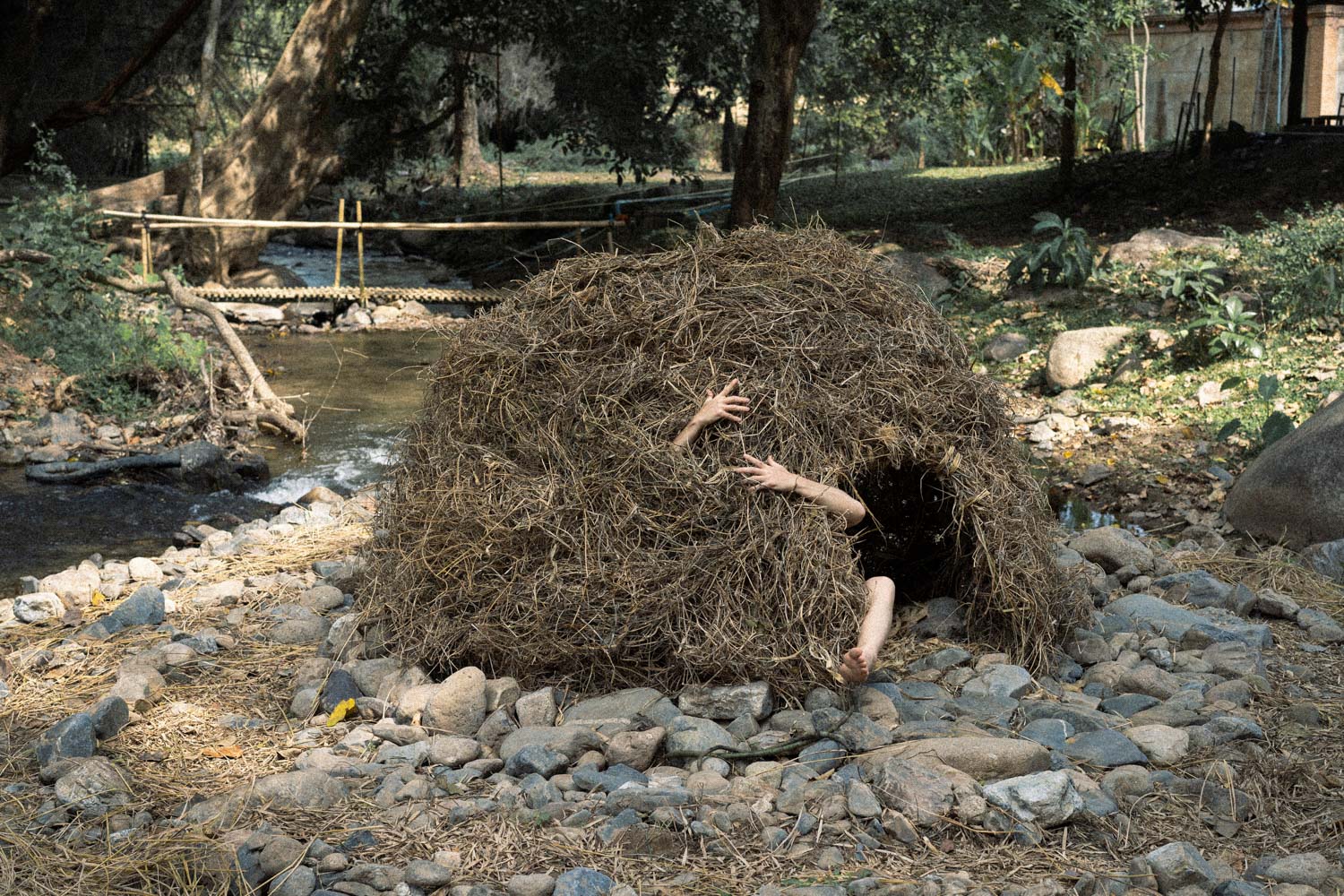
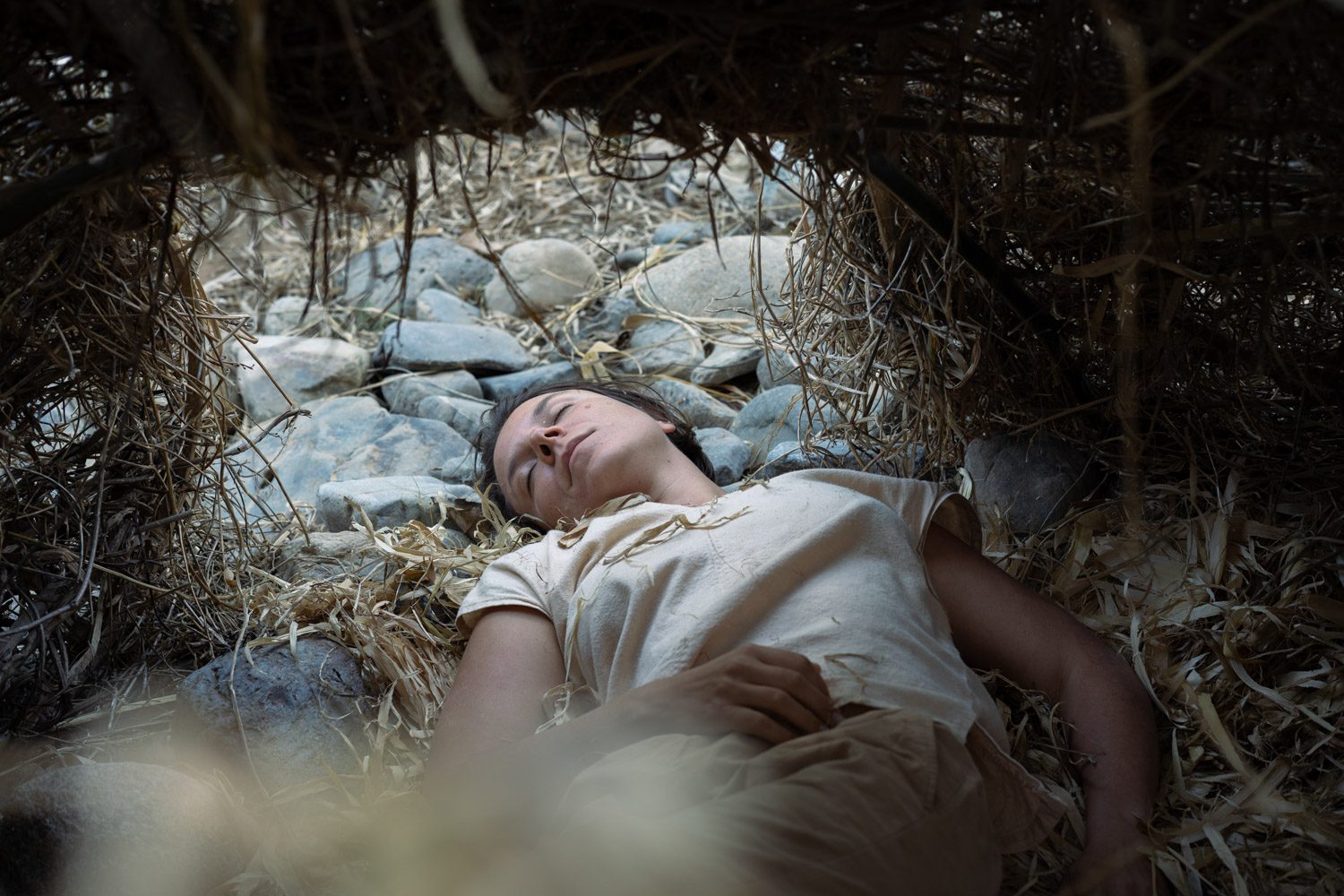
art4d: Another project, Nest: Building a Home (2024), seems to directly challenge the conventional image of an architect. Instead of relying on standard drawings: plan, section, elevation etc. You chose to build the nest-like architecture through making and instinct. It reminds me of Heidegger’s philosophy of dwelling and being—the idea that we all exist through dwelling. Is this piece of work intended as a statement addressing the world of architecture?
VO: Nest: Building a Home was an exercise in shifting perception. I never set out to make a statement. Statements tend to fix things in place, while I am more interested in creating conditions where perception can soften and something unexpected can emerge. If there is a statement, it is in favour of openness.
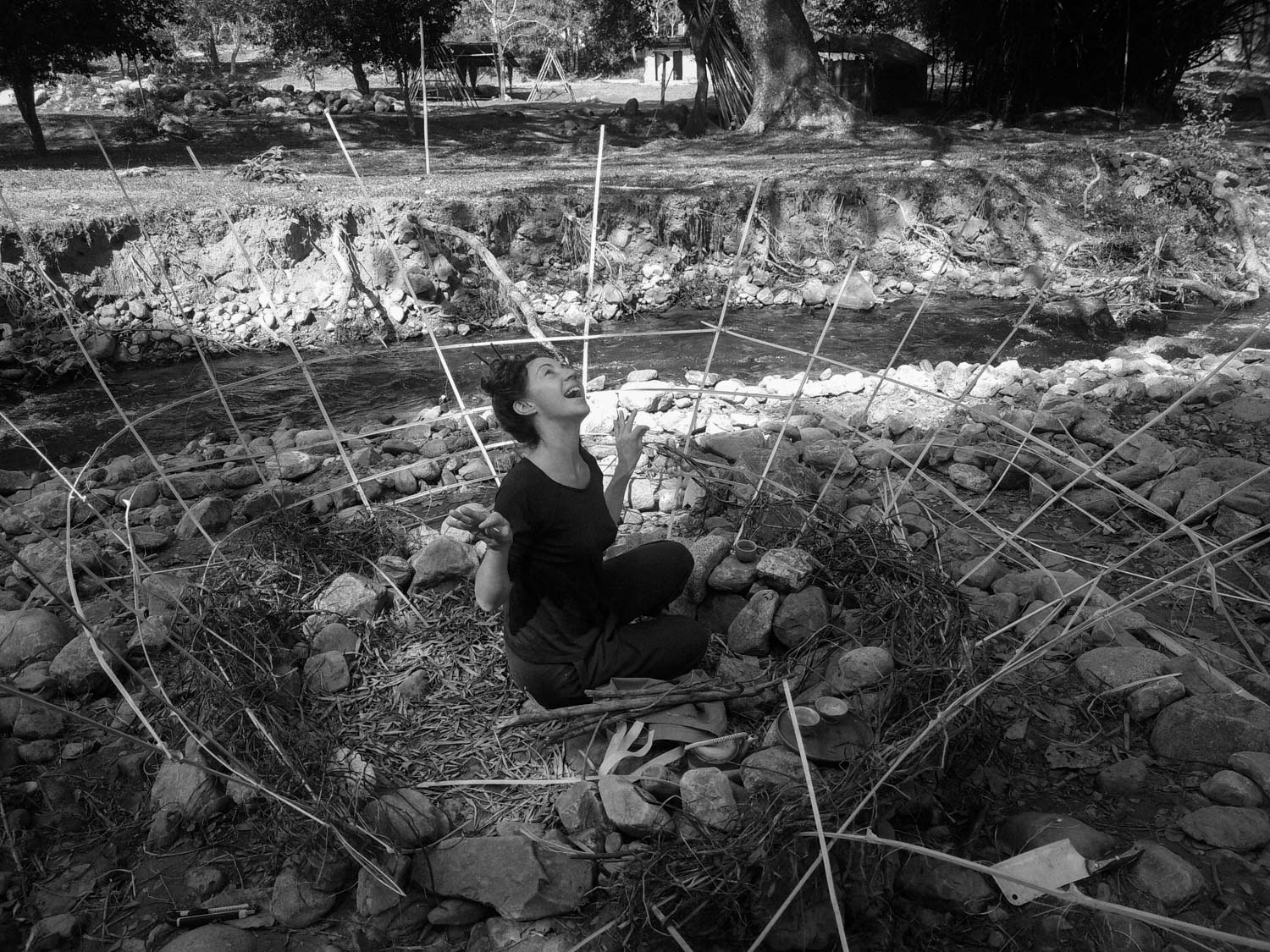
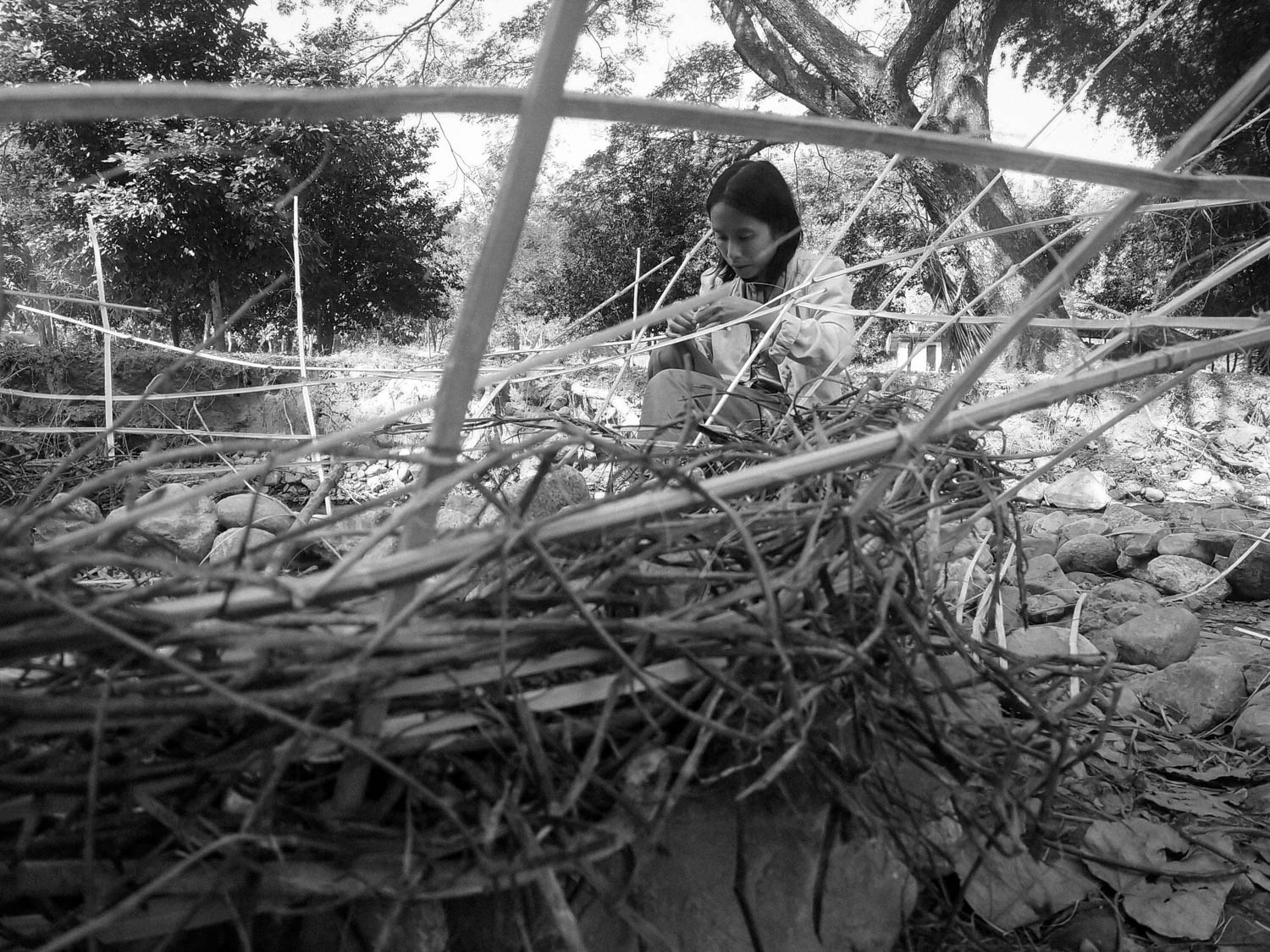
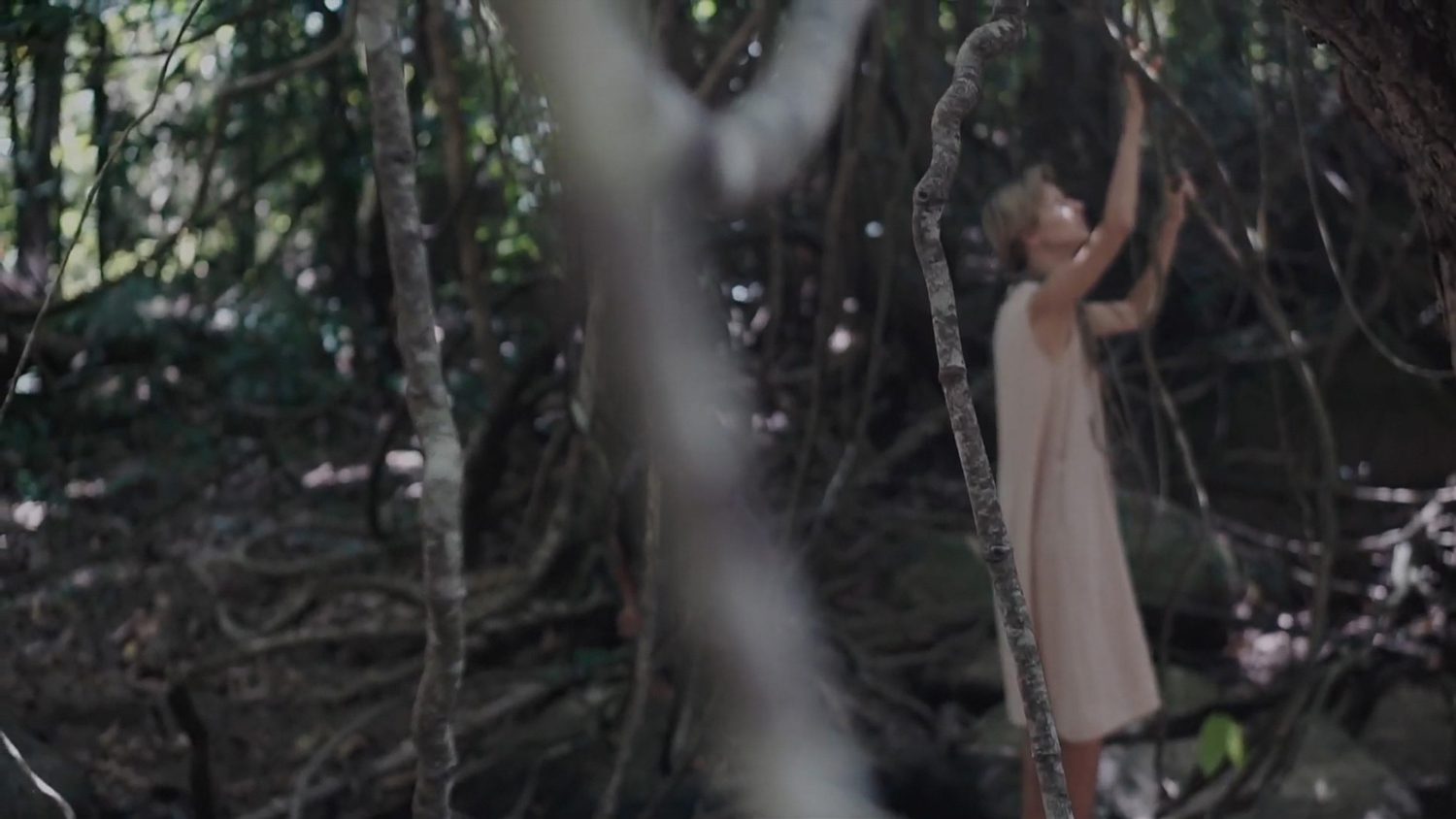
For this project, I worked with my movement-artist friends, Letizia Aufort and Linh Trịnh. We started by trying to think and act from another point of view – in this case, that of birds – as a way of loosening the habitual architectural mind and entering a more intuitive relation with making.
There was no drawing or planning stage. The work unfolded directly through engagement with material on site, through trial & error, and response. What guided the process was a form of attunement to what was already there.
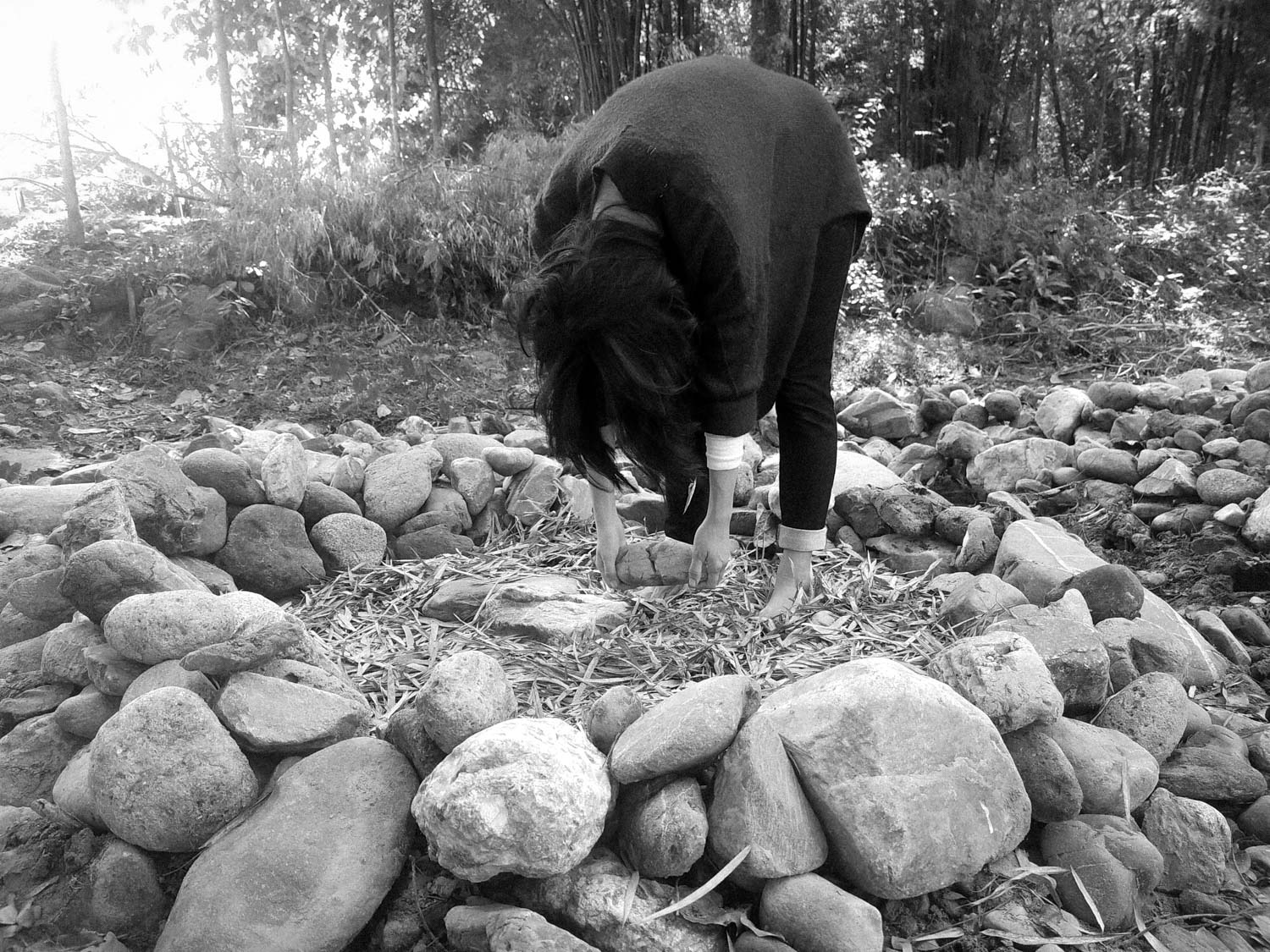
In that sense, the point wasn’t really ‘building a nest.’ It was letting a different intelligence of making appear – one that is already present in nature, and also in us, but often obscured by control, representation, planning. Also, we worked mostly in silence. Verbal language would have pulled us back into explanation and away from that more immediate, sensing intelligence. There was a kind of serious play in it – almost a ritual – where making and attunement were the same thing.
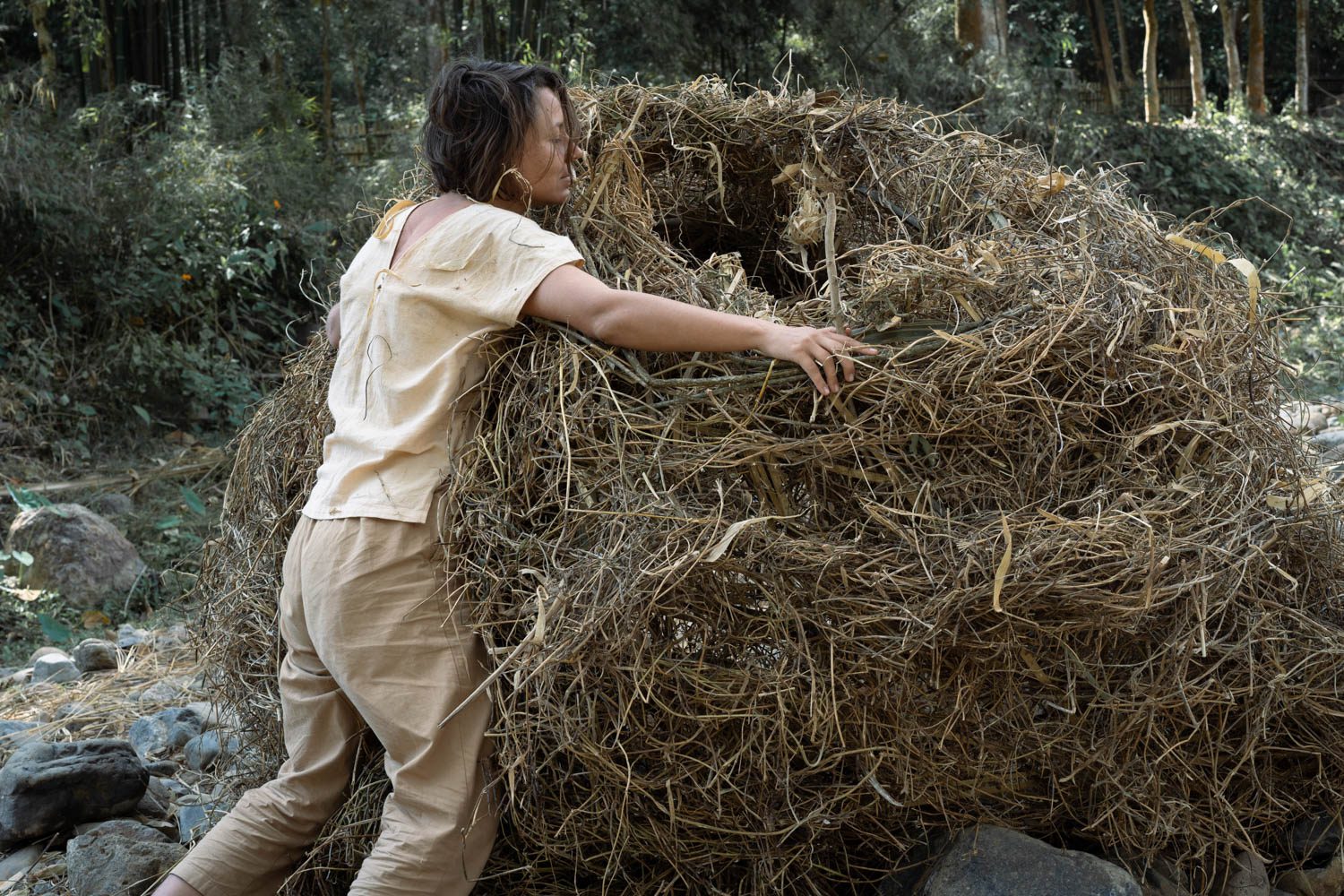
Architecture, as it is traditionally practiced, has developed powerful tools of reasoning and organisation. I don’t dismiss that. But I do think that something essential gets lost when sensing is separated from the act of building.
Heidegger’s understanding that dwelling is the fundamental way in which human beings exist and relate to the world does resonate, but only afterwards. The work itself did not come from philosophy. It came from curiosity and sensing – from letting thinking emerge through the body in the process of building.
art4d: The Hemp Chair feels like an evolution of your Counterpoise Chair (2015) from a decade ago. While the structural logic is similar, the Hemp Chair develops further — plant-based materials, collaboration with Hmong communities in Thailand, questions of cultural capital and sustainability. How do you see your own thinking developing between these two works?
VO: Counterpoise Chair was made just after graduating in architecture. At that time, I didn’t yet know how to situate that work within a longer practice, and I eventually stepped away from it for a while to focus on architecture and interior design.
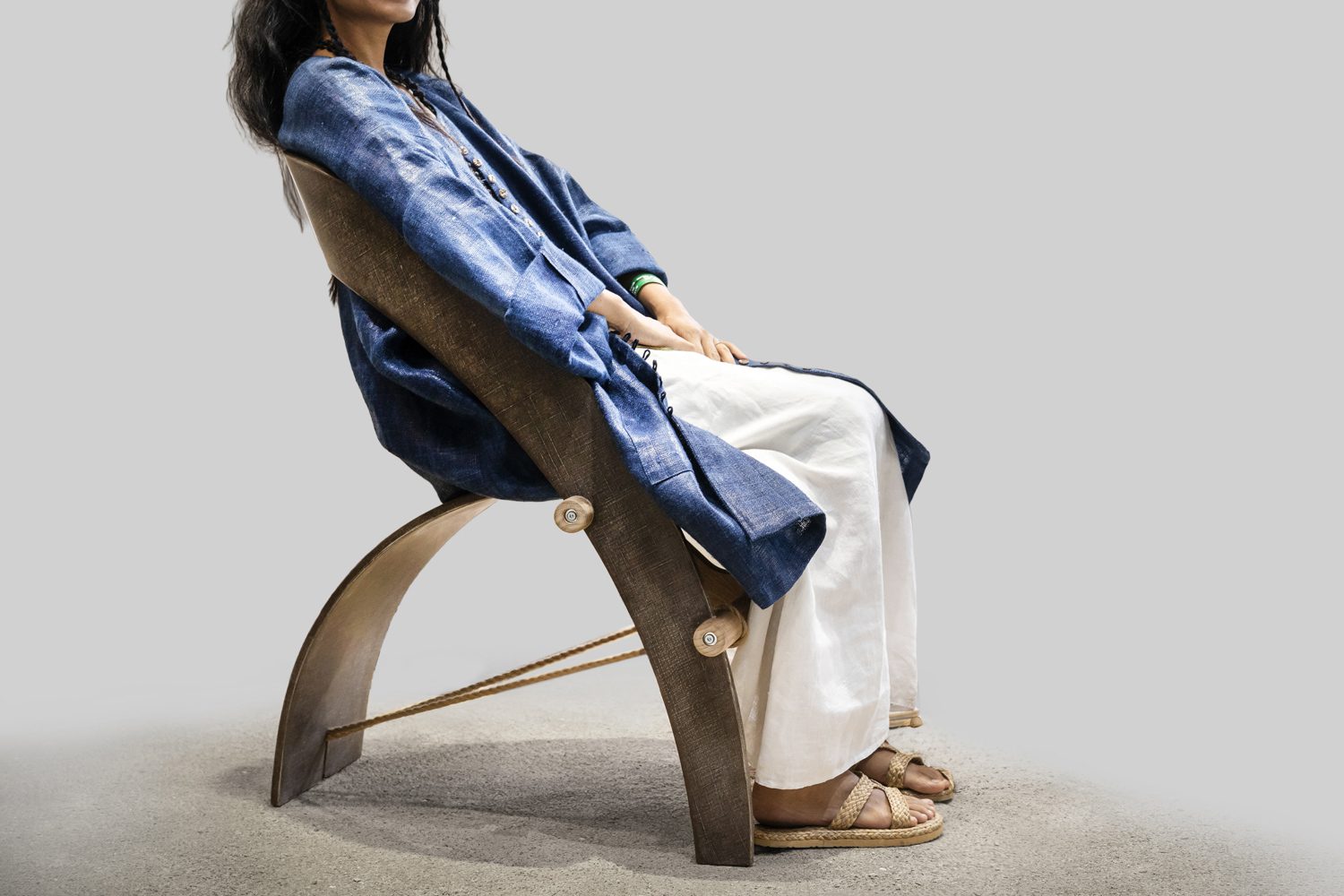
Returning to furniture through Hemp Chair – A Study in Counterbalance didn’t feel like a new direction, but like the same curiosity reappearing with greater material awareness and a deeper sensitivity to the body. The curvature evolved slightly, and the structural system adapted to the new materials, using wooden rods and a tensioned rope instead of metal fittings.
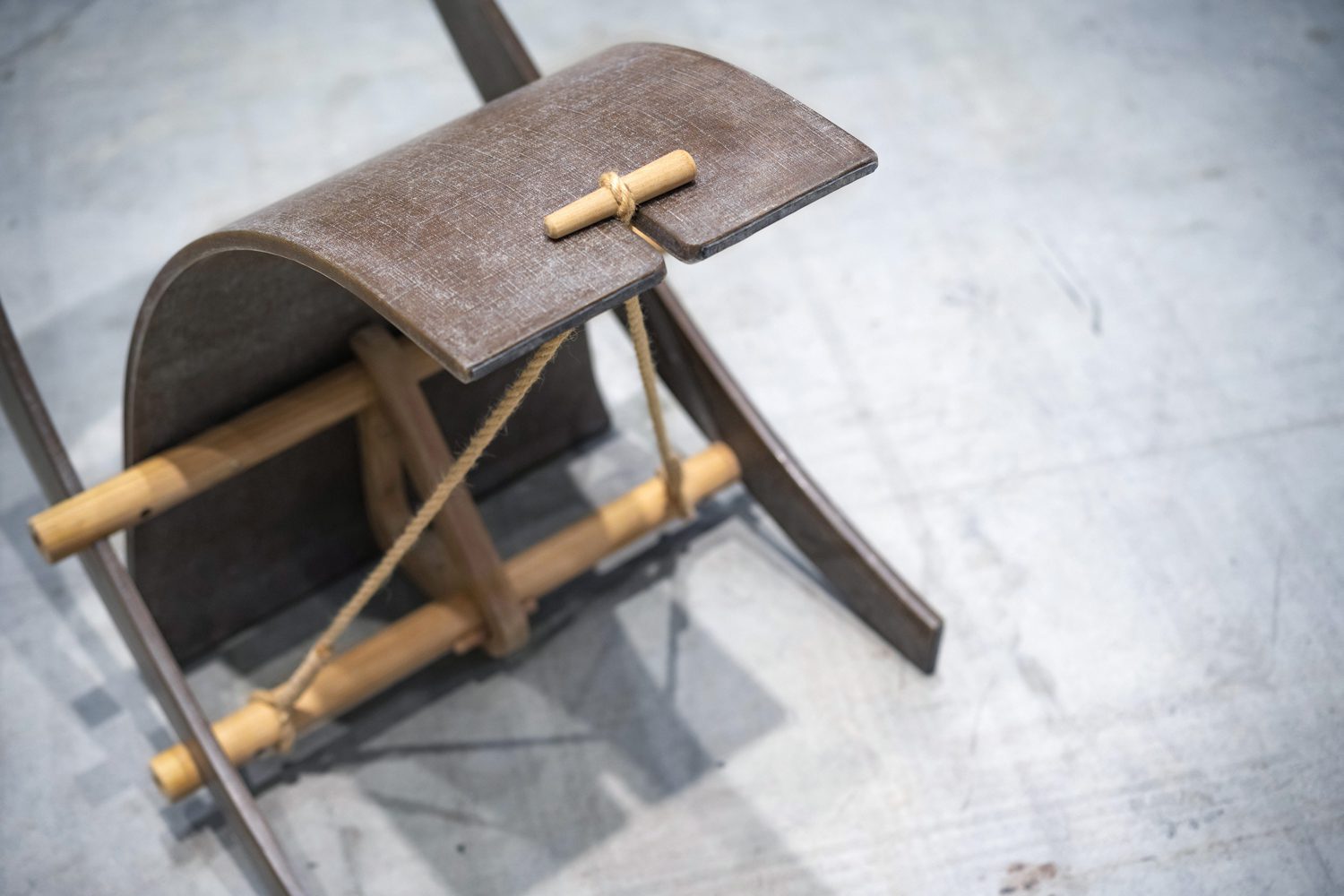
The chair was developed in collaboration with material engineer Dr. Jariyavadee Sirichantra through experimentation and trial and error. I love where intuition meets engineering. I’ve always been drawn to structural intelligence – the clarity of forces and the kind of low-tech ingenuity that allows materials to do more with less, where every element has a clear purpose. That same structural logic is what allows the design to move between scales – a handwoven, collectible edition and a more industrial version – without losing what makes it work. While handwoven hemp textiles may be incorporated in certain editions, they may not always be feasible at a larger scale, so the project also remains open to industrial hemp fabrics.
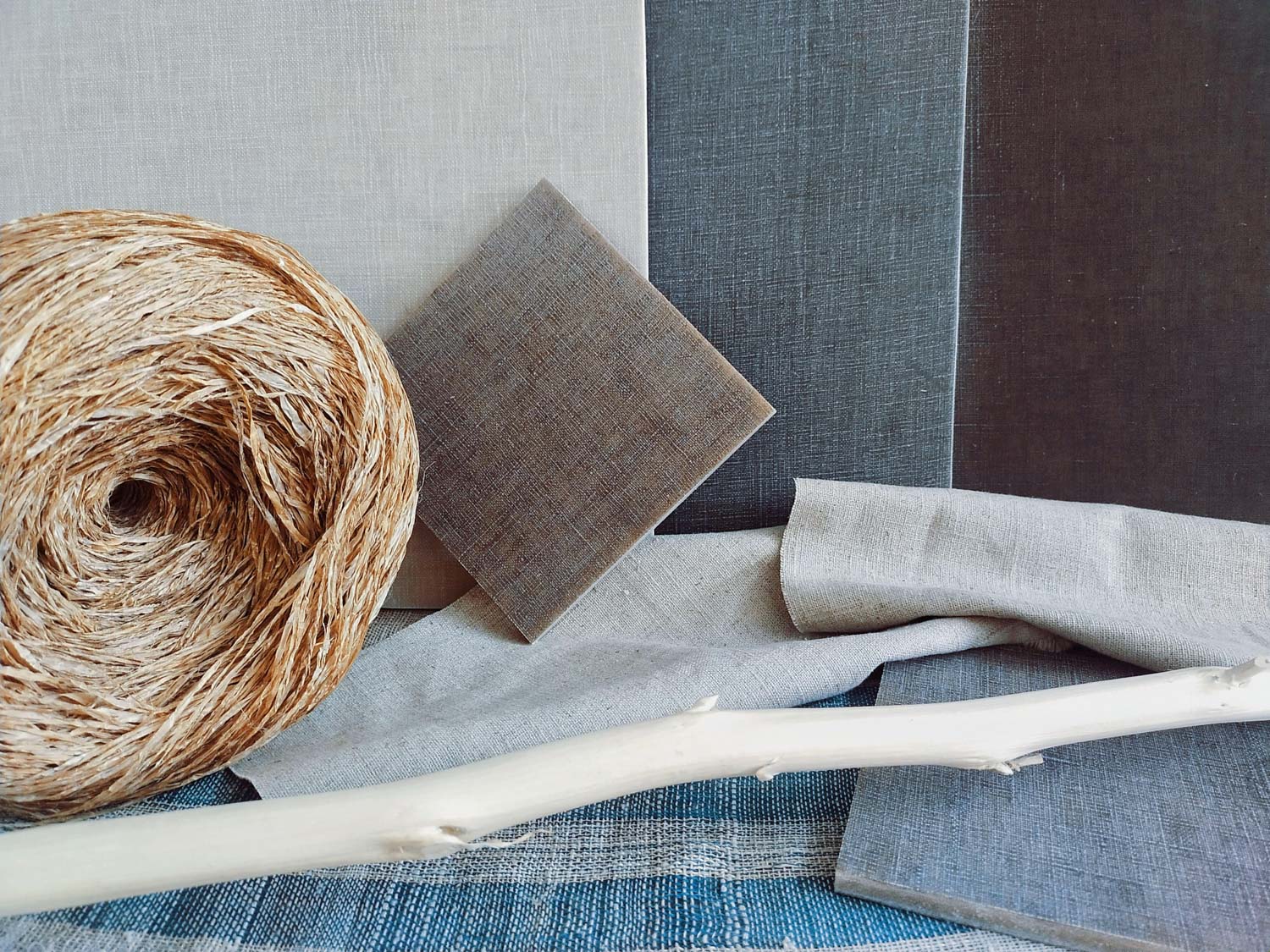
The material itself was central to the project, particularly the development of a composite combining hemp fabric with pineapple-leaf fibre – an agricultural by-product that is usually discarded. Even sourcing hemp for the composite naturally connects the project to northern Thailand, where the fibre has long been cultivated and woven by communities such as the Hmong. This knowledge is still very much alive today through textile and clothing use. I’m interested in how it can move into other fields, like furniture and contemporary production, and continue in new forms rather than remain within one context.
Looking back, what has remained constant is my fascination with structures that make their workings visible rather than conceal them. Hemp Chair – A Study in Counterbalance allowed me to continue that inquiry while bringing into focus local agriculture, the cultural histories carried by hemp, and the continuity between traditional knowledge and contemporary production.
art4d: Your website mentions an ongoing research project called Grounded and Skyed, which bridges ecosomatics and architecture. What is the project, and what is ecosomatics?
VO: Grounded & Skyed is the quiet thread running beneath everything I do. For now, it’s less about producing and more about observing, sensing, reading, connecting dots – letting ideas mature slowly, through ecosomatic practice, and through lived experience.
For me, ecosomatics is the practice of becoming more sensitive to the continuous relationship between the body and the living world. It shifts attention from thinking about nature to experiencing ourselves as part of it. This inevitably changes the way I create. Architecture becomes something that can grow from a more sensitive, attentive body, rather than simply something we design. One thought keeps guiding this research: if the human body evolved over hundreds of thousands of years in continuous relationship with the more-than-human world, what kind of architecture allows that embodied intelligence to remain alive?
Much of contemporary architecture has become exceptionally good at providing comfort, efficiency, and control. Yet in doing so, it often reduces the body’s opportunities to sense, adapt, move, and participate. Over time, many of our innate capacities become dull, because the built environment rarely invites them.
Grounded & Skyed asks whether architecture can become an ally in ‘rewilding’ or awakening the body and the senses, by designing spaces that invite richer relationships with gravity, light, weather, texture, movement, and other living beings (while not rejecting comfort or technology). Sometimes this can be achieved through very small gestures: placing a shelf slightly higher so the body stretches instead of remaining within its most comfortable range, or creating spaces that invite variation and subtle adaptation. These small decisions can either dull the body further (I call this ‘domesticating’ the body) or help keep its aliveness and physical intelligence.
This research is deeply experiential. The ideas emerge first through practicing ecosomatics, and only afterwards do I sometimes discover that they resonate with fields such as neuroscience, environmental psychology, or biophilic design. Those disciplines don’t generate the work; they help articulate observations and intuitions that first arose through direct experience.
art4d: You’re Romanian, you trained in Paris, and you’ve been based in Thailand. Does place shape your work, or do you carry the same questions with you everywhere?
VO: I think the questions remain remarkably consistent, while each landscape and culture teaches me to ask them differently.
Romania gave me an early familiarity with nature and with making things by hand (I studied Fine Arts in high school). I studied architecture and worked in Bucharest, and I also had design collaborations with Romanian and Roma craftspeople, which became important in how I think about making.
My years in Paris were intense. After one year of a Master’s degree through the Erasmus program, I worked in architecture and became fully absorbed by it. I was young and very driven, and at one point I experienced burnout working continuously for more than 40 hours on a competition deadline. It made me realise how fully I had identified with architecture, and that I needed to step back from that intensity.
Thailand has probably transformed me the most. Living here slowed me down and shifted my attention toward ways of knowing that are less analytical and more experiential. Rather than looking for inspiration in different countries, I find myself entering into a dialogue with each place.
art4d: What projects or directions are you hoping to explore next?
VO: There are several directions I’m excited to continue developing.
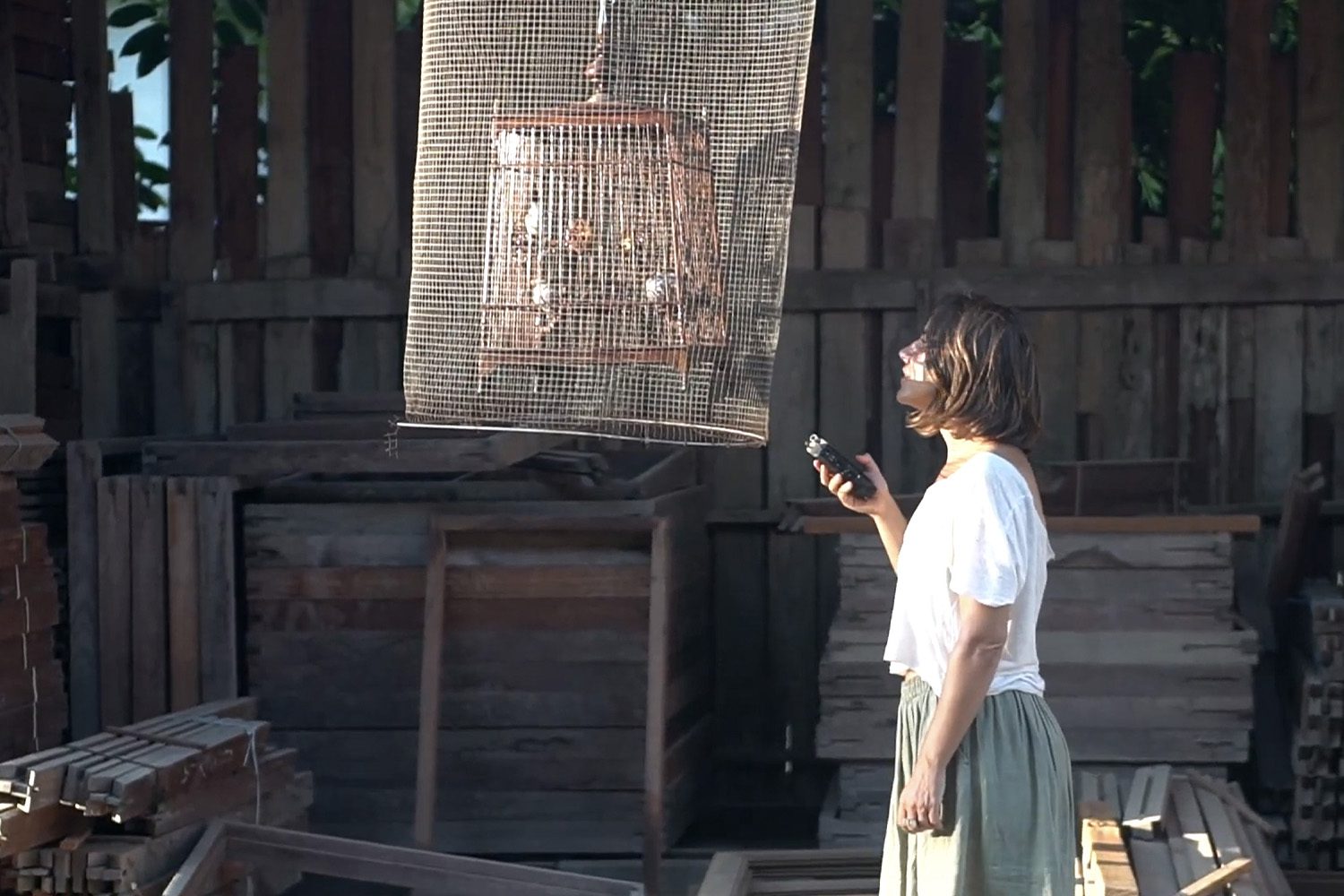
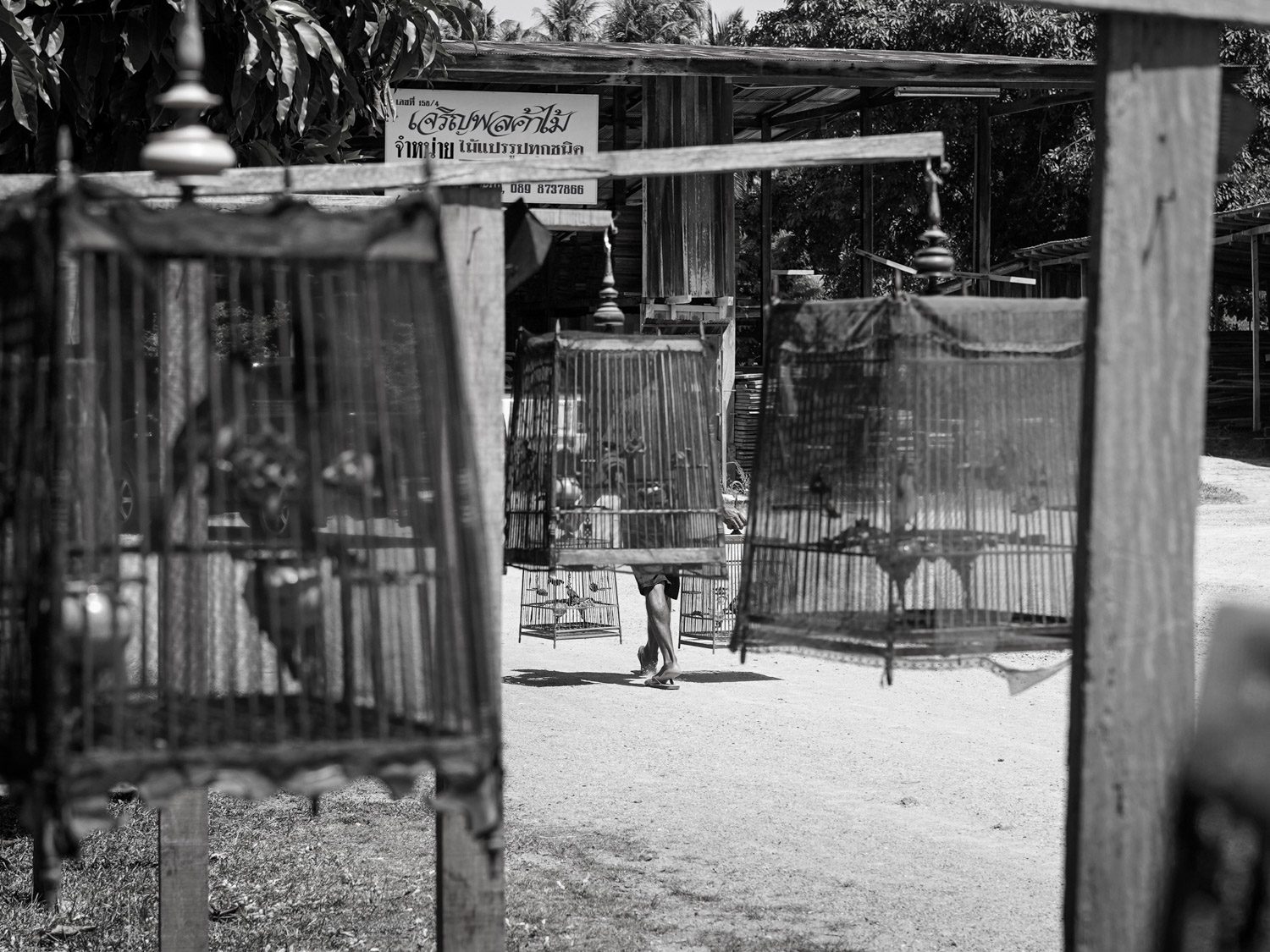
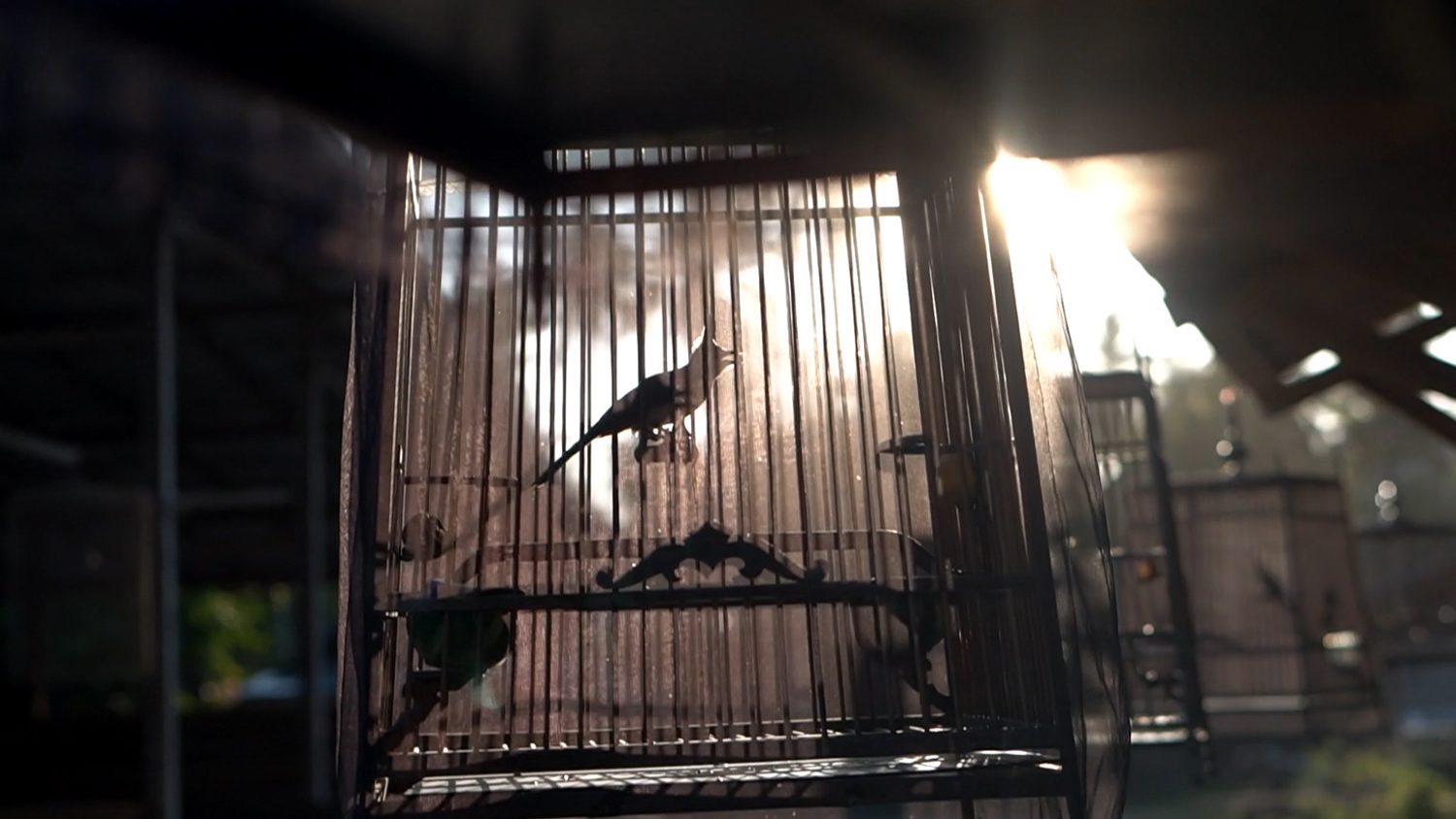
The most immediate is Hemp Chair – A Study in Counterbalance: I’m actively looking to bring it into production, and I’d love to hear from brands or manufacturers who feel aligned with this way of working. Alongside that, I hope to deepen collaborations with designers, artists, engineers, and material researchers who are experimenting with new materials, and to develop new design collections together. I’m also continuing Silent Forest, a short film I’ve been working and procrastinating on for several years, inspired by the songbirds of Thailand and Southeast Asia. The Cleanest Touch will continue to grow through new sites, materials, and architectural contexts. It feels like a long-term practice…
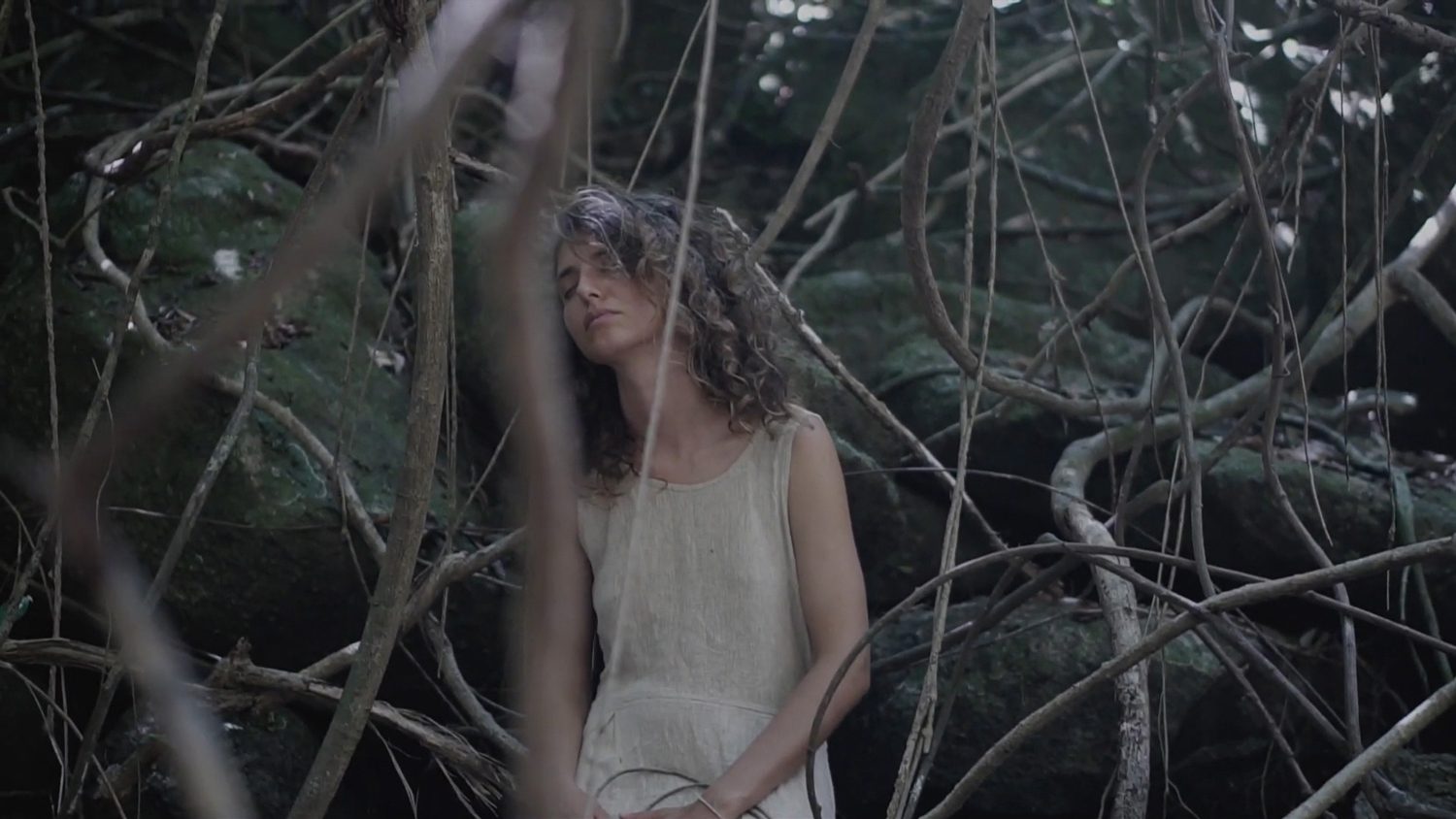
Another direction is to bring Grounded & Skyed into a more collective form by creating a small research group bringing together architects, designers, dancers, and somatic and ecosomatic practitioners. I’m curious to see what new ideas emerge when people from different disciplines simply spend time thinking, sensing, and making together. After taking some distance from architecture, I feel ready to slowly return to interior design and architectural consulting from a different perspective, bringing what I’ve been learning through Grounded & Skyed into the spaces I help create.
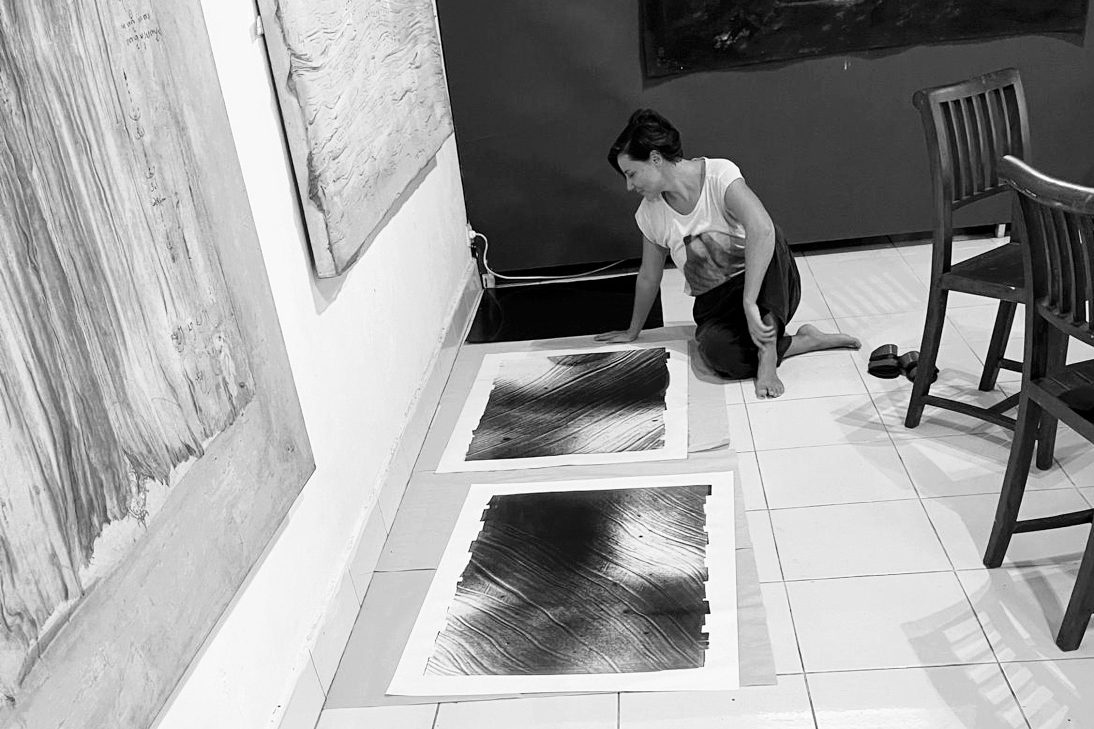
And finally, I want to make more space for painting and drawing. I don’t yet know exactly what form they will take, but it feels like there are things inside me that want to be expressed through that language too. More than following a fixed plan, I’m interested in staying open (particularly to the collaborations that could carry Hemp Chair – A Study in Counterbalance forward!)