
 The cabin behind the (R) and of eternity
 NAANA NO STUDIO TRANSFORMS ABSTRACT NARRATIVES INTO TANGIBLE SPACES THROUGH FUN, UNIQUE, AND UNCONVENTIONAL DESIGNS
TEXT: NAANA NO STUDIO
PHOTO: JINNBOR ARCHITECTURAL PHOTOGRAPHY EXCEPT AS NOTED
(For Thai, press here)
WHO
We’re a small design studio, at least for now. We see ourselves more as a personal studio than a large company, without defining our practice solely in terms of interior design or architecture. Rather, we’re a team of people who come together to create work that is enjoyable and fun.
The name naana has a very simple origin: it comes from a name, though not the name of anyone in our studio (laughs). It’s simply a name we like. Strictly speaking, it would probably be spelled ‘nana,’ but we added an extra ‘a’ in the middle so that people would pronounce it the way we intended. It also brings in a little playfulness and gives the name an identity of its own, distinguishing naana from the many nanas you come across not only in Thailand or Japan, but all over the world.
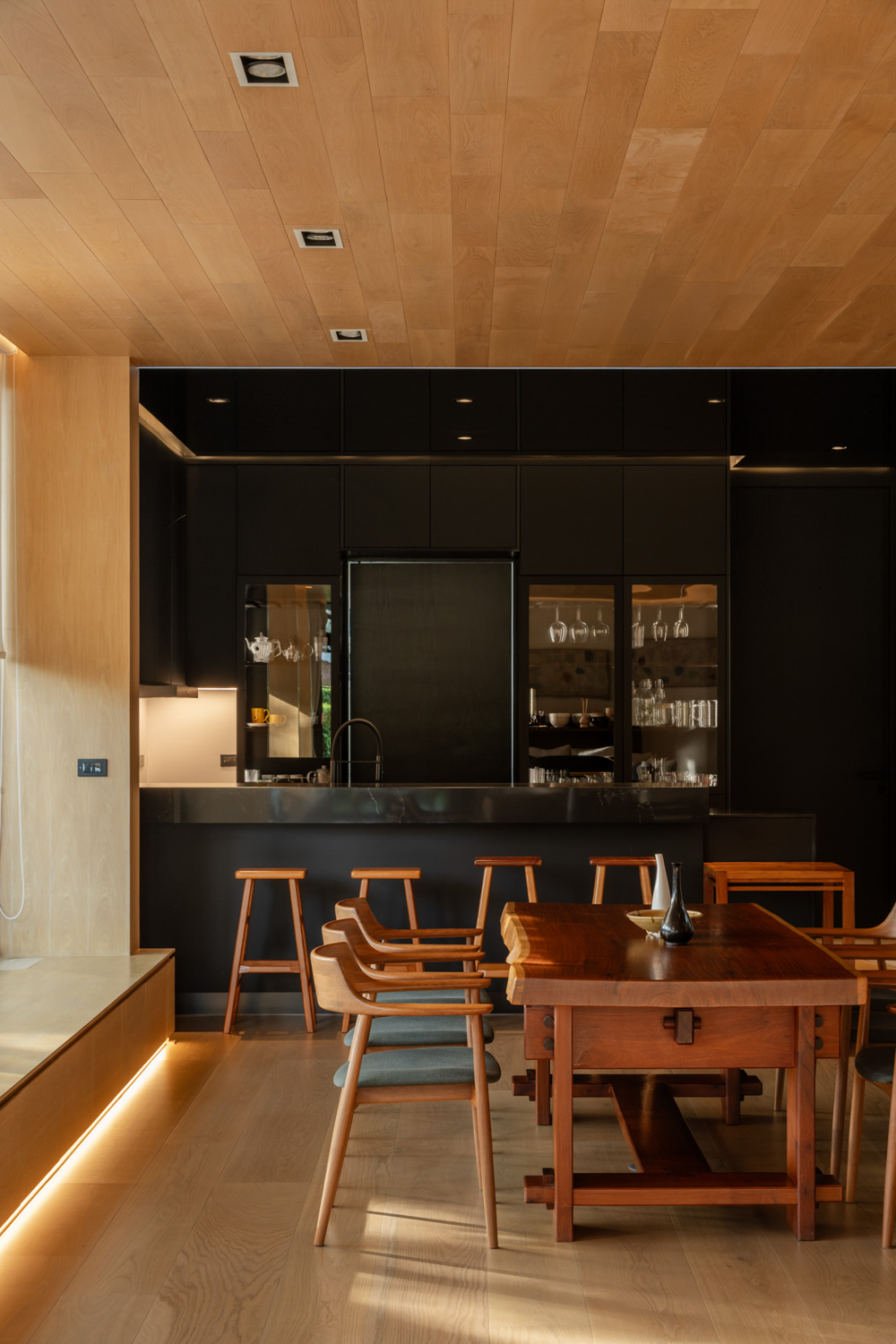
The cabin behind the (R) and of eternity
WHAT
Our interests revolve around three key things: ‘stories,’ ‘space,’ and ‘design.’ Because of this, the work we do is not confined to rigid boundaries. Our practice ranges from architecture and interior design to product design and design consultancy. In the future, there may well be other things that we become interested in, as long as they remain connected to those three areas.
The cabin behind the (R) and of eternity
 The cabin behind the (R) and of eternity
WHEN
I would probably have to go all the way back to my second year at university. That was when I realized that I was interested in the ‘stories’ behind all sorts of things, and I began to enjoy taking those stories and developing them into narratives. As I grew older, I discovered that I was also interested in communicating those stories through space and design.
We’ve actually been working together since 2017. The official name, naana no Studio, only came later, in 2025.
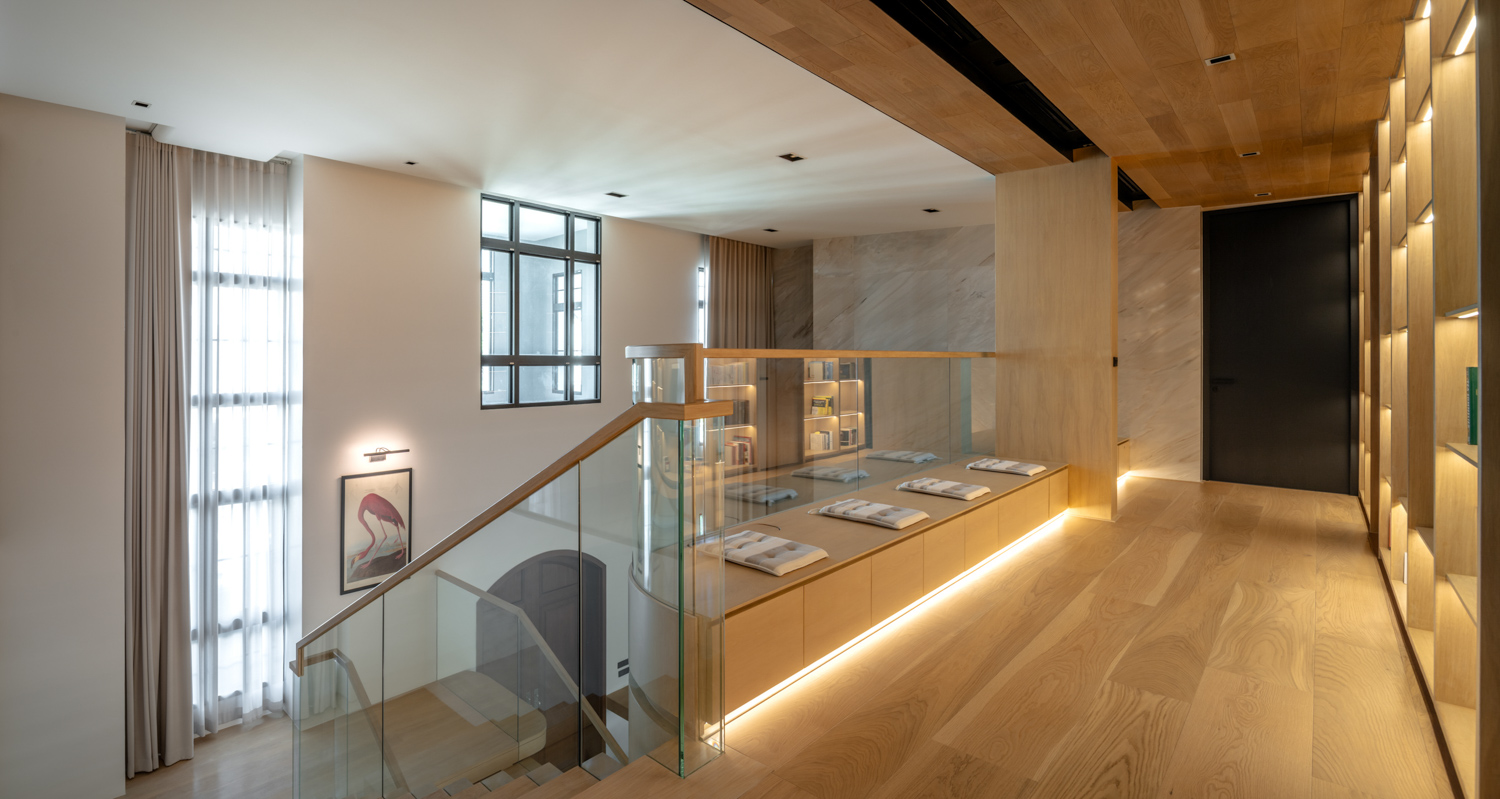
The cabin behind the (R) and of eternity
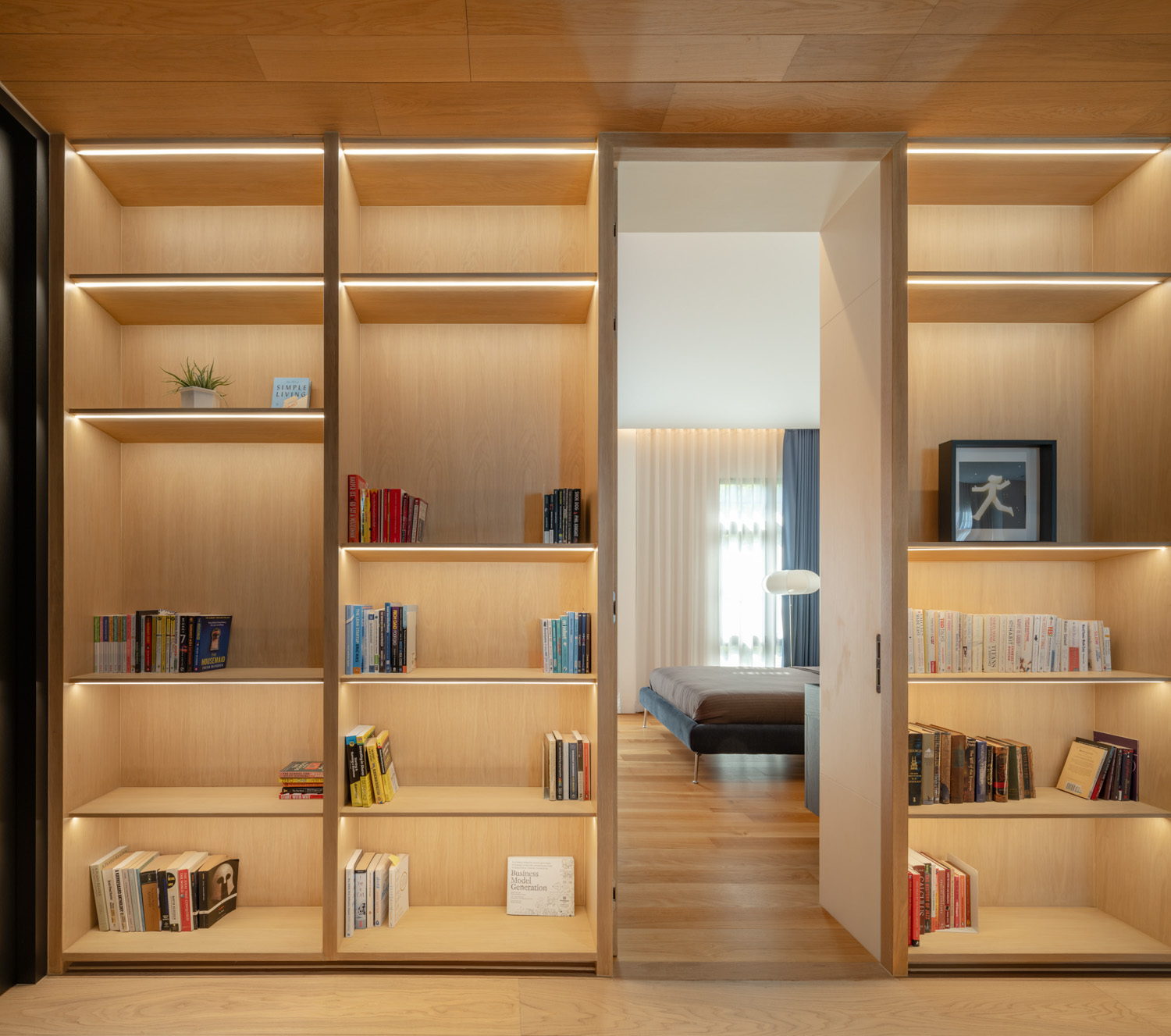
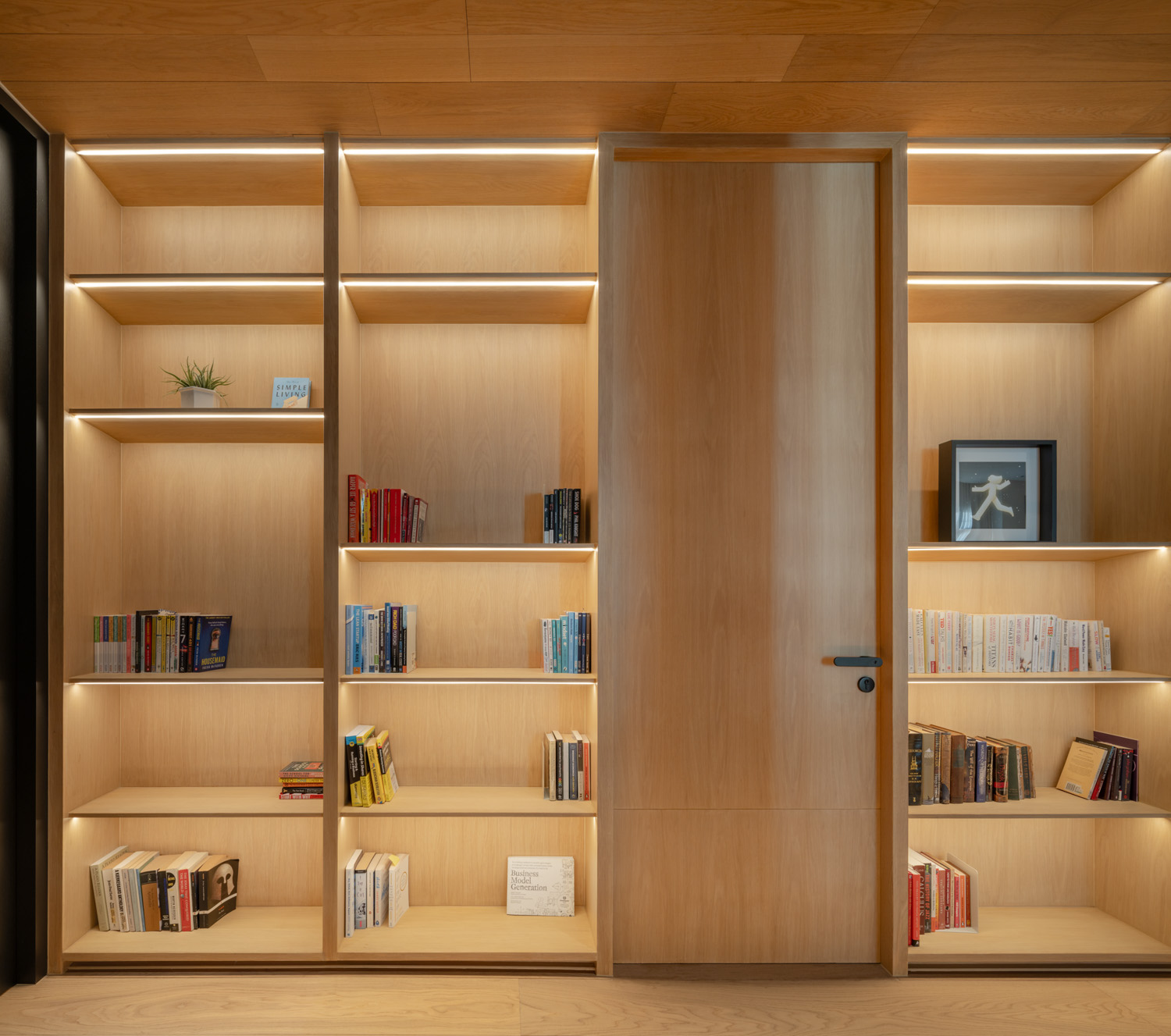 The cabin behind the (R) and of eternity
WHERE
We began establishing the studio as a physical space toward the end of 2022, in Soi Ari Samphan 2. The atmosphere is a little like a school clubroom, where everyone can spend time working, planning, playing, and relaxing alongside one another. It has also become a place where we’ve met all kinds of people, each arriving with their own stories. Many of the people we first encountered here eventually became friends and collaborators in one form or another. It has been an incredibly enjoyable and meaningful period for us.
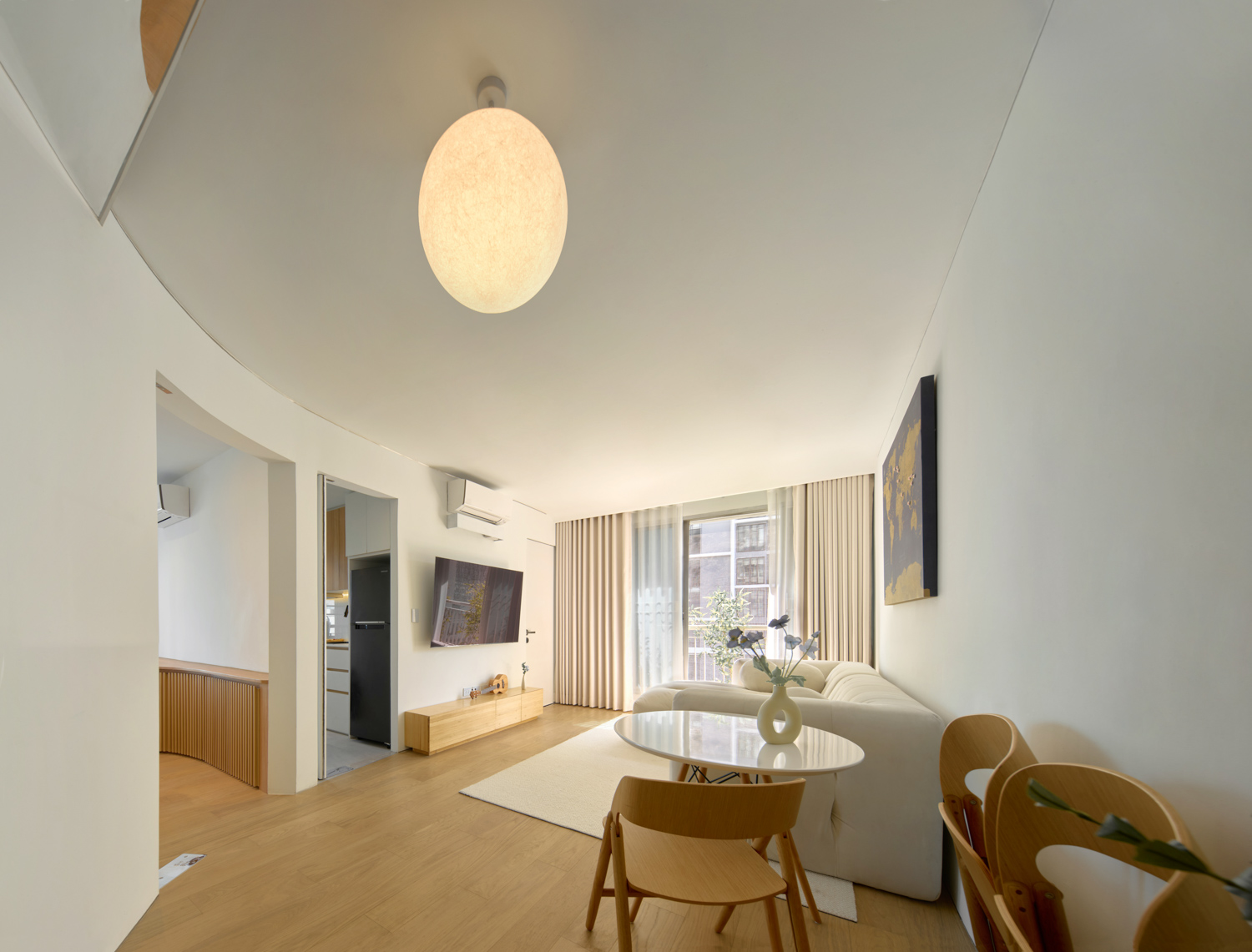
Astral Mist | Photo: Karn Tantiwitayapitak
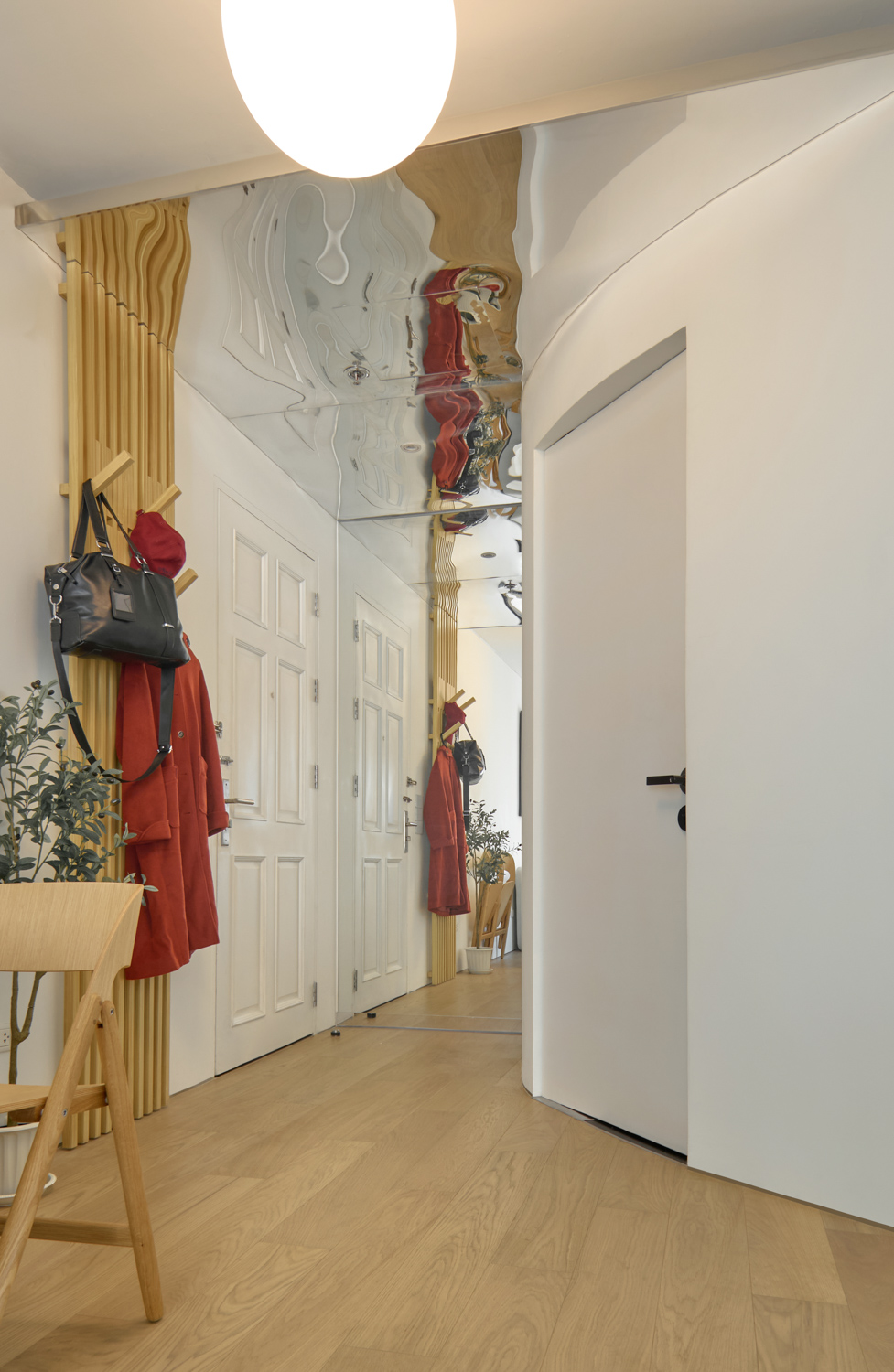
Astral Mist | Photo: Karn Tantiwitayapitak
WHY
That’s a difficult question. Looking back, the reason we wanted to start a studio may simply have been a decision made at a certain moment in our lives, almost like a breeze passing through.
Perhaps it also has something to do with the many hobbies we have: solving puzzles, doing jigsaws, writing short stories, inventing games to play with friends, and sharing stories and experiences with the people around us while laughing together. All of these things evoke certain feelings that we want to hold on to, feelings that are essentially abstract. What excites us is discovering that we can draw these abstractions from people and translate them into tangible spaces. That feeling is ultimately what led us to start our own design studio.
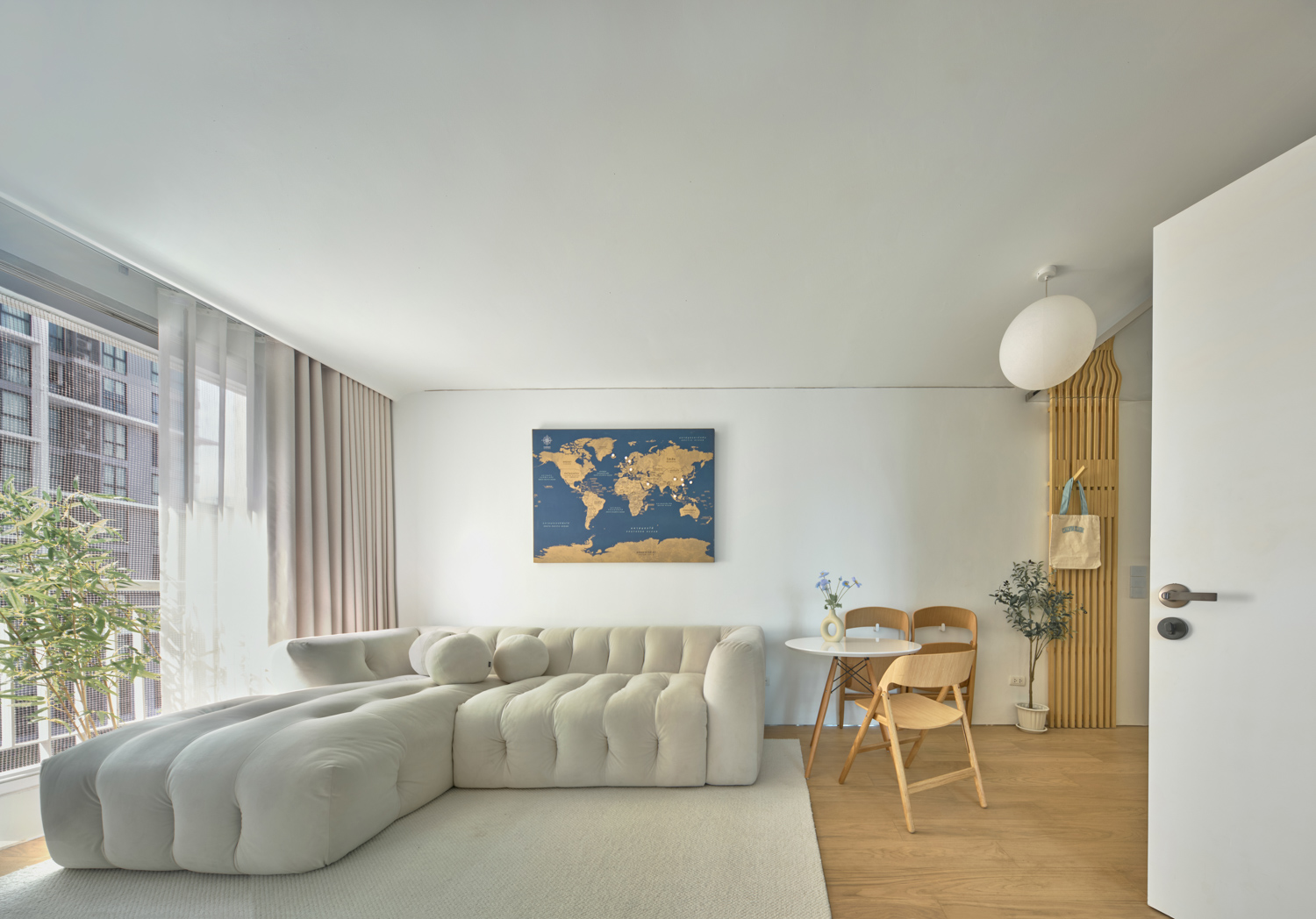
Astral Mist | Photo: Karn Tantiwitayapitak
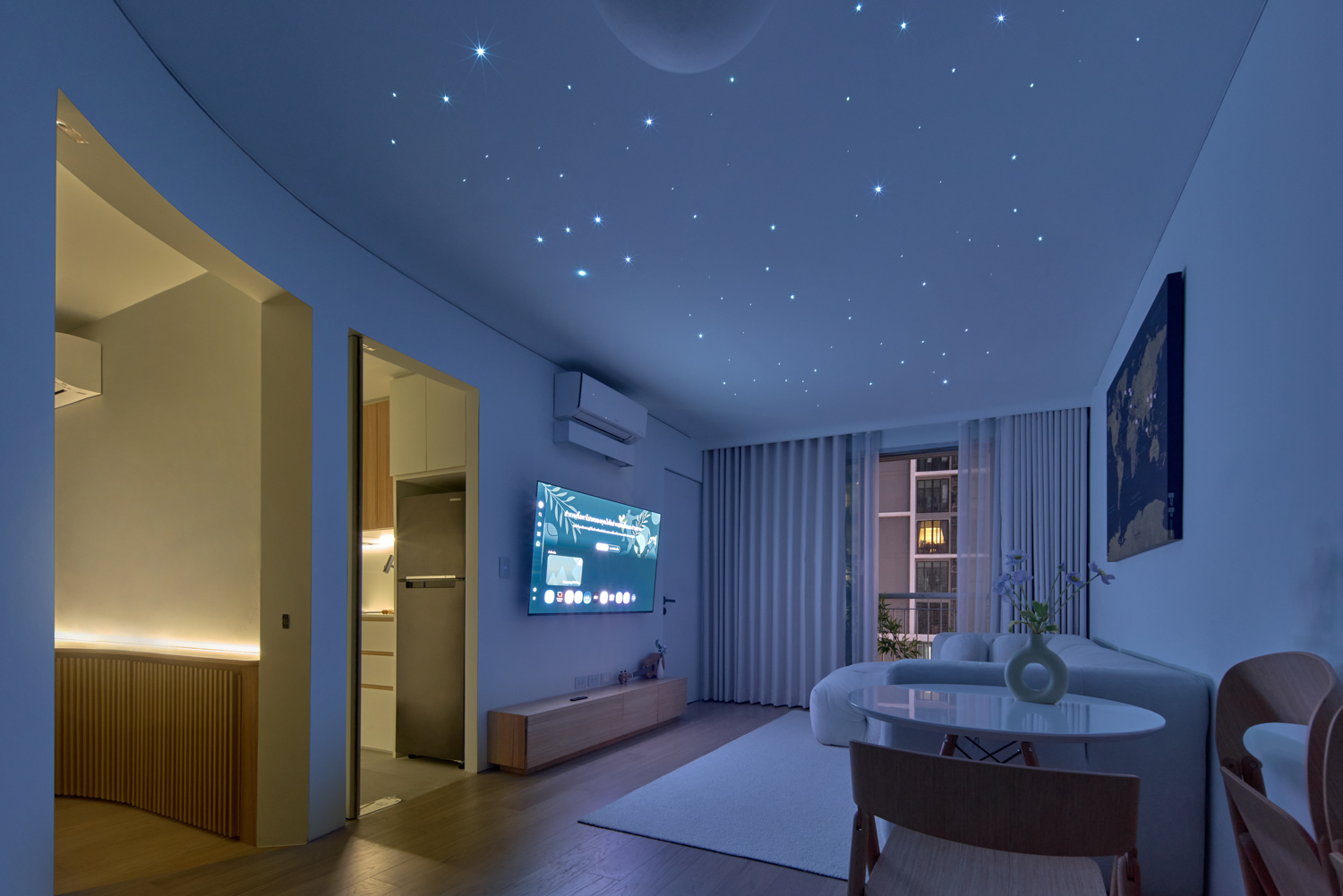
Astral Mist | Photo: Karn Tantiwitayapitak
How do you define your own style of work?
Another difficult question (laughs). We have thought about this before, but as we grew, life brought us into contact with clients who each came with different stories, insights, and passions.
So perhaps our style lies in bringing together the contradictions and seemingly incompatible qualities within each user, and finding a way for them to coexist harmoniously. The aim is to give each space a story of its own, one that feels distinctive and unlike any other space we have encountered before.
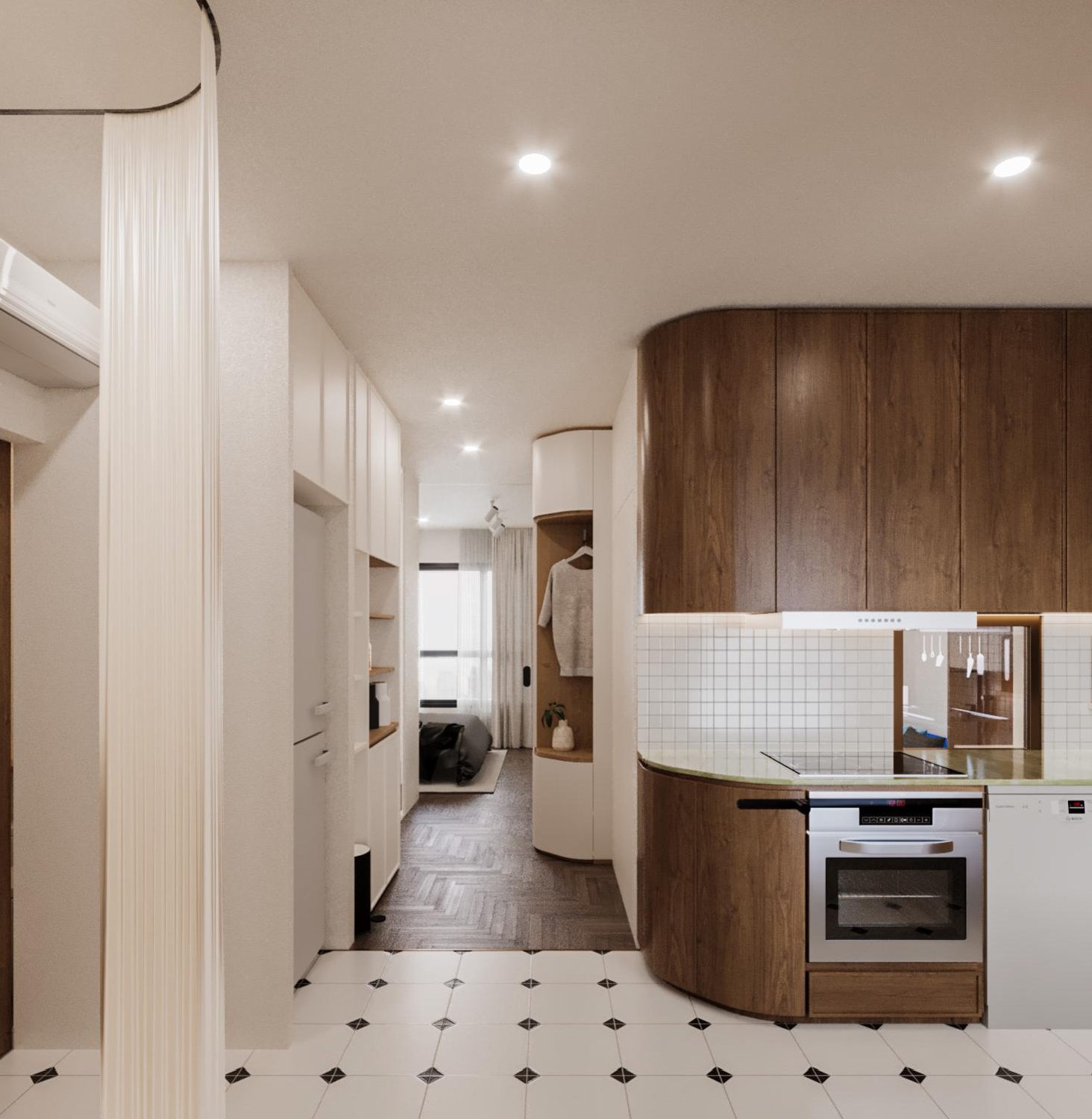 Dialectique Uchi | Image: Naana no Studio
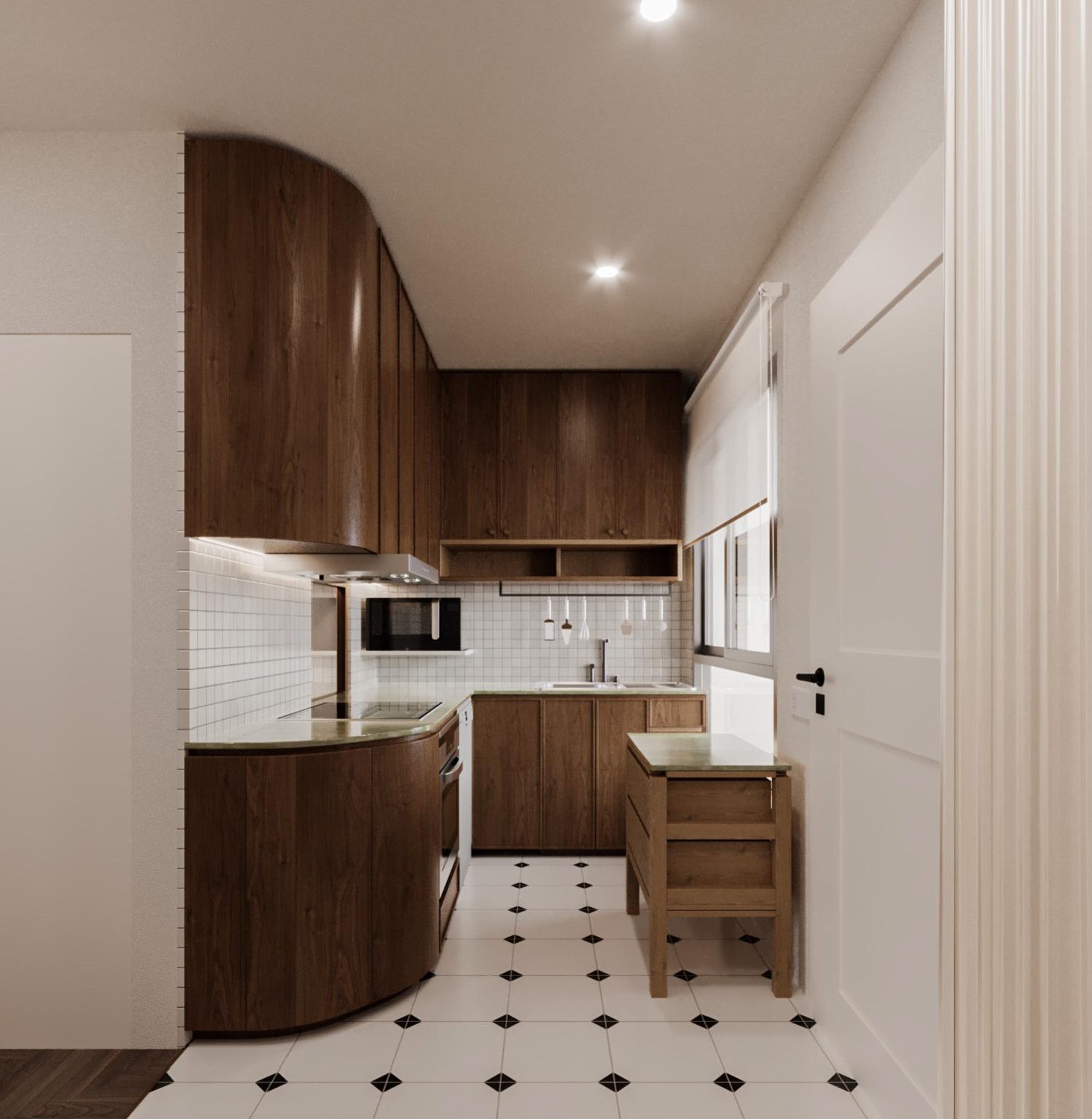
What inspires you and what principles do you apply to each project?
To continue accumulating experience in search of ‘The Masterpiece Architecture’ for as long as I live.–The client’s ‘story.’ We probably talk about this quite often. Every project is filled with an enormous range of possibilities. We might wake up one morning after a dream and feel like creating something full of brick, or perhaps a sky scattered with stars. Those impulses come from our own sensibilities as designers.
But what allows an idea like that to develop further is the search for a certain essence that we can draw from the client’s ‘story’ as the person who will ultimately use the space. Once we find that, we begin to shape it into a narrative and develop the design from there.
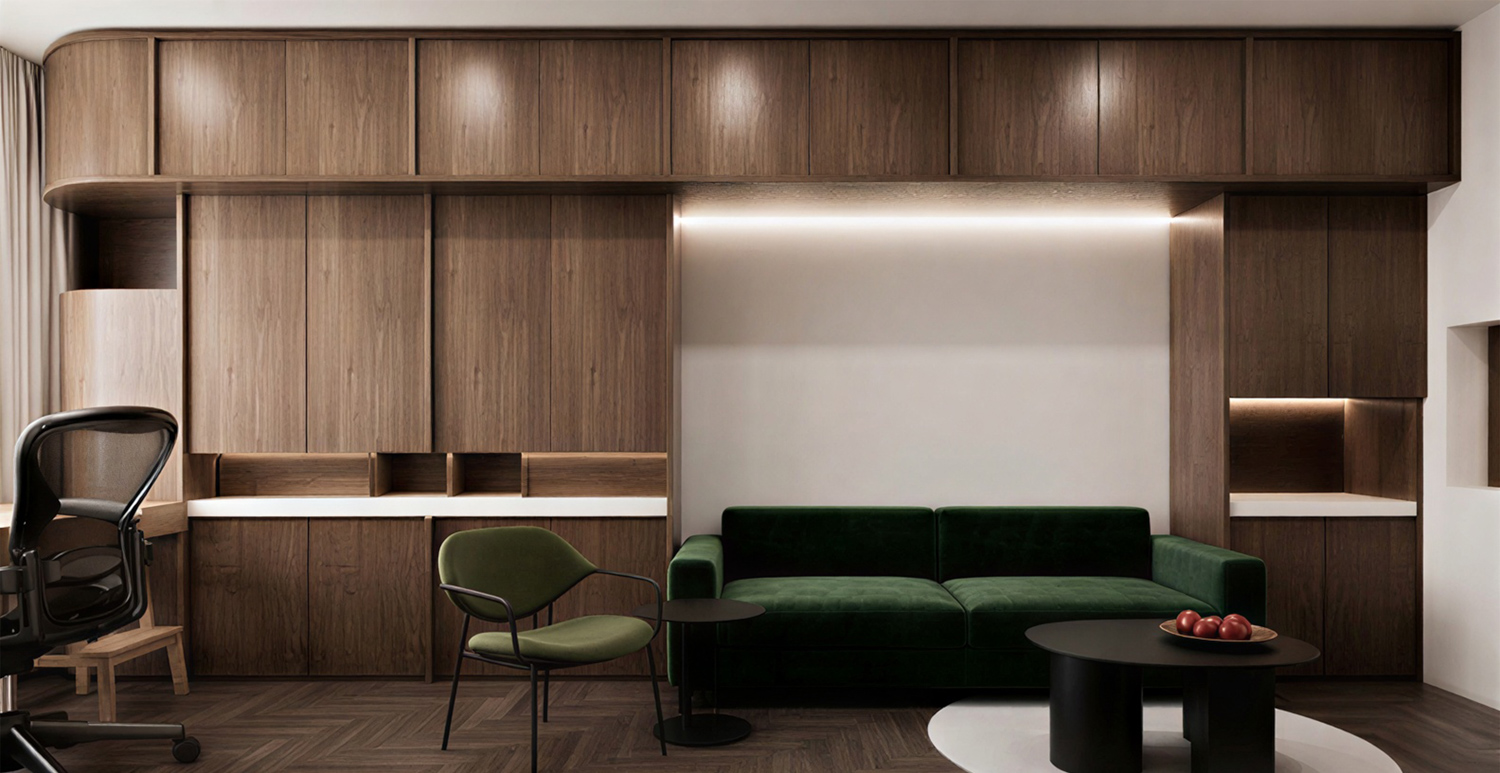
Dialectique Uchi | Image: Naana no Studio
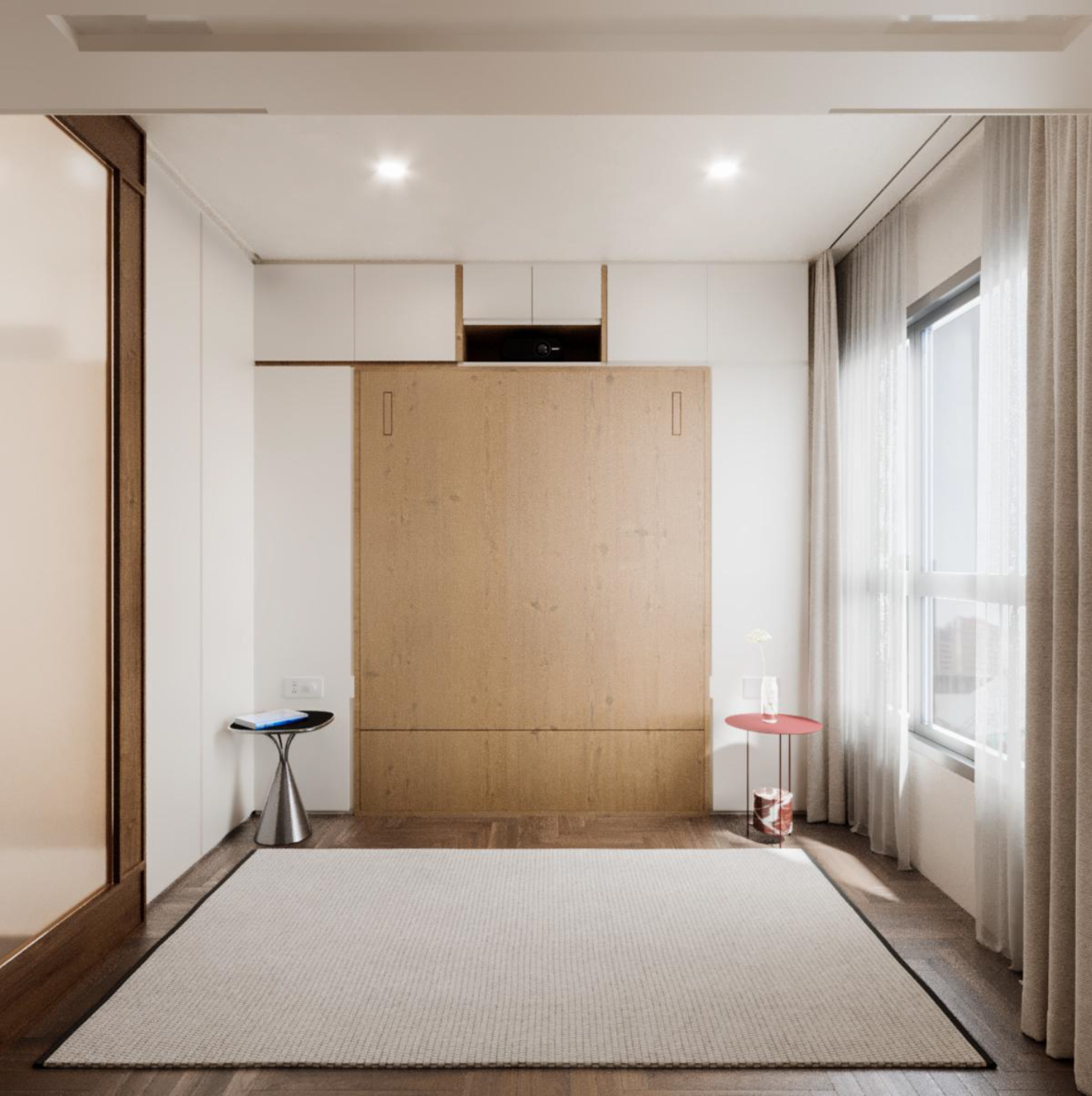 Dialectique Uchi | Image: Naana no Studio
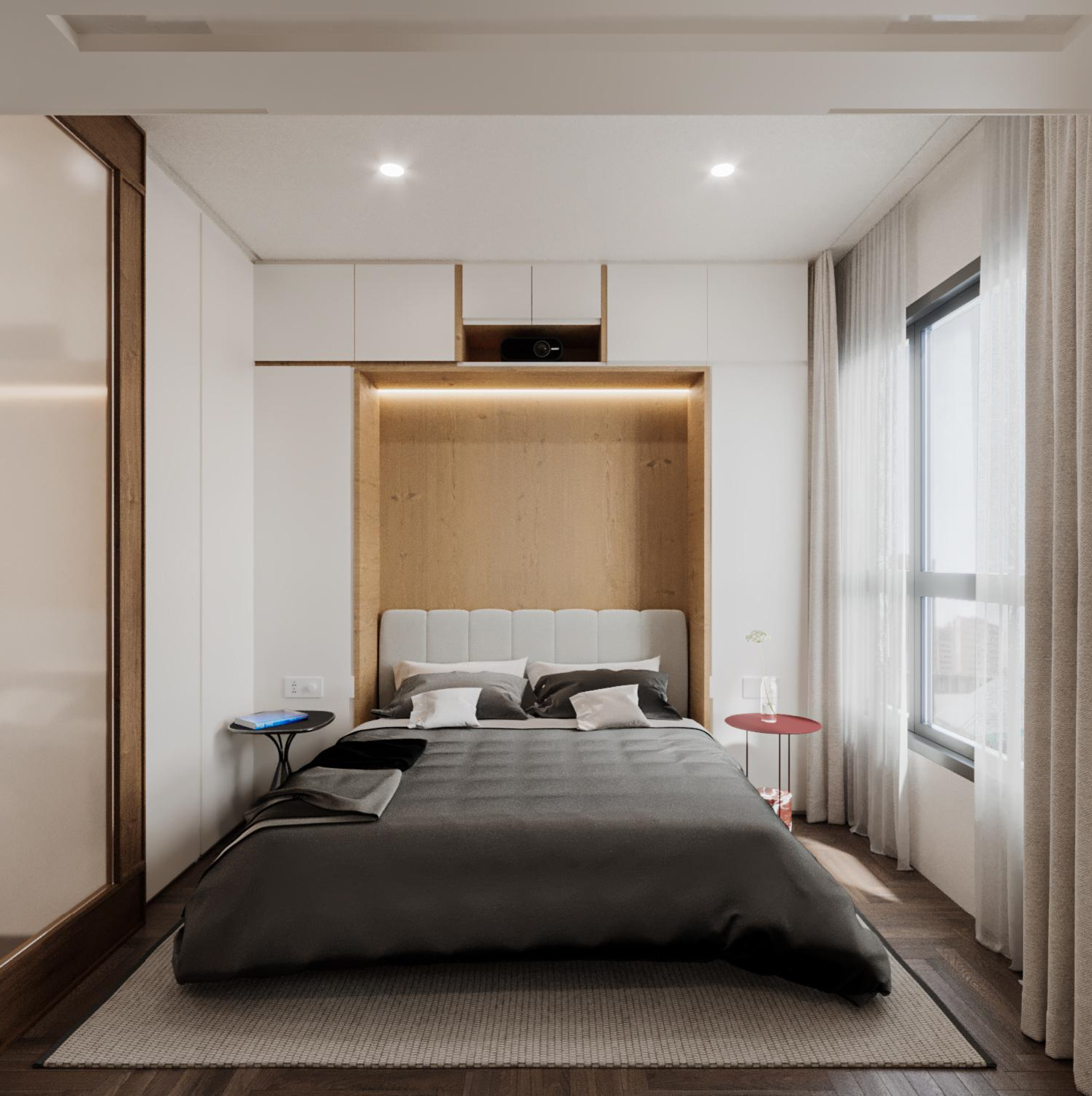
To put it visually, imagine us as a stone that has been shaped the way we want, sitting at the very top of a cliff, with the ground below representing the eventual outcome of the design. As the stone rolls downward, it encounters different layers and formations along the way. So even though we begin from a similar point each time, the route is never quite the same, and neither is the destination. The cliff, in this analogy, is the ‘story’ and the ‘place.’ In fact, with many projects, we cannot predict exactly where the process will lead before the work is complete. But we can be certain that the result will emerge with a character entirely its own.
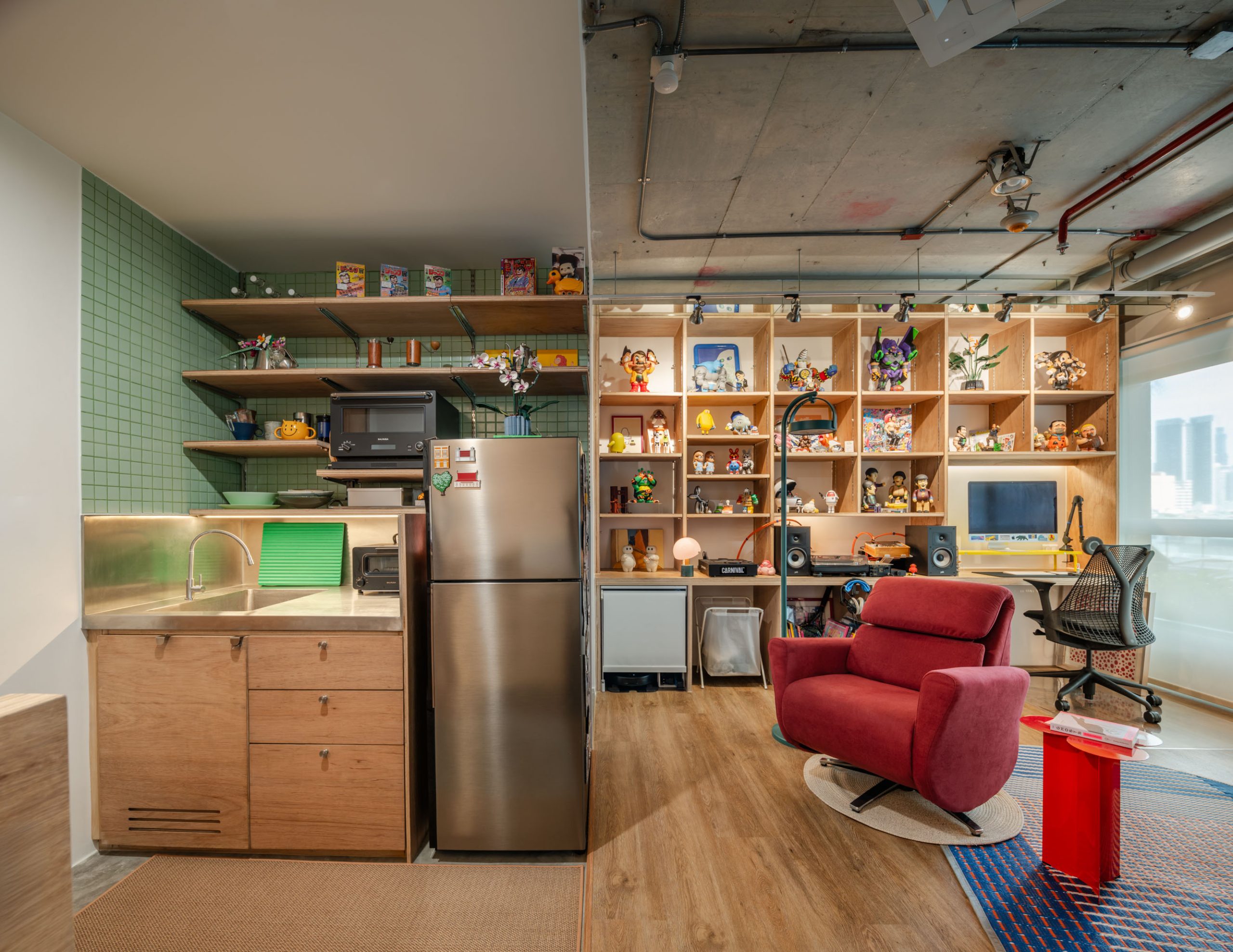
Journey of Reverie (JR)
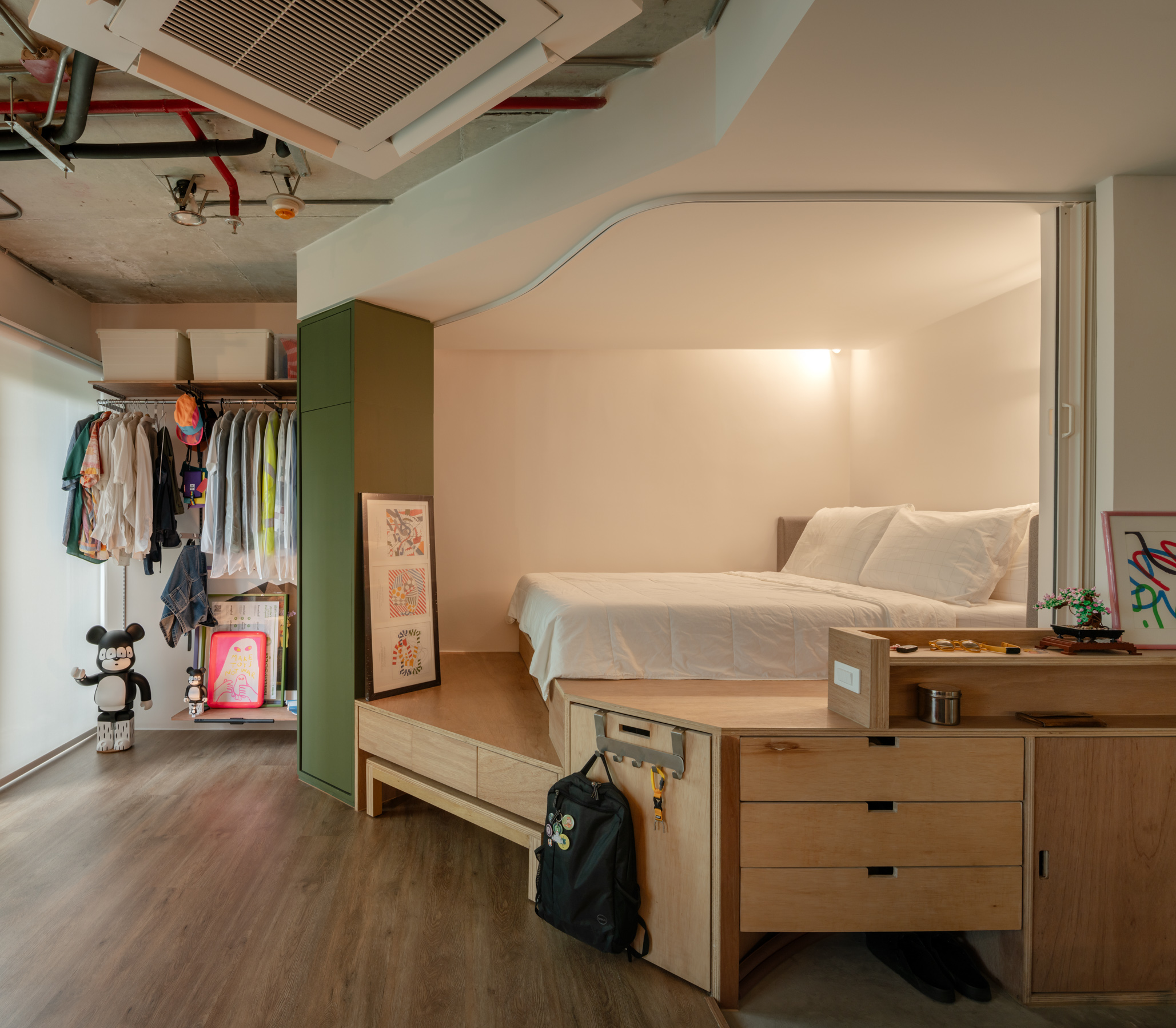
Journey of Reverie (JR)
Which project are you most proud of and why?
There are quite a few (laughs). But if we’re talking about a recent project completed under the naana no Studio name, it would have to be a small project that feels like something of a signature for us: Journey of Reverie (JR).
Our answer is probably similar to that of many studios: the projects we like most are the ones that give us the freedom to do what we truly want and allow us to take an idea as far as it can go. But to put it simply, the client gave us such a playful and imaginative vision to work with that it ultimately led us to create a project we became deeply fond of.
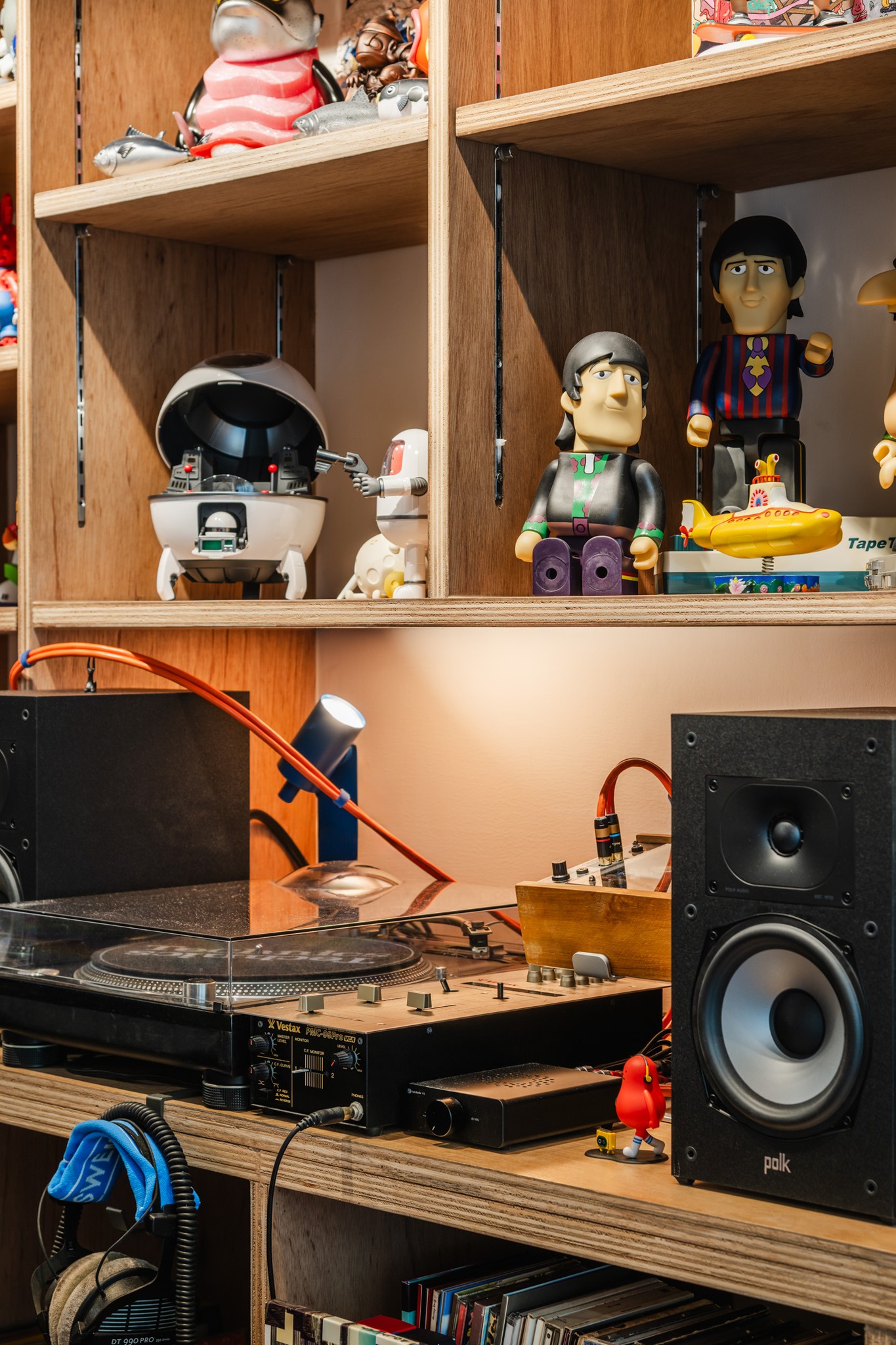
Journey of Reverie (JR)
Which part of the process do you enjoy the most during work?
We love that moment when everything suddenly clicks, when you can almost snap your fingers and go, ‘Pop!’ It happens when we manage to bring together the brief, the user’s personality, the site, its constraints, and all the contradictions that no one else may have noticed, and turn them into a resolution that feels completely right. It is a bit like playing Tetris and finally dropping the long piece into the last remaining gap, making every row flash and disappear at once. Getting there requires organizing, adjusting, and adding things while understanding the contradictions, limitations, and even preferences that may have no particular rationale behind them. Everything has to fall into place, with nothing too much and nothing missing, while still retaining enough individuality to become a new design story that makes us think, ‘Yes, that’s it.’
At the end, we write that story almost as a hybrid of fiction and design concept. We build in different threads and knots along the way, then resolve them so that everything becomes clear by the end. Essentially, it is about taking a project that was difficult to figure out and distilling it into a story that is enjoyable to read.
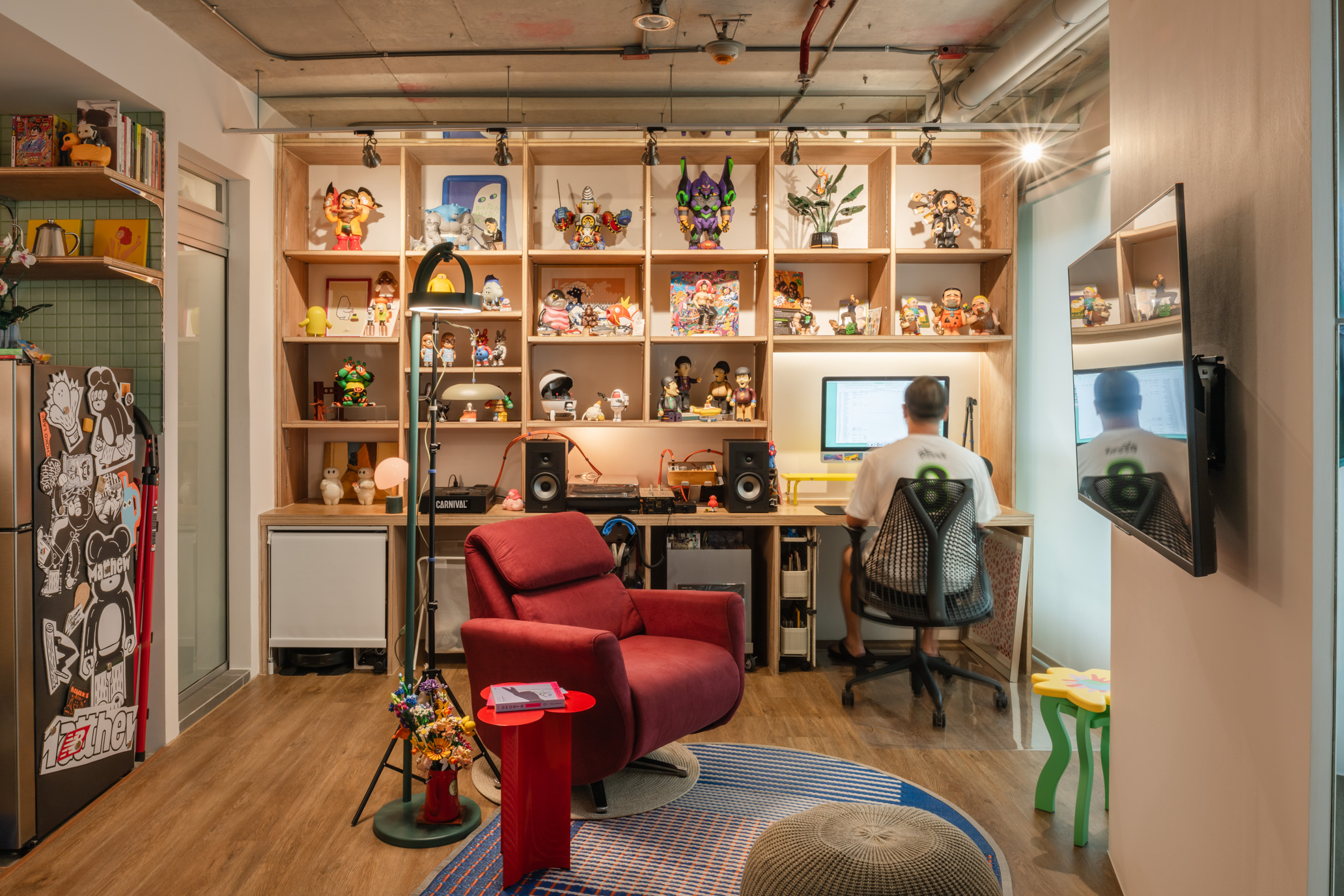
Journey of Reverie (JR)
If you could invite any ‘creative’ for a coffee, who would it be and why?
I had the opportunity to sit down and talk with Vichai from Salmon House, and it was a lot of fun. I had read one of his books before meeting him, and even though our conversation was quite brief, I really enjoyed it. In fact, some of the ways I think about understanding people’s insights also came from him. So I imagine that if we had the chance to sit down again for a proper, unscripted conversation, it would probably lead somewhere interesting and leave me with all sorts of unexpected takeaways.
But if we’re talking about a designer I’ve only recently realized just how much I admire, it would be Jo Nagasaka of Schemata Architects. I had already admired his work, but then I found out that he had come to Thailand to give a lecture in Chiang Mai, at exactly the same time we were there organizing something for CDW 2025. We didn’t know about his visit beforehand, and that coincidence only made me realize how much I would have liked the chance to meet and talk with him. I really love his work. If we actually did sit down together, I’m not even sure what I would begin by asking. Maybe I’d start with Who? What? When? Where? Why? (laughs). His designs are full of spirit and a strong design philosophy. They’re fun and playful, yet they remain practical and work extremely well. They respond closely to the user’s insights while continually creating new experiences through space. I really do admire that quality in his work. So if art4d ever invites him back again, I’ll make sure I don’t miss the chance next time.