
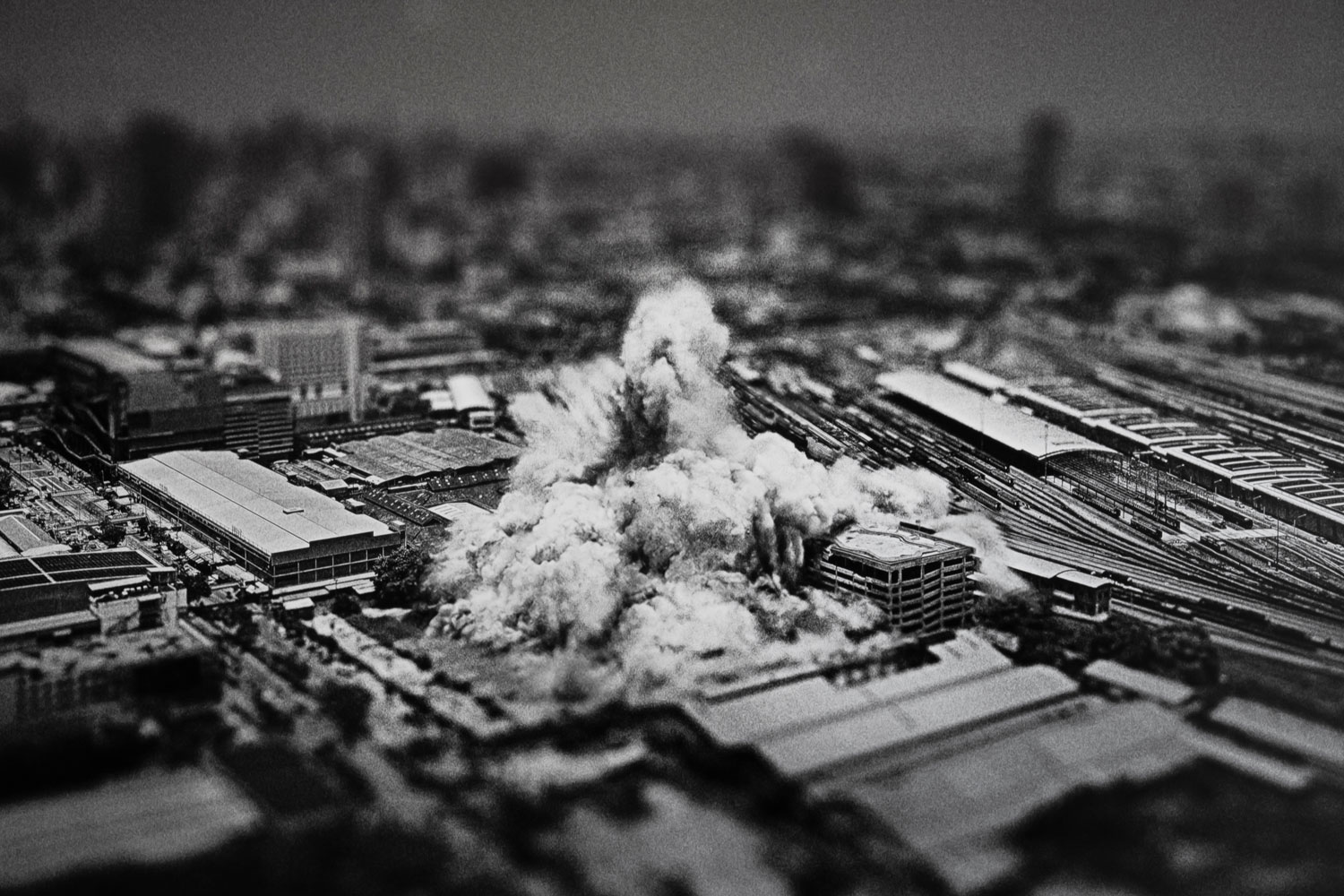
TANAPOL KAEWPRING’S PHOTOGRAPHS REVISIT A MOMENT WHEN A BANGKOK SKYSCRAPER FELL IN EIGHT SECONDS — AND HOW WE REMEMBER IT
TEXT: TUNYAPORN HONGTONG
PHOTO: KETSIREE WONGWAN
(For Thai, press here)
Eight seconds is but a fraction of a minute—seemingly too brief for anything to happen. Yet sometimes, eight seconds is long enough for a momentous event to unfold and become part of history. One such event was the magnitude 8.2 earthquake that struck Myanmar on March 28, 2025, causing the State Audit Office of the Kingdom of Thailand (SAO) building to undergo a complete vertical ‘pancake collapse.’ Within eight seconds, the 30-story building under construction was reduced to rubble.
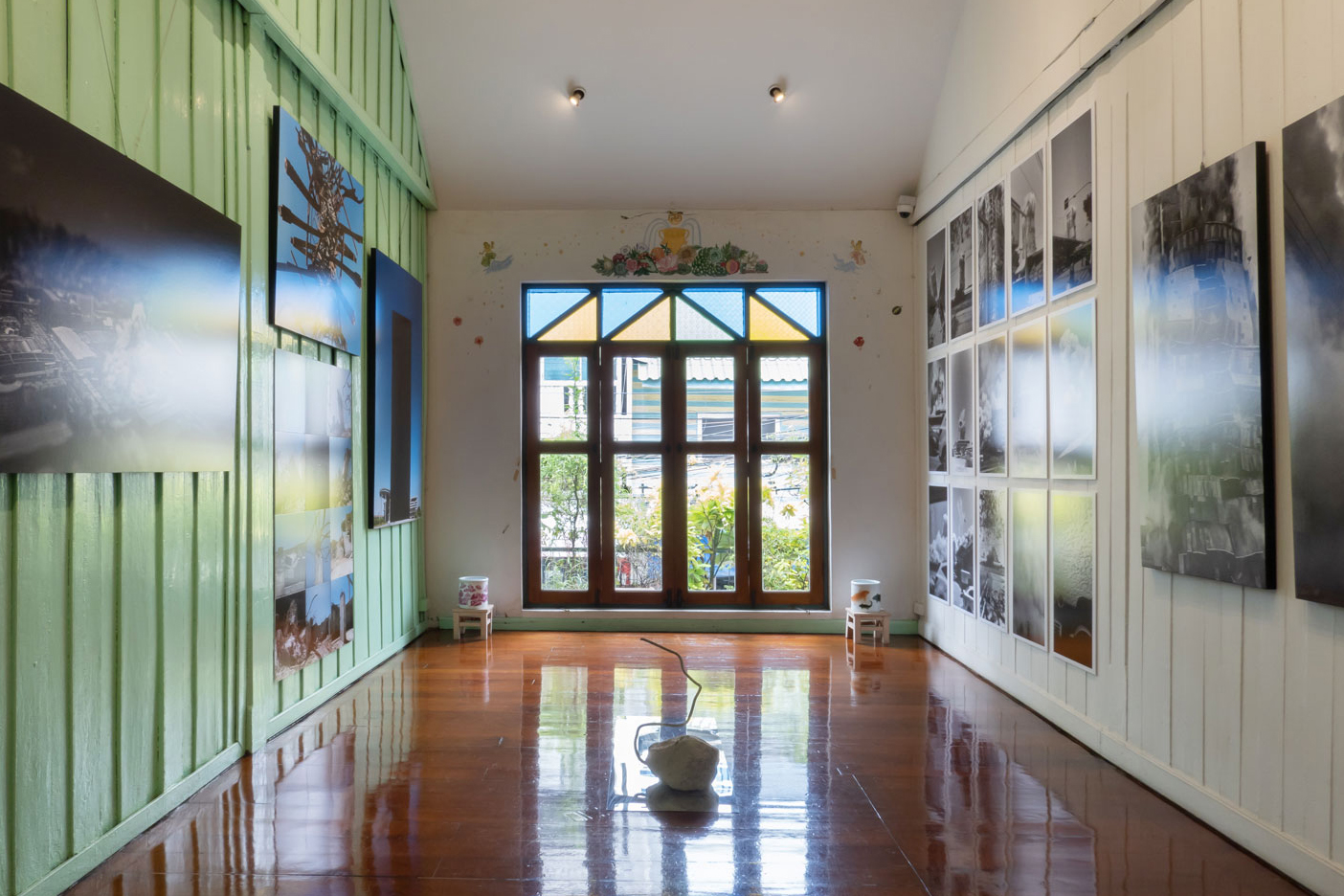
The event has undoubtedly become part of Thai society’s ‘collective memory.’ This is not only because many people in Bangkok and other provinces clearly felt the tremors, but also because the collapse of the SAO building was a devastating event that claimed many lives. It became a symbol of the earthquake itself, as the SAO building was the only building in Thailand to collapse in its entirety. Crucially, the collapse was recorded by multiple cameras from numerous angles. The footage was then replayed again and again on television and social media. As these images were repeated seemingly imprinting the event more deeply into public memory, questions began to emerge about construction standards, government inspection systems, and accountability for the tragedy.
On August 8, when Tanapol Kaewpring’s exhibition 8 Second History opened at Kathmandu Photo Gallery, it was apparent that this collective memory remained vivid. As visitors stood before the photographs, they exchanged stories about where they had been and what they had been doing when the earthquake struck. They spoke of the sorrow they felt whenever they passed the area and saw the towering pile of rubble, with seemingly no way to help those trapped beneath it. Eventually, the conversation turned to the progress of the legal proceedings.
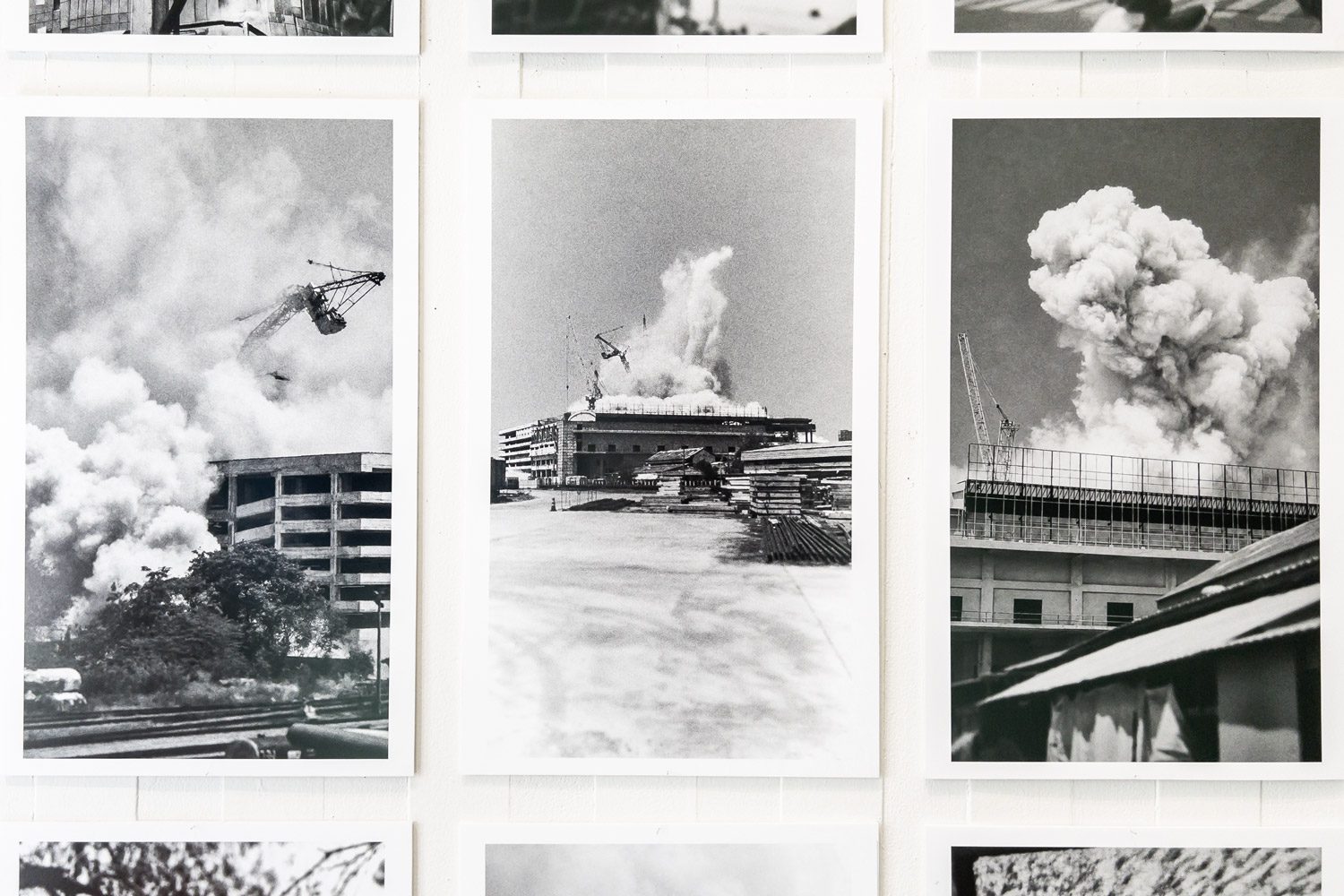
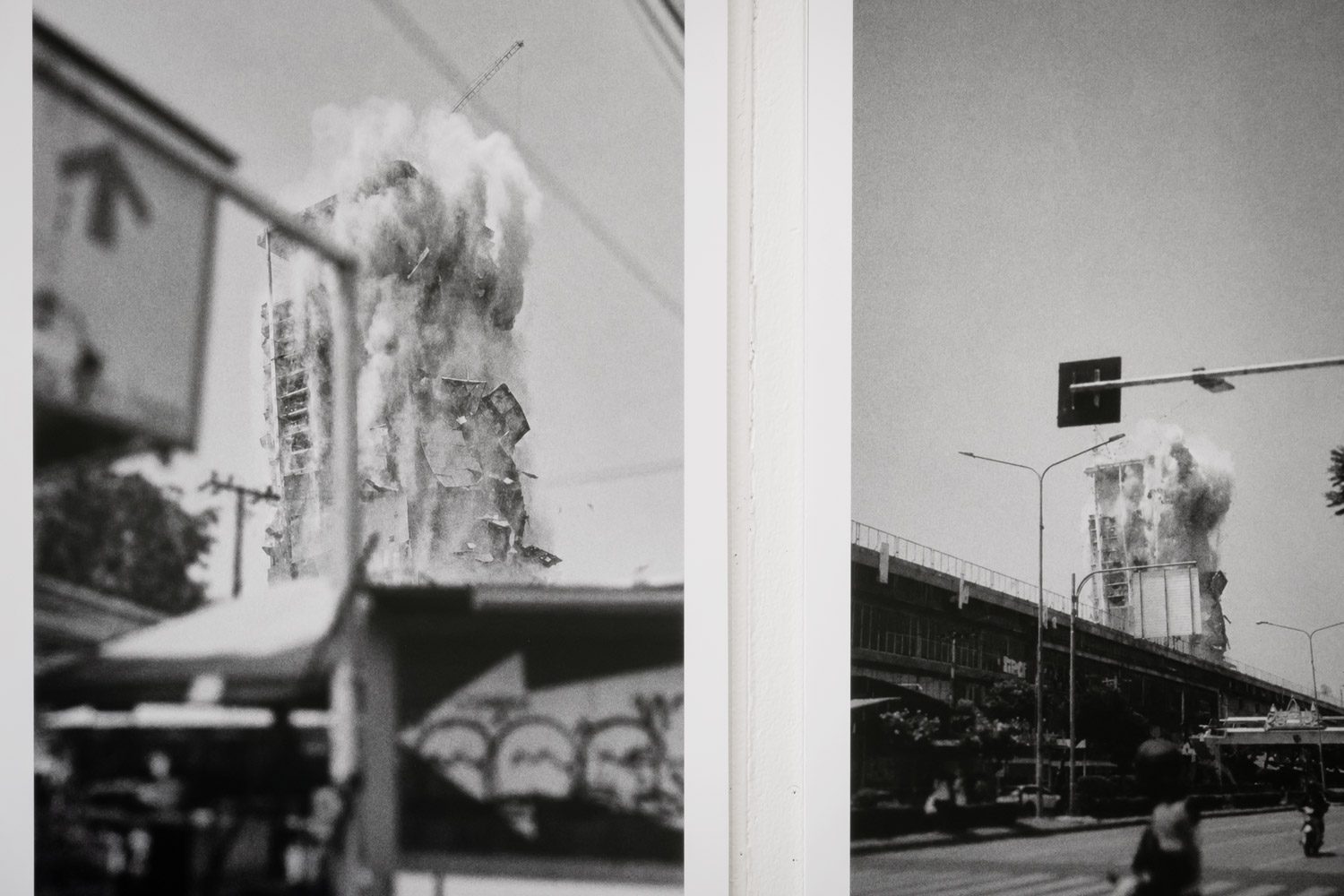
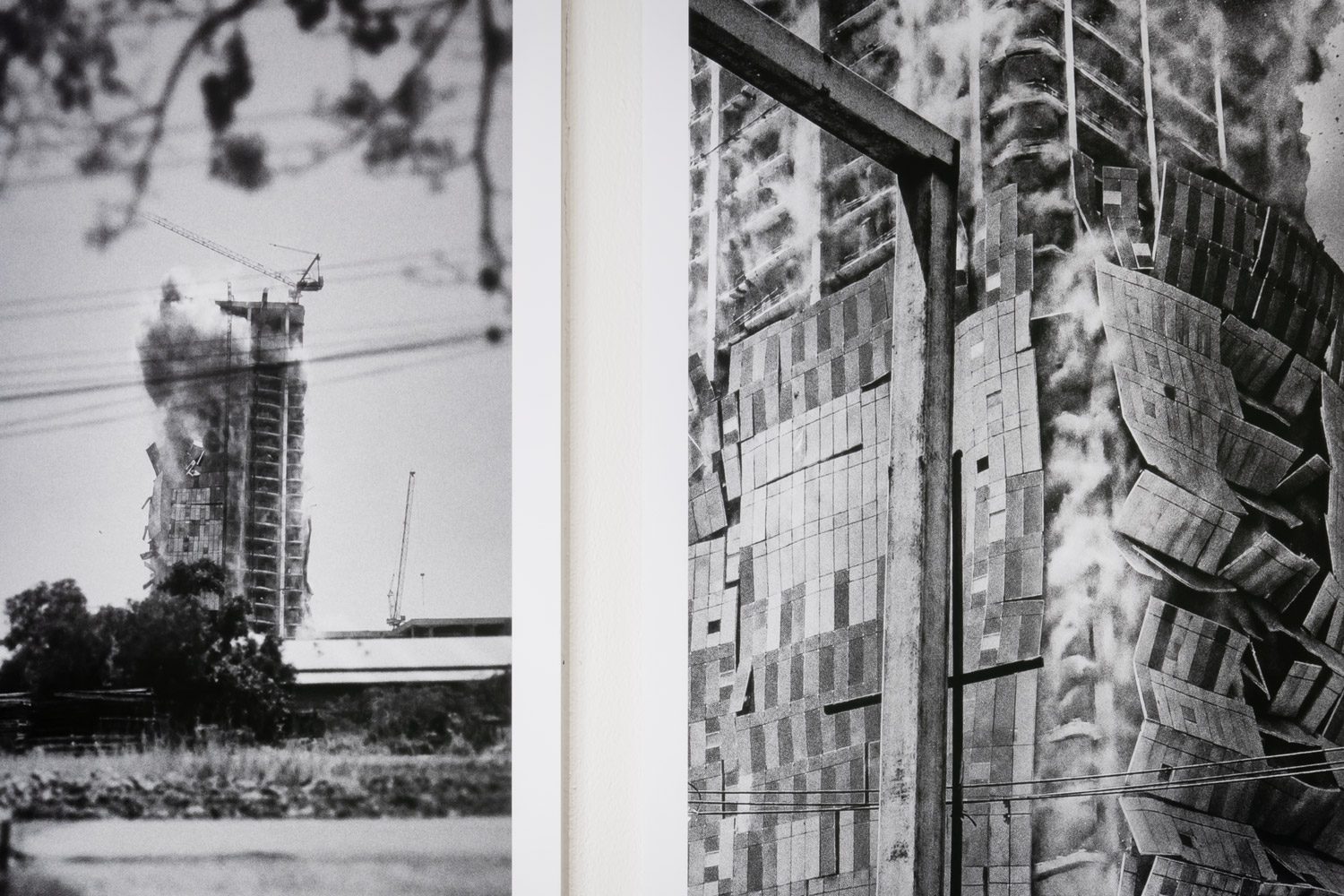
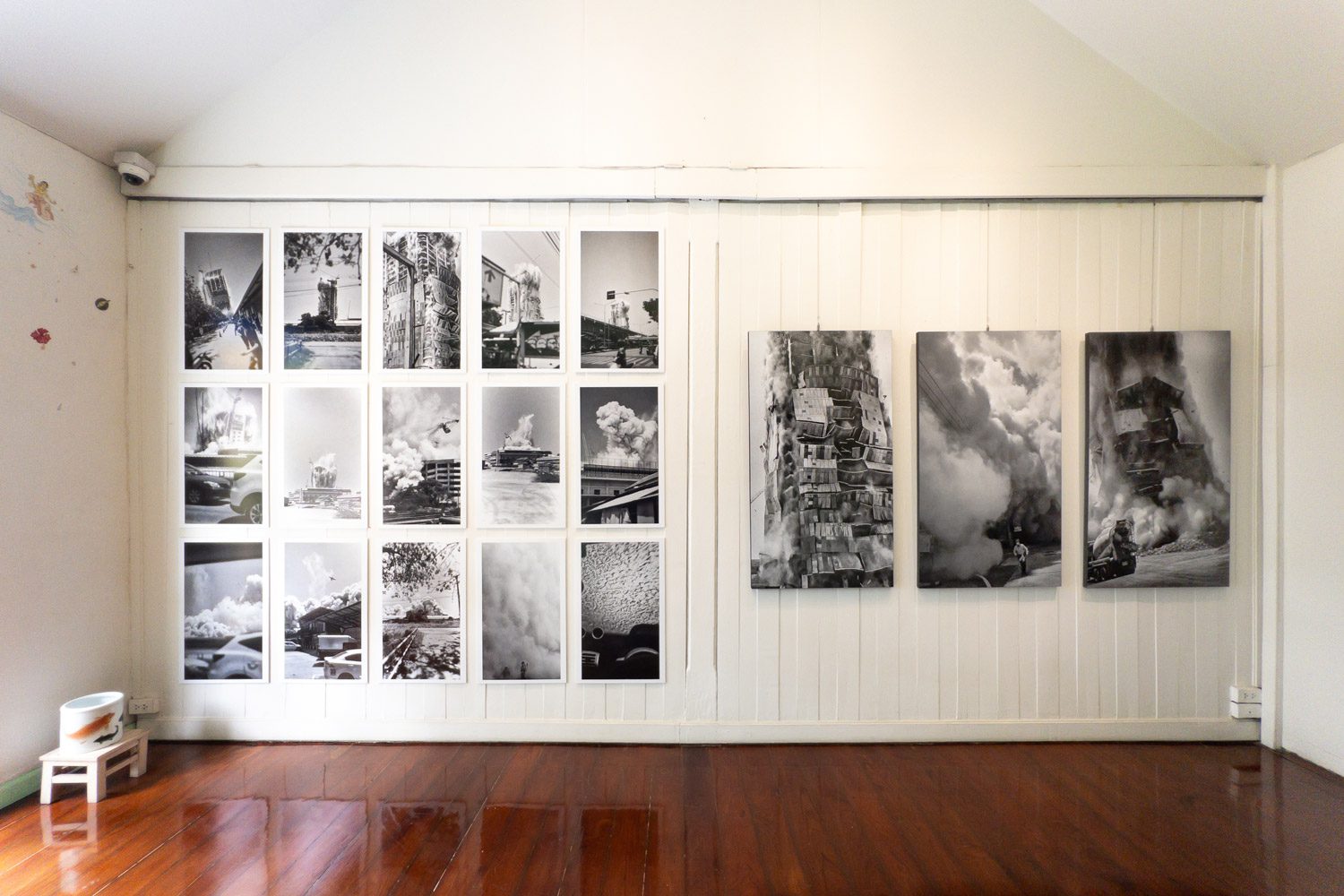
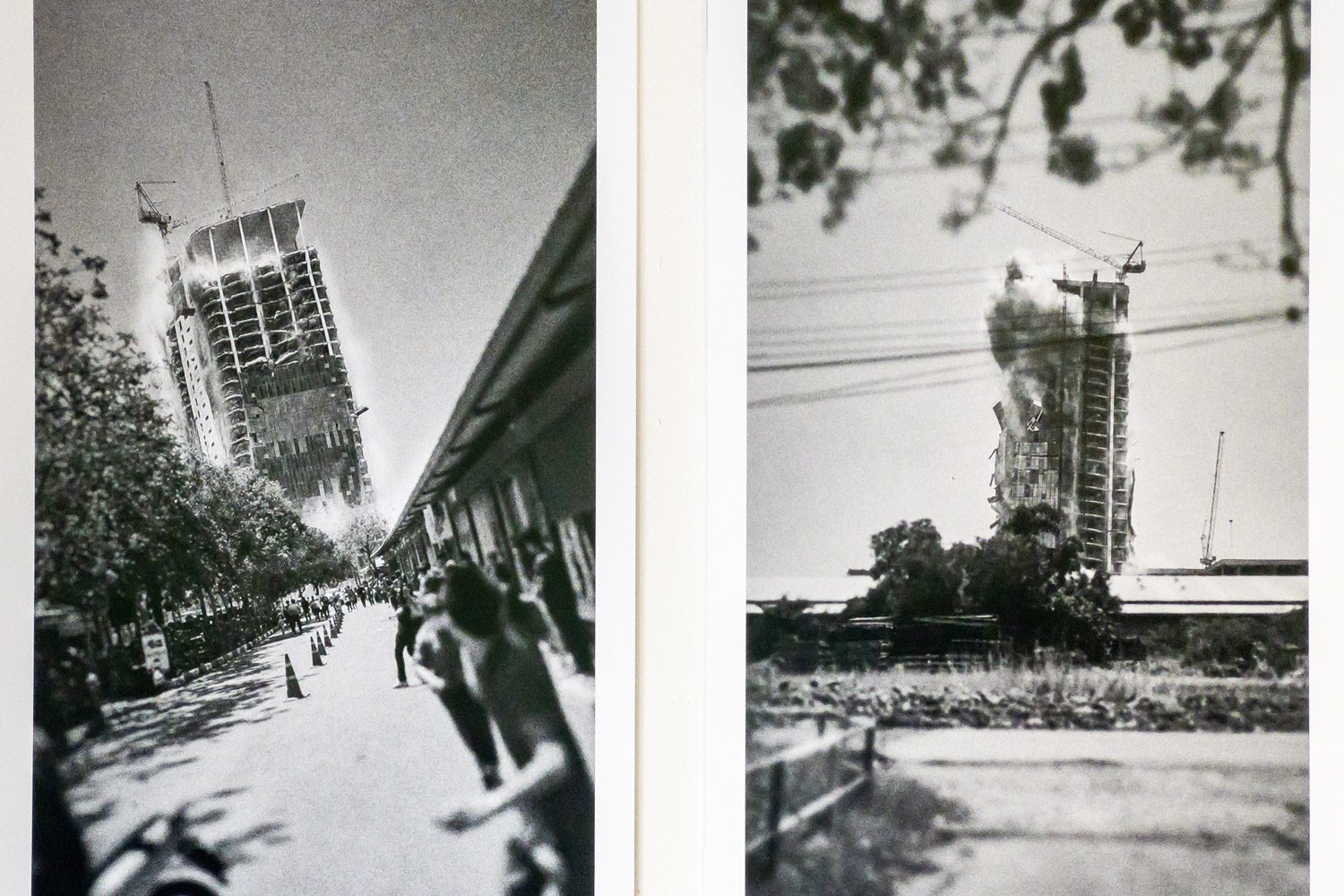
Tanapol’s photographs, however, are neither news photography nor documentary images. The first series comprises black-and-white images of the building as it collapsed, captured from multiple video clips that had been circulated widely on social media. Since the source footage was extremely low-resolution and the artist wanted the event to appear as clearly as possible, he retouched the billowing clouds of dust.
“When retouching the images, I had to find the best possible source for the forms,” Tanapol explained. “At first, I tried several approaches. I experimented with a smoke machine and dry ice, but eventually I found that the forms most closely resembling the density of the dust produced by the collapsing building were clouds.”
While preserving almost every other element of the source footage as faithfully as possible, he intervened in the images by replacing the ‘dust’ with forms derived from ‘clouds.’
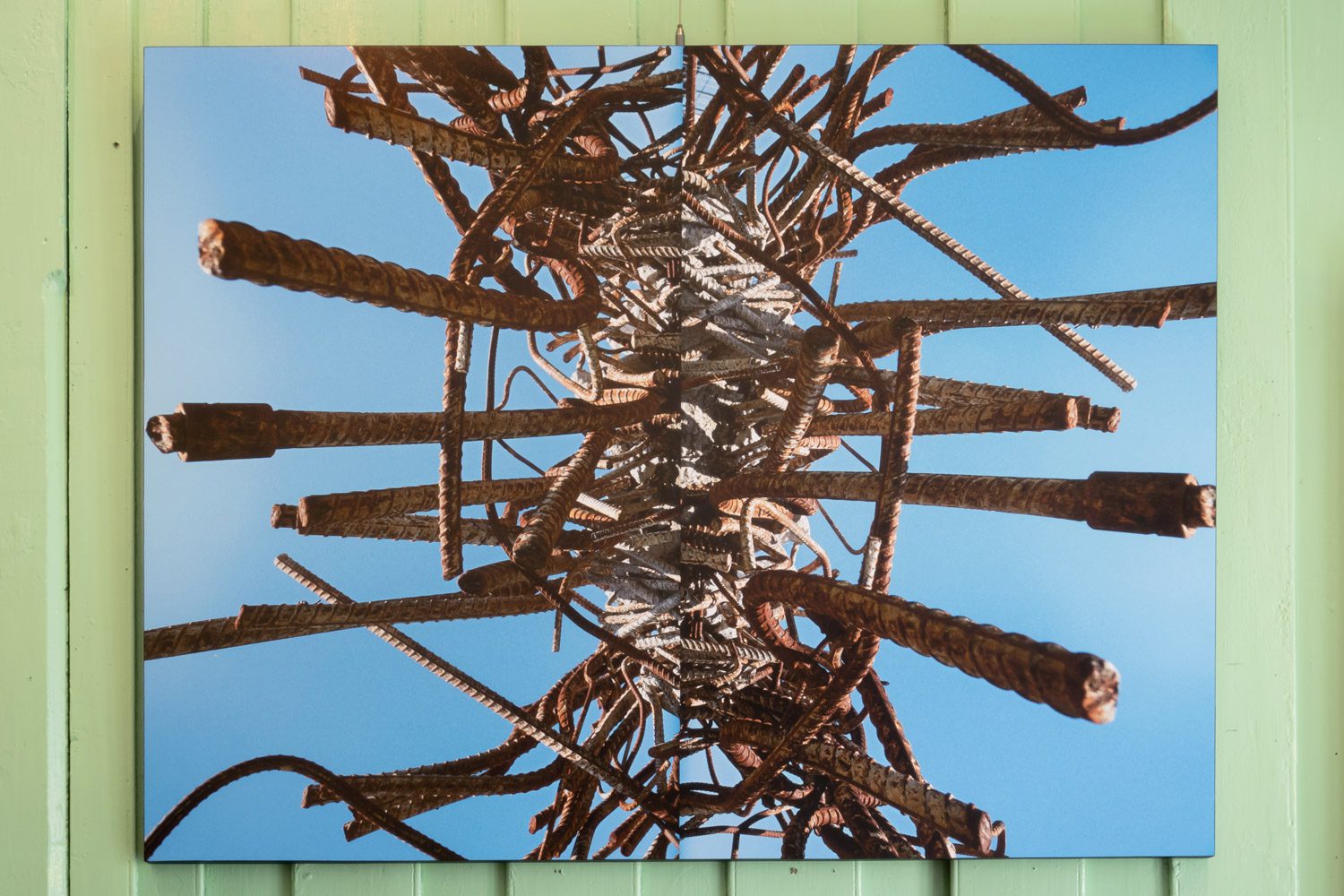
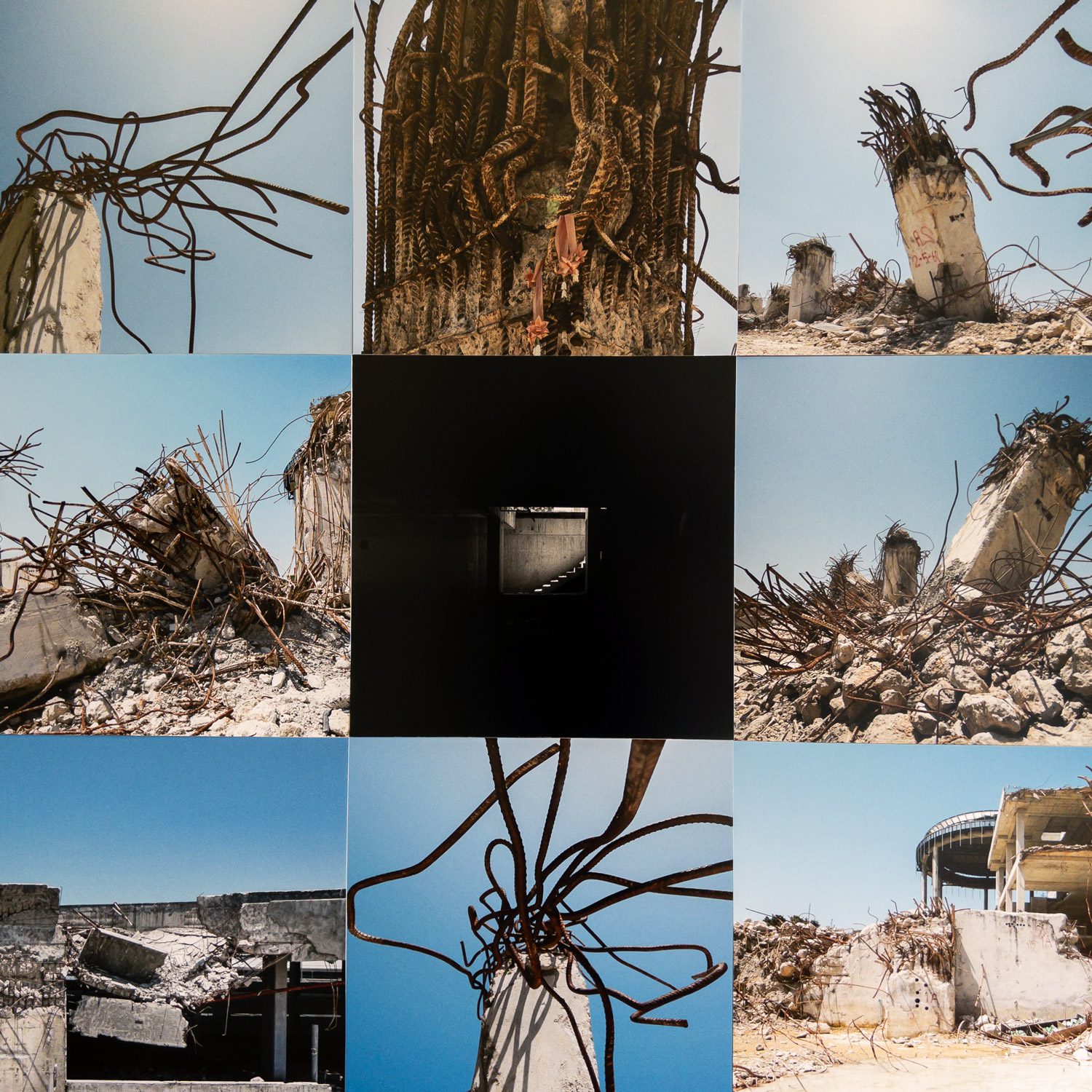
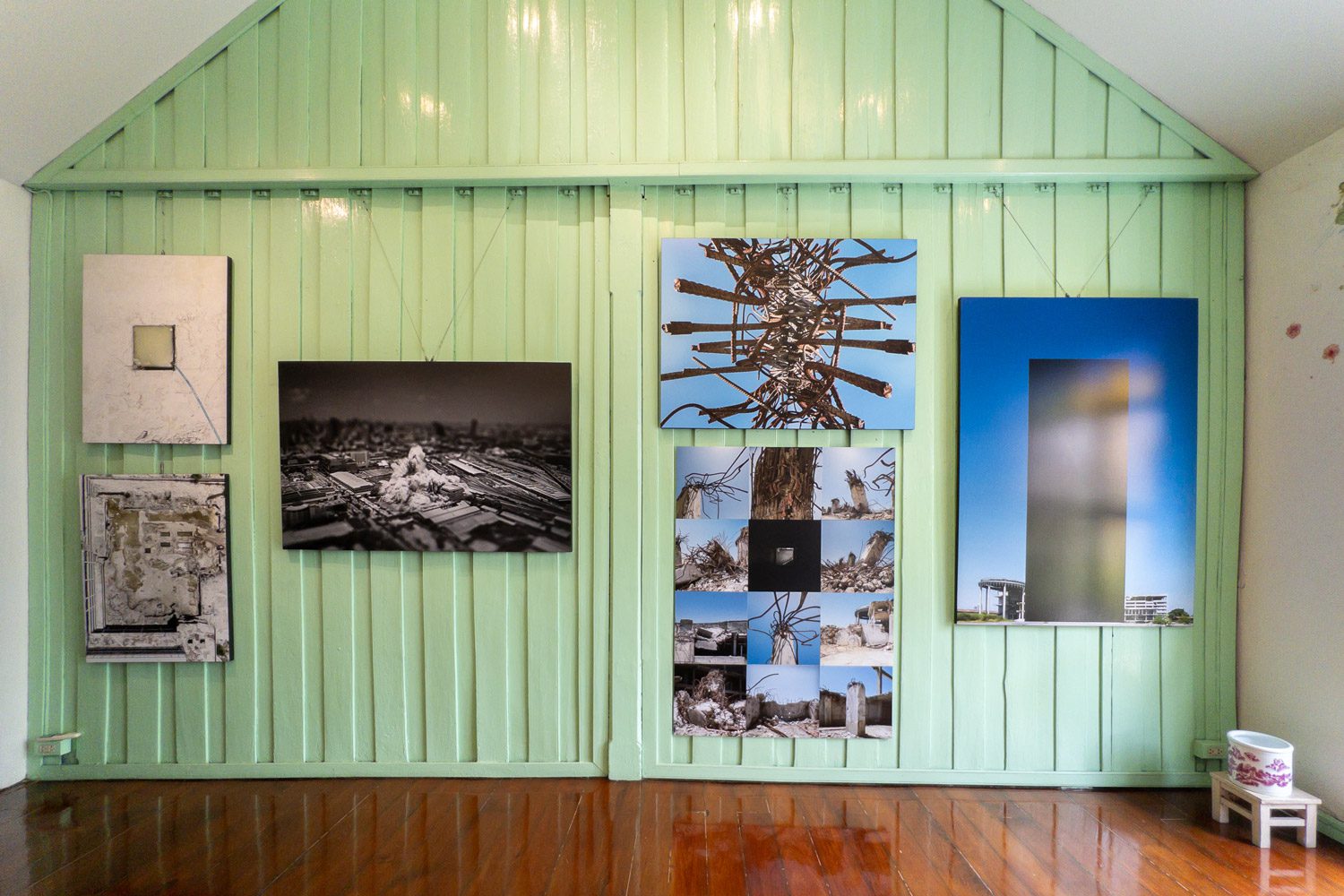
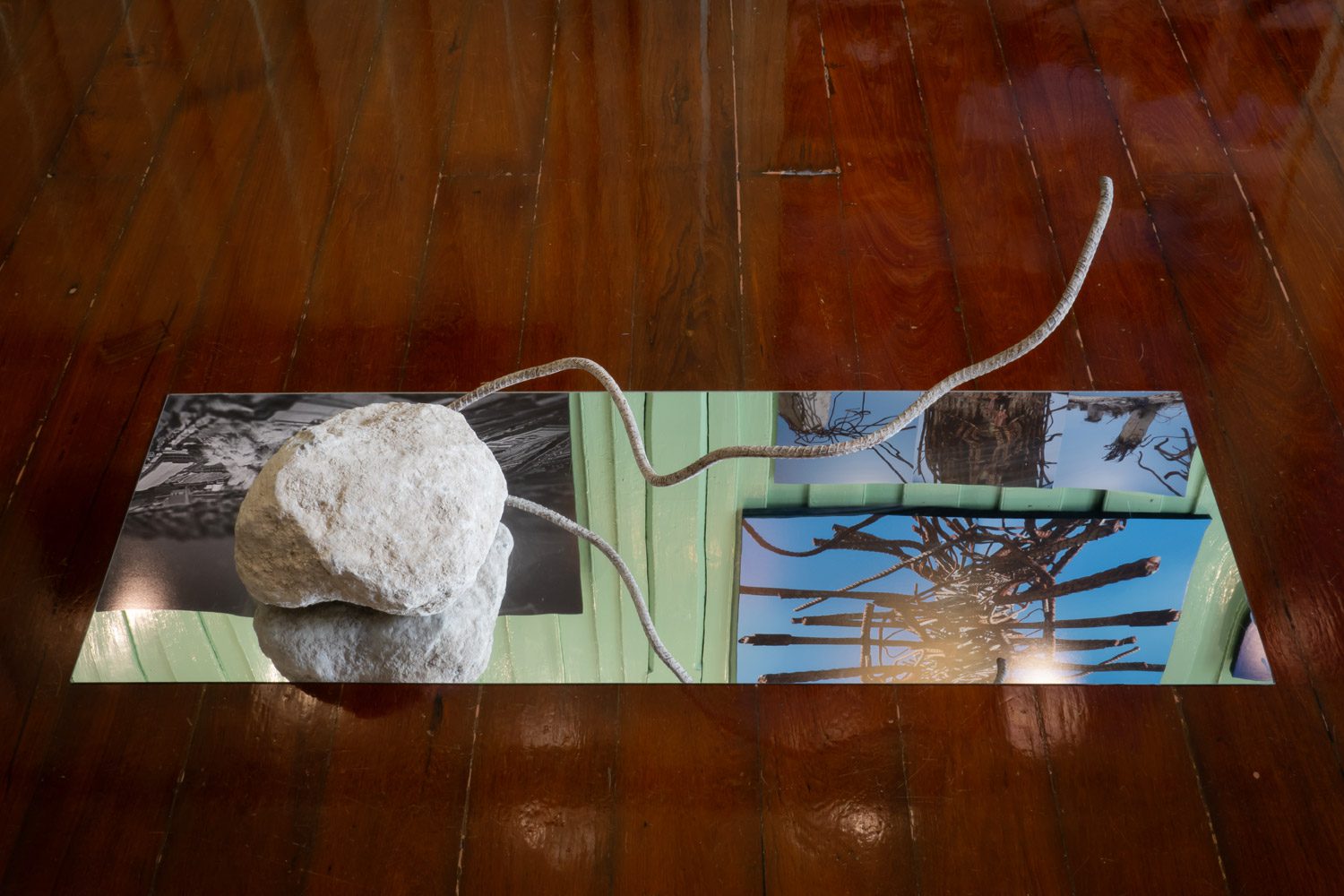
In addition to working with found footage, Tanapol returned to photograph the site on several occasions. He chose times close to 1:25 PM—the time at which the building collapsed—and photographed the site from multiple angles. He also flew a drone over the area to document what remained. Tanapol’s images, from a bird’s-eye view of ground zero to fragments of concrete split open to expose masses of reinforcing steel, bear an uncanny resemblance to ruins left behind by highly destructive weapons of war. The lengths of rebar strewn chaotically across the wreckage resemble aliens invading and laying claim to the Earth.
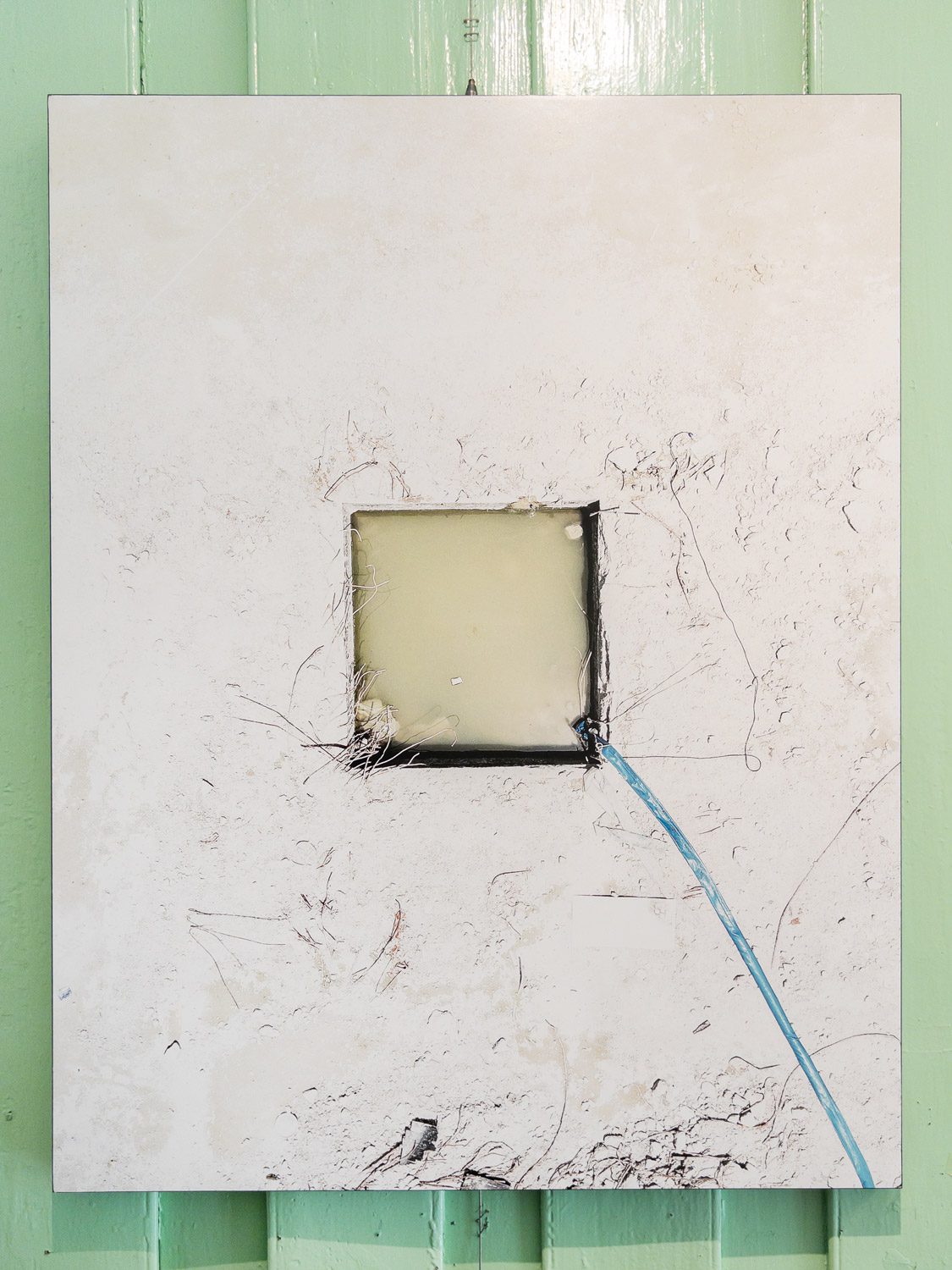
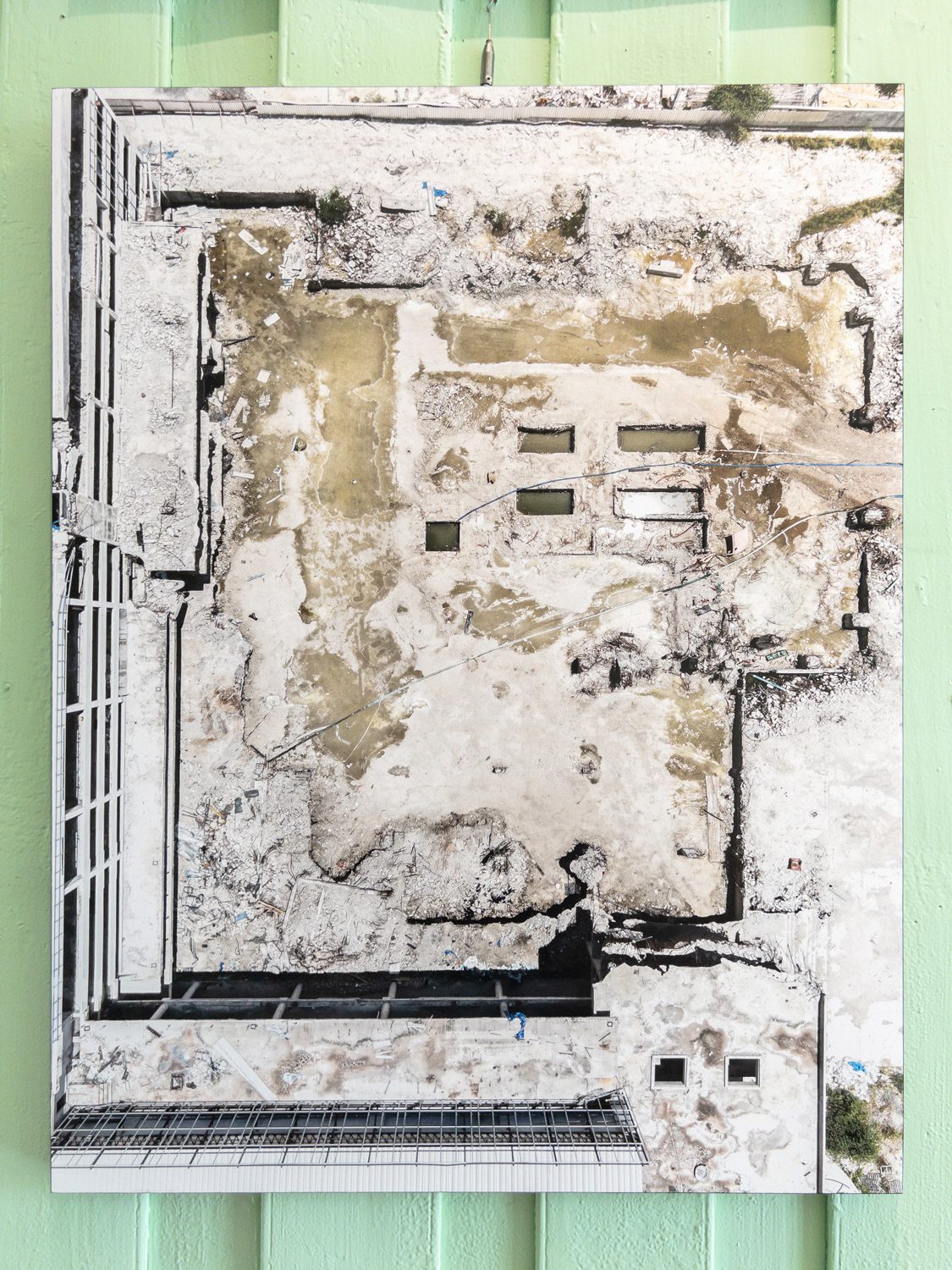
Returning to photograph the site from different vantage points also led Tanapol to notice something else: almost nothing obstructed the view of the SAO building, particularly in its immediate surroundings, where there were no other high-rises of a comparable height. “So, if the building had been completed instead of collapsing first, it would have stood out as the only building of its kind there. It would probably have been a prime location too, because it overlooked Rot Fai Park with nothing blocking the view. It was spectacular.”
What makes Tanapol’s process intriguing is not only the act of pulling clouds down from the sky and bringing them crashing onto the people below, but also the effect this intervention has on the viewer’s perception. Thinking back to the first time we encountered the series, we did not immediately notice that the images had been manipulated—that dust had been replaced with the cloud-like forms—even though we had all seen the original footage played repeatedly before. Only after the artist described his process did we begin to notice that, in several images, the clouds of dust rising from the collapse could be mistaken for an explosion.
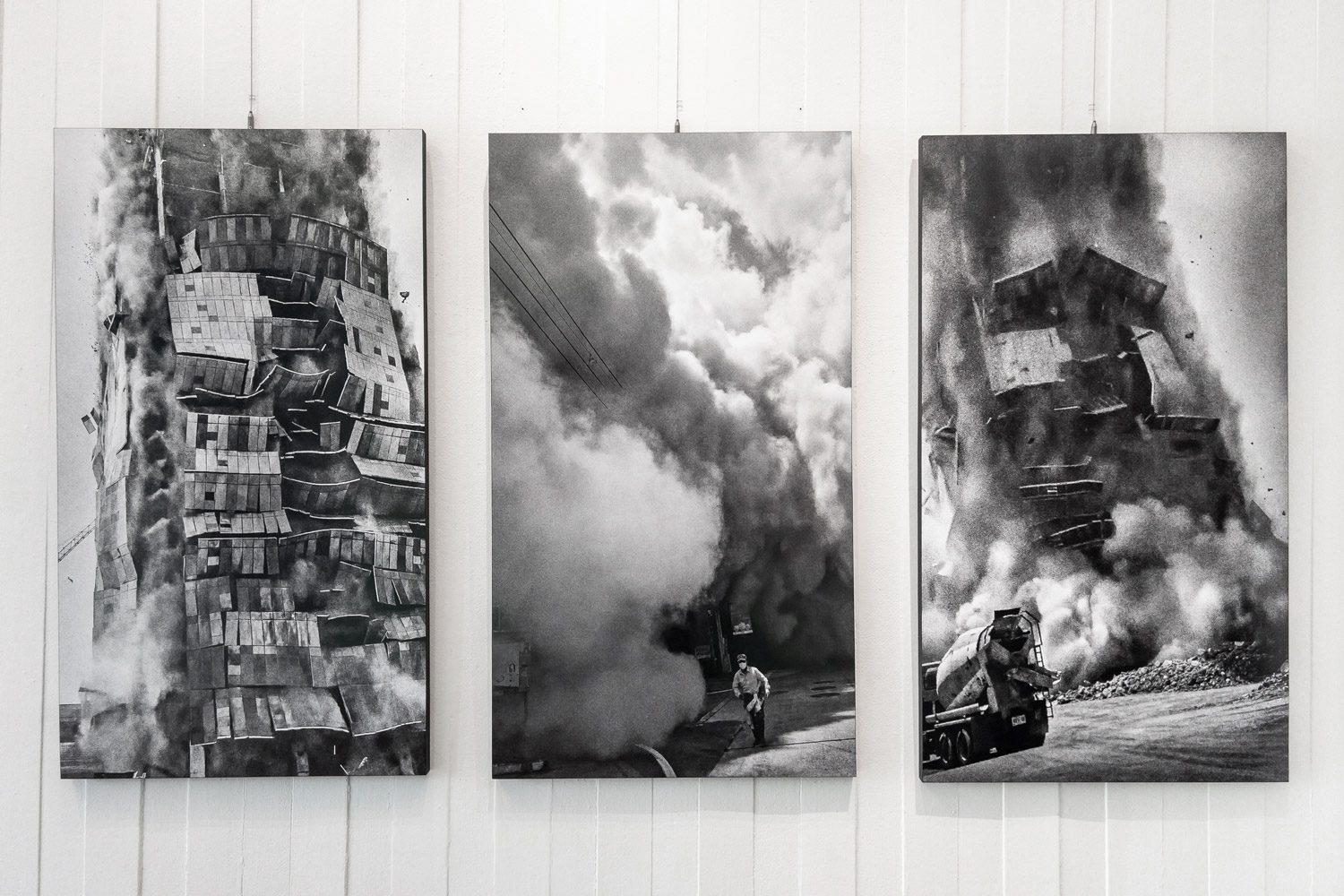
The question, then, is whether the collapse of the SAO building has become such a shared memory and collective trauma that what remains lodged in our minds is not the detail of the ‘images’ themselves, but rather the horror of the event: the collapse that killed 93 people and left three others missing, and the fact that the SAO building reportedly set a record as the high-rise located farthest from an earthquake’s epicenter ever to collapse completely. It was as though a certain truth had revealed itself at the very moment of destruction.
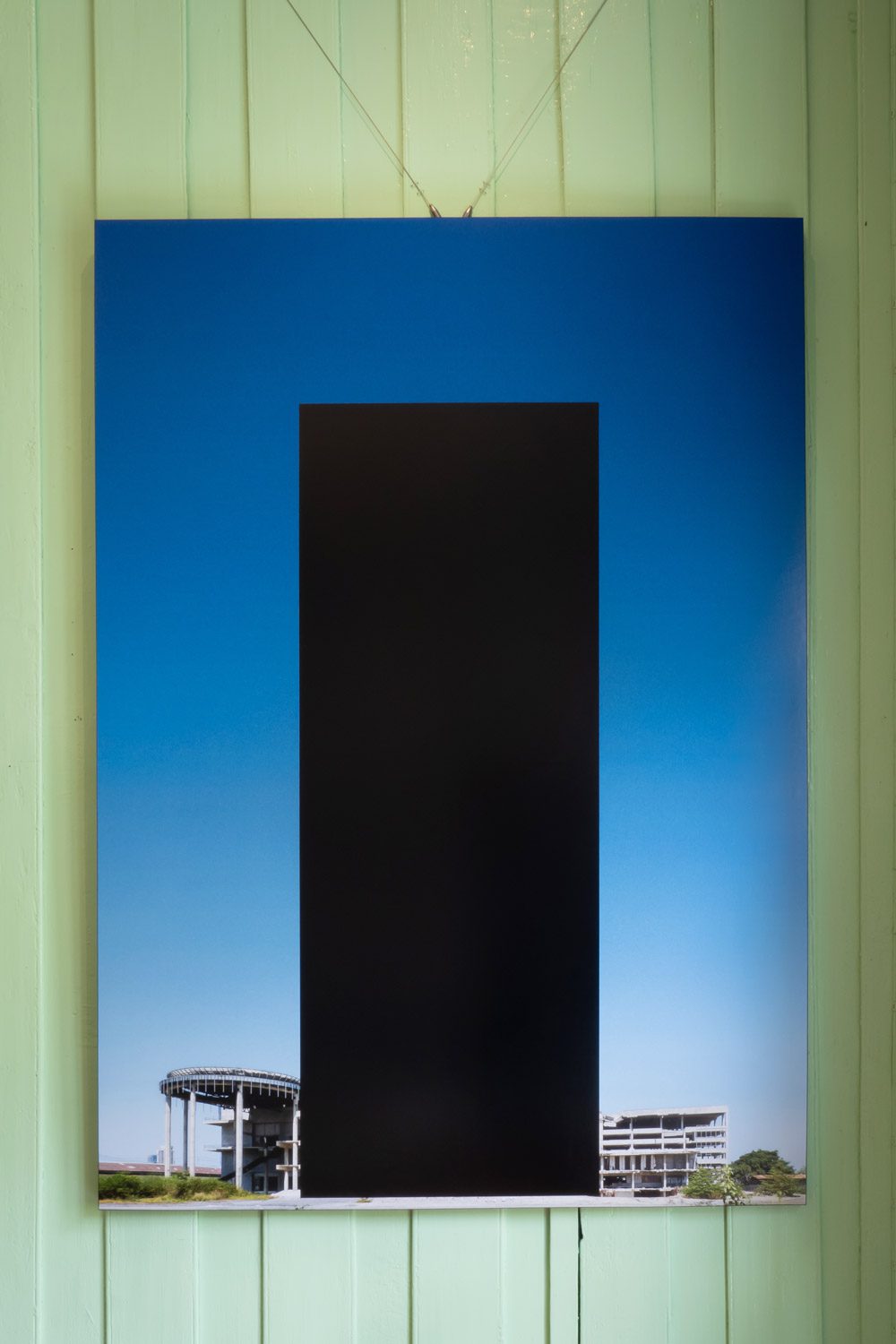
If any images in the exhibition can best articulate these feelings, they would likely be two particular photographs. In one, Tanapol photographs the SAO site head-on, but the place where the building once stood has been replaced by a solid black rectangle occupying almost the entire image. The other resembles the screen of a video camera, except that the display is completely black. At the top appears the timestamp 1:25:15 PM, while the bottom reads 1:25:23 PM—the eight seconds that constituted this page in history.
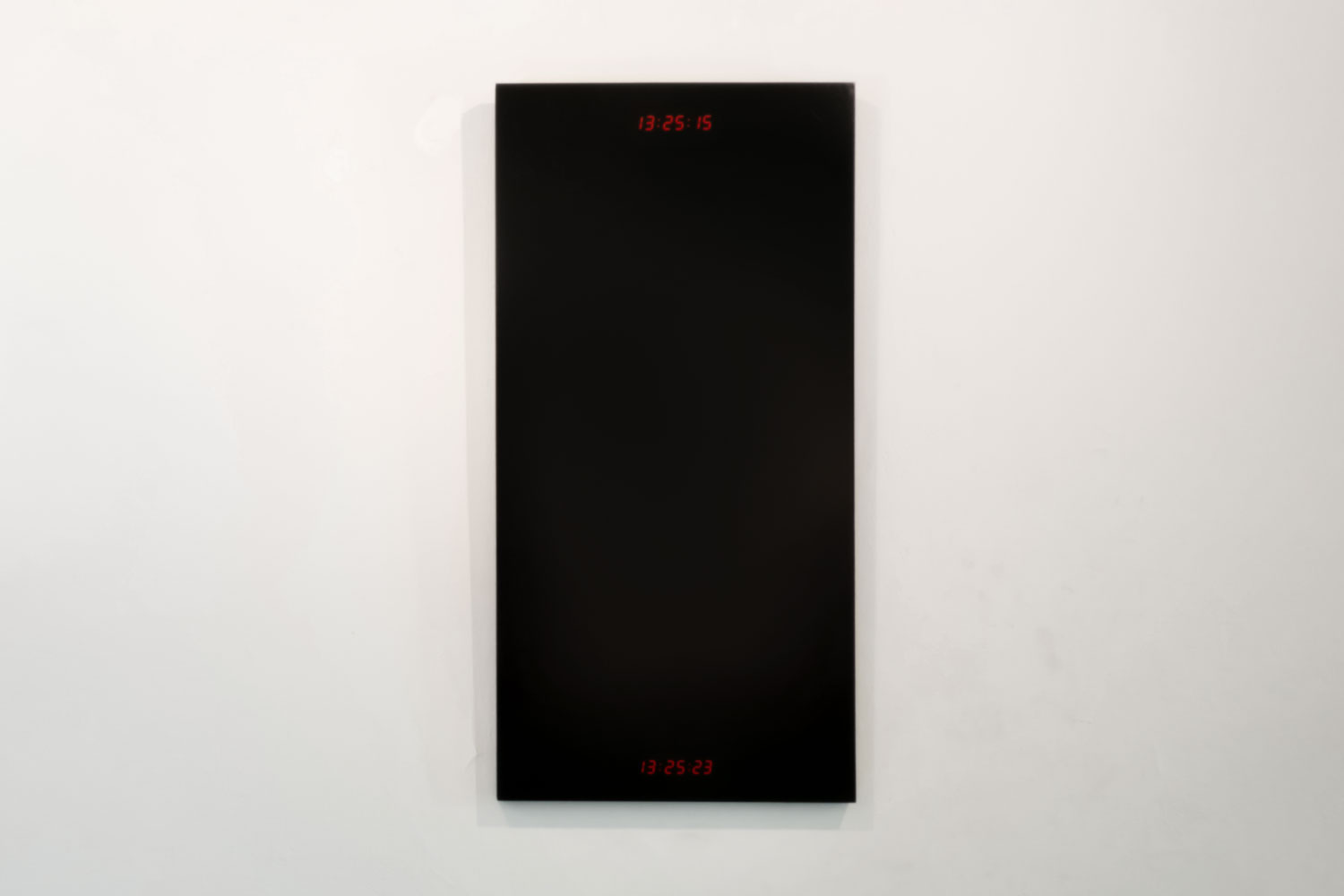
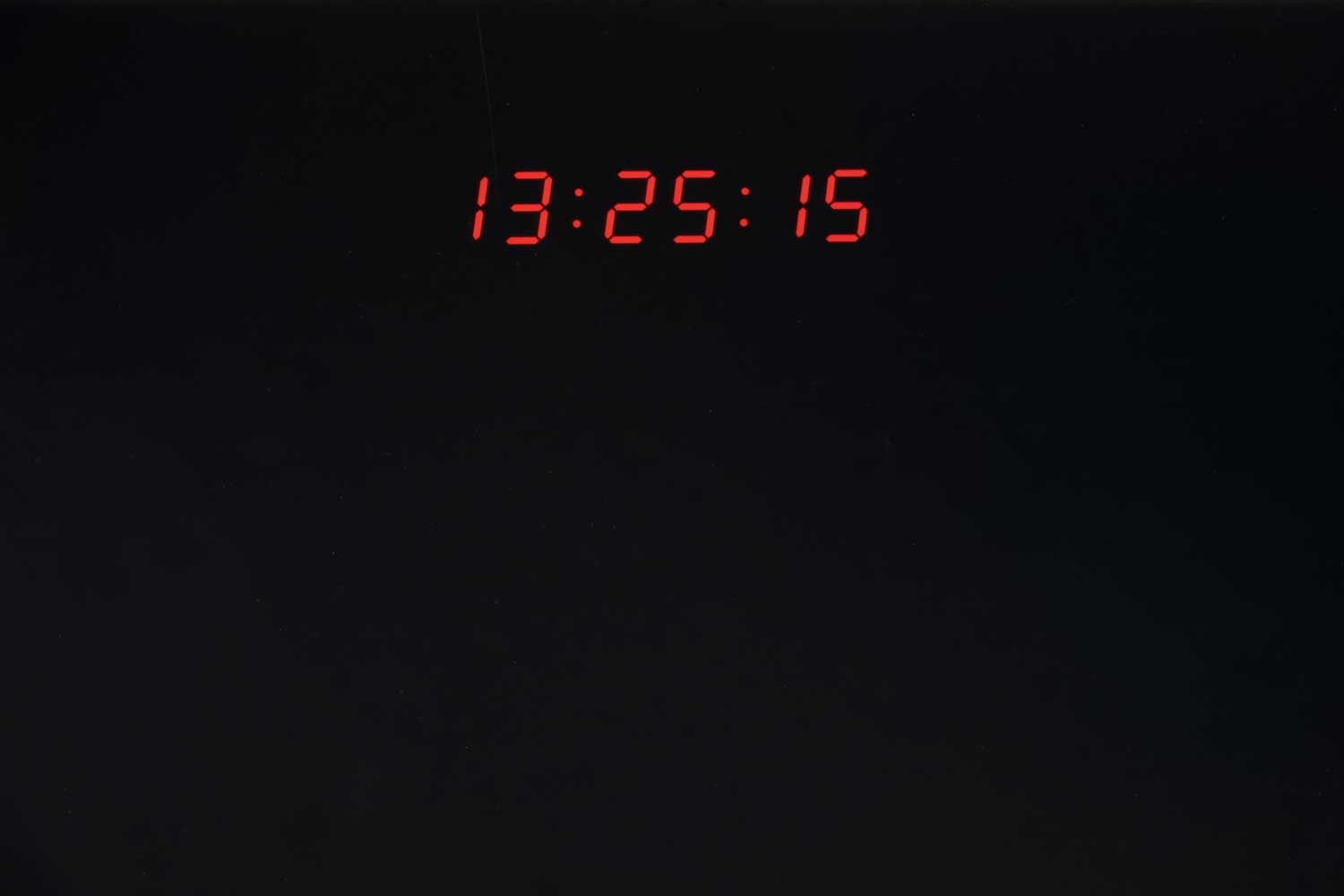
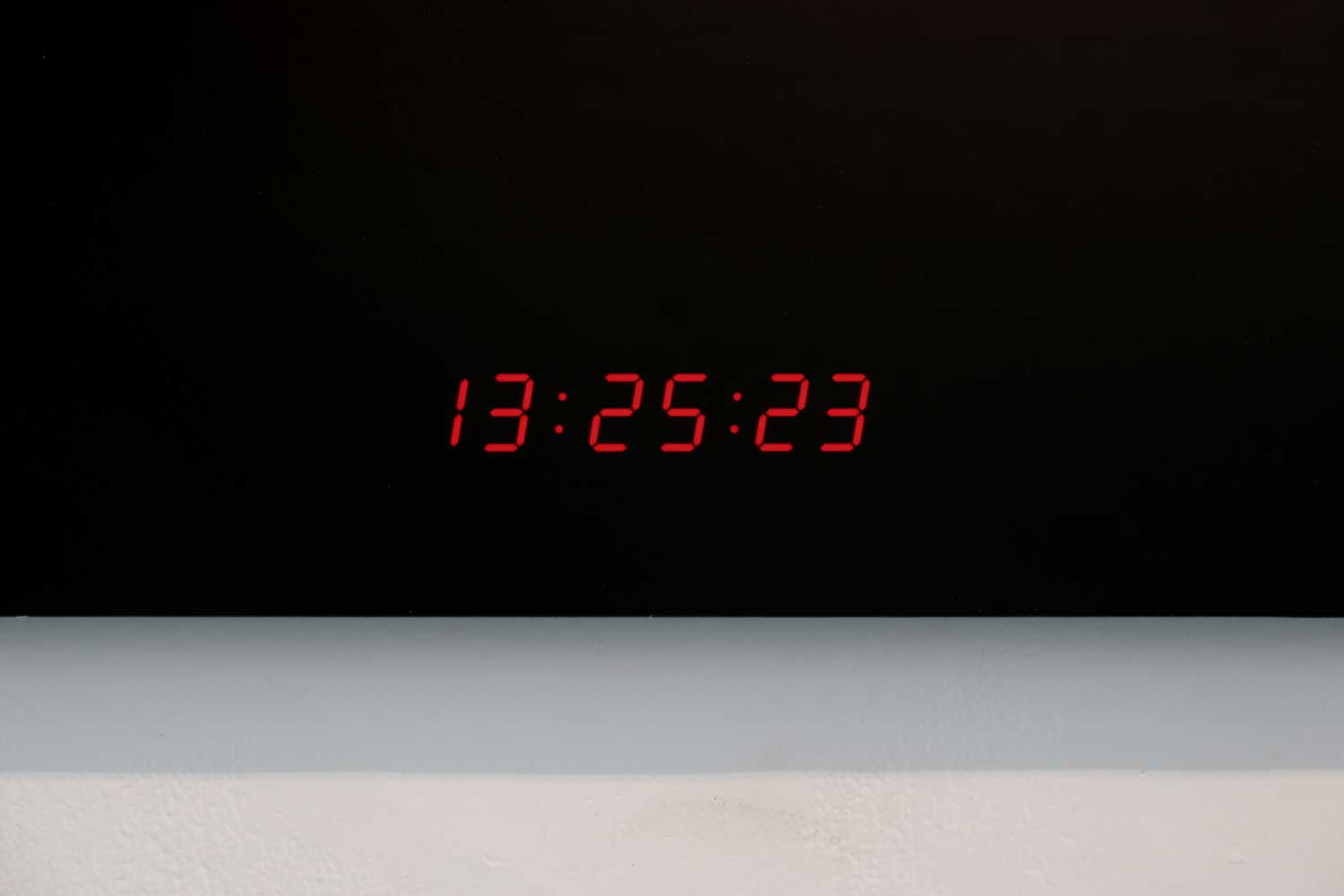
Black is the dominant element shared by both images. It may evoke grief and mourning, or alternatively, concealment and suppression. The large black bar with which the artist obscures the building’s ruins is particularly reminiscent of censorship—the use of black bars to redact text or images. It also recalls a recent incident in Thailand in which those in power employed the same method to obscure the names and ethnicities of artists in an art exhibition. The same is true of the pitch-black video screen in the other photograph. A screen should be a surface on which images become visible, yet during those eight seconds, there is nothing for us to see.
And yet, once something has been seen, it may not be so easily made invisible again. History may often be written by those in power, but certain events are also preserved in the memories of those who lived through them—and those memories are not easily erased.
The ‘8 Second History’ exhibition runs from August 8 to September 26, 2026, at Kathmandu Photo Gallery, open from 11:00 AM to 6:00 PM (Tuesdays, Thursdays, and Saturdays).