
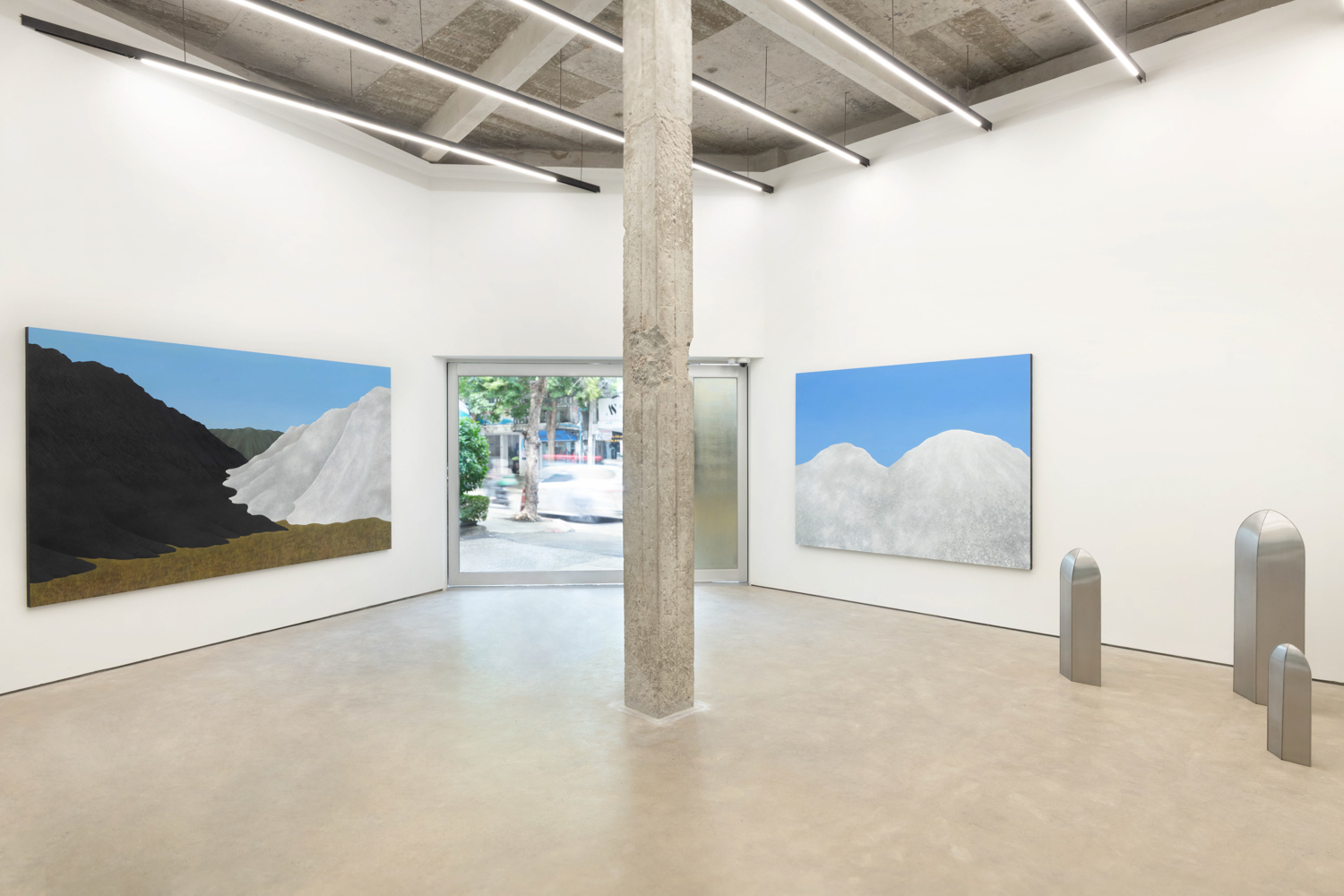
‘SIMĀ,’ THE SECOND SOLO EXHIBITION BY CHAN CHAO-VACHARANONT SINVARAVATN, EXPLORES THE CONCEPT OF ‘BOUNDARIES’ THROUGH THE LENSES OF BUDDHISM, BELIEF SYSTEMS, LANDSCAPES, AND SPACES IMBUED WITH HUMAN-CREATED MEANING
TEXT: TUNYAPORN HONGTONG
PHOTO: AKKARAWIN KRAIRIKSH, COURTESY OF THE ARTIST AND NOVA CONTEMPORARY EXCEPT AS NOTED
(For Thai, press here)
Sīmā, the second solo exhibition by Vacharanont Sinvaravatn, takes its name from the Pali and Sanskrit word sīmā, meaning a boundary or border. In Buddhism, sīmā refers to a designated area in which monks perform formal acts of the monastic community. A more familiar manifestation may be the bai sema: carved stone markers that delineate the boundaries of sacred Buddhist grounds.
According to the Vinaya, the boundaries of a sīmā are defined by eight types of ‘nimitta,’ or boundary markers: a mountain, a rock, a forest, a tree, an anthill, a path, a river, and still water. Before maps and modern coordinate systems existed, recognizable features of the landscape served as shared points of reference, allowing people to understand where the boundaries of a sīmā lay.
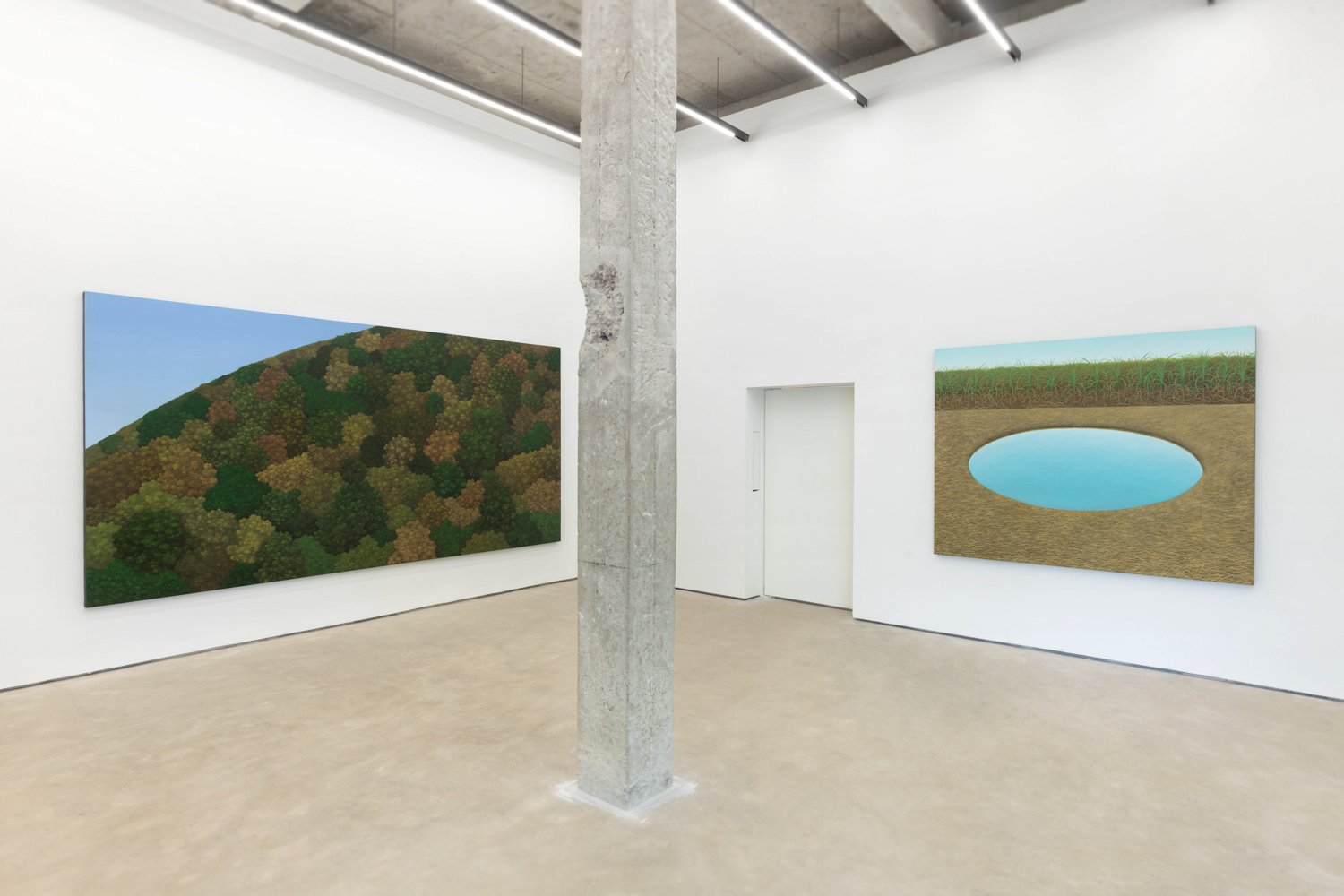
Vacharanont’s Sīmā begins with this idea of delineating space before branching out to explore the broader meanings of ‘borders’—from physical boundaries that separate one territory from another to those constructed by humans through belief, society, politics, and power.
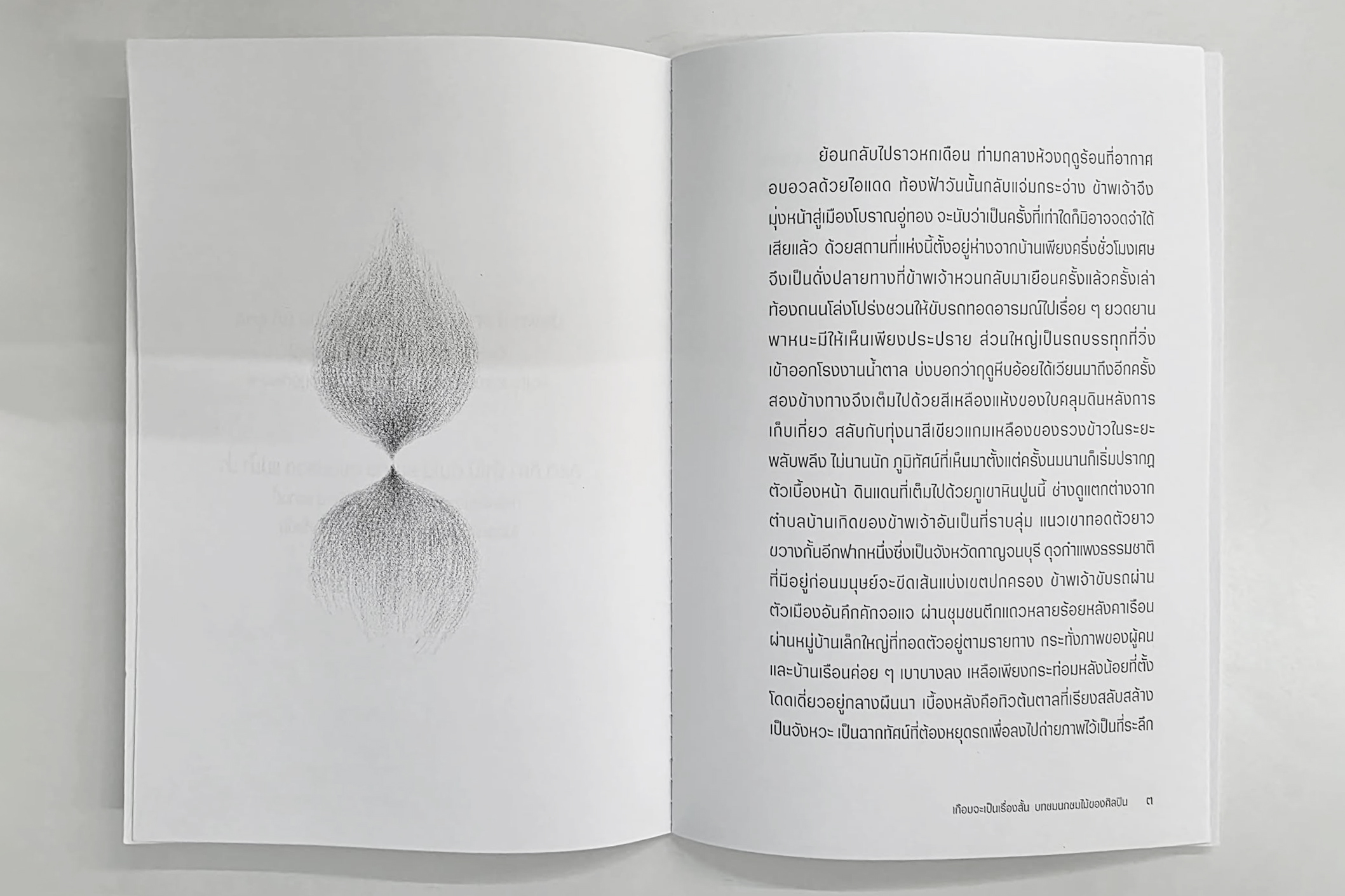
The exhibition brings together paintings and sculptures, accompanied by a slim booklet featuring Almost a Short Story: Notes from an Artist’s Walk by Chanchao, Vacharanont’s nickname and pen name. The text recounts a journey to the ancient city of U Thong in Suphan Buri, the artist’s home province. It is his second piece of writing, following Let the Lion Tell a Short Story, which accompanied his works in the 2023 group exhibition SUPHAN’s Echoes. Once again, Suphan Buri provides the setting for his narrative.
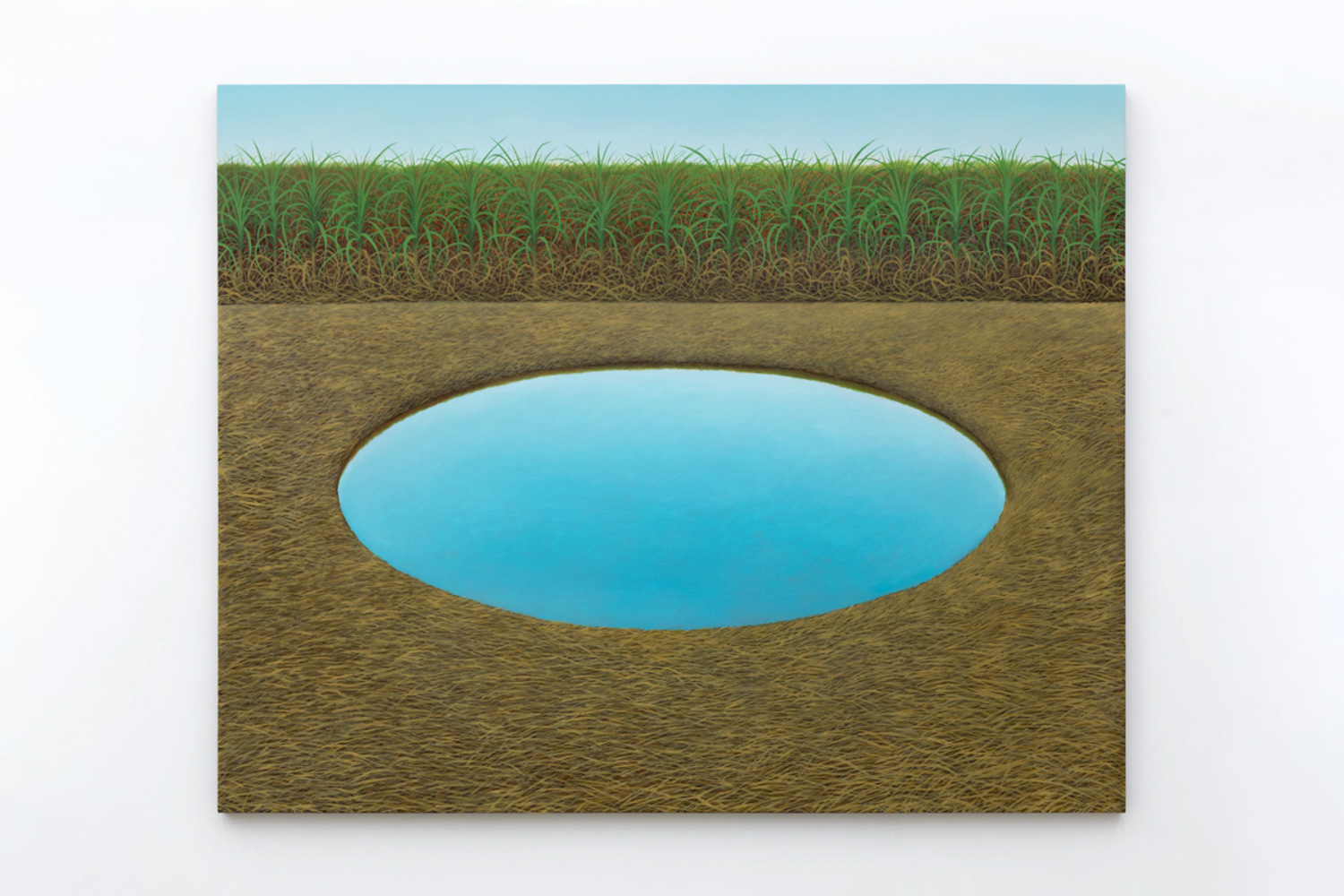
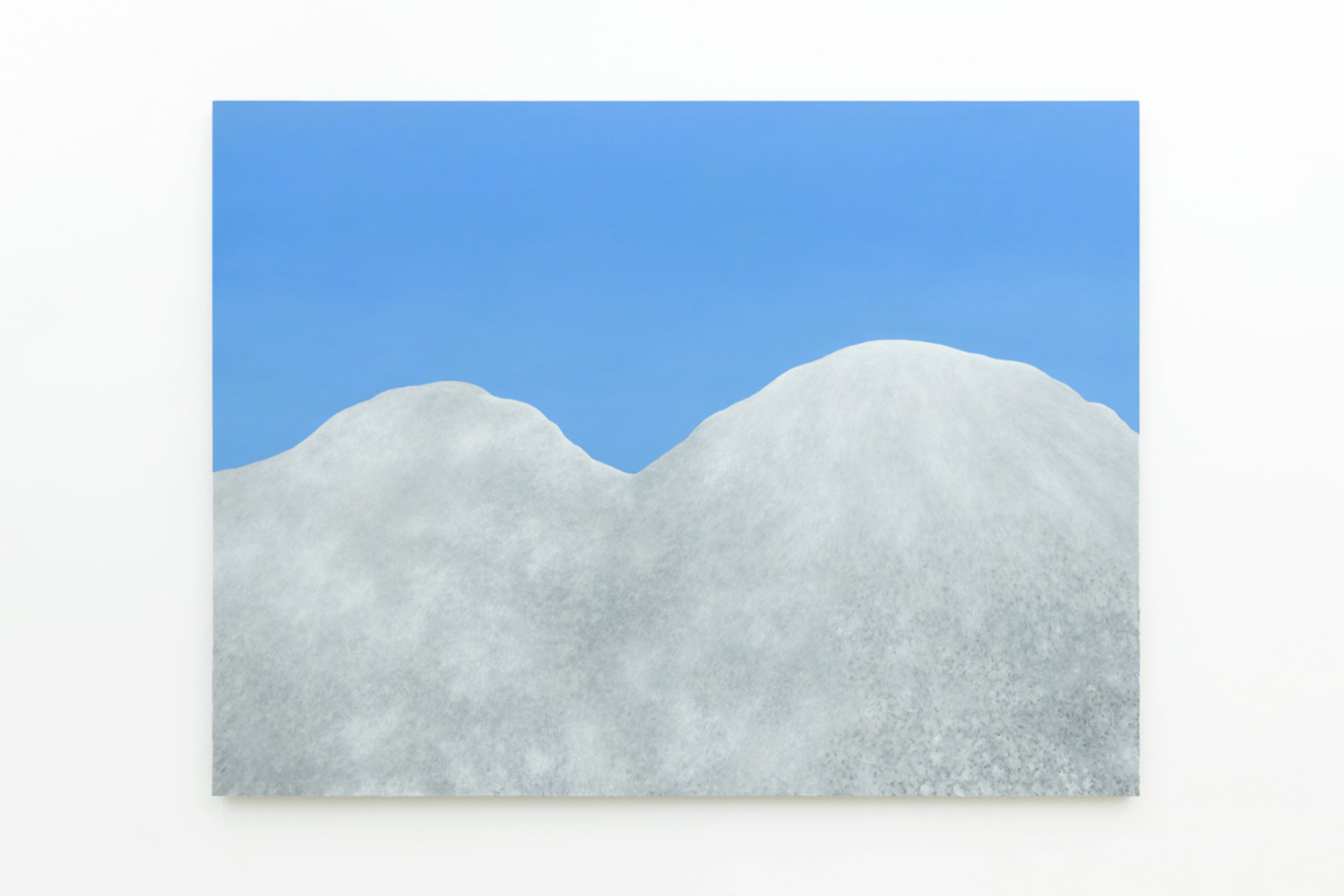
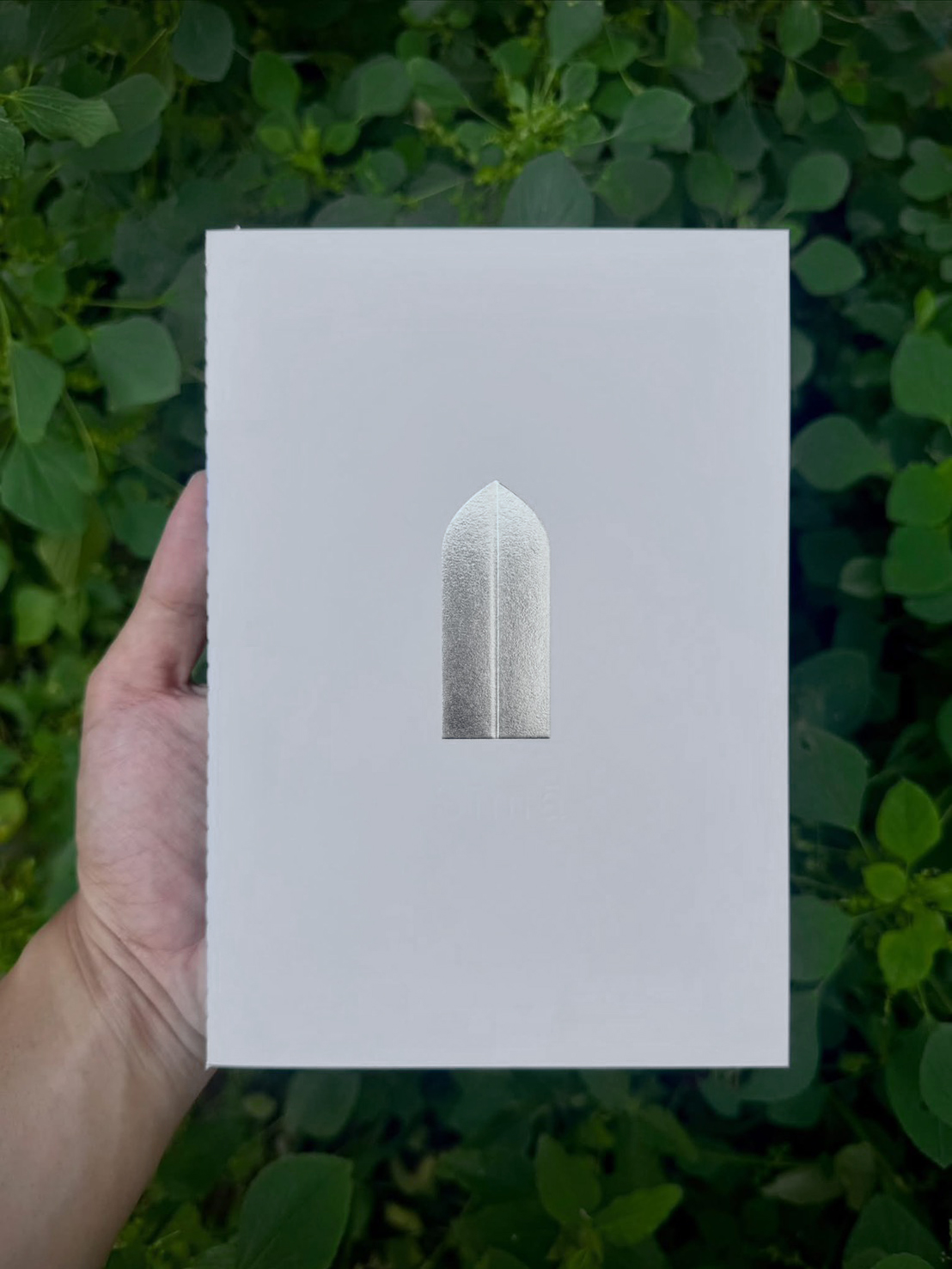
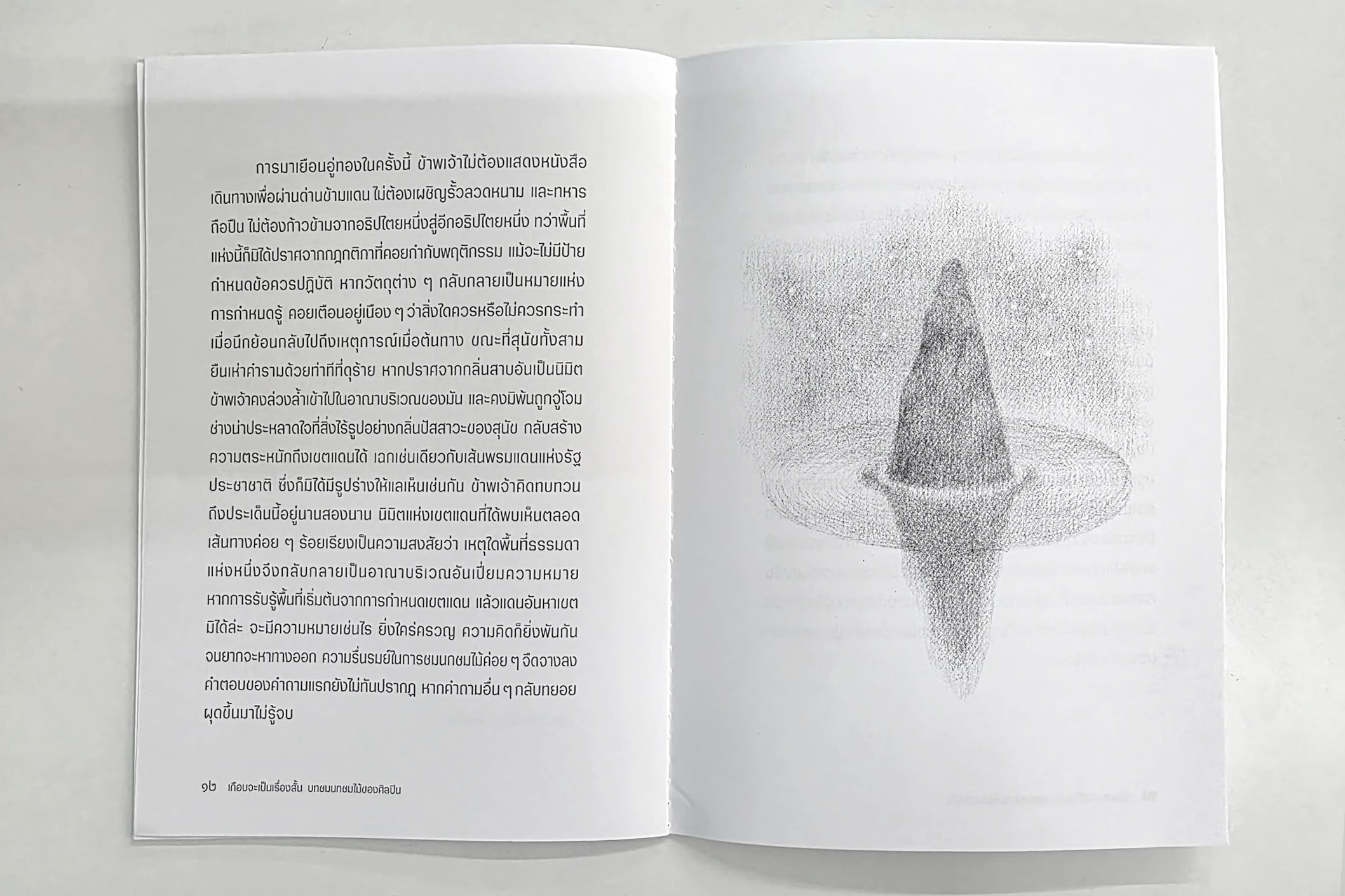 Photo: Kita Thapanaphannitikul
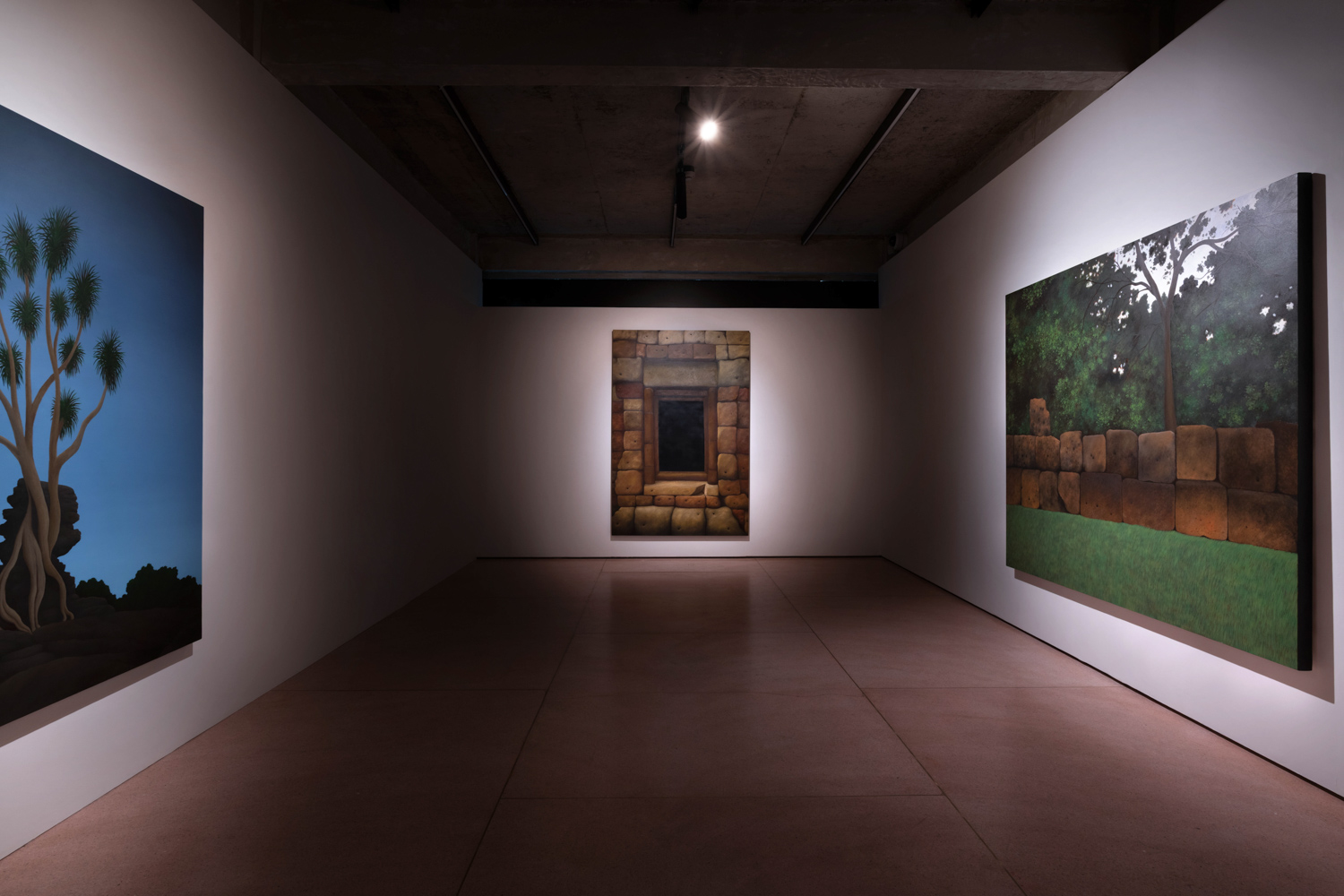
On reading Almost a Short Story: Notes from an Artist’s Walk, one may find that the works installed on the third floor of Nova Contemporary resemble a visual translation of the written narrative. It is not only the objects mentioned in the text—the river, anthill, tree, rock, and path—that reappear as subjects in the paintings and sculptures. The gallery itself is also steeped in the haunting atmosphere of an ancient city at dusk, when it’s virtually deserted. There is the same sense of following a winding route on which the artist nearly loses his way despite having visited the area many times before. It is only when he notices a large, familiar Dracaena tree that he recognizes the path and is able to continue.
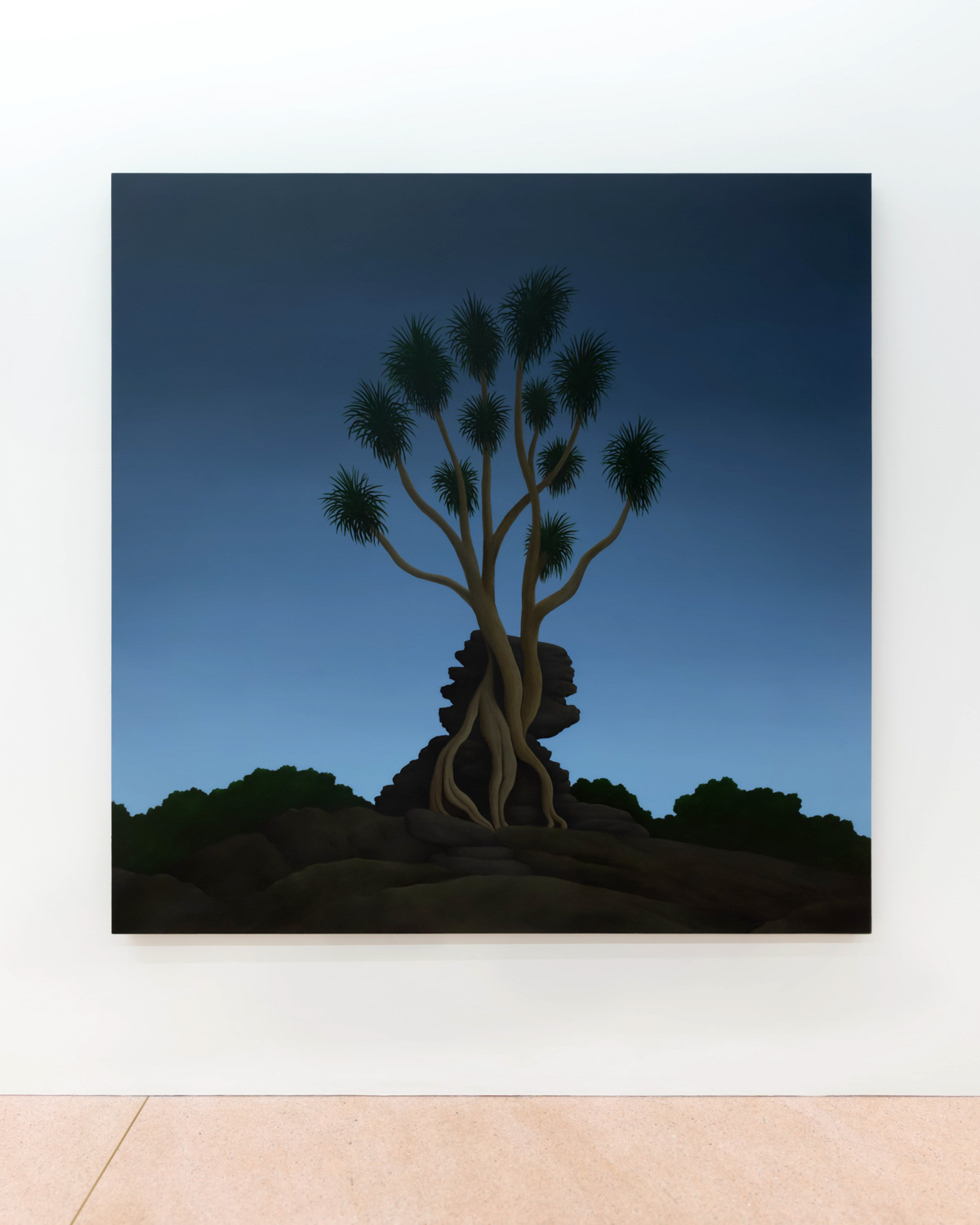
While a tree is one of the ‘nimitta’ described in the Vinaya as a means of defining the boundaries of a sīmā, the tree encountered by the artist in Dracaena (จันทน์ผา), 2026, functions as a marker in another sense. It becomes a point of reference through which he can once again determine his position and find his way. In both cases, a space without visible dividing lines becomes legible and comprehensible through features already present in the landscape.
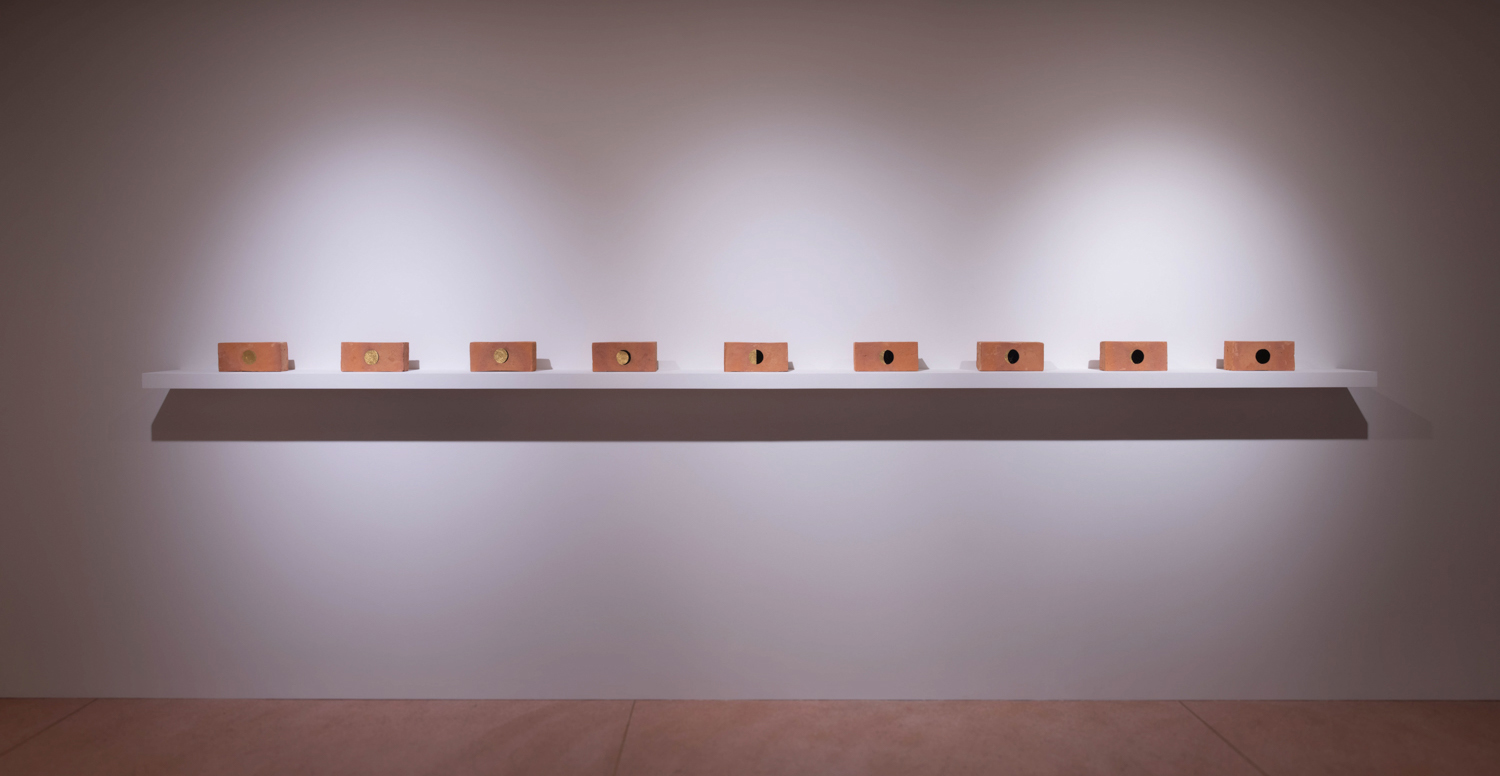
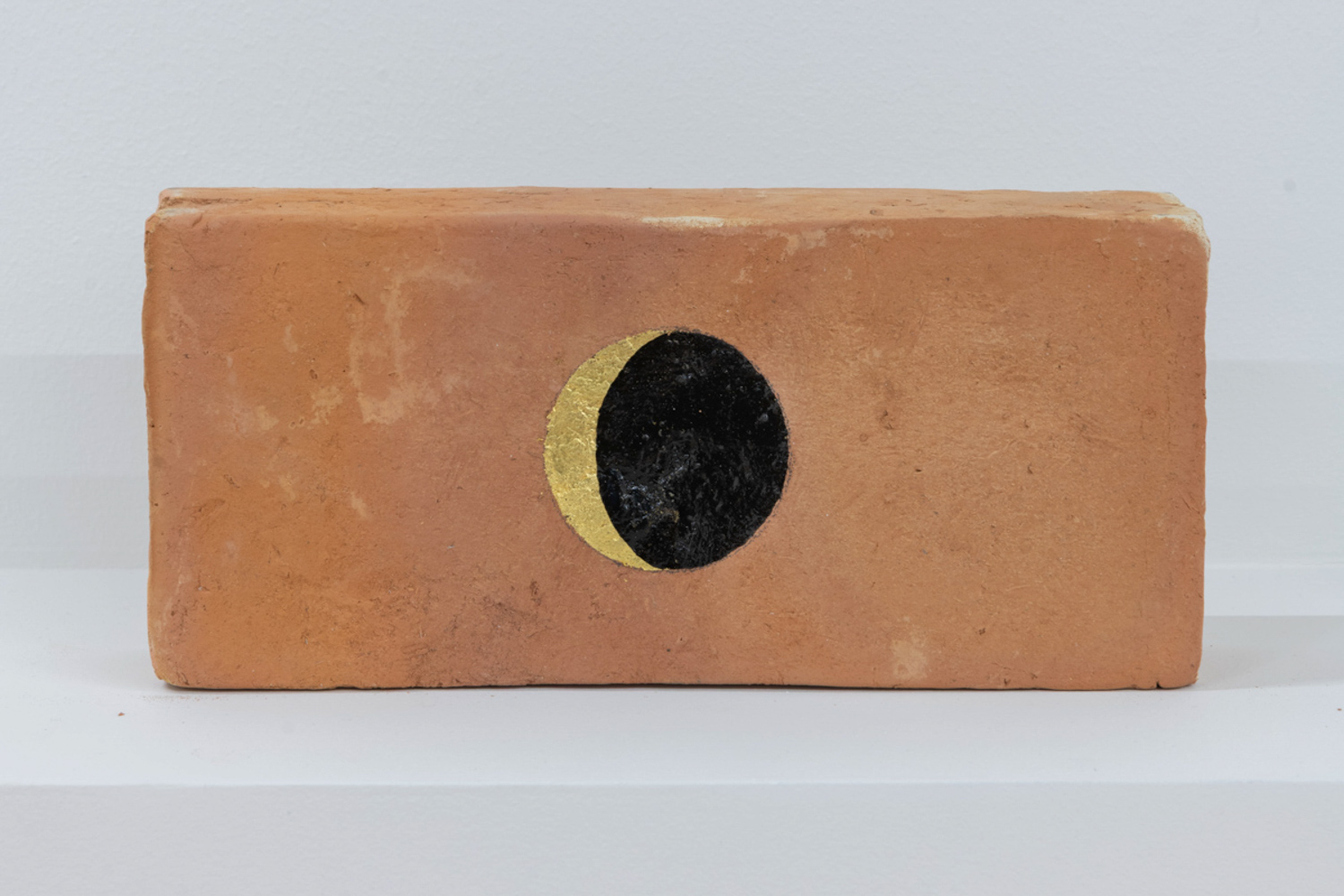
Two sculptures are installed on this floor. The first, Foundation Brick (อิฐฤกษ์), 2026, consists of nine bricks, each bearing a circle of gold leaf at its center. The circles vary in size, gradually increasing in diameter like the phases of a waxing moon. Vacharanont drew inspiration for the work from the gilded foundation bricks held in the collection of U Thong National Museum in Suphan Buri. According to information provided by Thailand’s Fine Arts Department, these bricks are believed to have been used in rituals marking the beginning of construction on religious structures, imbuing them with auspiciousness and sanctity.1
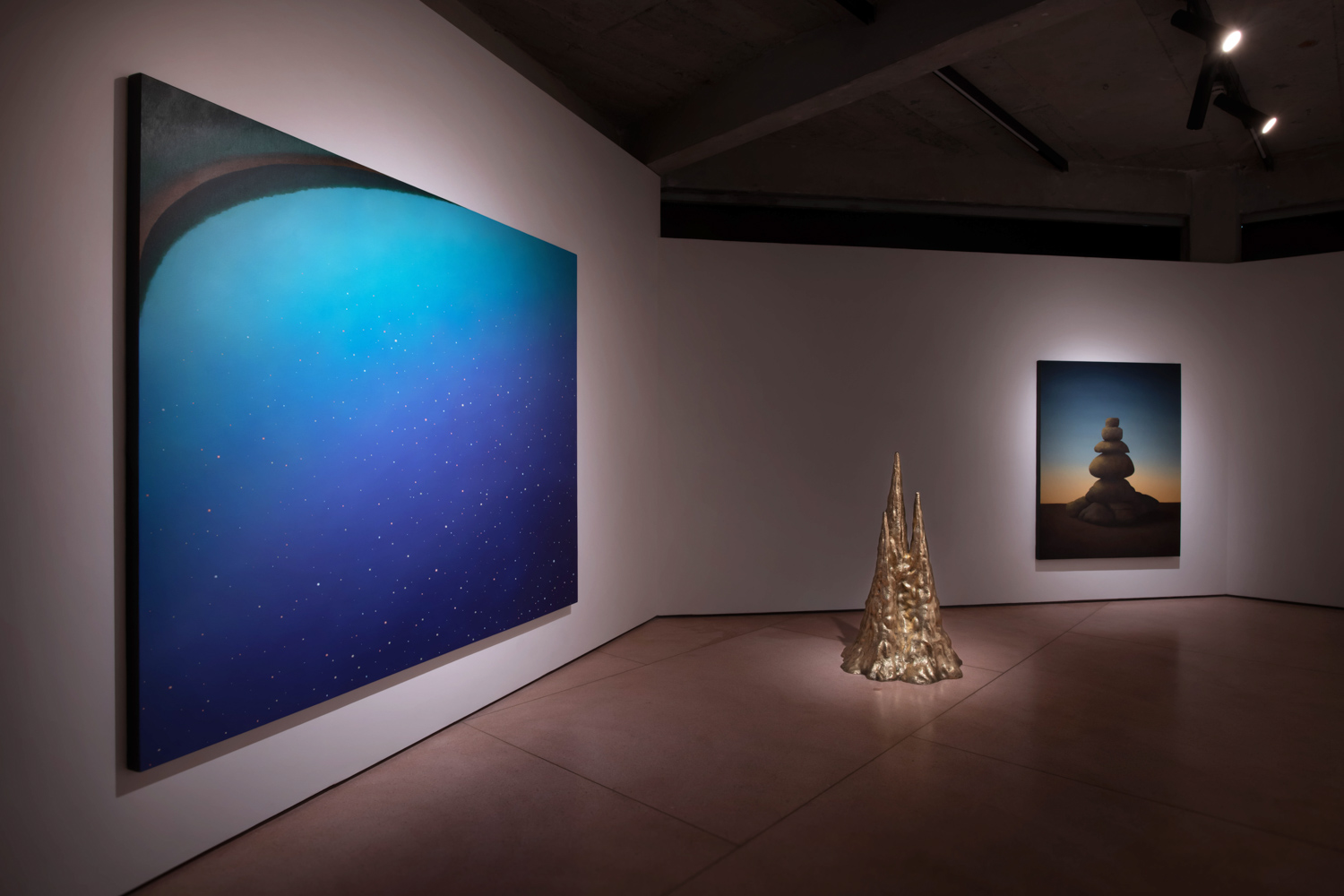
Foundation Brick stands opposite Golden Palace (ปราสาททอง), 2026, a sculpture in which Vacharanont enlarges an anthill until it assumes the presence of a monument. In Thai belief, anthills are associated with fortune, destiny, and power. Although one of these two sculptures represents a human-made object and the other a formation produced by nature, both derive their sacred meanings from human attribution.
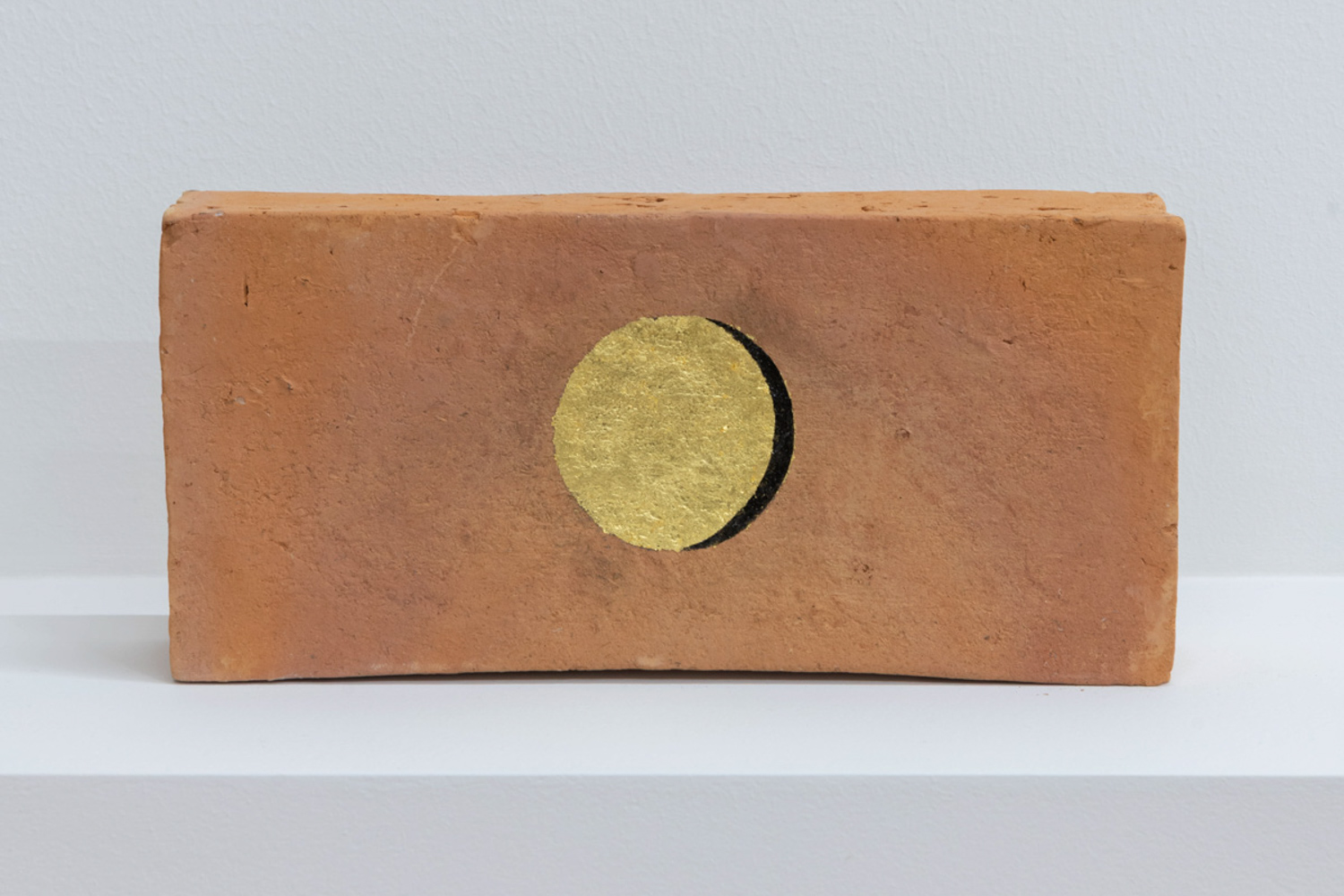
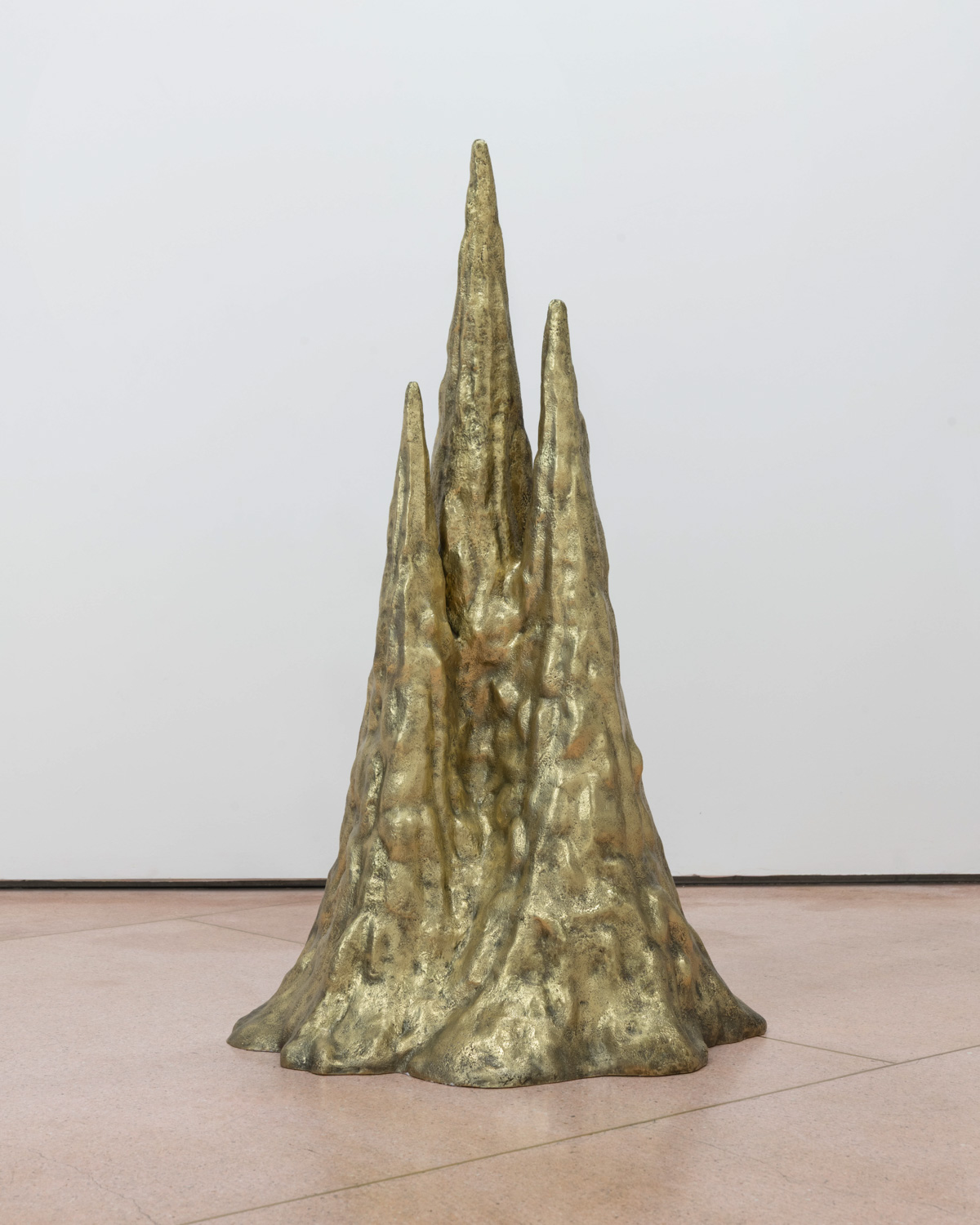
Vacharanont, however, appears to question how such notions of sanctity are constructed. This concern emerges in one episode of his narrative, in which he encounters a wandering monk practicing meditation. Although no marker identifies the area as religious ground, the artist immediately senses its sacredness and instinctively becomes more restrained and reverent. In another particularly incisive passage, he compares this experience with encountering a territorial dog growling at him. No visible line marks the animal’s territory, yet the smell of dog urine tells him that he should go no farther.
The delineation of national borders bears certain similarities to the designation of monastic boundaries. Although maps show clear dividing lines, those lines are invisible in the physical landscape. Rivers, watershed ridges, border posts, and other features must therefore serve as reference points or markers through which an otherwise imperceptible boundary can be recognized.
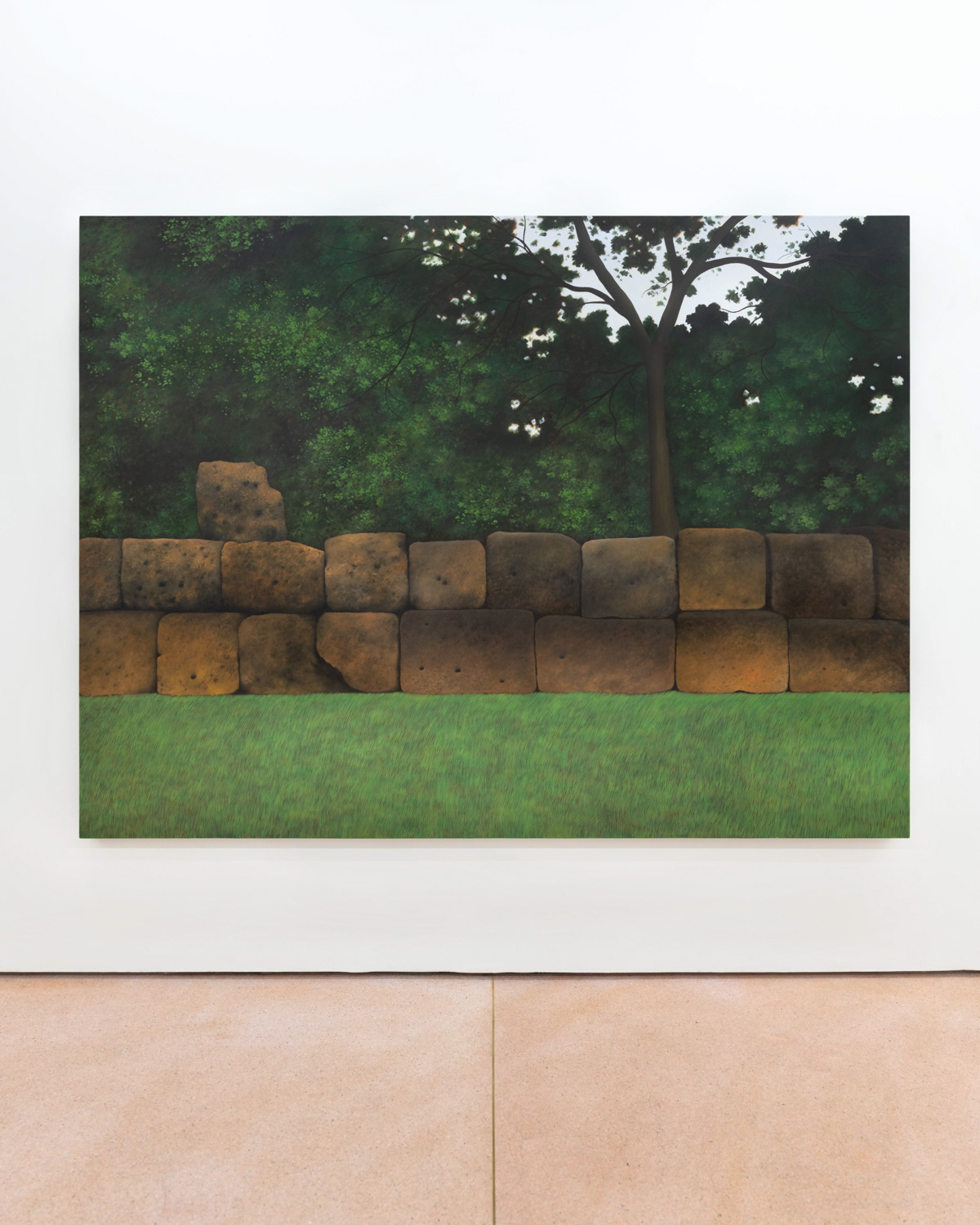
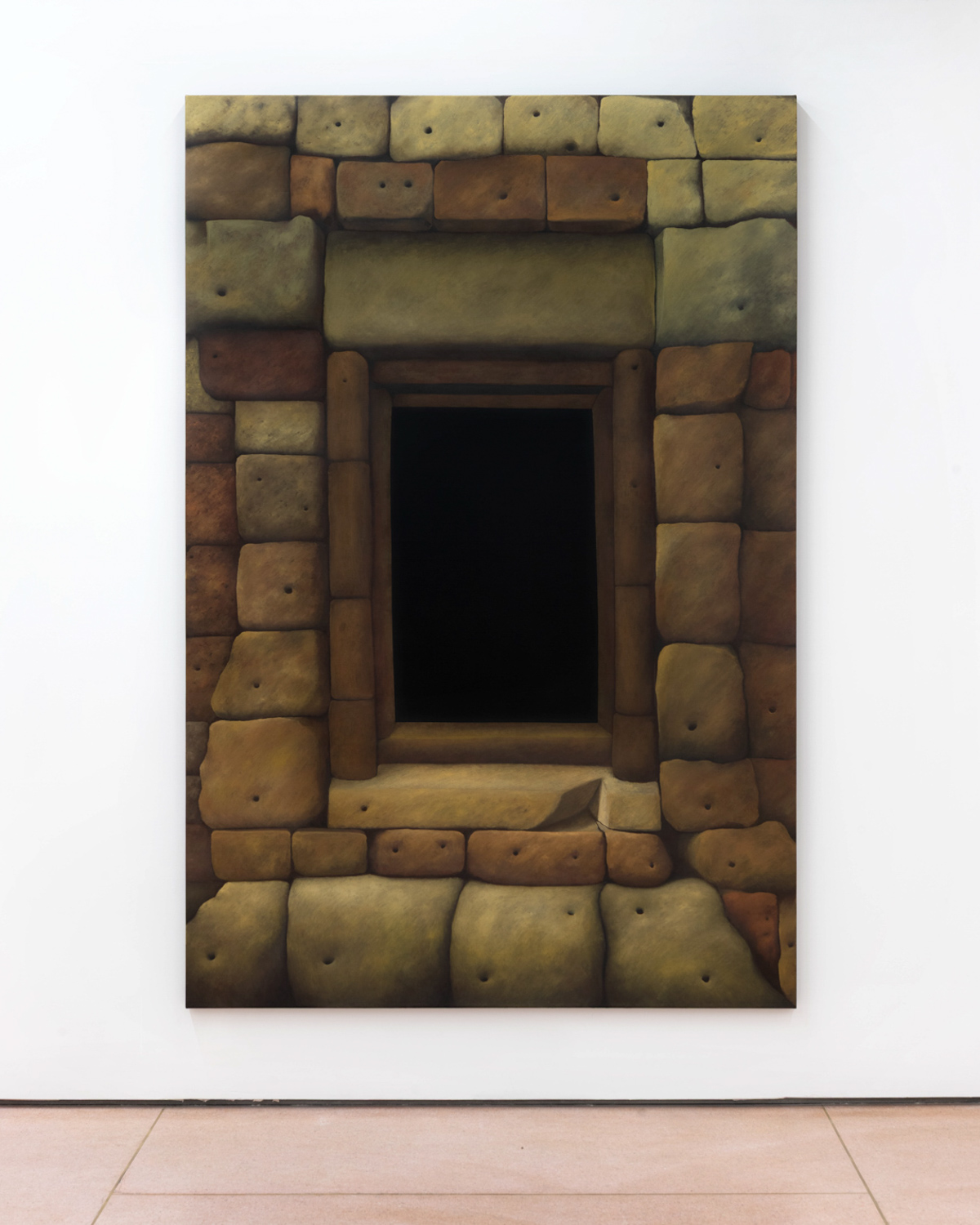
Yet Sīmā takes us beyond an understanding of borders as mere lines or territorial markers. It also addresses the processes through which spaces are divided, how their boundaries are made perceptible and enforced, and how they shape human behavior.2 Through the questions Vacharanont raises, his travelogue also connects with his memories of visiting ancient religious sites along the Thai–Cambodian border. These recollections similarly surface in the paintings Enclosure Wall (แนวกำแพง), 2026, and The Ancient Gate (ประตูบรรพกาล), 2026. These borderlands contain histories, beliefs, and relationships among people that existed long before political boundaries were drawn—and that have continued long after their imposition.
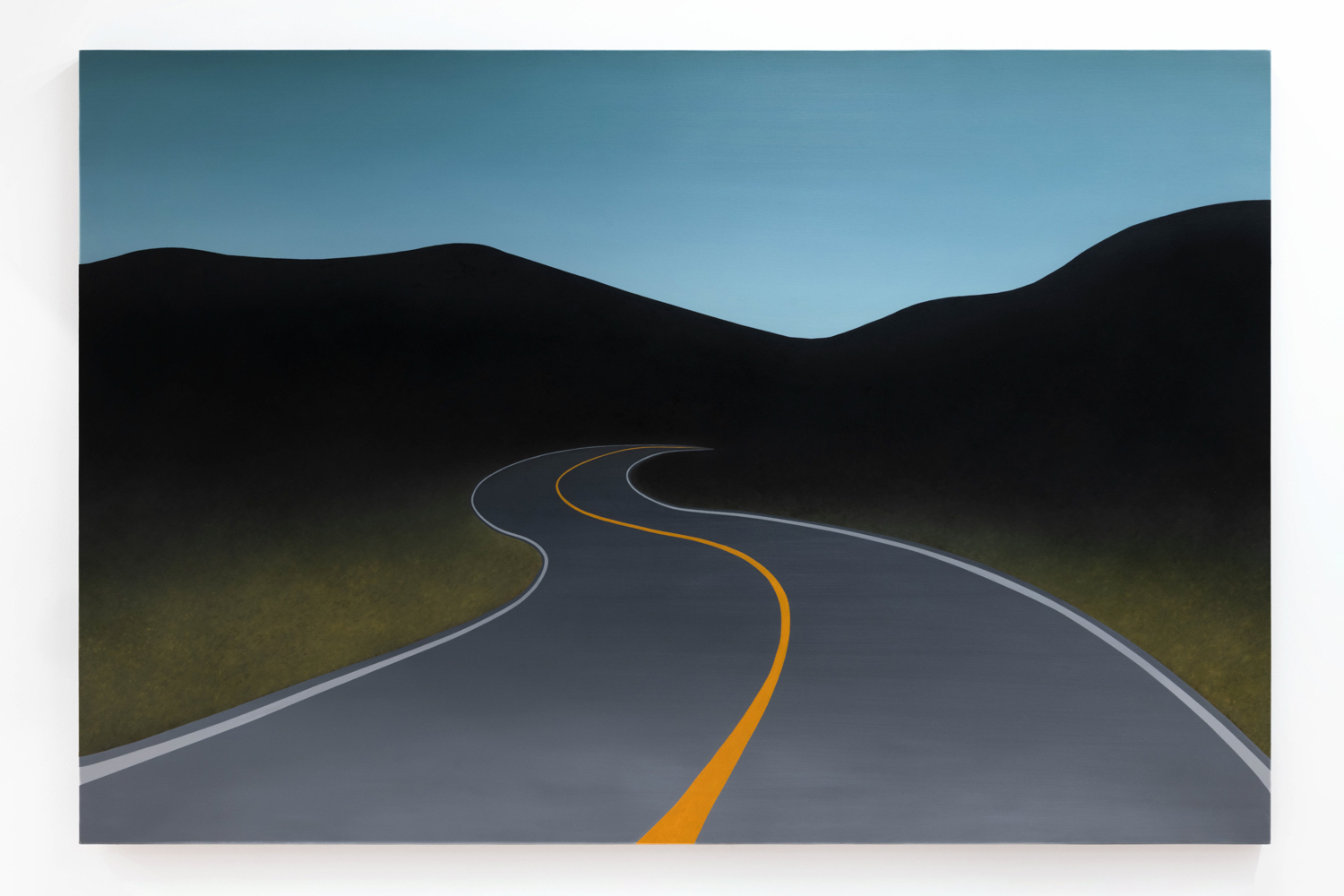
A further group of paintings and sculptures occupies the gallery’s lower floor, although these are, in fact, the first works visitors encounter upon entering the exhibition. The four paintings in this room are all large-scale works. Their desolate, silent landscapes may feel more familiar to viewers who have previously encountered Vacharanont’s practice. As always, however, certain questions lie concealed within these scenes.
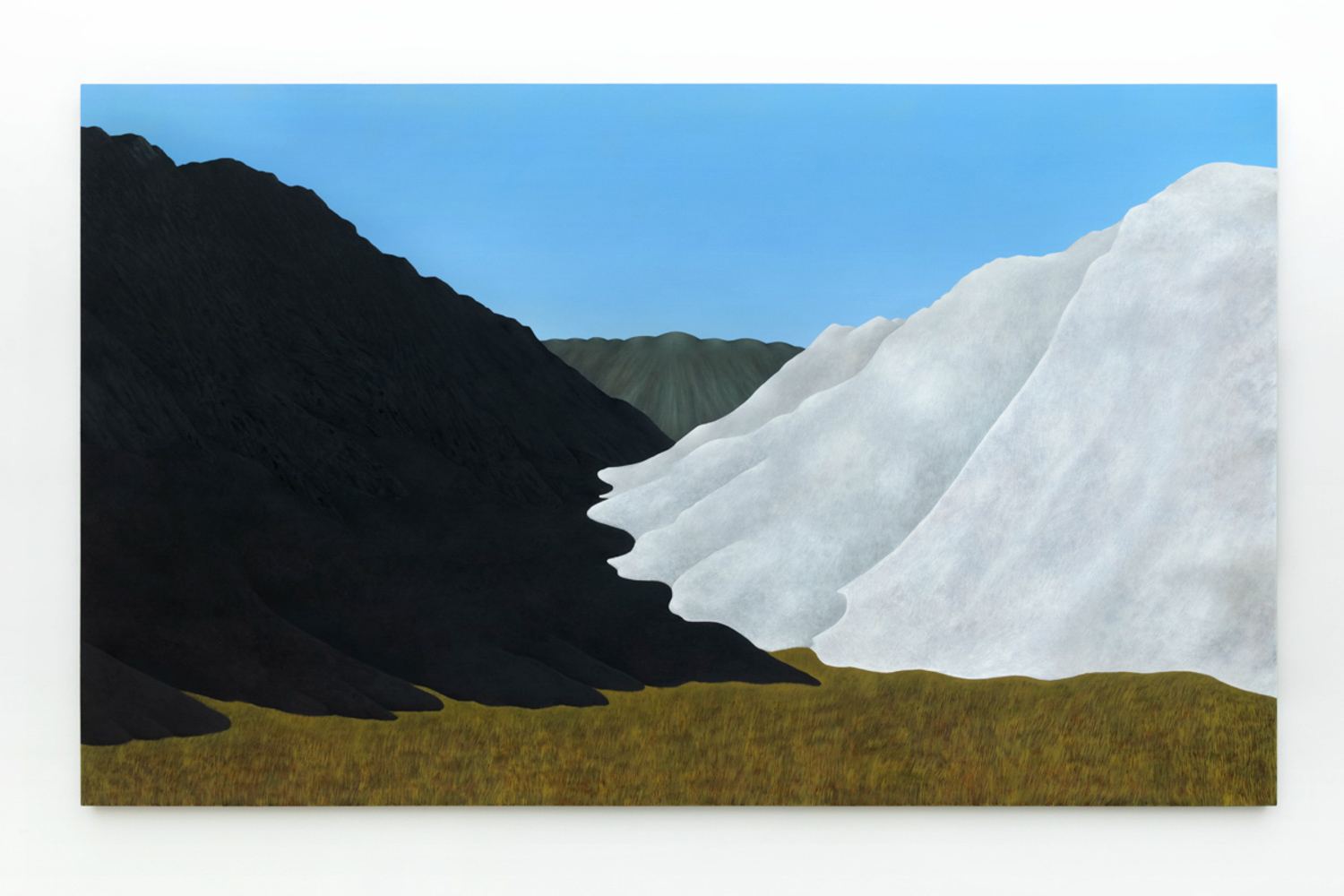
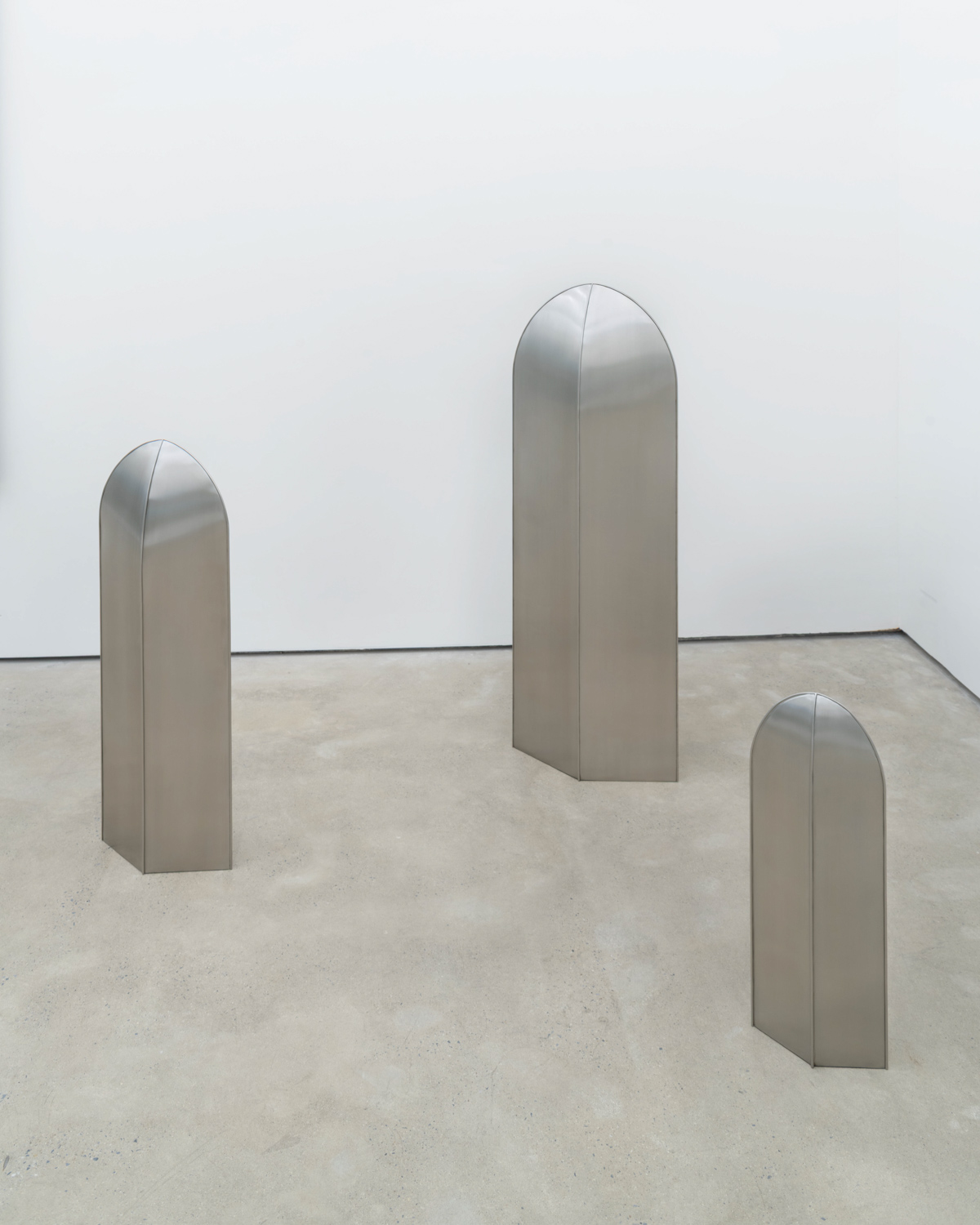
The Shape of a Forest (ร่างของป่า), 2026, depicts a vast, verdant woodland composed of countless overlapping trees. Here, Vacharanont extends his inquiry into the nature of landscape itself. What, exactly, is a landscape? Is it something that exists independently, or does it emerge through the relationships among the many elements that compose it? Can a single tree constitute a landscape? A forest, after all, does not arise from any one tree but from trees, animals, and myriad other things living together within the same territory.
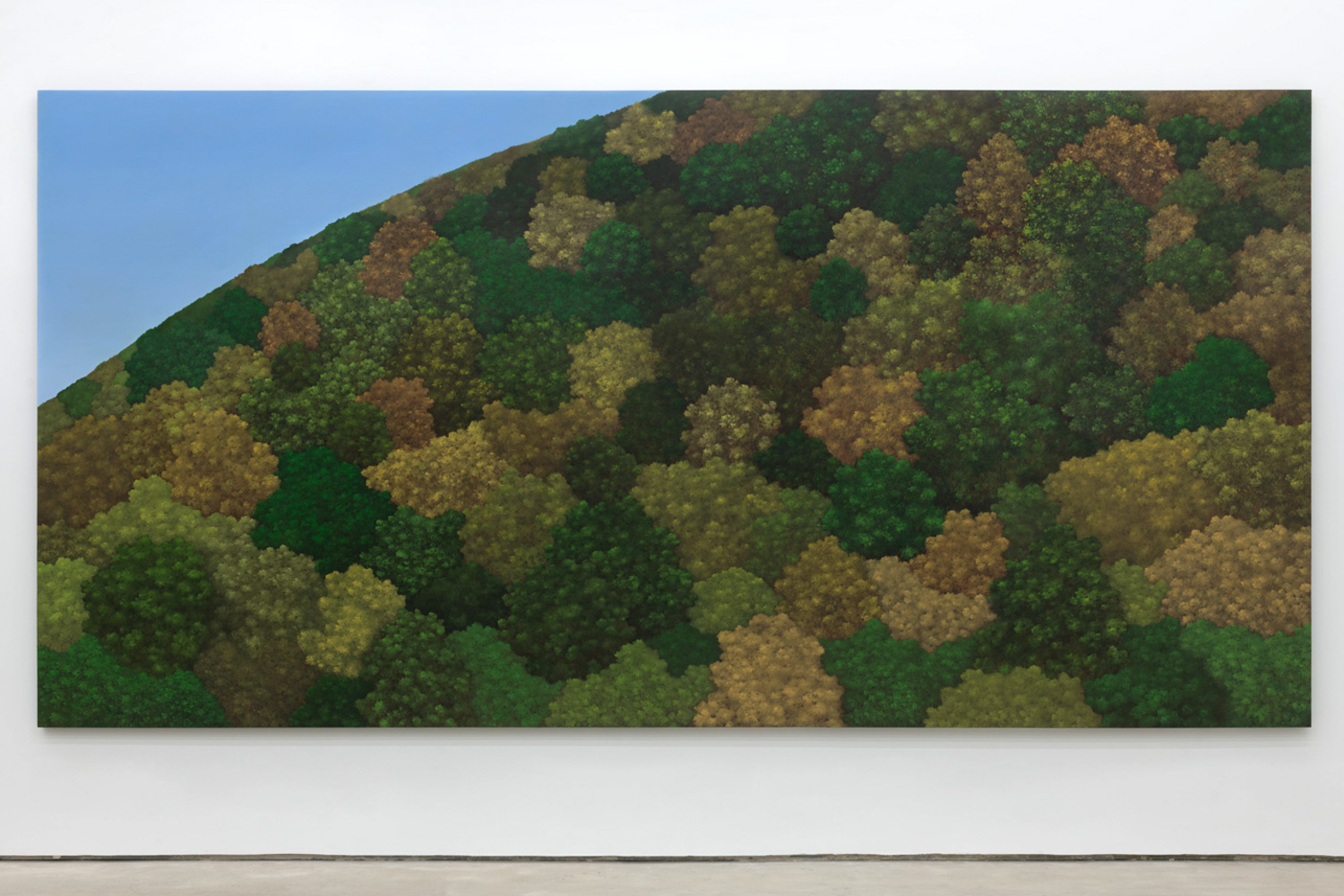
Perhaps the real question is not whether a single tree is sufficient to form a landscape, but how we choose to see what lies before us. Do we isolate each element from the others, or do we step back and consider the relationships through which they collectively form a larger picture?
Sīmā is on view at Nova Contemporary from August 15 to October 3, 2026.
_
2 The concept of bordering in Anssi Passi’s Border Studies