
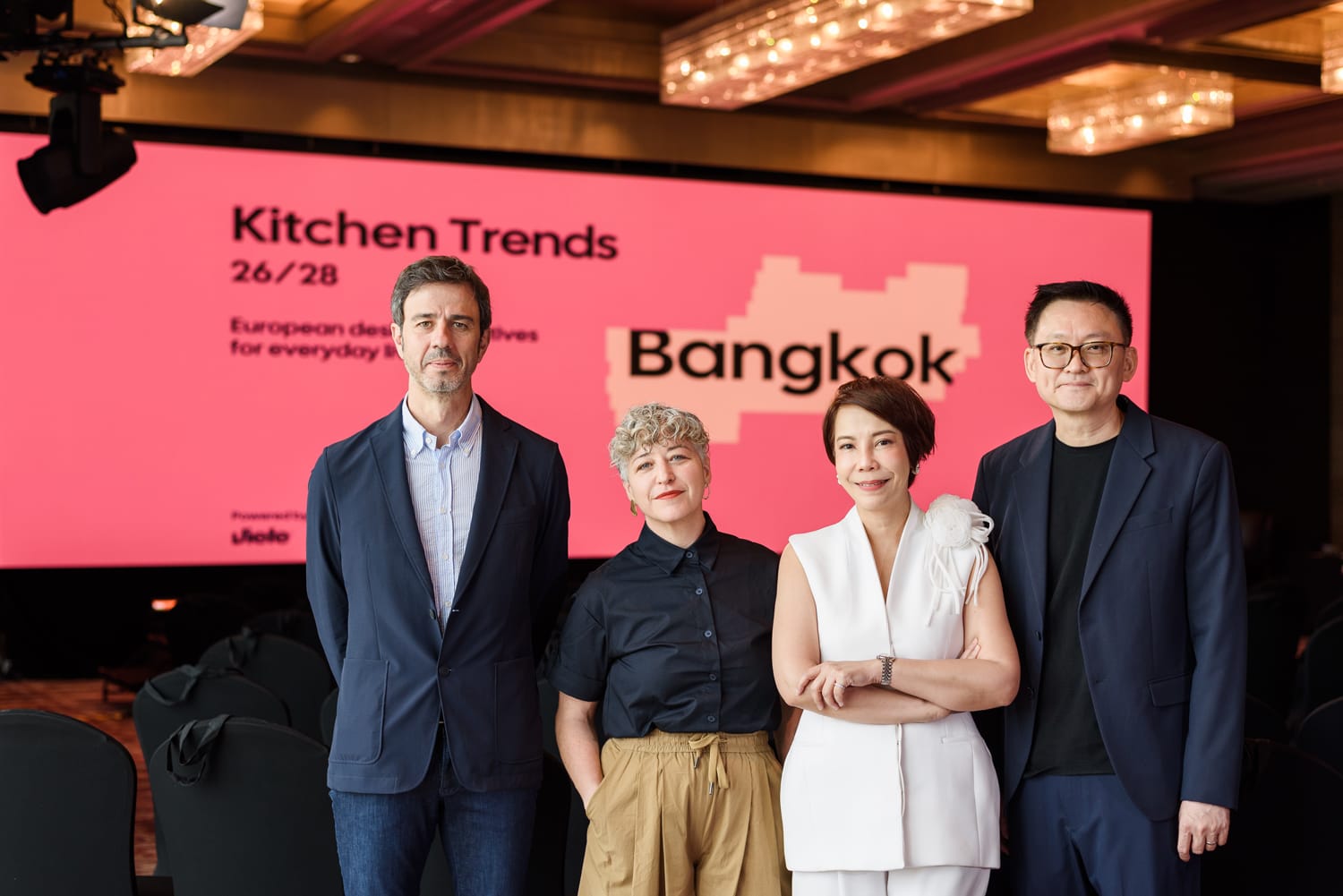
 (left to right) Marc Font, CEO of Viefe / Pepa Casado, founder of Futurea / Patpimol Chotsawetanan, and Apinai Chotsawetanan, Managing Director and Board of Director of EDL
 JOIN THE CONVERSATION WITH MARC FONT FROM VIEFE AND PEPA CASADO FROM FUTUREA TO DISCOVER 2026 KITCHEN TRENDS AND WHY ARCHITECTURAL HARDWARE, FROM KNOBS TO HANDLES, IS BECOMING AN ESSENTIAL PART OF THE HOUSE
PHOTO: WORAPAS DUSADEEWIJAI
(For Thai, press here)
Cabinet handles, door stoppers, and wall hooks may occupy only a small place in the home, yet they are among the details we encounter most often. Seen, touched, and used day after day, these modest elements quietly serve as essential pieces of the puzzle that complete a home and bring beauty to everyday living.
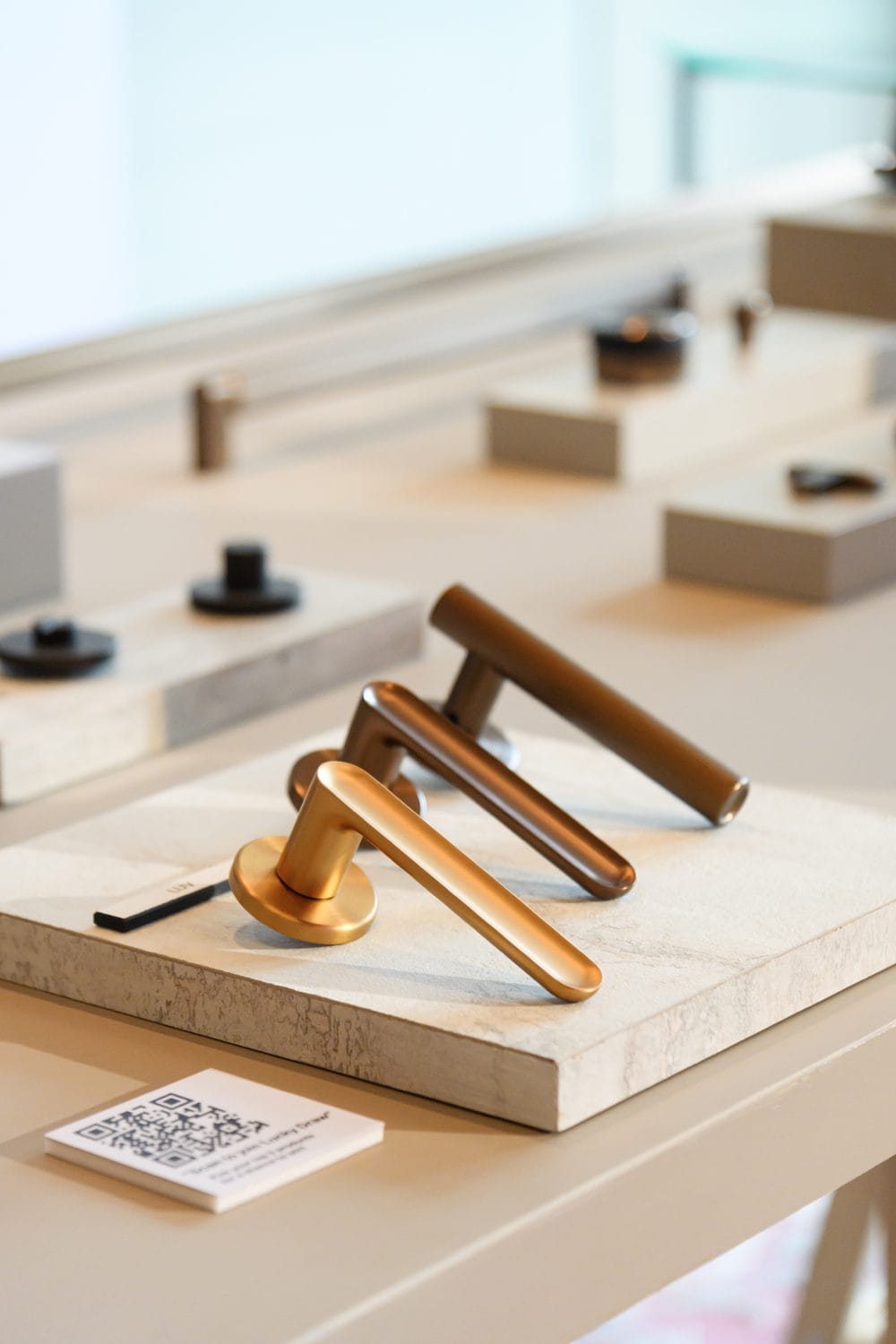
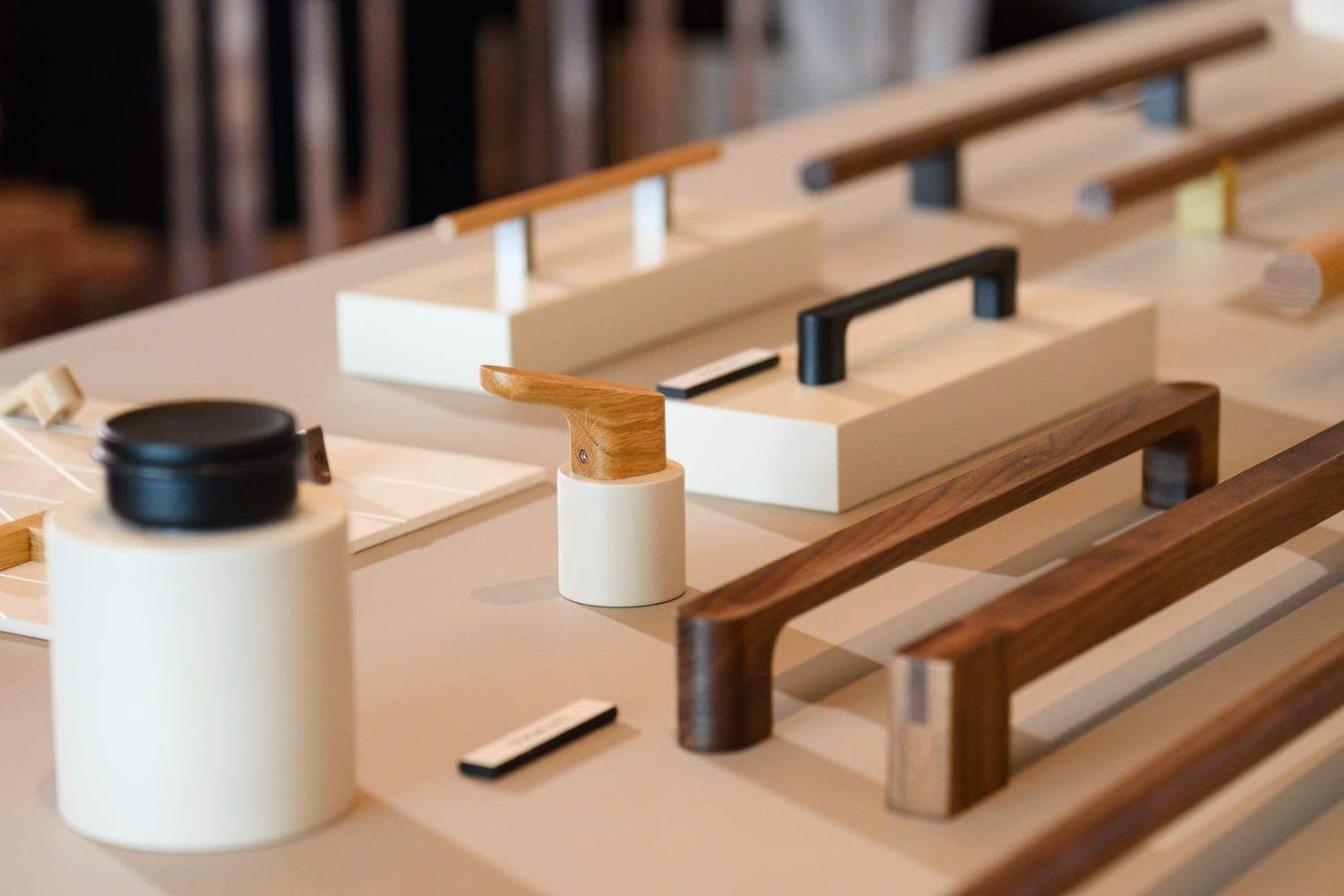
Viefe, a Spanish brand specializing in decorative hardware, gives these everyday details a heightened sense of presence. Through refined design, thoughtful materiality, and a level of quality trusted by designers around the world, the brand turns functional components into carefully considered accents that enrich a space.
On April 24, Viefe made its official debut in Thailand through the collaboration with EDL, a manufacturer and distributor of high-quality surface materials, at ‘EDL & Viefe: Product Launch and Trend Talk.’ The event welcomed Marc Font, CEO of Viefe, who shared the brand’s vision and design philosophy. Also joining the program was Pepa Casado, founder of Futurea, a Spain-based strategic design and trend analysis consultancy, who offered her perspective on the future of kitchen design.
On this occasion, art4d spoke with Marc Font to better understand the identity of Viefe, while Pepa Casado’s insights into emerging kitchen trends opened up new possibilities and points of inspiration for Thai designers.
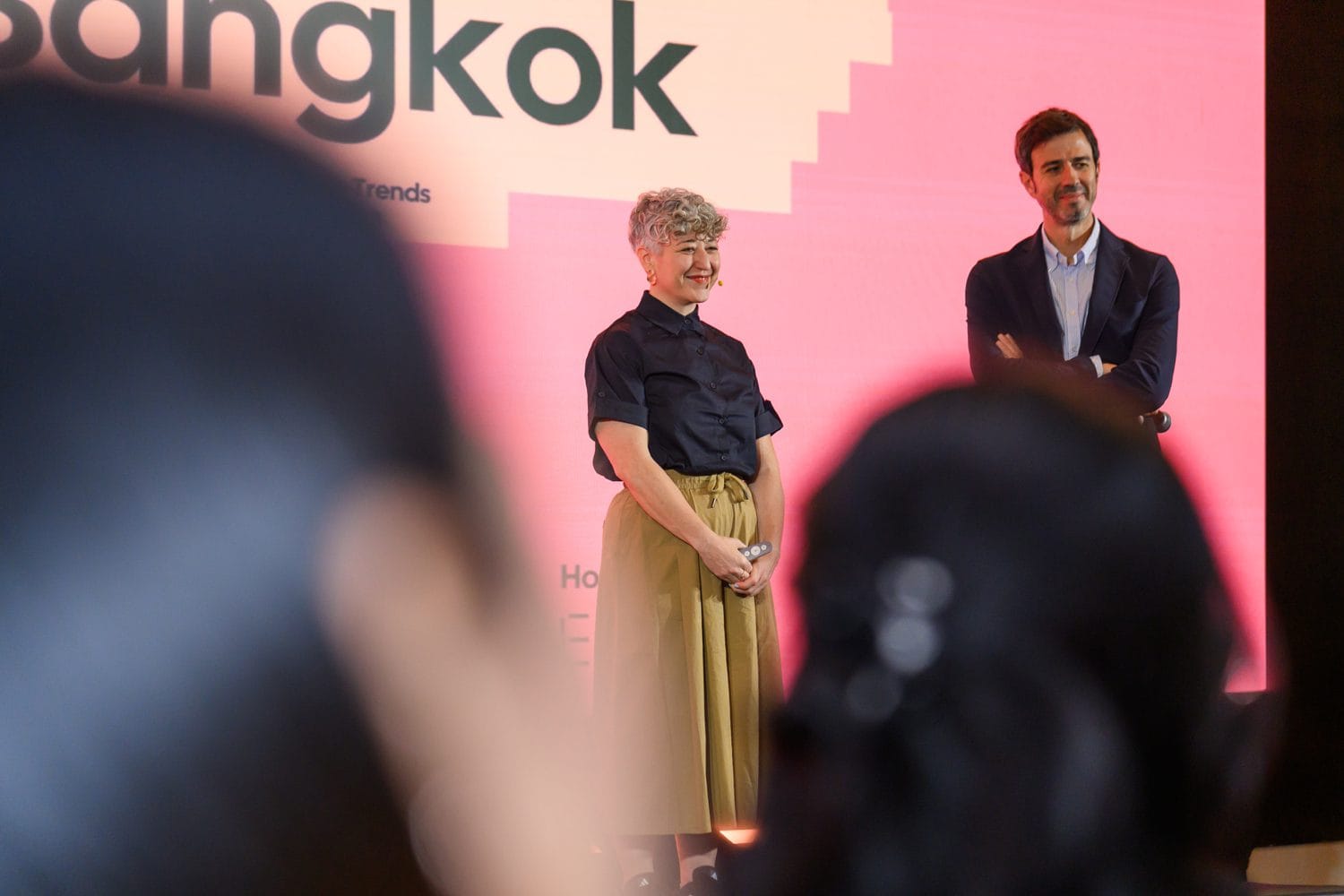
art4d: Marc, let’s begin with you. How do you see the role of architectural hardware within architecture and interior design?
Marc Font: Hardware was a small detail in the past; it was almost invisible. Today, however, it plays a much more important role. Even small details, like knobs and handles, are parts that people touch and interact with every day. These details connect the person and the space, and they can even bring on emotions. So for us, hardware is important not only for its function, but also for the feelings and experiences they evoke.
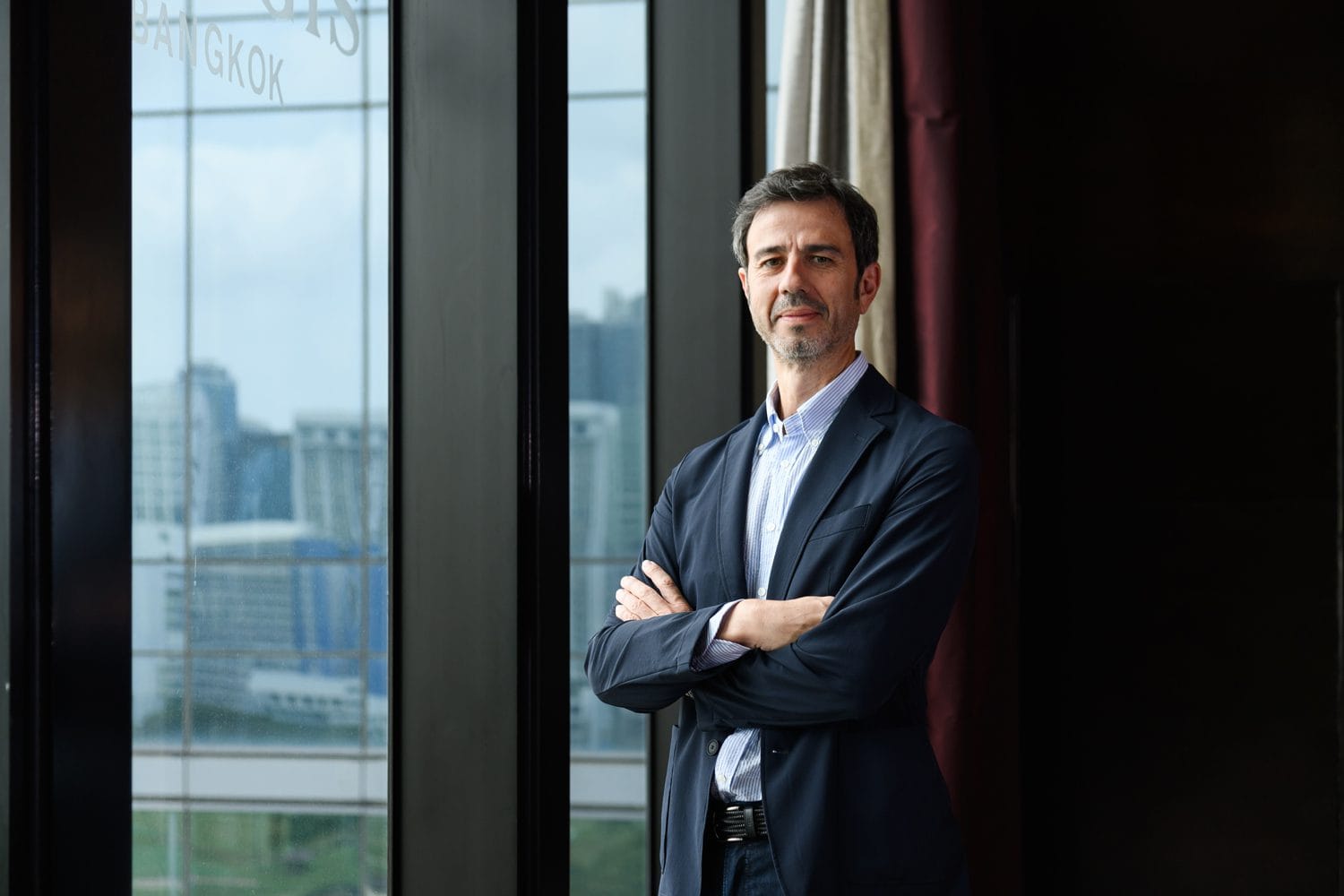
art4d: What principles guide Viefe’s approach to hardware design? How has this approach evolved or changed over time?
MF: Viefe has believed in design since the very beginning. We have a strong design culture that comes from our previous business producing buttons and accessories for the fashion industry. While we were working in that field, we began, almost by chance, producing handles and knobs for some clients with the same machines and materials that we used to produce the buttons and accessories. We soon realized that we were creating something different from what already existed in the market, and that led us to launch Viefe into the market.
art4d: What do you think sets Viefe apart from other hardware brands?
MF: I think it’s the combination of both the design culture we have, together with the knowledge of materials, that allows us to create unique collections with a strong identity. It’s what makes Viefe stand out.
art4d: With this launch in Thailand, what kind of potential do you see in the Thai market?
MF: From what we have seen, Thailand is a market with strong potential and a growing interest in design, which aligns very well with what our brand represents.
This time, we are collaborating with EDL, and that partnership has become an important part of our success in Asia. They are a strong partner that allows us to connect with designers and architects, and we share the same commitment to design and quality.
I think Thai designers can benefit from this collaboration because EDL has done an excellent job of keeping a wide range of products from our catalog readily available. This gives designers in Thailand immediate access to both our products and services.
art4d: Are there any areas where Viefe has had to adapt for the Thai market?
MF: Our design is not only European, but it also has a global perspective. I believe this has made it easier for us to enter foreign markets, including Asia. We have not needed to adjust anything from our catalog because the products work perfectly well in the market here. We have been present in Asia for around five years, and we continue to grow. We believe the design adapts naturally and fits well in the region.
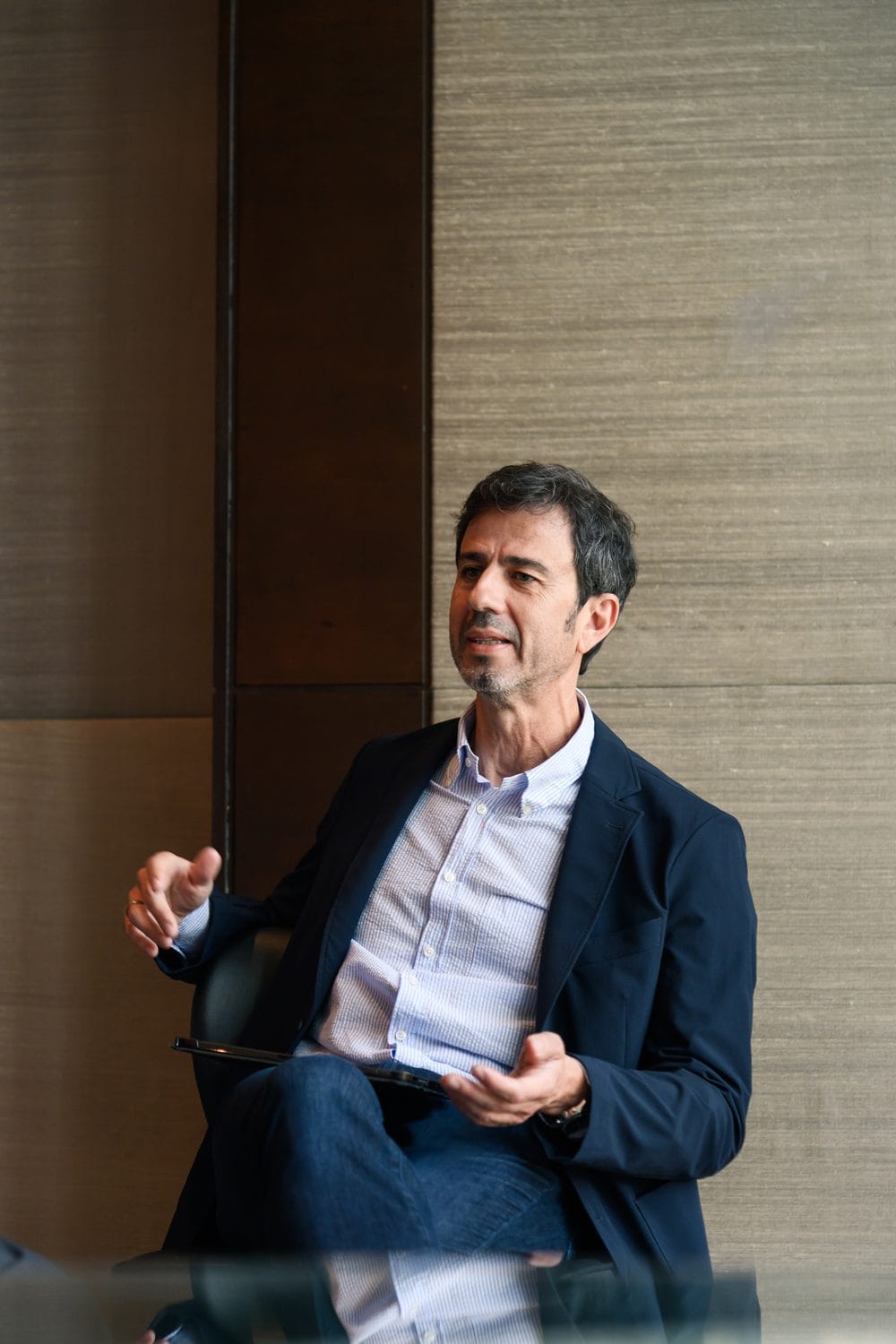
art4d: What direction do you see Viefe taking in the future?
MF: We are currently developing new product families that I cannot reveal yet, but they will be launched throughout 2027 and 2028. We will also continue developing products in new materials, including solid brass, while further launching new collections in wood, which is a product we know very well, although new, it is still relatively new within our product range.
We are also developing outdoor products in wood, which is a very interesting direction for us today. Viefe is always looking toward the future because we are always thinking about what will come next.
art4d: Speaking of the next step in design, I’d like to turn to Pepa. How do you see kitchen design trends evolving in 2026?
Pepa Casado: One of the main shifts we are seeing is the desire for a more flexible kitchen. Today, the kitchen feels more fluid than it was before. It used to be a very functional space just for household work and to prepare meals, but now, the kitchen serves so many different purposes. We spend time there with our friends and family, we work there, and we play with our children. As a result, the layout is becoming flexible and more integrated with the rest of the house.
In the past, materials tended to feel very technical, glass and metal, for example. Today, however, we can see the wider use of wood, along with many more materials and textures being applied to the kitchen. This is clearly visible in laminate surfaces, for example, finishes with three-dimensional and tactile finishes. There is a strong emphasis on touch and sensory experiences. In terms of design, these elements help to make the kitchen feel much warmer and more connected to the rest of the home. I think this is one of the most important changes that is happening in kitchen design now.
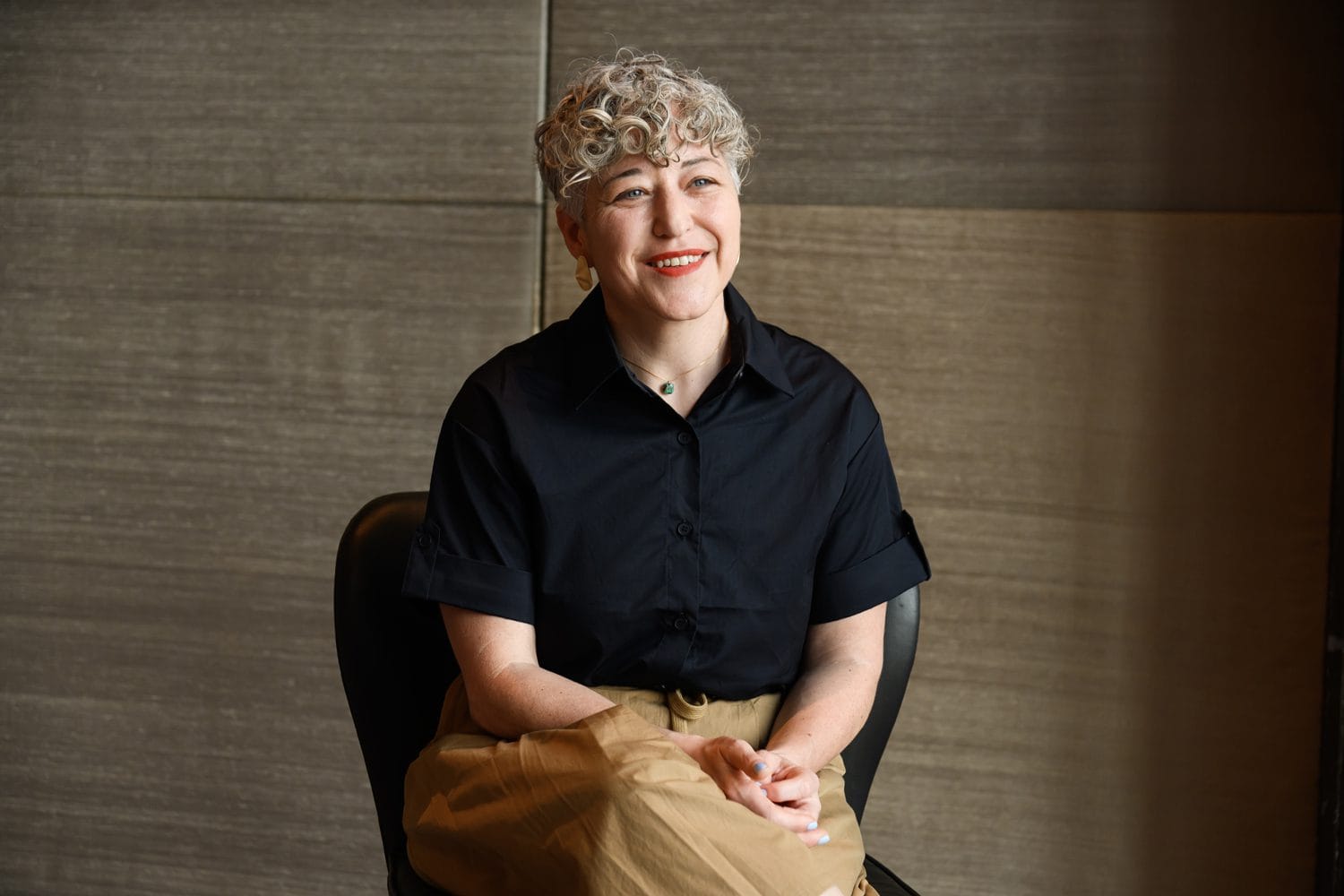
art4d: What factors have made the kitchen such a flexible space?
PC: In the past, traditional family structures within families and houses often meant men went to work, and women stayed in the house and cooked. In the present, those dynamics have changed so much. Women are also working, and our lifestyles are much faster. Interestingly, we cook less, but we invest more in the kitchen, which is quite curious if you think about it, but that is because we want the house to be more adaptive to our lifestyles and to reflect who we are. Also, the kitchen and the house are expressions of ourselves. Because of this, the home and the kitchen have evolved significantly.
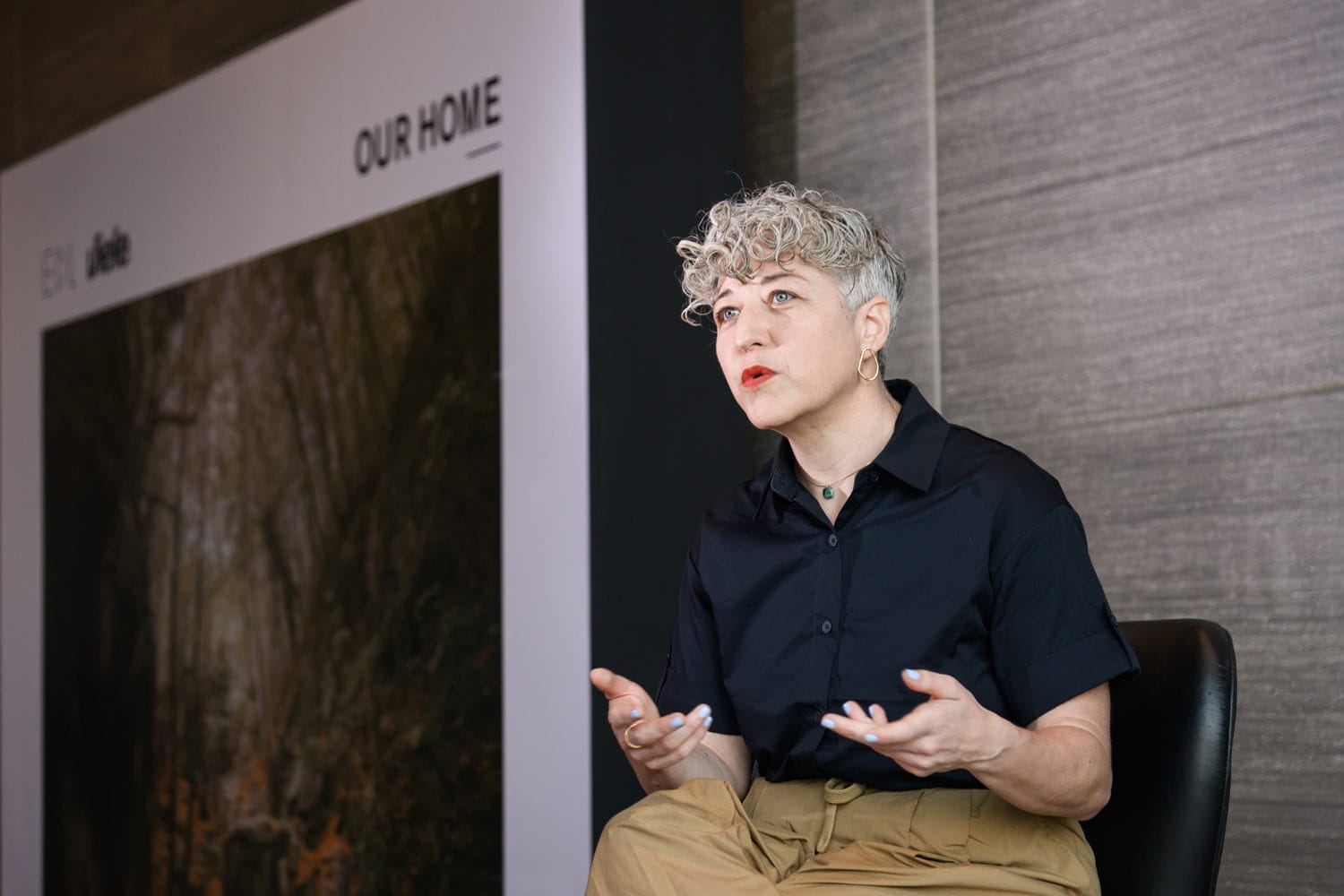
art4d: Do you think future kitchen design in Asia will differ in any specific ways from kitchens in Europe?
PC: Coming from Europe to Asia, I find the cultural differences truly fascinating. For instance, the gastronomic culture and the street food available here in Asia are things we simply don’t have in Europe. This is definitely one of the key factors we must consider when designing a kitchen in the region.
At the same time, I believe we share many similarities. I’ve observed how people here share meals, and it reminds me so much of Spanish culture. To me, it feels very Mediterranean; sharing a meal is a way to build friendships and strengthen the bonds within families. So, while we might differ in how we use materials, lighting, or nature, in a symbolic and conceptual sense, I believe there is ultimately more that connects us than sets us apart.