
REVISIT A CONVERSATION THAT QUESTIONS WHEN WE, AS DESIGNERS, BELIEVE IN THE WORK, HOW AWARDS MATTER, AT DESIGN PERSPECTIVES X GOLDEN PIN SALON BANGKOK 2026
TEXT: NATHATAI TANGCHADAKORN
PHOTO COURTESY OF ART4D
(For Thai, press here)
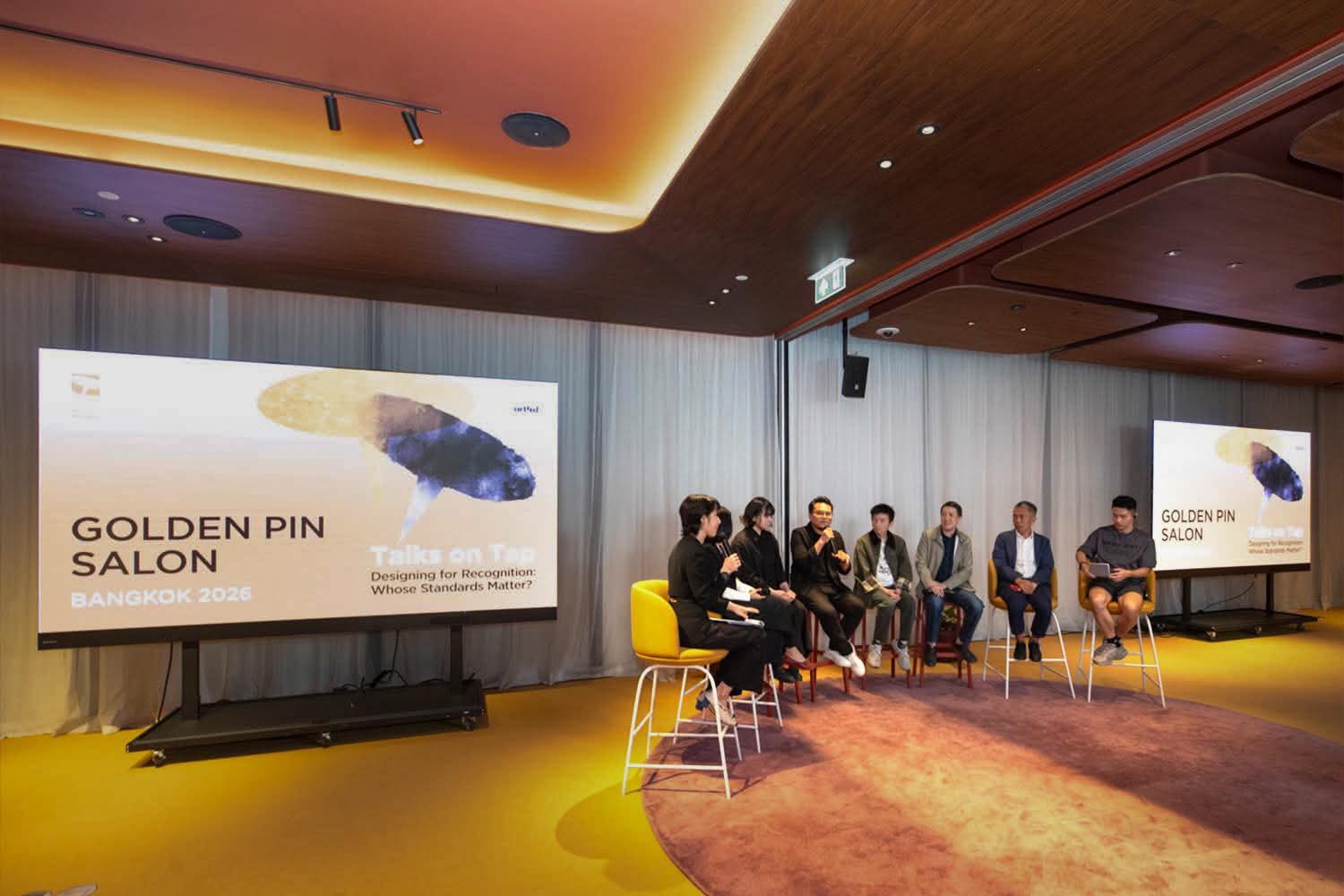
On the evening of Wednesday, May 6, Taiwan’s Golden Pin Design Award, one of Asia’s most established international design awards, made its way to Thailand with ‘Designing for Recognition: Whose Standards Matter?’, a salon held as part of Design Perspectives x Golden Pin Salon Bangkok 2026 at The Standard, Bangkok Mahanakhon.
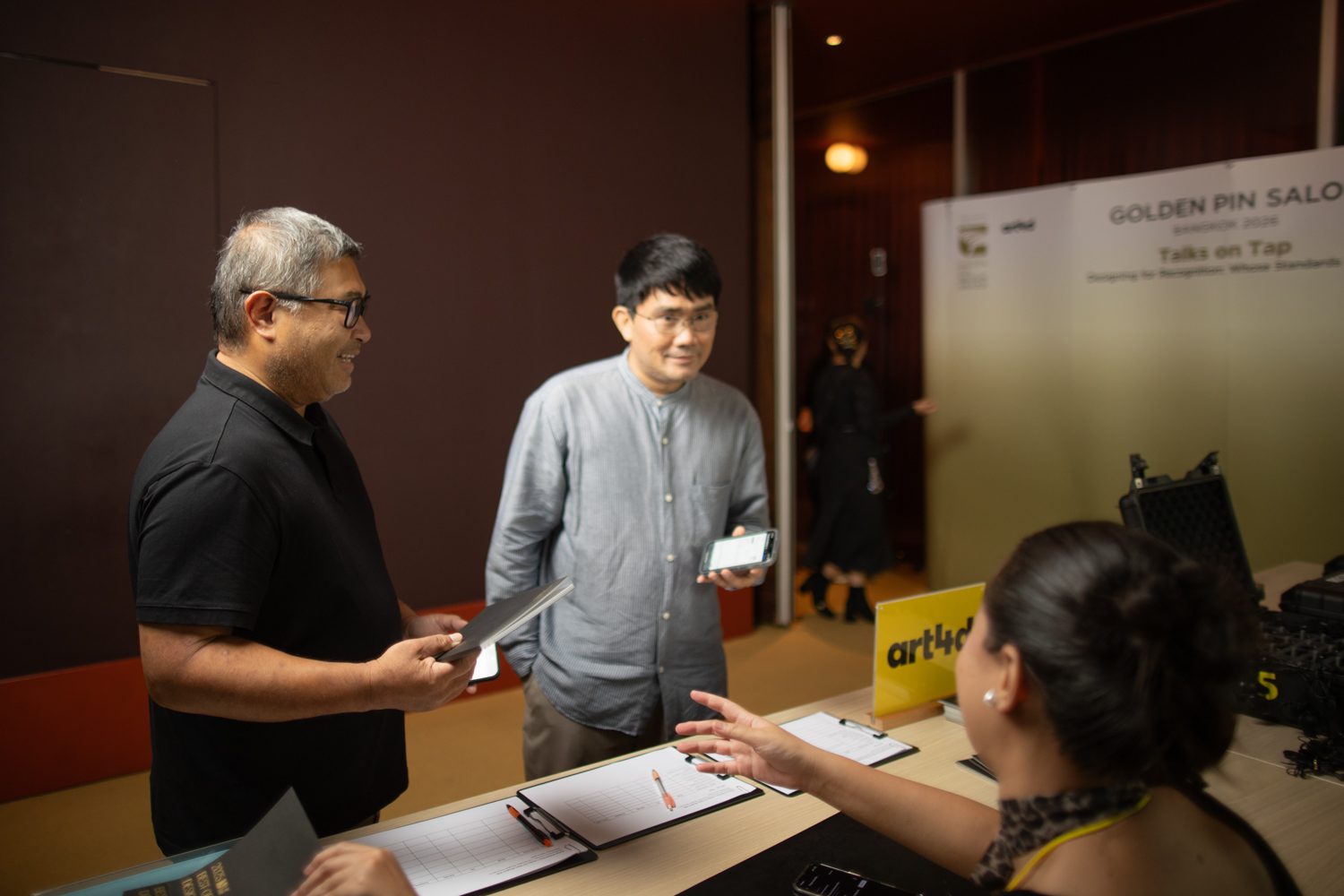
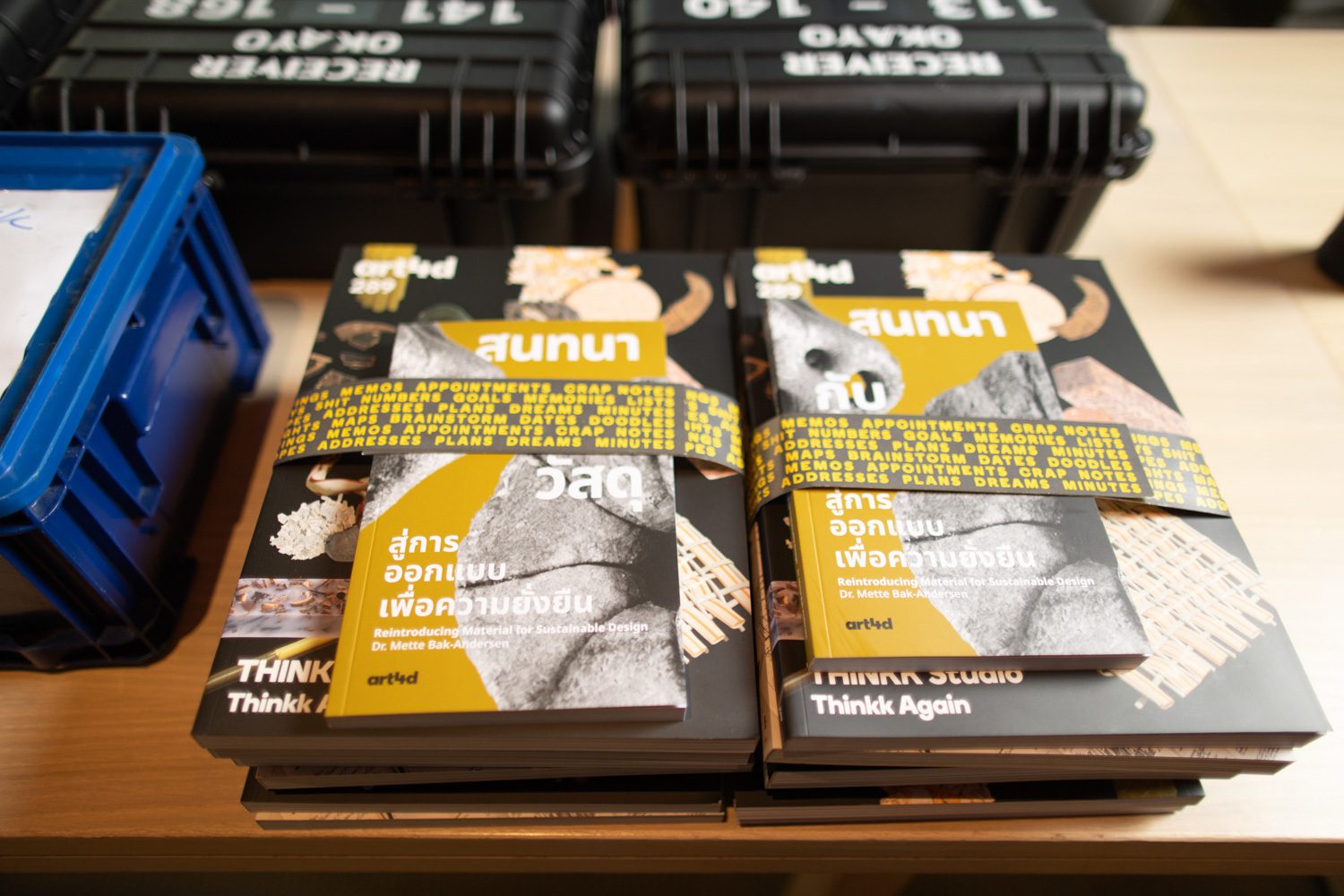
‘If design begins with imagination and creative thought, what role, exactly, does an award play in determining its value?’ This was the question art4d posed to audiences in the lead-up to the event, appearing alongside the salon’s promotional poster. What emerged was a discussion aimed not at questioning the value of design itself, but rather to examine the value of competition as a structure of recognition. If designers already believe in the work they make, does the pursuit of awards still matter? And if it does, for whom?
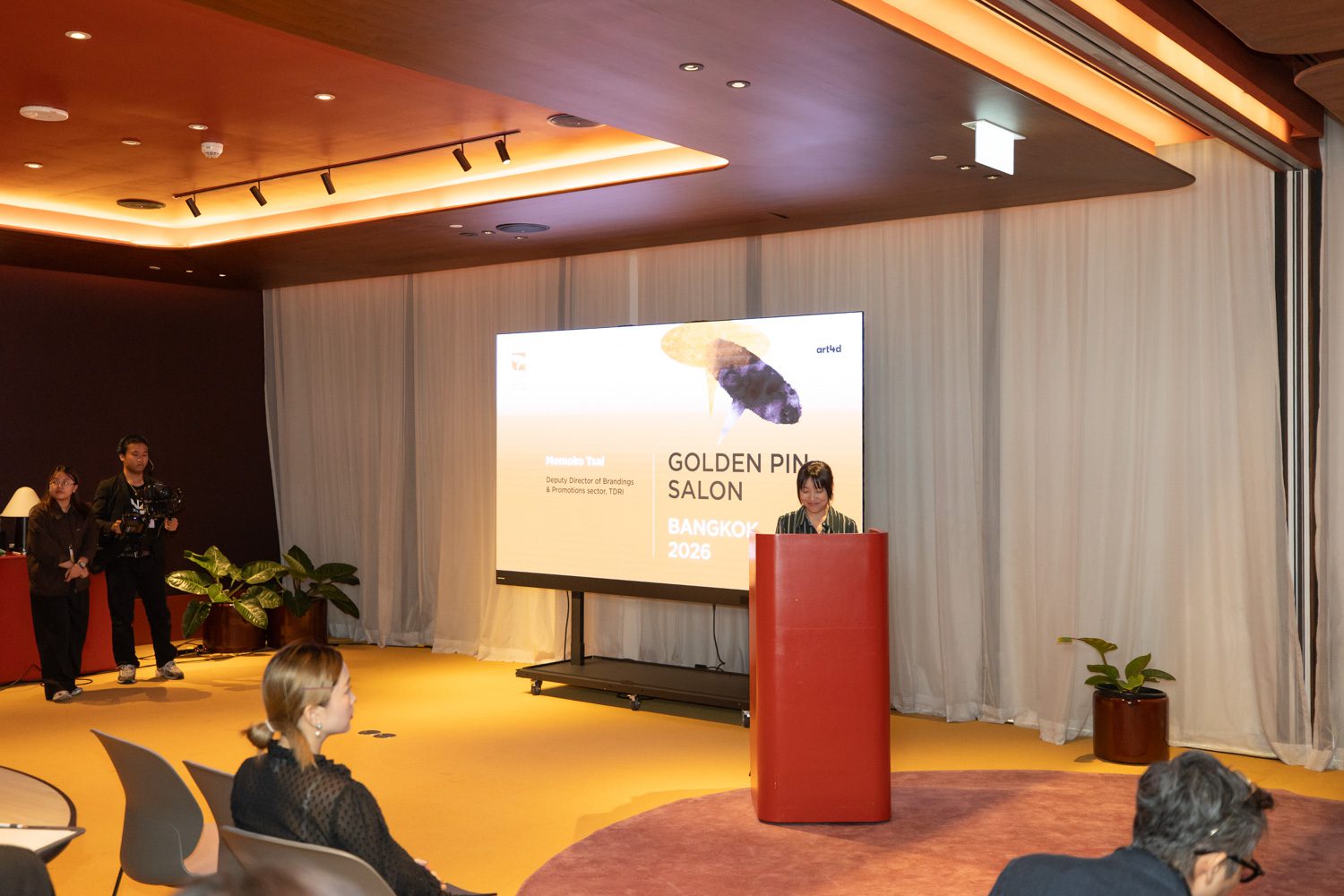
Momoko Tsai, Deputy Director of Brandings and Promotions of TDRI
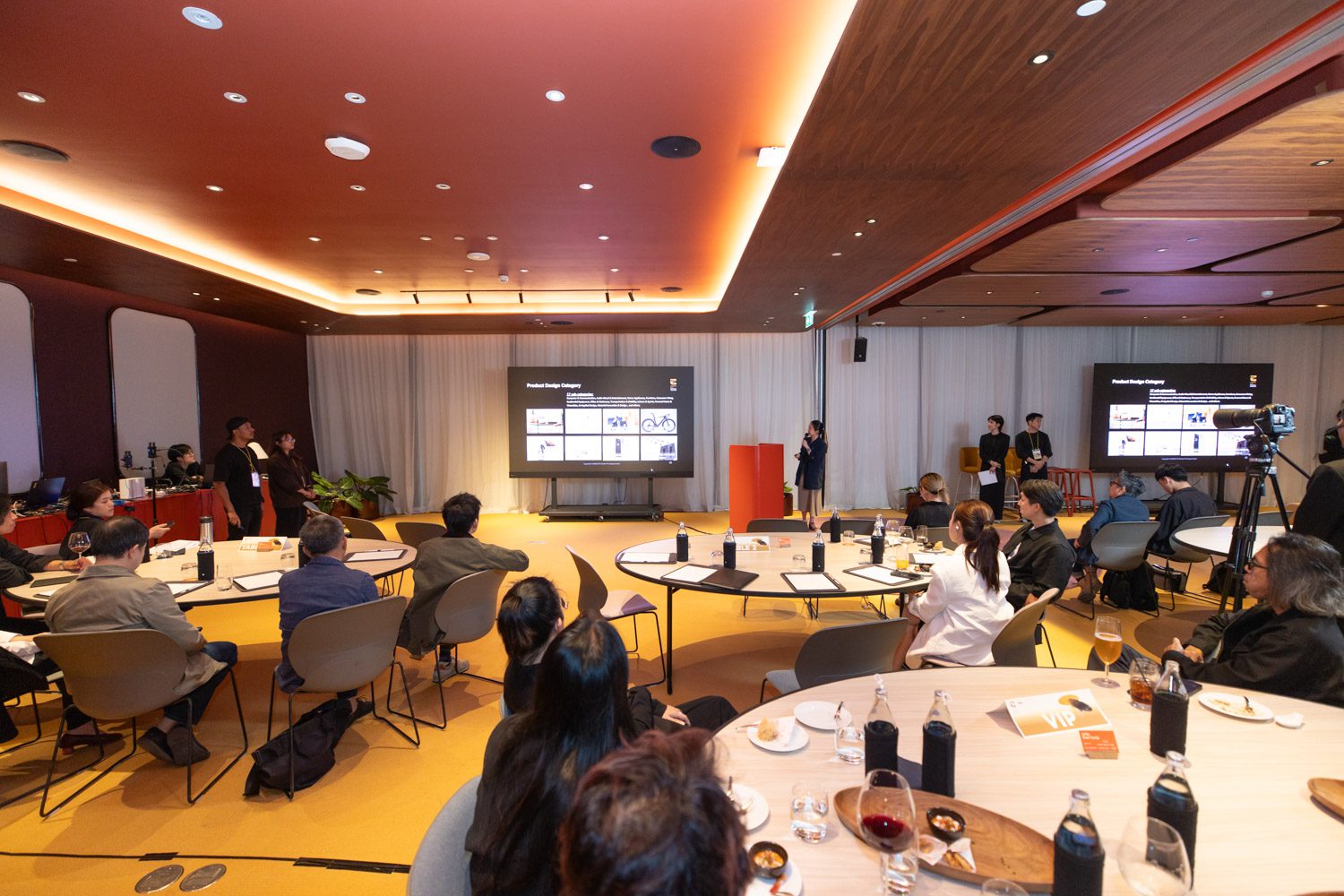
Frankie Kuo, International Affairs Manager of Golden Pin of TDRI
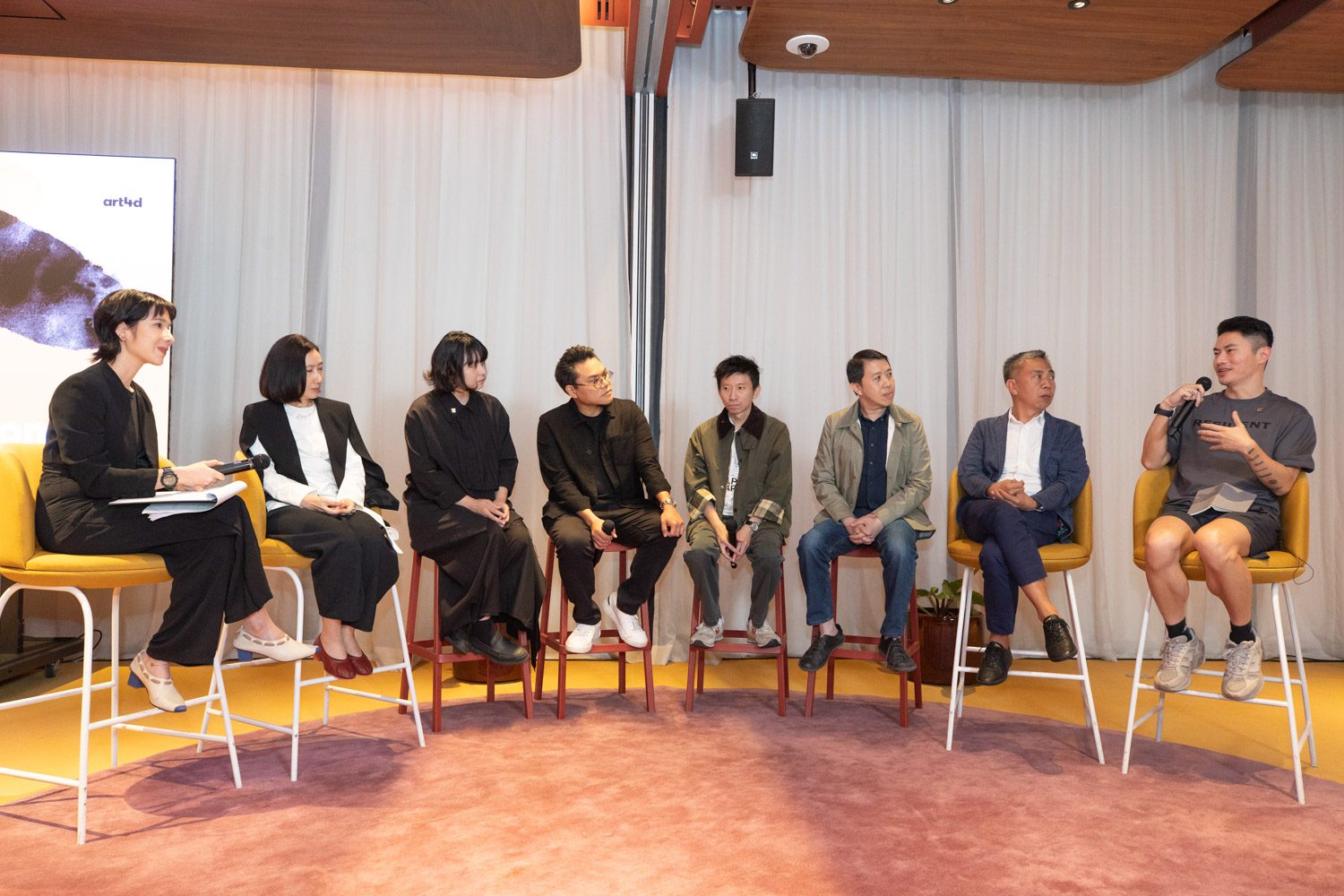
The salon brought together two speakers from Taiwan: Yashin Tzeng, architect at Hidden-Domain Studio, and Aaron Nieh, communication designer at aaronniehworkshop. Joining them were Thai designers working across a range of disciplines and scales of practice, including Jeravej Hongsakul of IDIN Architects, Kijtanes Kajornrattanadech of Tastespace.co, Savinee Buranasilapin of thingsmatter, Teerachai Suppameteekulwat of Qualy, and Siam Attariya of Pink Blue Black & Orange.
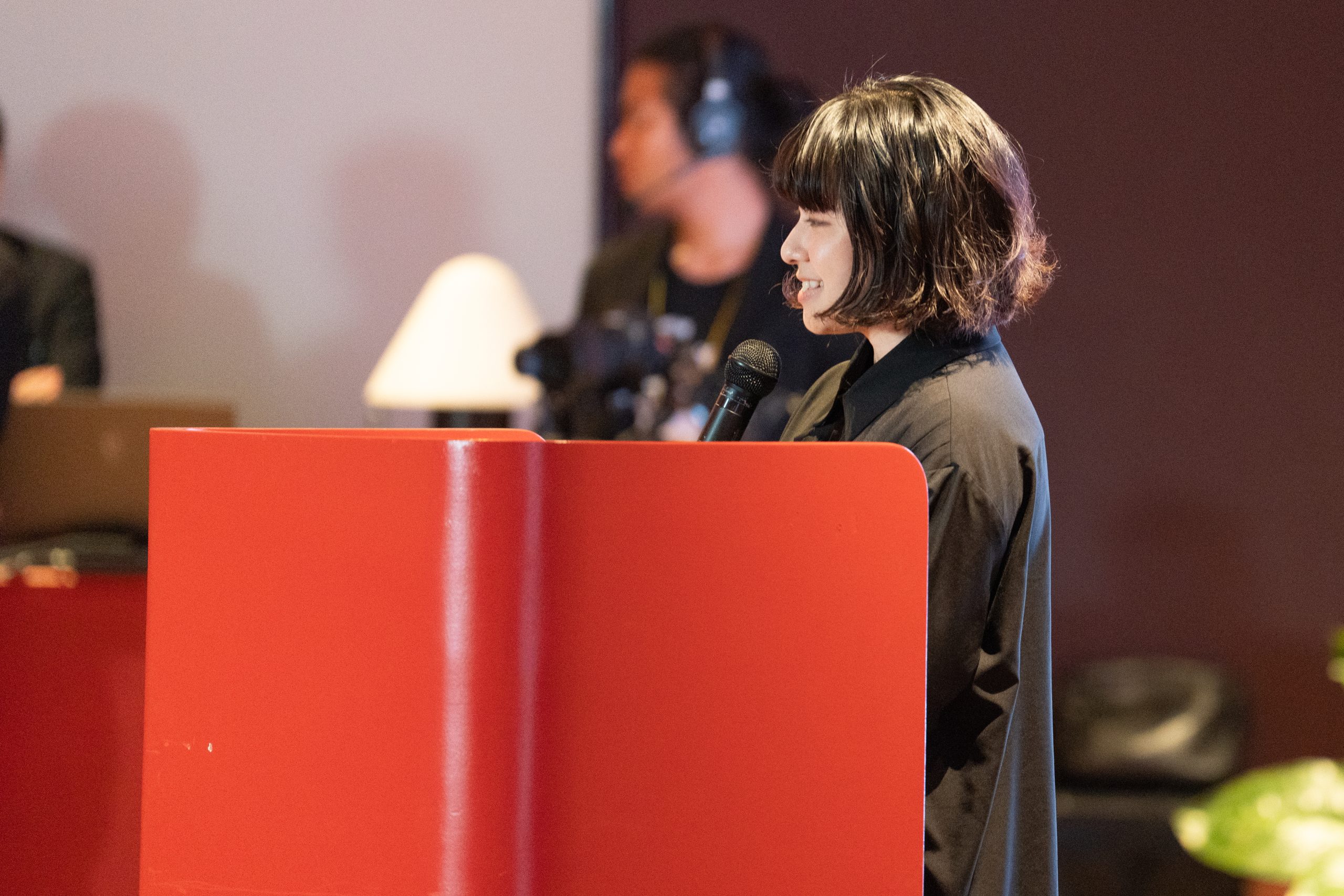
Yashin Tzeng, Hidden-Domain Studio
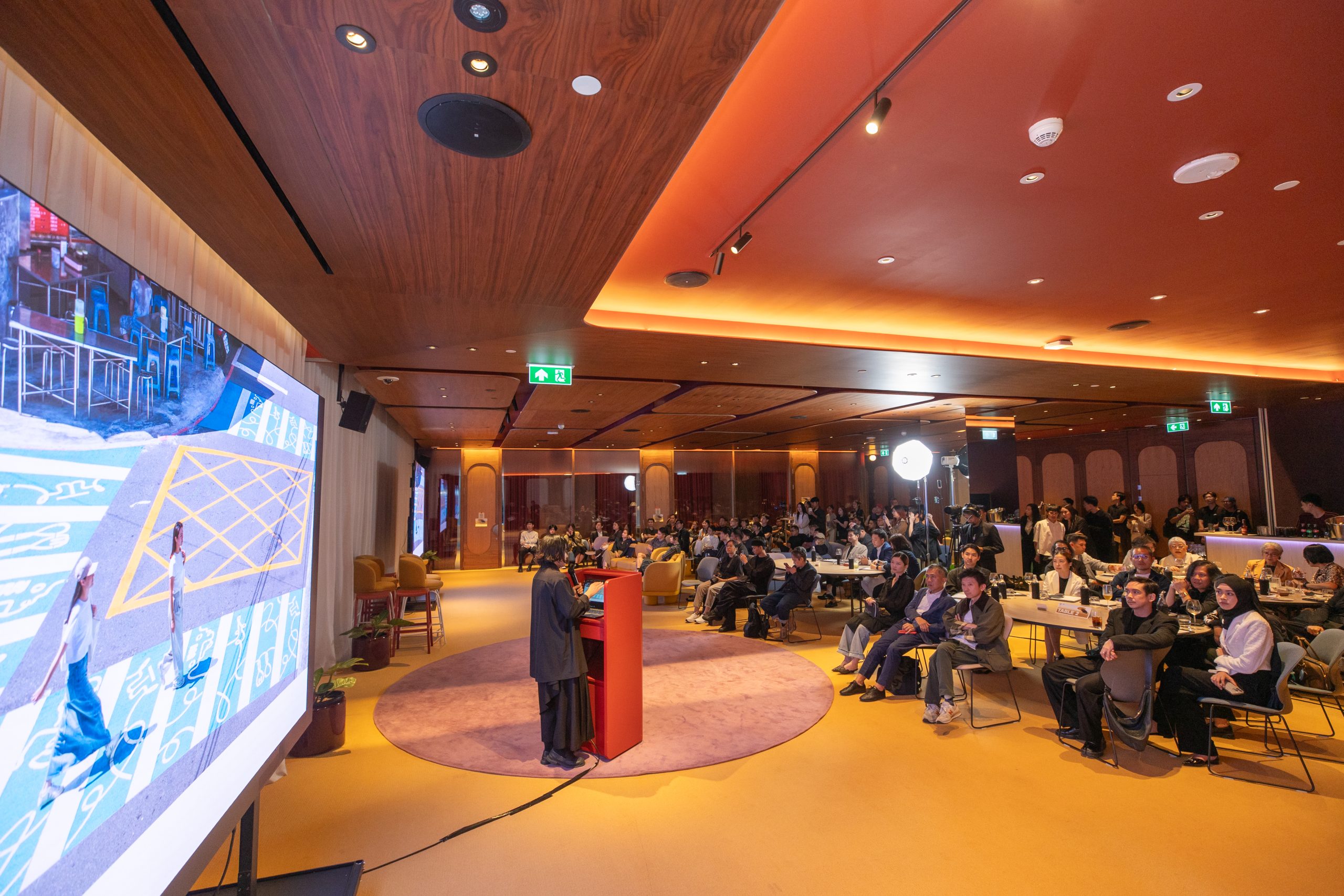
Yashin Tzeng, Hidden-Domain Studio
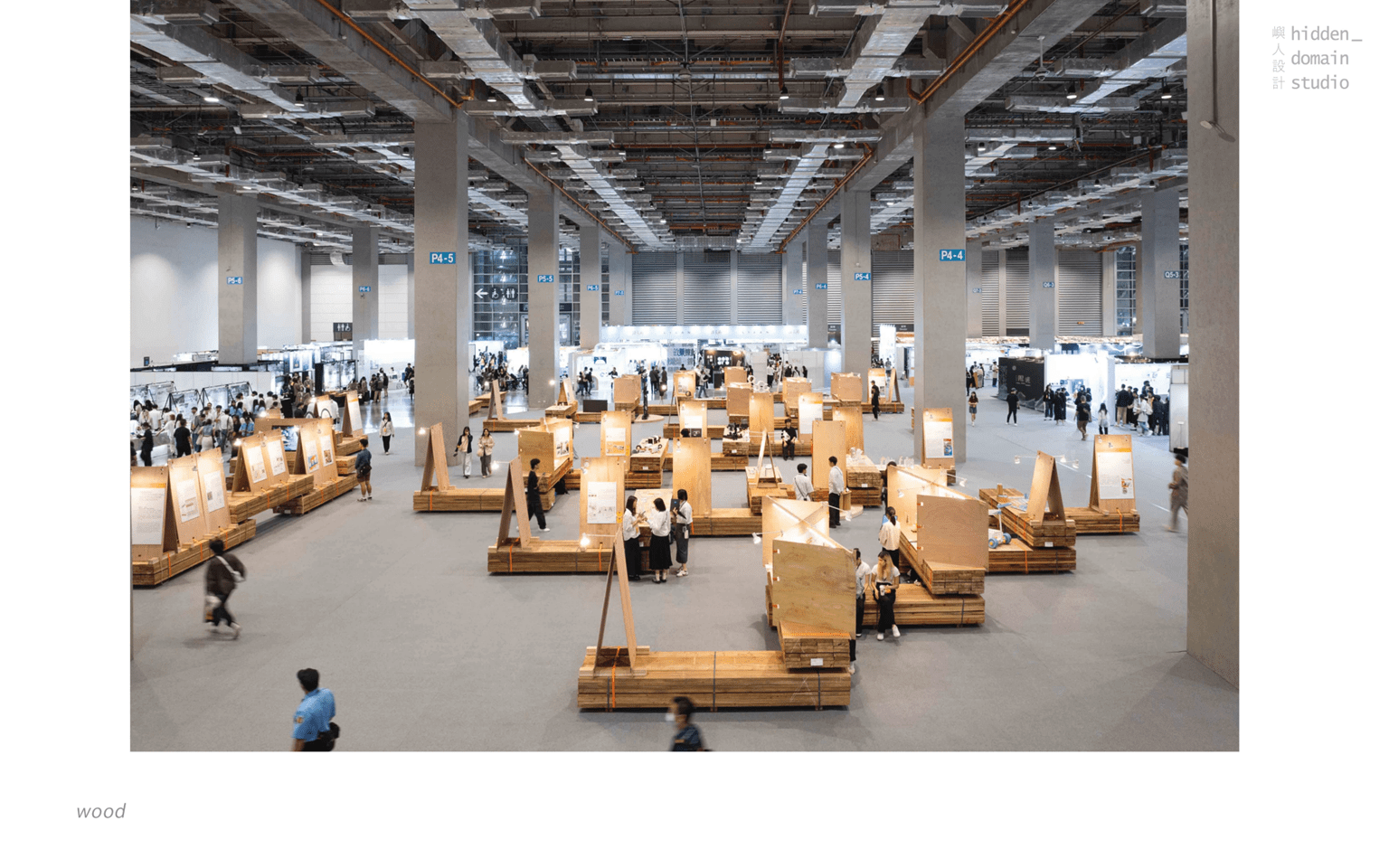
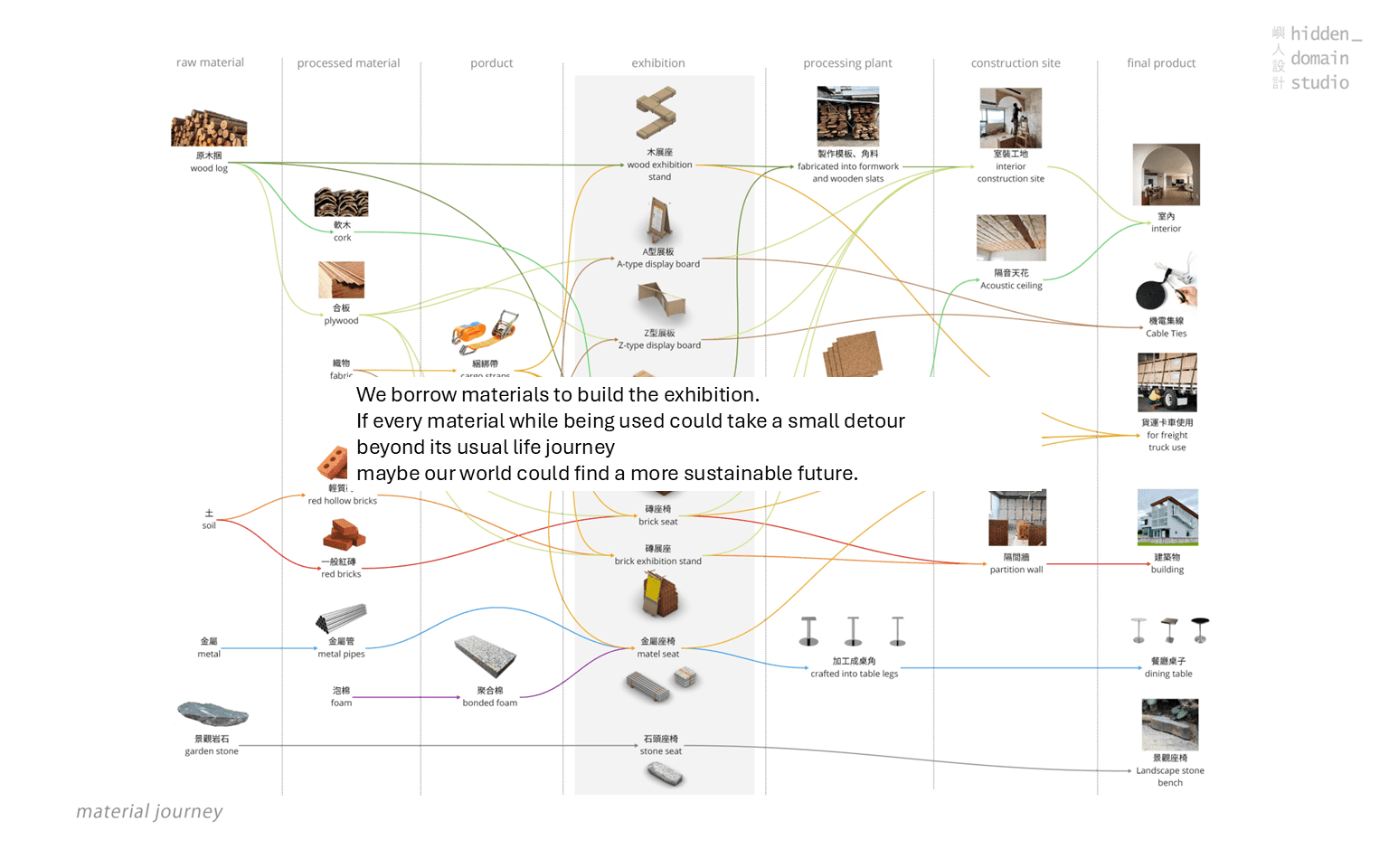
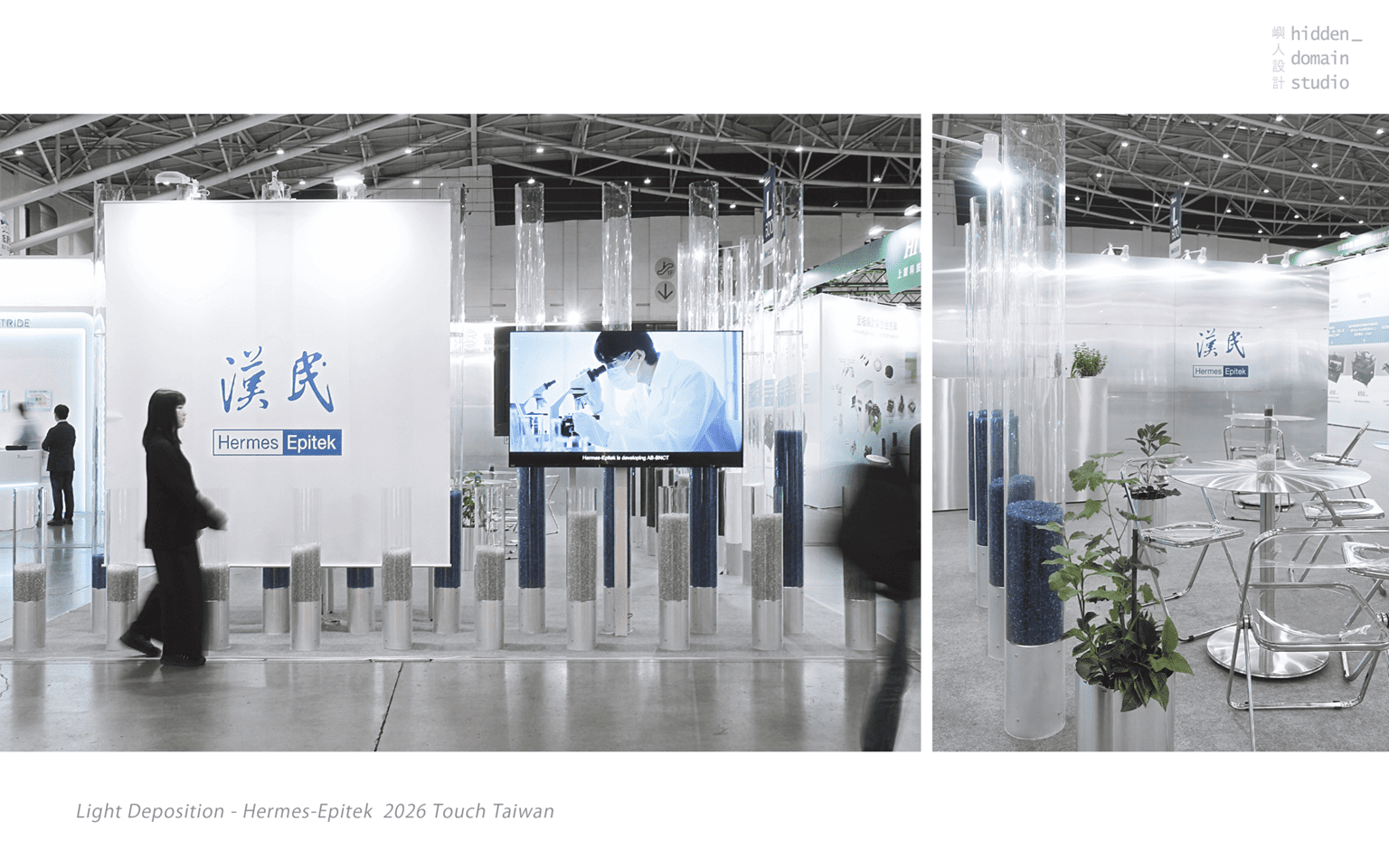
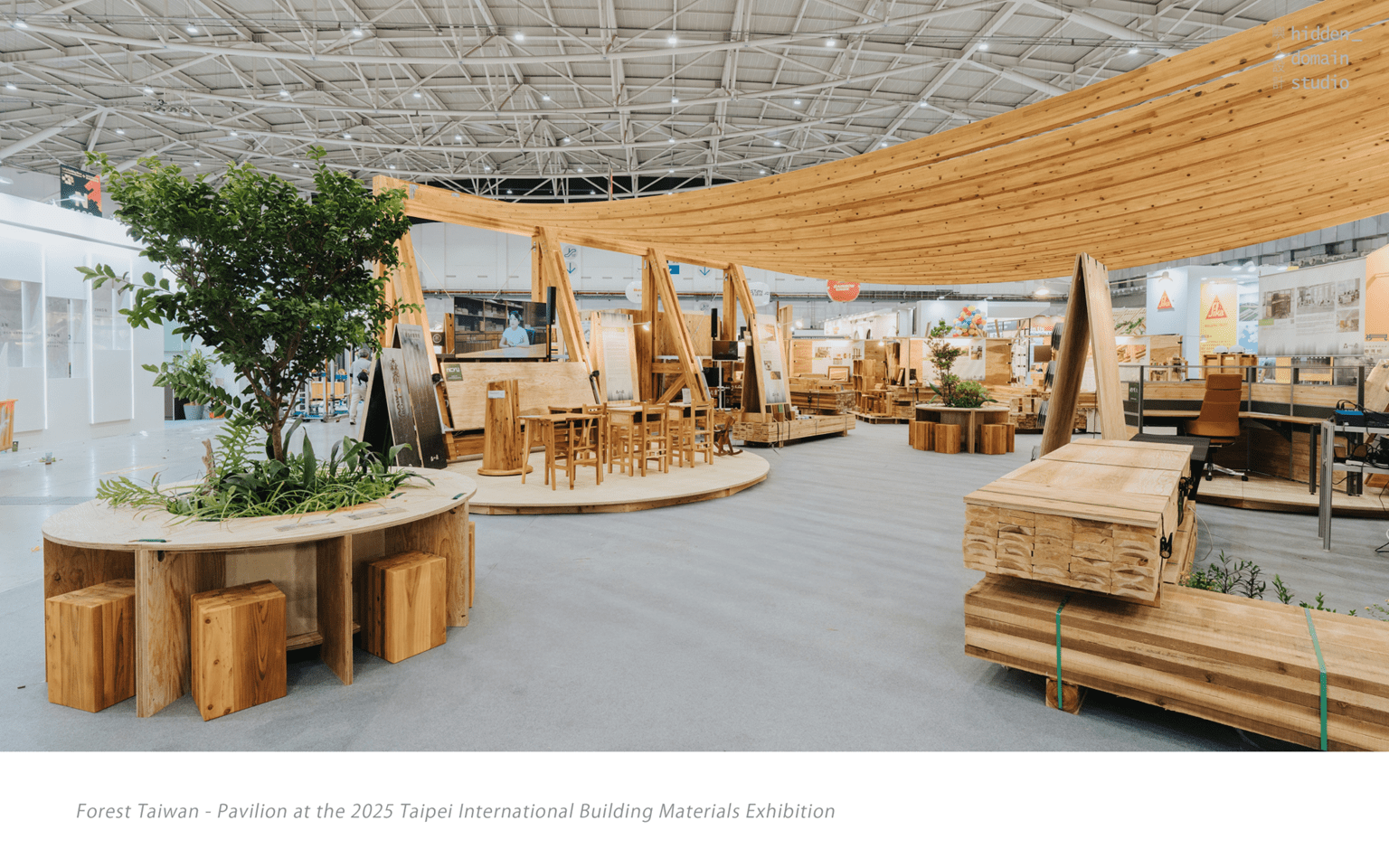
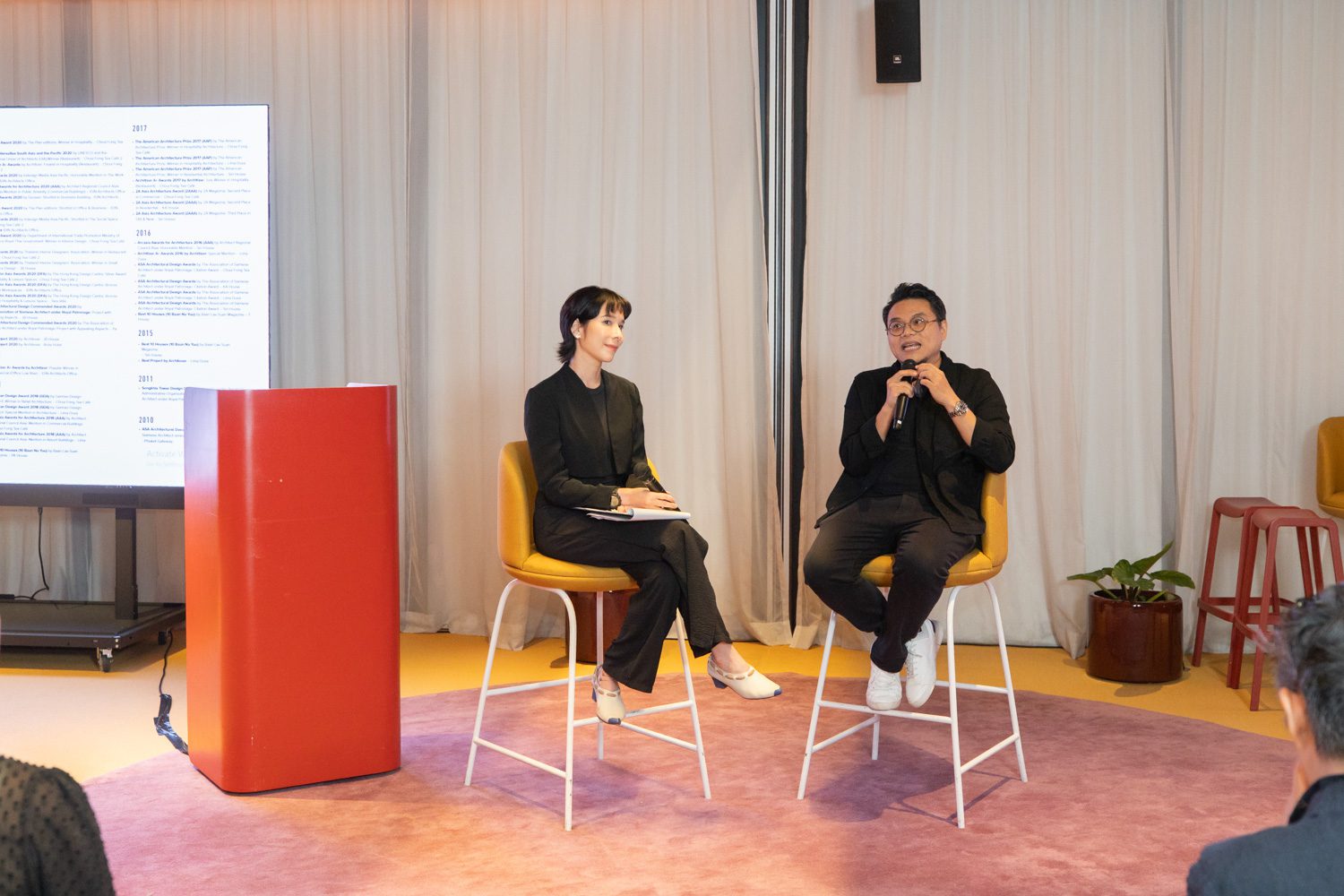
Coming from markedly different areas of design practice, Yashin Tzeng and Aaron Nieh approached the question of recognition from two very different, distinct perspectives, and their presentations unfolded accordingly. Tzeng’s practice extends beyond designing buildings in the conventional sense, moving across installations, exhibitions, interiors, and architecture. Speaking as co-founder of an emerging studio, she shared the experience of submitting The Borrowing Projects, a body of work that foregrounds materials and methods of construction as central design inquiries. She also reflected on the varying feedback the project received across three platforms, as well as the subsequent developments and opportunities that followed its visibility on the international stage. This recognition eventually led to commissions such as Forest Taiwan and Light Deposition, both from clients drawn to a similar interest in material use.
Aaron Nieh, aaronniehworkshop
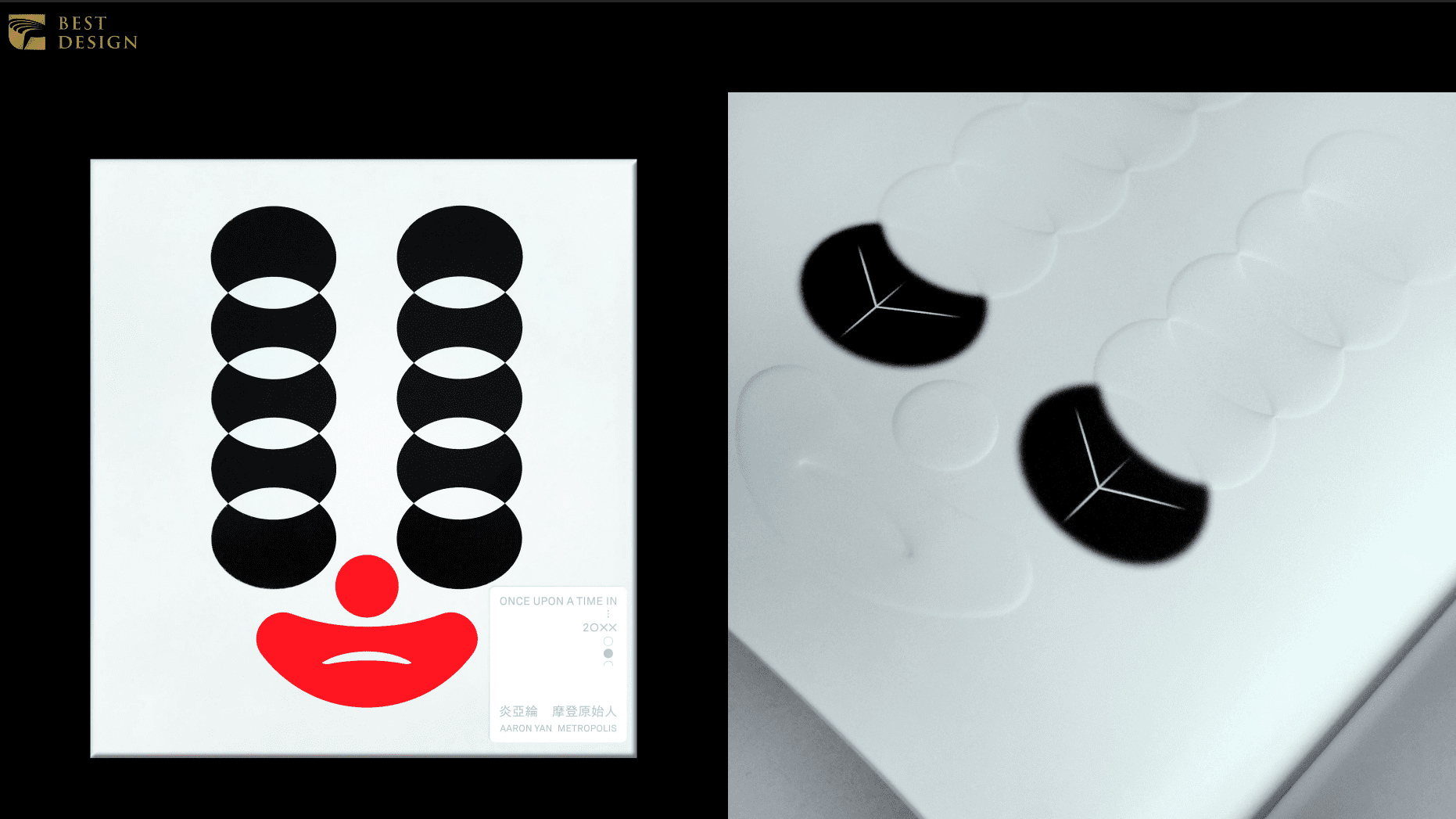
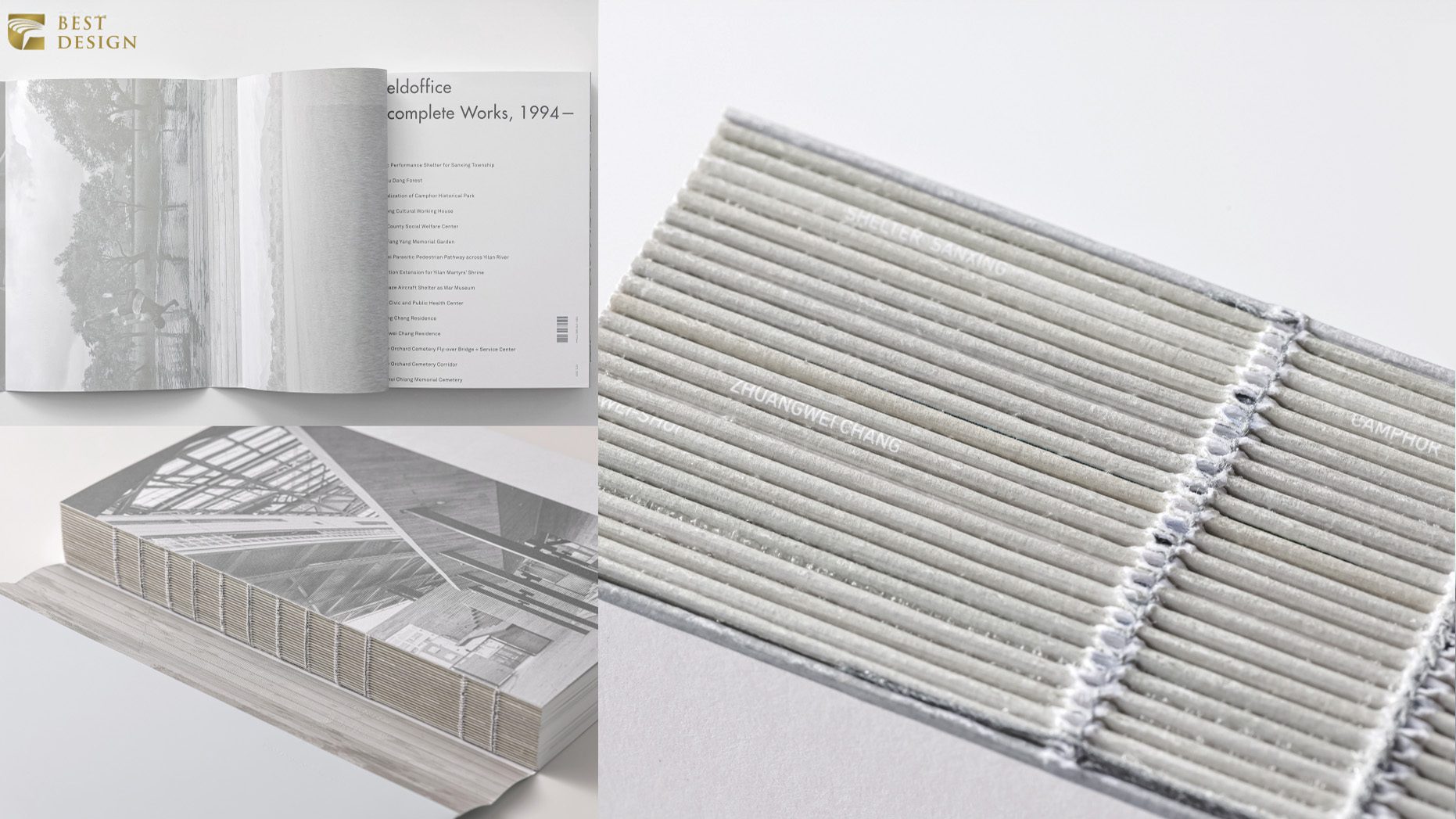
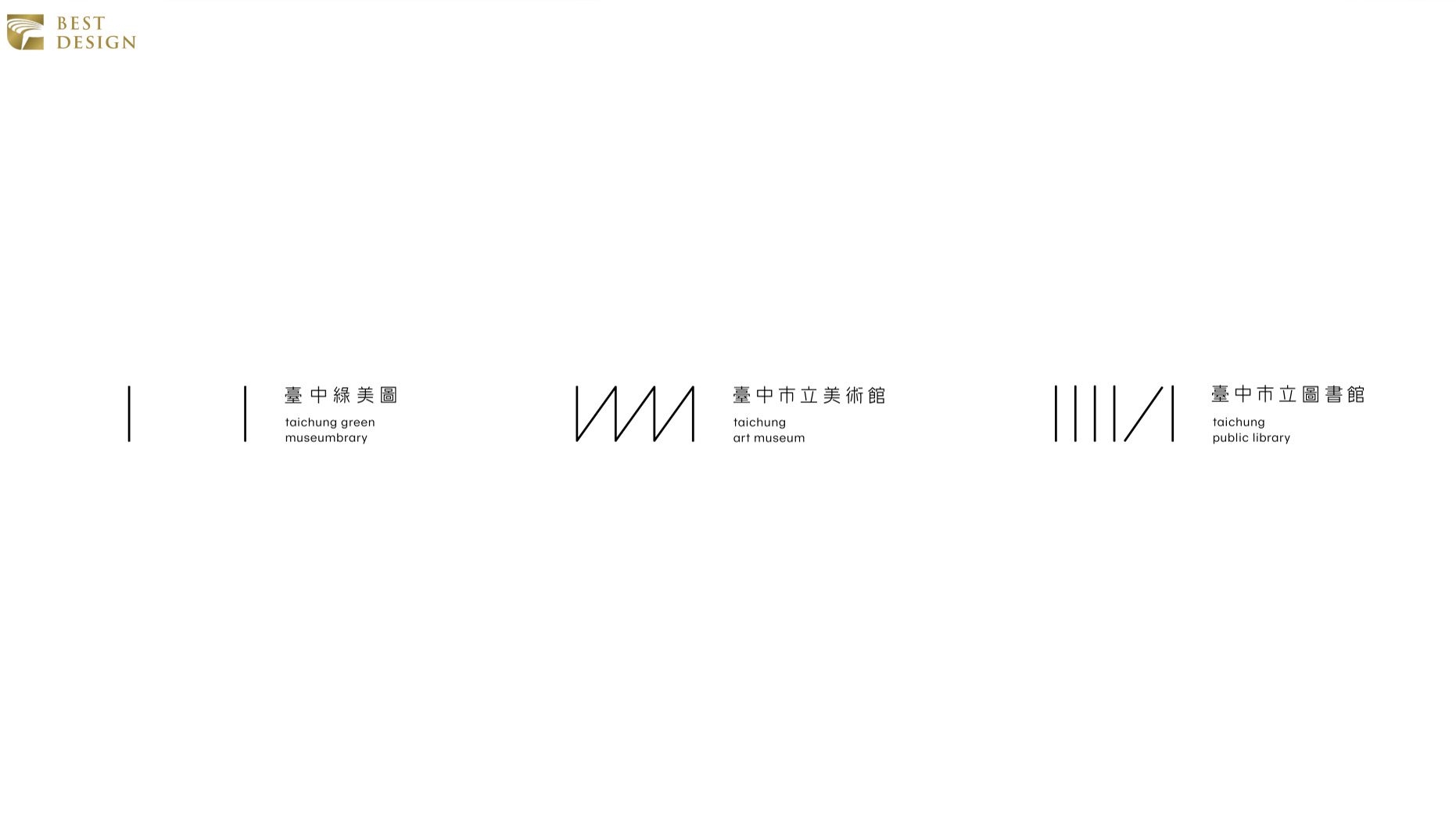
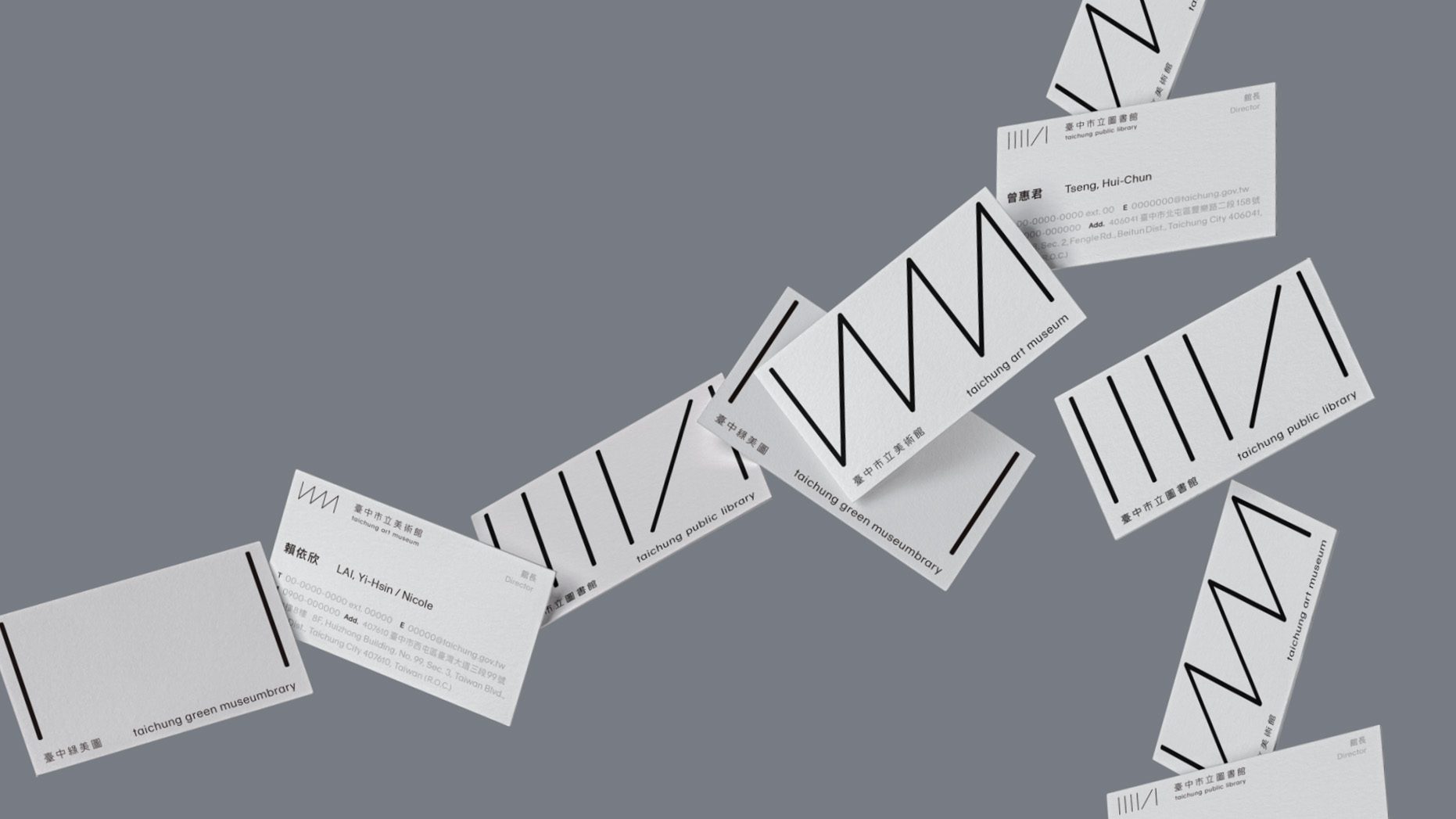
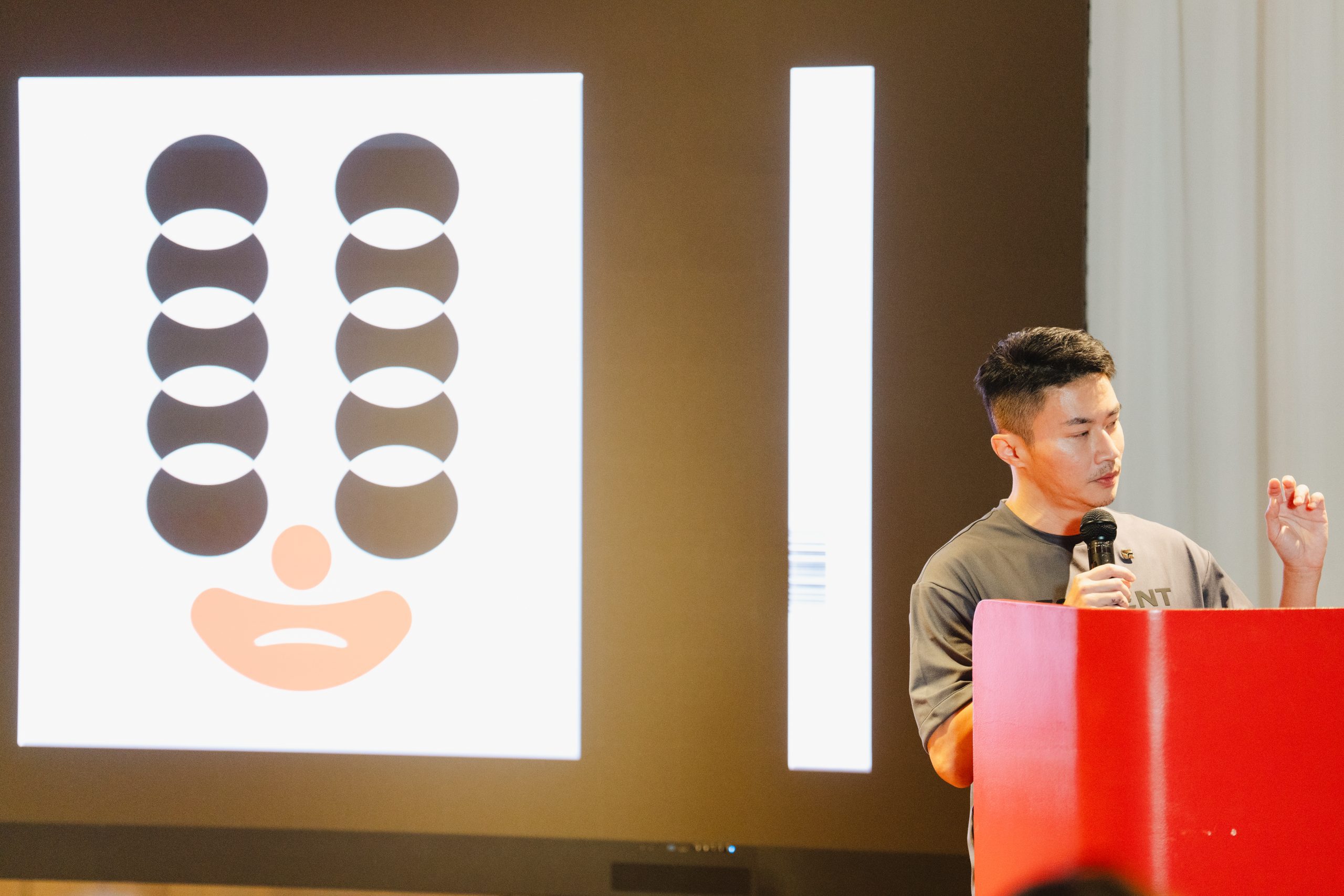
Aaron Nieh, aaronniehworkshop
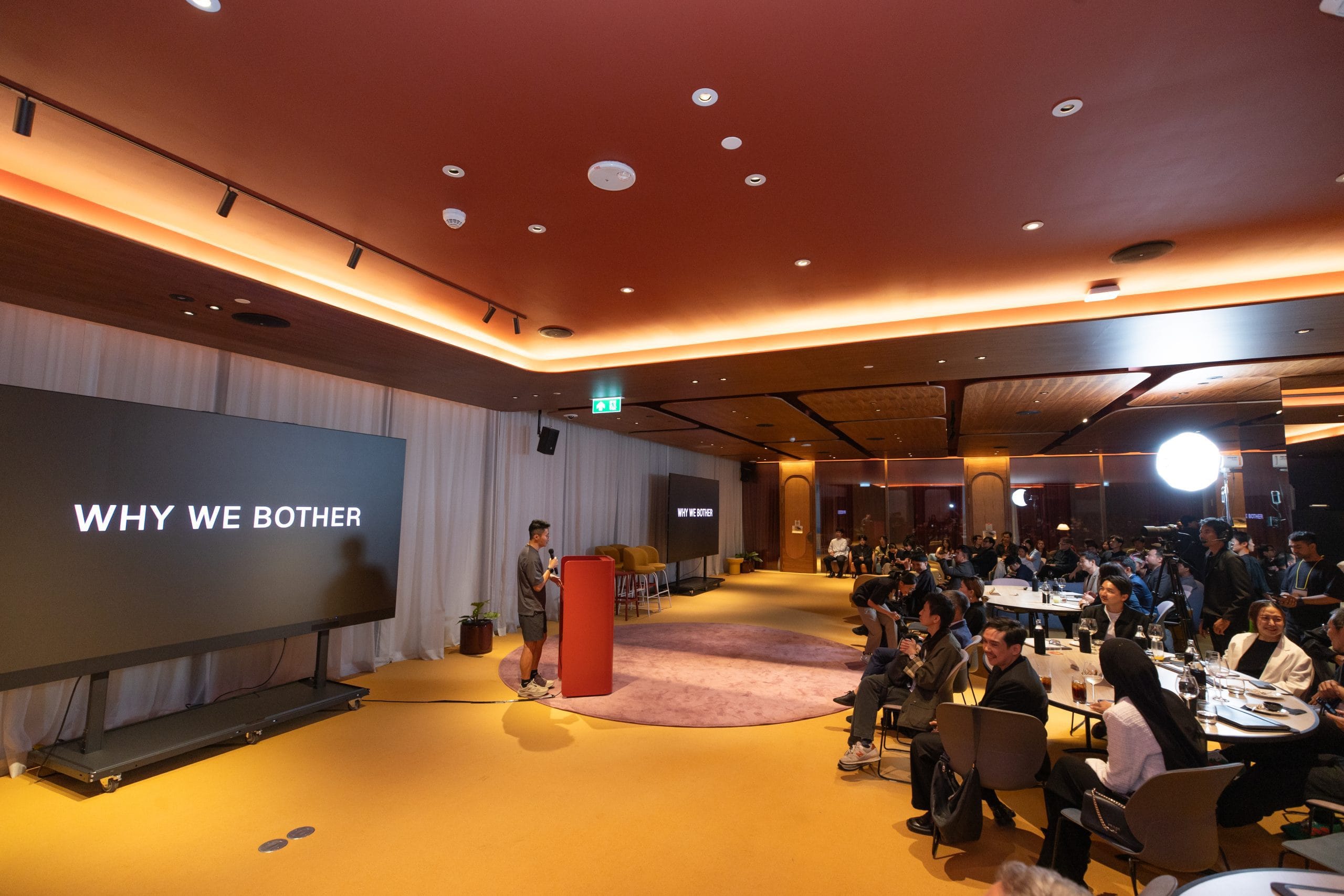
Aaron Nieh, by contrast, entered the conversation from the standpoint of a long-established practice in communication design through aaronniehworkshop, and with a record of having received numerous Golden Pin Design Award accolades over the past decade. He opened his presentation with a blunt phrase: ‘WHY WE BOTHER.’ To many, one might argue, a designer with extensive experience and a loyal client base no longer needs to prove himself through awards. Yet as the audience was taken through projects such as the key visual identity for Young Designer Exhibition and the album cover for Aaron Yan’s Metropolis, the sheer commitment behind the work became increasingly clear. Nieh concluded by suggesting that an award is not only a means of validating value, but also a source of shared pride, a reason for the entire team to celebrate the hard work that has gone into each project.
Q&A session
 Jeravej Hongsakul (IDIN Architects)
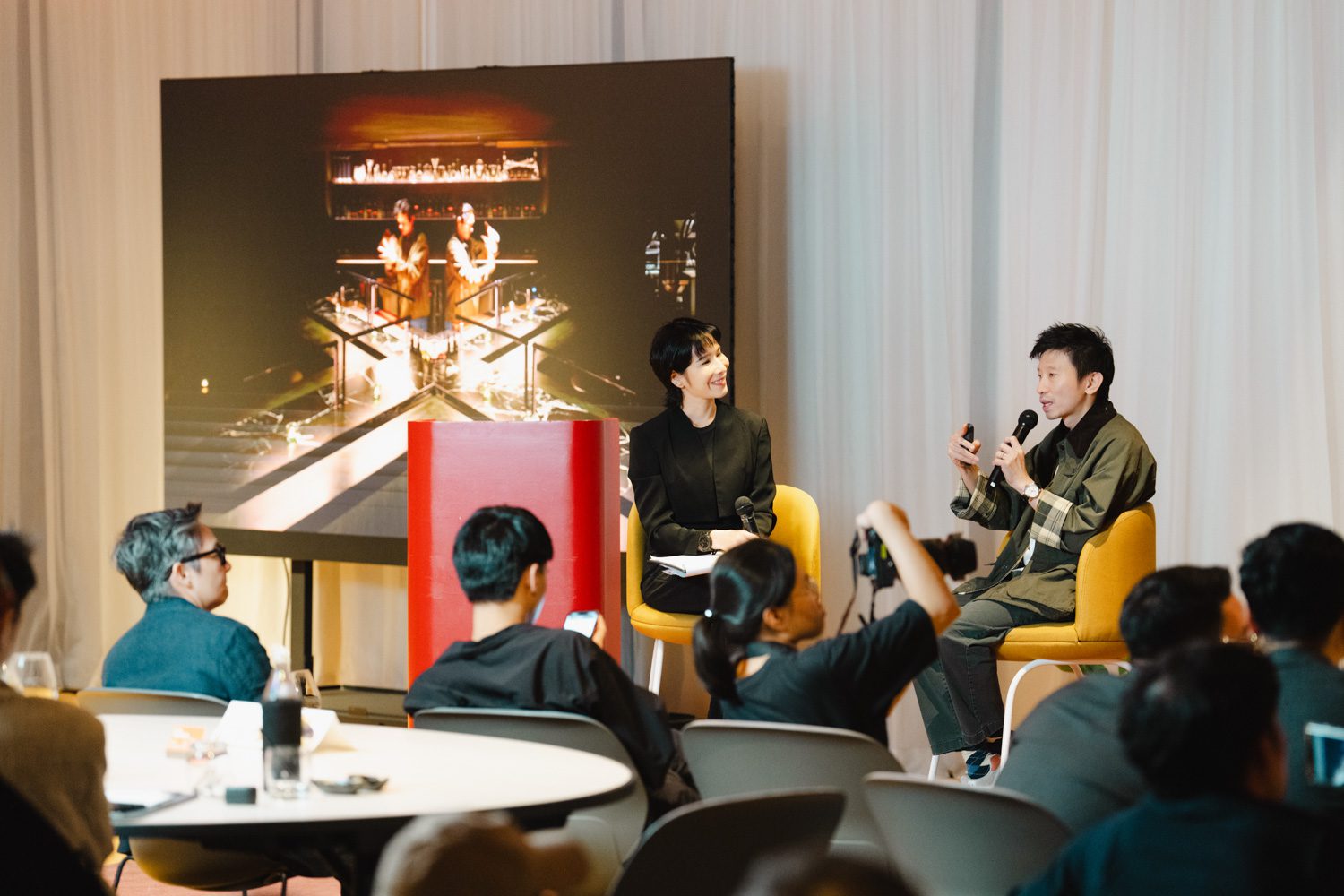
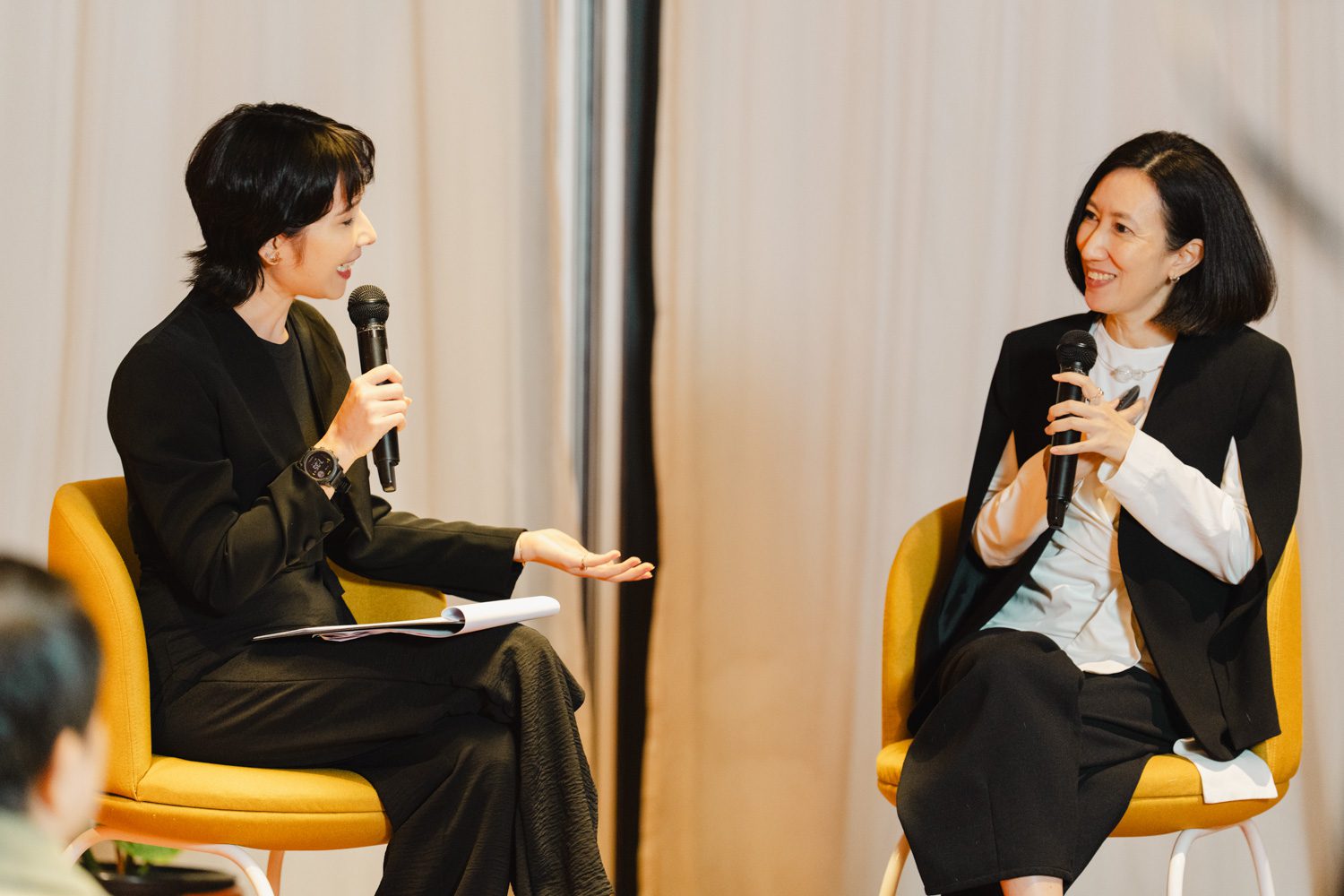
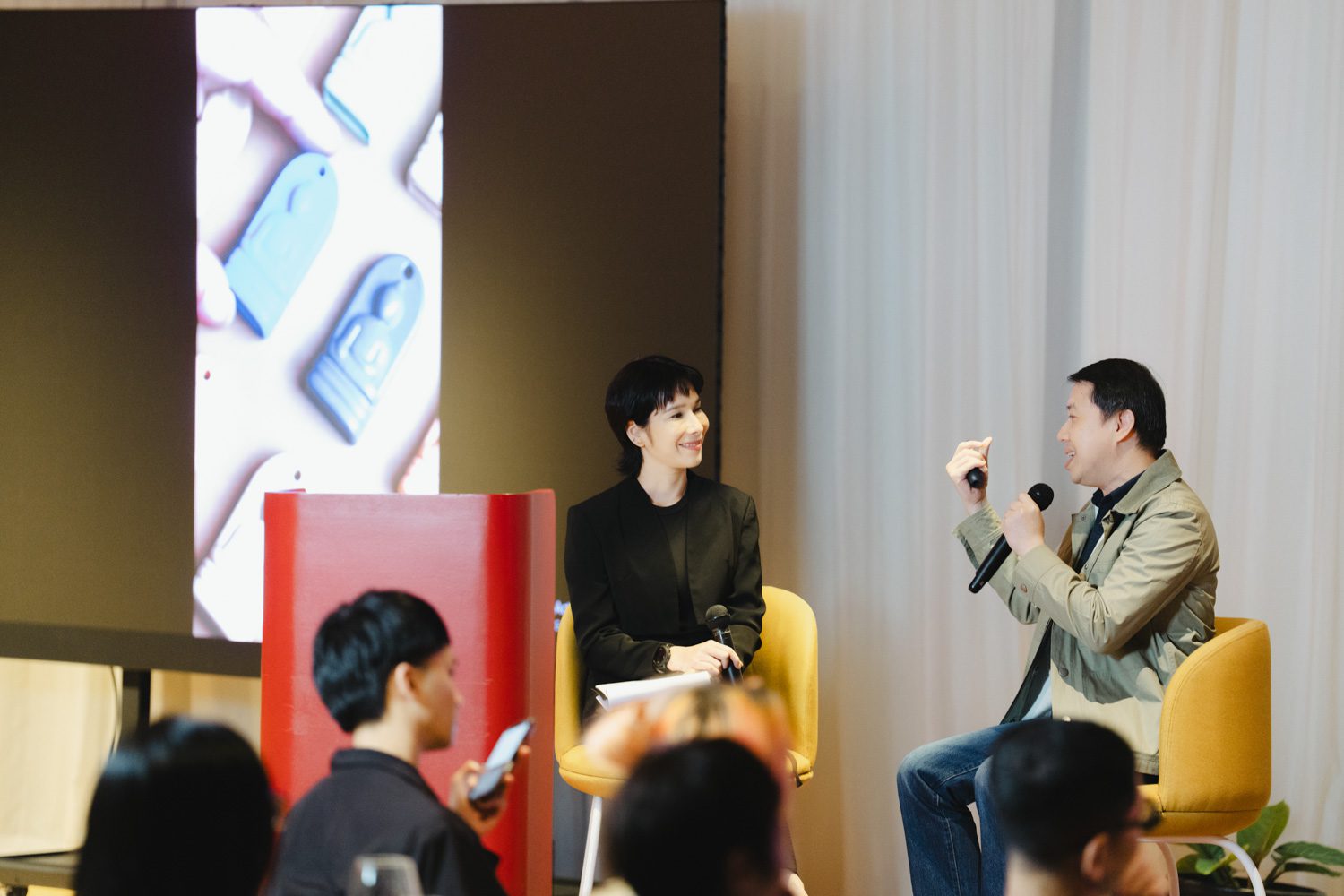
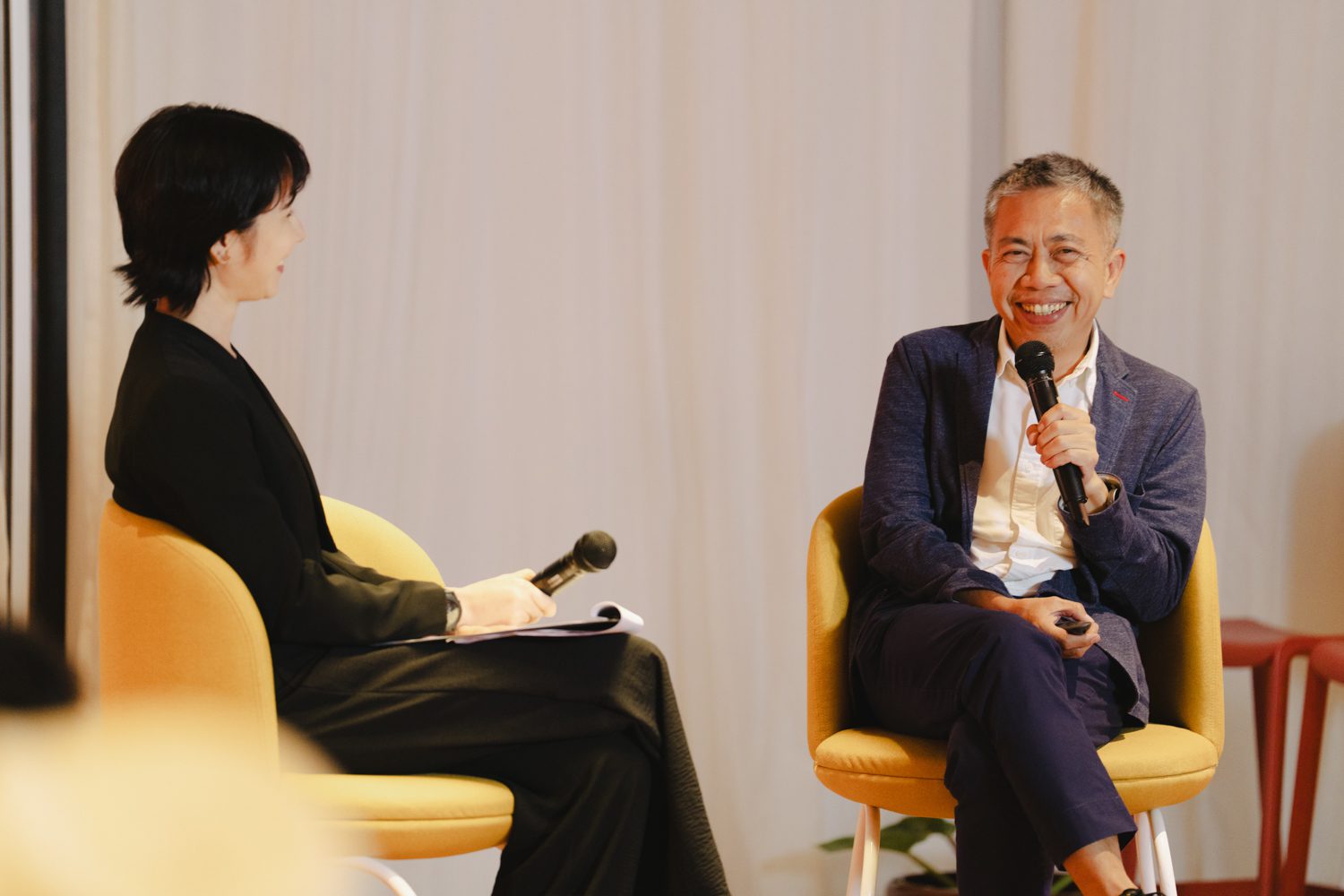
For the five Thai designers, the session took the form of a moderated Q&A led by Emisa Raksiam. The questions ranged widely: whether a project had ever been assessed in sharply different ways across different award platforms; what kinds of experience or insight designers gain from entering competitions; and, in more specialized fields of design, whether certain values risk being lost when work is judged primarily through images. The discussion also touched on sustainability, a subject that still sits somewhere between a prevailing trend and a possible foundation for the future, questioning how deeply design competitions are willing to engage with it and what value they assign to it beyond surface-level claims.
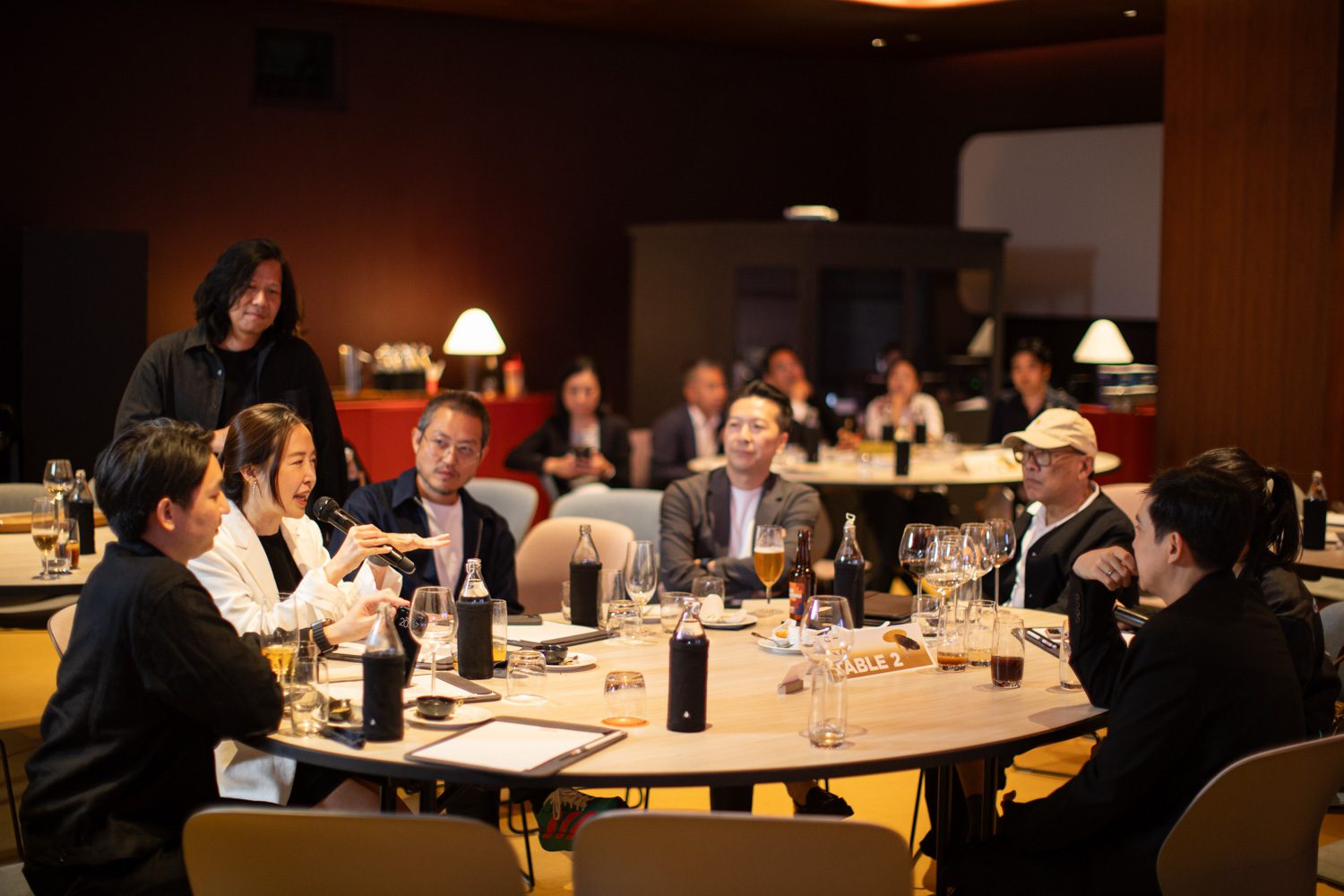
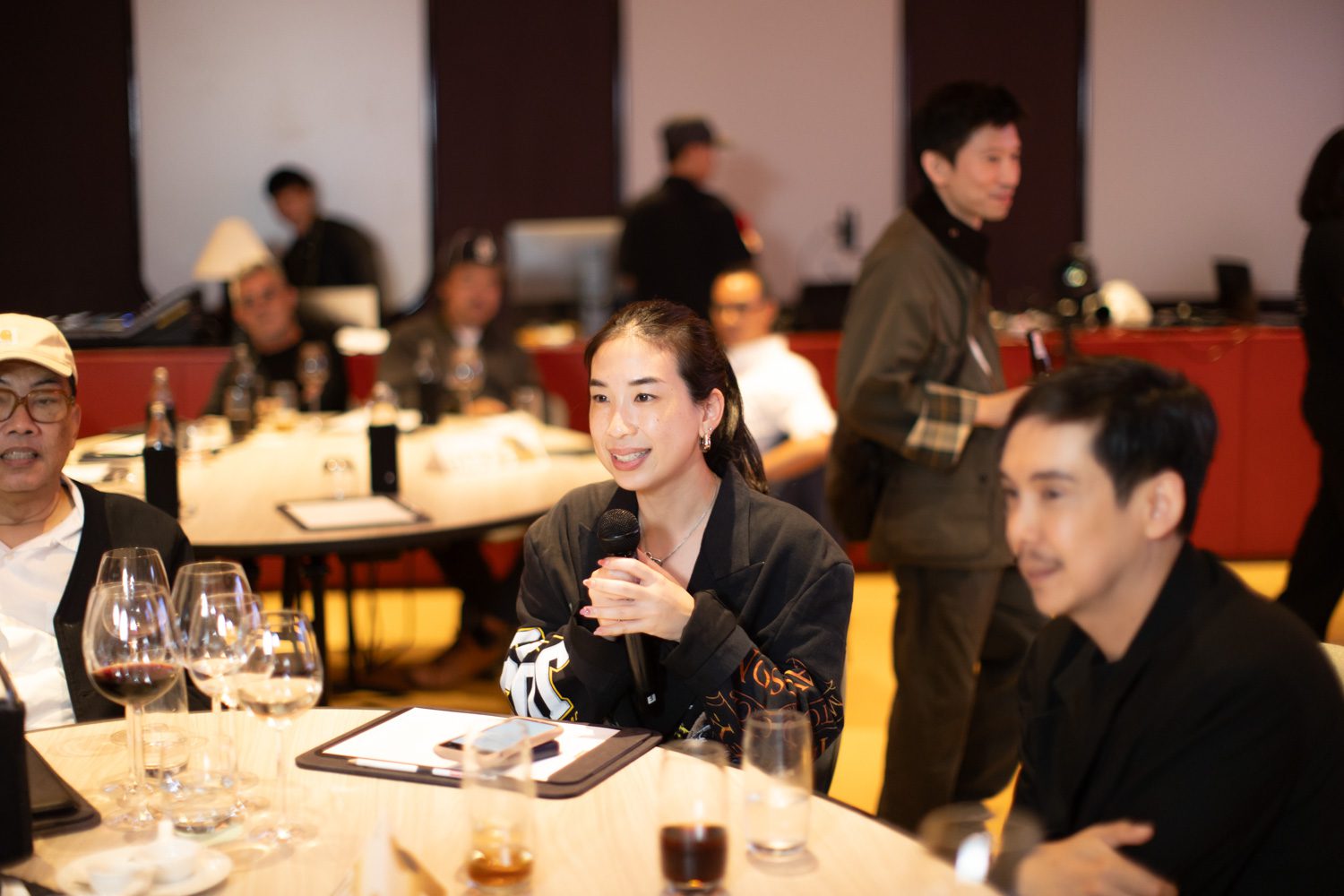
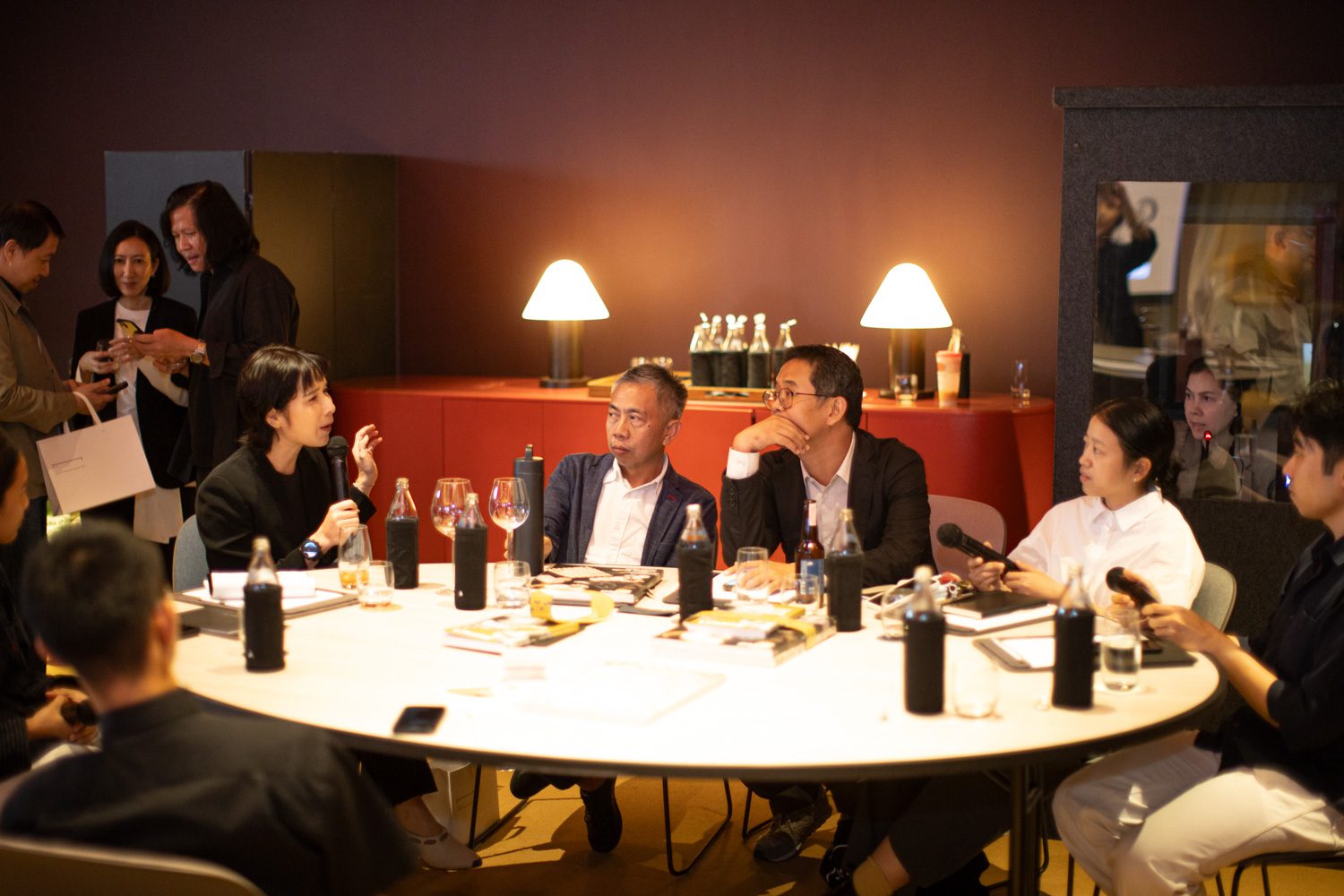
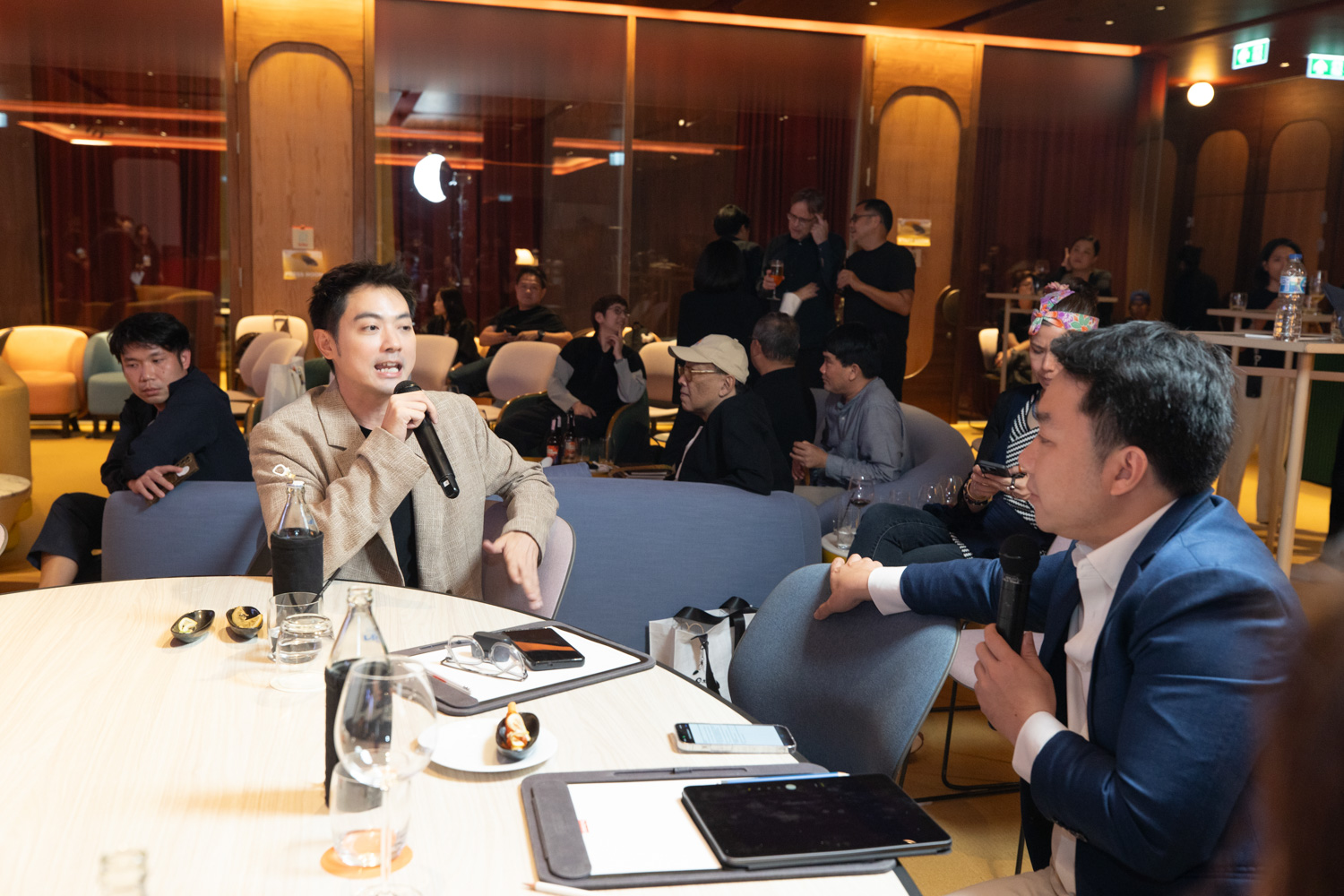
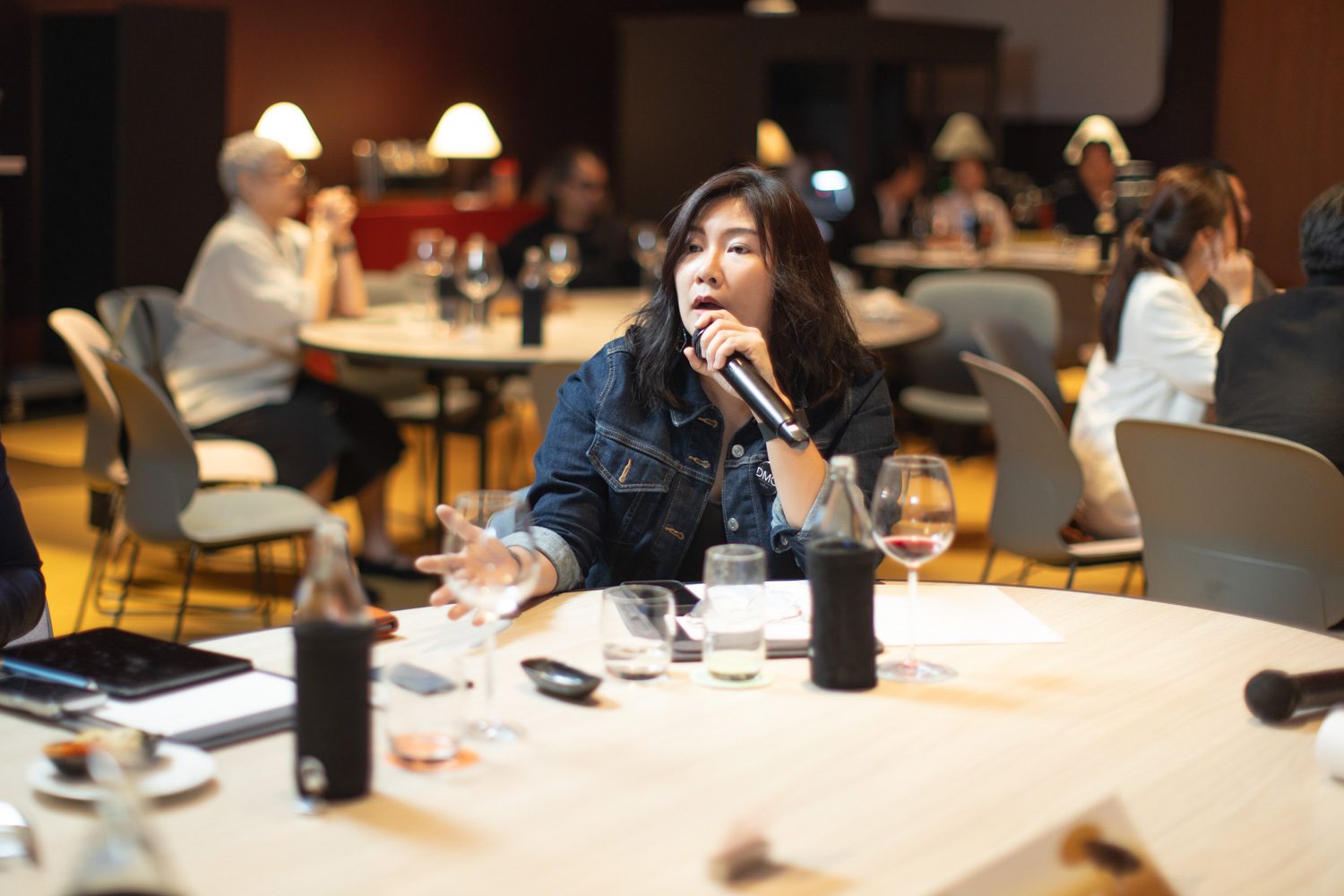
The event also included a ‘Round Table’ session, where Thai designers gathered around the table for a more informal exchange over cold drinks. Participants included Harisadhi Leelayuwapa of PHTAA living design, Rush Pleansuk of Sumphat Gallery, Nutjarus Eangmahassakul of Studio Dialogue, Ativich Kulngamnetr of ativich/studio, Natjaporn Kosalanun of DMO Architects, and Varis Kamalasana of Be_workshop. The salon, in other words, carried on with lively energy well into the evening.
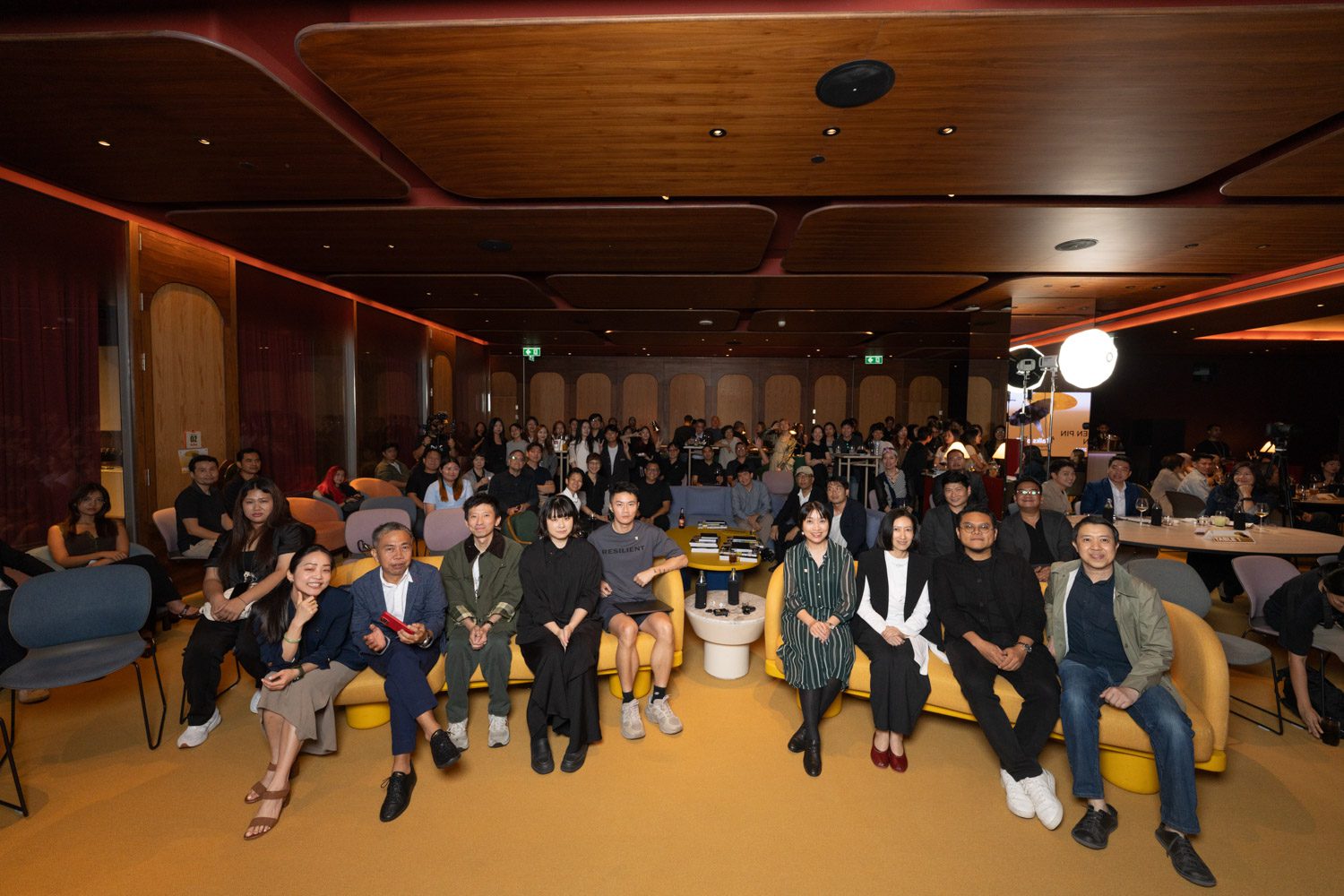
For those interested in design talks of this caliber, the full session is available to watch on the Golden Pin Design Award YouTube channel. And for next year, it may be worth marking Golden Pin Salon Bangkok on the calendar for another round of substantive, intense conversations, with no small measure of design-world candor.
Further details and application guidelines are available on the Golden Pin Design Award’s official website: goldenpin.org.tw/en.