
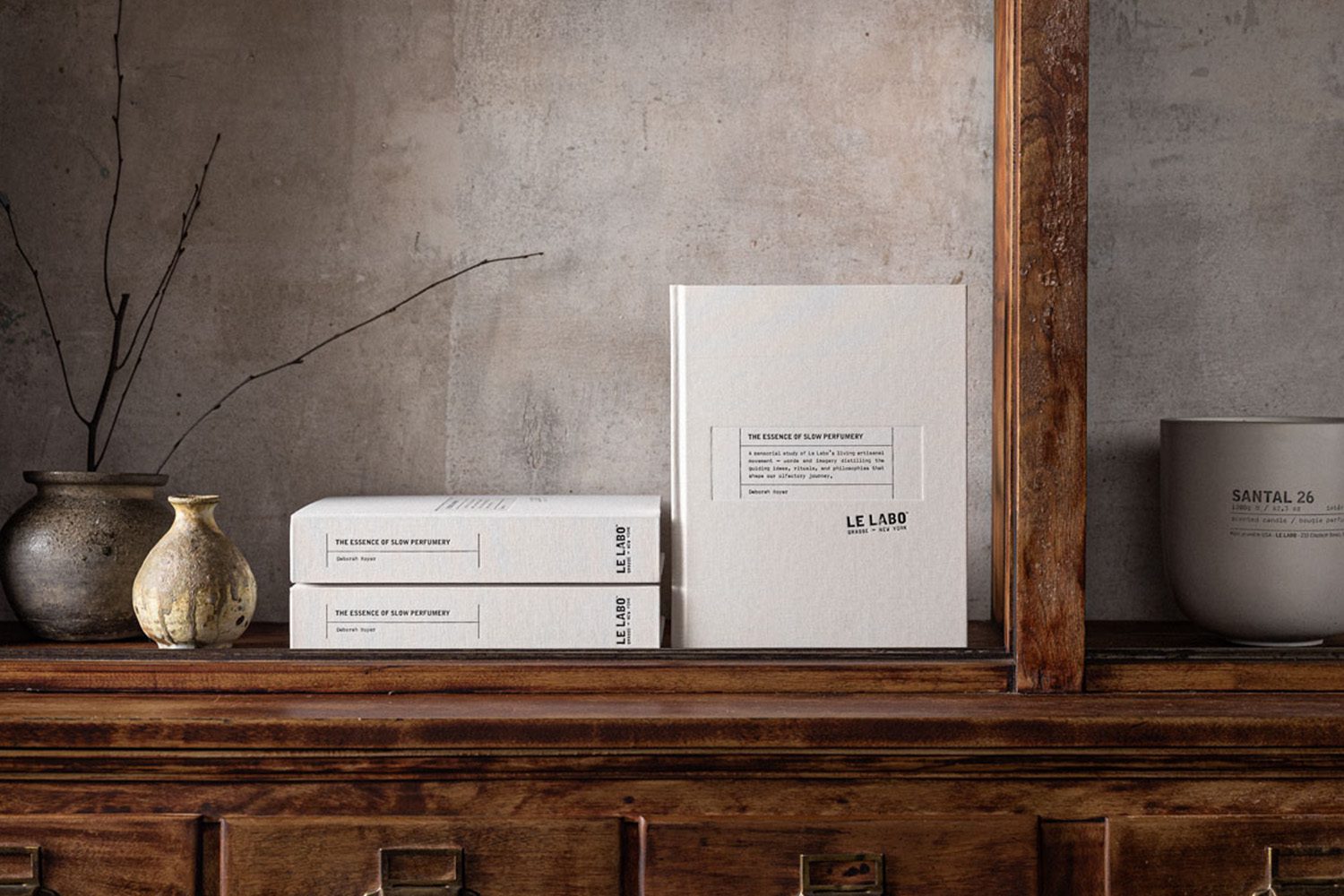
 Photo courtesy of Le Labo
 IN THIS 551-PAGE BOOK, LE LABO CURATES THE ‘LANGUAGE OF SCENT’ ACROSS TEN CORE CHAPTERS, MOVING FROM INGREDIENTS AND LABORATORIES TO ARTISANSHIP
TEXT: RAN LIMTAWIN
PHOTO CREDIT AS NOTED
(For Thai, press here)
Le Labo: The Essence of Slow Perfumery
Deborah Royer, Global Brand President & Creative Director
230 x 300 mm
551 pages
ISBN 979-8-3507-5098-0
For many, the first image that comes to mind when speaking of Le Labo is its understated lab-style glass bottle, finished with an off-white label that identifies each scent with a straightforward numerical code. Founded in New York in 2006, the fragrance brand has established a clear position in rejecting the cycles of the mass market, choosing instead to revive a handcrafted approach, one bottle at a time. What invites further reflection, however, is this: in a world increasingly drawn toward speed and surface, why would a fragrance brand choose to express its identity through a printed volume exceeding 551 pages, Le Labo: The Essence of Slow Perfumery?
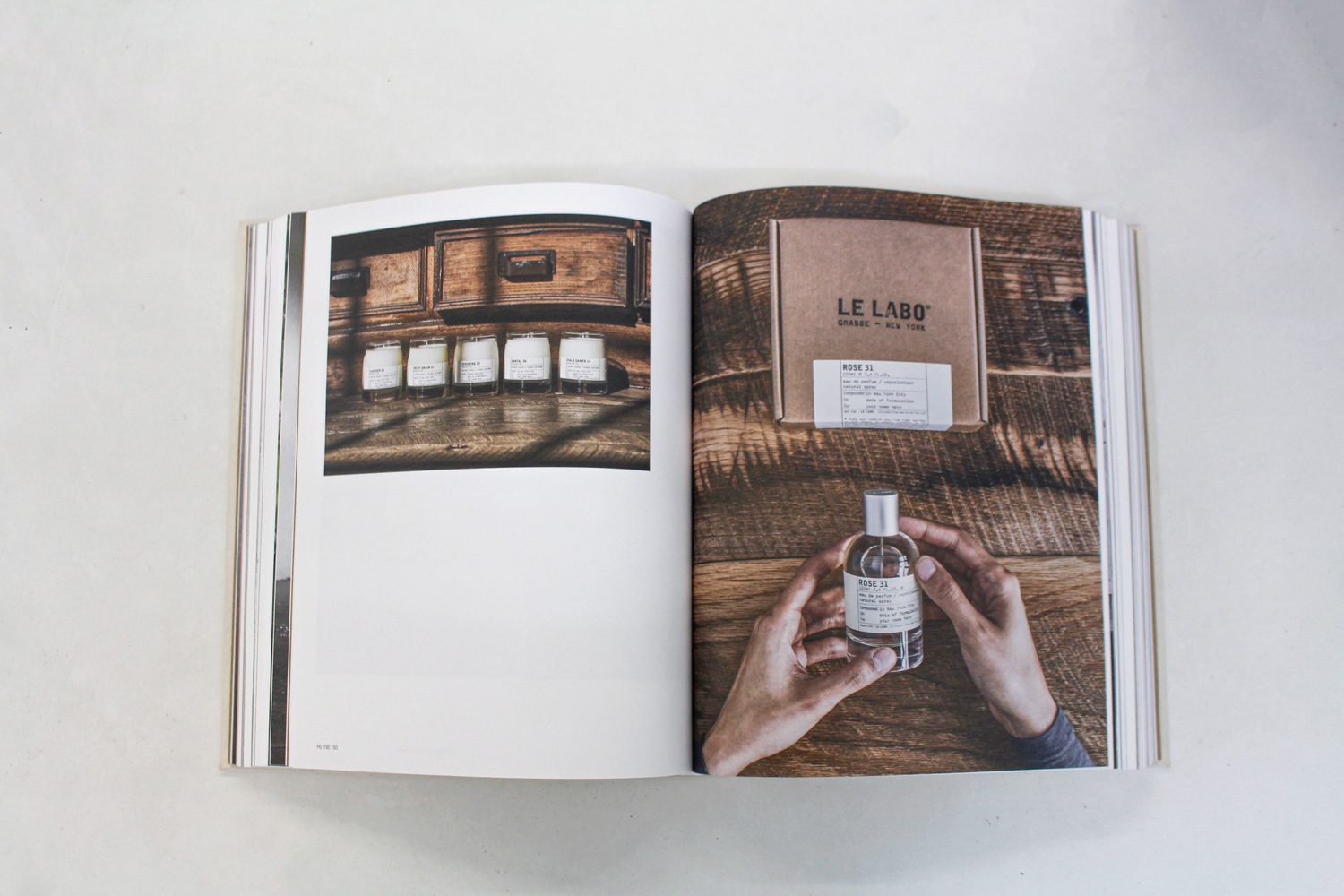 Photo: Thataporn Mangmee
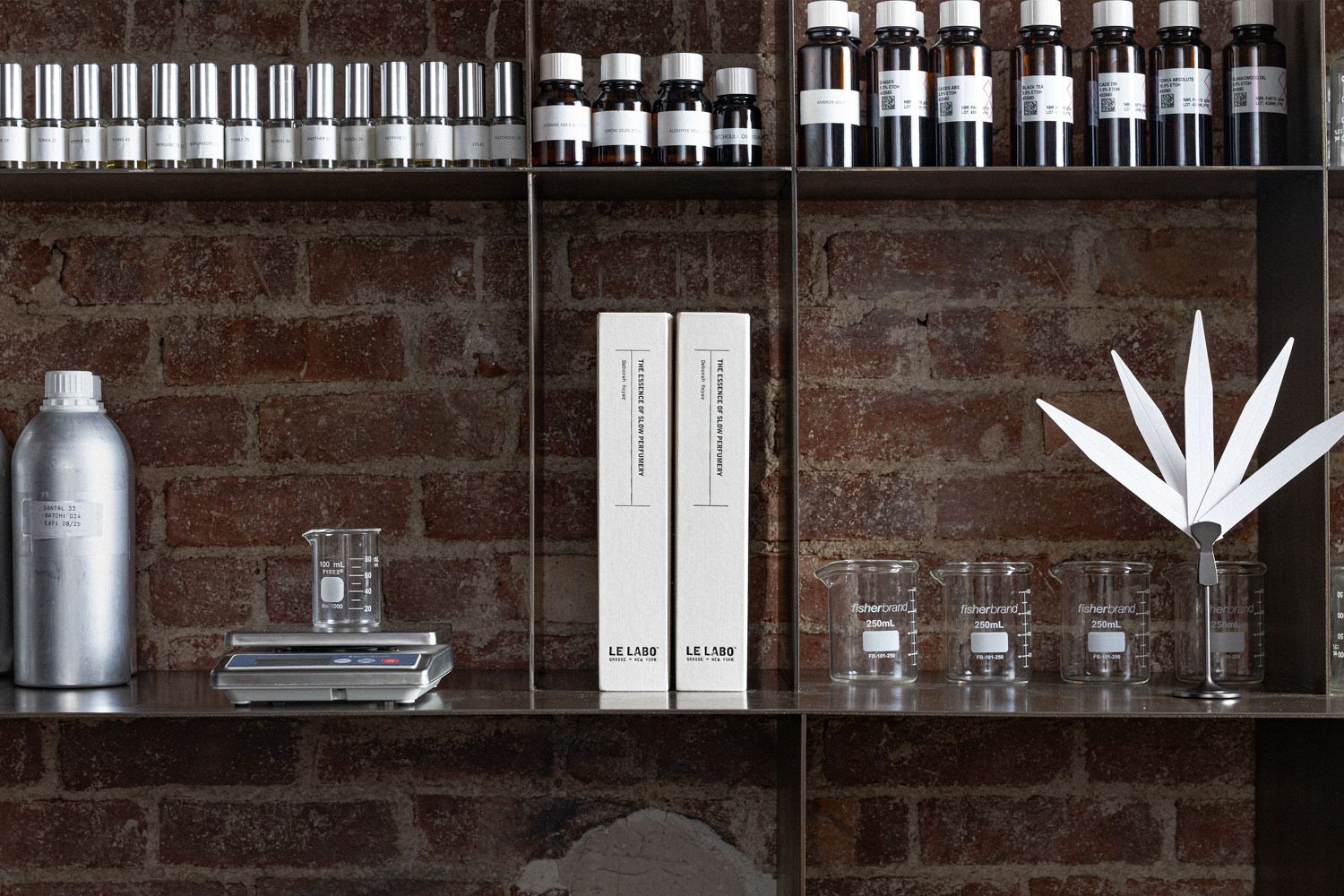
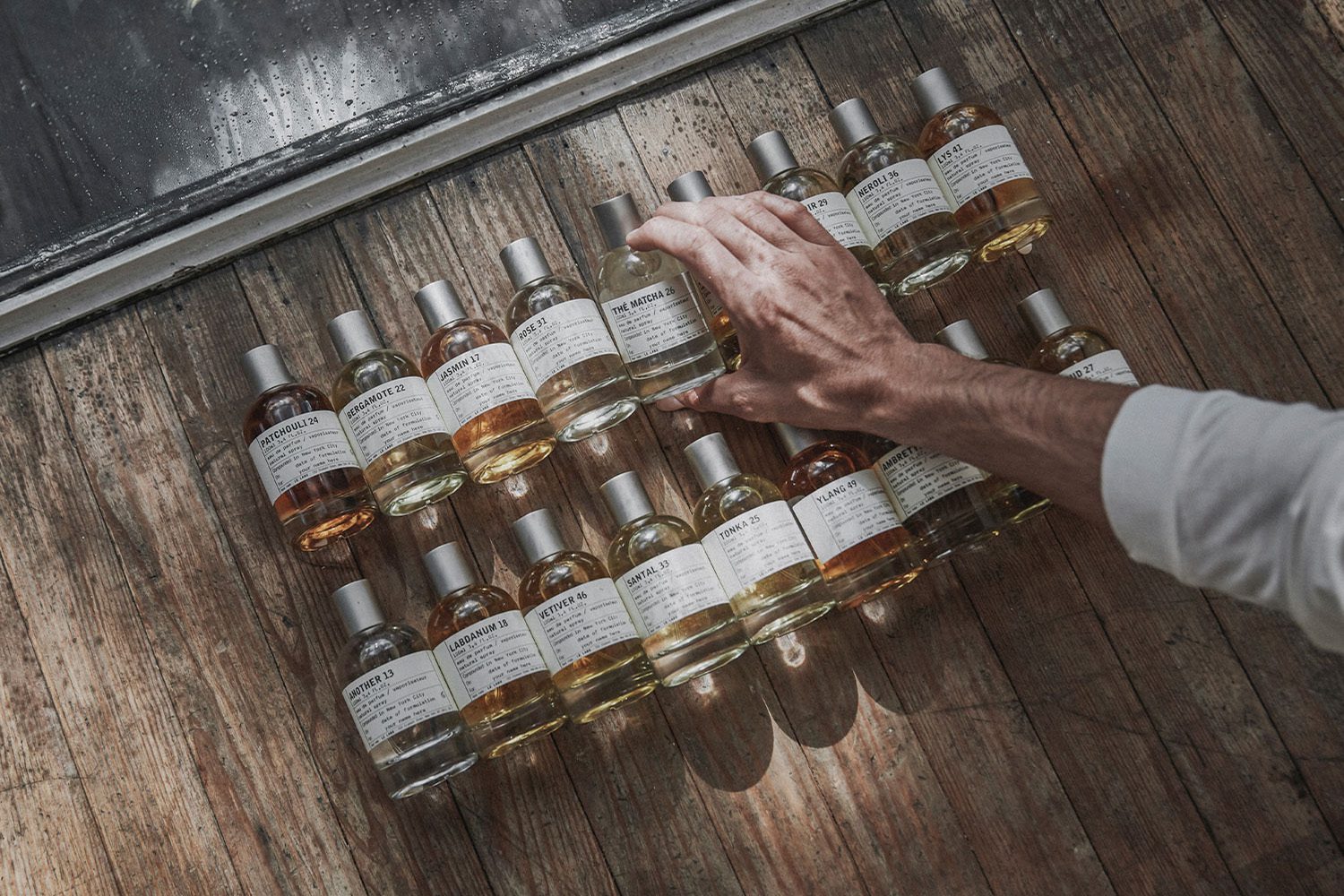
Edited directly by Deborah Royer, Le Labo’s Global Brand President and Creative Director, the book sets out to guide readers through the ‘language of scent’ across ten main chapters, moving from ingredients and laboratories to artisanship. Through essays and photographs steeped in the brand’s philosophy, the volume also reveals Wabi-Sabi as one of Le Labo’s most distinct and deeply embedded forms of DNA, present in every layer of its text and imagery. In doing so, it reflects the brand’s view of beauty as something that exists through imperfection.
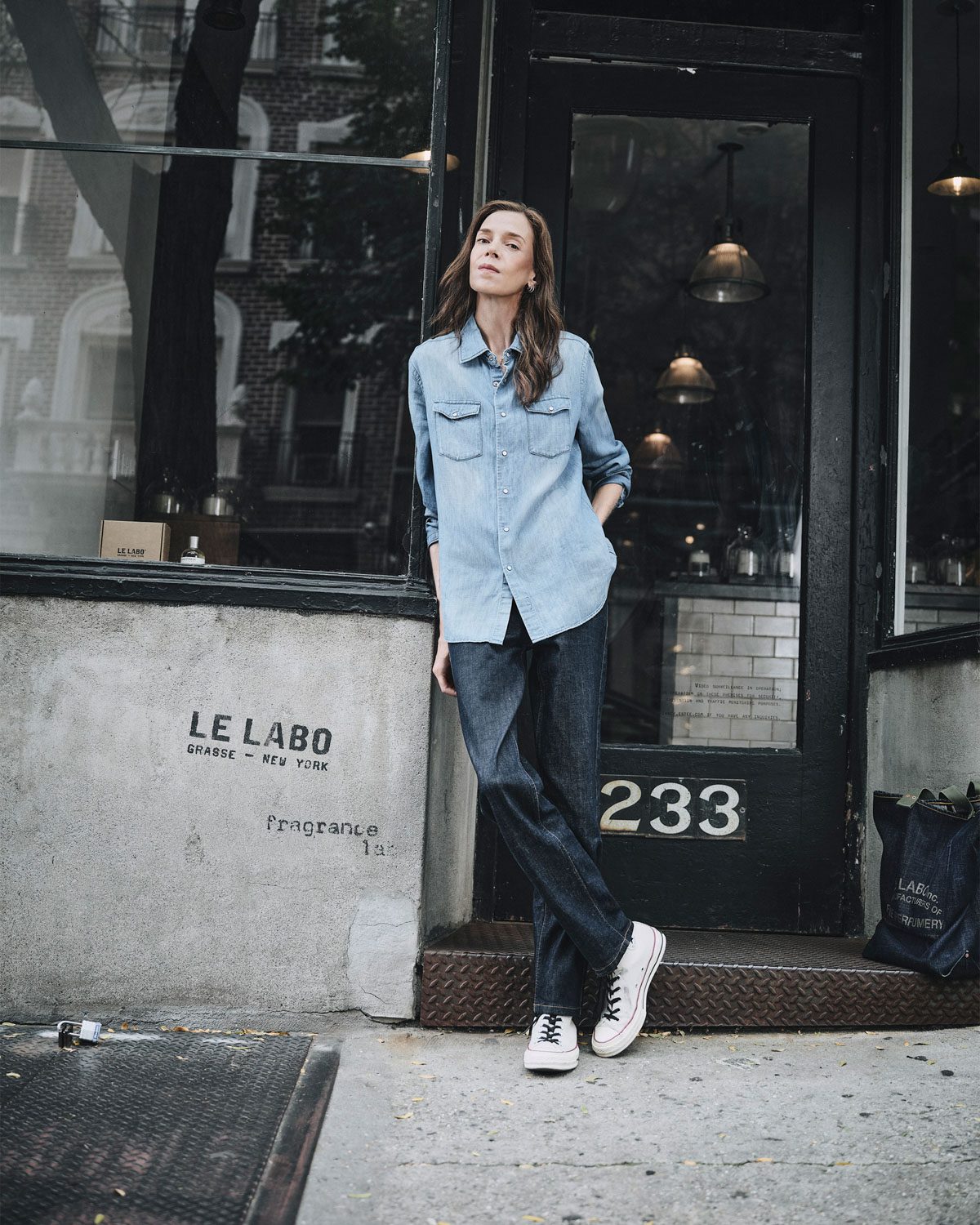
Deborah Royer, Global Brand President and Creative Director at Le Labo | Photo courtesy of Le Labo
This intention is felt from the very first moment the hand touches the ‘cloth’ cover, which reveals the truth of its material through a texture that feels raw and sincere rather than impeccably smooth paper. It becomes a kind of prelude to the charm of the small details concealed within. As the book opens, Kraft-paper chapter dividers appear as moments of pause, both for the fingers and the eyes. This tactile transition through the fingertips prepares the reader’s senses for the rhythms of nature conveyed through the photographs inside. It allows us to see more clearly the dappled sunlight filtering through the cracks and seams of materials, and to sense more deeply the scent of earth after rain as though it were seeping from the atmosphere held within the printed page.
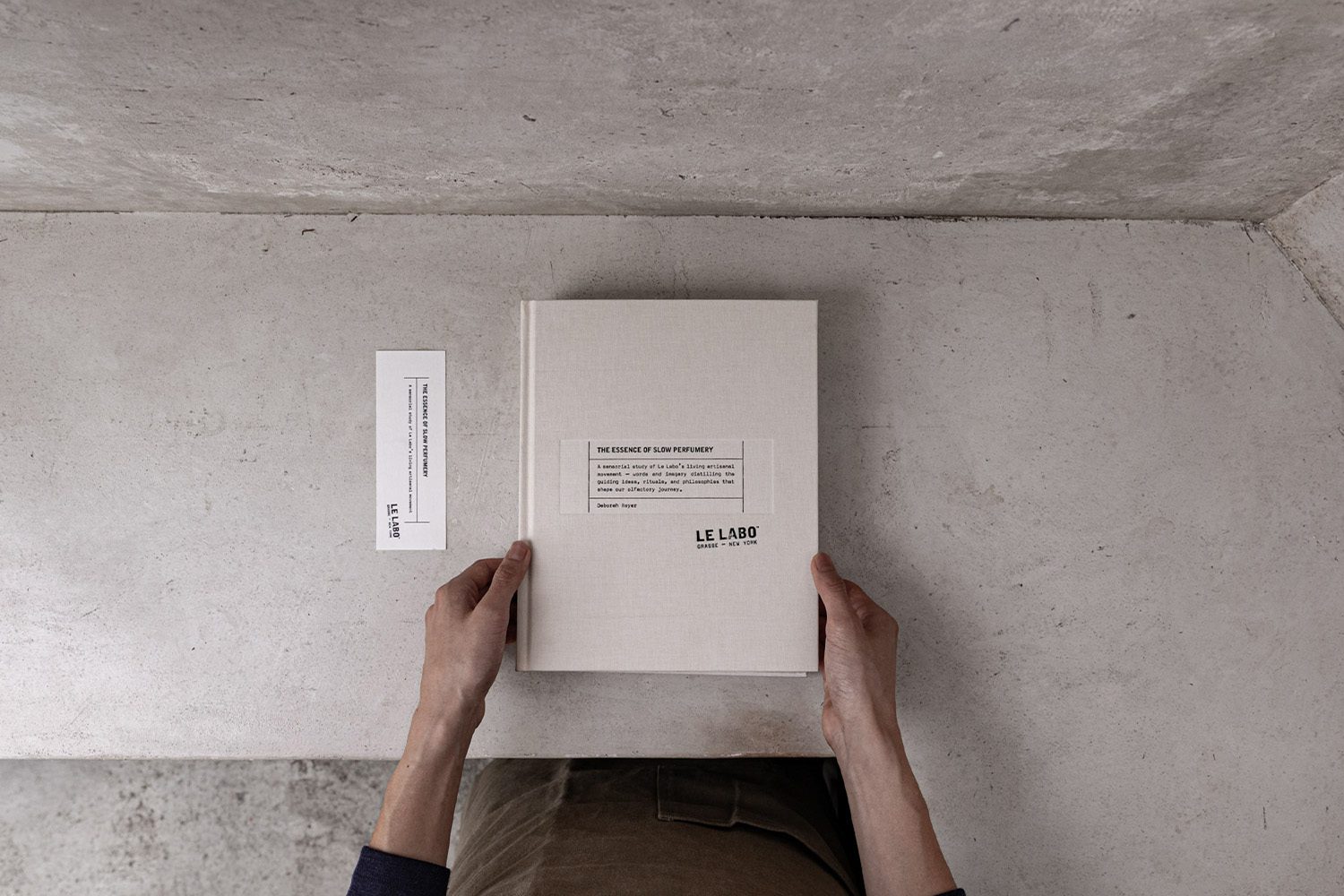 Photo courtesy of Le Labo
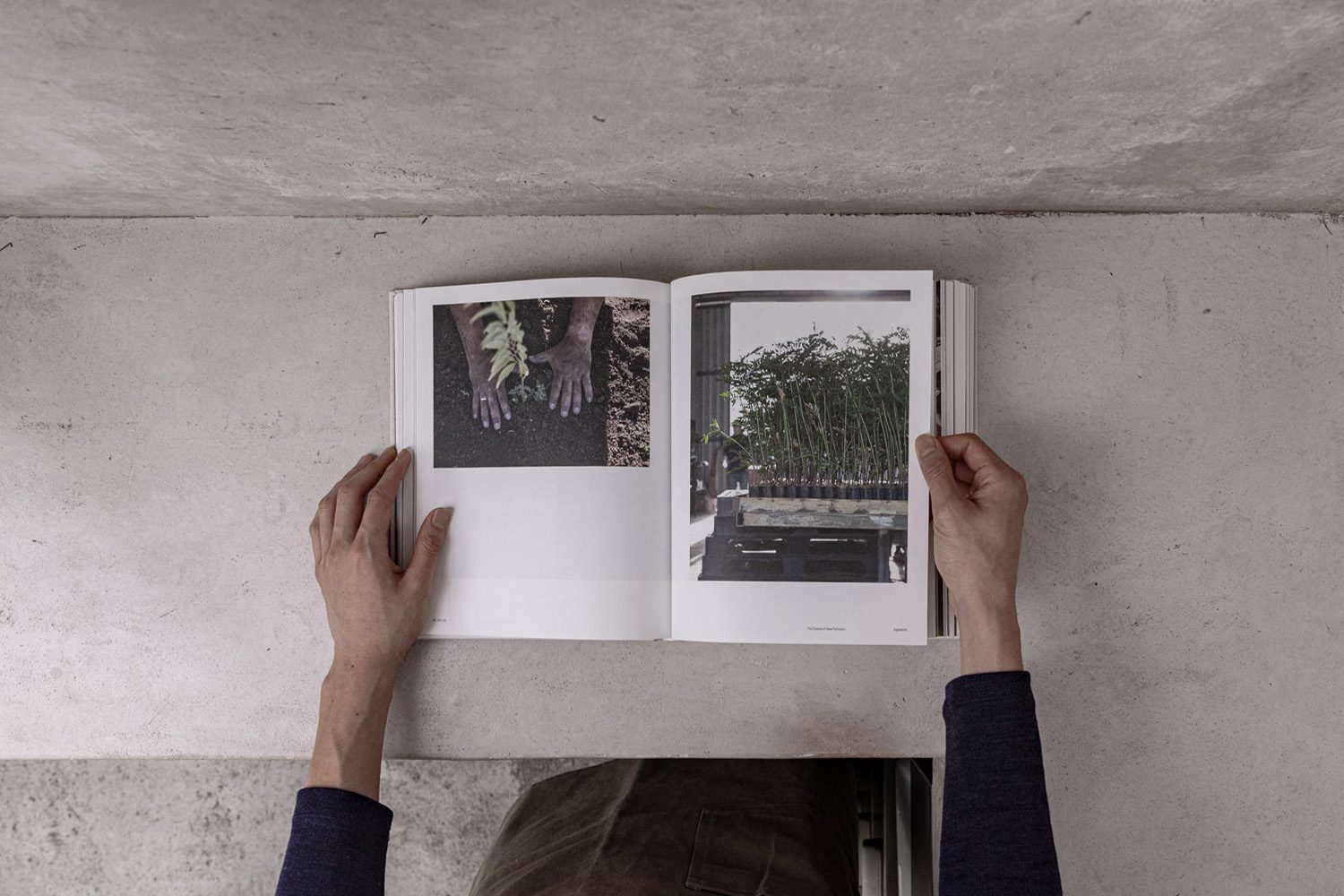
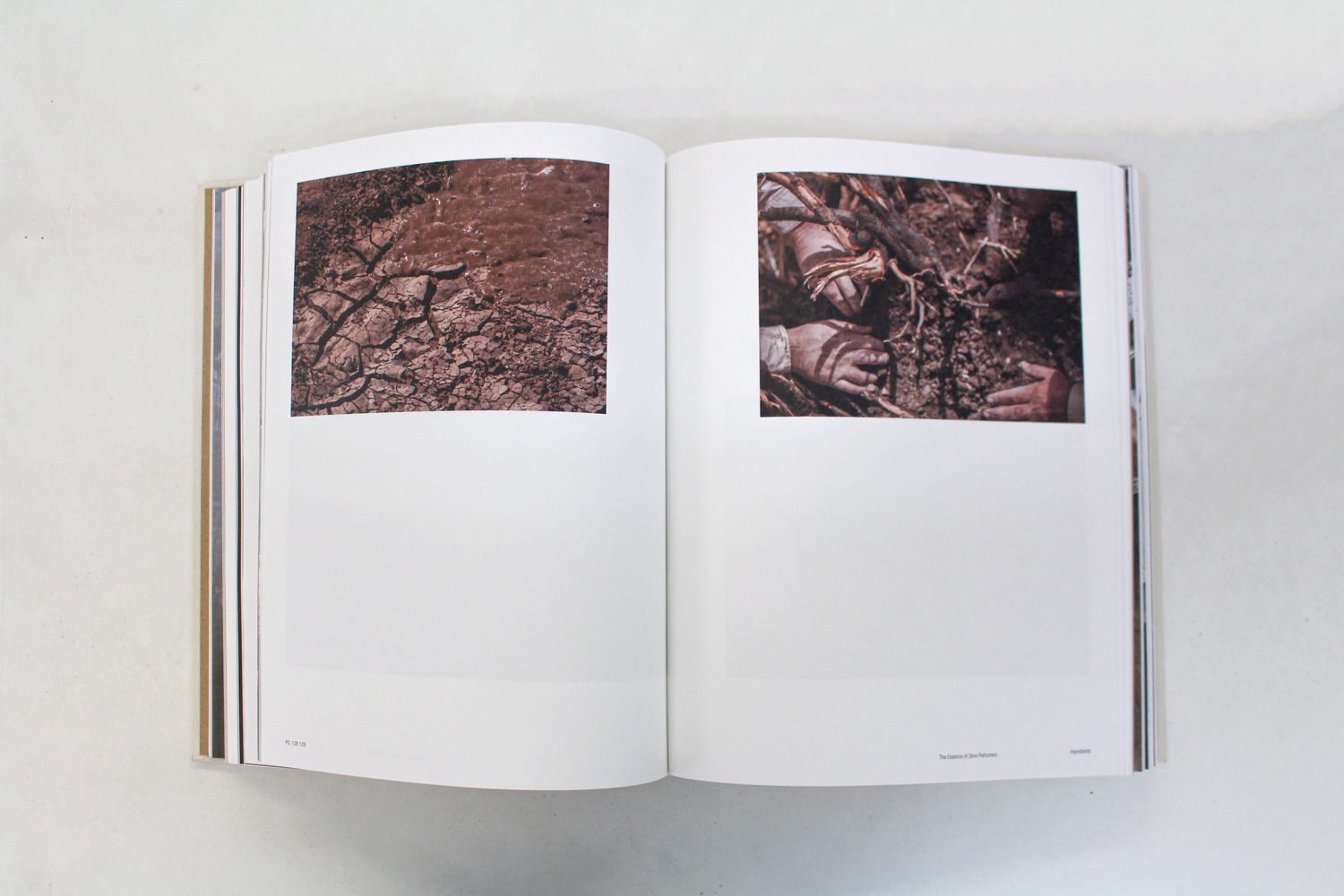
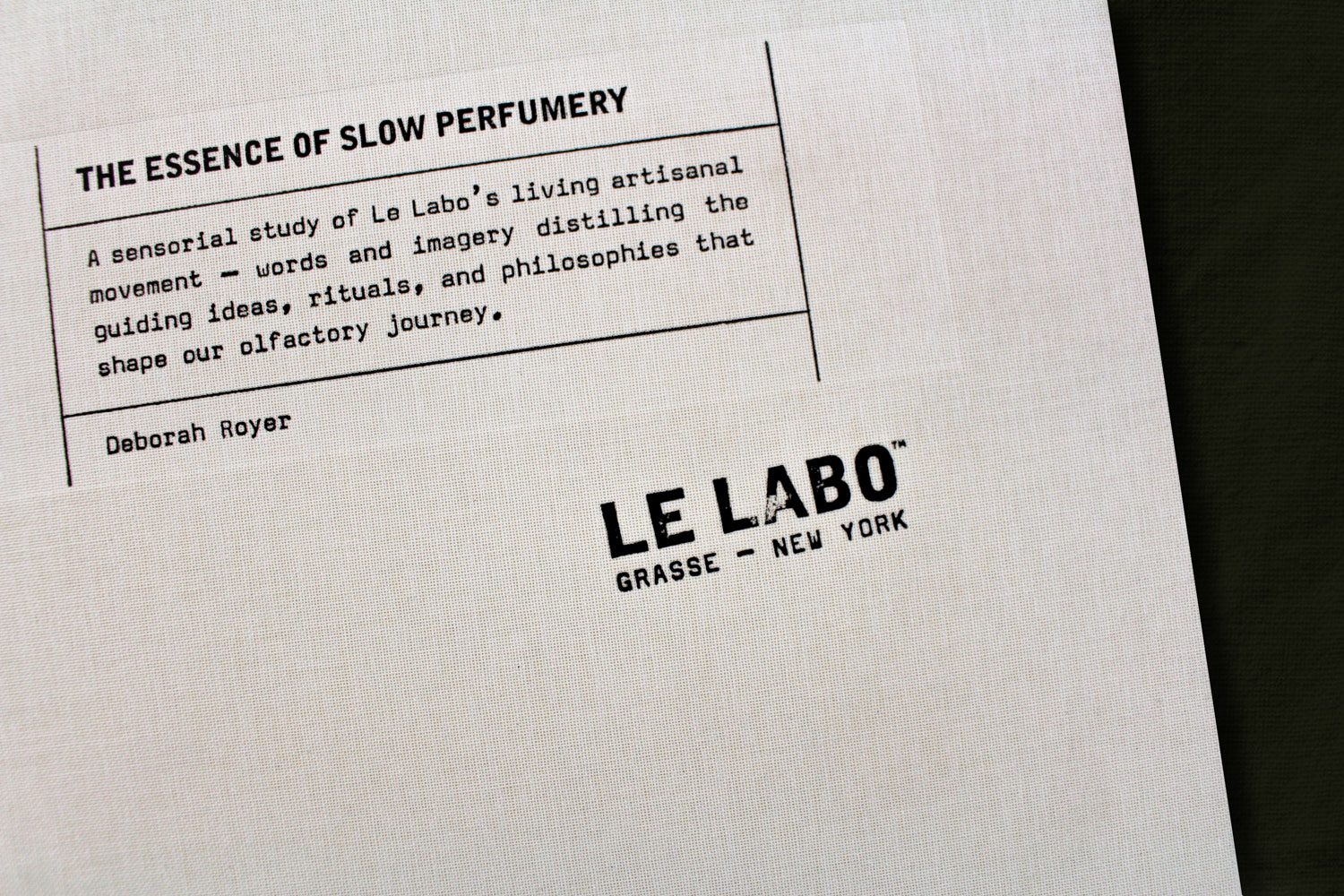
This delicate, attentive way of working also leads to the belief that design becomes complete only when it enters into interaction with the human being. Much like a perfume that does not impose itself, but instead reacts with the specific temperature of each person’s skin to create a singular scent, this book is not merely a record of history or of what the brand has done. It is an emotional laboratory, a space in which readers are invited to distill their own experiences. The result shifts according to each person’s temperature of thought, reaffirming that true beauty is not something fully resolved by the factory but an open field waiting for people to define completeness on their own terms.
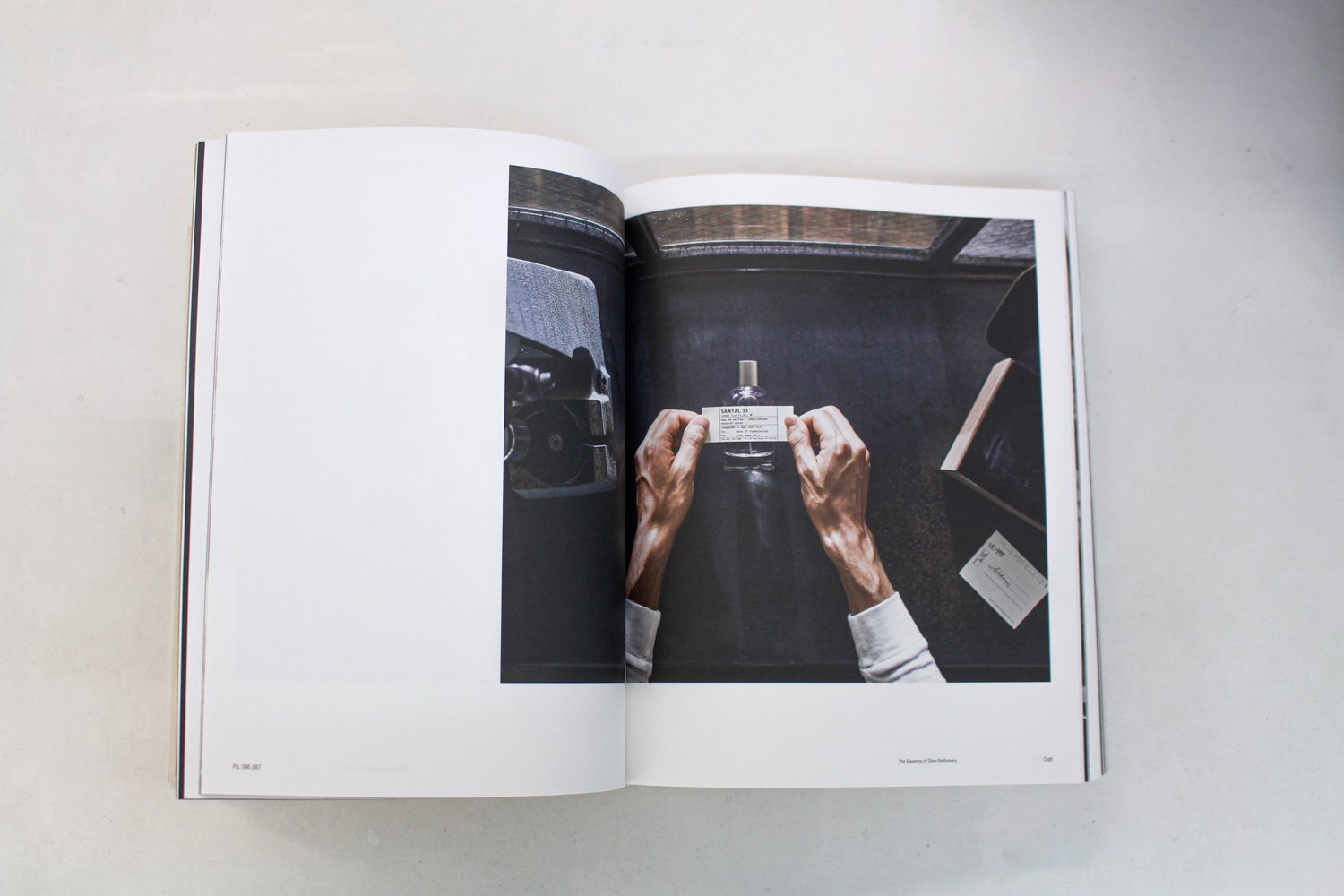
Photo: Thataporn Mangmee
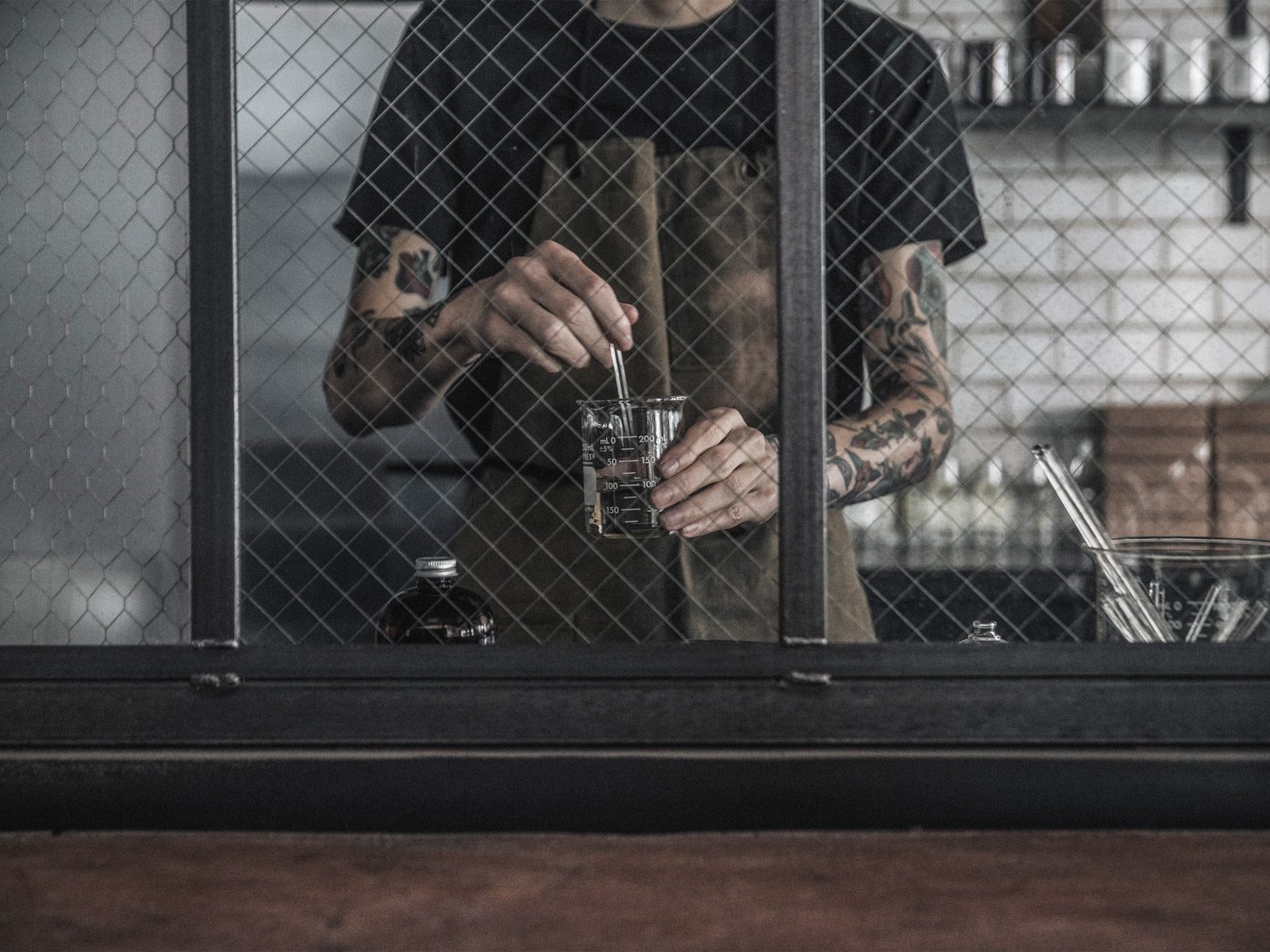 Photo courtesy of Le Labo
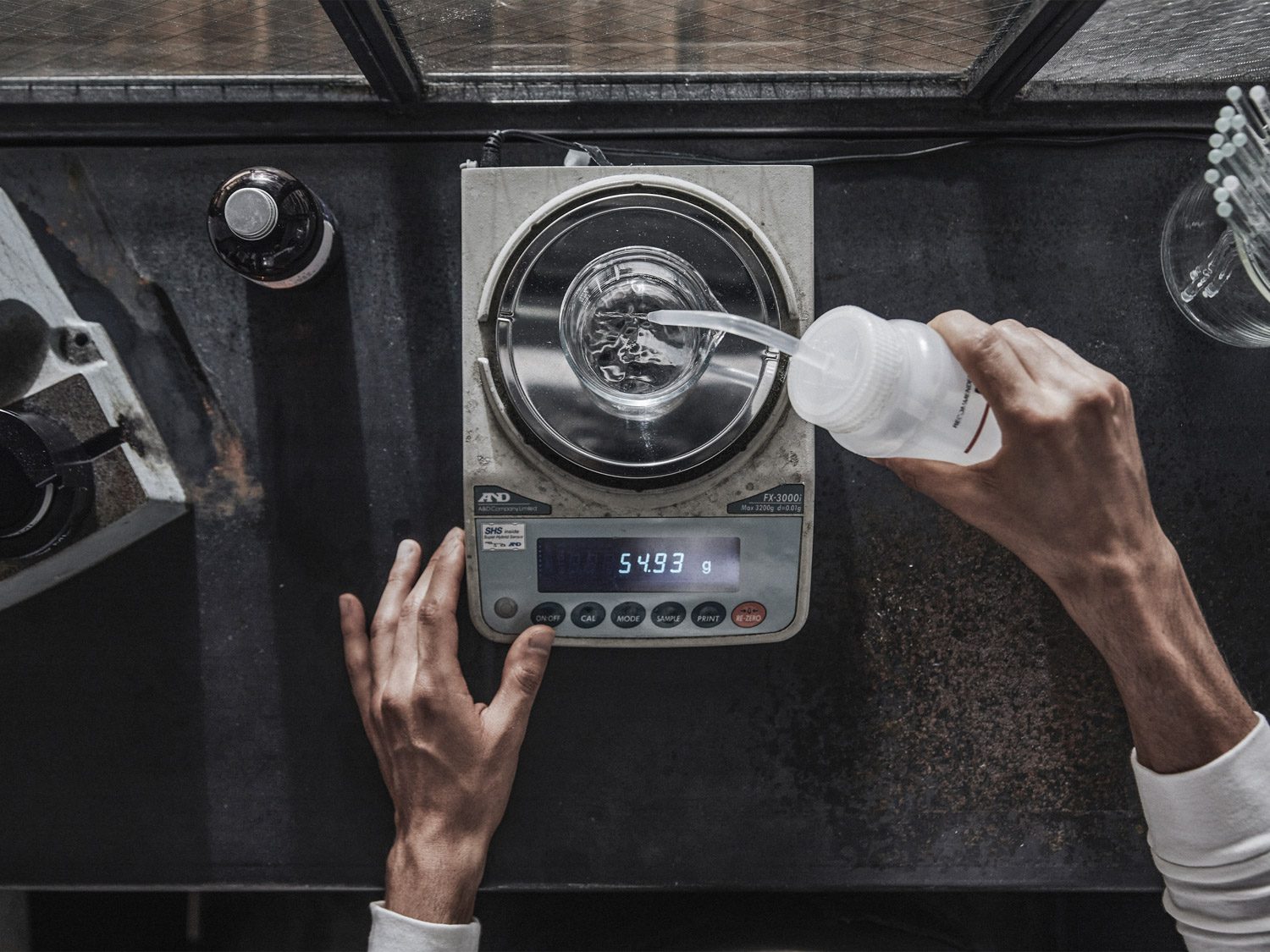
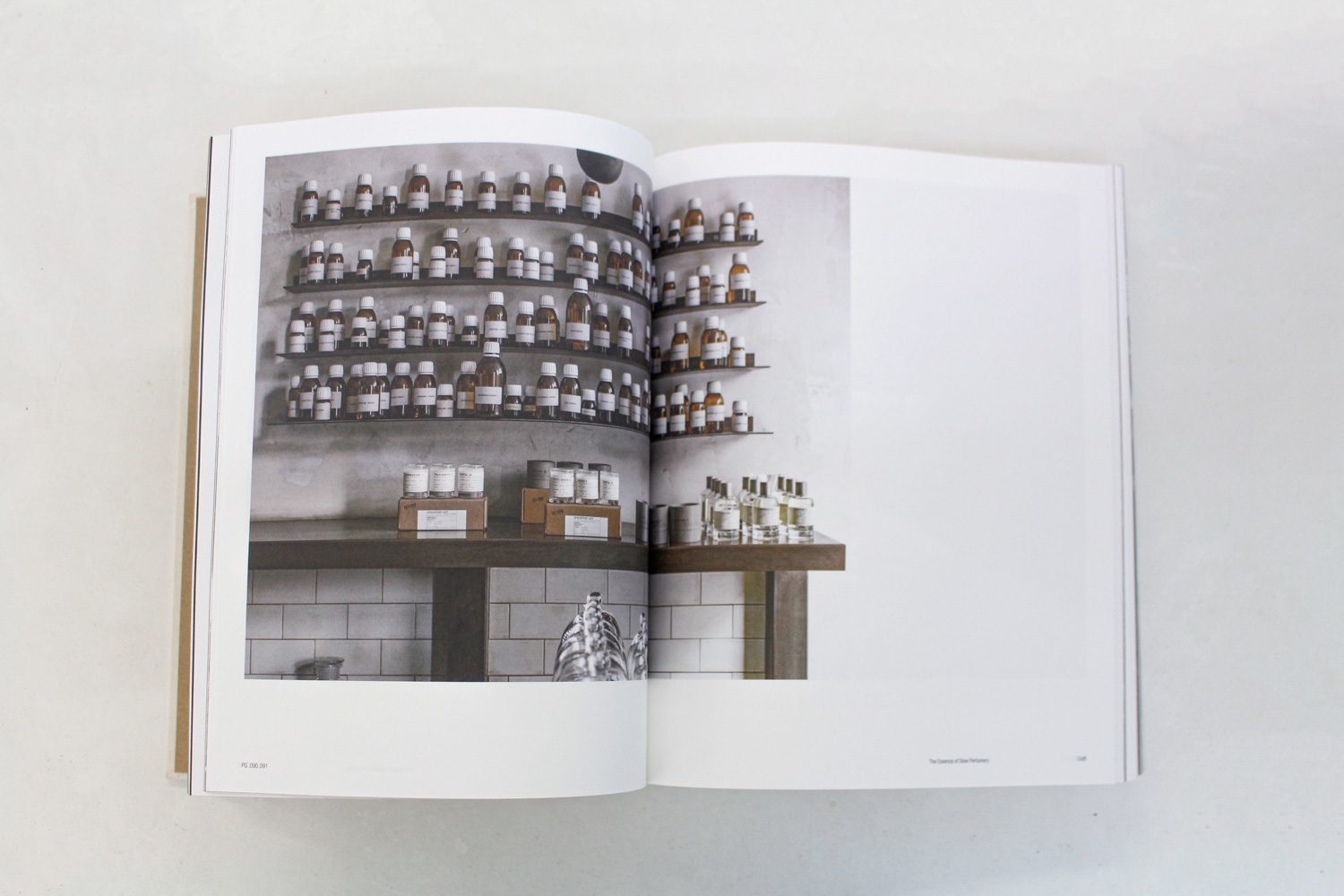
Photo: Thataporn Mangmee
The DNA of the handmade is not confined to the perfume bottle. It also extends into the definition of space. Beyond personal notes, the architectural photographs in the book take us through designs in which each boutique exposes the traces of its materials to articulate a different context, from the red brick and raw concrete of the Ari branch in Bangkok, which reveals the modesty of an old building, to the marks on the vintage tiles of the Berlin branch, where history is conveyed through the original design. Looking at scent as molecular particles that settle and merge with these surfaces, one begins to see clearly that Le Labo does not treat fragrance and architecture as separate entities. Rather, the two are fused into a site-specific identity that becomes almost impossible to disentangle.
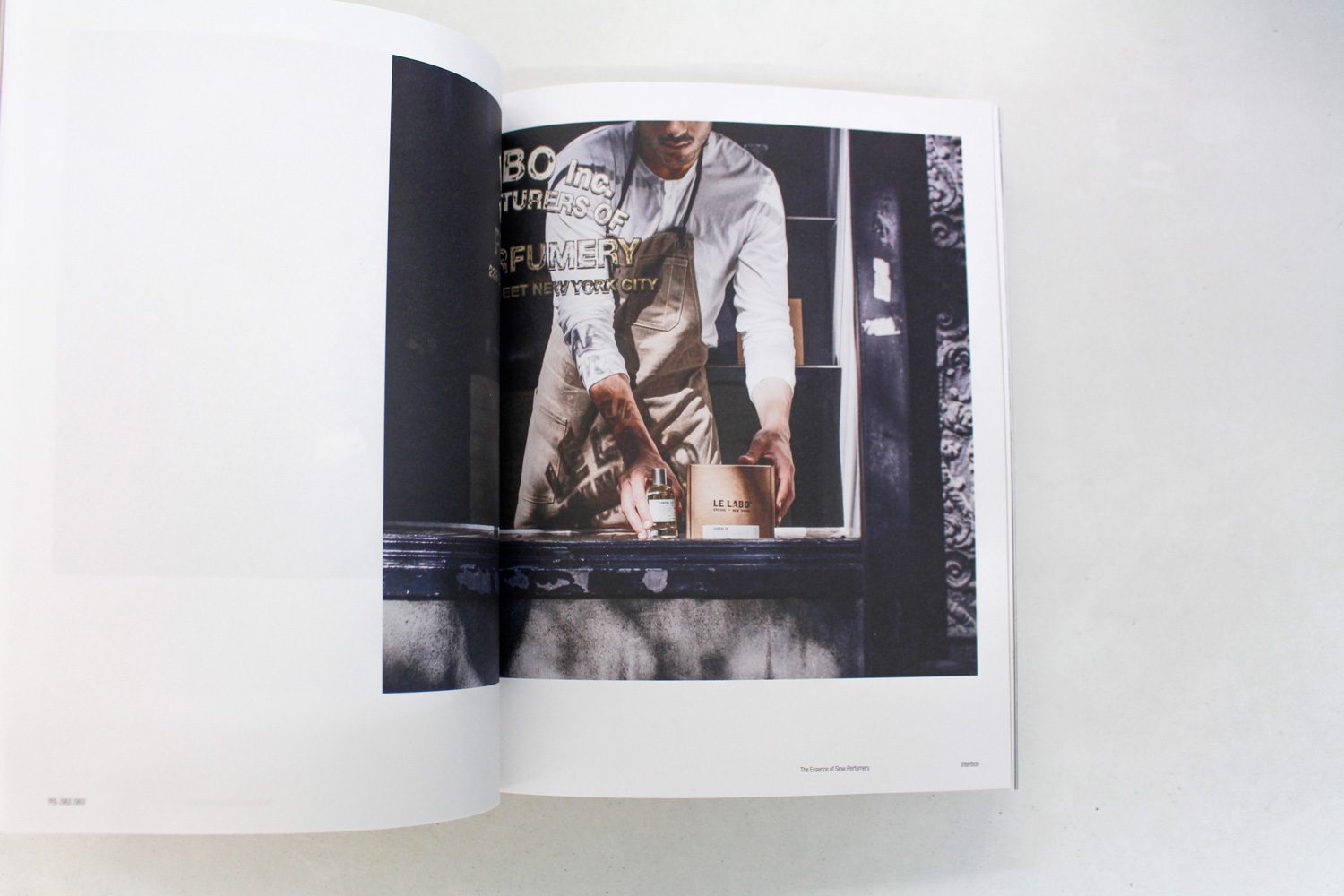
Photo: Thataporn Mangmee
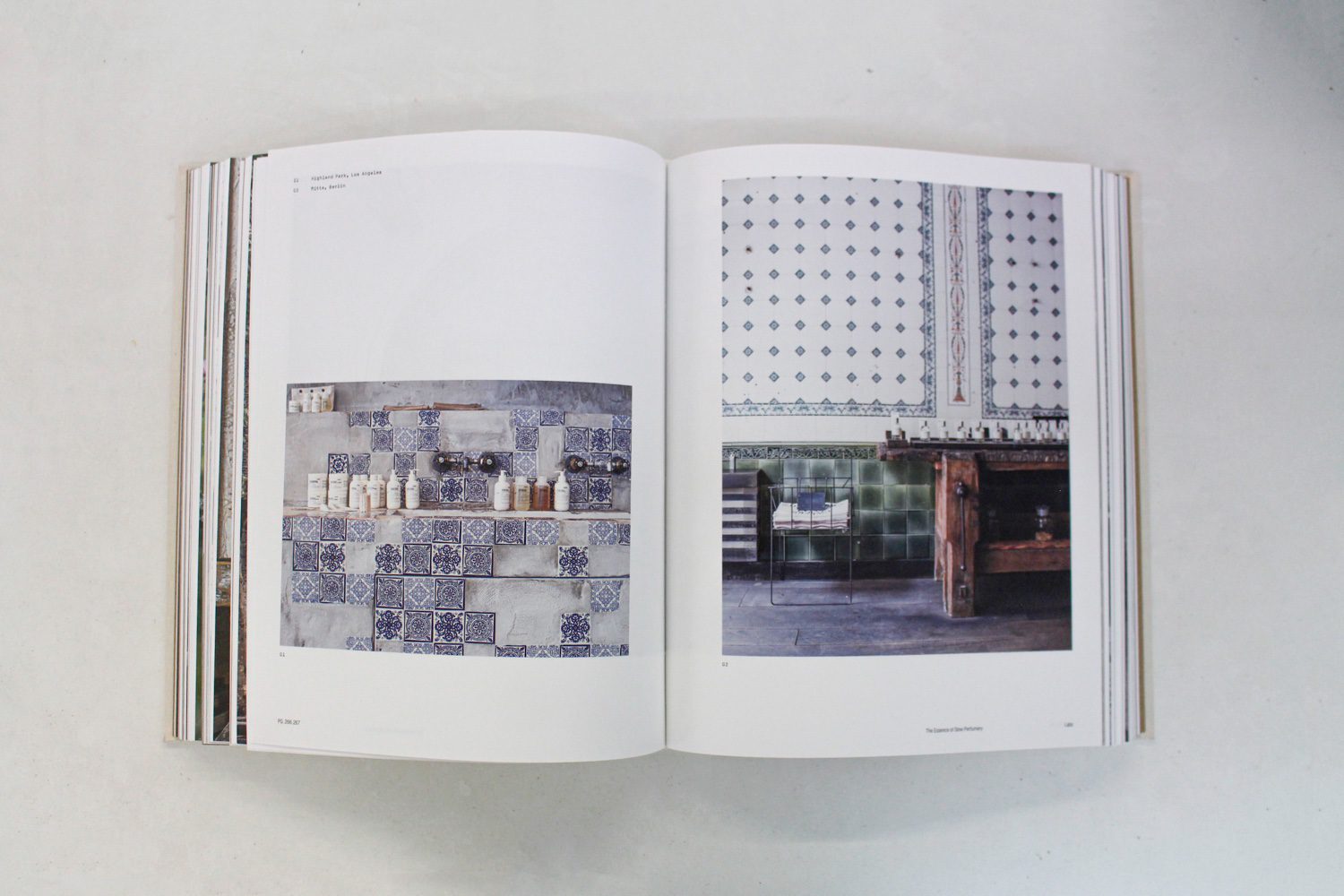 Photo: Thataporn Mangmee
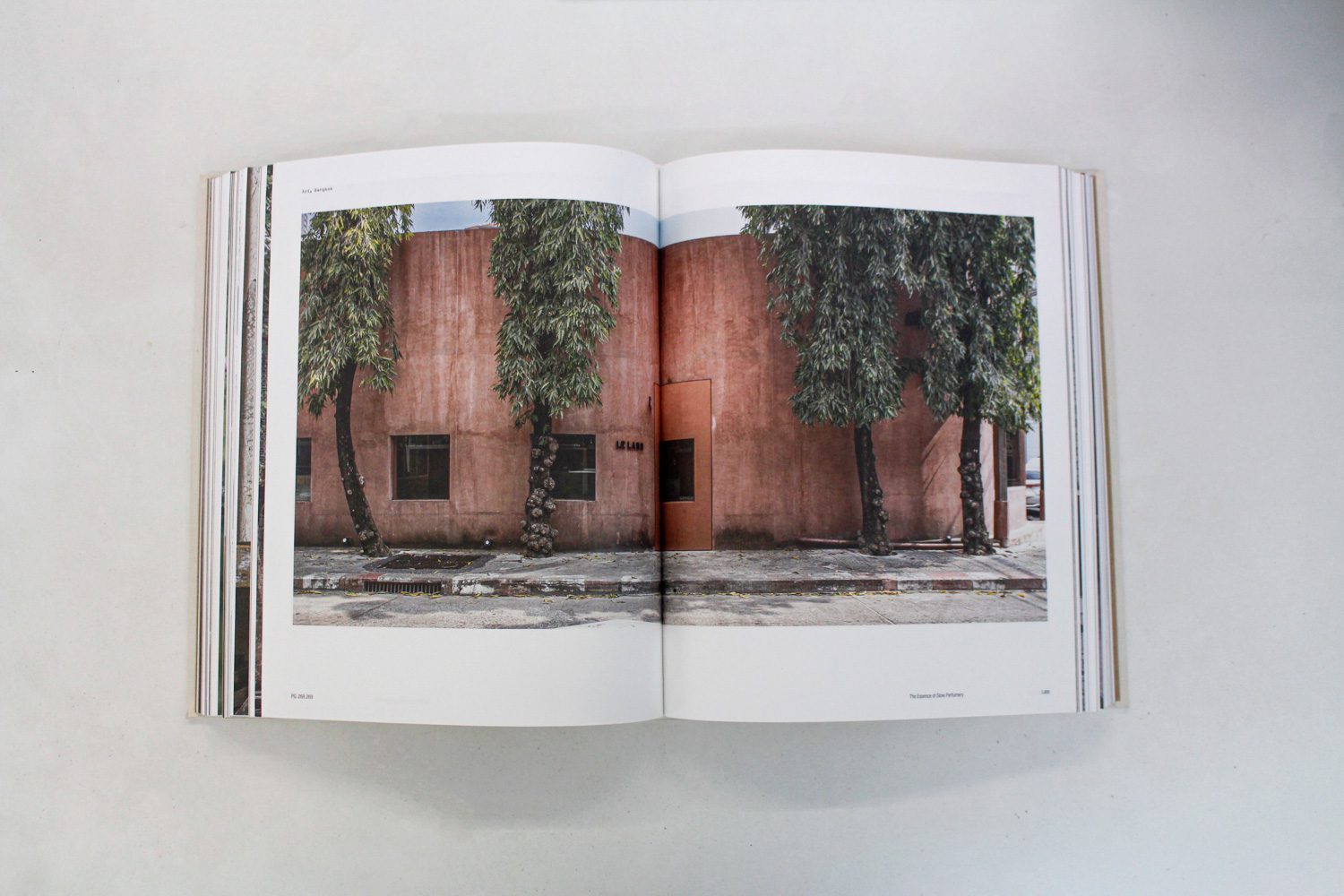
Ultimately, this book is a reflection of directness. It presents a form of luxury that does not create distance from the reader, but communicates through simplicity and attention paid to every detail. Le Labo: The Essence of Slow Perfumery is therefore not merely an attempt to explain the value of the brand. It opens a door into the world to which Le Labo remains firmly committed, inviting us to sense the spirit and traces of time that have been patiently cultivated there. And once one begins to absorb that atmosphere across its 551 pages, one discovers that true beauty does not need to announce itself. It works most quietly and most clearly, in the very act of reading and touch.
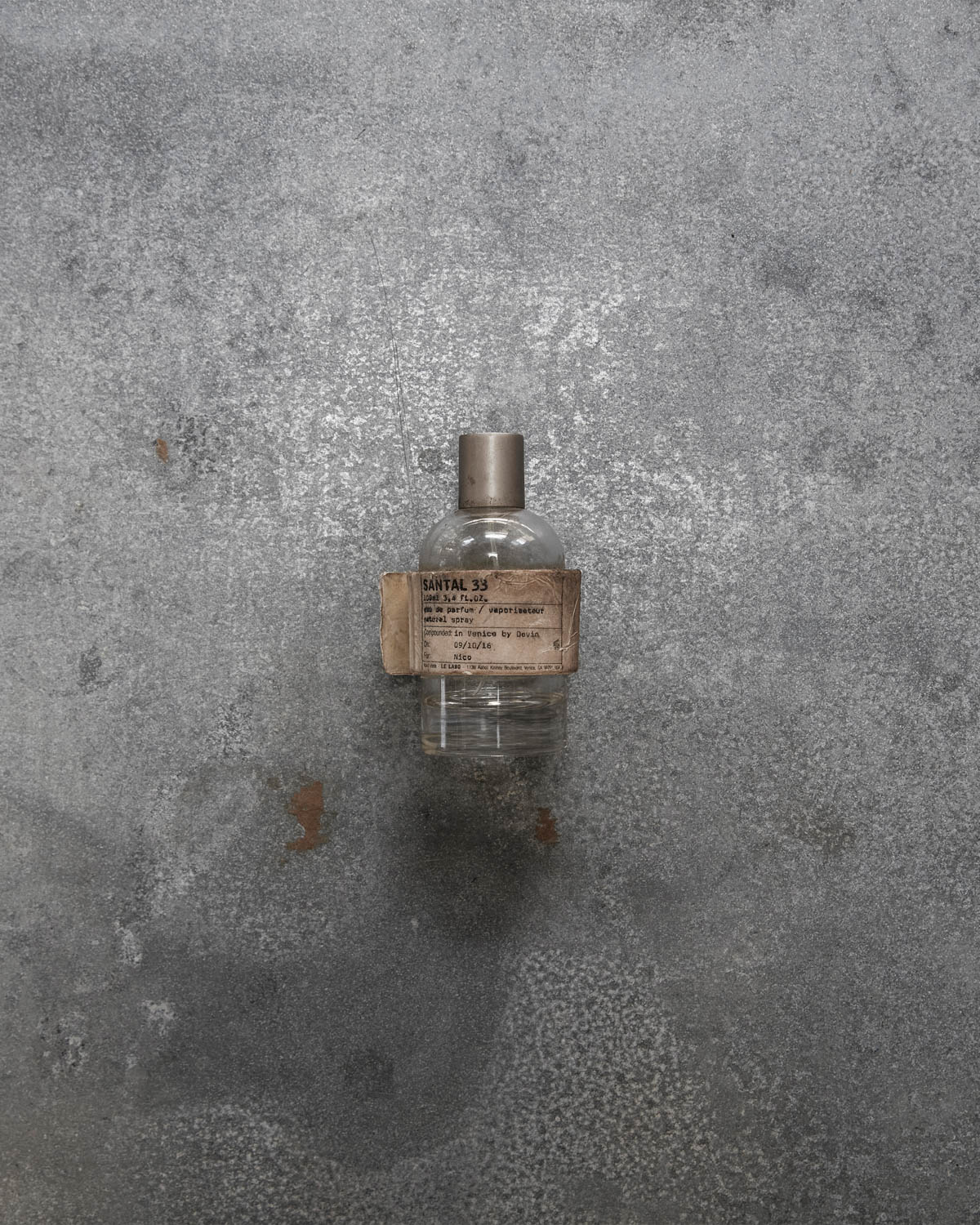
Photo courtesy of Le Labo
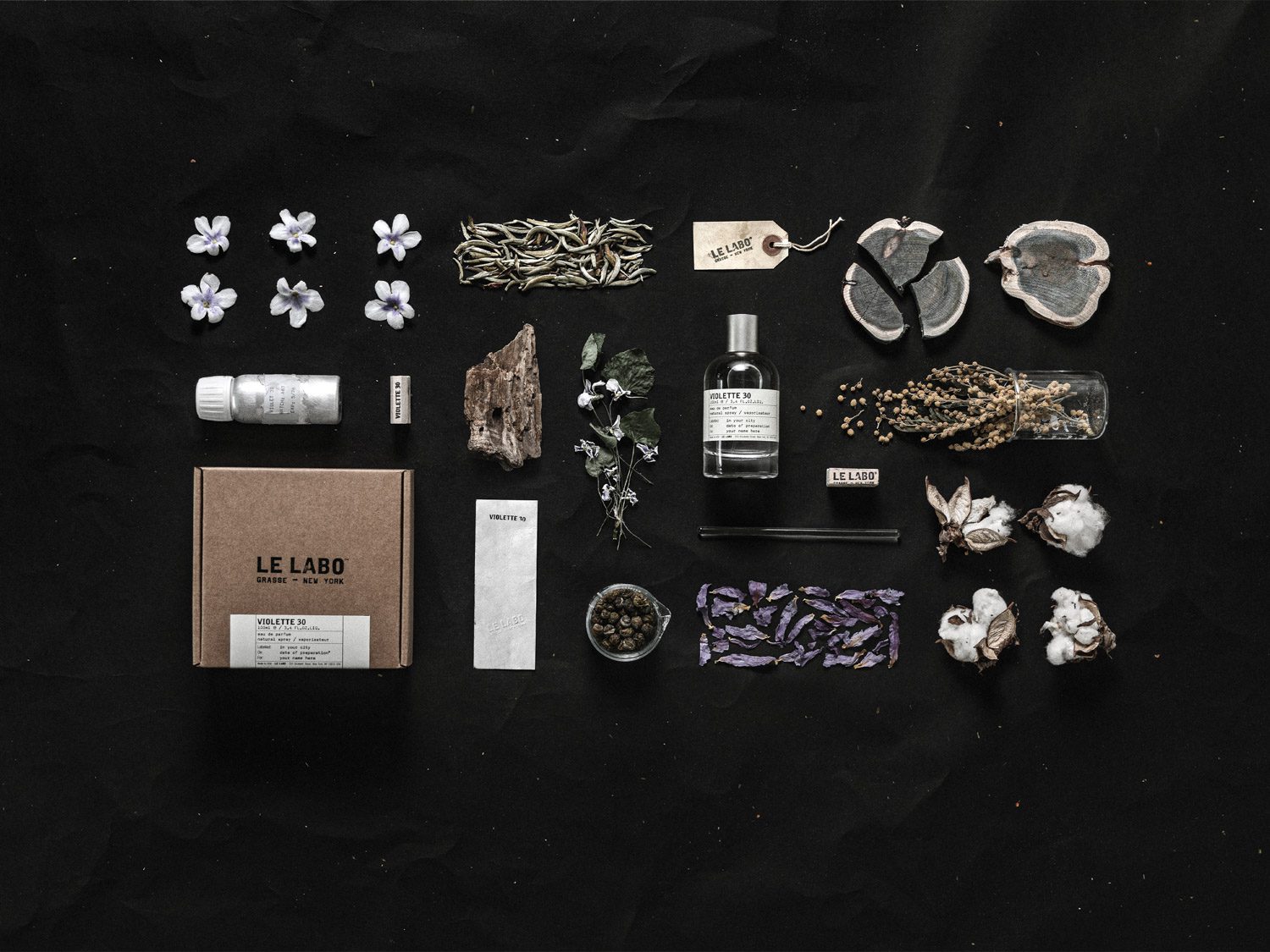
Photo courtesy of Le Labo