
 Photo: DONG
 NERI&HU DESIGN AND RESEARCH OFFICE DESIGNED THE ARCHITECTURE FOR PRESERVATION AND DEVELOPMENT THROUGH THE YARD, DALIAN CULTURAL CENTER
TEXT: KARN PONKIRD
PHOTO: RUNZI ZHU EXCEPT AS NOTED
(For Thai, press here)
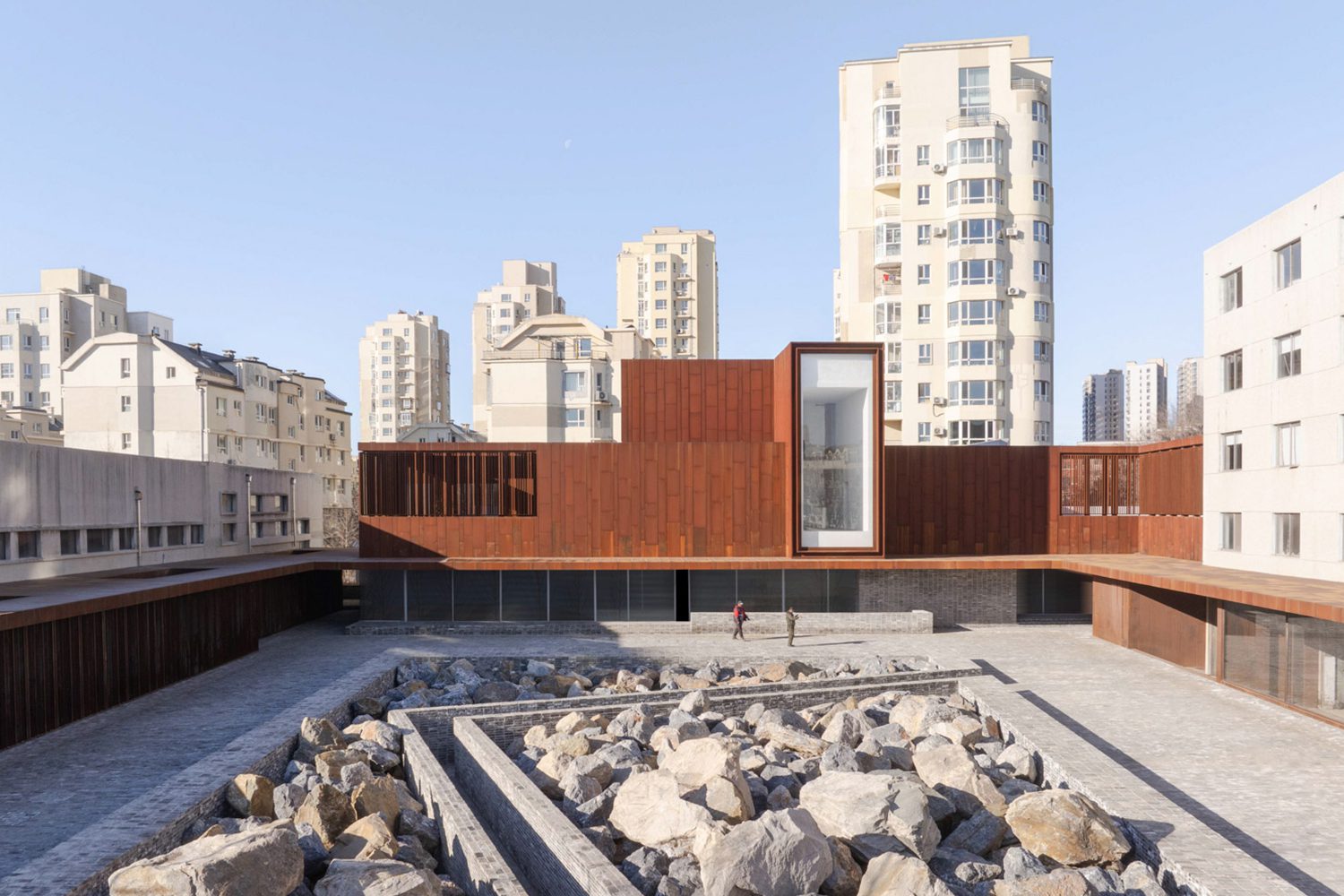
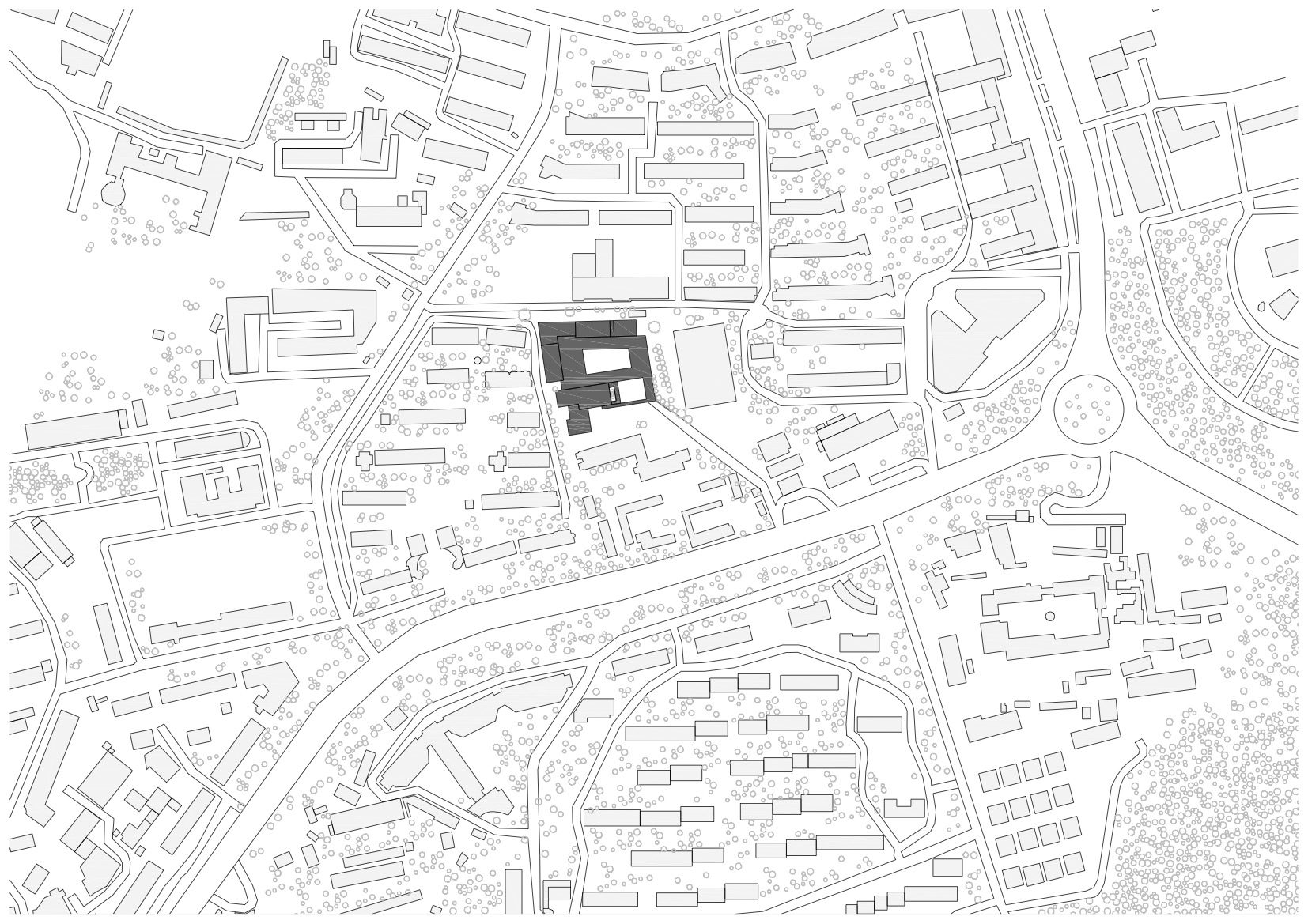
The Yard is a cultural regeneration project by Neri&Hu Design and Research Office, breathing new life into a cluster of six buildings, each over 40 years old, on a site of approximately 6 rai (about 9,600 square meters) in Dalian, Liaoning Province, China. Once a patchwork of structures that had seen decades of ad hoc repairs and extensions, the site has been transformed into a 4,631-square-meter cultural hub designed to serve both the local community and the nearby student population, given its proximity to the city’s university district. The program accommodates a diverse range of uses: gallery spaces, retail shops, a cinema, a theater, offices, and even a small public library for the neighborhood.
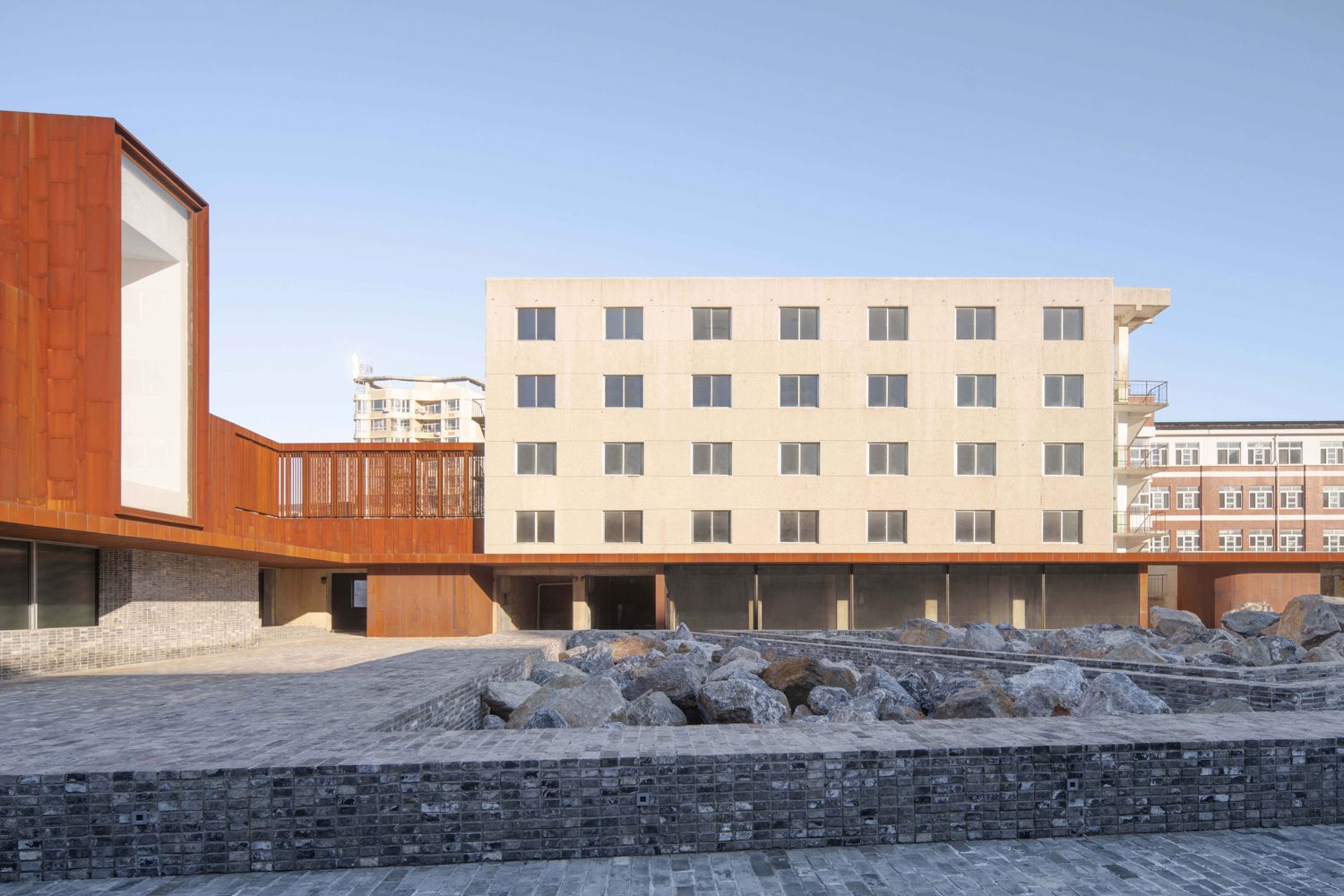
Photo: DONG
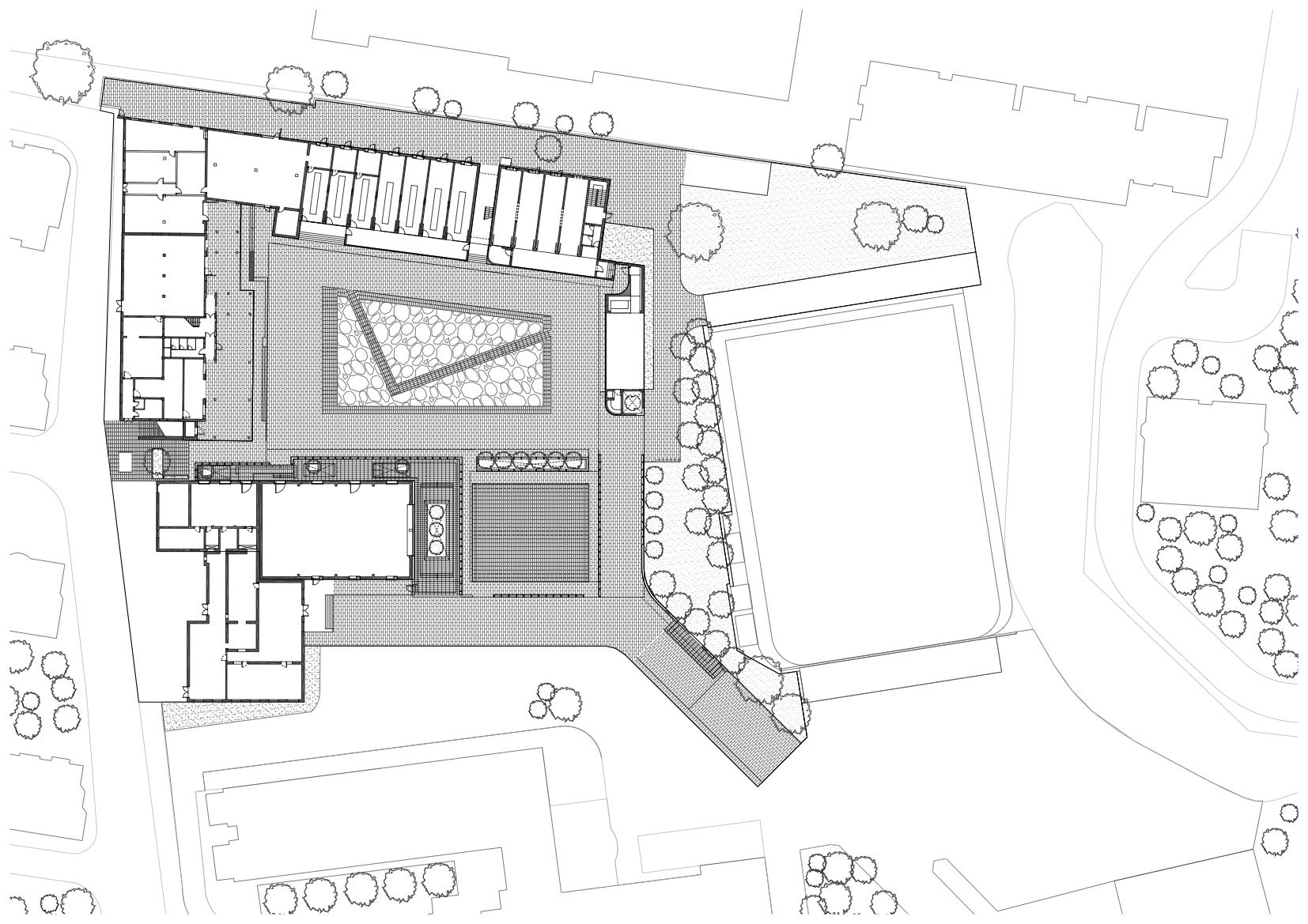
The buildings had previously housed offices, warehouses, worker dormitories, an automobile repair shop, and residential quarters for the staff of a chemical research institute. At the center of the site was a paved concrete courtyard, once used for parking, enclosed in a U-shape by structures built at different times, each with its own height, form, and character. For Neri&Hu, the challenge was to unify this disparate assemblage through a coherent architectural language. This task is underscored by Dalian’s rapid transformation. As the Chinese government drives the former industrial port toward becoming a hub for IT institutions and technology companies, much of the city’s architectural heritage and community fabric are being eroded, subsumed by commercial real estate and new office towers.
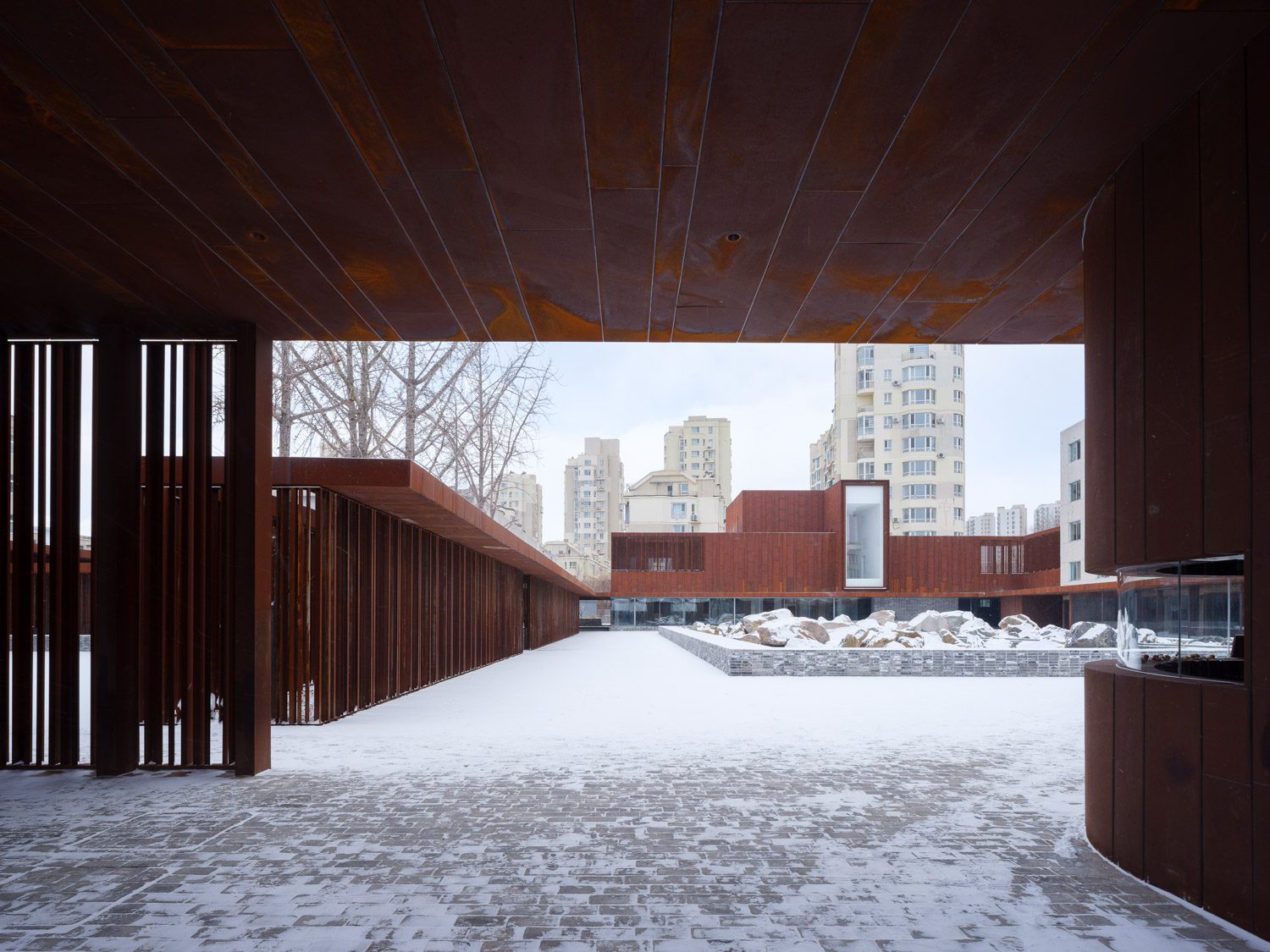
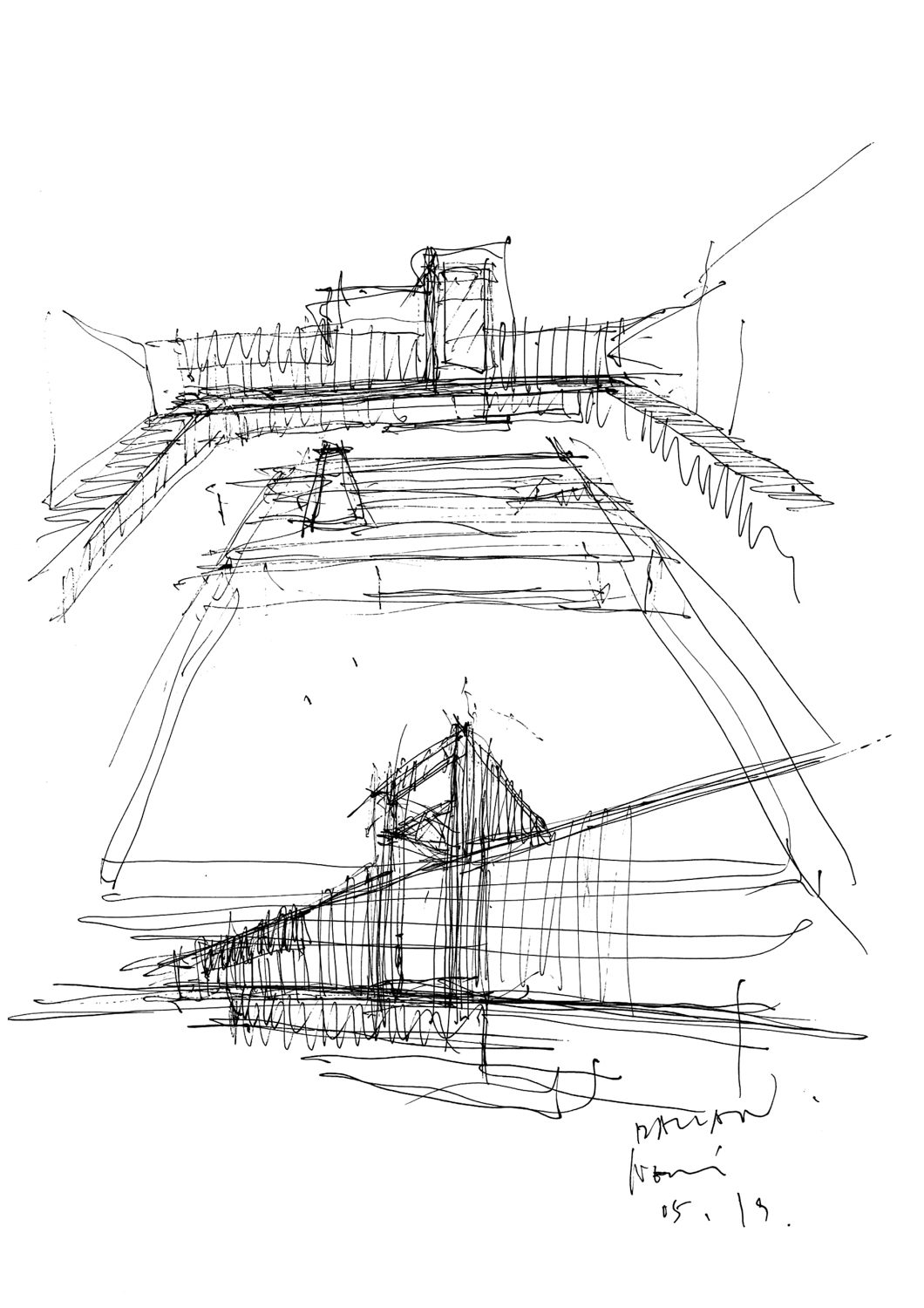
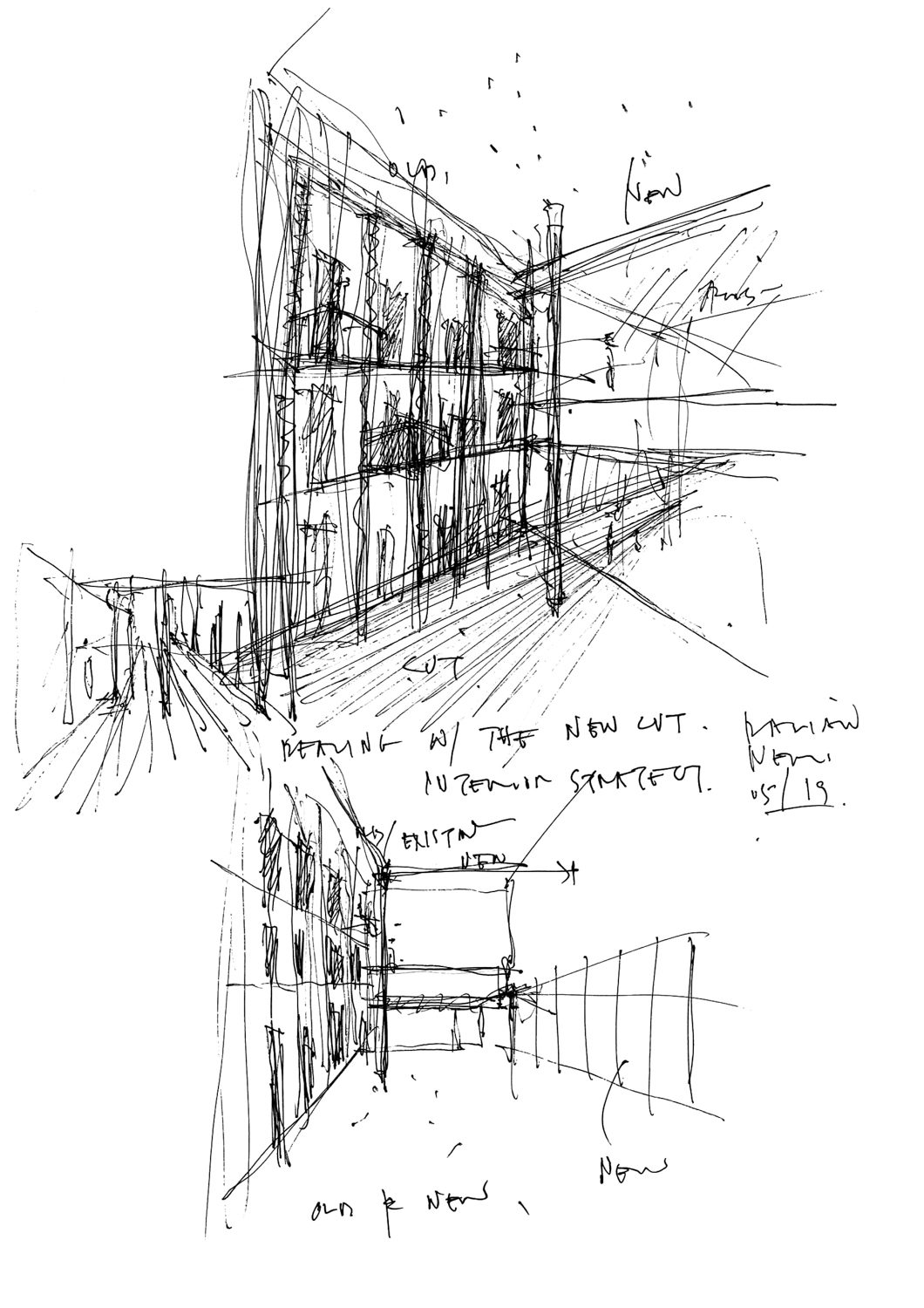
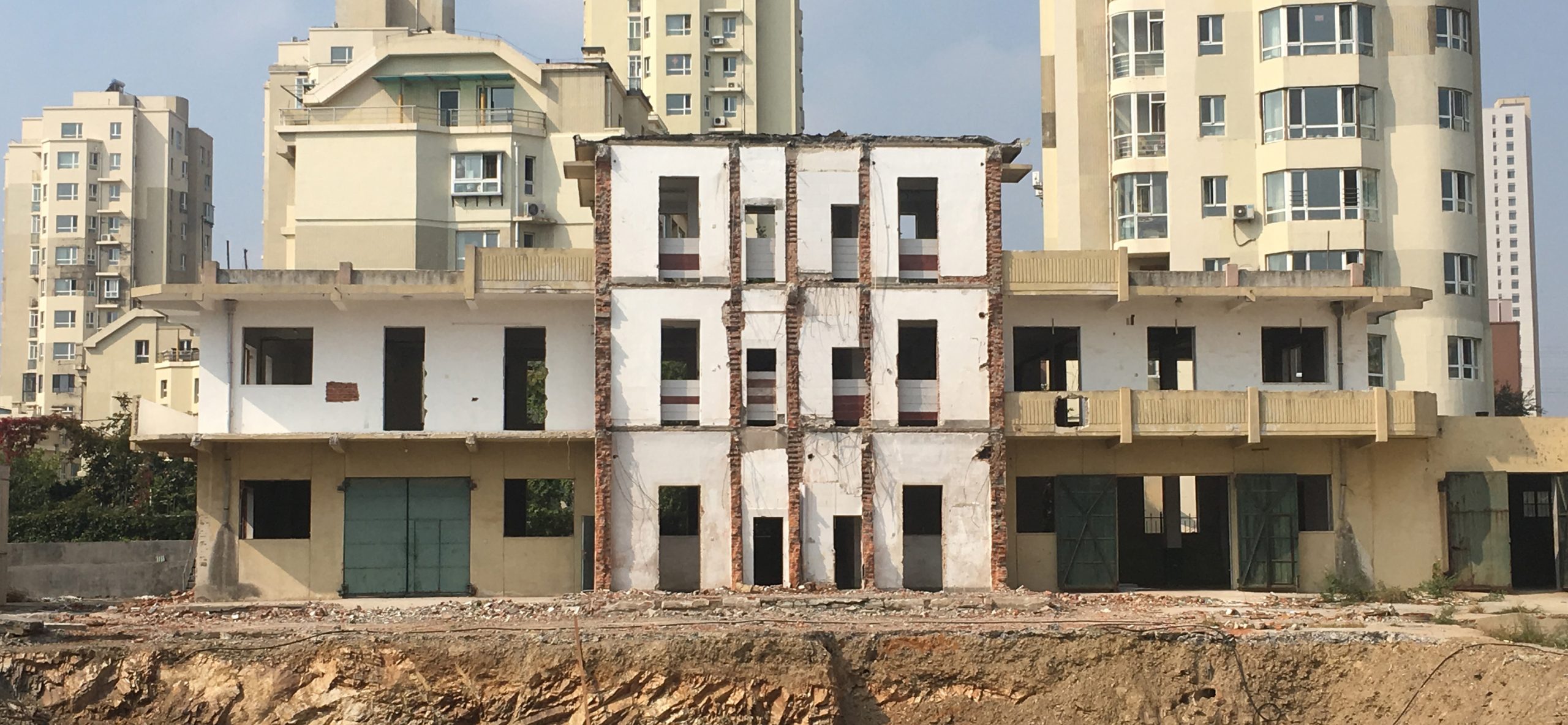
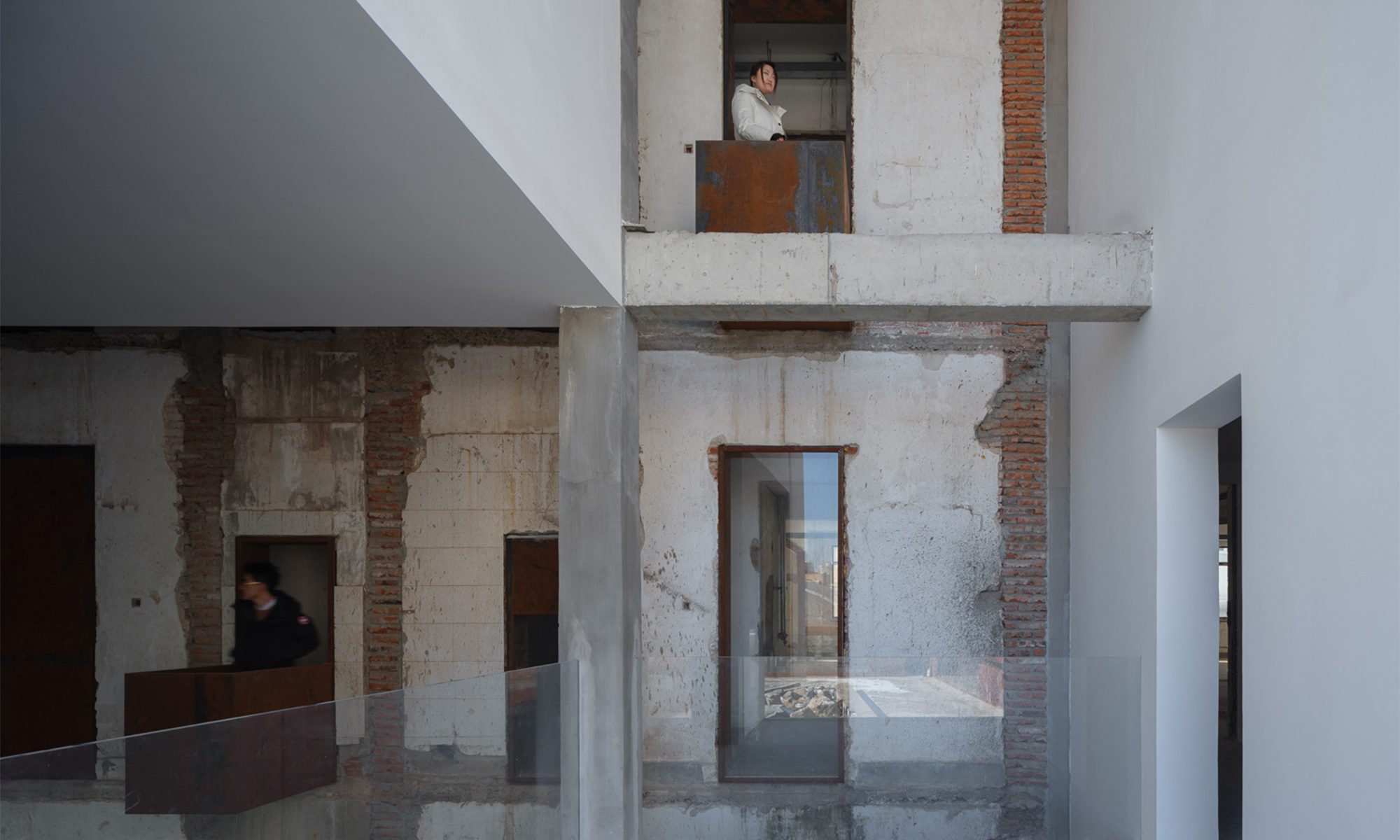
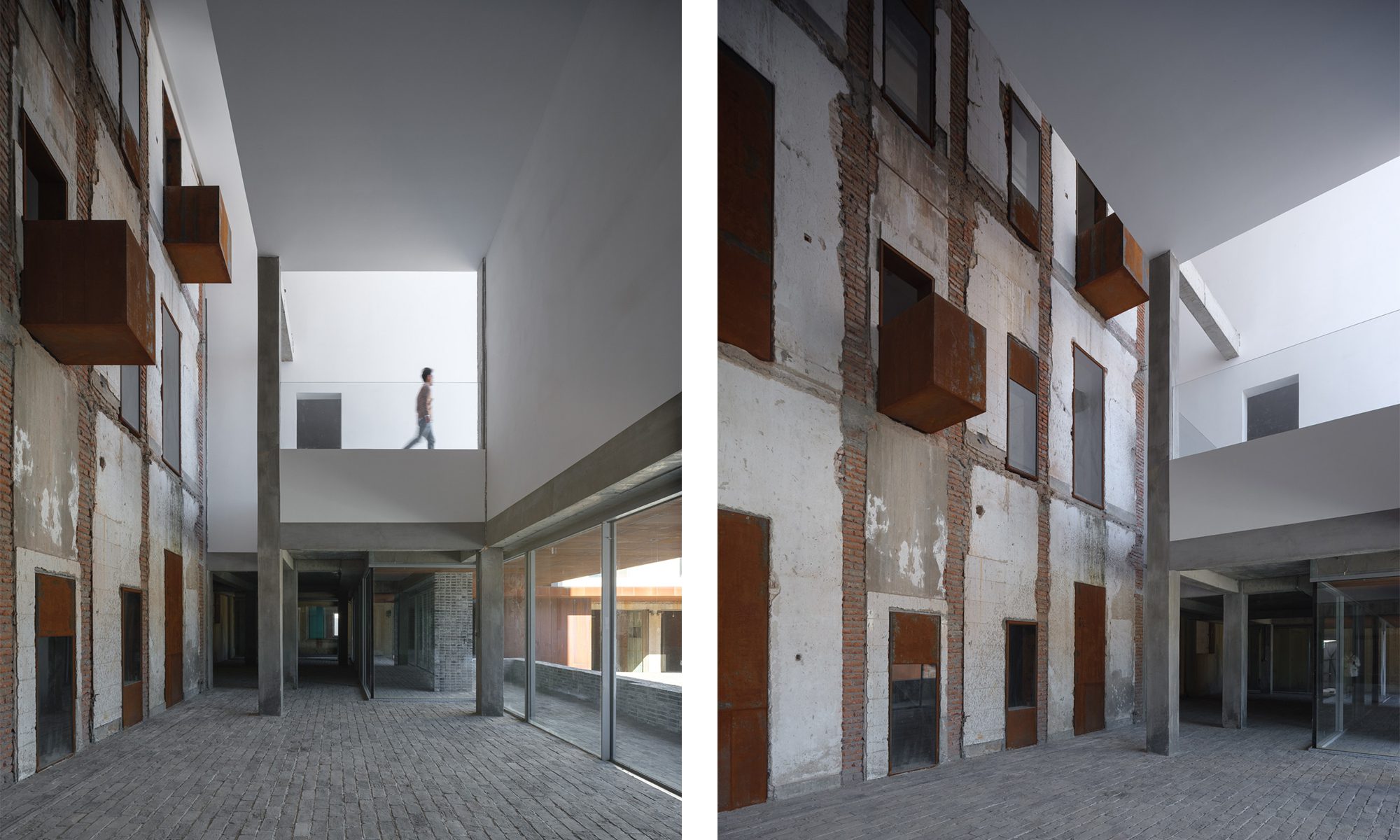
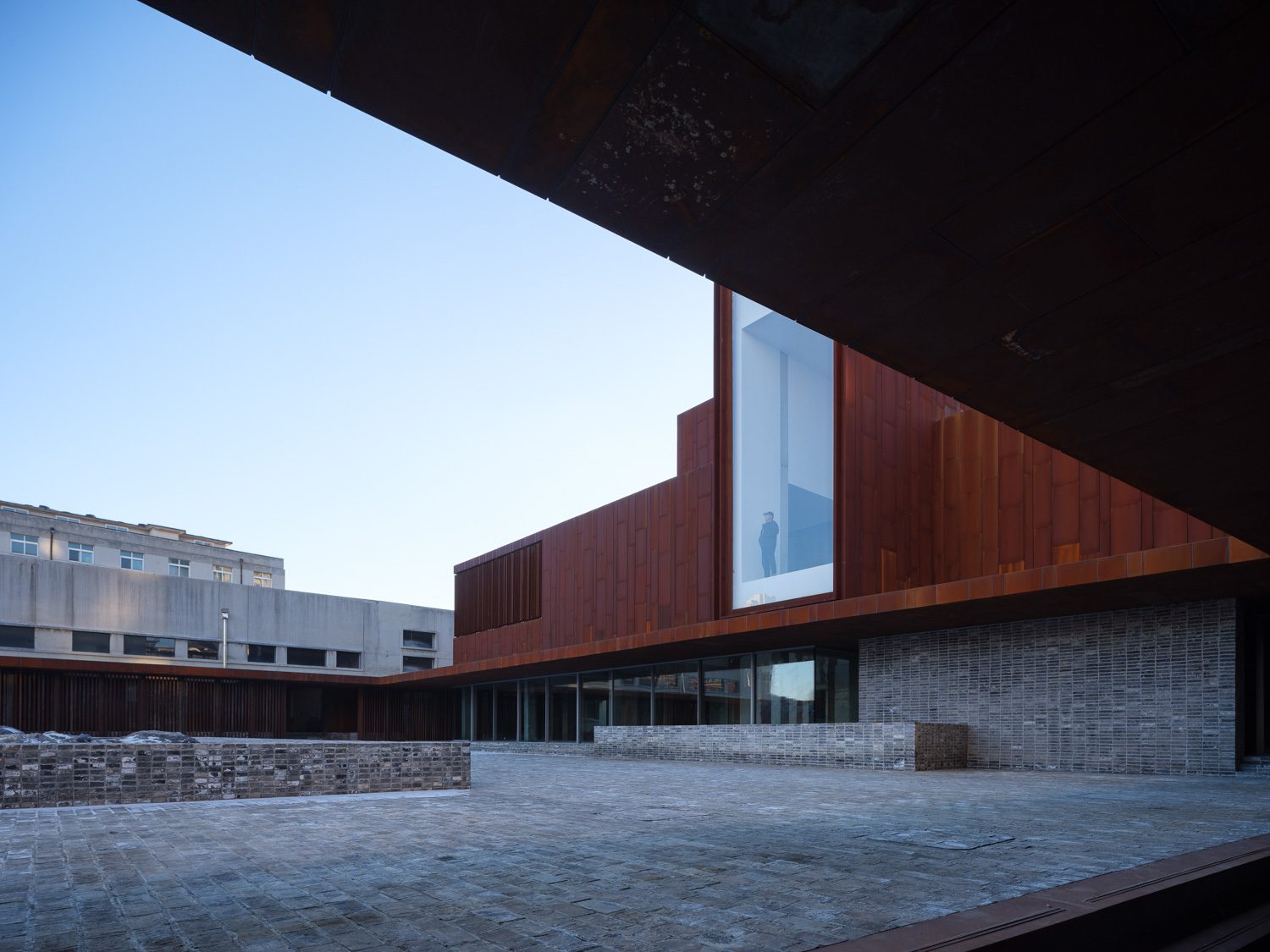
Neri&Hu view the project not only as a response to the needs of the local community but also as an architectural expression that preserves the city’s history and collective memory, now at risk of being forgotten. This intention is reflected in the materials chosen for the project, which emphasize honesty and simplicity. The primary cladding material, Corten steel (corrosion-resistant steel), was selected for its distinctive weathered patina, formed naturally over time through exposure to the climate. This rust-colored skin speaks to the passage of time and evokes the industrial heritage of the city. In one former workers’ dormitory, whose ground floor once served as an automobile repair bay, the original façade was opened up to reveal its circulation routes and the voids where doors and windows once stood. Its structural grid of columns and beams was retained and wrapped in a new screen-like façade, forming a secondary outer layer. Here, smooth white plastered walls meet stripped surfaces that expose the original red brick beneath, creating a deliberate juxtaposition that binds past and present, the old and the new.
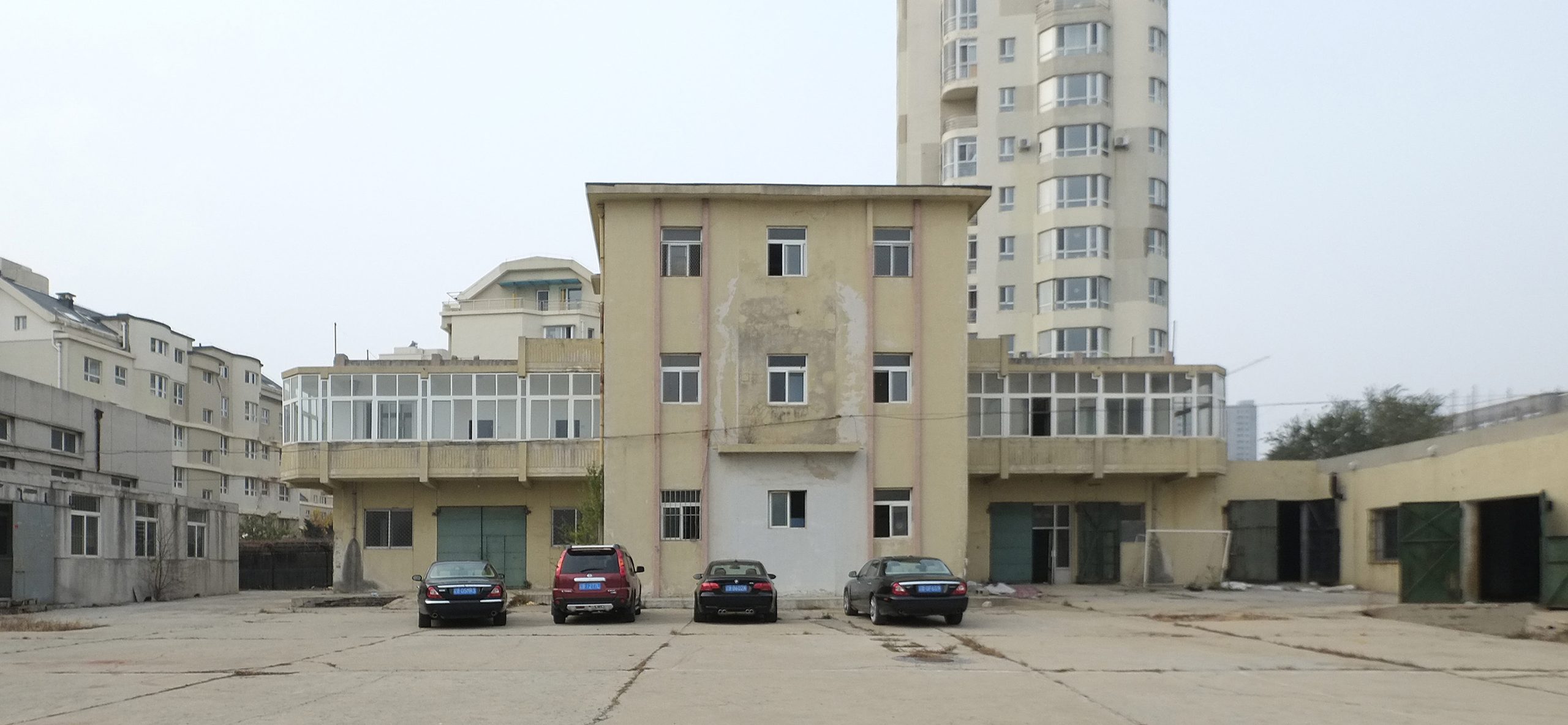 Photo courtesy of Neri&Hu Design and Research Office
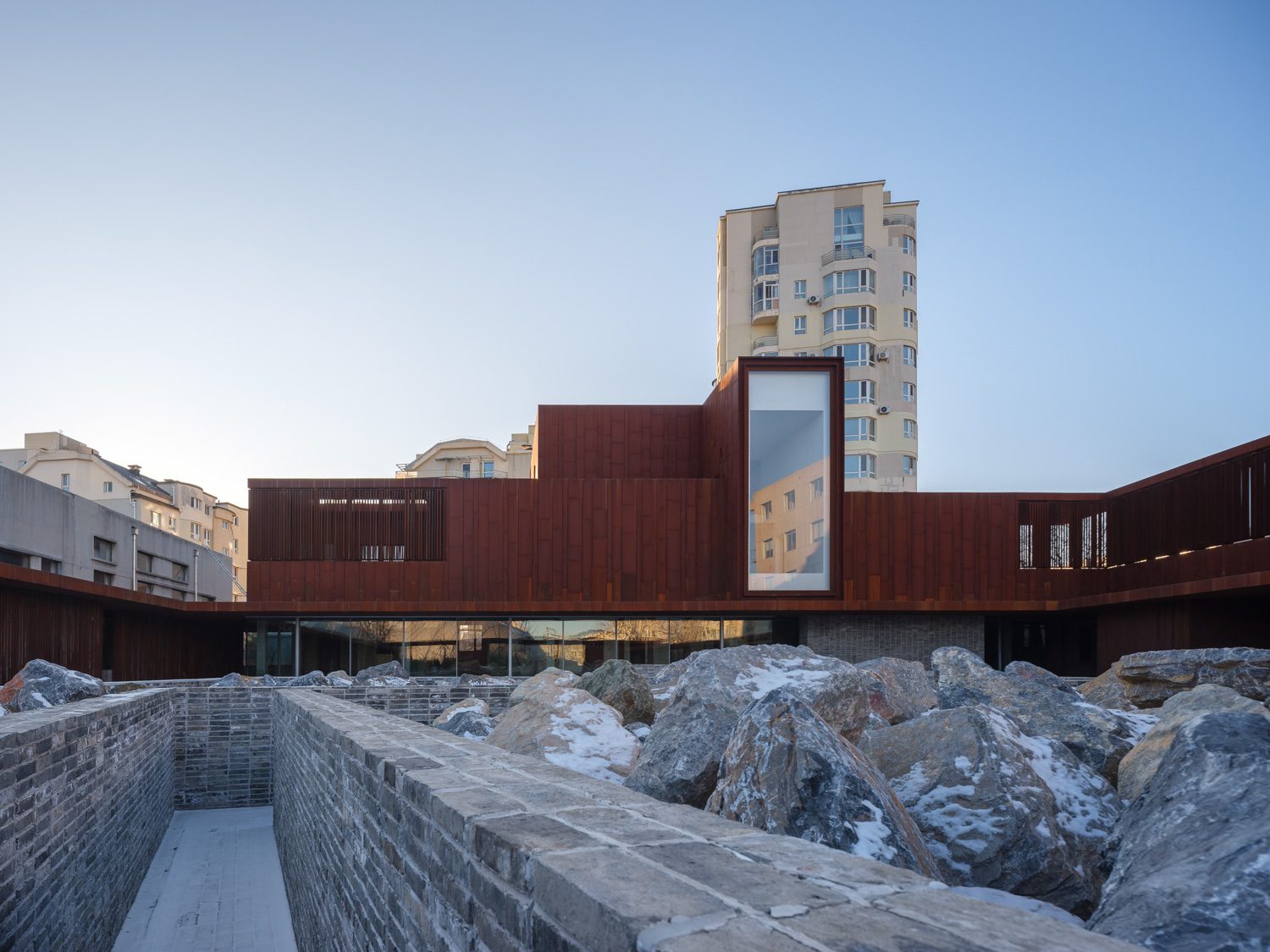
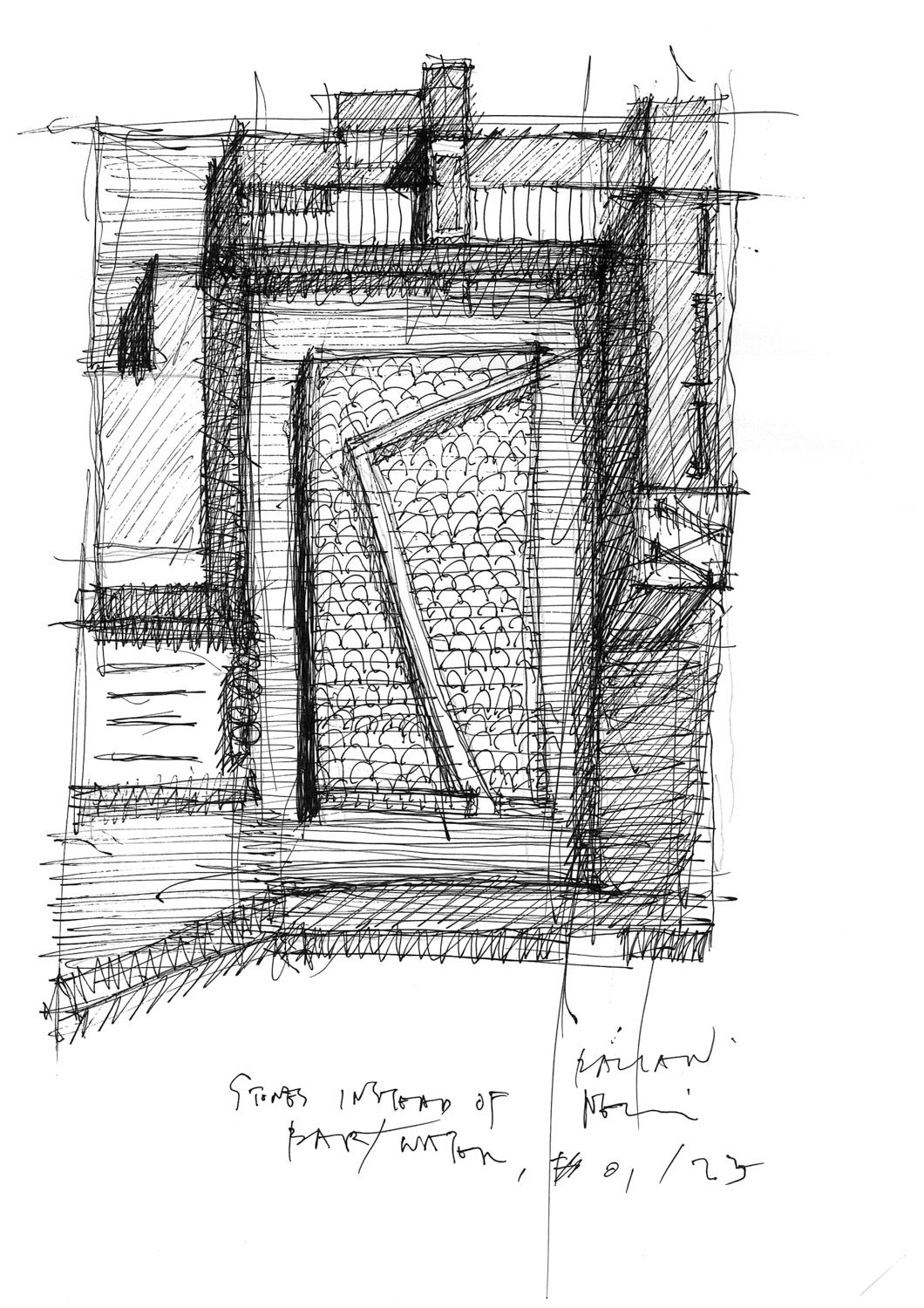
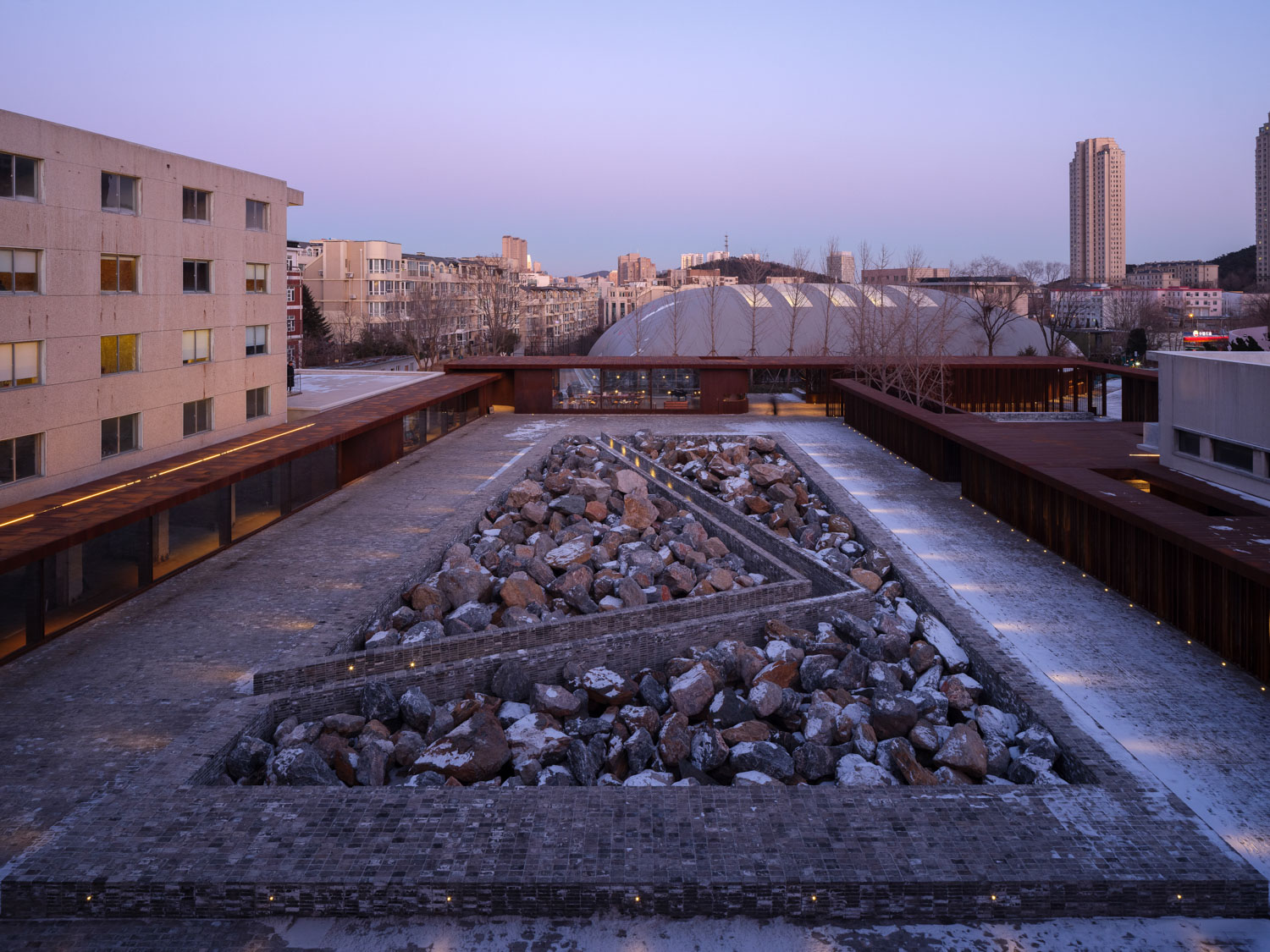
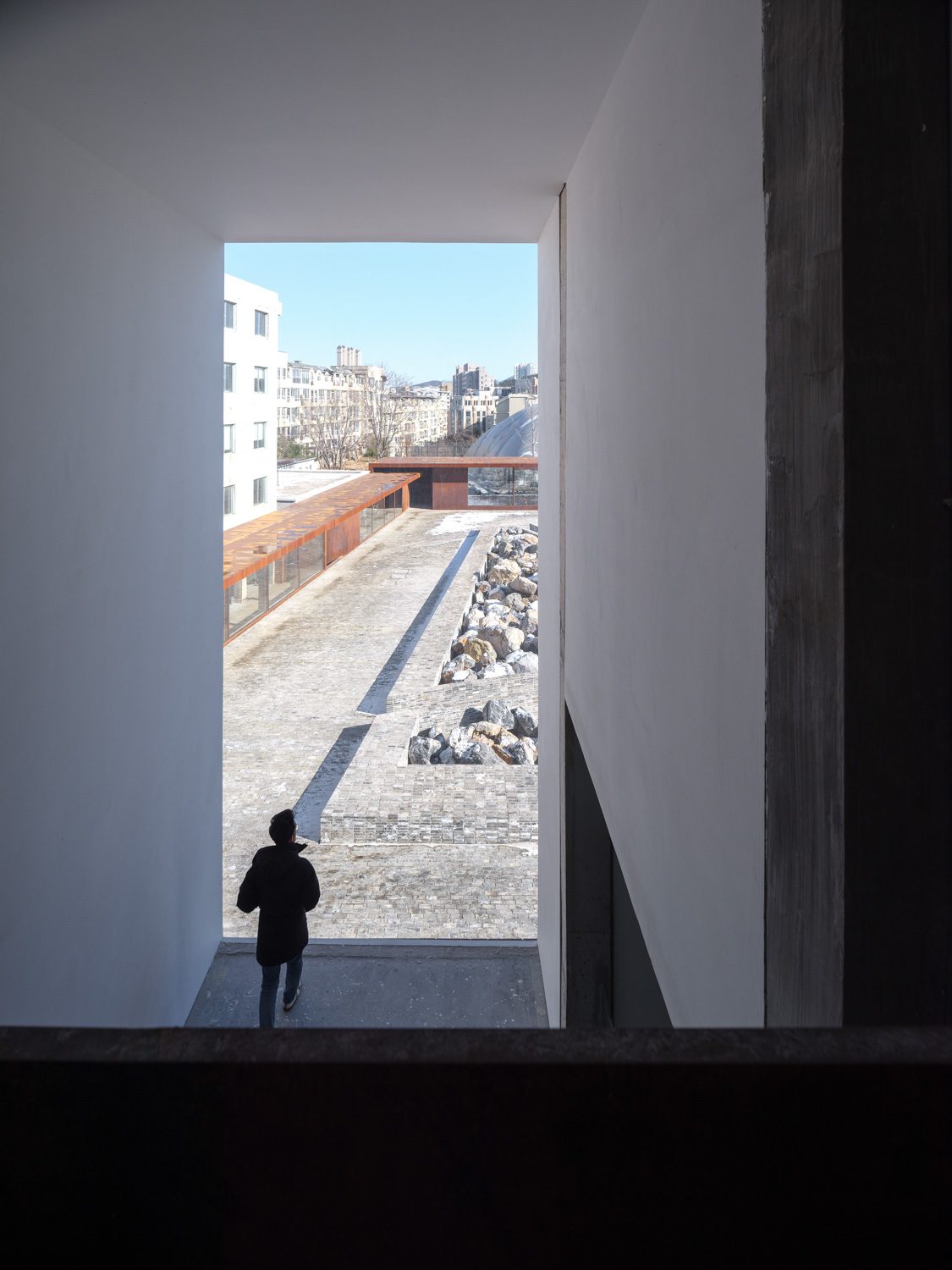
The large central parking lot has been reimagined as a tranquil courtyard. Designed as a retreat from the density and chaos of the city, this space draws inspiration from traditional Chinese gardens and courtyard houses, where dwellings are arranged around an inner garden or void. Paths paved in grey brick frame a stone garden at the center, where both the raw quality of the material and the scale of the stones contribute to an atmosphere of stillness and calm.
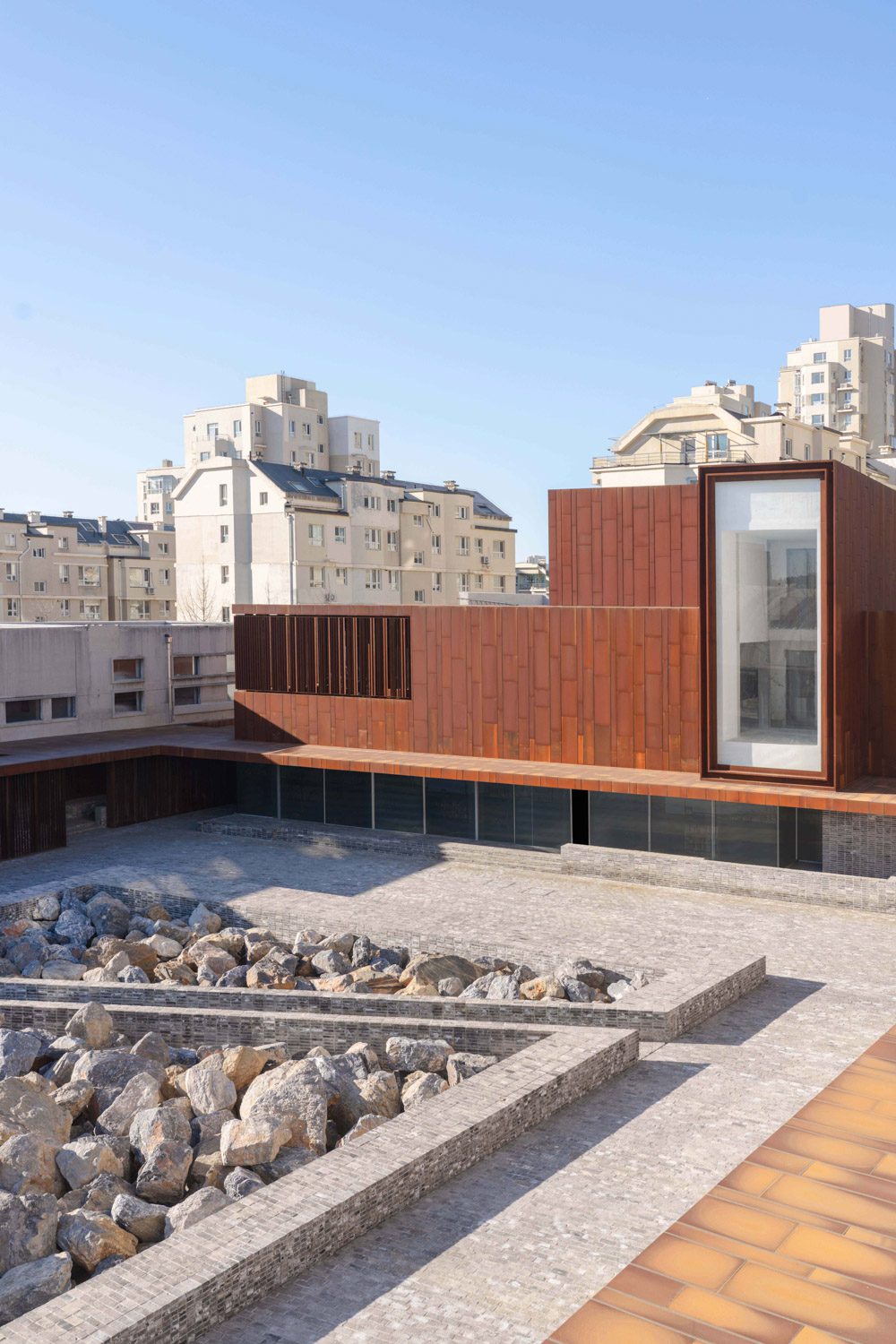
Photo: DONG
The Yard is one example of adaptive reuse in a context that is continually adapting and evolving. It is an approach that merits consideration in an era when architecture is expected not only to fulfill practical needs but also to act as a custodian of place, preserving and sustaining memory so it may remain alive within a transforming city.
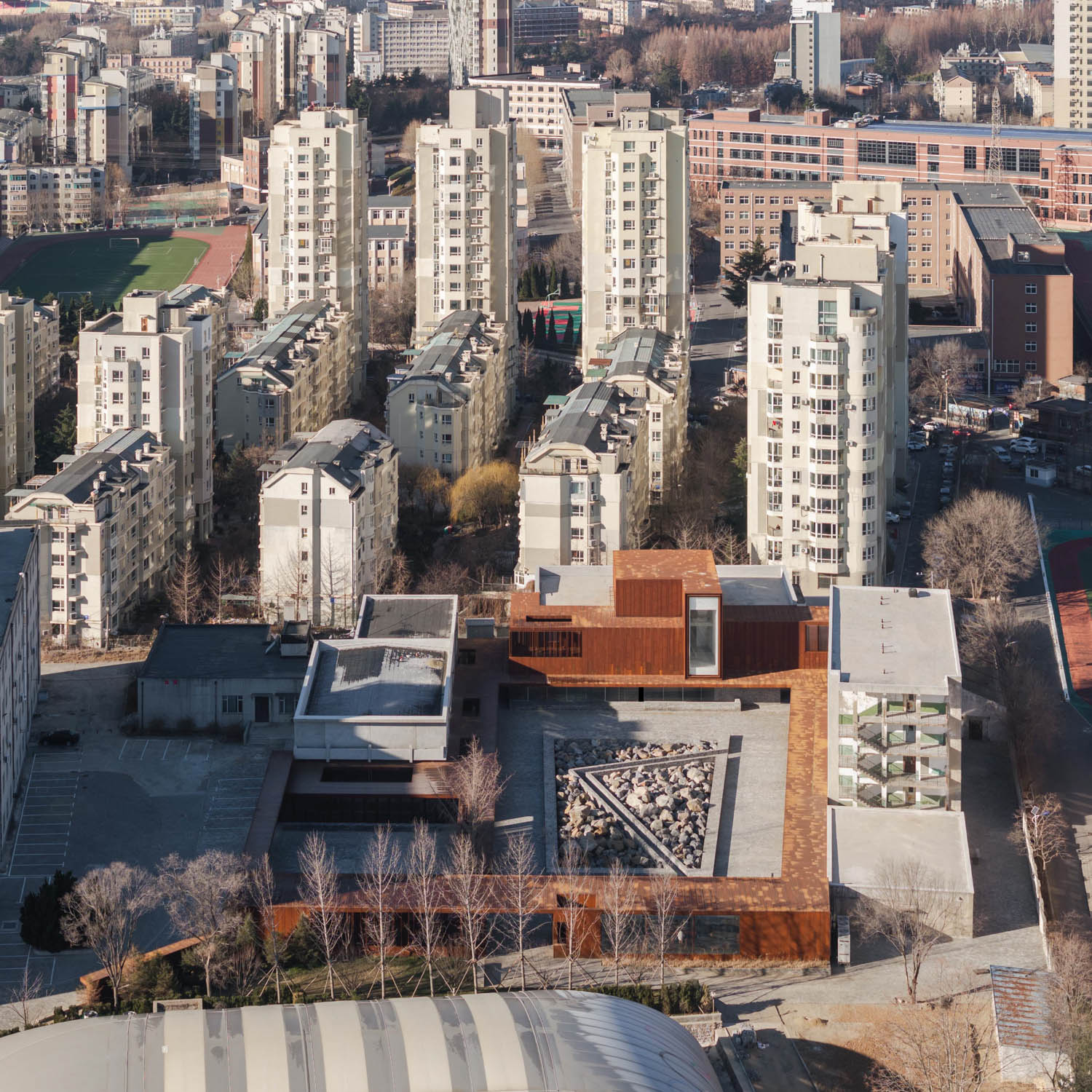
Photo: DONG