
EXPLORE THE FOUR WINNING TEAMS FROM ARX 2025, WHICH SHOWCASE THE CONCEPT OF ‘LIMINAL TERMINAL: TRANSITIONING SOMETHING TO ANYTHING’ WITH A NEW PERSPECTIVE ON EXPERIMENTAL ARCHITECTURE
TEXT: NATHATAI TANGCHADAKORN
PHOTO: WORAPAS DUSADEEWIJAI
(For Thai, press here)
Where do we draw the line between what we call architecture? Should it be defined by its physical attributes, the conceptual process that gives rise to it, or something else entirely? There is no single answer and each depends on one’s point of view. The question itself invites endless debate, yet what makes it fascinating is that through the act of questioning and experimenting, we may one day arrive at a destination more rewarding than any definitive answer. This time, the challenge is to imagine what might happen if young designers were given free rein to create a built structure without a prescribed program. What would ‘architecture’ become then?
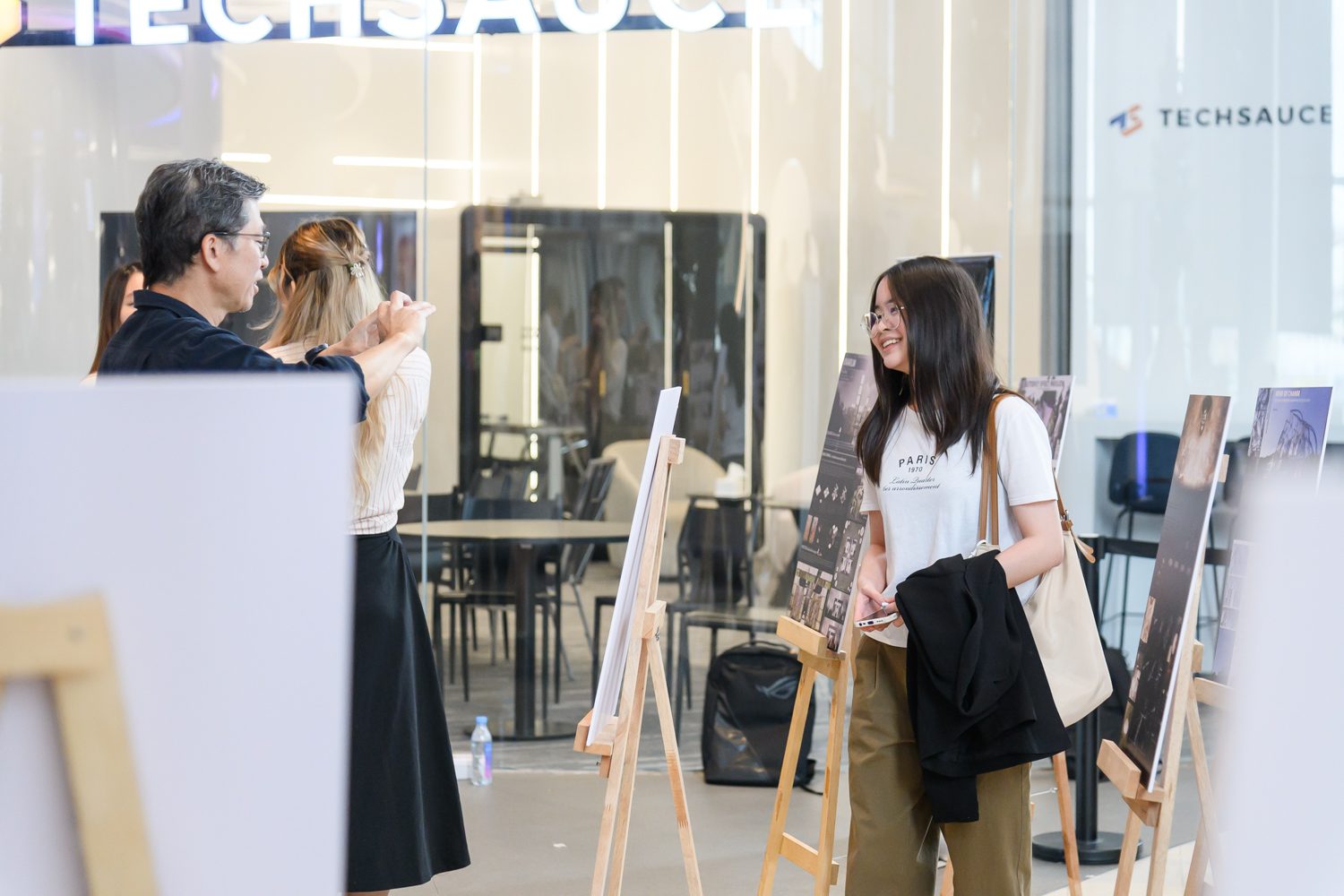
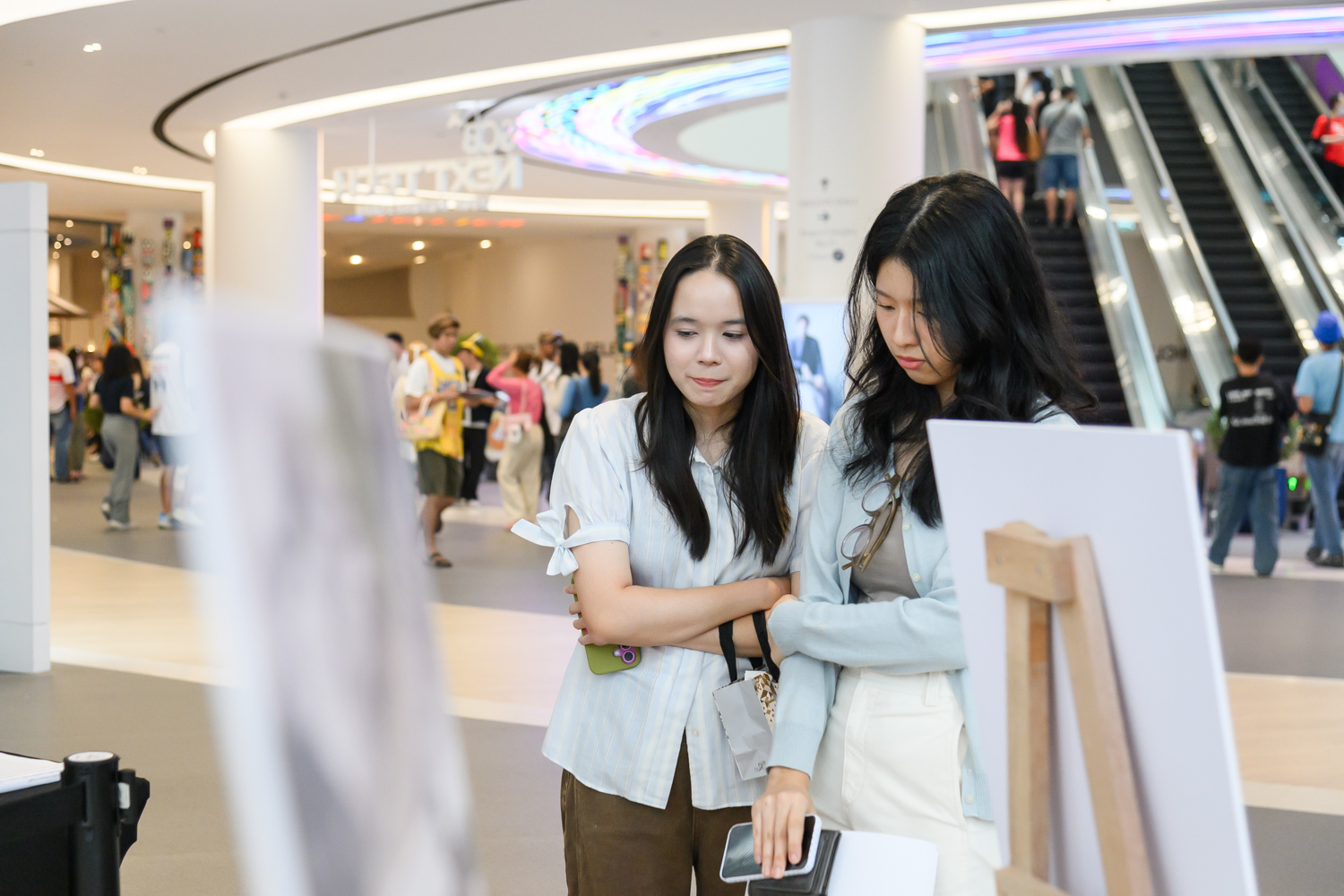
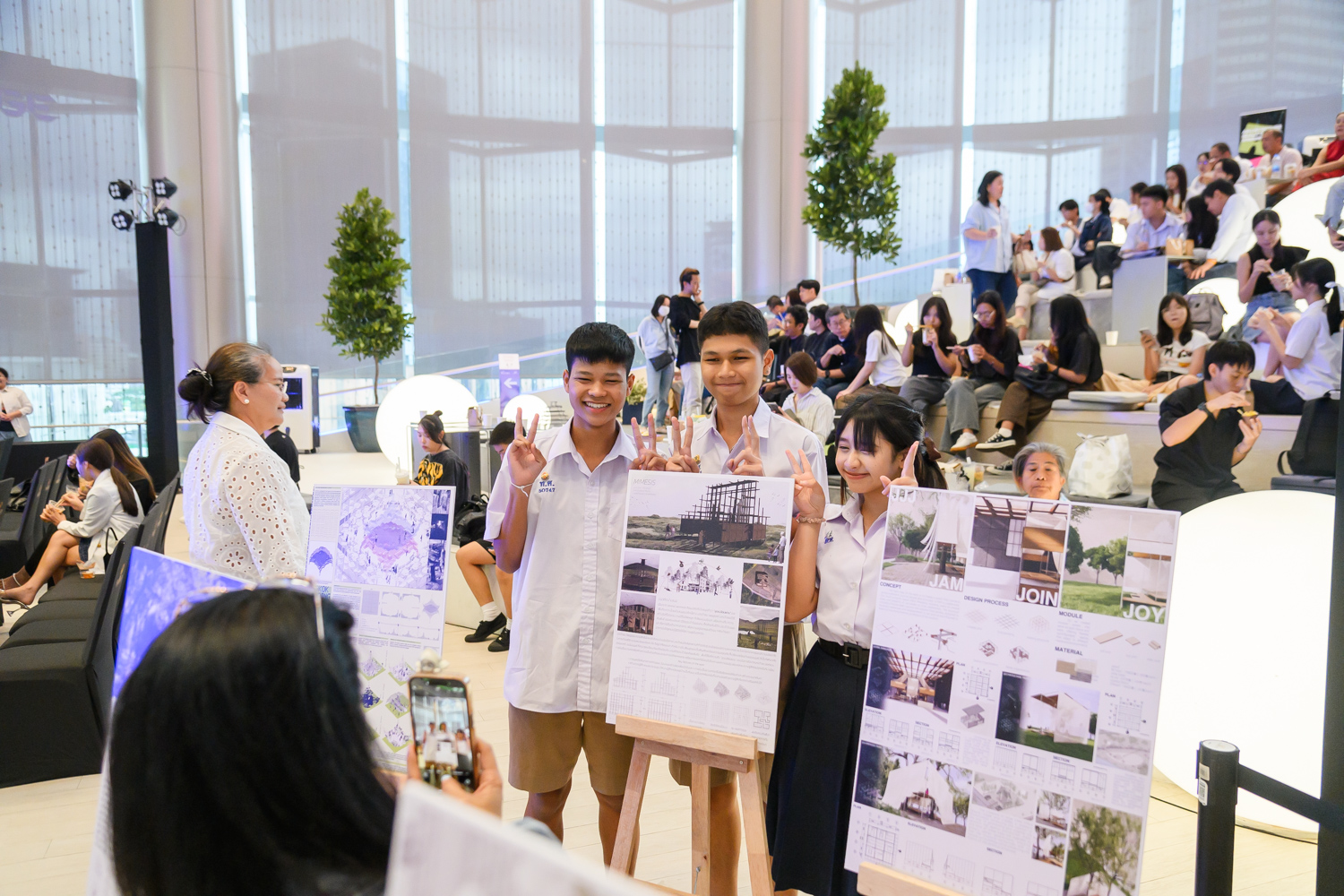
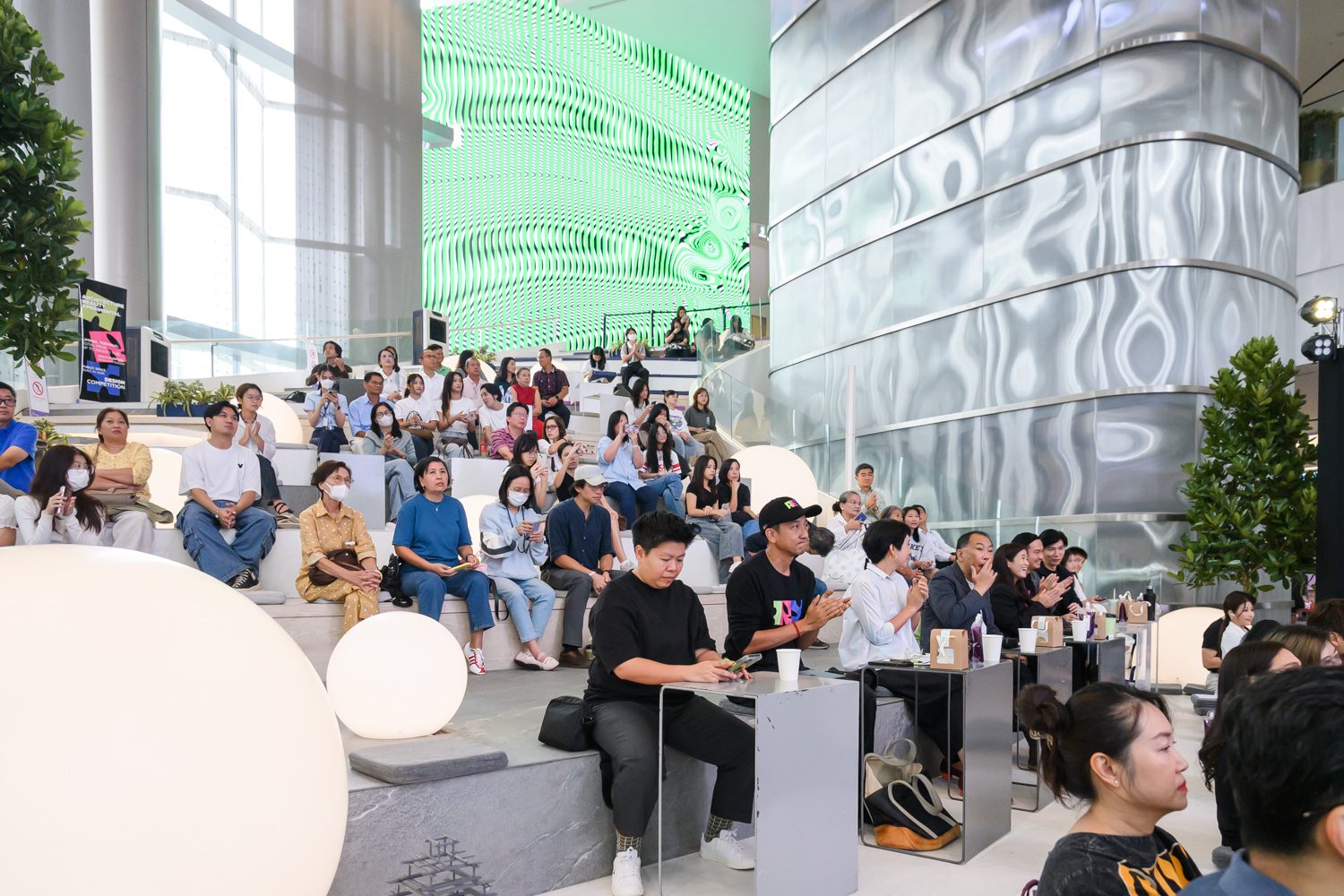
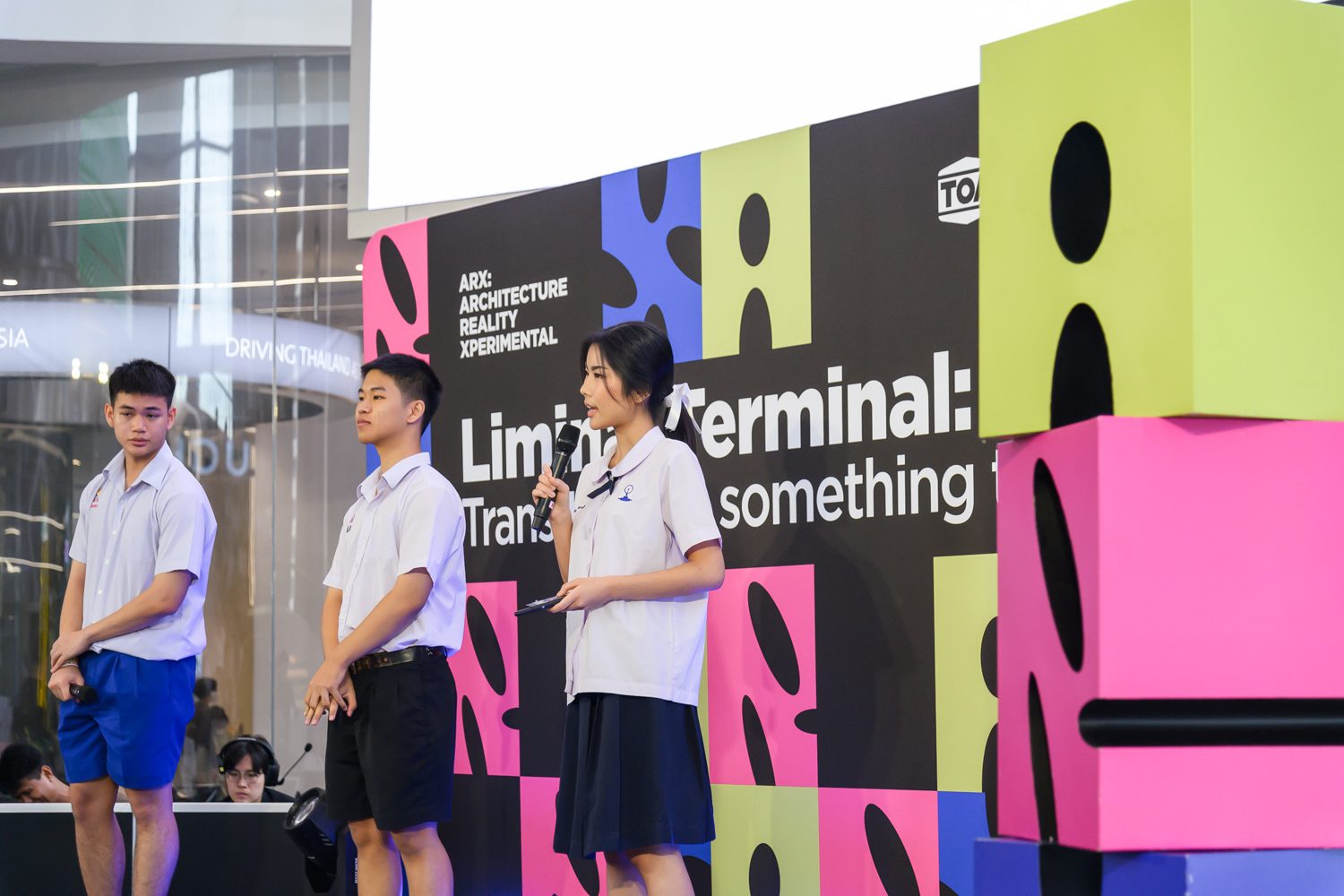
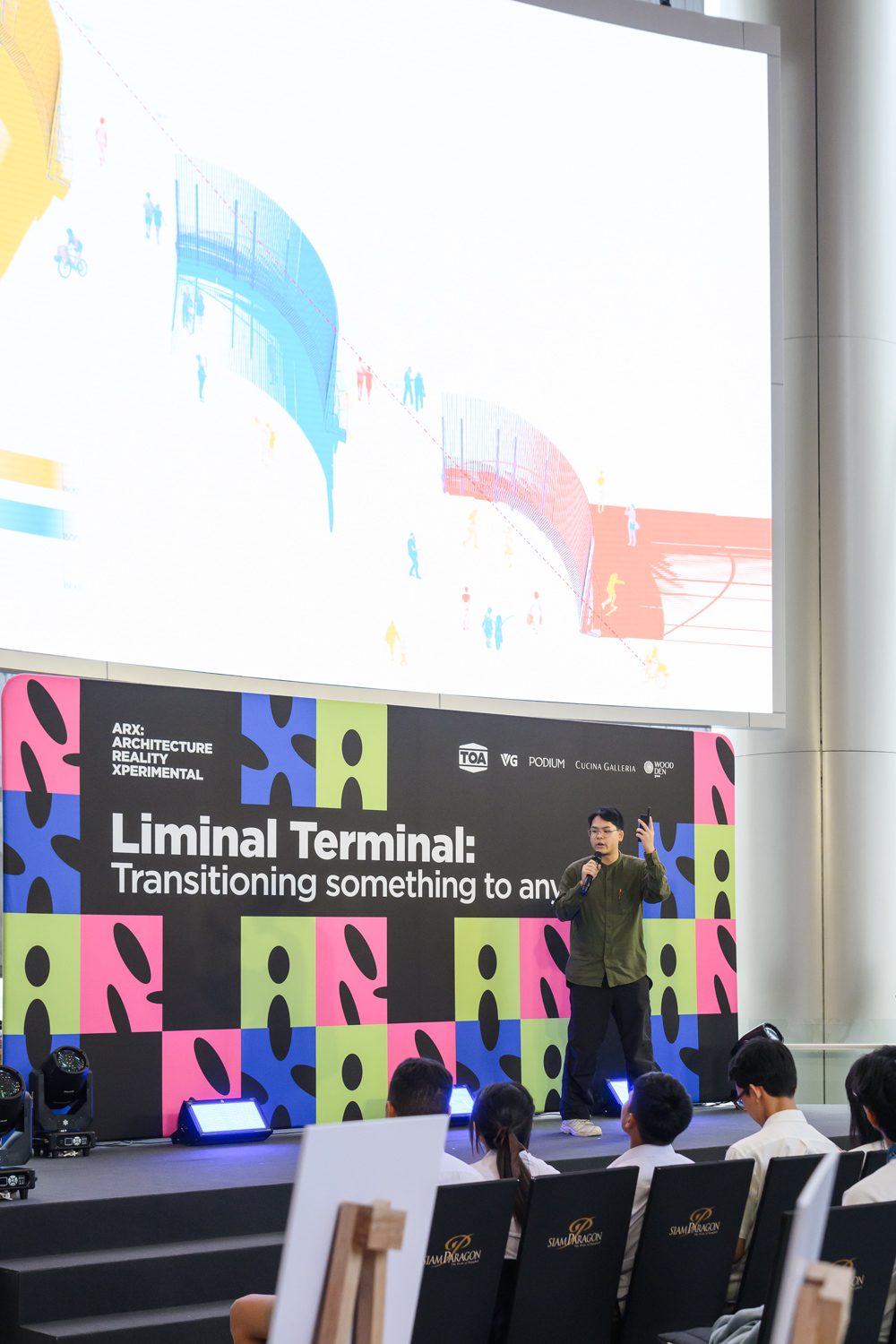
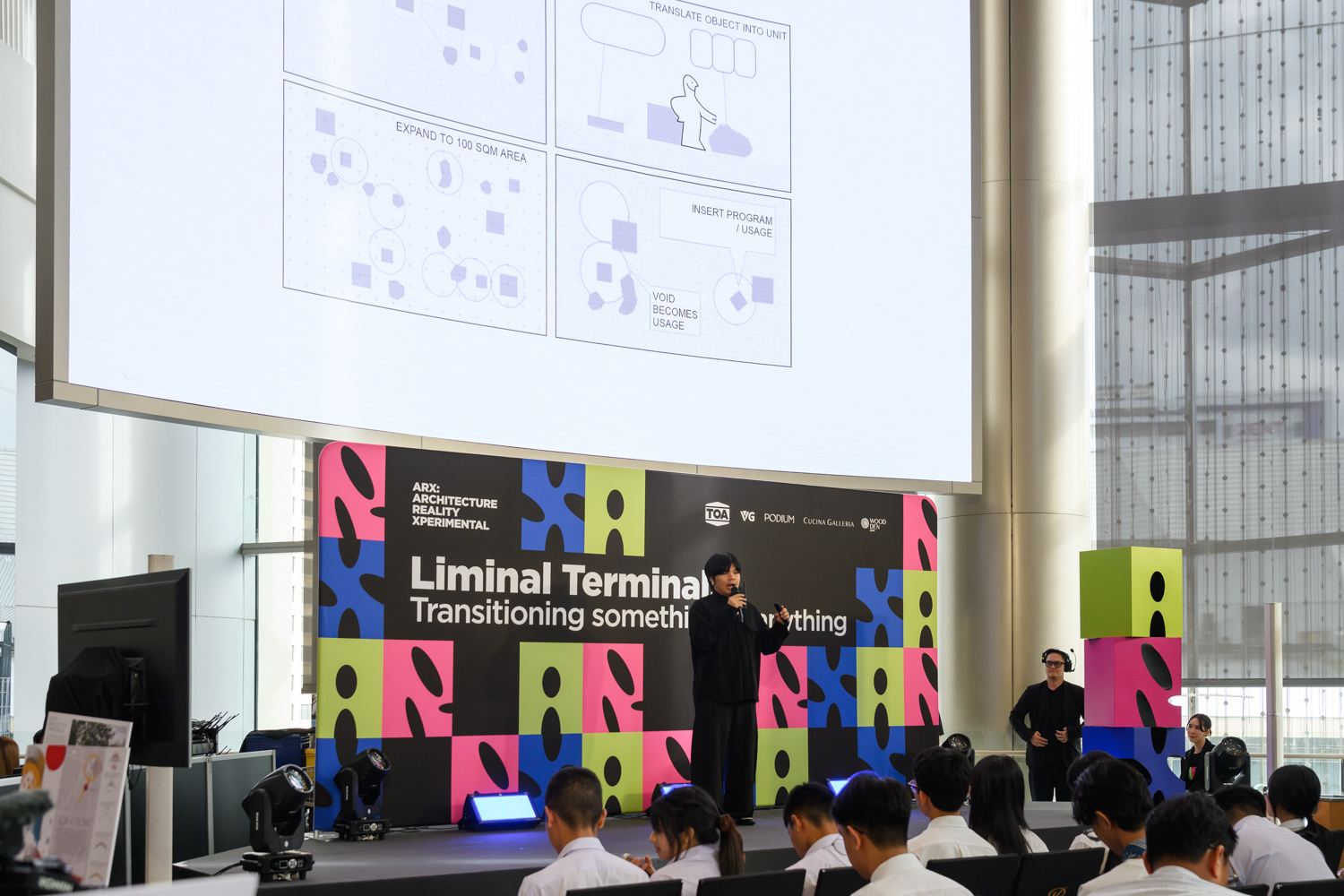
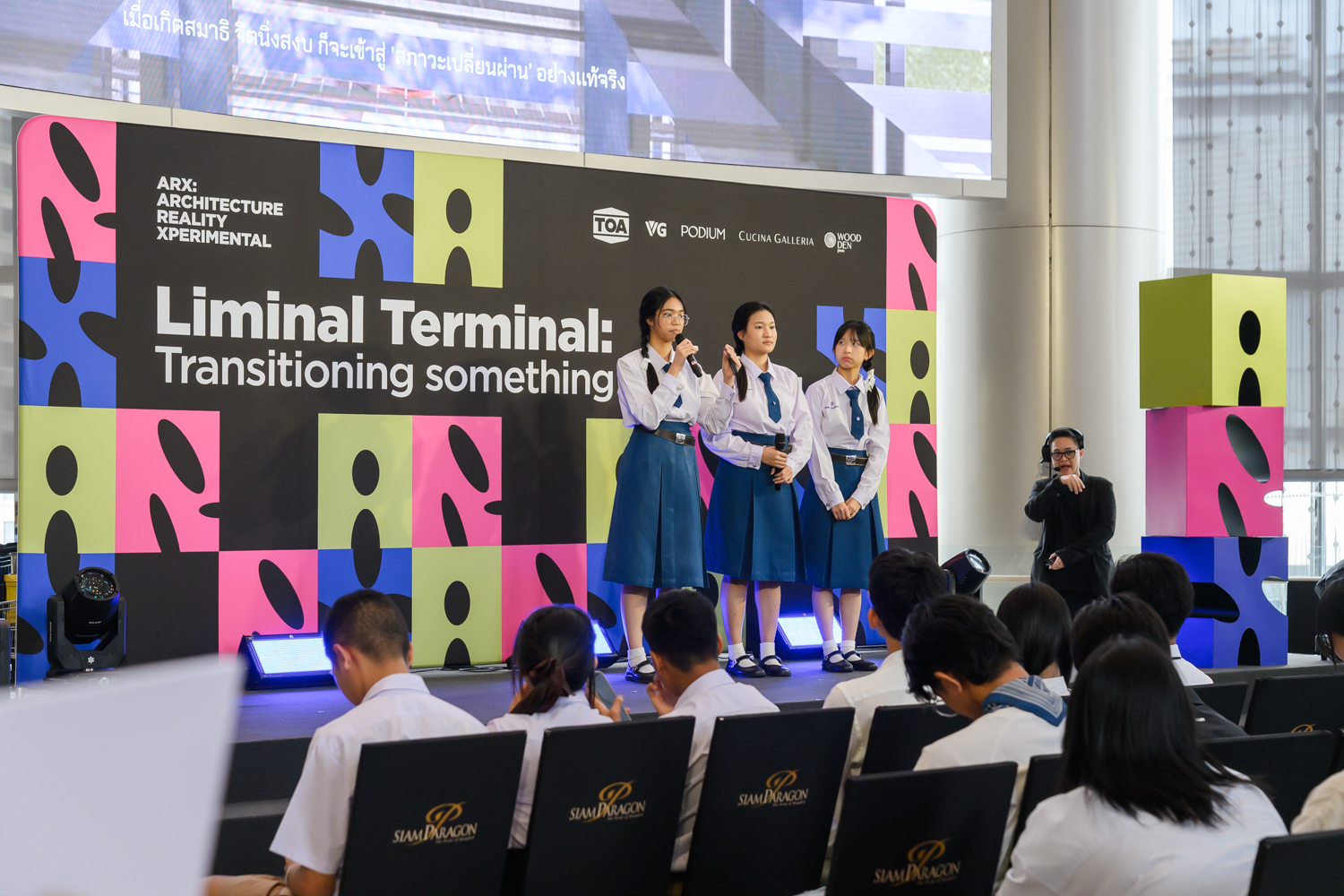
The ARX: ARCHITECTURE ‧ REALITY ‧ XPERIMENTAL 2025 design competition, concluded on September 27 at SCBX NEXT STAGE in Siam Paragon, set out to explore precisely that. More than just a confrontation with the question above, this experimental design competition invited participating students to raise their own questions and put them to the test. Under this year’s theme, ‘Liminal Terminal: Transitioning something to anything,’ each participant was asked to interpret the idea in their own unique way.
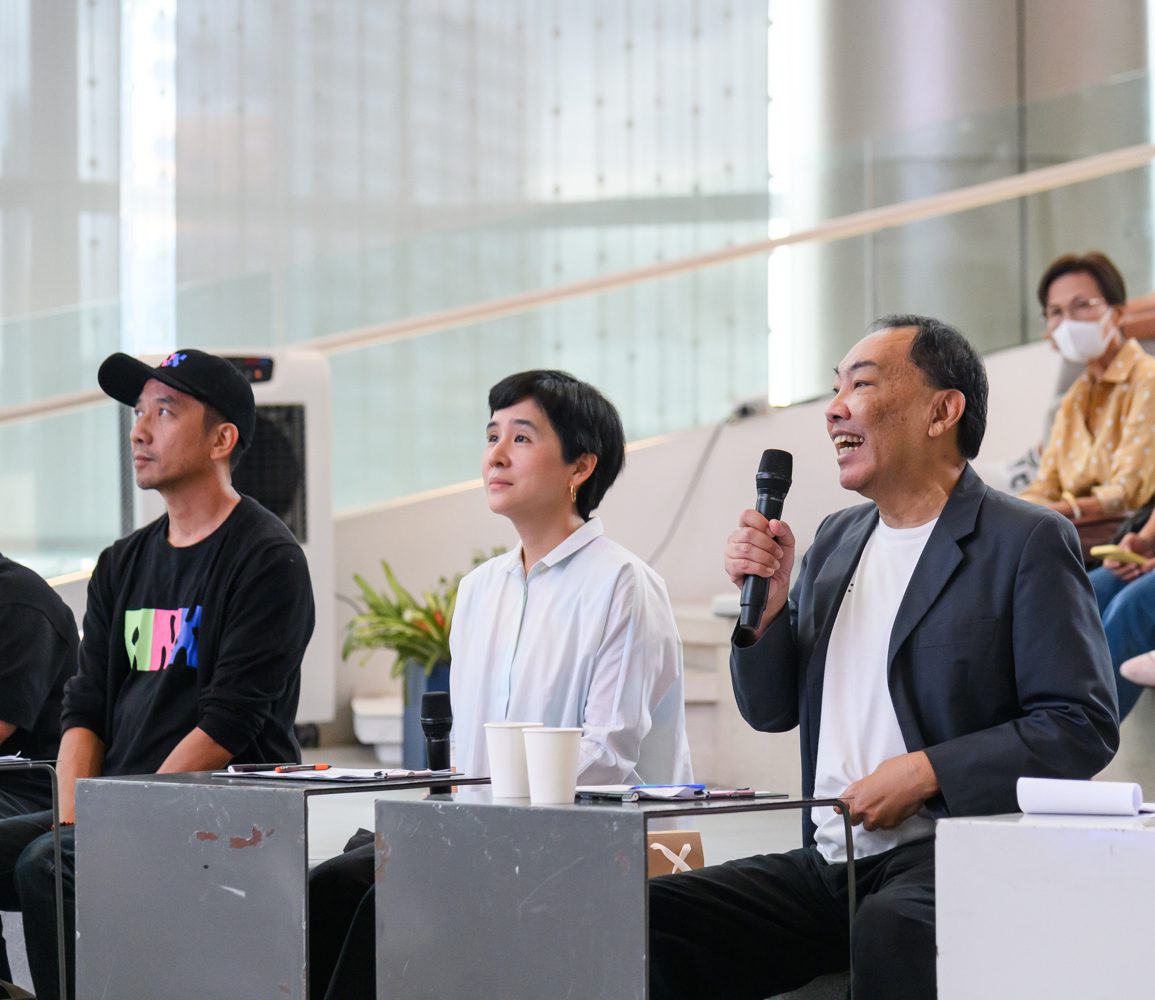
The Liminal Terminal brief was inspired by the ideas of the three committee members: Sanitas Pradittasnee, Angkrit Ajchariyasophon, and Pratarn Teeratada. The ARX 2025 competition has now concluded with four winning teams. The Grand Prize winner, FLUX n’ FLOW, will be realized as a built installation in early 2026. The First Runner-up prize went to ANCHORED AIR, while The Light of Renewal received the Second Runner-up distinction while the Special Jury Citation was awarded to Bangkok Bounding Box.
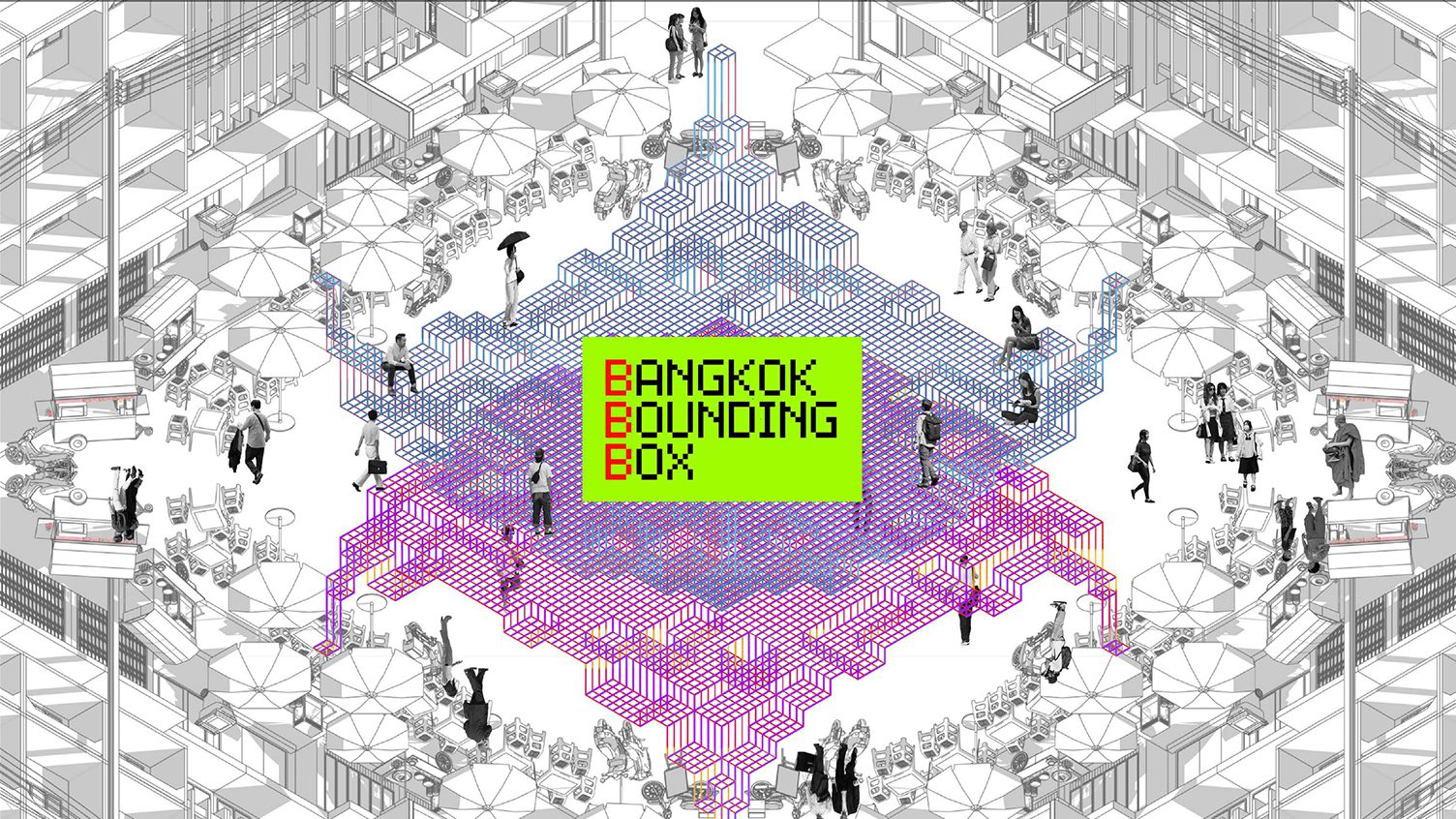
Special Jury Citation
Bangkok Bounding Box
Tawin Tangjai, Saint Gabriel’s College
Natpatsorn Juengmanakij, Chulalongkorn University Demonstration Secondary School
Mahasamutr Punjapaphawin, Suankularb Wittayalai School
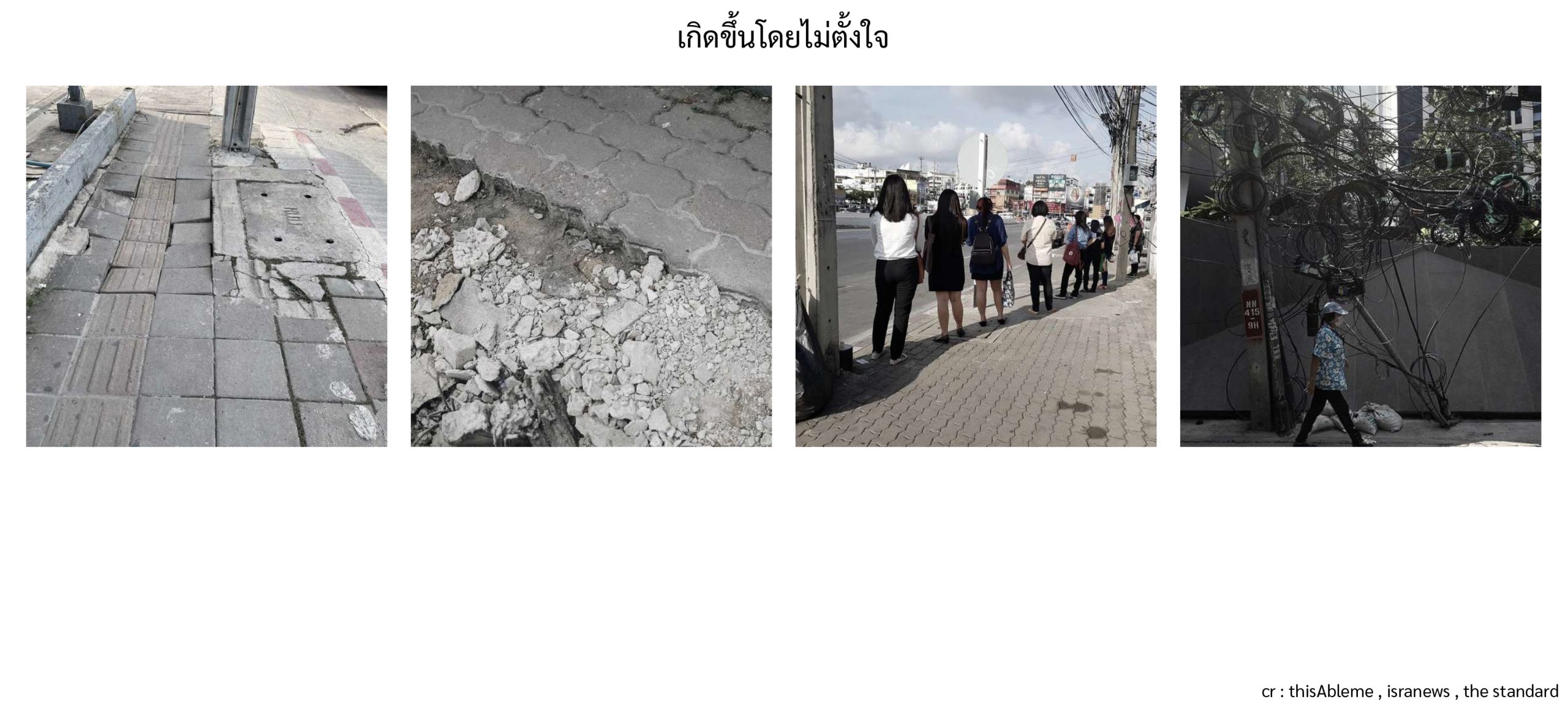
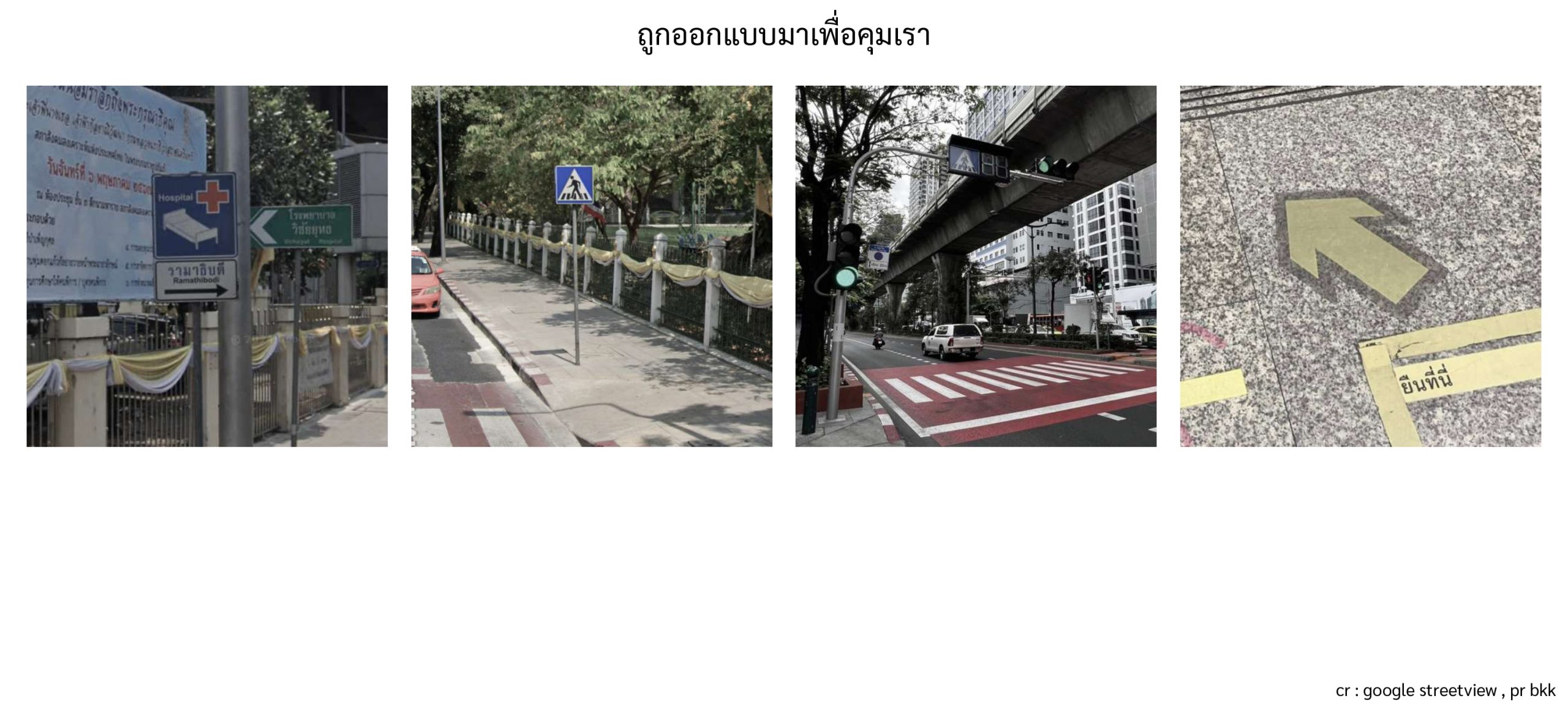
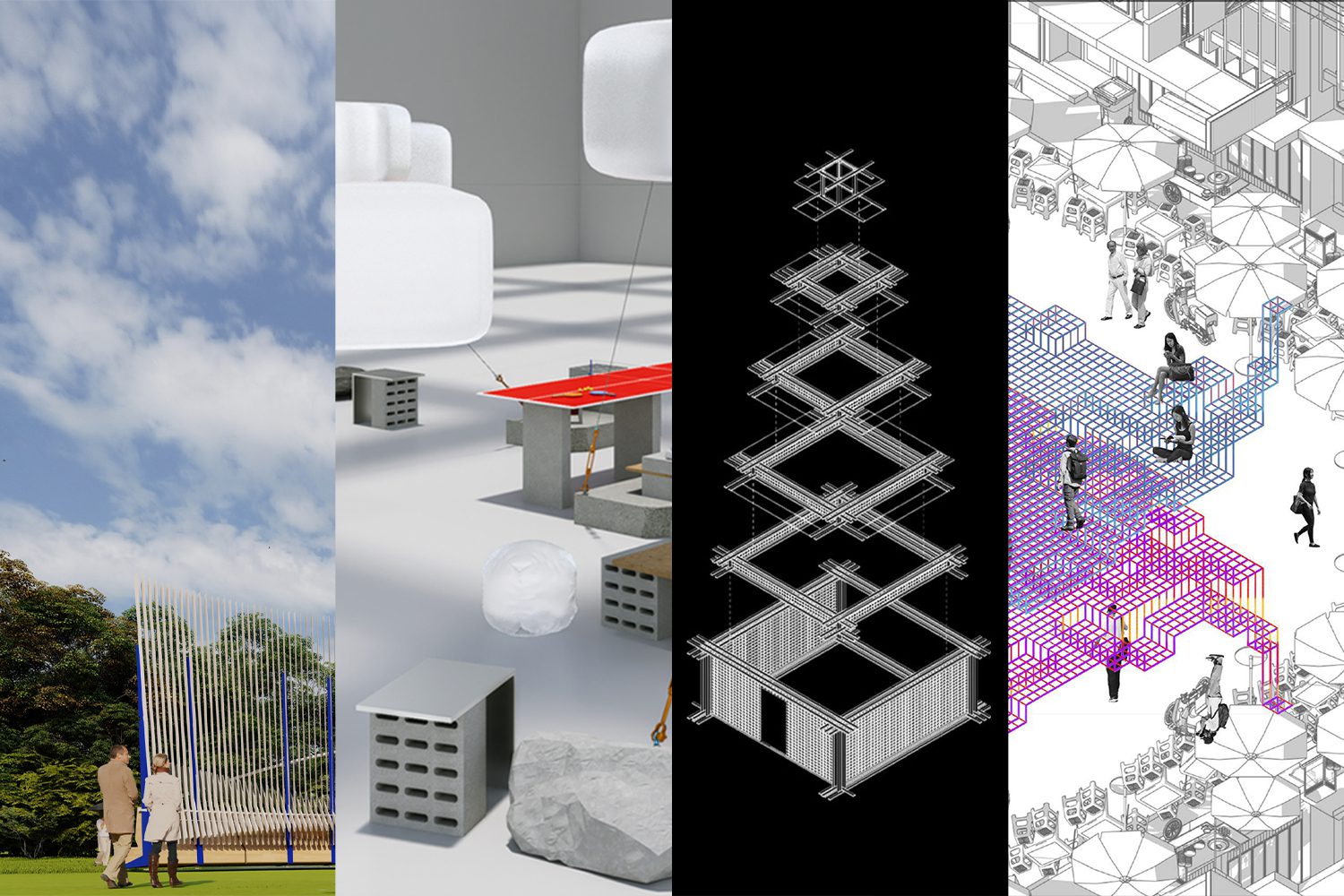
Let’s start with the surprise winner, Bangkok Bounding Box, a project born from observing how pedestrians behave in public spaces, where their movements are almost always framed by some form of boundary. These boundaries can take the shape of tiled patterns, painted lines, ornamental motifs, or more explicit rules such as traffic signs and universal symbols. The design team used these observations to question the idea of ‘free will.’ In a pavilion designed to offer absolute freedom, are people’s actions truly their own, or are they subtly guided by the spatial framework around them?
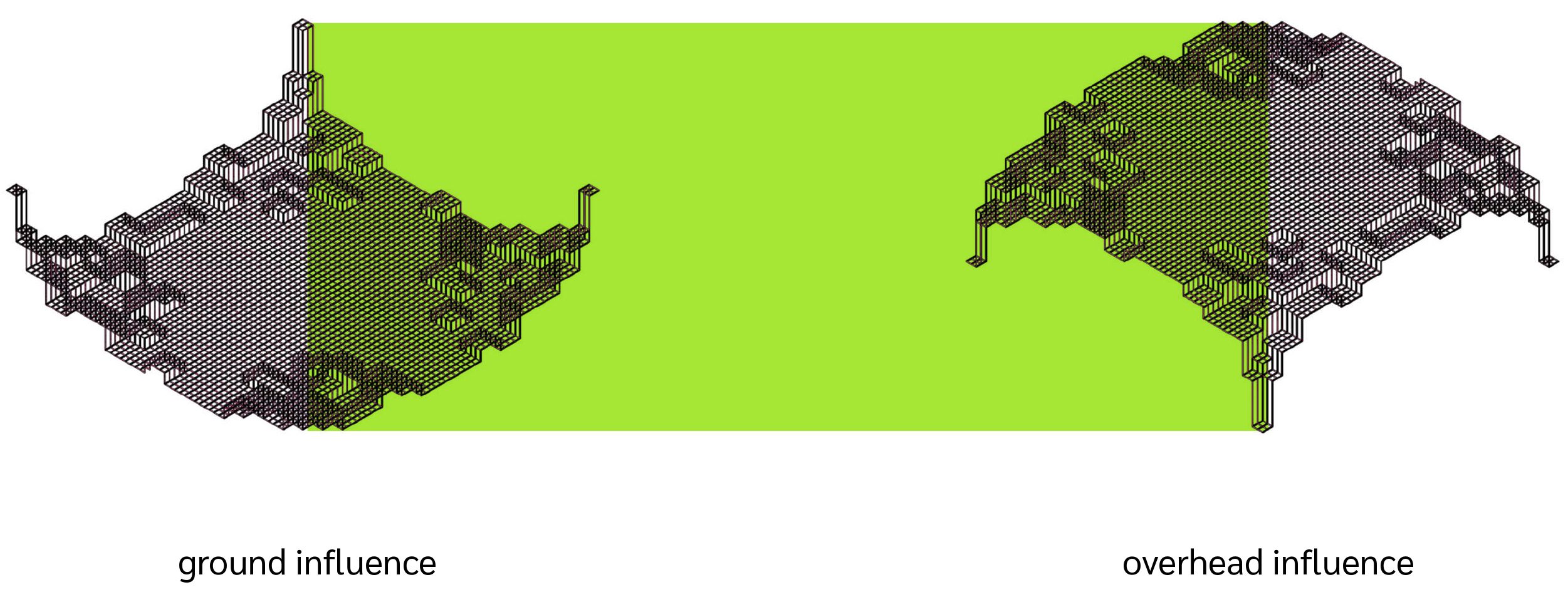
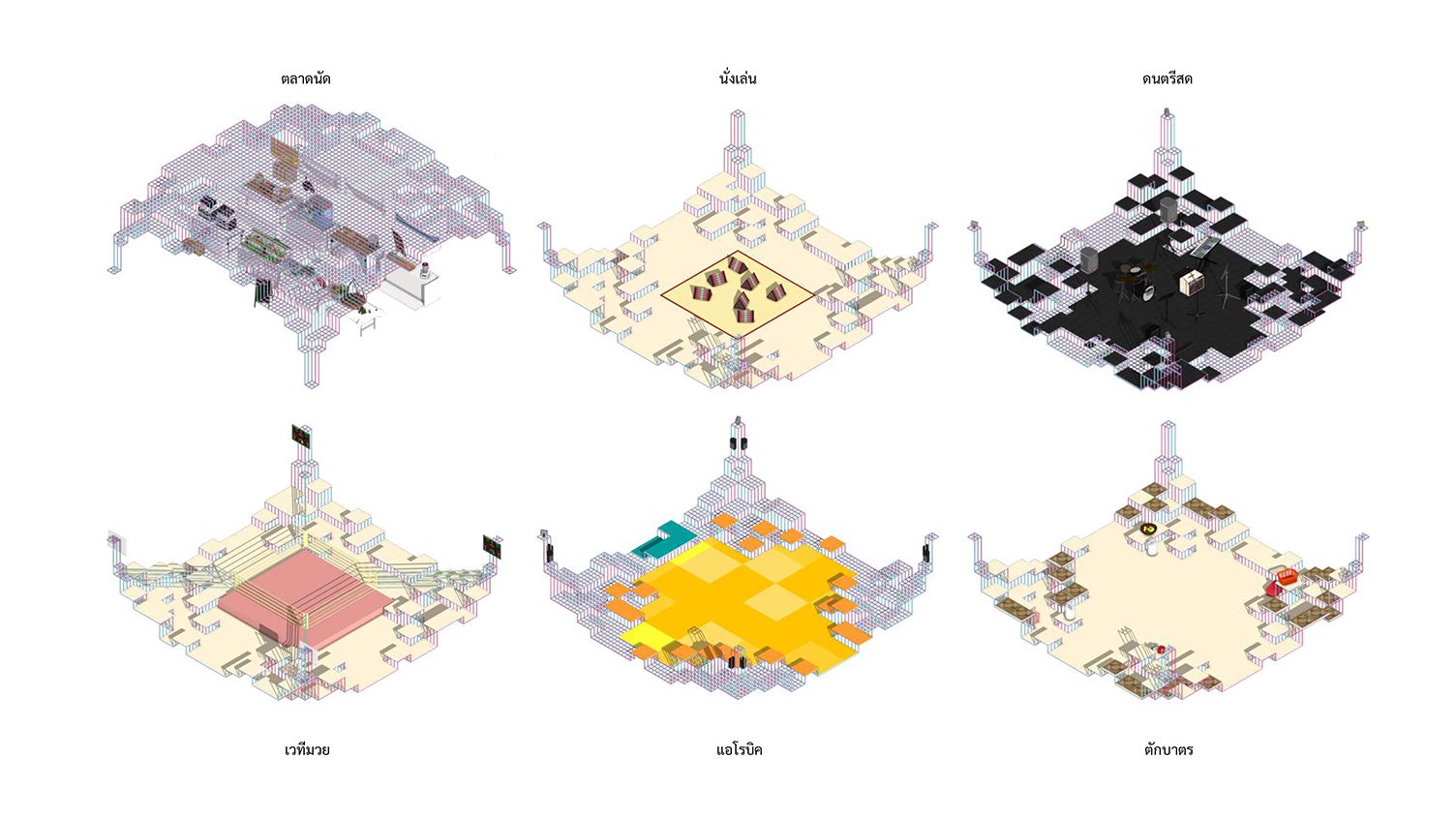
Their interpretation of Liminal Terminal centers on the ‘in-between space’ that emerges unintentionally between humans and their environment. Bangkok Bounding Box abstracts familiar street elements into a distilled composition, translating urban chaos into simplicity through a structure defined by two intersecting axes forming a bowl-like framework. The pavilion exists in two configurations: inverted or upright. When placed upside down, the bowl and four columns become a sheltering canopy; when flipped upright, it transforms into a surface, furniture, or platform for installing other elements as desired.
Winner
FLUX n’ FLOW
Chawin Laowananchai, Chulalongkorn University
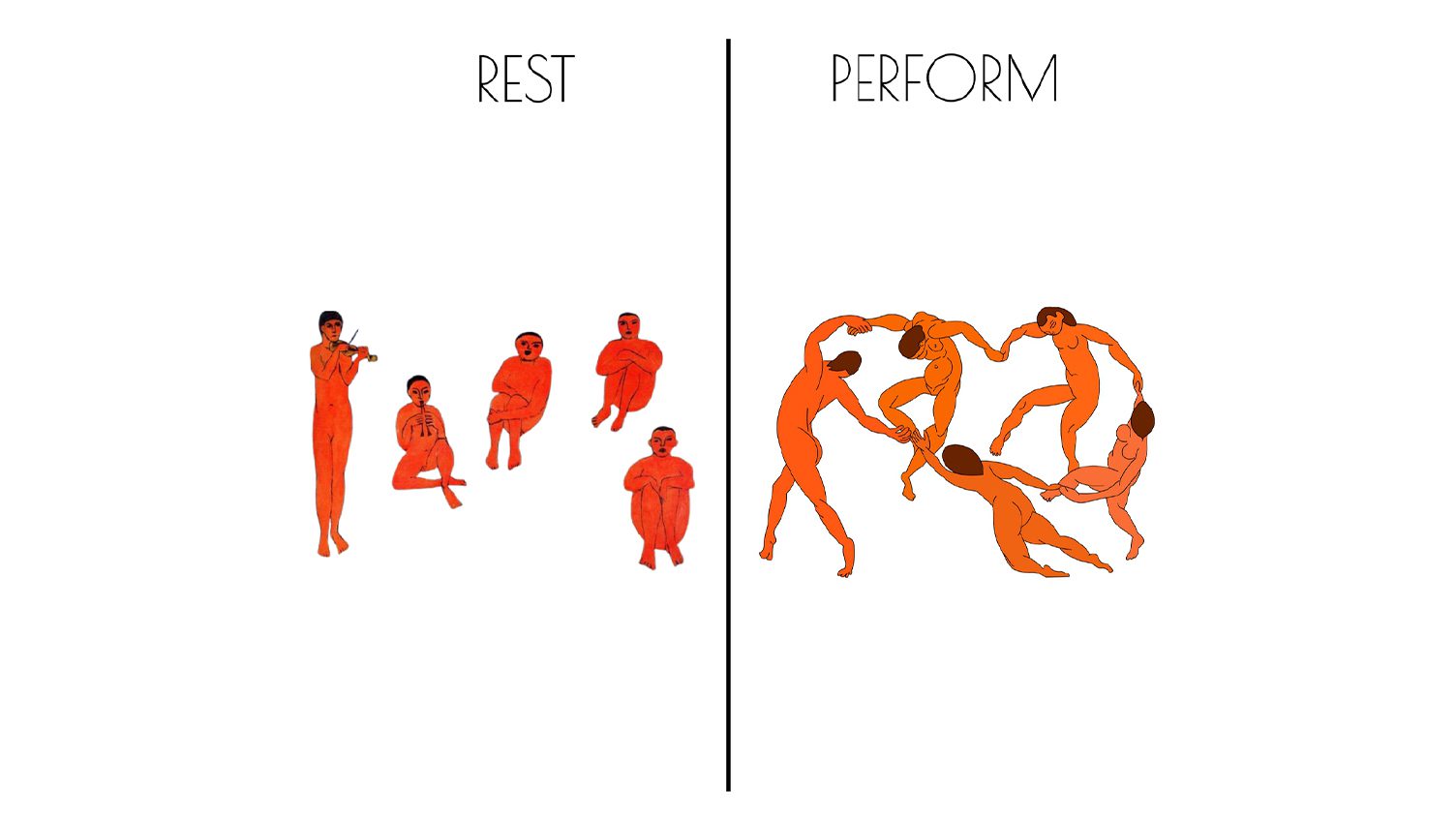
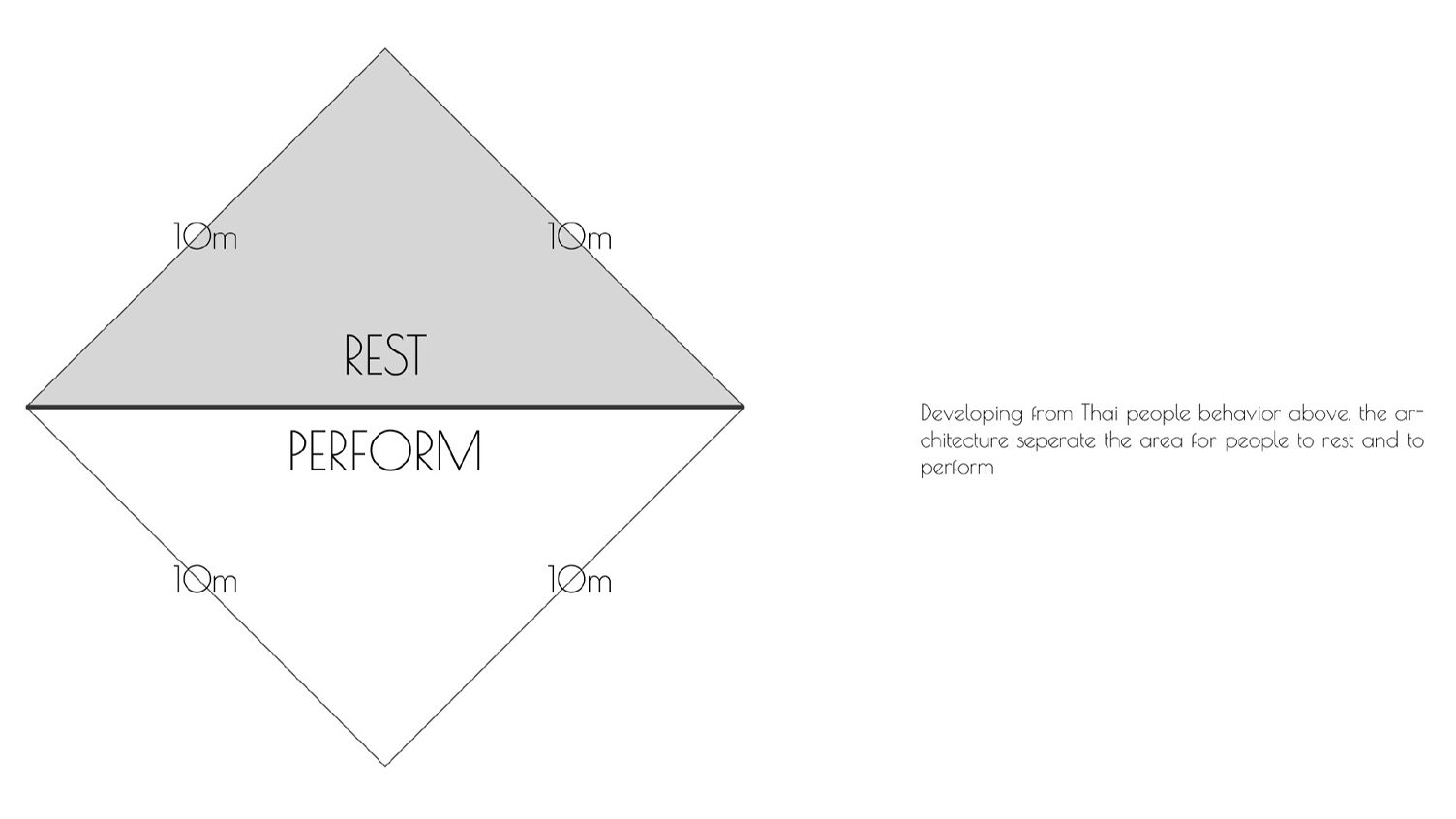
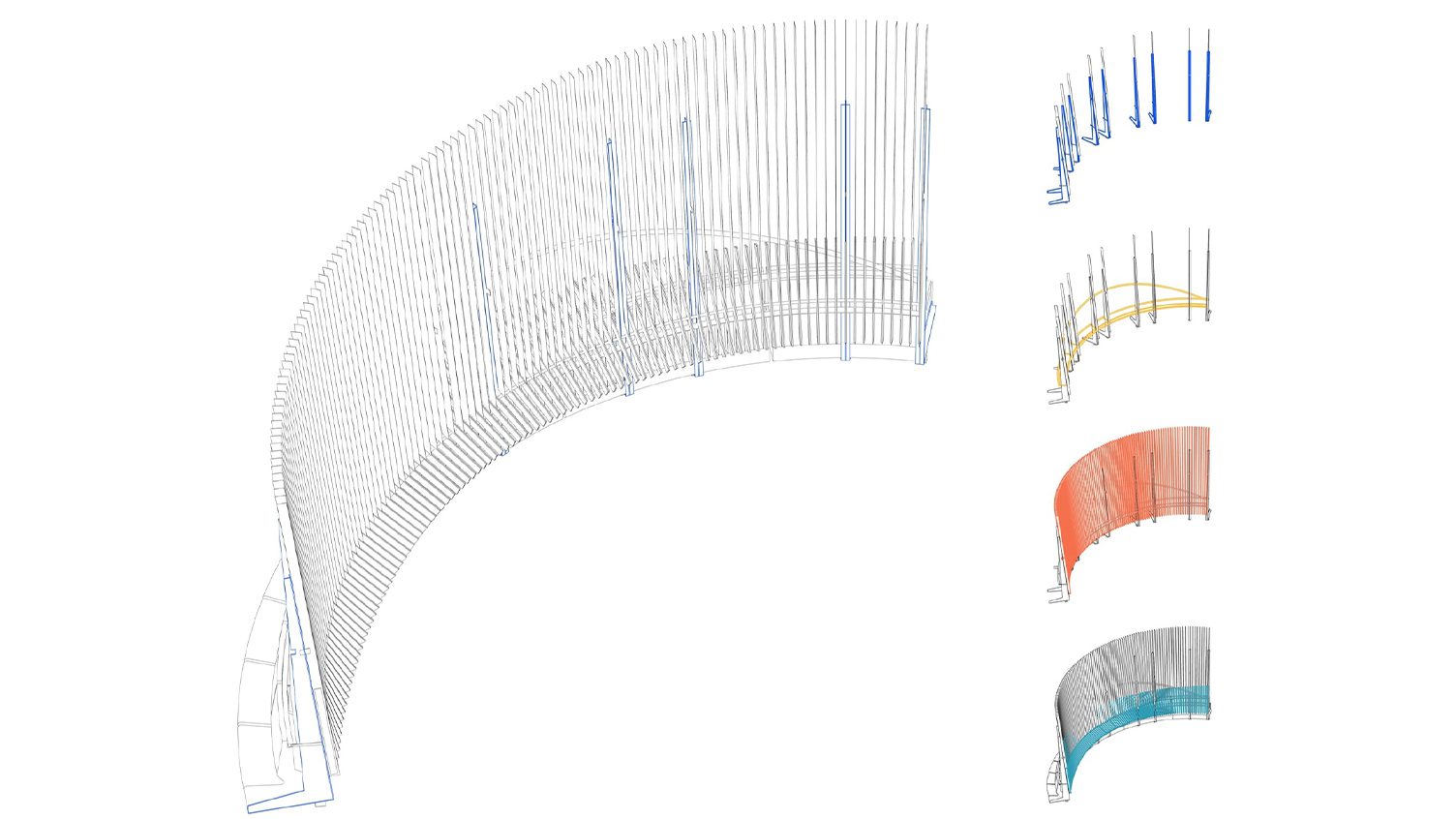
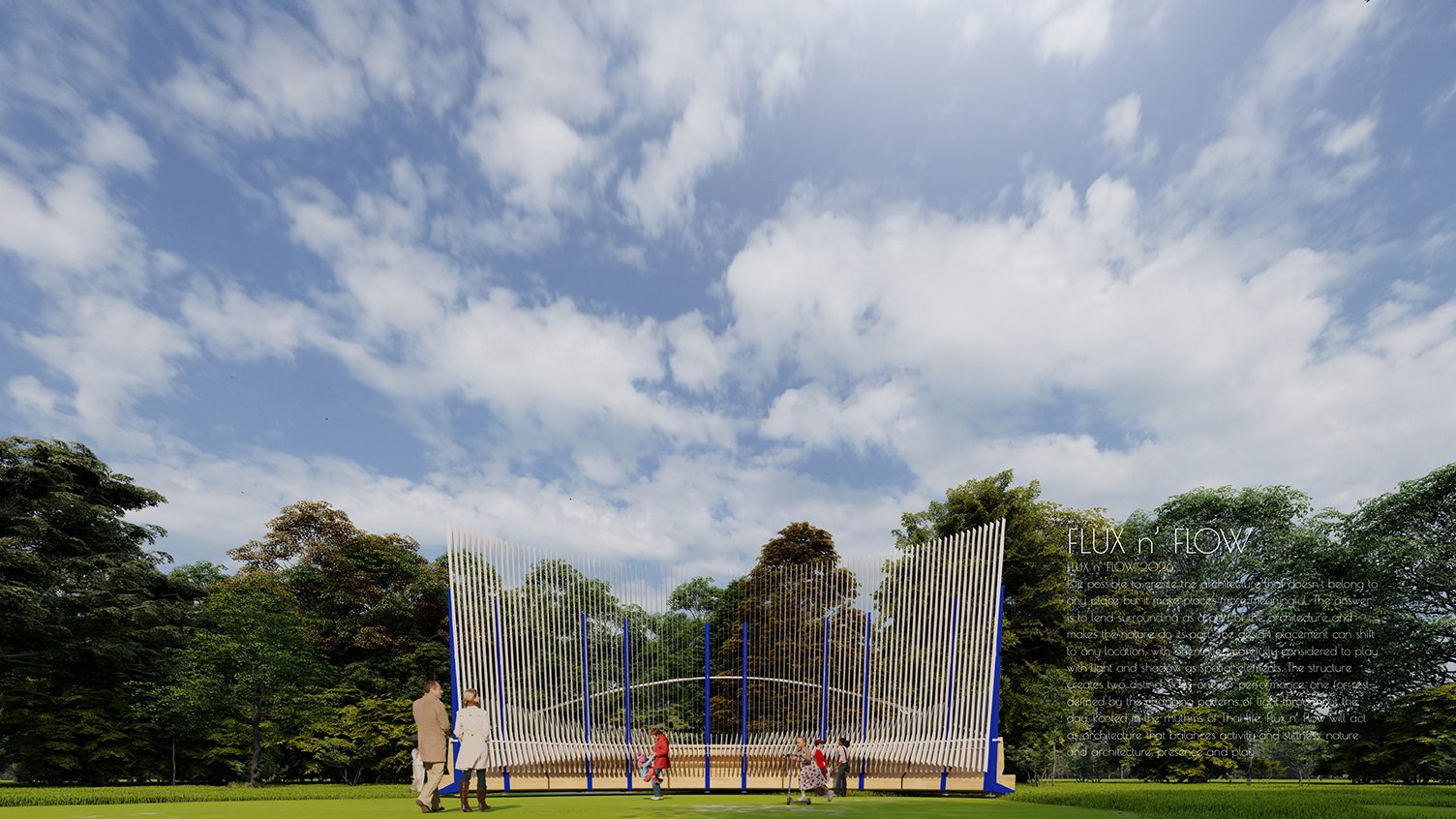
FLUX n’ FLOW is a pavilion inspired by the idea of a ‘stage.’ Chawin imagined its users as both performers and audiences, a duality reflected in the program that accommodates areas for performance and seating alike. Yet rather than translating this concept into a literal physical form, Chawin placed his trust in nature and its environment. The ‘stage’ of FLUX n’ FLOW is, therefore, an ephemeral one, defined by the movement of light and shadow across the pavilion. As shadows shift, so too does the space of performance, constantly redefined by its changing surroundings.
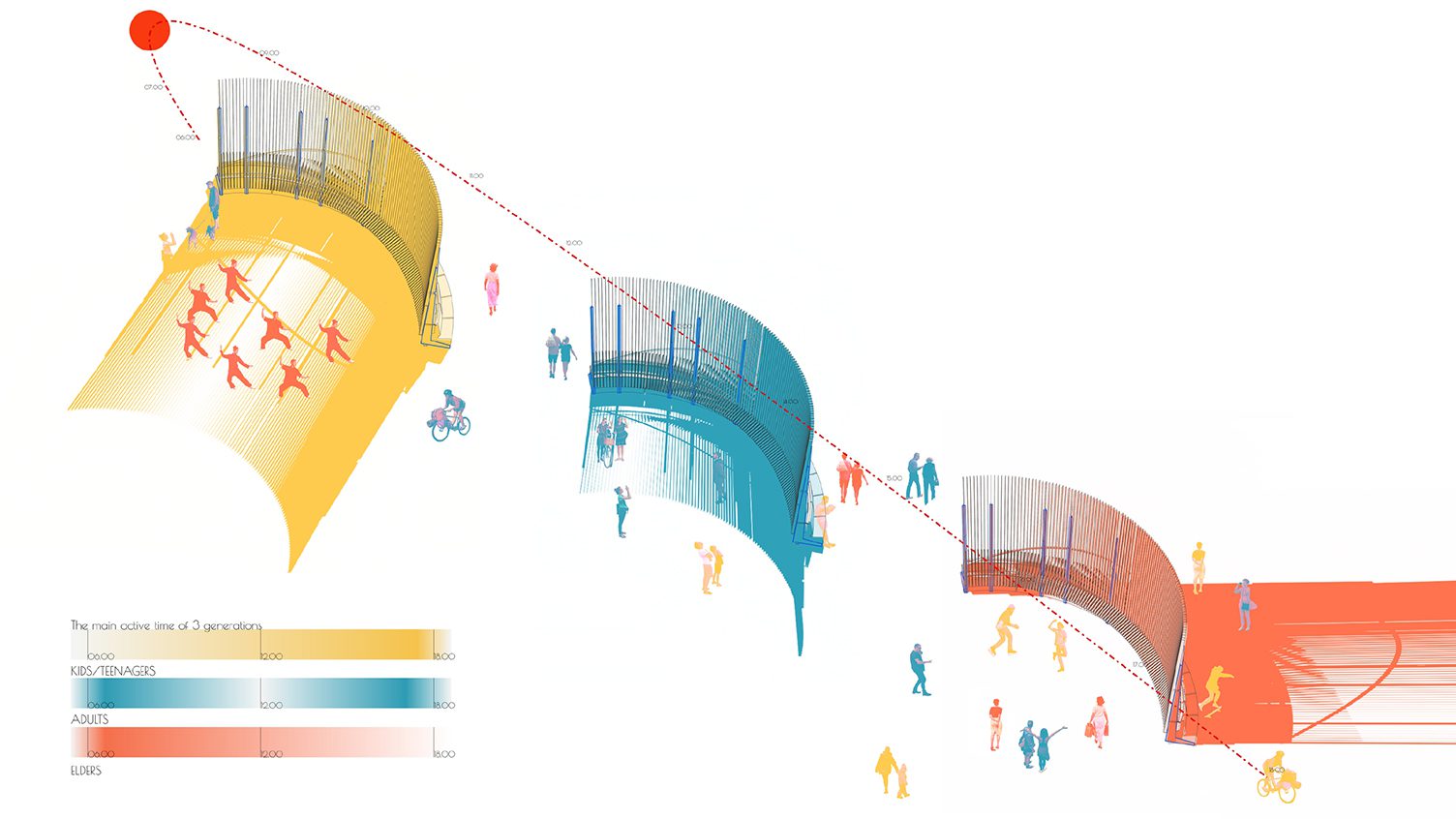
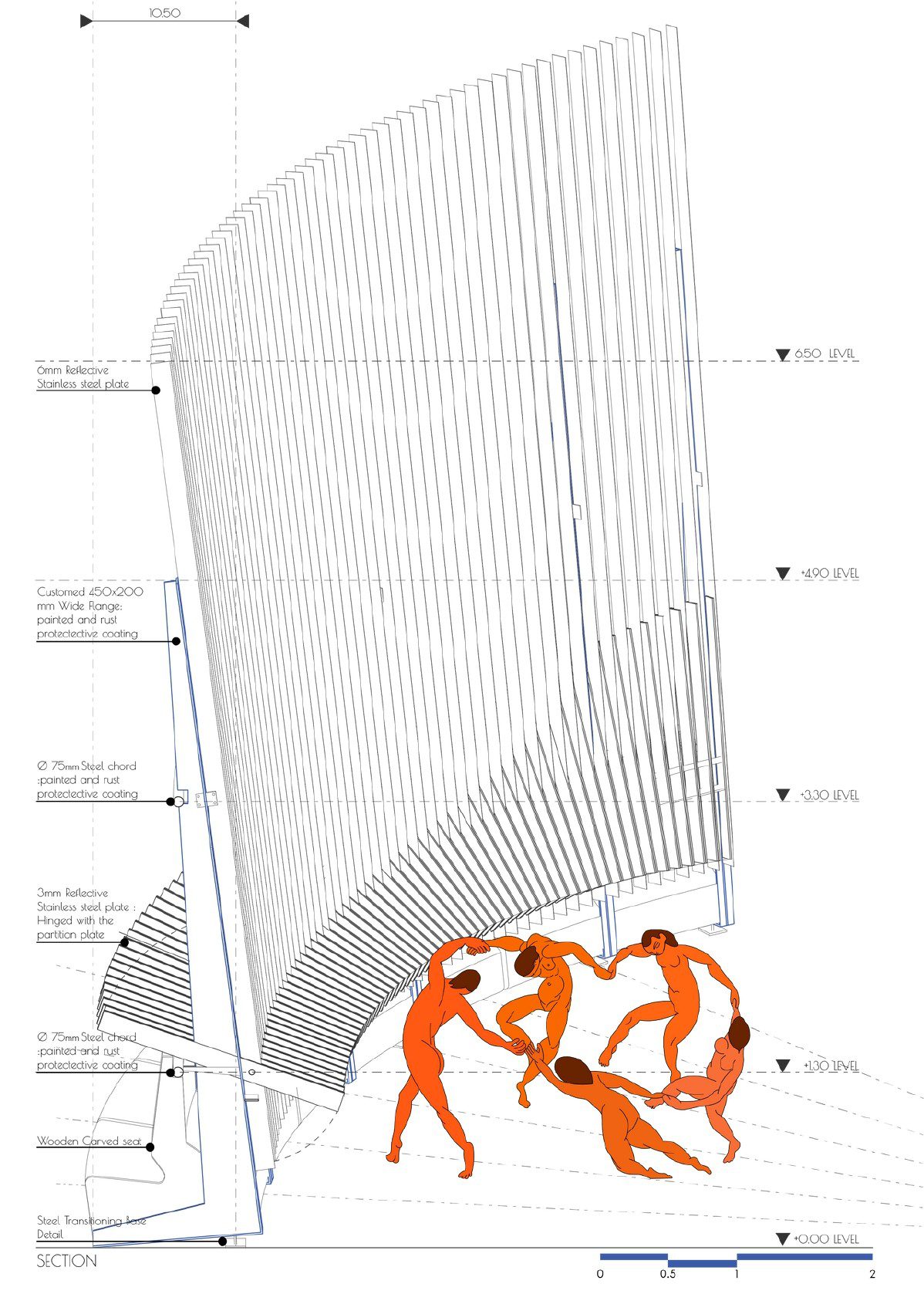
Structurally, the pavilion can be seen as a large chair, given its singular, clearly defined function, or equally as an installation. It consists of stainless-steel slats rising six meters high, held in place by a network of metal members and tensioned cords. At its base sits a bench unit and another set of adjustable stainless-steel louvers that form an adaptable eave. While Chawin’s original presentation proposed an elegant curve of parallel slats, it remains to be seen how this Grand Prize–winning design, soon to be built, will evolve through the process of realization.
First Runner-up
ANCHORED AIR
Chayonyut Chinnasod, Silpakorn University
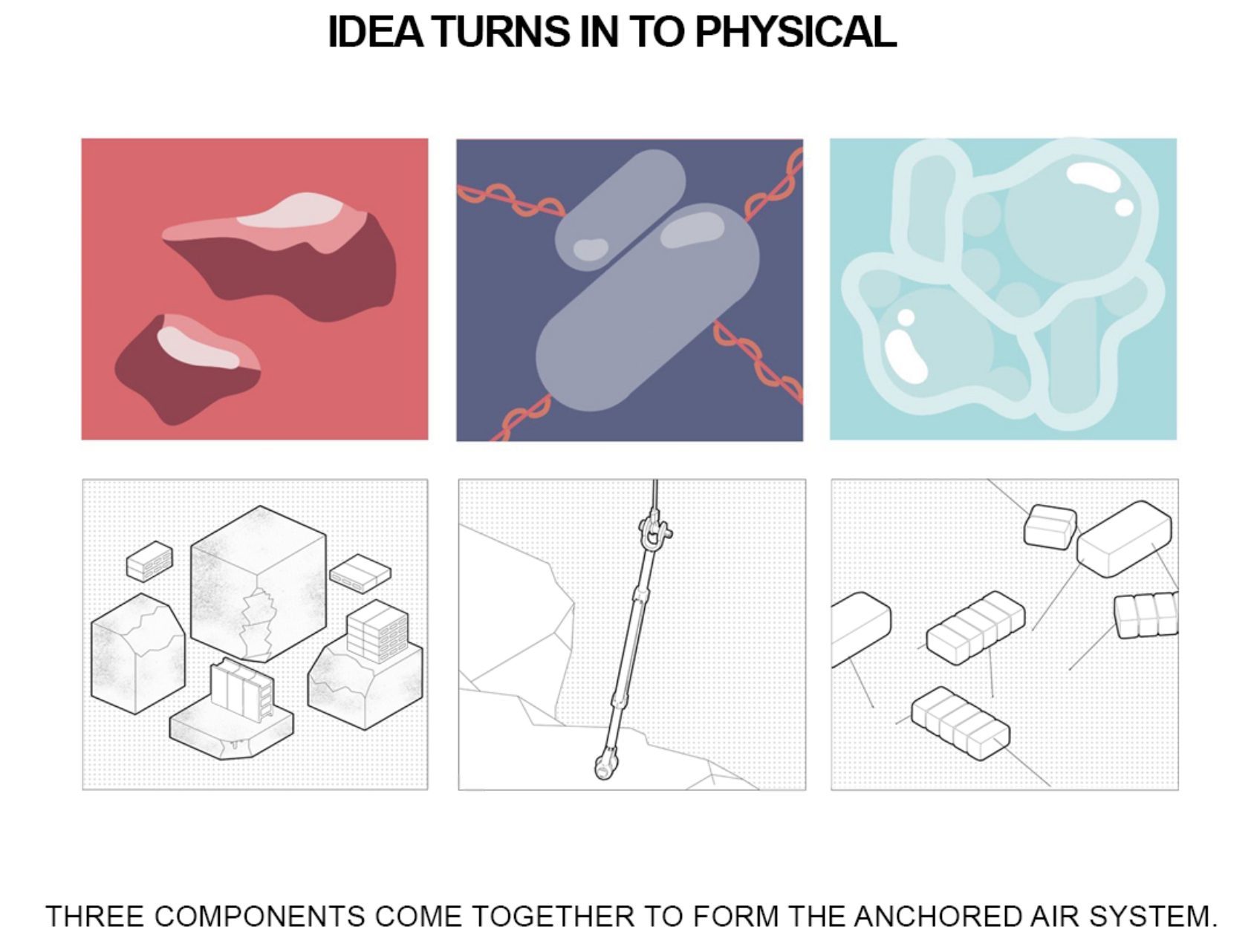
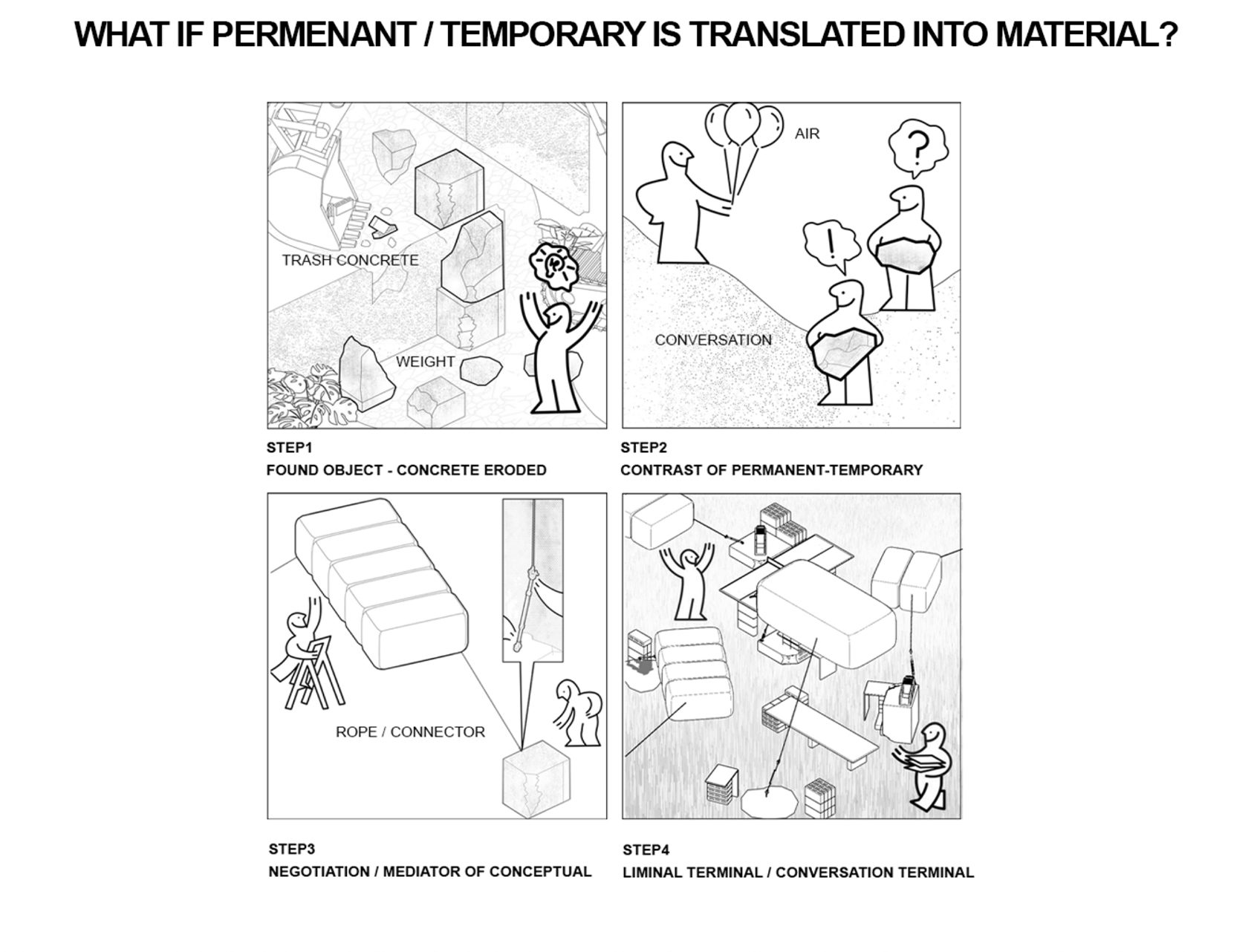
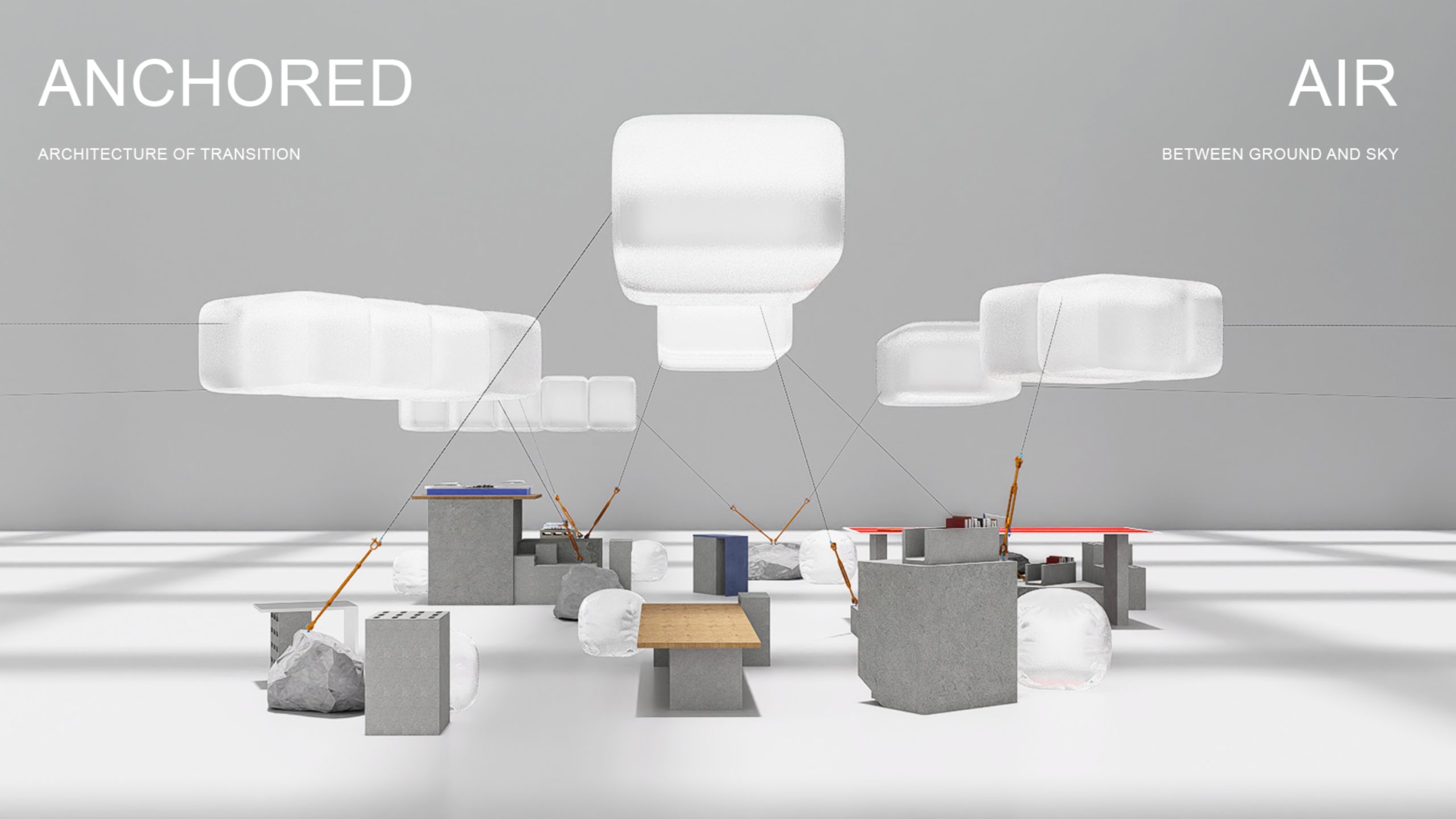
ANCHORED AIR presents a concept of ‘contradiction,’ derived from the paired notions of liminal (in transition) and terminal (an endpoint). The idea takes inspiration from René Magritte’s painting Les idées claires, depicting a floating rock suspended between water and clouds. Yet Chayonyut’s interpretation goes beyond these two visual elements, translating them into the contrasting states of two objects, concrete and balloon, or more simply, the permanent and the ephemeral.
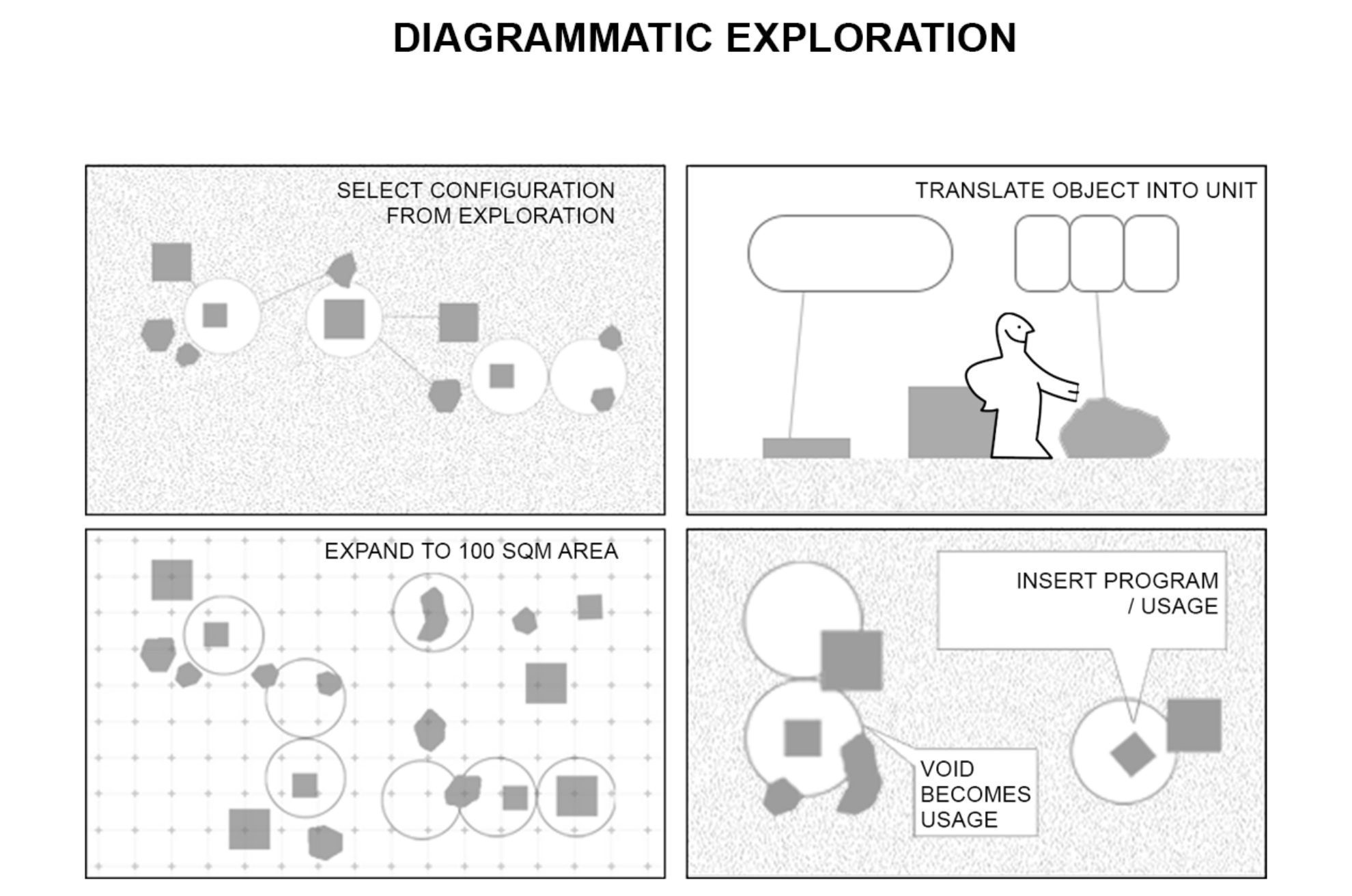
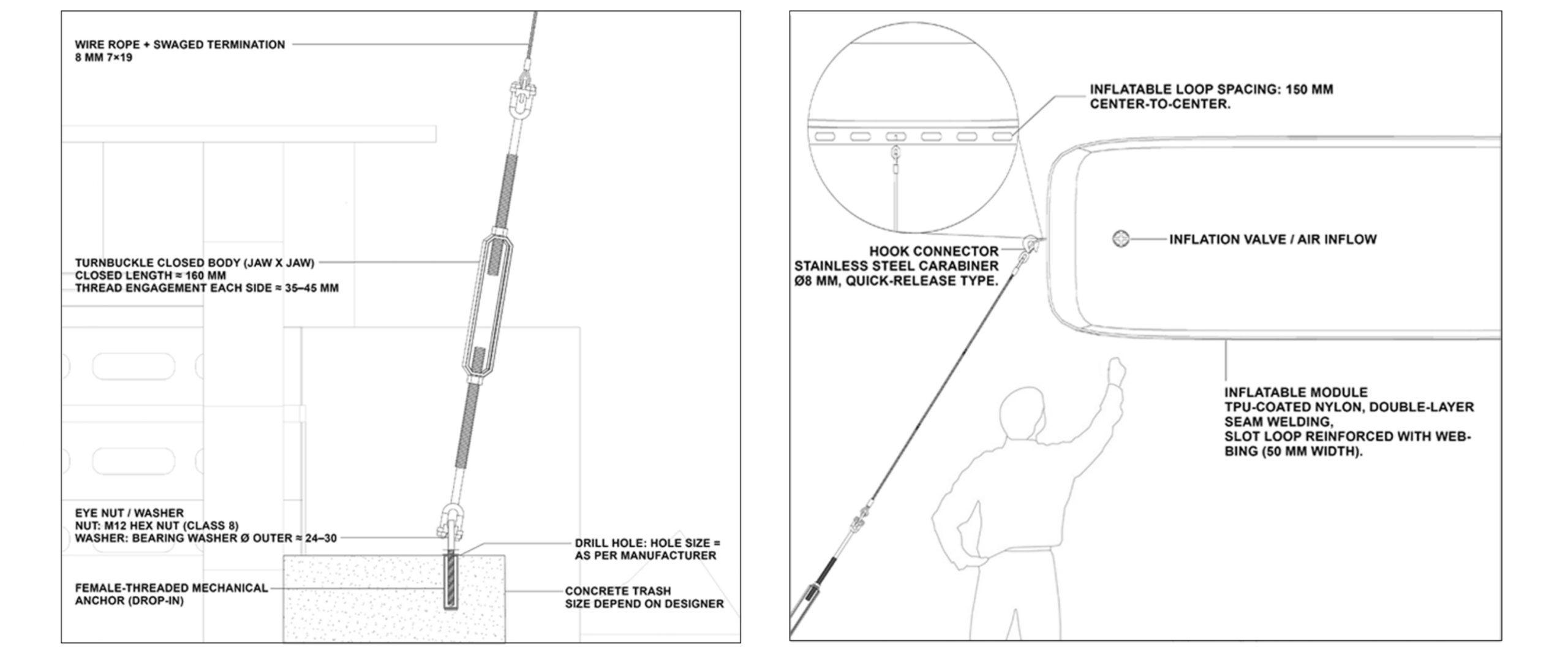
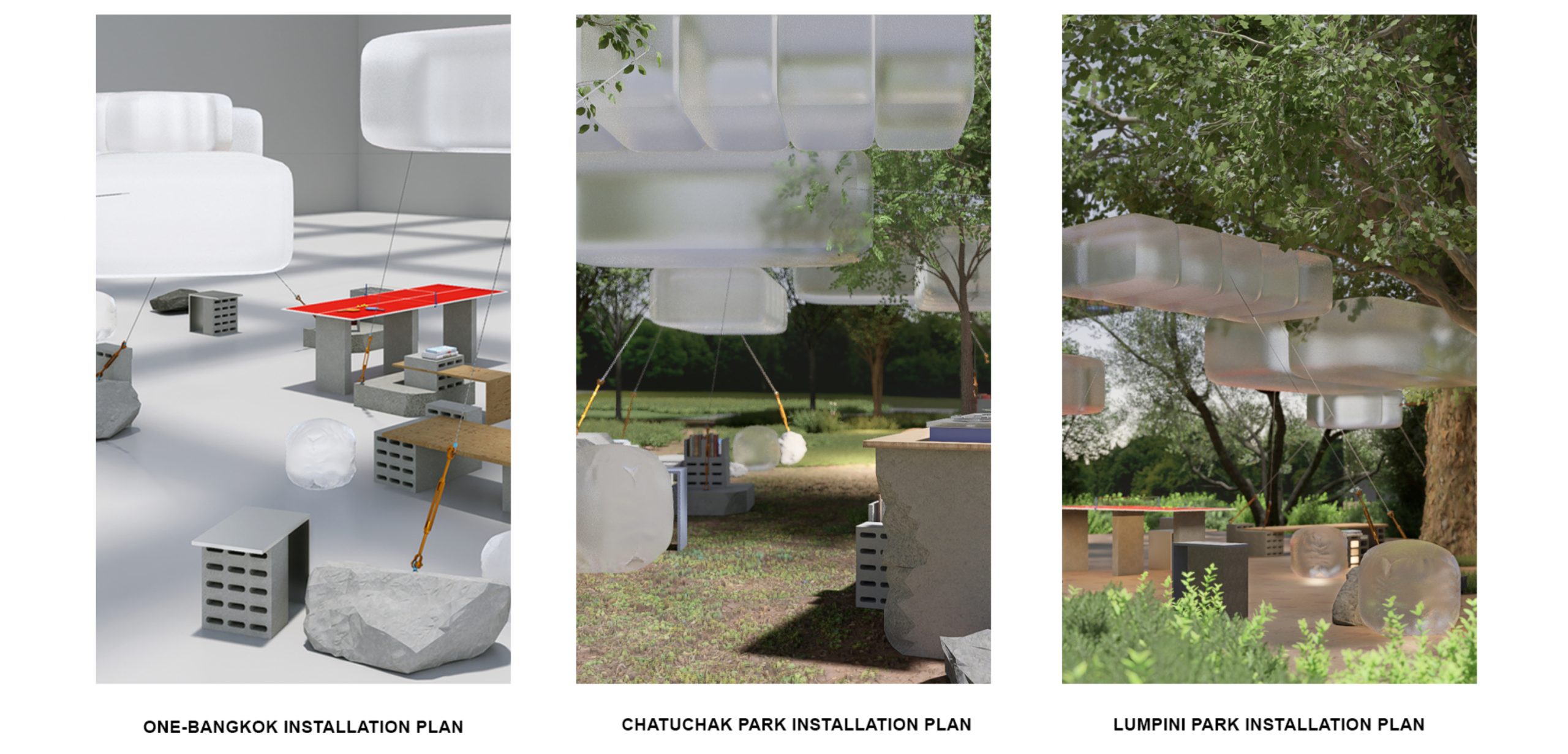
The piece intends to utilize opposing forces to engage the public in dialogue. Each unit of the pavilion was carefully studied for its arrangement, accompanied by a set of furniture pieces that strengthen the interior program and encourage people to interact with the space. The concrete elements will be cast from reclaimed construction debris, while the ‘balloons’ are made of double-layered TPU-coated nylon, filled with gas and re-inflated every three to four days. These airy volumes are anchored to the concrete base by ropes and ground pegs.
Second Runner-up
The Light of Renewal
Phattamol Boonyoo, Saint Joseph Convent School
Natthaphat Rattanapitakkul, Saint Joseph Convent School
Varunthorn Prawnate, Saint Joseph Convent School
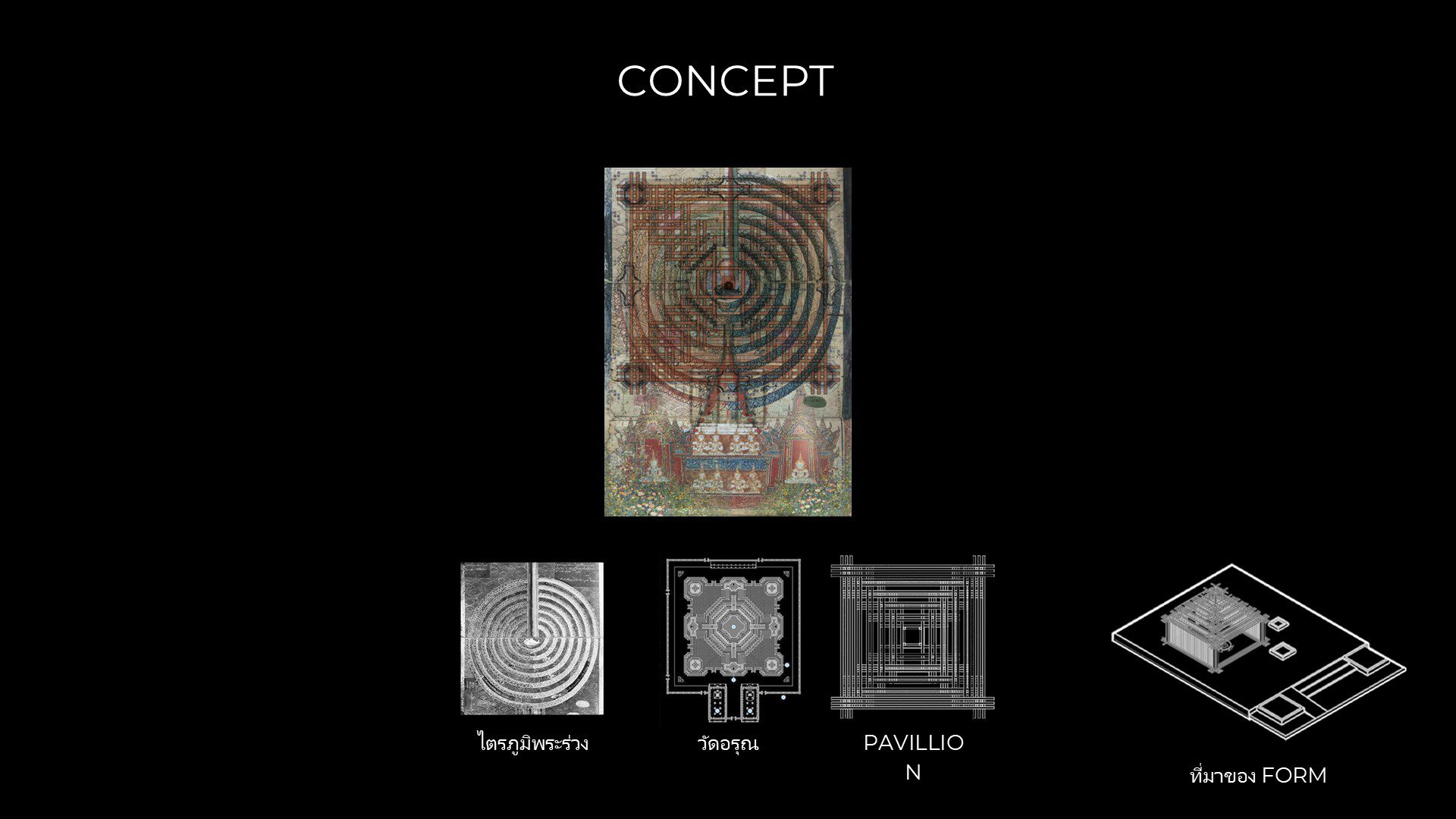
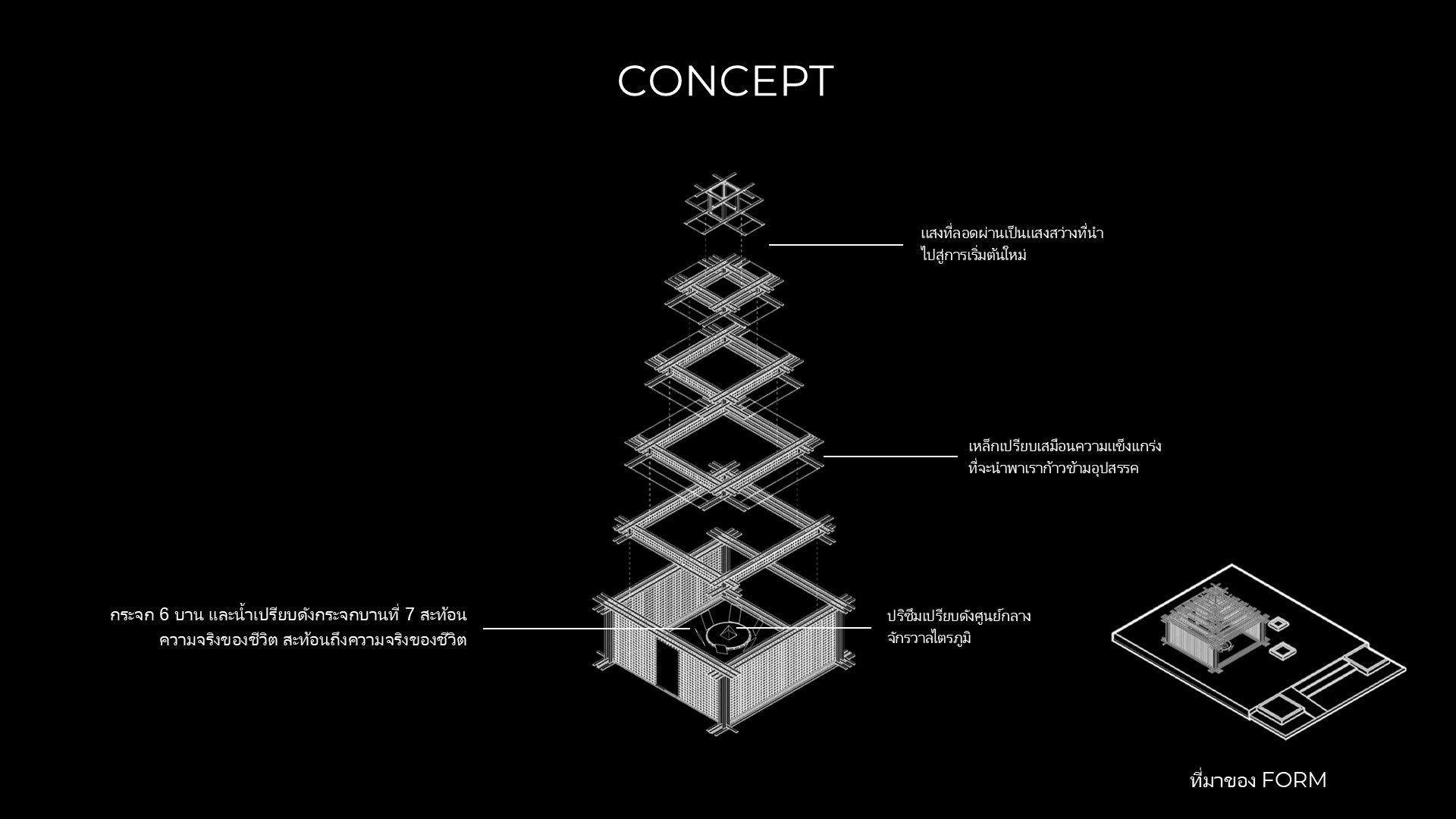
Light has long played a profound role in human culture. The team behind The Light of Renewal takes inspiration from the first light of dawn, using it as a point of departure to connect with the natural phenomenon of the rainbow, a universal symbol of renewal and new beginnings after the rain. At the same time, their pavilion draws inspiration upon from the spatial layout and architectural form of Wat Arun Ratchawararam Ratchawaramahawihan (Temple of Dawn) and the concept of the Three Realms (Traiphum), reinterpreting these traditional frameworks through a contemporary lens.
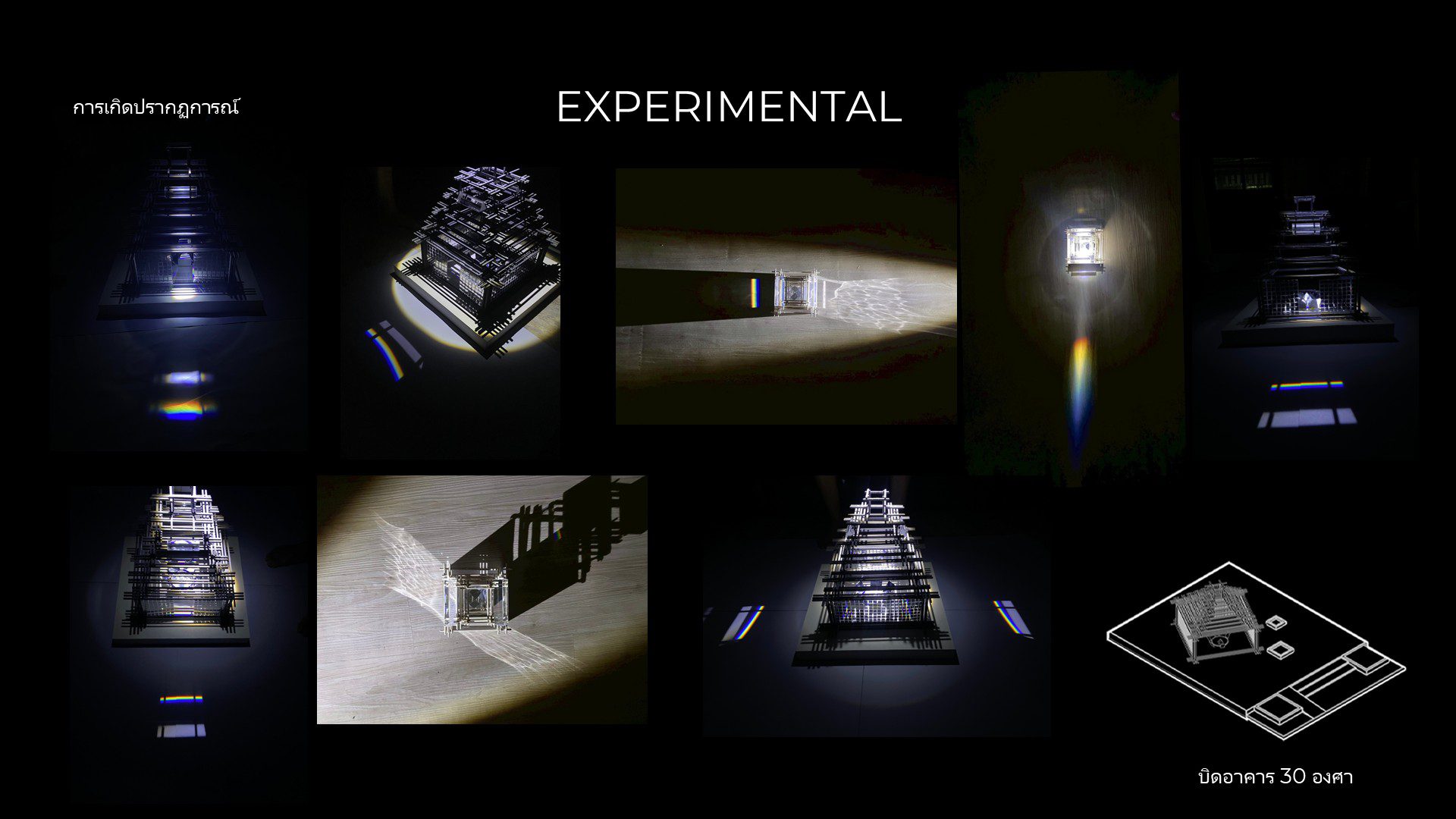
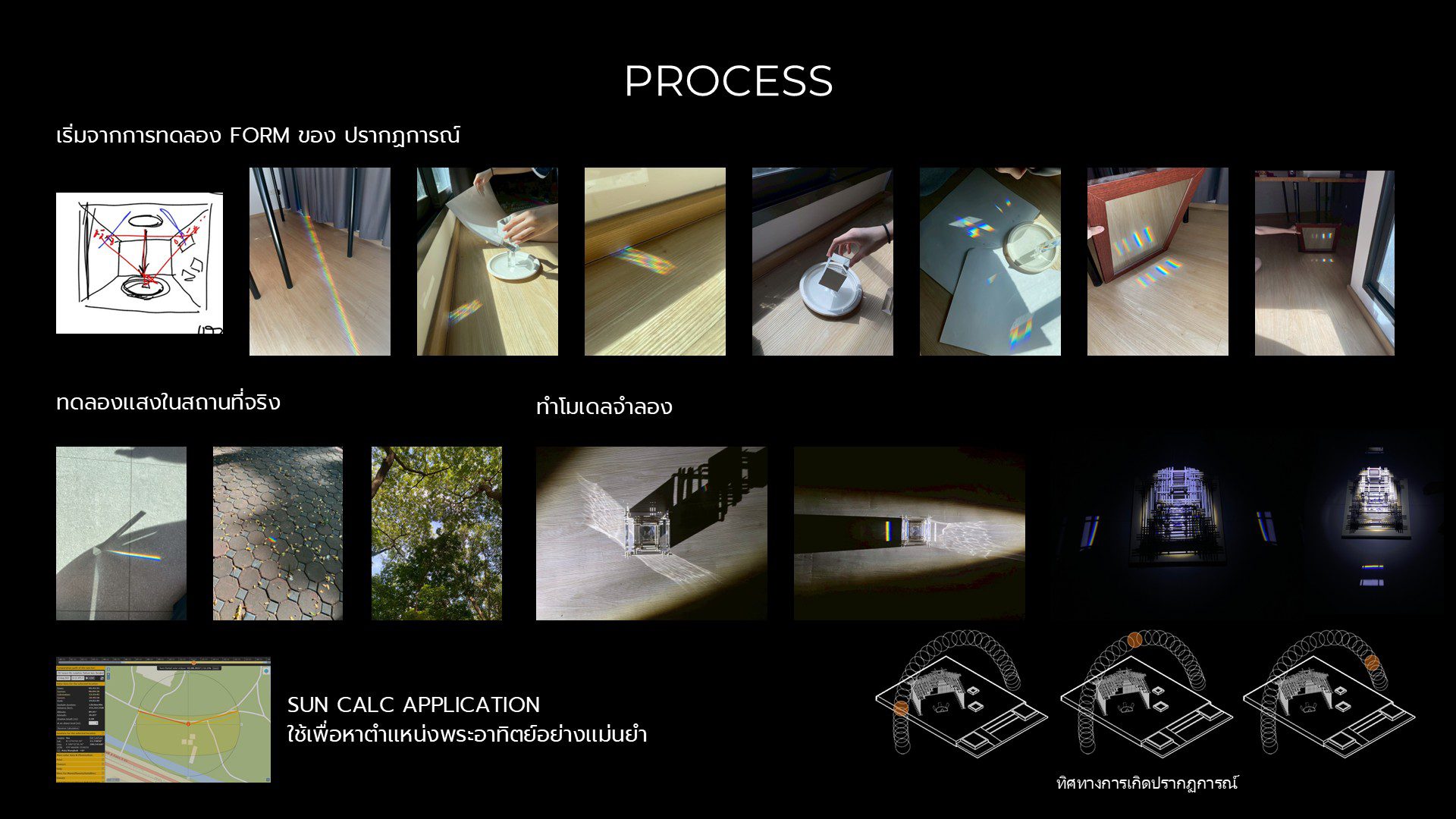
The Light of Renewal is composed of three primary elements. The first is a network of steel rods that serves both as structure and as a conduit, allowing light from above to filter through. At the center stands a prismatic core, which disperses natural white light into a spectrum of seven colors. Encircling these is a layer of mirrored glass, reflecting not only the image of passersby but also expanding the boundaries of light in new directions. Walking through The Light of Renewal offers a kinetic experience of rainbows, reflections, and shadows, each an evolving manifestation of light, the very origin and essence of this work.
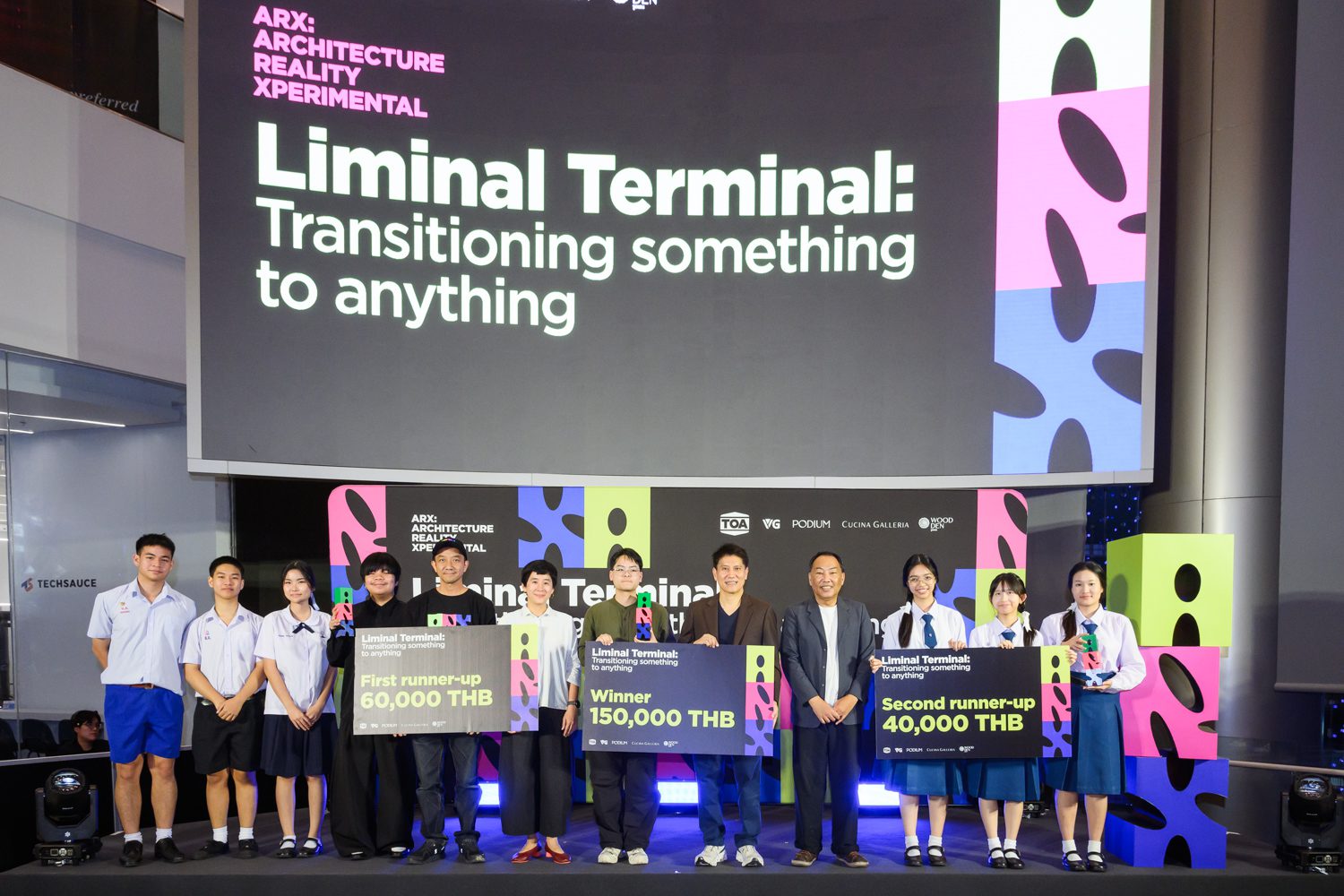
art4d extends our congratulations to all the winners and heartfelt thanks to every participating team for their dedication and creativity. The 20 finalist projects can be viewed at here.
Read more stories from ARX 2025 at: