
A CONVERSATION WITH CHAWIN LAOWANANCHAI, WINNER OF ARX 2025, ON THE DESIGN CONCEPT OF FLUX N’ FLOW PAVILION, WHICH EXPLORES ARCHITECTURE AS A ‘SPACE OF TRANSITION’ BETWEEN PEOPLE AND THE ENVIRONMENT
TEXT: NATHATAI TANGCHADAKORN
PHOTO: WORAPAS DUSADEEWIJAI
(For Thai, press here)
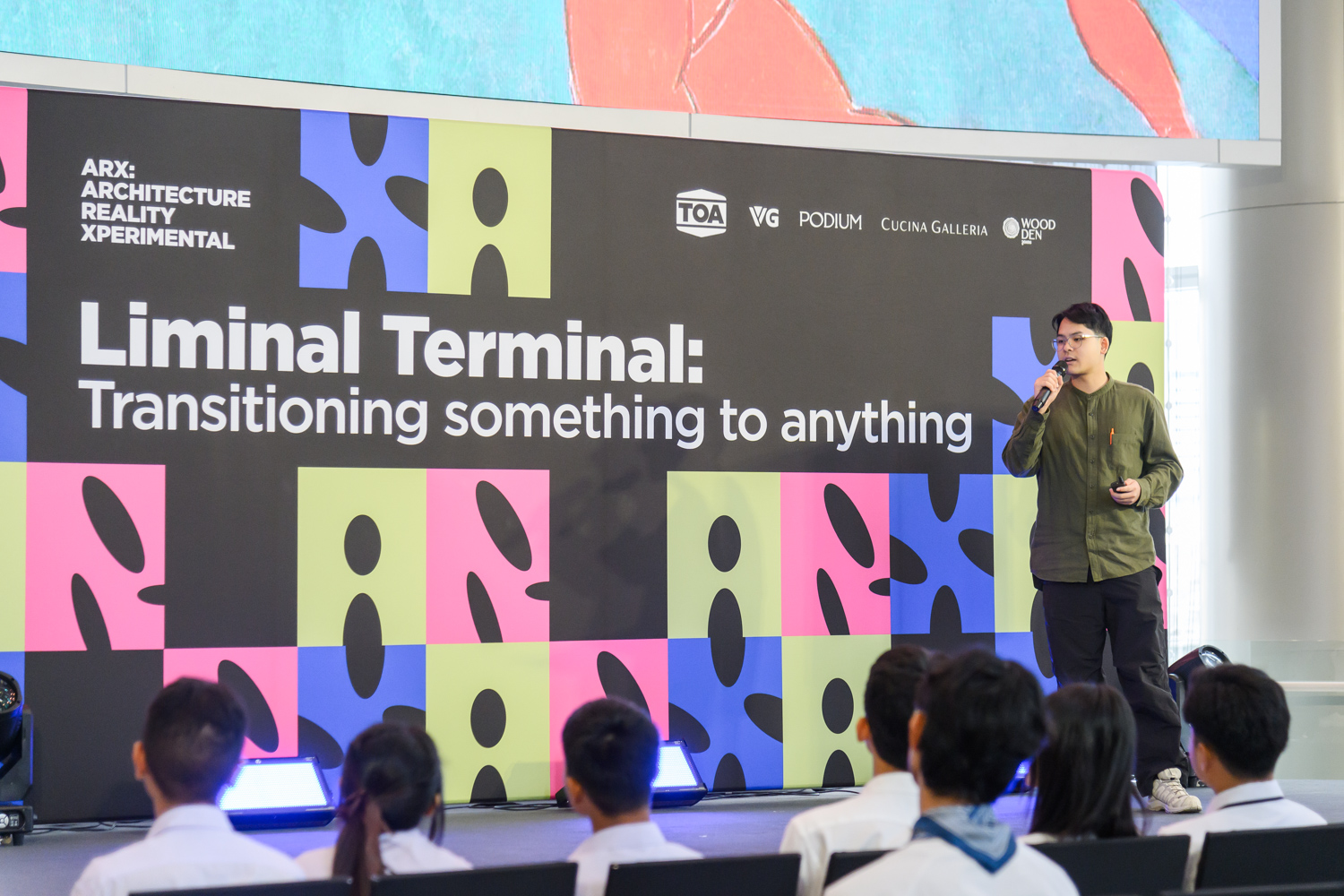
The ARX (ARCHITECTURE ‧ REALITY ‧ XPERIMENTAL) competition opens the floor for design students to experiment with ideas, take risks, and explore architecture through their own creative lens. For ARX 2025, participants were tasked with interpreting the theme ‘Liminal Terminal: Transitioning something to anything,’ conceived by this year’s jurors: Sanitas Pradittasnee, Angkrit Ajchariyasophon, and Pratarn Teeratada.
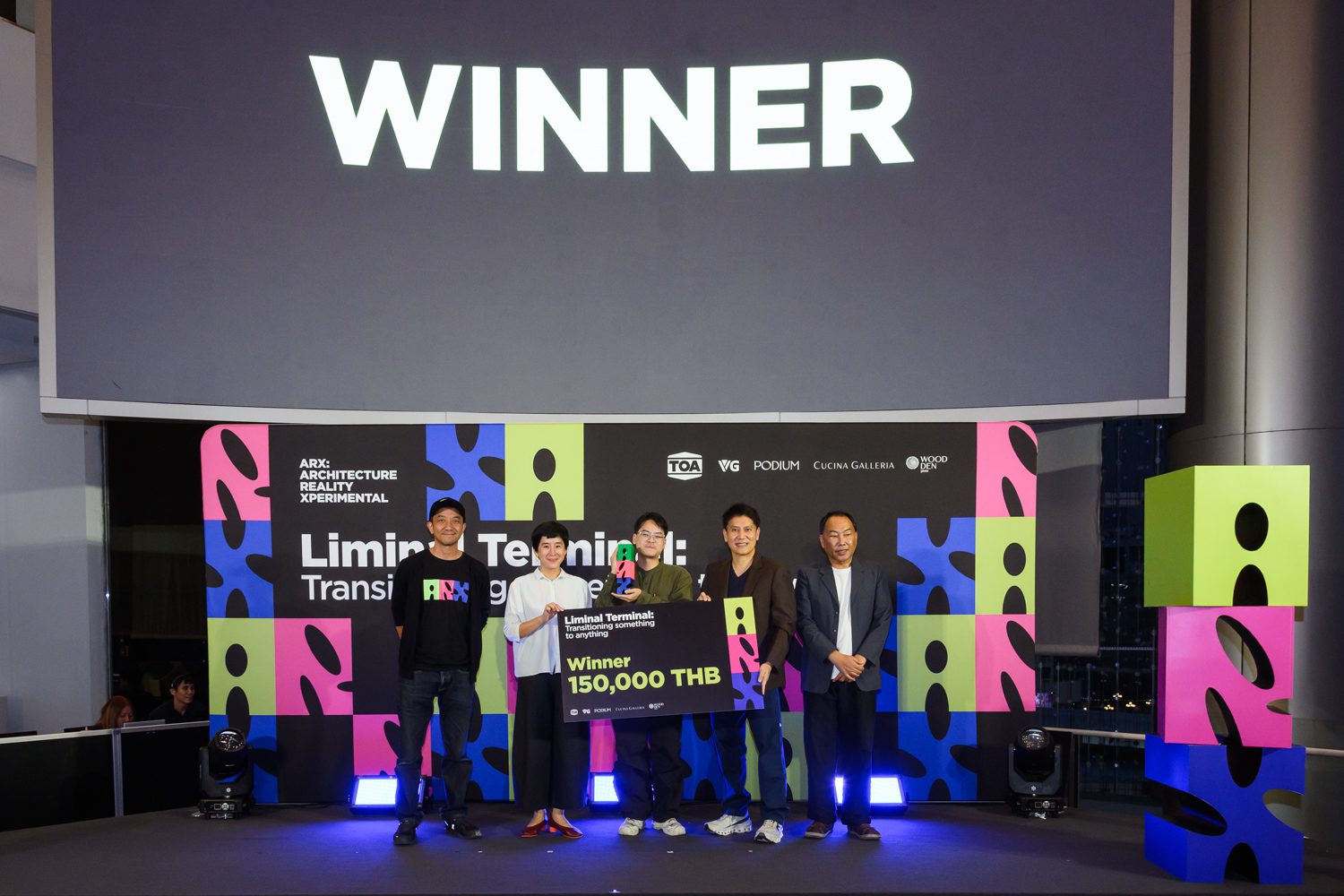
After announcing Chawin Laowananchai as the winner for his project FLUX n’ FLOW, ARX now moves into its next phase, where a design development workshop will see the concept refined and brought to life with the support of professional teams. Before that process unfolds, art4d spoke with Chawin about the journey behind his winning proposal, the ideas that shaped it, and his hopes for what comes next.
art4d: To start off, could you introduce yourself a little? As an architecture student, what are your interests or areas you’re particularly drawn to?
Chawin Laowananchai: My name is Chawin Laowananchai, and I’m a fourth-year architecture student at Chulalongkorn University. I’ve always loved design and architecture, and I enjoy experimenting with new ideas through my studies and projects. I like to keep developing my way of thinking and exploring different approaches to design. Most of the works I’m drawn to tend to be modern, often with a futuristic edge. I especially look up to architects like Richard Rogers, Renzo Piano, and Norman Foster.
art4d: How would you define a pavilion? And when you were working on this project, did you follow that definition?
CL: To me, a pavilion is a semi-permanent or temporary structure situated in a public or urban space, something that people can visit and interact with freely. I believe a pavilion only truly becomes one when it invites interaction. A good pavilion, in my view, is one that fosters meaningful engagement and brings people a sense of joy.
art4d: What does ‘meaningful interaction’ mean to you?
CL: For me, it can be as simple as meeting new people and exchanging ideas. That alone can already be the start of a meaningful interaction. It could be an activity that people share or experience together. That, for me, captures the essence of a meaningful interaction.
art4d: When you were developing FLUX n’ FLOW, what kind of program did you have in mind?
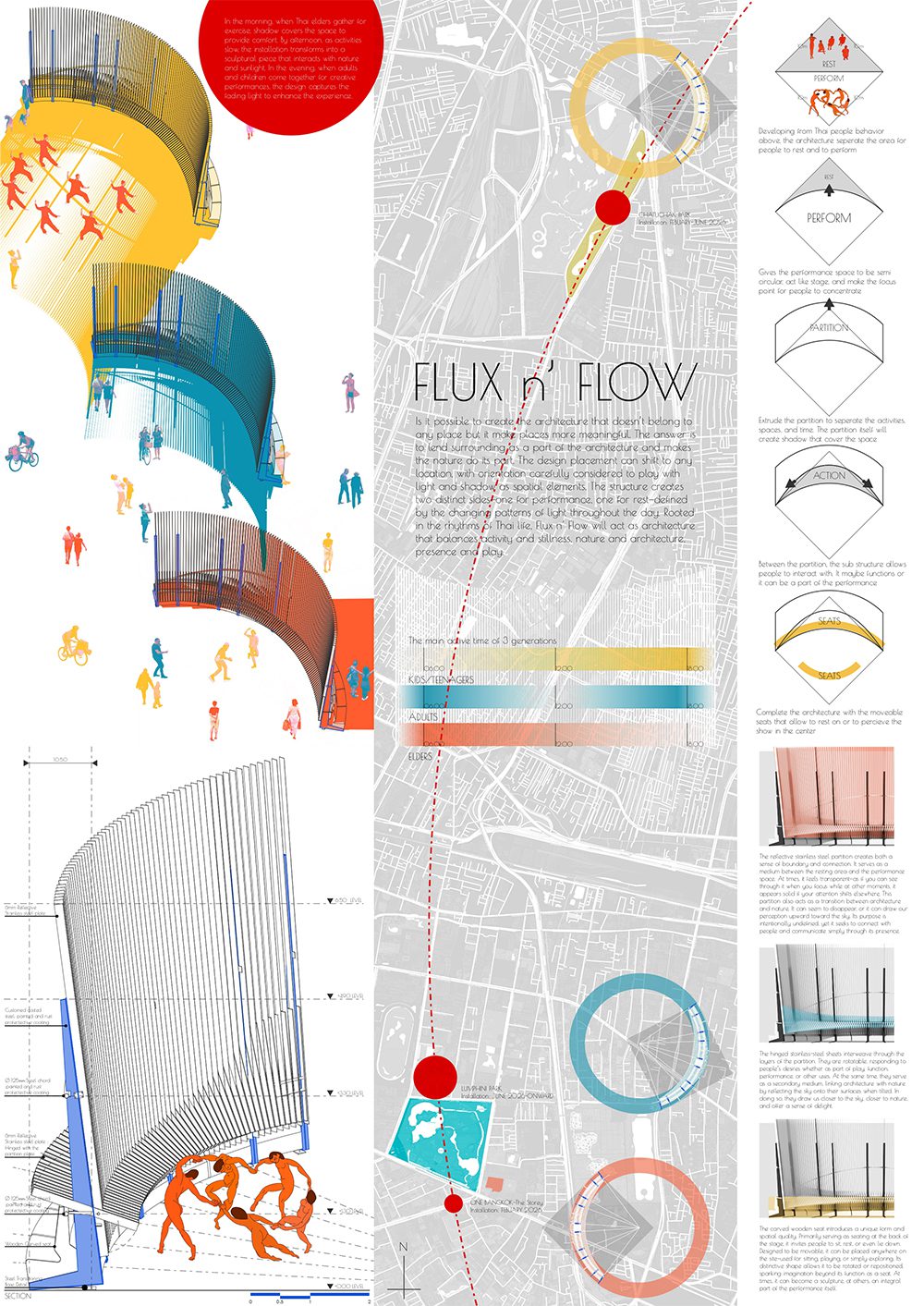
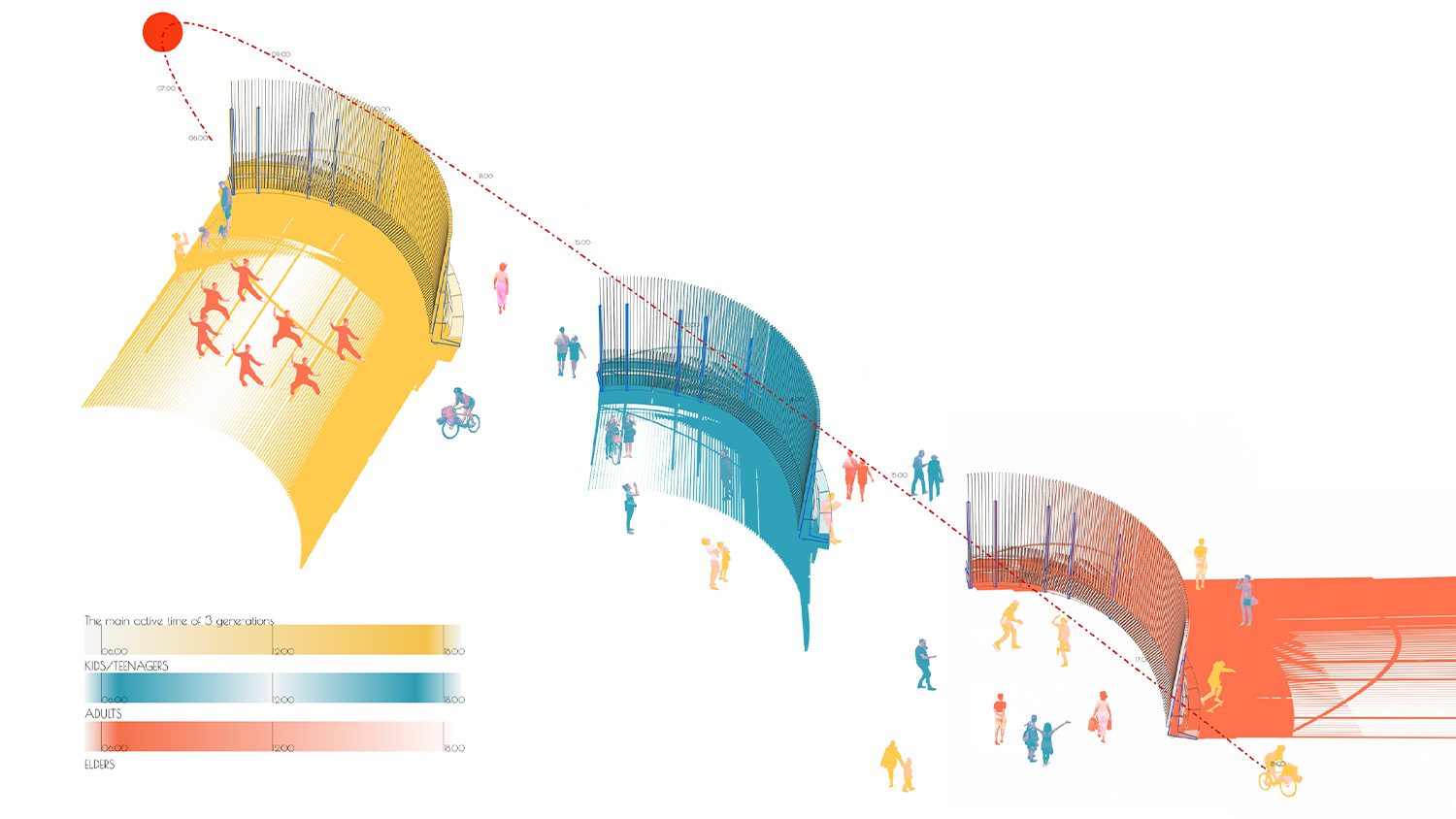
CL: Rather than coming from a formal design process, the idea began with a quiet observation, one that stuck with me. I was sitting in a café, trying to come up with ideas while scrolling through case studies, but nothing really clicked. So I decided to take a break and just observe my surroundings. I saw two older men sitting and chatting, and thought, “They seem to be really enjoying themselves.” I realized I was also enjoying the moment, simply watching them. That observation became the seed of the idea: in any situation, there are always two roles; the observer and the one who creates the scene being observed. That relationship became the starting point for the program.
art4d: Earlier, we talked about your pavilion in terms of how it would be used. Let’s shift to the theme for a moment. How did you interpret Liminal Terminal?
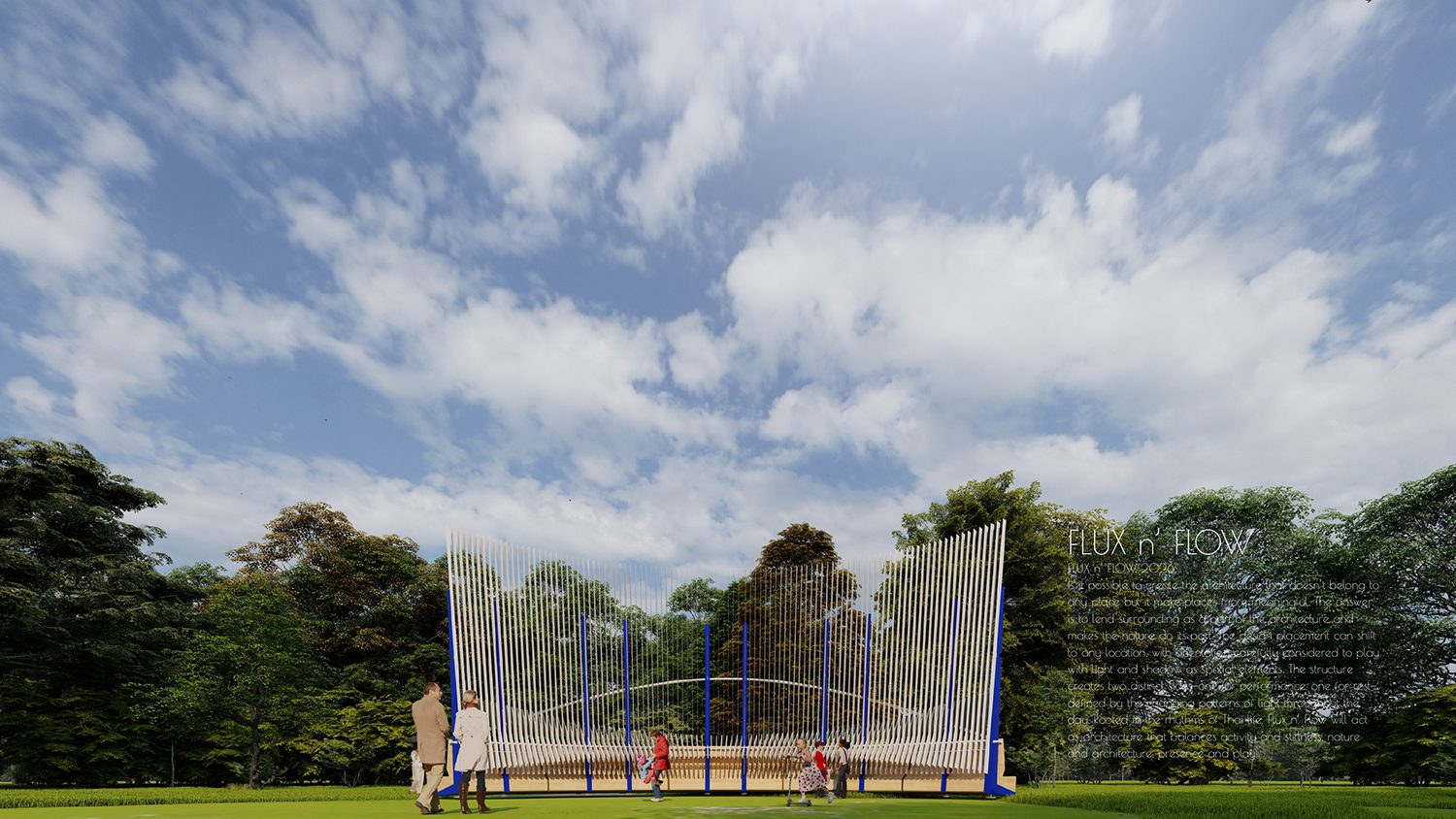
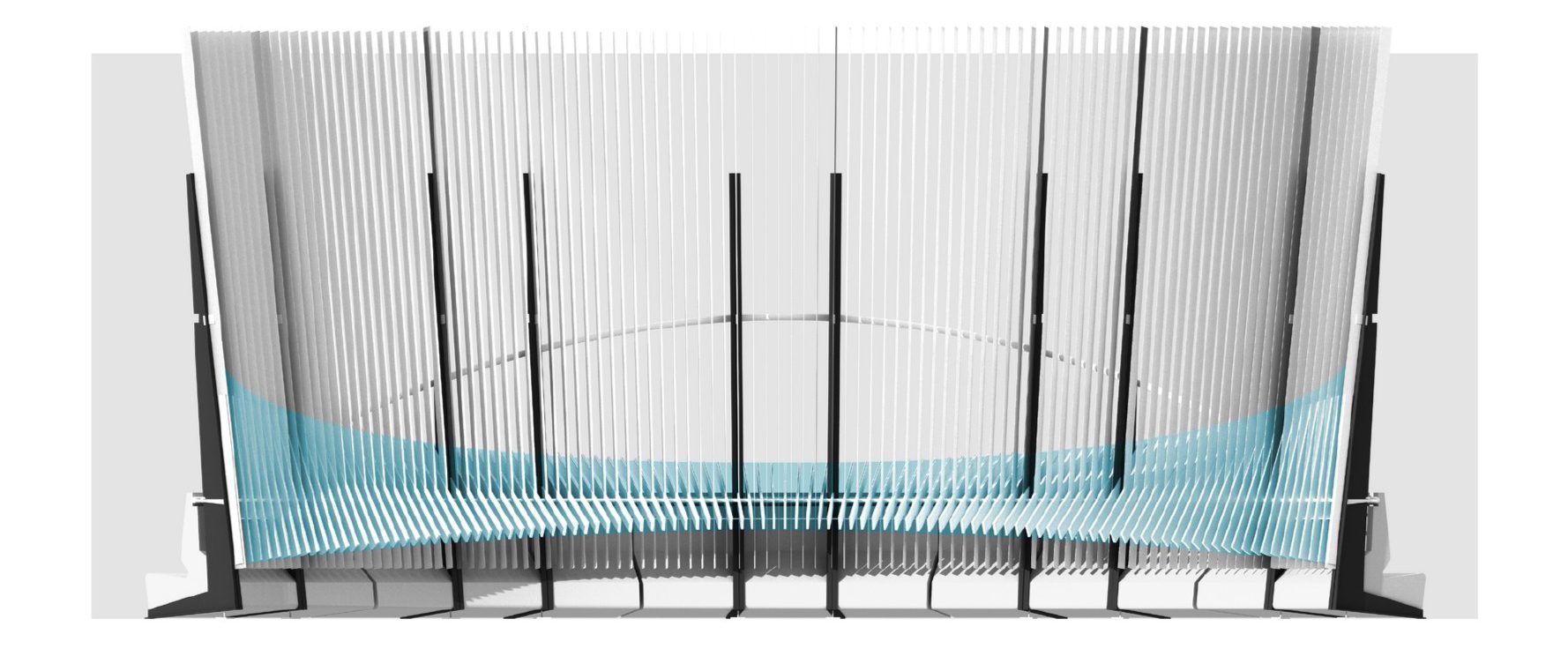
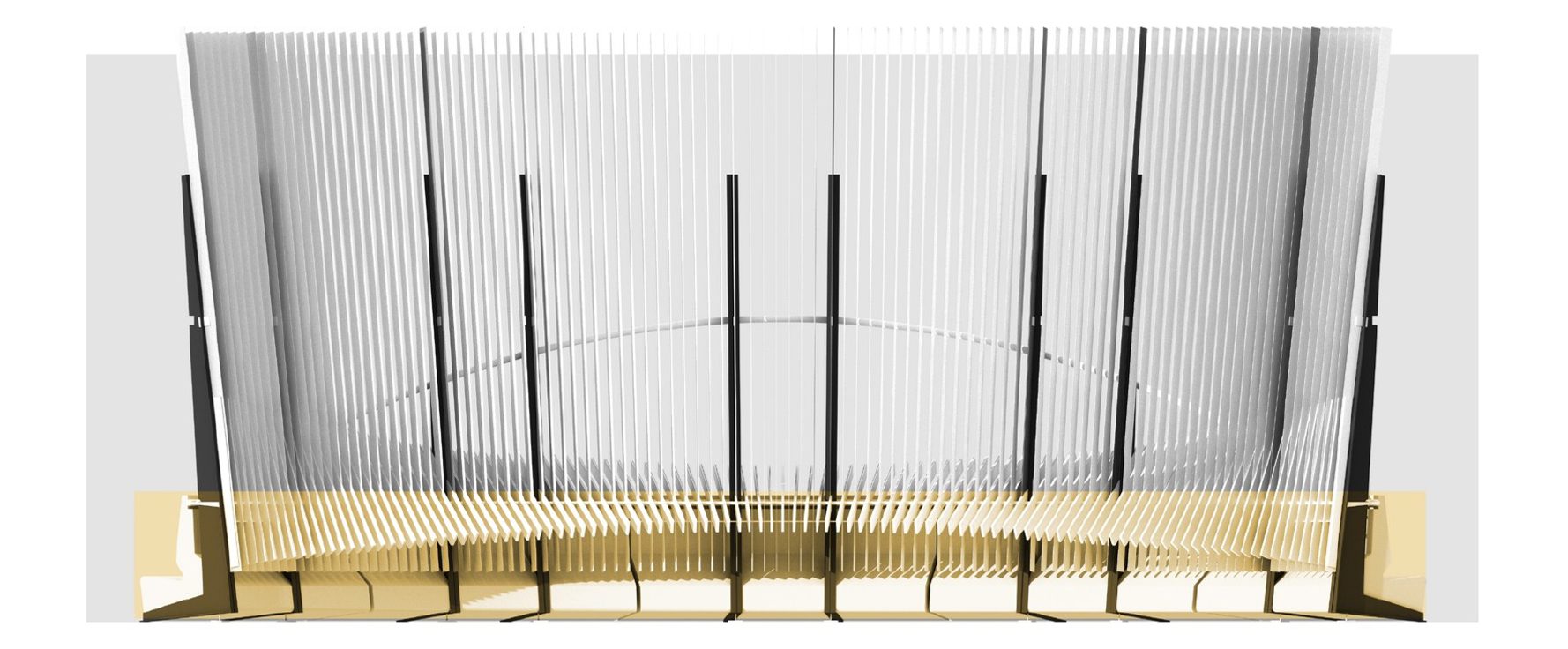
CL: To be honest, the theme was incredibly open to interpretation. Because it was so broad, it could become anything. So I tried to think about it in a wider sense, especially the word transition, and what kinds of transitions it could suggest. I kept exploring different directions and found myself interested in transforming elements of nature into a kind of stage for performers, where audiences could sit and watch.
For me, nature is the origin of everything. In a way, my pavilion doesn’t even need to physically exist. As long as there’s space, nature, and a surrounding context that encourages people to gather, that’s already enough to create interaction. So, in essence, my idea was to bring nature into the pavilion, to let the architecture itself disappear, leaving only nature and people coexisting in the space.
art4d: How did the design process begin?
CL: My initial design was completely different. It started out as an amphitheater, a raised stage that occupied the entire 10 x 10 meter area. The space was divided into zones for different activities: one for people to gather and talk, and another for resting or simply observing. I still think that direction had potential, but it seemed difficult to realize in terms of construction, and also in how people might actually use the space. So I decided to take a step back and reassess the design.
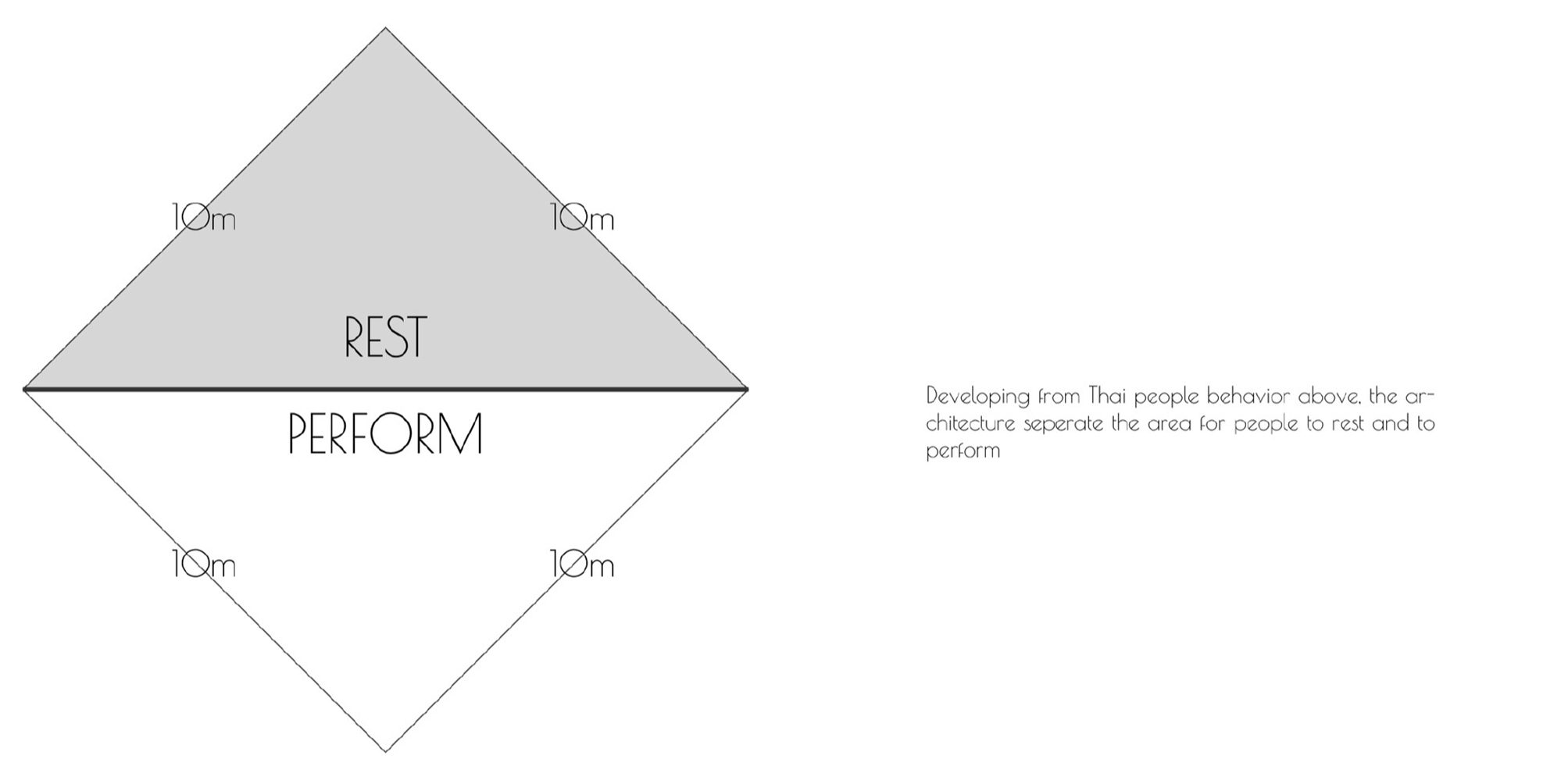
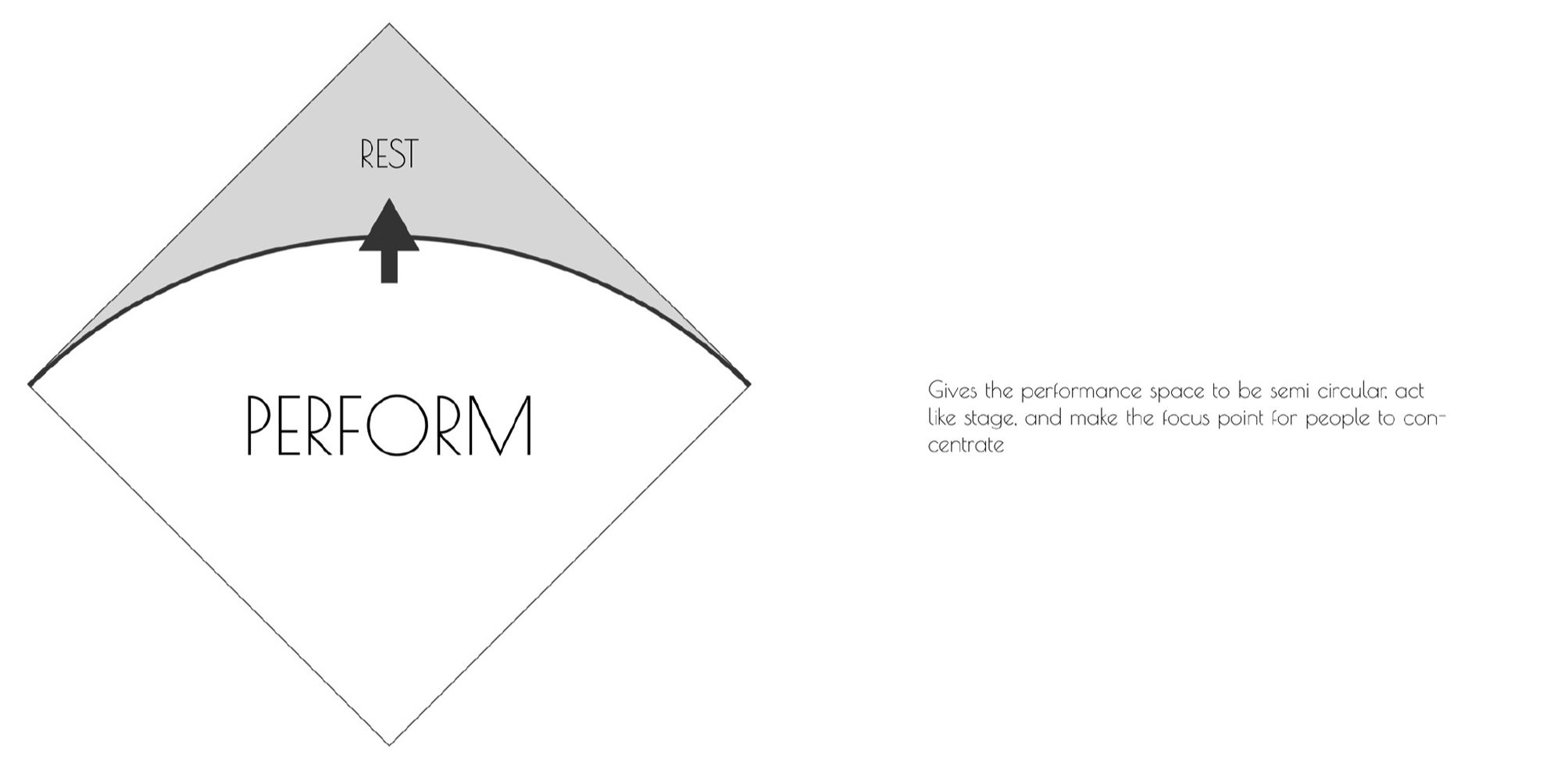
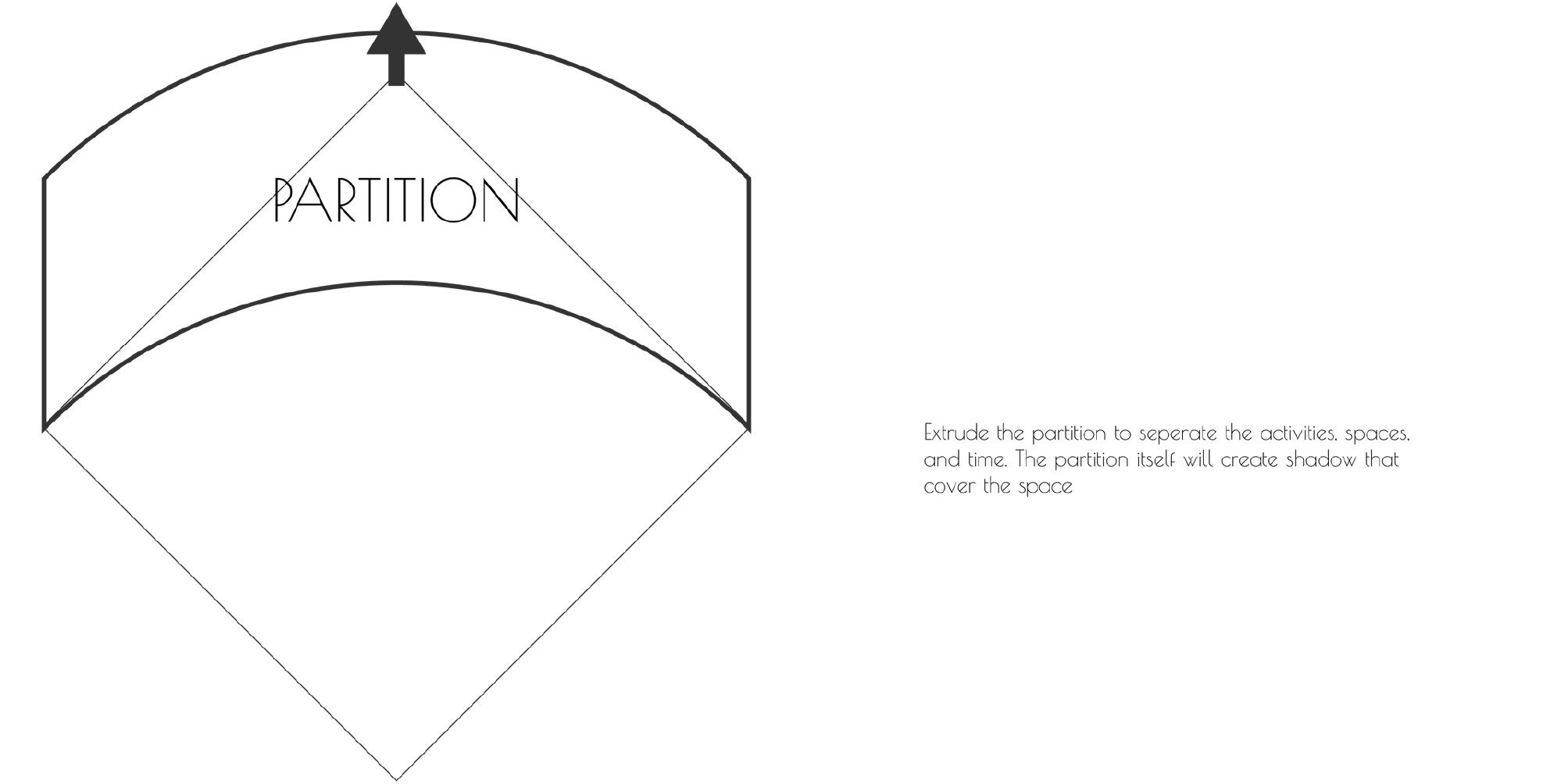
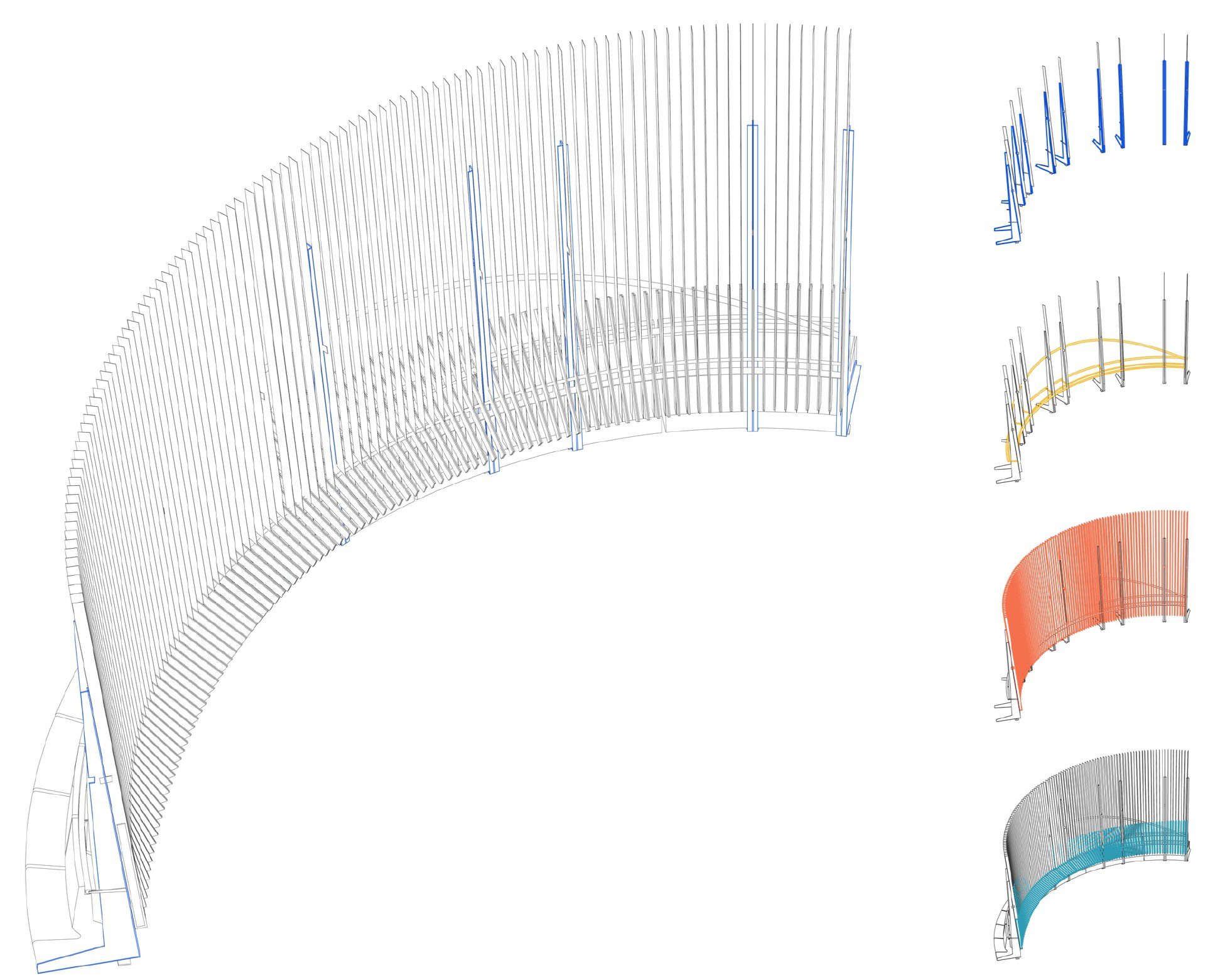
I returned to something simpler by dividing the space into two parts of unequal proportion, one for viewing and one for performing. That seemed to strike a better balance. From there, I began to explore a more practical and efficient way to build it, which could also make the design more effective while still retaining the essence of the stage I had envisioned.
art4d: Why did you name your project FLUX n’ FLOW?
CL: To be honest, I had already finished the design but couldn’t come up with a name for it. So, half-jokingly, I asked ChatGPT. I told it that my project was about change and transition in nature, about continuity through time and human presence, and asked what names might capture that idea. That’s when I came across FLUX n’ FLOW, which immediately resonated with me. For me, the name reflects a state of constant transformation. No matter what changes occur, there’s always a sense of continuity, much like nature itself. Always shifting, yet fundamentally the same. Some moments are better, some are worse, but it all flows with time and context. That’s what made FLUX n’ FLOW feel like the right title for the project.
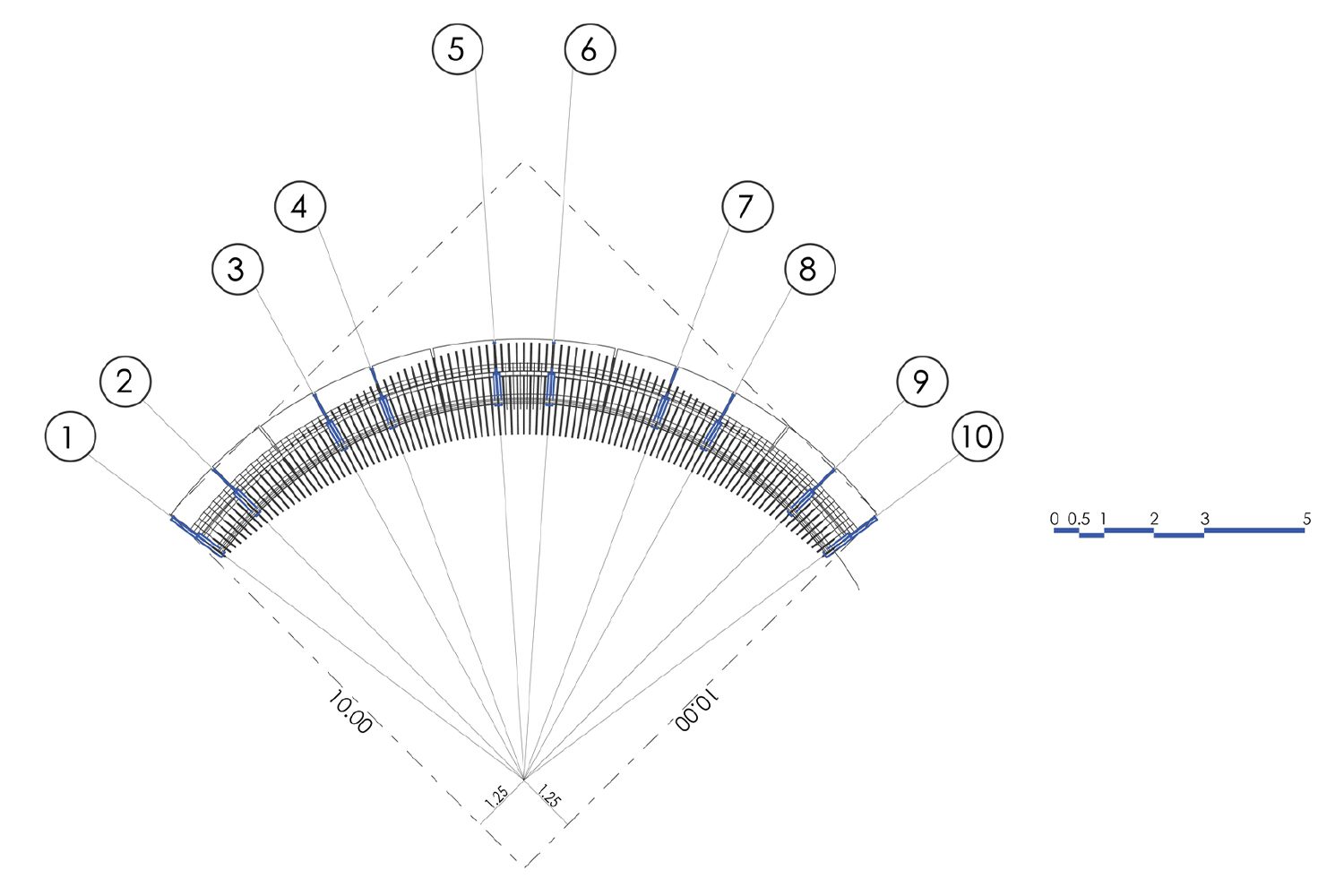
art4d: Did you intend for the pavilion to have a striking or monumental form that captures people’s attention?
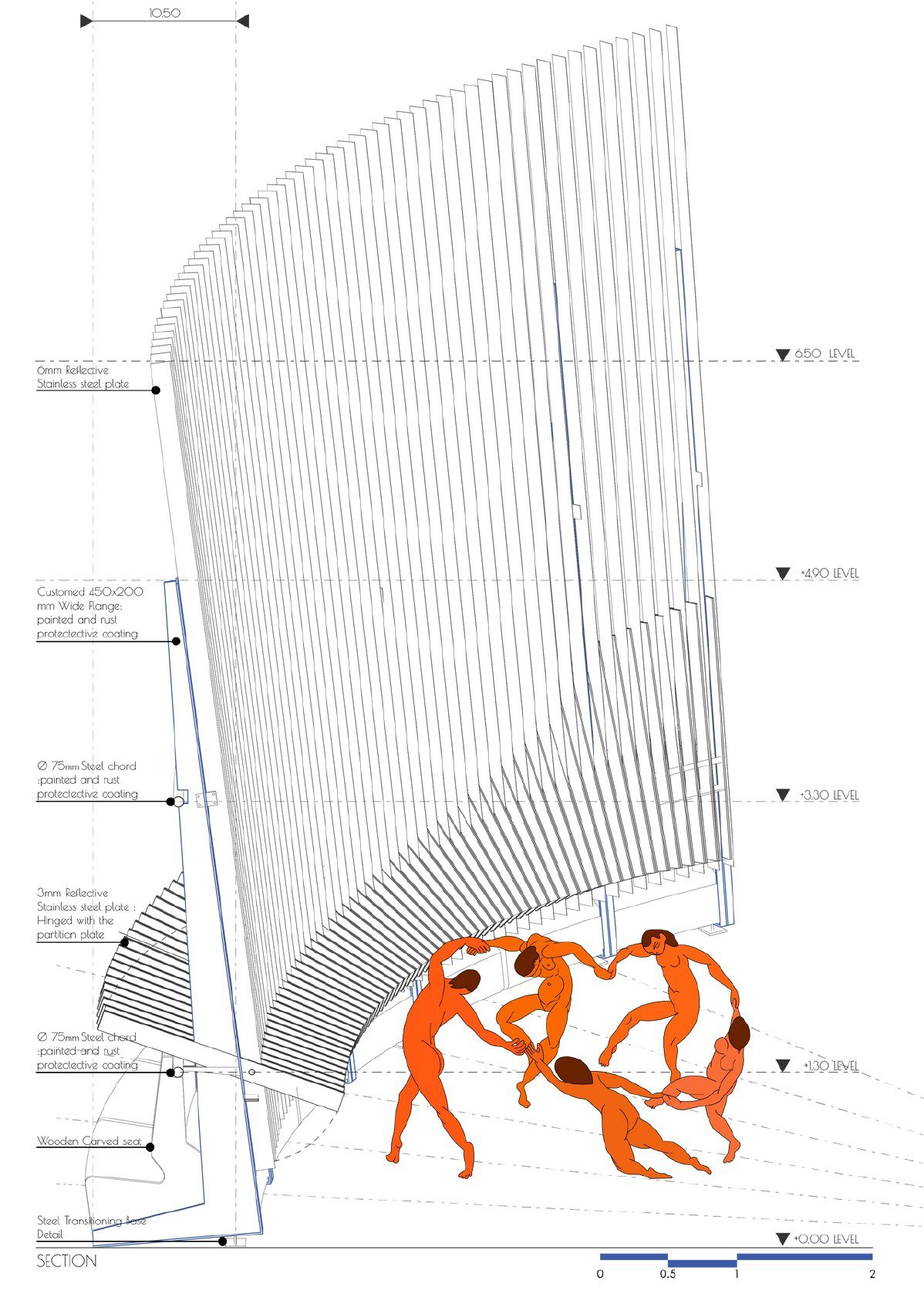
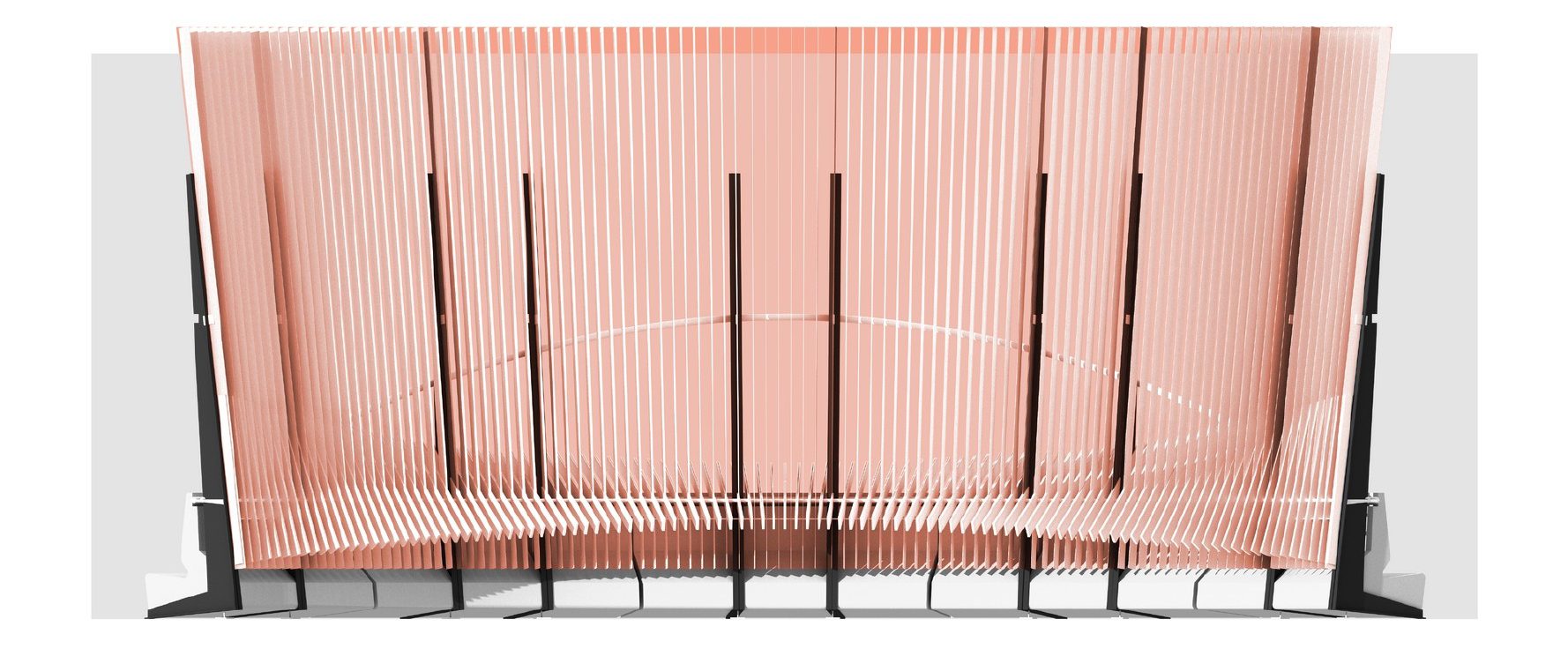
CL: Not really. My approach was quite straightforward. I followed modernist principles, letting the structure itself become the face of the architecture. I wanted to stay true to the behavior of materials and the environment, making it as honest and as simple as possible.
art4d: The form could have been executed in wood or other materials that might align more closely with the experimental aspect of the project. Why did you choose this particular set of materials?
CL: I feel that wood wouldn’t be a very sustainable option. Many people think of it as environmentally friendly and inexpensive, but since this pavilion is meant to be a public structure placed outdoors, using wood would require more maintenance than necessary. It also doesn’t have a very long lifespan; after just a year or two, it could start to deteriorate, especially given that this project is intended to be semi-permanent. So while wood can certainly play a role in the design, I don’t think it should be the primary structural material. Steel, in this case, seems to be a more suitable choice.
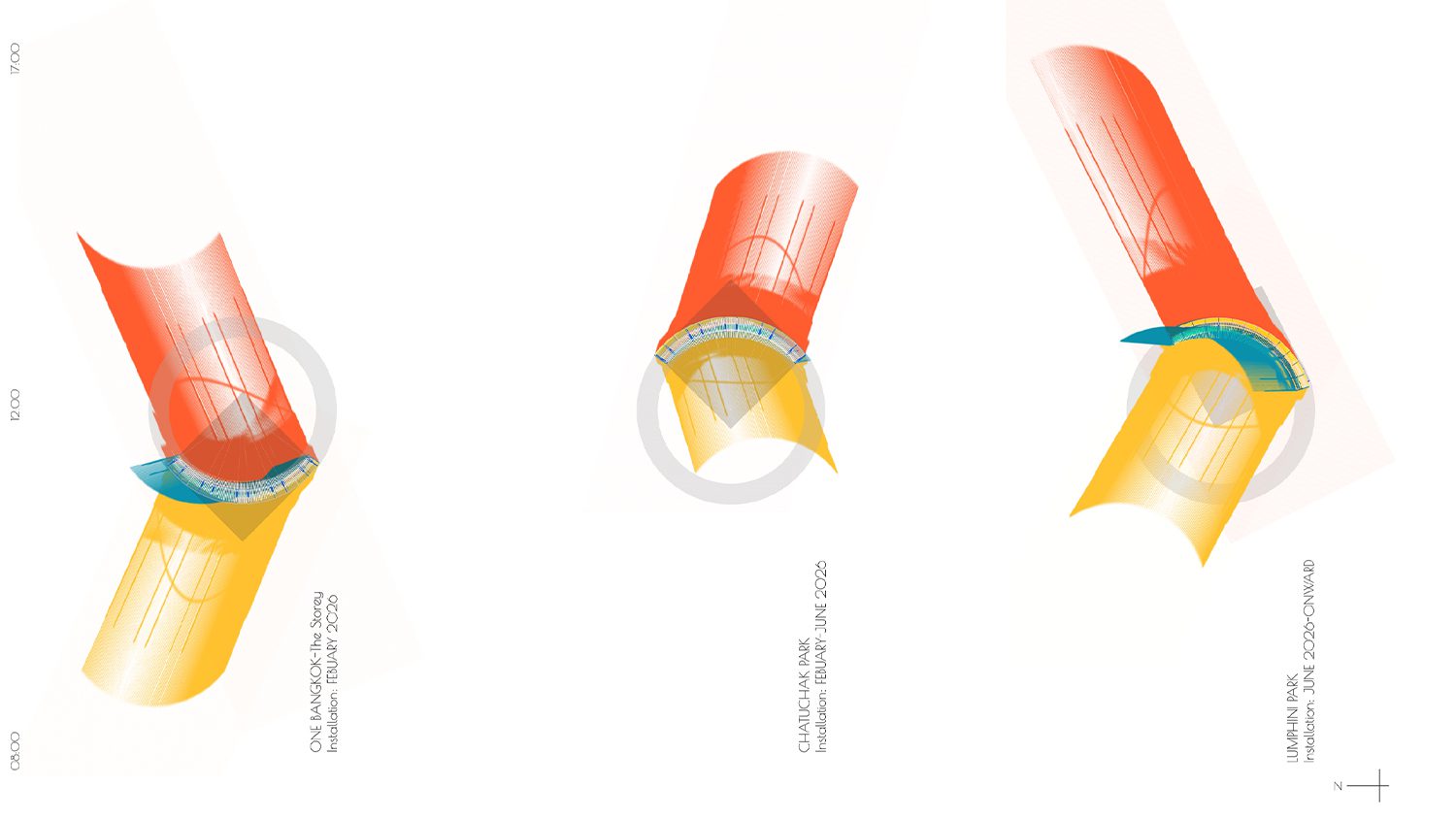
art4d: If you were to continue developing this project, what direction would you like to take it in?
CL: What I feel is still missing from this project is a sense of culture. Right now, it already has elements of modernity, futurism, and human connection, but it lacks a distinctly Thai dimension. I think cultural aspects could be integrated into different parts of the work, though I’m not sure yet how. It might not necessarily be expressed through form or materials.
Since the project follows a modernist concept, it could essentially be placed anywhere, which means it doesn’t have a strong identity that expresses where it comes from. If cultural elements were added, I think they could help ground it, making it clear that this pavilion belongs to Thailand. And by ‘Thainess,’ I don’t mean something old-fashioned or nostalgic. I believe that when Thai cultural references are thoughtfully combined with modern architecture, it can create a very compelling structure.
art4d: What kind of outcome do you hope to see once the pavilion is built?
CL: My only real hope is that it will actually be used. I’m confident it can be built, but whether people will come and use it, that’s something I can’t predict. If no one engages with it, I think that would be a shame. The best possible outcome would be for people to make use of the space and for the pavilion to continue living on through that interaction. That’s really all I hope for.
Everyone has their own way of engaging with public space. I just wish for this pavilion to be used in some way, whatever that may be. I believe in architecture that endures, like the Pantheon. It still stands today because people continue to use it.
art4d: How would you define ‘sustainability’ in architecture?
CL: Personally, I think truly sustainable architecture doesn’t need to loudly declares itself to be sustainable. It’s not necessarily about using technology to solve climate issues either. To me, ancient Greek and Roman architecture, or works from the classical era, represent real sustainability. They have endured for centuries without needing intervention. Whether they cause environmental harm or not, I can’t say for certain, because I don’t know enough about that aspect. But the fact that these buildings have lasted to this day shows that they must have genuinely fulfilled the needs of their users.
art4d: Anything else you’d like to add?
CL: I think that’s all for now. I’ll let my future work speak for itself.
Read more stories from ARX 2025 at: