
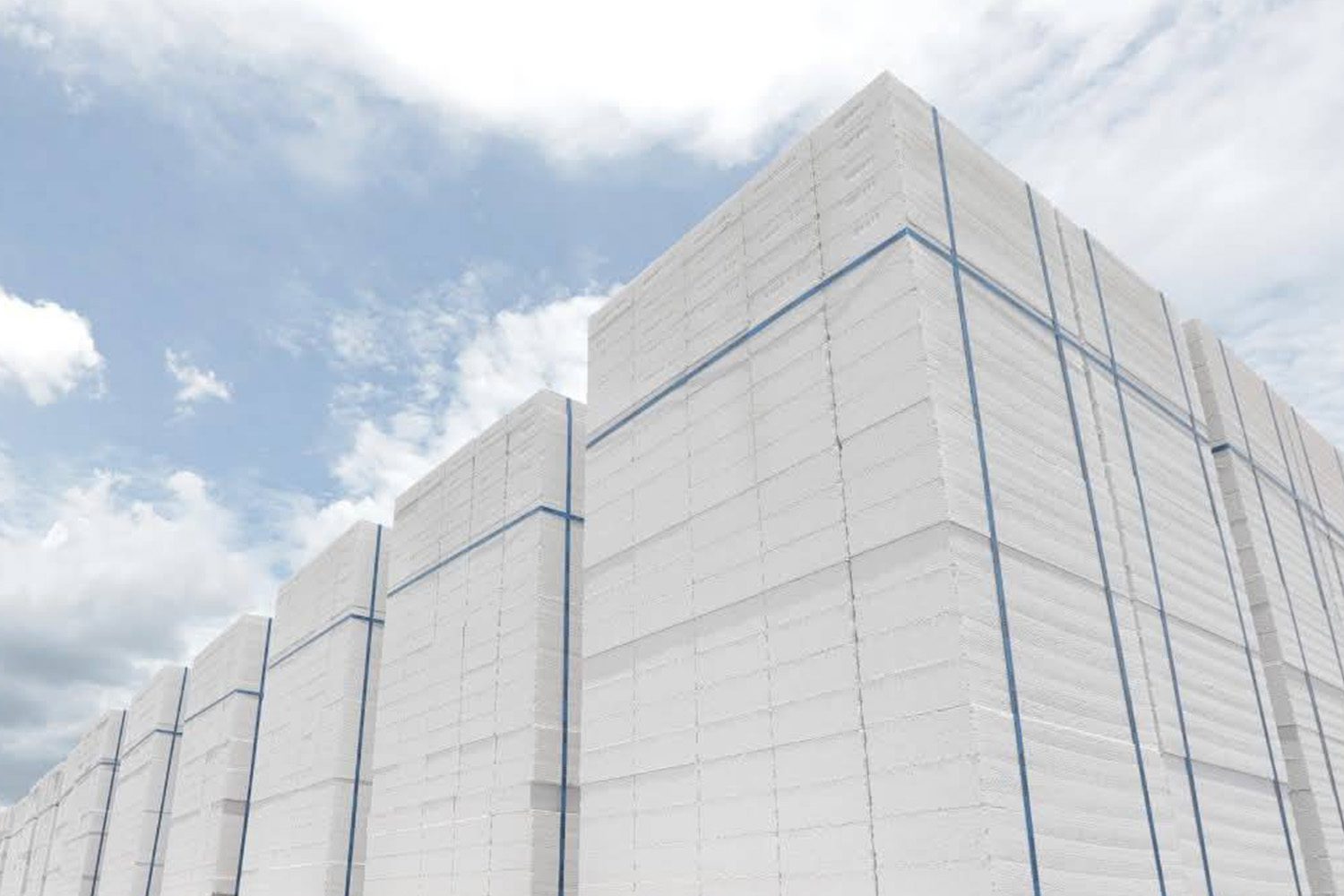
GETTING TO KNOW SMART BLOCK G4, THE LIGHTWEIGHT BLOCK WALL MATERIAL AWARDED THAILAND’S NO. 5 ENERGY EFFICIENCY LABEL
TEXT: NATHANICH CHAIDEE
PHOTO COURTESY OF SMART BLOCK
(For Thai, press here)
A wall does more than define the interior boundaries of a building or express its architectural character. One of its most critical roles lies in thermal protection, regulating how heat enters the building and, in turn, how much energy is required to keep the interior comfortable. In contemporary architecture, wall materials are expected not only to enclose space but also to contribute to a better living environment by allowing interiors to cool more quickly, reducing heat retention, and lowering the demand for mechanical cooling.
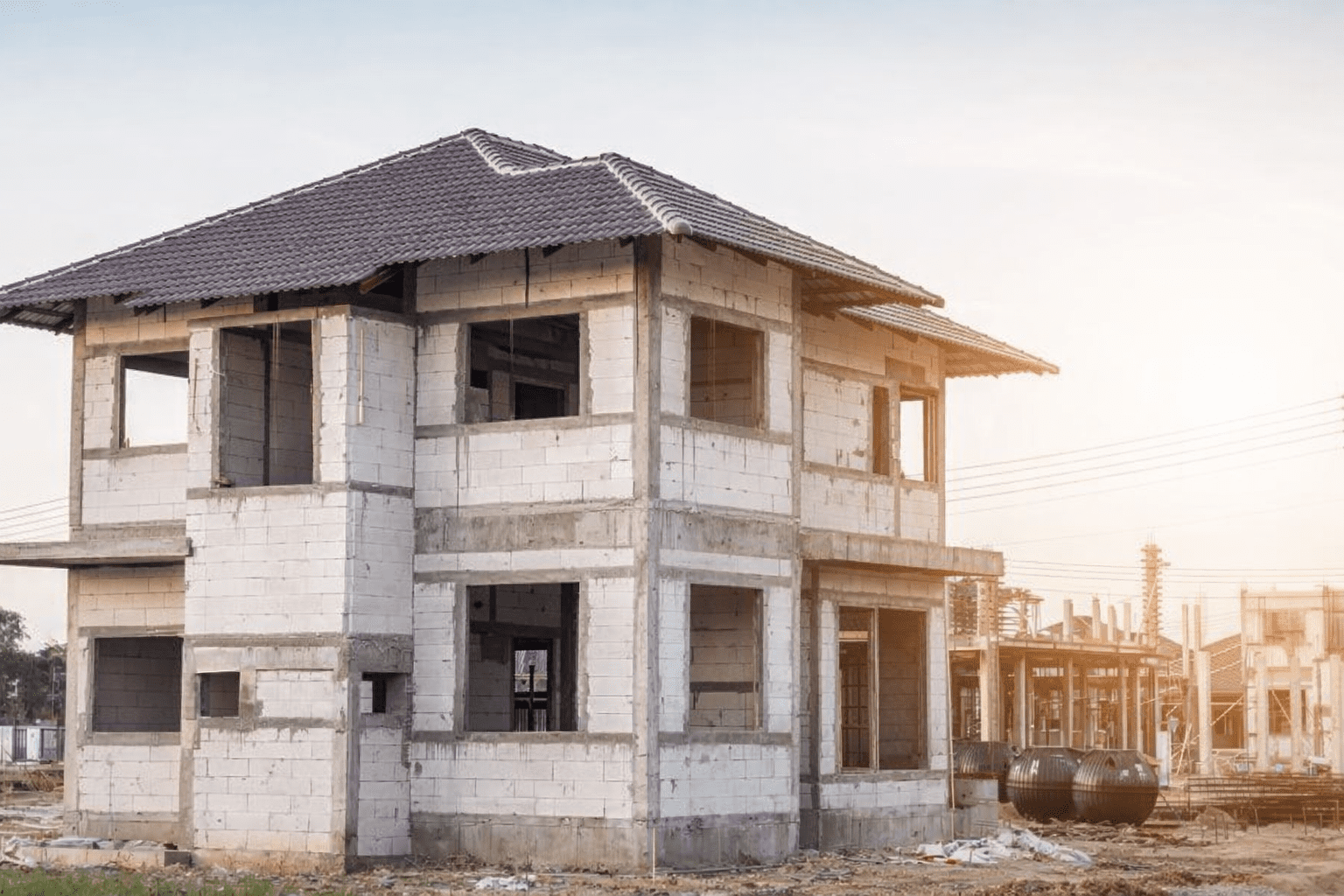
Material innovation today is increasingly shaped by the need to enhance performance in response to changing climatic conditions, which directly affect the comfort and well-being of building users. The Smart Block G4 lightweight block was developed with this in mind, as a wall material designed to meet the criteria for Thailand’s No. 5 energy-efficiency label from the Ministry of Energy. By integrating thermal insulation into the material itself, it offers the potential to reduce long-term electricity costs, especially in light of data from the Ministry of Energy showing that more than 65% of energy use in office buildings is consumed by air-conditioning systems.
House walls account for as much as 40 to 60 percent of the heat absorbed by the building envelope. The performance of wall materials, therefore, has a direct impact on indoor temperature and monthly electricity costs. A cooler home begins, in part, with the wall. Assessing whether a wall performs as a ‘hot wall’ or a ‘cool wall’ requires attention to two internationally recognized indicators used in the evaluation of Thailand’s No. 5 energy-efficiency label for construction materials: R-value (thermal resistance), where a higher value indicates better resistance to heat transfer, and U-value (thermal transmittance), where a lower value means less heat passes through the wall.
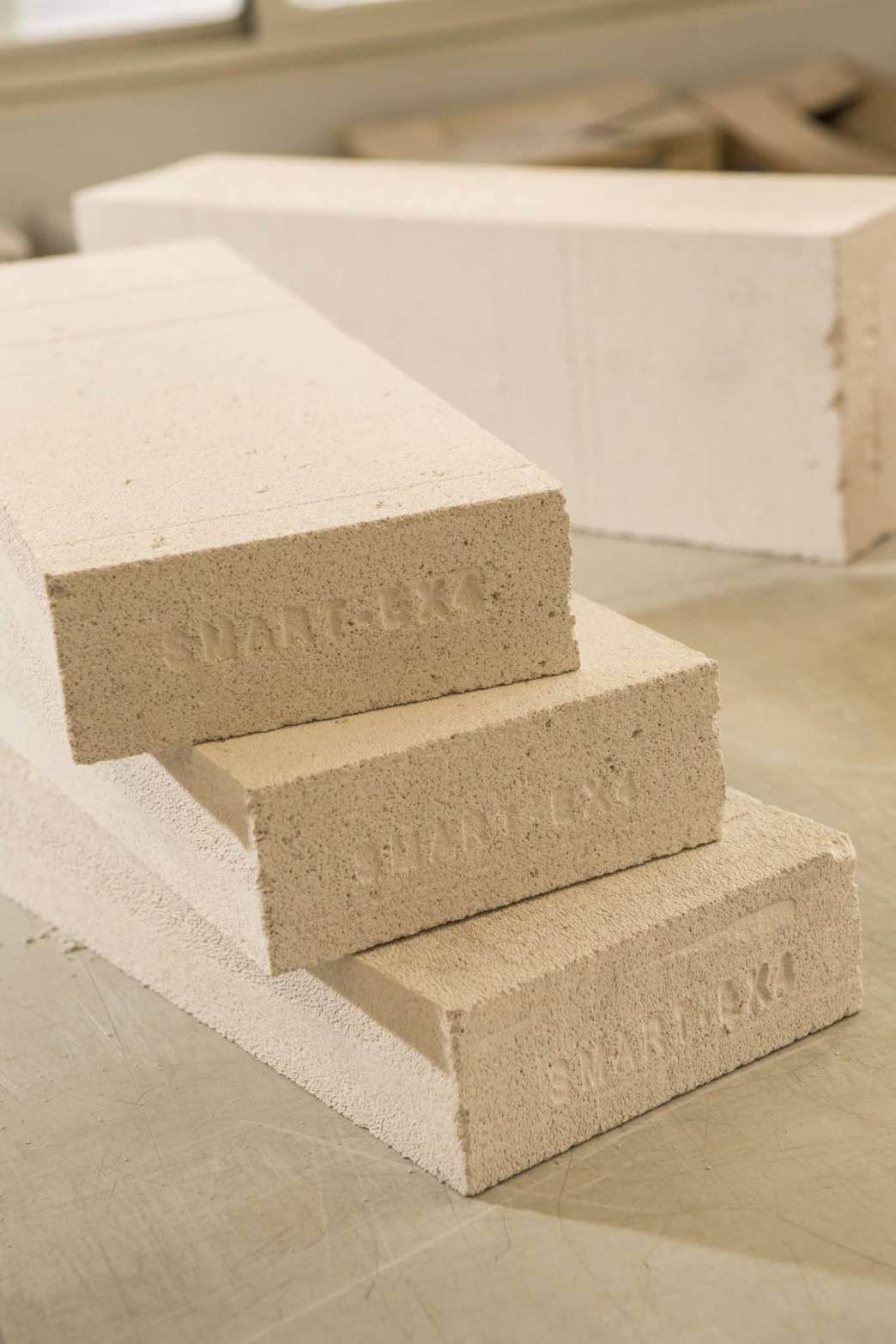
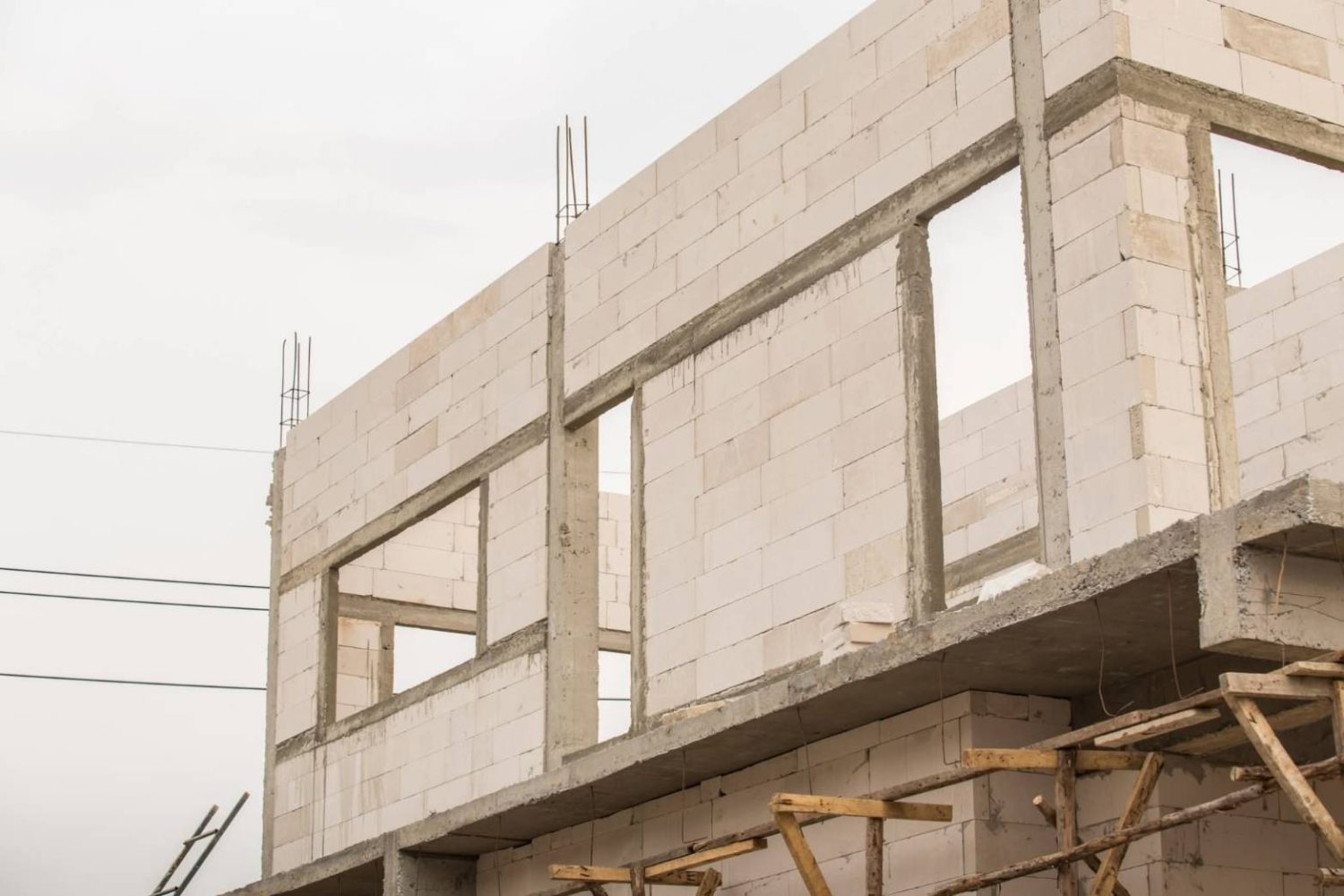
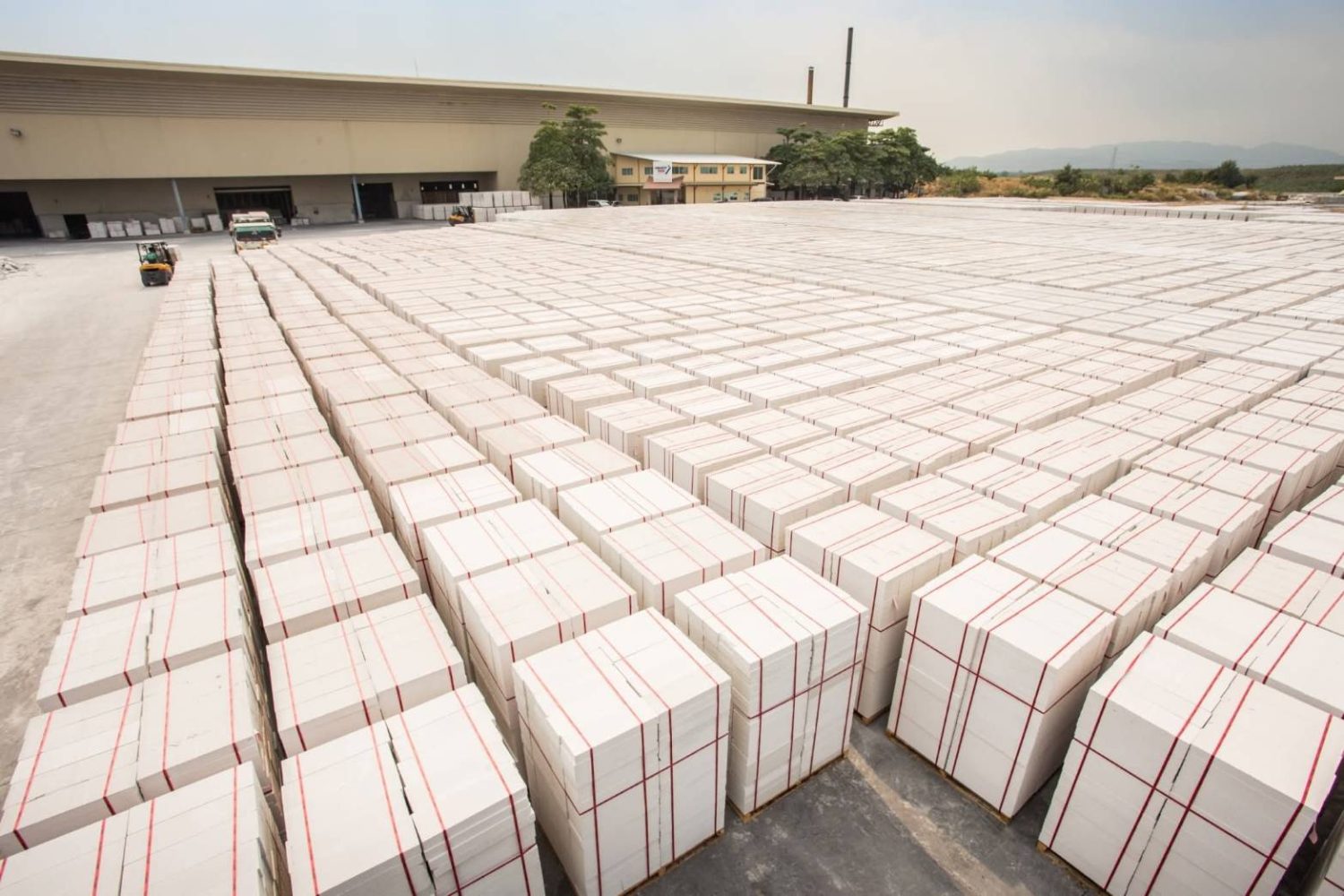
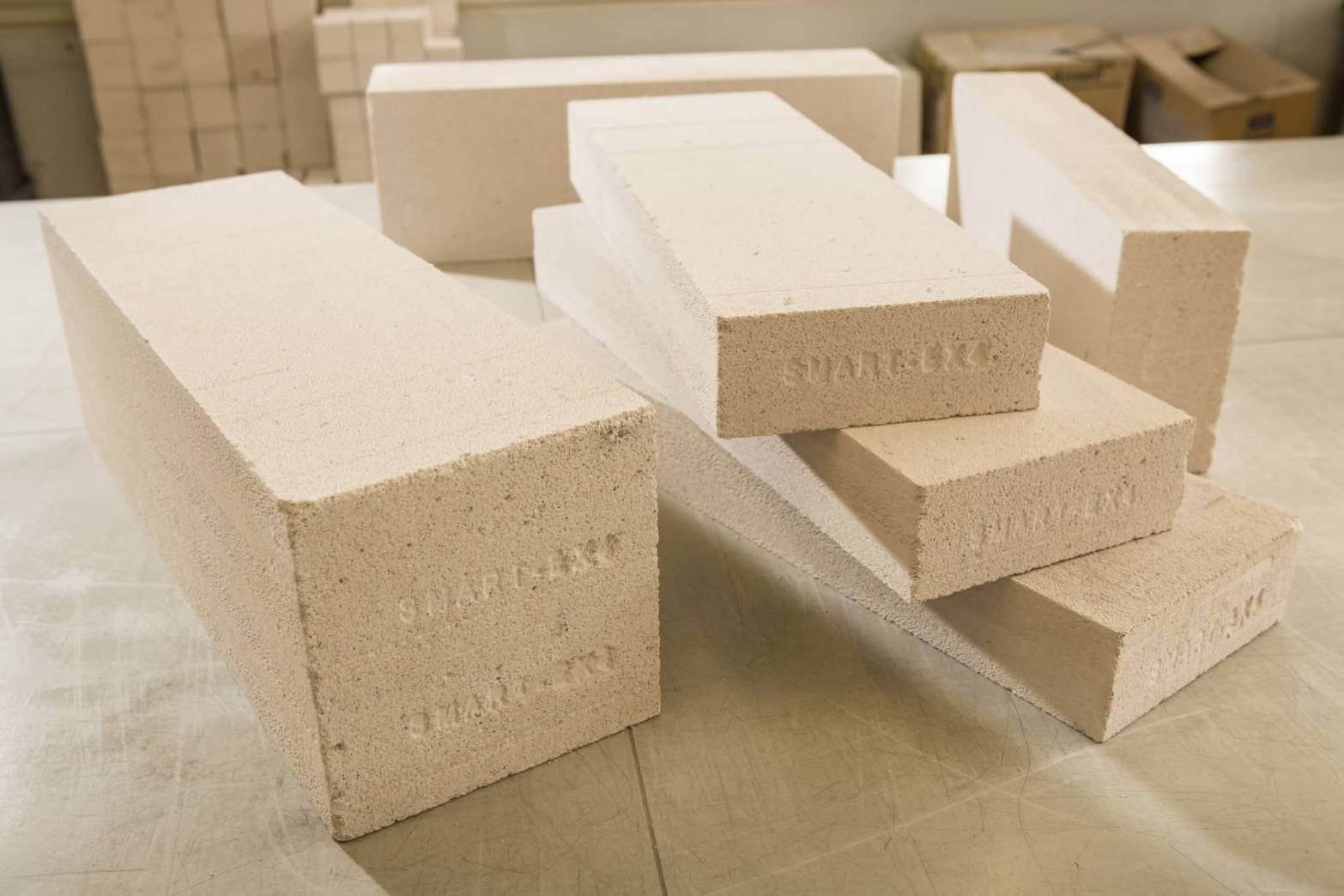
At a thickness of 7.5 centimeters, Smart Block G4 lightweight block delivers an R-value of 0.61 m²·K/W, while the 10-centimeter version achieves an R-value of 0.77 m²·K/W. These values meet the certification criteria set by the Department of Alternative Energy Development and Efficiency (DEDE), Ministry of Energy, qualifying the product for the No. 5 high-performance energy-efficiency label in the lightweight block category. In terms of thermal resistance, this represents performance approximately two to four times higher than that of traditional clay brick.
The performance benefits of lightweight block walls are most evident in two key areas. First, they help reduce energy consumption: as exterior heat becomes more difficult to penetrate, the building remains cooler even in hot weather, while air-conditioning costs can be reduced by up to 30%. Second, they improve living comfort, as indoor temperatures remain more stable and consistent when walls do not accumulate and radiate heat back into the interior.
When walls function as effective thermal insulation, buildings stay cooler, consume less energy, and provide a better quality of living. For this reason, the choice of wall material from the earliest stages of structural planning deserves careful and informed consideration, as it plays an important role in shaping buildings for long-term comfort.