
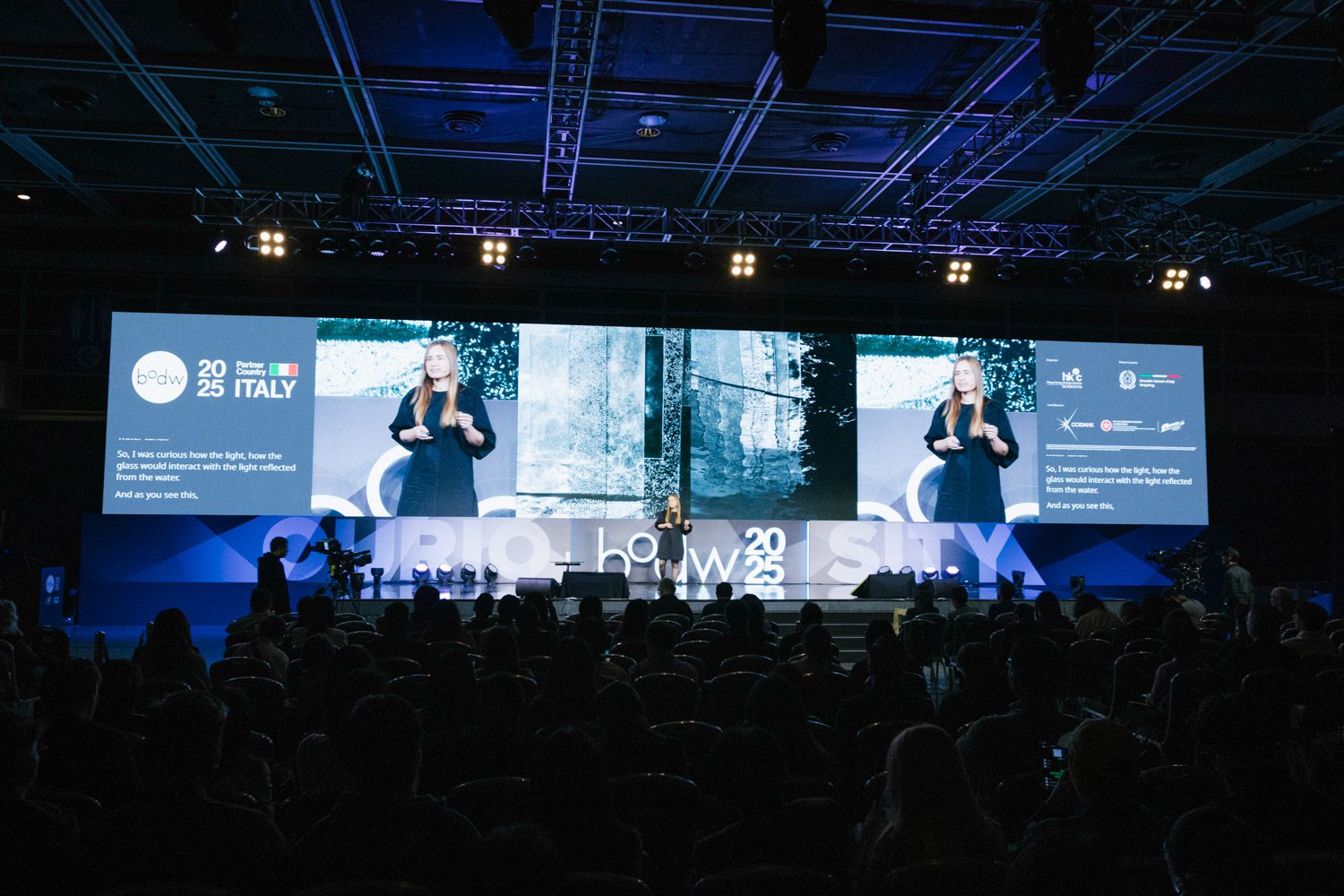
 Photo courtesy of BODW
 SPARK CREATIVITY THROUGH THE WORKS OF TEREZA ŠVÁCHOVÁ, WHERE GLASS AND ARCHITECTURE MERGE TO BRING ‘LIGHT’ TO LIFE AT BUSINESS OF DESIGN WEEK 2025
TEXT: SUKANYARAT KAIYASING
PHOTO CREDIT AS NOTED
(For Thai, press here)
In Italy, a spirit of questioning has long evolved into curiosity, becoming a vital force behind innovation and fostering exchanges across disciplines and ideas that have propelled creativity in art, architecture, fashion, and manufacturing. This ethos is reflected in the country’s enduring commitment to excellence and multidisciplinary collaboration under the banner of ‘Made in Italy.’ Hong Kong’s design culture, meanwhile, has flourished through the convergence of Eastern wisdom and Western influence, pushing the city beyond conventional boundaries and generating meaningful cultural and design innovation through bold experimentation. Together, these two design communities underscore the transformative power of curiosity and creativity in shaping heritage and advancing greatness.
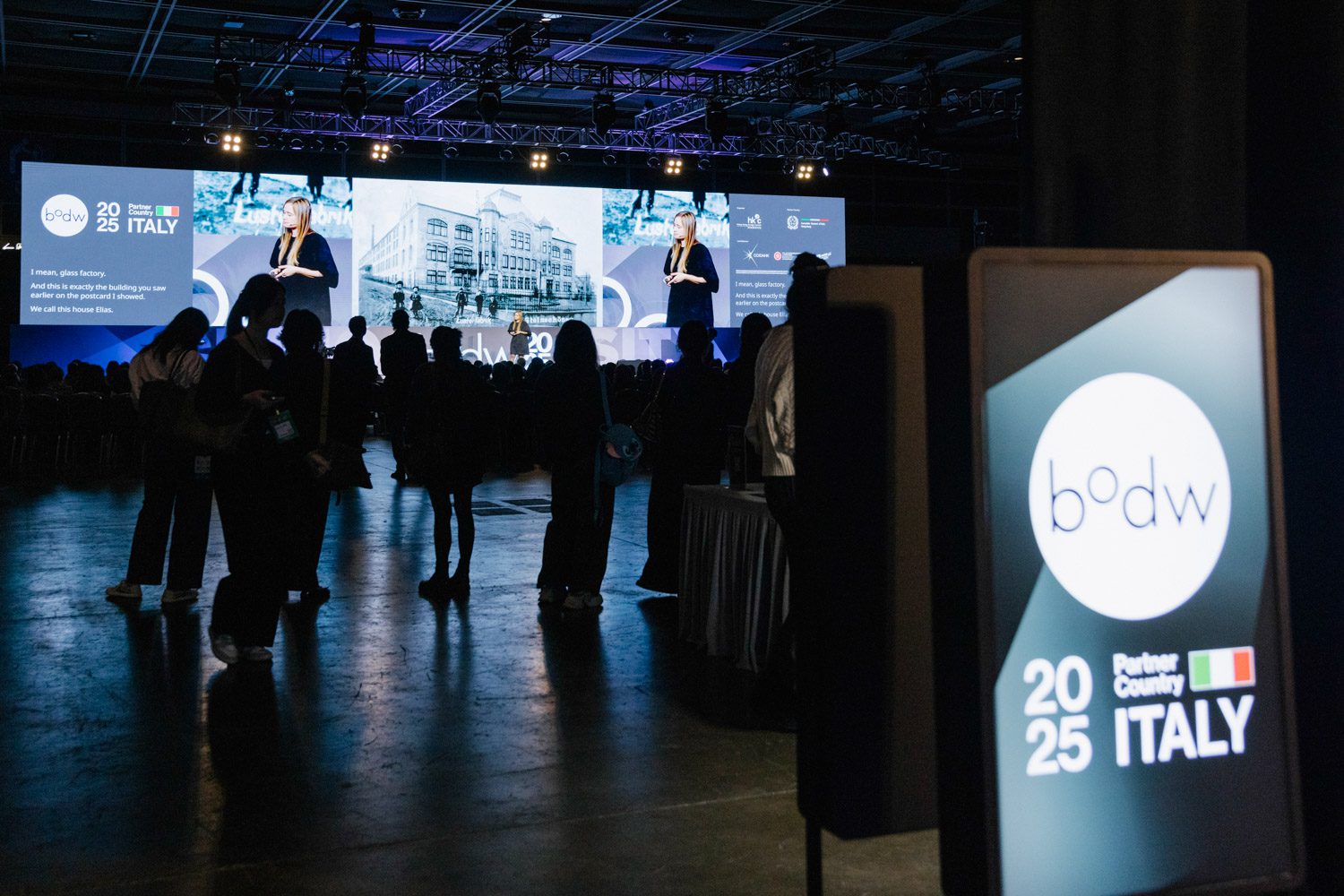
Photo courtesy of BODW
In early December, Hong Kong became a creative platform for global experts, designers, and business leaders at Business of Design Week 2025 (BODW 2025), where ideas were exchanged through talks and panel discussions under the theme ‘Curiosity Ignites Design Innovation.’ With Italy serving as the year-round partner country, the event reinforced the role of cultural and creative exchange between the two regions. The main summit took place from 3 to 5 December at the Hong Kong Convention and Exhibition Centre (HKCEC).
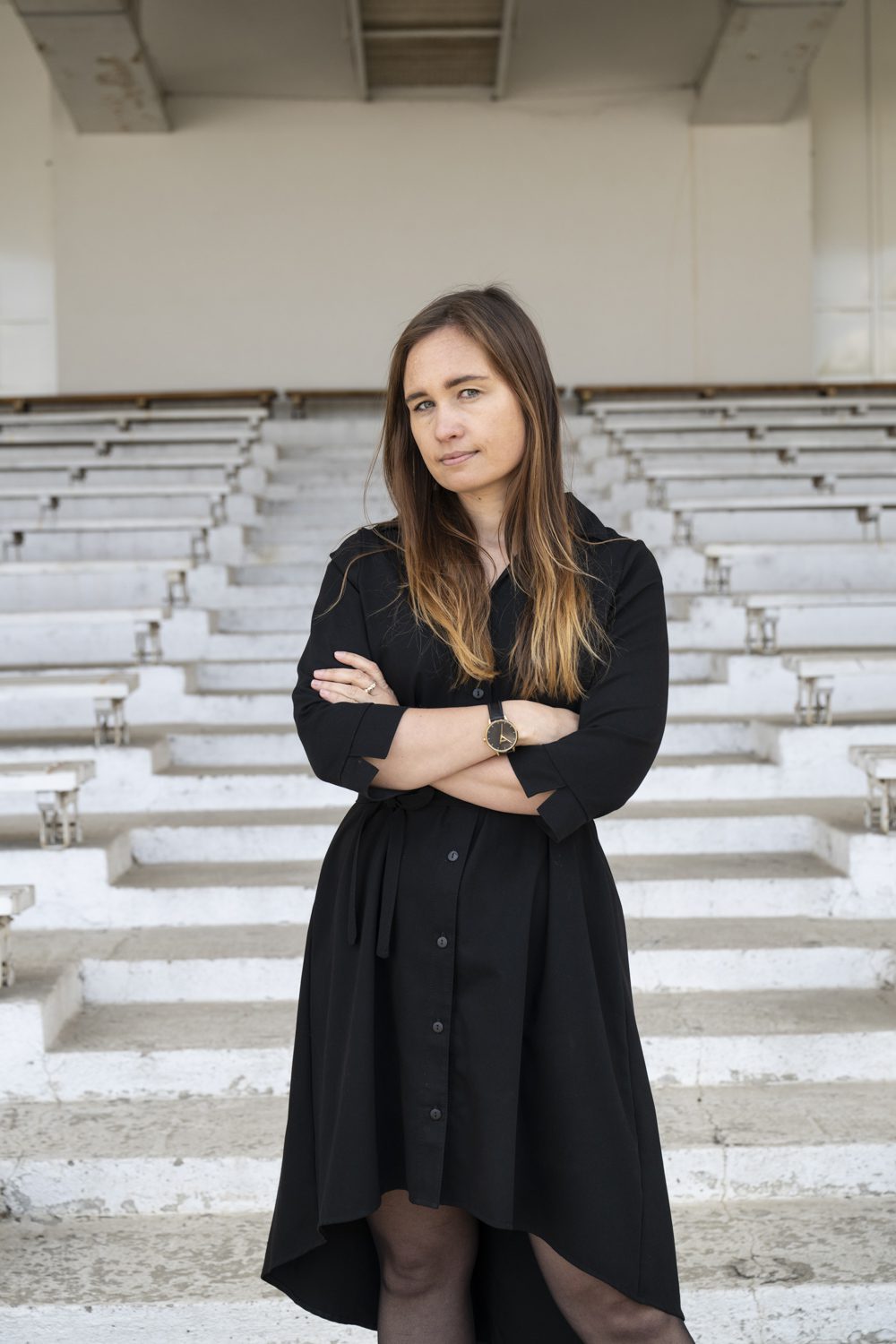
Tereza Šváchová | Photo: Michael Tomeš
One of the speakers we had the opportunity to hear was Tereza Šváchová, an architect from the Czech Republic whose work has long explored the relationship between architecture and glass. She is also a member of the European Light and Glass Society and serves as Chair of the Board of Trustees of the Eliáška Endowment Fund, which is dedicated to preserving the former Elias Palme chandelier factory.
In her talk, Tereza began by addressing the familiar images often associated with the country she calls home: the Czech Republic, which for many may still bring to mind little more than beer drinking and its success in ice hockey. She then shifted the focus to Bohemian glass and crystal, identifying them as another profoundly important part of the country’s cultural heritage.
Within this small country at the heart of Europe, home to a population of roughly ten million, glass is not merely an object but a culture embedded in the landscape, history, and personal memory. Since the 13th century, the mountain ranges along the country’s borders have sustained its glass industry through three essential resources: forests, pure silica sand, and generations of people raised in the language of craft, as though glass were part of their very heart and soul.
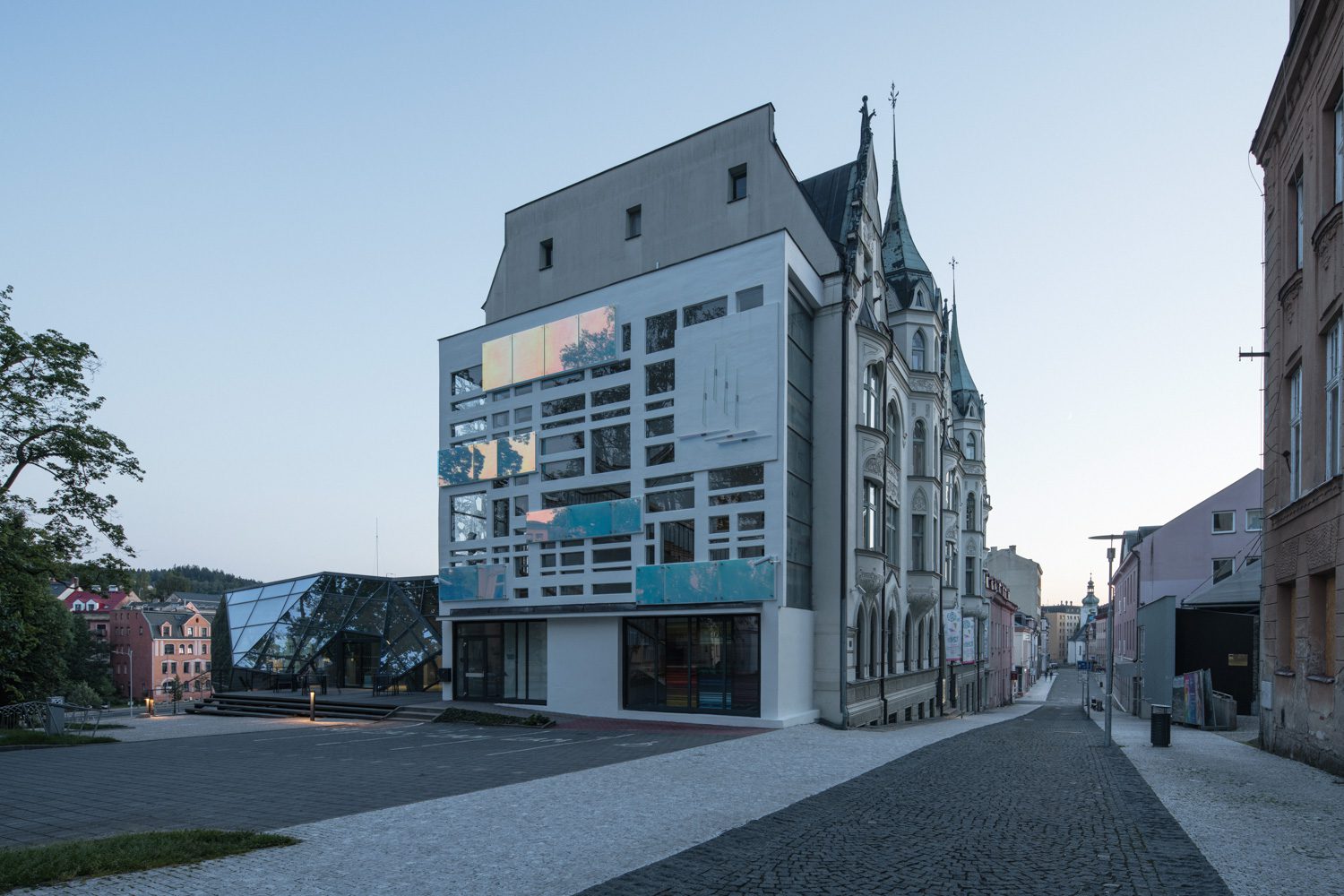 Jablonec nad Nisou façade | Photo: Petr Polák
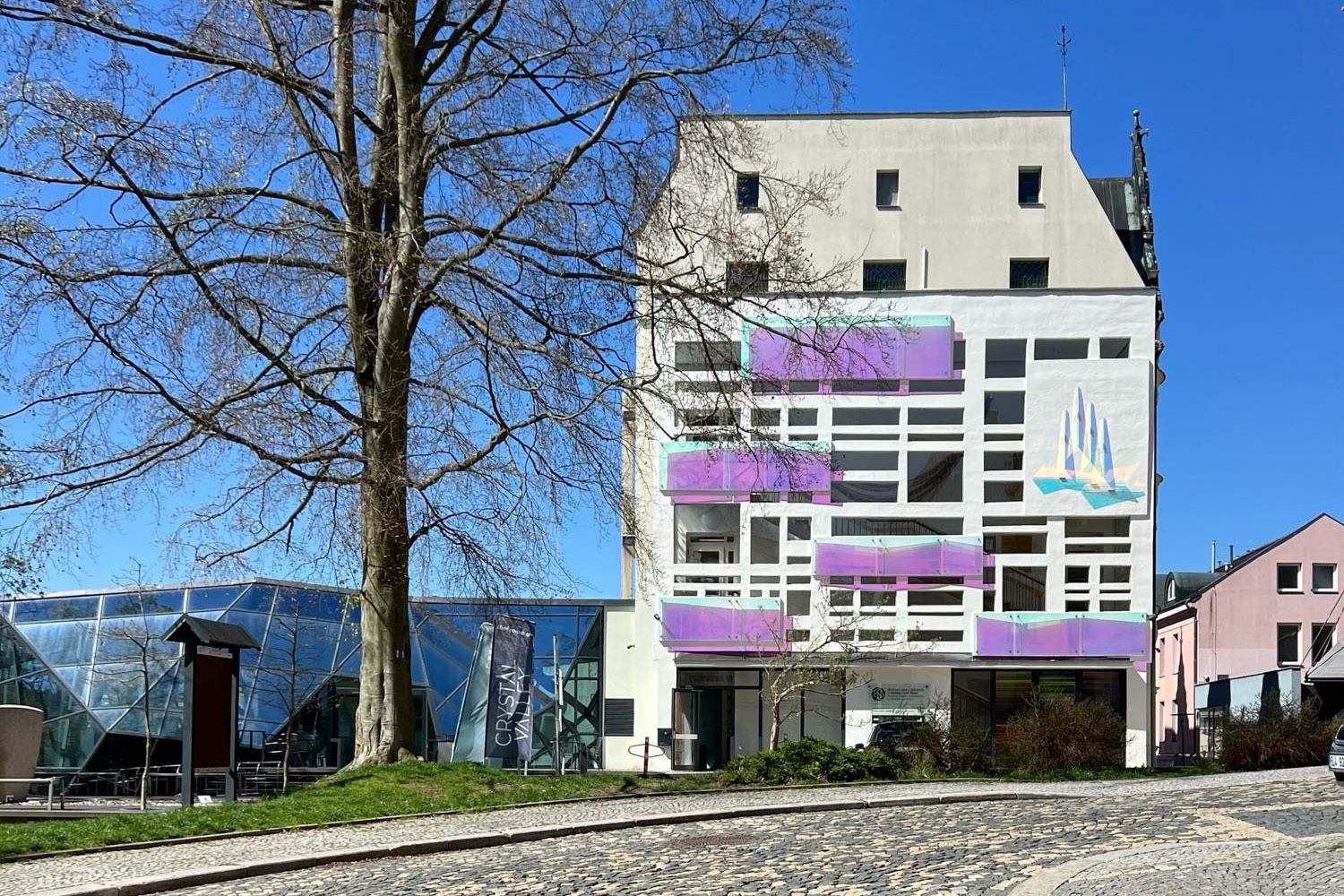
One of the most significant areas is Crystal Valley, in the Liberec Region, a corridor stretching from Harrachov to Kamenický Šenov within less than two hours’ travel by road. Here, glass is produced in almost every imaginable form, from blown glass, jewelry, and stained glass to crystal chandeliers that once illuminated opera houses and palaces around the world. Towns such as Kamenický Šenov and Jablonec nad Nisou are therefore not simply industrial towns, but landscapes of light.
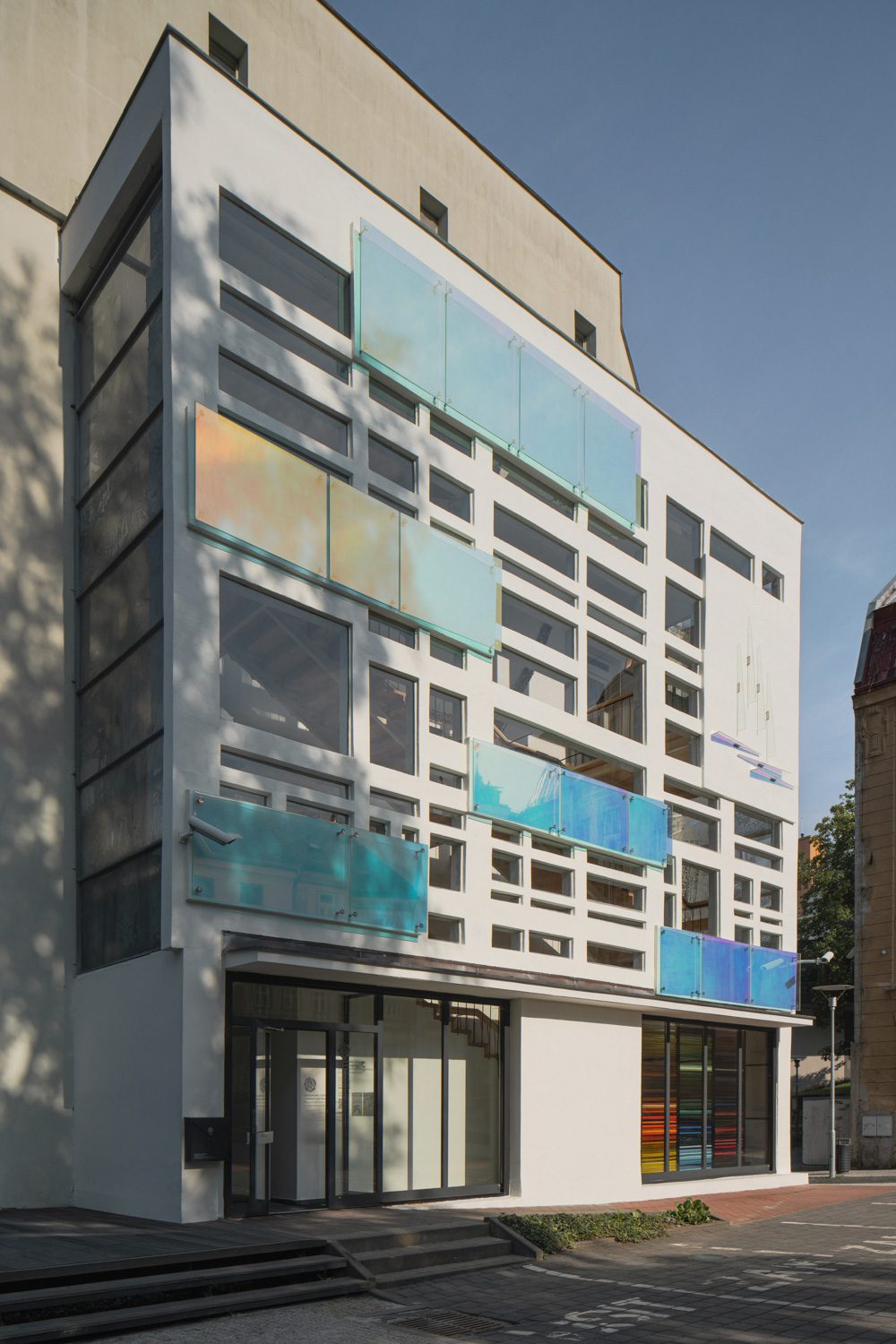
Jablonec nad Nisou façade | Photo: Petr Polák
Tereza grew up within this world of glass. Although she did not study the material directly, she found her way to architecture, a discipline she understands as being shaped, above all, by light. Yet light, in her view, never exists in isolation. It becomes perceptible only through its counterpart: shadow, as seen in buildings such as the Pantheon, or in the work of Le Corbusier, where walls and openings function not merely as architectural elements, but as instruments that transform light into a living material.
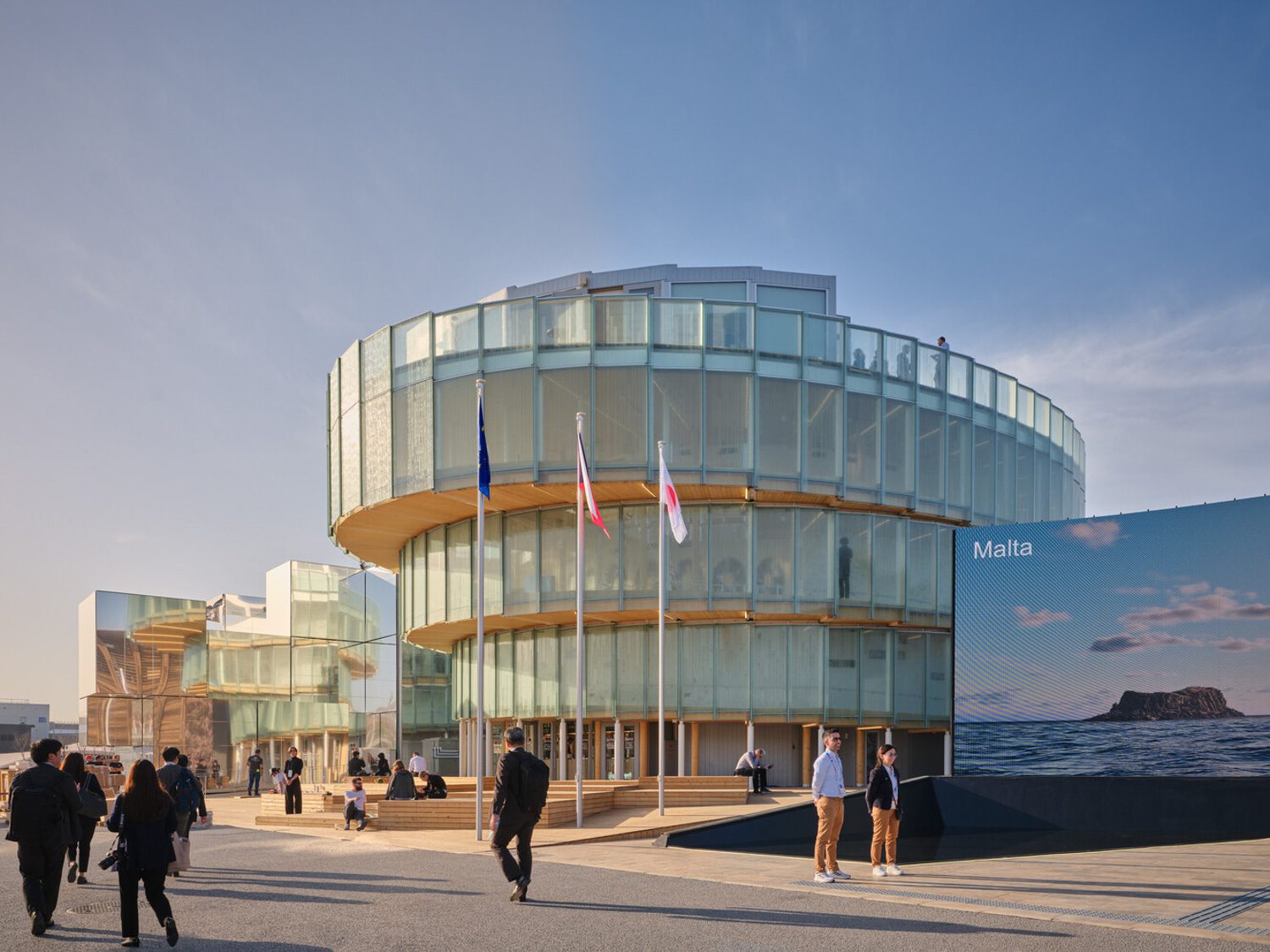
EXPO | Photo: boysplaynice, courtesy of Apropos Architects
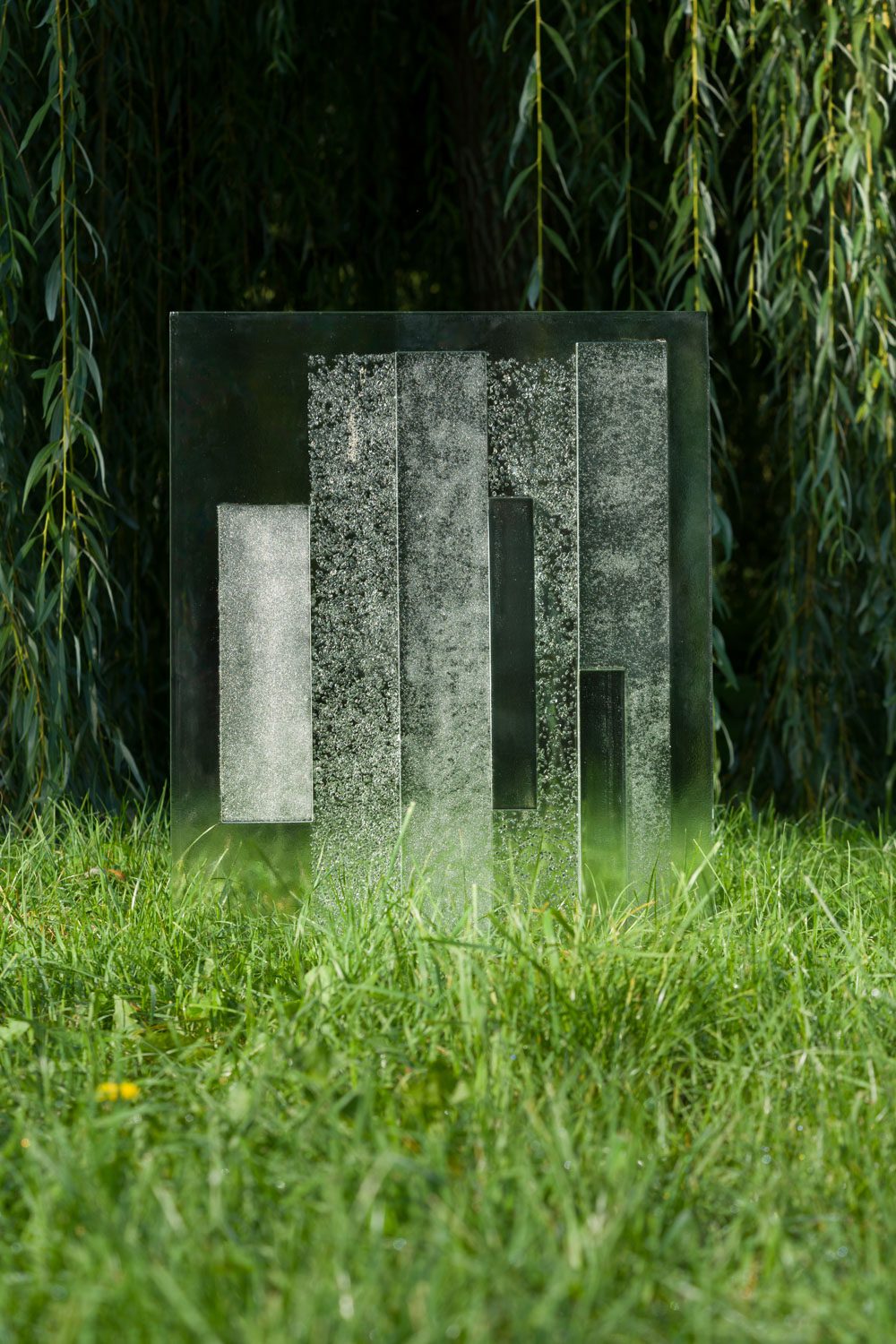
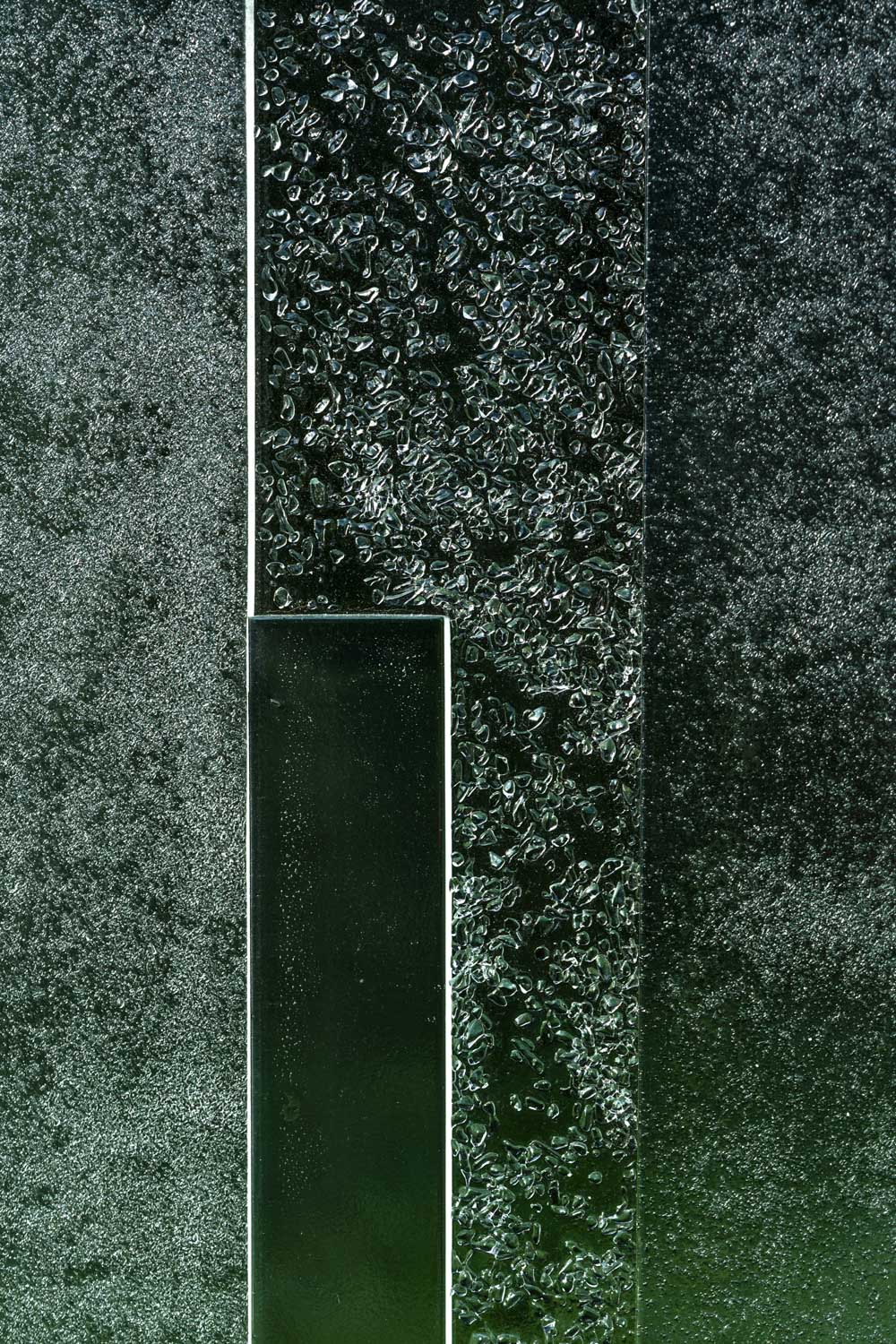
Glass, then, becomes a crucial medium because light cannot be seen unless it comes into contact with something. Tereza described four ways of perceiving light through glass: transmission, refraction, scattering, and reflection. These ideas have become the conceptual basis for many of her design projects, as the architect from the Czech Republic, from the Czech Pavilion at Expo 2025 Osaka, designed by Apropos Architects, where the glass façade becomes a work of art in itself, to experiments with thick masses of glass that allow light to glow from the edges, even beneath an overcast sky.
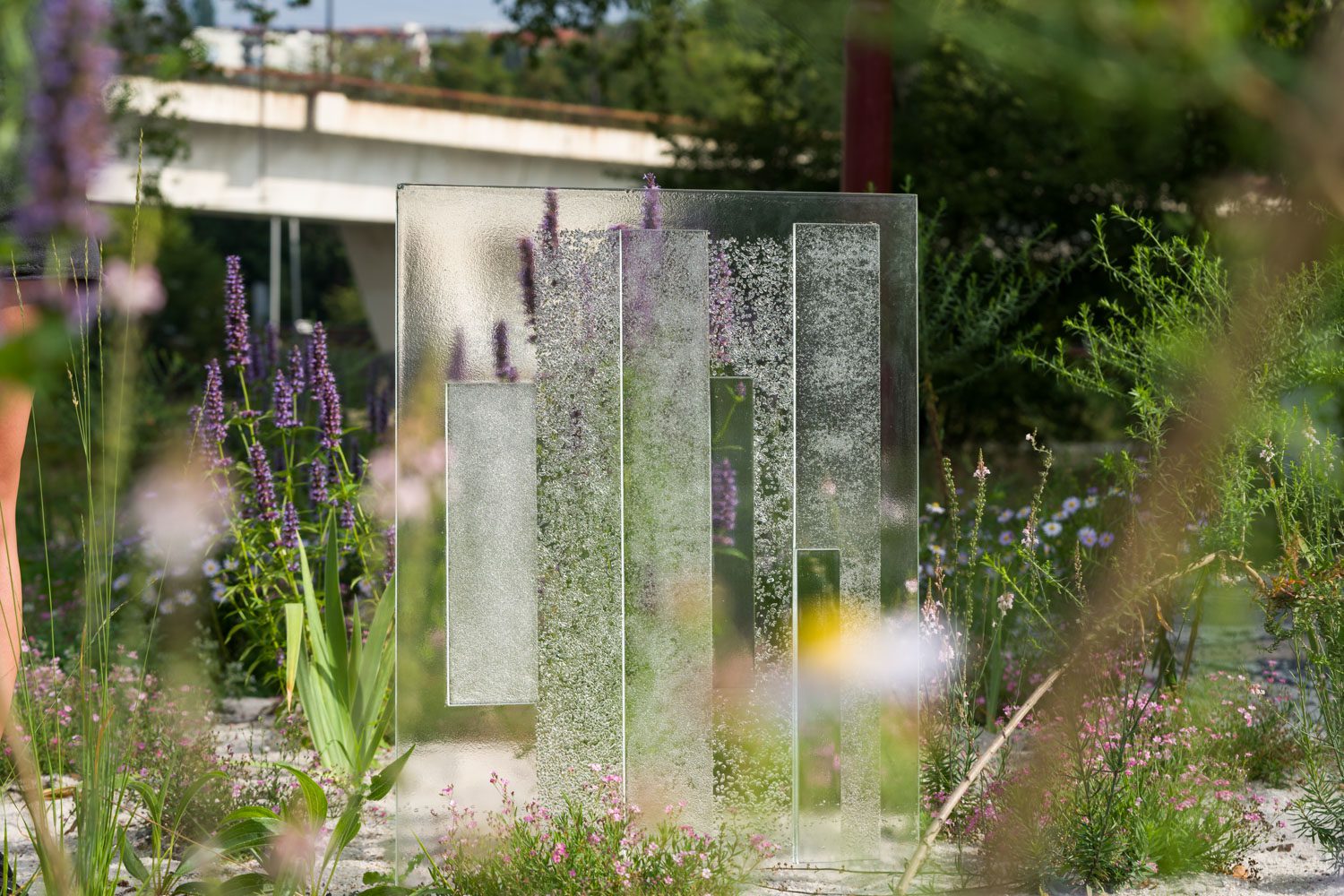
EXPO | Photo: Filip Švácha
 EXPO | Photo: Filip Švácha
From another perspective, the way light fragments through crystal leads to the story of the chandelier, whose origins lie in the thick stone castles of Europe. Crystal chandeliers were created to carry candlelight into the darkest corners. From small towns in the Czech Republic, the Maria Theresa chandelier went on to illuminate important sites around the world. The Elias glass factory, once at the heart of this production, later fell into ruin, before Tereza and her team stepped in to revive it as an international center for chandelier and light research.
Her work with light also extends to the use of dichroic glass at the Museum of Glass and Jewellery in Jablonec nad Nisou. A façade that was once opaque has been transformed into a surface that reflects shifting colors according to the viewer’s position and the changing conditions of light, like a painting that never appears the same from one day to the next. Through reflection alone, the public space is brought vividly to life.
Universum | Photo courtesy of the authors
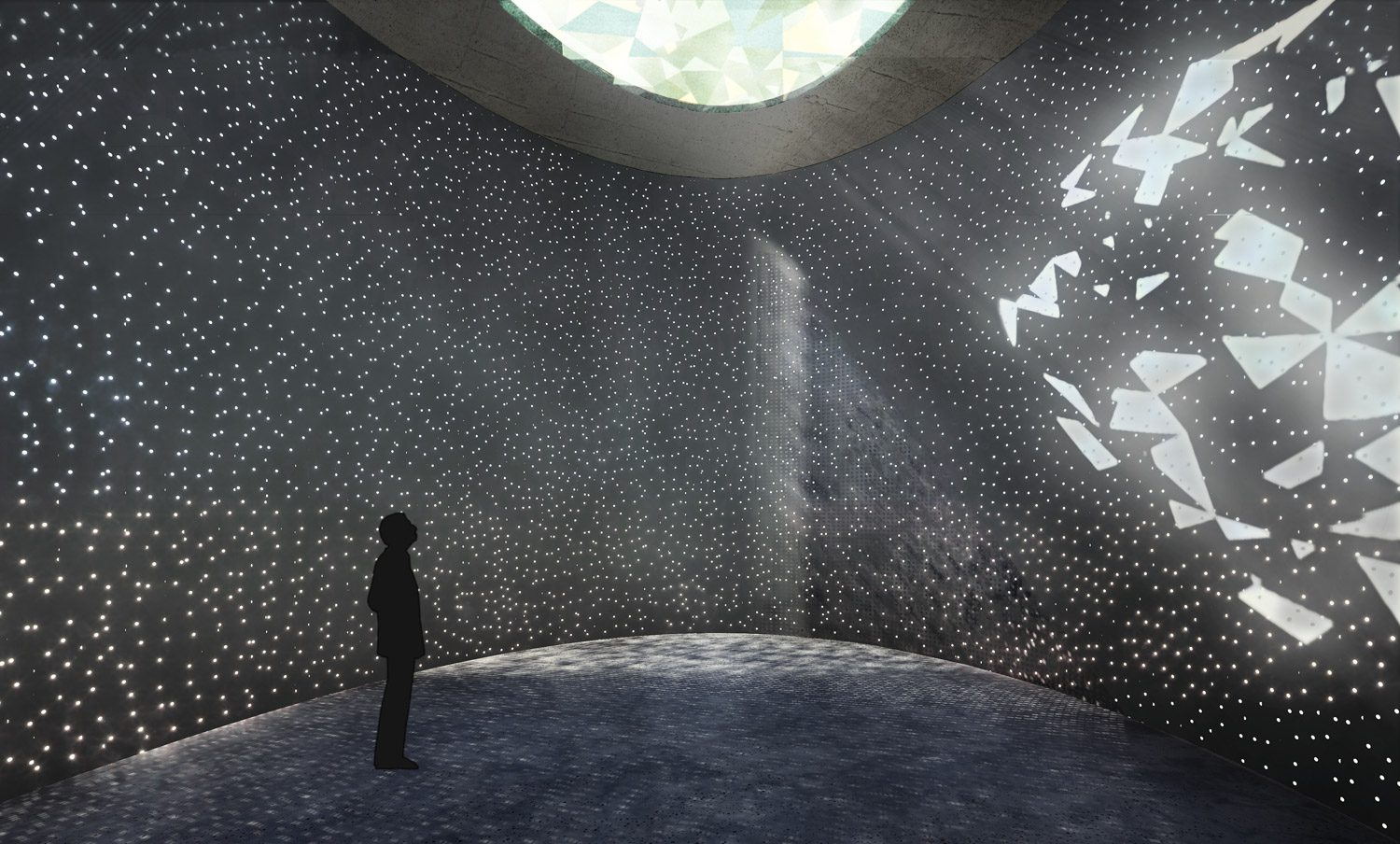
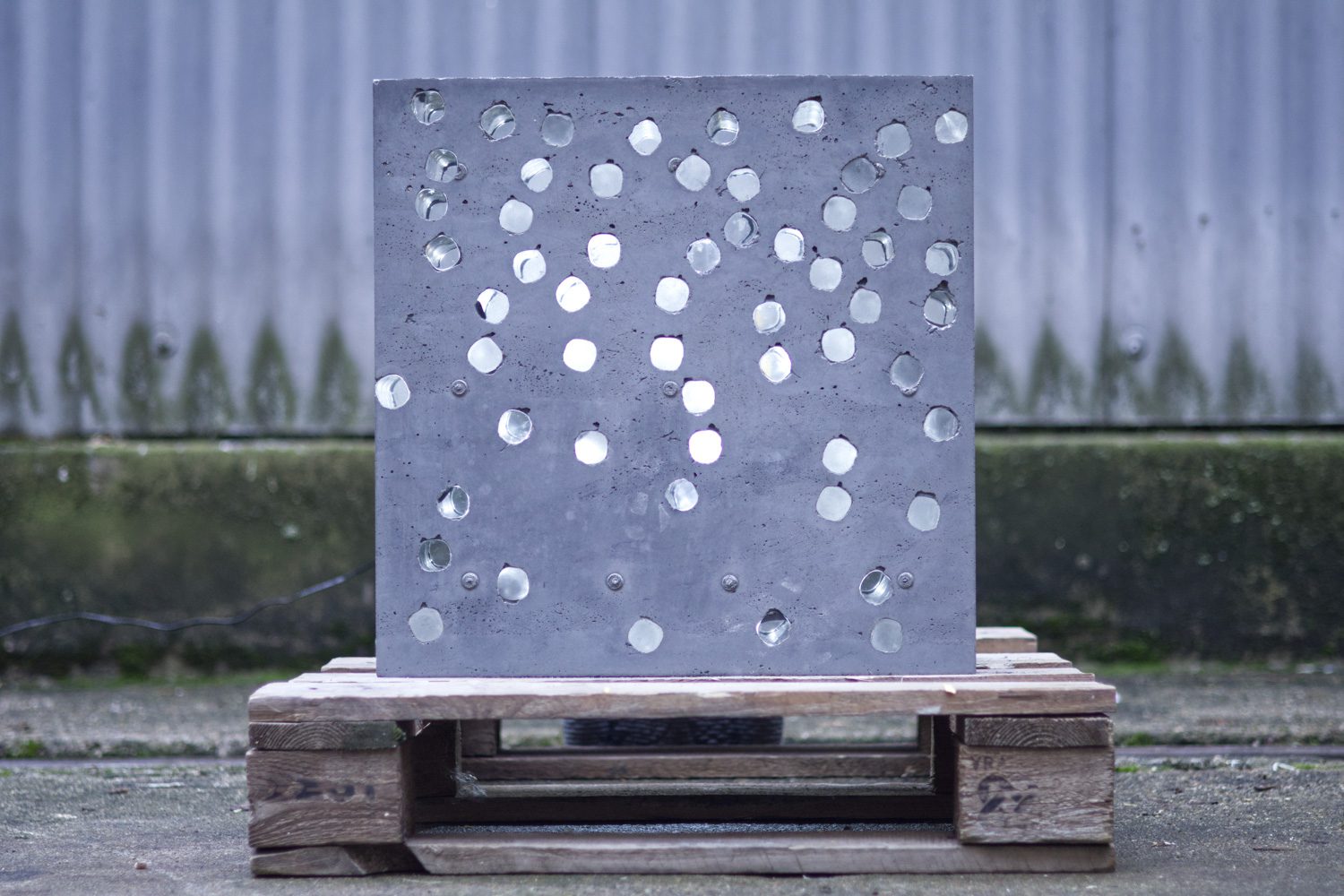
Another clear example of this interplay between glass and light can be found in a church near Prague. The building, simple in form, begins in darkness before gradually becoming illuminated through hundreds of small openings, creating an effect akin to sunlight filtering through leaves. Glass is cast together with high-strength concrete, turning the wall from a boundary into a medium through which light can pass. The church, in this sense, does not merely receive light from outside; it also radiates outward into the city, like a beacon.
Univerzum | Photo: Oto Melter
Tereza does not speak of glass simply as a material, but of light as an experience: light that becomes visible only when it touches edges and surfaces, when it is slowed down enough for the human eye to perceive. This perspective reframes architecture as something beyond the making of form. It becomes the creation of conditions through which light is allowed to tell its own story. At the same time, her work reveals that the Czech Republic’s glass industry is not only an artistic achievement, but also a cultural foundation that continues to shape and inspire contemporary design and architecture, with ‘light’ at the very heart of its creative practice.