
Photo courtesy of Central Pattana
DISCOVER A NEW STORY OF THE CITY THROUGH CENTRAL PARK BANGKOK, PART OF DUSIT CENTRAL PARK – A DESTINATION DESIGNED TO ENRICH EVERYDAY LIFE WITHIN THE STORIED SILOM – SATHORN DISTRICT
TEXT: NATHATAI TANGCHADAKORN
PHOTO CREDIT AS NOTED
(For English, press here)
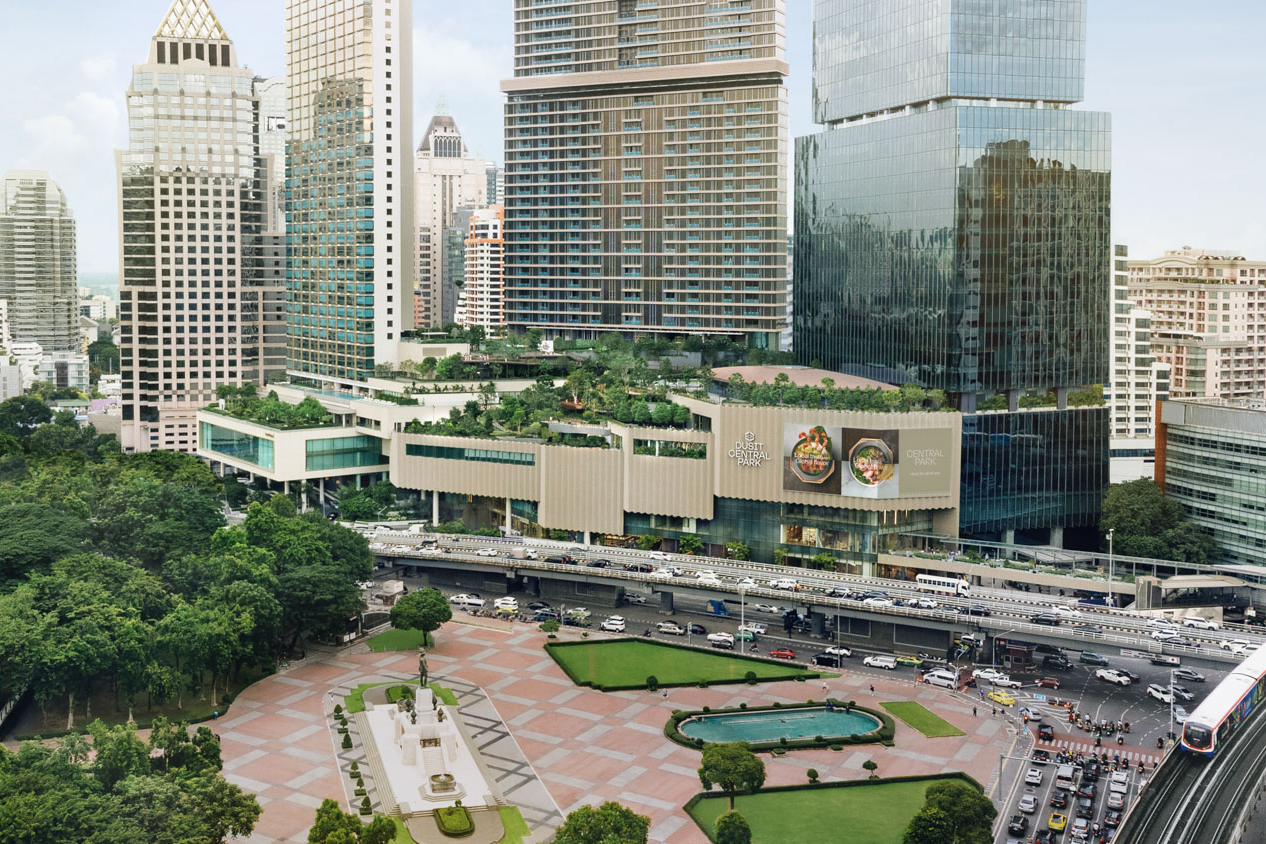
The Central Park Bangkok shopping complex stands as one of the most high-profile launches of 2025. Strategically positioned on Rama IV Road, the development enjoys direct accessibility from both BTS Sala Daeng and MRT Silom, ensuring seamless connectivity to the city’s urban core. Adjacent to the newly reimagined Dusit Thani Bangkok, which reopened in 2024 with a renewed yet graceful expression of contemporary Thai identity, Central Park Bangkok forms a pivotal component of the larger mixed-use development known as Dusit Central Park.
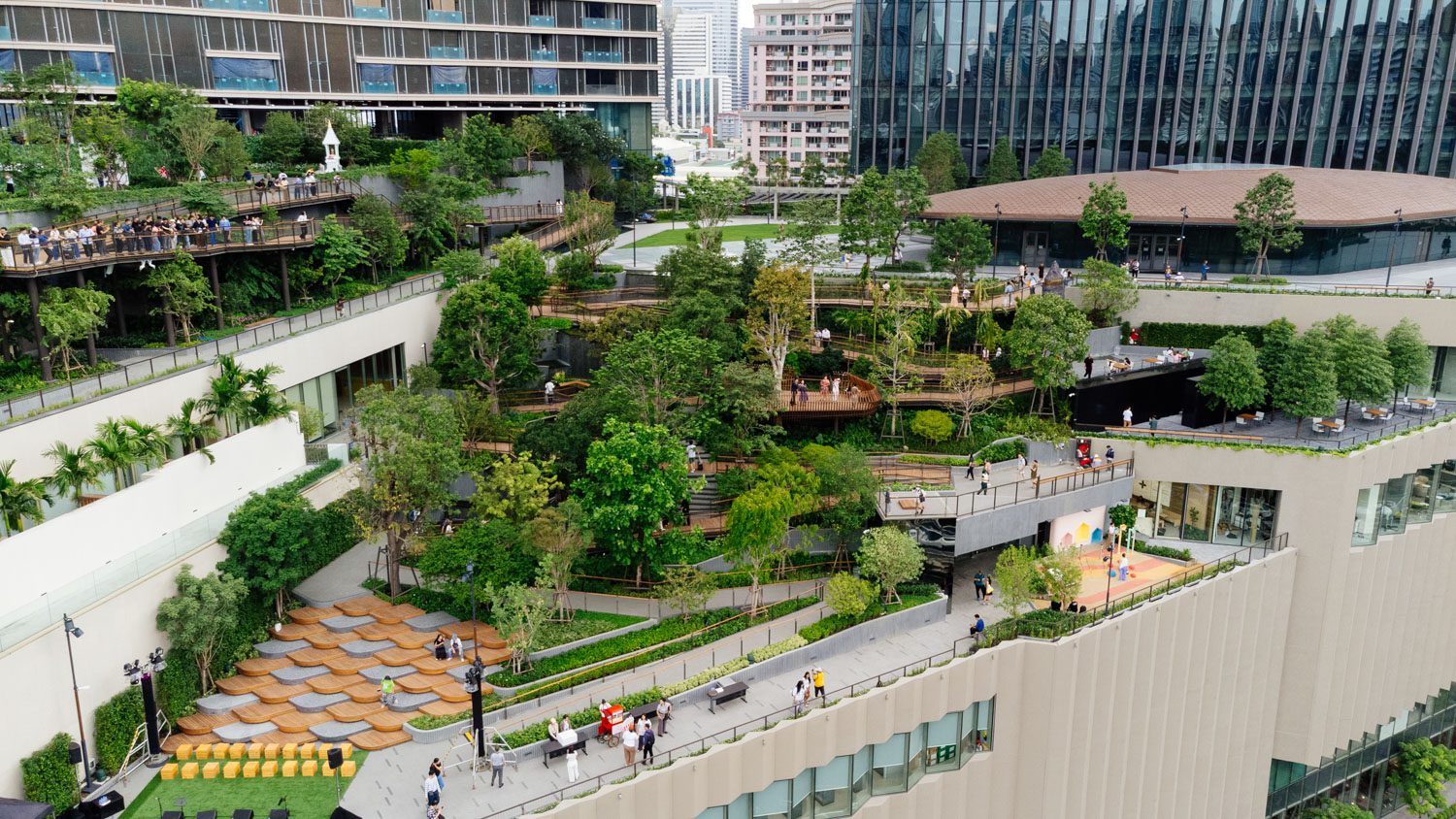
Photo courtesy of Central Pattana
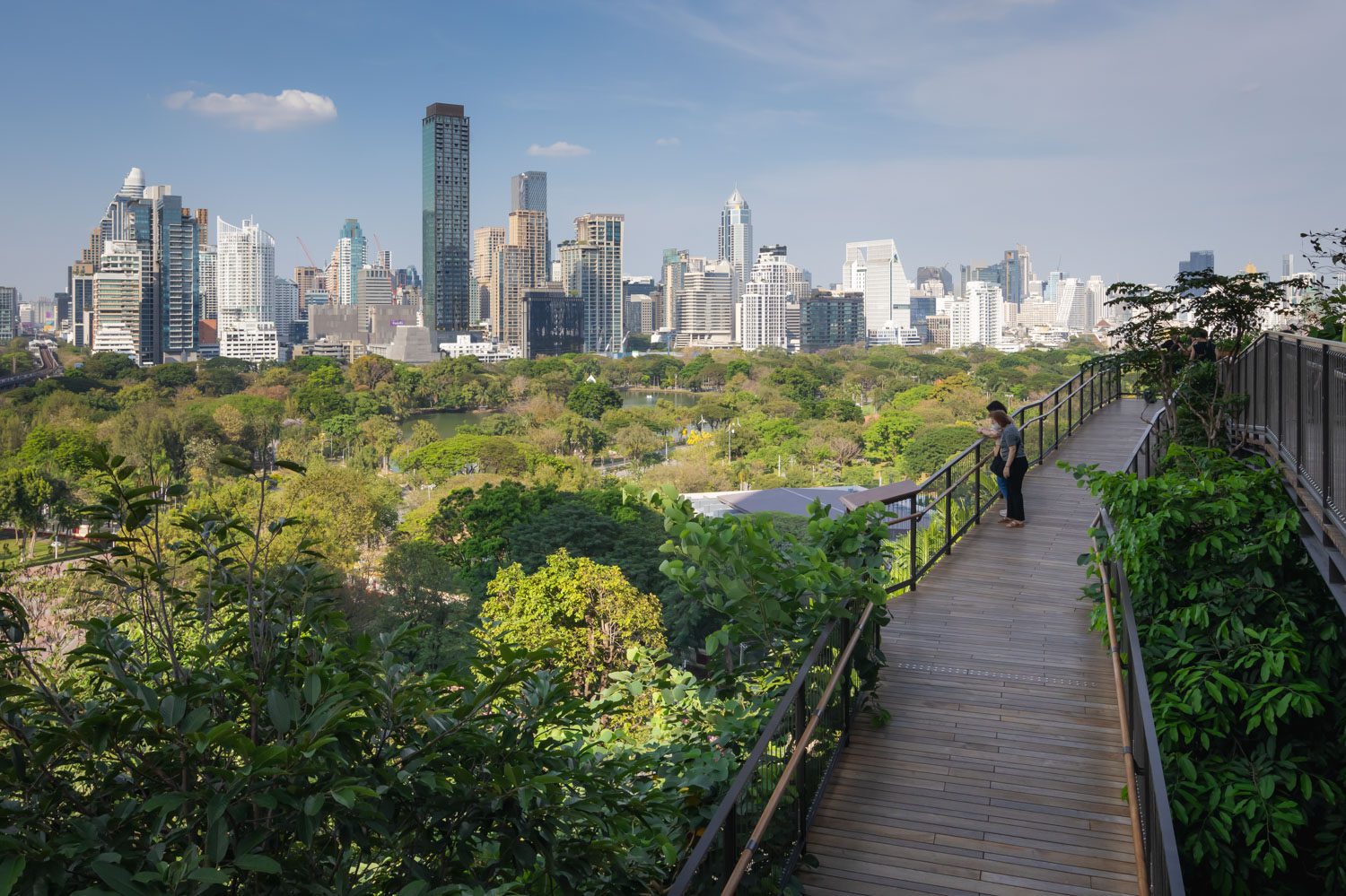
Photo: Ketsiree Wongwan
Dusit Central Park is a large-scale mixed-use megaproject comprising a retail complex, an office tower, a hotel, and residential components within a single integrated site. OMA Asia (Hong Kong) Limited plays a central role in shaping the master plan, navigating the inherent challenges of a dense inner-city location. The project is realized in collaboration with leading Thai design and consultancy teams, including Architects 49 International Limited, P49 Deesign & Associates, P Landscape (PLA), along with numerous other design partners. At the heart of the brief lies the ambition to bridge the architectural heritage and enduring spirit of the original Dusit Thani Hotel with the evolving lifestyle patterns of the Silom–Sathorn district, while responding sensitively to the expansive green context of Lumphini Park. As a result, the project positions itself as a model of urban development that prioritizes both the needs of its users and the preservation of the district’s distinctive identity.
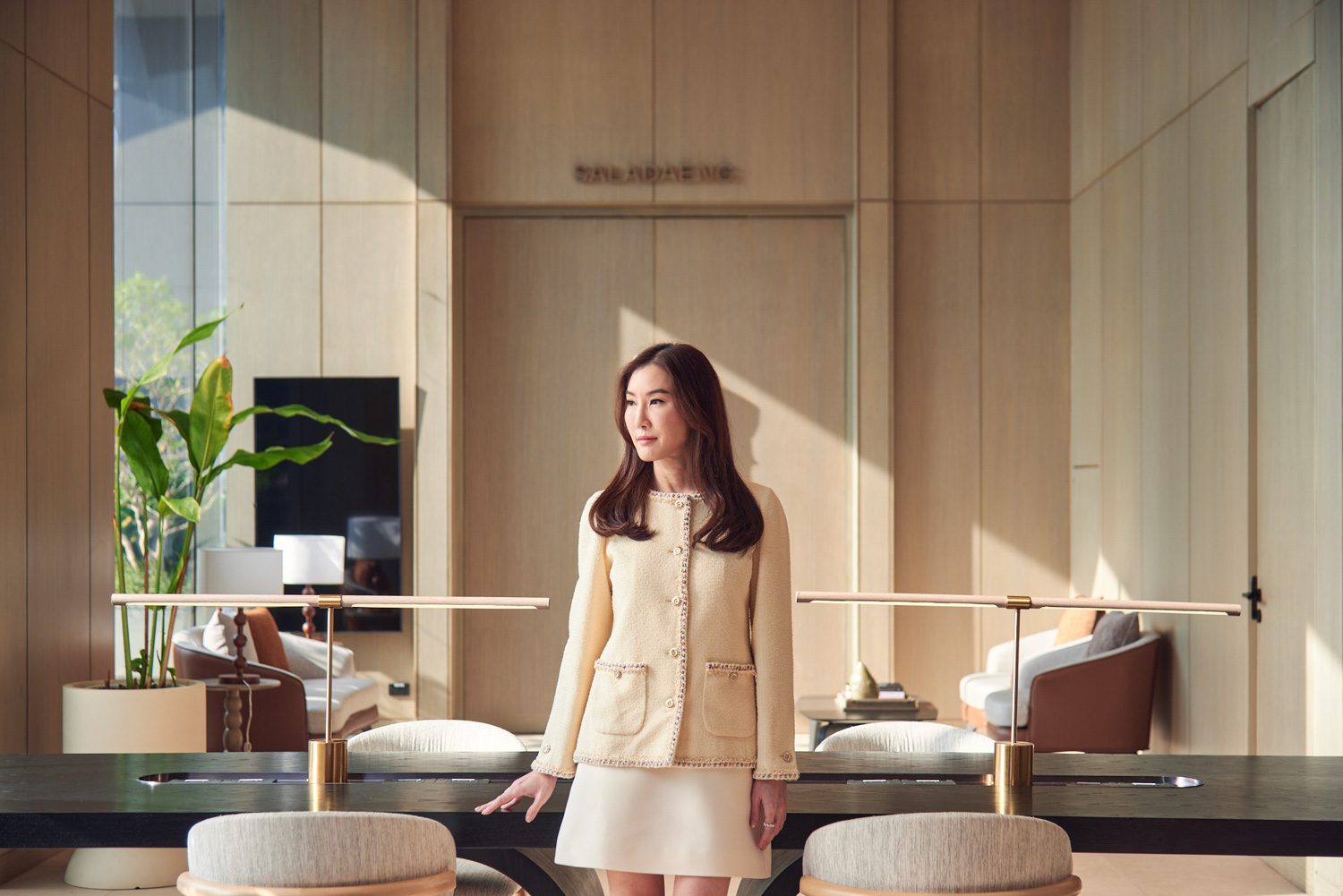
Photo: Worapas Dusadeewijai
“We have always believed that good design must begin with an understanding of people and place. Dusit Central Park was therefore conceived not merely as a cluster of buildings, but as a living ecosystem that could only emerge from this specific site,” says Juthatham Chirathivat, Head of Business and Design Development at Central Pattana Public Company Limited.
“We recognized the potential of this site not simply as a prime location, but as a place with a narrative that can be meaningfully extended. Today, human behavior is changing at an unprecedented pace. Design, therefore, is no longer just about aesthetics; it is a tool for creating spaces where people can genuinely return to meaningful daily life. Each project becomes a new chapter in the story of the city. The essential question for us is: what role will this place play in people’s lives in the future? When a space is able to truly enrich everyday life, sustainability follows naturally.”
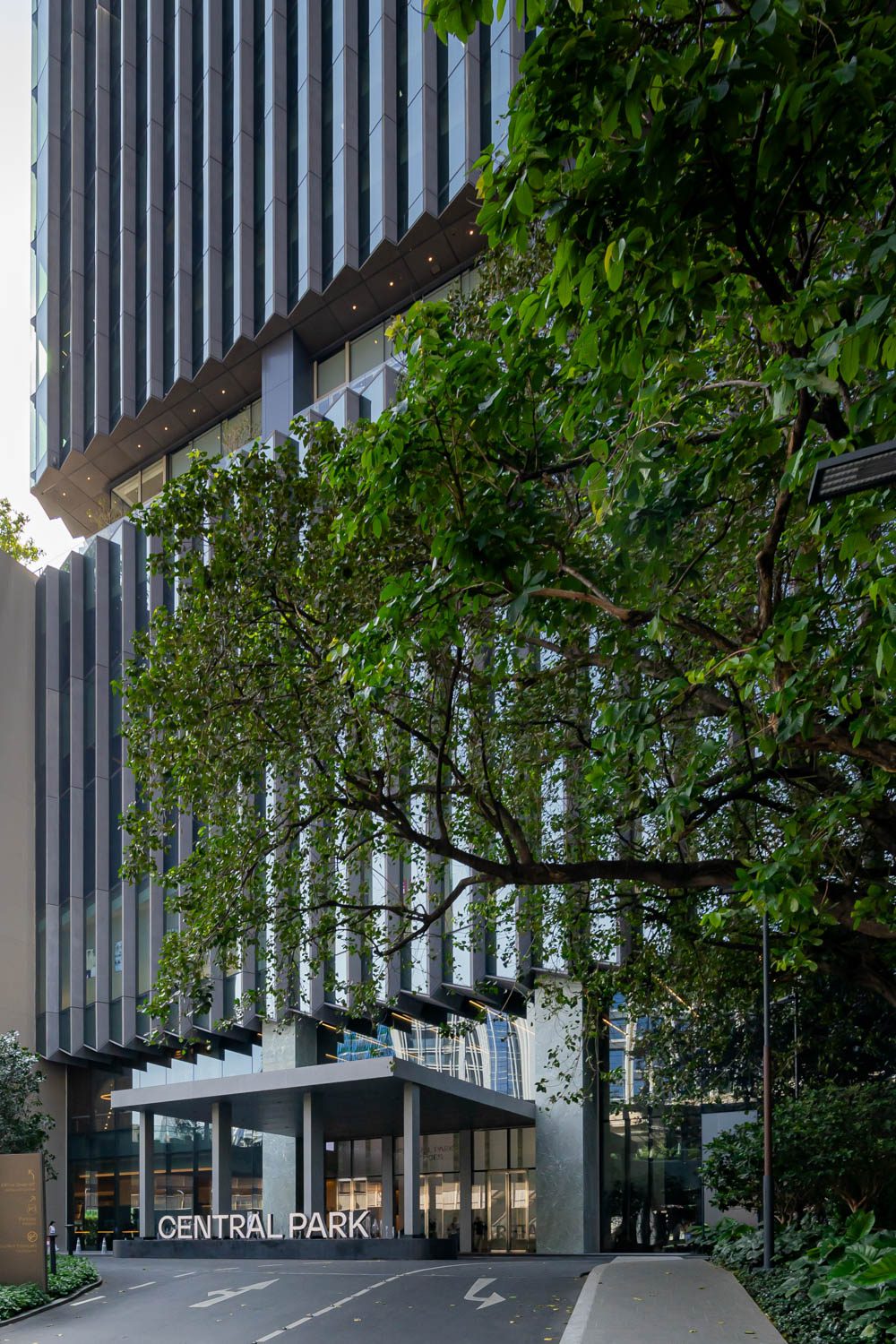
Photo: Ketsiree Wongwan
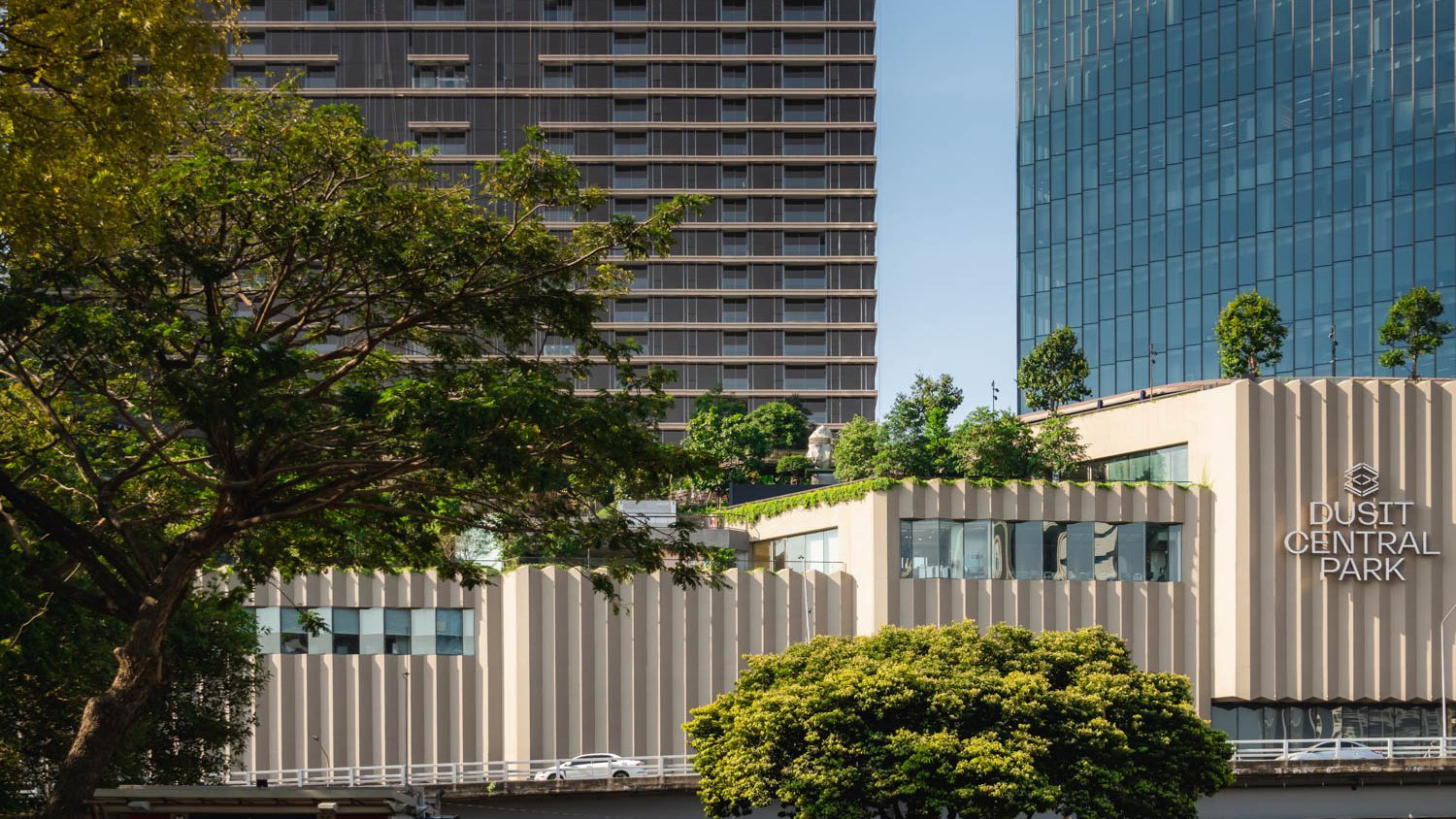 Photo: Ketsiree Wongwan
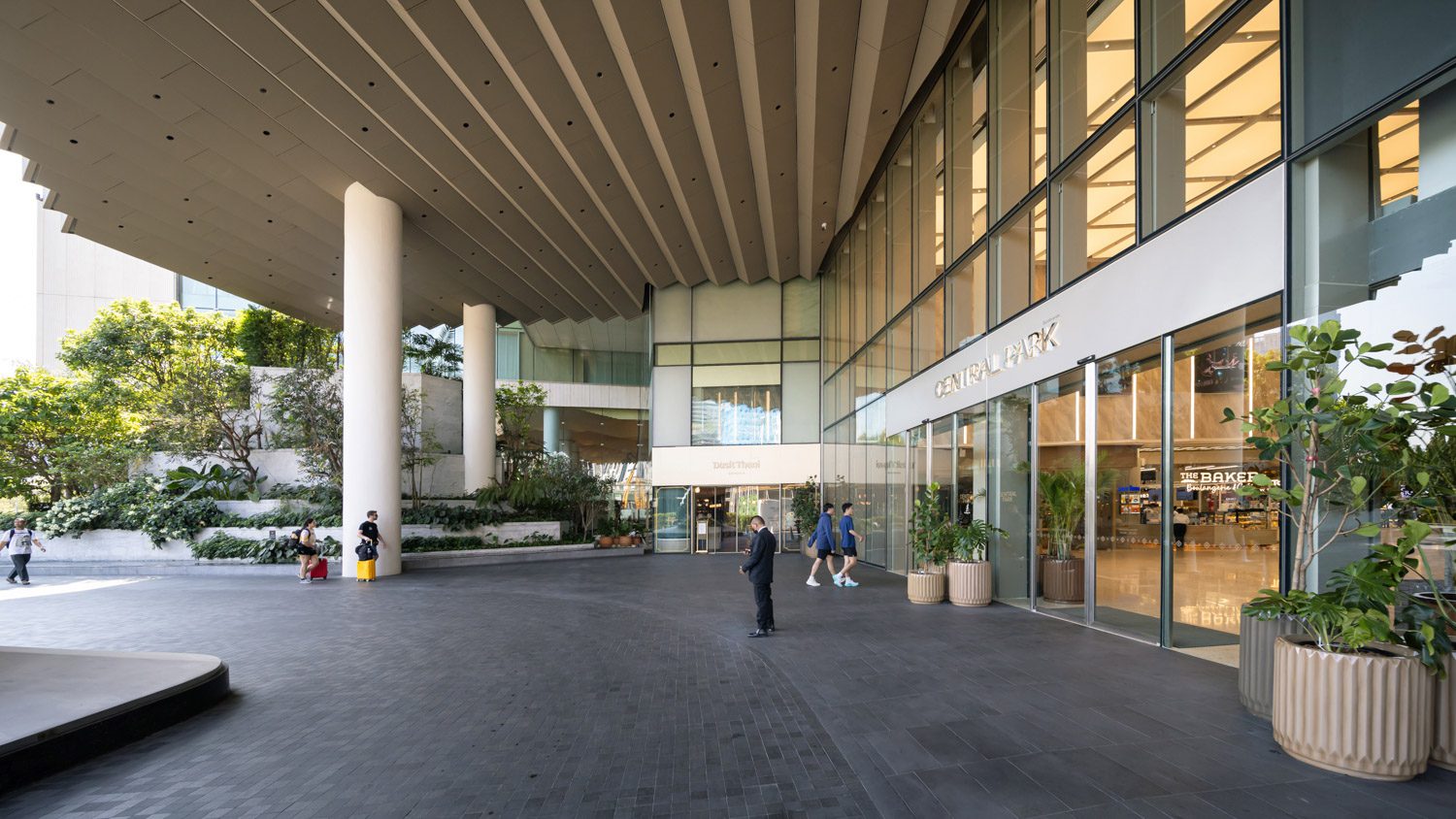
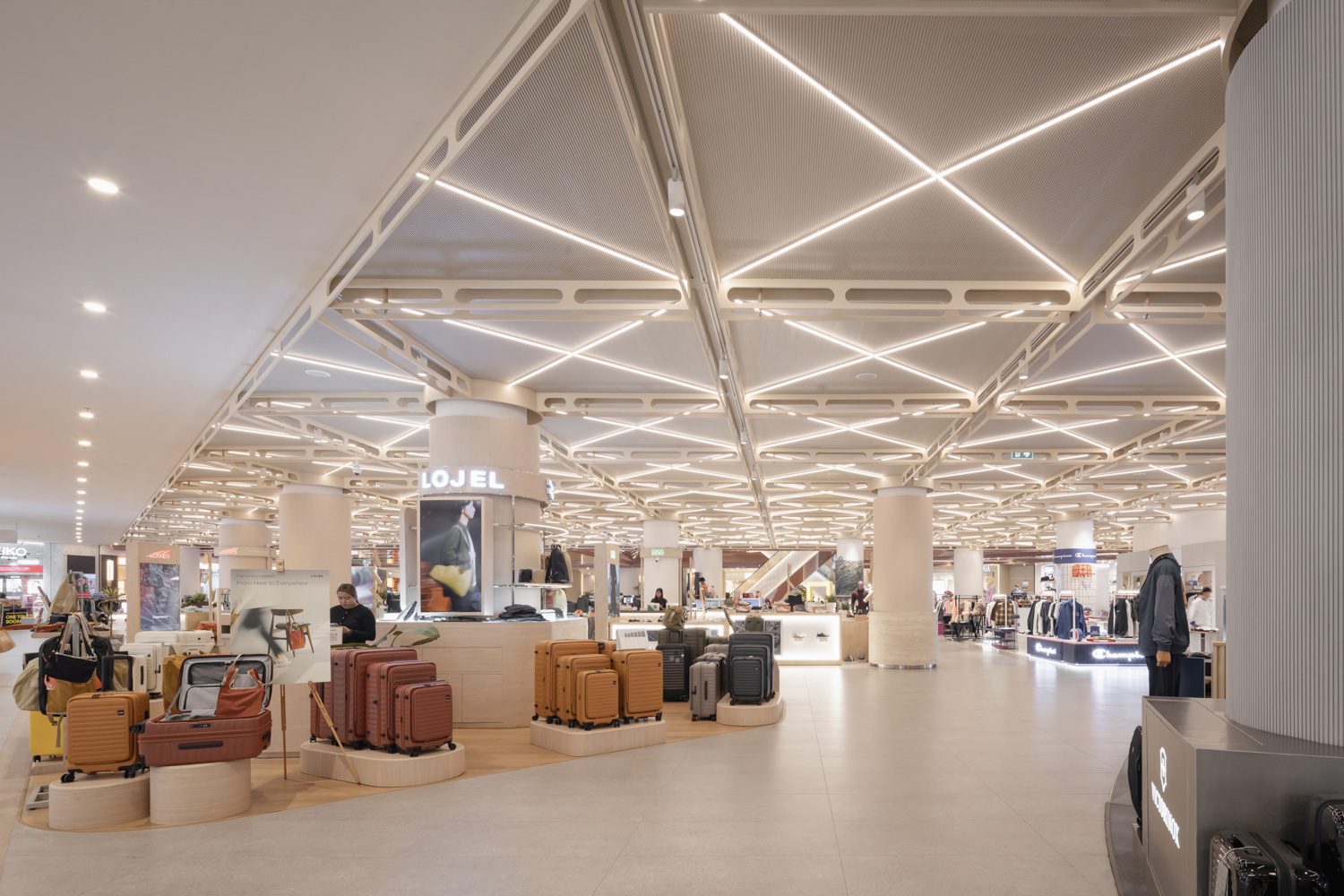
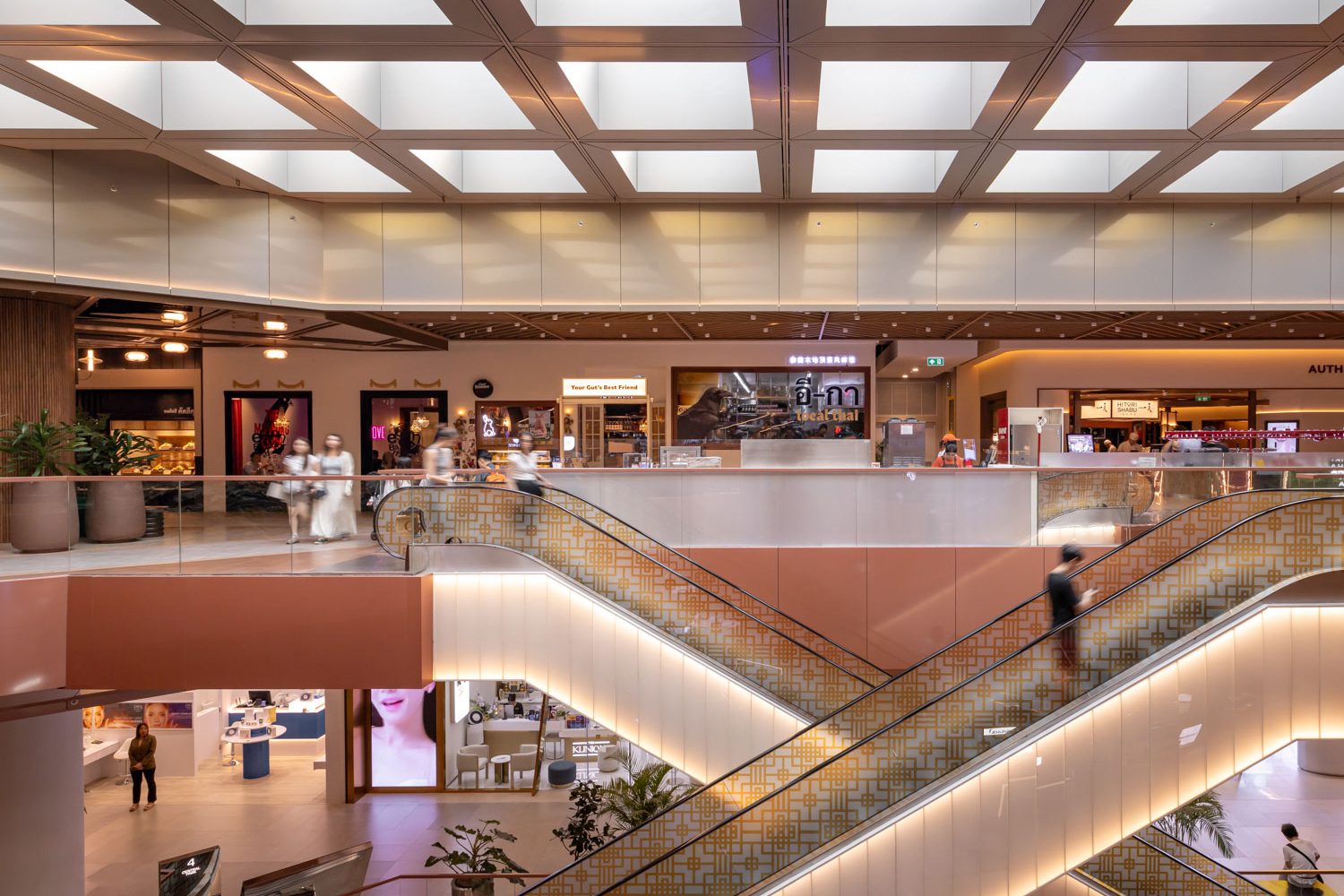
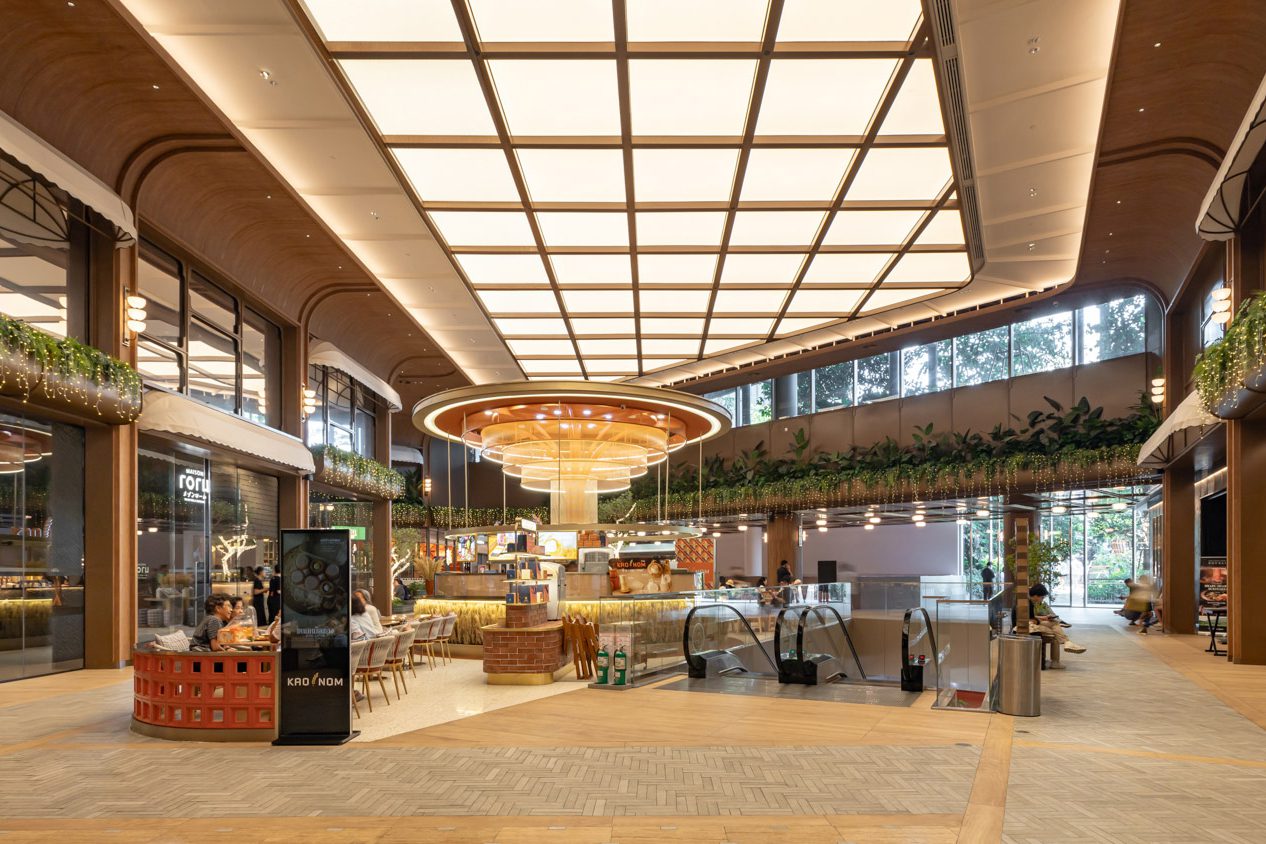
Central Park Bangkok is envisioned around the concept ‘Here for All’, guided by three principal design pillars that shape the entire Dusit Central Park development: Heritage, Integration, and Greenery. Under the theme of Heritage, Central seeks to reinterpret the Thai identity of Dusit Thani in a contemporary register, expressed through design that is tangible, functional, and attuned to human scale. Geometric motifs continue from the hotel across to the retail complex, where rhythmic repetitions of lines are deliberately articulated so that each level possesses its own character while remaining visually cohesive. This idea of being ‘Repetitive but Evolving’ is further expressed in the façade, whose composition draws inspiration from the triangular modules of the roofscape.
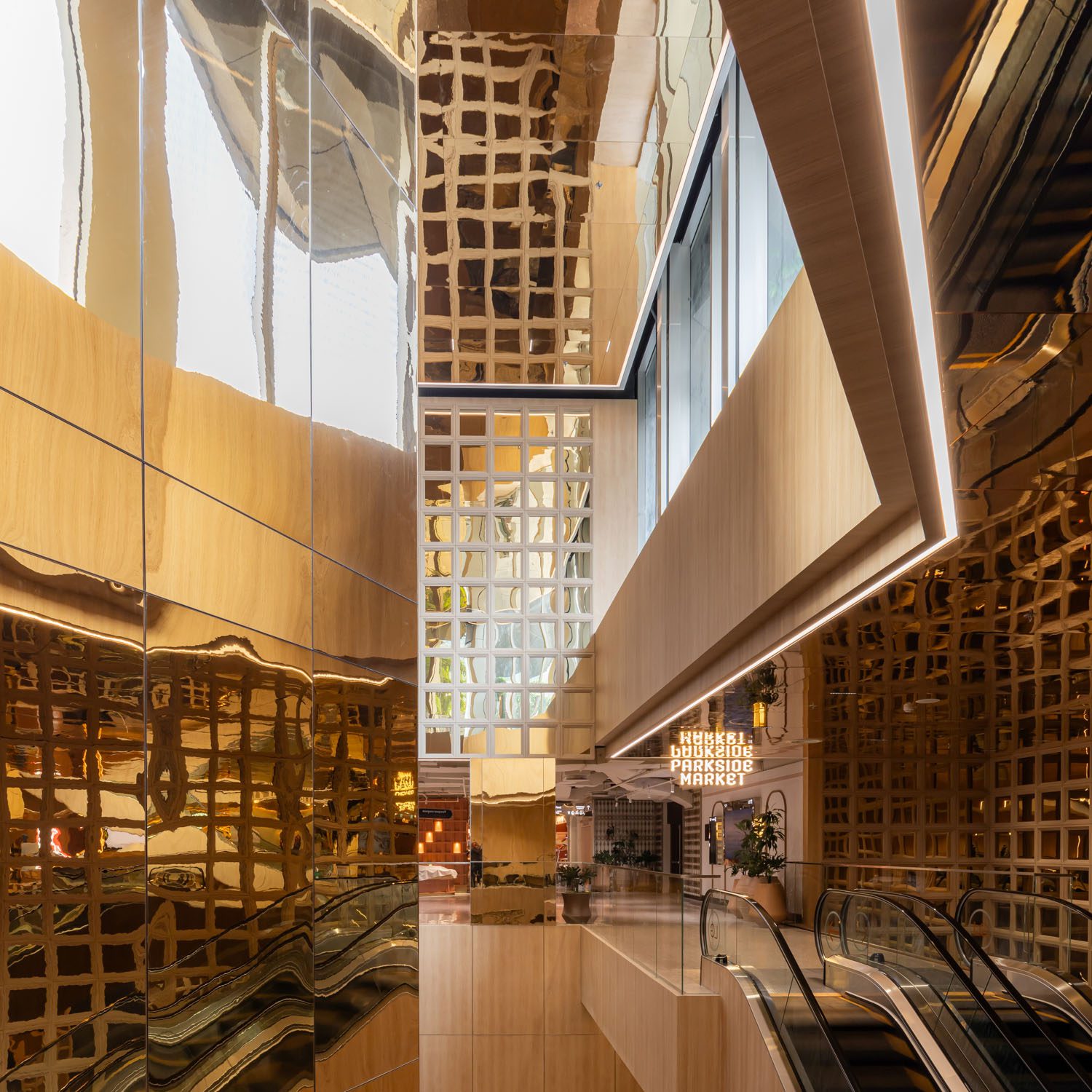
Photo: Ketsiree Wongwan
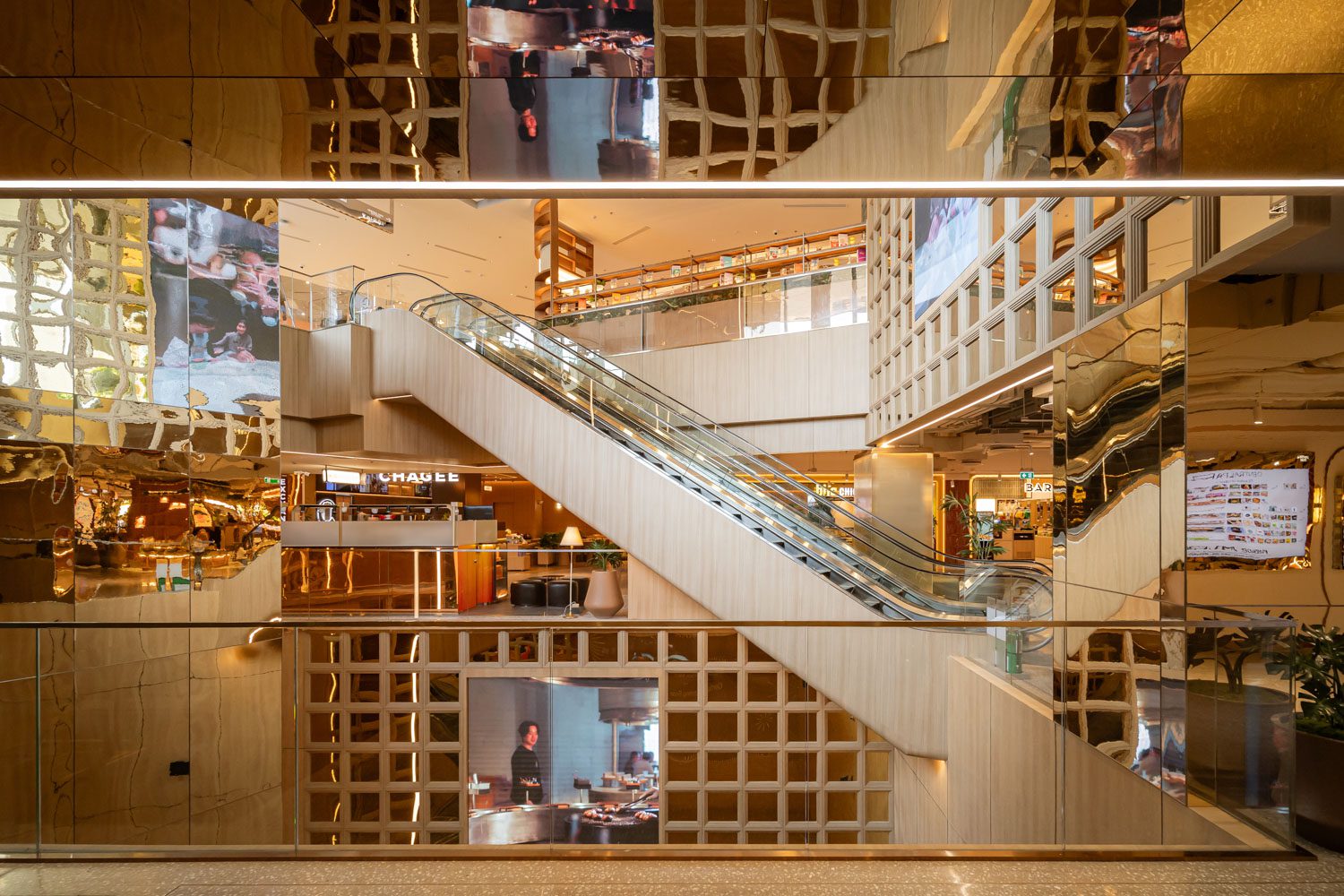 Photo: Ketsiree Wongwan
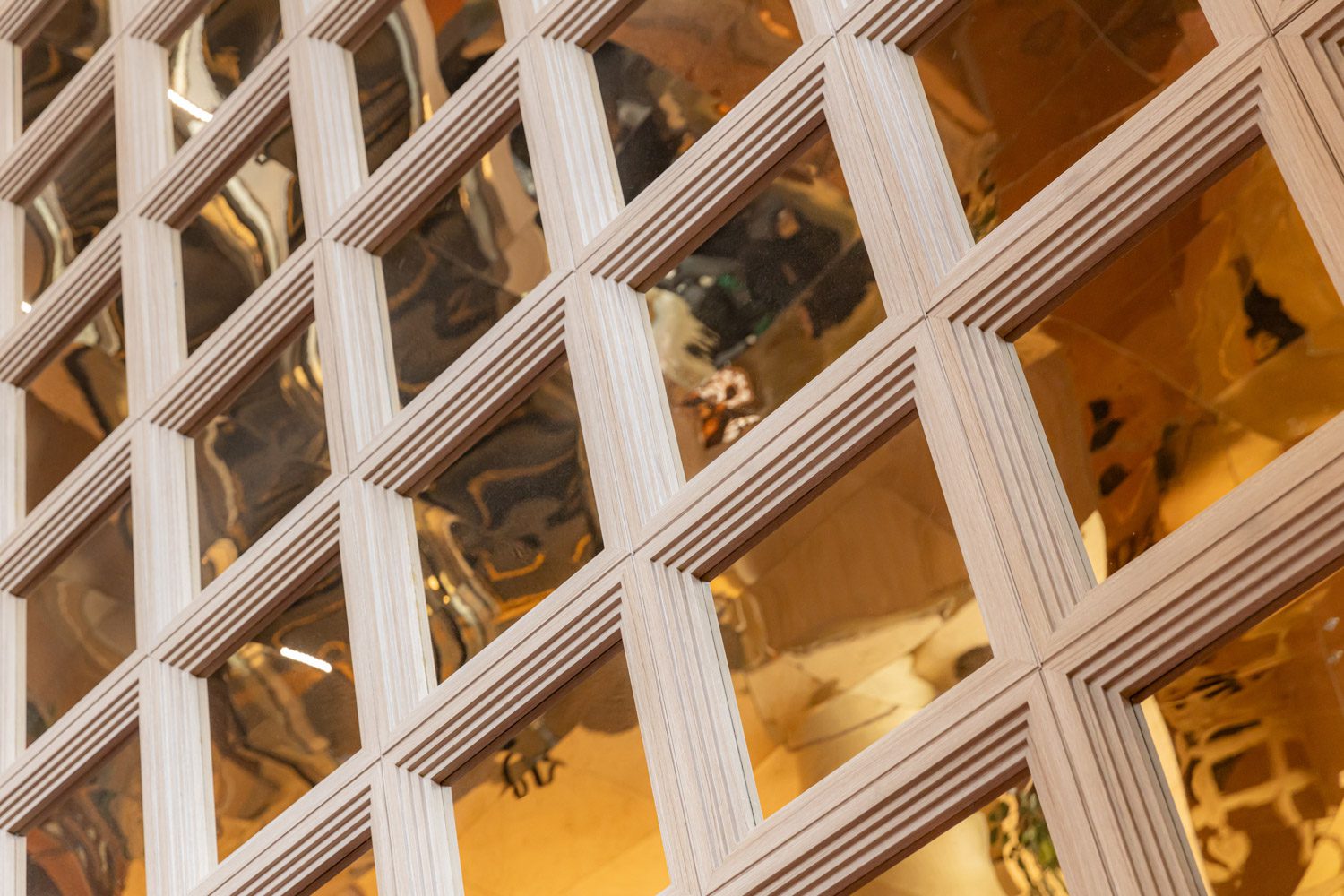
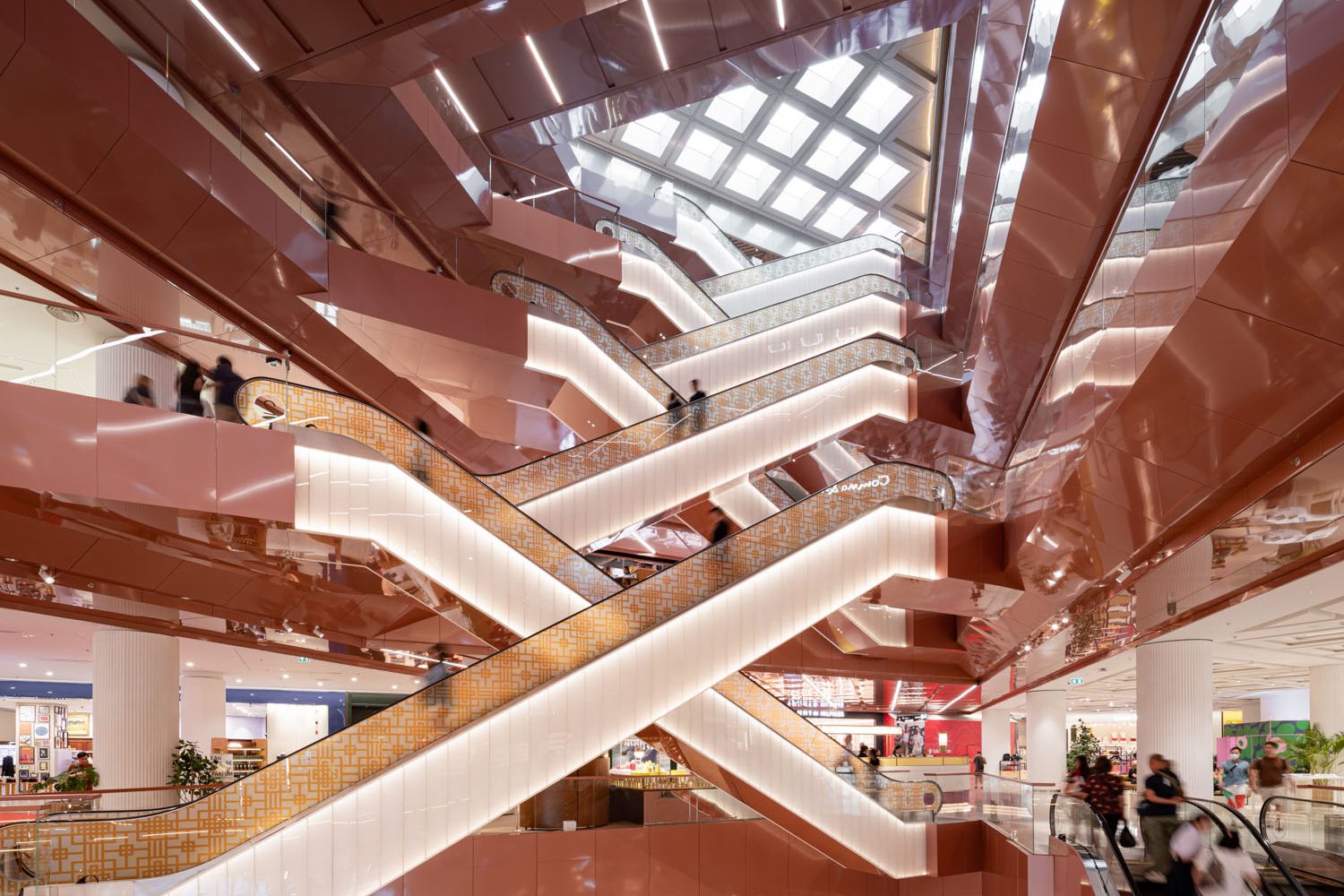
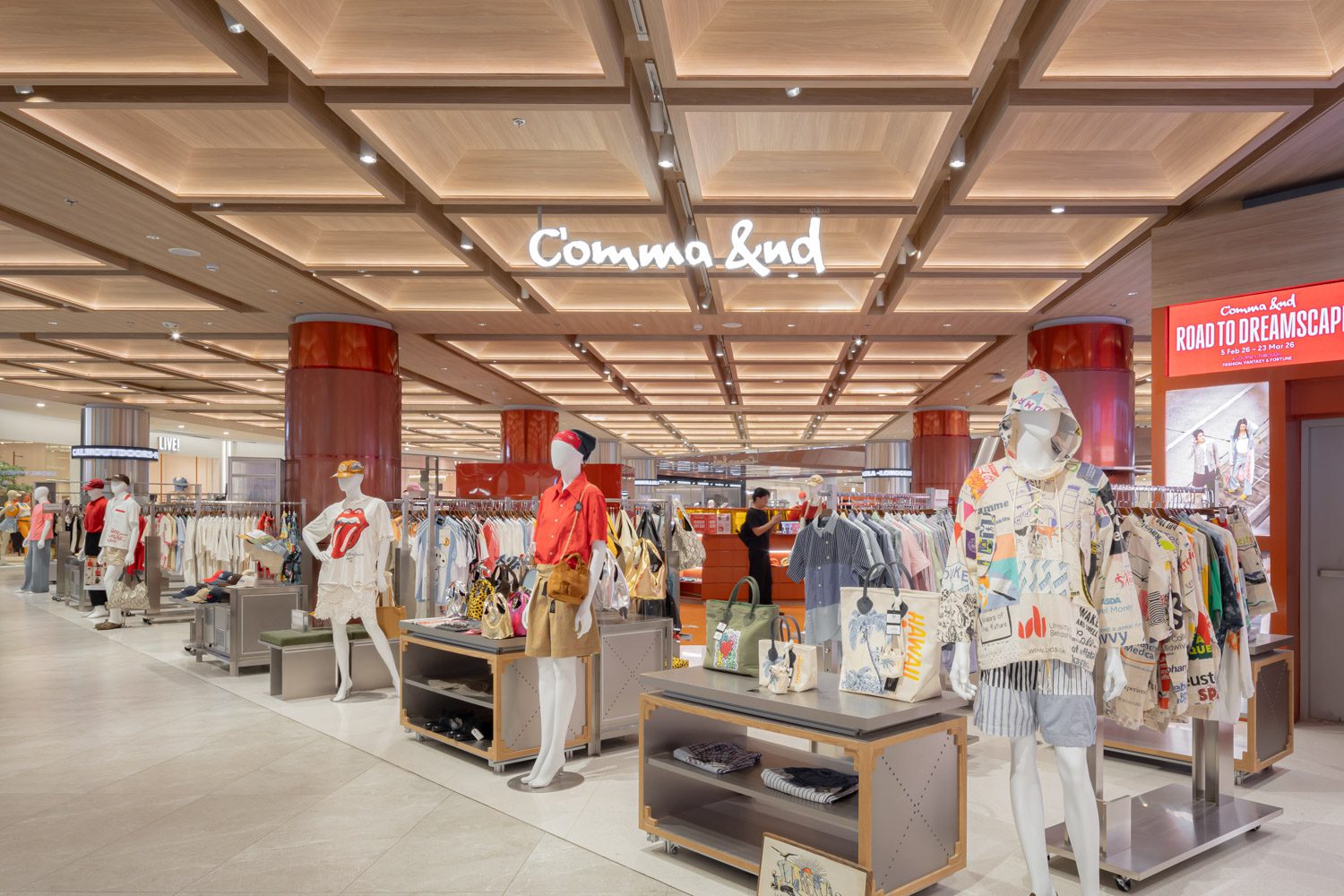
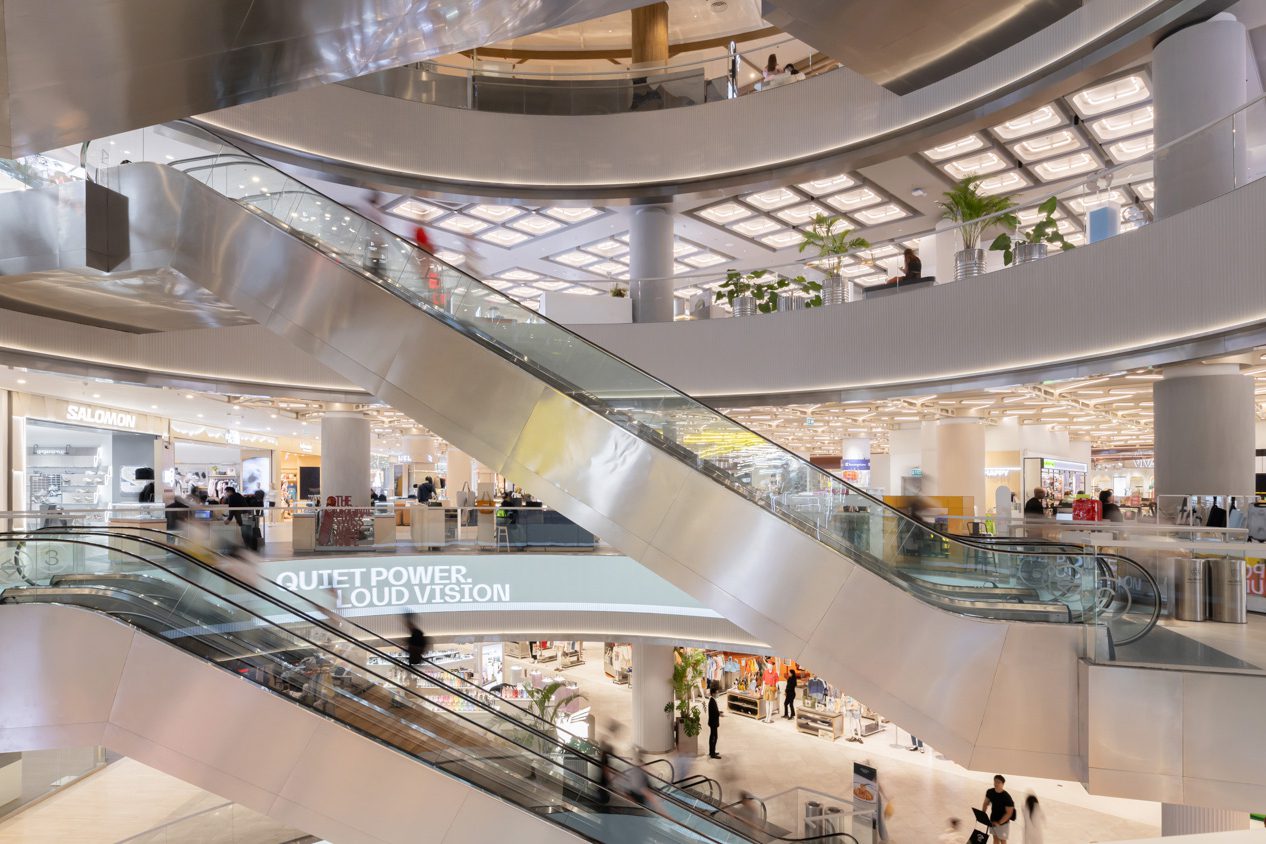
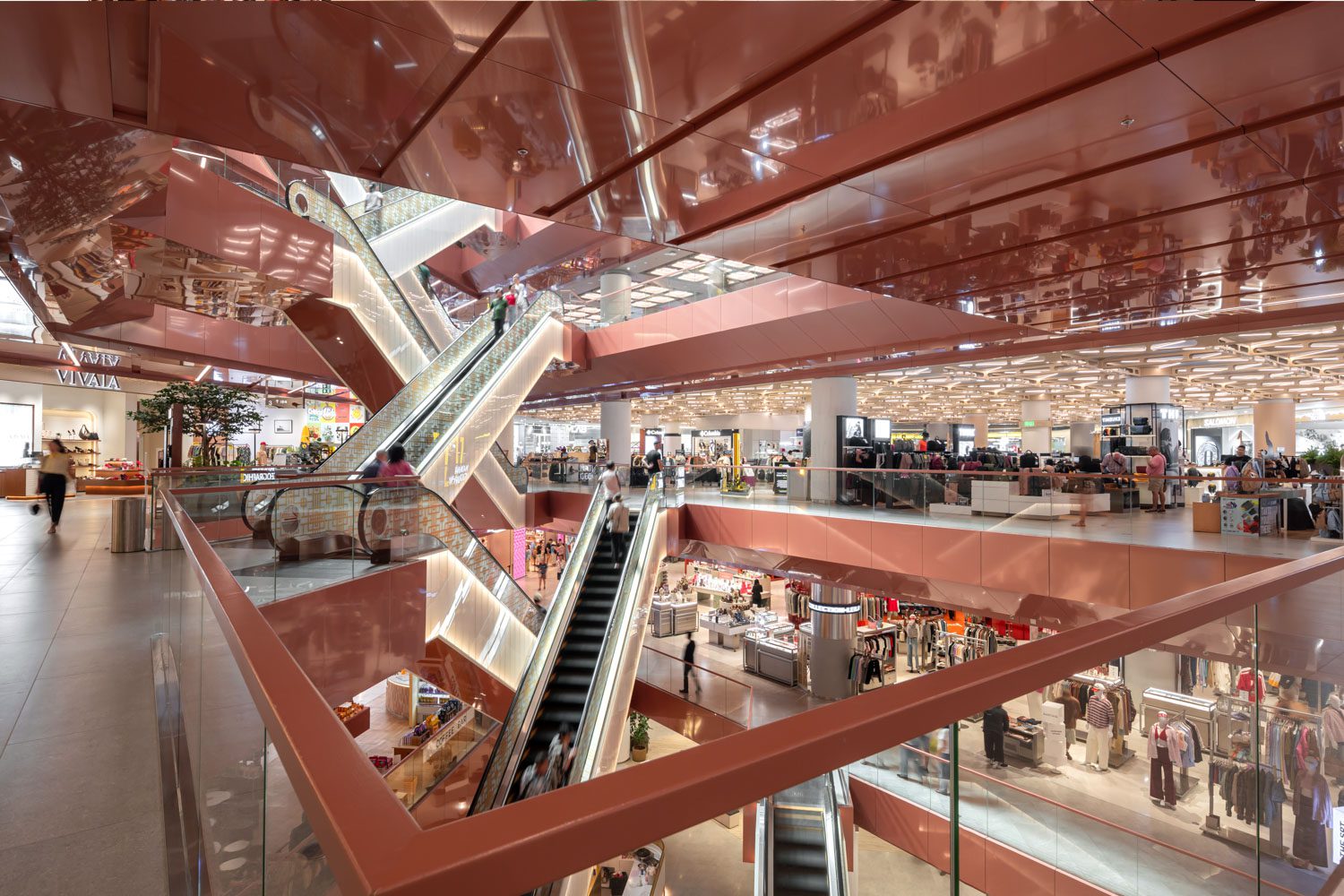
What is carried forward extends beyond a simplified and modernized design language. It also encompasses material choices and tonal sensibilities, from expanses of copper to recessed timber corners subtly embedded within the architectural composition. Within individual retail units, coffered ceiling patterns inspired by a decorative element from the original Dusit Thani building are reinterpreted in a contemporary manner. A dramatic internal court remains a signature element of Central’s retail environments. Here, the highlight is the Signature Escalator Void, where escalators are carefully positioned to align with the open volume at the front, ensuring the space is fully and effectively utilized.
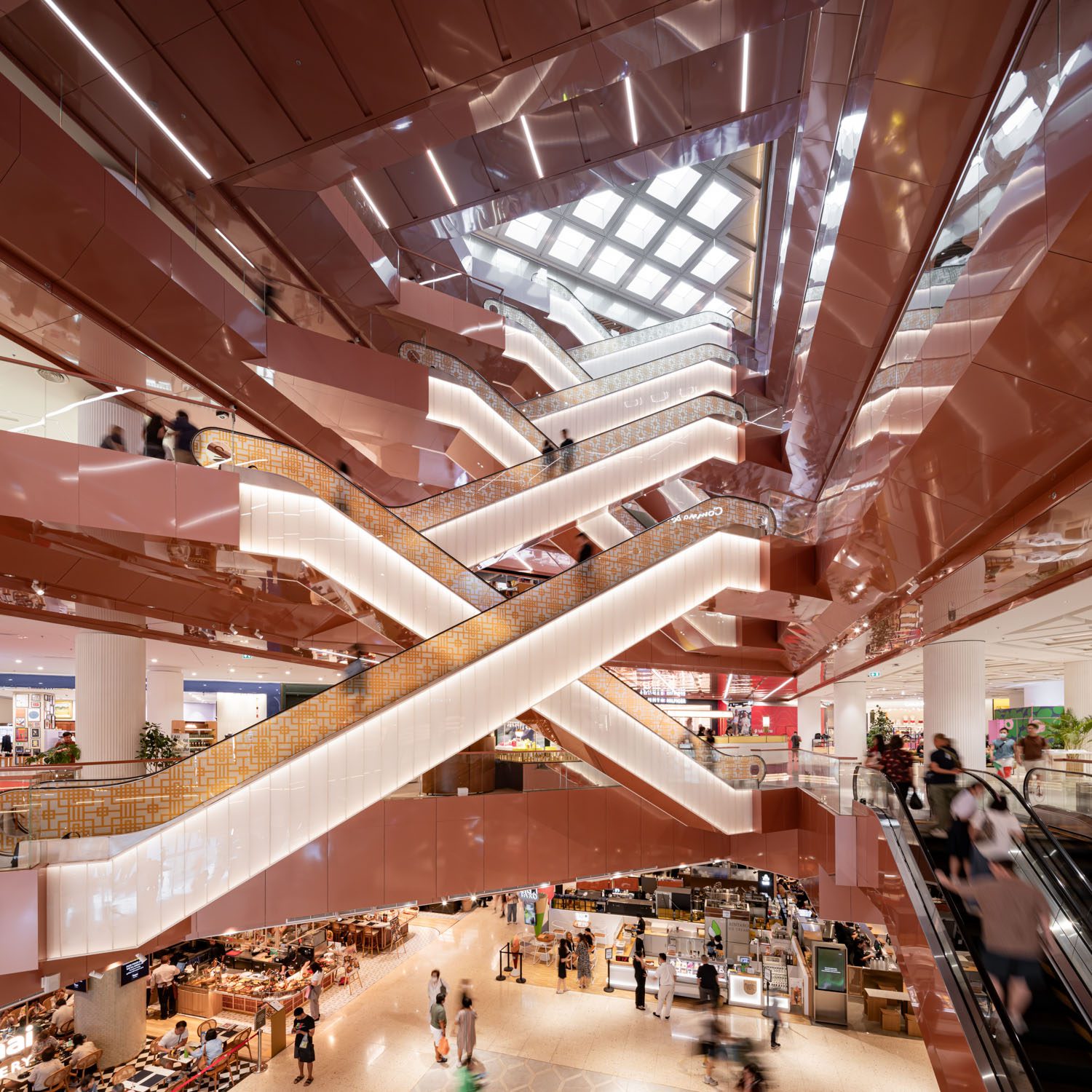
Photo: Ketsiree Wongwan
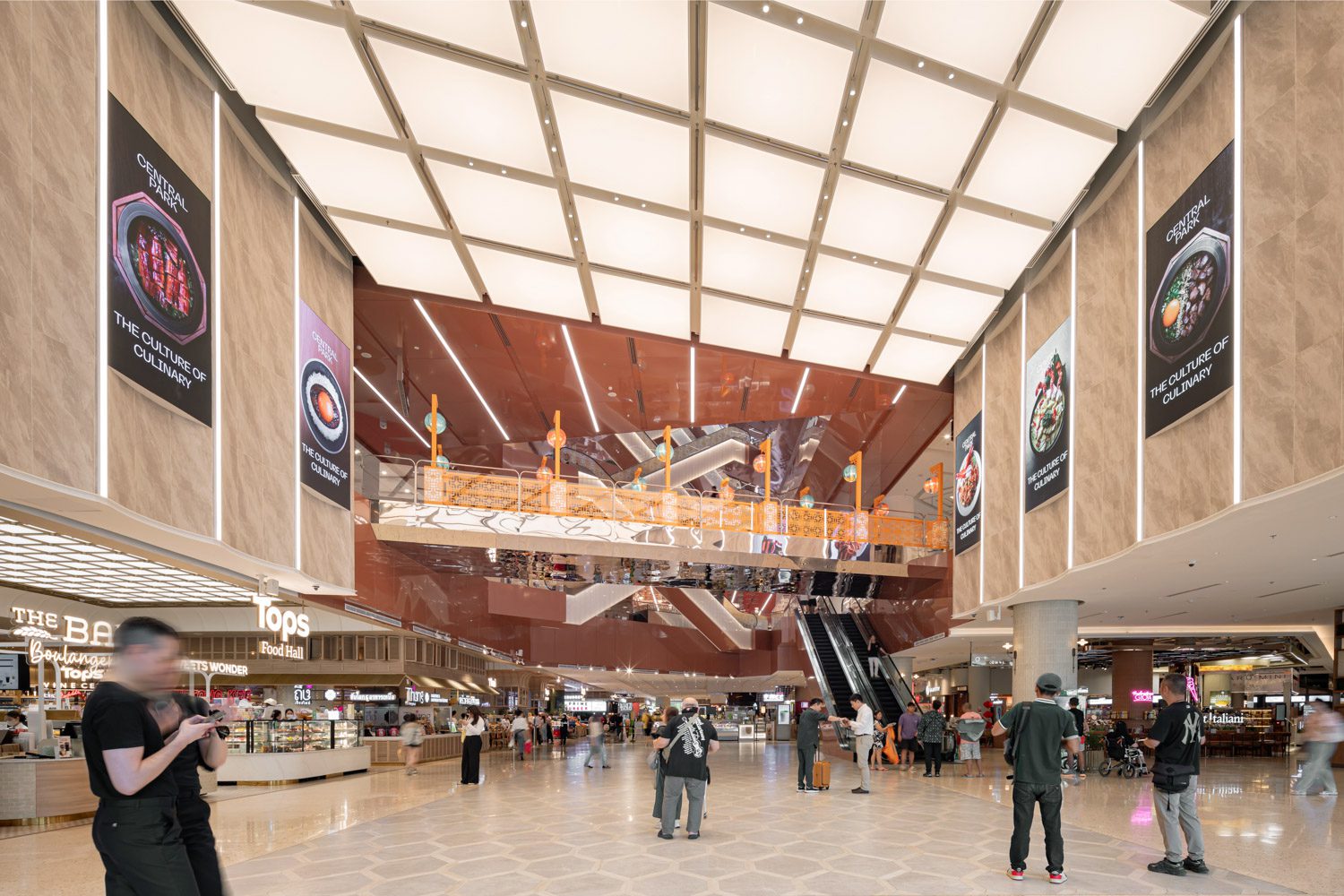
Photo: Ketsiree Wongwan
“We wanted the design to speak for itself. It is not about creating a photo spot, but about shaping spaces where people genuinely want to spend time. Both the architecture and the interior design place great emphasis on detail and craftsmanship, allowing every space to reflect its heritage with respect for the past, while reinterpreting it in ways that resonate with contemporary contexts and everyday life.”
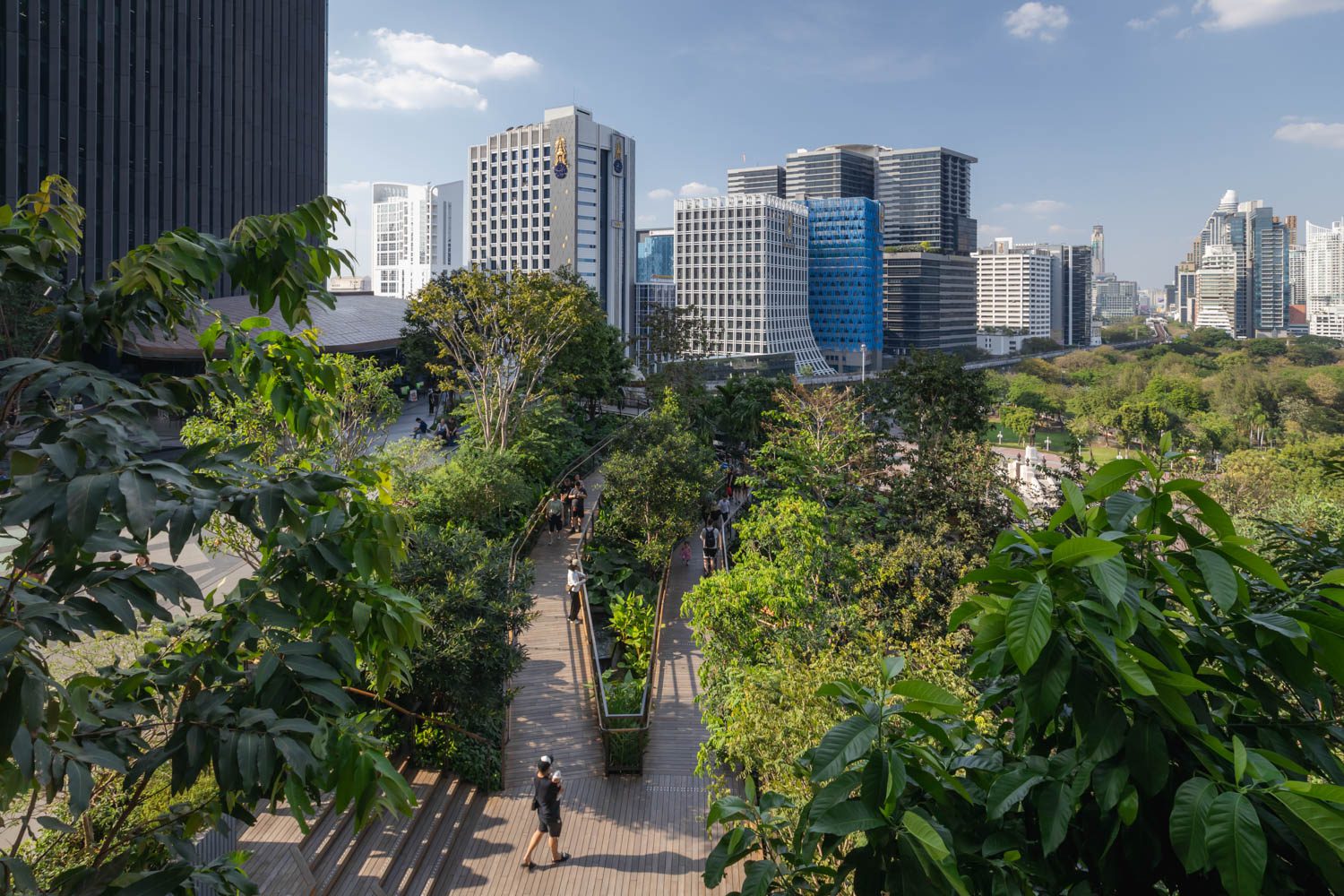
Photo: Ketsiree Wongwan
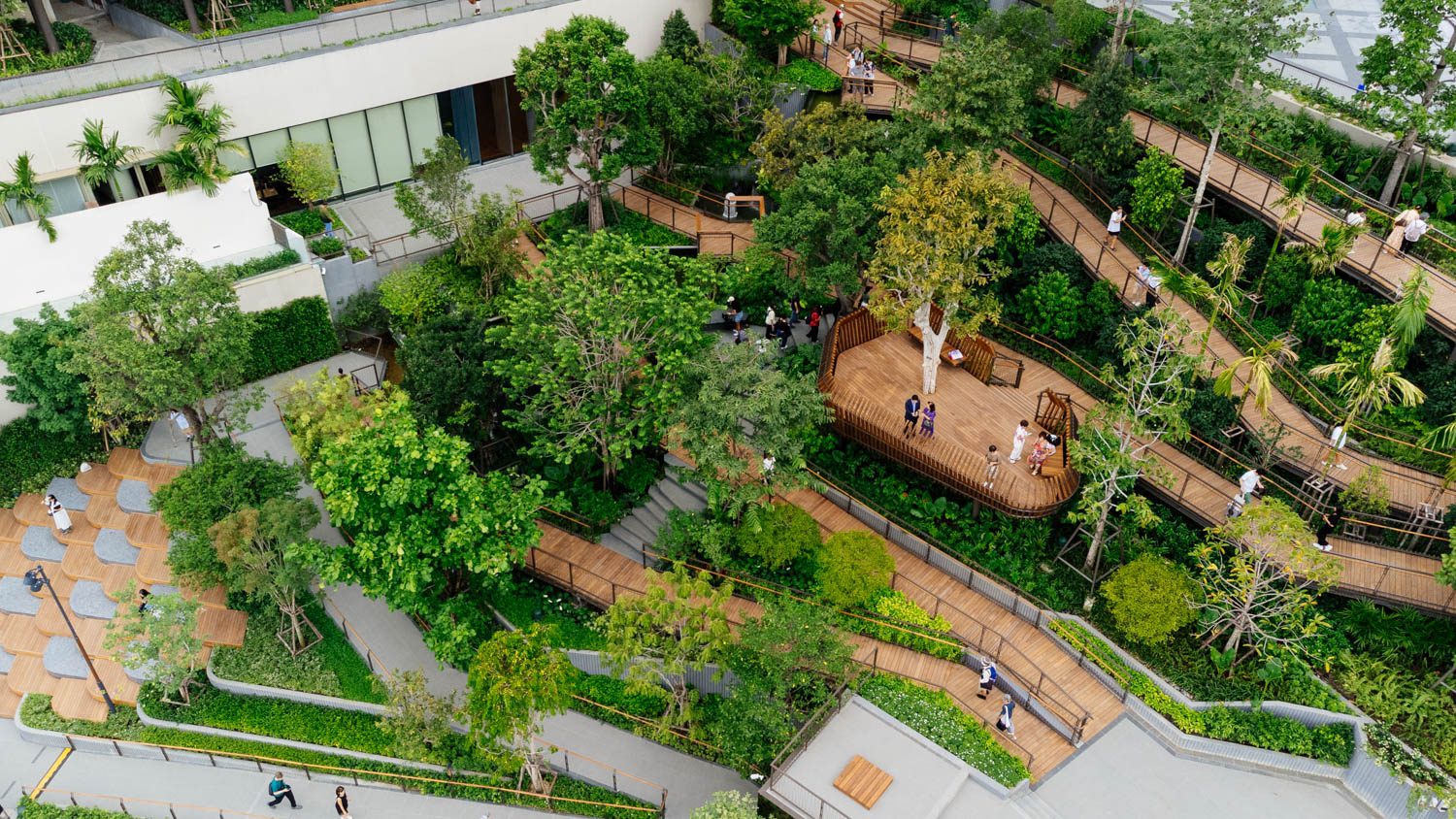
Photo courtesy of Central Pattana
Turning to greenery, its presence is most evident in the Roof Park spanning Levels 4 to 6, designed by Landscape Collaboration Limited. The 11,200-square-metre elevated garden alone contains layers of detail that could easily warrant an article of its own. What interests us today, however, is how it connects to the shopping centre itself. Green space has, in many ways, become an expected feature of leading developments. Yet each project offers its own approach to how users access and experience this ‘green space.’
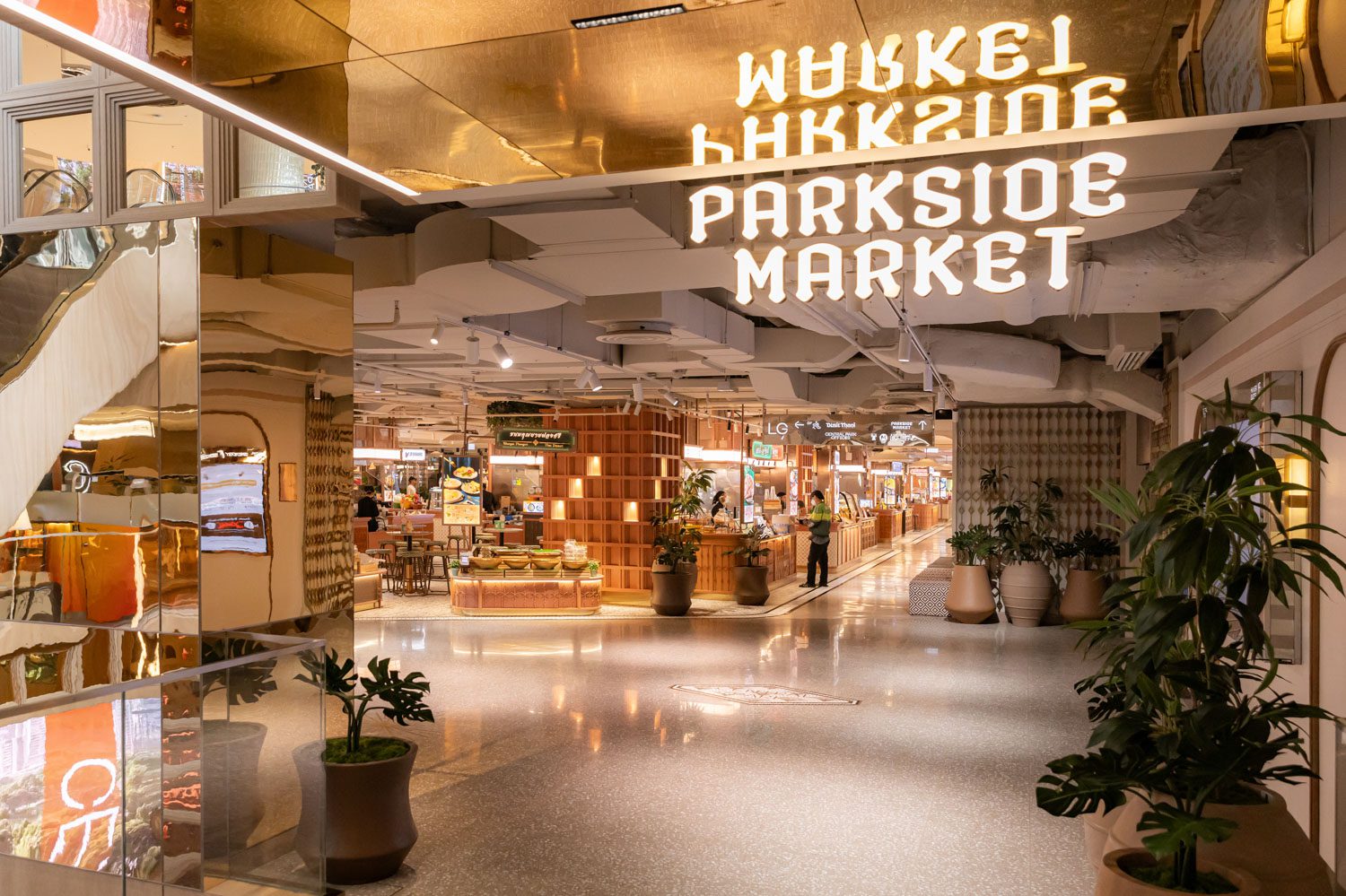
Photo: Ketsiree Wongwan
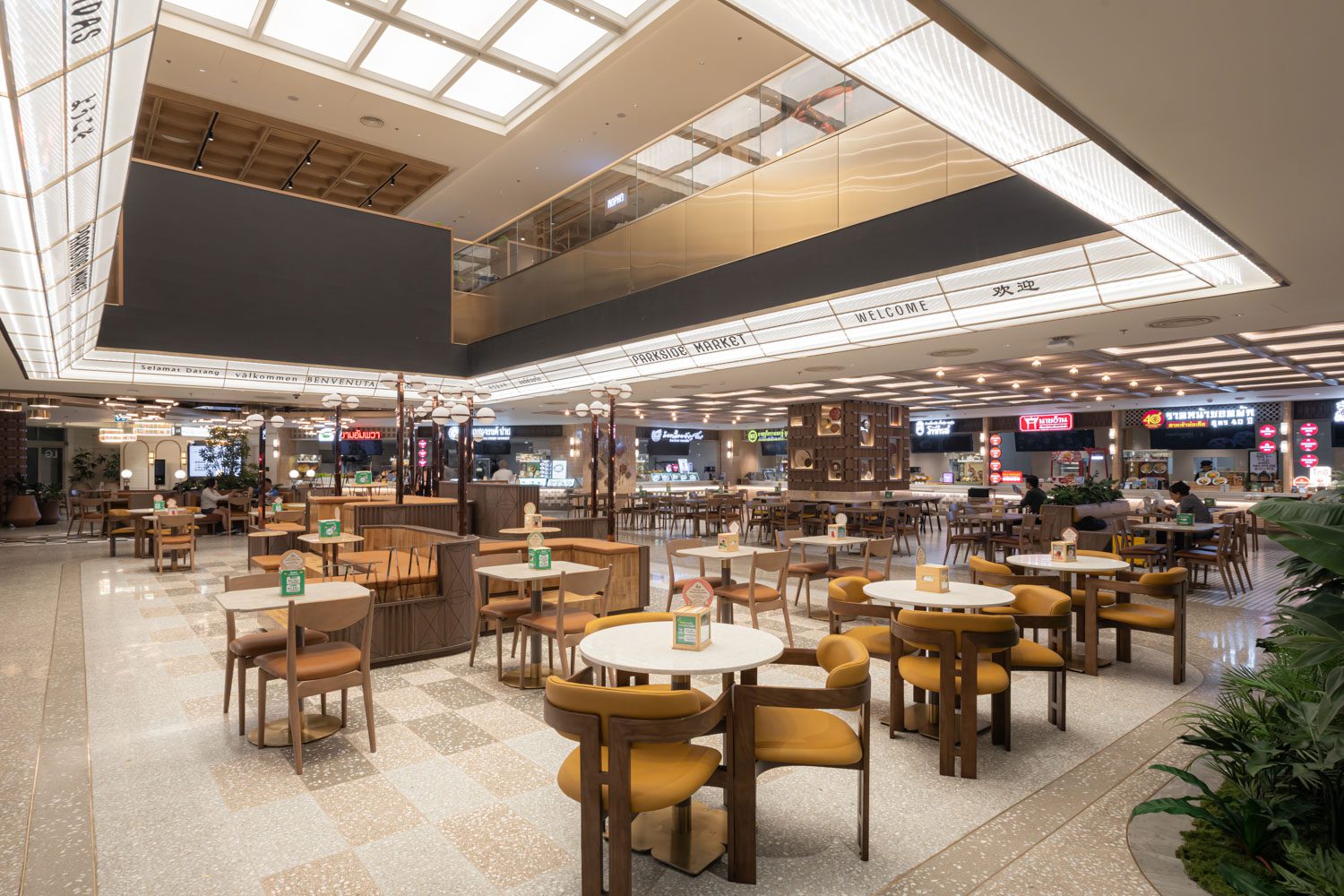 Photo: Ketsiree Wongwan
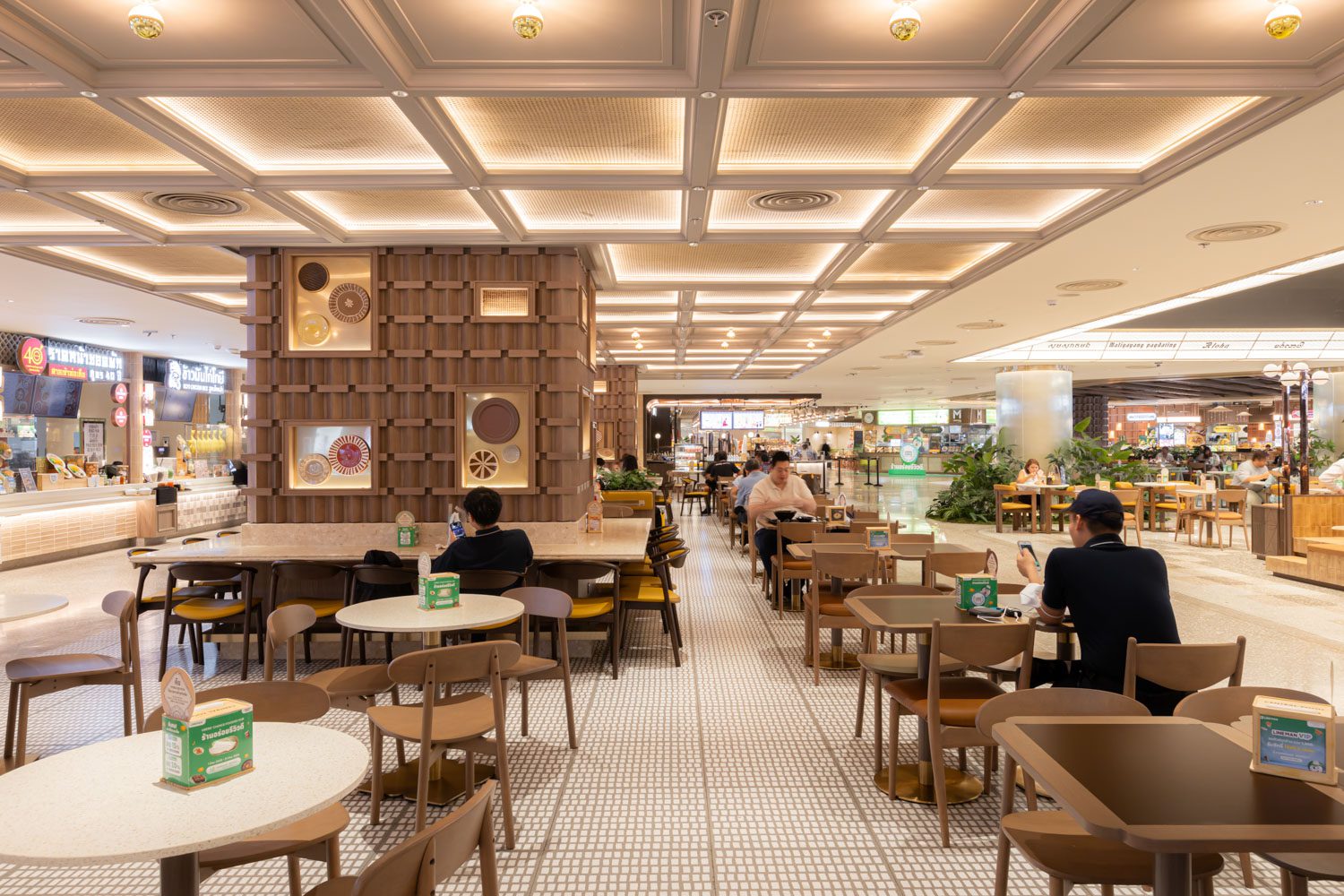
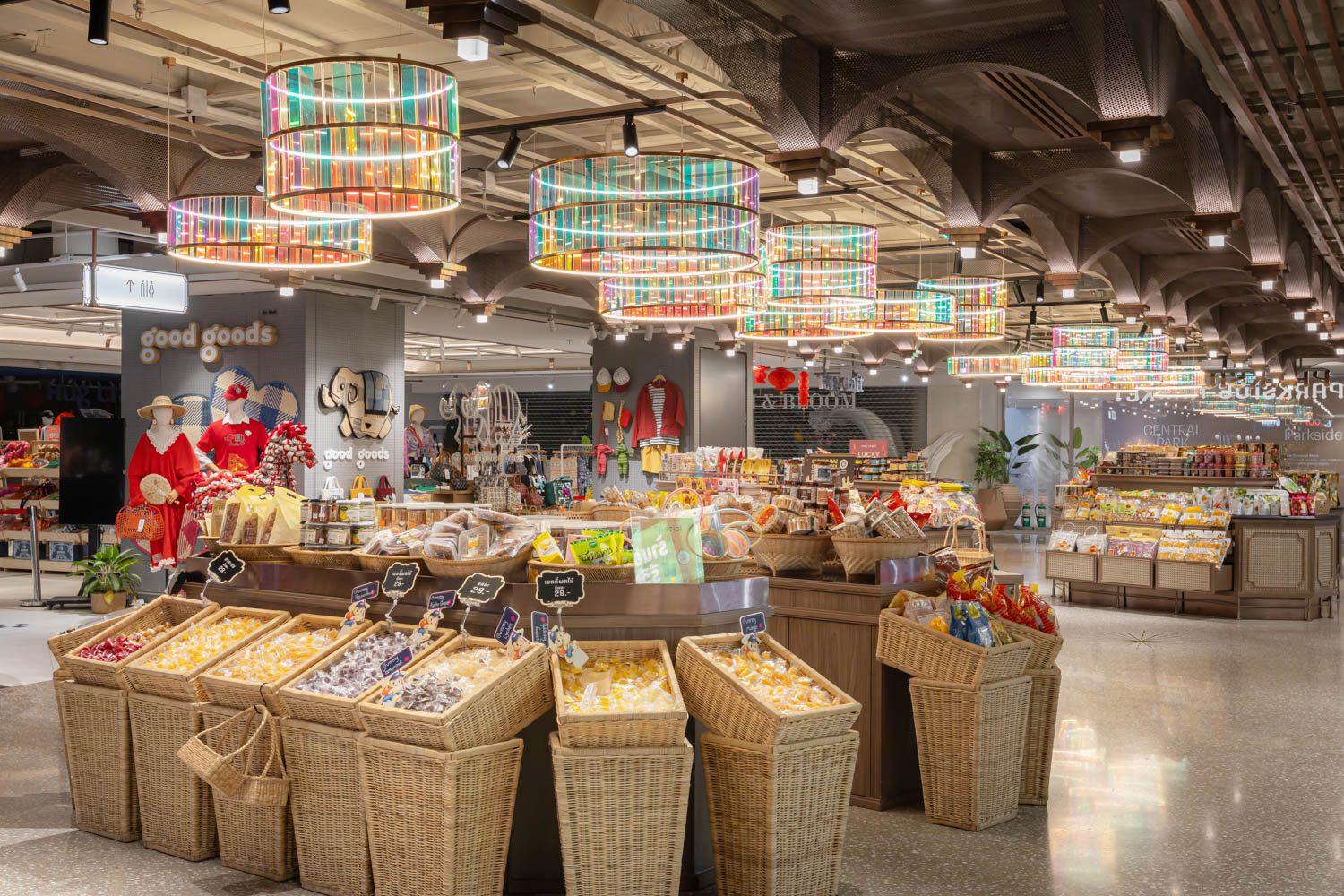
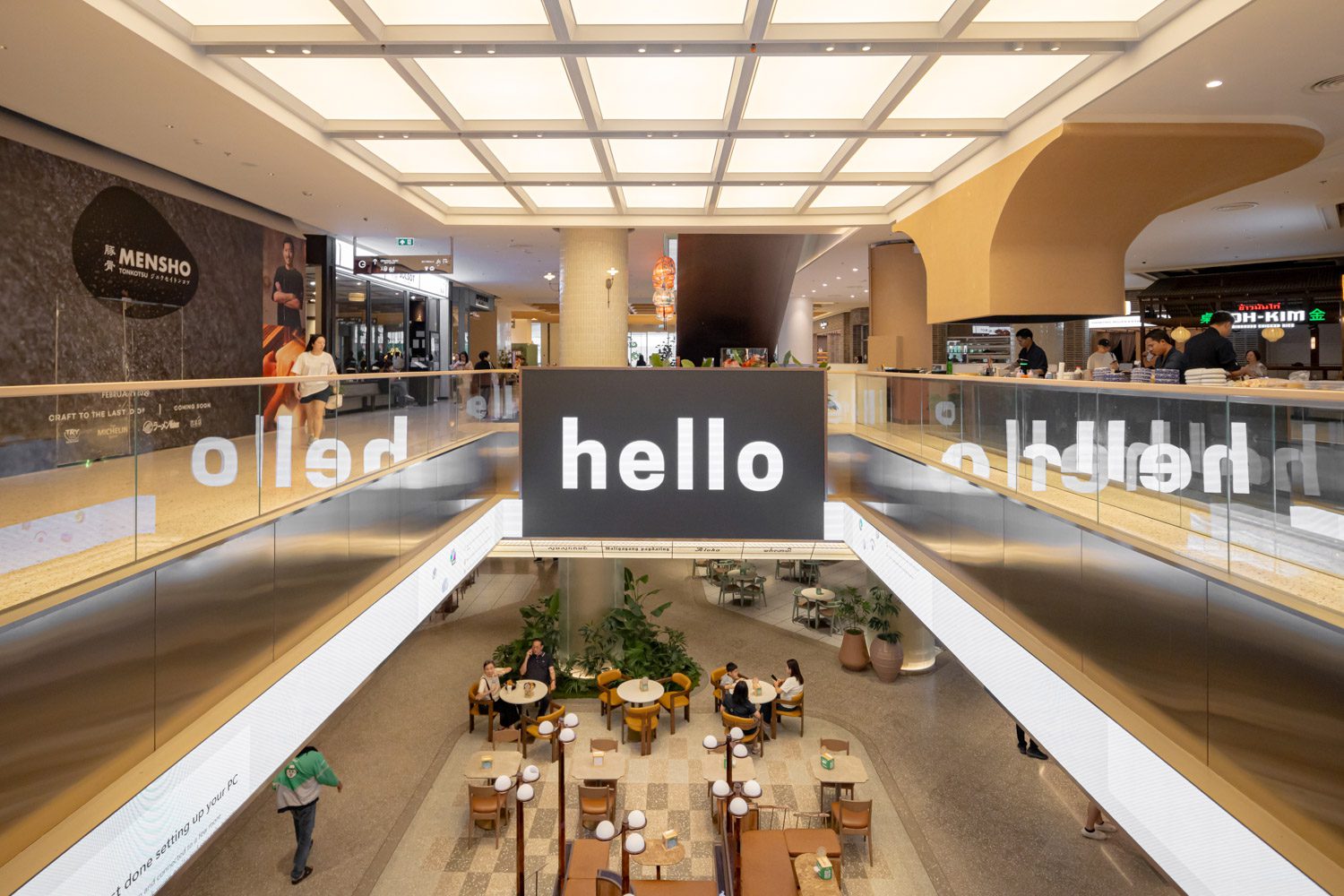
Photo: Ketsiree Wongwan
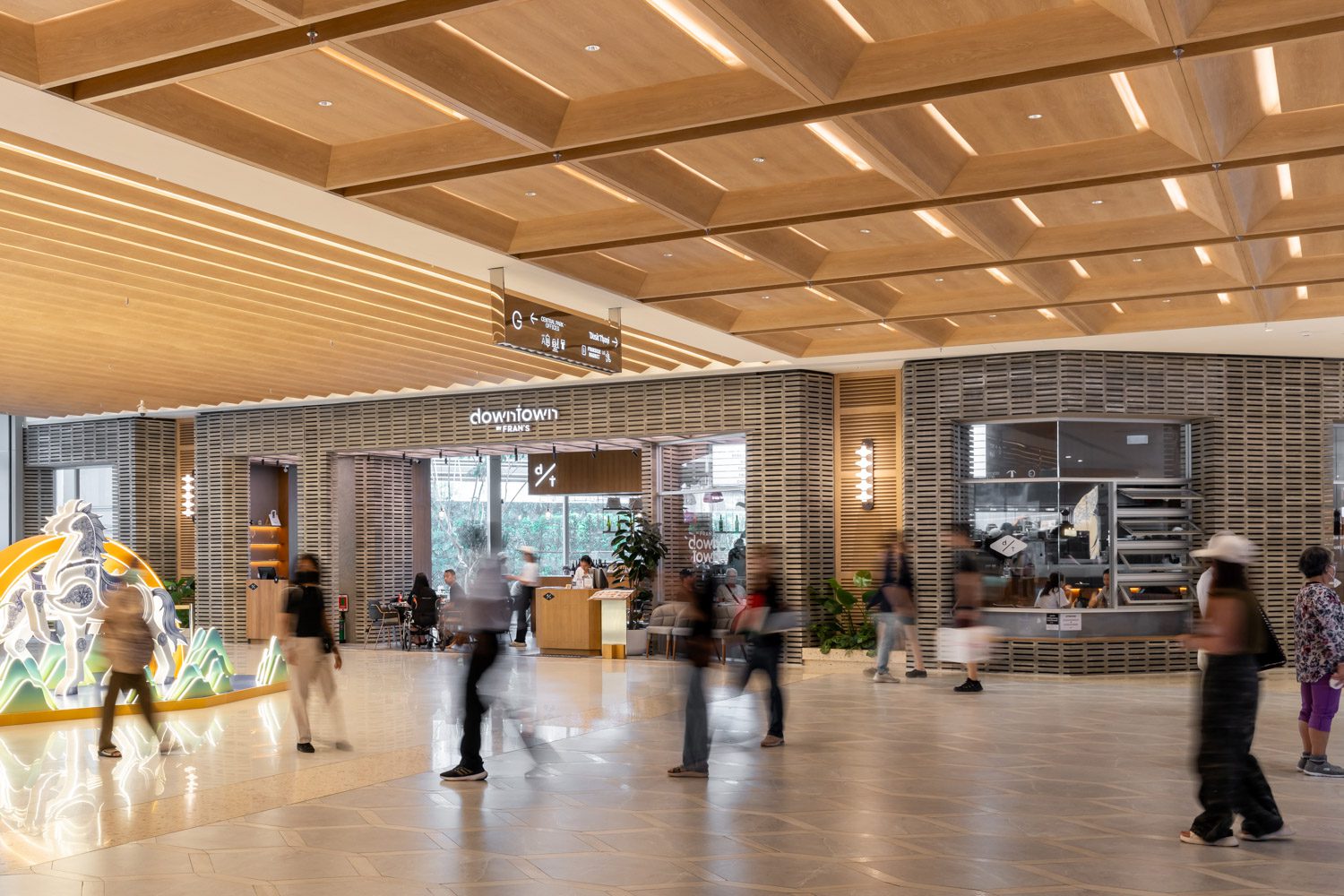
Photo: Ketsiree Wongwan
Central Park Bangkok adopts a further guiding concept, ‘From City to Nature,’ as a mediating framework that connects the retail complex to the adjacent park. The user journey is choreographed as a gradual transition, moving from the intensity of the urban realm at the lower levels toward a quieter, more nature-oriented atmosphere at Dusit Arun. This progression is articulated through the sequencing of retail typologies and interior design strategies. From the LG and G floors, where the Parkside Market and Parkside Food Hall reflect the tempo and density of city life, the experience ascends through Level 1’s About Fashion, Level 2’s Fashion Playground, and Level 3’s Active Energy, where the environment begins to ease into a more relaxed mode of browsing. By the time visitors reach Level 4’s Life Essentials and Level 5’s Parkside Eatery, the pace naturally slows, shaped by retail categories and services that invite longer stays. Dining venues adopt a more formal tone, preparing the transition toward the Roof Park above.
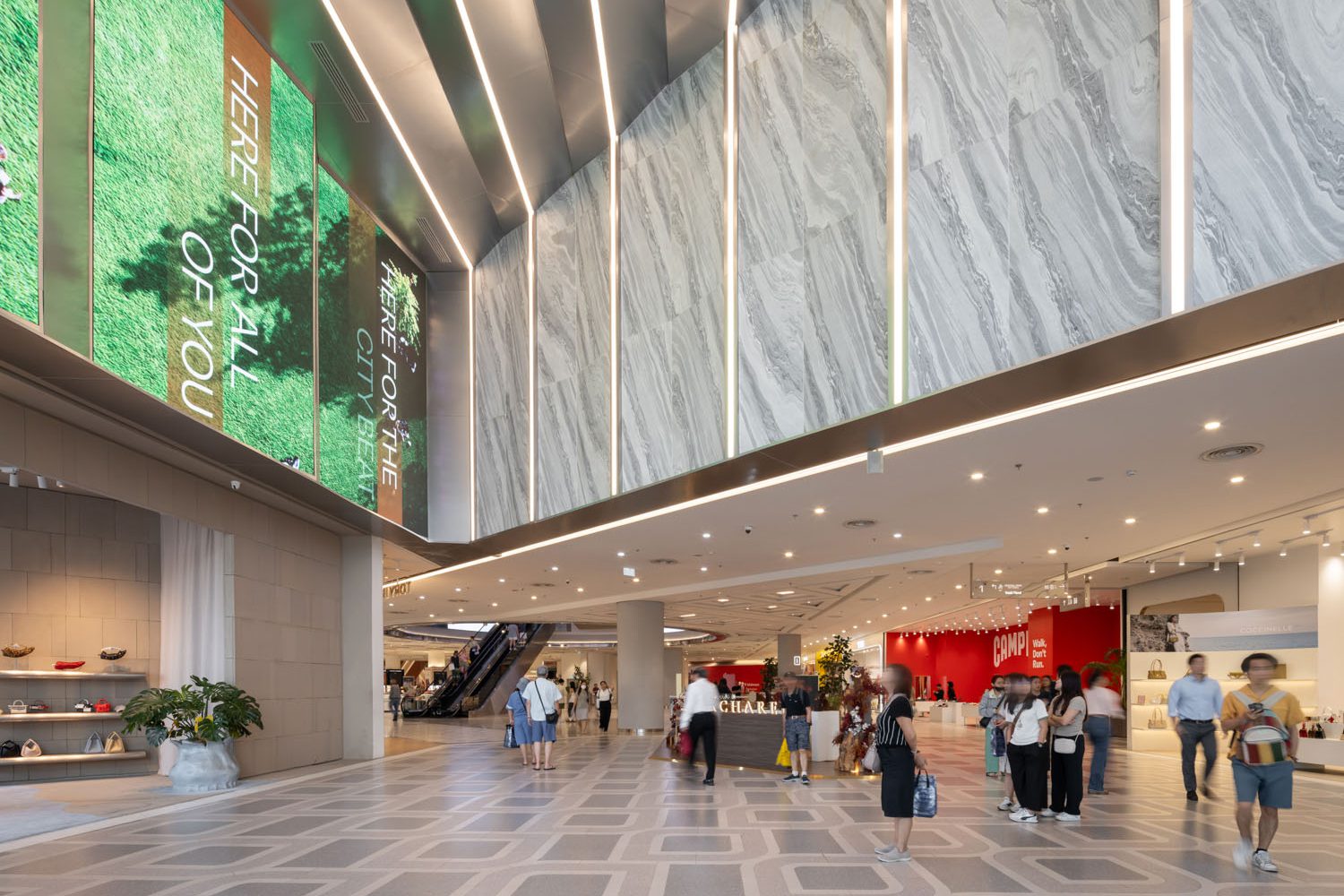
Photo: Ketsiree Wongwan
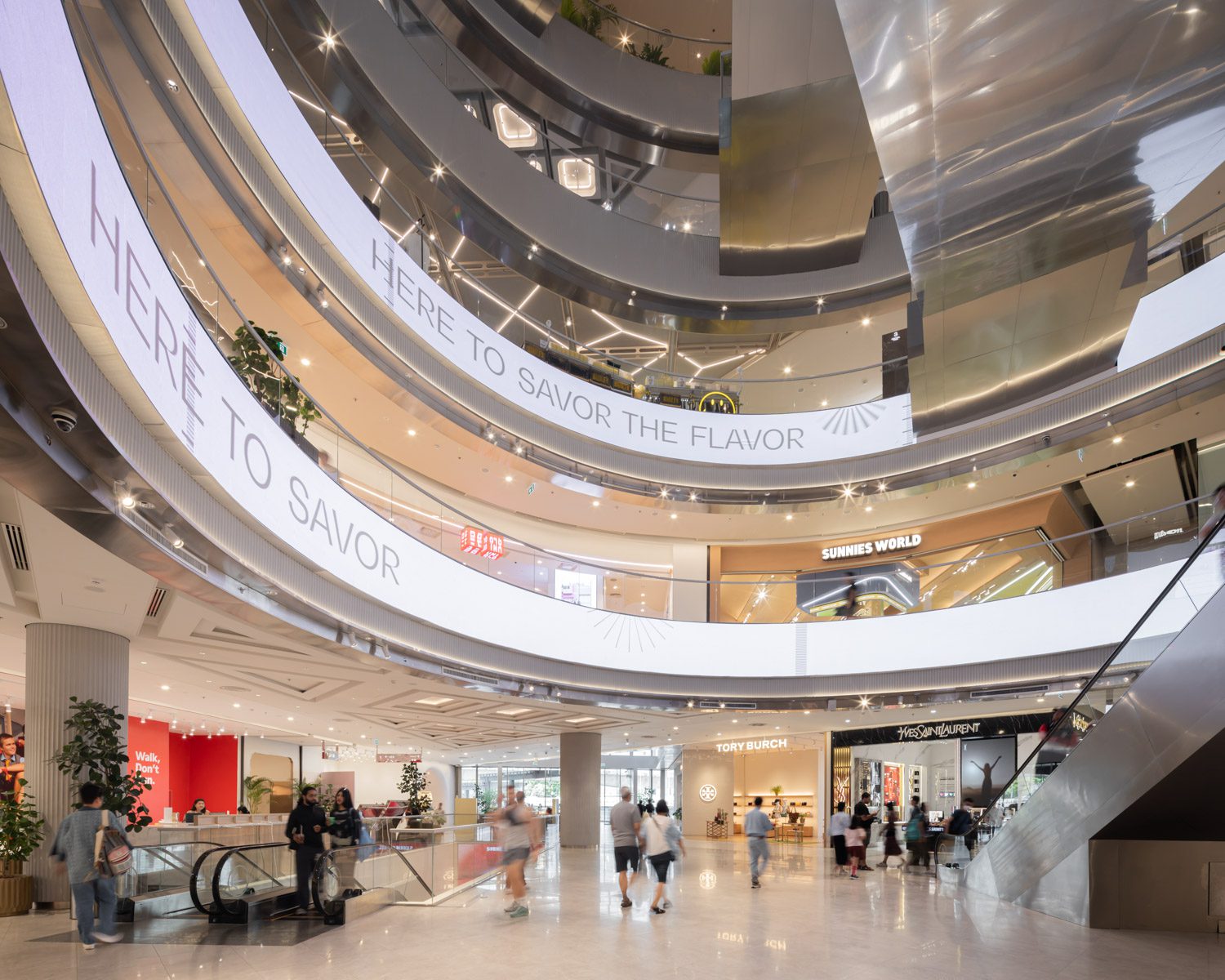
Photo: Ketsiree Wongwan
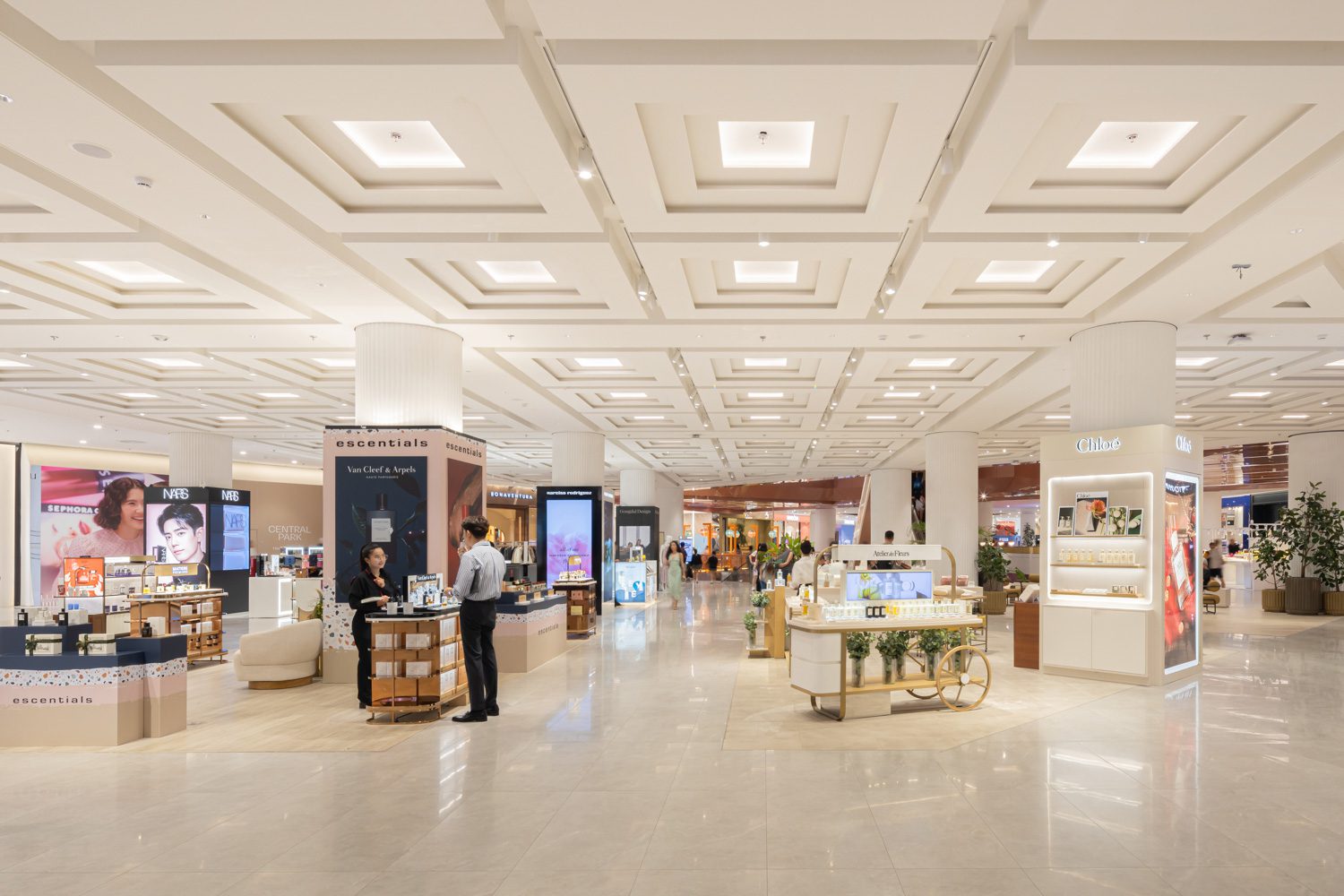 Photo: Ketsiree Wongwan
“We deliberately selected more than 100 species of Thai and native plants, organizing them systematically into five functional groups, ranging from shade provision and carbon absorption to oxygen production, dust filtration, and ecological enhancement,” Juthatham adds. “Layered planting with varied heights not only helps filter airborne particles from PM2.5 to PM10, but also absorbs approximately 11 tons of carbon dioxide per year, equivalent to more than 900 mature trees. This is green space designed to perform, creating long-term value for the city.”
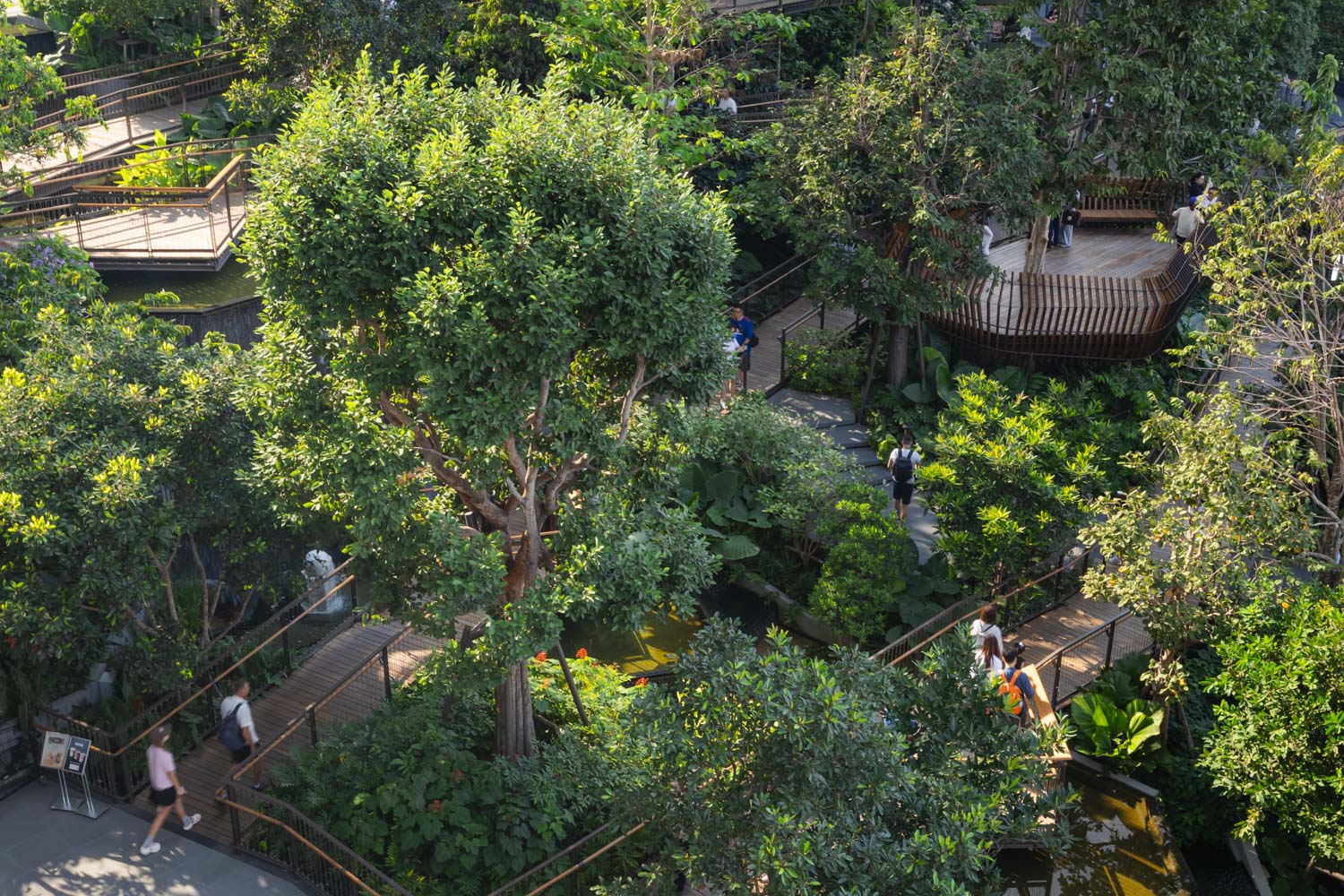
Photo: Ketsiree Wongwan
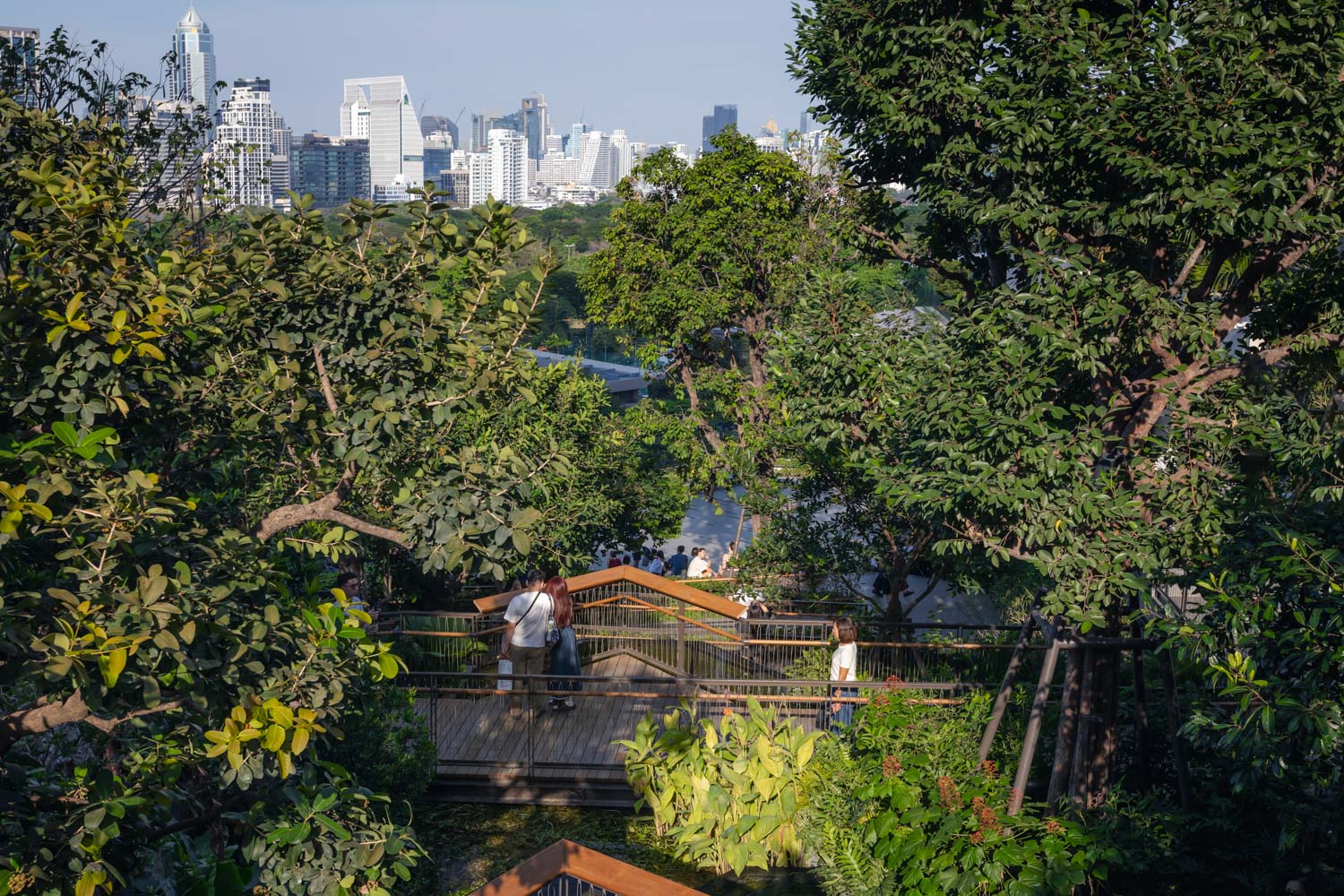
Photo: Ketsiree Wongwan
Returning to the theme of ‘Integration,’ the connection to urban life and the layered character of the Silom district has already been introduced earlier, but its core expression lies in the master planning of Dusit Central Park. The layout is conceived in parallel with the principles of Feng Shui, allowing the natural circulation of energy from wind and water flowing from Lumphini Park. The site is metaphorically understood as a ‘dragon’s embrace,’ and the three vertical components: hotel, residential tower, and office tower, linked by the retail podium, are oriented to align with prevailing winds from the north and east, enabling the beneficial flow of energy to move through the development.
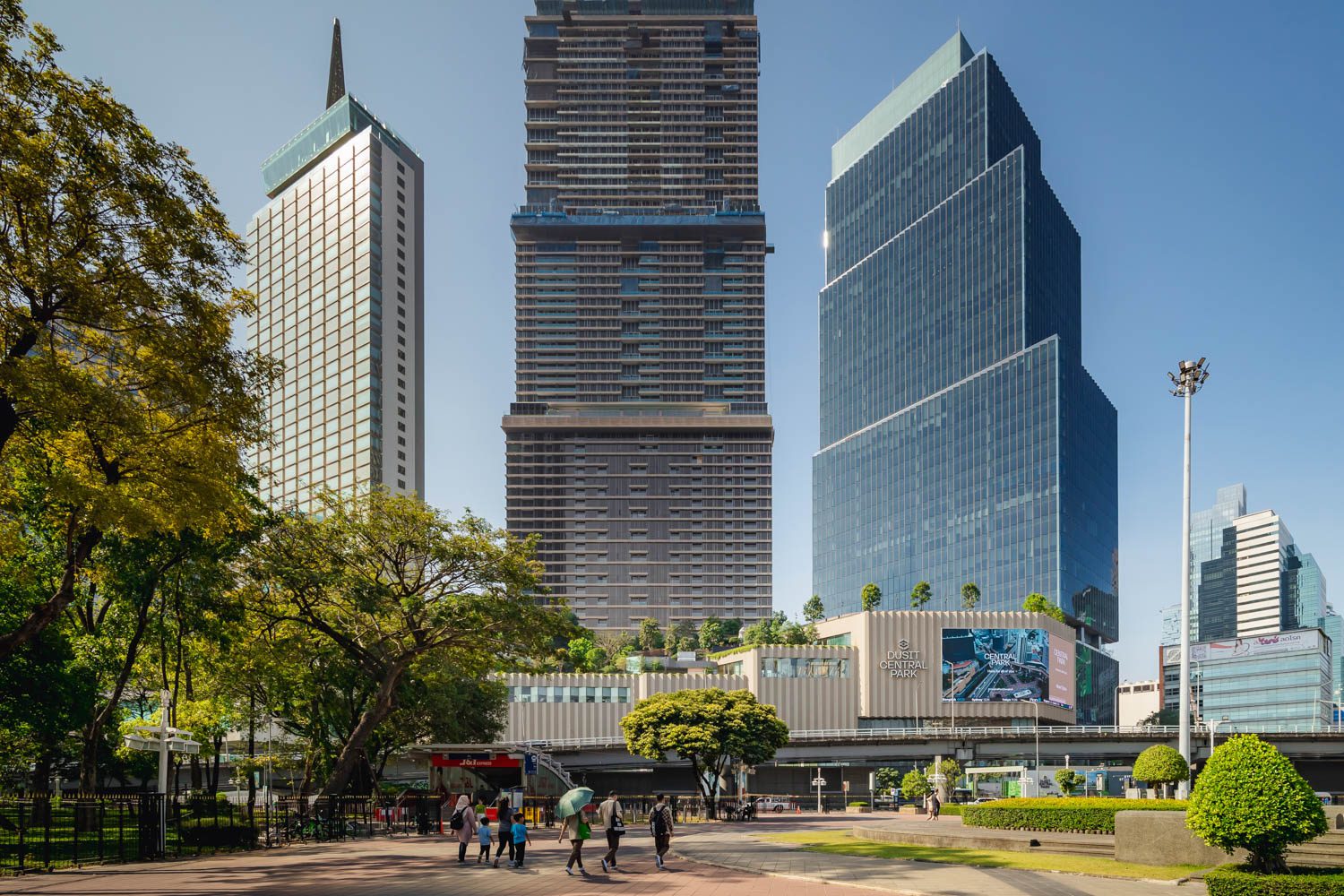
Photo: Ketsiree Wongwan
In another sense, this philosophy is about cultivating spatial balance and ensuring that people feel at ease within the environment. The site, which approximates a right-angled triangular form, is organized so that all primary building axes orient toward Lumphini Park, reinforcing clarity and coherence in circulation. Each component of the buildings is carefully planned internally, with openings precisely positioned to welcome natural light and air while preserving reciprocal views between the buildings. The result is both visual openness and natural ventilation. Seen from the exterior, the project presents a composed and orderly massing, its volumes stepping with measured restraint. This calibrated profile corresponds to the pagoda-inspired form that OMA adopts to articulate a contemporary expression of ‘Thainess,’ while also satisfying setback regulations and urban planning constraints.
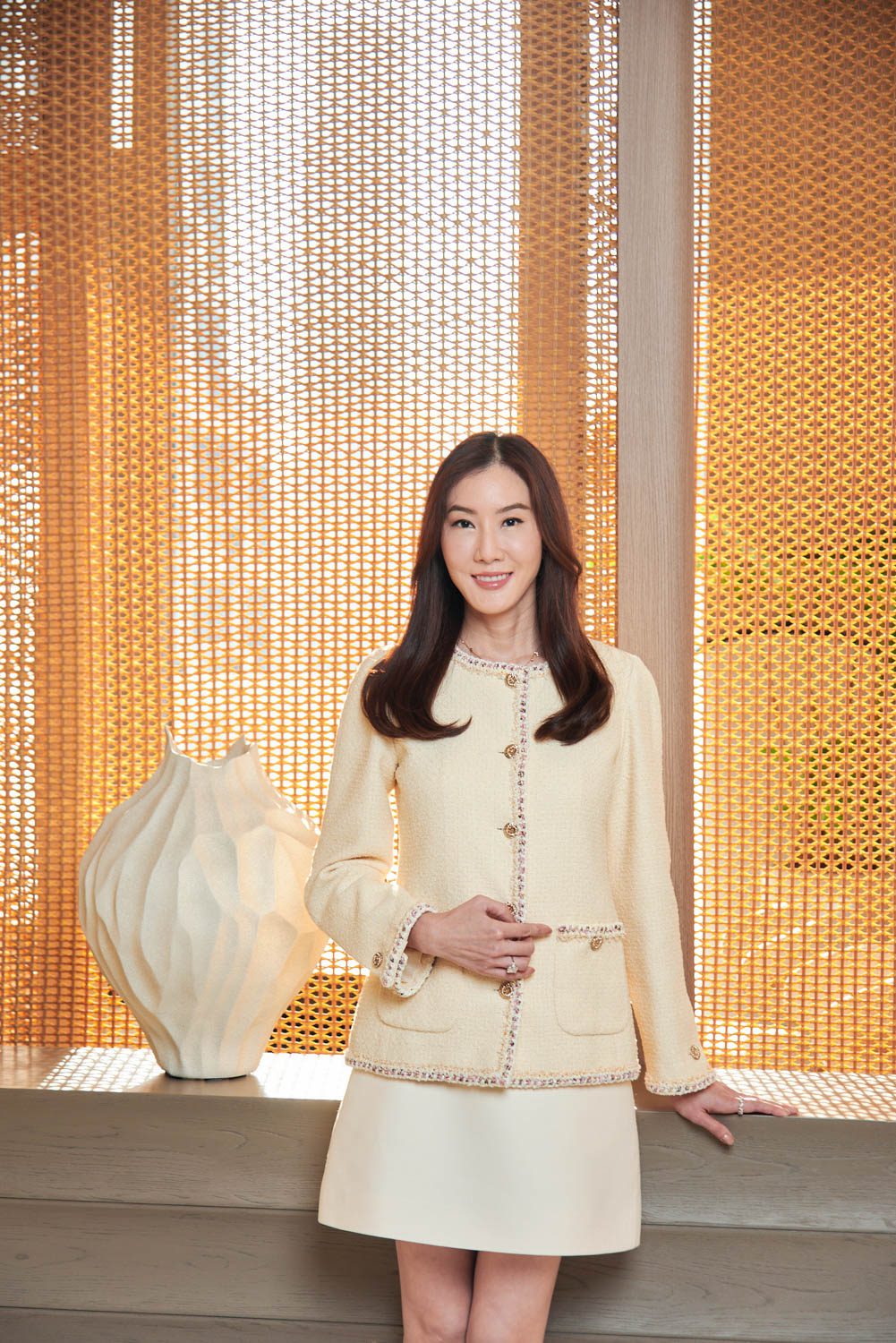
Photo: Worapas Dusadeewijai
“We do not regard Feng Shui as merely a belief system, but as a design principle that fosters a positive sense of well-being through natural forces, through the direction of wind, light, and the surrounding atmosphere. Another point of pride for us is that every component of this project has been designed to connect cohesively. This is not a development that could simply be replicated anywhere; it is a work shaped by the specific context of this site alone.”
“We believe that good architecture is not only about creating new space, but about forging connections between people, functions, and the surrounding district through shared spaces that invite encounter and relationship-building. When a place enables people to truly live together, the city becomes more vibrant and increasingly welcoming in the years to come,” Juthatham concludes.
_
Project credit – Central Park Bangkok (Retail)
Architect 1: OMA
Architect 2: PI Design
Interior Designer 1: LINEHOUSE
Interior Designer 2: Whitespace Partners
Interior Designer 3: PANORAMA DECOR
Interior Designer 4: Begray
Interior Designer 5: IF (Integrated Field)