
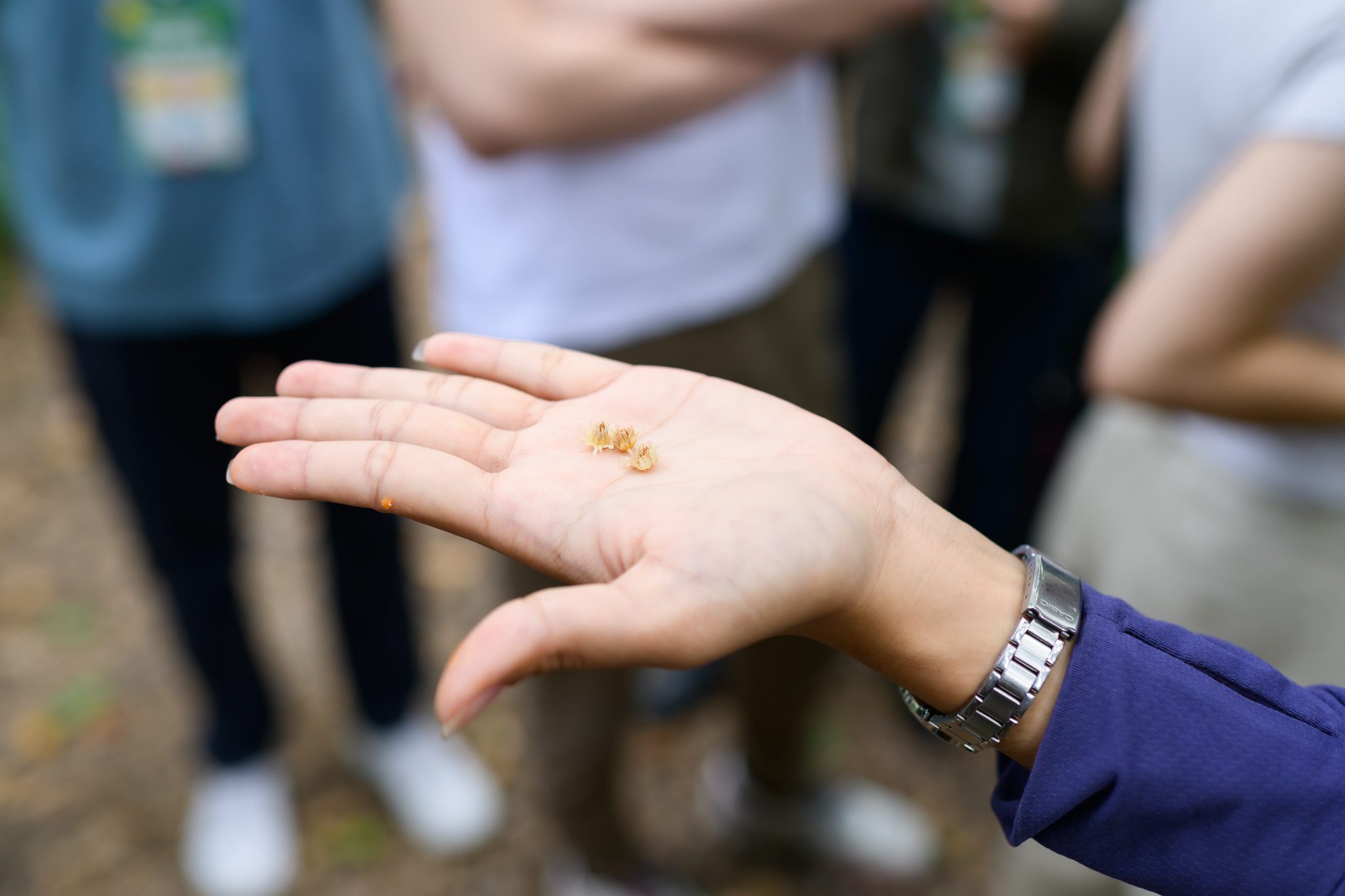
BIOPHILIA IS MORE THAN AN AESTHETIC TREND OR A STRESS-RELIEF TOOL—IT IS A FUNDAMENTAL SURVIVAL STRATEGY FOR THE 21ST CENTURY
TEXT: KITA THAPANAPHANNITIKUL
PHOTO COURTESY OF CHULALONGKORN SCHOOL OF INTEGRATED INNOVATION
(For Thai, press here)
It is hard to deny that an affinity for nature remains deeply embedded in human consciousness. Even in cities, where density, patterns of habitation, and the demands of daily life have pushed people further from the natural world, the desire to reconnect with it persists. People turn to plants for relief, to water for calm, and to mountains for a sense of belonging to something larger than themselves. As the need to rely on nature once again becomes increasingly apparent, one possible answer has gathered around a term now widely circulated in design discourse: Biophilic Design. In its simplest sense, it proposes bringing nature back into close contact with human life, allowing us to recover benefits that modern life has long obscured.
Amid the pressures of contemporary life, Biophilic Design has come to be understood as a form of refuge, a way for architecture and design to offer release from the stress of everyday life. Greenery introduced into buildings, water elements that temper the atmosphere, and materials that evoke natural qualities all contribute to turning built environments into places of rest and recovery. Such spaces can support relaxation, mental well-being, the easing of anxiety, and the restoration of energy. Architecture and design that begin from nature have therefore entered the mainstream almost by default, from high-rises with integrated green areas to timber houses.
Yet the central point of Biophilic Design, and the one designers often overlook, is that biophilia is not an ‘aesthetic mode.’ It is a way of thinking about nature. The term derives from two ancient Greek roots: bios, meaning life, and philia, meaning love. Taken together, biophilia may be understood, in broad terms, as a ‘love of life,’ referring to the fundamental human impulse toward the natural world. This leads to a more consequential question: what kind of understanding of nature does such love produce?
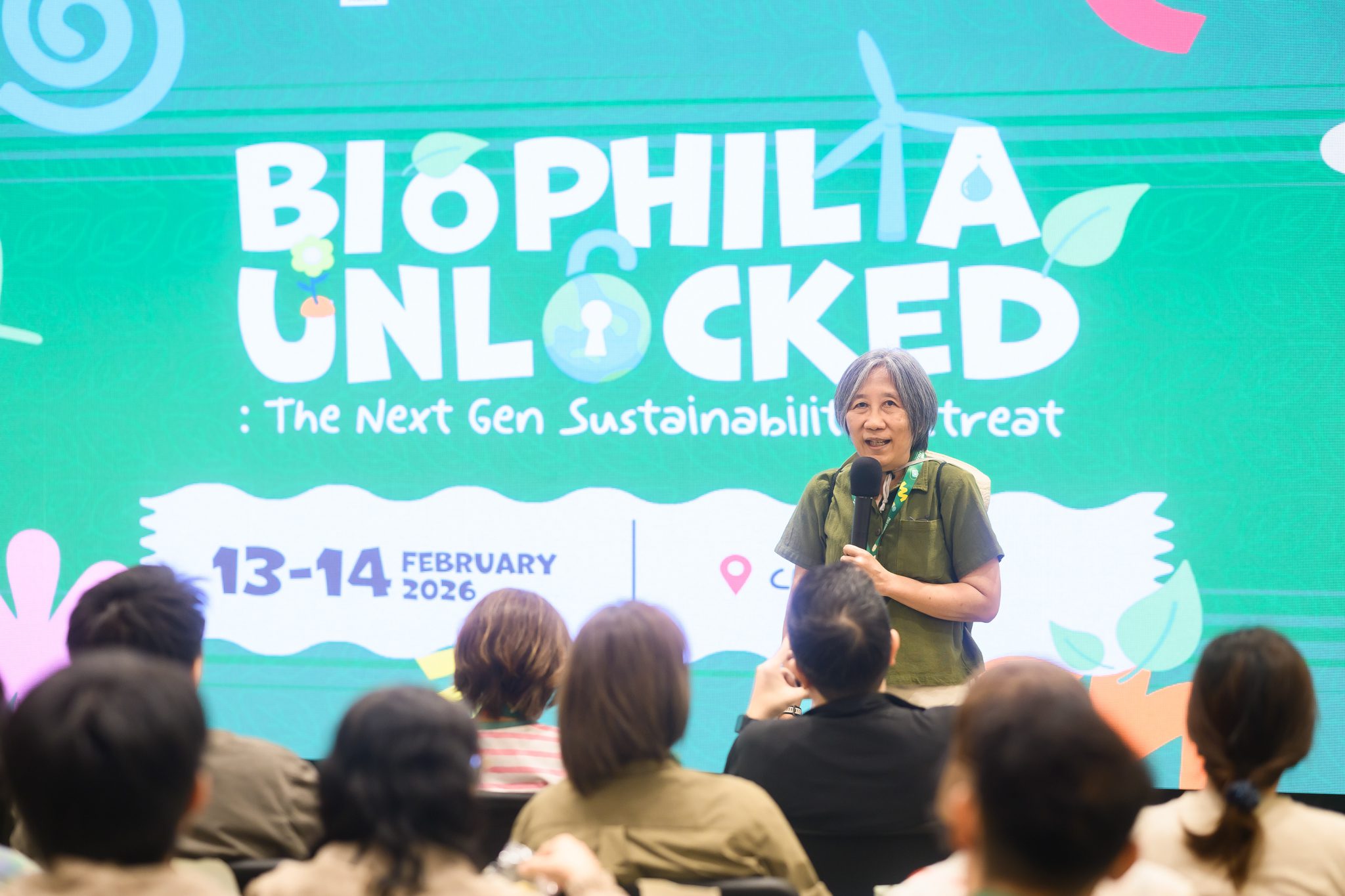
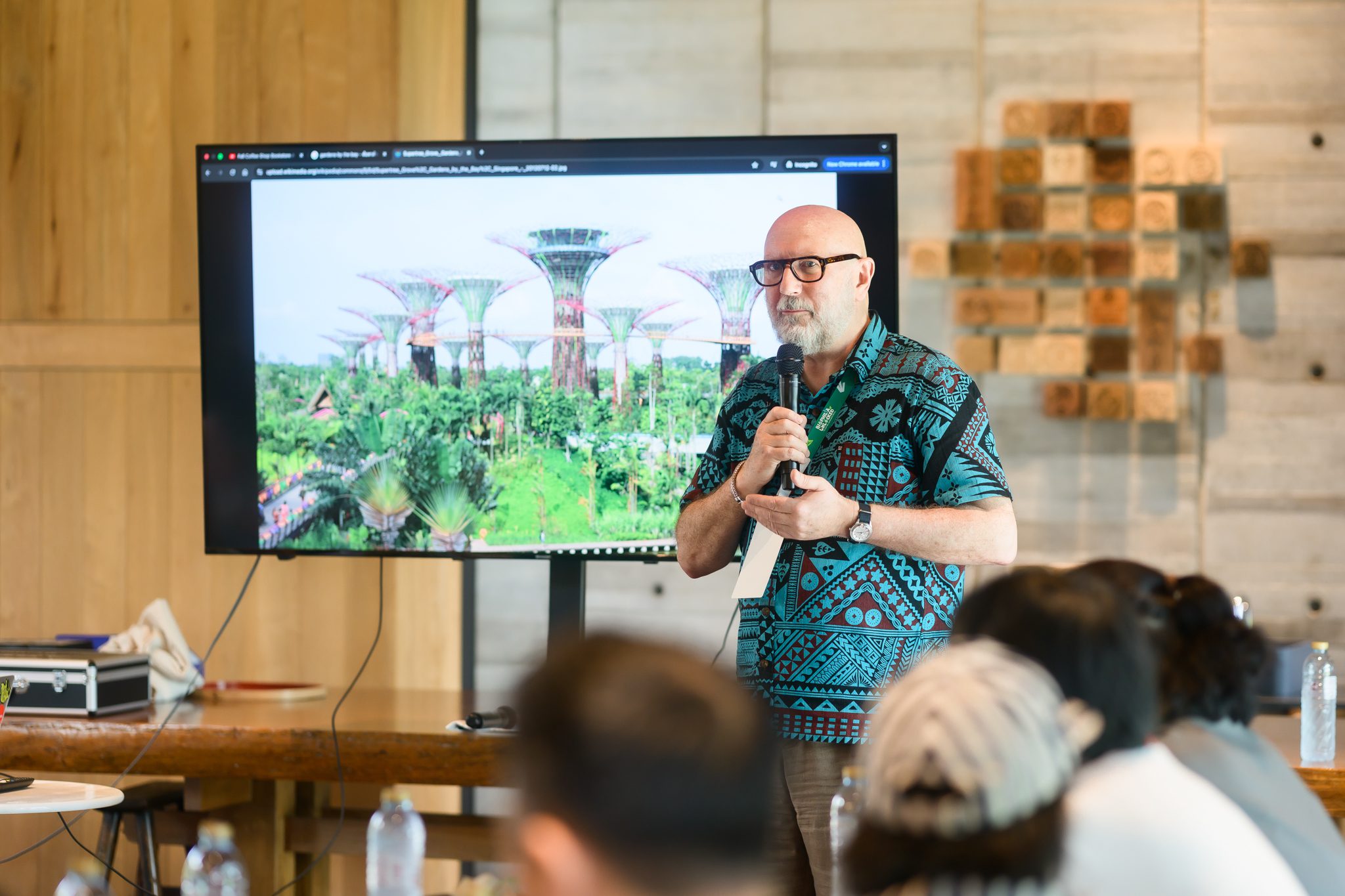
On 13–14 February 2026, Healthy Landscape and Biophilic Planning (HeaL BiP), a research unit under the Department of Landscape Architecture, Faculty of Architecture, Chulalongkorn University, together with the Chulalongkorn School of Integrated Innovation (CSII), organized ‘Biophilia Unlocked’[1]. The project invited those interested in landscape architecture, design, the environment, and related questions, as well as members of the public, to examine issues of design and ecology through a field trip in Chachoengsao. Across four sites in the province, the program asked how human perceptions of nature are shaped through buildings, culture, and history. The field trip also included Andrew Grant, founder of the landscape architecture studio Grant Associates and designer of Gardens by the Bay, who joined as a special guest and contributed to the exchange of perspectives throughout the program.
For the field trip, the organizers invited participants to examine biophilic design through the framework of four ‘biophilic development archetypes’: 1. industrial and economic areas; 2. tourism, learning, and recreational areas; 3. institutional, corporate, residential, and community areas; and 4. infrastructure and megastructure development. Each archetype carries a different set of functional objectives. As a result, the design strategies and the role the environment plays also vary according to the purpose of each project. An industrial archetype, for instance, might raise questions of environmental responsibility by considering how ecological factors can become a basis for improving workers’ quality of life, creating a more supportive workplace and, in turn, contributing to greater productivity.
The important point is that while Biophilic Design is often associated with designers, particularly architects, Biophilic Development offers a broader framework. It extends across multiple fields and forms of expertise, from academics, architects, and engineers to members of the public. Equally important, these archetypes are not fixed models that determine how each site should be designed or studied. They are better understood as a framework for reading the specific conditions that surround a place, allowing for a more flexible and varied approach to development. Put simply, the archetype is a way of looking at the environmental context of a site, one that requires the specific conditions of each setting to inform the course of future development. Its aim is to establish a more holistic relationship between development, human life, and nature within a given place.
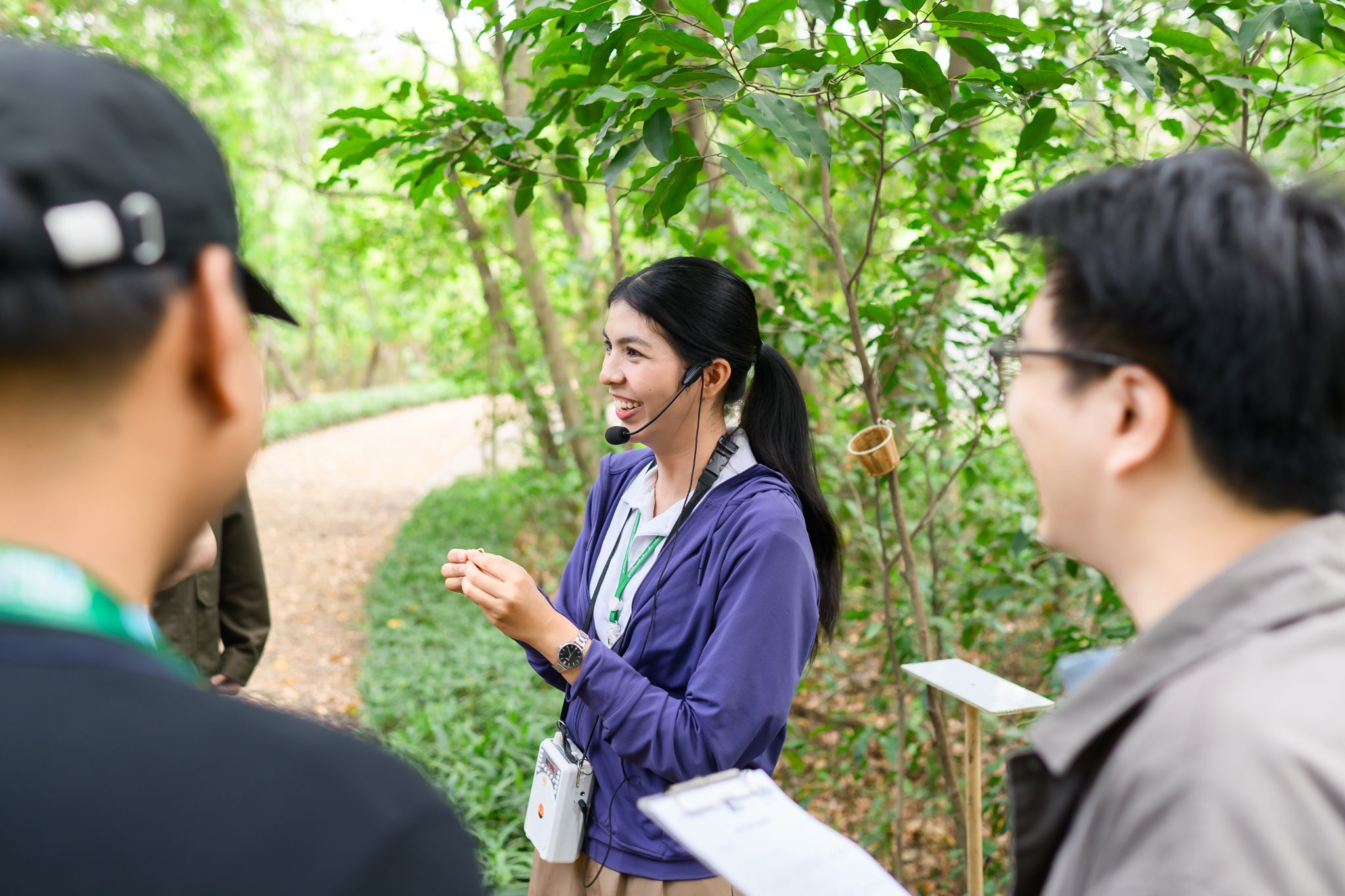
The field trip began at Cheewa Panavet, the Toyota Biodiversity and Sustainability Learning Center at Toyota’s Ban Pho plant in Chachoengsao. The project stands as an example of the industrial and commercial archetype, where nature operates at a larger scale, supporting both the potential of the area and the quality of life of its users. Beyond gardens conceived for recreation or visual amenity, Cheewa Panavet focuses on the cultivation of an Eco-Forest based on the theory of Professor Dr. Akira Miyawaki. His method seeks to accelerate ecological restoration toward the condition of a ‘natural forest,’ through processes such as the selection of native species and the propagation of seedlings from seeds. Cheewa Panavet, then, is not simply a place with trees. It has become a habitat for other forms of life, including birds, bees, and fish, with more than 780 species recorded in total. It also functions as a learning center, drawing people into closer contact with the natural world. Most notably, the project has been further developed as a biotope, recreating three types of habitat within its grounds: evergreen forest planting, mixed deciduous forest planting, and wetland habitat.
For the second stop, Baan Bangpakong, the field trip turned to the archetype of tourism, learning, and recreation. The project is a villa development adapted from a family-owned residential property, repositioning the land as a place for travel and retreat. Its defining condition is its location beside a mangrove forest on the Bang Pakong River, where the constant rise and fall of the water make the river’s dynamics visibly present. Each unit is designed to bring visitors into close contact with the surrounding environment, through elements such as bridge-like circulation paths and terraces that allow guests to lower their feet into the water. These gestures offer an important point of departure for a larger question: are such experiences sufficient for a project to be considered ecotourism? If not, how might people take pleasure in nature while also becoming more aware of ecological relationships that extend beyond human satisfaction? The project also raises the question of how easily natural capital can be turned into a commodity, valued primarily for its capacity to serve human comfort and consumption.
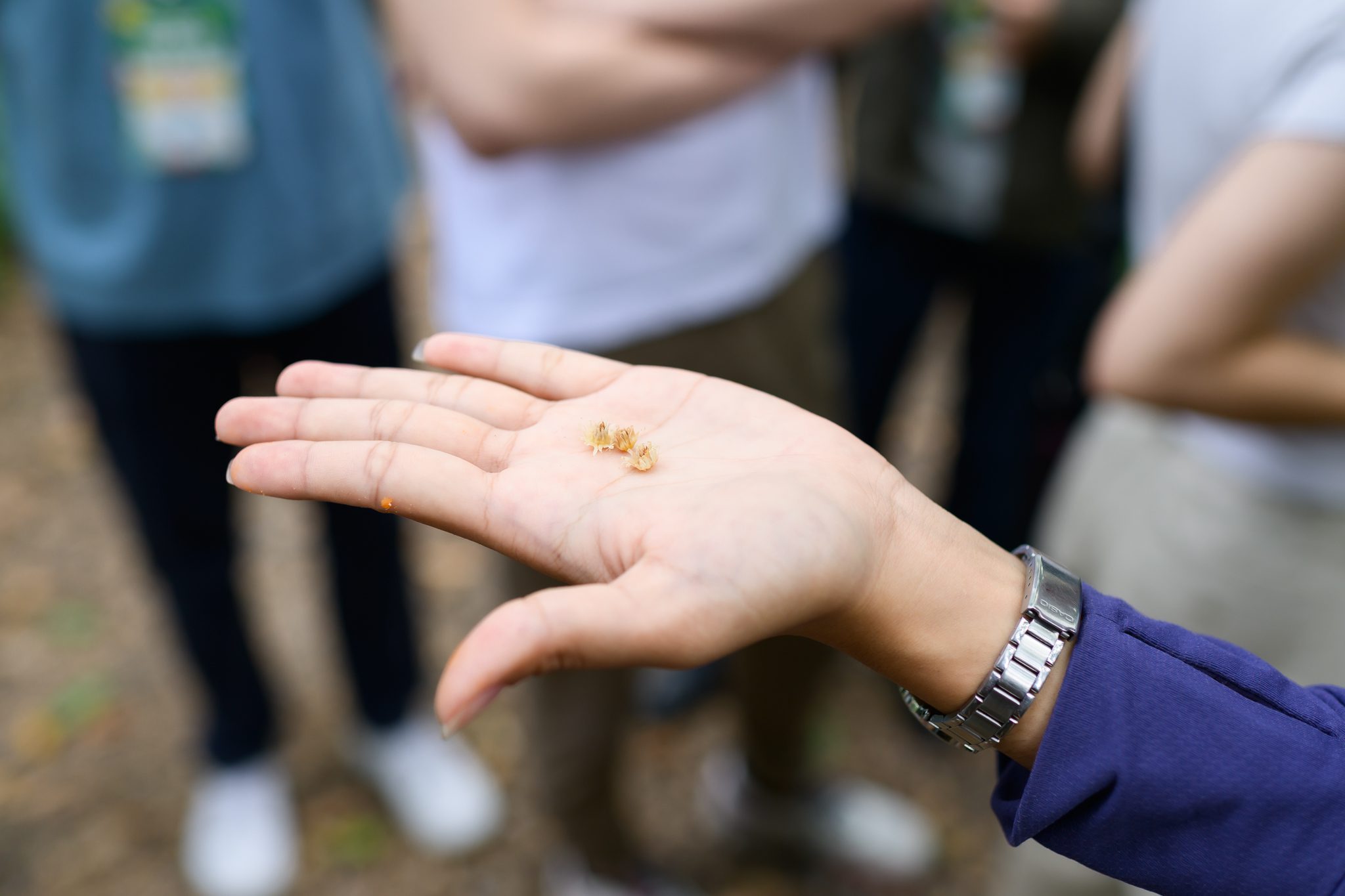
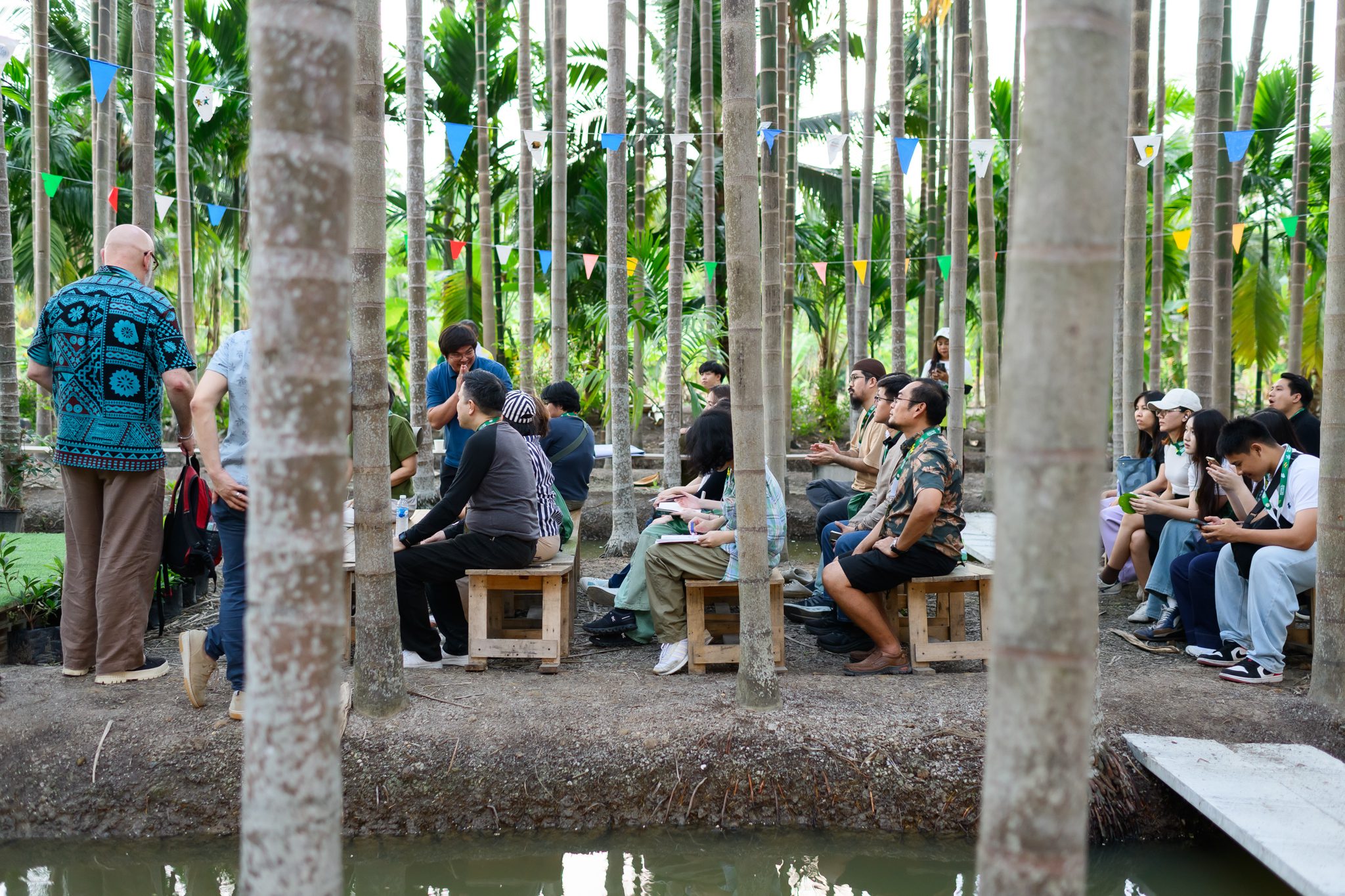
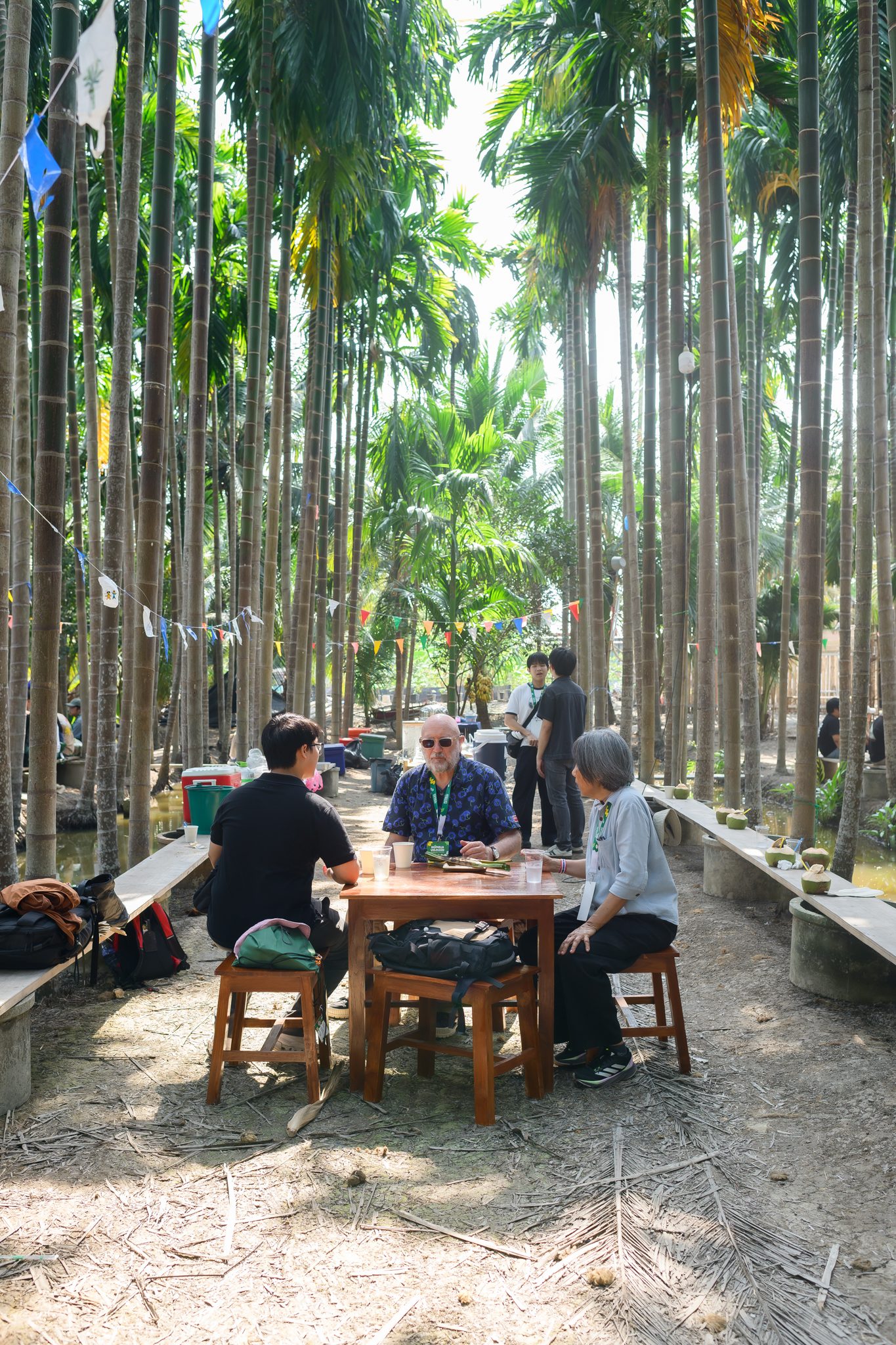
Nearby, the field trip continued to the third archetype, residential and community areas, through a visit to the orchard community of Ban Khlong Chuk Krachoe. Here, participants encountered the raised-bed orchard system developed in response to agriculture within a “three-water ecology.” Local residents dig narrow channels to retain freshwater for cultivation throughout the year, even during periods when the Bang Pakong River turns saline or brackish. These channels also sustain a distinct micro-ecology that forms part of the agricultural system itself. Palm-family plants such as coconut trees are grown along the banks not only for the fruit that can be harvested when it falls into the water, but also for their roots, which help hold the embankments in place, and for the trees’ high demand for water. Even the coconut husks that fall into the channels become surfaces to which freshwater snails can attach. This form of land management, shaped by a way of life closely attuned to its environment, recalls Julia Watson’s concept of Lo–TEK, which invites us to reconsider inherited knowledge as a possible technology for the future, especially in an era when environmental challenges can no longer be kept at a distance.
Following this line of inquiry, the field trip arrived at its final archetype: infrastructure and megastructure development. Here, the organizers chose to take participants to what might seem to be the clearest contradiction of any “love of nature”: the Bang Pakong Diversion Dam. Built in 1996, under the supervision of the Royal Irrigation Department, the dam emerged from a state-led rationale that, during the dry season, rising seawater would flow back into the Bang Pakong River, reducing freshwater levels and damaging agriculture in the surrounding area. In practice, however, the Bang Pakong Dam has created extensive ecological and economic problems for the river. It changed water flows, caused sudden erosion along the banks, and altered the growing conditions for certain economic crops, such as mangoes, which require a measured degree of brackish water to develop their desired flavor (for those interested in the issue in greater depth, further reading can be found in ‘Bang Pakong Diversion Dam: A Failure in Water Management).’ Taken together, these consequences point to a project designed without an adequate understanding of the area as a whole, whether in environmental, cultural, or economic terms. Some accounts also suggest that the project proceeded without meaningful consultation with the communities directly affected by it.
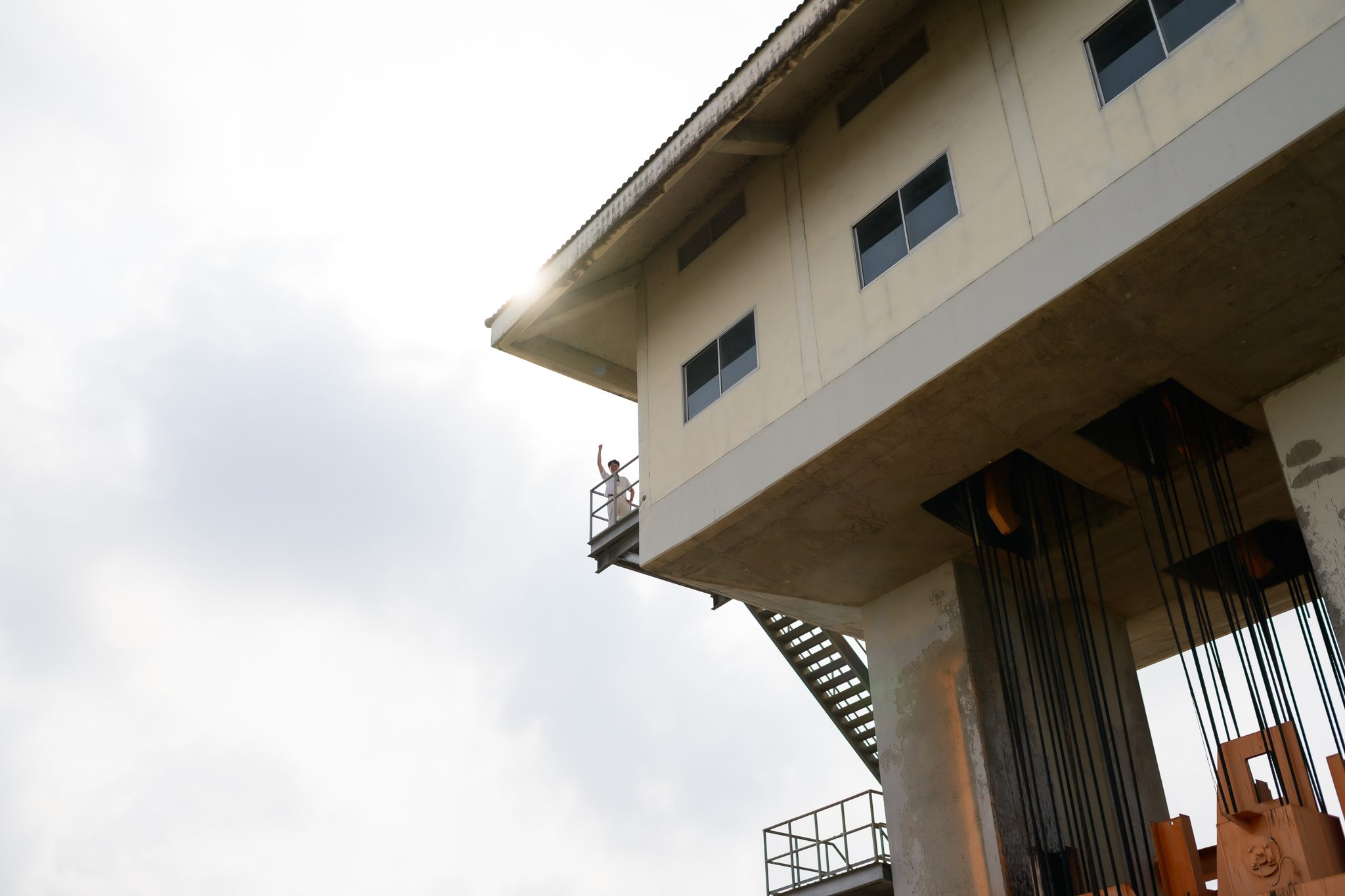
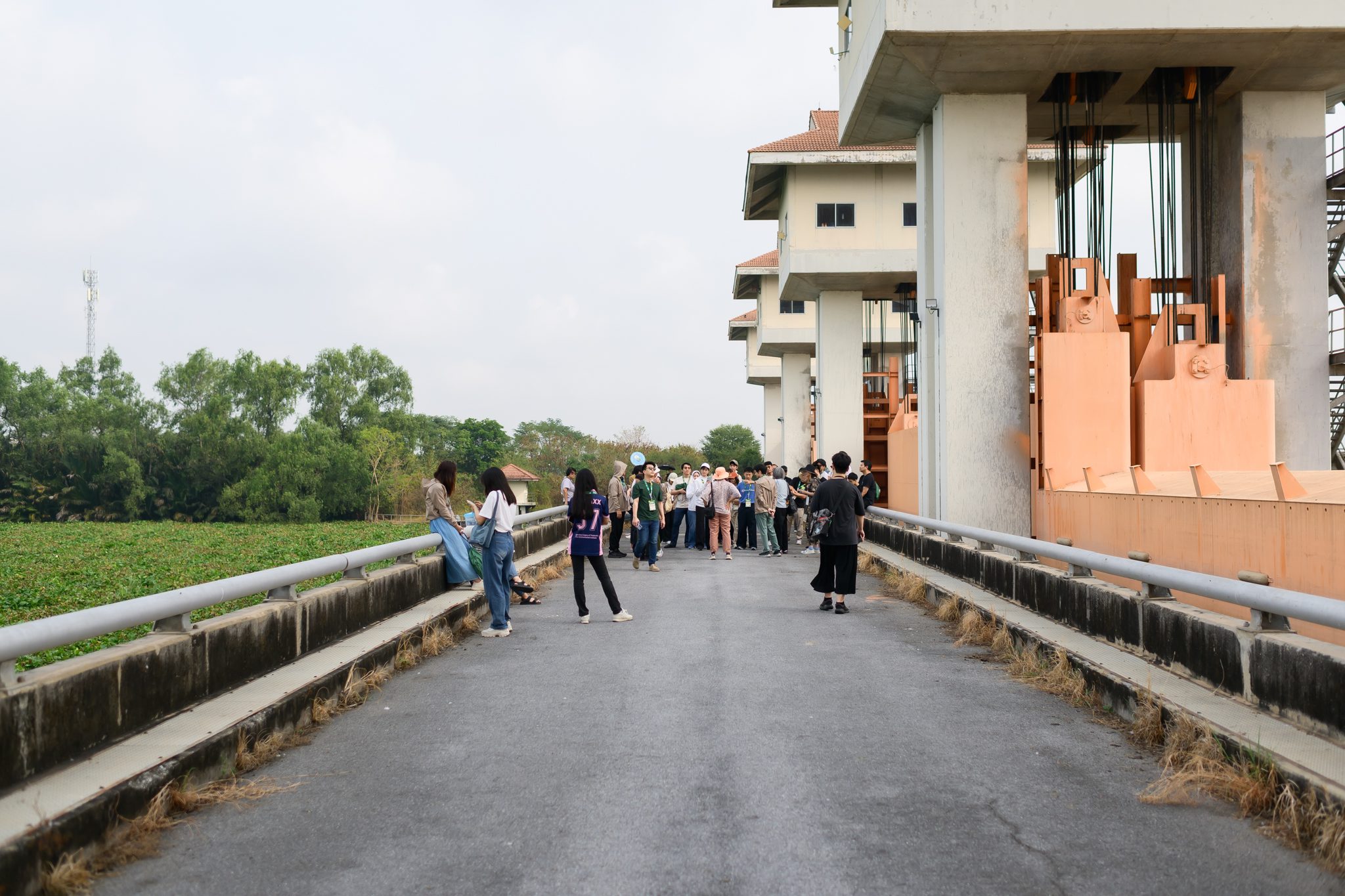
On the day of the field trip, the Bang Pakong Diversion Dam seemed to stand in tacit admission of its own failure: a 5-billion-baht infrastructure project no longer able to fulfill the purpose for which it was built. Its role has since been reduced to that of a tourist site, while its floodgates are opened only partially, mainly to trap water hyacinths drifting across the river’s surface. It cannot be demolished, yet it cannot serve its original purpose. What remains is a structure left standing as evidence of an attempt to control nature without first understanding the complex relationships that sustain it, leaving consequences that are difficult to repair, and perhaps impossible to reverse.
“In the twenty-first century, amid an environment and a world defined by mounting challenges, the fundamental question for all of us is: ‘How are we going to live?’ and ‘What kind of life do we want to lead?’ The direction we choose matters, because for far too long our ways of life have been shaped by external forces, from economic pressures and political systems to the many assumptions that govern how we live, producing a world that is no longer sustainable. The question of ‘how we live’ is therefore the most basic and urgent question of all.”
These were the words Andrew Grant left with the participants before the trip came to an end. Ultimately, Biophilia Unlocked was not solely concerned with the affirmative image of nature, or with the familiar argument that nature benefits human beings and should therefore be brought closer to them. Instead, it returned to a more pressing question: how are we to live with nature? It is a question that requires both understanding and awareness, especially at a moment when the condition of the environment has reached an unprecedented state of crisis. And while such issues may seem too large, too distant, or too removed from individual action, Grant’s final proposition brings them back to the scale of choice: the future is not merely something that awaits us, but it is something we can choose, beginning today.
“We all have a responsibility to carry this forward, because it is not something that will simply be handed to us. It requires a tremendous groundswell of interest, commitment, and conviction to create a world more closely aligned with nature, and to allow us to become ‘creatures’ once again, as beings within the natural world.”
_
1 Biophilia Unlocked builds on the research project “Biophilic Development Prototype: A Paradigm Shift toward the Harmonization of Objective Landscape and Reconciled Society,” supported by the first-year Distinguished Research Professor Grant from the National Research Council of Thailand.