
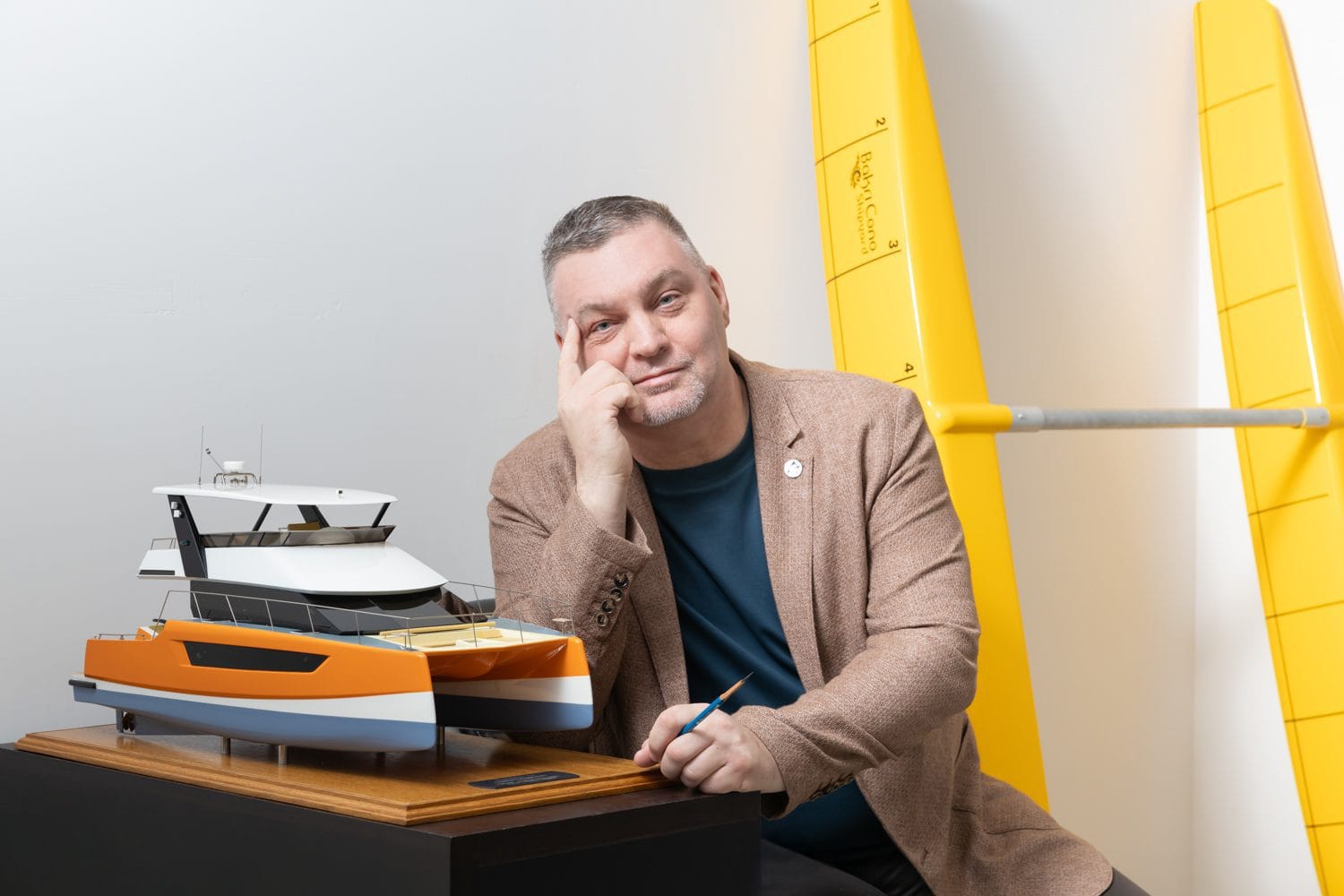
 Photo: Ketsiree Wongwan
 AN INTERVIEW WITH ALBERT NAZAROV, FOUNDER OF ALBATROSS MARINE DESIGN (AMD), A THAILAND-BASED MARINE DESIGN OFFICE, ABOUT THE BOAT DESIGN PROCESS THAT INTEGRATES ENGINEERING, AESTHETICS, AND SAFETY TO INTERNATIONAL STANDARDS
TEXT: NATHATAI TANGCHADAKORN
PHOTO CREDIT AS NOTED
(For Thai, press here)
This time, art4d will lead you to dive into another branch of design, naval architecture, by talking with Albert Nazarov; the founder of Albatross Marine Design (AMD), a Thailand-based marine design office. He graduated with a degree in Naval Architecture from the Faculty of Marine Technology and Shipping at the Sevastopol National Technical University and received his Ph.D. at the Odessa Maritime Academy in subject of sailing craft controllability and performance in 2004.
The intriguing nature of ship design lies in its conceptual framework, meticulous details, and material selection, which blur the lines between architectural and product design. Yet, despite the differences, they share similar processes. Explore the AMD approach to marine design and discover the diverse range of naval architecture in this article.
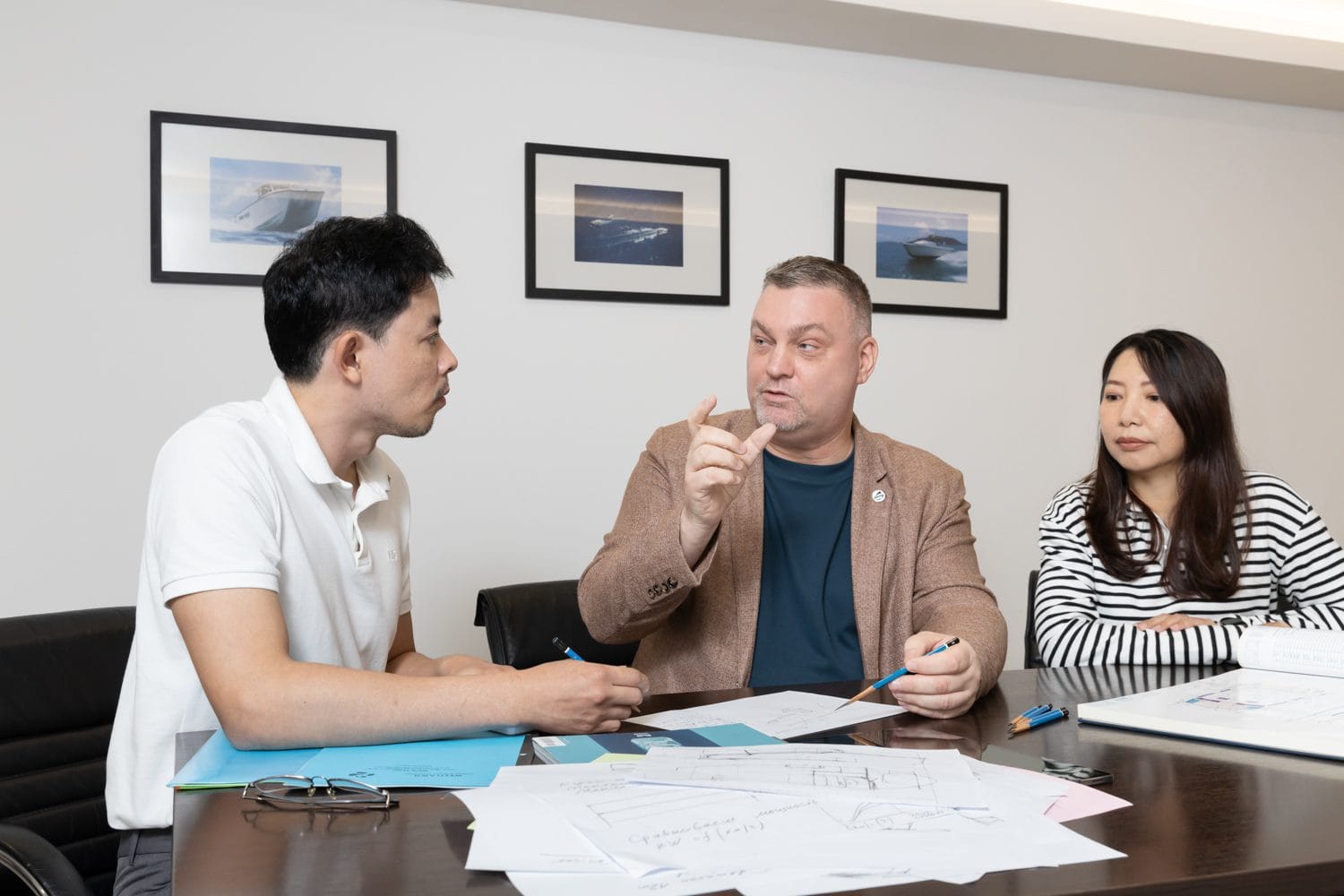
Photo: Ketsiree Wongwan
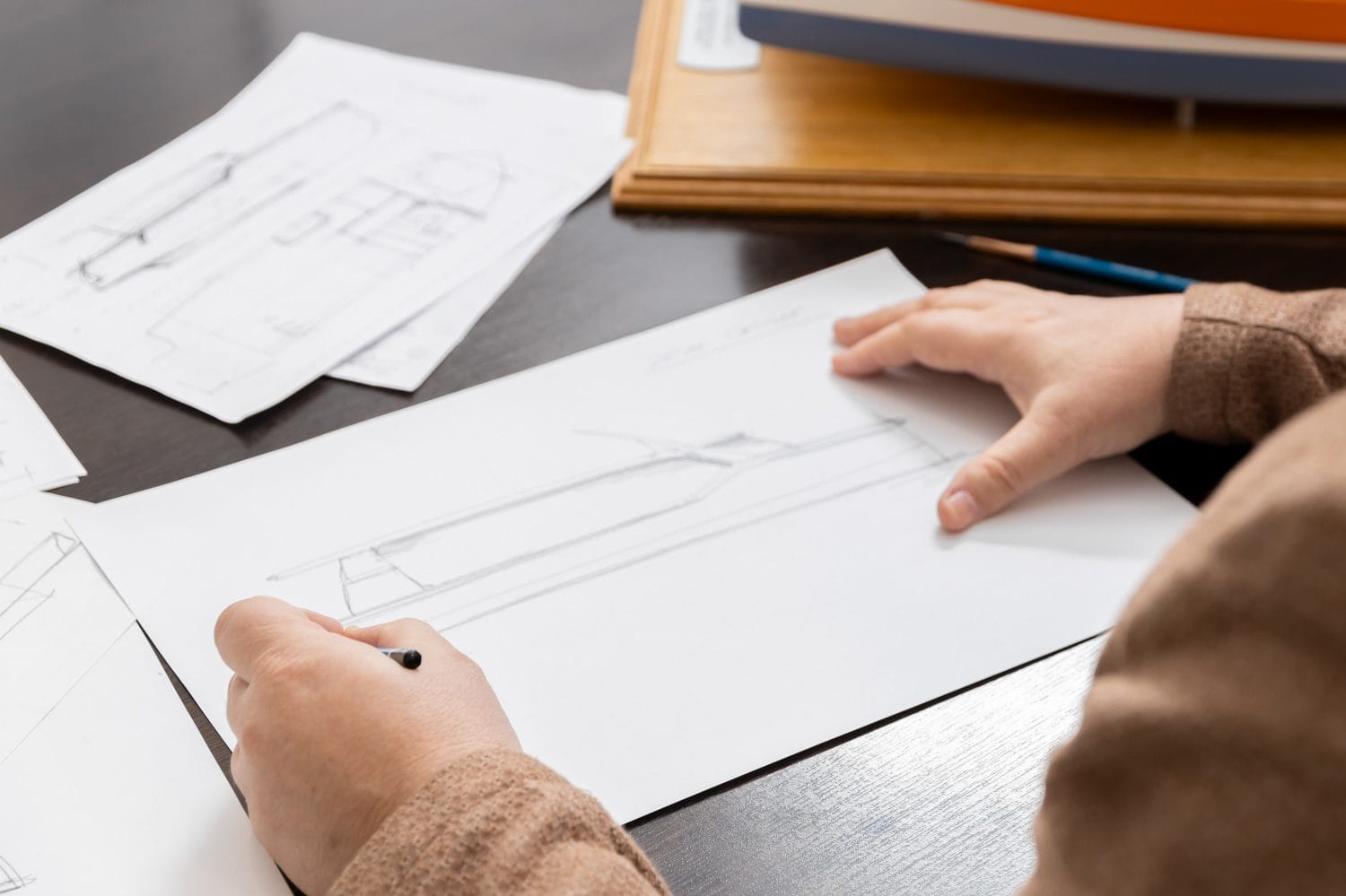
Photo: Ketsiree Wongwan
art4d: What is Albatross Marine Design? And how was AMD started?
Albert Nazarov: We started in 2006 exactly 20 years ago, and this was a reflection of the need for professional boat design in Thailand. AMD is probably the first company in Thailand ever entered the market of professional boat design. There are some other design offices who concentrate on large ships. But those are not designing luxury boats and high-tech composite boats. Since then, we went from a very small company serving the local market, today our team is an international company. We do 20% of design for Thailand or 80% overseas.
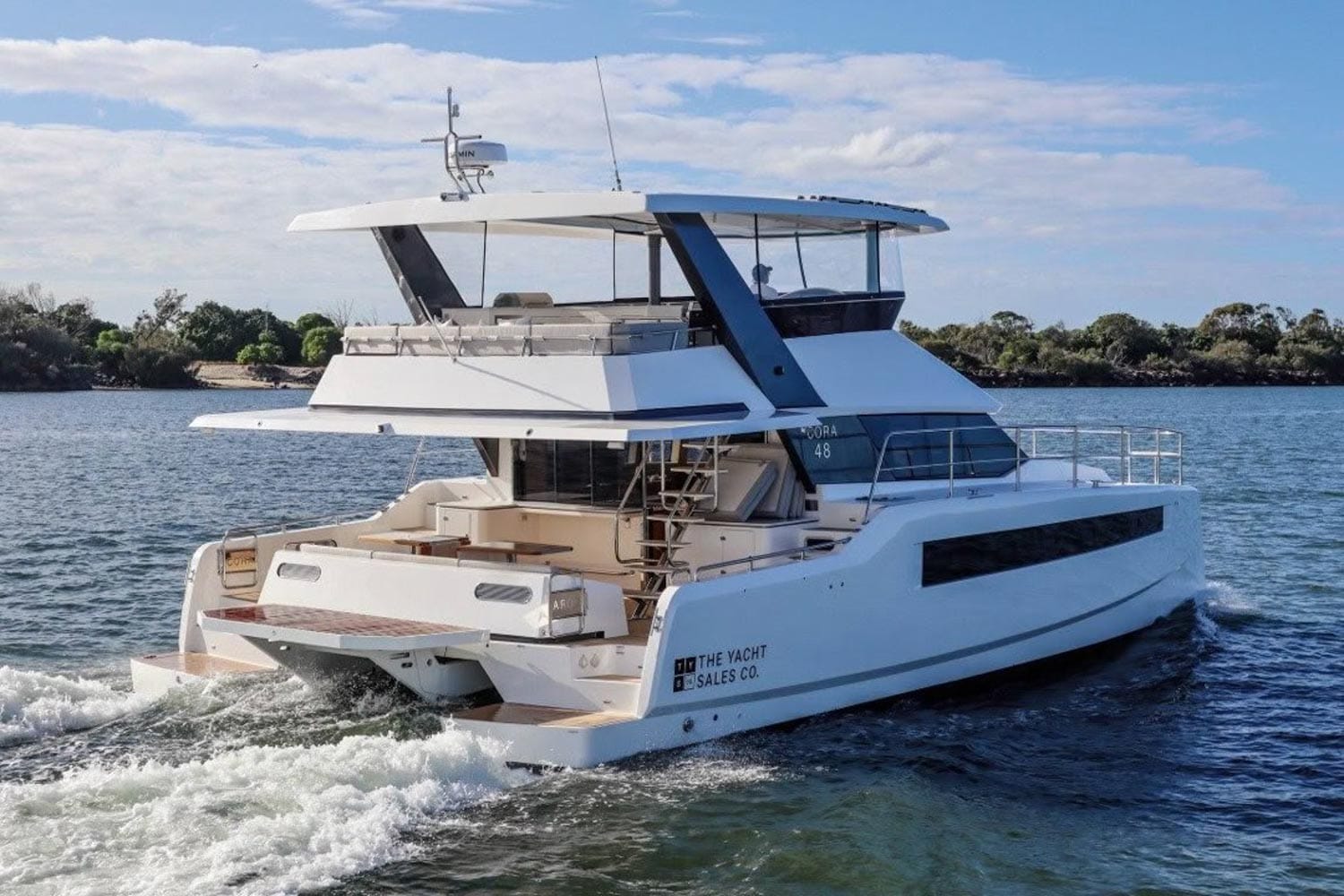
Photo courtesy of Albatross Marine Design
We are a full team of designers, architects and engineers to develop the small craft designs in-house. The designs from our drawing board are in service right now around the world, we also have our boats in Europe and Antarctica. In America, AMD designed the boats for North American manufacturers, and we also designed the boats for the Brazilian police and Paraguay navy. Not so many Thai companies in the design and engineering business export their services.
AMD always try to work at an international level of standards and to follow the leading goals, regulations, requirements and design practices as well. As our team works with international board builders, we have to be at level when it comes to the design, safety and styling and everything. Our customers, they know us, they know that the design starting from us is the top international level. And they also know that we follow the international stance on safety steps.
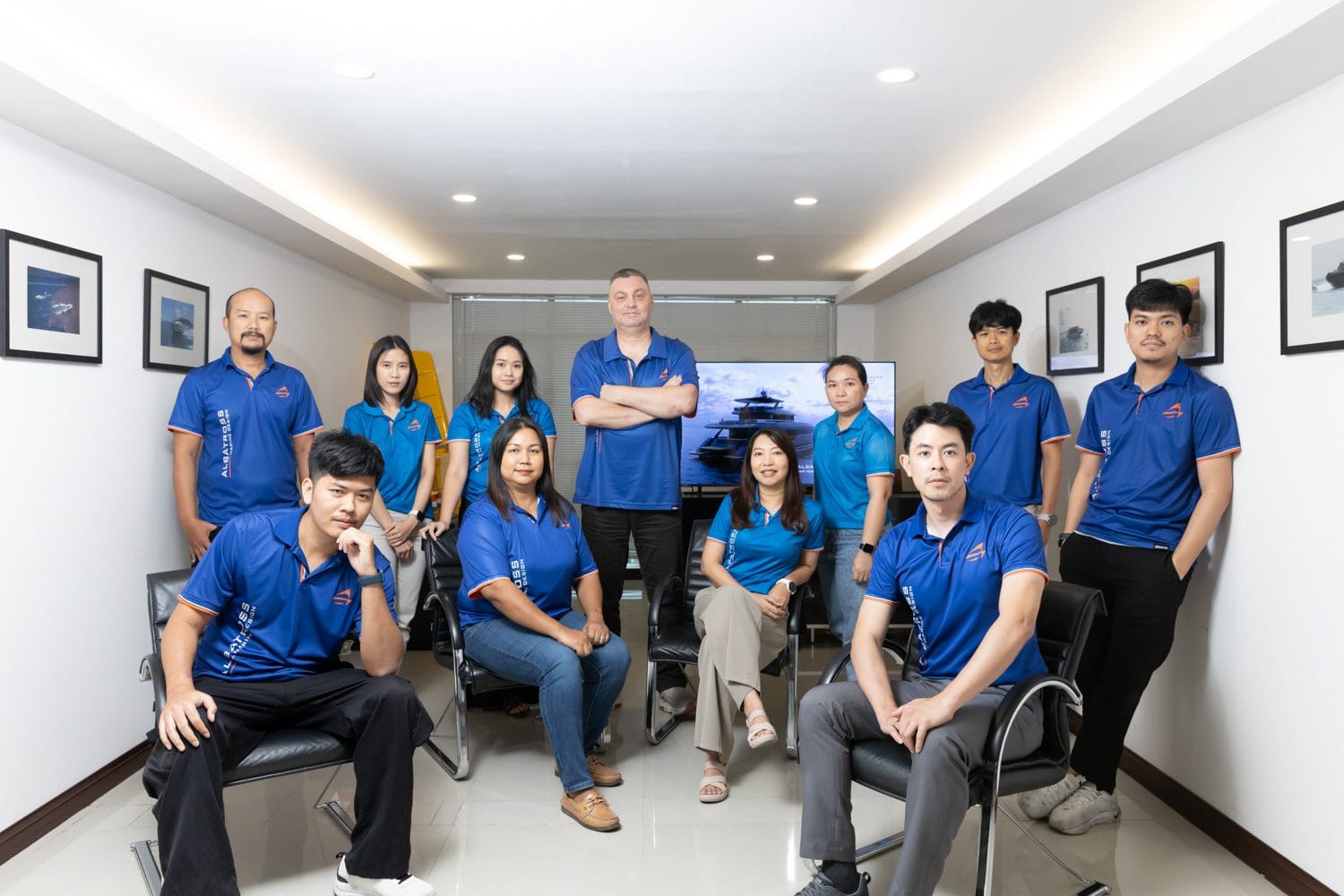
AMD’s staffs | Photo: Ketsiree Wongwan
art4d: what’s the difference between boat design and usual product design?
AN: Marine design is complicated. It’s not only about drawing nice things. As I’ve said, Marine design is a combination of styling, engineering and safety standards. They operate in dynamic environments. There are a lot of functional requirements. Okay, it’s not just the beauty stuff we know that’s why we have our design team and engineering team. At the same floor they communicate their way to design.
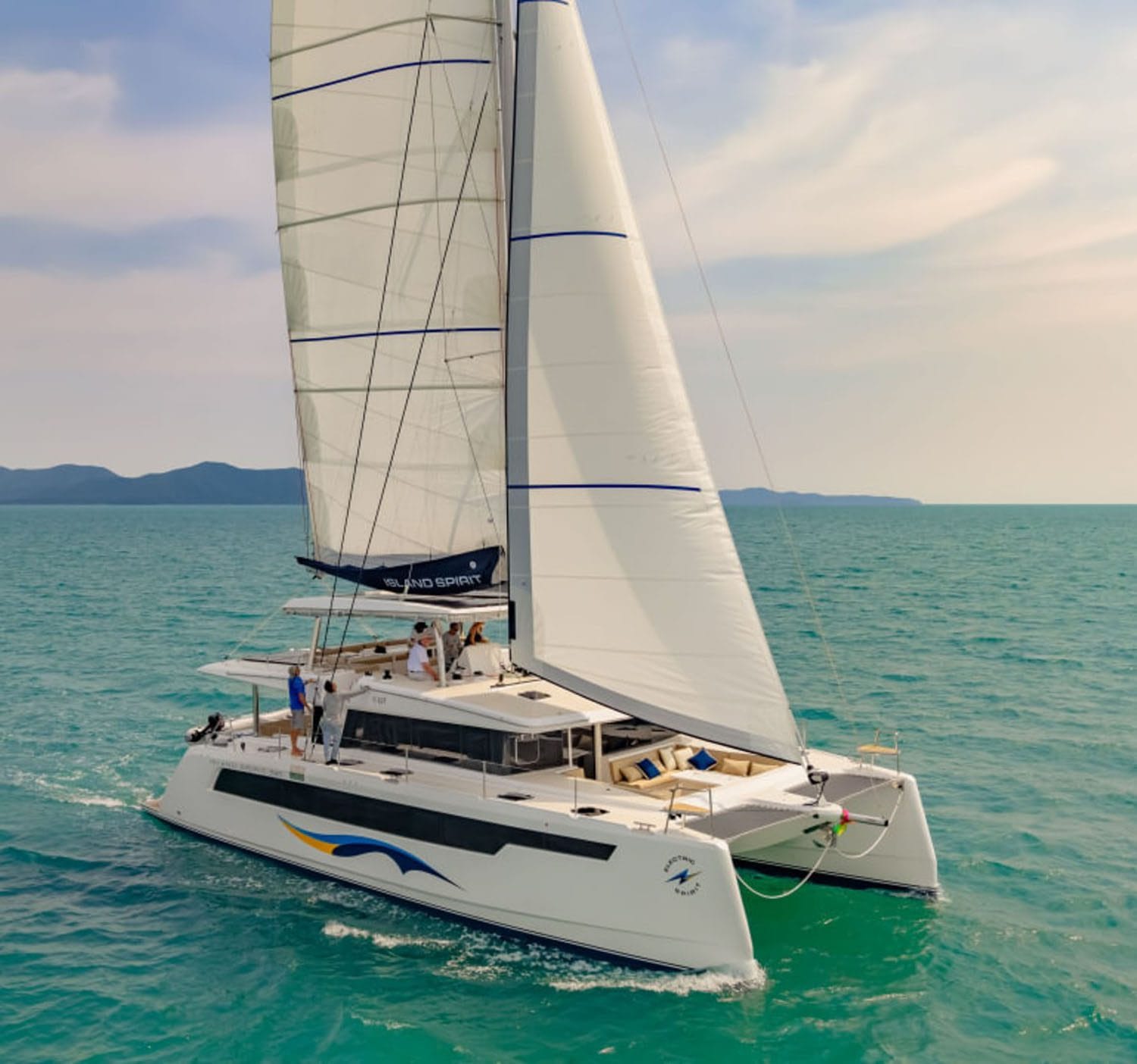
ISLAND SPIRIT | Photo courtesy of Albatross Marine Design
art4d: How many teams do you have?
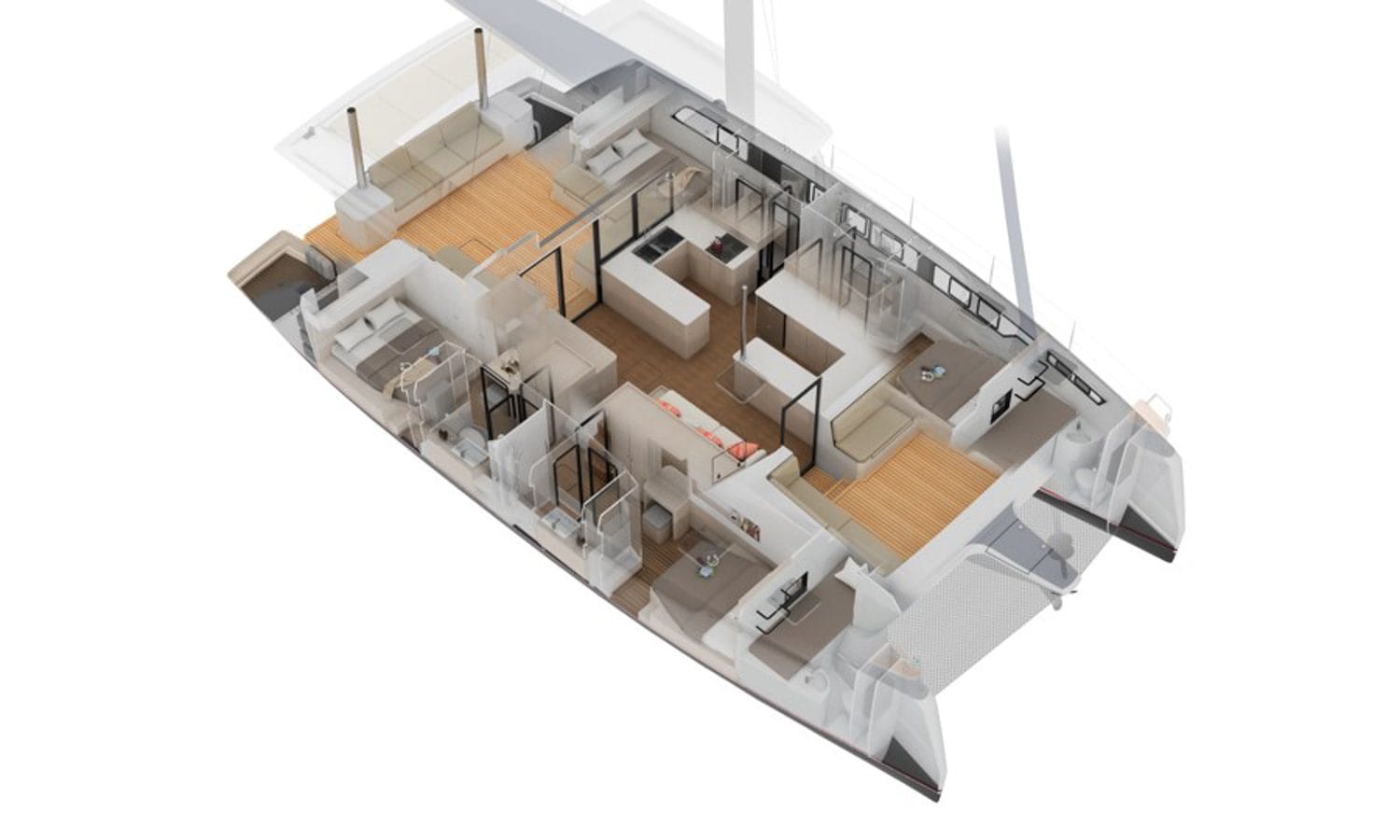
AN: First is the design team, they produce their rendering of the presentation materials. Then we also have the naval architecture section. The naval architecture section is actually doing the layouts and the exterior design as well, combined with basic naval architecture calculations.
We also have an engineering team who is always working in contact with these two because they make the tool define the look of the vessel but the engineering team define how it is built, all the structures, the space for cables.
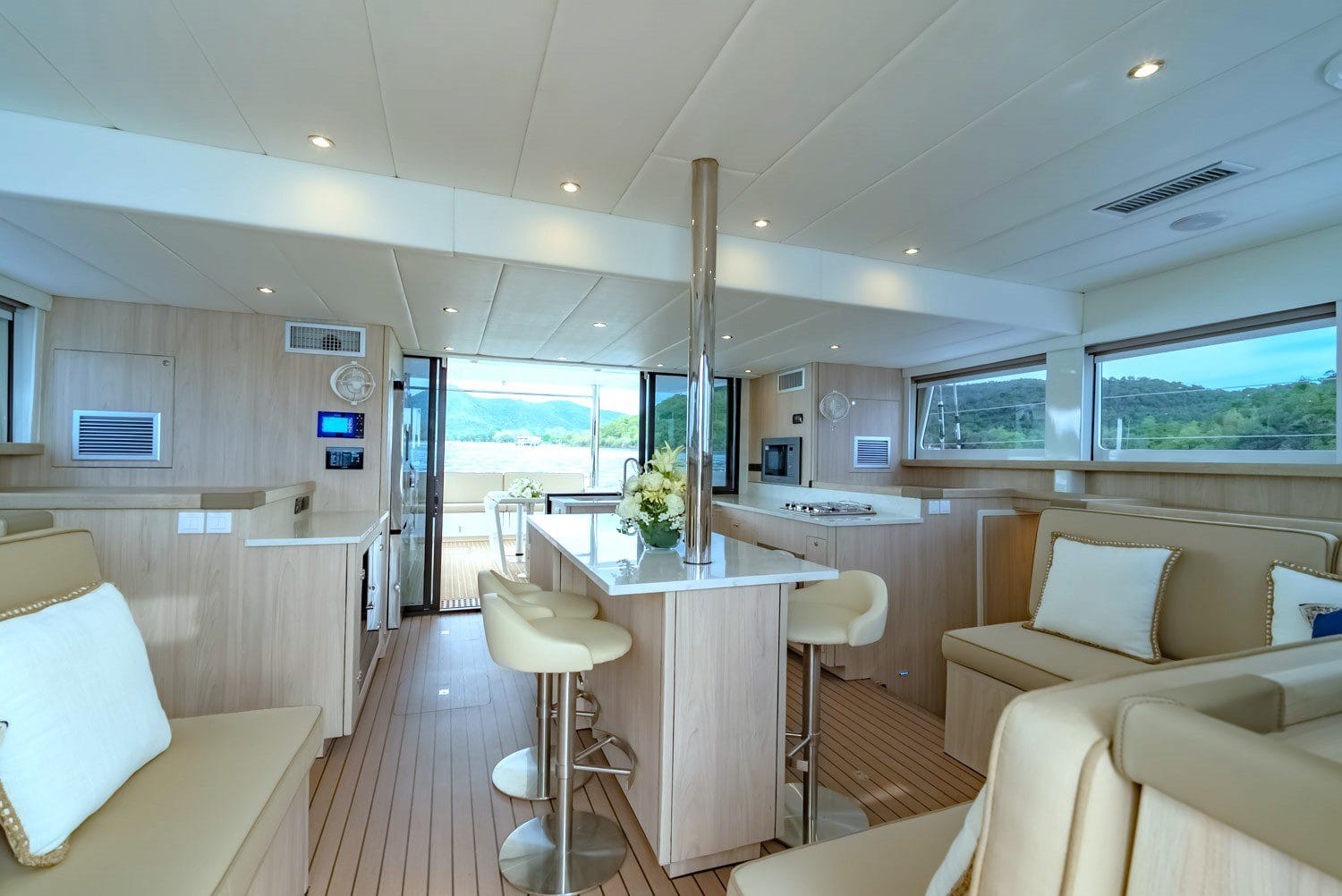
Photo courtesy of Albatross Marine Design
art4d: What’s the key to boat design?
AN: There’s something that we call the design flower, including Comfort, Aesthetics, Functionality, Safety, Buildability, and Economics. Outer looks are always important. Then, you have comfort which you need to provide. Comfort can be both physical and psychological. Physicality is just like air conditioning or lighting and psychology is like well-being, how a person feels.
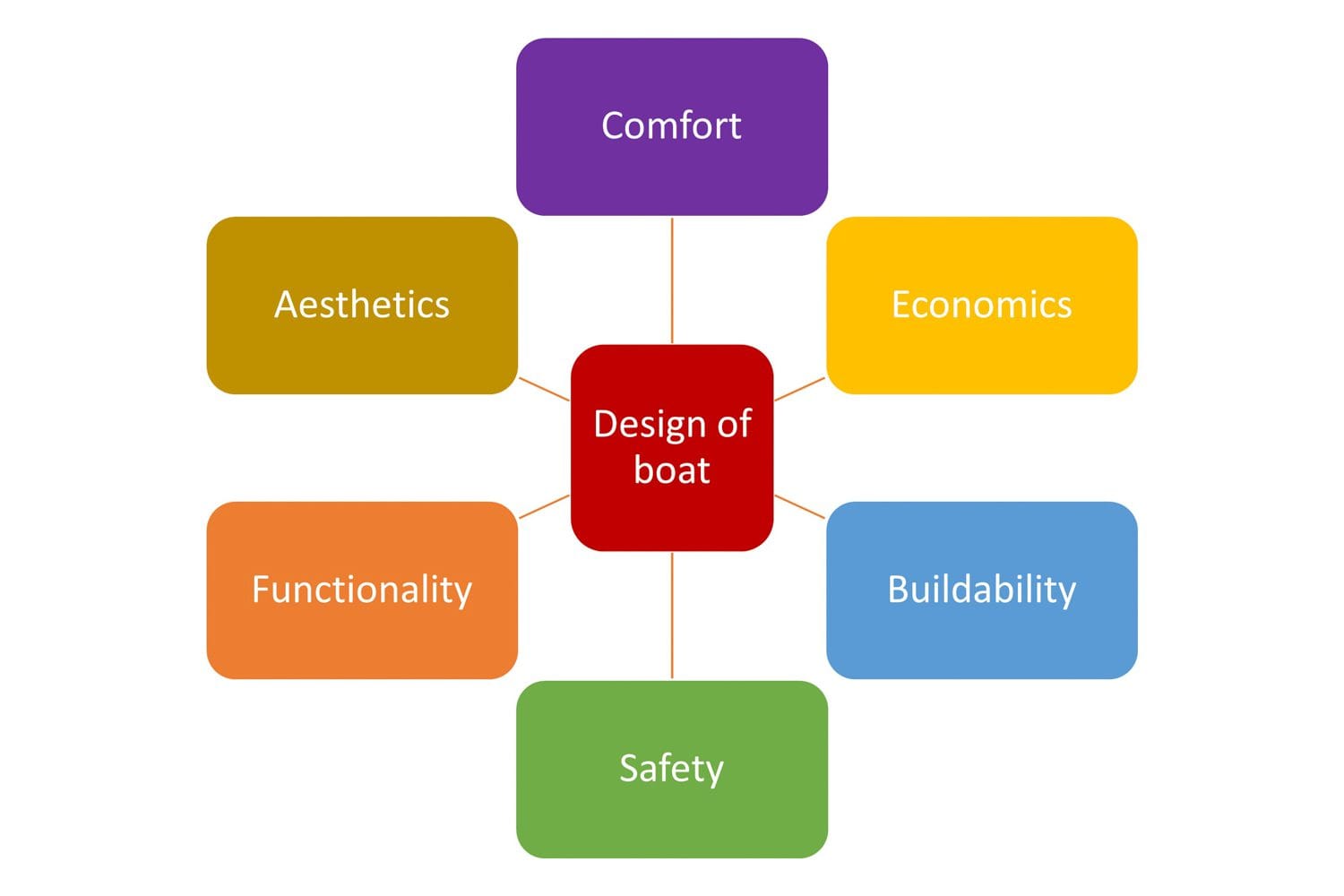
design flower
Whatever you design, the customer should be able to afford to build it. You know, designed, is always works under a certain budget. Sometimes we need to mass produce, sometimes we have fancy things, but not like a lot of pictures on the internet that will never become reality.
In some projects, when our team designs the passenger boats, for example, there’s a design with fancy stuff, but you need to think about the scenario of use. How it’s used and how people move. So that is very important because, in fact, you need to design the boat from function.
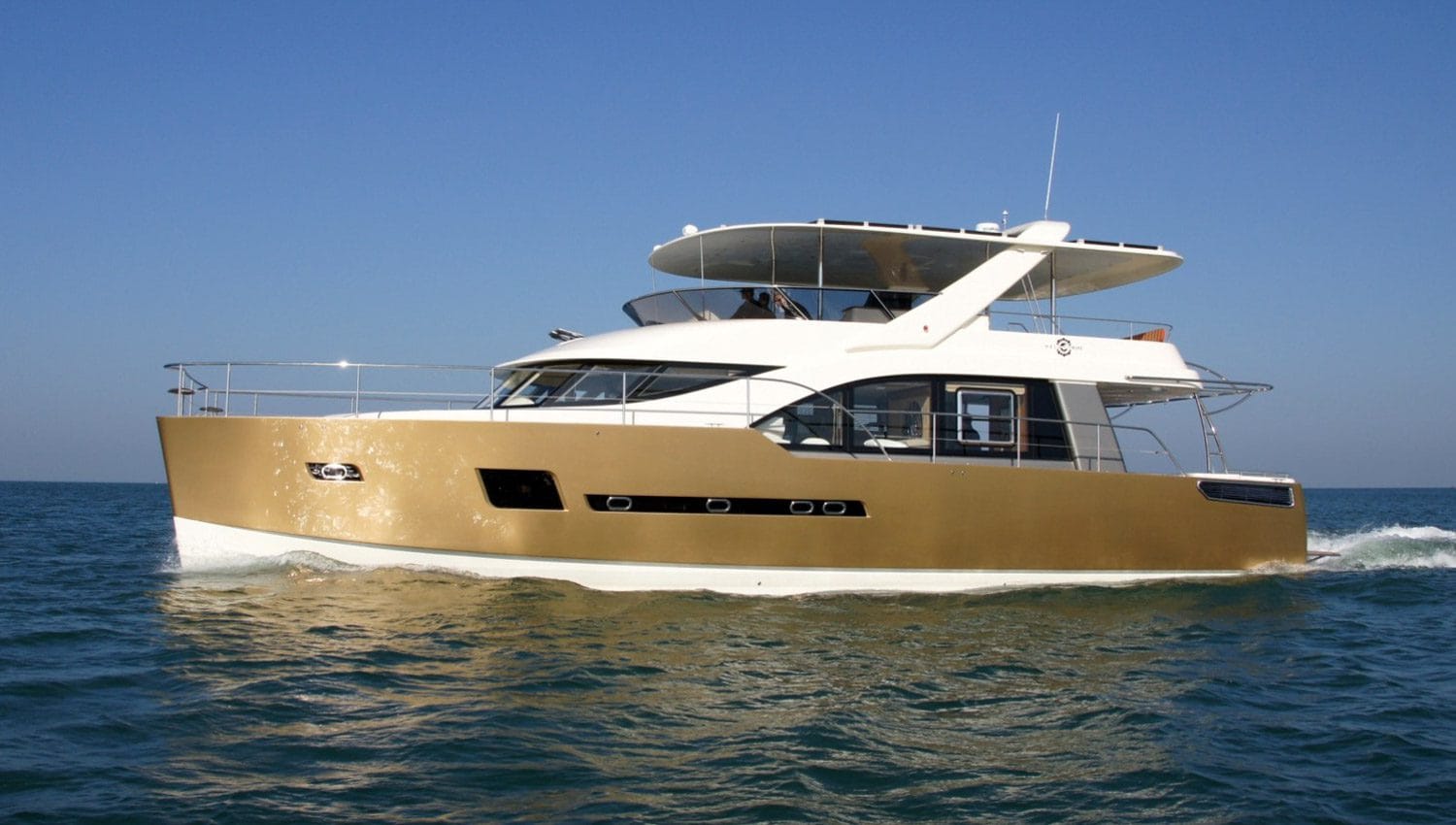
Distant view | Photo courtesy of Albatross Marine Design
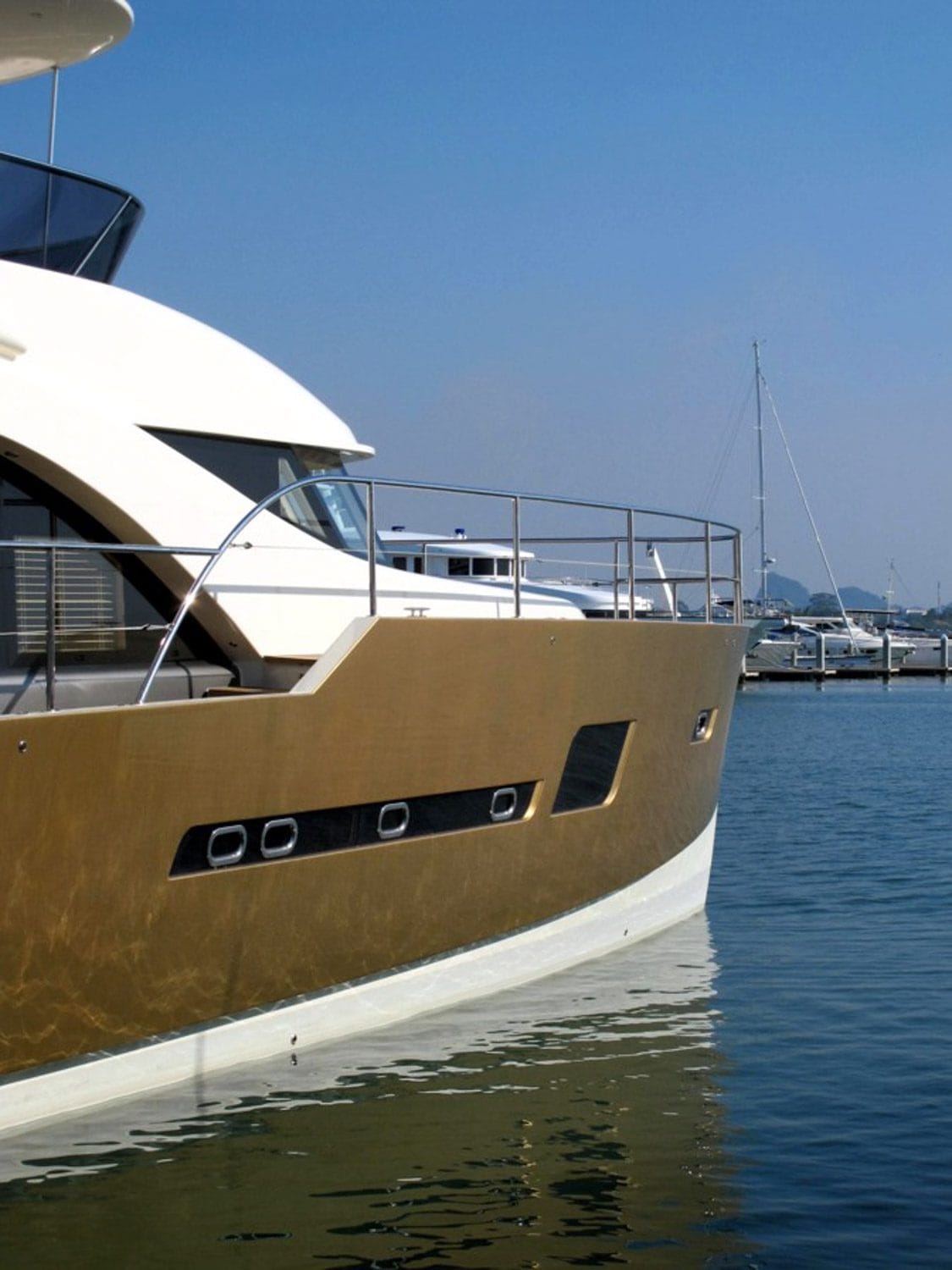
Close view | Photo courtesy of Albatross Marine Design
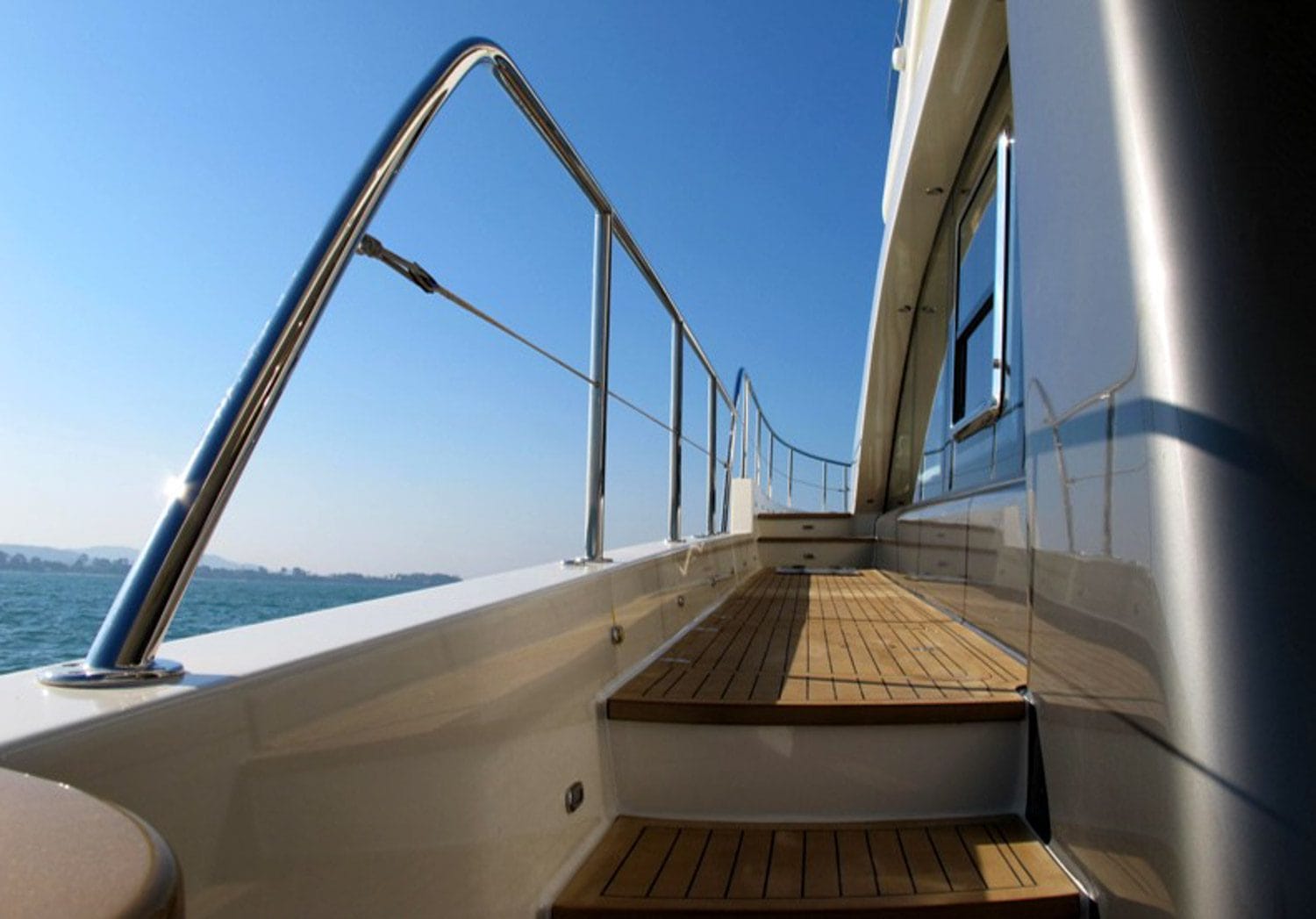
Detailed view | Photo courtesy of Albatross Marine Design
When the AMD team talked about the look, we split it into 3 levels including distant view, close view, and detailed view. Sometimes you can see the boat looks nice from afar. But when you come close, there are ugly things and the impression is completely destroyed. We design the general look to the detail, all the tiny lines matter. When you are on the boat, you can touch the things, feel the quality, and notice the small details like plates, lighting, the finishing of the steps.
Safety as well, what is the mission of the designer? We know that accidents always happen, and we can improve the safety by only changing the direction of the seating on these boats. There are many safety aspects directly involved in the design, the visibility from the steering station, and safe boarding onto the boat.
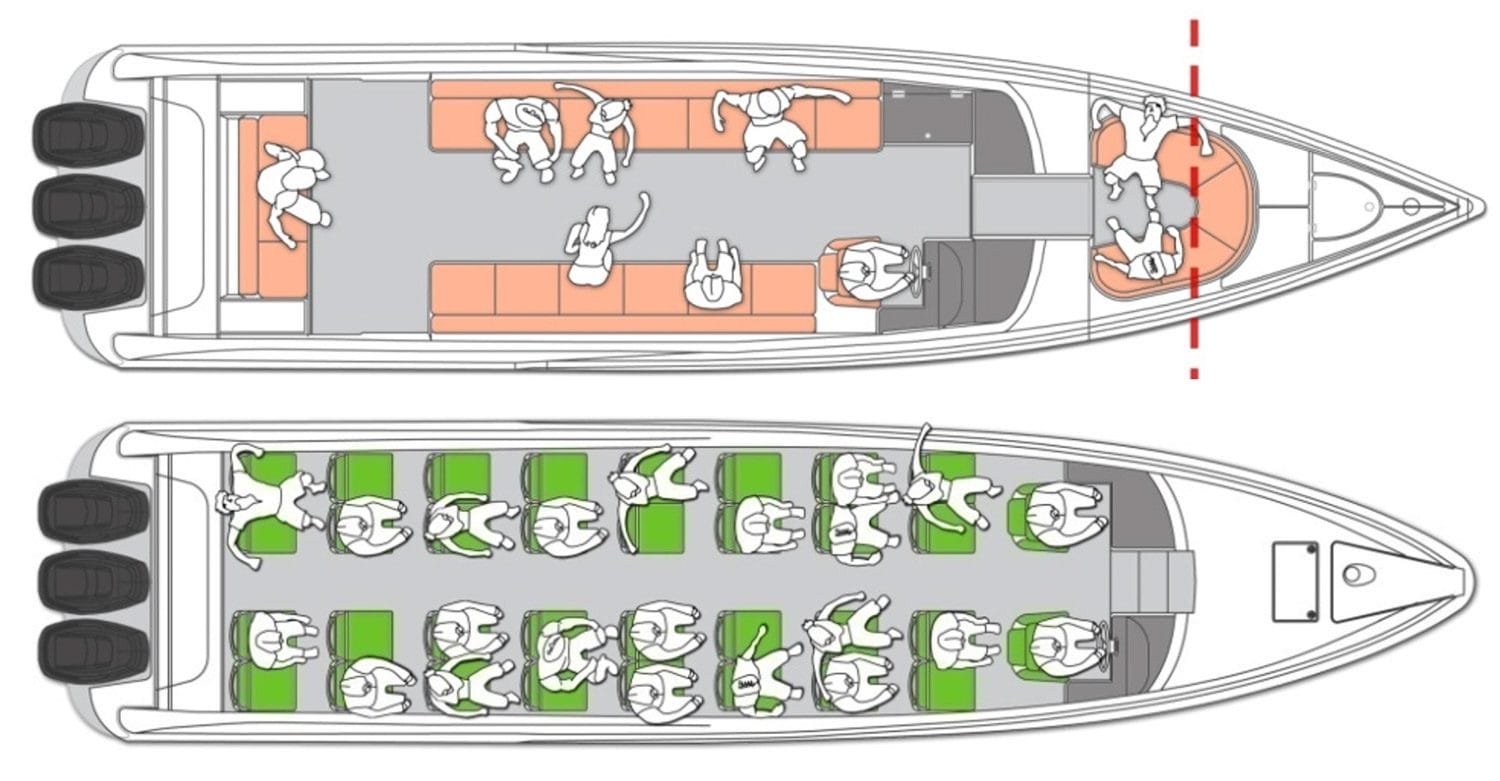
design for safety
art4d: We know AMD design boats in varying scales, some special craft must have specific or interesting points. Please tell us about those
AN: We specialized on small, high-speed craft design, boats and yachts up to 35m. We also design some paramilitary boats, patrol, police, and ambulance. There’re some fishing boats and small passenger boats too. You probably saw our work in the Chao Phraya river.
If you ask about the special craft, there was a big terrorist attack in India in 2008. When they had captured the hotel in the center of Mumbai. They came from the sea by boats while their local authorities were not able to do anything. So a year after that, I was standing there, presenting our design of intercepts.
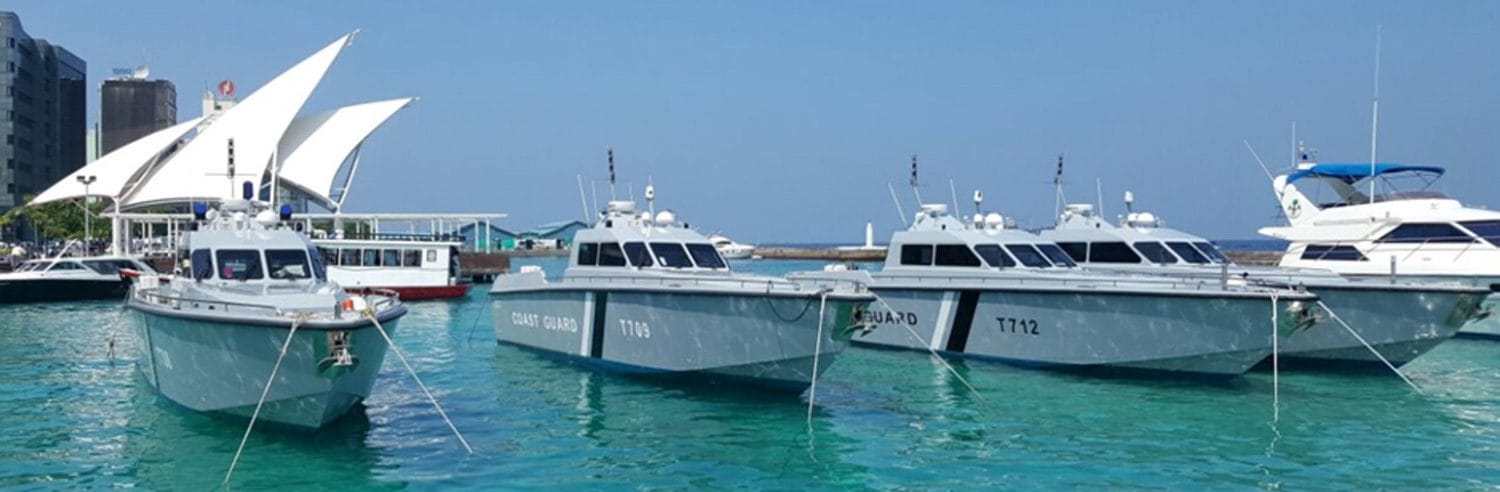
SM16 FAST INTERCEPTOR CRAFT | Photo courtesy of Albatross Marine Design
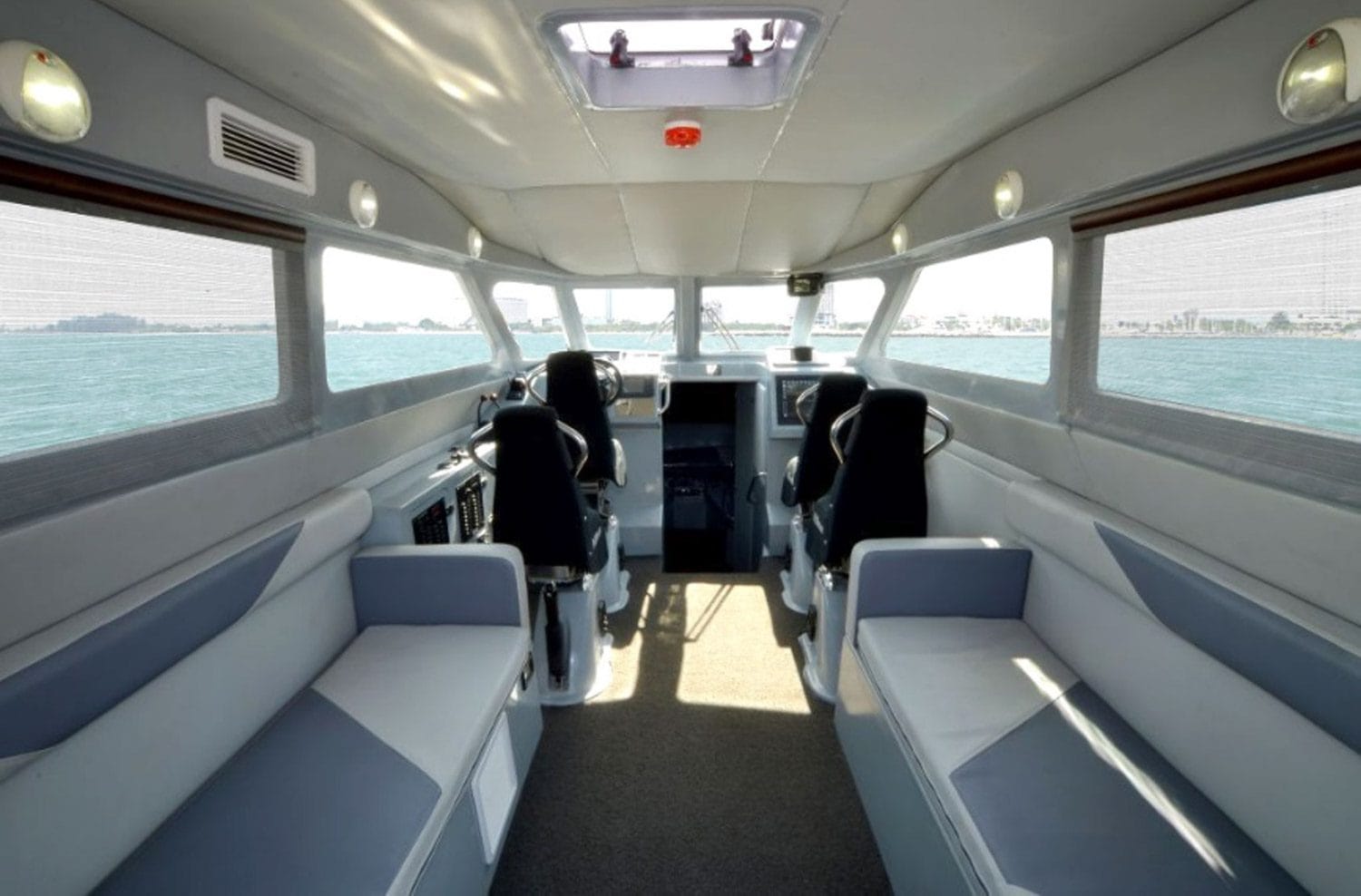
SM16 FAST INTERCEPTOR CRAFT | Photo courtesy of Albatross Marine Design
These boats are designed to intercept the track at sea. There were 12 different designs submitted for this standard and they have chosen our design for serving and protecting the coastline. After that, our company is quite famous in India for this type of craft. It runs at 52 knots, about 100 kilometers per hour at the bumpy seas. We put shock mitigation seats so the crew does not feel on a mission, does not get injured and does not feel tired. This is some suspension of it.
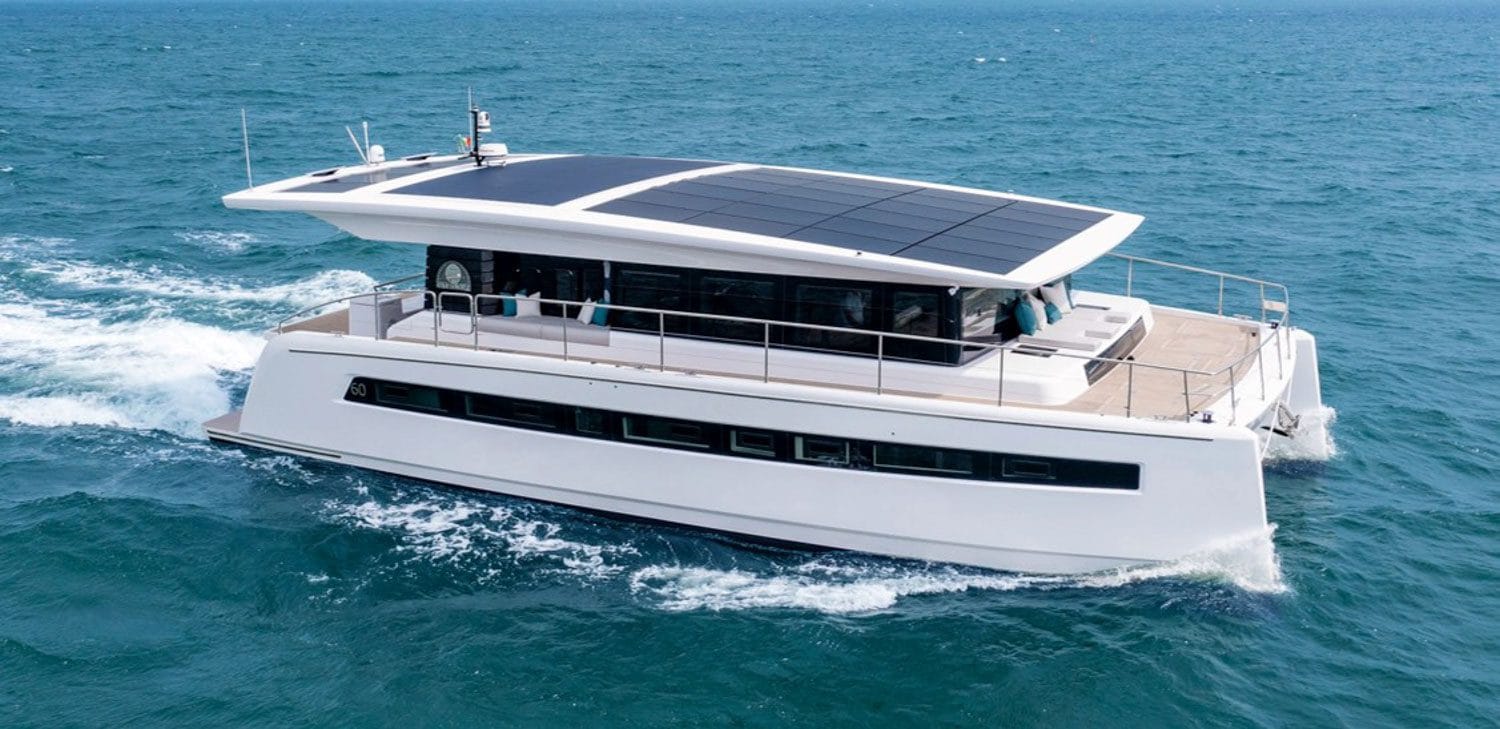
SY60 CATAMARAN YACHT | Photo courtesy of Albatross Marine Design
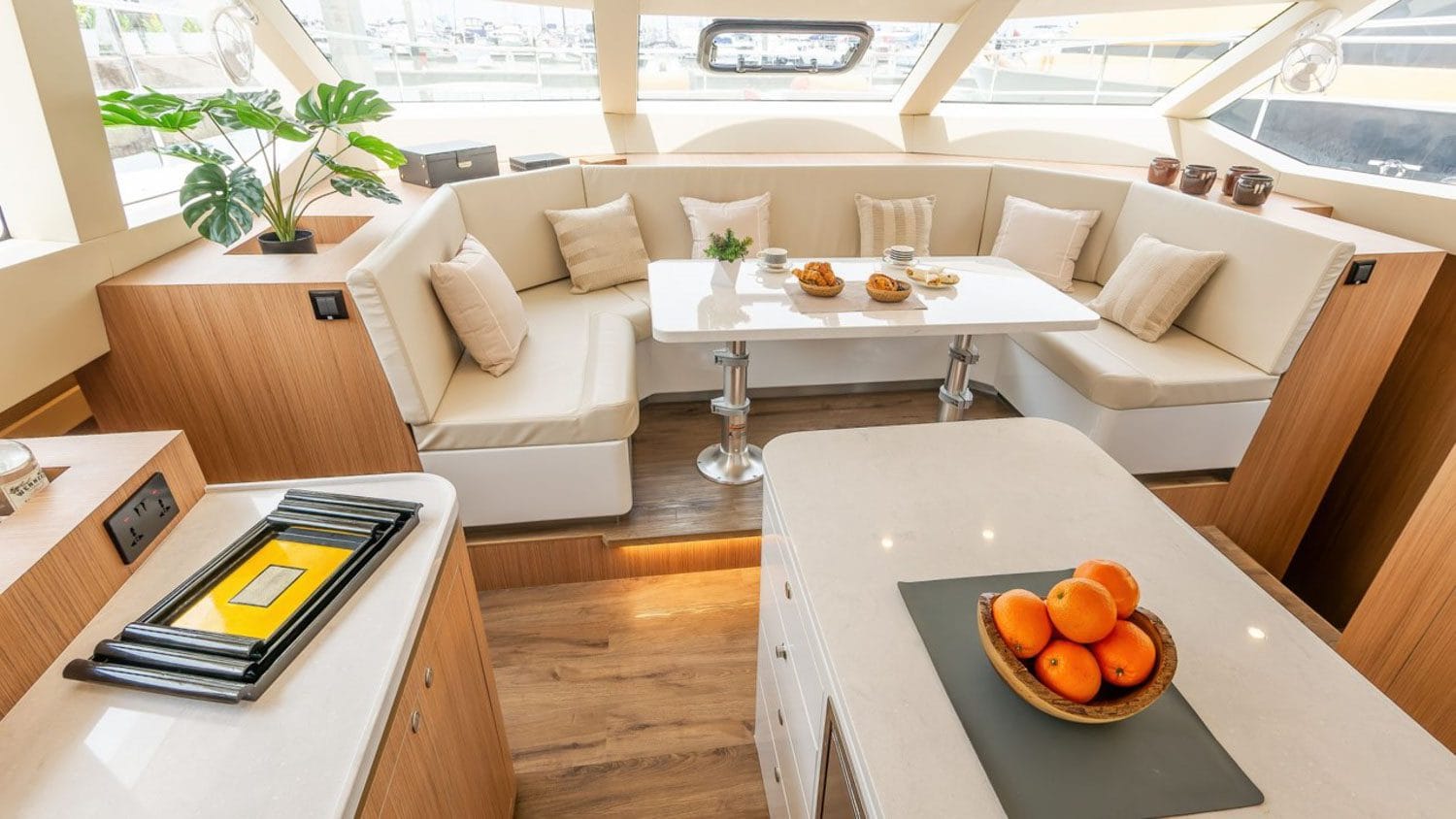
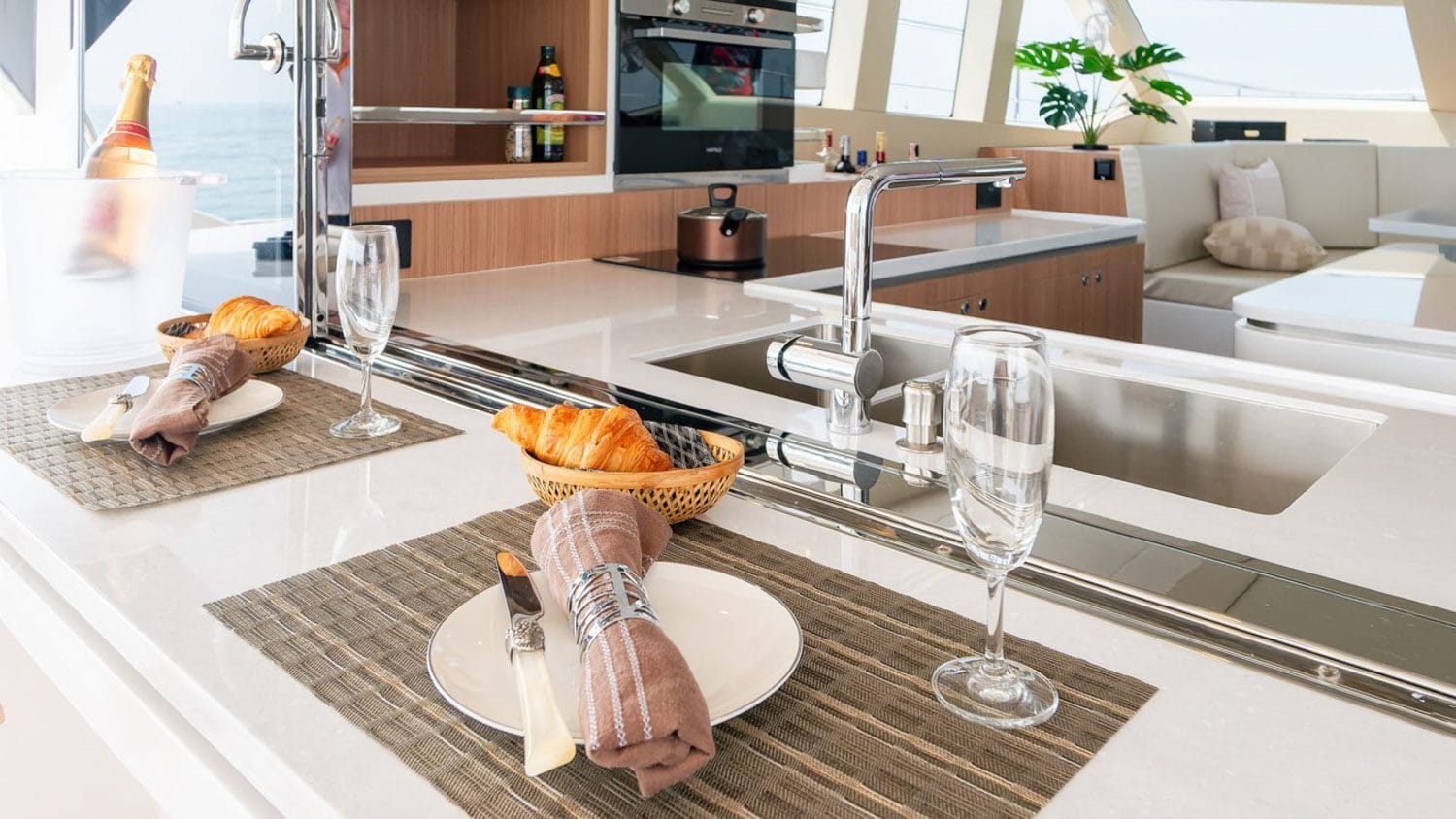
On the other side, we have the yacht. This is our flagship design which we actually refer to often. This is the SY60 solar catamaran yacht, which we have designed in 2022. This yacht became ‘multihull of the year’ in Europe, completely designed here by our team, exterior engineering and interior. The client came to us and said he will bring his own interior design team for that year but it never happened. This is a one of benchmark approach because it’s unique.
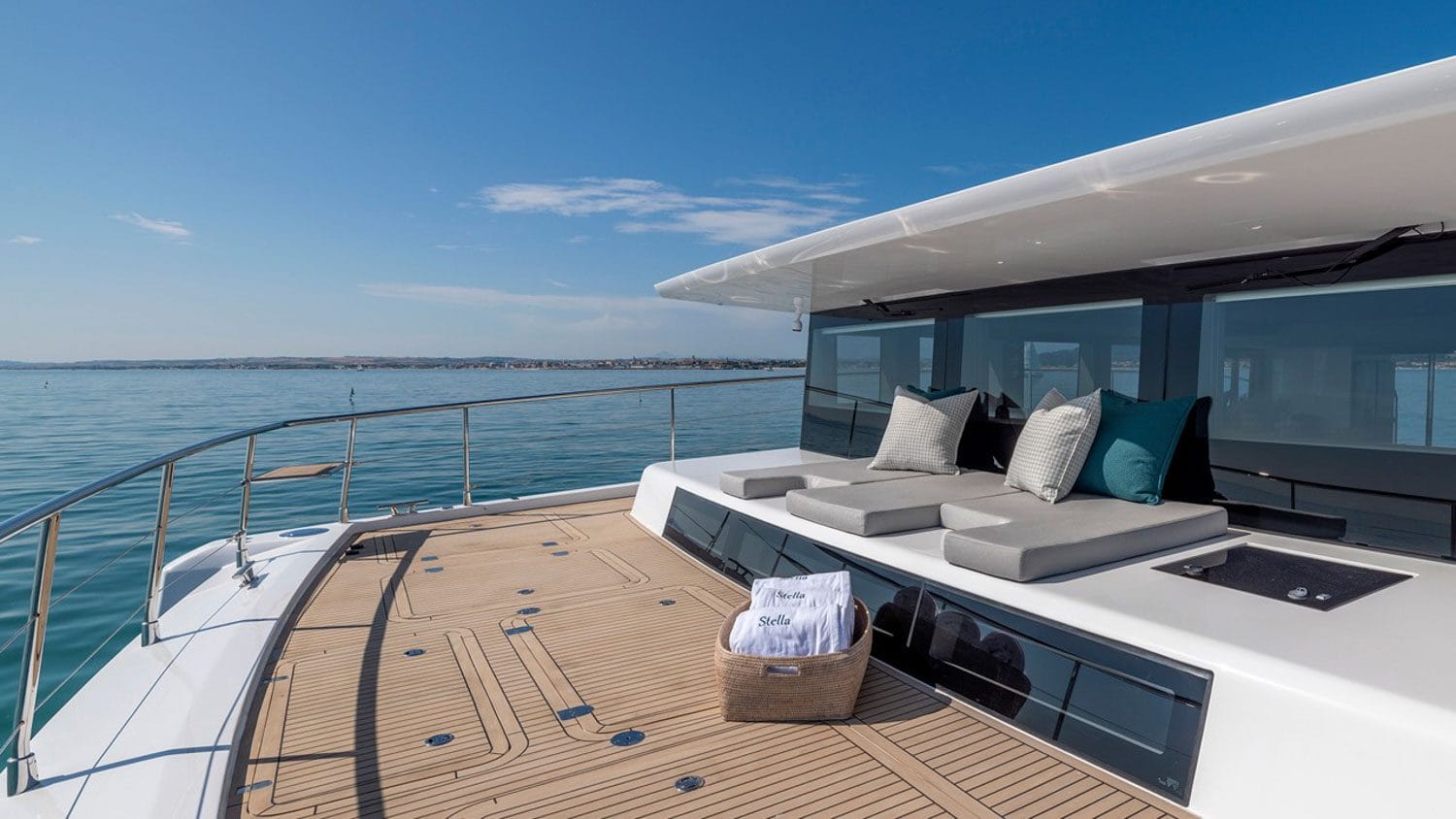
SY60 CATAMARAN YACHT | Photo courtesy of Albatross Marine Design
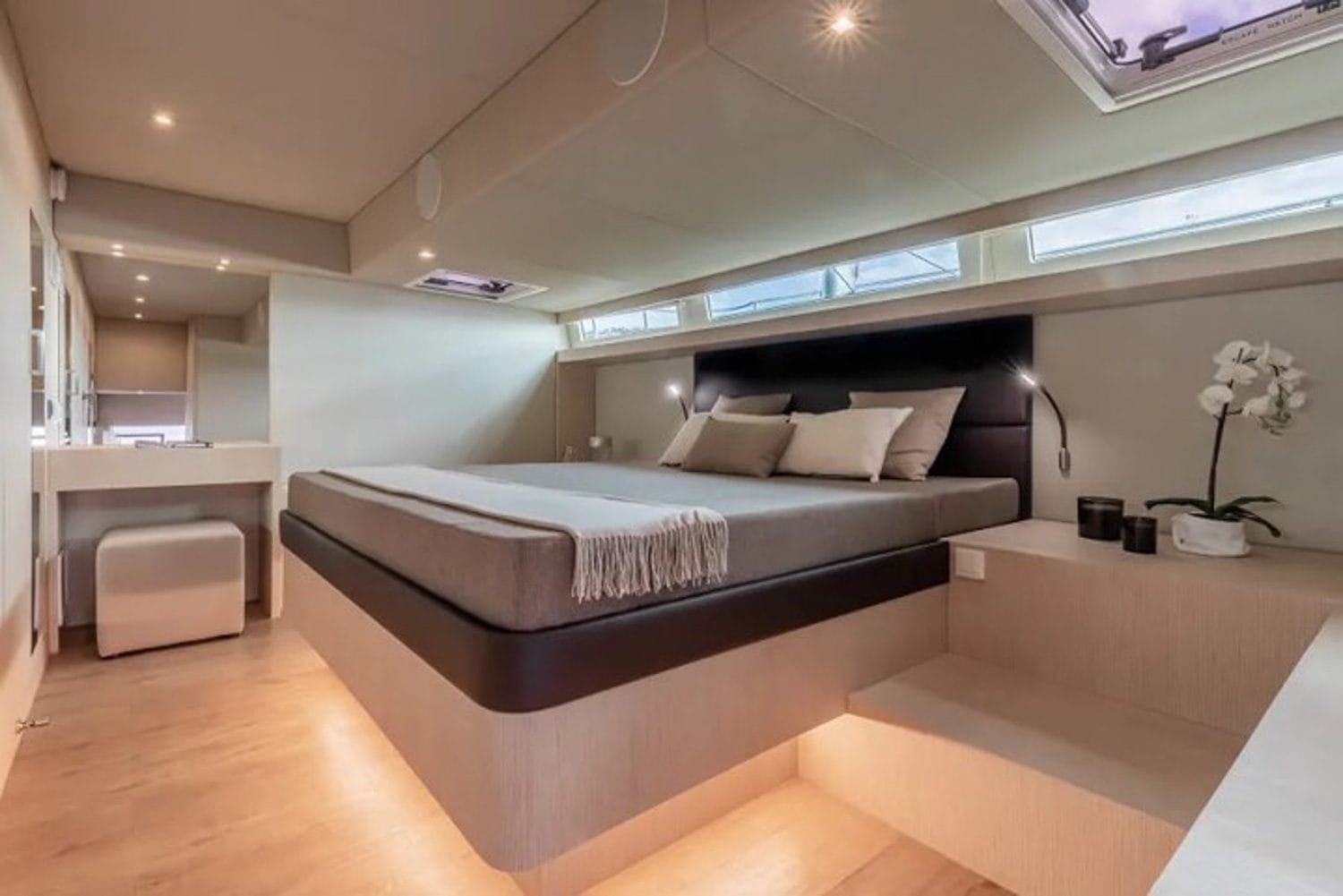
SY60 CATAMARAN YACHT | Photo courtesy of Albatross Marine Design
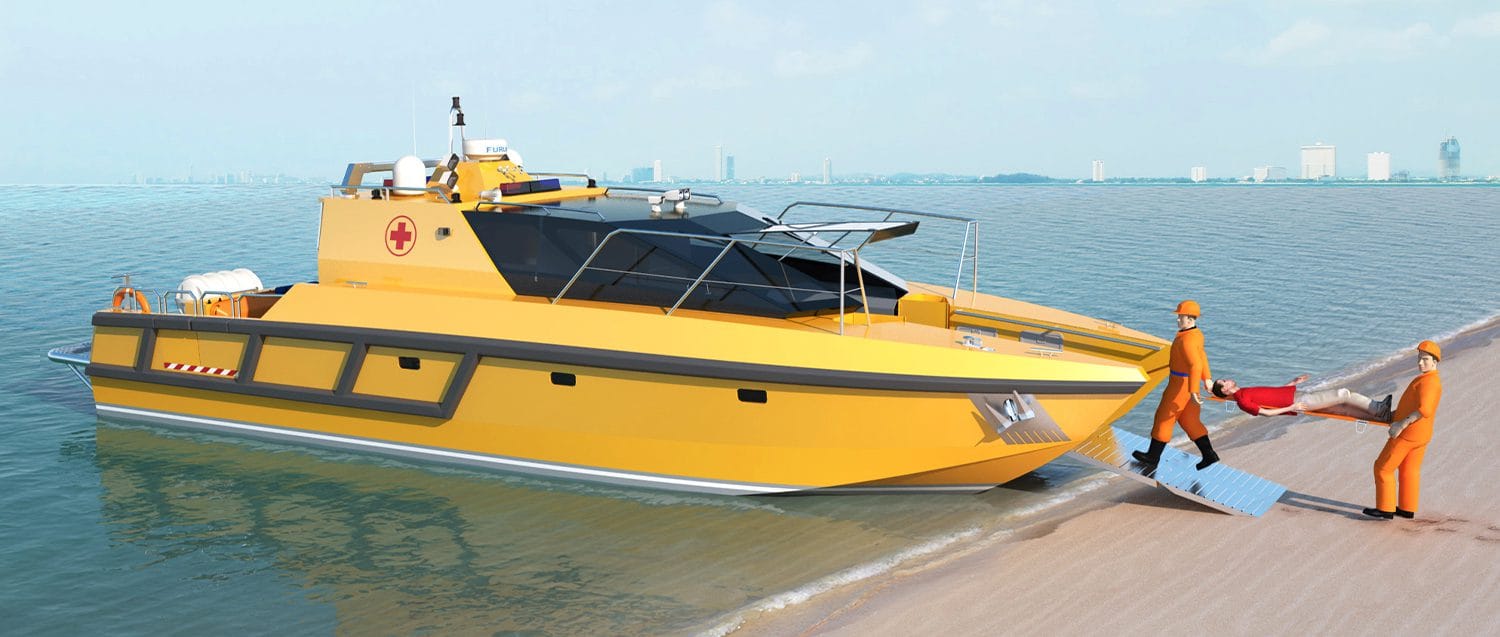
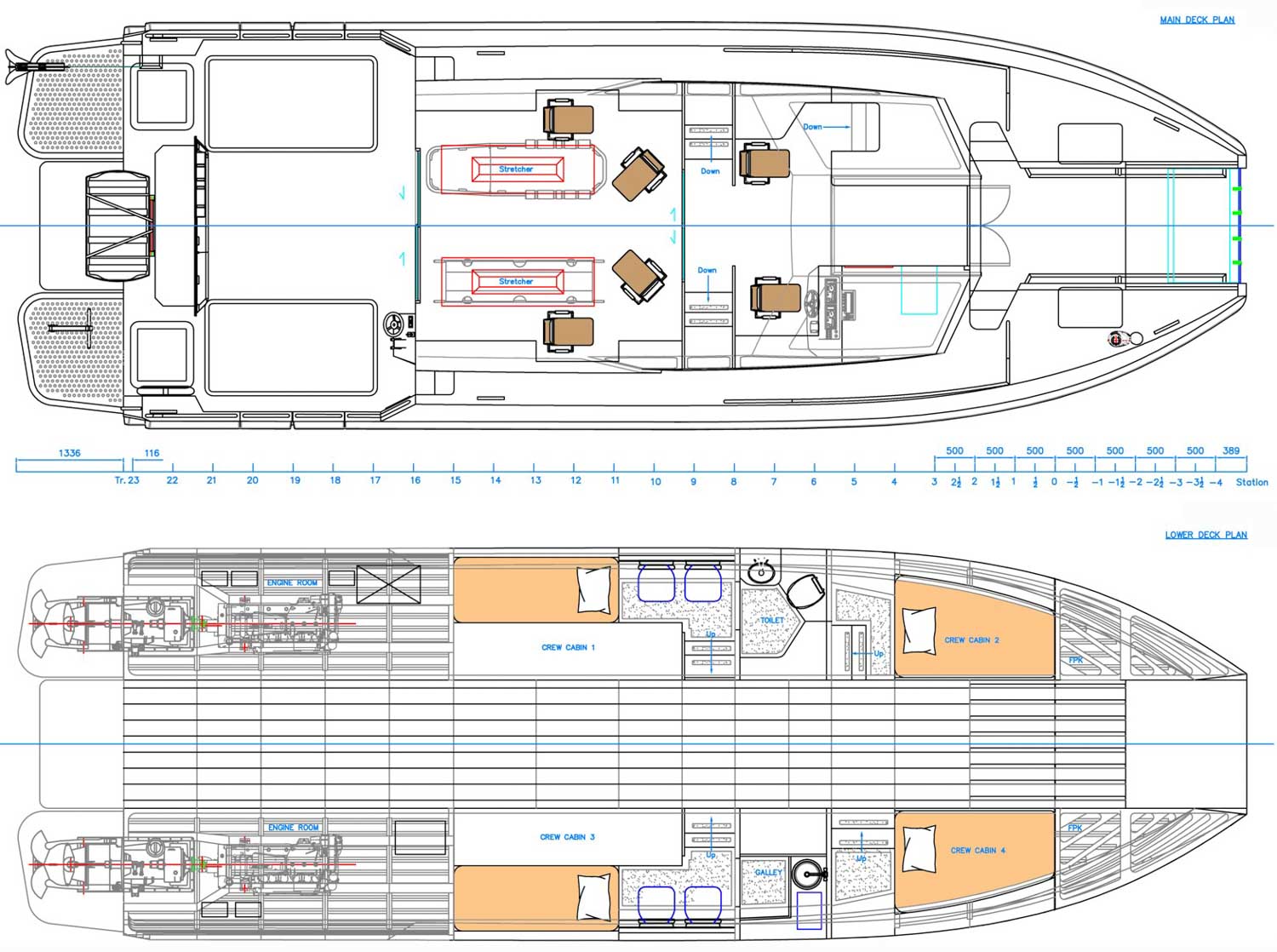
What do you think about ambulance boats? You see some speedboats with a crossway ambulance around the beach. But it’s actually not an ambulance, just a recreational boat painted as an ambulance. For this one, it is purposely designed to be an ambulance boat. They need the paramedical treatment room.
The people from the front approach the beach, open the ramp and take the person in. Normal rescue boats in Thailand don’t have this feature yet. It shows you can open it, take everything, carry the patient to the hospital on these shock absorbing stretches. This boat has been mentioned in the UK as the ‘Significant Small Ships of 2014.’
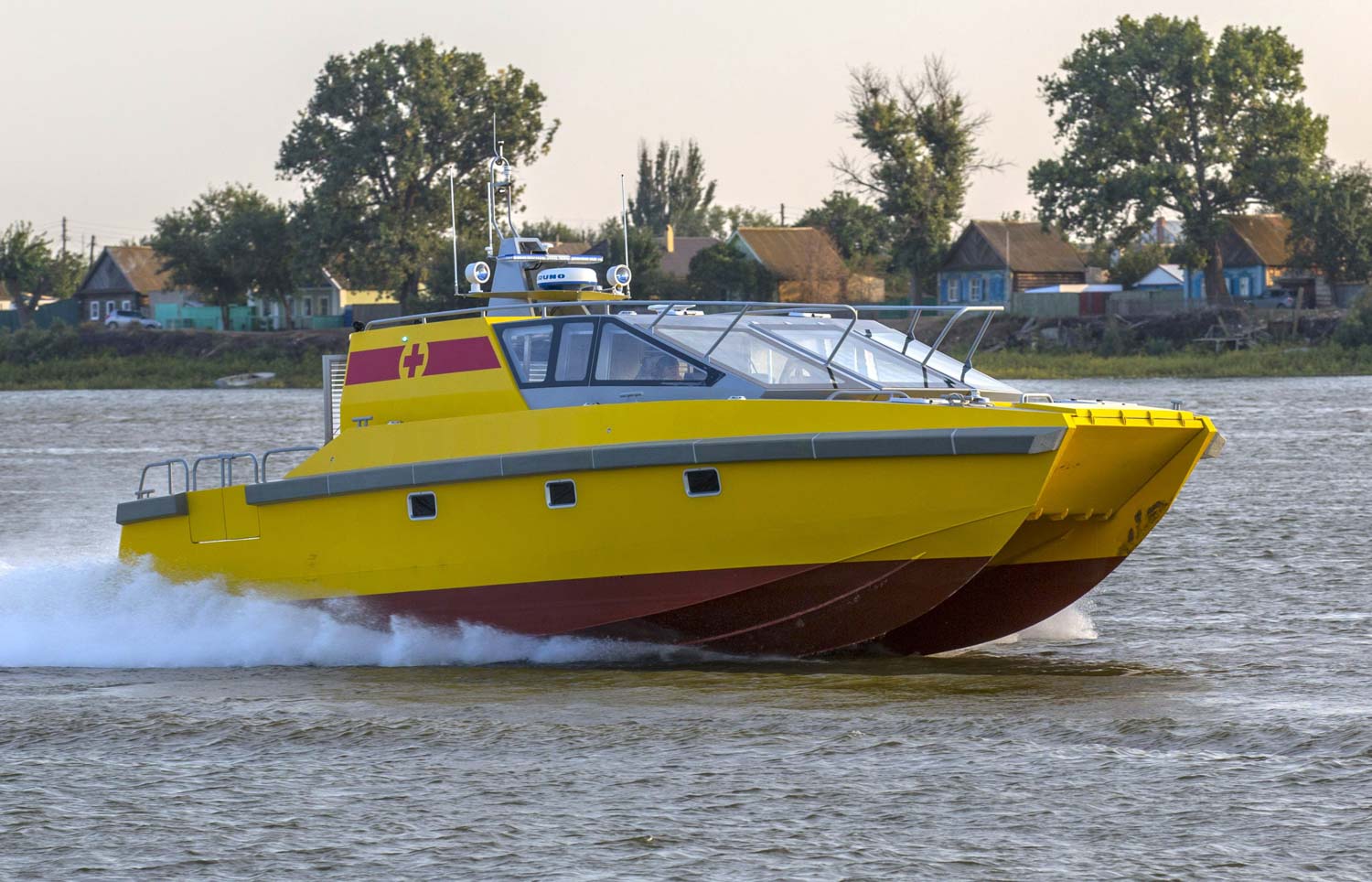
ambulance boat | Photo courtesy of Albatross Marine Design
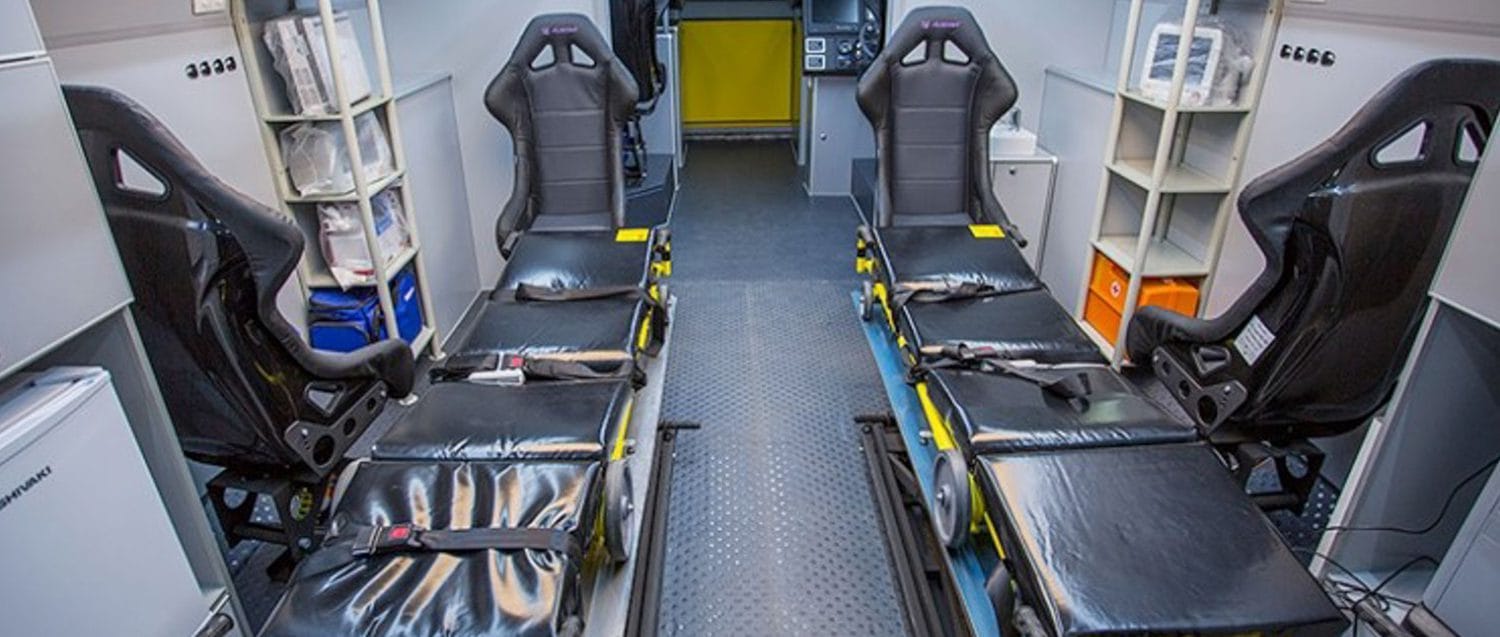 ambulance boat
ambulance boat
art4d: Do you usually collaborate with outsourcers or specialists?
AN: Sometimes the owner asks to, but we try not to collaborate like that. If we get the files from another team, we can’t take full responsibility for it. And sometimes it’s more difficult to manufacture.
Surely, AMD keeps all their requirements. We have the experience and try to do everything from scratch. Design from the inside out, after sketching to get the idea our team starts with the accommodation spaces which are for people first. And then we come back to the look of the vessel again otherwise it will not fit. You will have no headroom or enough space.
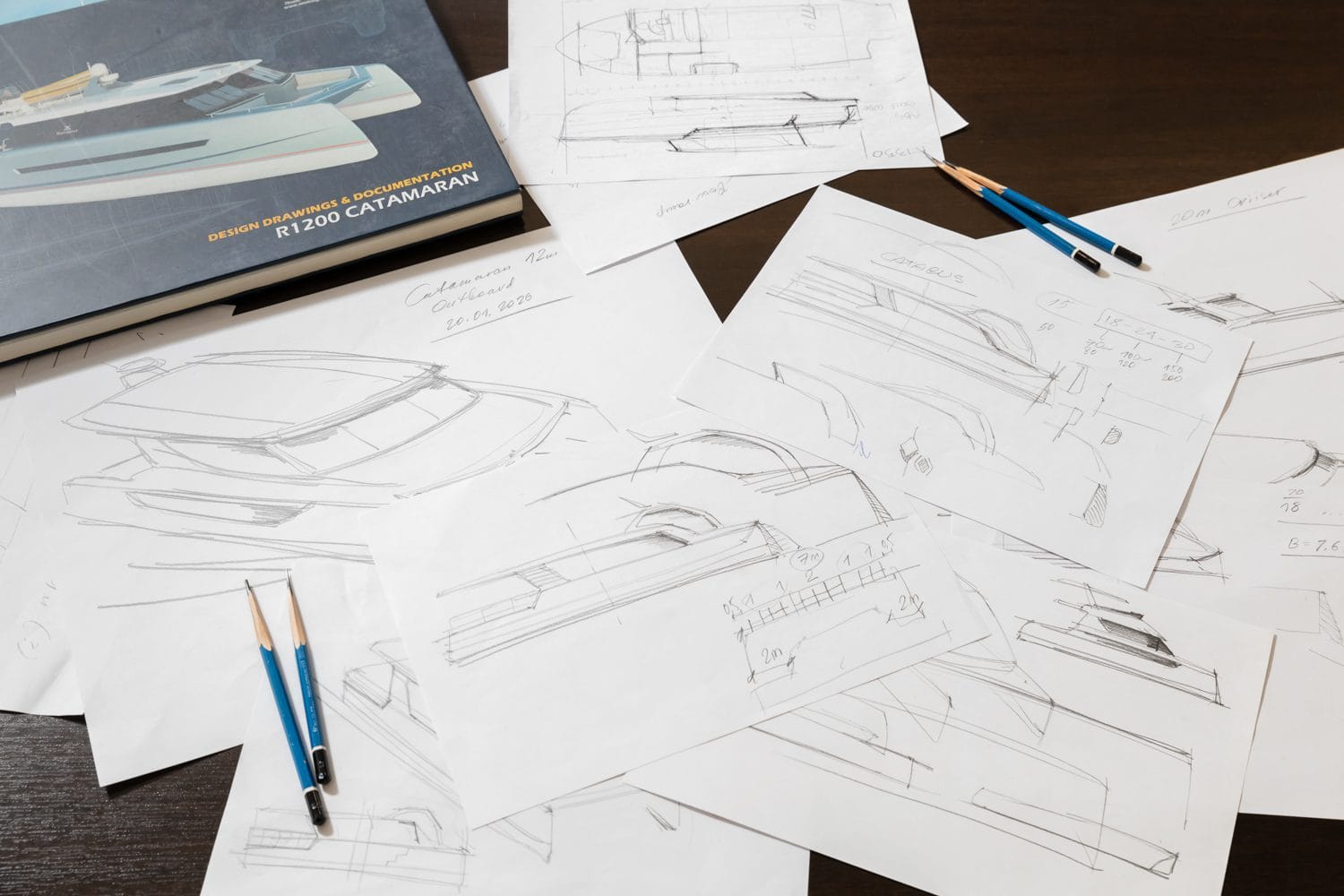
Photo: Ketsiree Wongwan
art4d: AMD uses specialized software based on your research. How does it work in collaboration with designers and engineers?
AN: We have experience in design software. This is used for engineering, because the rules and the methods are changing so fast that you can’t catch up and can’t just buy the software from outside. We develop our own software for analysis, preliminary design, calculating the structures and performance as well.
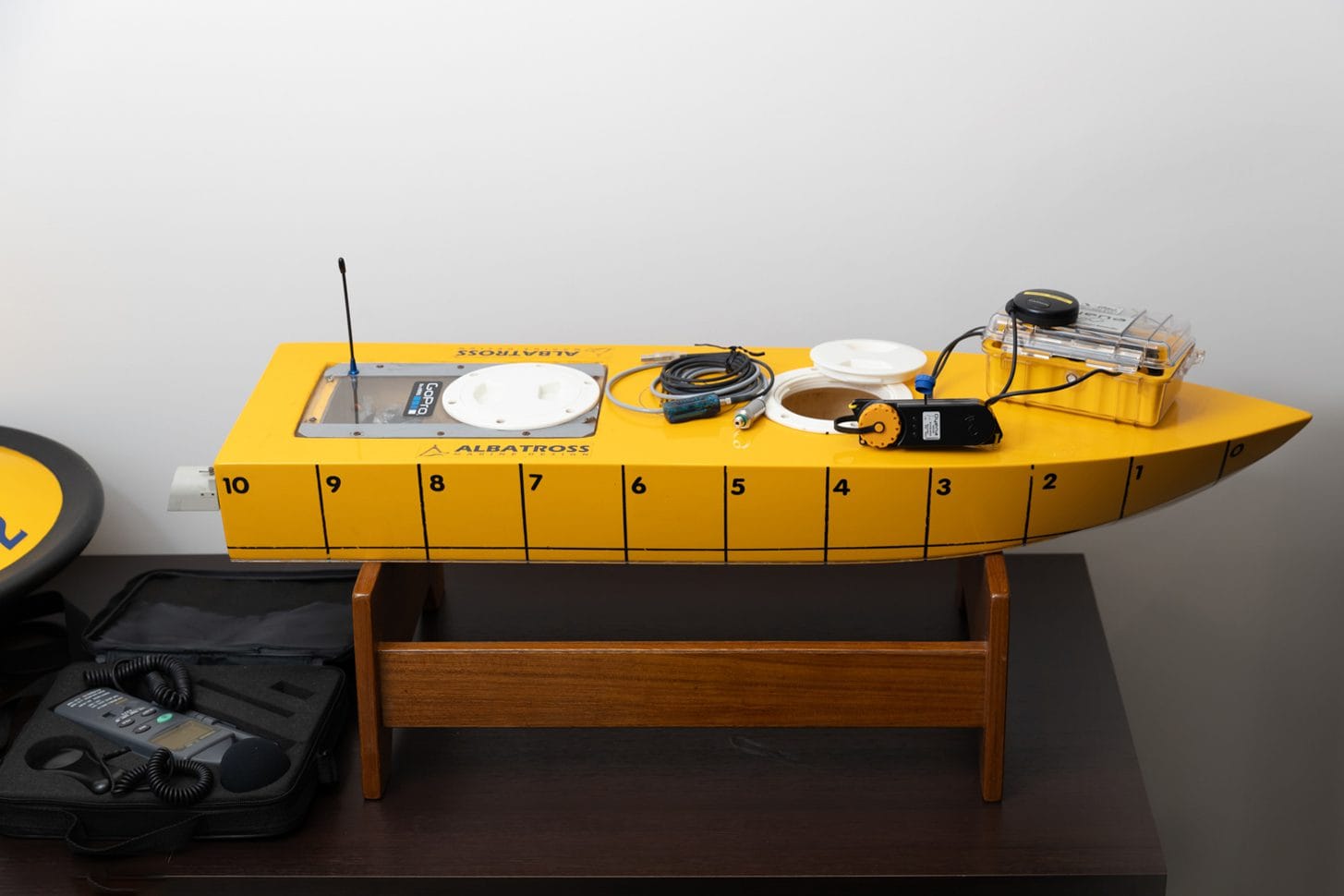
With 20 years of experience, AMD has so many designs and services. We can extract useful data from sea trials of our boats and use it to develop the software as well. So it’s all linked to the design we have done in the past. This software allows us to generate the design options faster.
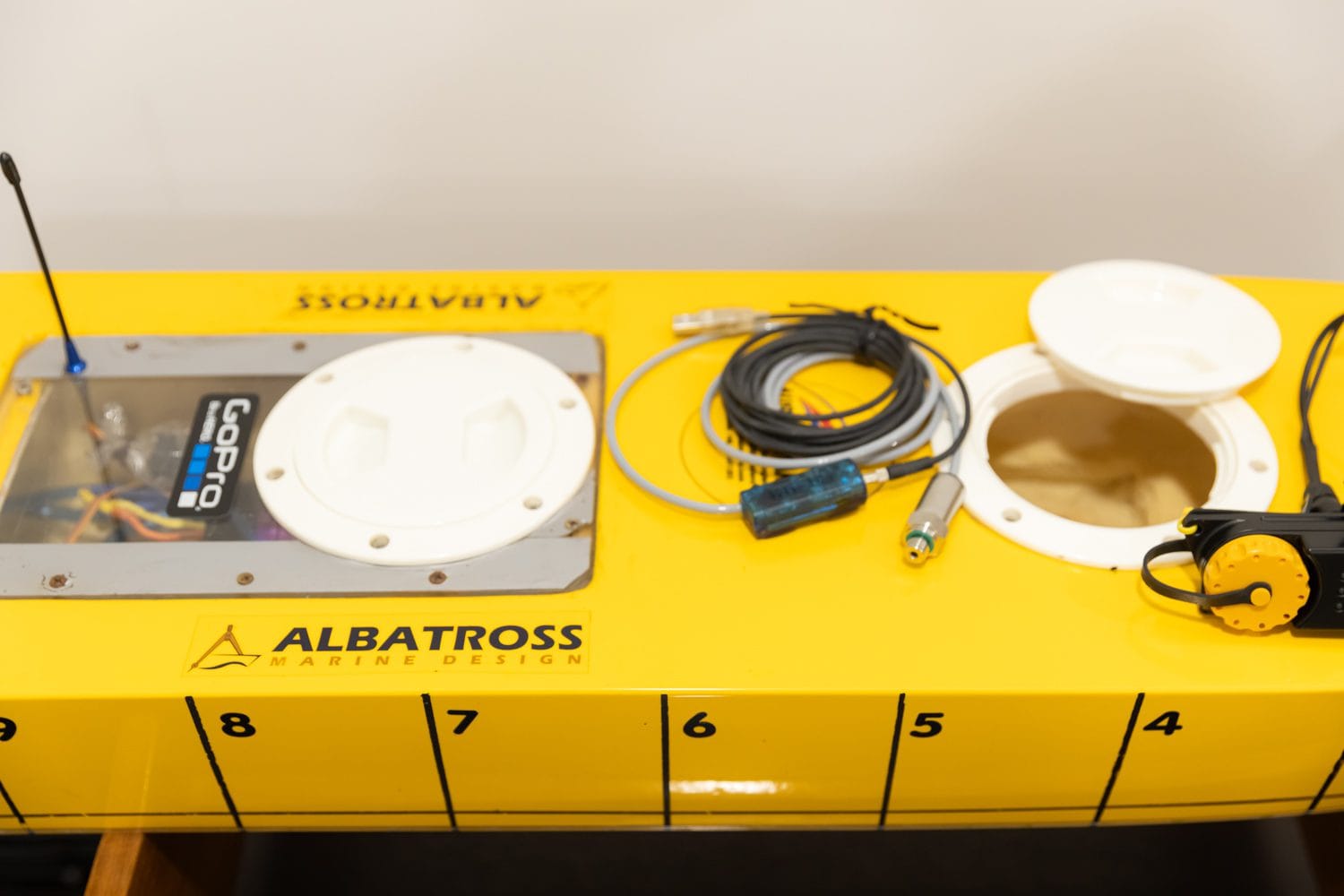
 Radio controlled model testing for design of high speed craft | Photo: Ketsiree Wongwan
art4d: So you have your own database?
AN: Yes, exactly. When our team draws the boat, we don’t only draw the pictures at the initial stage, but also do some calculations to estimate in parallel. So we play with dimensions and the powering for the speed. And we also have a way to estimate the weight that is reasonable for the design.
art4d: How about the material? Does it have to have more durability than the interior design on the land?
AN: Yes. On land, if you want to change the interior it is easy. But on the boat, it’s all built-in furniture, it might take you years and millions of dollars to change the interior depending on the size of the boat. So this means that interior design is durable and stable. It should not get out of fashion in 2 years. That’s why we have a bit more conservative style. In my industry compared to other industries. We try to give the customer a nice one but still we understand that they should be able to use it for maybe 10 years plus.
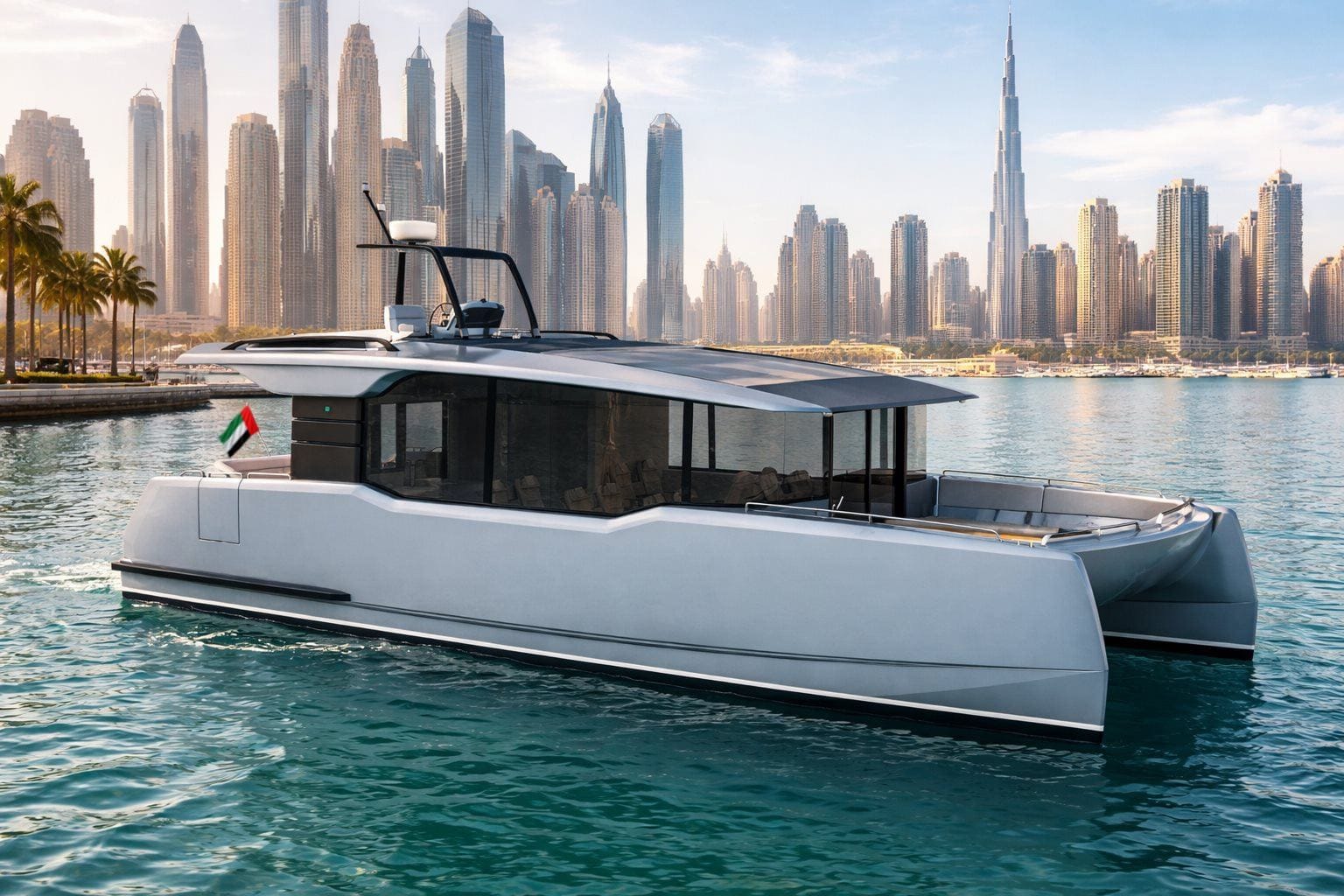
There’s something I want to show you. This is Beluga, an 18 meter fire-fighting power catamaran, designed for Solas Marine (UAE). This boat is built with carbon fiber. Super lightweight weight, but is combustible material. How can you build the firefighting boat in the material that burns? (laugh) We did.
We have the springer system outside that creates the mist around the vessel during firefighting operation. We chose carbon because normally, the firefighting boat is 35 meters. They are larger and more expensive. We try to make it shorter and cheaper while keeping the capability to carry the equipment. This design has a unique maneuverability, because you can turn it around really fast.

BELUGA
MWT15
art4d: In the field of marine design, is there anything AMD would like to design in the future?
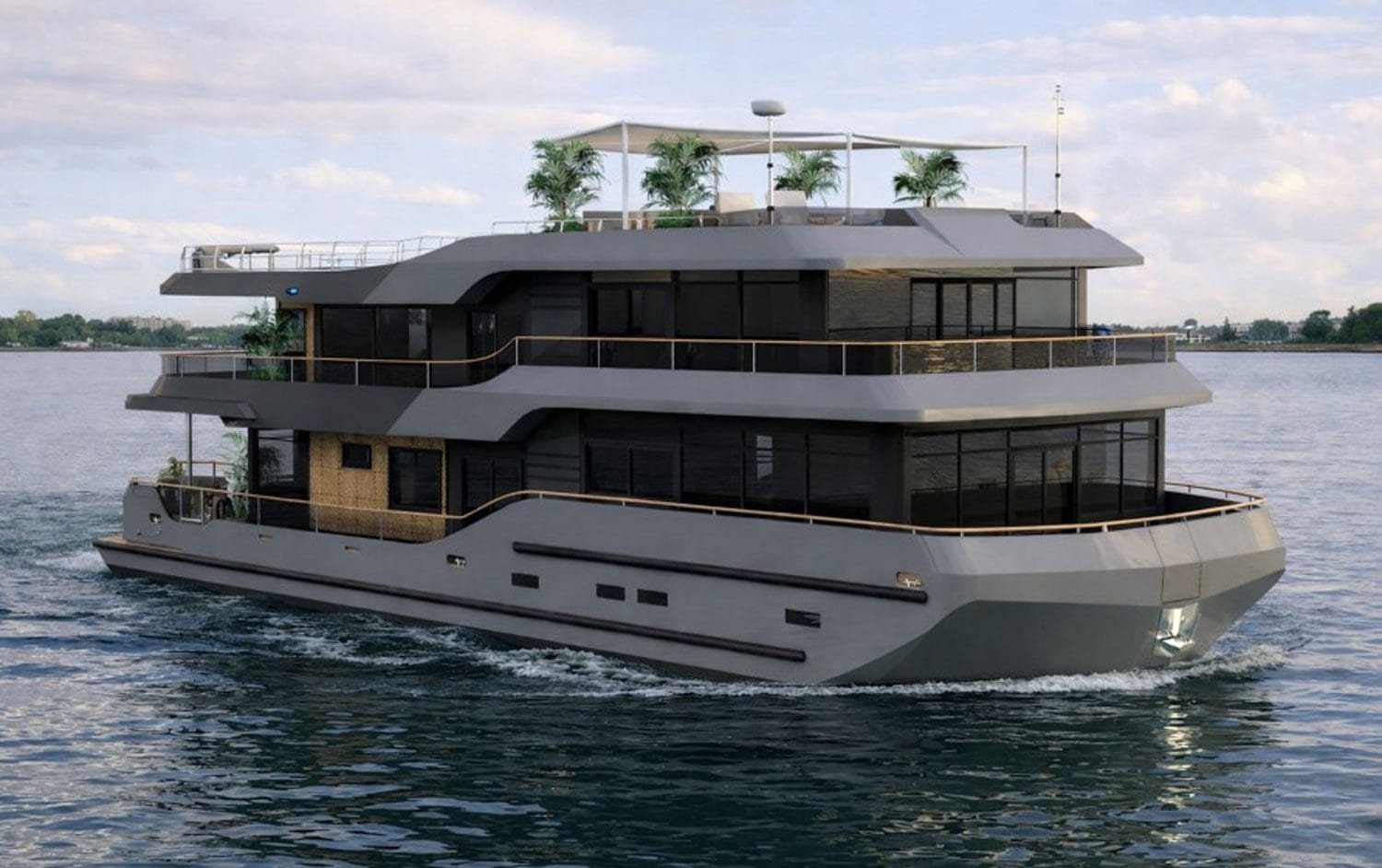
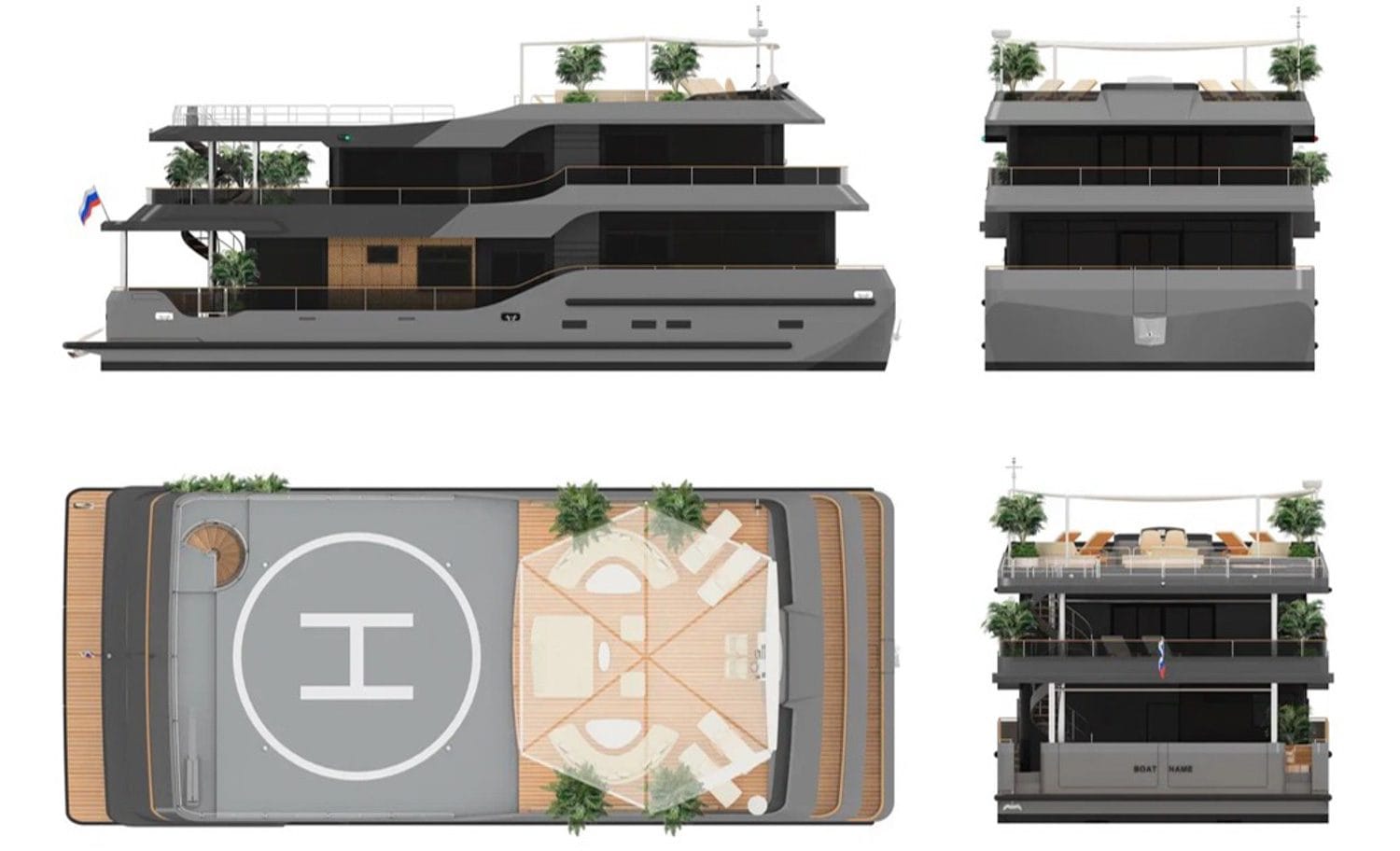
AN: This is the houseboat, which is used to live. It’s about 600 m² of living space so it’s a floating house. But what is different about this houseboat? It’s designed to make the passengers on this at sea as well, limited up to 3 meters away. So you can basically travel on this boat freely. I would say it’s a new type of craft. It’s a house, but you still have the capabilities of the yacht, including the helipads.
houseboat
houseboat
albatrossmarinedesign.com
facebook.com/AlbatrossMarineDesign