JOIN FOUR SPEAKERS FROM THE PERFORMING ARTS FIELD IN EXPLORING HOW AI IS RESHAPING THE RELATIONSHIP BETWEEN ART, COMMUNITY, AND LEADERSHIP AT THE HONG KONG INTERNATIONAL CULTURAL SUMMIT
TEXT: NATHATAI TANGCHADAKORN
PHOTO: NATHATAI TANGCHADAKORN EXCEPT AS NOTED
(For Thai, press here)
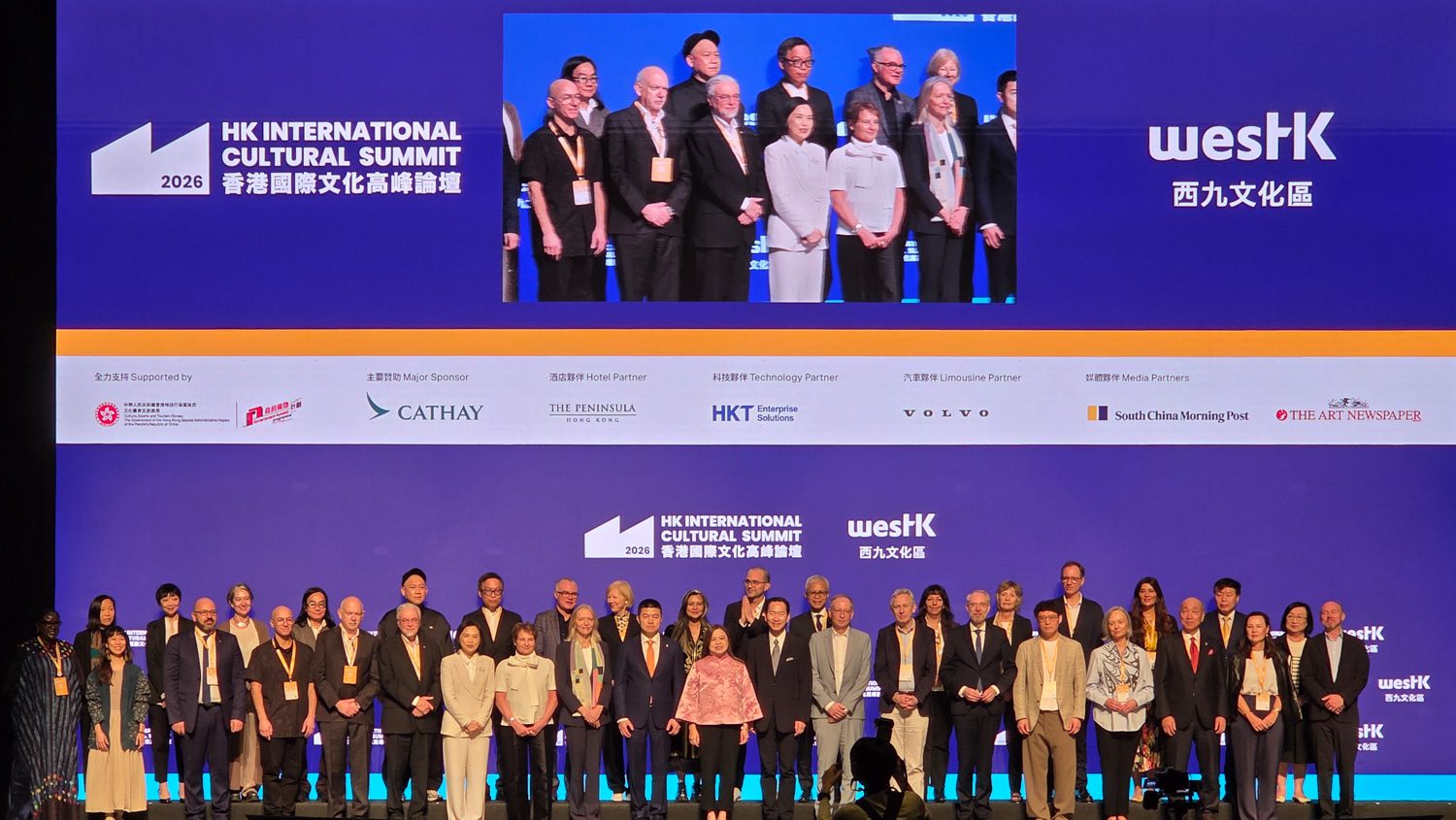
HKICS, or the Hong Kong International Cultural Summit, has now reached its second edition, with the West Kowloon Cultural District (WestK) serving as host. The summit continues to encompass a broad range of conversations among figures from across the arts and cultural sectors. As expected of an event of this international scale, each session brings together specialists from around the world, with key themes centering on community, spatial development, and the relationship between cultural institutions and the city, as seen in sessions such as Knowing Our Audiences: Shaping Community-Centered Museums and Multi-disciplinary Arts Districts in the 21st Century – Challenges and Opportunities.
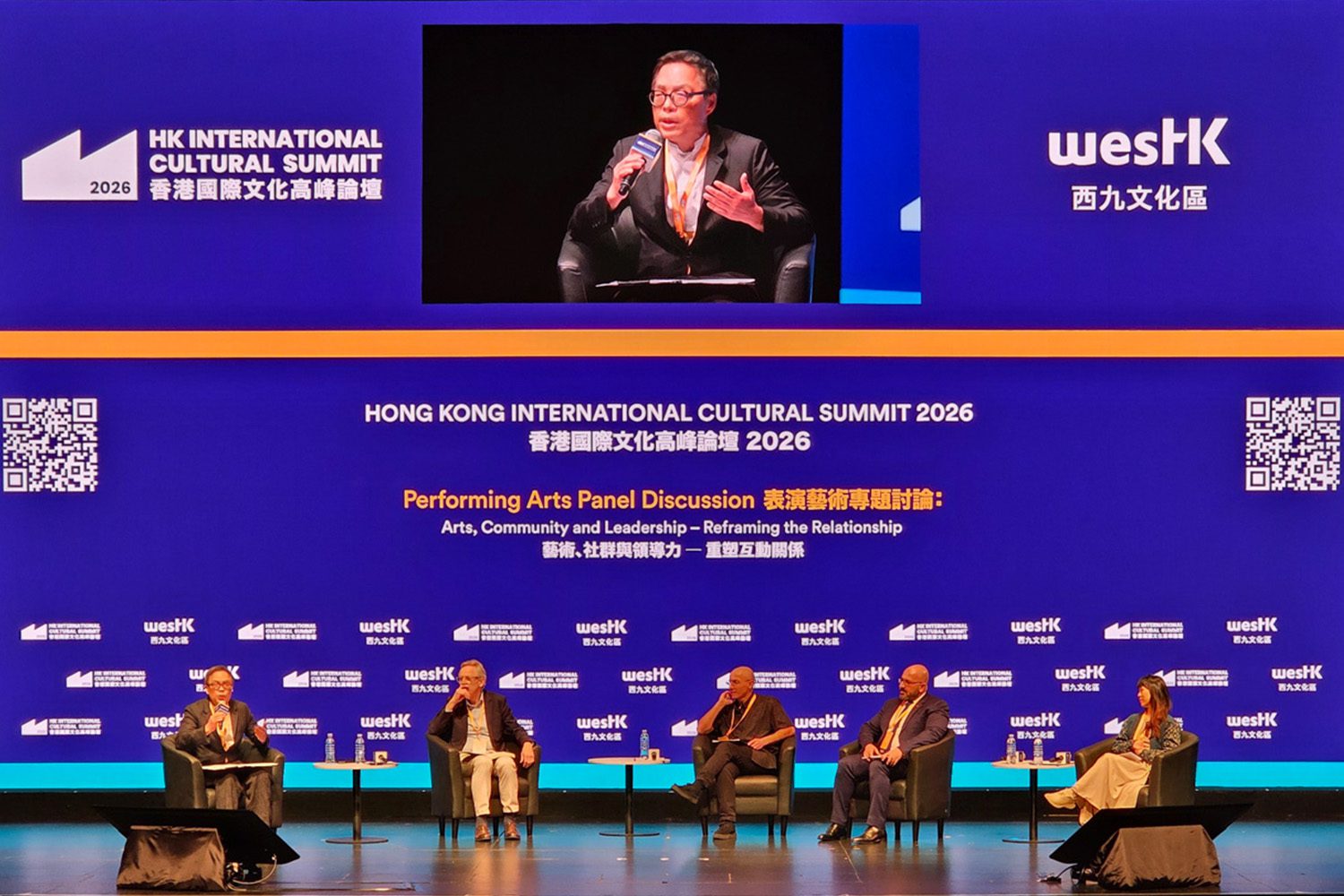
Amid a packed program of talks held across WestK in Hong Kong on March 22 – 23, 2026, art4d has chosen to spotlight Performing Arts Panel Discussion: Arts, Community and Leadership – Reframing the Relationship. The choice stems from a sense that the term ‘performing arts’ remains relatively unexplored in Thailand when discussed in relation to contemporary art.
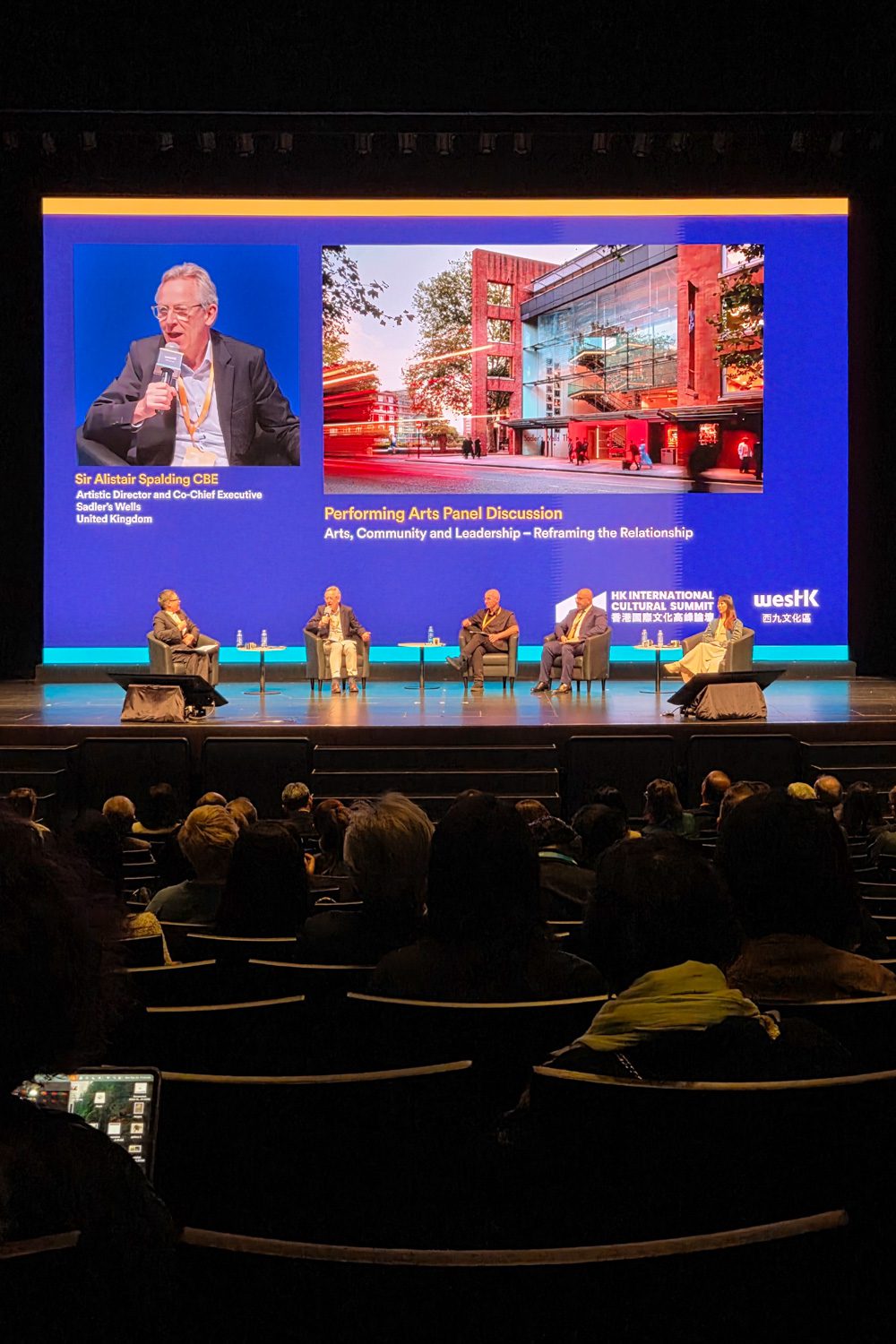
Sir Alistair Spalding CBE, Artistic Director, Sadler’s Wells
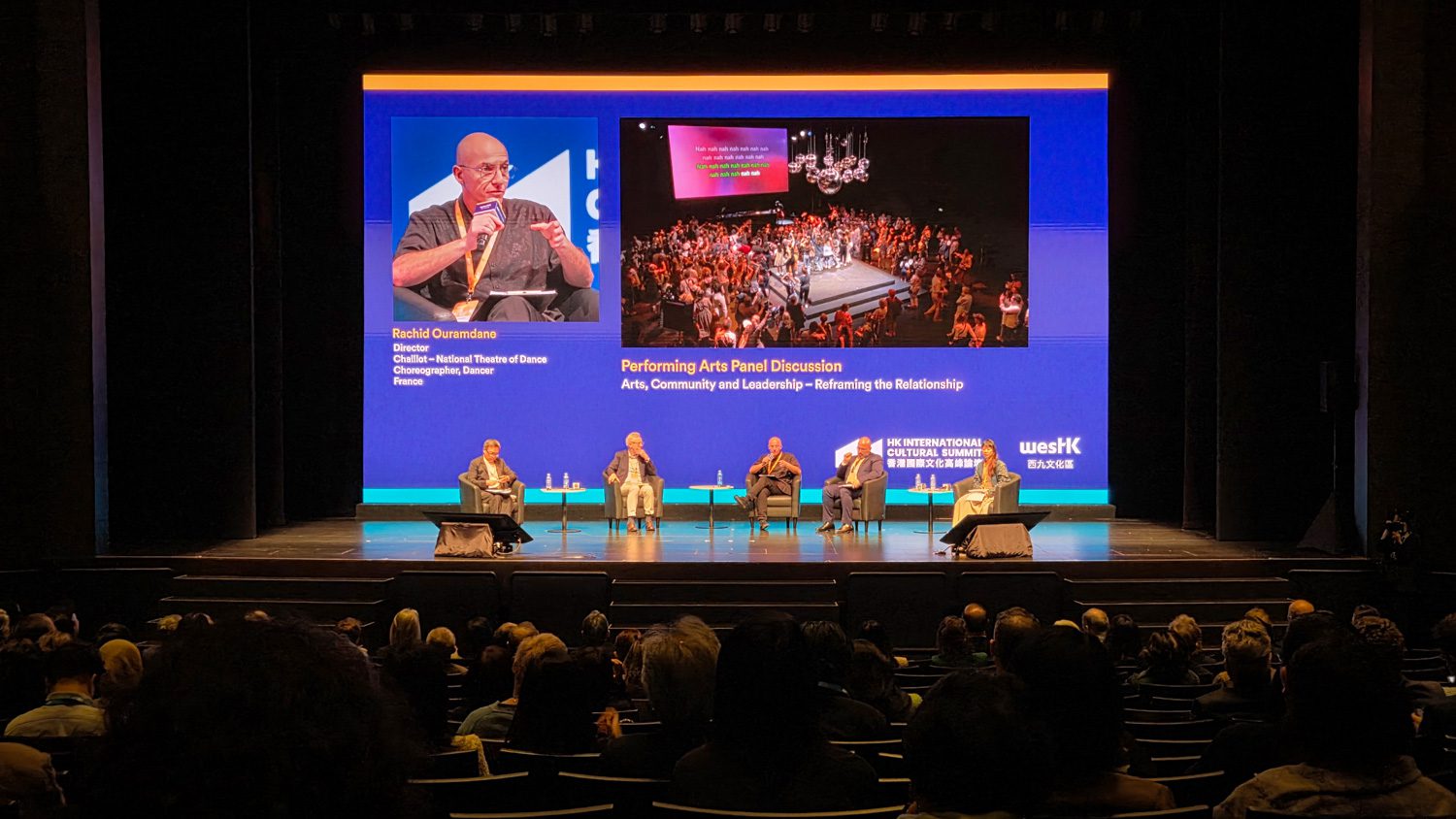 Rachid Ouramdane, Director, Chaillot
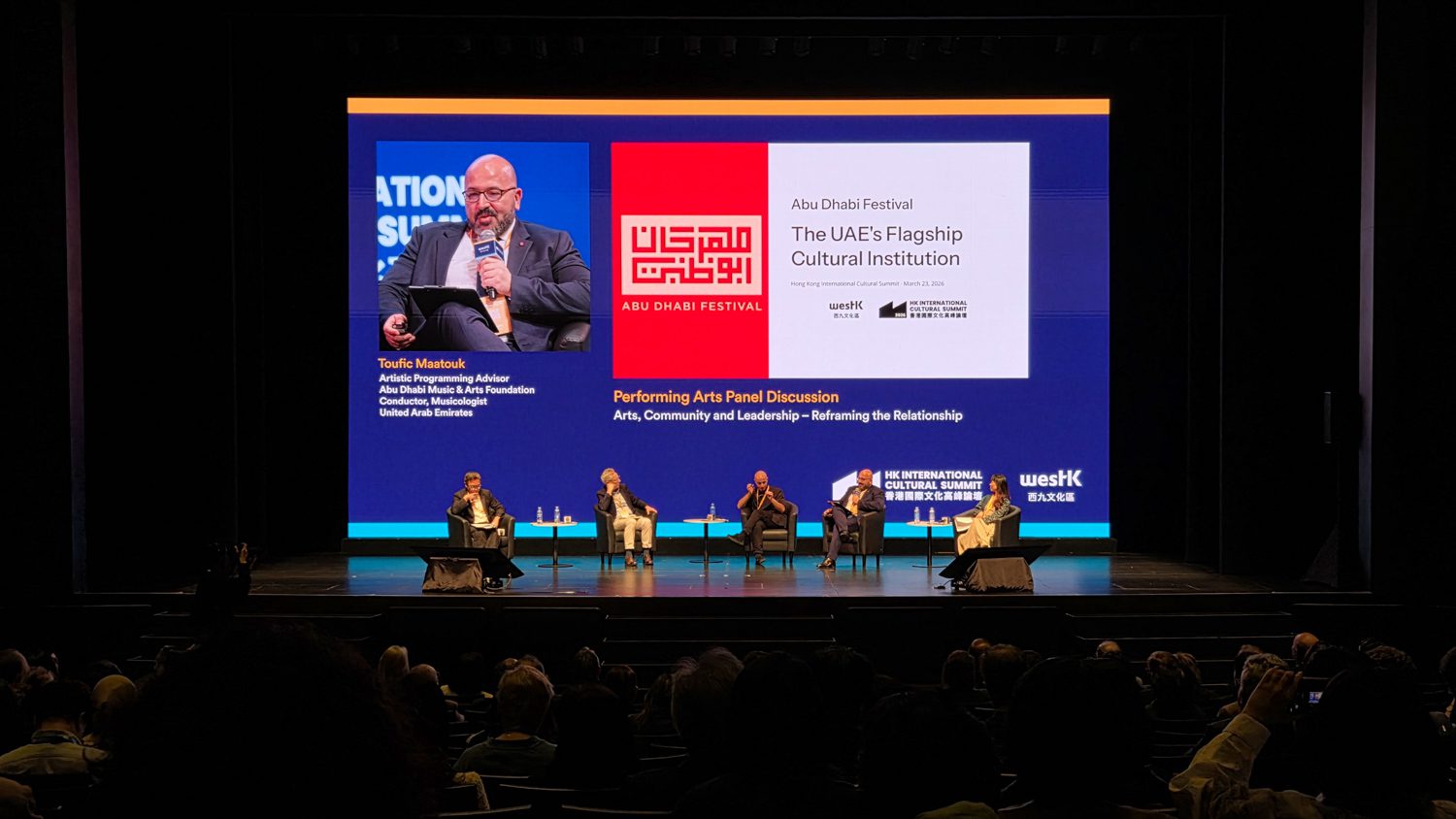
The panel brought together speakers from four countries: Sir Alistair Spalding CBE, Artistic Director and Co-Chief Executive of Sadler’s Wells, the London theatre institution whose history spans more than three centuries; Rachid Ouramdane, Director of Chaillot, one of France’s five national theaters; Toufic Maatouk, Artistic Programming Advisor to the Abu Dhabi Music & Arts Foundation (ADMAF), a foundation that plays a significant role in the arts landscape of the United Arab Emirates; and Sasapin Siriwanij, Artistic Director of the Bangkok International Performing Arts Meeting (BIPAM), the organization behind Thailand’s contemporary performing arts meetings and conferences.
After the opening presentations, in which each speaker outlined the state of performing arts within the distinct contexts of their respective regions, I was once again reminded, prompted in part by Sasapin’s remarks, of the importance of public support. In truth, performing arts are hardly foreign to Thailand. They have long been embedded in Thai life, from Khon and Nang Talung to the dance education widely taught in schools. Yet while preparing to attend the session, I found myself unable to think of a ‘performing arts center’ in Thailand, even though I was fully aware that the country has a National Theatre at Sanam Luang. With only the slightest shift in wording, in what are in fact my first and second languages, the concept suddenly seemed to slip from view.
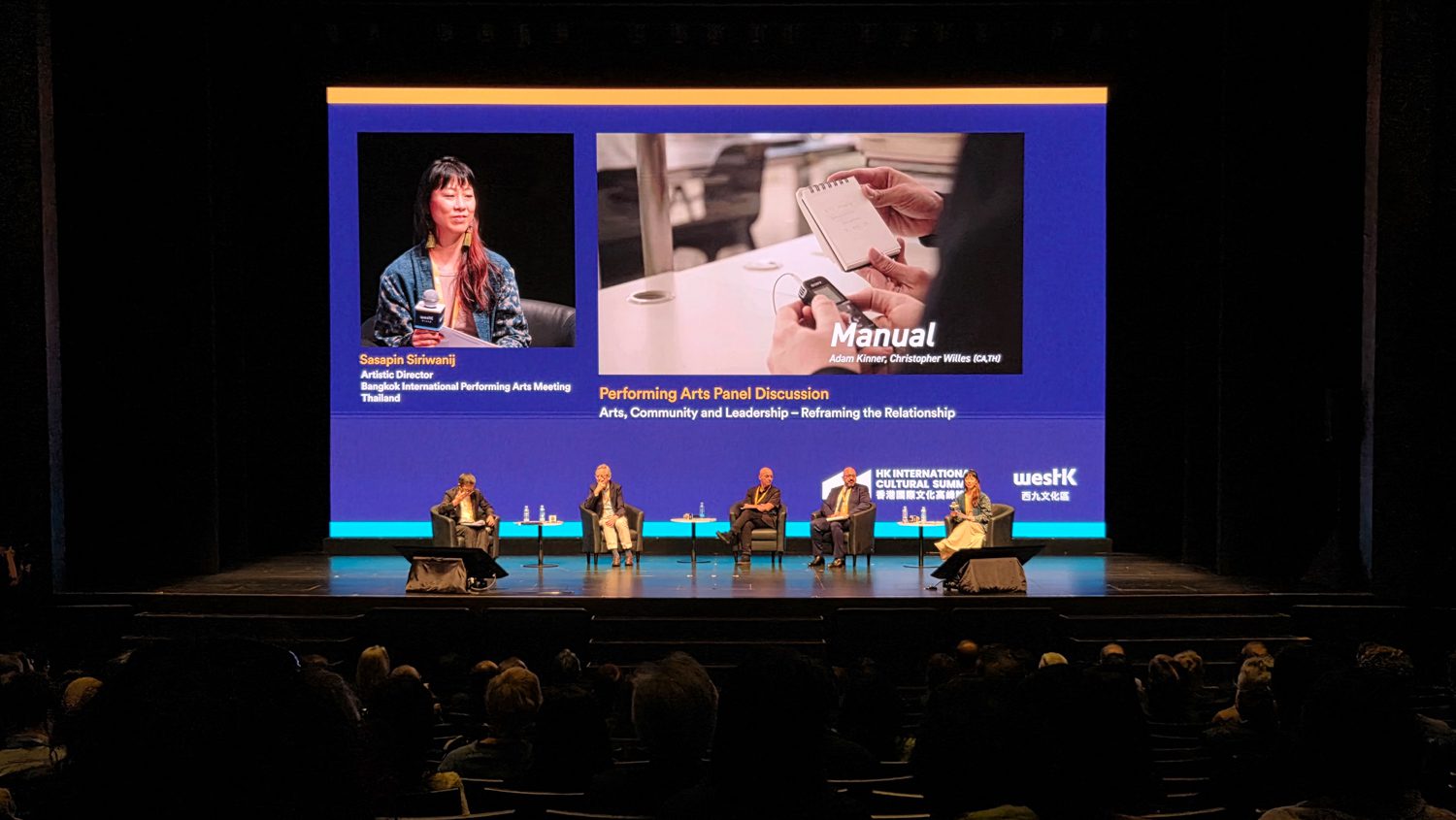
Sasapin Siriwanij, Artistic Director, Bangkok International Performing Arts Meeting (BIPAM)
I gradually realized that, at least for myself, I had unconsciously compartmentalized and all but forgotten contemporary performing arts, to the point that I had never seriously imagined a concrete space for them before. It is also true that venues for concerts and small- to mid-scale theatrical productions remain far from widespread in Thailand. As a result, performing arts have struggled to circulate more broadly, lacking not only physical spaces but also a place within public consciousness, where this kind of art does not readily come to mind. BIPAM has already succeeded in connecting communities of practitioners within the region; how it might go on to communicate with wider audiences is a question for the future.
Another compelling part of the session was the panel discussion, which, as with other talks at the summit, opened the floor to questions from the audience. Guiding the exchange was Paul Tam, Executive Director, Performing Arts at WestK, who helped bring the speakers’ different forms of knowledge and experience into dialogue.
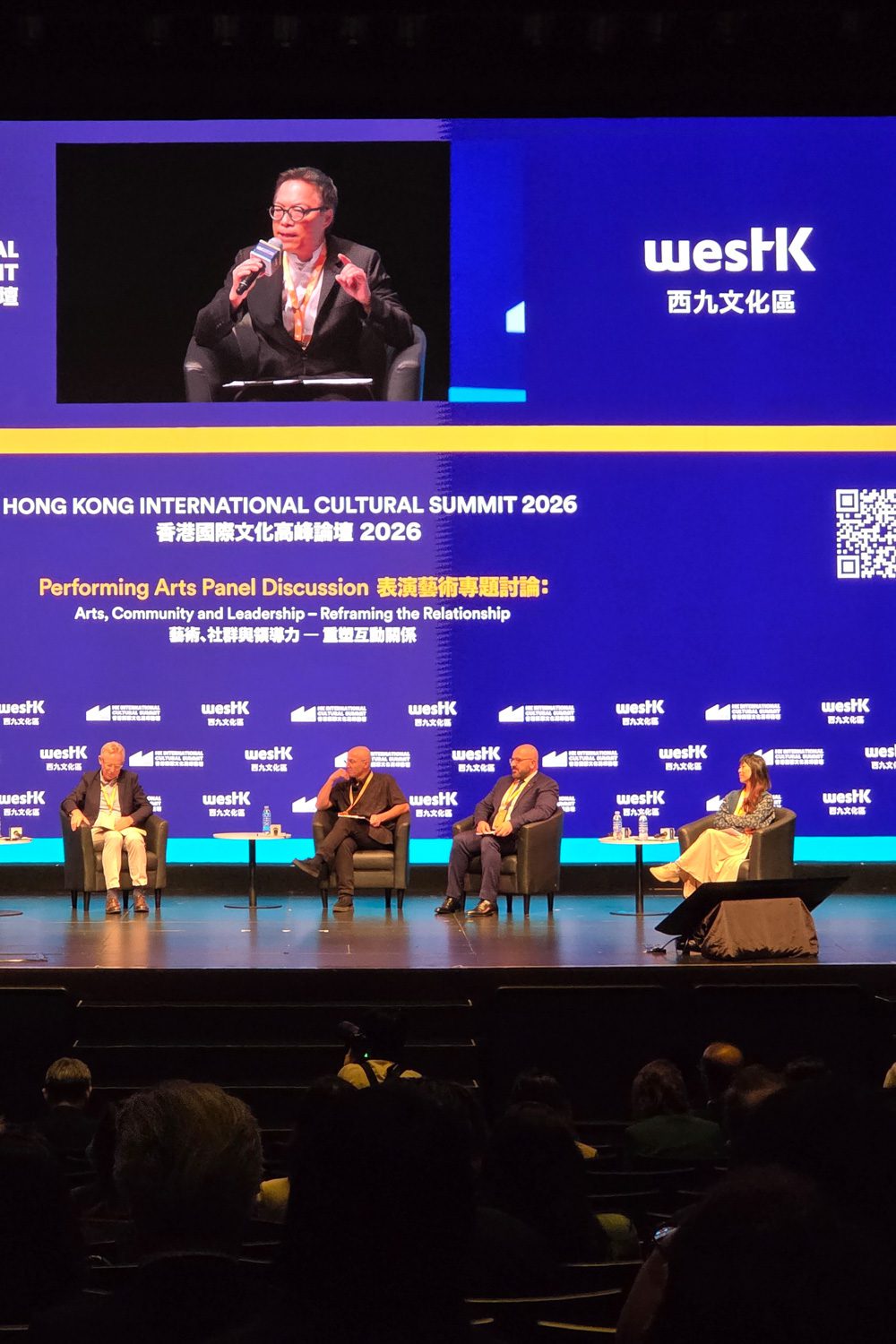
Would AI alter the relationship between performing arts and the broader spheres of Arts, community, and leadership? On this point, the speakers were largely in agreement. Beyond the vantage point afforded by their institutional roles, which allow them to grasp the industry at a broader scale, they are also artists themselves and thus deeply attuned to the issue. Rachid argued that just as the camera never replaced the painter, and people still choose to travel to a concert even when a video version can be watched comfortably at home, the relationship between performer, artwork, and audience is not something that will disappear easily. As for leadership, AI can indeed help us gather information, but the judgments we ultimately make must still rest on human discernment shaped by artistic experience.
Both Alistair and Sasapin also raised cautions about how AI is used. AI often delivers only a result; when an ‘error’ appears in the output, users frequently have no clear sense of where in the process it arose or why. At the same time, because many AI models are trained primarily in English, the ‘mistakes’ that emerge through differences in language can also create openings for artists to play with and explore as creative possibilities. If I were to conclude the discussion, it would be this: AI should be approached with measured attention. Its users should remain questioning, careful, and critically alert, while ensuring that their own experience and knowledge remain genuinely part of the work.
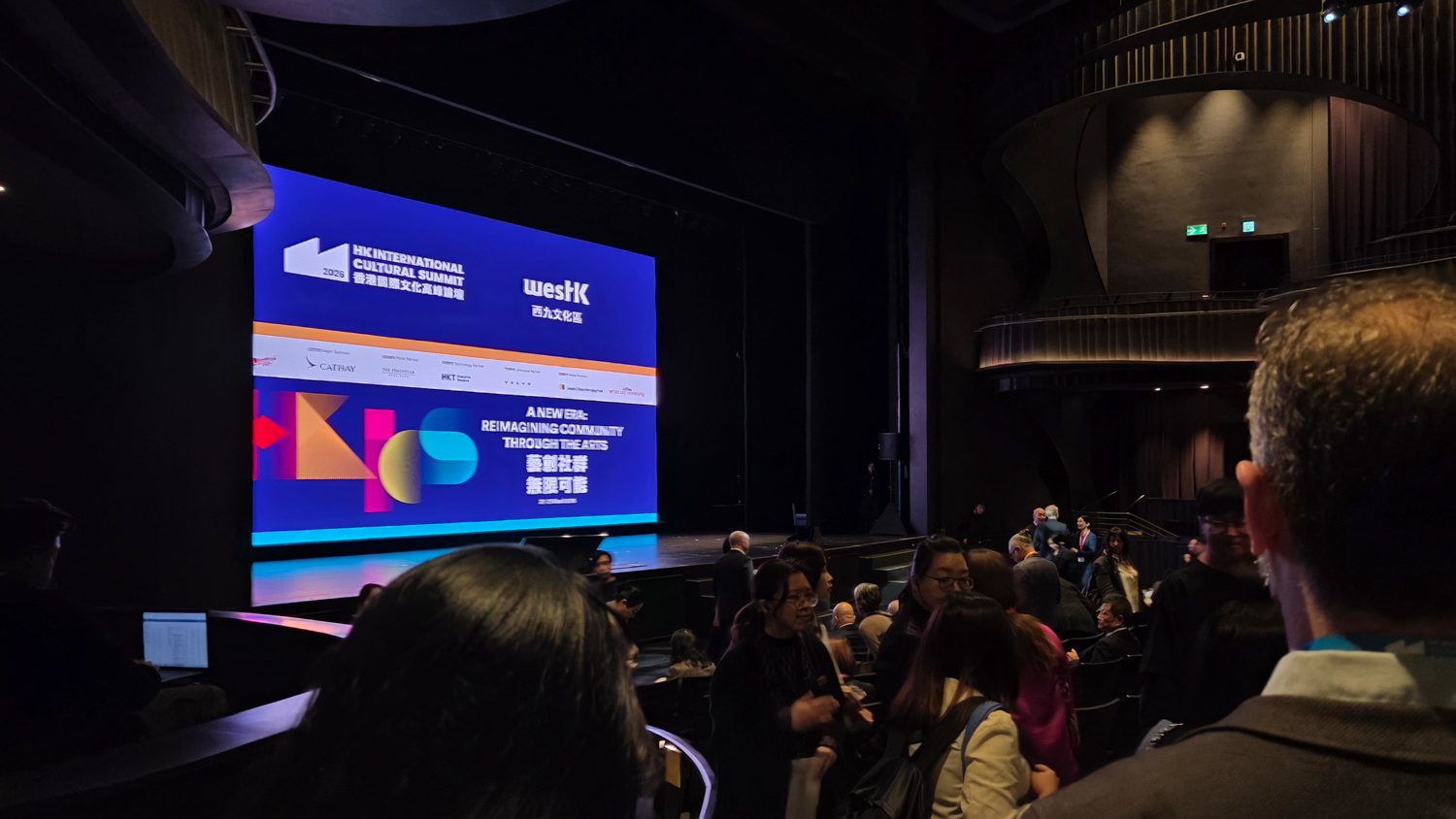
Beyond this, there were also questions about how arts organizations might be managed in a moment of rising costs, mounting challenges around the environment and logistics, as well as what the institutions led by each speaker might look like 10 or 20 years from now. For those curious to hear the answers firsthand, HKICS 2027 is worth keeping in view. Judging from this year’s edition, the summit has already established itself as a forum where nearly every session promises something of substance.
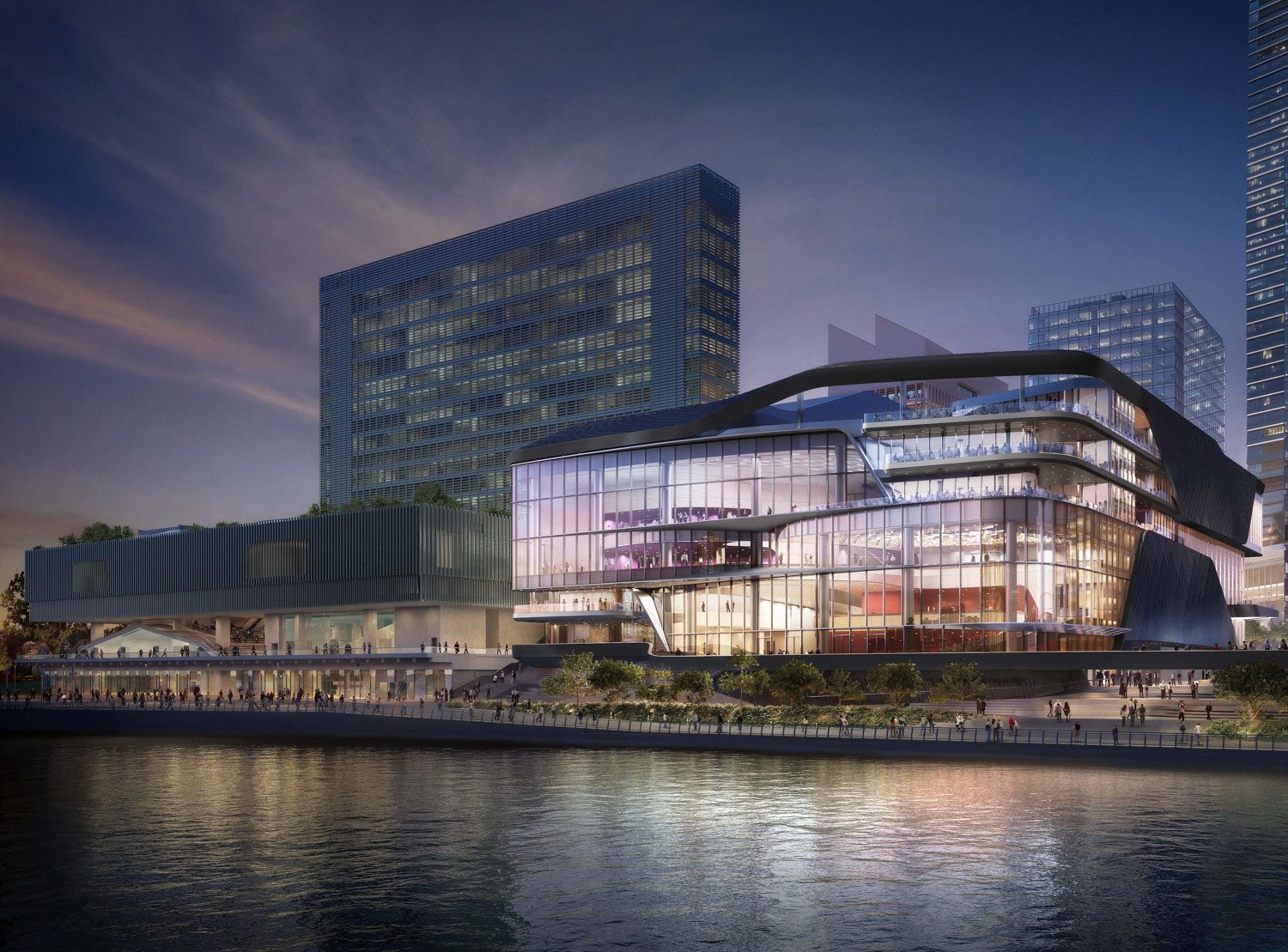
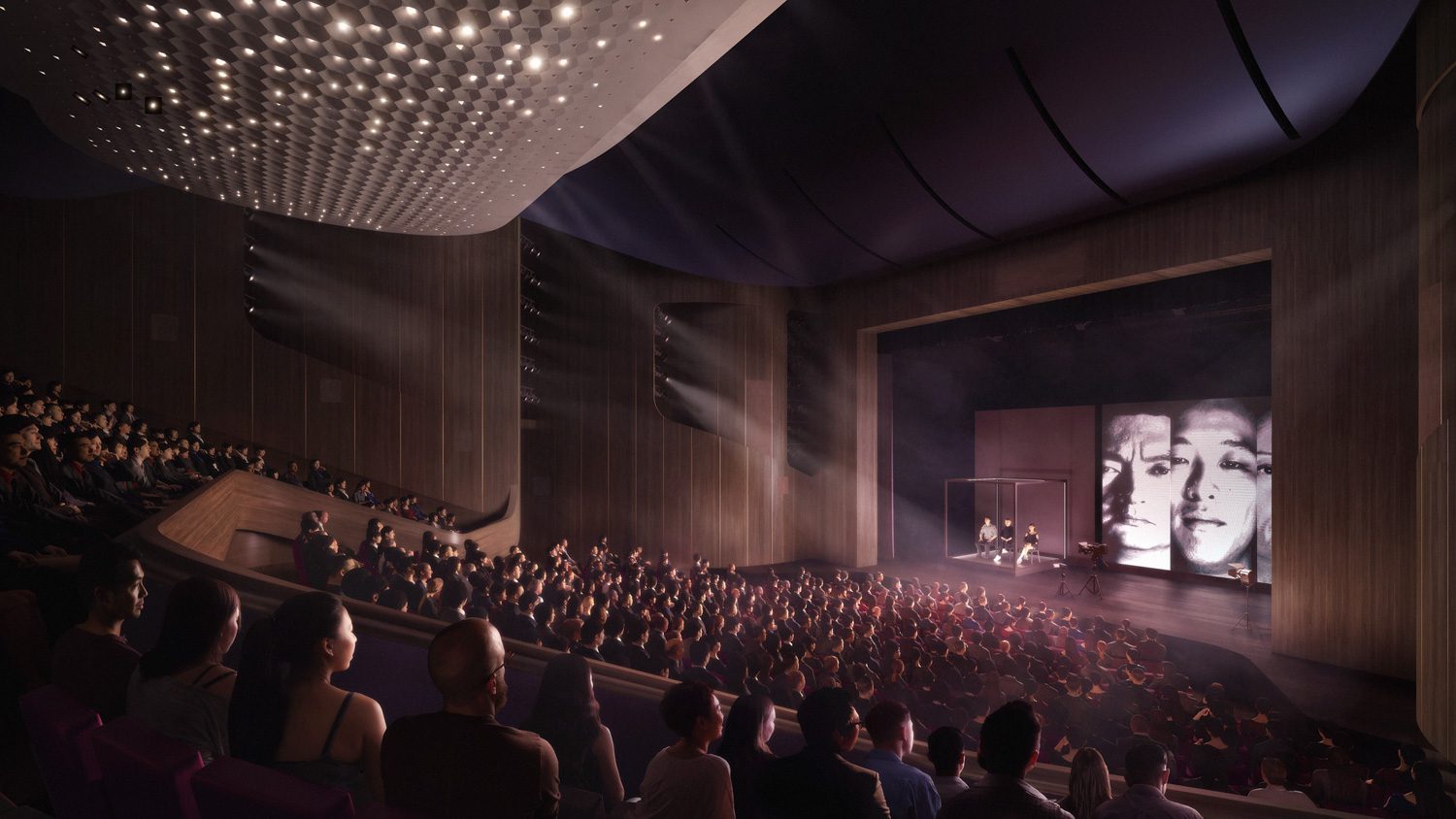
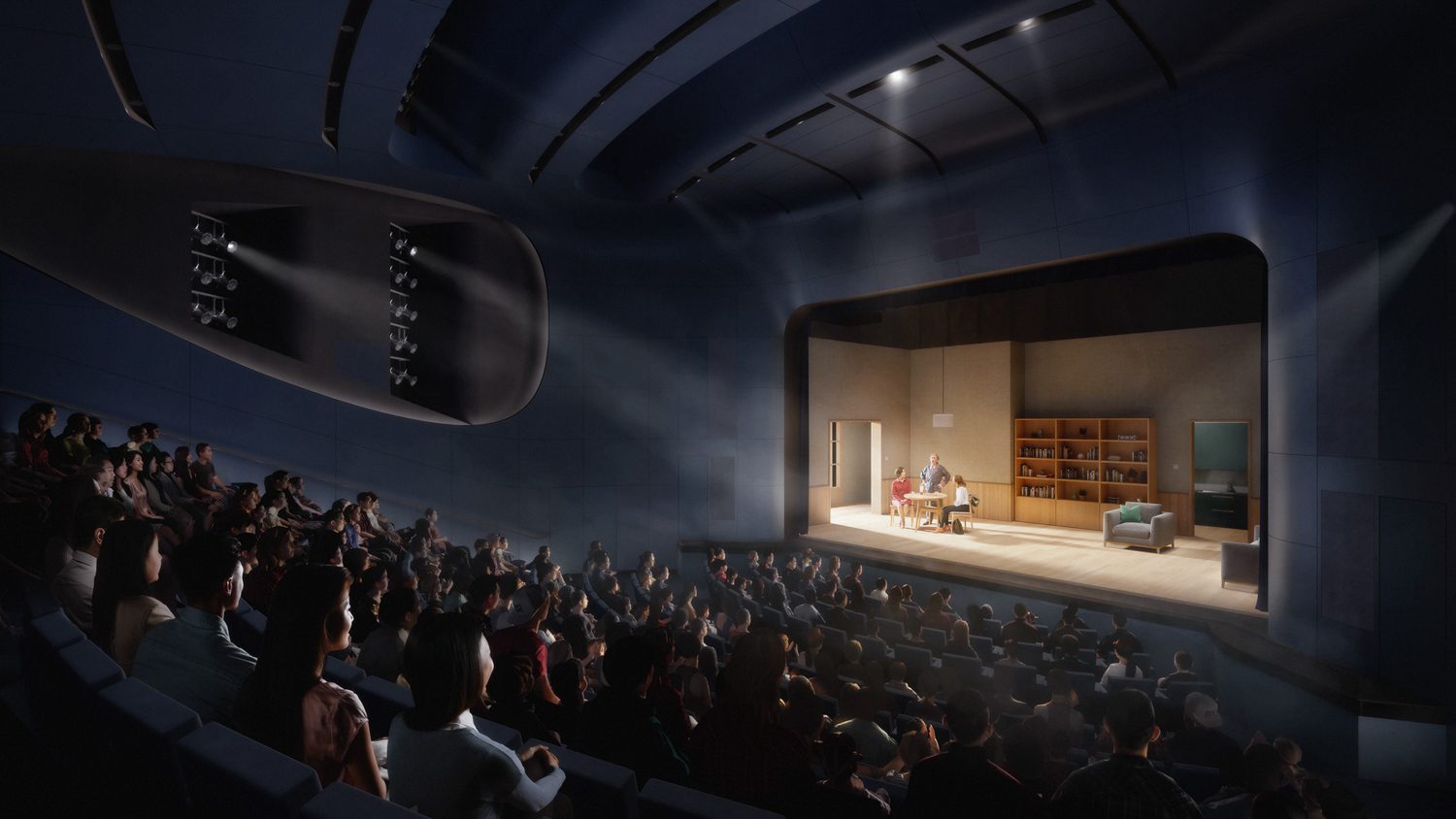
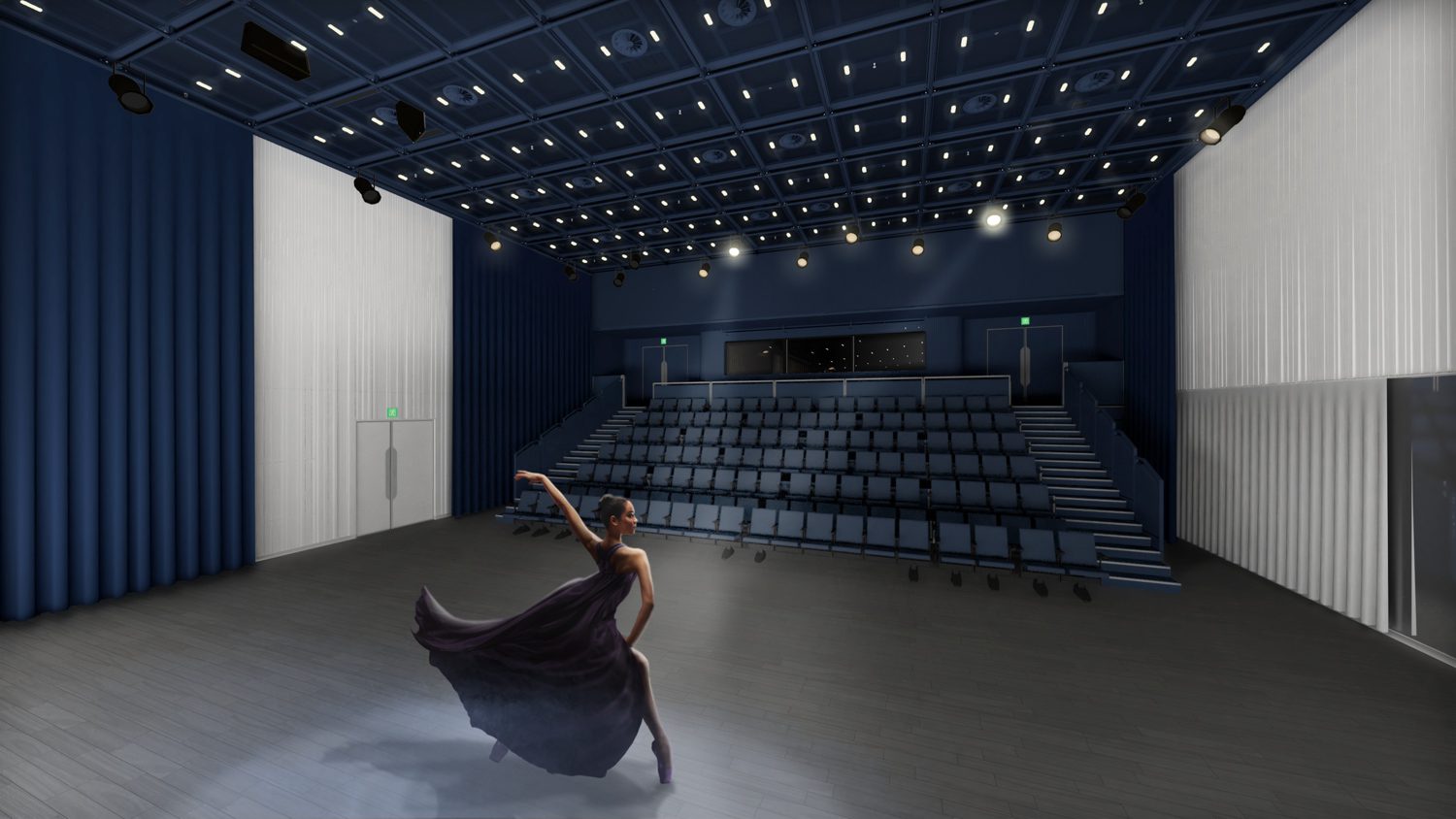
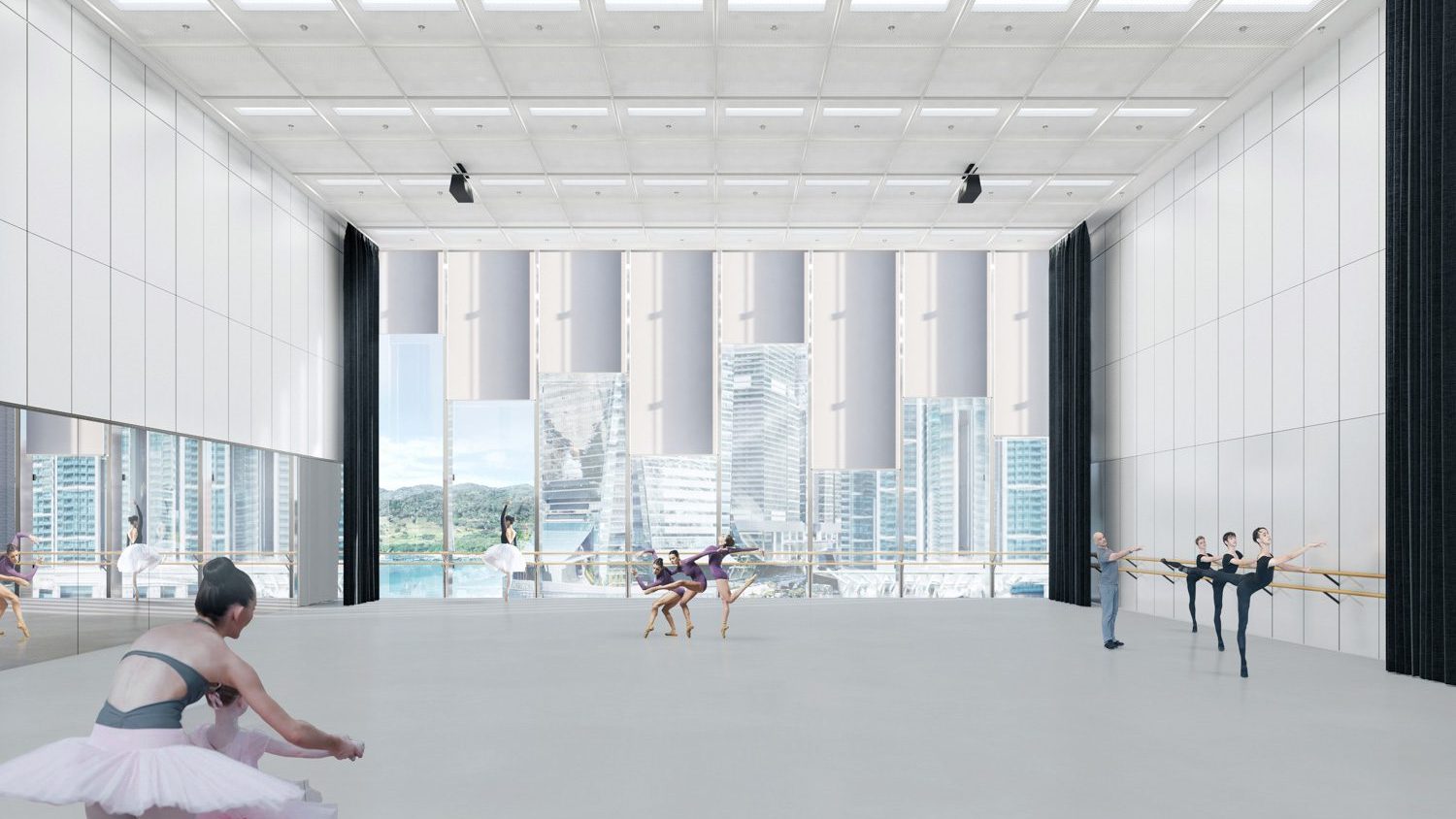
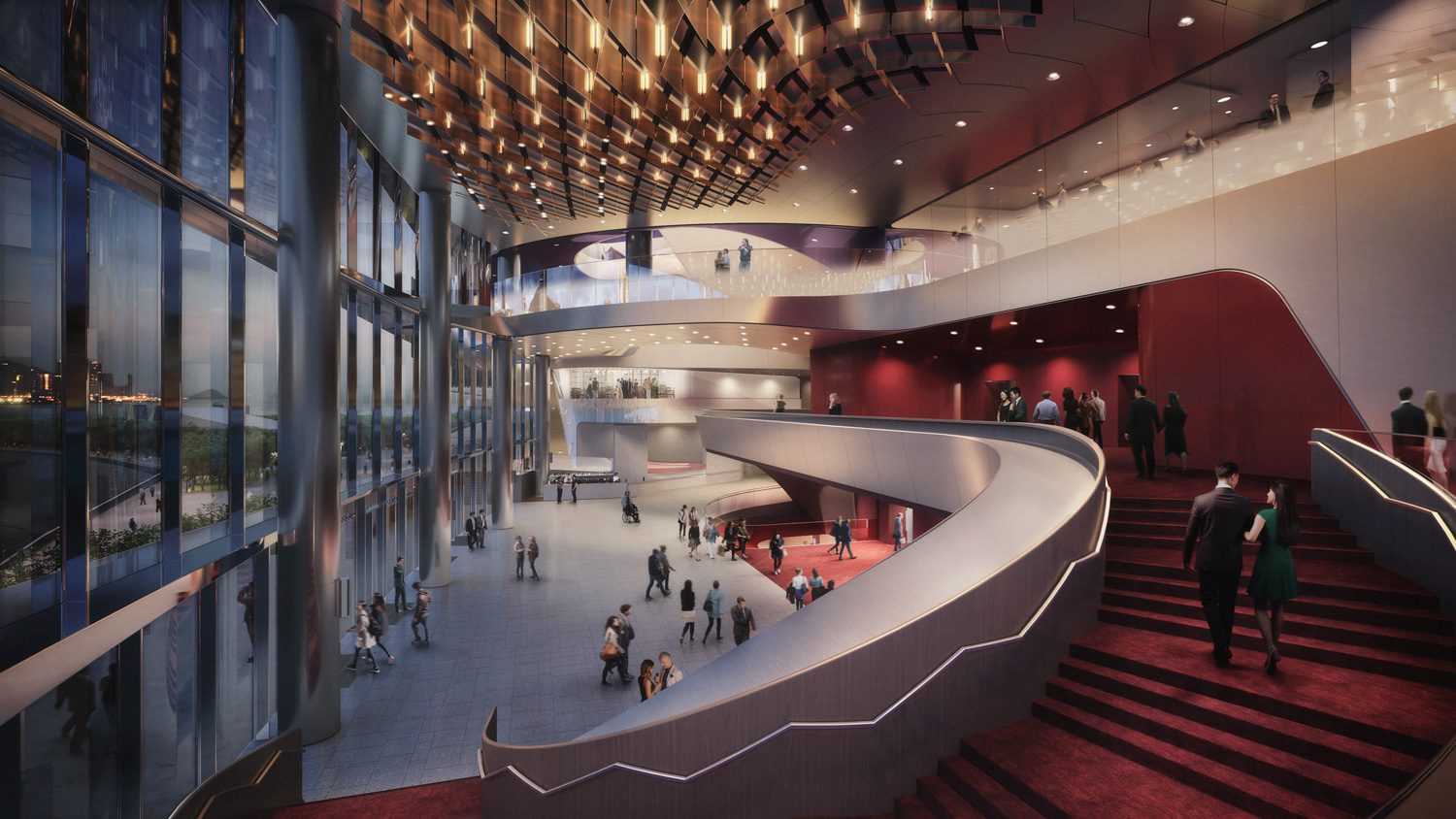
WestK Performing Arts Centre | Image courtesy of WestK
A brief note in closing: WestK is preparing to open its new Performing Arts Centre in 2027 as part of the wider cultural district. Designed by UNStudio and AD+RG, the venue will be within walking distance of the Hong Kong Palace Museum, Freespace, and M+, and will include three main theaters plus an additional hall: the 1,450-seat Grand Theatre, the 600-seat Medium Theatre, the 270-seat Studio Theatre, and The Hall, with 148 seats. The complex will also house a Dance House alongside a full range of supporting facilities.
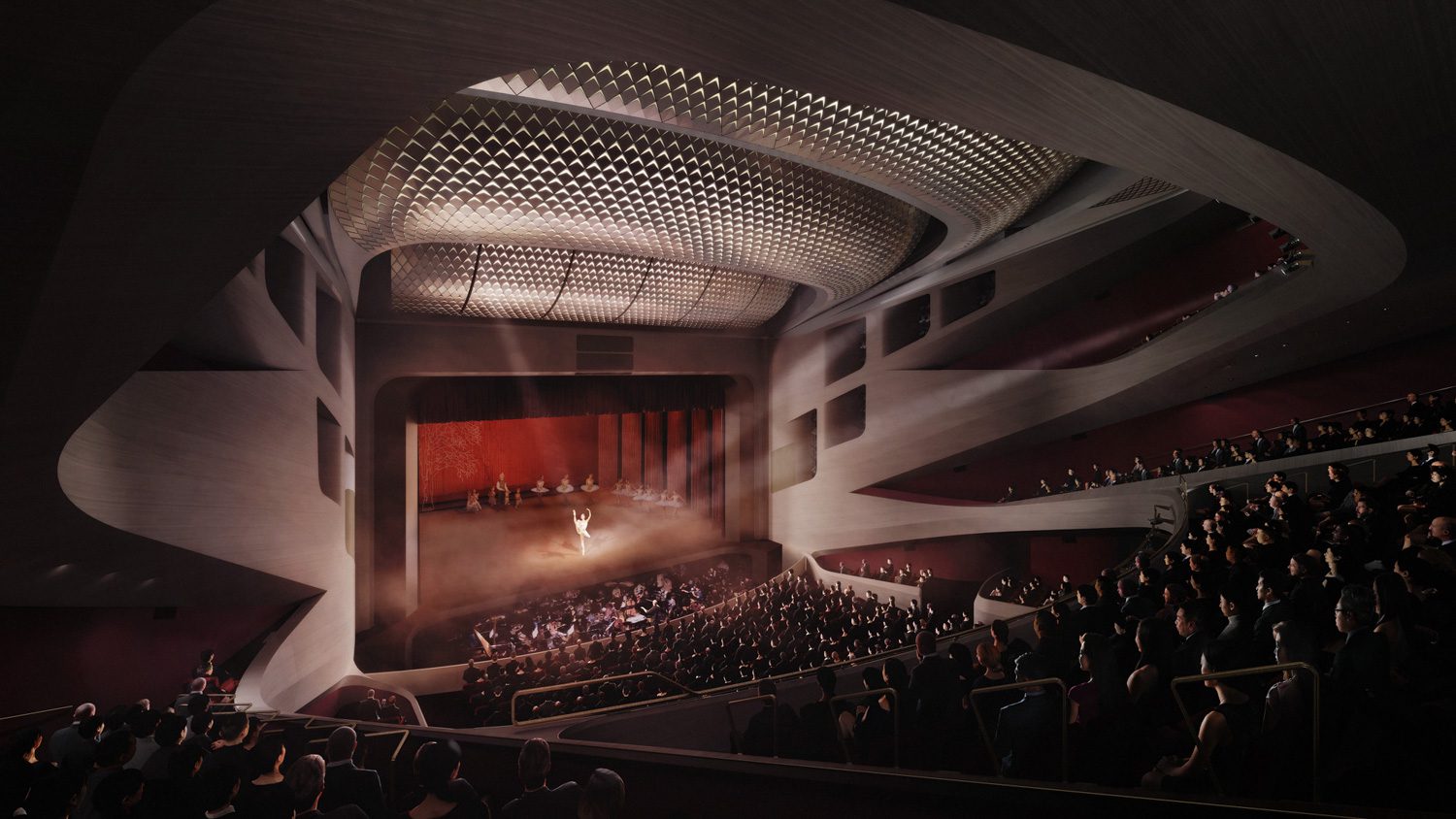 Grand Theatre | Image courtesy of WestK