DECIPHERING TAIPEI FASHION WEEK 2.0 THROUGH THE CONVERSATION WITH SUE WANG, WHEN FASHION IS NOT ONLY THE RUNWAY BUT EVOLVES INTO A RESILIENT ECOSYSTEM
TEXT: SARUNKORN ARTHAN
PHOTO COURTESY OF TAIPEI FASHION WEEK
(For Thai, press here)
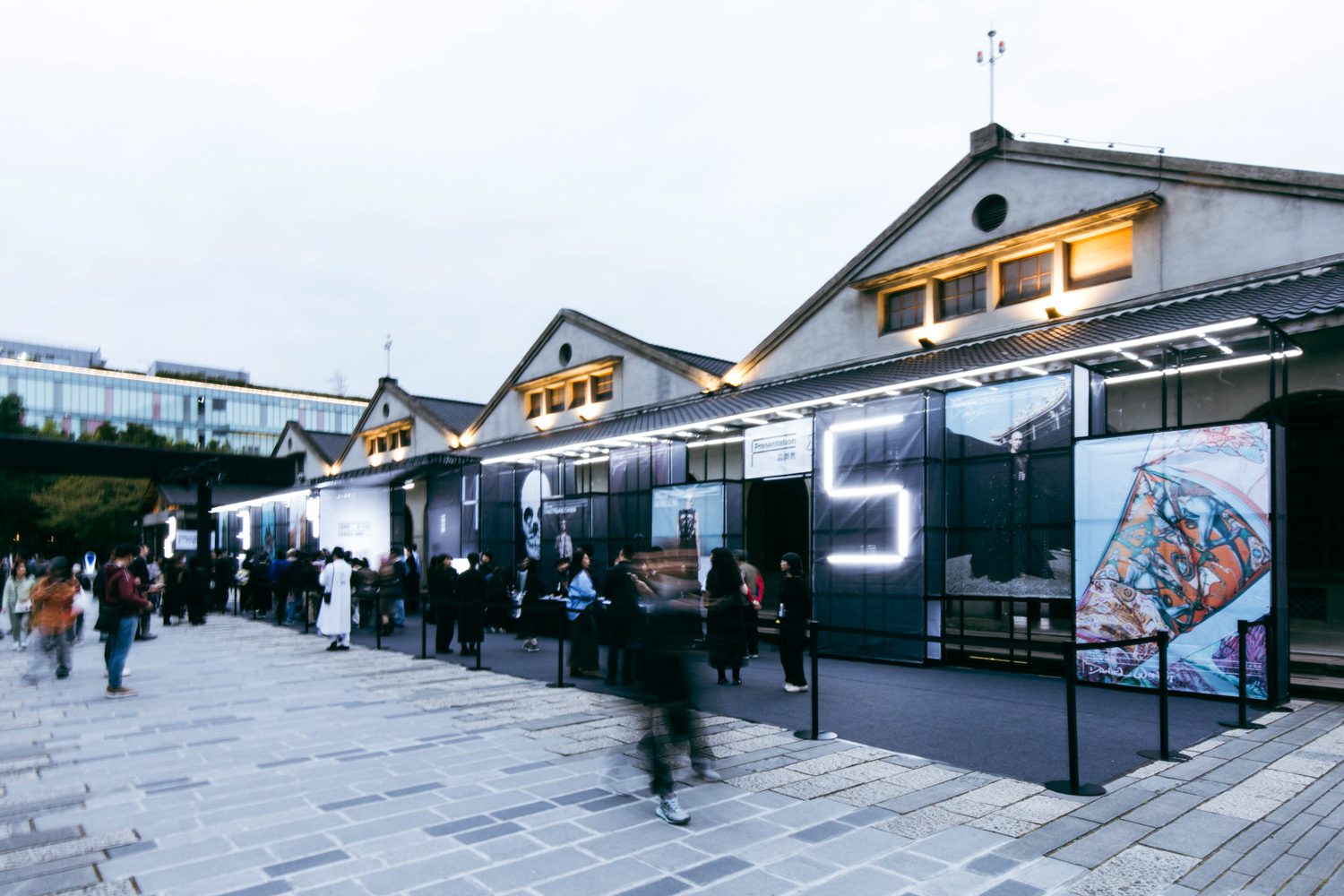
Taiwan, formerly known as ‘the world’s garment industrial estate,’ is now stepping into and evolving into a ‘creative studio of Asia’. This shift is especially evident in the ninth year of Taipei Fashion Week, with the 2.0 transformation that focuses on the depth of fashion creativity and the sustainability trend over the runway shows.
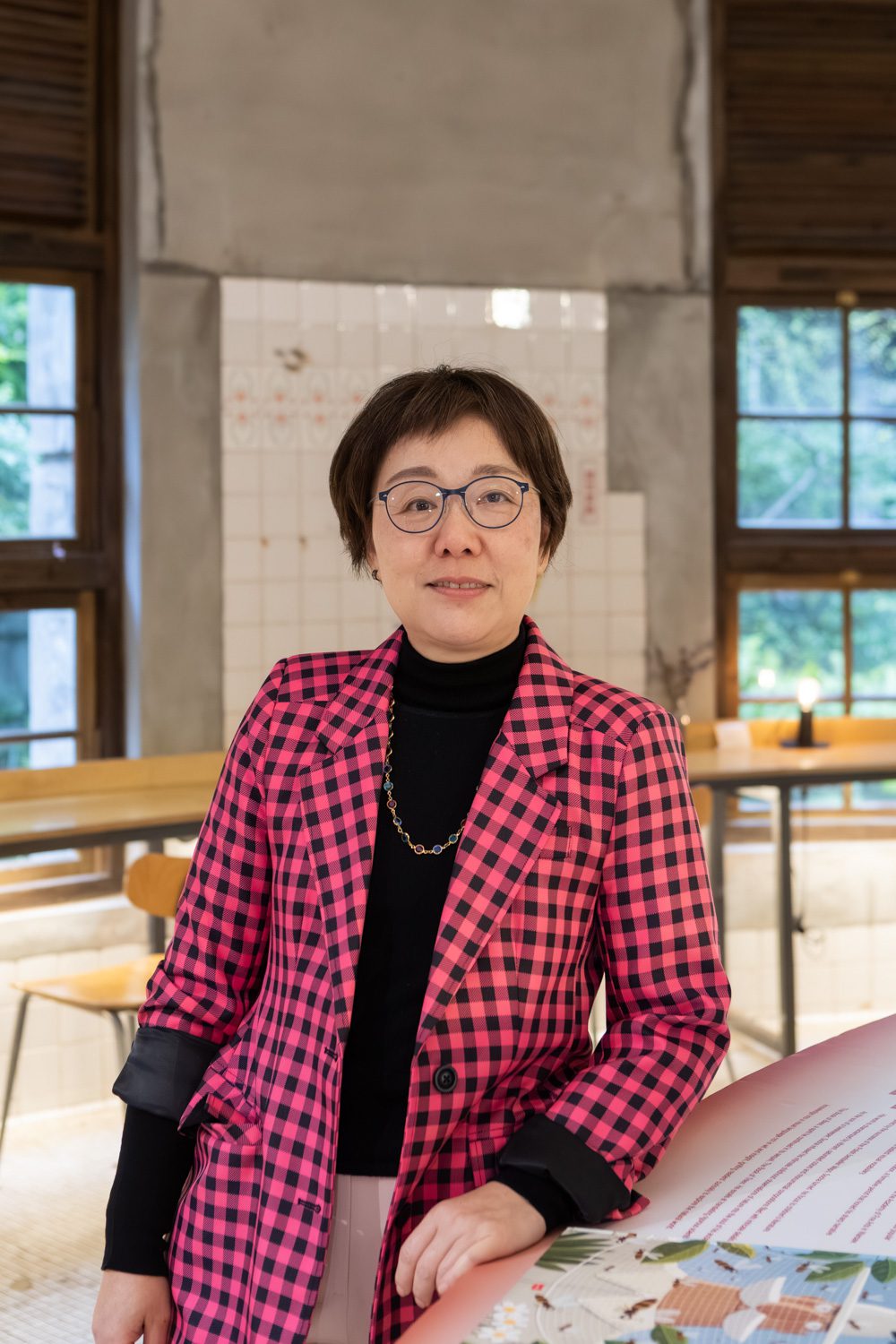
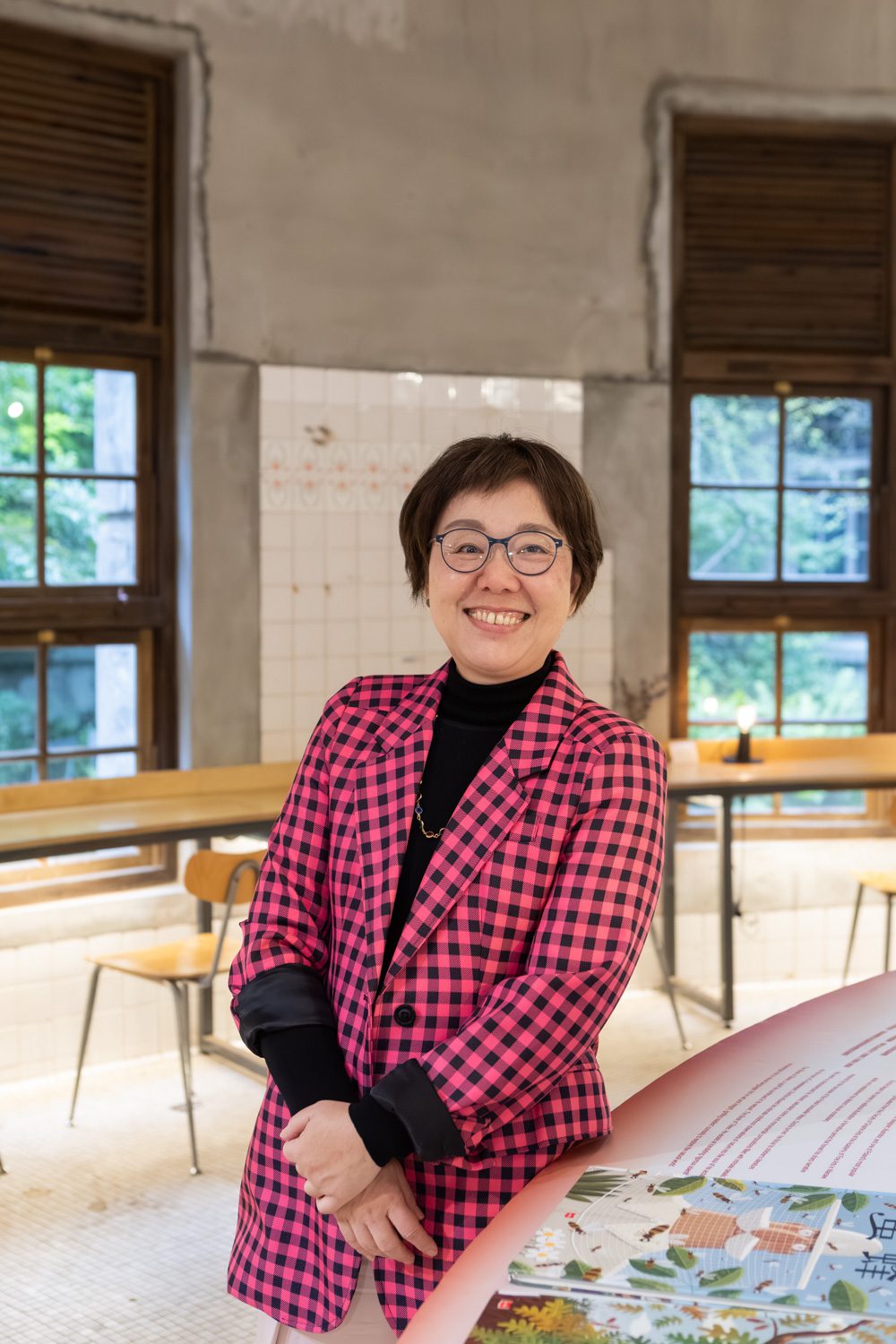
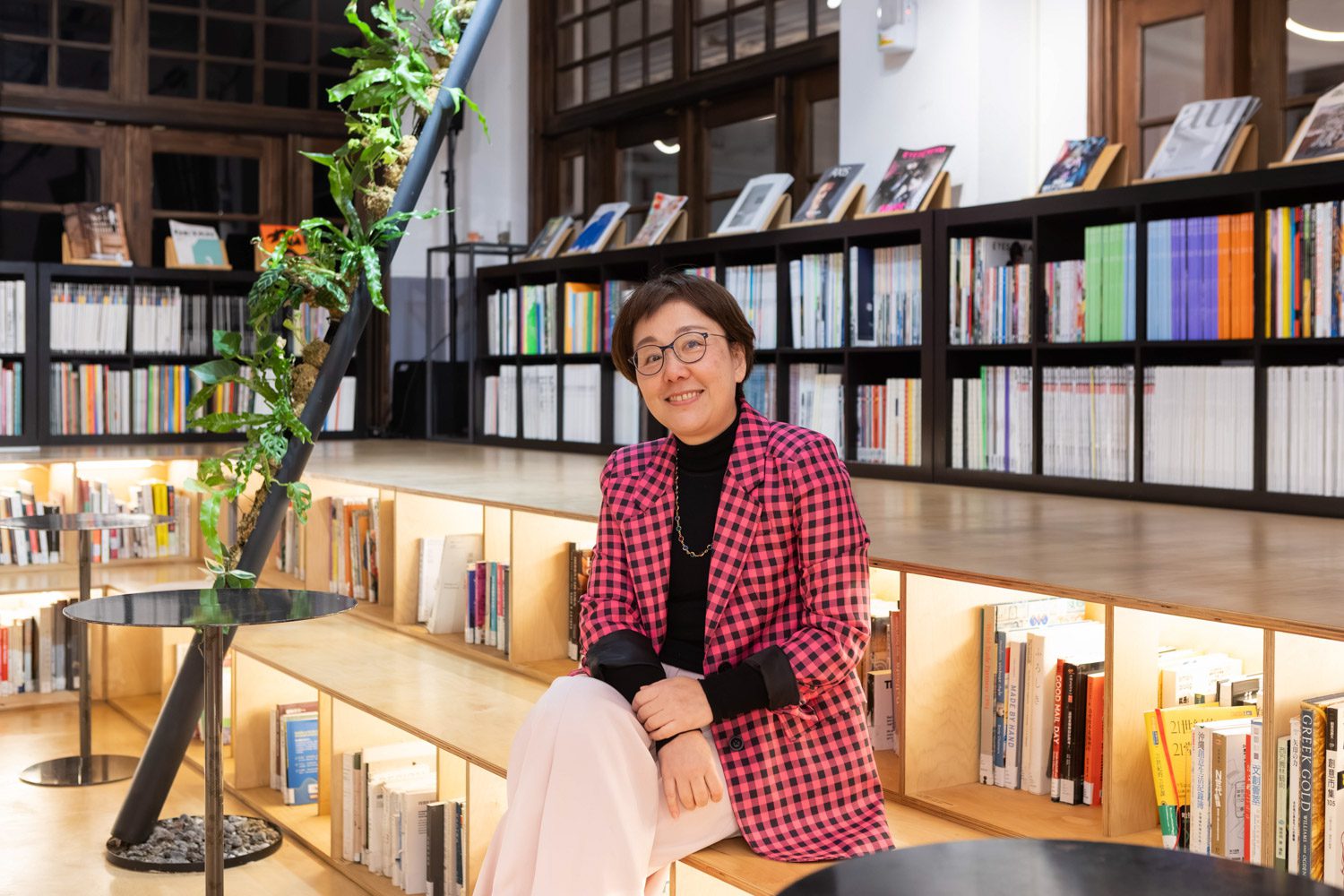
We were honoured to speak with Sue Wang, the Deputy Minister of Culture of Taiwan, who joined us in deciphering the thinking behind this transformation. From breaking down barriers between designers and the textile industry, to leveraging technology to reduce carbon emissions, and defining ‘Taiwanese fashion identity’ on the world stage, an identity that is not just about mass production but about meaningful creation and cultural diversity, all of which were showcased at Taipei Fashion Week in late March.
art4d: Taipei Fashion Week is entering its ninth year and launching its 2.0 transformation. With the global fashion industry going through major changes and strong competition from cities like Tokyo, Seoul, and Shanghai, how is the Ministry of Culture rethinking the role of Taipei Fashion Week? And what is the key idea behind this transformation?
Sue Wang: Over the past eight years, we have seen the global fashion industry undergo a major structural shift, with people beginning to rethink the true meaning of value. Although Taiwan arrived slightly later on the international scene, we have been actively incubating this industry, and it is now truly blooming. We see 2026 as our ‘year of transformation,’ or what we call Taipei Fashion Week 2.0. Fashion is constantly evolving, and we realised that to showcase our culture, design, and momentum effectively on the world stage, Taipei Fashion Week cannot stay the same.
At its core, this transformation is about moving from ‘hosting events’ to ‘building a platform.’ It’s no longer just about putting on impressive shows each season, but about creating a comprehensive system that supports long-term brand growth. This is why we are working closely with the Taiwan Design Research Institute (TDRI), leveraging its expertise in industry integration and design support. We want to connect all of Taiwan’s resources – harnessing our strong foundation in technology and our textile powerhouse to create a solid foundation that promotes our unique design identity to the international fashion community.
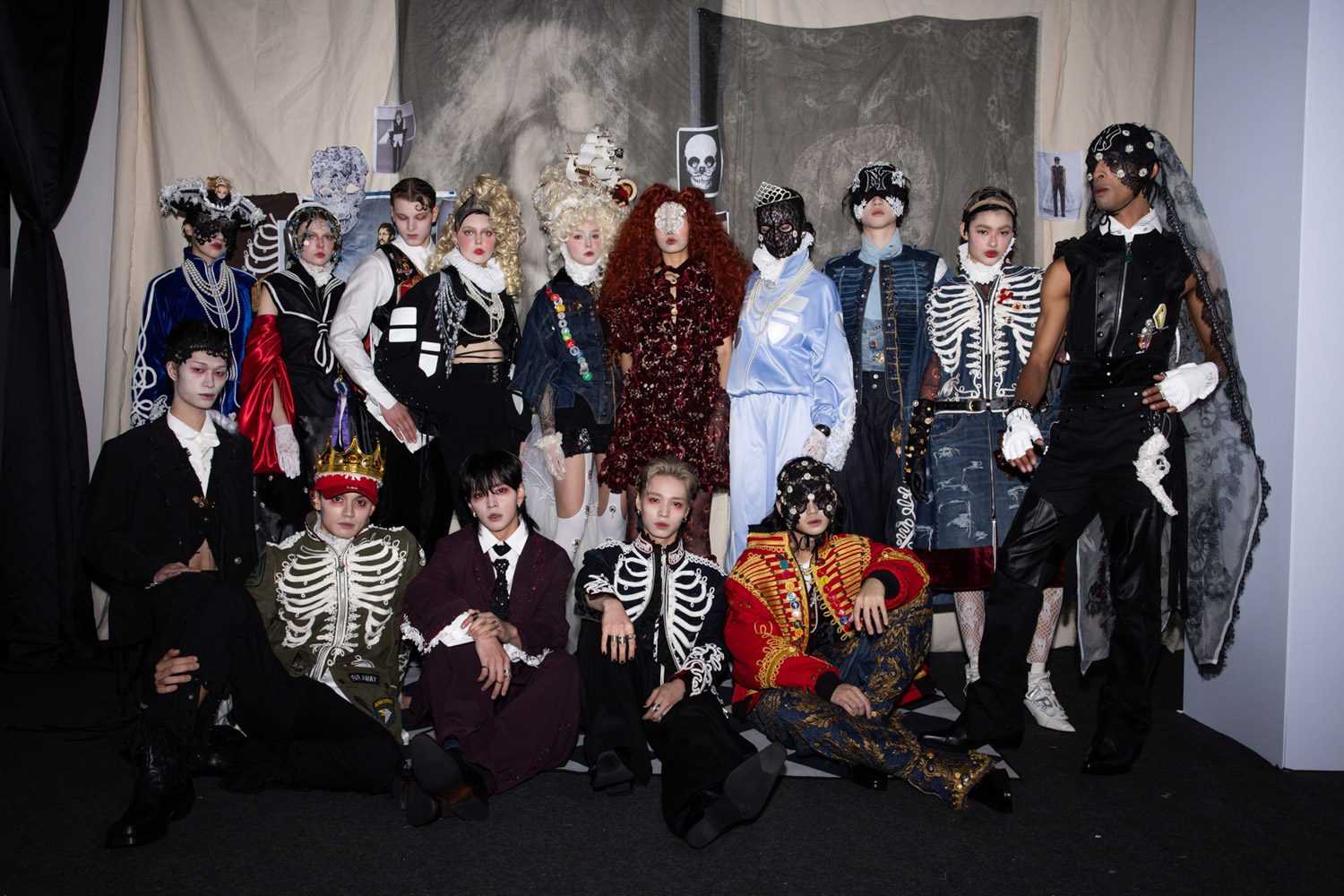
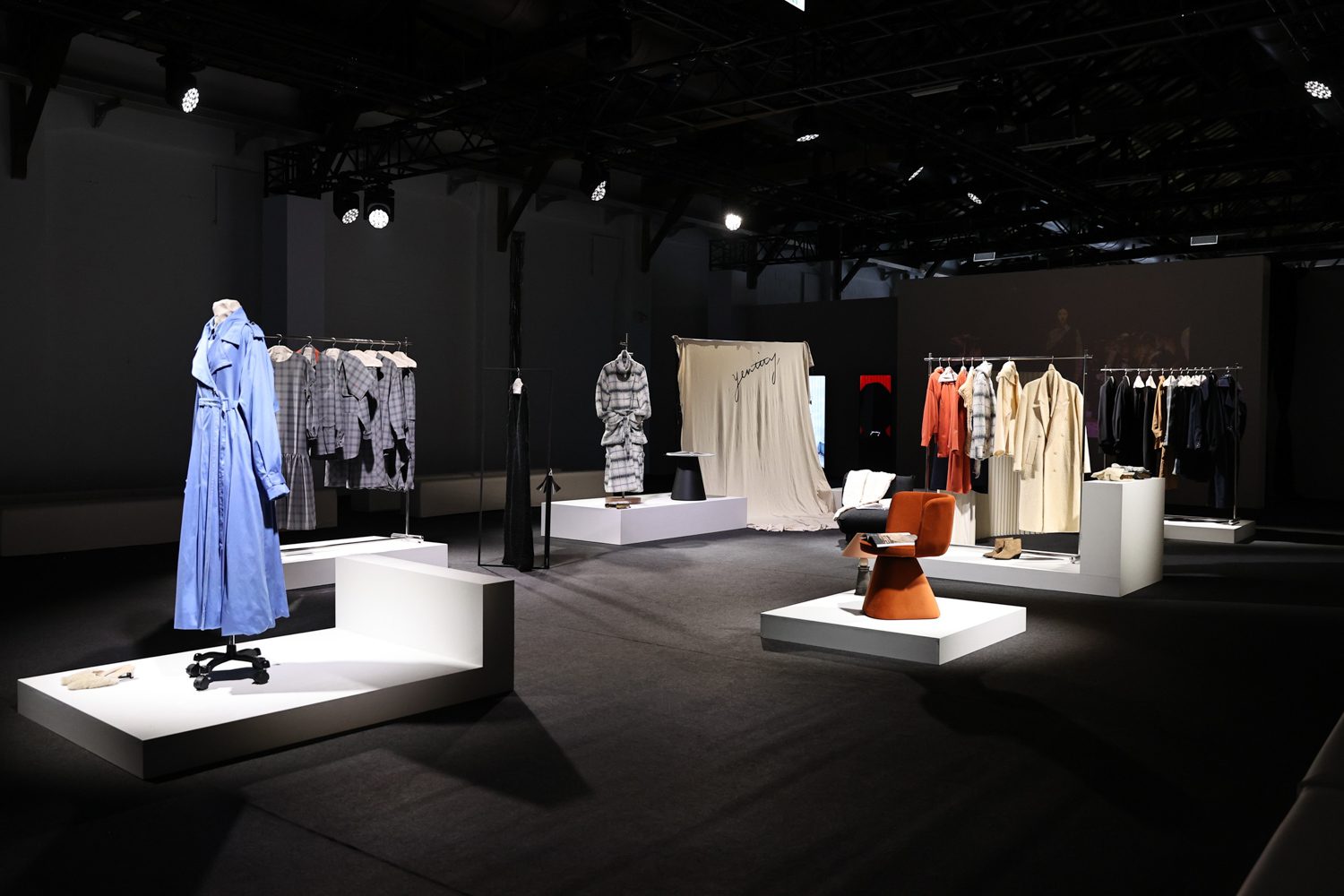
Strategically, we have made a key decision to shift the focus entirely back to the brands. This year, we even removed the traditional opening show to allow each designer the space to fully express their own story on their own terms. We are observing how technology and sustainability, the two main pillars of the modern industry, are reshaping everything from manufacturing to consumption. By focusing on these pillars, we are building an industry system that provides a sense of depth and purpose, with the belief that while runway formats can be replicated by anyone, a robust industry system cannot.
Compared to fashion hubs like Tokyo, Seoul, or Shanghai, we are not trying to follow an existing path. Instead, we are building on Taiwan’s specific strengths: the synergy between functional and sustainable textiles, technological competitiveness, and cultural storytelling. We have watched the industry boom in Europe and the US, before shifting across the globe, and now it is our turn to define what we have. In the end, we are creating a unique, irreplaceable system that expresses the true spirit of Taiwan.
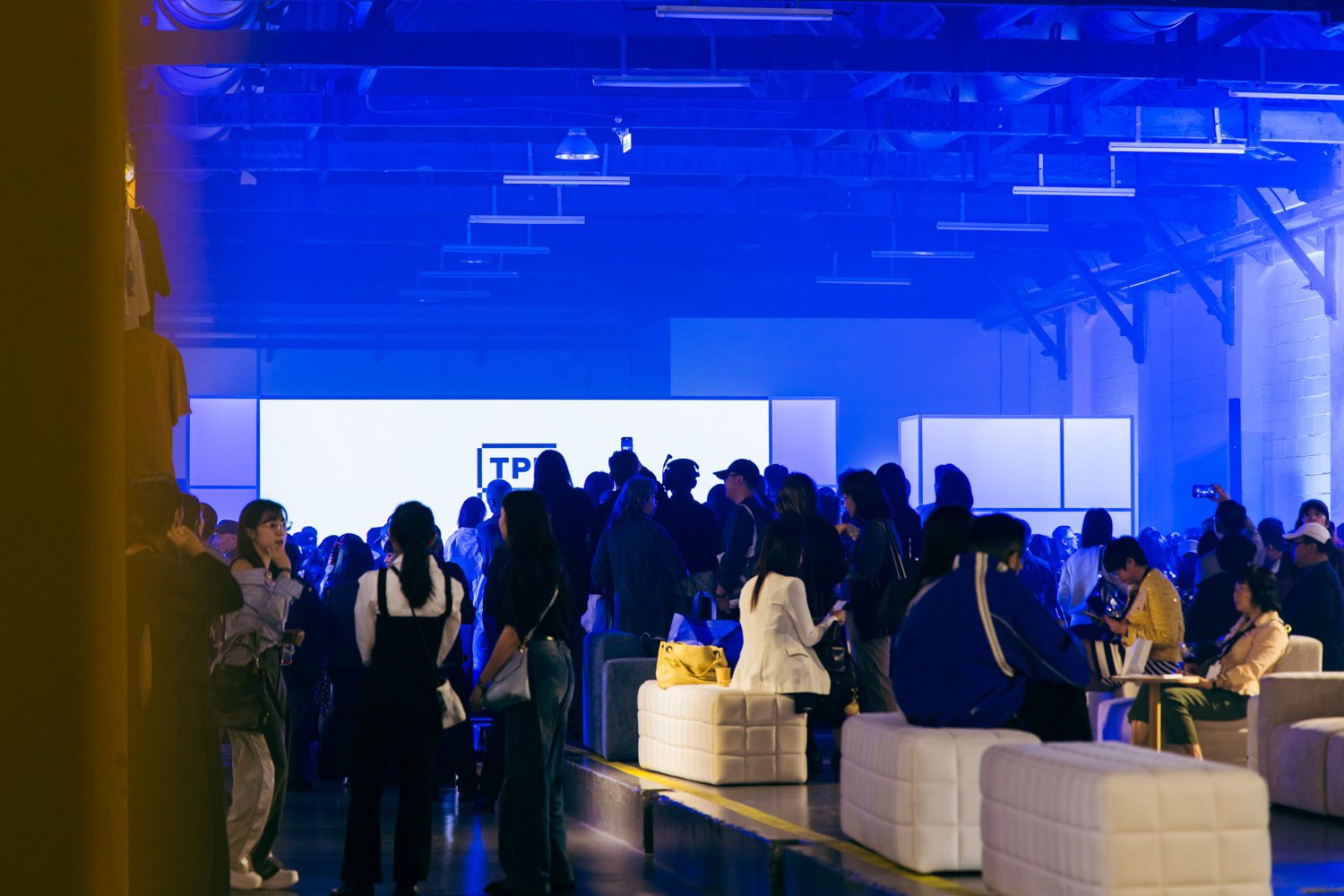
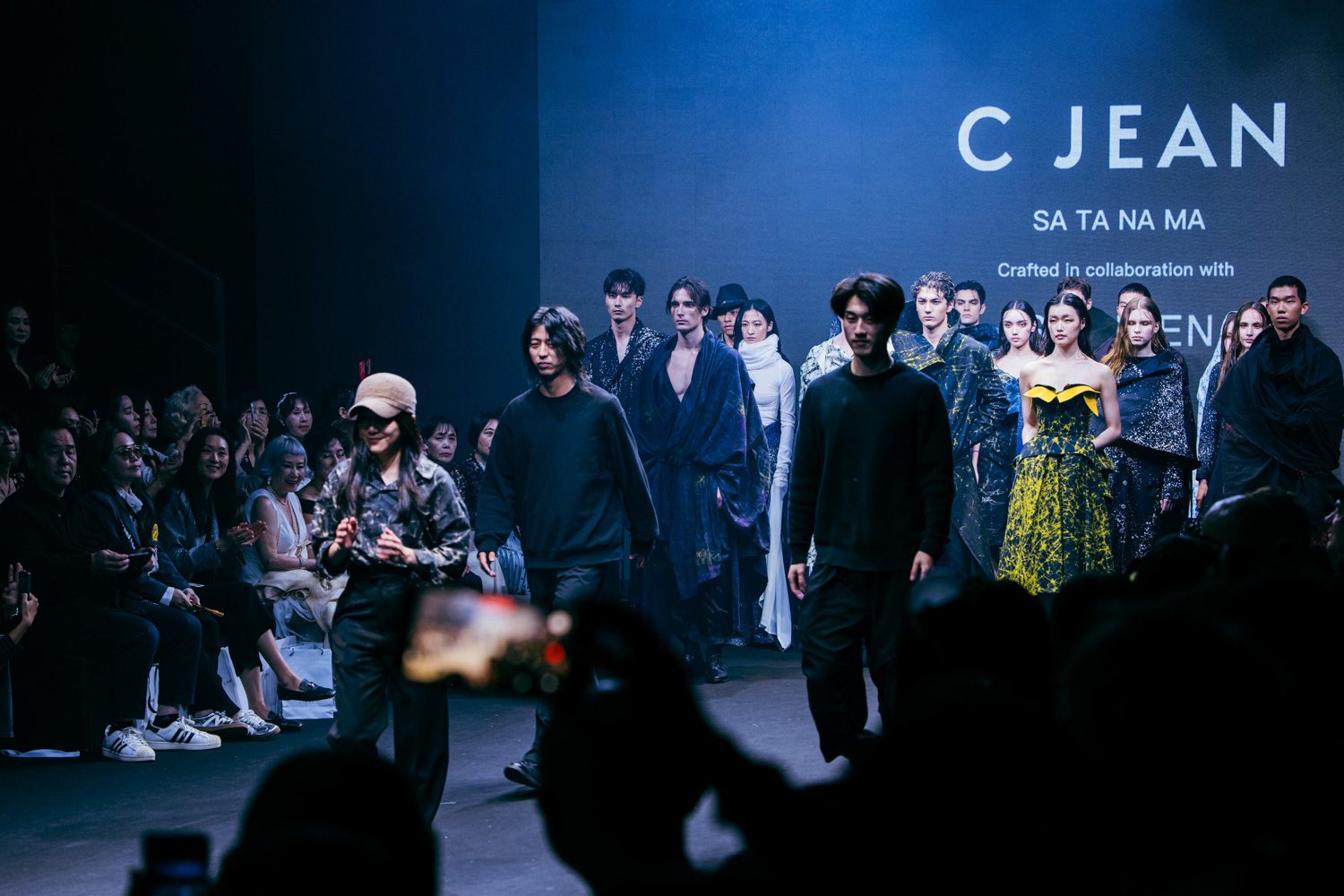
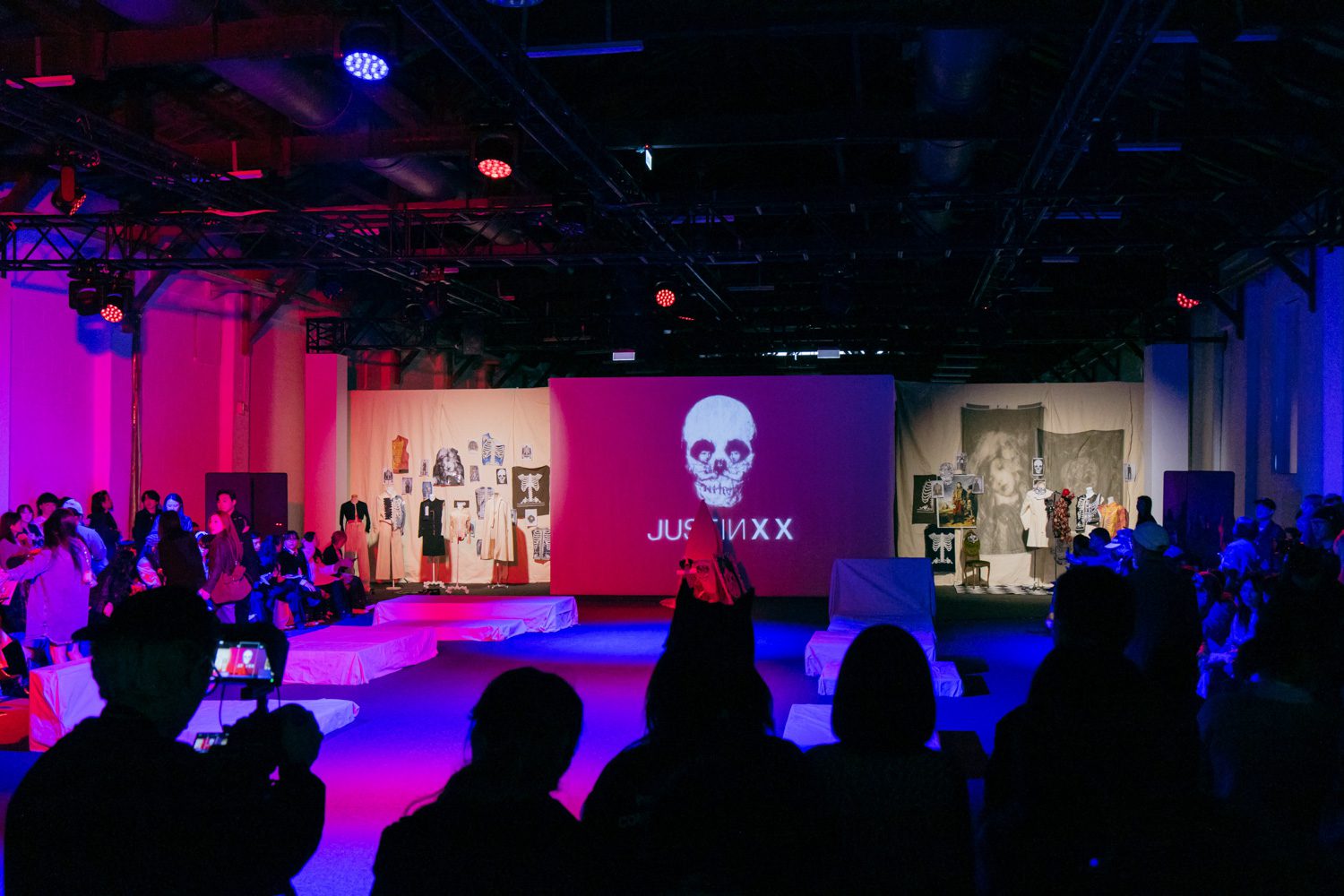
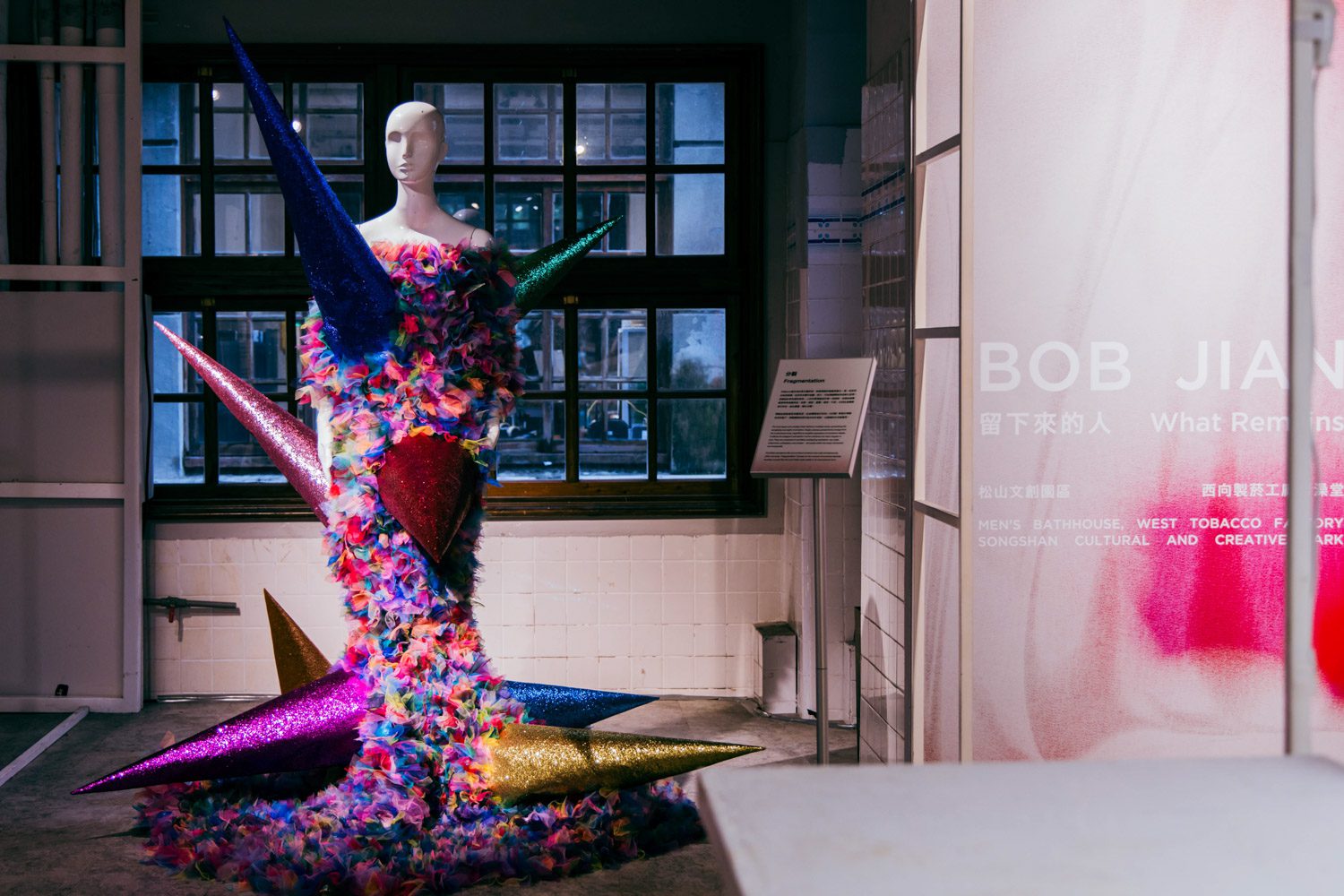
art4d: This season, Taipei Fashion Week has removed the traditional opening show and introduced formats like presentations and events, along with livestreams and public markets. How does this shift toward stronger connections between brands and audiences change things for Taiwanese designers and brands?
SW: This season, we implemented significant changes by organising 18 shows in diverse formats, including presentations and events. At its core, this shift is about one thing: giving designers back control of their own narrative. We believe the traditional runway isn’t the only tool for communication; by using varied media, a brand can more clearly express its true identity, which is essential for being understood on an international level. This is particularly important for Taiwanese designers, many of whom excel in intricate tailoring and pattern-making. Since they often focus on craftsmanship rather than mass production, these curated events and presentations provide the perfect stage to communicate their meticulous work to buyers and stakeholders alike.
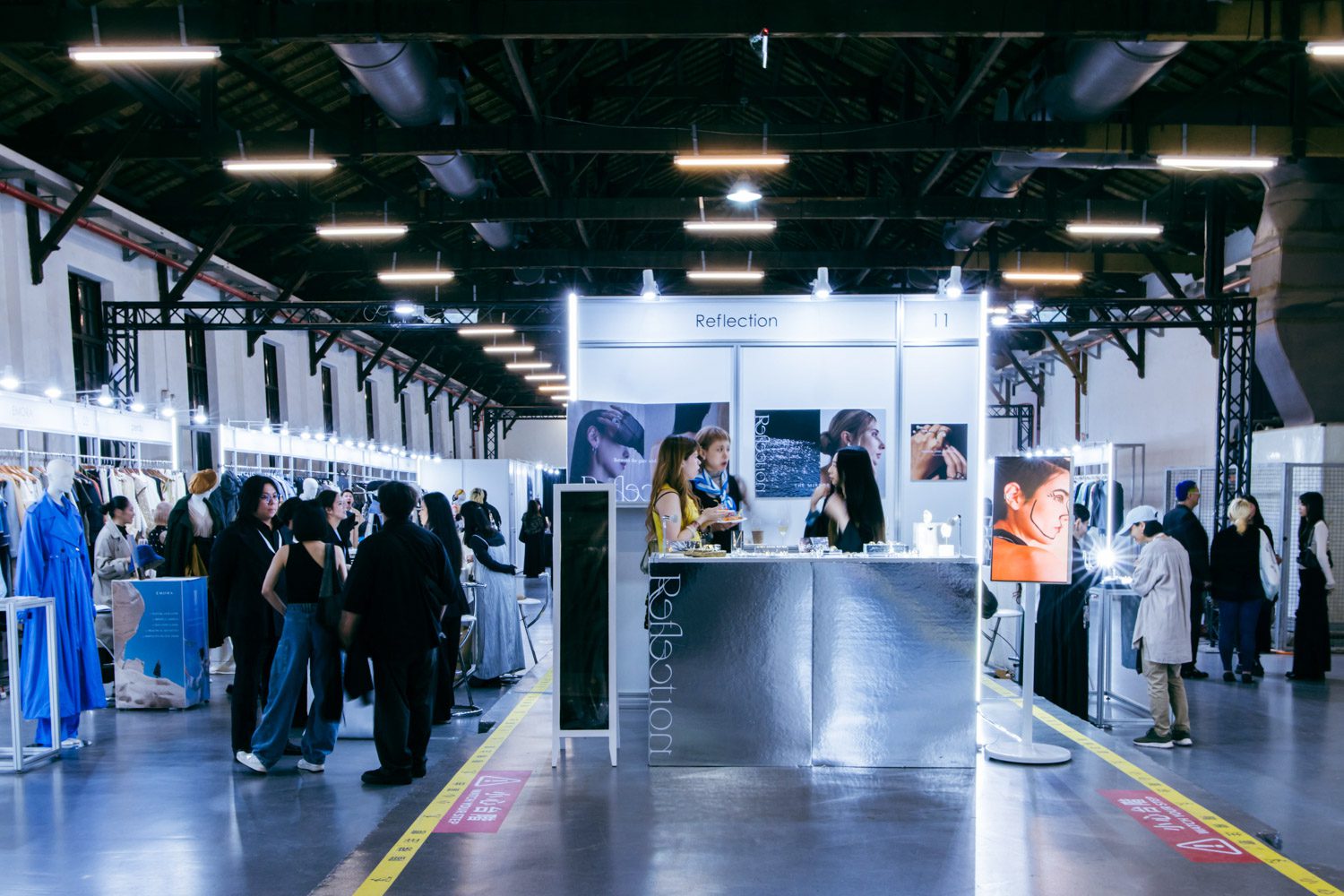
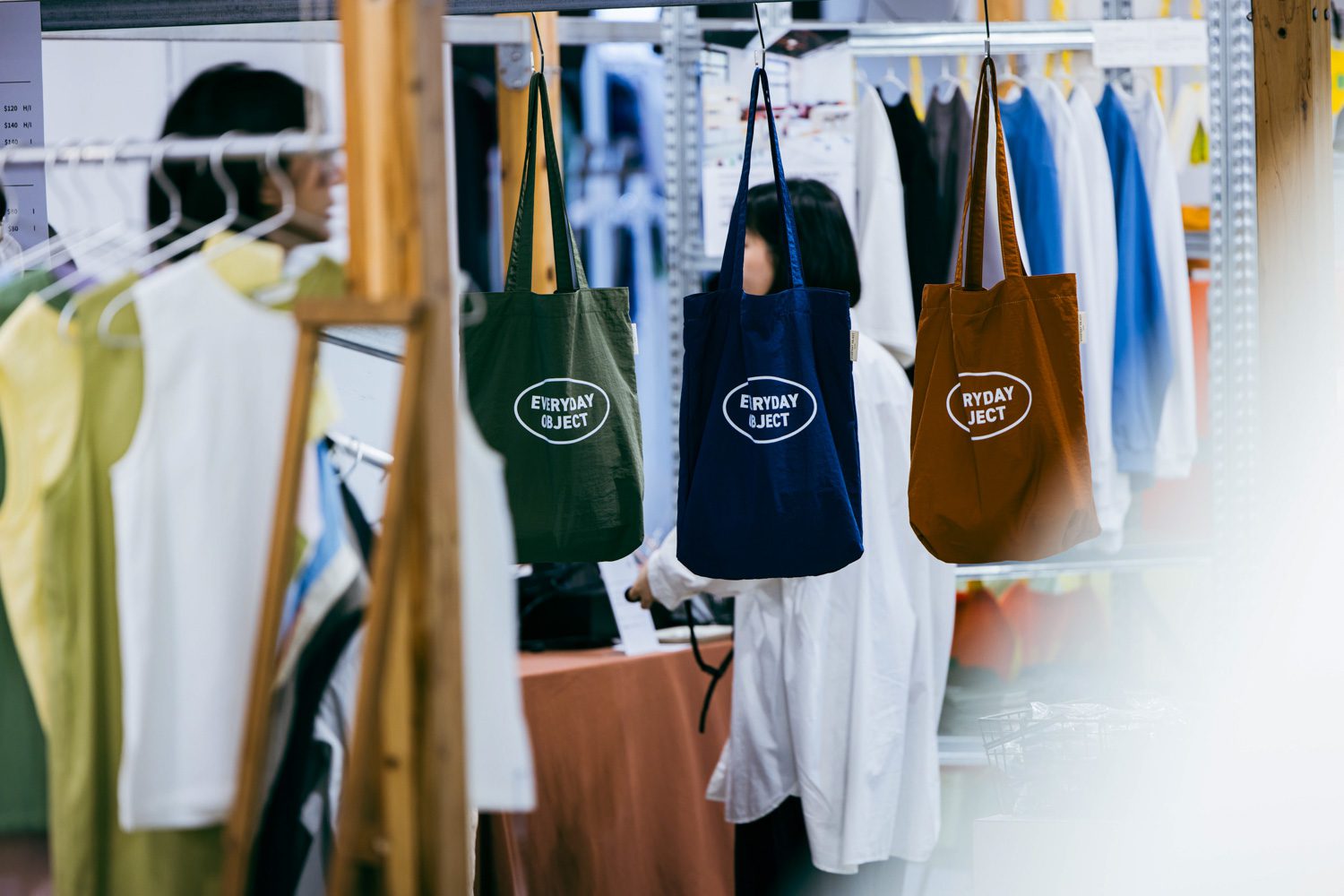
Beyond the physical shows, we are leveraging digital tools to remove the limitations of traditional seating. Instead of a single opening show, we created a live-streamed showcase that allows a global audience to experience the momentum simultaneously, free from geographical constraints. We also introduced the ‘Editor’s Pick’ market – a curated space featuring 18 brands across different categories, designed to feel like a living fashion magazine. Here, visitors can engage with the details, touch the materials, and even purchase pieces directly. The initiative successfully transforms fashion from a distant spectacle into an immersive experience that resonates with everyday life.
Our ultimate goal is to bridge the gap between B2B and B2C models. For Taiwanese brands, cultivating a strong local audience is a vital stepping stone before going global. We want Taipei Fashion Week to serve as a platform that brings everyone together – from industry experts to the general public. While the runway presents the dream, this new platform makes the business possible. When consumption becomes a form of participation, fashion truly becomes a part of daily life, allowing everyone to enjoy and support the creativity of our designers as part of a collective cultural experience.
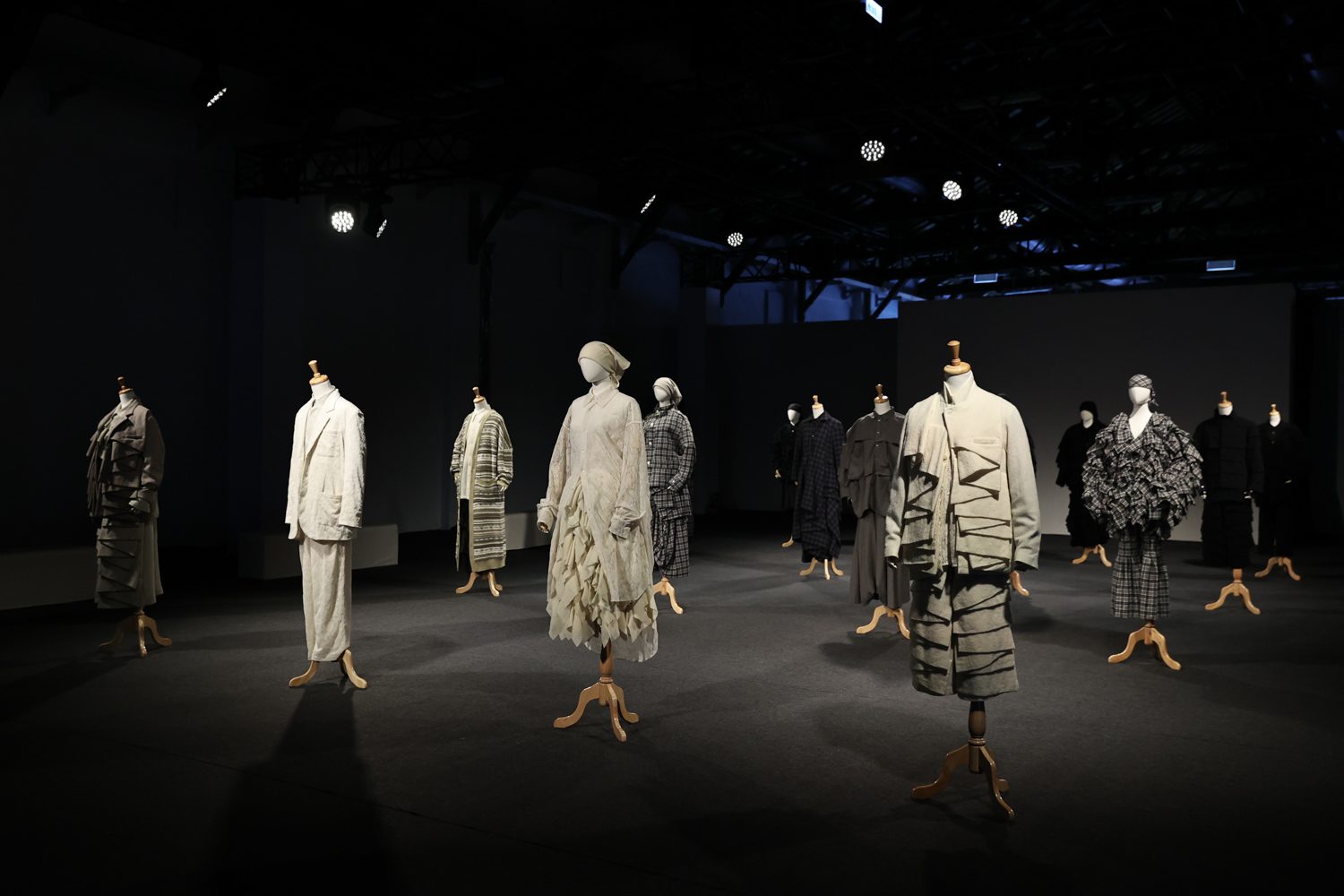
art4d: This season also introduces a new visual identity, VI 2.0, built around the ideas of intersection and presentation. In a time shaped by AI and digital content, how does this new visual language express the contemporary spirit and cultural identity of Taiwanese fashion to the world?
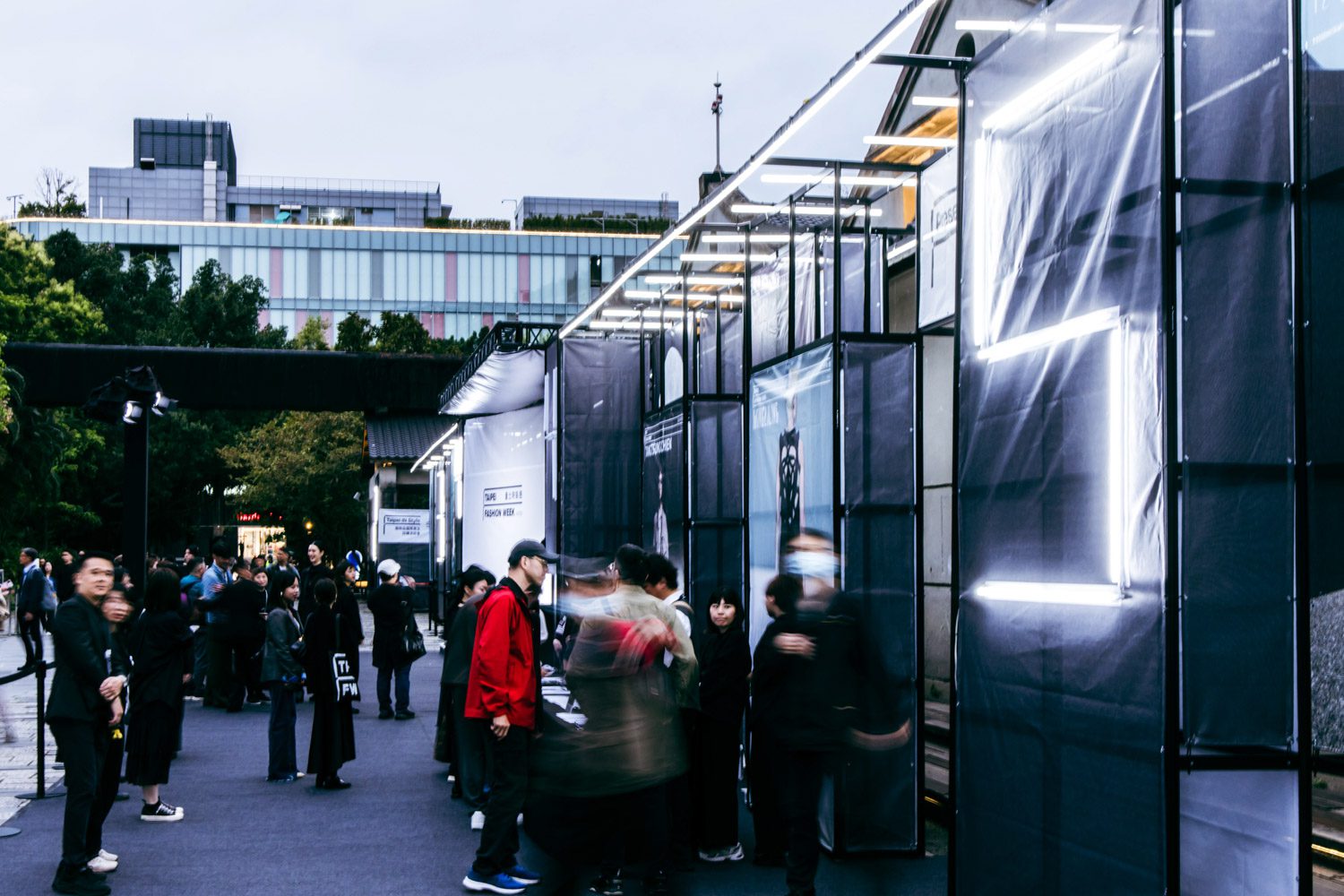
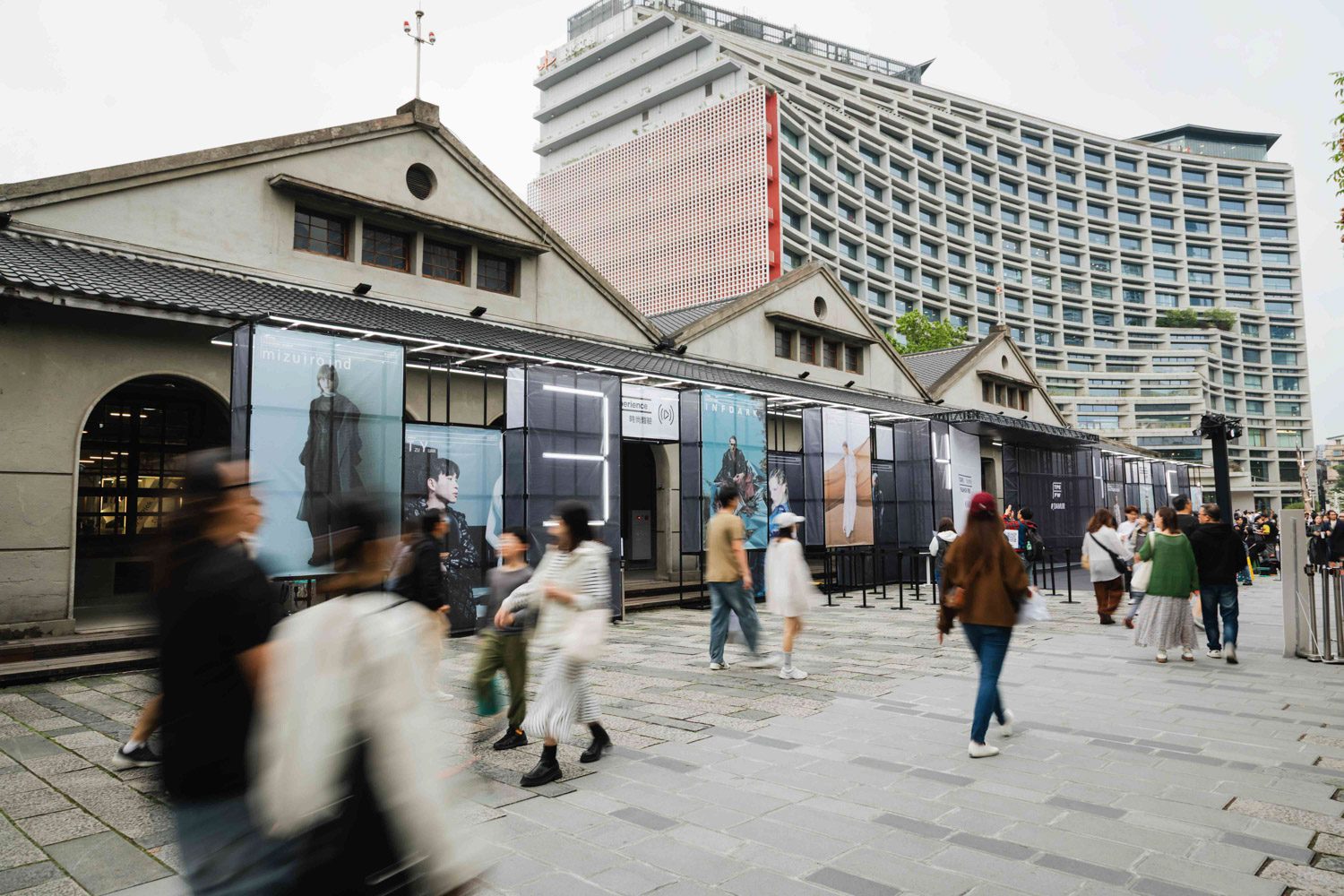
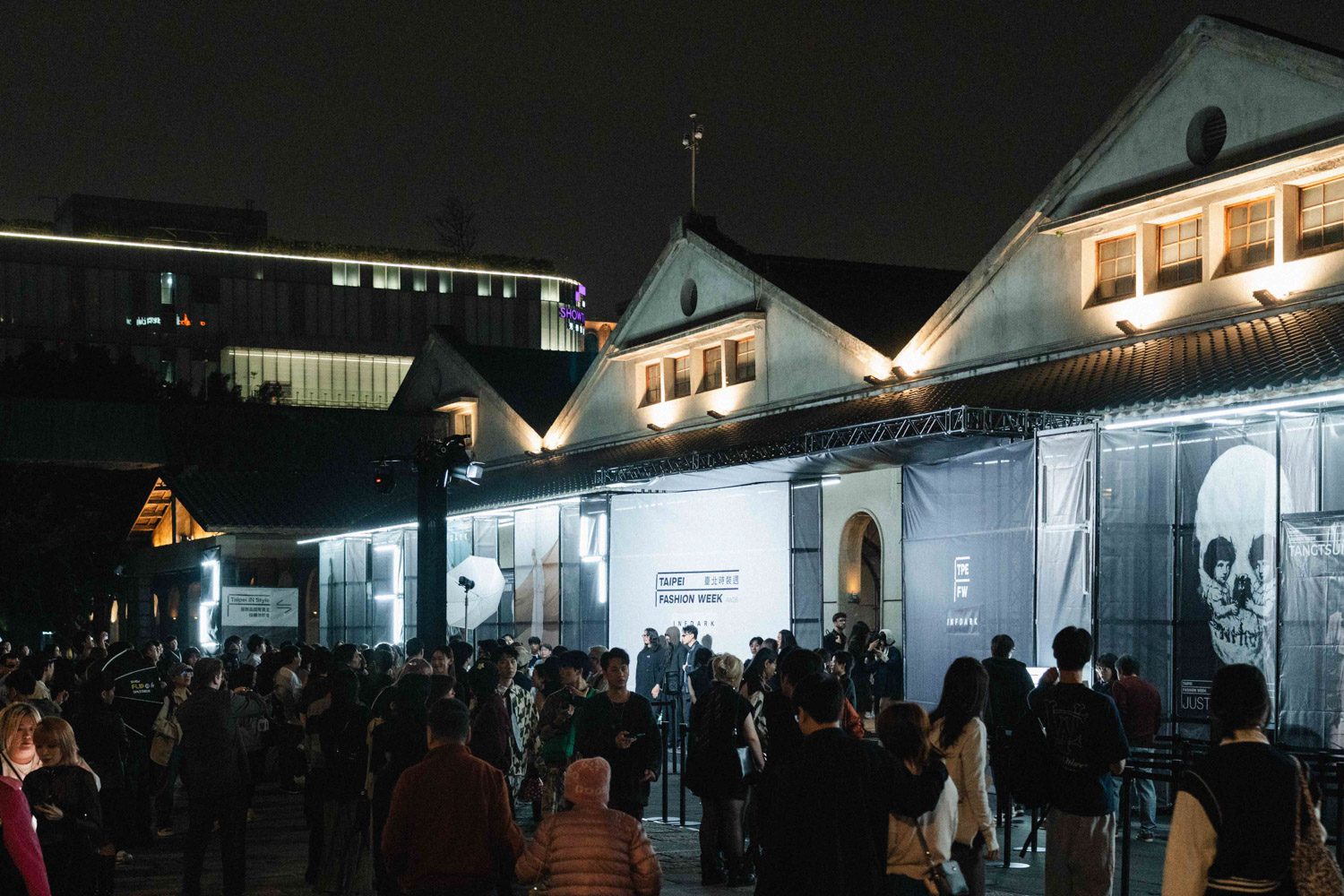
SW: VI 2.0 is far more than just a visual update; it represents a fundamental redefinition of Taipei Fashion Week’s role as we shift from being a mere event to a platform dedicated to supporting brand growth. The core concepts of ‘intersection’ and ‘presentation’ reflect Taiwan’s diverse, hybrid, and ever-evolving cultural character. By utilising a linear, minimalist black-and-white design built from the letters T and F, we intentionally created an open framework that avoids the use of overwhelming colour. This simplicity ensures that the true essence of the designers – their names, works, and stories – takes centre stage at every venue. We are not trying to define a single, fixed ‘Taiwanese style’; instead, we keep the identity flexible to represent the ongoing dialogue between the city, the industry, and creative voices. Ultimately, this visual language isn’t about defining a look, but about creating a global stage where the growing energy of Taiwanese fashion can engage with the world.
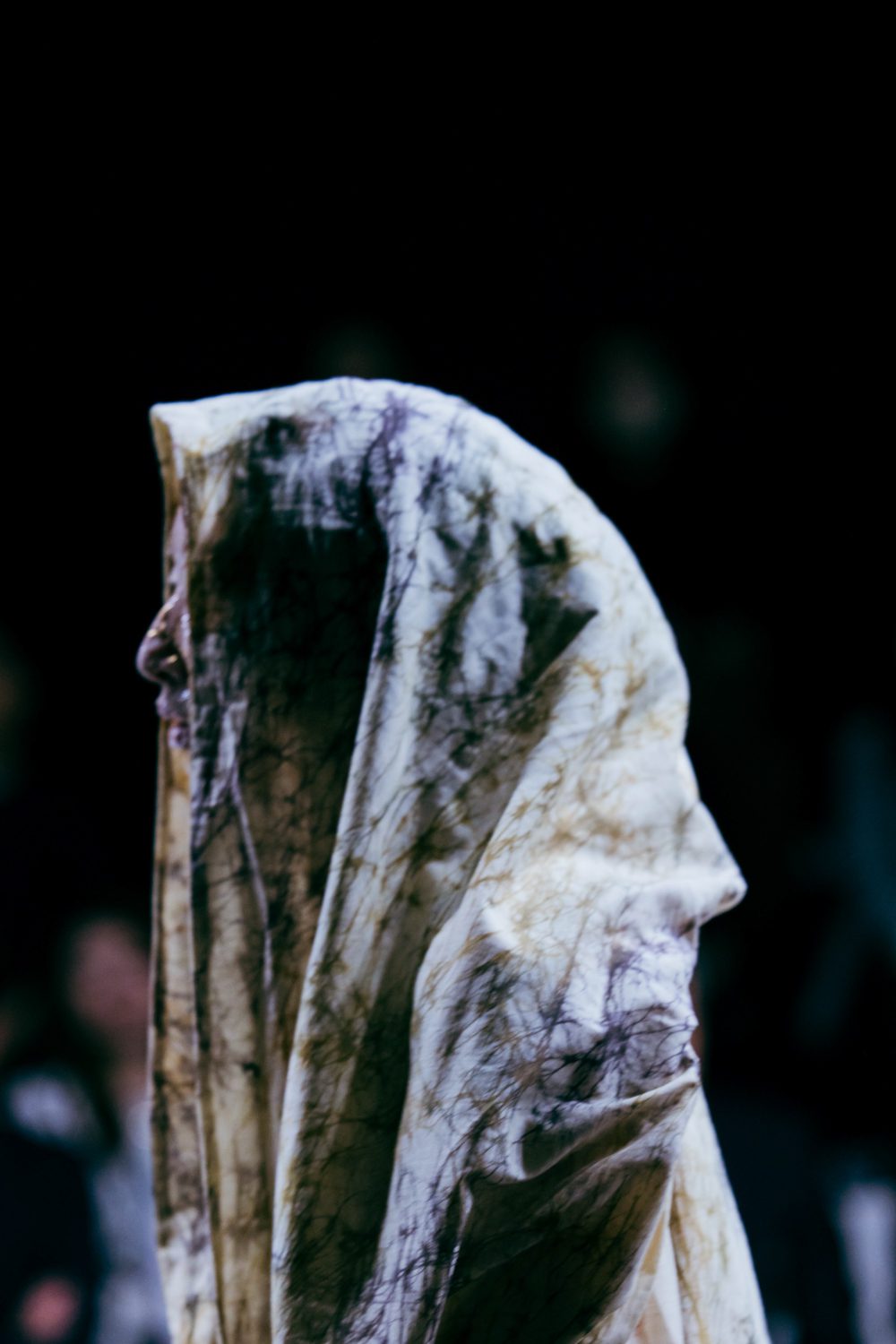
art4d: Taiwan is known for its strength in functional and sustainable textiles. With this 2.0 transformation, how will the Ministry encourage closer and earlier collaboration between designers and the textile industry? And how can this help Taiwanese brands compete more strongly on the global stage?
SW: Taiwan has always possessed a formidable industrial foundation, particularly in textiles. As the world’s eighth-largest textile exporter with an annual output of approximately 12 billion USD, we have long been a pivotal player in the global supply chain. However, we recognised a significant gap: while our high-quality functional fabrics are exported to major global brands, local designers often lack the opportunity to leverage these world-class resources. In this 2.0 transformation, our role is to bridge that gap by intentionally connecting upstream textile capabilities with downstream design brands. This initiative is part of how we are proposing a vision for future lifestyles by integrating sustainability, technology, and cultural storytelling – the three global priorities that give us real confidence on the international stage.
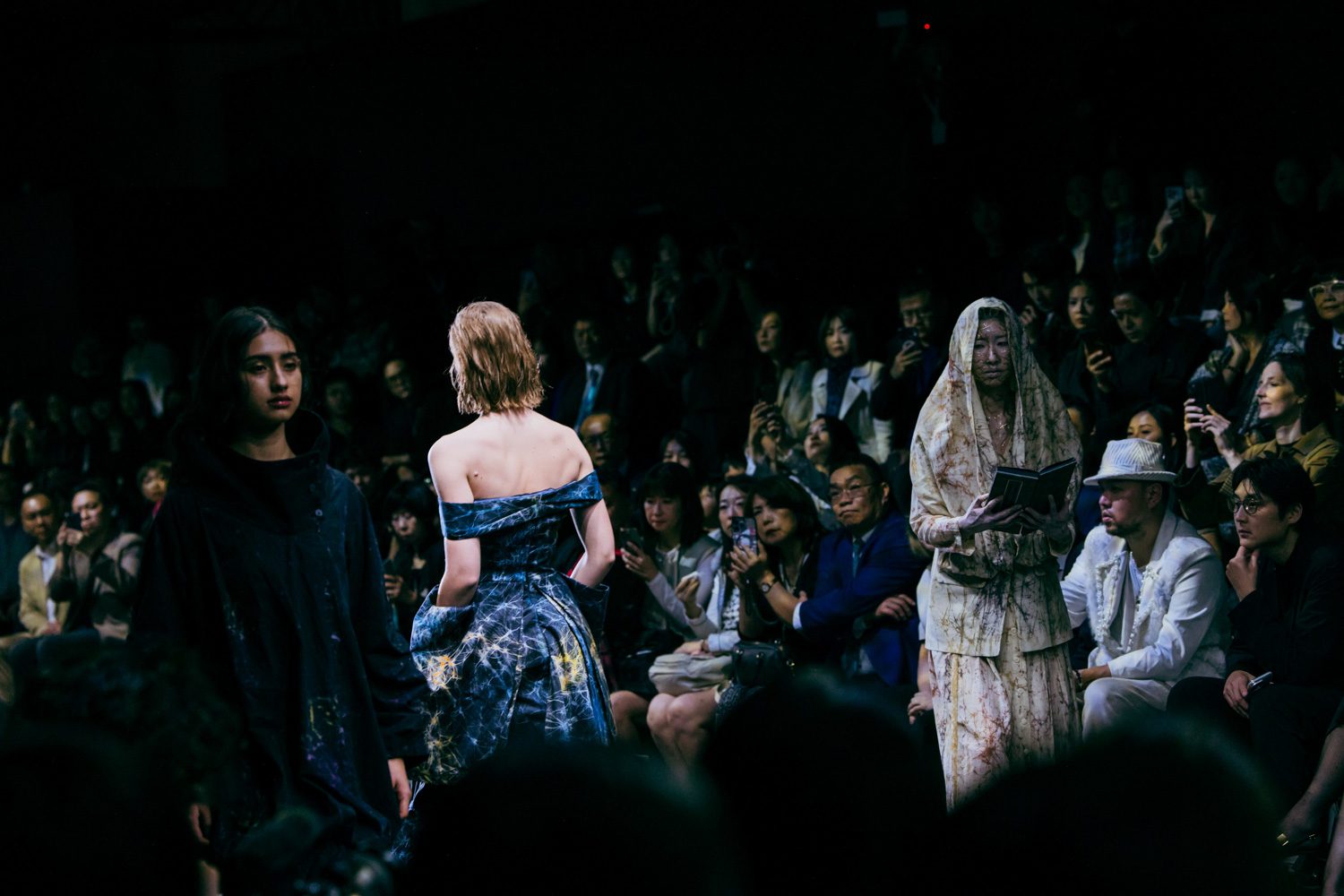
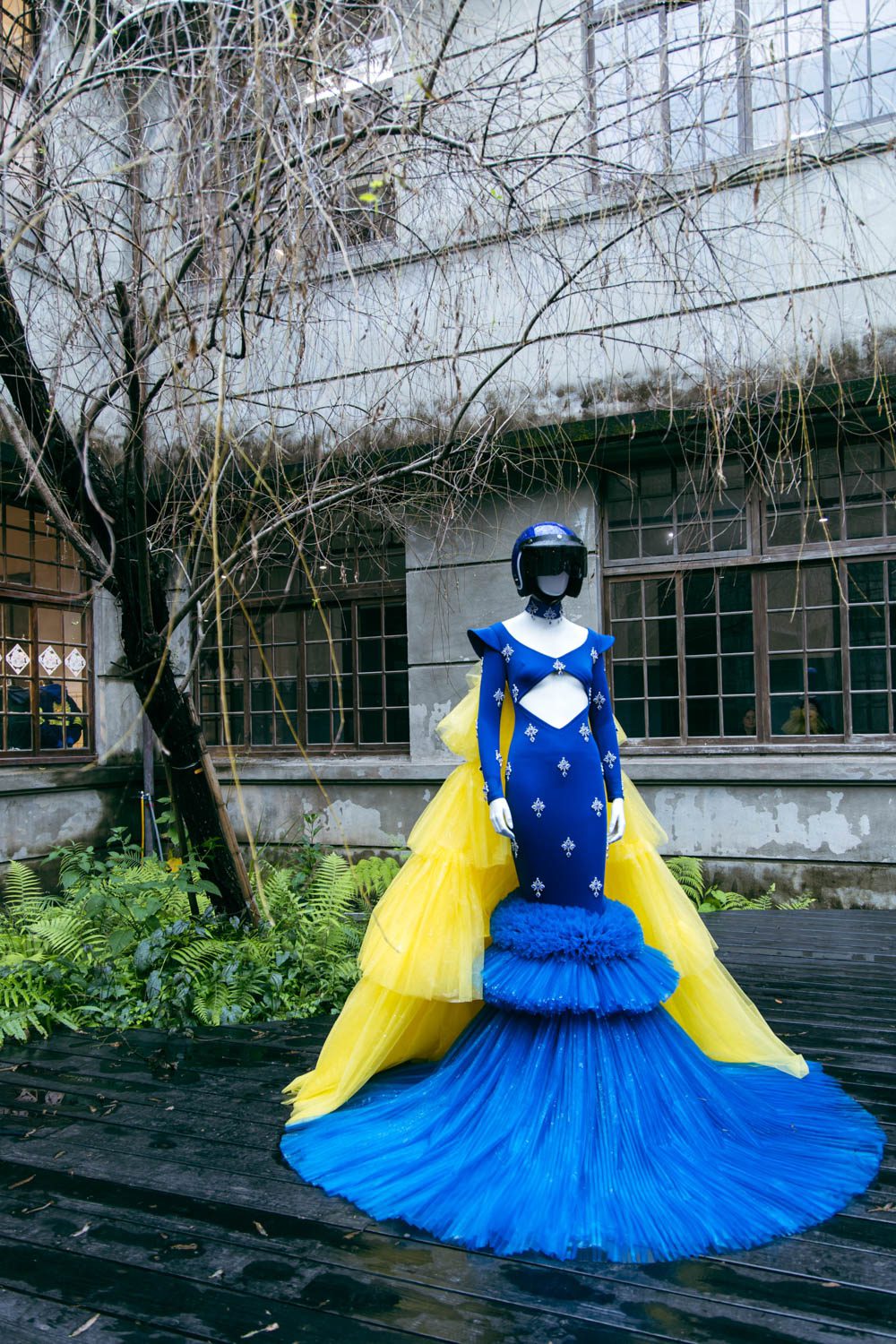
To address this challenge, we have implemented two strategic solutions. First, we are facilitating direct access for designers to specialised materials such as ‘Inland Terry’- a unique, high-quality functional fabric produced by our domestic manufacturers. Second, we are opening up resources from our textile research institutes, allowing designers to utilise advanced fabric samples and patterns in their couture creations. A prime example of this collaboration was seen at our opening ceremony, where Vice President Hsiao Bi-khim wore a cocktail suit designed by C-JEAN and crafted from Taiwanese functional fabric. It demonstrated to the world that our industrial strengths in comfort and practicality can be seamlessly translated into high-end fashion competitiveness.
Furthermore, we have launched a fashion industry support program to respond more directly to the brands’ needs through one-on-one mentorship. This provides targeted support across production, marketing, and international expansion, while bringing in cross-disciplinary resources to strengthen the connection between designers and the tech-textile industry. Ultimately, we want Taipei Fashion Week to go beyond being a mere showcase; it must become a part of a positive cycle where industry support fuels long-term growth. By using digital tools and fostering these earlier collaborations, we ensure that Taiwan’s industrial prowess is fully amplified and translated into real, global brand competitiveness.
art4d: Many emerging designers face challenges when moving from pure creativity into running a brand, especially when it comes to business and growth. How is the Ministry supporting designers in building sustainable brands while still keeping their creative identity?
SW: We recognise that many emerging designers face significant hurdles when transitioning from pure creativity to building a viable brand. While creativity is their primary asset, running a business requires an entirely different skill set, from operations and fabric sourcing to sustainable business models. In this 2.0 transformation, we have introduced a ‘problem-solving-oriented’ coaching and mentoring system. Rather than offering general advice, we pair designers with the right mentors to provide one-on-one, tailored guidance that addresses their specific operational challenges. We believe that while a designer’s creativity is paramount, a solid business model is equally essential for long-term sustainability.
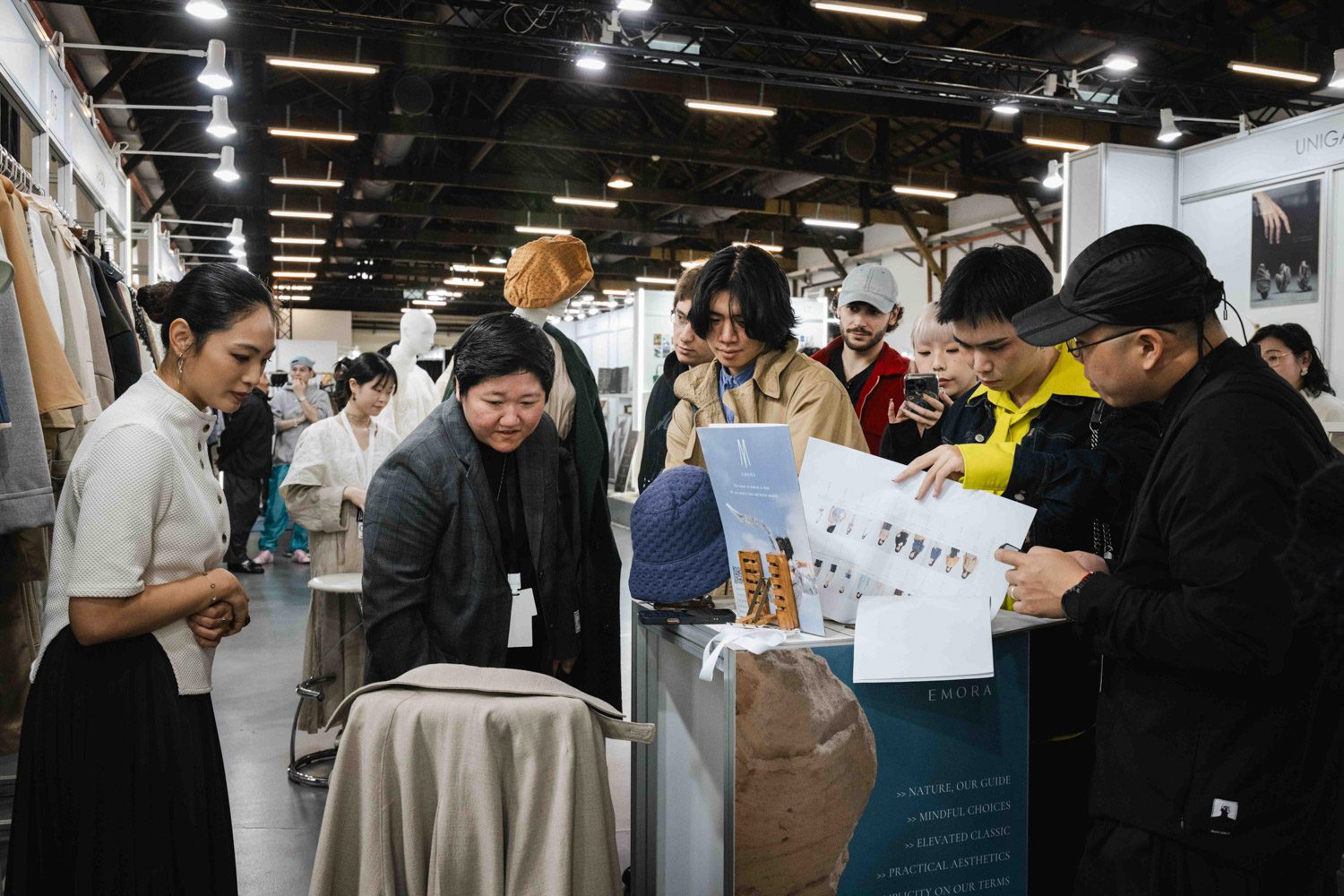
To ensure this growth is sustainable, our support extends far beyond the one-week duration of Taipei Fashion Week. These mentors remain available to the designers throughout the year because we are committed to a long-term approach that allows their careers to truly flourish. We are also integrating cross-disciplinary resources to help brands build a stable foundation, with the expectation that the results of these efforts will become increasingly visible starting from the SS27 (Spring/Summer 2027) season this October. Our focus remains on unique voices rather than mass production, embracing ‘micro-tailoring’ and consumer-centric trends in which technology is leveraged to reduce design costs and operational overhead.
Ultimately, we believe the role of the government is not to stand above and manage, but to stand alongside and support. The real value of our policy is to help creators go further by acting as a safety net that allows them to stand firmly in reality before stepping onto the global stage. By fostering this paradigm shift – where technology and stable business practices intersect with creative identity – we are ensuring that Taiwanese designers do not just dream, but also thrive in the competitive global fashion ecosystem.
art4d: Looking ahead to the next decade, as Taiwan continues to build a stronger fashion ecosystem, what kind of role do you hope Taiwanese fashion will play globally? And how can it develop a clear identity that brings together culture, technology, and sustainability?
SW: Looking ahead, I believe that in an era shaped by the rapid expansion of AI and digital content, fashion becomes even more important as one of the most direct ways for people to express their true selves. For Taiwan, our global role will be defined by two distinct angles. First, we will translate our technological prowess and production flexibility into the fashion sector. Our world-class fabric production – which is increasingly eco-friendly and low-carbon – is a competitive advantage we must leverage. Second, our strength lies in our cultural DNA. Taiwan is a diverse, inclusive society where immigrants, migrant workers, and expats live together like a family, each retaining their unique identities. This mindset is precisely why mass production is not our goal; instead, we want to empower designers to use history, narrative, and language to tell compelling stories on an international level.
Taipei Fashion Week is currently at a vital turning point: moving from being seen to being recognised. My hope for the next decade is to see it evolve into a truly resilient fashion ecosystem – a self-sustaining structure where designers can create freely, brands can grow steadily, and materials are seamlessly translated into design language. We want to build more than just a successful event; we want to establish a global presence where, when people speak about Taiwanese fashion, they no longer think only of textiles or manufacturing. They will think of a vision that brings together culture, technology, sustainability, and everyday life. That is when we will truly have established our place in the world, proving that what you wear is a quiet yet powerful way of telling the world who you are.