TAIPEI FASHION WEEK (AW26) SERVES AS A PIVOTAL PLATFORM FOR FASHION EXPERIMENTATION IN ASIA, WHERE MATERIALS, INNOVATION, AND LOCAL IDENTITY ARE WOVEN INTO THE LANGUAGE OF GARMENTS
TEXT: SARUNKORN ARTHAN
PHOTO COURTESY OF TAIPEI FASHION WEEK EXCEPT AS NOTED
(For Thai, press here)
If Paris and Milan are the historic cathedrals of fashion, Taiwan may well be the advanced laboratory poised to challenge the foundations of the clothing industry in this century. Behind its fresh runway energy lies a deeper capability: Taiwan’s leadership in material science, where functional fabrics and sustainable design have become central to the country’s growing significance as a fashion destination. In late March, art4d attended Taipei Fashion Week AW26 to trace the ideas, spatial phenomena, and emerging creative directions taking shape during one of Asia’s most compelling moments of seasonal transition.
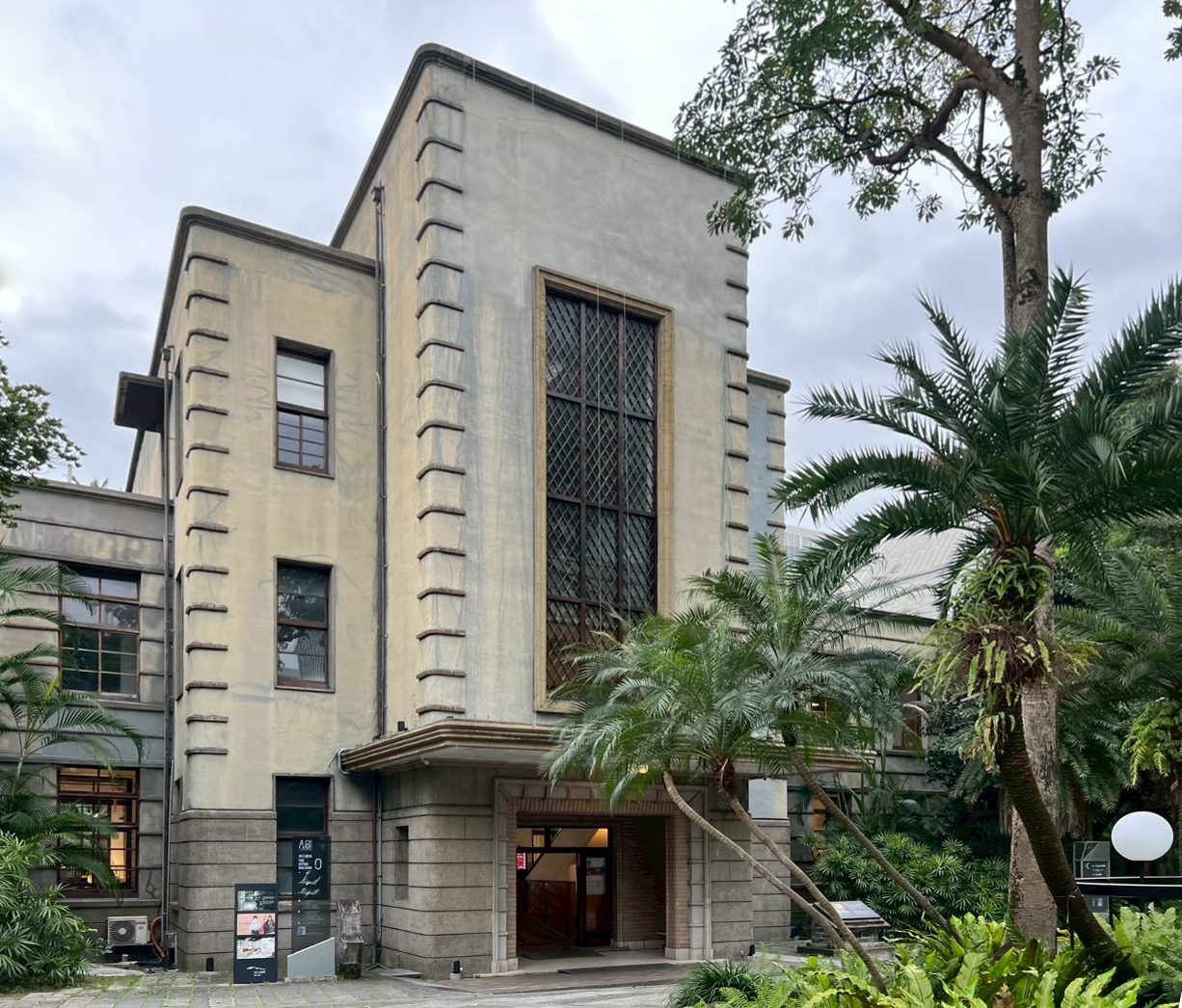
Photo: Sarunkorn Arthan
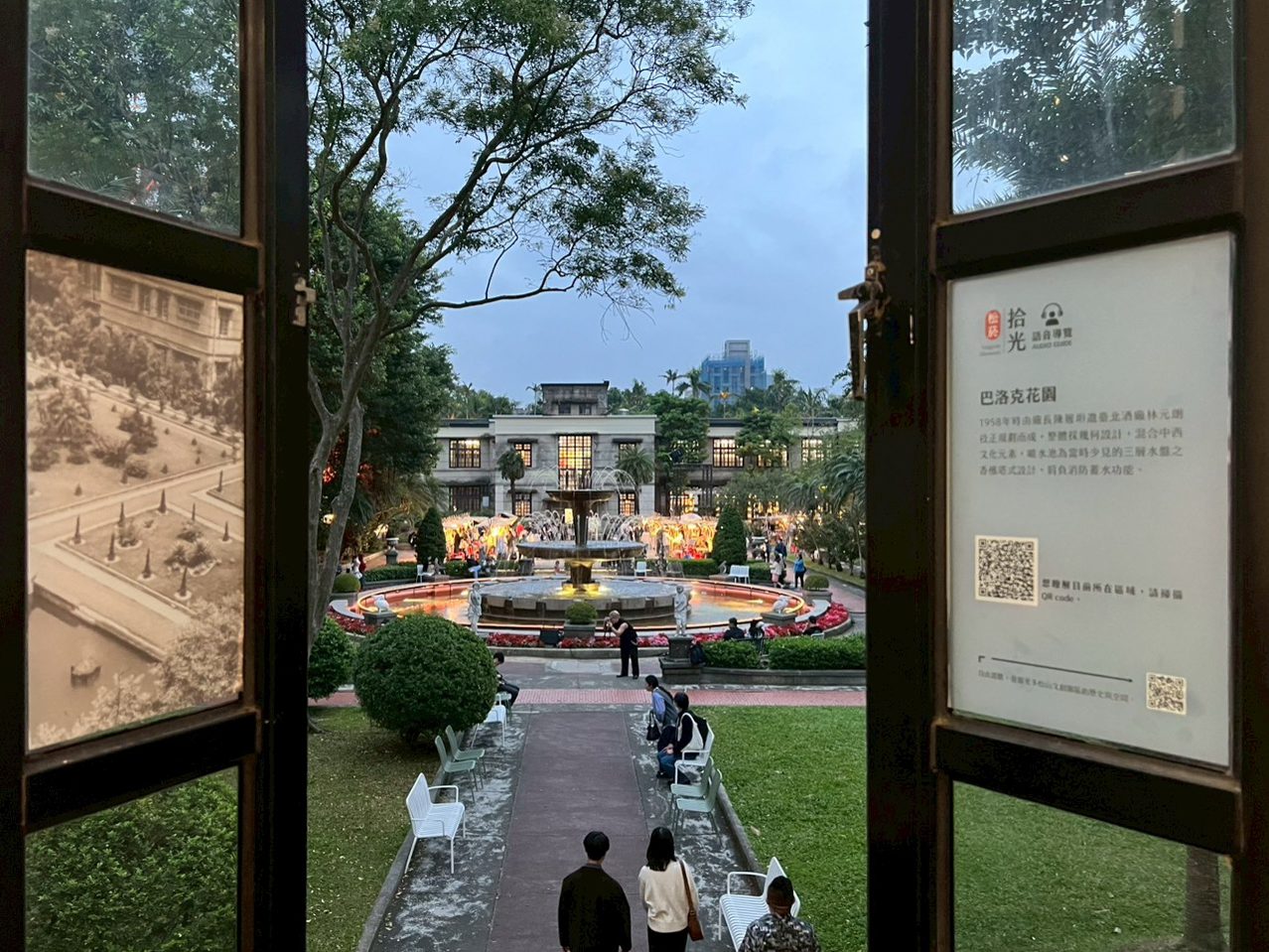
Photo: Sarunkorn Arthan
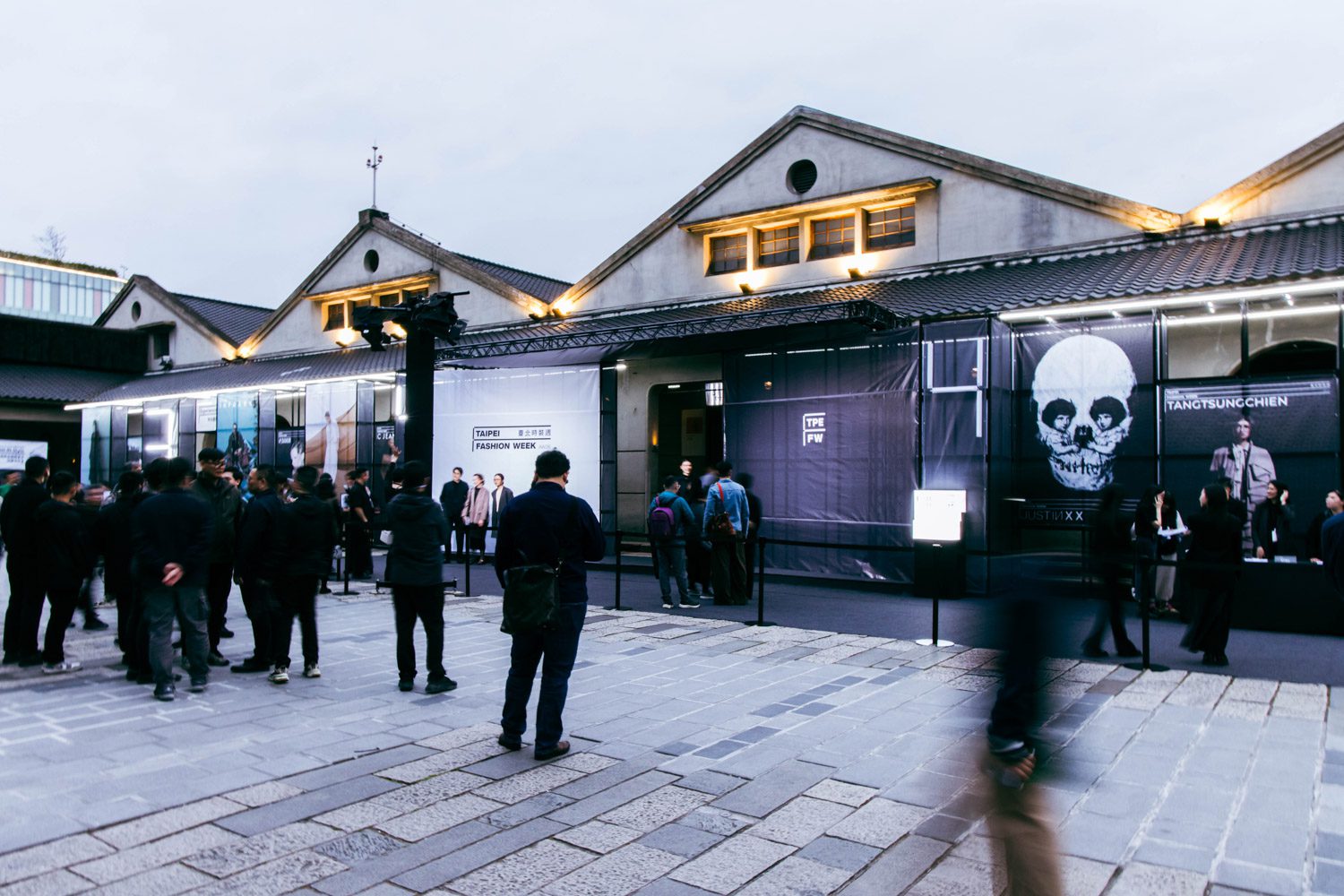
The main venue for this edition was Songshan Cultural and Creative Park (SCCP), a former tobacco factory dating from the World War II era located near Taipei Dome. Today, the site has been brought back to life as a green public space and creative hub, and is also home to the Taiwan Design Research Institute (TDRI), the main organizer of Taipei Fashion Week this season. The shift that places a design research institution at the helm, succeeding Vogue Taiwan, marks a development worth noting. Through its industrial heritage and the symbolic weight of the venue itself, the event becomes closely aligned with Taiwan’s own historical trajectory: from a country once positioned largely as an export-oriented textile manufacturer to an innovation hub now ready to export not only products, but also ways of thinking along with a sustainable fashion ecosystem for the future.
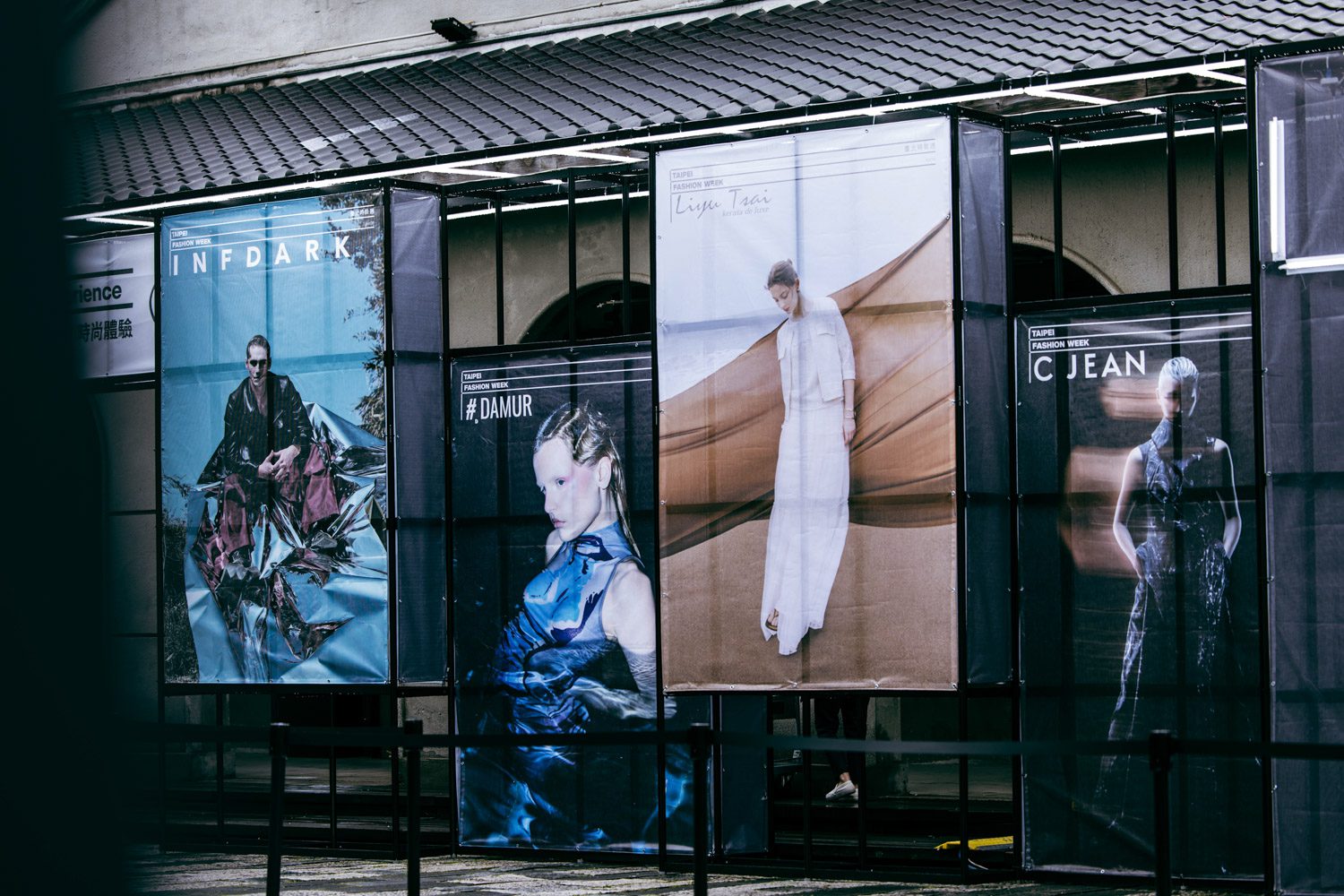
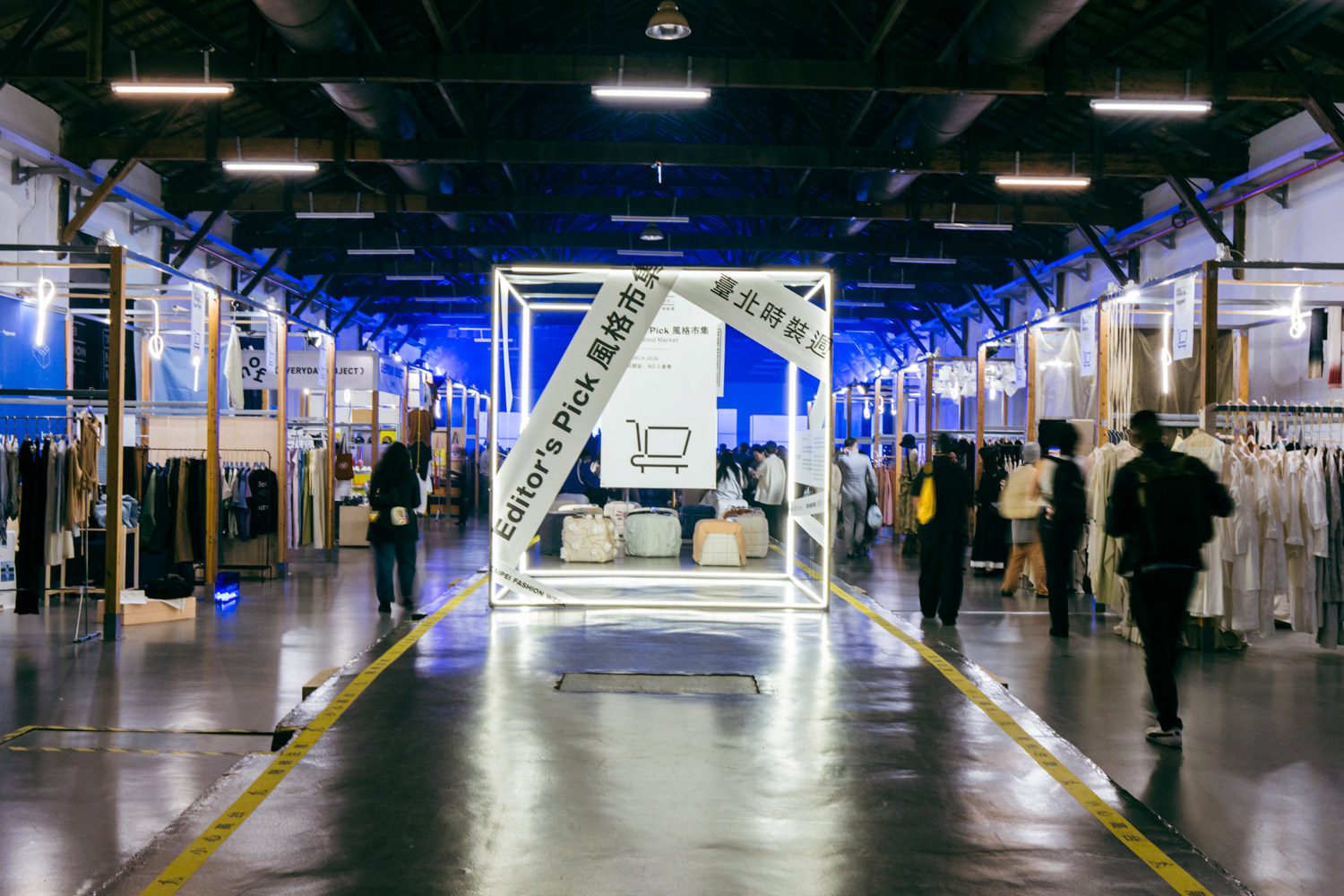
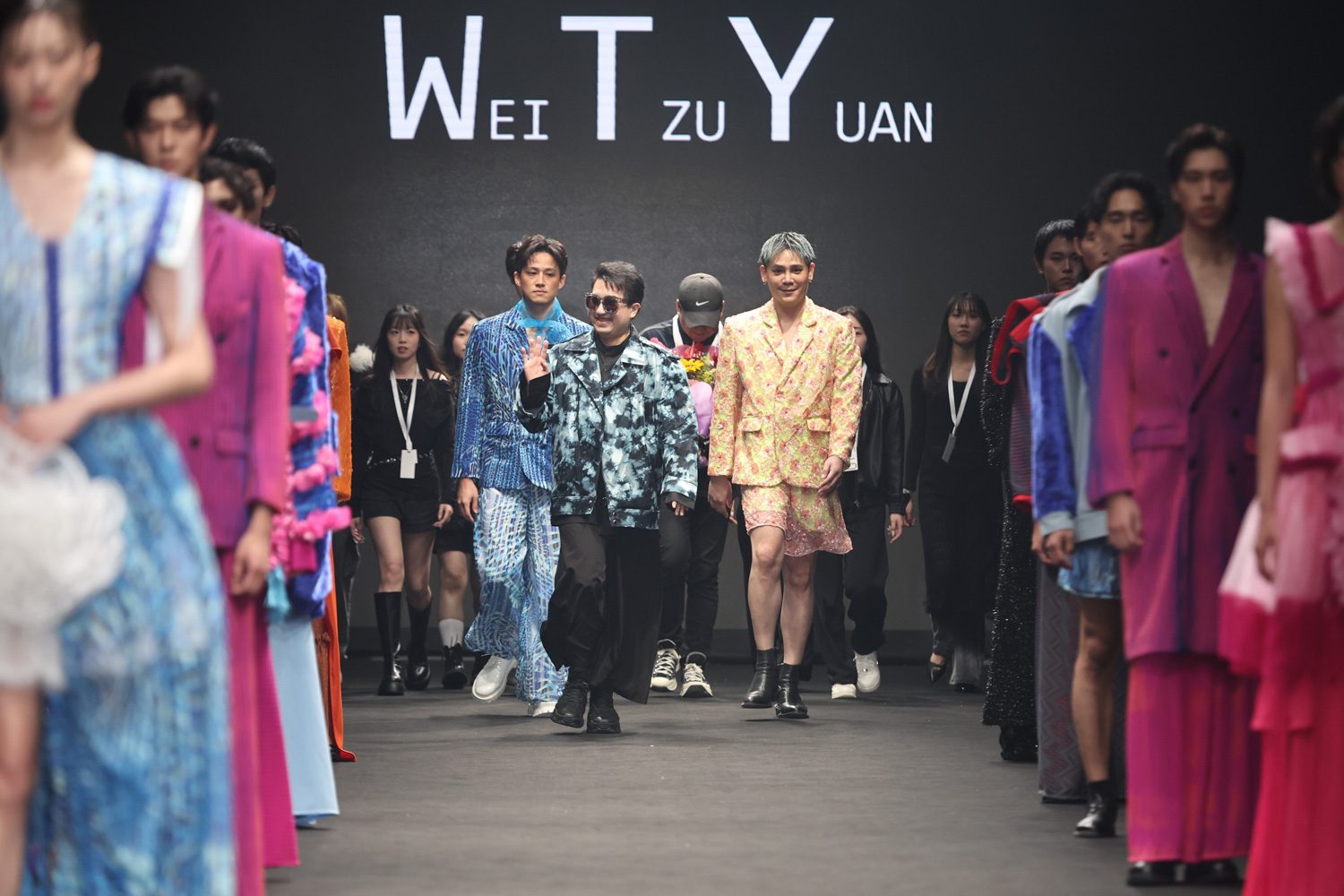
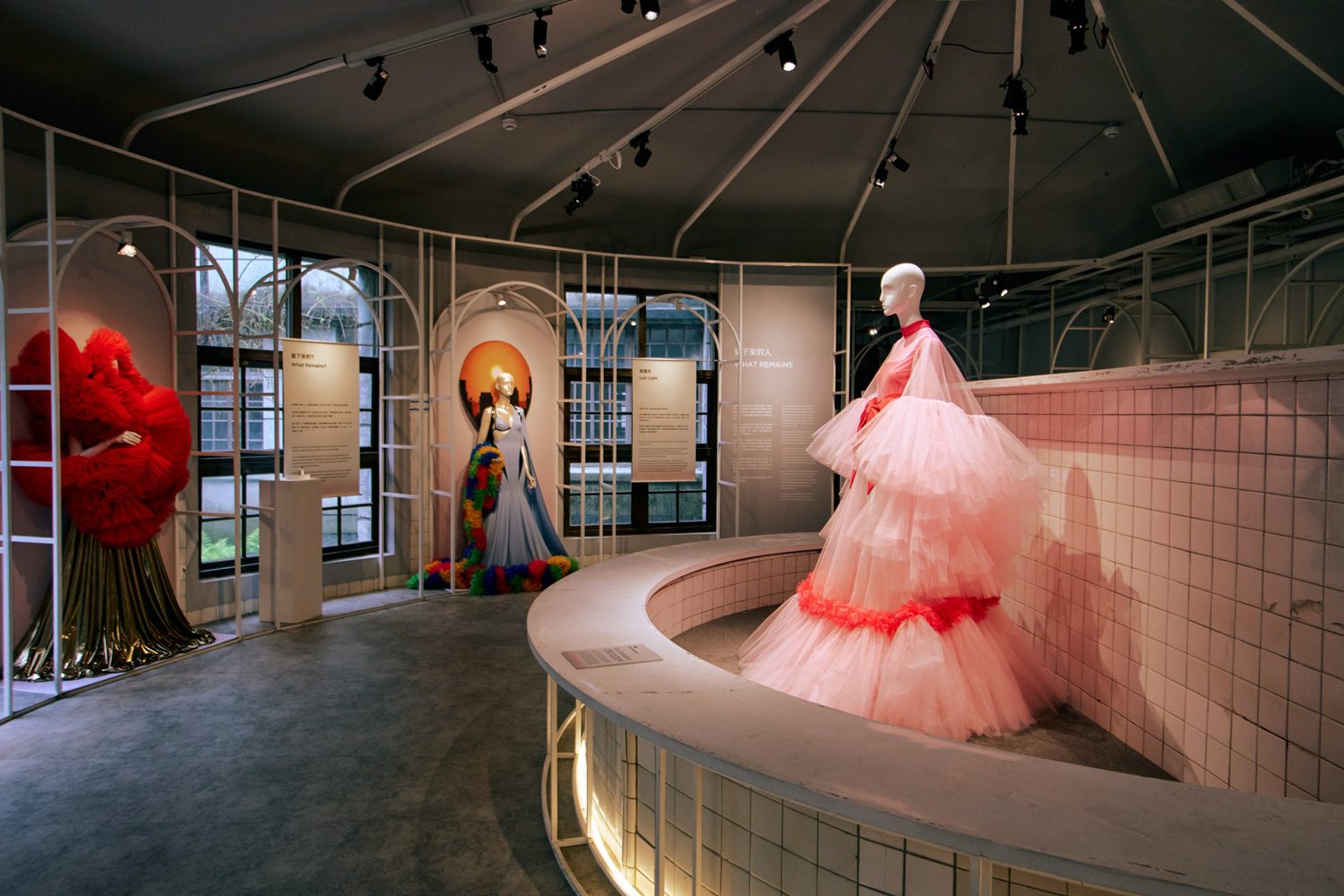
For this season, Taipei Fashion Week operated on two distinct levels. On one hand, its key functions, including the Editor’s Pick Market, runway shows, and presentations, were gathered within Warehouses No. 2–5. On the other, designers were given the freedom to move beyond the central program, selecting spaces that resonated with their individual identities, from interior venues such as the former SCCP Men’s Bath House and Not Just Library to the more unexpected use of UFC Gym in New Taipei City quarter. In doing so, the event signaled a clear attempt to move beyond the ‘white cube’ conventions of earlier fashion presentations, turning the surrounding architectural fabric into a powerful form of living scenography.
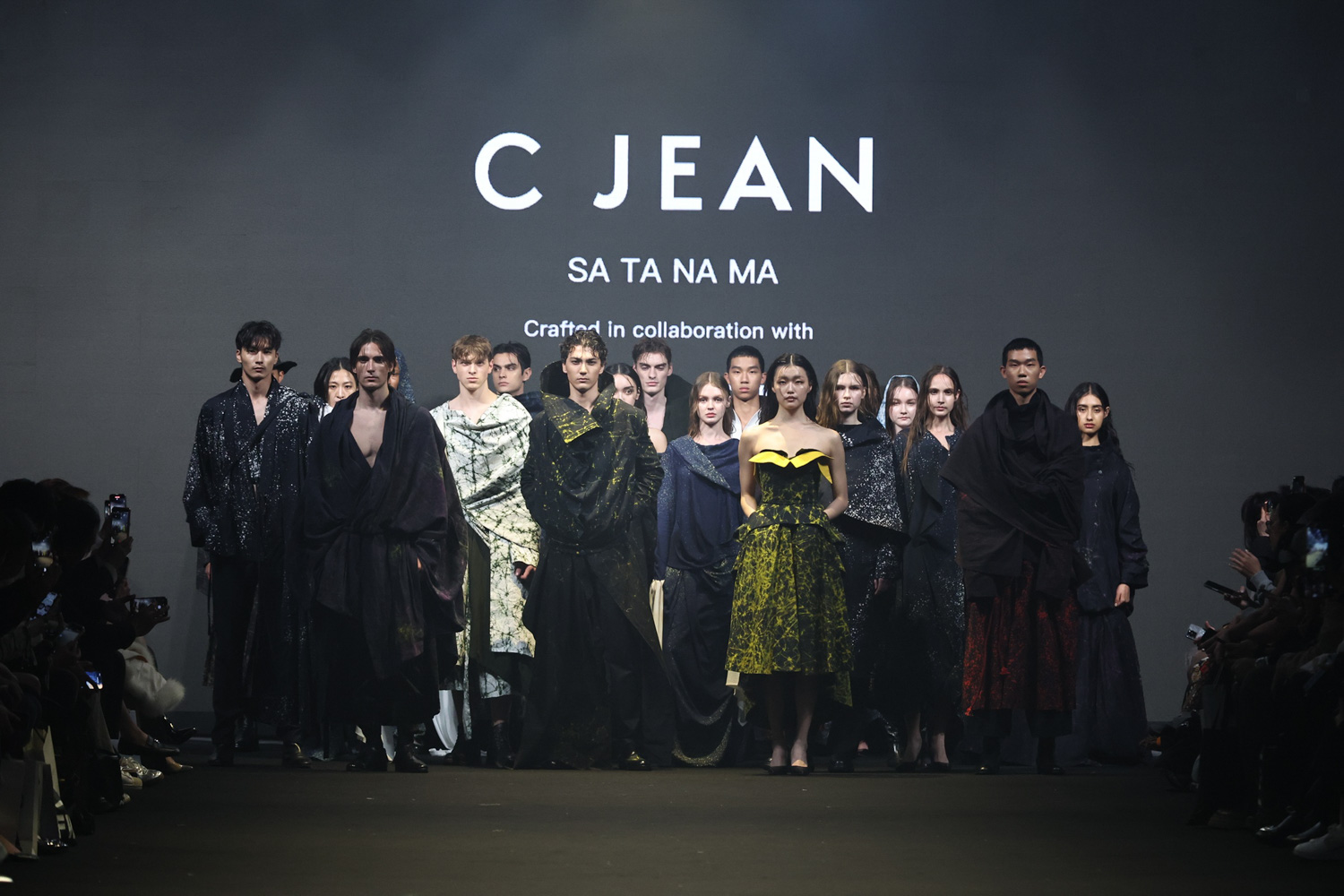
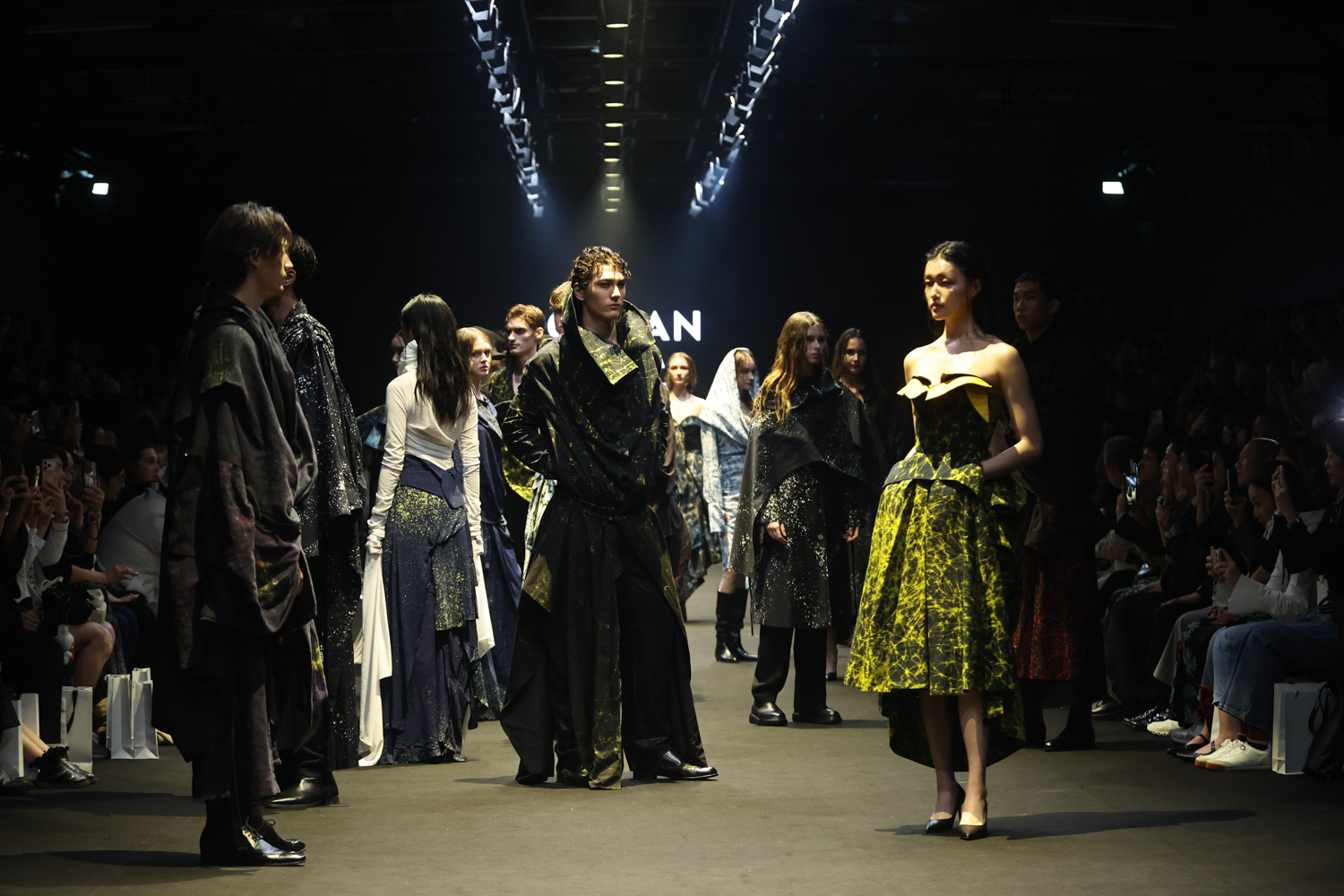
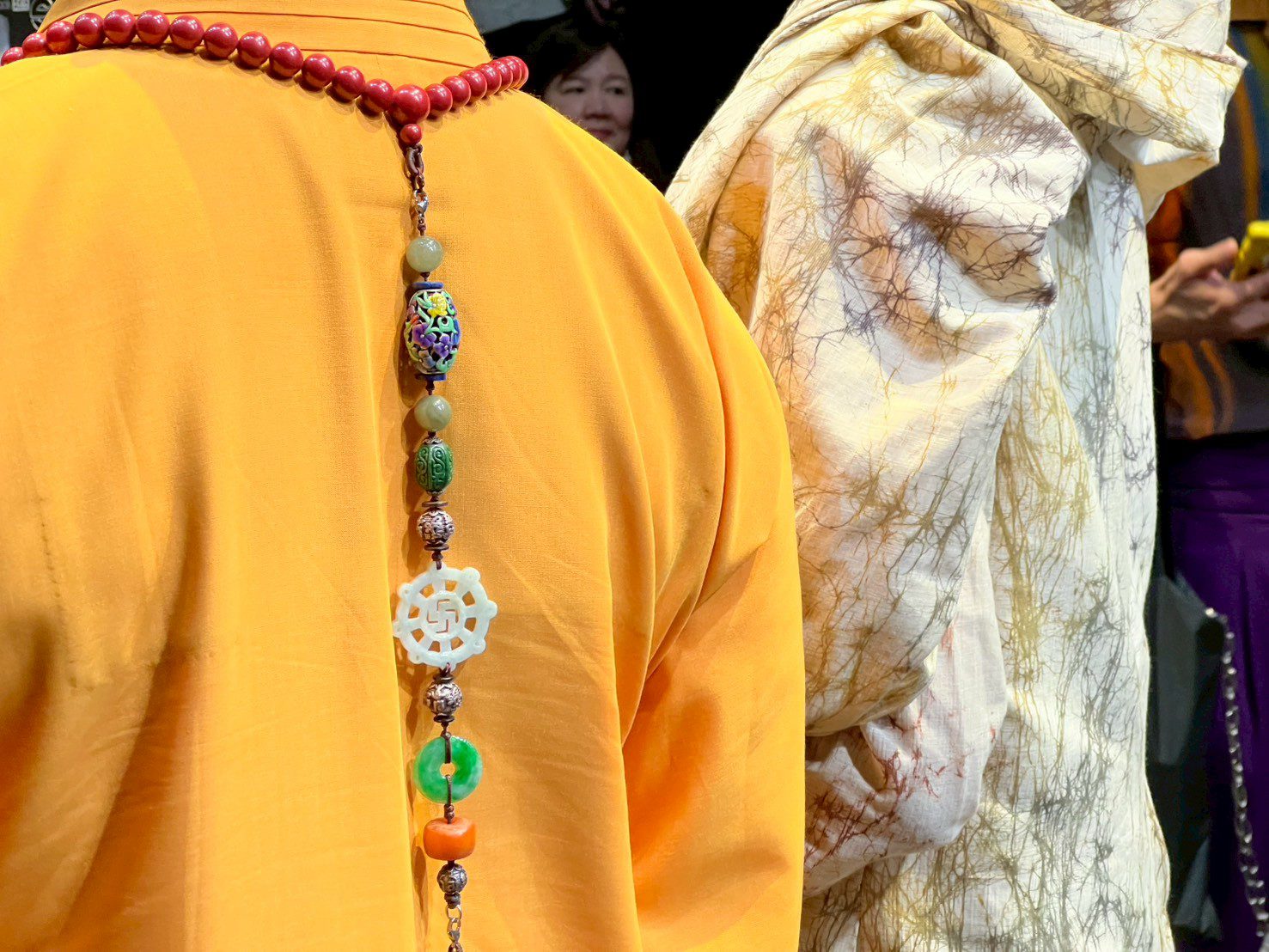
Photo: Sarunkorn Arthan
The season’s first runway show took place in Warehouse No. 4, where C-JEAN, led by designer Jean Chun-yuan, presented SA TA NA MA, a collection that brings the ancient Japanese wax-resist dyeing technique of Roketsu into conversation with contemporary tailoring. For the collection, Jean invited Master Fazang from Nanxi Wanfo Temple to serve as a “philosophical and artistic consultant,” interpreting SA TA NA MA, four sacred syllables in ancient Sanskrit associated with the cycle of existence, into an embodied visual language. The project also extended into a cross-border workshop with SHOBIEN, a Kyoto-based dye house dedicated to traditional techniques, where an old craft was patiently distilled into a contemporary fashion vocabulary. At a glance, the textiles may recall the batik traditions of Thailand, Malaysia, and Indonesia, partly because the working process shares certain affinities. Yet they possess their own distinct character with irregular, almost formless patterns, and a palette that moves between softness and solemnity. The result is finely balanced, with small, sharp notes of yellow cutting through the eye like a bright accent in an otherwise tempered composition.
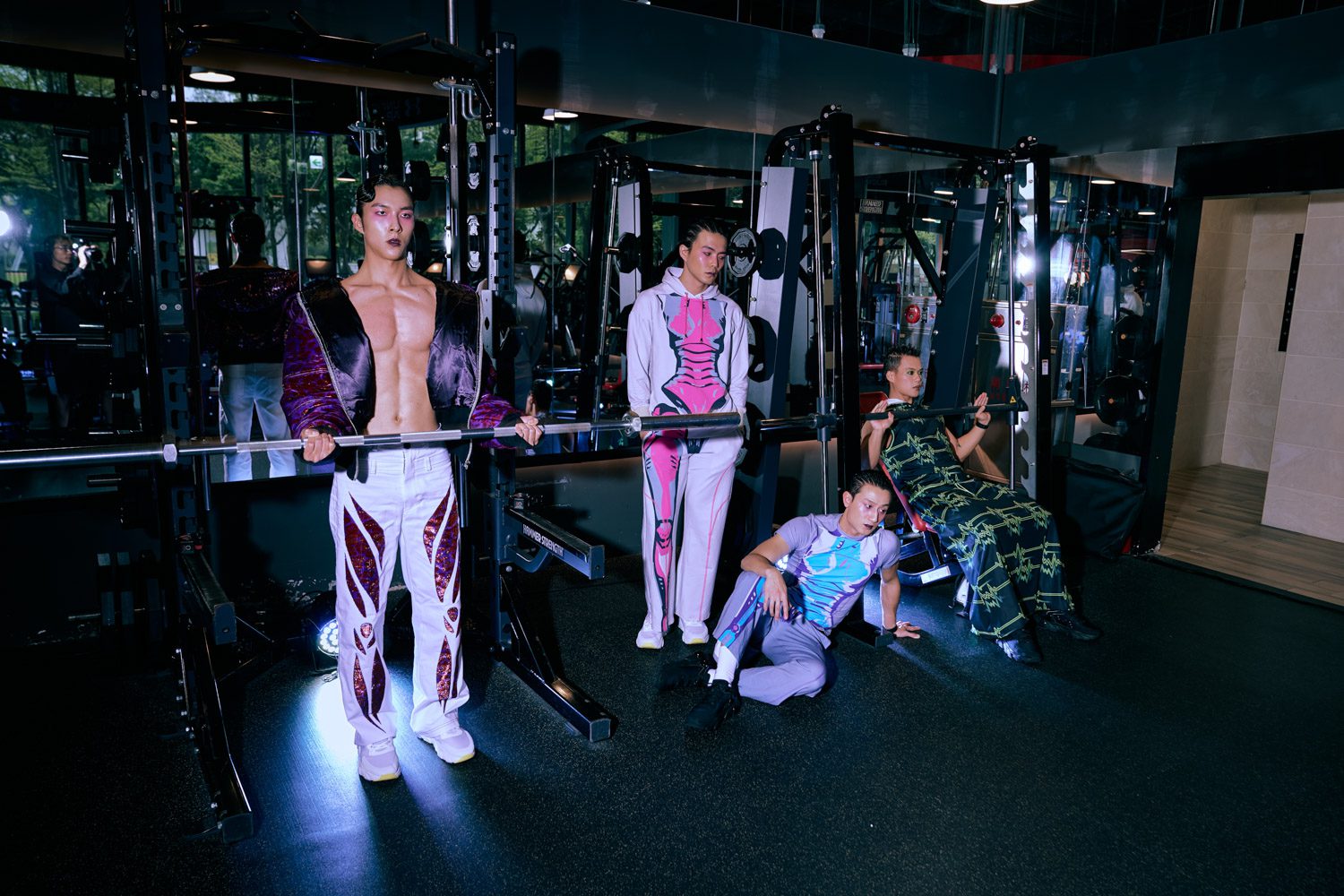
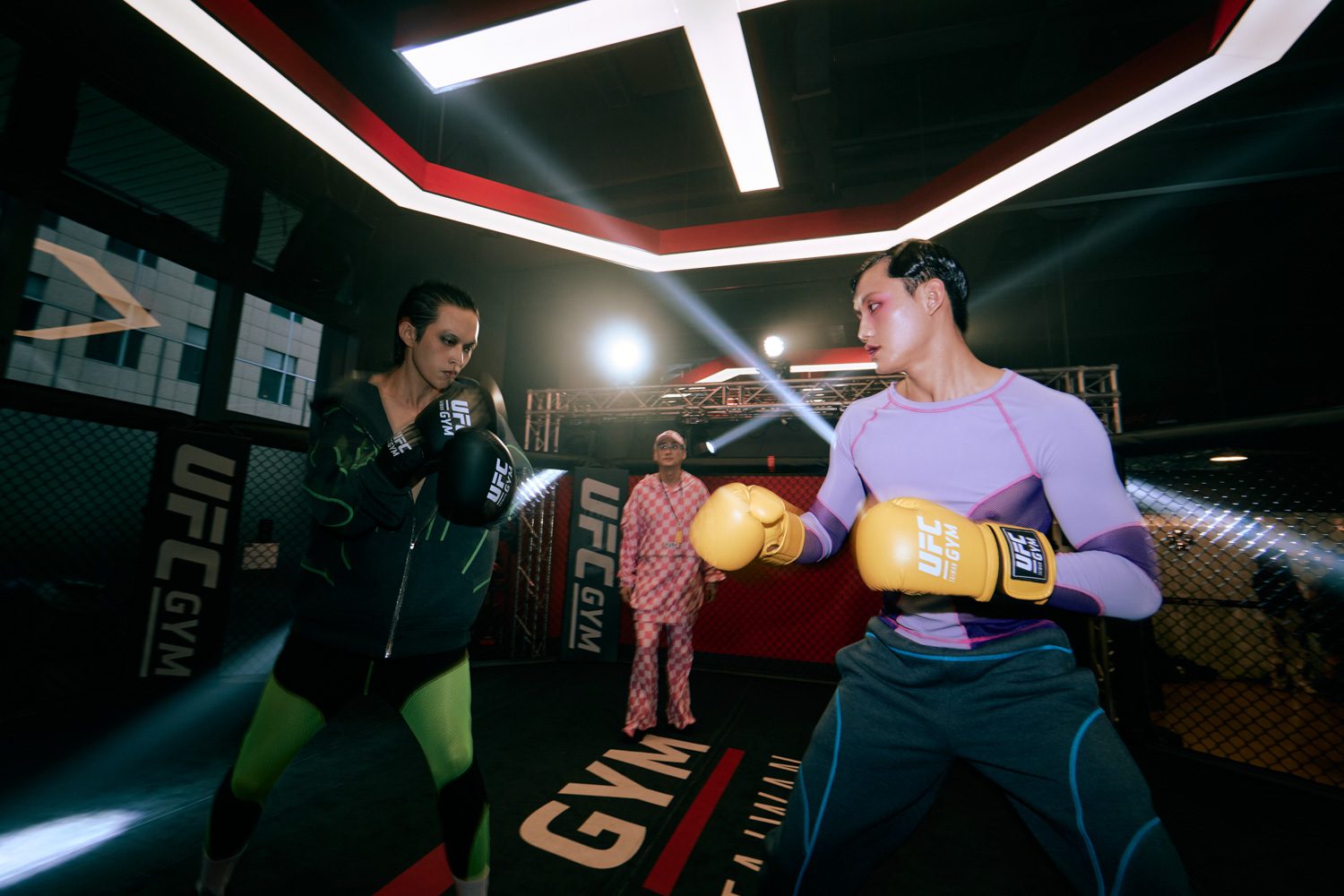
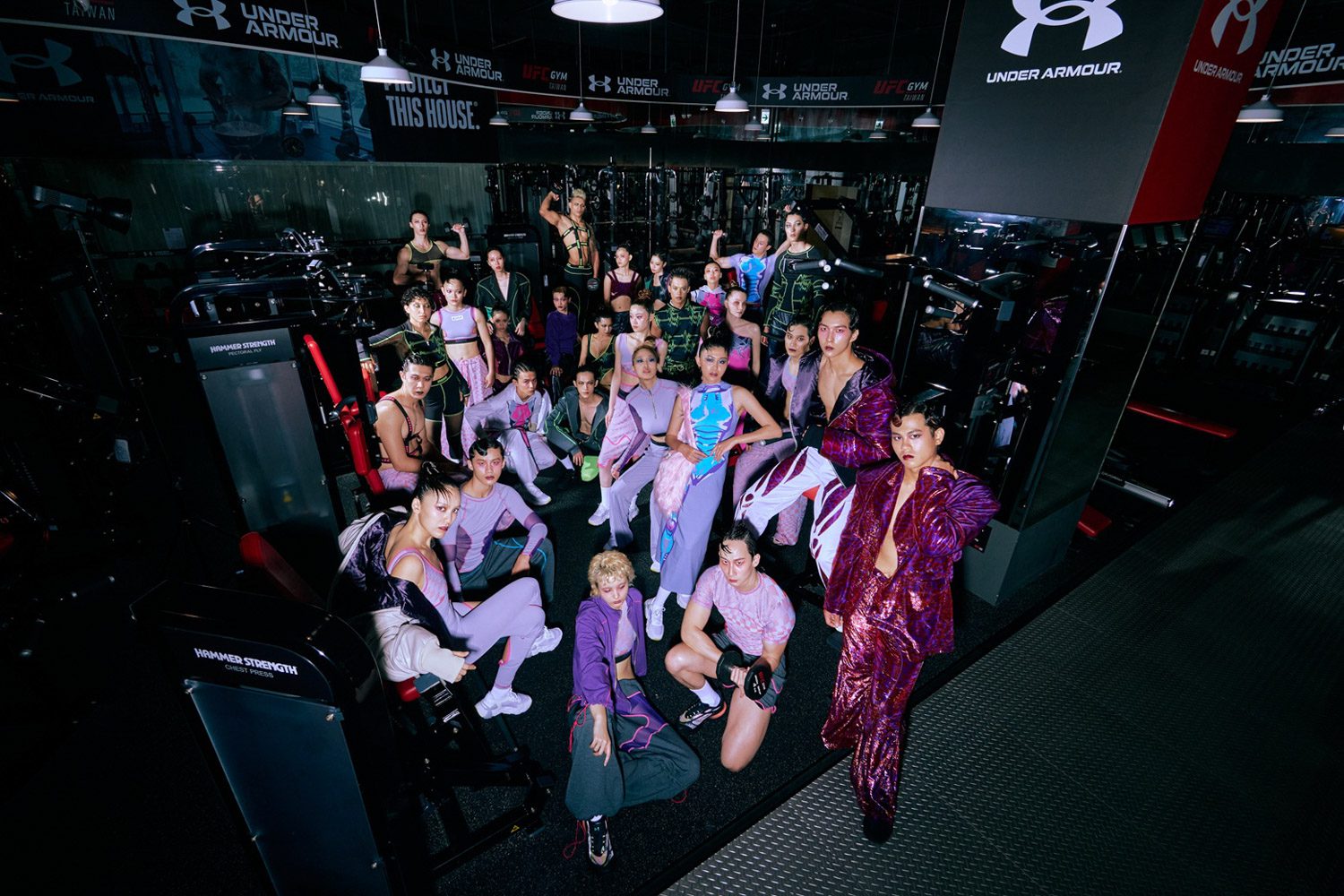
Another runway that stood out enough to warrant a special mention was #DAMUR, which relocated its show from SCCP to UFC Gym in New Taipei City. Set against energetic music and the charged environment of a fitness space, the presentation made a particularly vivid impression. This was not simply a runway, but a compact boxing arena, where Damur Huang, acting as both designer and referee, invited models dressed in athletic personas into the ring to exchange choreographed punches. For this season, #DAMUR’s collection, The Mind Fighter, used bold streetwear and sportswear silhouettes as a medium for connecting the discipline of physical training with mental states, carrying the idea that the greatest opponent in life is no one other than oneself.
Beyond the runway shows, Taipei Fashion Week this season continued to offer a steady flow of creativity and design. This was particularly evident in its presentations, which brought together a strong roster of Taiwanese designers showcasing the range of their craft, both by hand and machine. While all the presentations were staged within SCCP, each occupied a different zone according to the spatial language and atmosphere the designers sought to create.
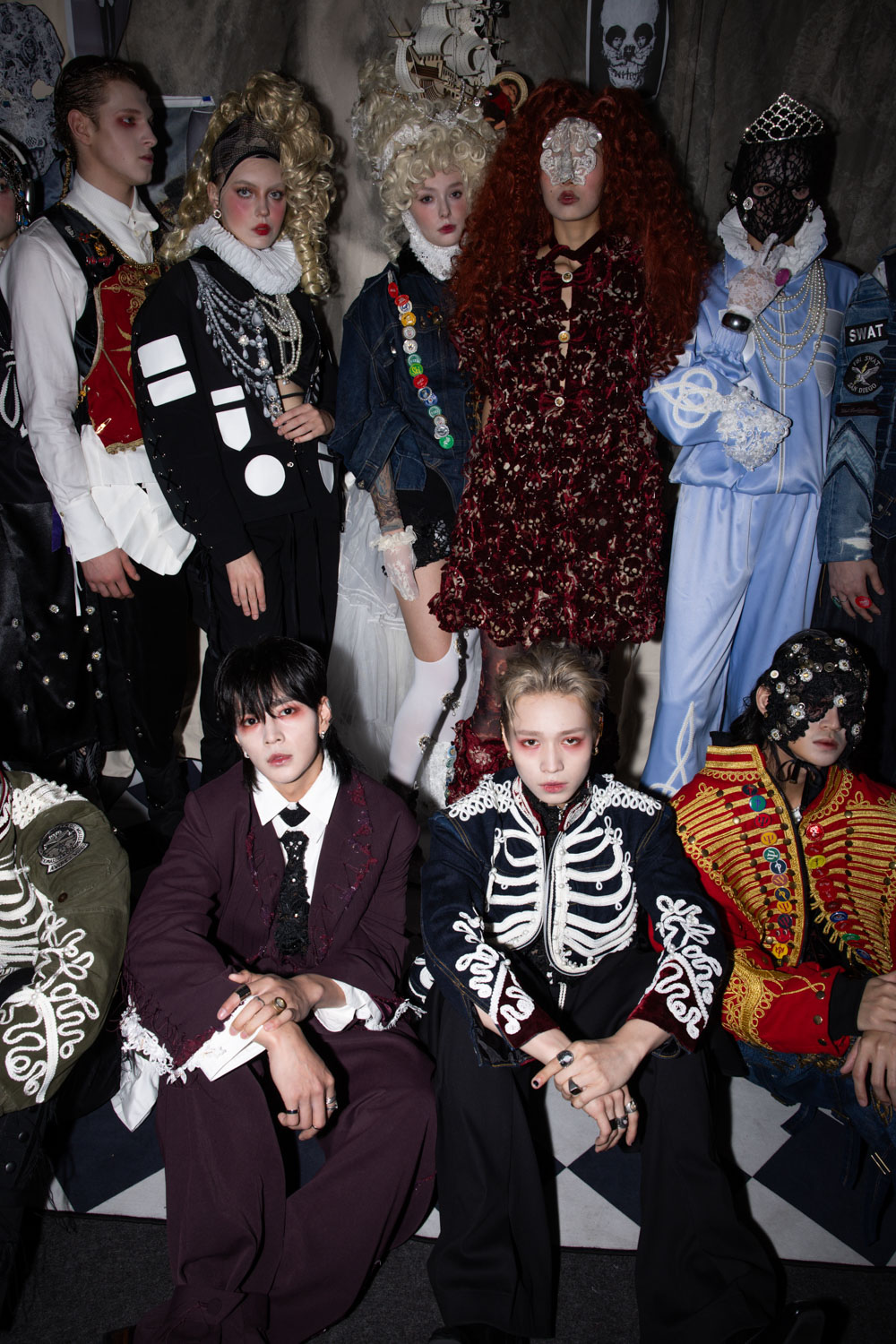
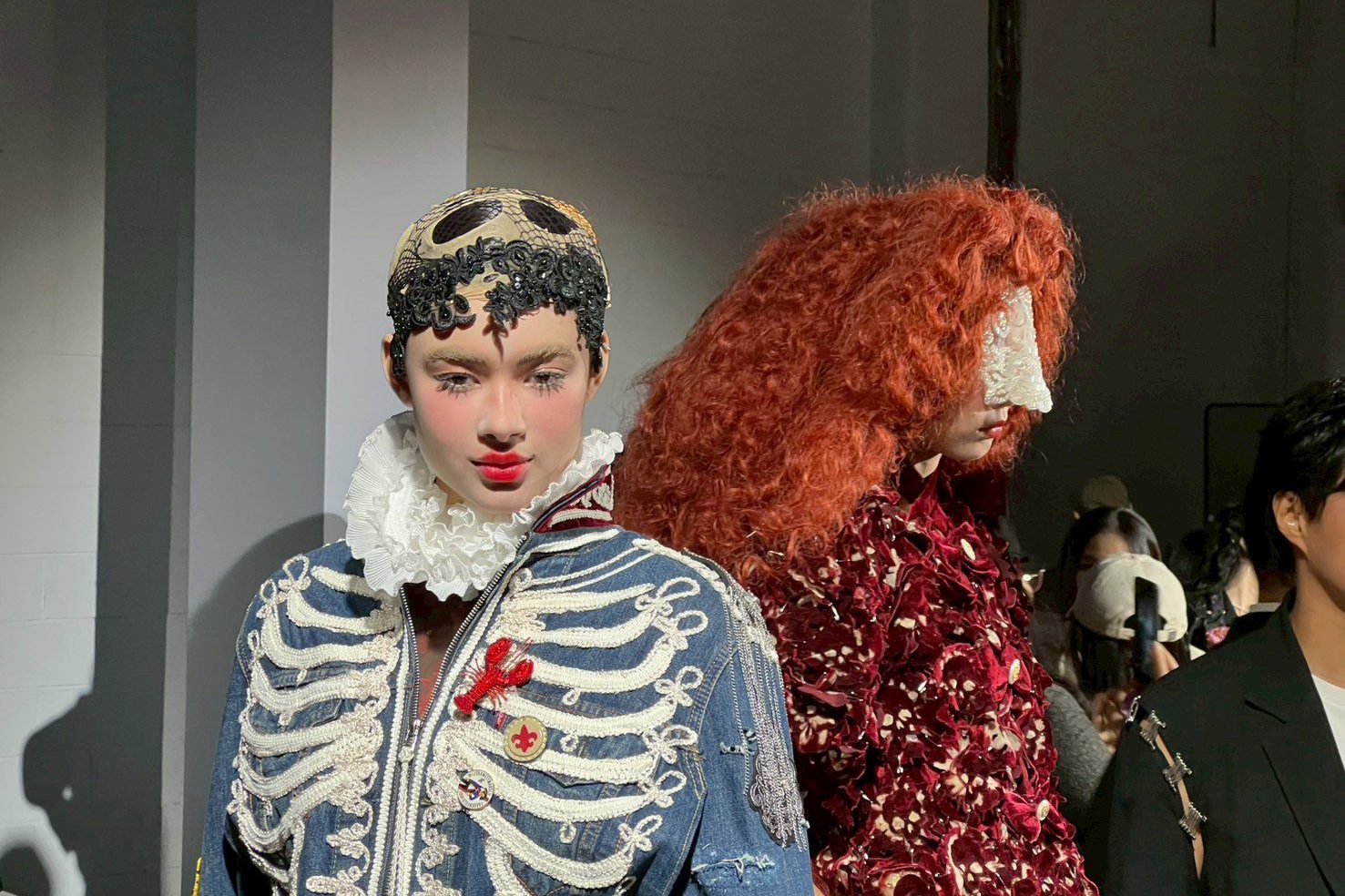 Photo: Sarunkorn Arthan
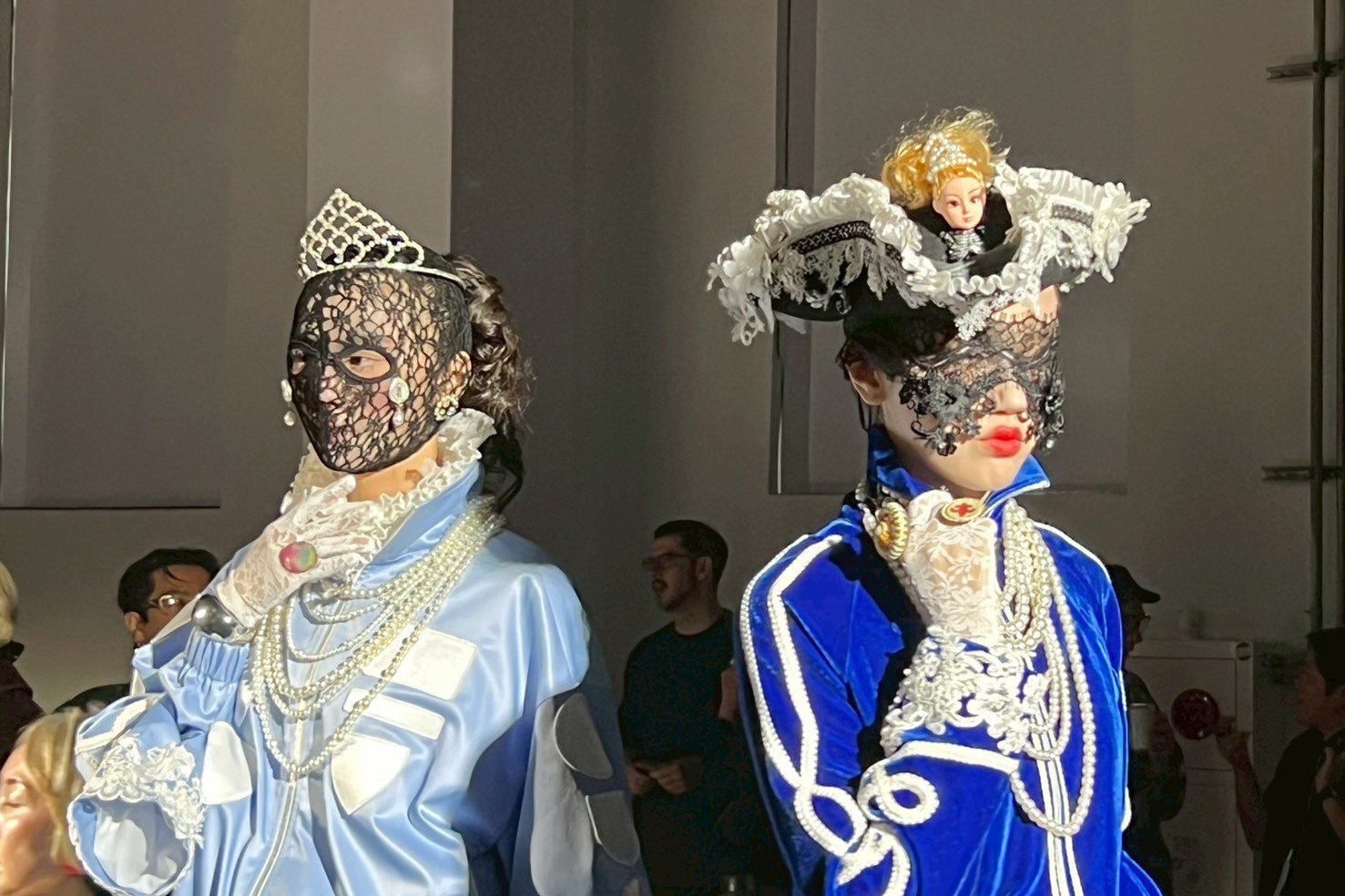
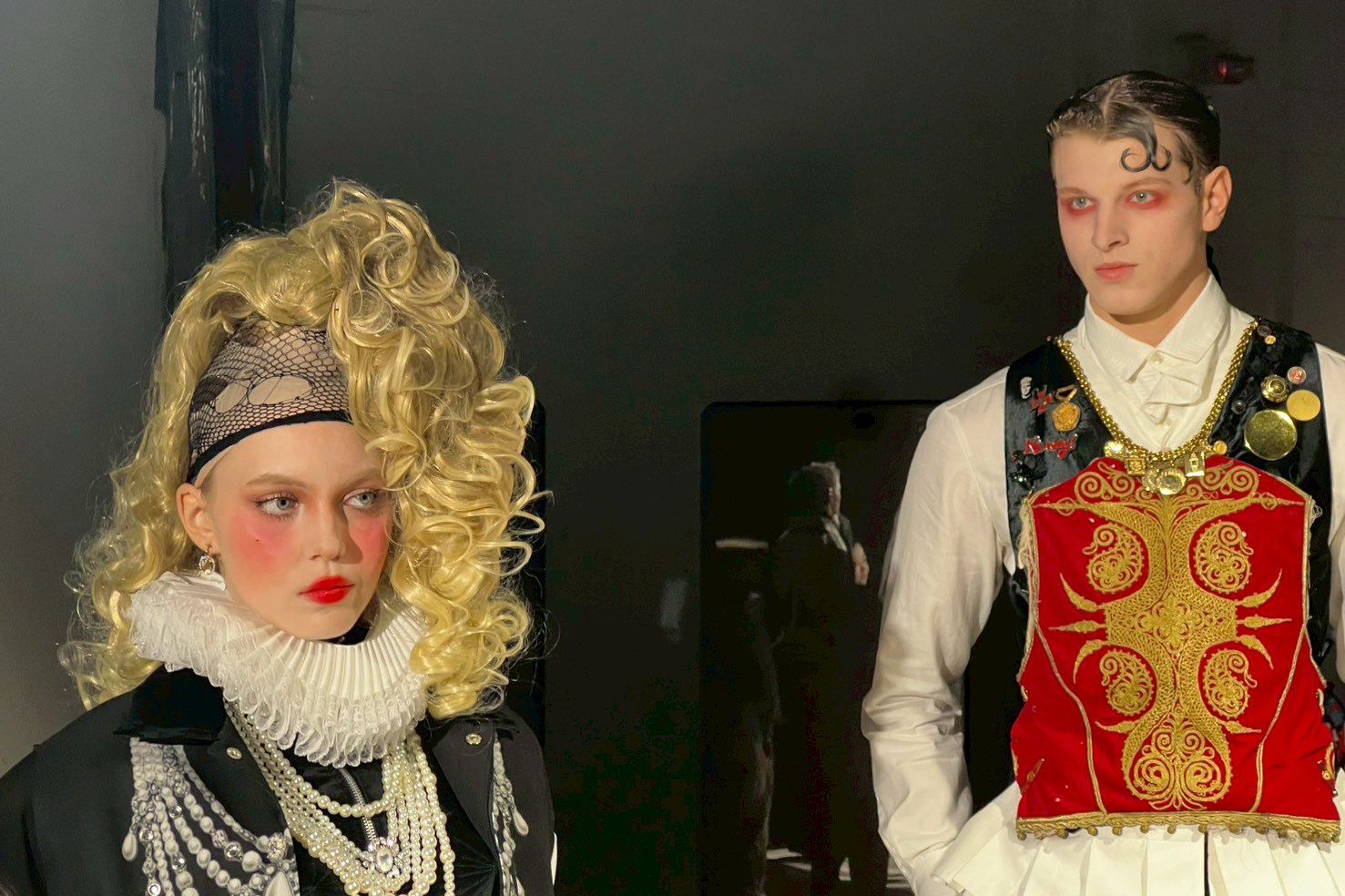
Of all the presentations, JUTS IN XX by Justin Chou left the strongest impression. What made it resonate was the way Justin quietly dissolved the boundary between ‘runway’ and ‘presentation,’ replacing conventional mannequins with real bodies and performative gestures that carried the narrative in their place. His collection, Lone Star, draws from a deeply personal subjectivity and is staged through the story of a group of impossibly cool youths who sneak into a museum and become possessed by spirits. The result is a collision between street fashion and the richness of ancient European art, forming a highly particular visual language that feels instinctively resolved: striking in its contrast between street attitude and opulence, yet never excessive.


Another designer of note was Wang Li Ling of WANGLILING, who advances a distinctly Taiwanese identity through histories, geographies, and even botany, using the functional fabrics for which Taiwan is widely known. For this season, WANGLILING’s Form of Formosa translated the landscapes of the island into the language of high fashion with remarkable fluency. The clarity of the runway lay in the way it opened up multiple frames of reference: transforming ‘flight paths’ into fluid lines across the body, rendering ‘blooming flowers’ as intricate layered structures, and using ‘light and air’ to create gradients of color and unexpected textures. Taiwan’s complex mountain ranges were further re-scaled into forceful, wave-like silhouettes, while ocean currents flowed into continuous, billowing textile forms. All of this was achieved through the exclusive use of Taiwanese local materials.
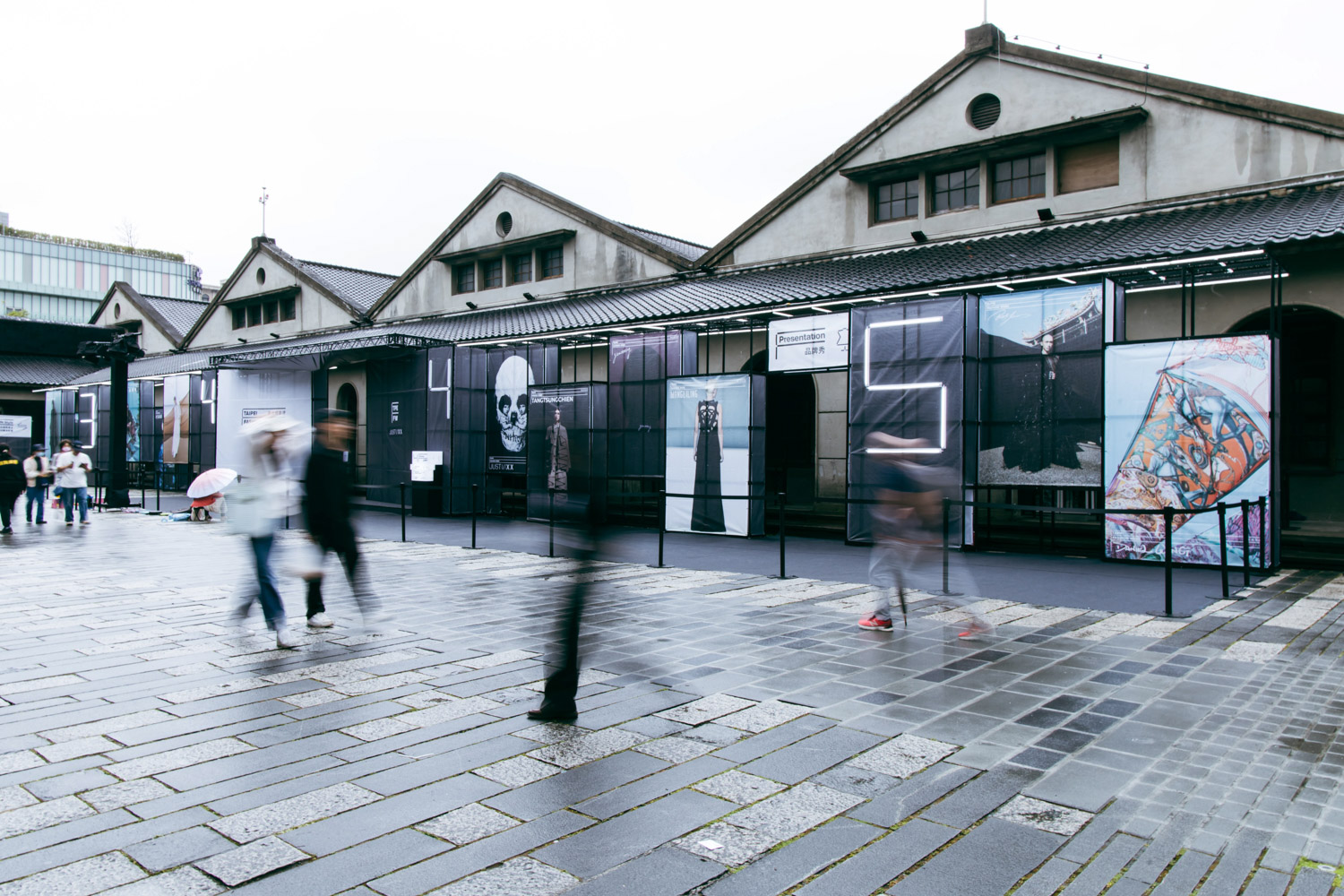

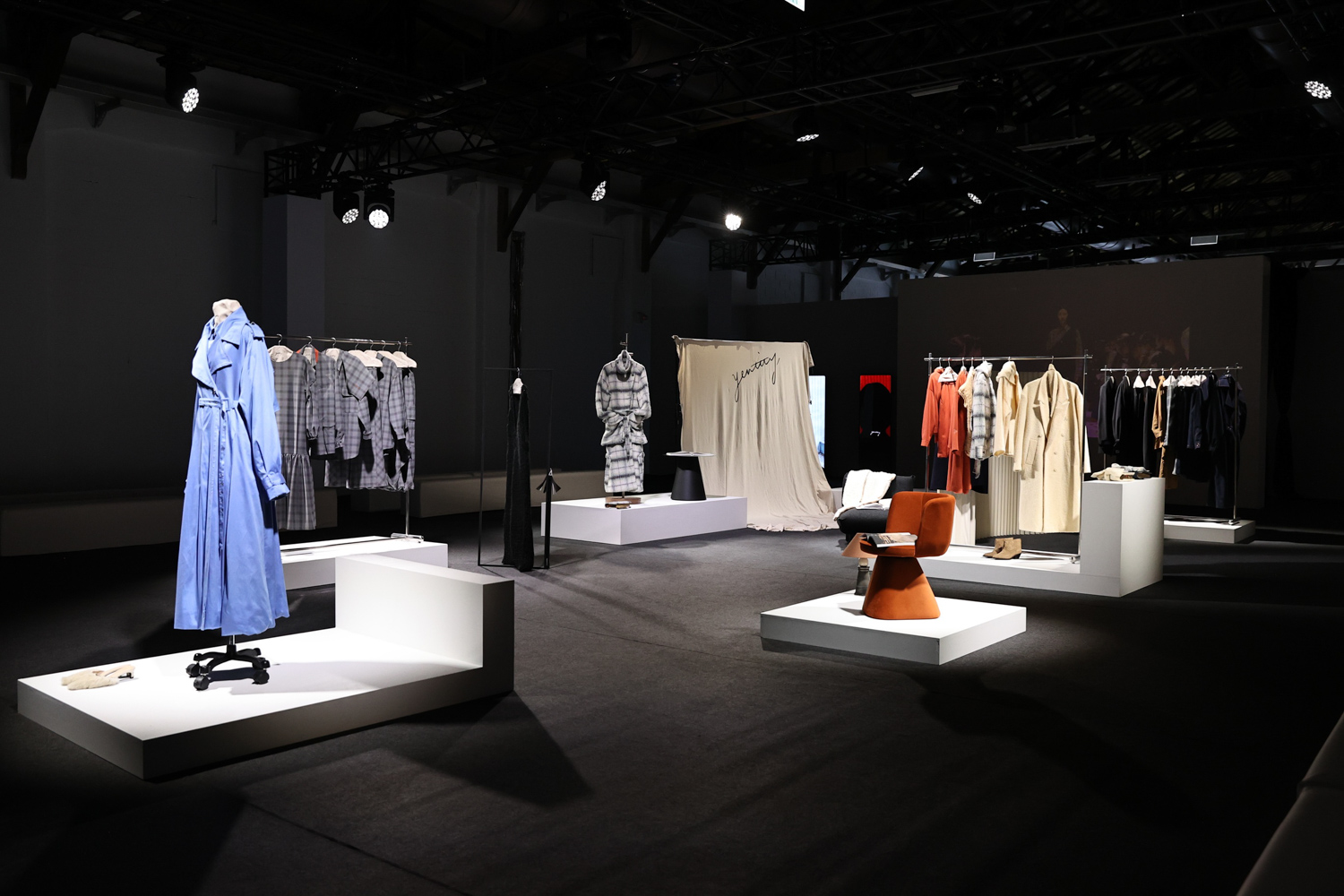
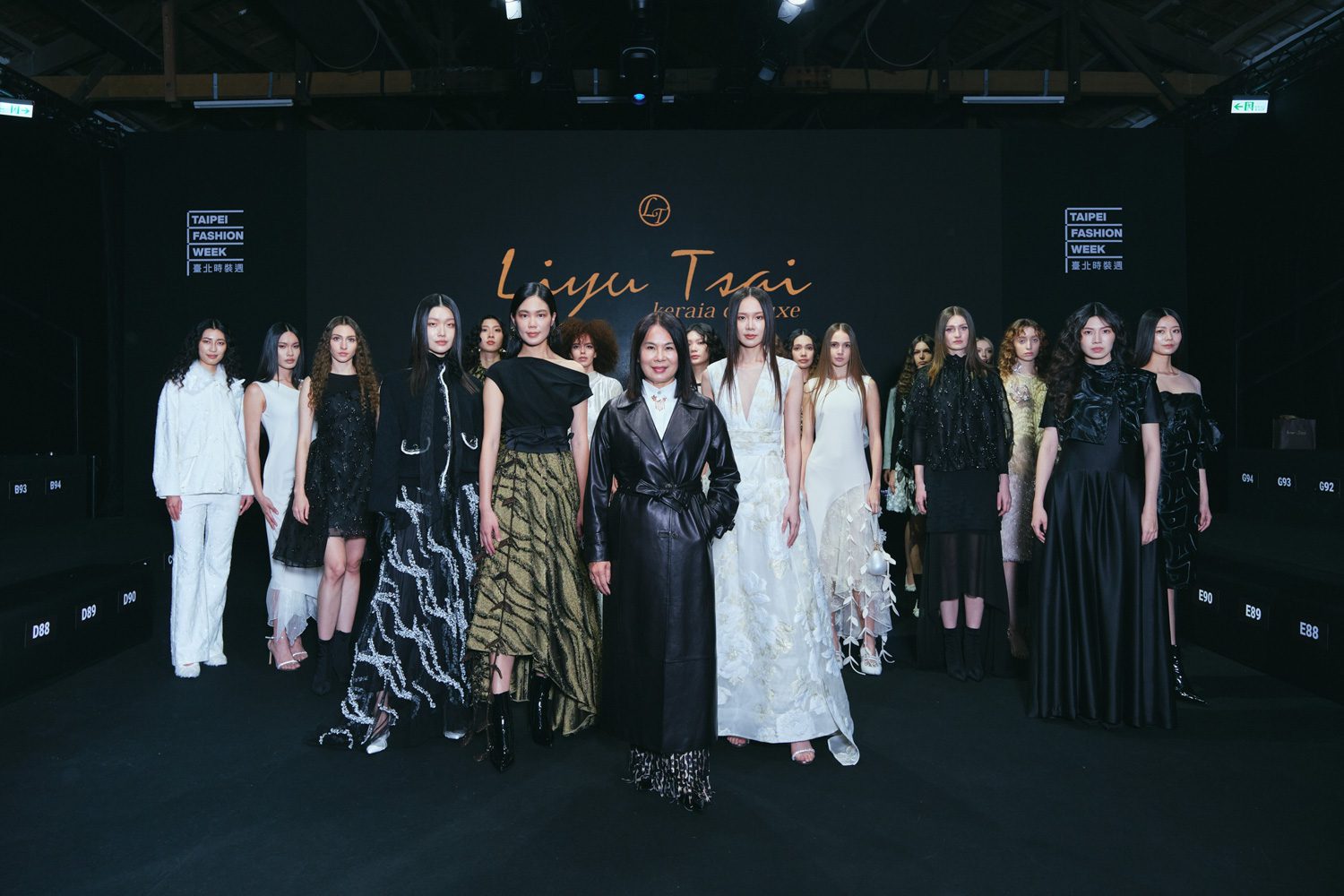
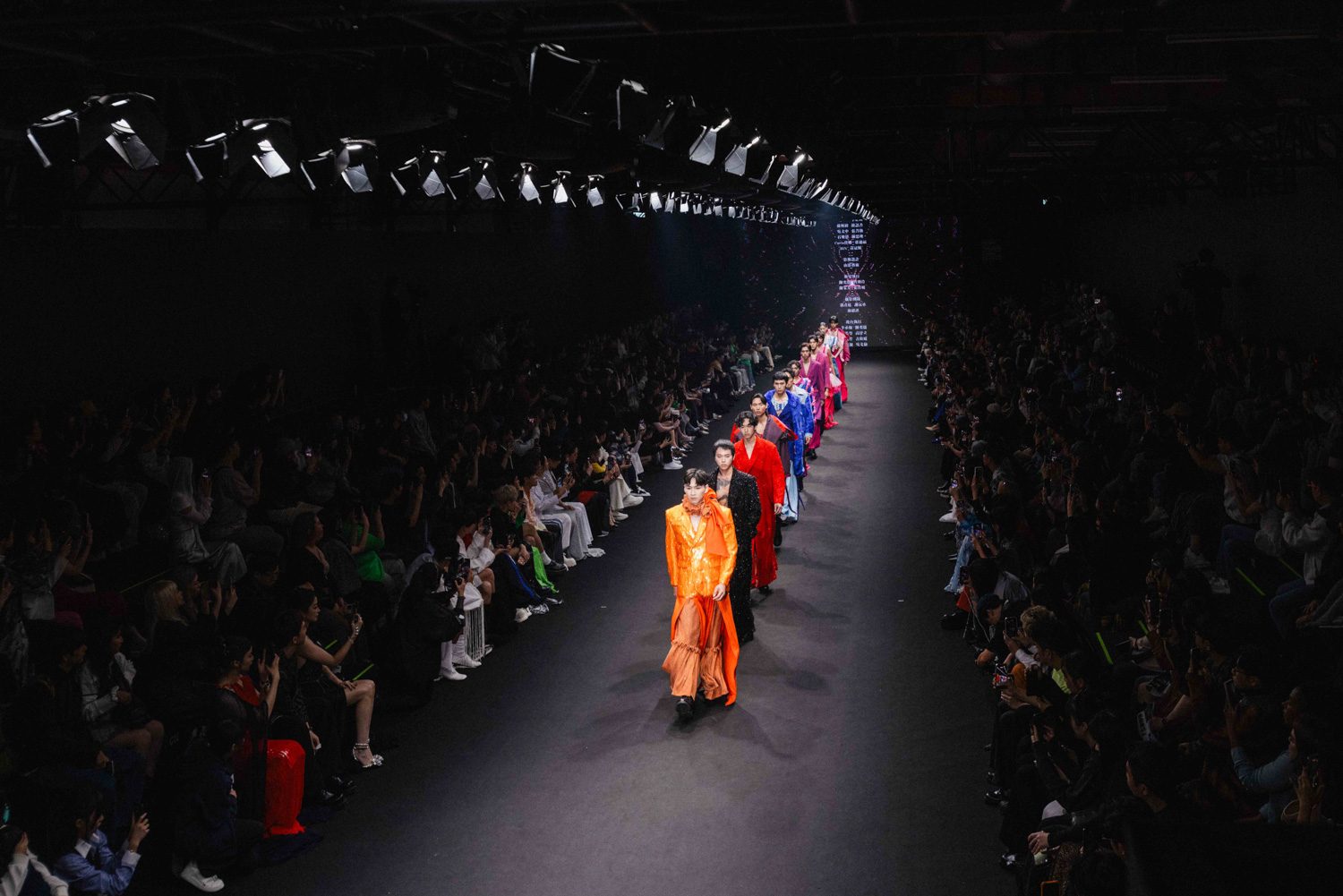
The four designers presented by art4d represent only a small fragment of Taiwan’s fashion design scene, alongside names such as TANGTSUNGCHIEN, Yentity, Liyu Tsai, and Daniel Wong, each with a distinct design language and approach to textile materiality as they continue to contribute to the wider international fashion landscape. It remains to be seen what form Taipei Fashion Week will take this October for its Spring/Summer 2027 edition.