
CHILD. PLAY. BECOME. HAUNTED. READING THE SIMULATED NIGHTMARES OF CHILDHOOD IN THE BACKROOMS
TEXT: PEERAWICH RUANGPENG
PHOTO COURTESY OF A24 FILMS EXCEPT AS NOTED
(For Thai, press here)
*This article contains spoilers for Backrooms.
About a week ago, I saw Backrooms at a cinema in Samyan, Bangkok. I went in blind: no trailer, no spoilers, and only a passing familiarity with The Backrooms, gathered from the occasional social-media post. I knew that the film had grown out of Kane Parsons’s YouTube series, which began with the viral 2022 short The Backrooms (Found Footage). Parsons, better known online as Kane Pixels, was still a teenager when he was brought on to direct A24’s feature adaptation. Four years later, A24 invited the now bearded 20-year-old Parsons to direct Backrooms, bringing this YouTube-born universe to the big screen for the first time. Given The Backrooms’ origin and reputation as an internet-born creepypasta phenomenon, and its premise, which seemed to belong to a particularly insular corner of internet culture, I expected the theater to be filled with high-schoolers, or perhaps even younger children raised on its memes and lore. Instead, the audience was made up mostly of the ‘bearded-child’ demographic: young adults, many seemingly of working age, still drawn to an imagined world with the same seriousness and excitement they might once have brought to play. Many, I assumed, had played the games or watched the original found footage. Only four or five school-age viewers were in the audience.
What I saw that evening brought to mind Friedrich Nietzsche’s observation on maturity: “The maturity of man: that means, to have reacquired the seriousness that one had as a child at play.”
At first glance, the proposition feels contradictory. How can seriousness and play, two terms we tend to place at opposite ends of experience, sit so comfortably beside one another? Let’s assume that play ought to be pleasurable and lighthearted; to become serious while playing would seem to threaten the very pleasure of it. Yet a child at play is often completely absorbed: intent, imaginative, and wholly committed to the world they create. But if we become too serious while playing, can it still be fun? What Nietzsche offers here is an oxymoronic pairing: two terms that appear to contradict one another, brought together to produce a new kind of meaning. Thus we arrive at what might be called ‘serious play.’ Or, to take another example, the phrase ‘bearded children,’ which I use to describe both the film’s young director and many of the viewers who attended the same screening at the movie theater.
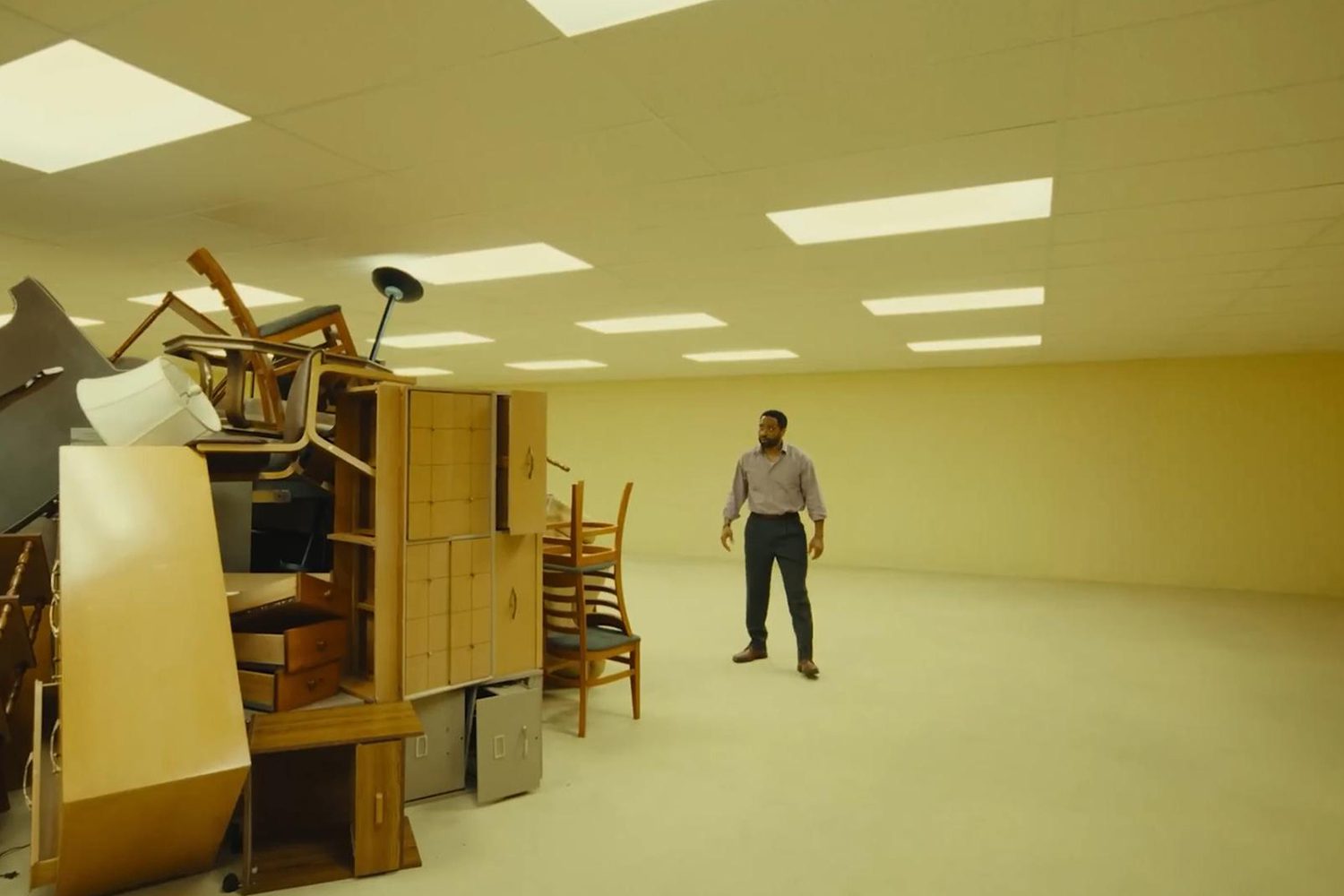
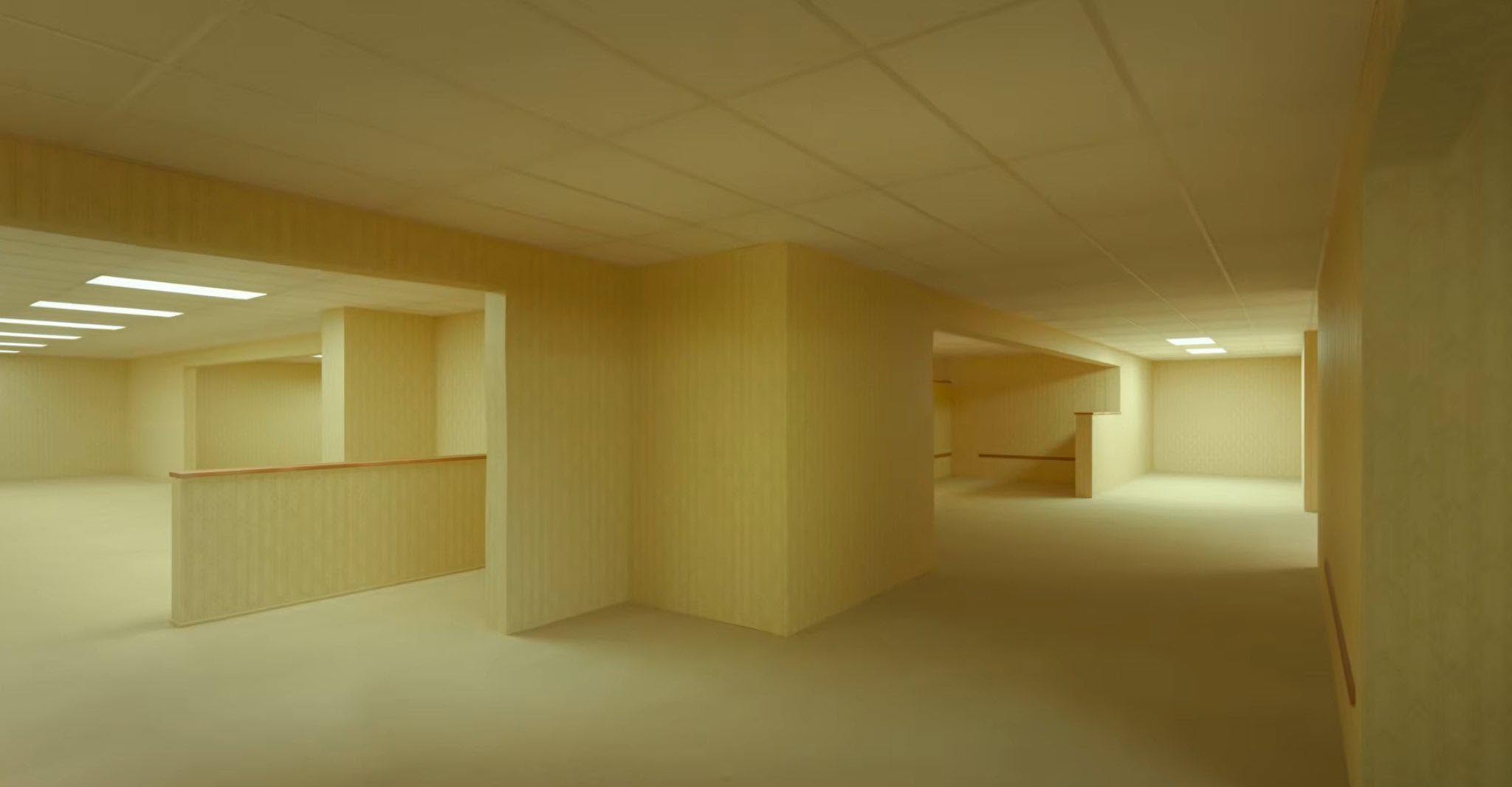
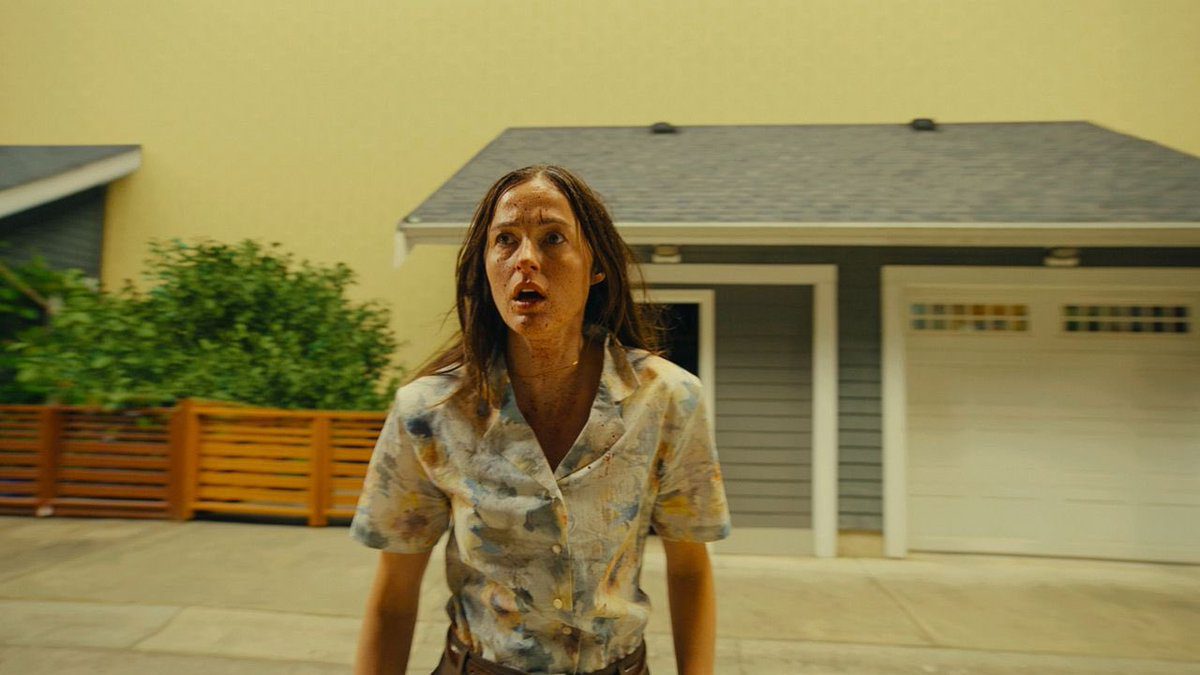
After watching the film, I began to feel that The Backrooms is not simply a subterranean space that appears out of nowhere. It seems to carry a meaning beyond its literal suggestion of a room behind another room. To me, it functions less as a physical location than as an extension of the protagonist Clark’s own psychological state. Early in the film, Clark visits Mary, his therapist, and tells her that he has passed through a wall into a mysterious sequence of rooms that seems to extend indefinitely. Mary is reluctant to believe him, partly because he is still her patient, and because his history of emotional volatility makes her inclined to treat his account with caution. Clark nevertheless tries to prove what he has seen by asking two employees from his furniture store to document the place on video for Mary. Both men ultimately die inside The Backrooms. Mary later enters the space herself. After a period of escalating chaos, she is made to sit at a dining table with Clark and the various ‘entities’ that inhabit The Backrooms: a bearded baby in a wheelchair, a woman in a red dress with a distorted face, and a heavyset man.
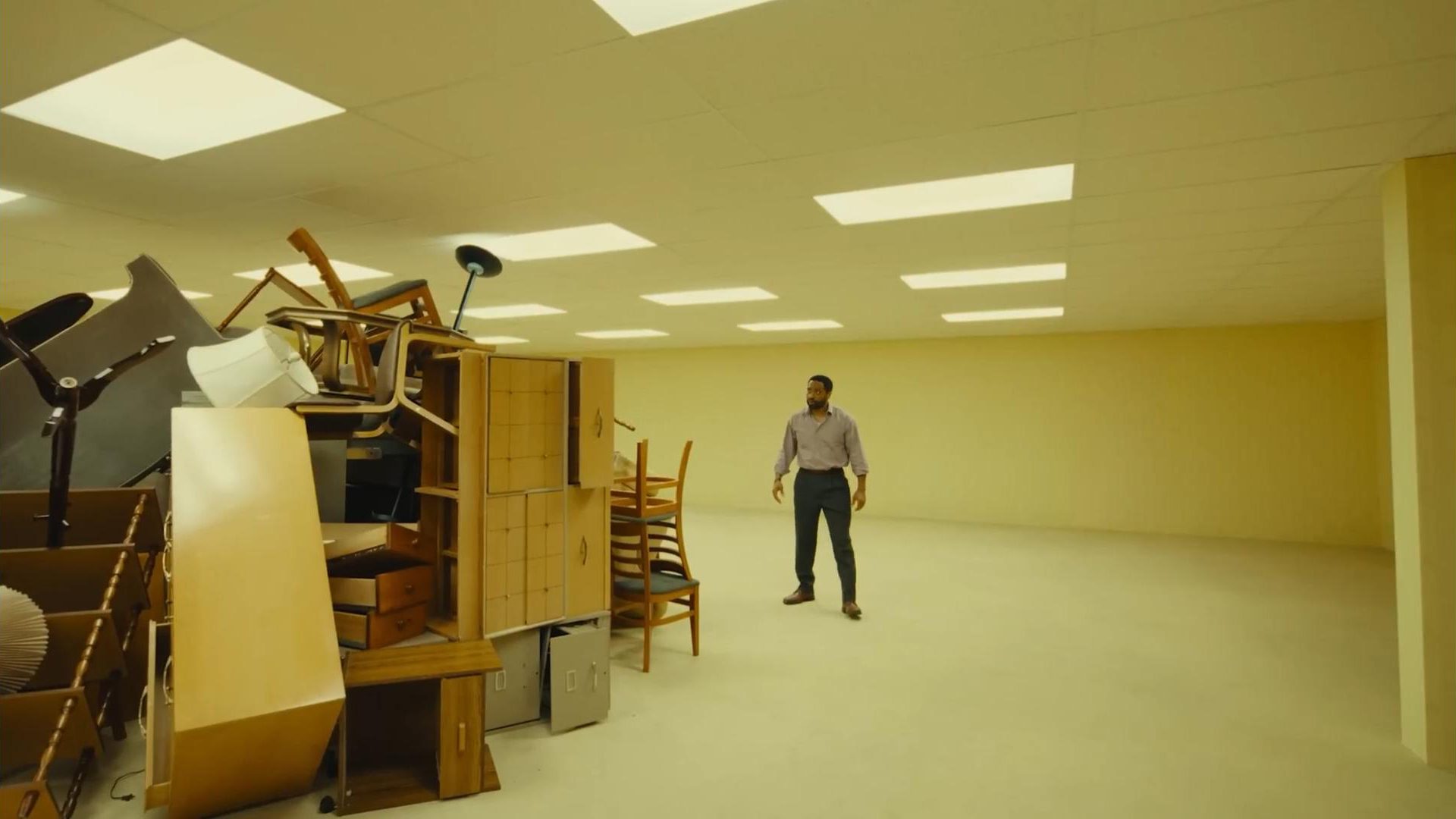
At this point, I am reminded of Jean Baudrillard’s idea of simulation. For Baudrillard, simulation is not simply a representation of reality. It creates another kind of reality, one that no longer depends on an original model. Reality and illusion begin to overlap until it becomes impossible to determine where one ends and the other begins. The distorted figures inhabiting The Backrooms can be understood as representation of one such reality, generated within Clark’s own mind. That reality has no place in the physical world as we know it, yet their malformed proportions, incomplete or excessive features, and aberrant limbs feel strangely familiar, as though they had emerged from some dimly remembered image. They are uncanny variations on the ideal of bodily wholeness, no less disorienting than The Backrooms itself. Or, as Clark describes it, they (and The Backrooms) are like a dog painted by someone who has never seen a dog. At a glance, the image may resemble the real thing. Look more closely, however, and every component begins to reveal its own wrongness. They are like the degraded output of a poor photocopier, reproducing an image over and over until its inaccuracies become part of its form. Yet The Backrooms allows these figures to exist as a reality in their own right, while endlessly reproducing their distortions. Mary, both Clark’s therapist and a victim of the space herself, eventually encounters the monster born from Clark’s mind, pushed to the furthest limits of its own fragility.
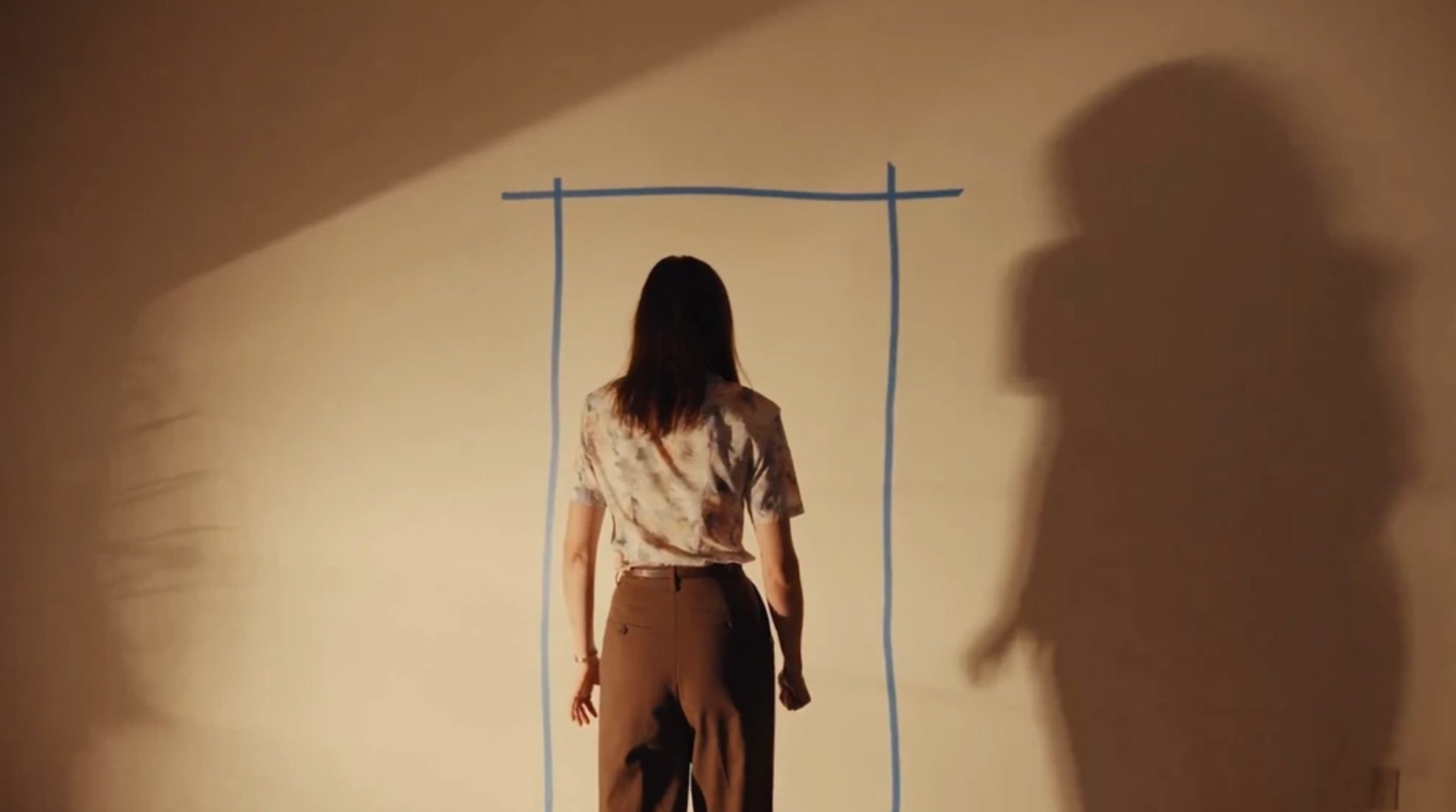
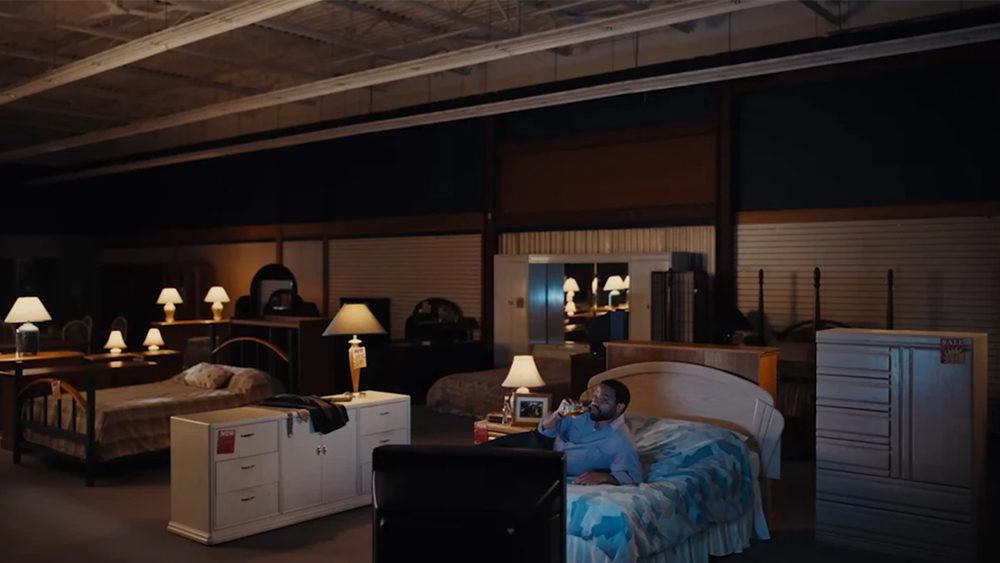
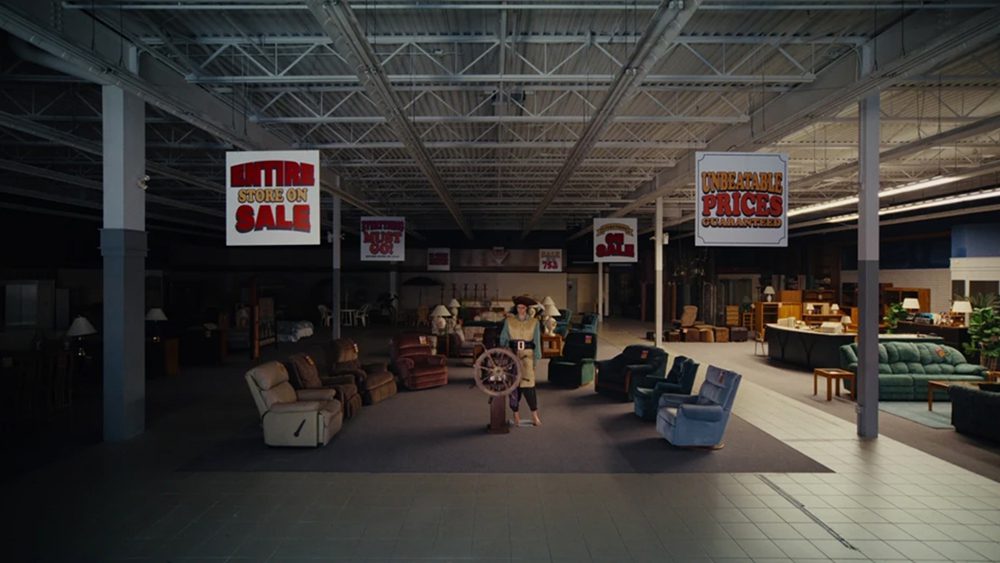
The film also reveals Clark’s unresolved disappointment at having abandoned his ambition to become an architect. His fascination with architecture surfaces through both dialogue and the objects scattered throughout the film, standing in sharp contrast to the life he actually leads: running a second-hand furniture store to make ends meet. We also see his disappointment curdle into self-contempt when he is forced to dress as a ridiculous pirate captain for a promotional video, trying to draw customers to a business so stagnant that almost no one comes through the door.
By the end, the film finally reveals the face of the mysterious creature that has stalked and terrorized everyone who wanders into The Backrooms. It is Captain Clark, the version of himself he most despises and has spent his life trying to reject. This tragedy ends with Clark being consumed by an entity formed from his own consciousness: the residue of childhood dreams, his pity for the life he has ended up living, and his tendency to blame everything except himself. Clark is haunted and ultimately defeated by the child that remains within him. Mary, meanwhile, is forced to run for her life on two fronts: from the wounds of her own childhood, and from little Clark, her patient, who has now become a distorted, four-meter-tall monster beyond her power to save.

A similar thought came to me while watching another animated work, The Amazing Digital Circus. I had assumed it was simply a children’s cartoon. What could a children’s cartoon possibly have to do with The Backrooms? Yet the opening episode revealed a point of connection between the two: the simulated world. When Caine, the circus ringmaster, announces, “My, my! It appears a new human has entered this realm!”, he is referring to the digital circus itself. Pomni, who has suddenly found herself inside this simulated space, is bewildered by how she arrived and desperate to escape. Before long, however, she learns that the others have been trapped there for years as well, and that this world has no exit.
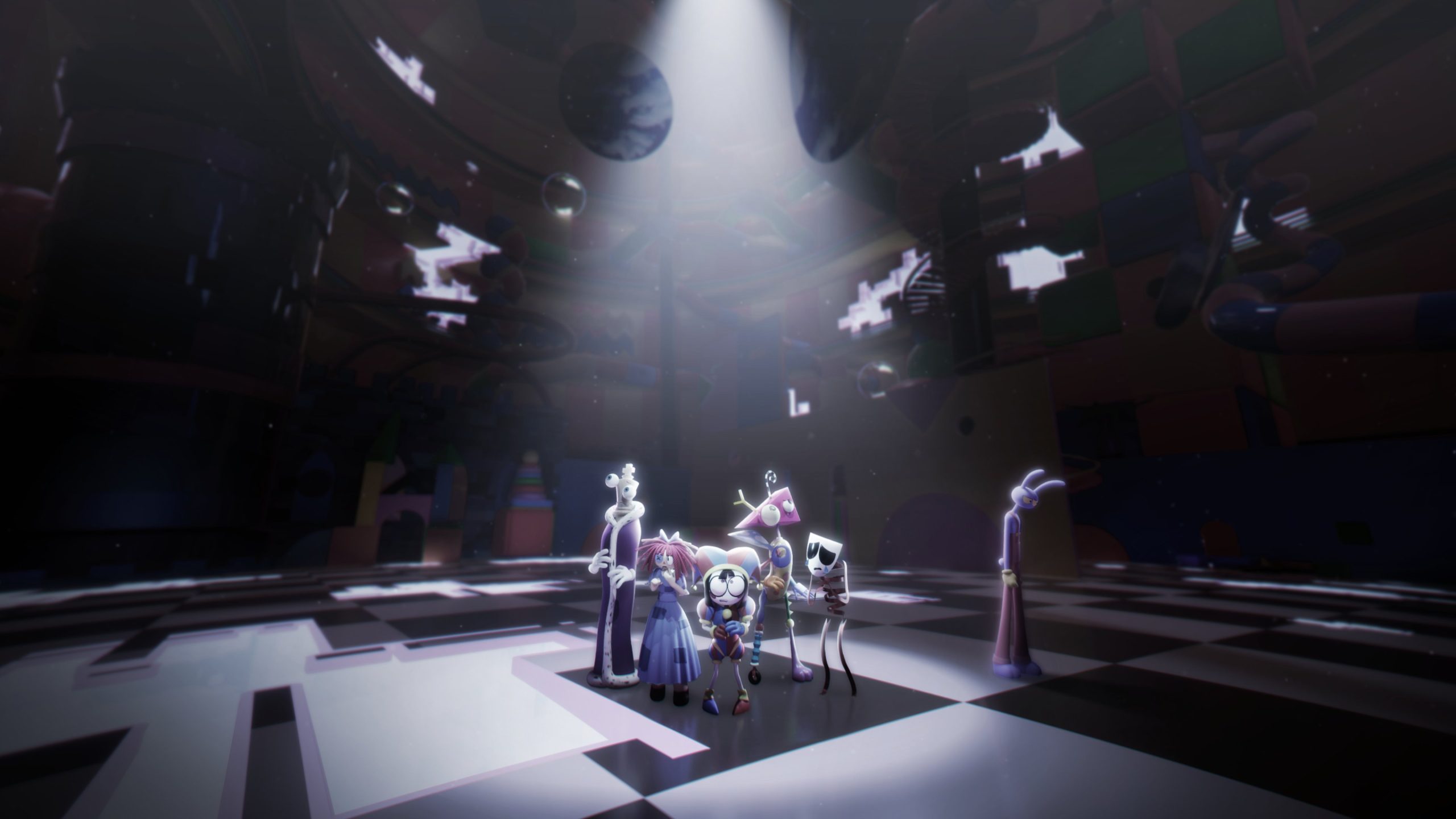
Image courtesy of Glitch Production
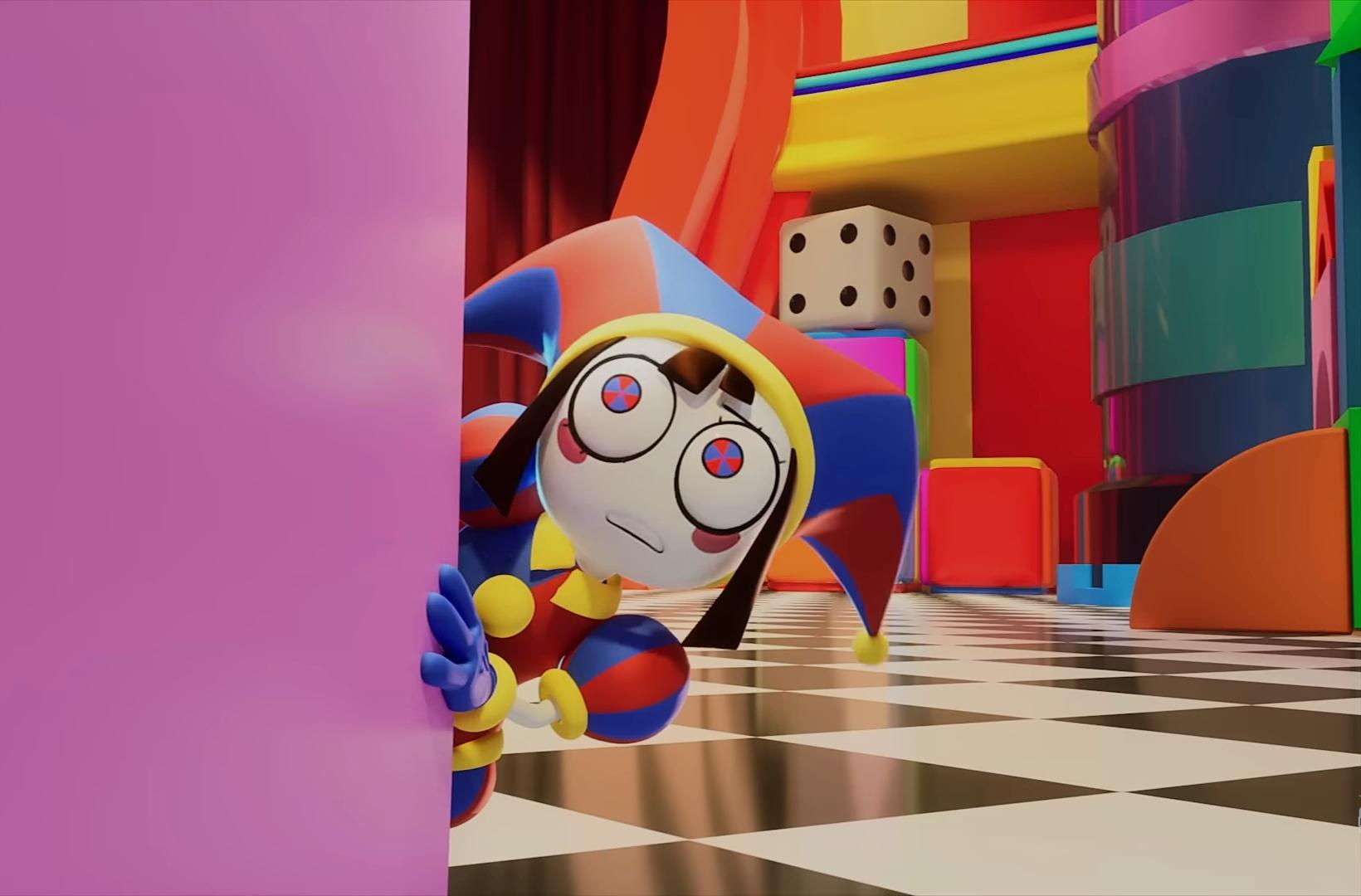
Image courtesy of Glitch Production
The younger Gen Alpha viewers watching The Amazing Digital Circus with uncomplicated delight may not read much into it. But a bearded kid like me sees something else. Both works stage an oxymoronic tension around Nietzsche’s pairing of seriousness and play. Perhaps becoming a bearded kid, someone who returns to play with real seriousness, is one way of becoming an adult after all. The disappointments and wounds we carry from childhood may mean that we never become the people we once imagined ourselves to be. As adults, then, play is no longer only about pleasure. Yet when that seriousness becomes excessive, play can also turn against us. It may begin to wound us in the same way that Captain Clark, a monster born from Clark’s own buried resentments and disappointments, eventually consumes him.